Cape Peninsula and Stellenbosch
From Cape Town, we begin a short road trip along the coast to the Cape Peninsula - this can be done comfortably in 2 days. We also visit the wine region around Stellenbosch,...

Published: 09.04.2025
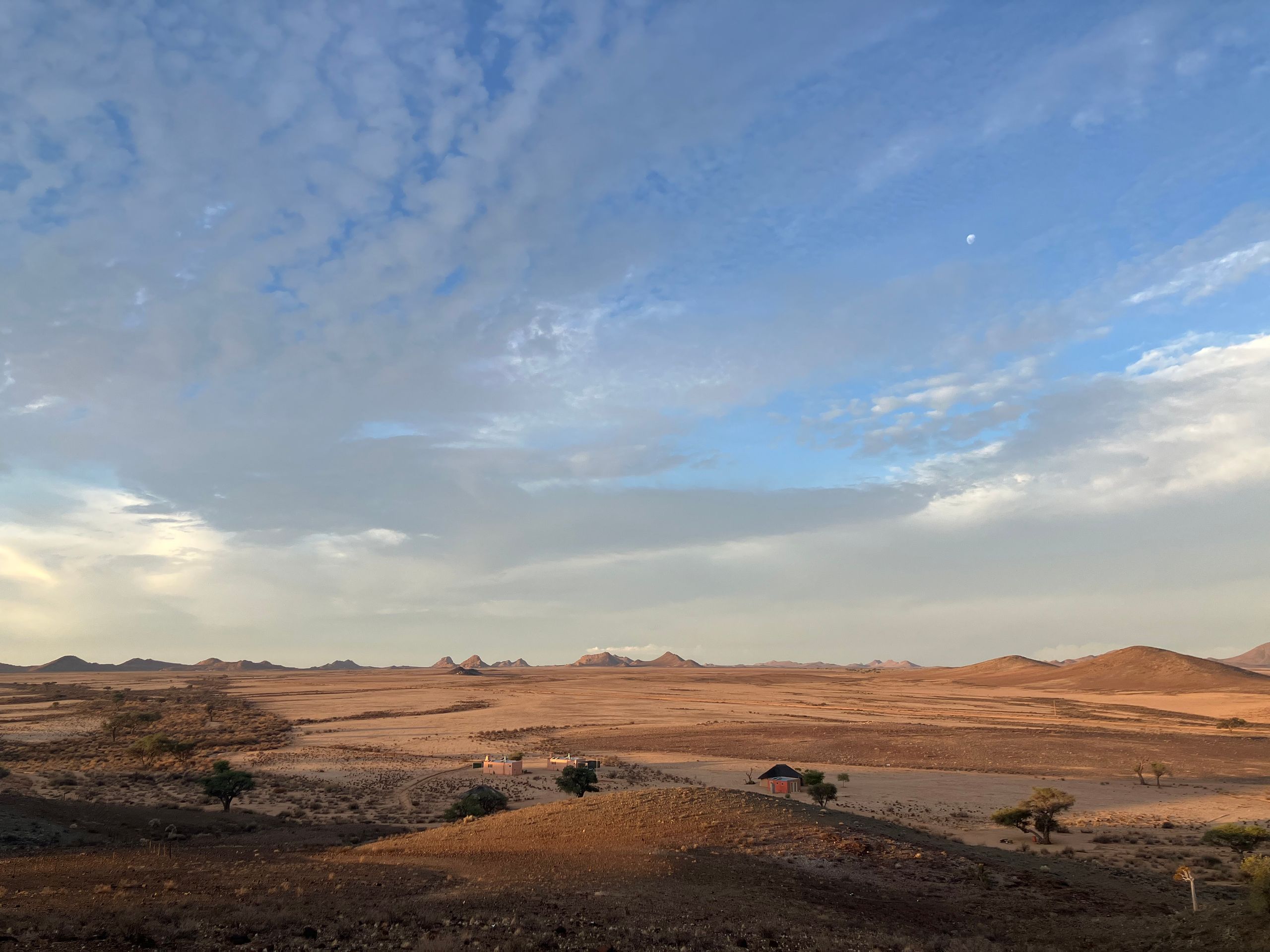
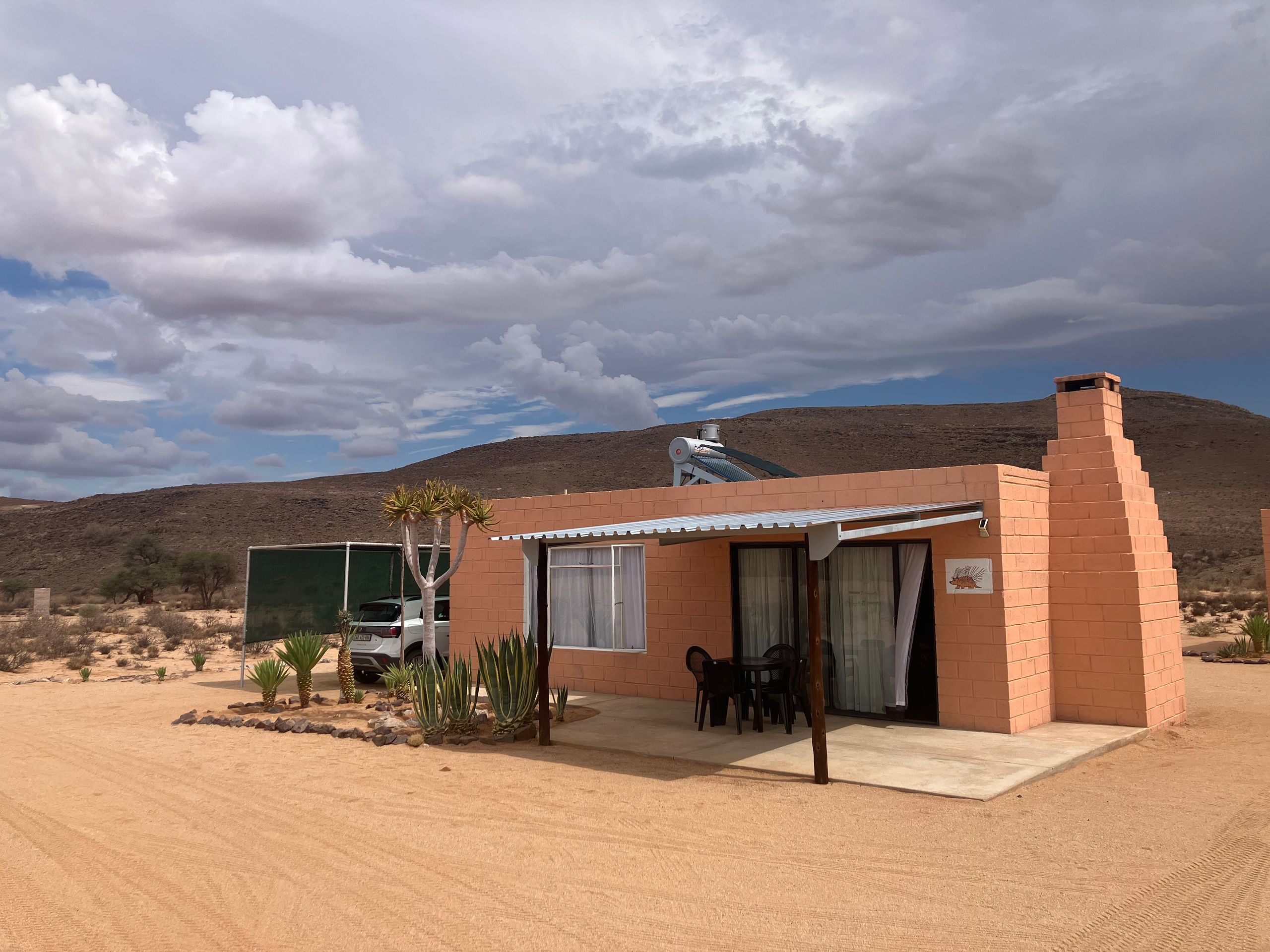
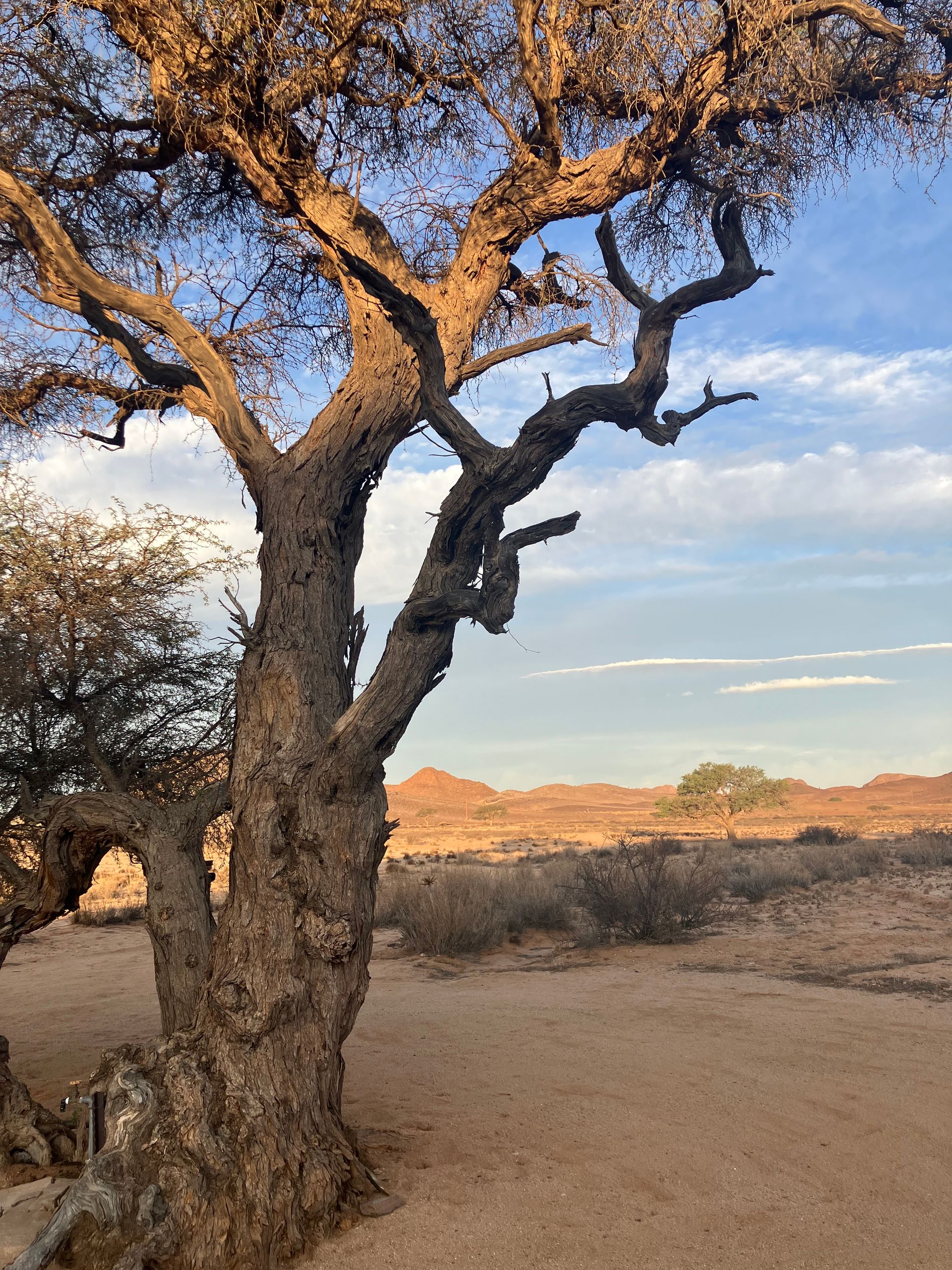
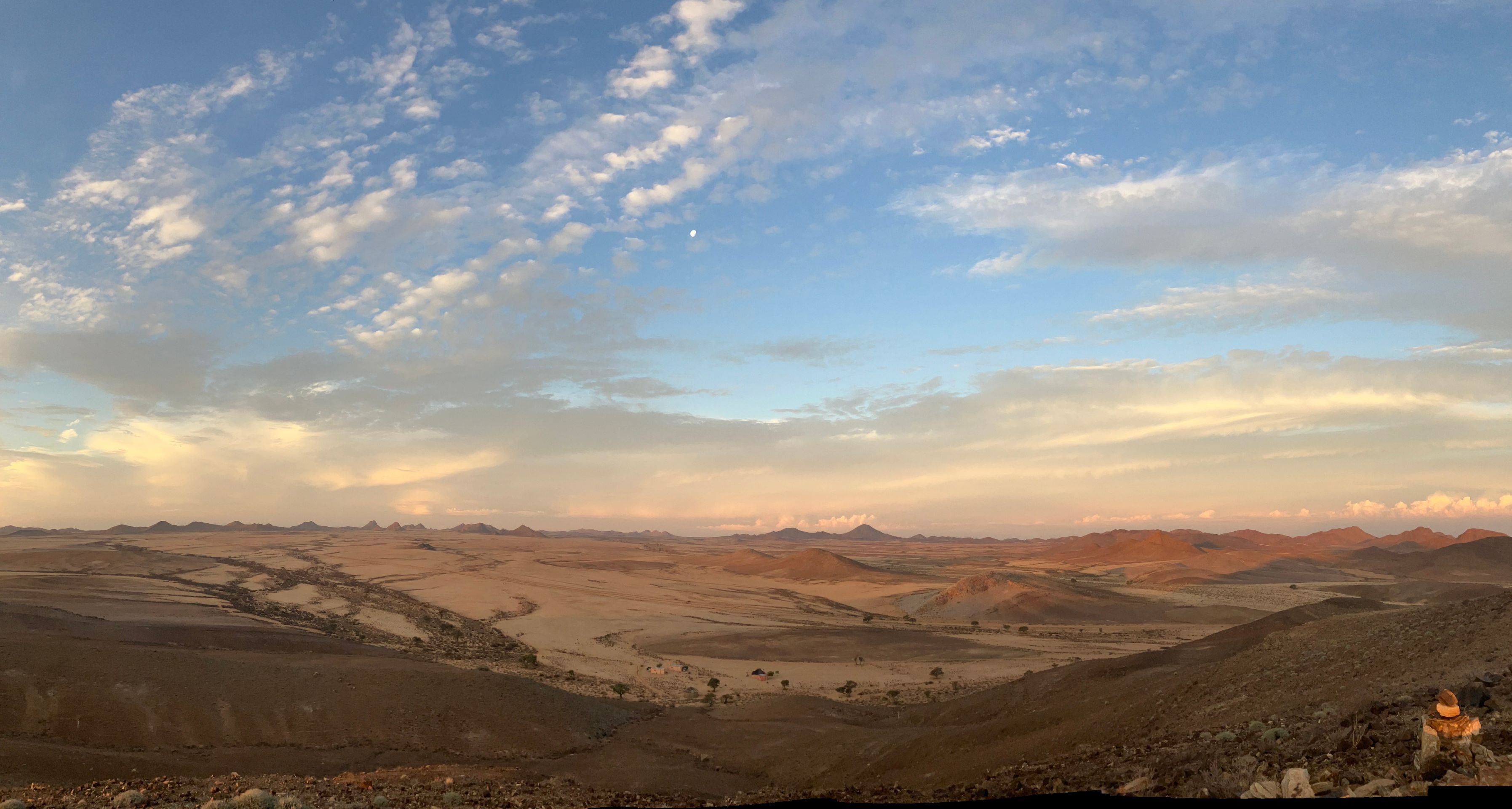
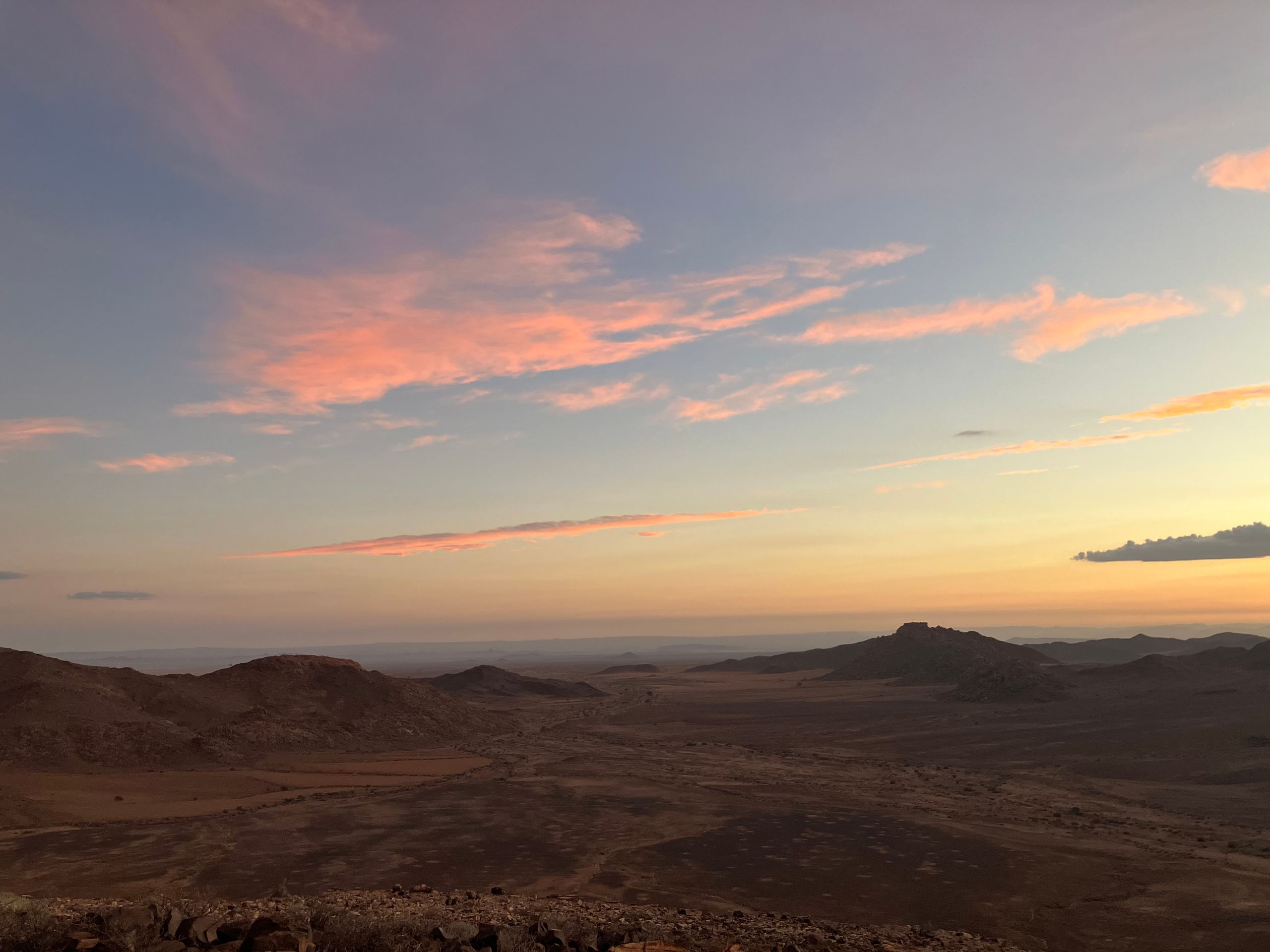
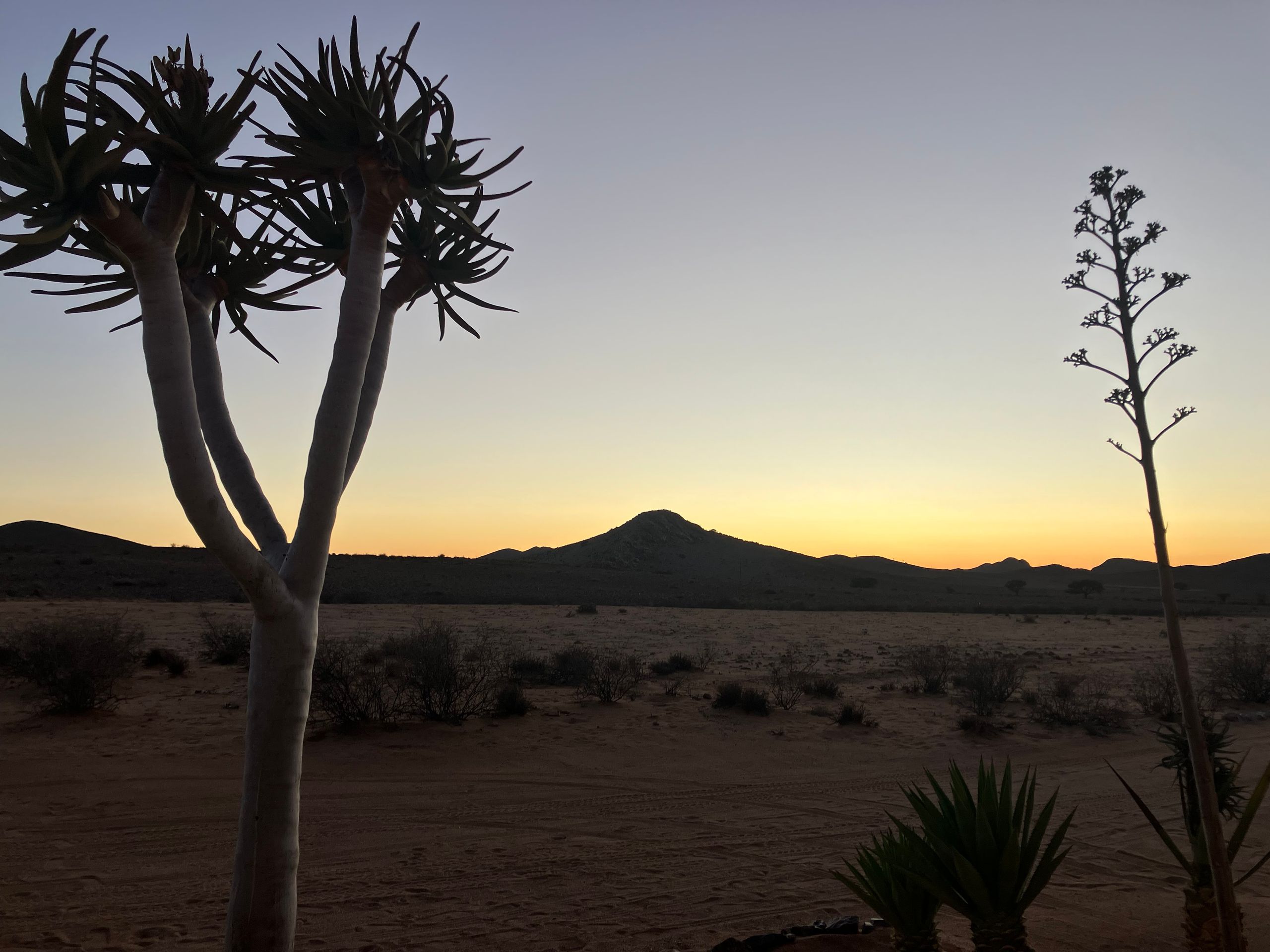
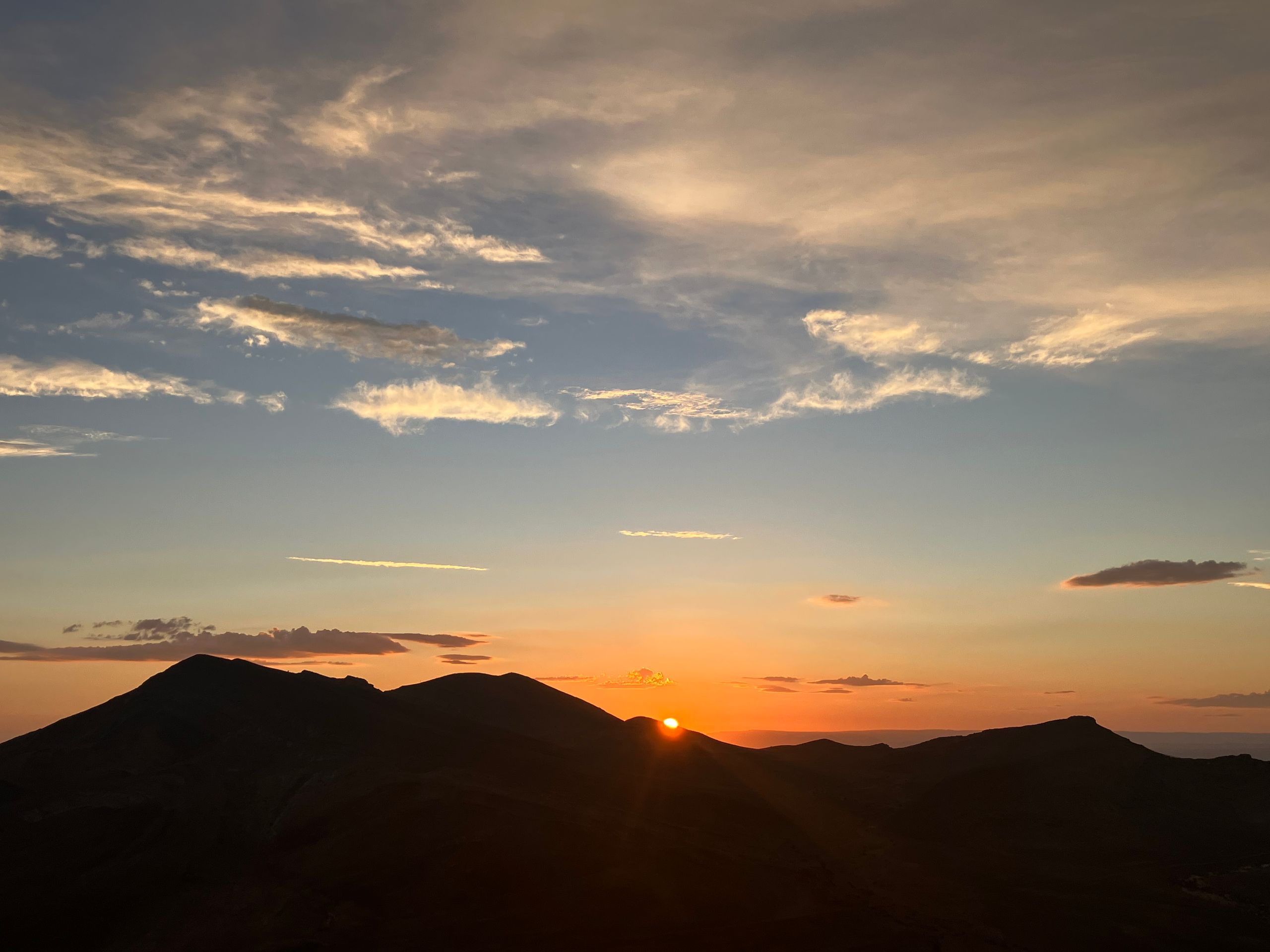
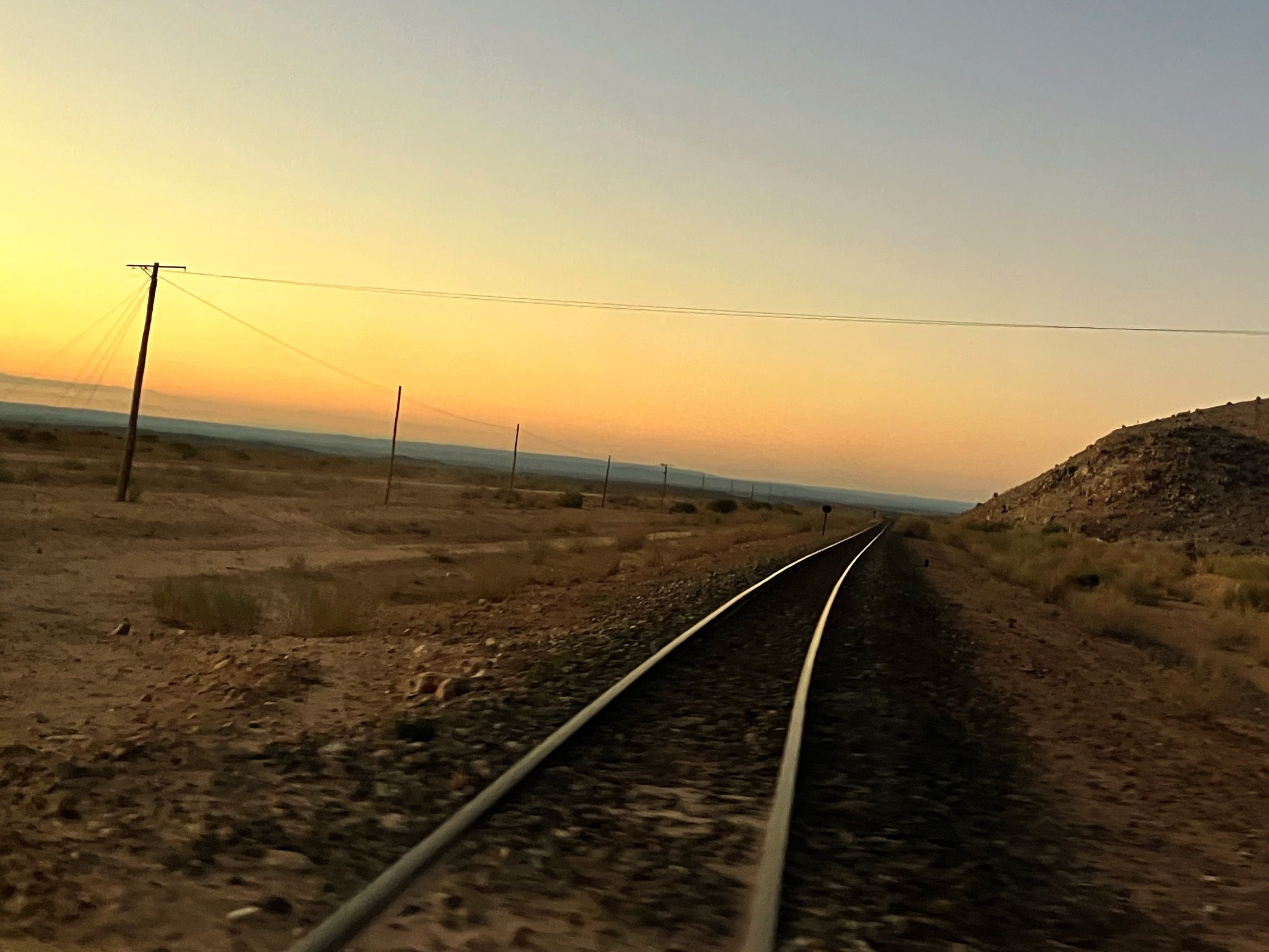
Endless expanses, epochal nature, wild animals. After Mongolia, Namibia is the second least populated country in the world. With just under 3 million inhabitants, it has an area more than twice the size of Germany. Most people live in the few cities and in the greener regions to the north.
Namibia's history continues to shape the country to this day. Especially tragic: At the beginning of the 20th century, the German colonial power committed a genocide against the Herero and Nama in the former German colony. After World War I, Namibia was placed under South African administration and experienced a long period of oppression during apartheid. Since 1990, the country has been independent. More about the country's past in the subsequent reports!
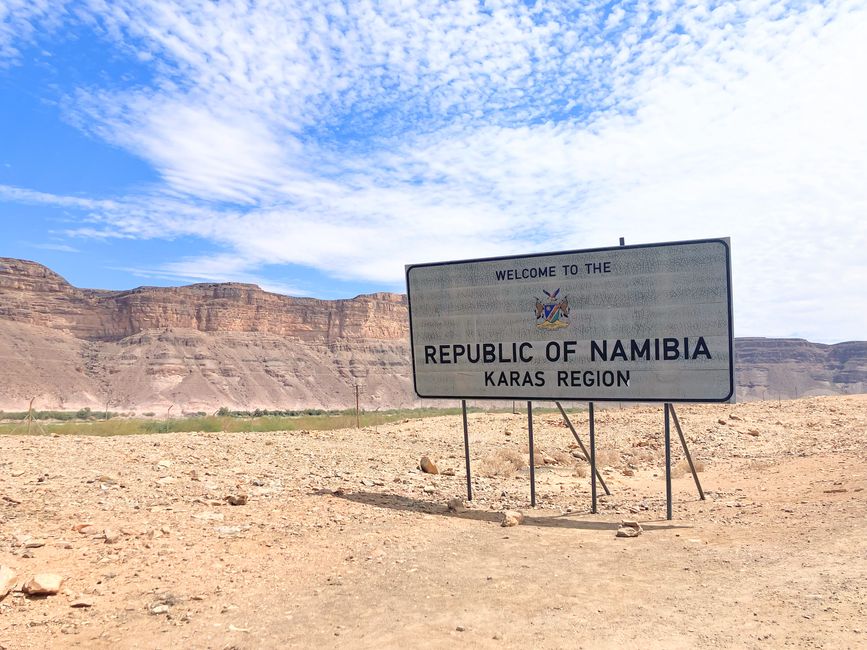
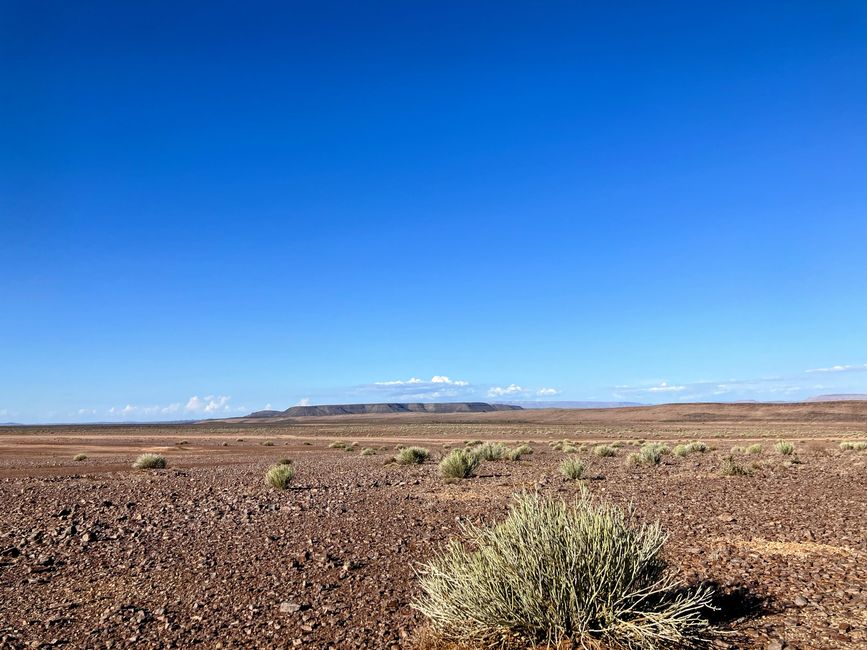
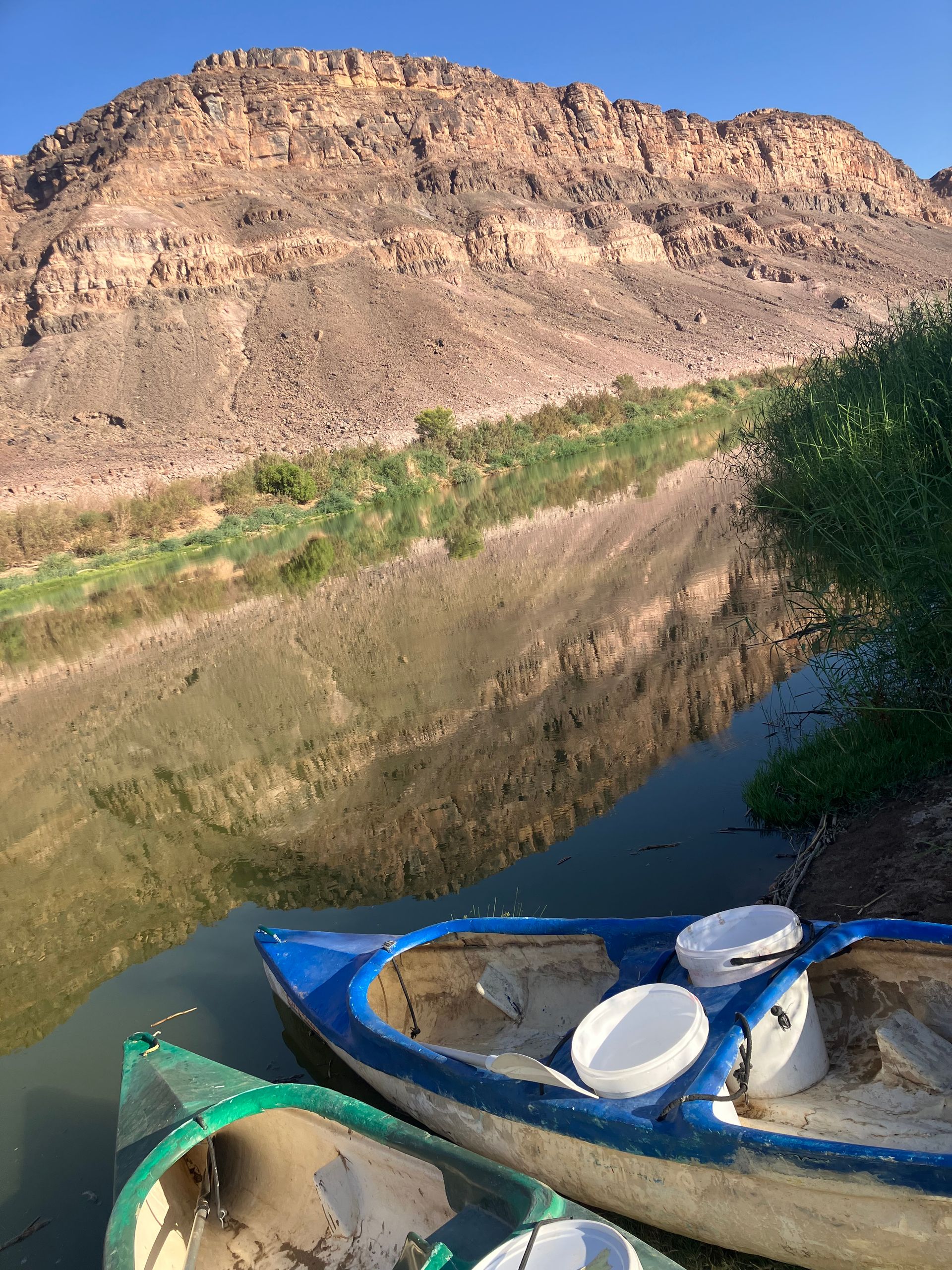
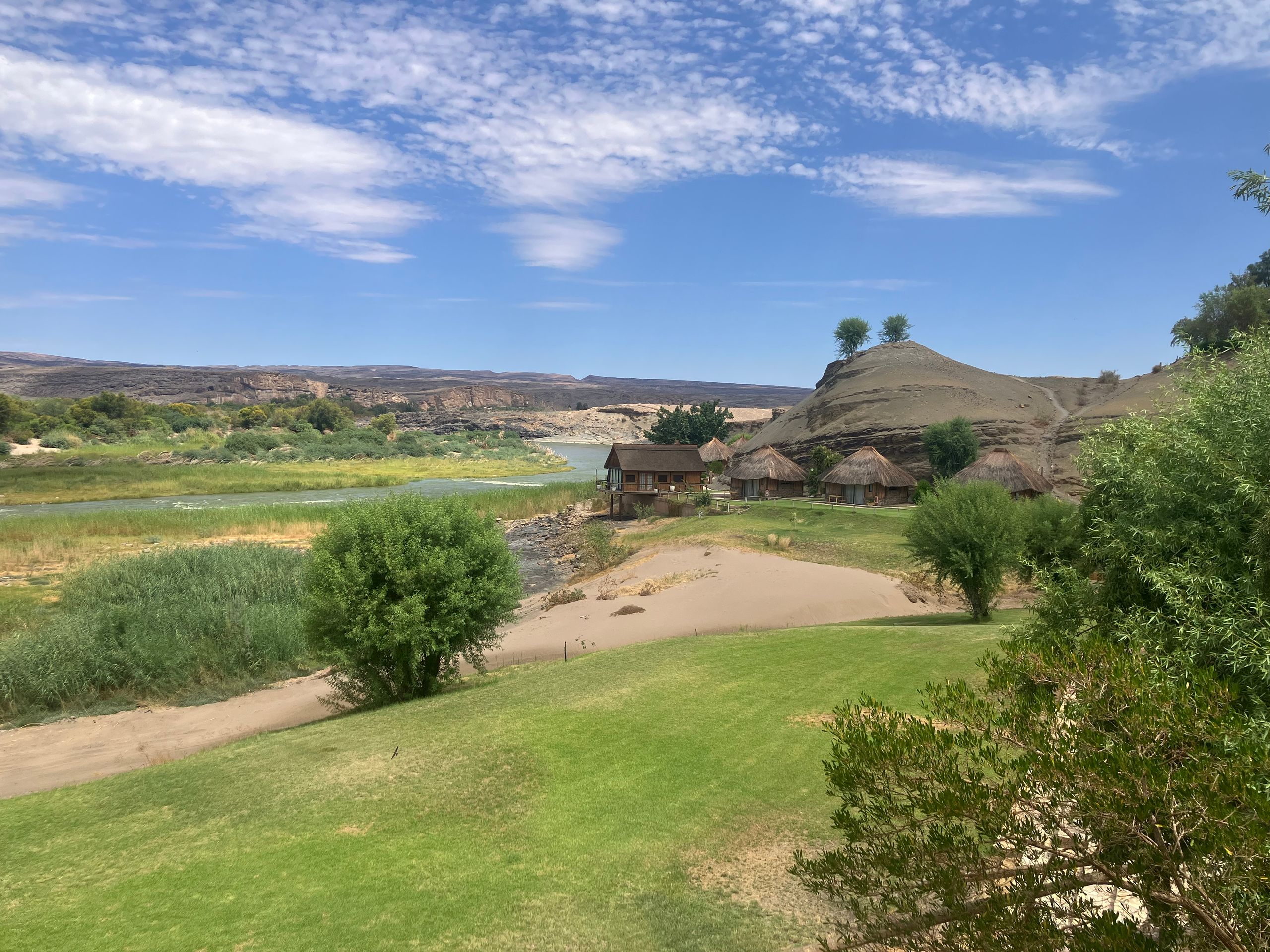
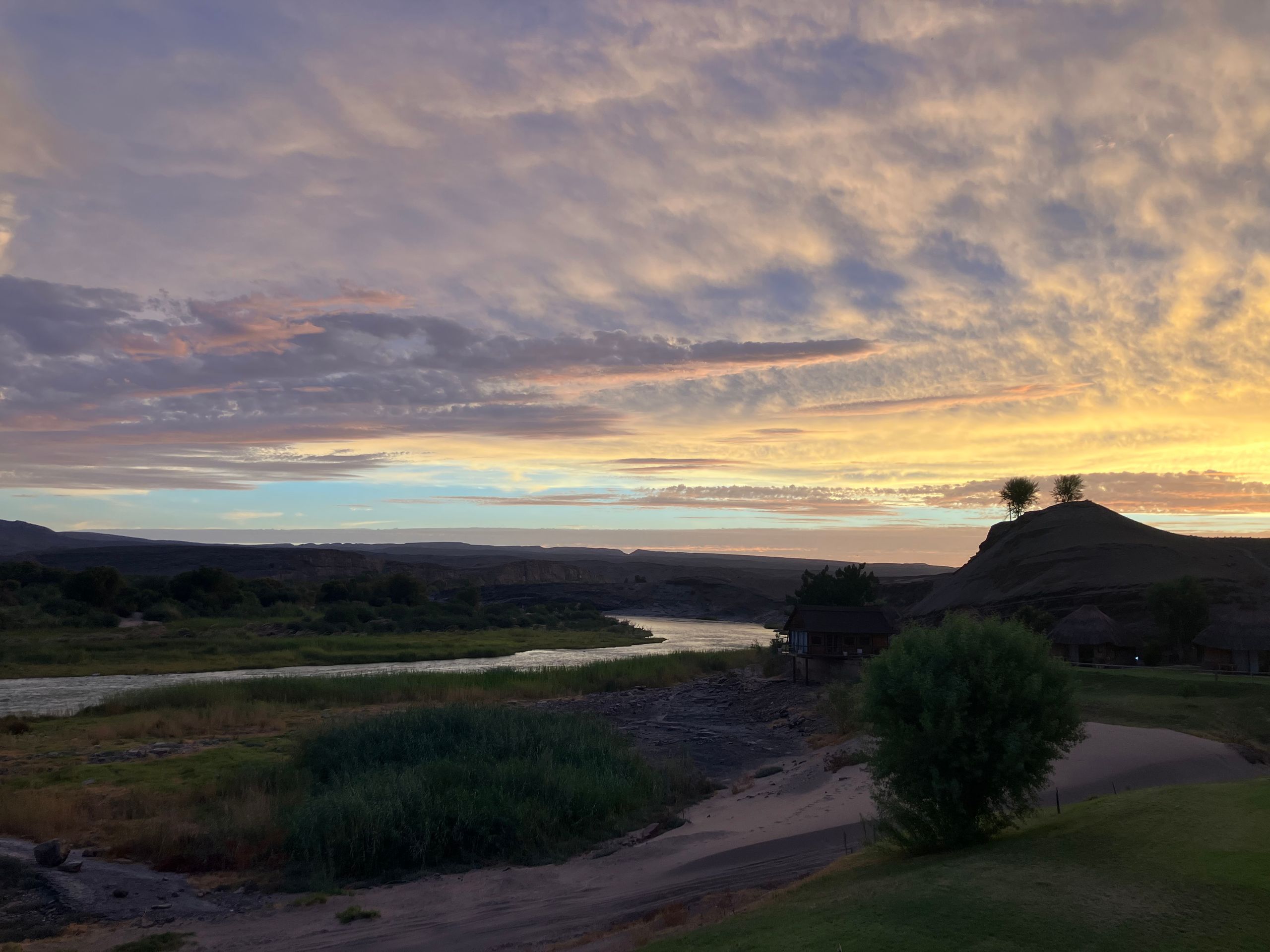
In the border area, the Oranje River (also Orange River) separates Namibia from South Africa. A thin green band runs along the river, but otherwise, everything here is barren and dust-dry. The region is characterized by extreme drought! There are years when not a single drop of rain falls. This makes regular agriculture almost impossible.
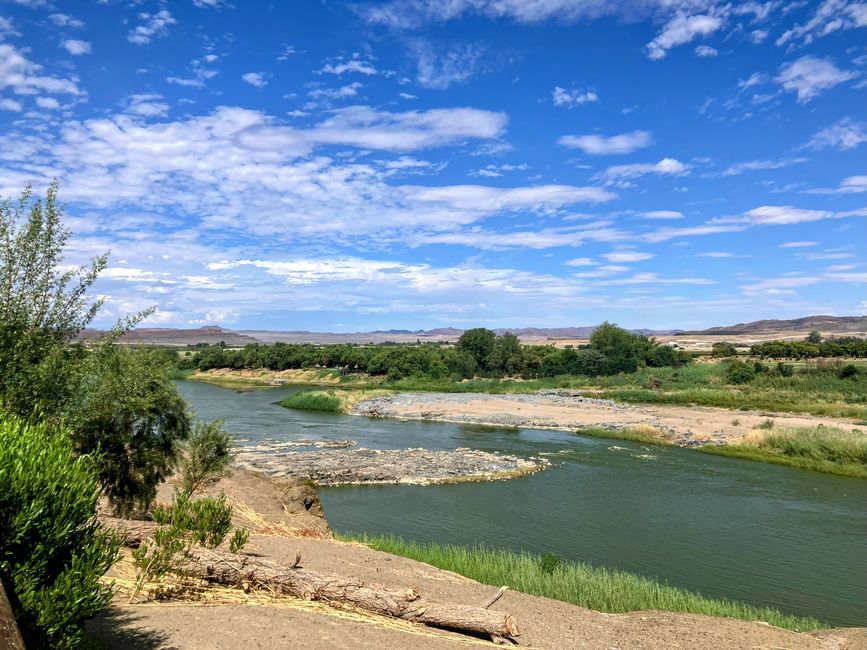
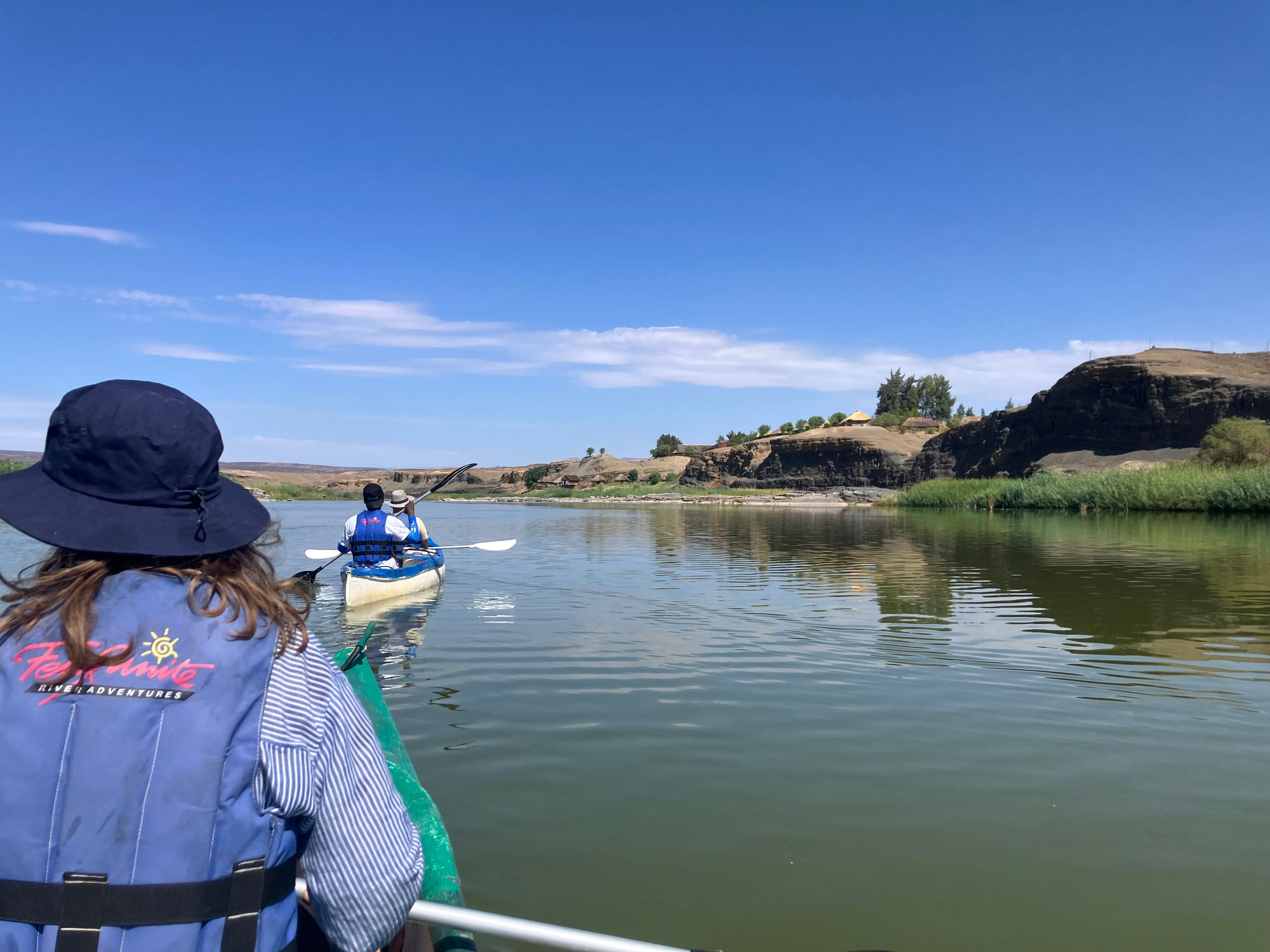
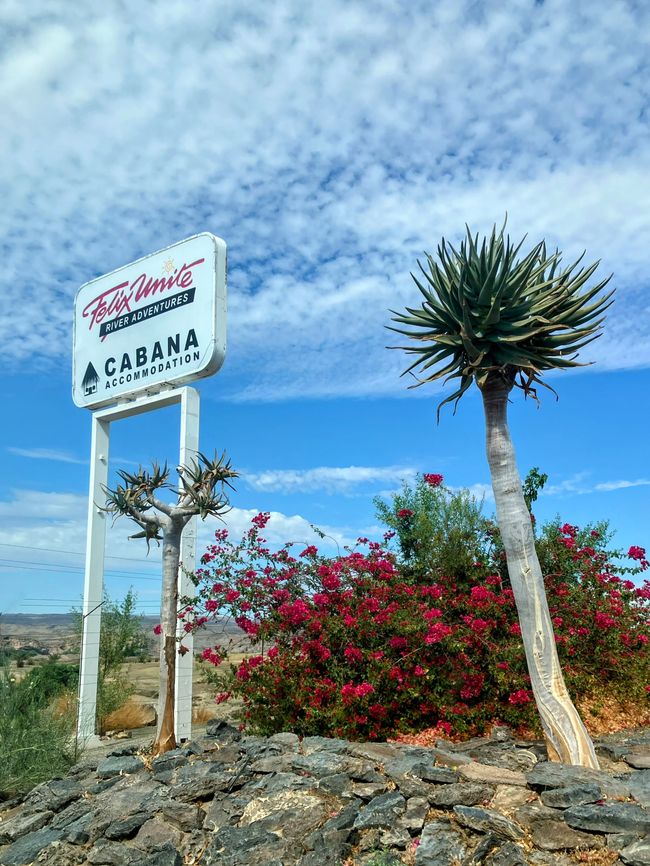
We start our adventure in a beautiful accommodation by the riverside: Felix Unite. From here, we want to take a canoe tour on the Orange River.
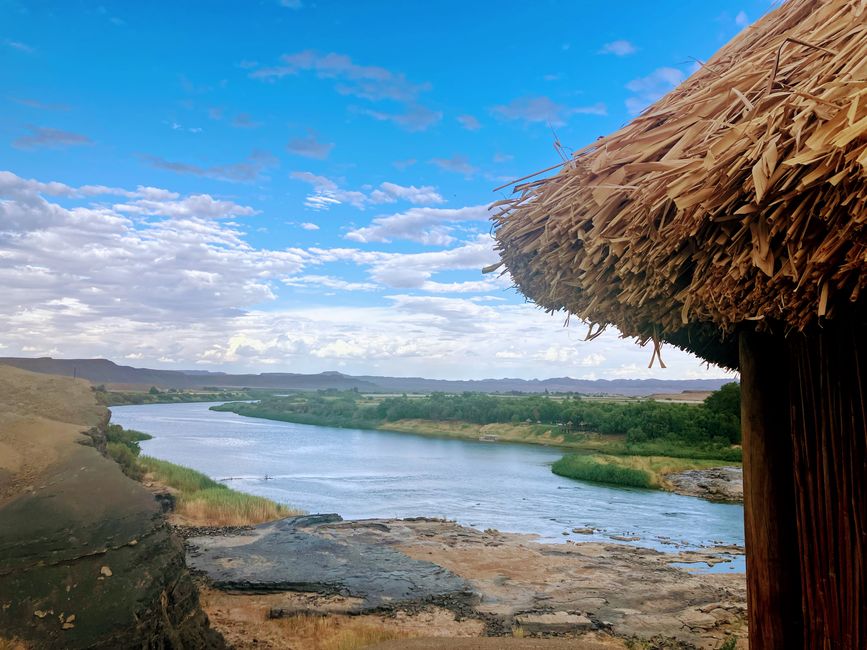
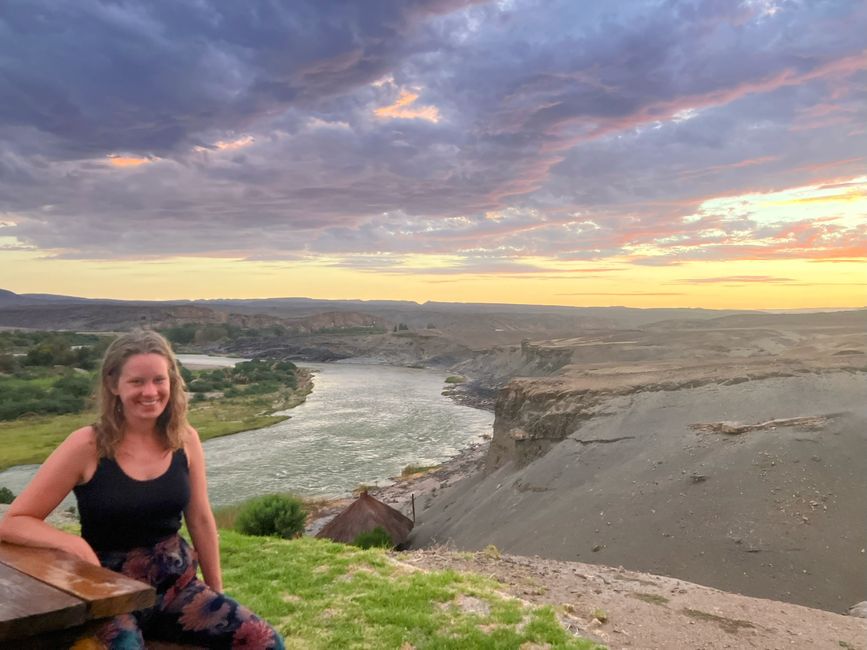
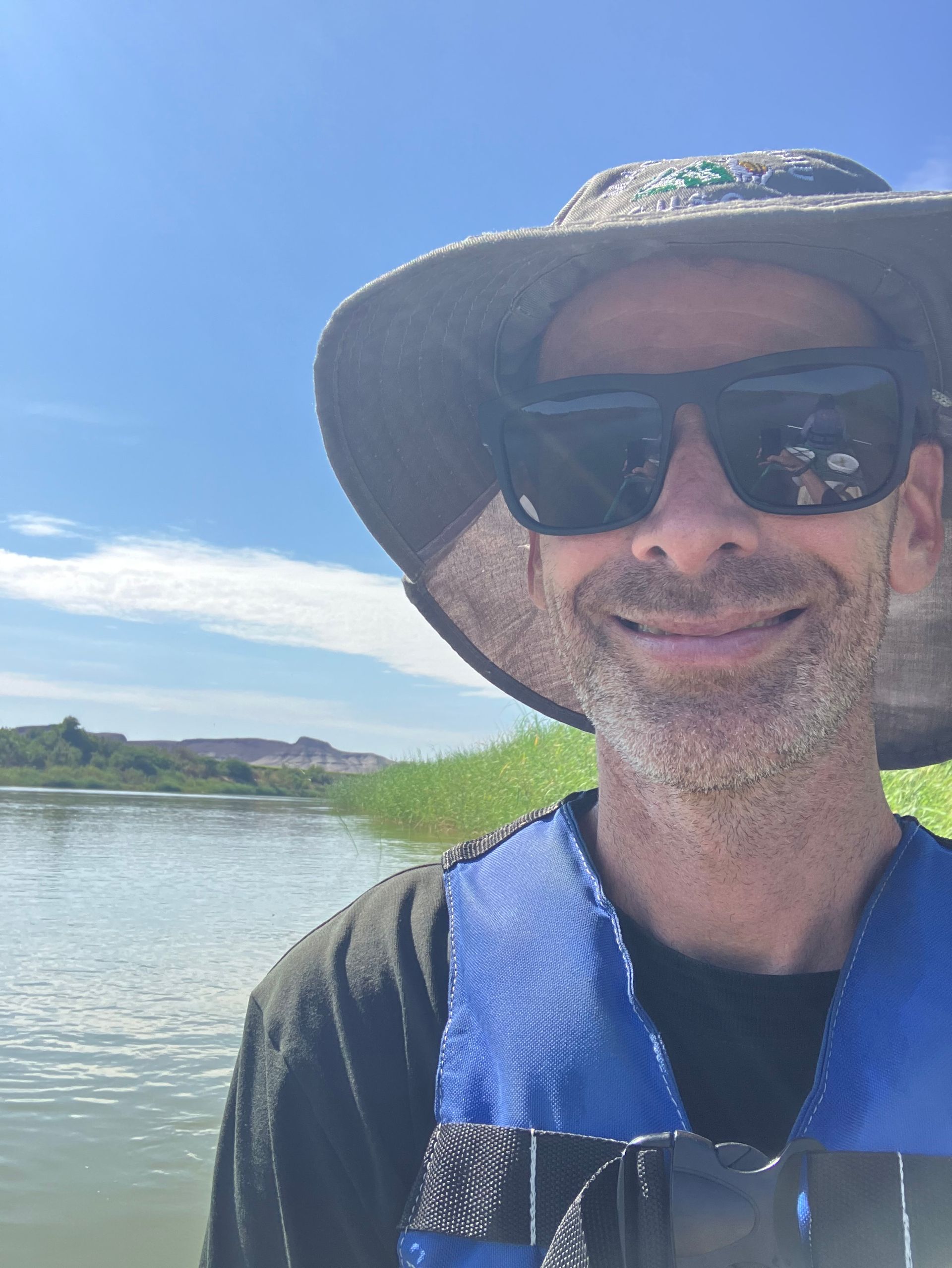
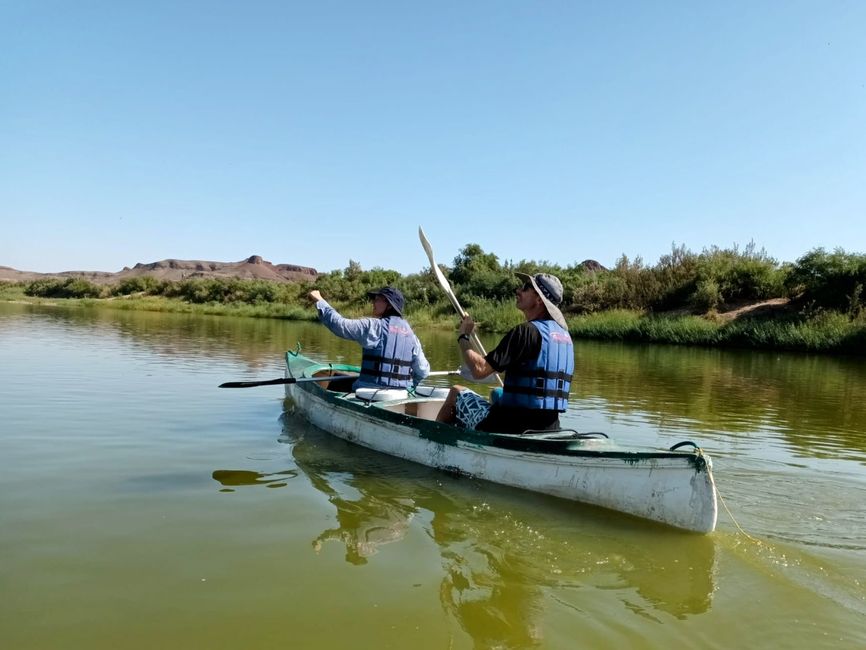
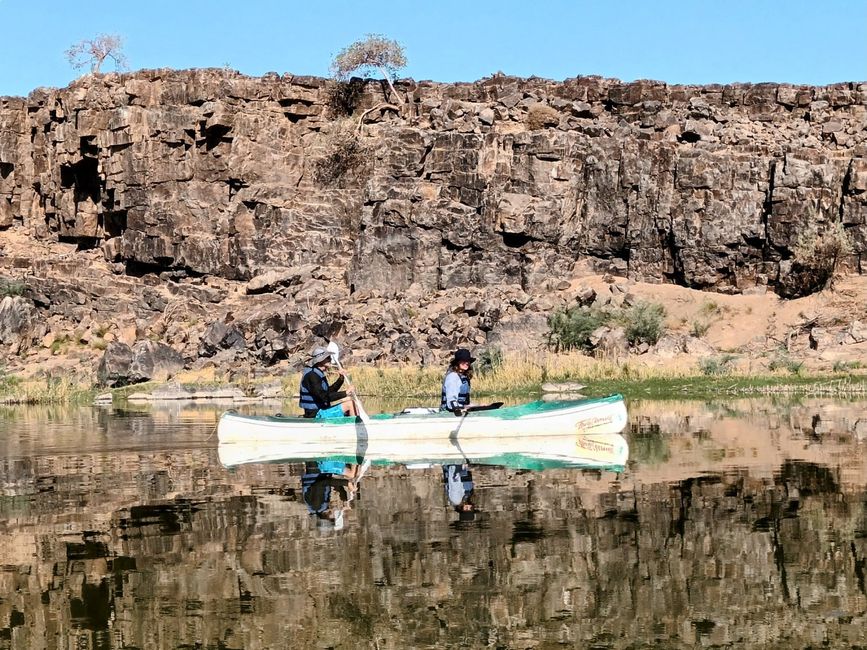
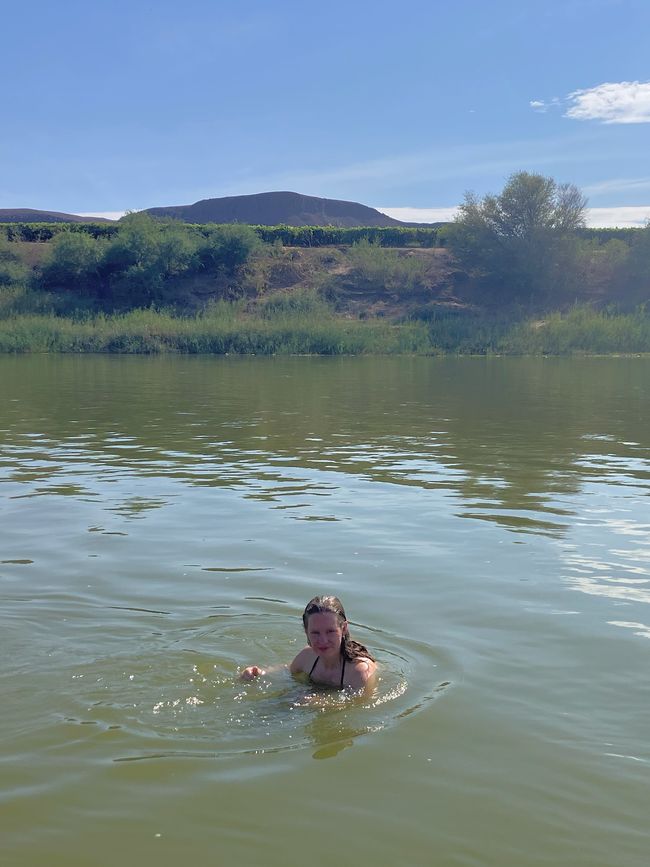
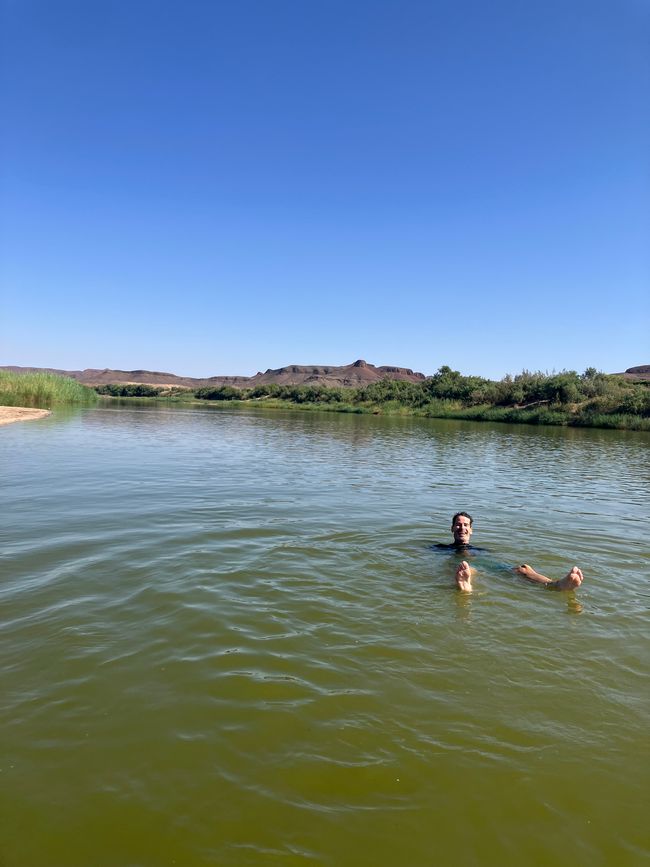
In the canoe, we glide down the Oranje River for several hours. The panorama in the border area is incredible! Thanks to the gentle current, we can even take a quick dip in the warm river water 😊
Next, we stop at the secluded Bremen farm. The owner is a German-speaking Namibian who gives us valuable tips. We will encounter farmers with German roots more often on our journey. They also tell us more about the living conditions in Namibia.The widely scattered farmhouses have to provide for themselves completely. Thanks to solar power, electricity works. Freshwater is obtained from deep wells. The nearest supermarket can be several hours away.
We are lucky! Right on the property of Bremen farm, we can enjoy the beautiful landscape with a short walk, WOW!
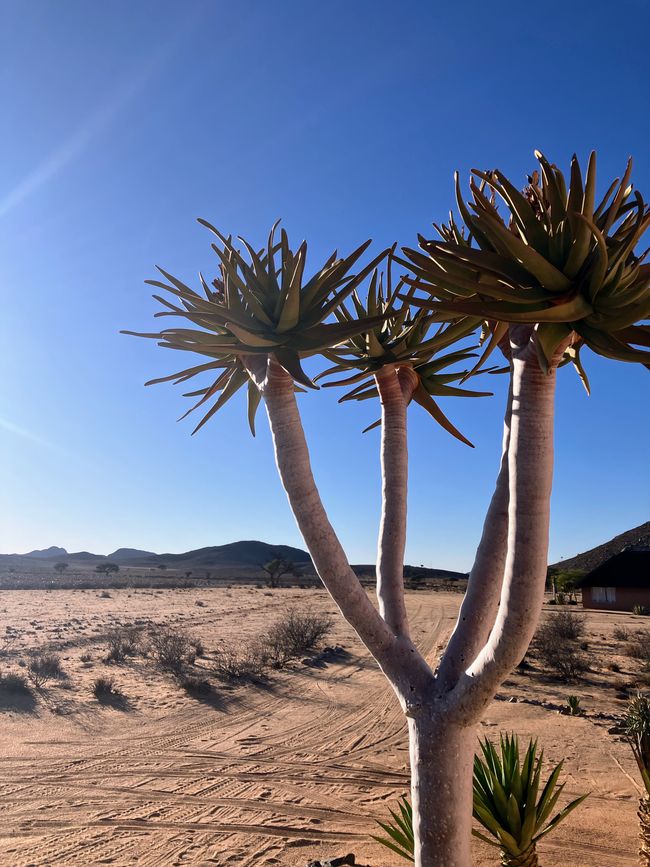
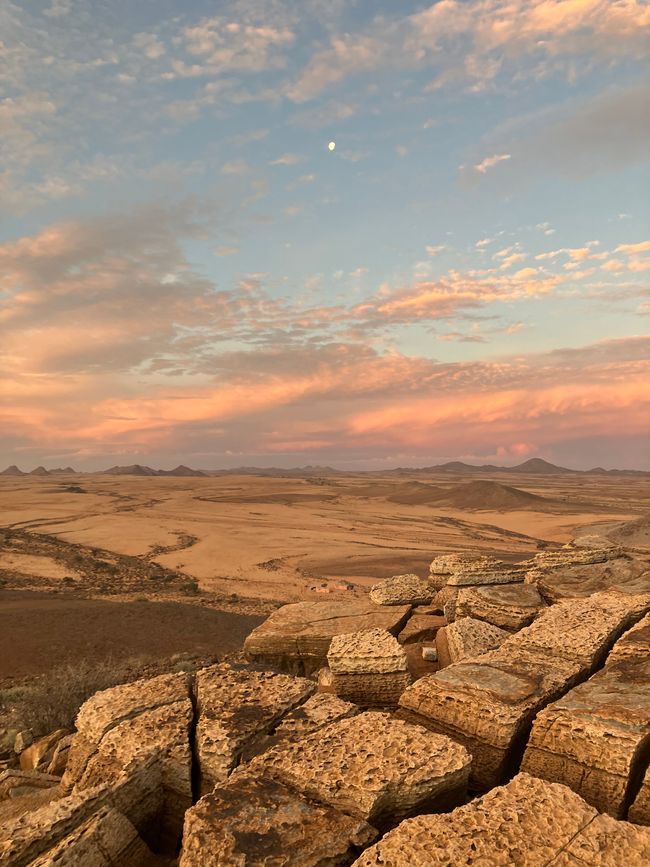
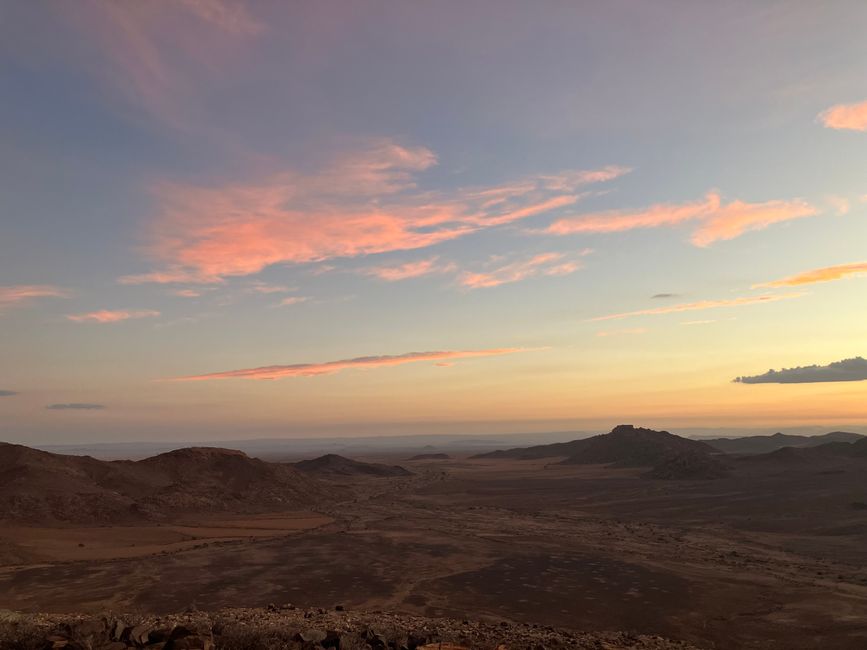
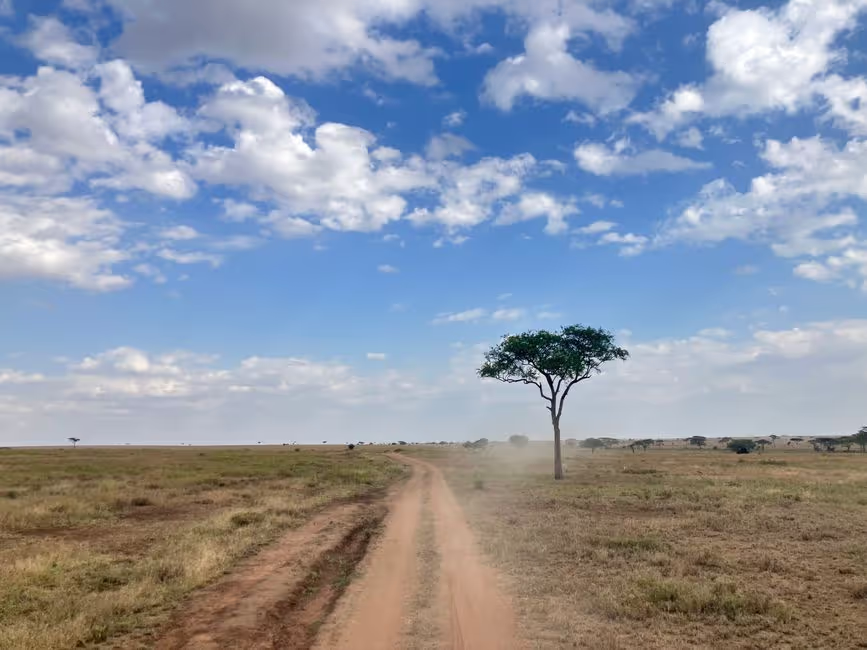
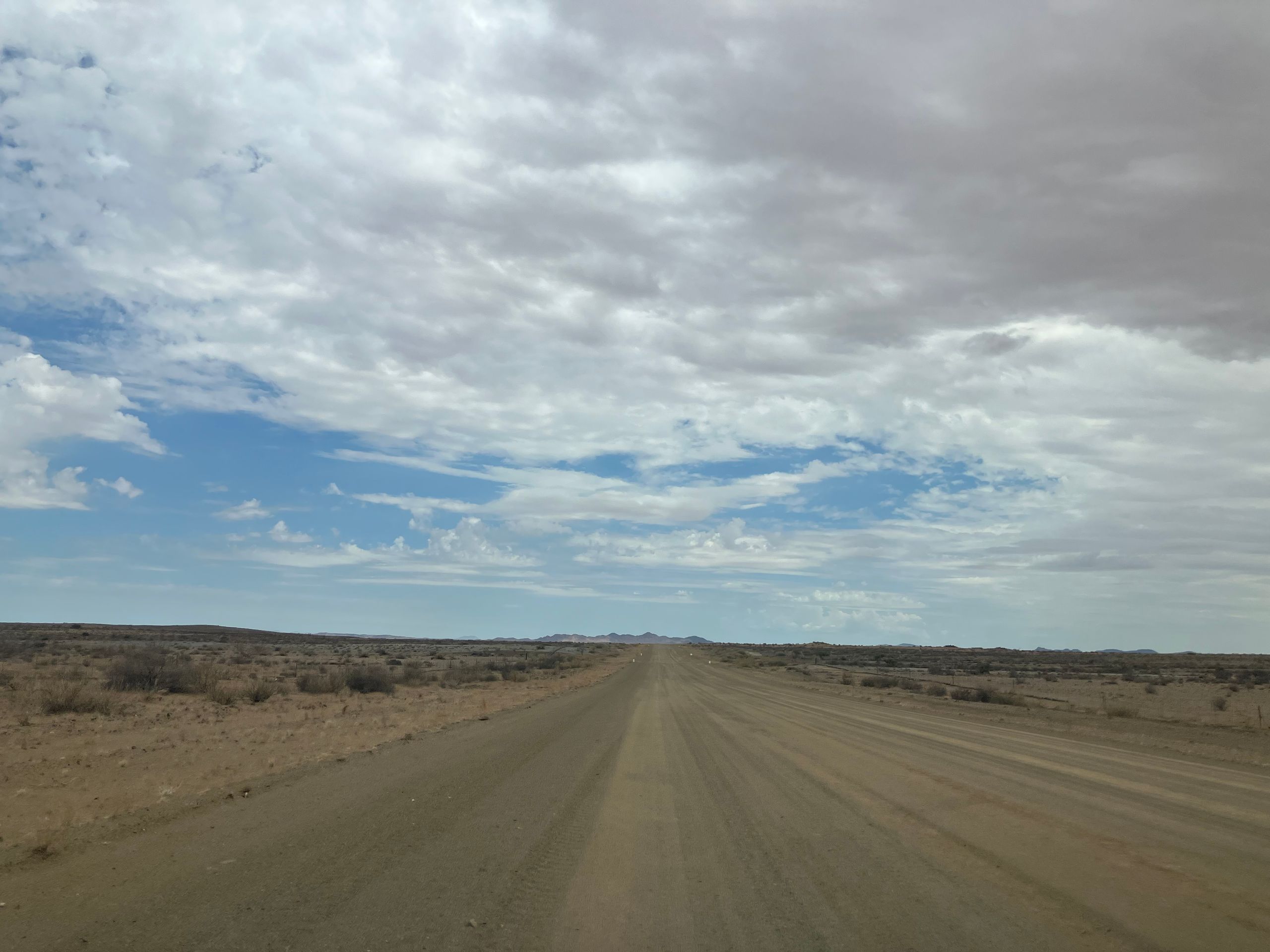
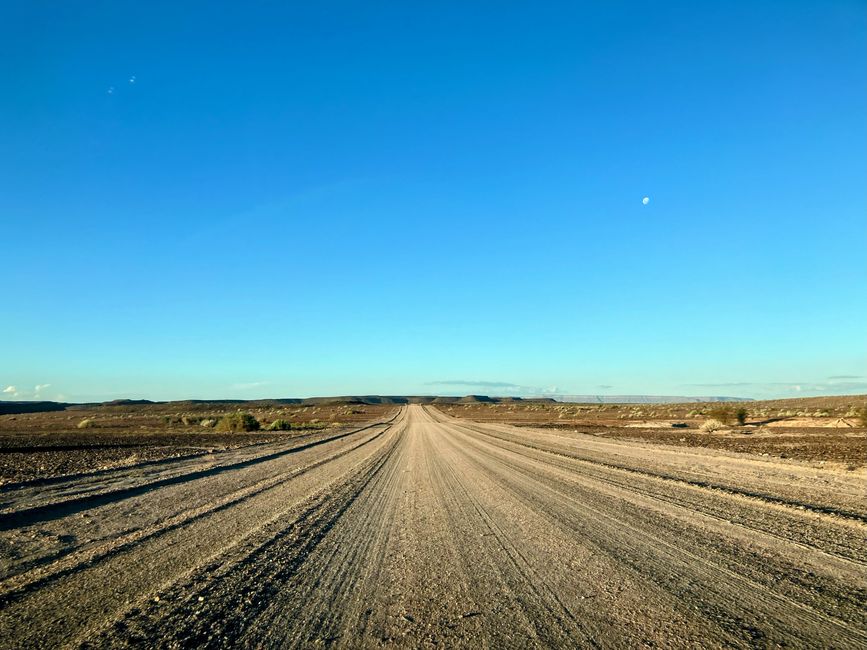
We continue deeper into the country. Besides a few highways, the roads are not made of asphalt but consist solely of gravel and sand tracks. Our rented SUV from Cape Town is considered small in Namibia; in Cologne, it would be more like a large car 😆
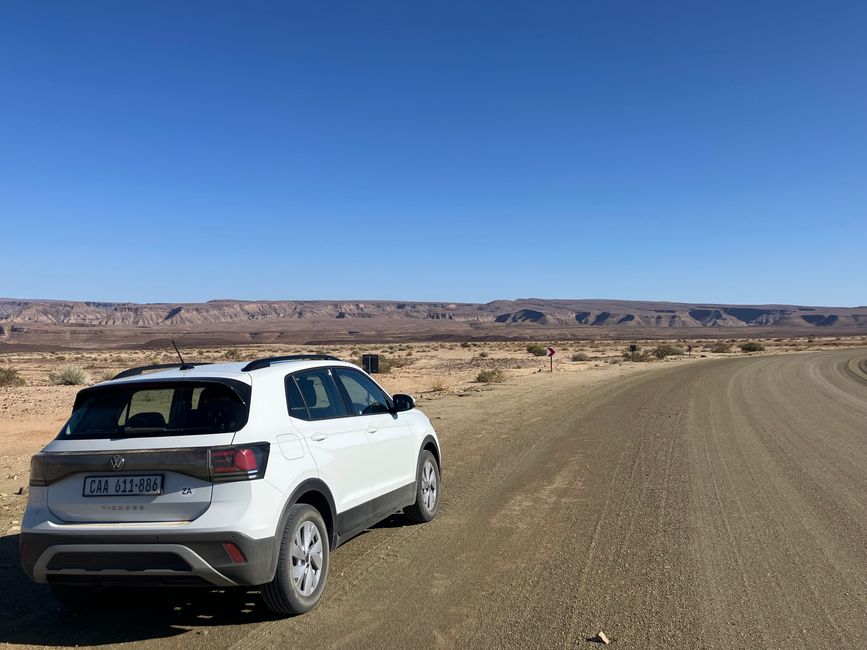
4WD is the measure of all things here! With few exceptions, we make good progress with two-wheel drive, but in sandy washouts and muddy river crossings, it can be a bit thrilling. Most accidents here occur due to human error. On washboard roads, cars can spin out and flip over at the roadside…
Many tourists travel with a hefty off-road vehicle with a roof tent and have everything one could wish for to cook. Because besides a few usually expensive accommodations, there are generally no restaurants on site. Self-sufficiency is therefore absolutely necessary. Those who prefer comfort and have a few thousand to spare can also spend the night in a luxurious lodge with full-service. We try to save money and therefore always book with cooking options and have basics for cooking with us.
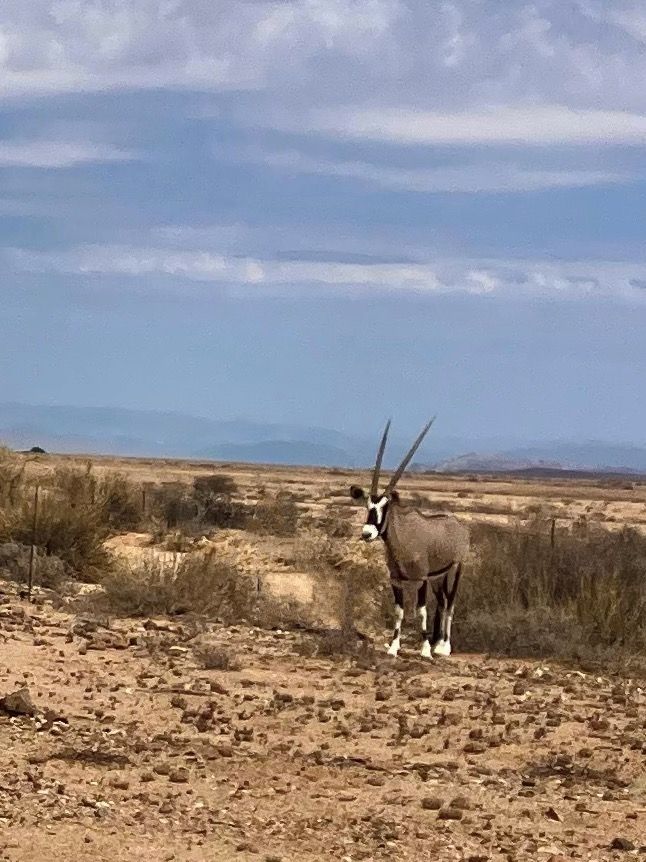
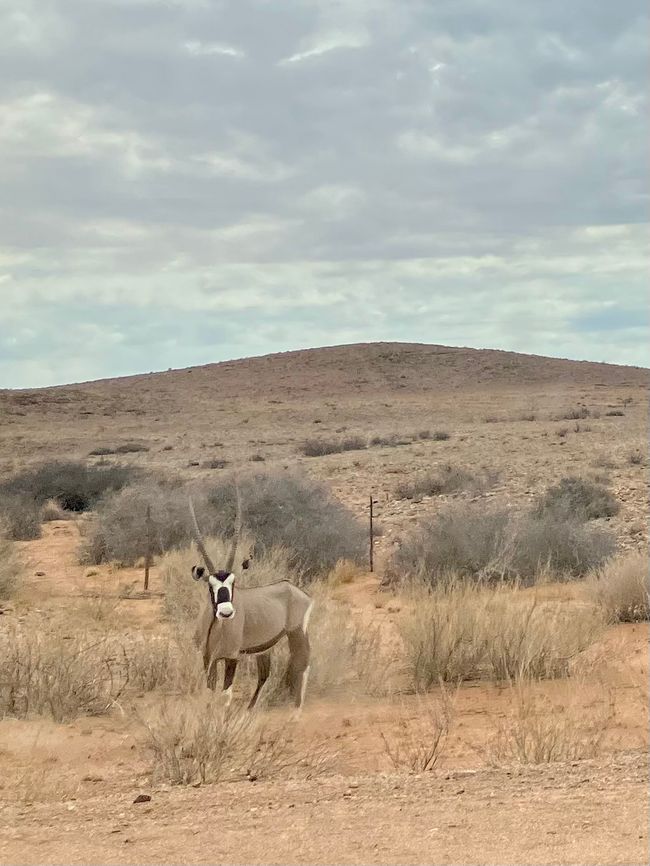
Quite quickly, we also spot individual Oryx antelopes beside the road on our drive. It is Namibia's national animal, also called the springbok. The powerful animals have adapted optimally to desert-like conditions - an Oryx can go weeks without water, absorbing moisture from the plants it eats.
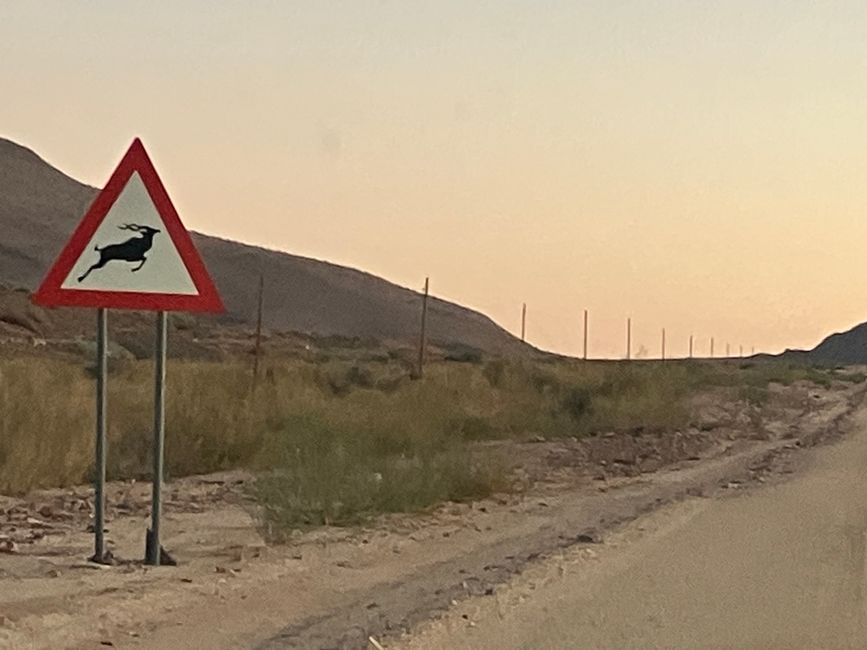
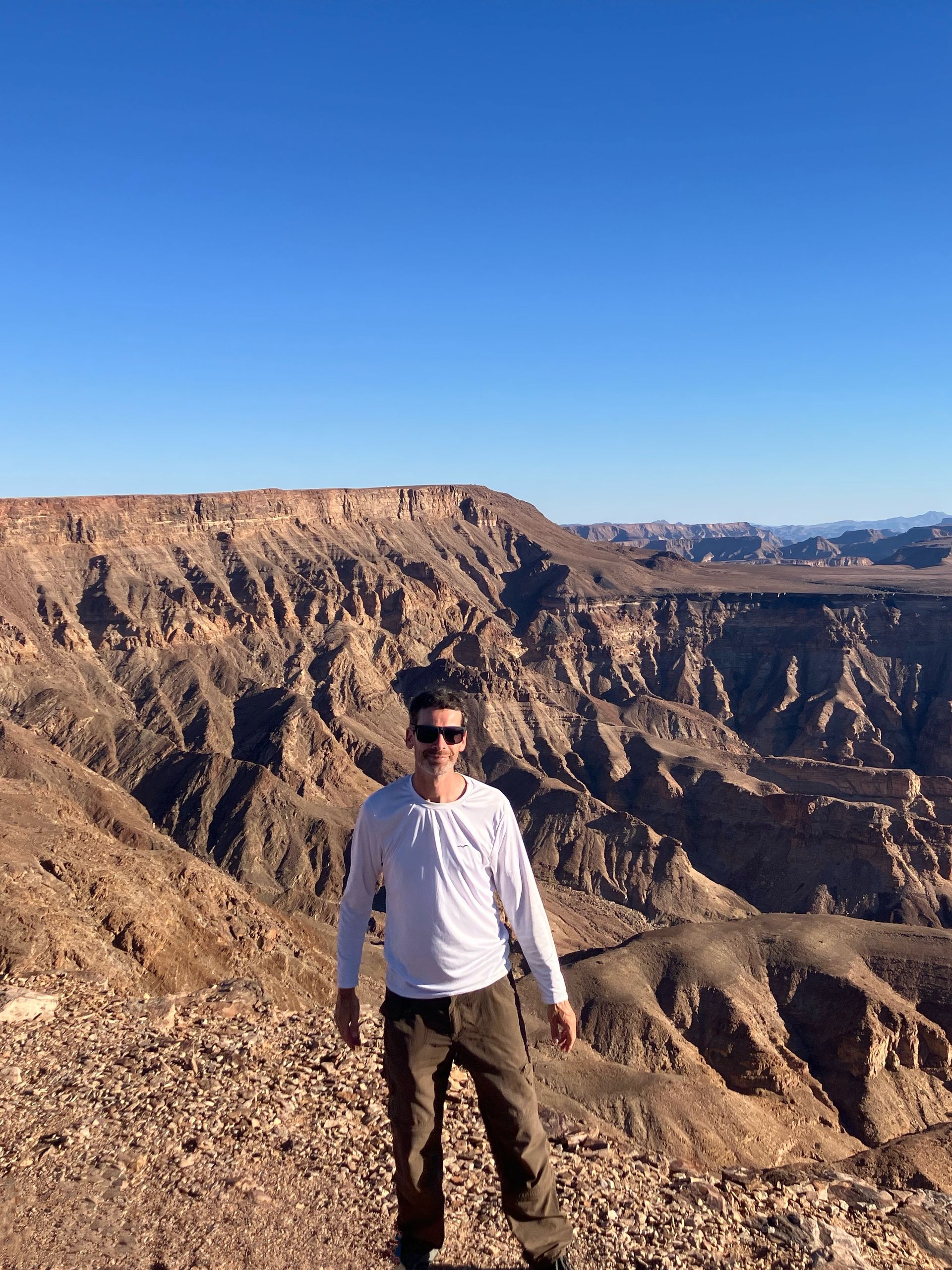
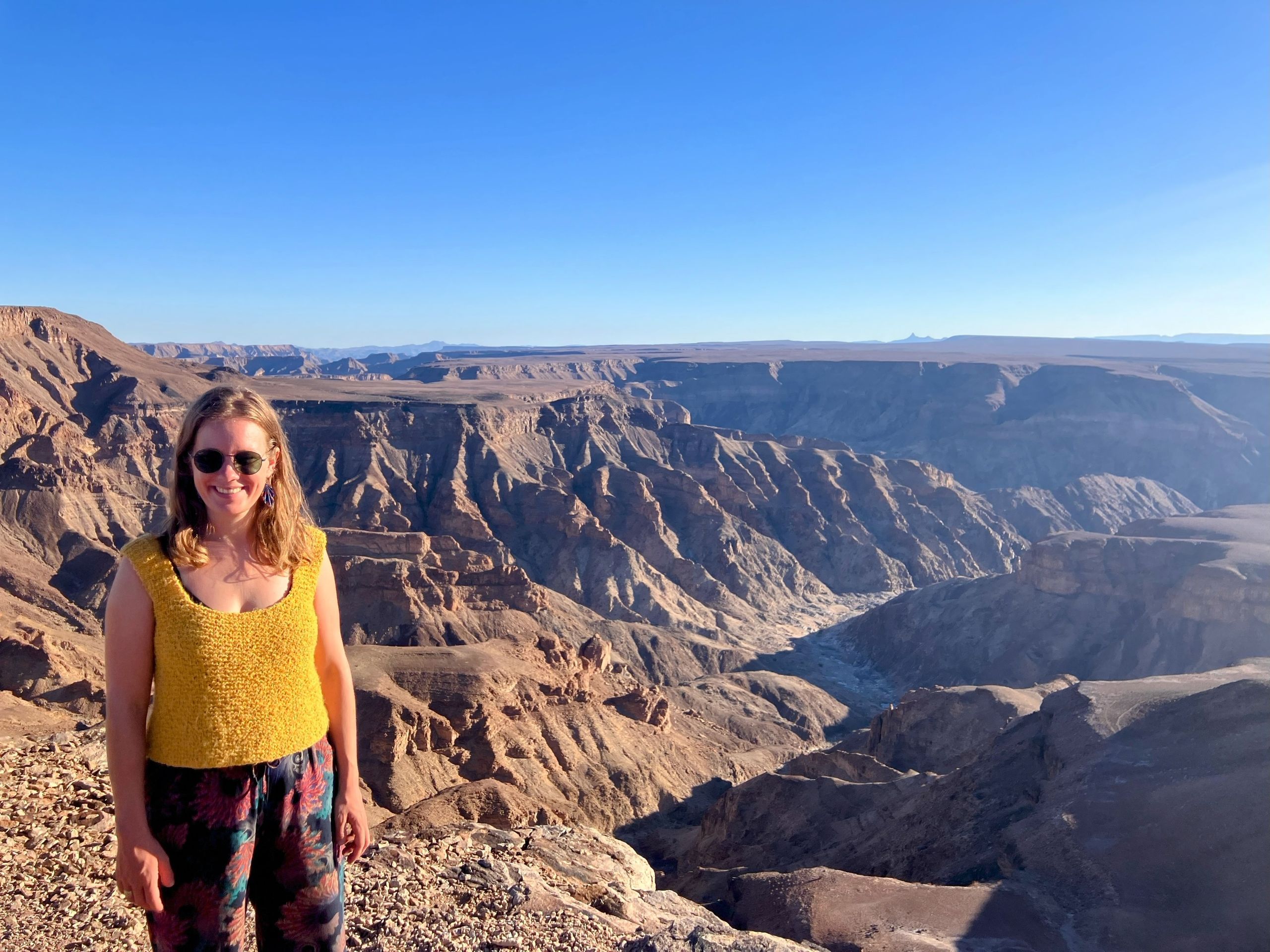
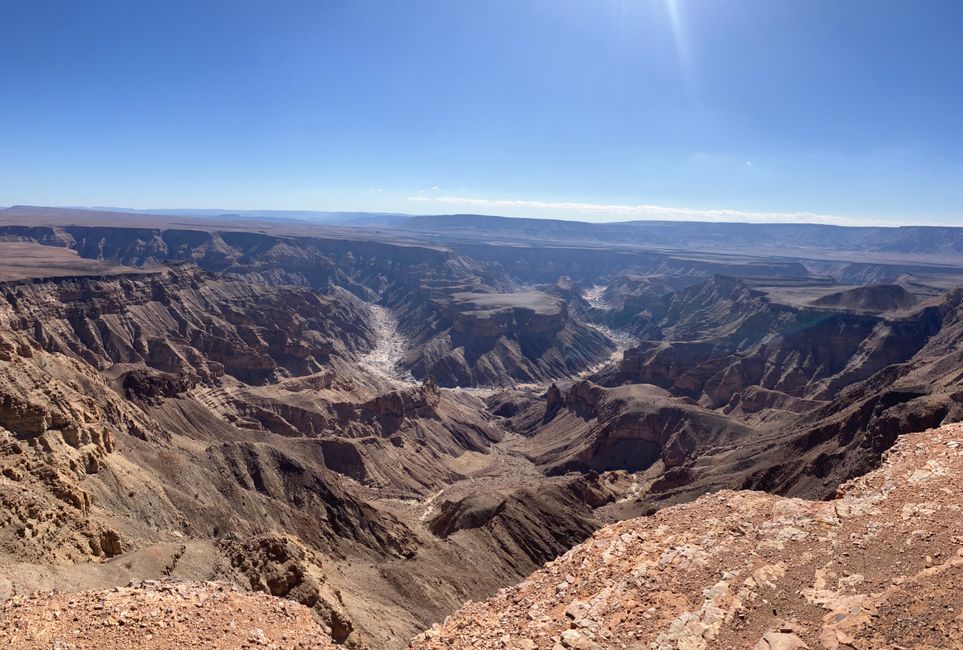
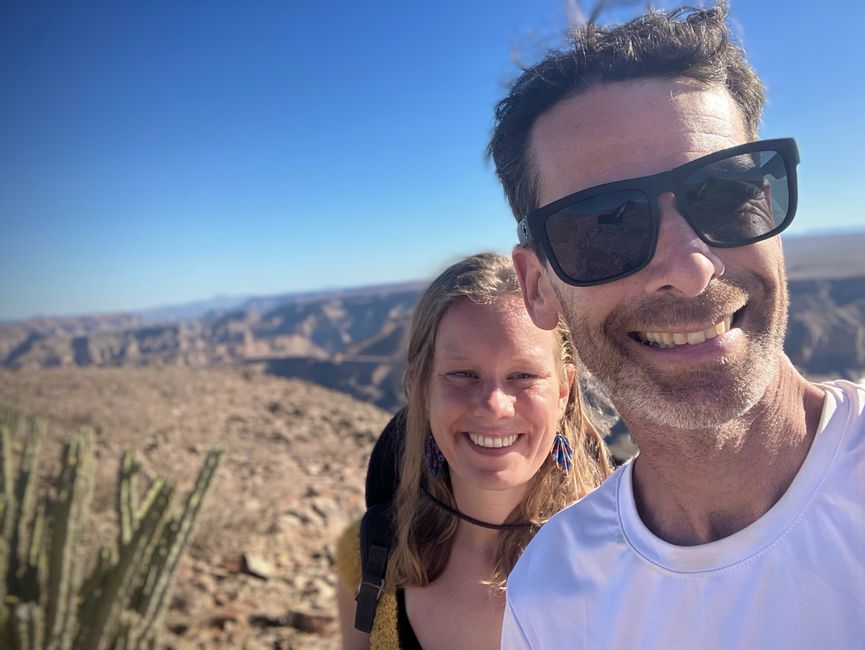
Next, we continue to the legendary Fish River Canyon, the second largest canyon in the world: It is 161 km long, 27 km wide, and 550 m deep. In March, the area is extremely hot and dry. From April, you can book extremely challenging hikes through the canyon bed over several days. To do this, even a doctor's certificate must be submitted… At least that speaks for itself 😁 We will keep it to a quick visit to the canyon rim…
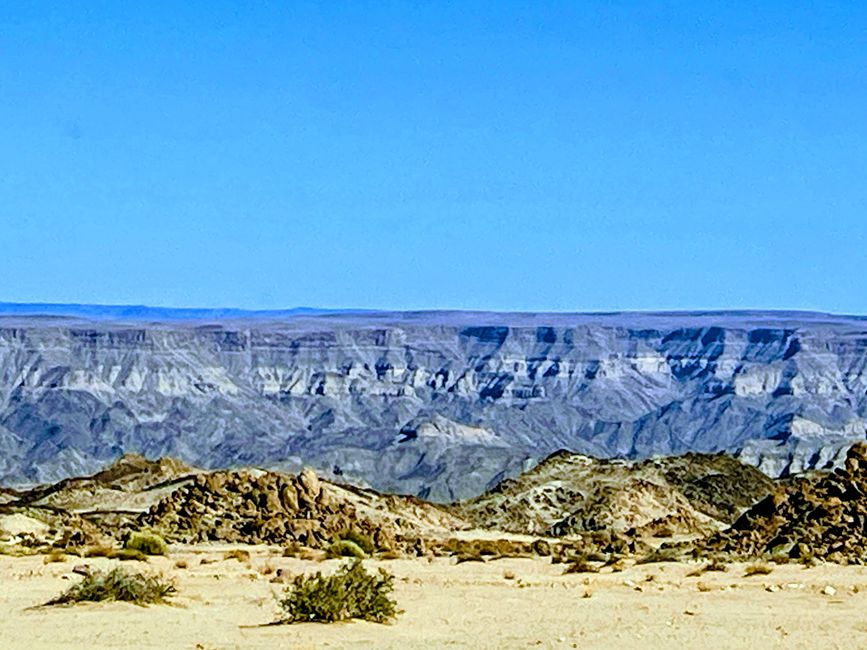
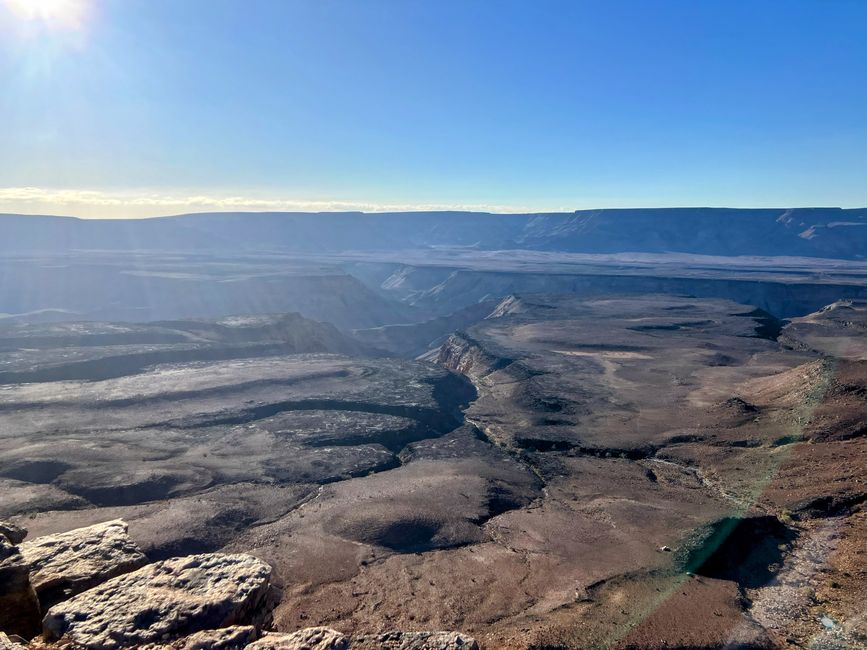
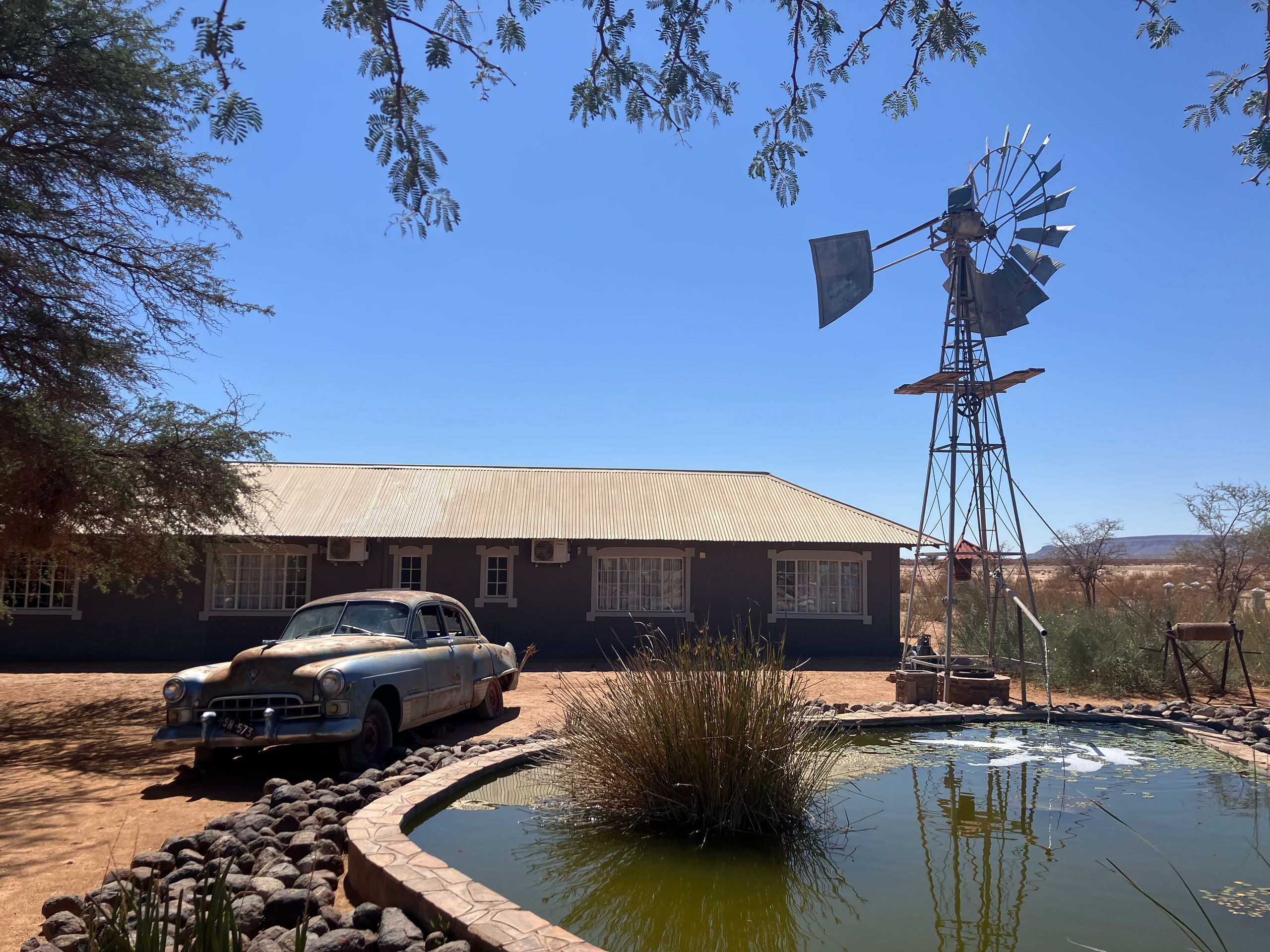
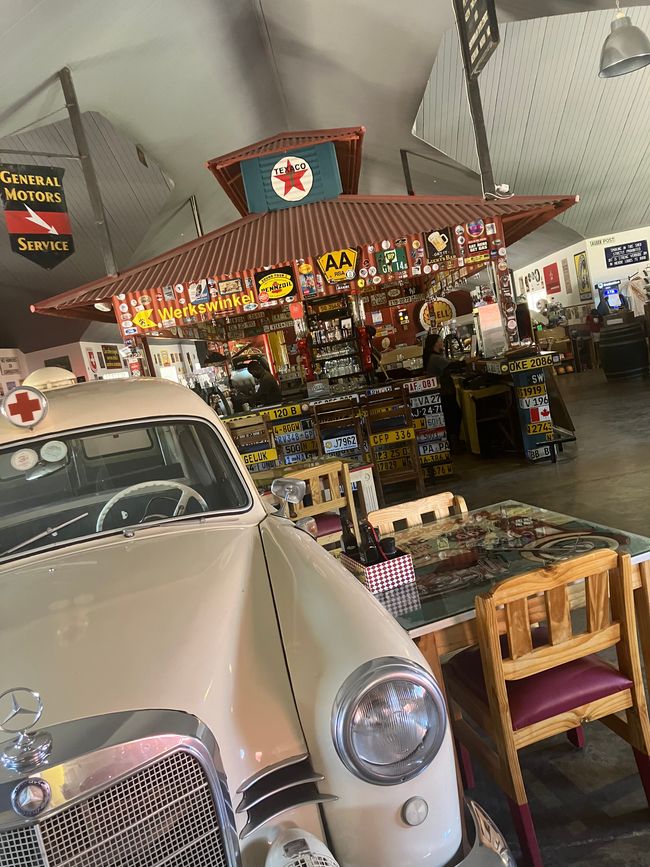
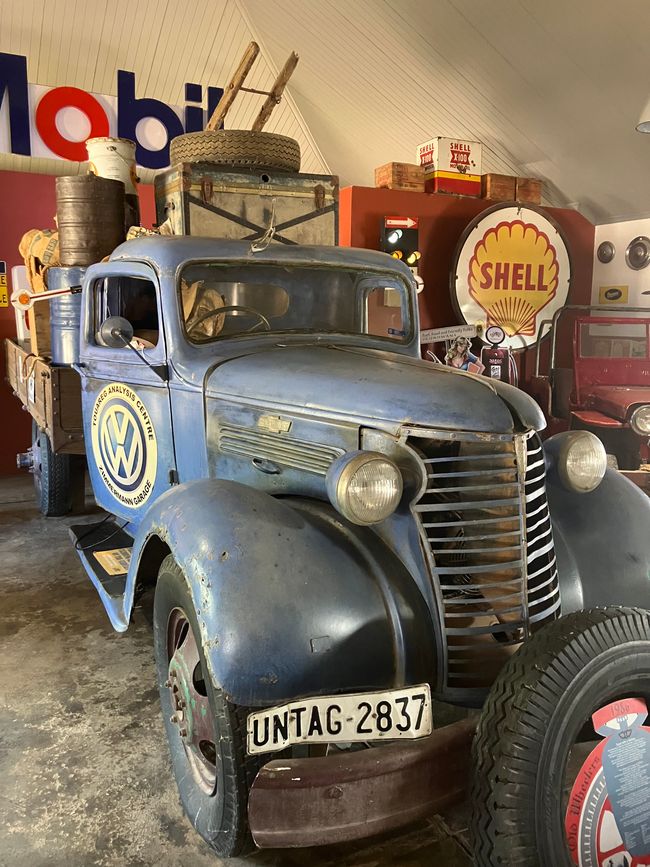
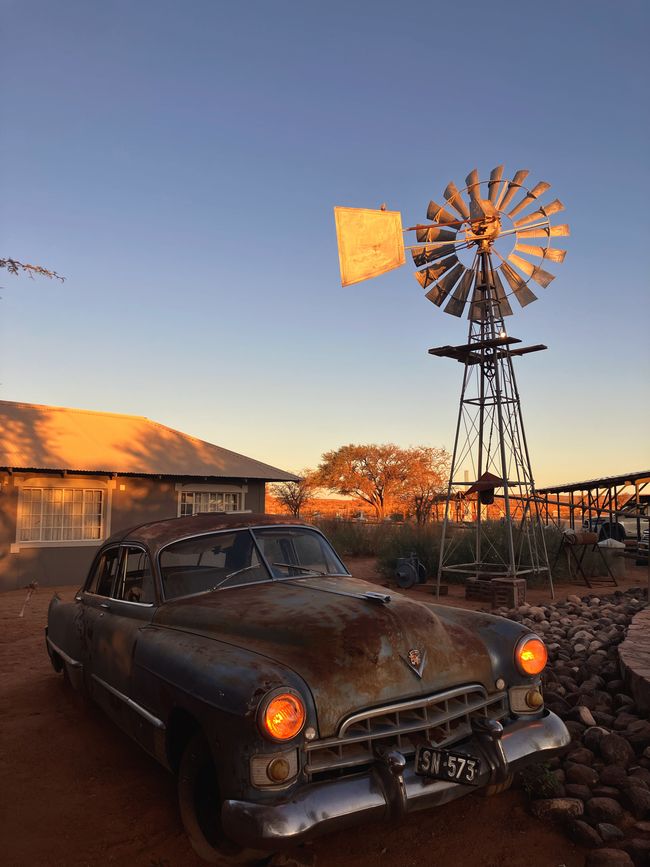
On the way, we also stop at Canyon Roadhouse, a fascinating place with a lot of nostalgic flair and numerous vintage cars - The smell of petrol is almost in the air here. There is even a gas station, and we quickly learn: In Namibia, you never pass up a fueling option; distances here are enormous!
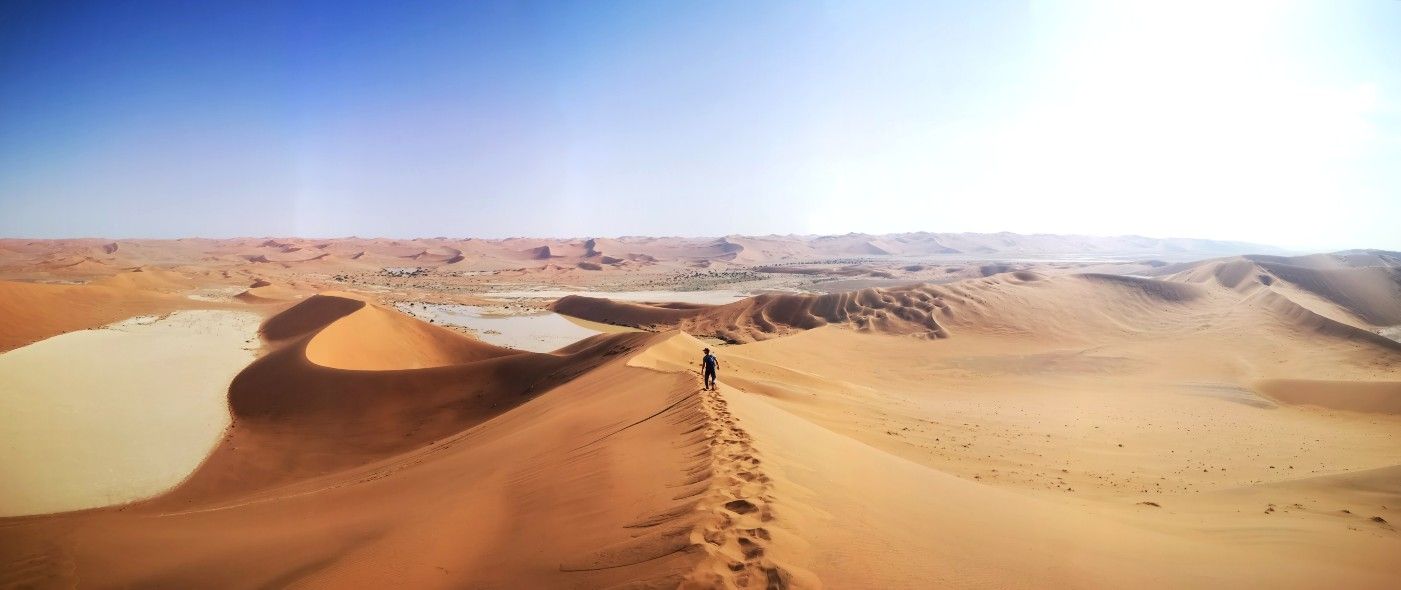
Next, we continue on to Lüderitz and then off into the desert!