
Cape Town - too beautiful to be true?!
After a long journey, we've finally arrived in South Africa! Even from above in the plane, the fantastic panorama of Cape Town by the sea stands out, framed by the Table...

Published: 03.04.2025
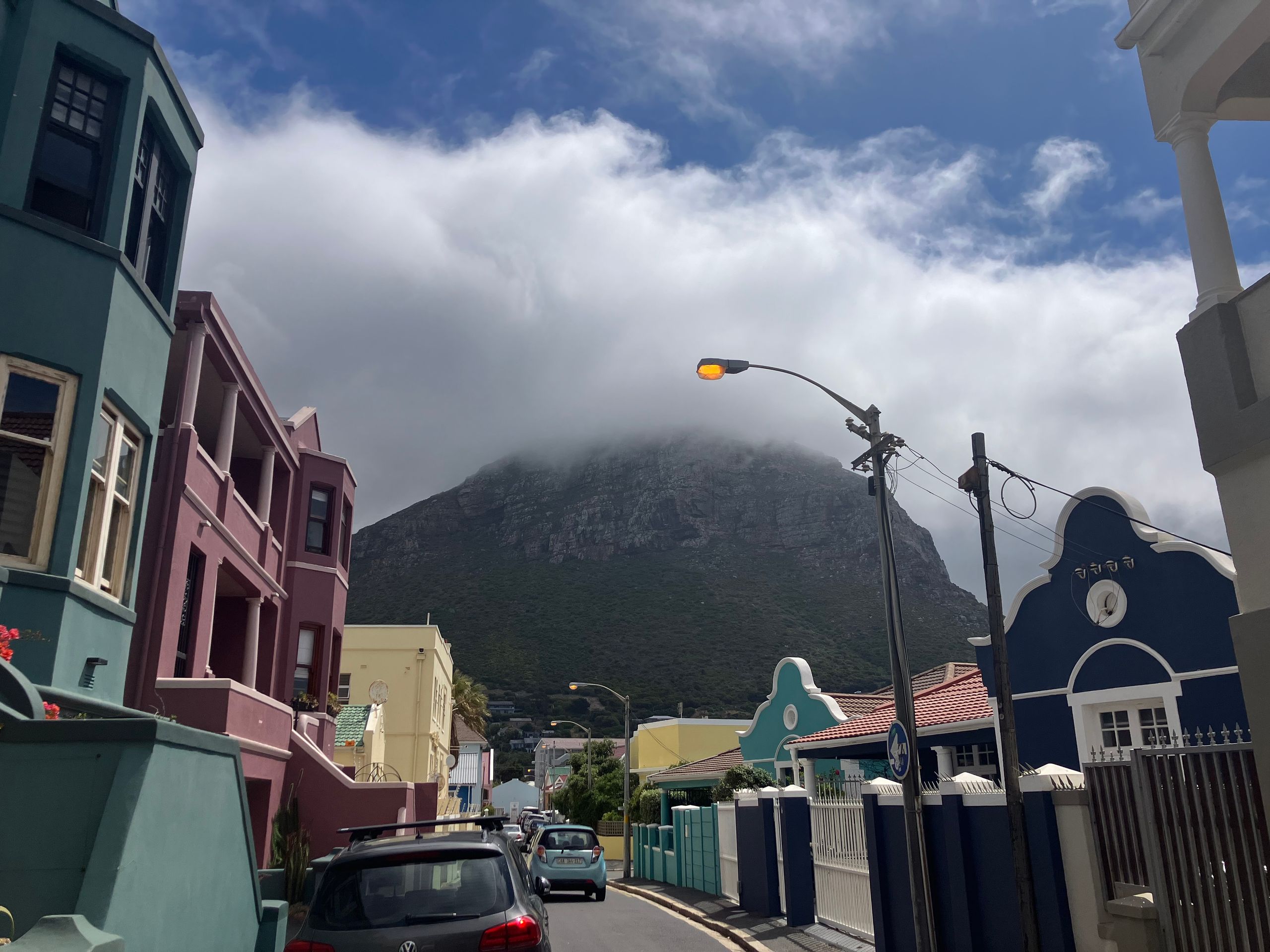
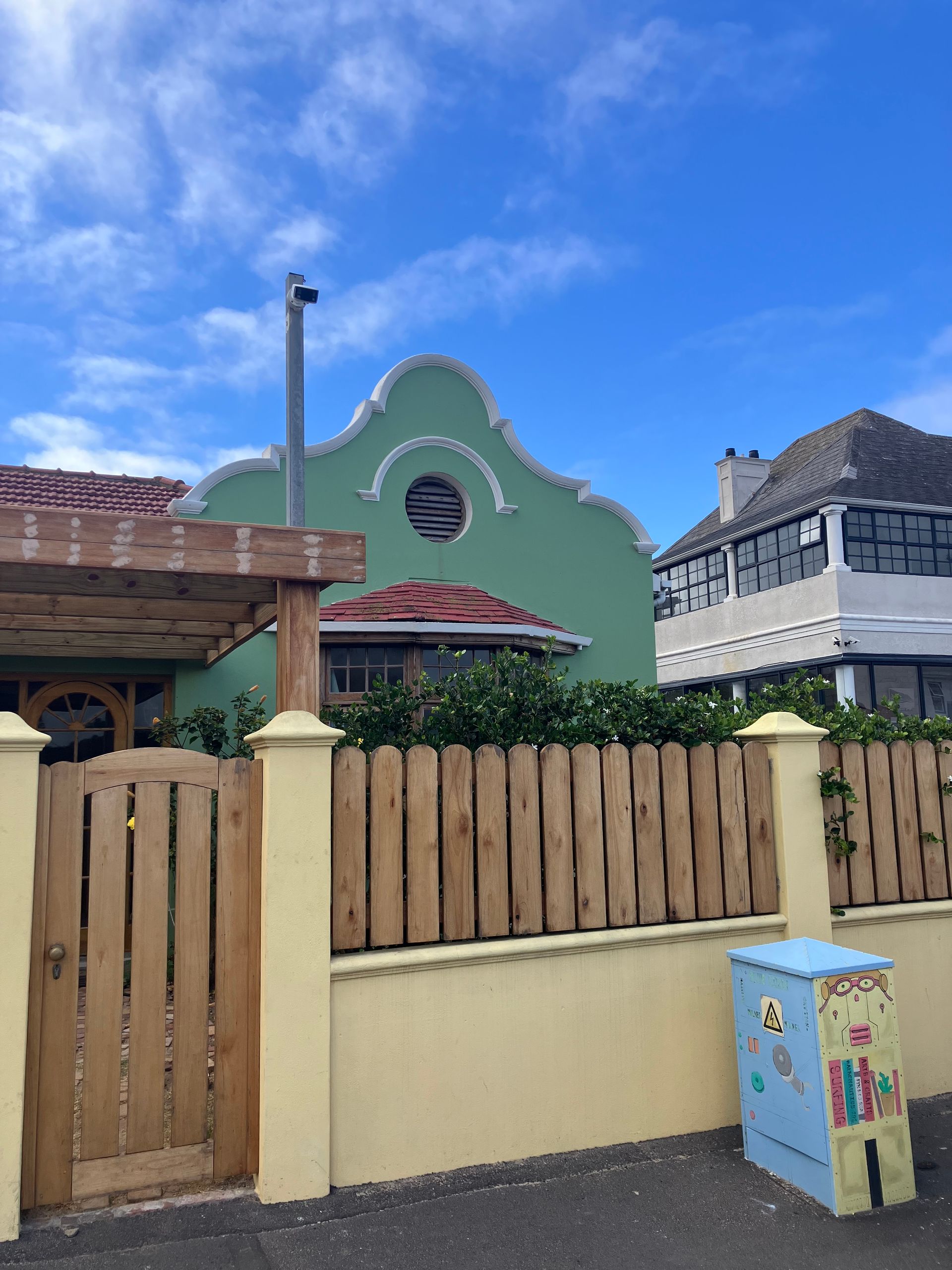
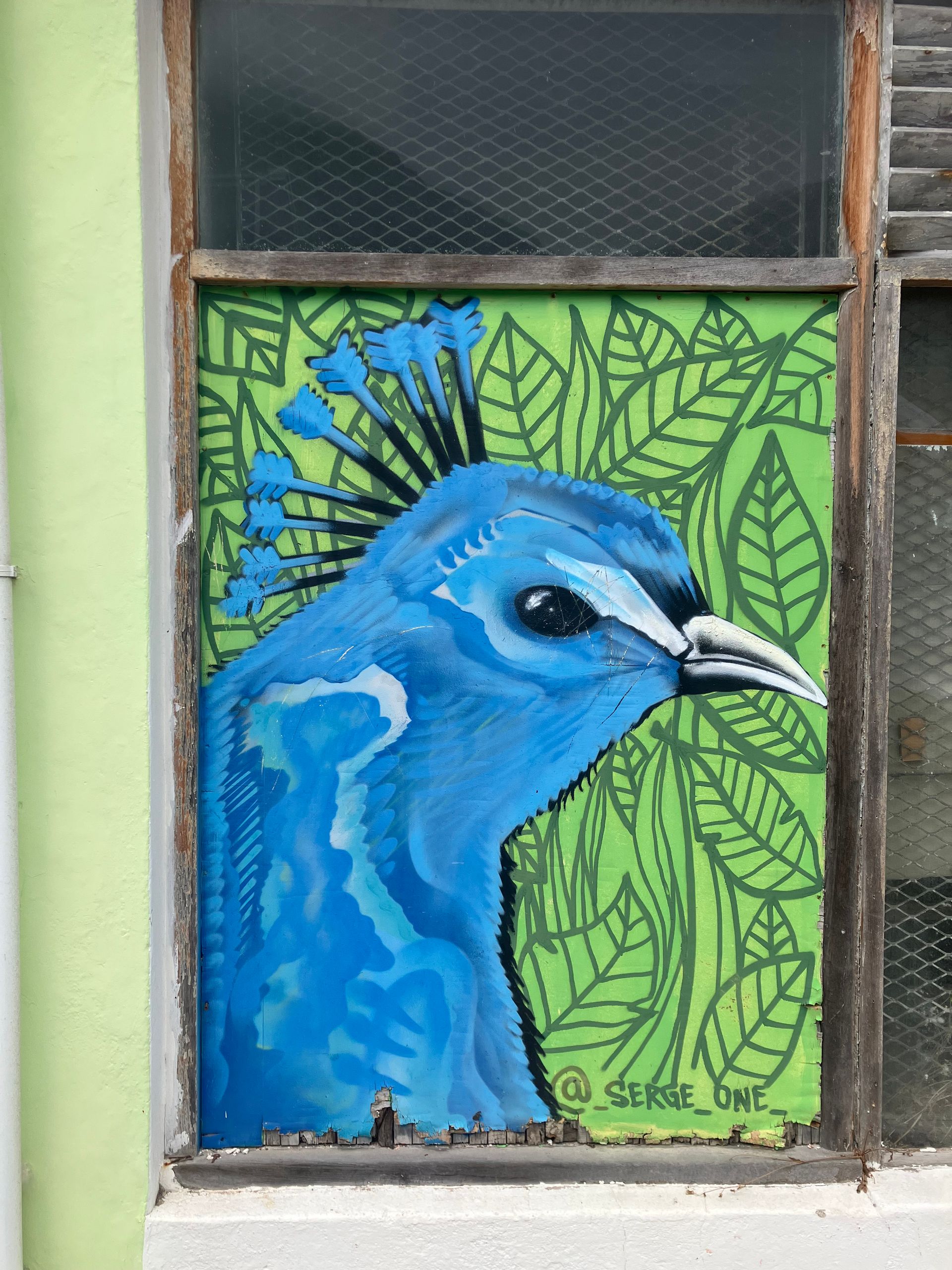
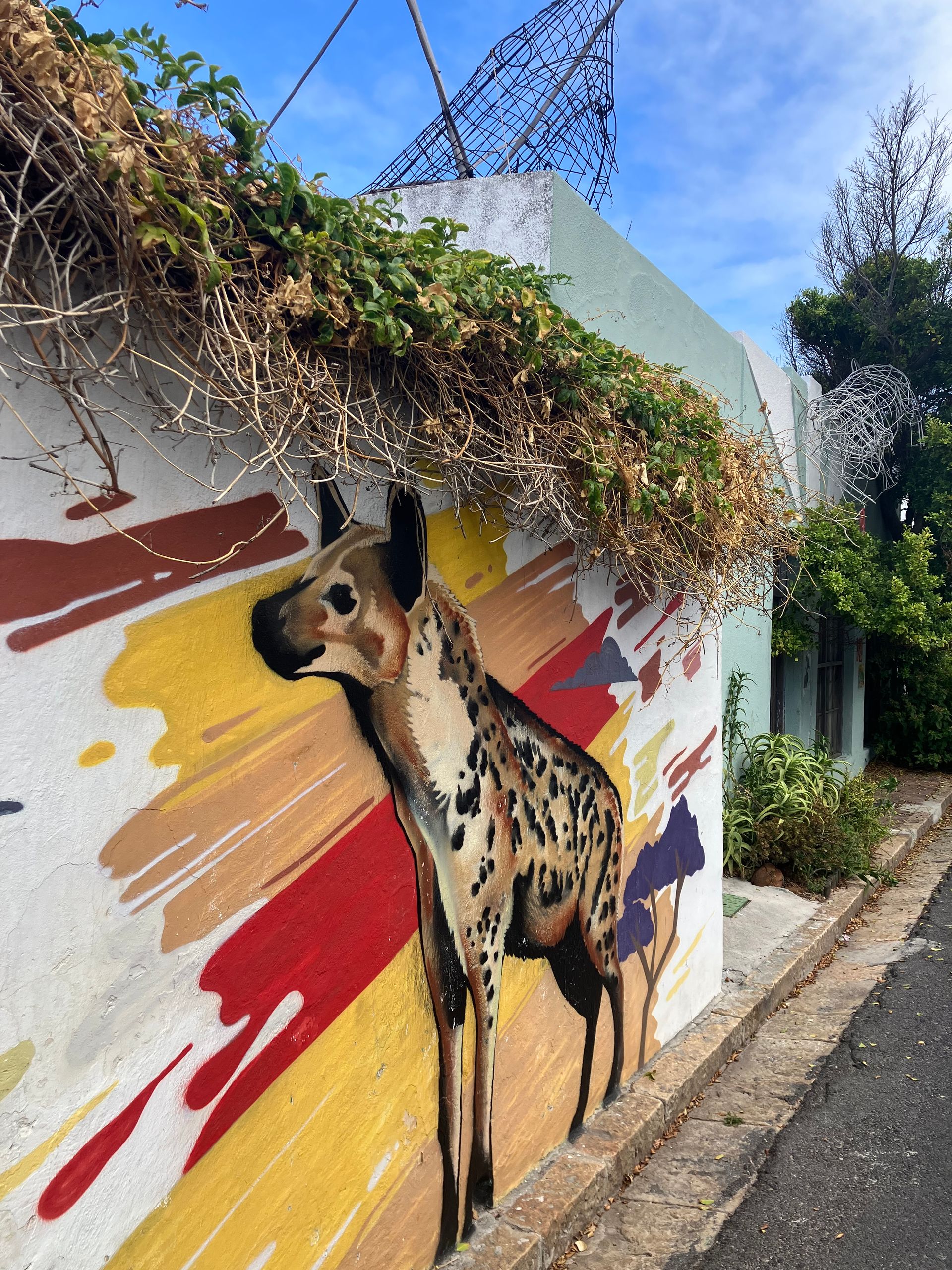
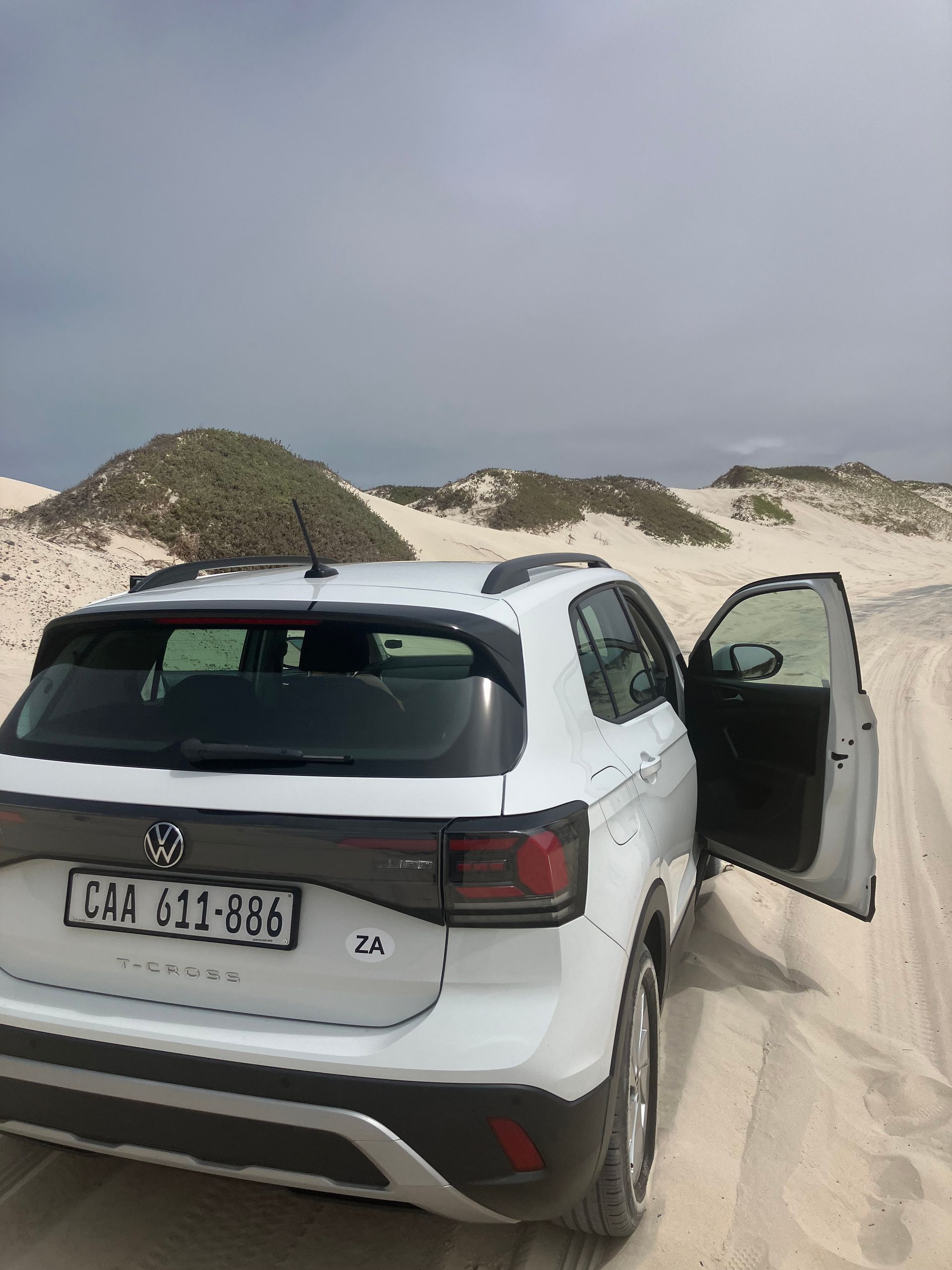
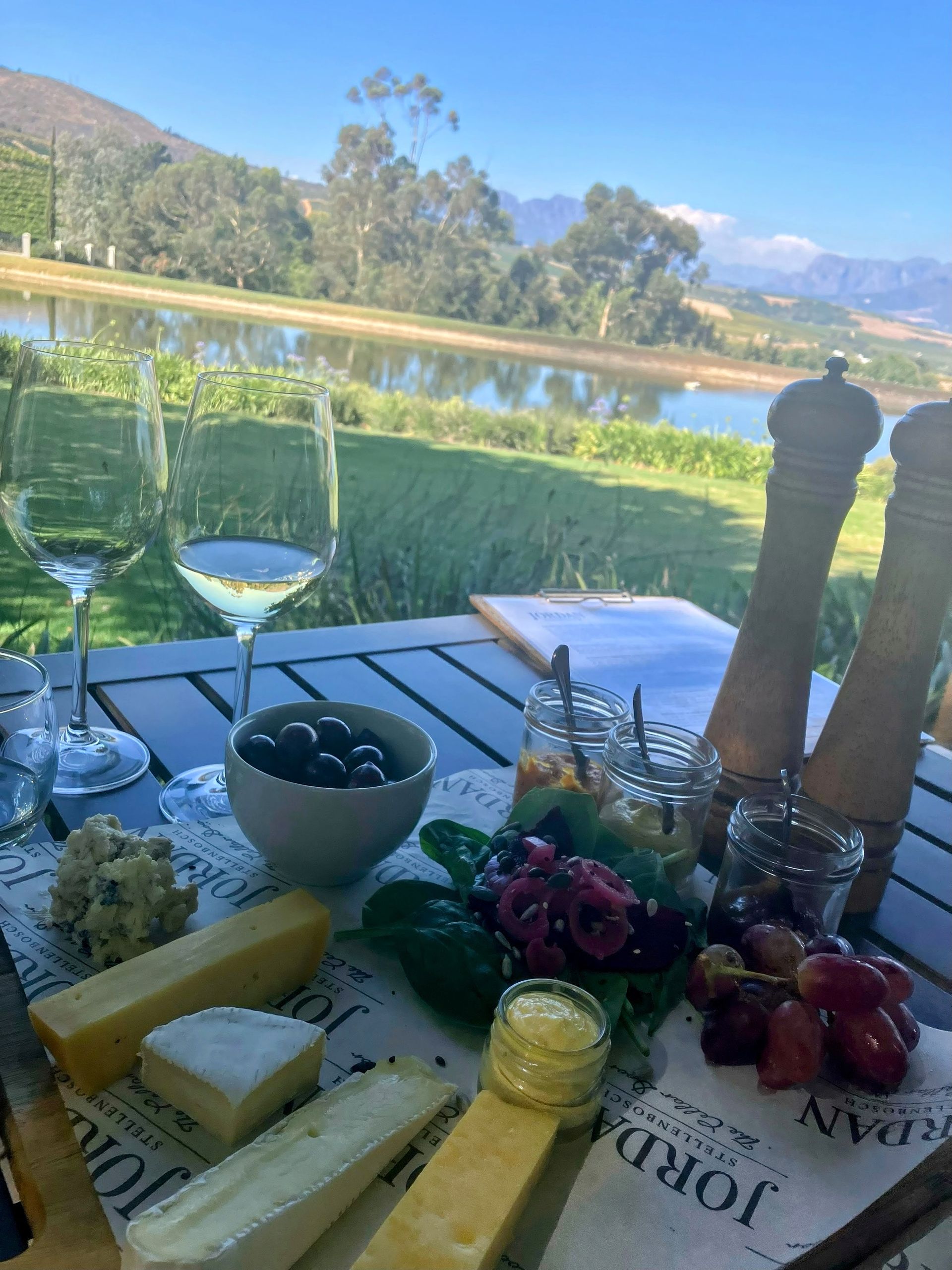
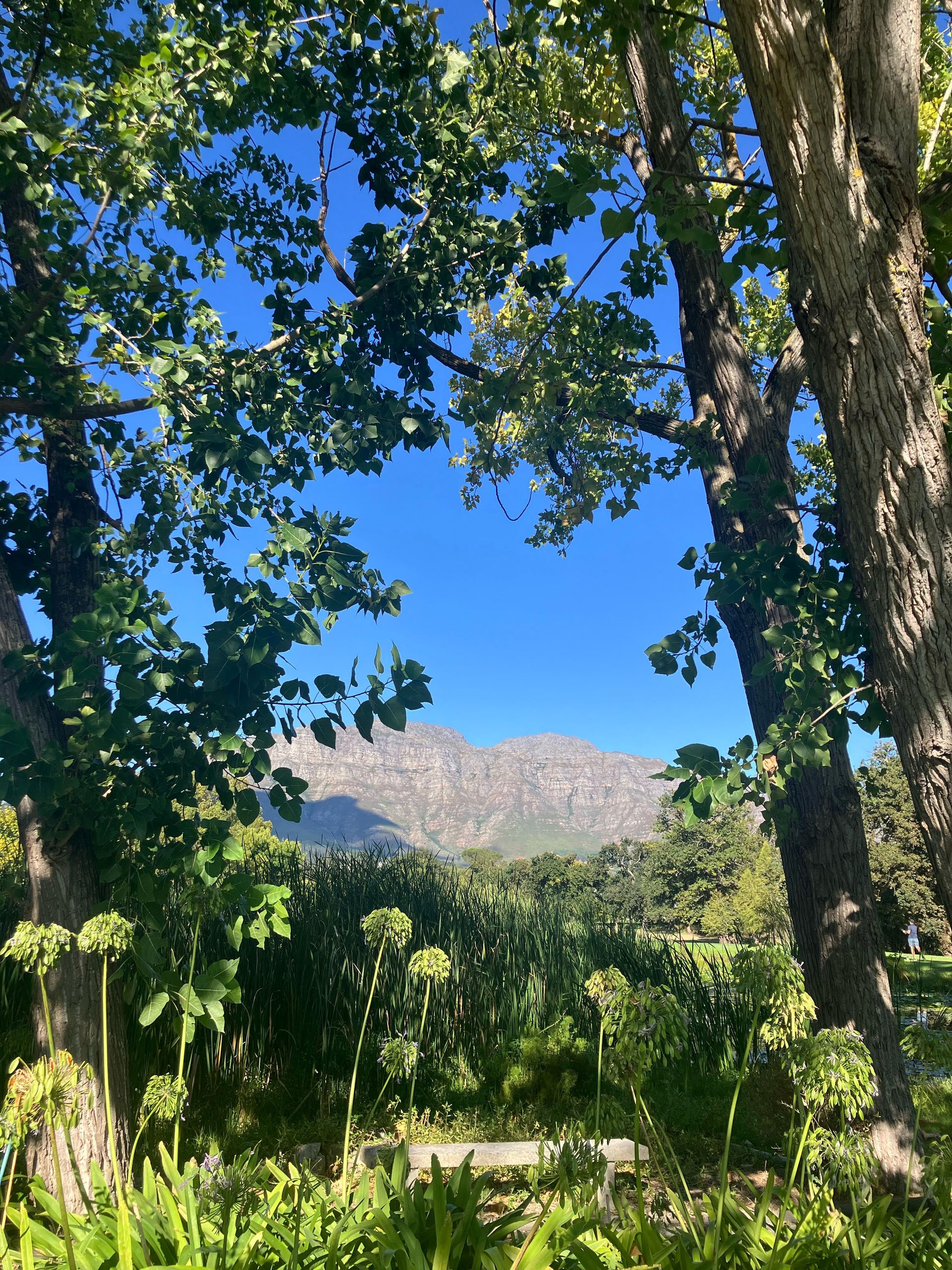
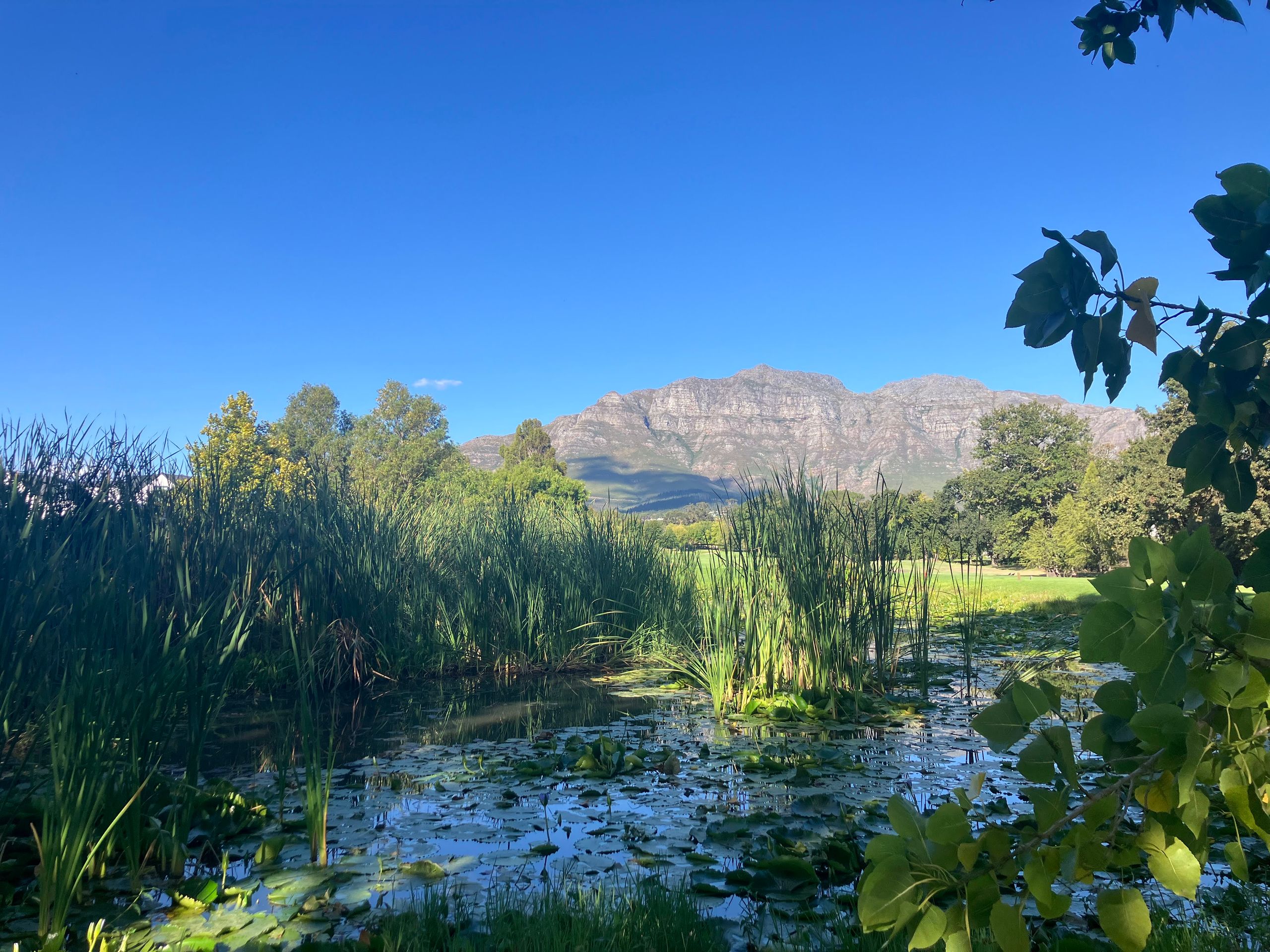
From Cape Town, we begin a short road trip along the coast to the Cape Peninsula - this can be done comfortably in 2 days. We also visit the wine region around Stellenbosch, which is only about an hour away from Cape Town!
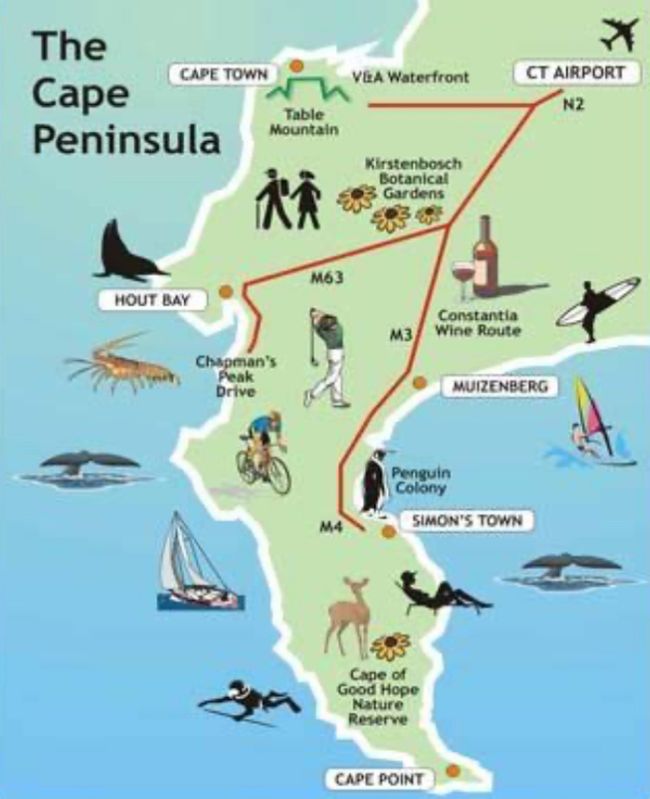
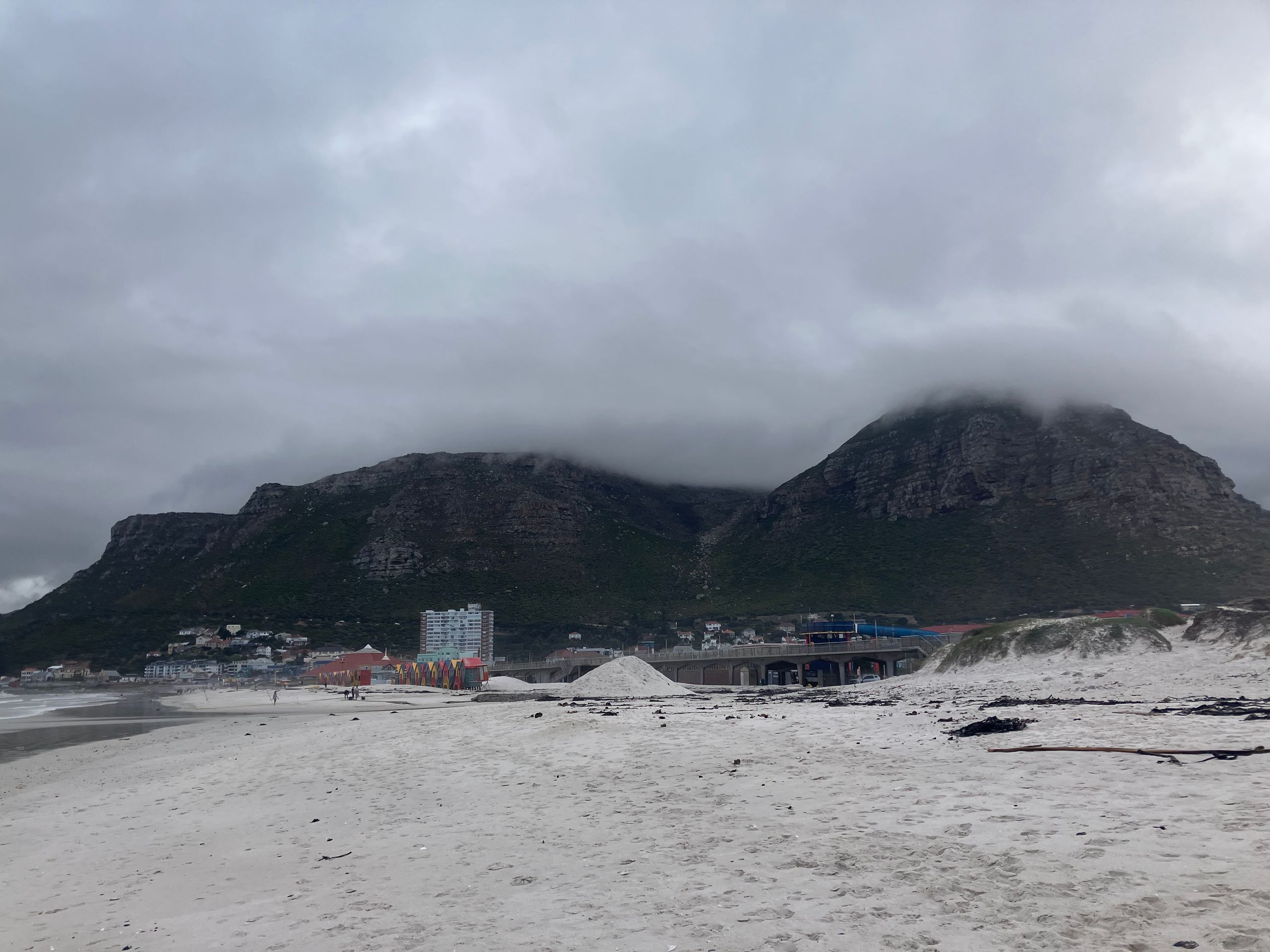
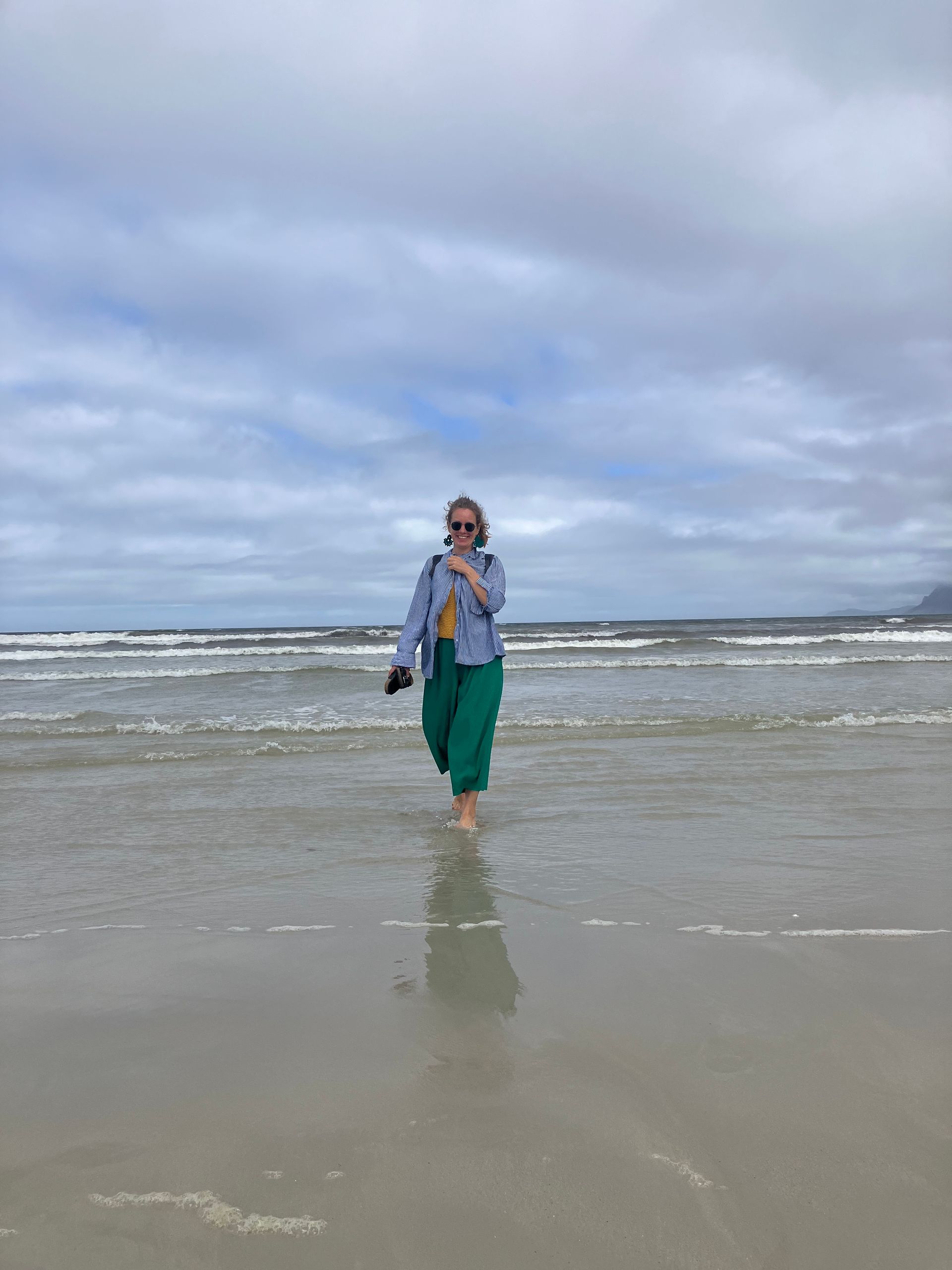
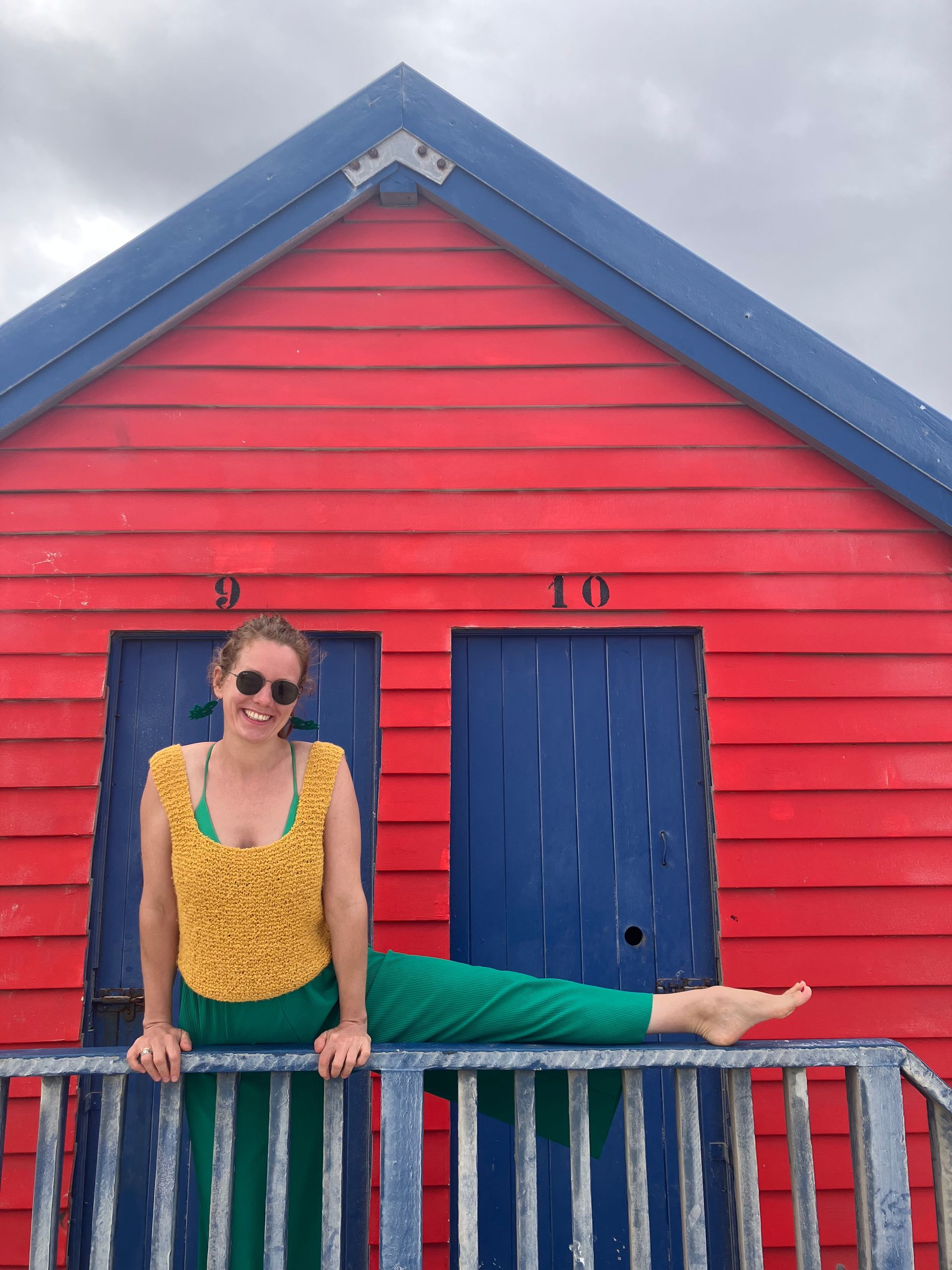
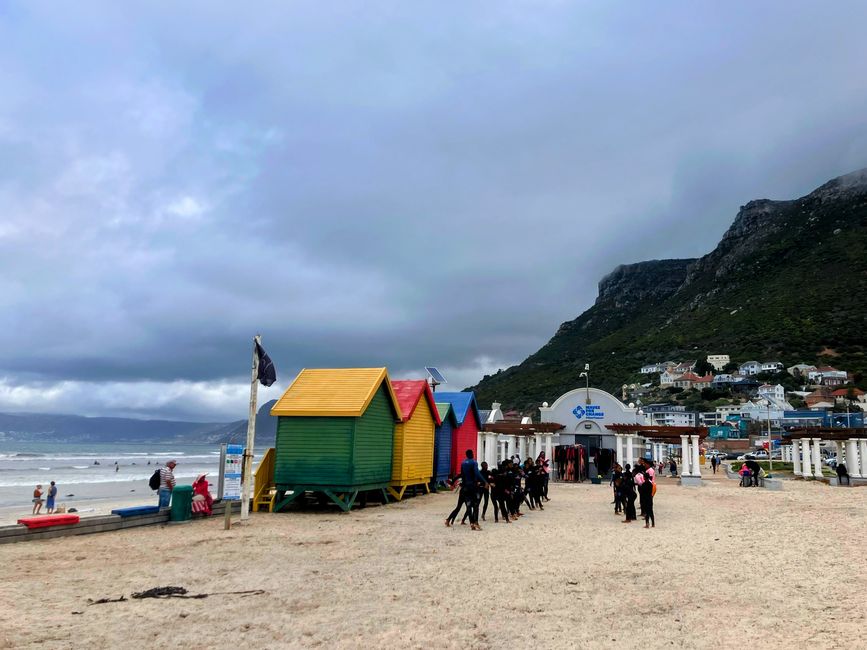
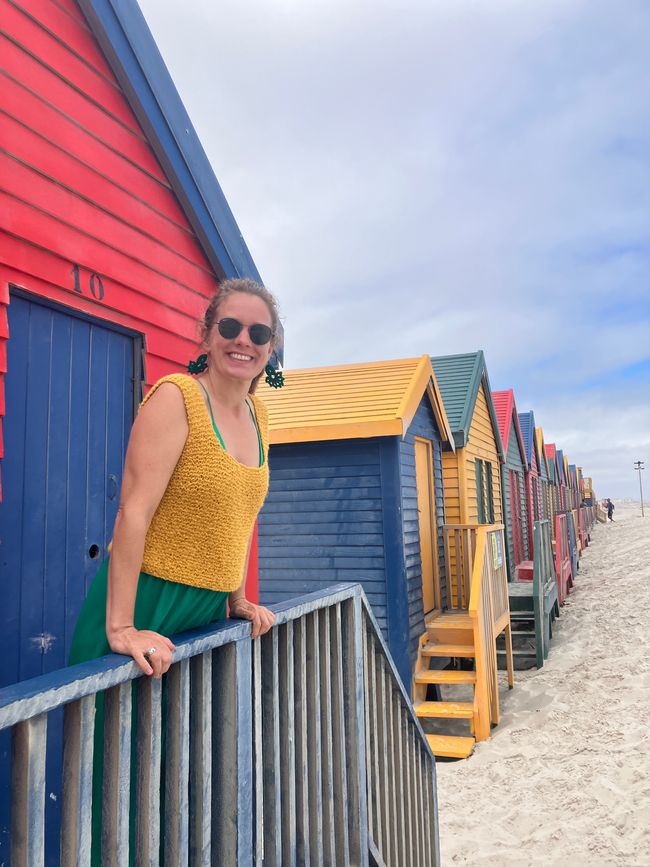
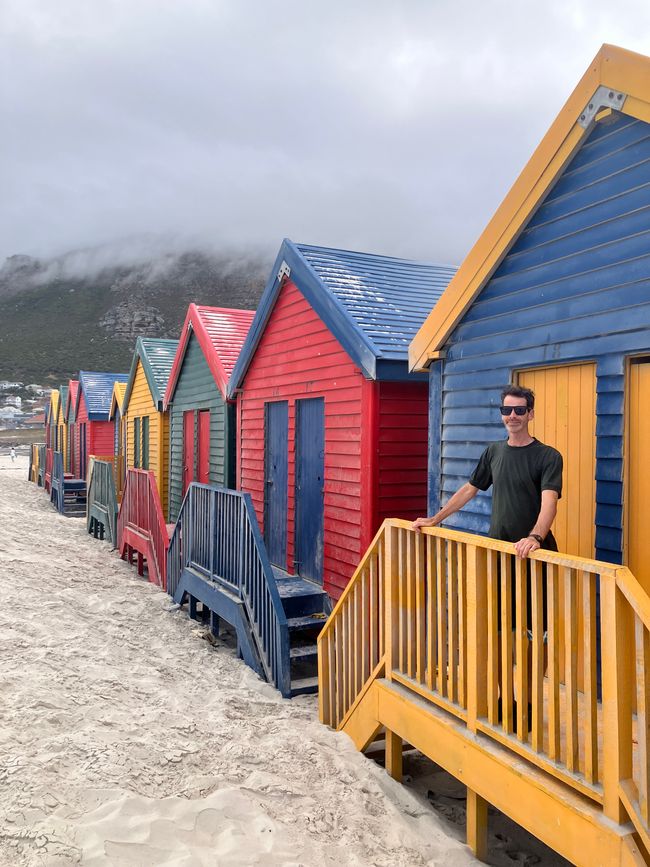
In the south of Cape Town, we quickly reach the coast at Muizenberg. Due to the currents of the Indian Ocean, the sea is noticeably warmer here than on the Atlantic side. This cozy little town is a popular beach resort, and its colorful beach huts are a well-known landmark. We see surf schools everywhere; the waves here are just right for beginners!
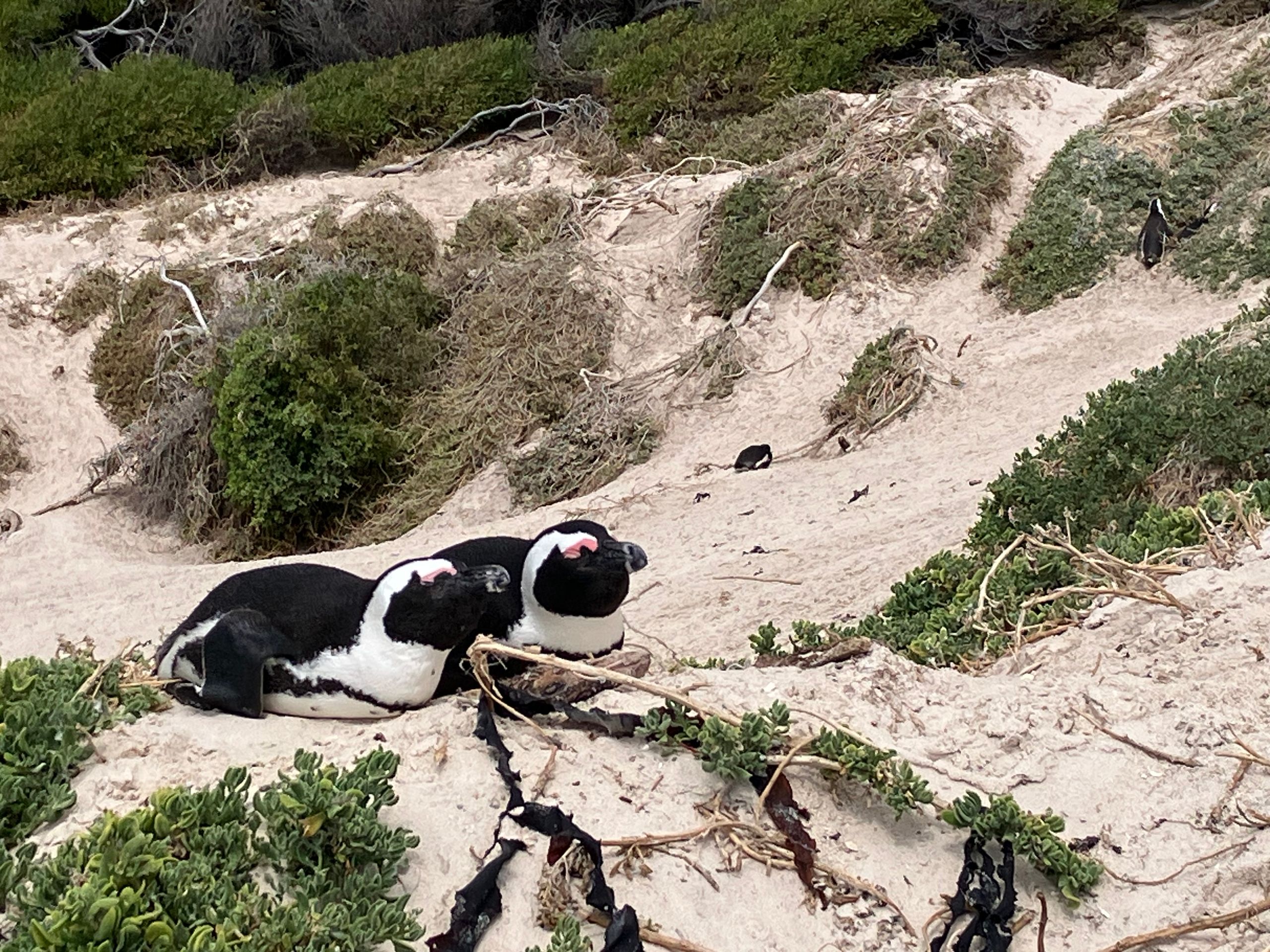
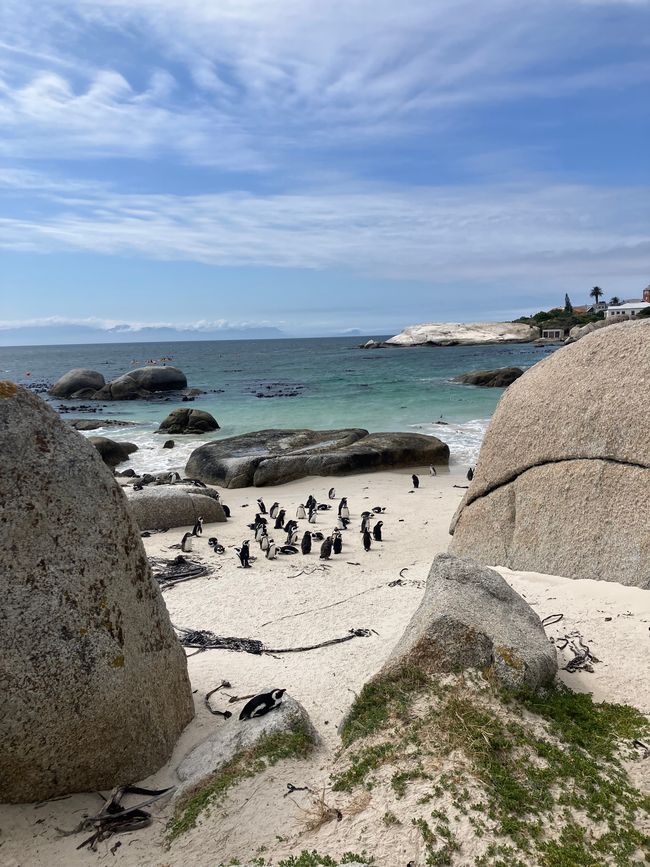
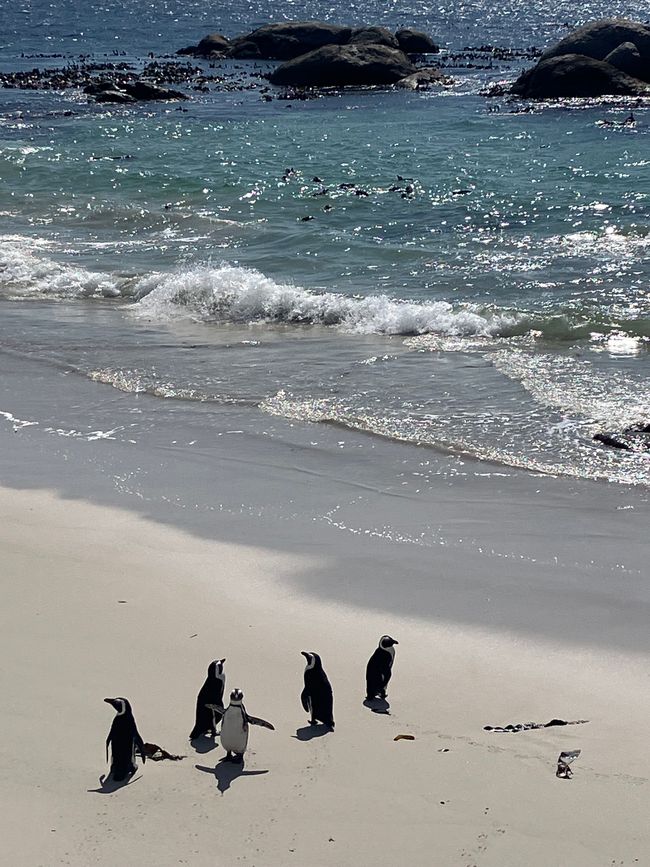
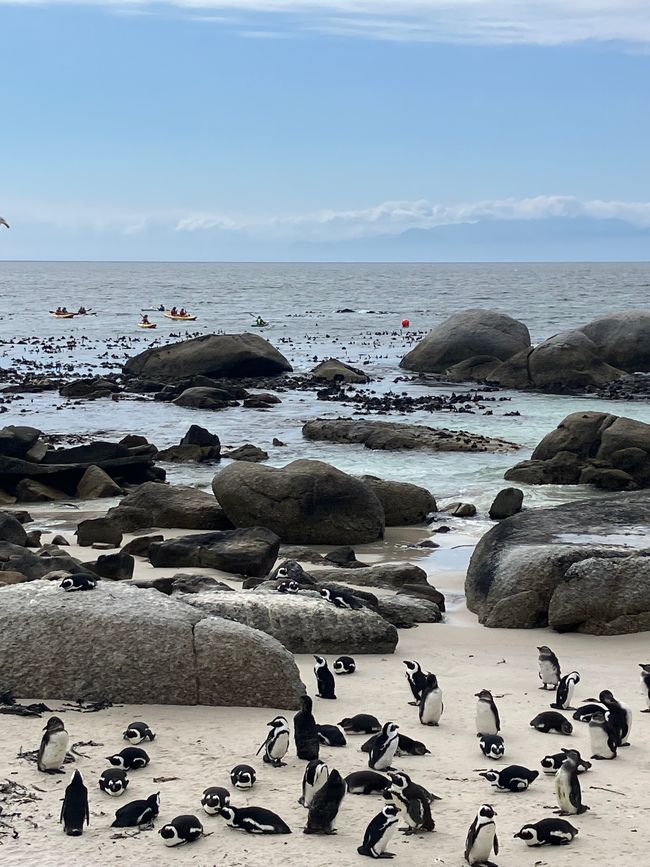
An absolute highlight is our next stop - Boulder Beach near Simon’s Town: Here lives a colony of African penguins in a bay between granite rocks. They are the only penguin species found on the African continent. They are found only in very few places in South Africa and Namibia. The Benguela current provides sufficient cold water for them. The African penguins are also adapted to the warm climate of the African mainland.
Above their eyes, the African penguins have glands that help with temperature regulation and turn dark pink - hence their name. They can dive up to 130 meters deep and swim at speeds of up to 20 km/h. African penguins stay with their partners for life.
While there has been a conservation program at Boulder Beach for some time, unfortunately they remain critically endangered.
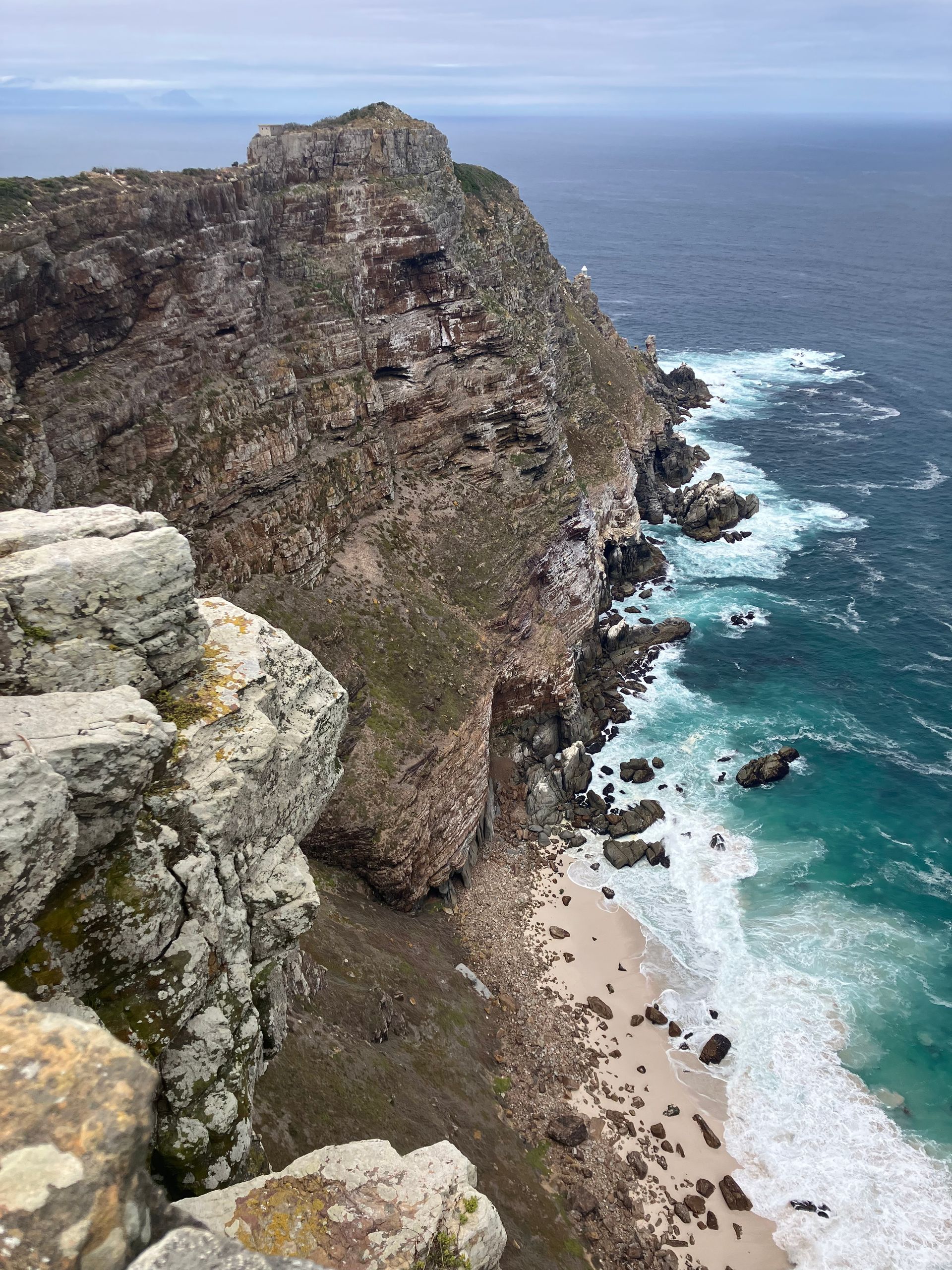
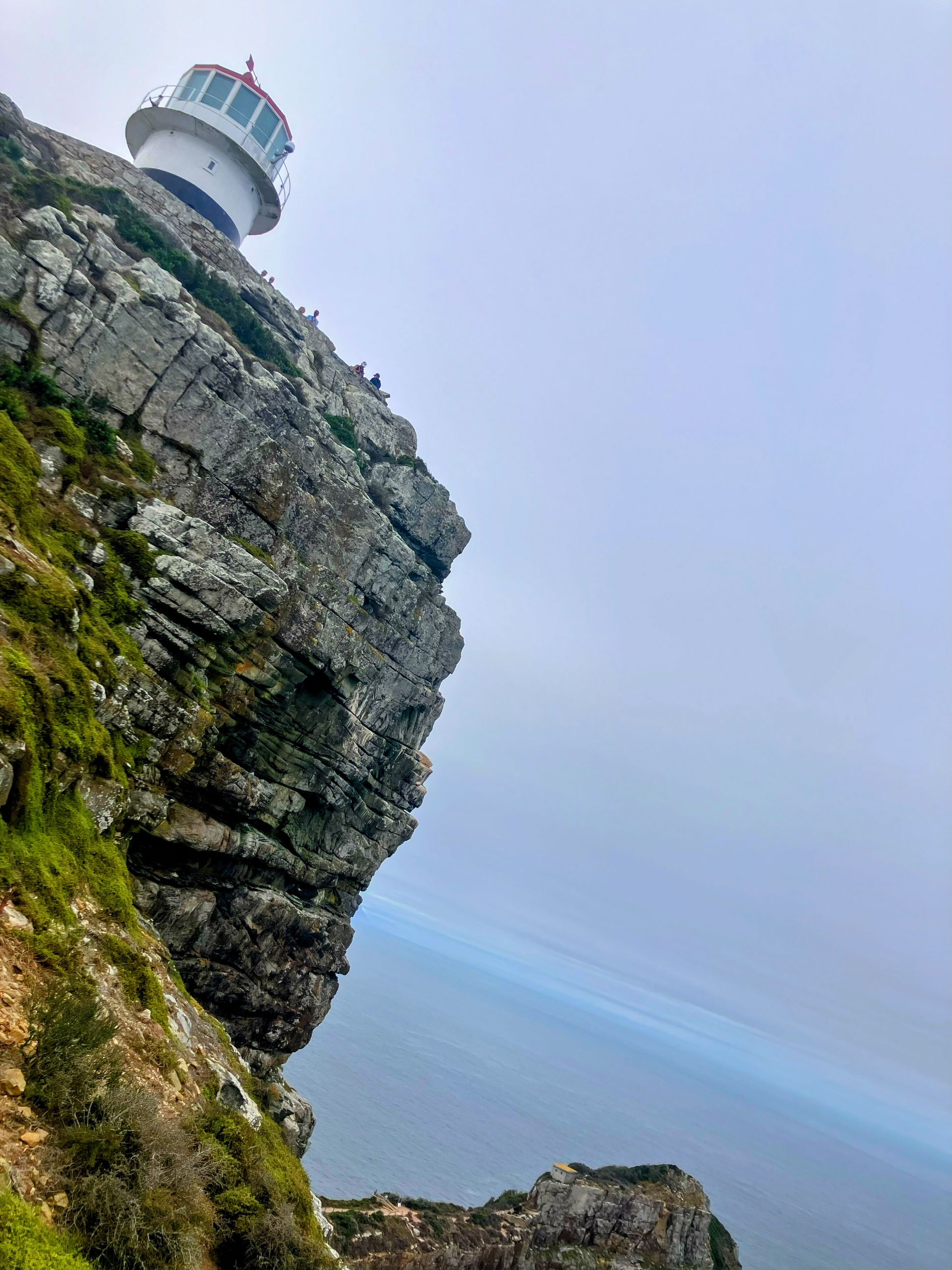
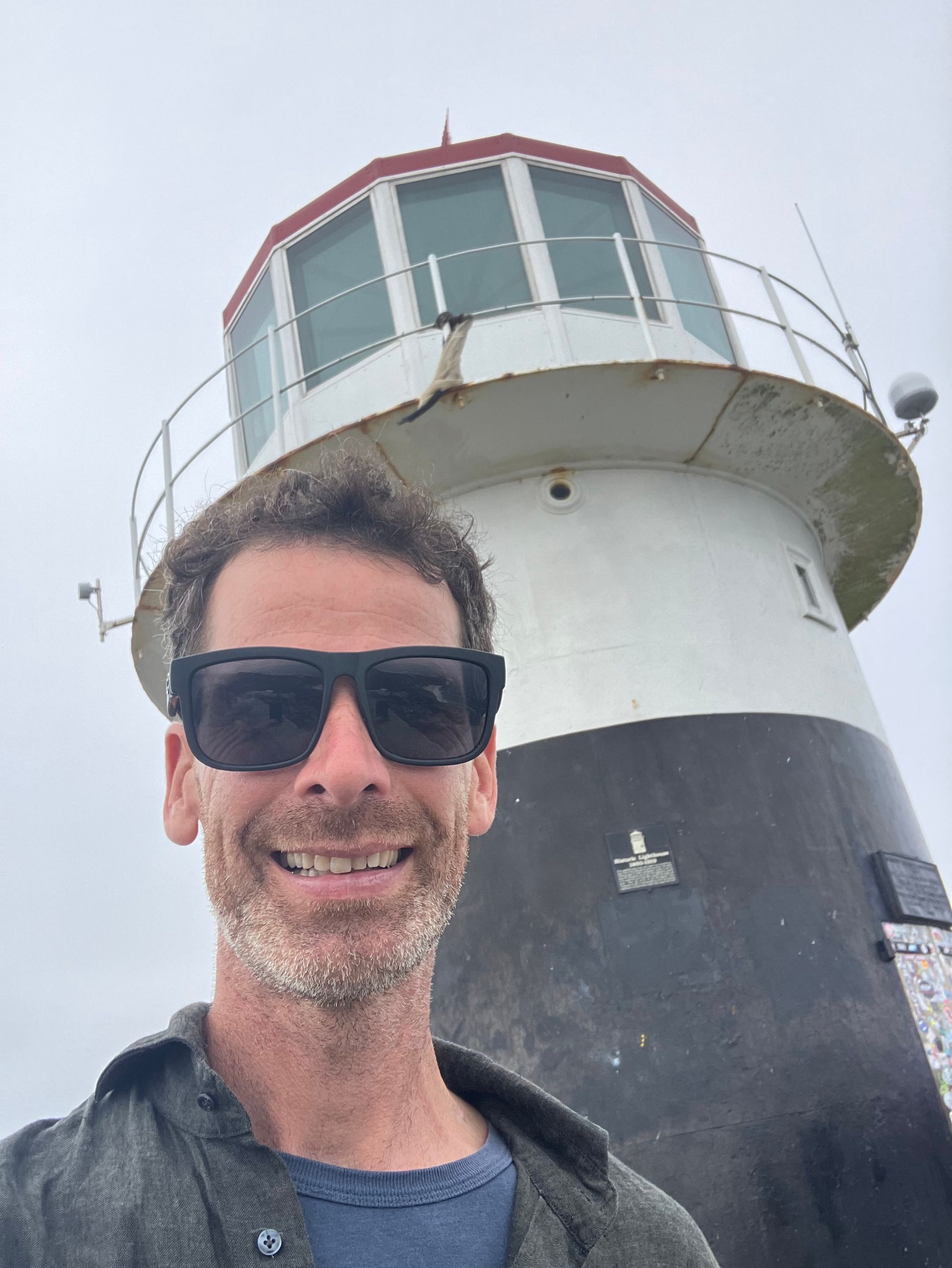
A little further at the end of the peninsula we visit the Cape Lighthouse near the Cape of Good Hope. It is here that the Atlantic and Indian Oceans meet. Due to strong winds and rocky shores, this spot has always been dangerous: Plenty of shipwrecks lie beneath the waves!
The national park here with its natural beaches and rugged cliffs is fascinating - We truly feel like we are at the end of the world…
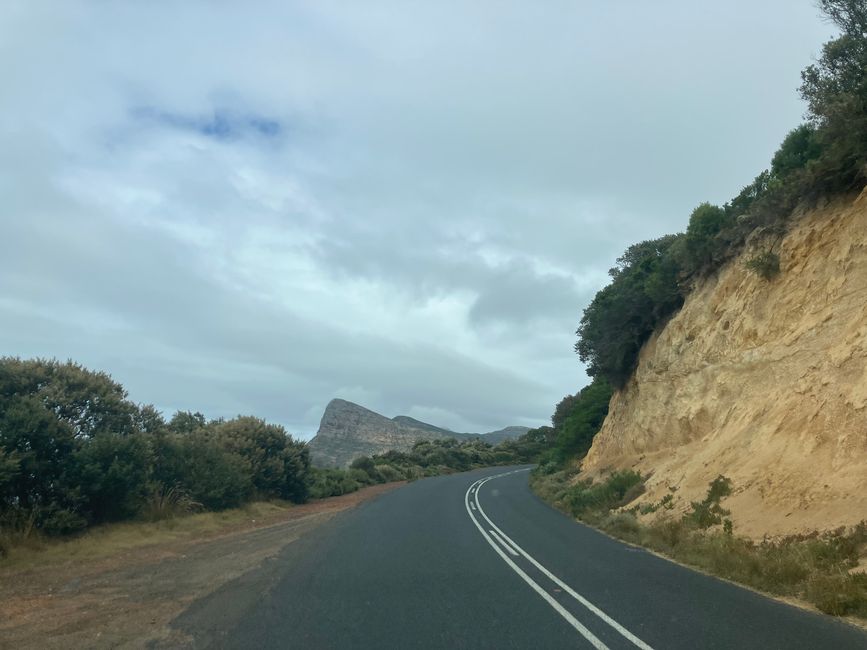
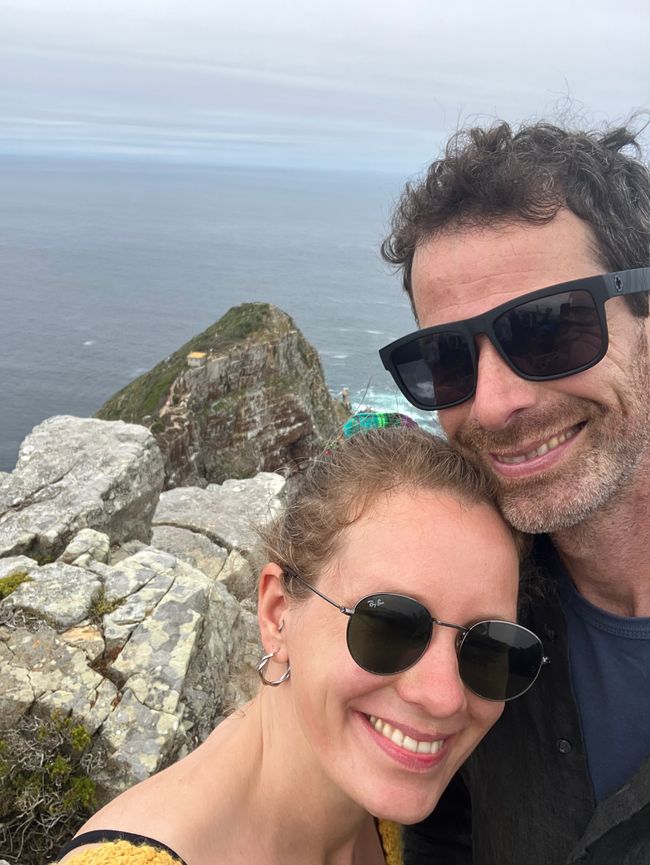
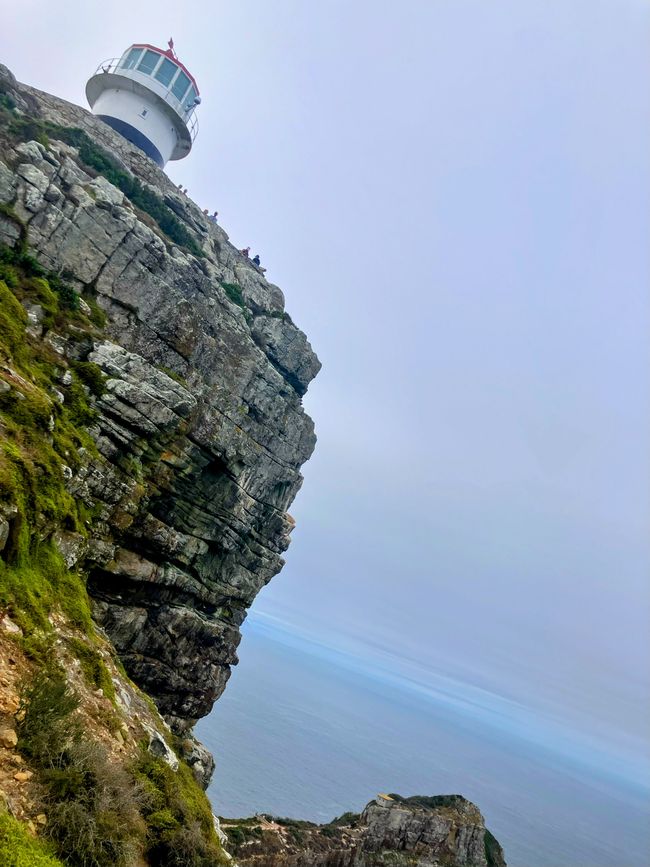
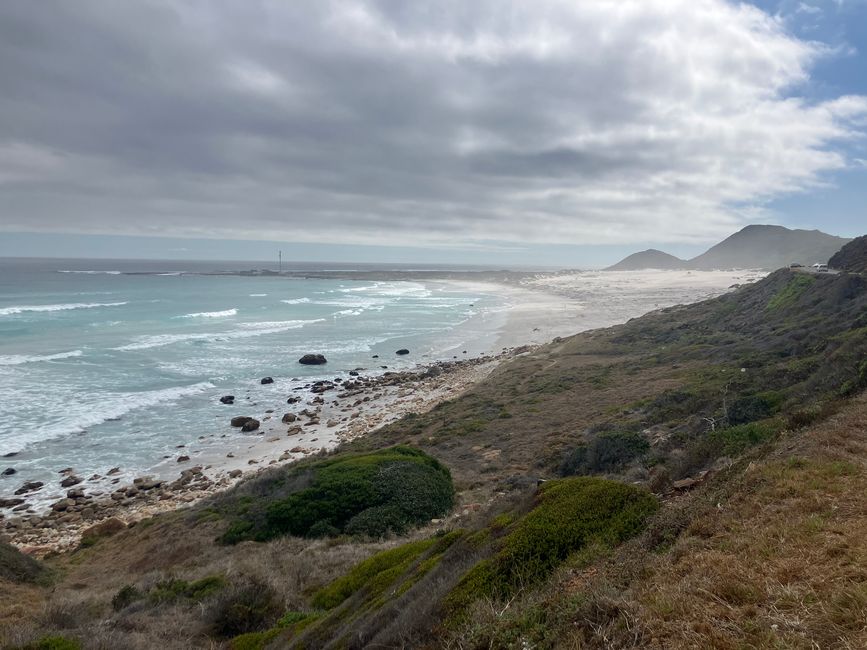
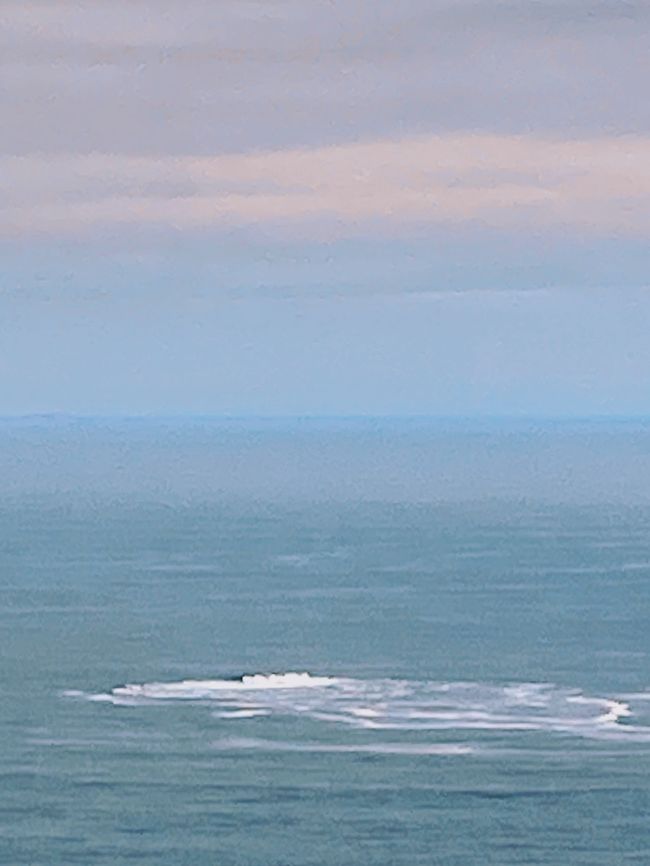
In the distance, we can observe a whale stirring the water. What a coincidence, they are very rarely seen during the South African summer.
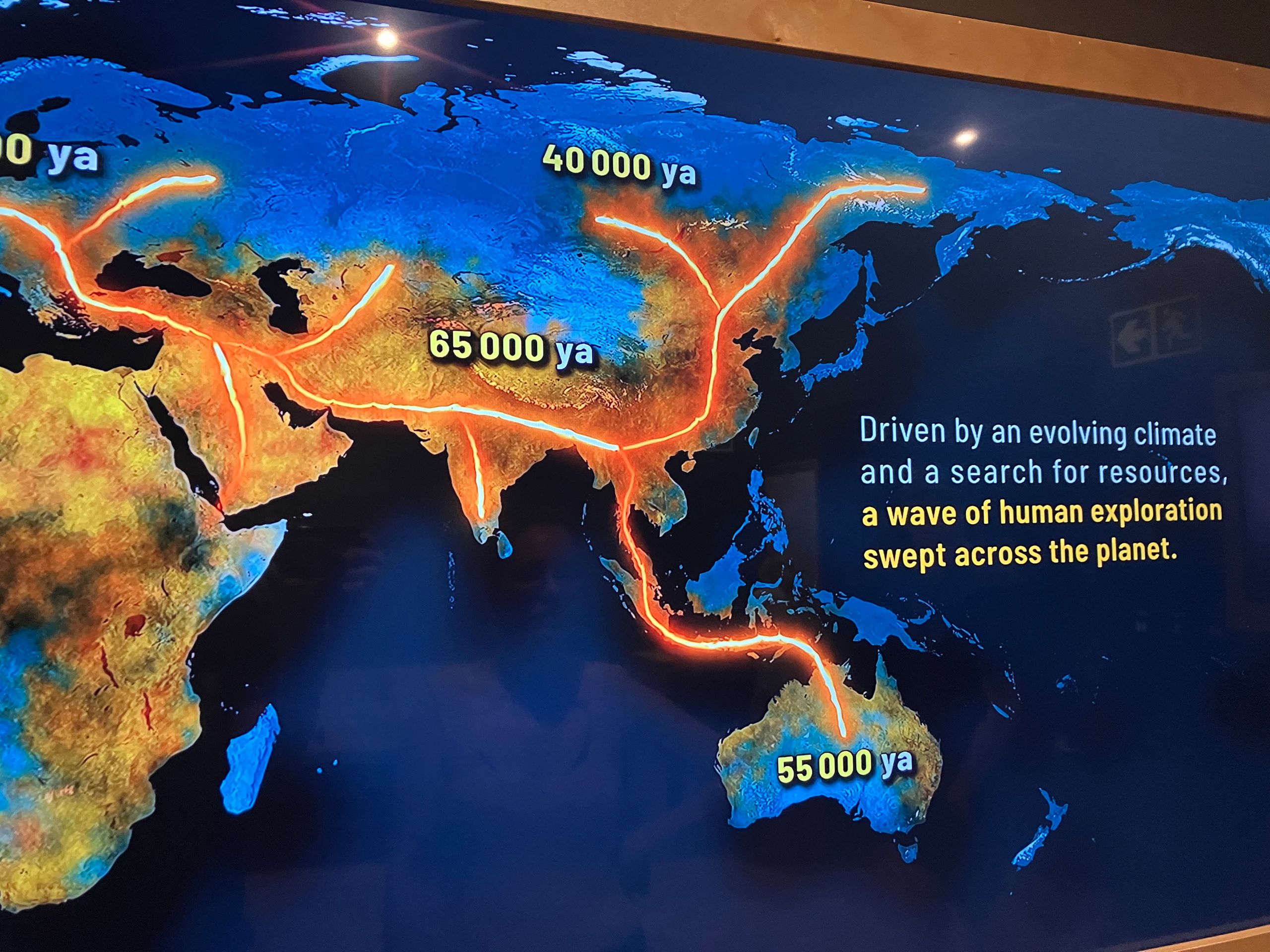
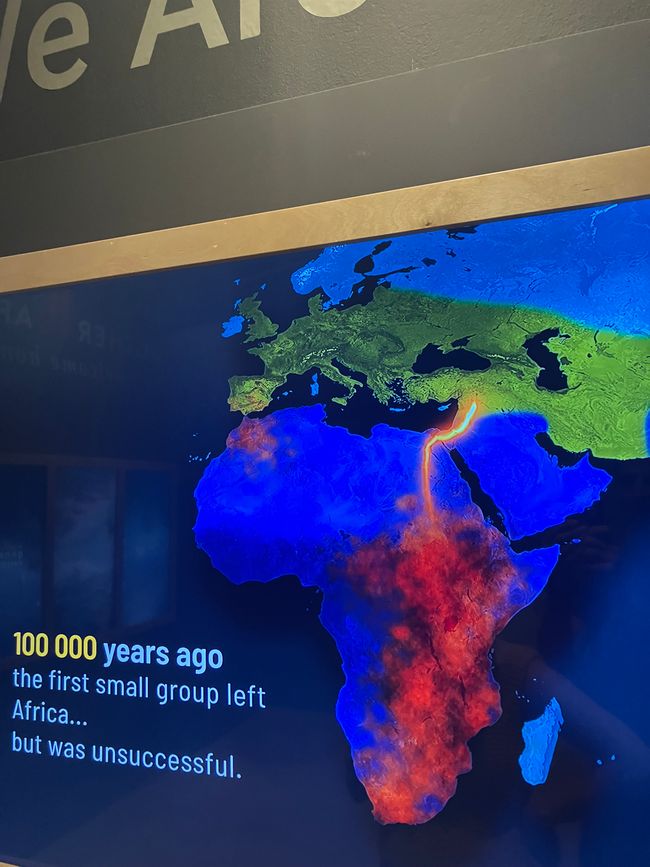
An interesting exhibition in the national park explains why areas of South and East Africa are considered the cradle of humanity. Optimal living conditions existed here in the past. From Africa, our ancestors gradually spread to other continents less than 100,000 years ago.
In recent years, excavations in cave sediments have provided further insights into the way of life at that time, including the first construction of bows.
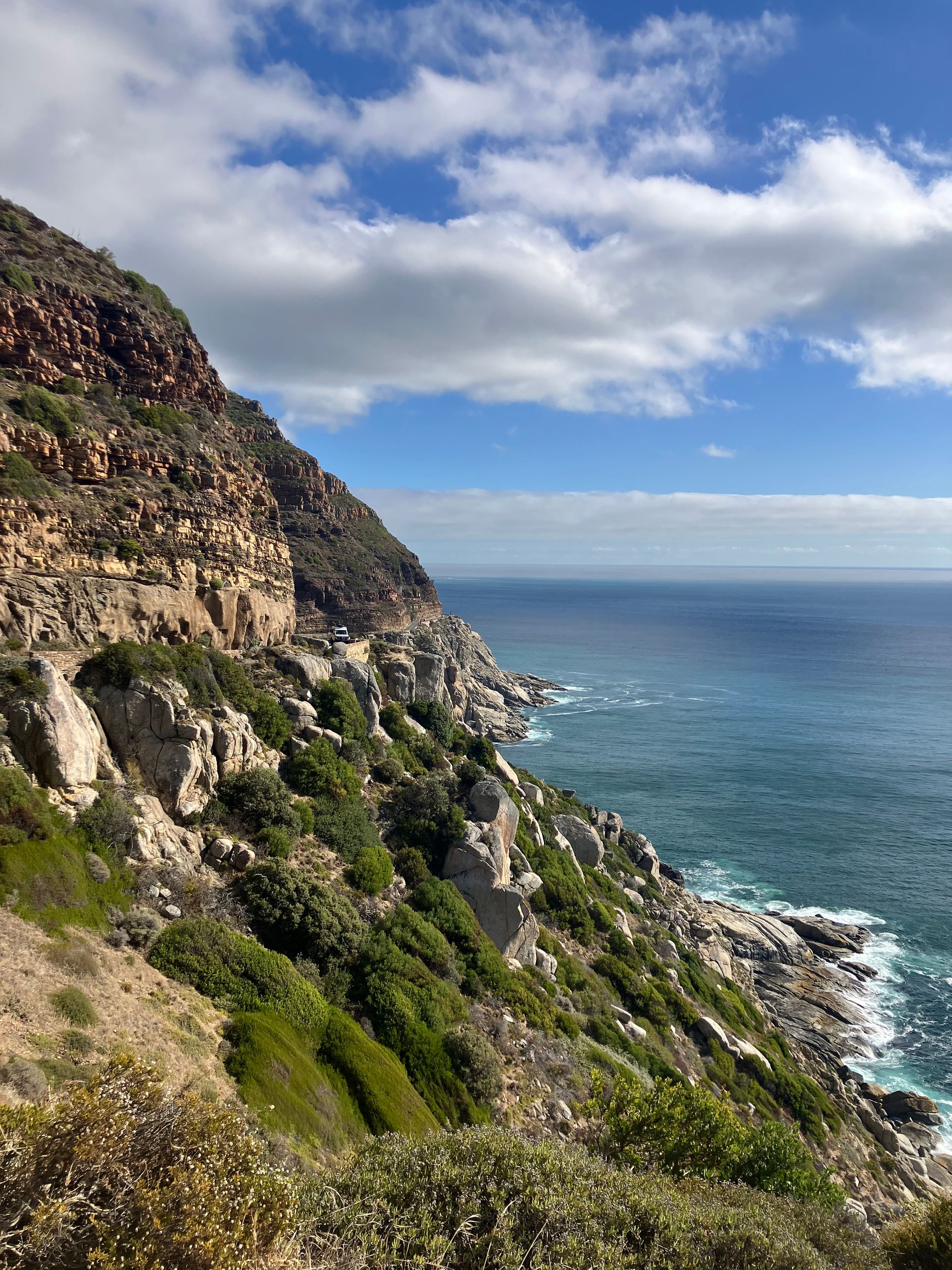
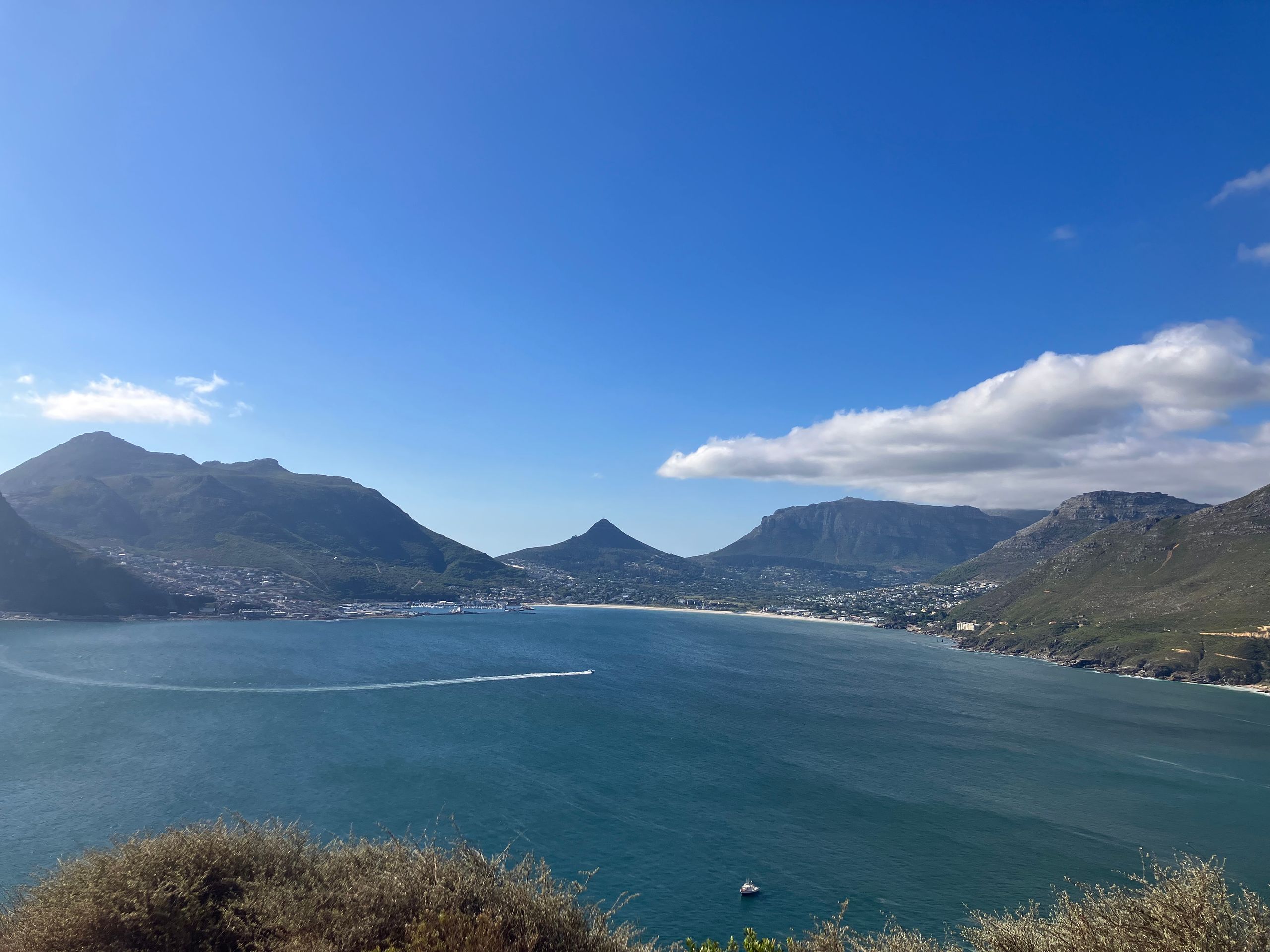
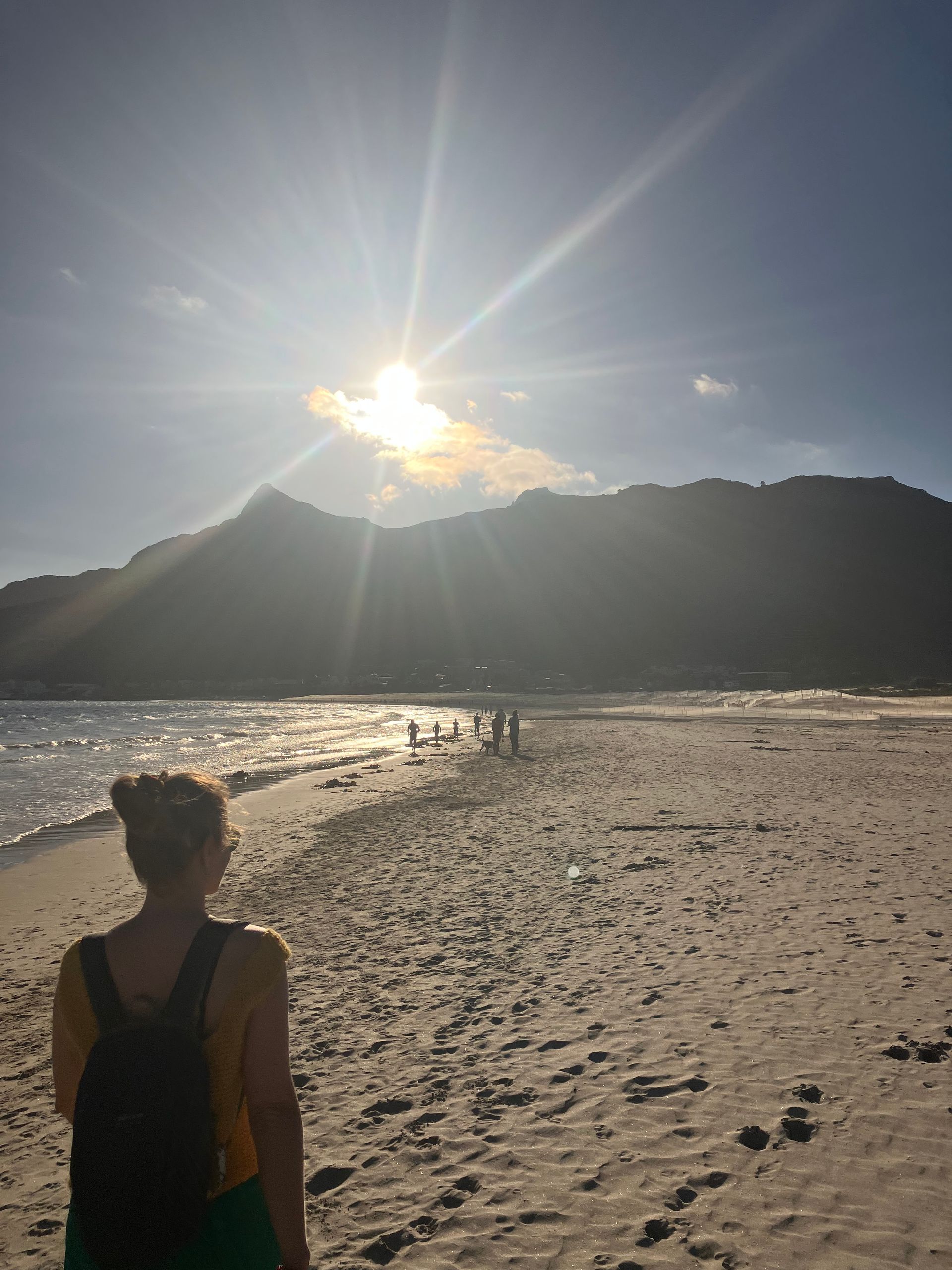
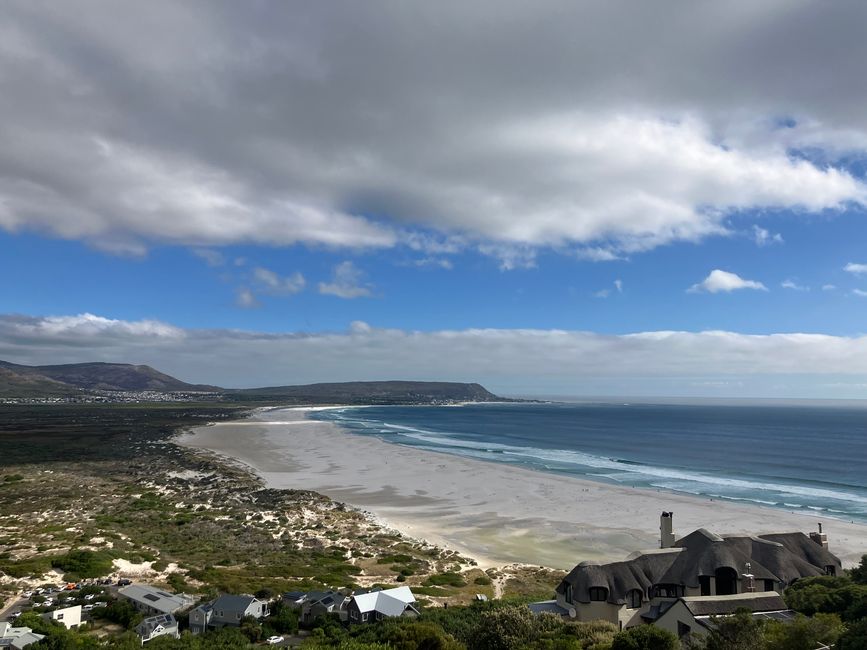
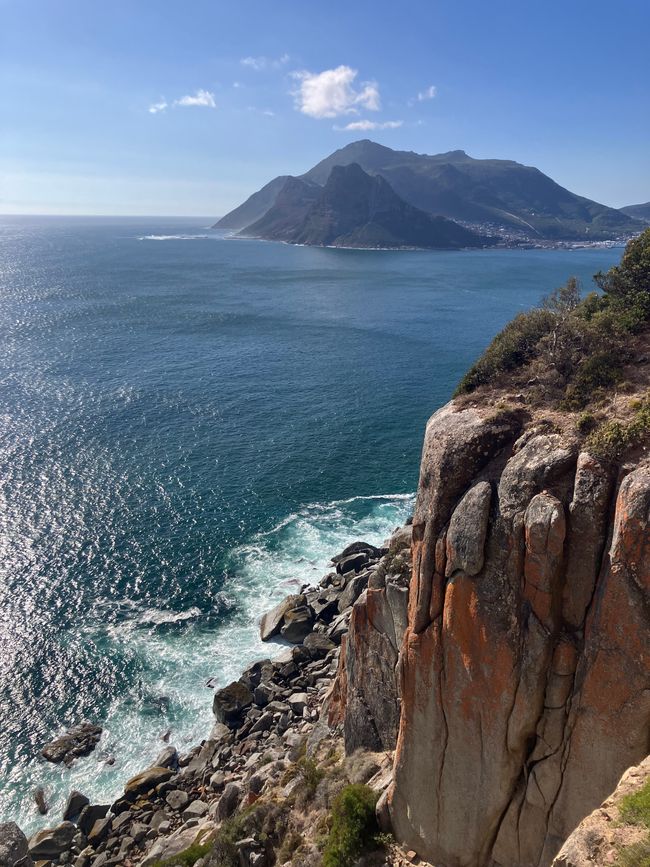
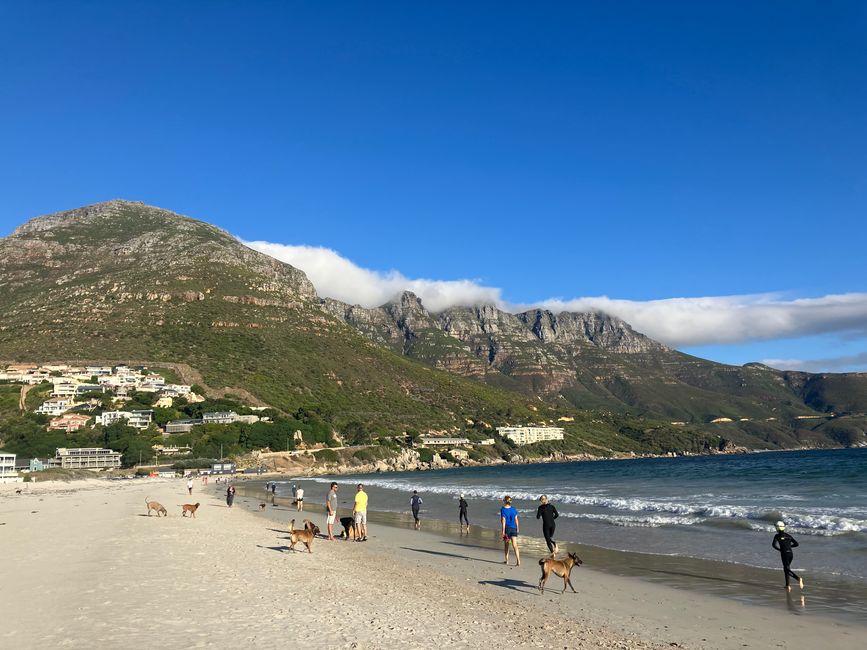
On the west coast of the Cape, we finally drive north again. The spectacular Chapman’s Peak Drive runs as a scenic route past wild beach bays and steep rock formations - Fantastic!!! We finally stop in beautiful Hout Bay.
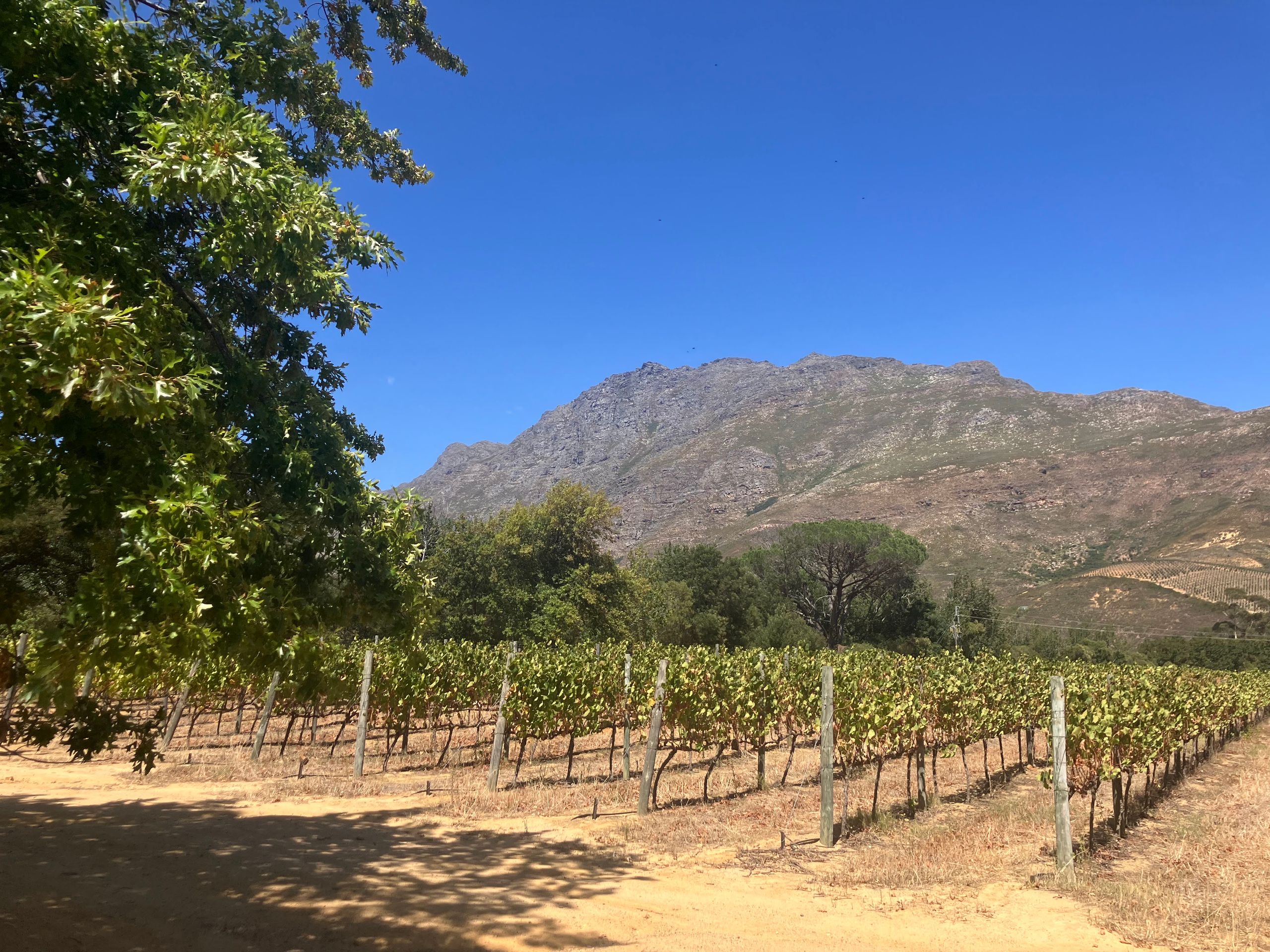
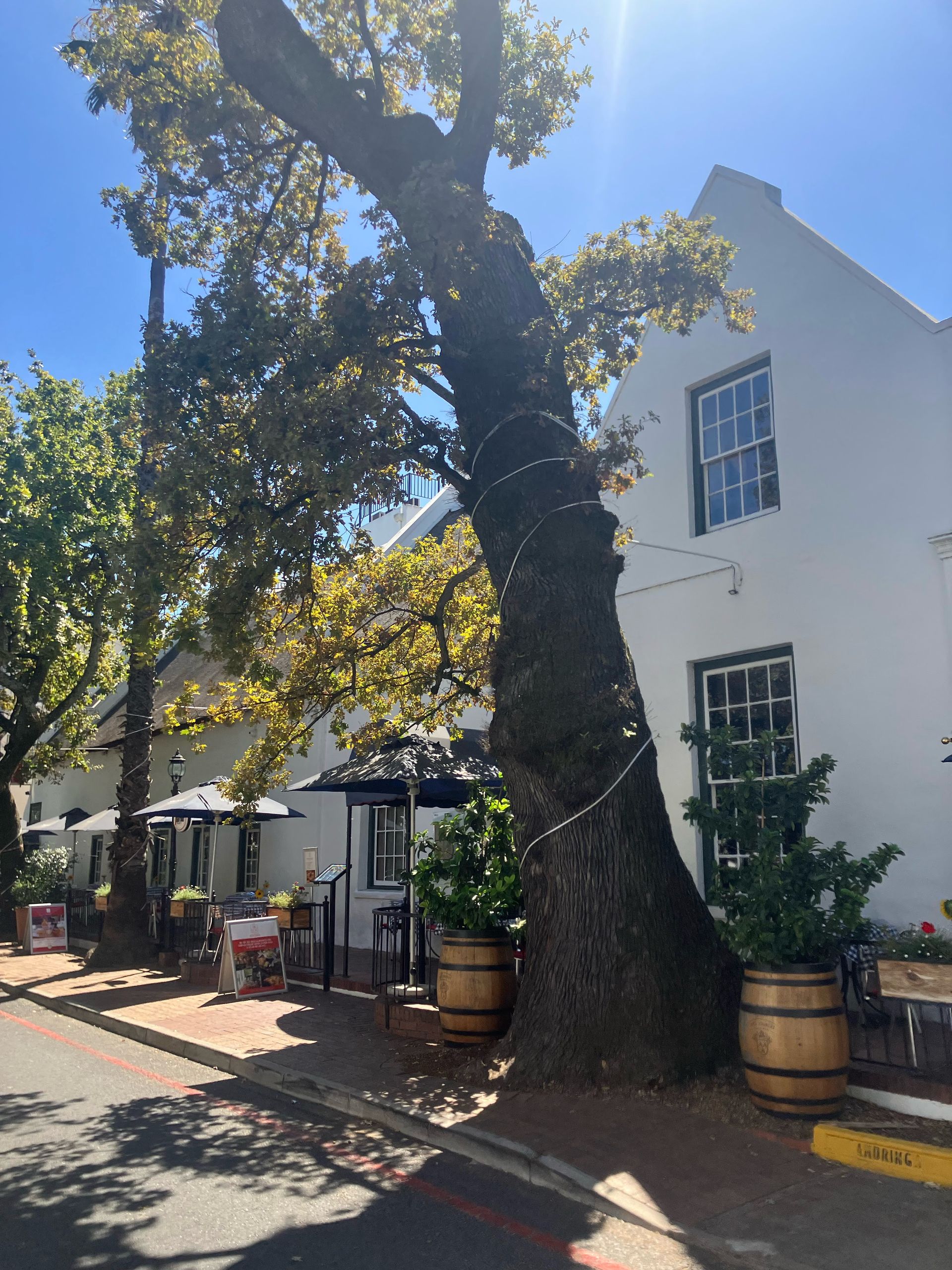
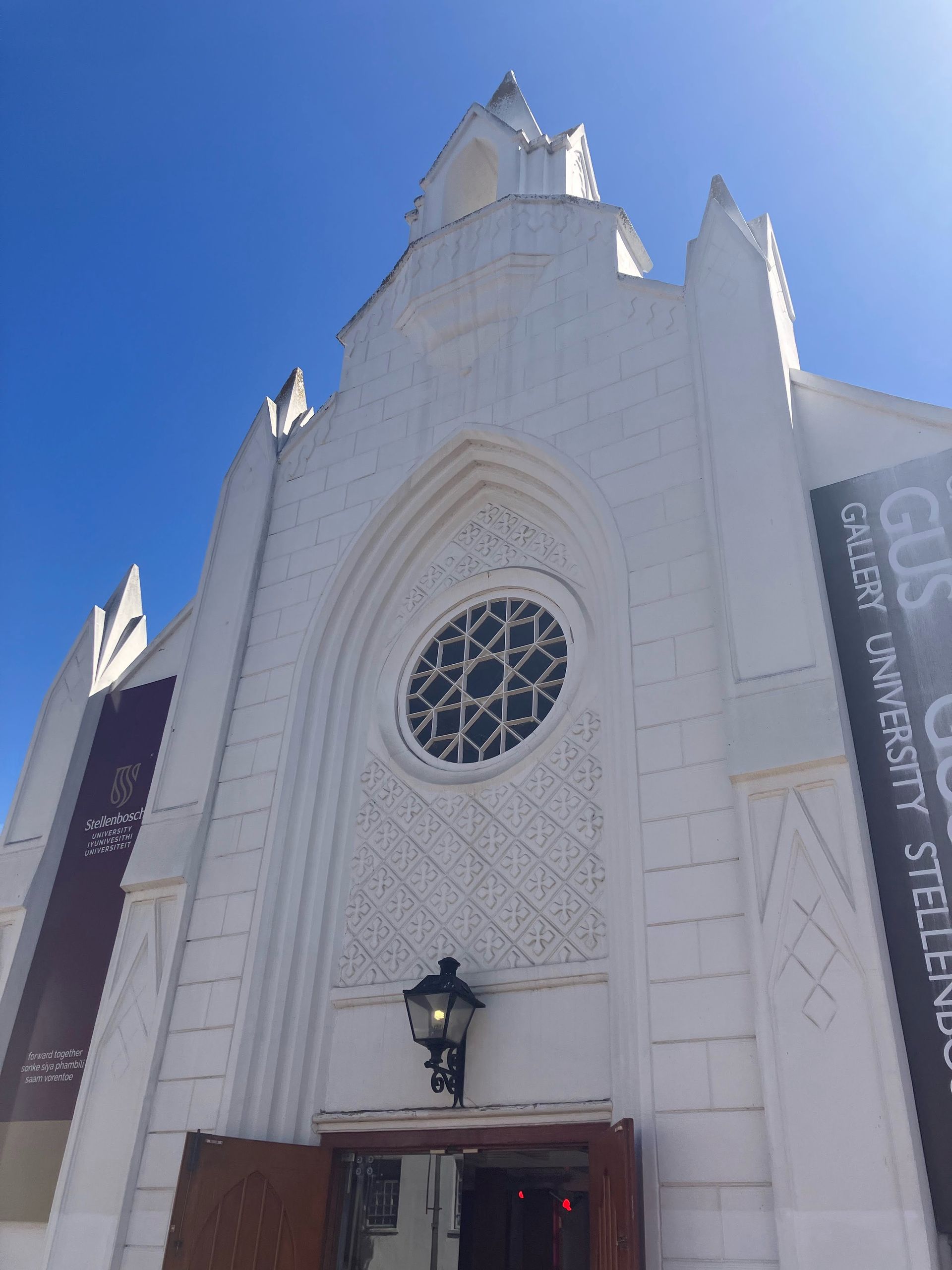
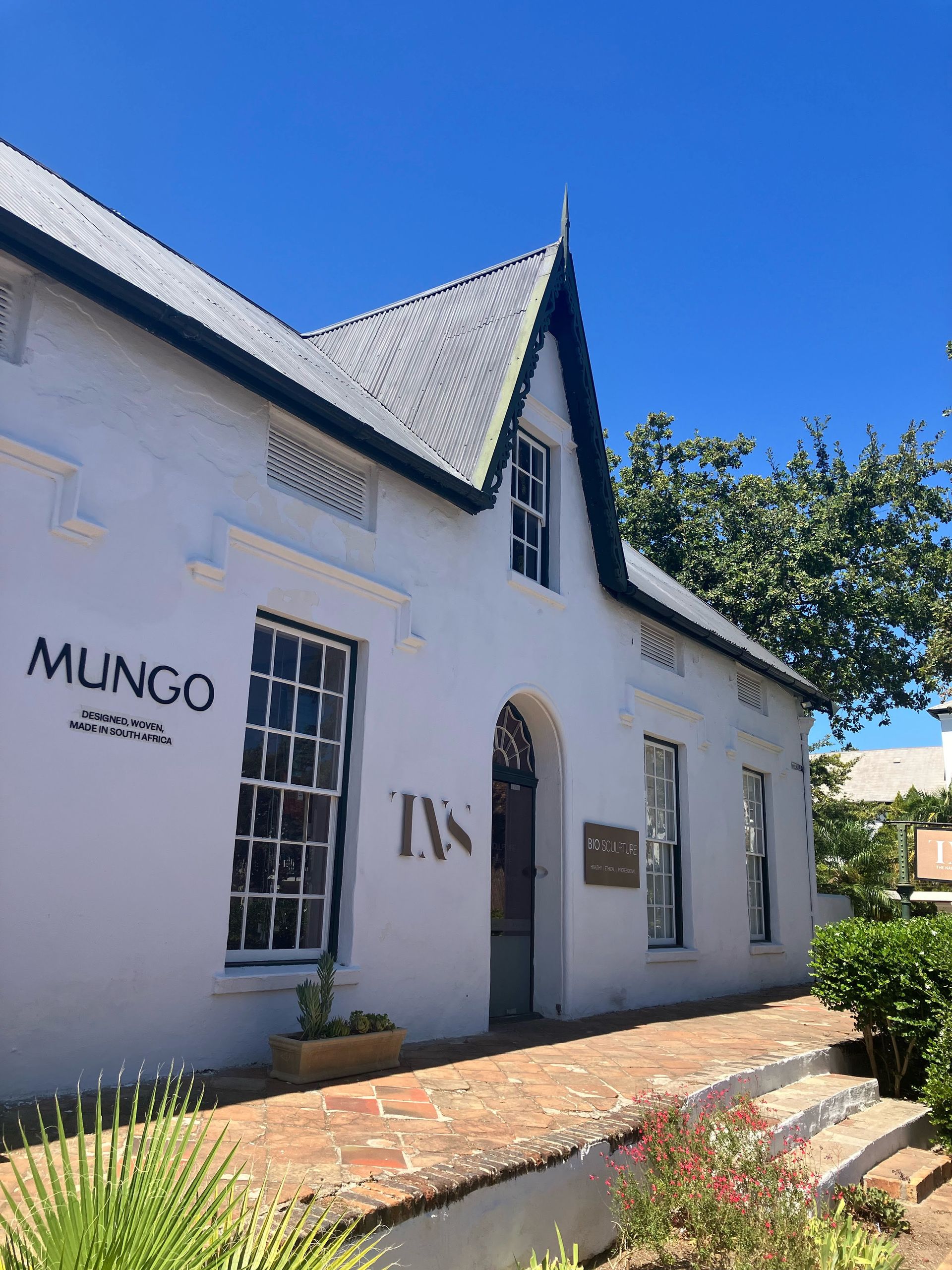
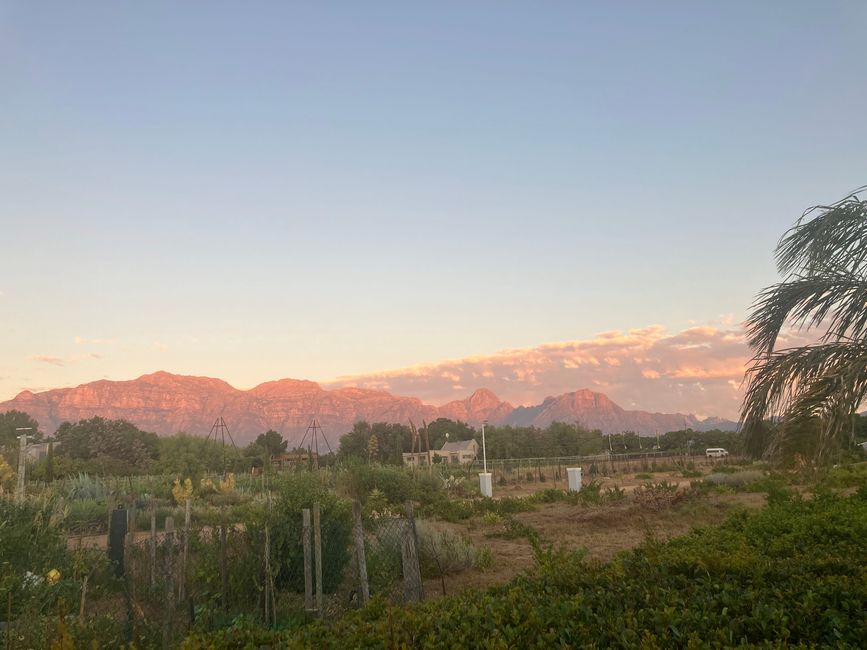
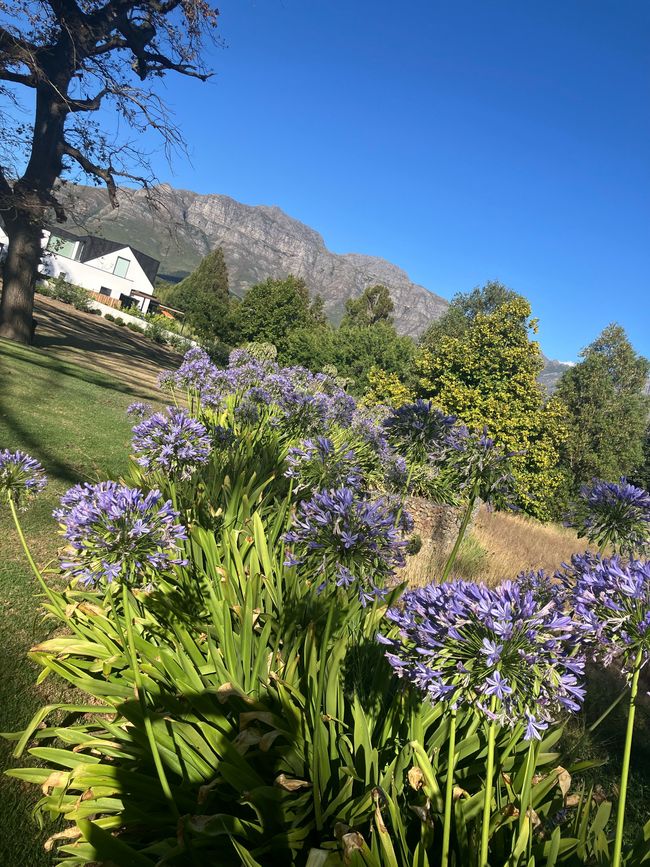
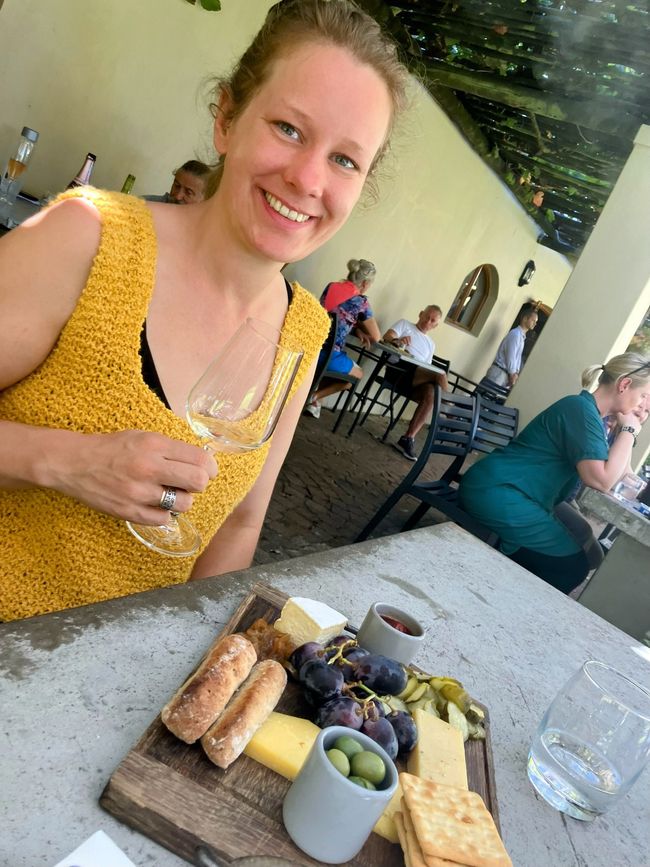
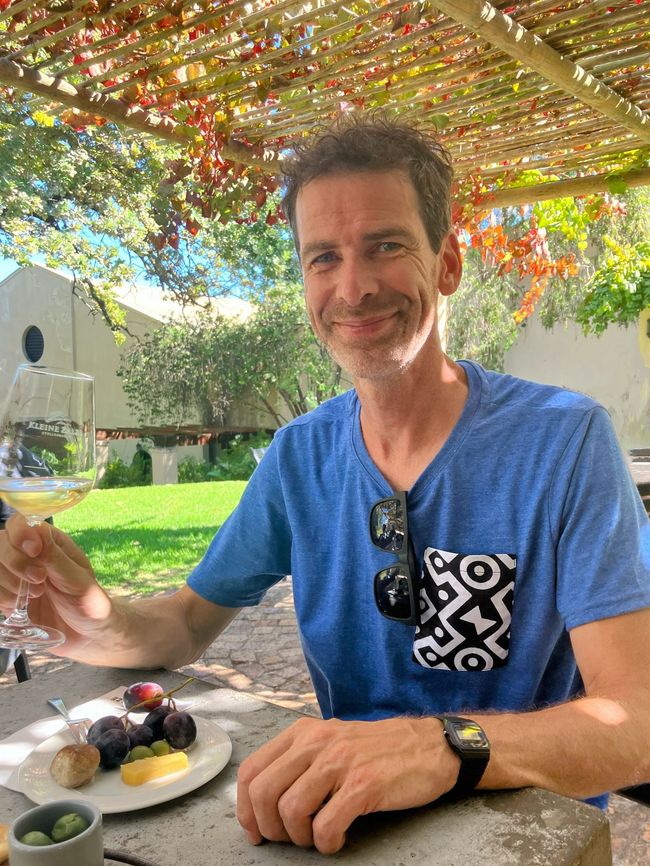
For two more days, we drive to the nearby wine region of Stellenbosch. The landscape is simply incredibly beautiful with many traditional wineries to discover. The Chenin Blanc is especially important and delicious!In the small town of Stellenbosch itself, there are many historic buildings with charm. A very upscale area just outside Cape Town!
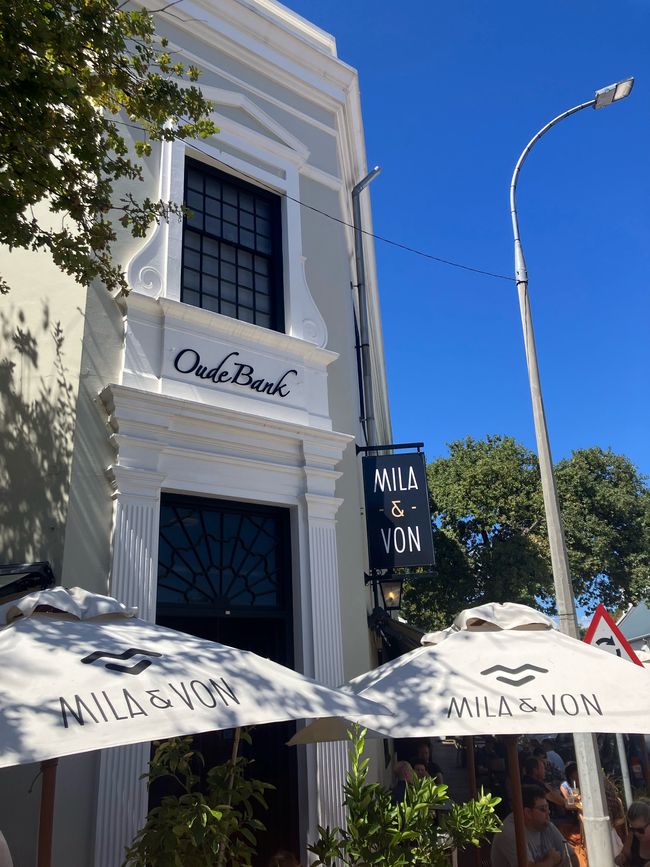
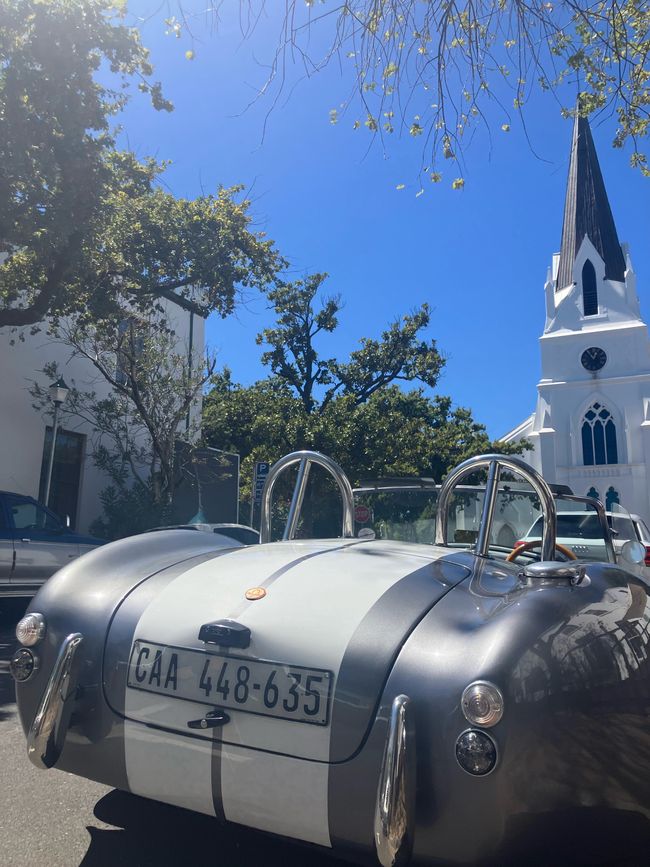
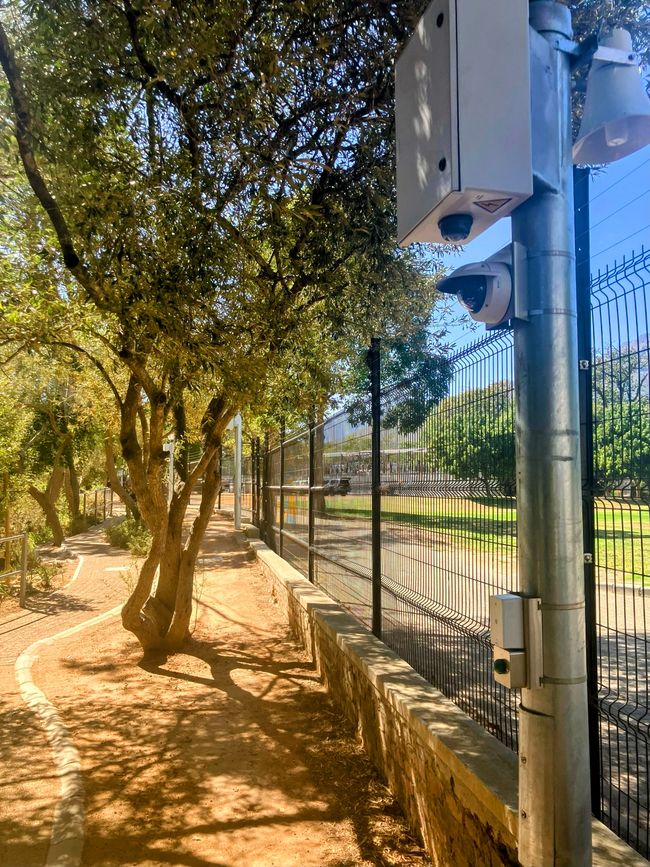
It’s a wonderful world, but we also notice the stark divide between rich and poor, white and black here. In the picturesque town center, we see only white people. By the idyllic river nearby, thick camera systems and panic buttons are installed! When we inquired whether we could take a walk in the nearby mountains, we were advised against it. Outside the protective bubble, it could easily happen that we would be robbed…
Following our wonderful trip to the outskirts of Cape Town, our epic road trip is now truly on its way: Off to Namibia 🇳🇦