On the Salkantay Trek to Machu Picchu
For a few weeks now, I have been in Peru and have absorbed all sorts of cultural background of this country steeped in Inca culture. Only the highlight of Peru and the most...

Pubblicato: 24.12.2024
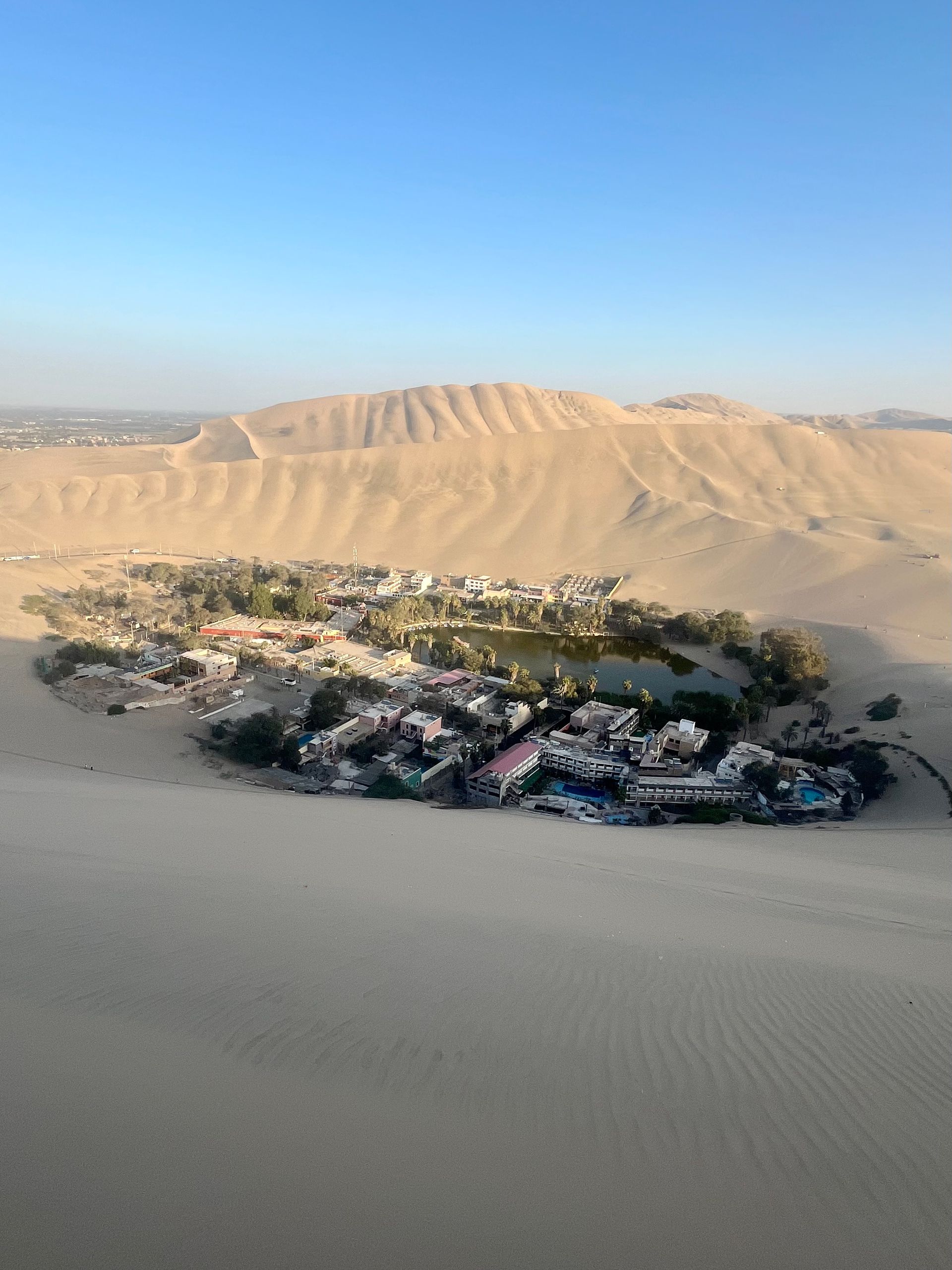

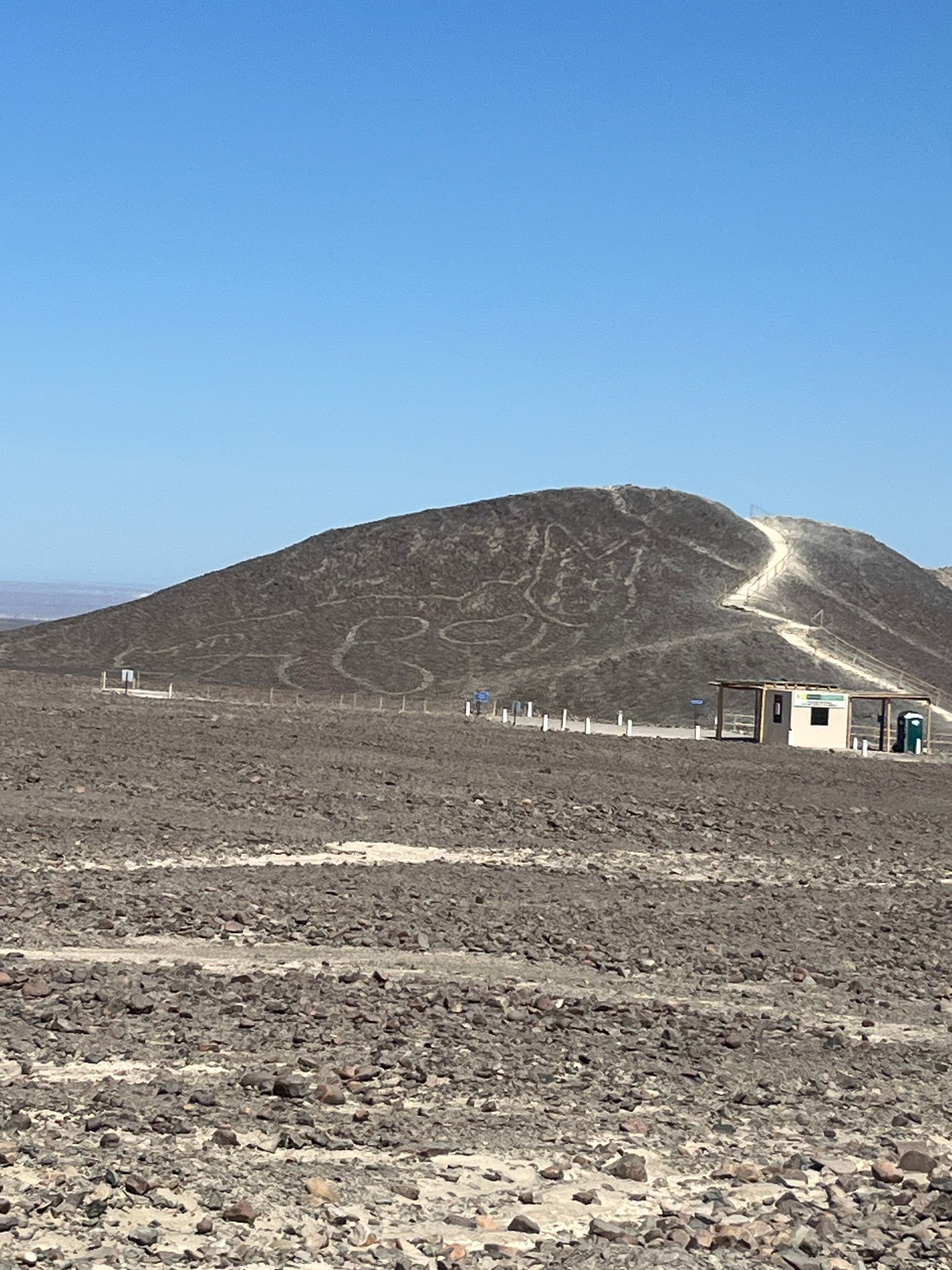

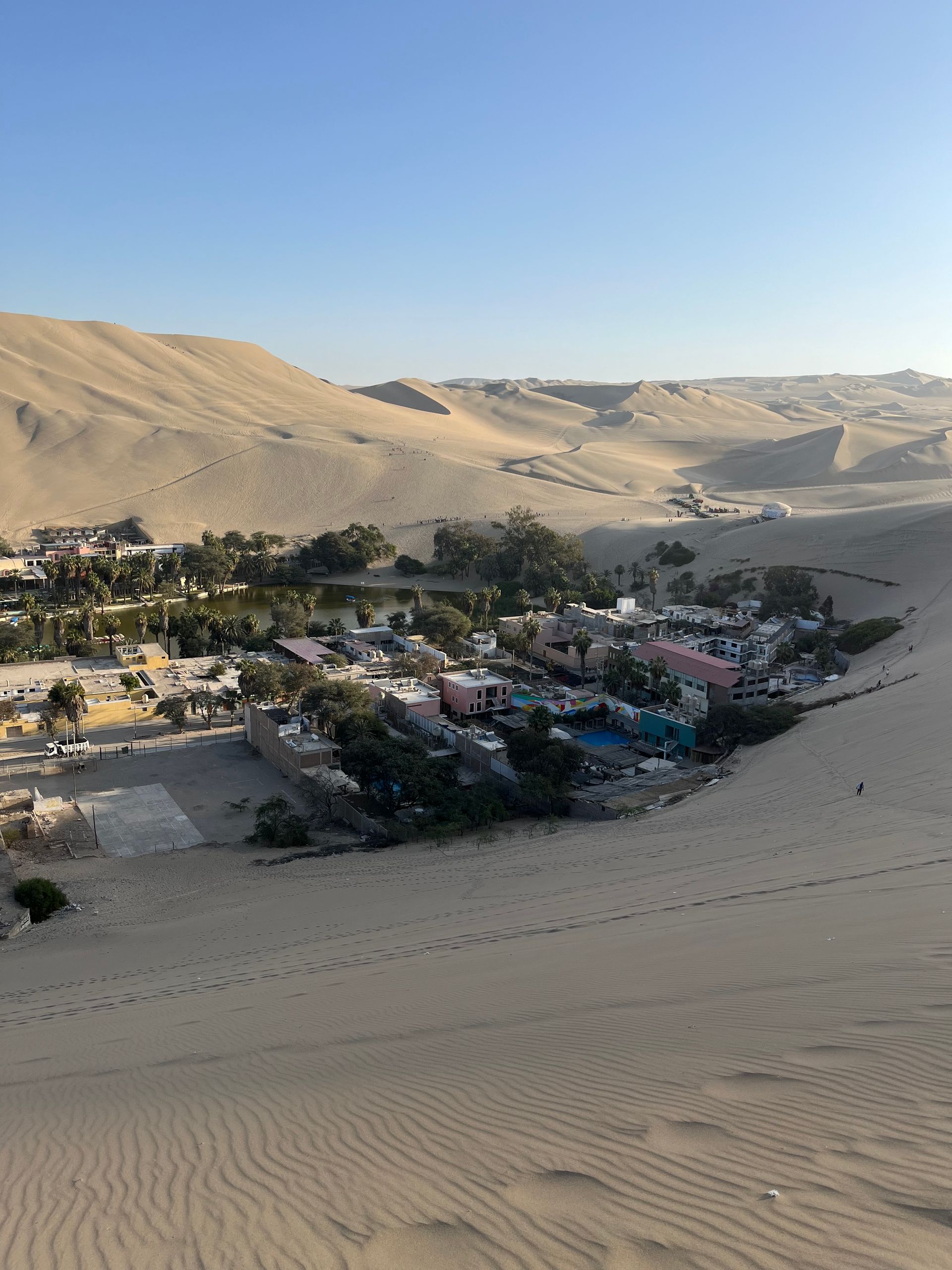
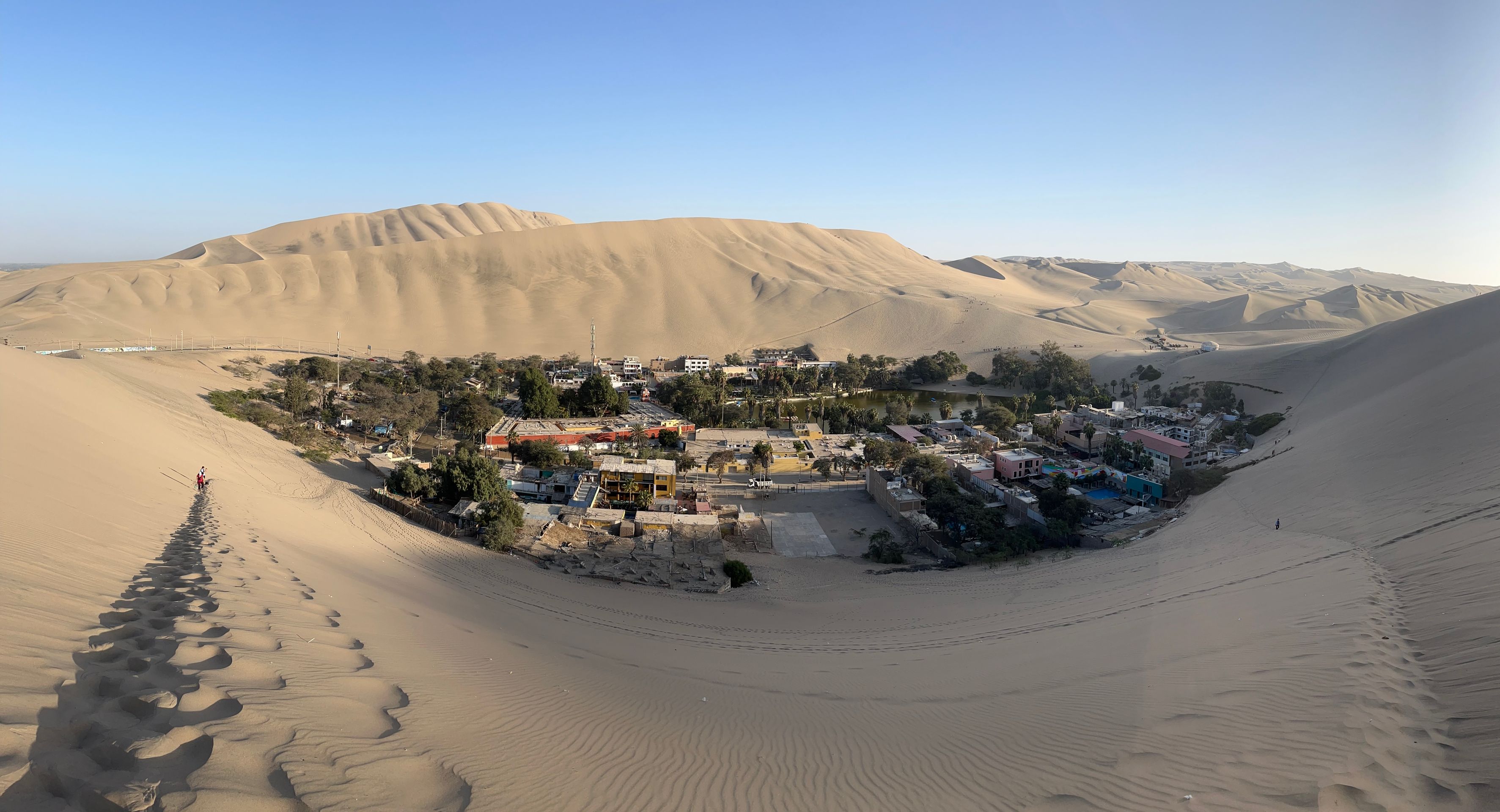
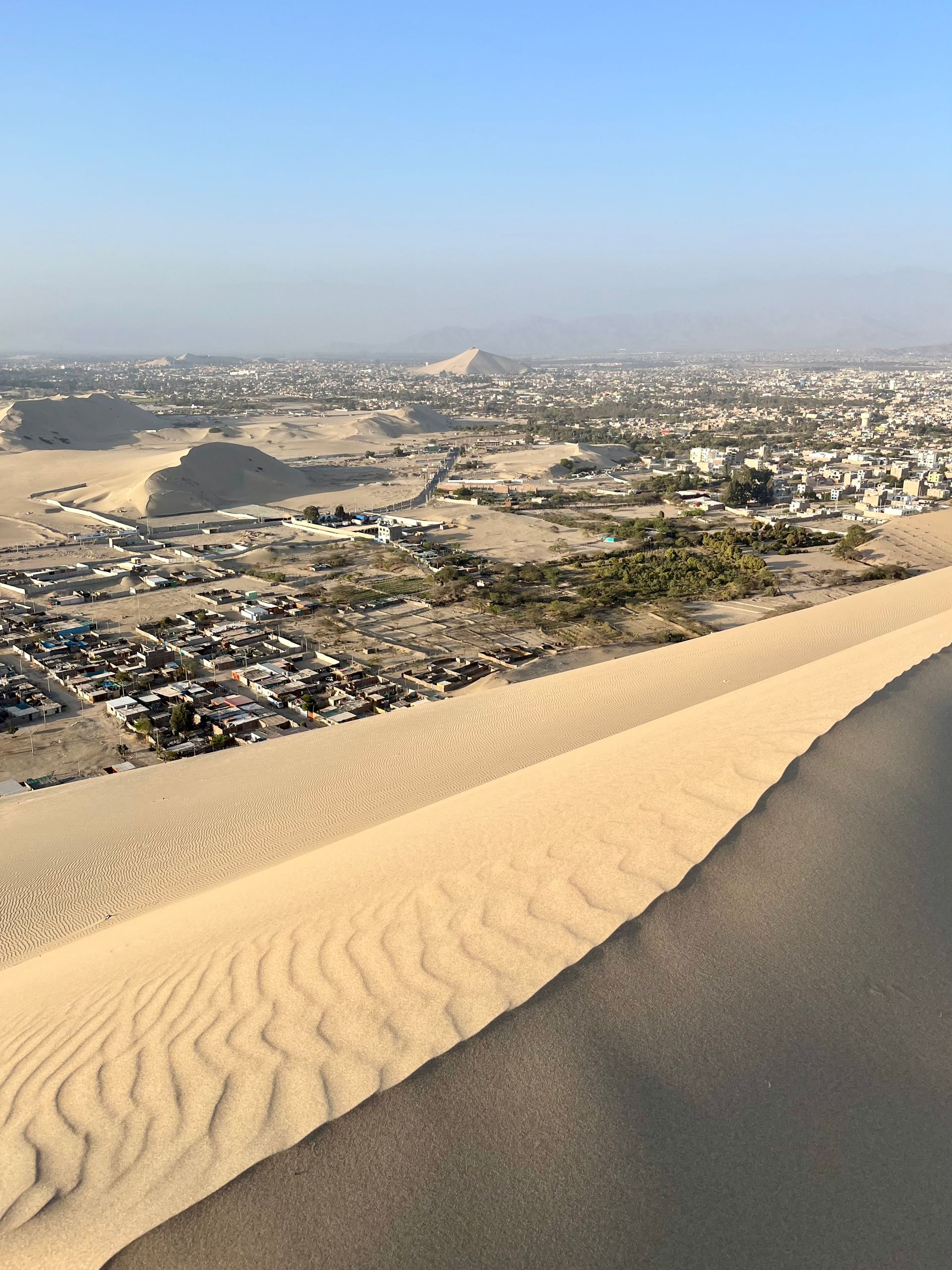
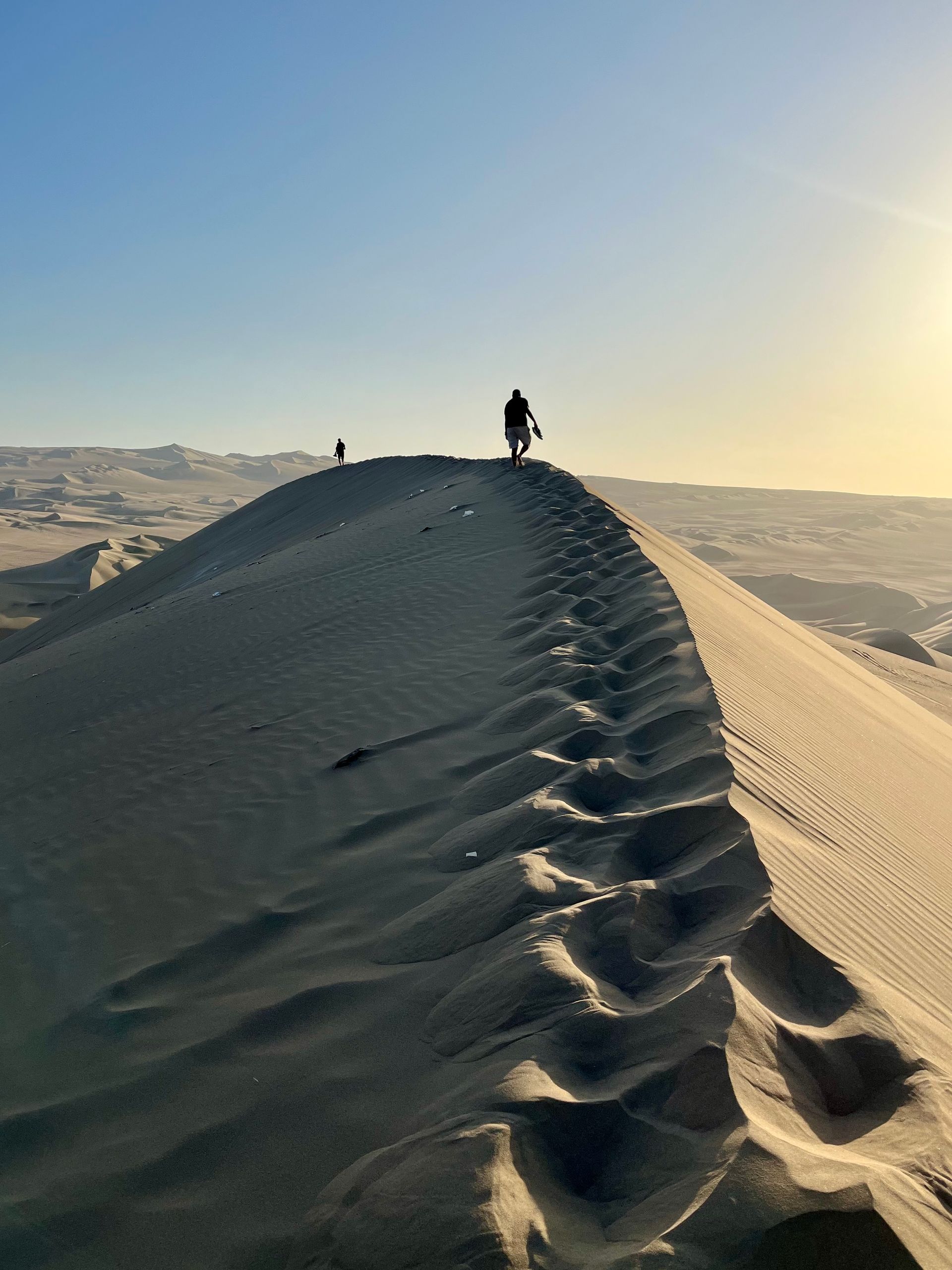
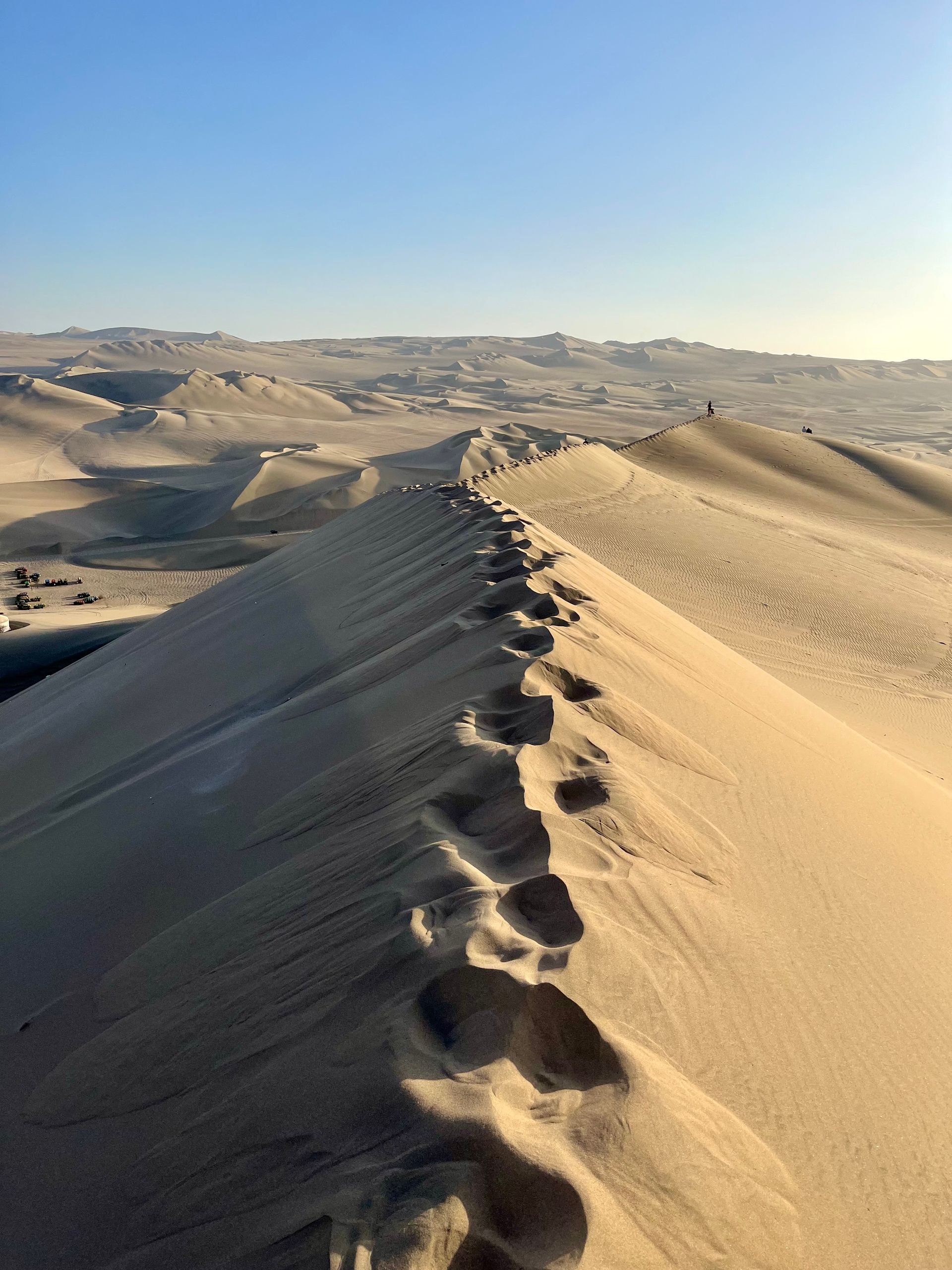
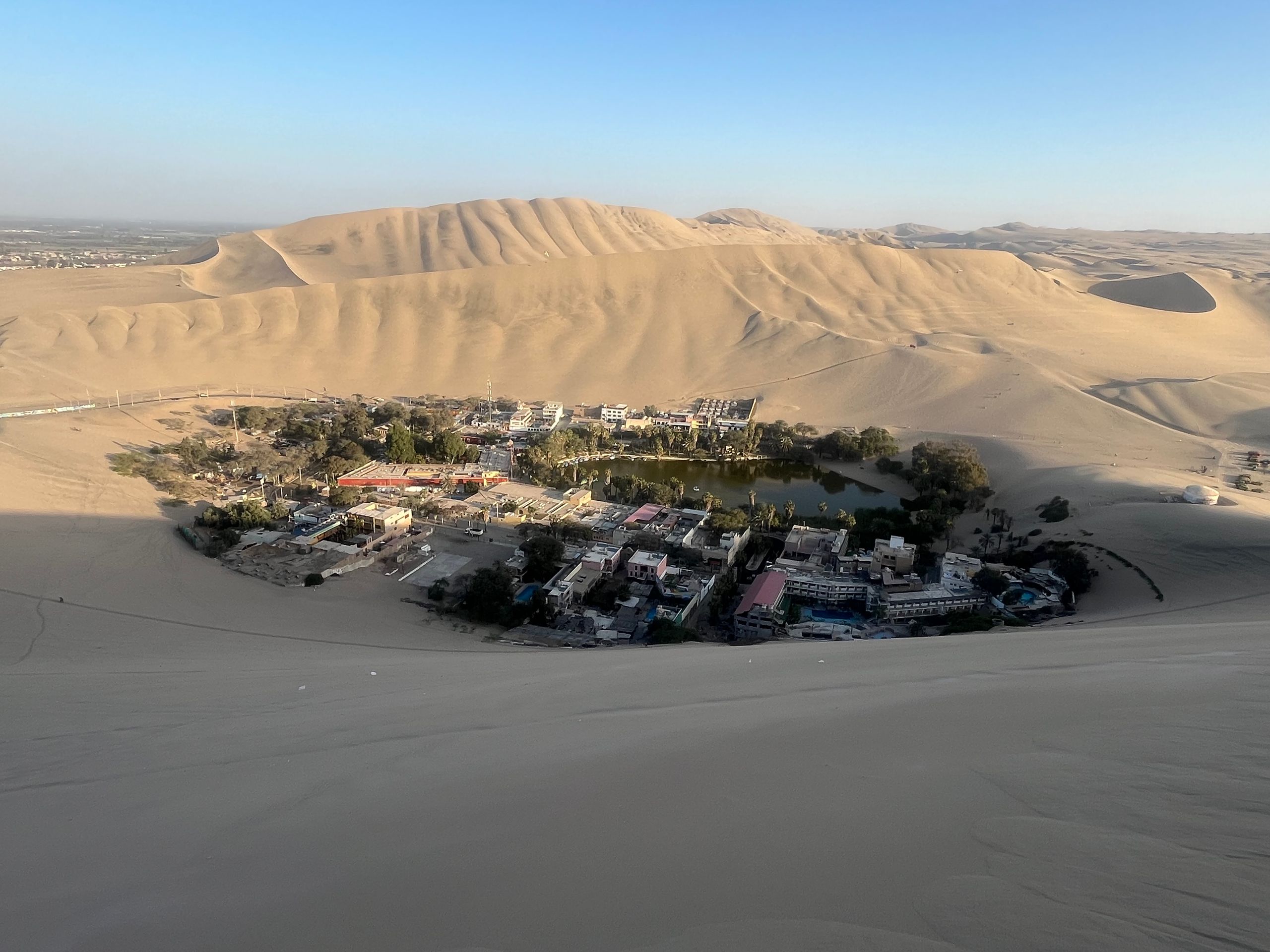
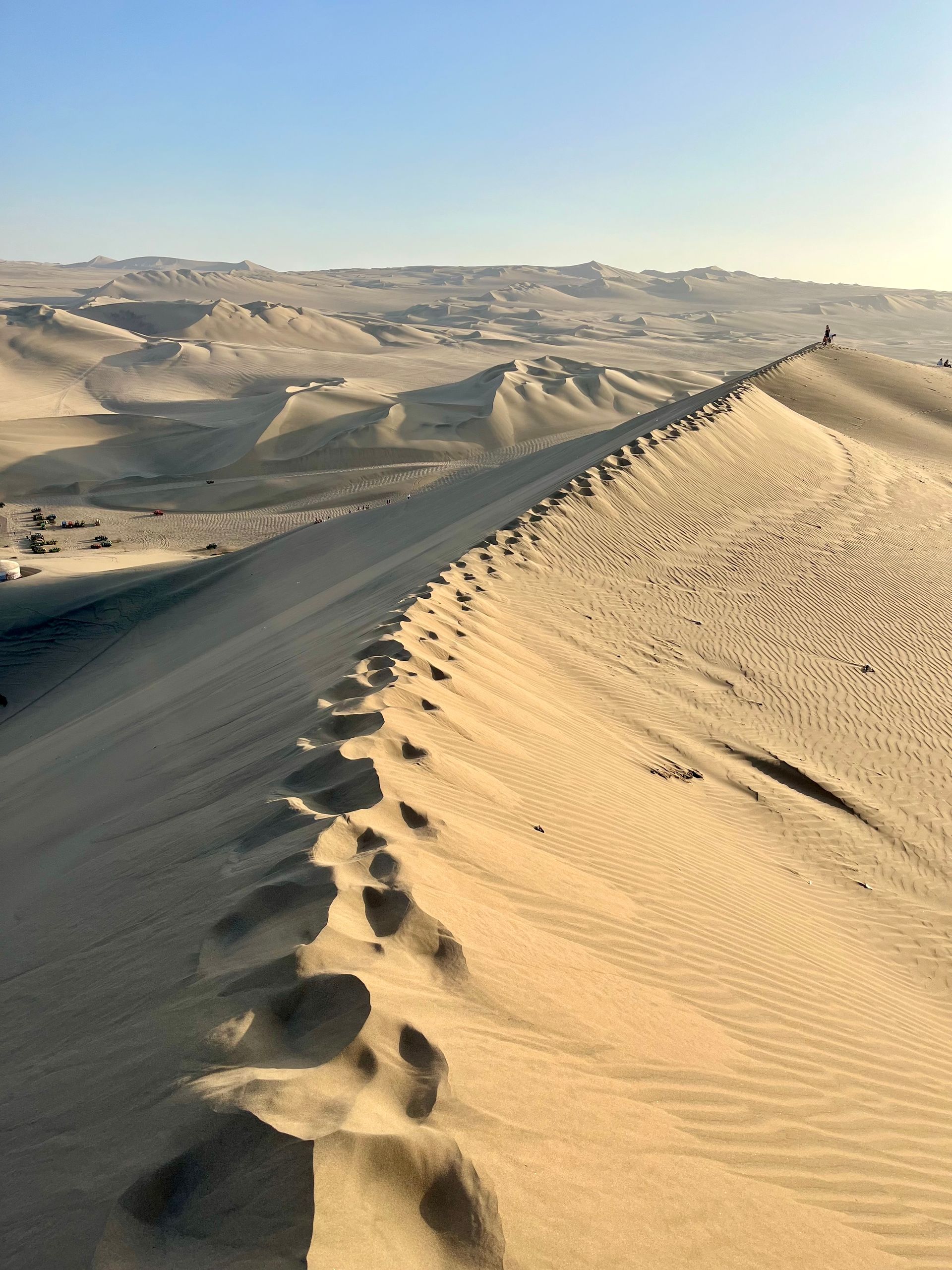
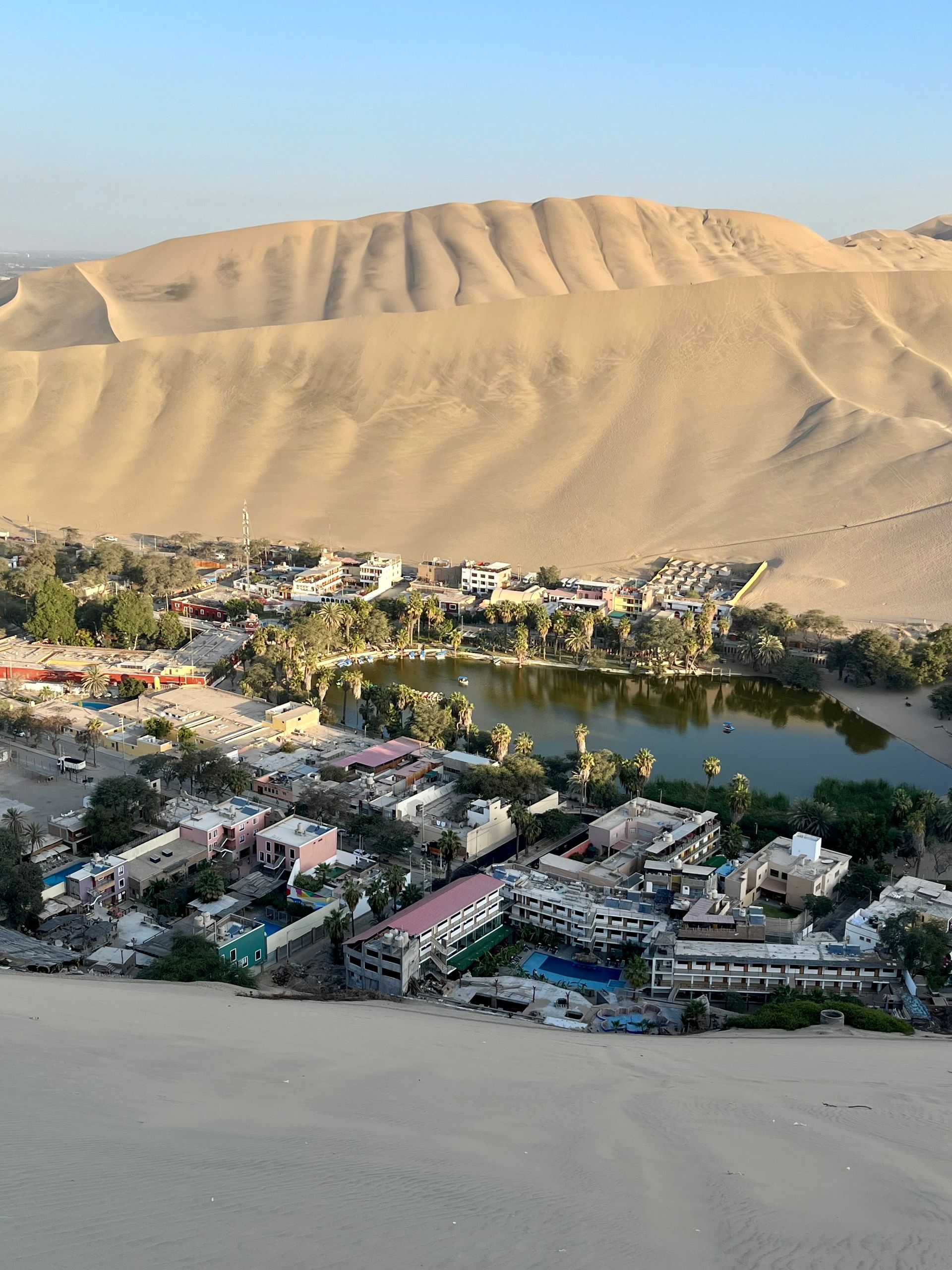
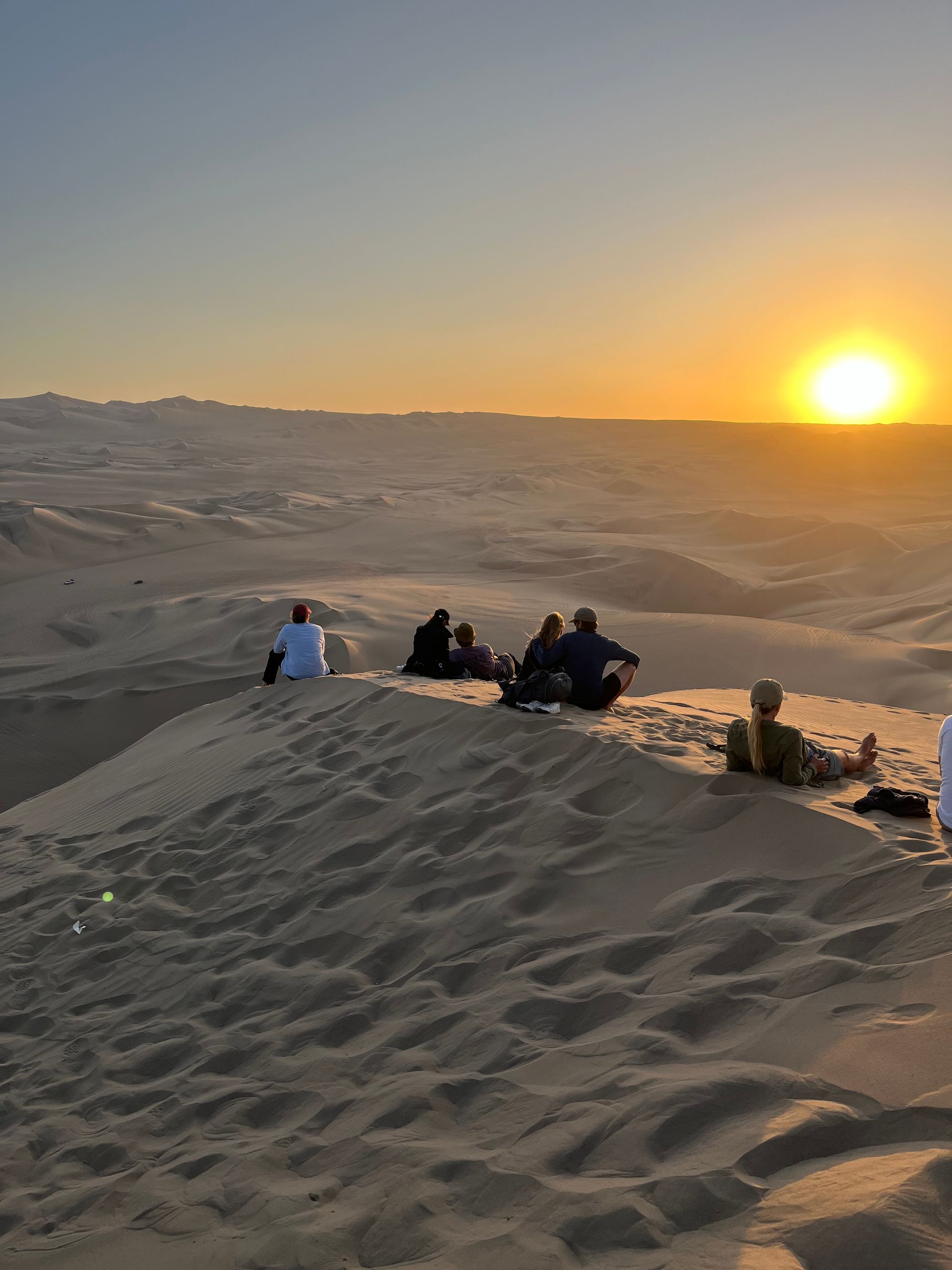
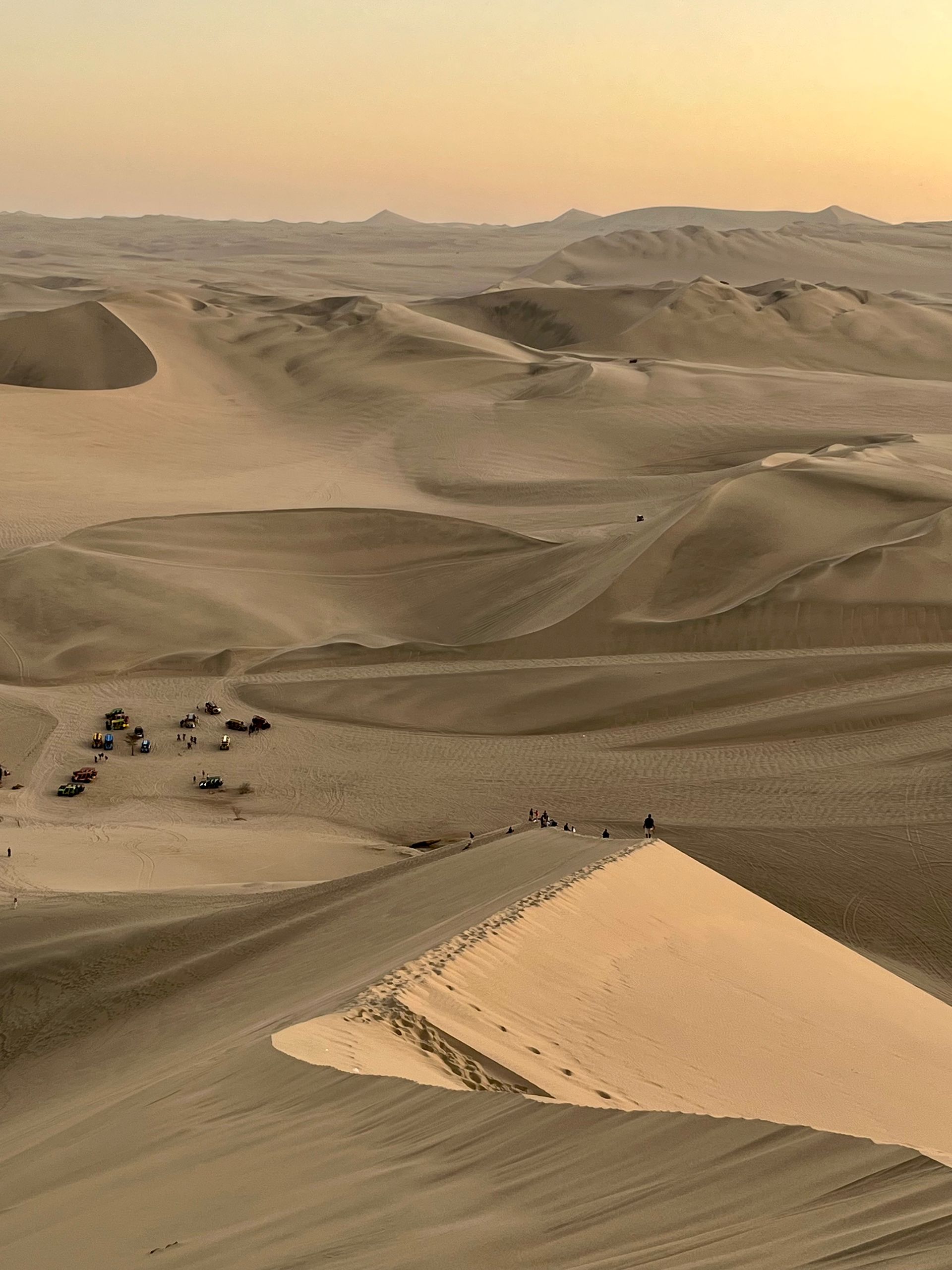
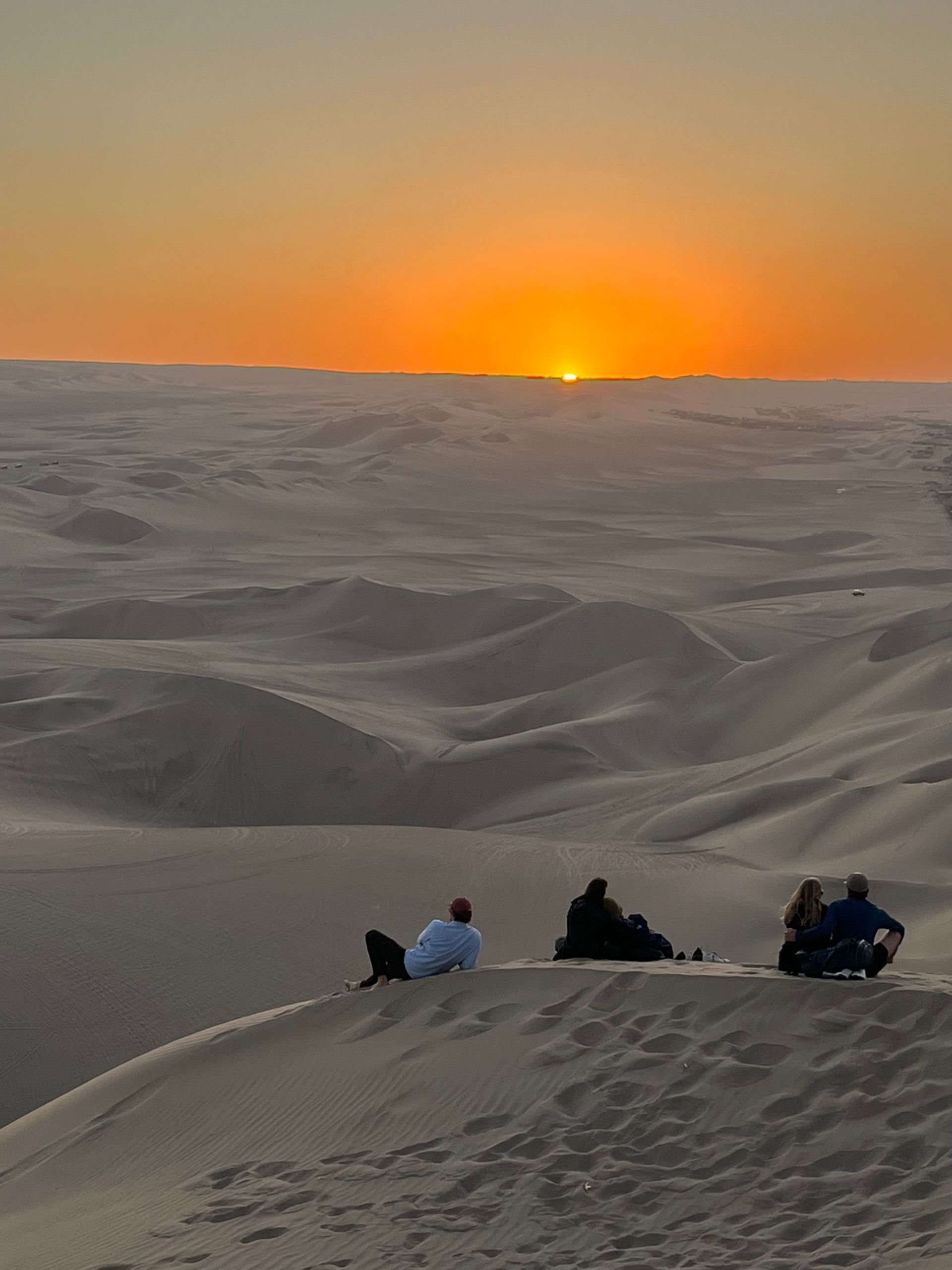
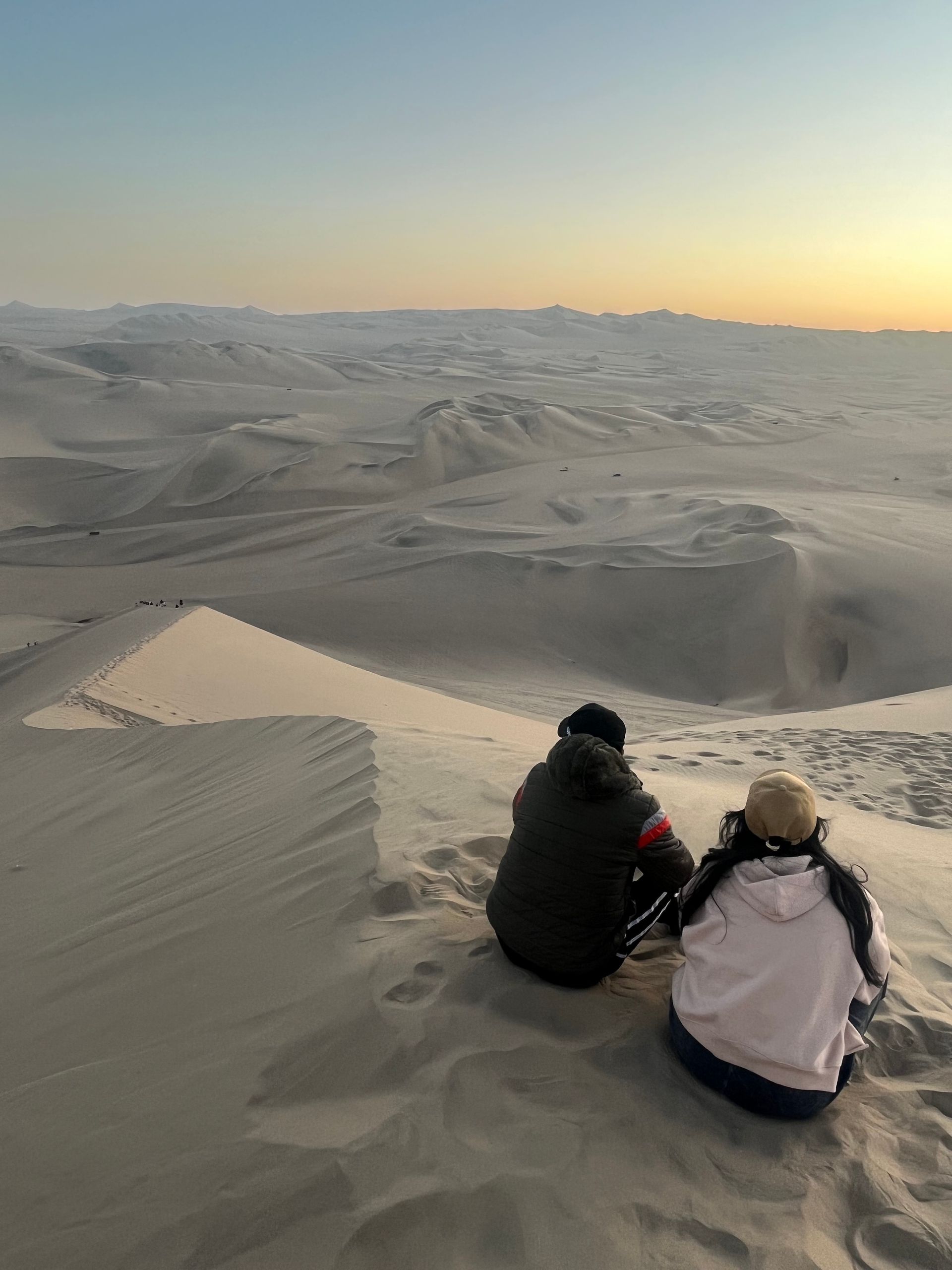
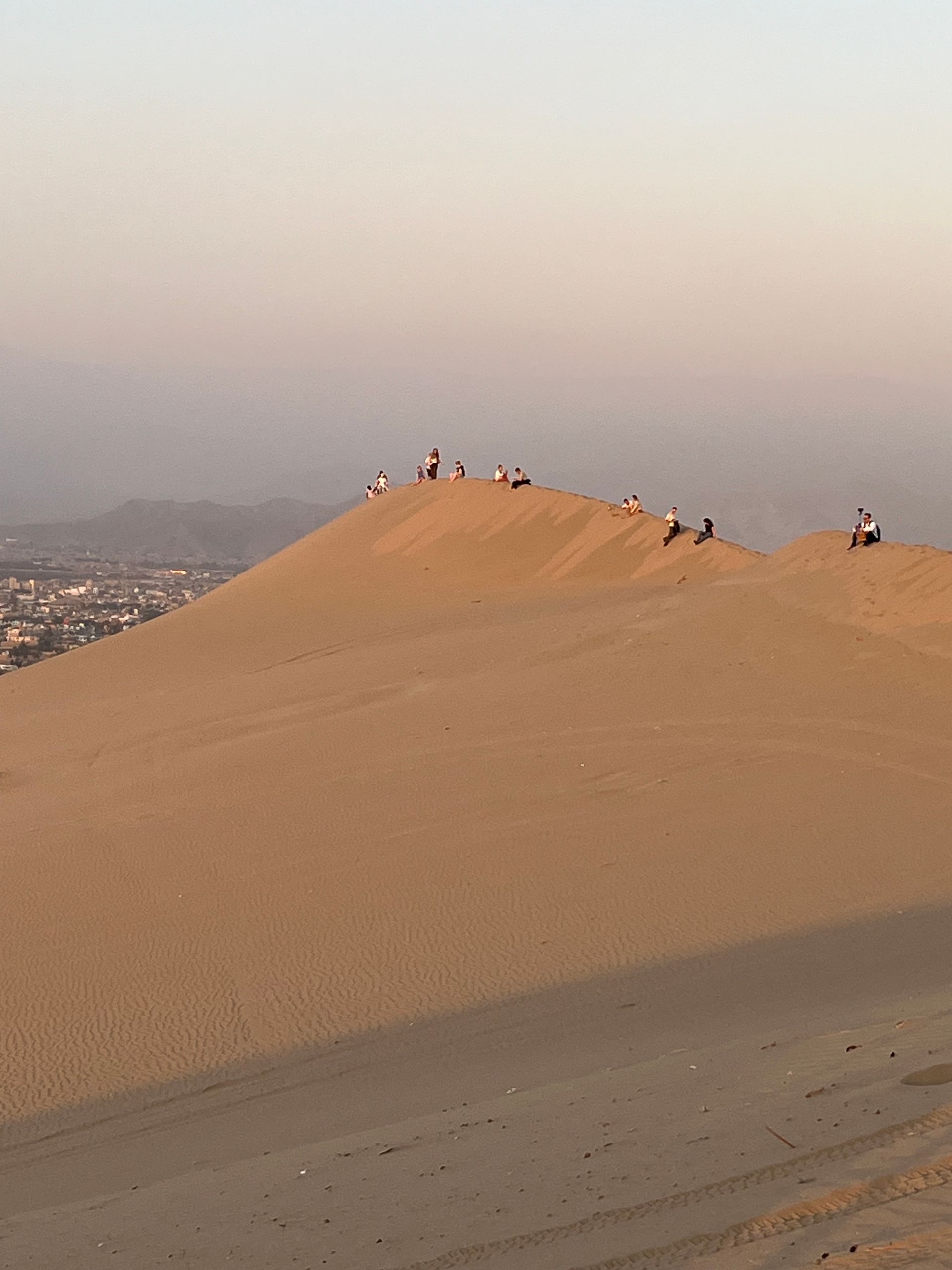
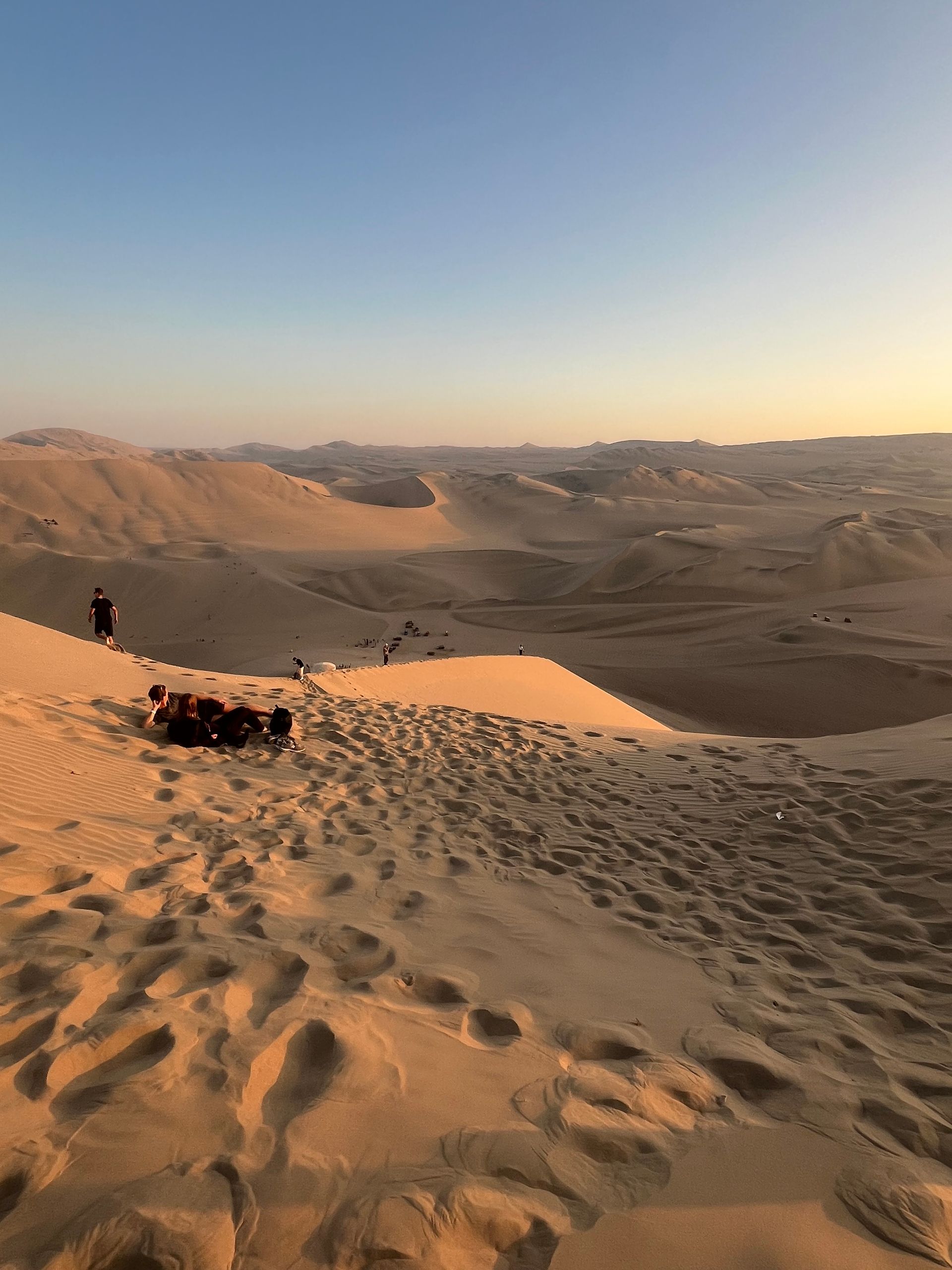
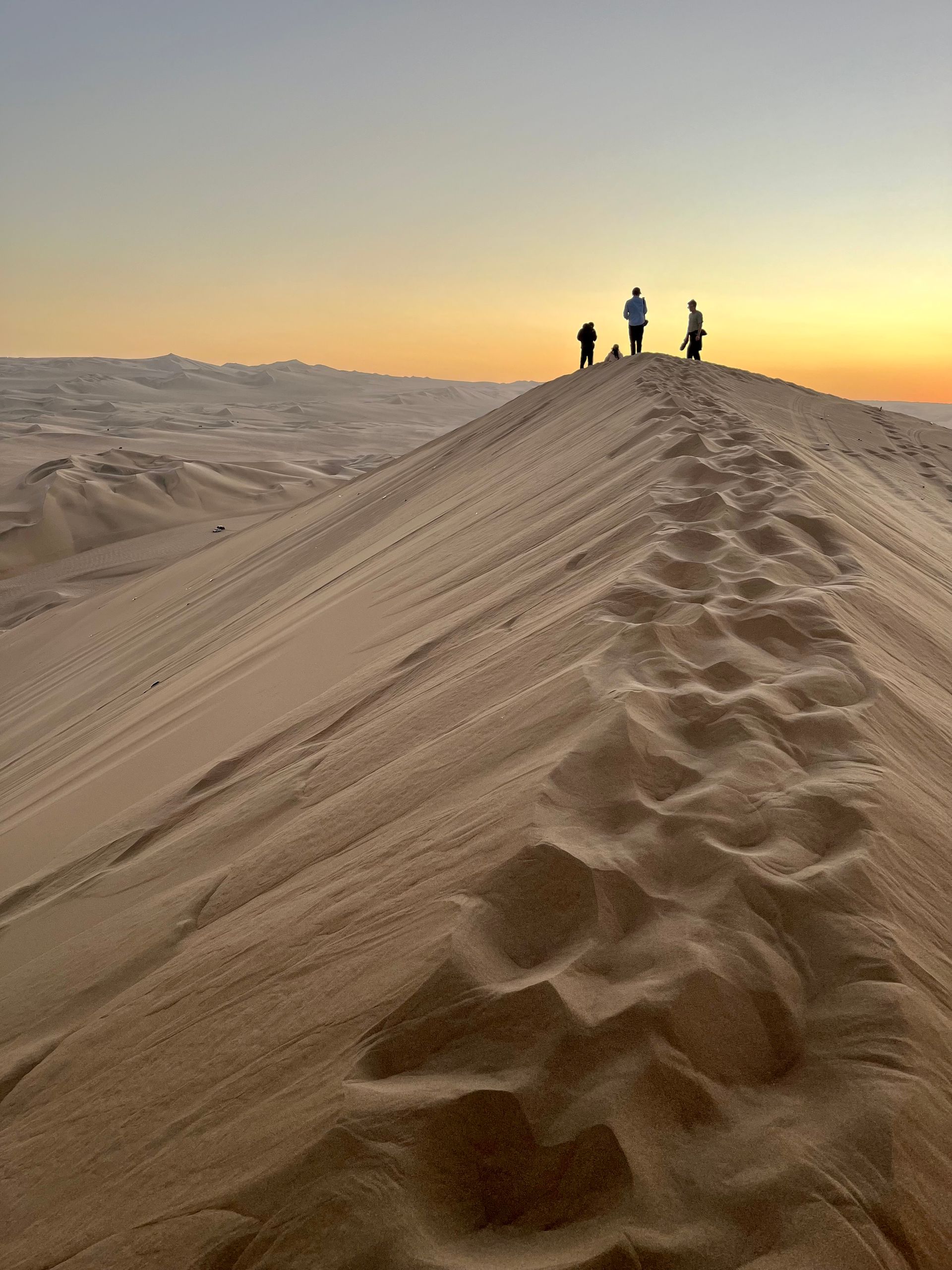

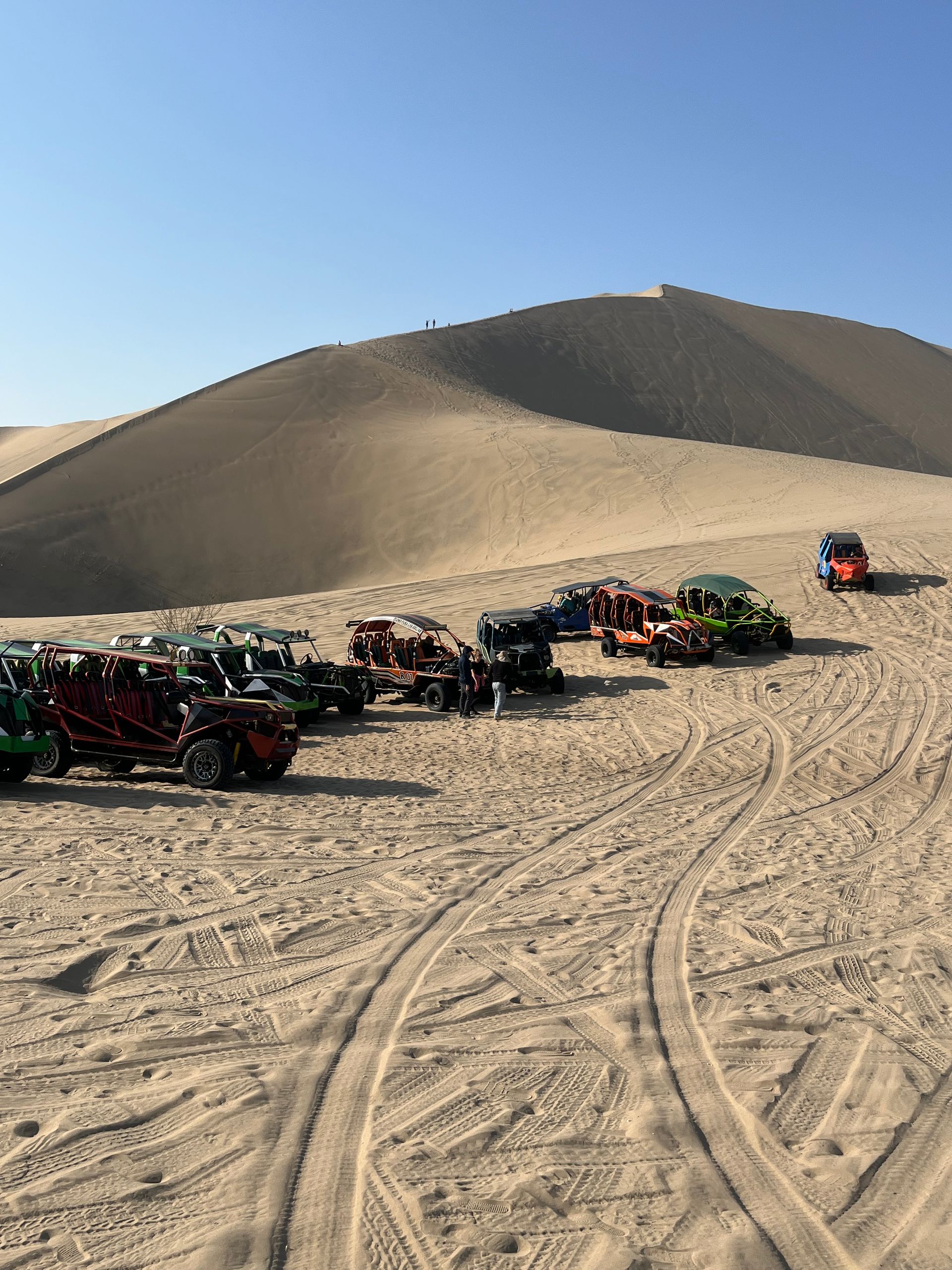

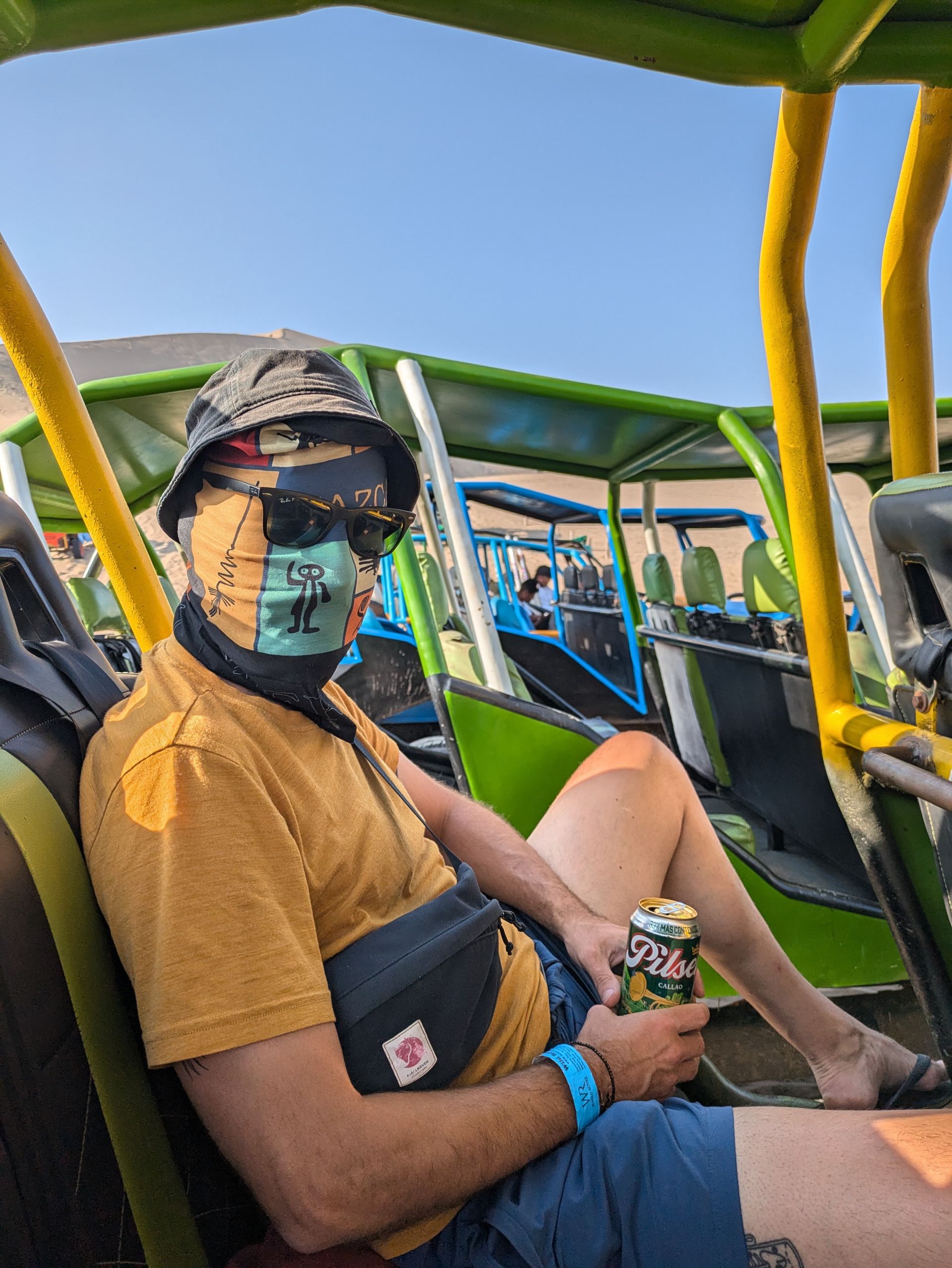
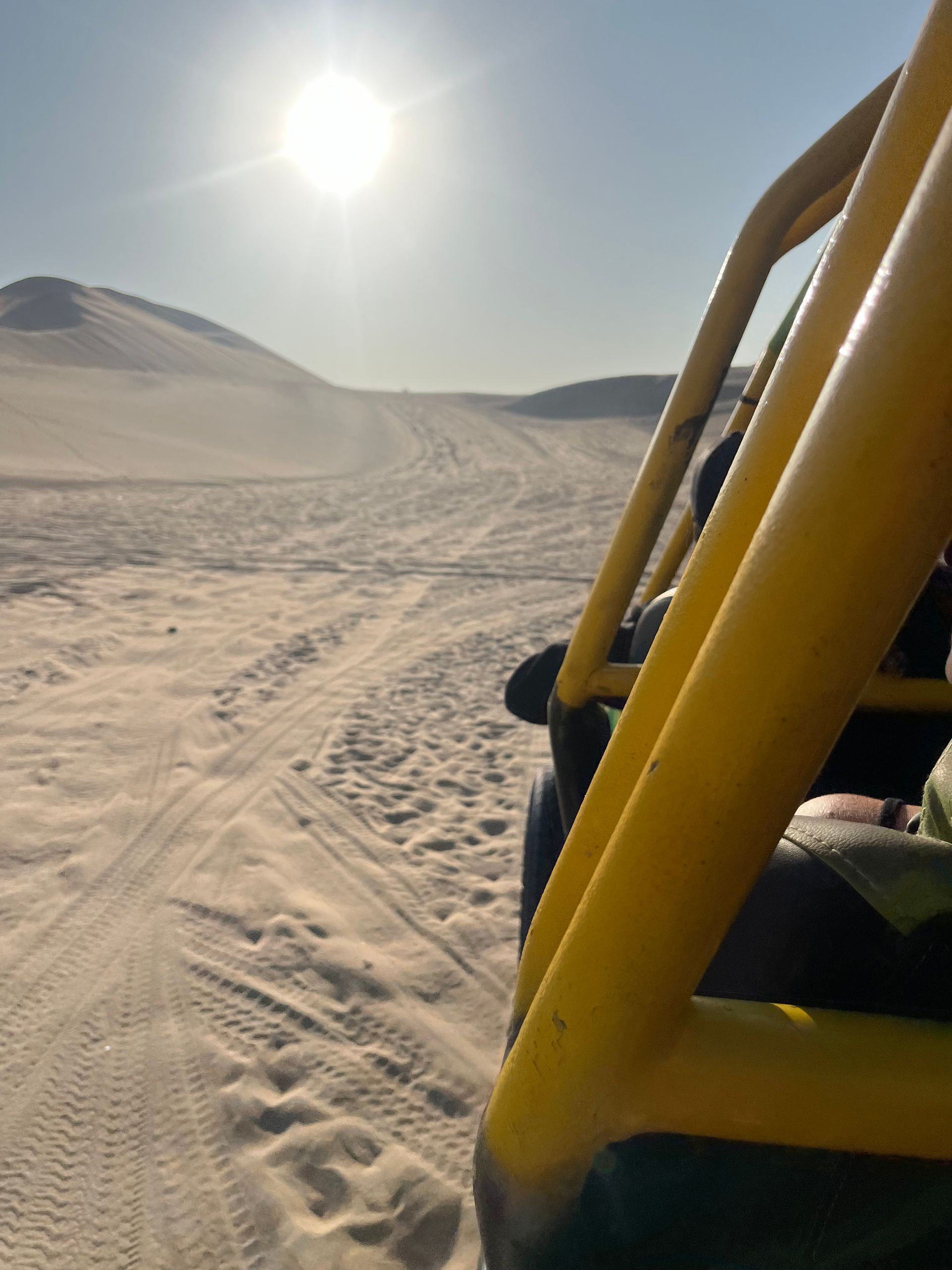

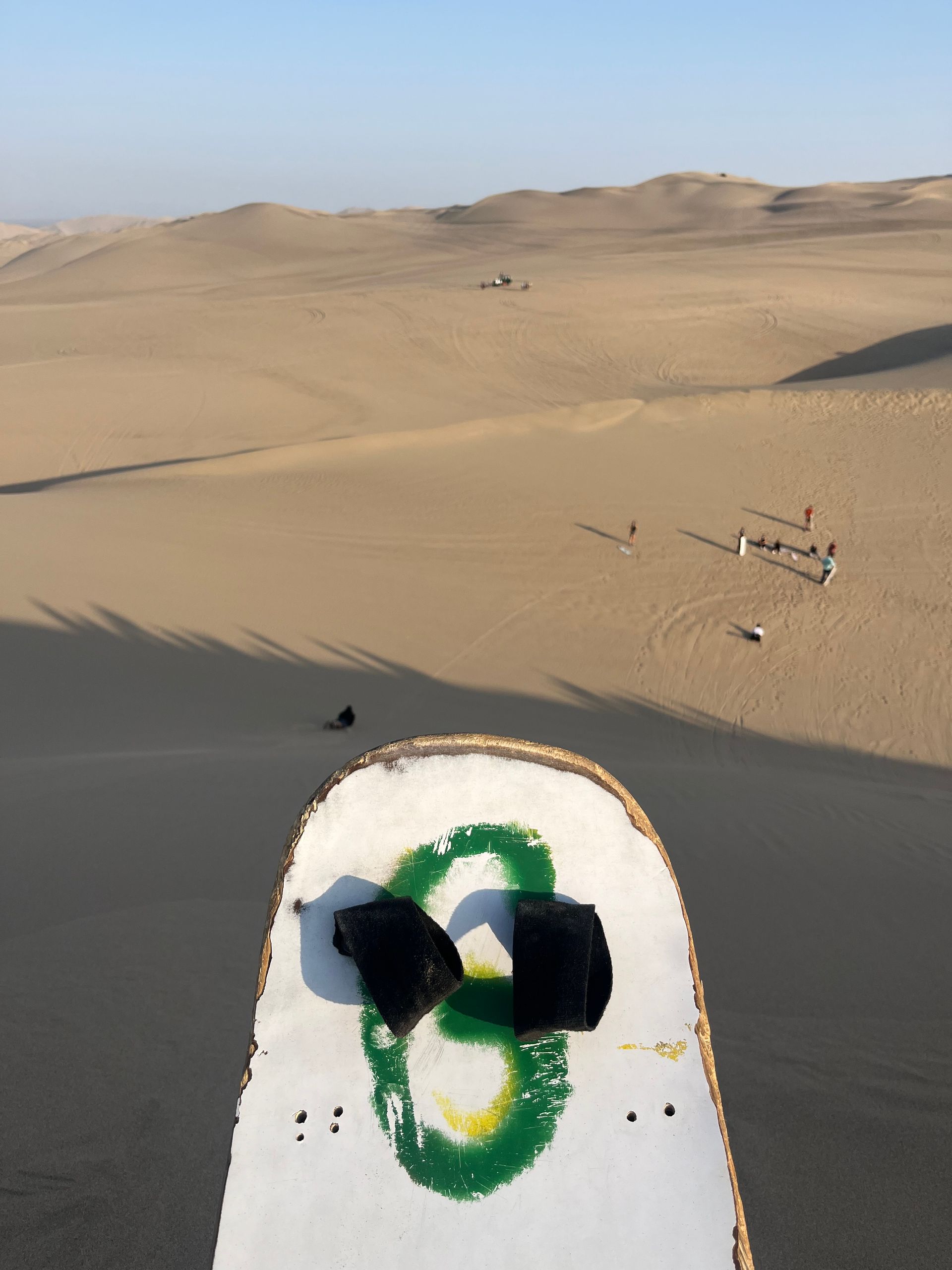
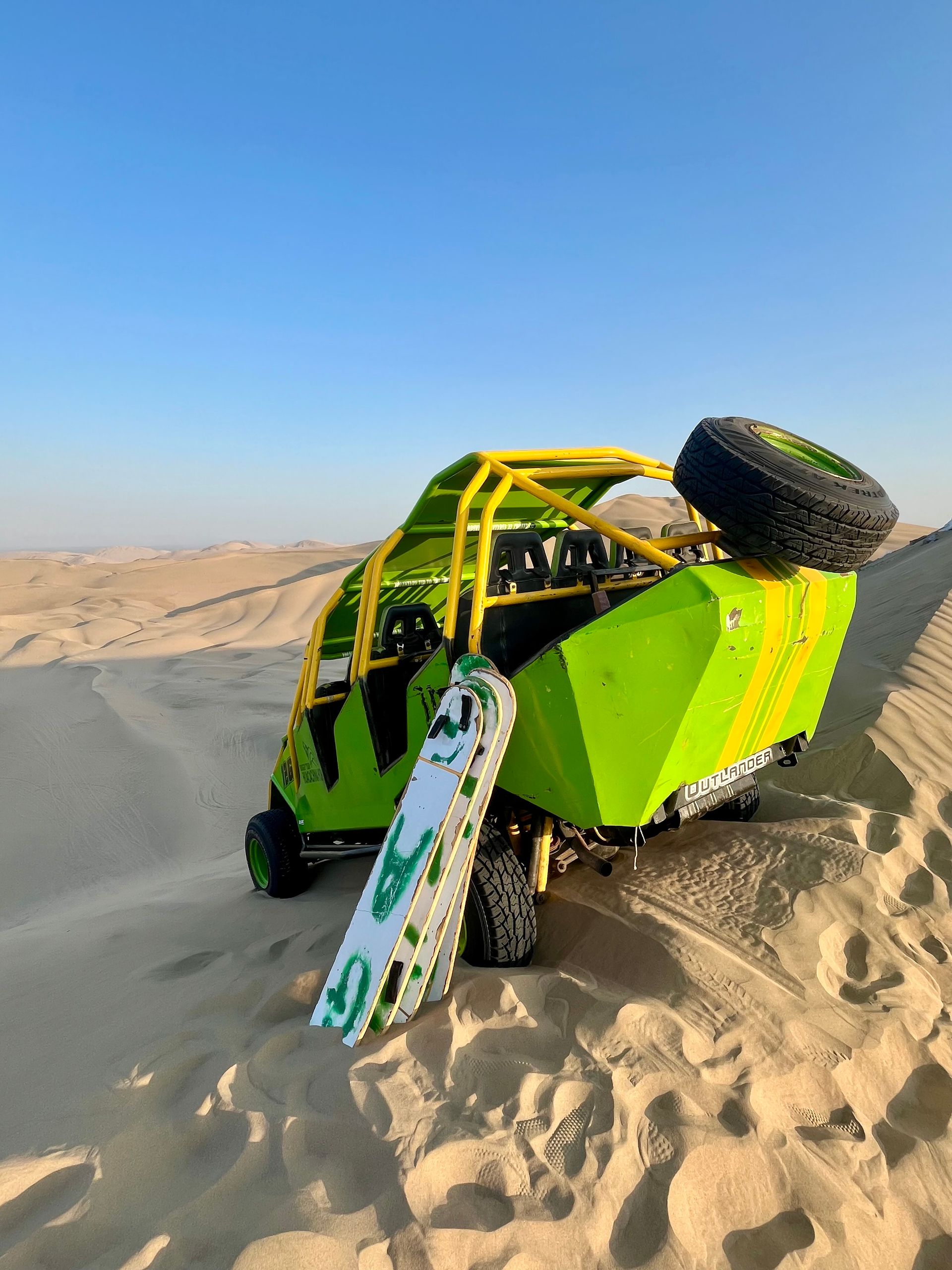
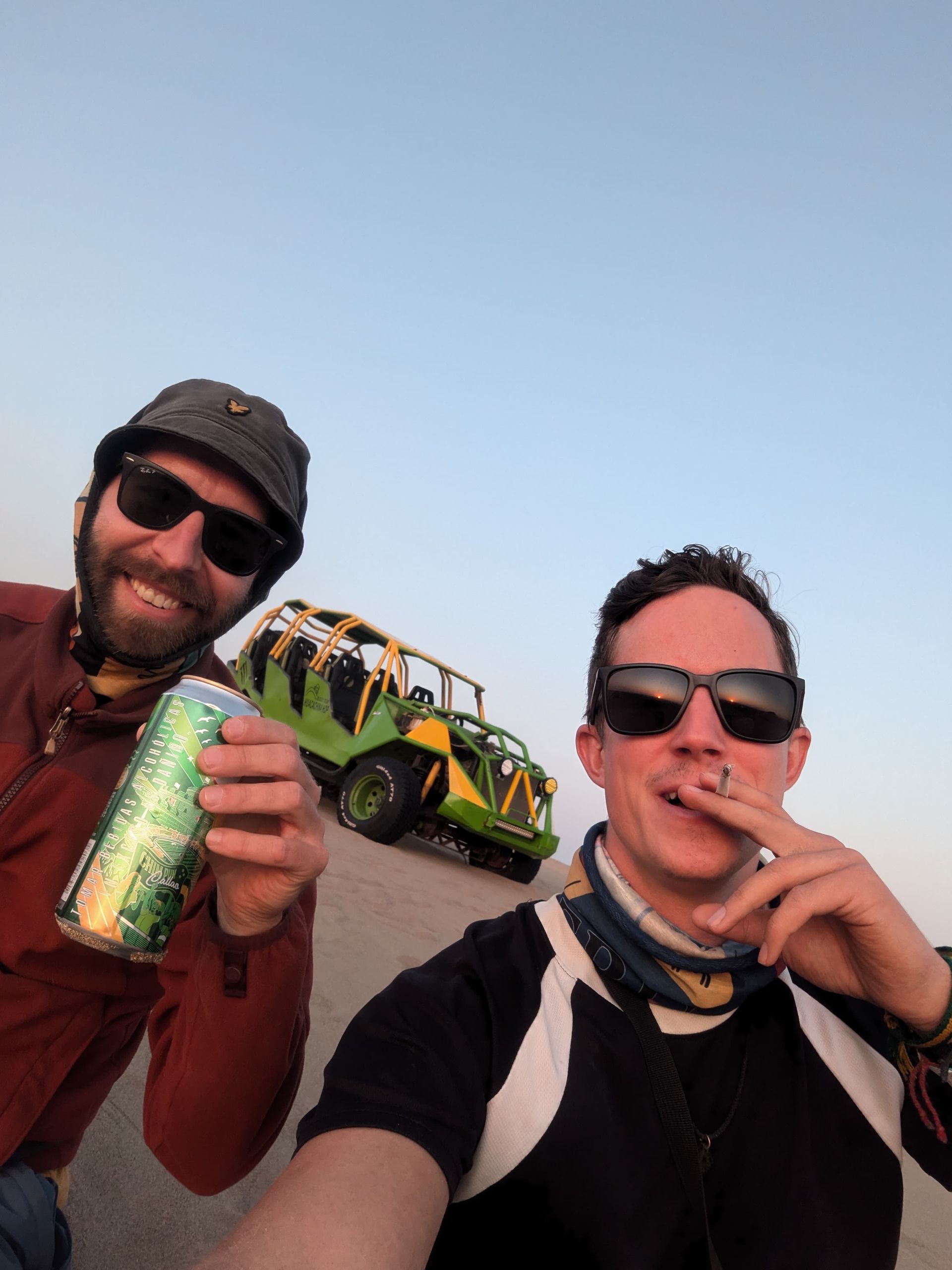
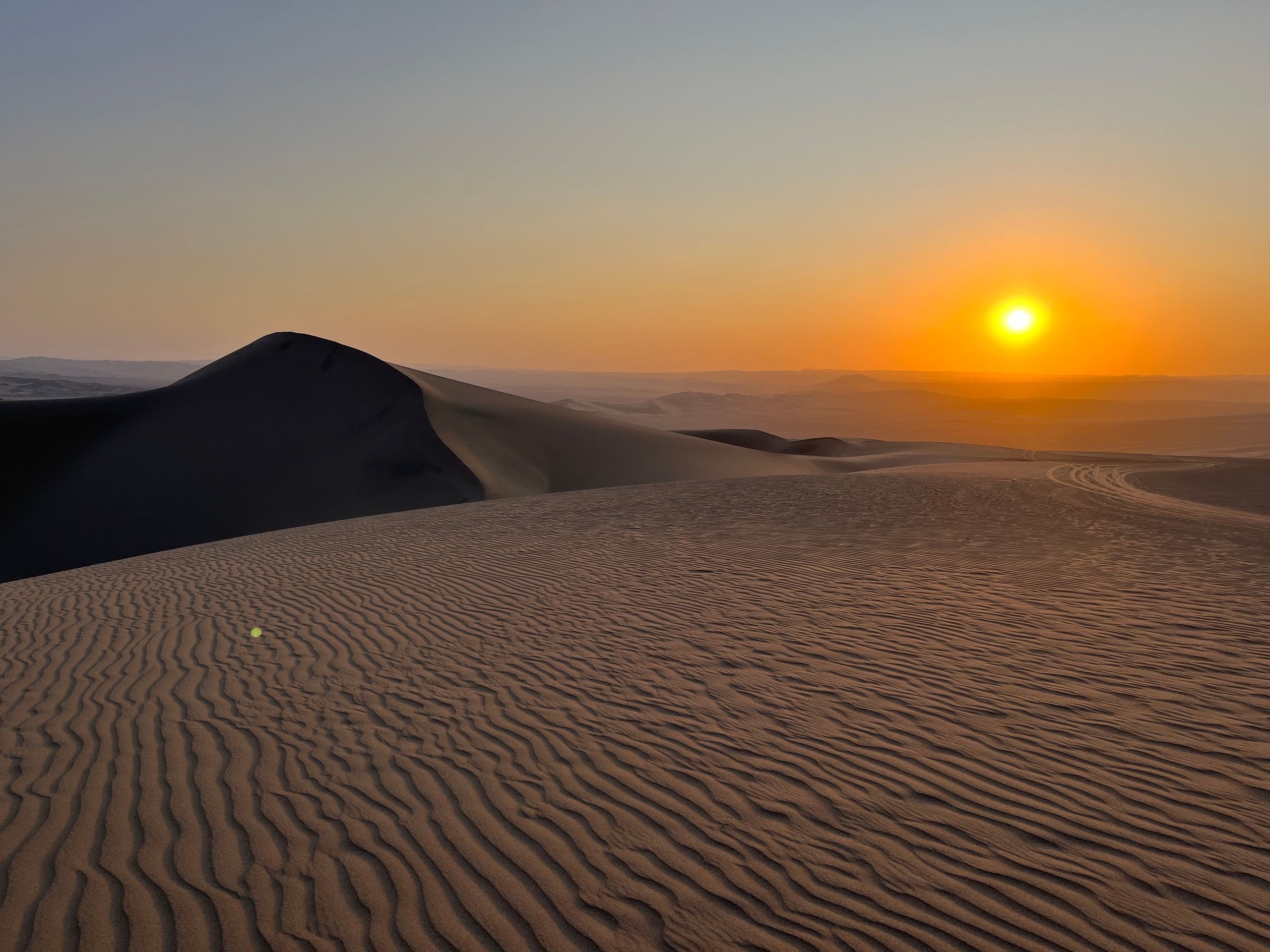
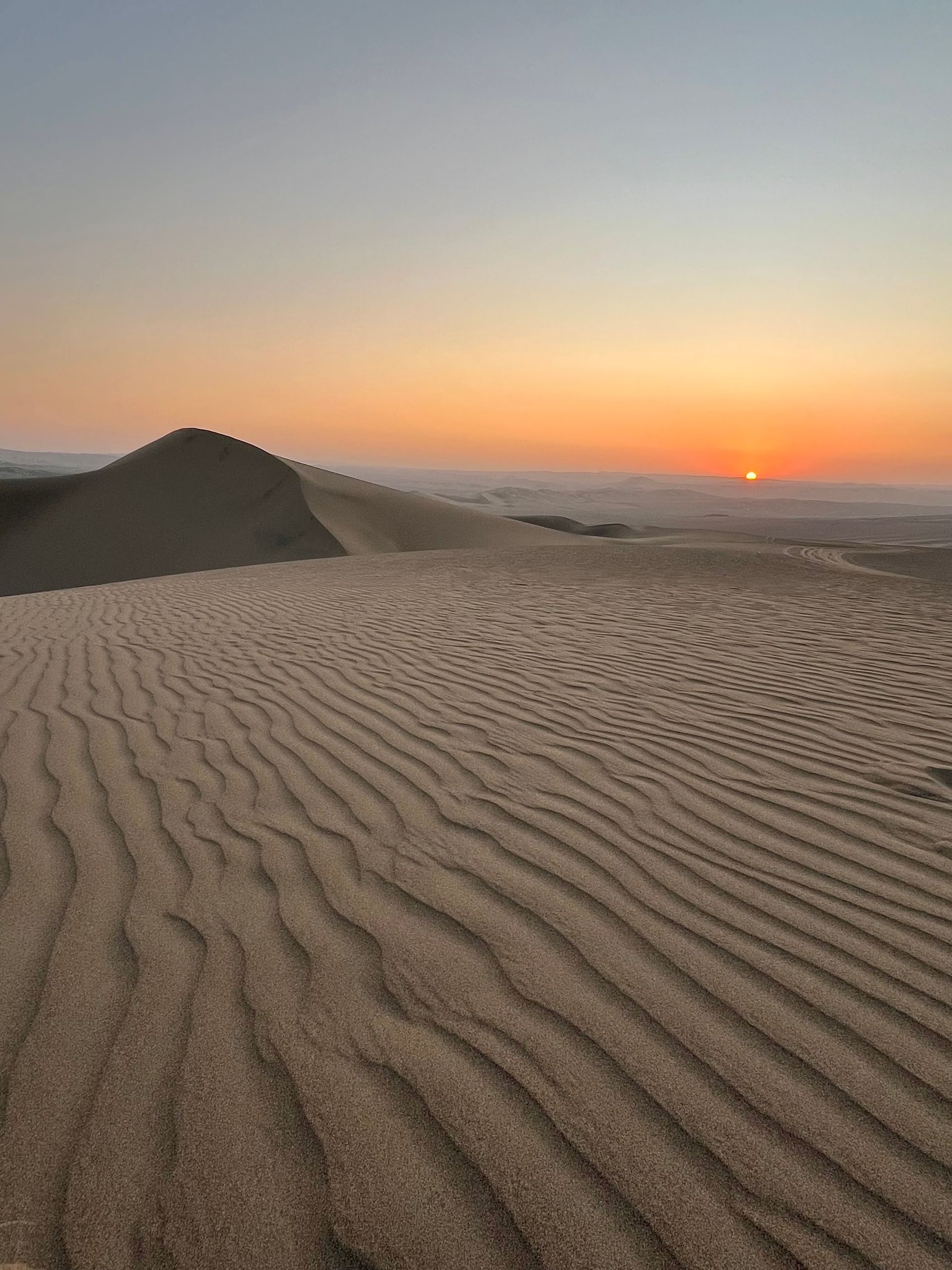


After Cusco, Machu Picchu, and spending a long time in the highlands, it was time to head north again, and finally return to areas with normal oxygen levels. The excitement was great, and almost routinely, a ticket for the night bus was purchased. The next destination was the desert city of Ica, where I would also reunite with William, my Swedish acquaintance from Cusco. The road to Ica largely follows the Pan-American Highway, and after leaving the Altiplano, the landscape suddenly changes when looking out the window. The dry, sparse beauty of the high Andes gives way to dusty roads and dry plains at daybreak. The vegetation becomes sparser, and rocky hills herald the approaching desert region. A few hours before reaching Ica, we pass through the Nazca region, famous for its world-renowned Nazca Lines. Over 1,500 sometimes oversized and nearly 3,000-year-old geoglyphs stretch for kilometers across the landscape. Mainly representations of animals and plants are found in this dusty terrain. Discovered from the air only in the 1920s after the inauguration of a flight connection between Lima and Arequipa, their exact meaning remains a mystery to this day. It is known that these earth sketches are a legacy of the Nazca, an ancient Peruvian culture native to this region. Everything else are theories from science; for example, the lines are considered geoglyphs: earth signs for determining the sun's position, thus establishing a favorable time for planting and harvesting. Some researchers suggest a religious background. There are also attempts to explain them in connection with irrigation systems in this dry area. Unfortunately, during my transit, I couldn't solve the mystery of the lines, but I did have a clear view of some of the representations. Although you can also charter a plane with a pilot in the area to get a complete overview of the geoglyphs, you can see some of these images excellently from the bus at the edge of the road and from the surrounding slopes, which I believe is no less impressive than from the air. Around noon, I arrive in Ica and meet William; it's pleasantly warm, and it's time to switch to lighter clothing – the first time since the Bolivian jungle, and a comfortable change. We leave Ica promptly and take a taxi to the desert oasis of Huacachina, located right on the edge of the city. After not even 20 minutes, we reach this curious place and check into the Wild Rover Hostel (initially for one night). The hostel chain known for its party atmosphere has locations at various sites in Peru and Bolivia, and some legendary stories have been heard from other travelers about Wild Rovers. There isn't much choice in the town either, as with only about 100 residents and the place fully geared towards tourism, there are just 2 hostels and a few higher-priced hotels, which are not really an option for independent travelers. Right after check-in, there are cold beers and a prime spot by the pool. We share experiences from the last weeks and observe the lively activity of other guests. Just before sunset, we set off to climb the massive dune that rises directly behind the hostel. Of course, it looks much easier from below than it actually is. Climbing through deep sand uphill is indeed not so easy, and we start to sweat before we reach the crest of the dune just in time for the spectacle of the setting sun. A few other travelers have gathered up here, and you have a wonderful 360-degree view over the surrounding area. Behind the dune, you can overlook Ica, and it's quite bizarre to see how the big city merges into the desert and among the dunes. Looking down the ascent side, you can see Huacachina completely at a glance and realize how tiny it actually is. Huacachina is the only oasis on the South American continent, surrounded by dunes up to 100 meters high. The oasis is fed by an underground river with mineral-rich water from the Andes and was long used as a spa. By the late 1980s, the lake nearly dried up due to increased water consumption, and since then, it has been fed with additional water from Ica via pipelines. If you gaze between the oasis and the metropolis into the distance, you see nothing but sand. The desert stretches from here uninterrupted to the Pacific Ocean, and the part visible to the human eye only represents a fraction of the vast expanses of this sandy area. It's a spectacular sight, and as the setting sun casts a colorful display of various shades of orange and yellow over the horizon and the dune landscape at that moment, mouths are left agape for a moment. Simply amazing and an absolutely worthy scene for our arrival at this special place. We enjoy the moment with a cold can of beer, amplified by a music box playing