

Where have all the scooters gone?
Back in China, we are winding down our holiday quietly. With Xi'an and Seoul, we had a full vacation schedule. So we spent a few relaxing days in our apartment in Cangzhou and...
Published: 18.06.2026
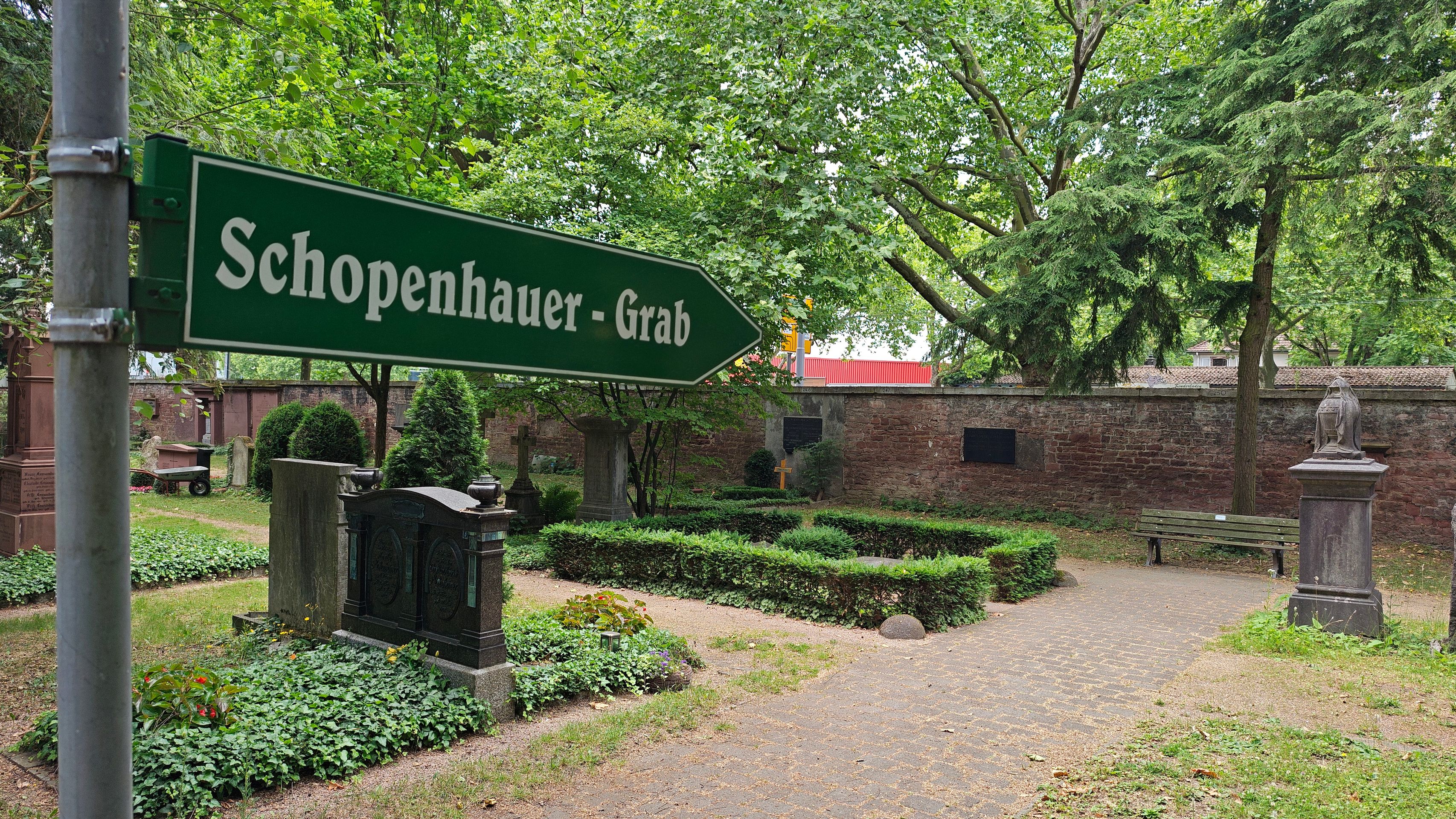
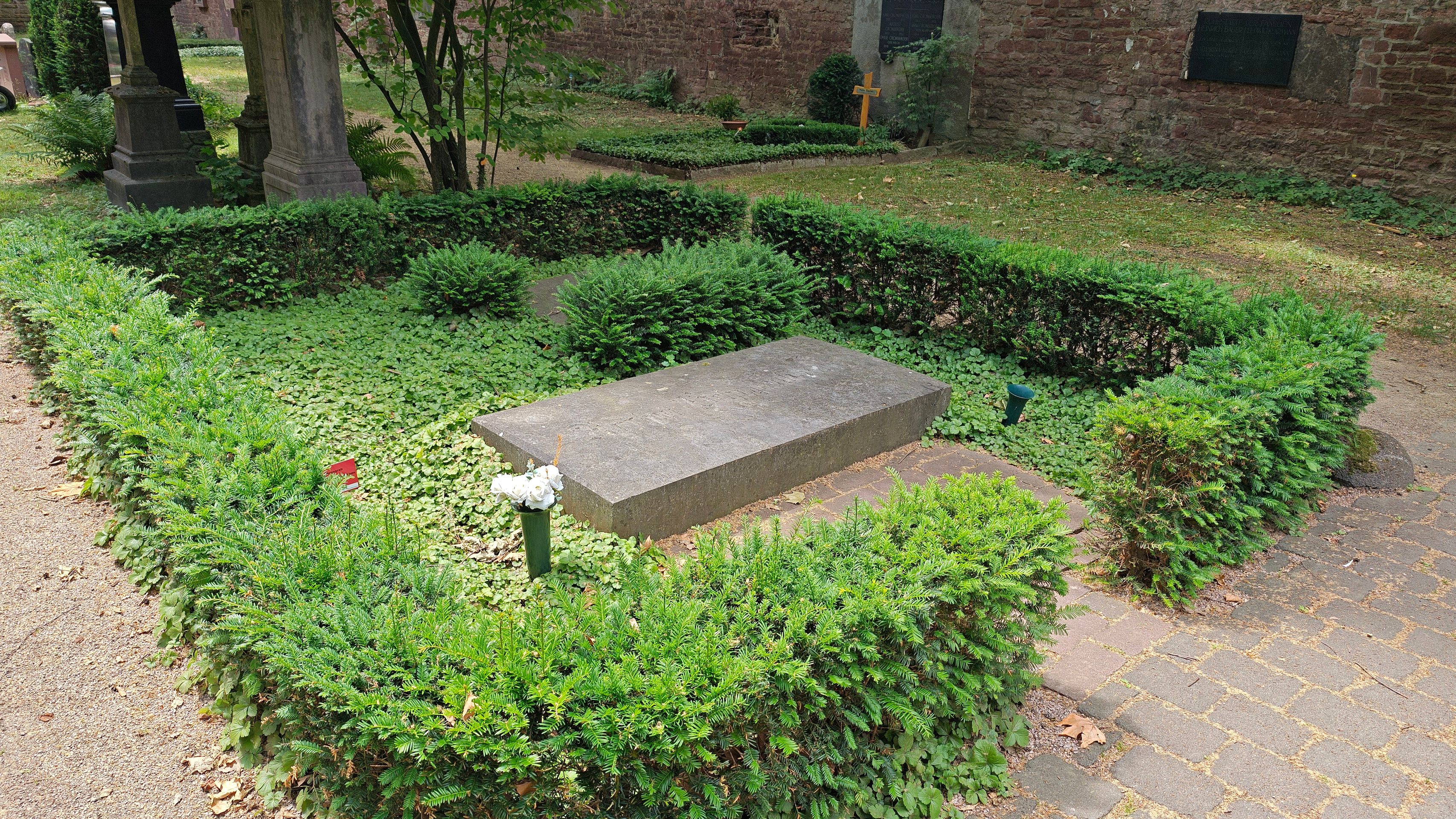
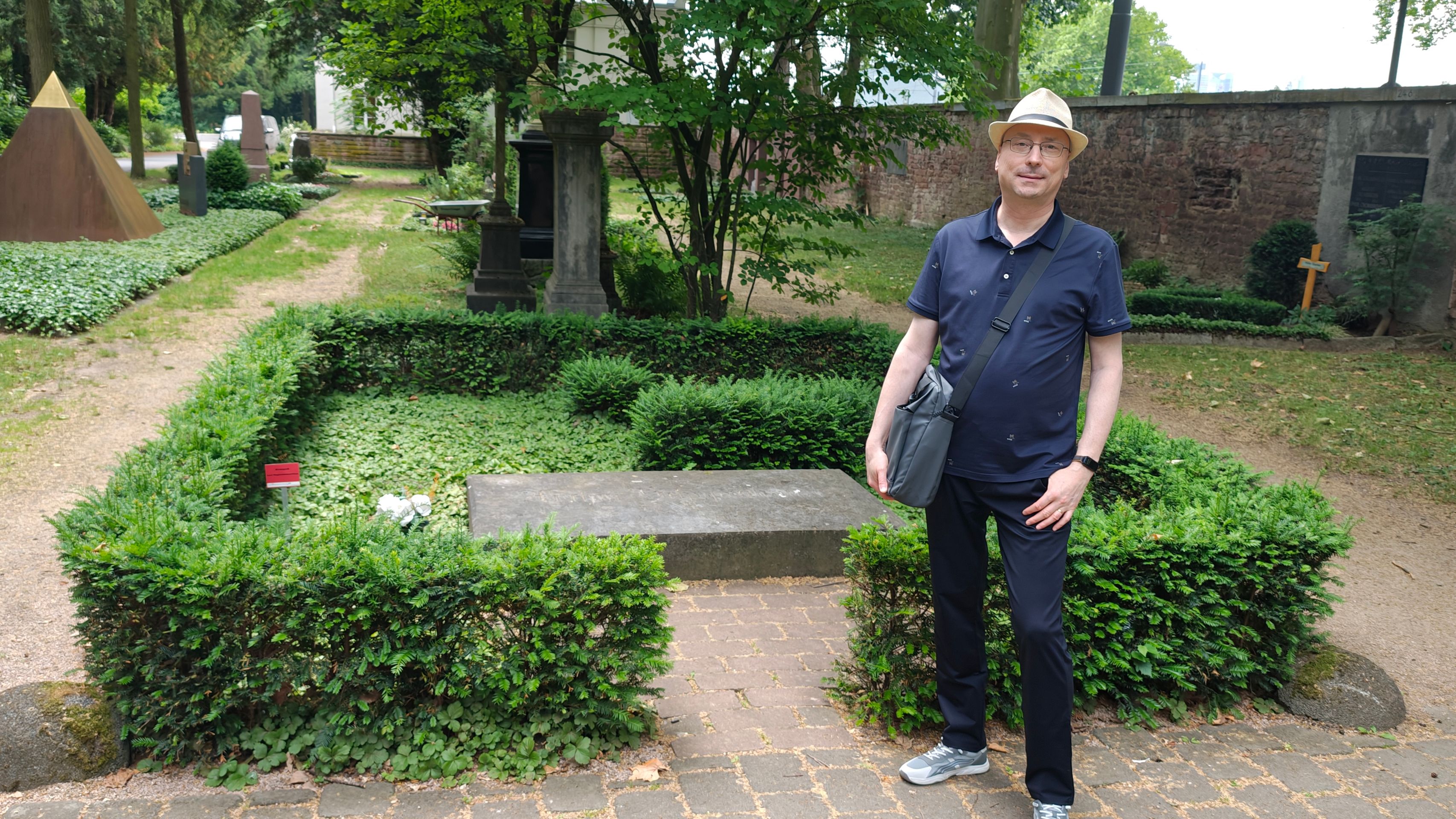
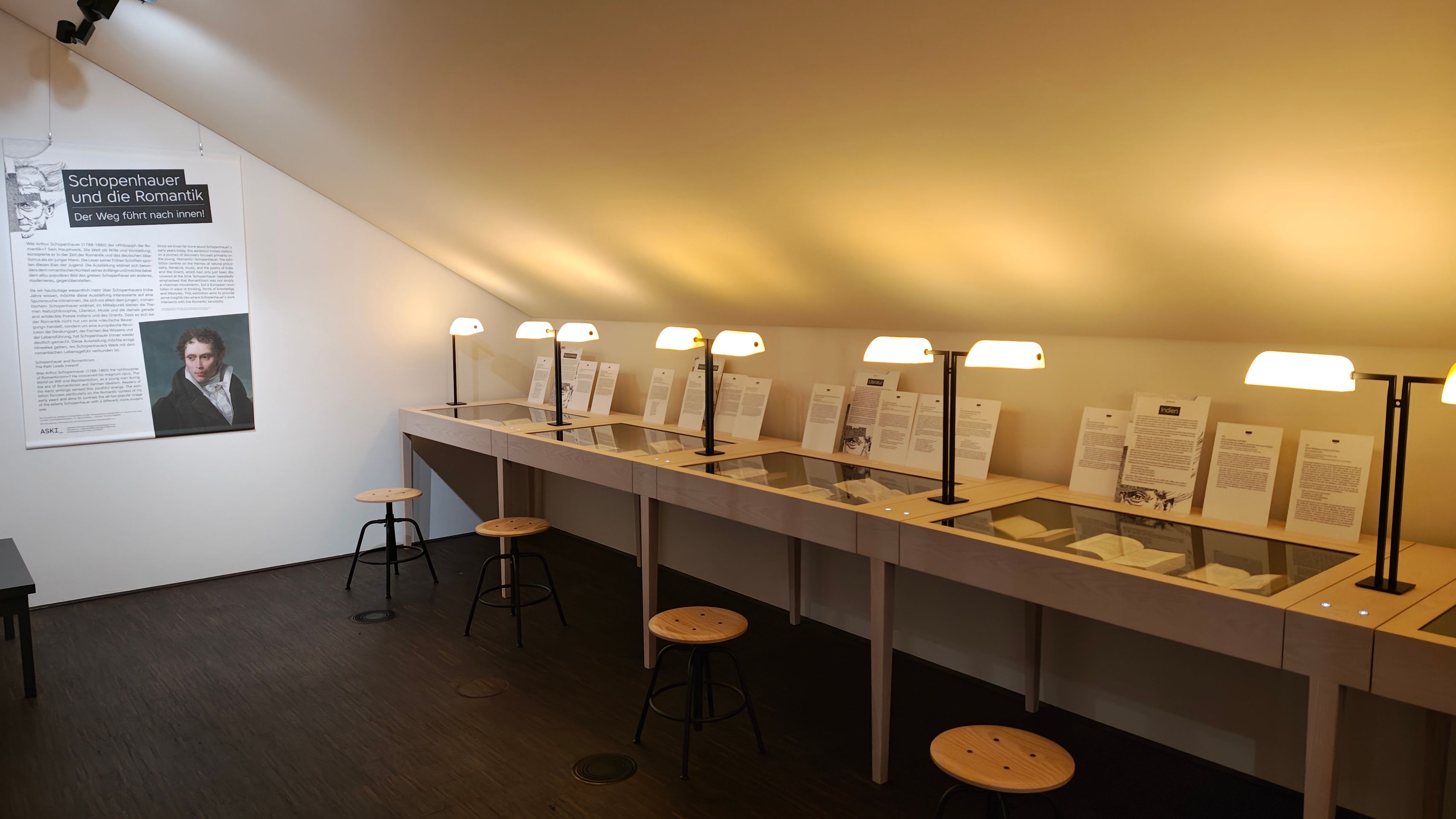
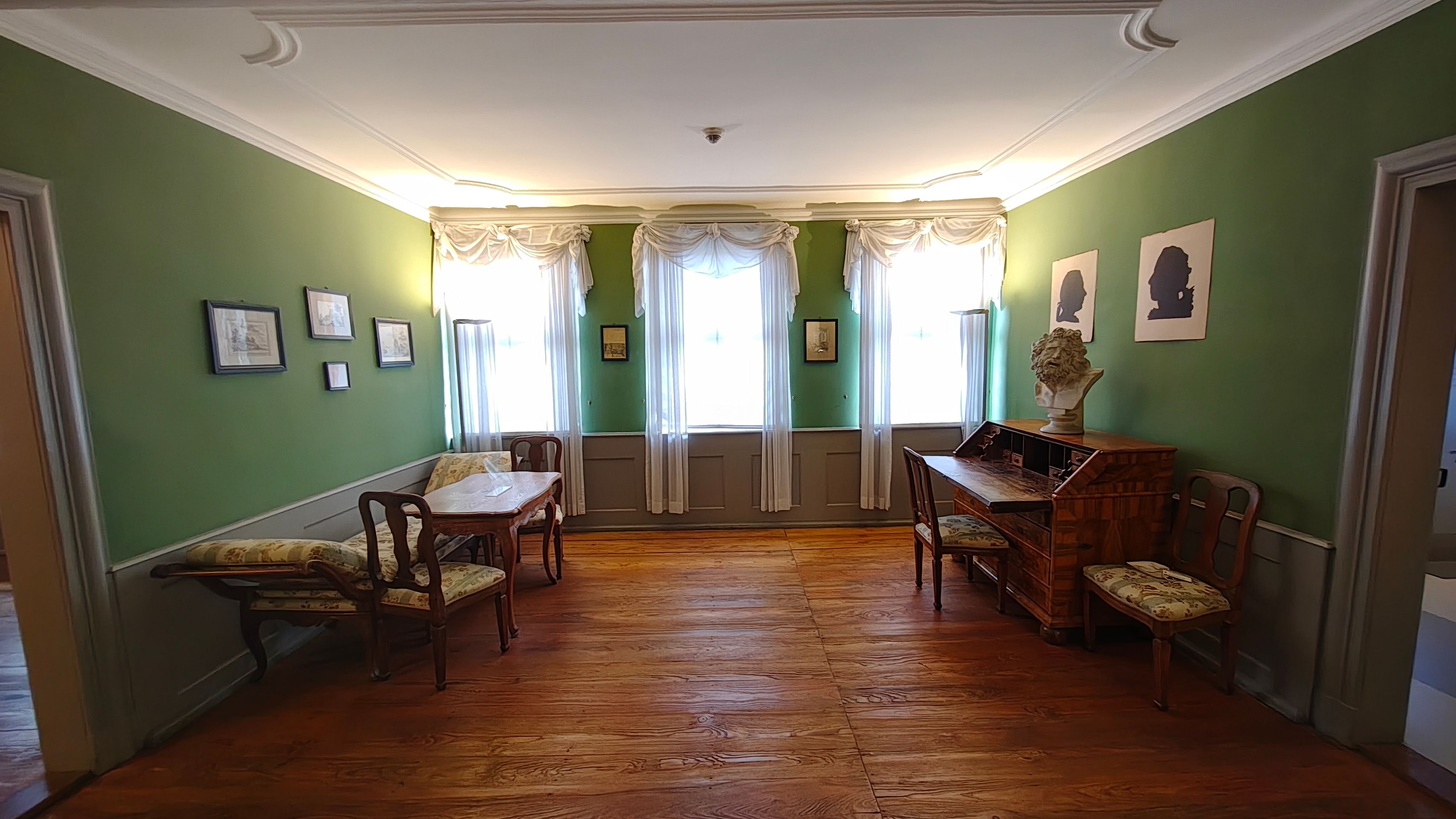
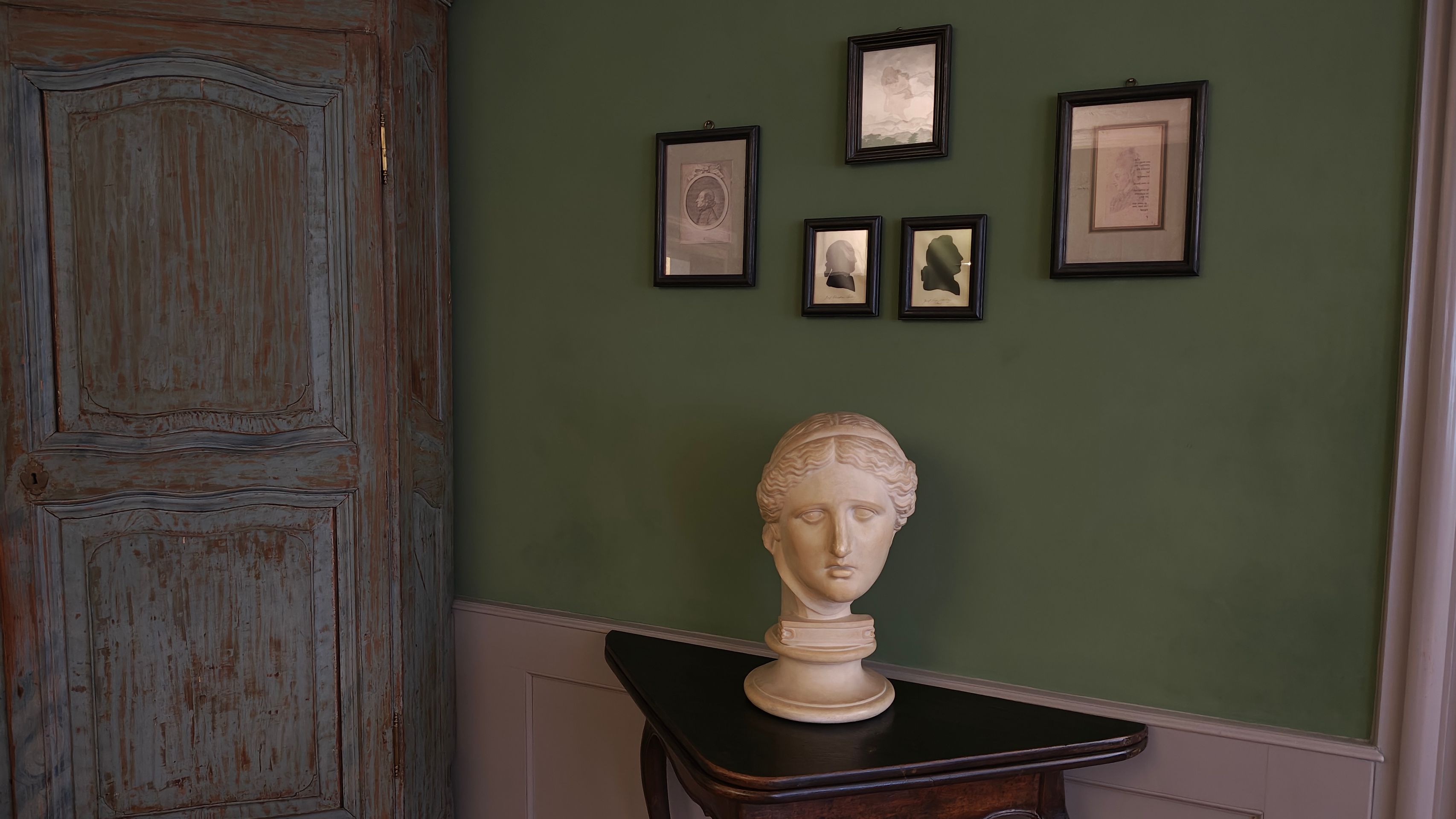
For this outing, I am using my train free tickets from my employer, and we would have almost arrived on time if a disruption in Hanau hadn't caused a fifteen-minute delay. We begin our Schopenhauer day in Frankfurt/M. with an audience at his grave in the wooded main cemetery. Twenty-two years ago, I lived just 930 meters in a straight line from the grave in Nordend, Frankfurt, for two years and had never been to his grave because I only started engaging with his philosophy ten years later. Schopenhauer found his final resting place in the park-like Frankfurt main cemetery in 1860.
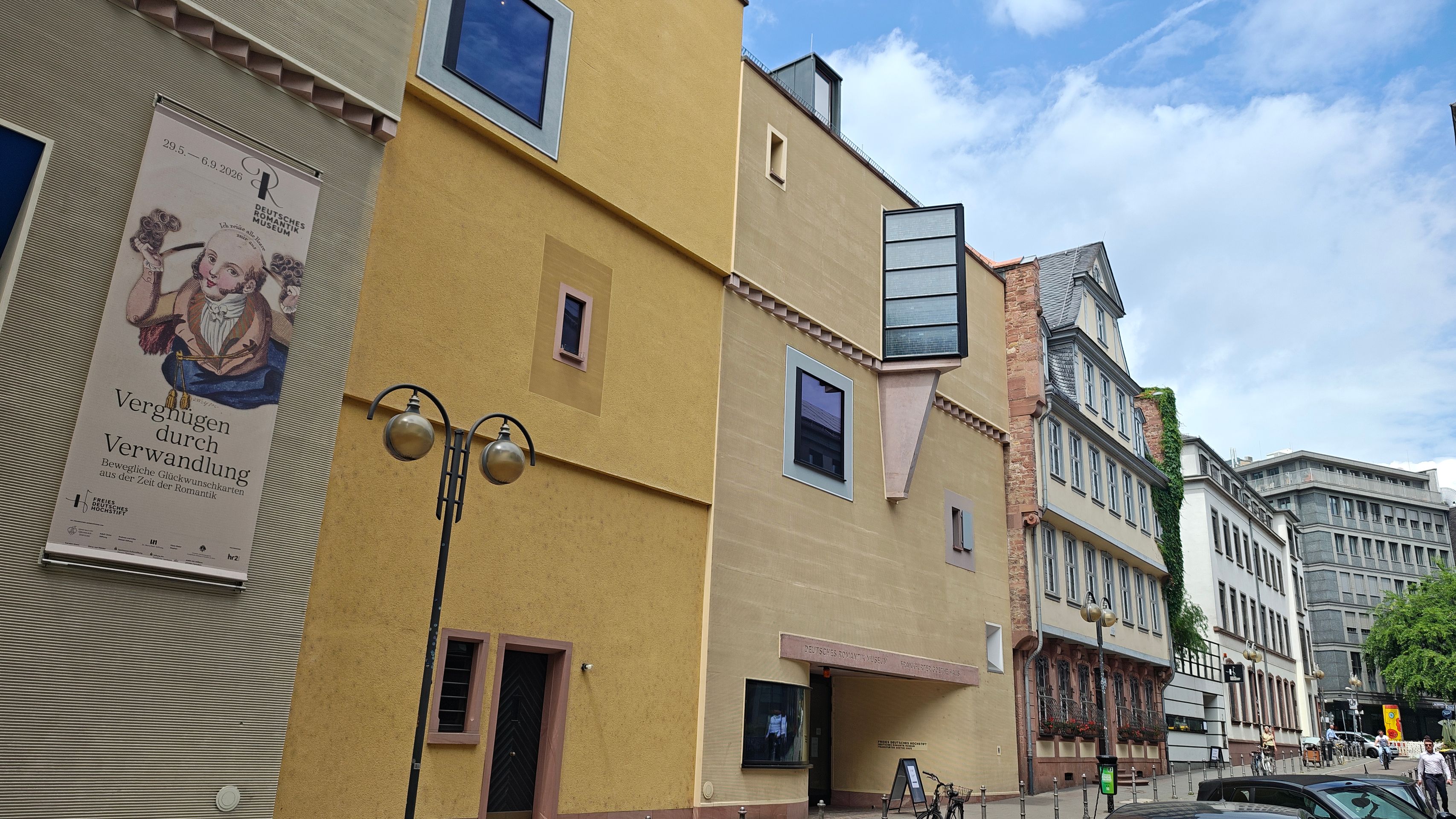
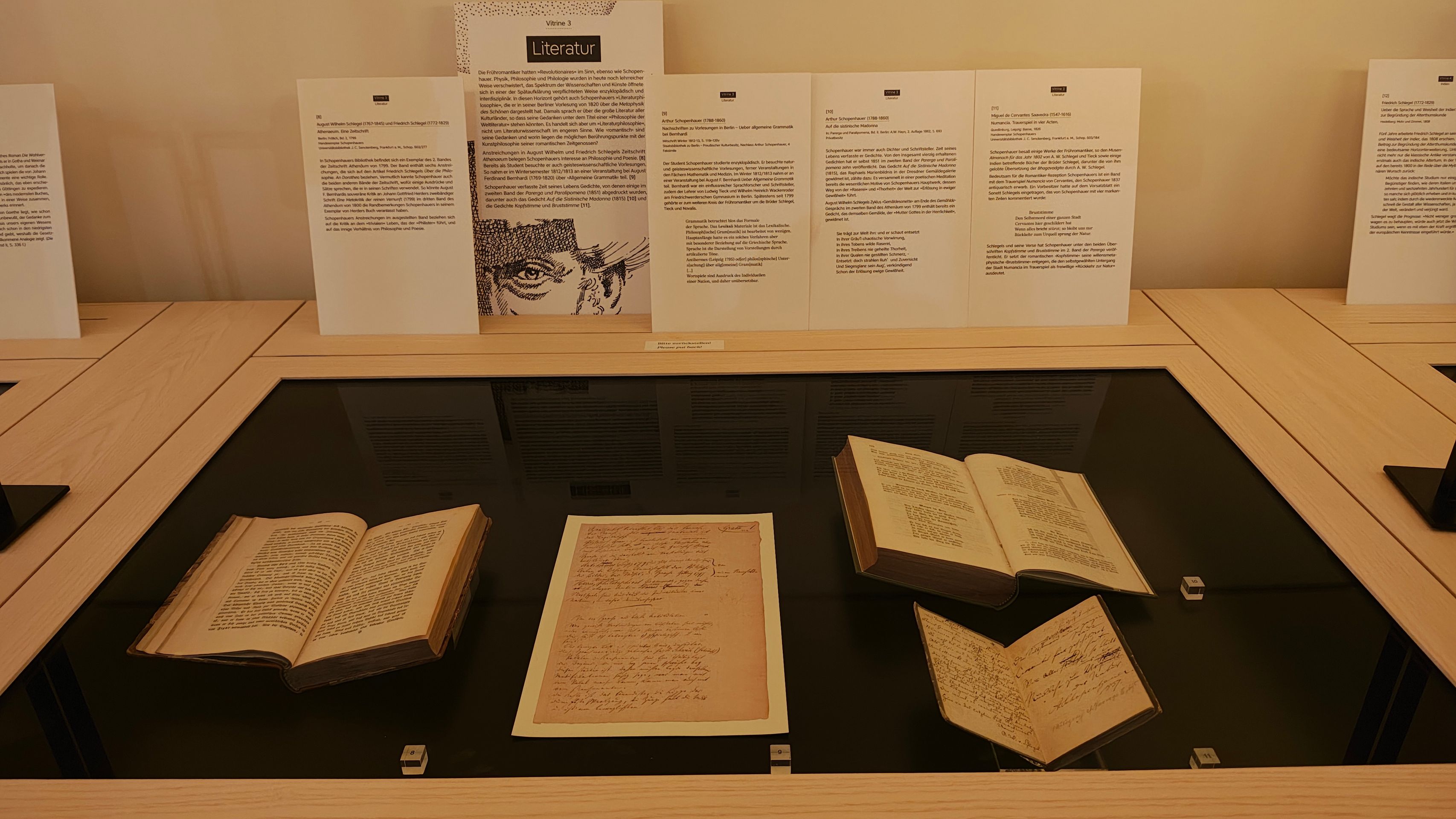
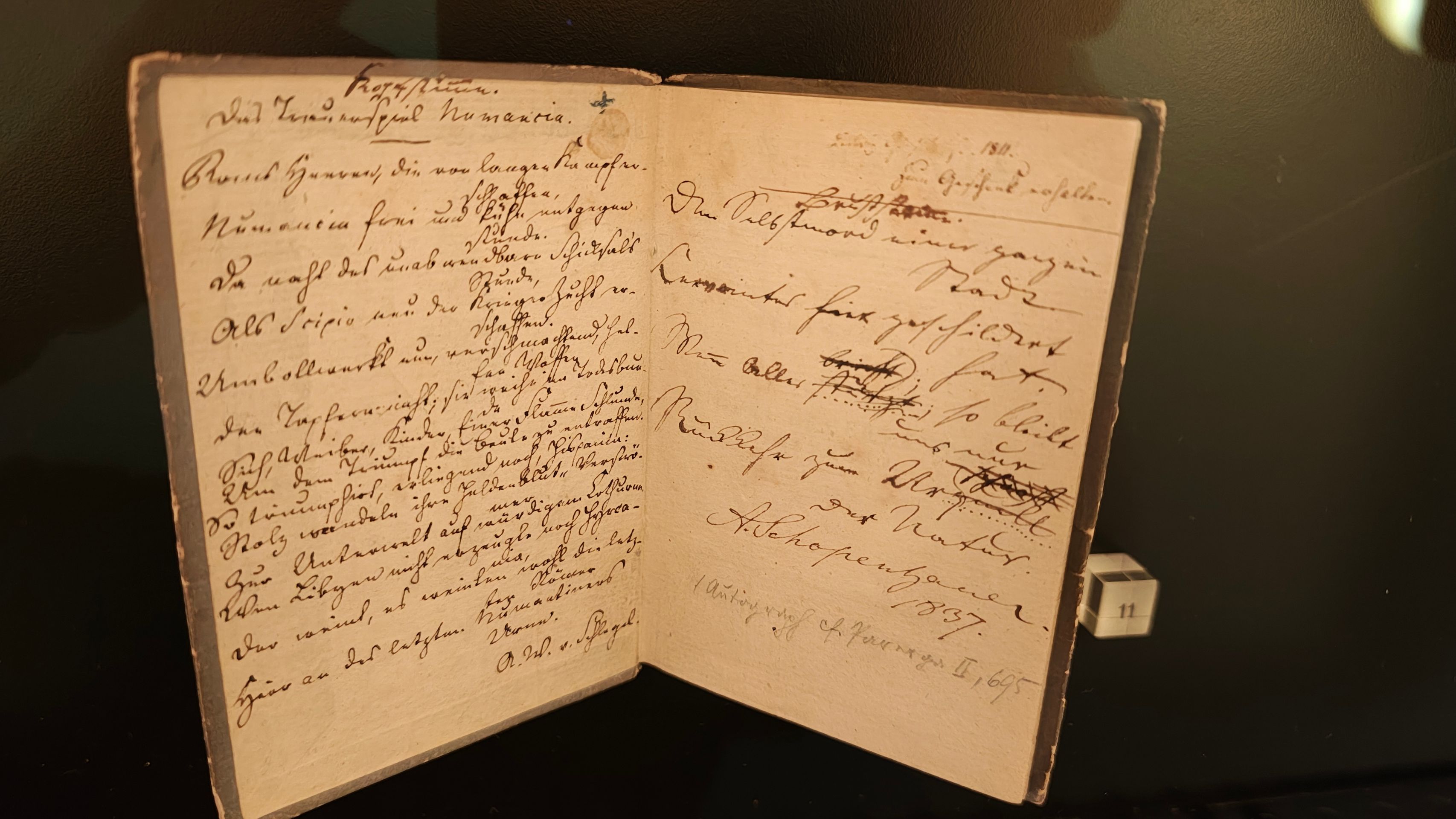
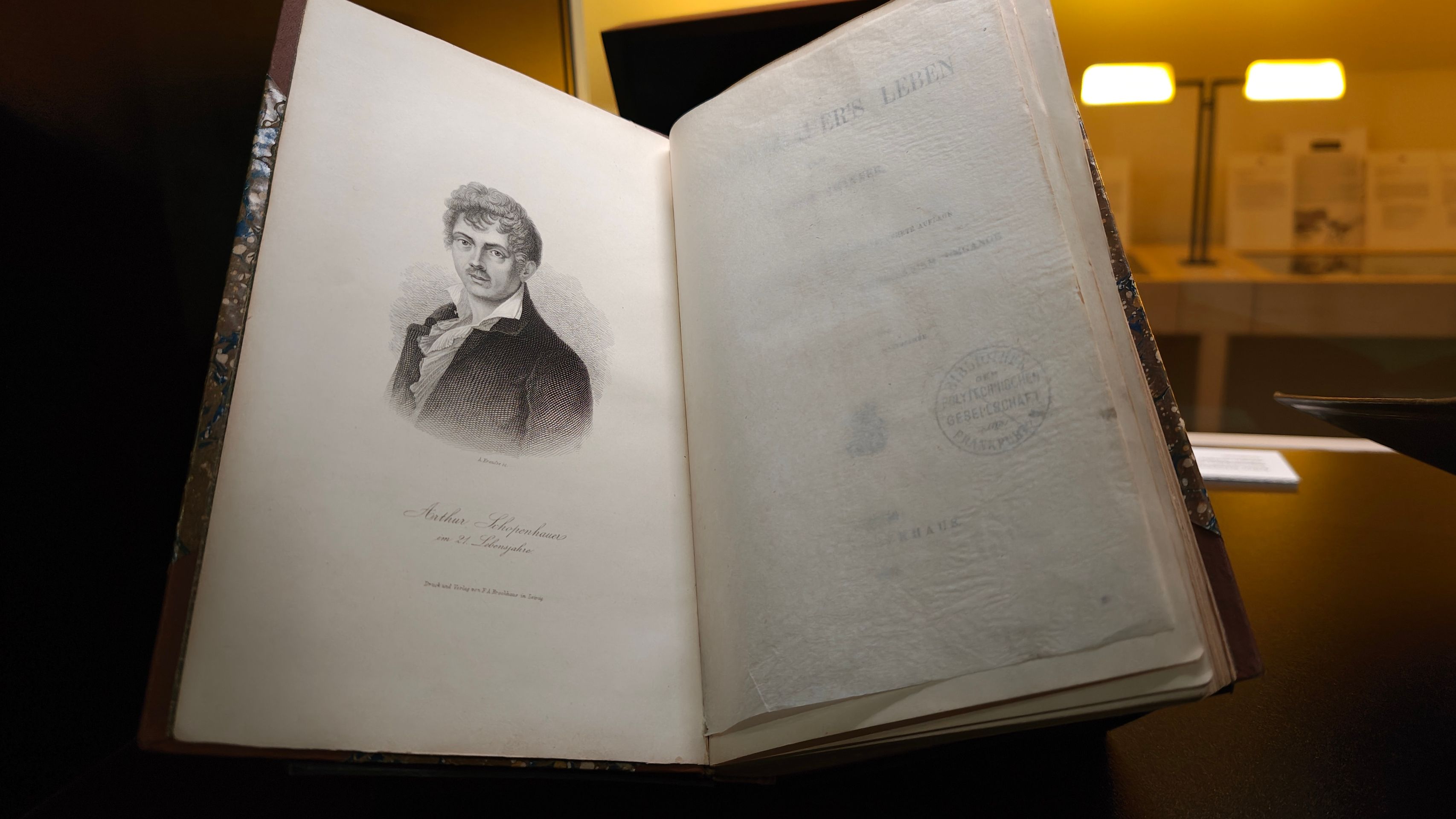
Now, however, we head back to the museum in the city center. The Romantic Museum is connected to Goethe's birthplace within a maze-like museum complex, which is why we first had to ask around to find the Schopenhauer exhibition. Although it is disappointingly small, the content is convincing nonetheless. The exhibition curators have identified (or constructed) the smallest spark of connection between Schopenhauer and Romanticism and primarily evaluated his library in this context. Handwritten notes and excerpts from a letter to his mother and his flute as a musical instrument were used for the exhibition, unfortunately not in their originals. A handwritten verse in the book 'Numancia' by the author Cervantes, however, gives an original impression. Schopenhauer writes:
The suicide of an entire city
Cervantes has depicted here
When everything crumbles; all that remains for us
Is a return to the source of nature.
Otherwise, the exhibits mainly display Schopenhauer's fundamental thoughts, especially from his younger years, which accompanied him on his development into a great philosopher.
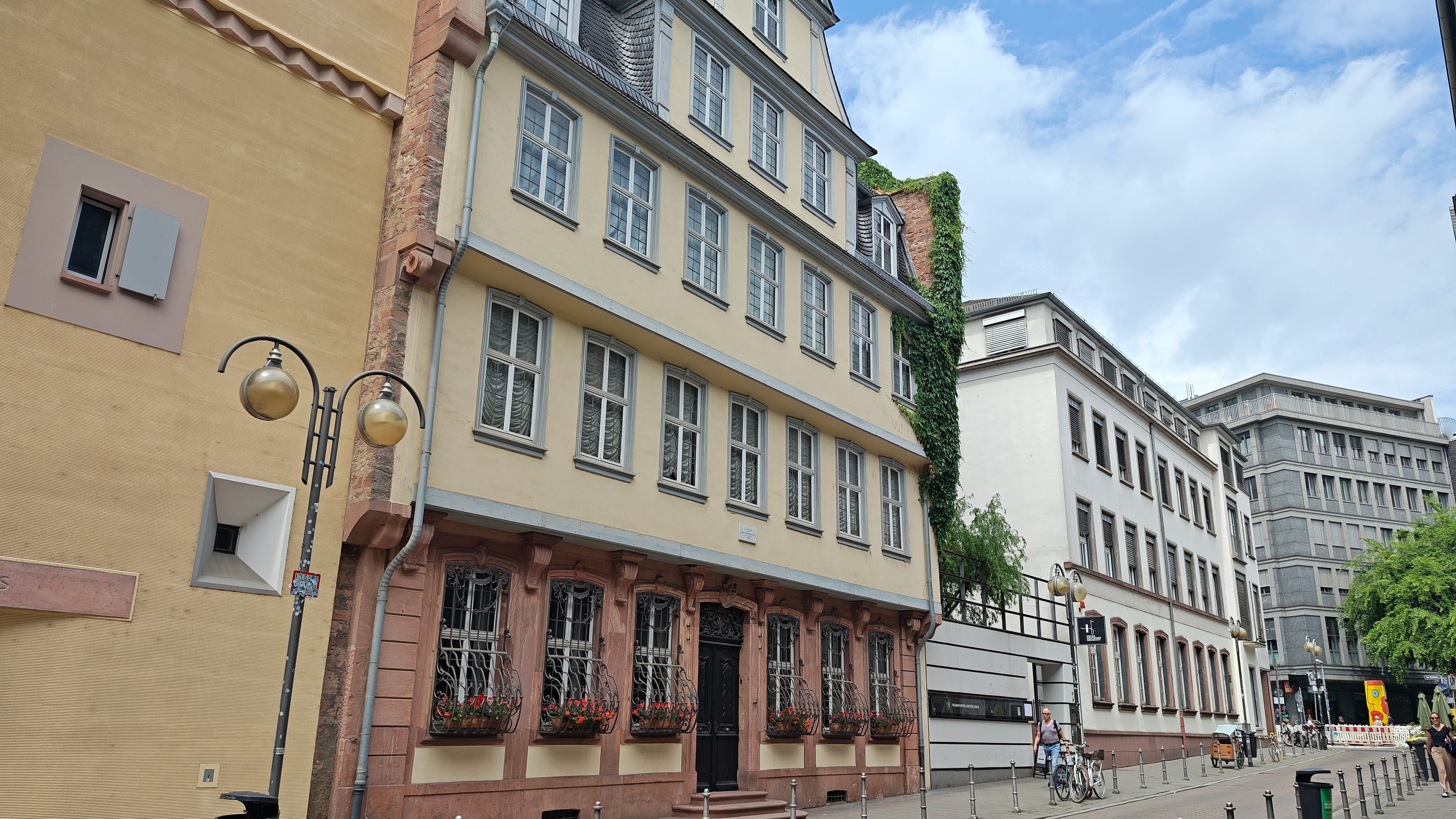
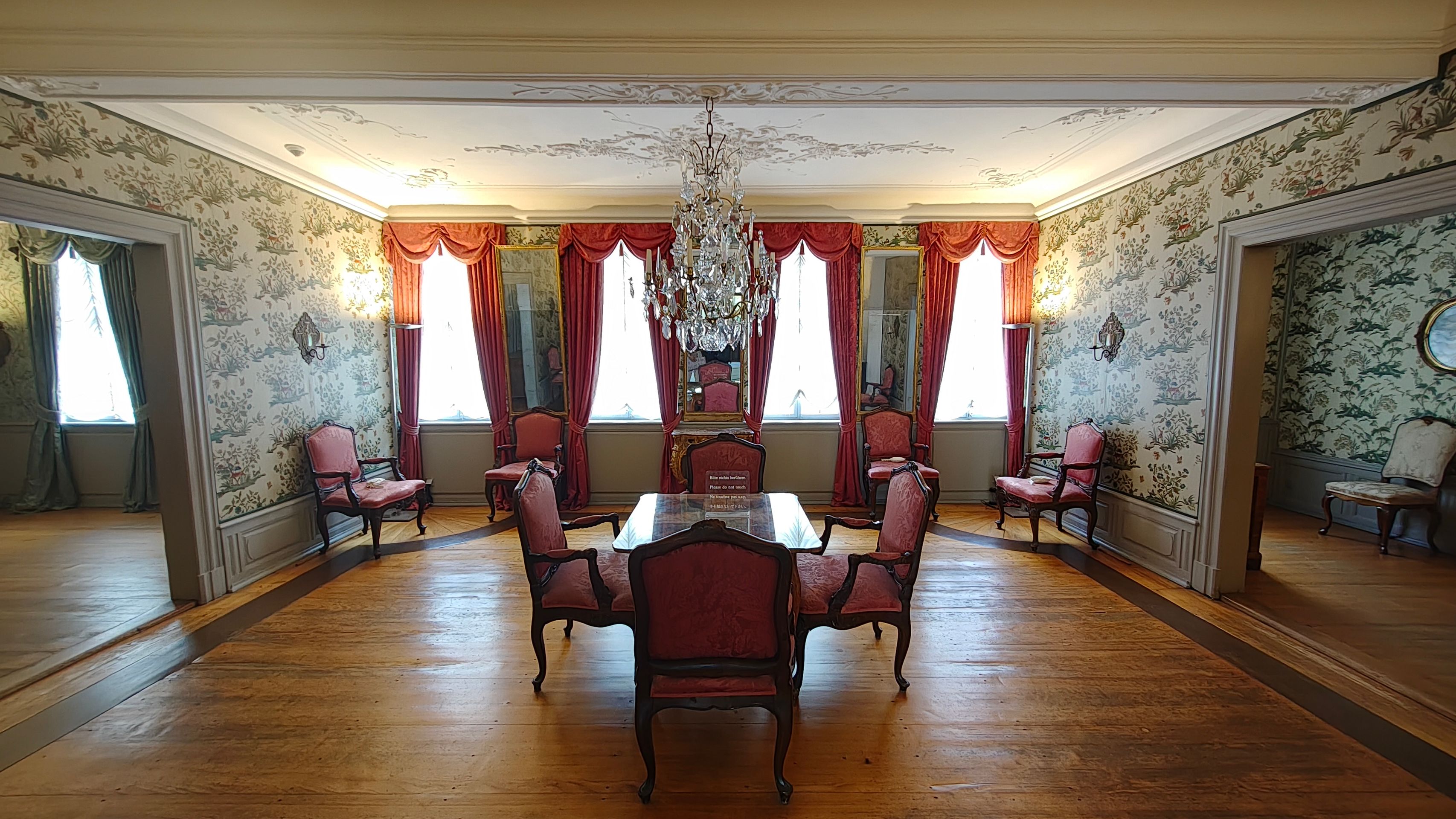
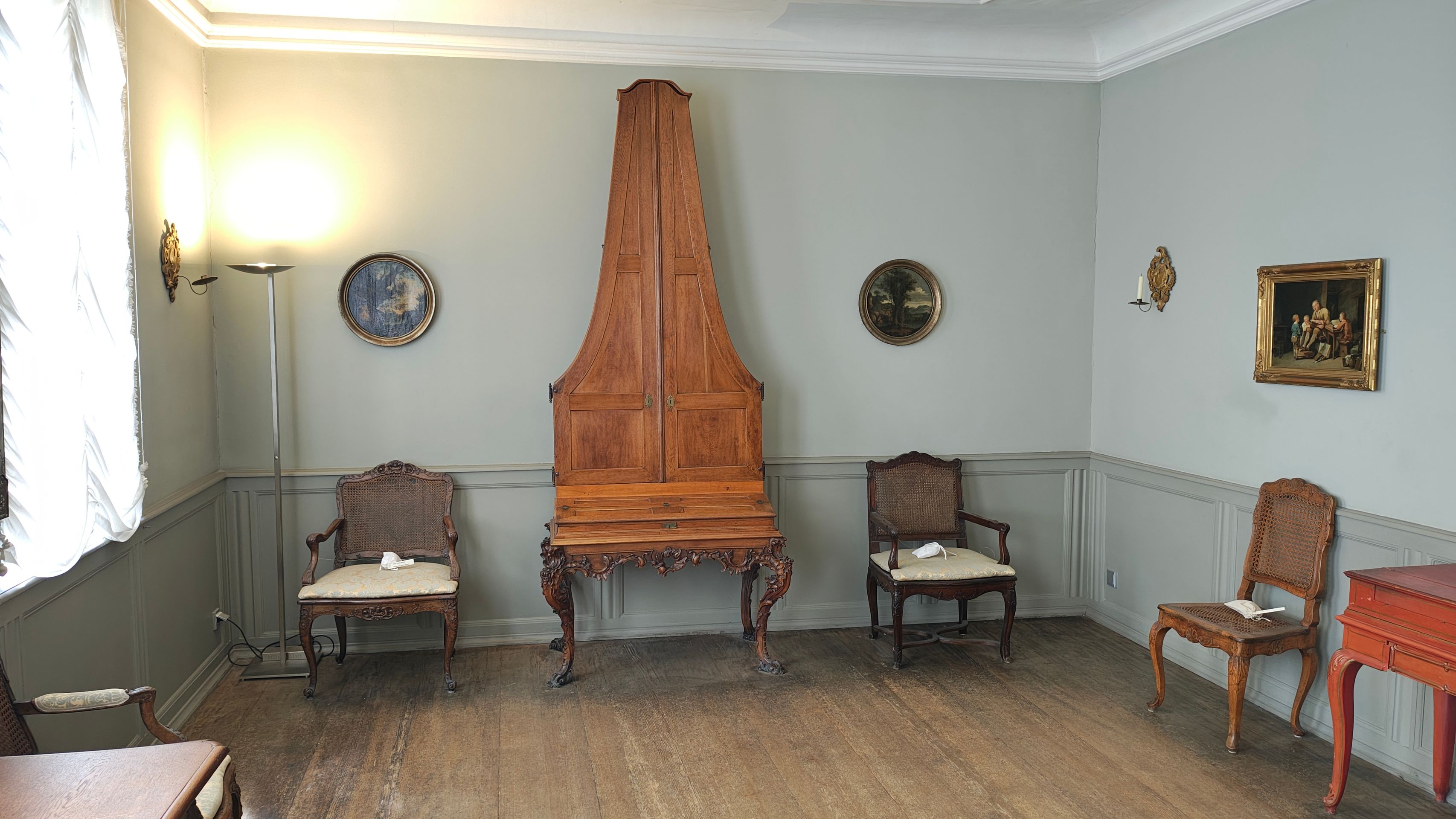
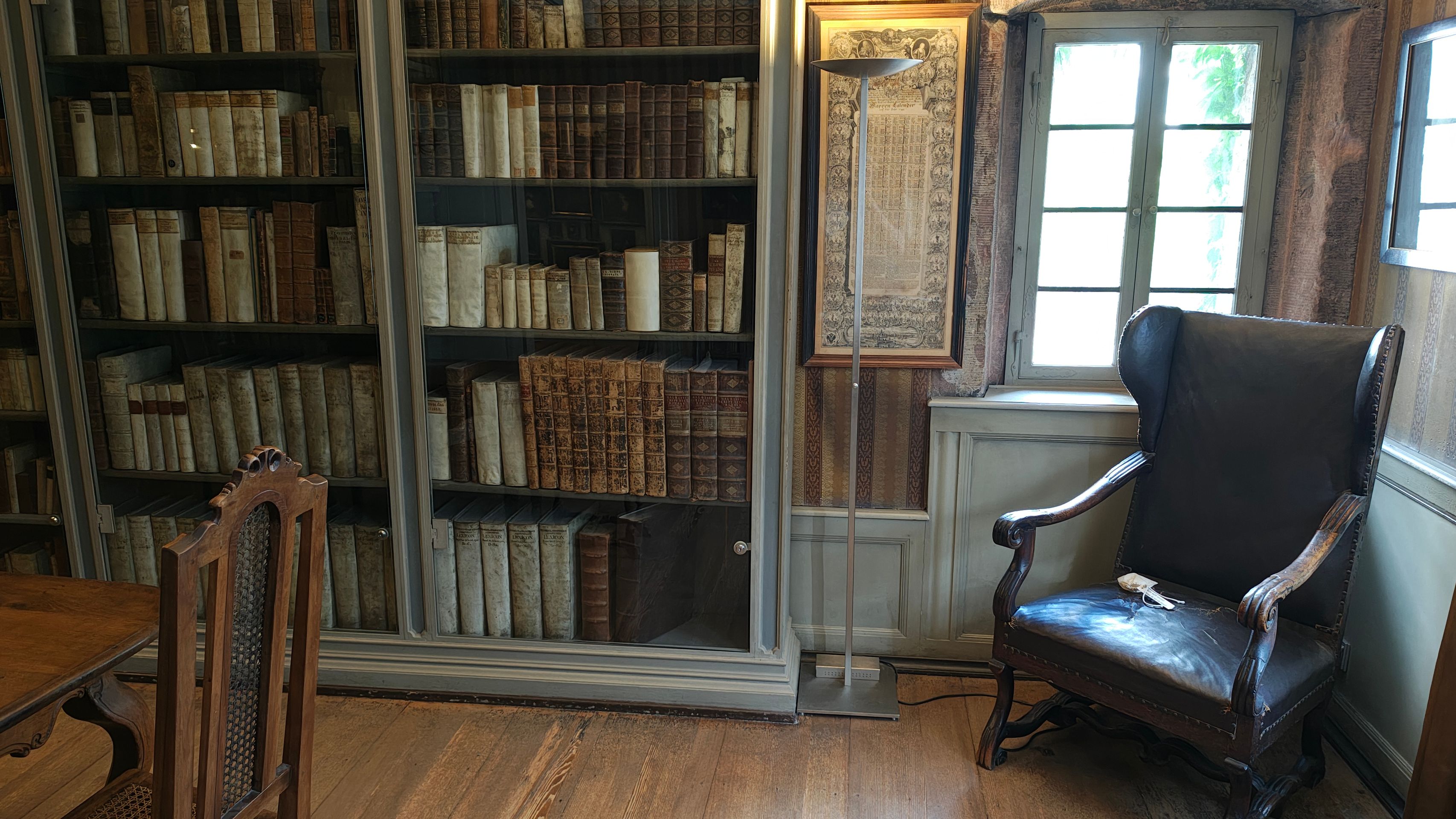
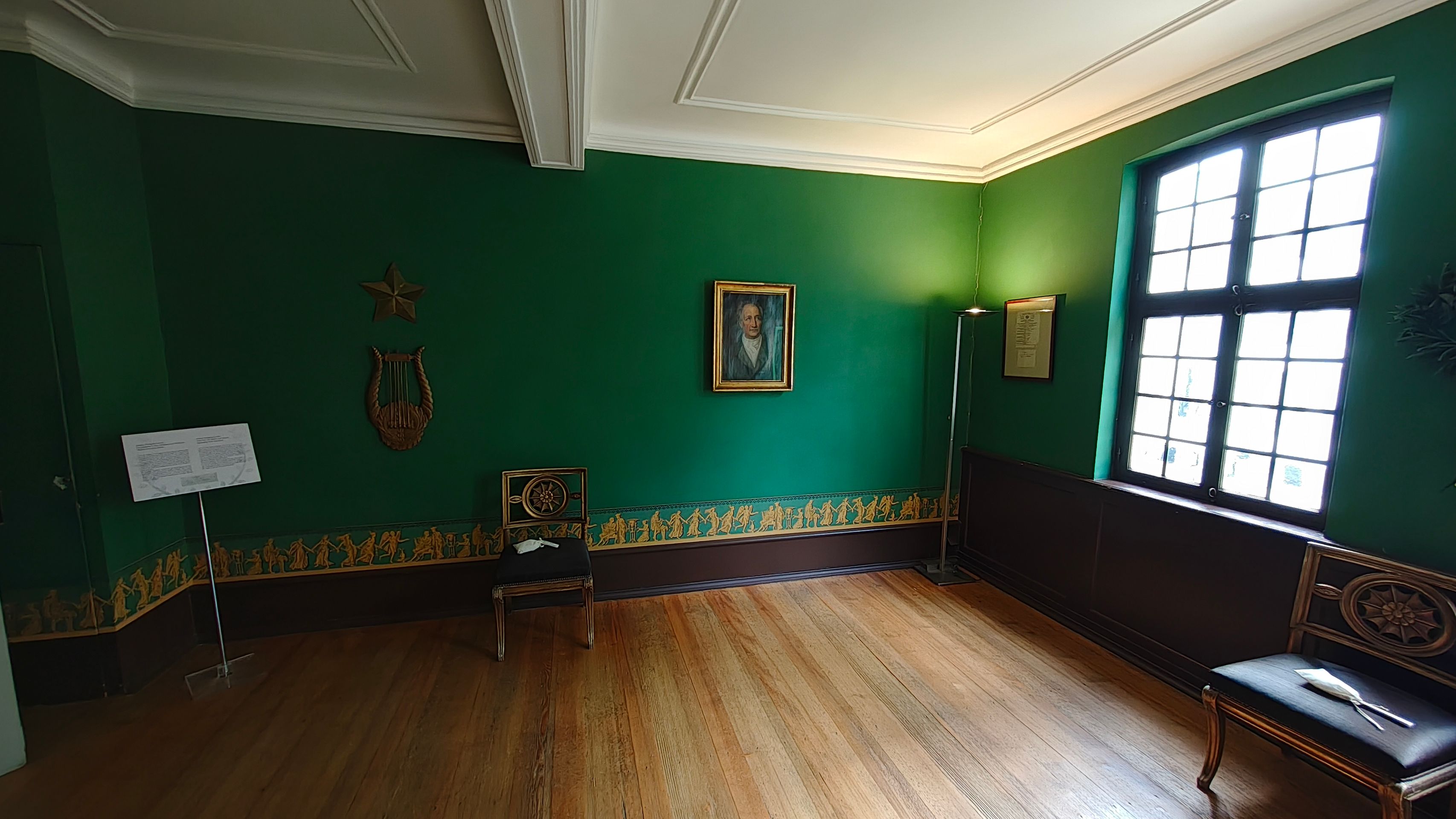
After that, we go over to Goethe's birthplace, where the rooms to be visited spread over four floors. The 'Peking Room' with its elegant furnishings was reserved for family celebrations and the reception of distinguished guests. A pyramid grand (hammered piano) by Christian Ernst Friderici adorns the music room. The library looks cozy with its many books and a reading chair in the corner, above which a small side window is perched, thus providing excellent light for reading. Finally, we arrive in Goethe's birthplace, which is painted completely green but modestly furnished. A star and a lyre from the decoration of his funeral in Weimar in March 1832 complete the circle of birth and death.
On the top floor is the poet's room where Goethe wrote his early works. Since he also wrote the novel 'The Sorrows of Young Werther' here, there is a bust of Lotte Buff from Wetzlar in this room. Those who closely follow my travel blog will remember my descriptions from Korea, where a large conglomerate there bears the name Lotte, inspired by Goethe (see Goethe in Seoul). How does our Schopenhauer day in Frankfurt/M. continue after the visit to Goethe? There will be a continuation in a second blog post...