

The Diskos of Phaistos
When visiting archaeological sites on the island of Crete, a stop at the Archaeological Museum in Heraklion is a must, as many artifacts from these sites can be seen there,...
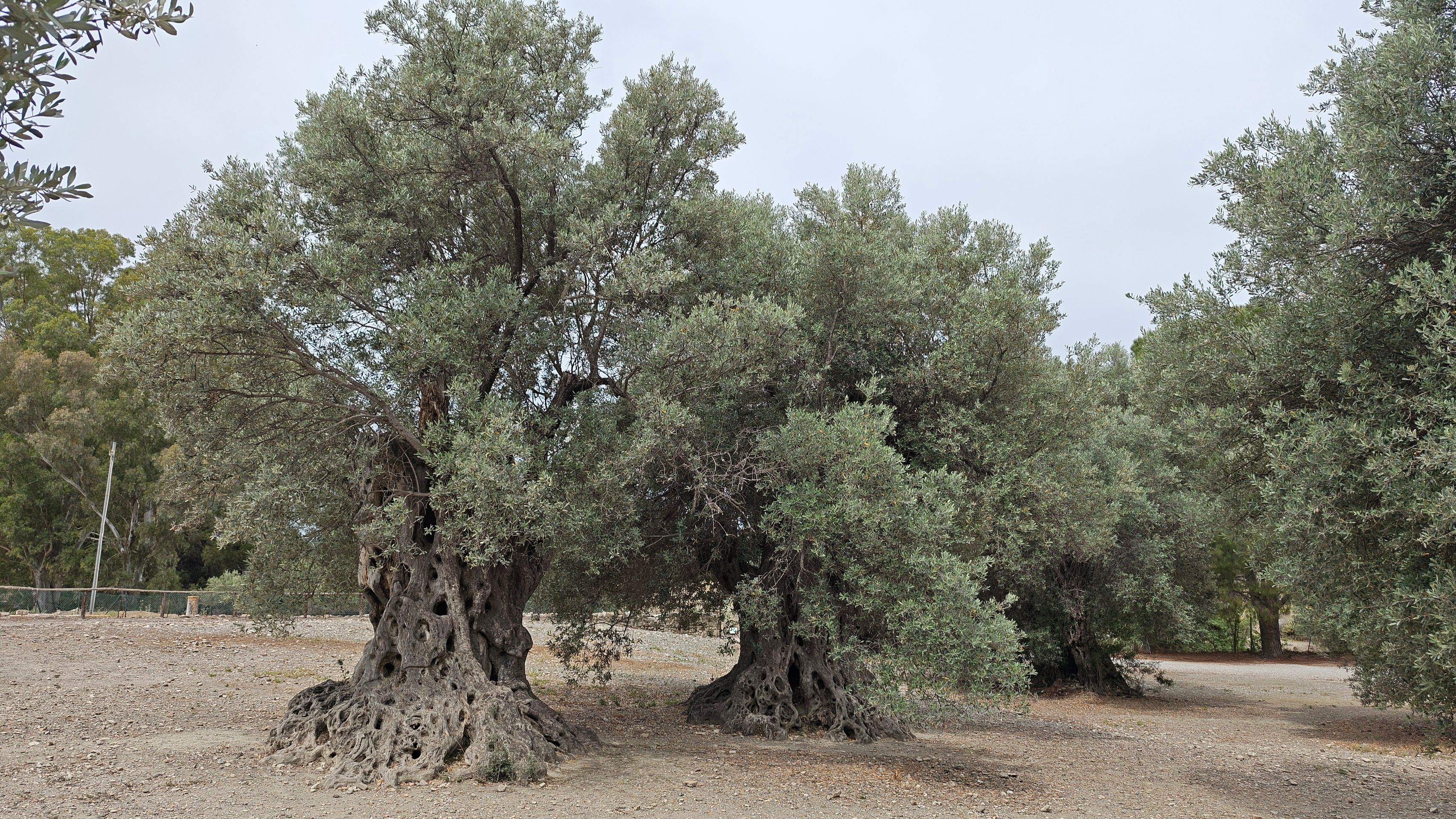
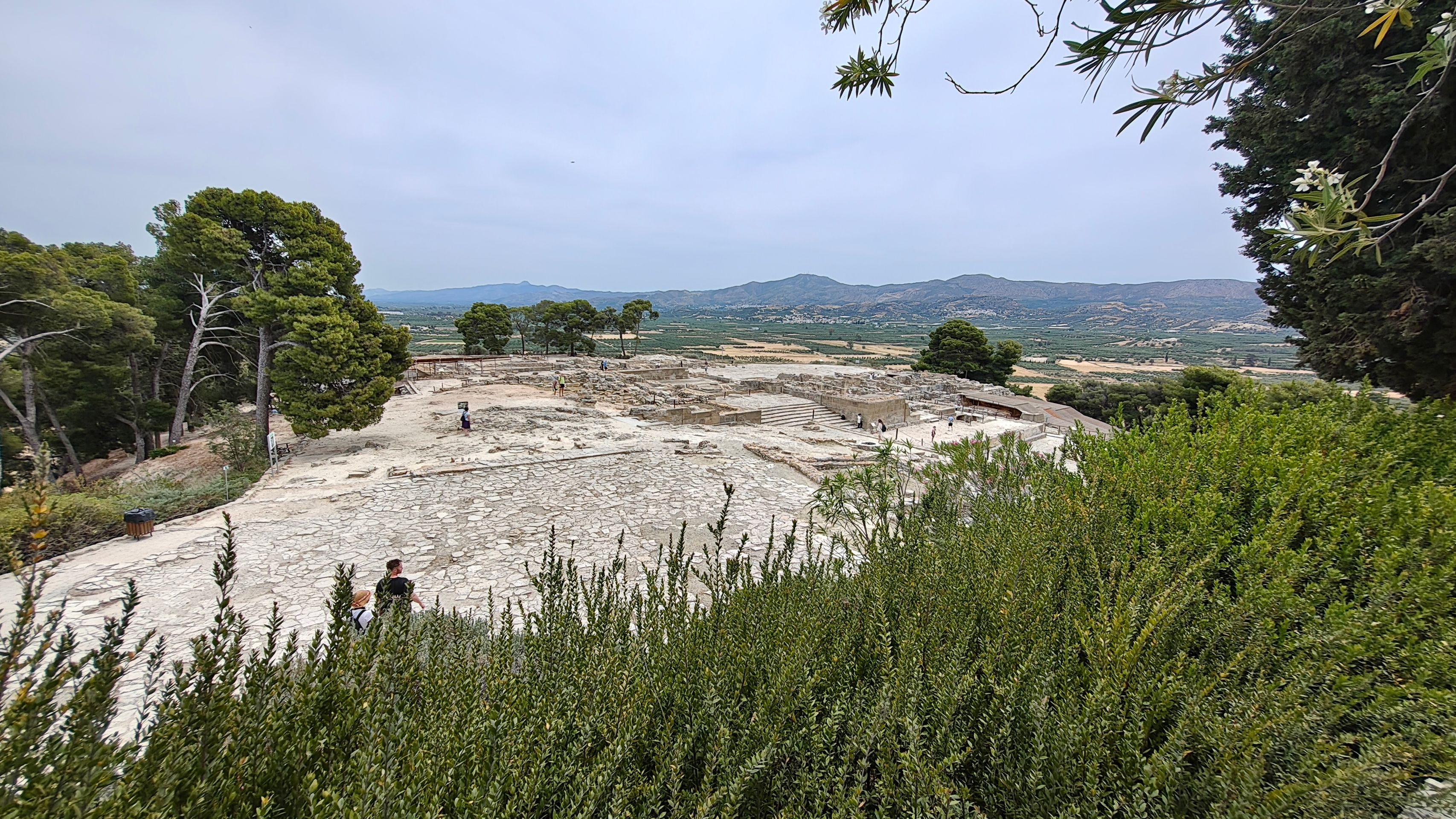
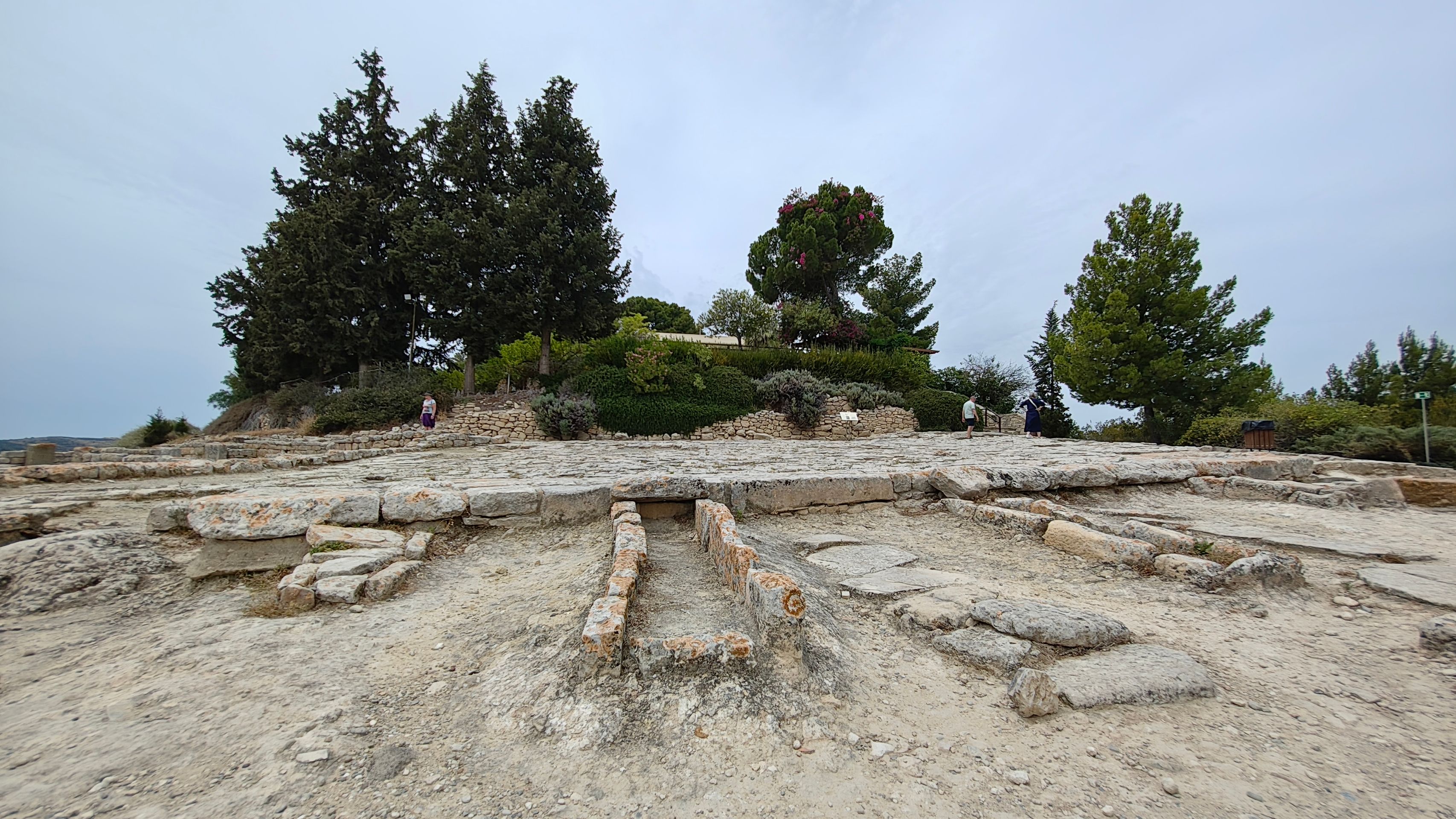
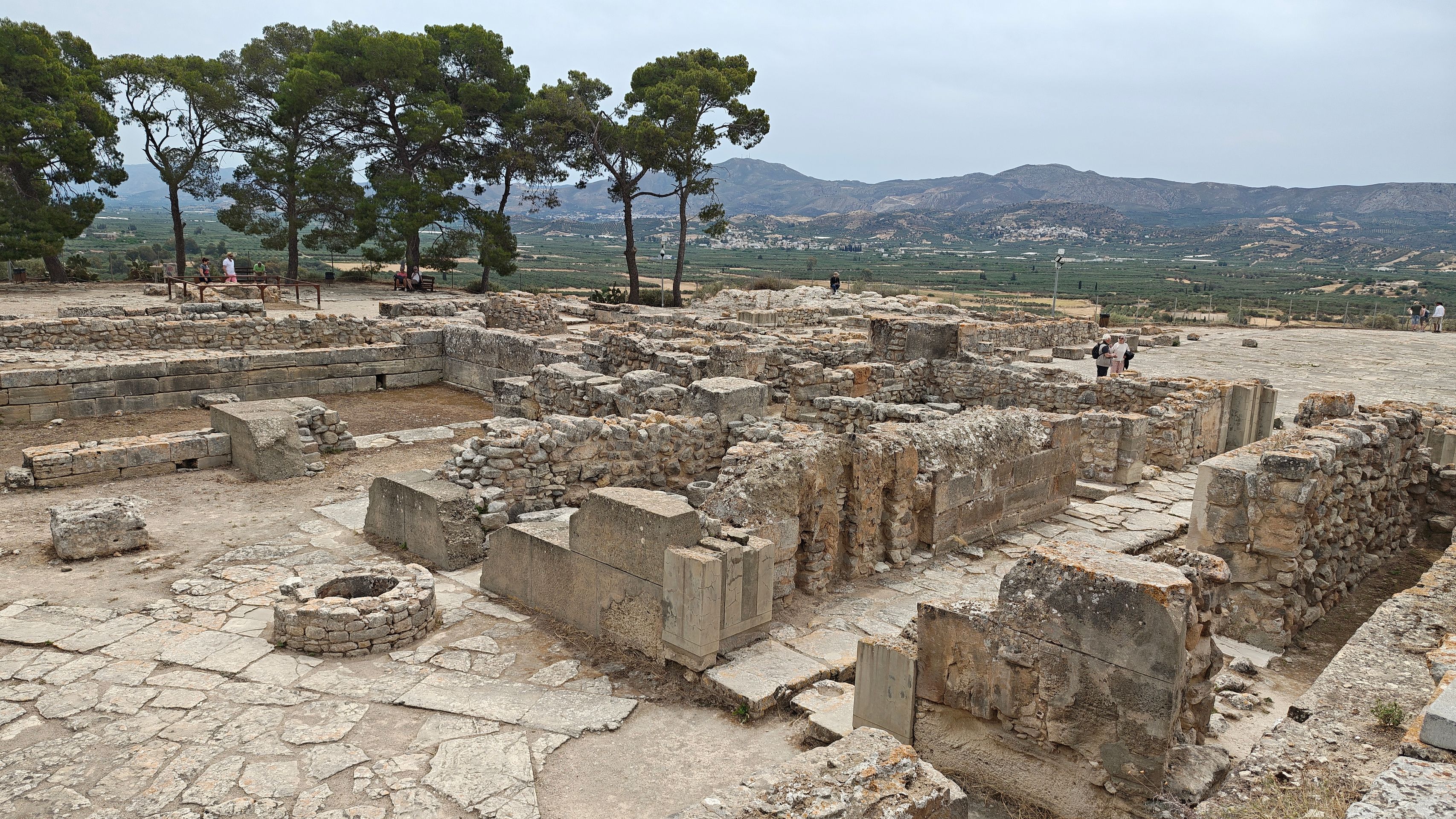
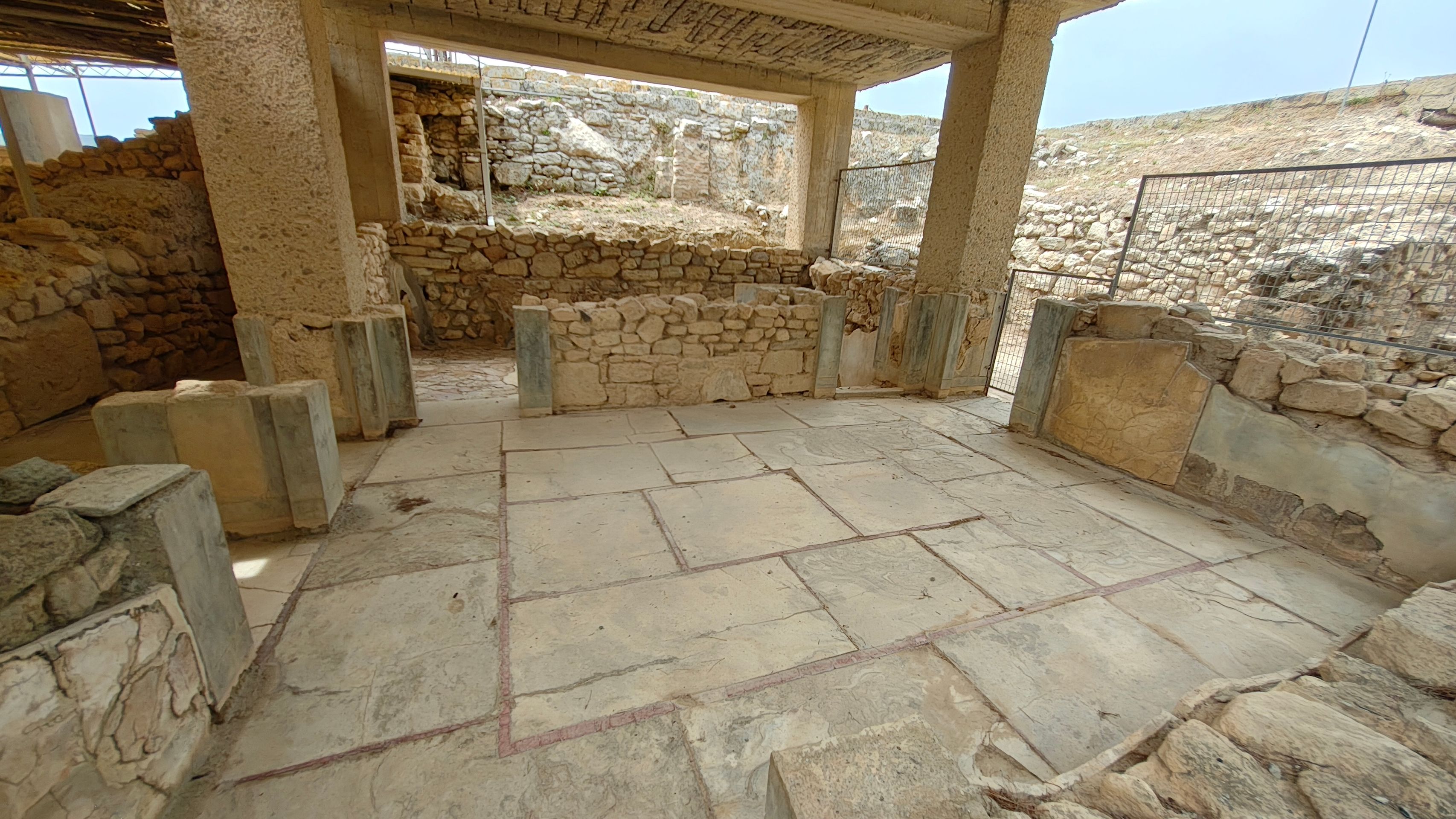
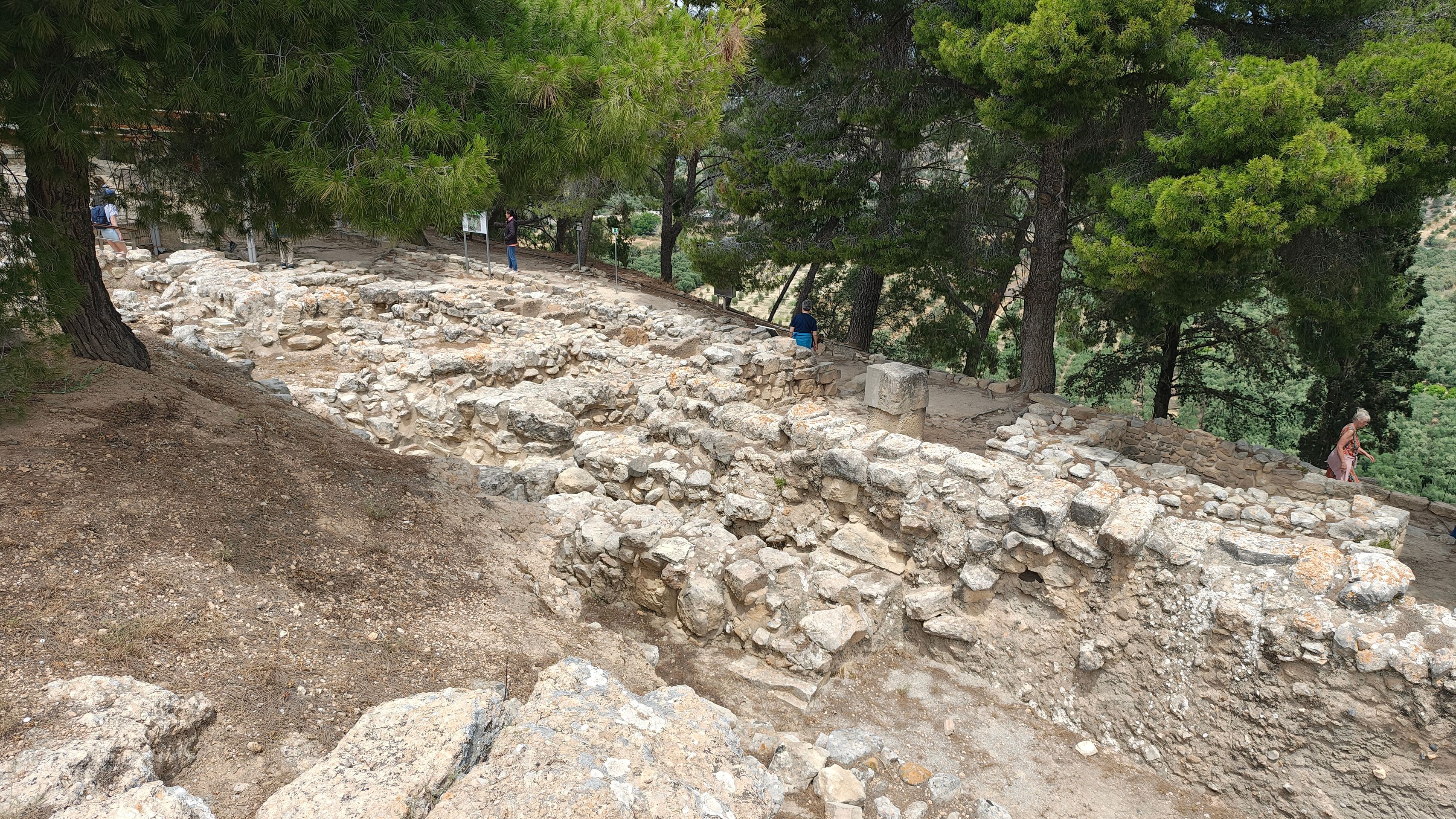
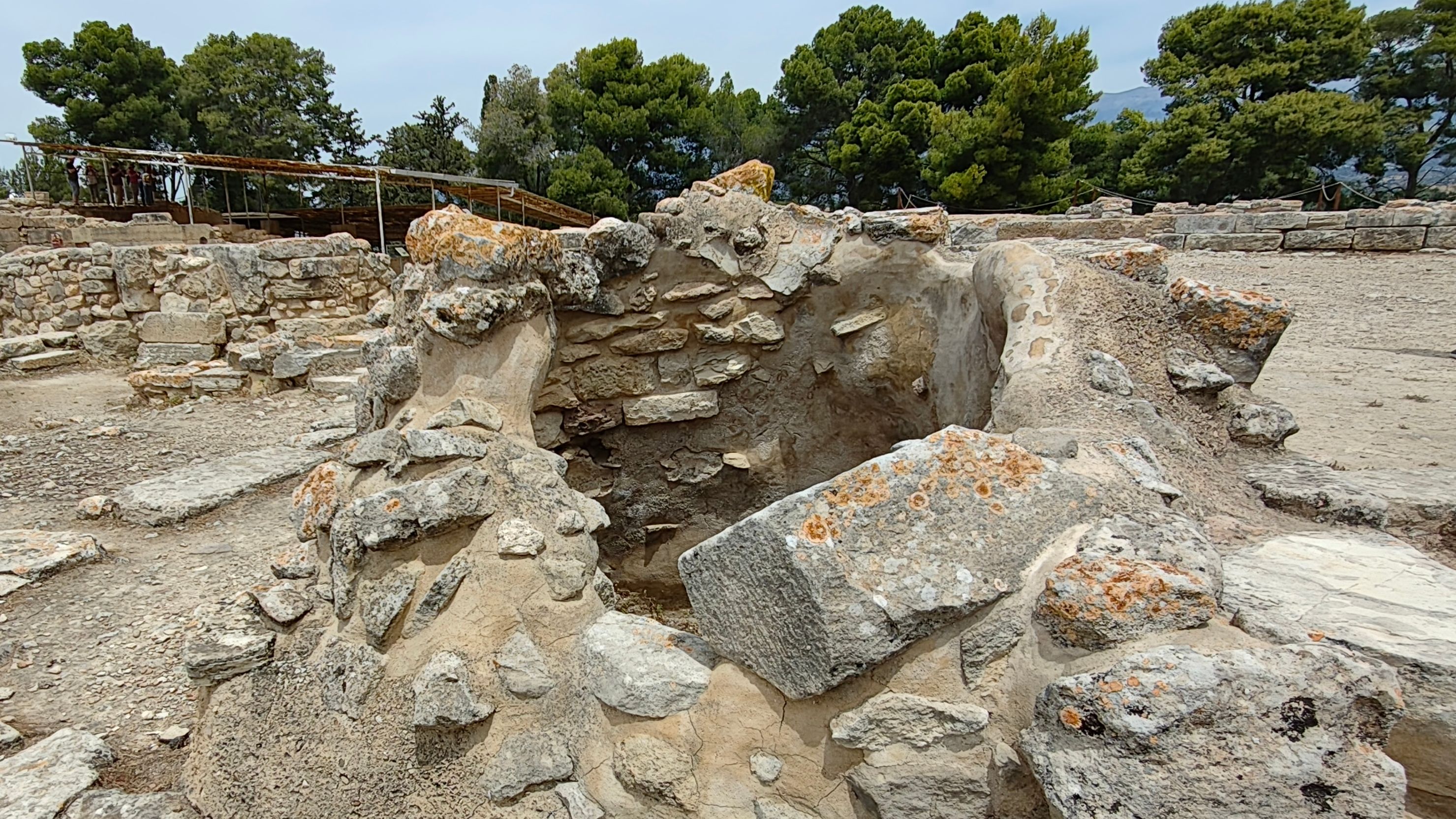
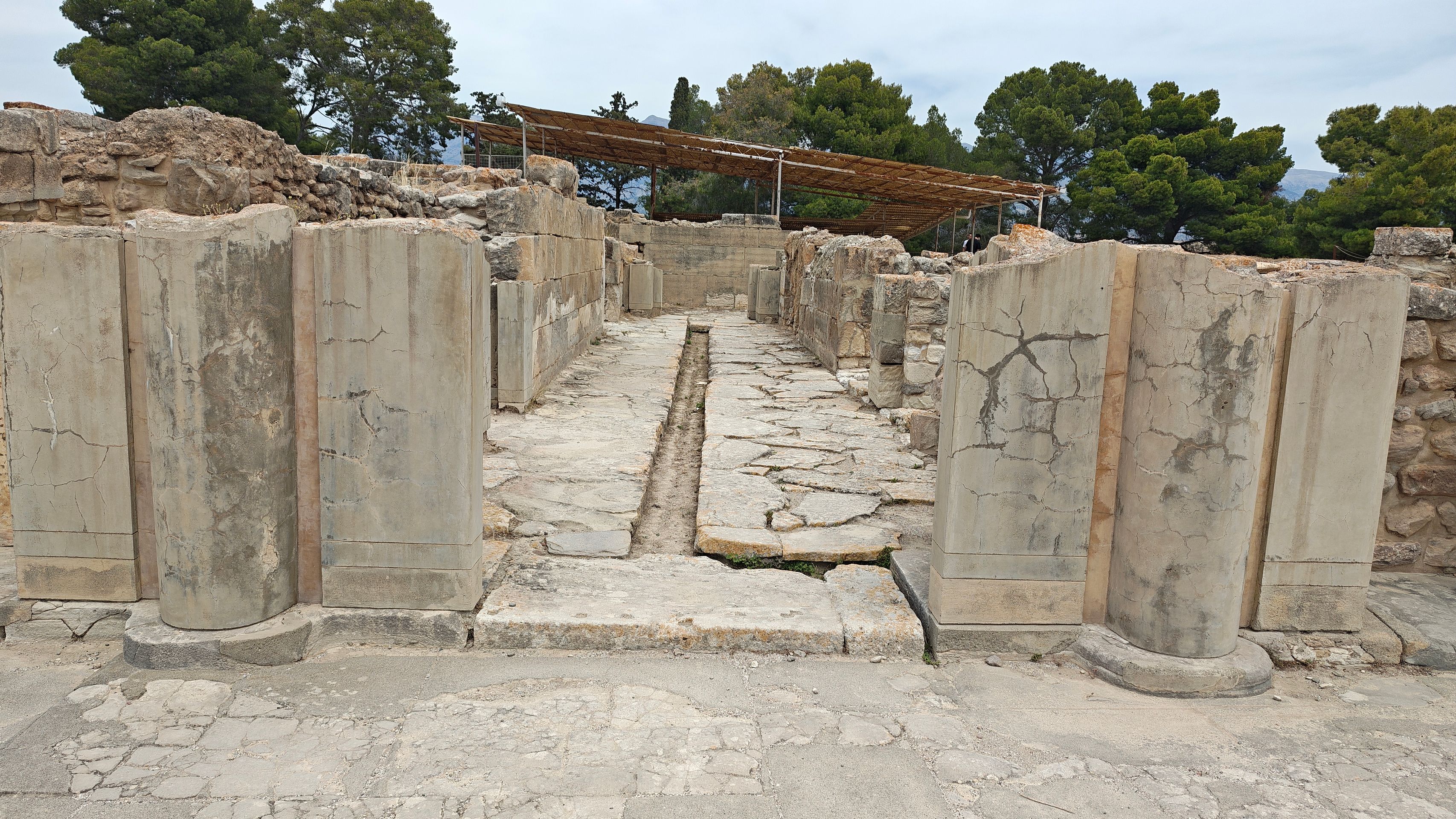
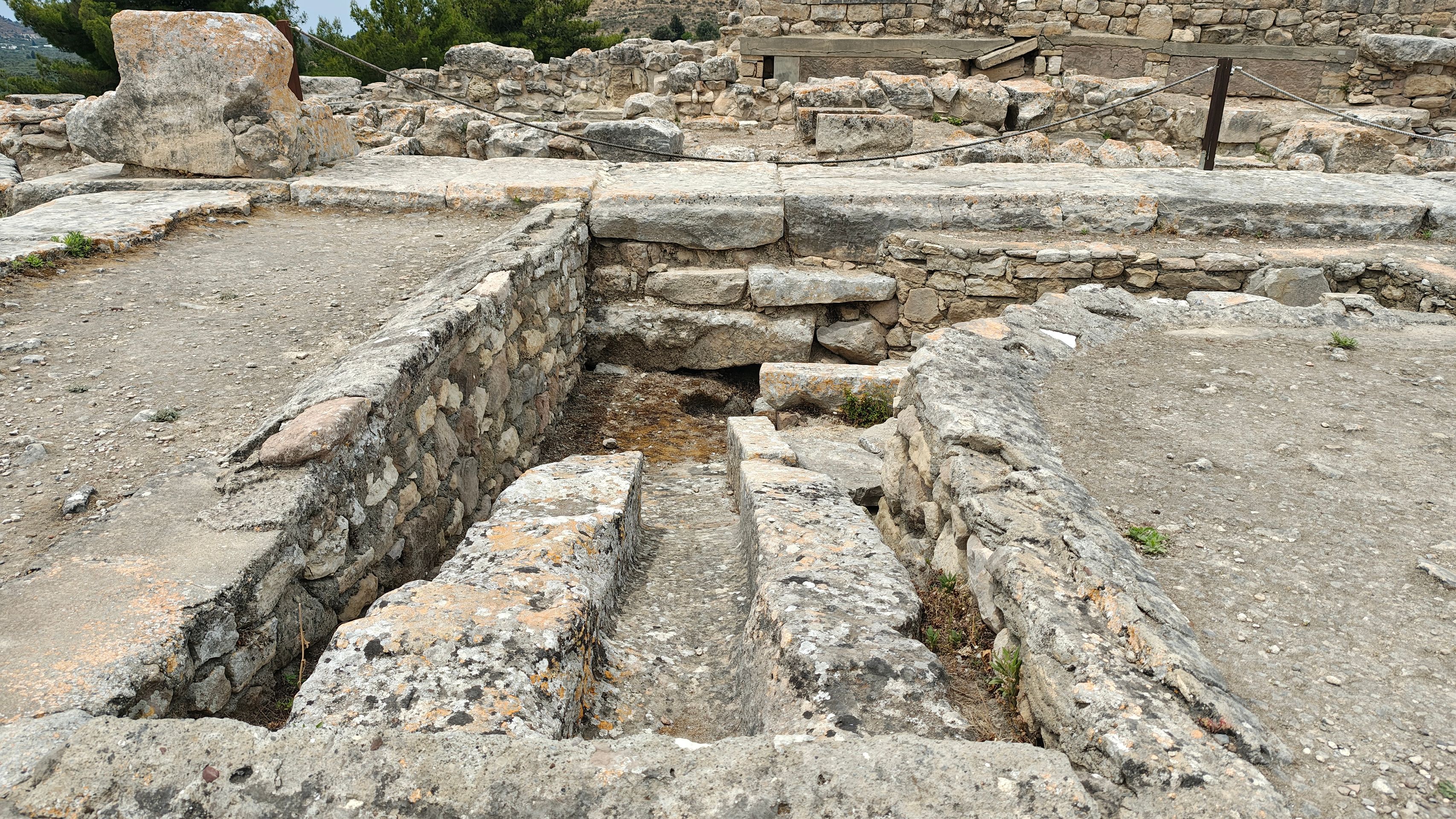
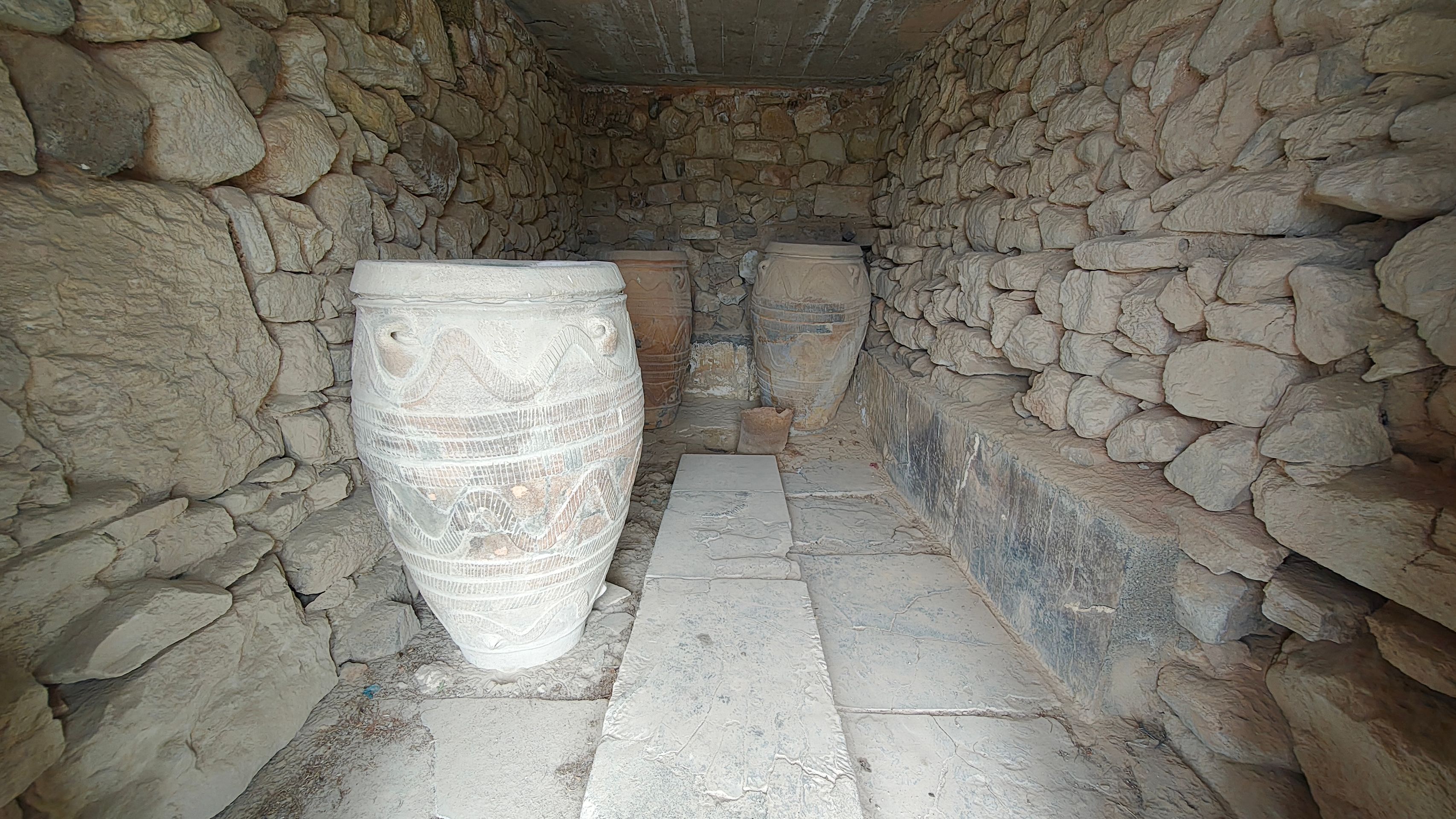
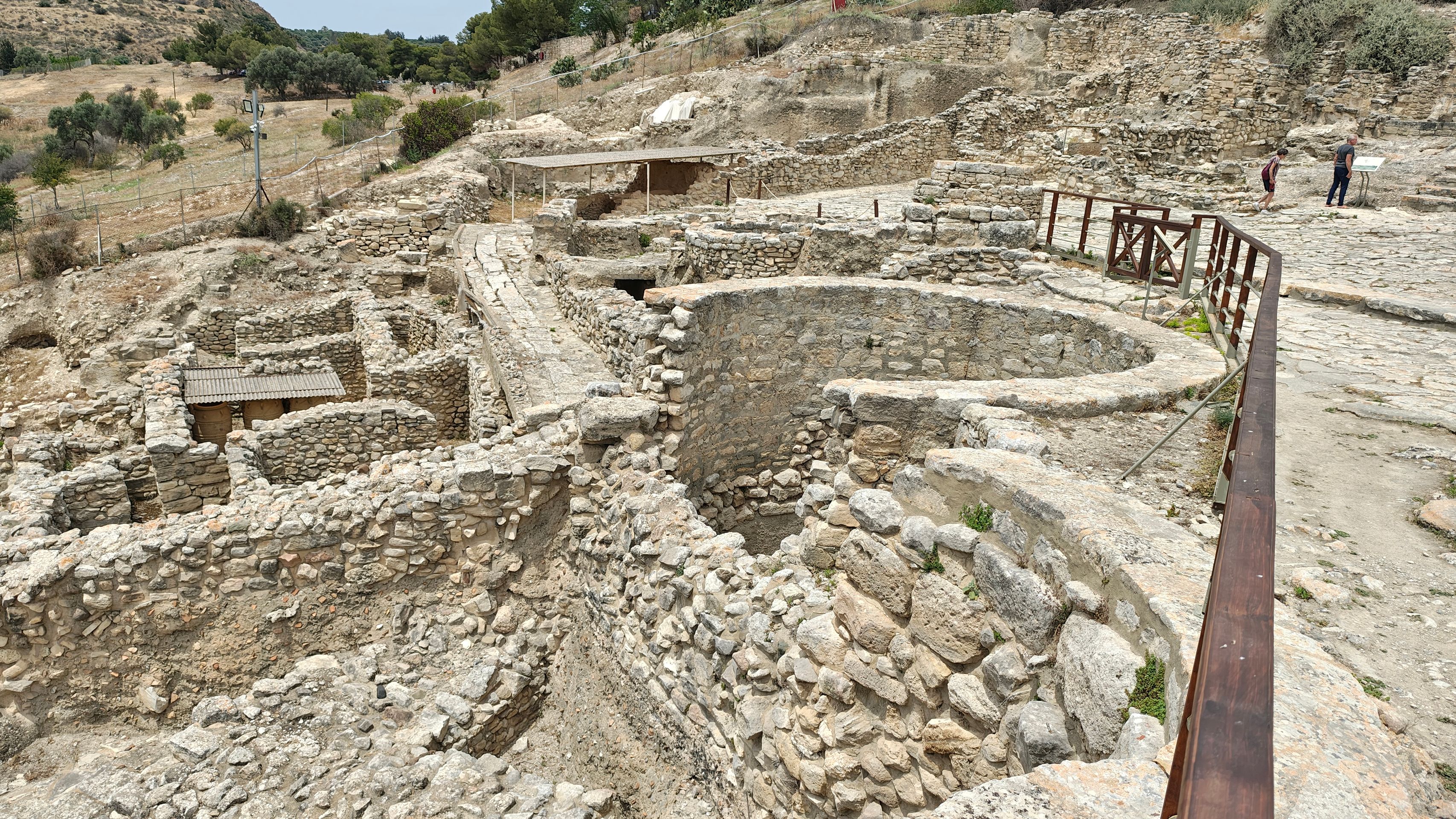
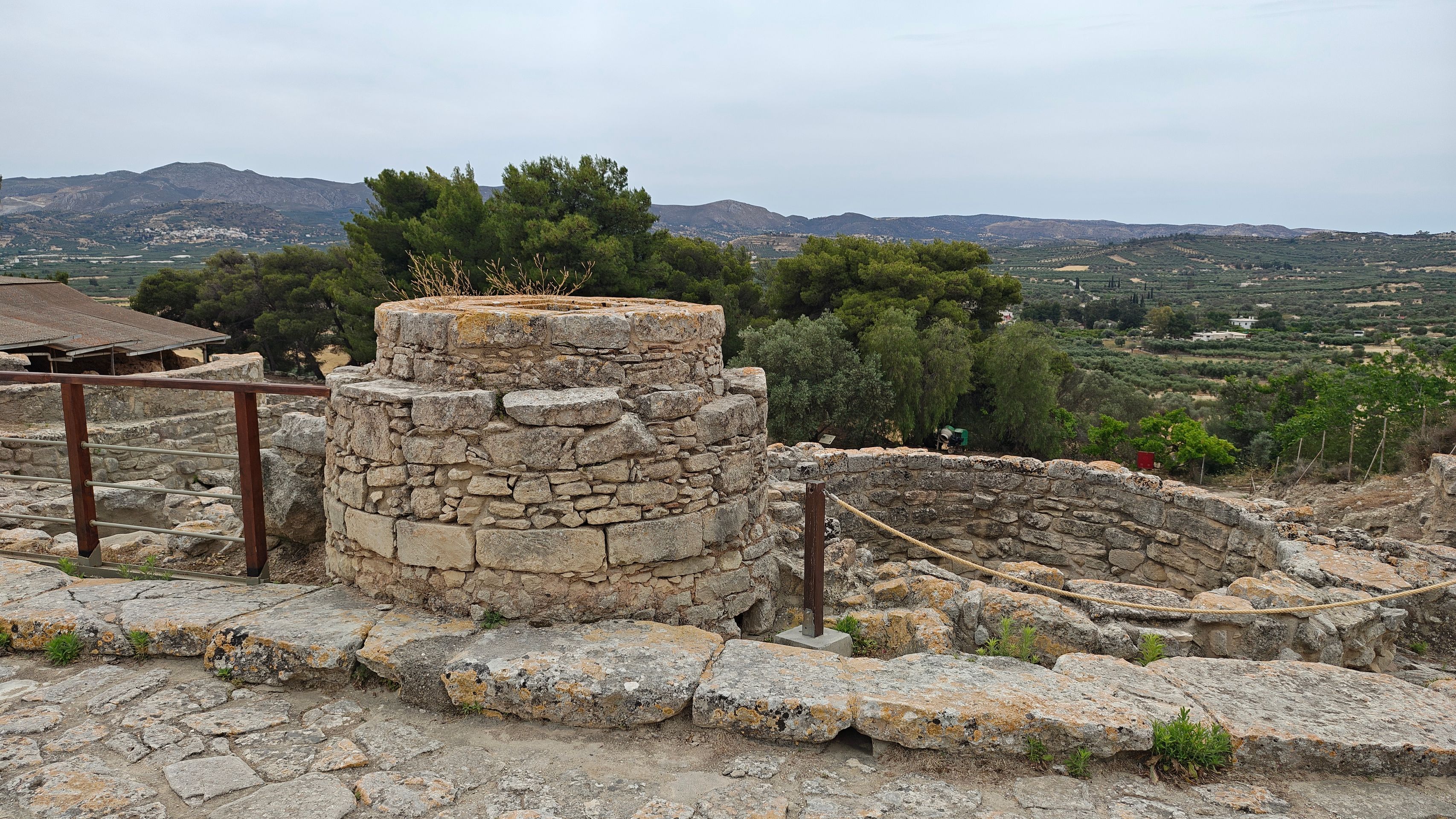
Published: 18.05.2025
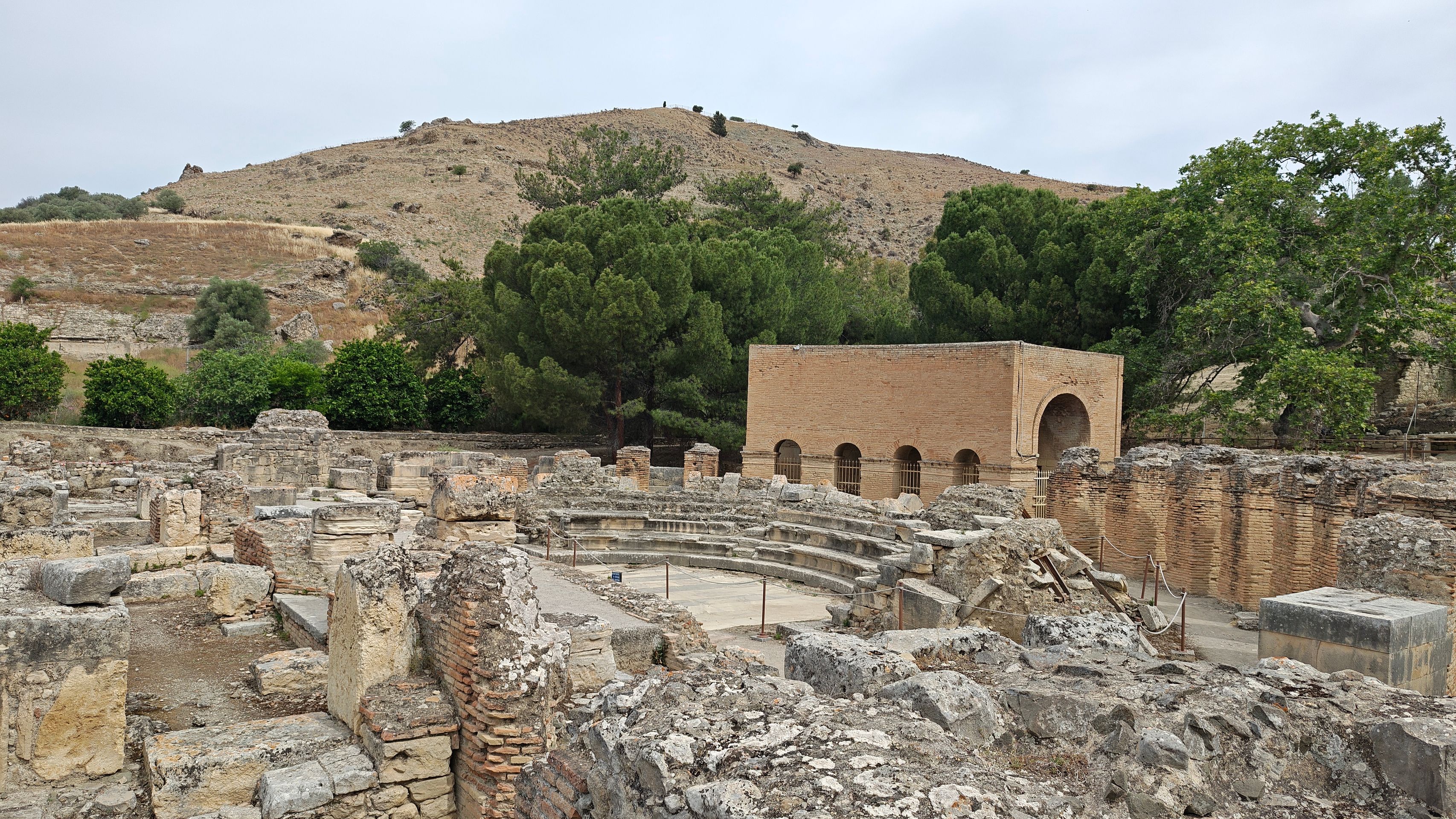
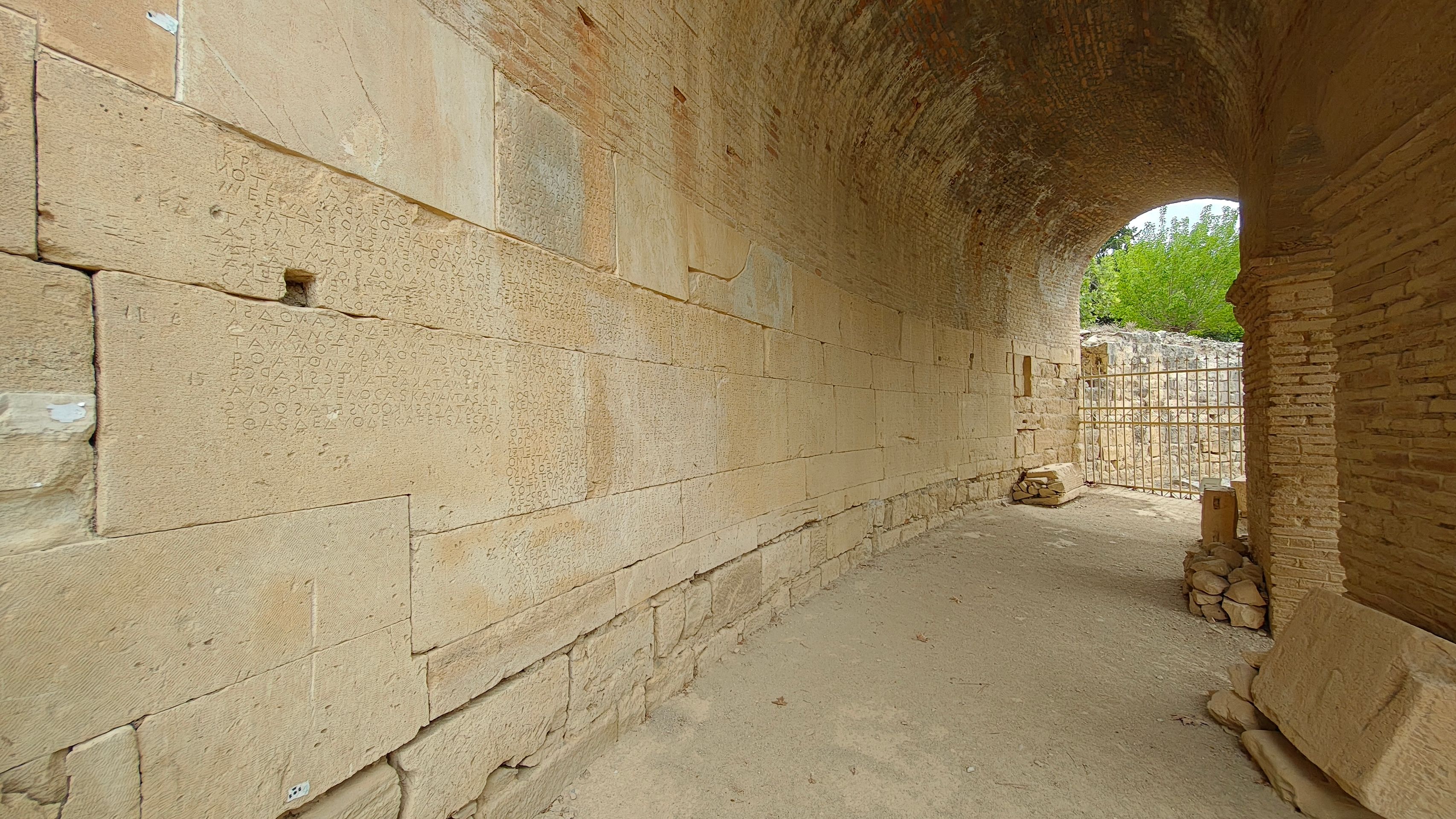
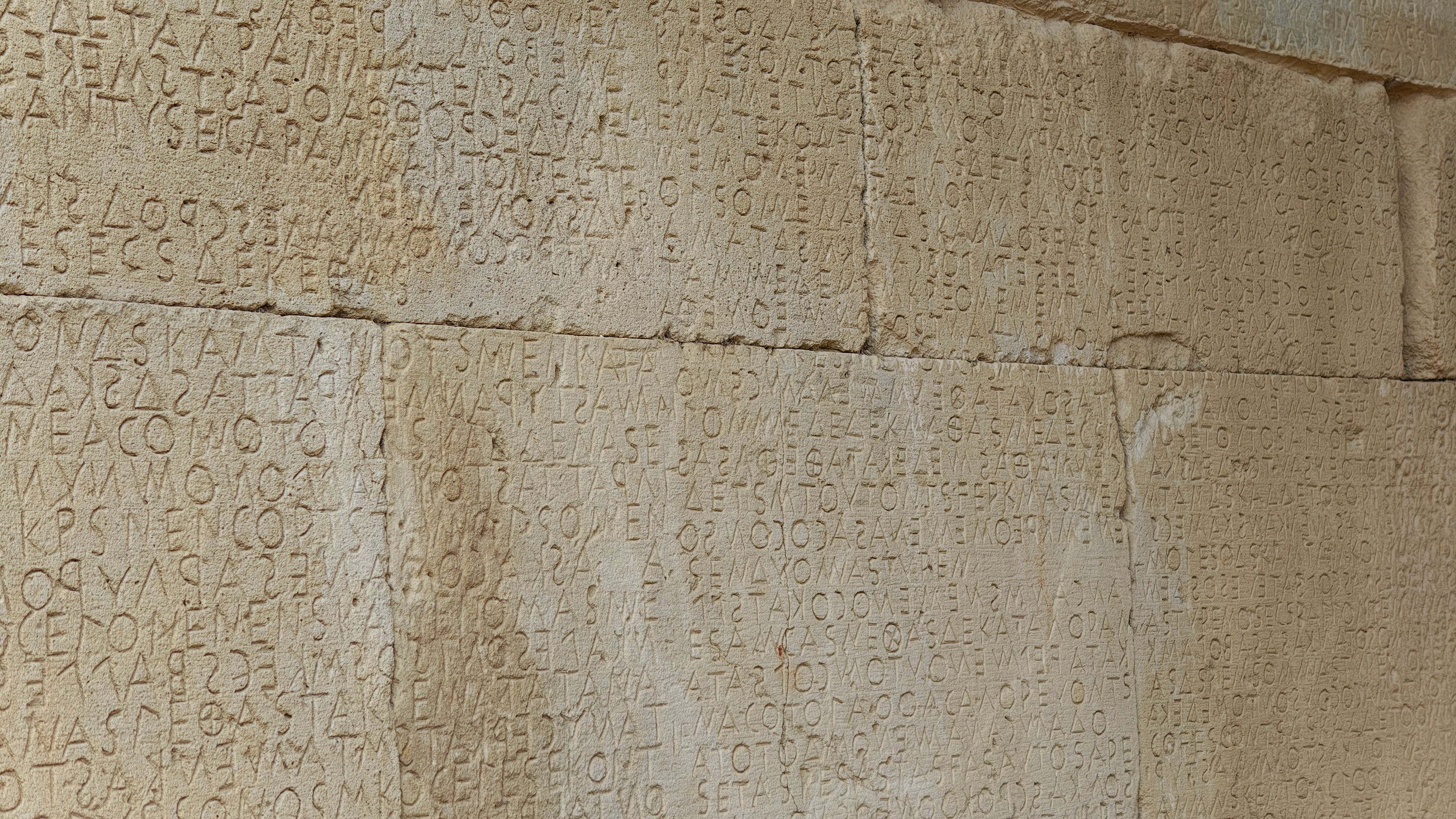
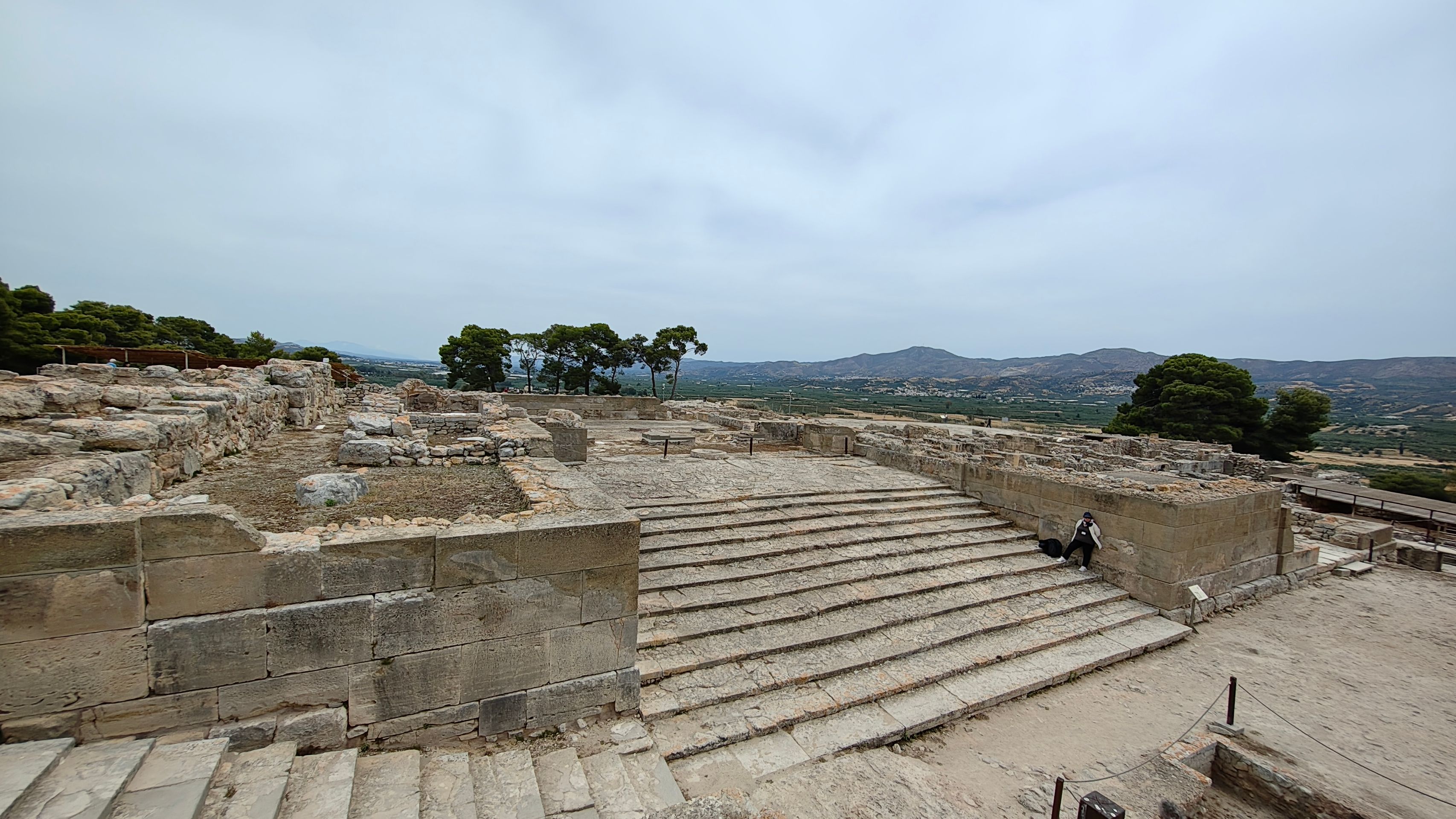
We have set our sights on two archaeological sites on the south side of the island of Crete. To do this, we rent a car from a very friendly provider (autokreta.de). I recommend a rental car with insurance without a deductible because this way there are no condition checks on the car. With our cute Fiat Panda, we drive along the city highway from Heraklion and completely miss our exit heading south, as a backlog lines the cars up before the exit and I certainly did not expect that. Therefore, it becomes the next exit to turn around and go back. Then we make our way quickly through the mountains. The little car puffs up the first half of the journey up the mountains and rolls down the other half again. We turn left and reach Gortyn. This city is already mentioned in the 'Iliad' by Homer, indicating a long tradition of settlement. During the Roman period, the city even became the capital of Crete in 67 BC. The archaeological site stretches to the left and right of the road, with only a small (but significant) part available for viewing. The old basilica does not interest us, and we walk past the student group and the ancient olive trees to the Odeon. There, under a protective covering, the city laws of Gortyn from archaic times are inscribed in a wall so that every citizen could read the laws. With 2,500 years, it is one of the oldest documentations of laws in Europe. Apart from criminal law, there are also regulations on property law and inheritance law. The ruins of the Odeon show a high degree of destruction, so the possibilities for visiting are indeed limited. One should not set expectations too high here, but I'm only here because of the tablets. Now I try to be clever and drive to a small remote village to refuel. My logic is that the price will be lower away from the tourist roads. This logic should turn out to be fundamentally wrong. We reach the old gas station and are served by an even older, tanned Greek who could well be depicted on every package of Greek sheep's cheese. He speaks no English and I speak no Greek, yet I receive the right amount of gasoline. The price is not high, but not low either; the refueling experience was worth it. Through the small Greek village of Mitropoli, we make our way back to the main road. Now we are driving to the second-largest excavated Minoan palace in Phaistos. The palace in Phaistos was first built 3,900 years ago. Several destructions, likely from earthquakes, made new constructions necessary. But wars could also have been the reason for the destruction, especially the fire around 3,450 years ago coincides with the settlement of Crete by the Mycenaean Greeks from the mainland and is therefore attributed to this cause. However, the following centuries also show numerous archaeological finds of strong reconstructions and thus the continued use of the settlement. The ruins are not as heavily affected by restoration structures. Nevertheless, concrete castings can be seen everywhere. What is particularly worth seeing about the site? The floor slabs on the northern side illustrate the residential layout, a furnace indicates a workspace, and the large amphorae denote the storage areas. Here too, the round Kouloures are to be admired, and long wide stairs allow one to glimpse the dimensions and significance of the palace. And of course, the site of the Disc of Phaistos is interesting for me, which we could admire in the Archaeological Museum. There are narrow small rooms right next to the site of other tablets, which has given this area the name 'school.' A truly plausible find location. On the Phaistos hill, we can now enjoy the beautiful view of the surrounding landscape, which we also do after visiting the ruins on the terrace next to the museum shop. The affordable and delicious snack offerings should definitely be utilized. The stay in Phaistos has a relaxed character, because even though numerous visitors have gathered here too, it is not the masses of groups as in Knossos. However, one also has to forgo colorful reconstructions and thus be satisfied with the flat ruins and gray concrete reinforcements.