
The Palace of Knossos
Palace of Knossos
Published: 16.05.2025
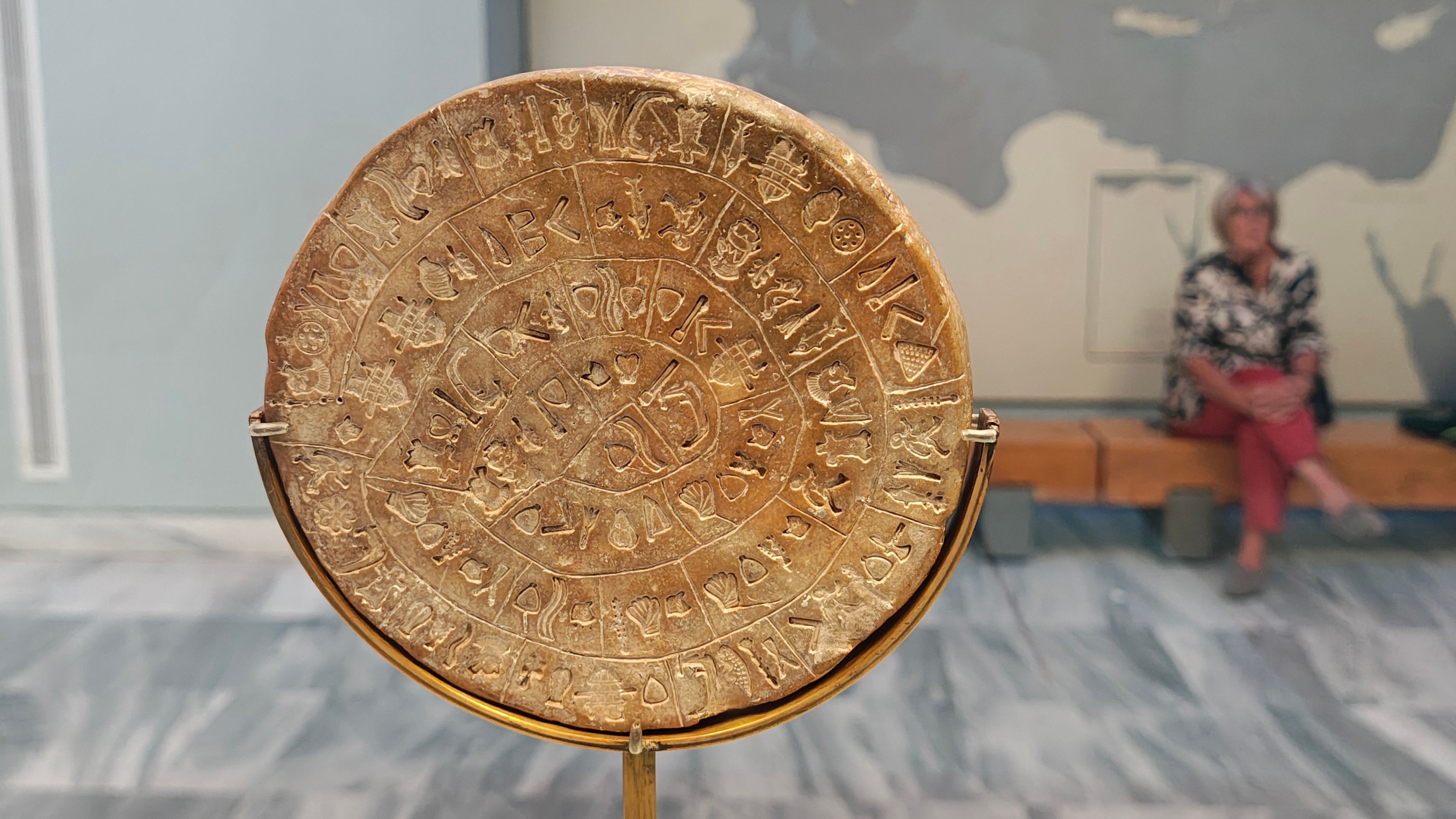
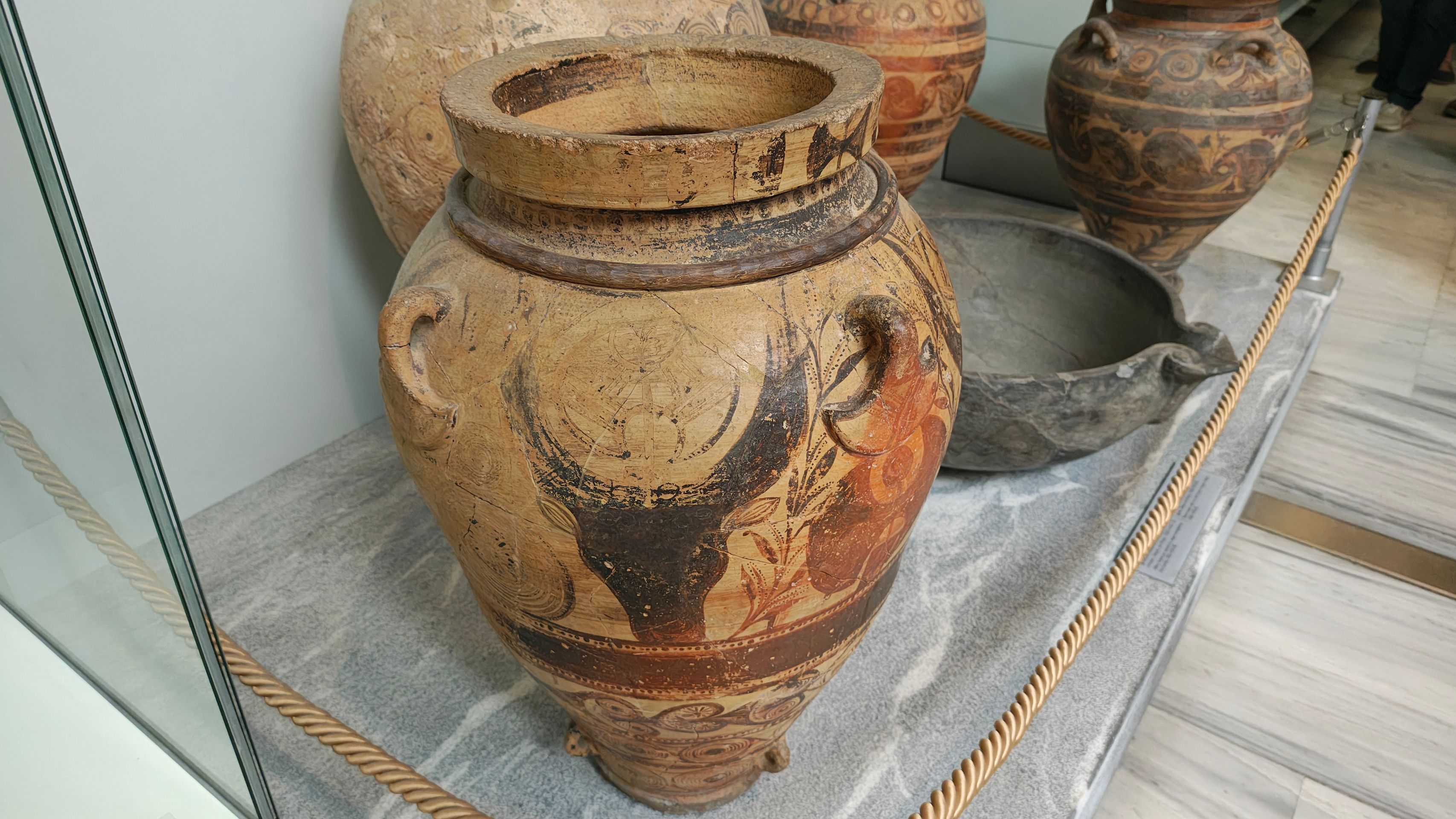
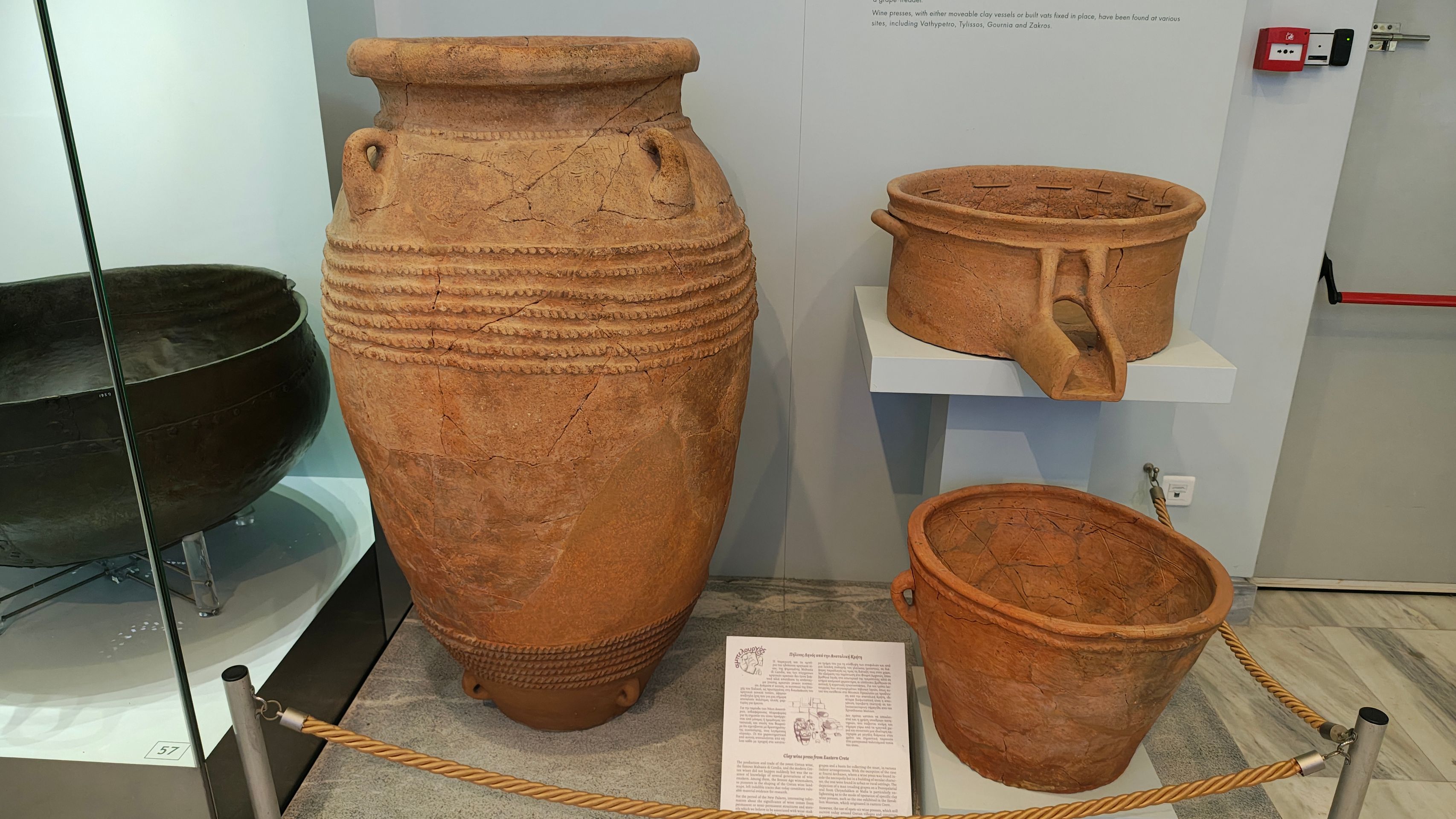
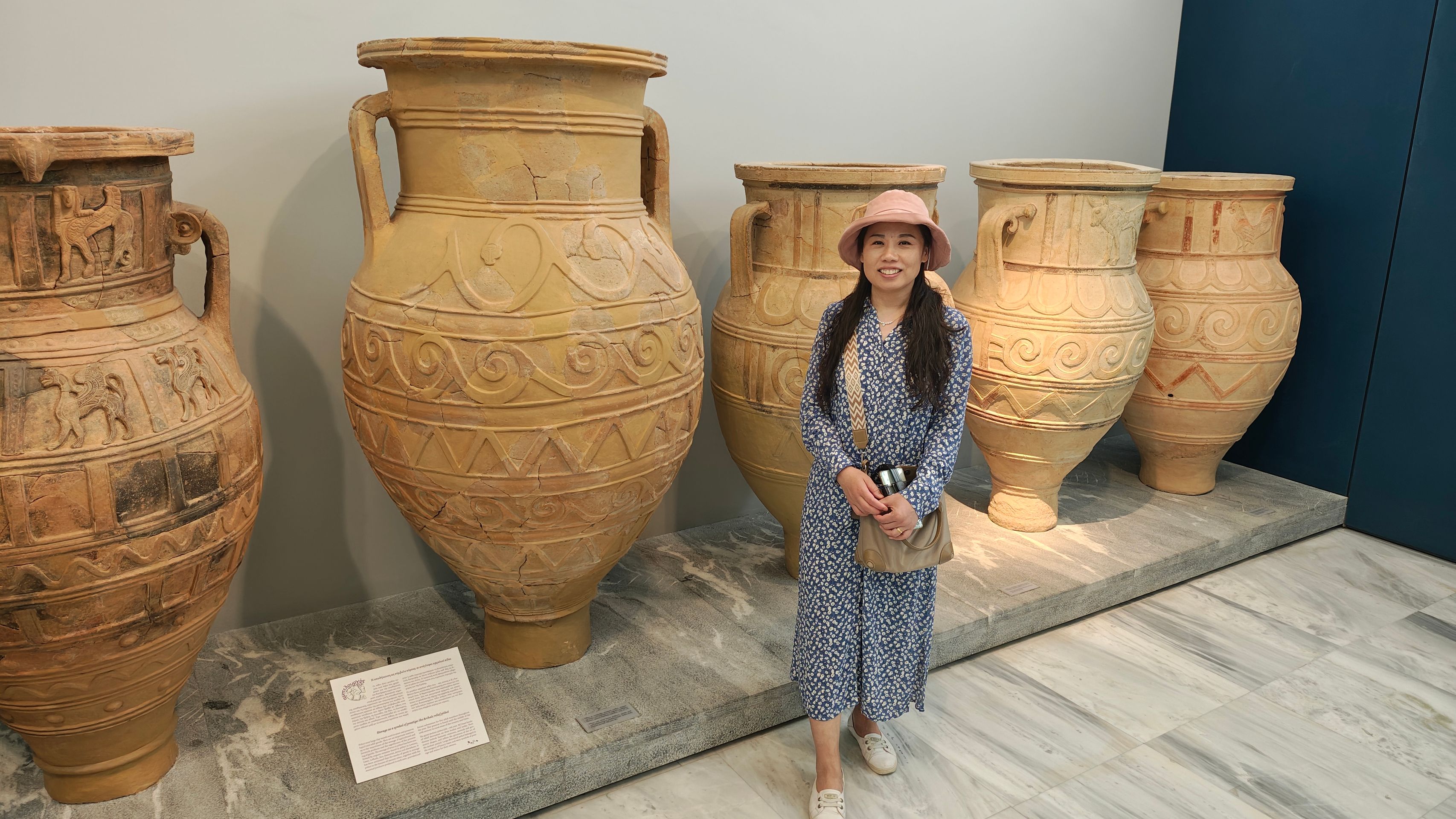
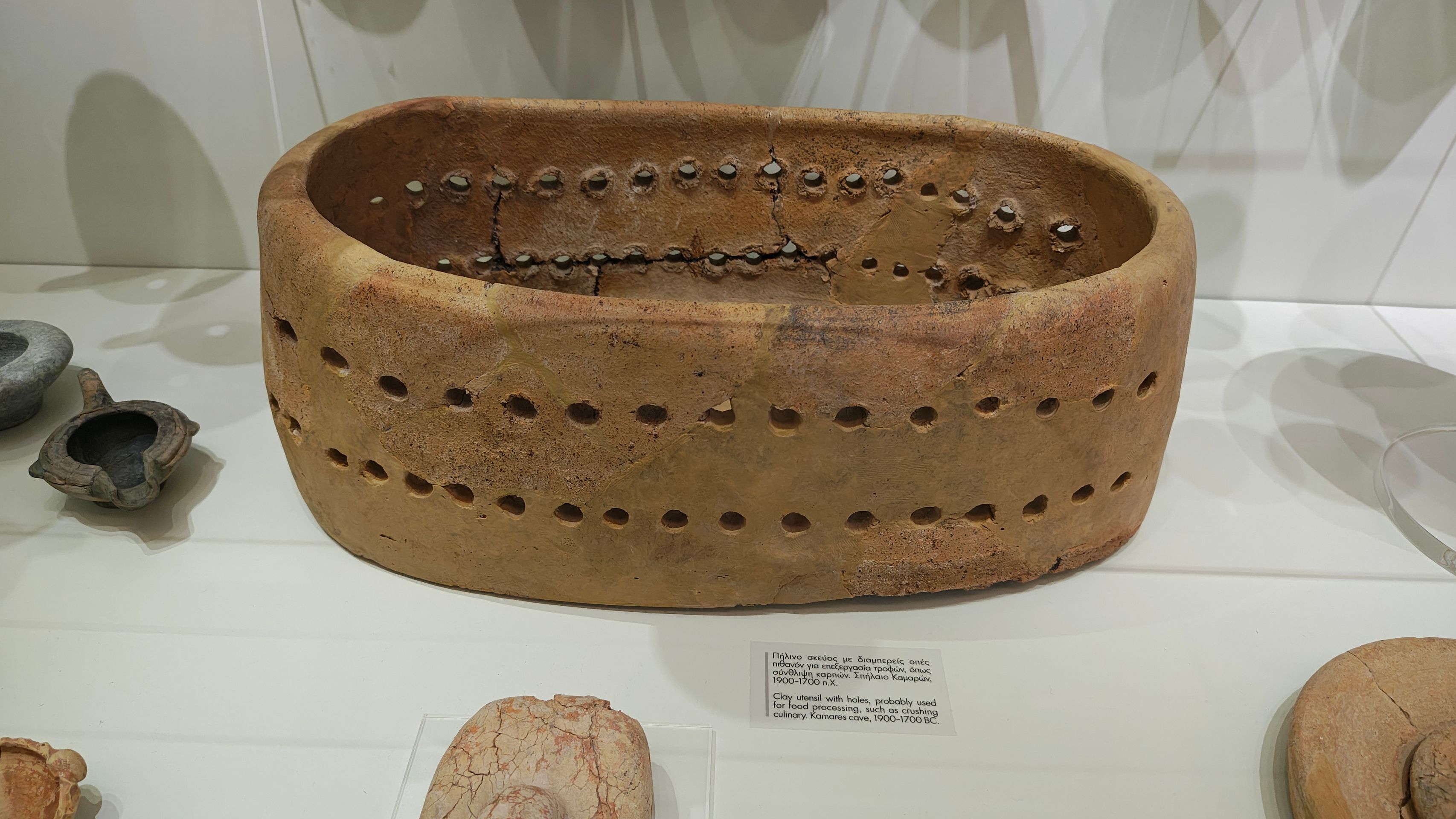
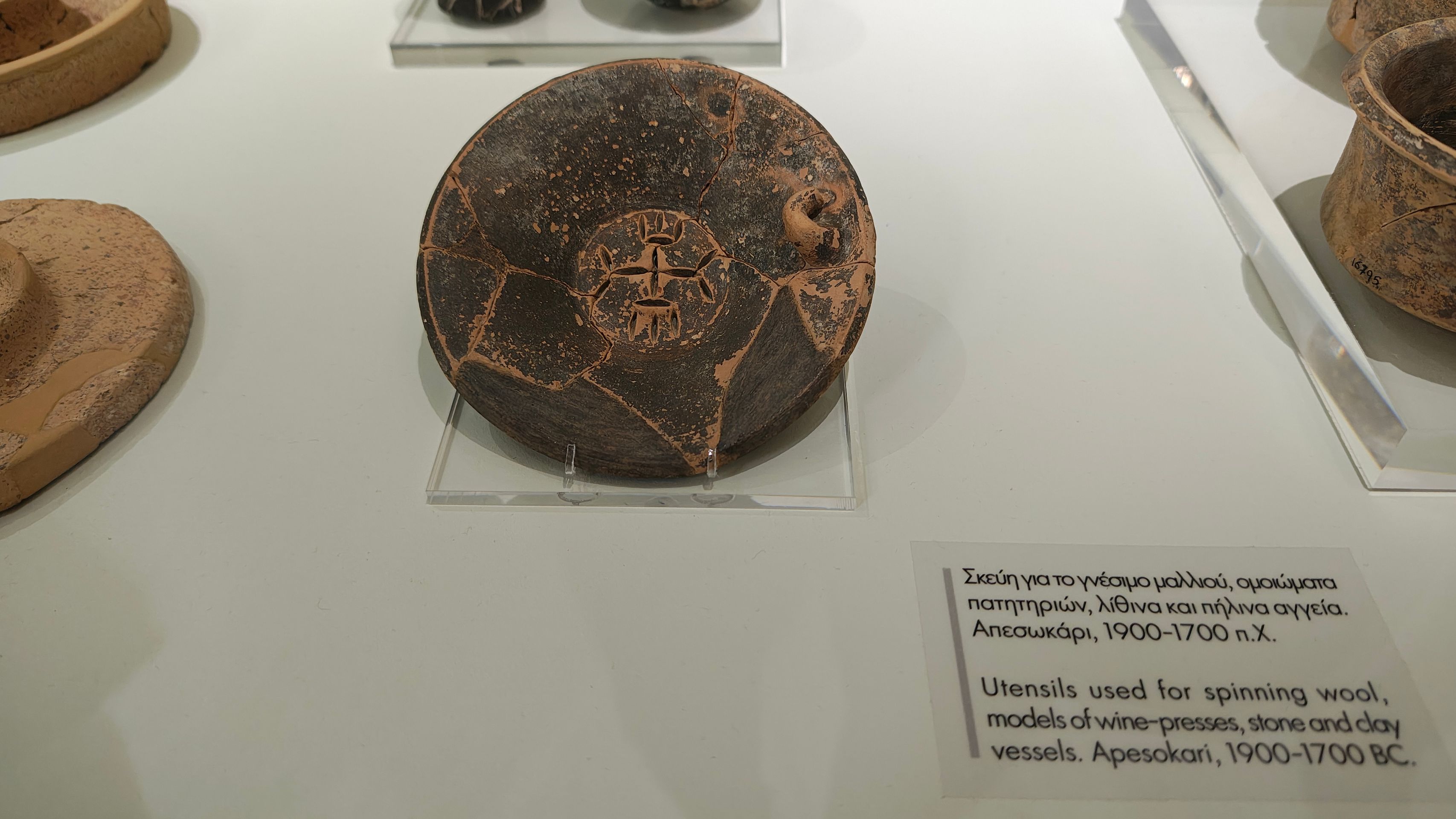
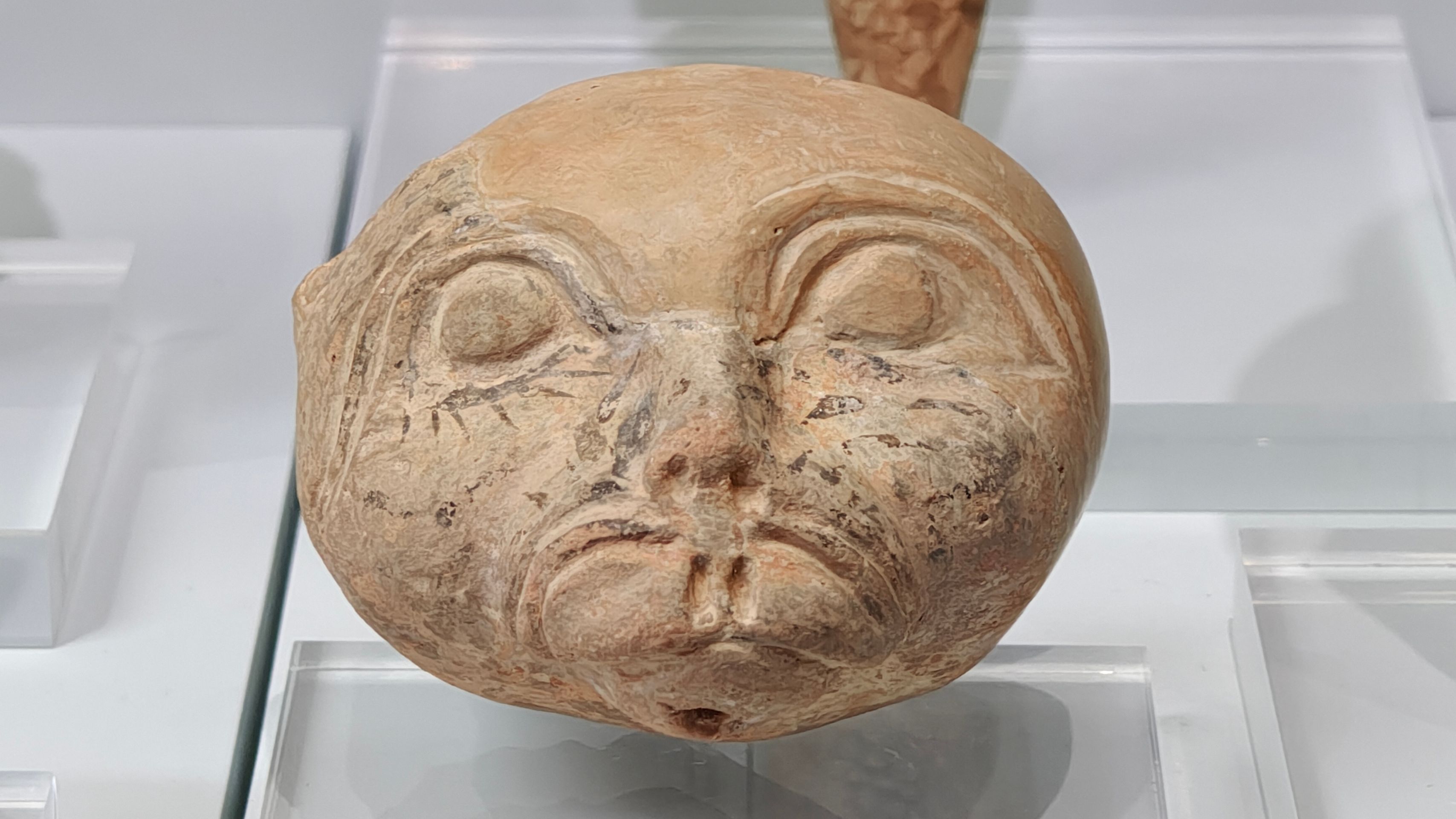
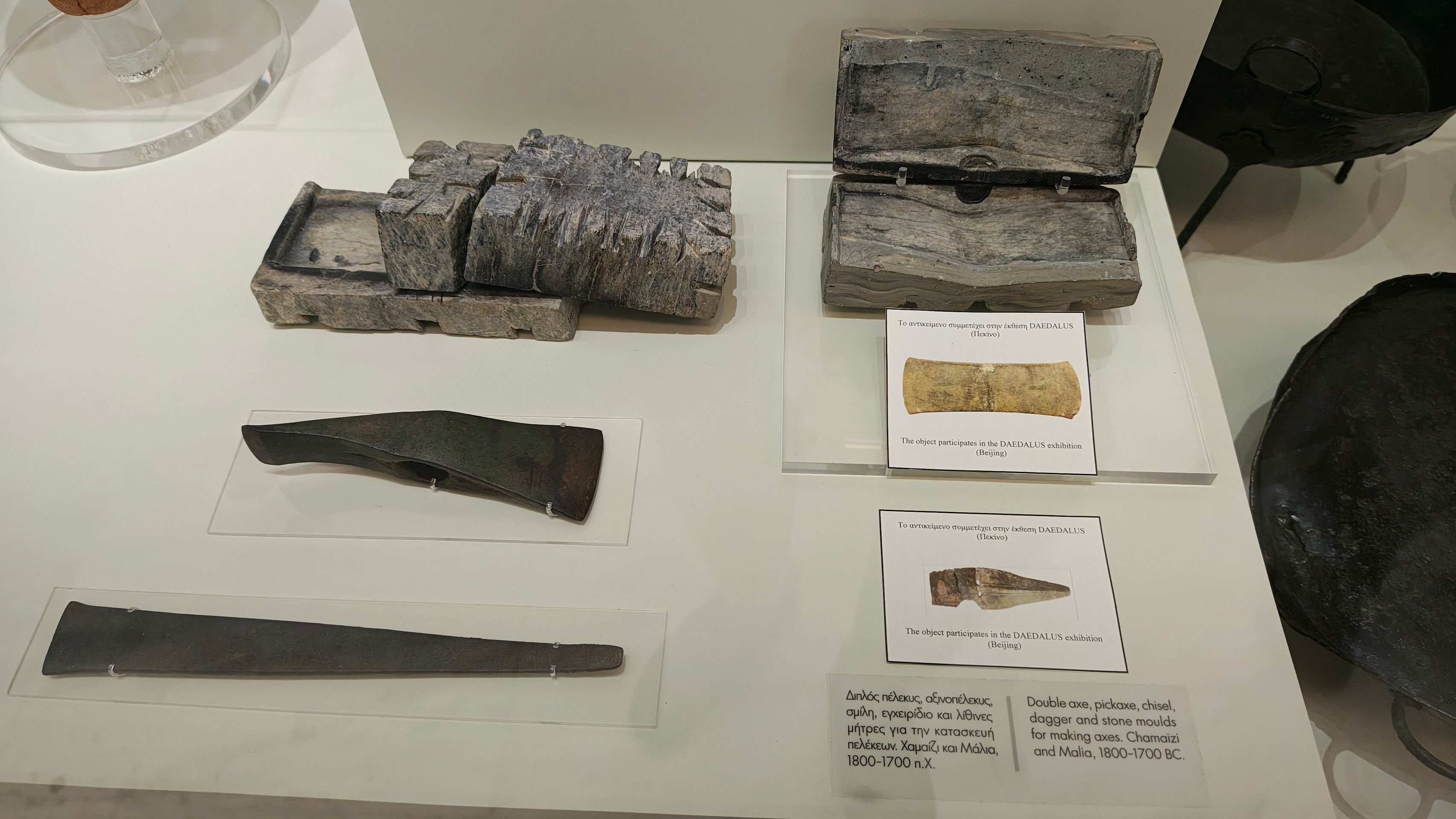
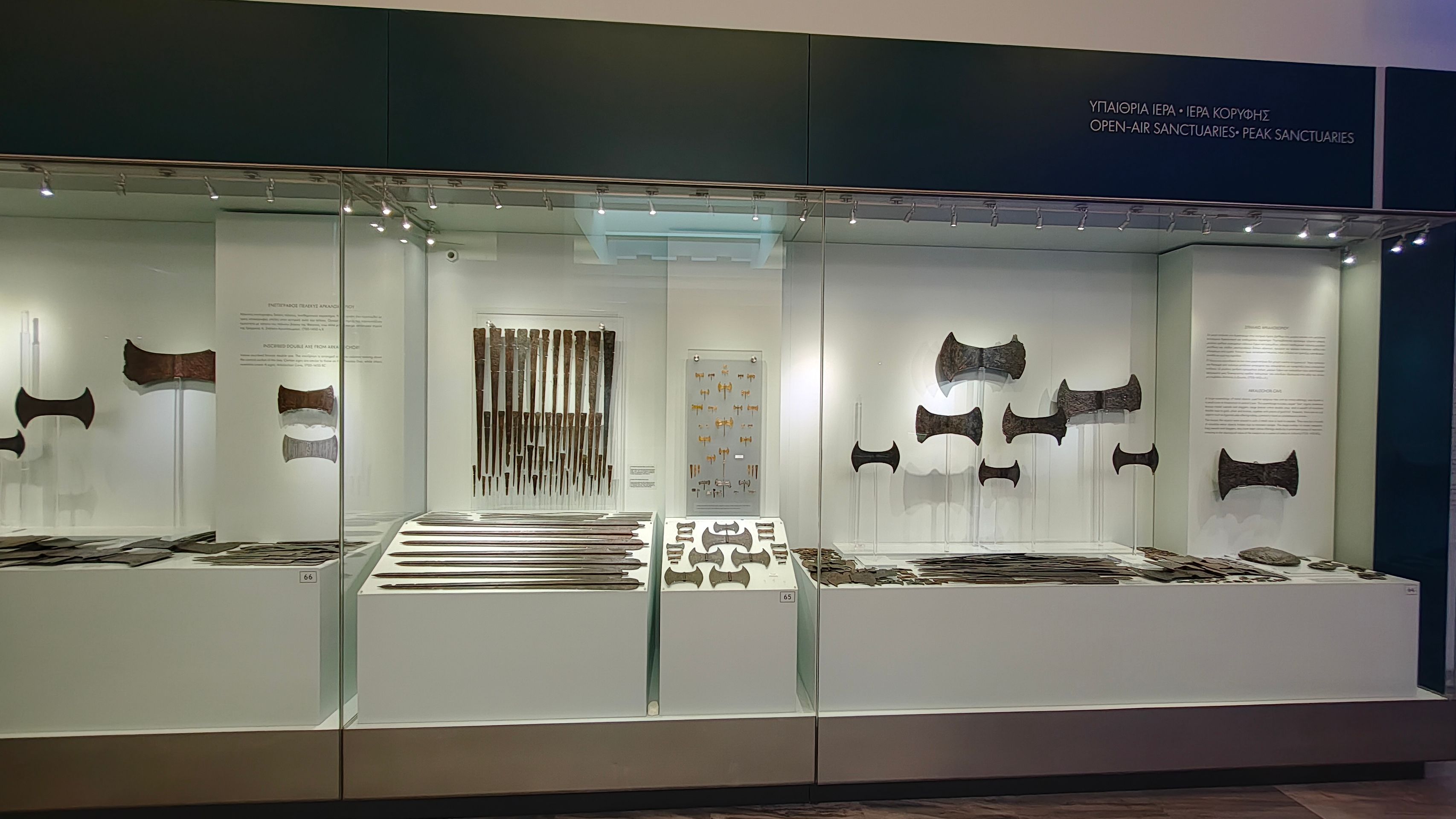
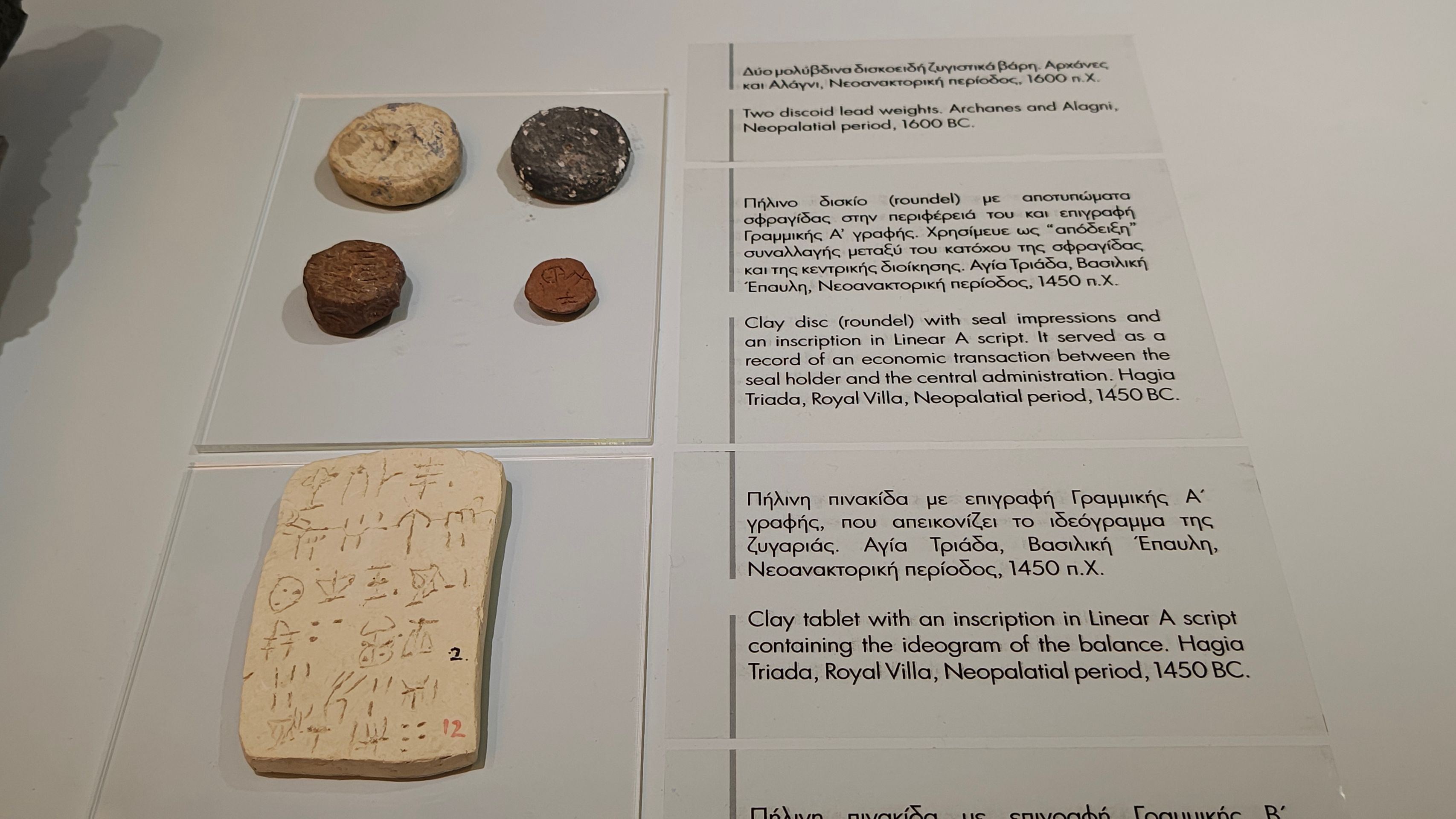
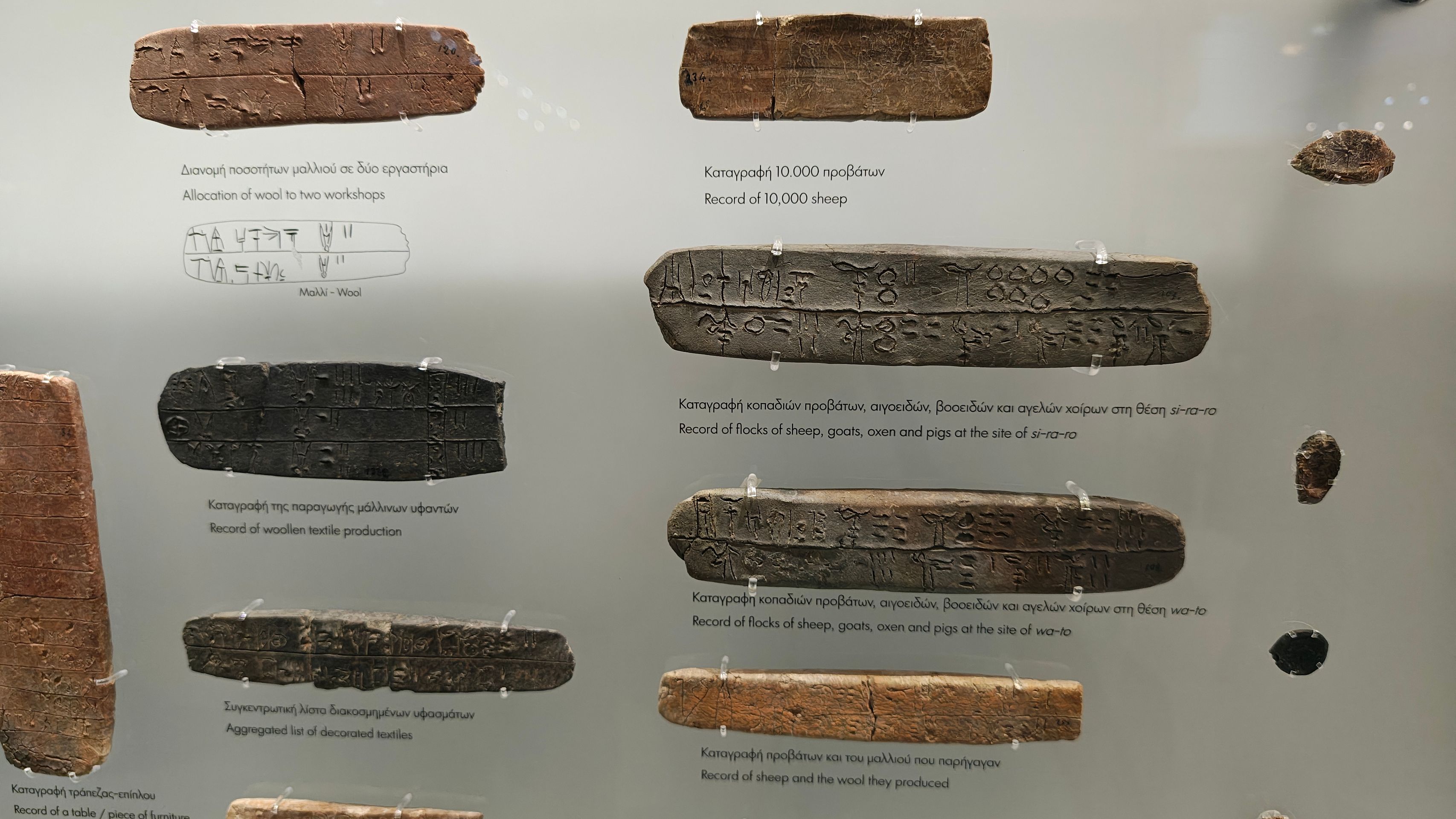
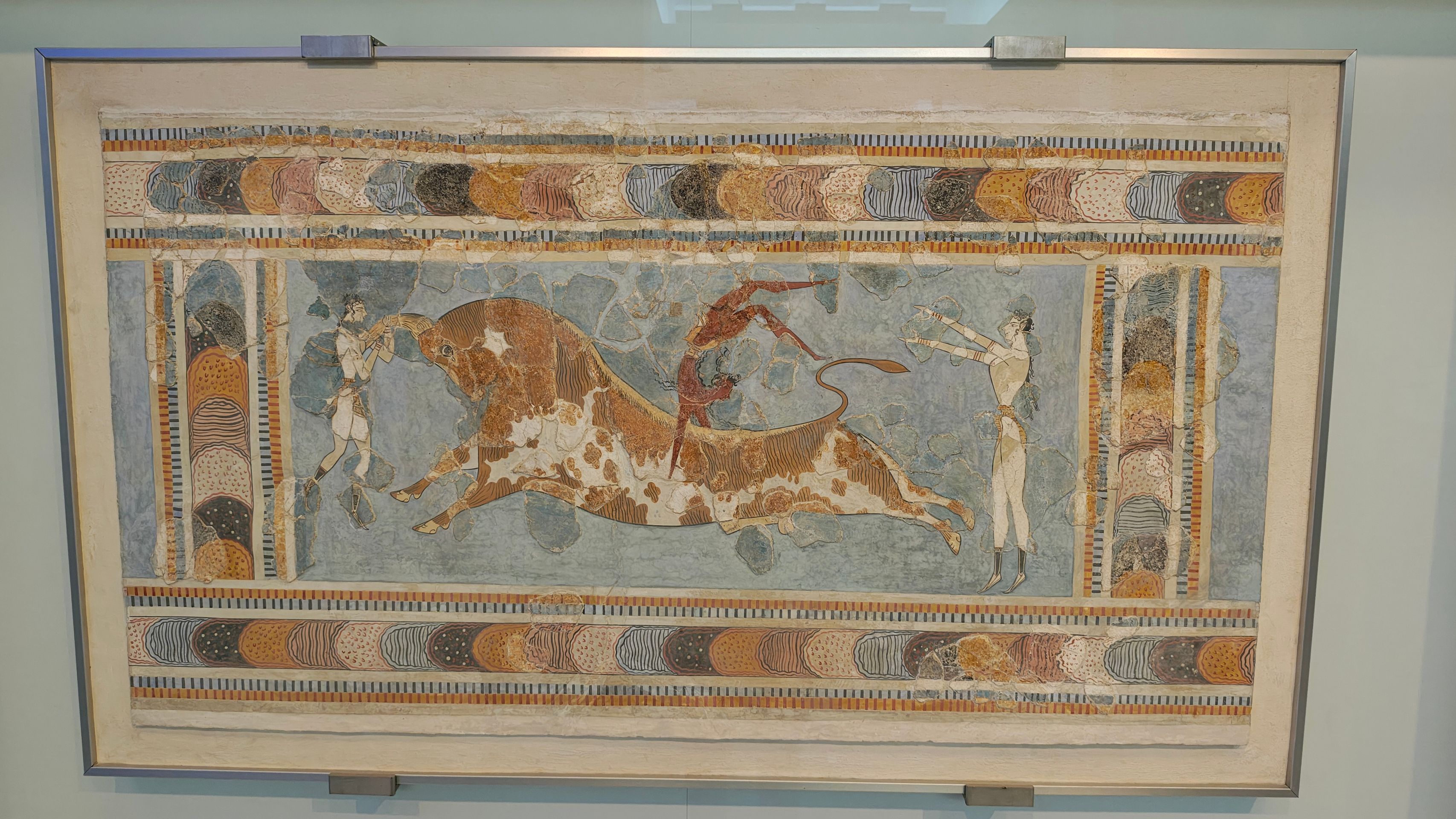
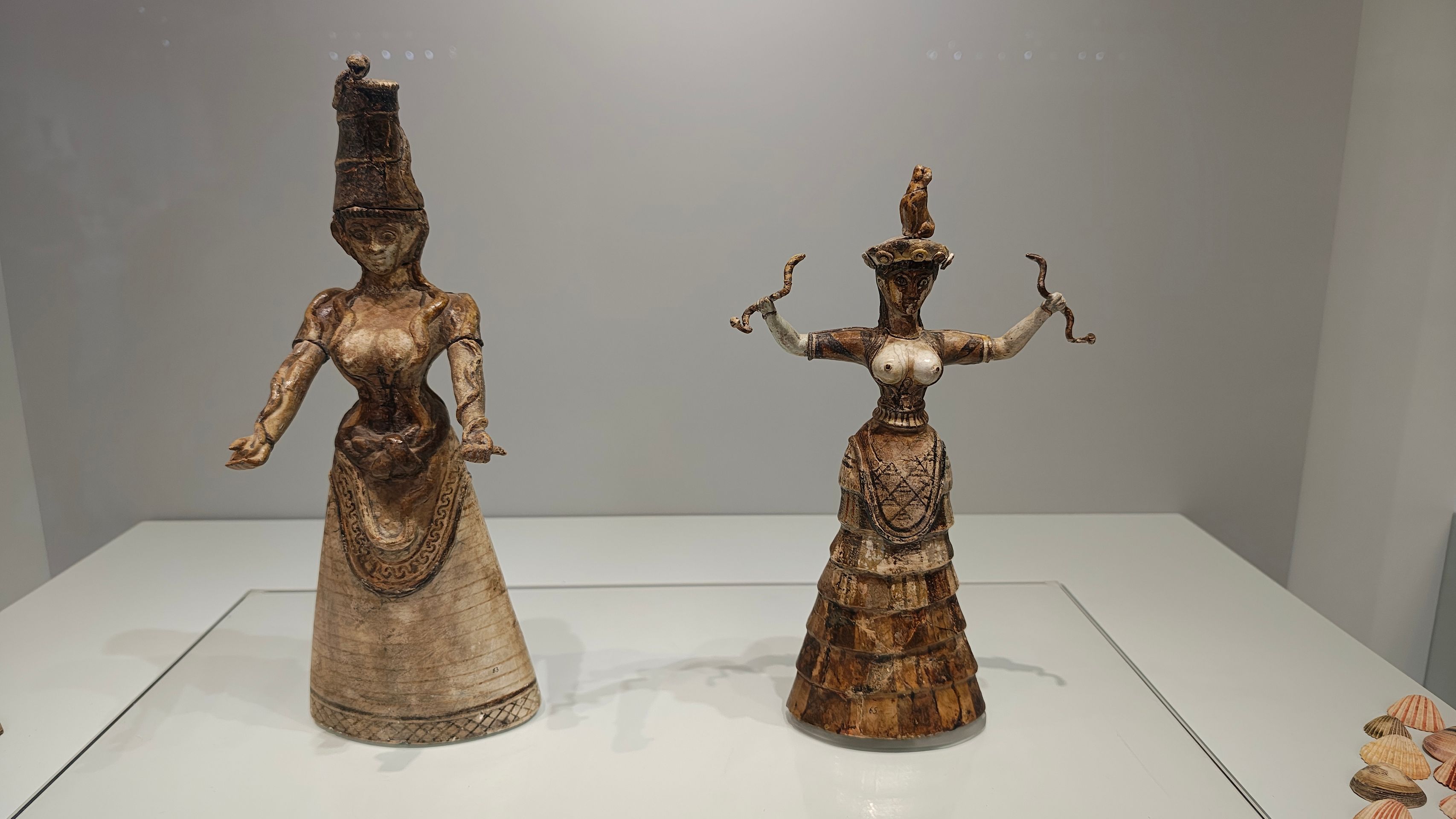
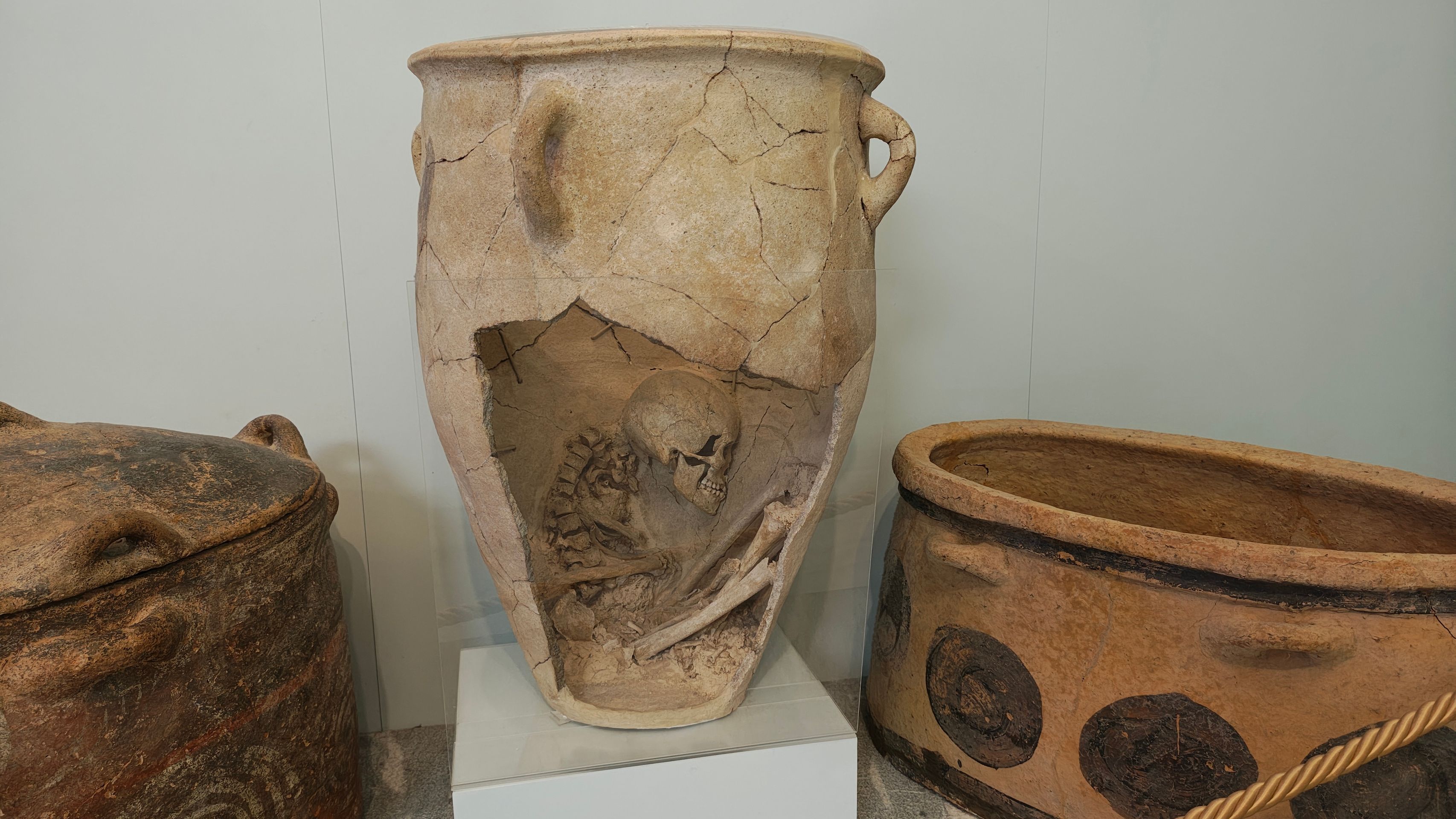
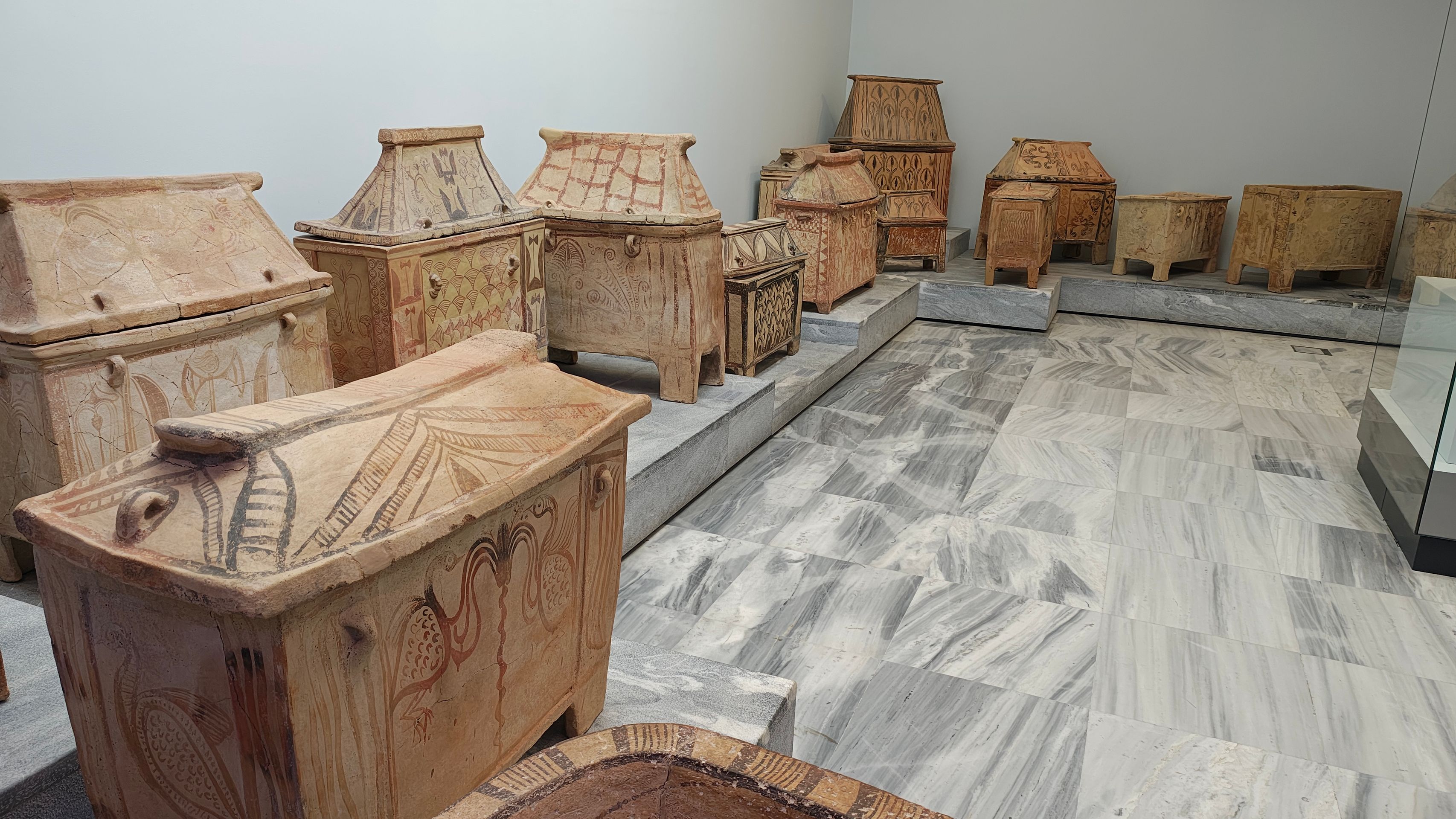
When visiting archaeological sites on the island of Crete, a stop at the Archaeological Museum in Heraklion is a must, as many artifacts from these sites can be seen there, illustrating Minoan culture. So we take the bus from Knossos to the museum and initially find ourselves in front of a locked door. I can hardly believe it, but the museum is closed on Wednesday mornings. Therefore, we stroll around the city center for a while, visit the small museum of ancient Greek technology, have a meal at a Chinese restaurant by the harbor (a home-cooked meal for my wife), and find ourselves at the entrance again shortly after the museum opens. A small line has already formed at the ticket counter, suggesting the crowds that await us inside. A tried and tested tactic: bypassing the crowds by walking back and forth, viewing the display cases without agitation, as actually, the crowds only come in waves like tour groups. My wife receives a free tour for a portion of the visit since a Chinese tour group has arrived. The number of artifacts is overwhelming, which is why I primarily seek out my favorites and look at other exhibits a bit more quickly. The painted clay jars for storing wine and other food items are enormous, some even larger than my wife. I also discover the motif of the bull's head. I see tools for making the typical double axes and different products themselves - even with Linear A inscriptions, a sieve-like clay vessel used for food production, clay discs for spinning wool, small writing tablets, and stamped seals with characters and motifs, clay masks, and dishware for making wine. The highlight for me in the museum is the original Diskos of Phaistos, which is displayed relatively unobtrusively in a separate showcase in a museum room. On both sides, the characters are very well preserved, which stands in stark contrast to other writing finds that are damaged or completely broken. The clarity and depth of the characters likely explain why the disk has often been suspected of being a forgery. It is also very small and was buried under rubble from a later period, which may have given it the fortune of a protected spot and thus allowed it to survive for millennia. With the bronze basins and bronze swords, we have now arrived in the late phase of the Minoan period. The famous fresco of the jump over the back of a bull was 'only' created 3,500 years ago. It is striking that religious figures are mostly depicted as female figures, which may indicate a goddess cult. The deciphered writing system Linear B shows economic records and thus provides some information about the late Minoan period. Death on Crete was curious because 3,700 years ago, people were placed as corpses in large clay jars, while 3,300 years ago, artistically colorful painted clay coffins became the trend. Personally, I find the jar burial inspiring, and if I end up in a museum as a skeleton in 3,000 years, my old bones might still have a purpose and a lovely time. On the second floor of the museum, the fragments of wall paintings from the Minoan sites show colorful designs; even though the modern artistic additions to the shards may not represent the image exactly as in the original, the palaces of the Minoans must have been truly colorful. Many other exhibits are from the later Greek and Roman periods, which I do not concentrate on as much. The original stele of the famous hymn to the Dictaean Zeus is displayed in the museum, and a tablet shows coins up to 2,500 years old from various regions of the Mediterranean found in Crete, reflecting the abundant trade activities in the Mediterranean. The conclusion of our two-and-a-half-hour visit is a video presentation about the origins and history of the museum itself, which was built on the remains of a monastery destroyed by an earthquake. Speaking of earthquakes: on the night before our museum visit, there was an earthquake of magnitude 6.2 nearby, which apparently could be felt all over the island. However, we slept extraordinarily well so that no earthquake could wake us.