
From Island to Island in the Gulf of Thailand
is ideally located between Walking Street and the flat Sairee Beach, the longest and most popular beach on the island. This ideal location somewhat reconciles me with the...
Published: 14.05.2026
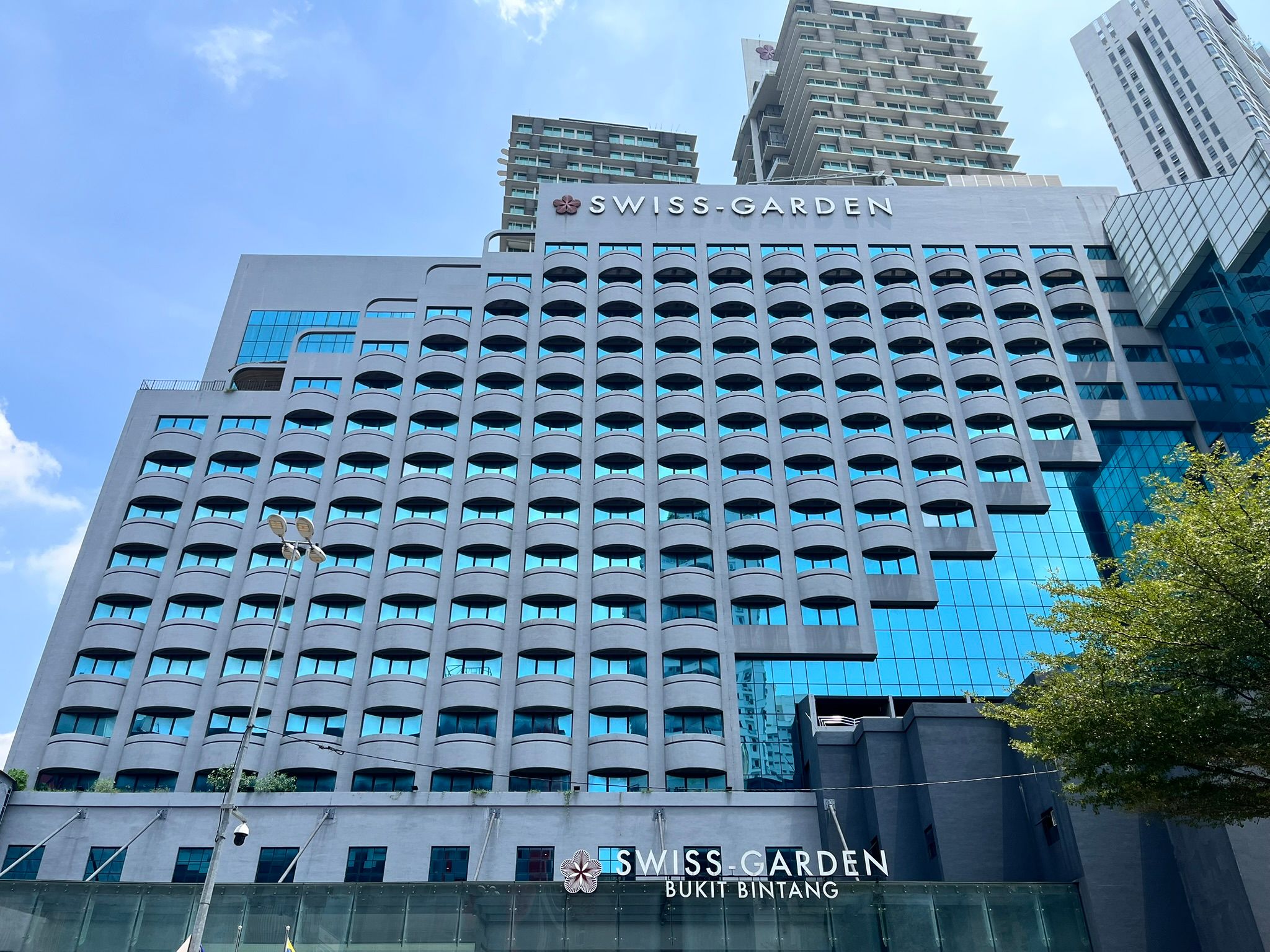

On April 28, 2025, my 72nd birthday, I flew from Koh Samui with a stopover in Phuket to Kuala Lumpur and checked into the 'Swiss-Garden' hotel in the Bukit Bintang nightlife district, which, at 44 euros per night, was somewhat beyond my budget, but I treated myself to it as a sort of birthday gift this time. (Meanwhile, the large hotel has been converted into a 'Grand Mercure' and definitely exceeds my financial range.)
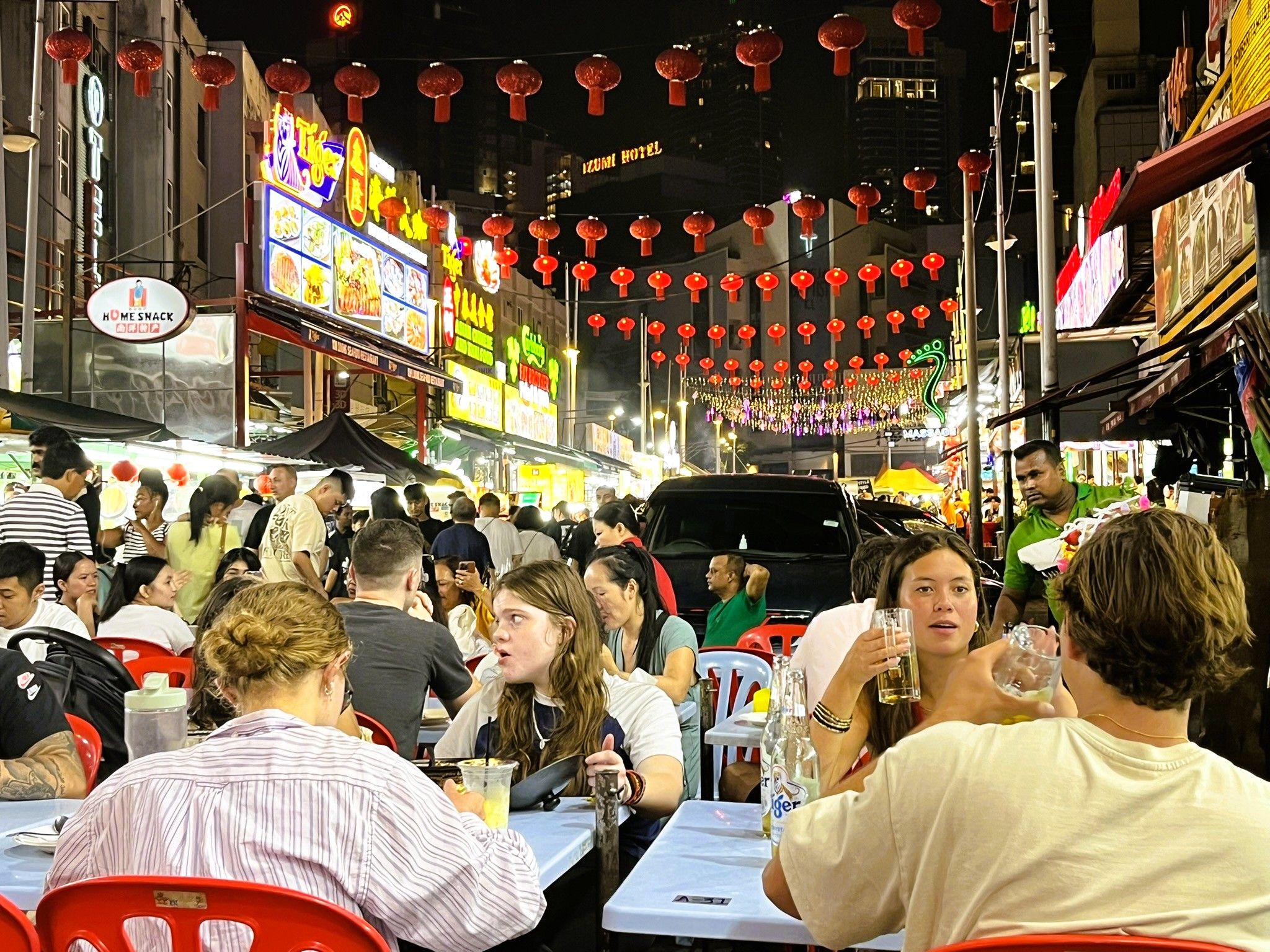
In the evening, I strolled through Jalan Alor, the famous food street in Bukit Bintang, which transforms into a crowded, traffic-free stretch of food stalls and restaurants around 5 PM, attracting hordes of hungry visitors.
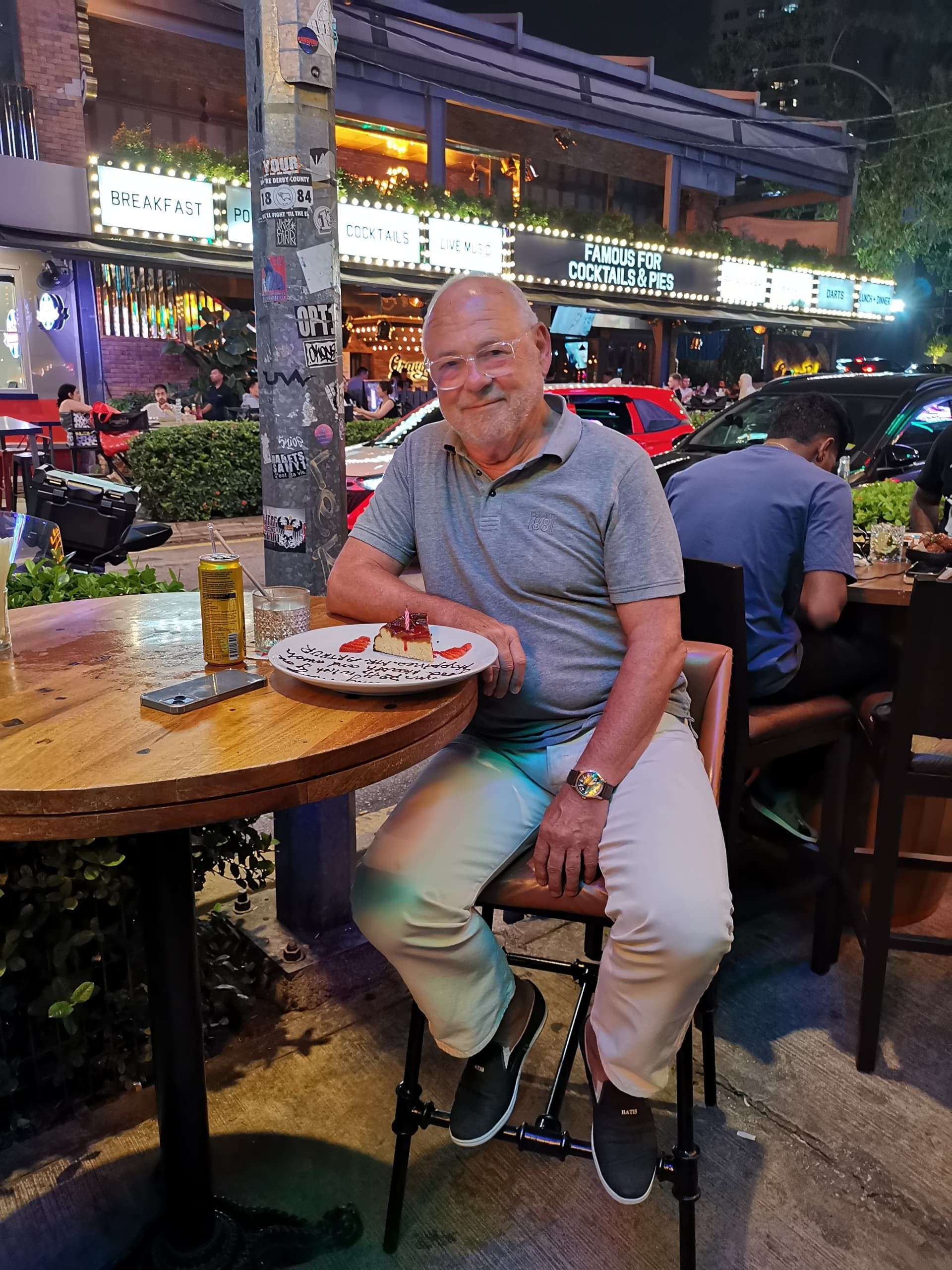
After that, I indulged in a substantial supply of alcoholic beverages at Changkat Bukit Bintang, the bar street adjacent to Jalan Alor. The attentive bartender, to whom I had obviously mentioned my birthday, quickly arranged for a plate with chocolaty good wishes to be decorated and served it with a piece of cake and a candle, which nearly touched me.
Third Largest Island in the World
Two days later, I flew to Kuching, the capital of the Malaysian province of Sarawak on Borneo. To illustrate just how vast Borneo is, the third largest island in the world after Greenland and New Guinea, let’s consider this comparison: Great Britain, the largest European island, could fit into Borneo more than three times, and all of Germany more than twice.
Almost three-quarters of Borneo, as former Dutch colonies, belong to Indonesia – which I have planned for a later trip – and a good quarter to Malaysia; less than one percent constitutes the rich Sultanate of Brunei.
The two provinces in the north of the island, Sarawak and Sabah, have been part of the Malaysian Federation since 1963. However, despite joining Malaysia, they have retained a certain level of autonomy. Those traveling to Kuching are already informed over the on-board speakers before landing that everyone, including Malaysian citizens, must undergo a passport control. Upon entry, a stamp is placed in the passport with a 'Residence Permit for Sarawak/Malaysia,' valid for three months.
British Princes
Once, Sarawak and Sabah belonged to the Sultanate of Brunei. At its peak in the 15th and 16th centuries, Brunei controlled the coastal regions of North Borneo as well as parts of today's Indonesia and the Philippines. And here begins the curious colonial history of Sarawak, which was ruled from 1841 to 1946 by a British royal family known as the White Rajahs. (Yes, it's true: I love historical digressions, even though I unfortunately missed the opportunity to study history in my youth.)
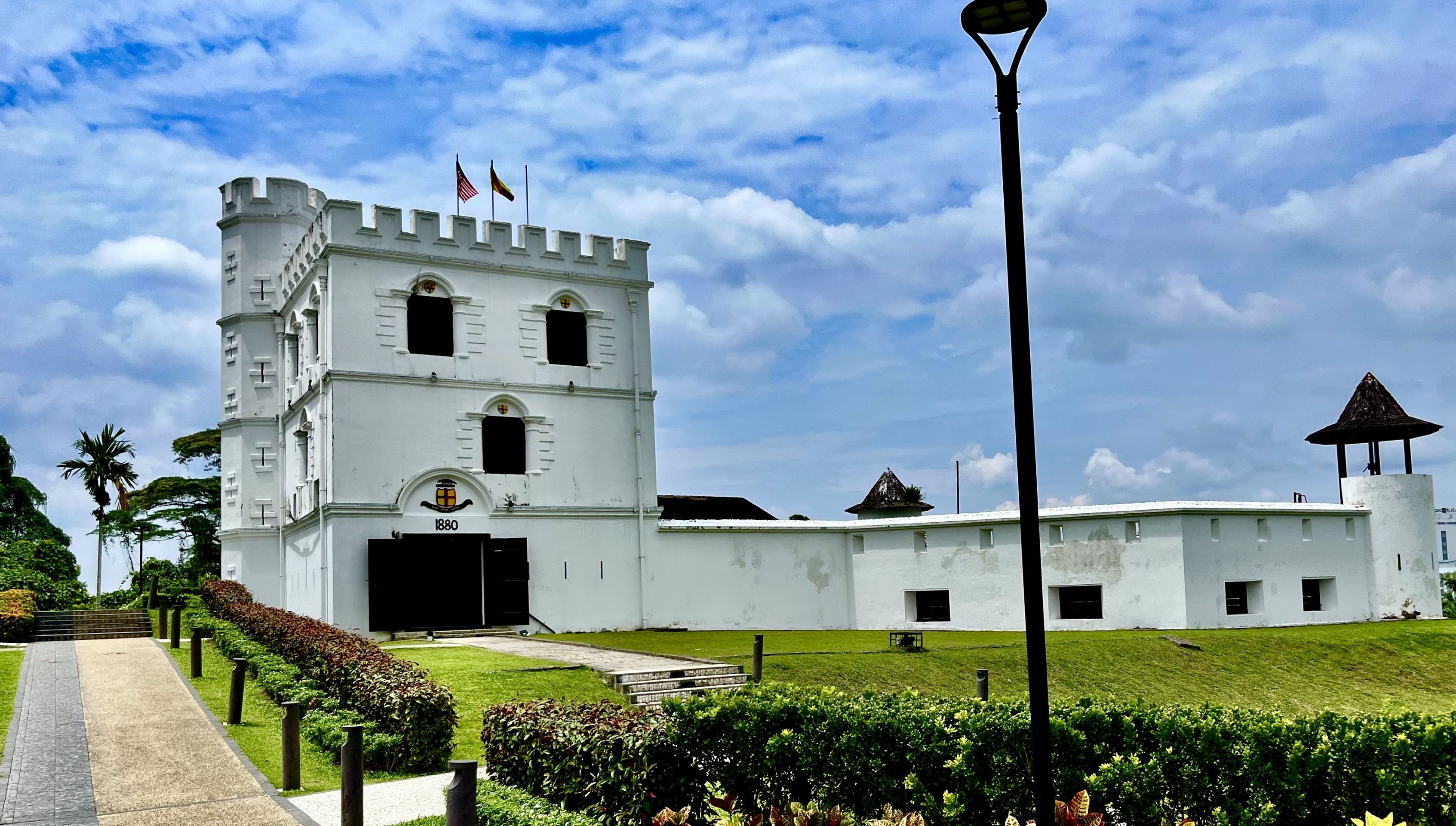
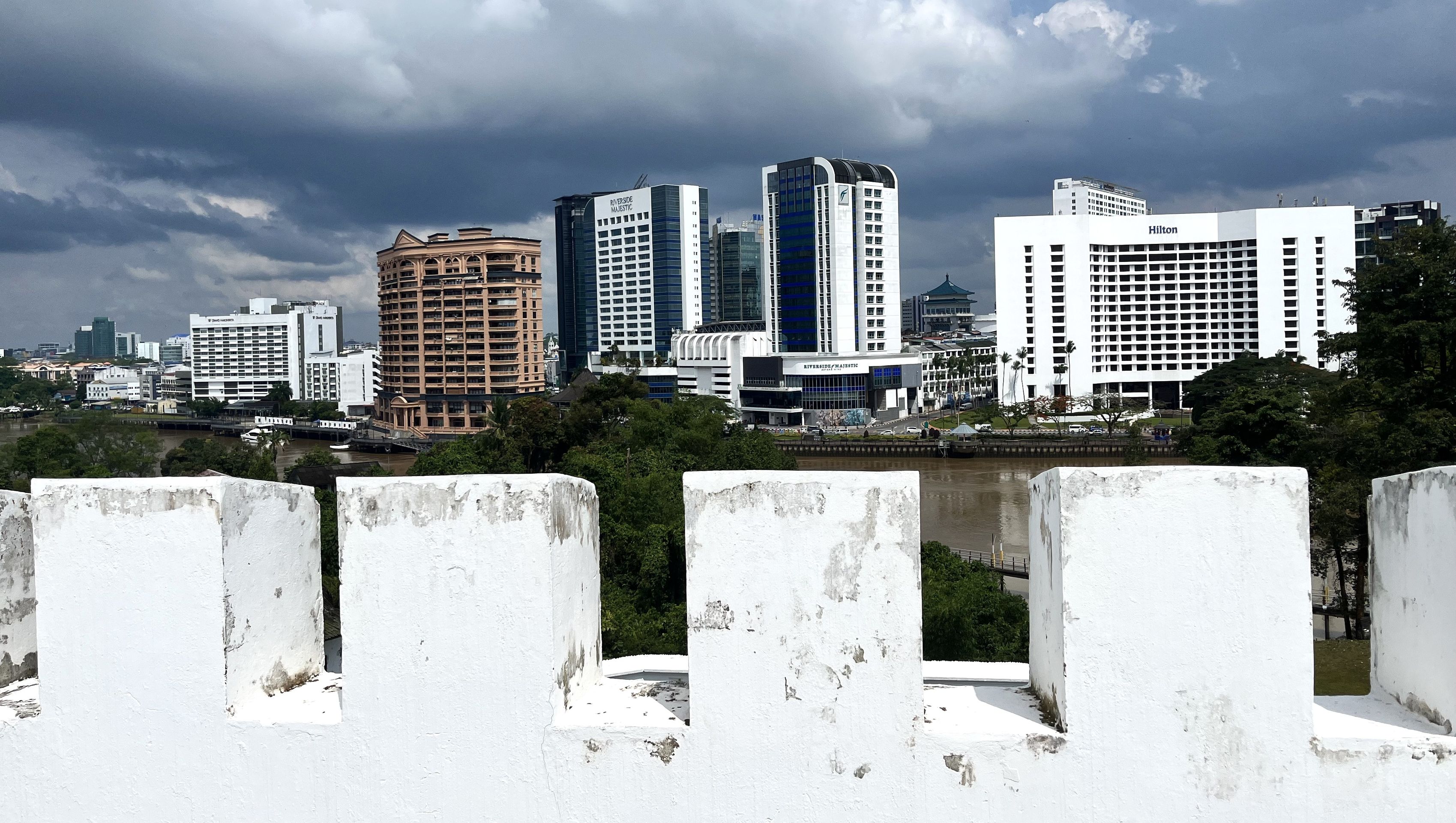
The history of the White Rajahs is vividly presented in the museum at Fort Margherita in Kuching. The fort was built in 1879 in the style of an English castle by Charles Anthoni Johnson Brooke (1829-1917), the second Rajah, and named after his wife.
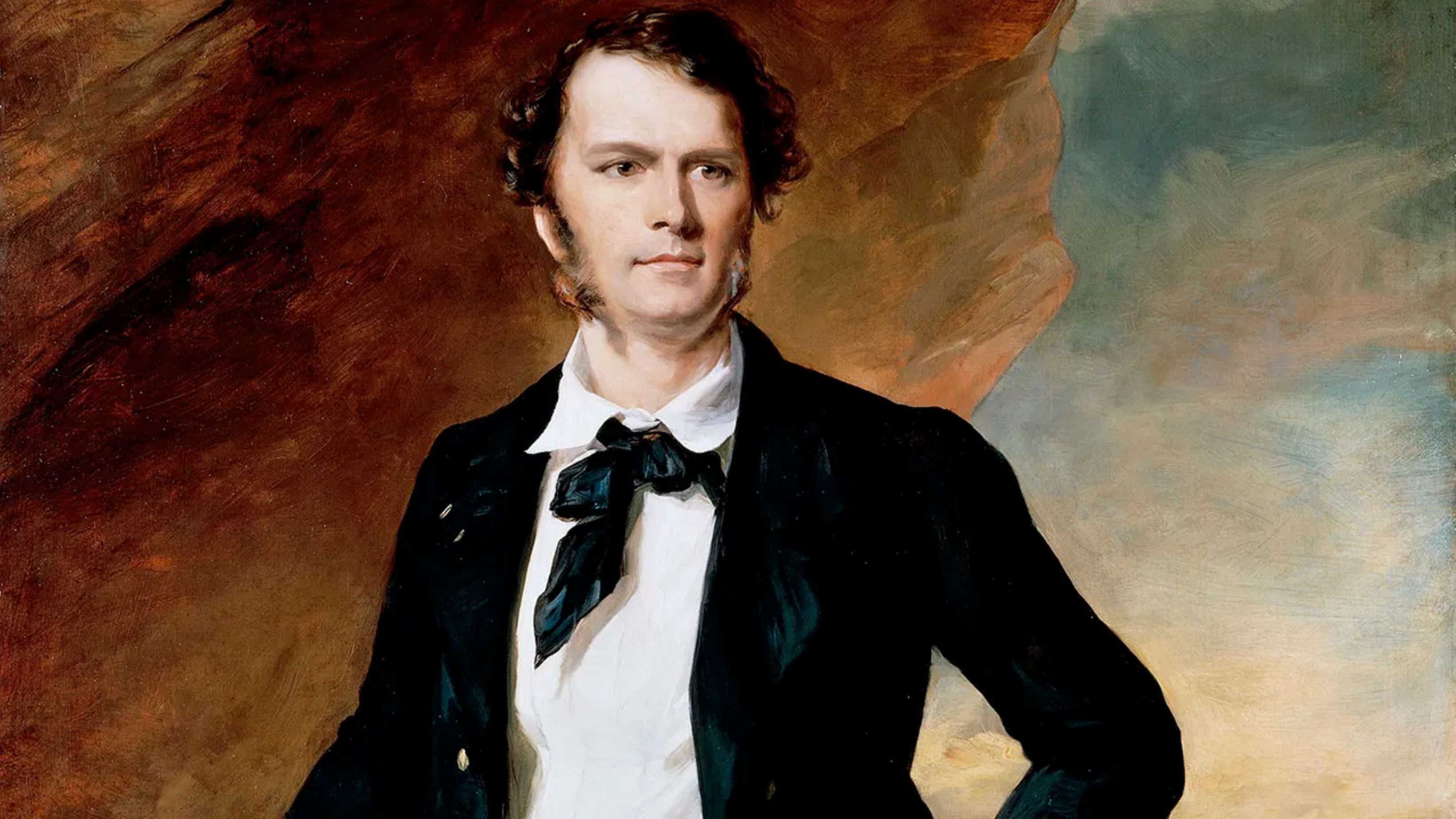
The founder of the principality, the Brit James Brooke (1803-1868), uncle of Charles, was born in India and joined the East India Company's army at the age of fourteen. He inherited £30,000 from his father (equivalent to five and a half to six million euros in today's purchasing power). With this money, in 1836, he acquired an armed sailing ship named 'The Royalist' and set off on a world circumnavigation.
Smoked Heads
In Borneo, Omar Ali Saifuddin II, the 24th Sultan of Brunei, was meanwhile fighting for his already shrunken empire. Among other things, his troops attempted unsuccessfully to quell a Bidayuh uprising. The warlike Bidayuh, like other indigenous peoples of Borneo, practiced headhunting. The headhunters lay in wait for their victims or attacked villages with bows and arrows, machetes, or blowpipes with poisoned darts, often during tribal wars. The victim's head would be severed, cleaned, then smoked or dried, and displayed. The ritual capturing of the skulls of killed enemies was only abolished under the rule of the Brookes.
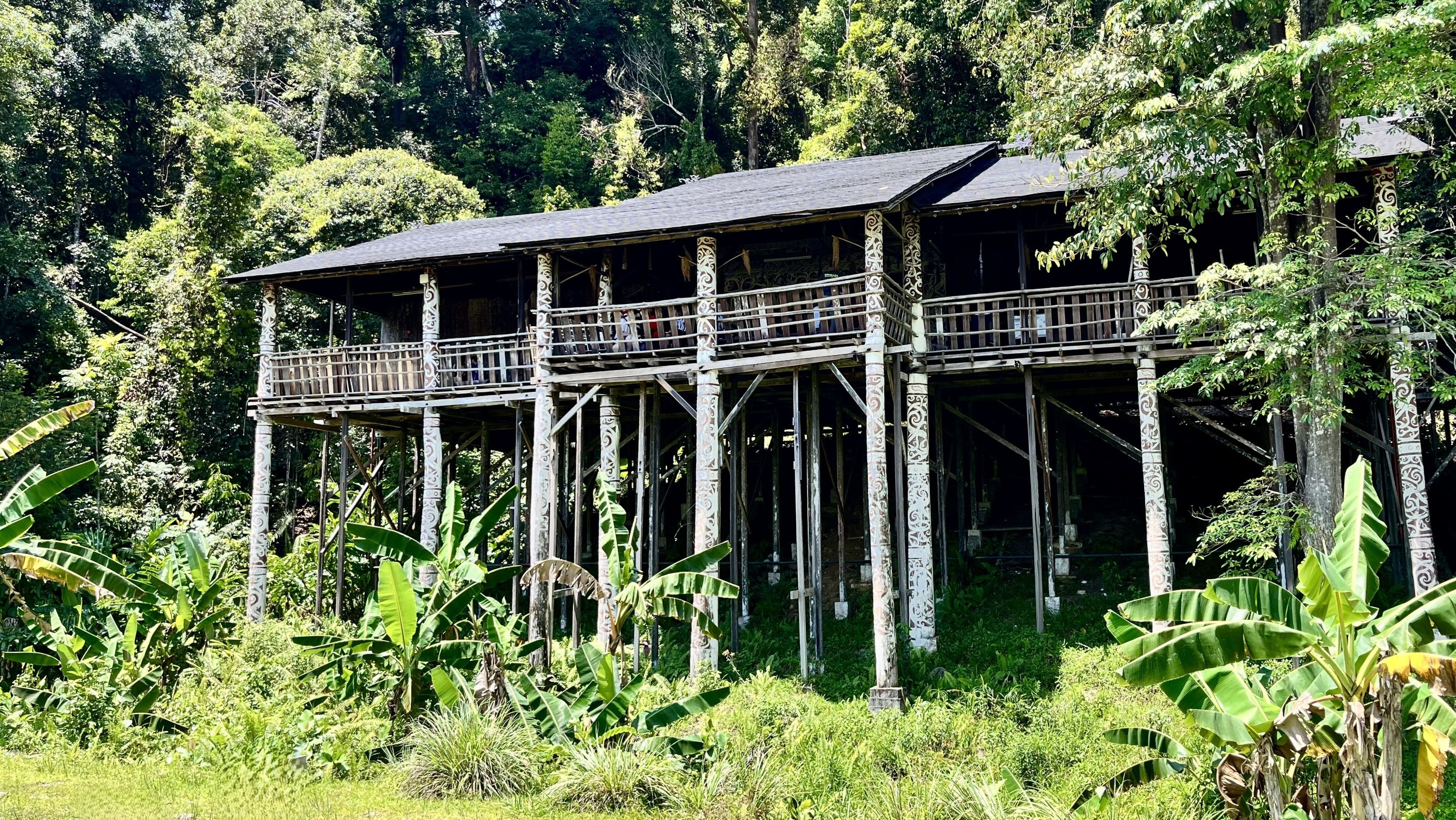
At the Sarawak Cultural Village, a sort of Borneo Ballenberg located on a peninsula 35 km north of Kuching, visitors are not only informed about headhunters but also about past daily life. Here, original longhouses can be viewed, which are the traditional dwellings of indigenous peoples in Borneo.
The houses are made from wood and bamboo, built on stilts, can be over 100 meters long, and can house up to 50 families. A shared corridor extends the entire length; on the other side are the private rooms of the families lined up. In the longhouse, tight social bonds prevail; cooking, working, and celebrating are done together.
Returning to James Brooke: He assisted the beleaguered Sultan of Brunei and was able to end the uprising without bloodshed by demonstrating the firepower of his ship to the rebels. The Sultan was so relieved that he appointed James Brooke as the prince of Sarawak in September 1841. The USA diplomatically recognized the principality of Sarawak in 1850; Great Britain followed only in 1864.
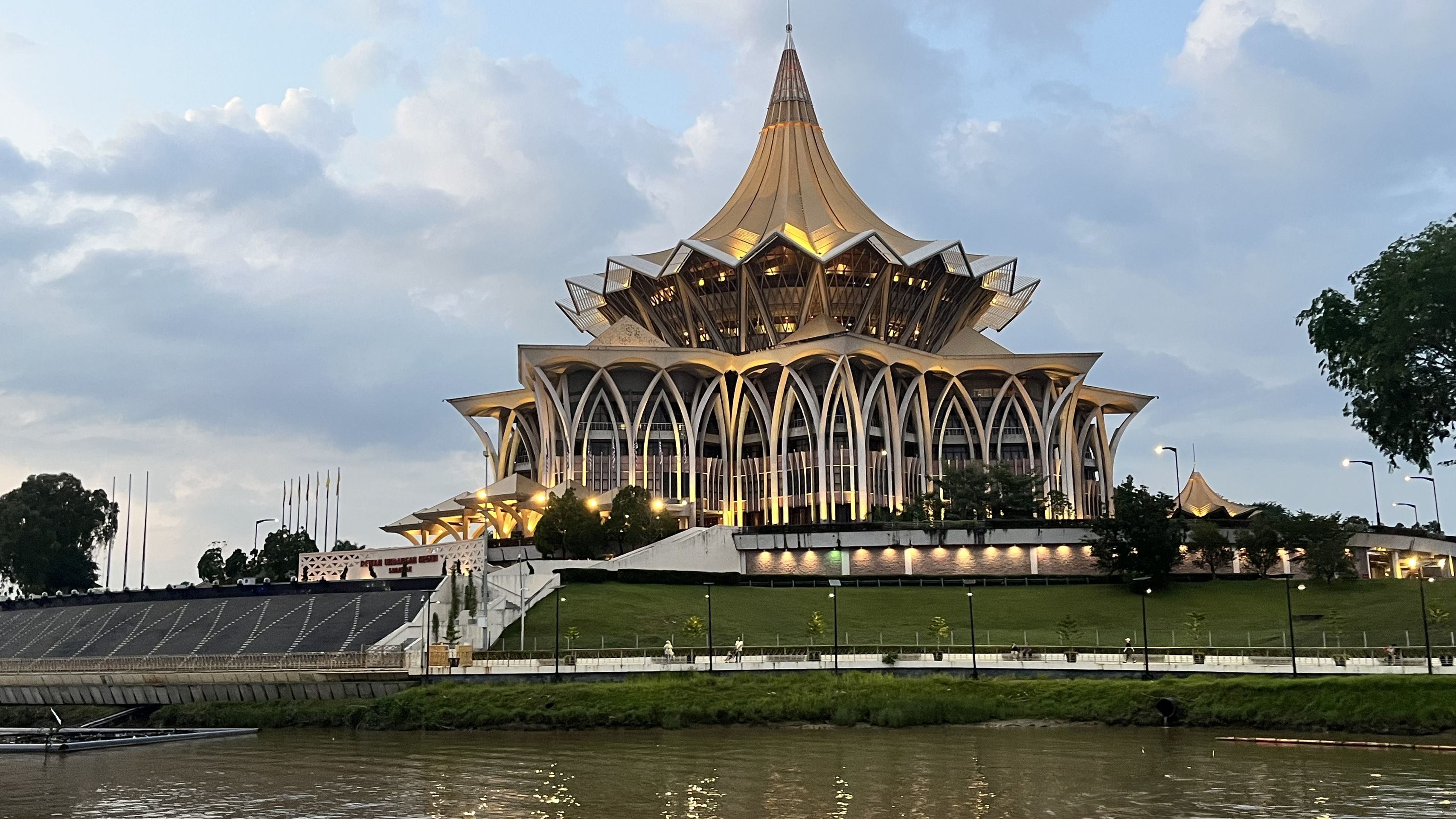
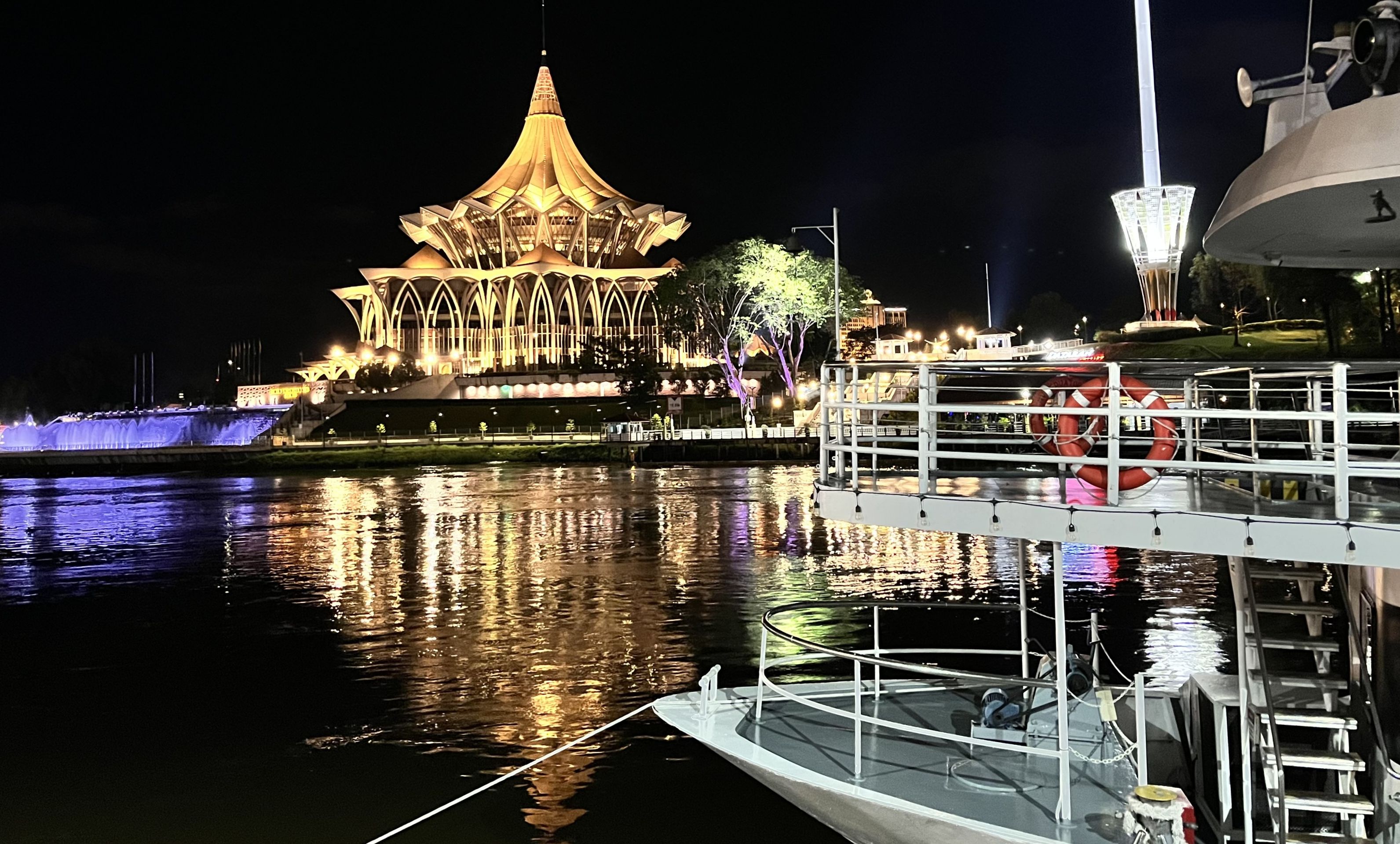
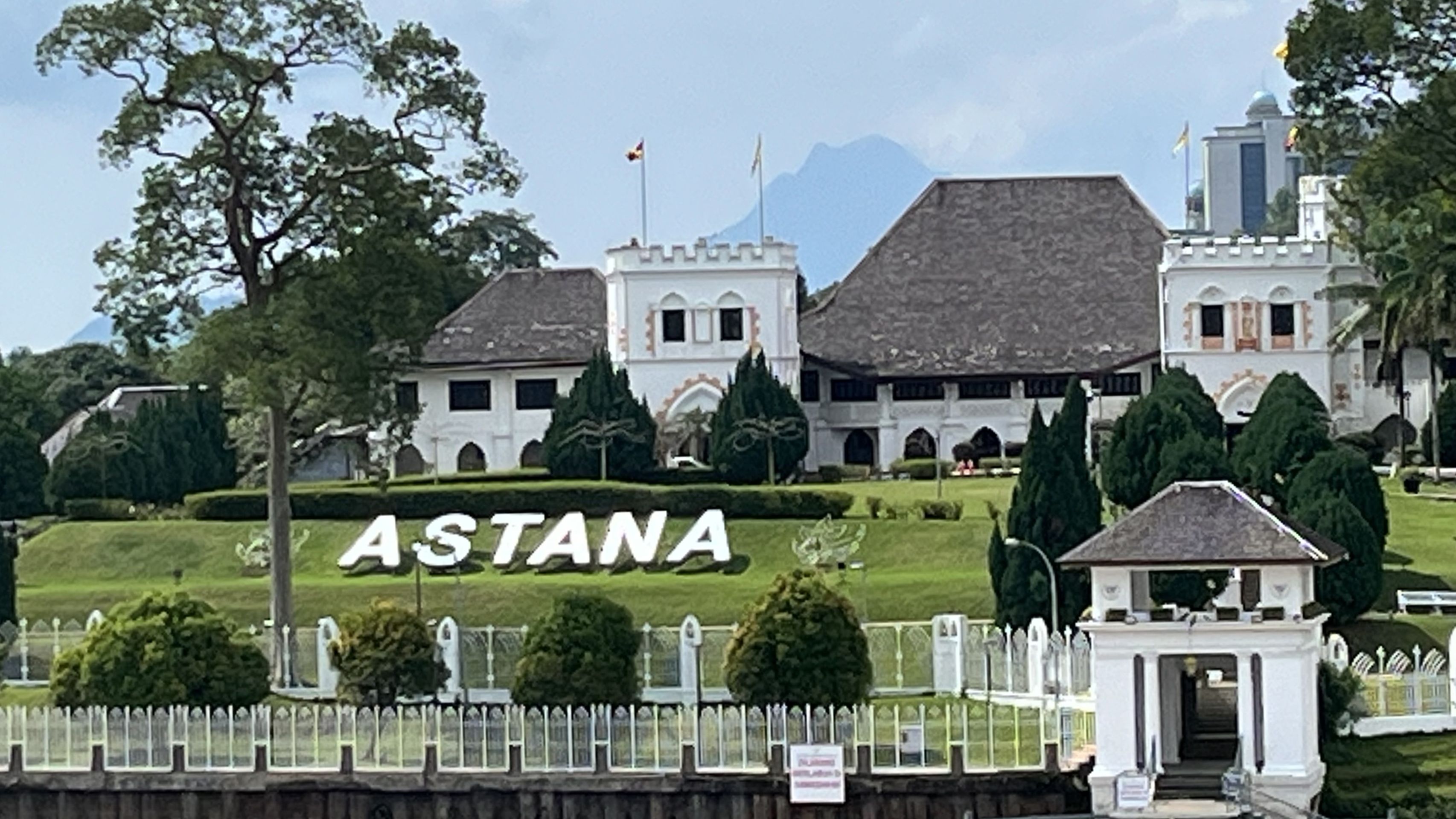
Sarawak is now a democratic state. The parliament is located in a modern parliamentary building, the Dewan Undangan Negeri Sarawak, which with its golden dome confidently overlooks Fort Margherita and the Astana, the former government seat of the White Rajahs.
Despite ruling as absolutist princes until nearly the end, the Brooke dynasty has maintained a surprisingly good reputation today. James Brooke and his successors abolished slavery, introduced a legal system based on Western models, and modernized the infrastructure. Only in 1946, after the liberation from Japanese occupation, did the British force the last Rajah, Vyner Brooke, to abdicate and took over Sarawak as a crown colony.
Attractive Metropolises
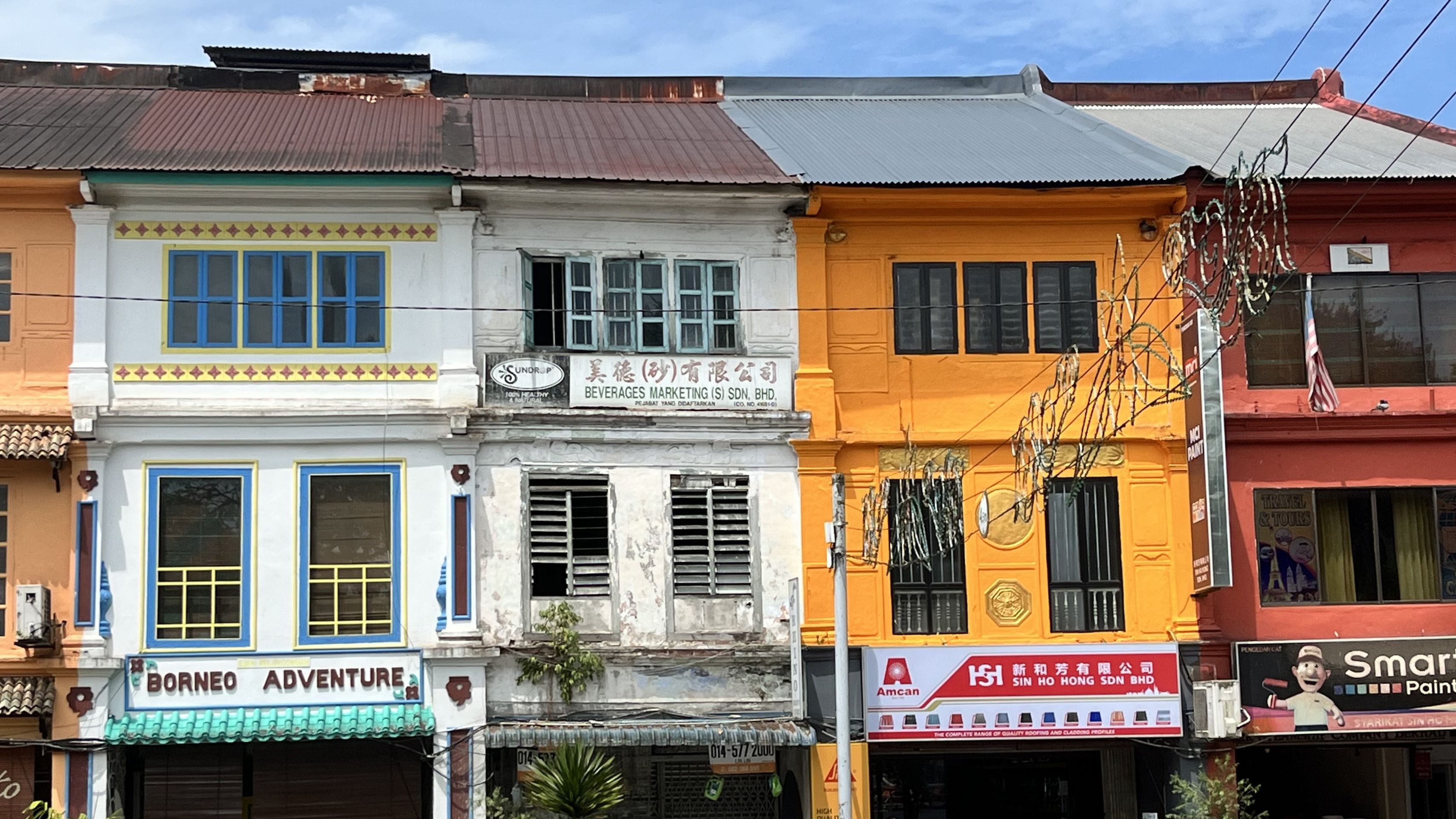
Kuching, with over 600,000 inhabitants, is an extremely vibrant metropolis. Strolling in the evening along the waterfront by the Sarawak River or through the colonial old town alleys, wandering through the markets, admiring street art, and being served in small bars, cafés, and restaurants is a wonderfully relaxing experience.
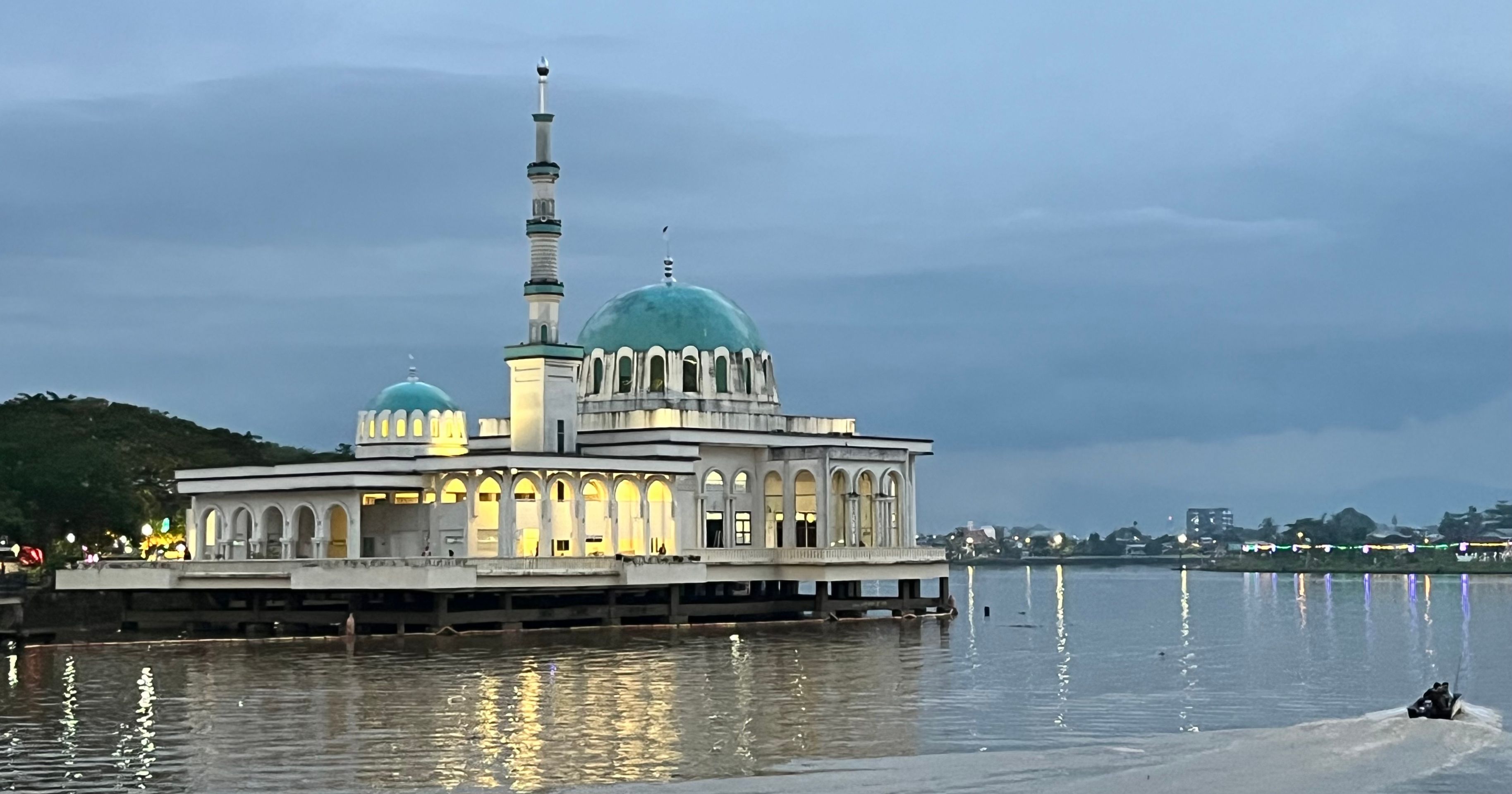
From a riverboat, the city can be viewed from a different perspective, and in the evening, it becomes a romantic backdrop in the orgiastic colors of sunset. Religious buildings such as St. Joseph's Cathedral, the seat of an archbishop, the Tua Pek Kong Temple, and the magnificent Floating Mosque testify to the open-minded, multi-religious atmosphere that prevails in Kuching.
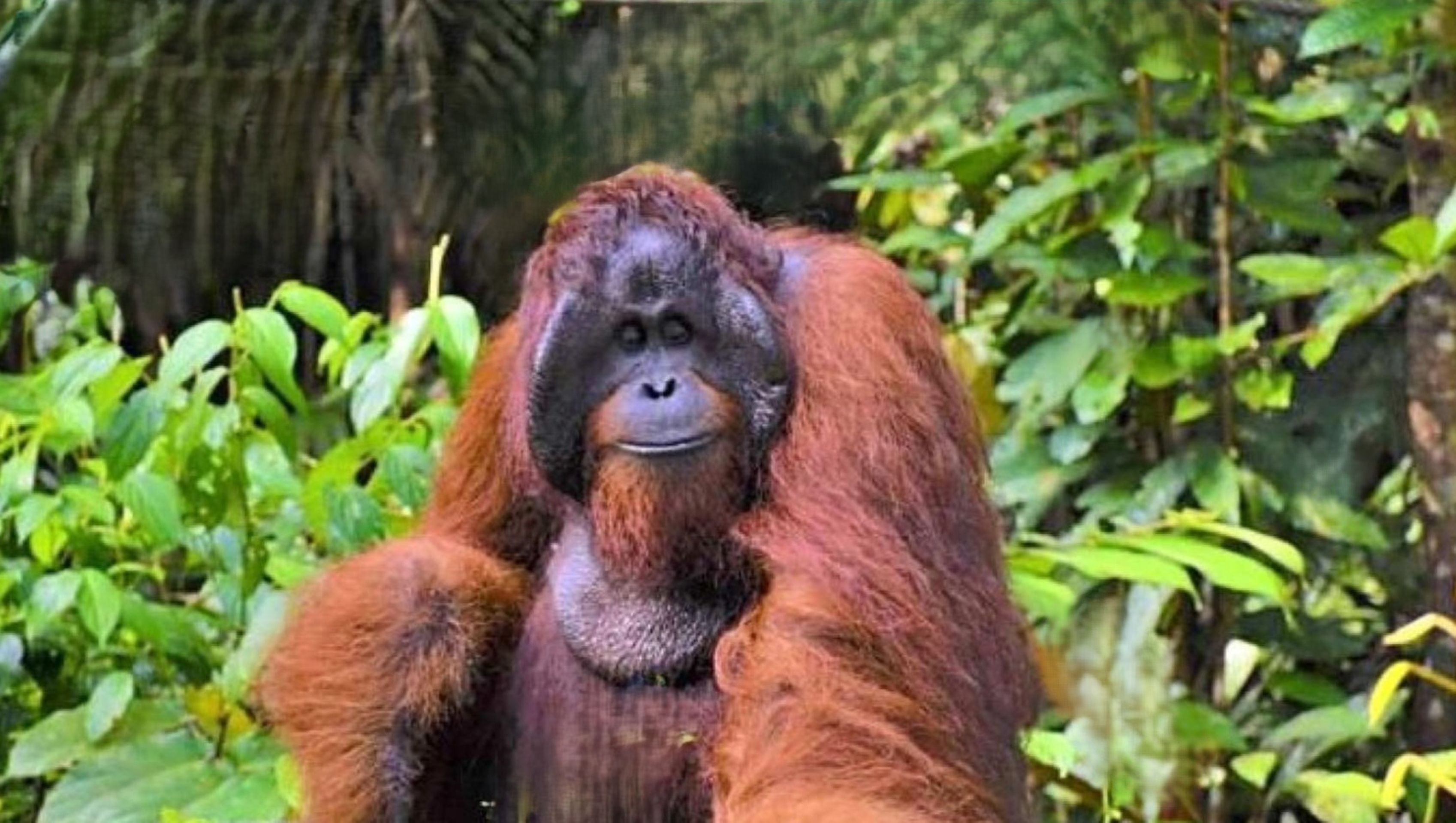
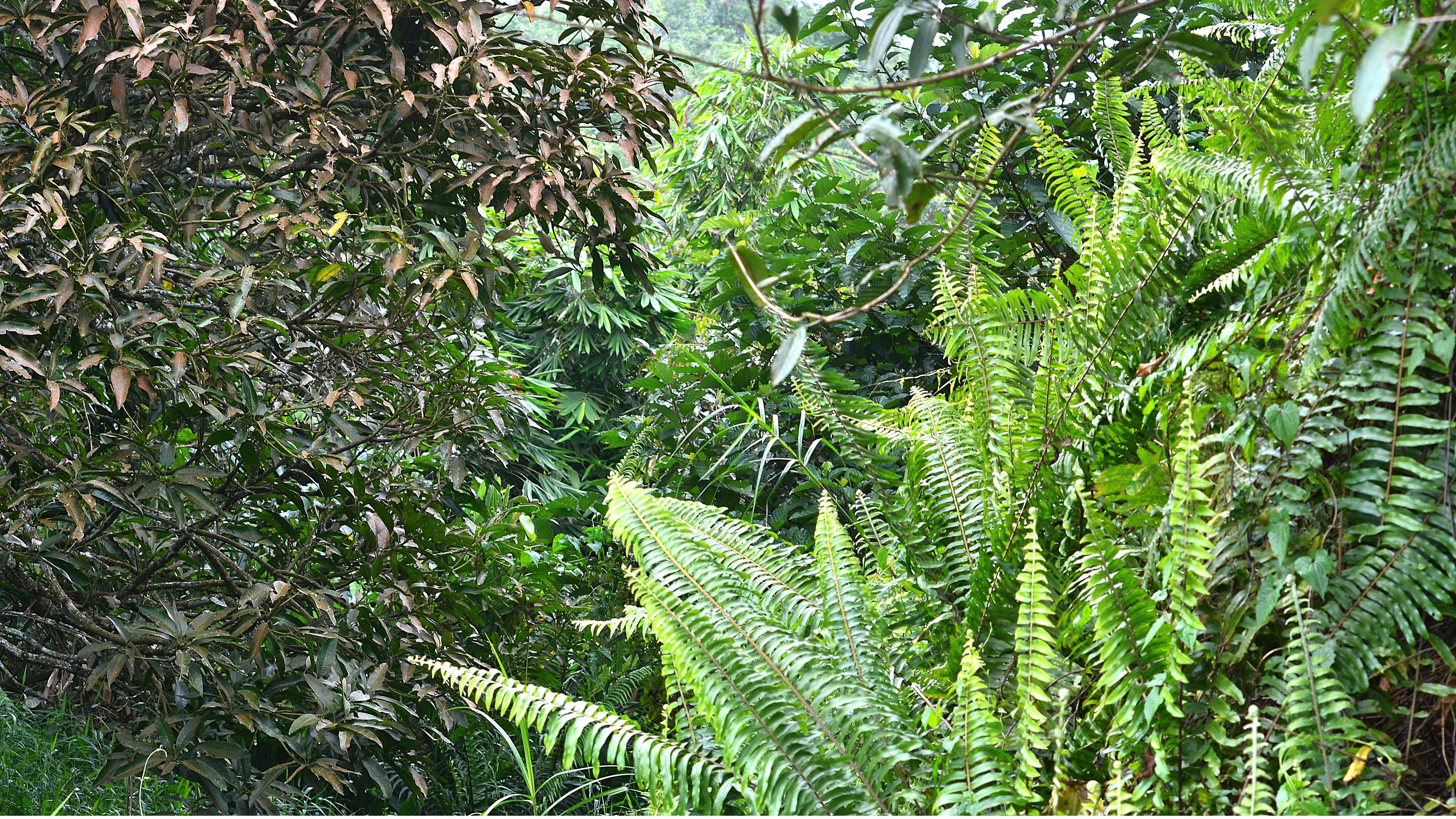
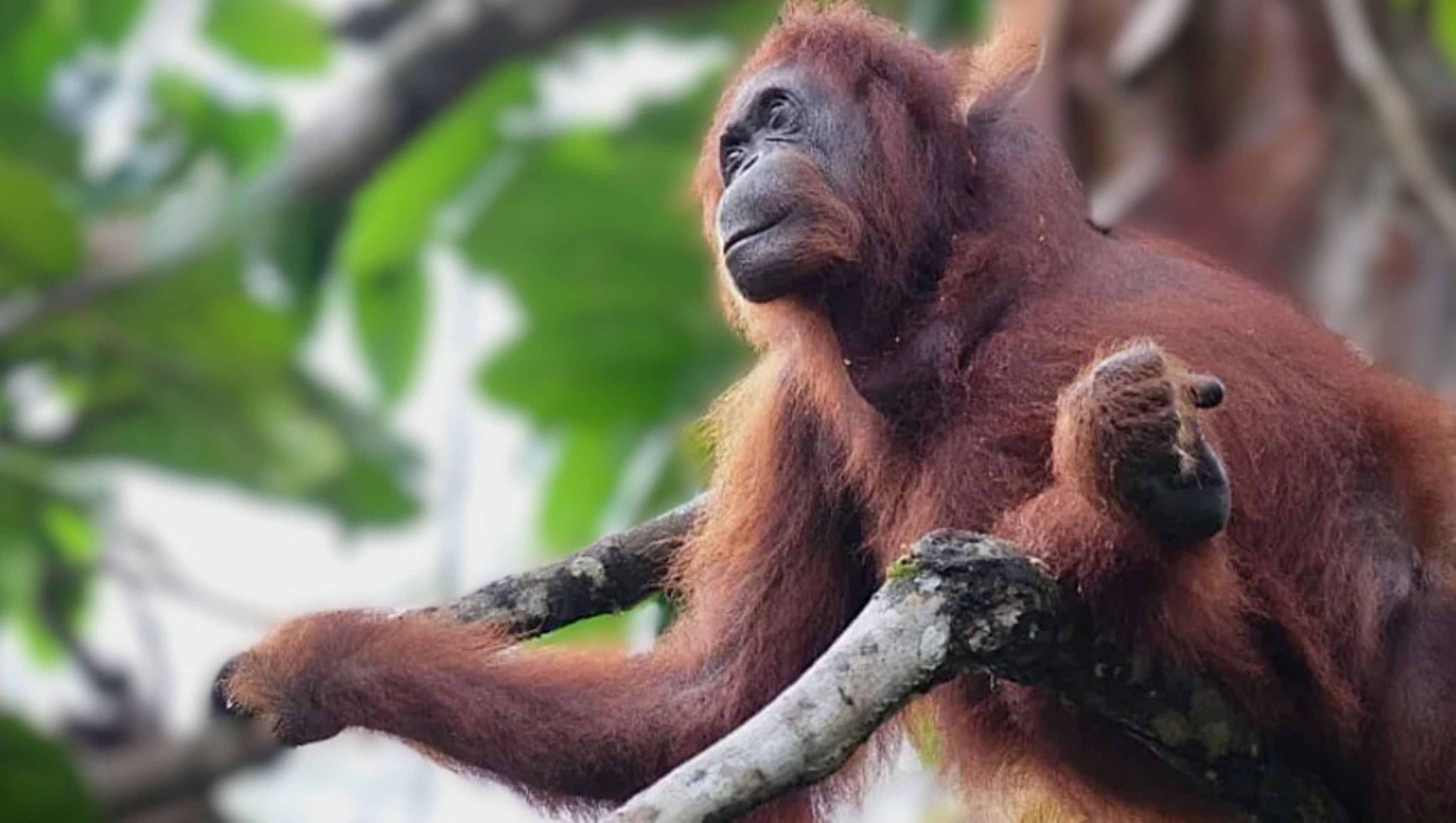
Borneo's most famous inhabitants are the orangutans, which translates to 'forest people.' Approximately 100,000 still live in the wild on Borneo; on Sumatra, there are about 13,000 to 15,000 left. However, the population of these great apes has shrunk by more than half since 1999. Firstly, they are still illegally hunted, and secondly, their habitat is gradually being lost due to deforestation of rainforests and their replacement with oil and coconut palm plantations.
With a 57% and a 25% share of the world market, Indonesia and Malaysia are by far the largest palm oil producers. Although Indonesian laws prohibit its deforestation, approximately ten million hectares of untouched tropical forests have been cleared since 2000 – mostly without punishment.
Visiting Forest People
Of course, one can try to catch a glimpse of the shy 'forest people' in the wild through days of jungle trekking. It is more comfortable to drive from Kuching to the Semenggoh Wildlife Center. There, on a 650-hectare nature-based site, dozens of species of endangered mammals, birds, and reptiles are cared for. The center became famous for introducing rehabilitated orangutans and orphaned infants to a life in the wild.
Excitedly, we await the feeding moment, which occurs daily at 9 AM and 3 PM. On platforms, the rangers lay out fruits, sugarcane, and hard-boiled eggs. And indeed, from the treetops, a magnificent specimen swings in, grabs some food, and disappears back into the dense greenery; a second and a third animal follow.
You can try to imitate the orangutans, as they live freely on the grounds and only come for feeding when they have found nothing to eat in the wild. We do not manage to see more animals, but other visitors report of very close encounters, including with young orangutans and dominant males with impressive cheek pads.
There are clear regulations for visitors to not disturb the animals and not to habituate them too much to humans. And still, one feels a kind of melancholy: If development continues as it has, it is quite likely that in a few decades, there will be no more free 'forest people.'