

Cool Cameron Highlands
The Cameron Highlands is a fascinating mountain region east of the Malaysian city of Ipoh, featuring holiday resorts, tea plantations, and intact, ancient rainforest and moss...

Published: 03.05.2026




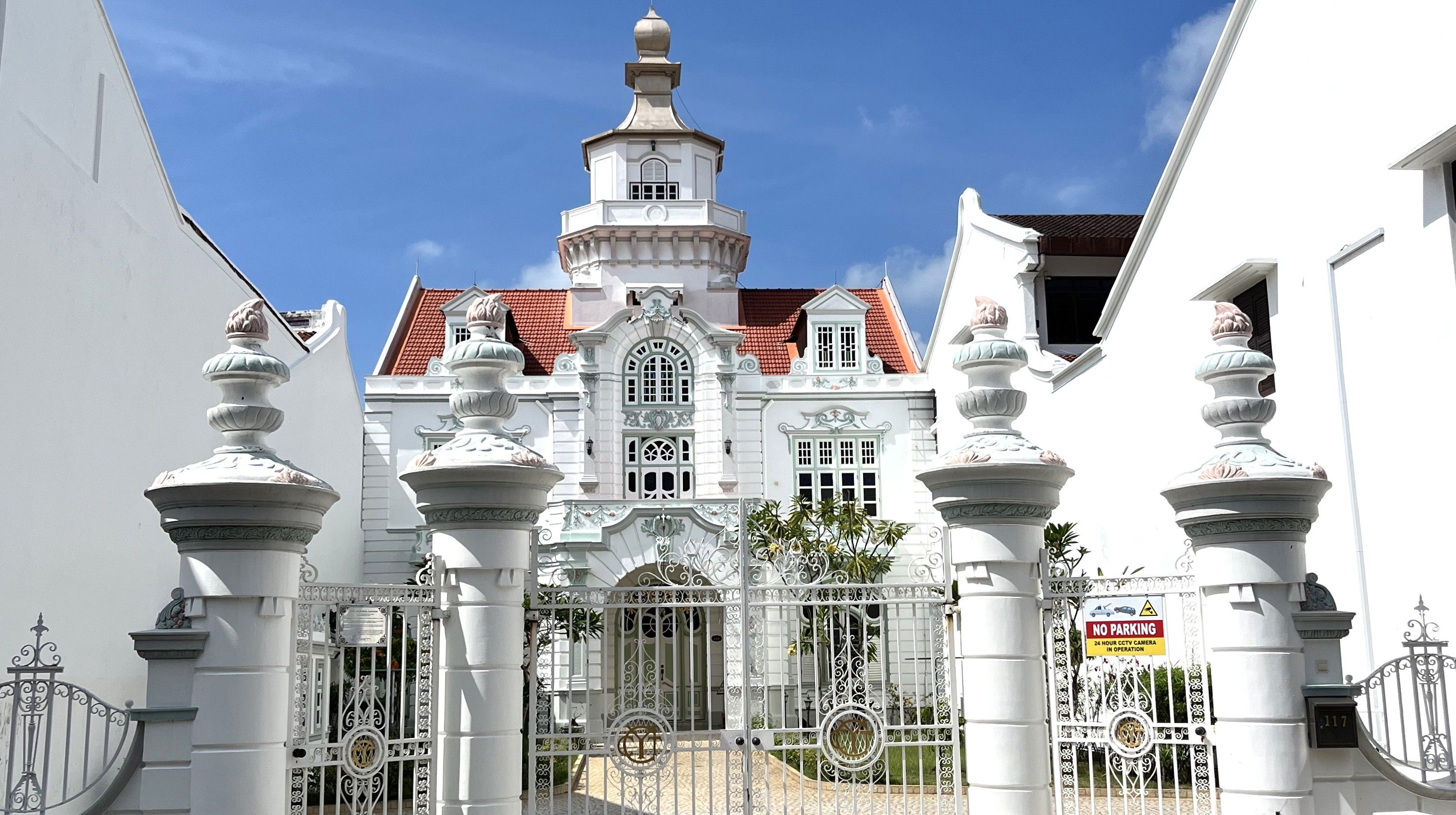



On the Dutch Square in front of the Dutch Protestant Church from 1753 (now called Christ Church and used by Anglicans) and the Stadthuys, which dates back a hundred years earlier and was once the seat of the Dutch governors, a festive atmosphere prevails. A very loud Malaysian band is playing on stage. Hundreds of joyful people are mingling in the square, buying meat skewers, rice balls with chicken, fruits, or ice cream from mobile stalls, sitting by the fountain dedicated to Queen Victoria of England, drinking juices and milkshakes.
Tourists with their children are being pulled along the nearby streets in pedal rickshaws. Their owners compete with each other in kitsch, pomp, and noise. The vehicles blink in all the colors of the rainbow (and some more), are equipped with canopies, and are covered with artificial flowers and stuffed animals—Dumbo, Hello Kitty, Minnie Mouse, and everything else that Disney animated films offer. Each rickshaw is also equipped with a sound system, whose deafening cacophony competes with the Malaysian band acoustically.
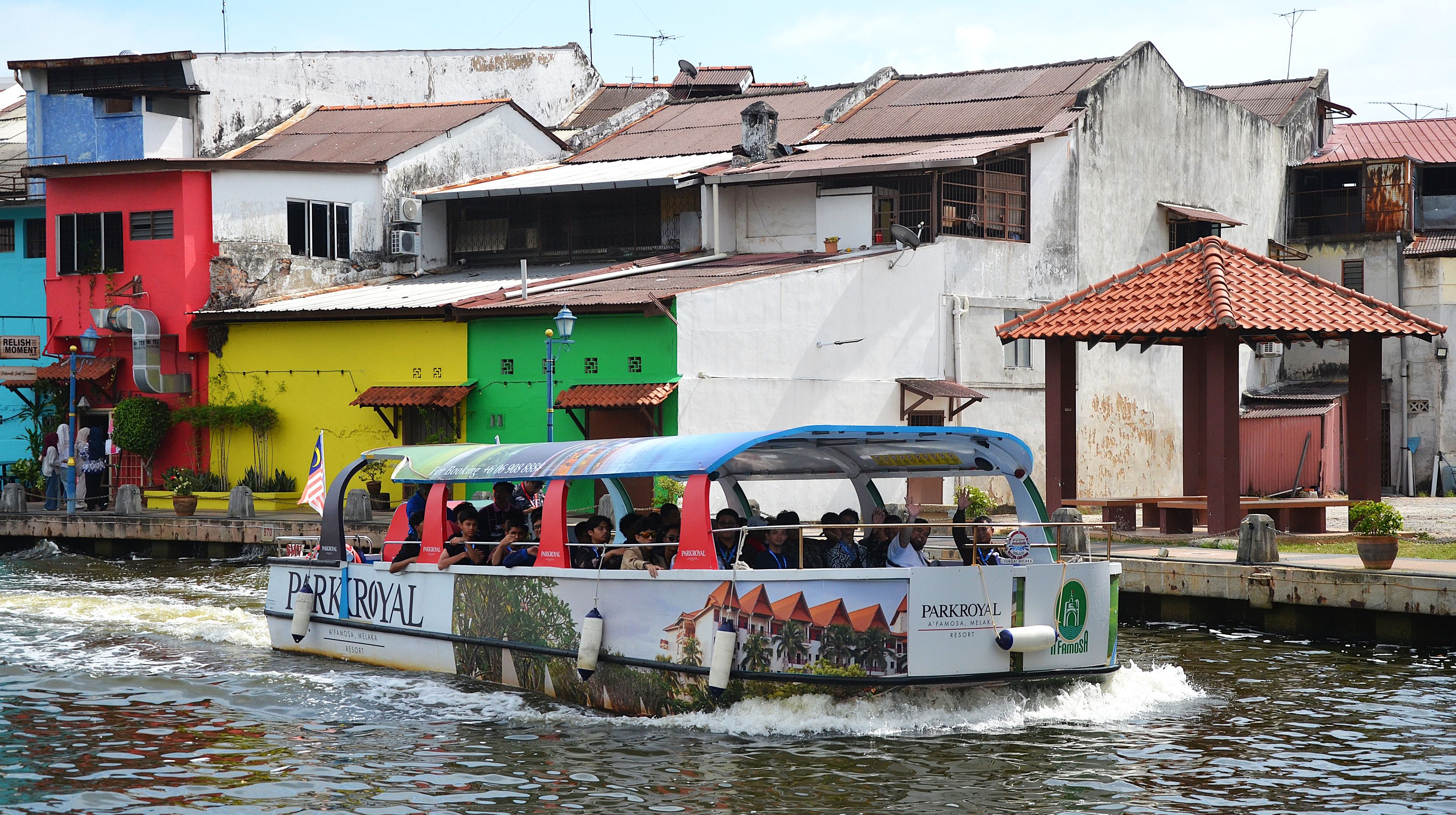
Those who prefer it quieter stroll along the Malacca River, illuminated in all colors, with brightly colored houses lining the banks, where bar after bar appears. With a beer or gin and tonic, one watches the flaneurs and the tourist boats plowing the waters upstream and downstream.
600 Years Depicted in Detail
Malacca is, of course, much more than an open festival hut; it is a history book that vividly depicts the past 600 years. Moreover, one can inform oneself about this in a series of museums.
In the 15th century, Malacca became the seat of a Sultan and the capital of his kingdom. The founder of the Sultanate was the Hindu Paramesvara, whose reign lies somewhere between 1402 and 1424. He is said to have converted to Islam in 1409, which is not clearly verified historically. Nevertheless, Paramesvara is still venerated today and is officially regarded as the beginning of Malaysia's Islamic history.
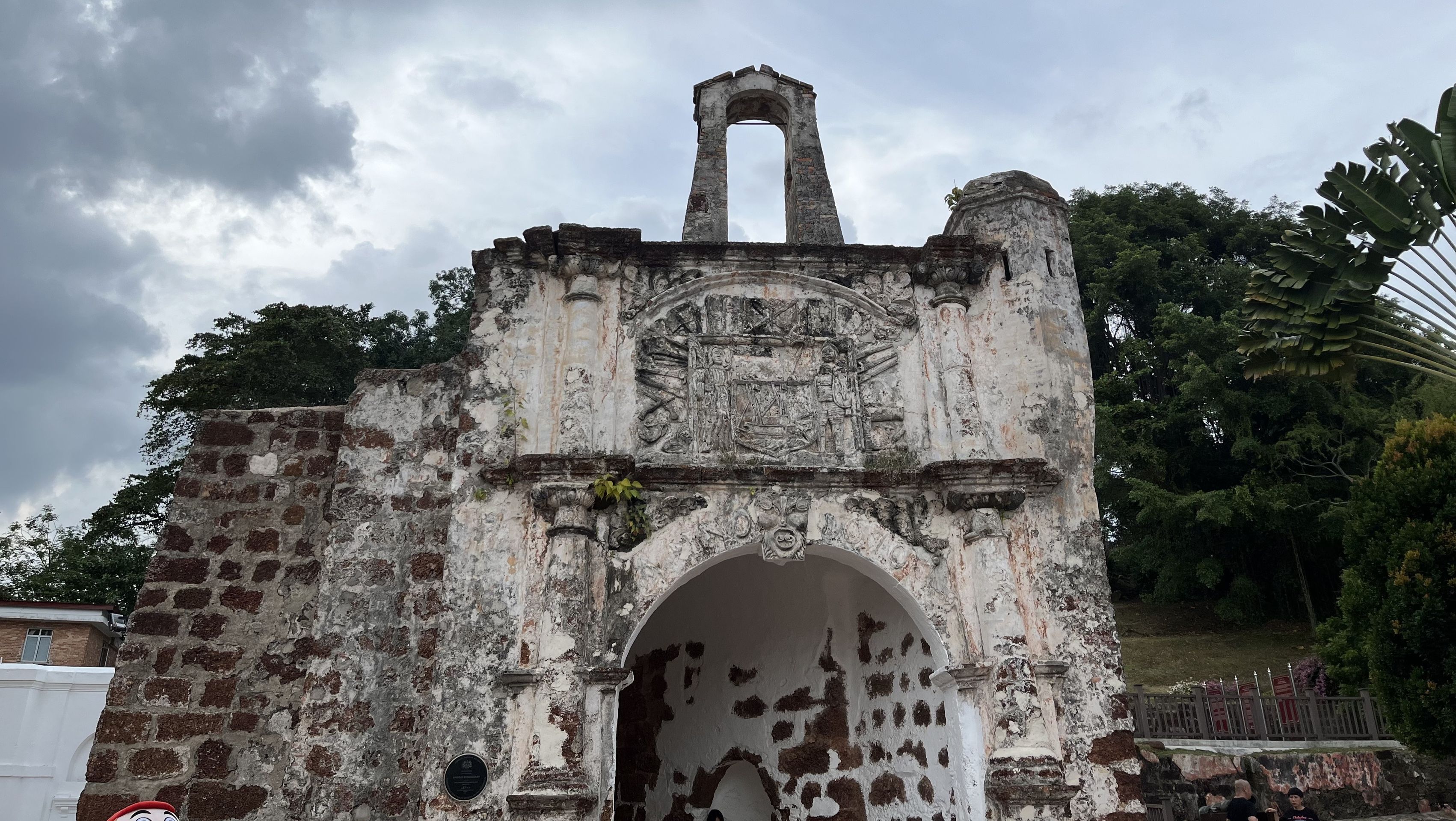
In the ruins of the Portuguese fortress, a mural depicts how the city, known as Melaka in Malaysia, got its name: Exhausted from the hunt, Parameswara rested under a Melaka tree (referred to as