
Khmer vs Thai in Phnom Penh
After we met in Siem Reap, I traveled with Swiss friend Martin to Phnom Penh, then to Bangkok, Koh Tao, and Koh Samui.
Published: 08.07.2026

After spending the second half of April and almost three weeks of May relaxing on Koh Tao, Koh Samui, and in Hua Hin, the beach resort 200 kilometers south of Bangkok that had become my Southeast Asian retreat, a radical change of scenery was imminent: On May 19, 2026, I took a minibus from Hua Hin to Bangkok's old airport, Don Mueang. And the next day, I flew with Air Asia via Kuala Lumpur to Banda Aceh, the capital of Aceh province in the far north of the Indonesian island of Sumatra.
I got talking to Hans from Denmark in December 2025 at the Seafever guesthouse in Mauritius. Hans had worked for the Danish Red Cross for decades. When I told him about my plans to visit Banda Aceh, he hesitated. He had lived in Banda Aceh, he said. "You'll feel uncomfortable. They don't like foreigners in Aceh."
Incredible destructive power
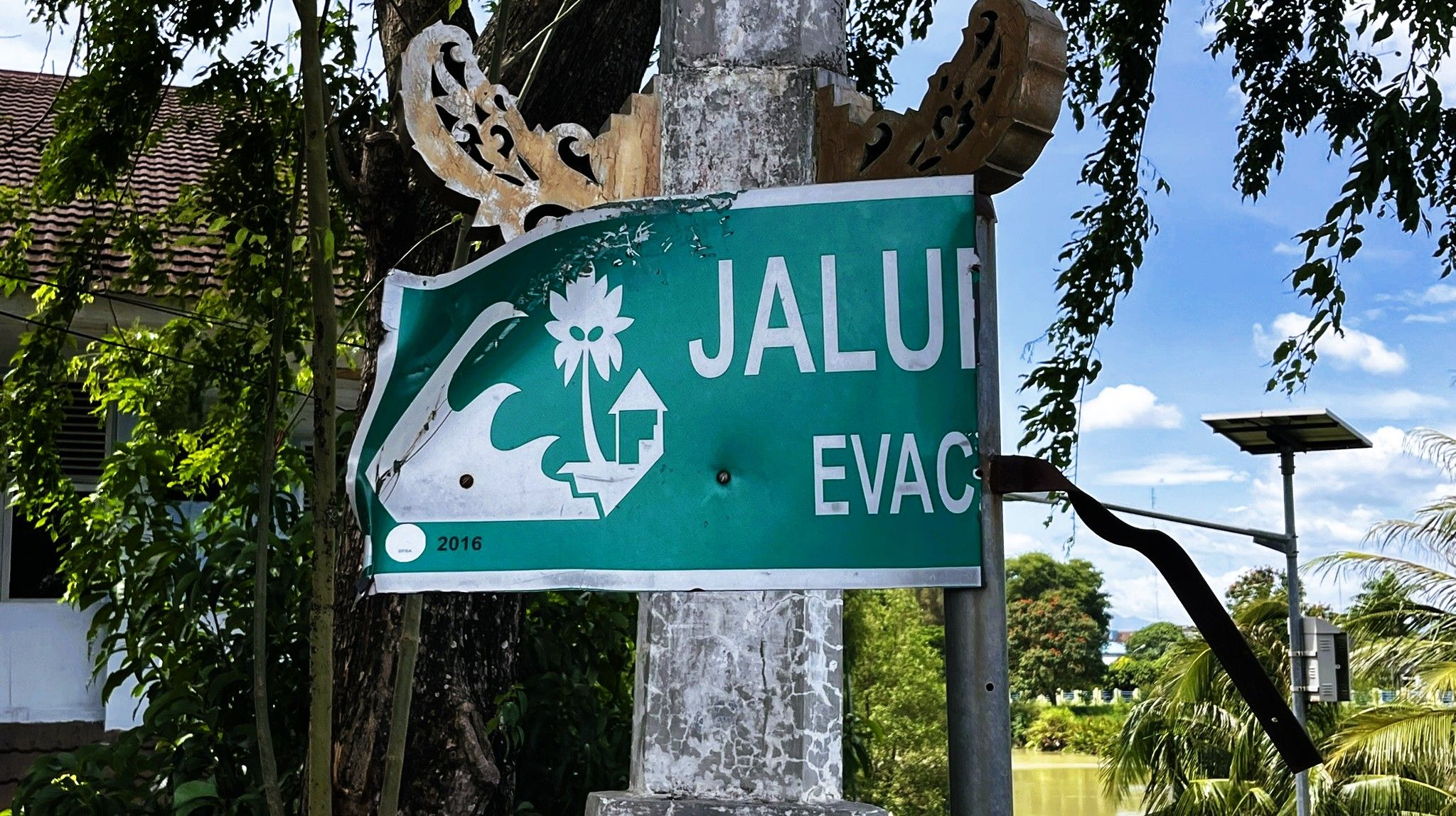
Hans had come to help: Banda Aceh was the place in the Indian Ocean hardest hit by the tsunami on December 26, 2004. First, a massive 9.1 magnitude undersea earthquake off the coast of Sumatra shook the city. Then, a huge wave of water, up to 30 meters high, raced across the ocean at 800 km/h and struck Banda Aceh minutes later with devastating force.
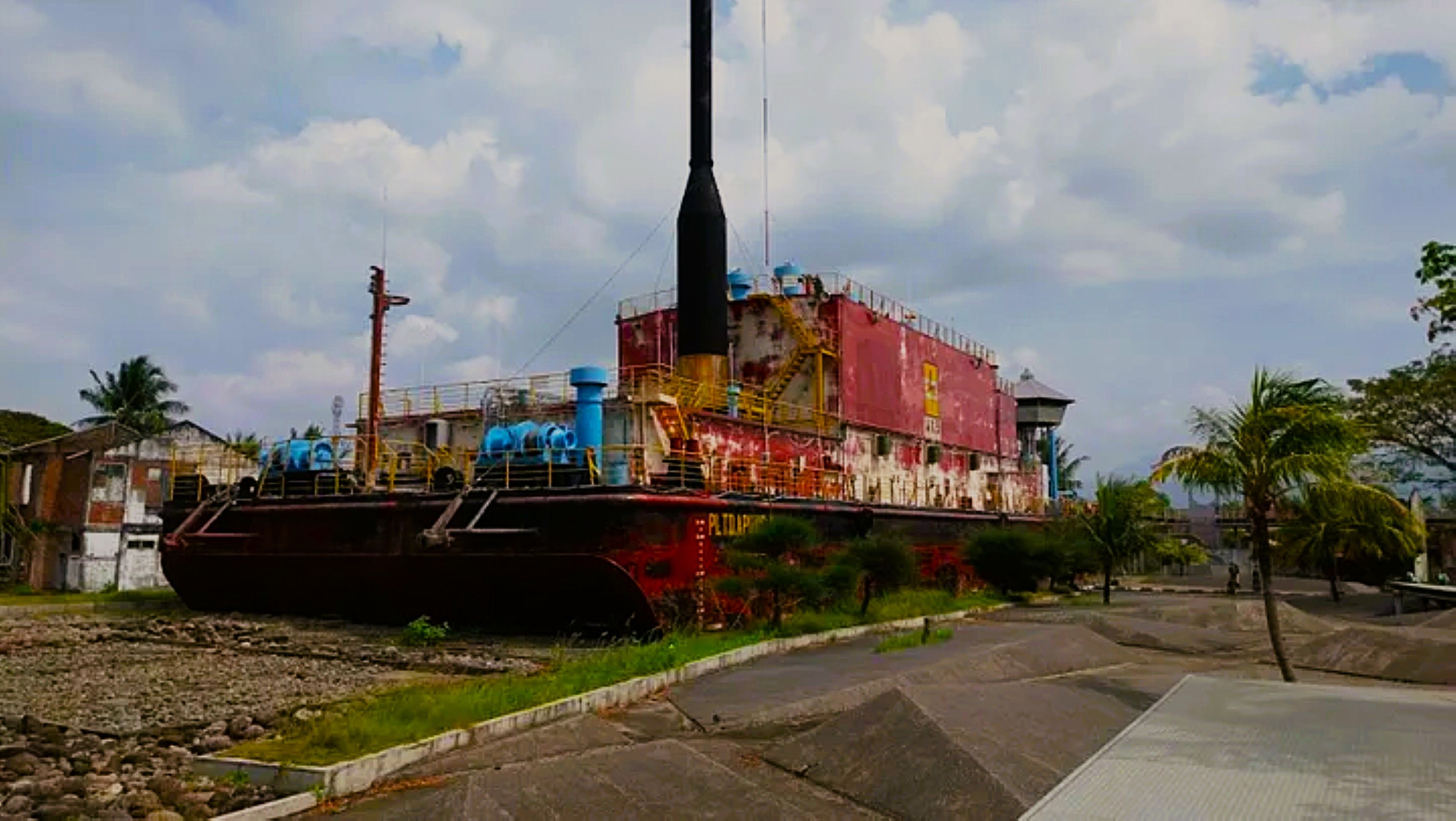
The floodwaters surged kilometers inland, sweeping away ships, houses, and cars. In the Punge Blang Cut district, amidst some carefully preserved ruins and next to a mosque, stands a 2,600-ton floating offshore generator. The memorial is called the "PLTD Apung Museum"; PLTD is the Indonesian abbreviation for "diesel power plant," and "apung" means "floating."
It's incredibly moving to stand before this enormous wreck and imagine that it was torn from its moorings in the harbor by the gigantic tsunami waves and swept some five kilometers inland. On this hellish journey, the massive vessel crushed houses and cars and buried many people beneath its weight.
Debris, corpses, and mud filled the streets; coastal towns were wiped out. In Banda Aceh, approximately 25,000 people died; in the province of Aceh, slightly larger than Switzerland or the German state of Lower Saxony, 120,000 people perished; in total, more than 230,000 died in the 14 affected countries around the Indian Ocean.
Difficult years before and after
Aceh had been through difficult times when the floods came: the Free Aceh rebel movement had been founded in 1976; since then, it had waged a guerrilla war against government officials and the military to force the province's independence. The Indonesian army responded with violence. There were approximately 15,000 deaths; several peace negotiations failed.
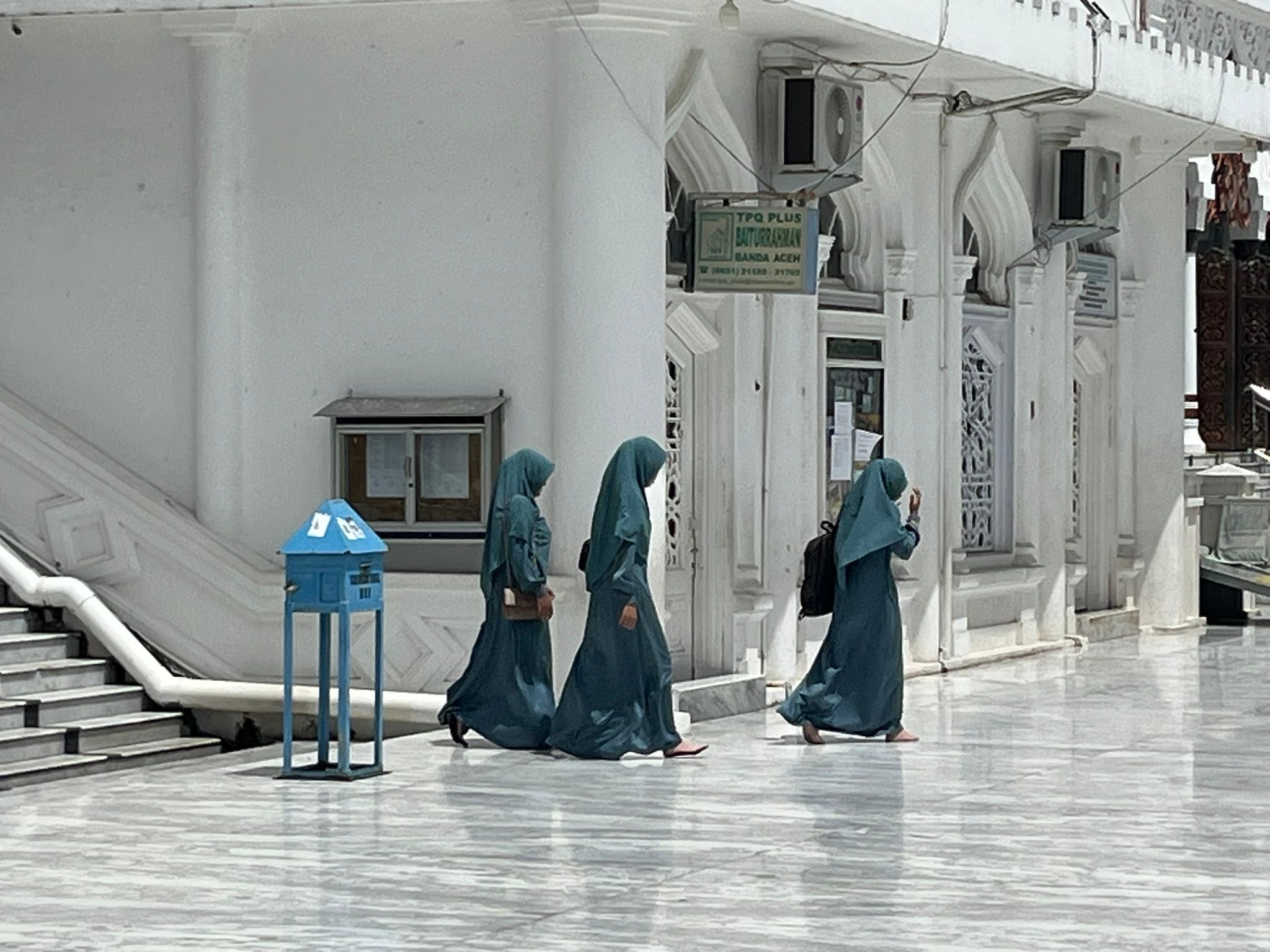
With over 280 million inhabitants today, Indonesia is the fourth most populous country in the world after China, India, and the USA, and the most populous Muslim-majority country. In Aceh, a much stricter form of Islam is practiced than elsewhere in Indonesia. This difference played a significant role in the liberation struggle; even more importantly, Aceh felt oppressed by the central government in Jakarta and disadvantaged in the distribution of revenues from its rich oil and gas reserves.
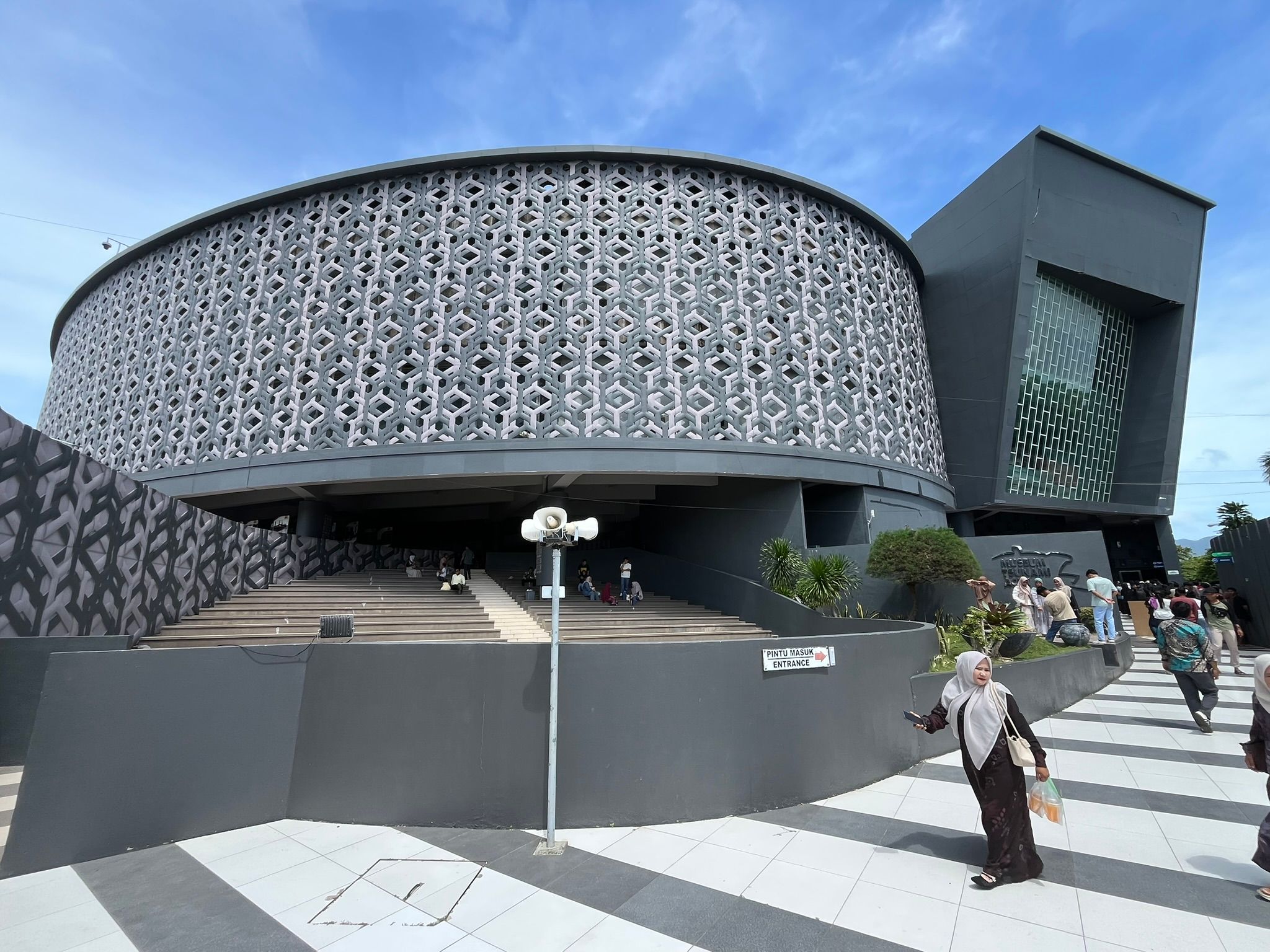
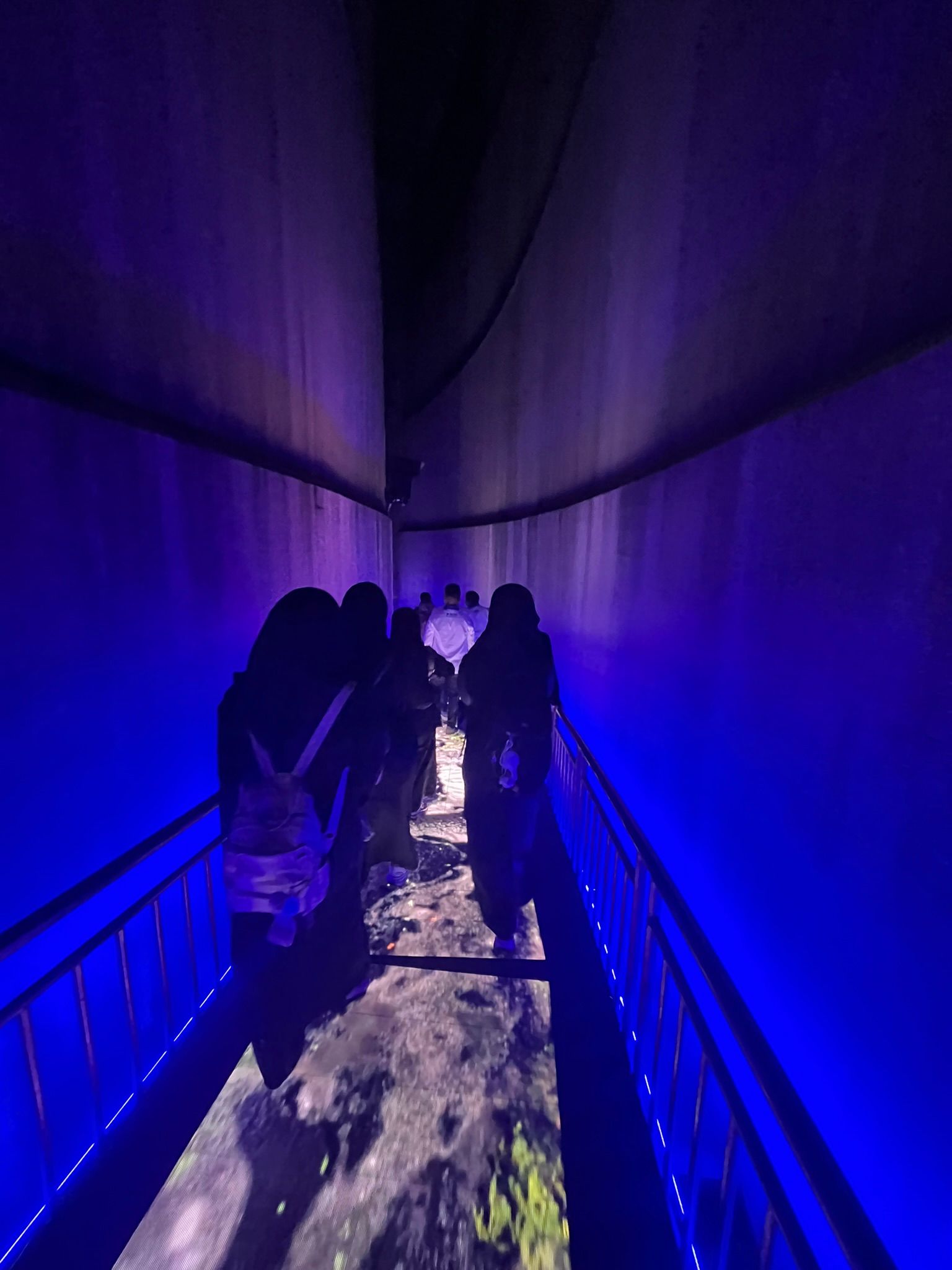
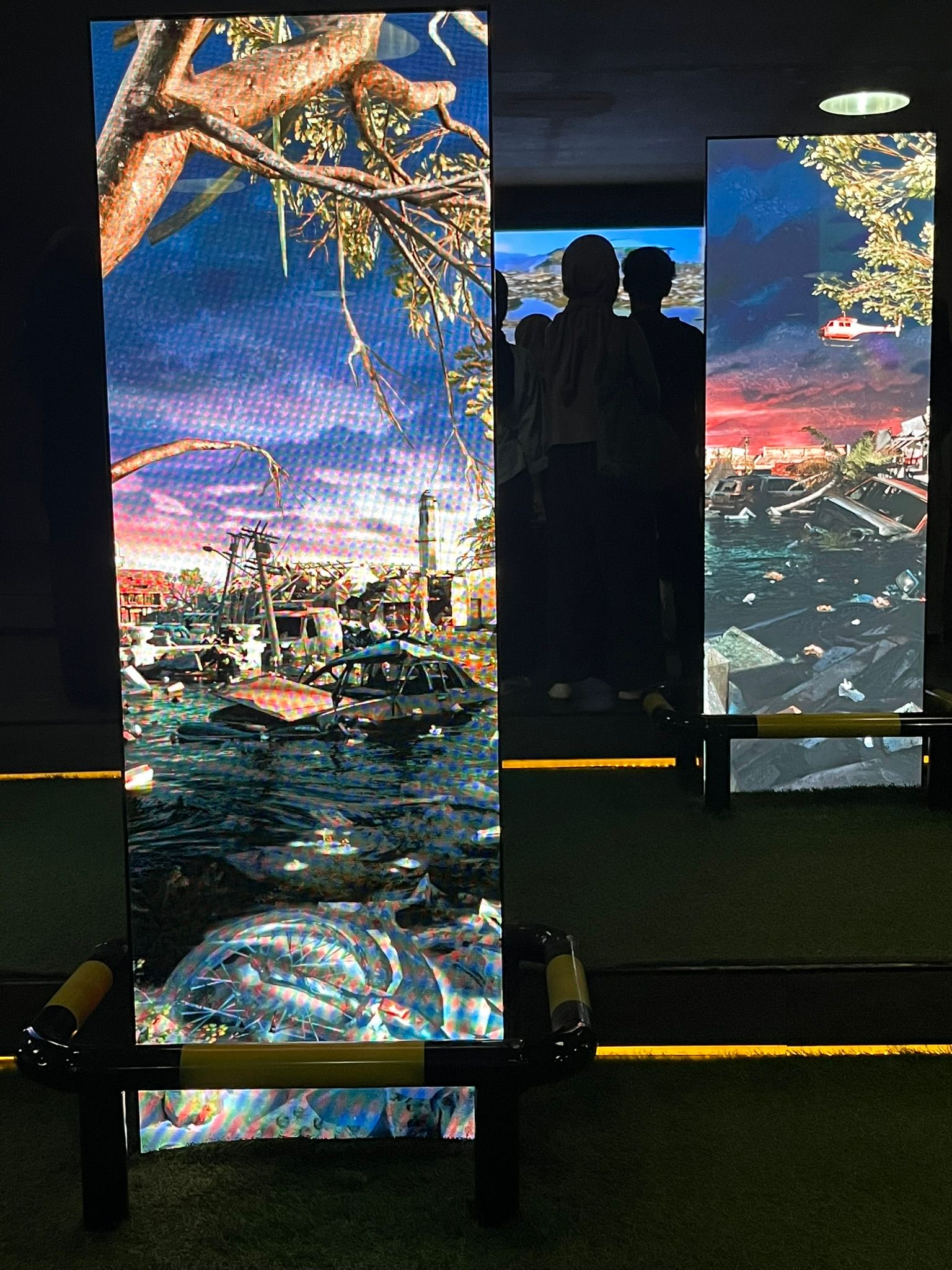
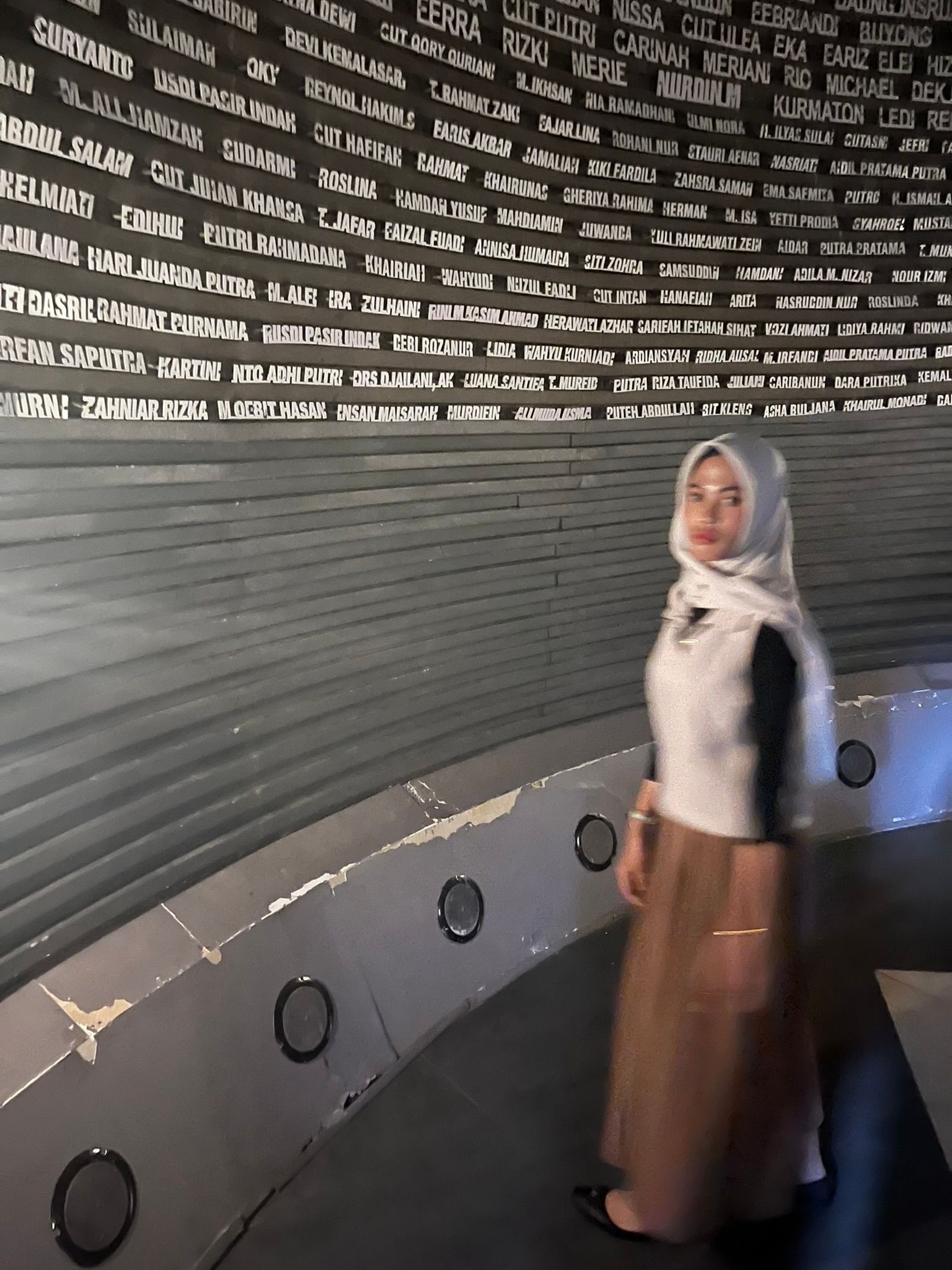
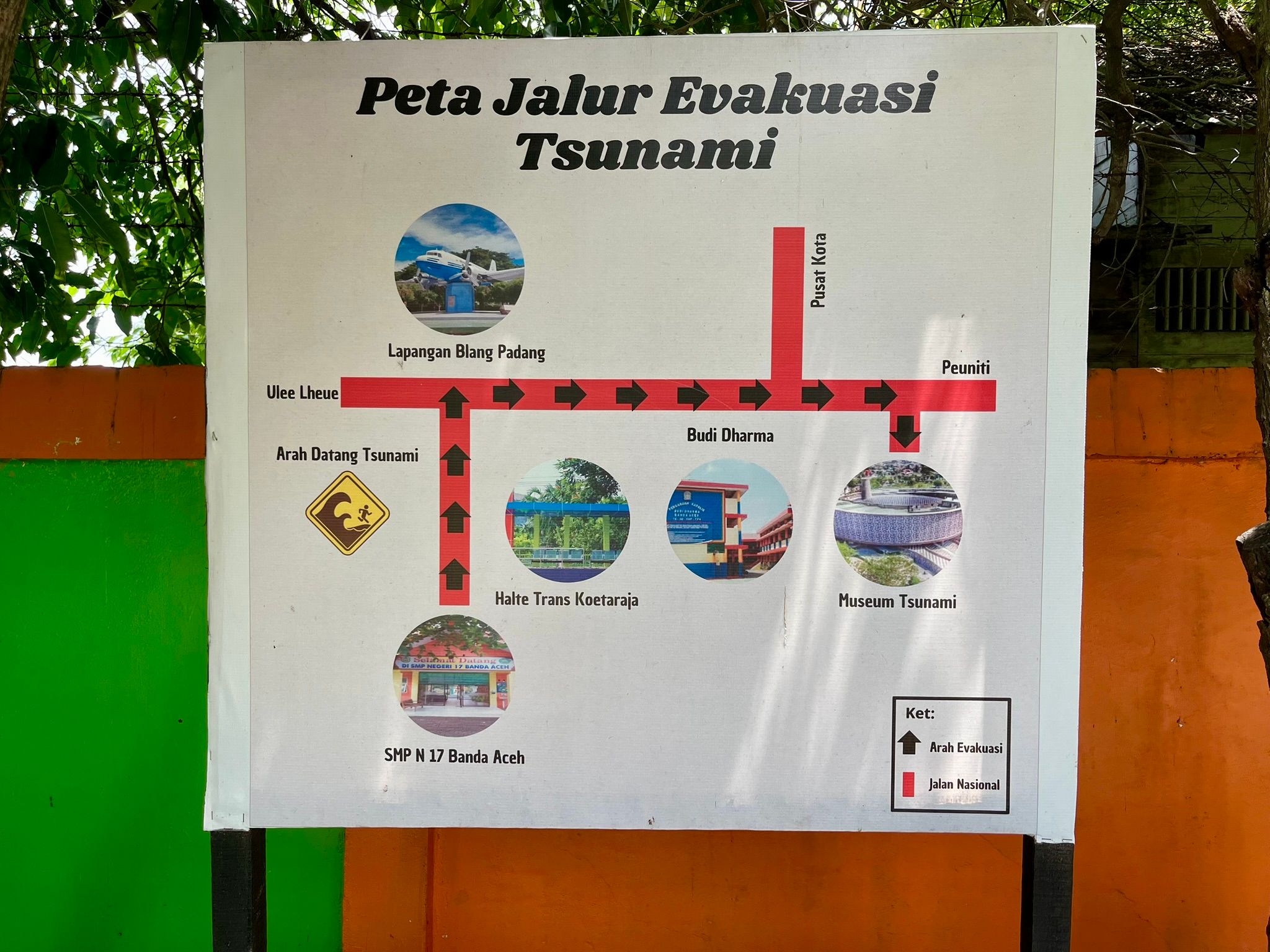
The tsunami was a watershed moment: Visitors experience this powerfully in the modern, cleverly designed Tsunami Museum. Here, the architecture symbolizes what the tsunami meant: Visitors walk through a dimly lit corridor that recreates the maximum height of the tidal wave. Electronic displays recreate the experiences. On the walls of a discreetly lit, chapel-like circular room are inscribed the names of thousands of victims.
A sign from God
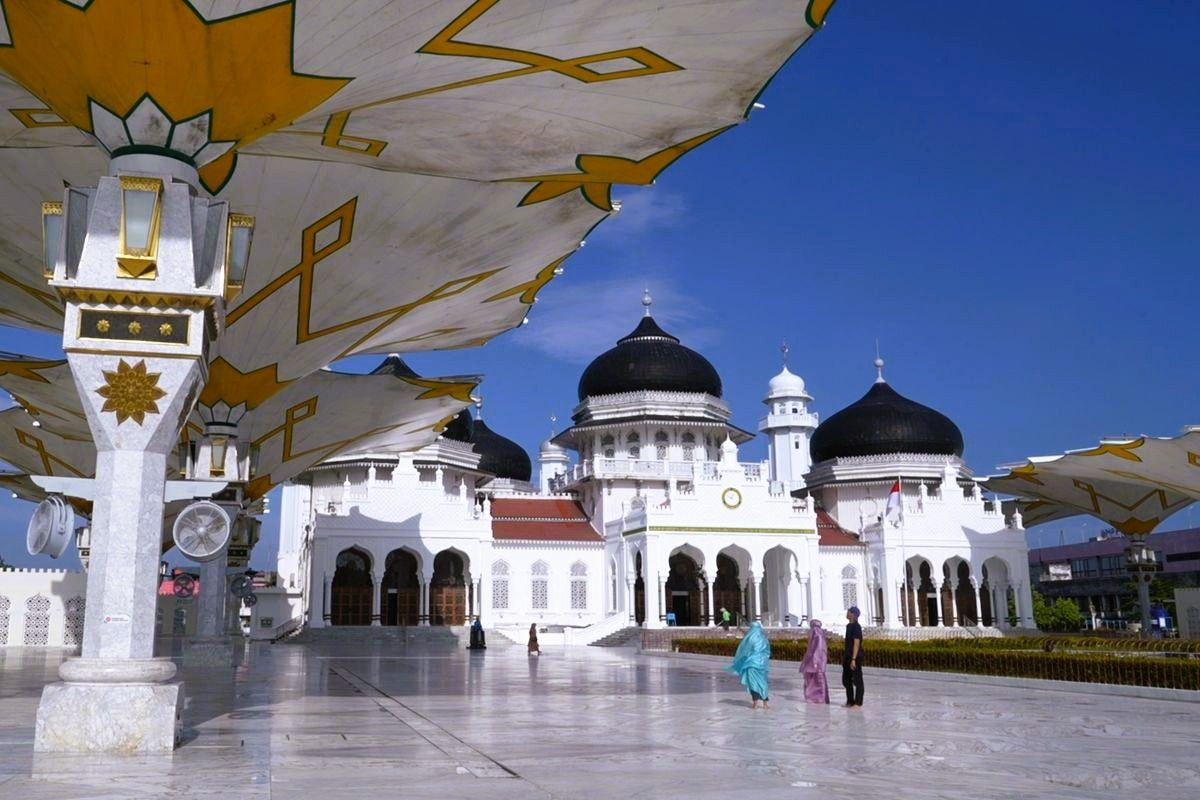
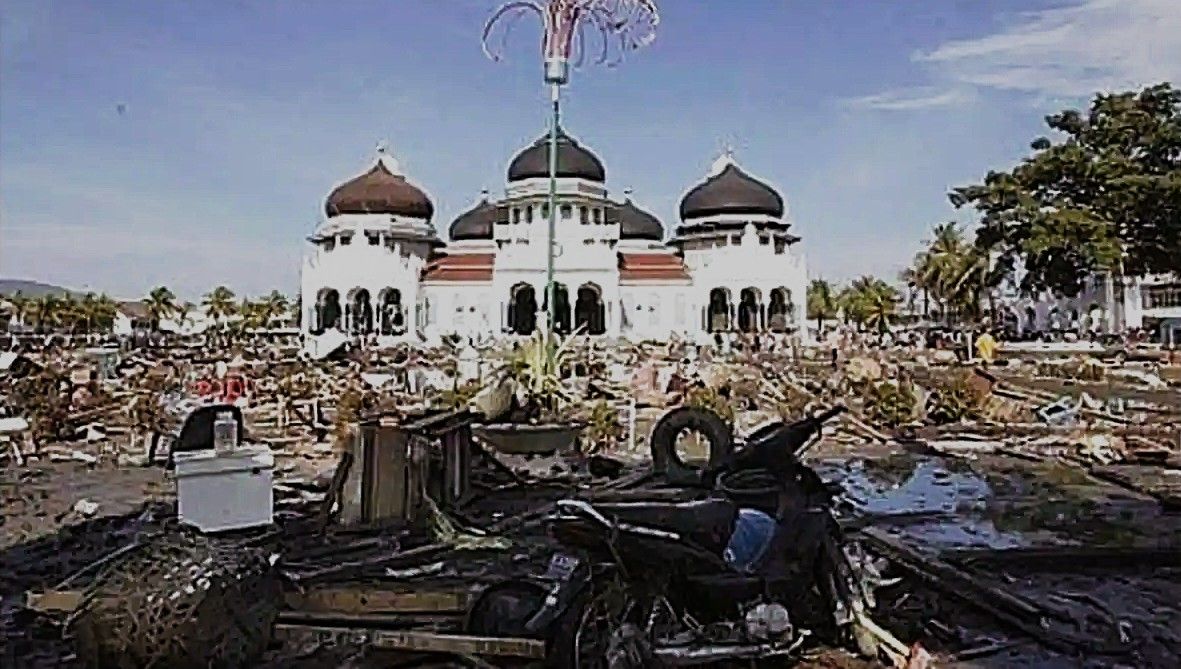
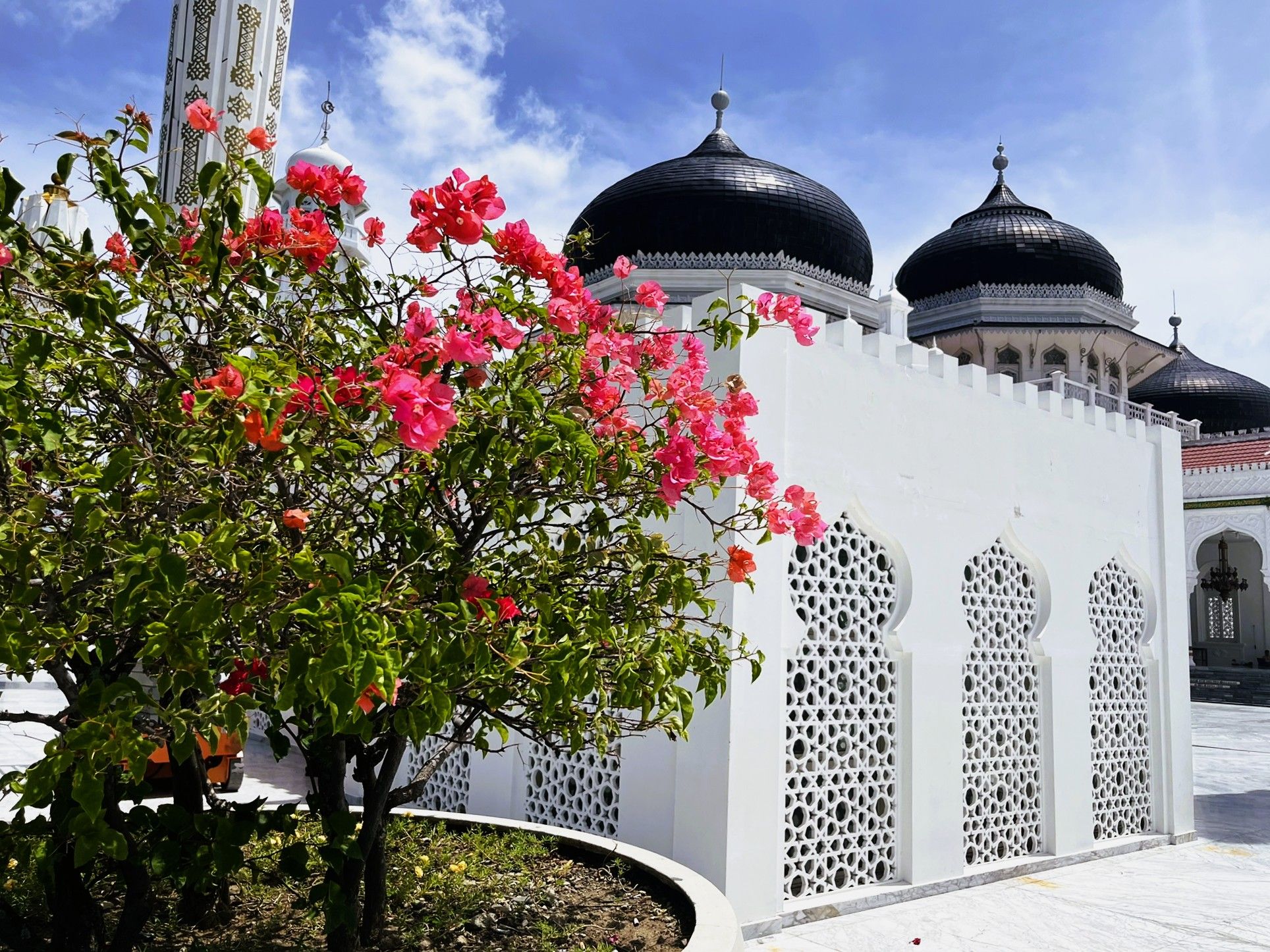
But the museum, modern as it may be, also repeats the claim propagated by politicians and Muslim dignitaries: that the tsunami was God's punishment for the dissolute lifestyle of the Acehnese. Only a return to faith could prevent further disasters. The fact that the Great Mosque, the Masjid Raya Baiturrahman, built in 1873, was the only building to remain standing amidst a vast landscape of rubble was interpreted as a sign from God.
In fact, a peace agreement was reached between the Indonesian state and the rebels in mid-August 2005. Aceh renounced independence but received a special status with the right to self-government. The only exceptions were foreign policy, defense, the judiciary, and monetary and tax policy. Furthermore, Aceh was allowed to retain 70 percent of the revenue from oil and gas production within its territory and the associated maritime area, and to conduct its own foreign trade.
Above all, the introduction of Sharia law, the Islamic legal system based on the Quran and the traditions of the Prophet Muhammad, was enshrined in law. I will illustrate the consequences of the radical implementation of Sharia for Aceh in my next blog post.