
Banda Aceh – Sharia law after the tsunami
After weeks of laziness in Thailand in April and May 2026, I made a radical change of scenery and visited Banda Aceh in the north of the Indonesian island of Sumatra.

Published: 08.07.2026
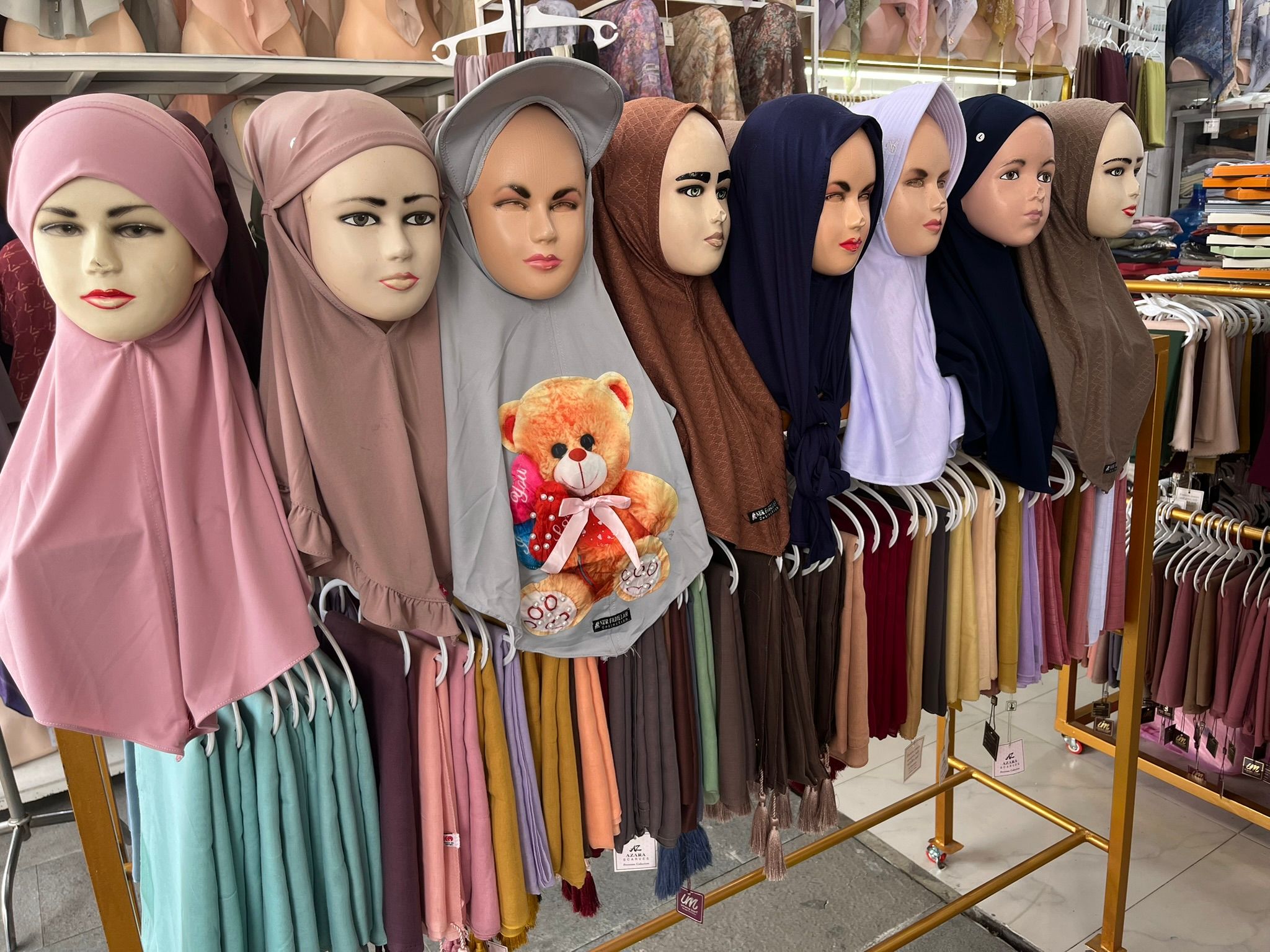
In the previous blog, I explained how Sharia, the Islamic legal code, was introduced in the Indonesian province of Aceh on Sumatra. I vividly experienced what the enforcement of these laws means in Banda Aceh, not to mention that there is no alcohol and practically all girls from around the age of eight and all women are veiled with headscarves.
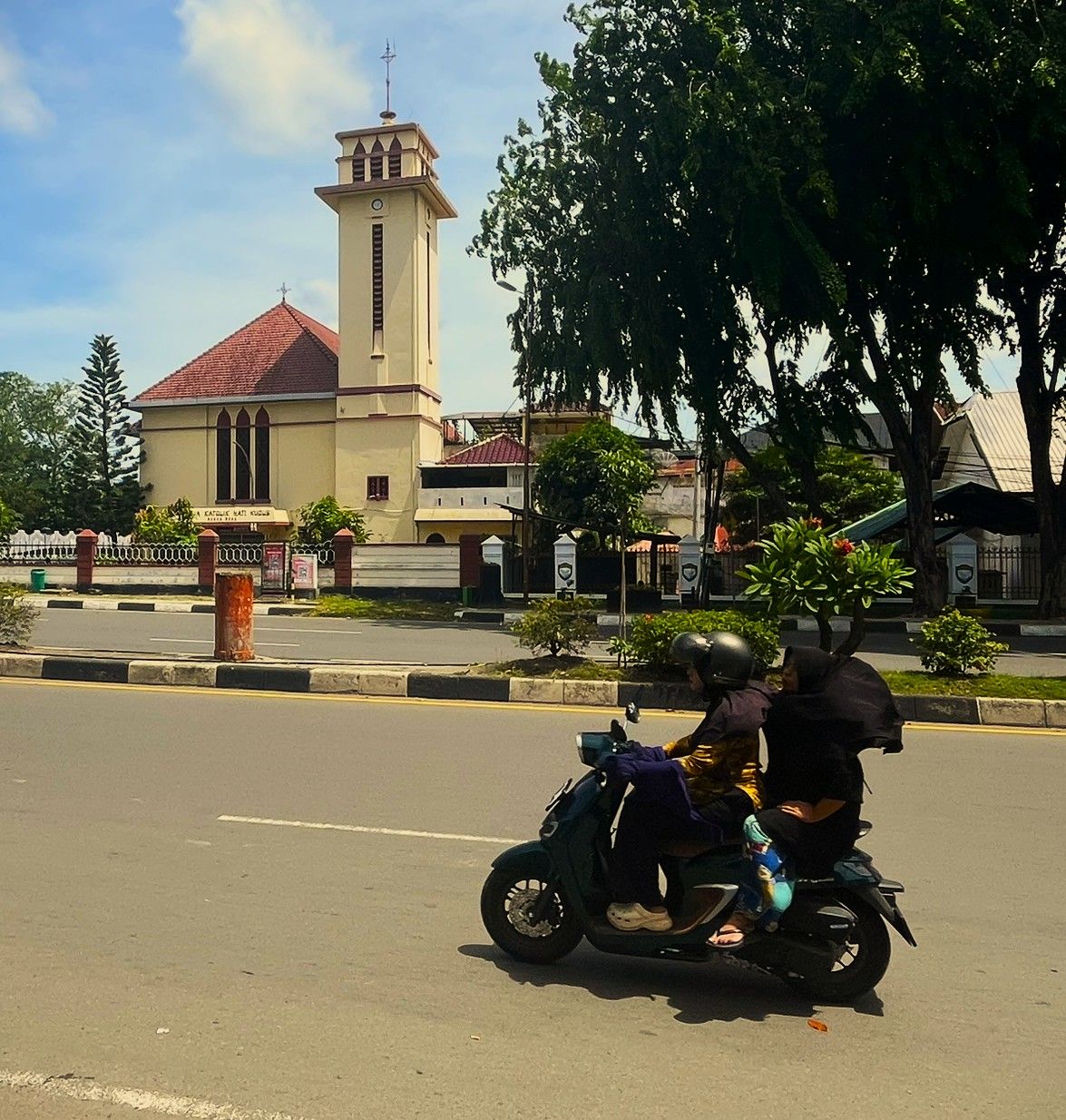
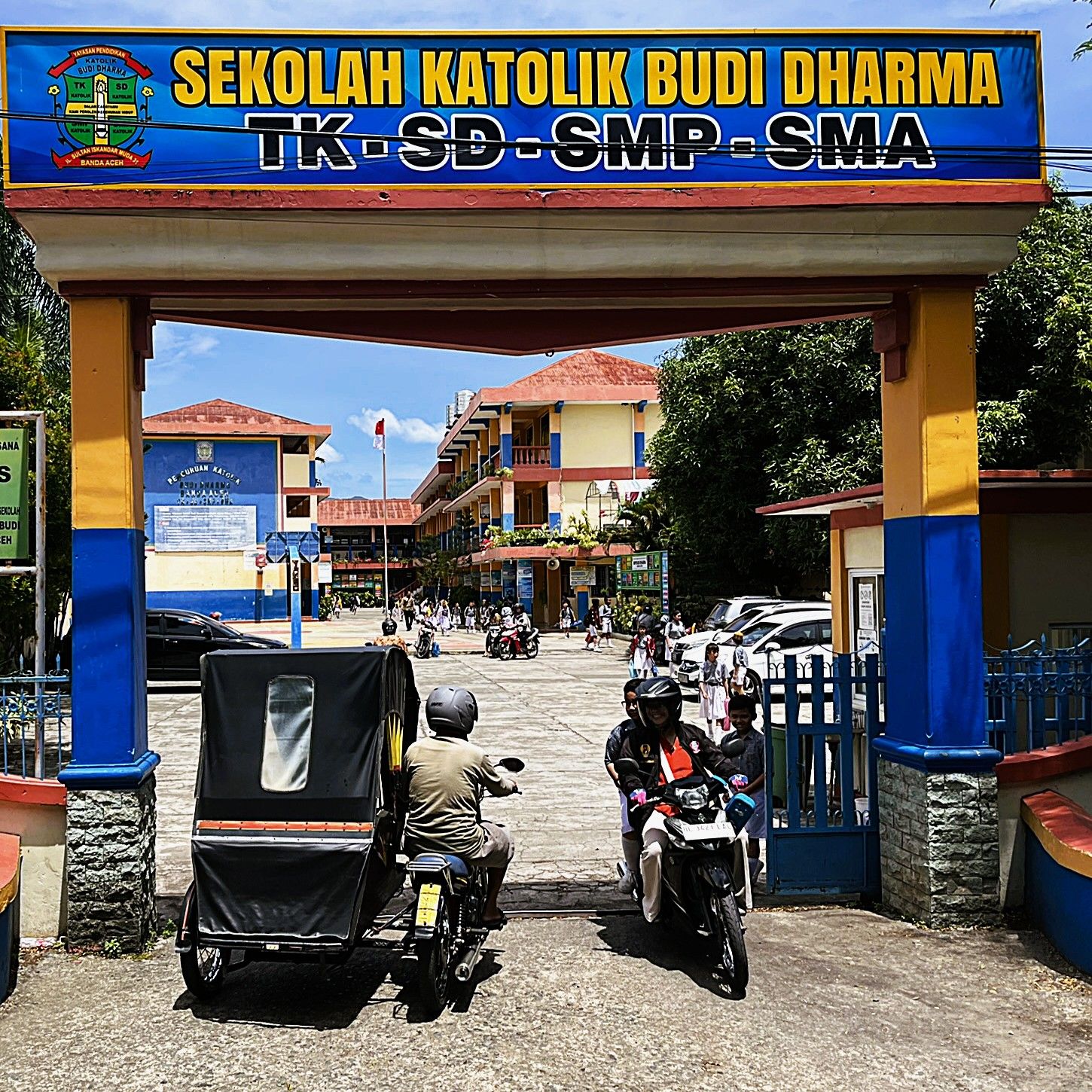
However, it is not as strict as Saudi Arabia, just as a side note: There are some Christian churches and a Catholic school, for example. And you see, very occasionally, women without headscarves, mostly Christians. But Banda Aceh is definitely not a cheerful place.
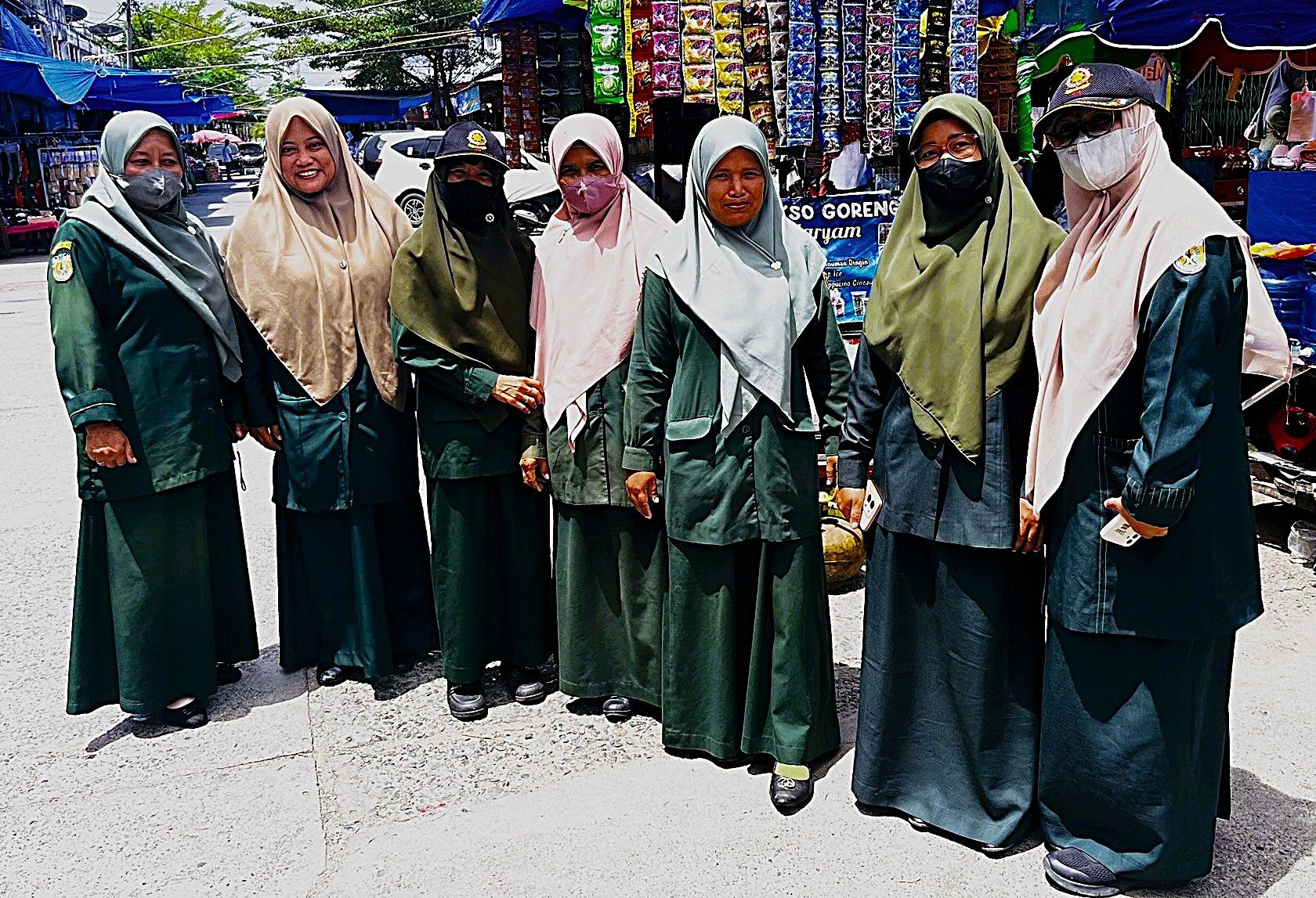
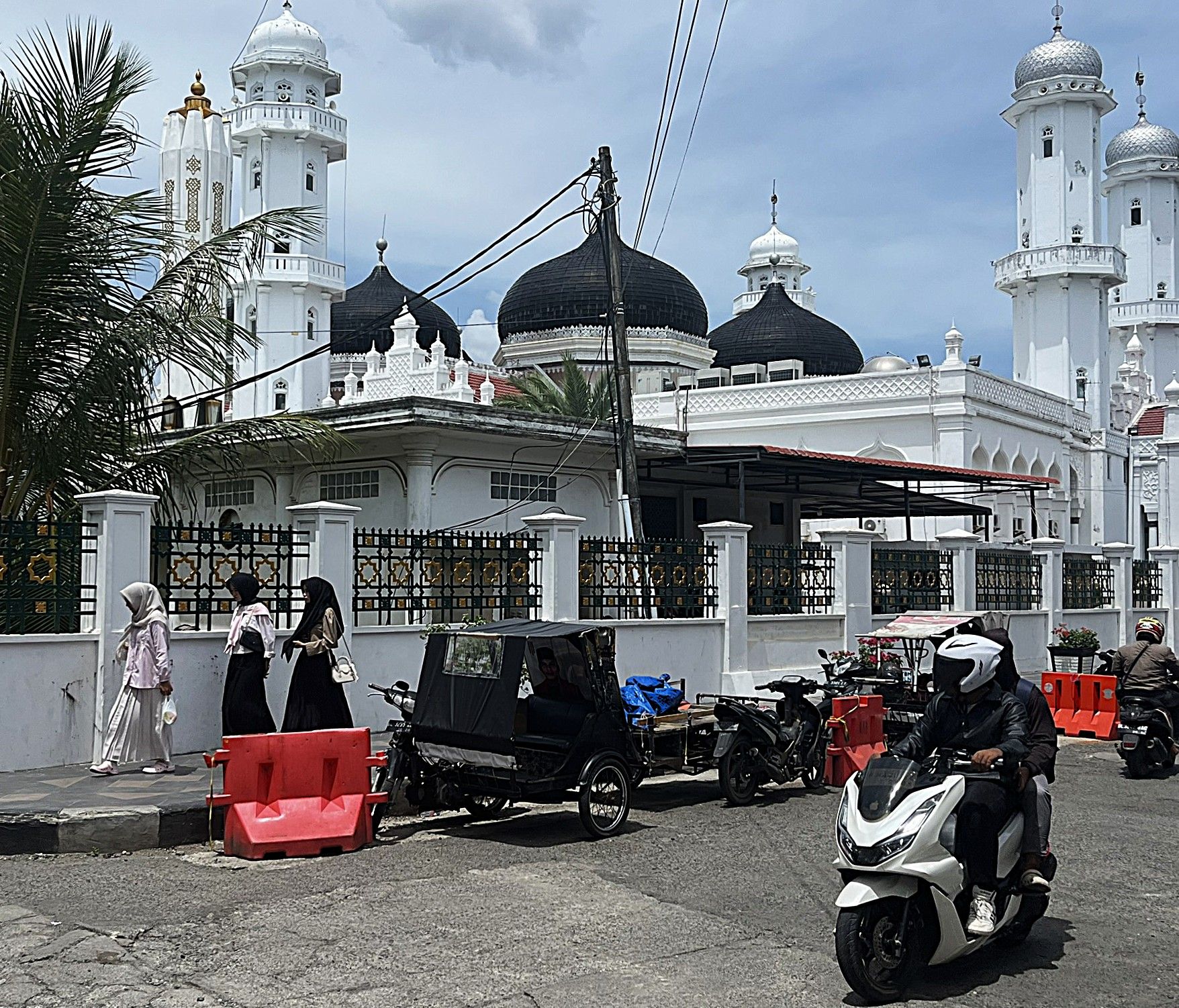
On a Friday shortly before the midday prayer, I encountered a seven-member patrol of female Sharia police on a market street behind the Grand Mosque. One of them spoke pretty good English (which is rare in Aceh). Her task is to “encourage the men in their shops to come to the mosque,” she said. (The Friday prayer is obligatory for Muslim men, but not for Muslim women.) No, she answered my question, there are currently no consequences for those who are late. “But if someone gets caught three or four times…” She leaves the consequences open.
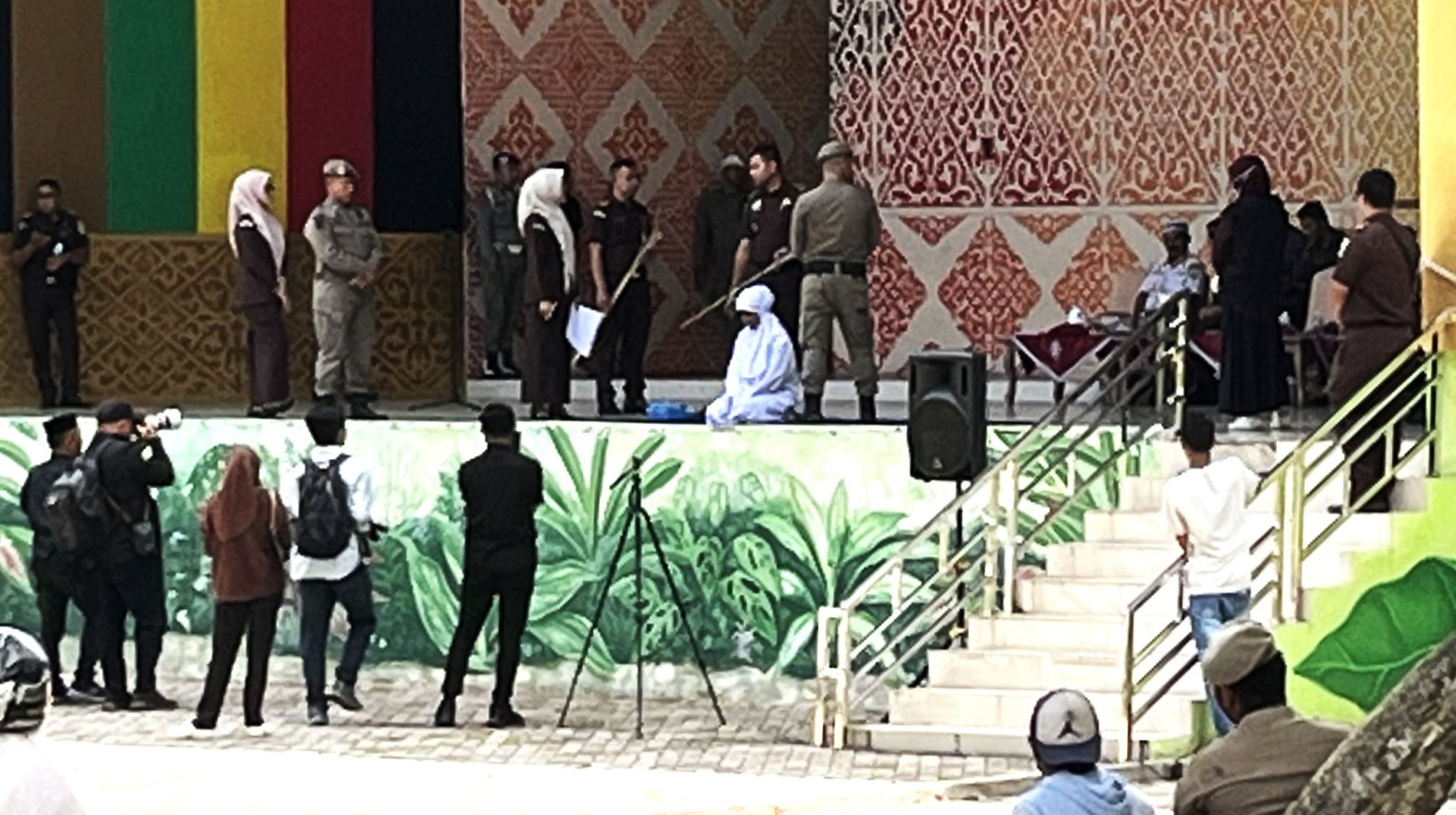
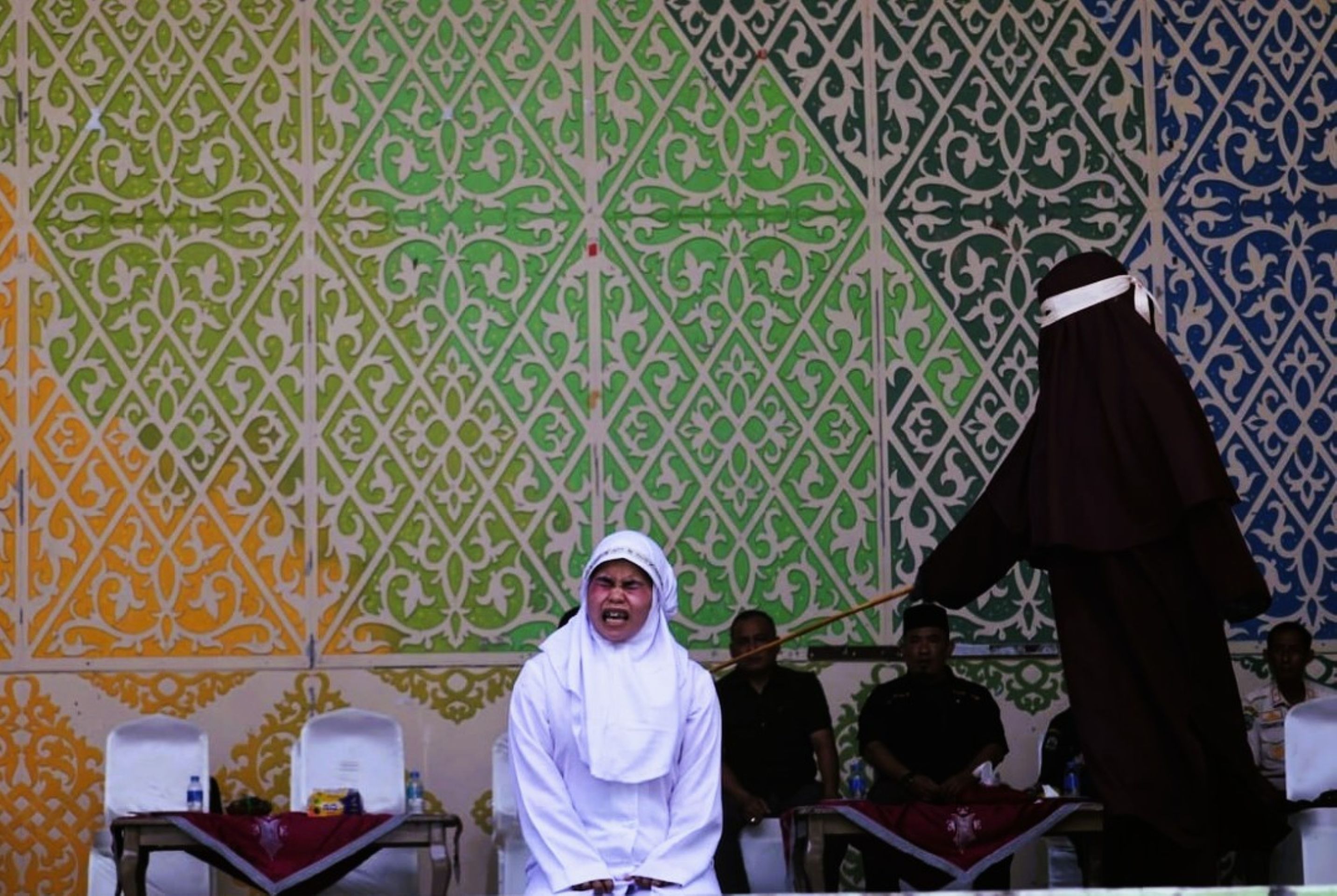
I experience these consequences as I walk from the Baiturrahman Mosque to the Tsunami Museum, passing by the central park, Taman Sari. In the middle of the park stands a huge, open event hall with a large stage. At its edge, a woman completely covered in white kneels. She is being struck on the back with a long rod by another woman dressed in a long brown dress, a brown headscarf, and a beige face veil that leaves only her eyes exposed. A male voice counts the blows over the loudspeaker: “...fourteen, fifteen, sixteen...”.
Beside the woman stand uniformed police officers. In front of the stage and on the street, onlookers gawk, and two or three professional photographers take close-up shots. The blows can be clearly heard, and the woman contorts her face in pain. Next to the pavilion, two ambulances are parked.
After the woman, a young man wearing a white cotton cloak over his clothes takes his turn. A loudspeaker voice announces his offenses. He too receives blows, perhaps thirty or forty, but while standing. More women and men follow, the women kneeling, the men standing, until I eventually can no longer bear to watch and walk away.
Punishment for sex, alcohol, gambling
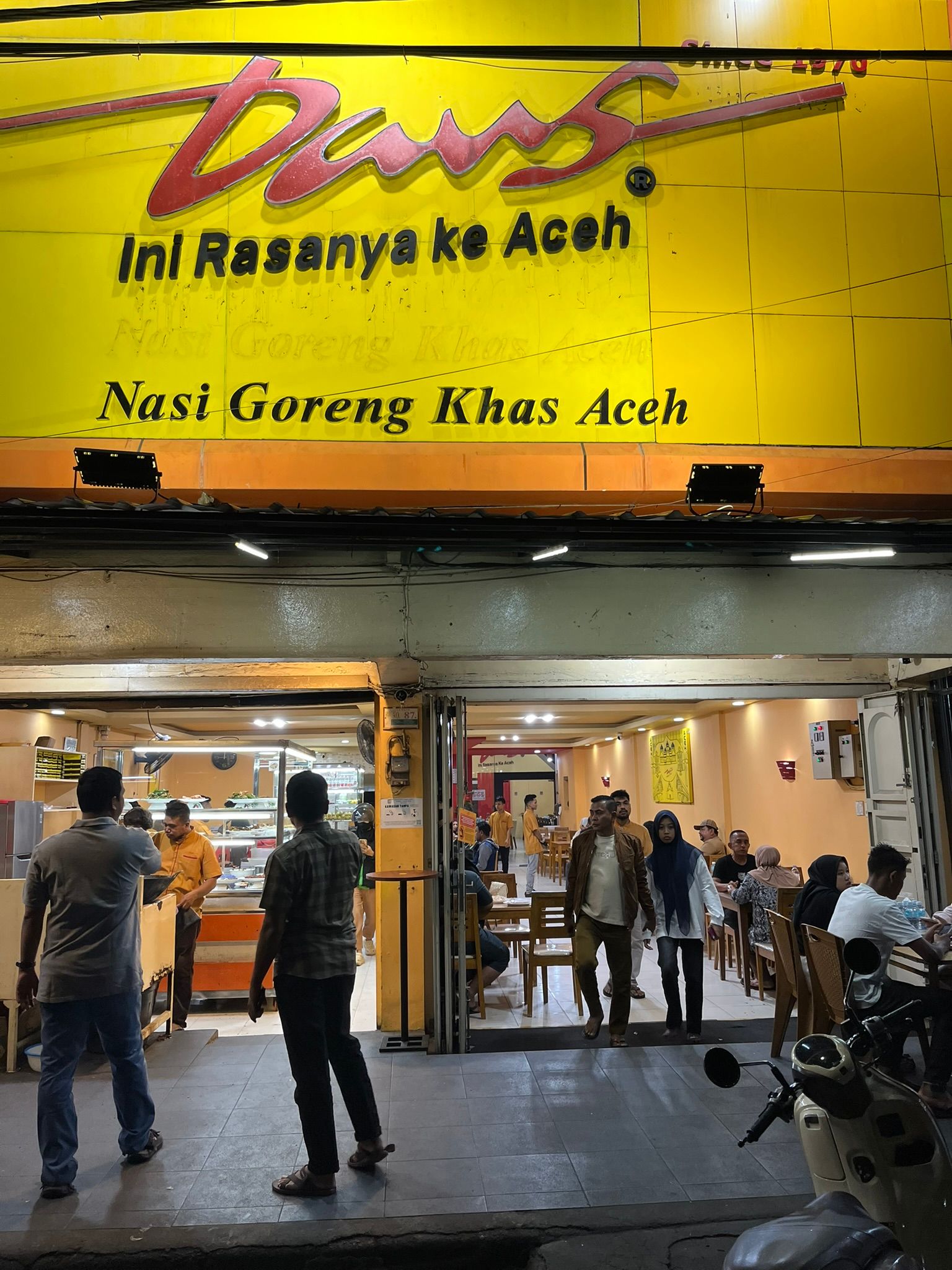
In the evening, I have a conversation in the “Daus” restaurant near my hotel with a young woman – dressed in a long black dress and black headscarf. Her name is Icha, she is 28 years old, originally from Jakarta, and works here at the “Daus” restaurant. Fahrurrazi, Icha's cousin, joins us. He studied Sharia law in Medina, the second holiest city for Muslims in Saudi Arabia, but then took over his father Firdaus’s restaurant when he died in 2021.
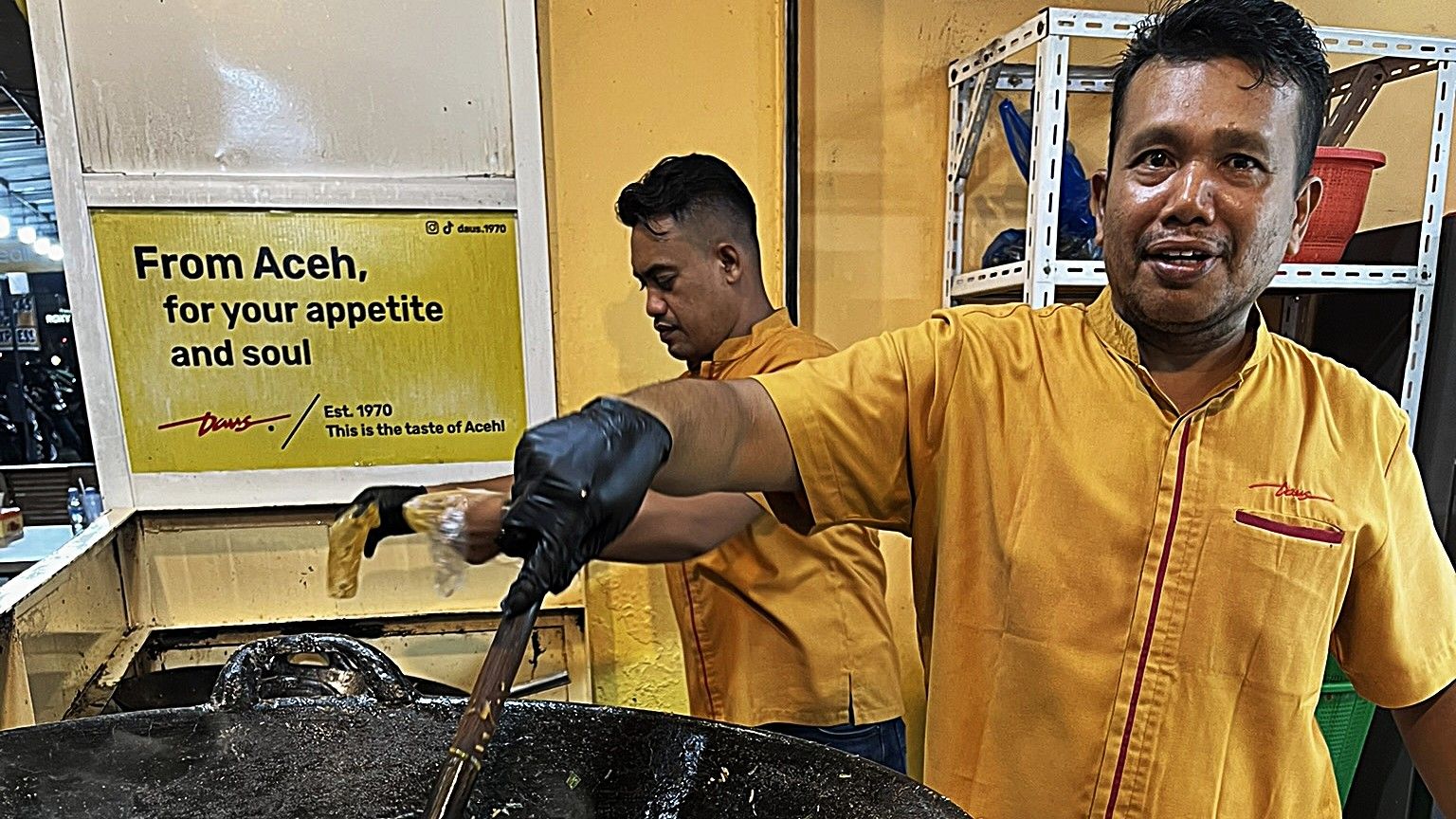
The food at “Daus” is excellent; a mixed platter with fried items: squid, chicken leg, a beef skewer, a large shrimp, along with an omelet and Nasi Goreng, or fried rice. However, I unusually cannot focus on the food because I have to tell them about the whipping punishment of which I have been a witness.
Icha is a devout Muslim; “I even wear a headscarf at the gym,” she says with a laugh. But she finds nothing good in such public humiliation. Fahrurrazi explains the degrading punishments one can receive for: premarital or same-sex sex, public displays of affection, the sale or consumption of alcohol, gambling. “As an unmarried couple, you can easily sit here in the restaurant,” Icha mentions. “But if you get caught somewhere at night, you’re out of luck.”
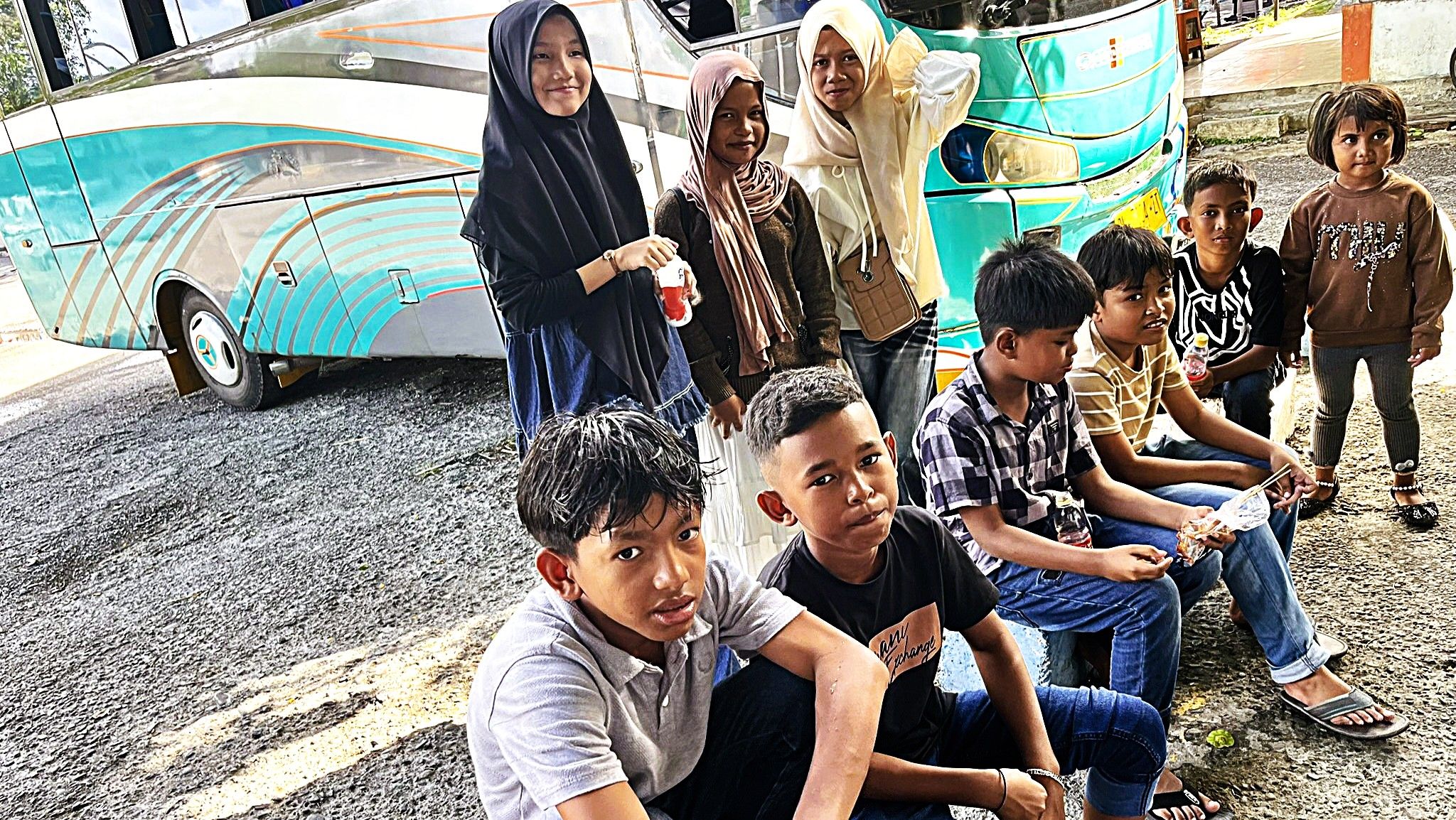
What would I tell Hans from Denmark, who warned me at the “Seafever” guesthouse in Mauritius before my visit to Banda Aceh in December 2025? I was not treated unfriendly by anyone. There were difficulties in communication since I do not speak Indonesian and most Acehnese do not speak English. Because there are hardly any tourists here, Europeans arouse curiosity, especially from children. However, some people also spontaneously approach and shake hands. In the Tsunami Museum, a woman asks me for a selfie with her mother, and in the PLTD Apung museum, a father asks for a photo with his child.
No, aside from perhaps during the public whipping, I did not feel uncomfortable or unwelcome at any time. And for the fact that I did not get alcohol, only water, fruit juices, and coffee, my liver has sent me a thank-you note.