
Nicaragua Part 2 & Costa Rica
Cessna

Published: 13.12.2024
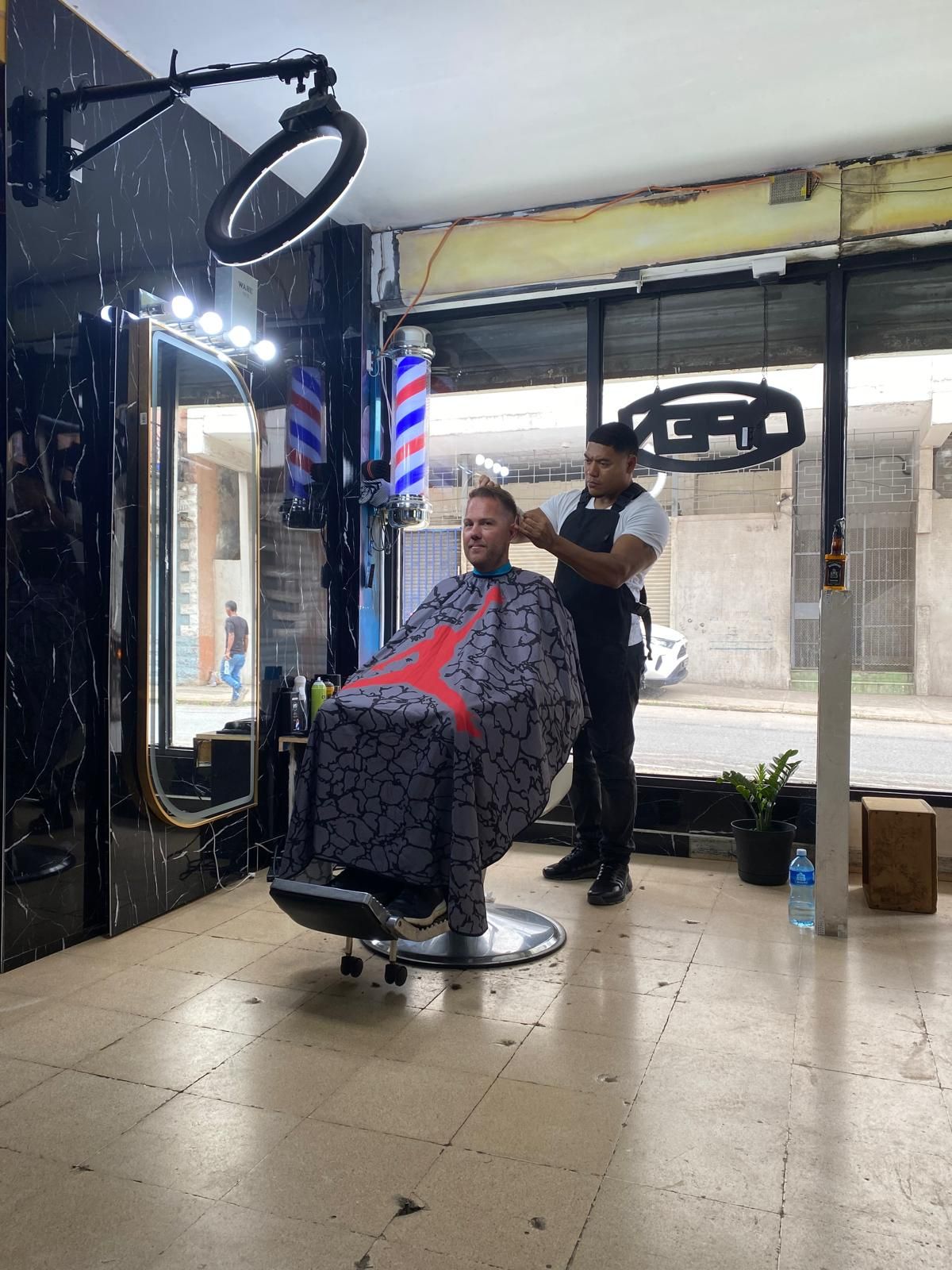
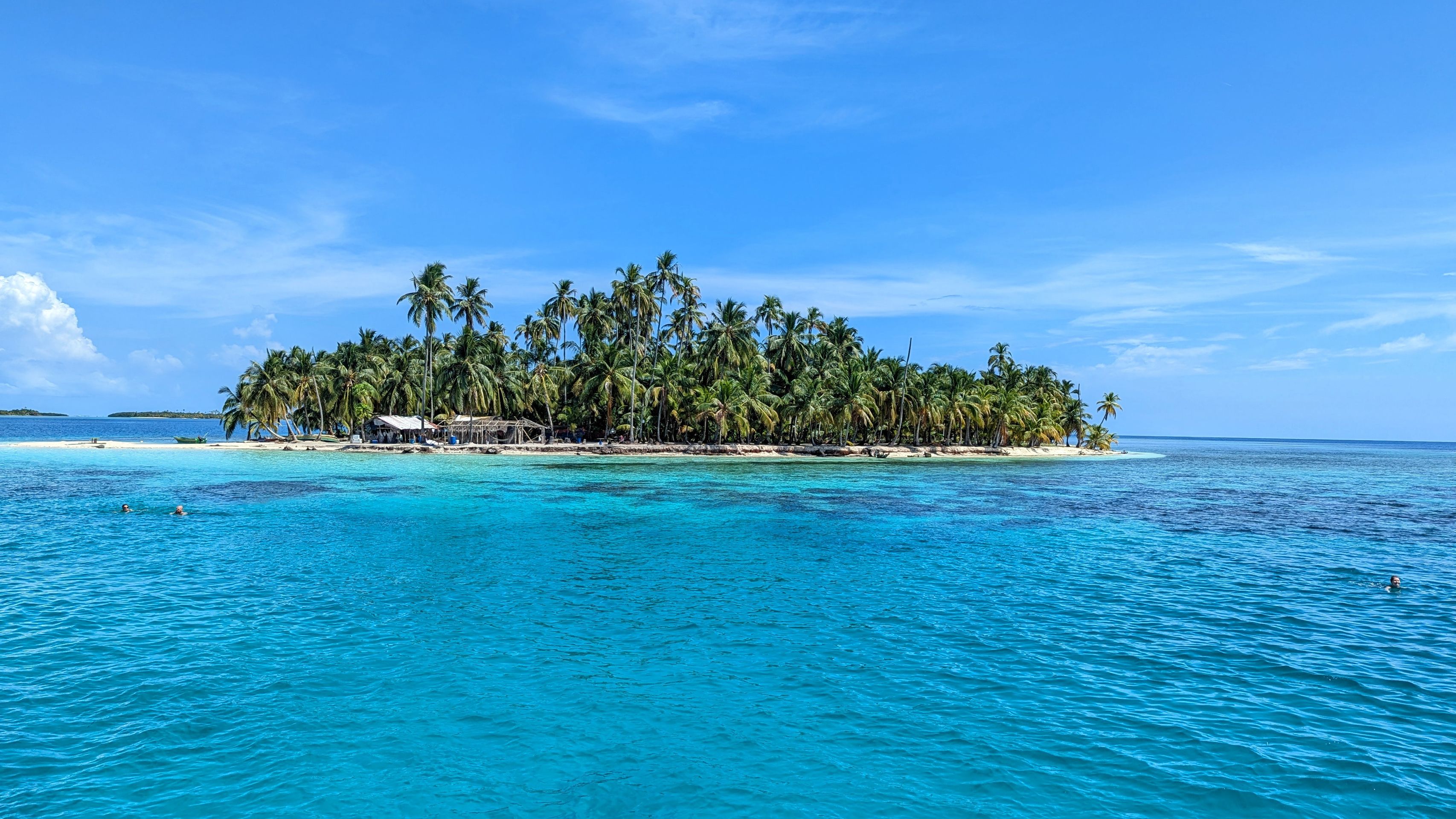
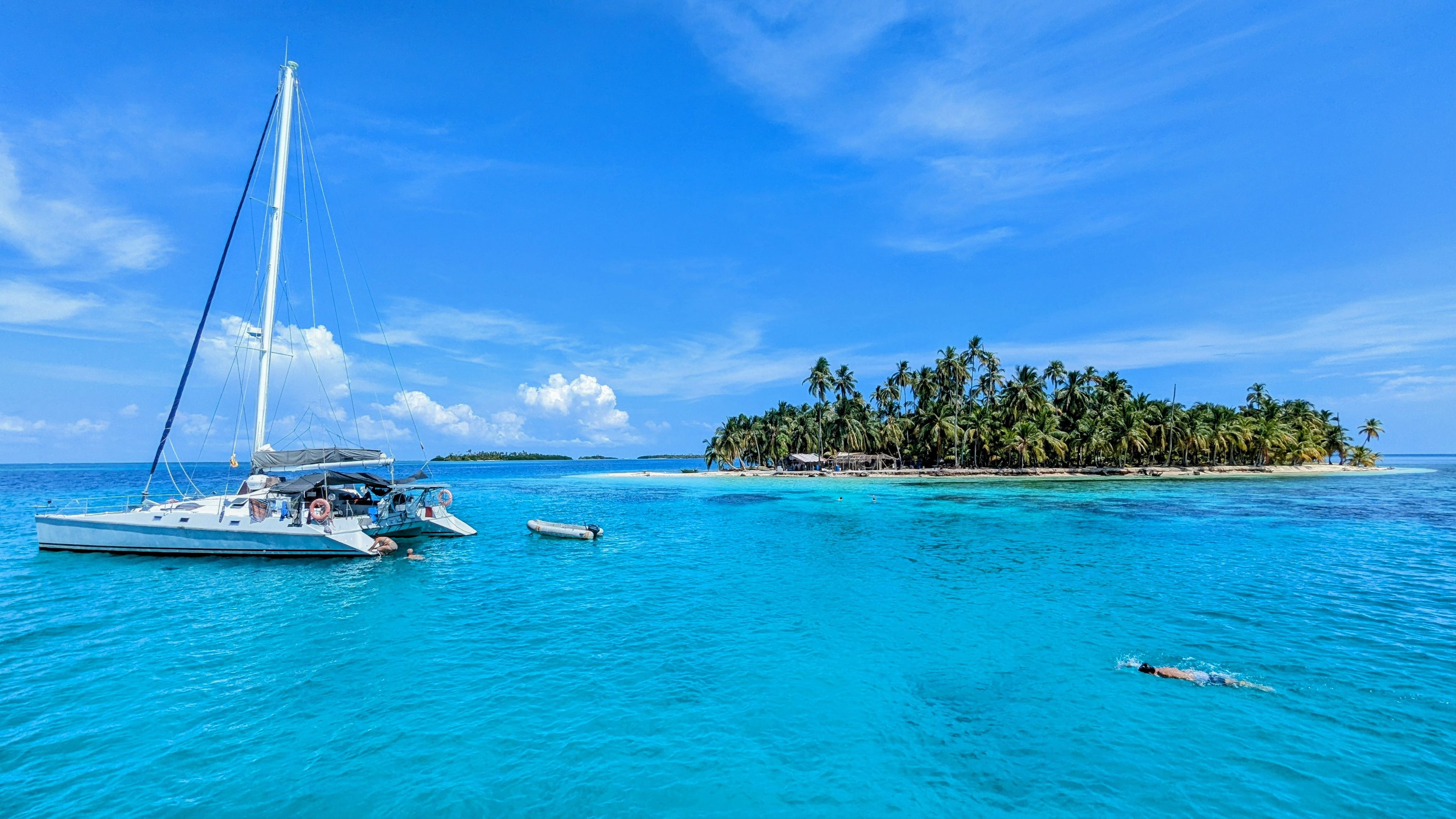
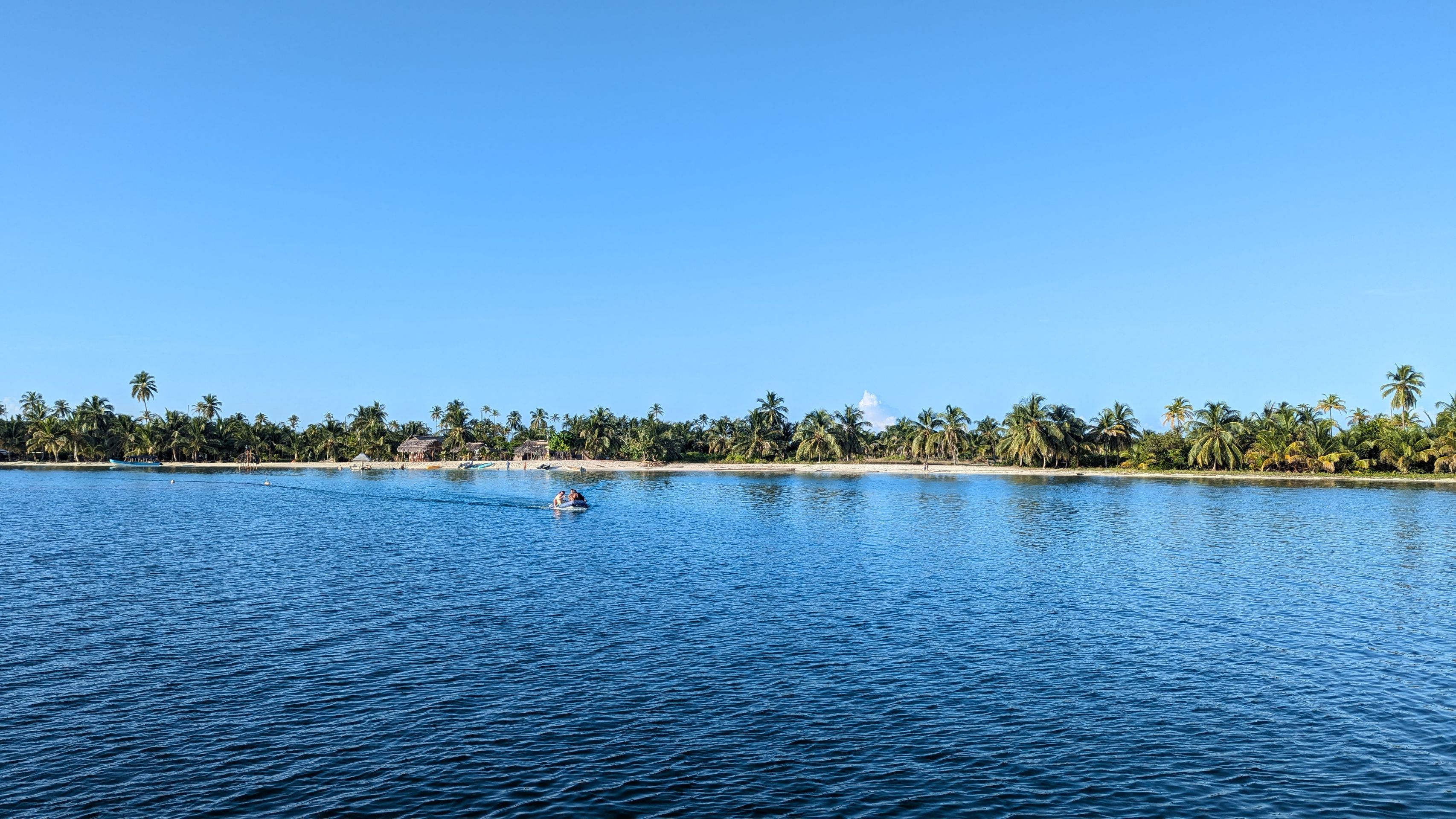
Don't worry, there isn't a new pandemic in sight. Finale in Central America, but let's take it step by step.
Contrary to reports about the busiest border between Costa Rica and Panama, crossing the border was a breeze, no waiting, no long distances. While I didn't go all the way to Santa Catalina, I didn't have a hotel booked, so I could easily make a stop in Santiago.
Currencies can be somewhat confusing in Central America. Mexico - Peso; Guatemala - Guatemalan Quetzal; El Salvador - US Dollar; Nicaragua - Córdoba Oro; Costa Rica - Colón & US Dollar, and in Panama, US Dollar and Balboa, although here in Panama, the currency is essentially the same, meaning the Balboa has the exact same value as the US Dollar. However, the bills only come in US Dollars, while coins are available in both US Dollars and Balboa...
The $ - € exchange rate has actually dropped a bit in the last two months; in September, you could still get 1.12$ for one Euro, but now it's only 1.055$. While that may not sound like much, it makes a difference of over 1500€ on more than 20,000€ of expenses, and that solely due to stock prices!
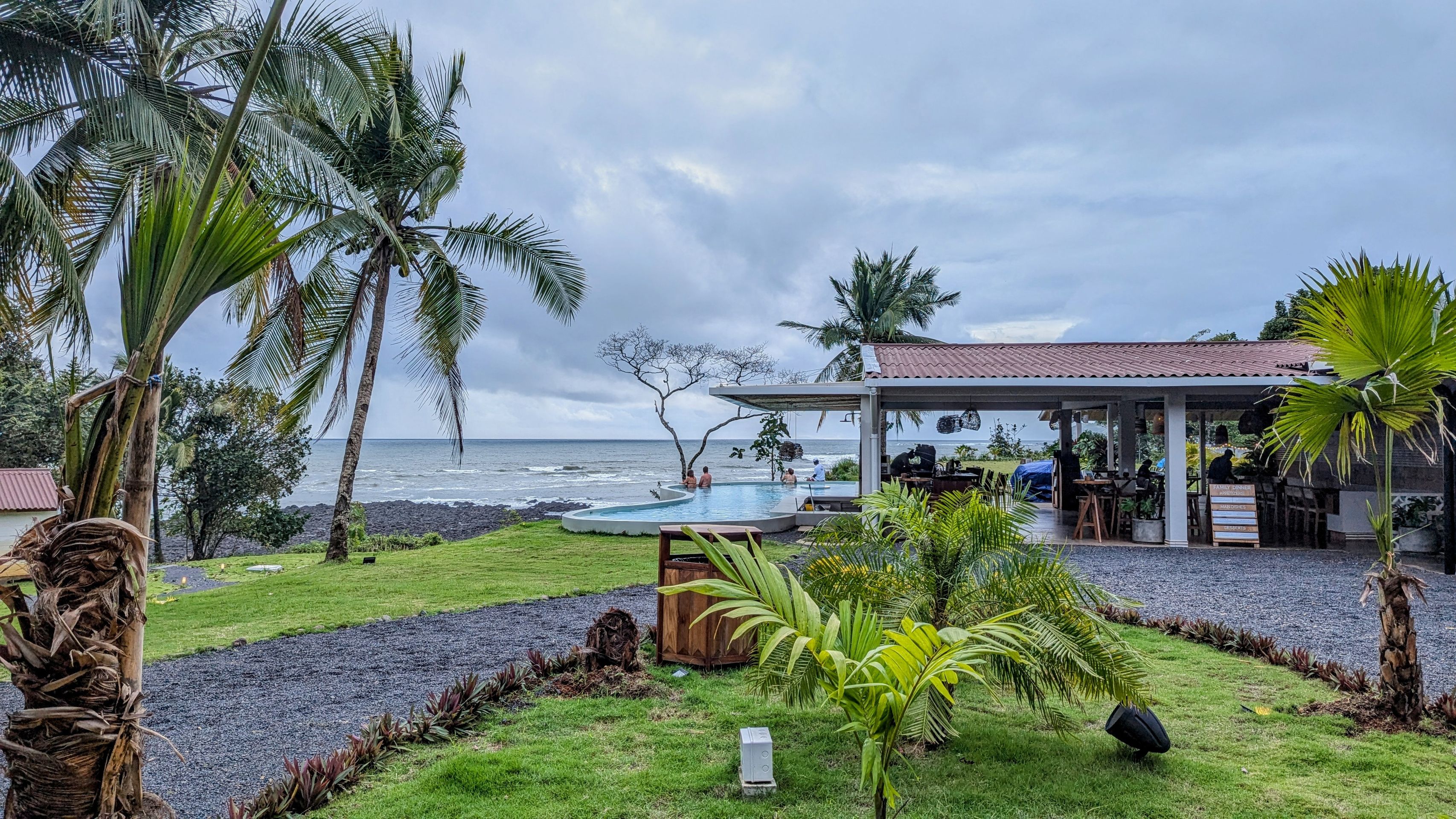
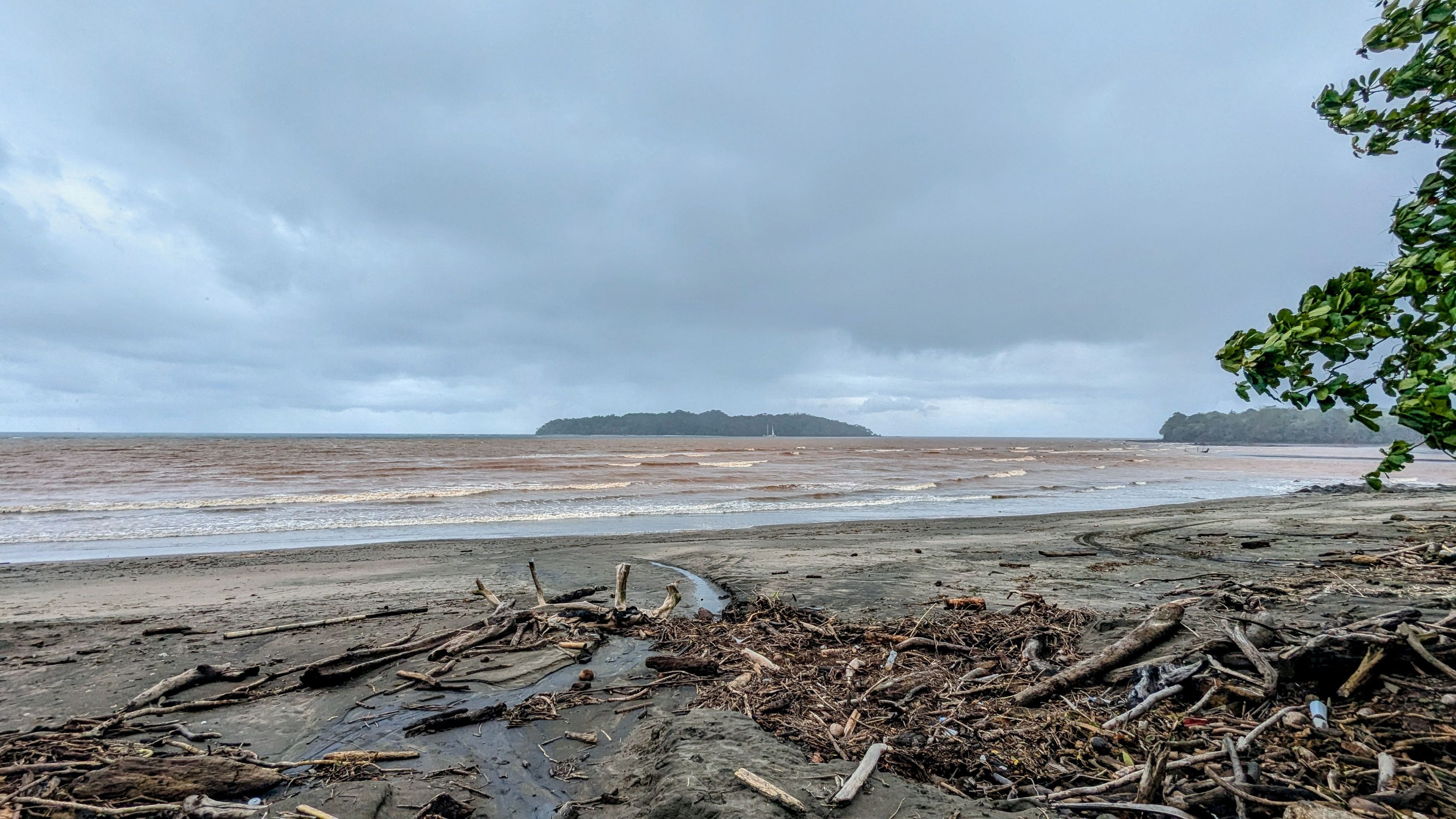
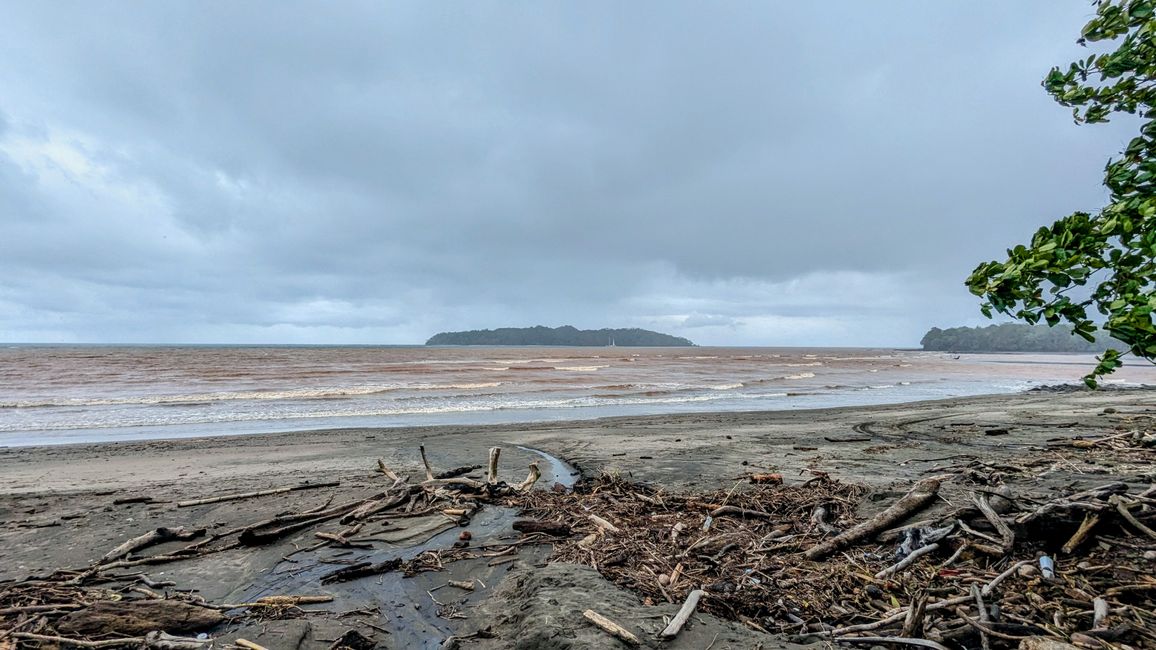
Unfortunately, it rains for two days in Santa Catalina, and there's not much I can do. Well, that happens when you're on the road for so long.
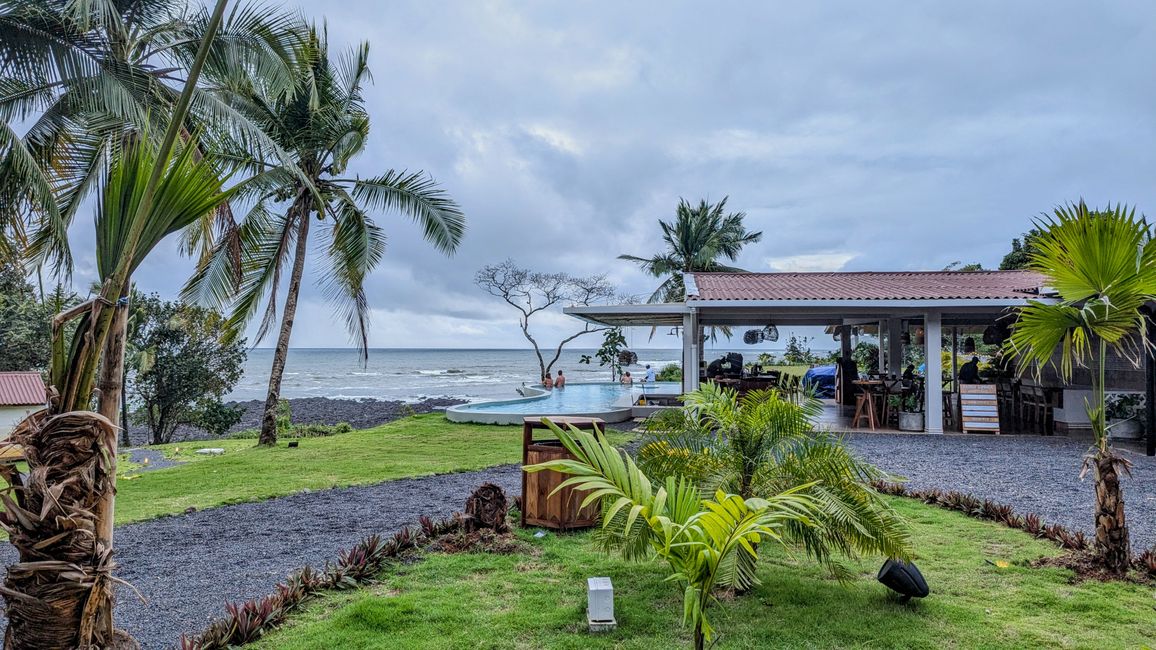
What is much more dramatic is the food. I can no longer stand rice and beans, and chicken in any form is just unbearable. I can't even look at Platanos (fried plantains, which taste similar to fries...), beef or pork in sauce anymore. In Mexico, the food was still a bit more diverse, but with each country going south, that diversity has decreased; in Costa Rica, I thought I had hit rock bottom, but then came Panama.
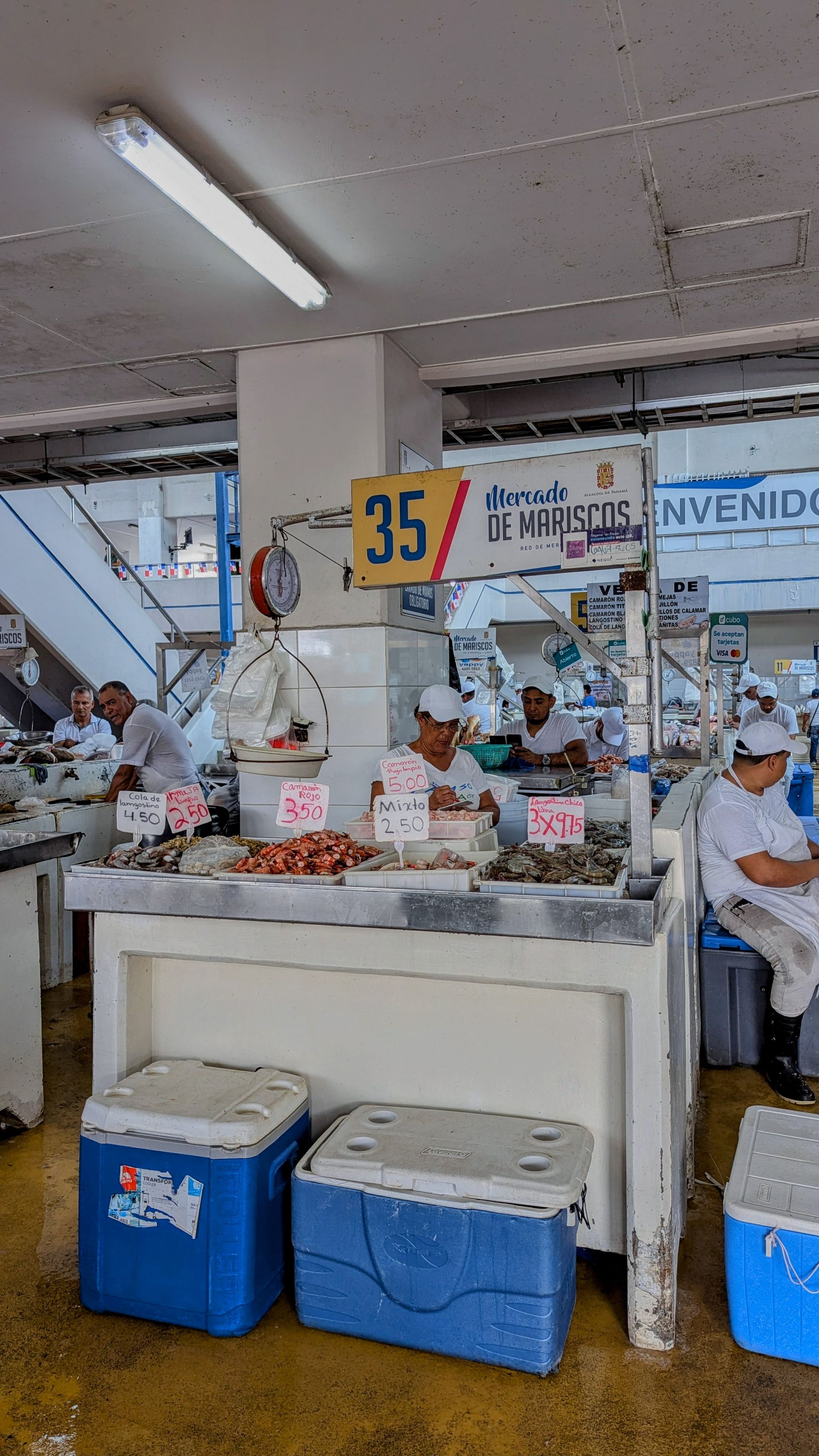
I haven't had drier chicken or bland fries anywhere up to now. Well, let's see, I've only been here for 3 nights, and surely there'll be a good restaurant in Panama City.
Since it’s still pouring rain in the morning, I can only set off at about 8 o'clock, a 20-minute walk to the bus that is supposed to leave at 8. Upon arriving at the departure point, unfortunately, the bus is gone. Since it is a public holiday, the next bus leaves at 1 PM, which drastically reduces my chances of arriving in El Valle on the same day. Well, first a cappuccino (at least that's what the drink was called, but you really couldn't drink it), and assess the situation. I notice that some cars are leaving with luggage, and it looks like the passengers are stocking up for a long journey from the kiosk. I got the idea to hitchhike. It took a mere 5 minutes, and I was in the car of three French men who took me to the next town, so I was at the next town by 11 AM and at my destination by 4 PM. Maybe I'll try that more often.
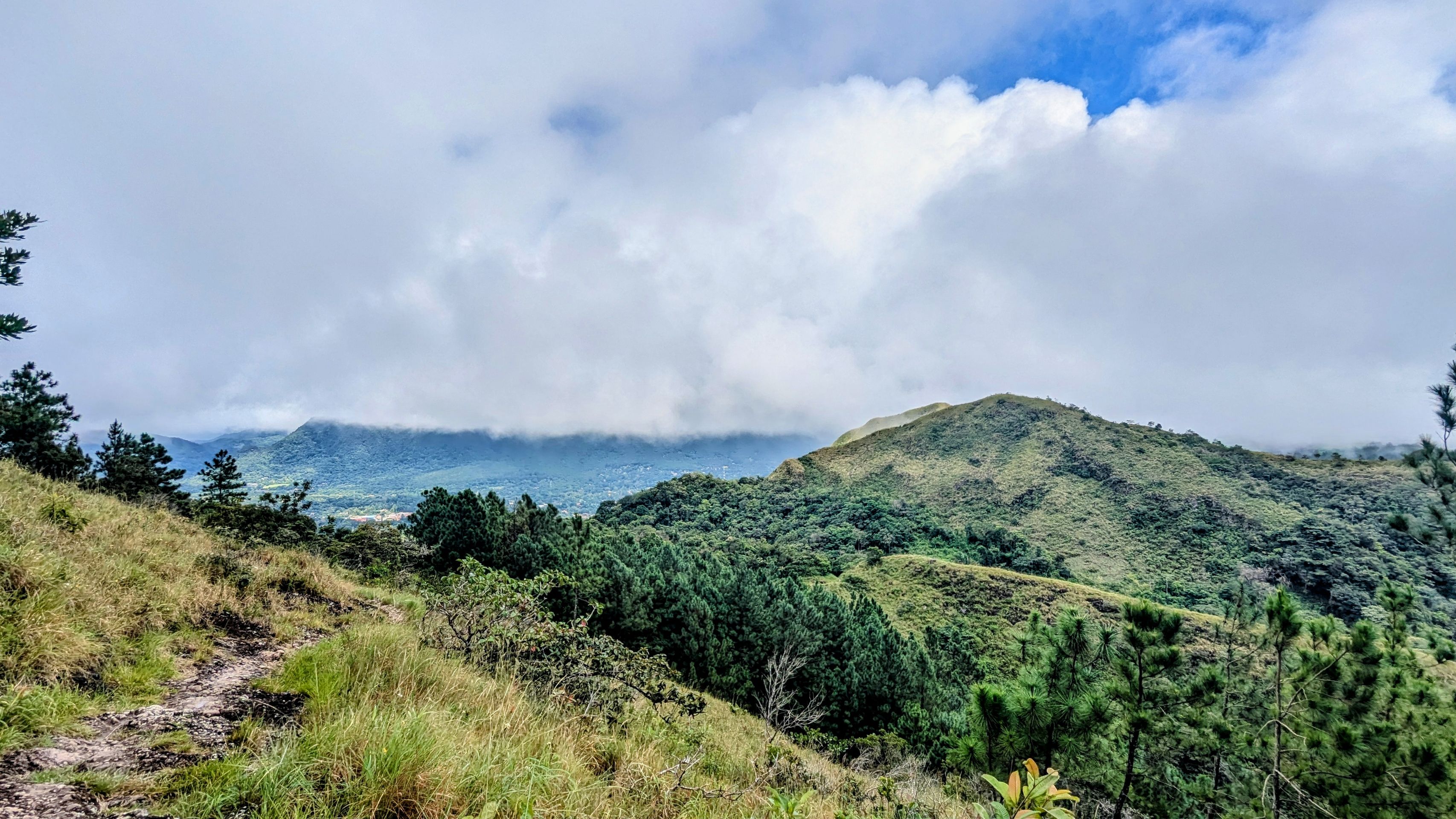
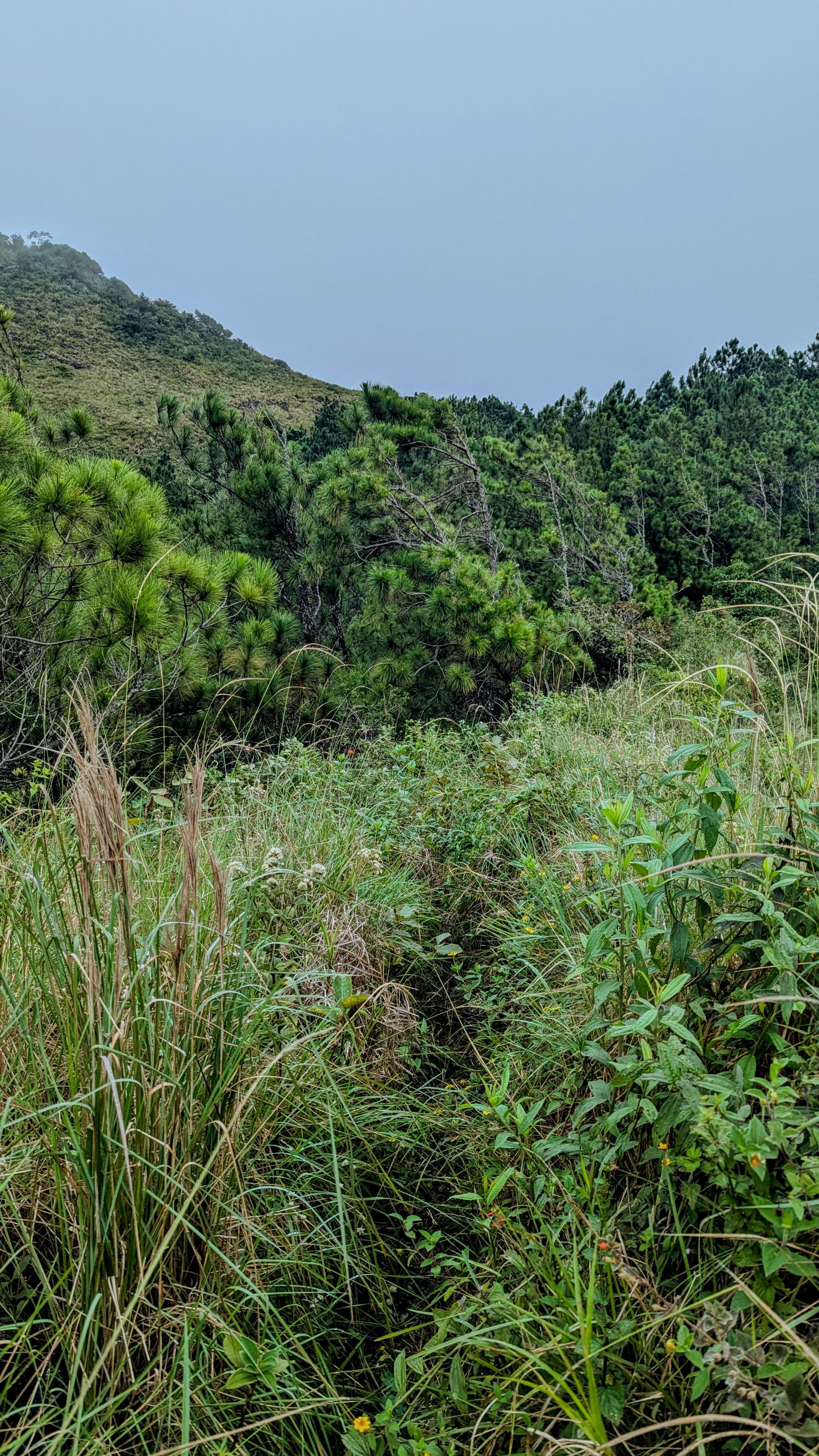
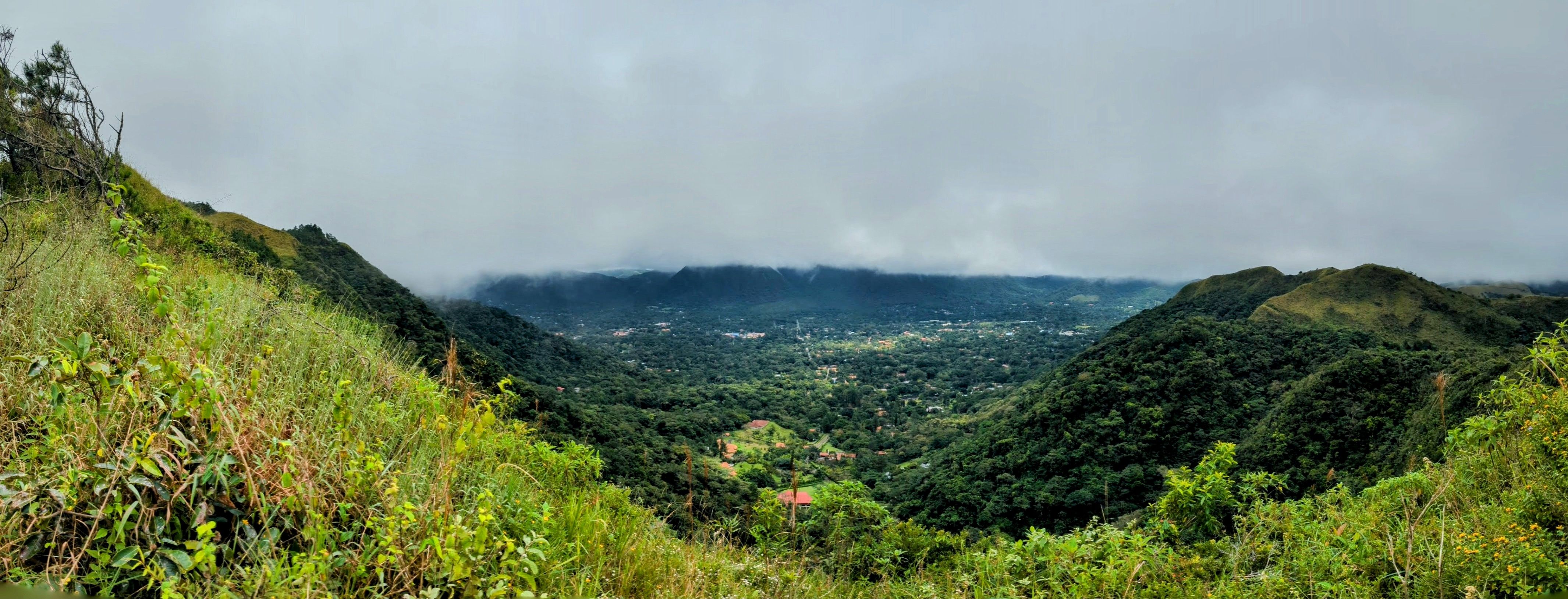
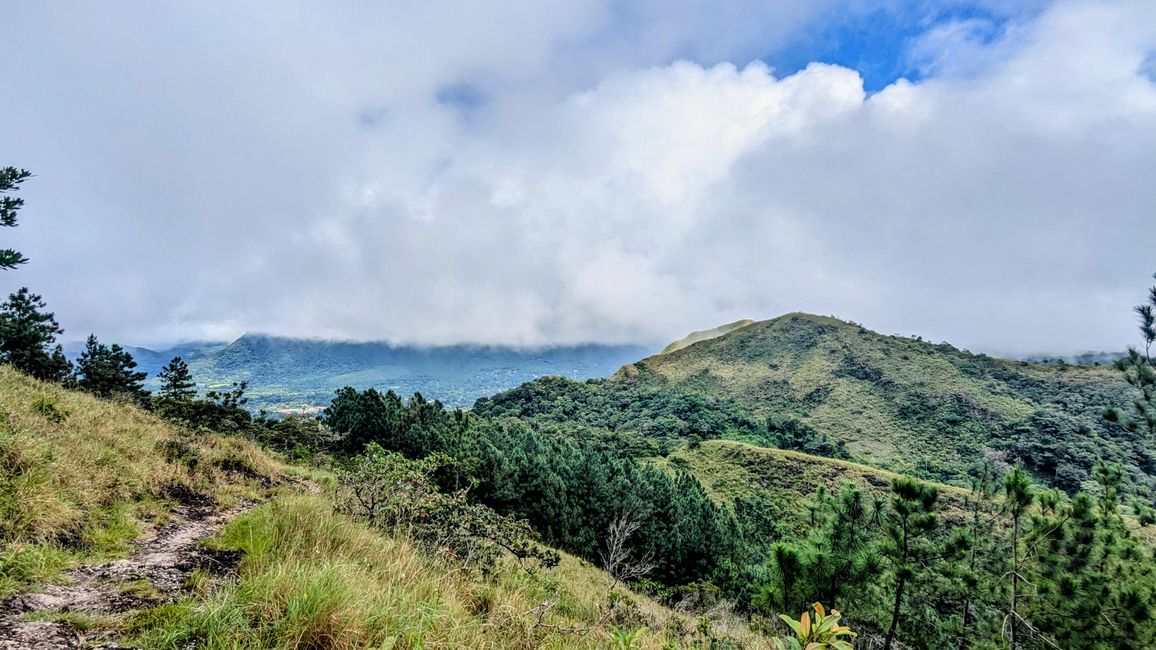
Unfortunately, it also rained almost continuously in El Valle, except for a few short dry periods. The following day, I tried to go hiking anyway. So far, so good; the rain let up a bit, and I had a somewhat decent view of the sea and then into the valley on the other side. Then the path veered off, going through grass, underbrush, and over slippery stones. My pants and shoes got wet from the damp grass, but overall it was manageable. Unfortunately, the second viewpoint was overcast. Half an hour before my return, it started raining again, and in the end, I ended up completely soaked.
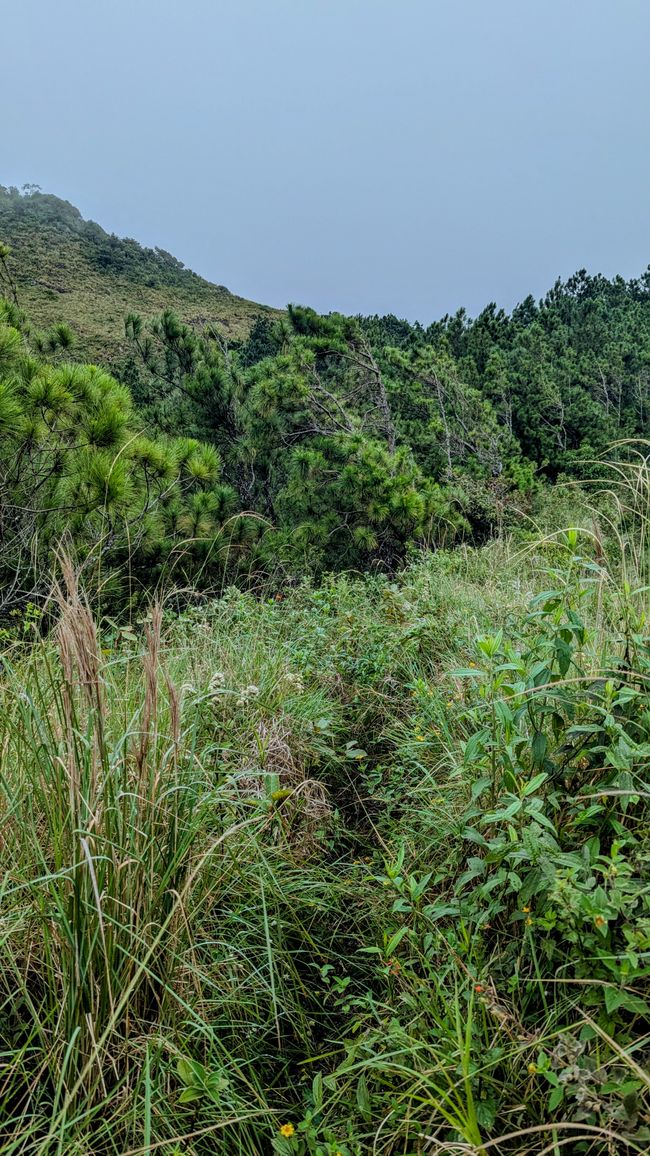
Let's see if I go out again tomorrow; if I do, it certainly won't be alone, as it surely wasn't entirely safe.
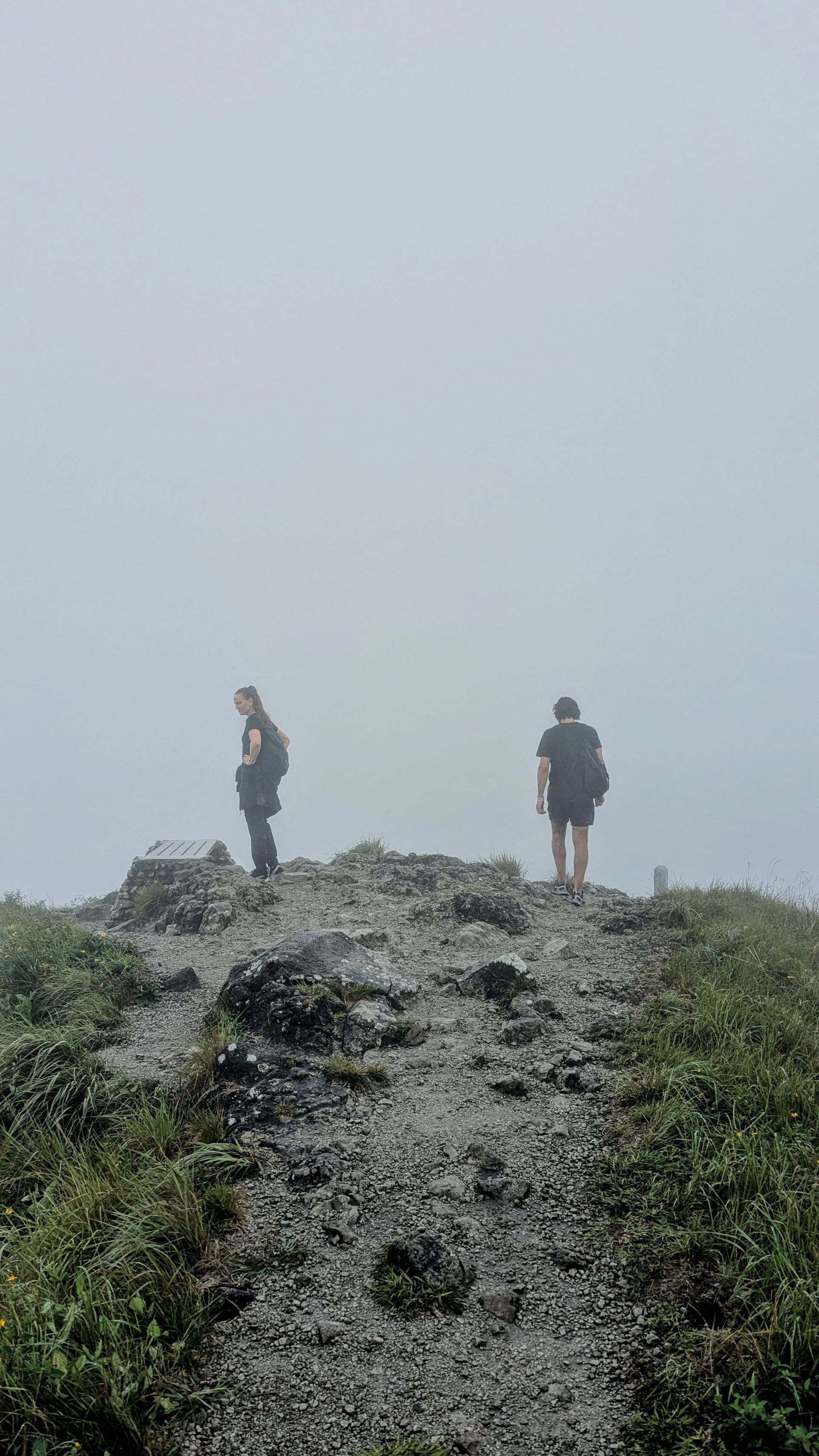
I found two hikers, but unfortunately, the weather got even worse and we didn't see anything on the second day, still getting completely soaked again.
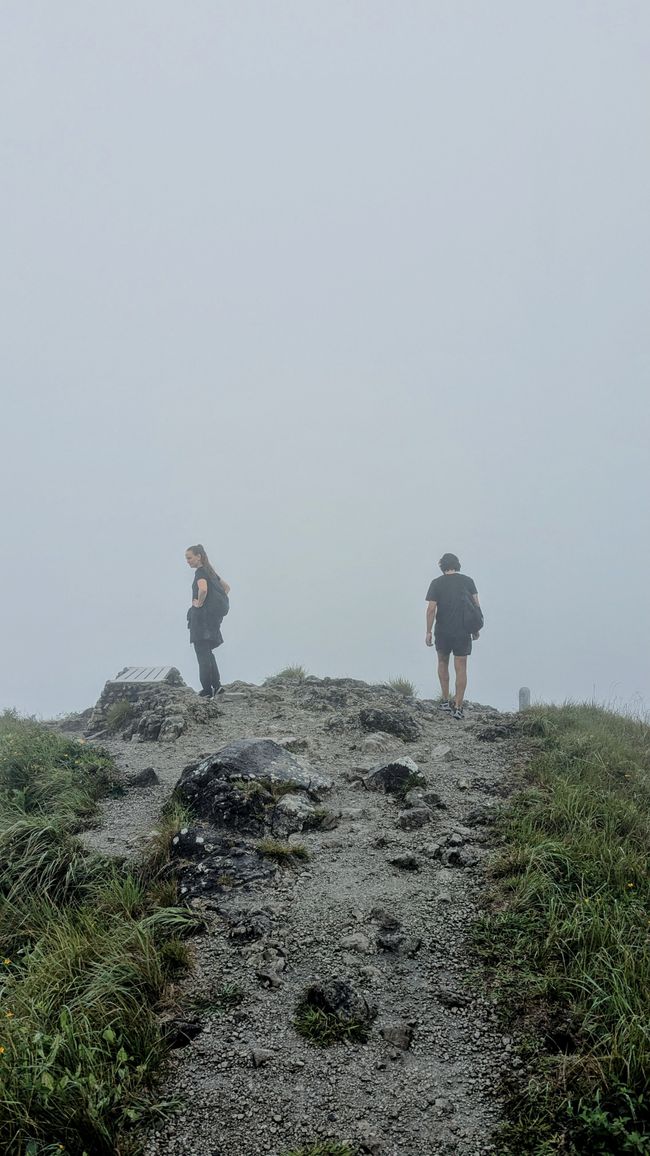
Well, what can you do, maybe I will have to come back one day.
Next was Panama City; thankfully, the buses were running again, as several buses were suspended due to the heavy rain, with some roads flooded.
I arrived in Panama City just in time to wash my laundry, copy my passport for the crossing, and have my bag sewn before picking up Thomas from the airport.
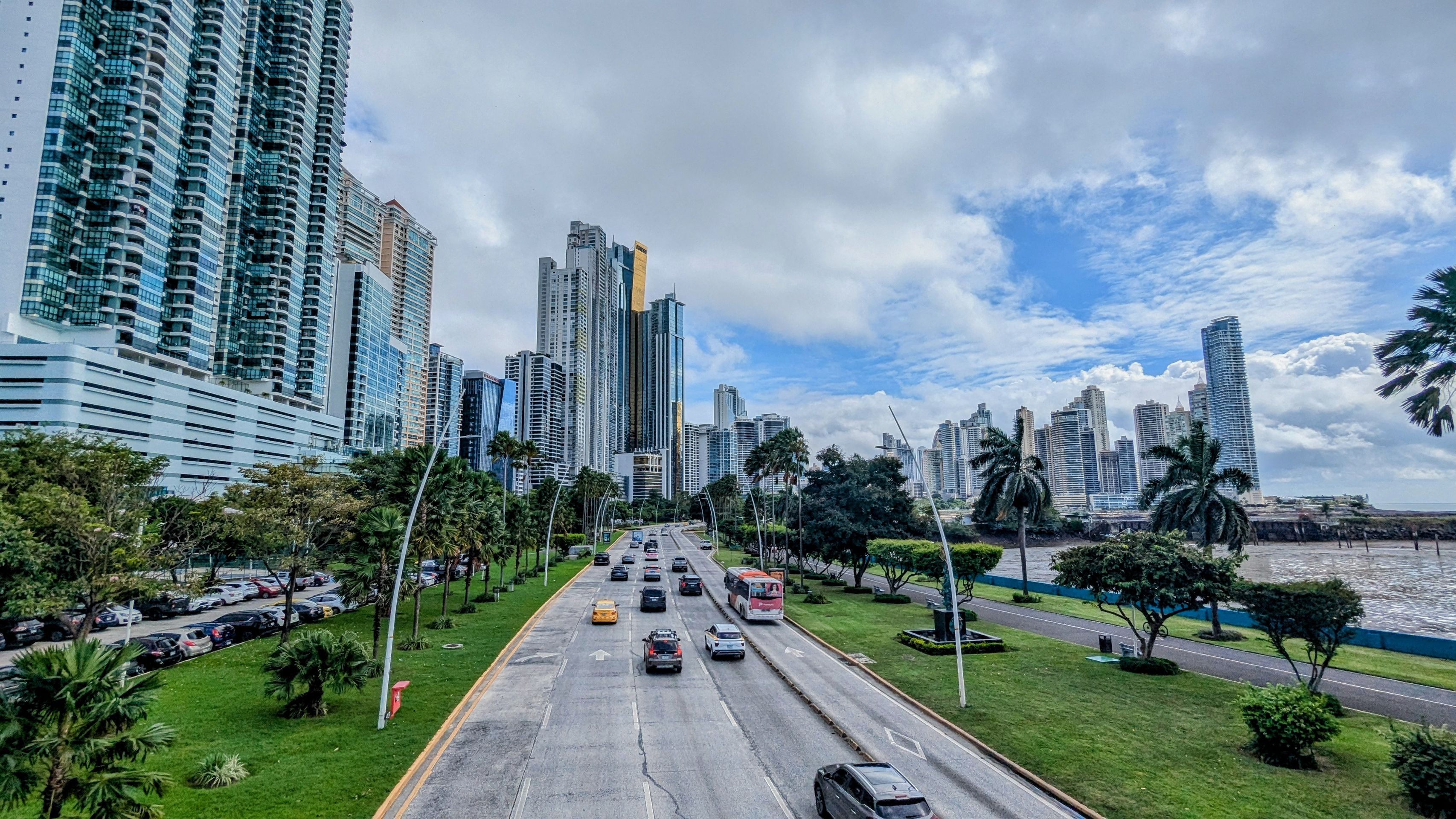
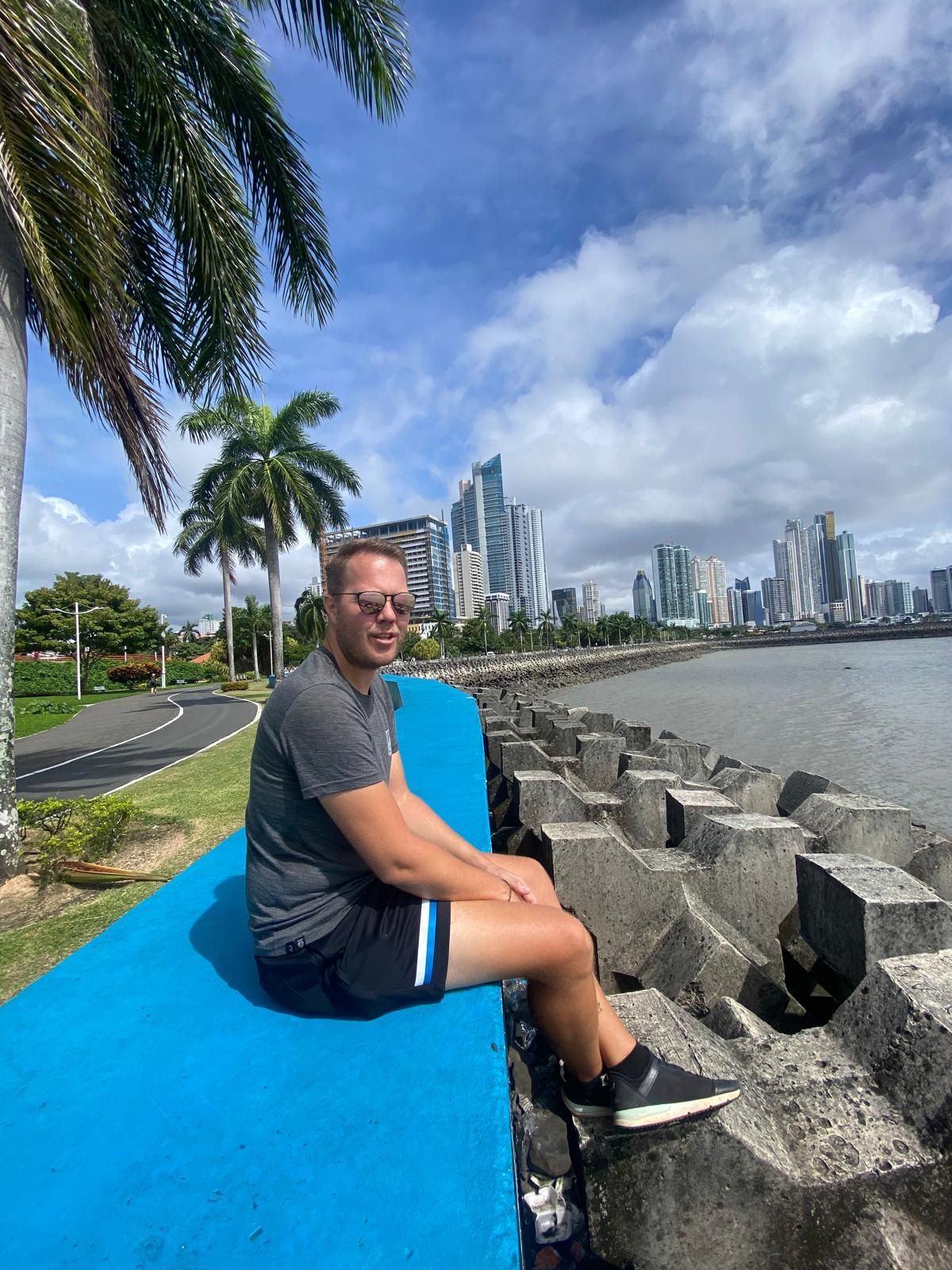
The next two days, we explored Panama City with its charming little old town and skyline. The Panama Canal is an impressive structure and is rightly called one of the new wonders of the world; in the nearby city park, I finally got to see a sloth.
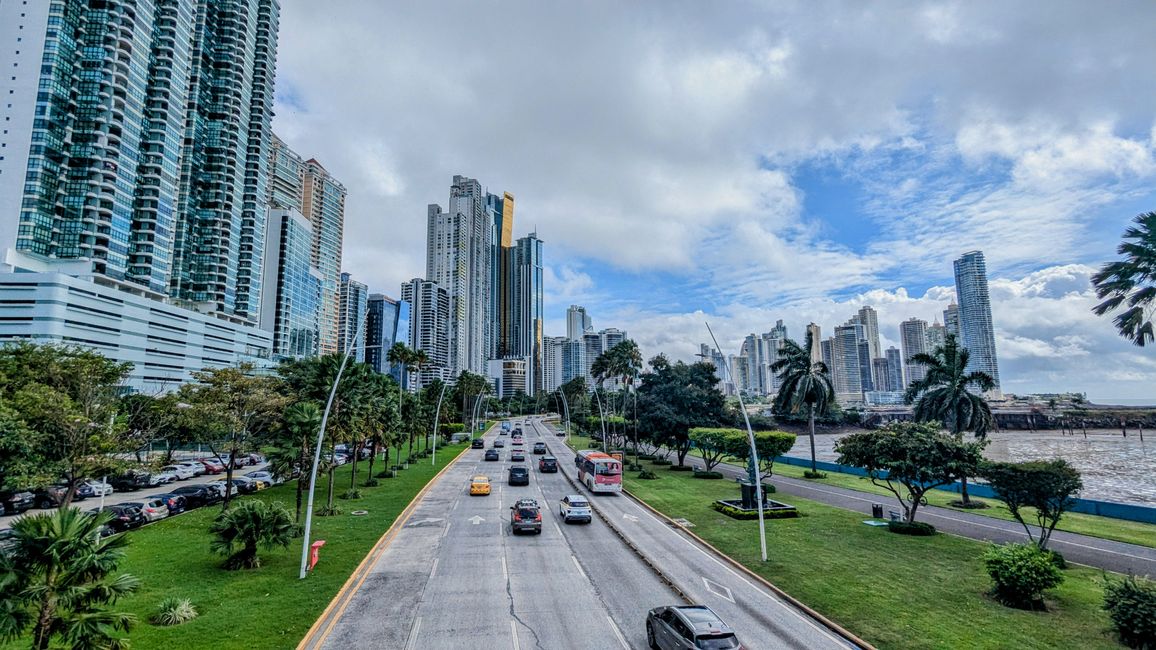
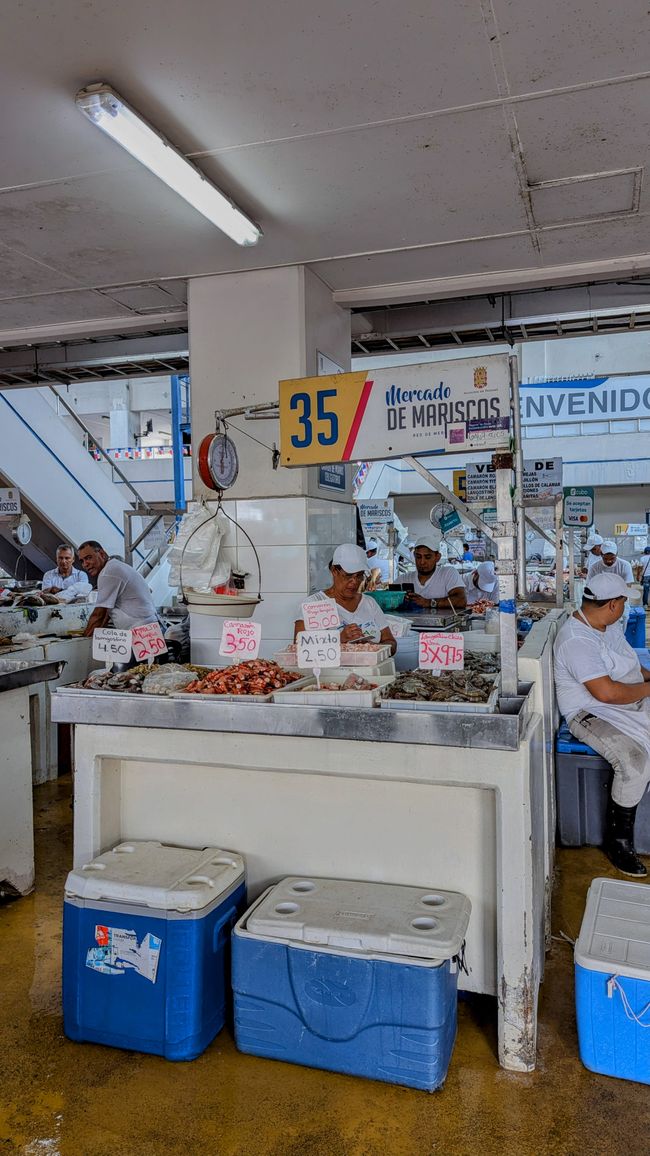
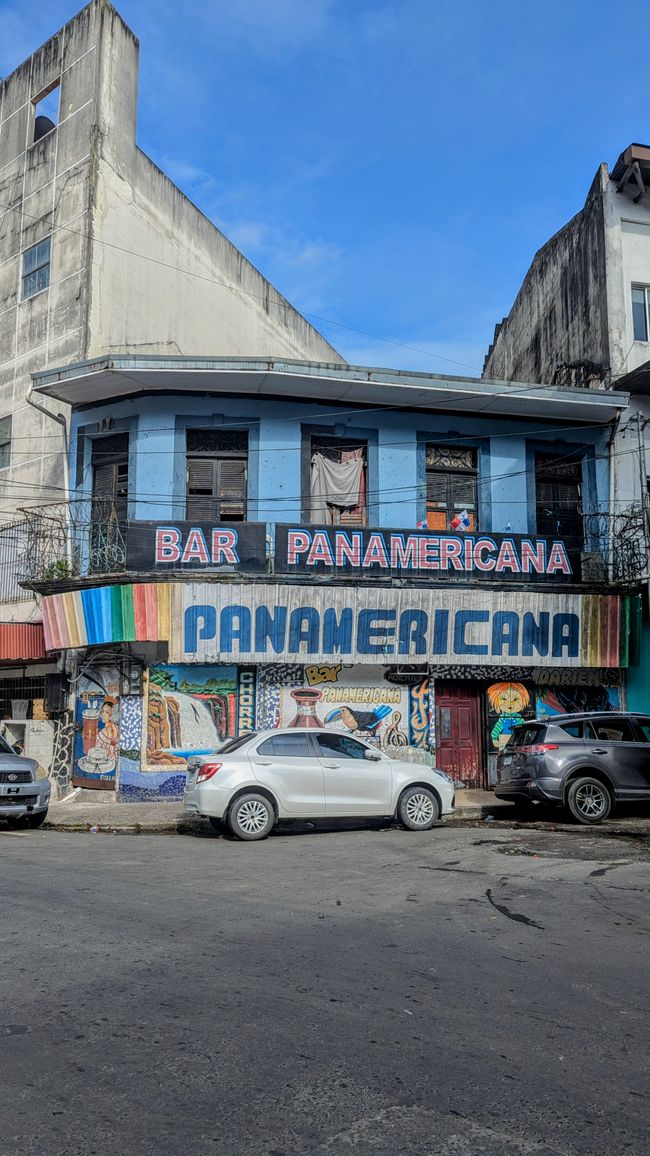
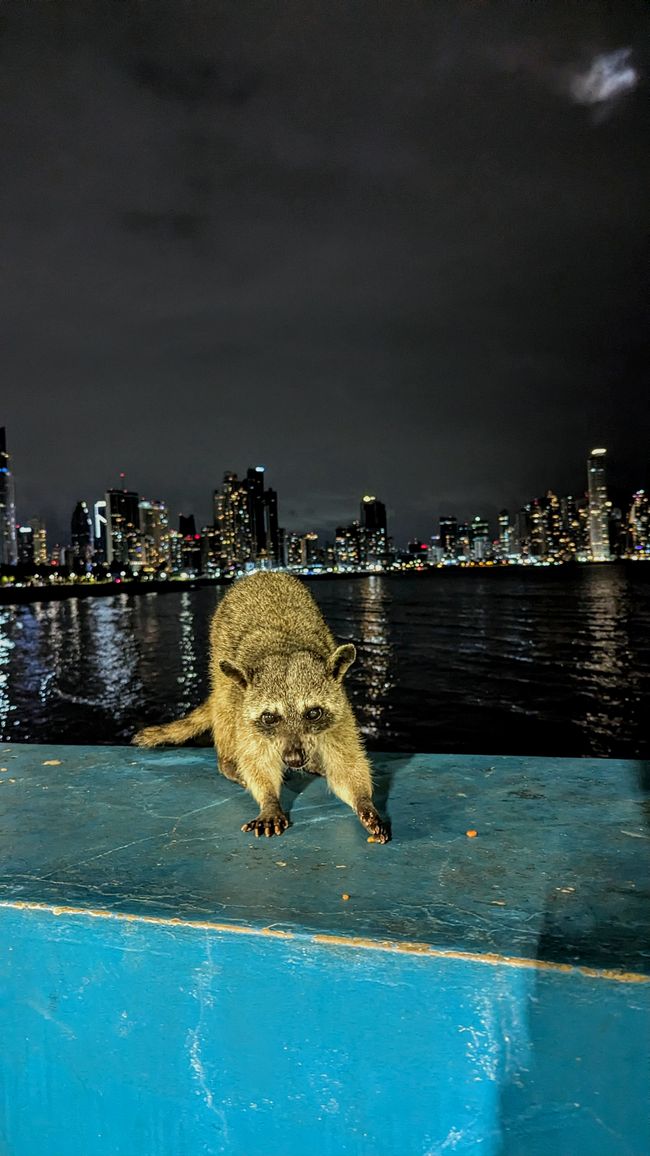
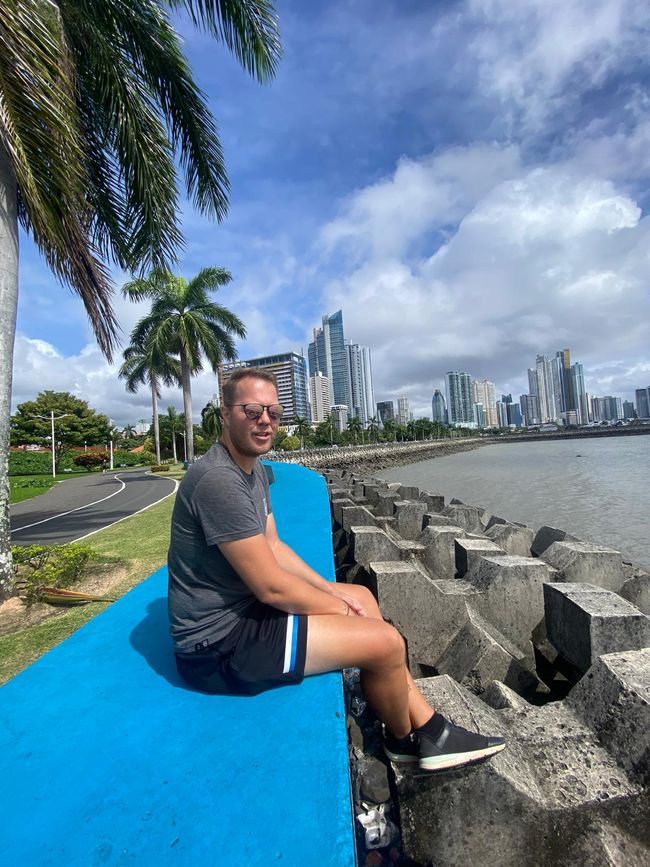
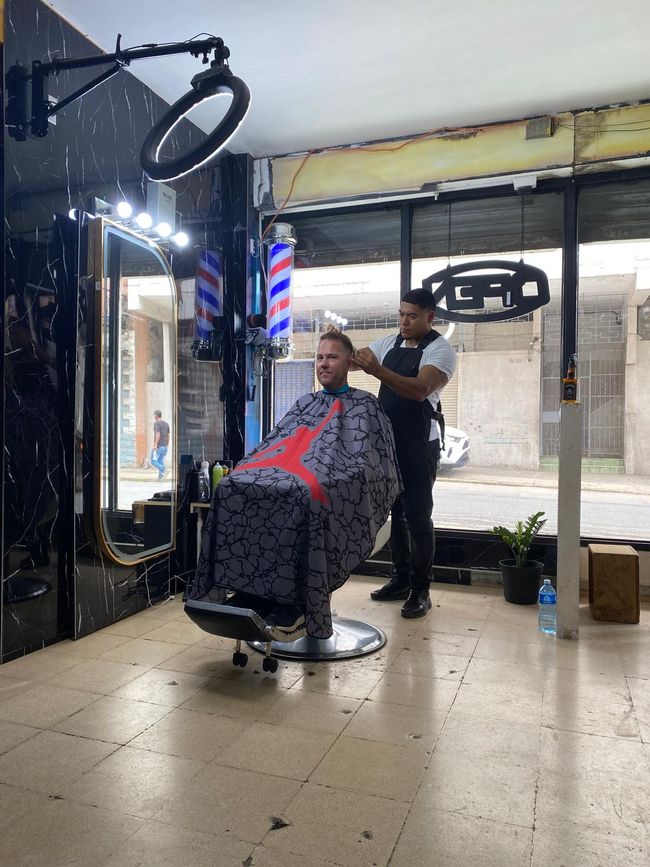
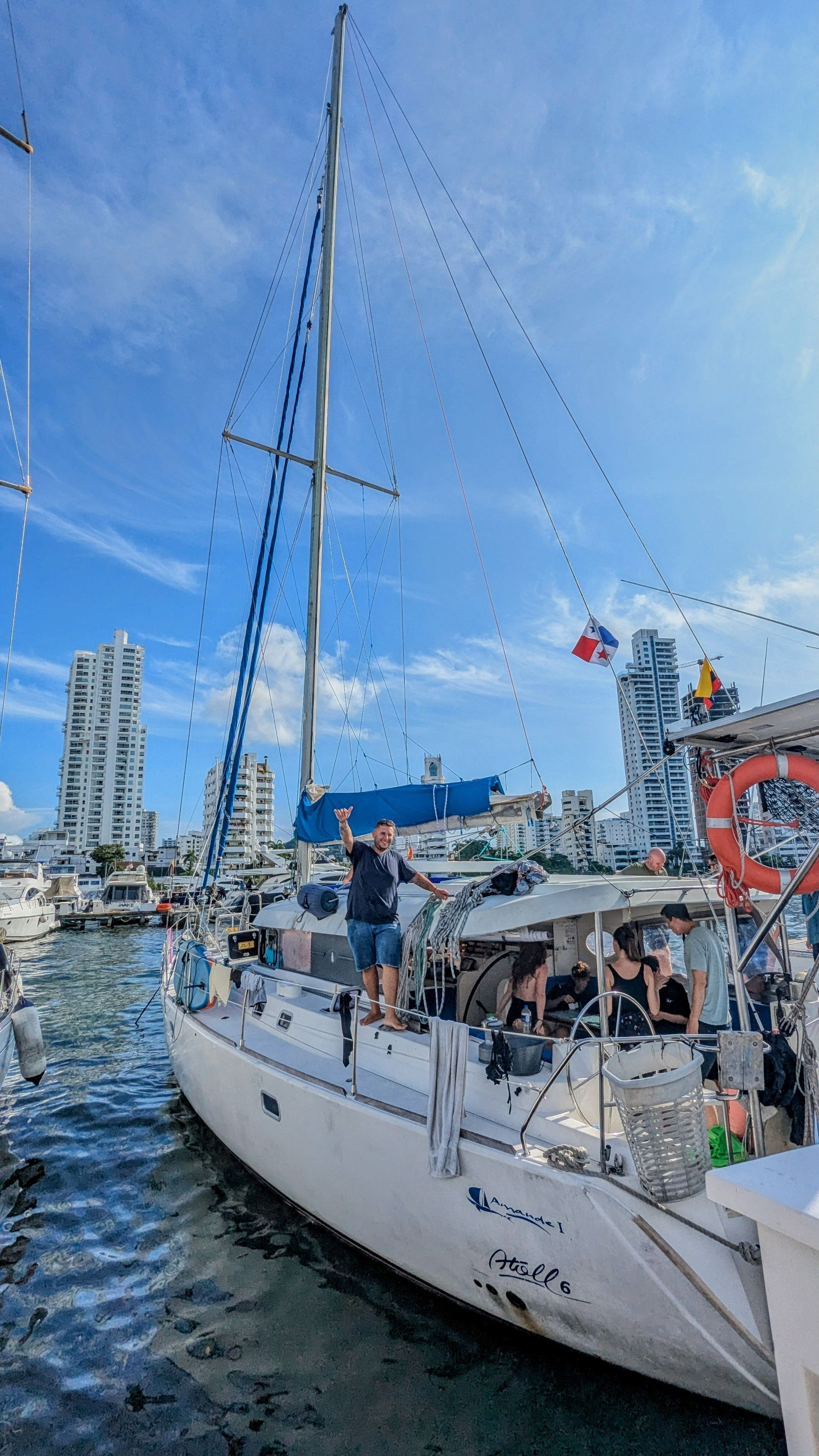
We also made a brief stop in Puerto Lindo before finally boarding the sailboat we had booked some time ago.
The captain asked for our names and finally greeted us with, 'I am your captain, not your friend.' He behaved this way for the next few days, oscillating between being super cheerful, dancing, being hectic, and making somewhat peculiar comments.
Information about the daily schedule or our engine problems was rather sparse, which annoyed some fellow travelers. Additionally, some people complained too much about why there was no lunch, why we were leaving so late, why no lights could be turned on, etc.
I personally care less; why should I be upset about something I can't change or influence? Moreover, nothing would change about the trip itself, as it is simply wonderful. I prefer to enjoy the time and the incredibly beautiful islands; my time and good mood are too precious for such matters :)
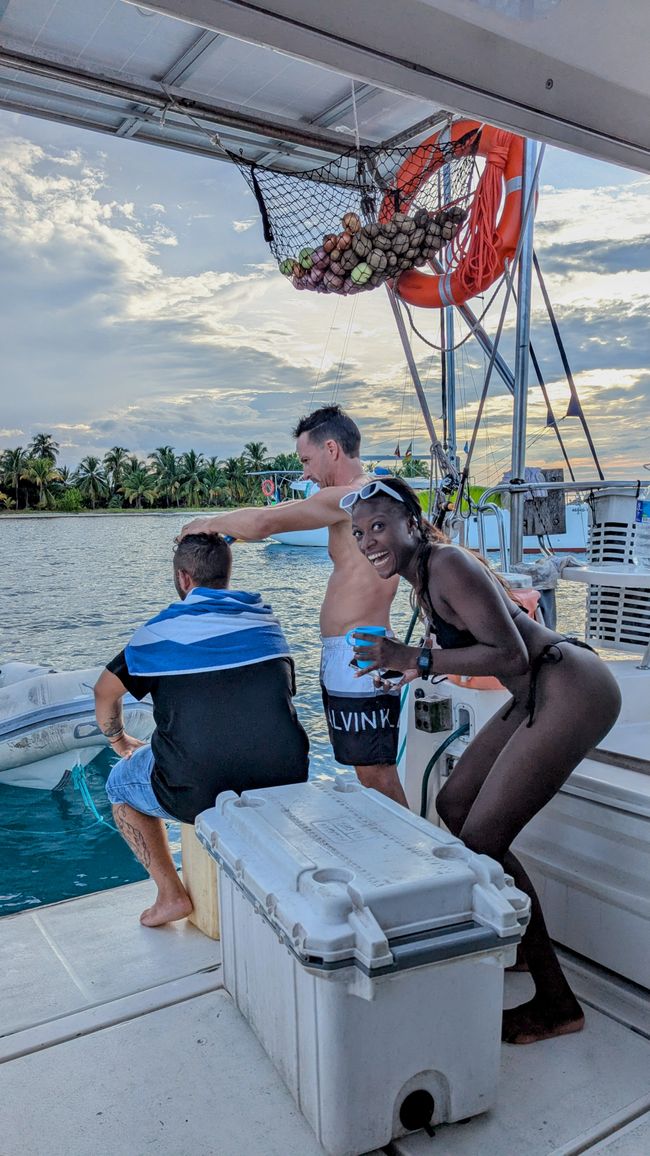
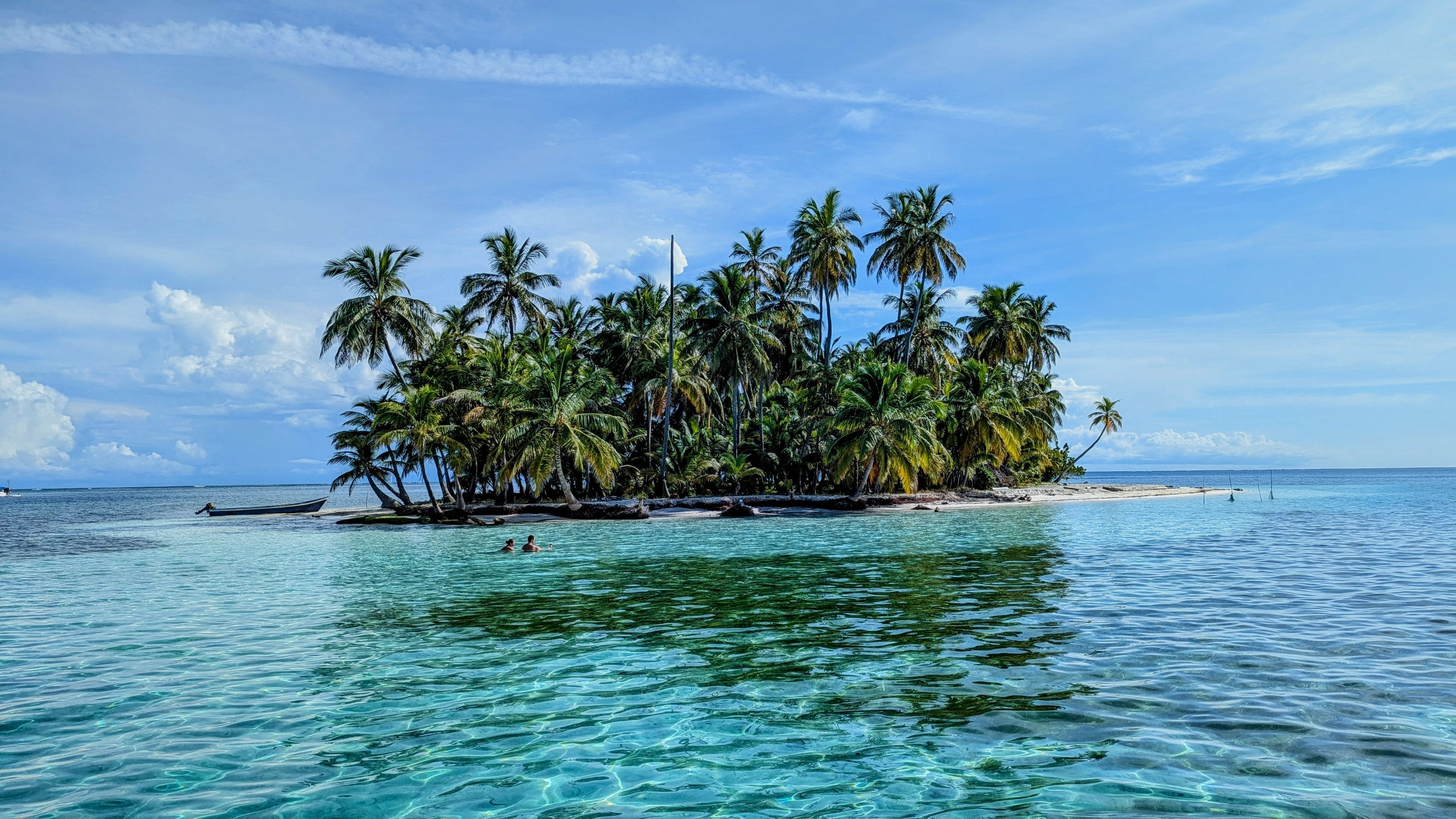
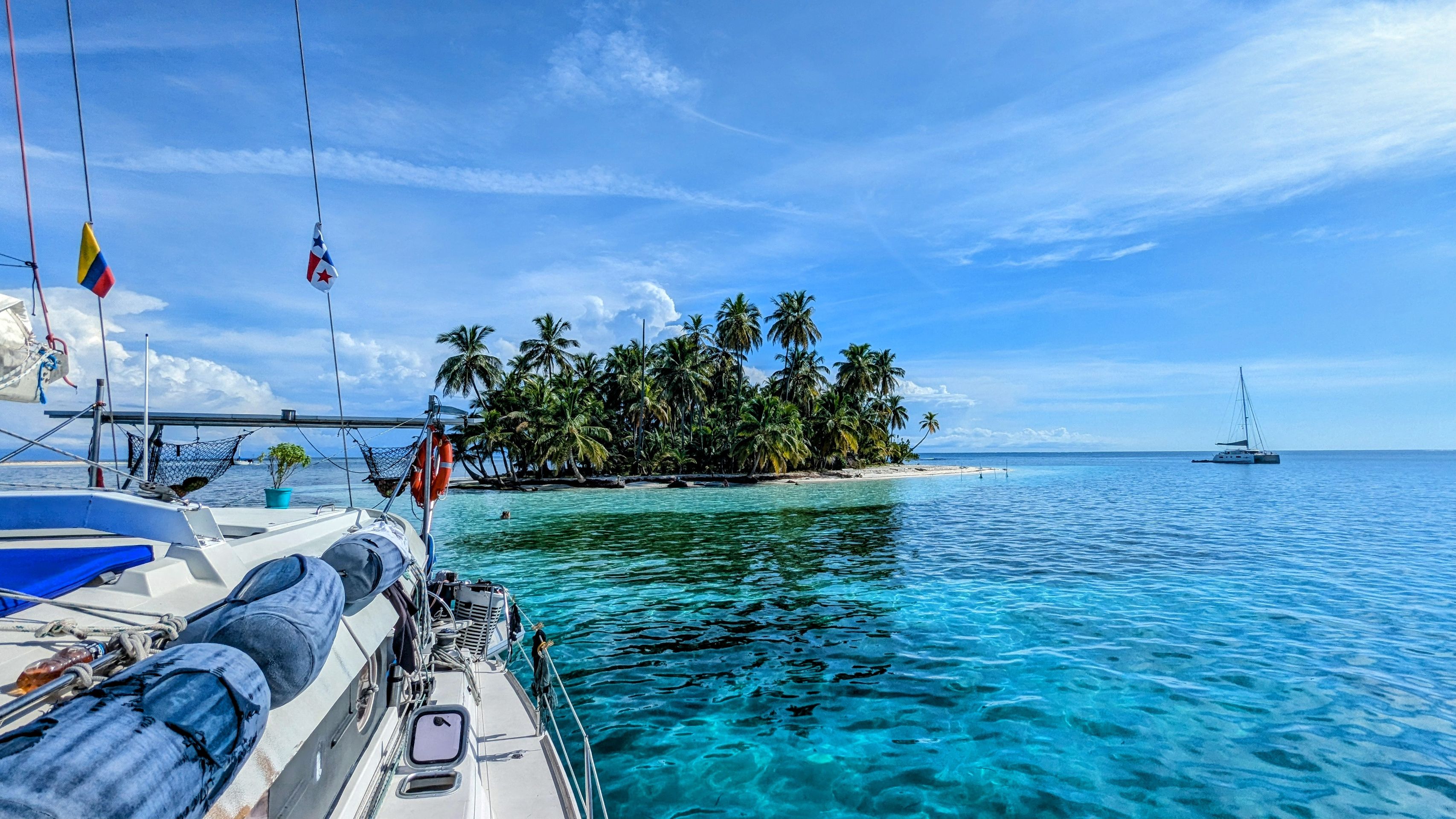
The anchor was lifted around noon, and after an initial 8-hour crossing, we reached the first islands in the dark; the rocking was absolutely manageable, although I had never had issues with bigger swells in the past. The next morning, I had the feeling of waking up in paradise as we arrived at the San Blas Islands, which are actually called Guna Yala Islands and are not named after their indigenous inhabitants.
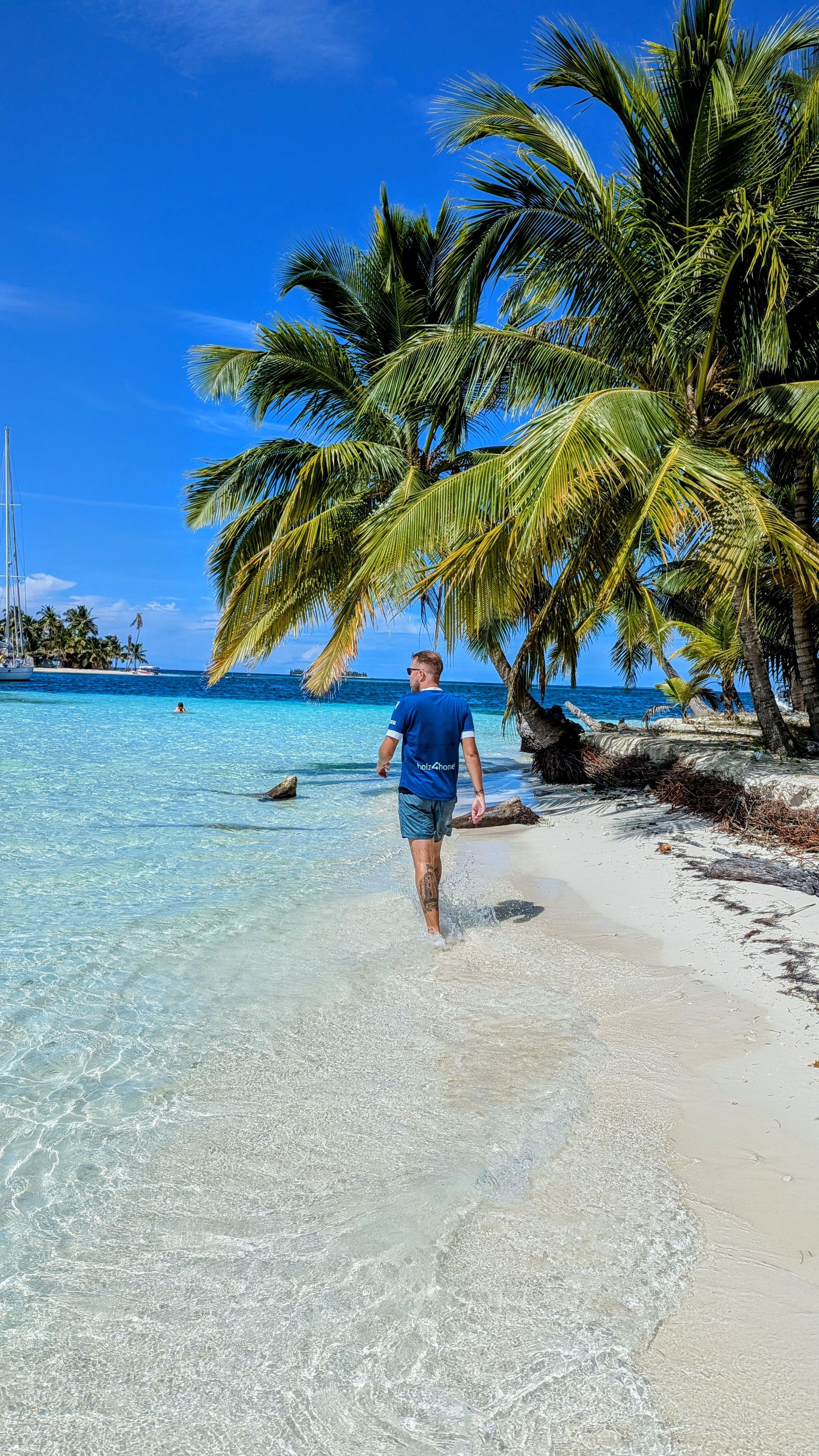
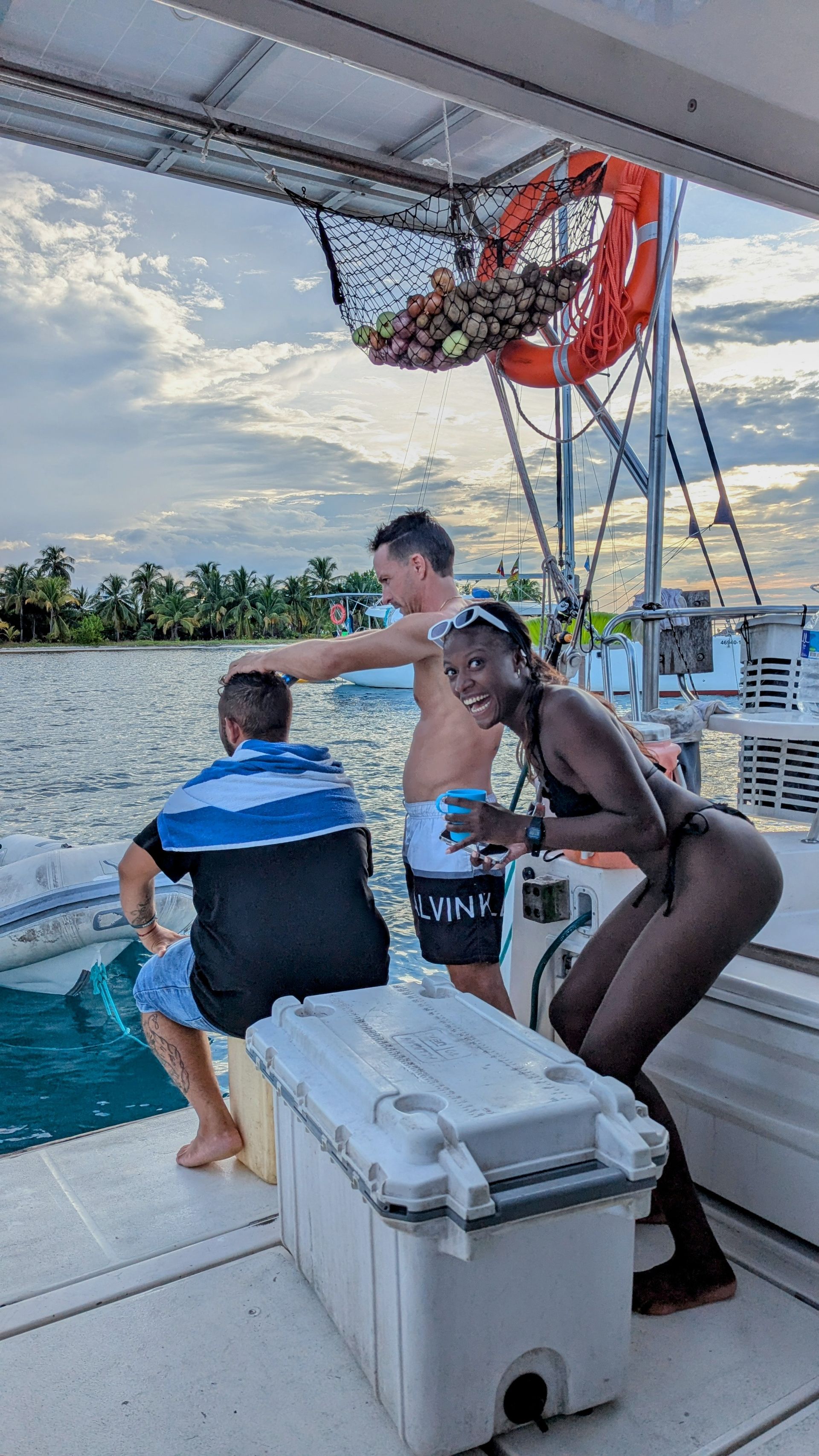
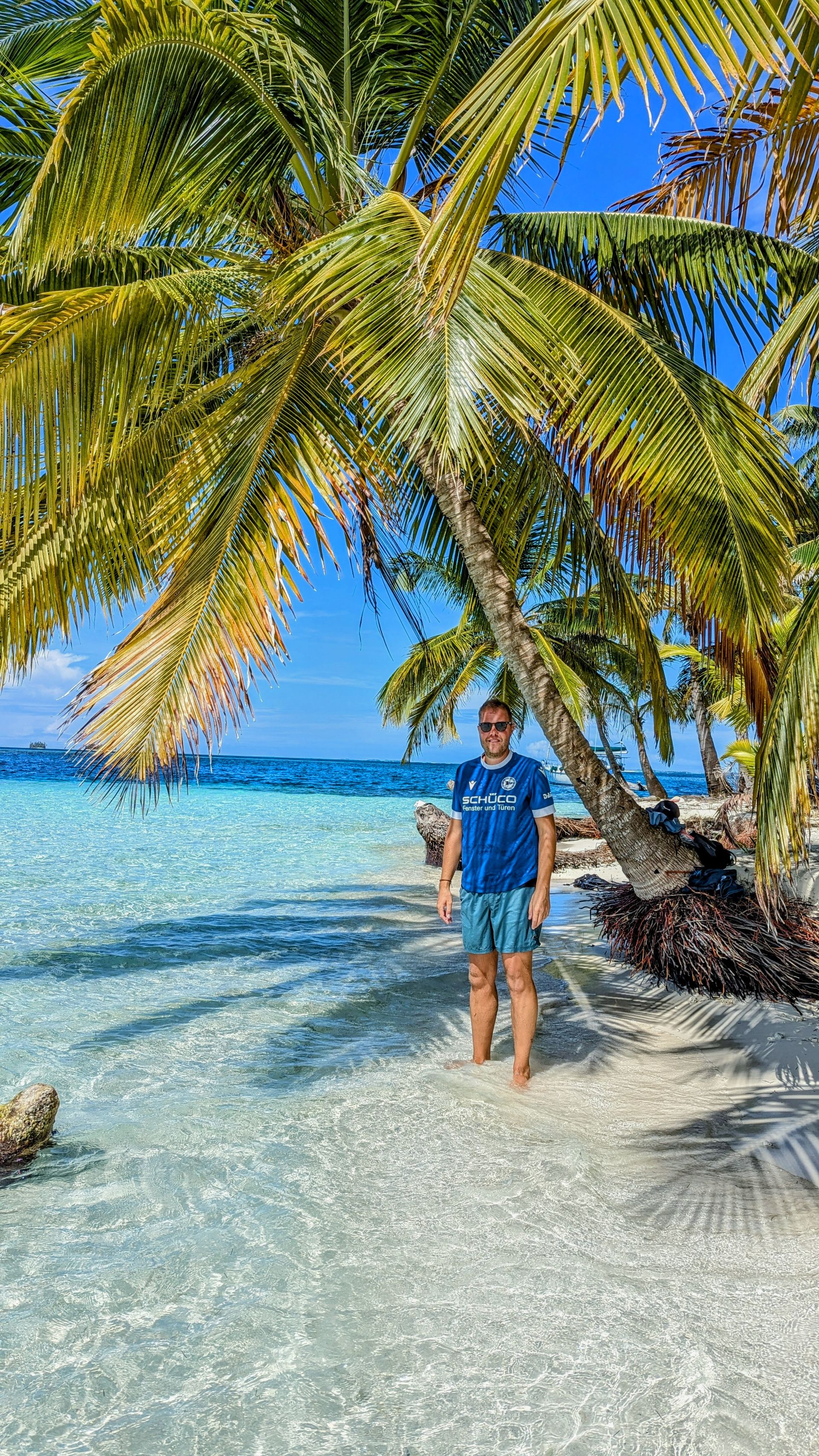
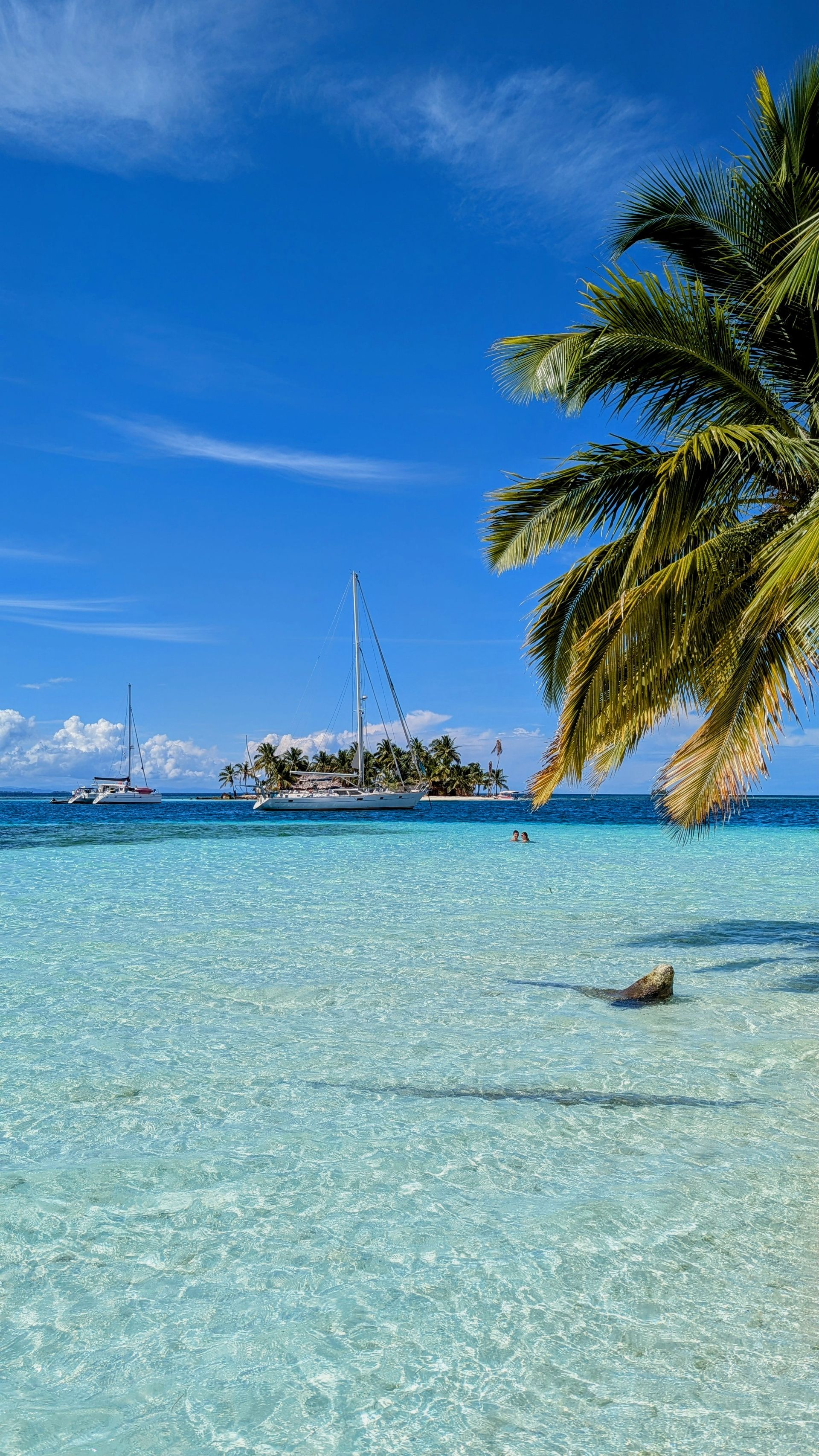
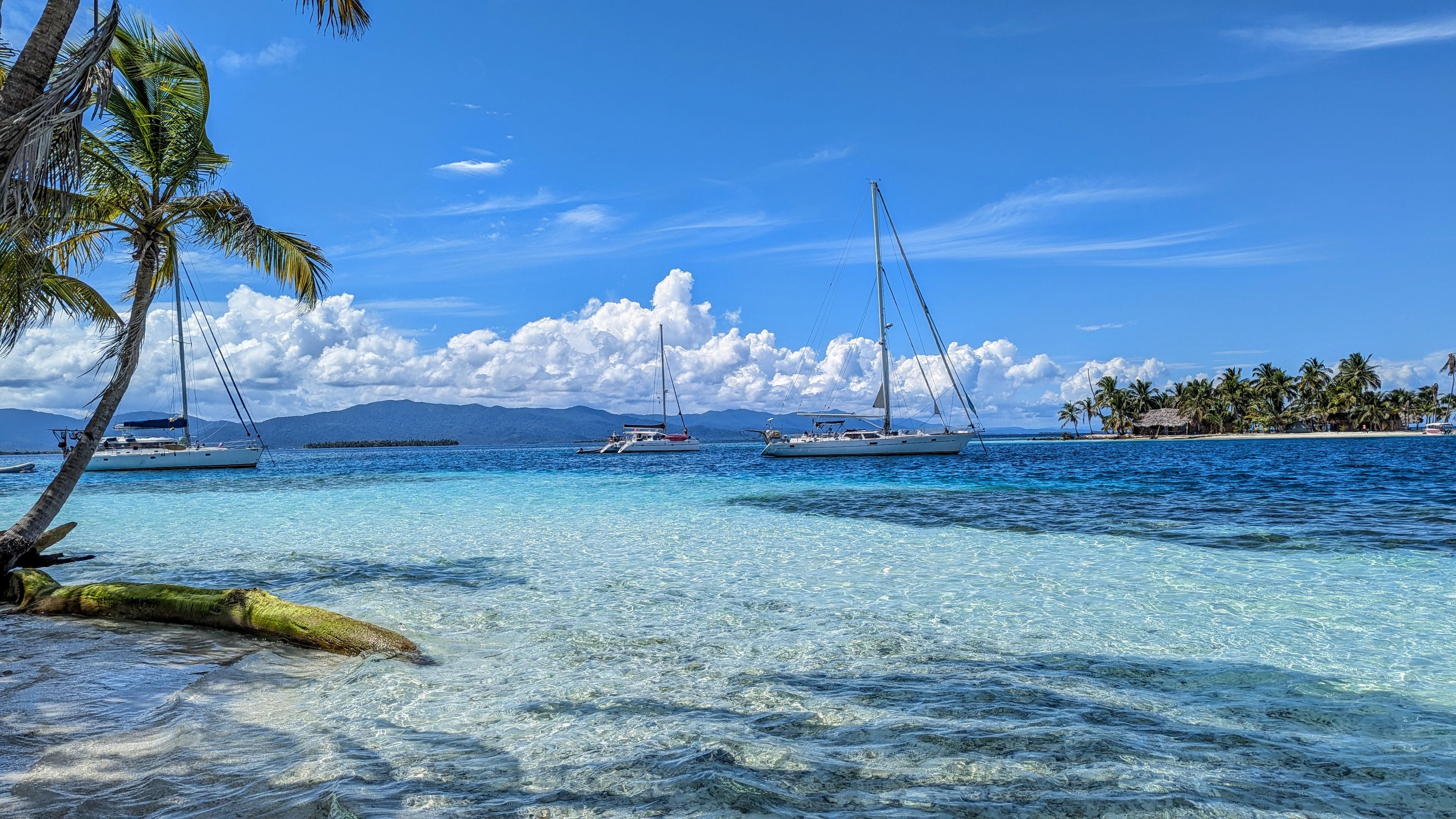
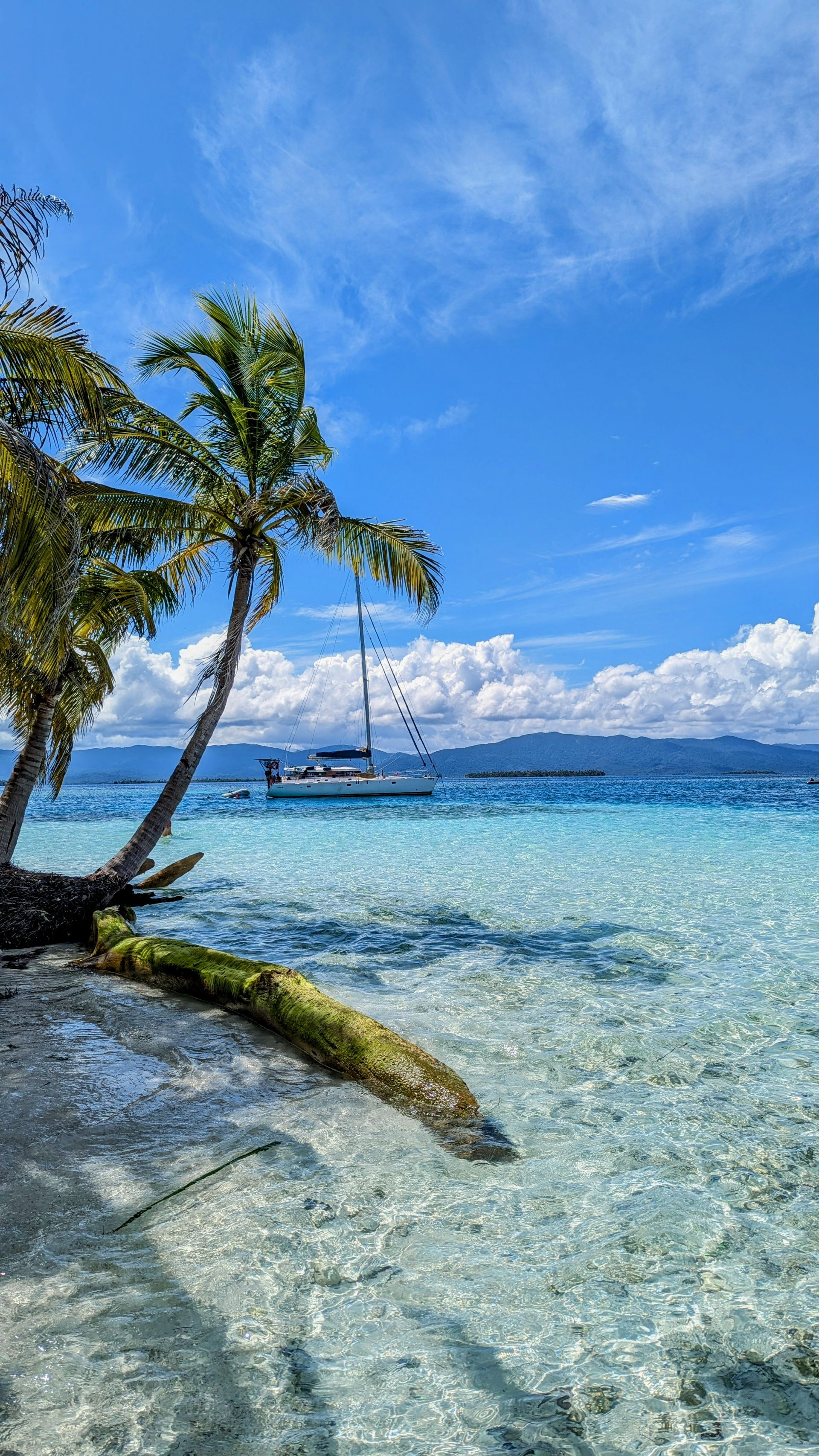
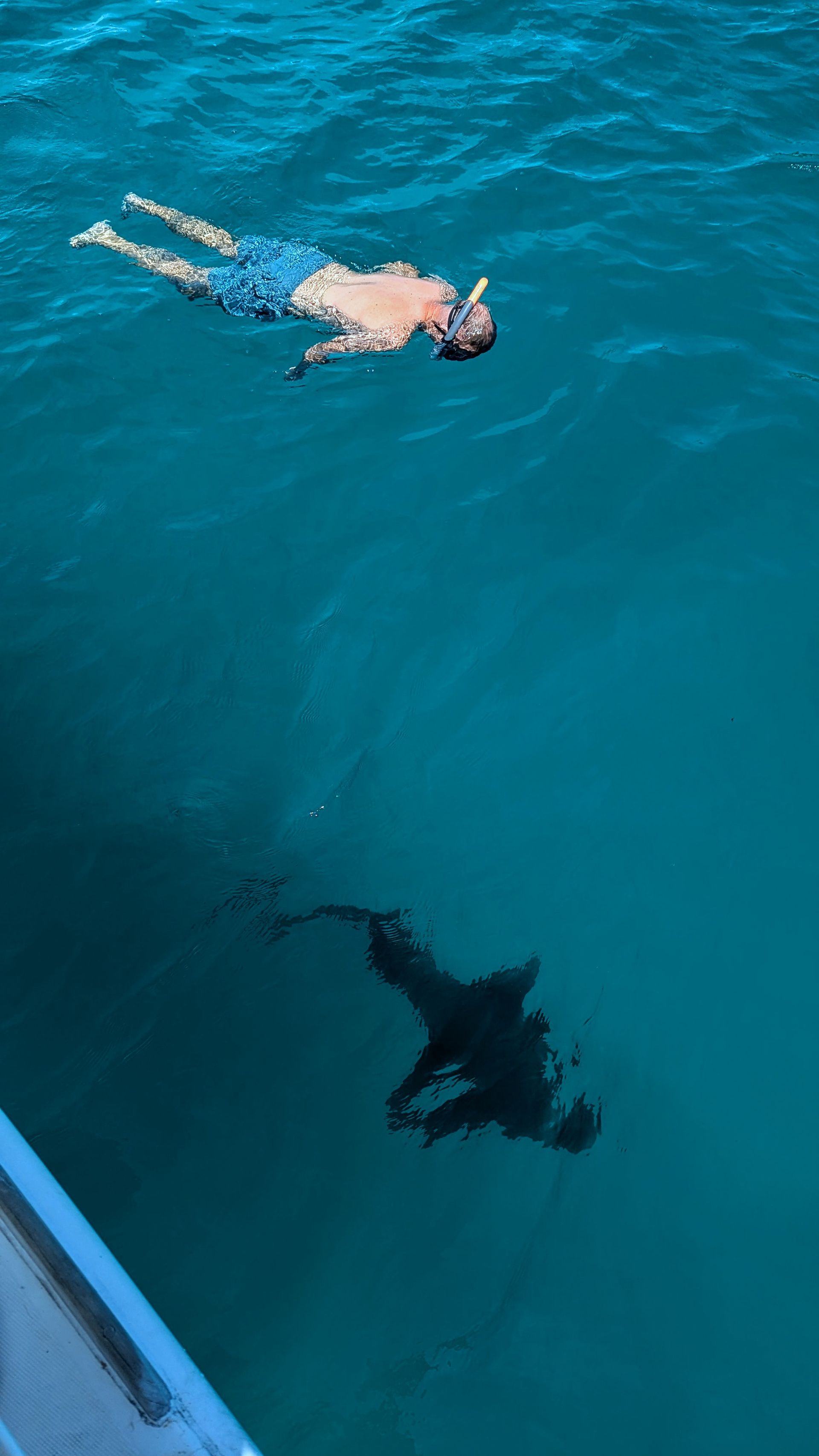
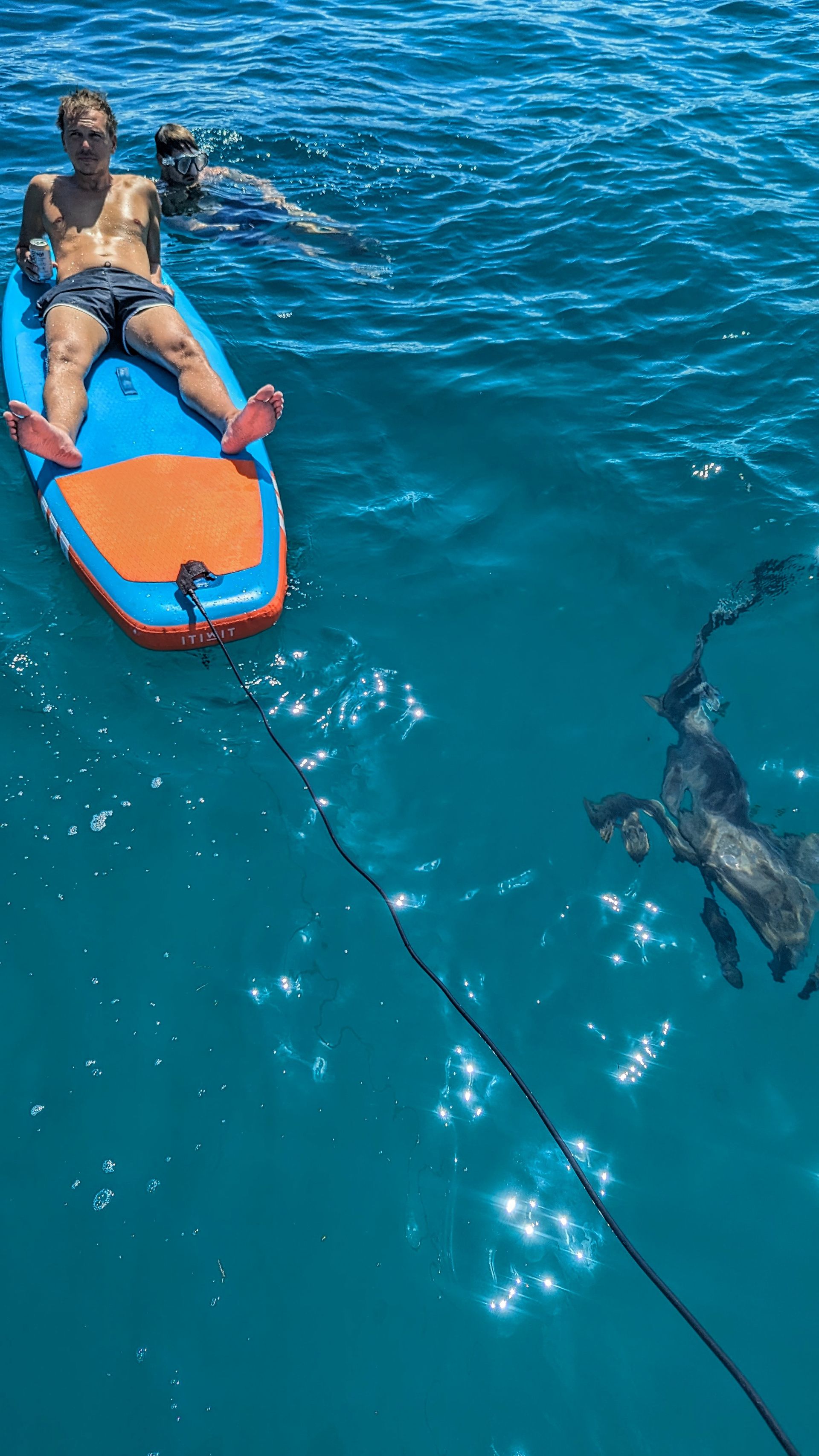
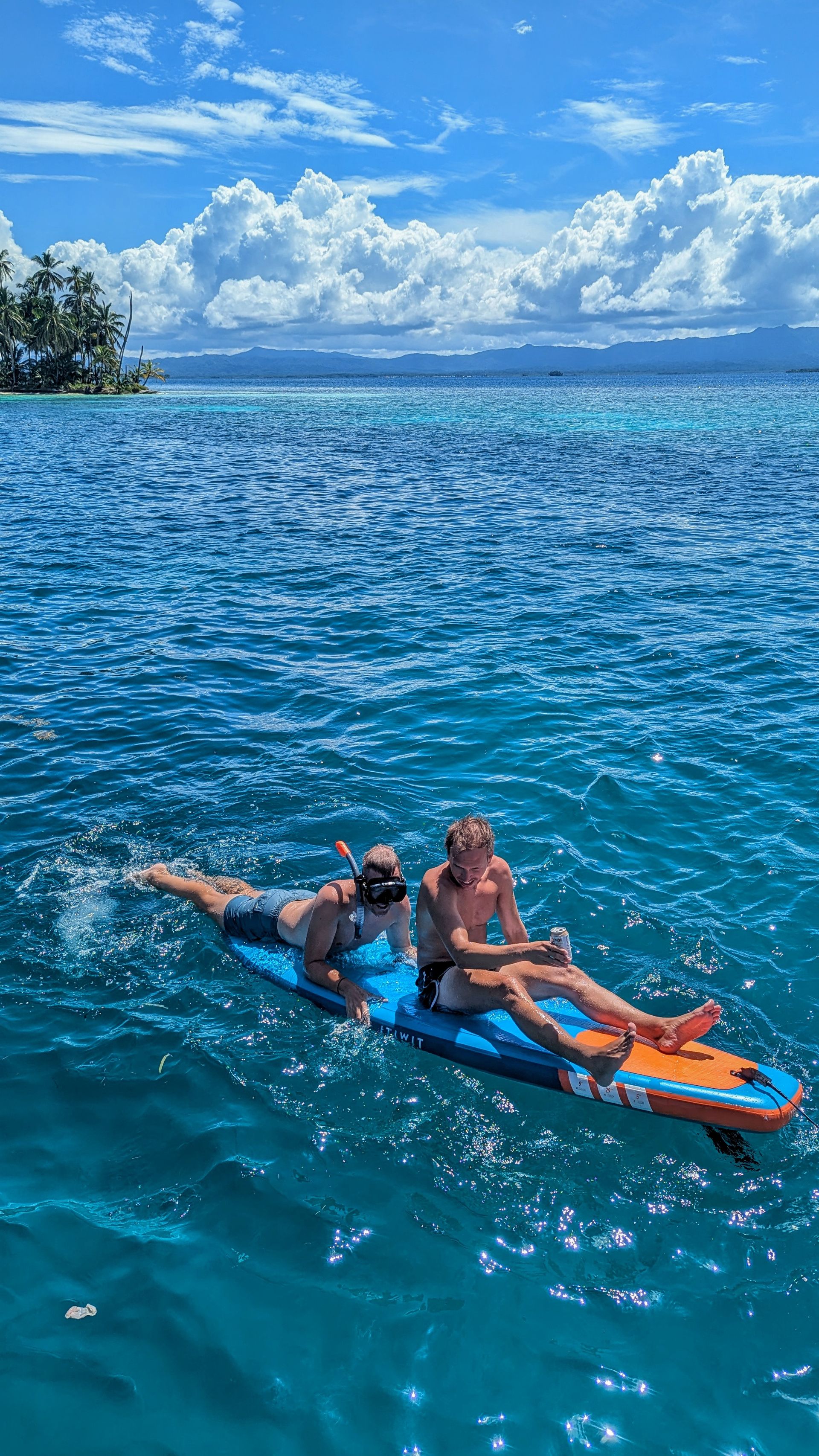
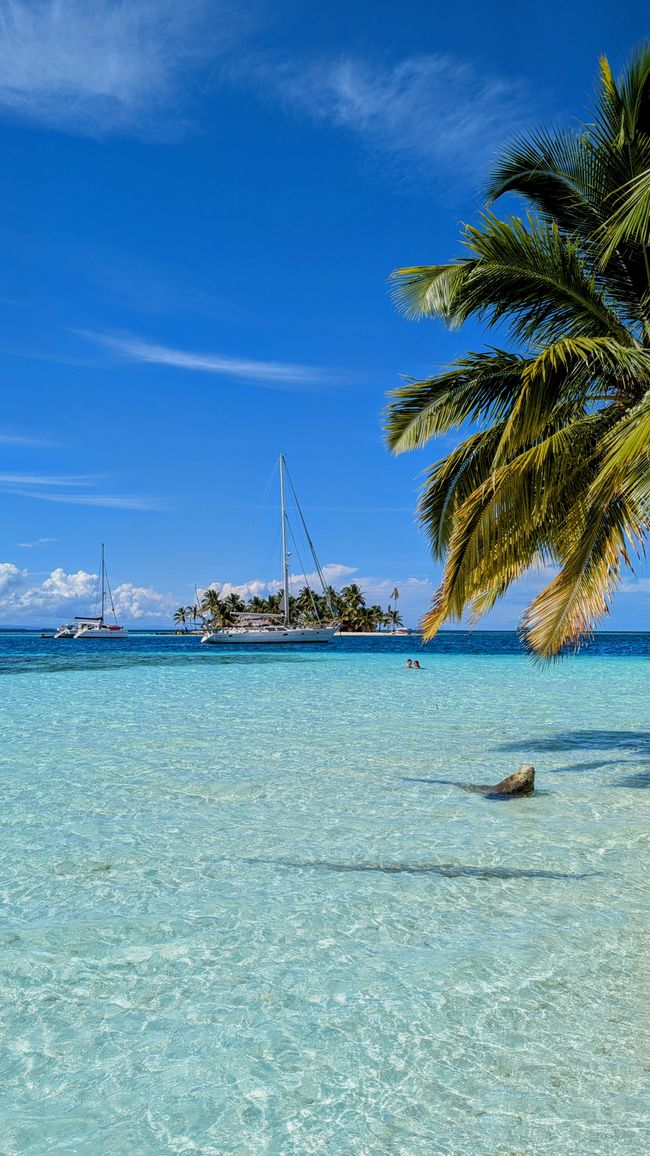
Turquoise water and little palm islands all around, getting more beautiful every day. Accordingly, the next 3 days consisted of snorkeling, swimming, relaxing, jumping off the boat, snorkeling beside sharks, rays, crabs, barracudas, or just watching the incredibly beautiful islands and relaxing; it could be worse.
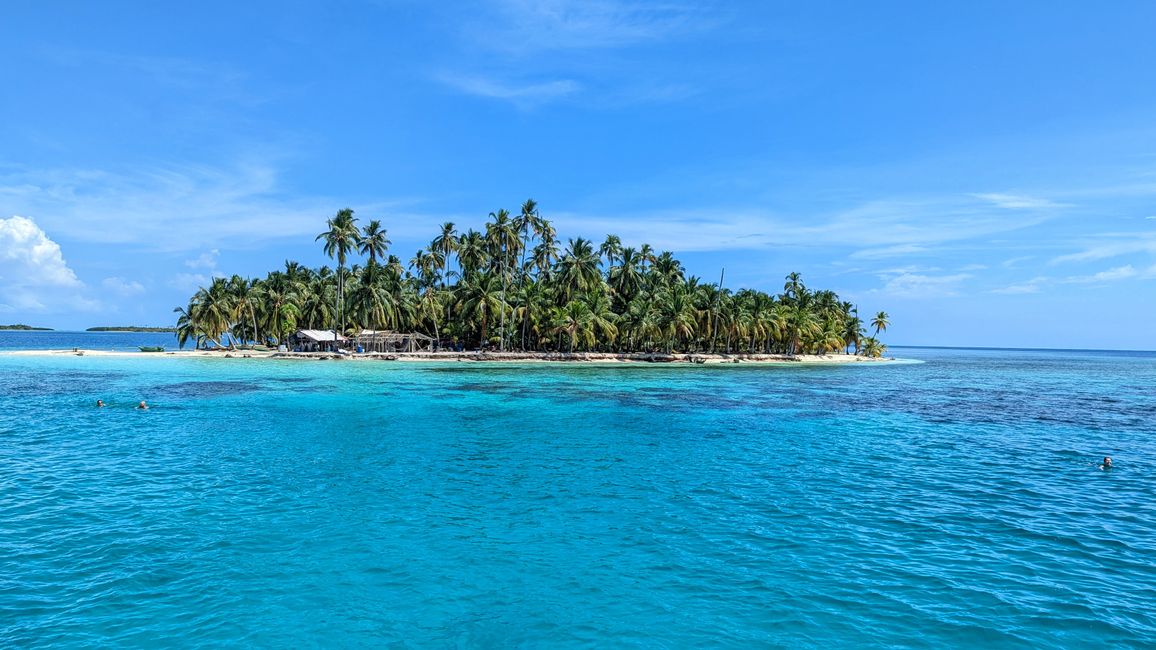
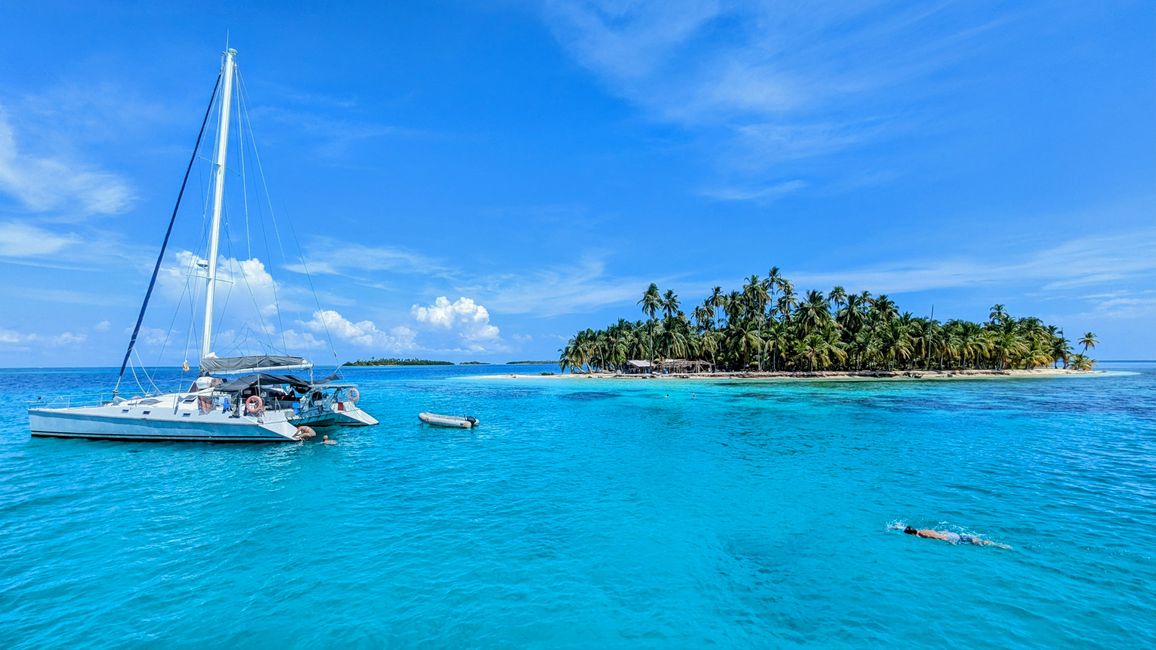
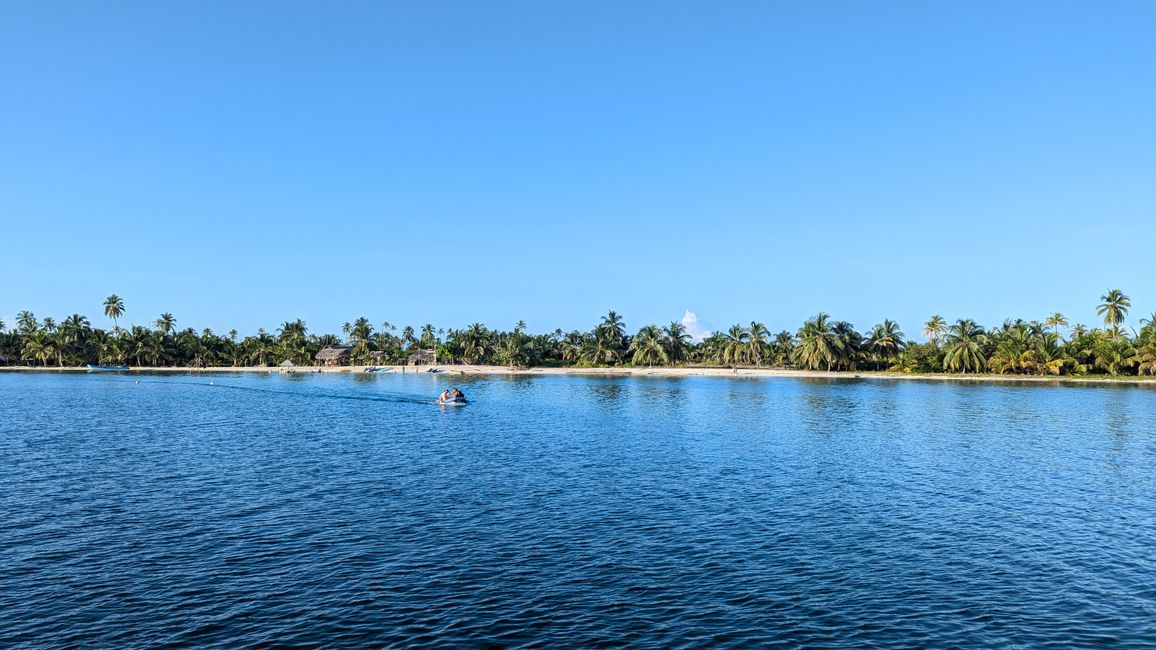
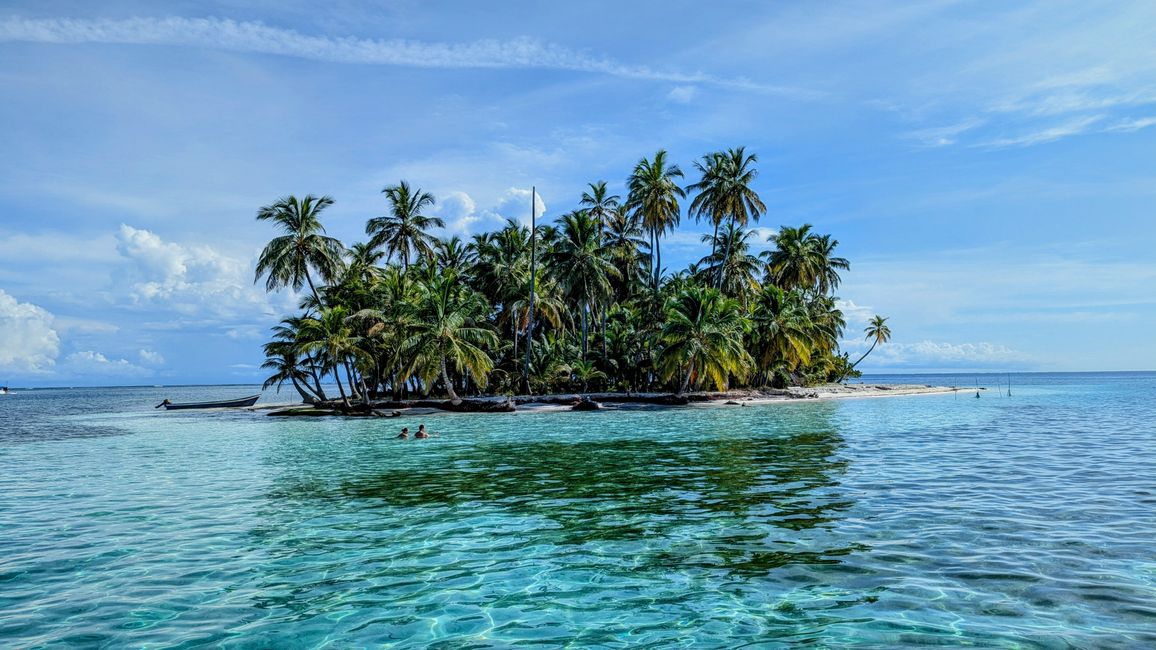
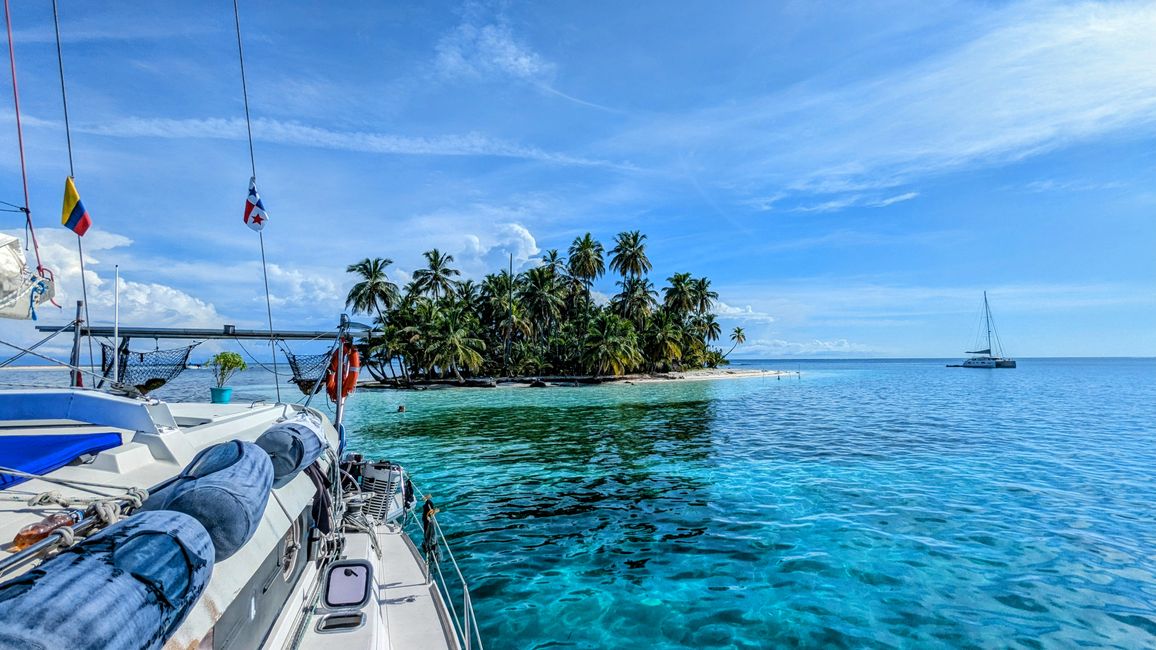
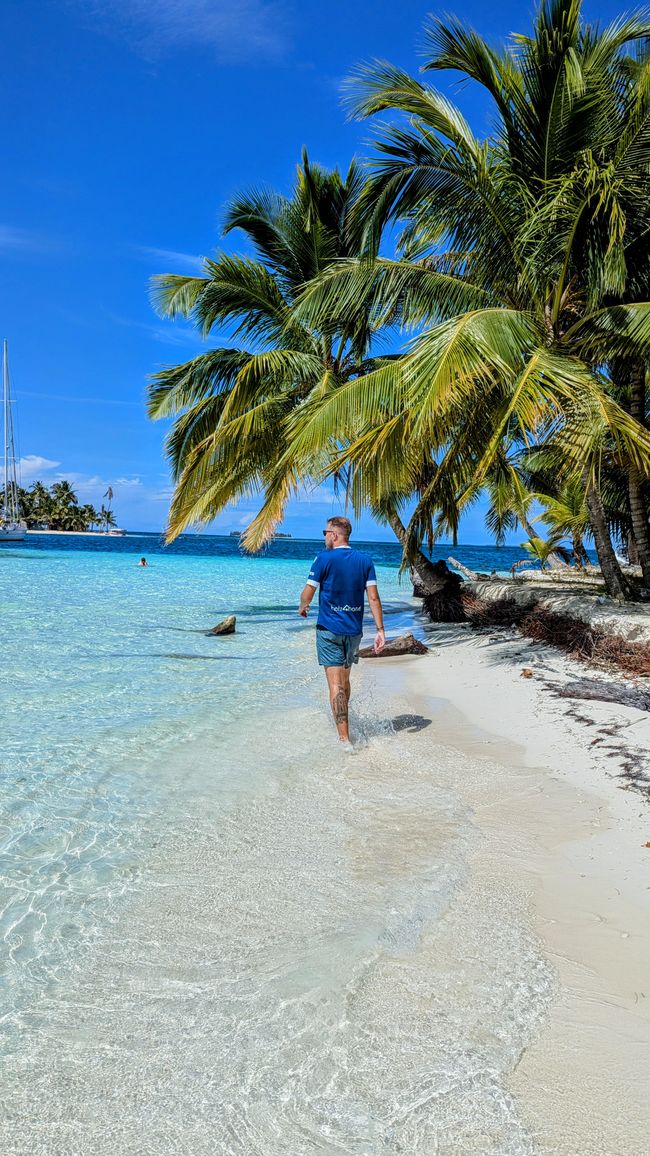
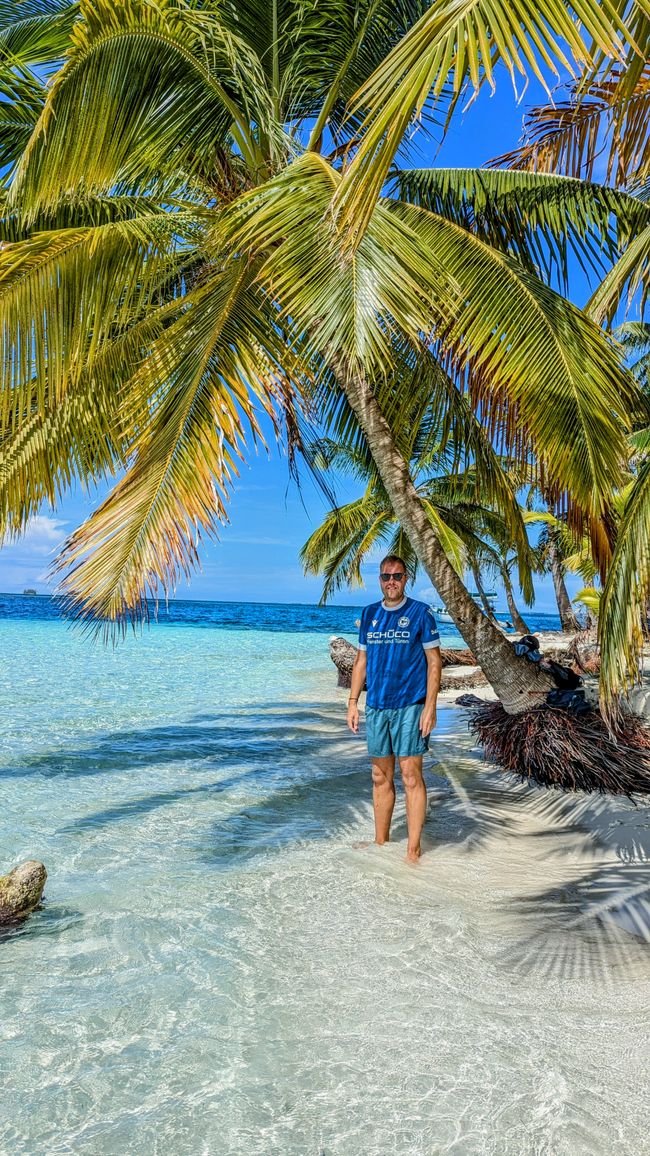
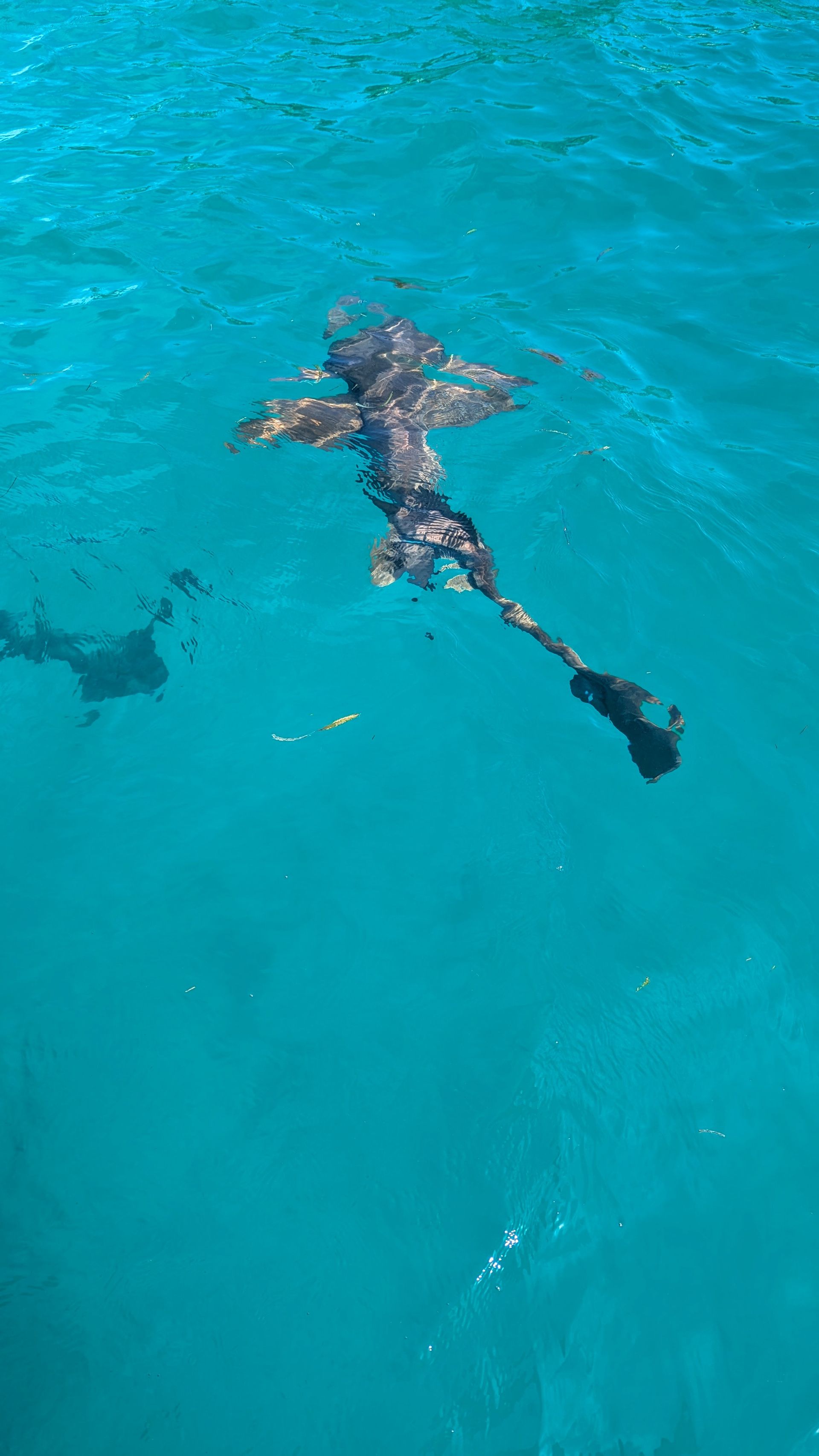
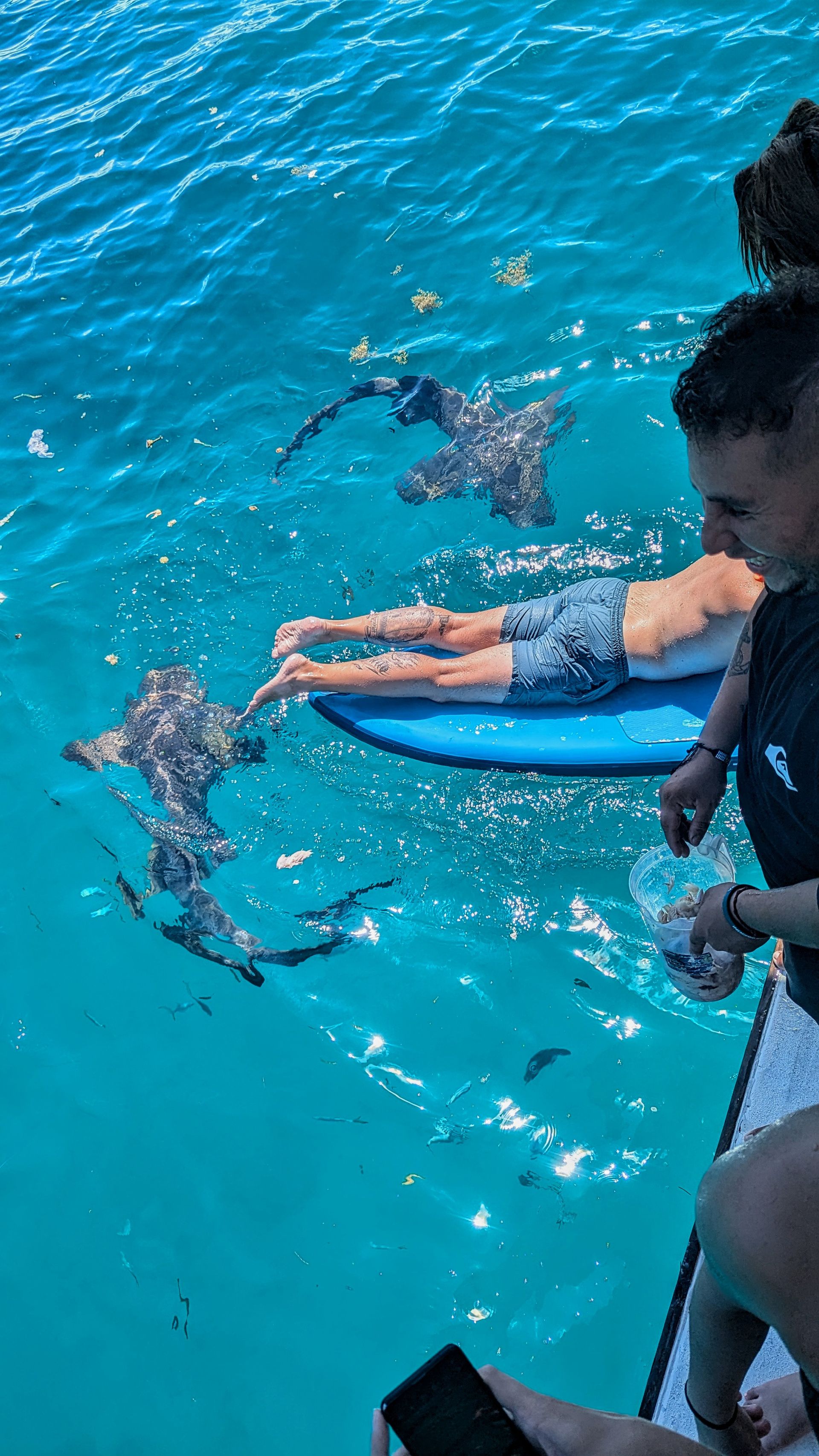
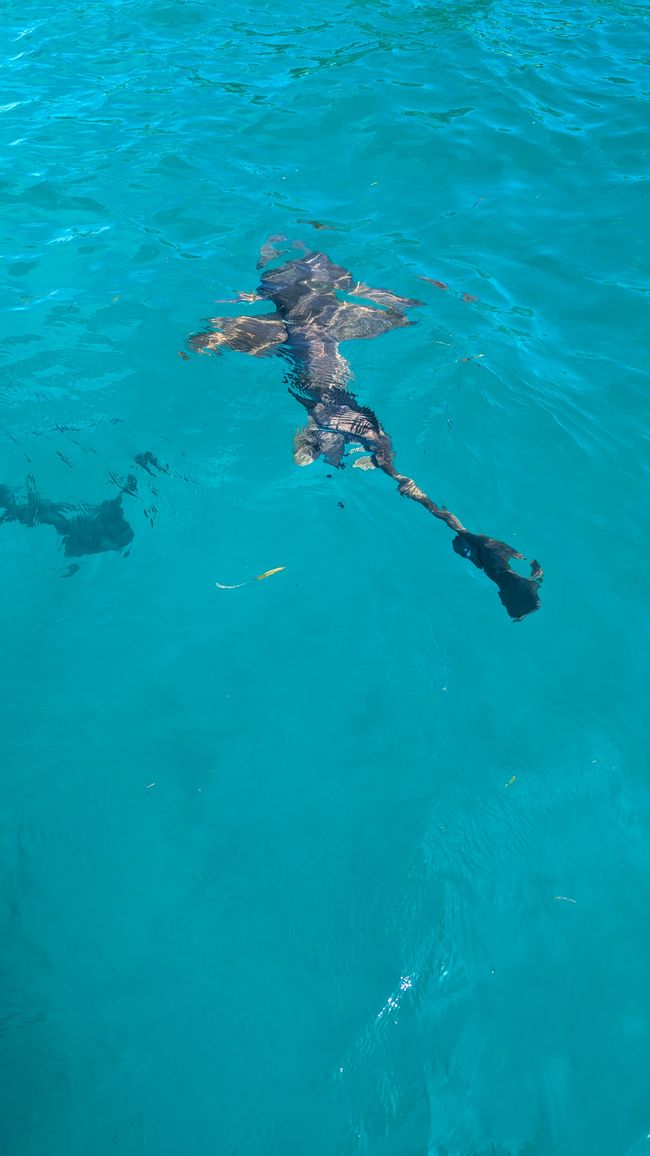
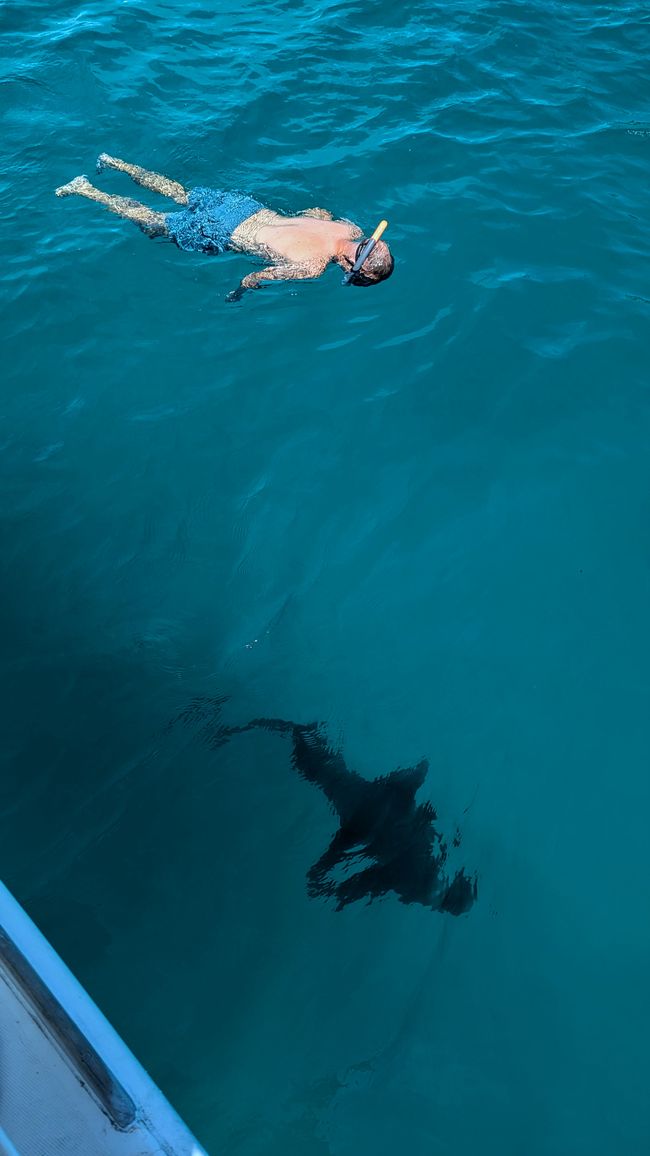
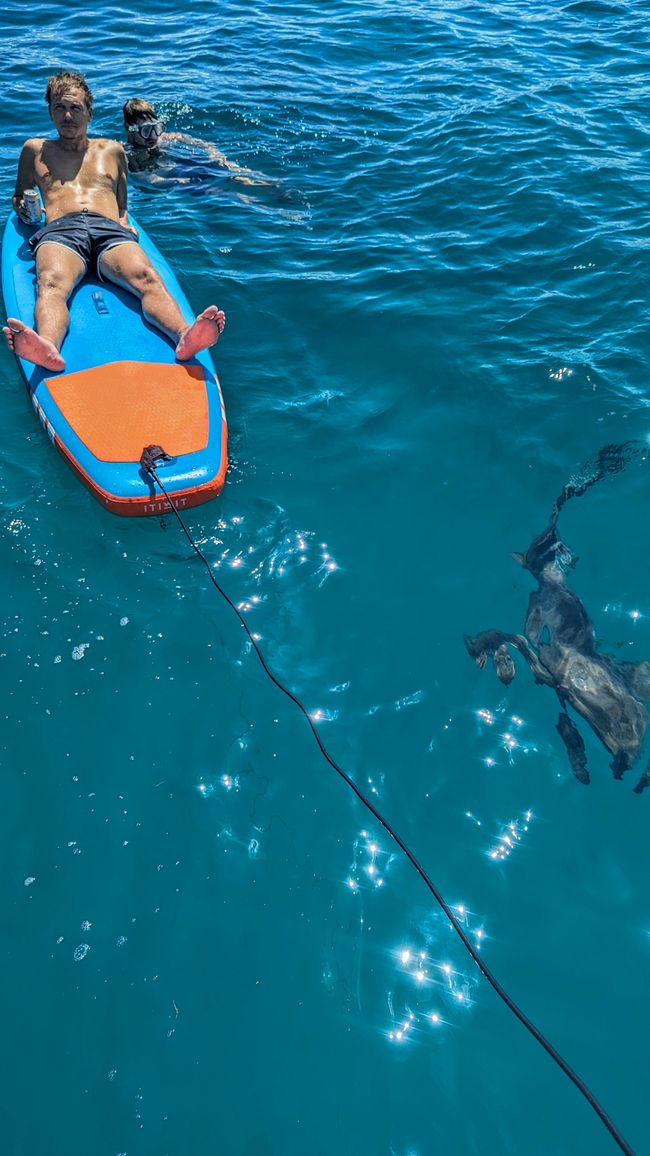
In the meantime, we also snorkeled with truly curious nurse sharks, but when German (a crew member) threw more meat into the water and the sharks became even more active, I managed to save myself onto our stand-up paddle.
German definitely had a great time :)
In the evenings, I watched the pelicans hunting, observed the bioluminescent plankton at night, and just enjoyed the absolute silence in between.
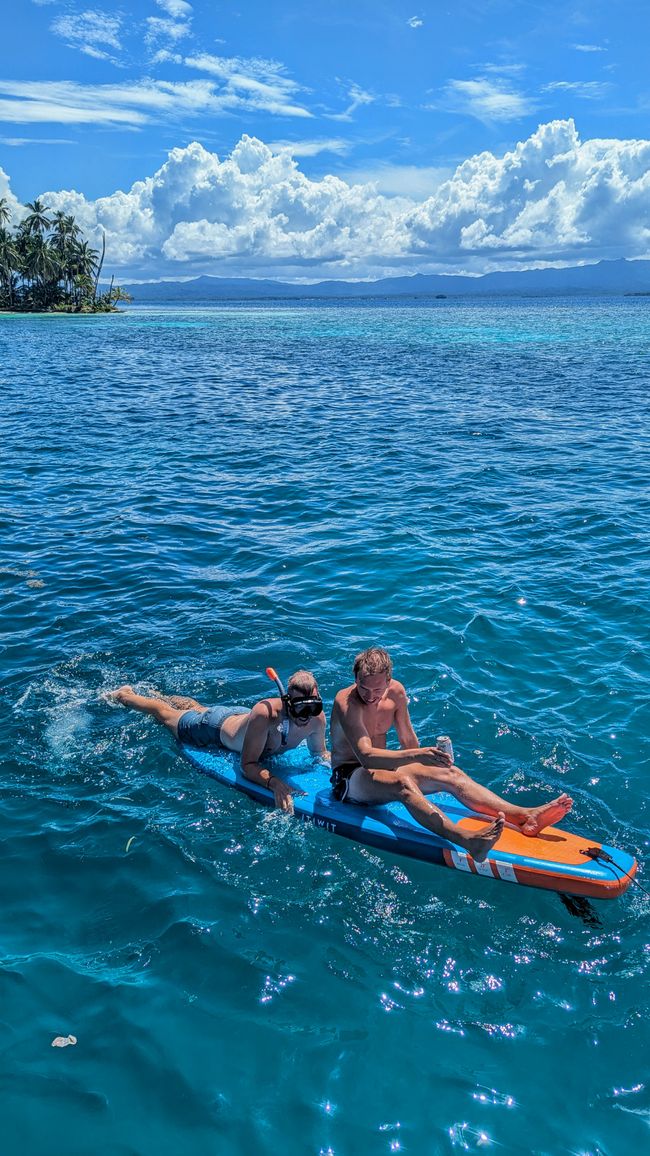
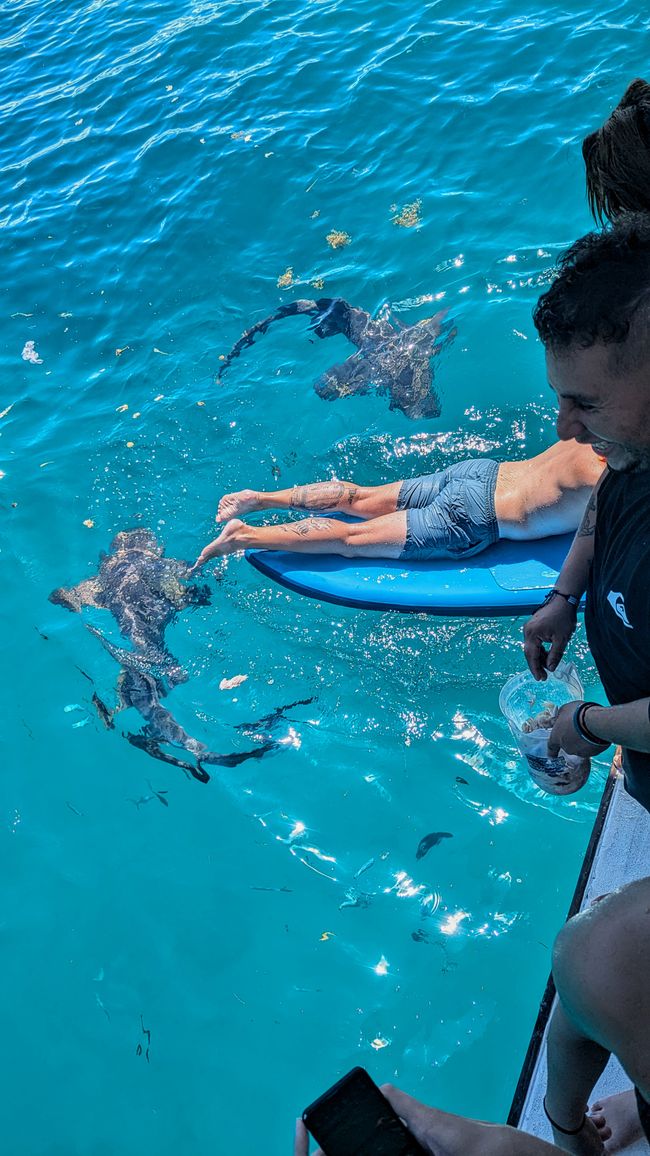
I read much less than I had expected, there always seemed to be something to do.
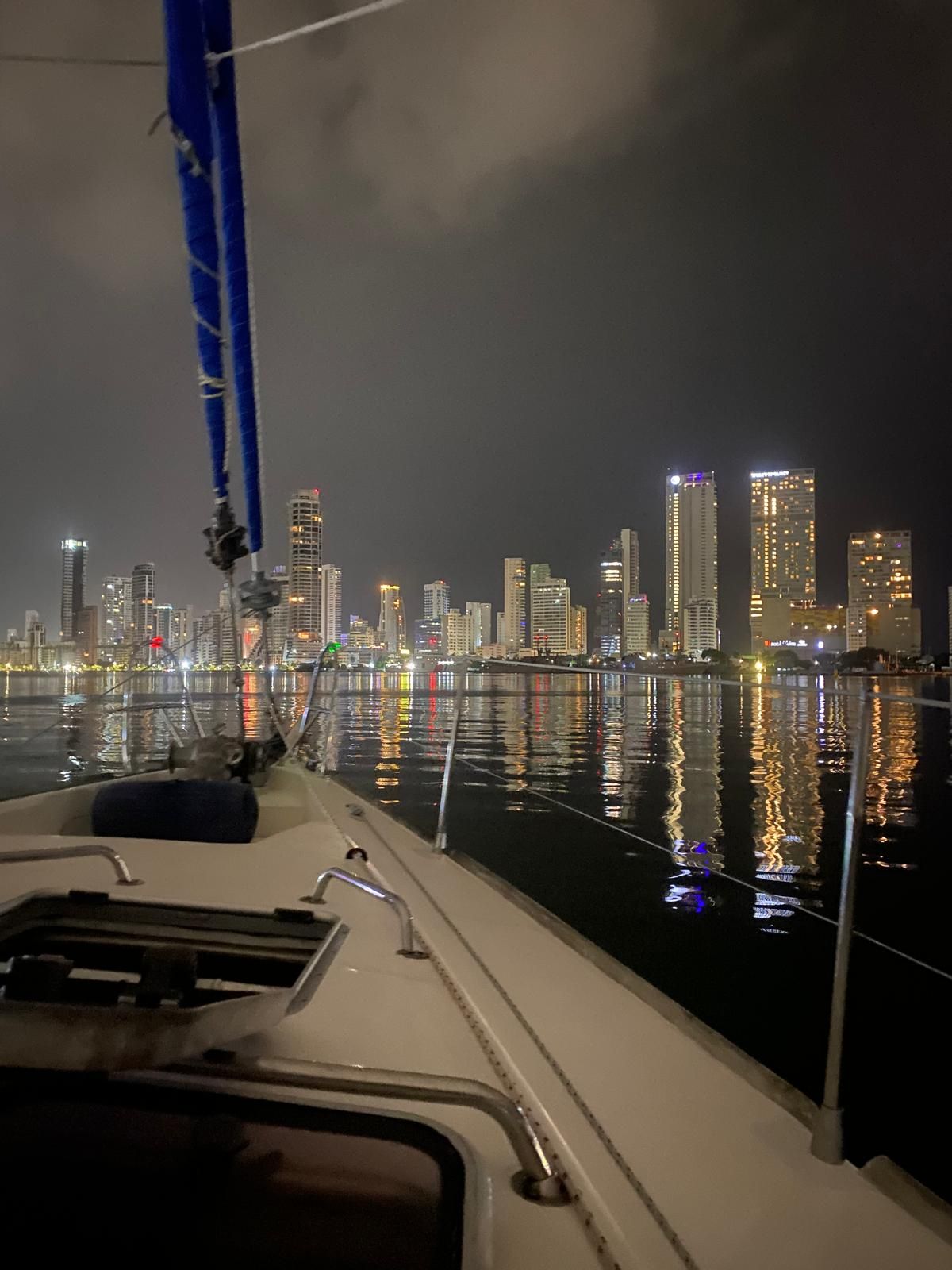
In the end, we crossed over 400 km across the Caribbean Sea towards Cartagena. The captain asked everyone to turn off the lights at 7 PM, so after about 6 hours of travel, we had a 360-degree view without a single man-made light around us; such moments are very rare in this world these days.
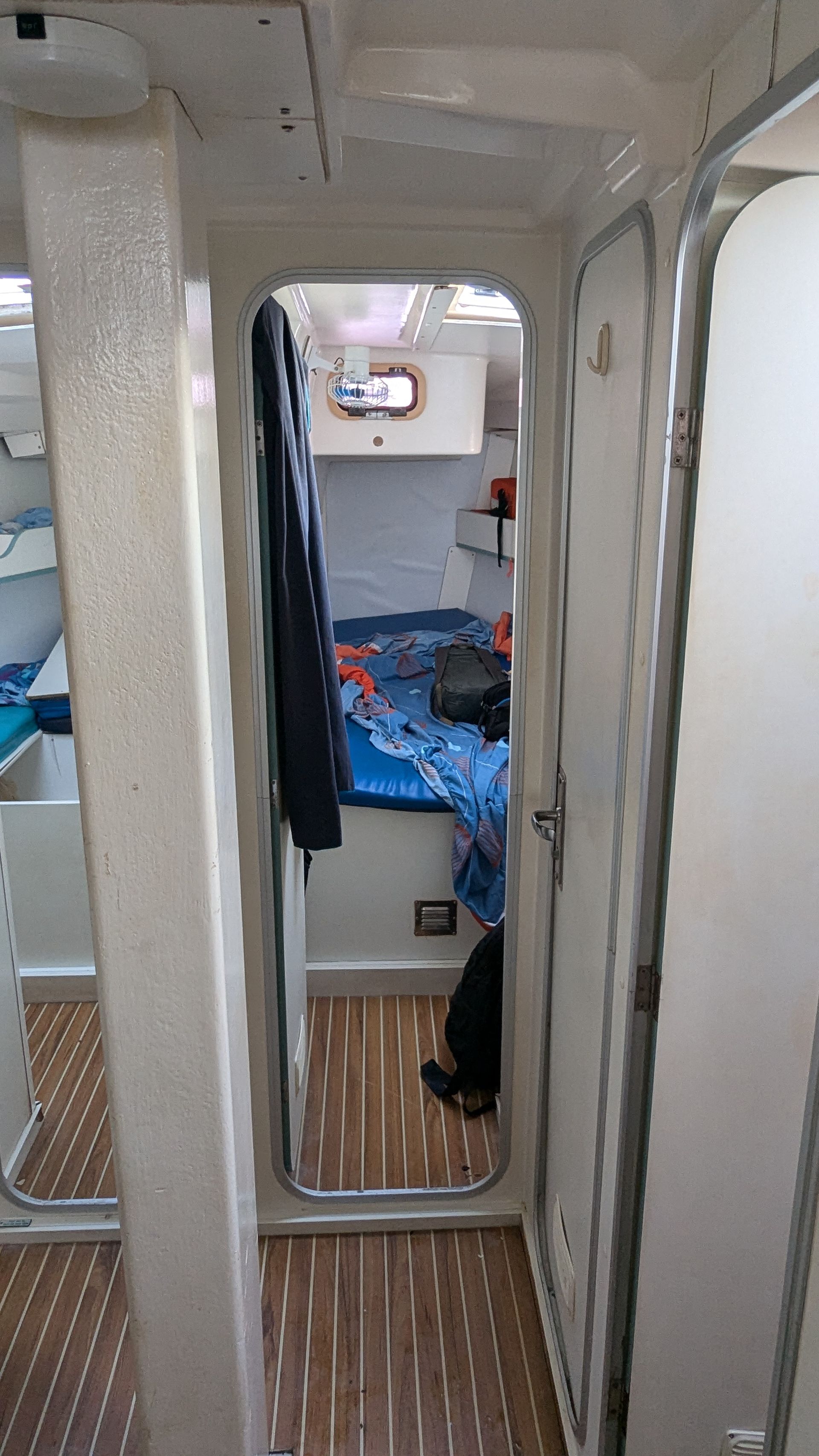
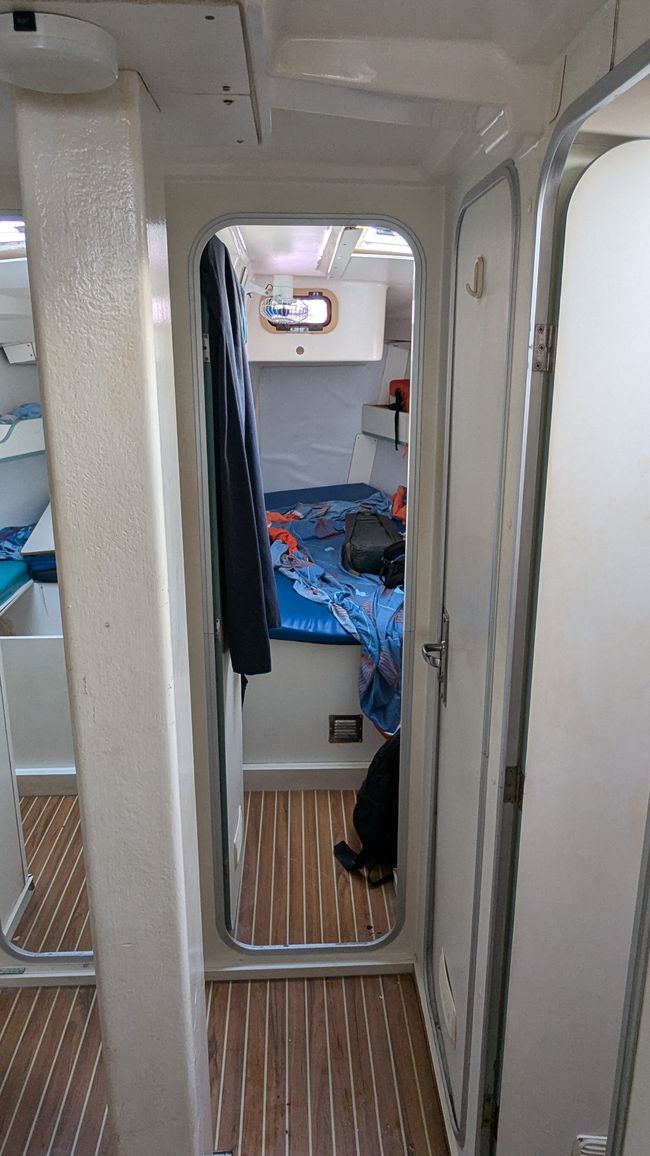
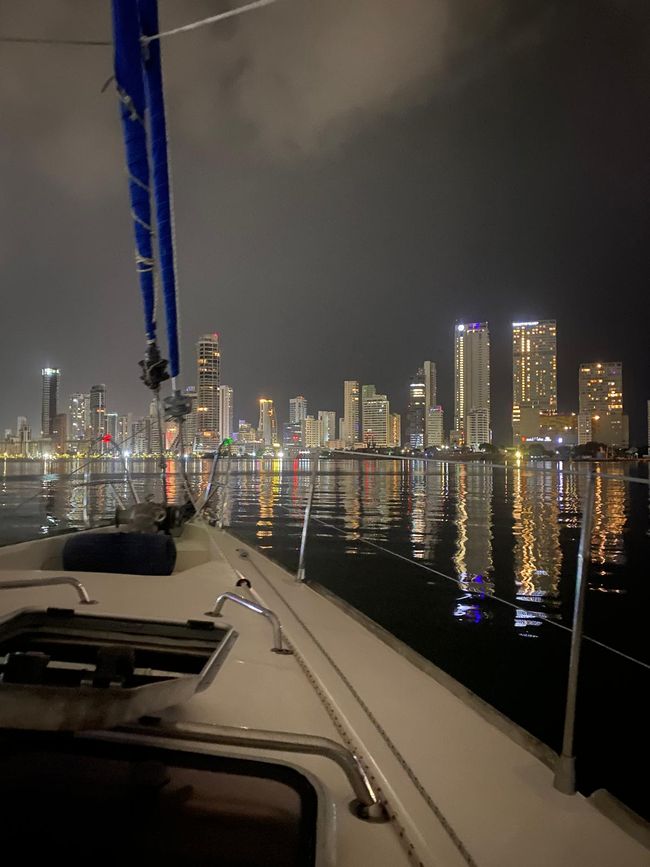
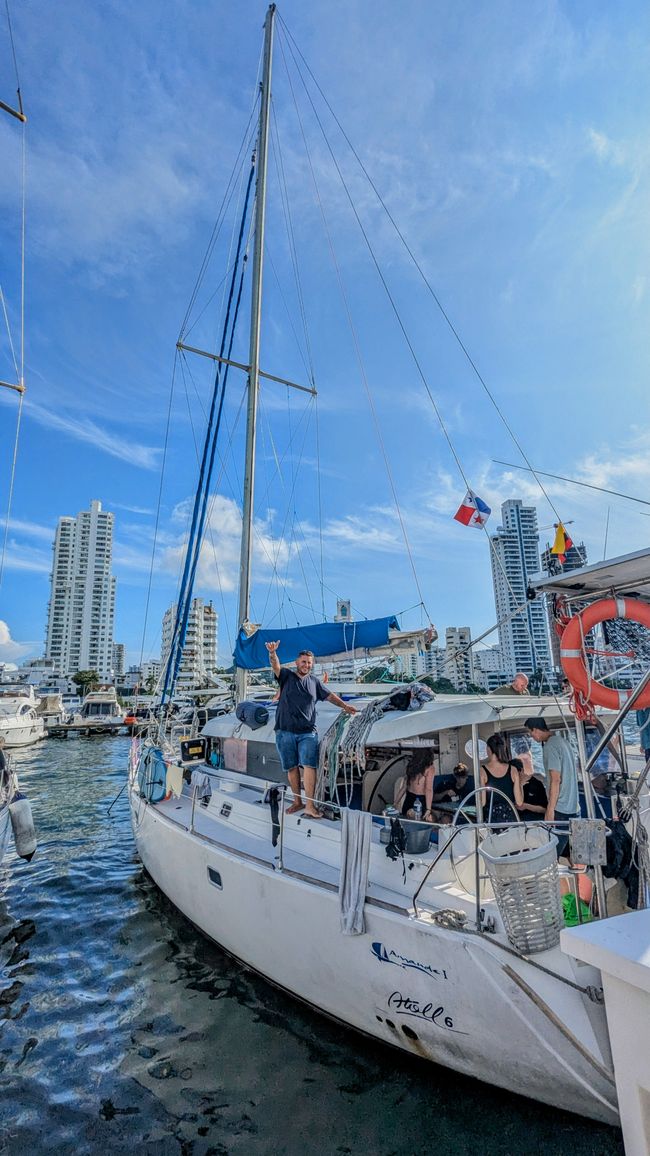
I sat on deck until around 9 PM, watched the glowing plankton, and enjoyed the absolute silence before heading to my cabin; despite significant swells on the 15m short ship, I could sleep surprisingly well. We spent the last night before Cartagena, as immigration opened at 6 AM. We briefly strolled through the old town before taking the bus directly to Necocli.
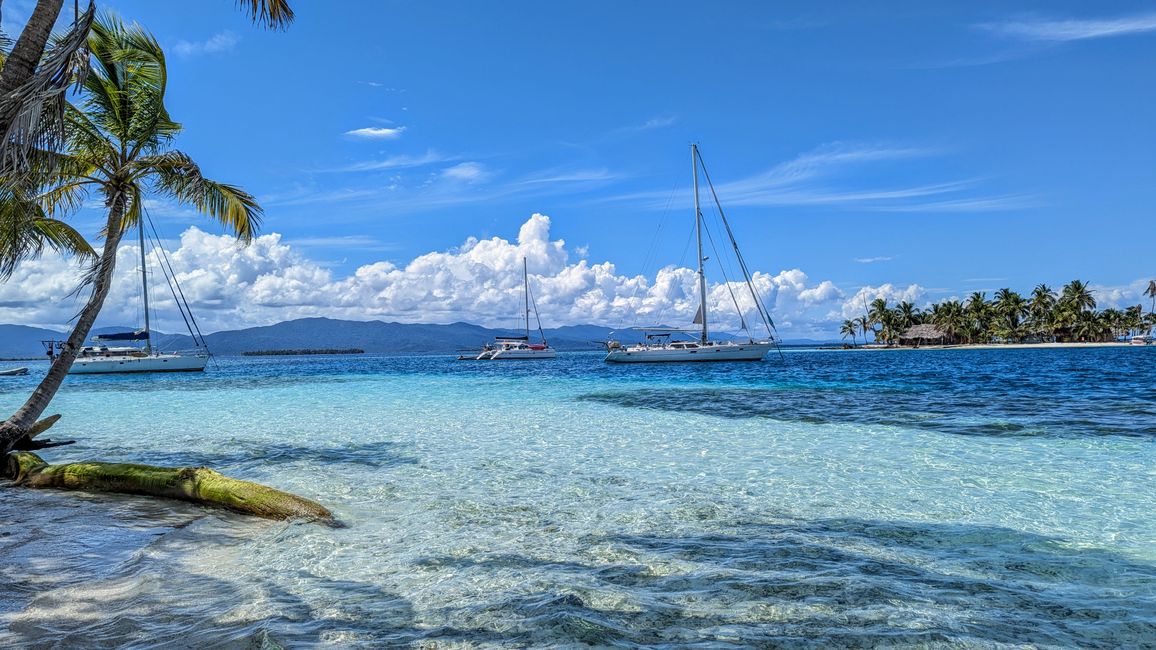
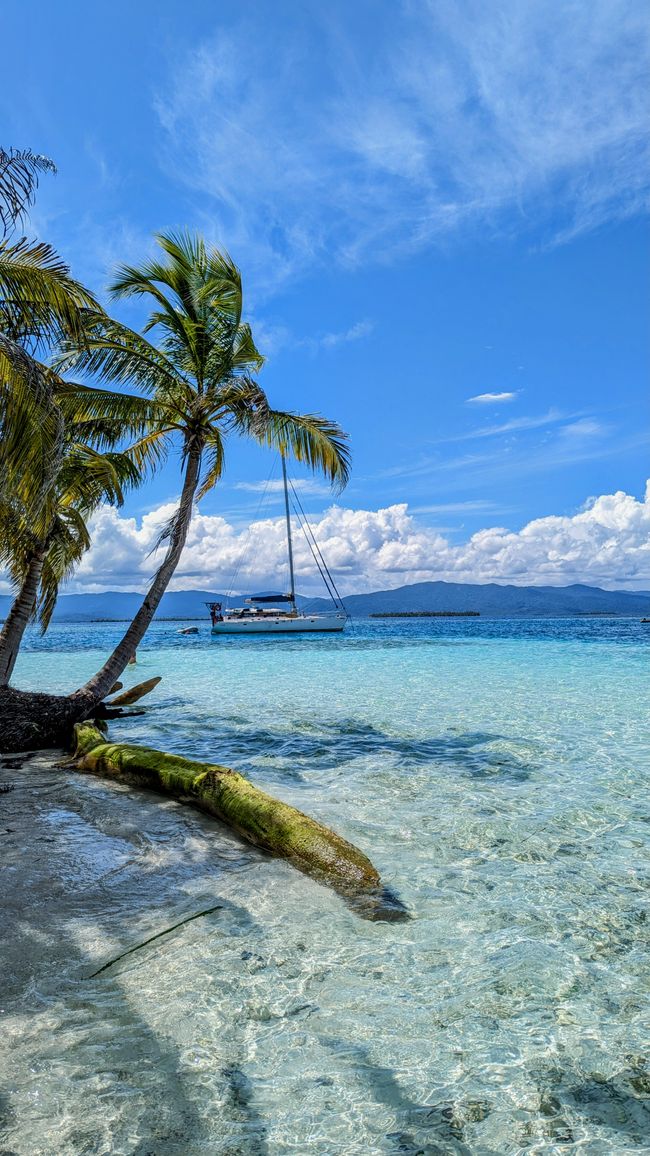
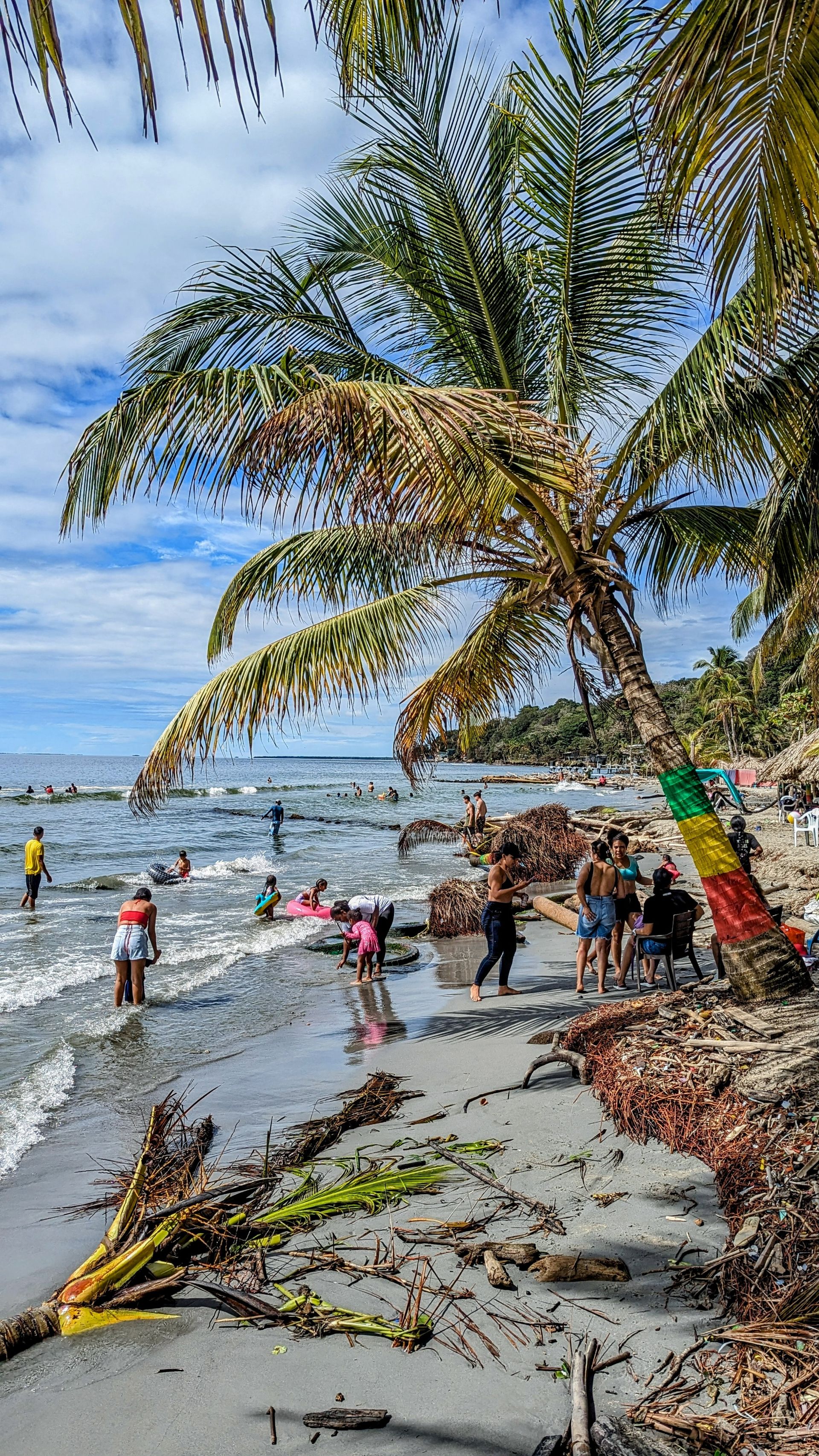
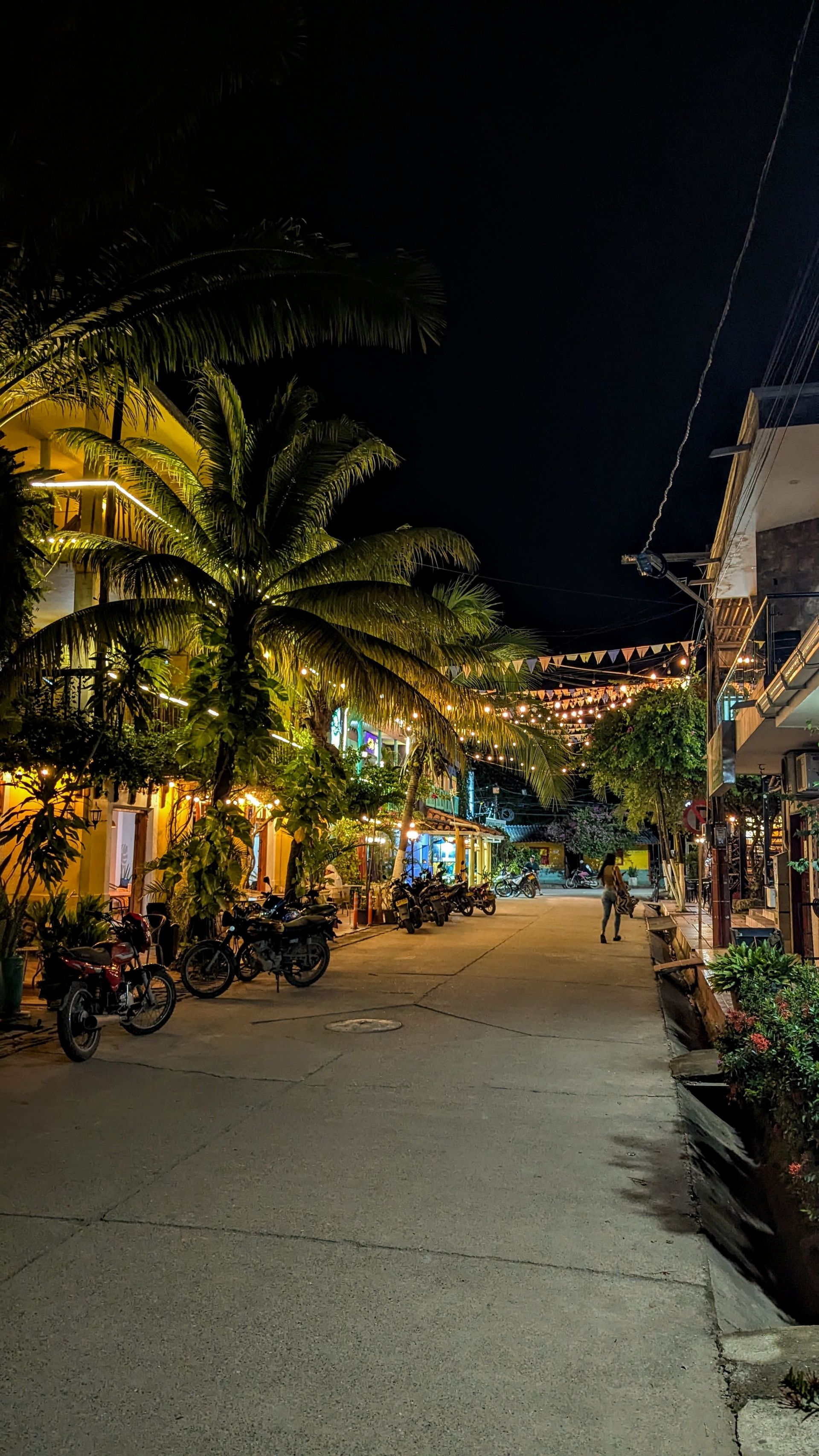
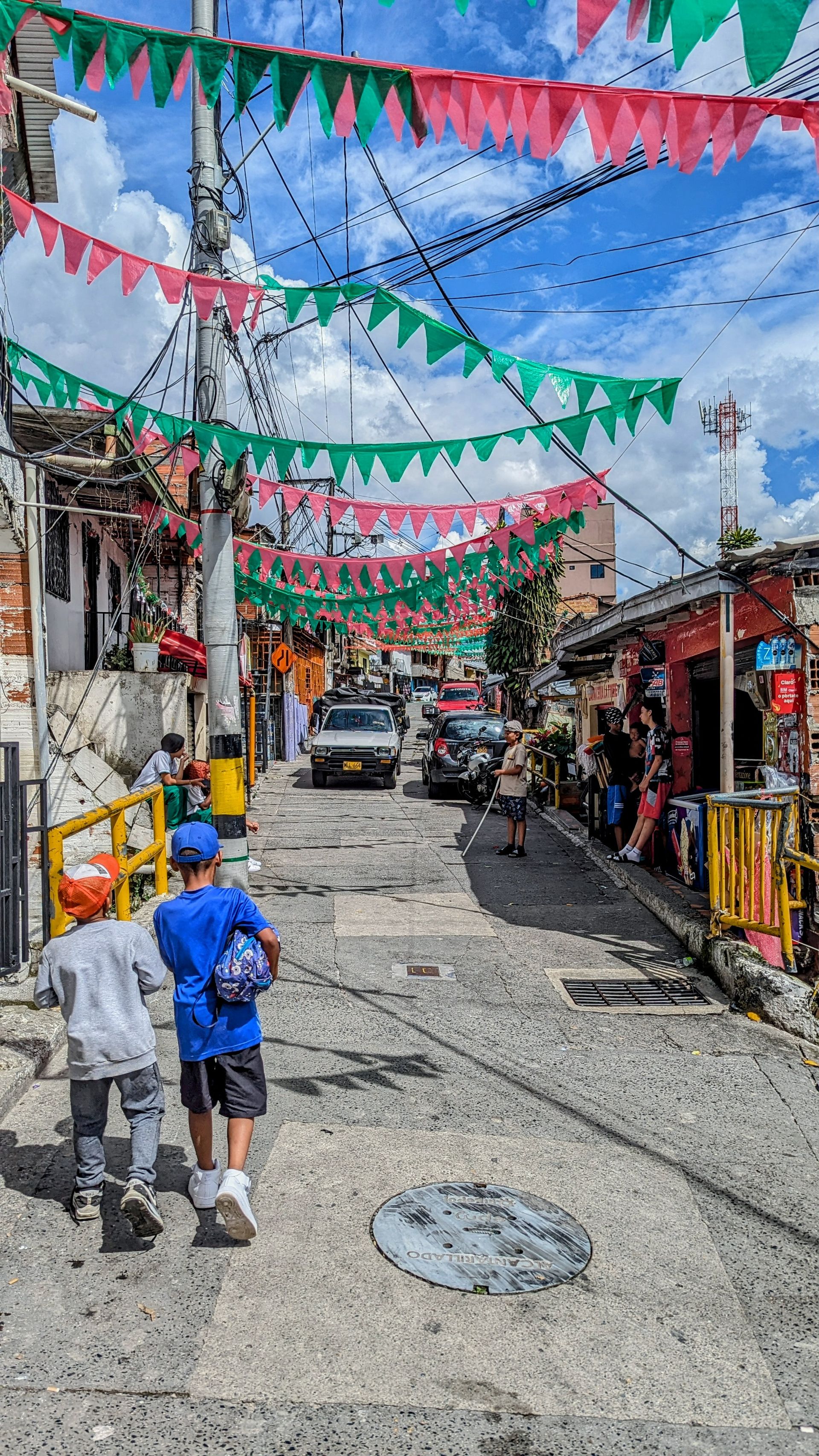
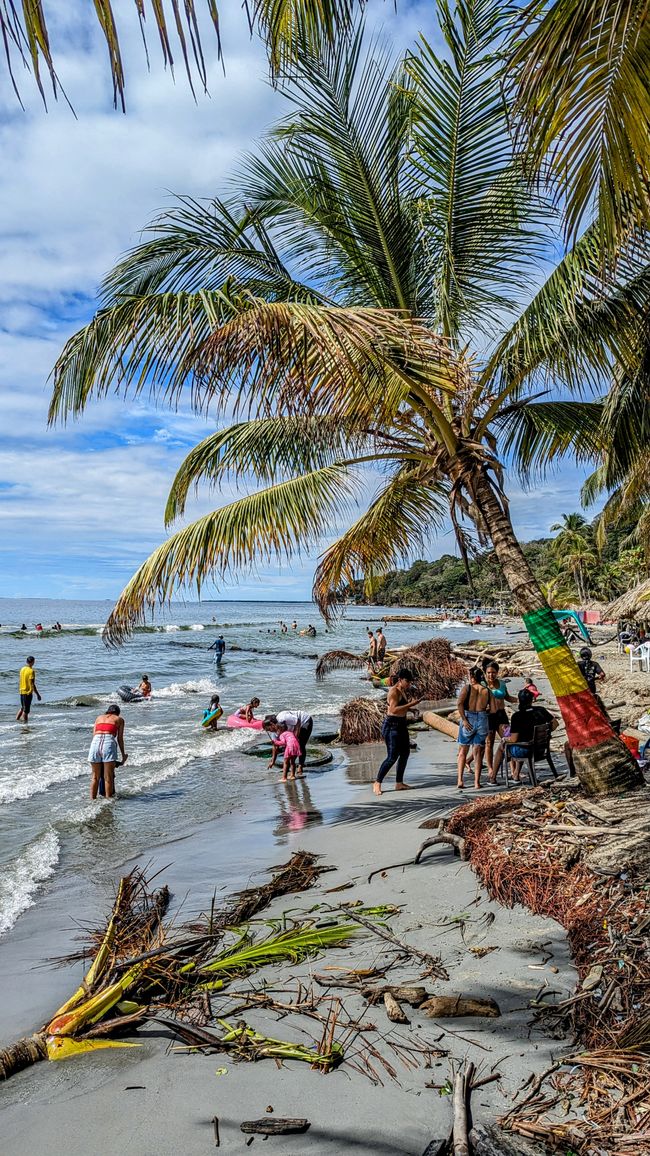
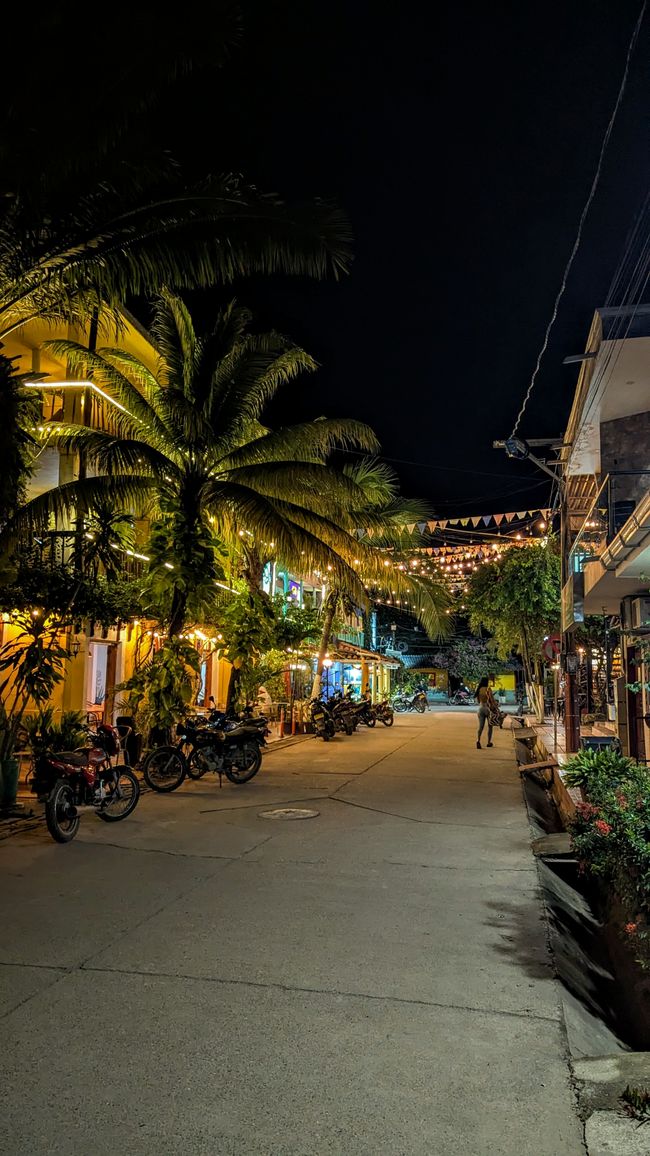
Necocli really surprised me; the streets leading to the sea were beautifully decorated, and there were numerous small restaurants, cafés, and shops, small brightly painted alleys, and a lively beach promenade, where every bar tried to drown the other out with even louder music. One shouldn't expect a white sandy beach here, and sunbathing is not really possible due to the local tourists who like it very loud.
After two nights, we continued towards Medellín.
I still had good memories of Medellín from last year.
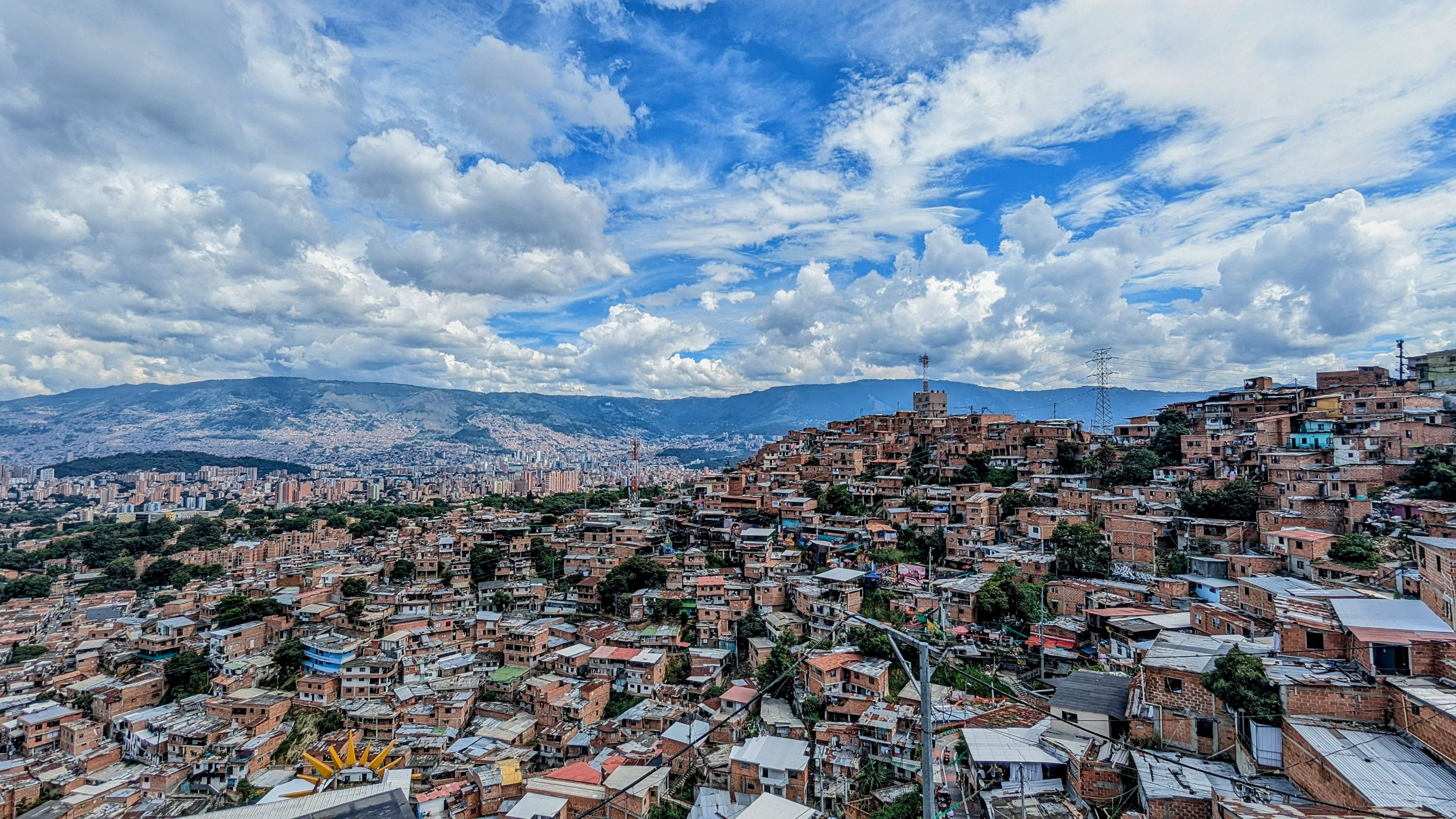
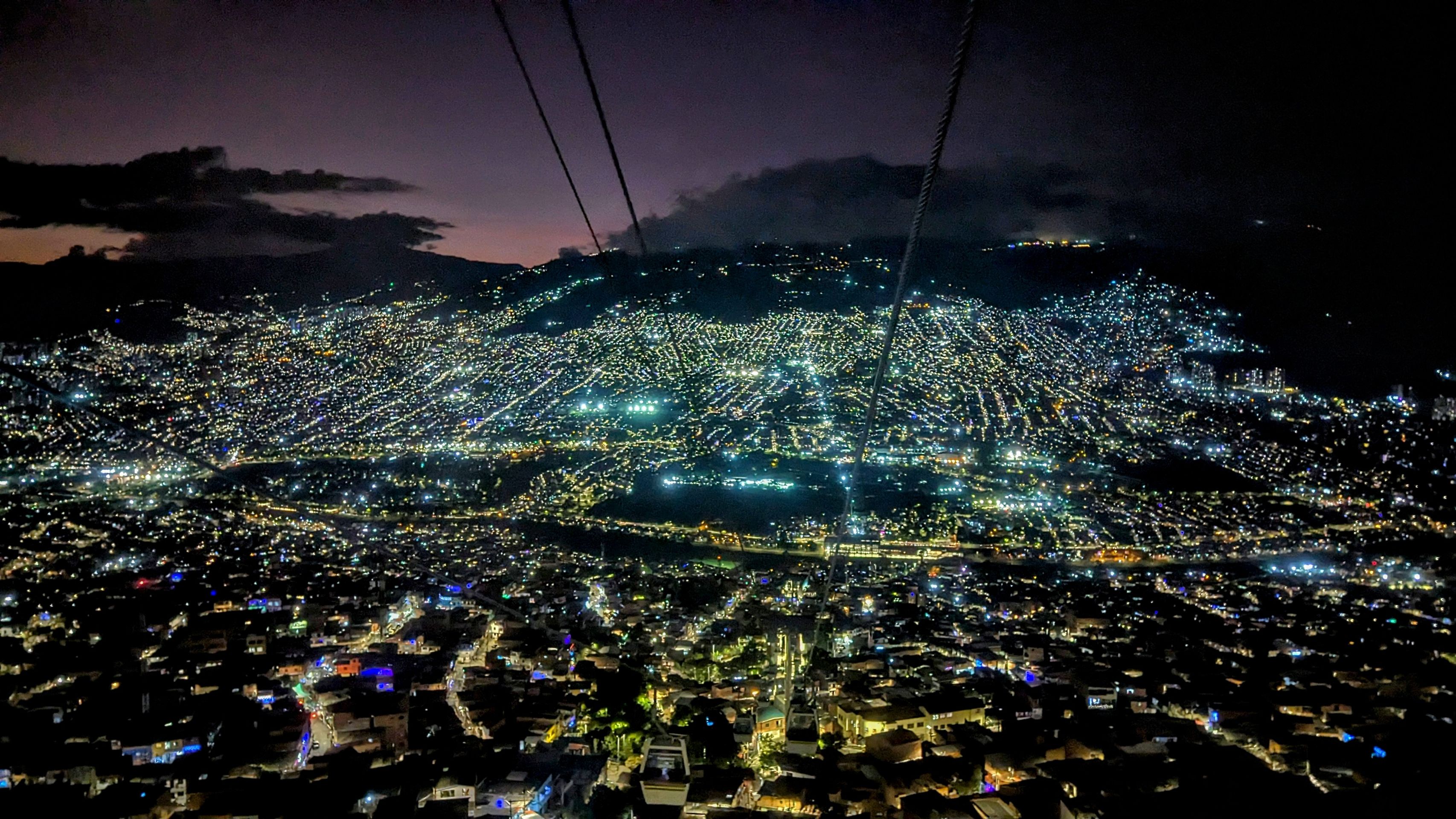
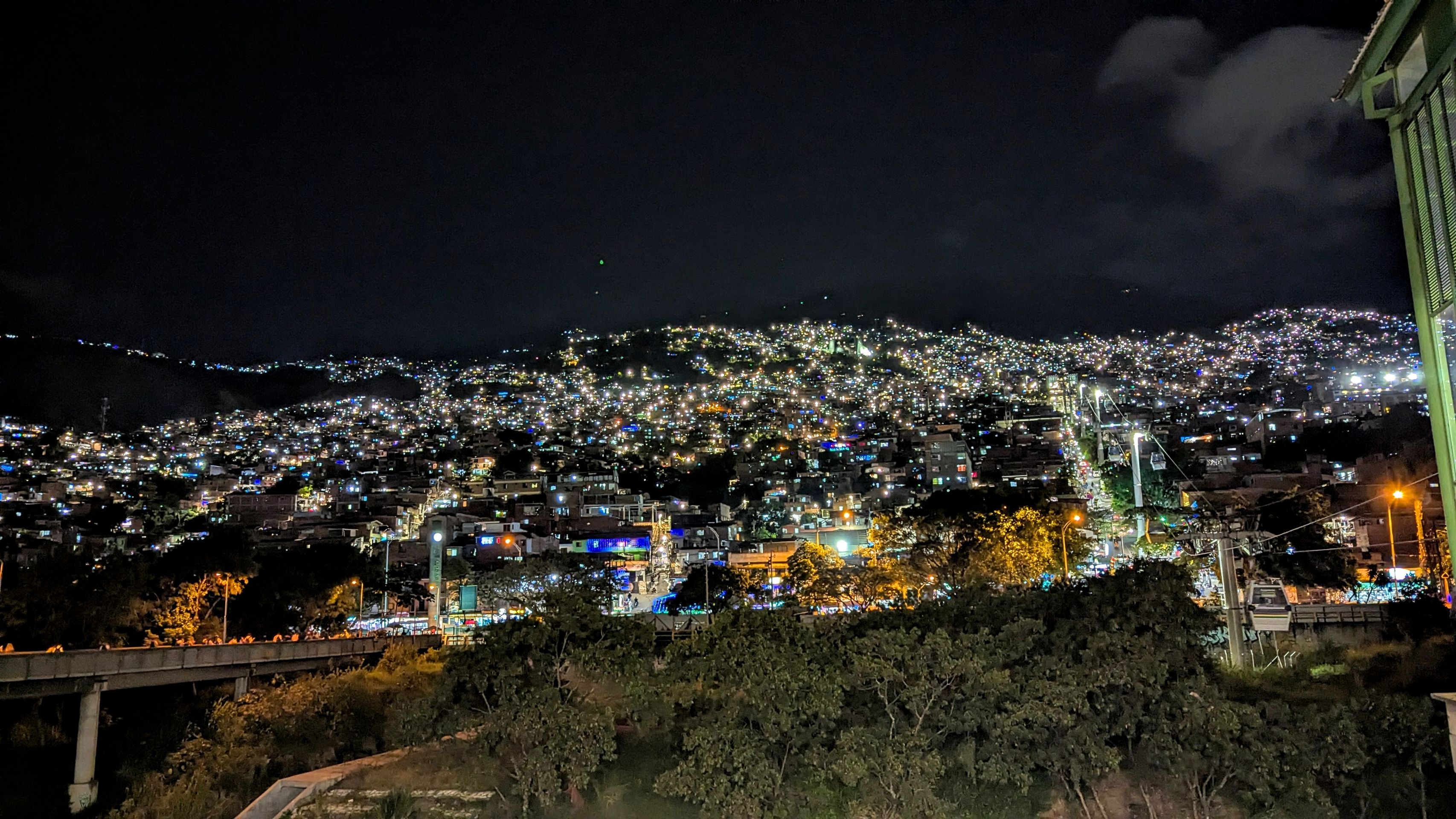
The impressive location in the Aburrá Valley is what makes Medellín special; the city, with its 2.6 million inhabitants, stretches almost up to the surrounding peaks. These can best be explored using various cable cars.
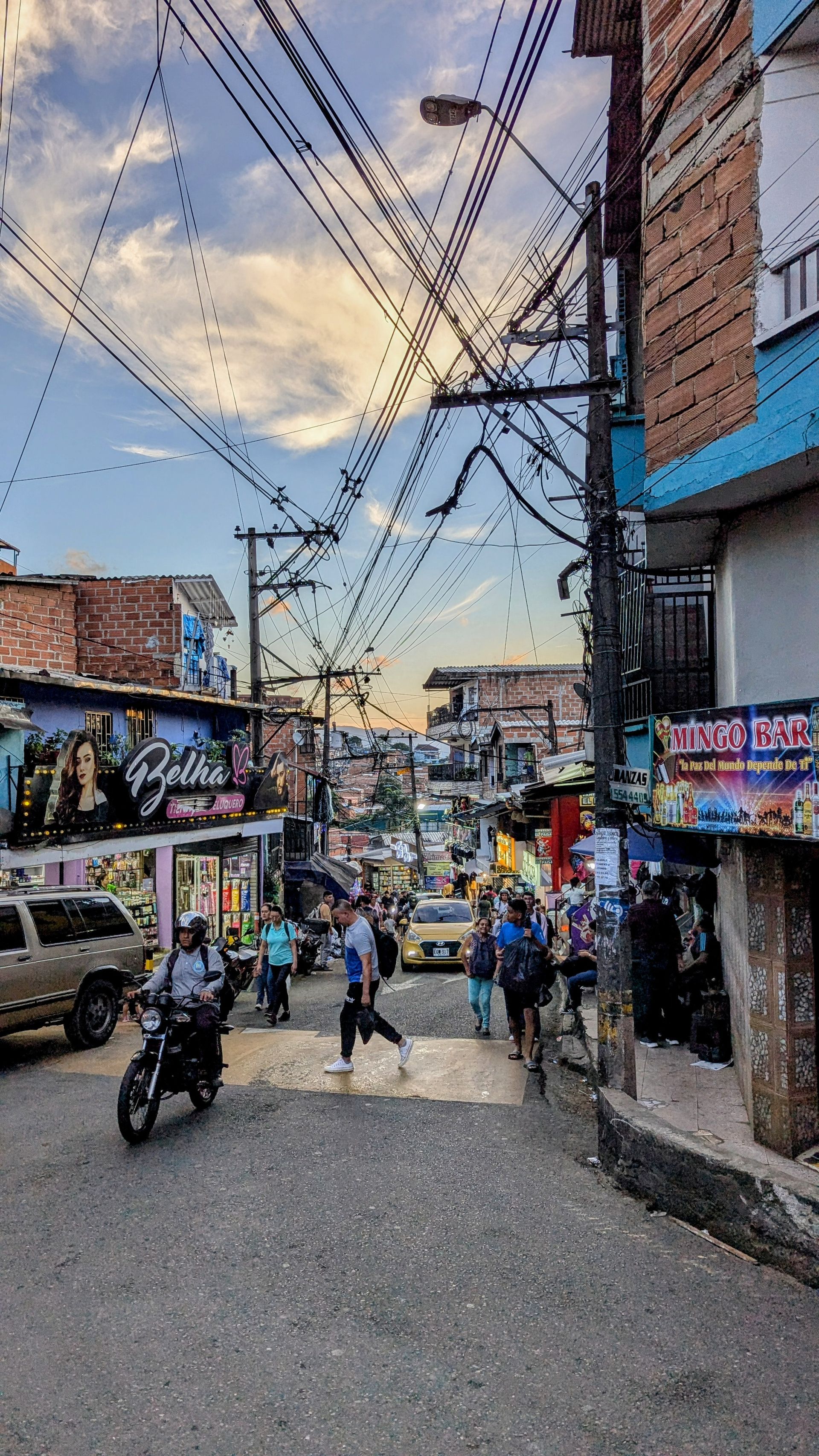
However, since I stayed in the center this time, the poverty and drug use were hard to overlook. There were homeless people sleeping right in the pedestrian zone, and at times, you almost stepped on people. In every small green strip, you could see people sleeping, using drugs, or the smell of excrement lingered. We have all this too, but not with this intensity. People are confused, wandering around like zombies, almost getting hit by buses and cars because they don't realize they are walking in the street. The drivers seem used to it and simply drive or walk around them. Moreover, unlike us, it is not just a few streets where you can find this clientele; in Medellín, the problem is almost throughout the entire city center, barring a couple of entertainment districts.
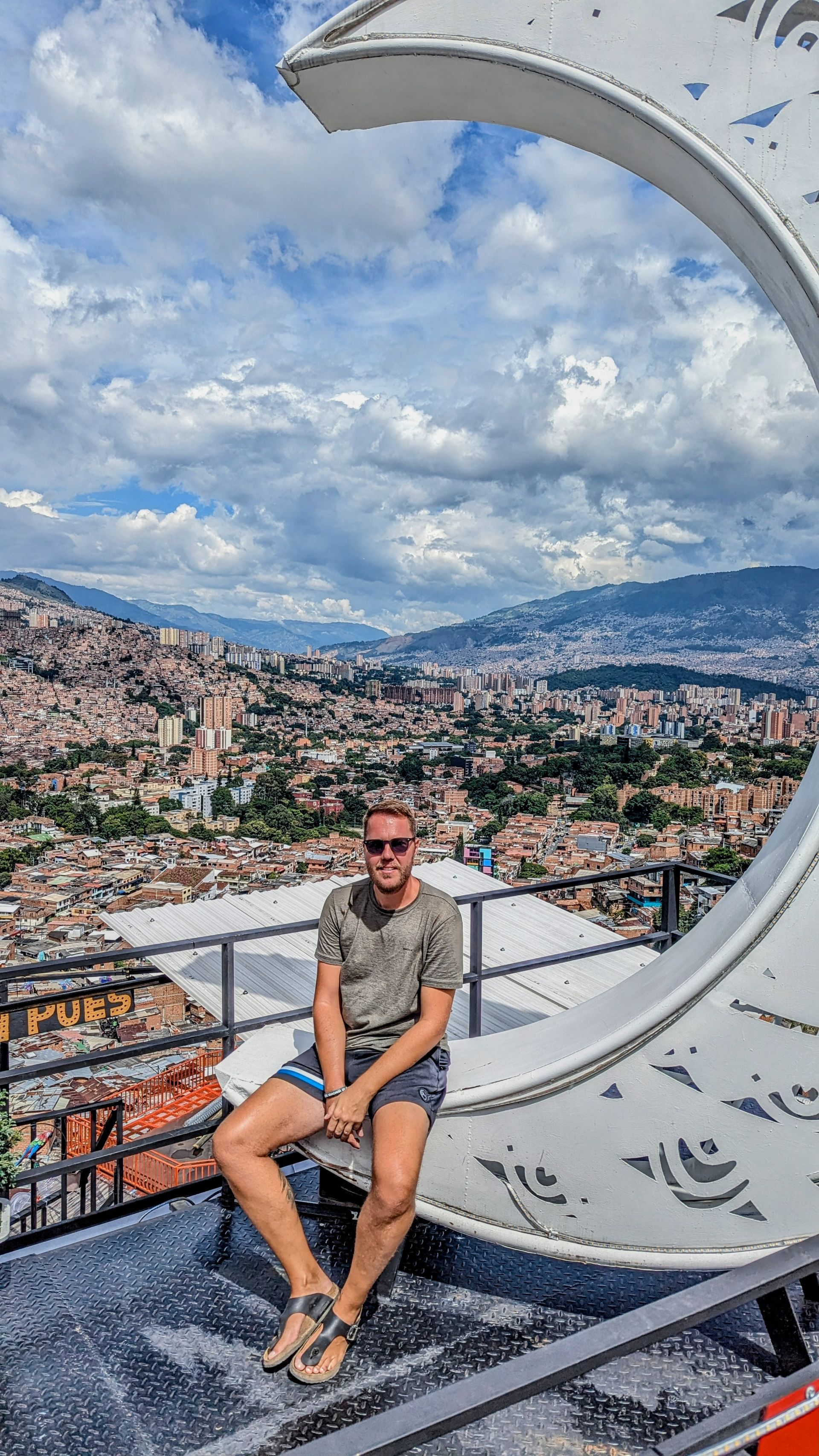
Away from all this misery, we visited the neighborhoods of El Poblado, Laureles, Comuna 13, and Santo Domingo; first, I was with Thomas before he was then replaced by Fina :)
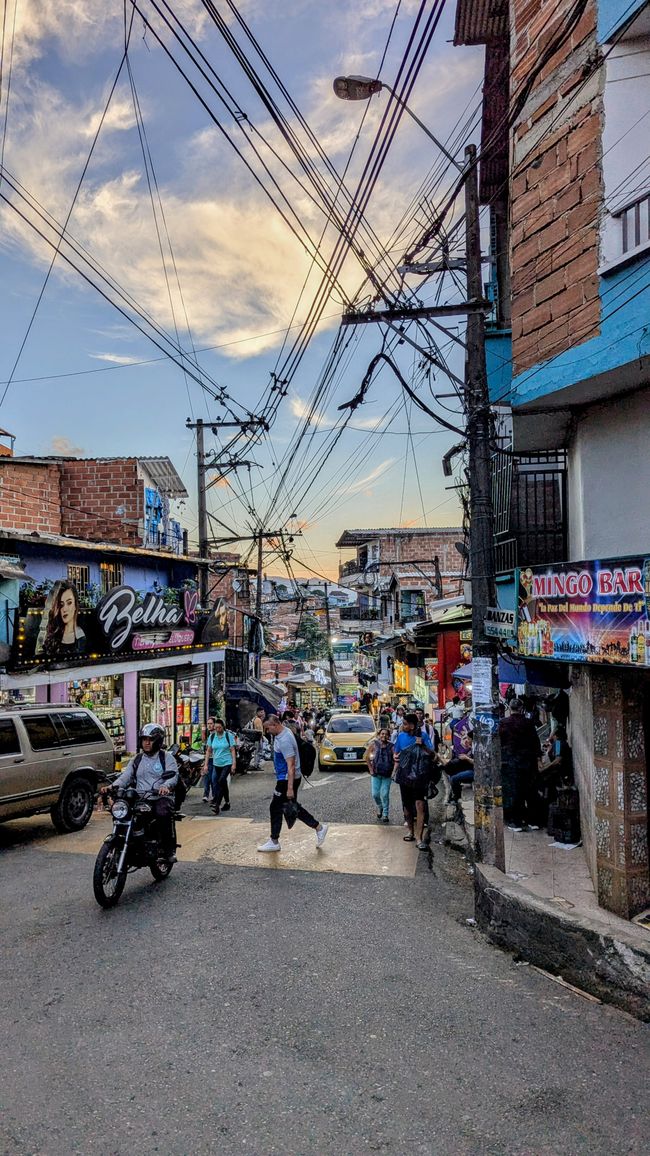
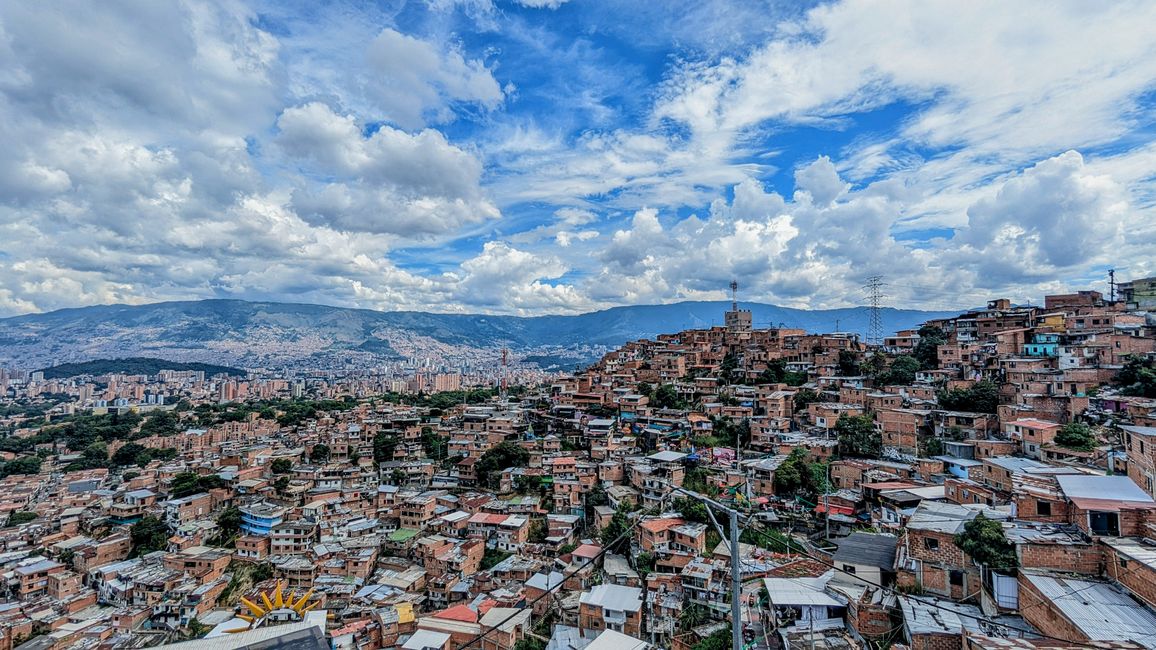
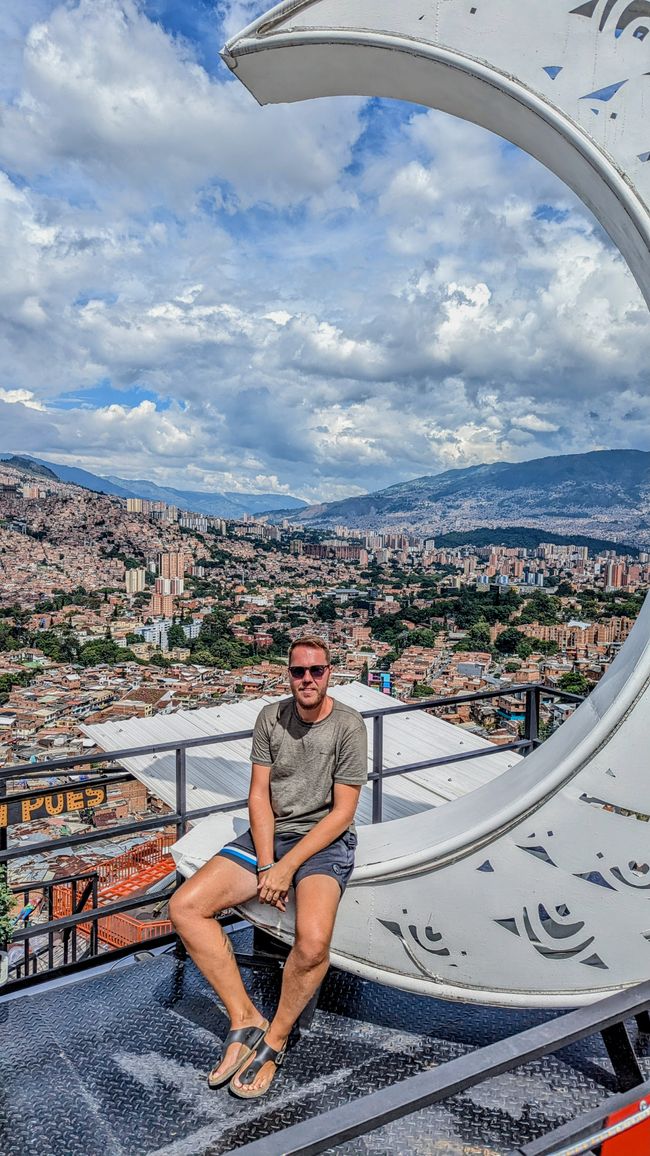
Two days are really enough in this city; the view is absolutely stunning, both during the day and at night, if one reaches the right viewpoint. In the evenings, one can enjoy the nightlife in the neighborhoods of El Poblado and Laureles or have a pleasant meal for a change.
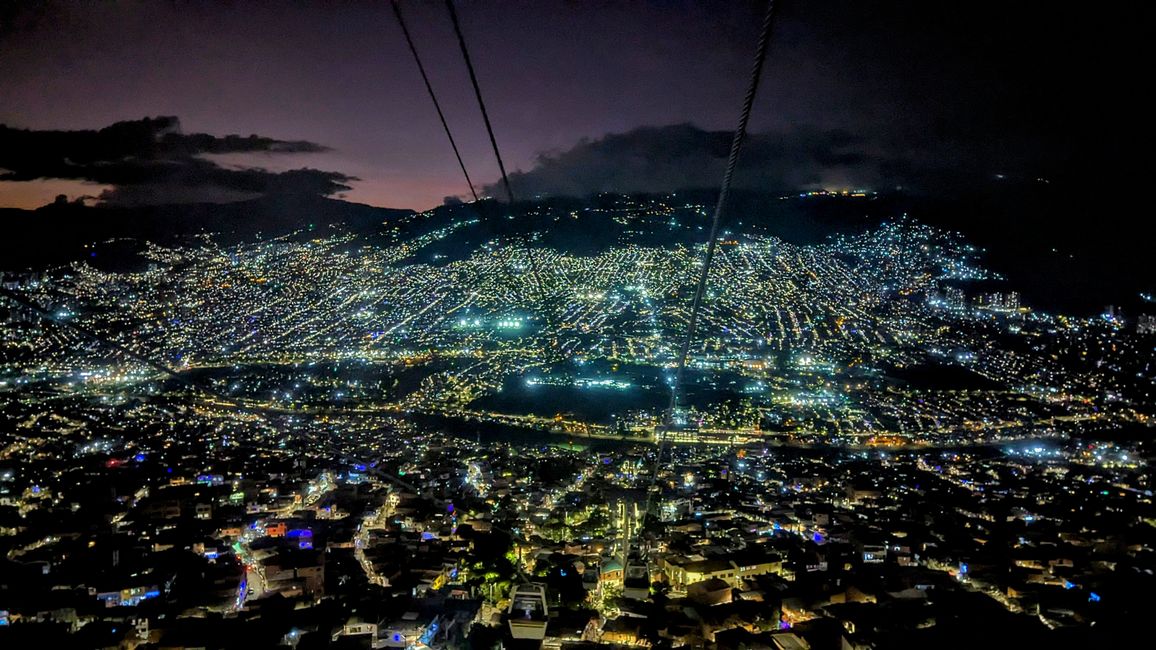
Otherwise, it’s quite an unattractive city and not particularly worth seeing; the center can be skipped, and there’s no historical district to be found.
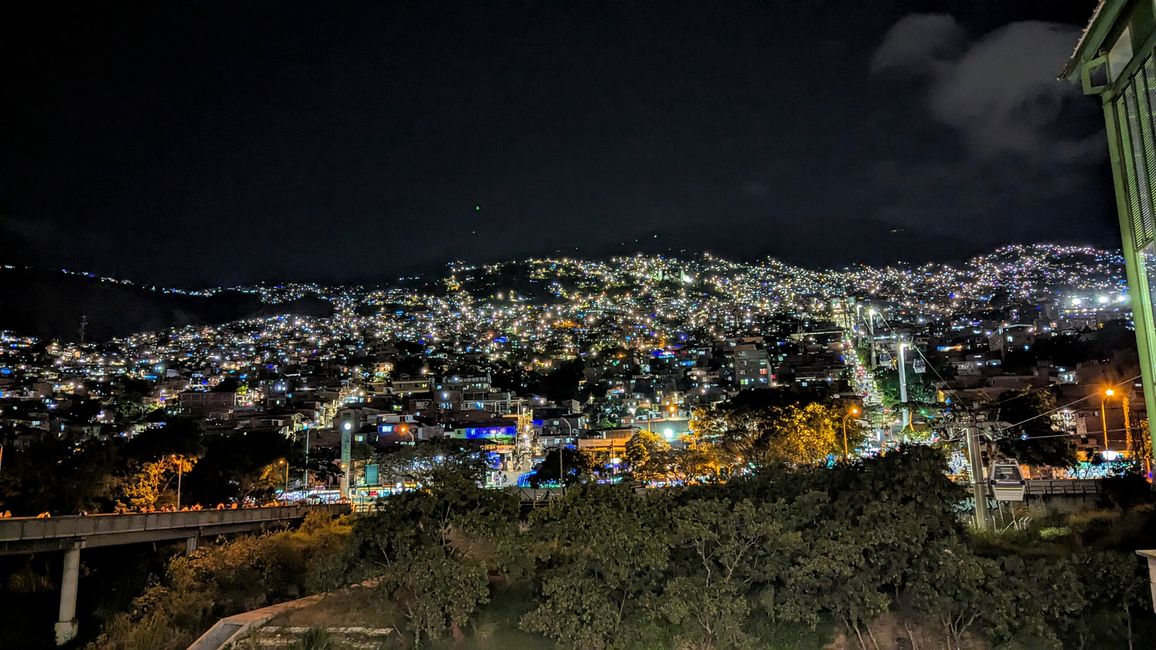
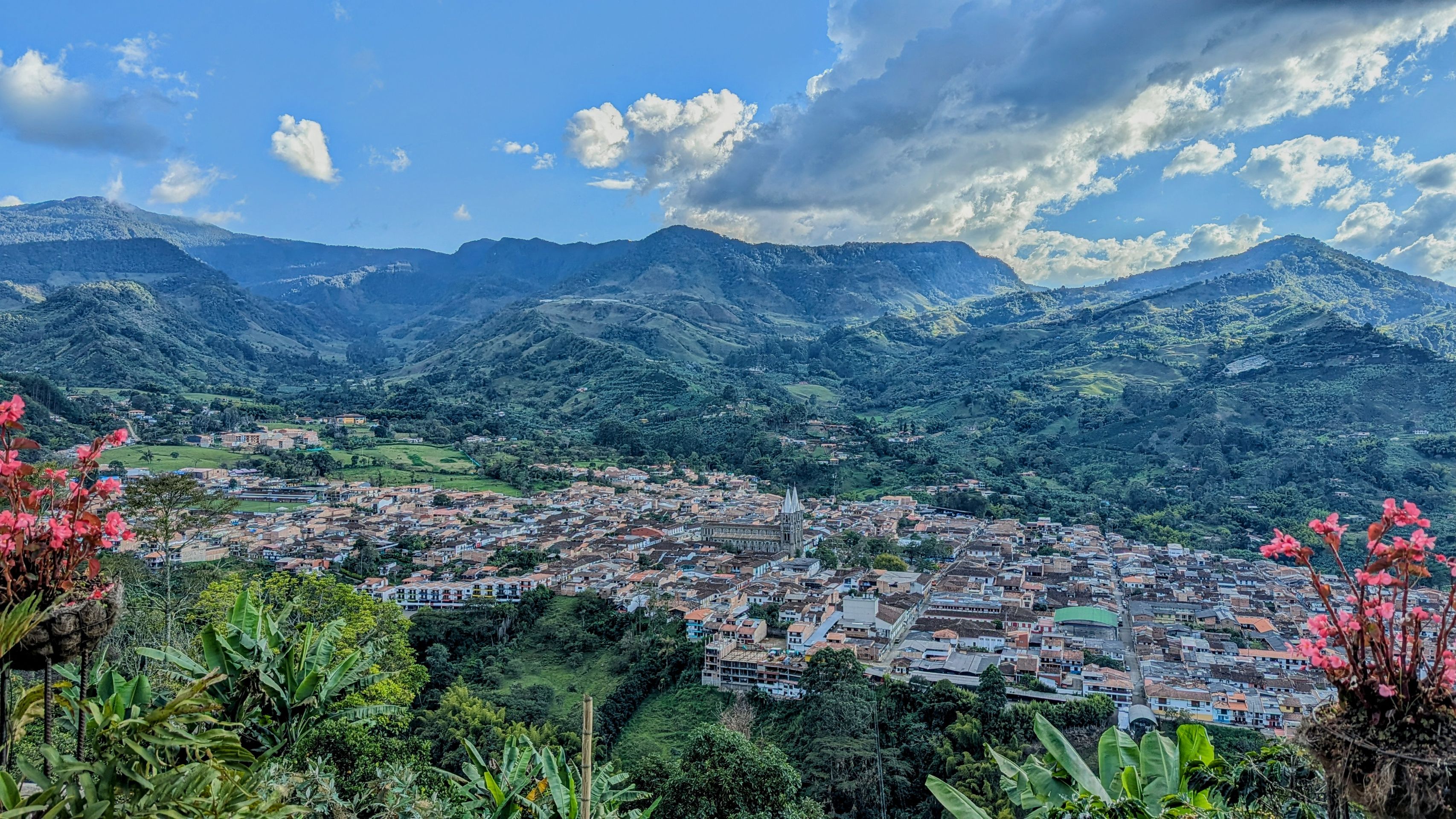
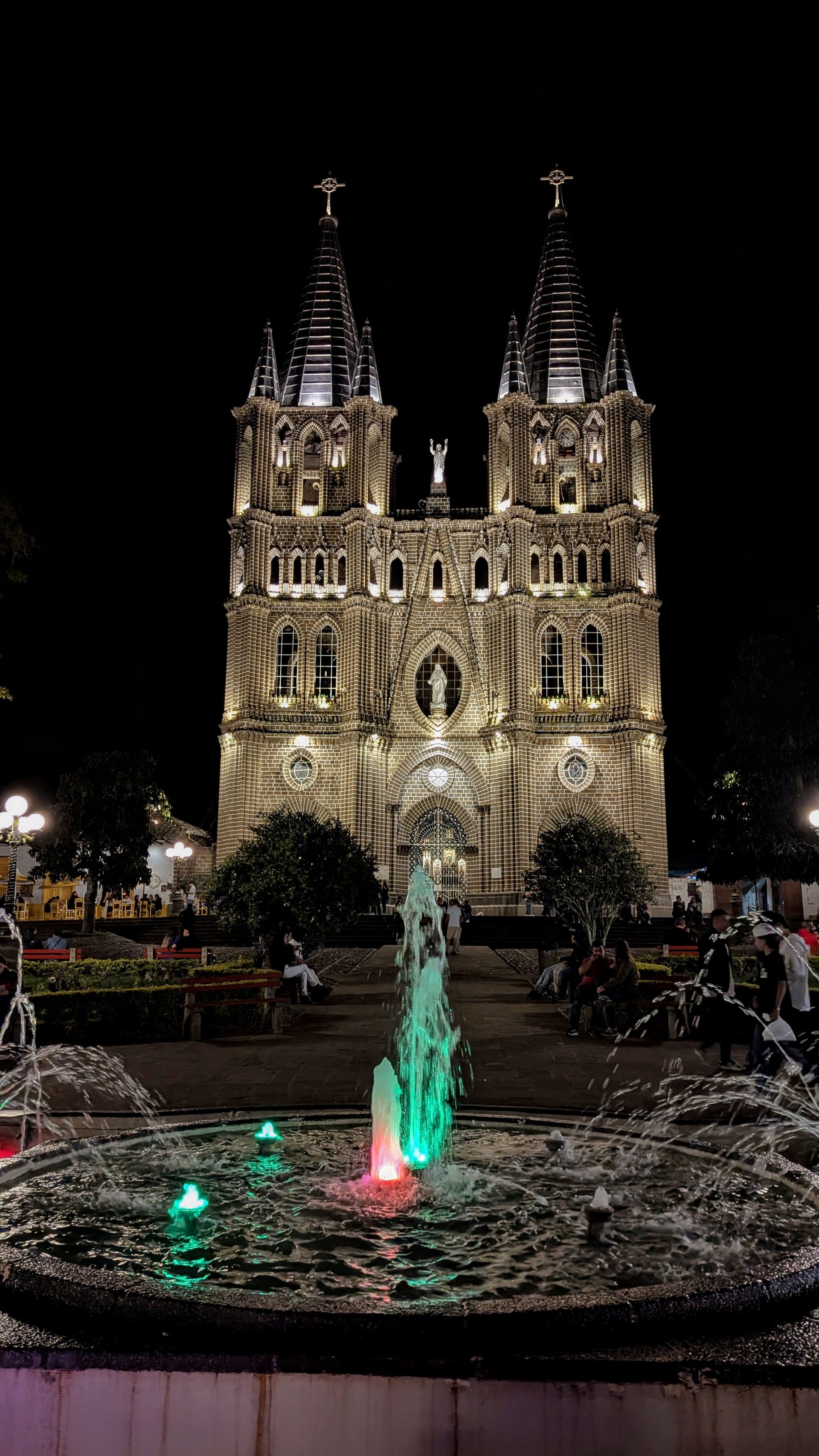
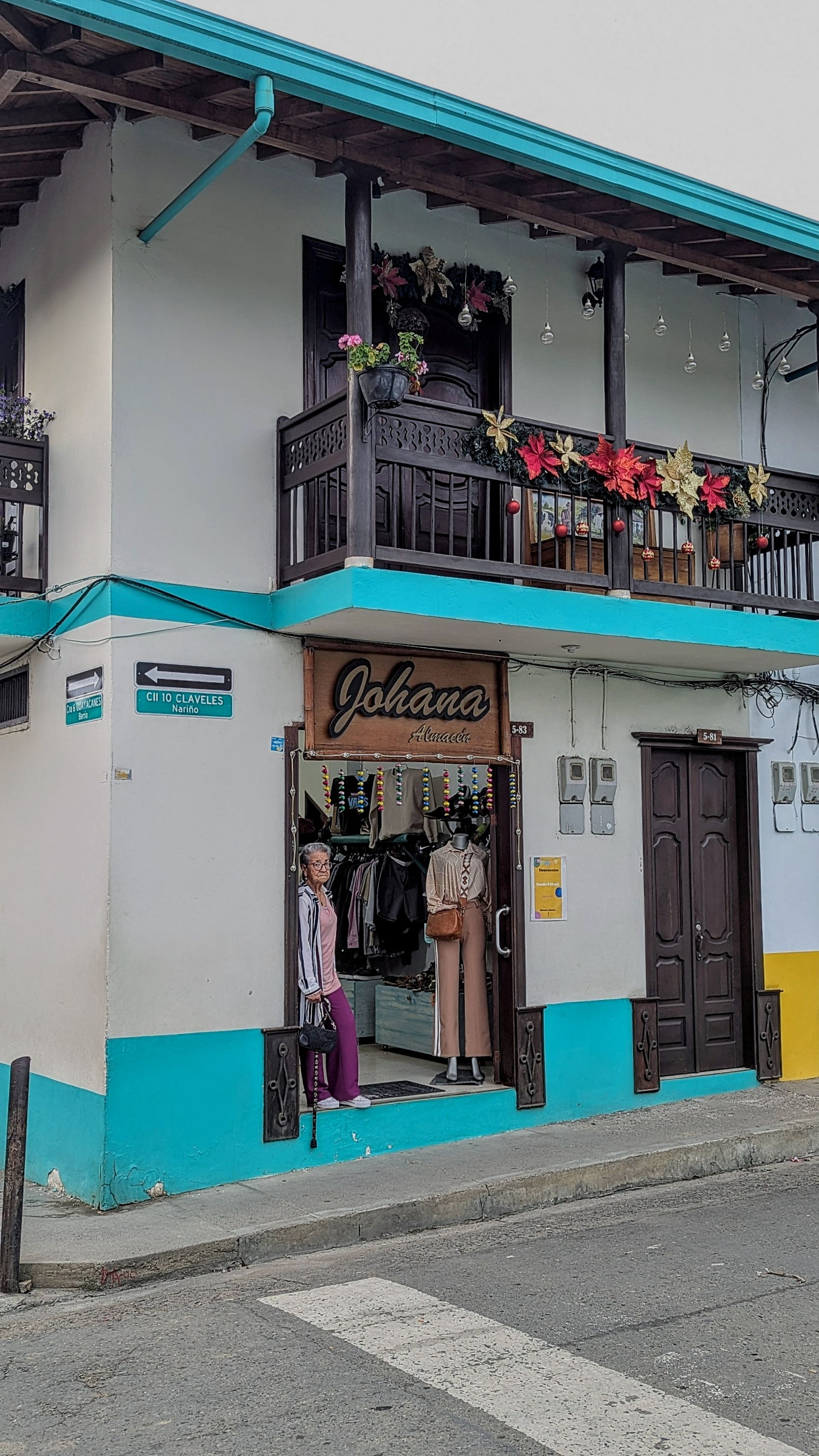
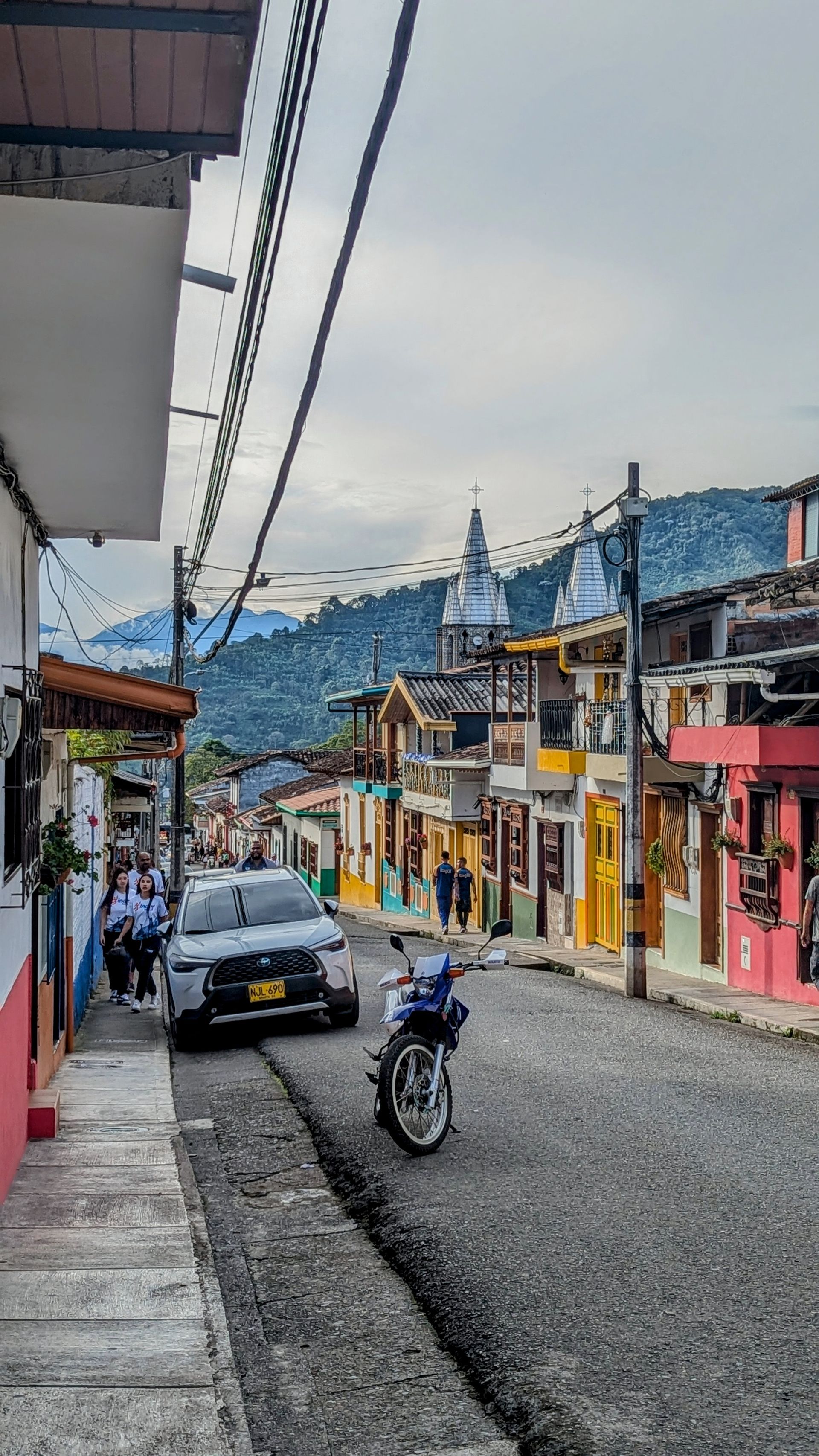
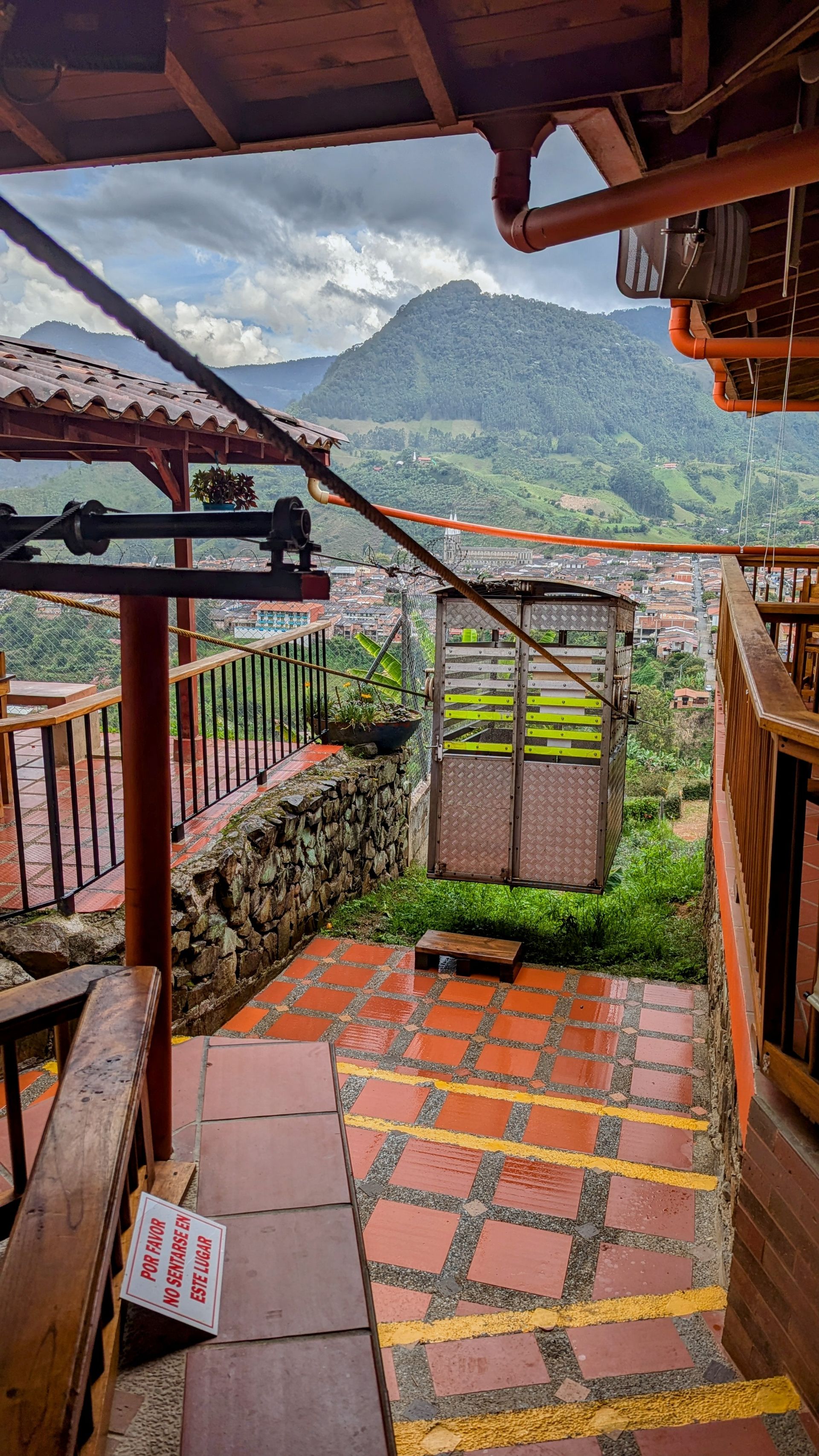
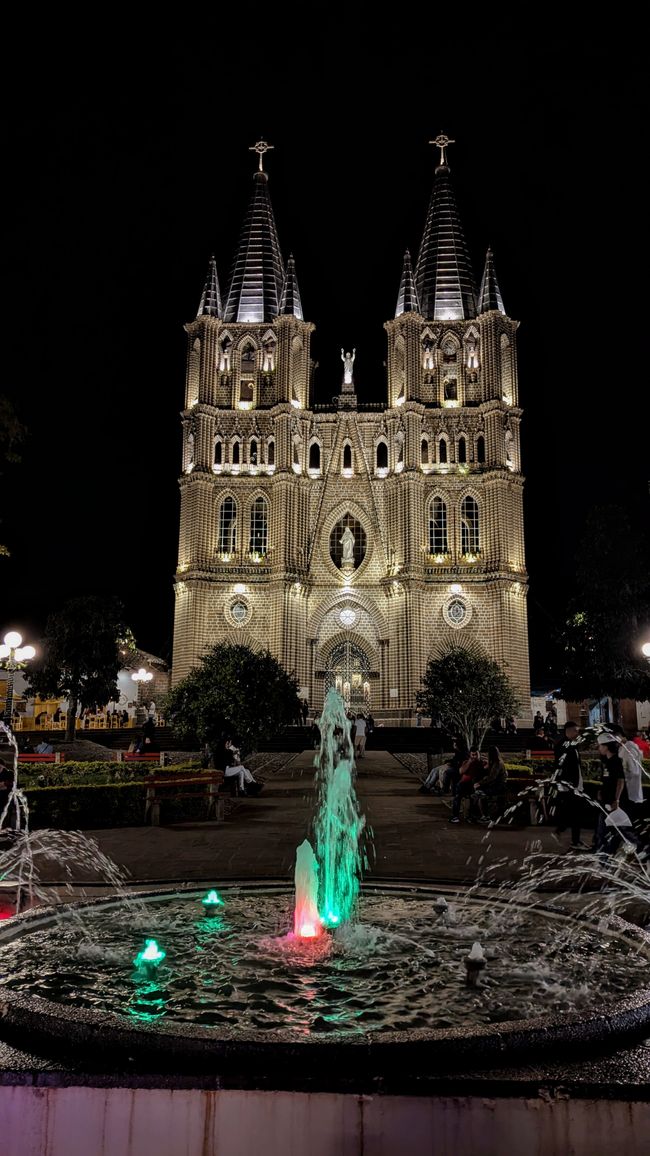
It was much quieter in Jardin; many of the 15,000 inhabitants gather in the evening around the market square with the attractive church, drinking coffee or beer, dancing to Colombian music or playing a board game.
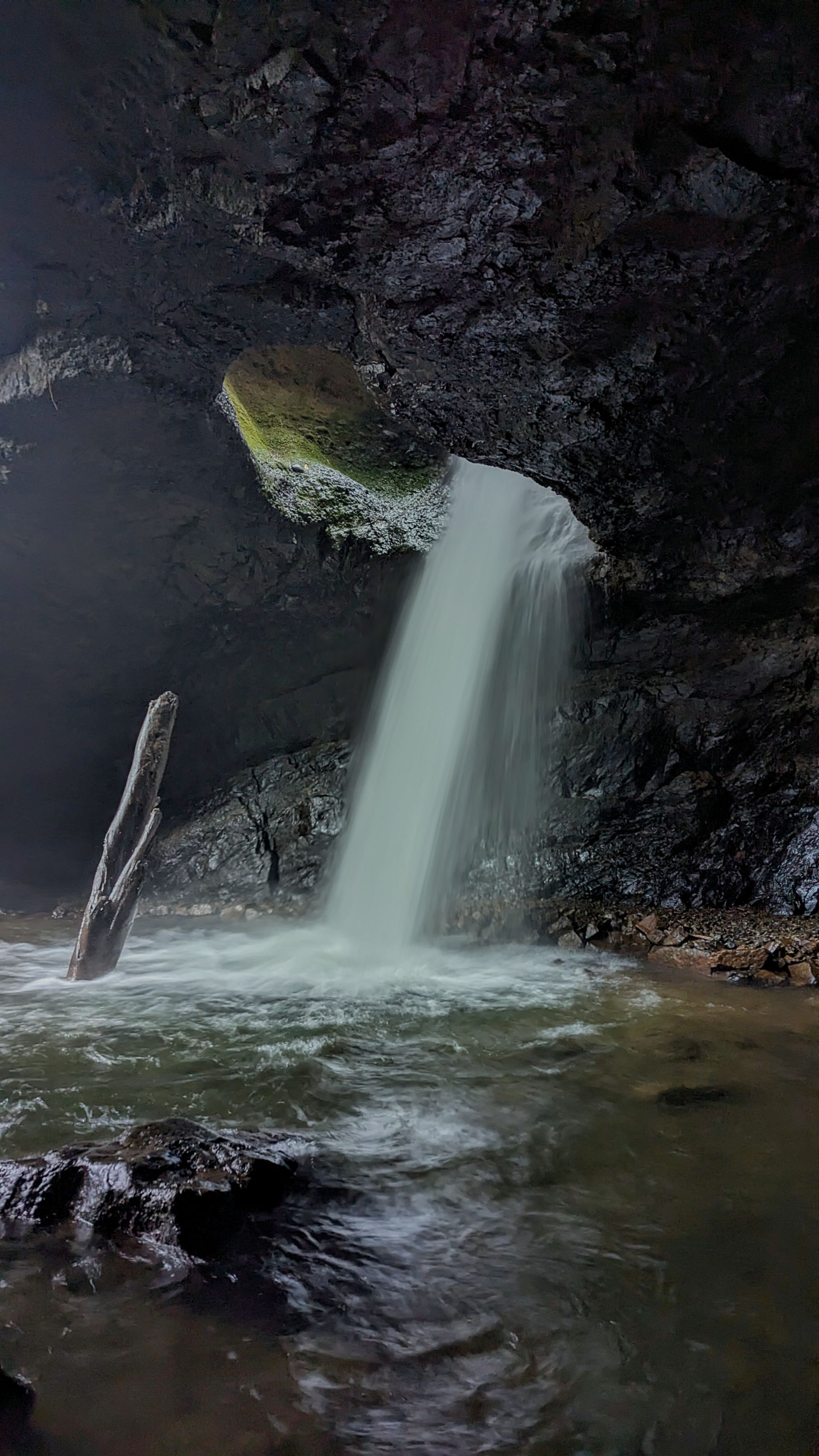
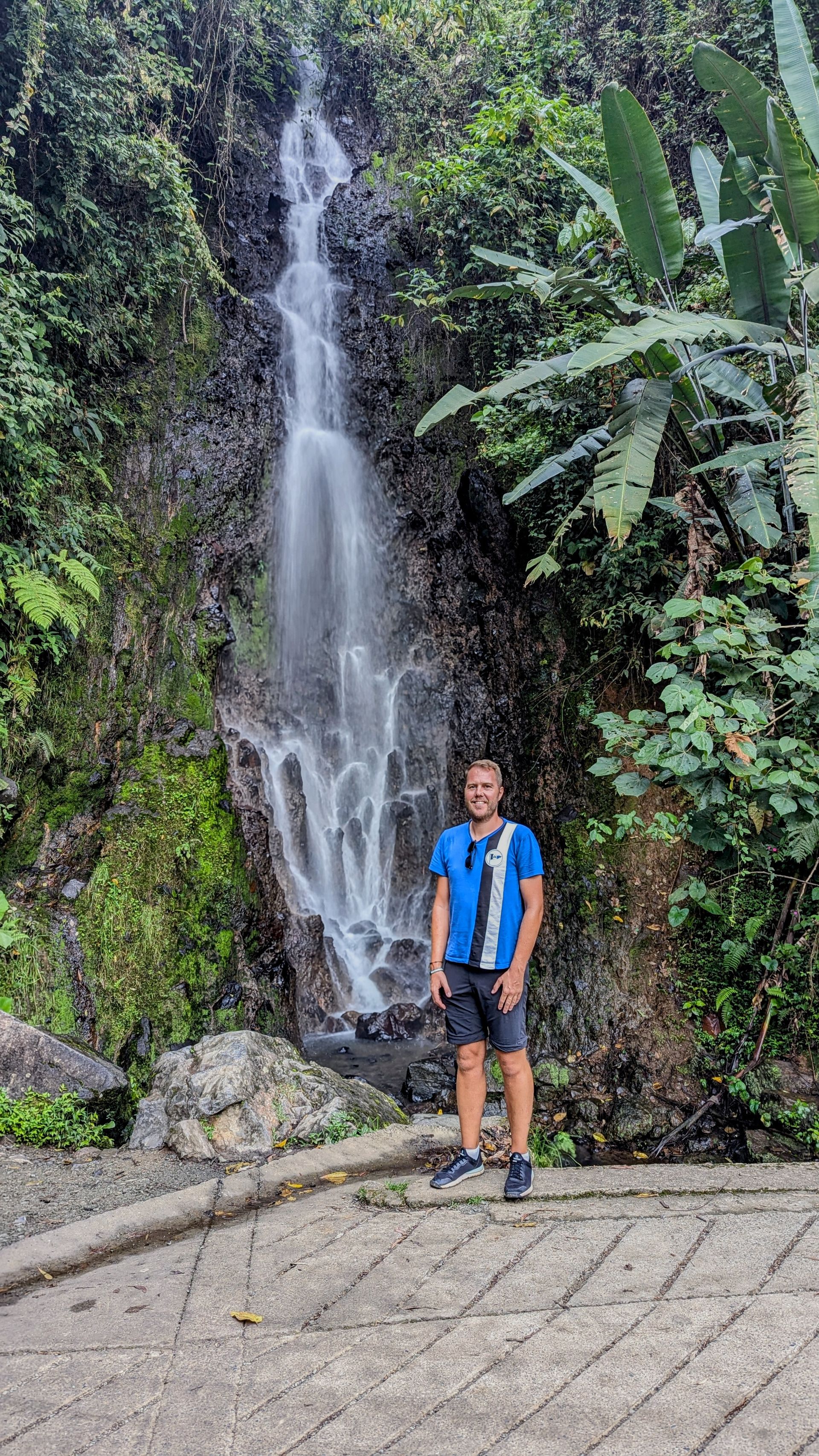
Around Jardin, one can hike well; however, I had expected a bit more from the hiking trails, as 80% of the paths are just gravel roads. We didn’t try hiking to the 7 waterfalls, as I currently have no interest in jungle tours. Instead, I explored various viewpoints and passed several waterfalls.
My luck remains with me. We took a tuk-tuk to the starting point of the hike. Unbeknownst to me, on the bumpy road, my phone slipped out of my pocket; I only noticed it after we had already paid, and the driver was already on the way back. However, the driver stopped in sight a few hundred meters away for a bathroom break, so I quickly ran after him, whistling, and luckily got my phone back :)
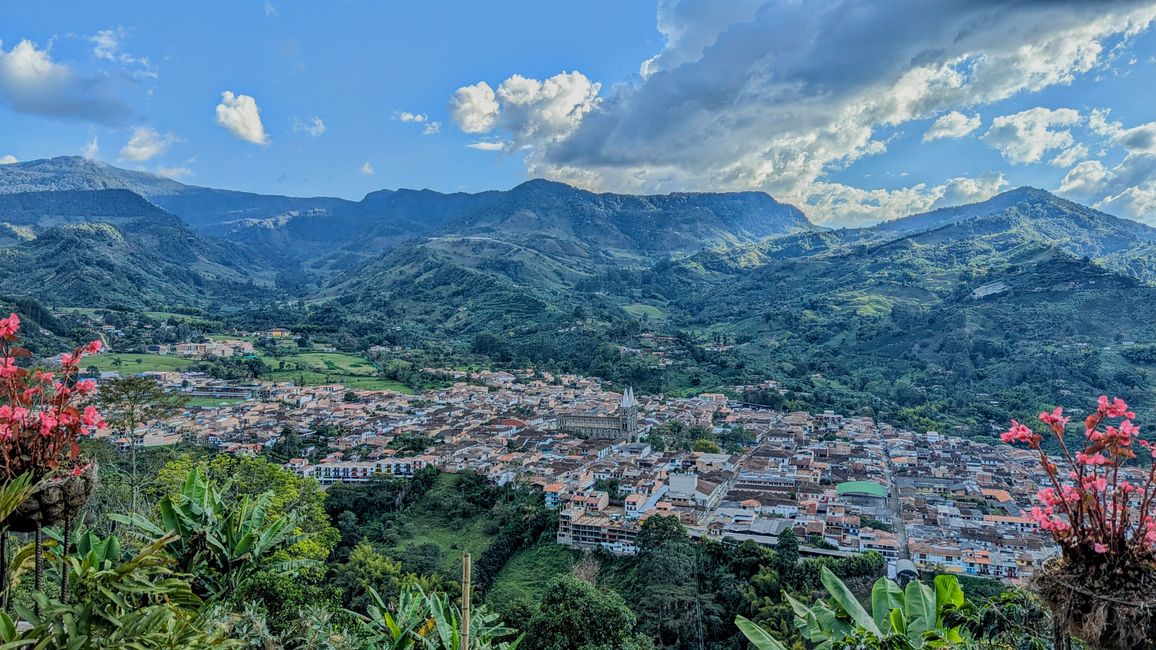
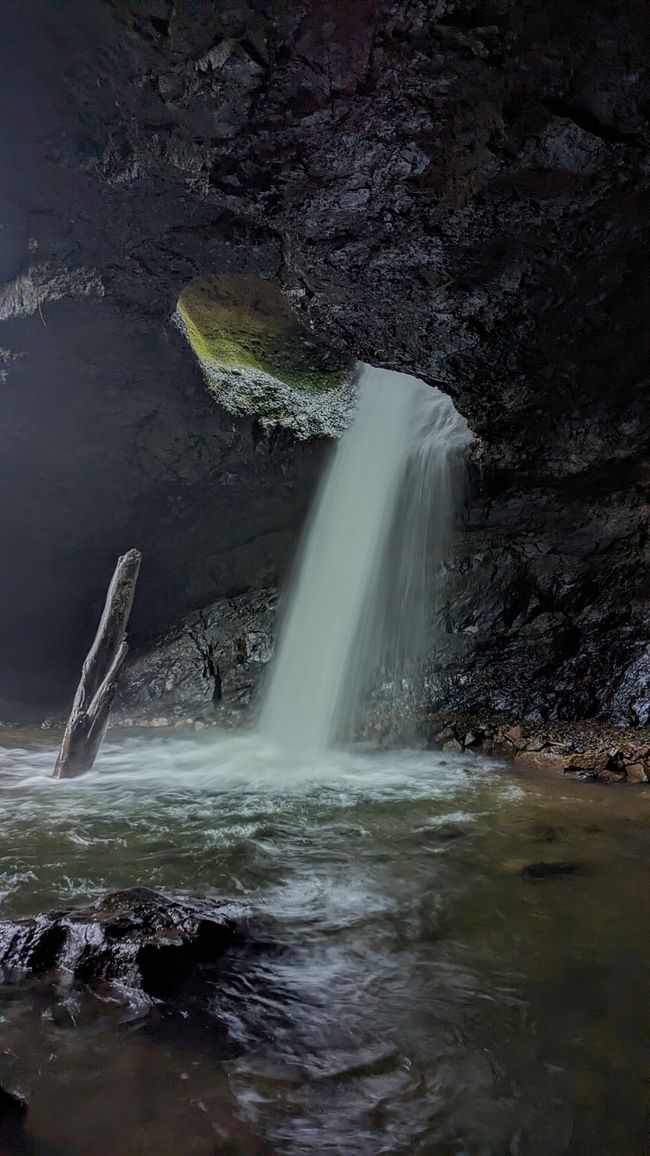
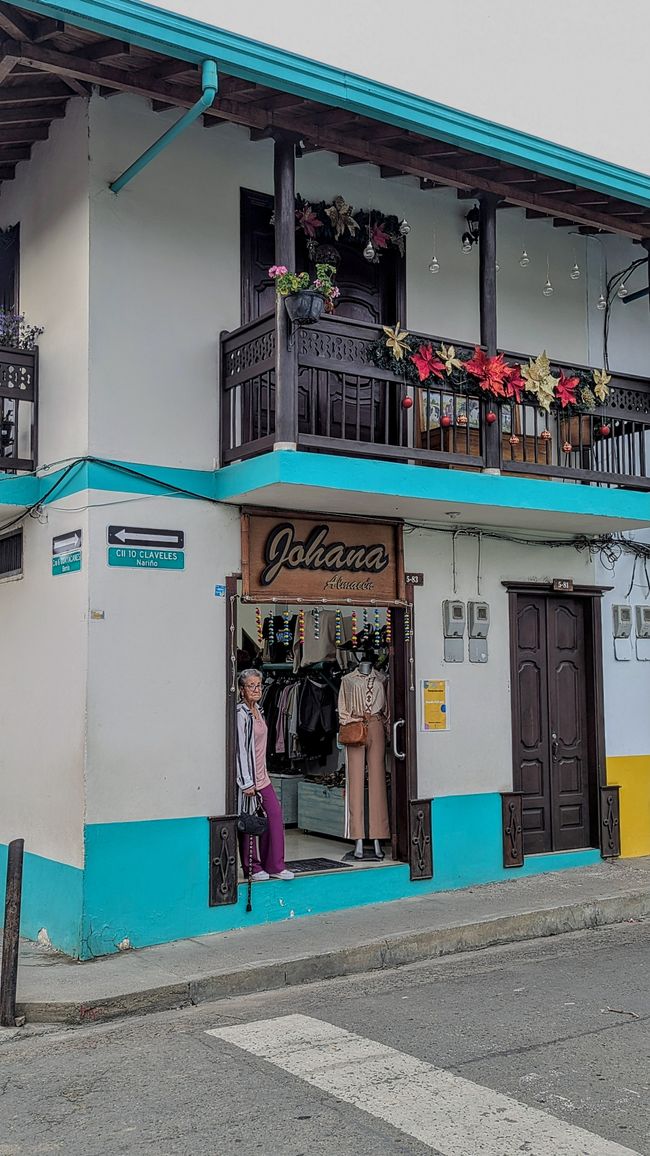
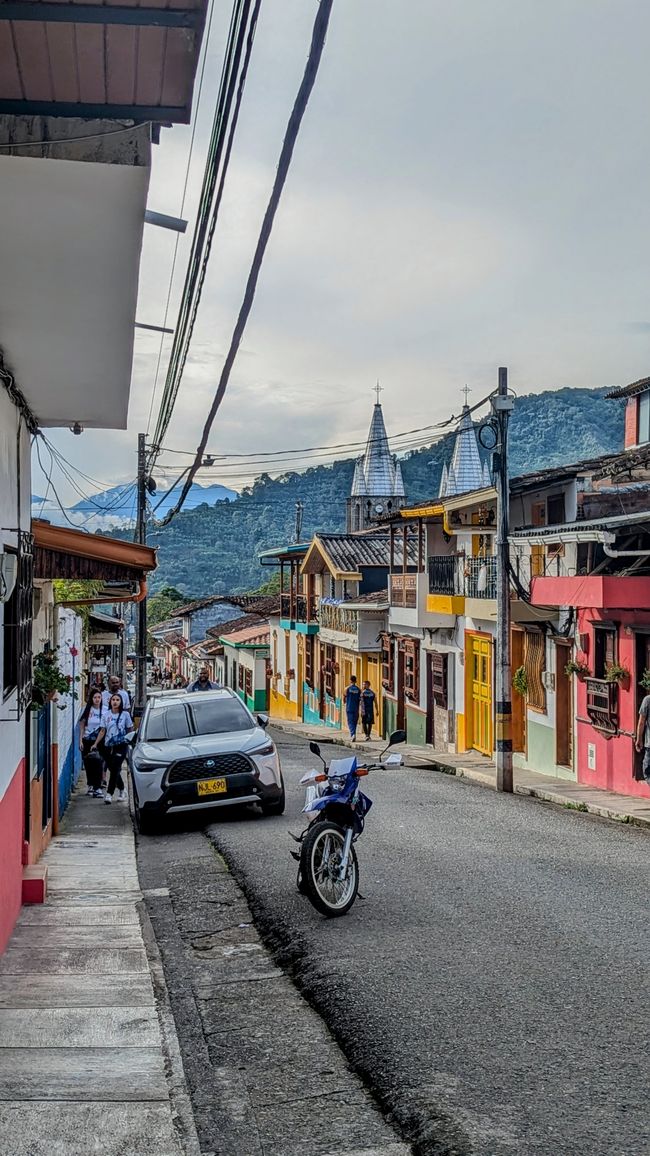
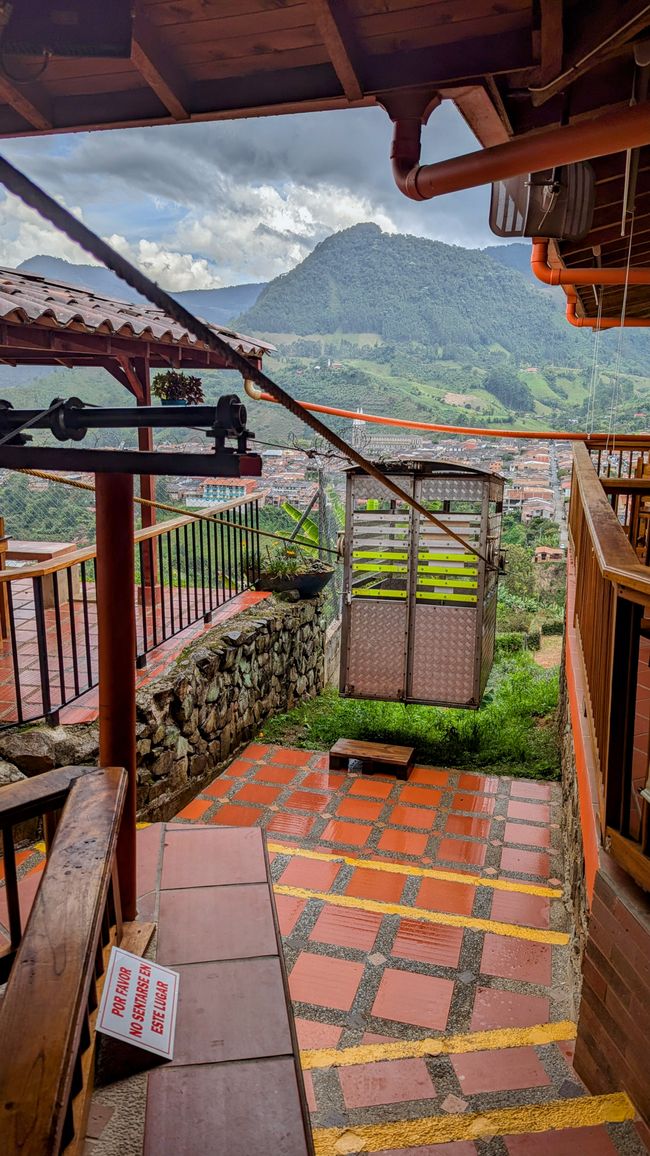
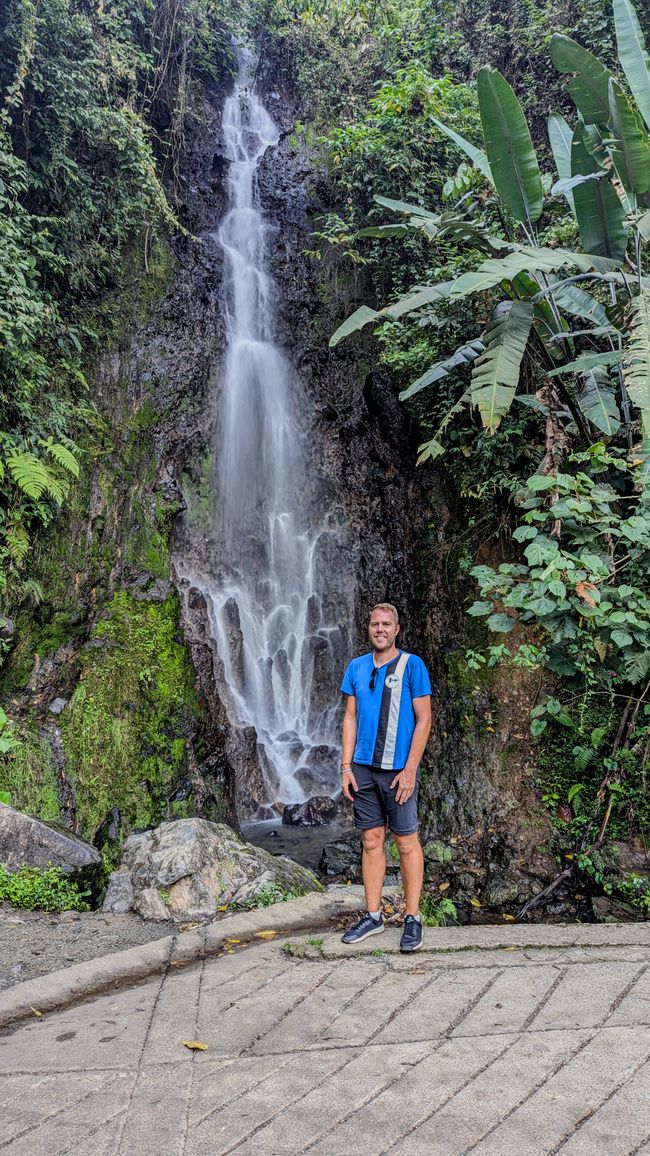
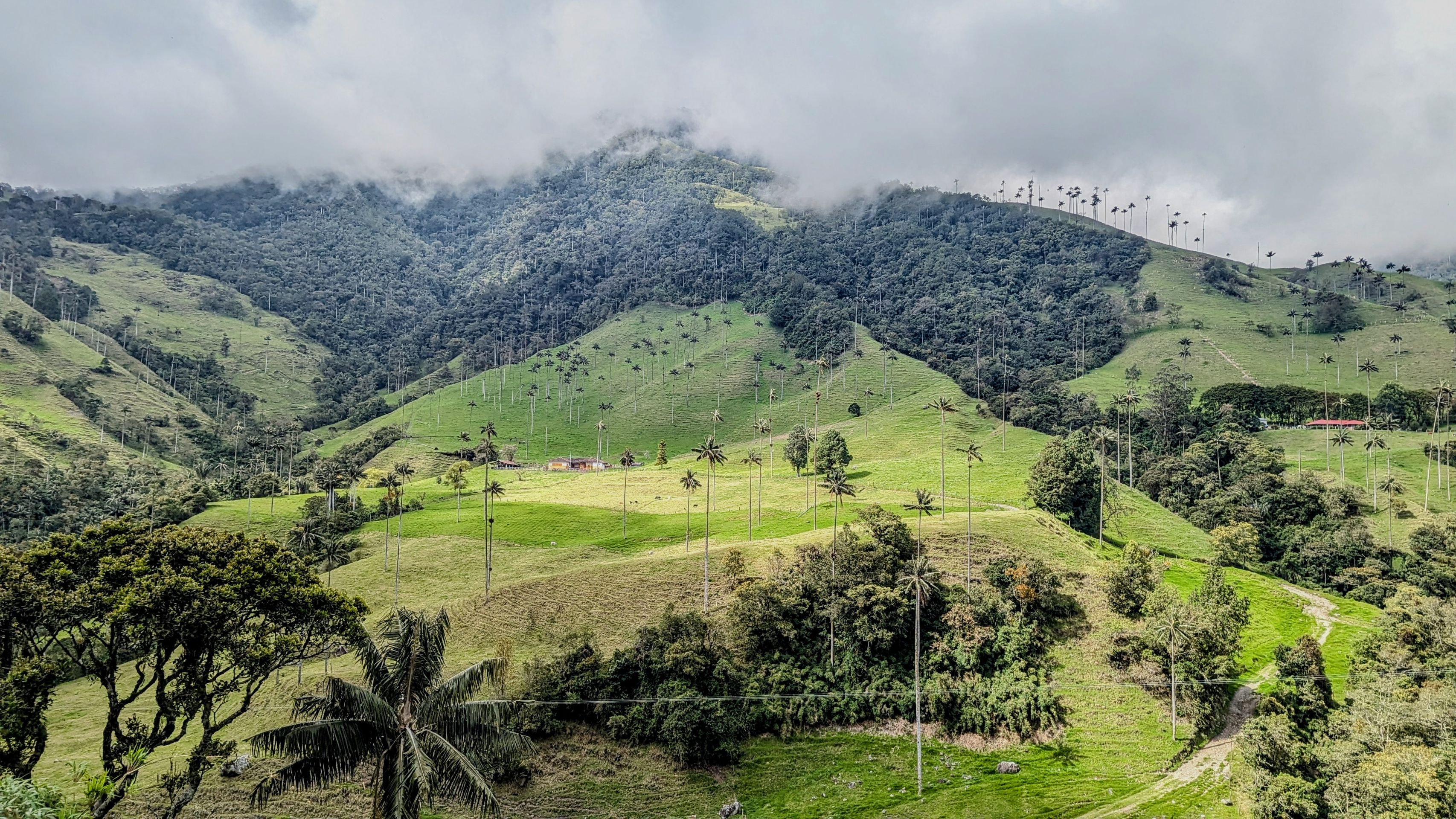
Salento was our next stop; since I had also been here last year, I left the planning to Fina. The 3 to 5-day hike was a bit much for her, so I took another look at the Cocoa Valley and the town (Warning: Archive photos).
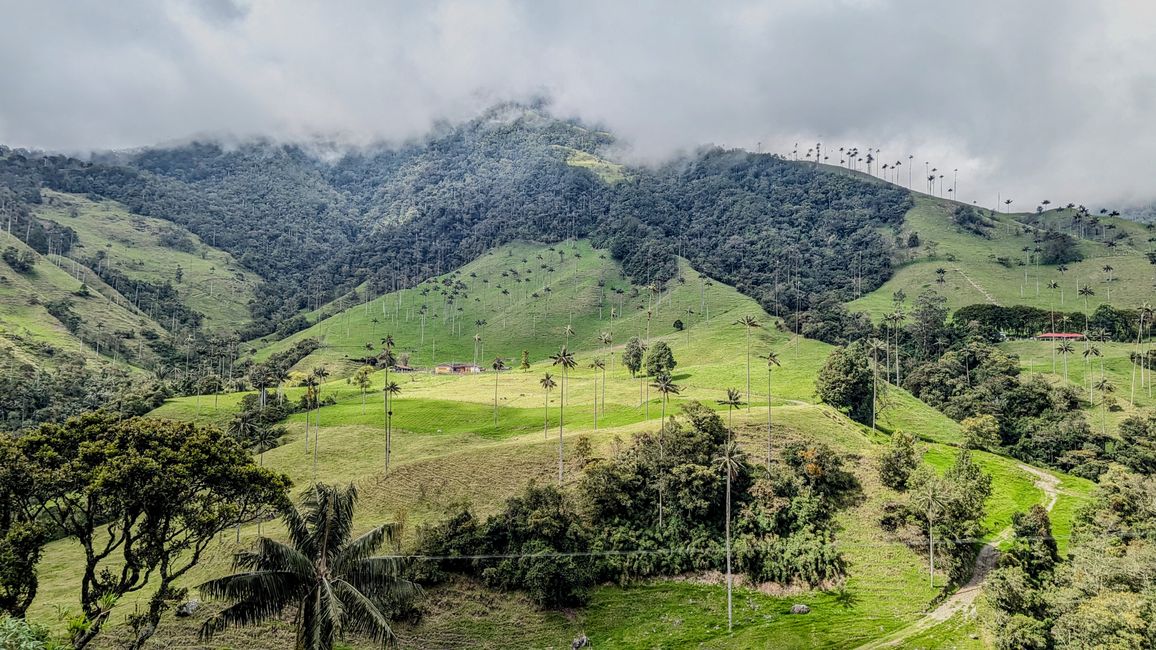
I still really like the town; if I come back a third time, I will definitely go to Los Nevados National Park.
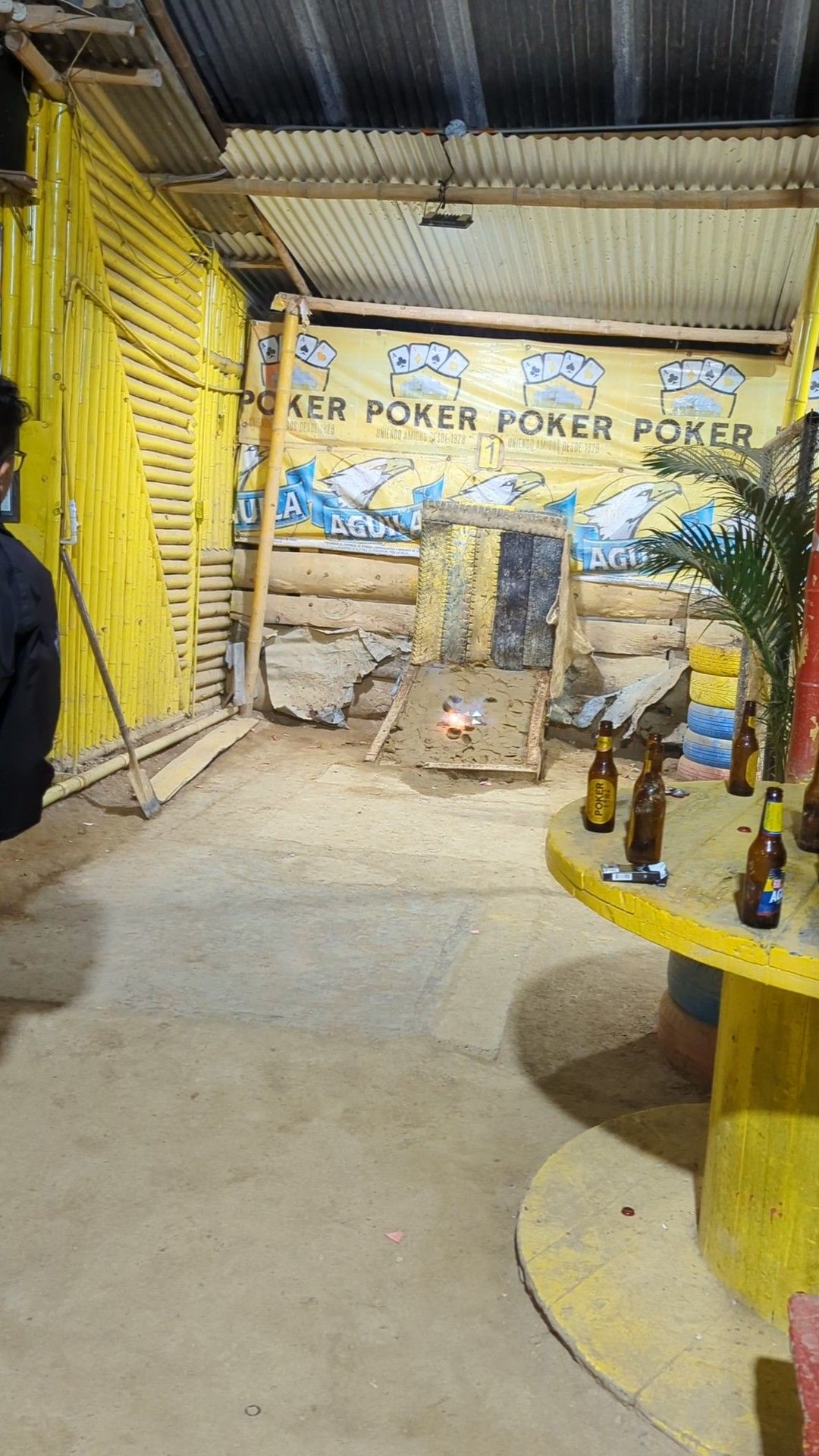
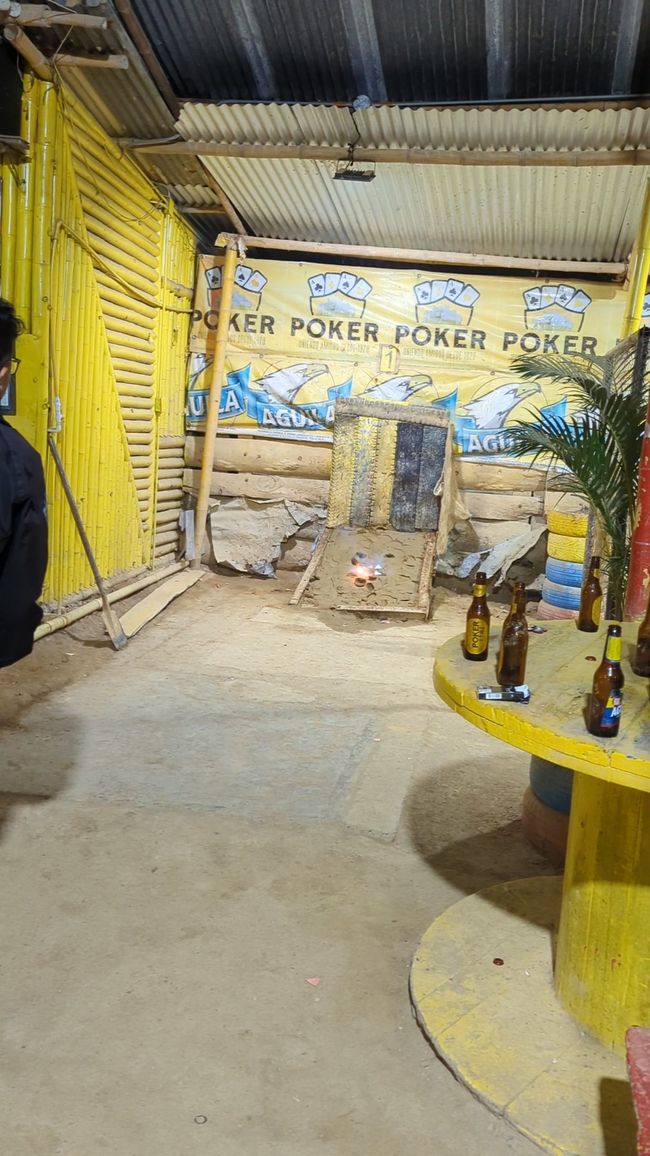
We played Tejo, a game where you try to throw an iron disc, the 'Tejo,' onto the edge of an iron ring (called bocín) to hit and explode the triangular black powder bags, the Mechas (possibly I lost all the games…).
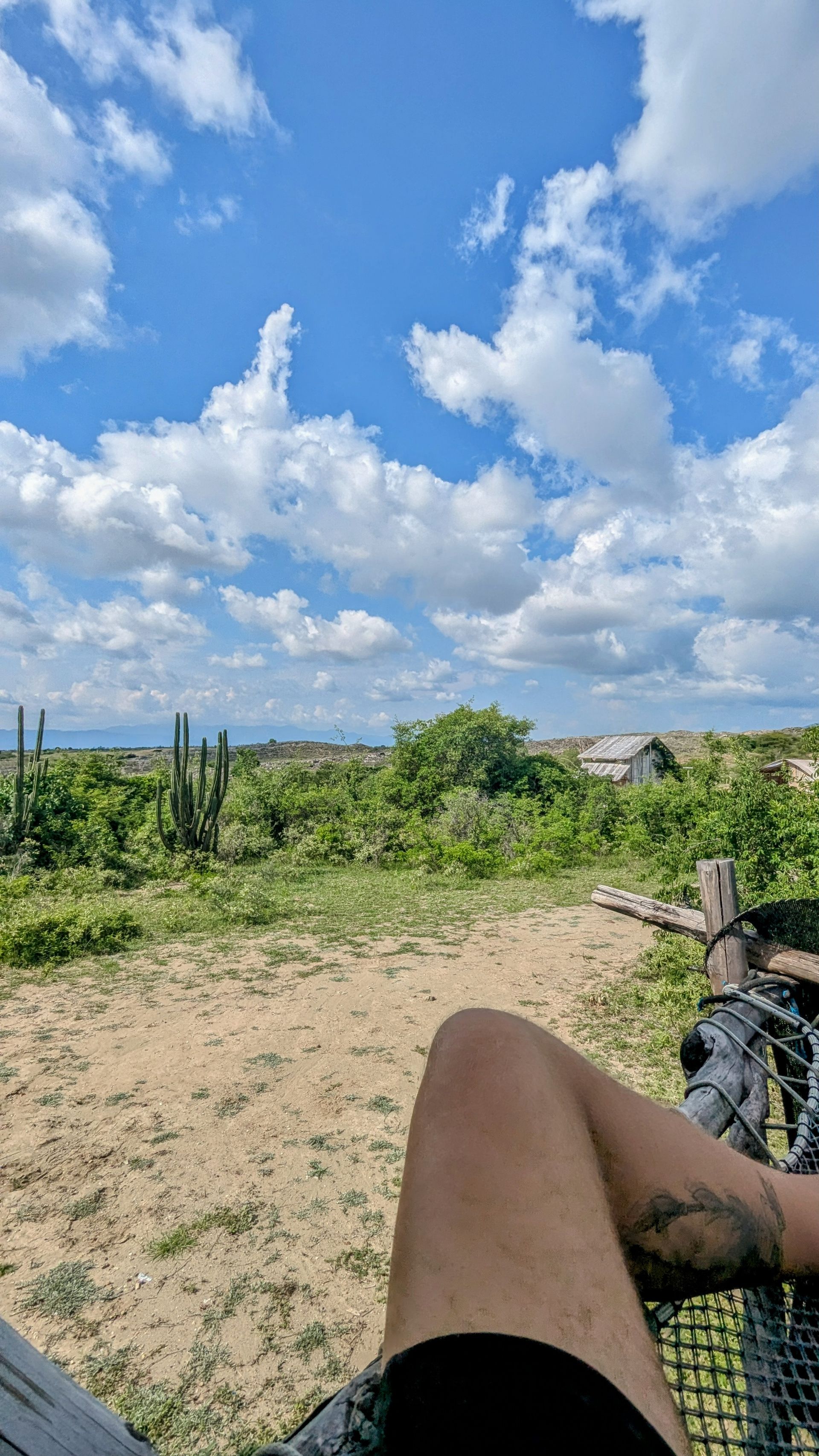
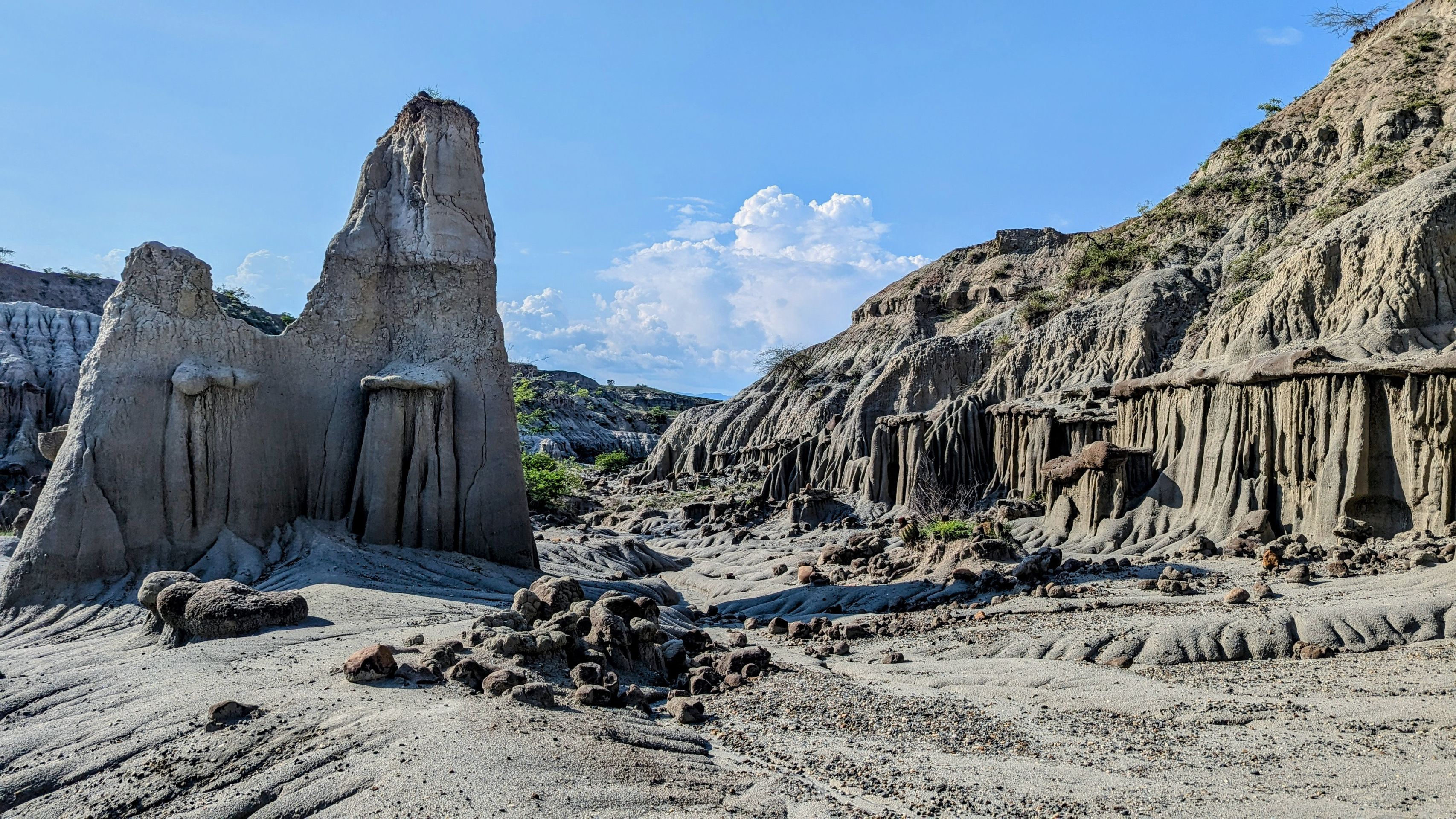
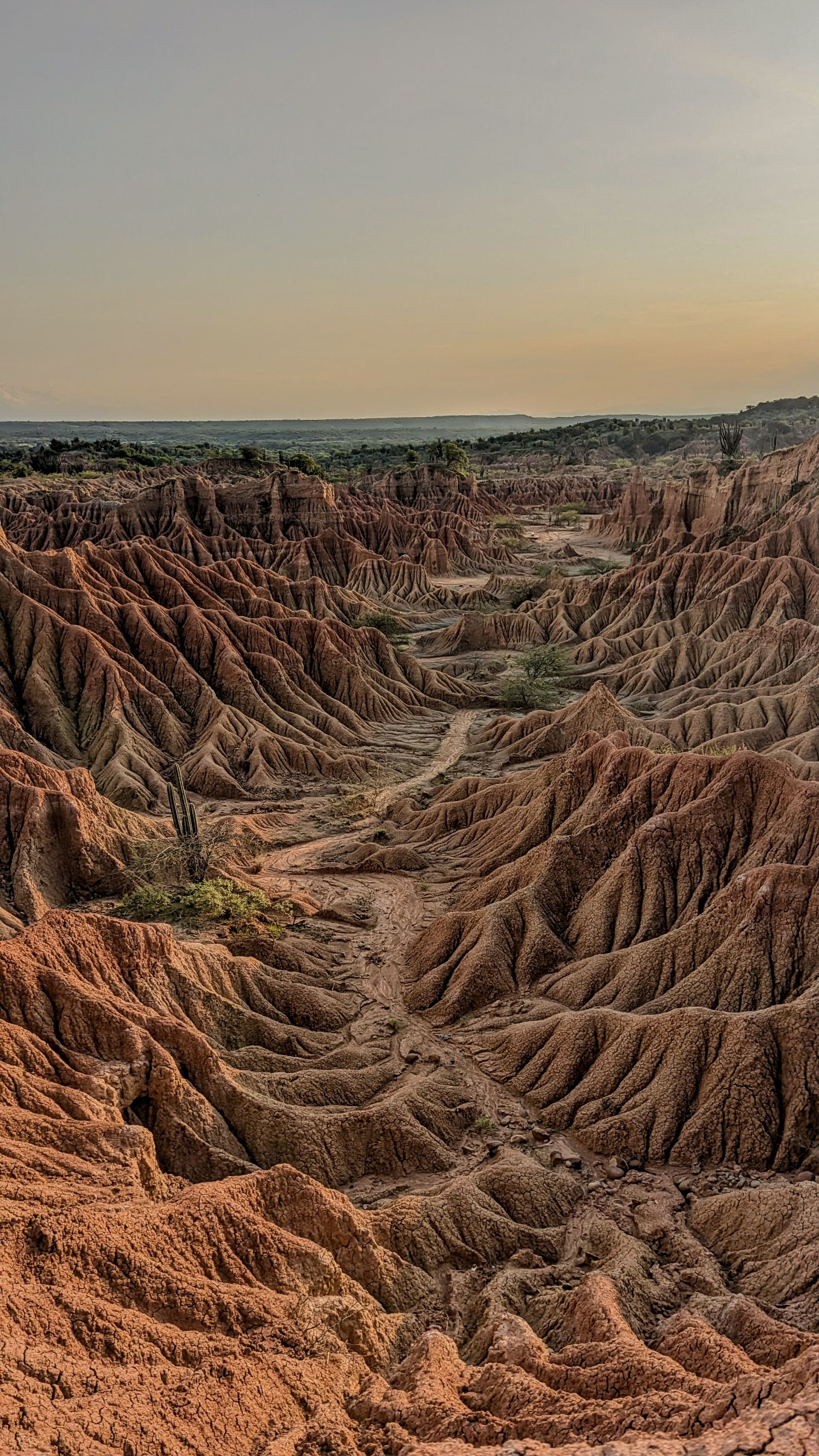
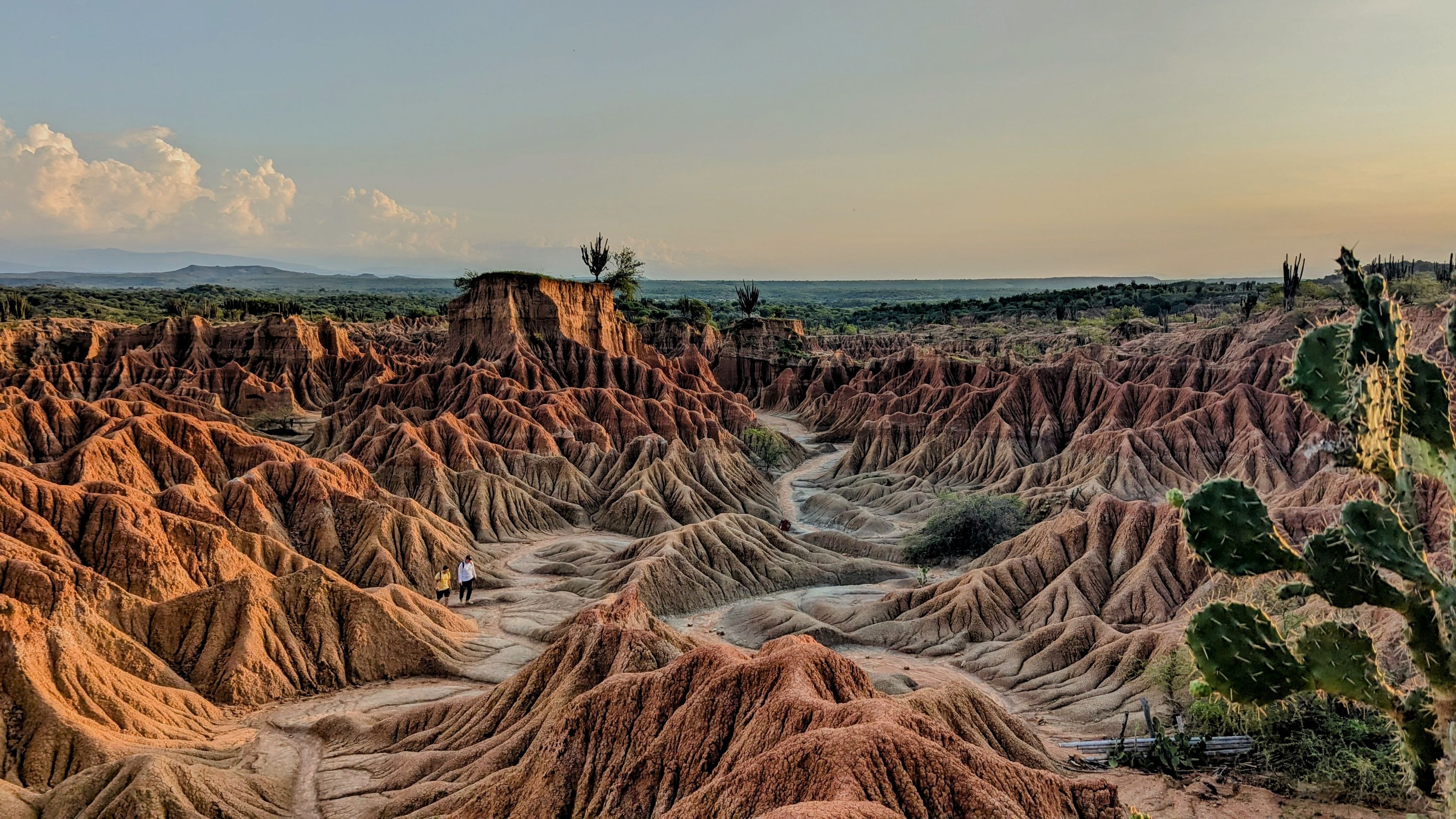
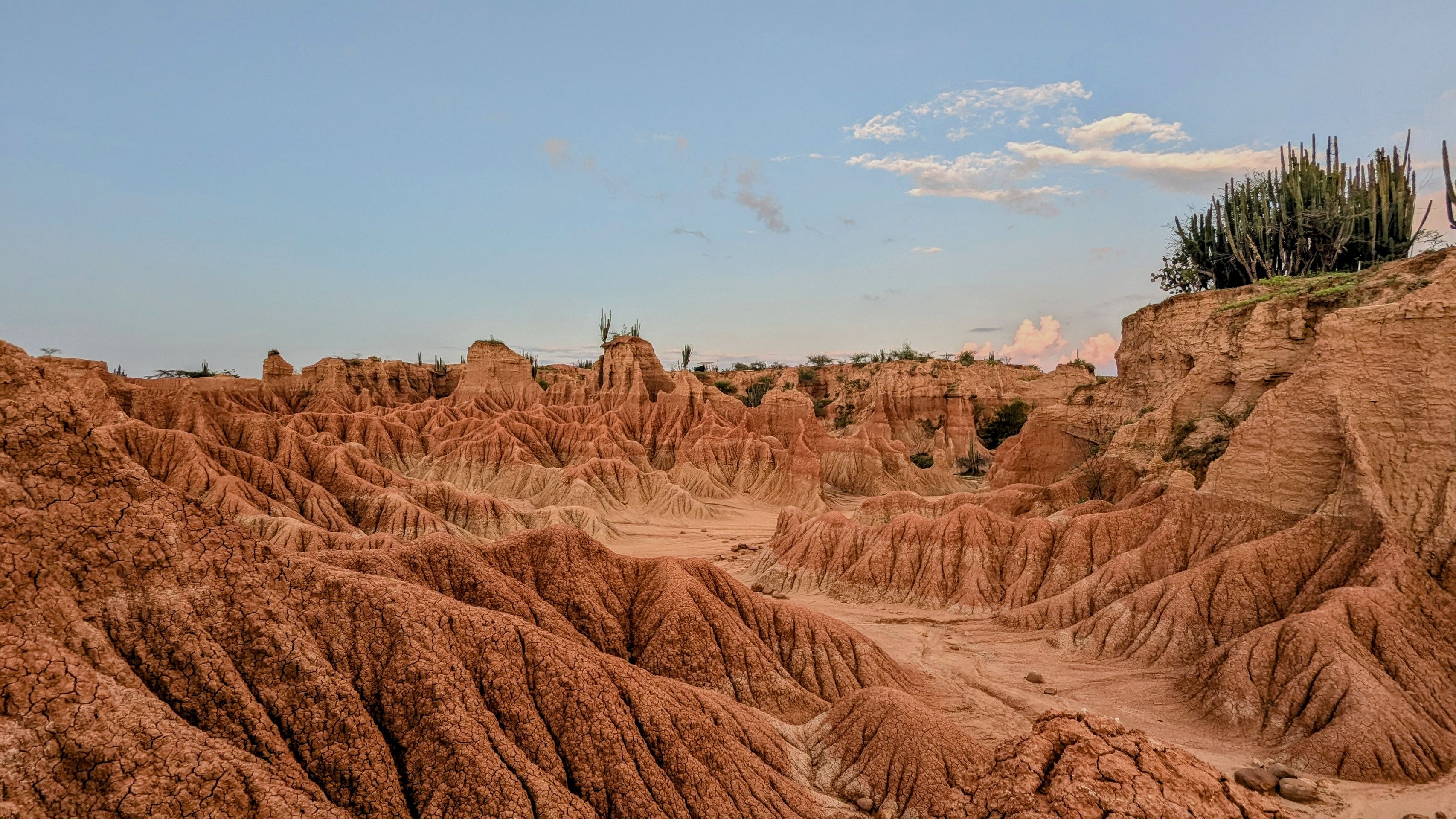
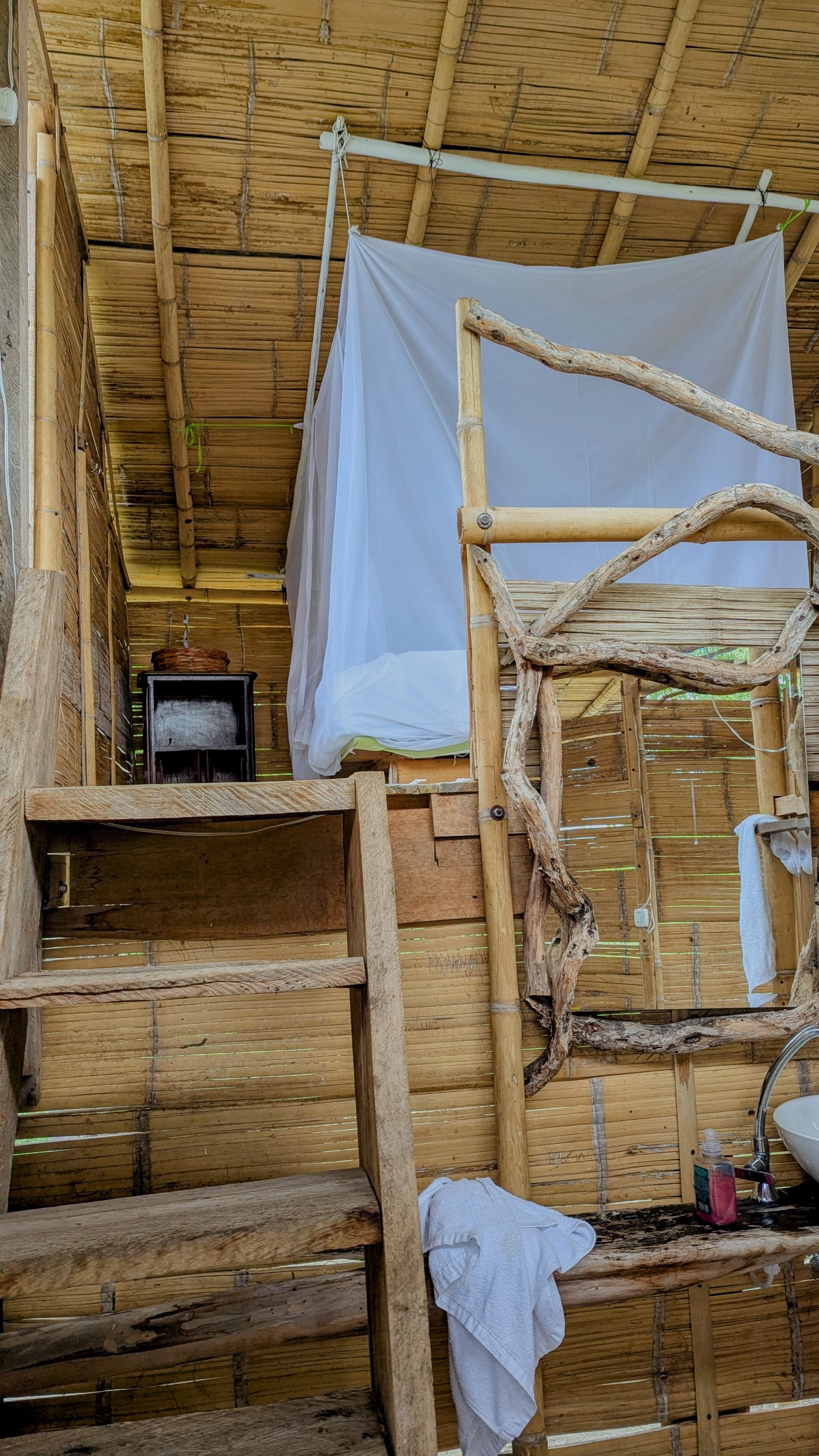
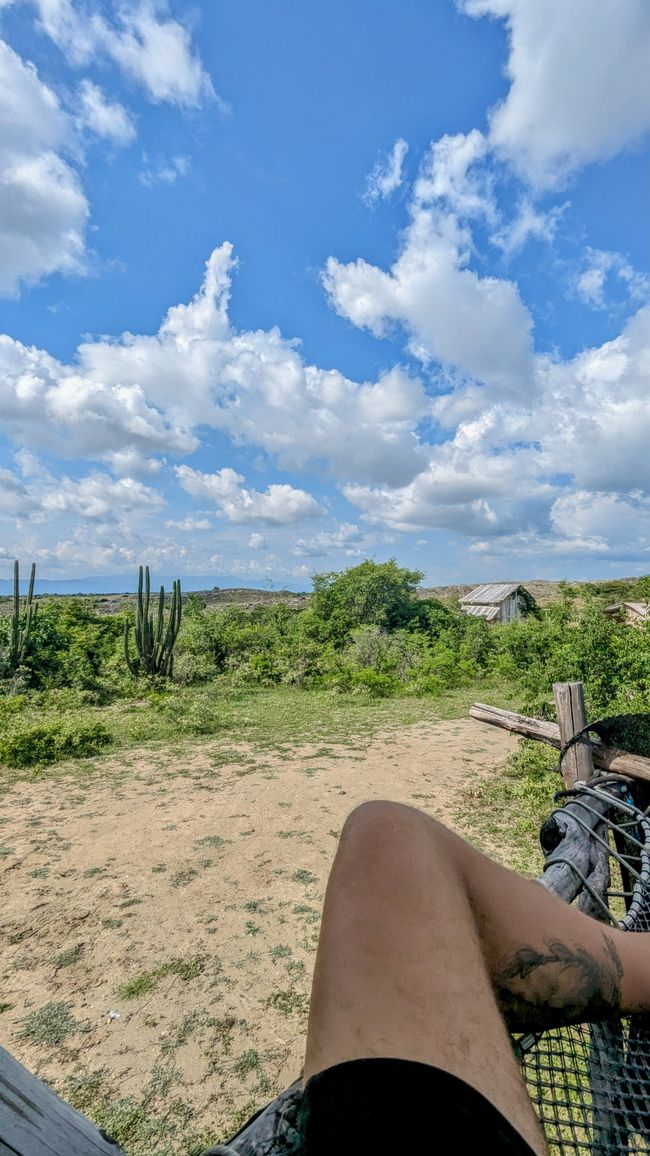
The Tatacoa Desert is somehow quite green for a desert, at least around our hut, which we reached in the dark around 8 PM.
Because first, we had to travel over 10 hours by bus. We were supposed to reach the town of Aipe by 4 PM at the latest, but then it got later again; the problem was that the ferry stopped operating at 6 PM. The next bridge would have meant an additional 2-hour detour.
I had already been in contact with our drivers from the bus station to the ferry and with our tuk-tuk driver, who was supposed to take us about an hour into the desert. Both just wrote, 'Tranquilo.'
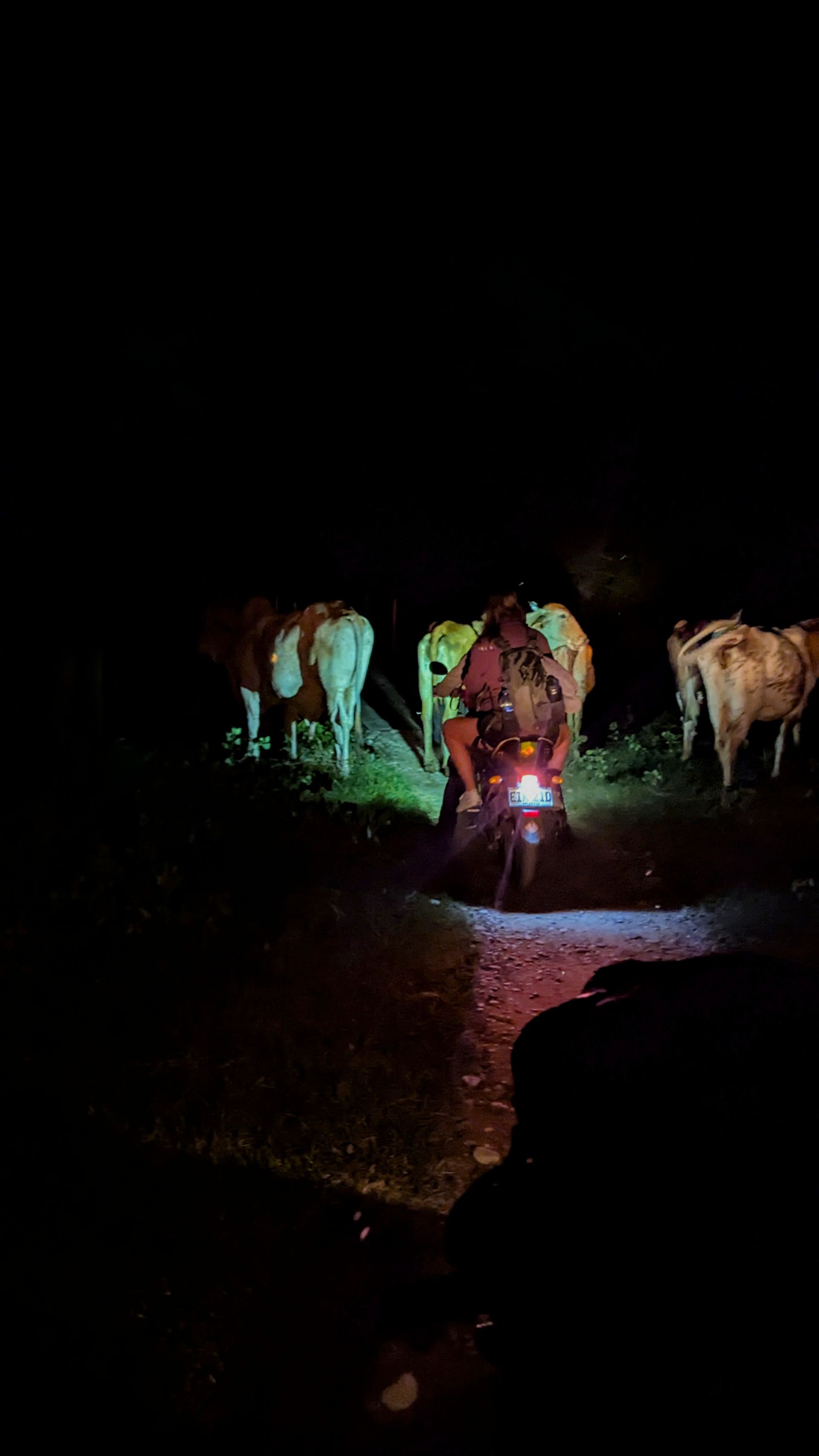
So we were curious about what would happen, and it turned out to be quite interesting. First, we rode on motorcycles through the small town of Aipe, always heading toward signs that said 'ferry.' The road turned into a gravel path, then into a trail, and finally into grazing land. The two switched off the motorcycle lights unless cows were on our path, then they turned them on briefly. When they also told us to be quiet, I slowly realized that what we were doing wasn't exactly legal.
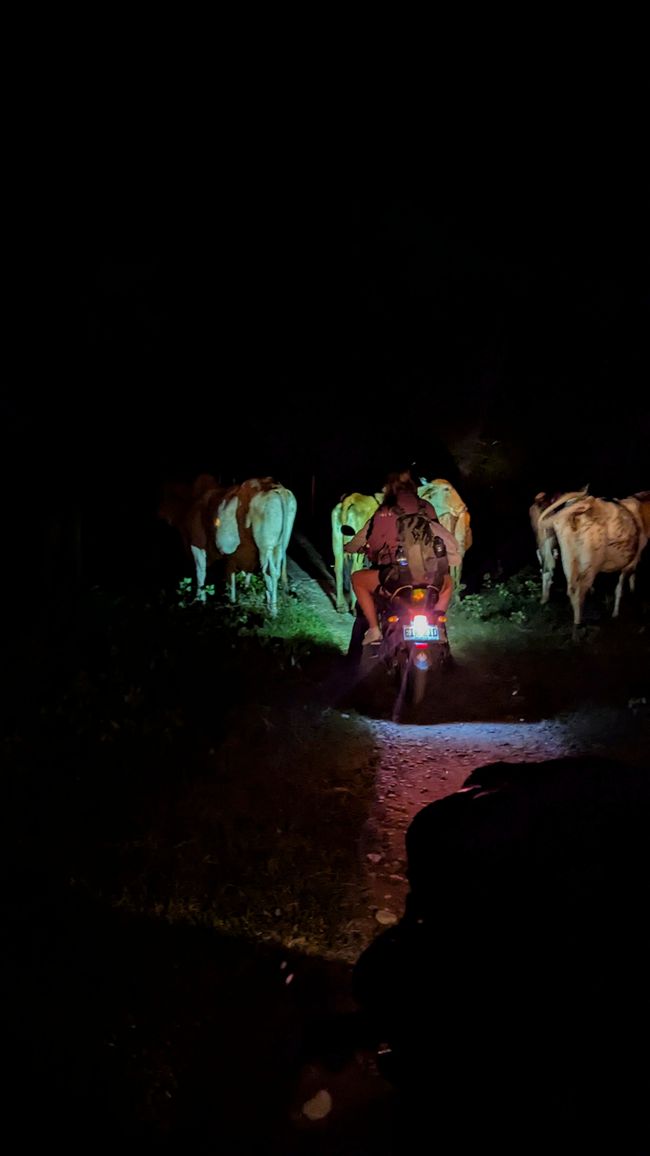
Like something out of a bad movie, there was a phone call, and I heard an engine noise in the distance. Then everything had to go quickly, off to the shore; at some point, we could see where the little wooden boat was, no idea how he managed to get across the wide and rather fast-flowing river without light. I thought they must know what they’re doing; on the other side of the river, several lights were visible, and the captain was a bit nervous; everyone was a bit excited like little boys who had done something wrong.
After a few minutes, we were across, more chaos, just don't turn on the light to count the money; we can do that later. Quickly off to the tuk-tuk and another 60 minutes over bumpy roads to our hut.
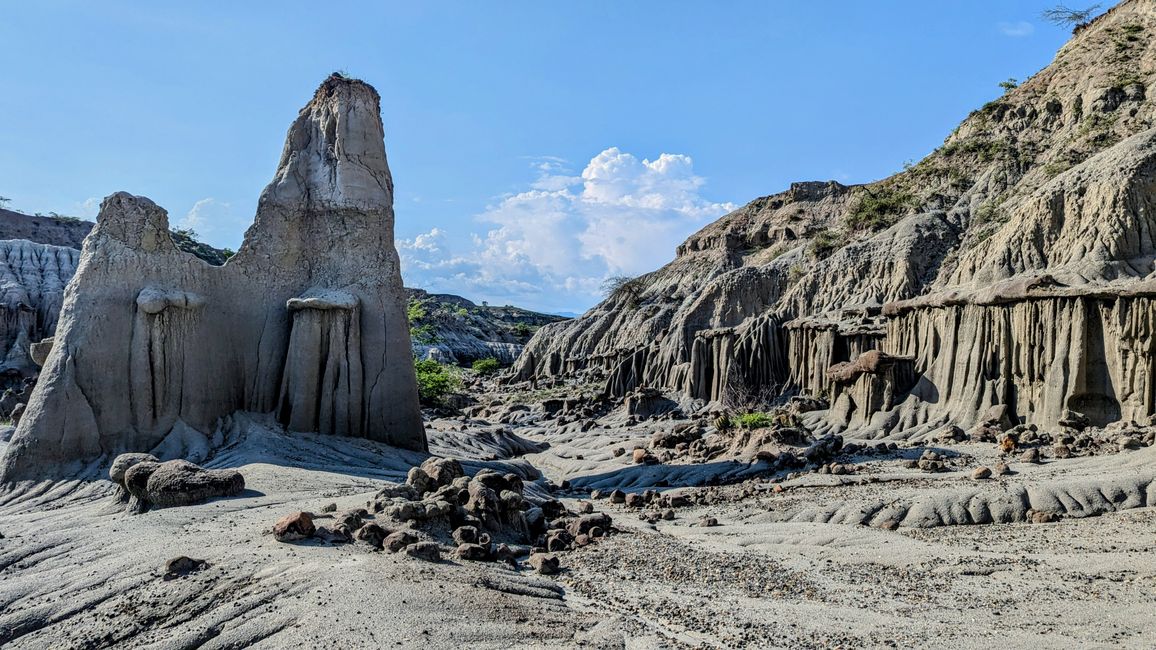
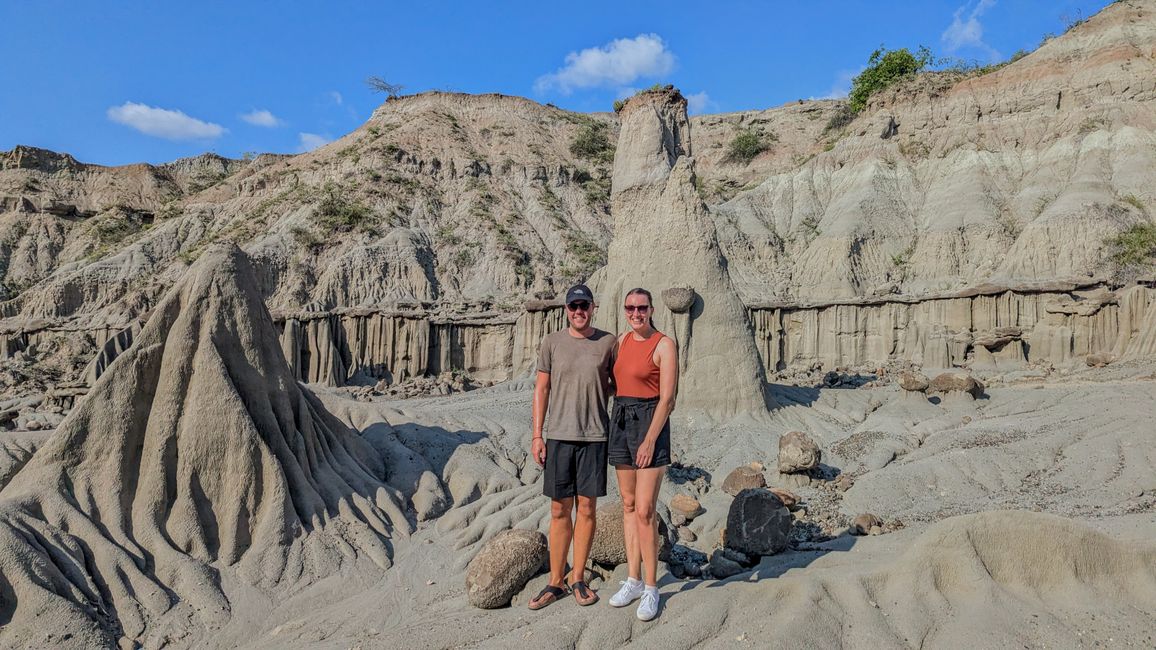
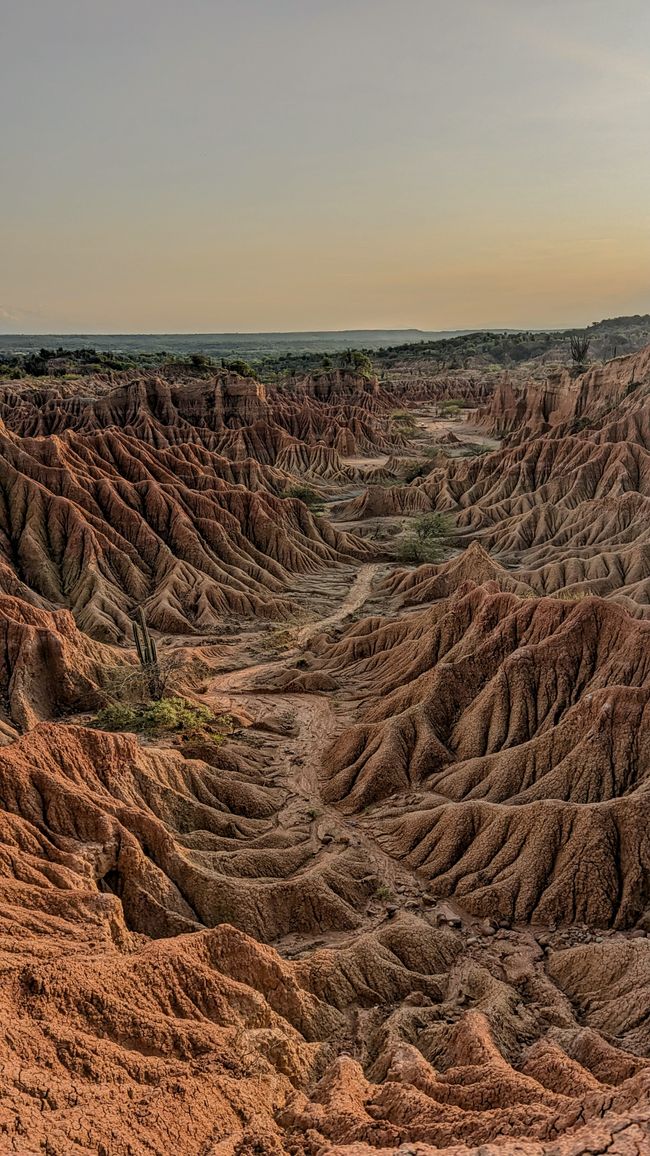
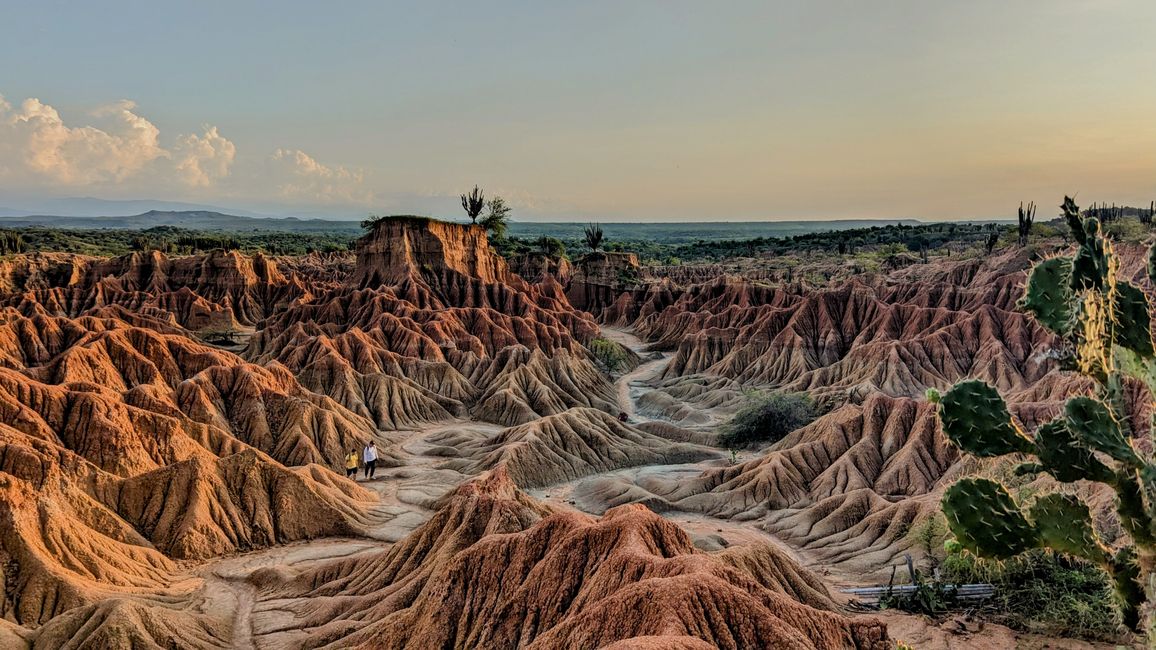
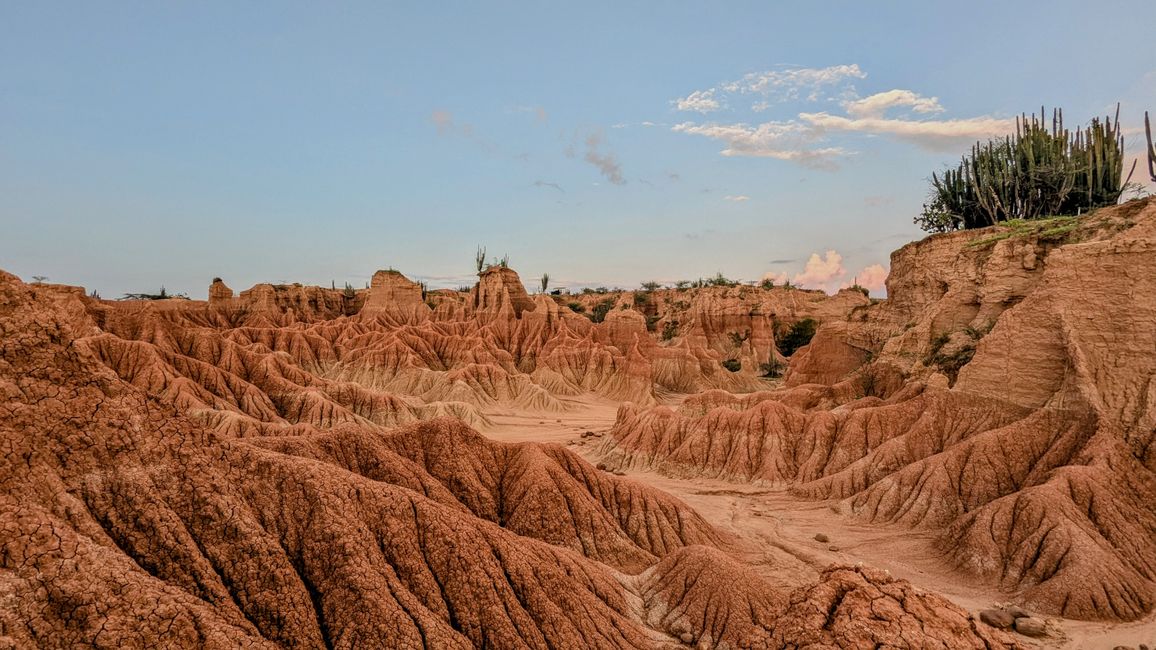
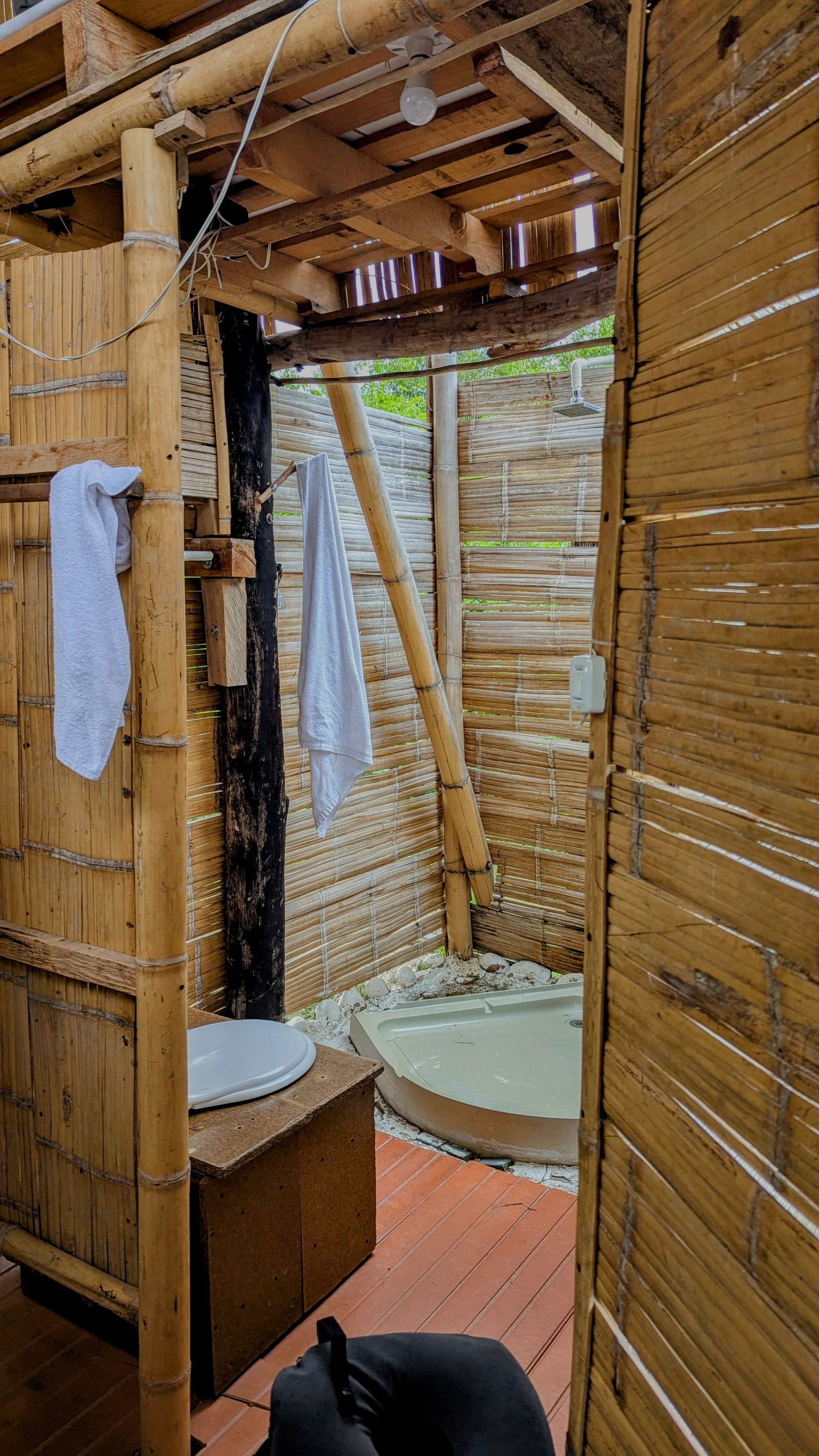
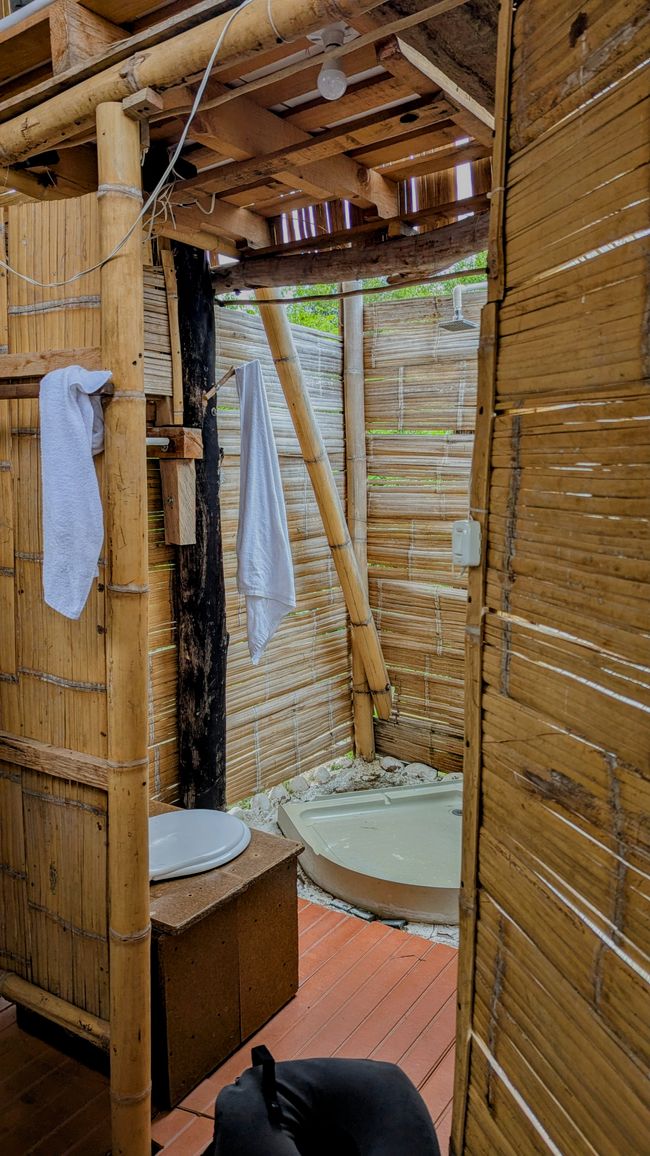
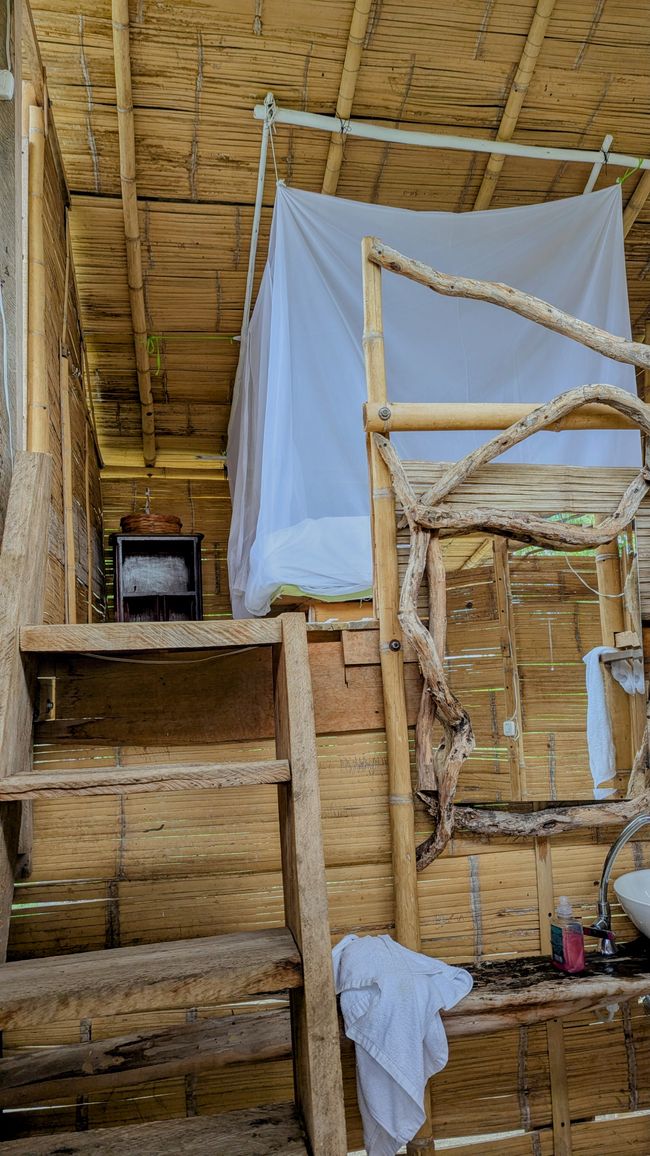
It was super beautiful sitting in the middle of nowhere, no internet, no electricity, and a compost toilet. That's all we needed for the next two days before heading further south.
More specifically, to Popayan, the journey there was really exhausting and ultimately took over 12 hours.
In the middle of the mountains, I spotted a lovely little town during the journey, which later turned out to have a UNESCO World Heritage Site. Too bad, because then the route would only have been half as long and half as painful; the bus, a sprinter, was equipped with a whopping 21 seats + driver's seat. Accordingly, my knees and bones ached.
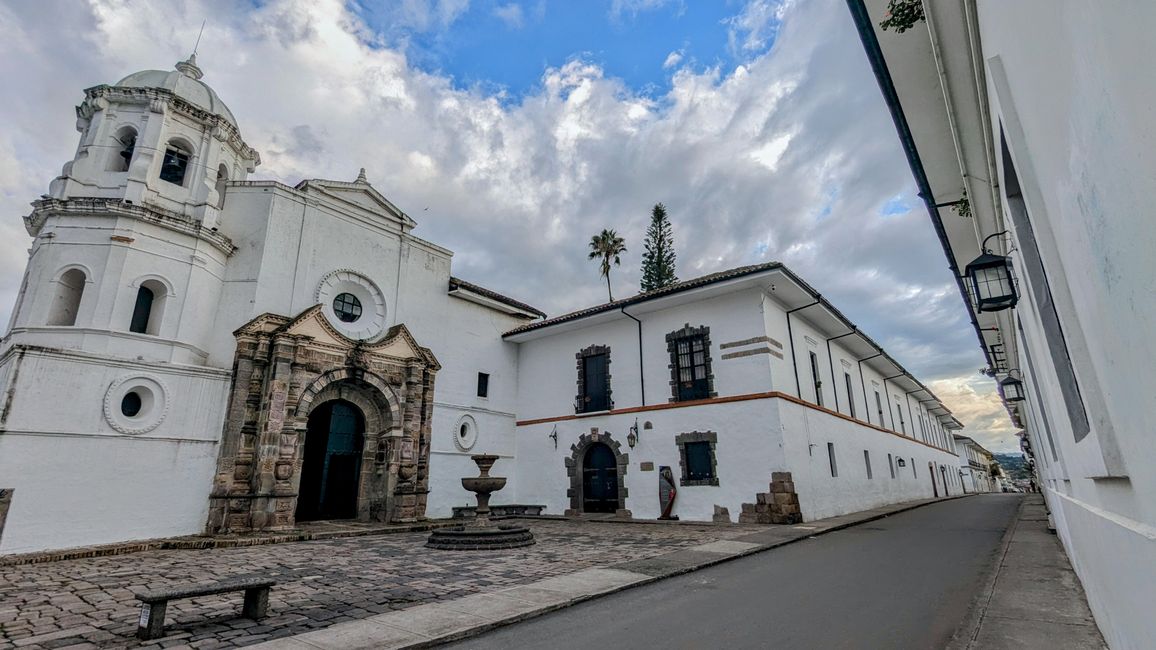
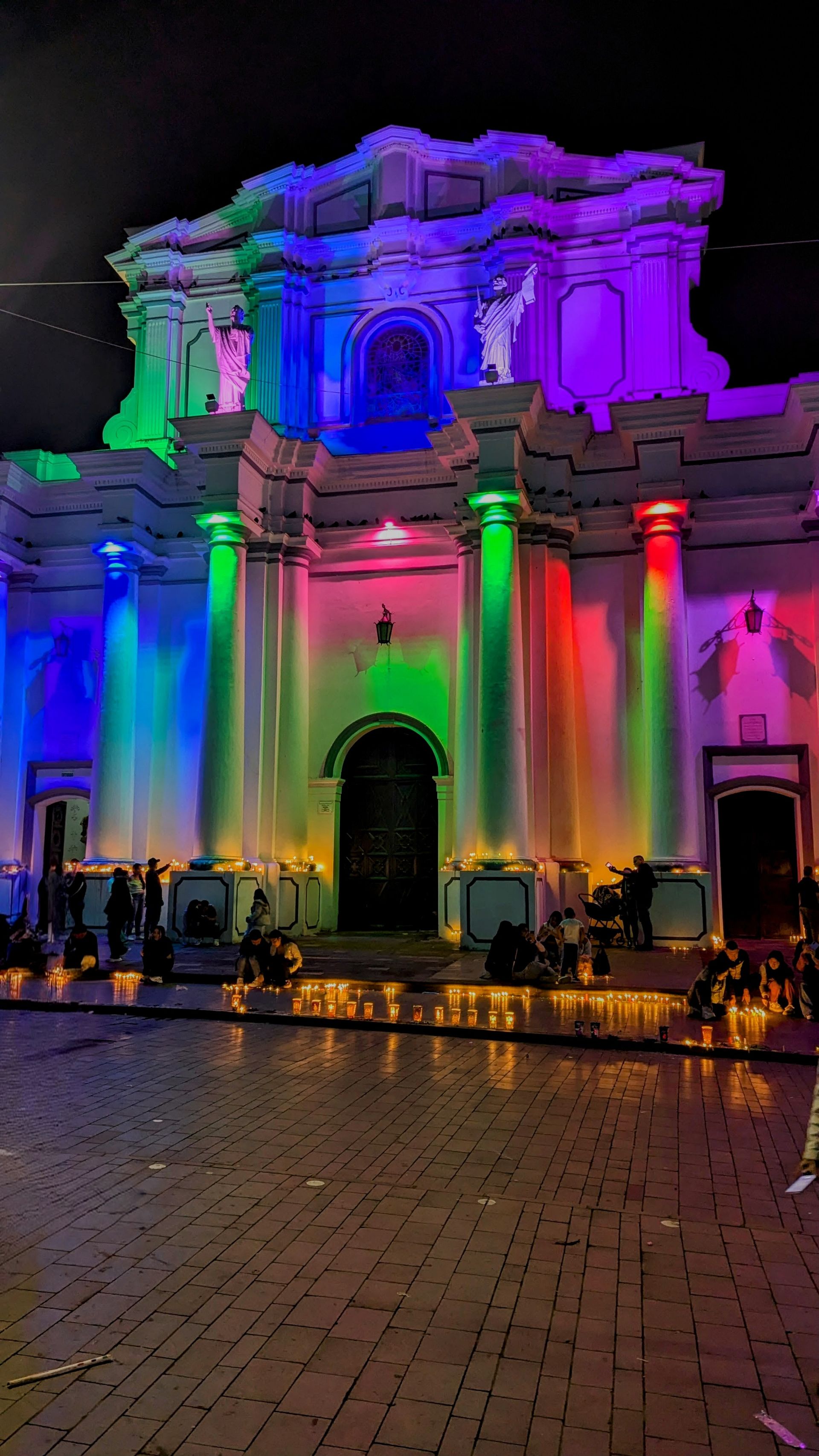
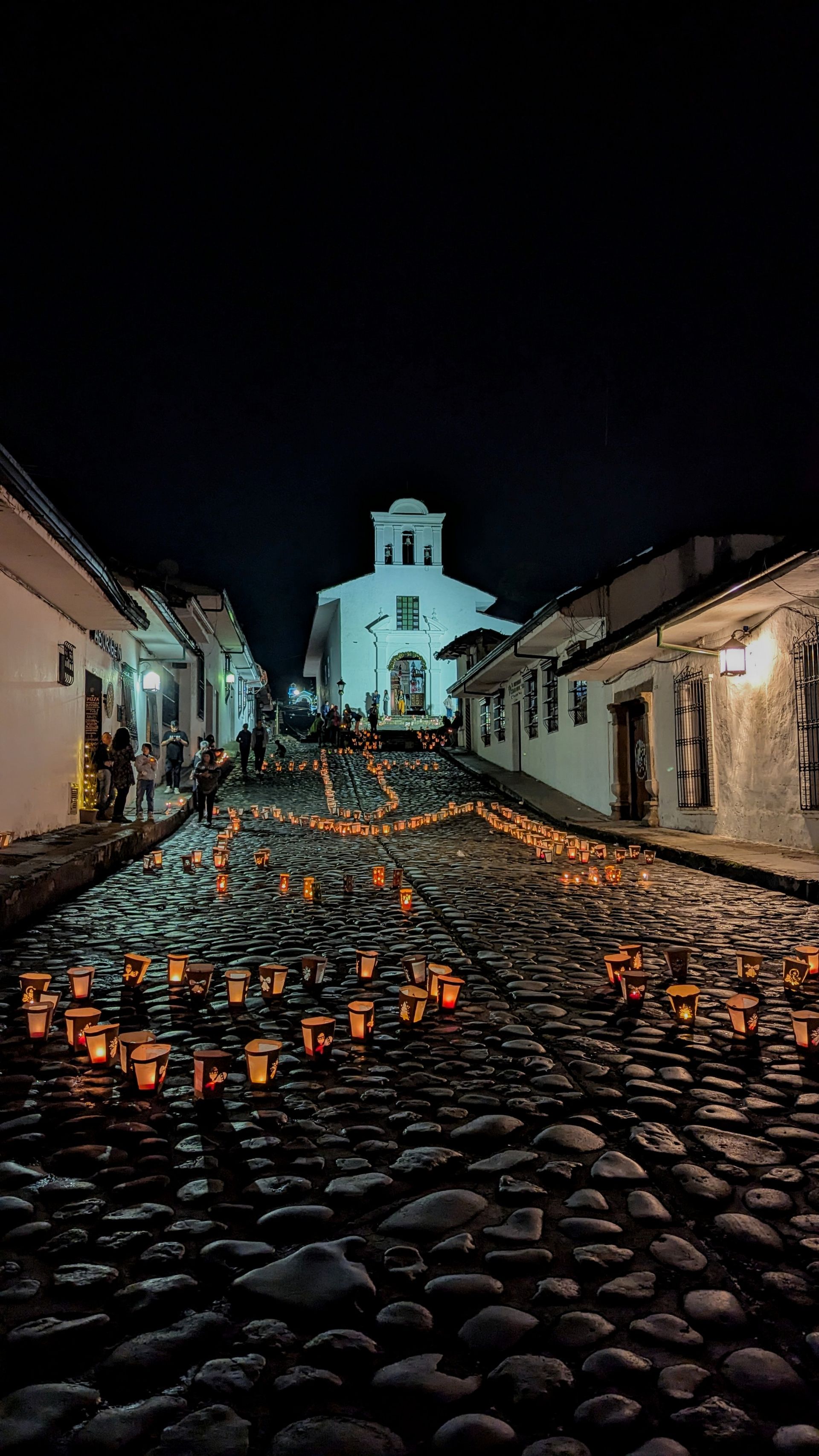
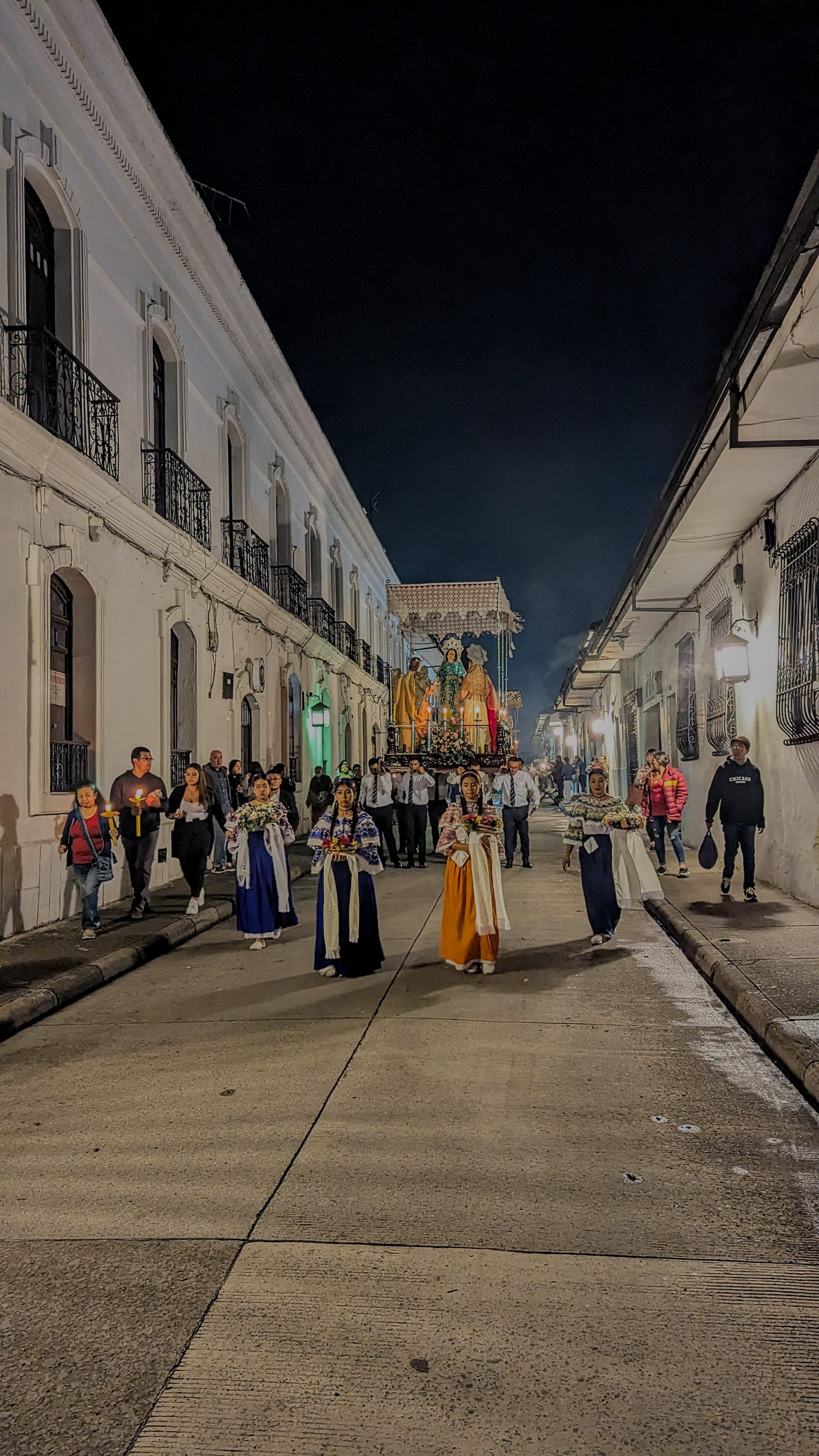
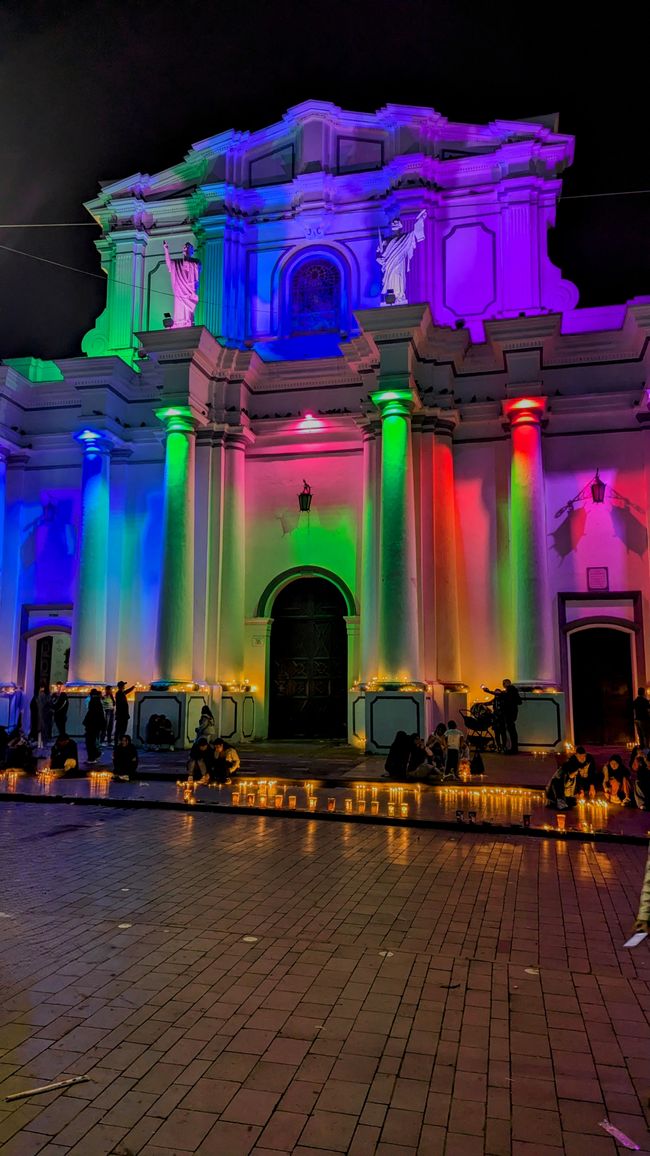
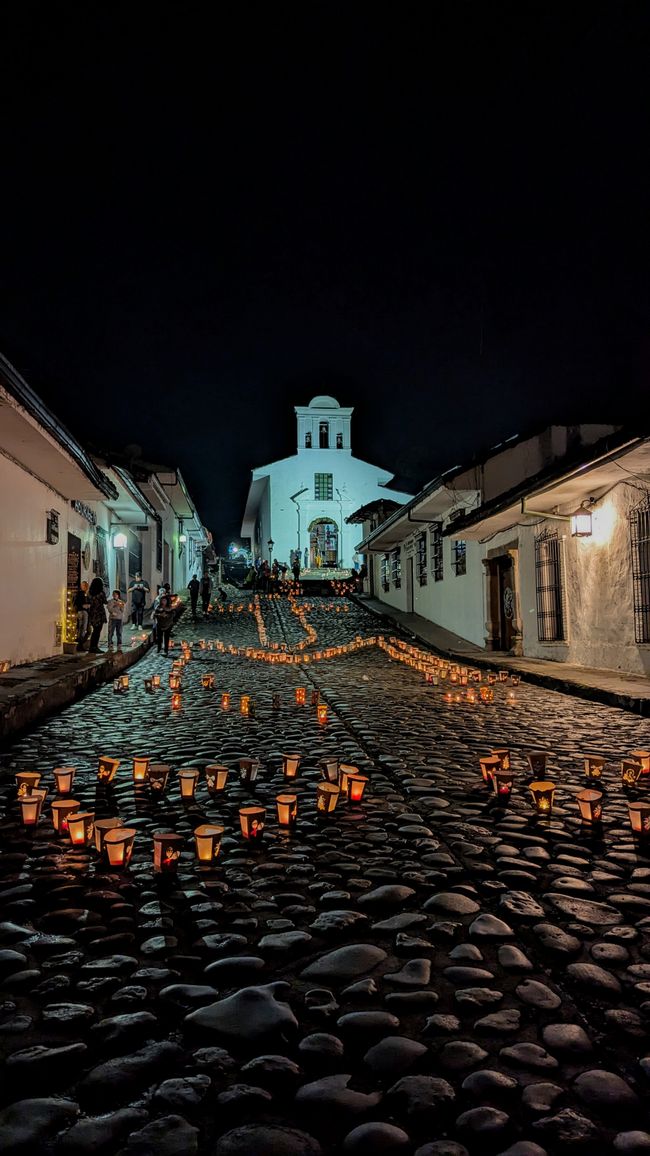
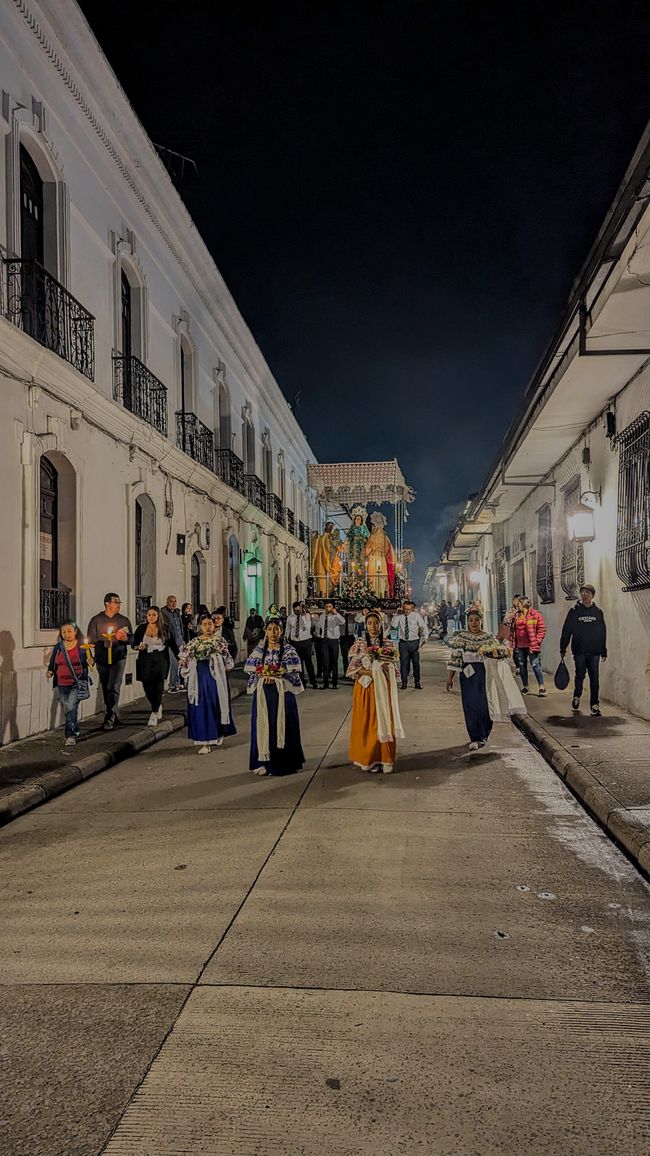
We were lucky enough to be able to witness the Festival of Lights in Popayán. In most doorways, candles are placed, coloring the squares in bright light.
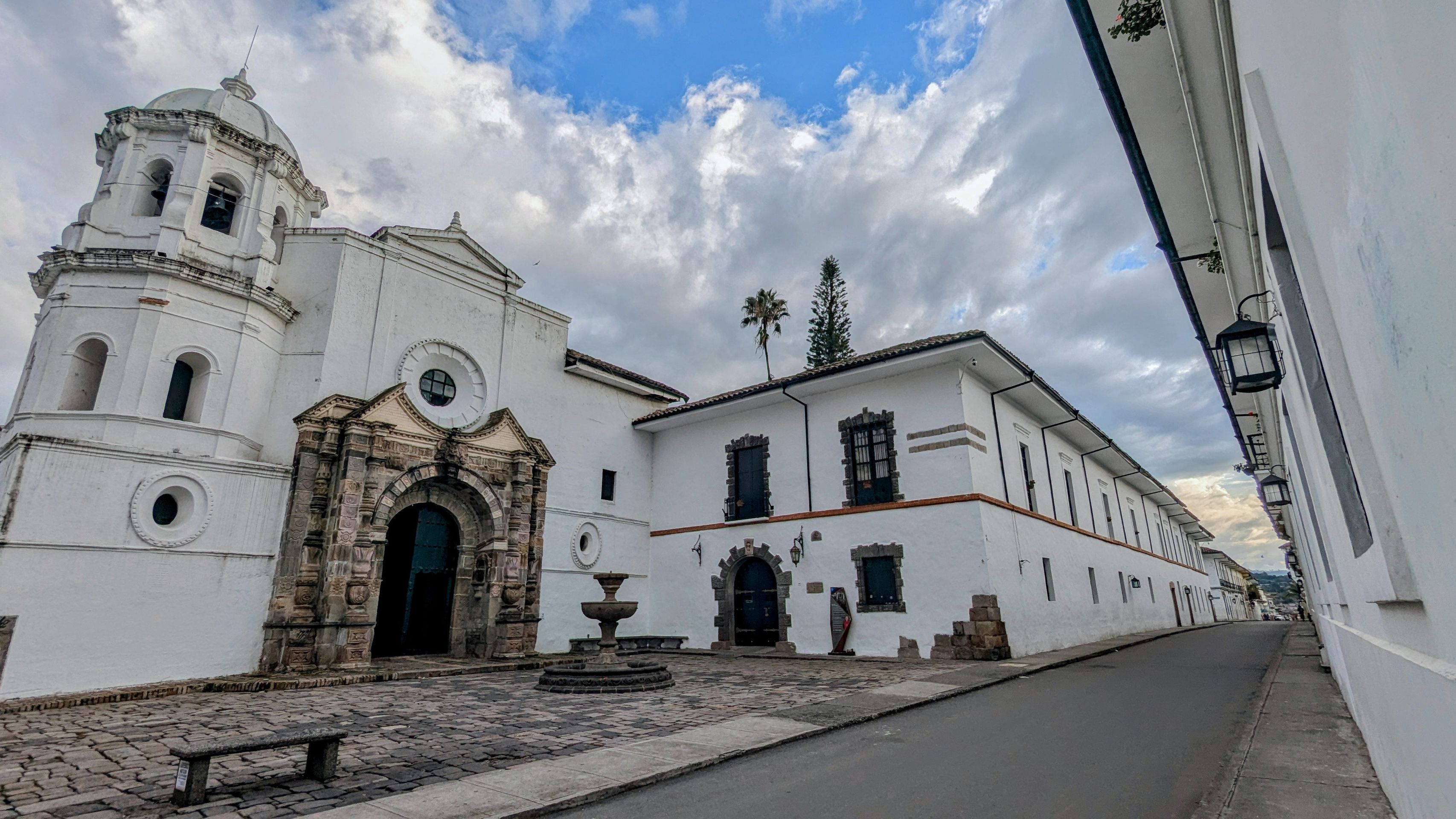
Otherwise, one day is enough in Popayán; the city is regularly painted entirely white, making it a welcome contrast to the otherwise very colorful small towns.
You can spend a day in Popayán, but not more; the city is regularly painted entirely white, making it a welcome contrast to the otherwise very colorful small towns.
The background is that many poor people used to be infested with mange, especially on the soles of their feet; to alleviate the itching, they would rub their feet against the walls of houses, leaving dirt and blood stains. The homeowners, more concerned with aesthetics than the health of the slaves, had the walls coated with a caustic (white) lime mixture that burned the wounds and drove the sick away. The white color remains the trademark of the old town, and all markings must still be painted over before Easter.