Welcome to Potosi
as up to 8 million miners have died here in the last 450 years (due to accidents and long-term effects). I've done some really crazy things before, but this was going to...

Published: 15.07.2025
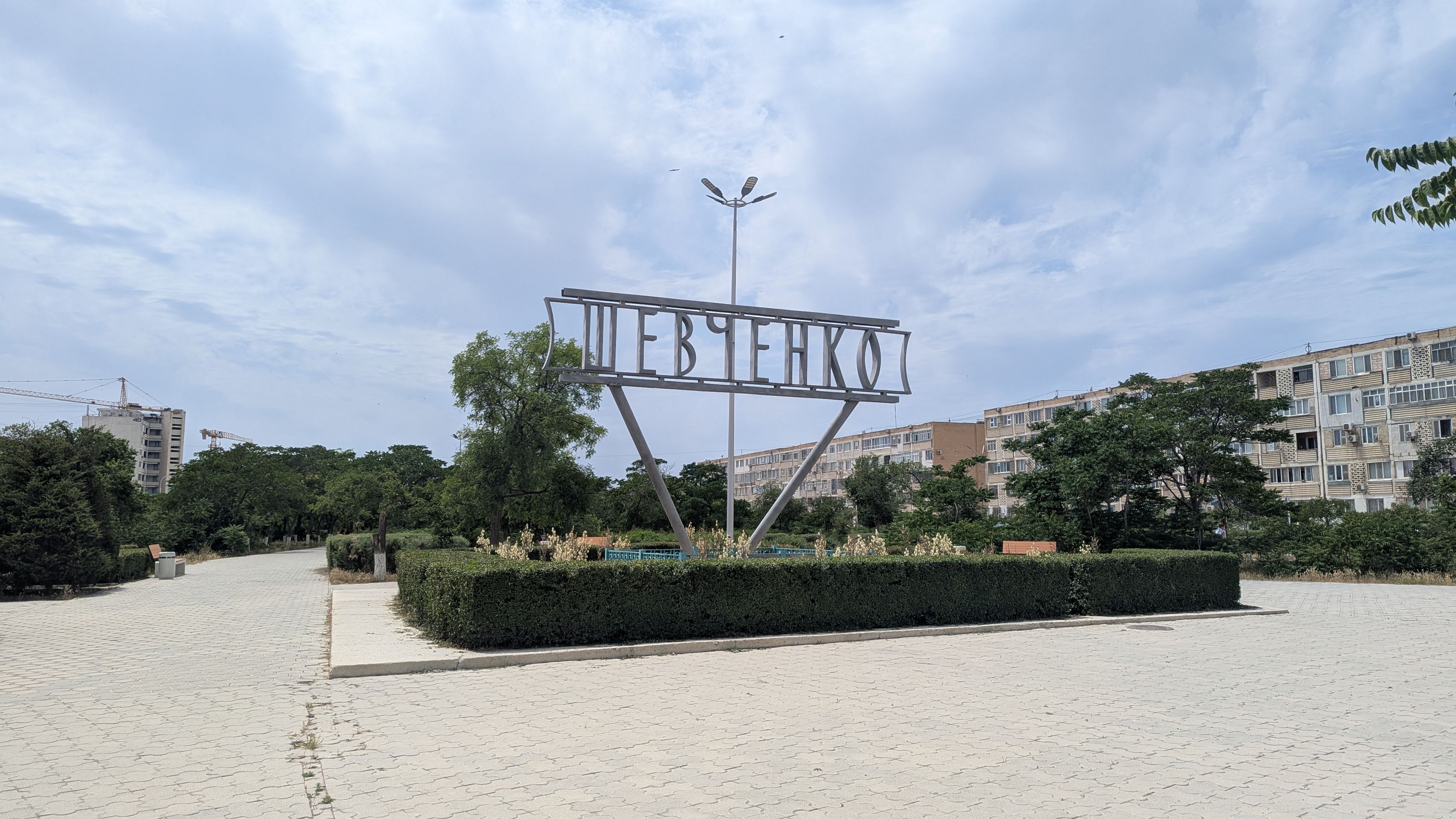
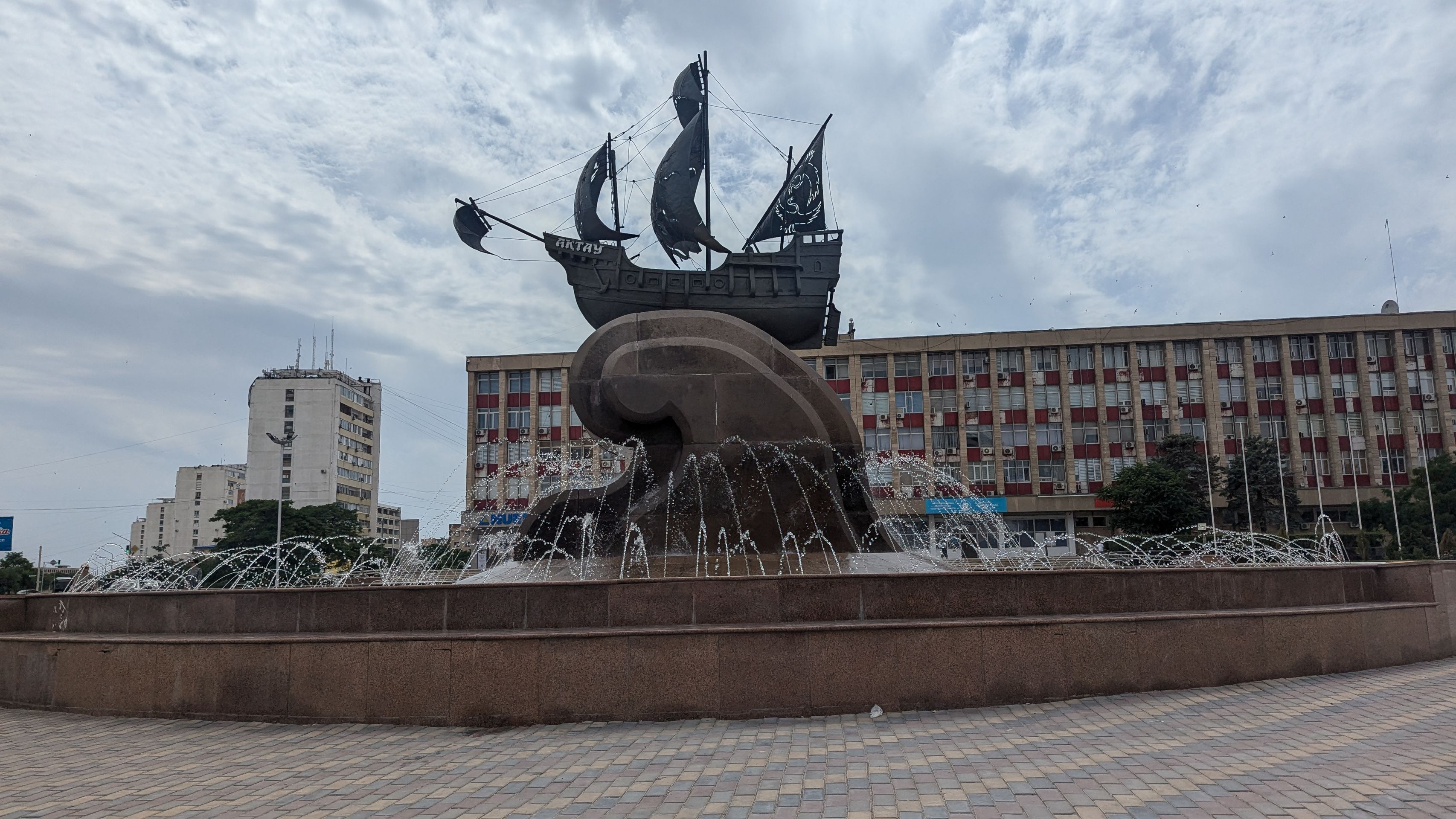
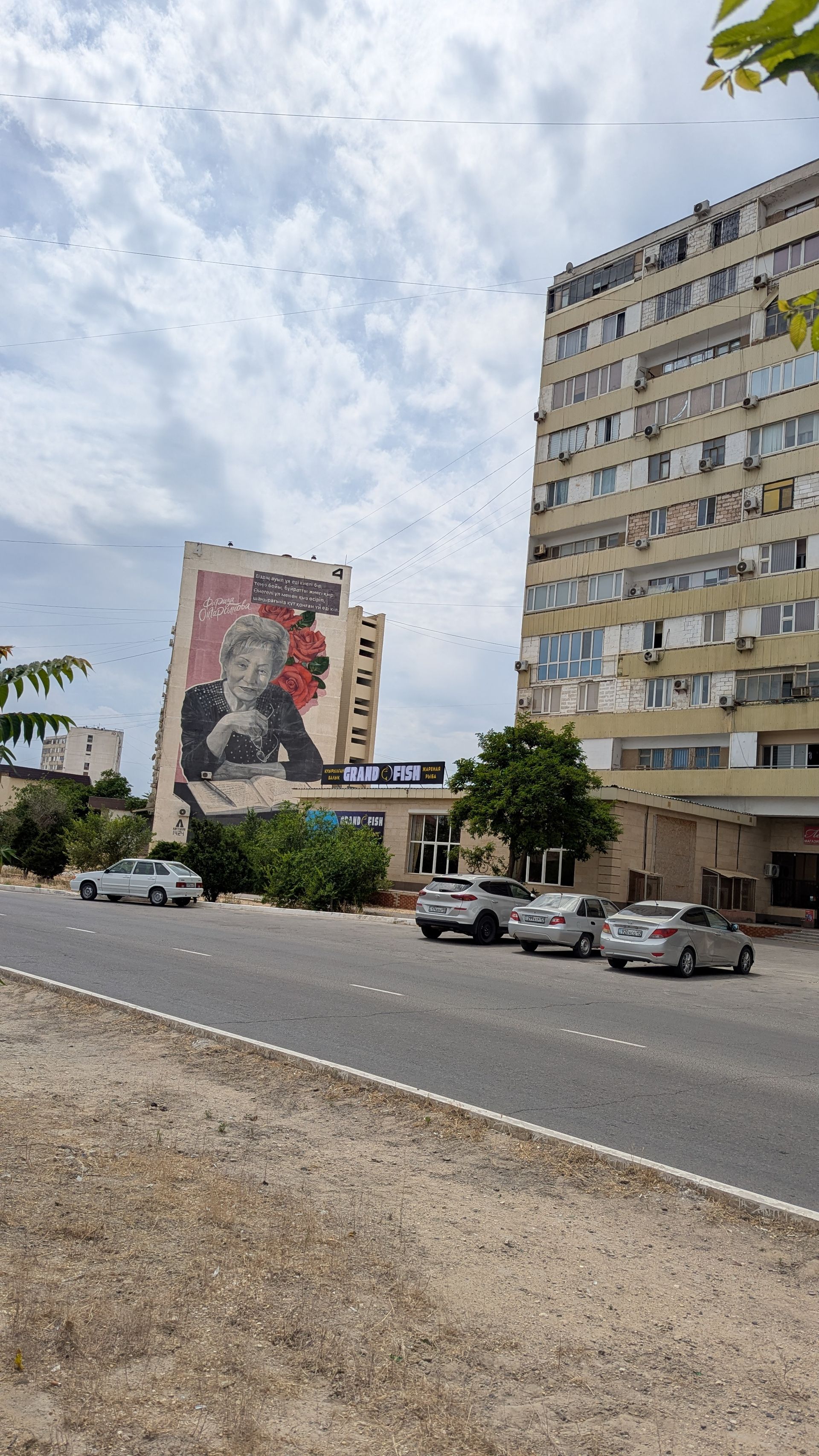
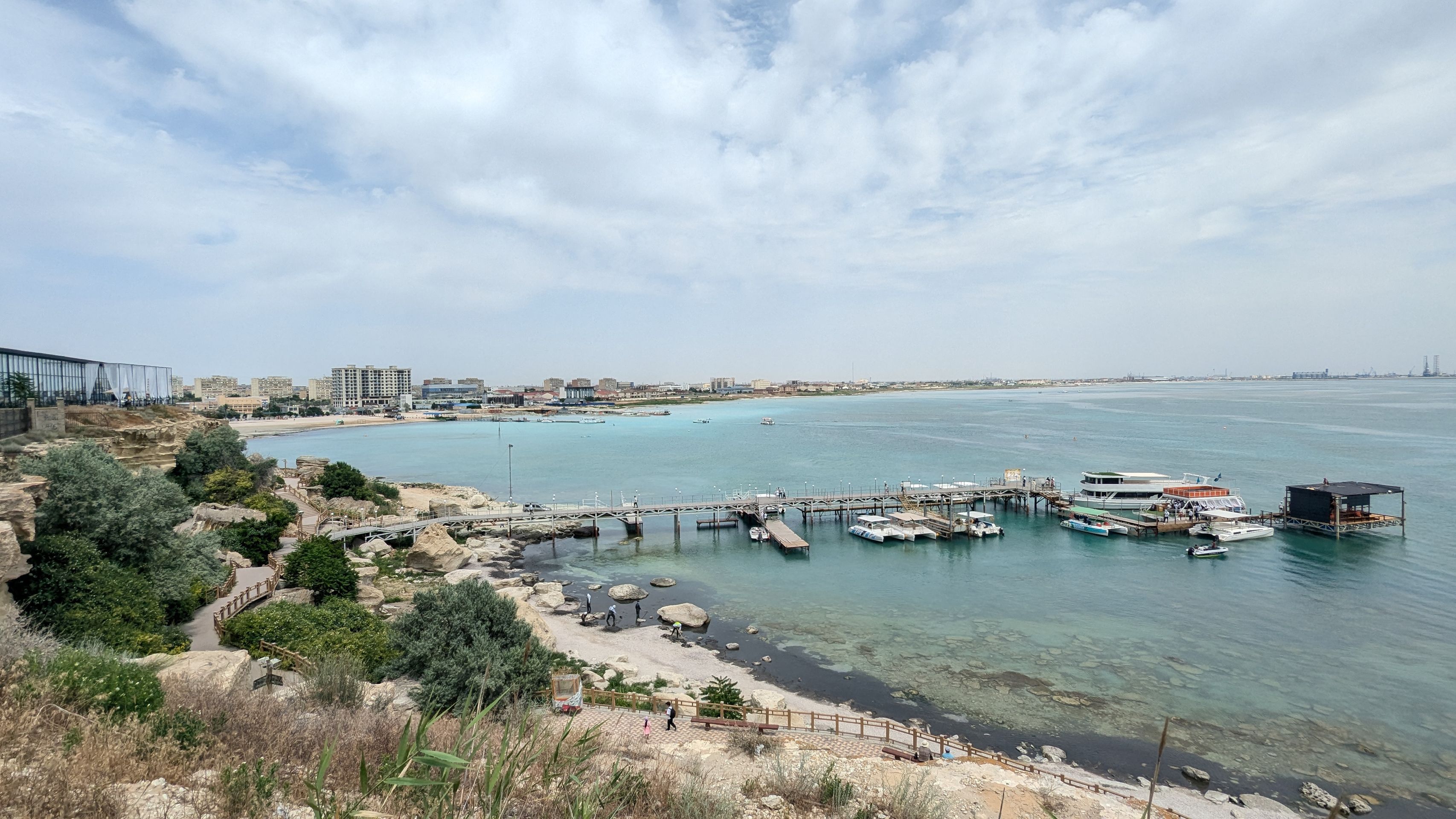
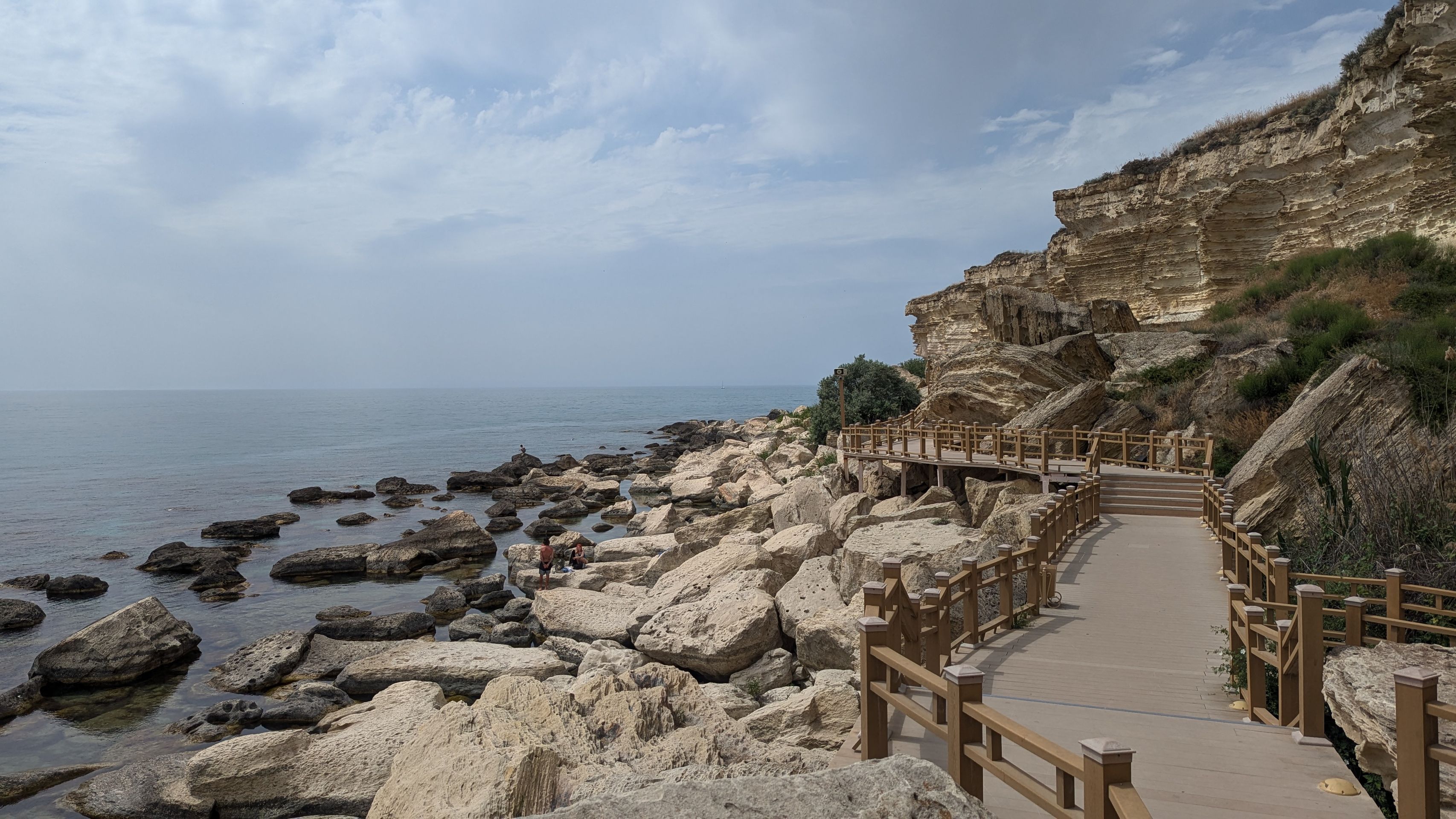
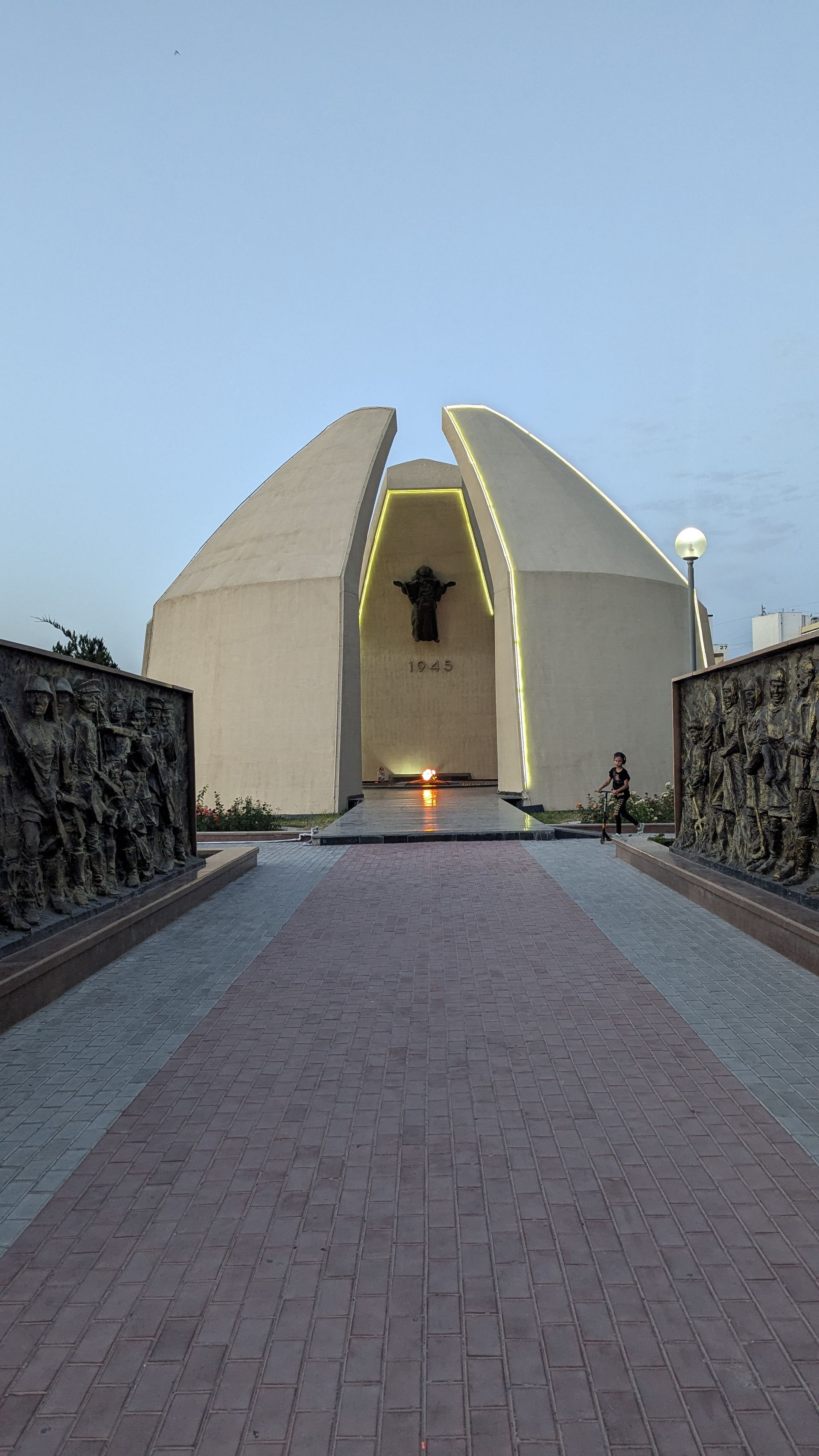
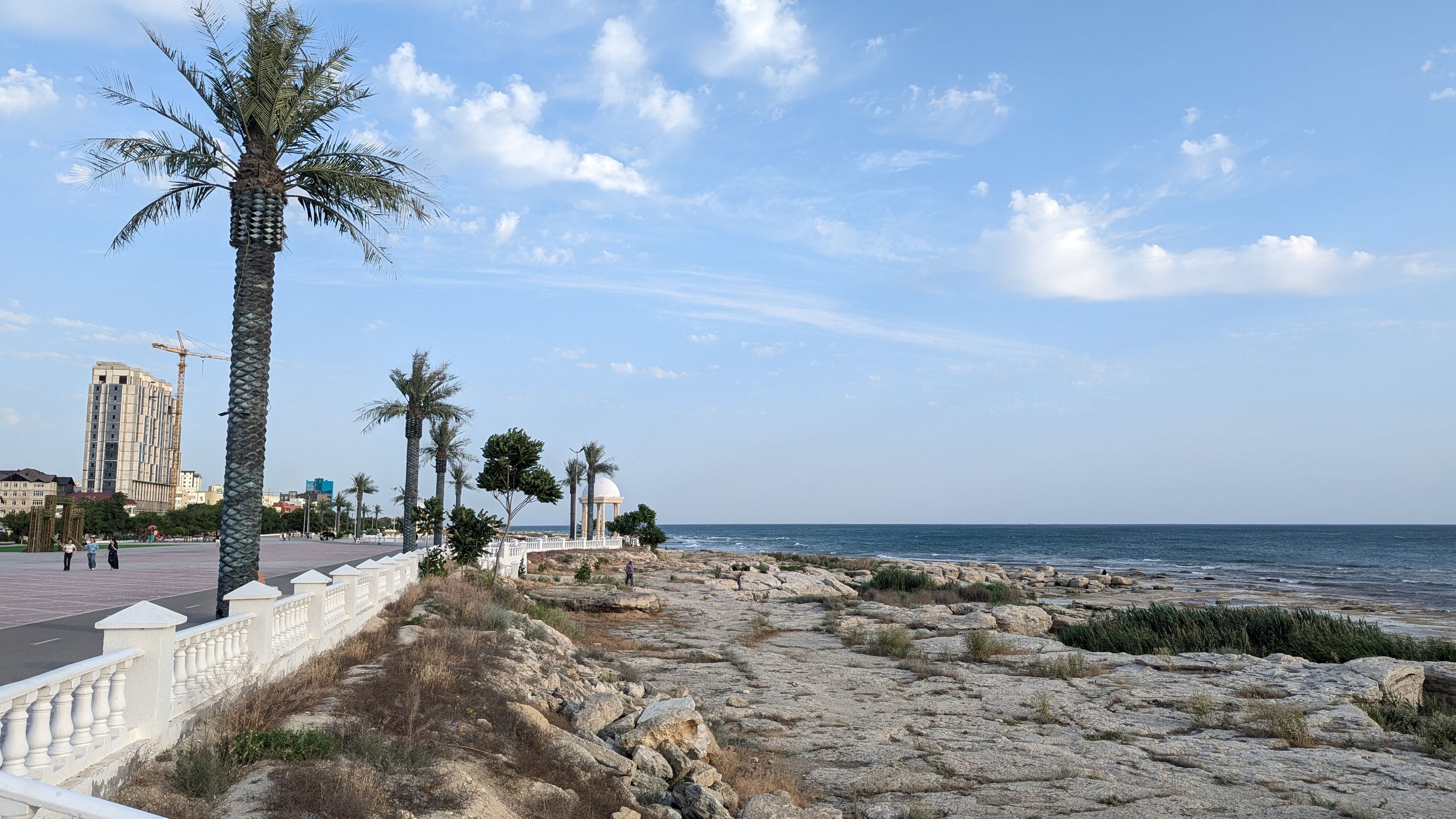
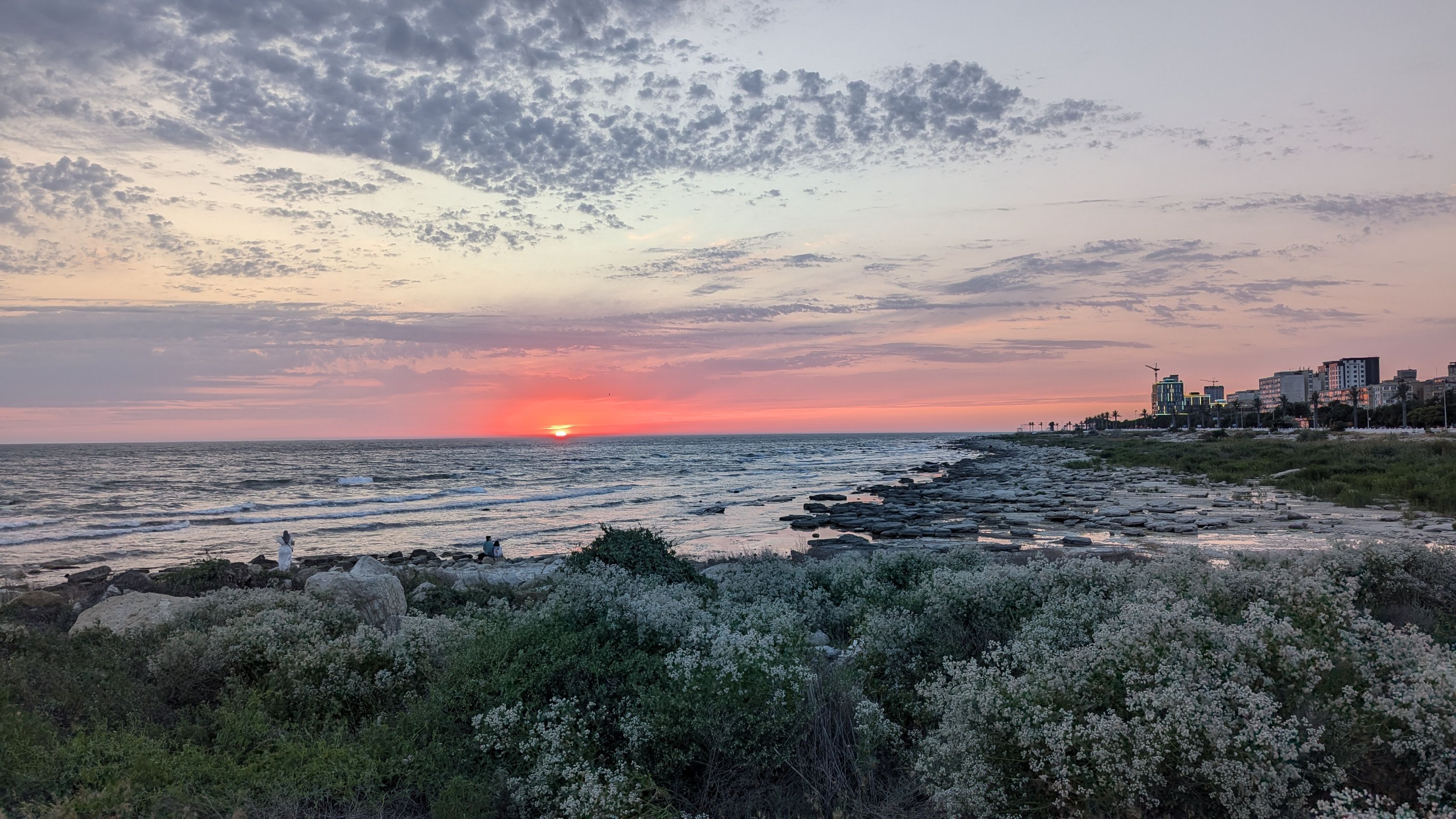
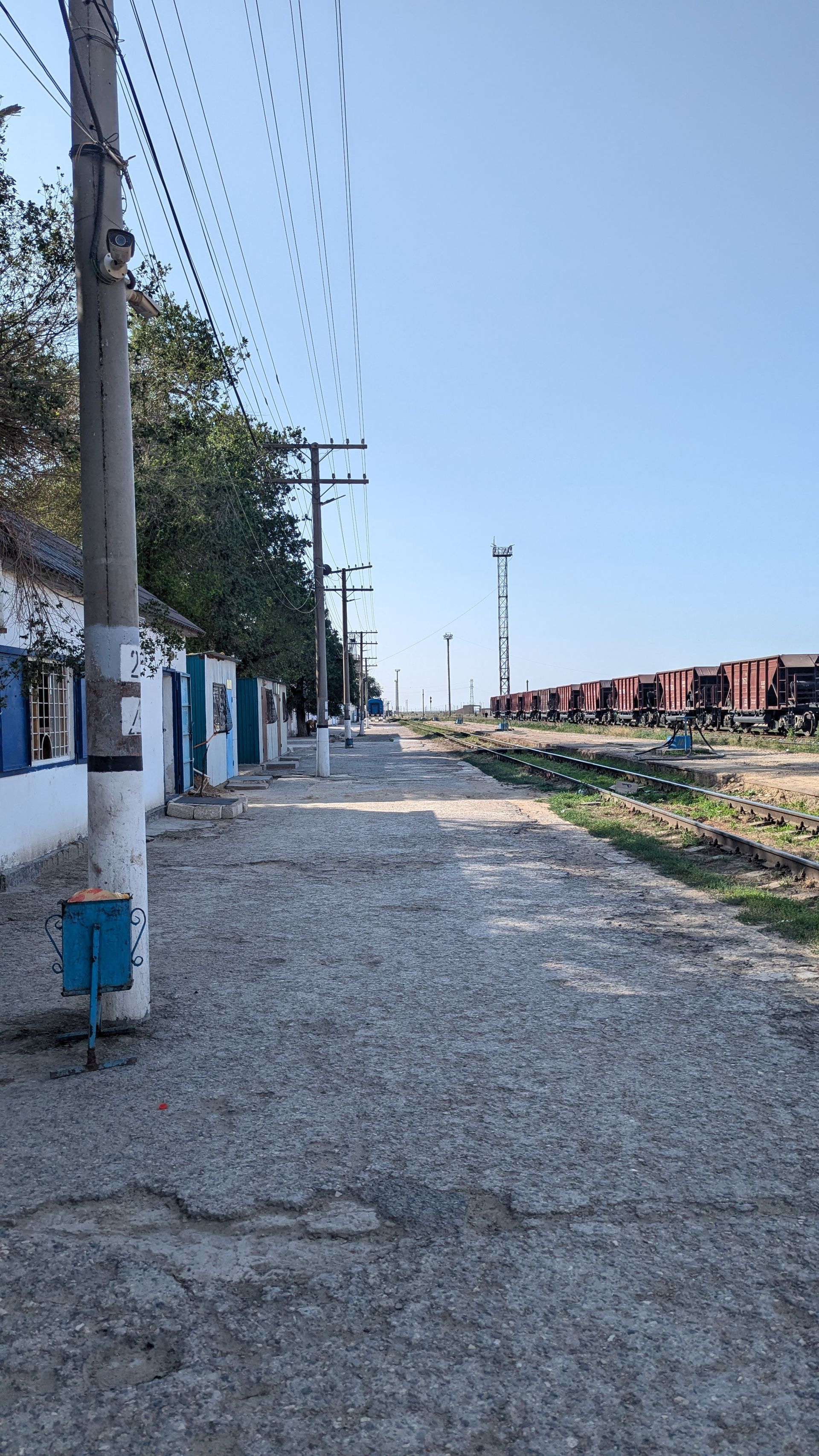
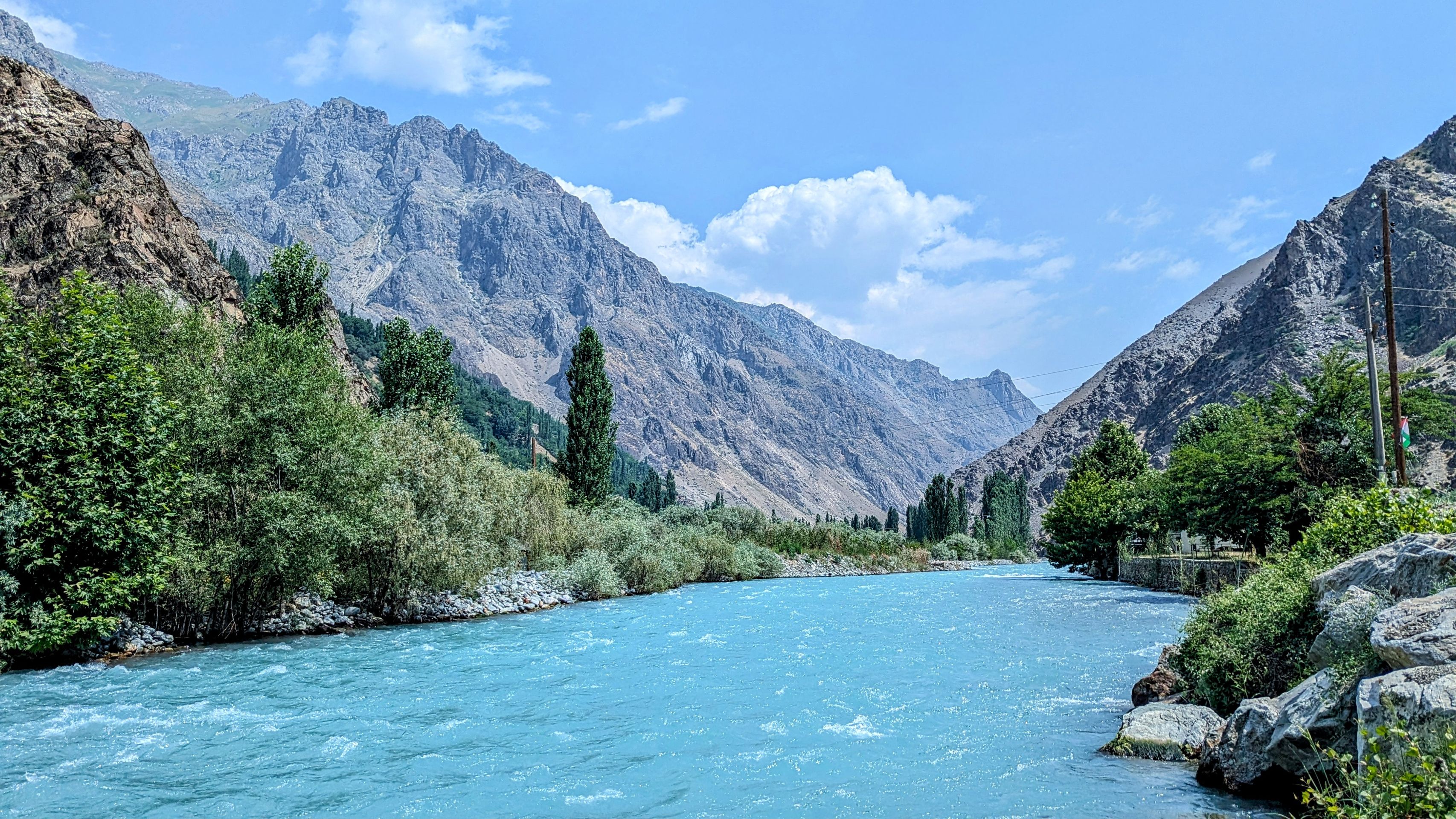
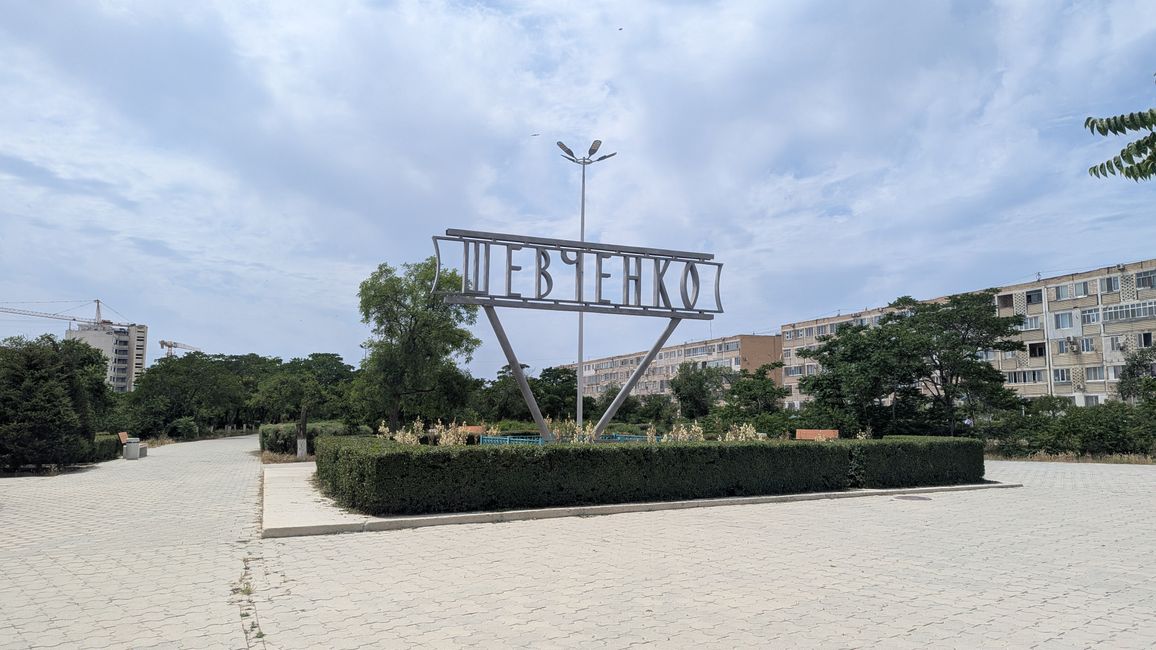
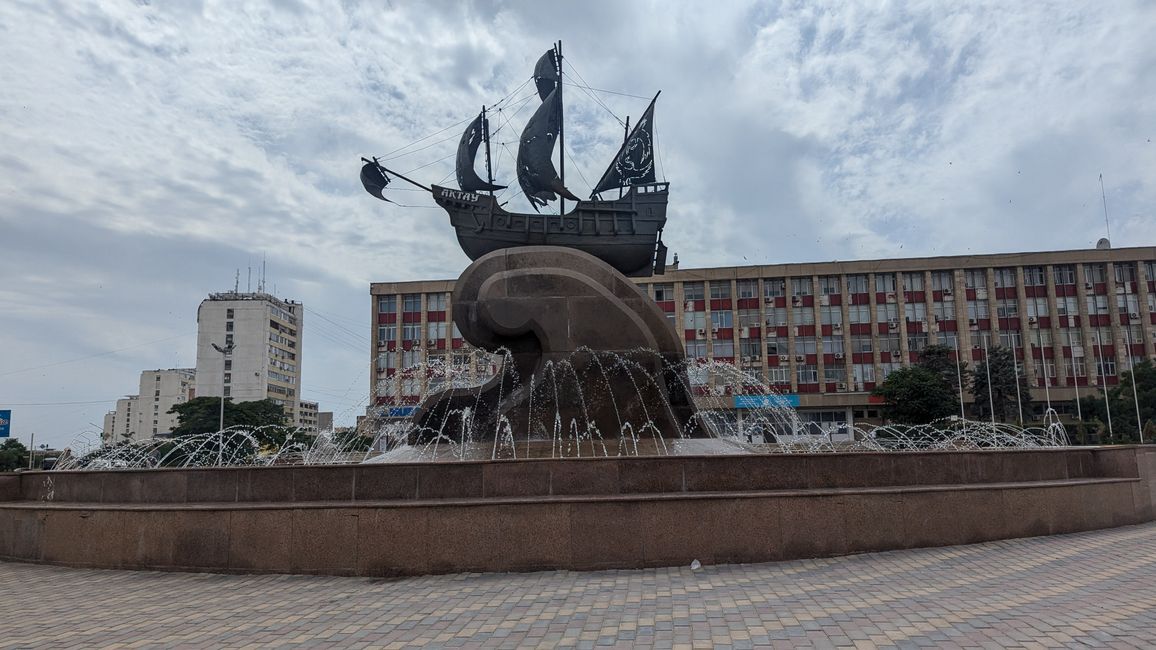
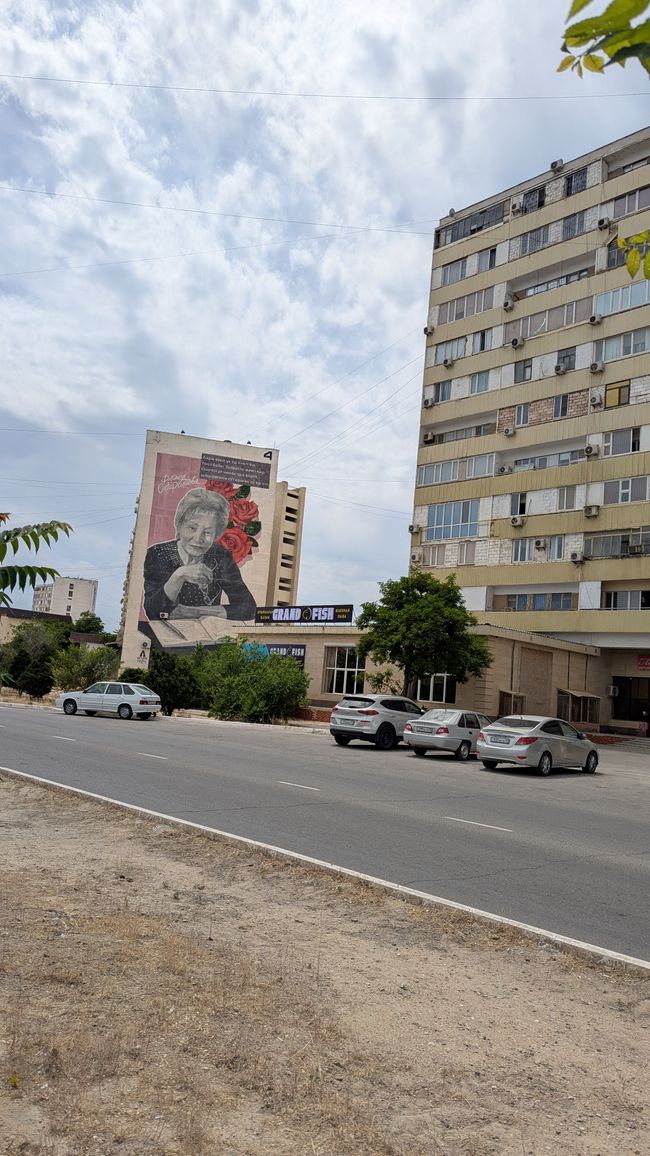
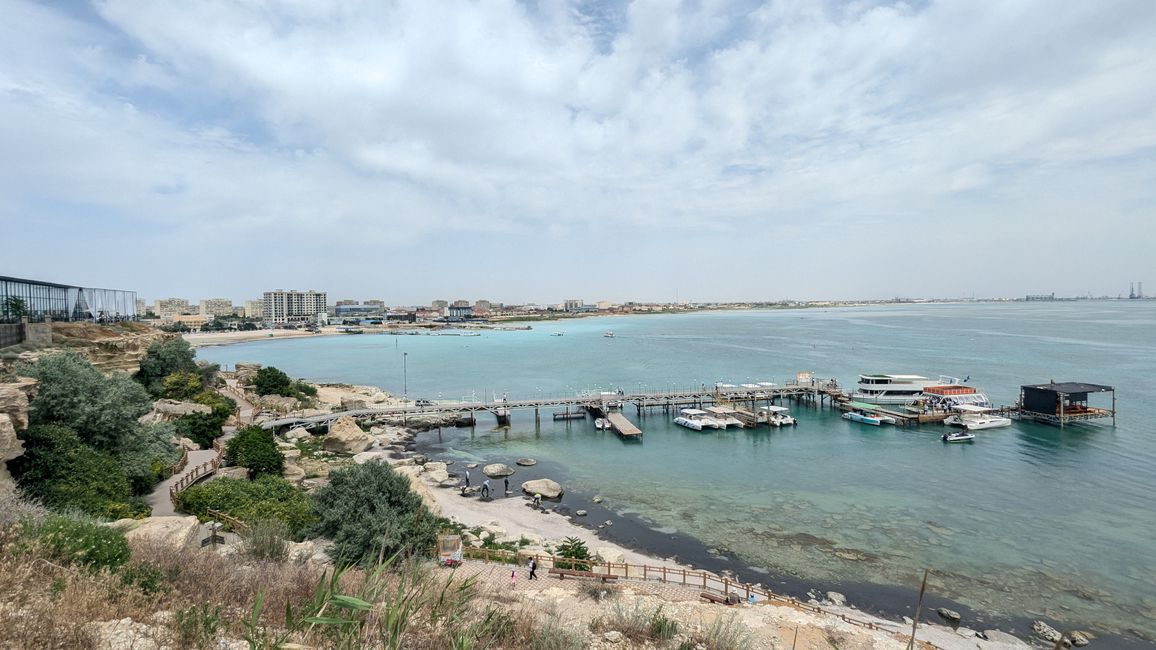
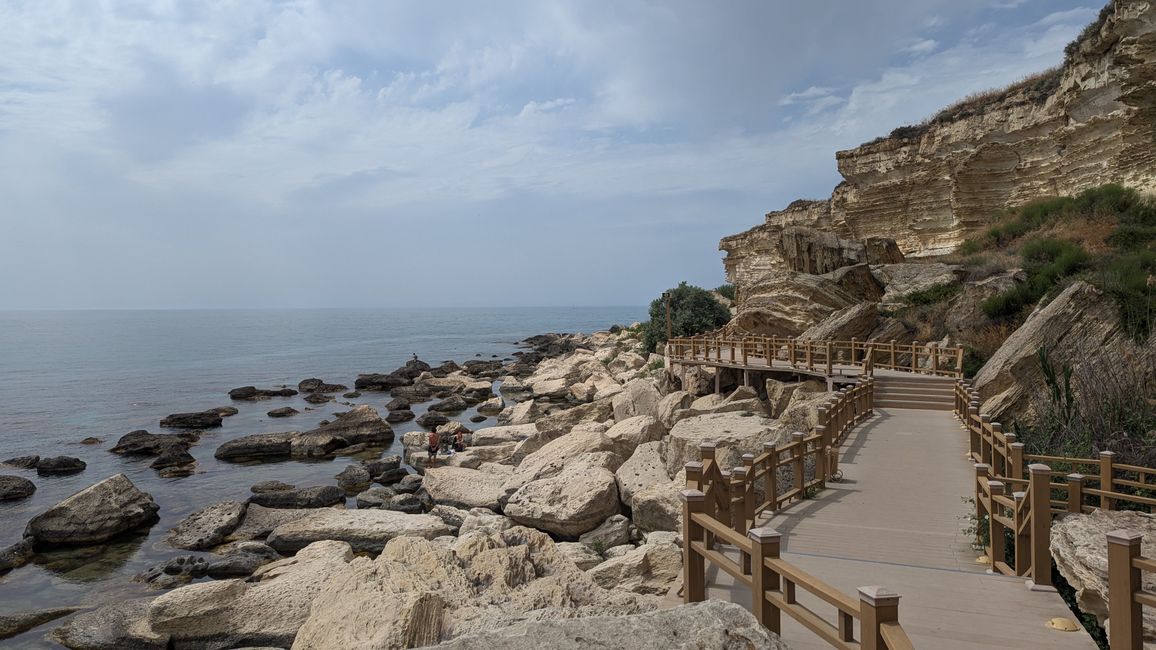
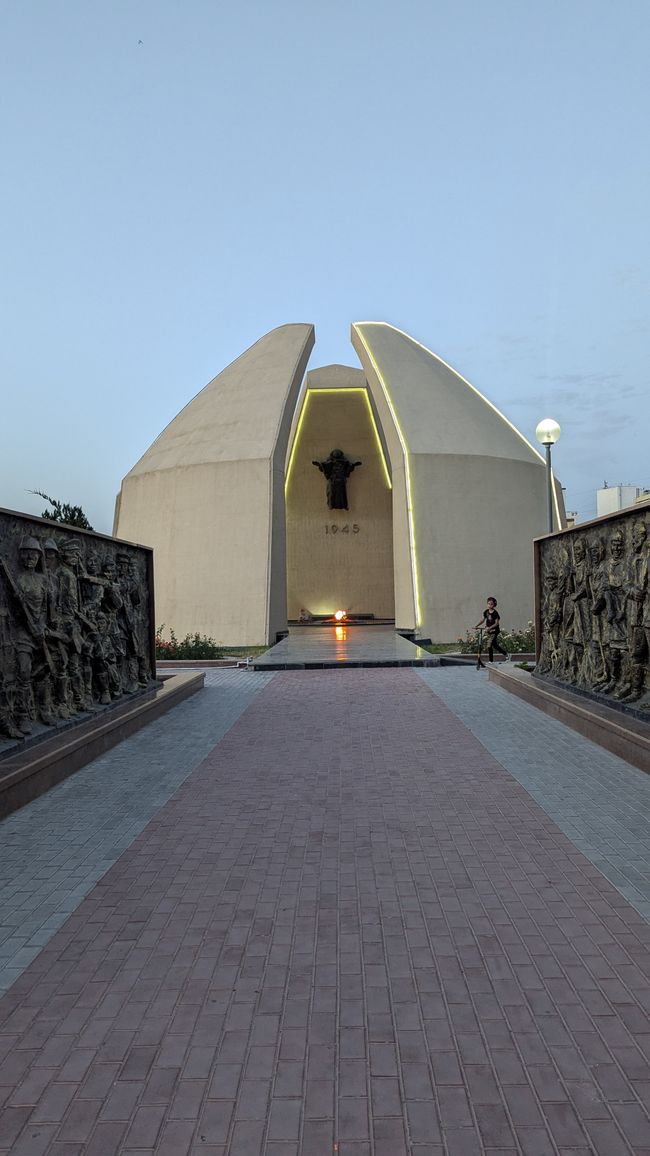
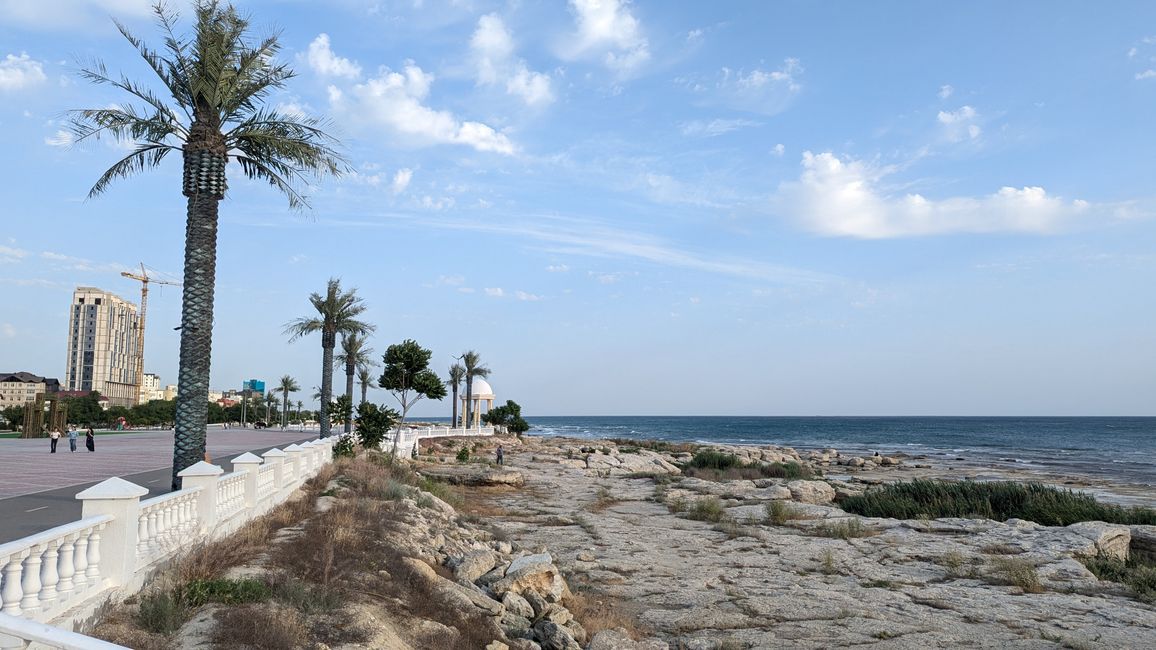
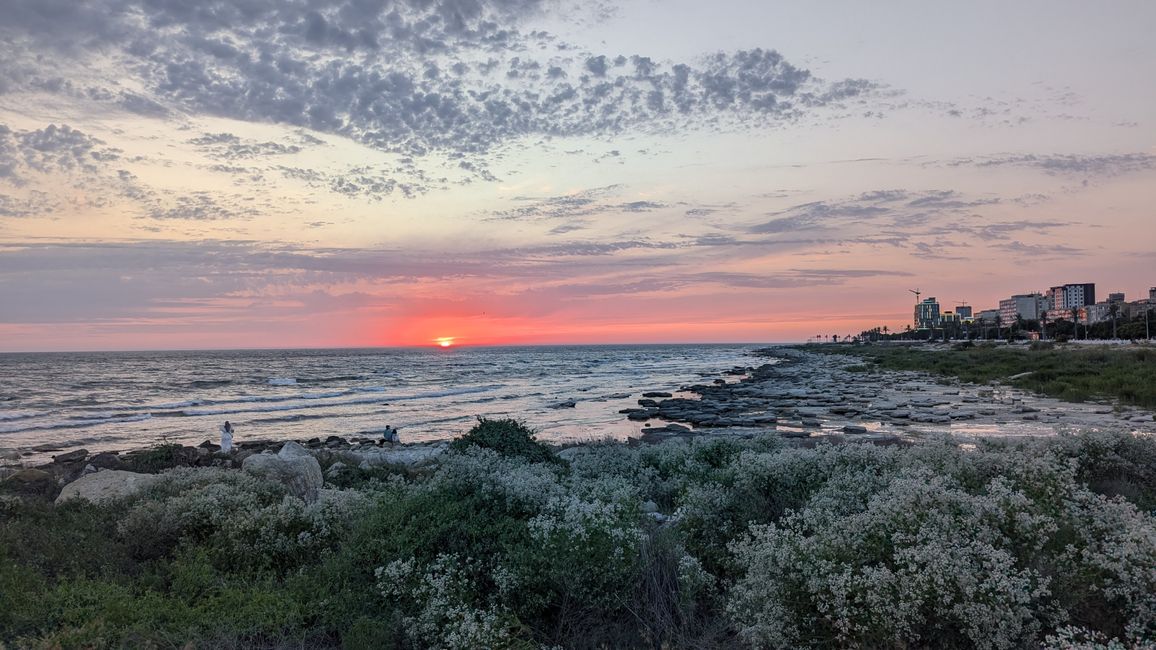
Since there was no direct train to Nukus (Uzbekistan), I initially booked a train to the border at Beyneu. However, it turned out that there are currently no buses crossing the border because the crossing is closed; only trains are allowed to pass, and the next border is 2 days away by train or bus. Therefore, all the next trains were fully booked, so I guess I'll have to spend two days in a desert town where there isn't much to do. In Aktau, I had to first take care of my SIM card; I couldn’t activate it at the airport at night, and in the telecom shop, they could only issue me a new card. While I was able to activate it, I couldn't top it up with my credit cards. As I needed internet for taxis, I had to resort to the slightly more expensive e-SIMs. After that, I went north in the city, where there are a few war and military memorials and a monument of the eternal flame to honor the victims of WWII. The beach promenade here is also very beautiful, but that’s about it; I still went to a restaurant (this time I had sushi for €8) and then went to bed.
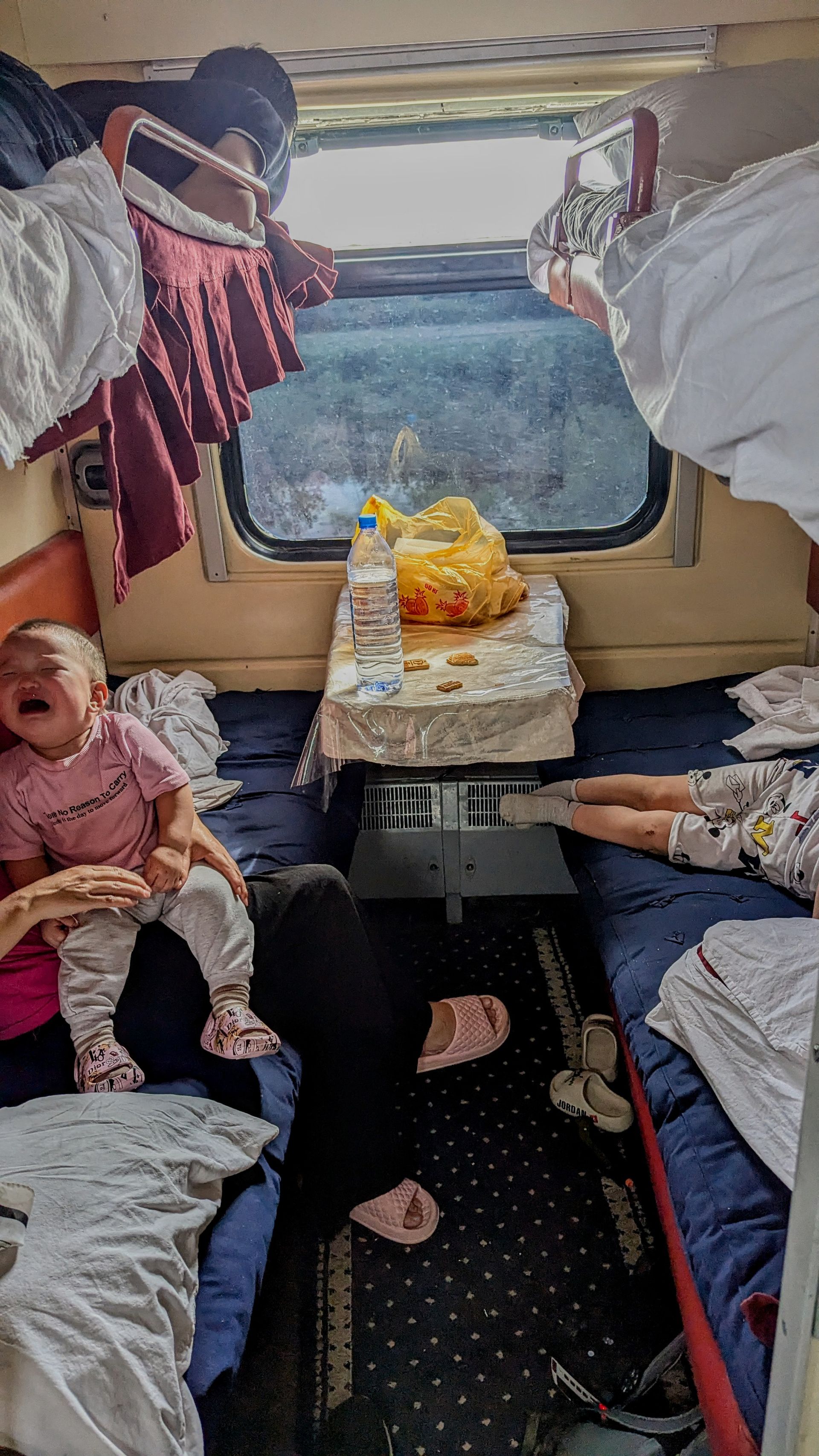
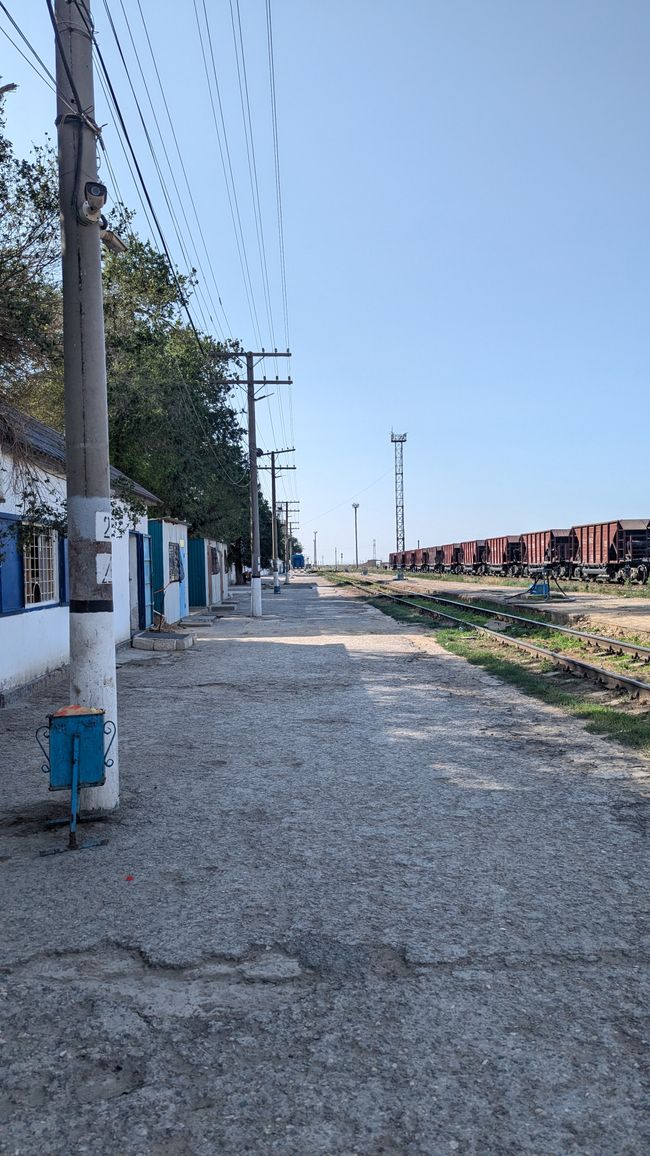
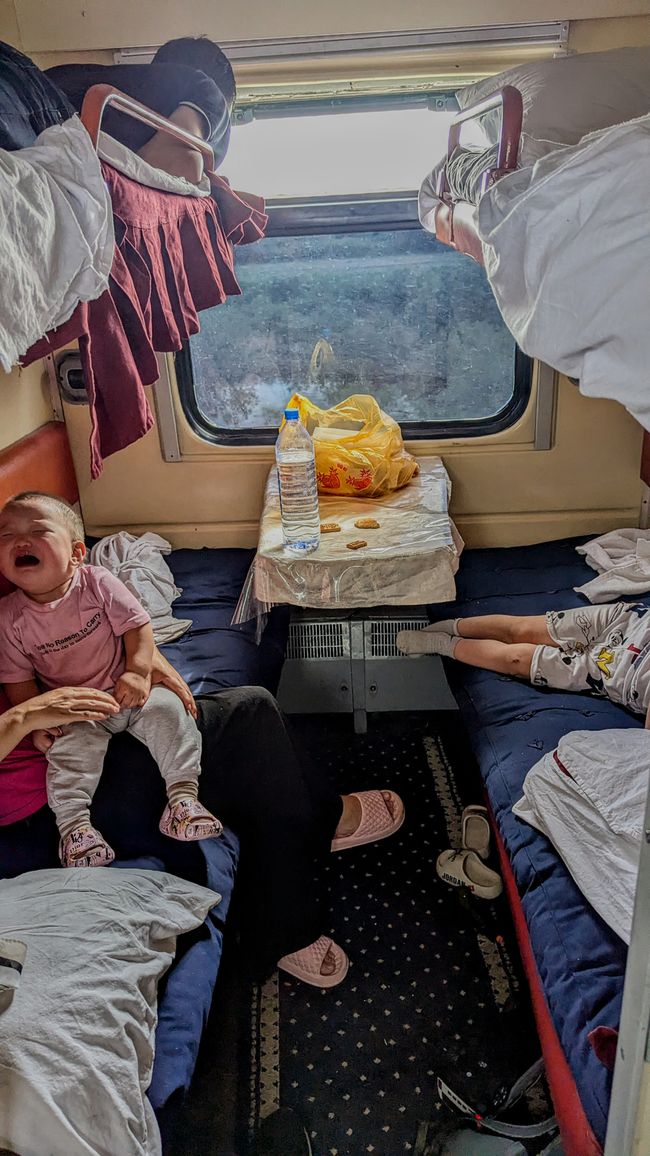
The next morning my train departed towards Beyneu. On the way to the station, there was a surprise; a new train was opened for booking, of course, directly from Aktau to Nukus with a stop in Beyneu. Since I already had the ticket for that current train, I went to Beyneu, spent the day around the station, and then boarded the train to Uzbekistan at 3 am. The train in Kazakhstan was super modern, the beds were comfortable, there was air conditioning and the toilets were clean, but the train to Nukus was unfortunately the complete opposite. Even at the station, the conductor collected all the passports to redistribute them 20 minutes later. Then came the border officers who stamped the passports and checked the luggage. When I was in bed, it was already 5 am, and by 6 am we were at the border, so I had to get up again and wait for the border officials. I had to open my backpack for the second time, it wasn't really checked and after two questions about my origin and travel route, the conversation was over. After another 30 minutes, I received my passport back, including the stamp. The officers inspected the train quite intensively, both inside and outside; occasionally they dismantled the covers of the train and shone mirrors inside. Finally, at half past seven, we were able to continue, but I couldn't sleep for too long since at some point the two kids who were sharing the compartment with me woke up and needed their mother, pure railway romanticism!
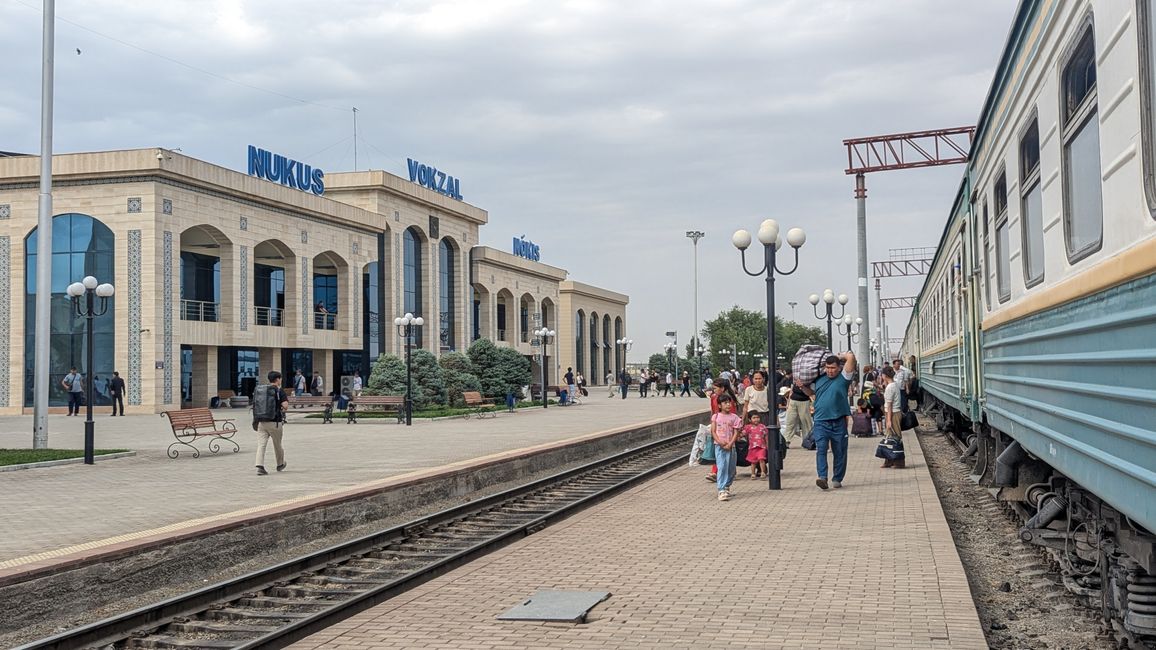
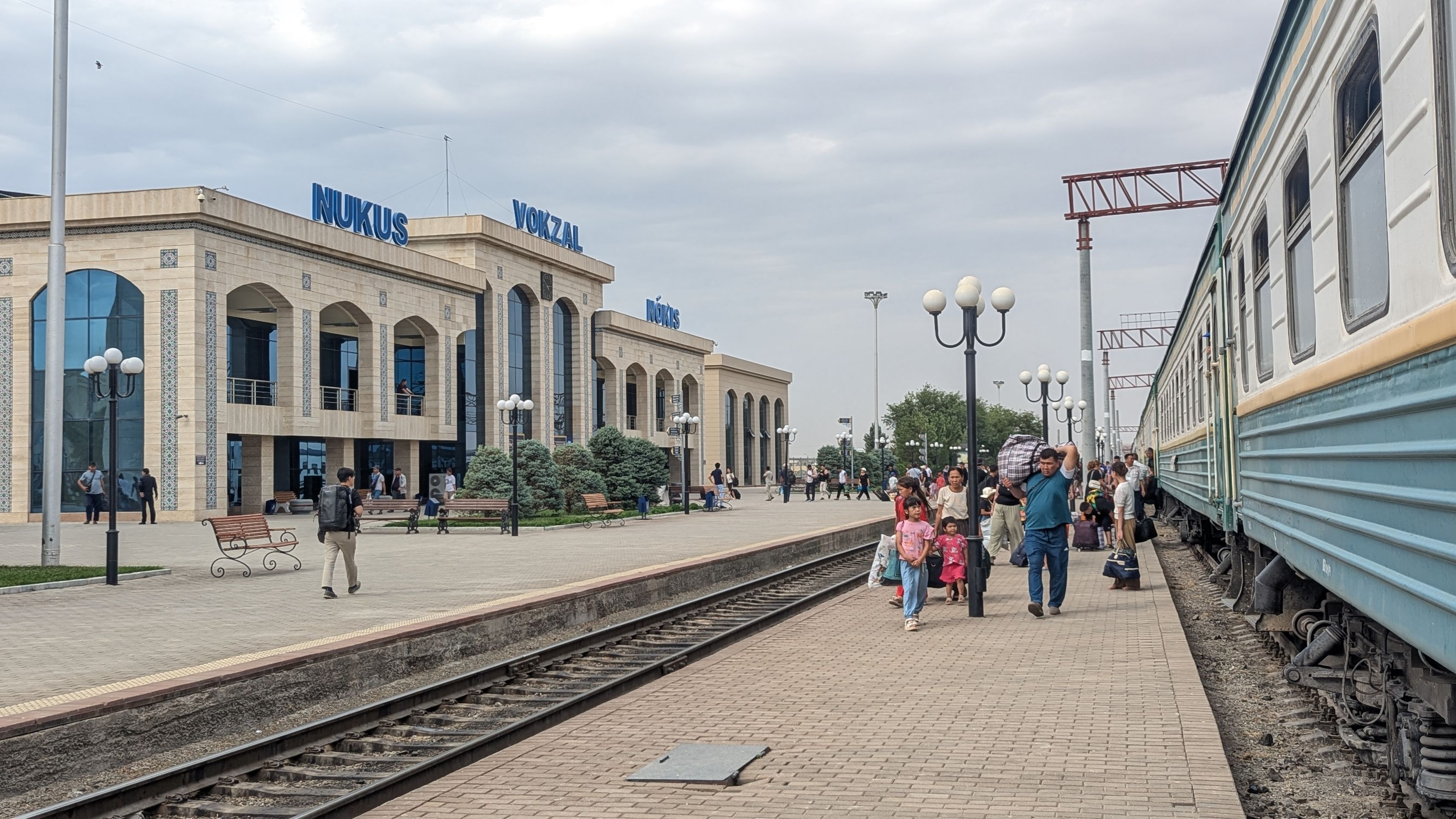
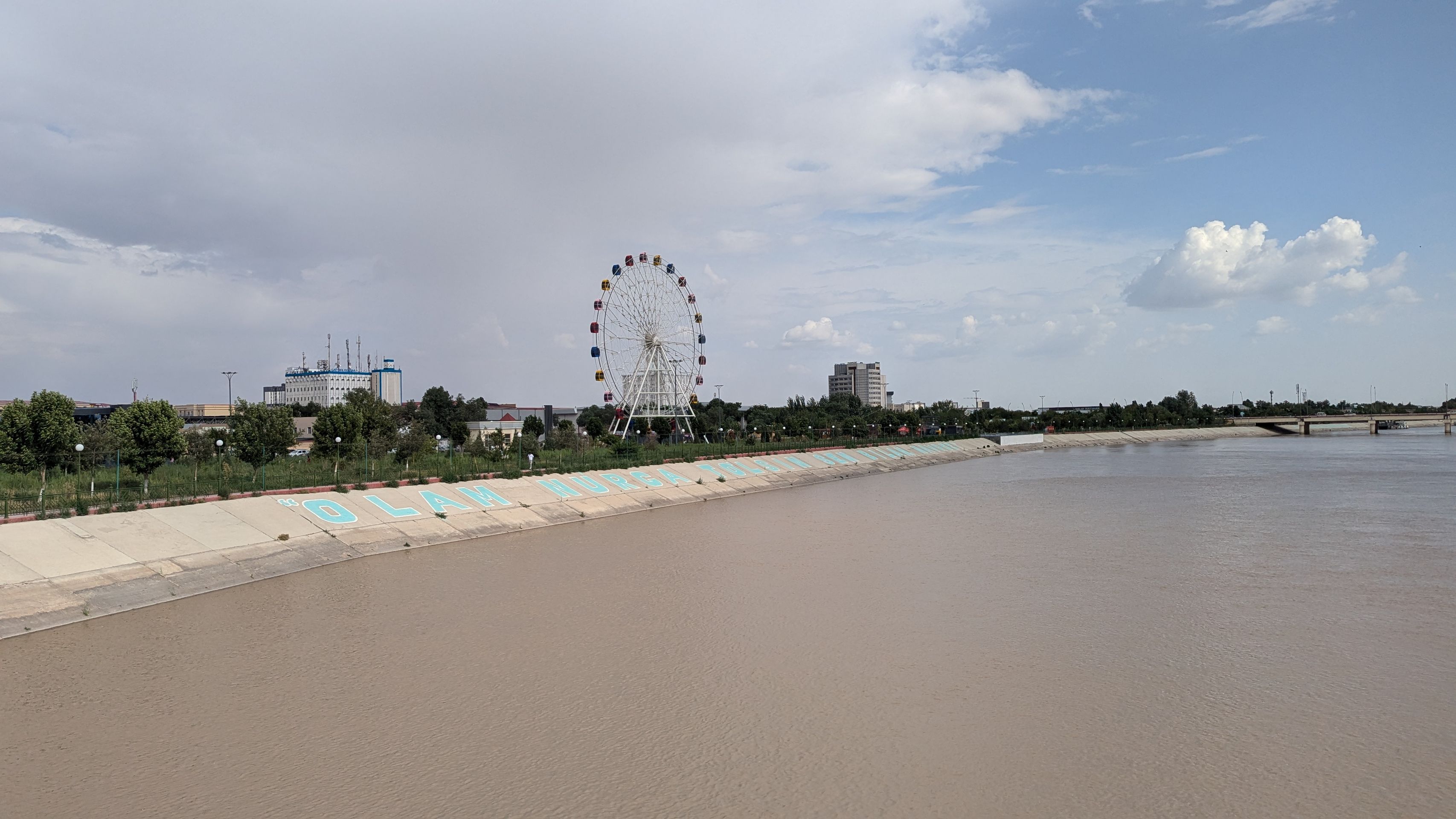
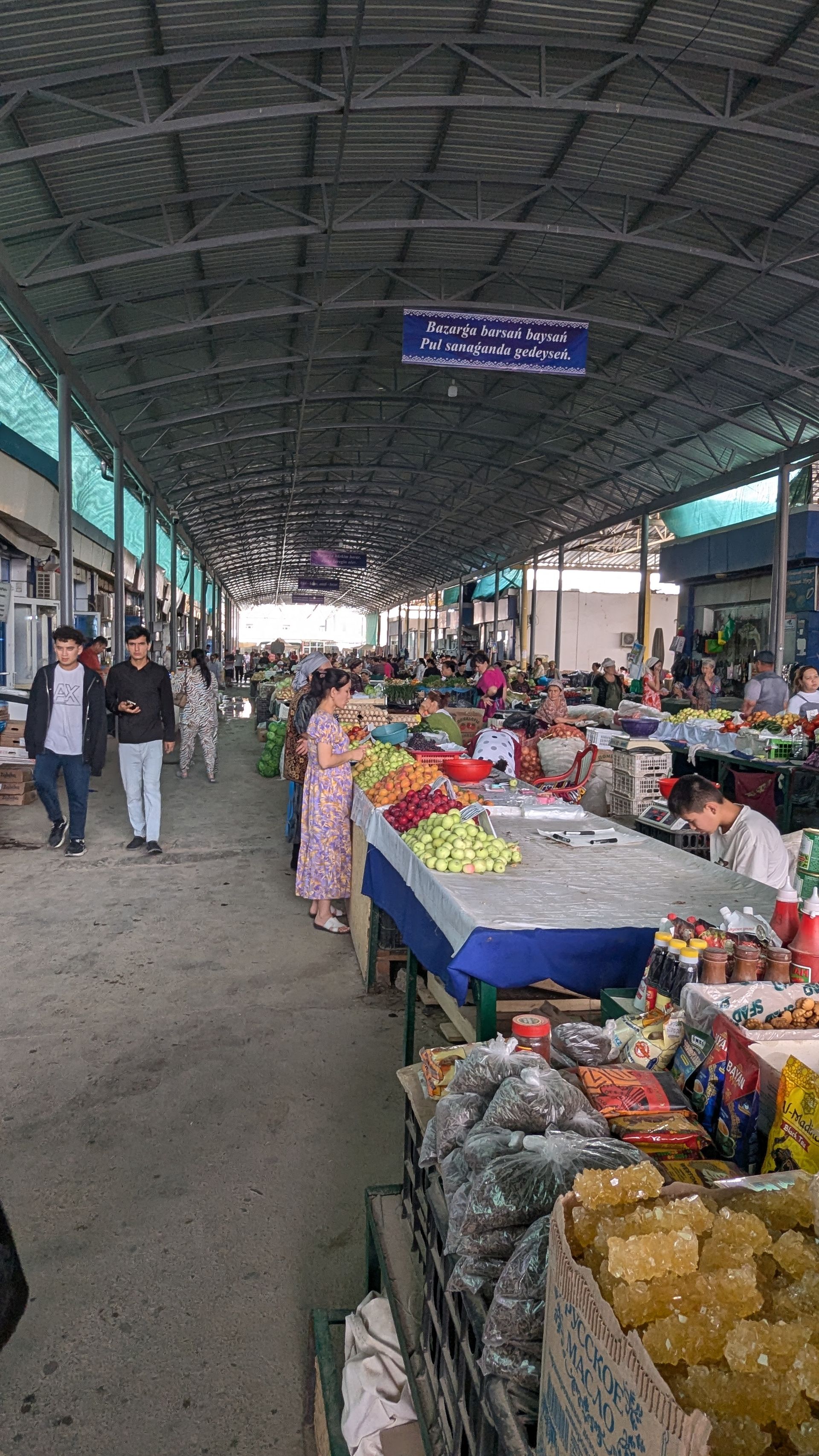
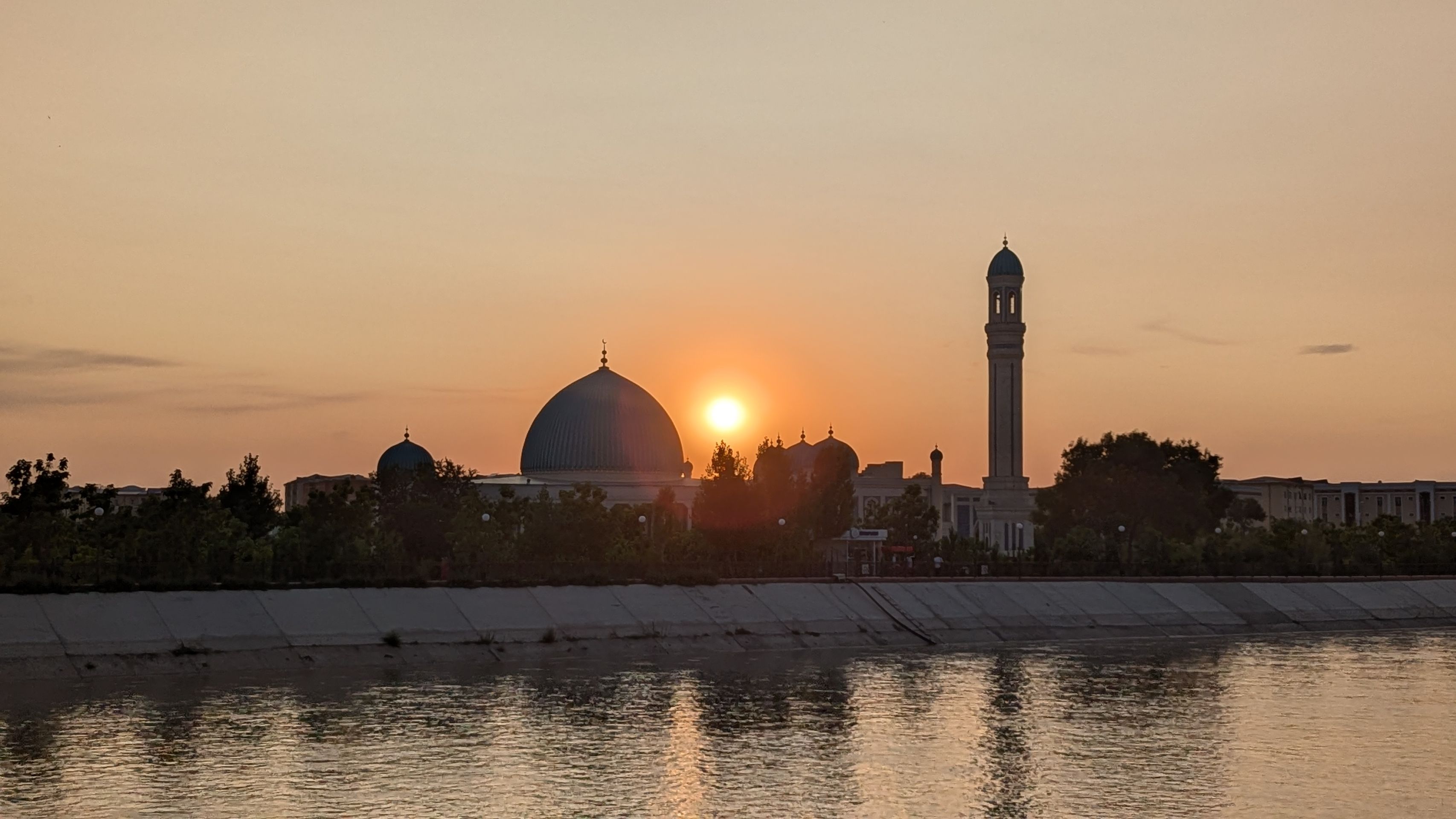
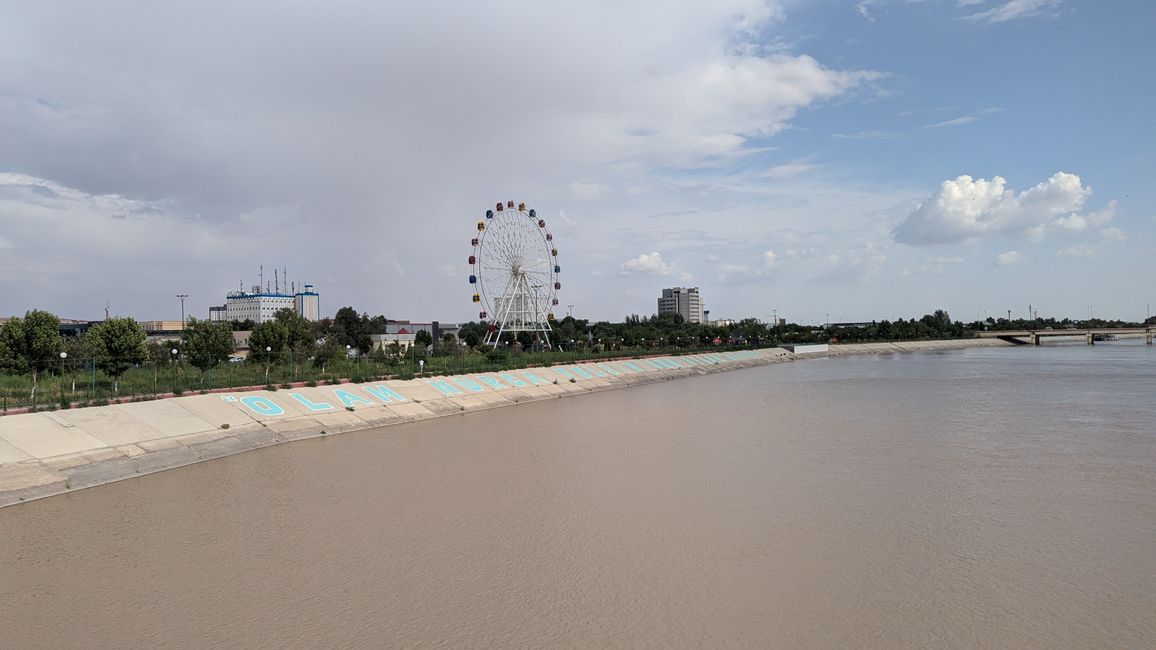
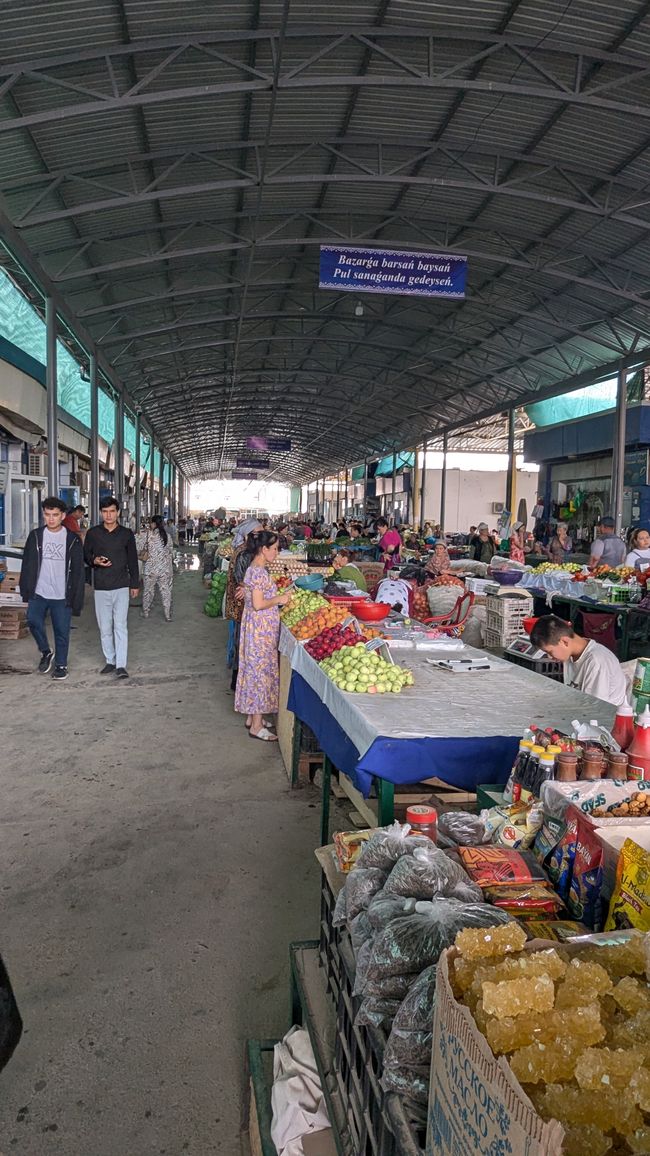
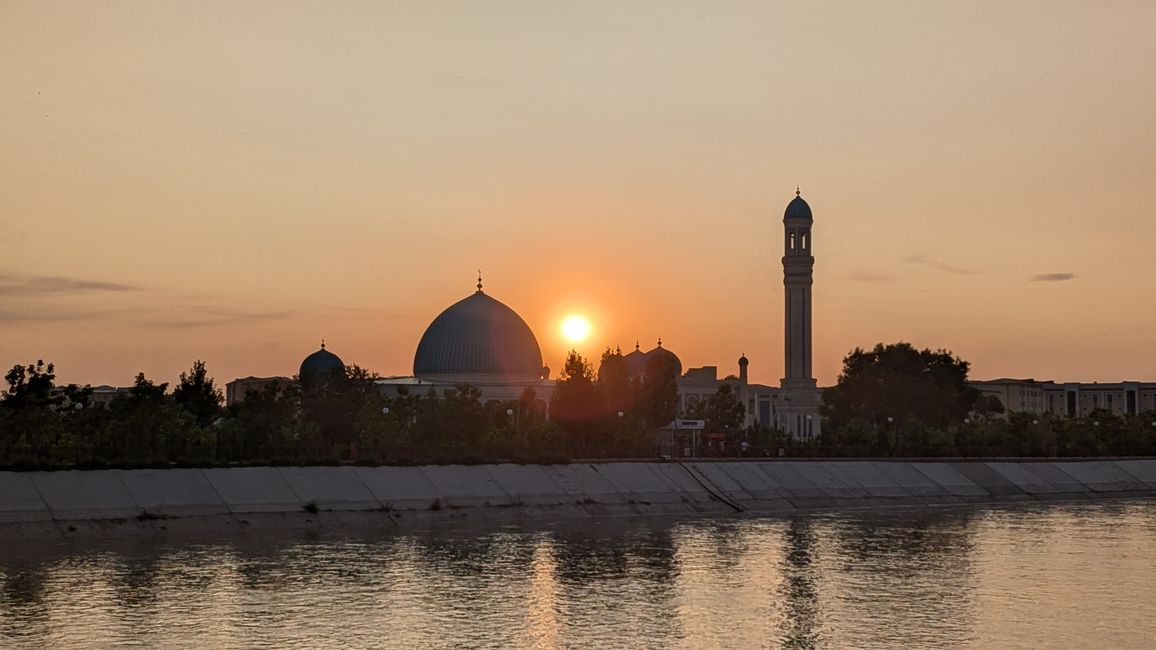
In Nukus, I went straight to the hostel, which made a great impression; I had the 6-bed room all to myself. I went to a nearby restaurant, where I had two stuffed breads, pilaf (rice with lamb), and a cola for just €3. The prices here are more than fair. Nukus, like Aktau, is a very young city without a historical center, but it is even prettier than Aktau. As it is the regional capital of Karakalpakstan, there are some nice government buildings to see. Additionally, there’s a pleasant little promenade by the river where locals ride the Ferris wheel, play ring toss, or other fairground-style games in the evenings. The nice market was explored by me the next day, calm like in Europe, with Asian-looking people, exotic fruits, and Arabic spices, a really great mix. I got filled dumplings for 30 cents, a lemonade for 14 cents a glass, and a 5-minute taxi ride also only costs 30 cents; if this continues, I could go to Antarctica again :)
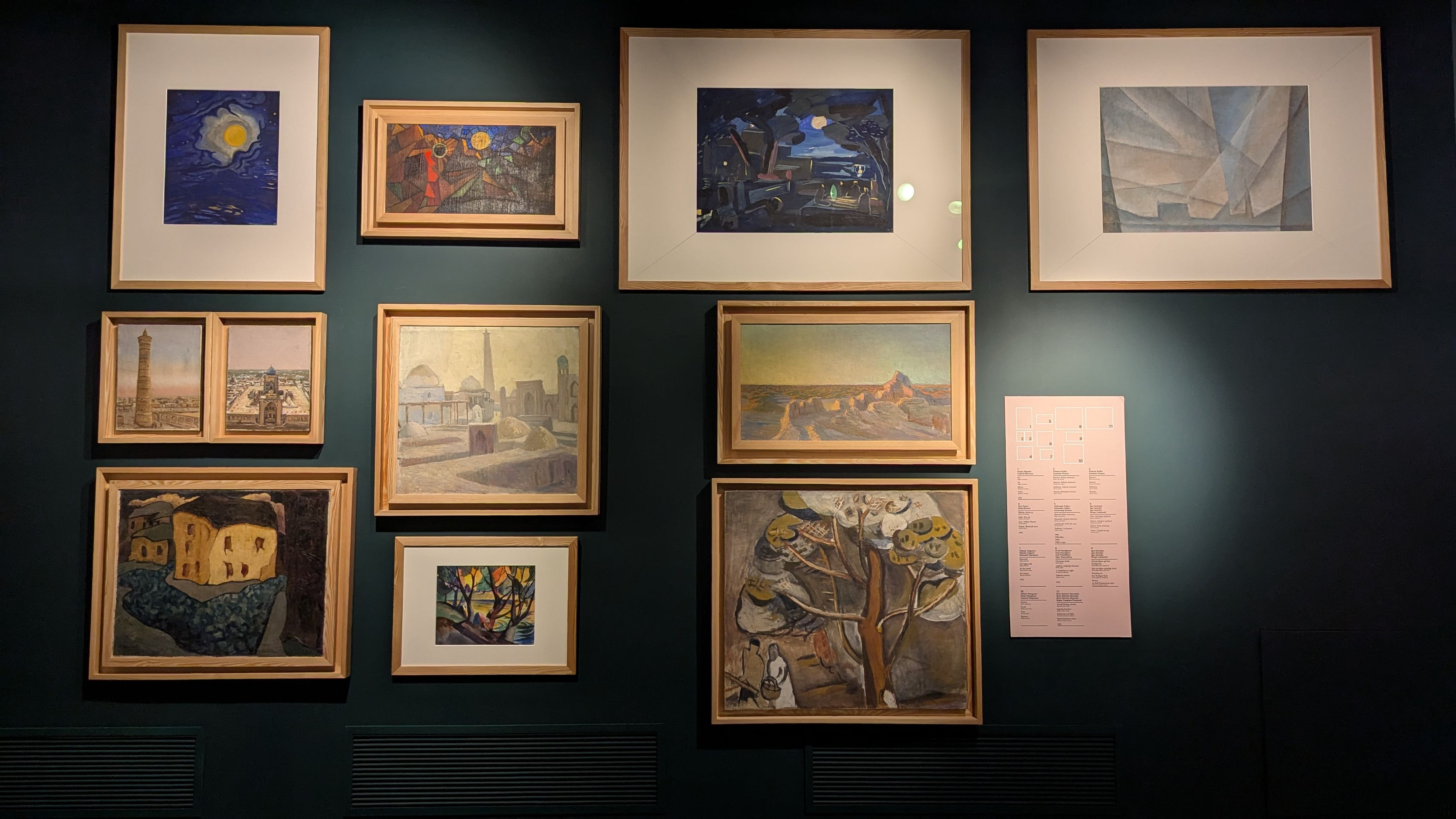
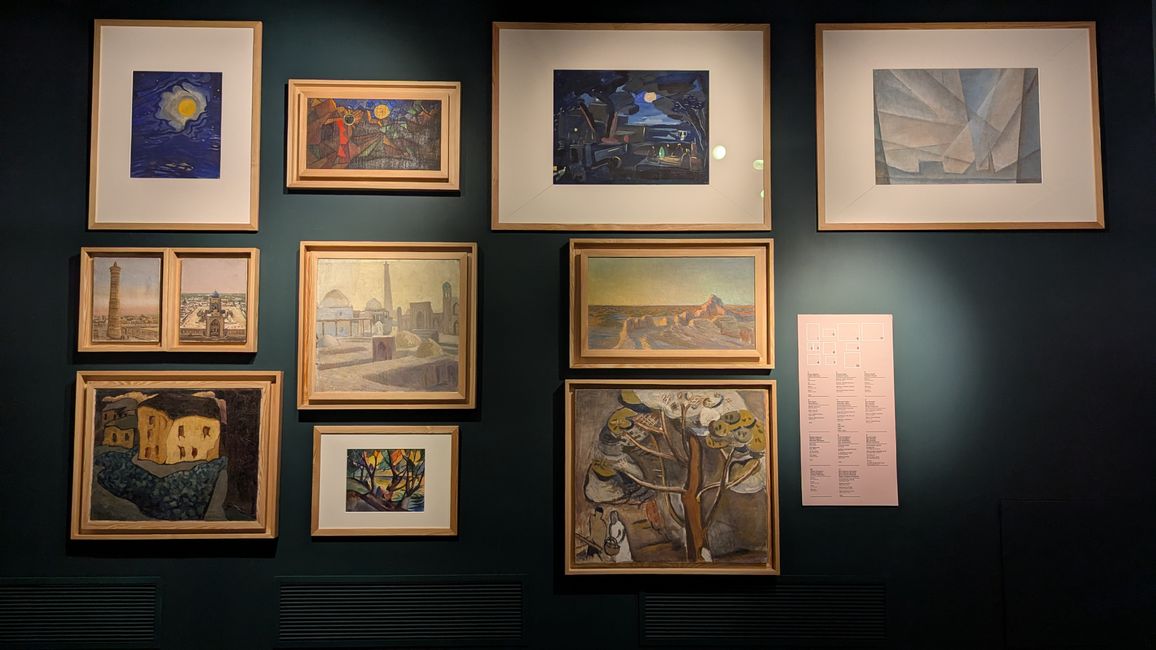
I usually don’t have much to do with art, but the Savitsky Art Museum was highly recommended to me by everyone; even Google Gemini (the counterpart to Chat GPT) warmly recommended it, and it was indeed interesting, as it did not involve abstract art but rather portraits, depictions of street scenes, or ancient buildings; I'm still not an art lover.
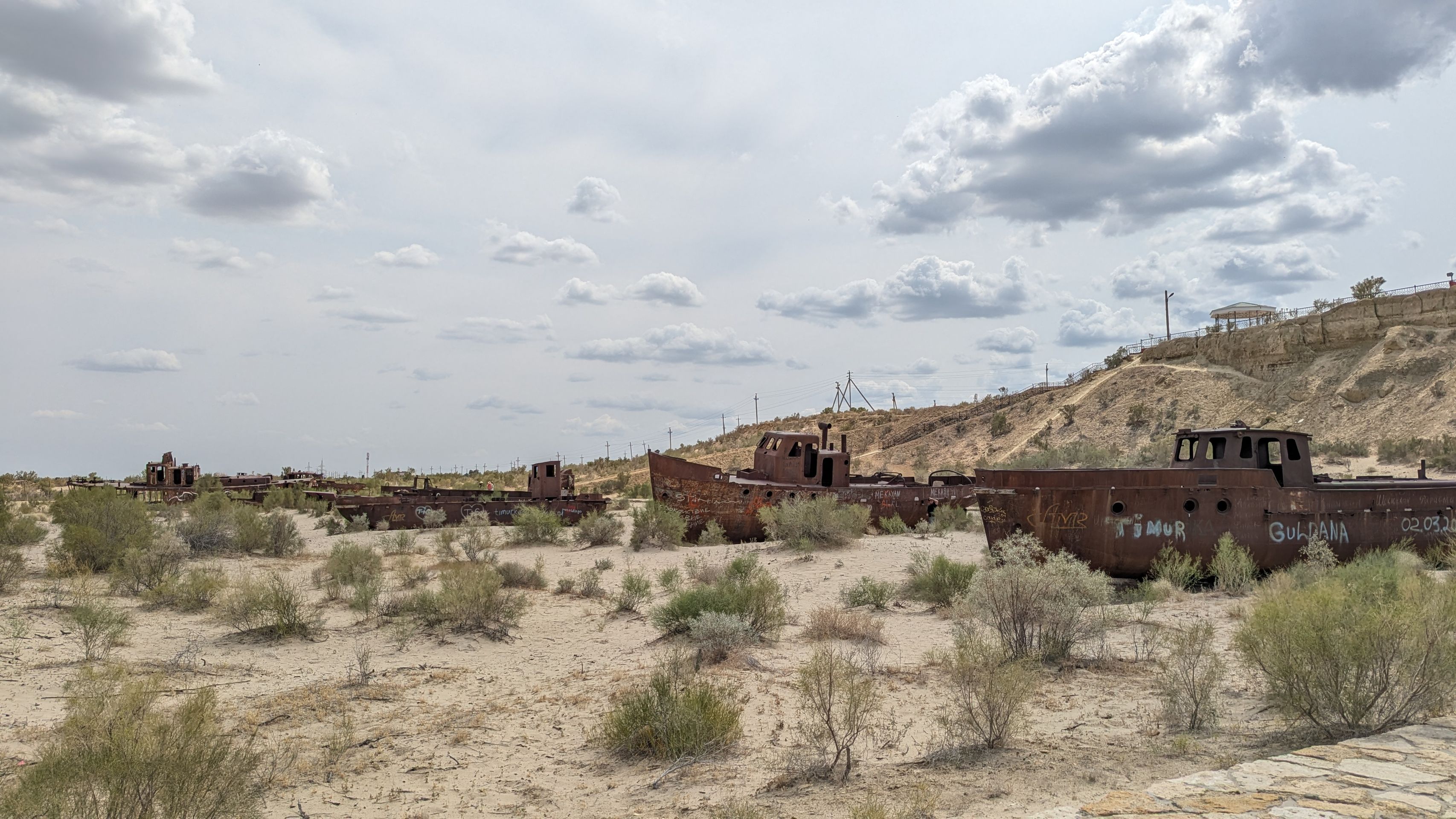
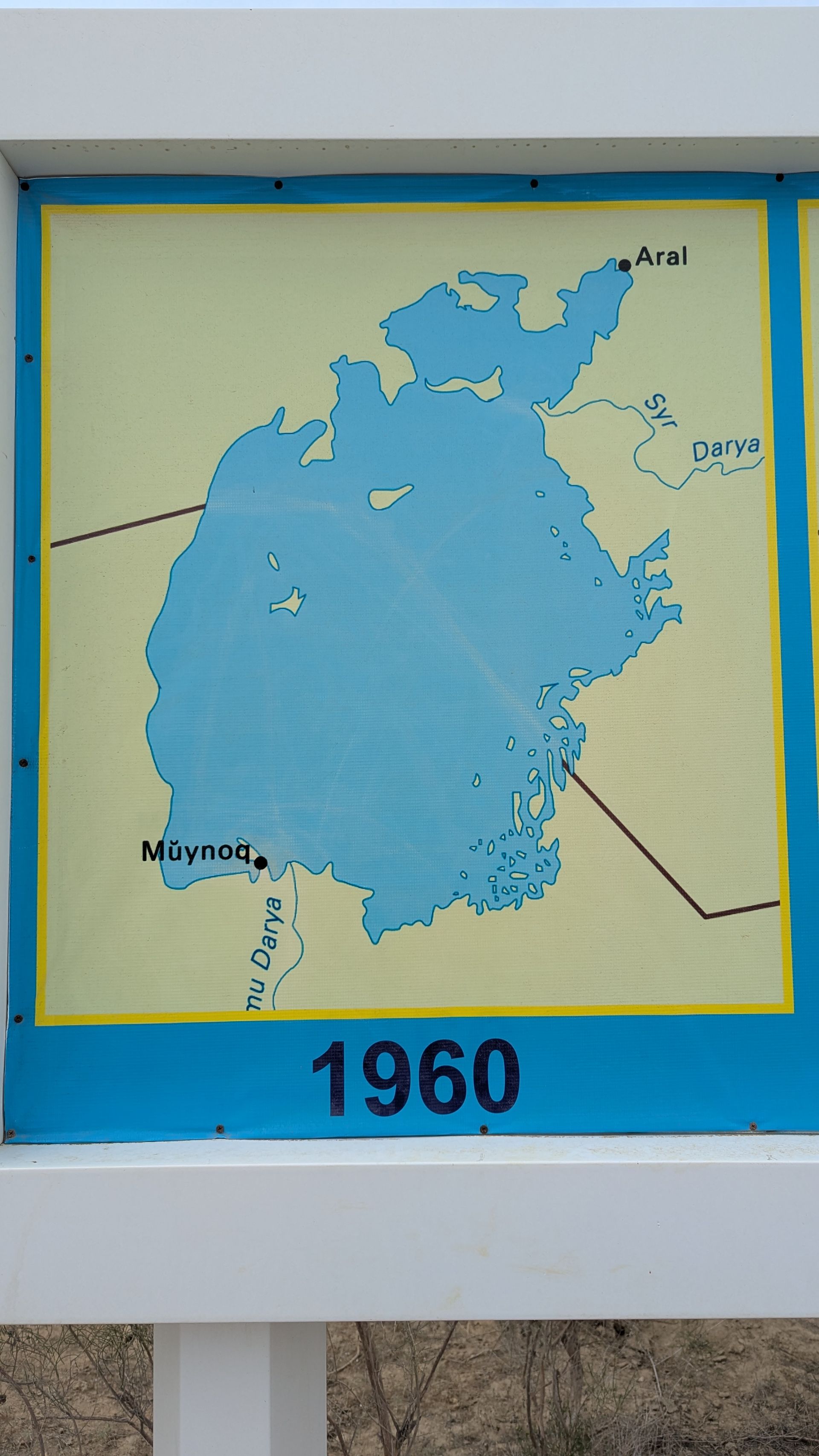
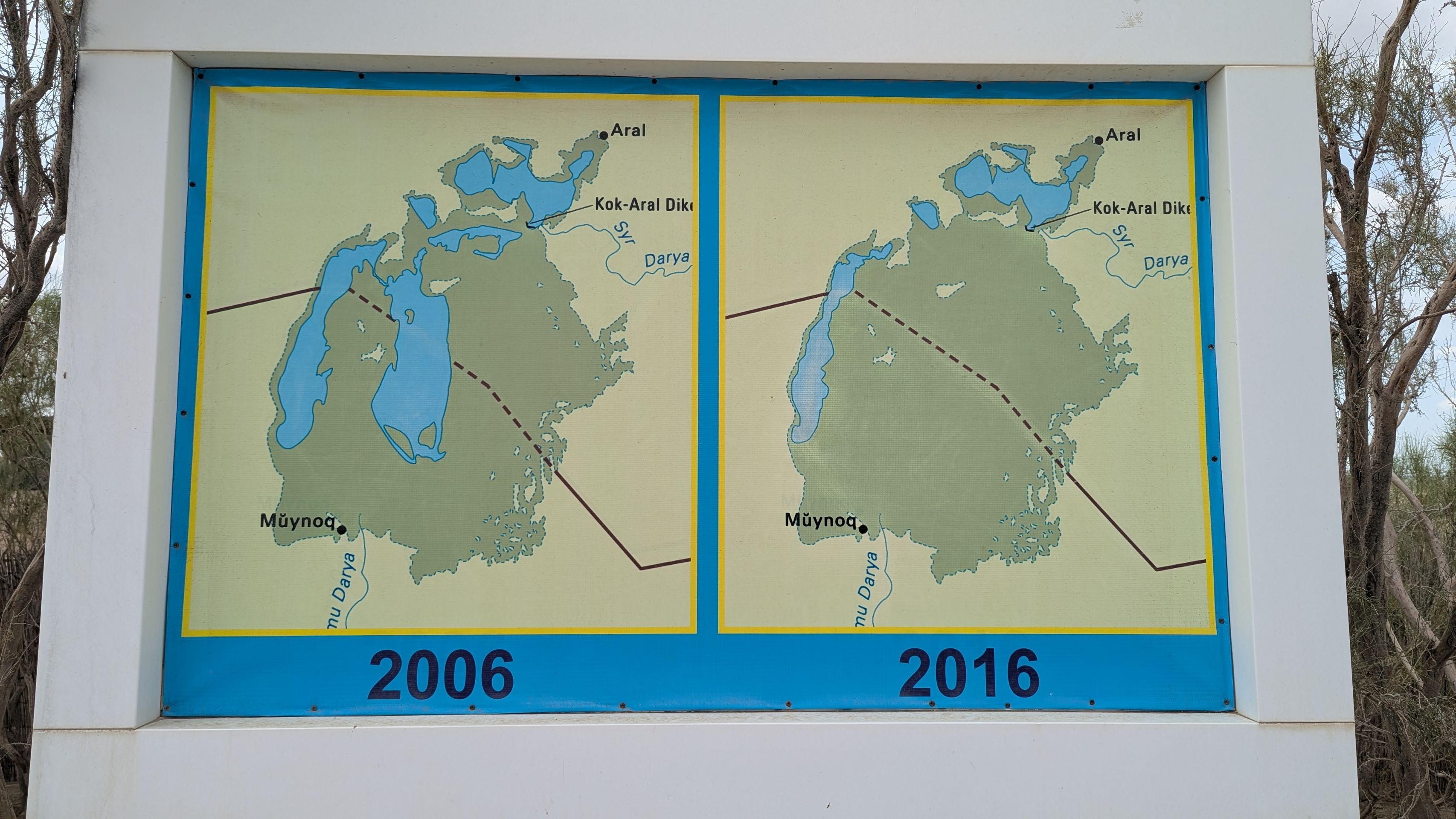
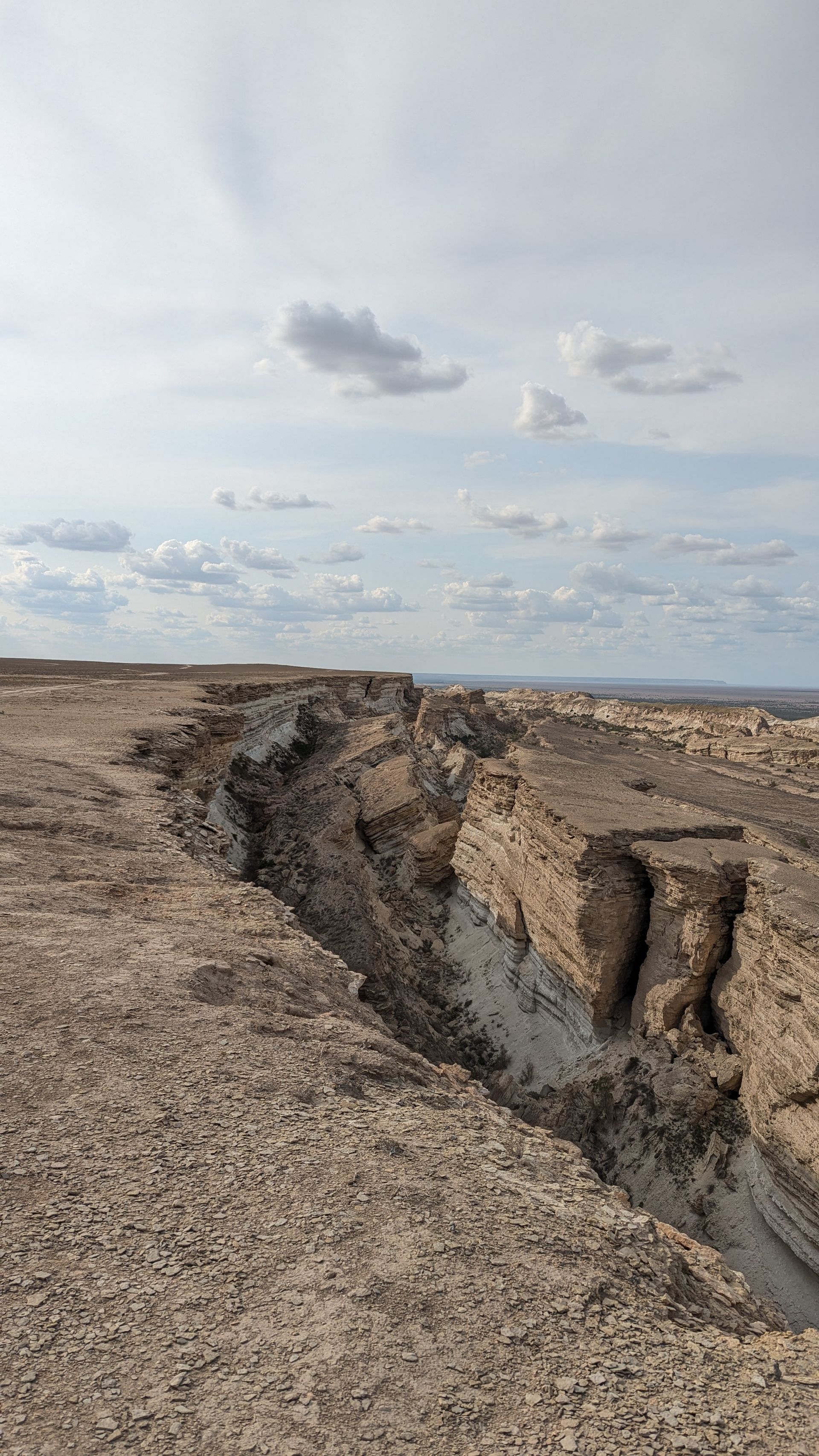
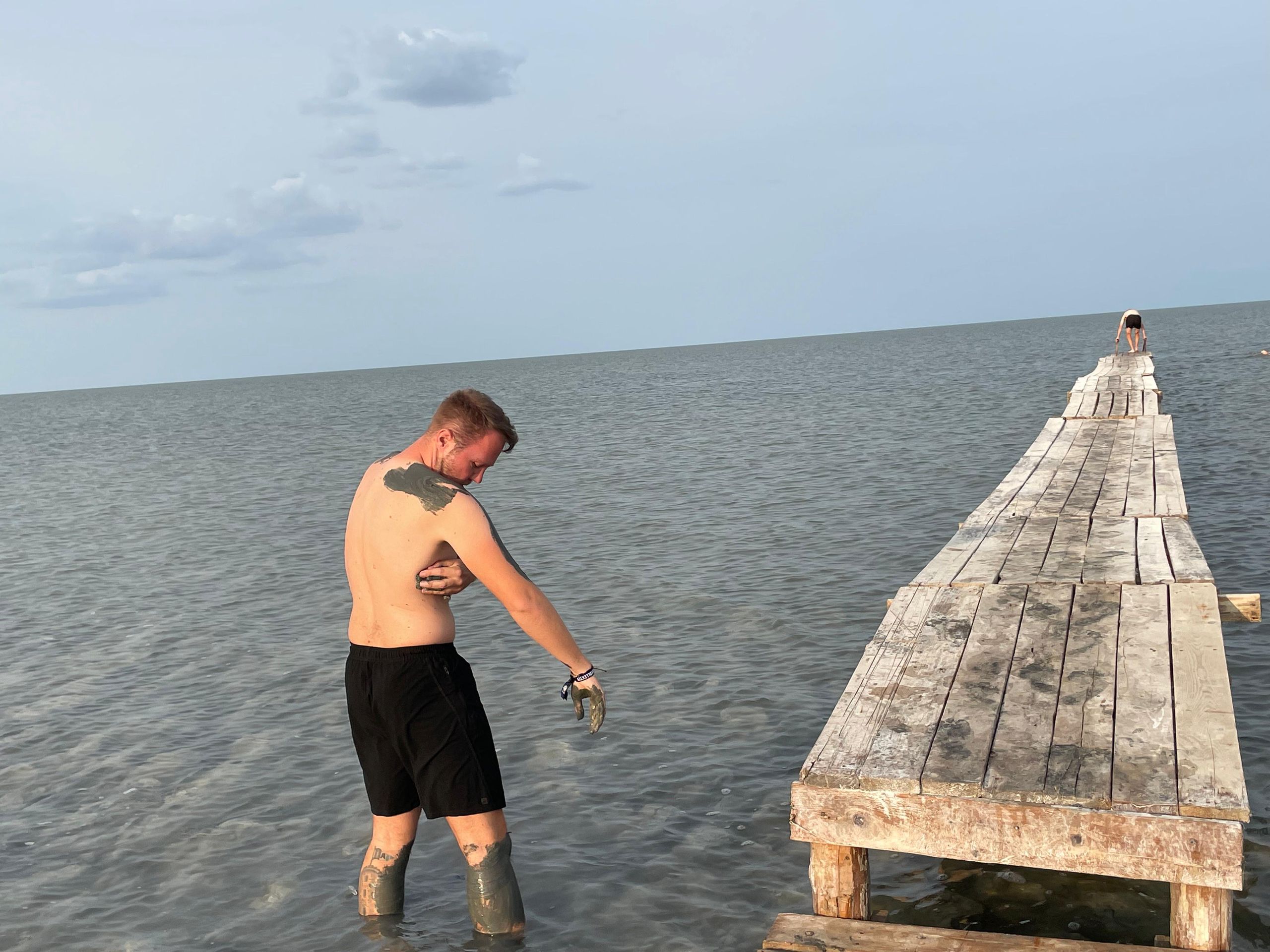
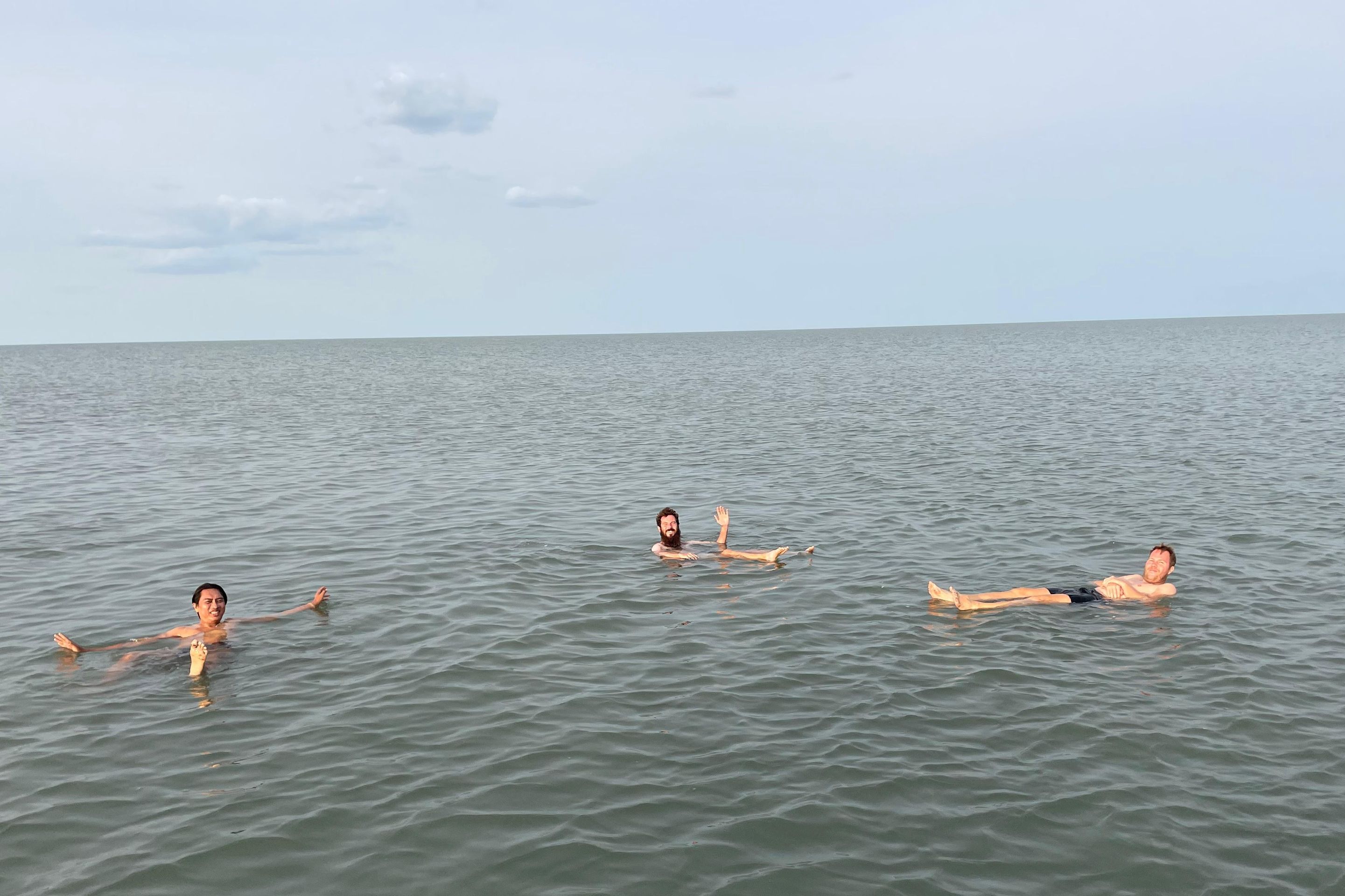
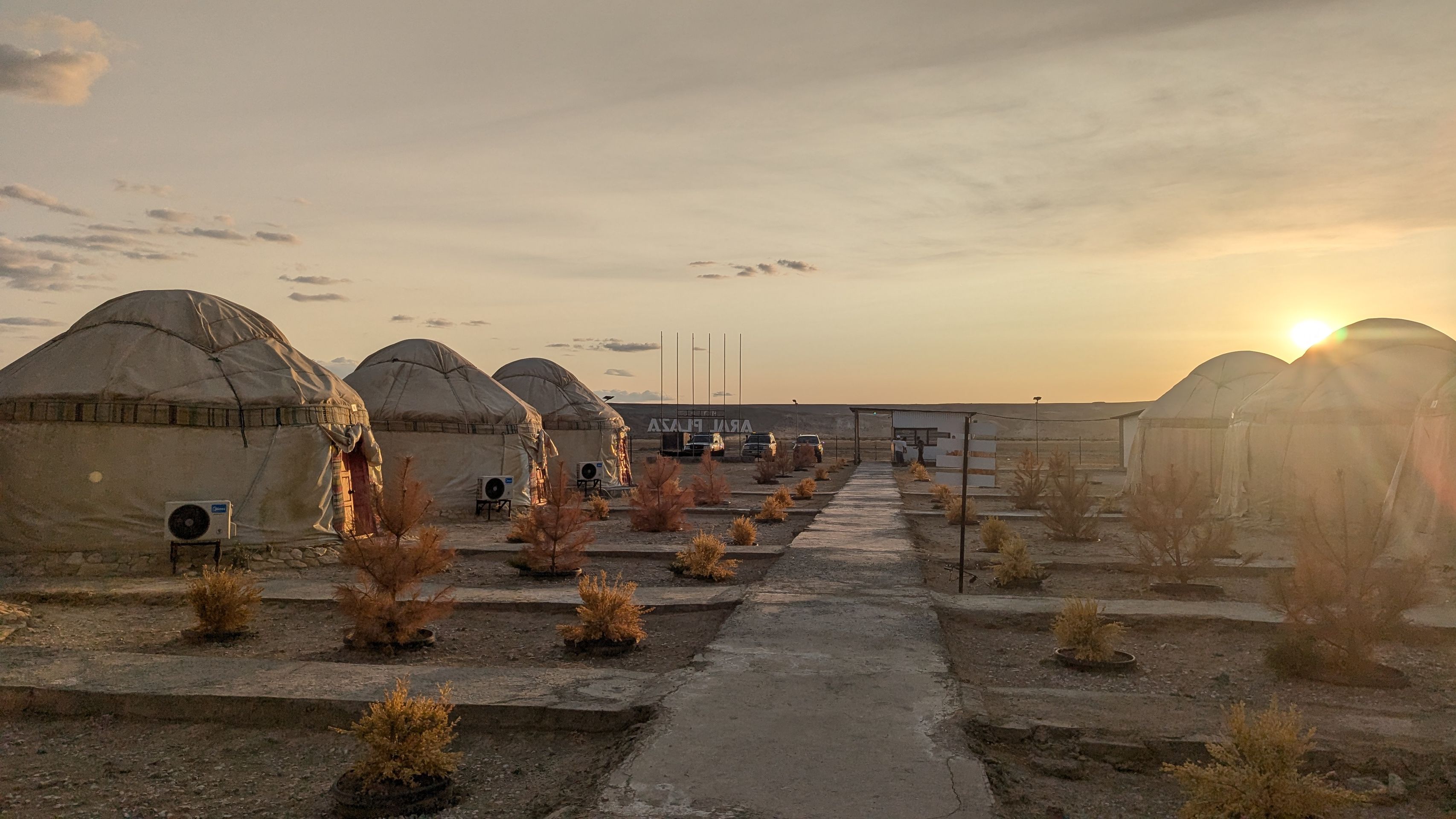
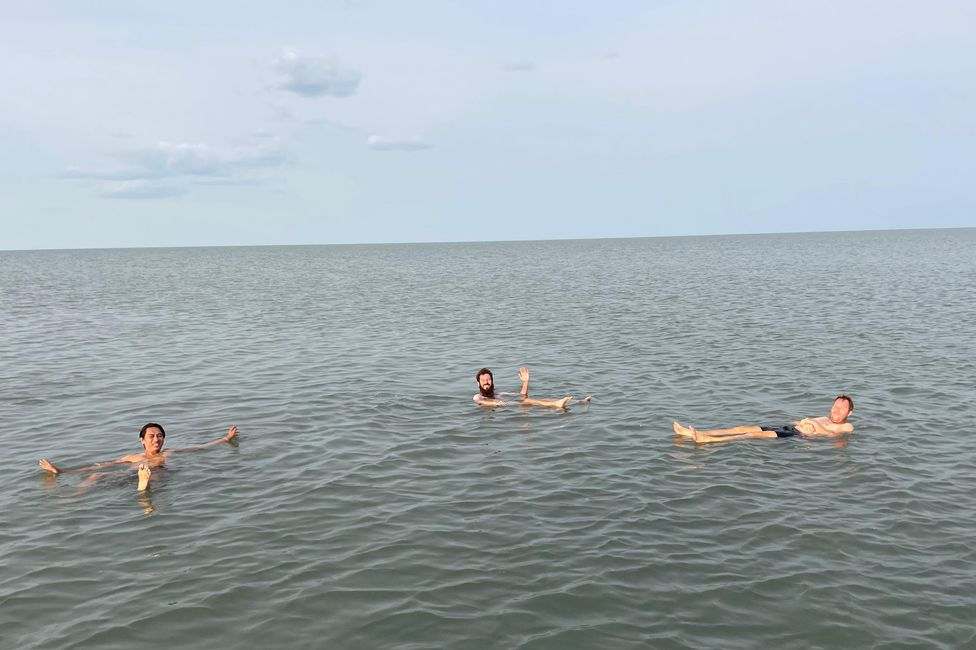
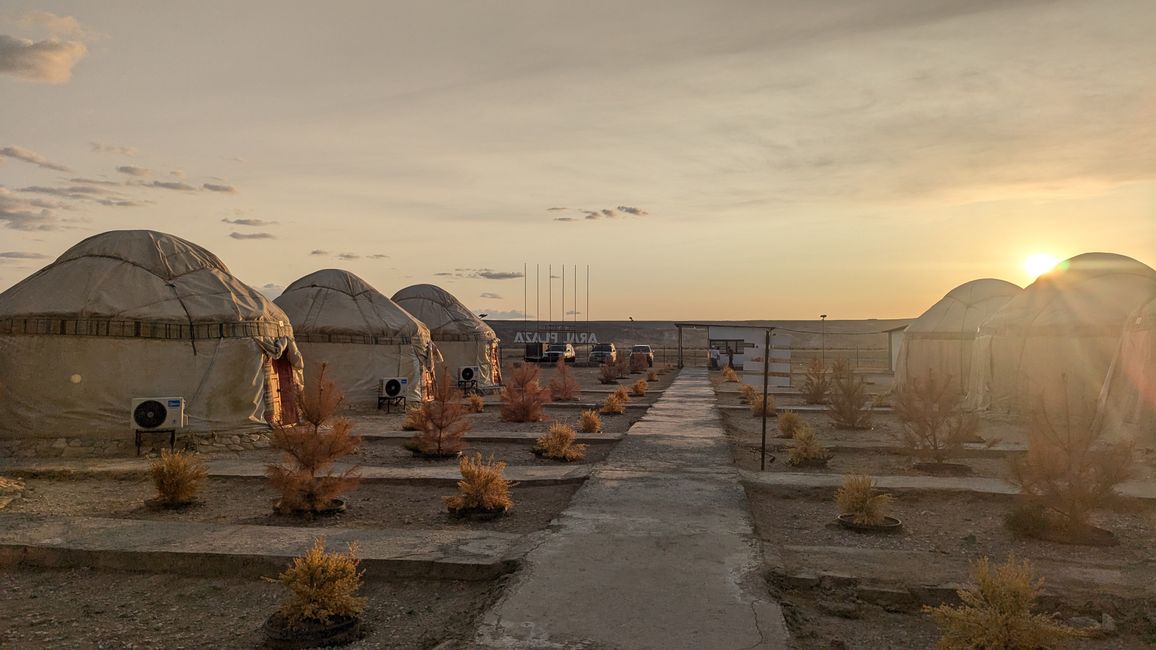
Three nights in Nukus were definitely too much; however, I wanted to go to the Aral Sea, and since I was too stingy to pay €450 for a private tour, I had to wait until I could join a group. So at 8 am, we headed from Nukus towards Moynaq, a city that in the late 70s was still on the southern shore of the sea and was very prosperous due to fishing and industry. In the 70s, however, the water receded further and further as more and more water was diverted from the tributaries of the Aral Sea for agriculture on both the Kazakh and Uzbek sides, and so there’s only a small remnant left of what was once the largest lake in the world. From that point on, the sea is now a 3-hour drive away. After checking out the small museum and the old rusty ships, we drove for those 3 hours by jeep over the bed of the Aral Sea to the last remnants. Along the way, we looked at expanses of the steppe and the imposing cliffs that once bordered the sea. Upon arrival at the sea, we quickly dipped into the damp but very salty water. By now, the salt content is so high that one can float on the water, similar to the Dead Sea. I had imagined the night in the yurt to be less comfortable; we had a real bed and air conditioning.
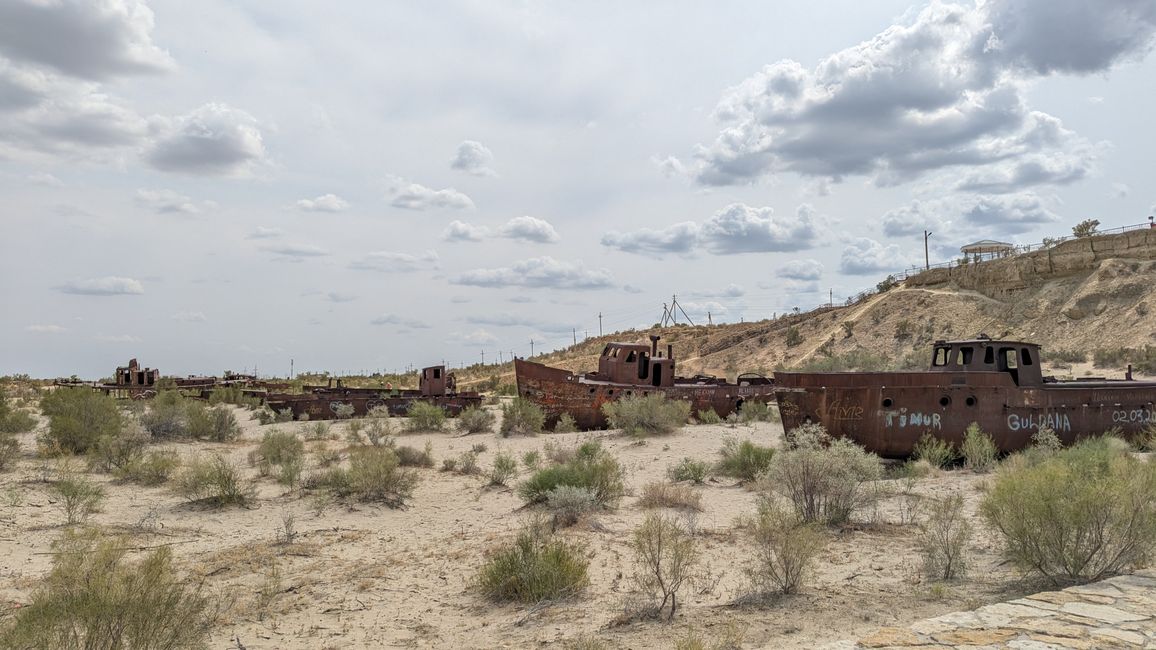
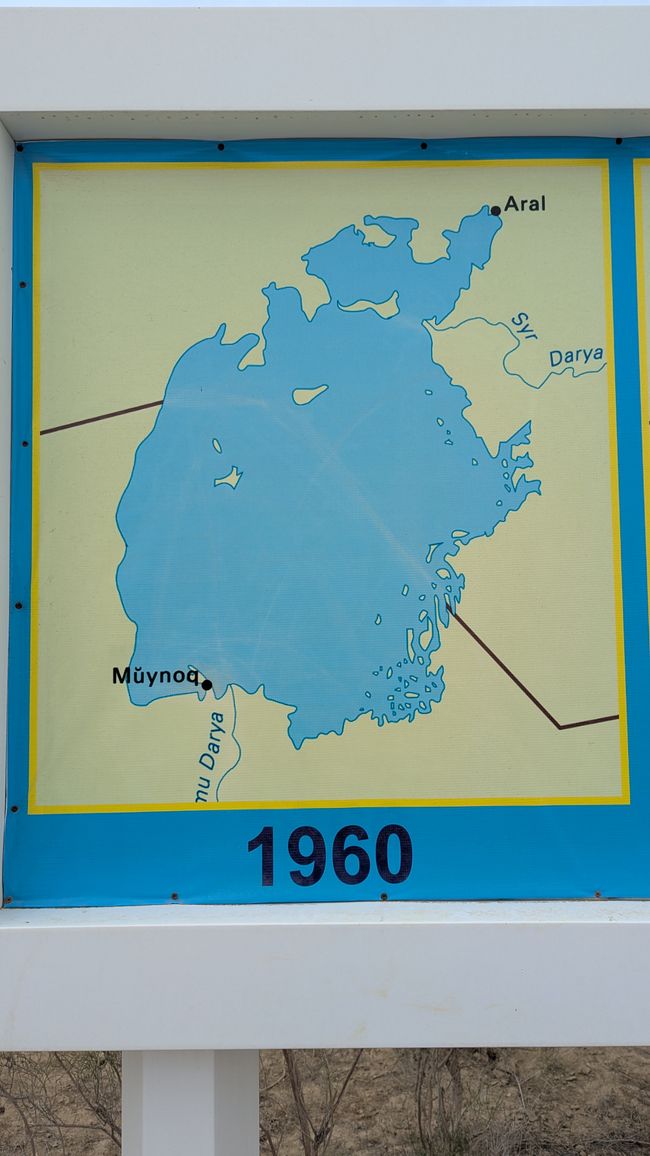
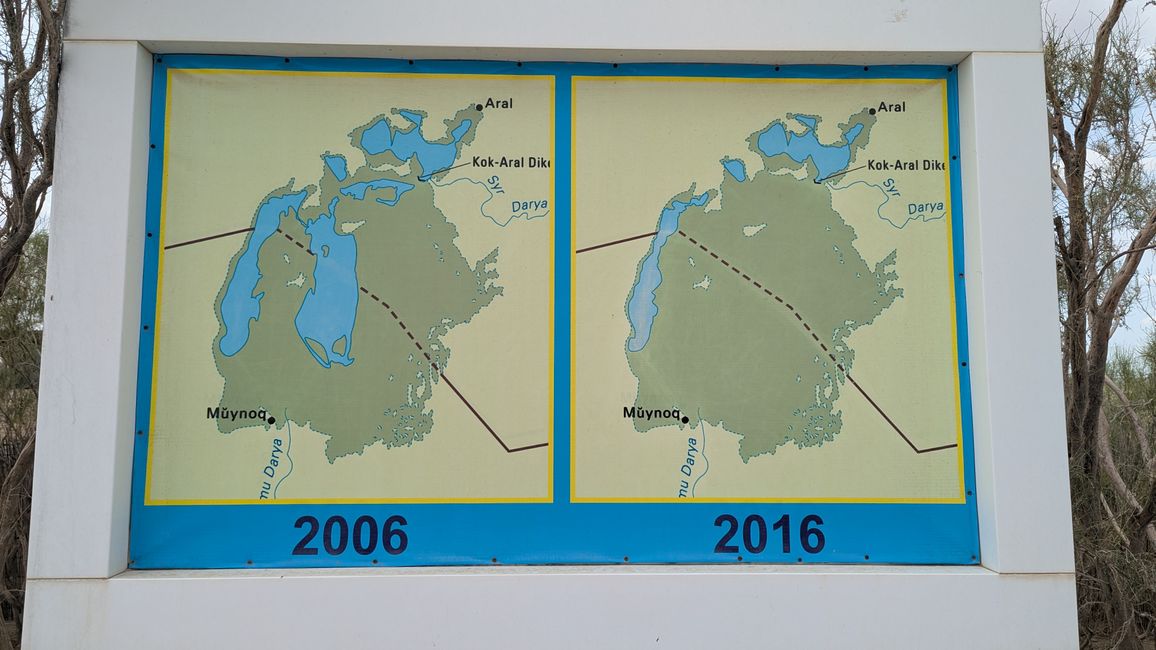
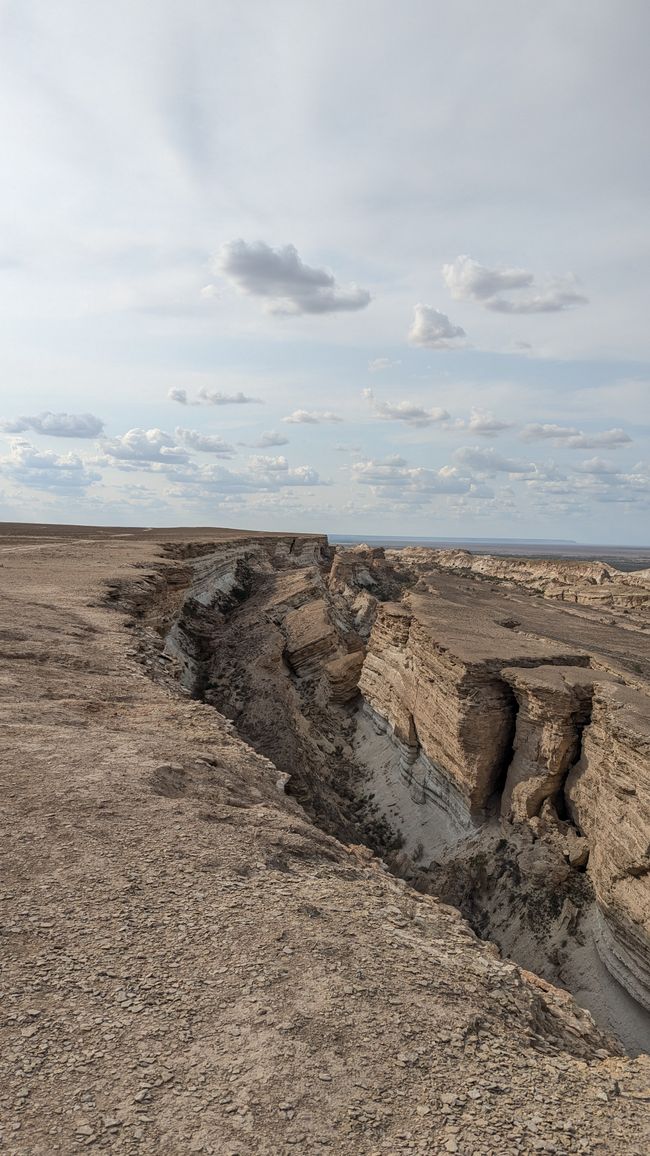
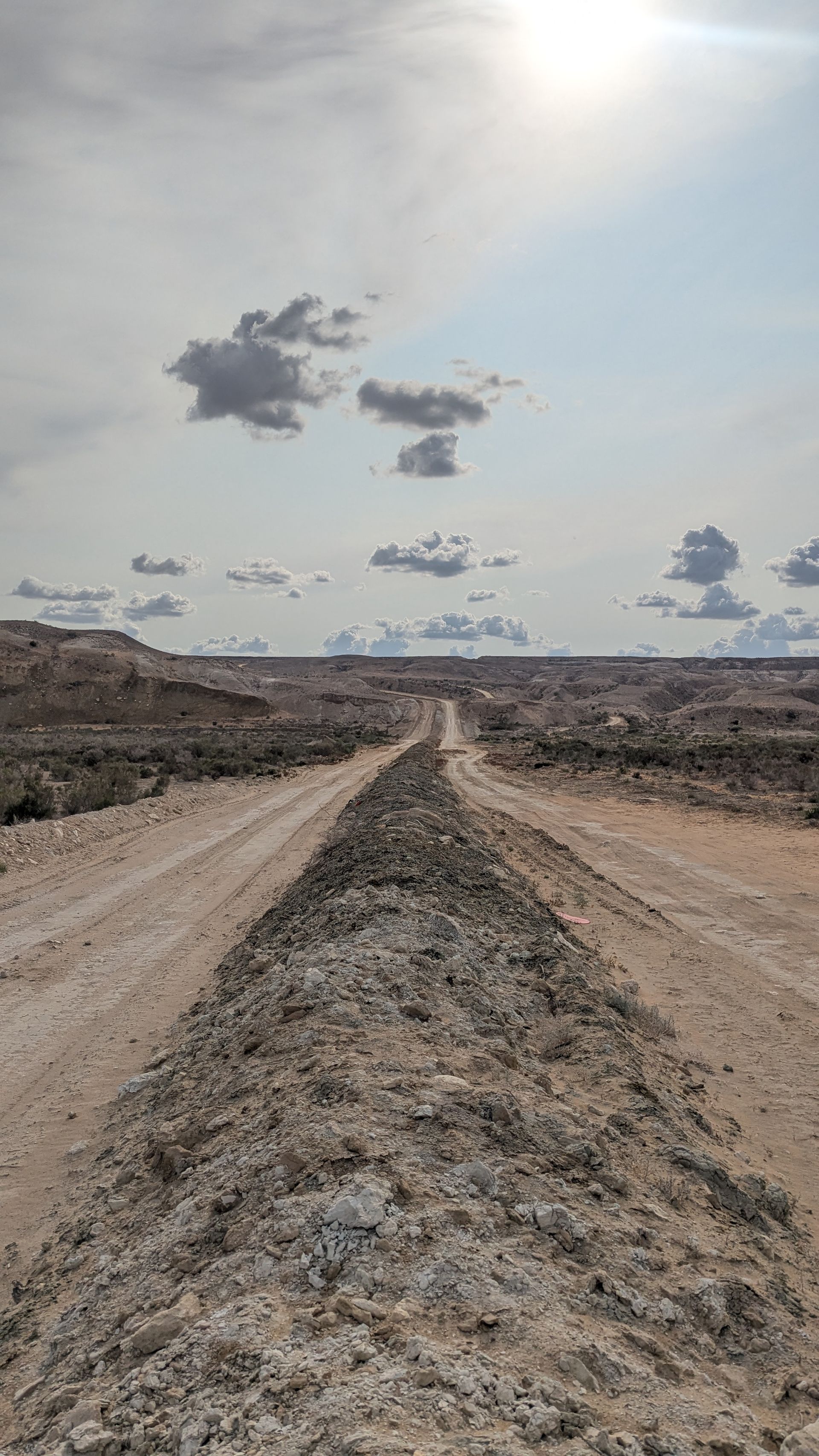
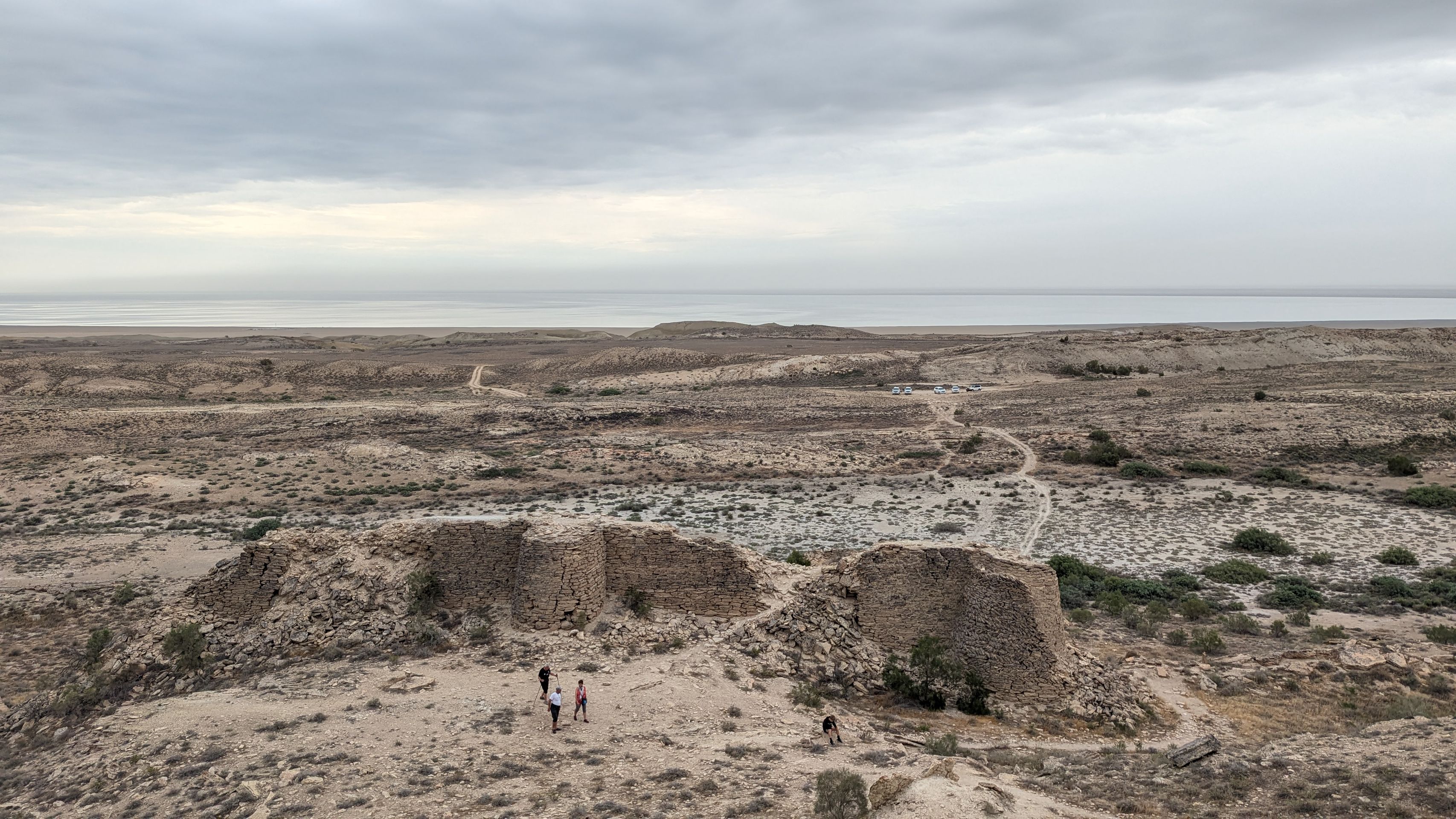
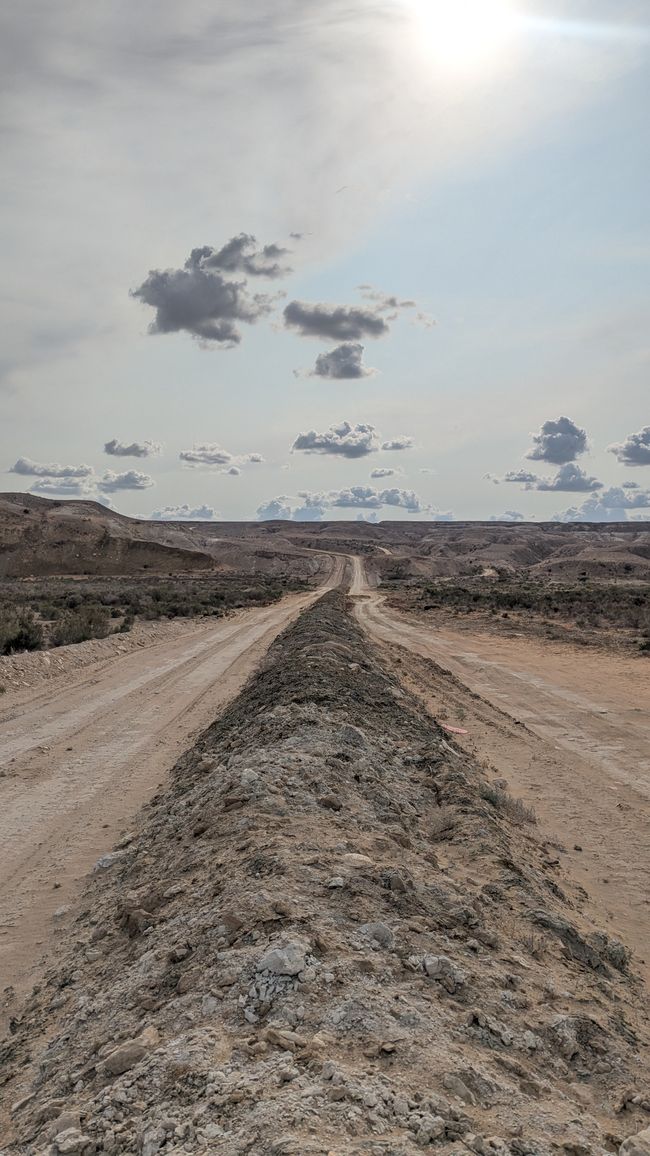
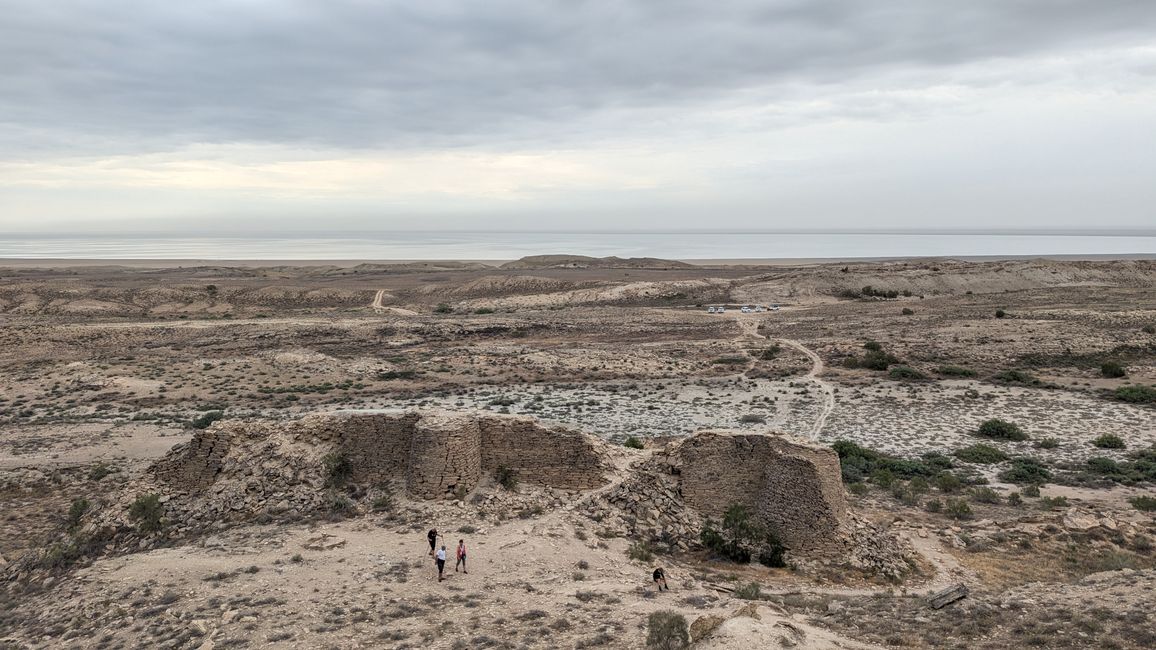
The next day, we returned, an 8-hour journey back through the desert on poor roads, which didn’t really deserve the name. Occasionally we stopped at a few historical sites like a former lighthouse, a caravanserai, or a farming village. The tour was quite interesting, but altogether, it was a lot of driving to view this sad history of humanity.
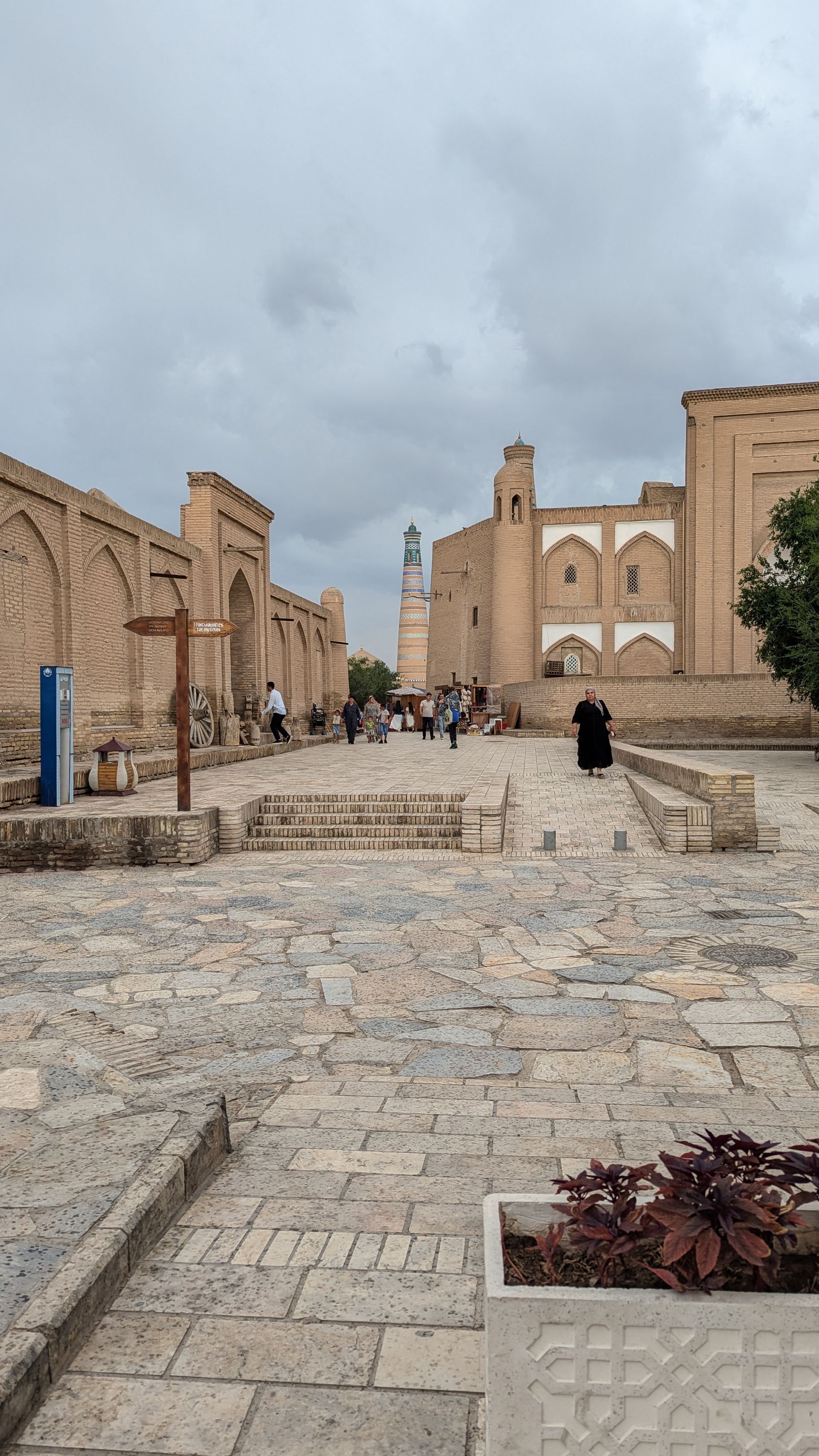
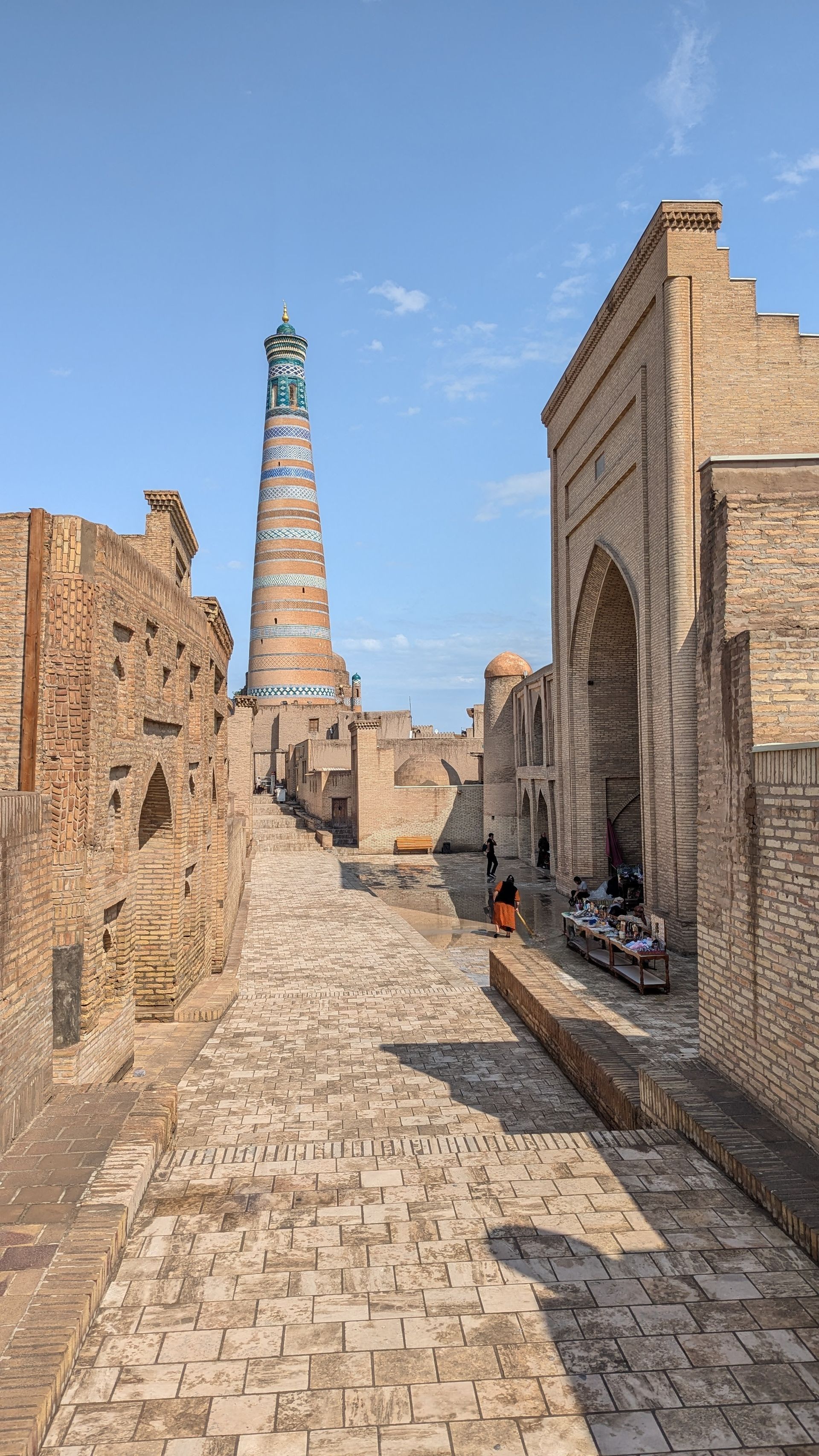
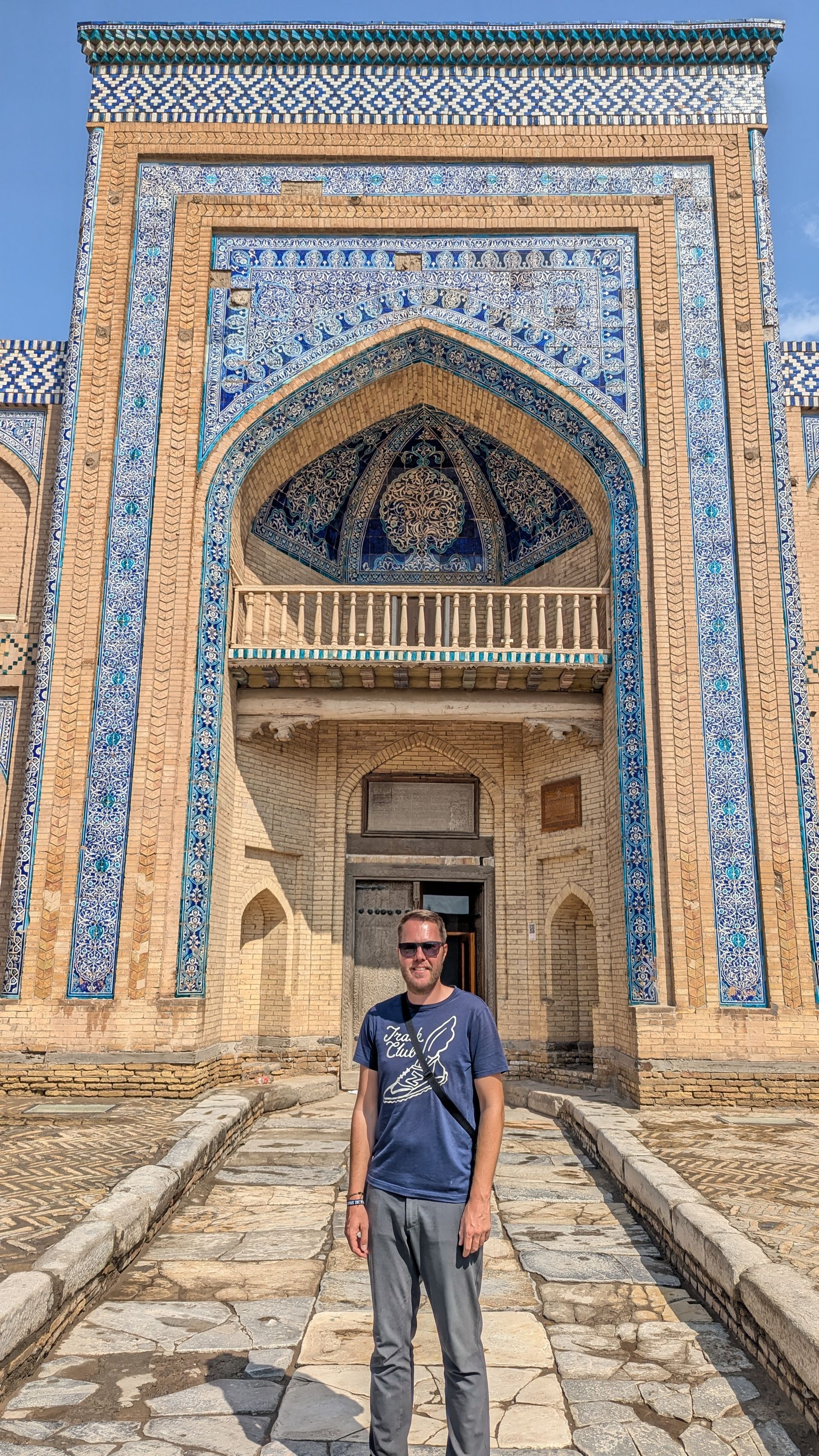
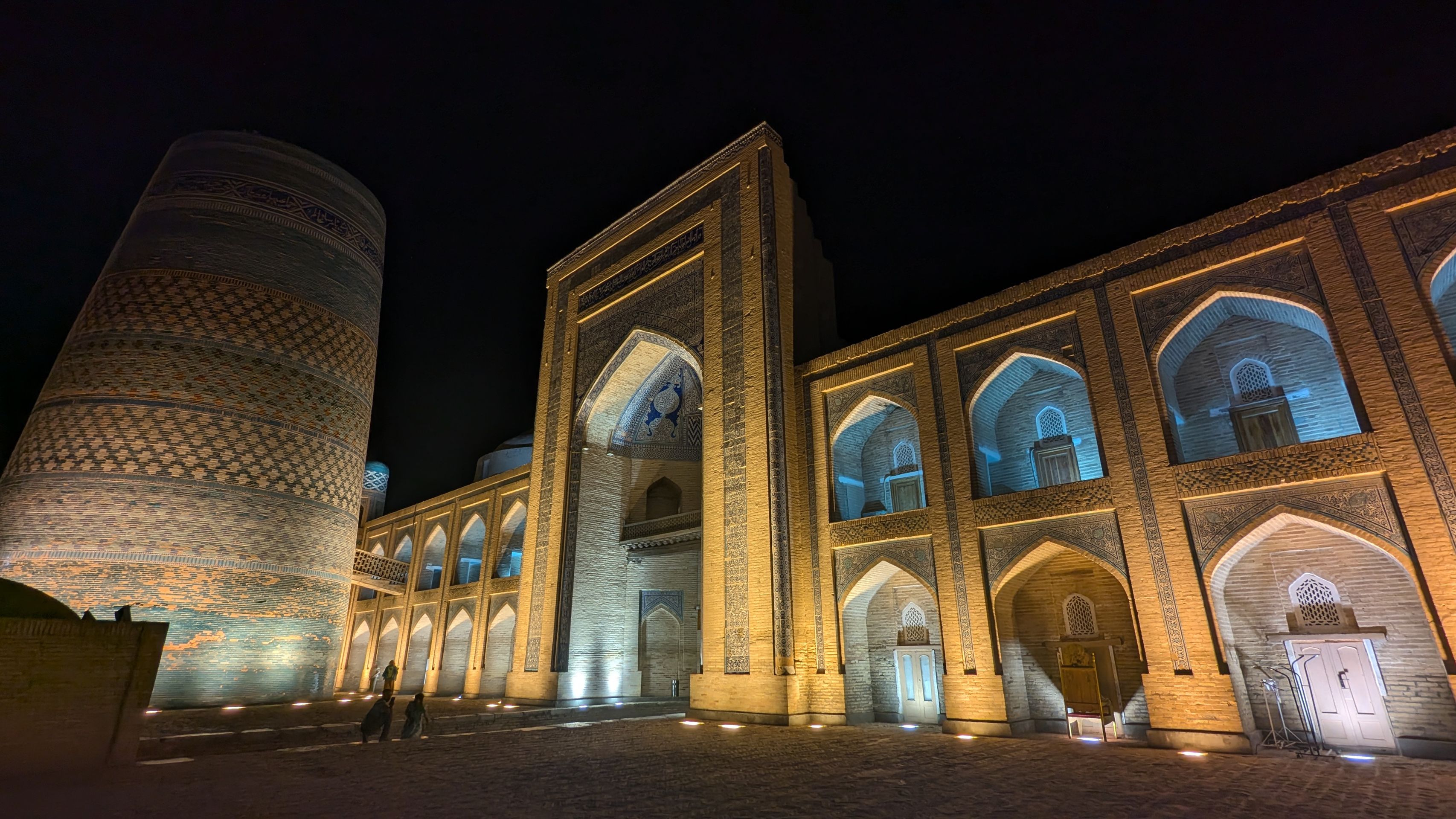
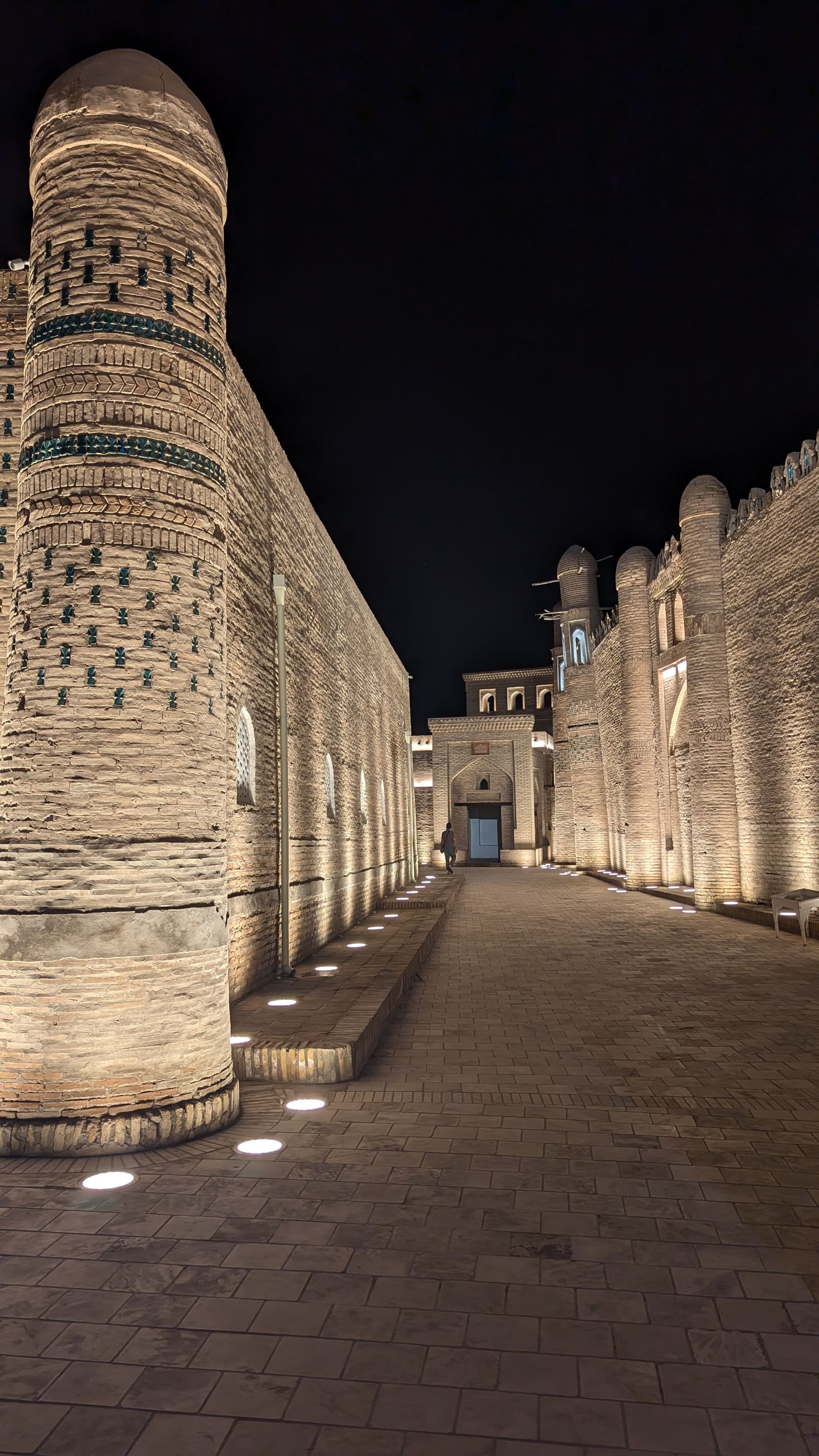
That evening, I took a taxi towards Khiva, the first city on the former Silk Road. I had already found a taxi driver who would have driven me for €13 for the 3½ hours to my destination; however, my fellow passenger from the Philippines had a hotel offer for €11.80. I tried to explain to him that everything would take much longer, but it didn’t help. So, I completely stayed out of it; eventually, he found a taxi driver who would take us for €11.80... The saying “you get what you pay for” also applies in Central Asia when it comes to taxi riding. We had to change taxis twice, and beforehand the driver made us wait on the roadside for 1½ hours because he wanted to eat. Next time, I’ll do my own thing again. Khiva has a beautifully small old town with many former mosques and madrasas (Koran schools), but at the entrance gate, you have to pay €18 admission. Since that didn’t seem proportionate to me, I looked for an unguarded entrance and only viewed the buildings in the old town from the outside. As it turned out, that was indeed the right choice, as most mosques and Koran schools are no longer in use today due to religious prohibition during the Soviet regime. Most people are still Muslim, but not so active or conservative as elsewhere, which is why there aren’t many religious buildings needed. In most of the buildings, locals sell souvenirs, which I didn’t want to buy anyway.
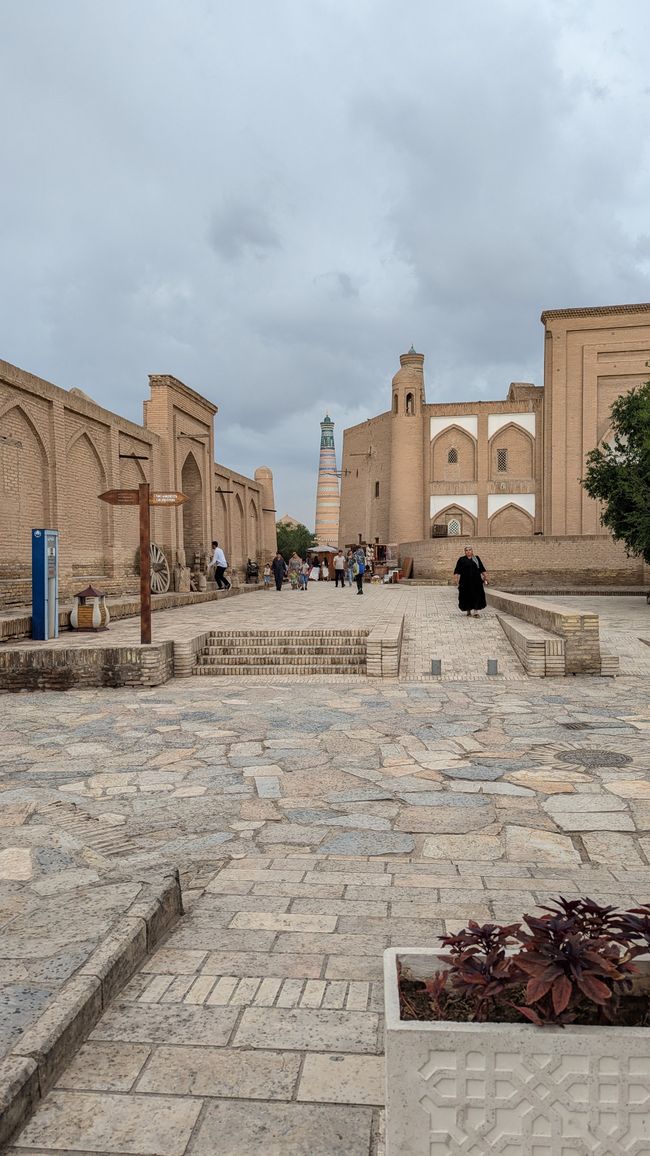
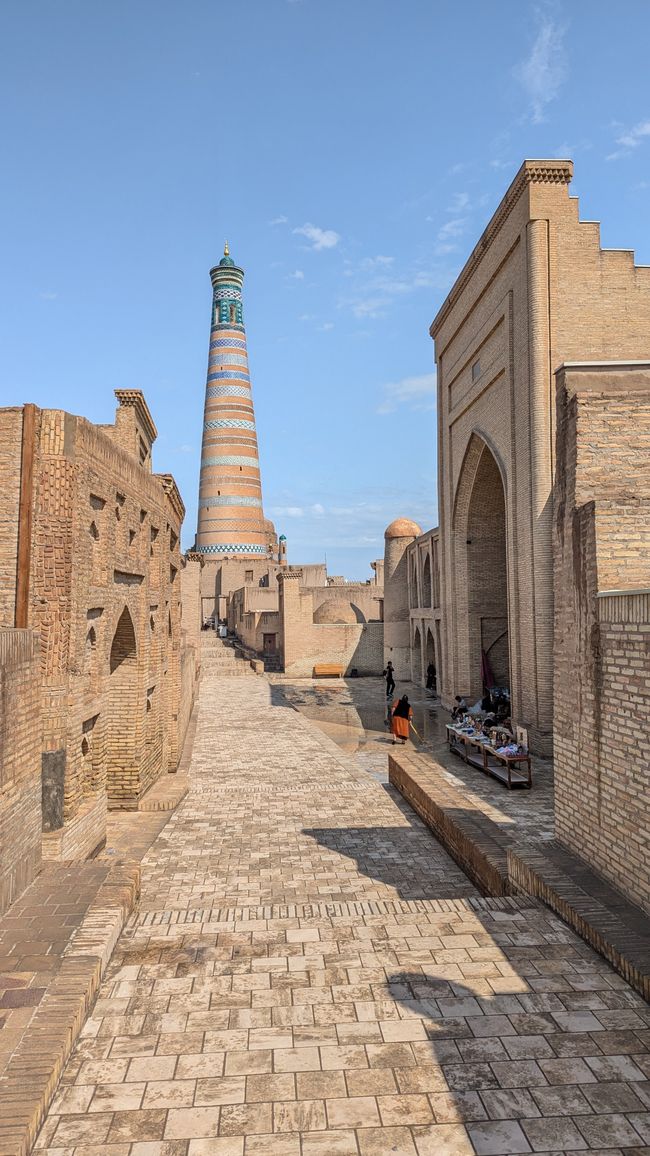
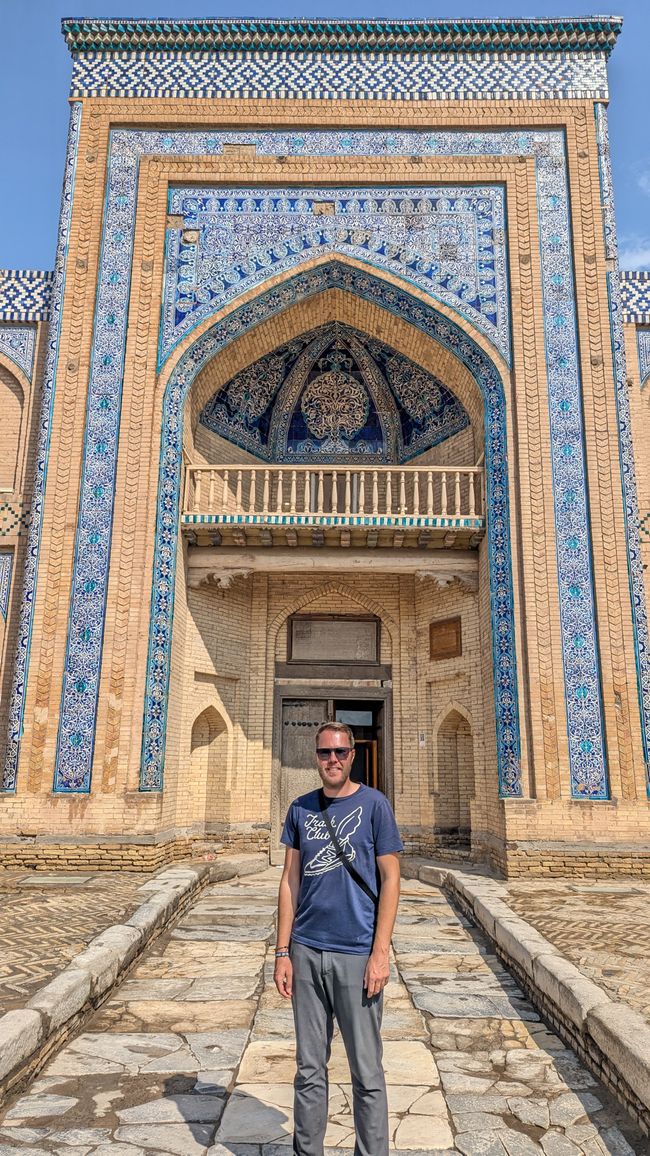
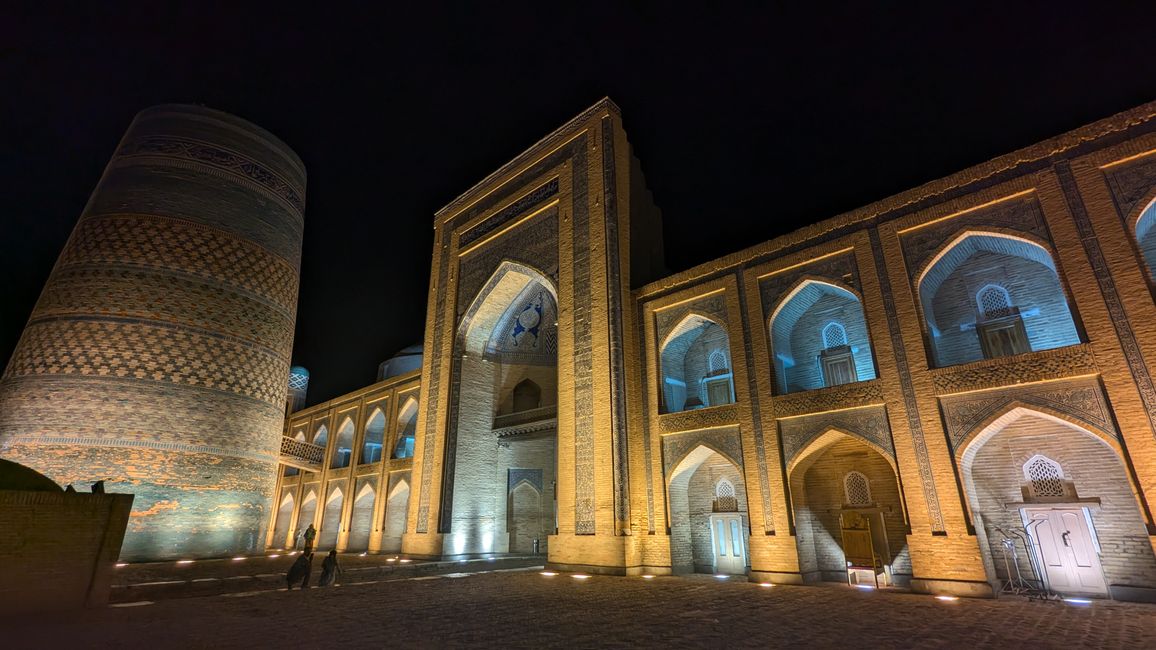
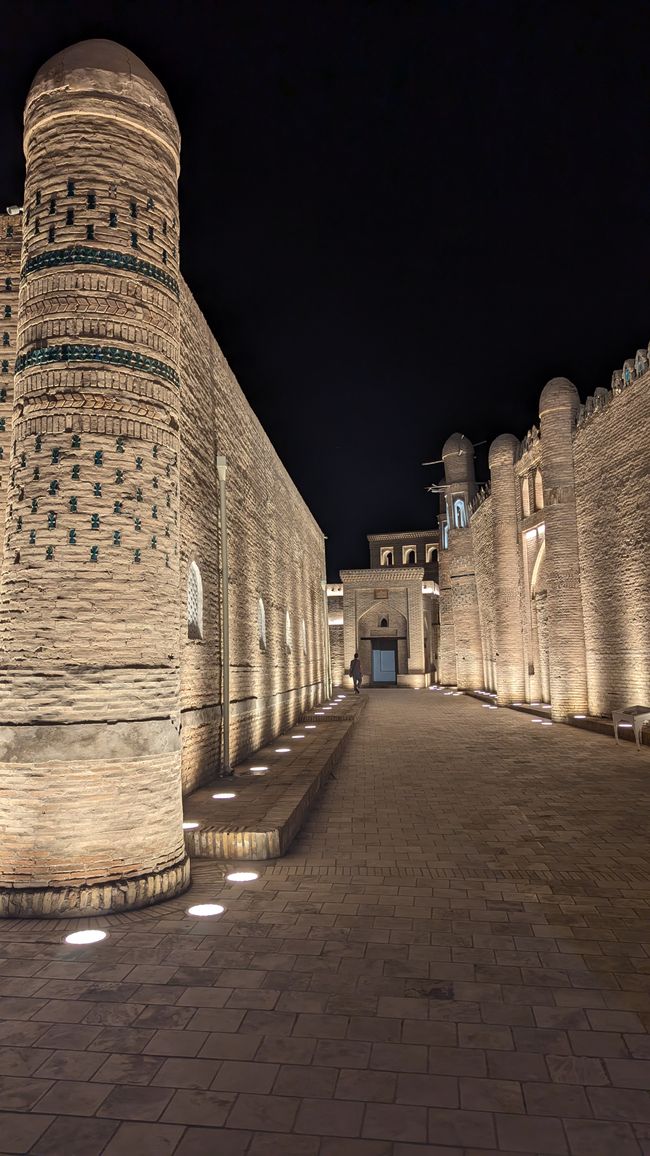
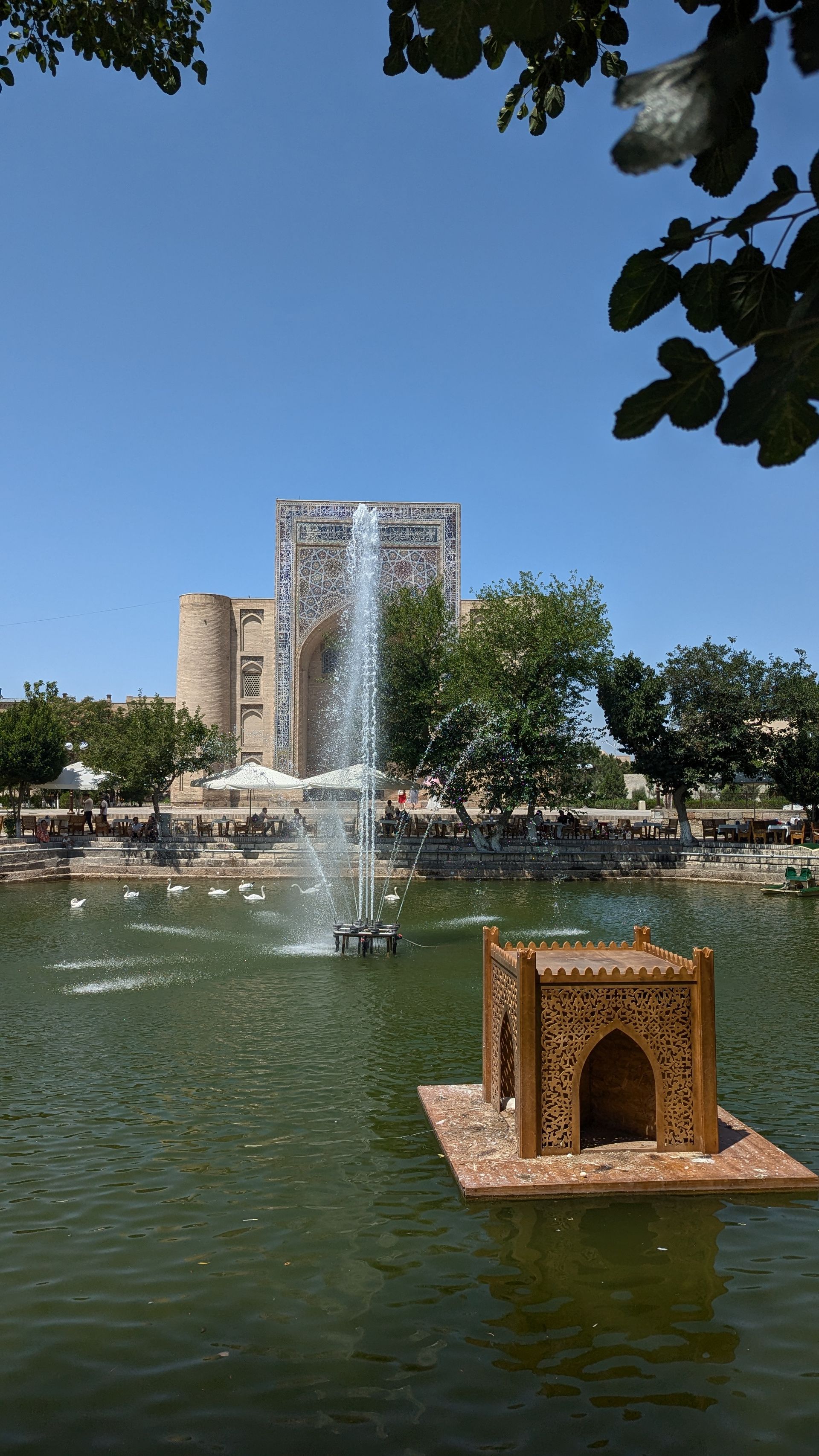
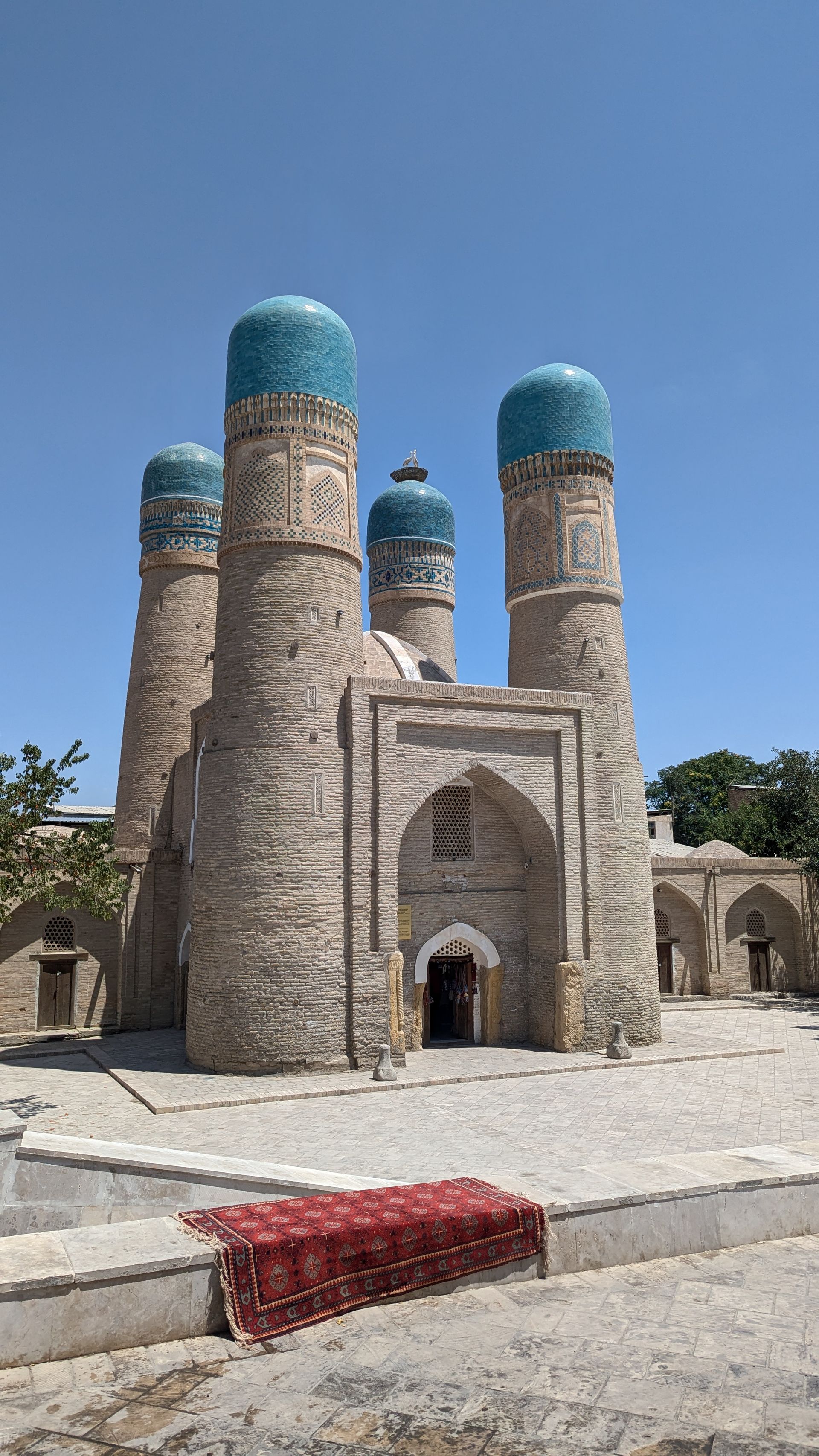
Bukhara was the next city on the Silk Road. This city is significantly larger, and the historical buildings are spread out a bit more, but they are just as beautiful as in Khiva. This time, I participated in a free walking tour and looked at the fortress and a few madrasas. The thermometer already showed 38 degrees in the shade, so I spent the afternoons in the hostel writing these lines. The food was still good, in Khiva, I had dill noodles as a local specialty; here I tried fried noodles, which, however, have nothing to do with the Asian version; they are thicker and swimming in oil.
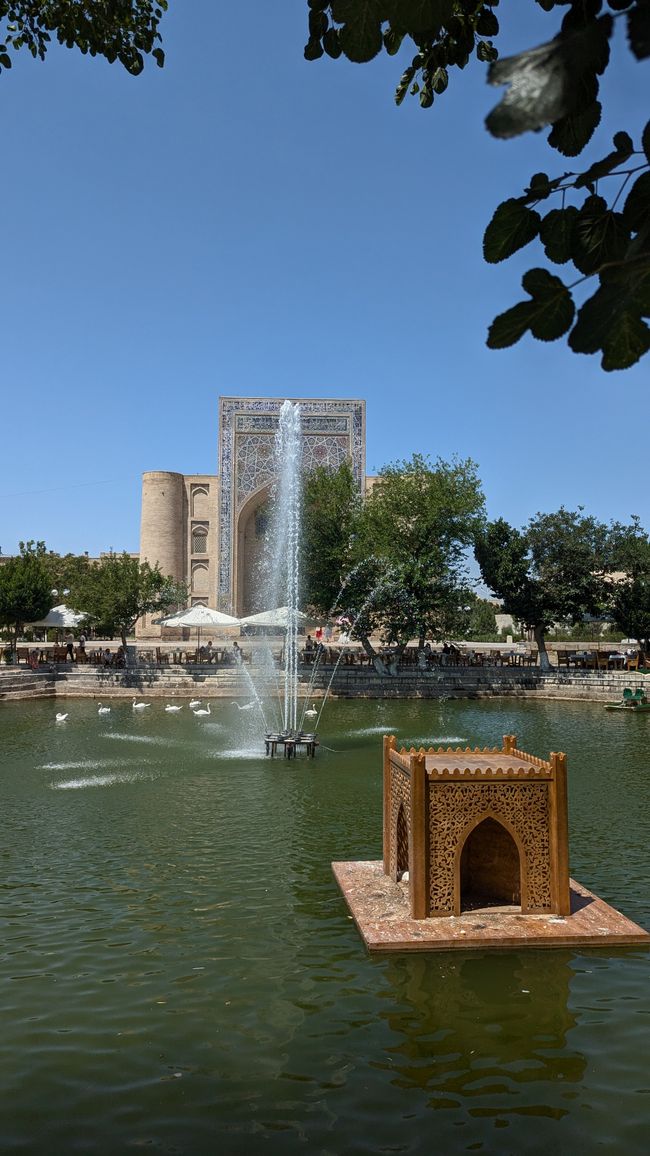
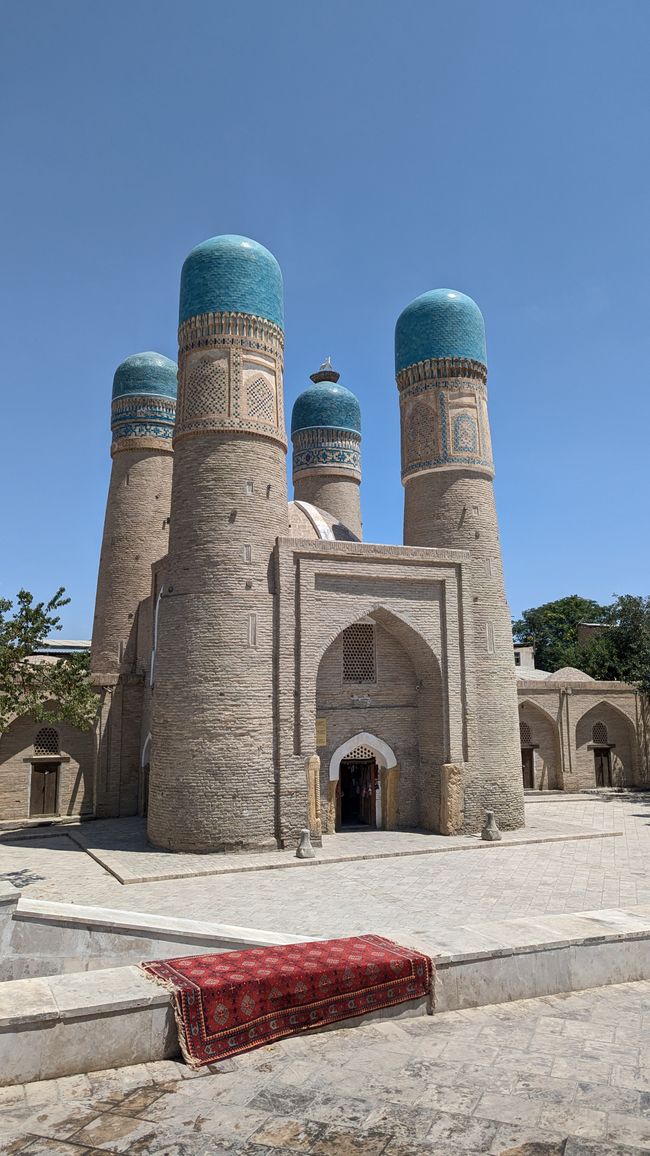
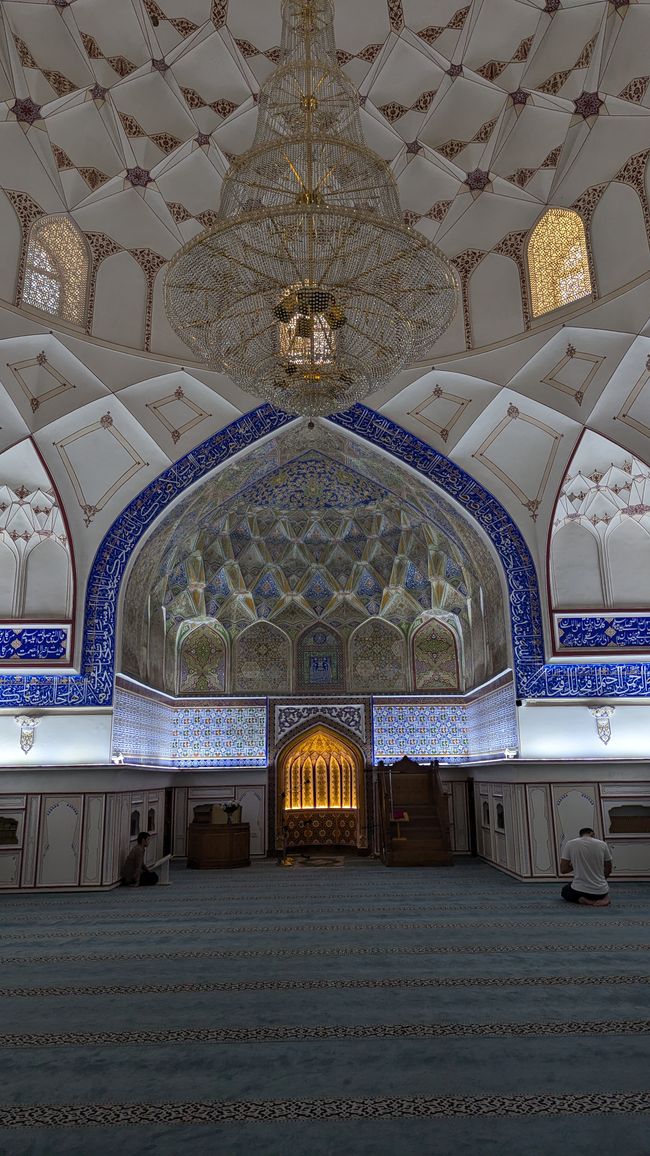
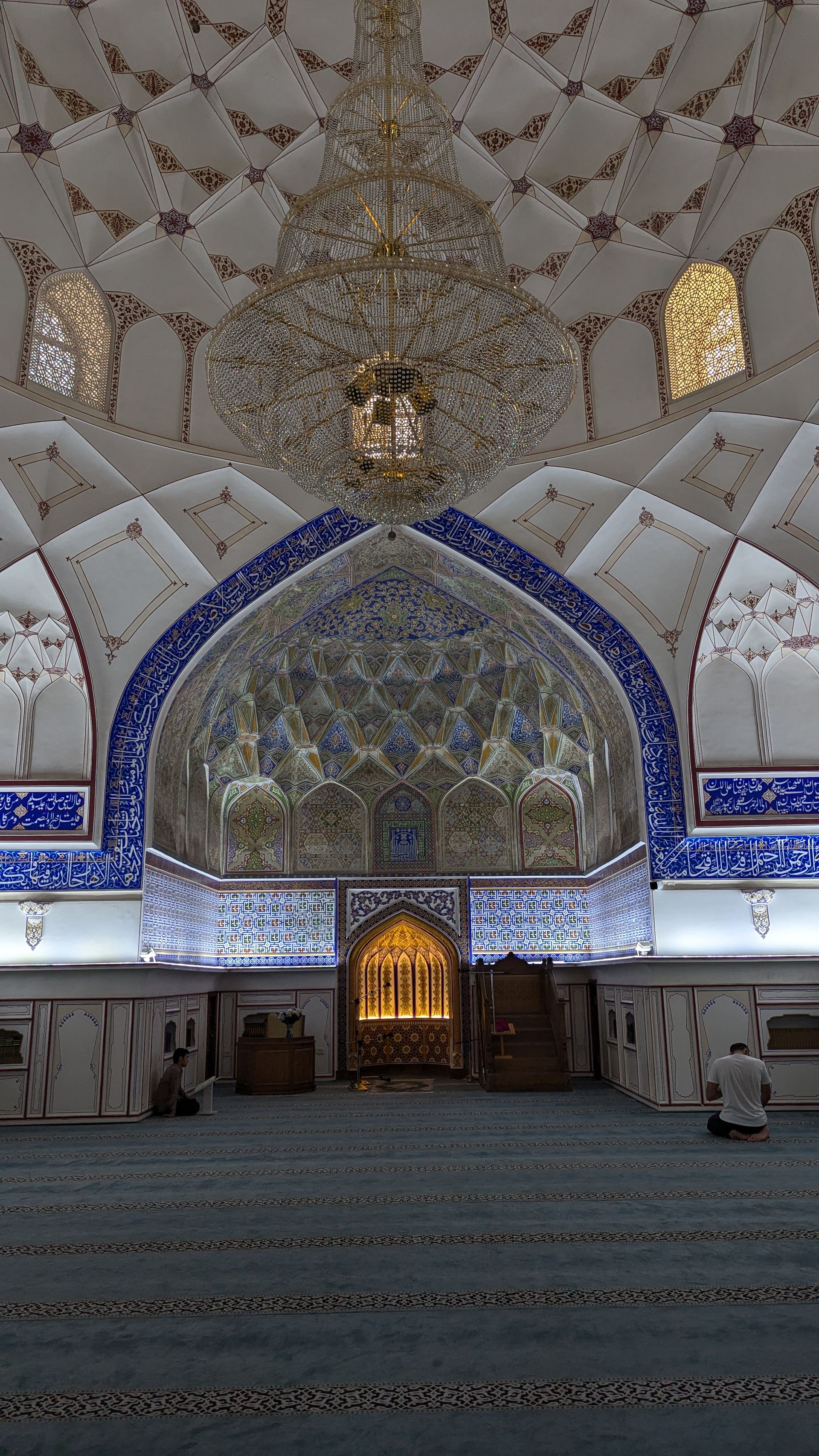
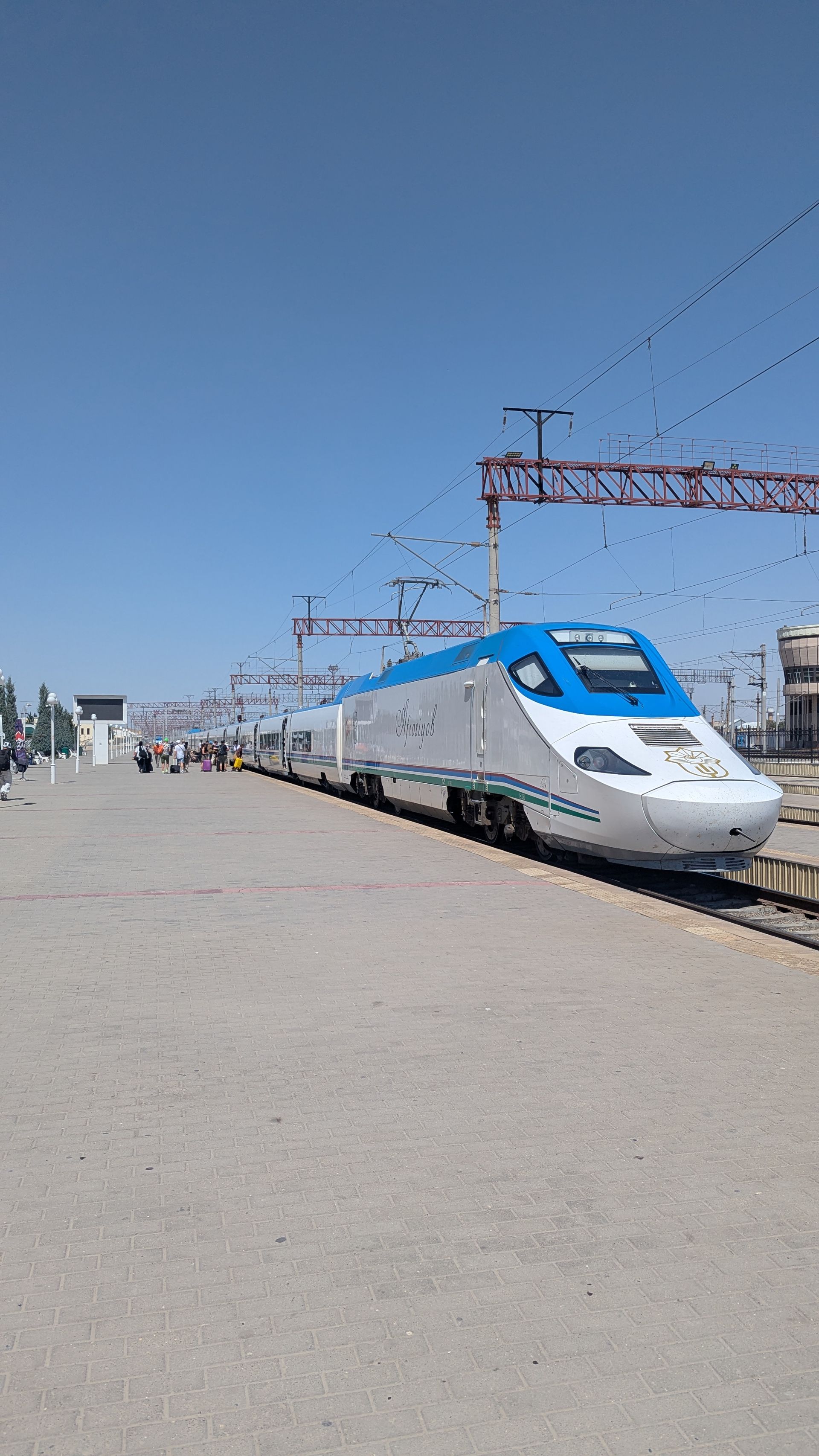
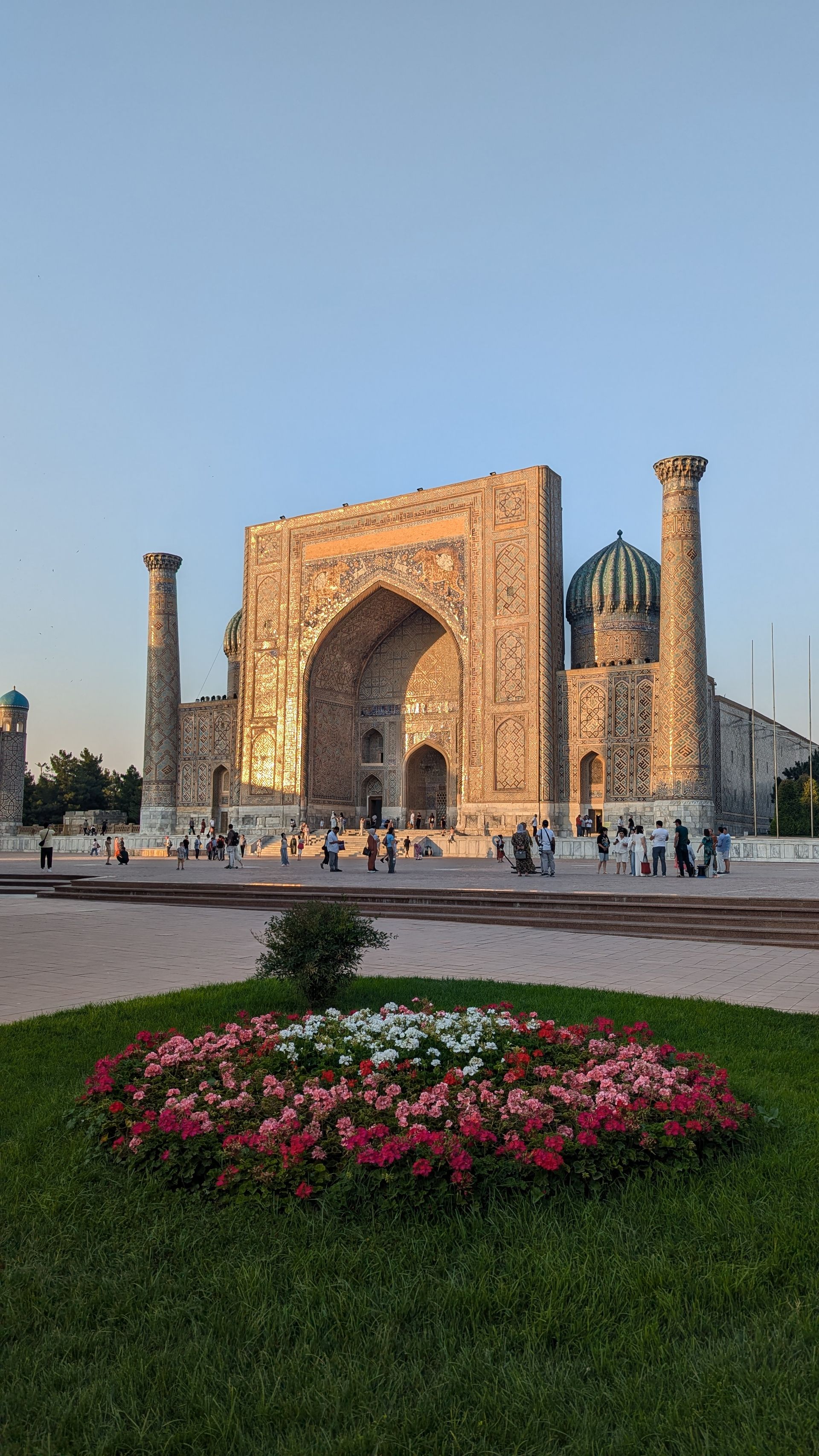
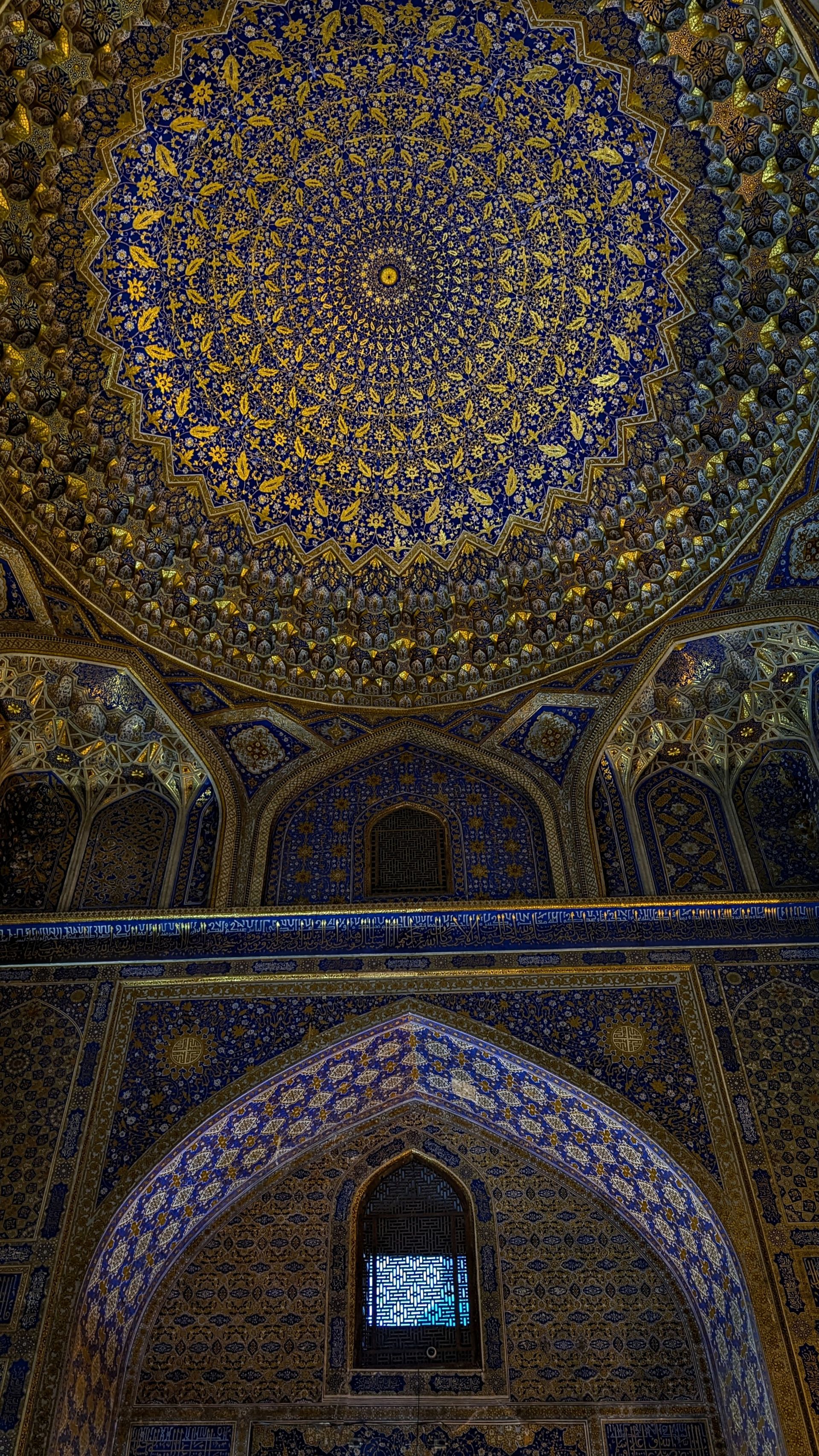
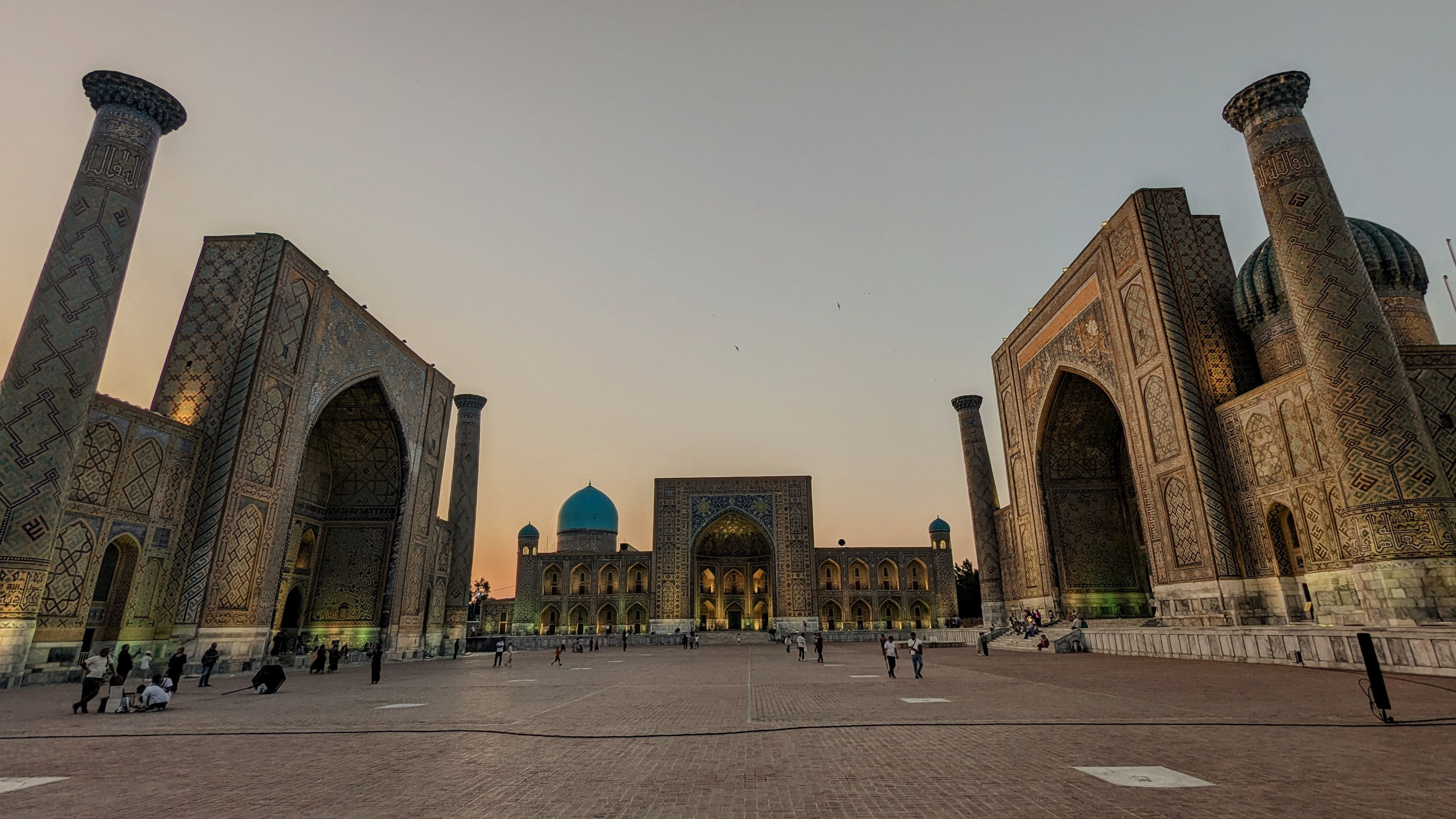
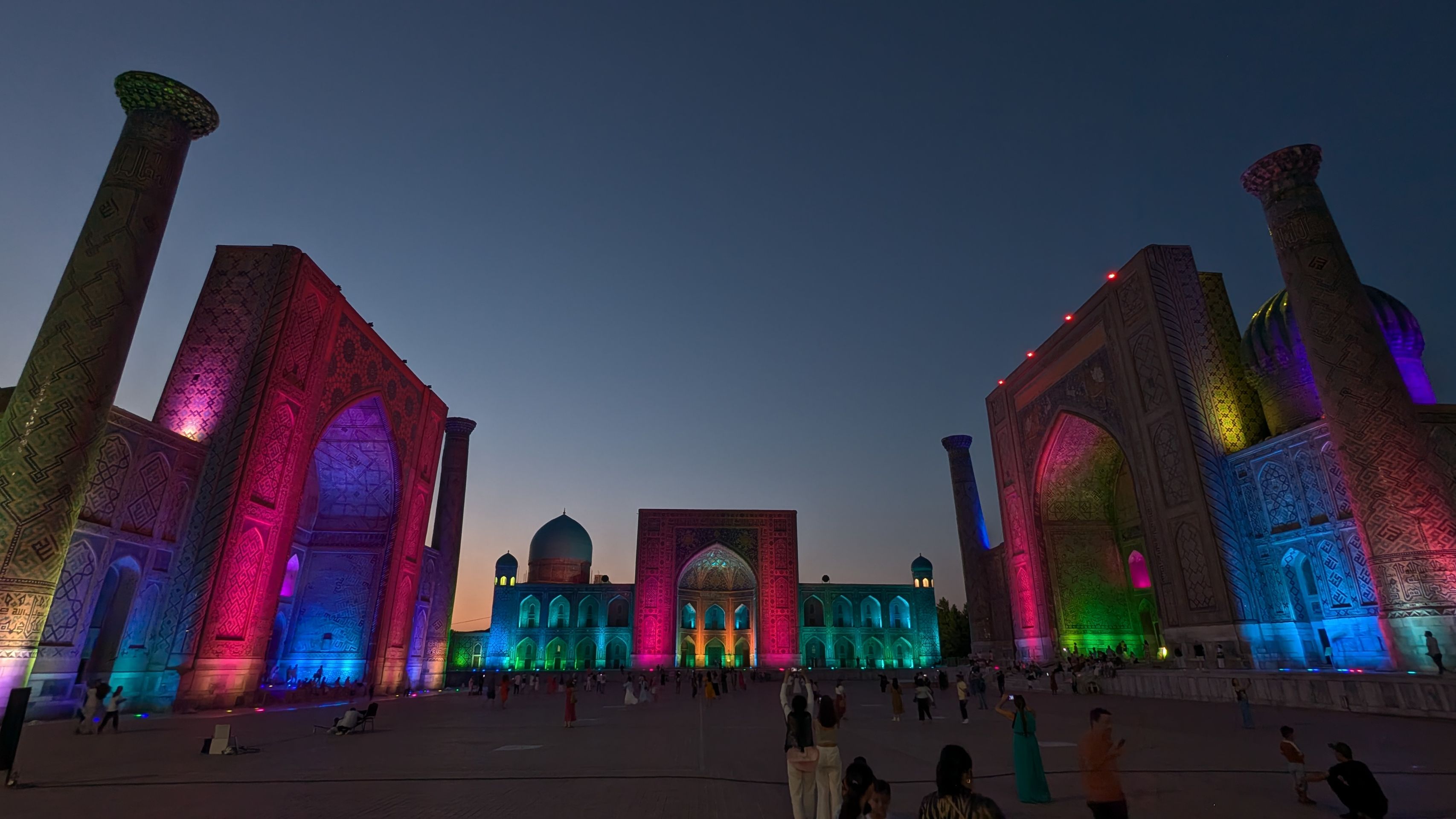
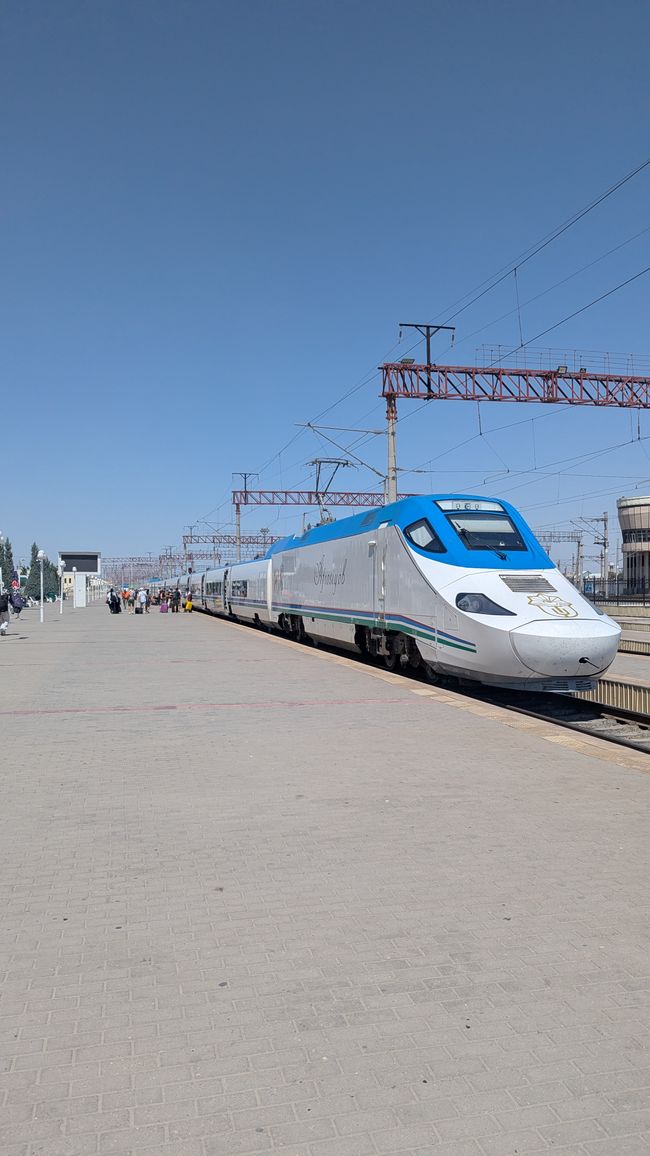
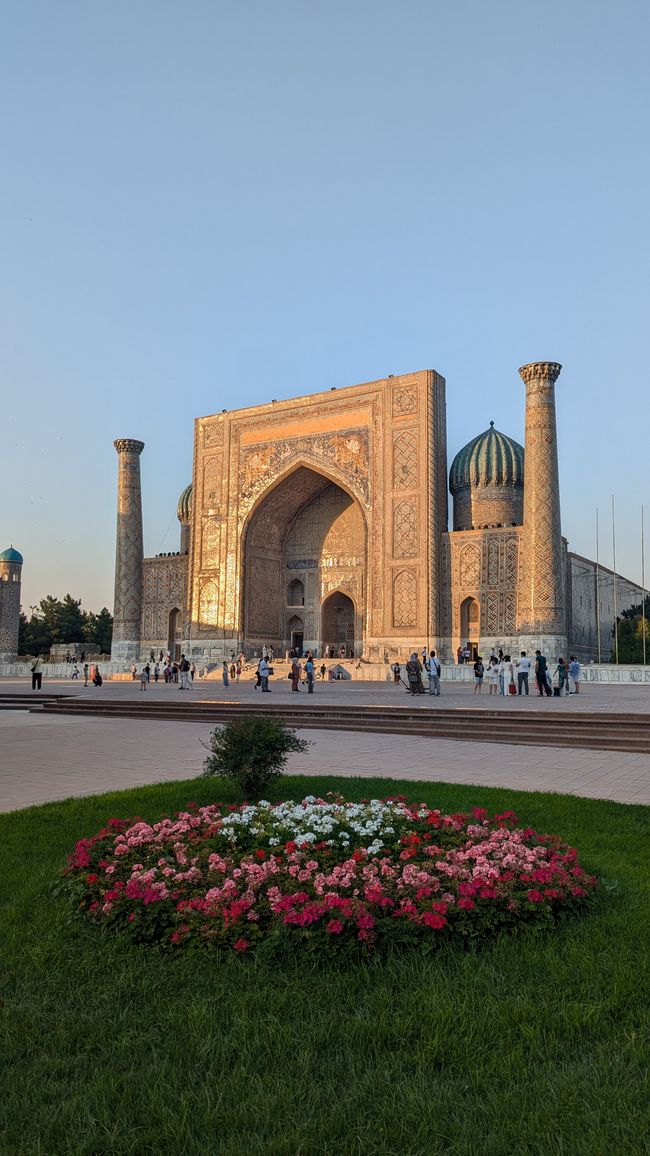
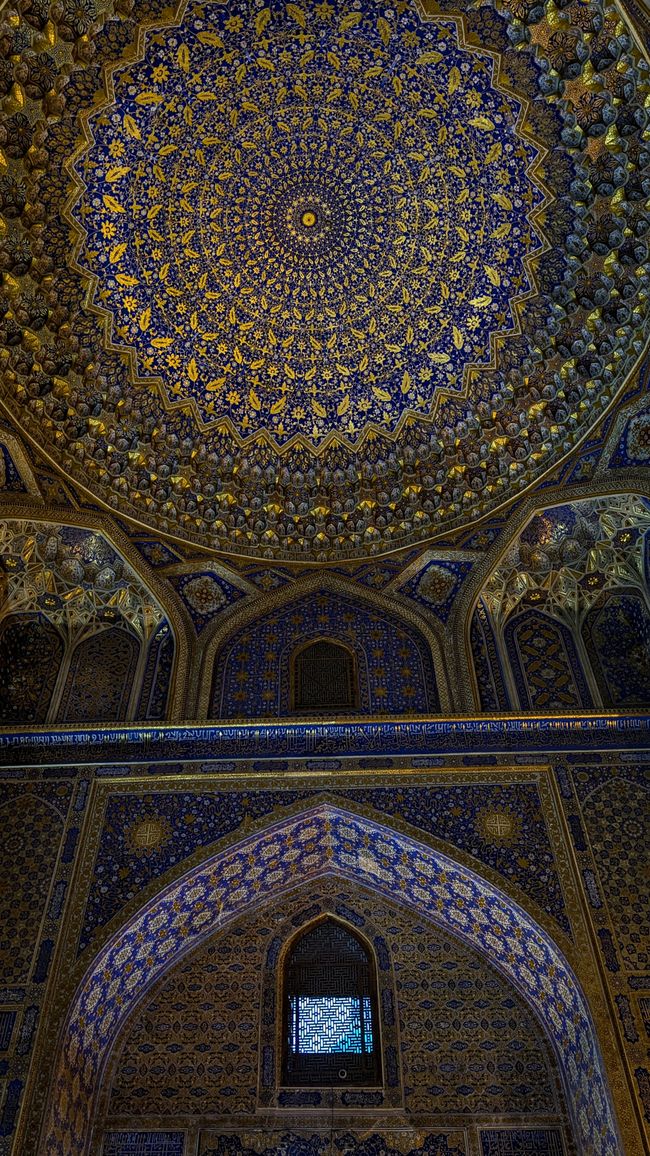
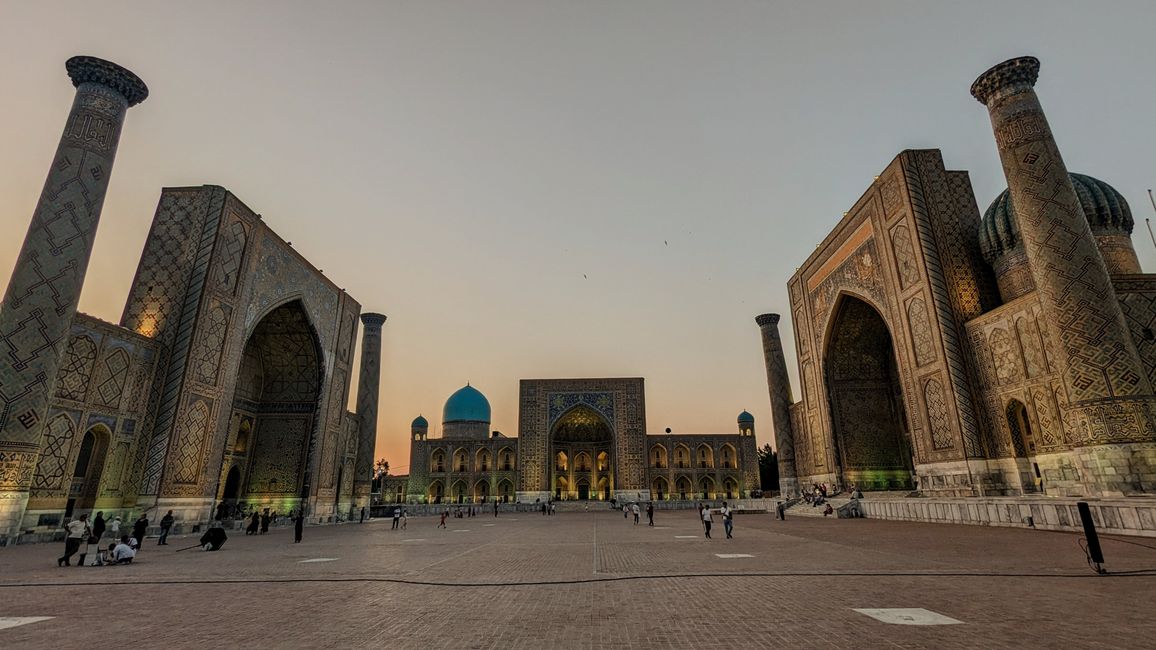
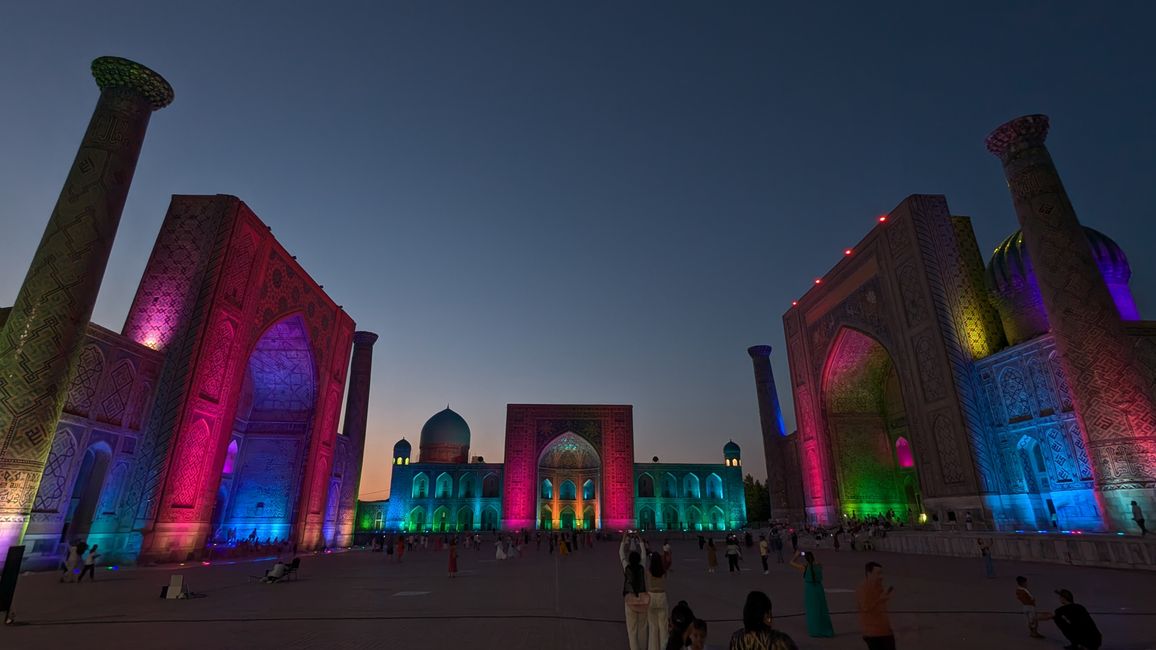
From Bukhara, I took the fast train to Samarkand in 1½ hours. The fast train was only distinguishable from an ICE in Germany because the air conditioning still worked at 40 degrees outside. The highlight of the city is the Registan, an ensemble of three madrasas that are beautifully illuminated in the evening, and there is a 3D show every evening that tells the story of the Silk Road. The panorama is unique, with a sunset and oriental music, a brief moment of goosebumps. I also looked at the large mosque and a few mausoleums, which were all worth seeing, but after three cities of madrasas, mosques, and mausoleums, I was ready for a change since I can’t remember the historical dates, names, and contexts anyway. So, I am now looking forward to hiking in Tajikistan.
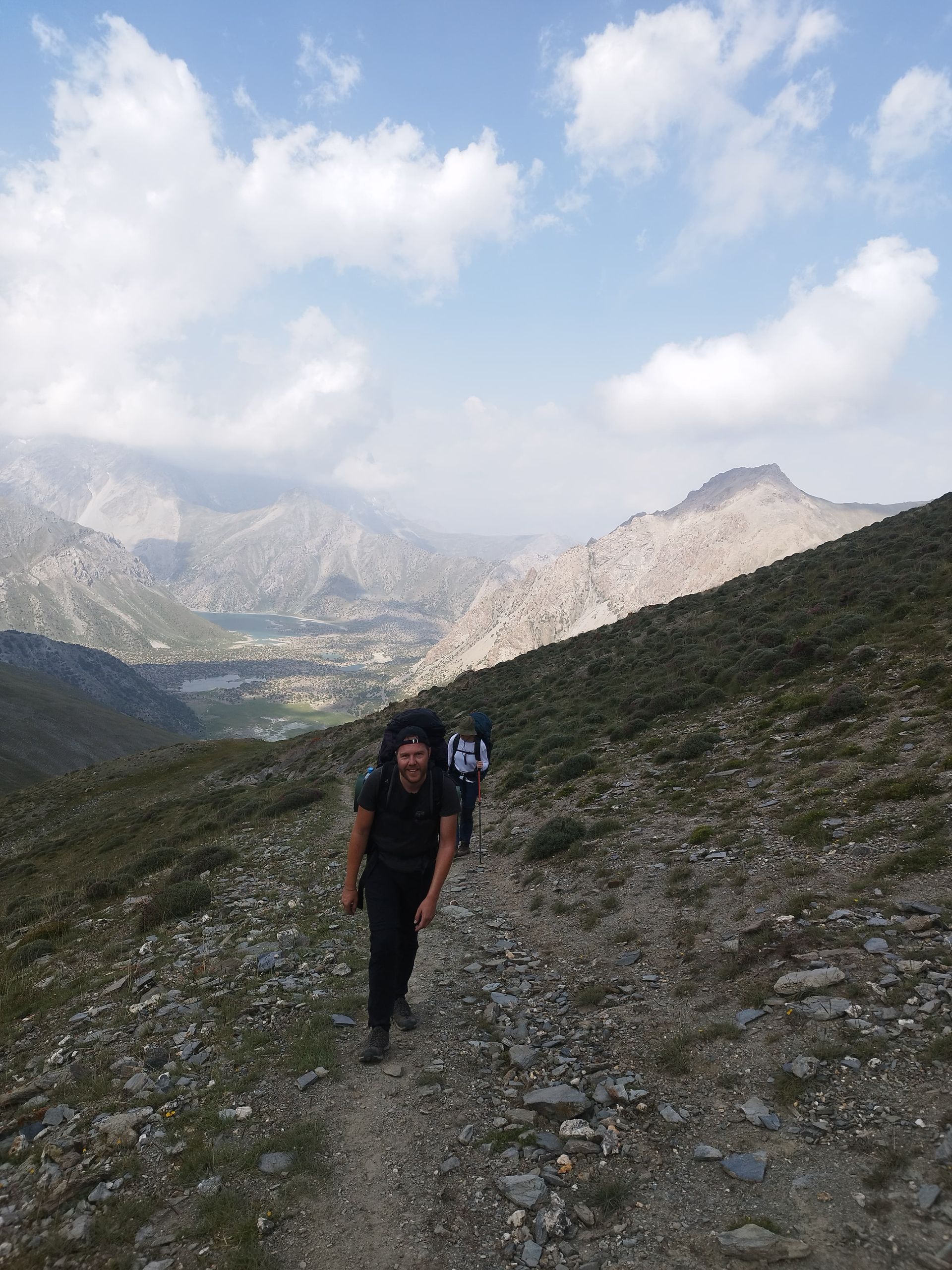
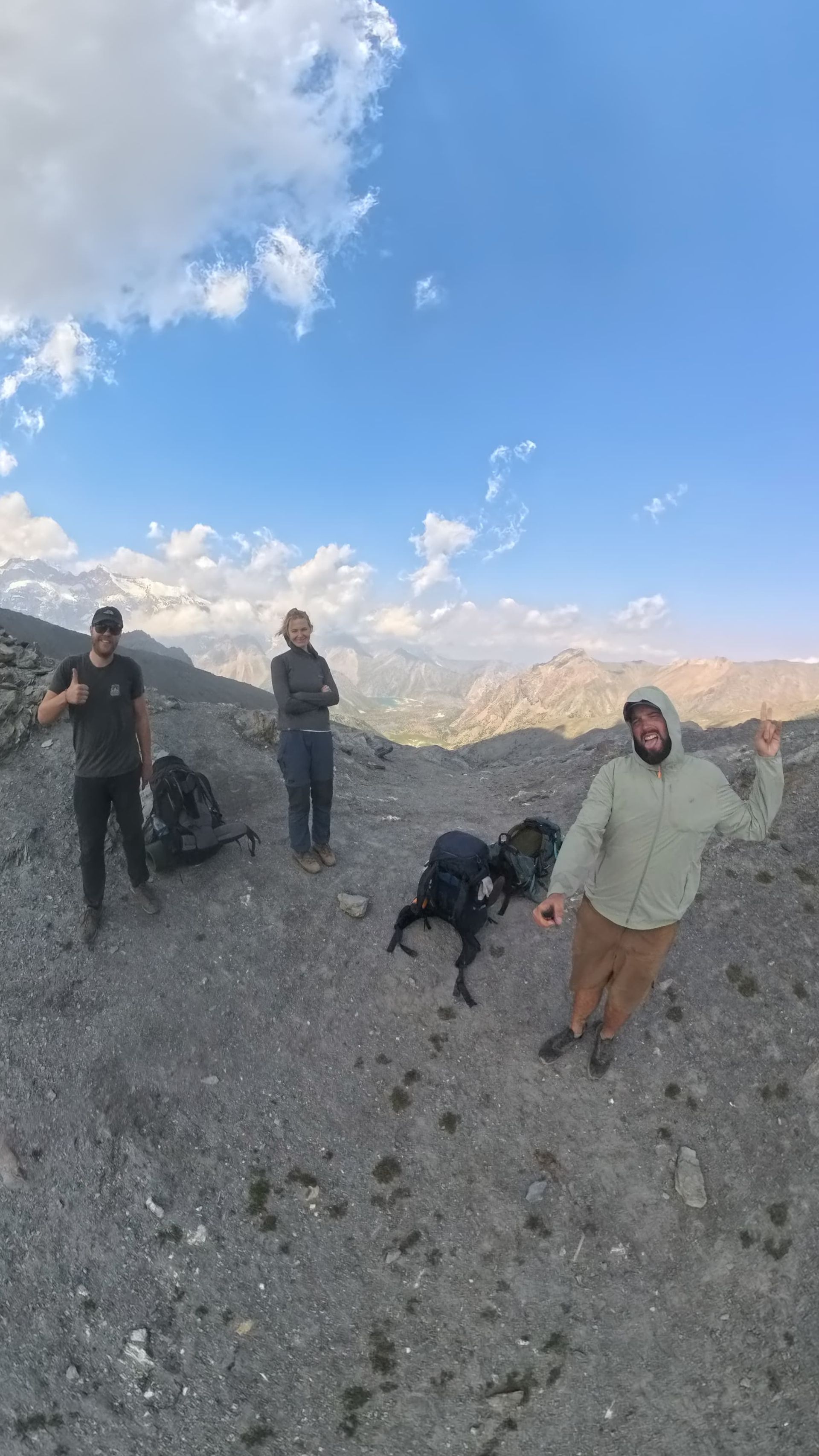
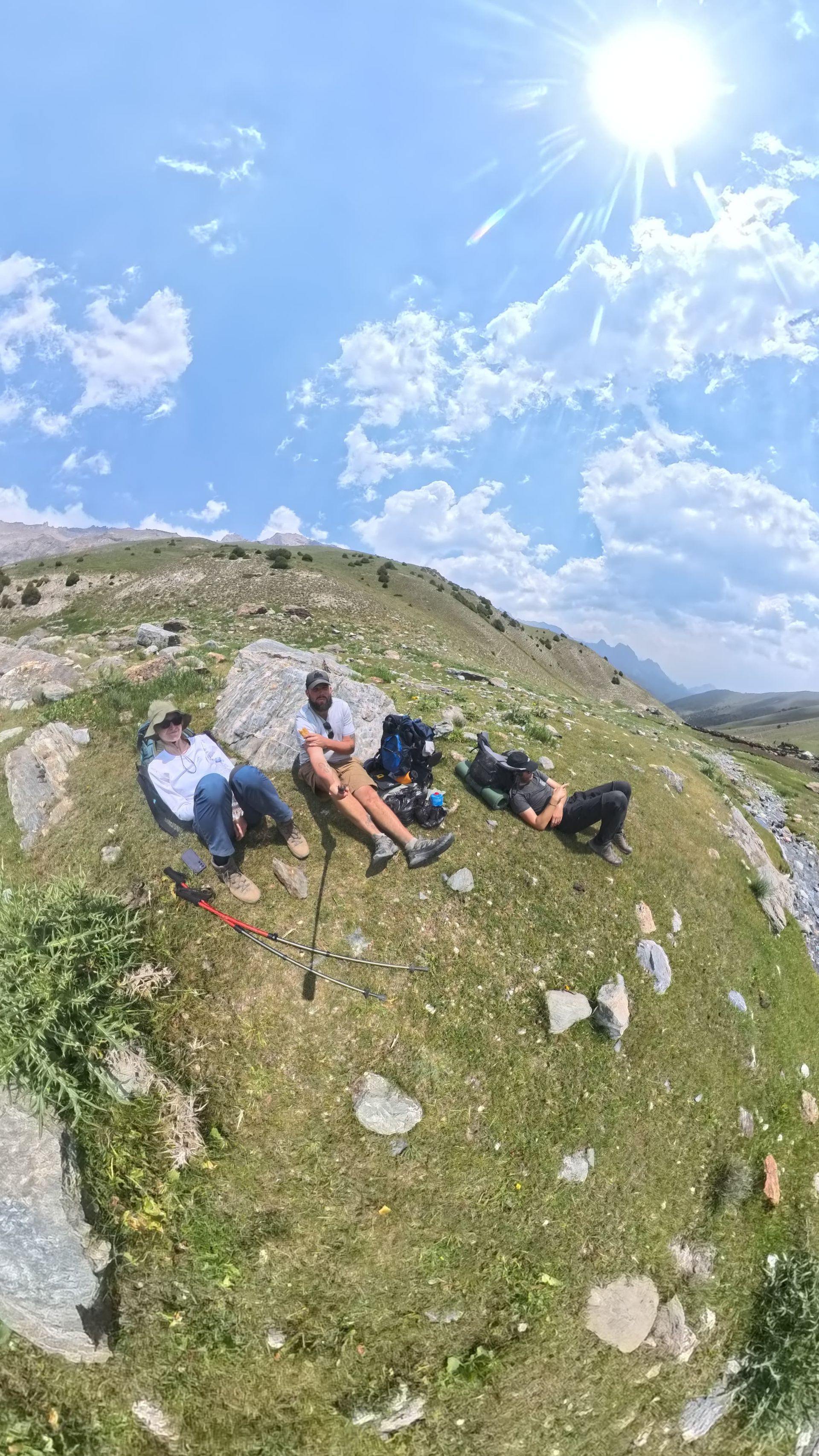
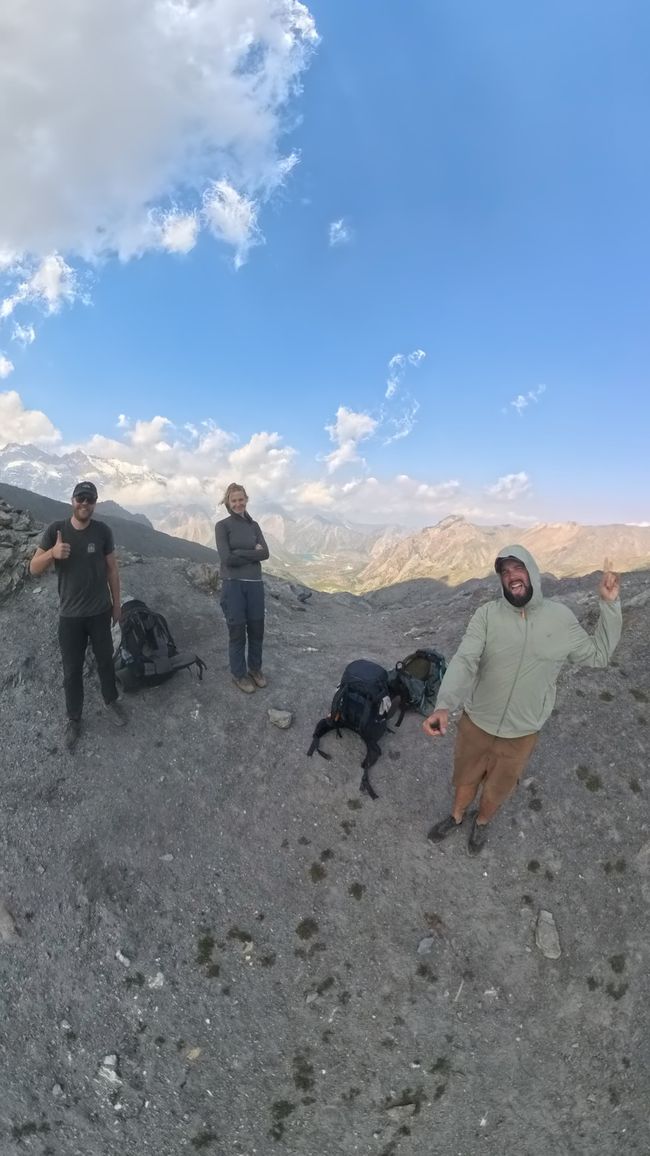
In Panjakent, I initially wanted to hike to the 7 lakes, but I heard that the way only leads along a gravel road; moreover, 40 degrees were forecasted for the day, and the lakes are not situated very high. Since I met Charlotte from England and Arthur from France in the hostel, who wanted to do a round trip in the Fan mountains and the hostel had conveniently rented out camping equipment, I spontaneously decided to join their group. So, we went to the market in Panjakent to buy some nuts, dried fruits, Chinese noodles, oats, a cup, and a spoon; I was allowed to use Charlotte's stove. With the tent, sleeping bag, mat, and food, my backpack weighed around 15 kilos; I started to have doubts whether this would work with my back. Well, let’s see; first, we headed 2 hours towards Artuch; our driver offered to take us to the first camp, which we gladly accepted due to the heat, but first, we were invited for tea, yogurt, bread, and sweets. Wow, how hospitable and delicious too :)
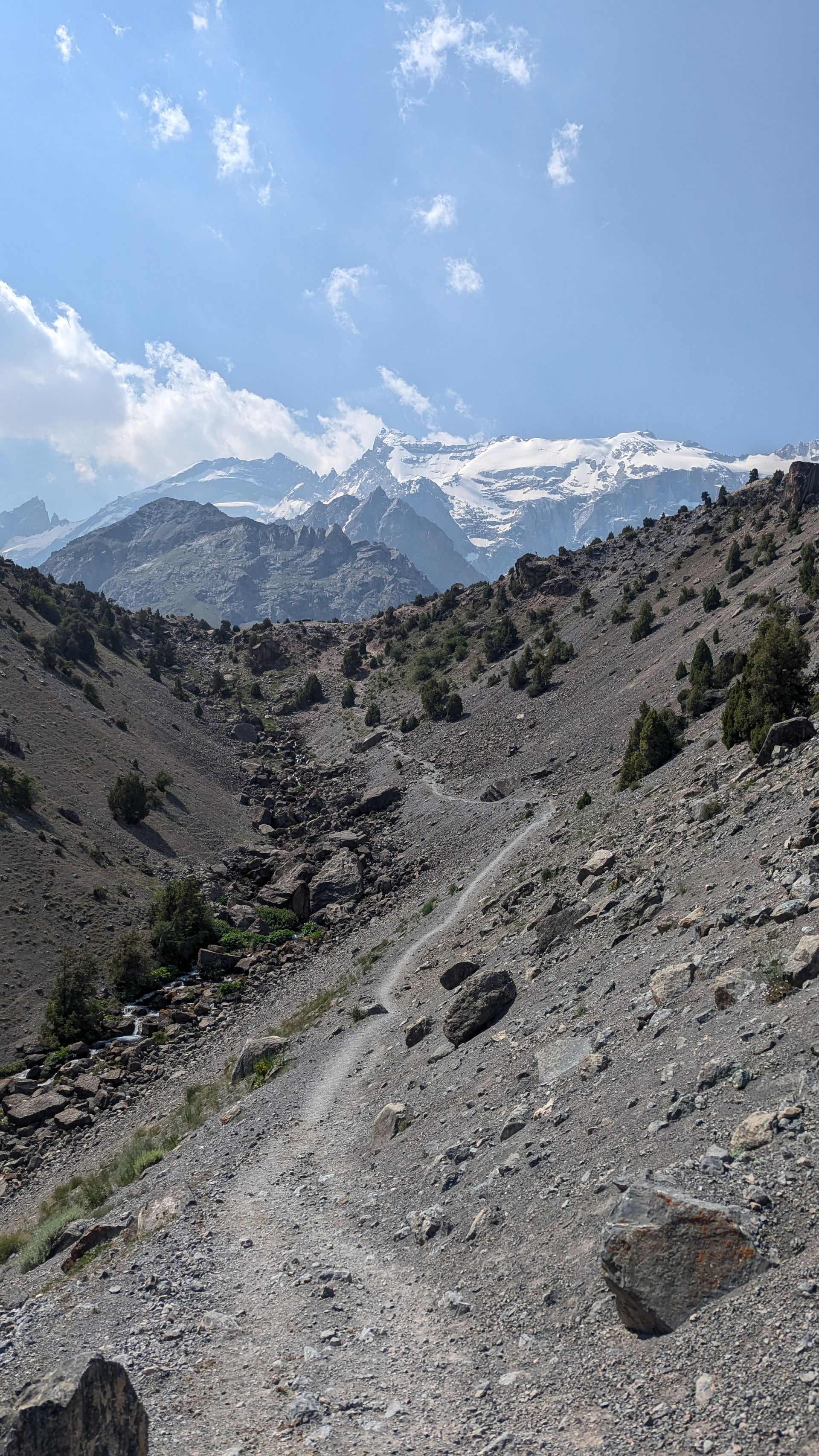
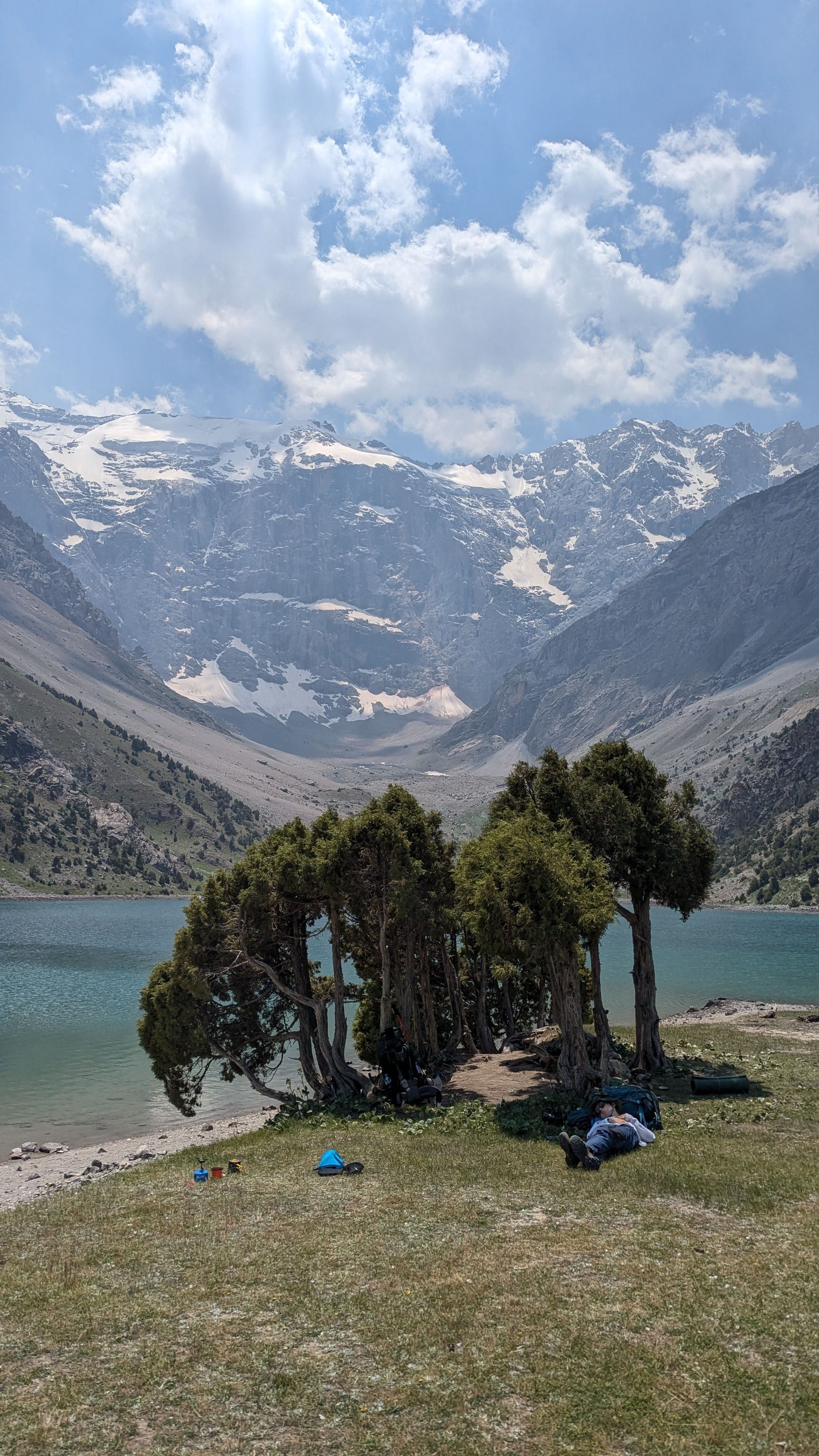
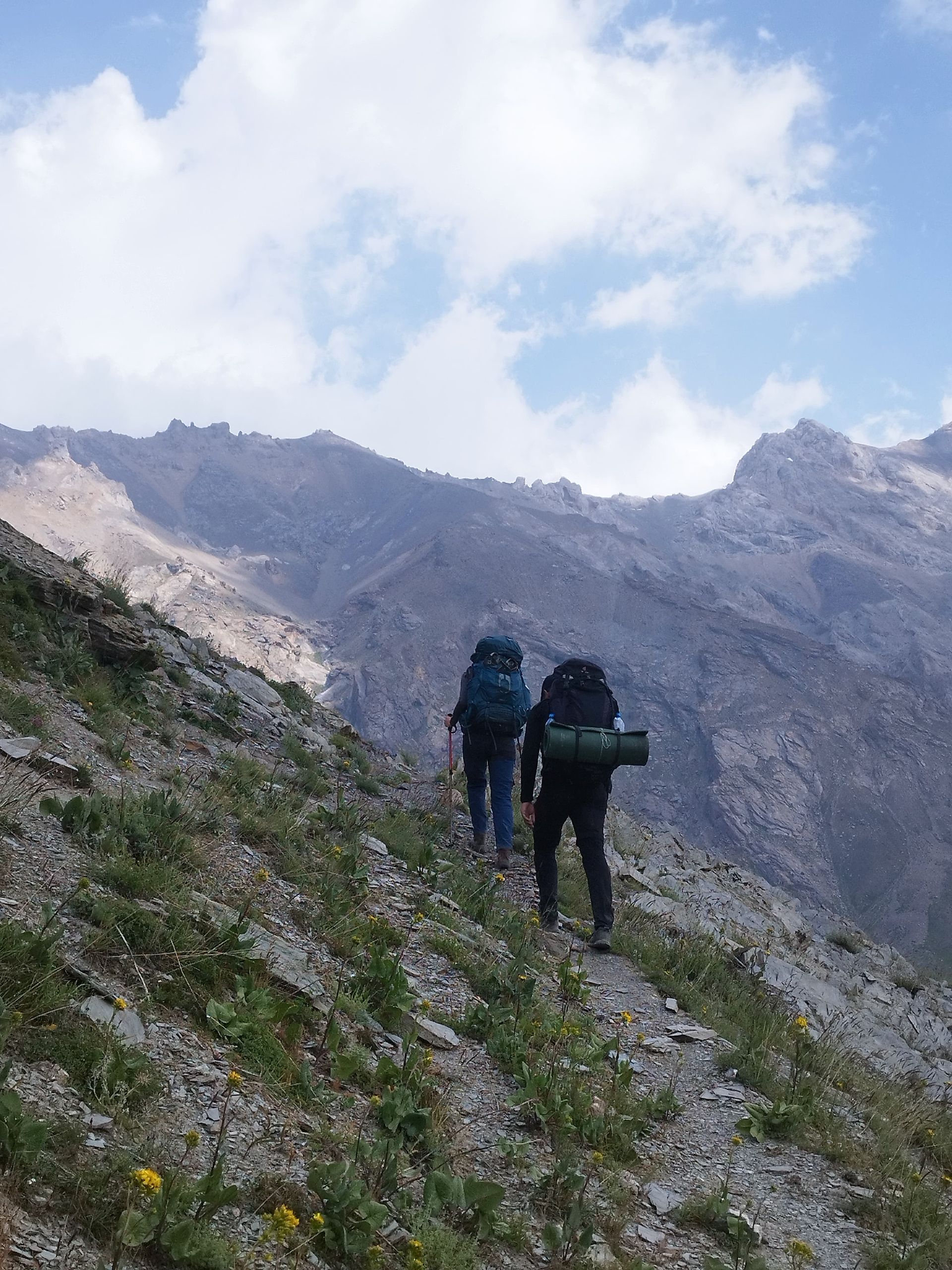
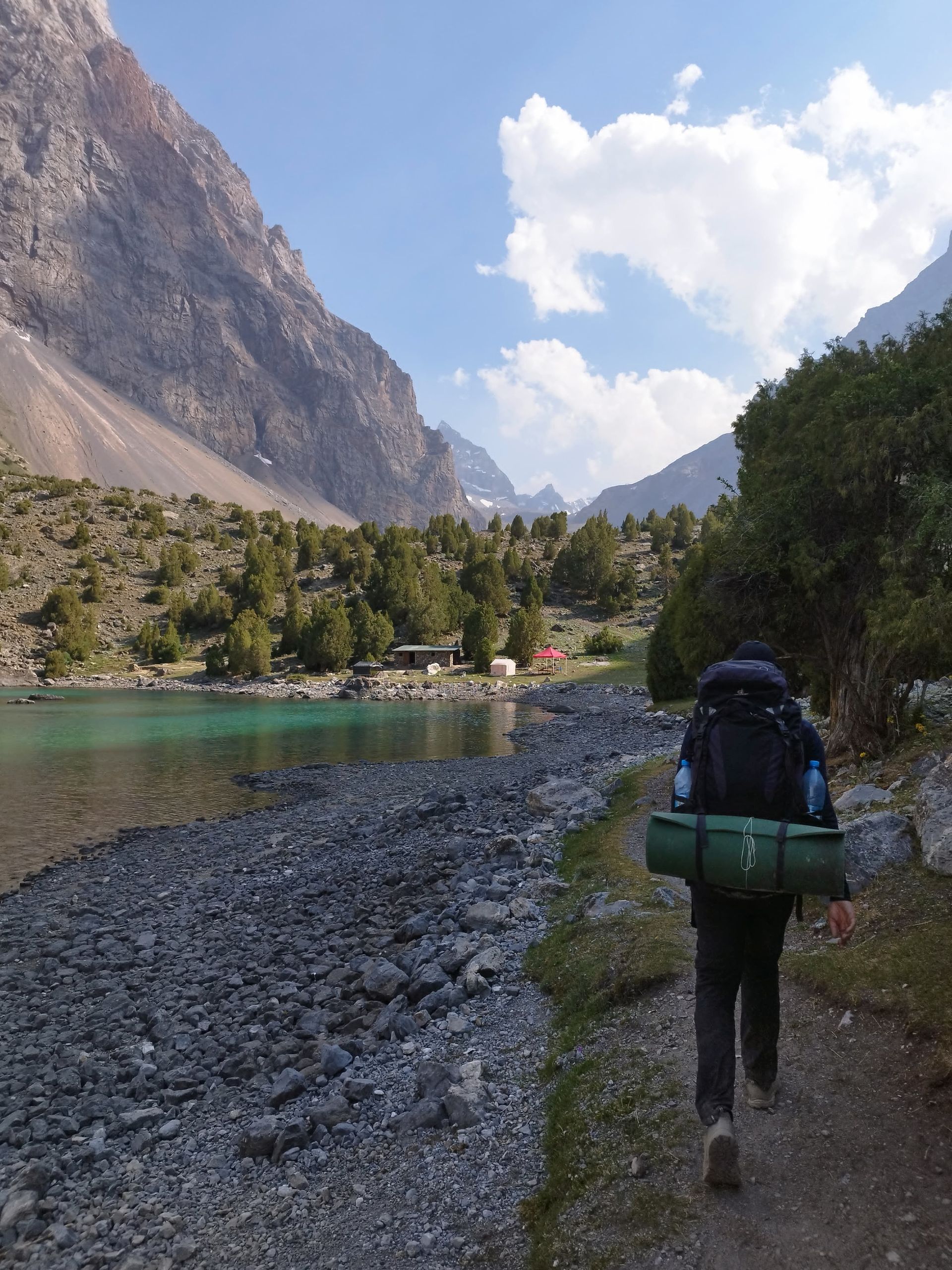
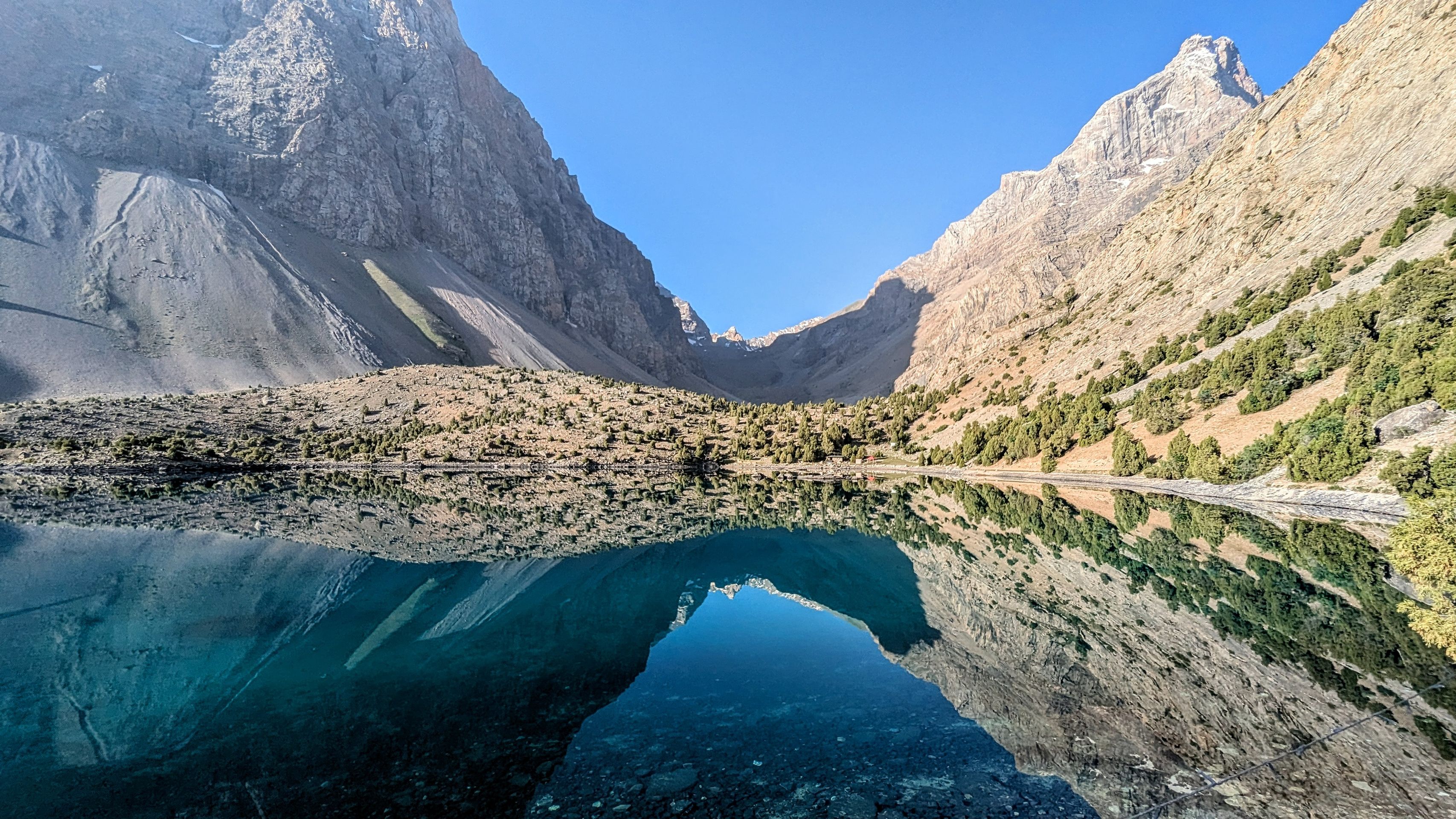
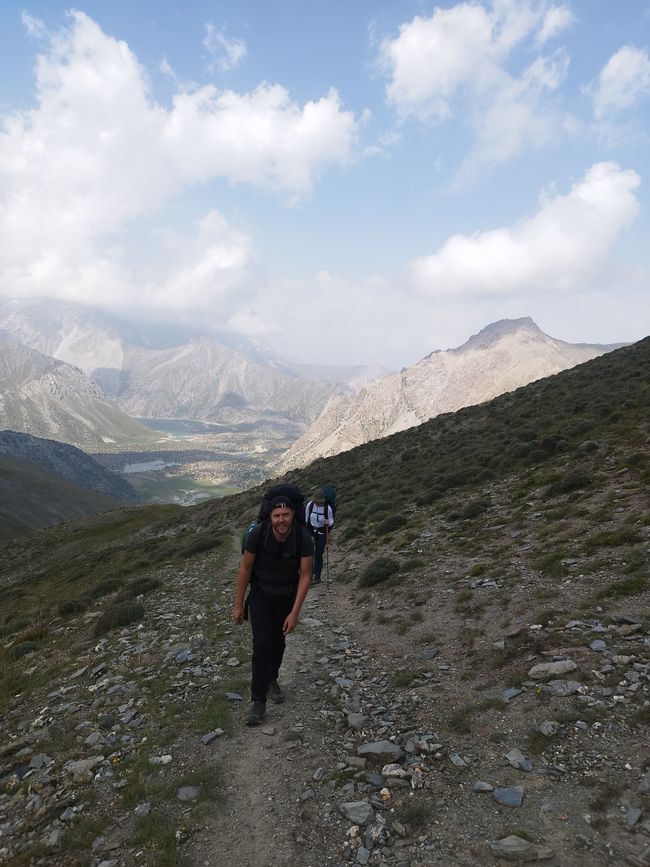
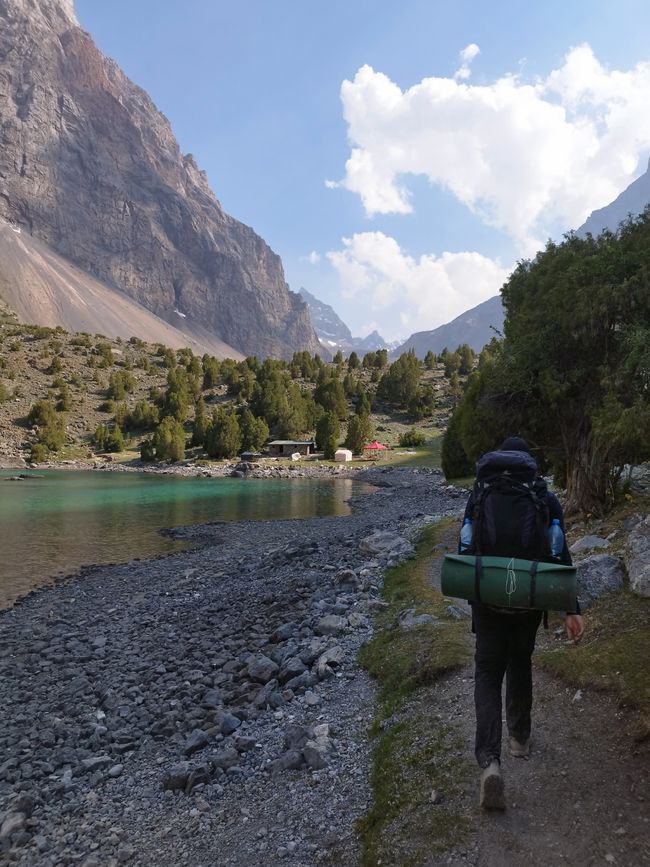
The camp reminded me of a mountain pasture, everything is made of wood and cozily furnished, but the food was not as good as at home. The next day, we set off on the first stage after breakfast, 7 kilometers long and 700 meters high, until we reached the beautiful Koulikalon Lake and took a break. At the next lake, we had to set up the tent and boil tea; surprisingly, there was even a small hut where we received plov for dinner.
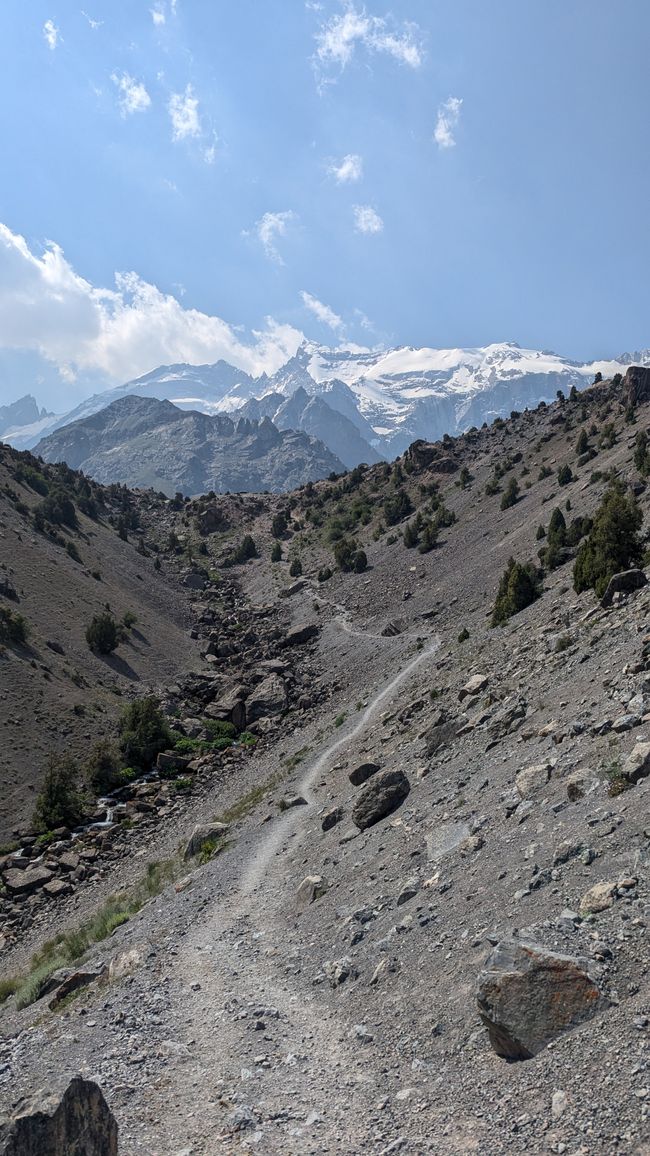
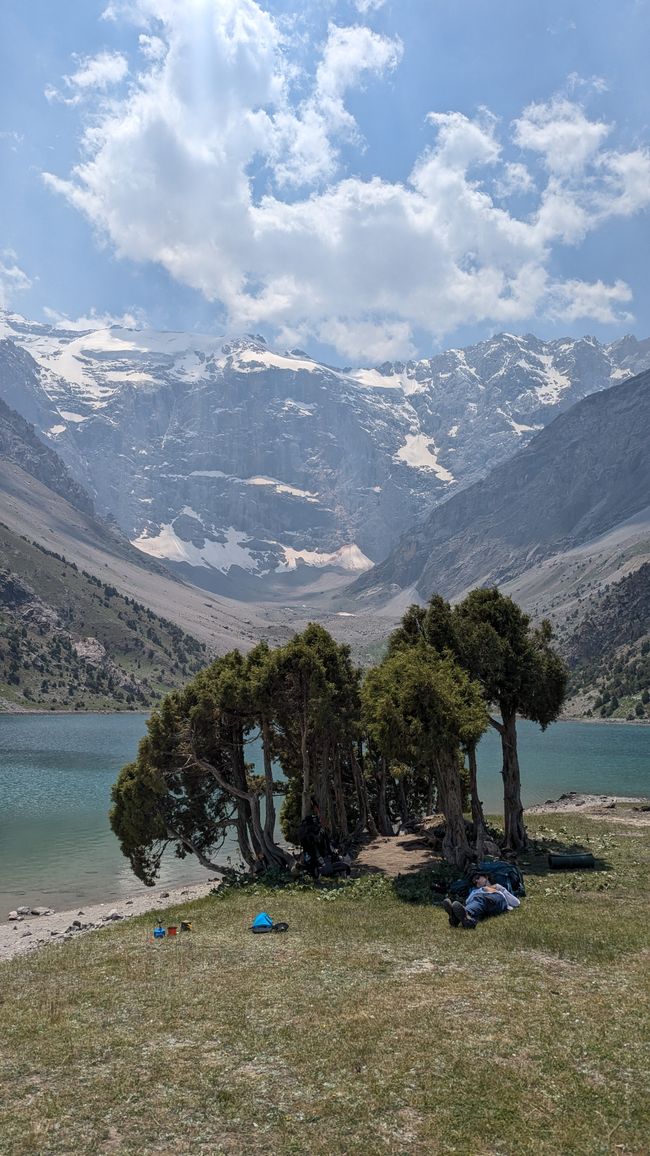
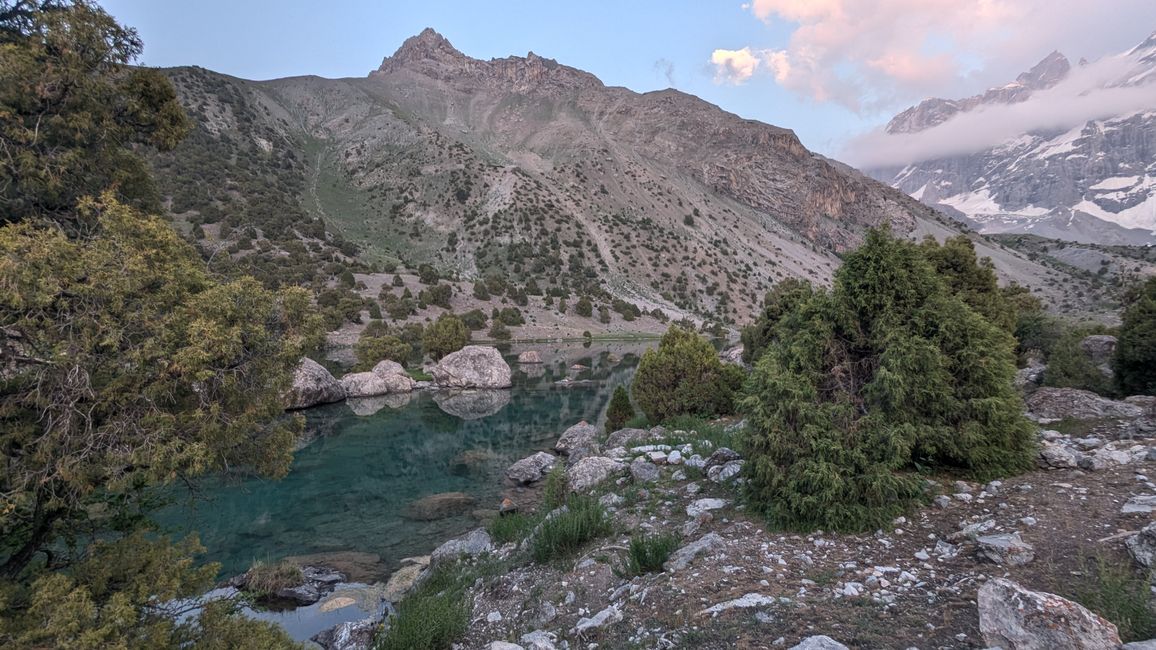
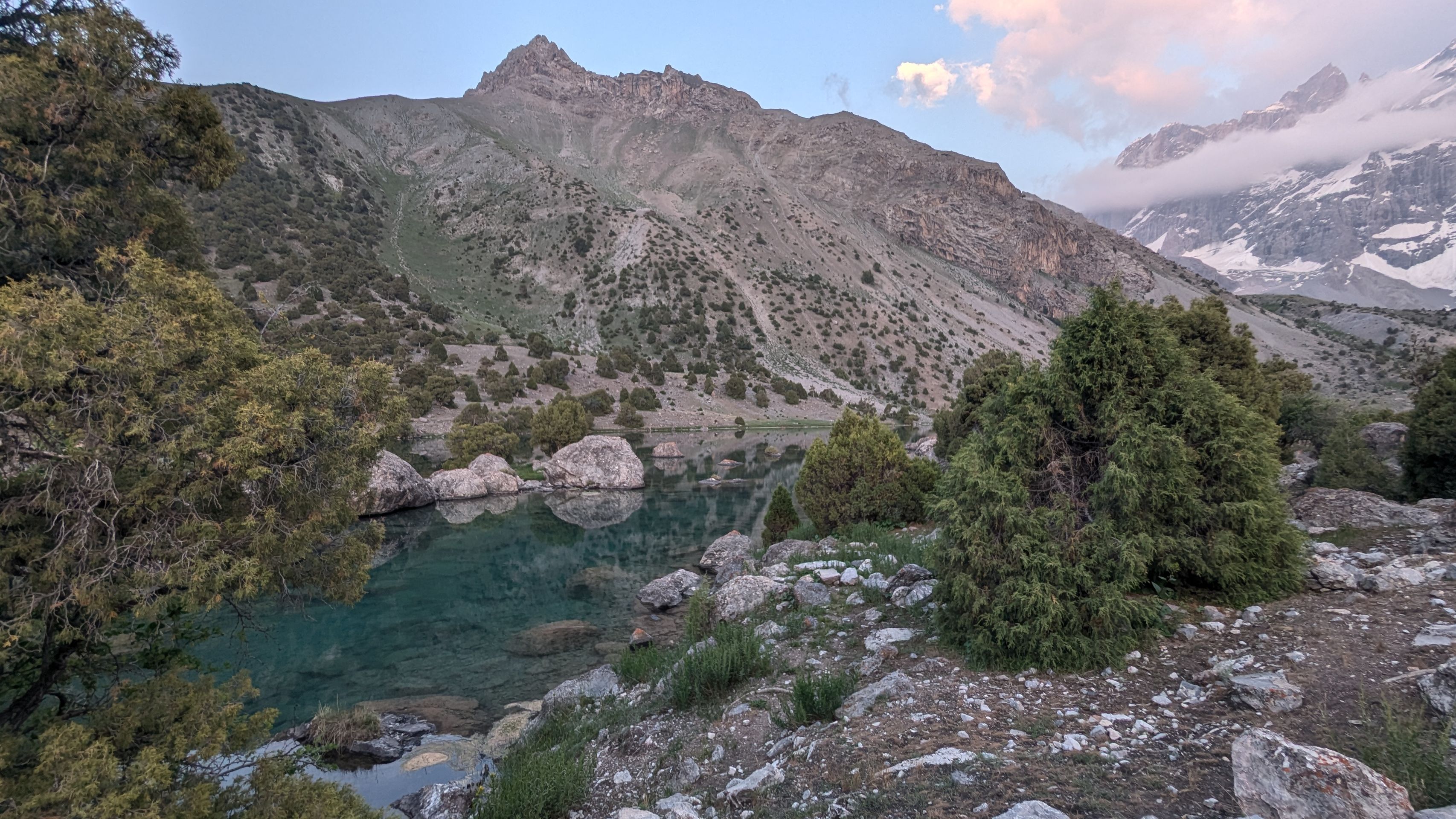
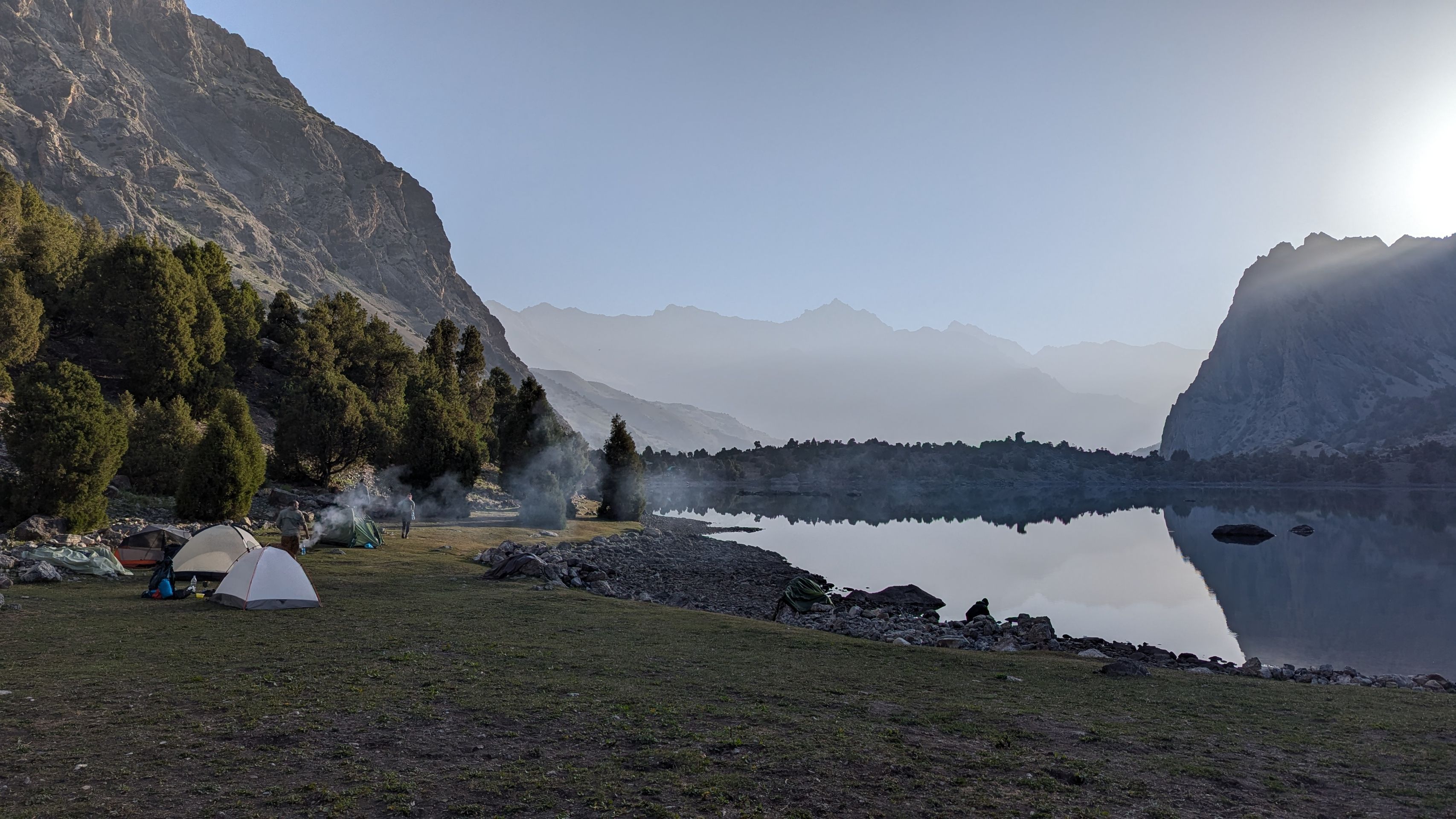
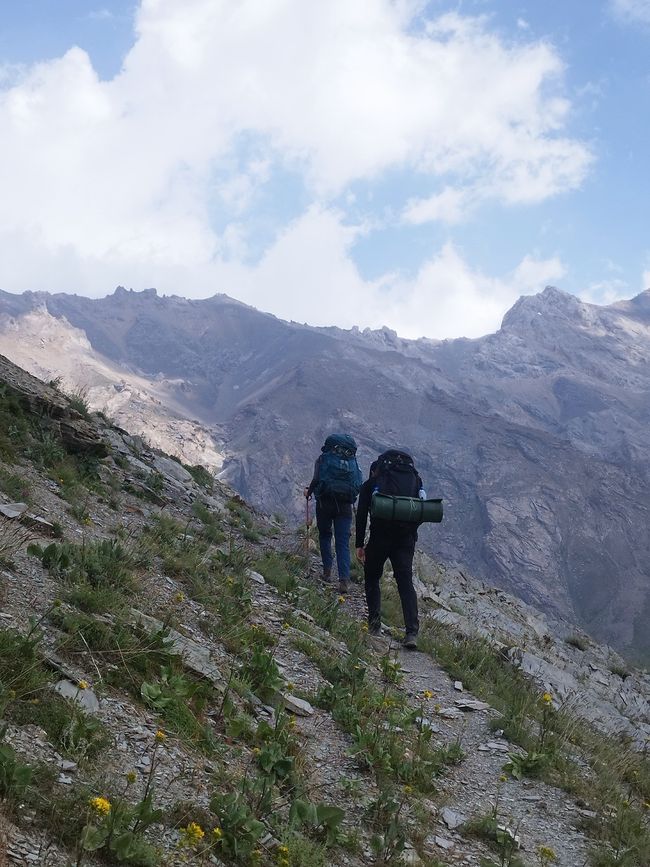
The first night was tough; the mat was not really comfortable, and at 06:30 am I packed up my wet tent and packed everything back into my backpack. With over 1000 meters of elevation, the way up was hard but still manageable; however, the over 1000 meters down were too much for my back at some point, and I had to take a painkiller. So, I decided to skip the last stage and drive back to Panjakent by car. The last kilometers to our campsite were torturous; in the midday sun, we went up a gravel road to the beautifully situated Alaudin Lake, then we had to set up the tent again, boil water, and eat noodles. The surroundings are stunning, but by the next morning, after a poor night on the hard mat, I was glad to take the car back. Camping is nice, but it is overly romanticized. Setting up and taking down tents, mediocre food, having mats or small air mattresses, no proper toilet and virtually no comfort; no one can tell me this is great.
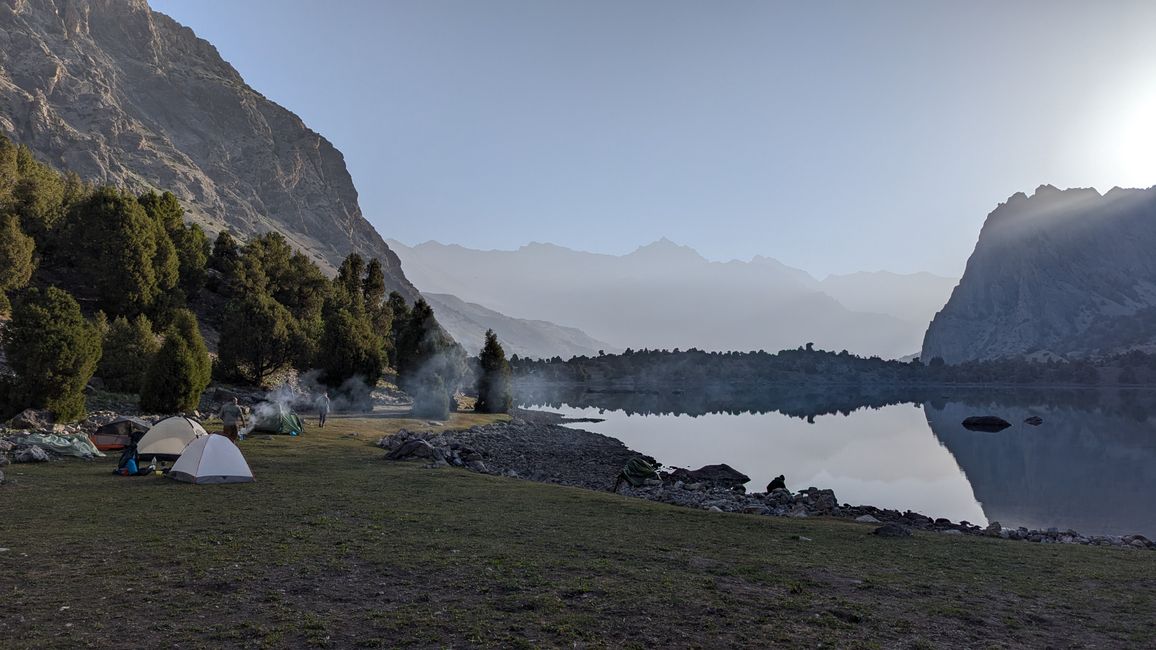
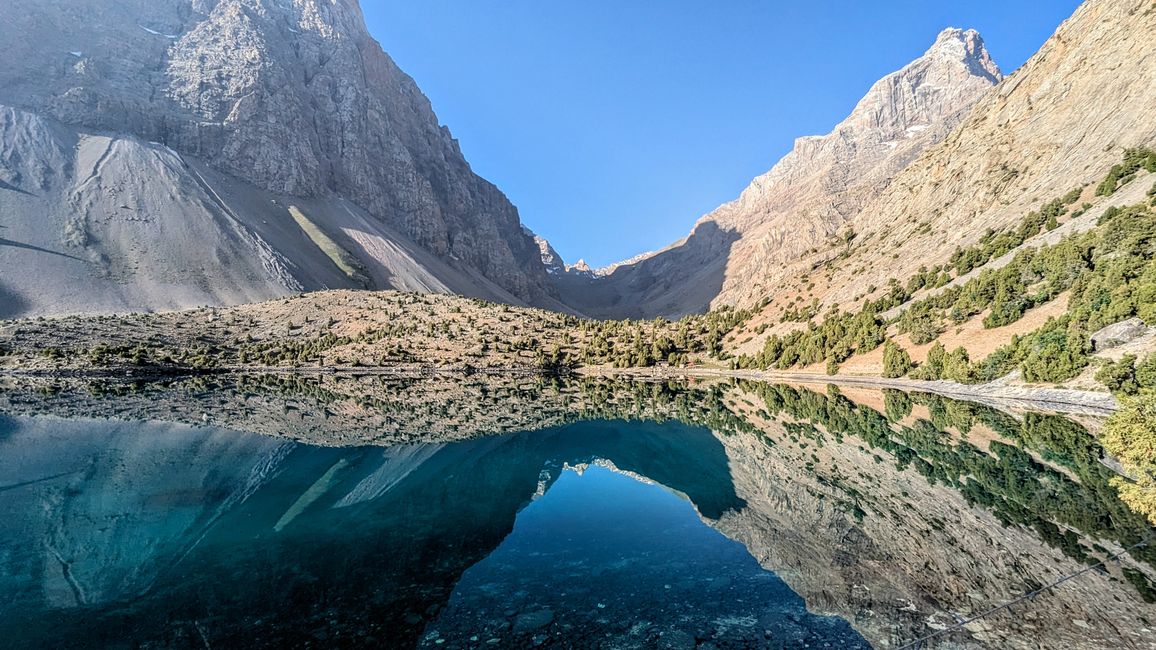
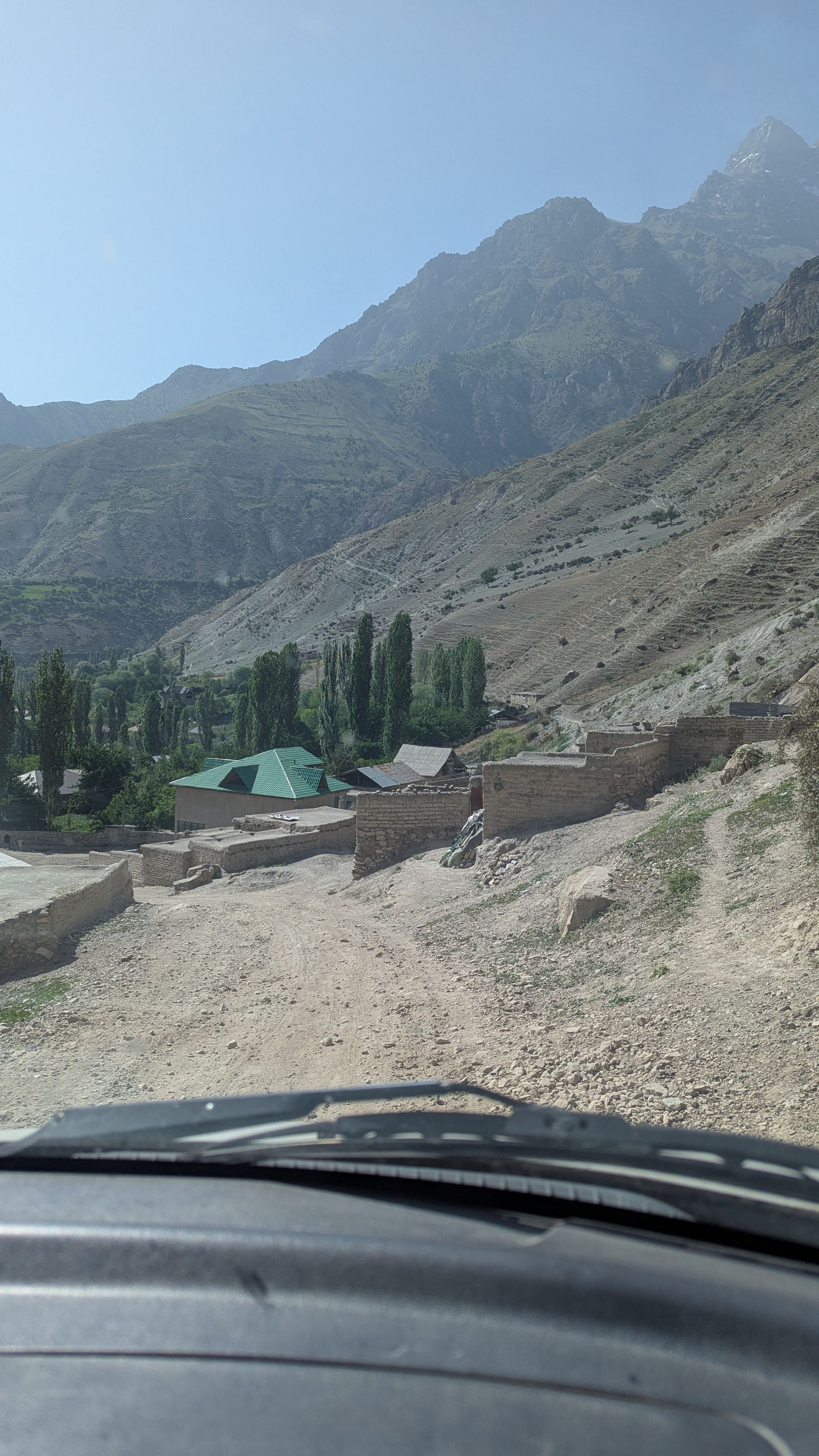
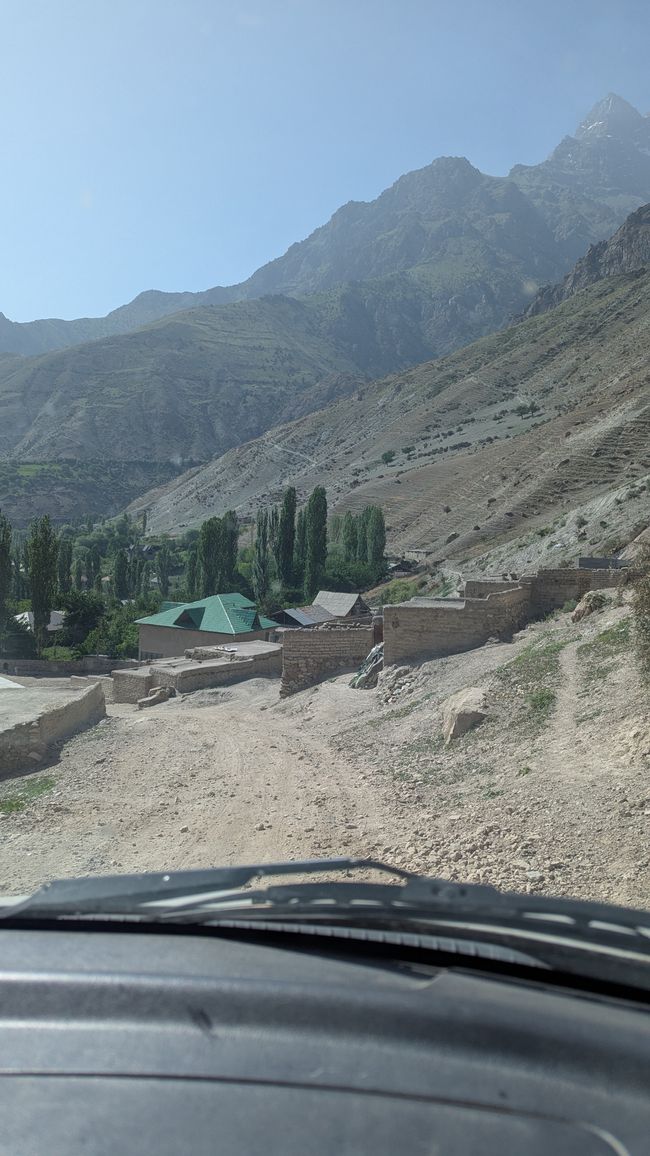
Well, for me, it was a 2-hour journey back to the next proper road with a jeep; an impressive valley where you can see the poverty of the people, stone huts and children on donkeys paint the picture here. Then someone wanted €100 for the ride to Panjakent, but I ended up paying €8, though I had to wait 2 hours until the car was full.
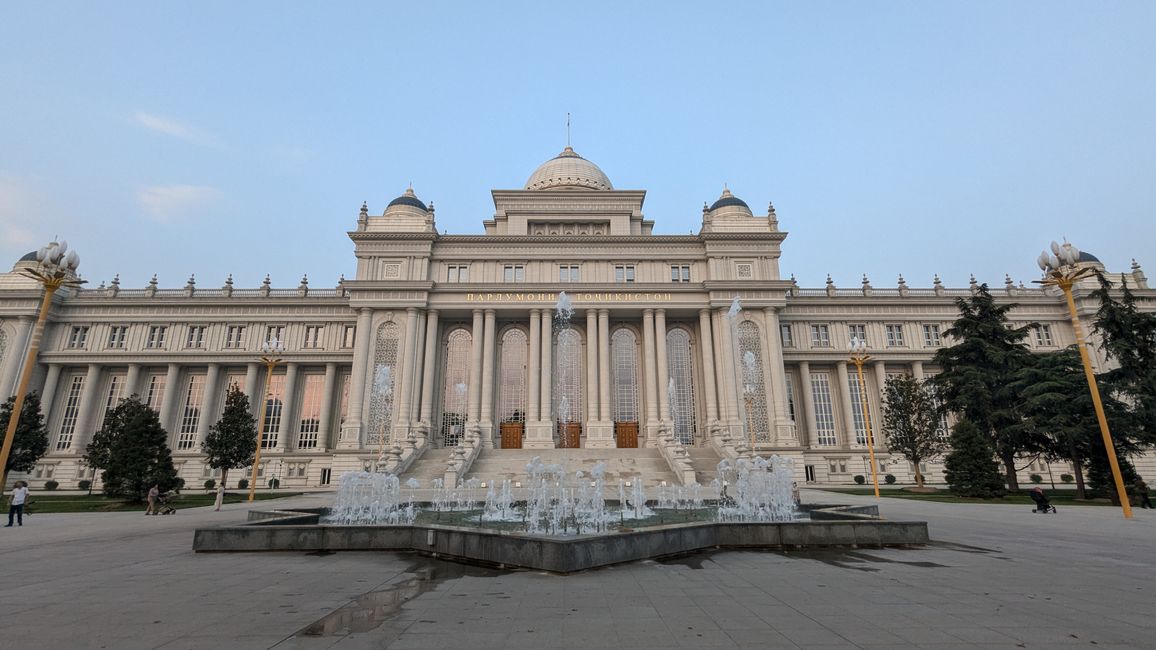
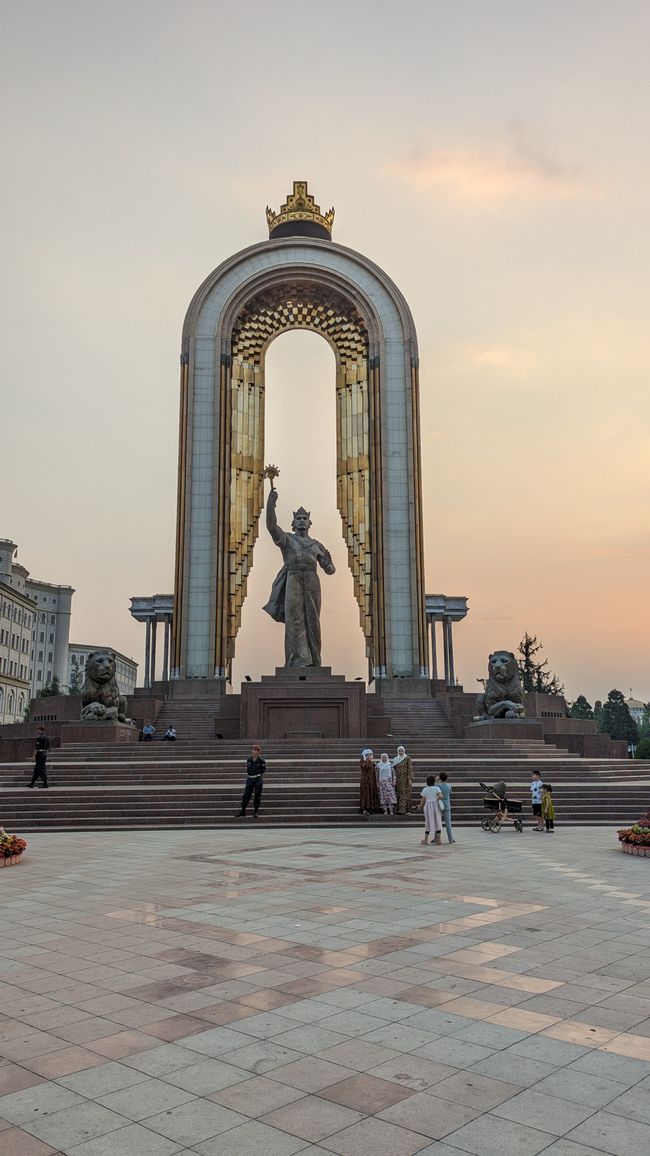
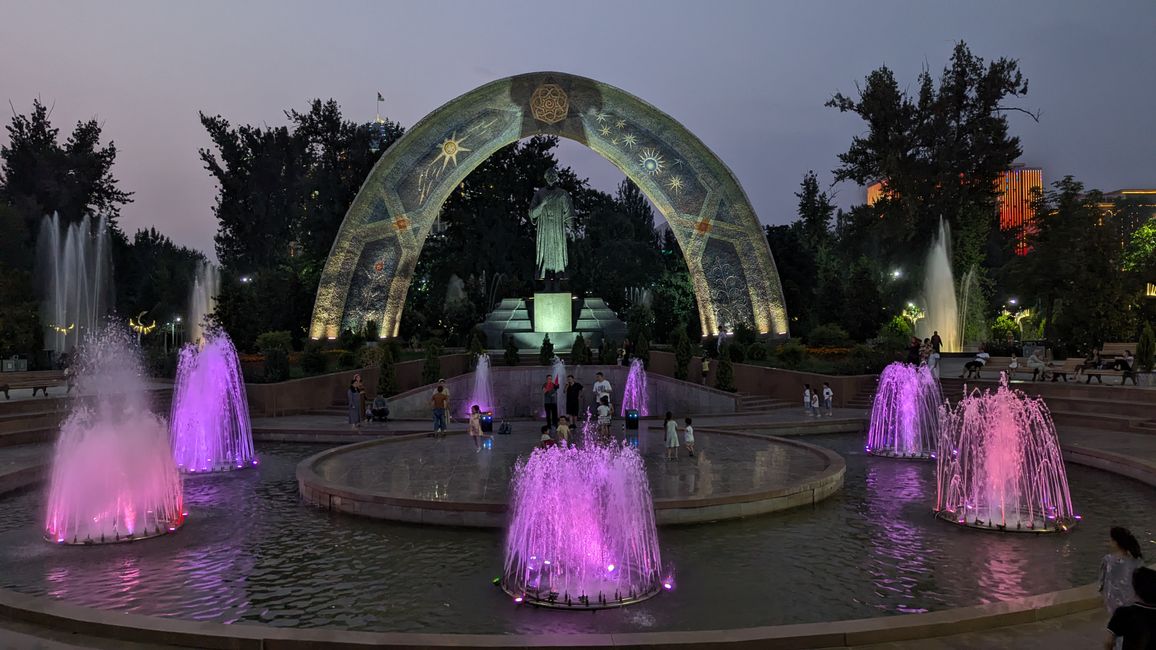
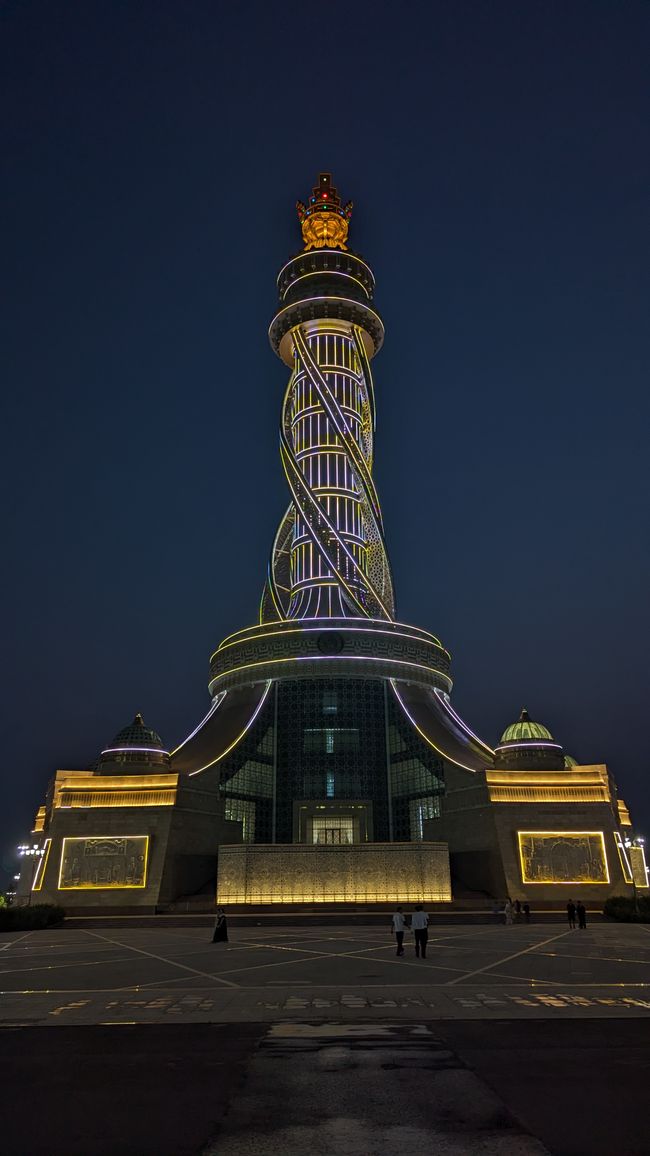
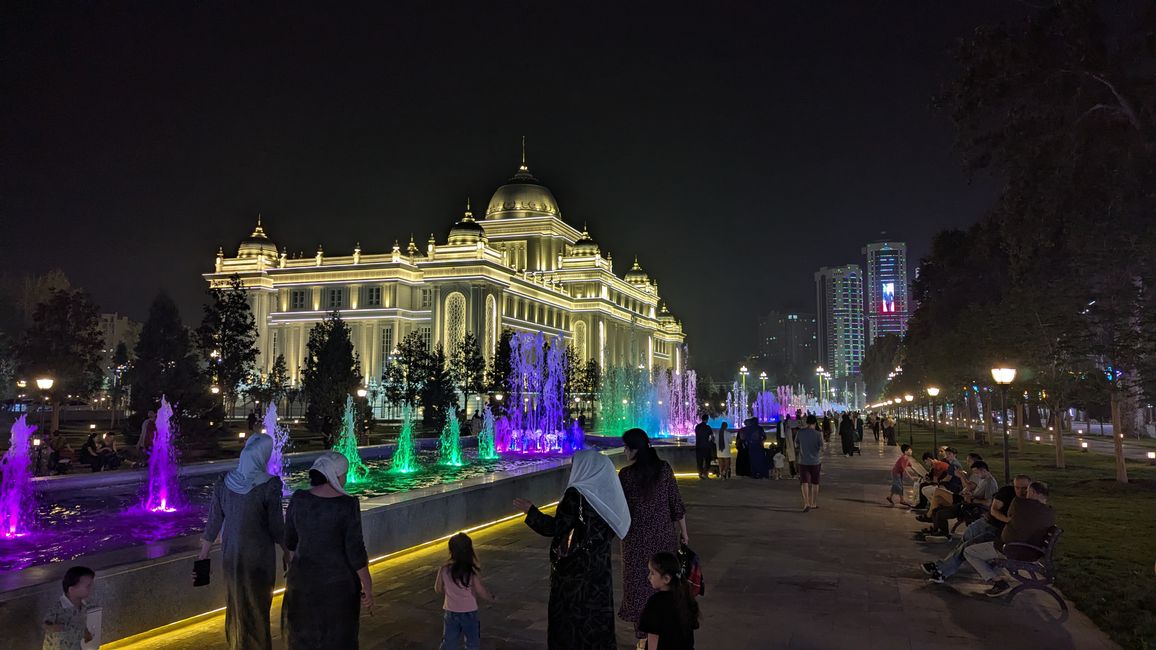
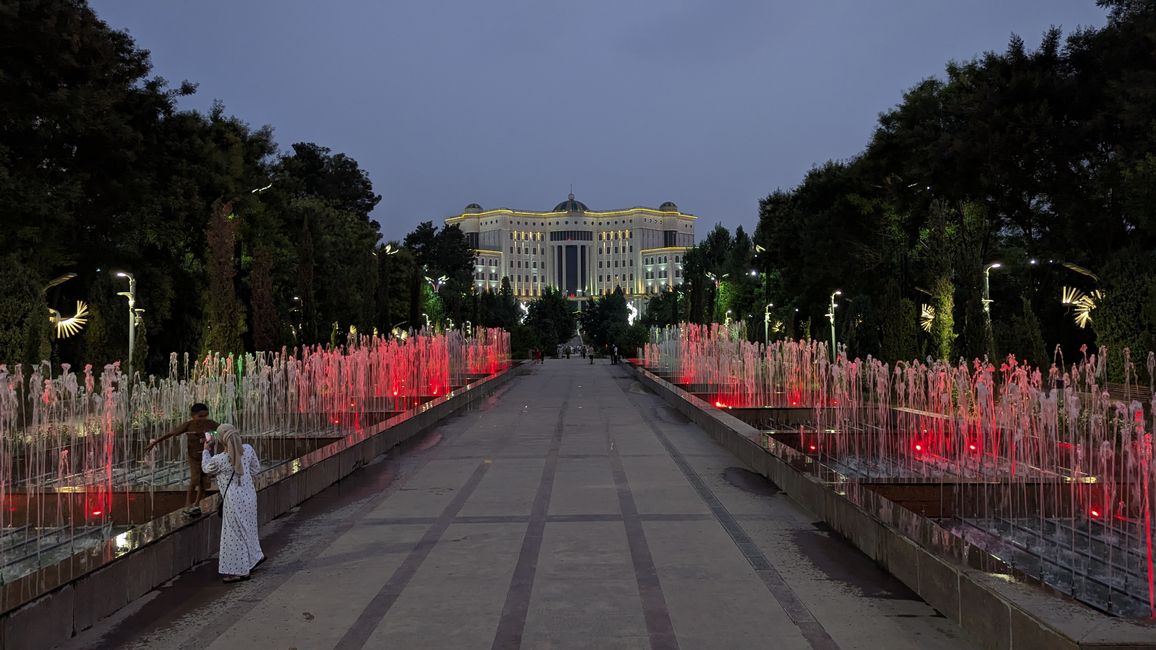
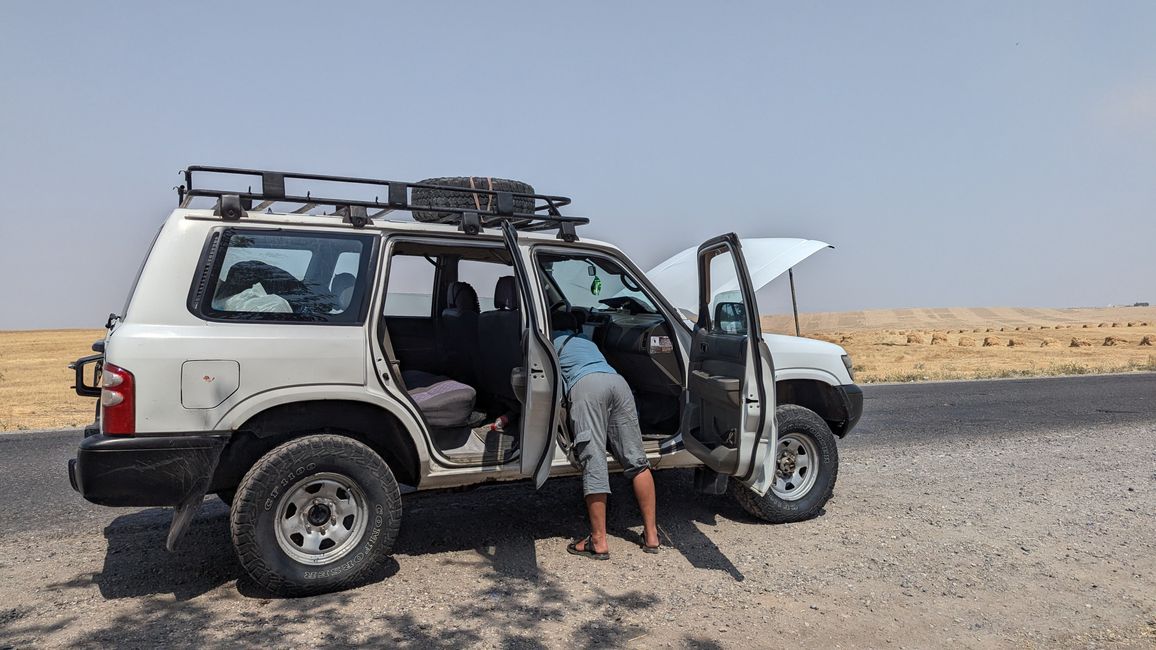
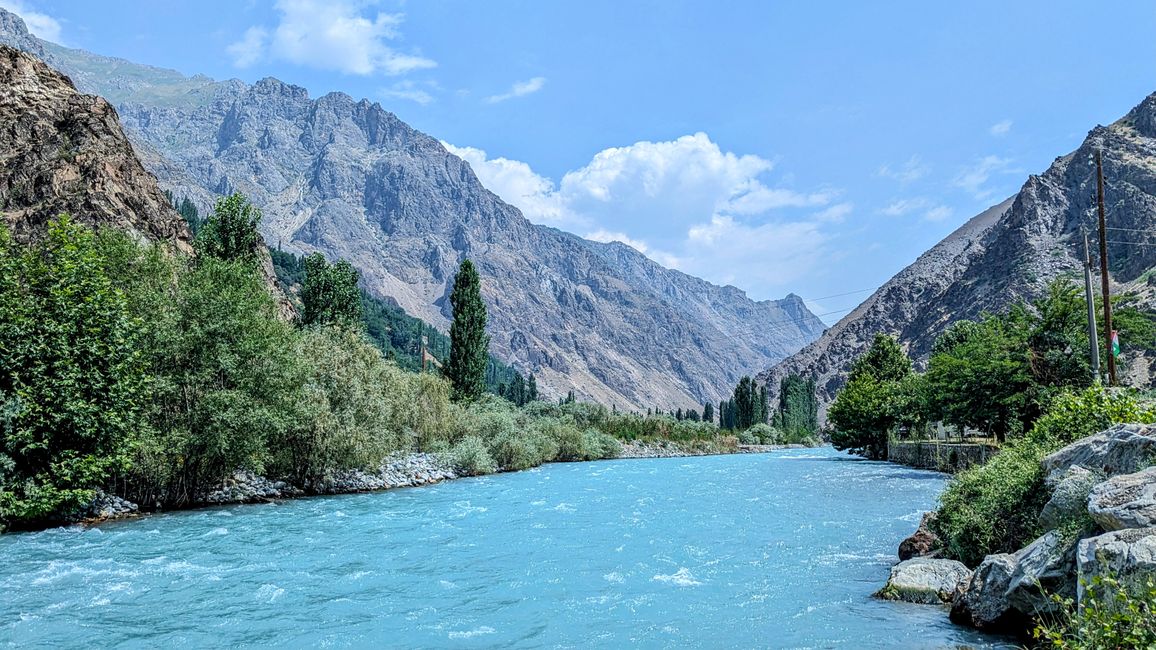
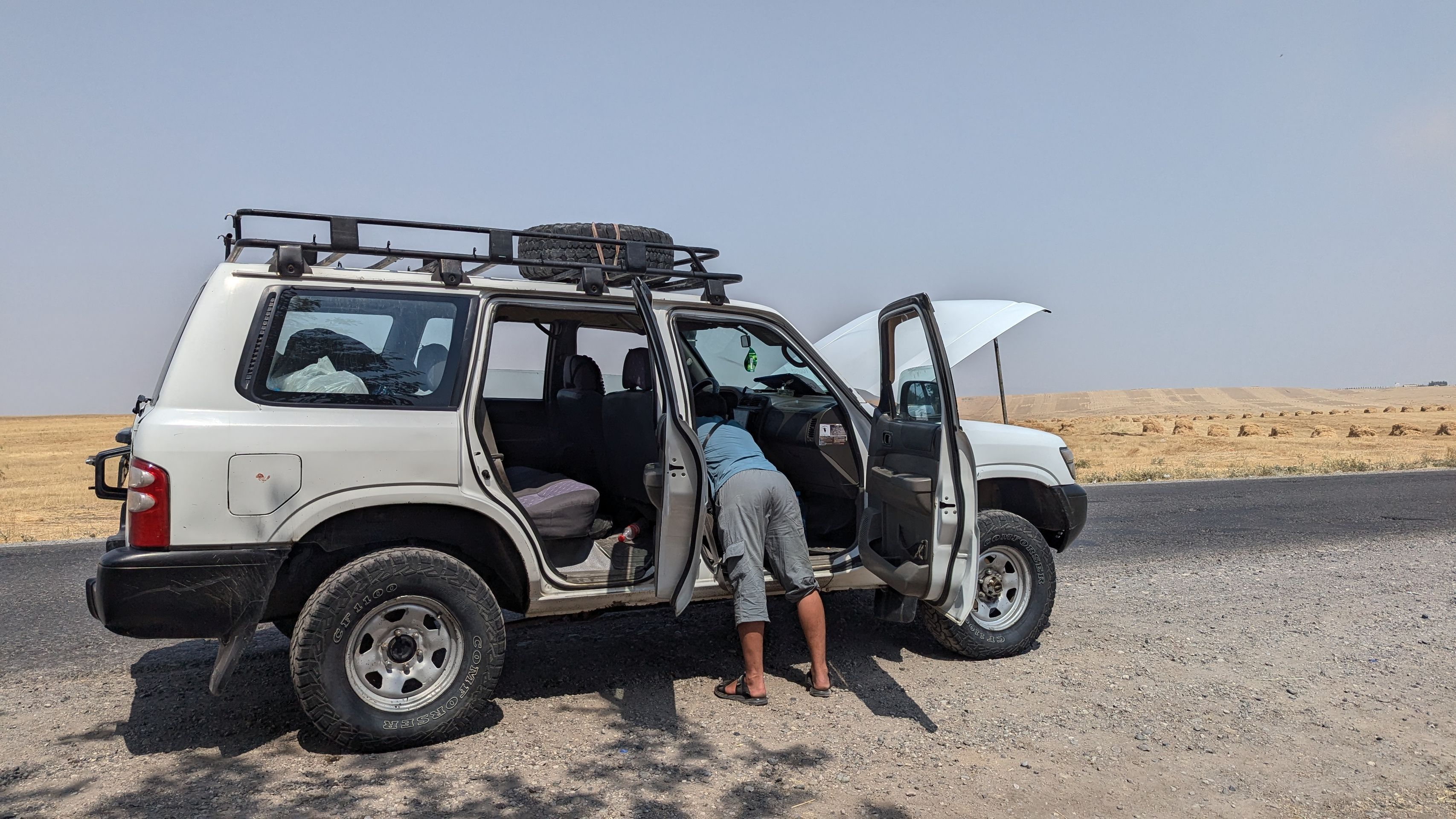
Just before nightfall, we arrived at the first military checkpoint, but everything was easy; we had to show our passports, and our driver had placed some cash among our photocopied passports, after which we were allowed to continue. The roads were surprisingly good, so it wasn’t too bad that we had to drive in the dark. Only the soldiers in their camouflage and rifles were difficult to recognize on their patrols by the roadside. With three hours of delay, we reached the first accommodation, beautifully located by a river. Since the Tajik president was in the area due to the national holiday, we had to stay here until 2 pm the next day and weren’t allowed to leave the premises. I still tried it and was promptly invited for tea and chocolates by the policemen, but after a nice conversation, I had to go back to the hotel. With another 5 hours delay, we then continued to our next destination, but the Tajik president was not the last to thwart our plans.