
Afghan border
On our right is the Hindu Kush and on our left the Pamir Mountains, the road is getting worse, yet trucks from China with new electric cars are coming towards us. On the other...

Published: 28.08.2025
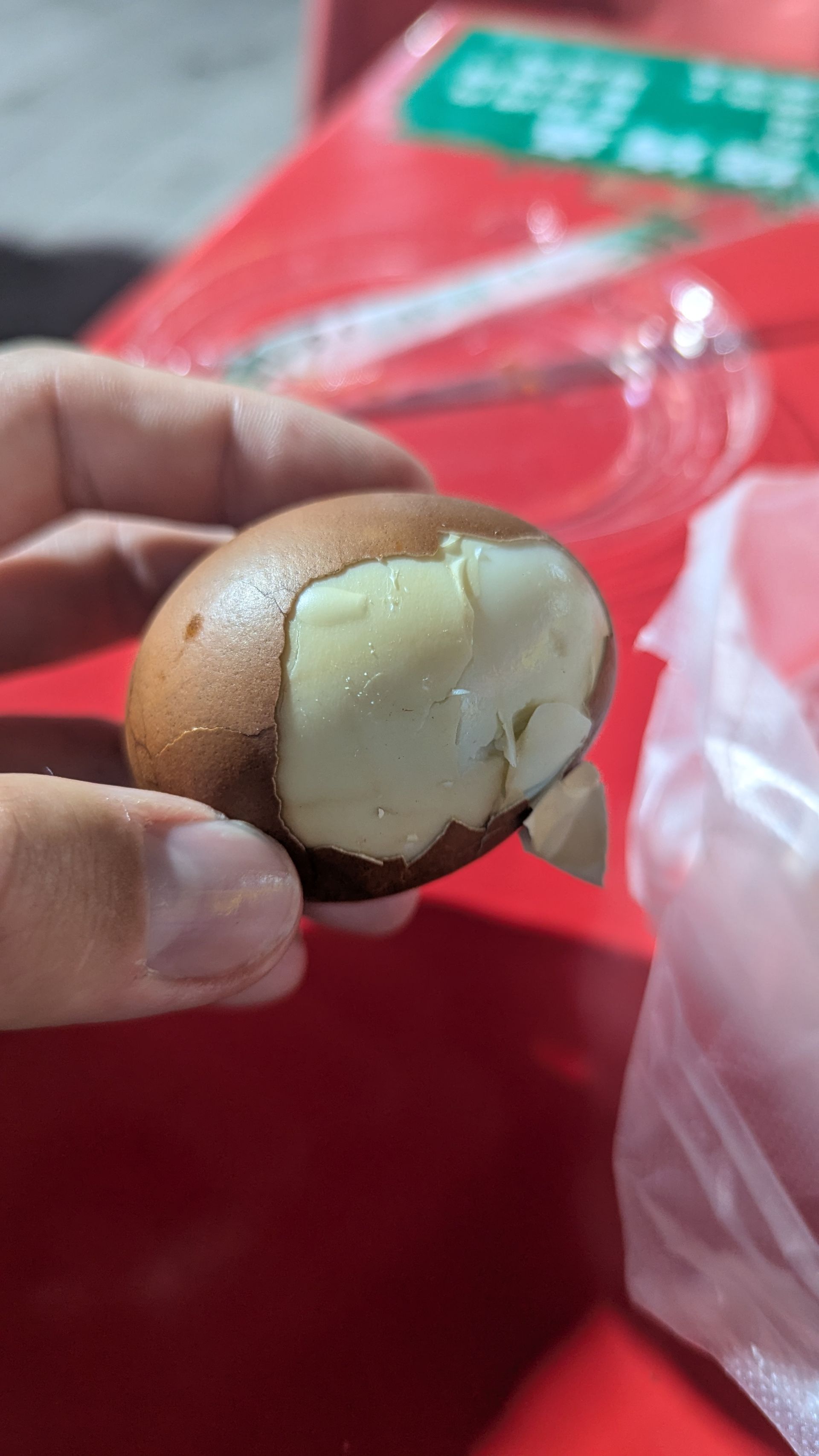
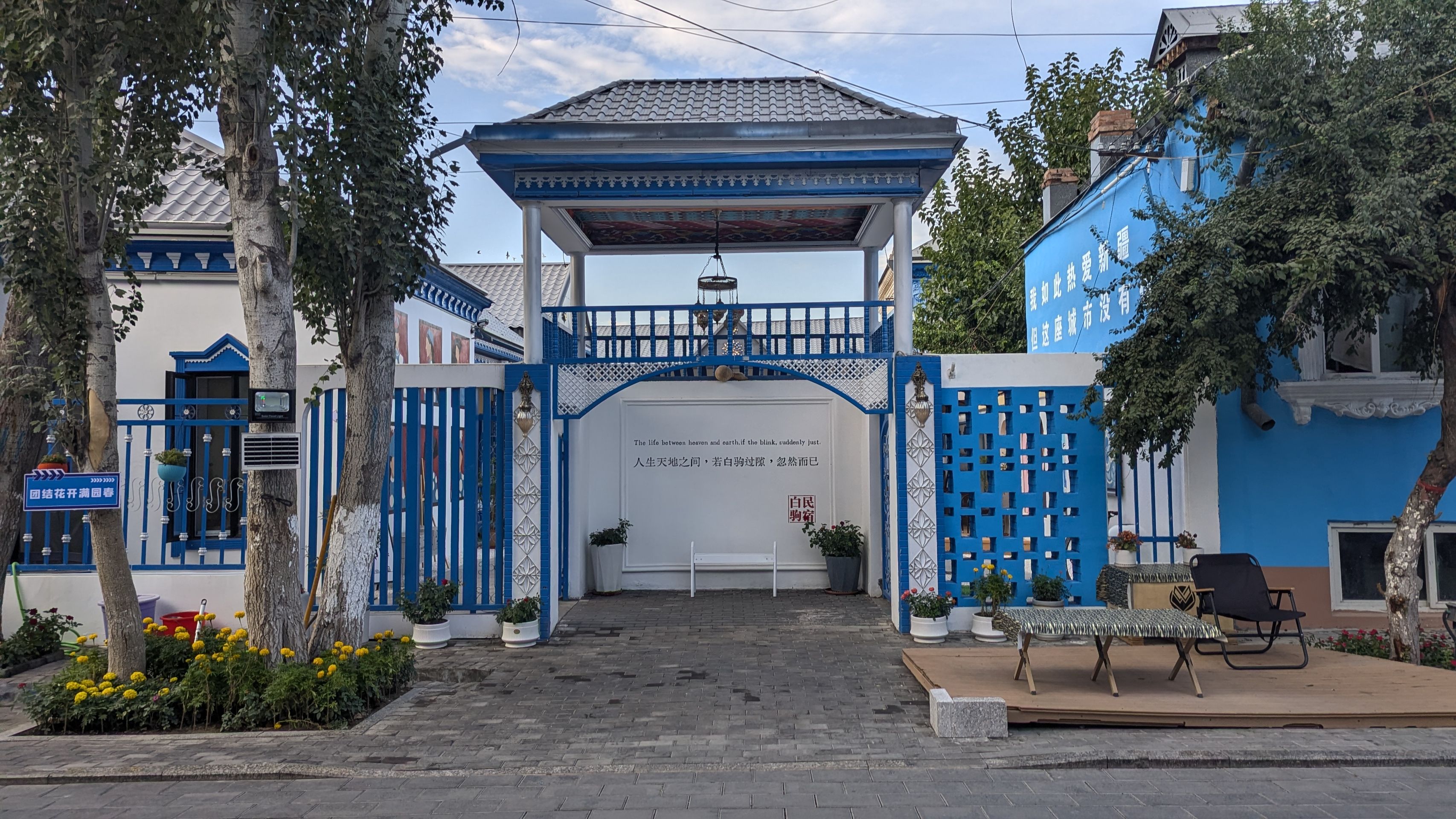
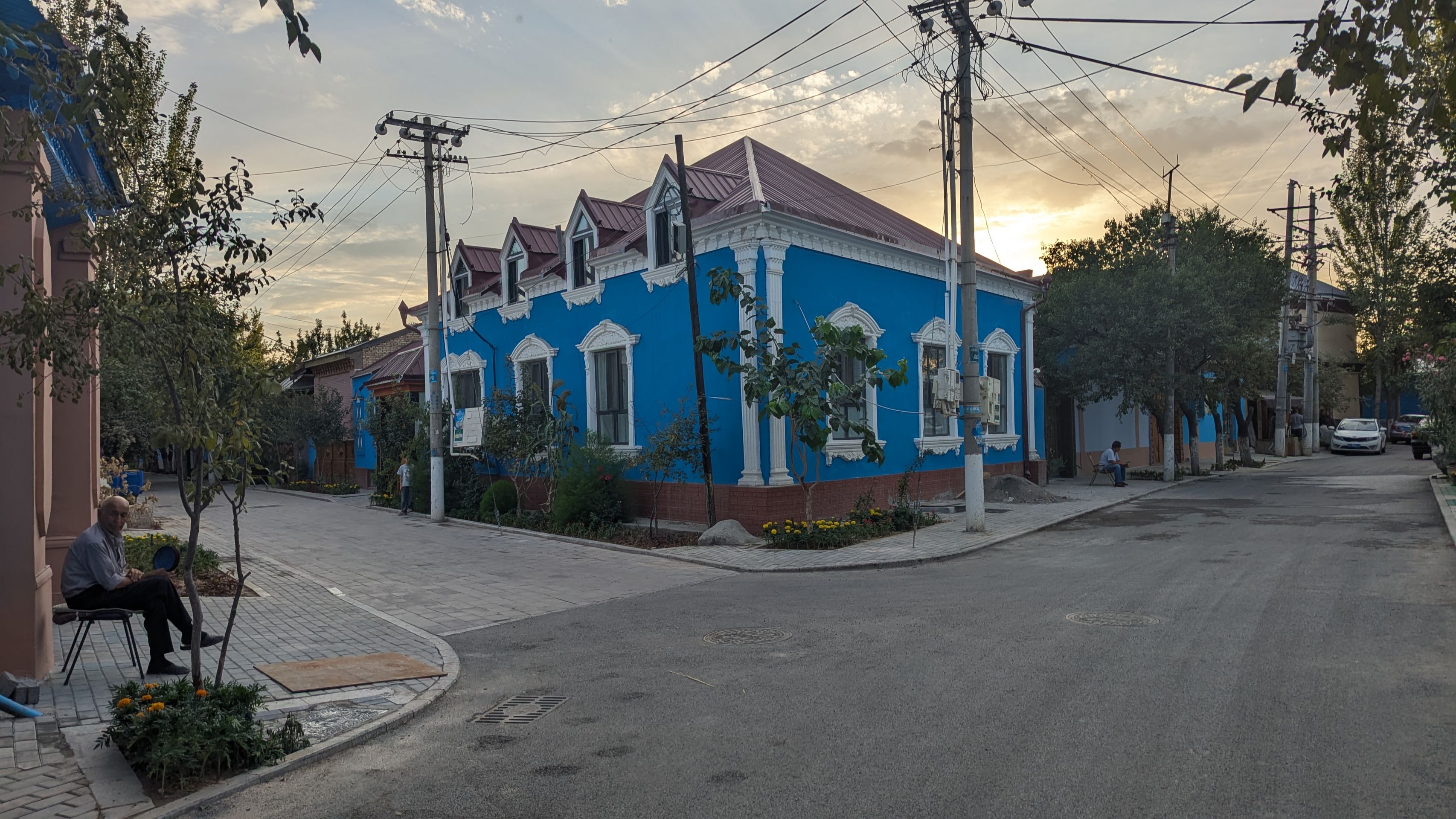
Nothing unusual at first, but it was strange that I was asked the same questions by 4 different people over a period of 20 minutes. In the end, I had to take a sip from all open bottles to ensure that what was claimed to be inside was actually present, and then I received the stamp.
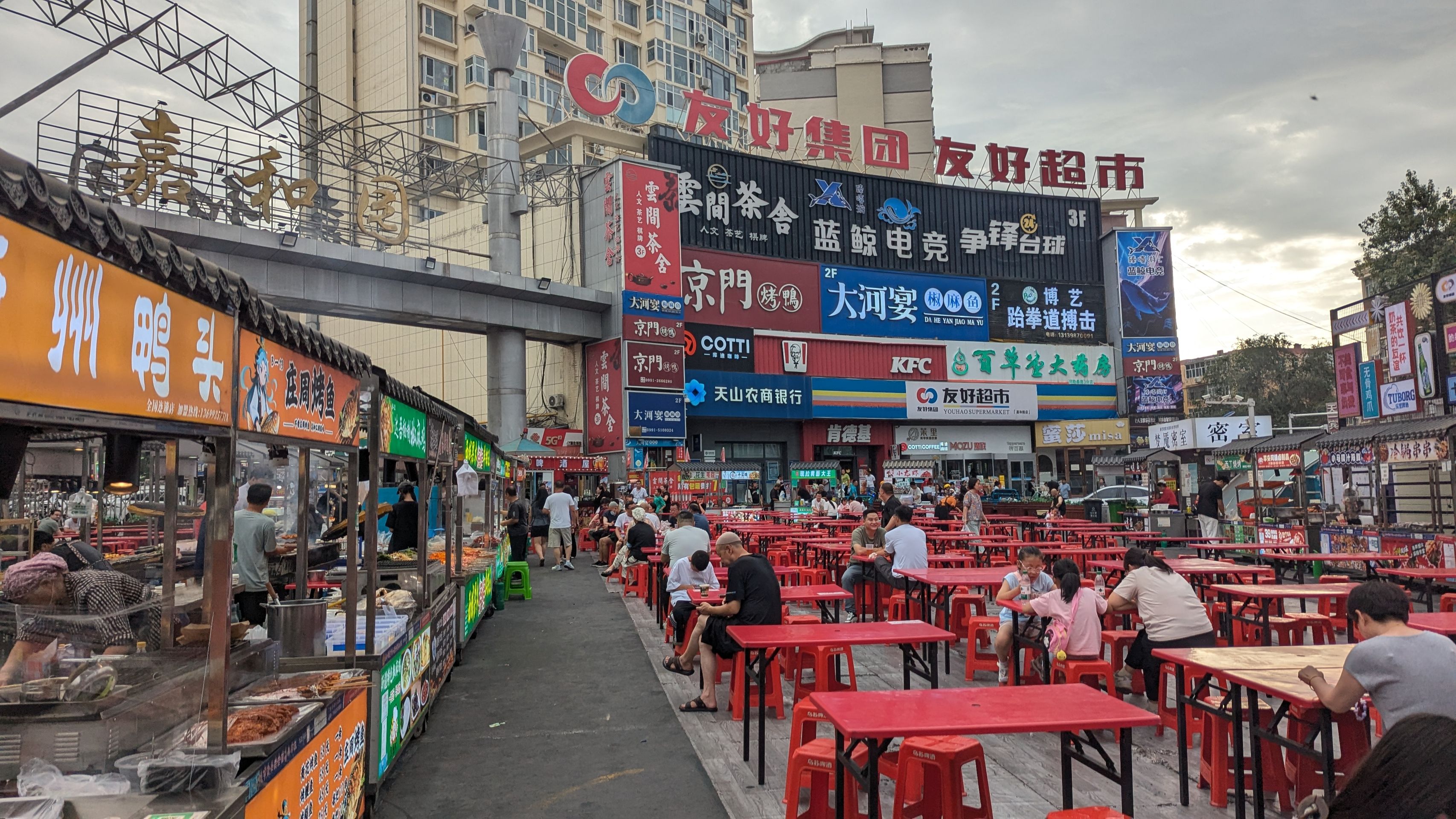
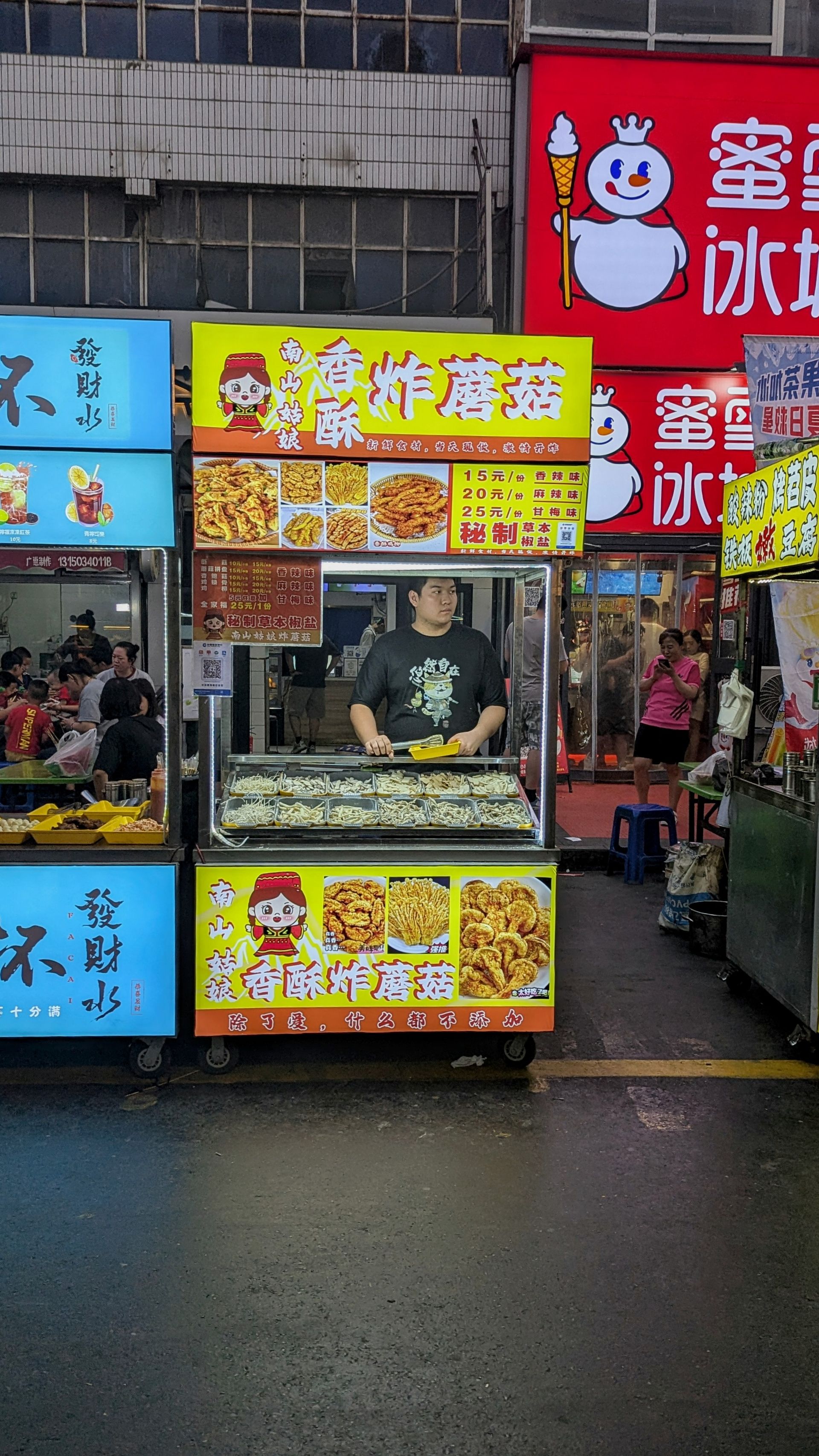
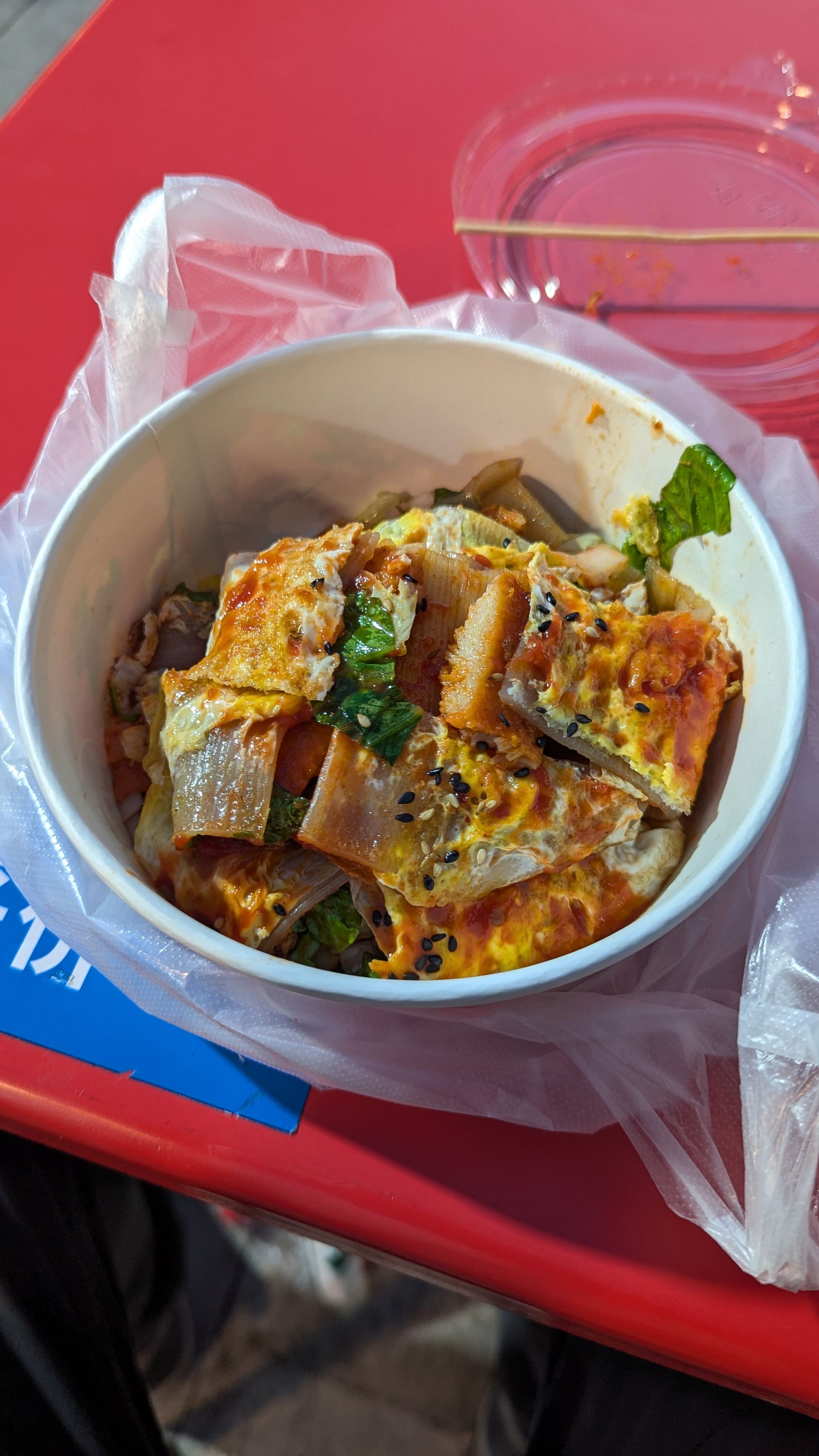
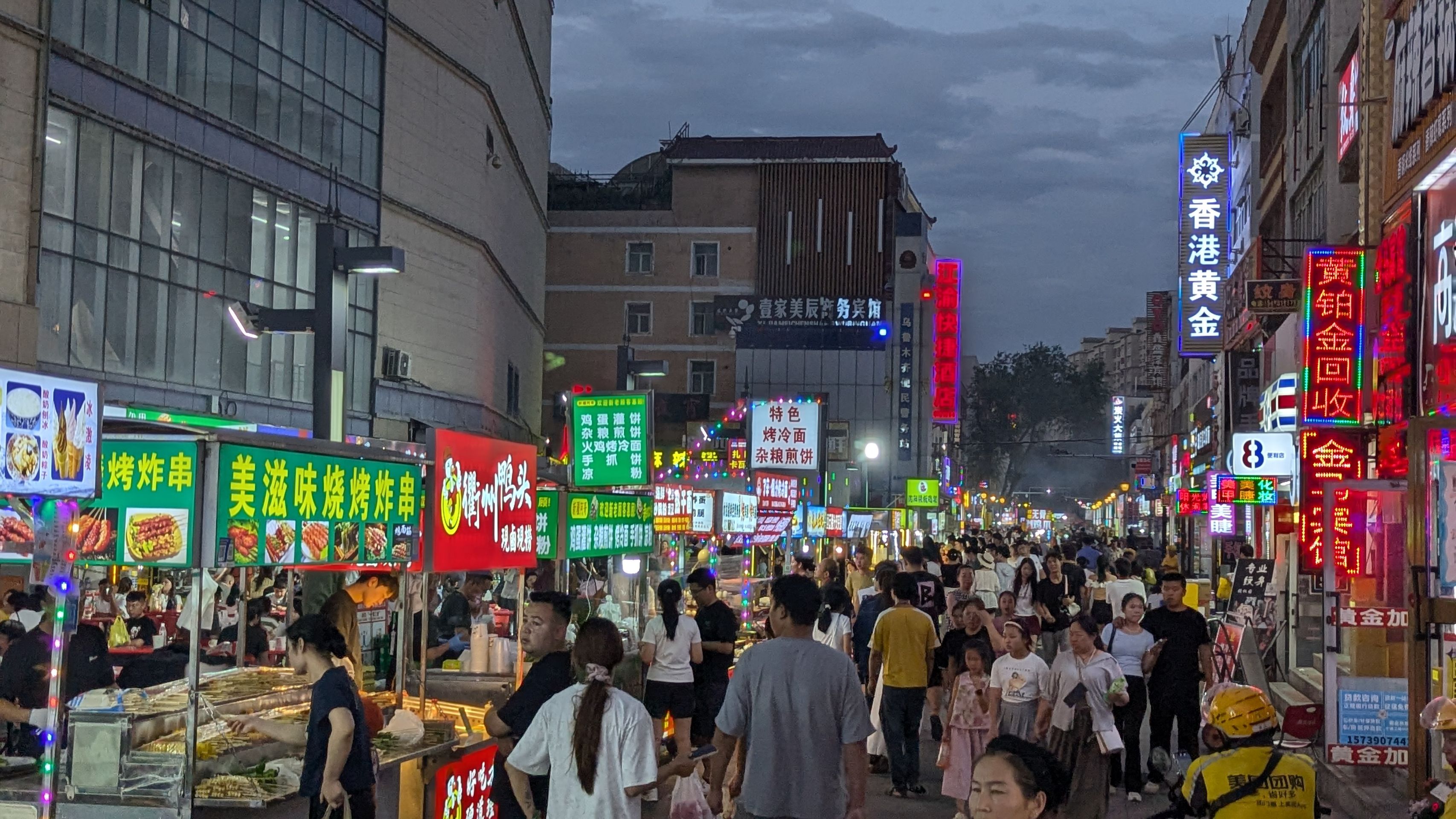
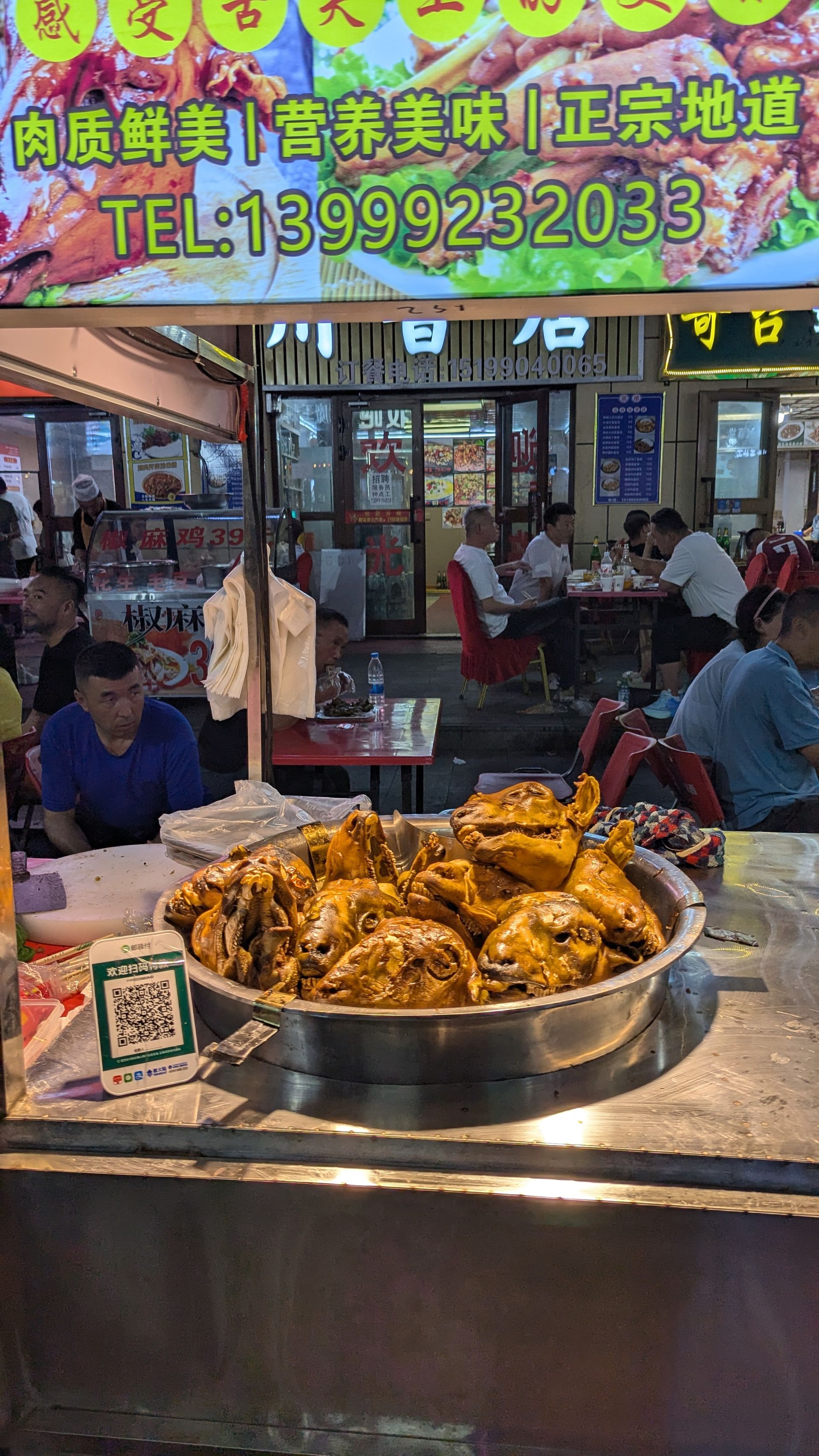
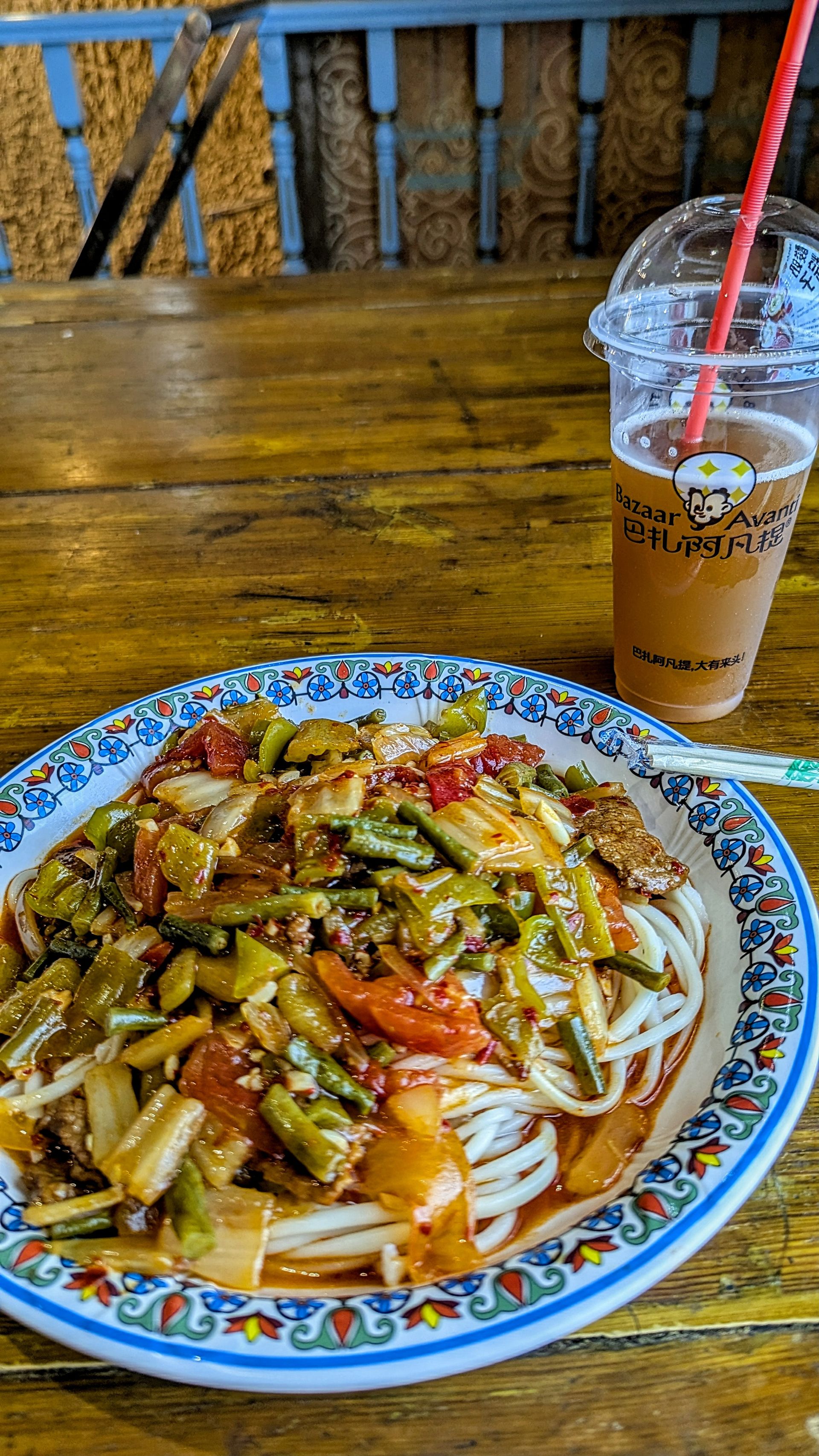
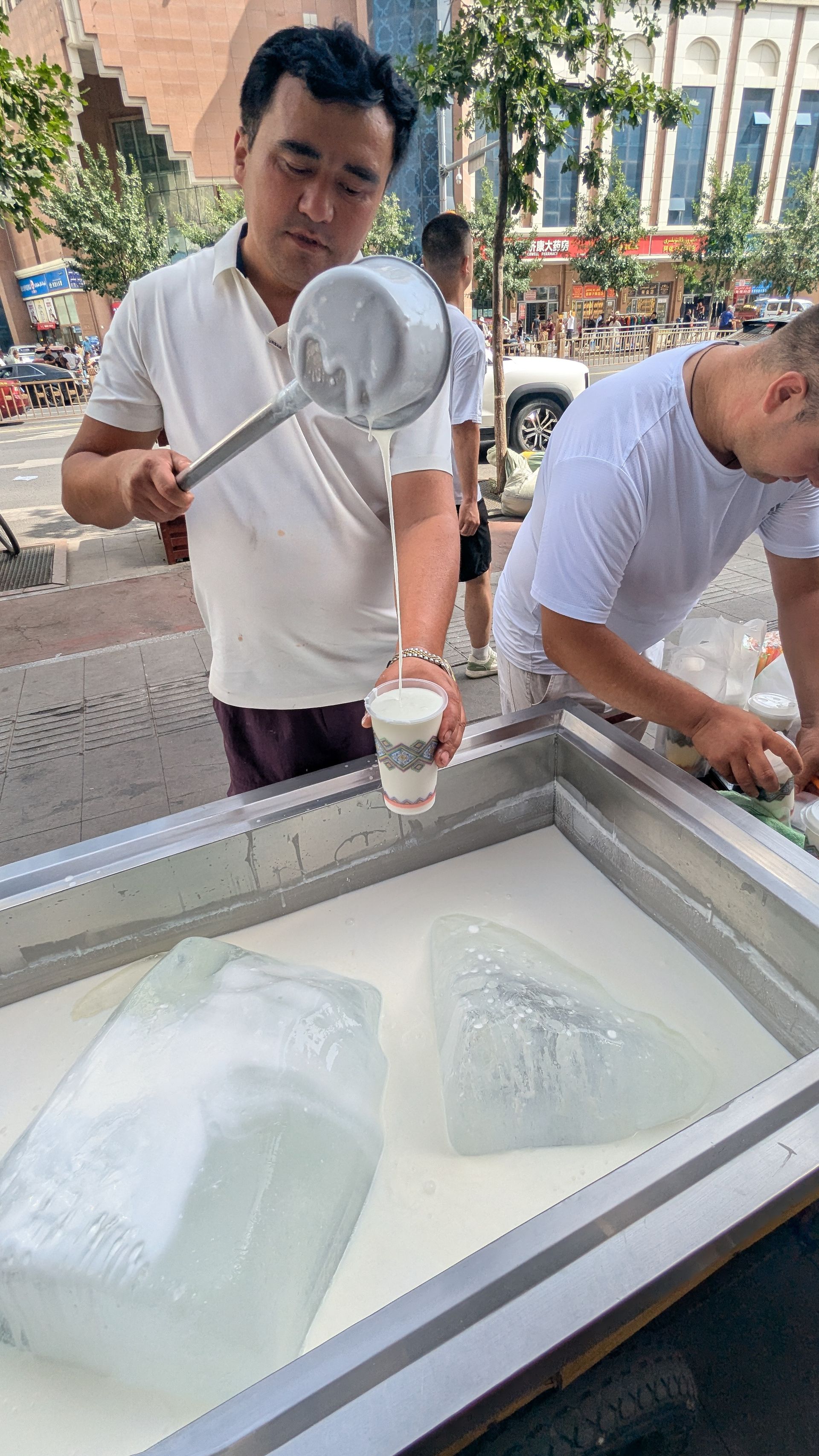
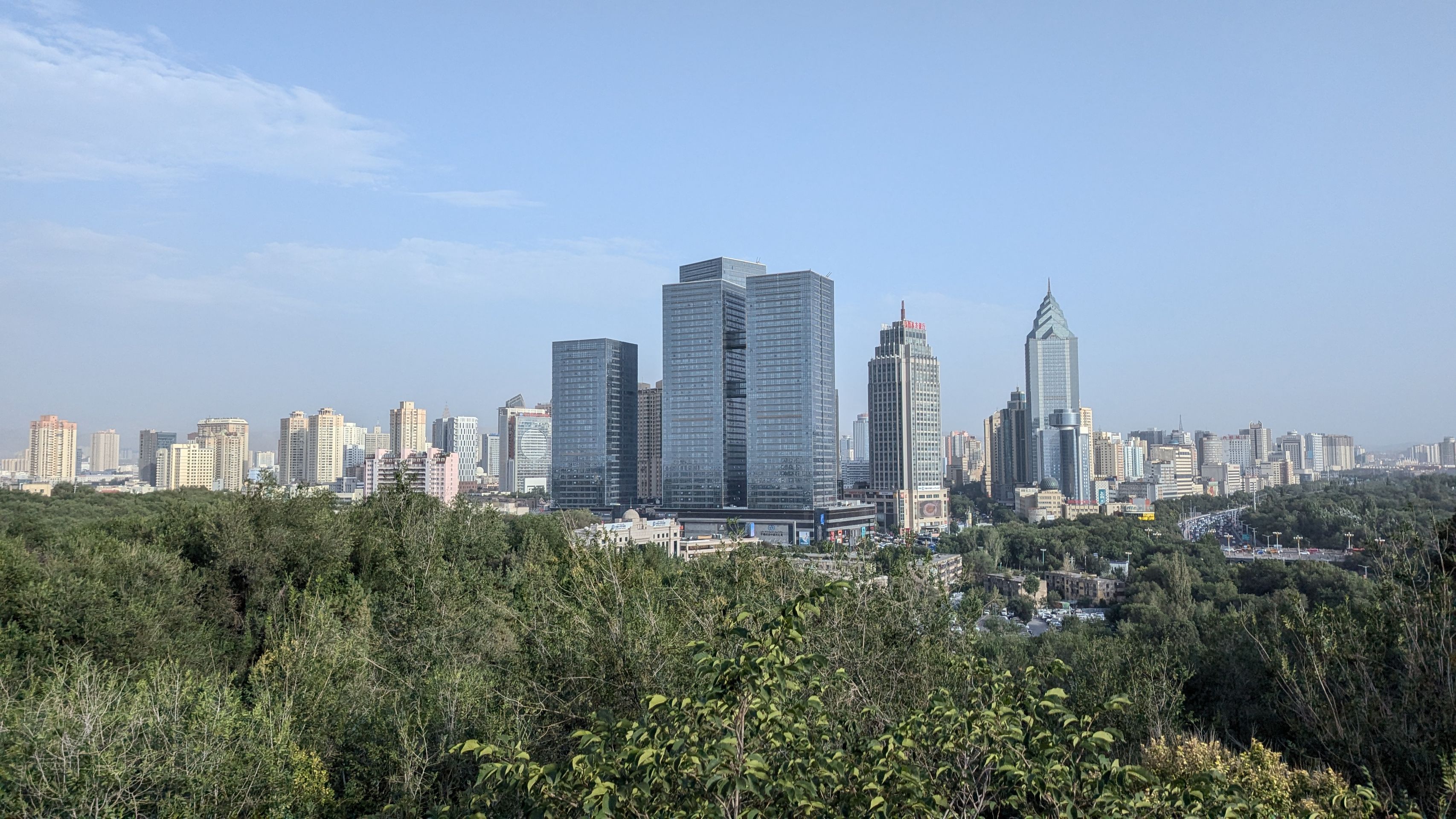
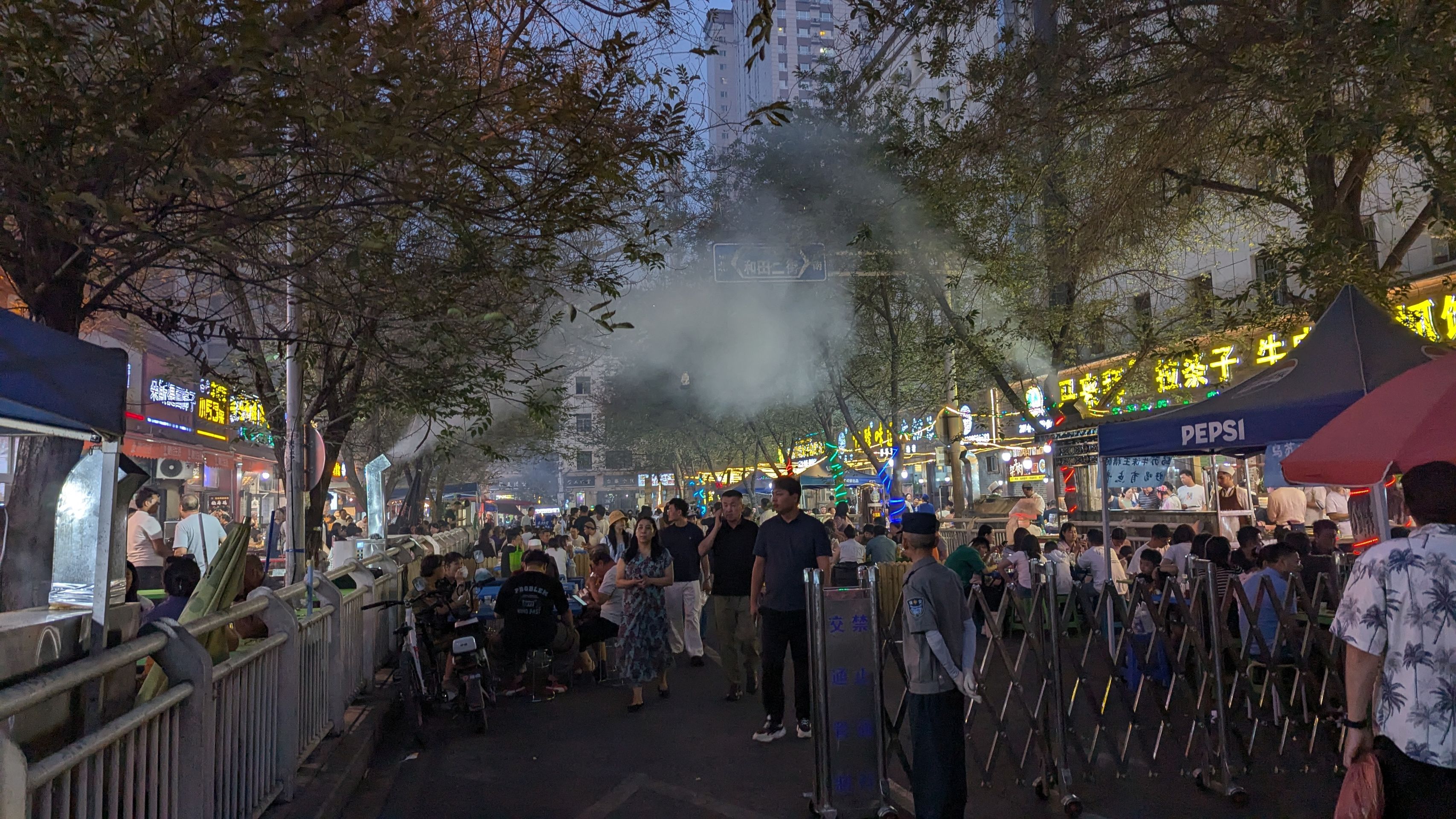
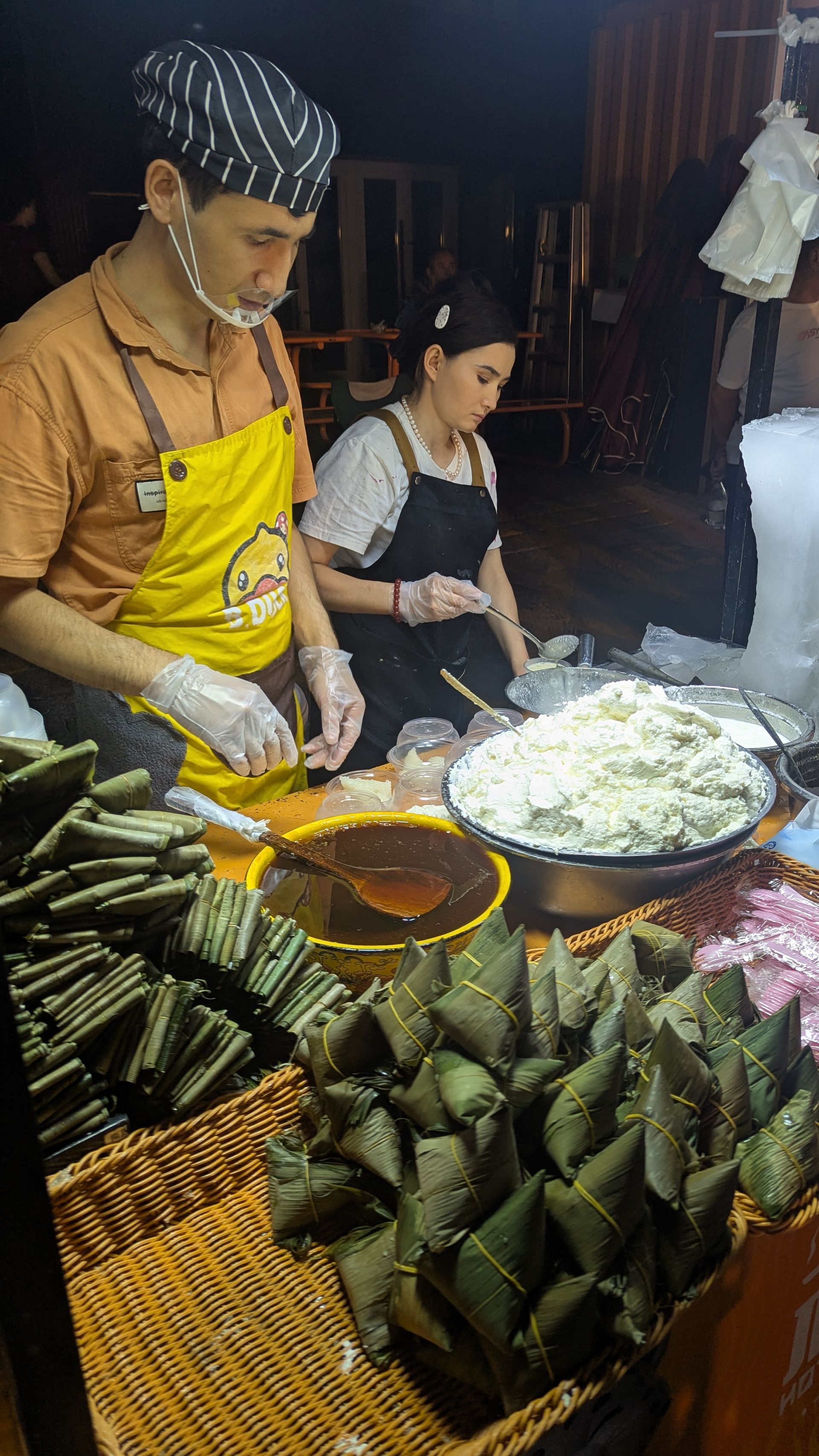
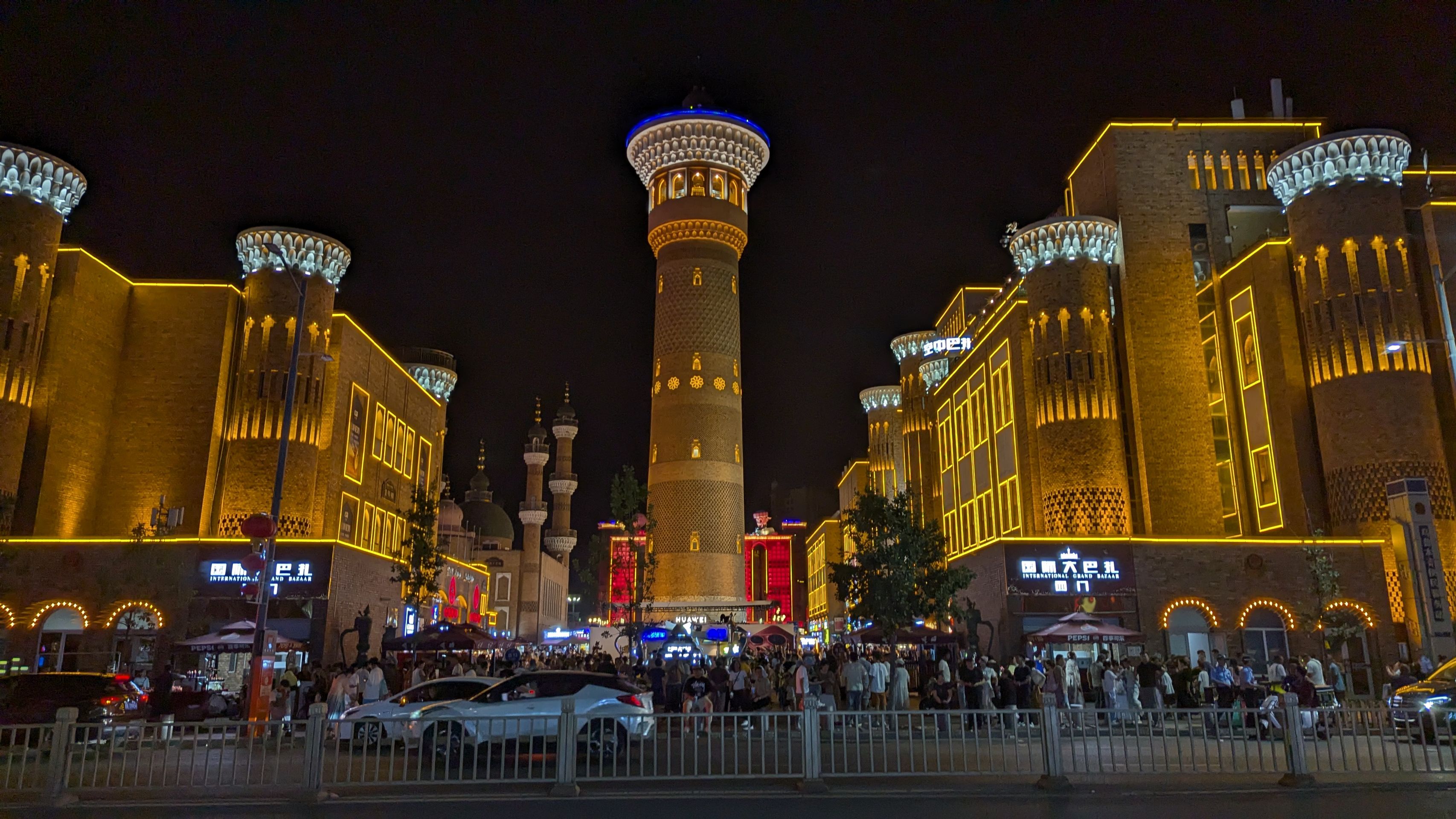
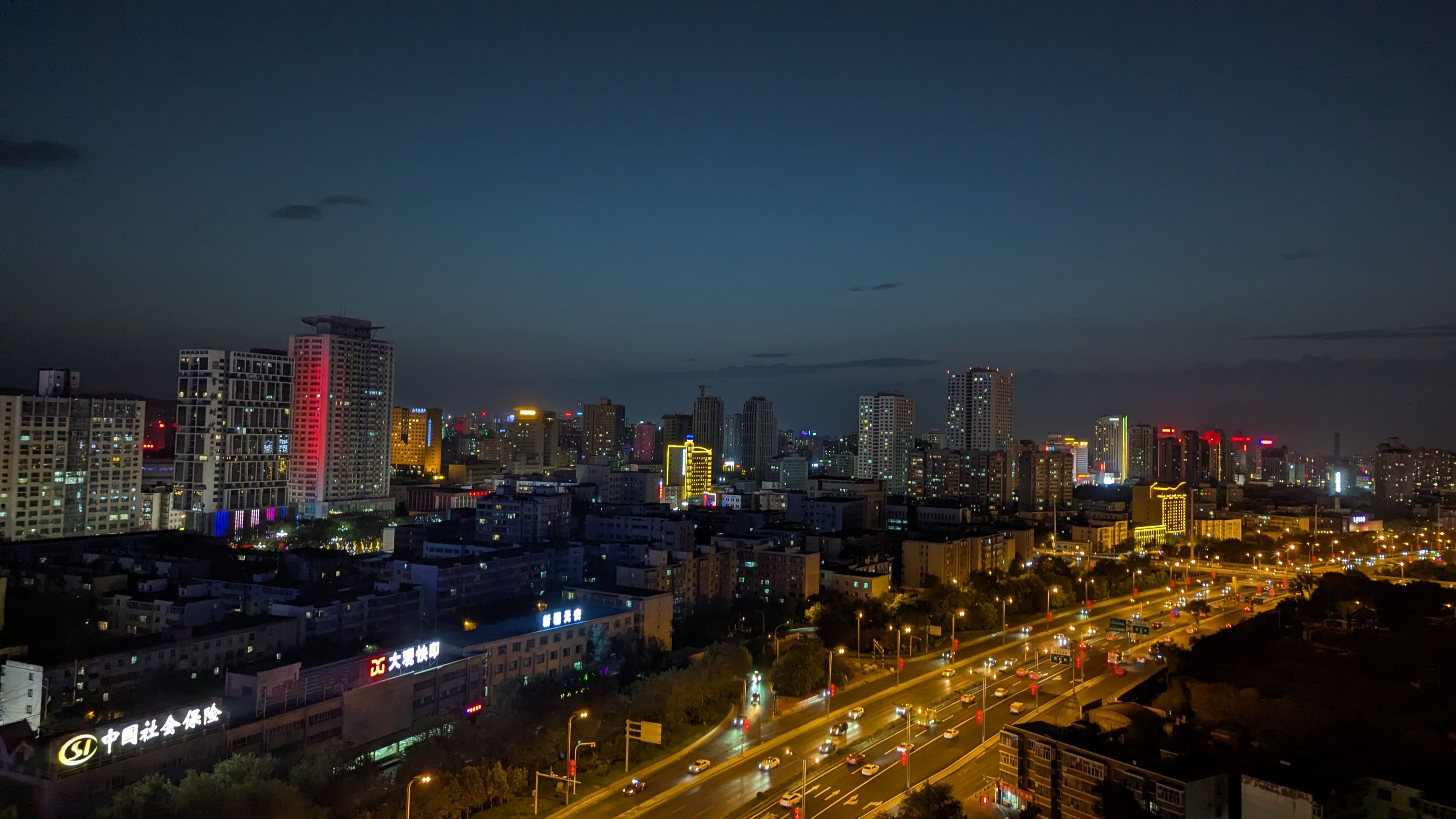
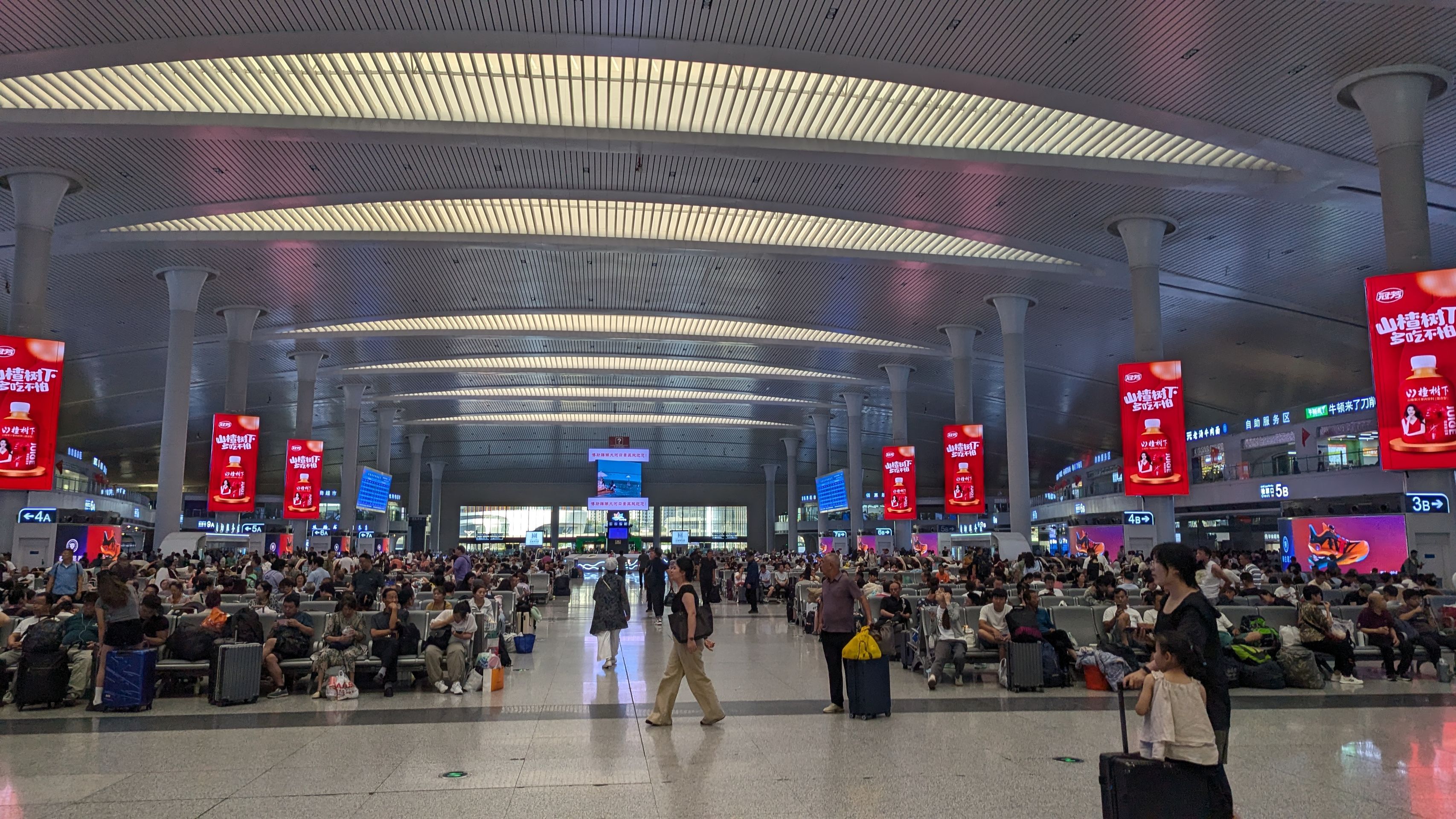
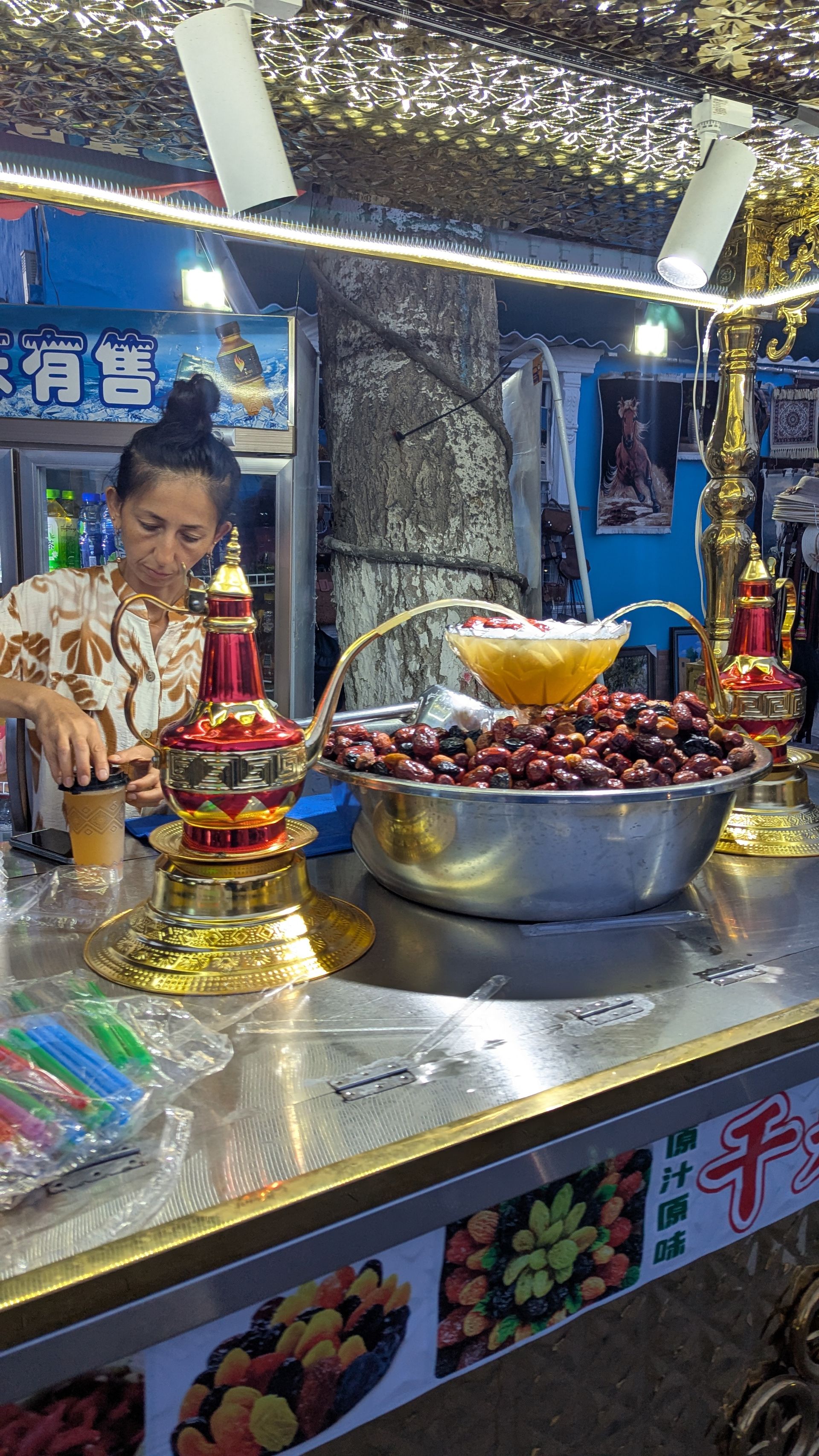
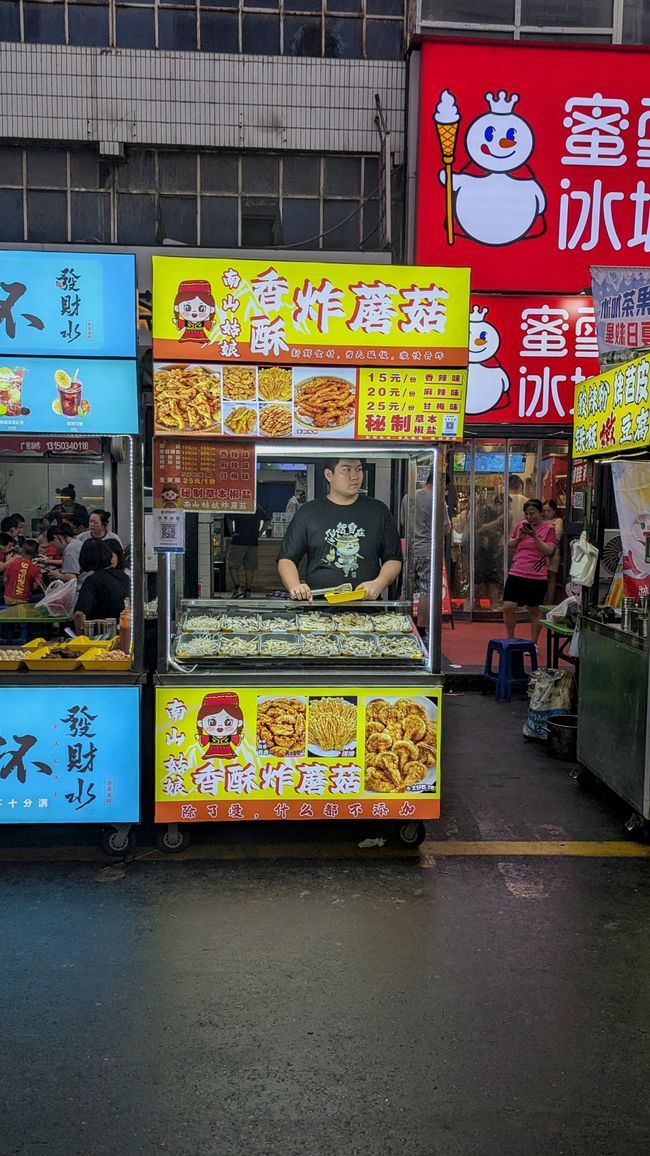
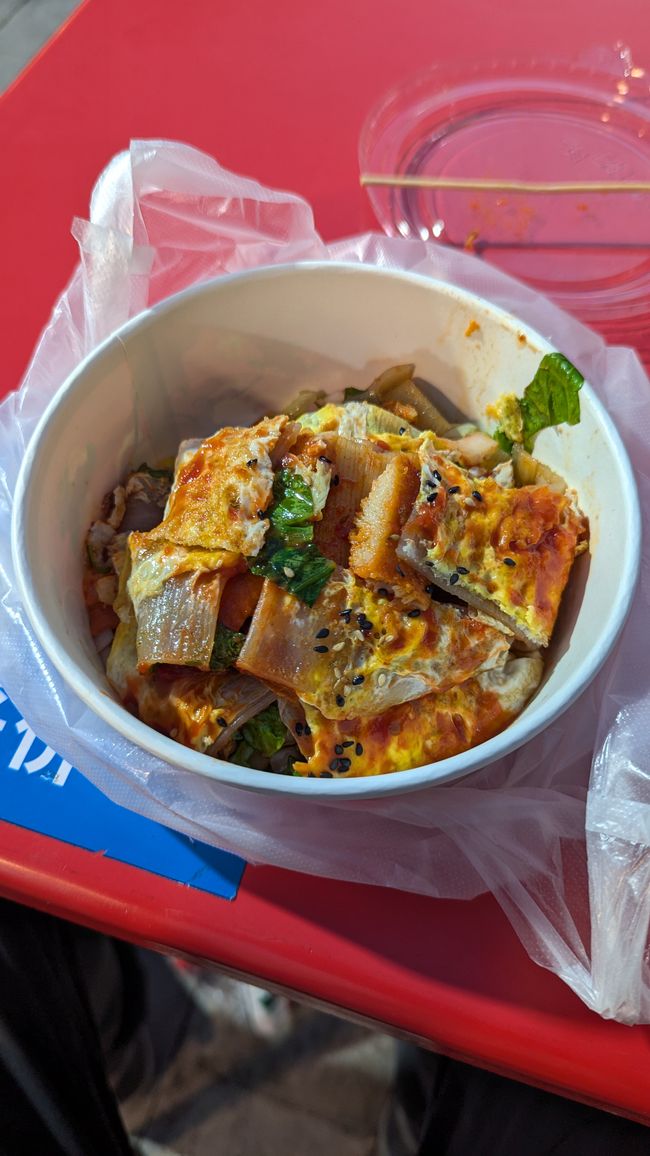
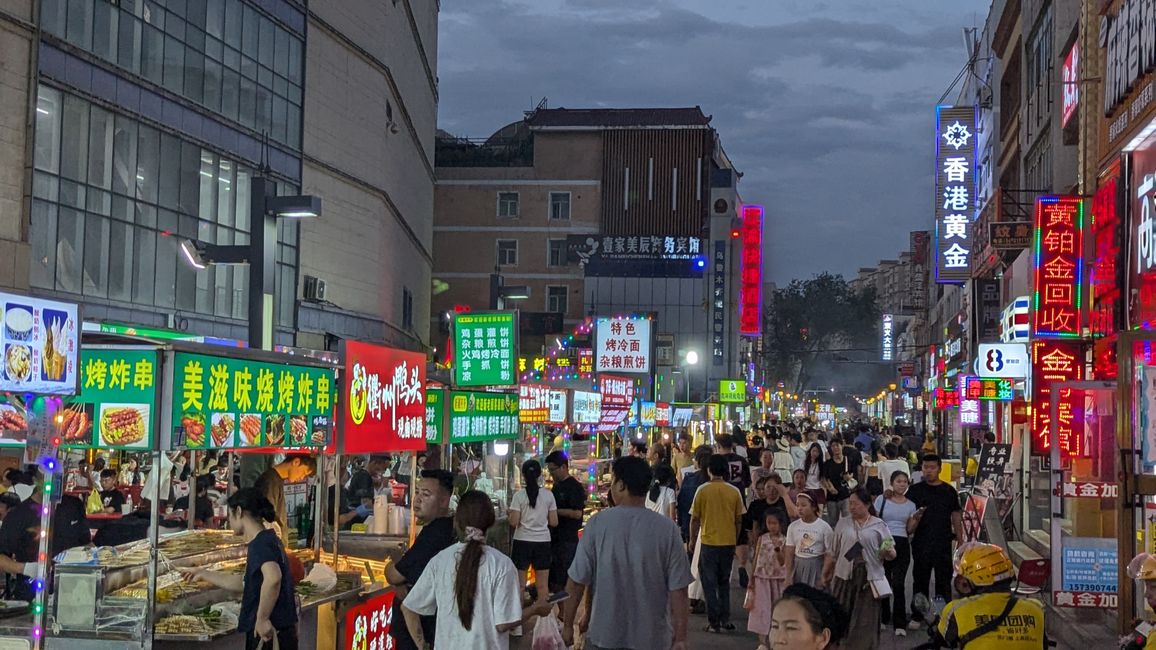
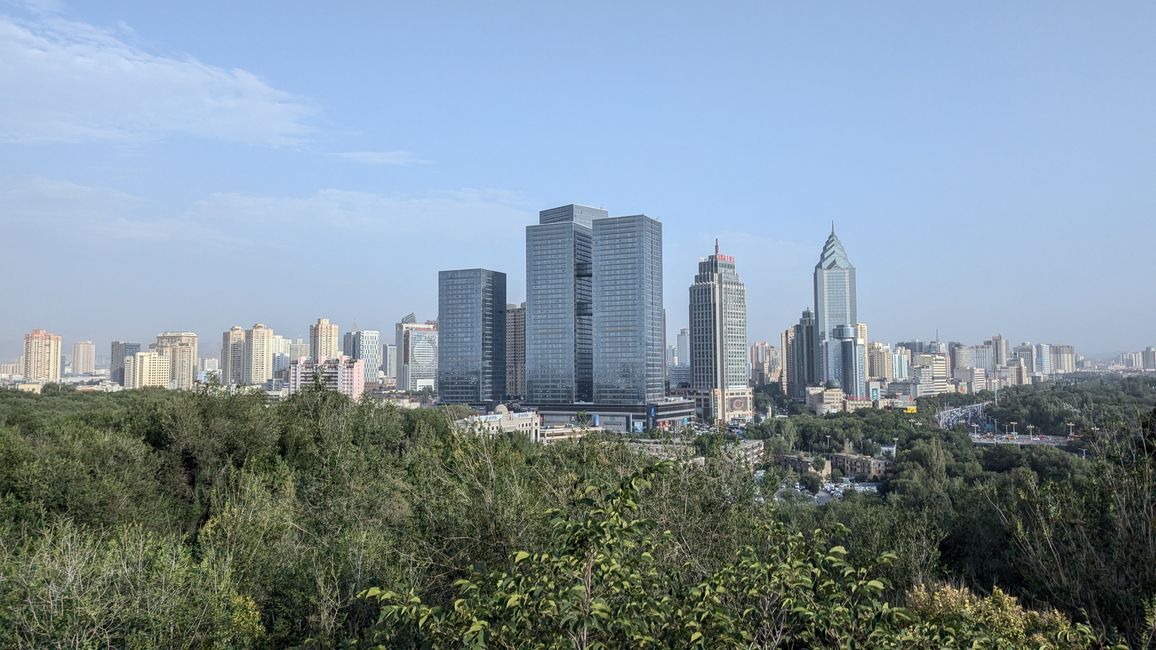
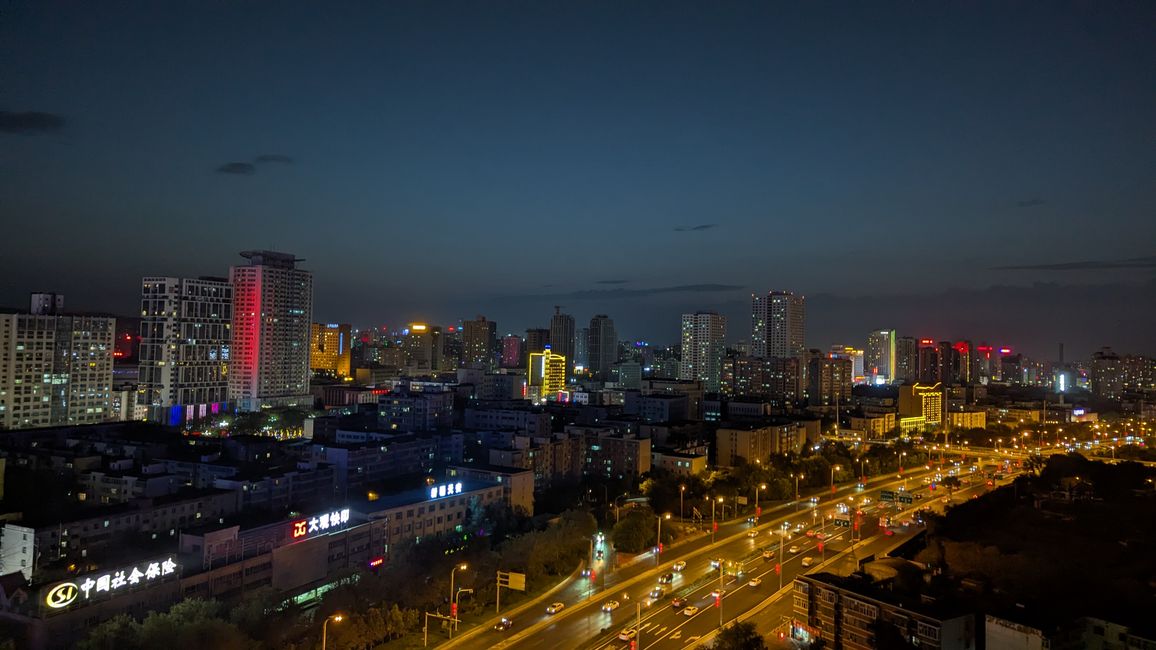
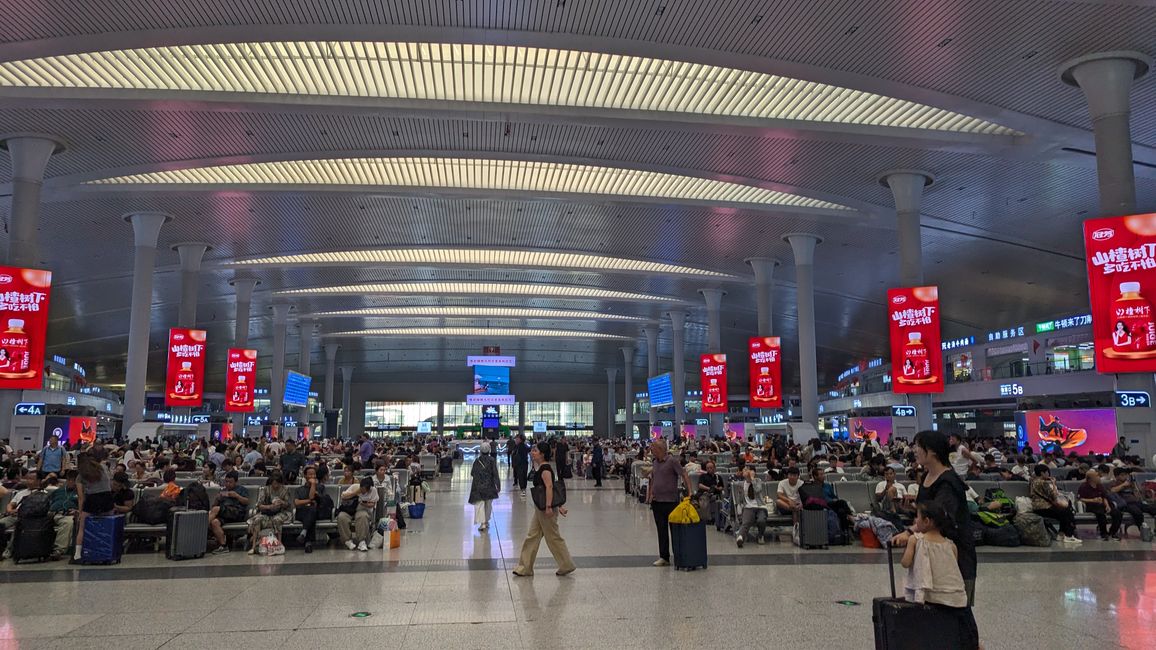
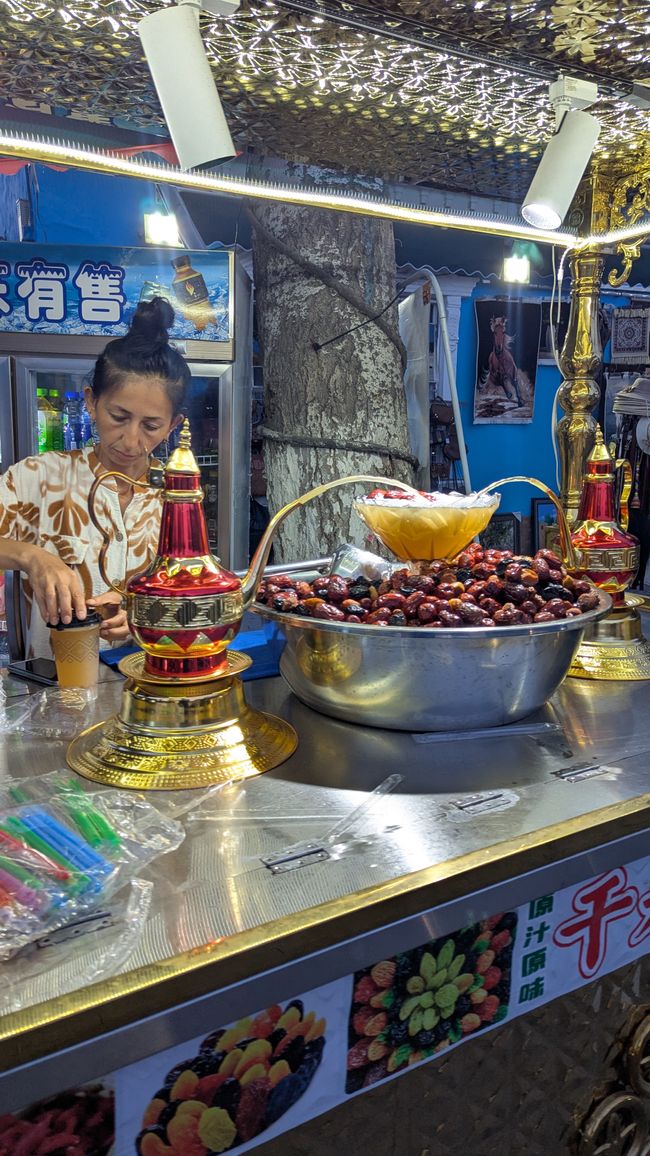
I got off before the final stop in Yining since I was quite close to my hotel, but then I remembered that I had no cash and didn't know if WeChat (the preferred payment method in China) worked. Since Google Maps wasn't working properly and no one spoke English, I asked for directions to the ATM using an app. However, the taxi driver took the time to show me how to pay with WeChat until it finally worked. So, I wouldn’t have needed cash, as even small cent amounts can be paid with the app.On the market, I got some dried fruits for the train ride the next day and a noodle soup that was so spicy it made me sweat even more.The next morning began with stress; although I arrived at the train station 30 minutes early, having read that it’s more like an airport in Chinese train stations, I hadn’t expected such a huge crowd.Everything was hectic and chaotic; I had to hand in my two backpacks and my small bag for scanning, then I had to go through the scanner myself as if I were at an airport. Behind the barrier, someone was already calling for the owner of my two backpacks. I was gestured to that I had something on me. It was my mosquito spray. Spray cans, lighters, etc. are not allowed on trains. Then I continued with my small backpack; I had to take a sip from all open bottles before I was pushed towards the exit. As time became tighter, I went straight to the platform, where there was another passport control, and that’s when I realized that my shoulder bag with my wallet was missing. I still held my phone and passport from the previous check.I tried to explain to the staff that my bag was still at security, they radioed something, but told me there was nothing. I explained that I had to go back; I couldn't leave without my wallet, but then I was told the train would leave, at least that’s how I understood it. Anyway, I sprinted two floors back to security. My bag was still on the conveyor belt. Quickly back upstairs, and I was through security 4 minutes before departure and on the train with all my things 2 minutes before departure.First, I took a deep breath, but the oddities continued; I was explicitly told (only me) three times that smoking was not allowed. The third time I thought I was losing my mind and really checked myself again to make sure I didn’t have a cigarette in my hand; everything was fine, I still don’t smoke.Overall, it’s astonishing how much effort is put into this here. At every train station, each passenger is individually checked (multiple times), and there are additional ticket and passport checks everywhere.Police officers, staff, conductors, someone checking the luggage (to see if it’s properly placed in the luggage compartment), railway staff selling food and drinks, and a woman who regularly mops the floor walk through the train regularly.After 5 hours, I arrived in Ürümqi without any stops, which is an ordinary city of 4 million inhabitants of which I had never heard before.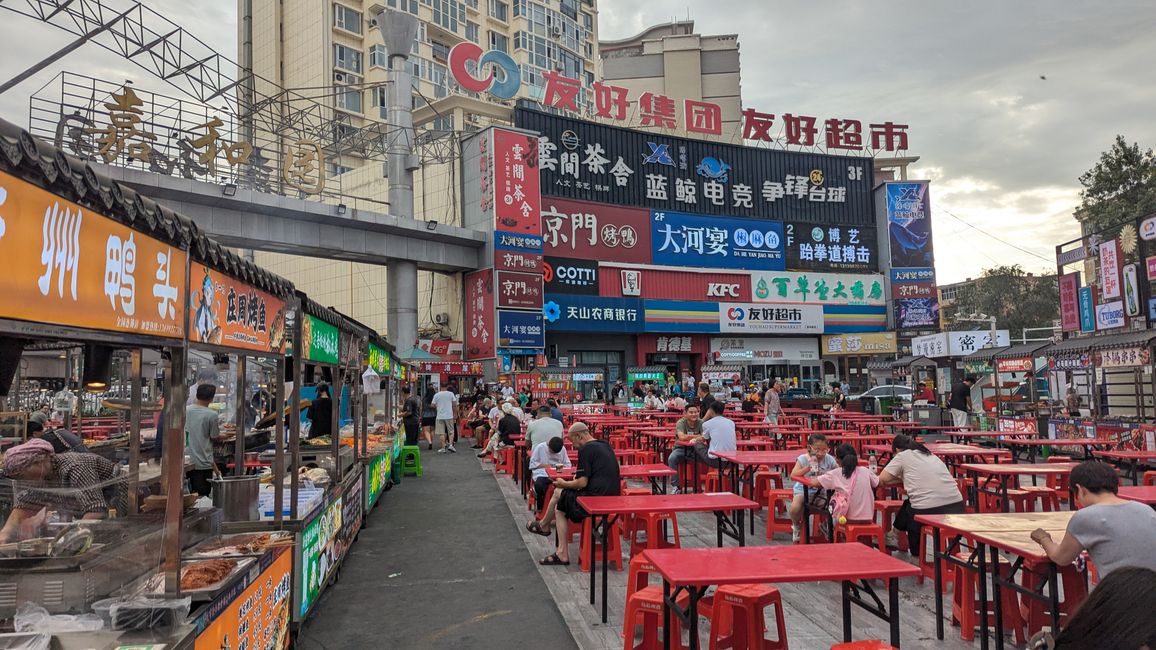
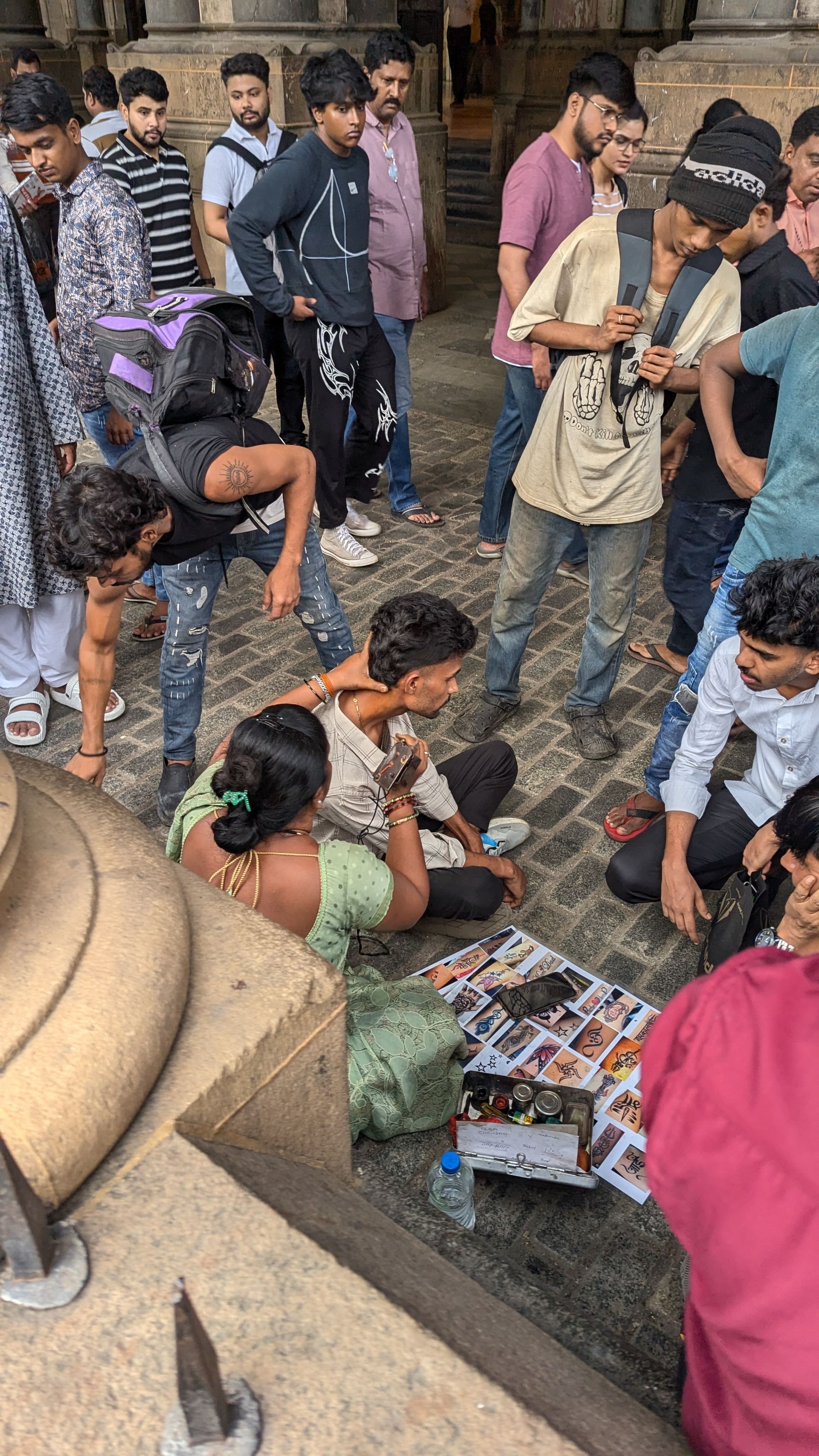
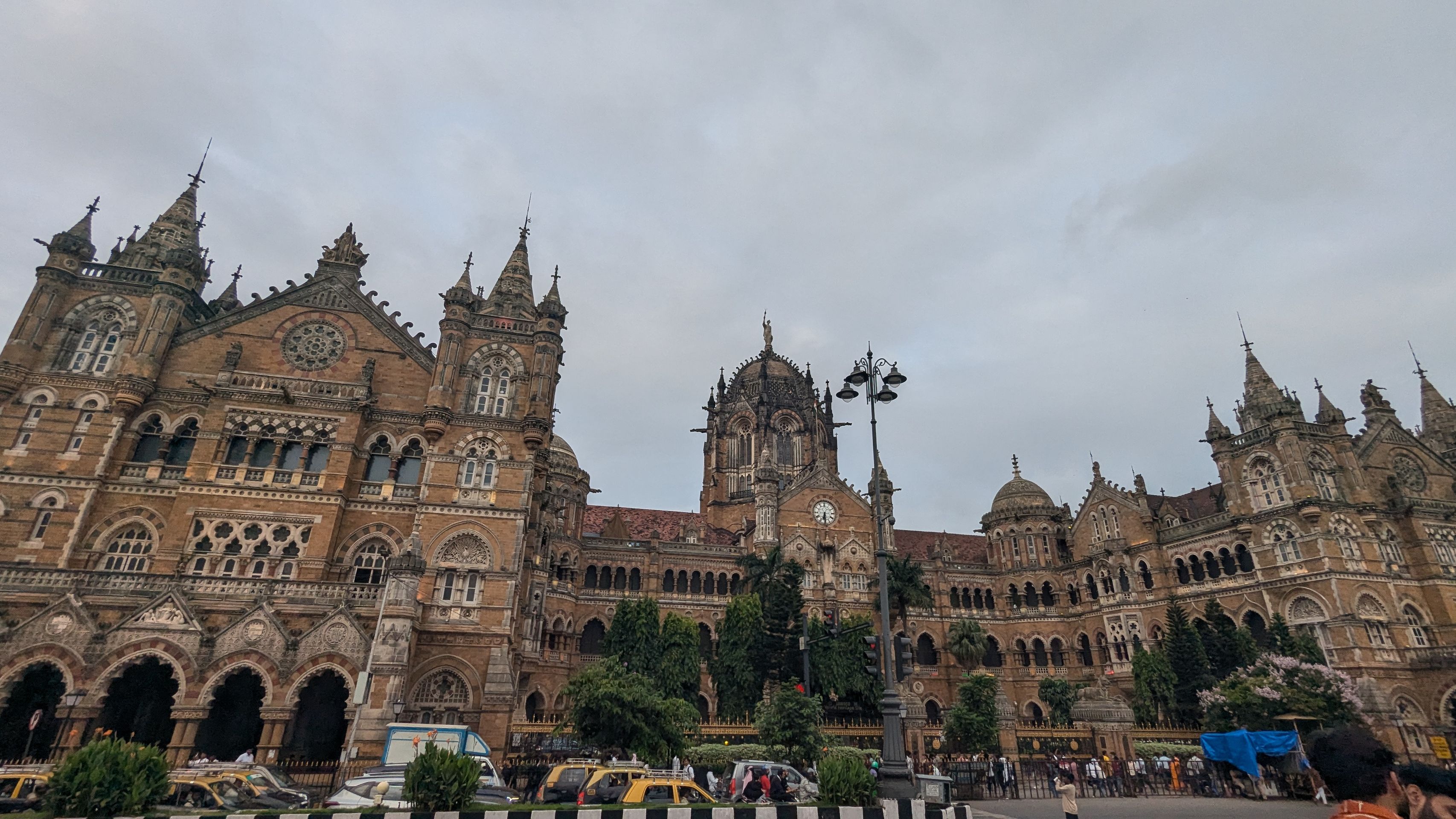
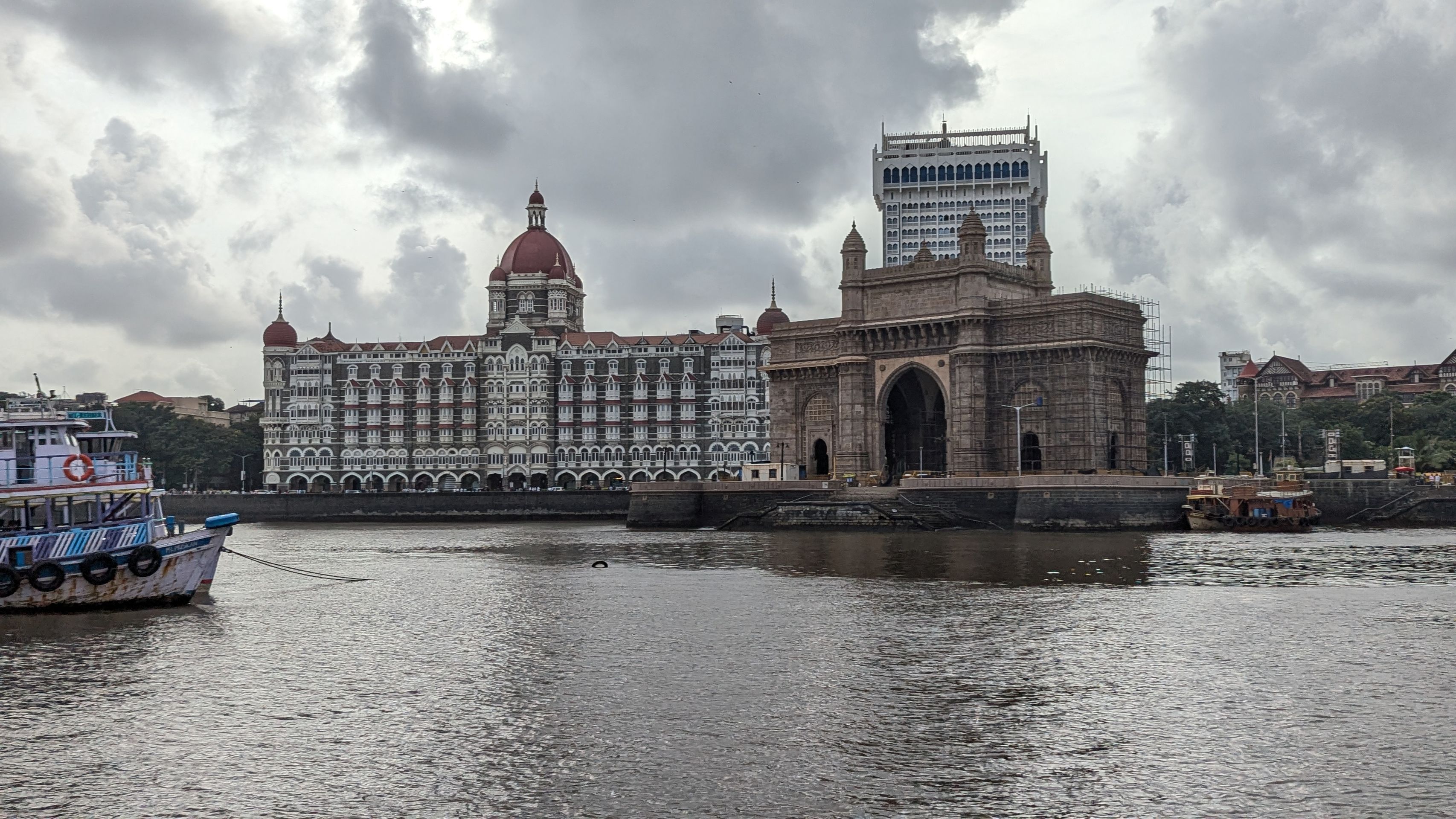
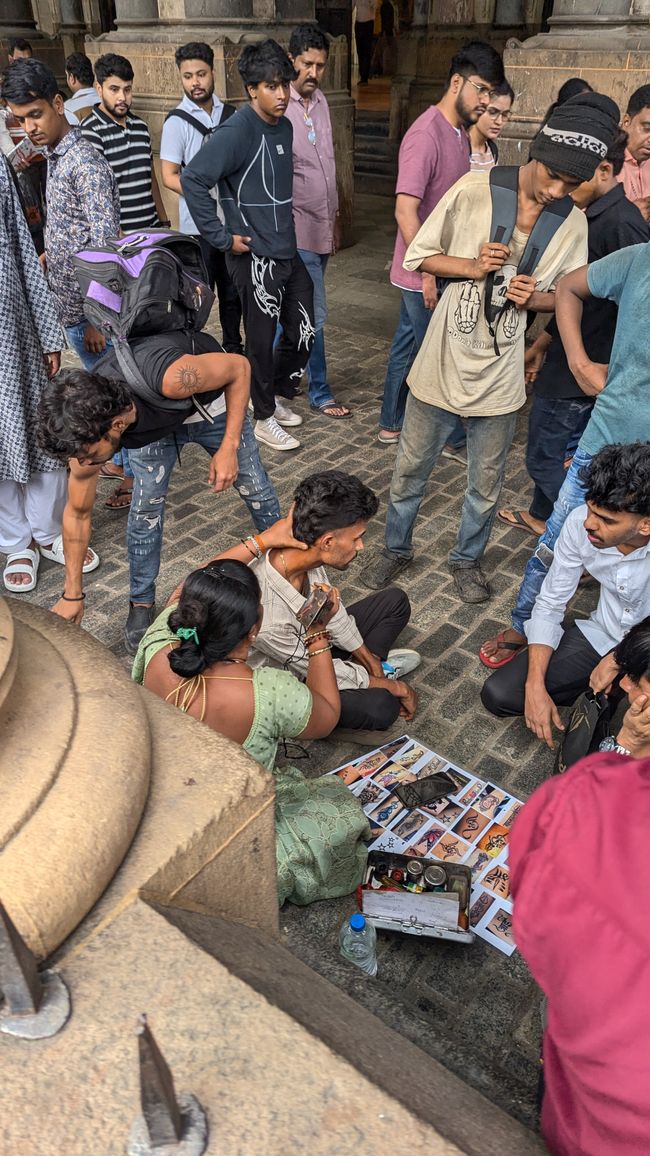
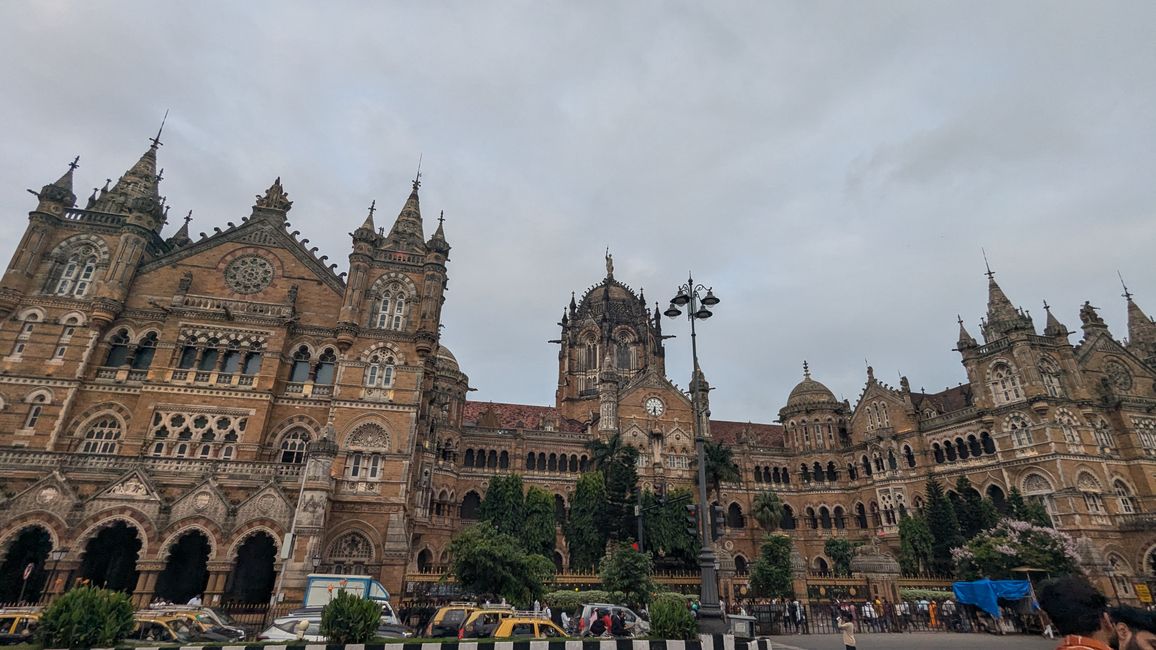
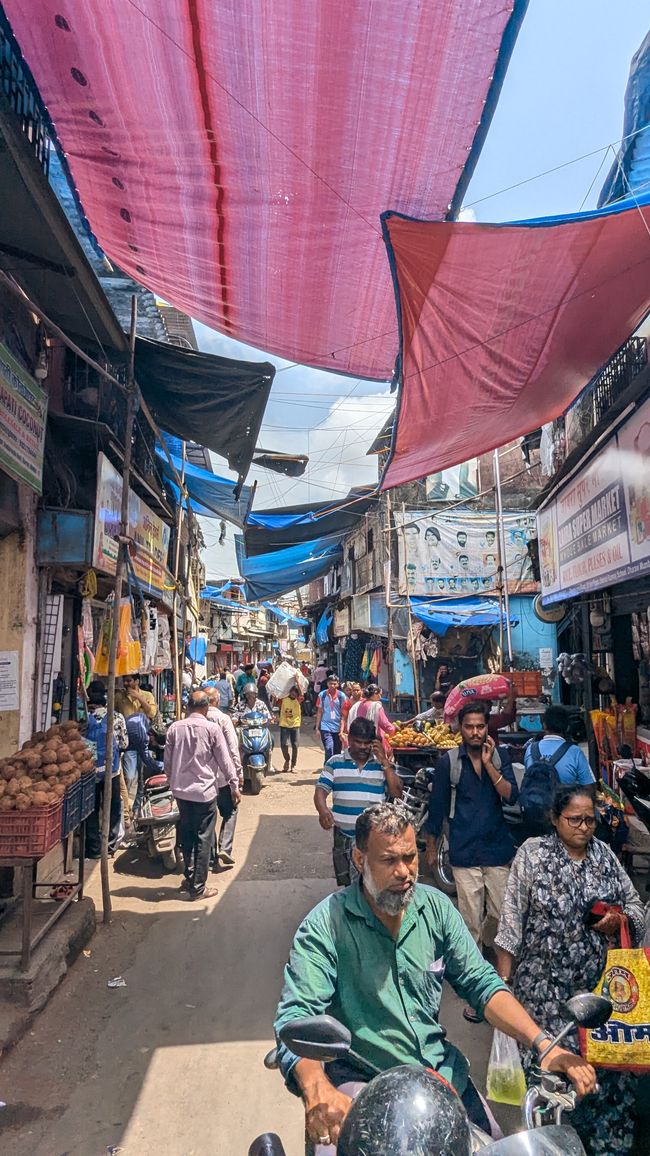
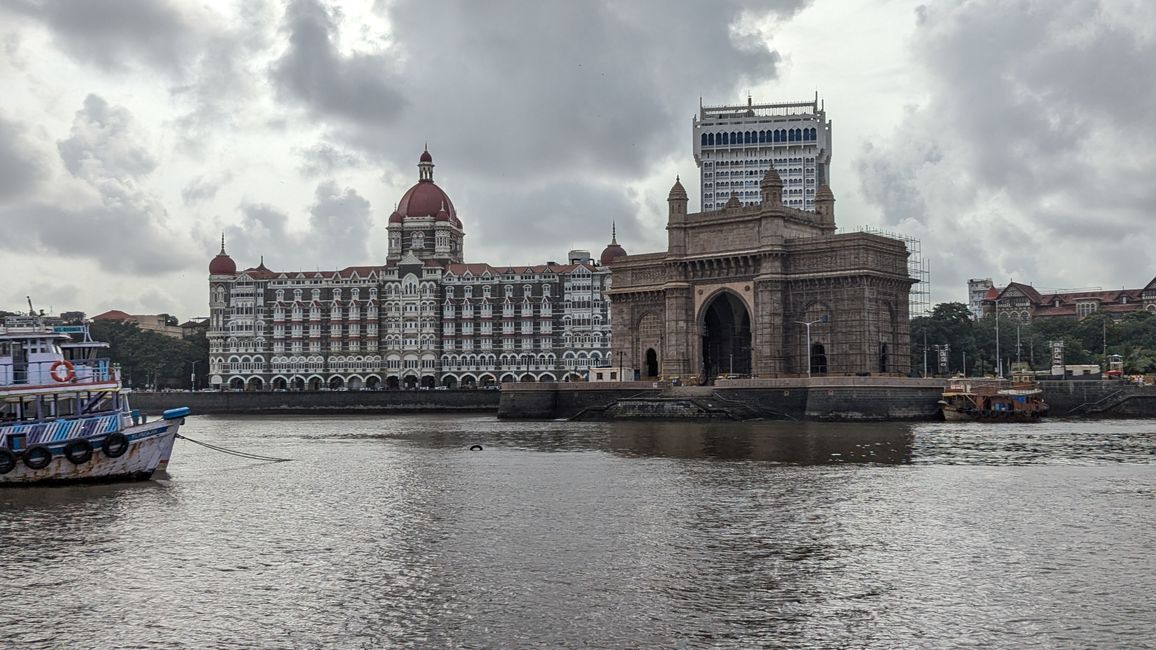
I actually knew what to expect, and I was told that the south of India is significantly 'easier.' My first day gave me a severe culture shock after my visit to China. I don’t know what I expected, but after the first 24 hours, Mumbai was the dirtiest city I had ever seen. There’s not much to see around here, apart from the impressive train station building. At the entrance of the station, a woman was tattooing passersby (voluntarily); it must be incredibly cheap because neither the tattoos look good, nor is the device disinfected in between. Everywhere there was garbage, it smelled worse of shit and waste than I had expected. I should have remembered this from my last visit to India, but either my memories deceived me, or the south of India is not so different. It could also depend on the location of the hotel, but I will find out in the coming days.
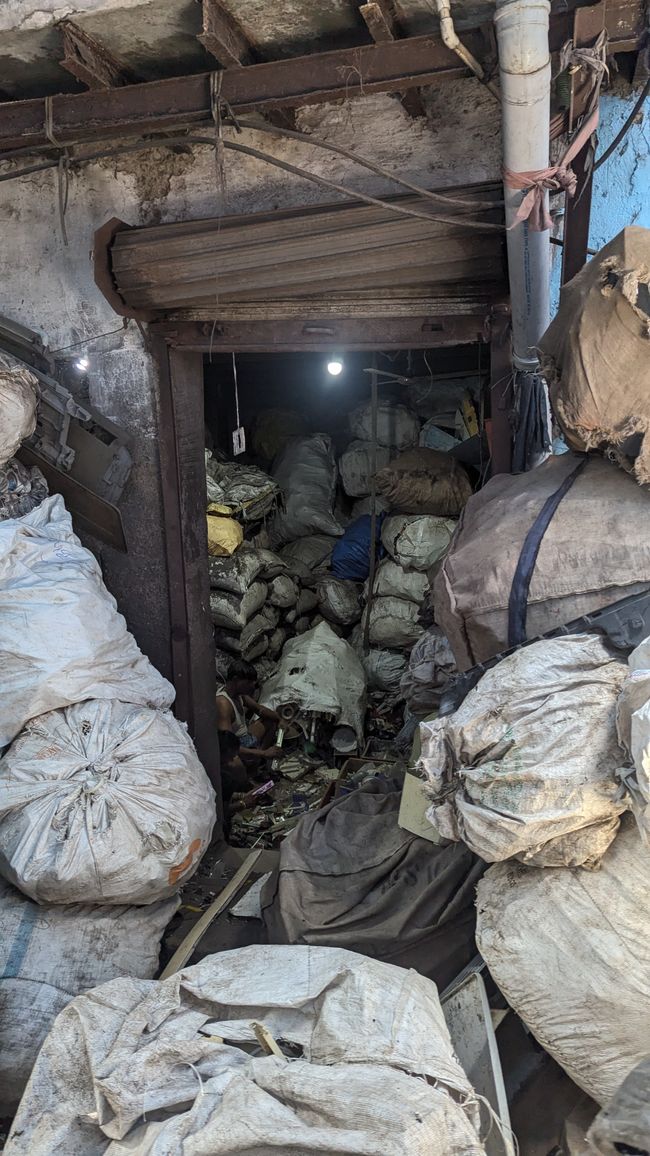
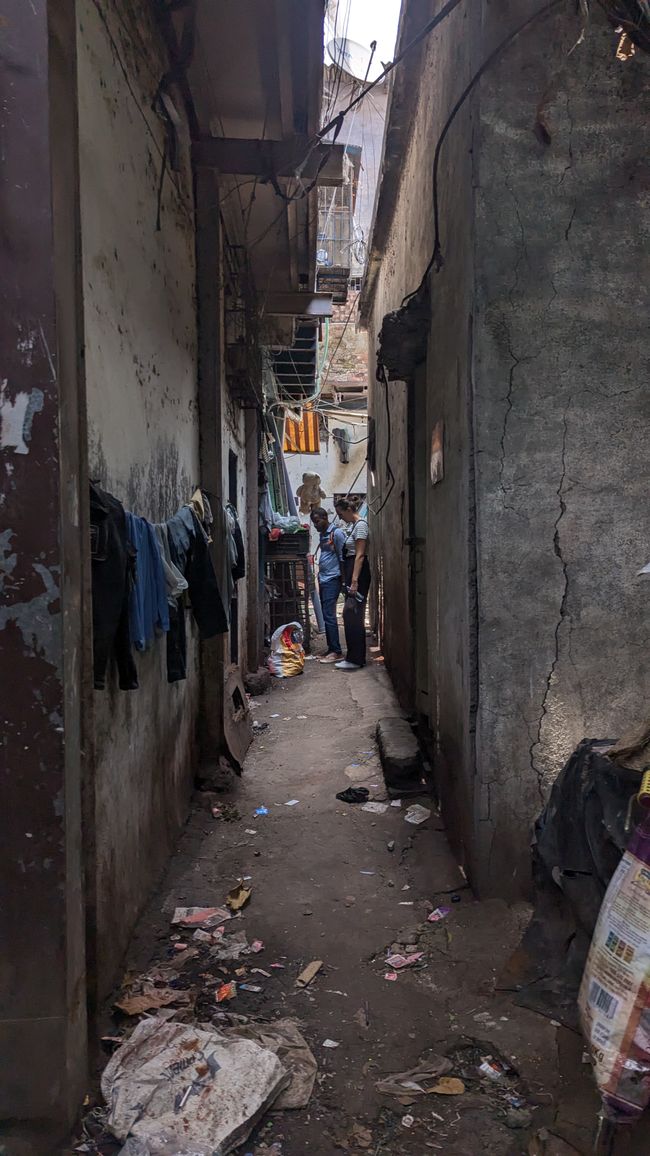
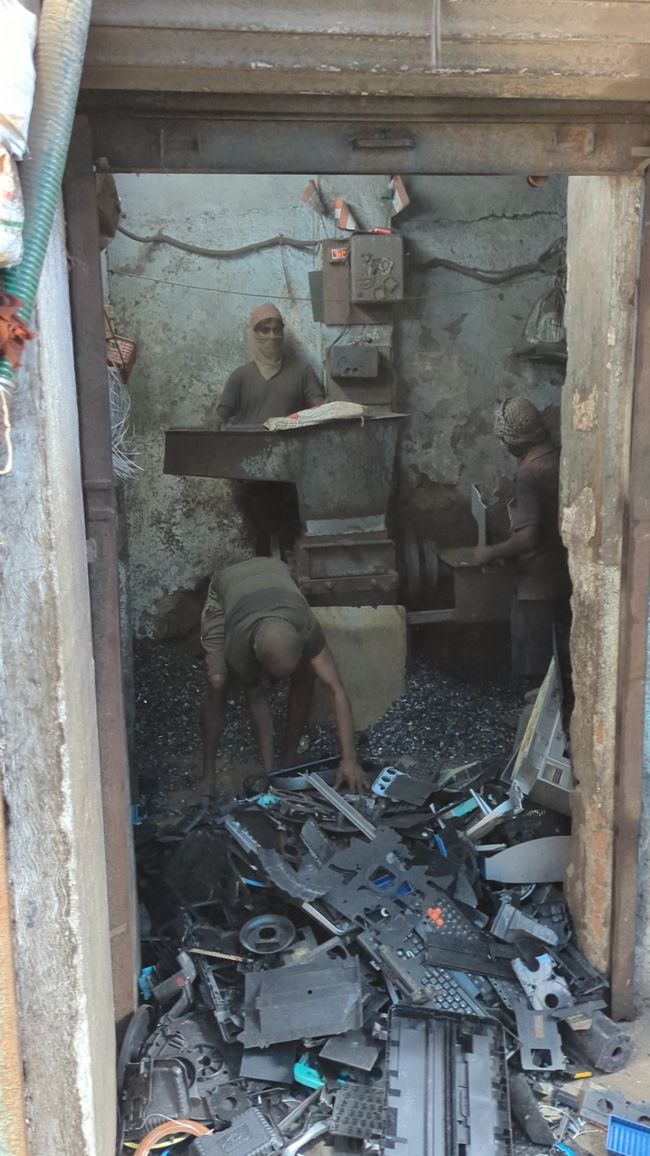
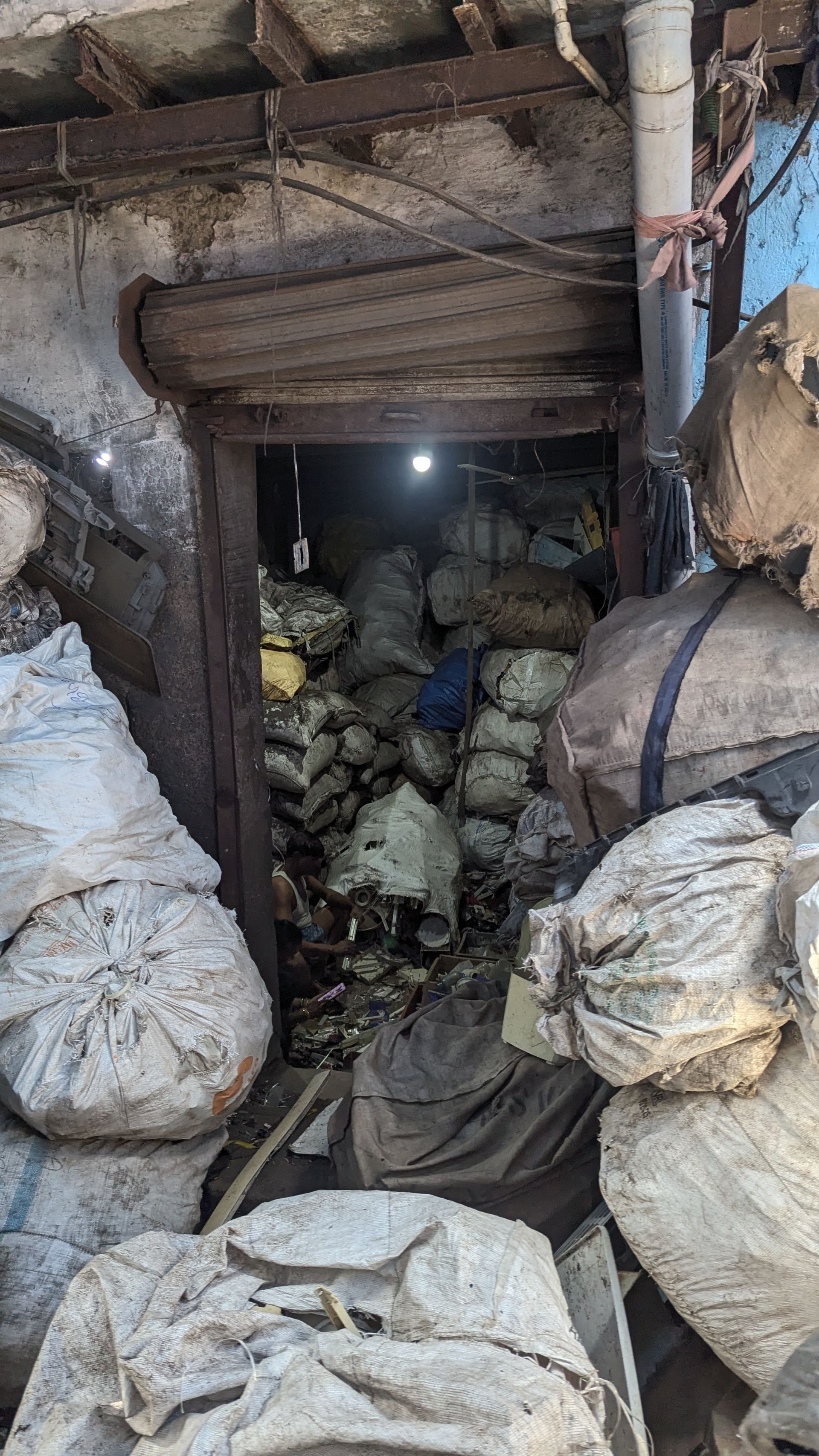
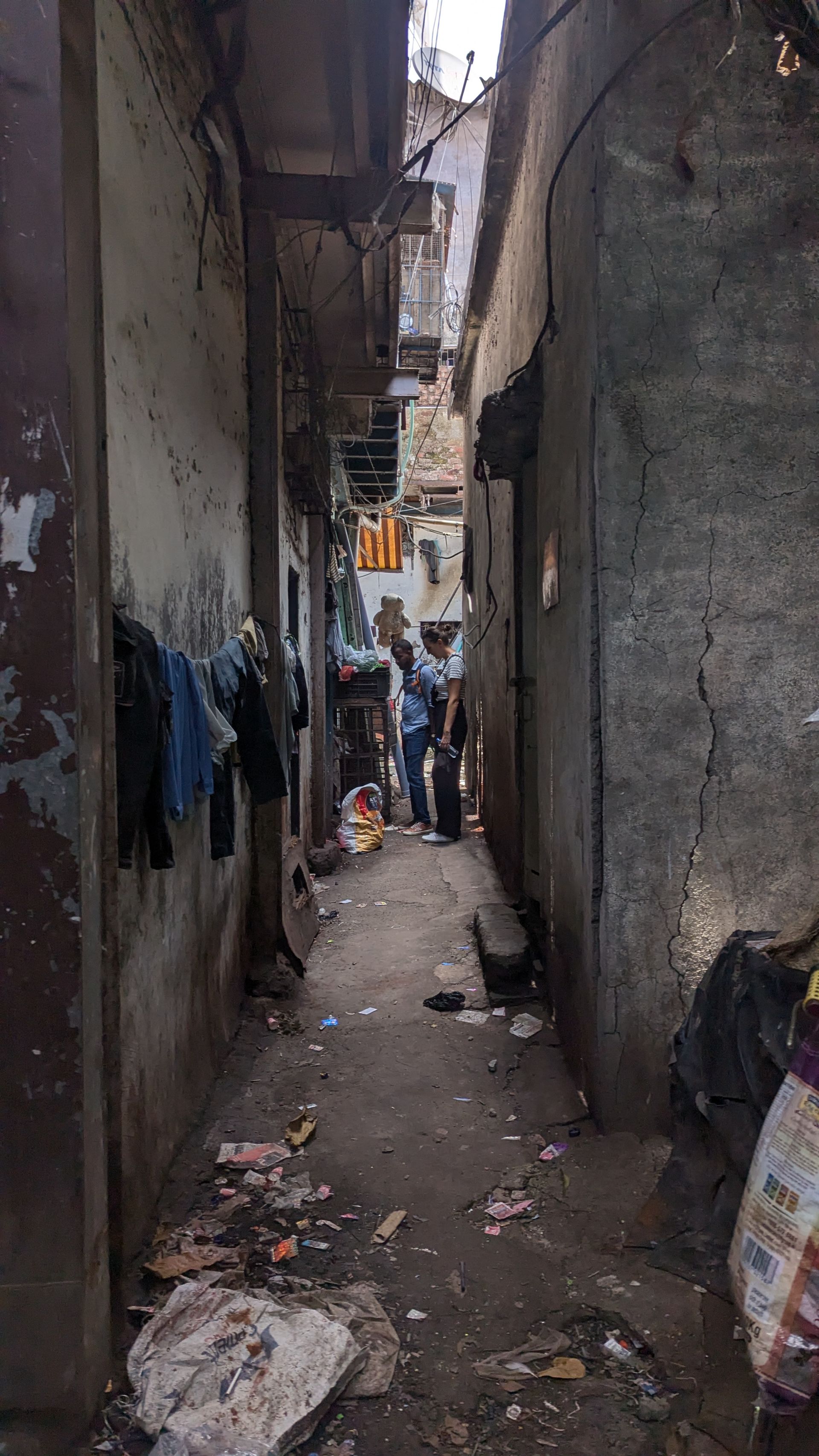
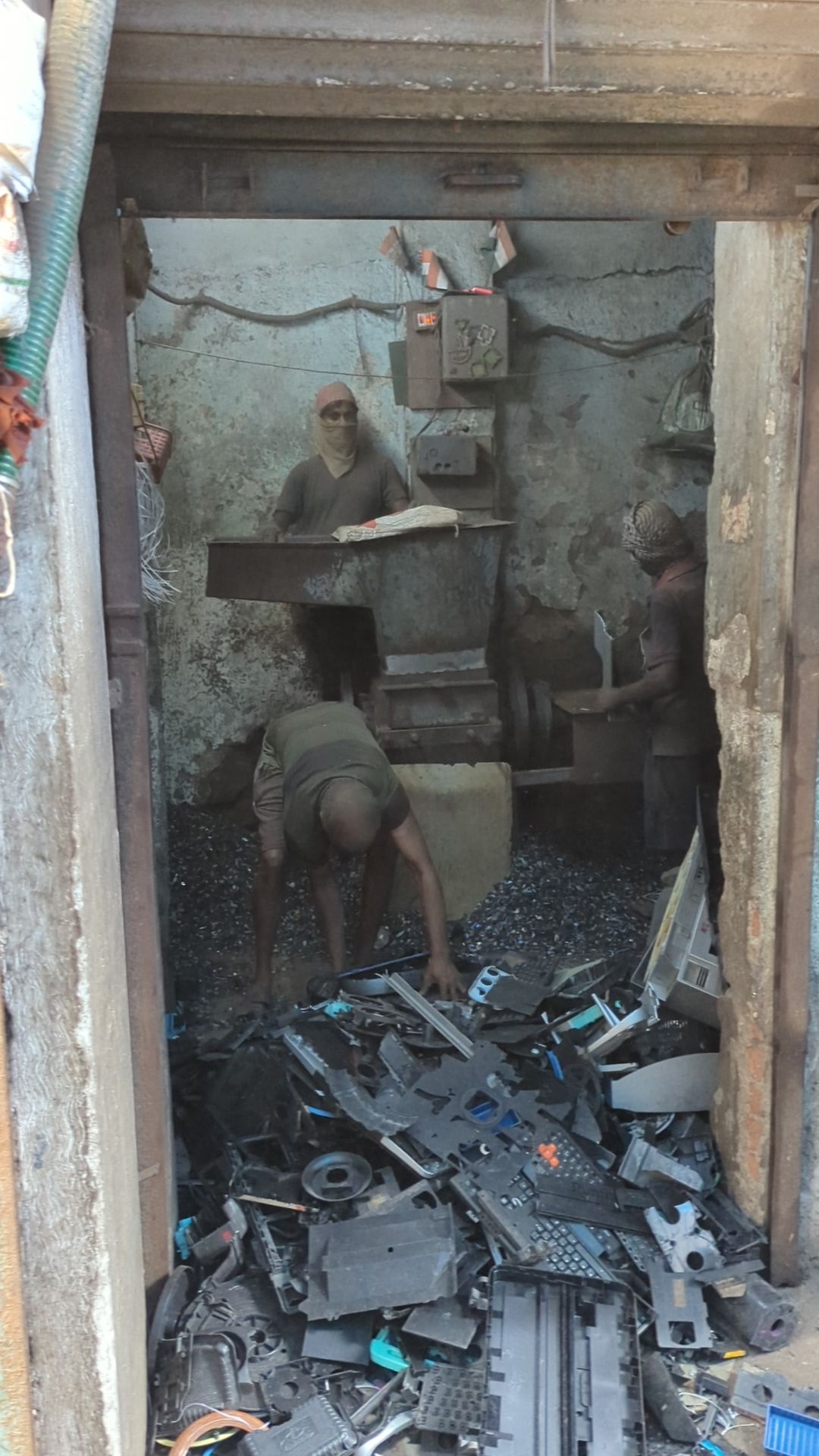
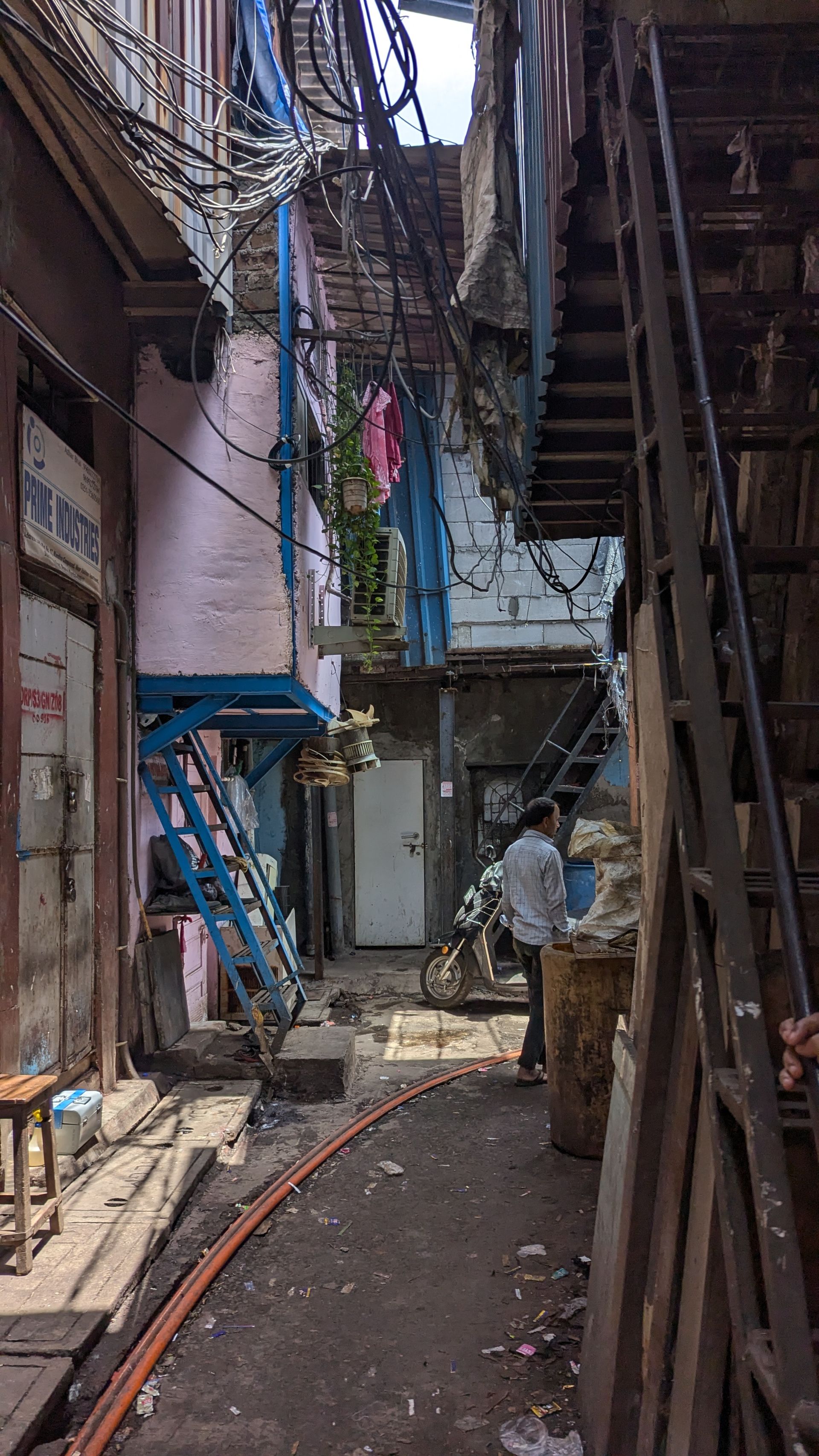
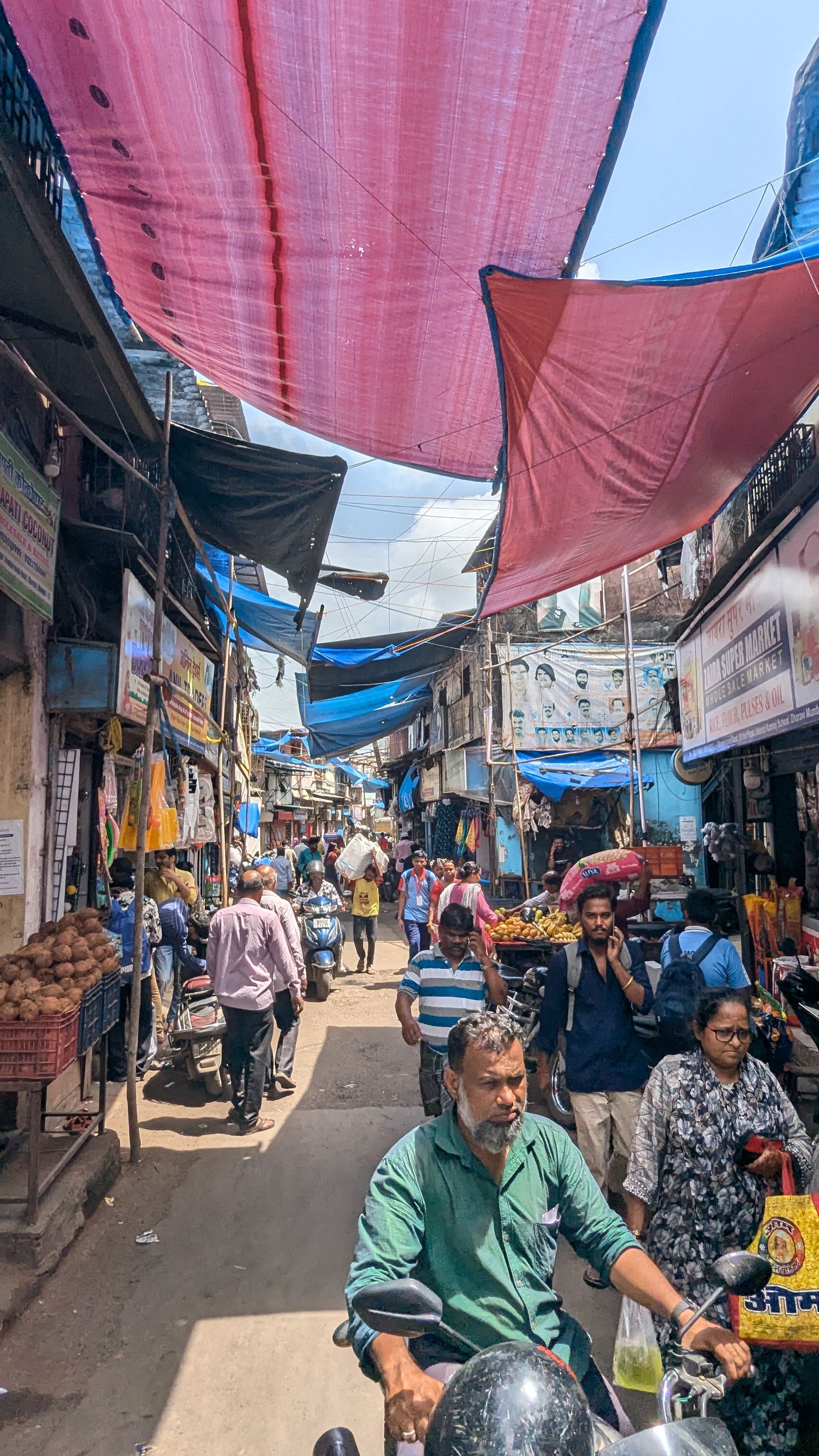
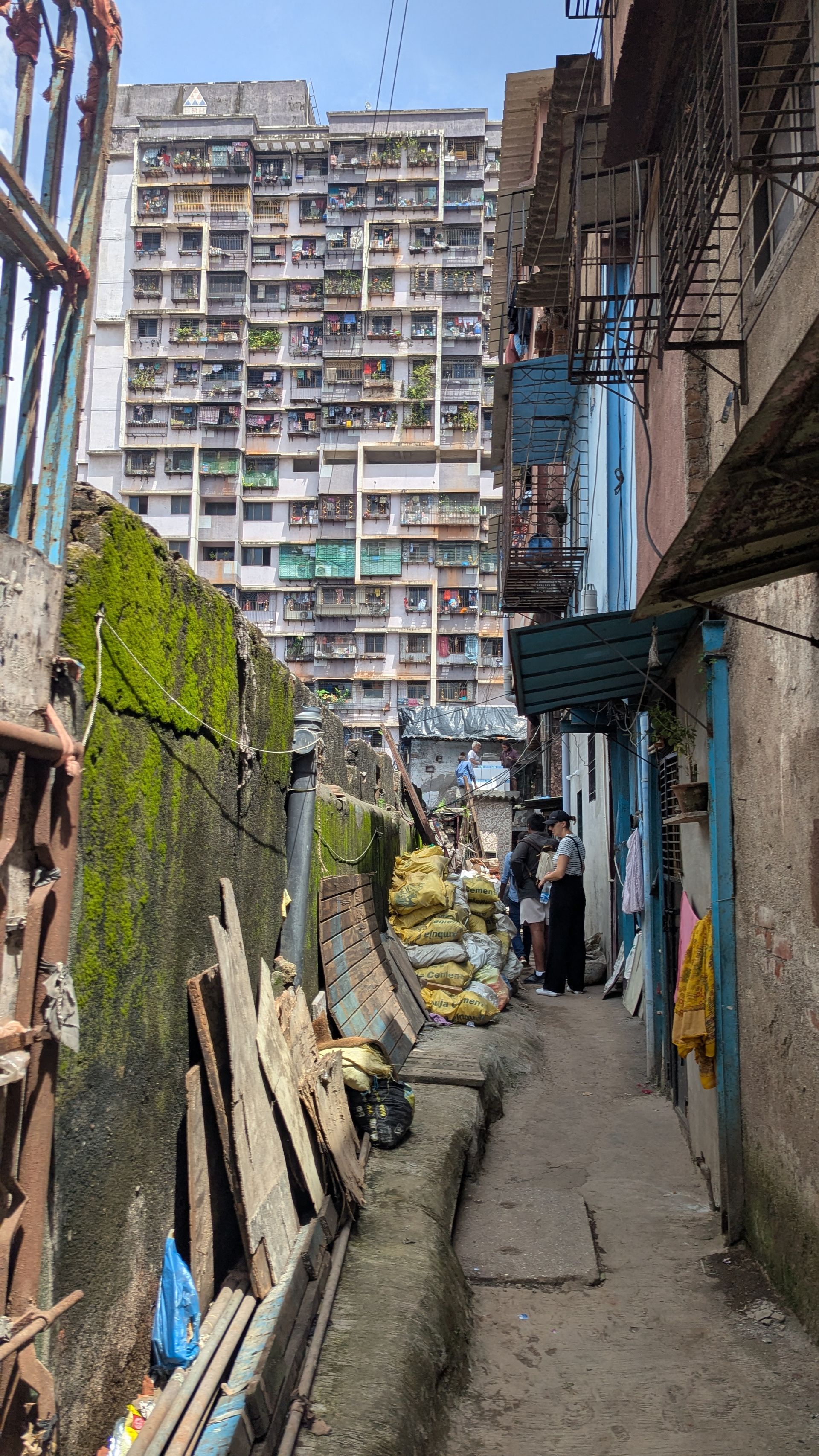
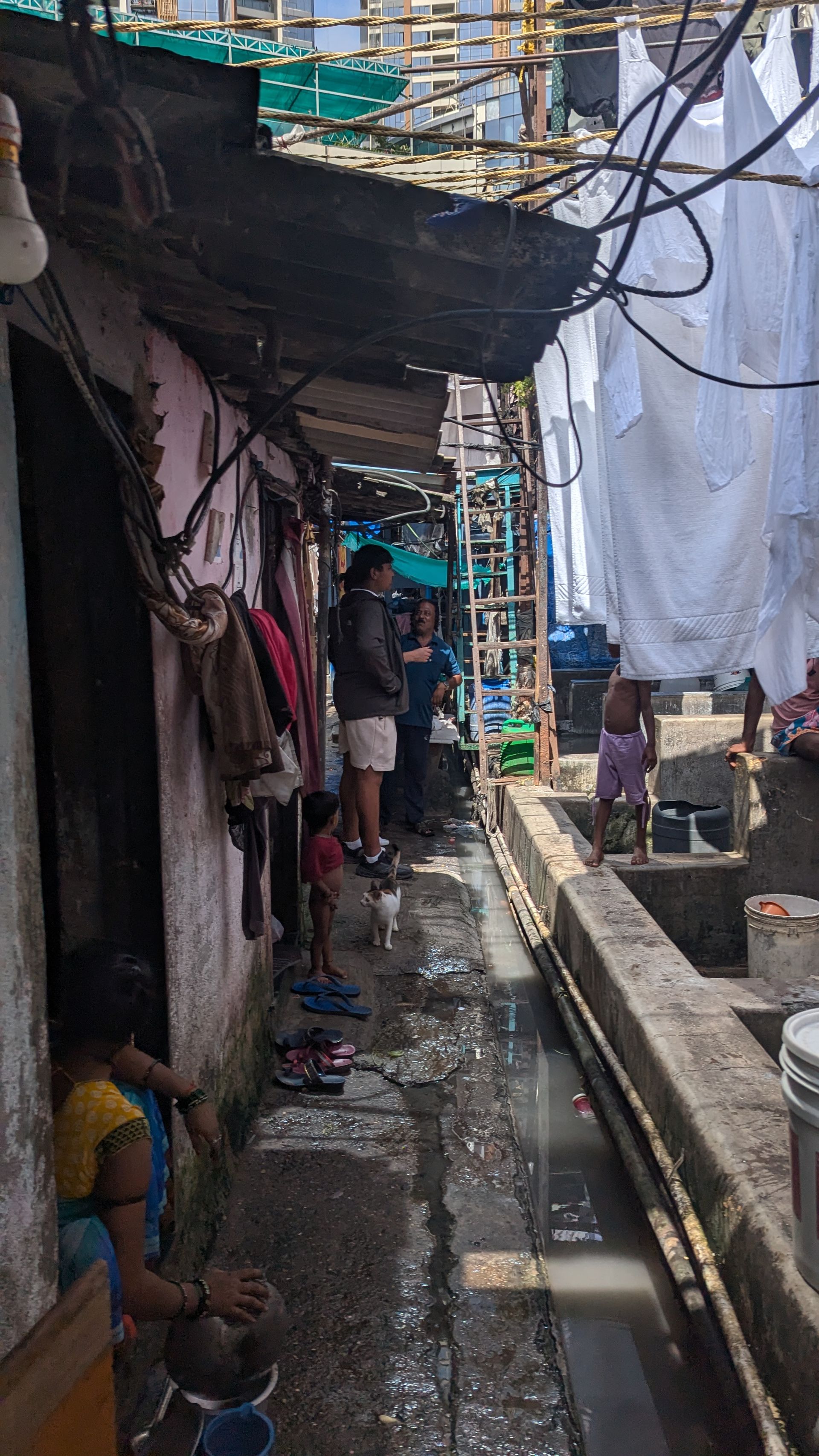
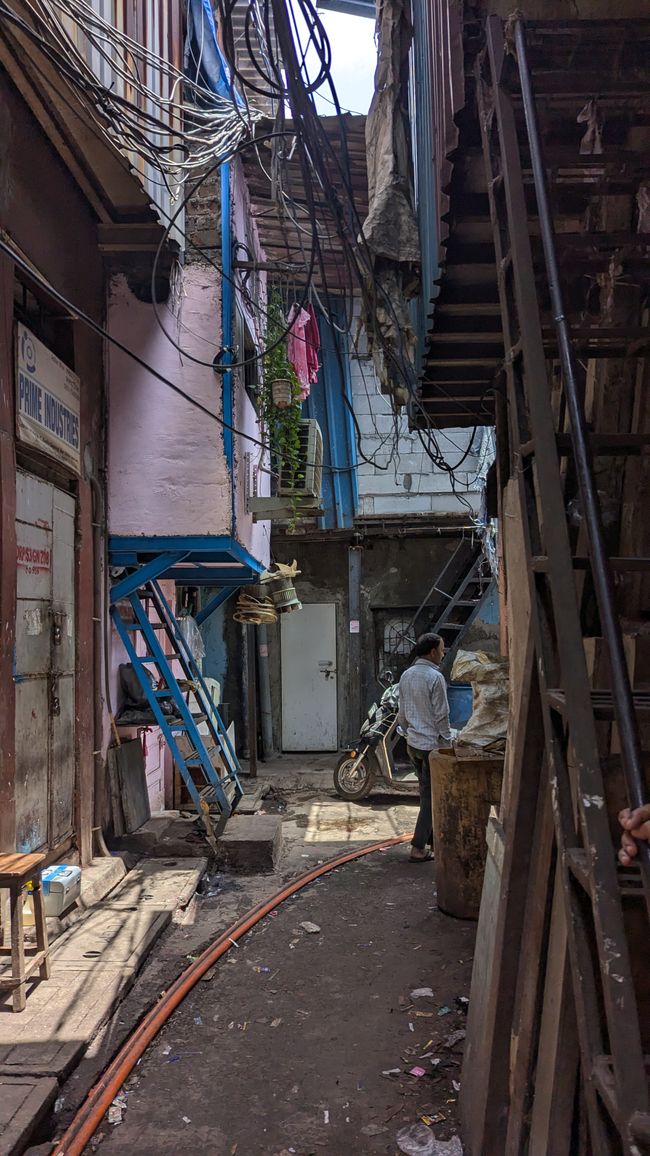
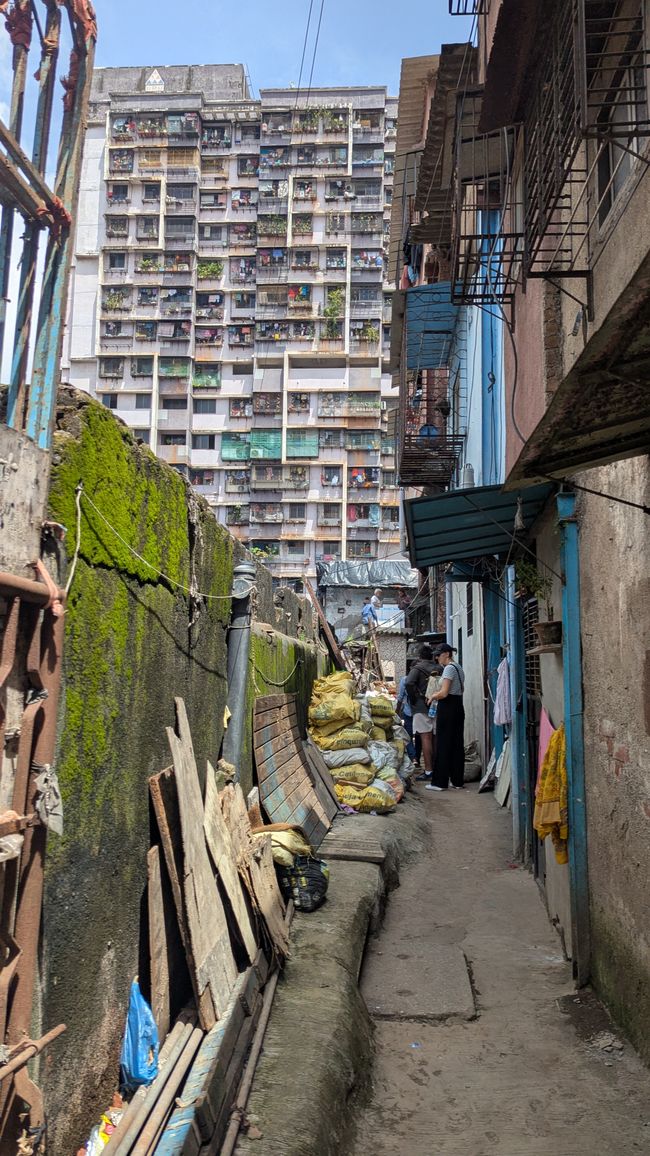
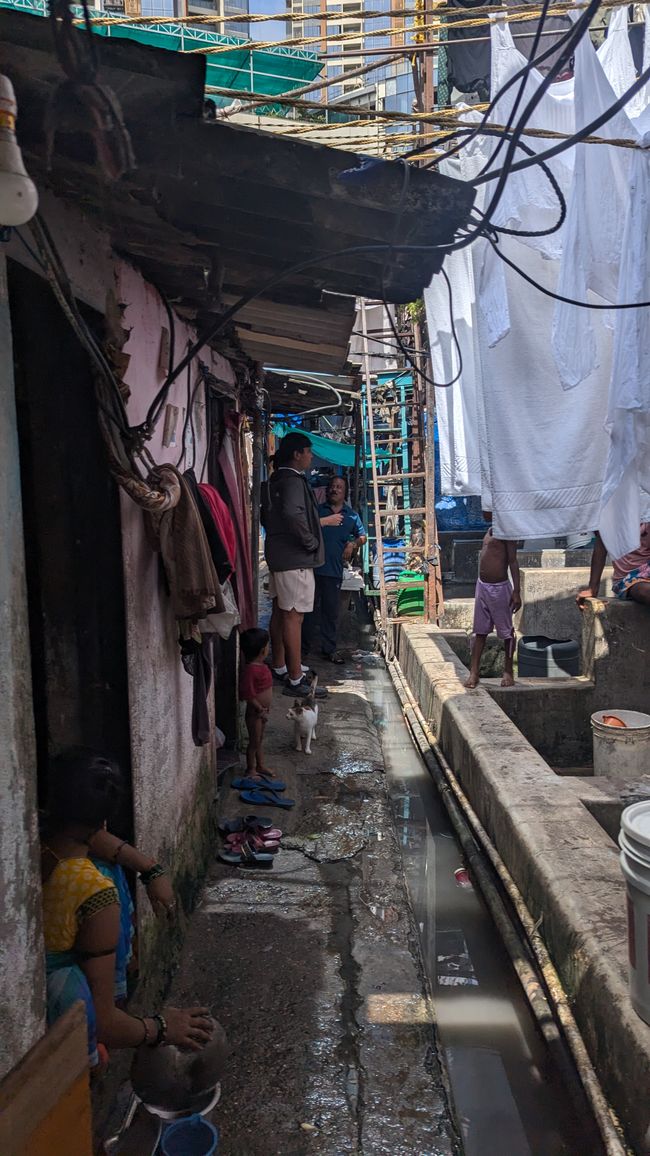
In the slum, goods worth over 2 billion euros are generated annually, making it a significant economic factor for the city. All goods also go to renowned companies, so they didn’t want to tell us for whom the shirts or pants were, the company logos are only added at the very end. There was also a small shop where I bought a leather belt for 7€, here the money is well spent, I think. We were asked if we had any problems with darkness or tight spaces, which surprised me a bit since I hadn't booked a cave tour. The houses here are so close together that no light penetrates, and you can sometimes only get through sideways. A brief glance into the apartments, which consist of one room and are occupied by whole families, is hard to bear. The upper floors are reached by individual steep ladders; we didn’t see any staircases. By the way, there are very few toilets here; of course, if you only have one room to live in, there are public toilets. Those that are free are used by almost 1500 people per day (and to be clear, it's not a toilet facility or large toilet; we're talking about a single toilet), so there are naturally long lines in the morning. Then there are toilets that cost a few rupees; those are cleaner, and you don’t have to wait long, and lastly, there are private toilets that are only used by a few households and have no waiting times.
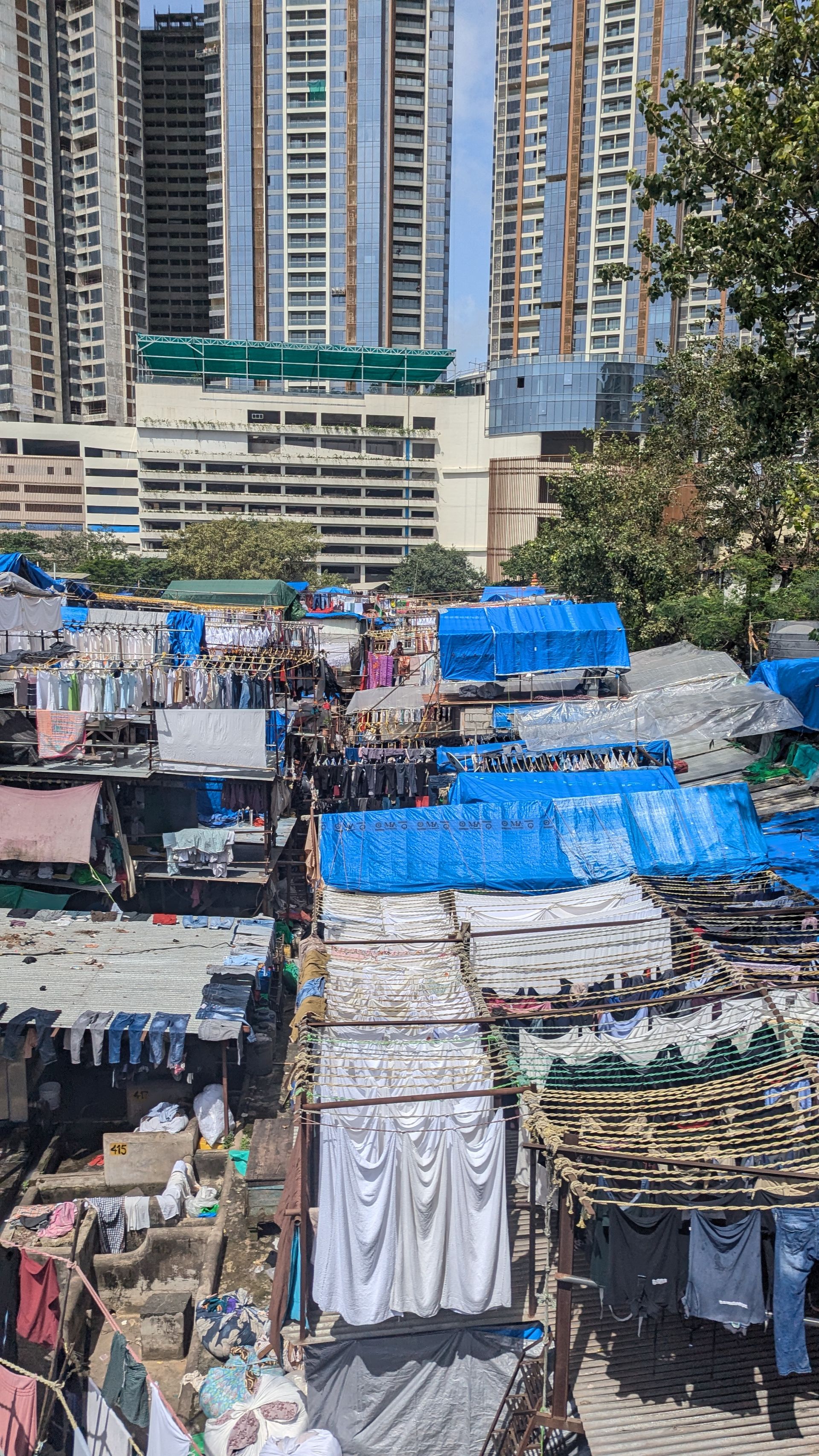
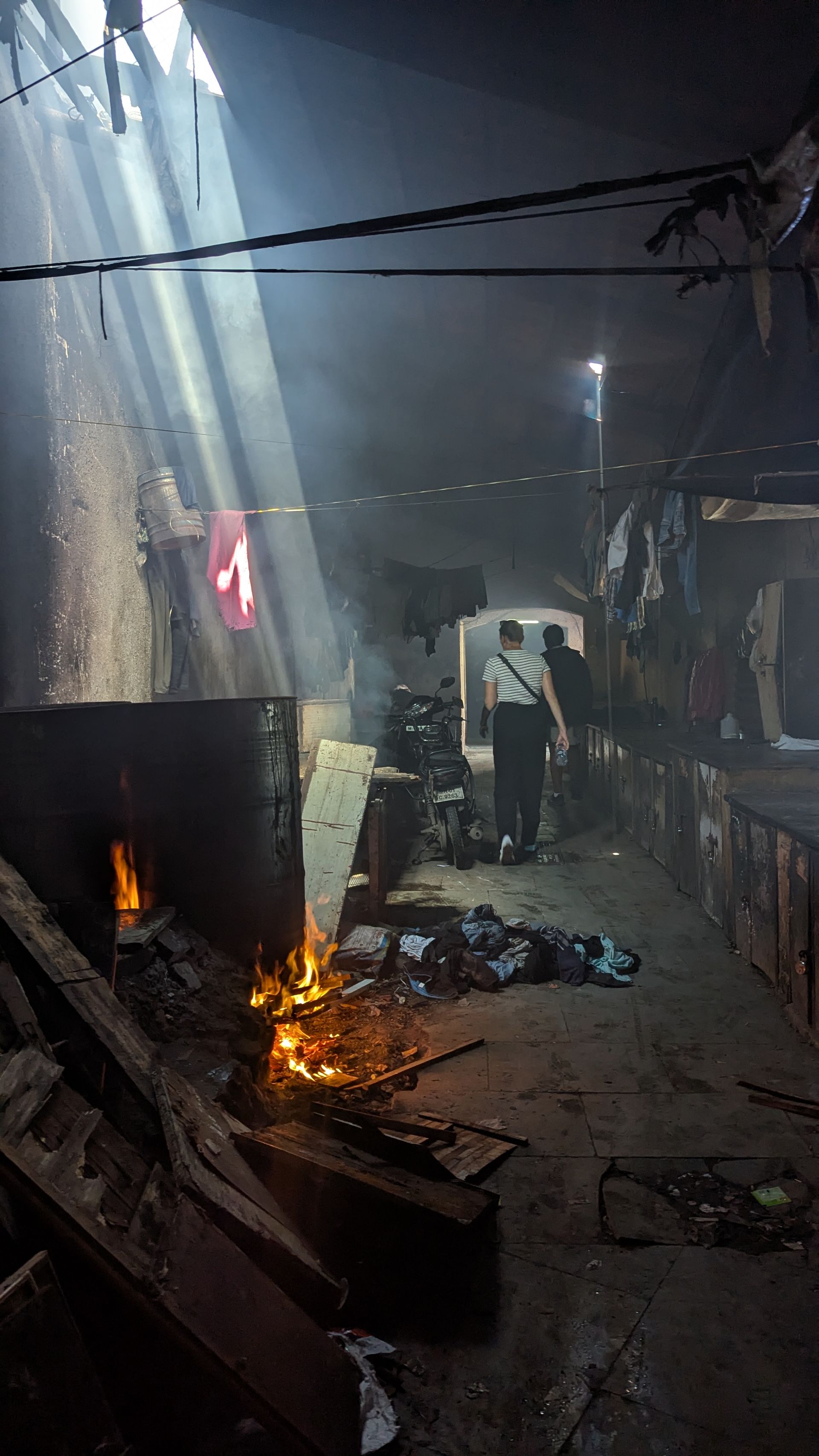
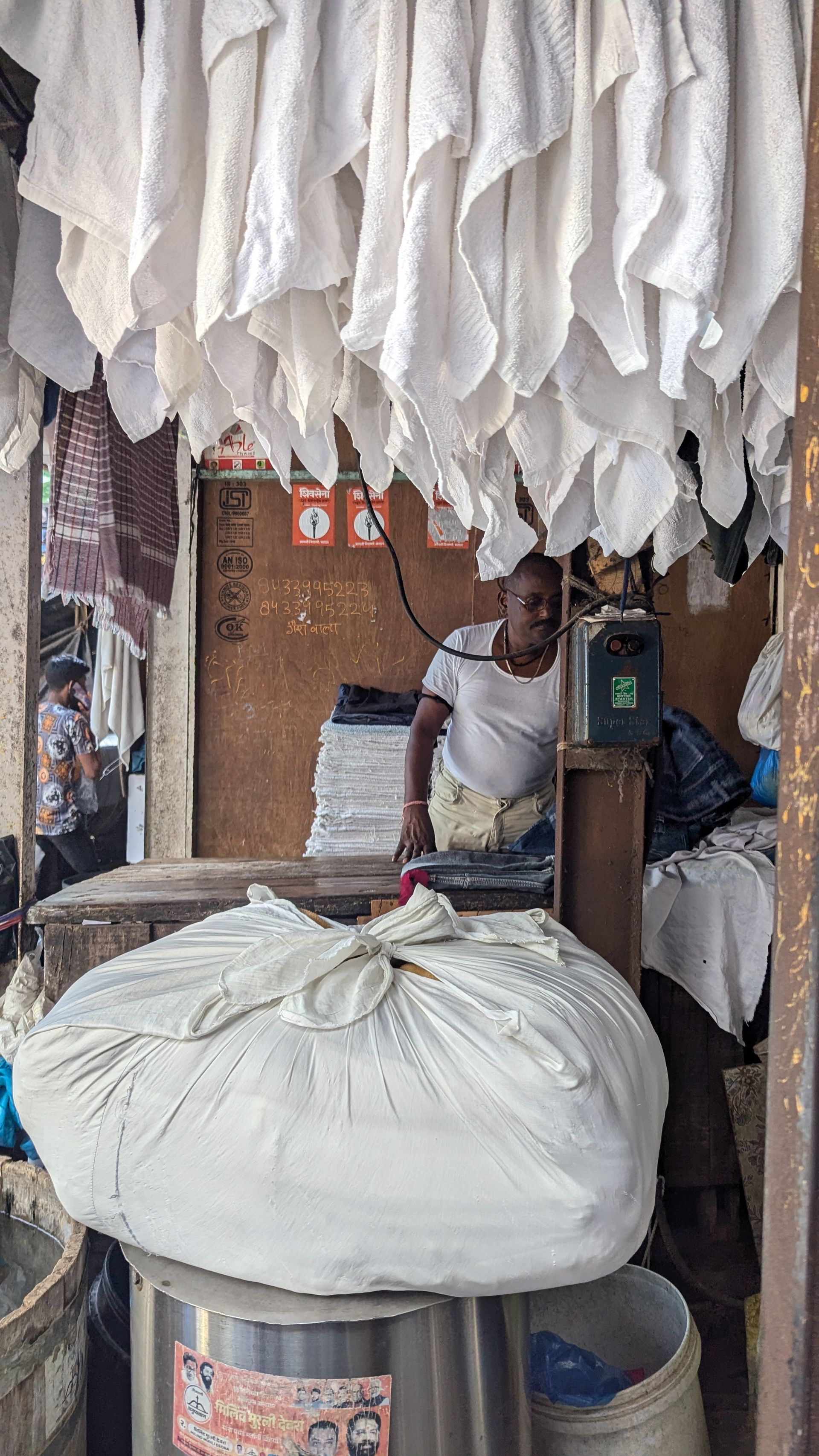
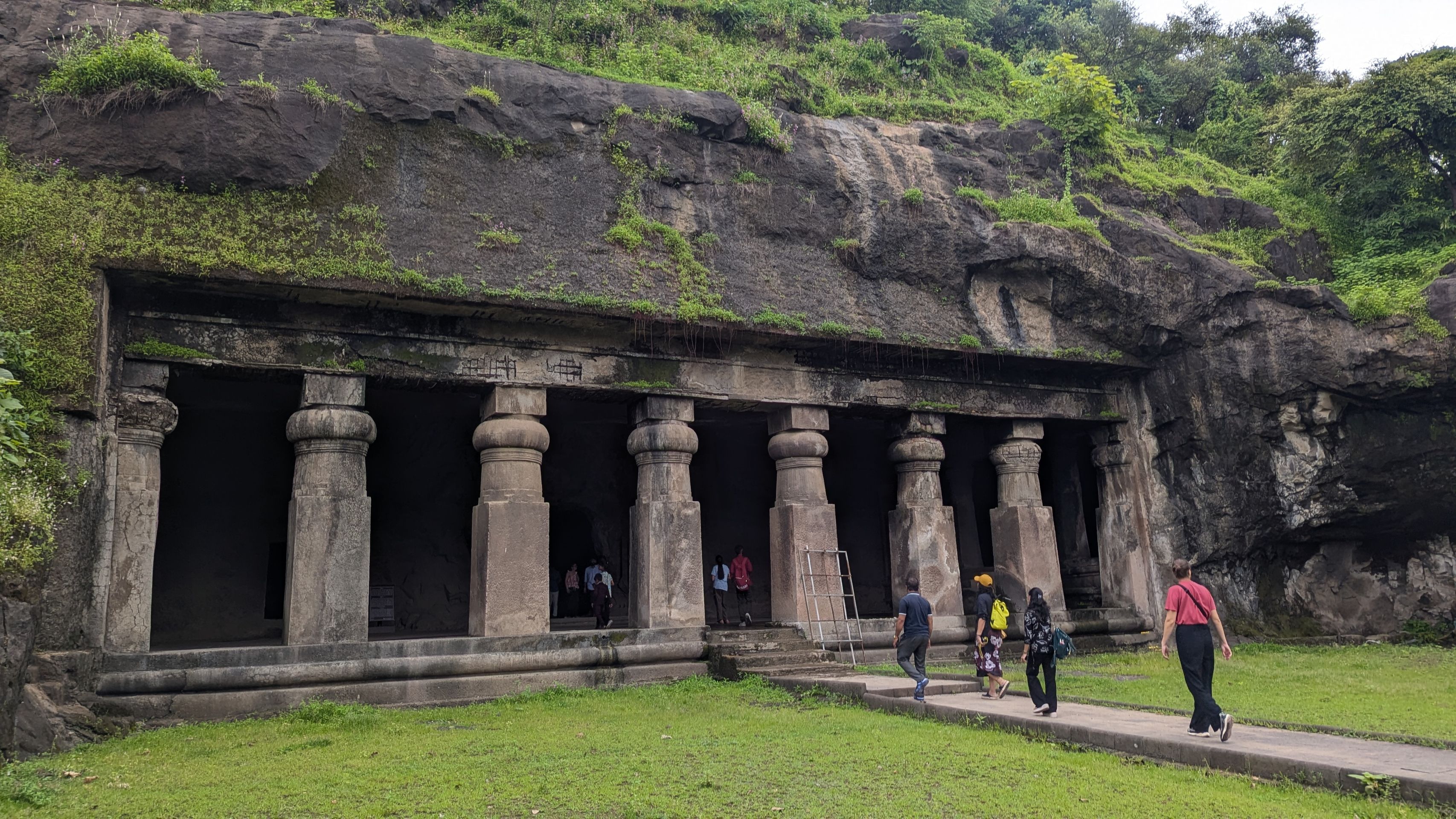
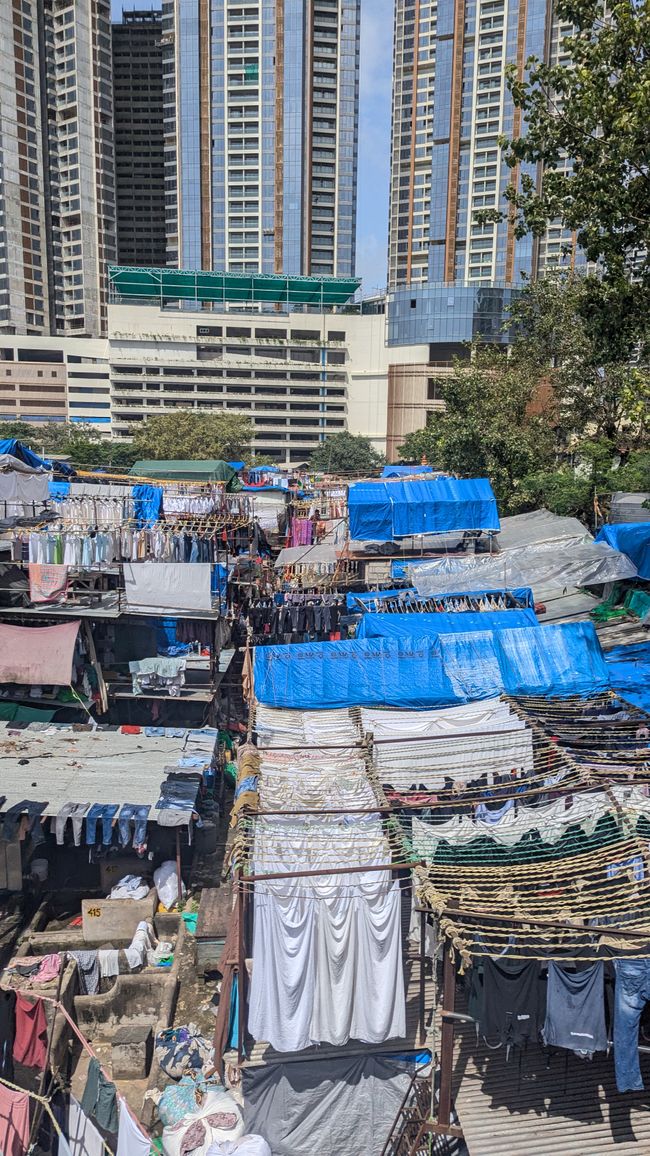
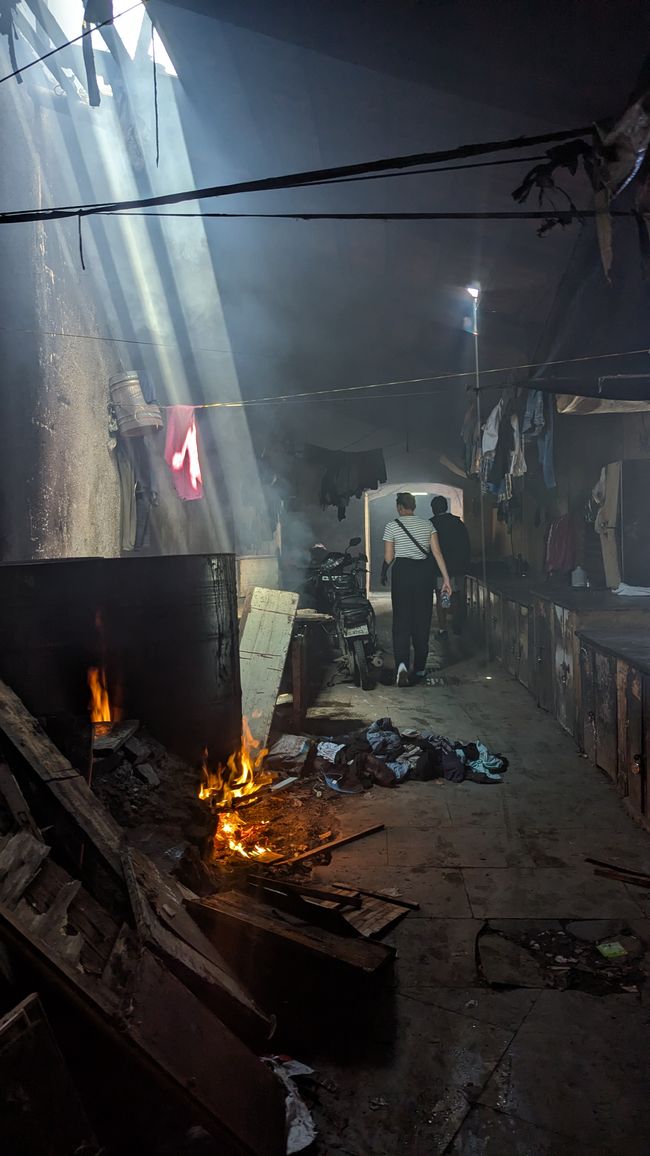
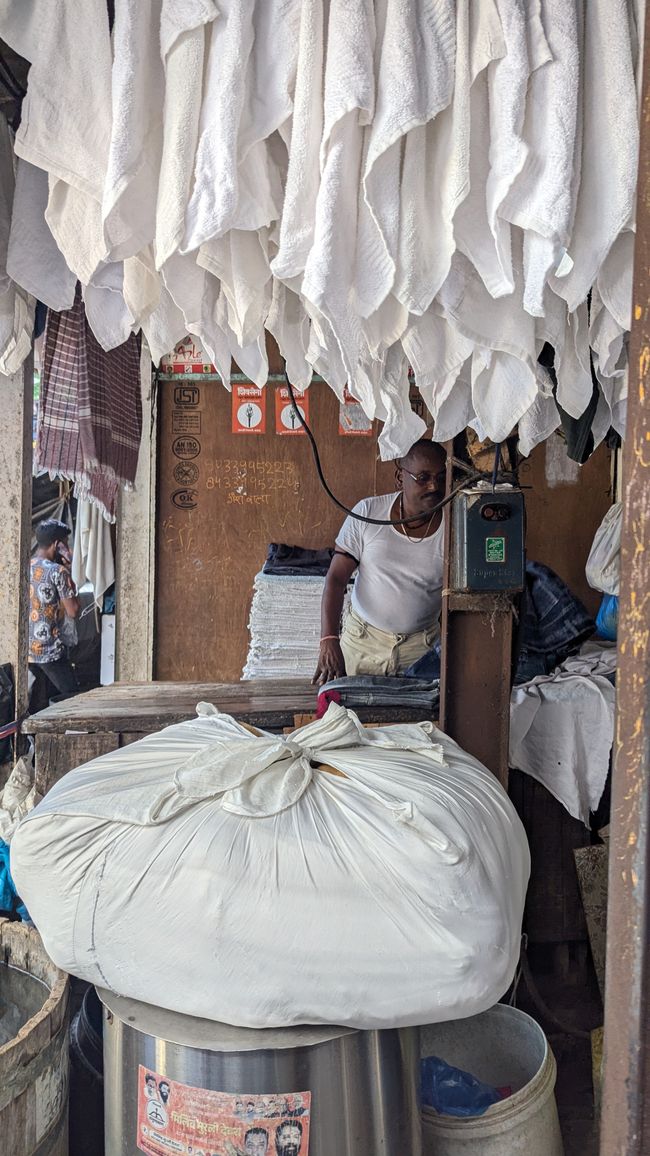
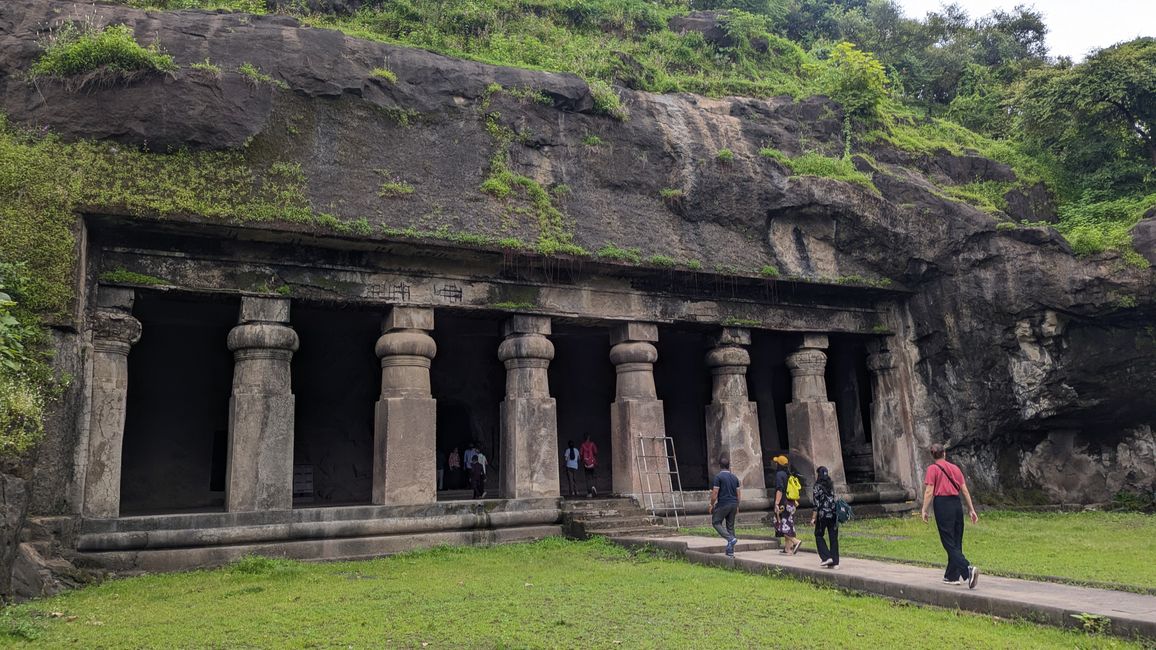
After that, we took the train back and made a stop at the largest laundry in the world. The people known as Dhobis wash laundry by hand here, dry it, and iron it. The Dhobi Ghat stretches over an area with hundreds of sinks. It is estimated that over 5,000 people work here daily, cleaning up to 100,000 pieces of clothing from hotels, hospitals, and private clients from all over the city. The Dhobis work in rows of concrete basins equipped with a 'flogging stone' (washing stone). The laundry is soaked in hot soapy water, vigorously beaten on the stone to remove dirt, and then hung to dry on countless clotheslines. They do not use clothespins but tie two ropes together, and the laundry is wedged in between. Although the work is traditional and laborious, the system is extremely efficient. Each item of clothing is carefully marked to ensure it returns to the right owner. It is impressive how rarely laundry gets lost or confused. In dark corners, there are also industrial washing machines, but water is still heated with fire for disinfection. After these impressive experiences, we needed a break. The elephant caves on an island off Mumbai were interesting and a good way to pass the time until our flight to Goa; the rickety wooden boat safely brought us back.
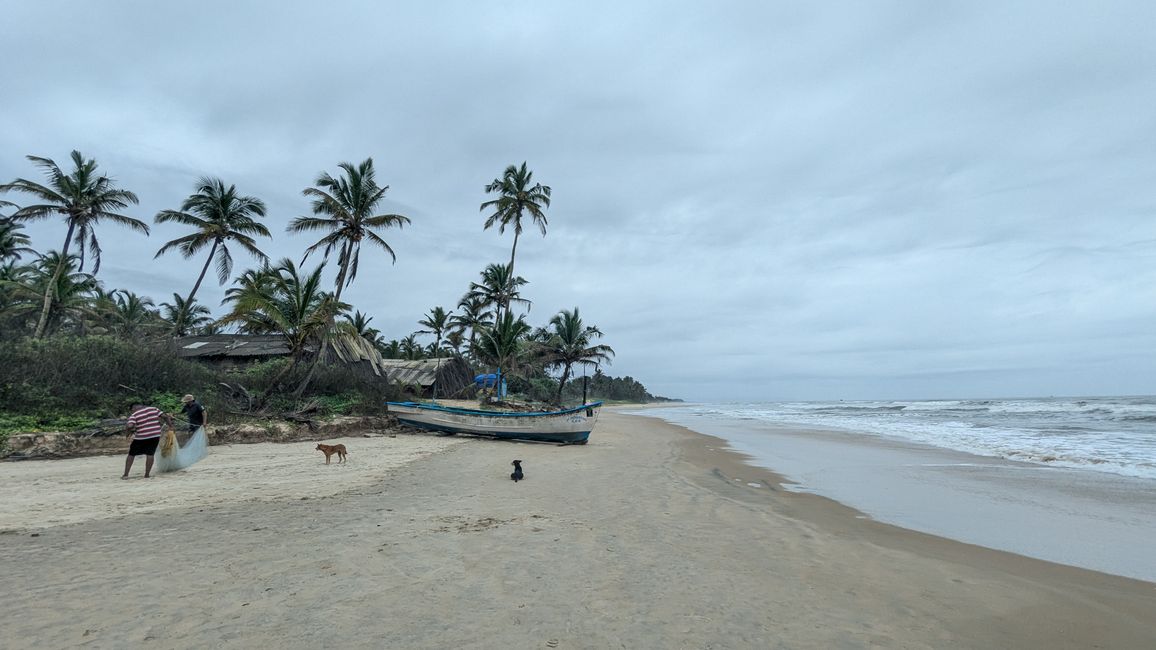
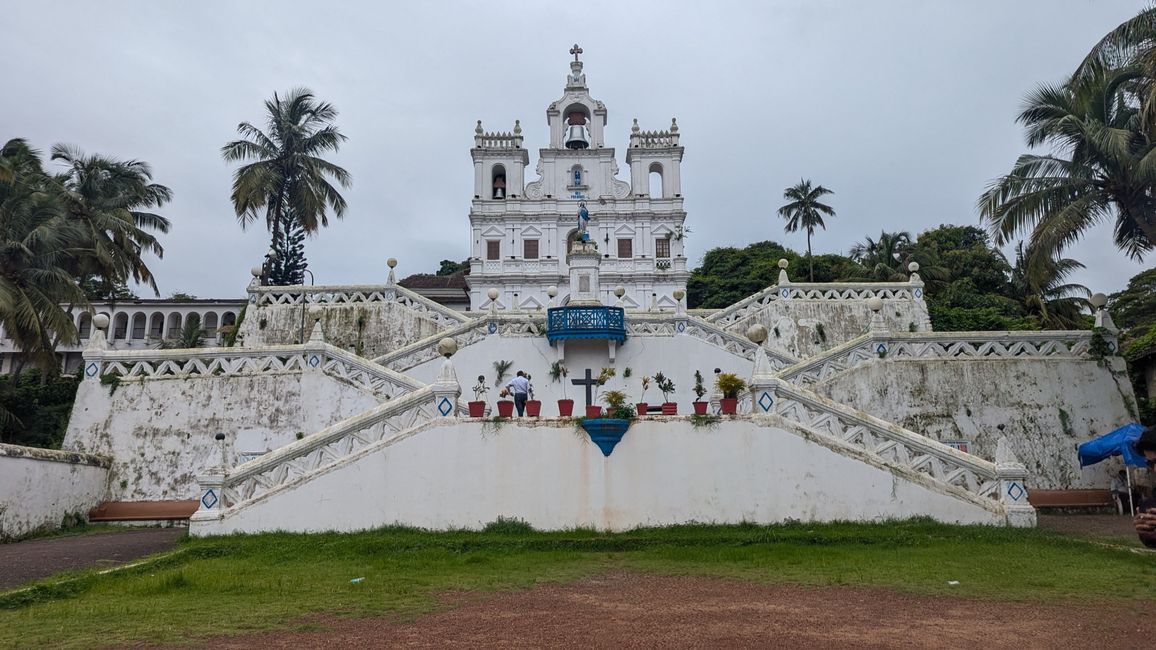
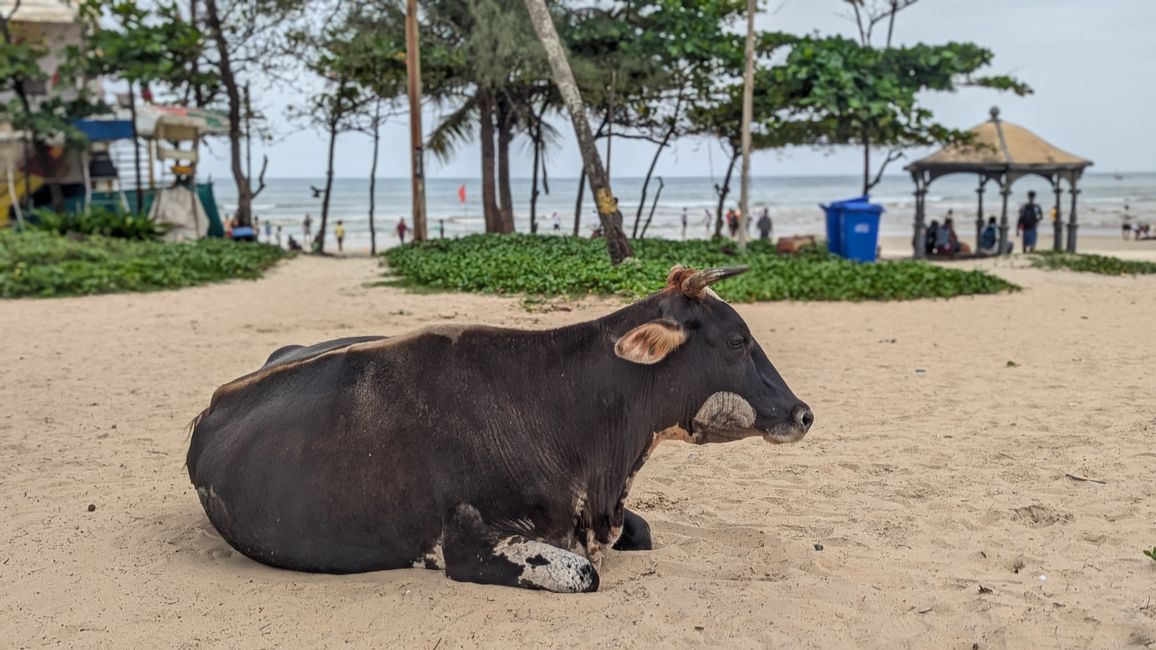
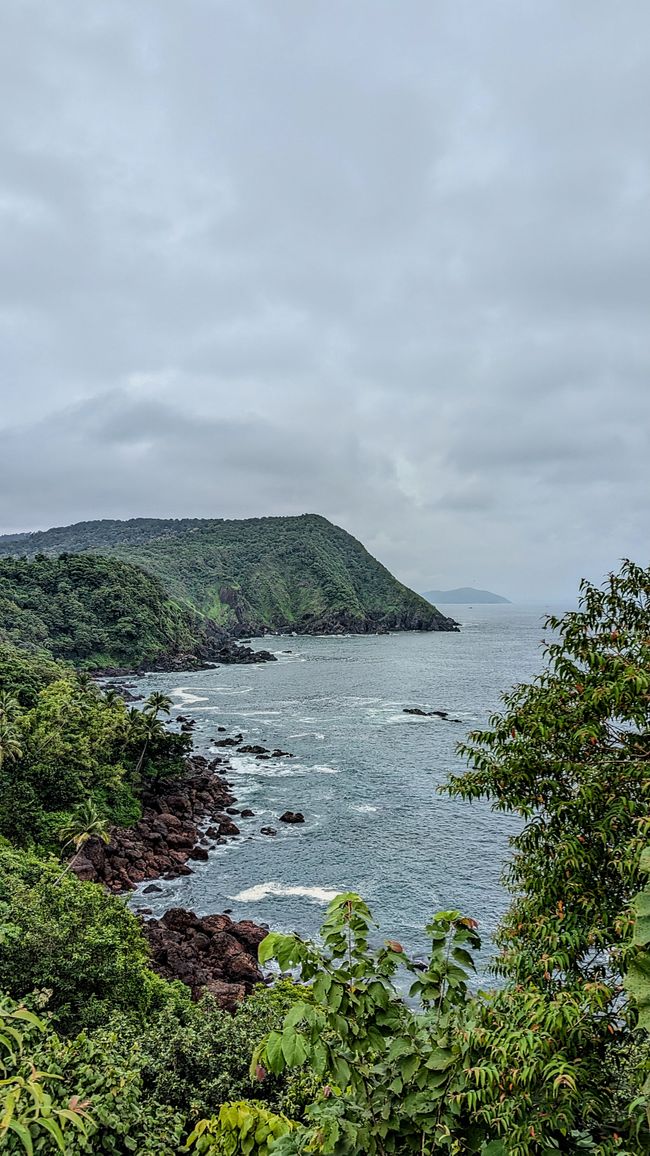
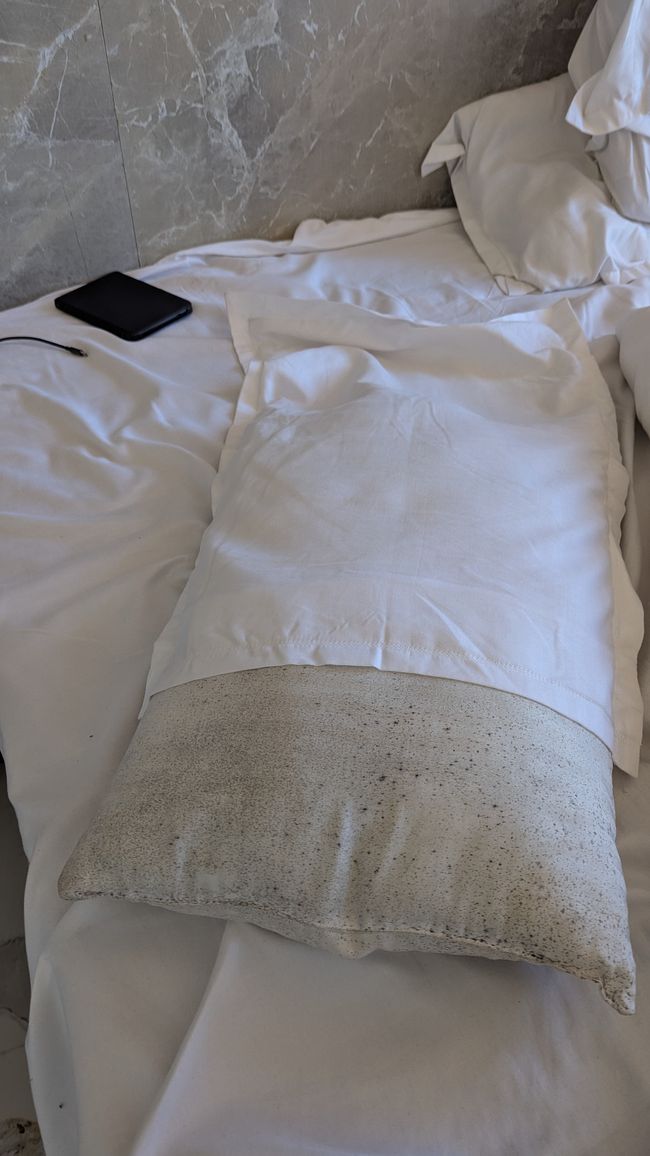
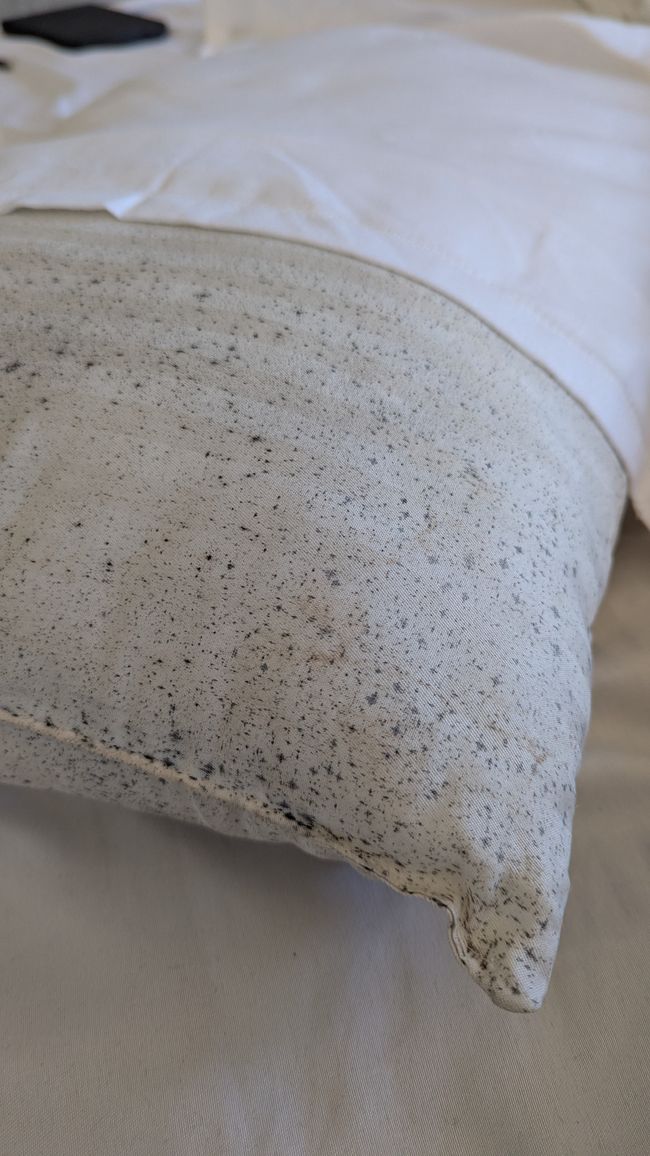
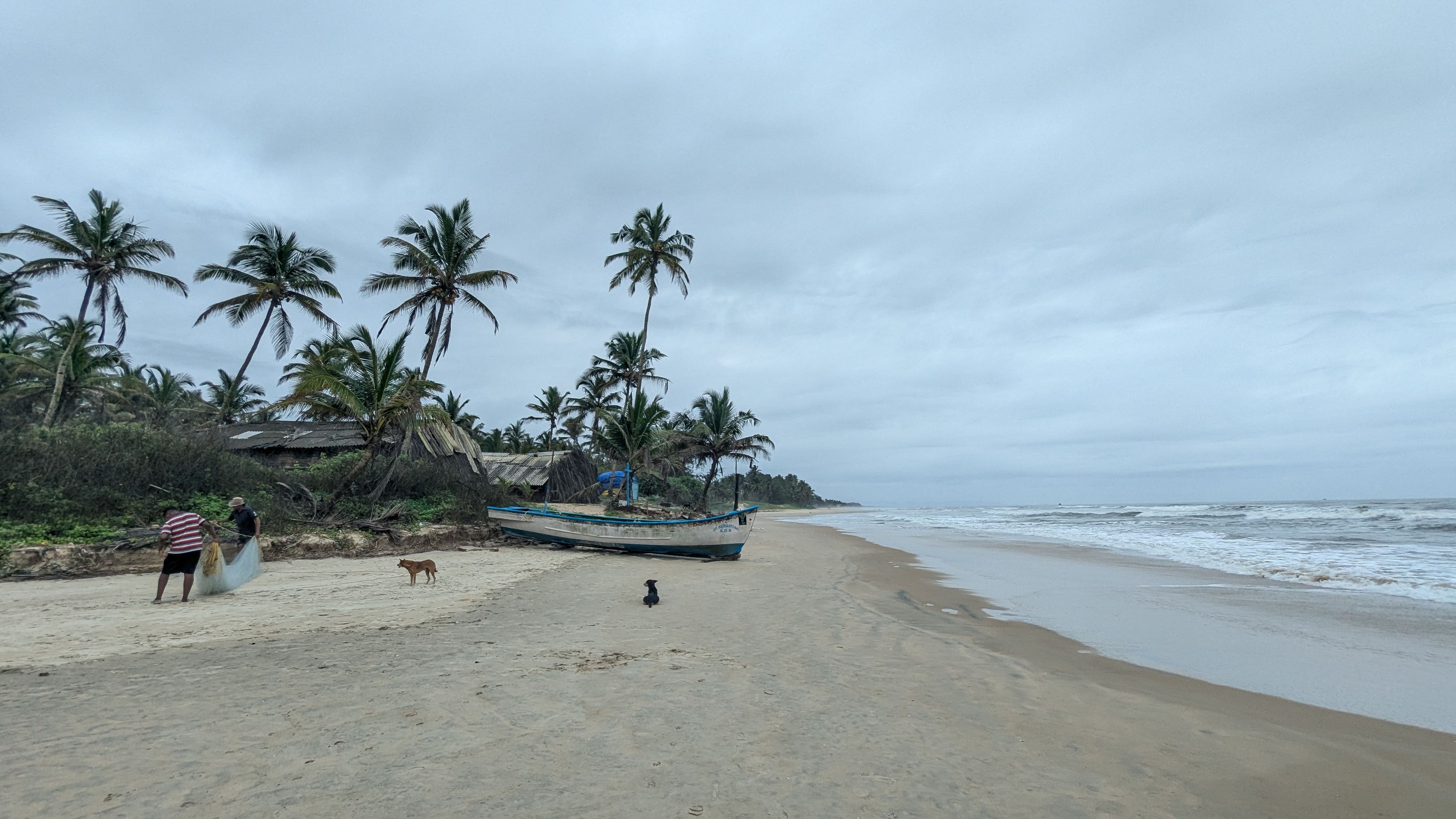
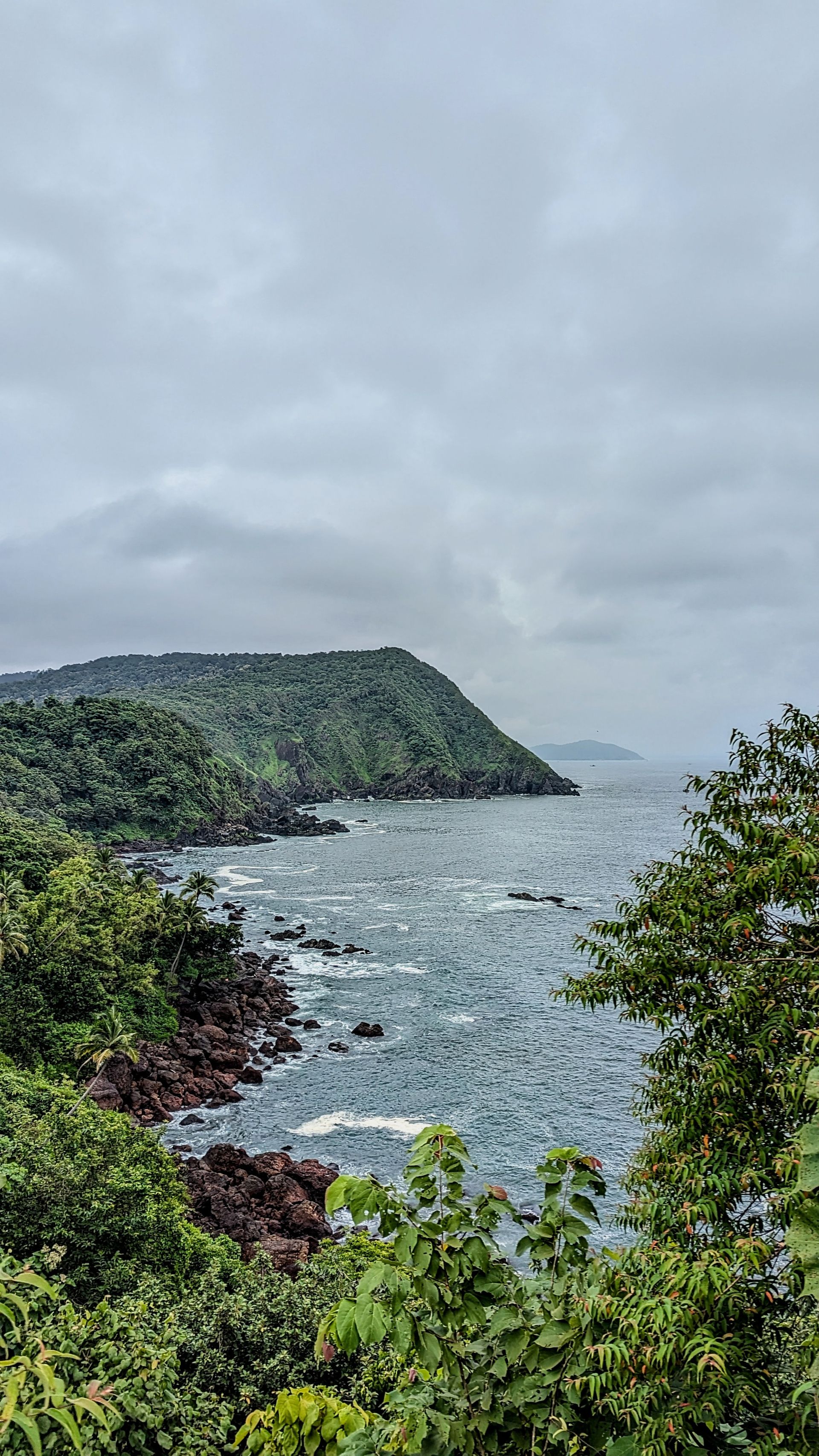
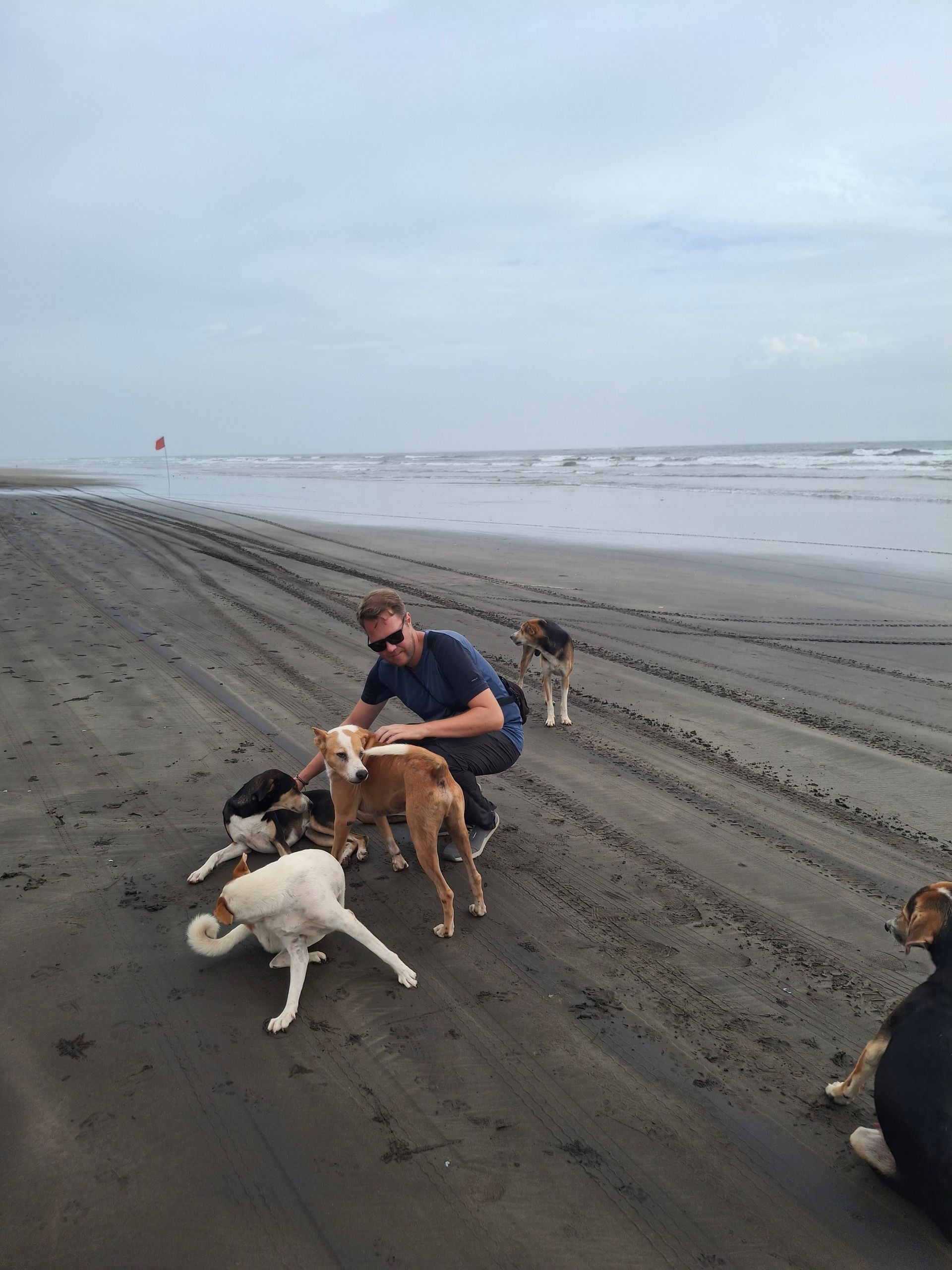
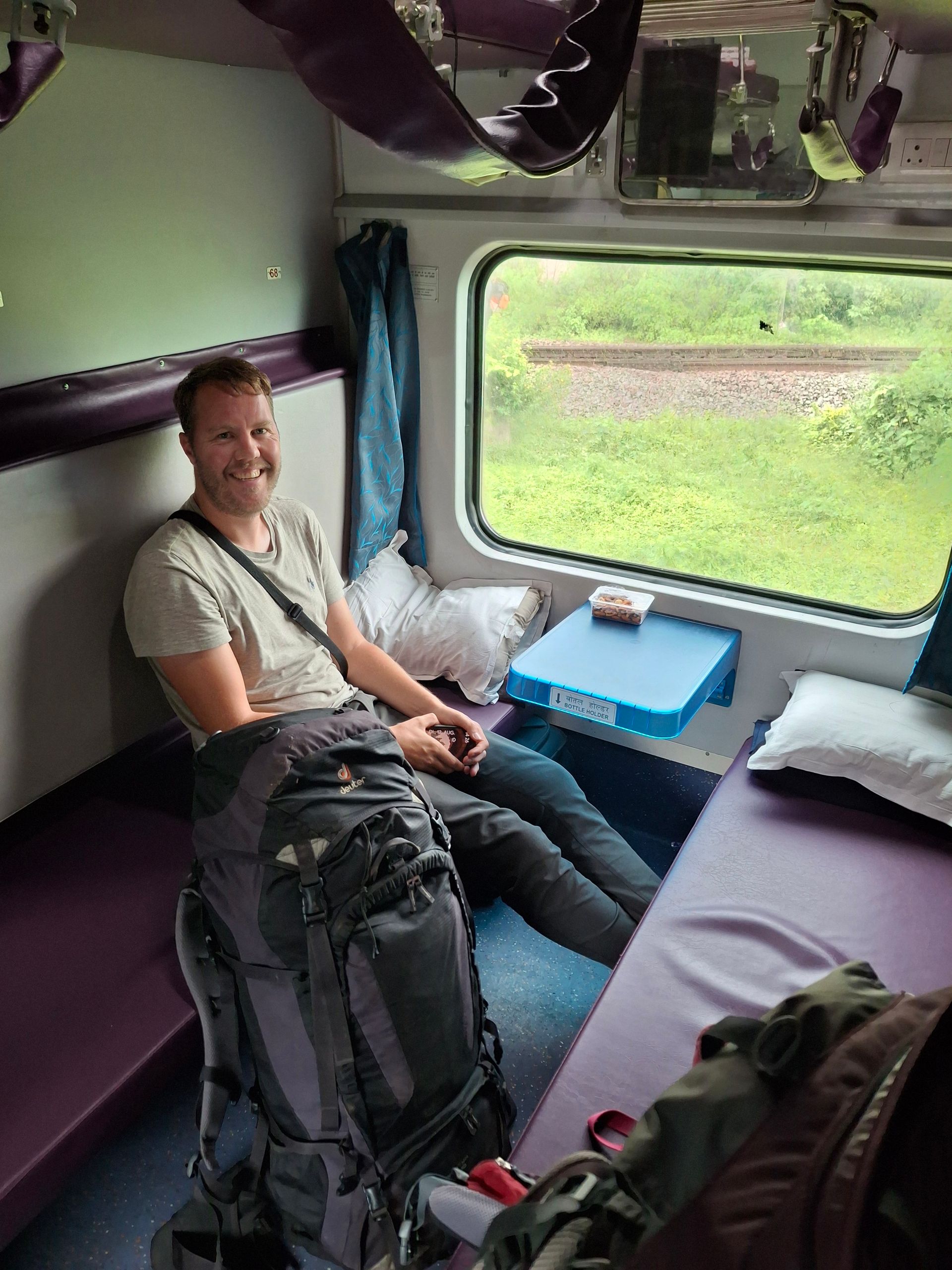
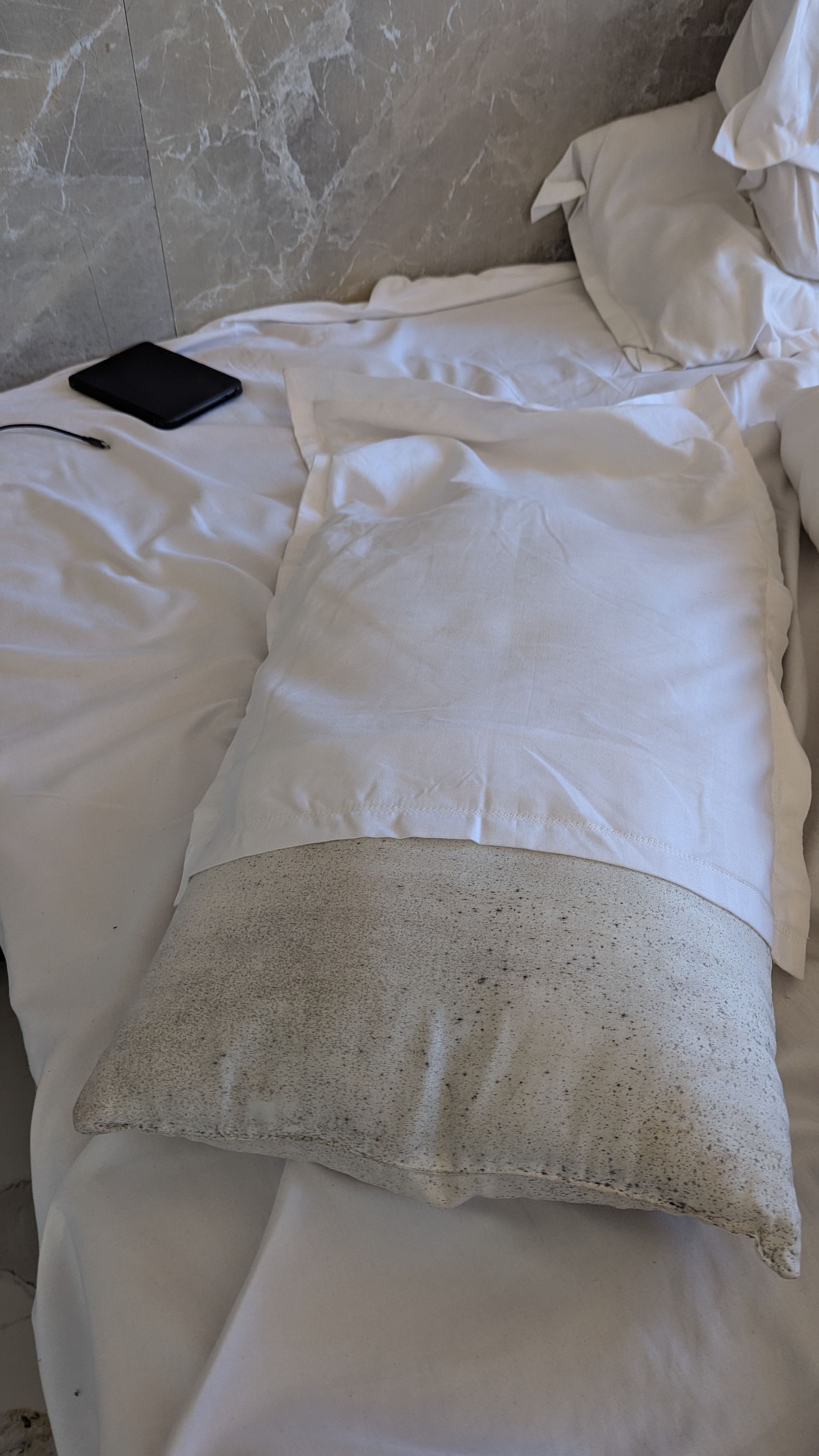
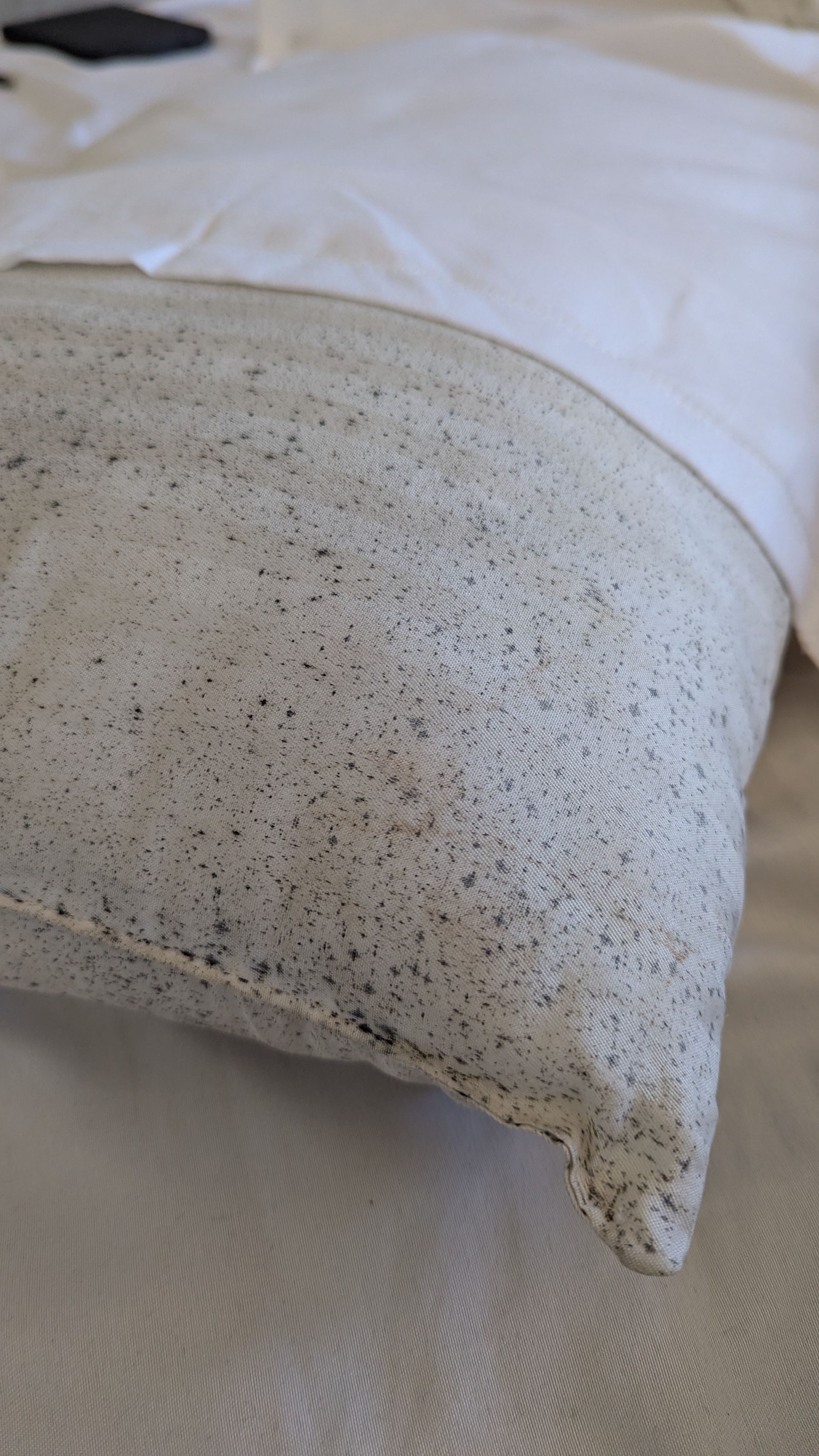
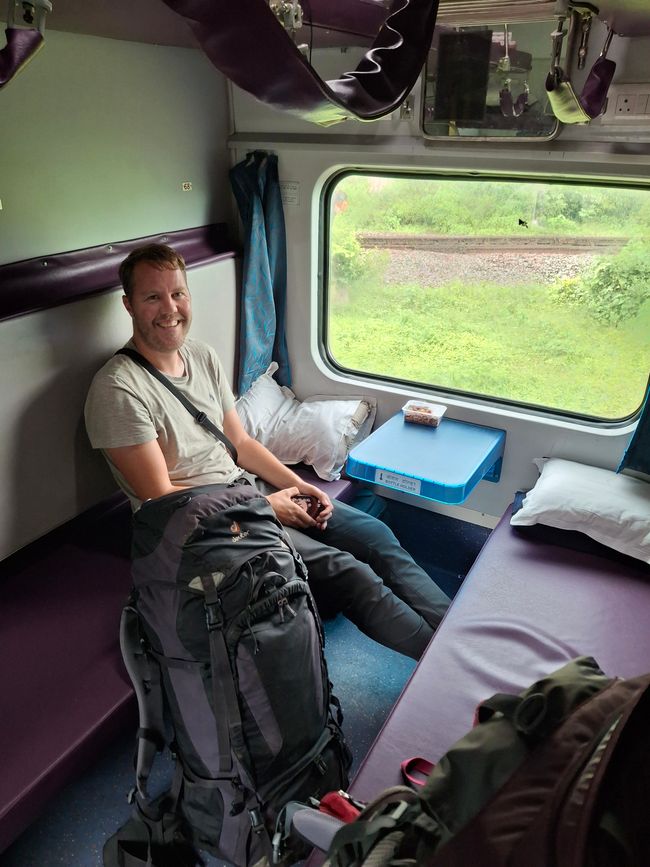
That was our plan in Arambol, further north; there was also a massage and some delicious meals at the beach bar. The brief showers in between were manageable and did not bother us at all. Generally, in India, one has to be pretty tough regarding cleanliness, odors, and dirt. In restaurants, one can wash hands everywhere, but at street food stands, sauces or ingredients are sometimes stirred with the hand instead of a spoon, the pot looks quite old, or the sauces are dried at the edges. Nevertheless, the food at these stalls is super delicious, and so far, we’ve had no problems; if things look too bad, you can always move on, but over time, the threshold does decrease in any case, at least for me. You can also see in restaurants that the tables are still greasy, the headrests in the buses are black, and the loungers and walls in the massage room are covered in a film of oil, and the towel likely hasn’t been changed in a long time; one should either overlook all this or simply not travel to India. On the other hand, everything here is of course cheap; a 30-minute taxi ride costs €2, a dinner with a drink and dessert is €4, or the aforementioned 70-minute massage is €14. The hotel rooms are also cheap; for €20, you can get a very clean double room sometimes including breakfast. The trains are also clean, at least if you don’t look too closely; the bed linens are washed, but one shouldn’t be repulsed by stubborn old stains. Otherwise, the trains are a relatively reliable and comfortable means of transport, which took us to Hampi.
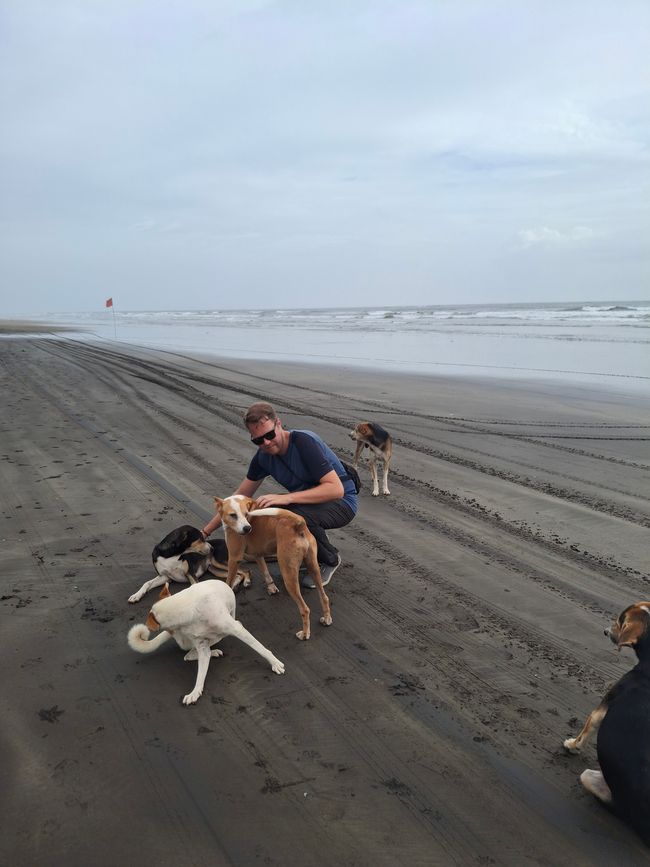
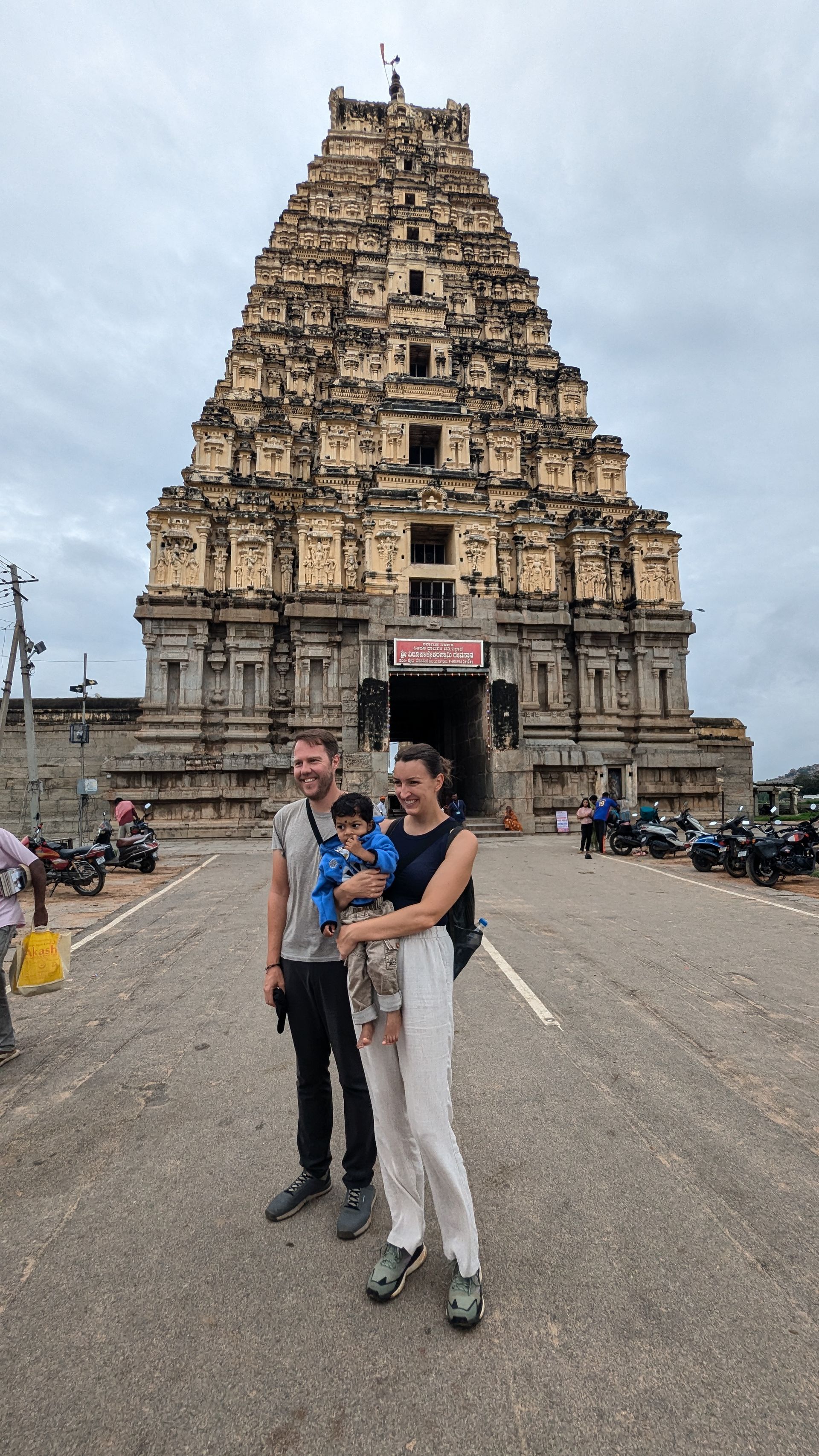
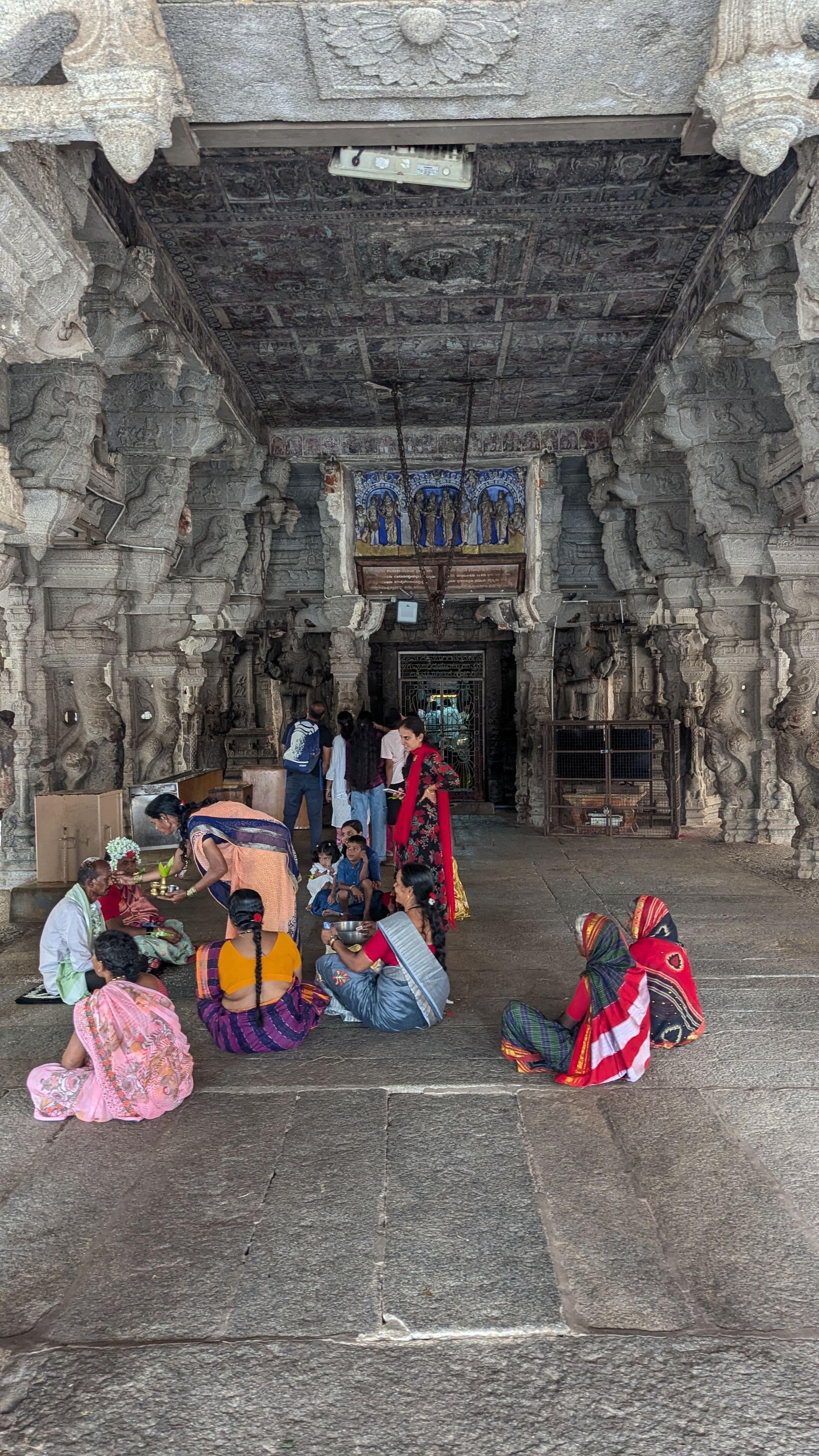
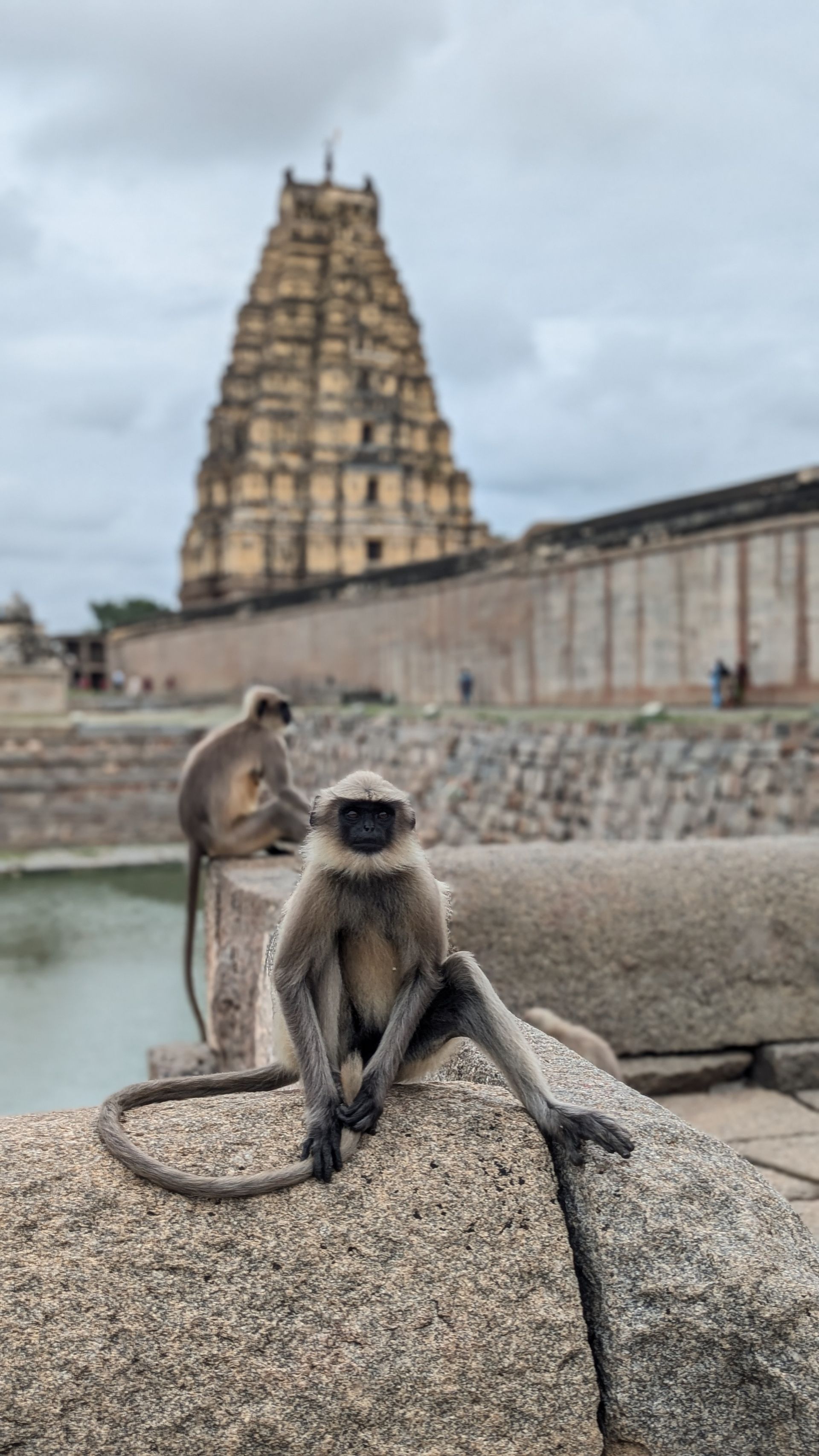
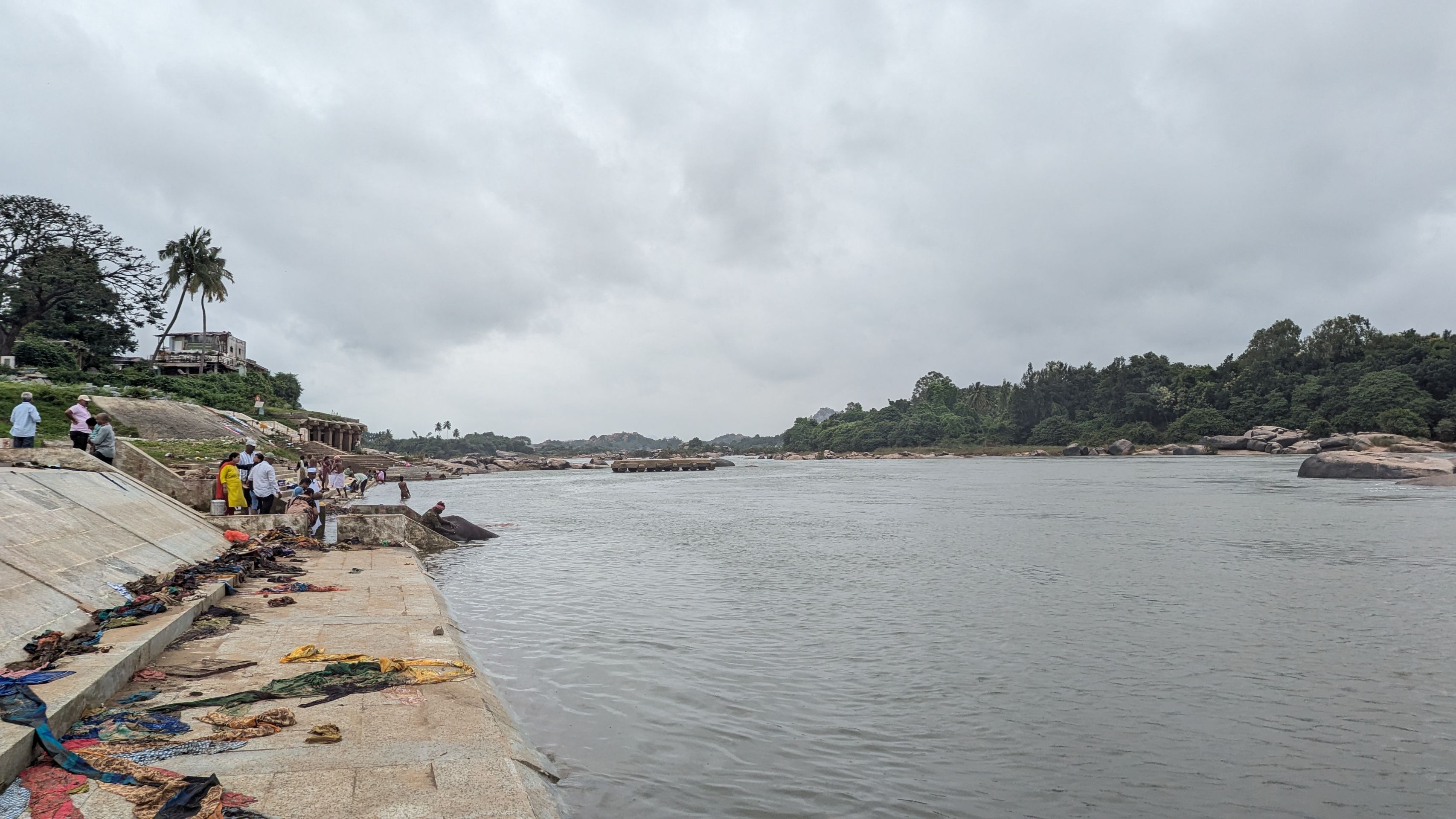
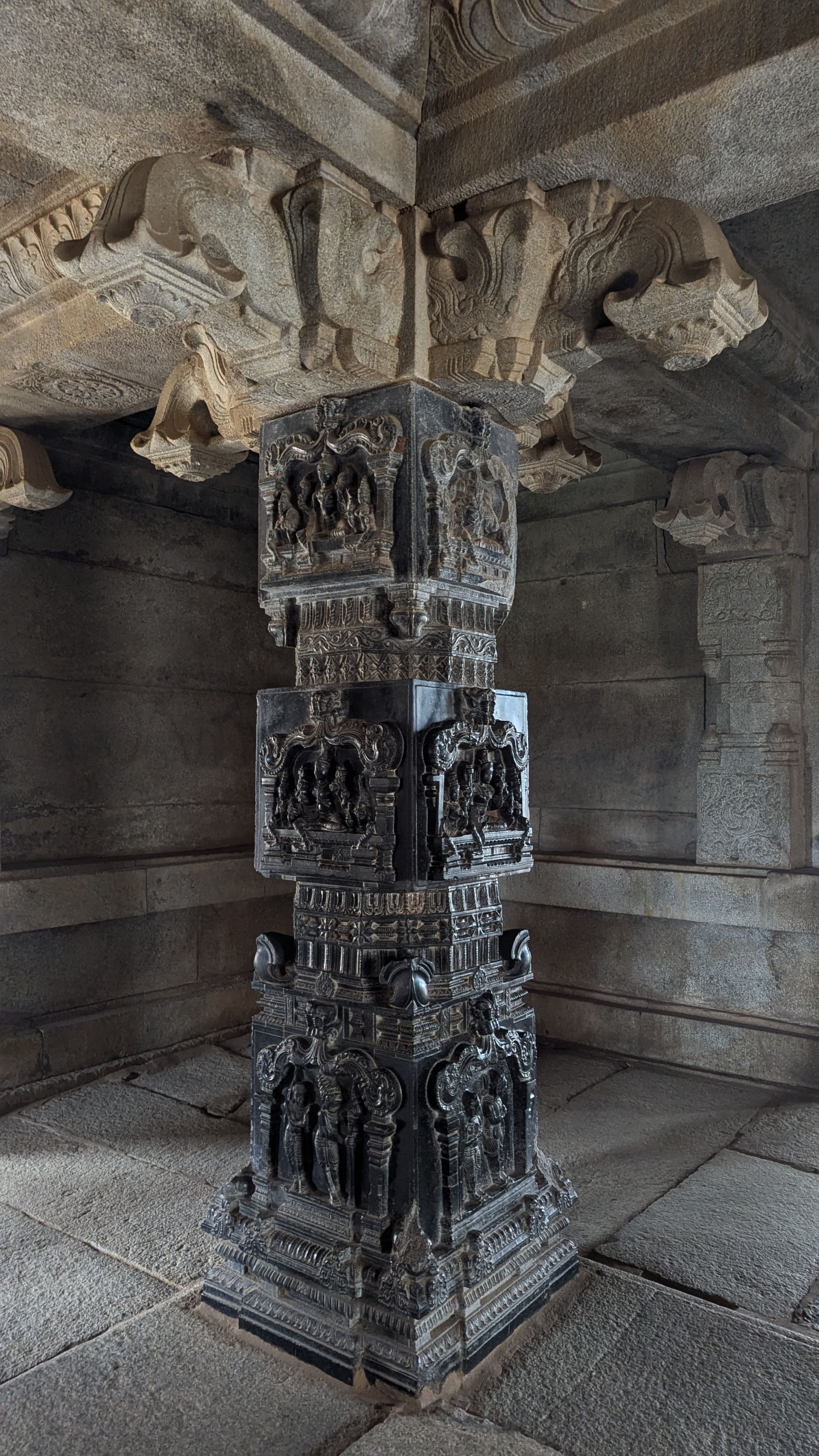
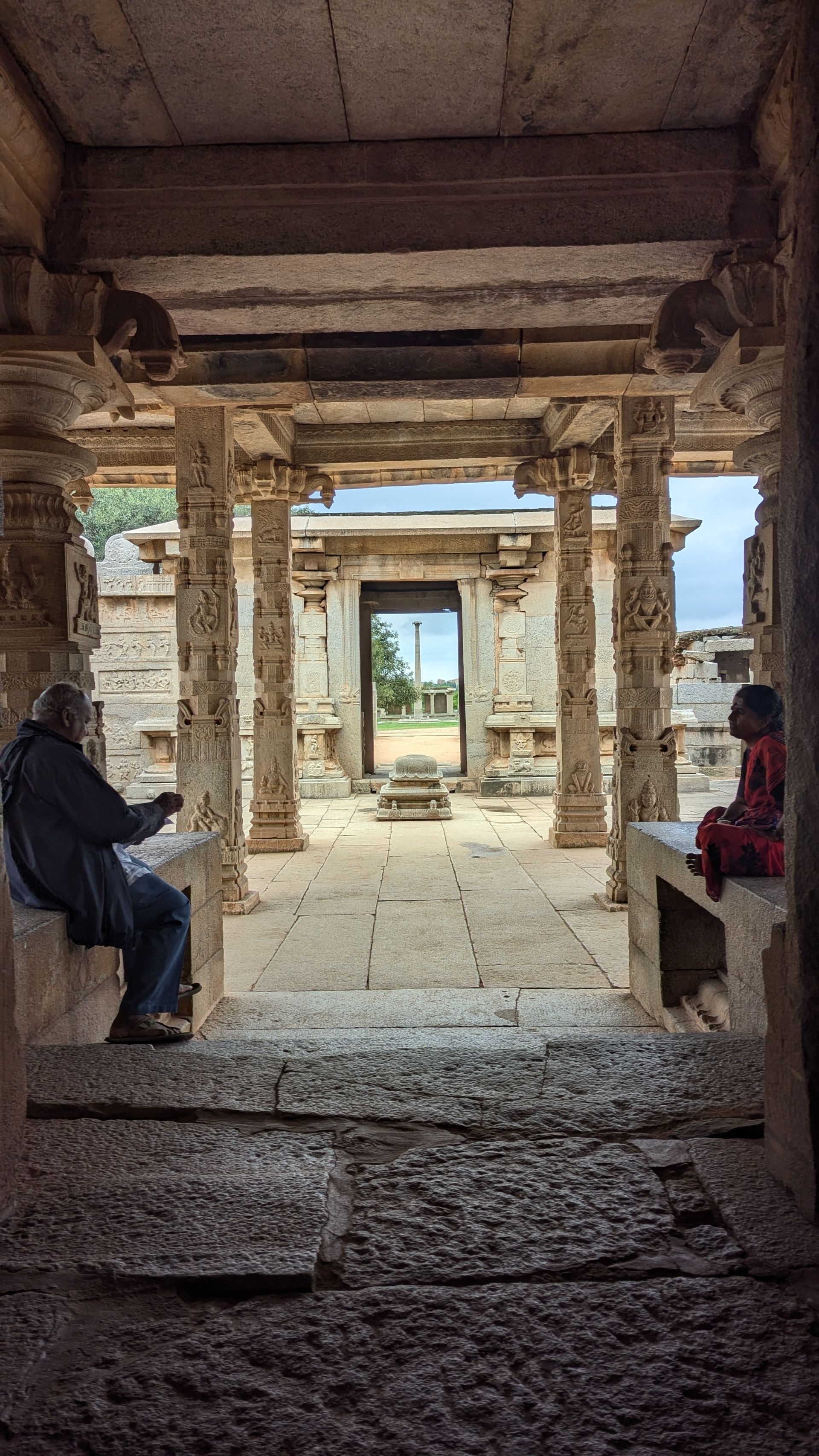
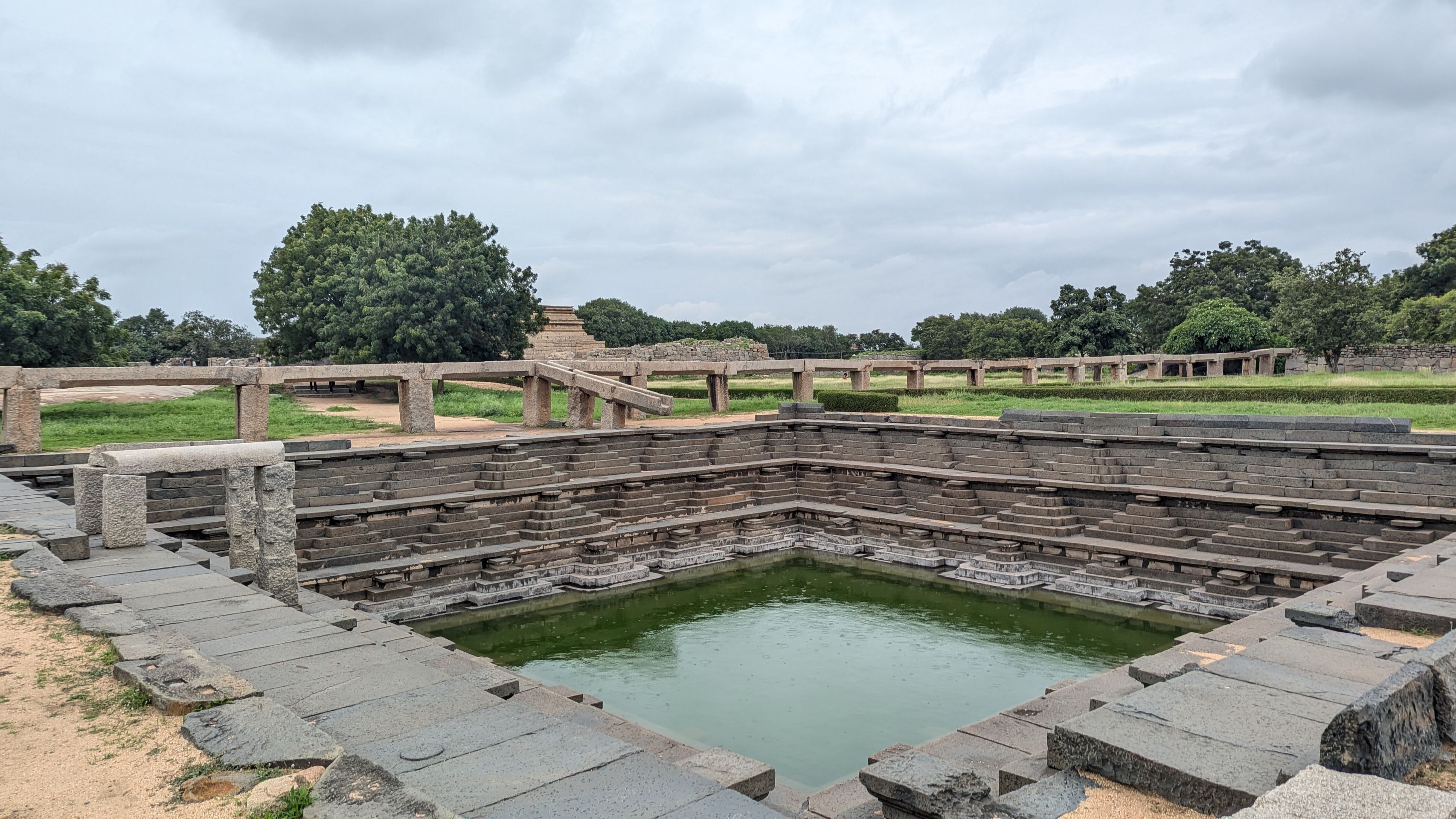
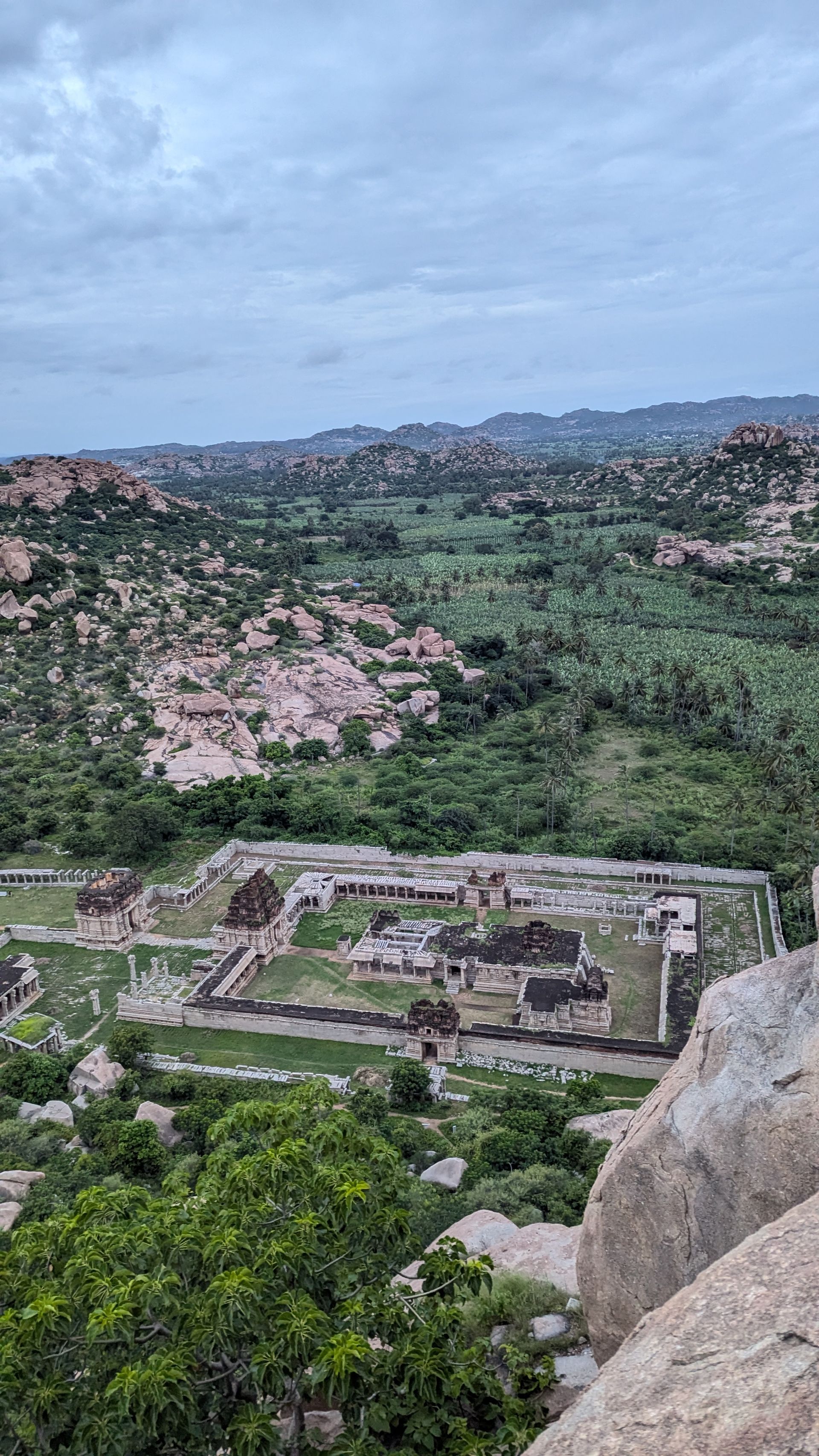
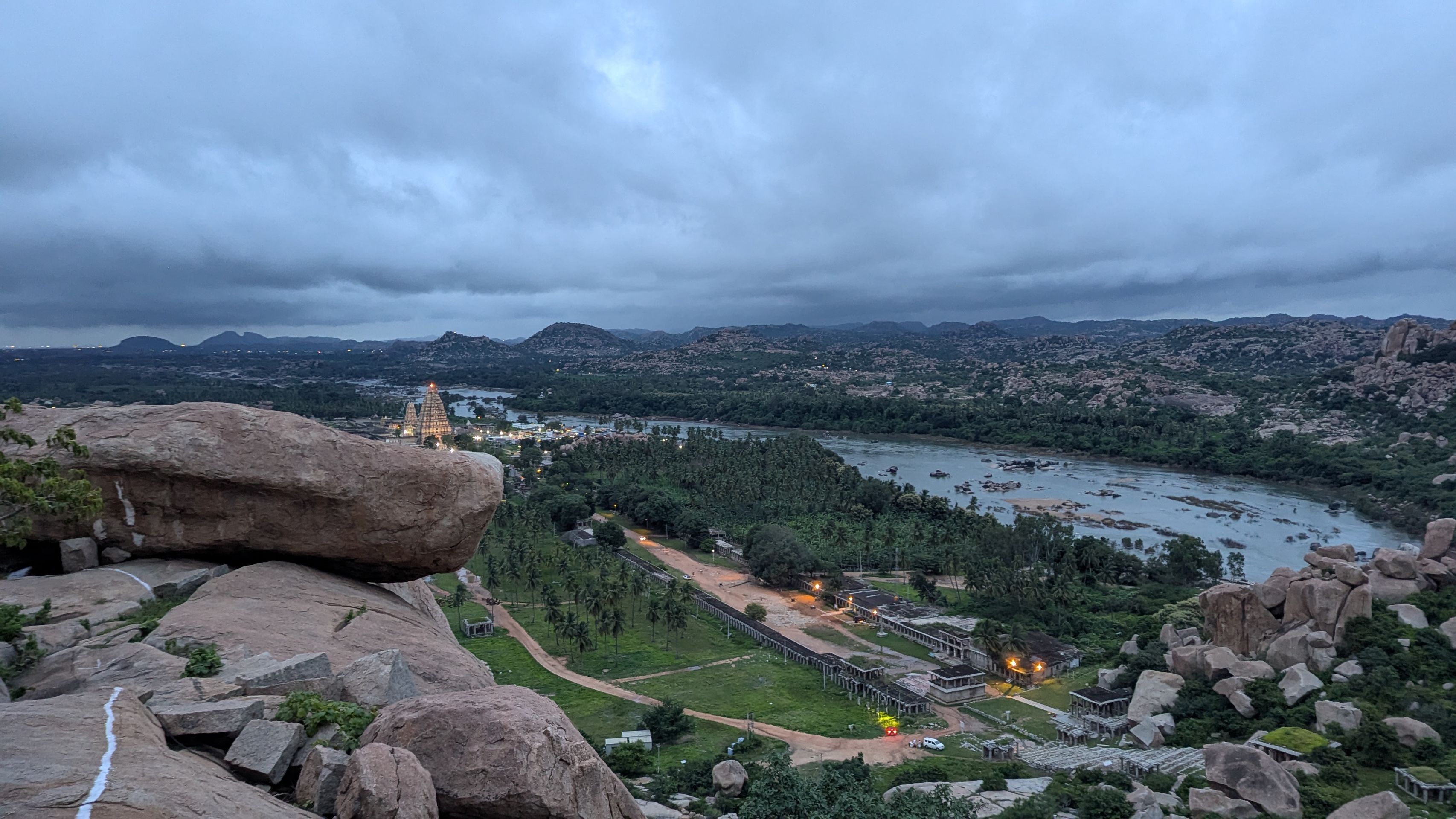
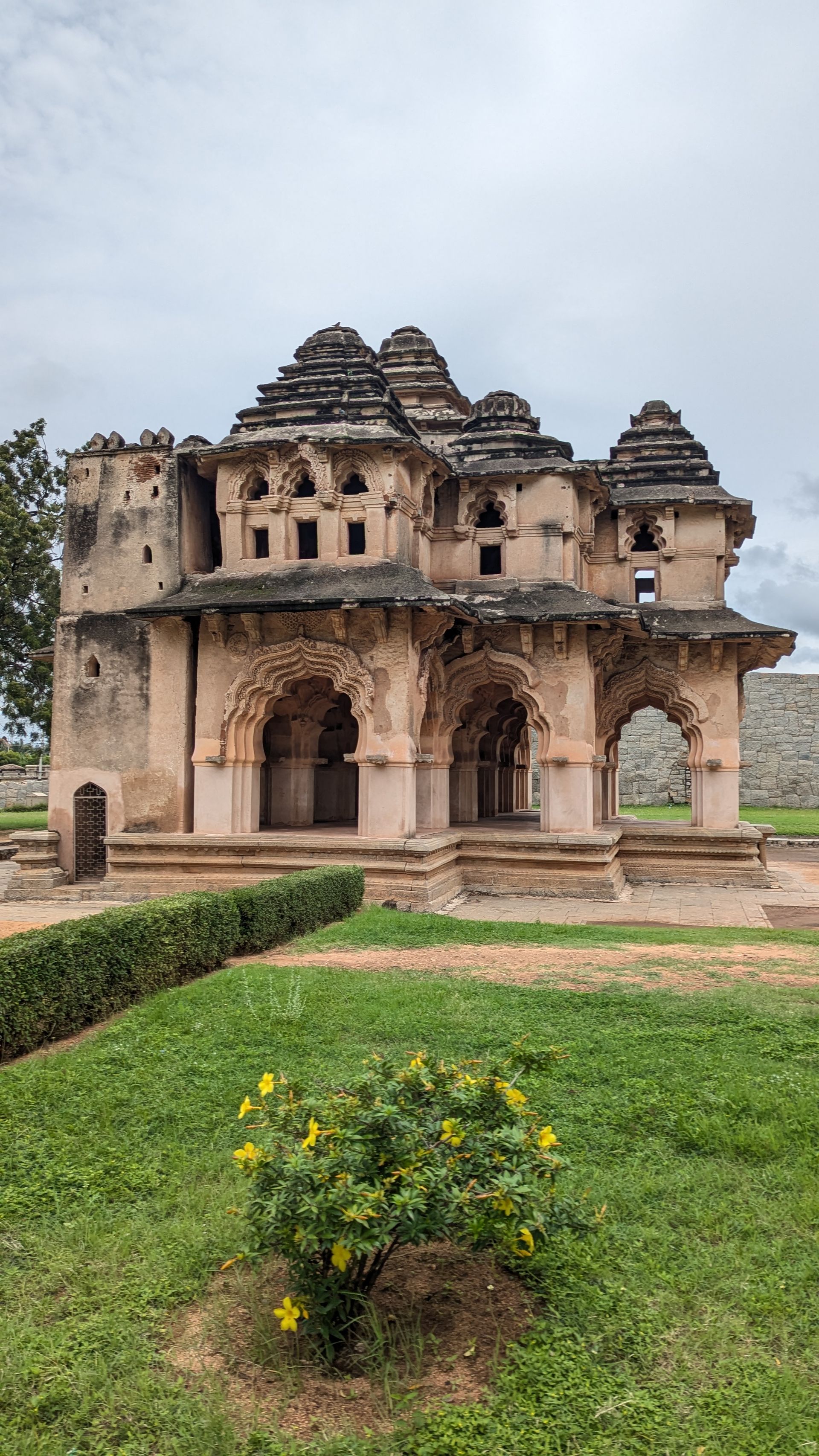
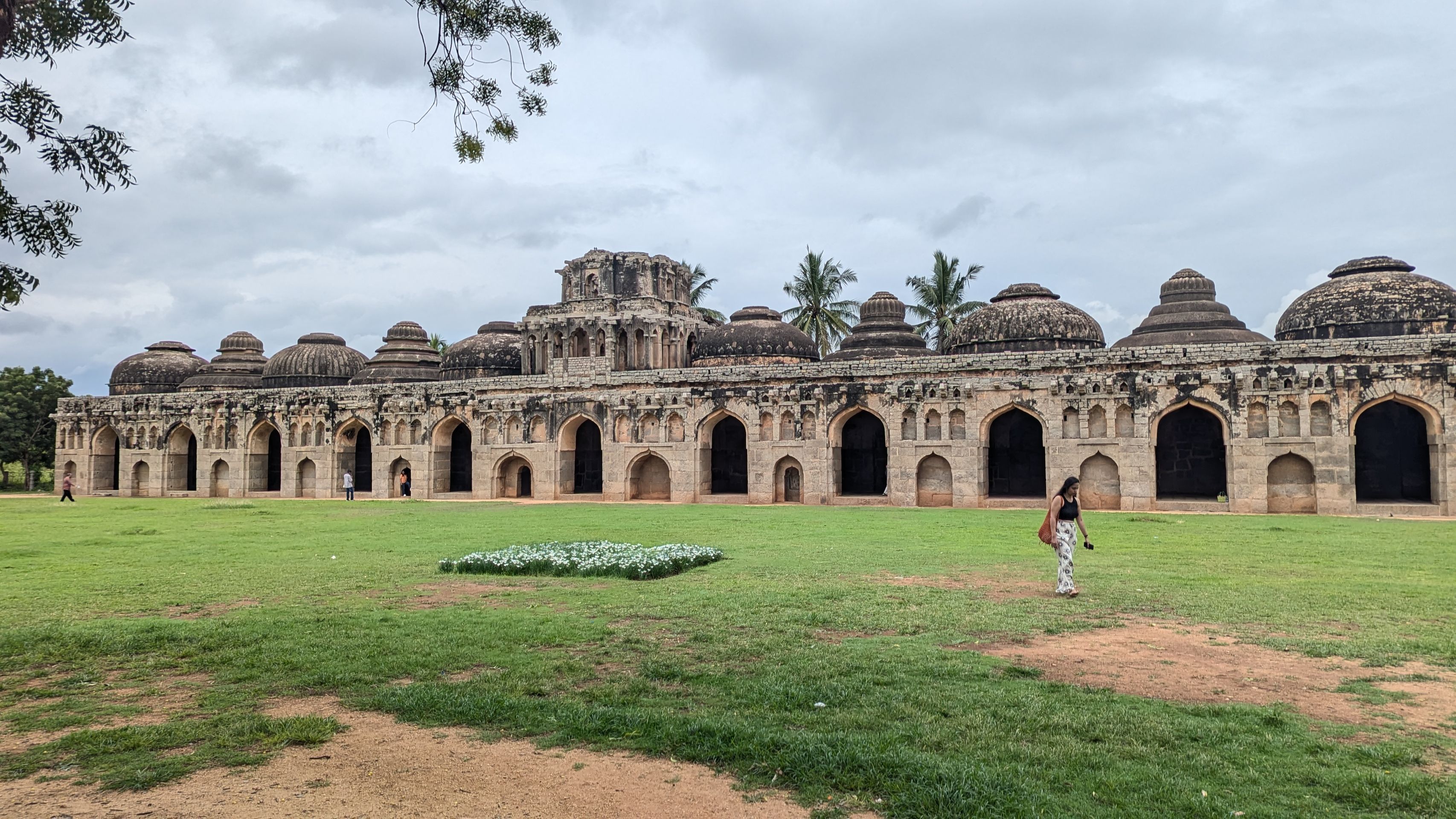
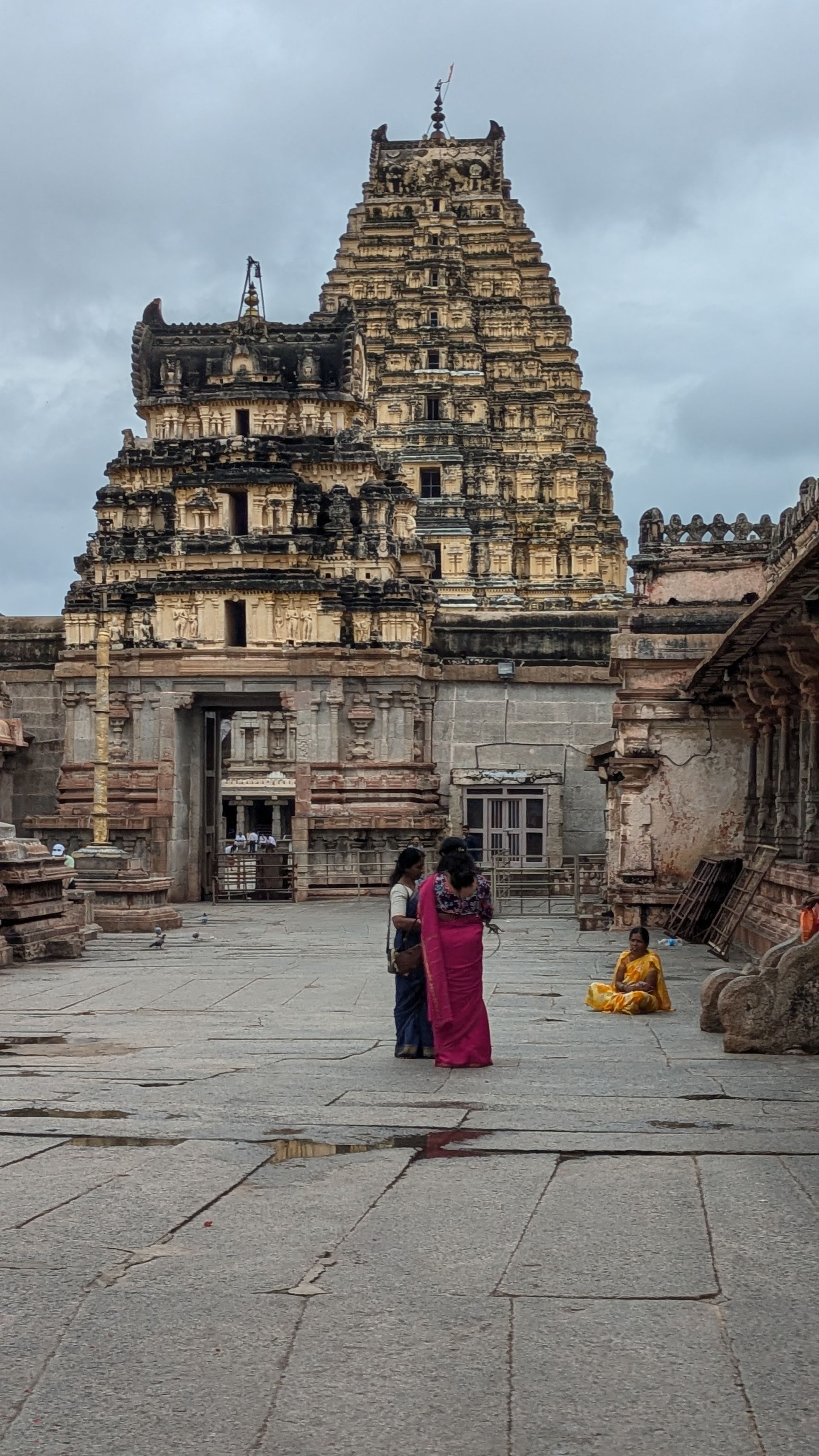
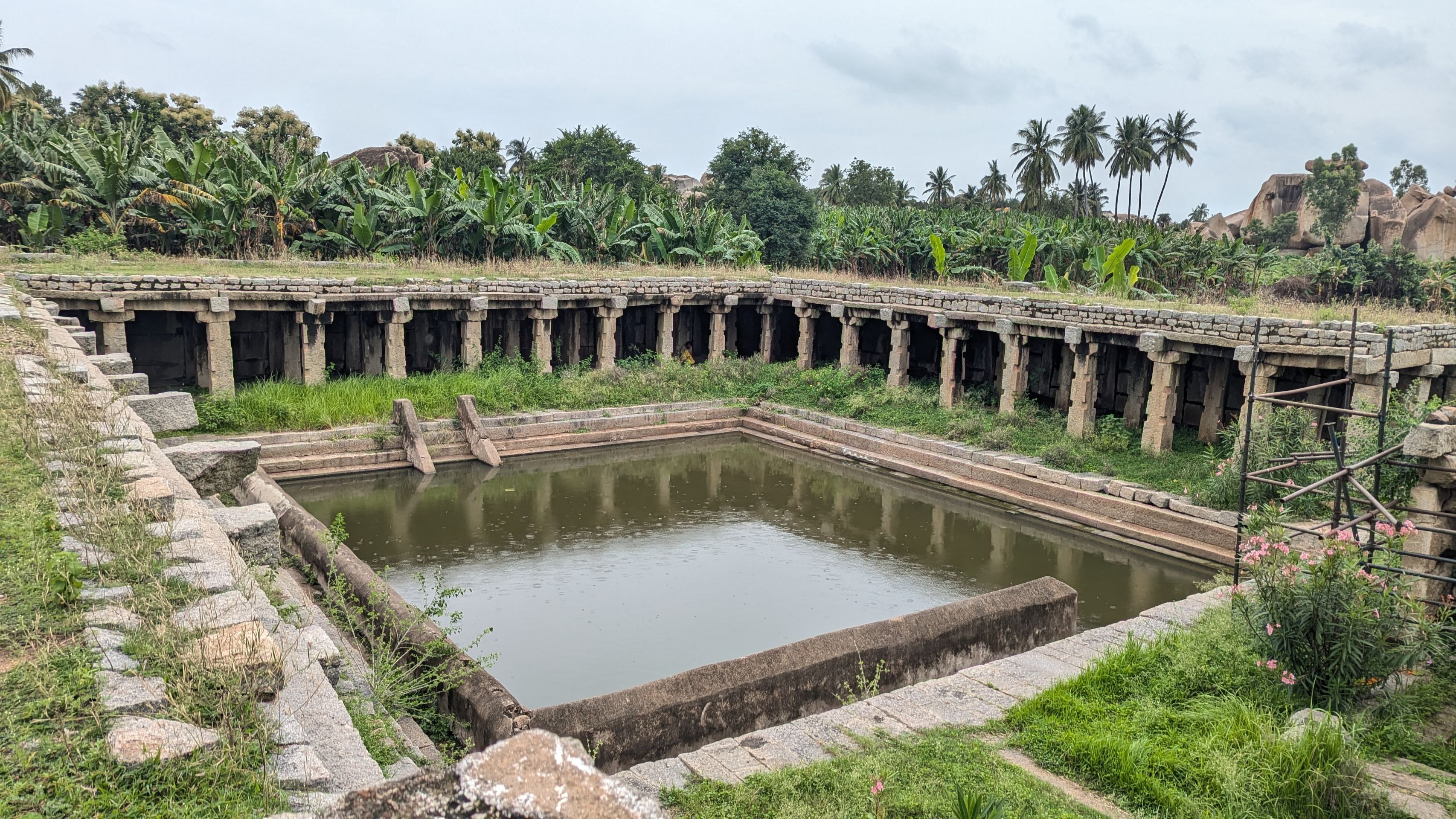
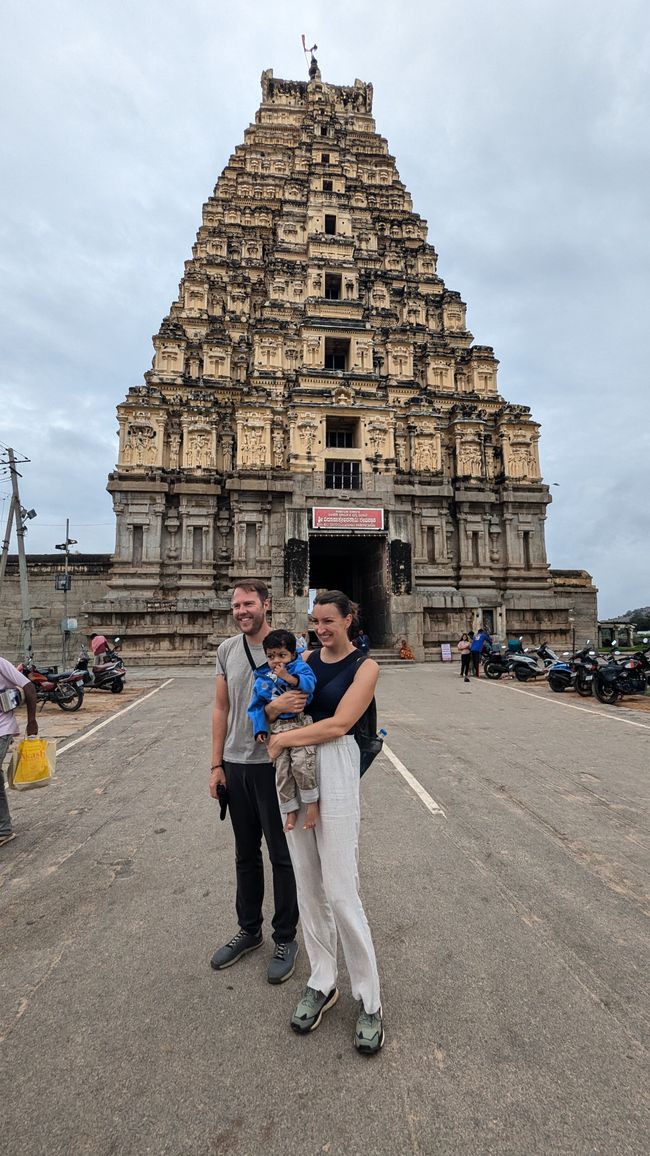
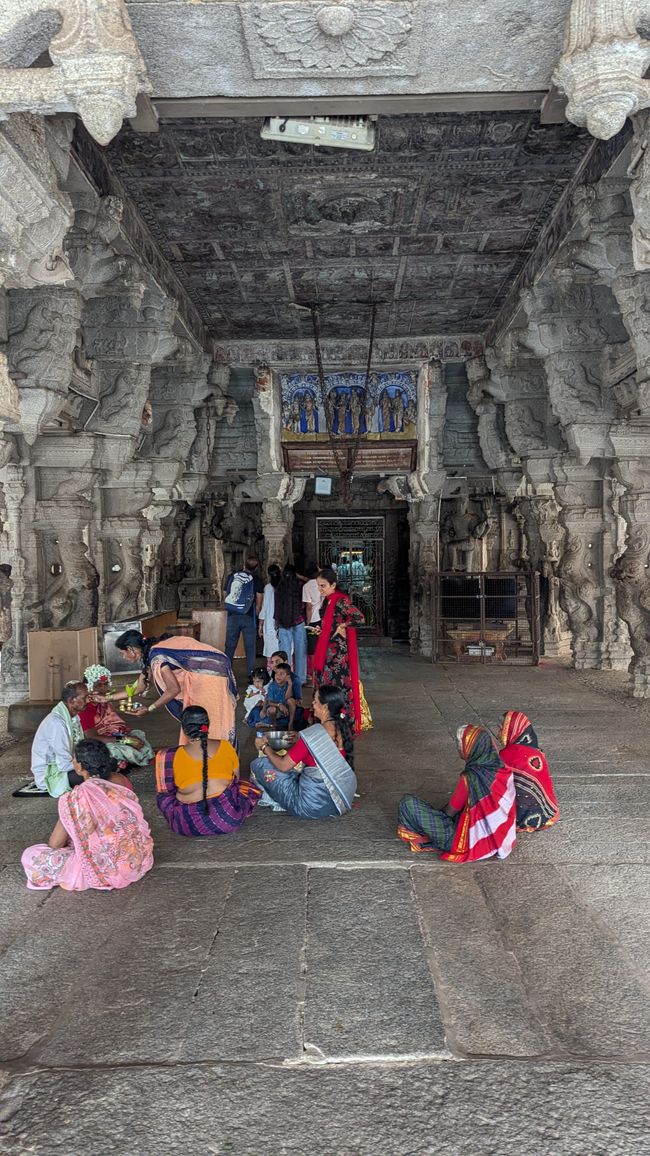
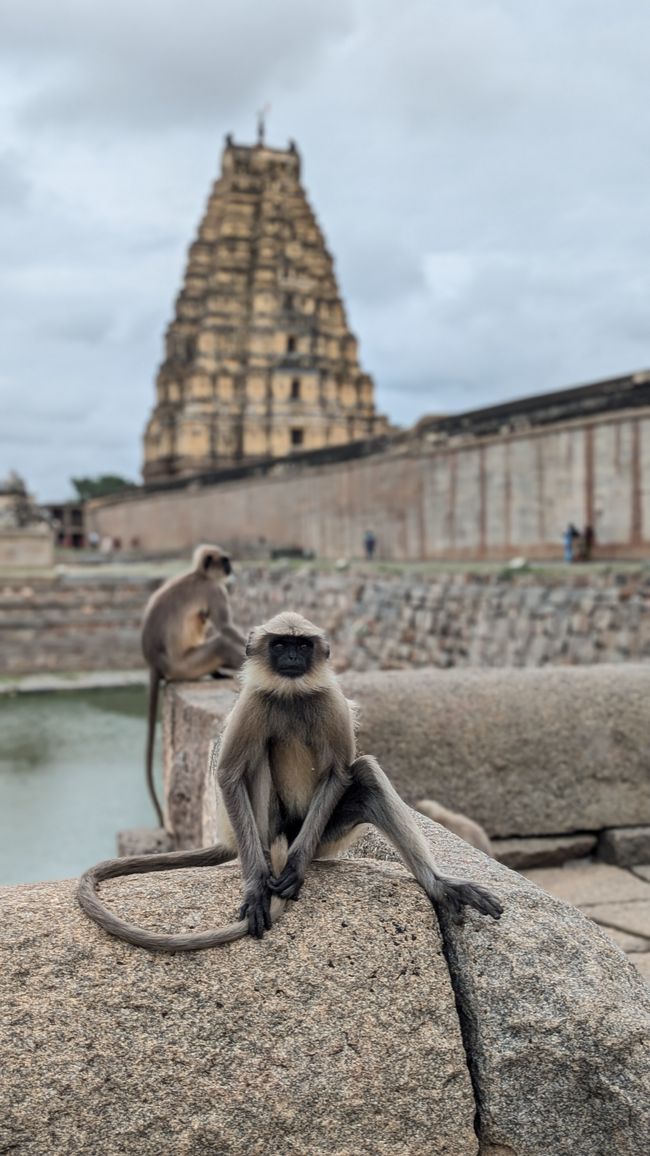
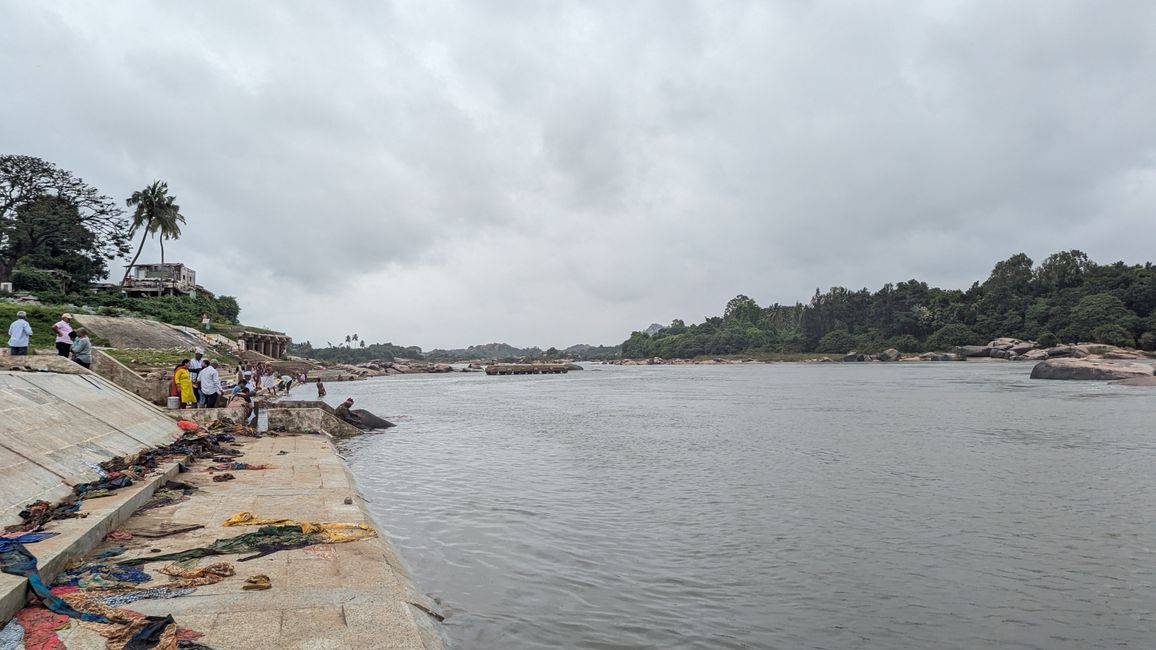
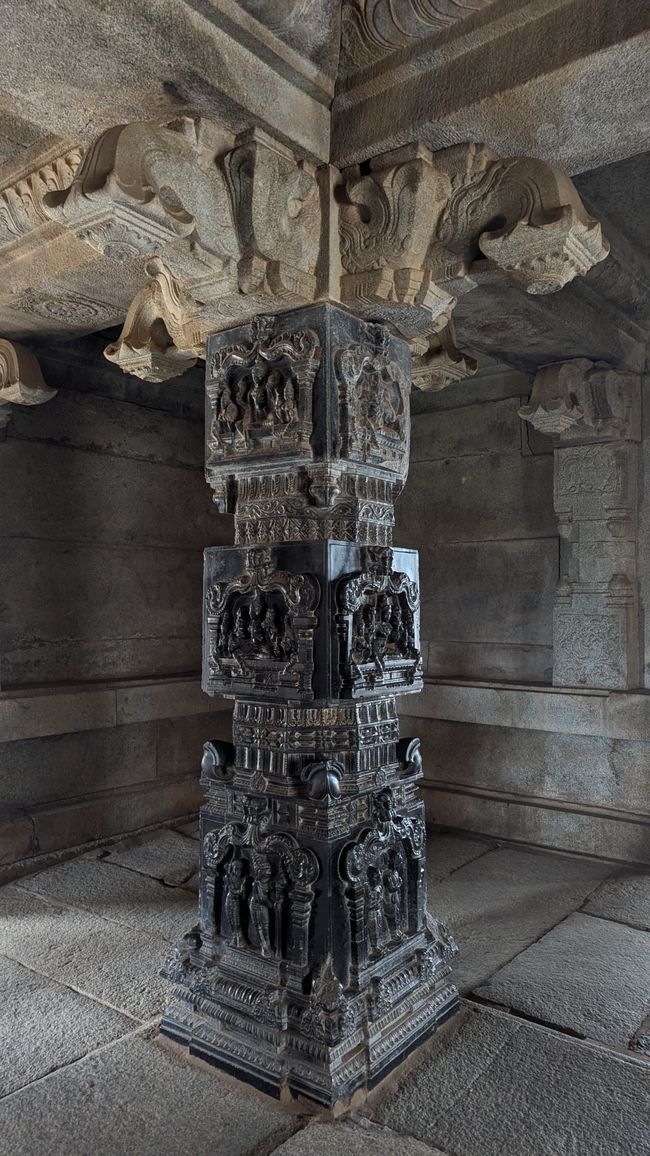
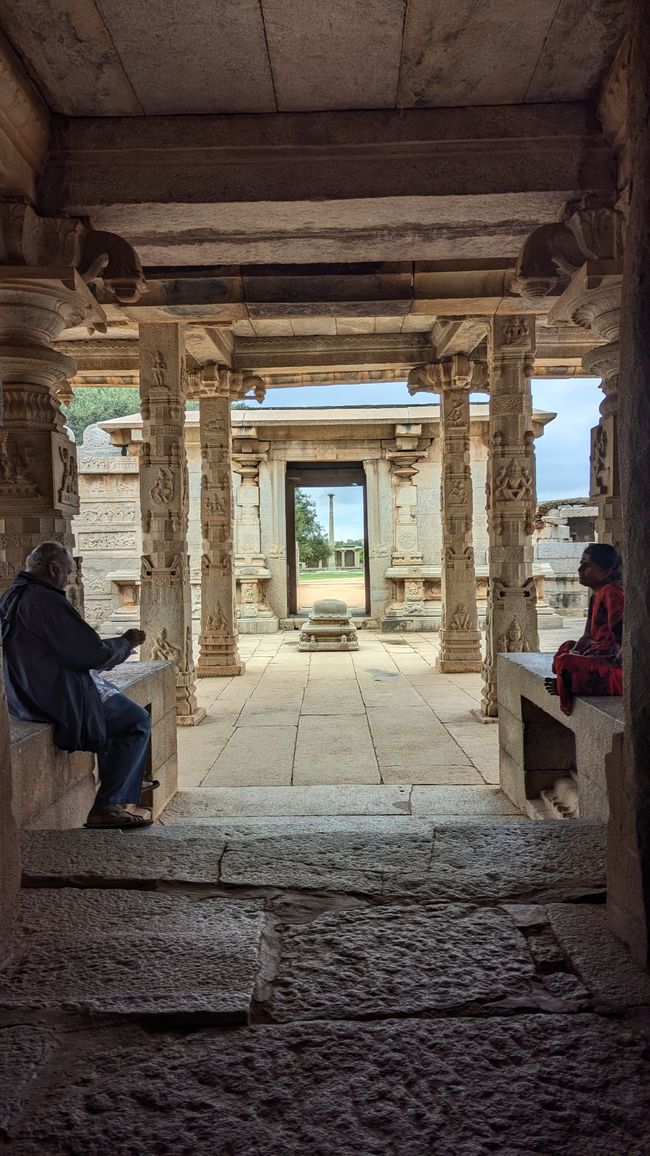
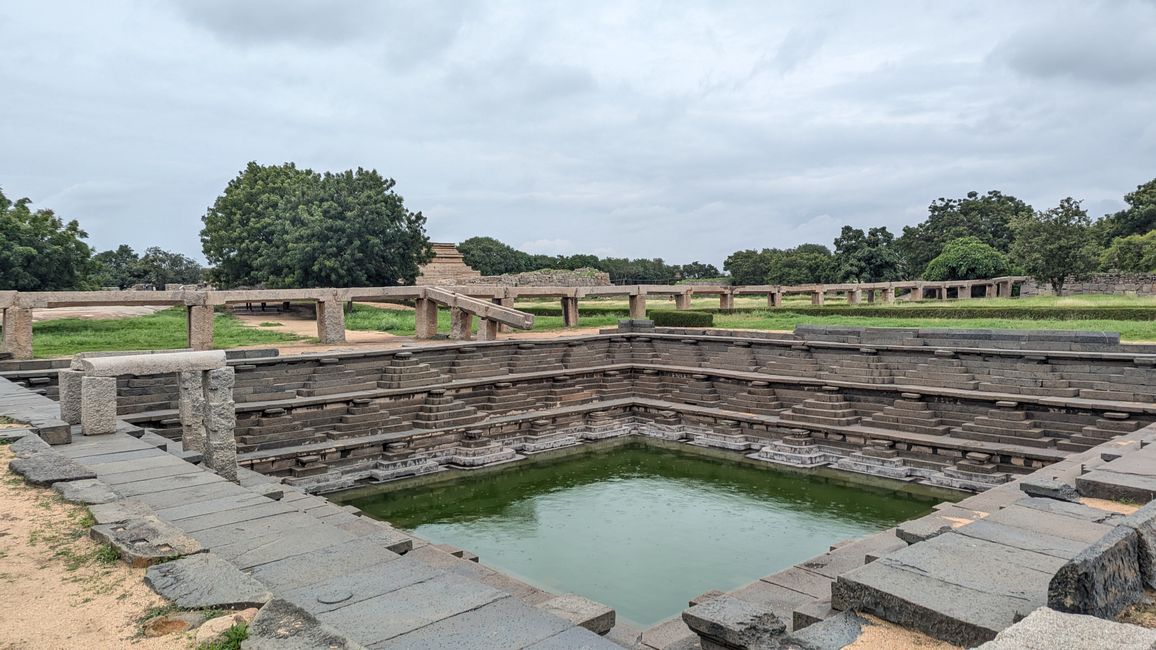
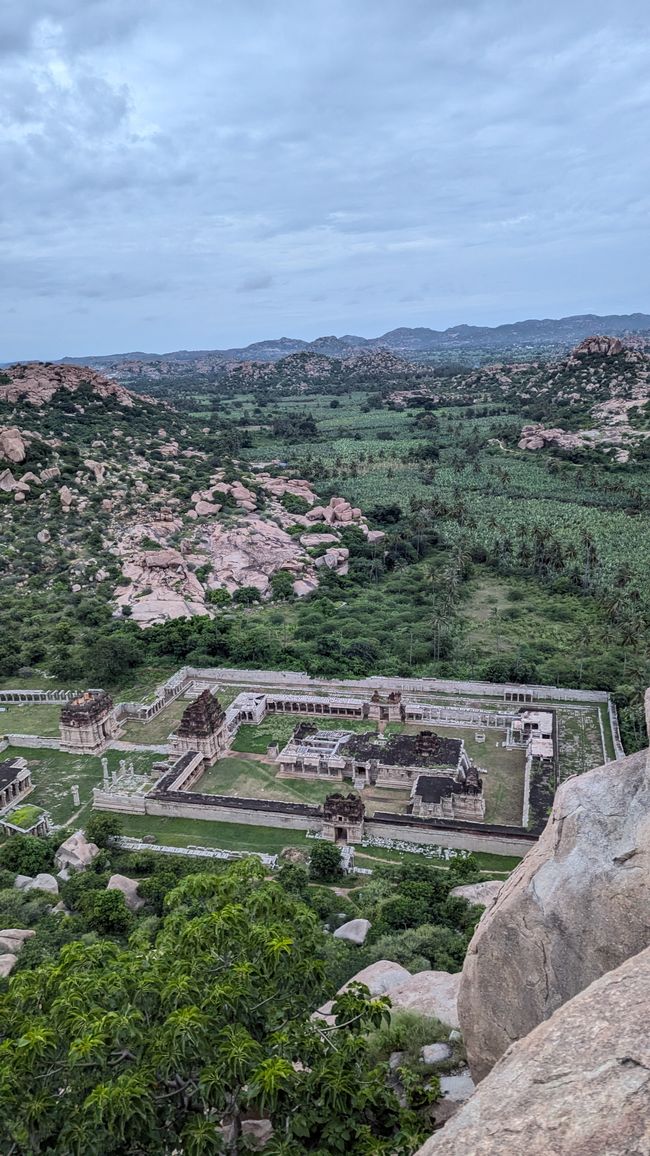
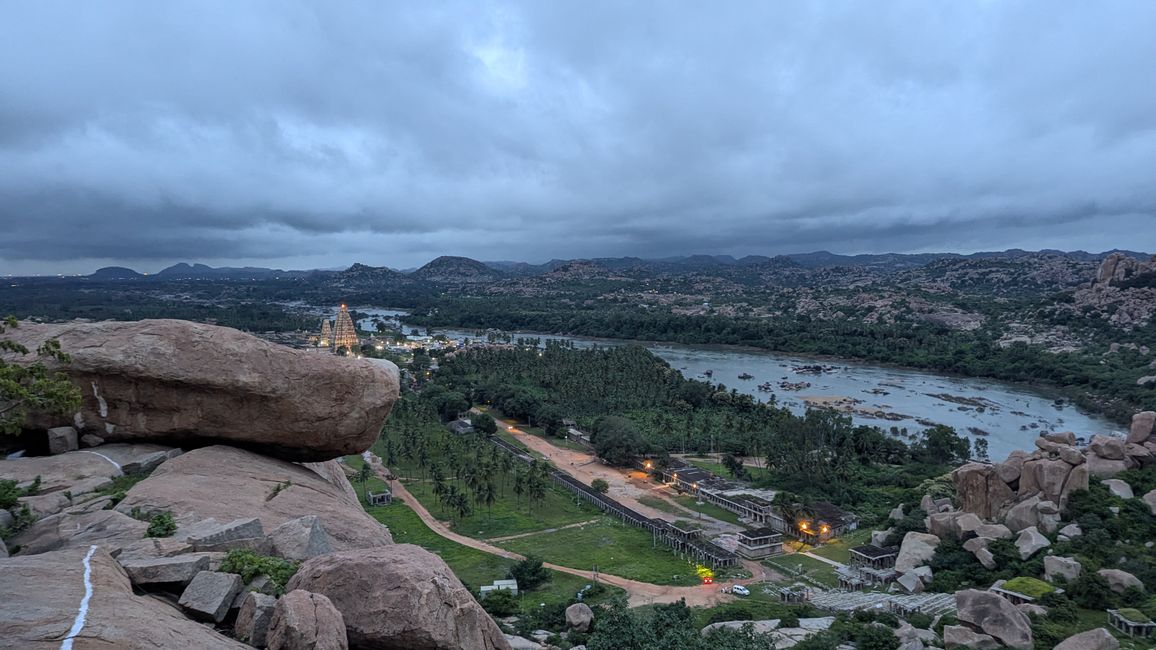
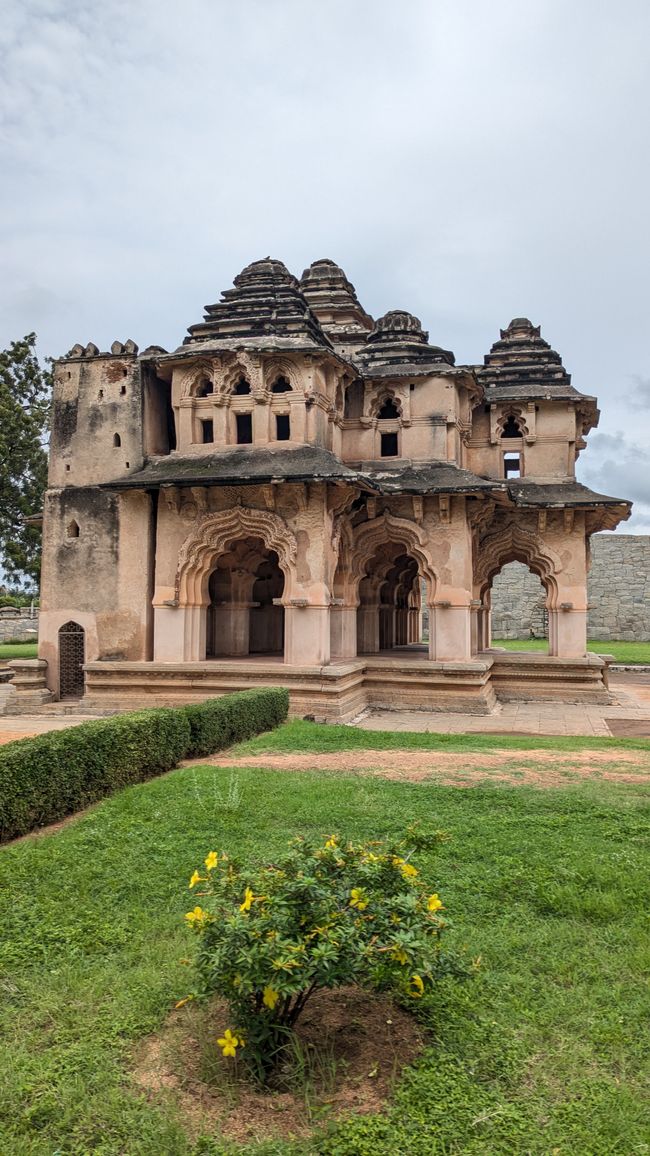
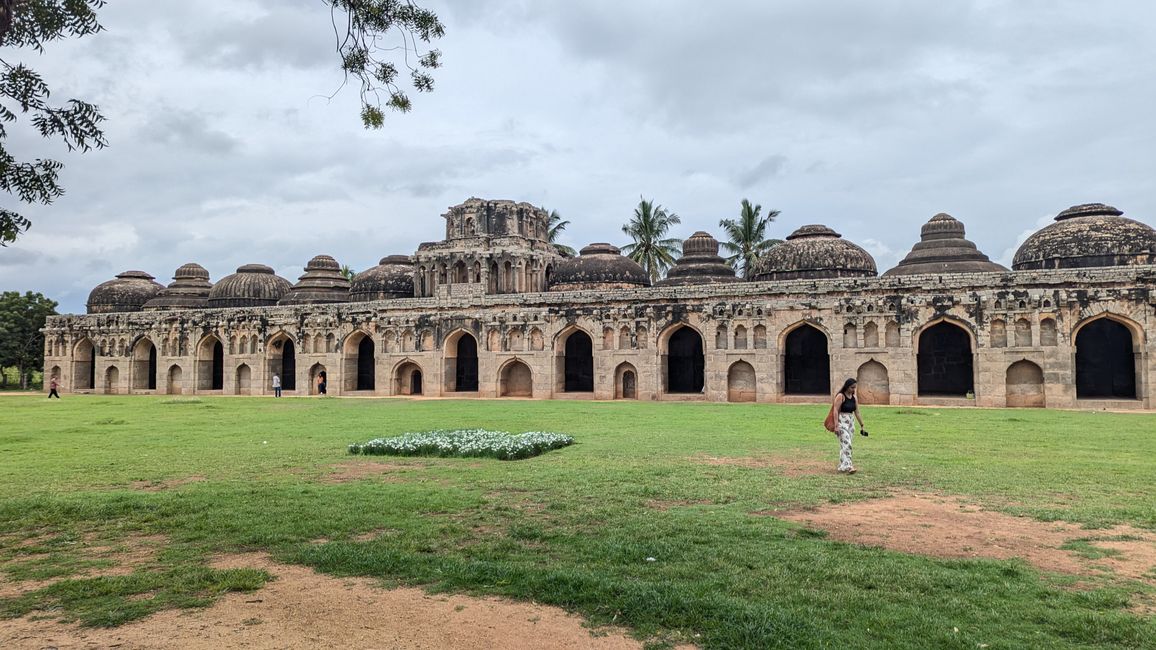
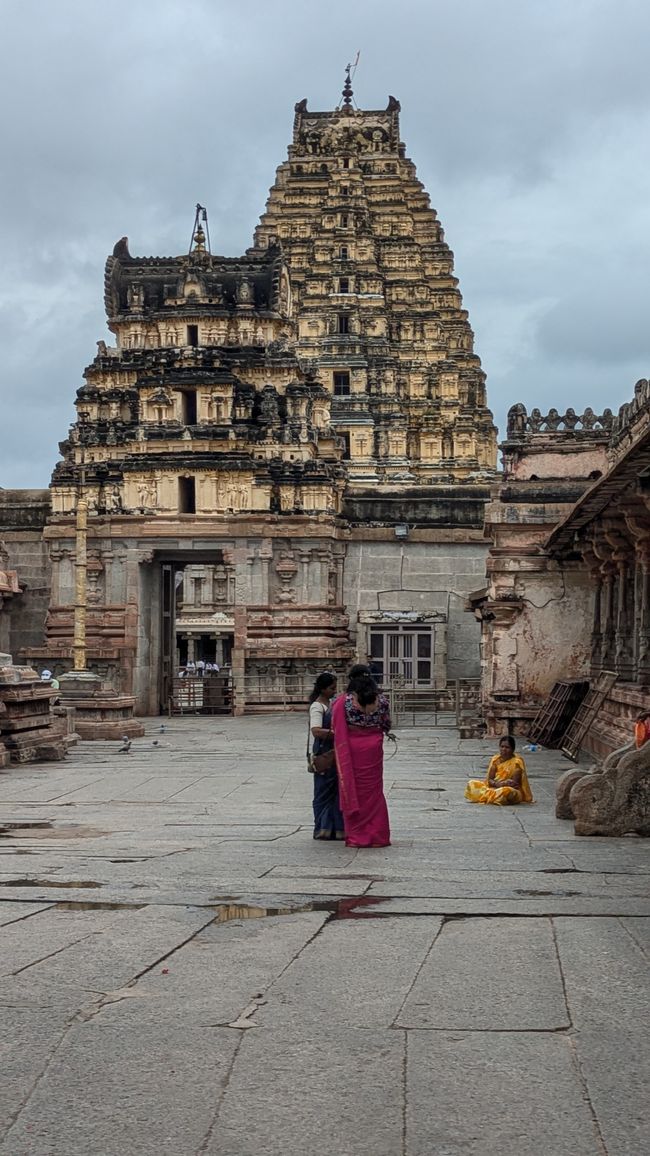
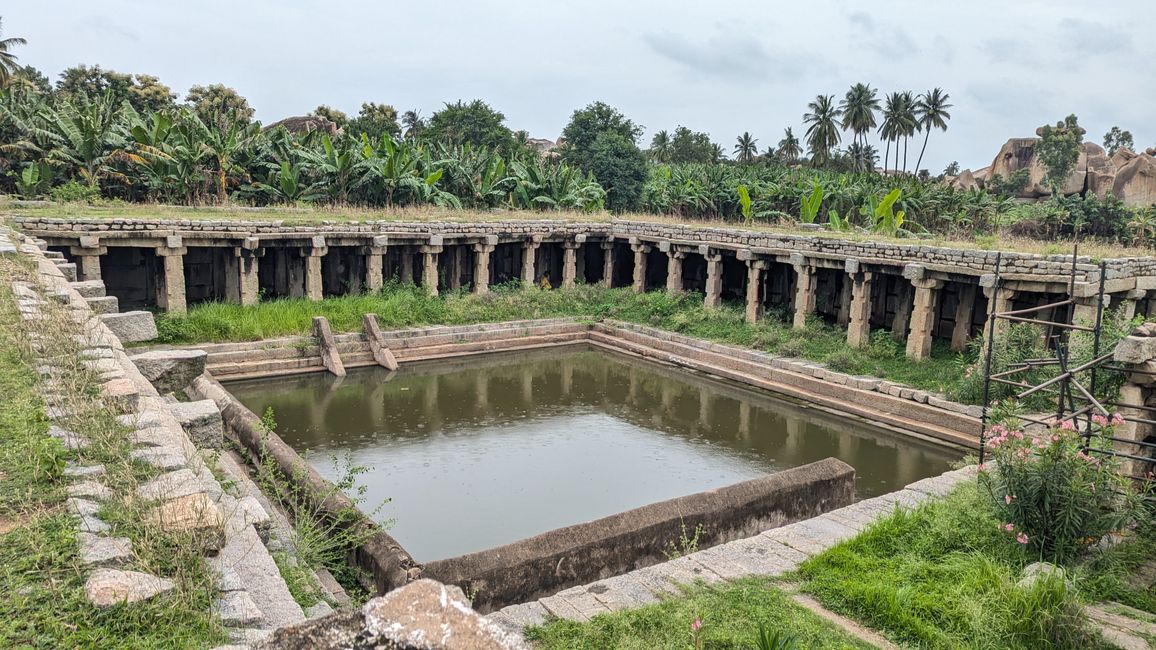
Hampi was the capital of the Vijayanagara Empire, the last great Hindu kingdom in South India. The culture experienced its heyday between the 14th and 16th centuries. During this time, Hampi became one of the largest and richest trading centers in the world, with an estimated population of up to half a million people around 1500 AD. The area is vast, and there are ancient temples, bazaars, wells, palaces, and baths everywhere, so we went again on a scooter, which took us to various sights in Hampi. We hired a guide for the first day who explained to us the temples and very interesting reliefs. On the second day, we explored the remaining sights, and we spent the evening in one of the really good and cozy restaurants; Hampi was an unexpected highlight.
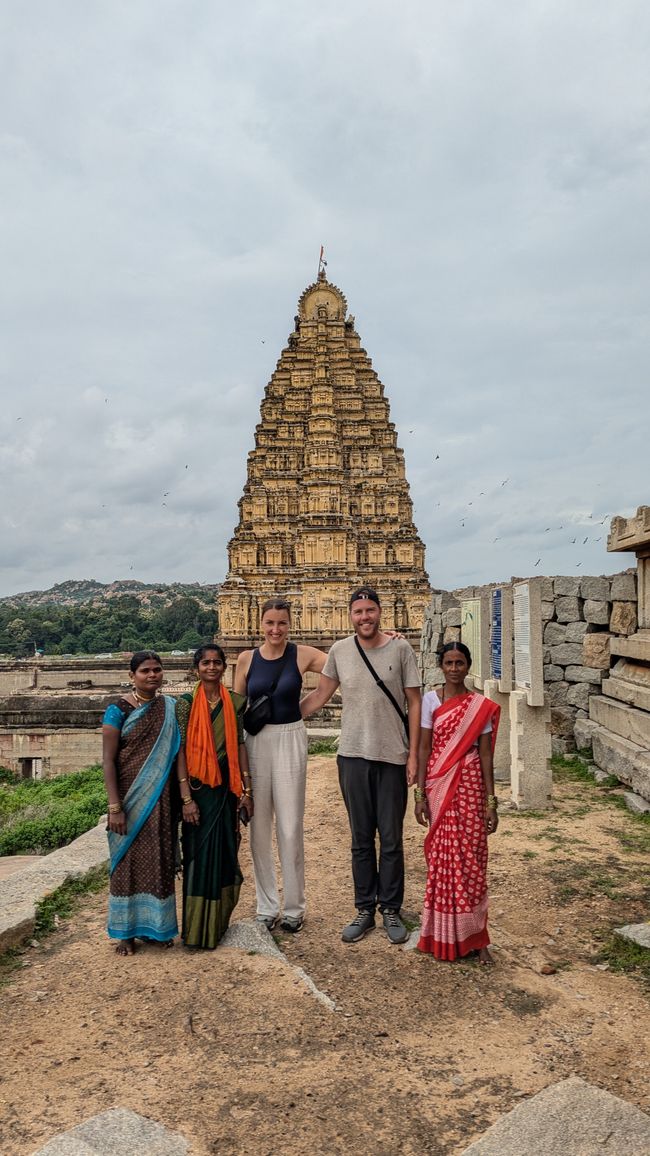
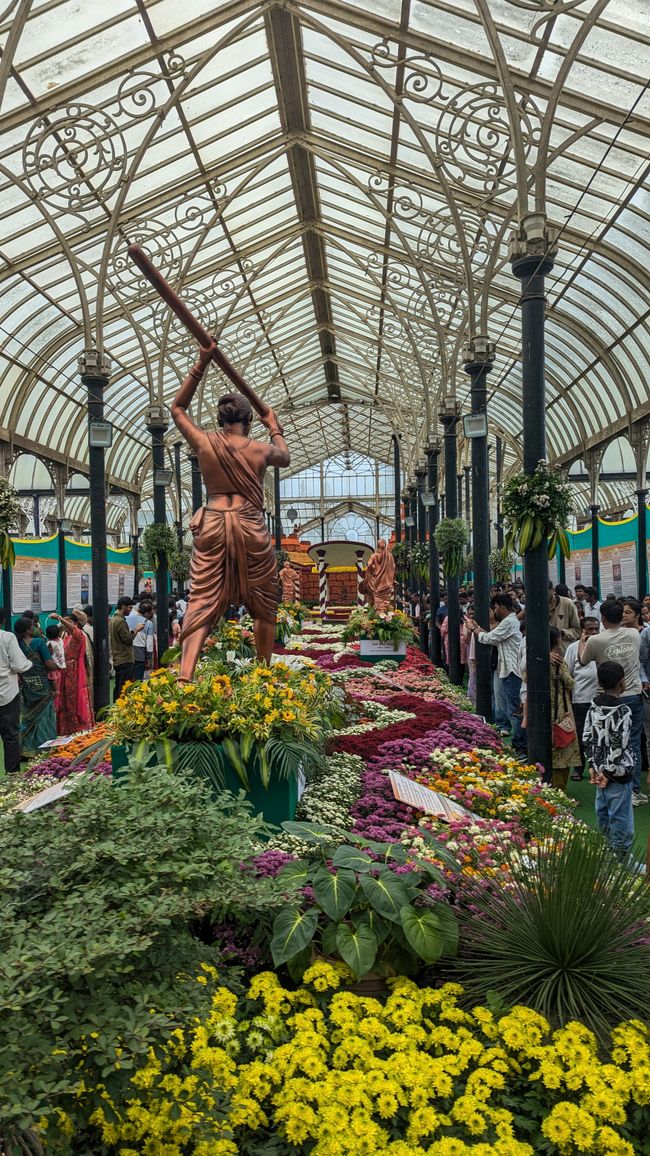
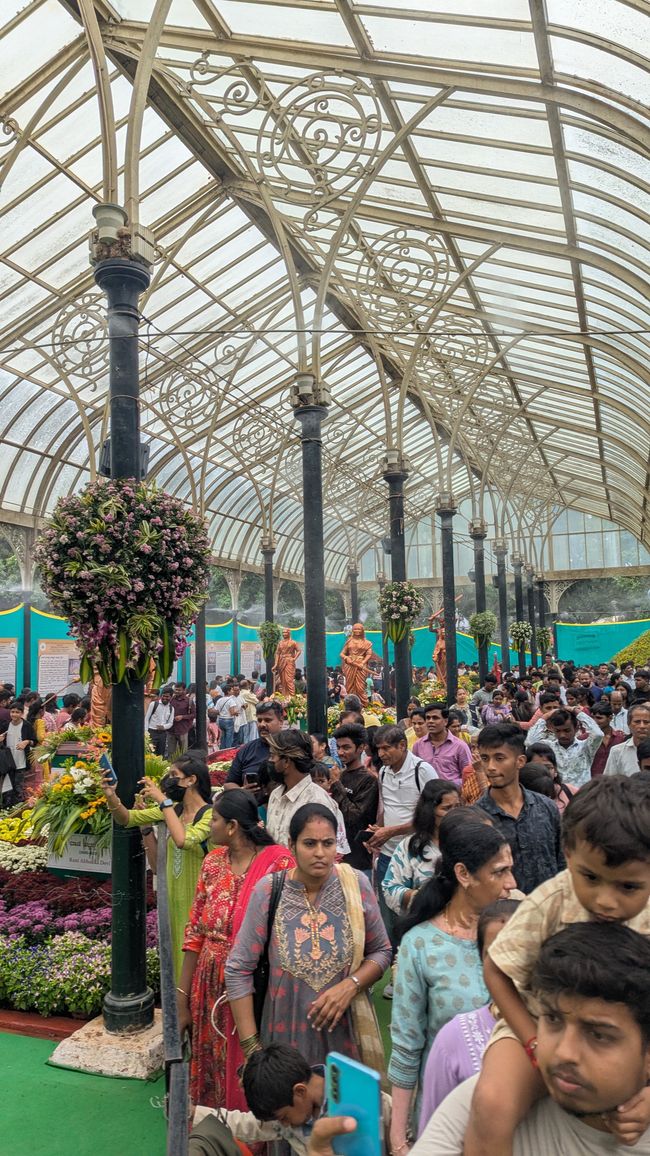
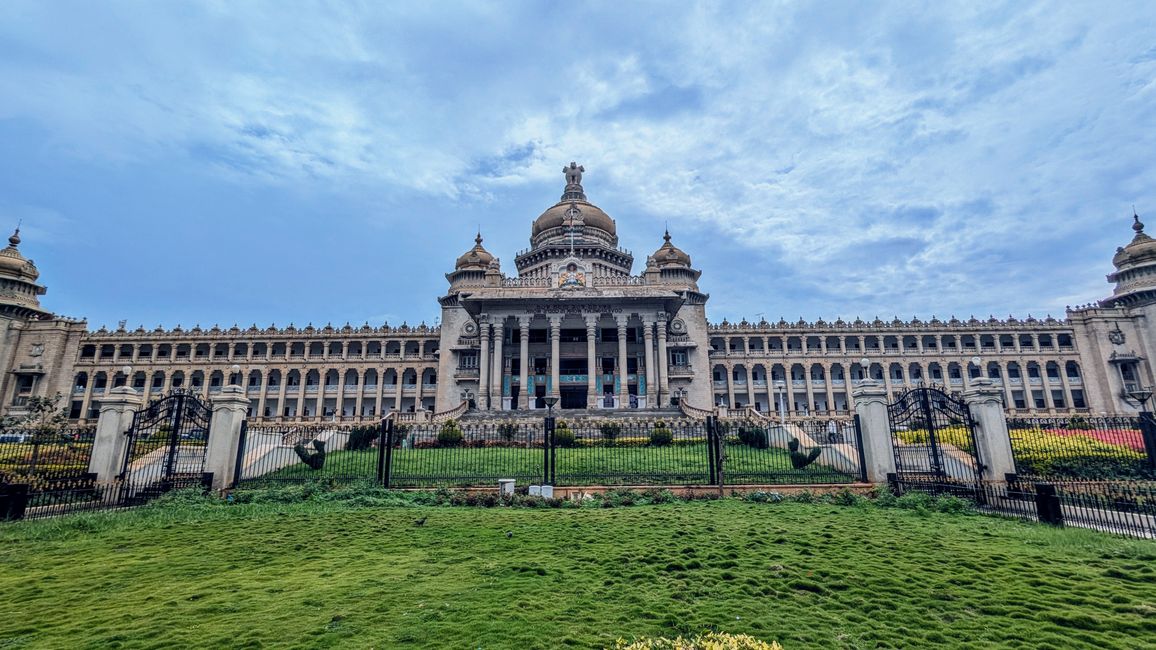
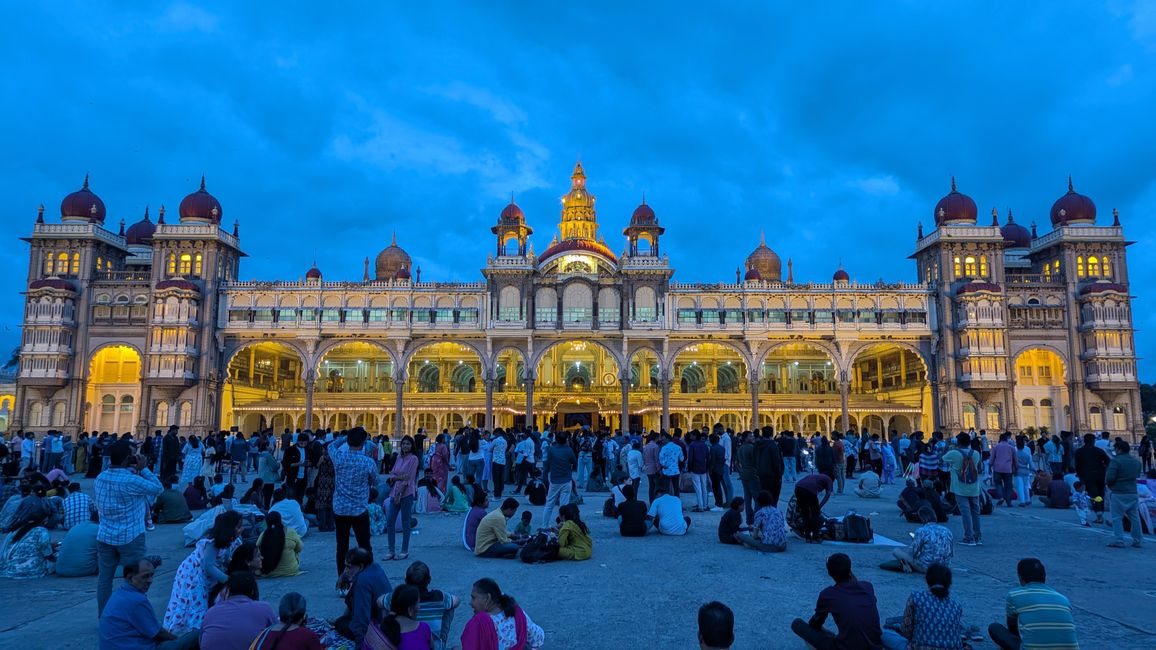
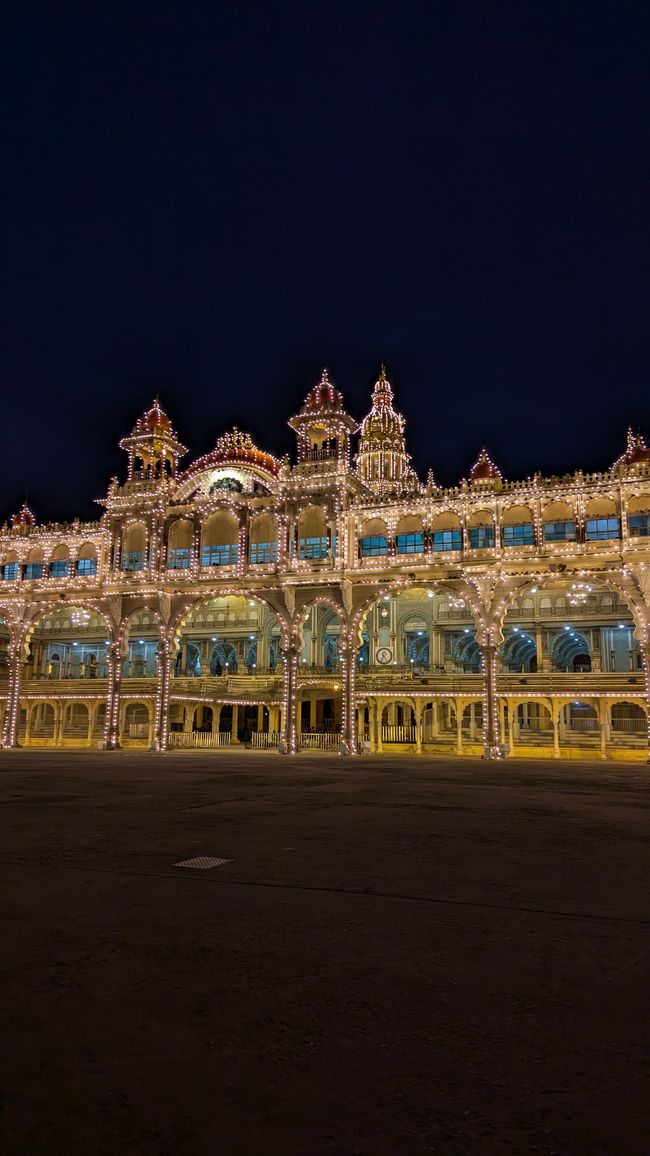
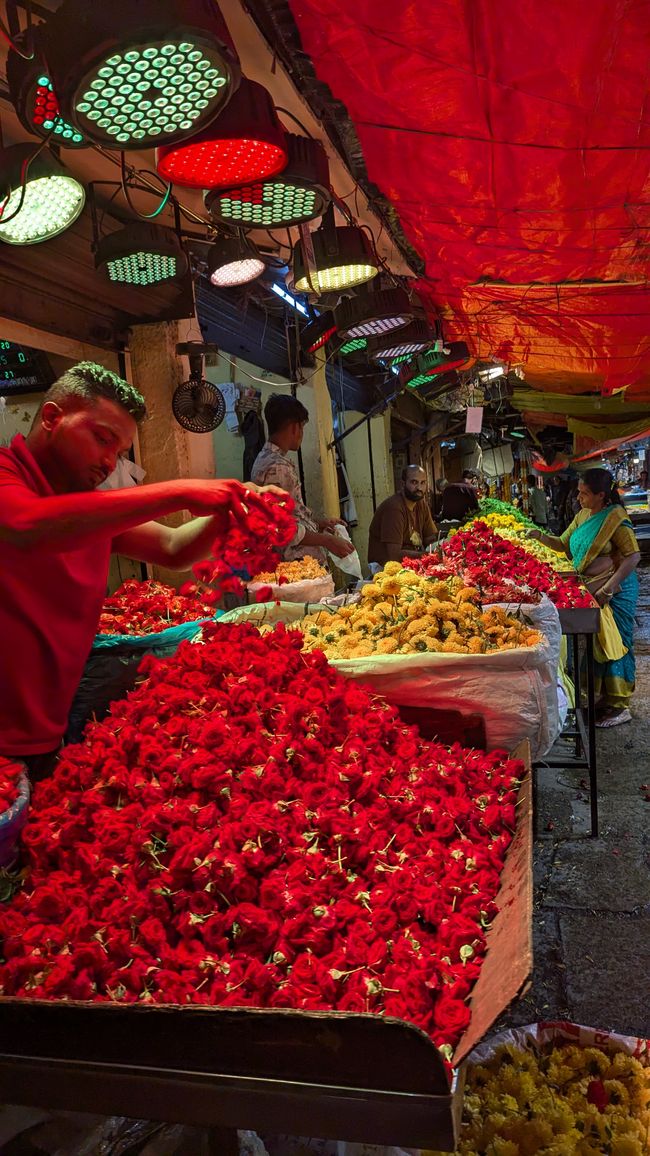
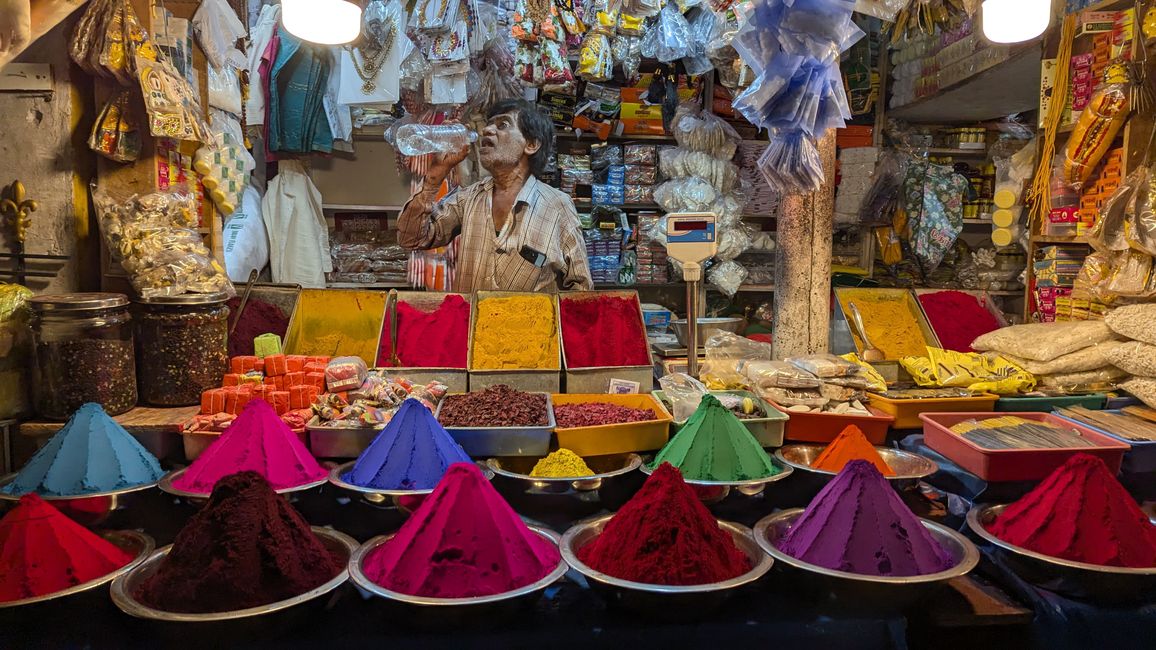
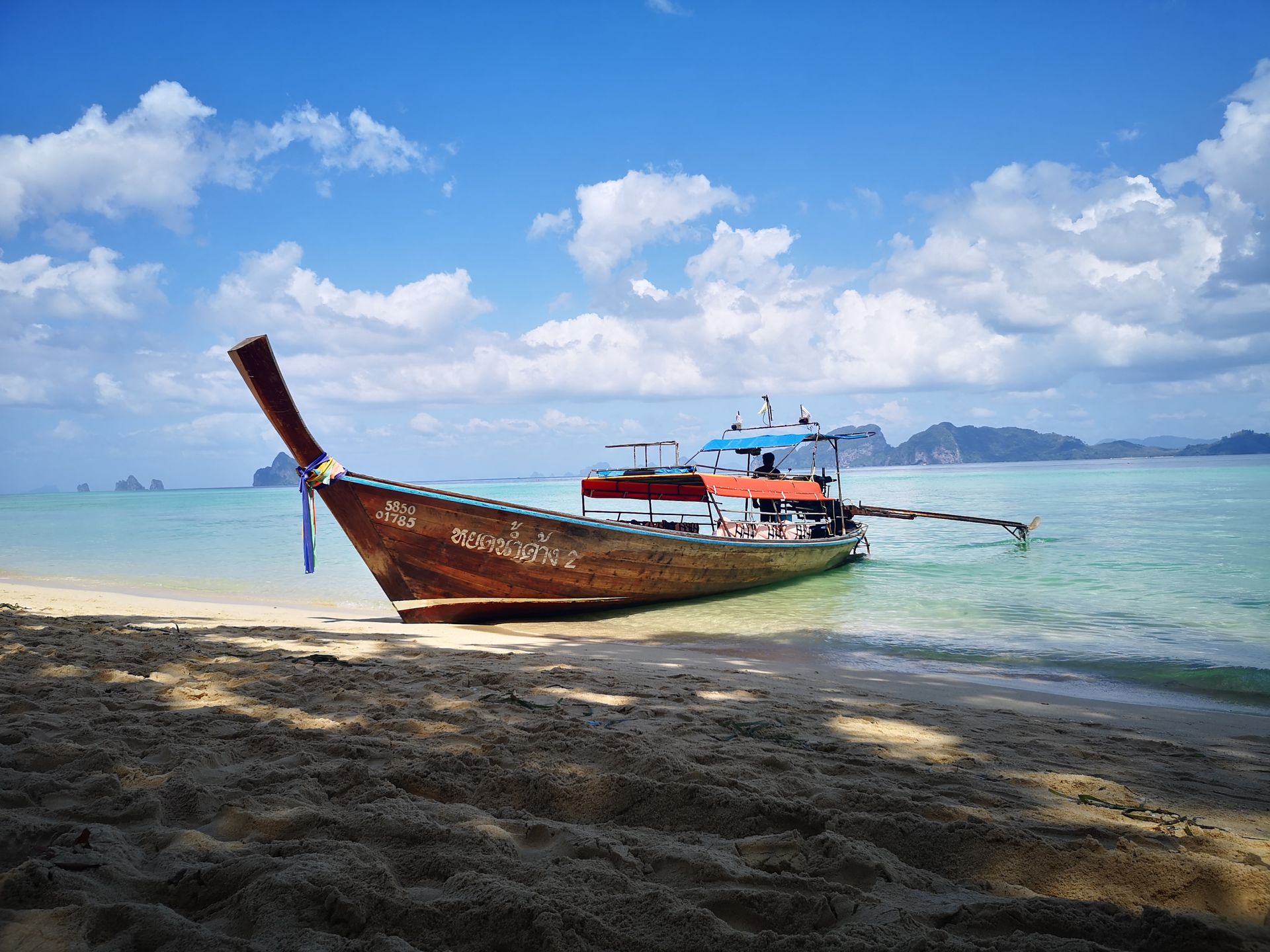
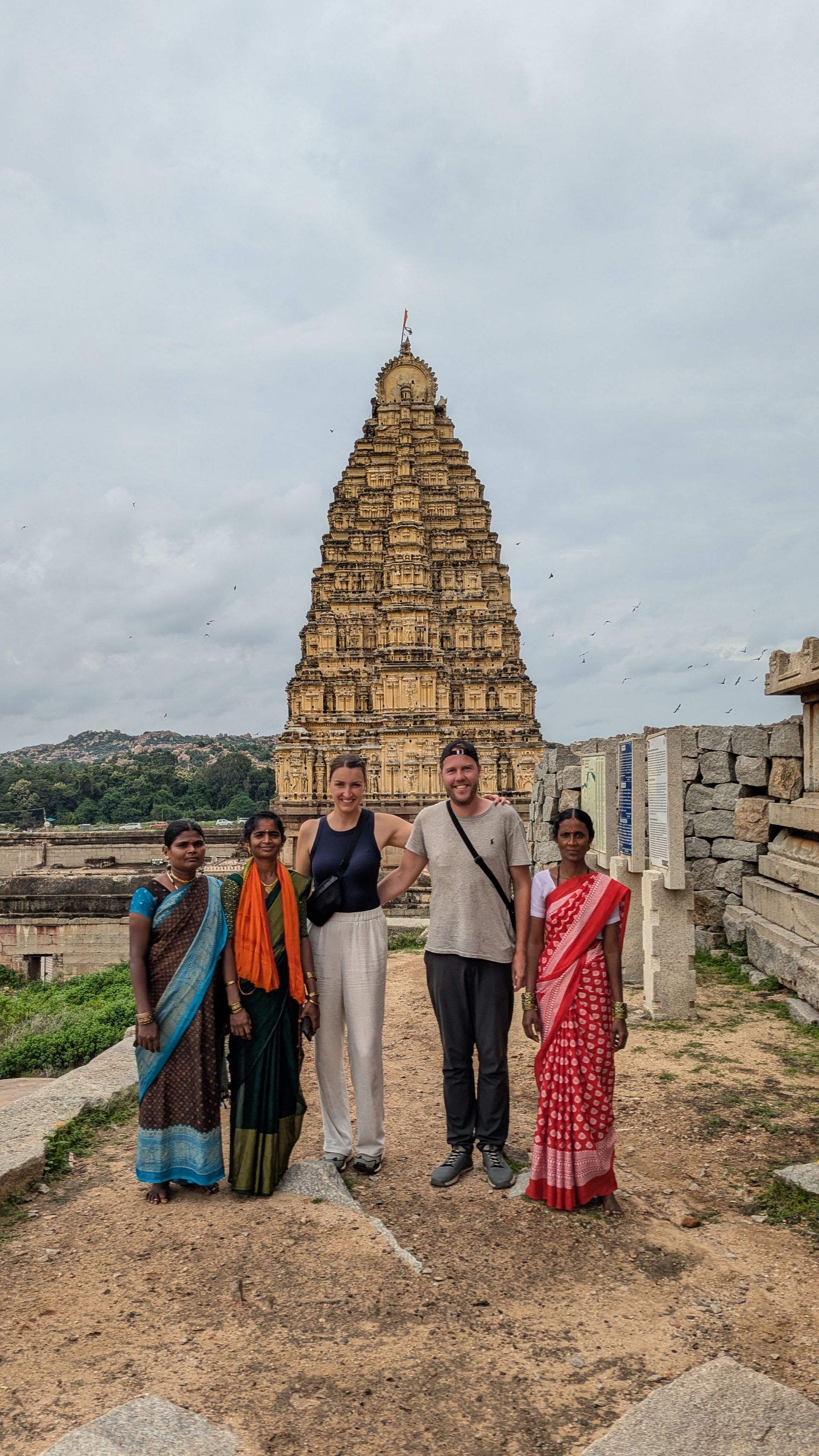
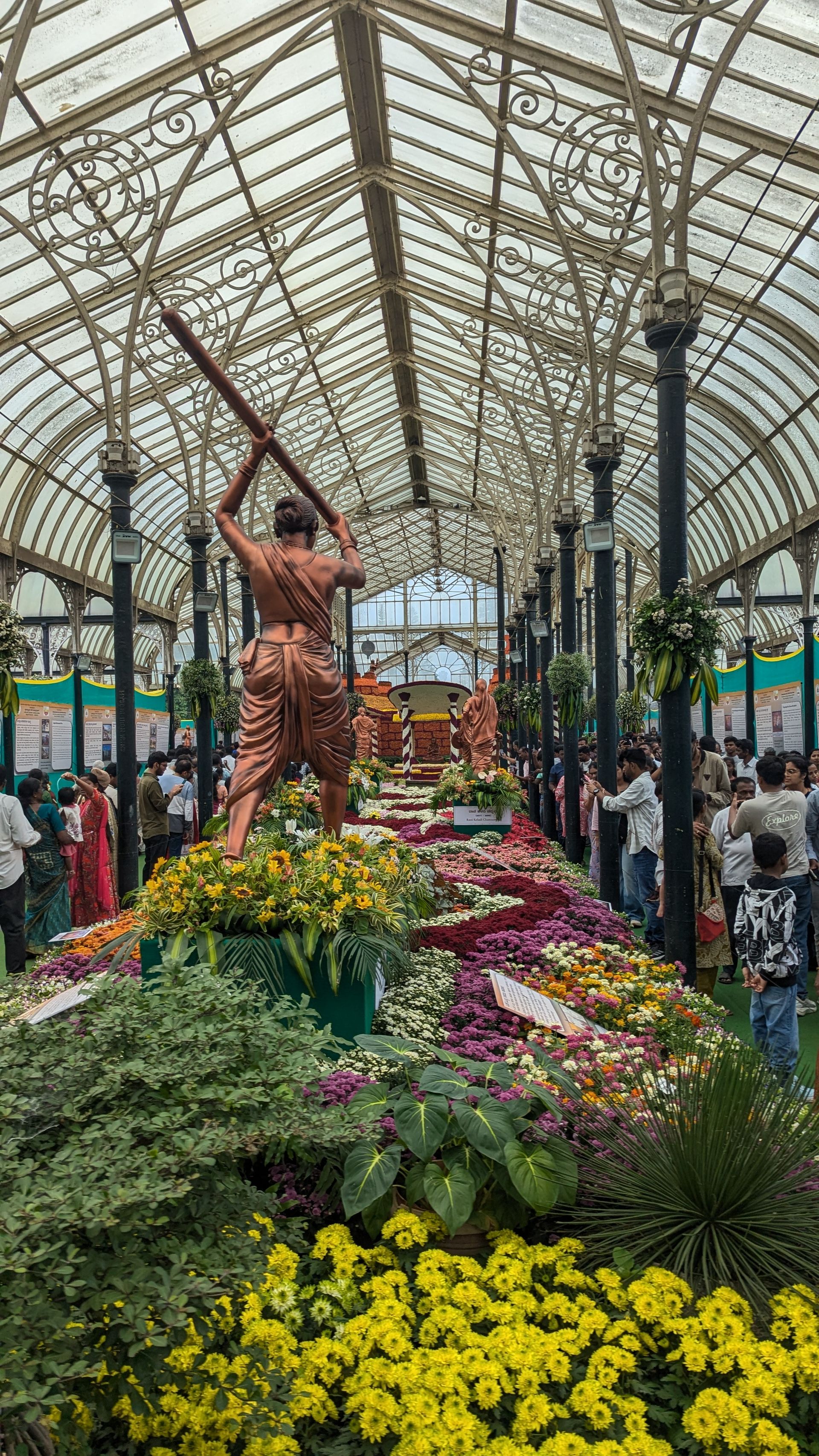
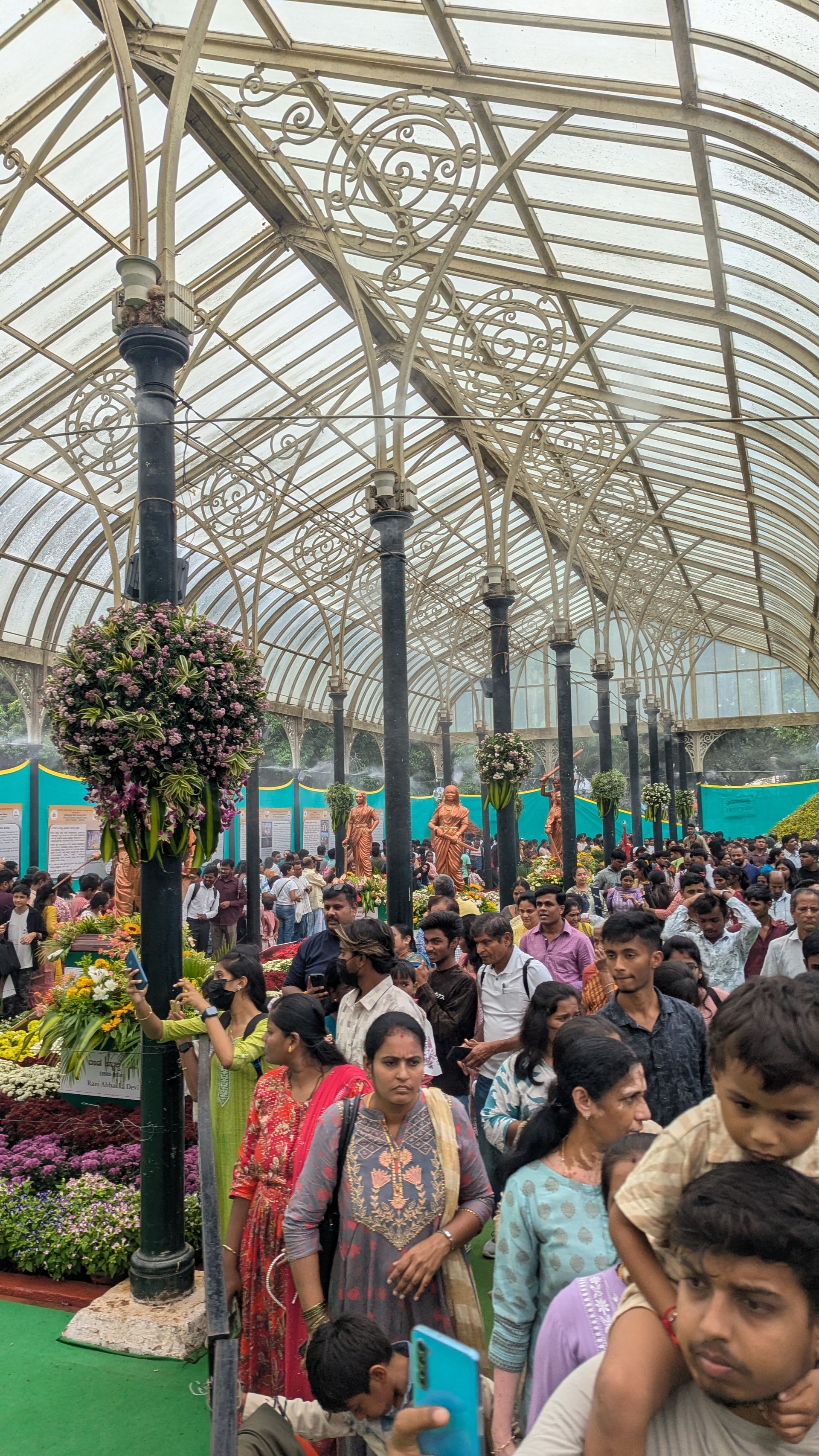
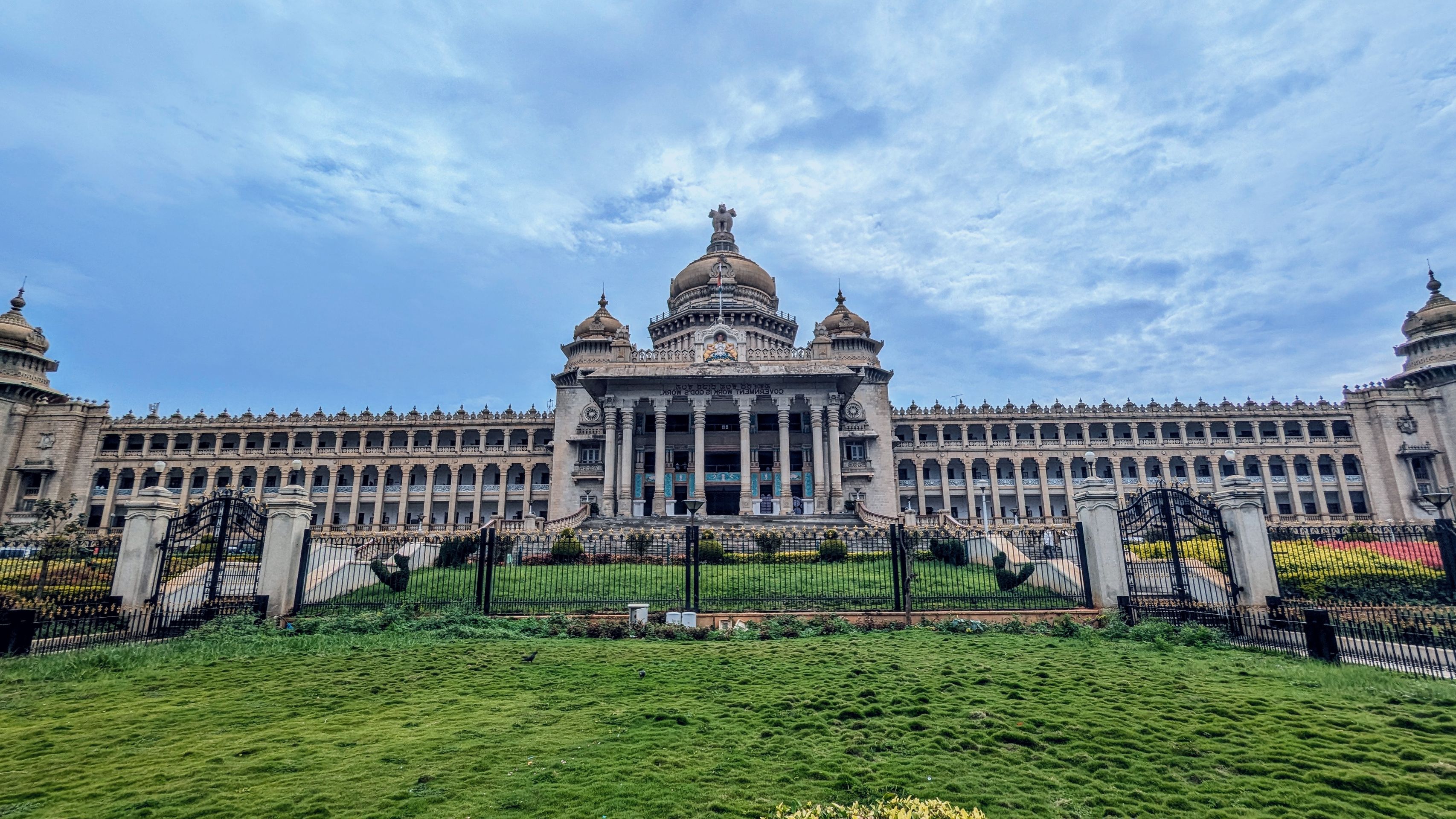
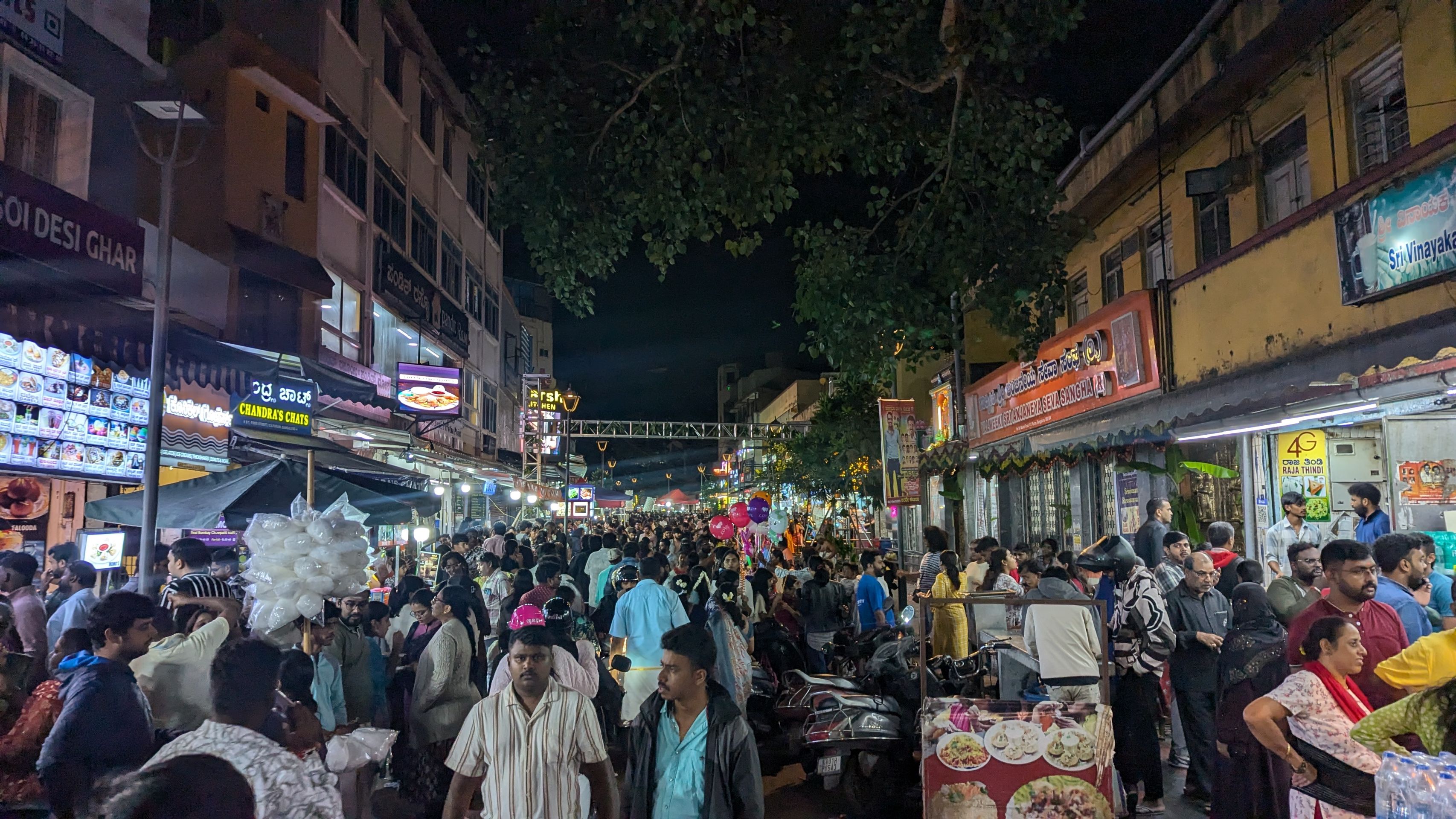
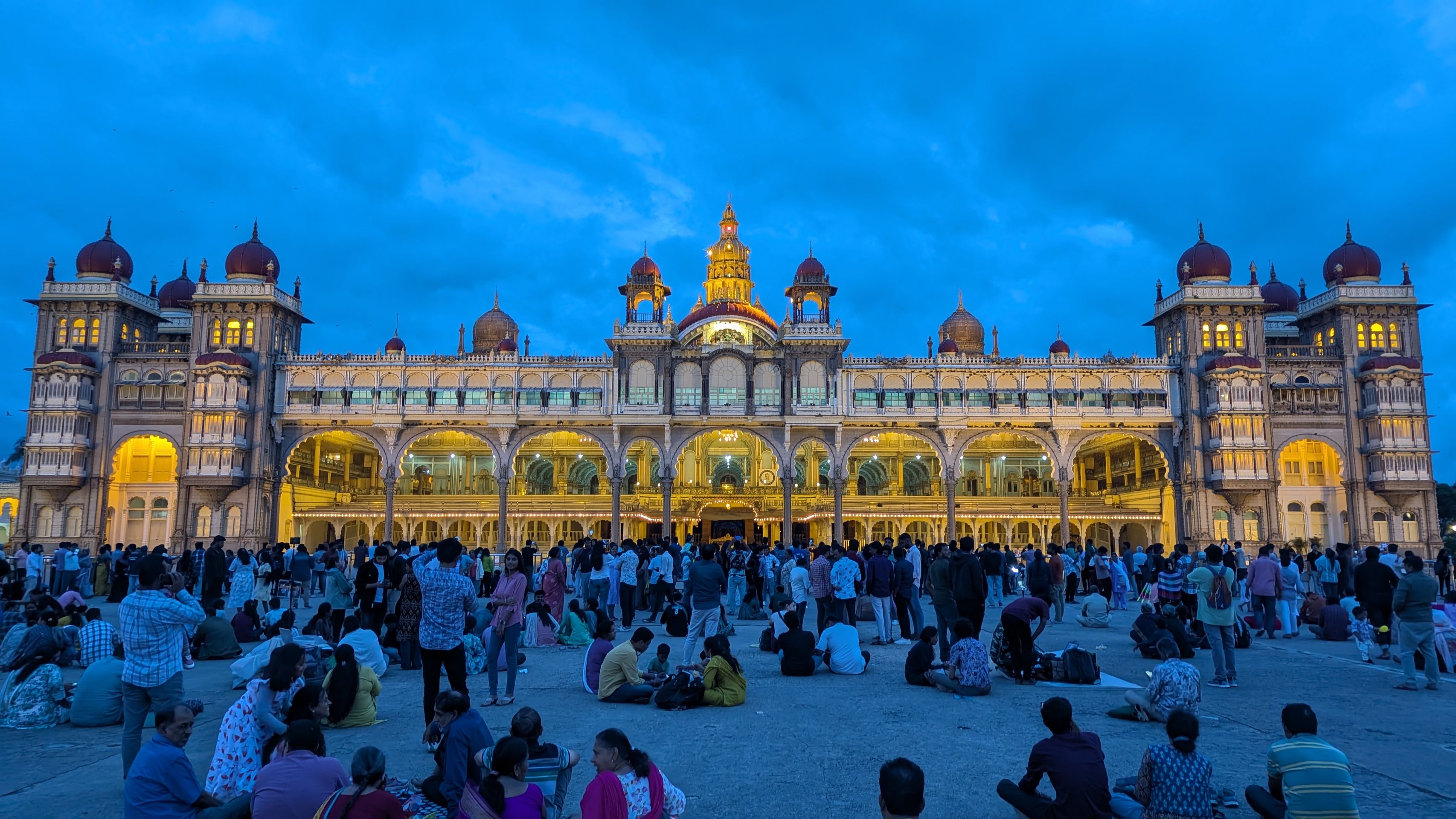
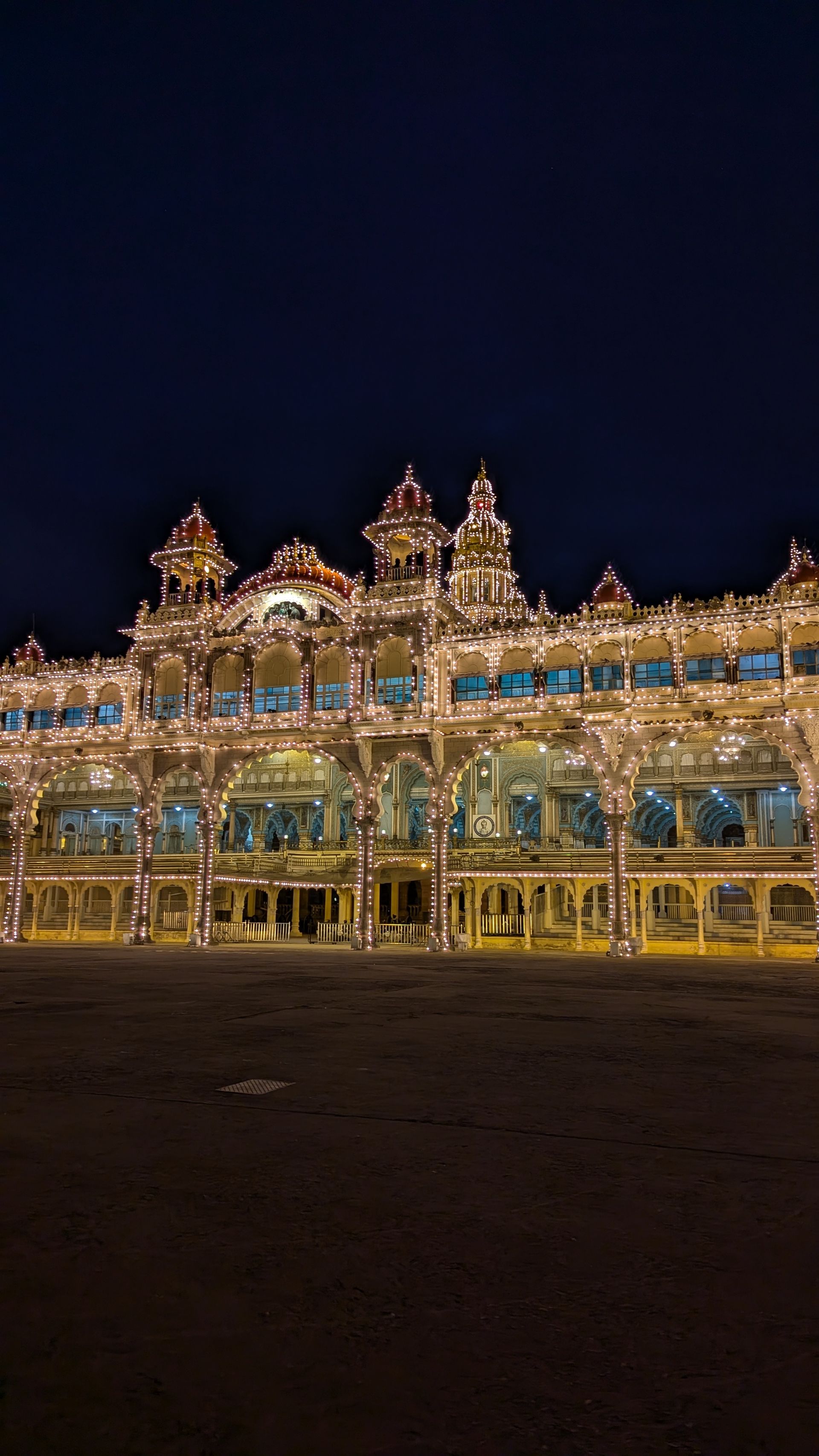
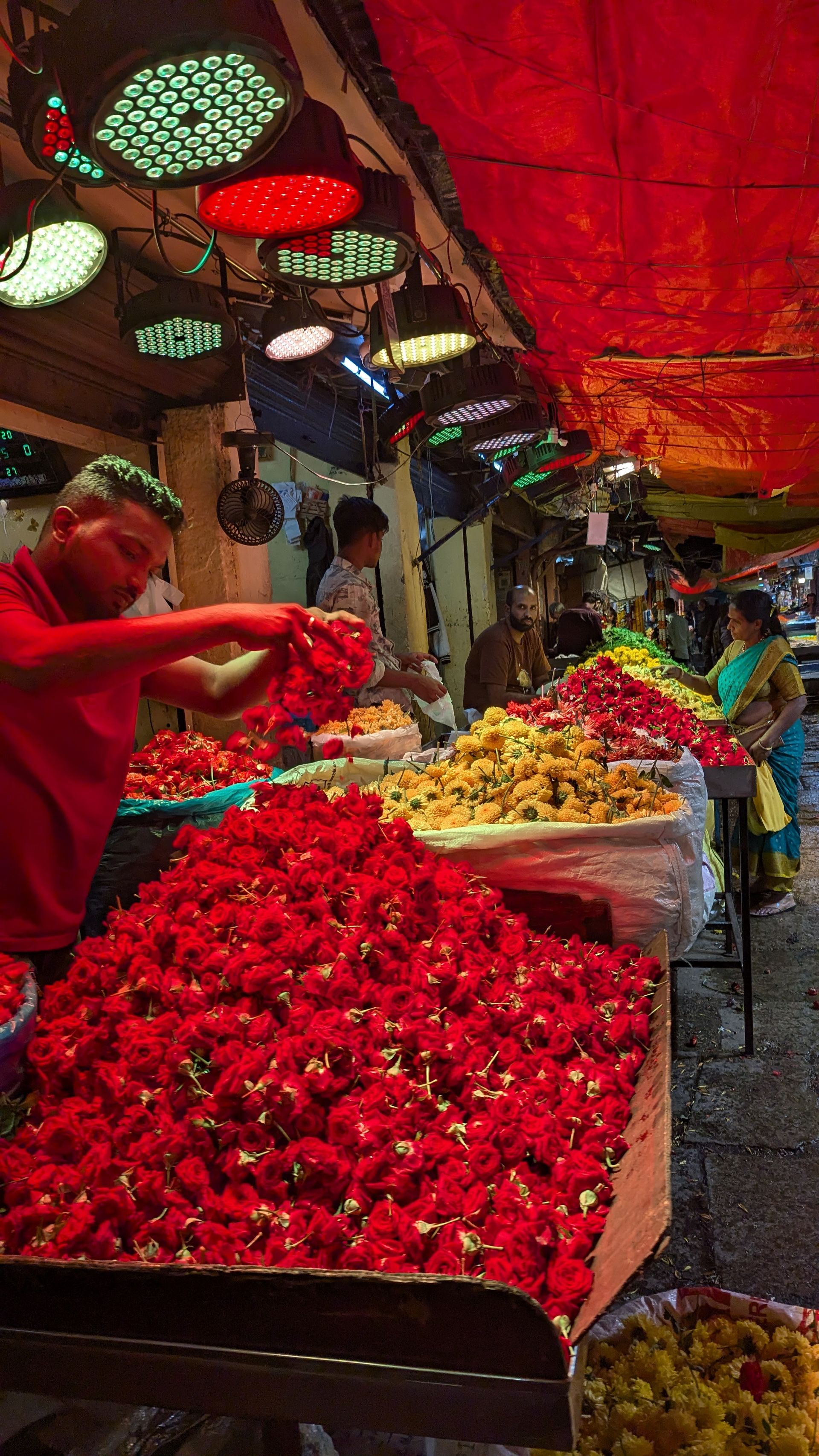
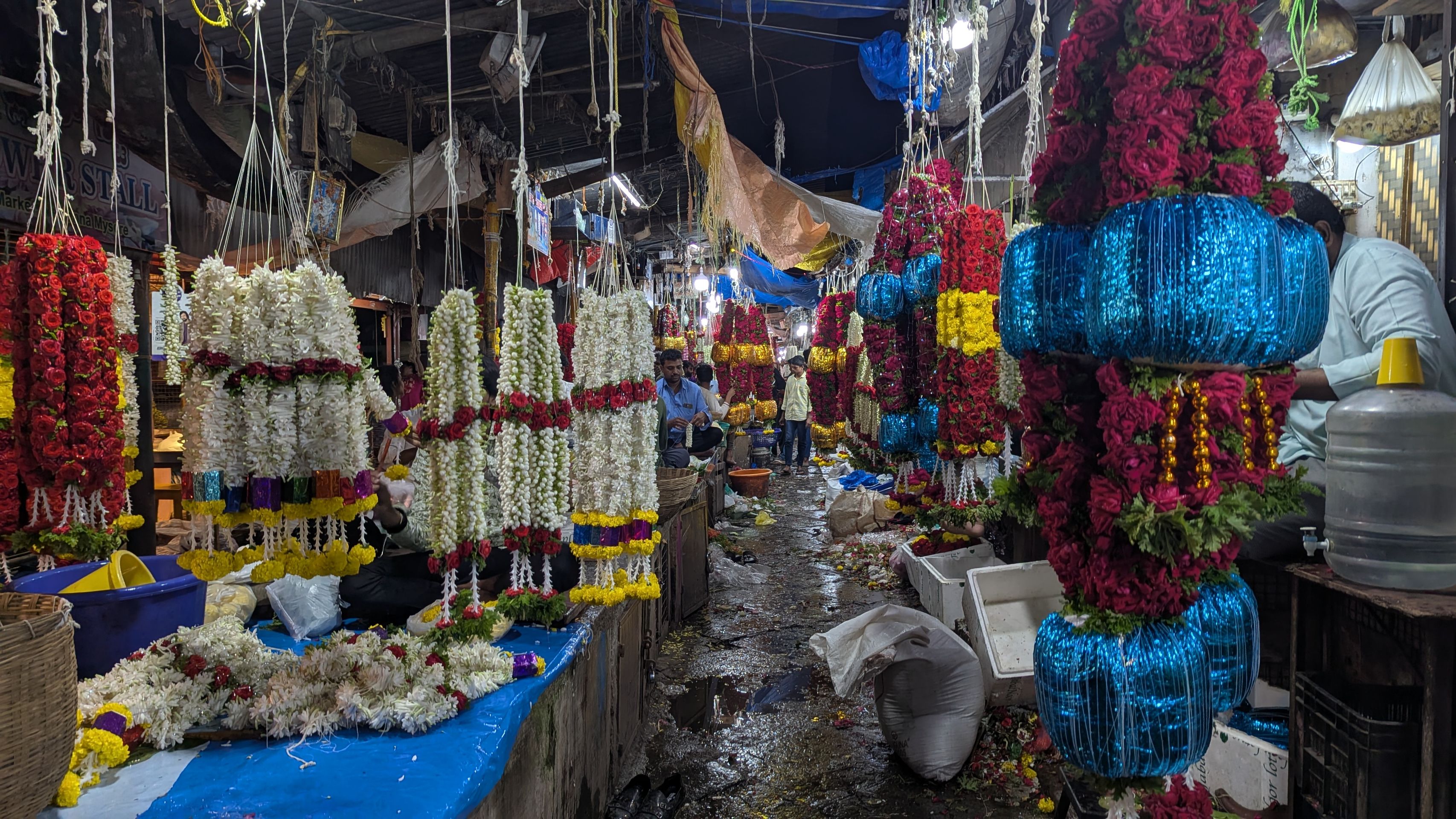
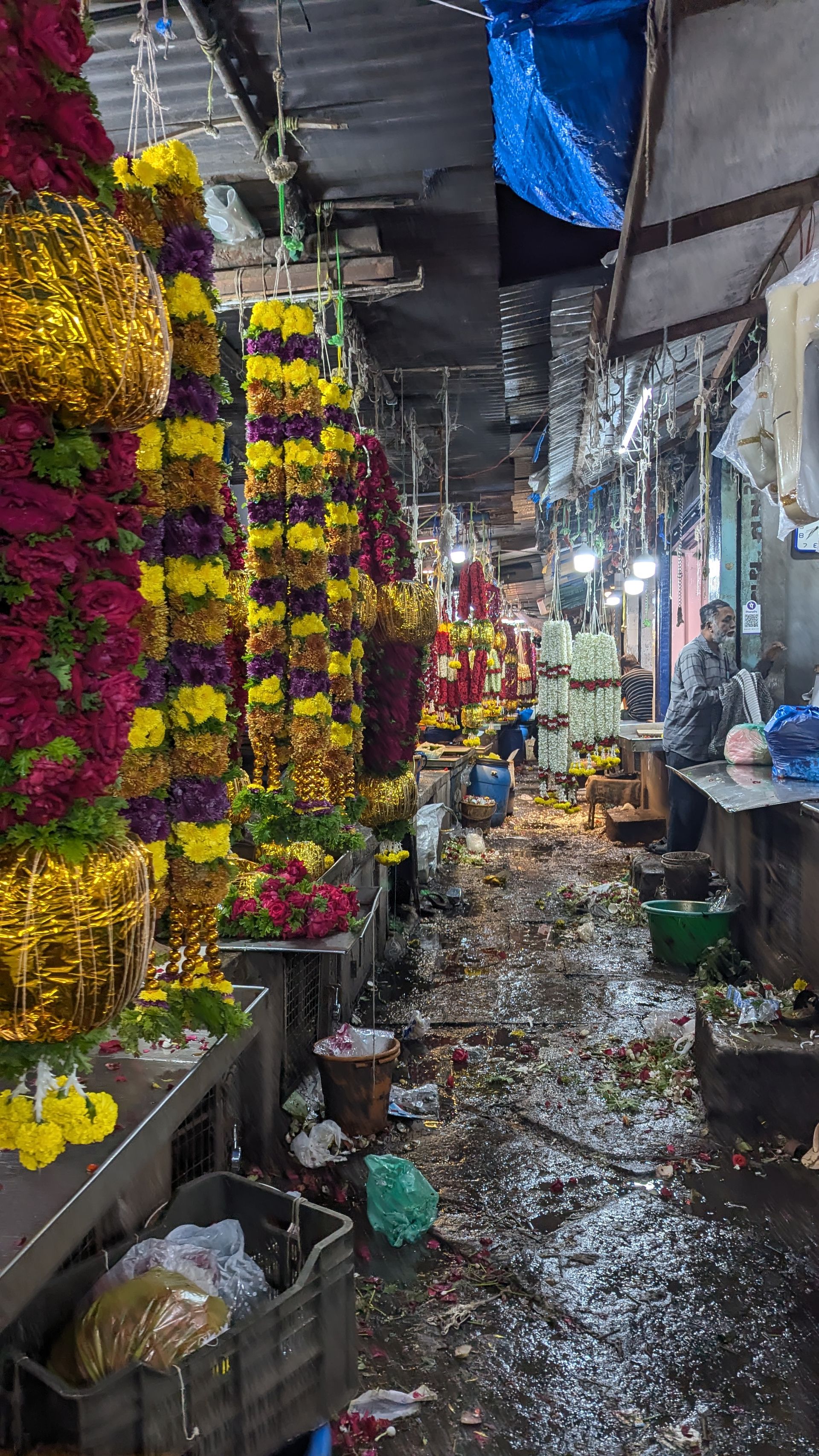
Bangalore was just a short stop on my way to Ooty, but here I discovered the first real street food market in India. Until now, I thought it didn't exist here; I was all the more delighted about the good food at the market, the hardest part was, of course, deciding what to try. Other than that, we also looked at the botanical garden, which was totally overcrowded since today was Independence Day, and many Indians were out and about. We only viewed the palace from the outside, as foreigners should pay ten times the admission fee; at some point, enough is enough. We took a bit more time to fulfill photo requests :)