
Kuala Lumpur: Forward, upward - at any cost
On Monday morning I landed in Malaysia's de facto capital, Kuala Lumpur, an unusually pleasant hour-and-five-minute flight north of Singapore. Quickly and efficiently I acquired...

Published: 30.10.2025
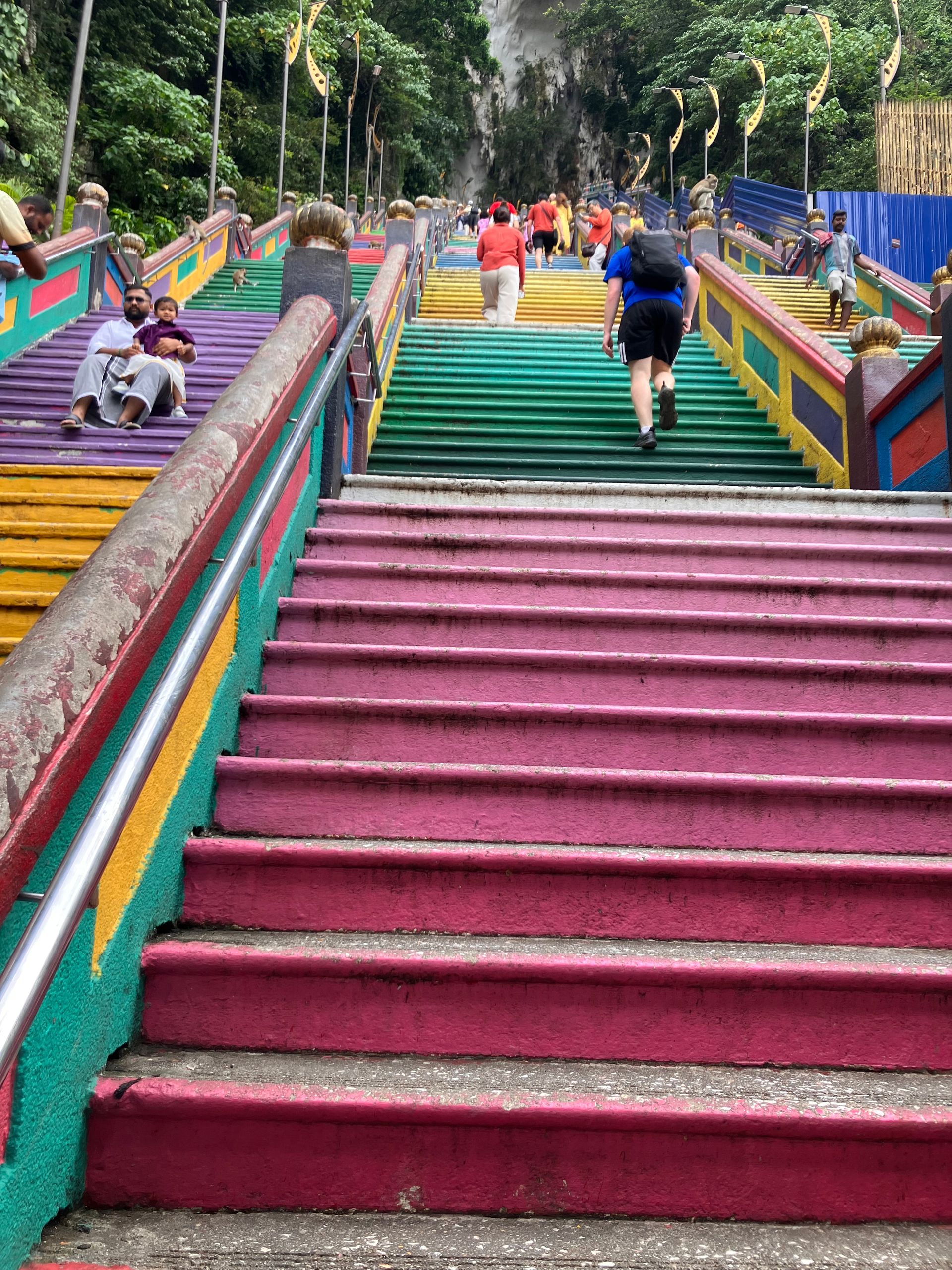
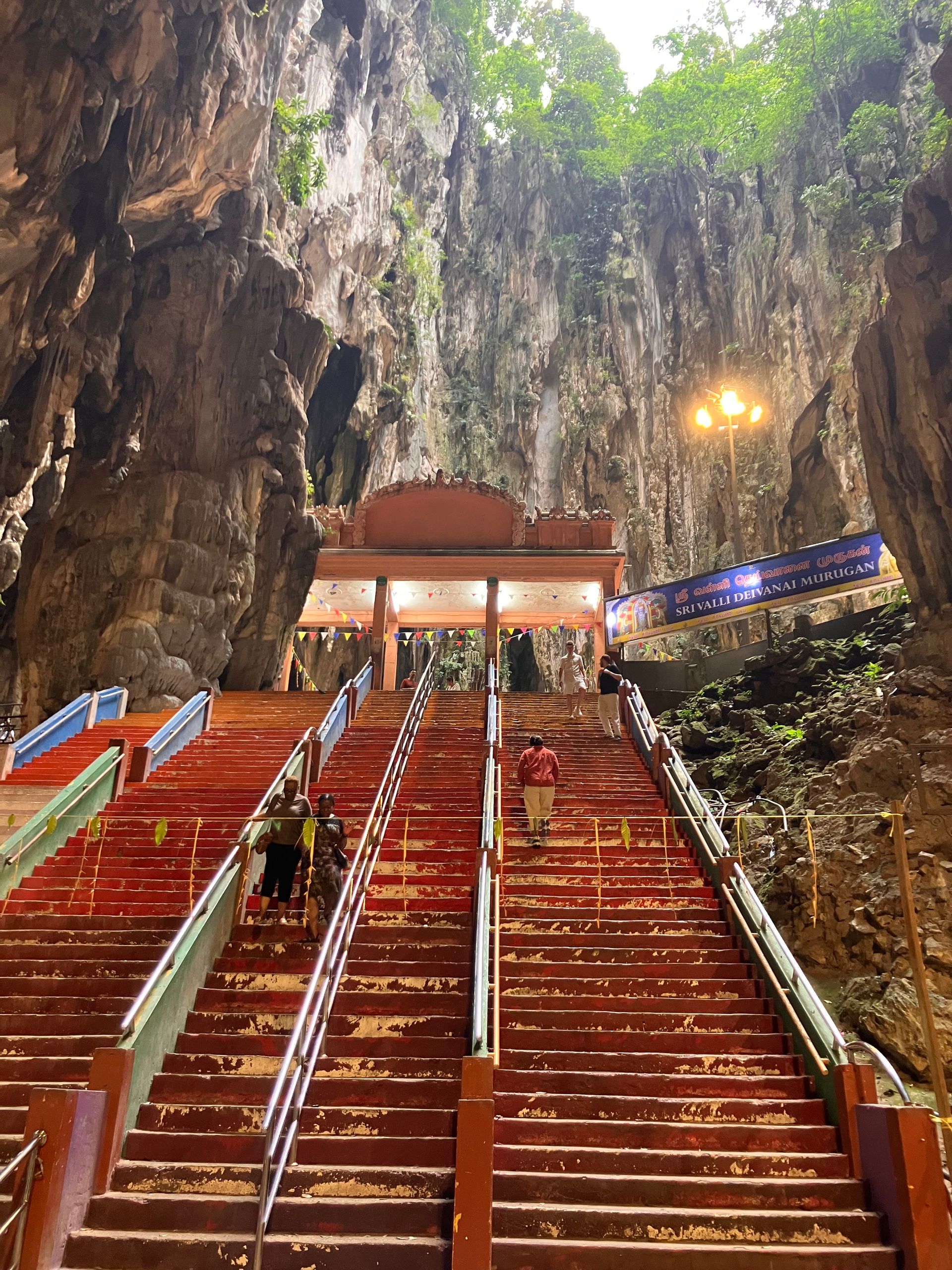
272 steps in the colors of the rainbow. There is only one way: up!
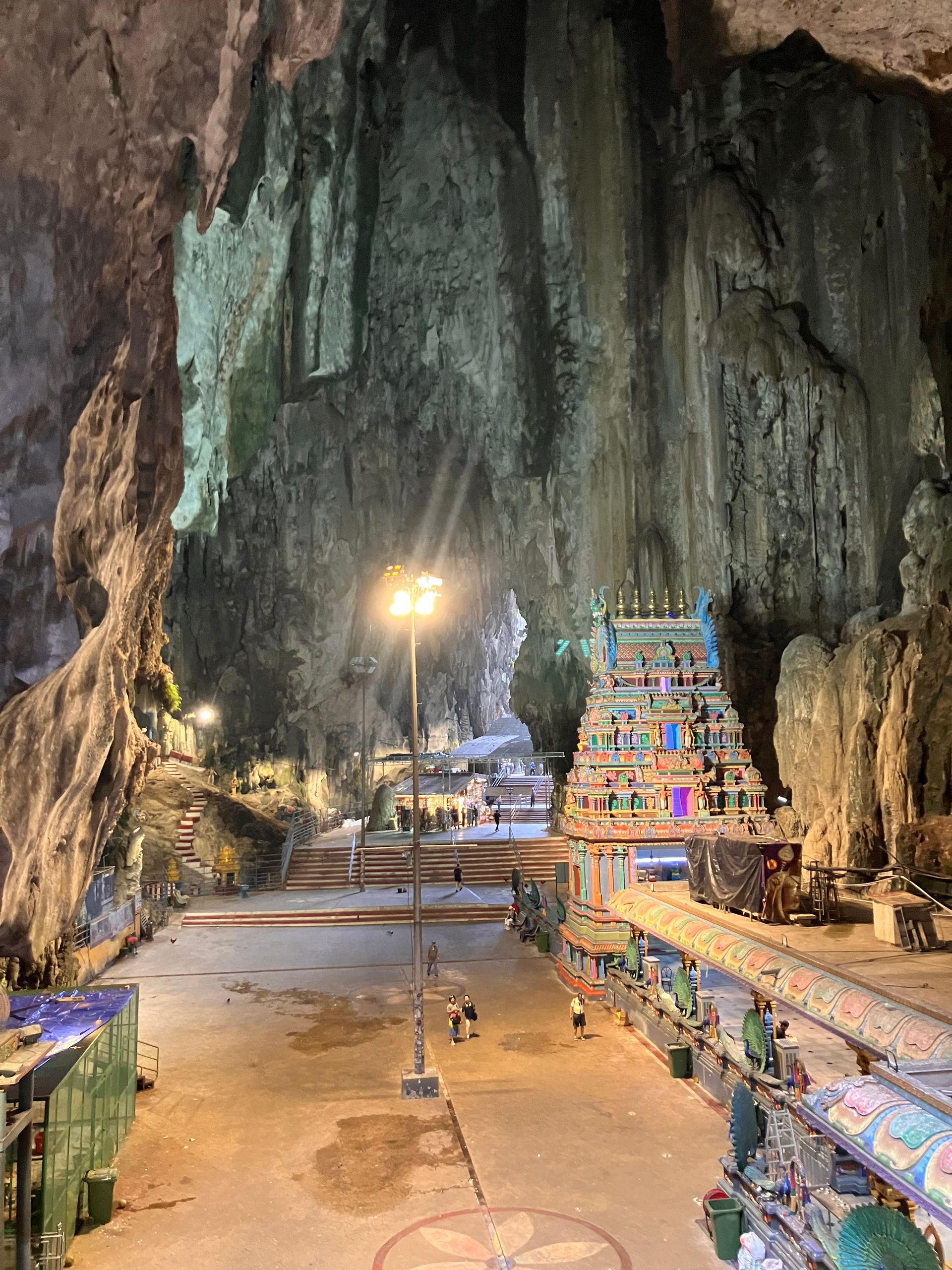
The Batu Caves, located 13 km north of Kuala Lumpur's city center, are popular with both Hindus and tourists. It is advised to arrive before 9 AM.
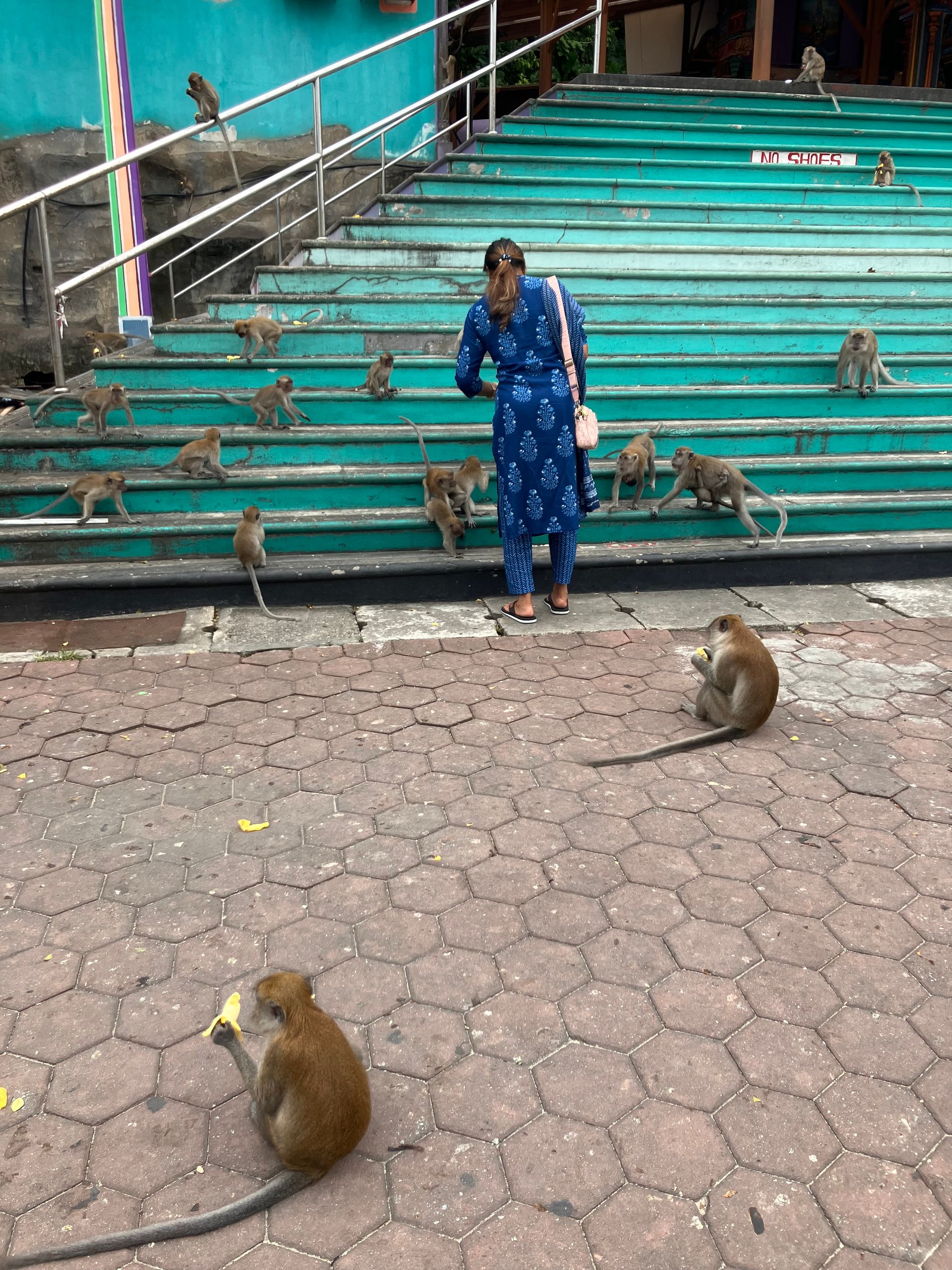
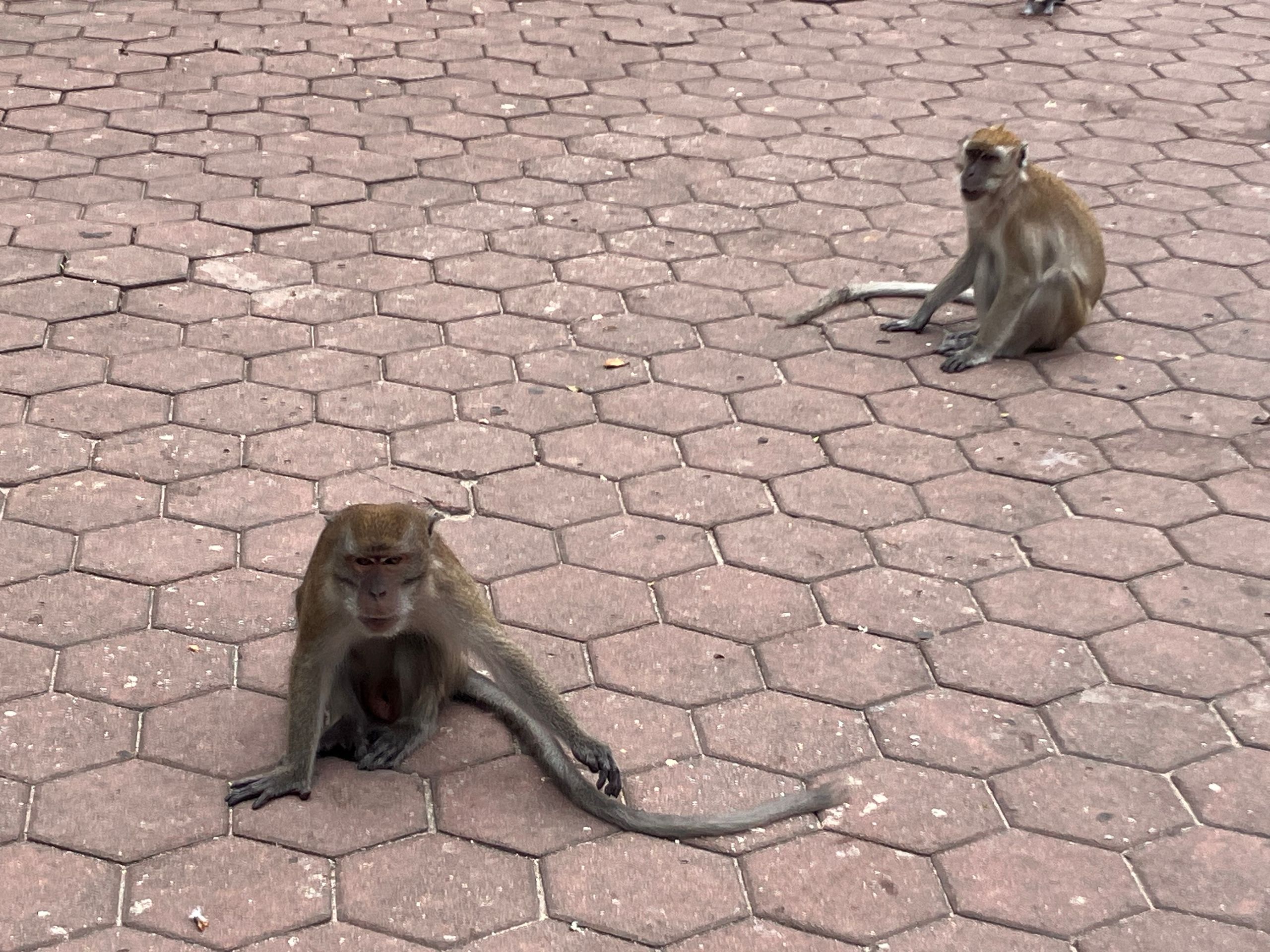
Thus, I woke up early, took the commuter train to the final stop (which IS the caves), and easily made it up the steps before the heat and the large crowds arrived. It took five or six minutes - including the dodging maneuvers around the numerous, early-morning macaques.
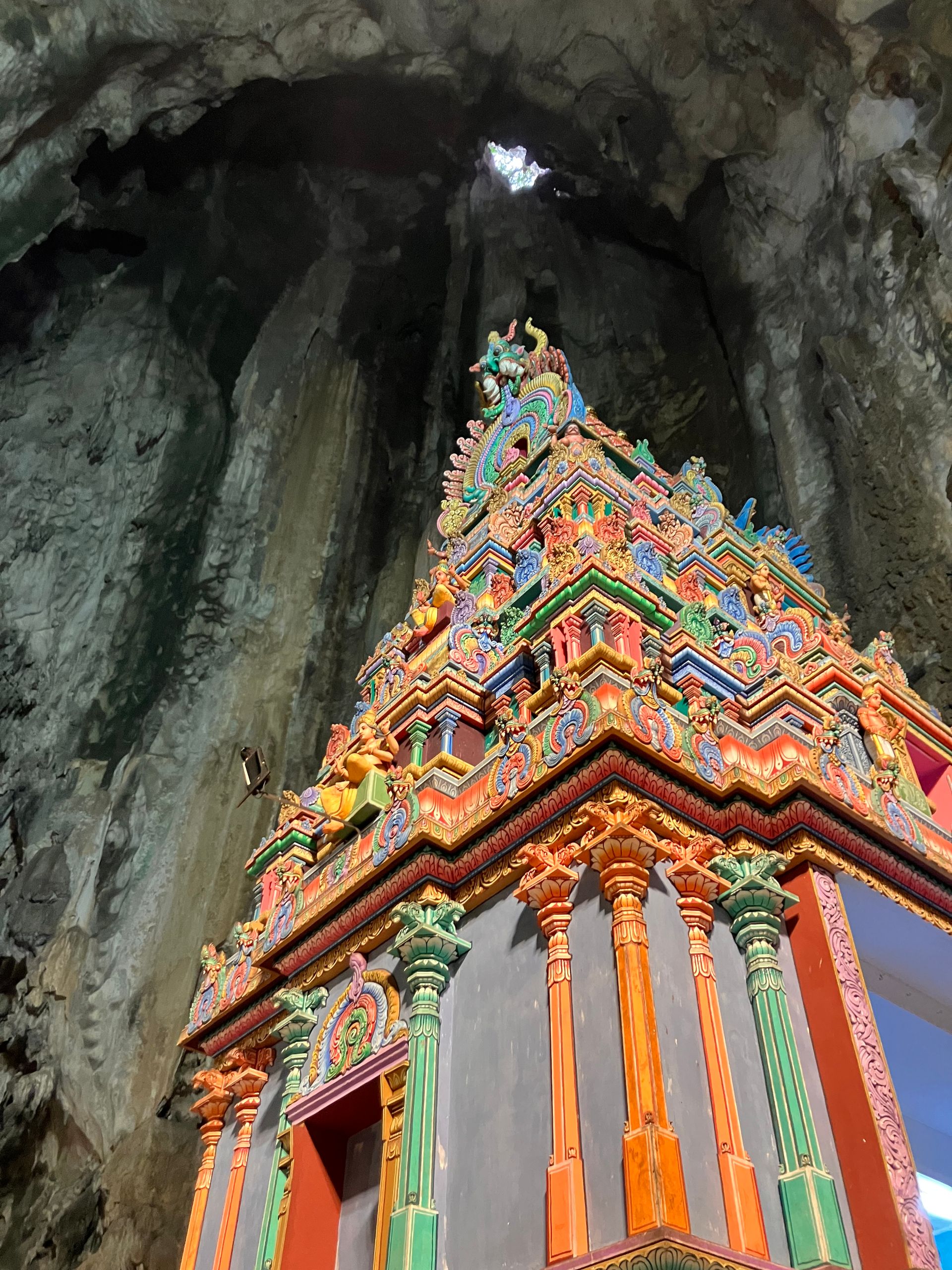
Batu is a 400 million-year-old cave system in limestone, which nature and time have first hollowed out and then adorned with stalactites. Today, the 20 caves house a variety of flying, crawling, and gliding animals (why do I think of Indiana Jones 2?).
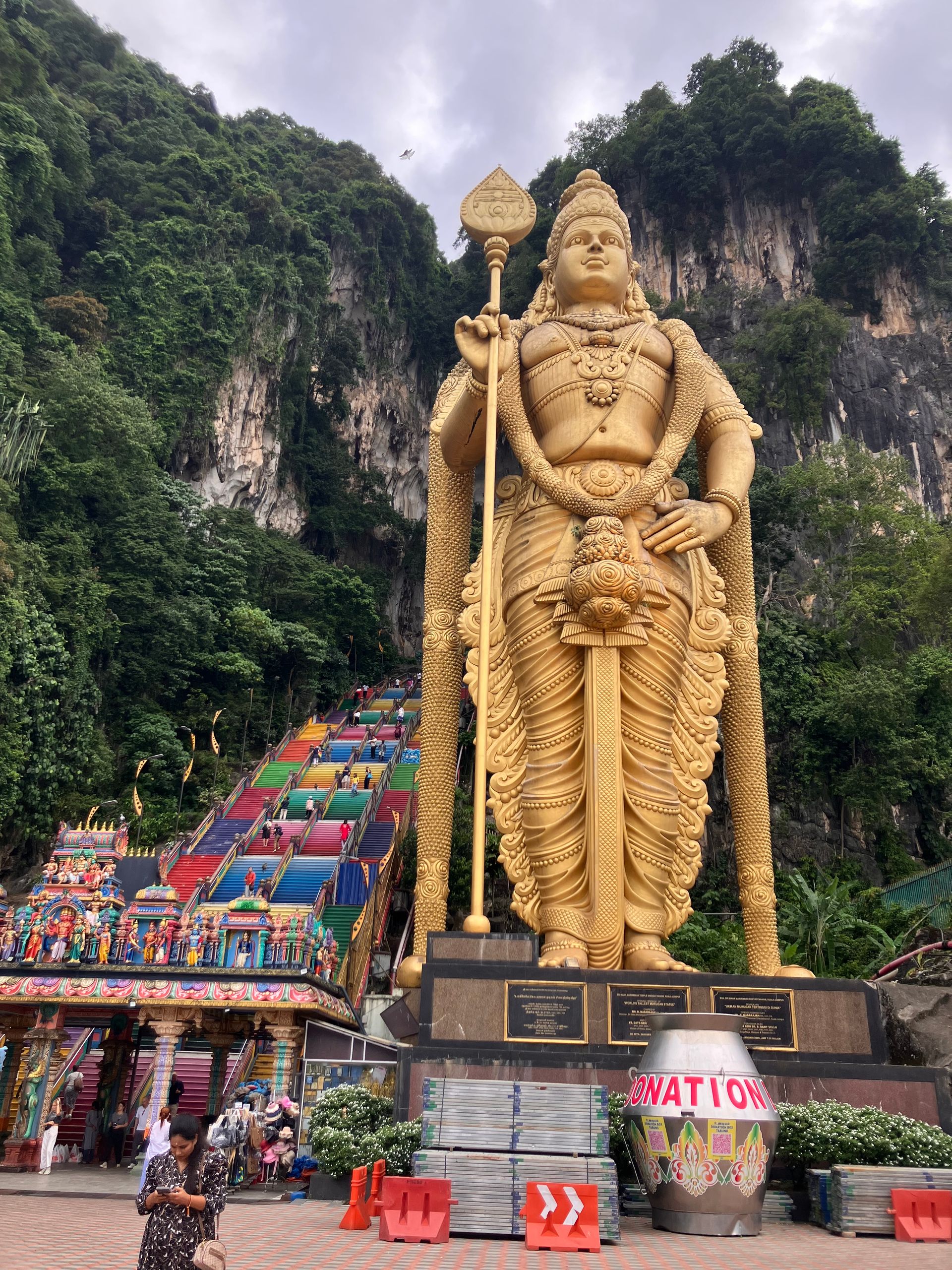
In the 1860s, Chinese workers harvested guano. Three decades later, Hindu immigrants began using the largest cave system as a sanctuary for the war god Murugan. Additionally, 20 years ago, a 43-meter high gilded cement version of him was erected, and he now guards the stairs and entrance to the cave.
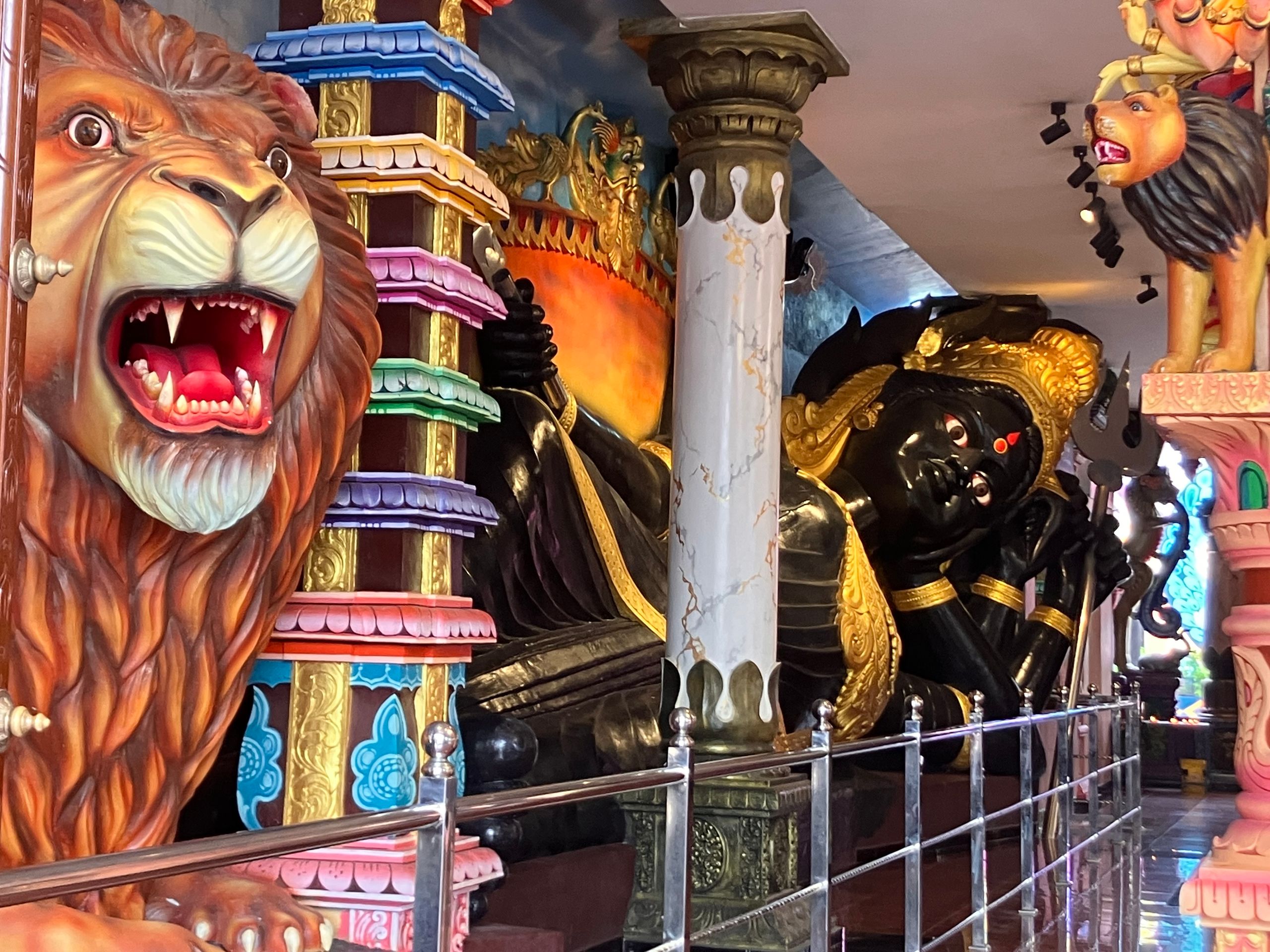
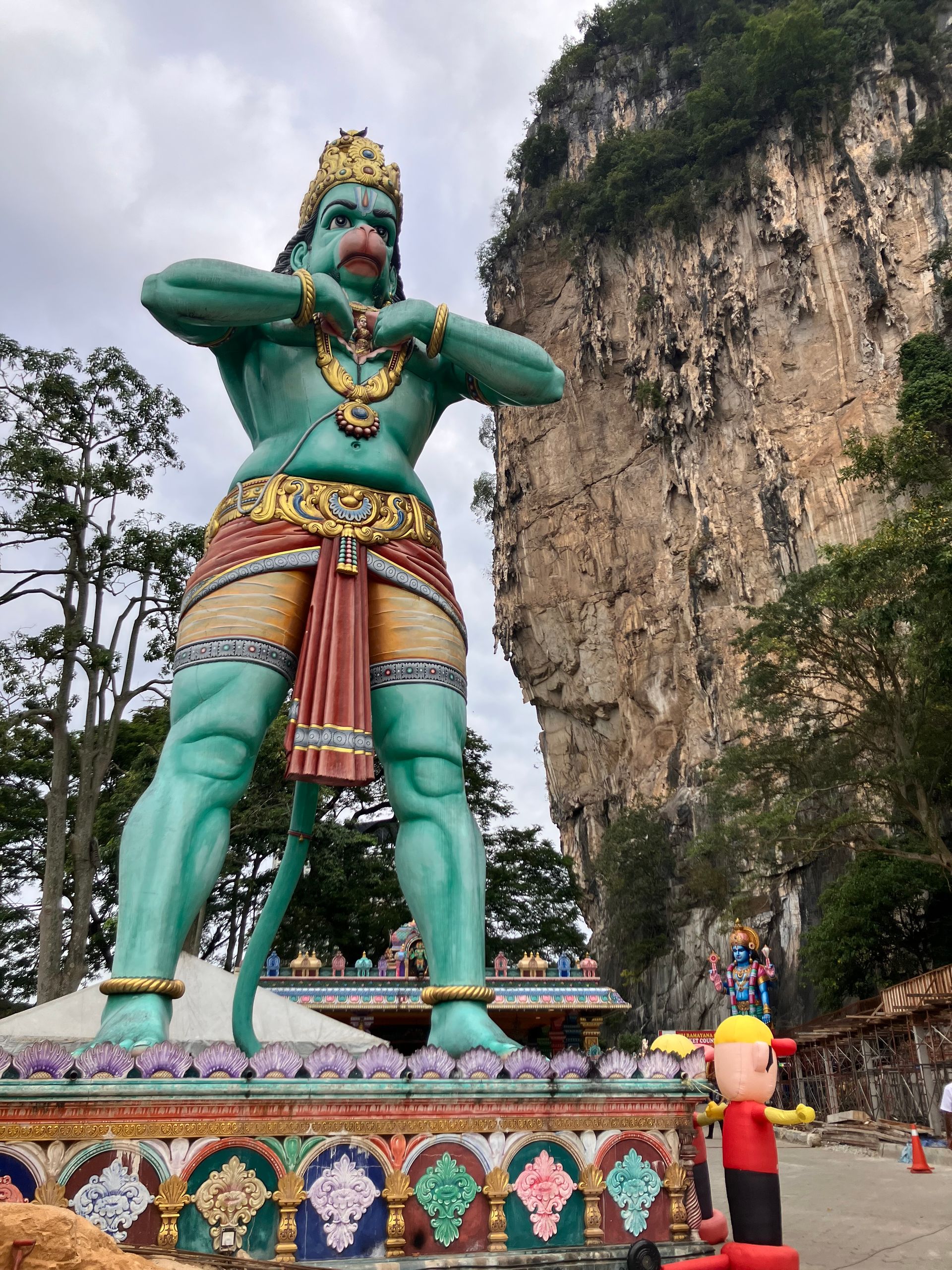
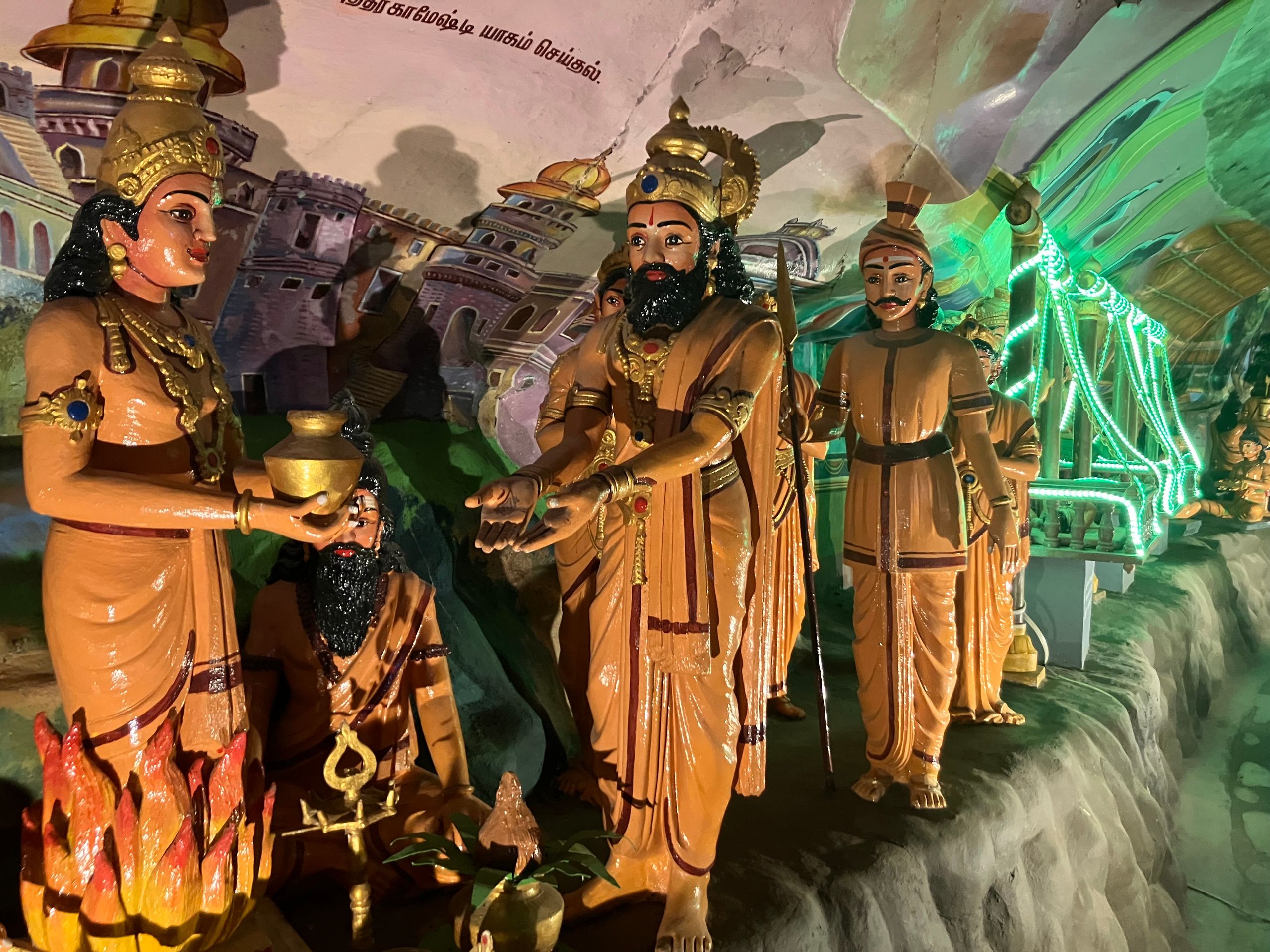
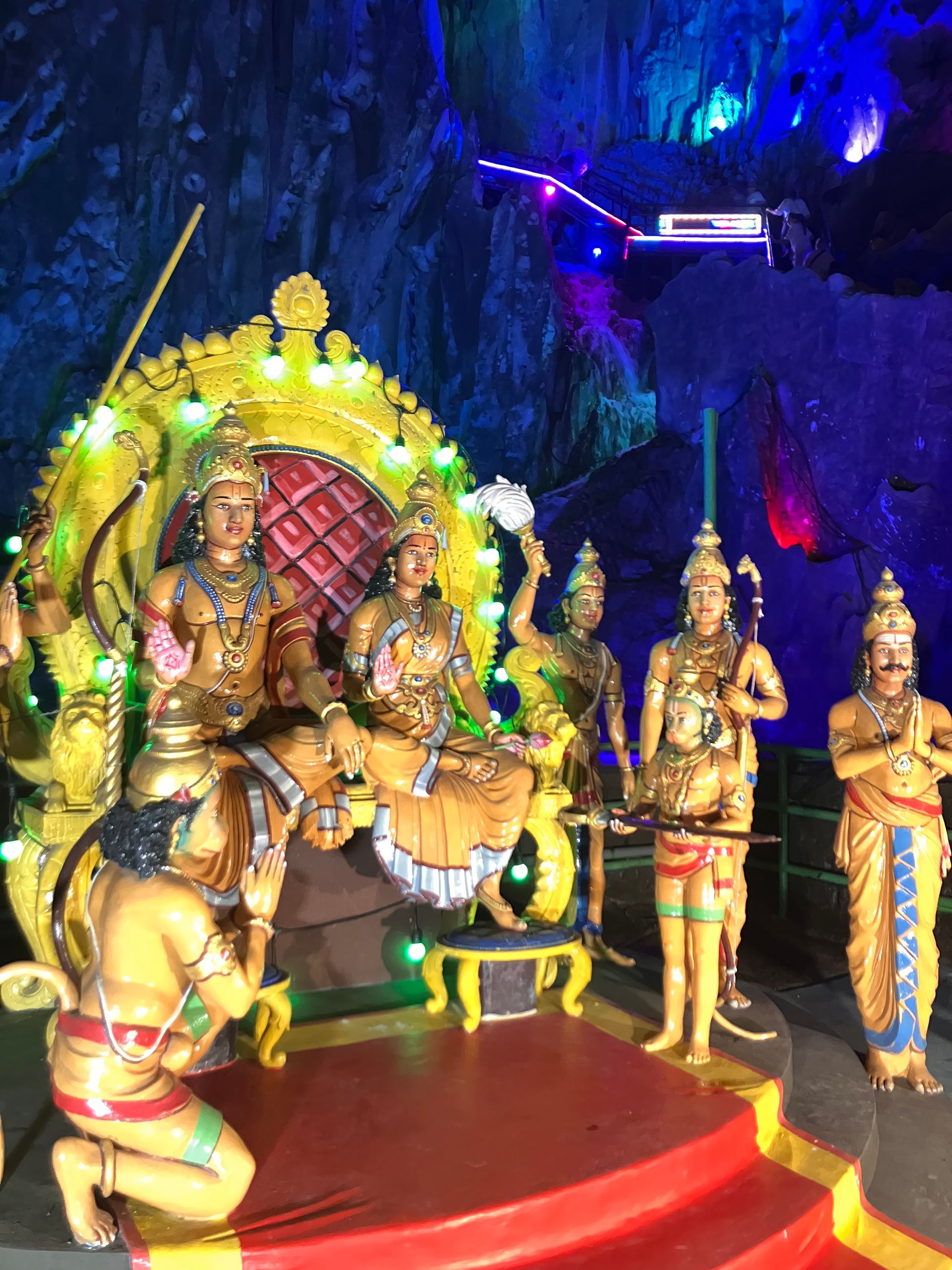
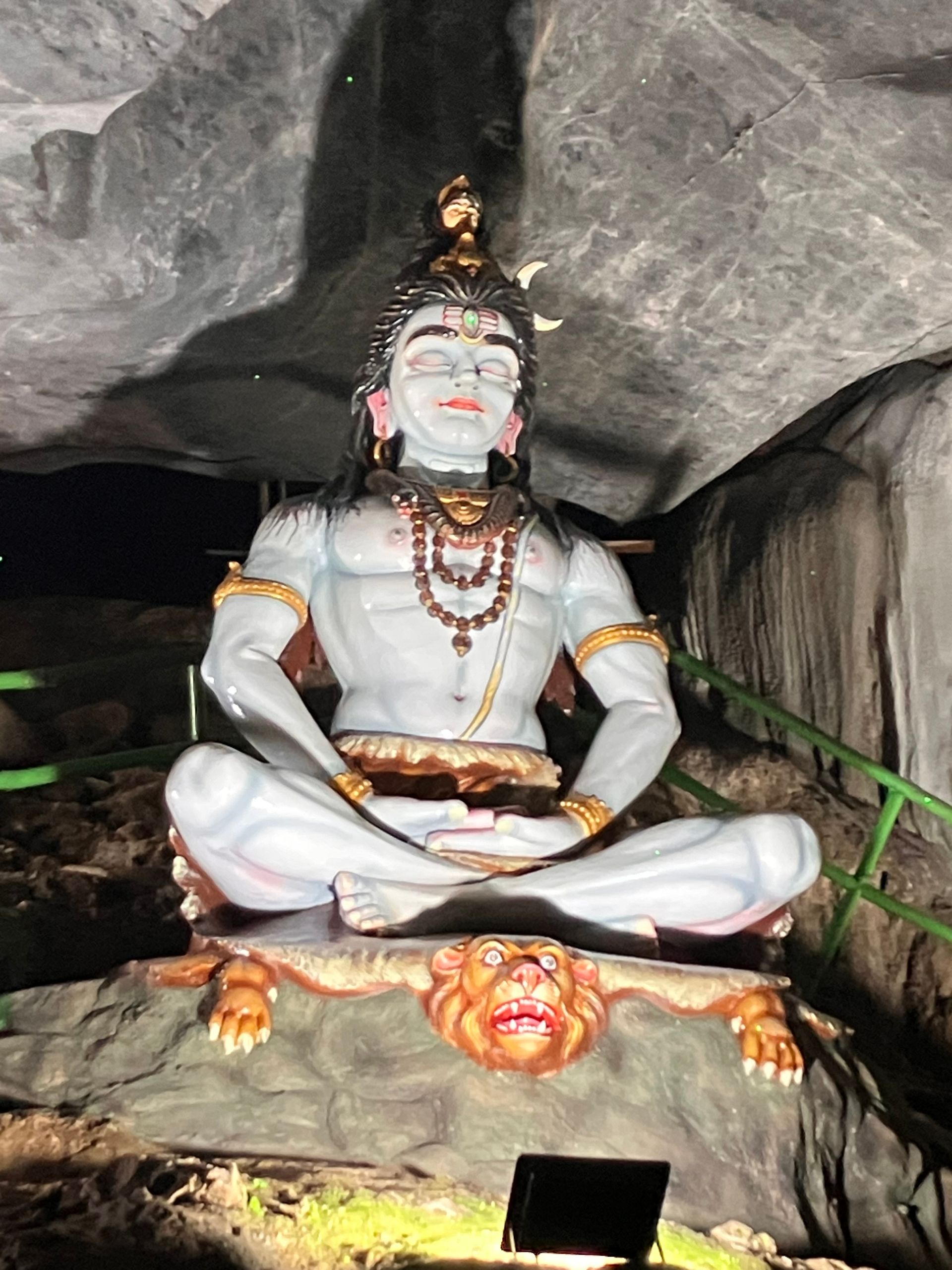
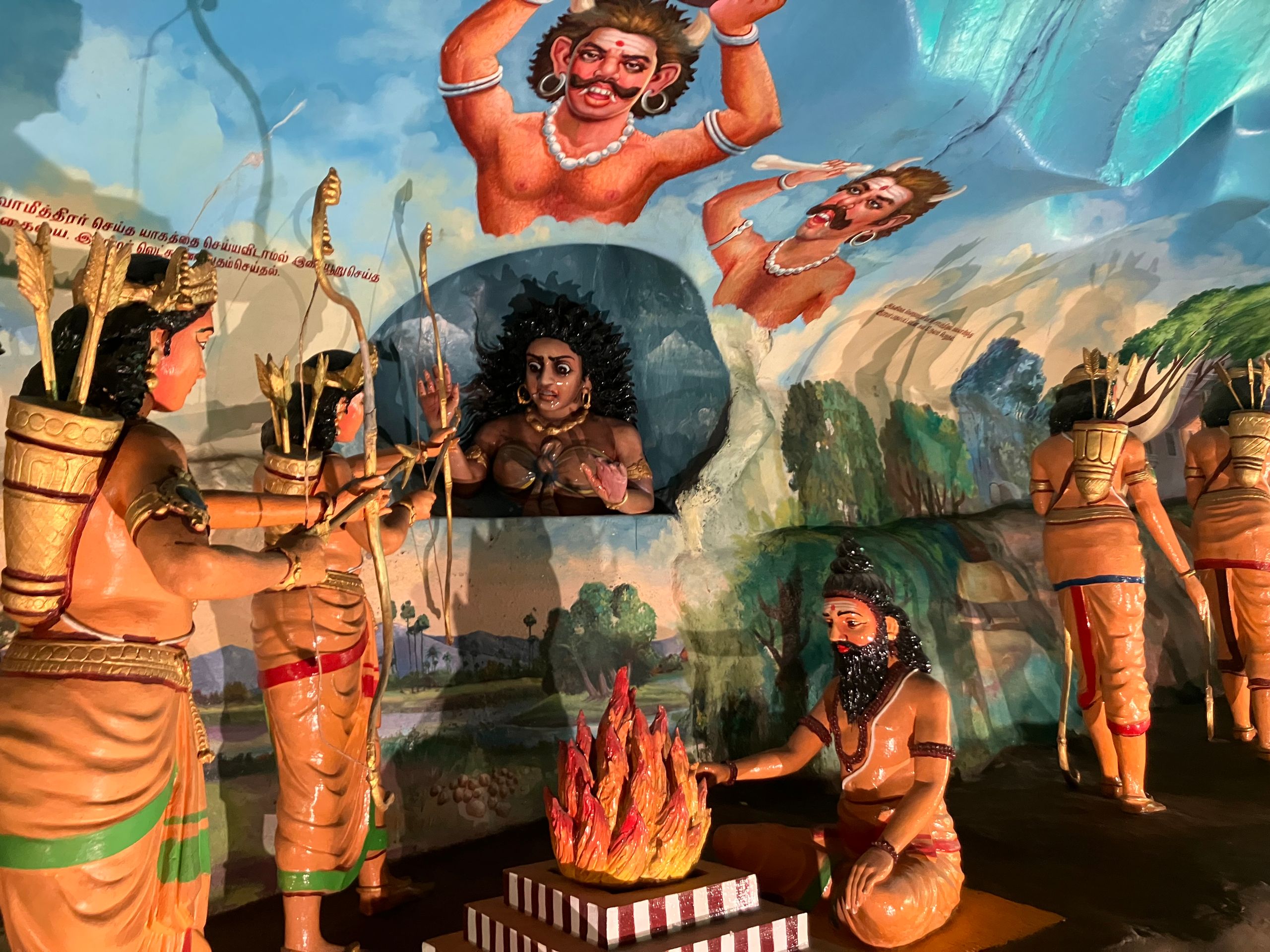
As it should be, there is a whole temple system dedicated to several other representatives from the Hindu pantheon. The largest one is for the monkey god Hanuman, who has his own amusement park-like cave system with colorful light chains, explanatory figure groups, LED lights, and a 15-meter high sculpture of the god himself.