
A five-year-old's dream of a raft
There sat five Norwegians and one Swede on a raft. It had consequences for a child from Southern Schleswig. In 1947, it took Thor Heyerdahl and five friends 101 days to sail their...

Published: 25.11.2025
Why spend one to two full days traveling across the globe to dive, when the Red Sea is just six nonstop flight hours away? Because Fakarava has everything an experienced diver's heart could desire.
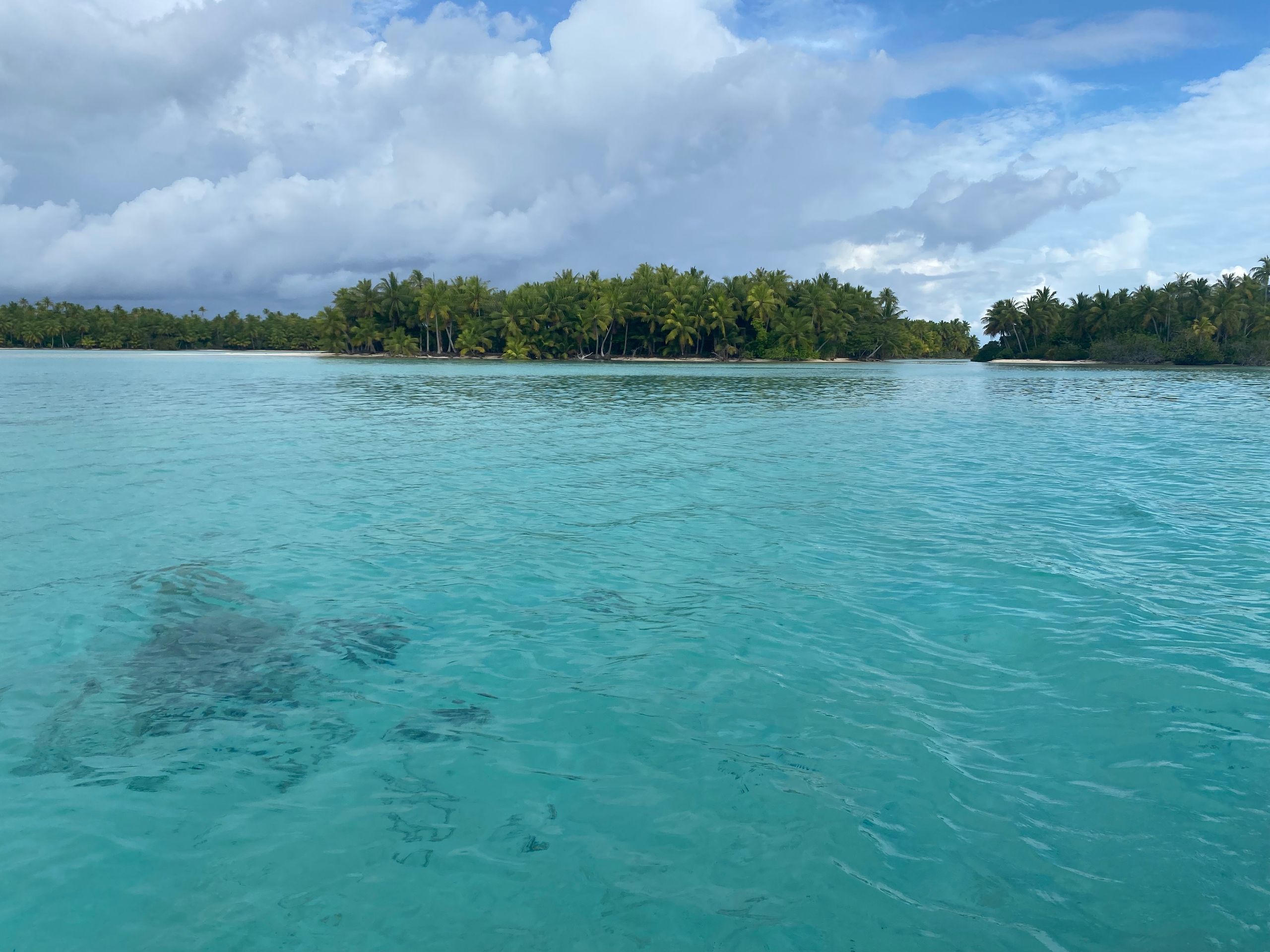
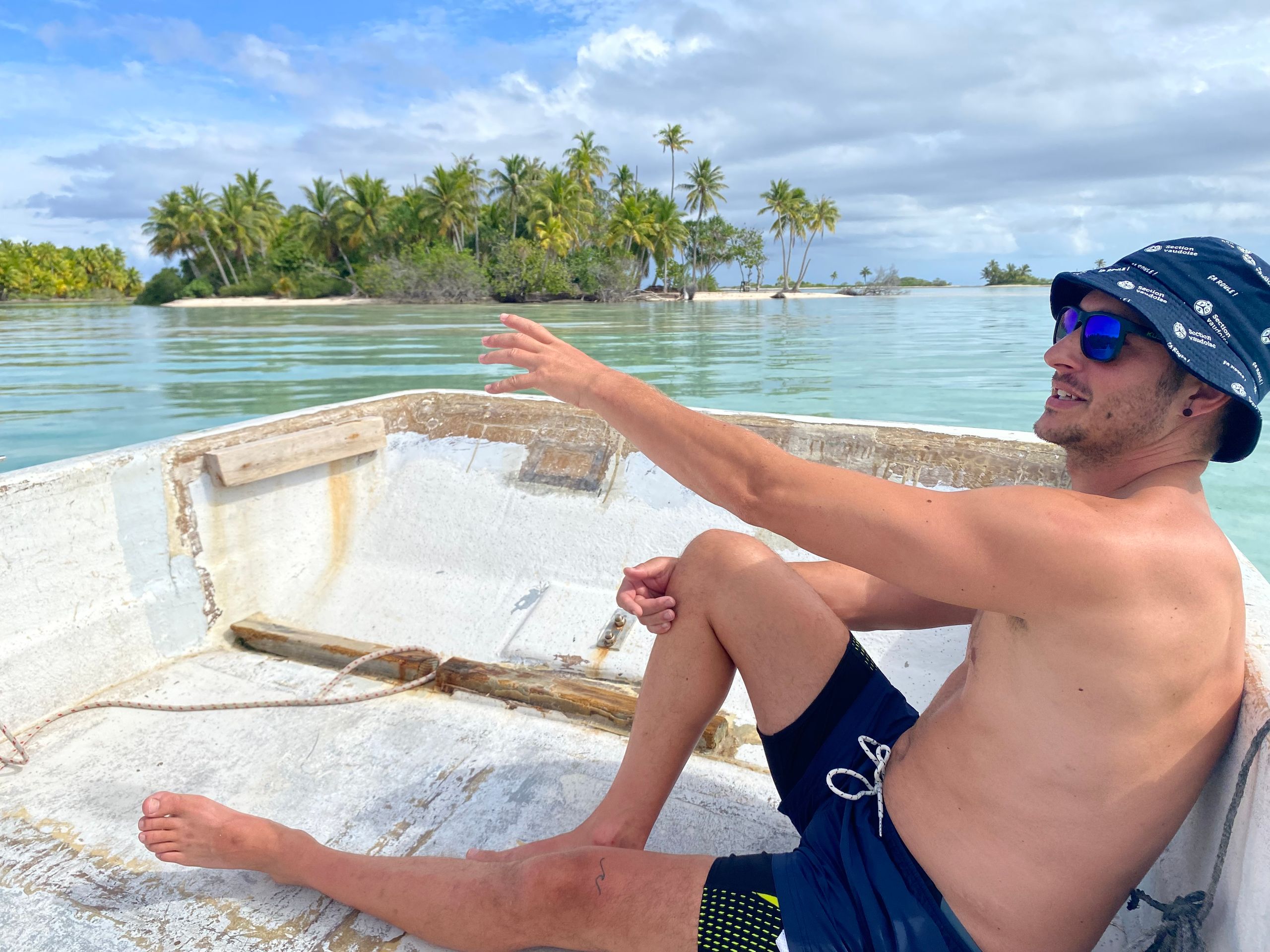
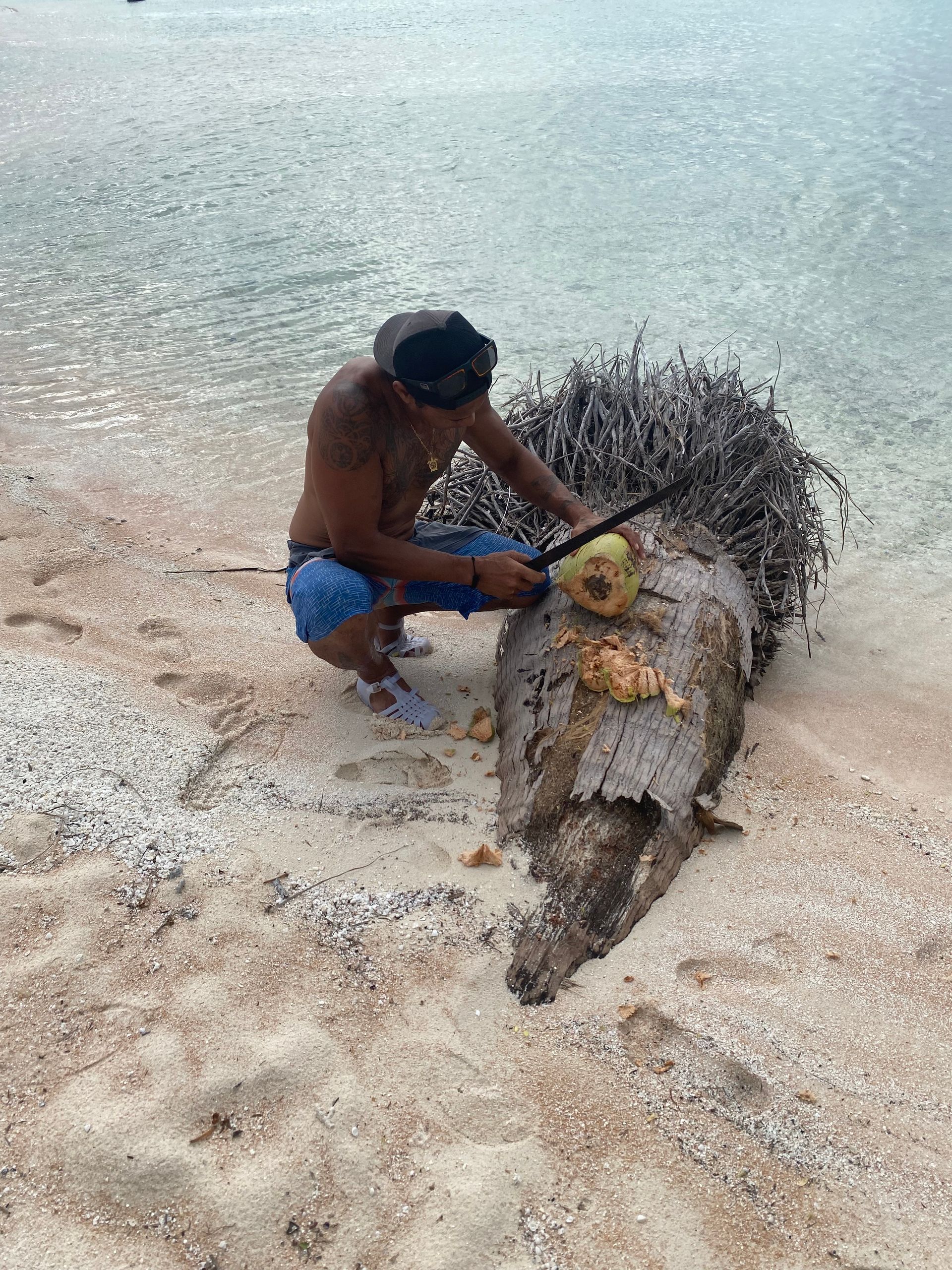
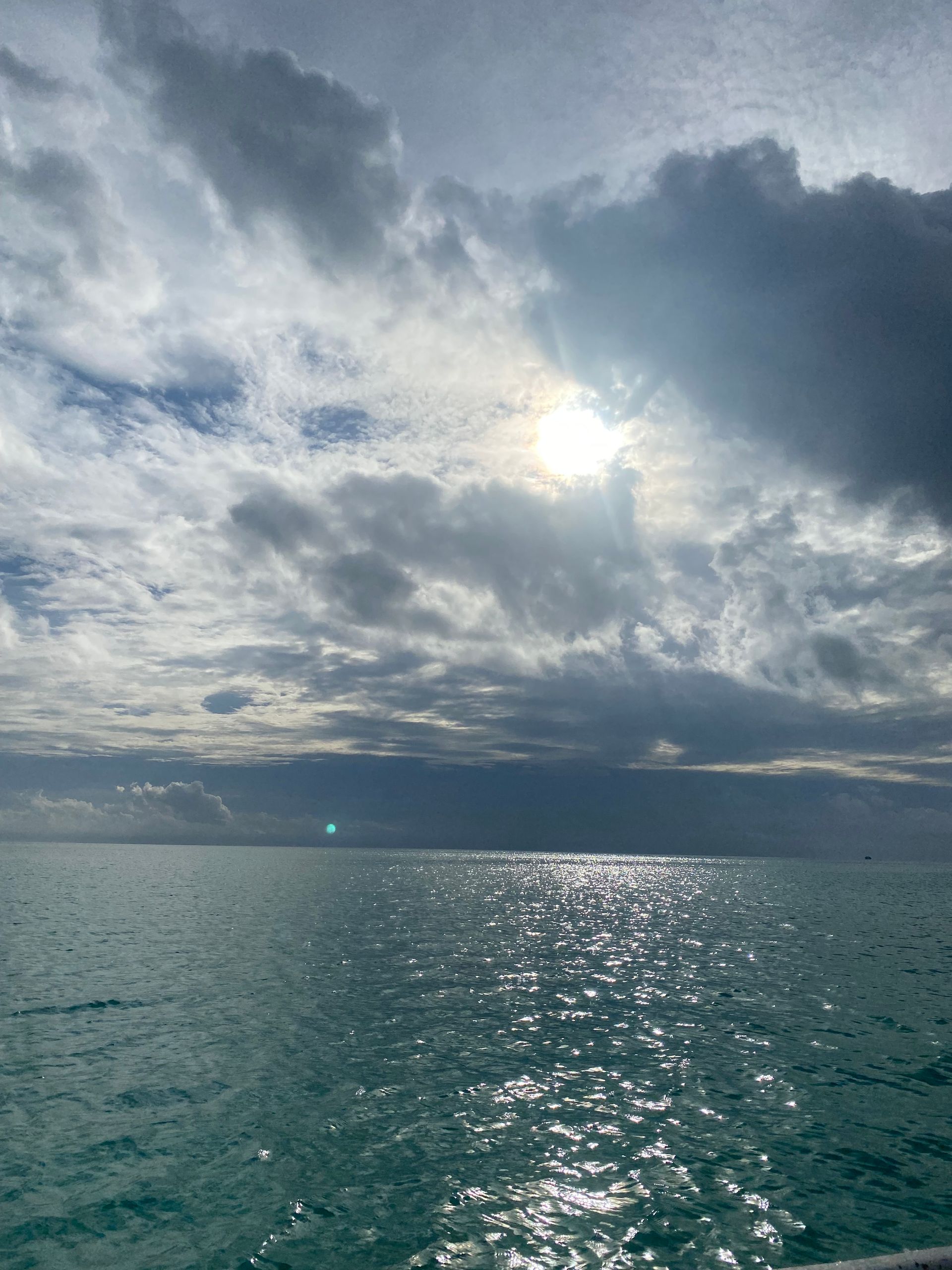
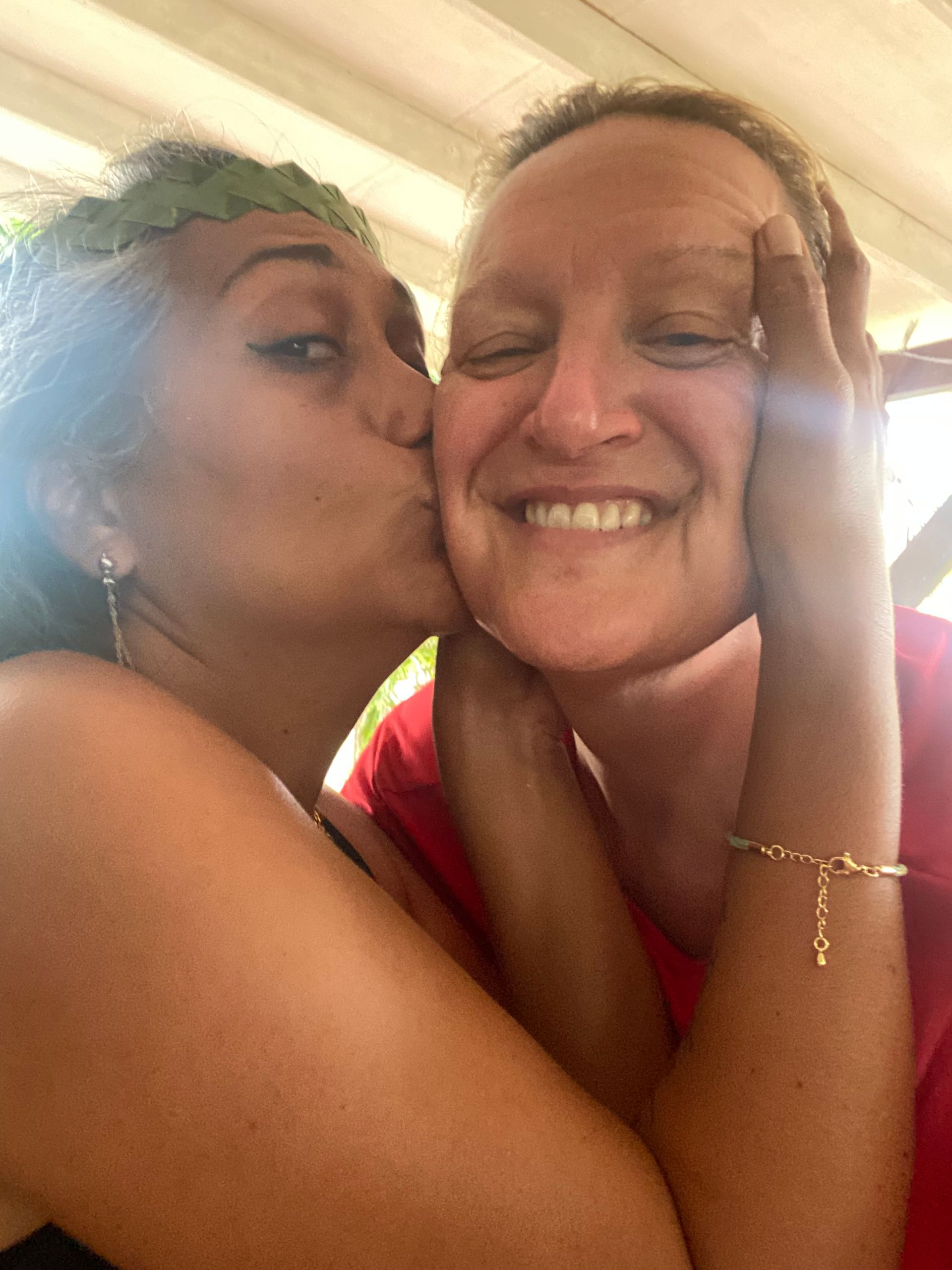
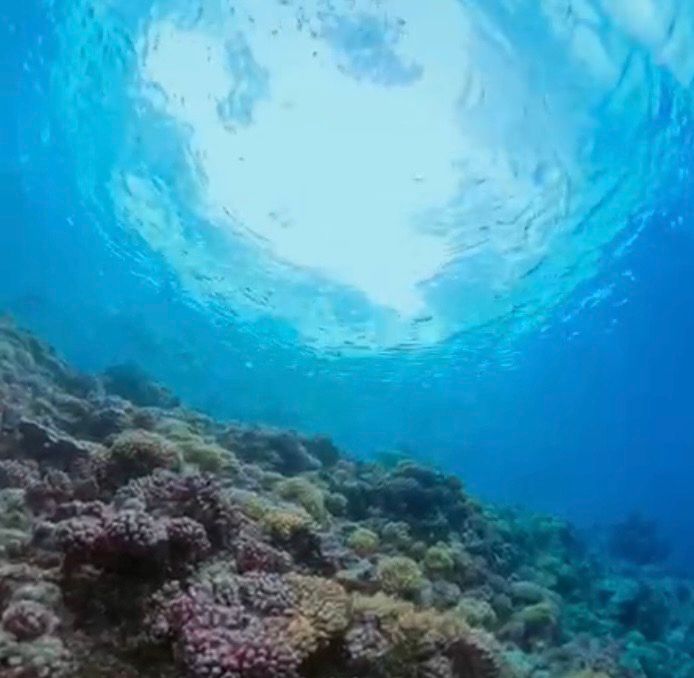
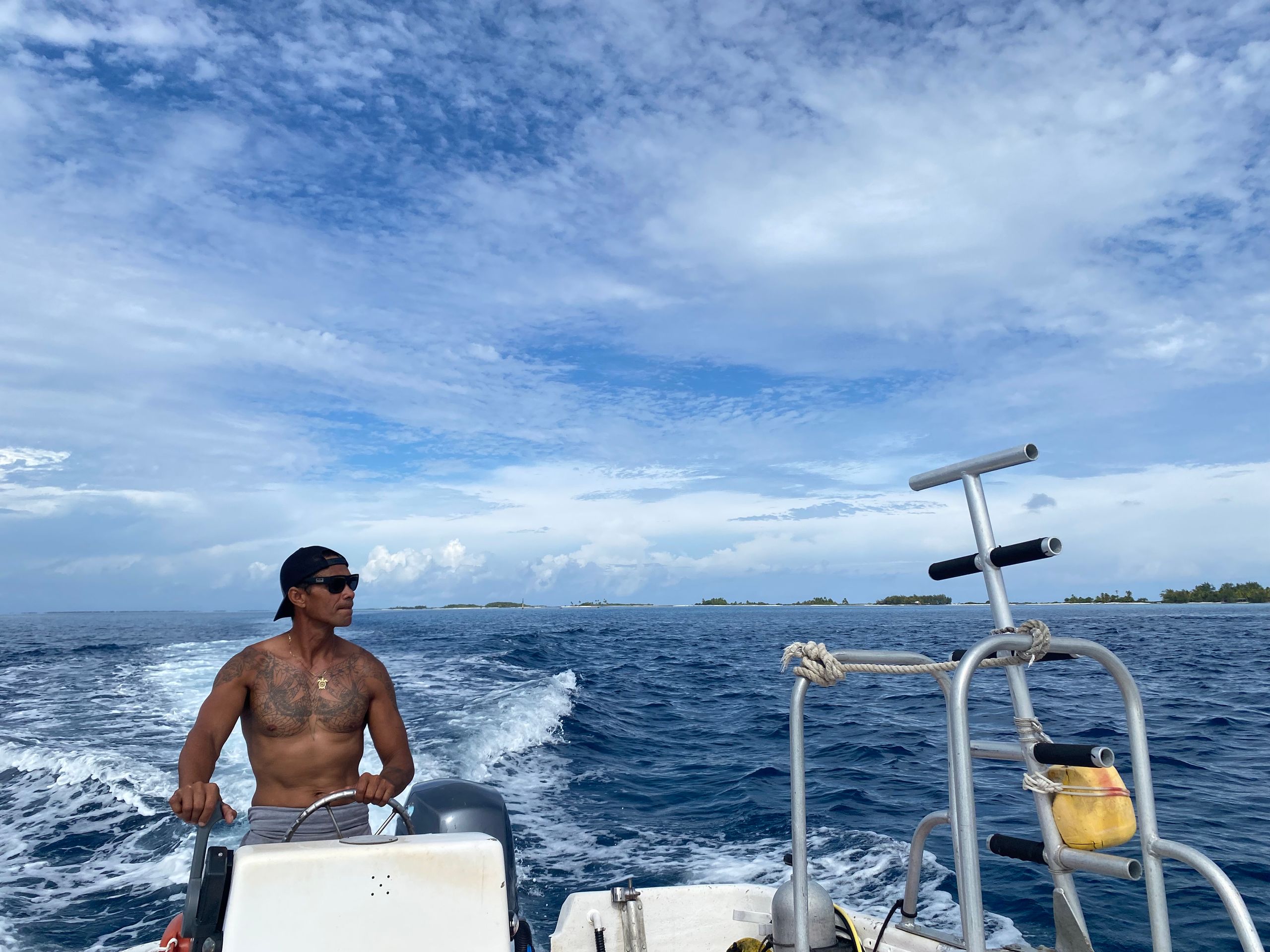
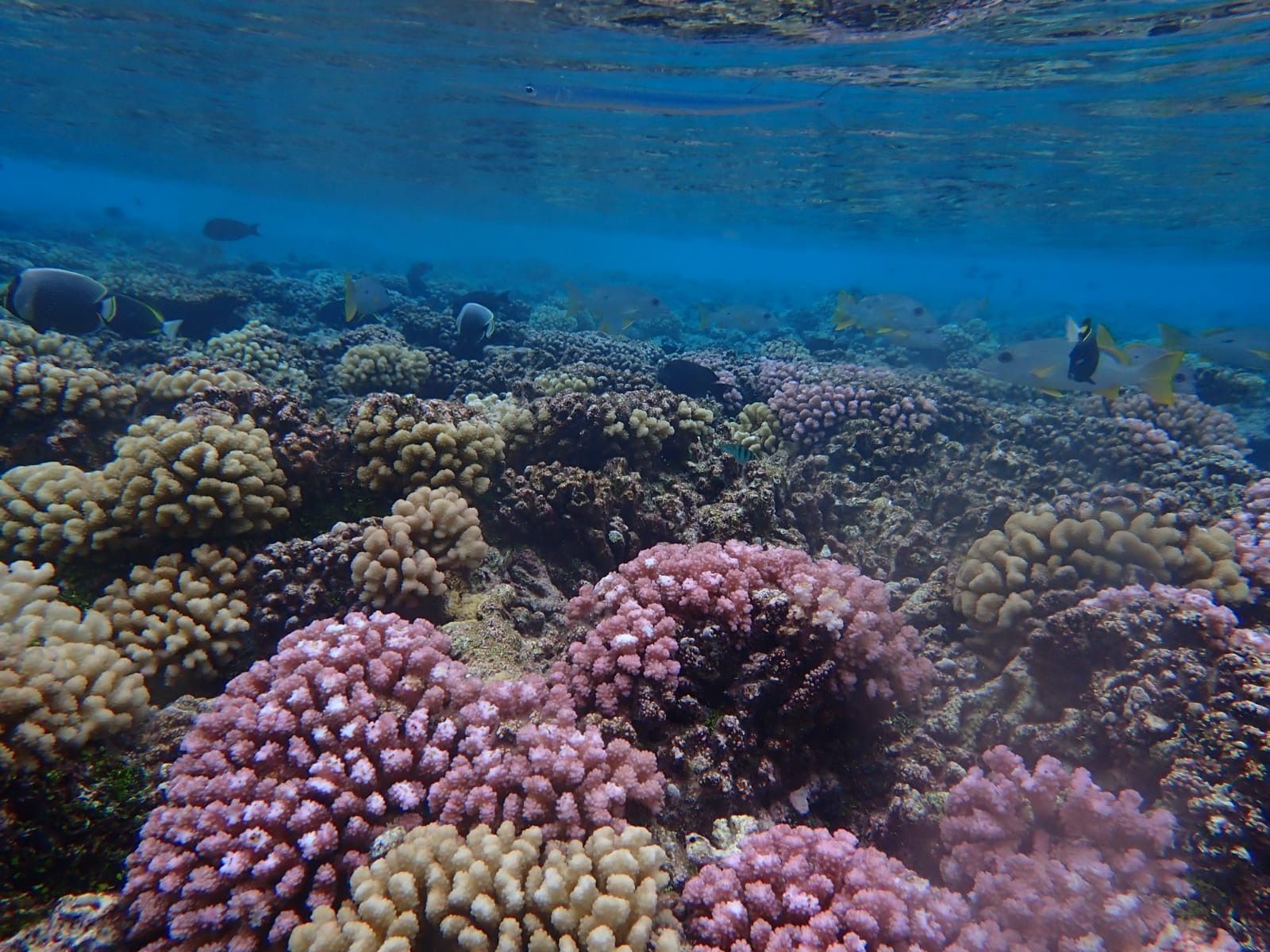
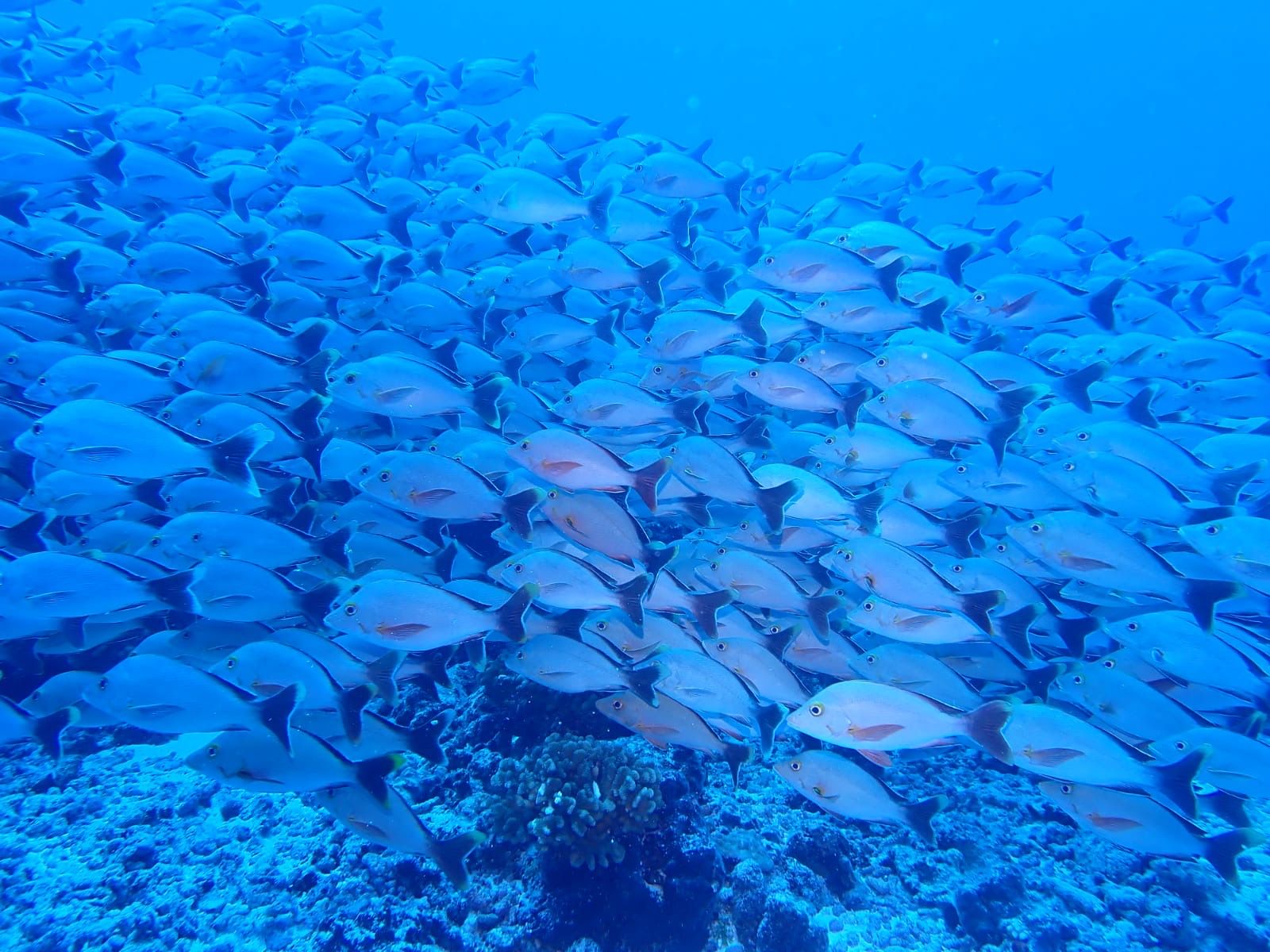
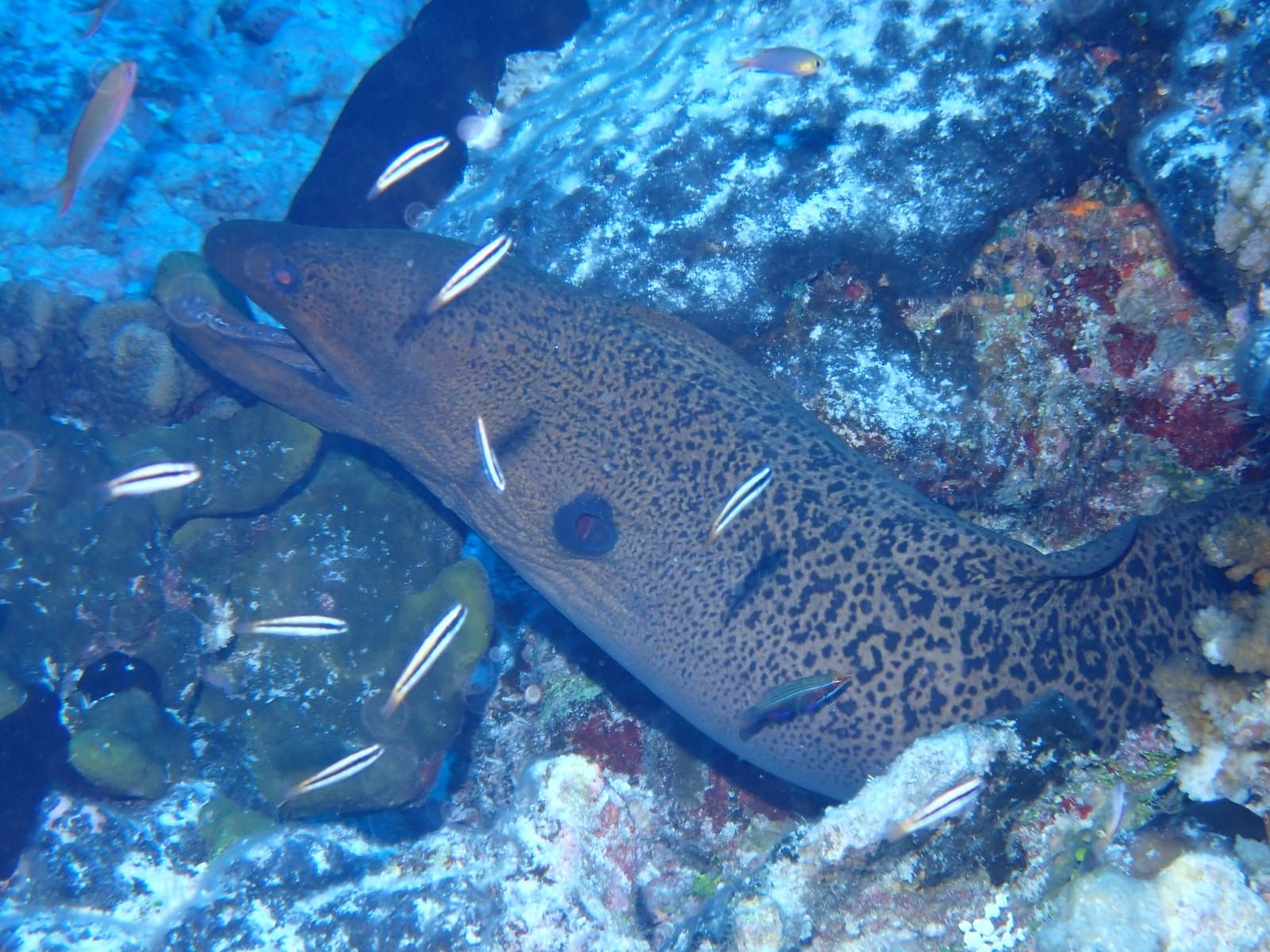
I hardly know where to begin - or with what. Is it the pronounced hospitality of the Polynesians, their politeness, their immediate and unburdened lifestyle, their calmness, their love for their culture and heritage, their strict protection of marine life, or the dreamy beauty of their islands and atolls? Is it the life beneath the ocean's surface, the abundance and variety that surpasses anything I've ever experienced? Is it the strong current dives with thousands of sharks, large and small fish in such great schools that it almost feels religious? Or is it the ability to sit next to another person, together looking out over the lagoon's surface and understanding each other, even if we can only muster a few phrases in each other's languages?
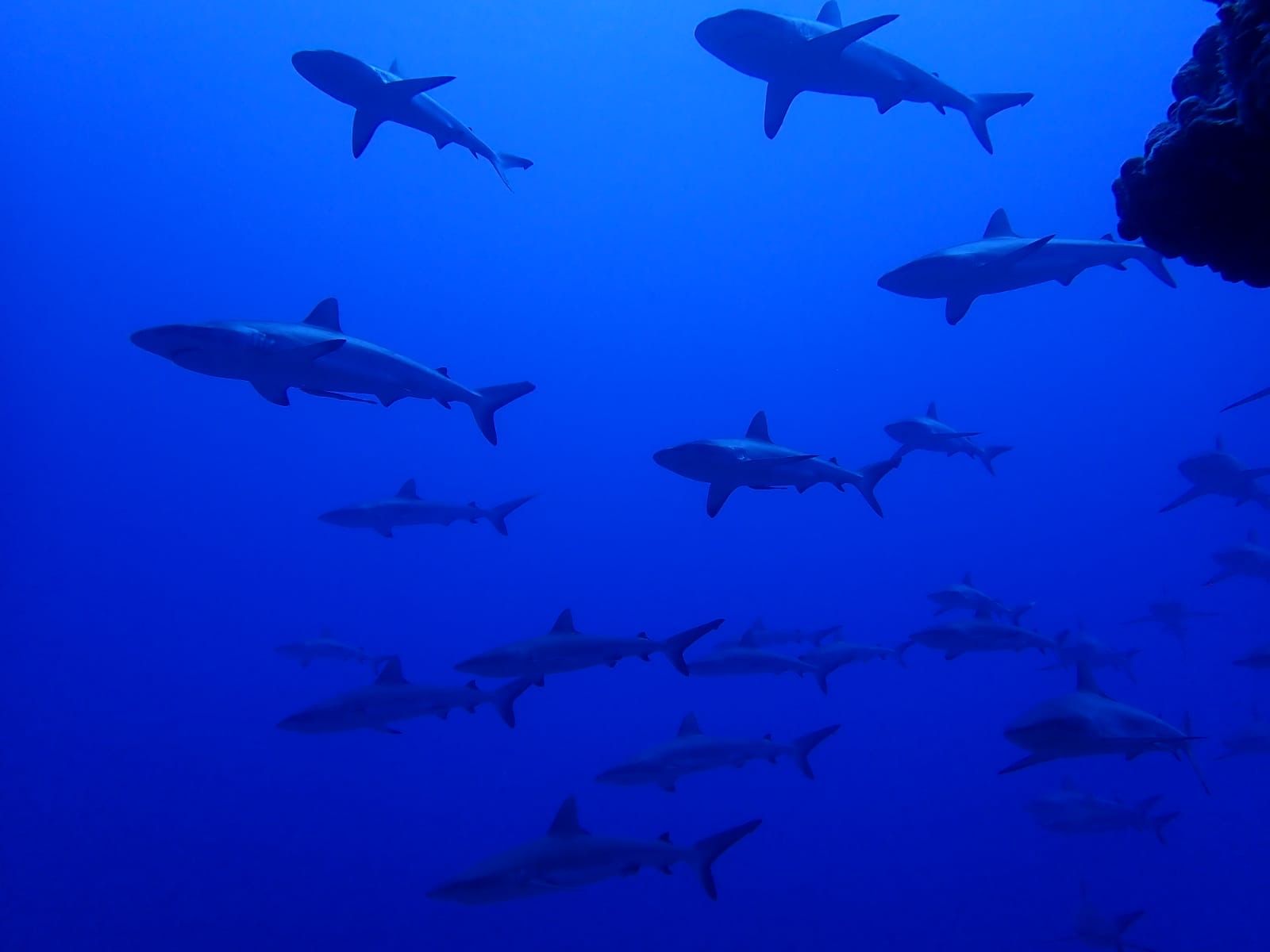
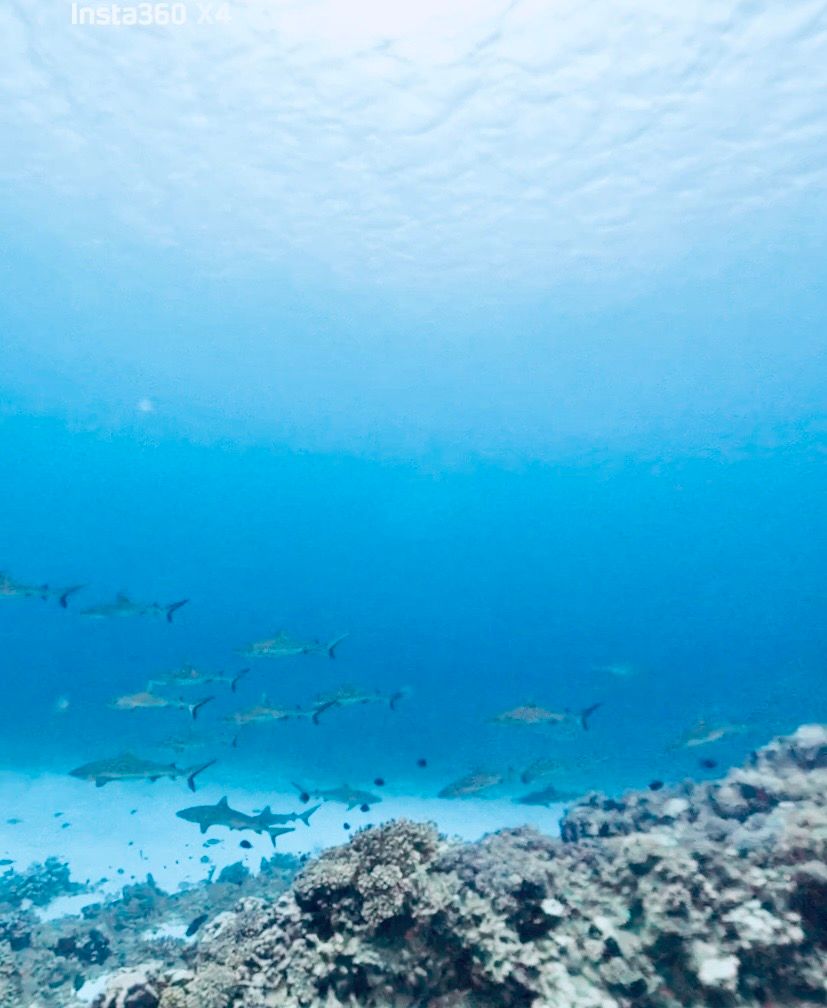
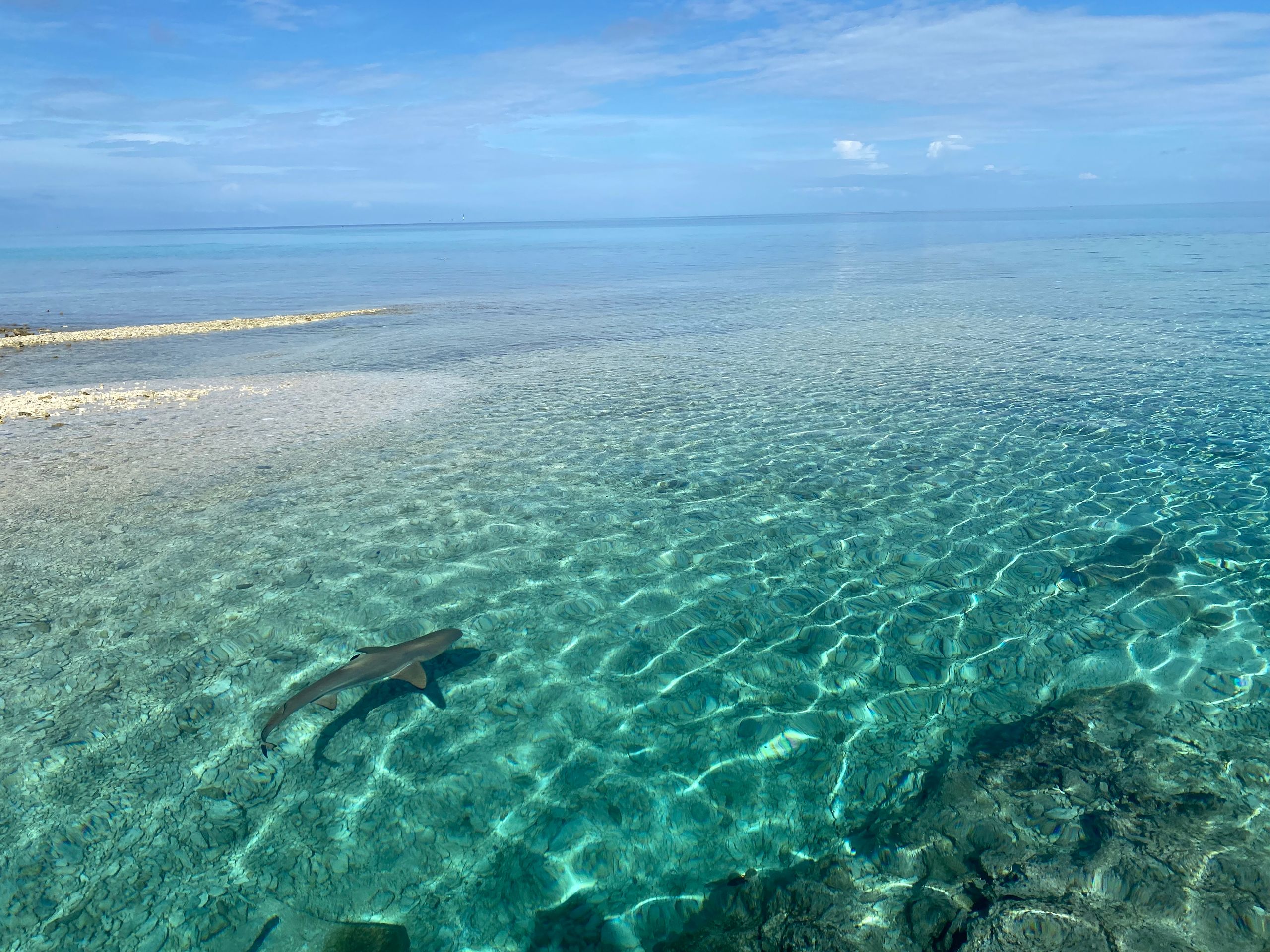
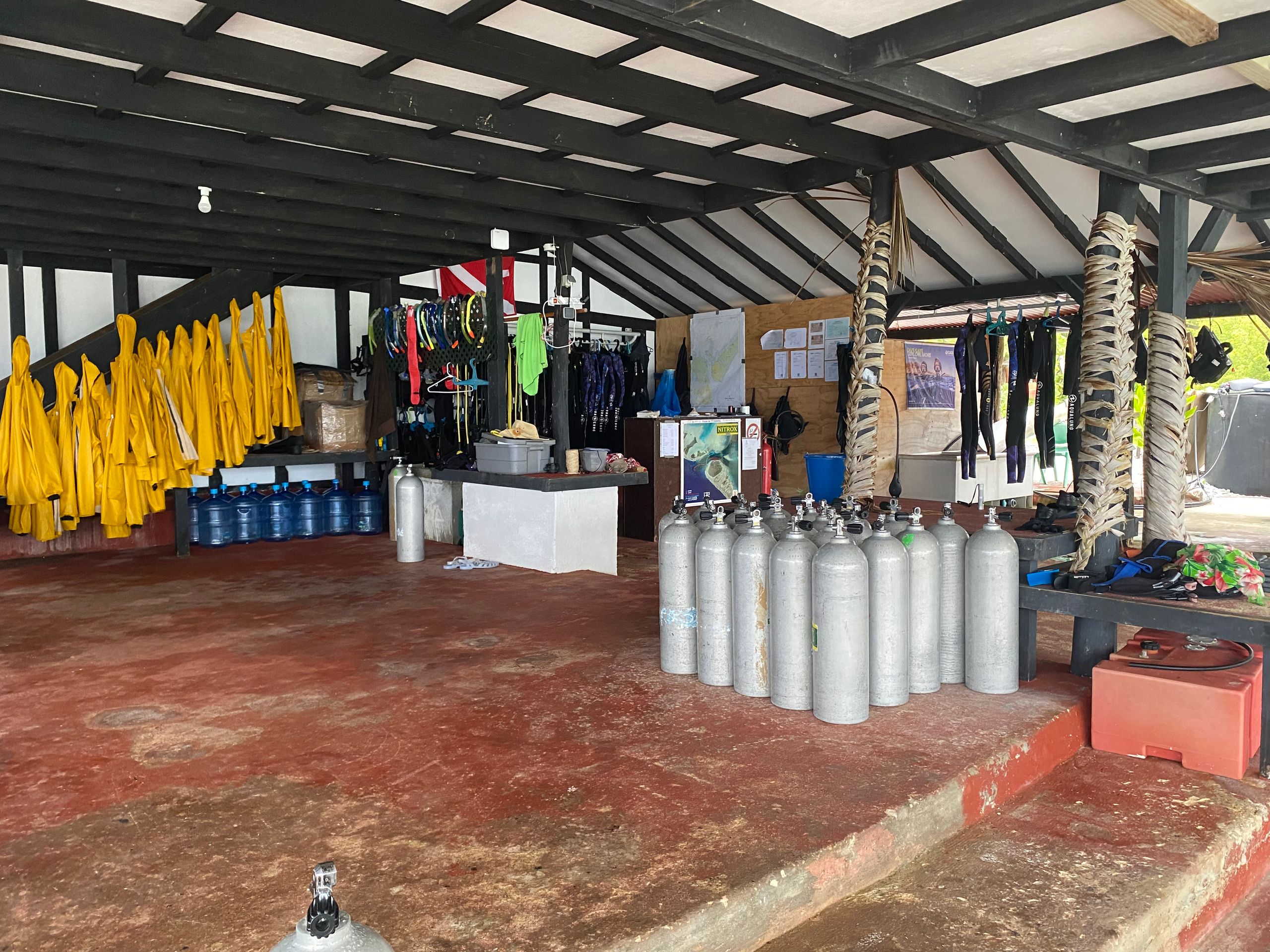
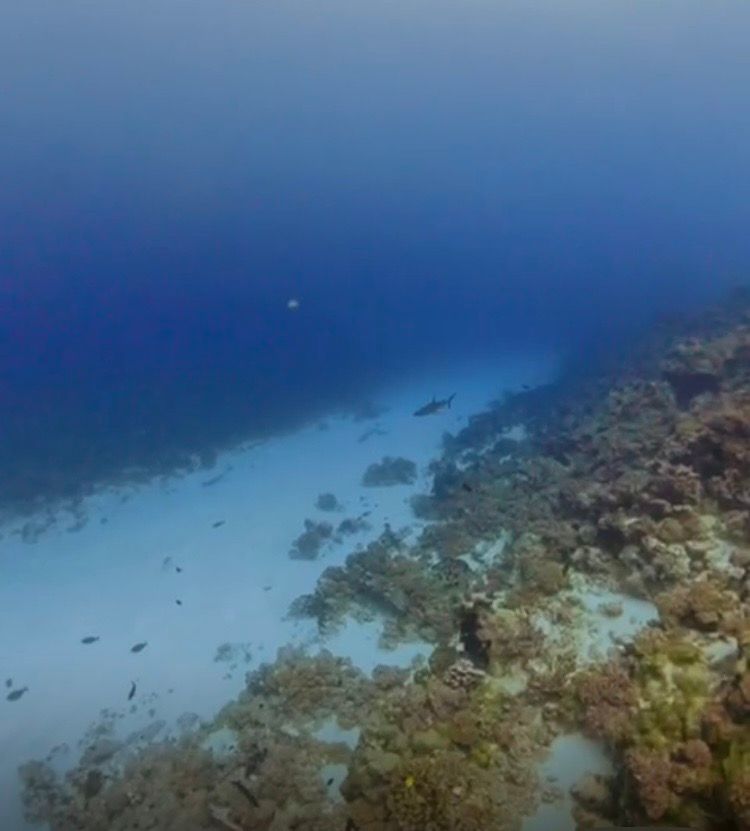
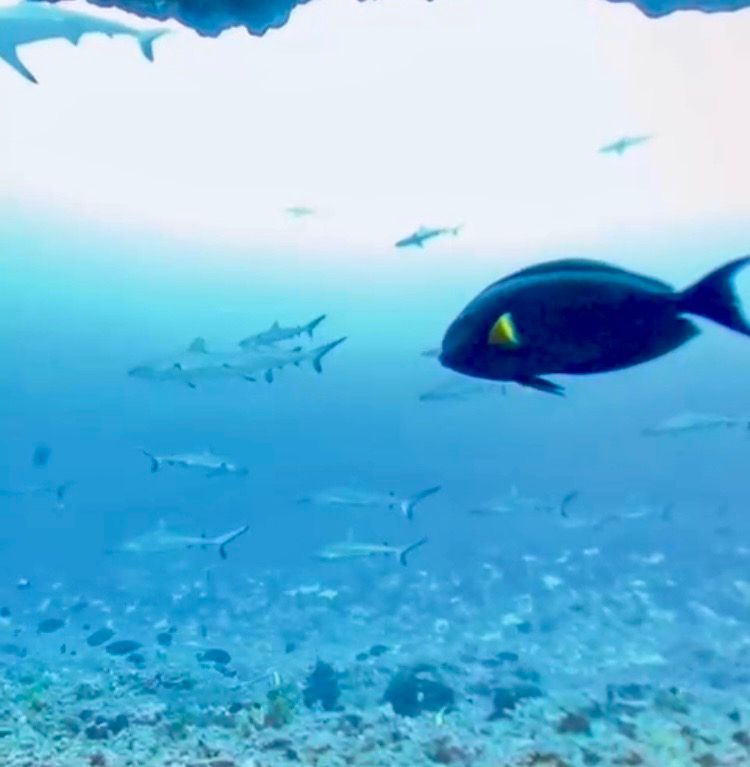
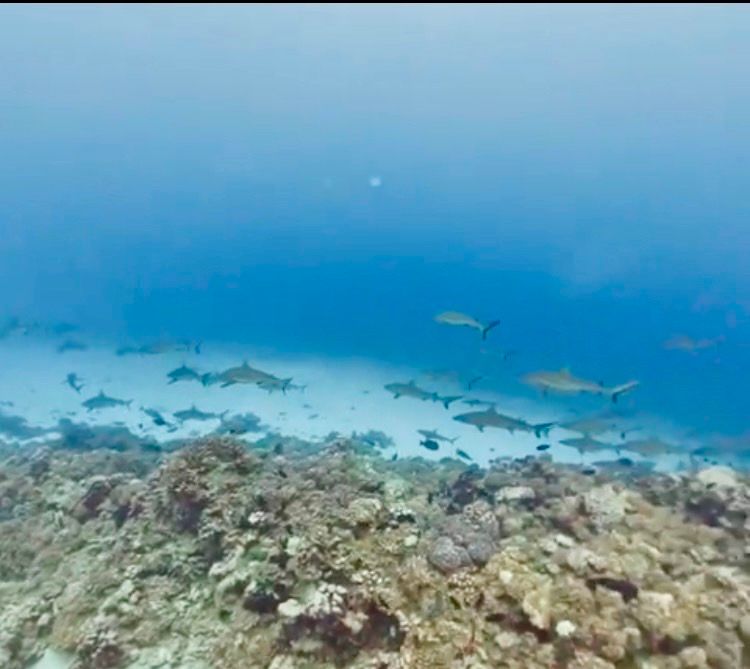
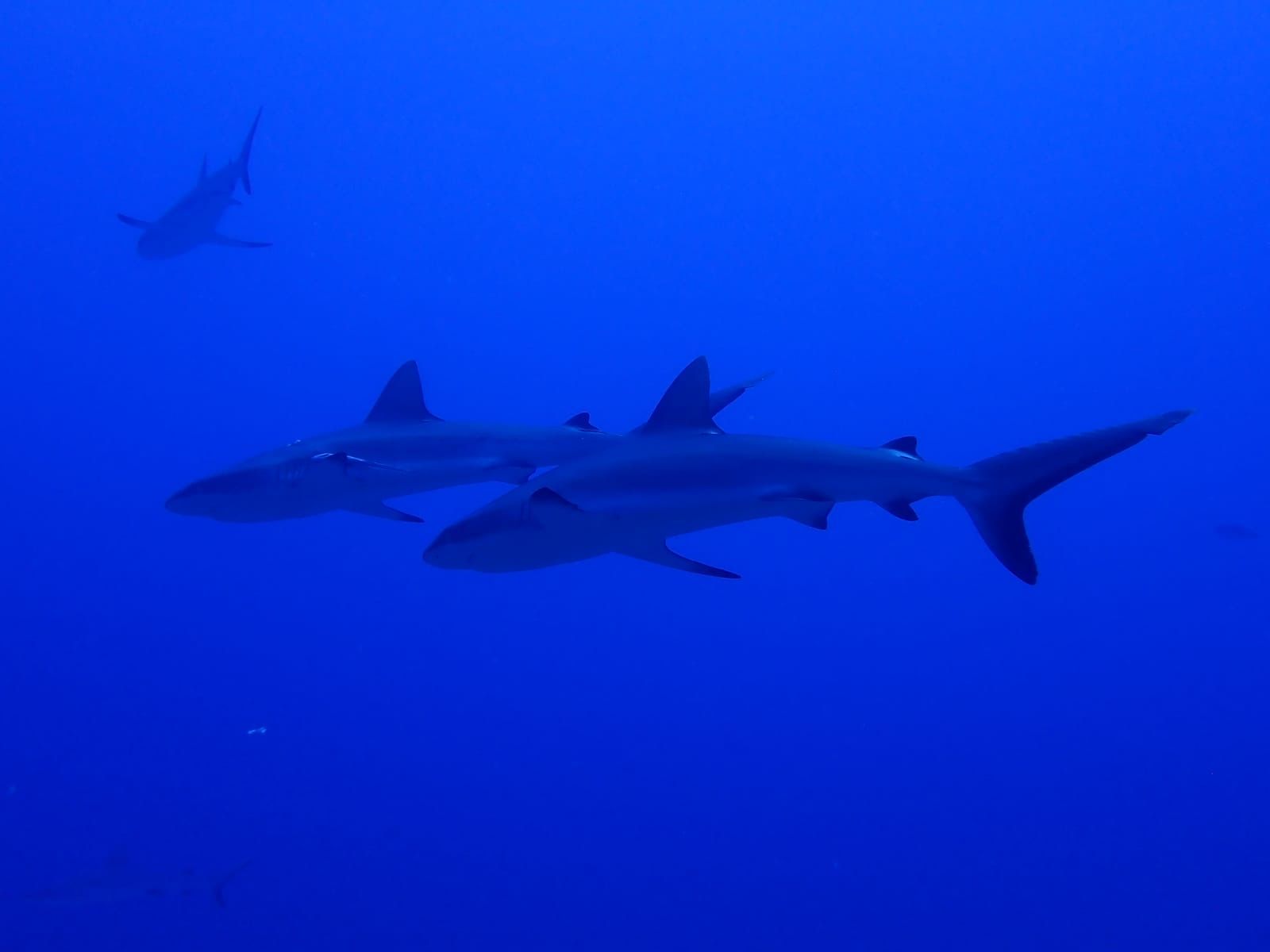
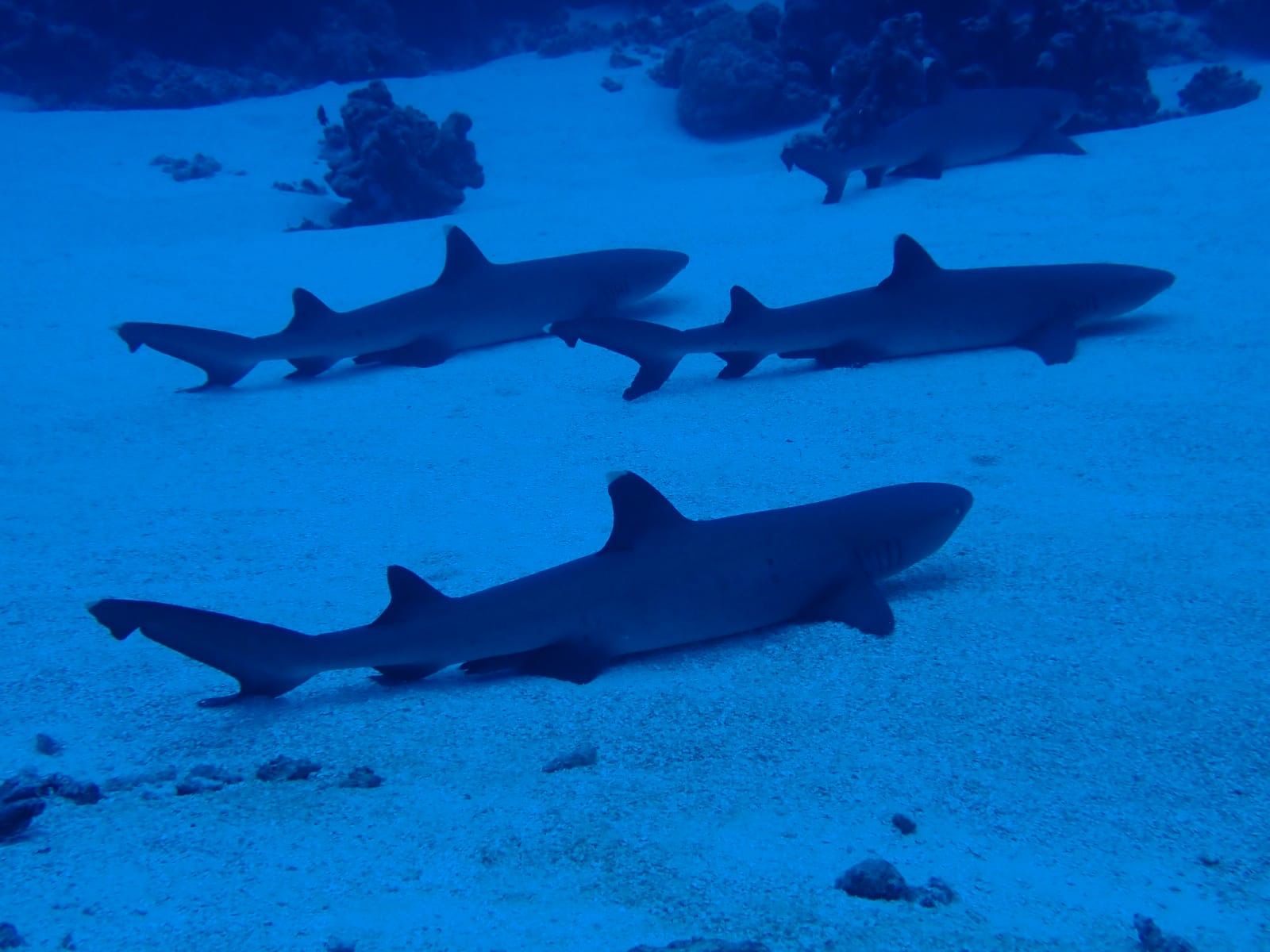
I have spent almost two weeks in Fakarava, first up in the northern part of the atoll with six dives in the strongest current I've ever encountered (more than the Great Belt). I've seen sharks in such enormous numbers that it almost resembled wall-to-wall wallpaper. Next, I visited the atoll's southern part at the world-renowned Tetamanu south pass with even stronger currents and even more sharks under the catchy PR label “Wall of Sharks.” I have dived in the midst of fish schools with sharks around me, lying on the sandy bottom of the pass at 30 meters, turned around, and seen the sun shining down through multiple layers of sharks. Just remember to breathe, keep an eye on the time, and follow the safety stop rules at five meters. Life can be so simple if one dares to peel away the excess.
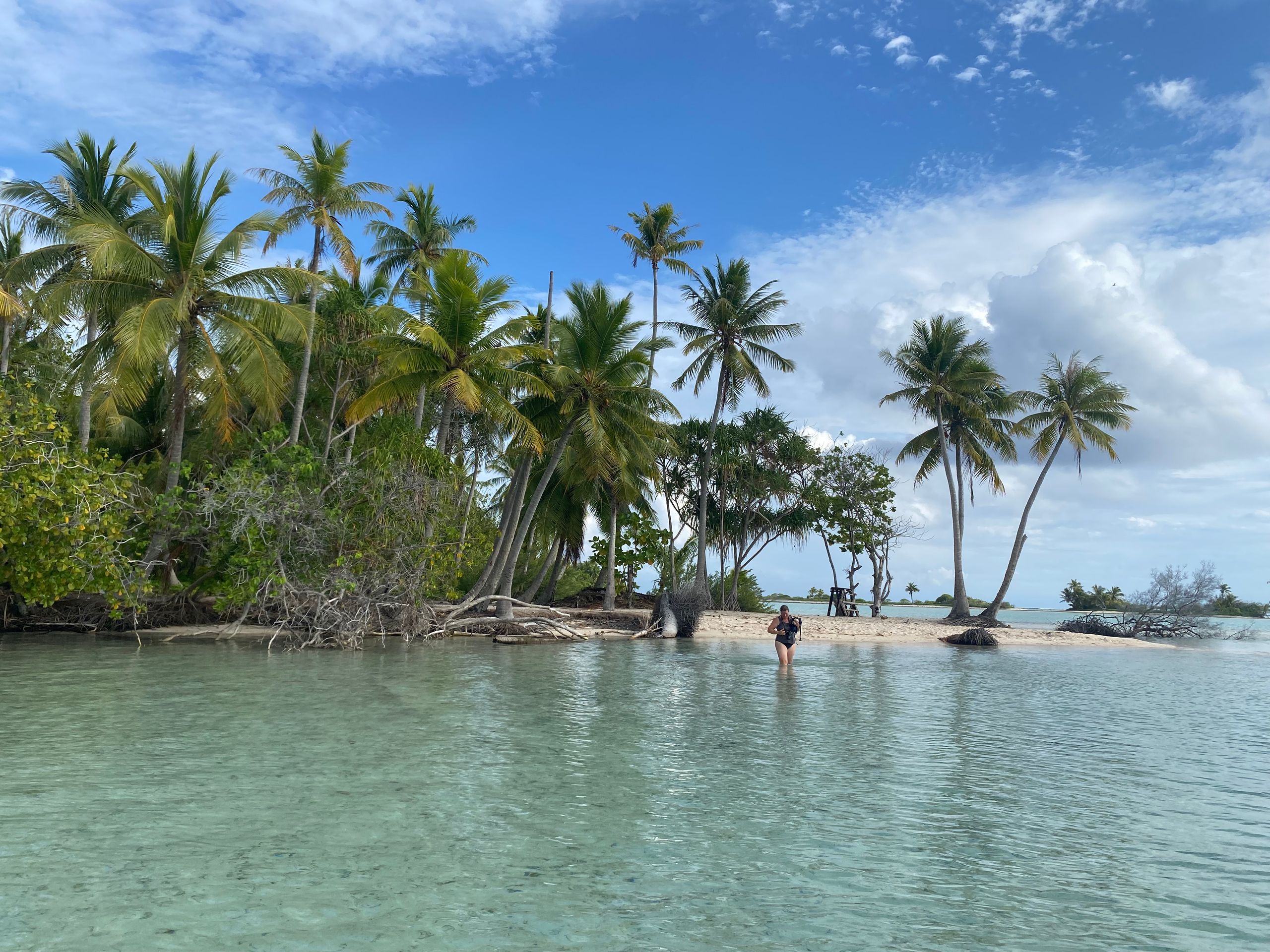
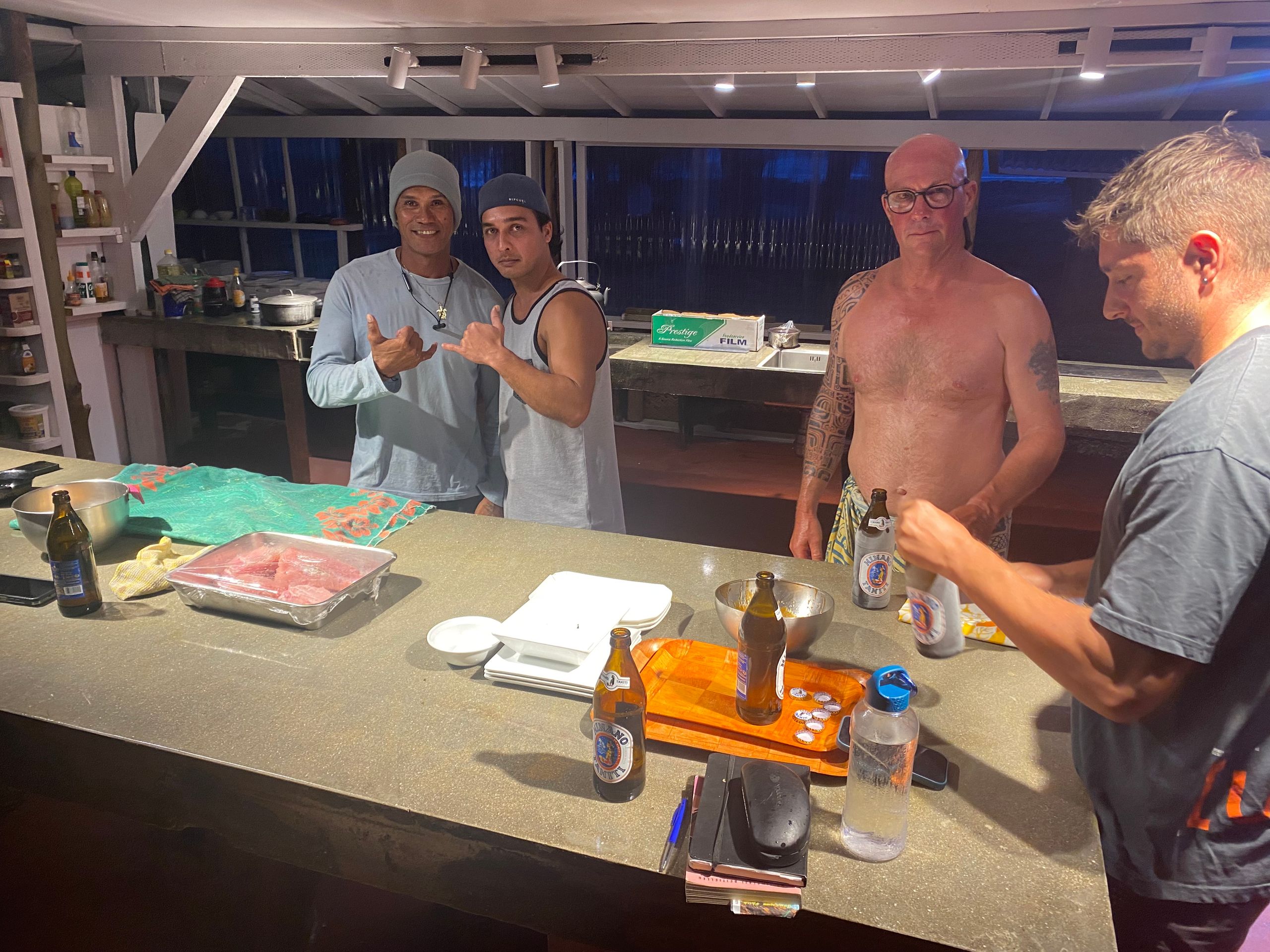
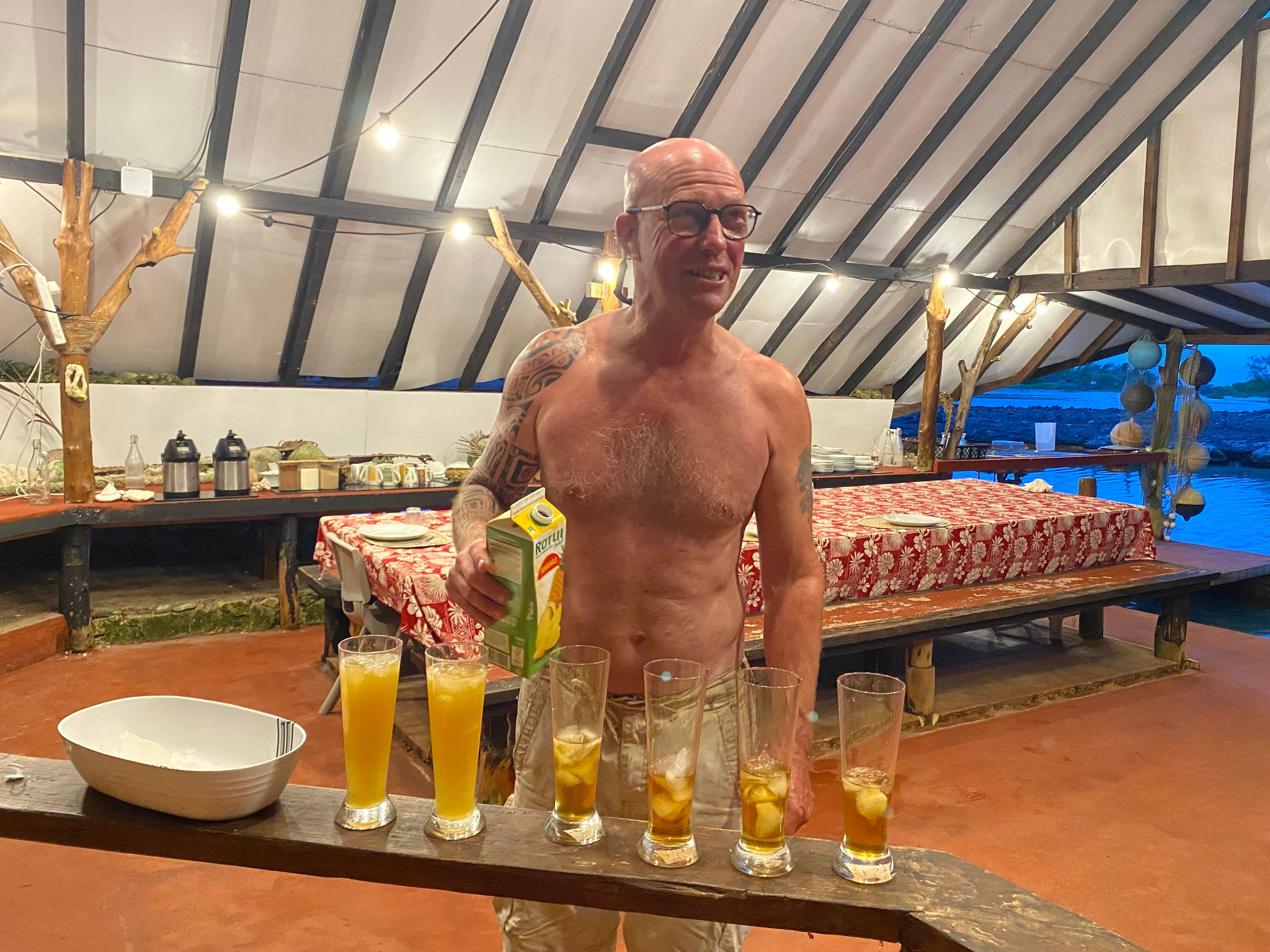
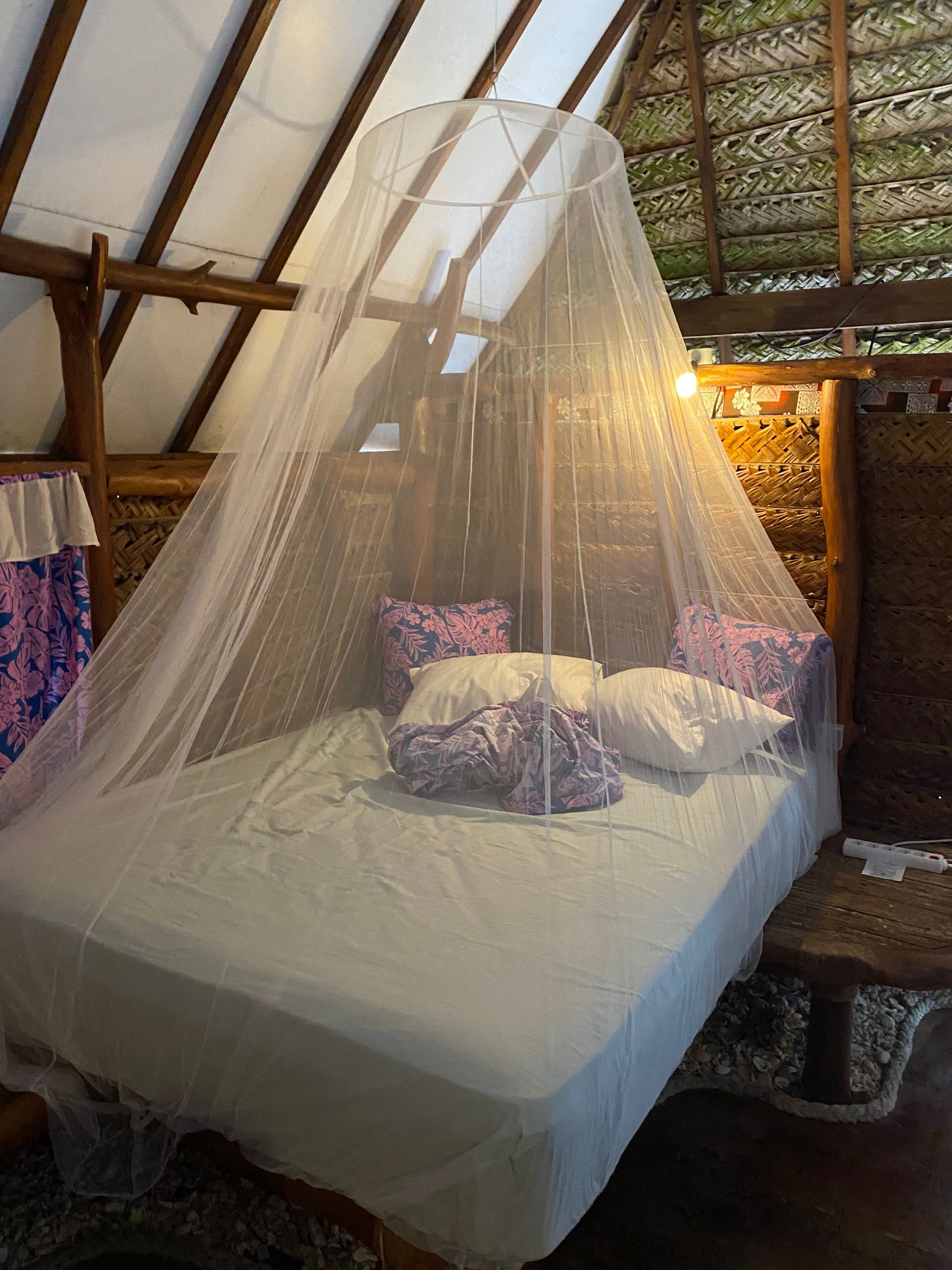
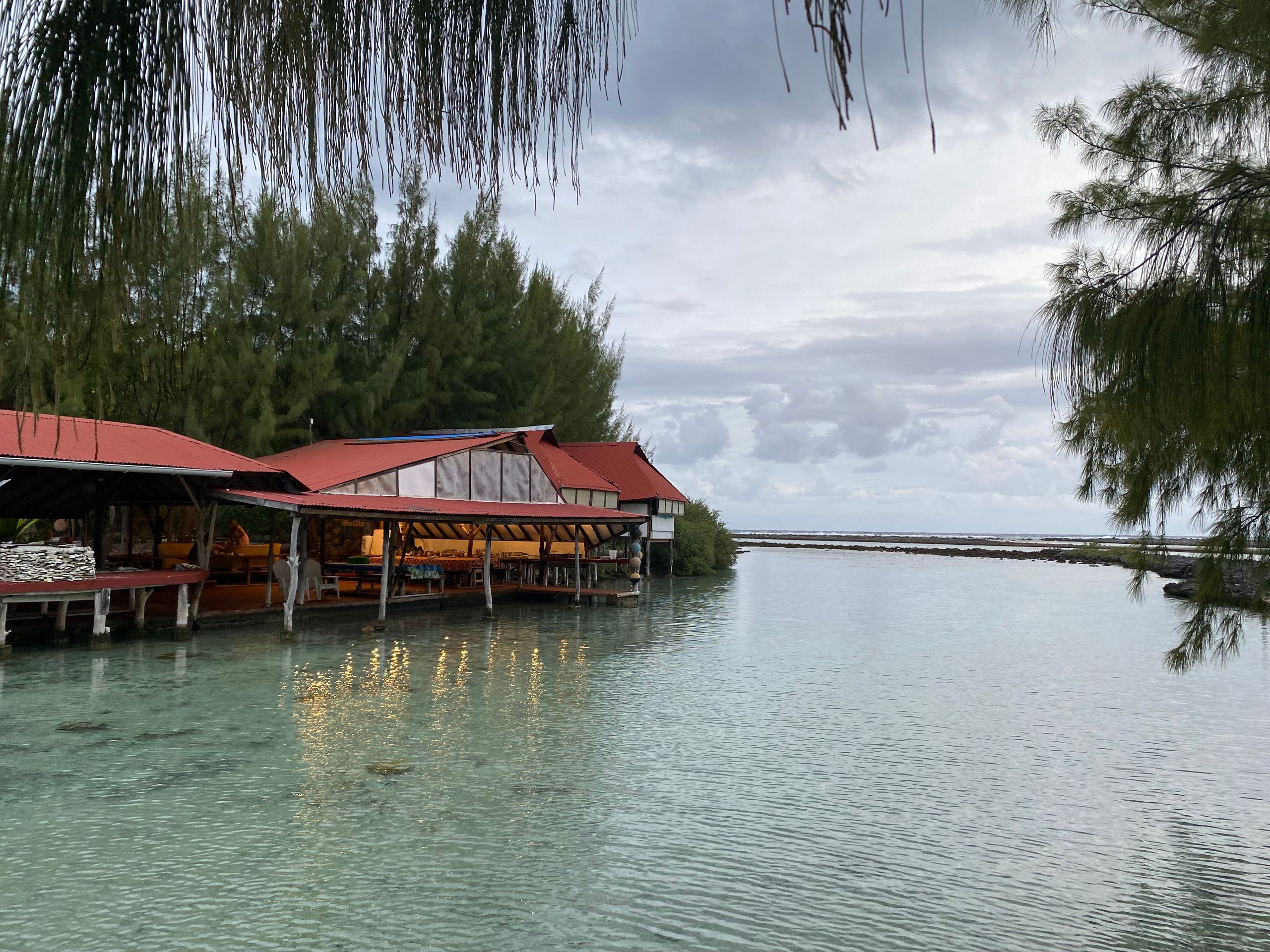
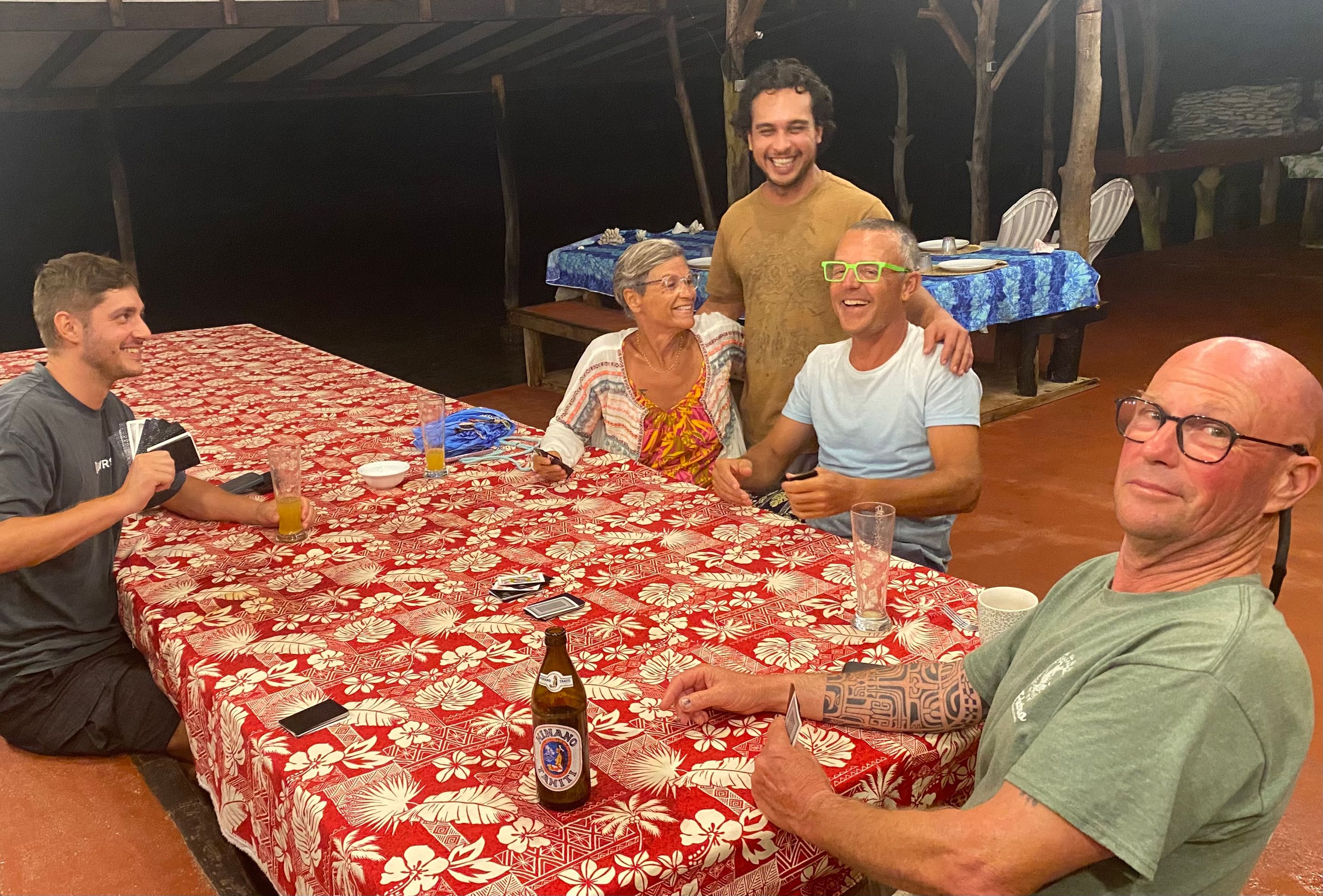
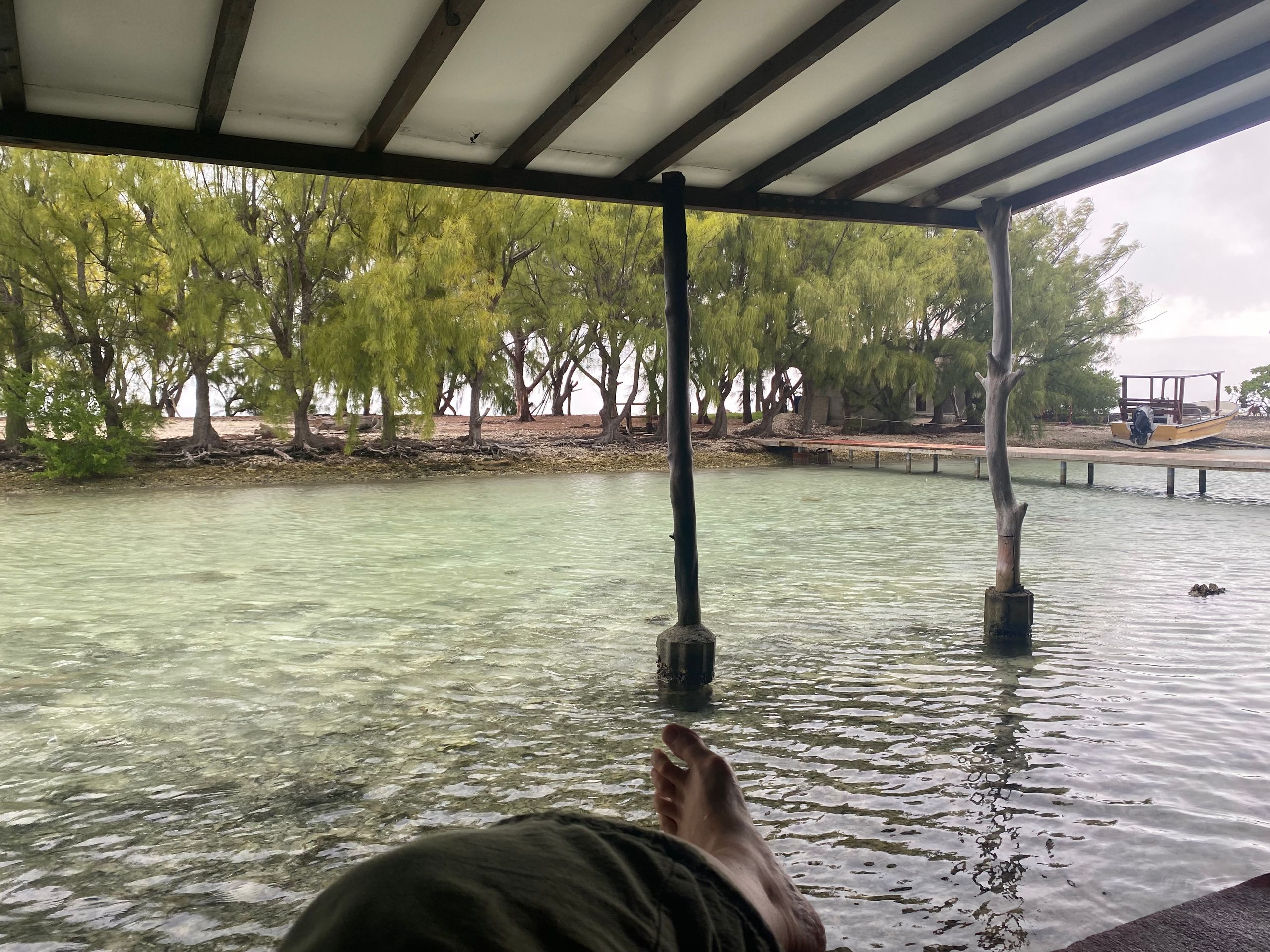
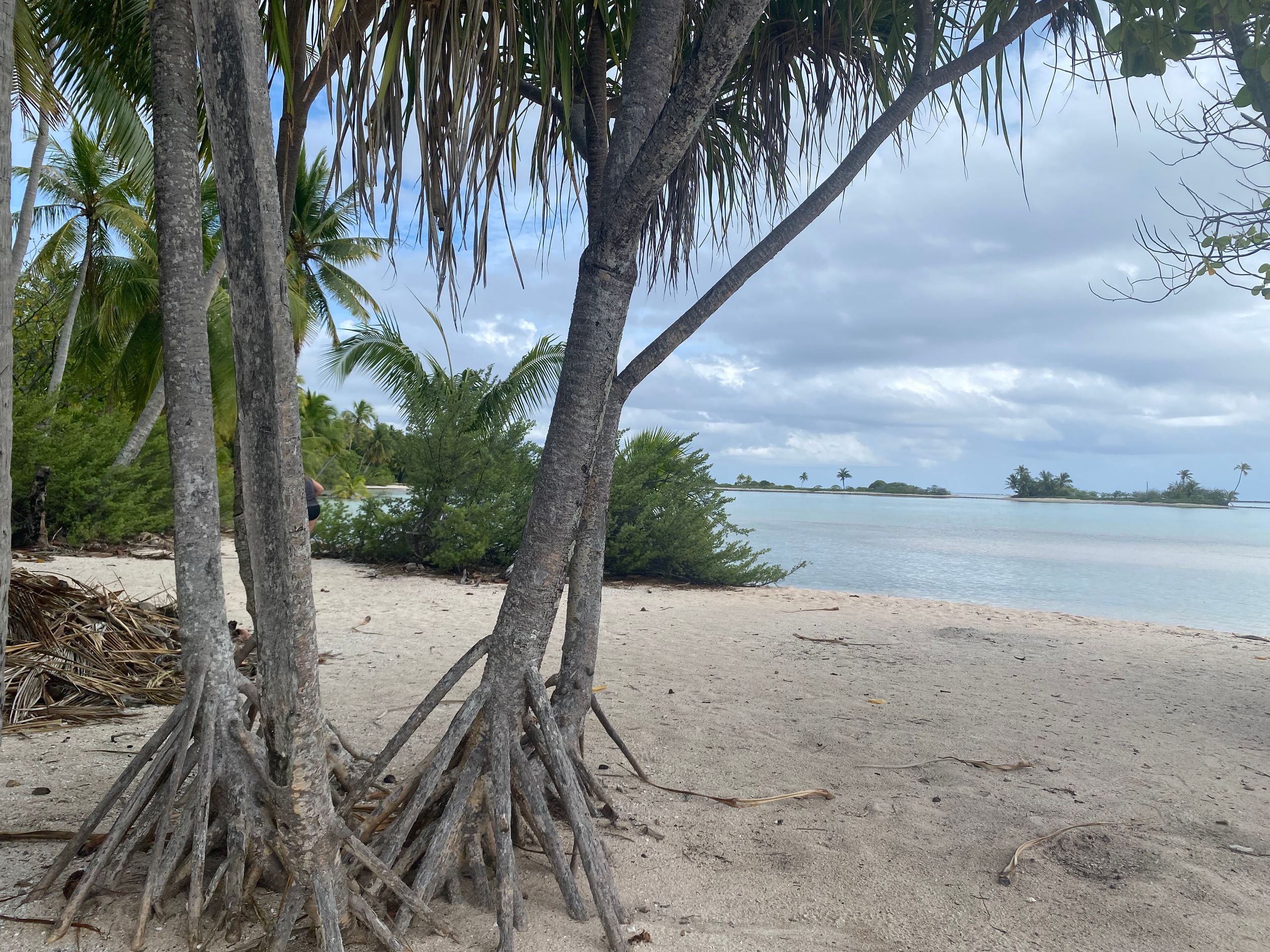
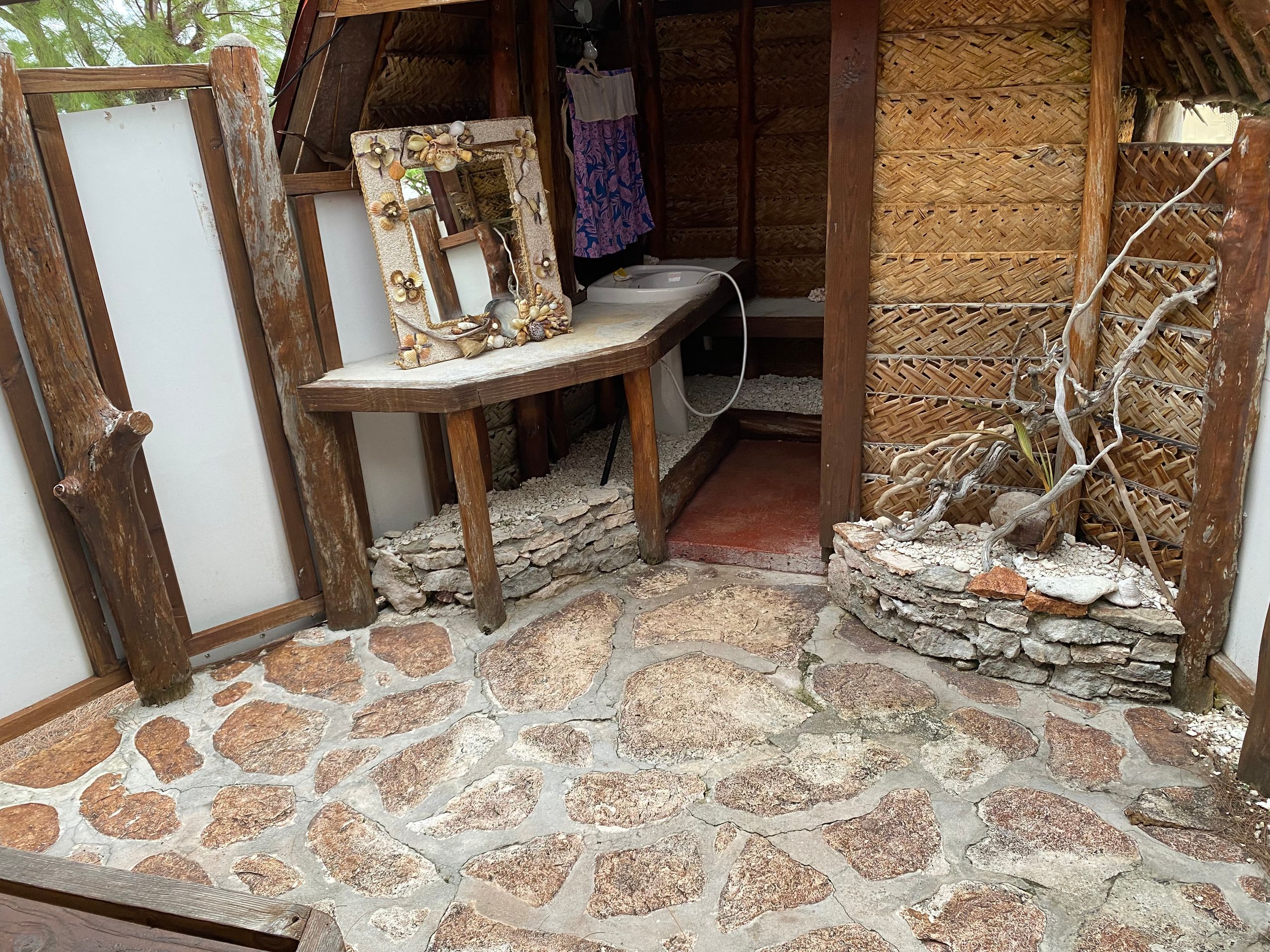
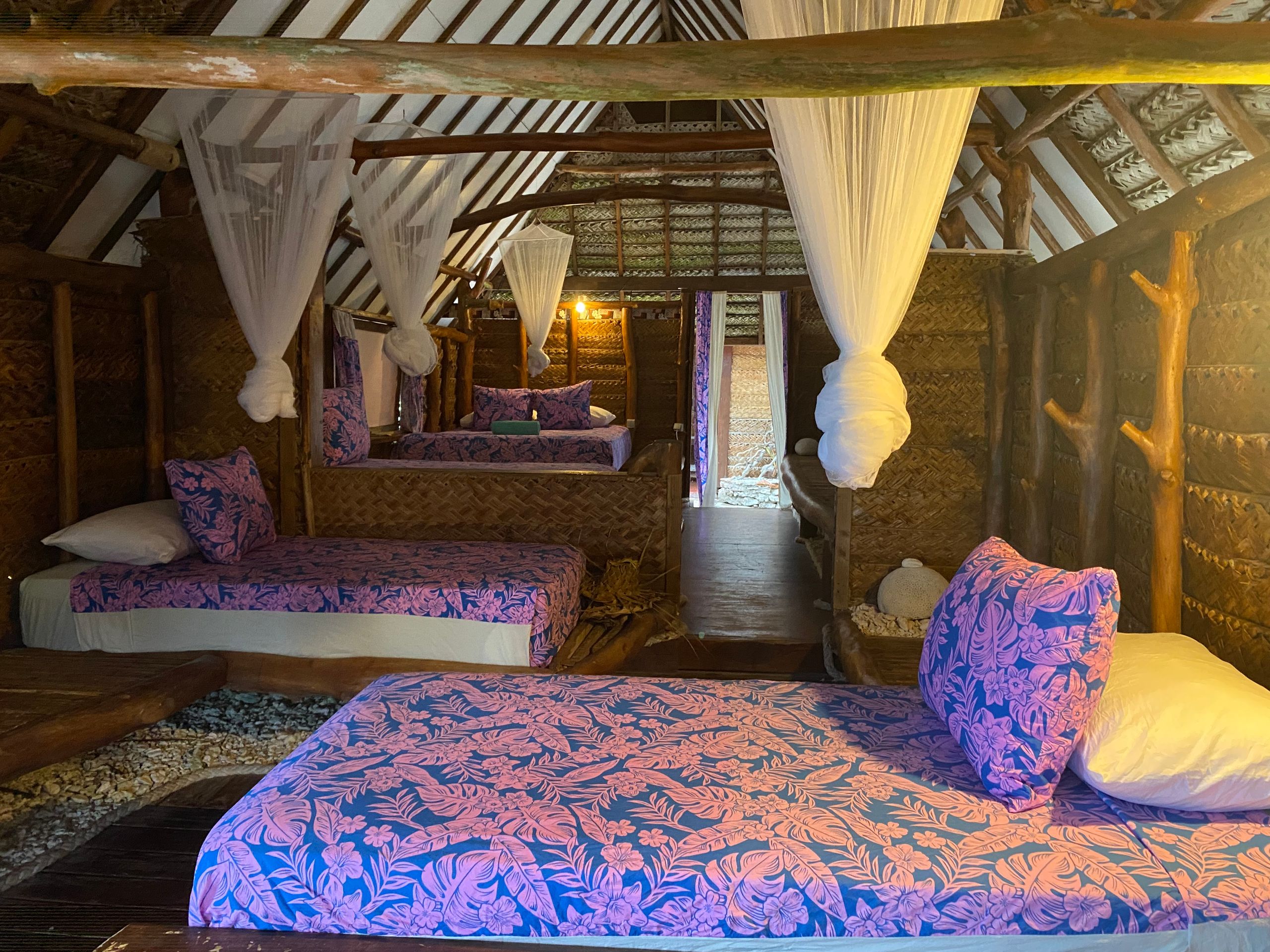
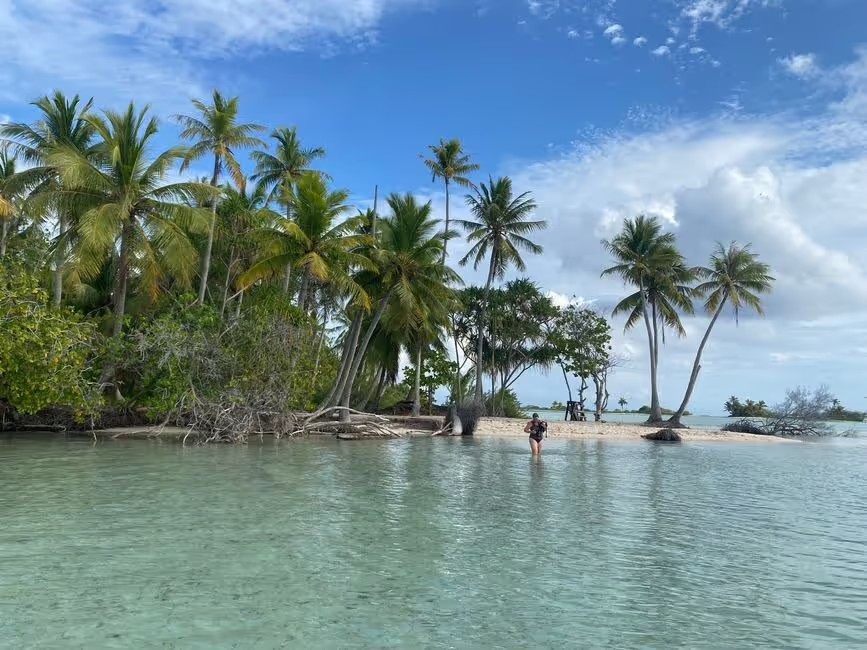
My southern accommodation can best be described as a modest pile of coral sand one meter above sea level. Not much higher than a sandbank back home on a piece of land smaller than Frederiksø. My hut is even more local than the one on the northern side of the atoll. Everything is made of natural materials - except for sockets, the toilet bowl, and the wildly comfortable mattress (not to complain about my mileage). The toilet and shower are outdoors. There’s no hot water, as the electricity generated by the solar panels is used for the kitchen's refrigerator/freezer, lighting in the huts and common areas, and - yes! - high-speed internet. Everything is just flip-flops or sandals if it really should be. The food is sublime, so I'm almost completely stuffed. If I relax much more, I think my pulse will stop.
Tomorrow, I head back to Fakarava airport and on to Rangiroa, where the dives are said to be even more fantastic. Believe it, who can.