BLOG 13: Apache Pass & Salt River Canyon
The Apache Pass has been an essential travel route for centuries, as this area provided wood, grass, and water from the Apache Springs—all vital resources for the groups...

Published: 04.06.2025
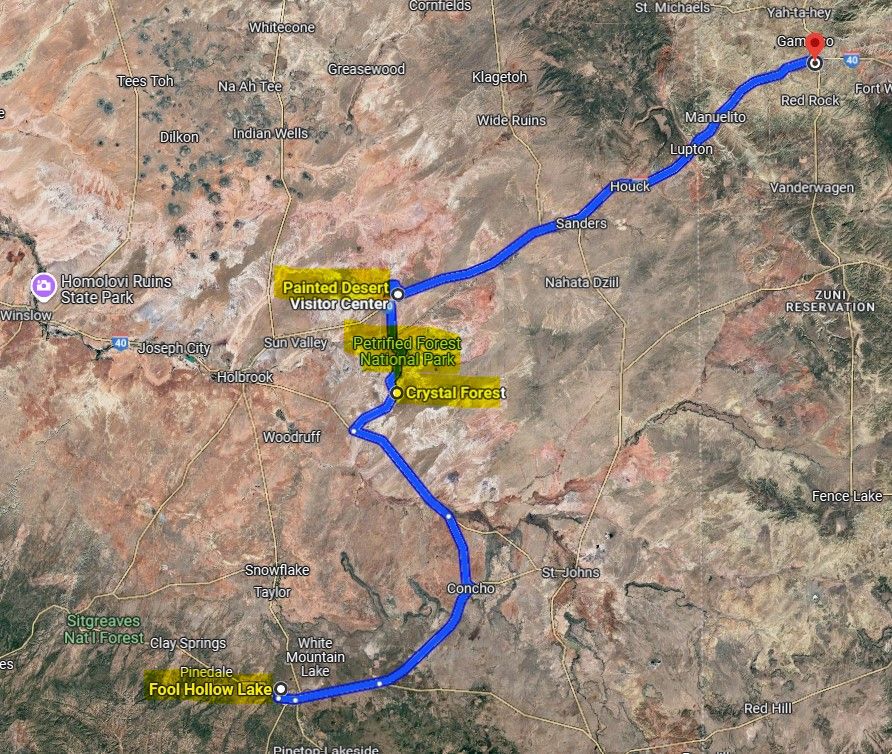
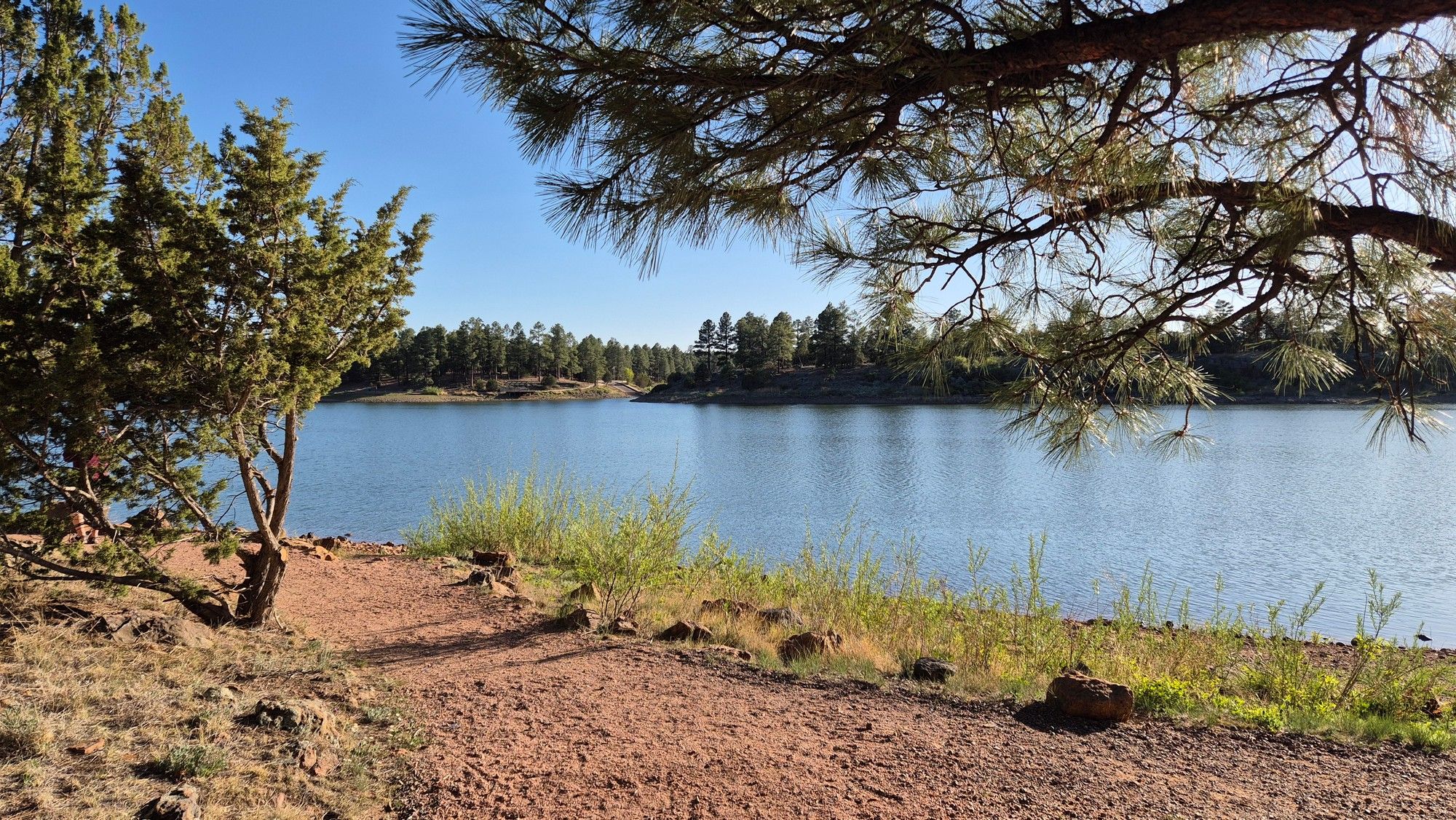
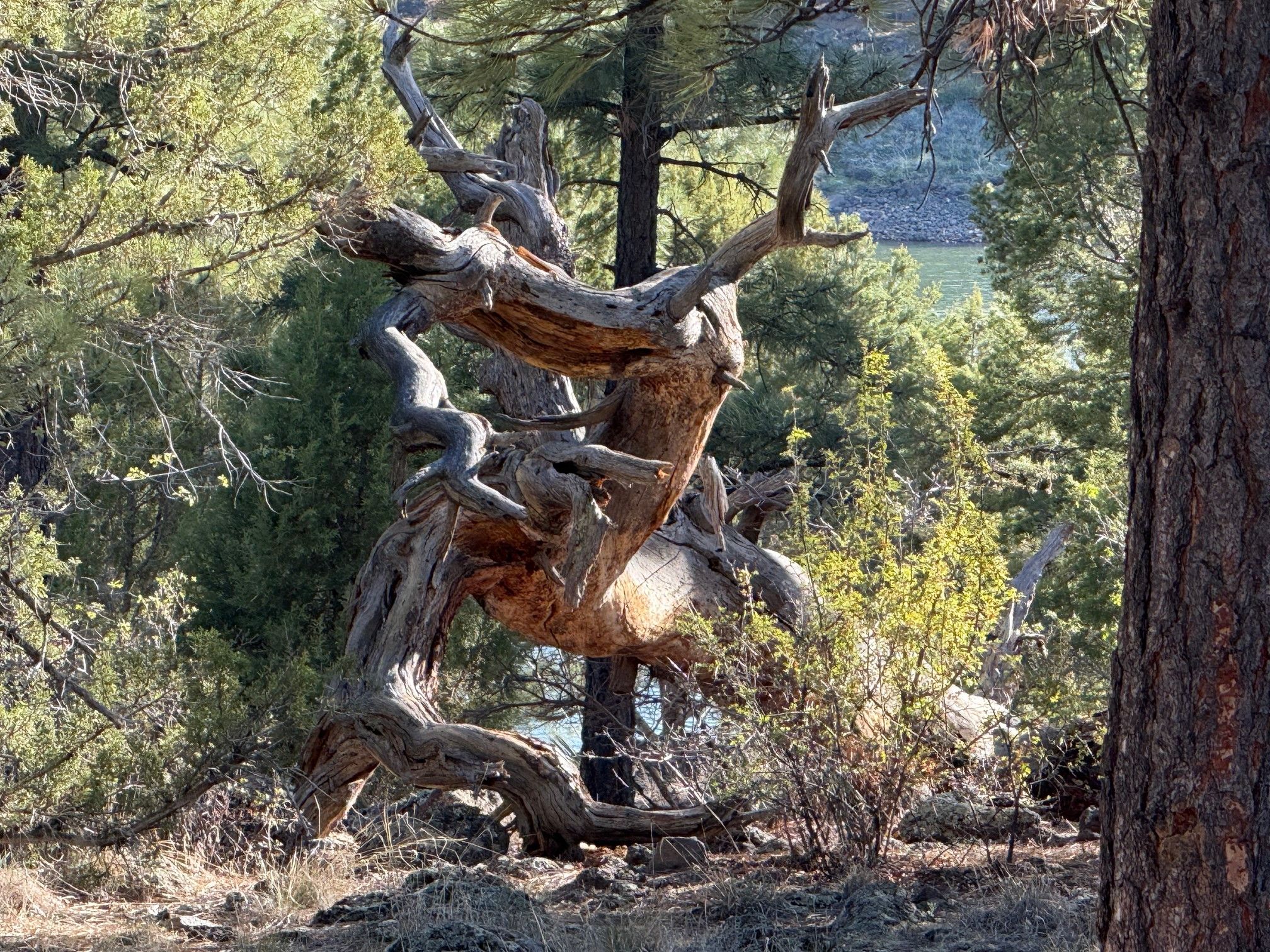
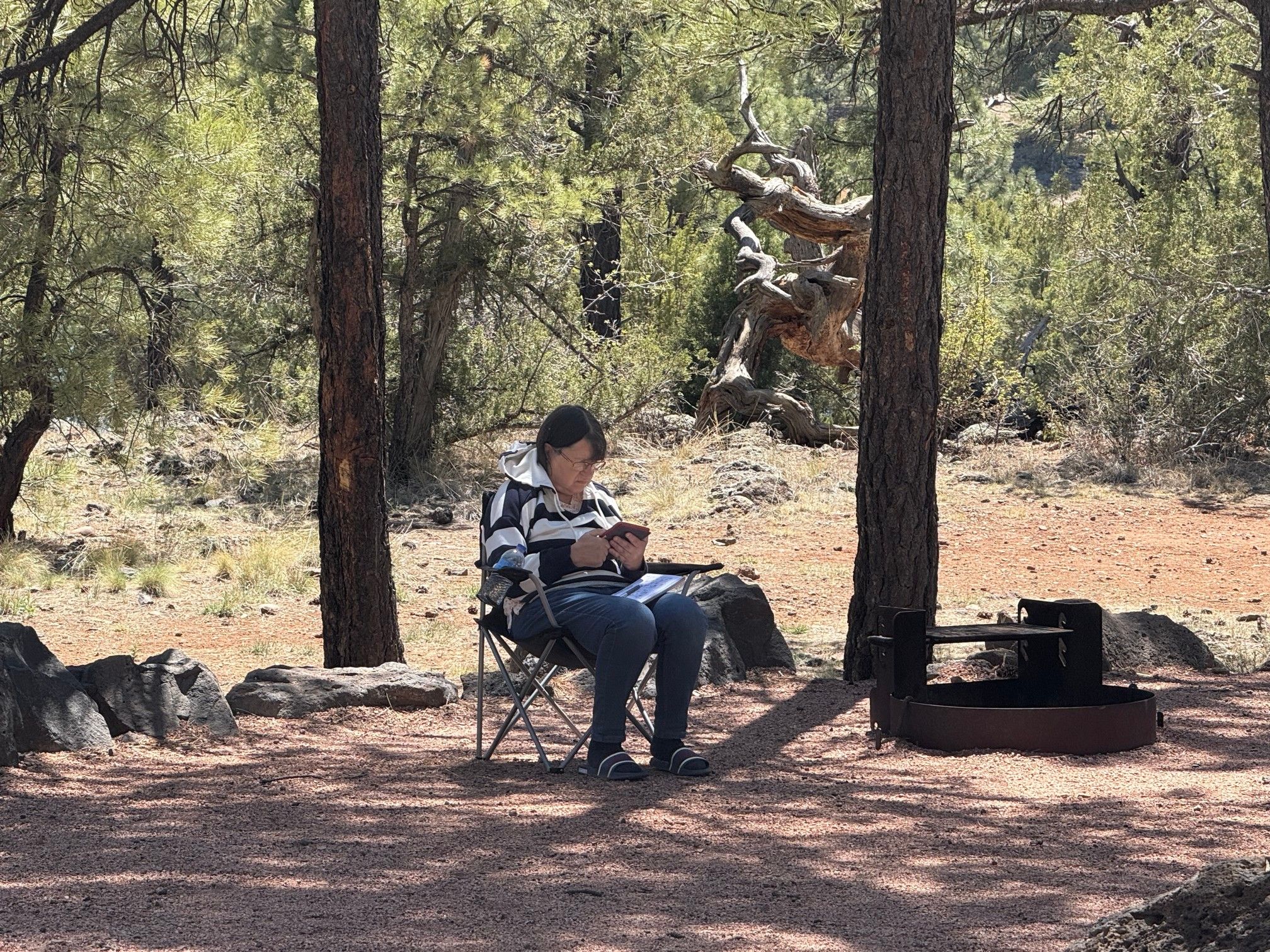
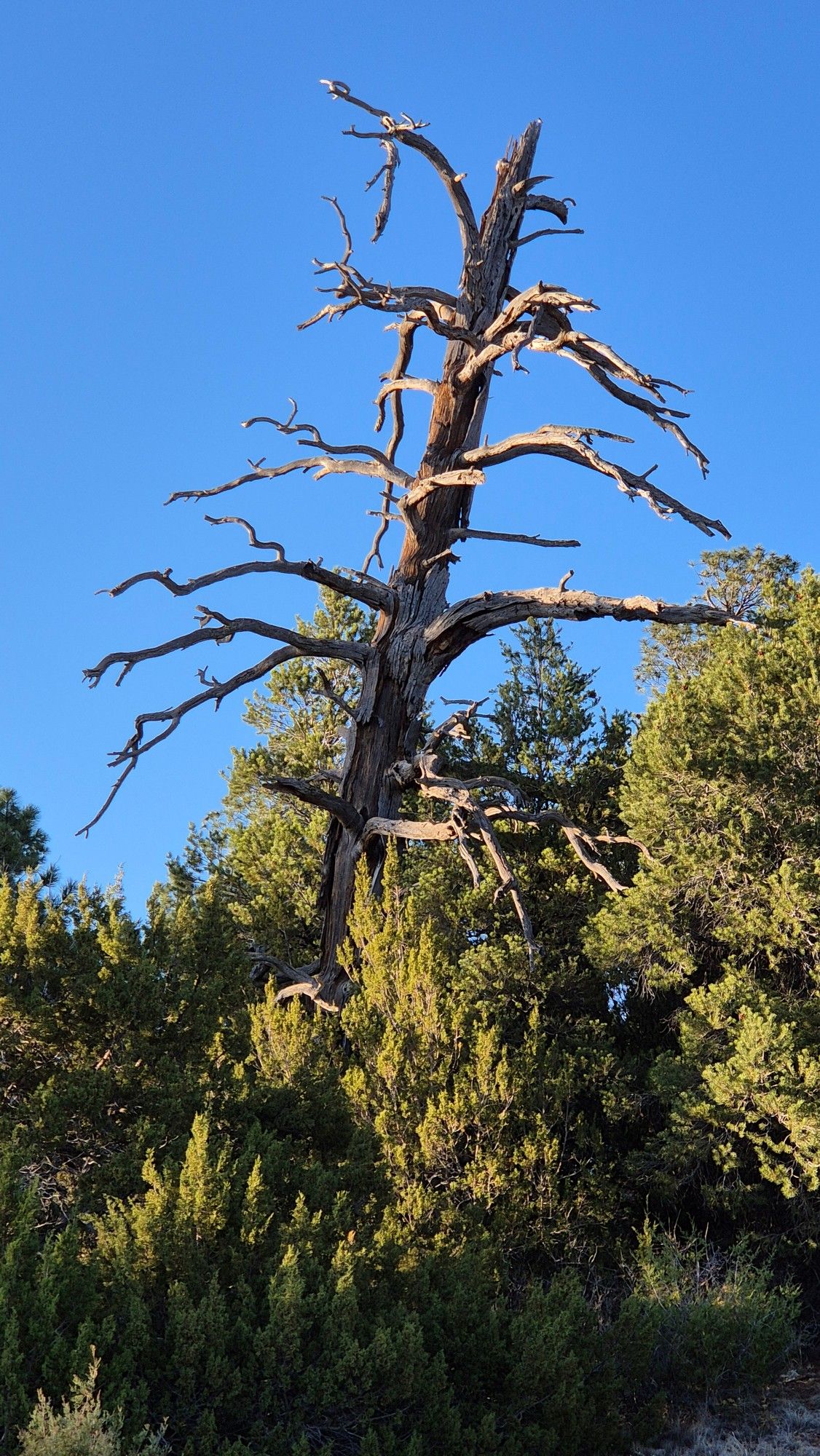
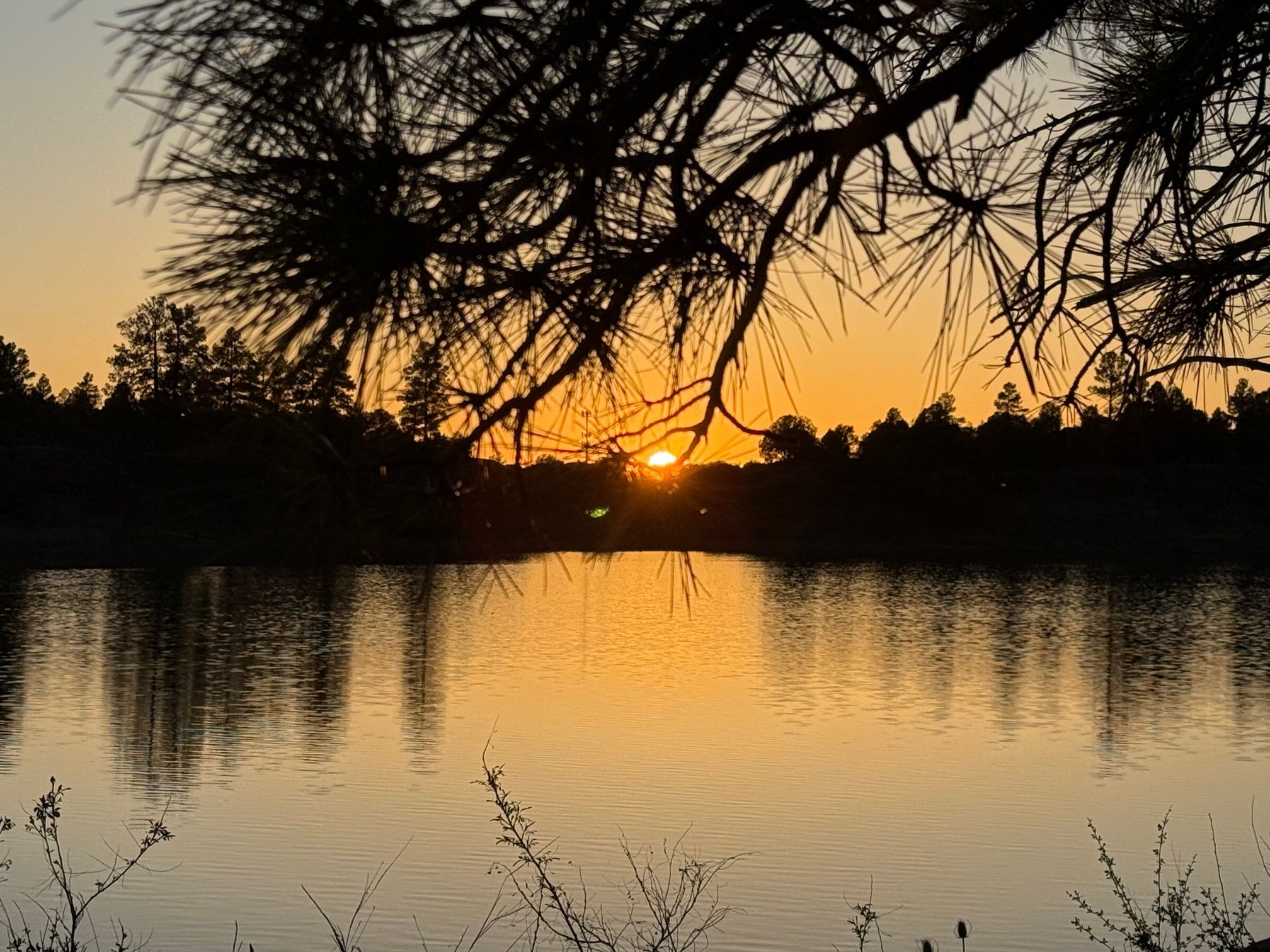
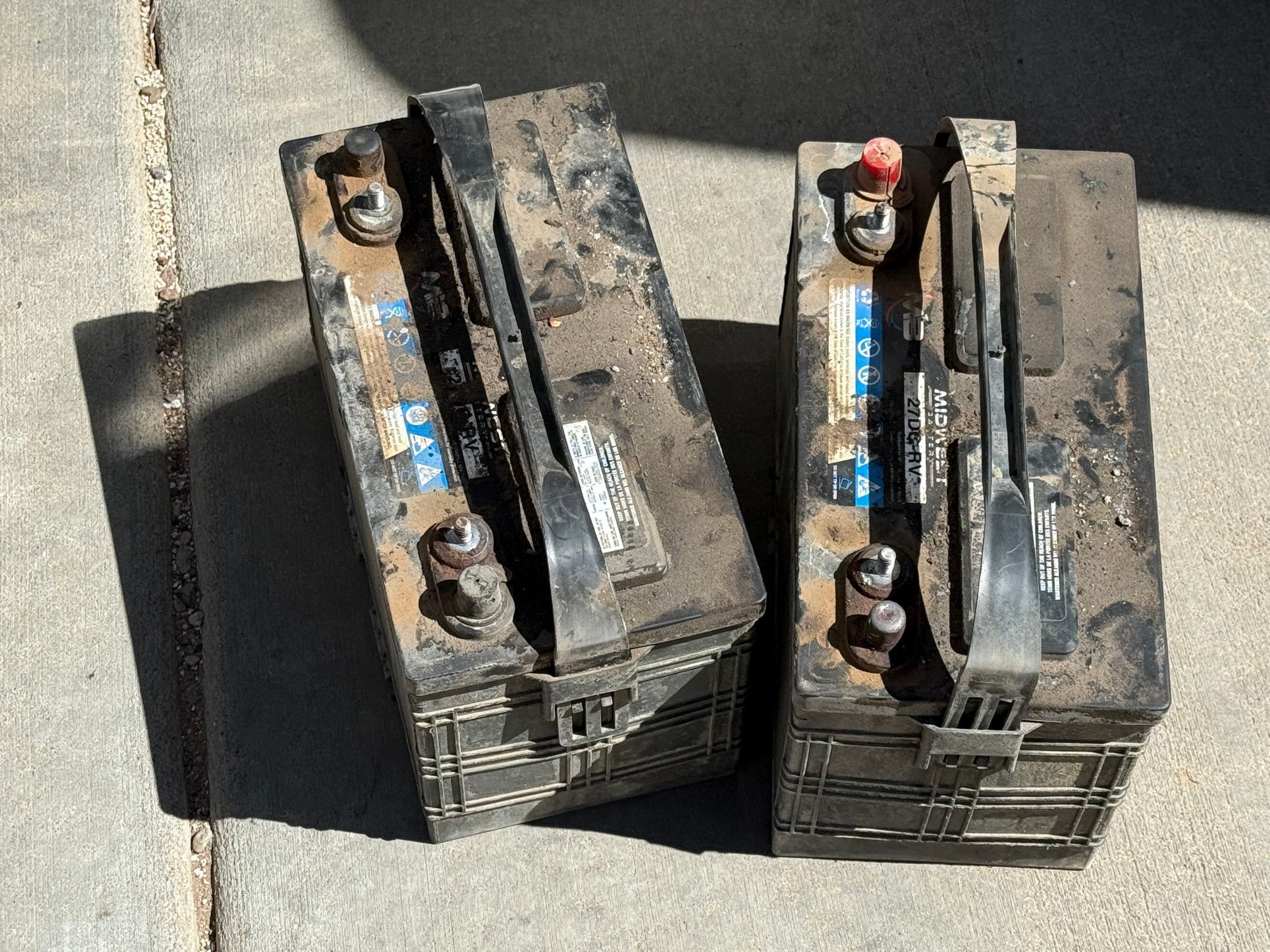
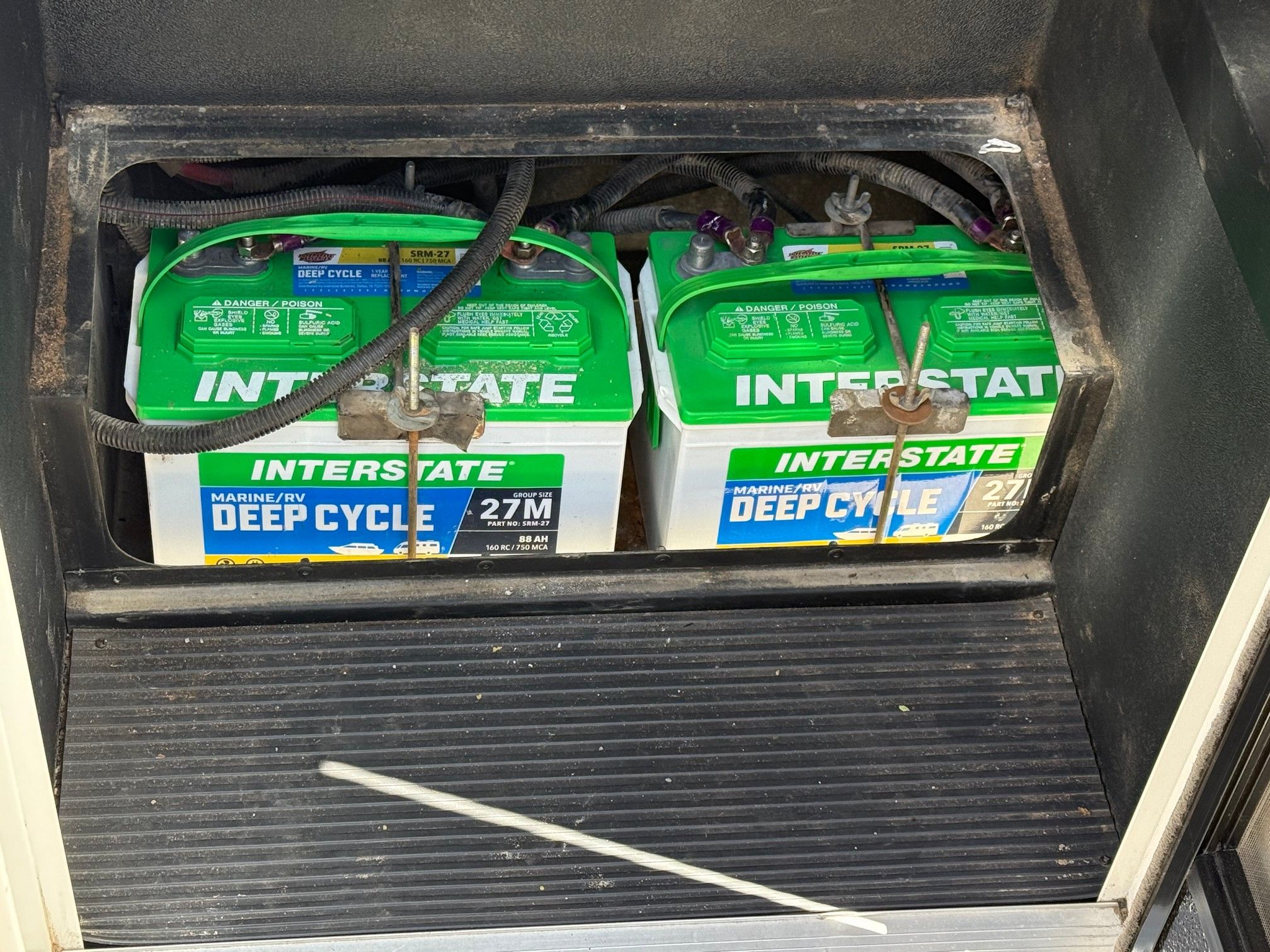
We spend two relaxing days at Fool Hollow Lake near the town of Show Low, only interrupted by phone calls with the RV rental company and a specialized workshop that has already correctly identified the problem over the phone based on my description. We then stop there on our way and a battery test under load provides a clear result after 2 minutes - battery replacement required. After the usual wait time on hold, the rental company gives approval for the exchange, and luckily the workshop owner agrees to settle the costs directly, so we don’t have to pay upfront.
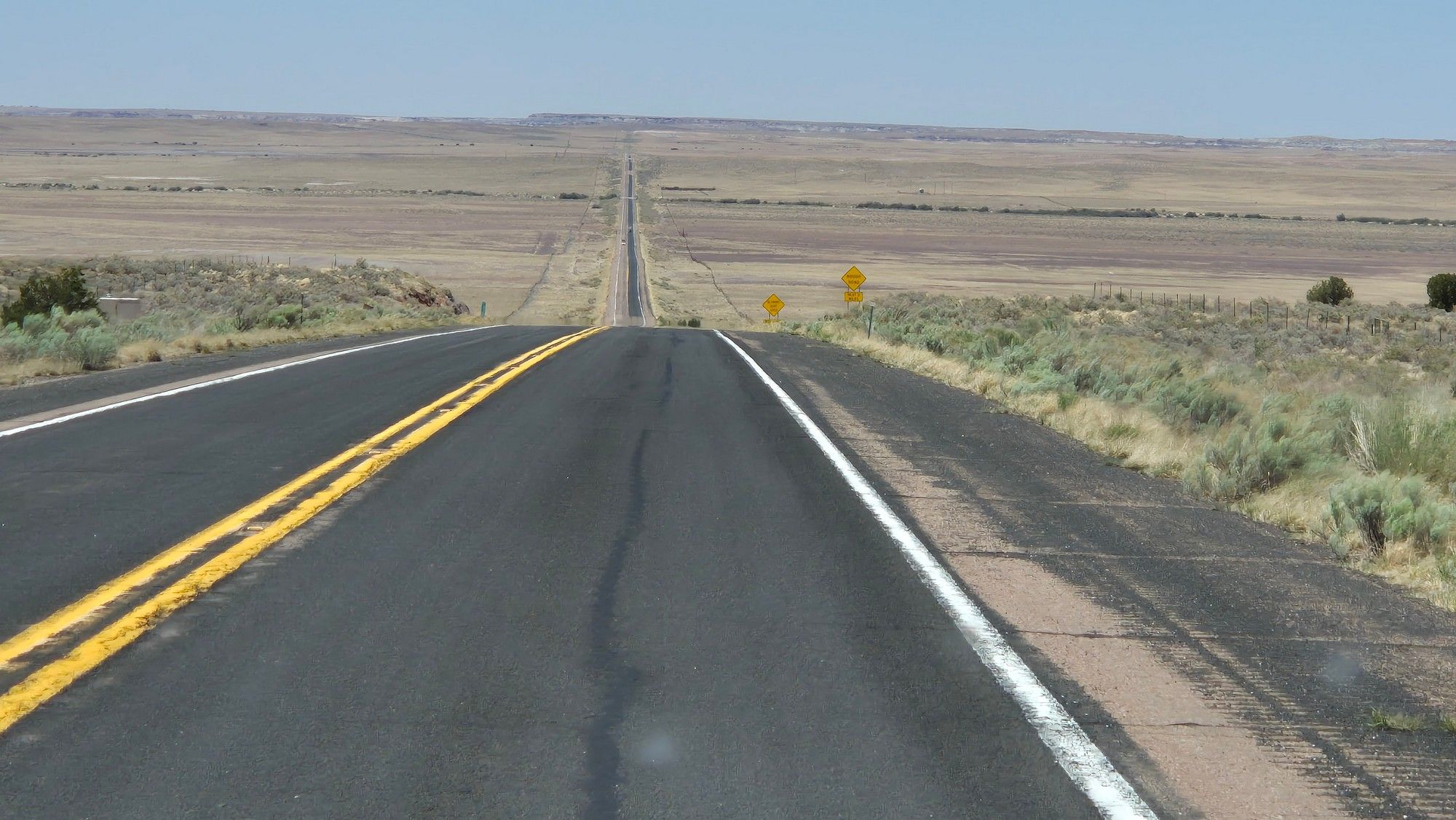
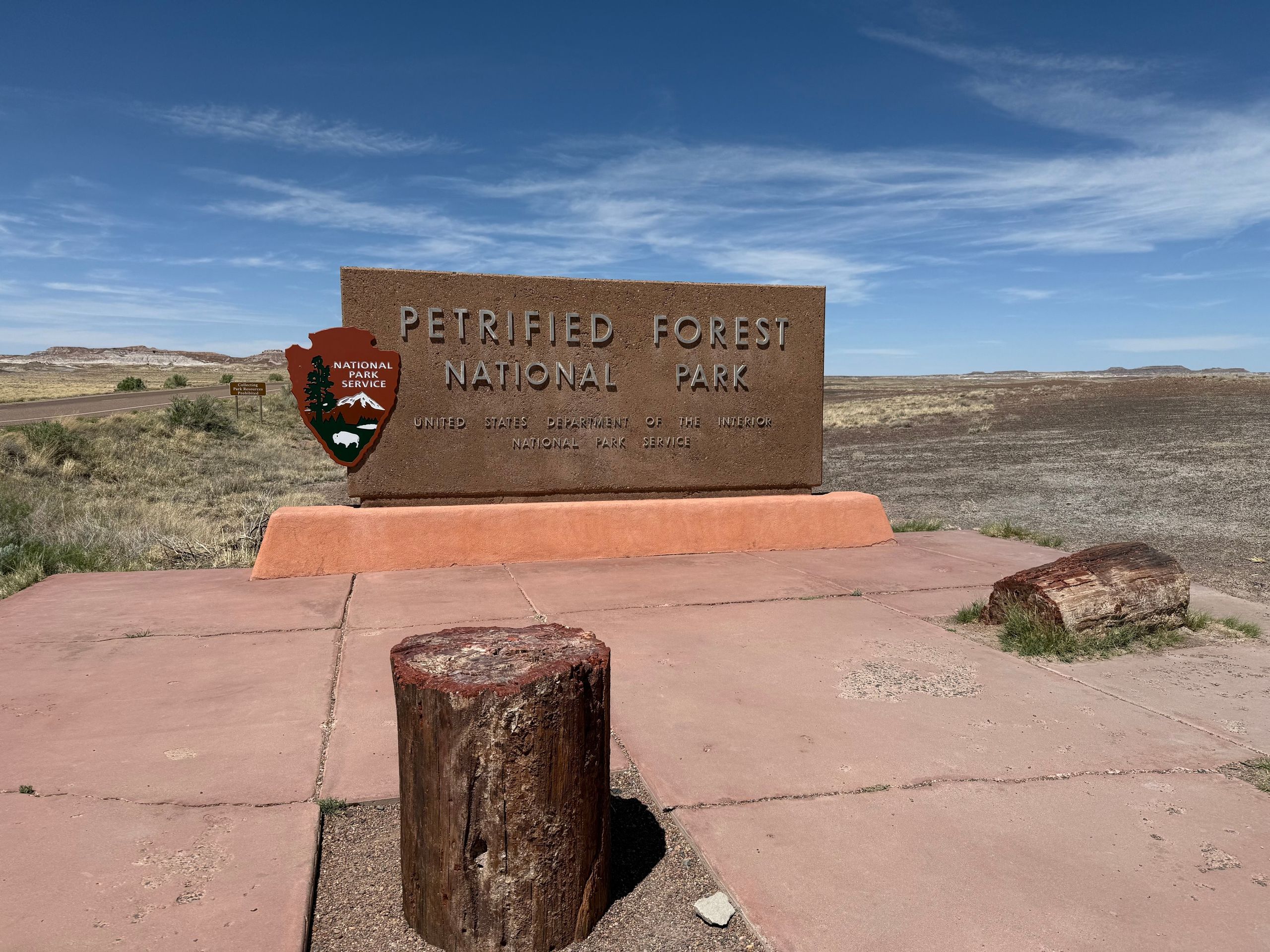
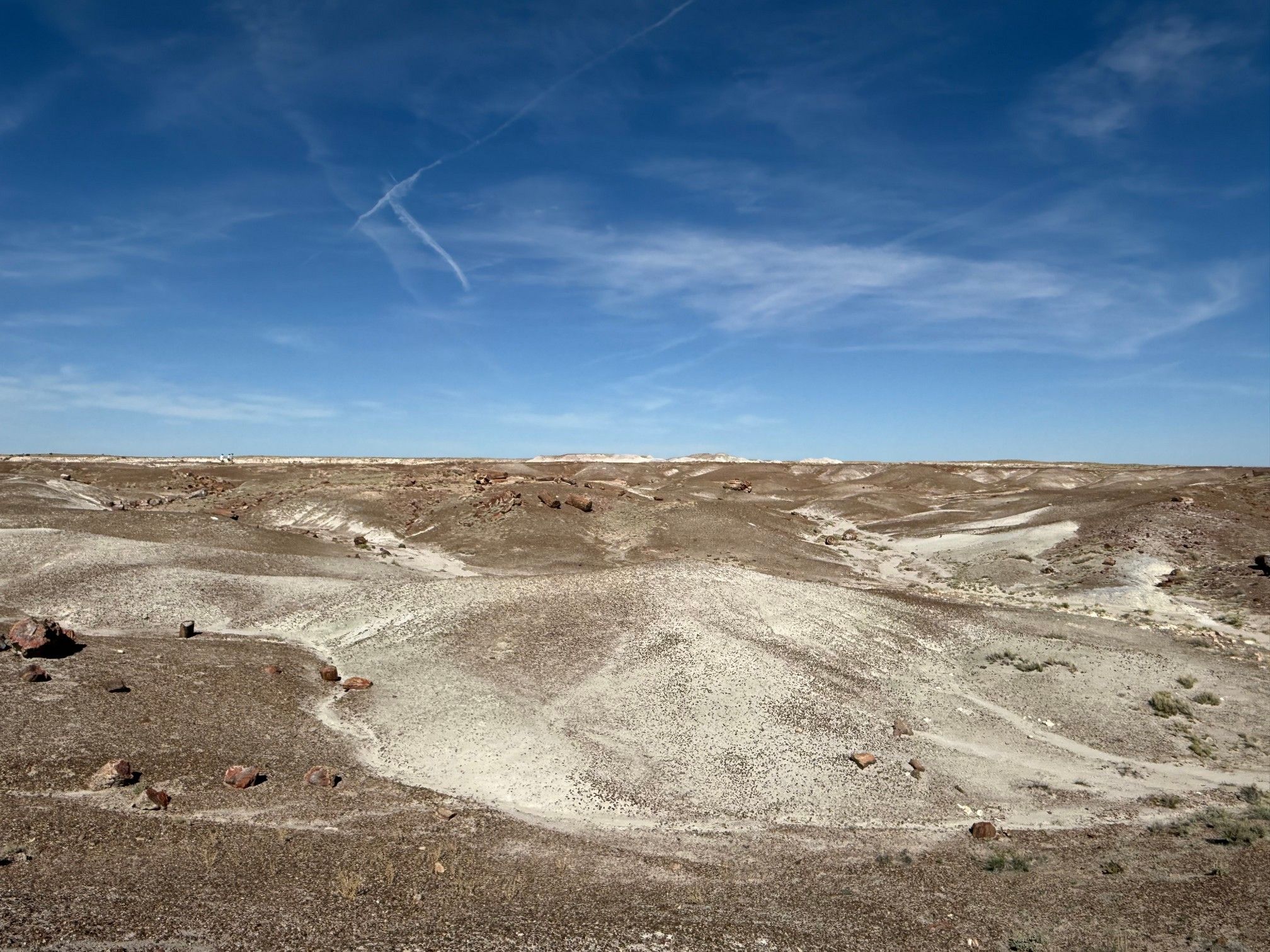
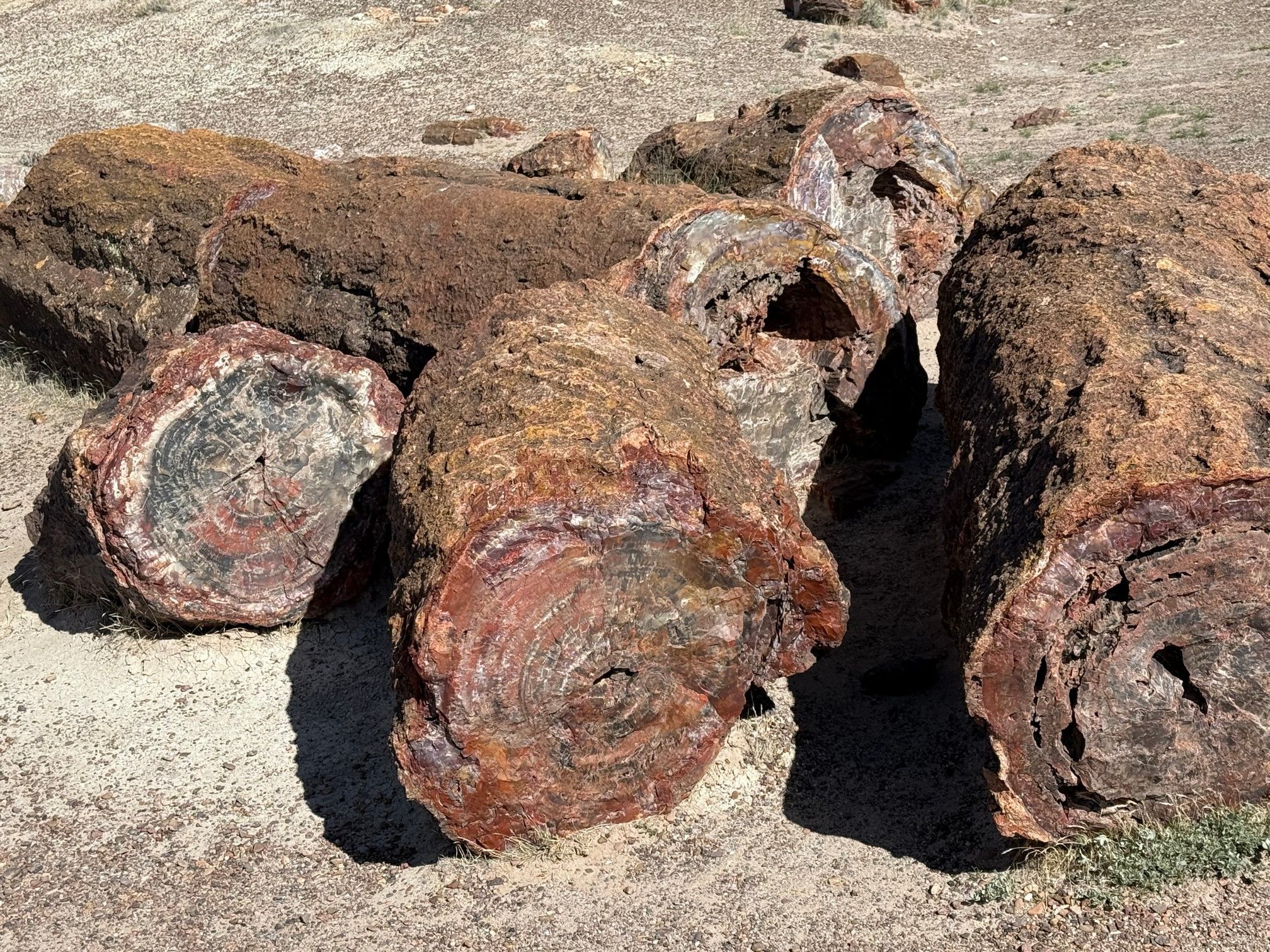
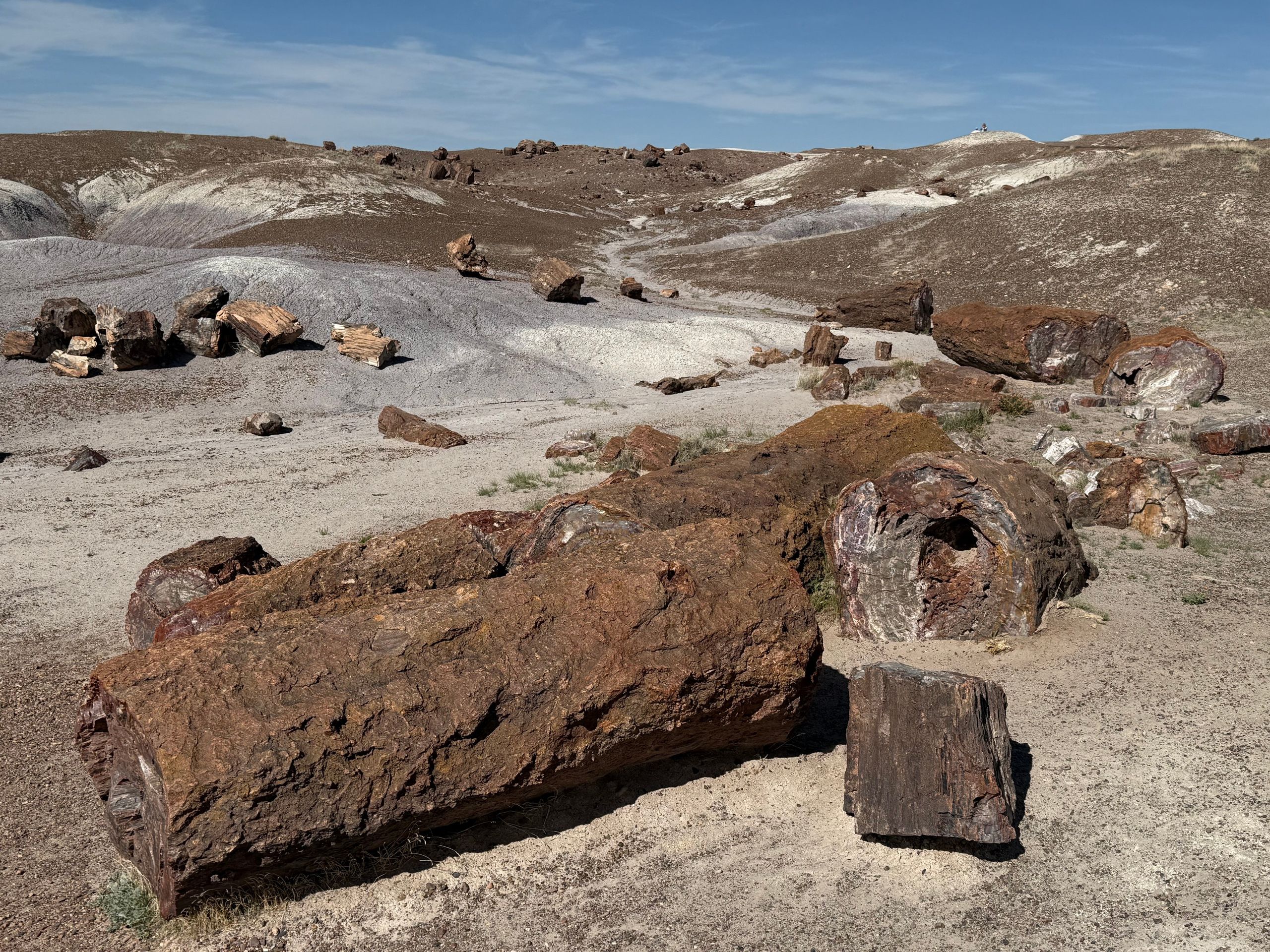
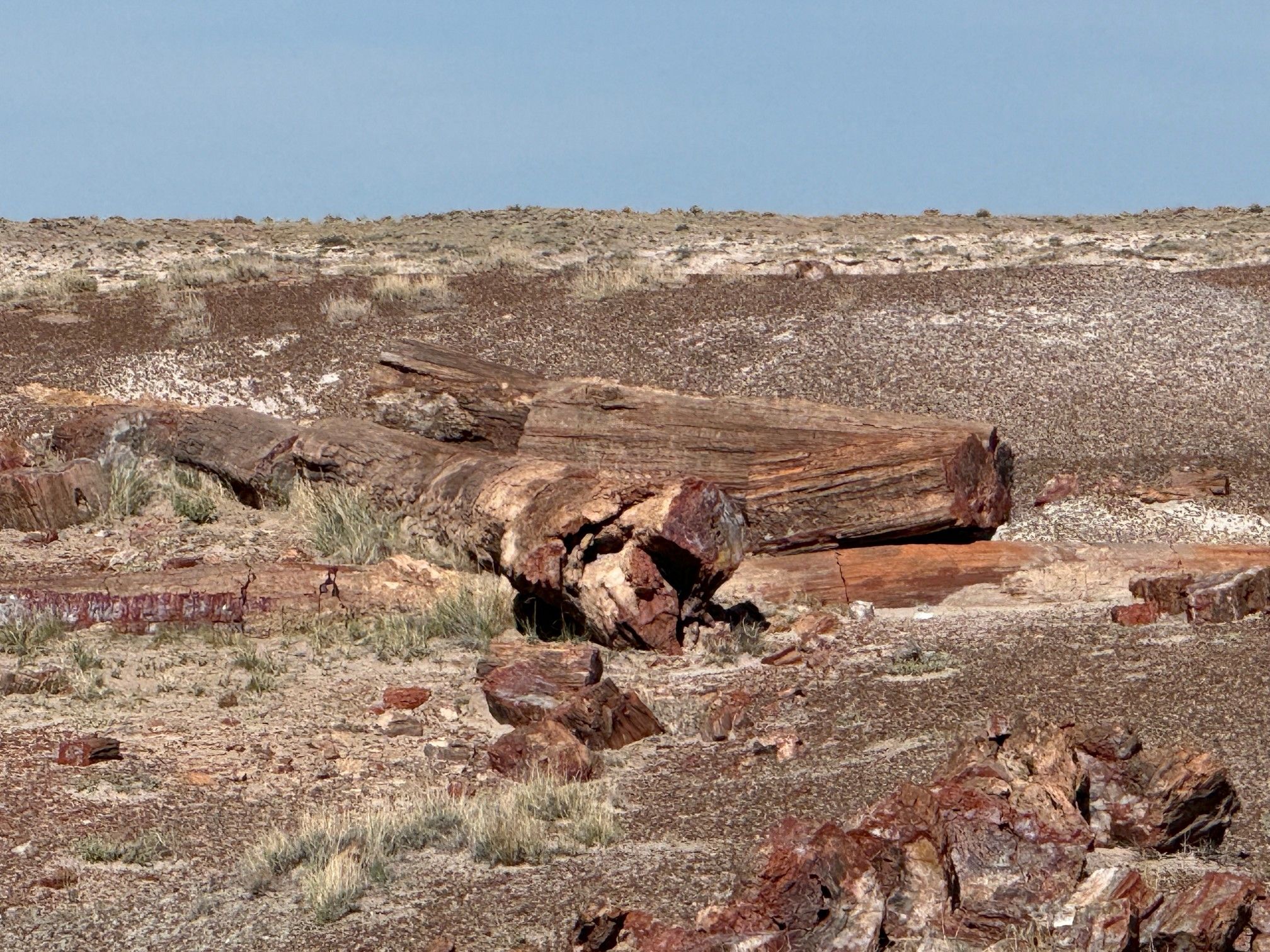
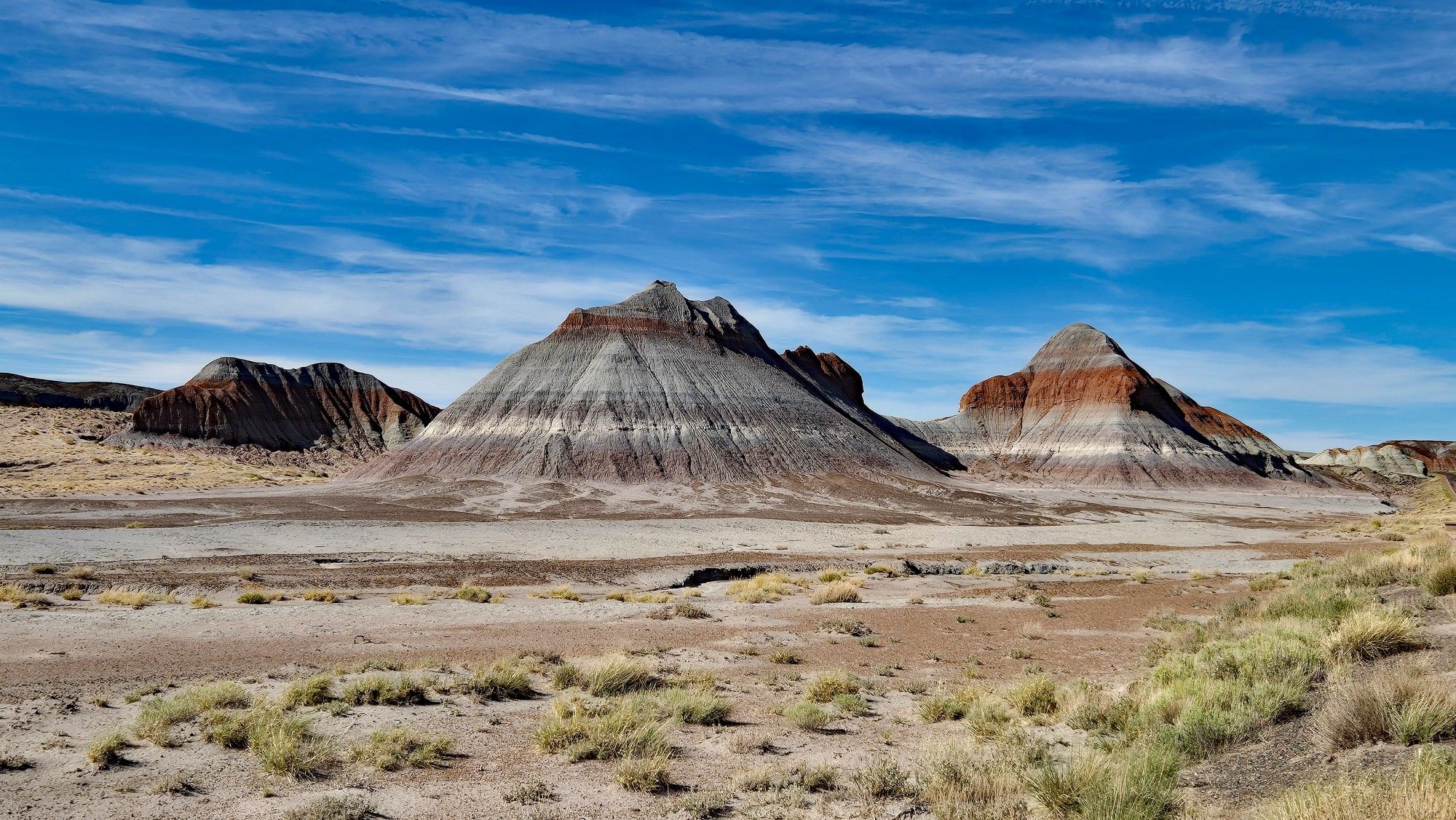
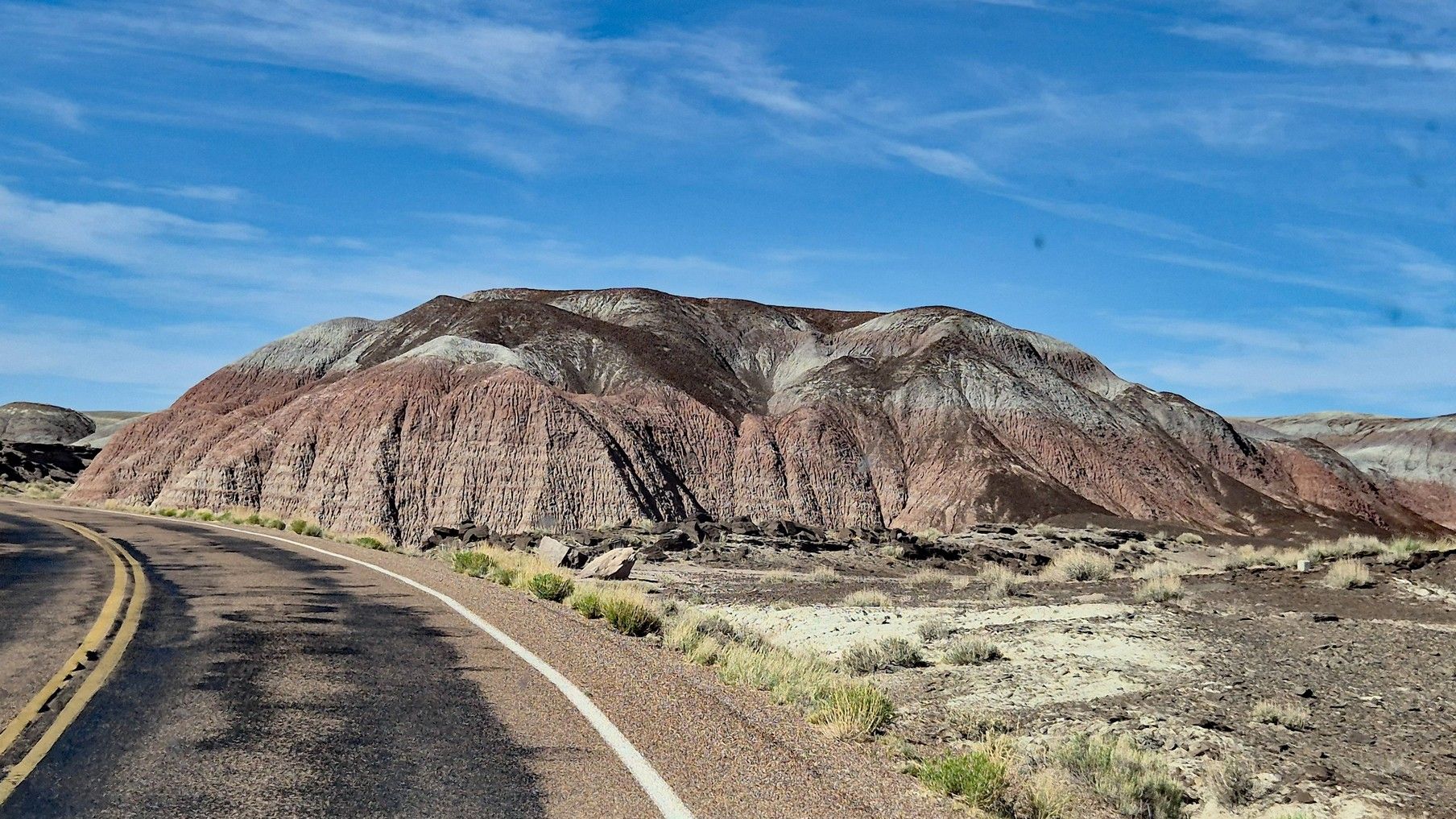
Then we continue towards New Mexico, on the way we pass through the Petrified Forest & Painted Desert National Park.
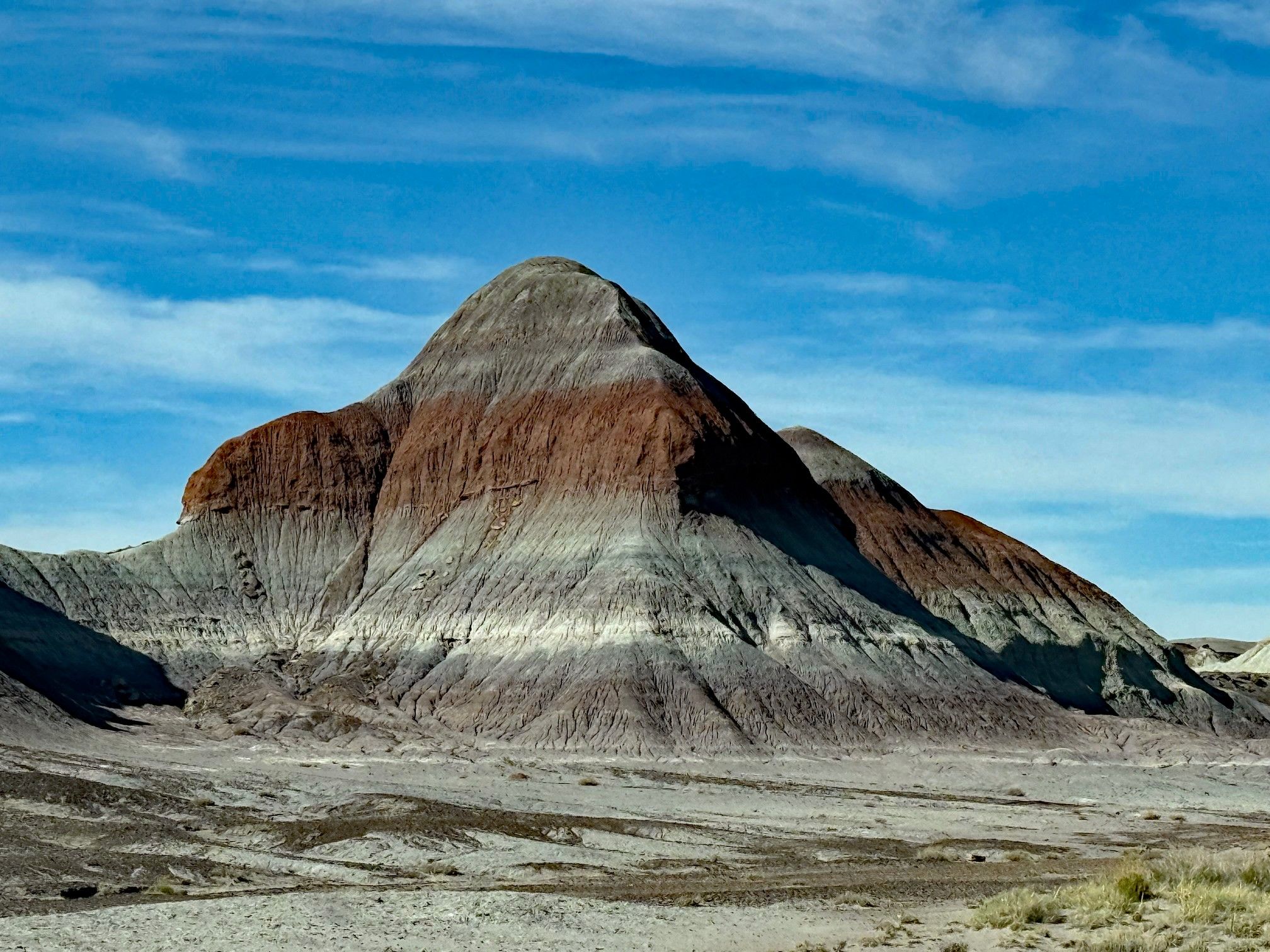
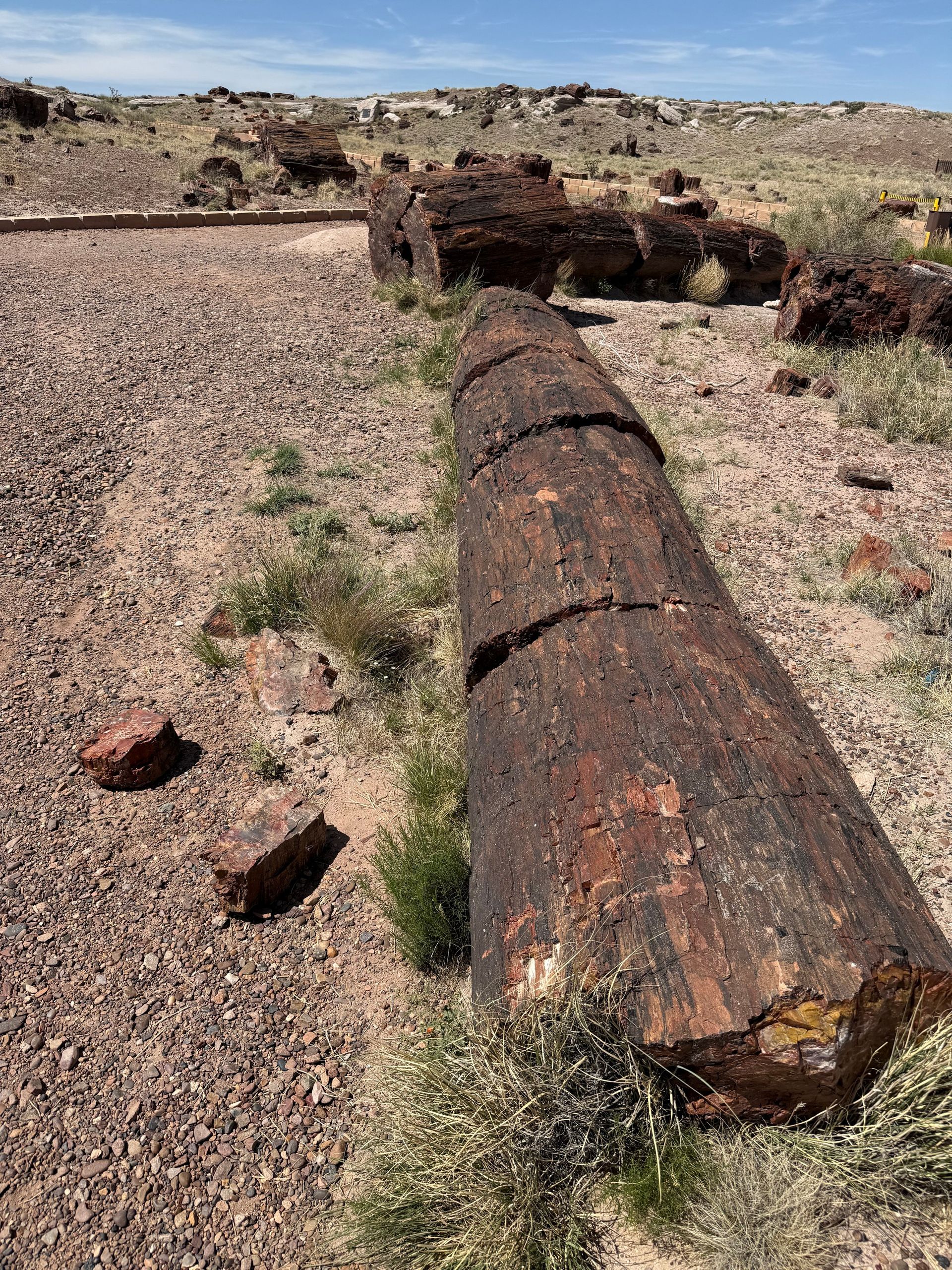
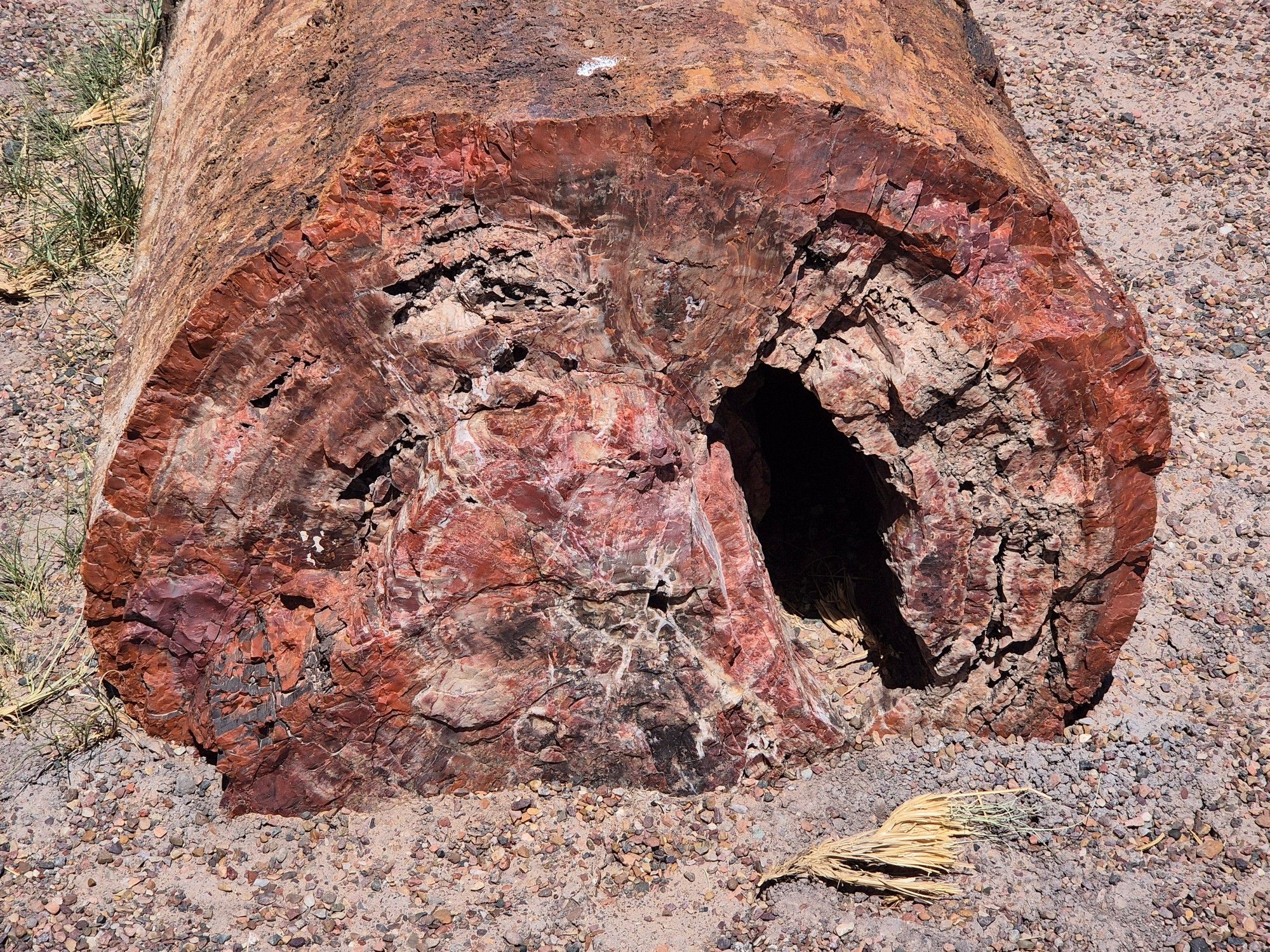
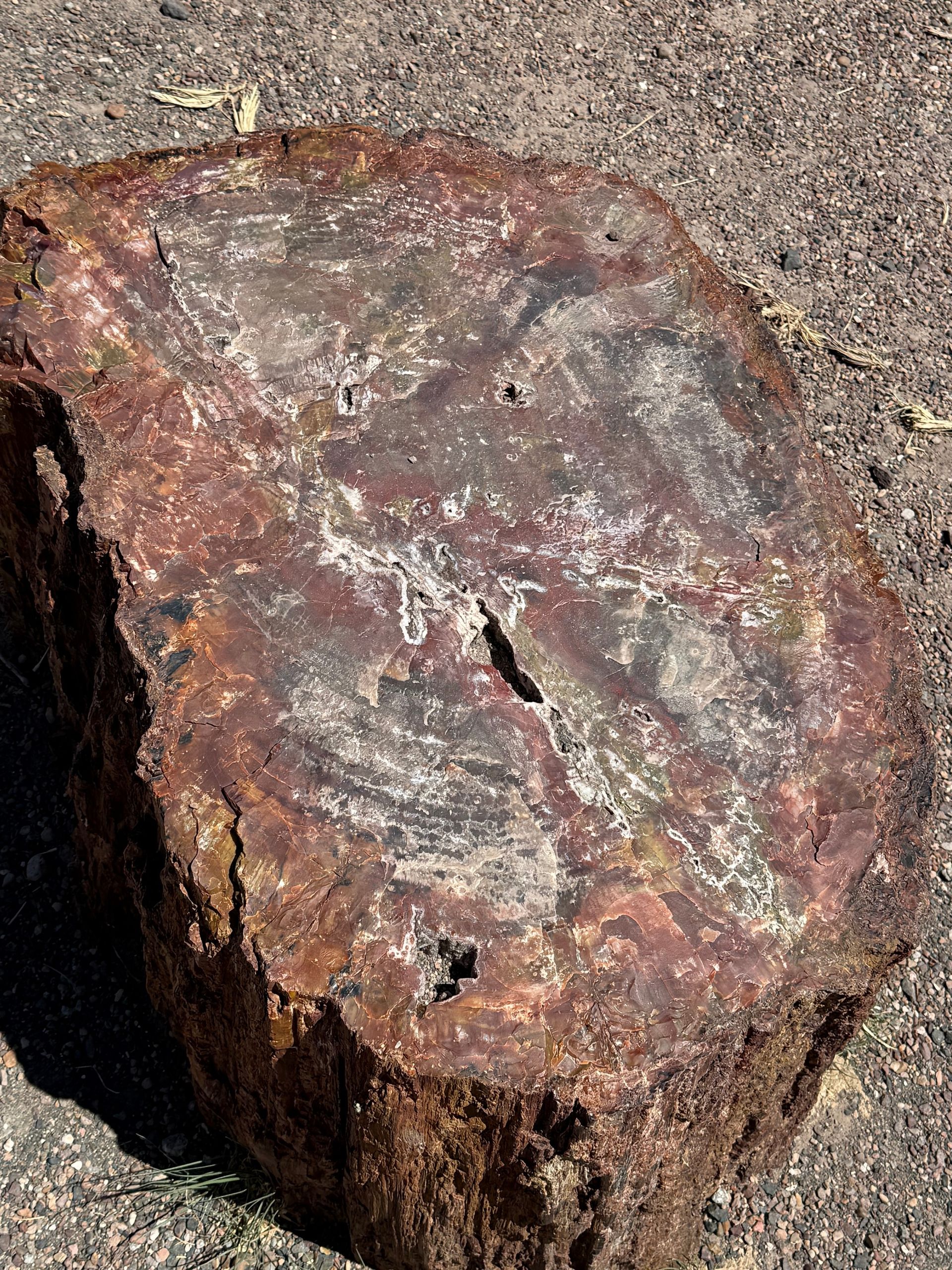
In the Petrified Forest, one can find geologically significant sedimentary rocks from the Upper Triassic with a variety of fossils from around 200 million years ago. The area features extensive sites of petrified wood, hence the name.
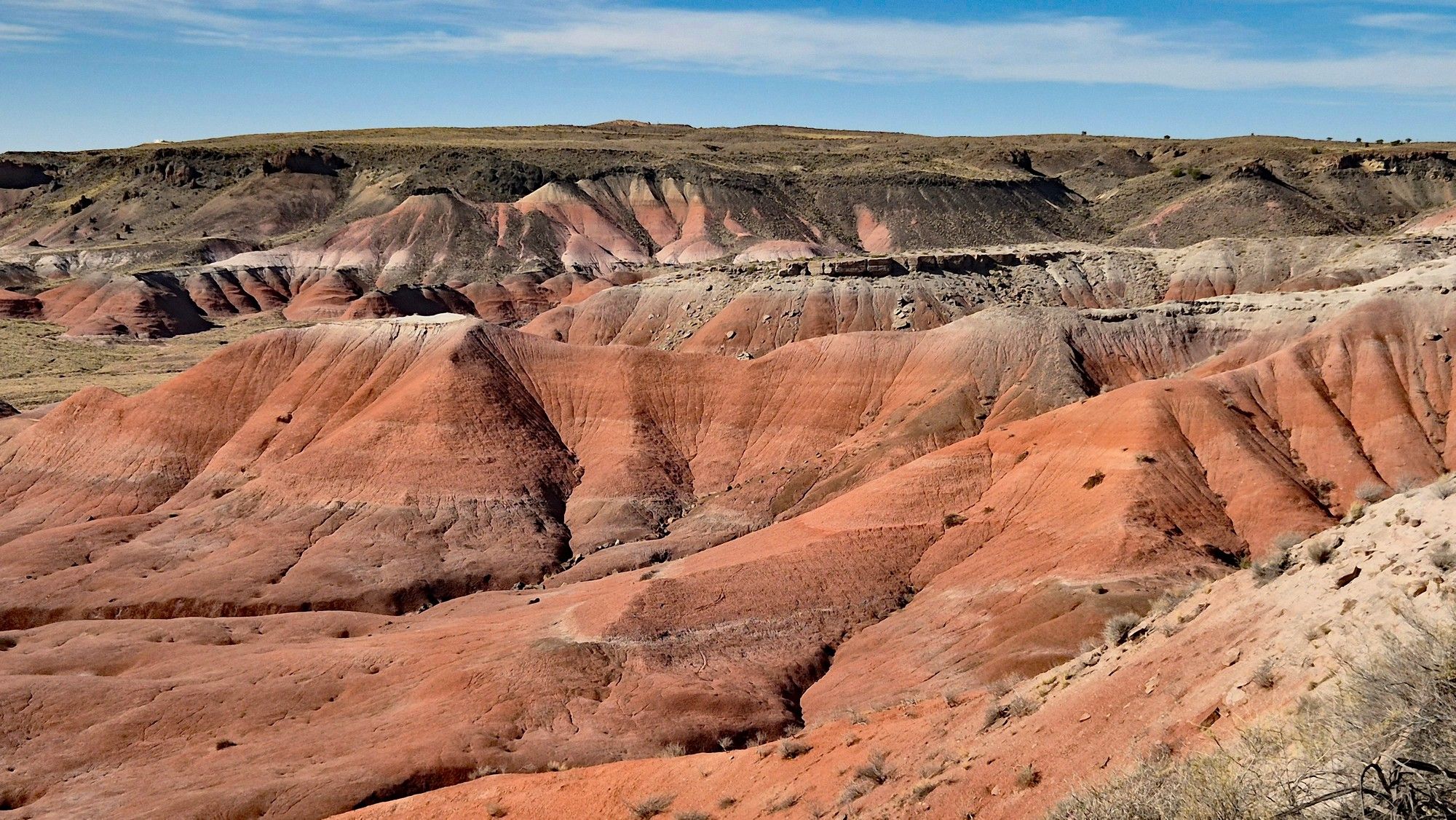
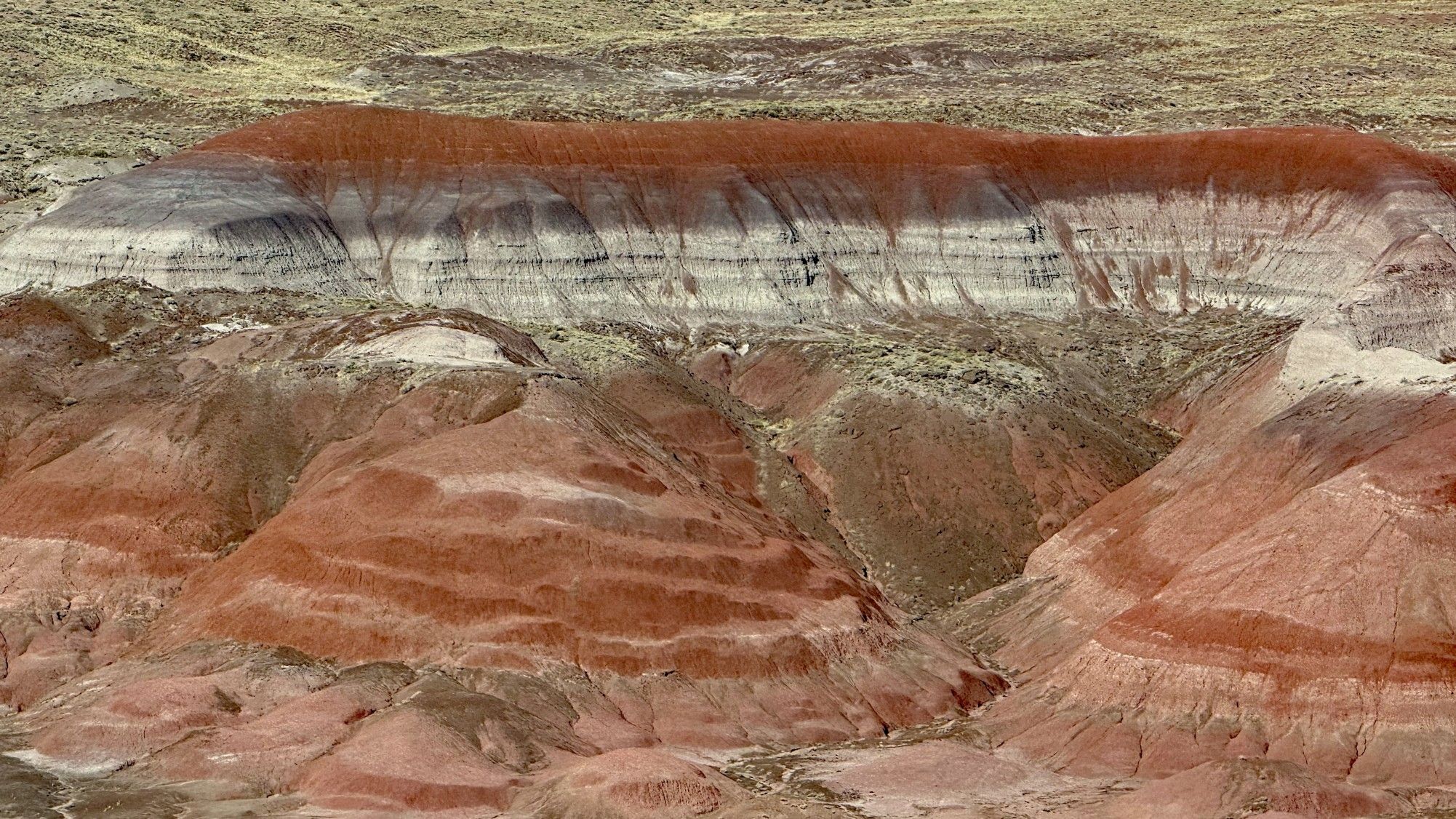
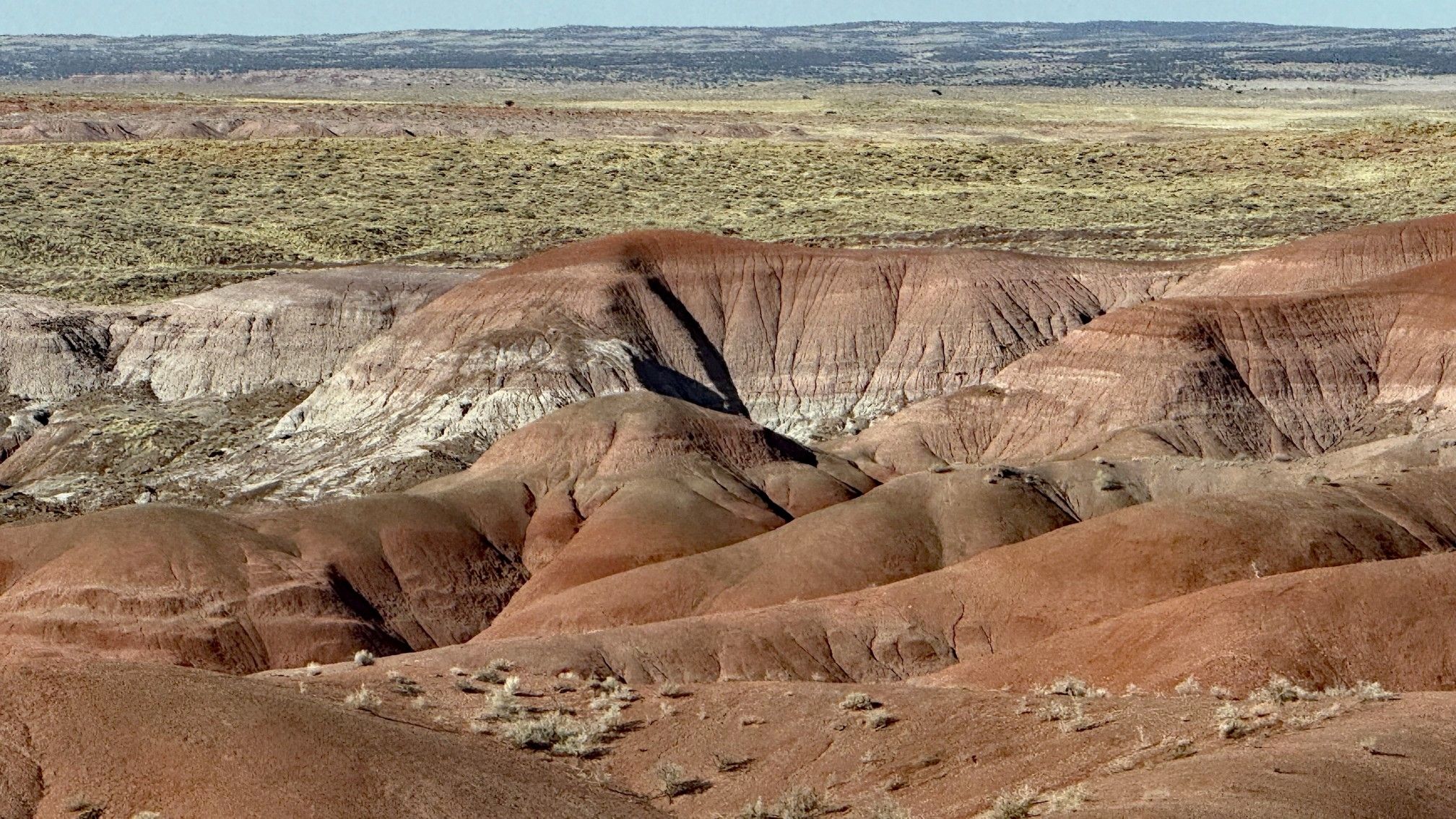
Adjacent to it – partially overlapping – lies the Painted Desert – a long stretch of over 100 km, the most striking part is located in the national park.
The variously layered rock consists of conglomerates, sandstones, clay shales, siltstones, loams, and volcanic ash, resulting in the diverse colors – predominantly red and yellow tones, but white and dark layers are also present.
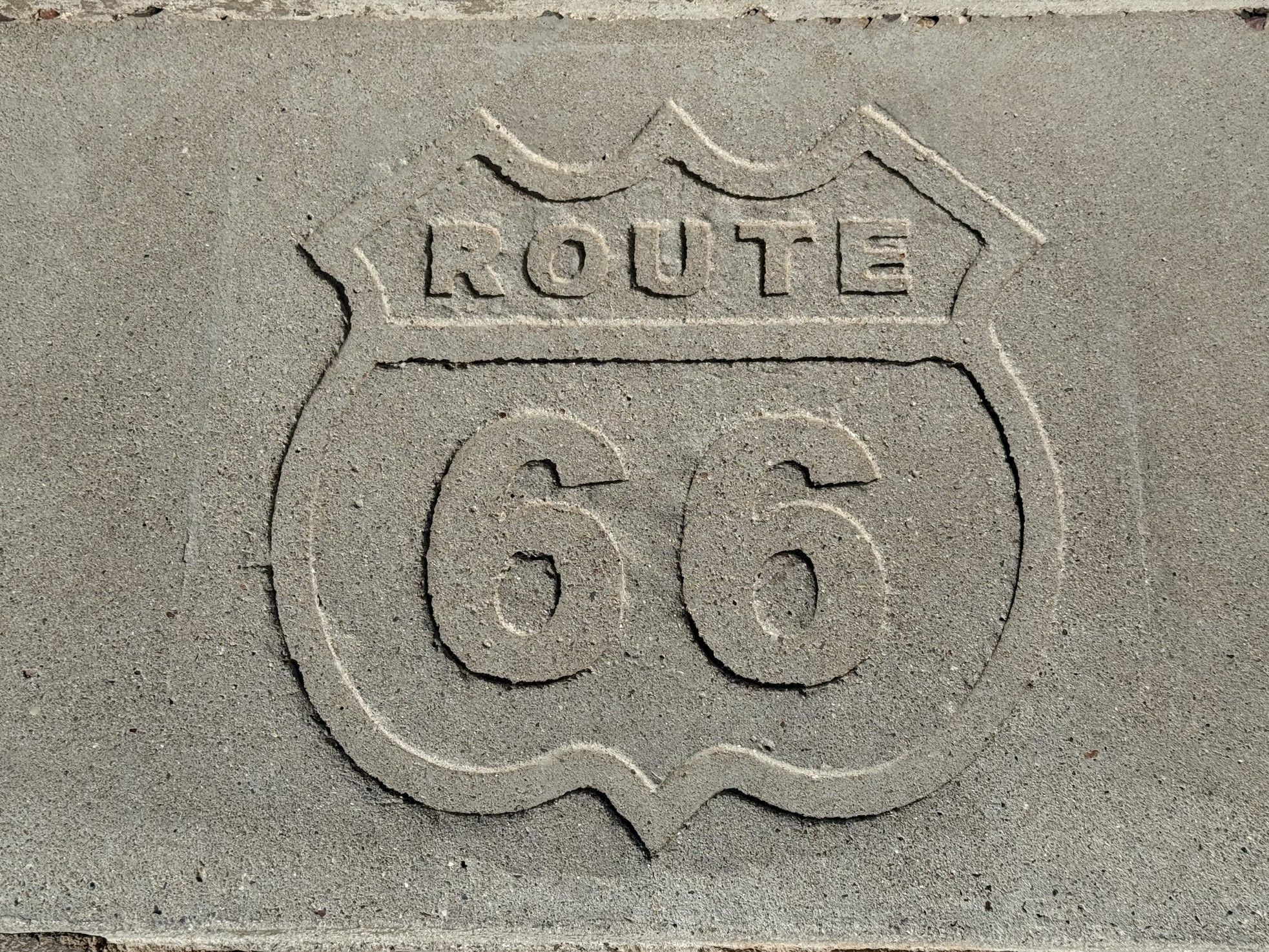
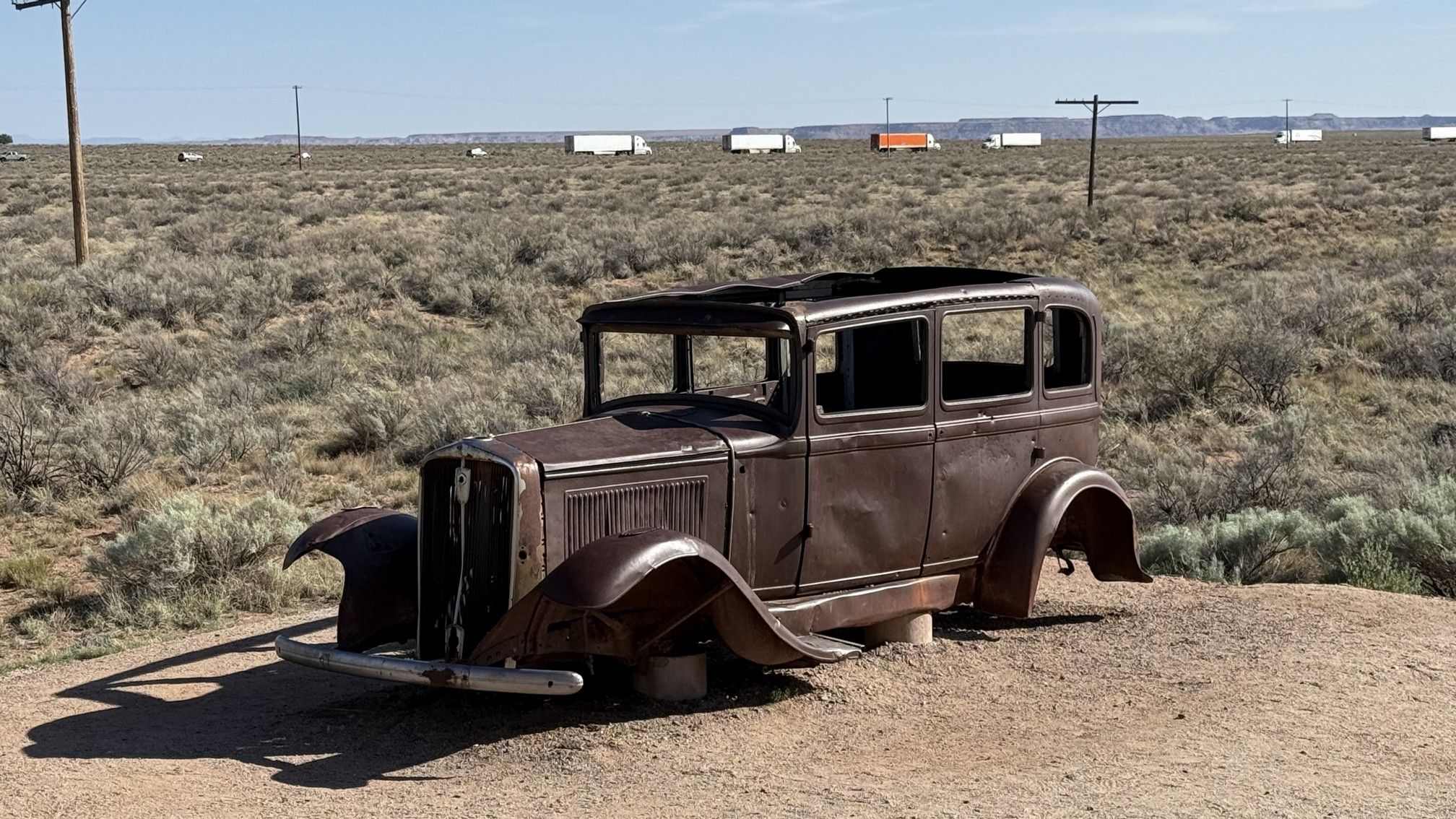
Not only does Interstate 40 run through the national park, but there is also a nod to the earlier route of Route 66 – with the sad remains of a 1932 Studebaker in plain sight of the highway.
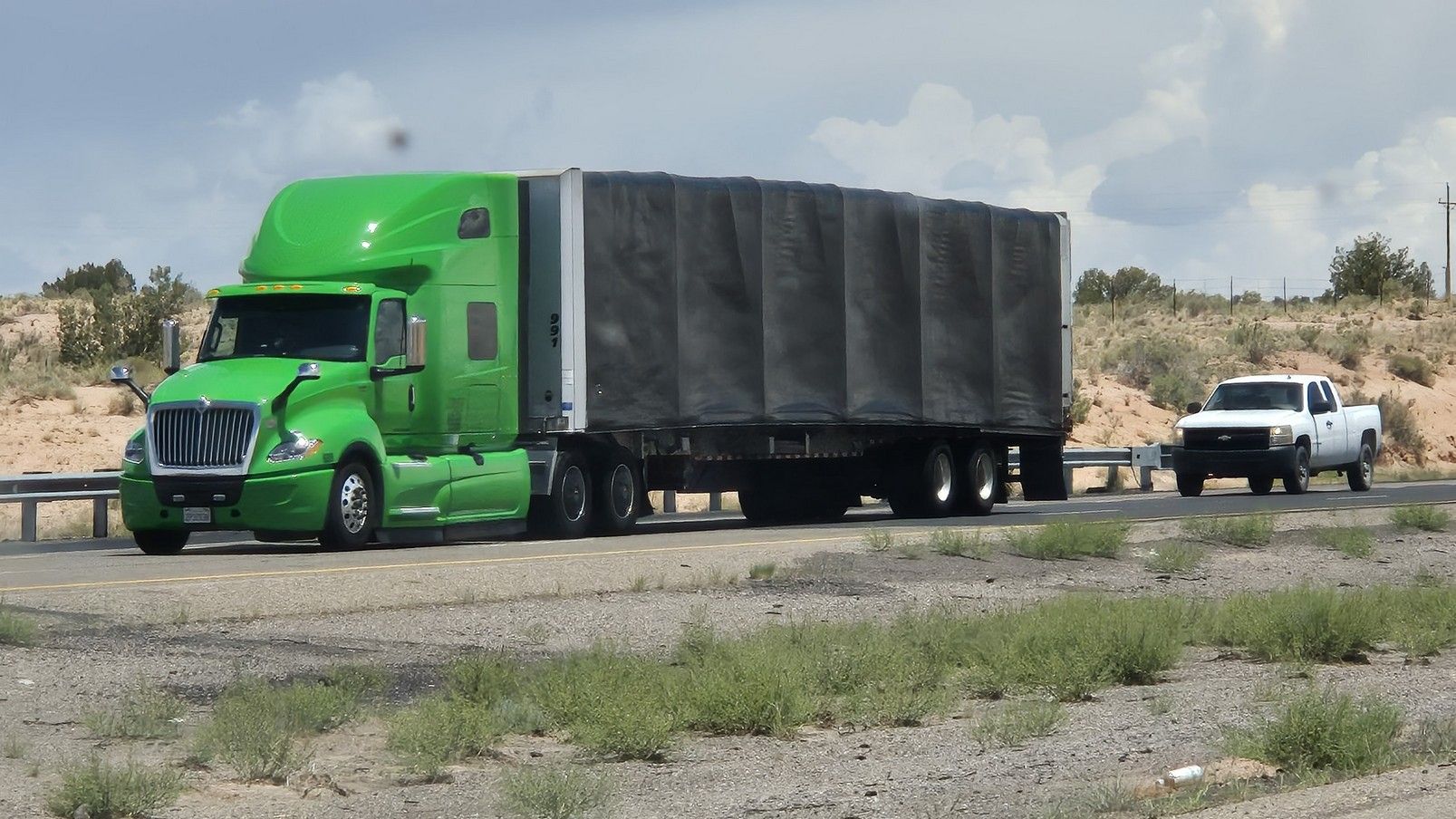
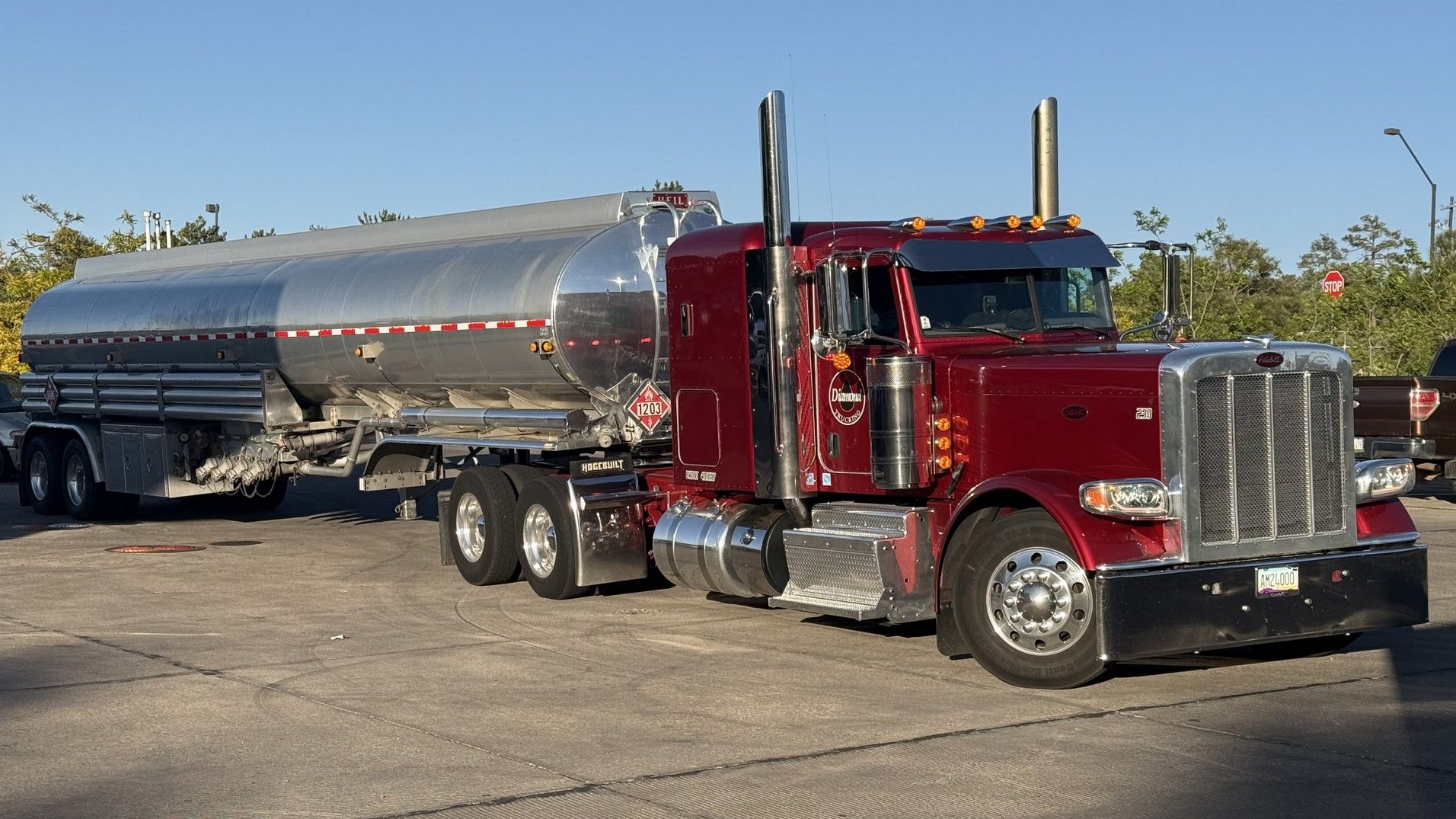
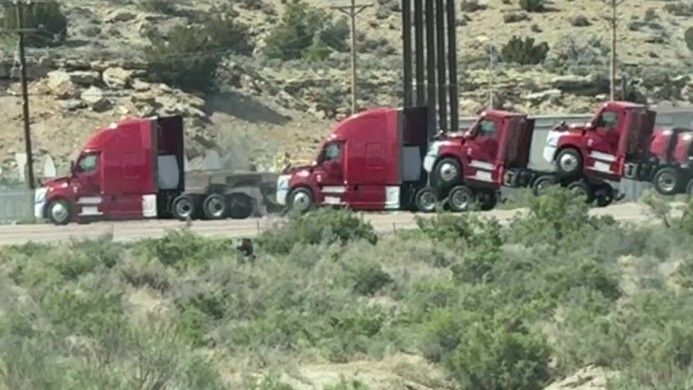
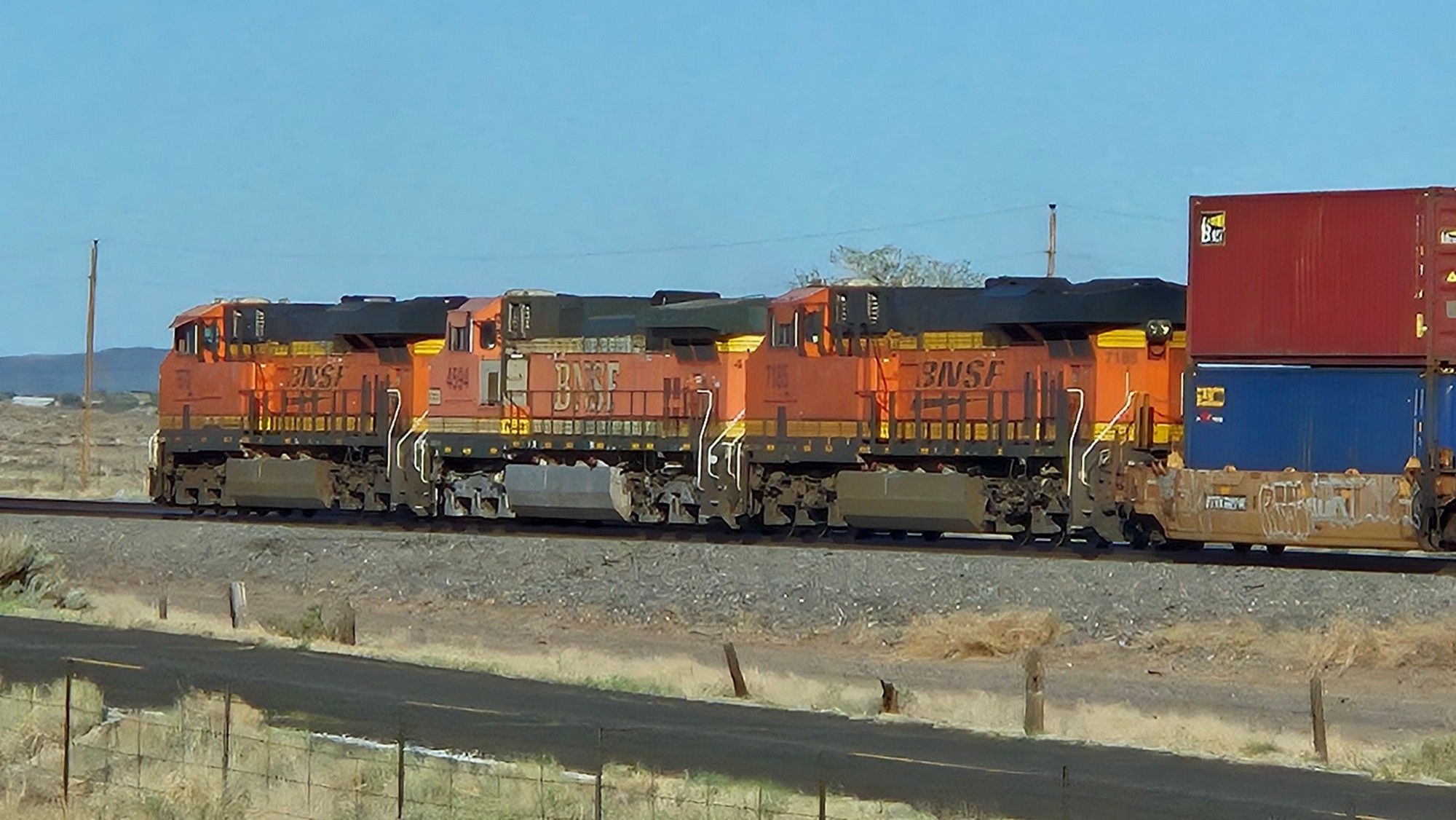
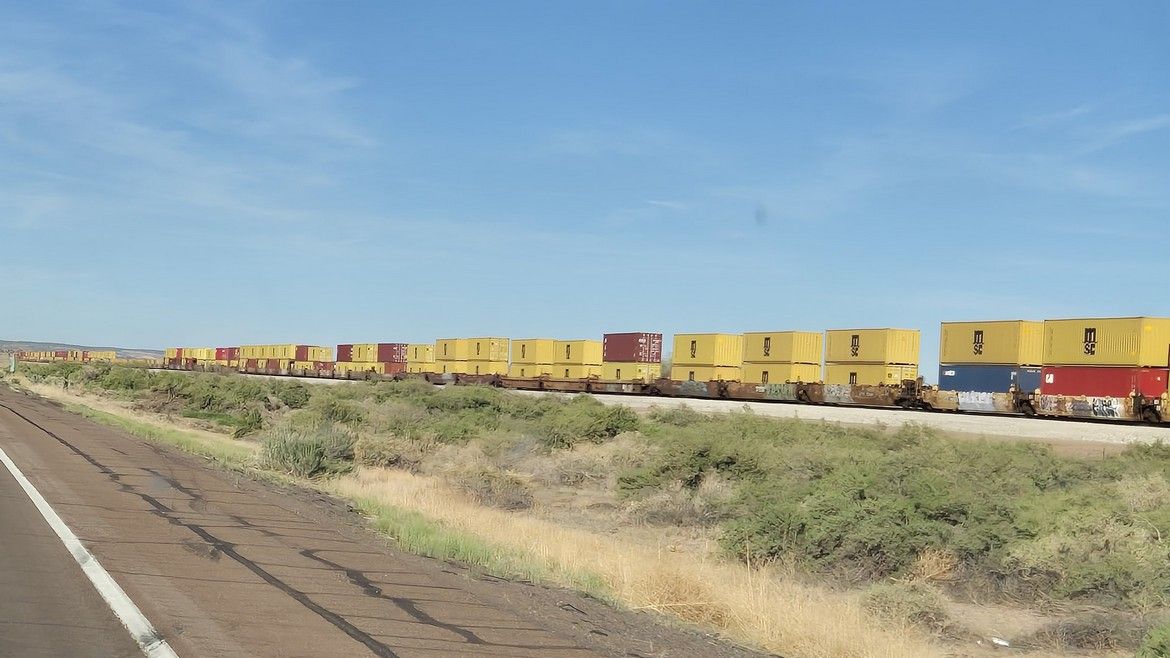
In line with this, a few pictures of today’s traffic, it’s not only the Interstate that serves as a major truck route, but also endlessly long – multi-kilometer double-decker container trains from the Long Beach Container Terminal (still?) bringing massive amounts of goods from China, Korea, Japan, etc. to the east of the USA. The longest trains are powered by 3 diesel locomotives at the front, 1 – 2 locomotives in the middle of the train (!) and often still one pusher locomotive fitted.