BLOG 19: Cumbres & Toltec Scenic Railroad
From Taos to Chama

Published: 16.06.2025

Continuing north towards Denver – our journey is coming to an end...
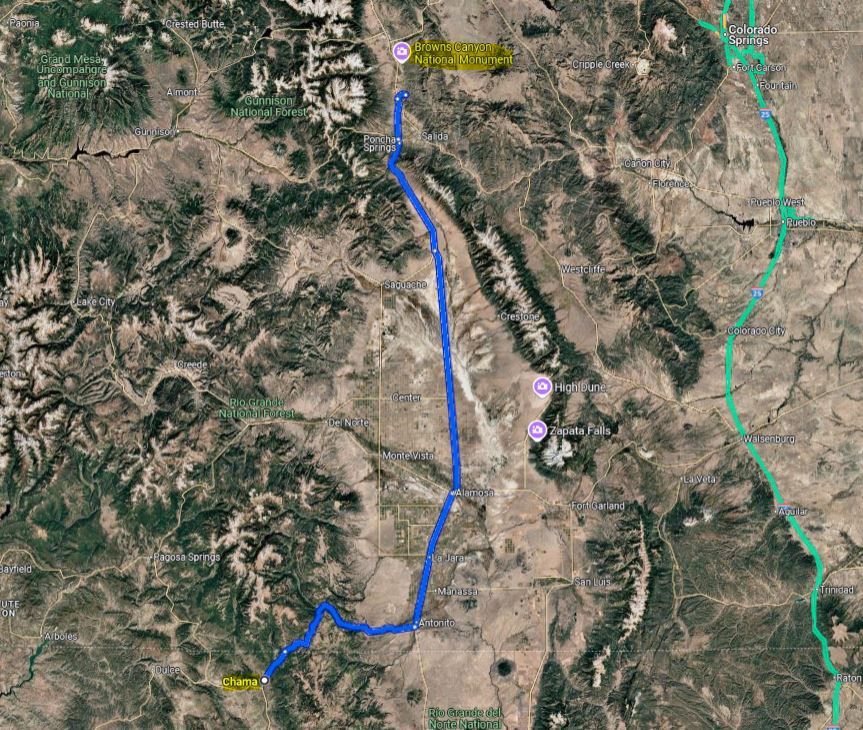
First, we again take the route to Antonito, as we did yesterday after the train journey, but in reverse. Again, we cross Cumbres and La Manga Pass, exceeding 3000 m in altitude, as we finally leave New Mexico for Colorado.
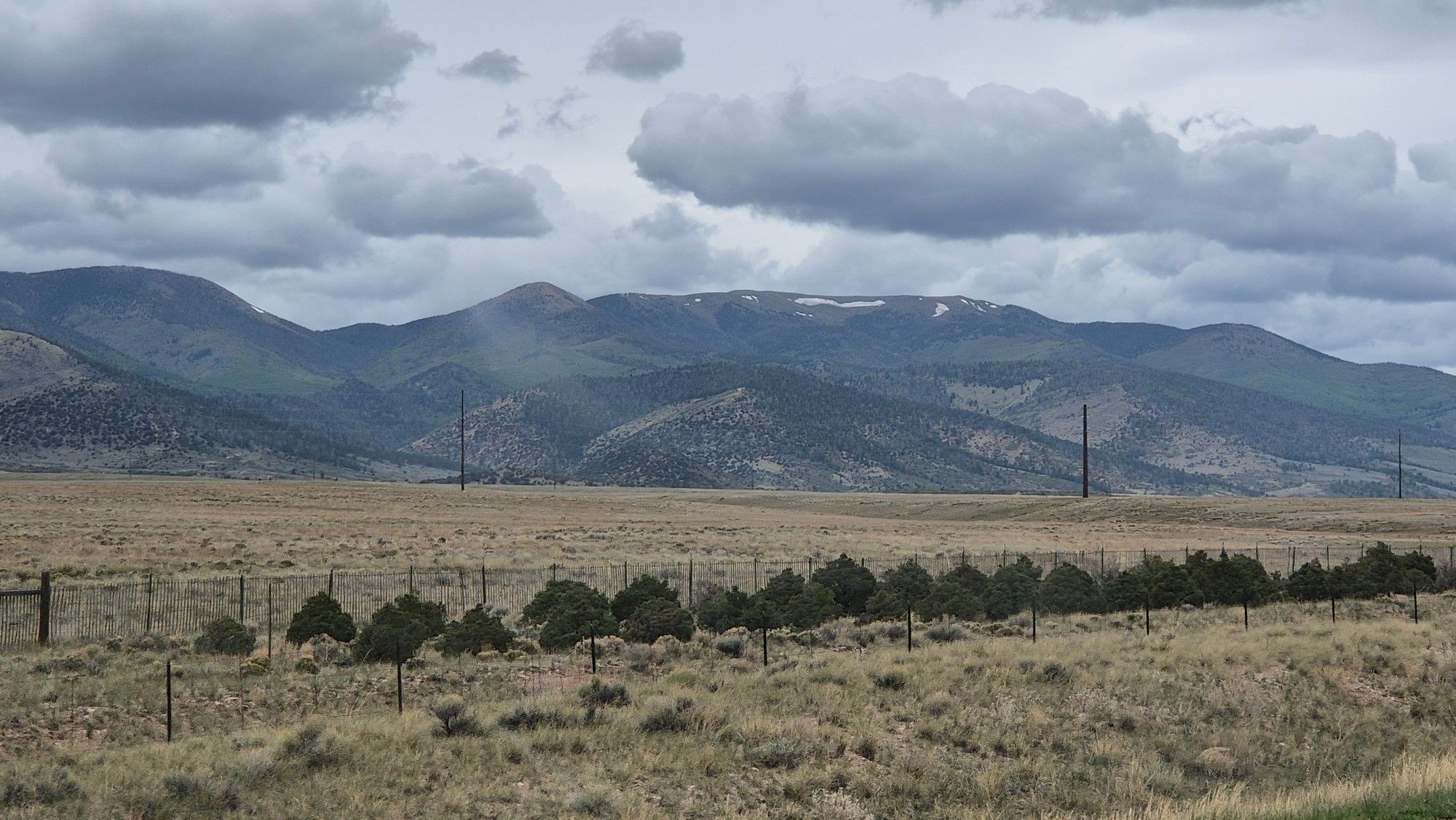
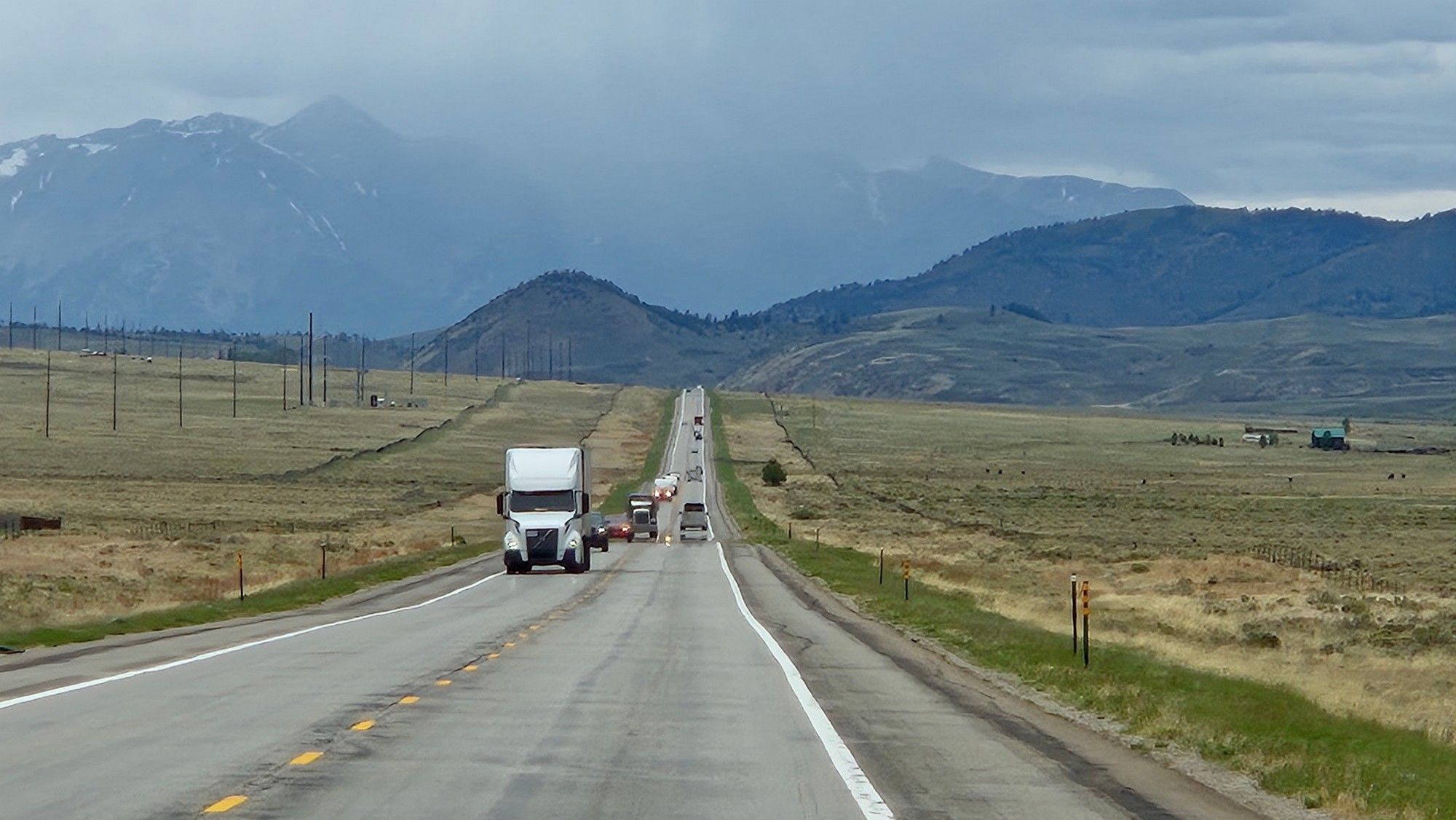
After Antonito, we traverse the rather dull high plains of Alamosa, where in the distance we can see the Great Sand Dunes (which we have already visited on an earlier trip) and some evident heavy thunderstorms are building over the approaching Rocky Mountains. Highway 17 runs from Alamosa past Moffat for over 70 km almost in a straight line!
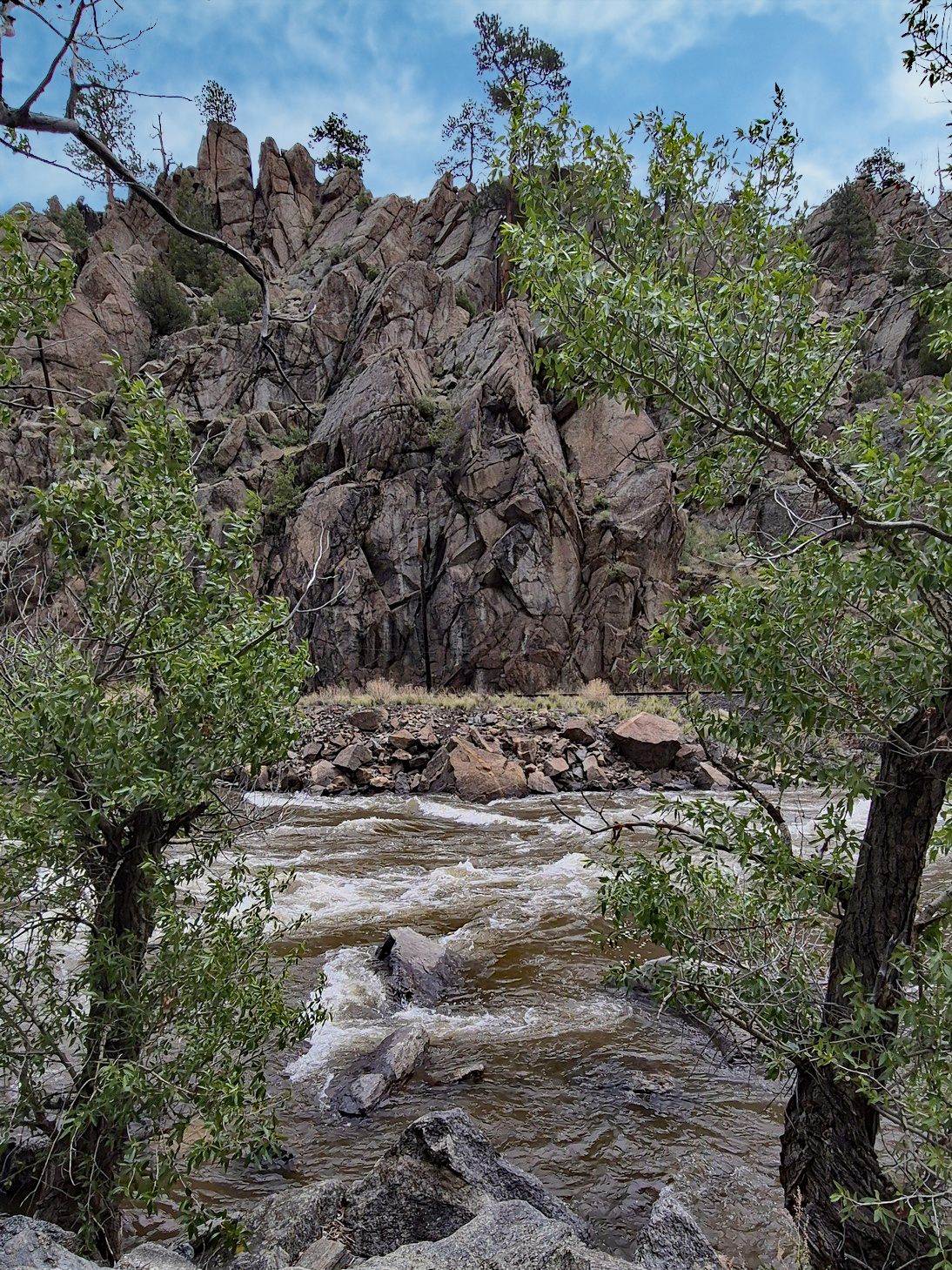
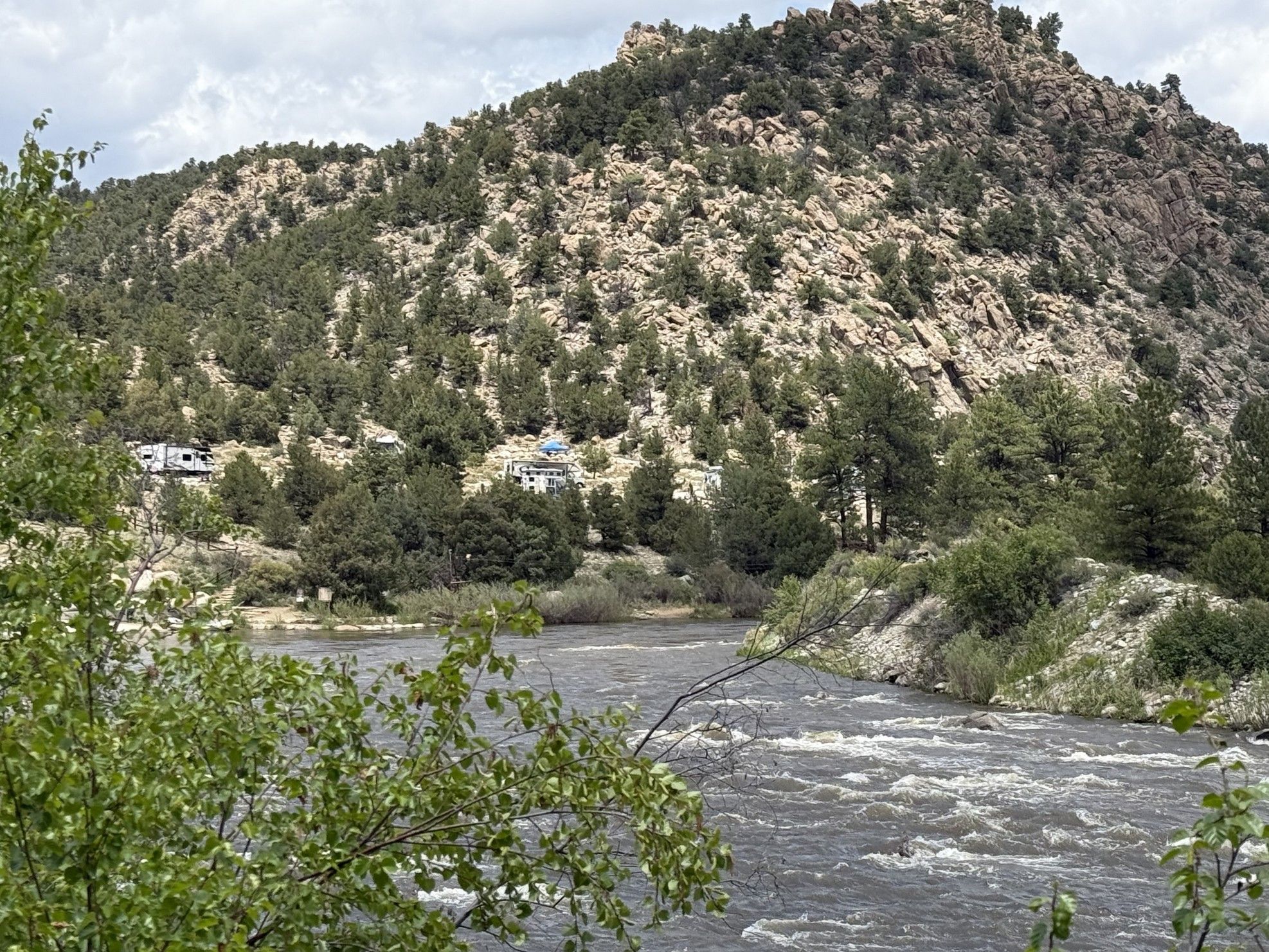
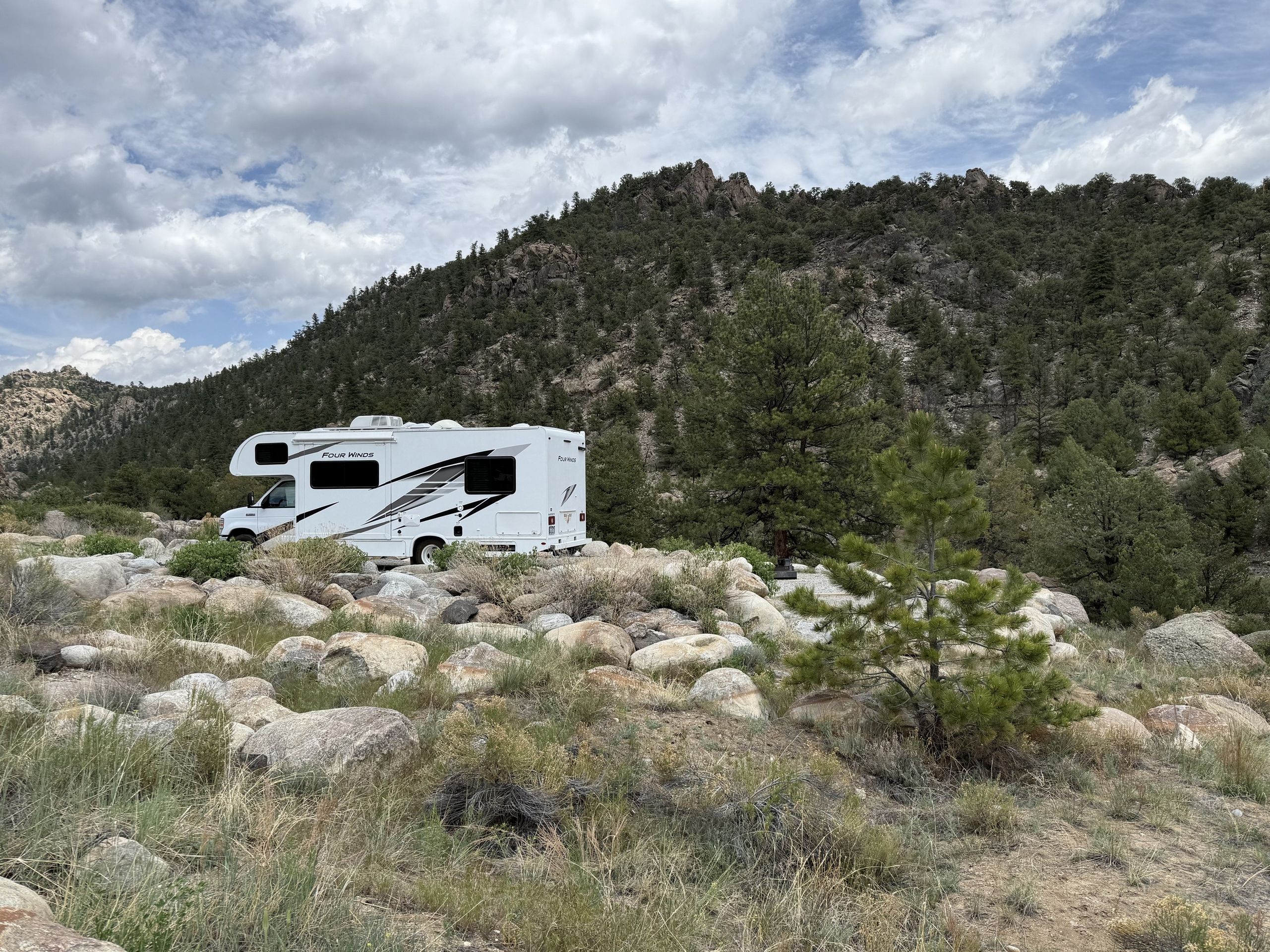
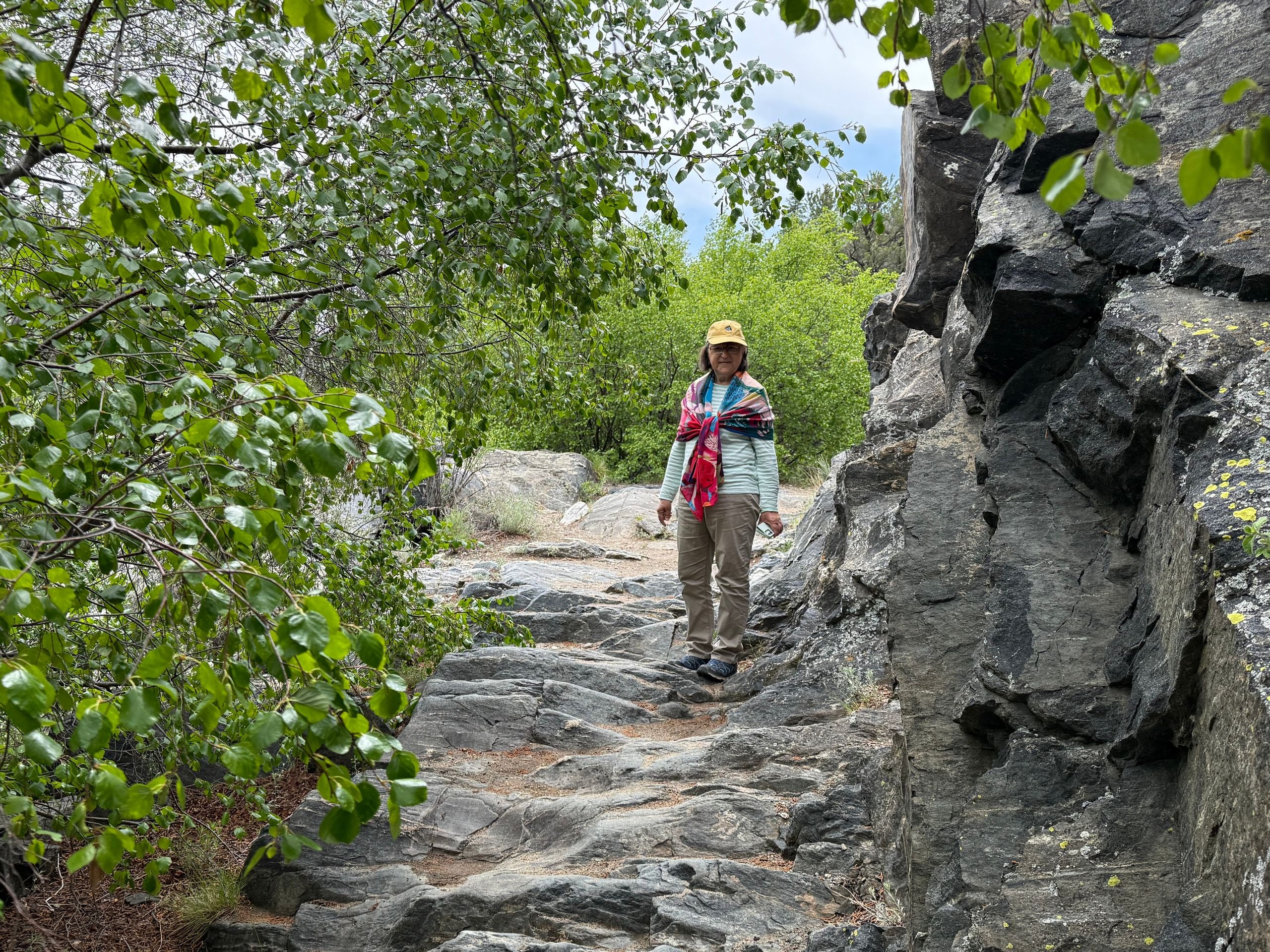
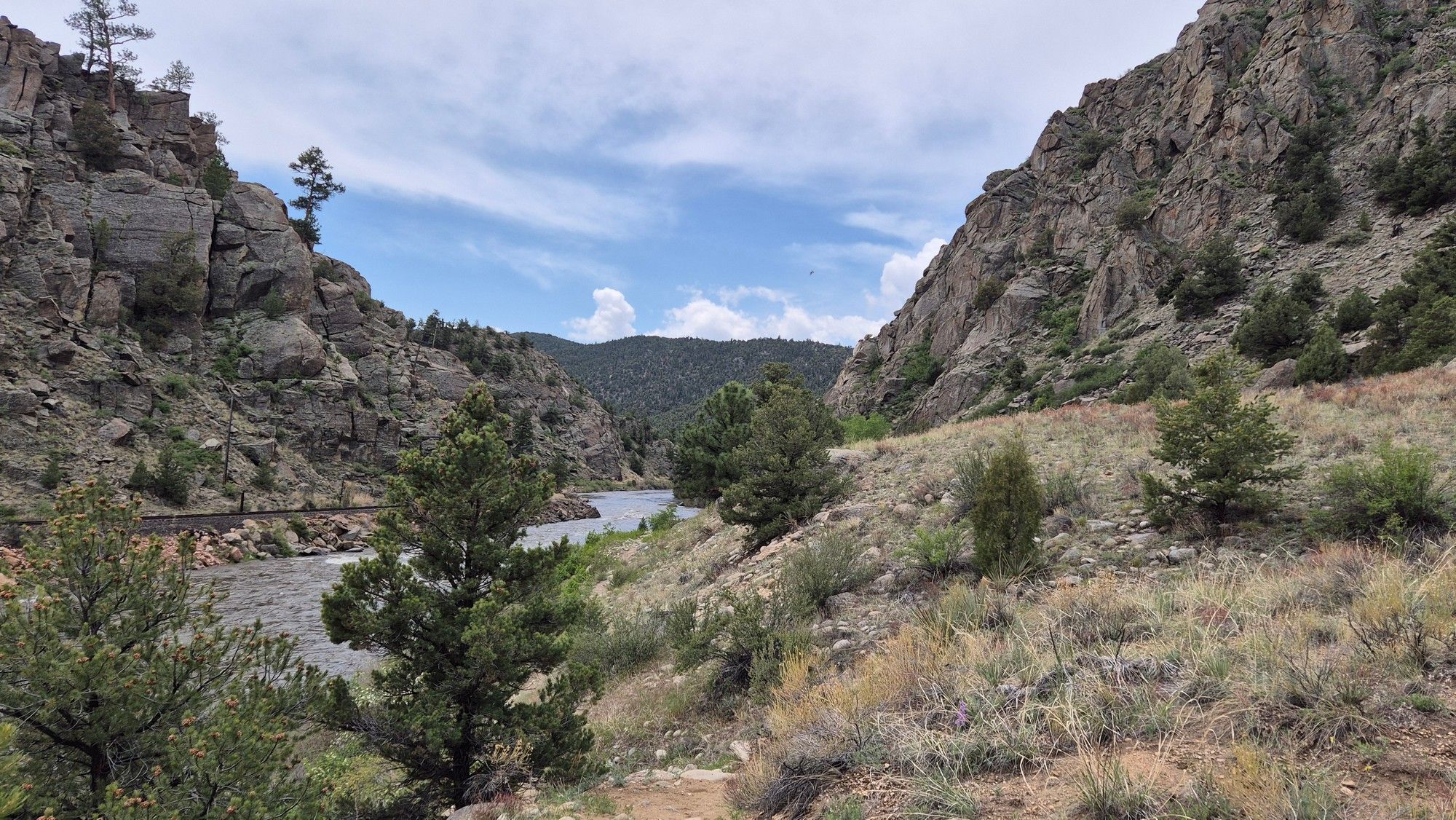
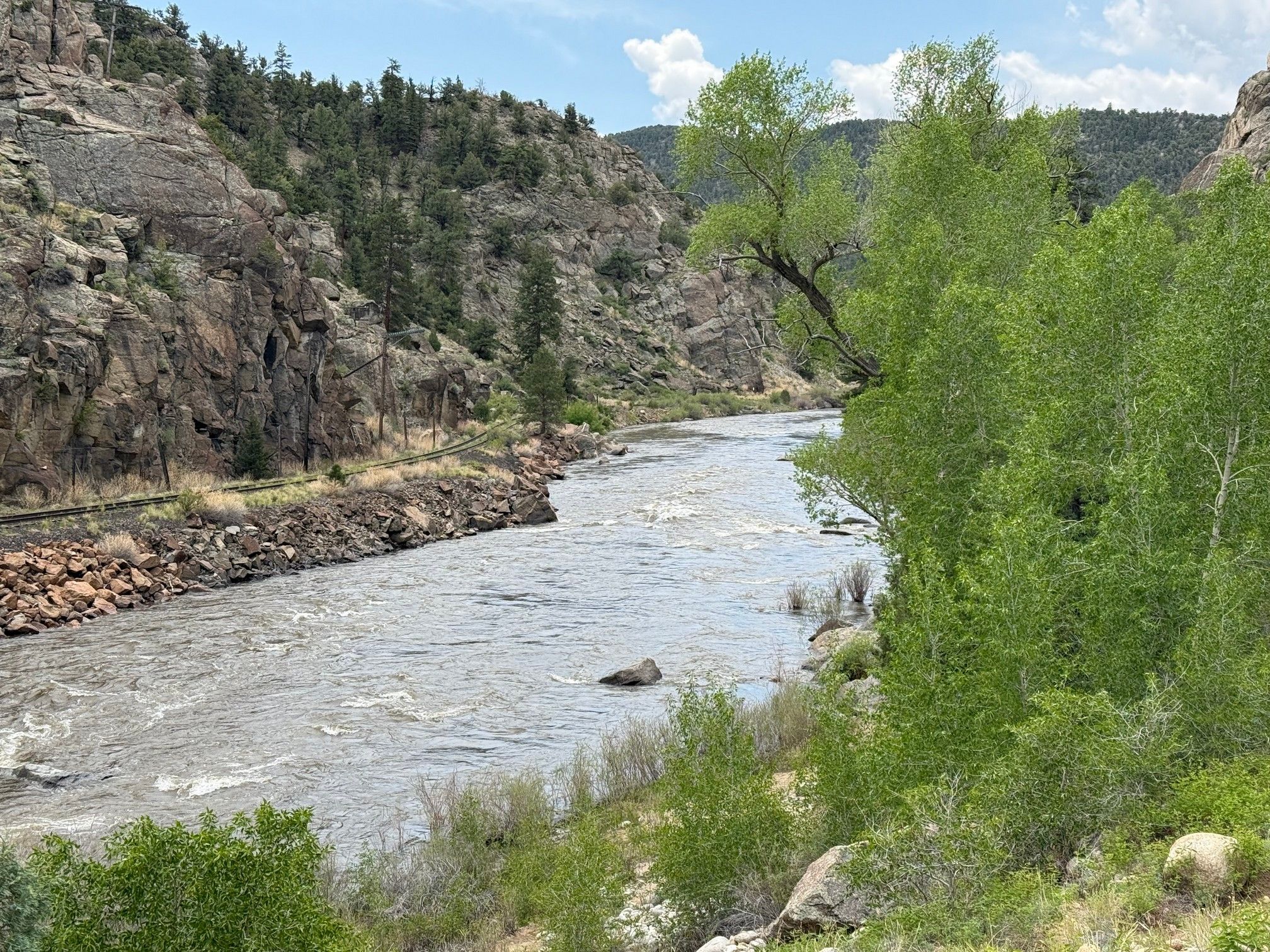
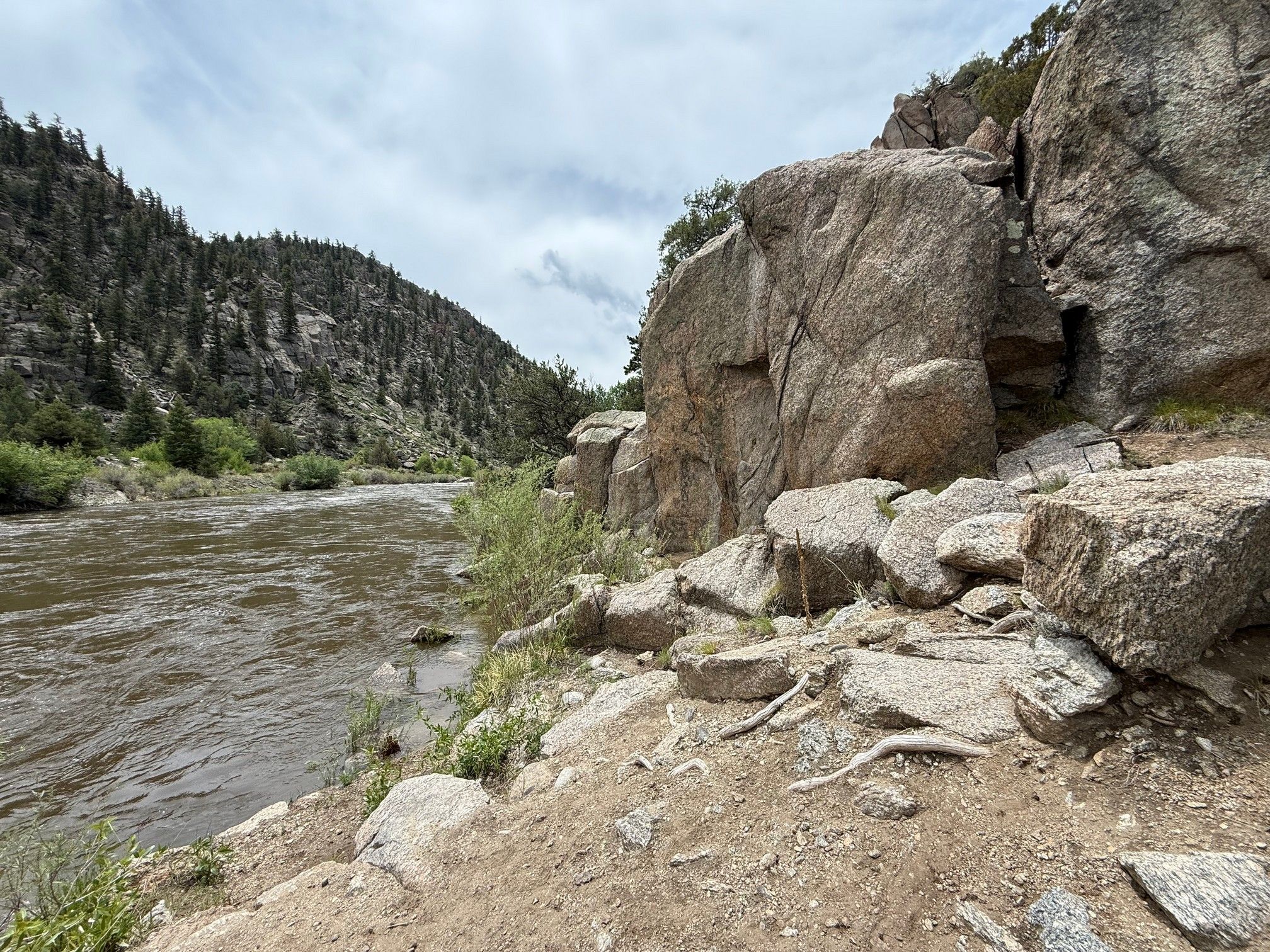
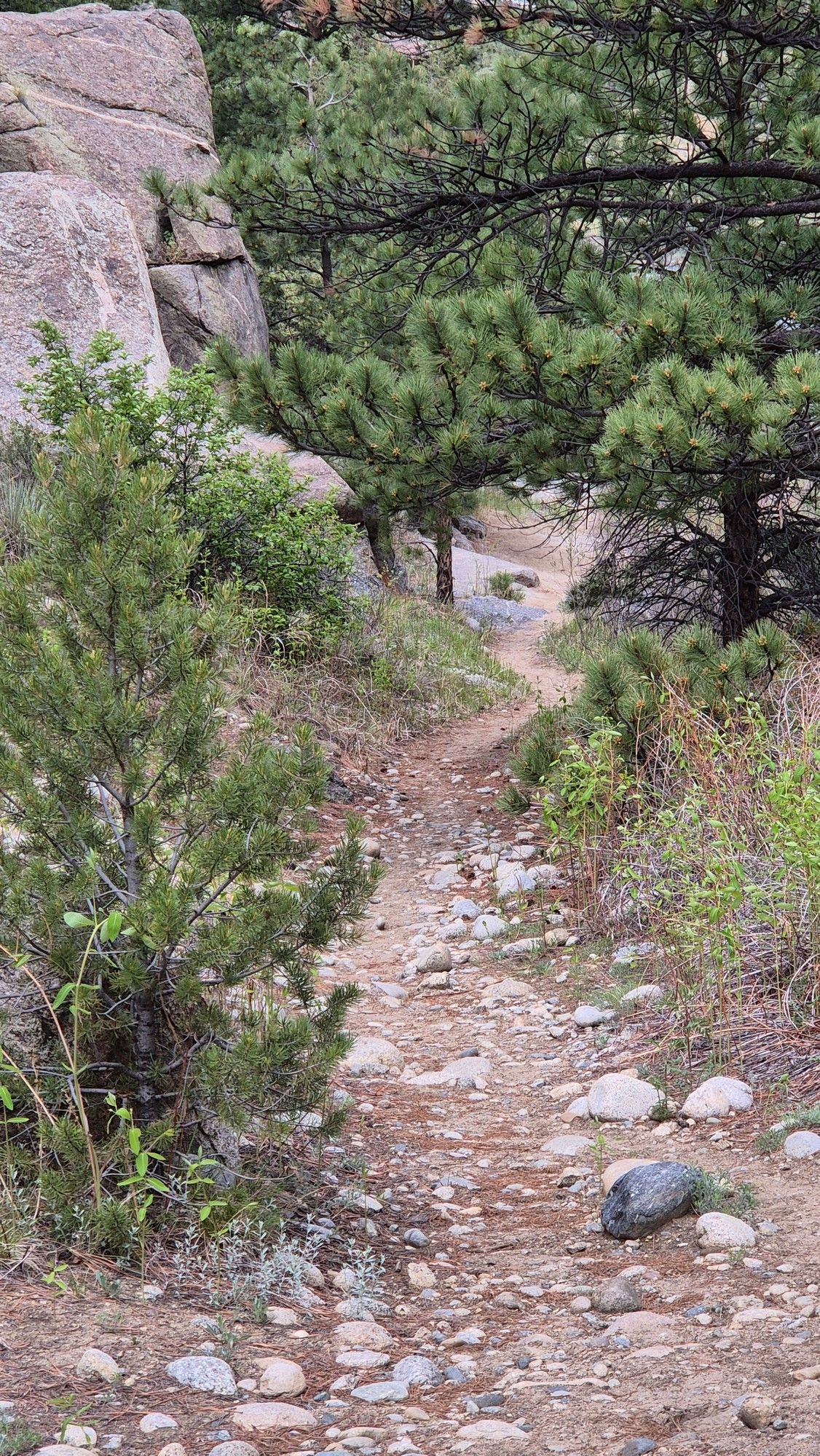
Our destination is the Hecla Junction Campground in the Arkansas Headwater Recreation Area – certainly also at about 2300 m elevation. Here, we’ll spend another 1 ½ “rest days” with a pleasant hike along the Arkansas River Trail in Brown Canyon.
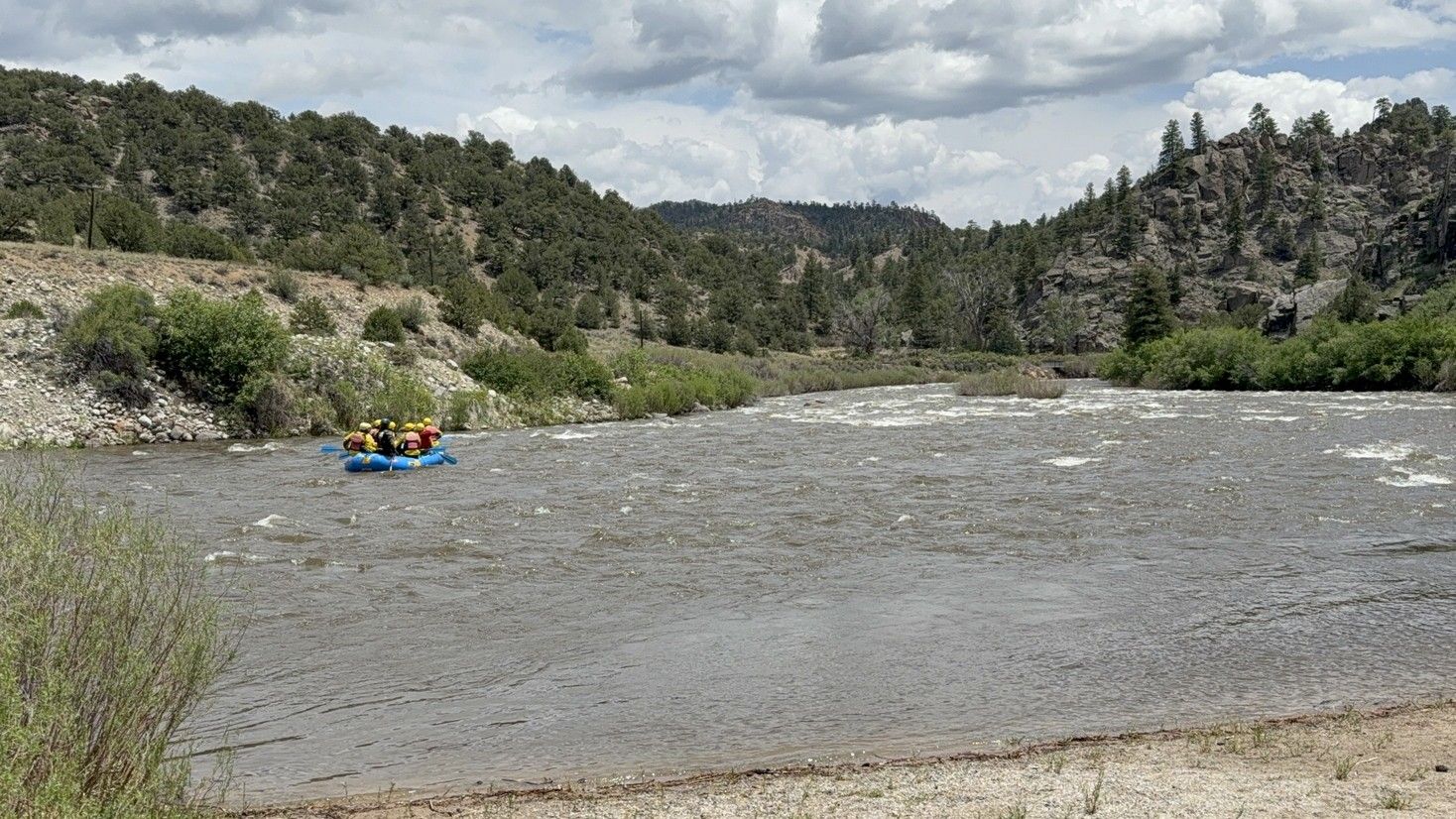
The Arkansas River is one of the longest rivers in the USA; here it is not too far from its source but is already a significant mountain river – after about 2400 km, it flows as a major tributary into the Mississippi.
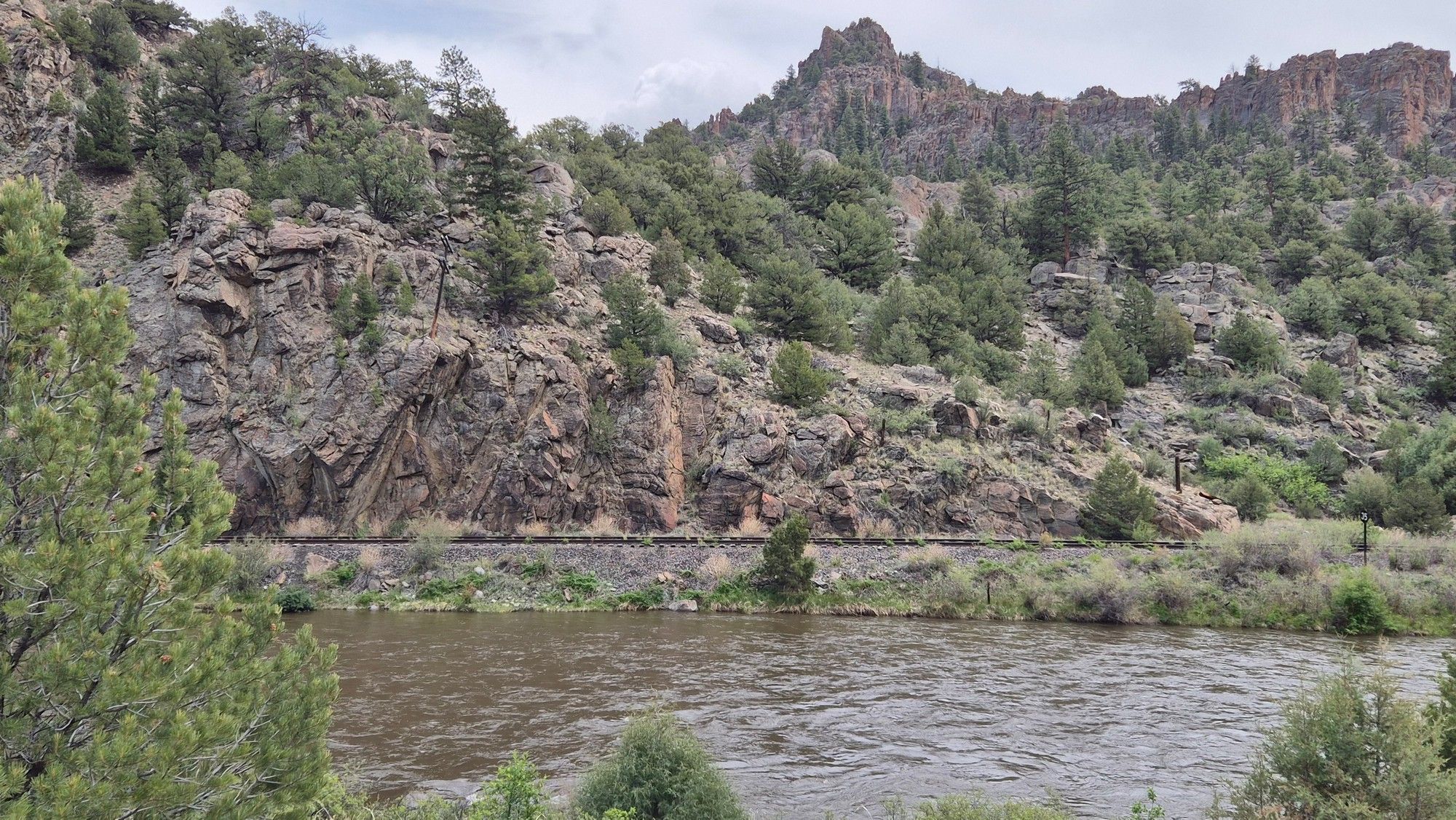
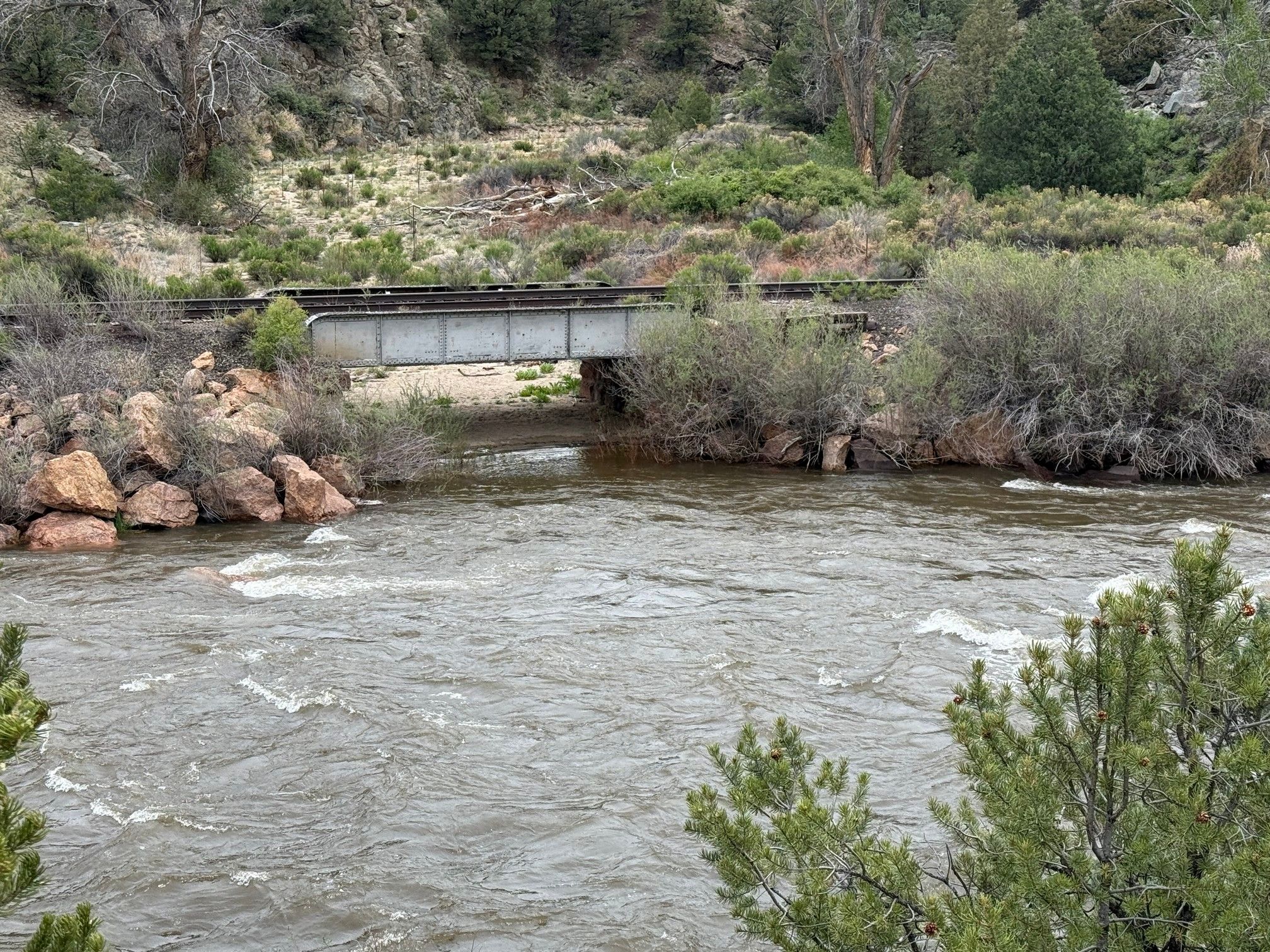
In the canyon across from the campground and hiking trail runs the route of the former Denver & Rio Grande Western Railroad - it would certainly be a great route for a nostalgic steam train, but unfortunately, it was abandoned many years ago, remaining, as is common in the USA, never dismantled. From a distance, the tracks and bridges do not look too bad; they could probably be made operational again.
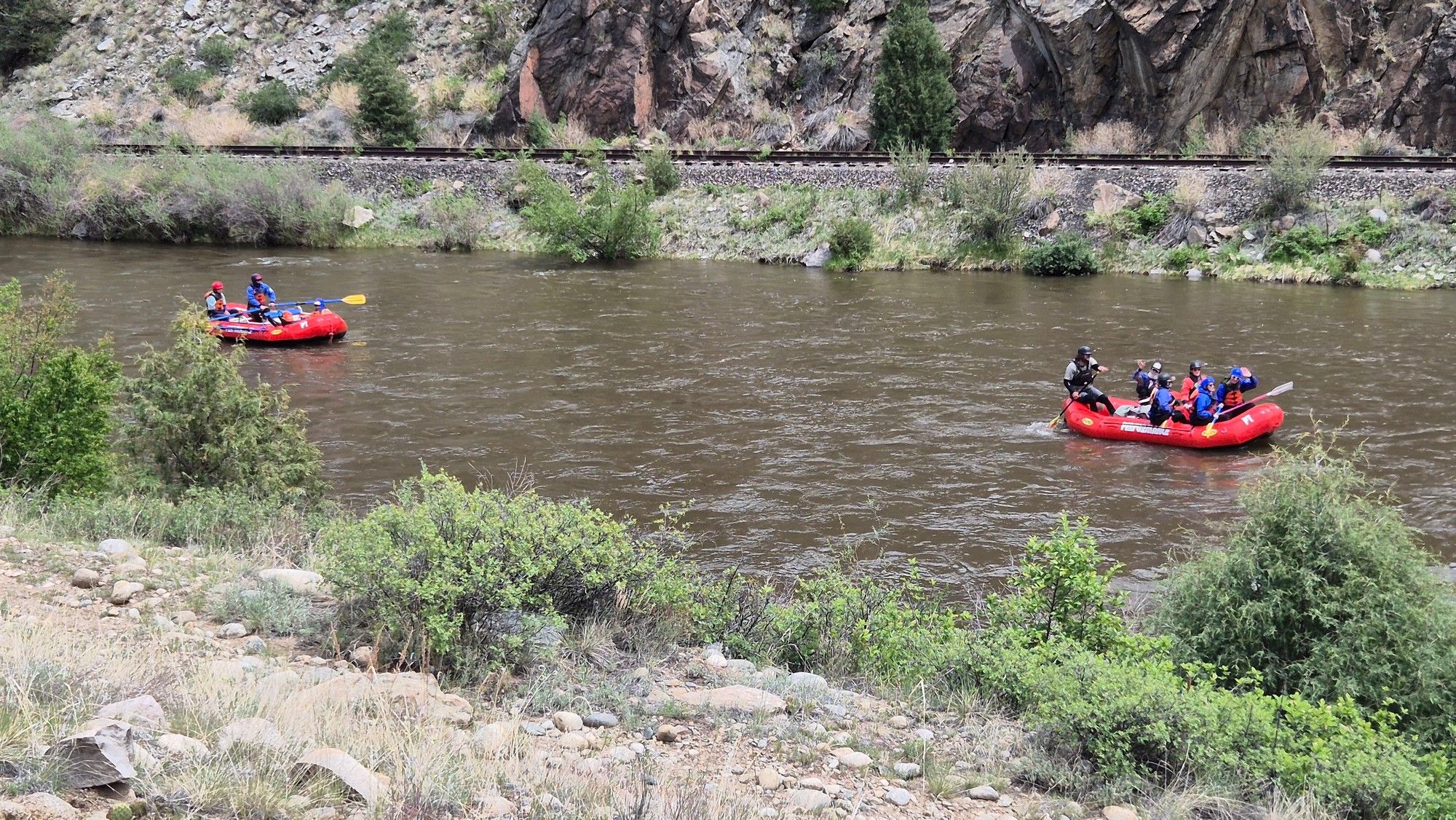
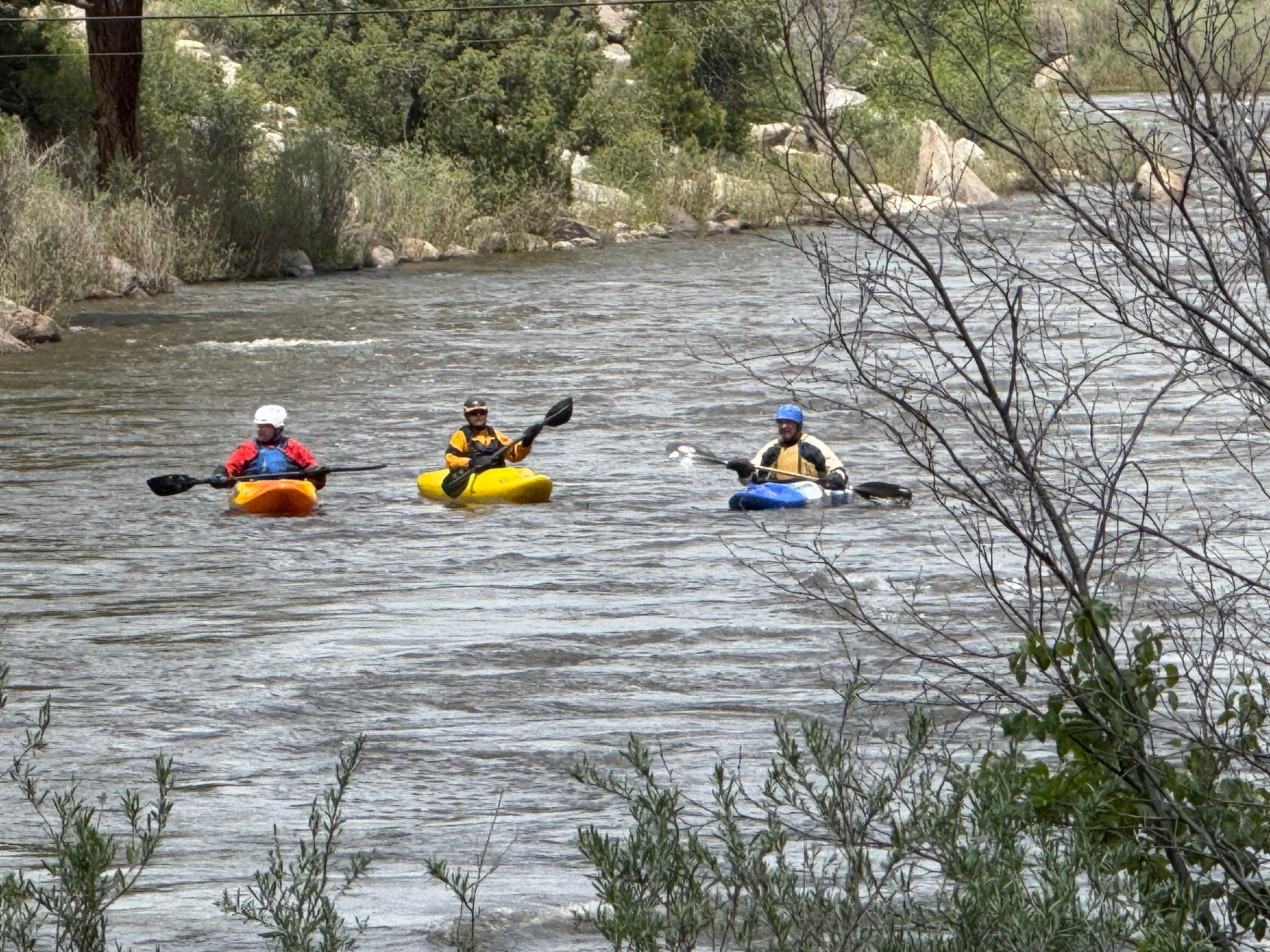
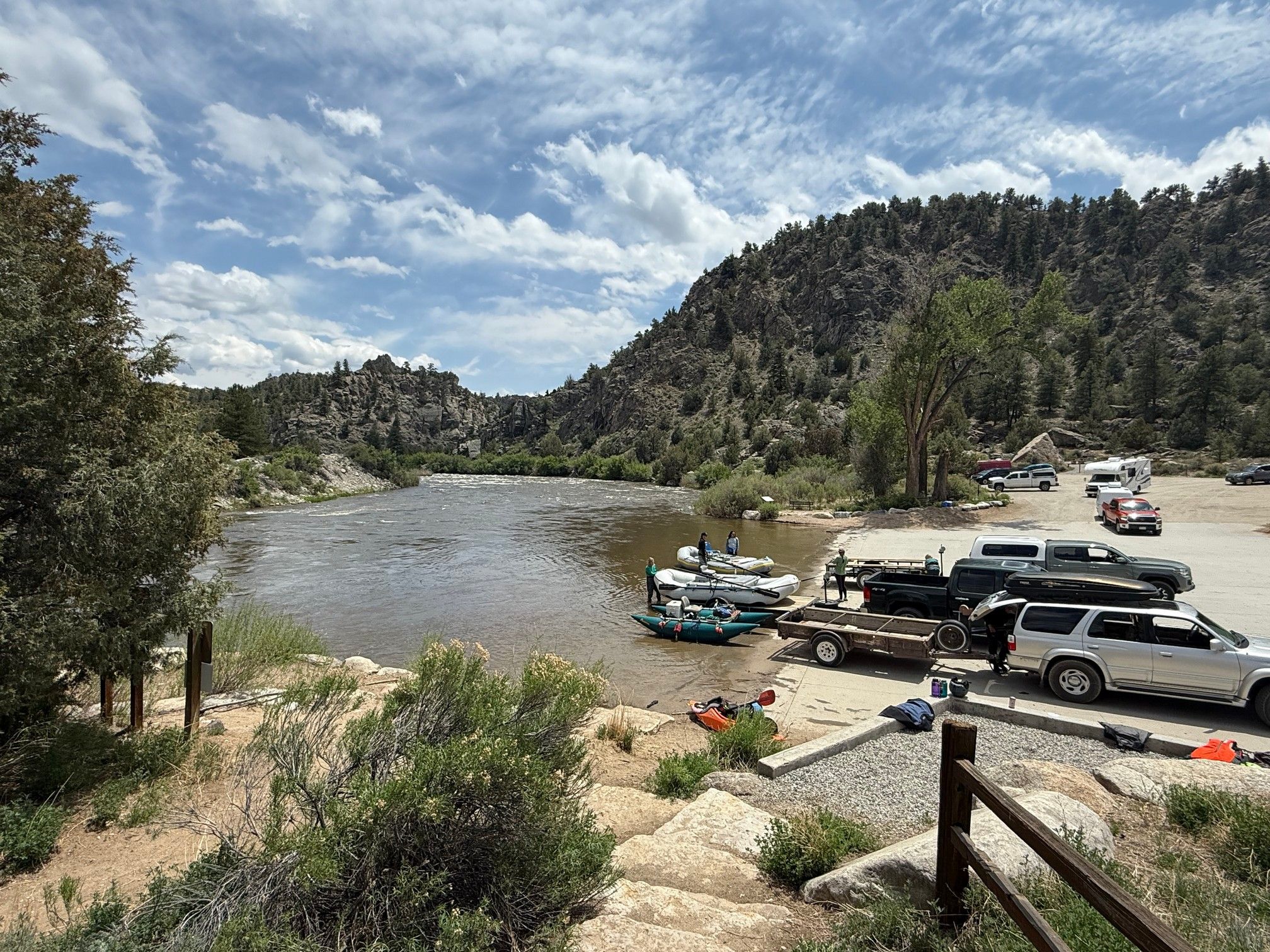
The Arkansas is very popular in this area for white water rafting; right next to the campground is a launch and landing site used by several professional providers and private water sports enthusiasts.
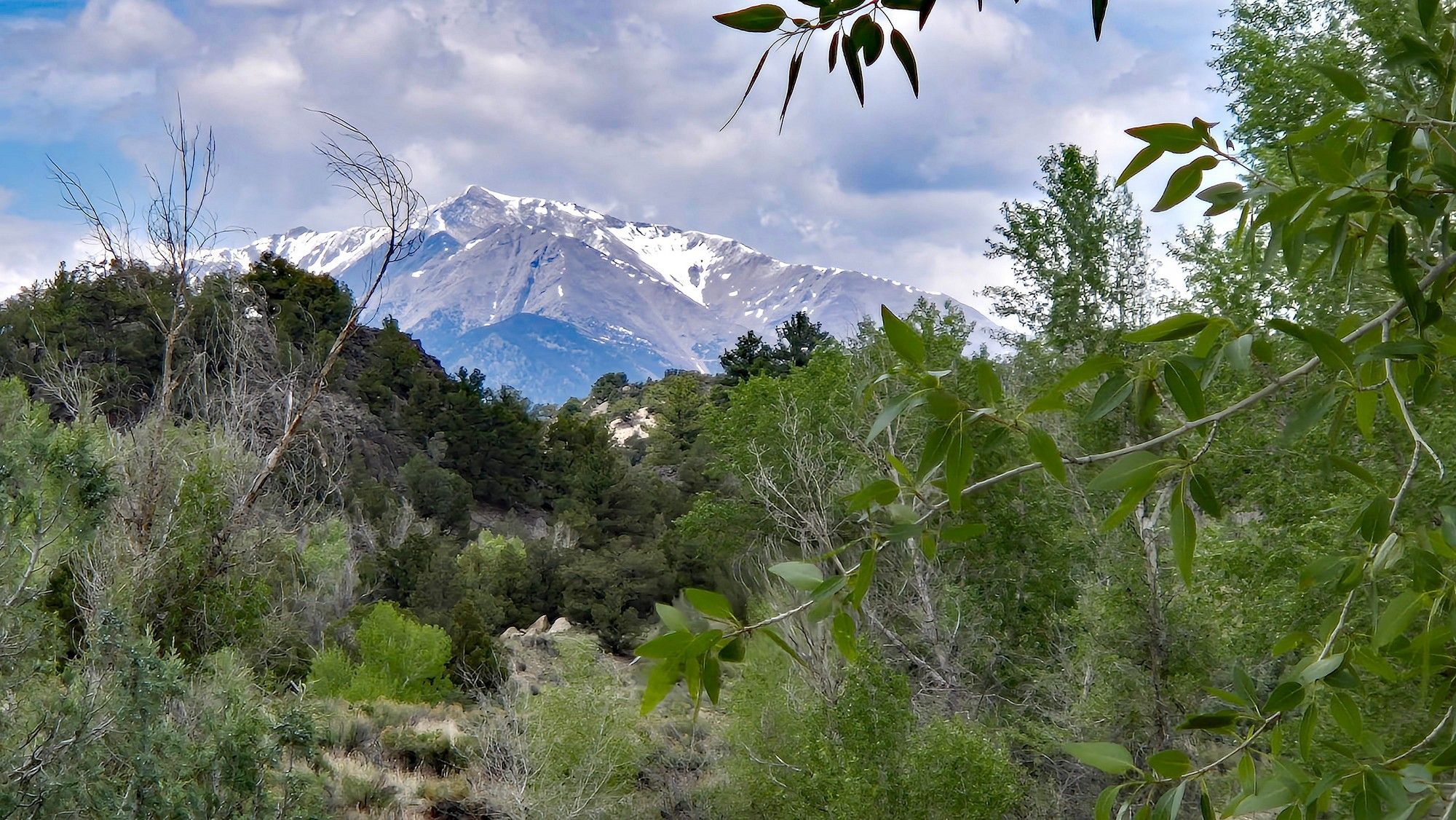
From this location, you also have a pretty good view of Mount Antero, the highest peak of the southern Sawatch Range of the Rocky Mountains. It is 4350 m high and was named in honor of Chief Antero of the Uintah Tribe of the Ute Indians. Without going into details – like other tribes, the Ute Indians were treated brutally by the whites in wars and with broken treaties; this tribe particularly suffered due to actions of the Mormons.