BLOG 17: Santa Fe / New Mexico
a part of the former train station area. Today, there is only minimal train traffic left, with a tourist train and a quick connection to Albuquerque remaining from the proud

Published: 11.06.2025
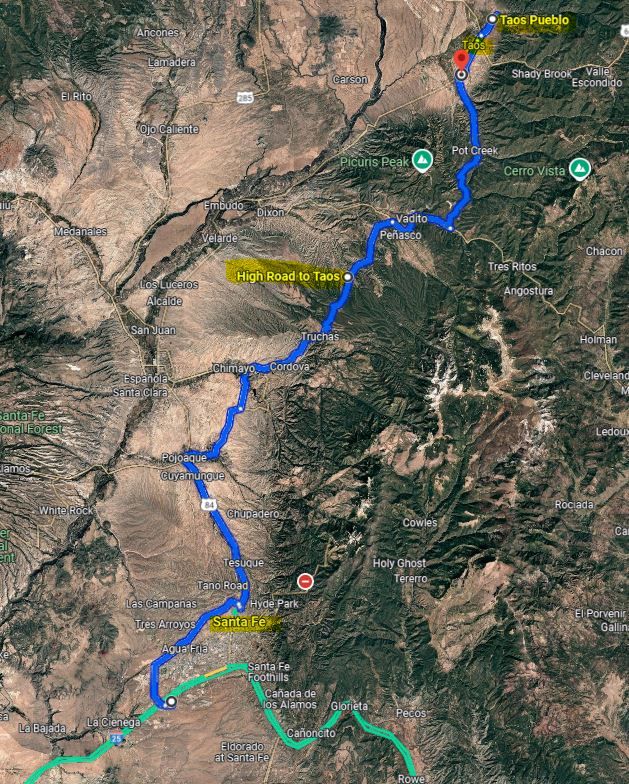
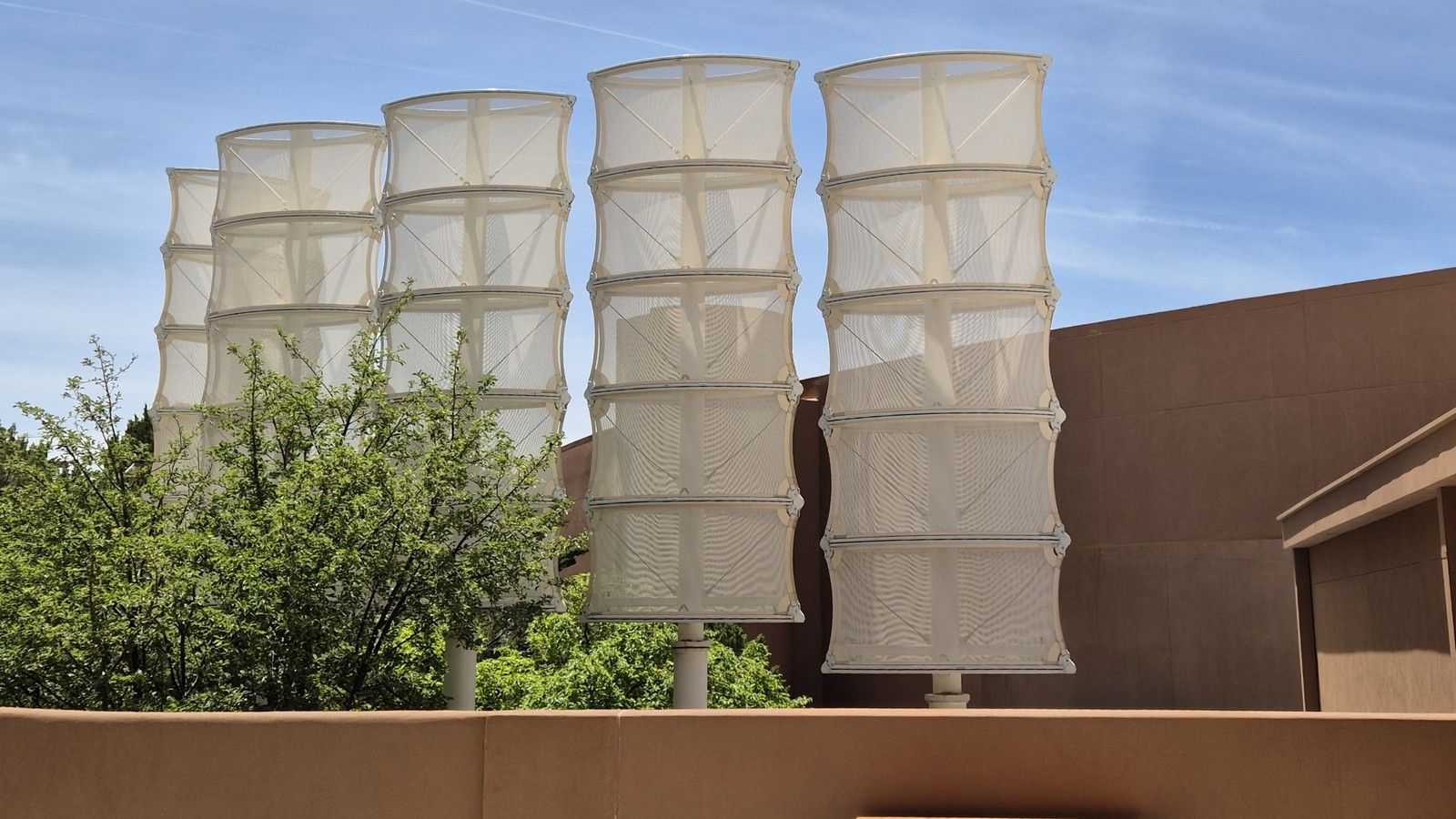
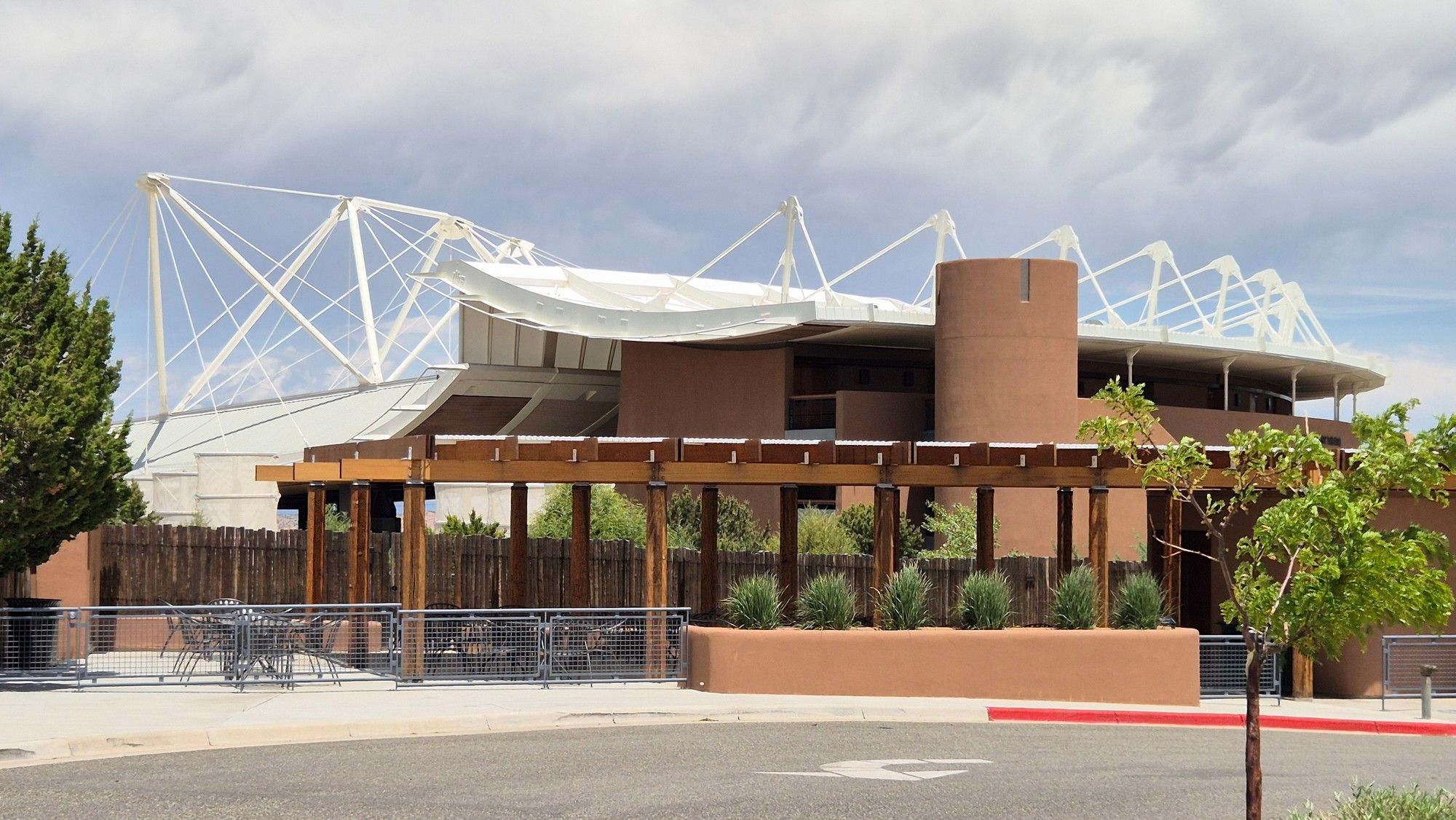
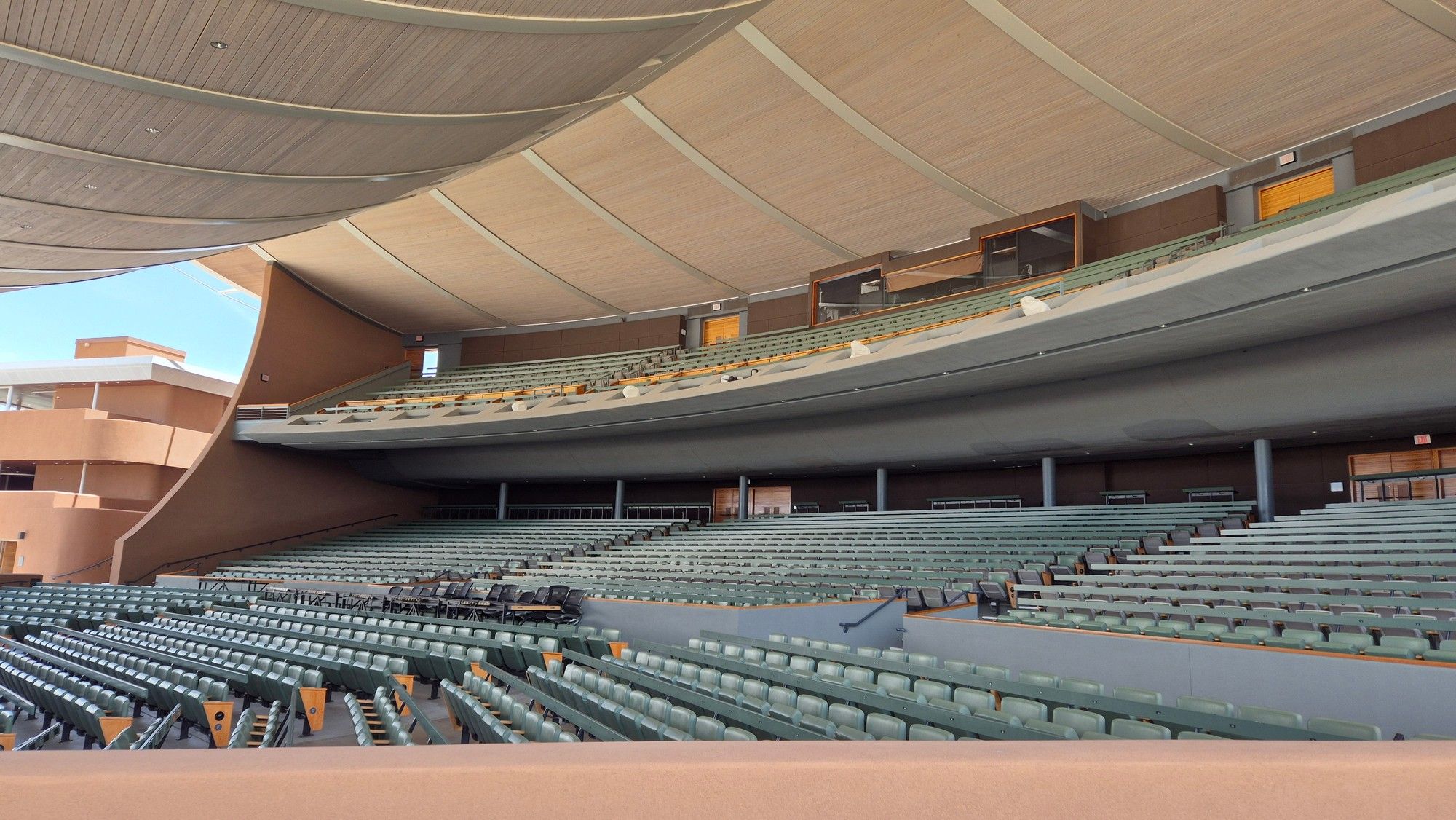

From Santa Fe, we do not take the direct route along the highway but first make a short stop at the ‘Santa Fe Opera’ house, a rather unusual semi-outdoor venue about 15 km north outside the city. The current theater was rebuilt in 1998 and has about 2200 seats.
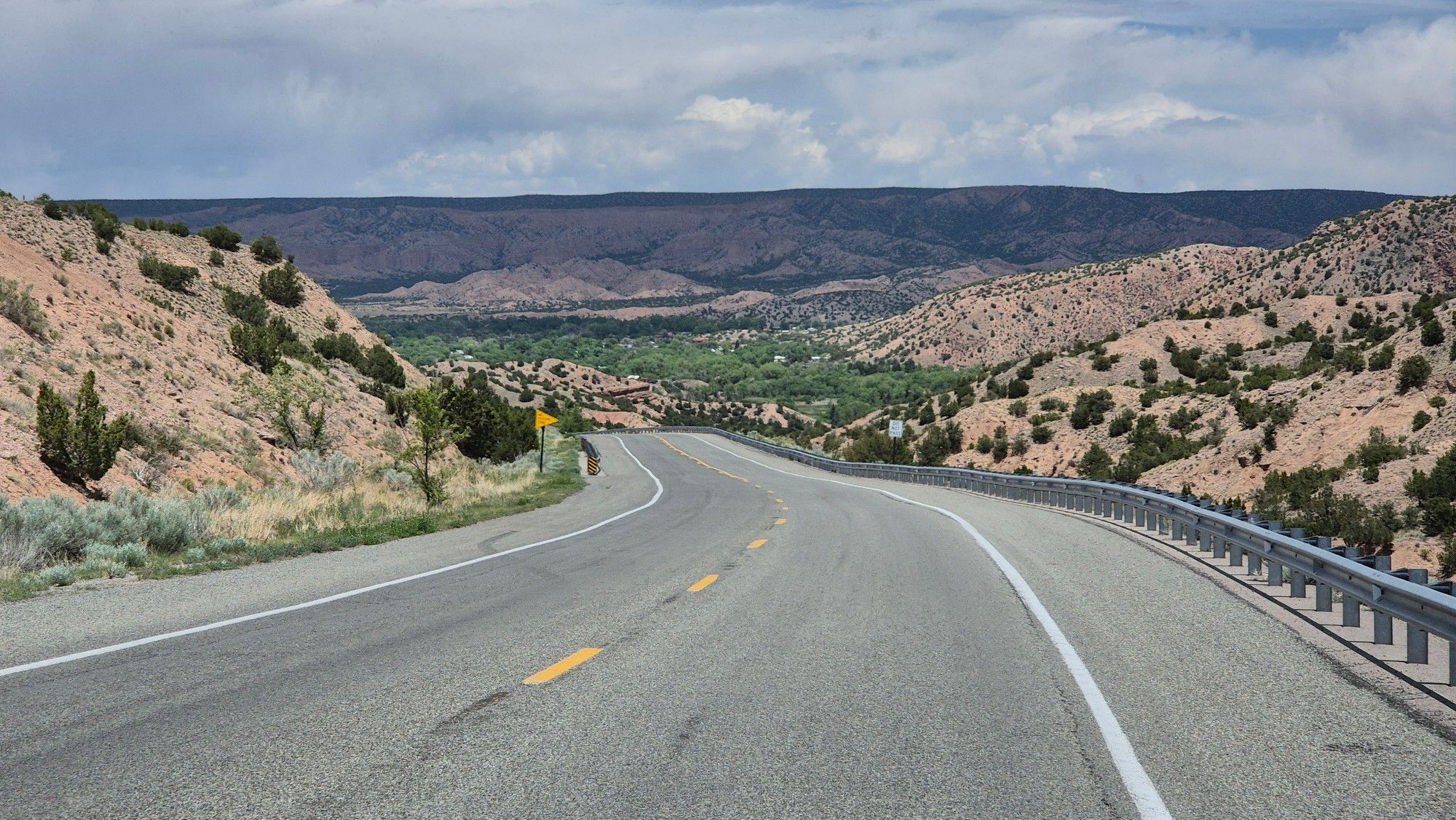
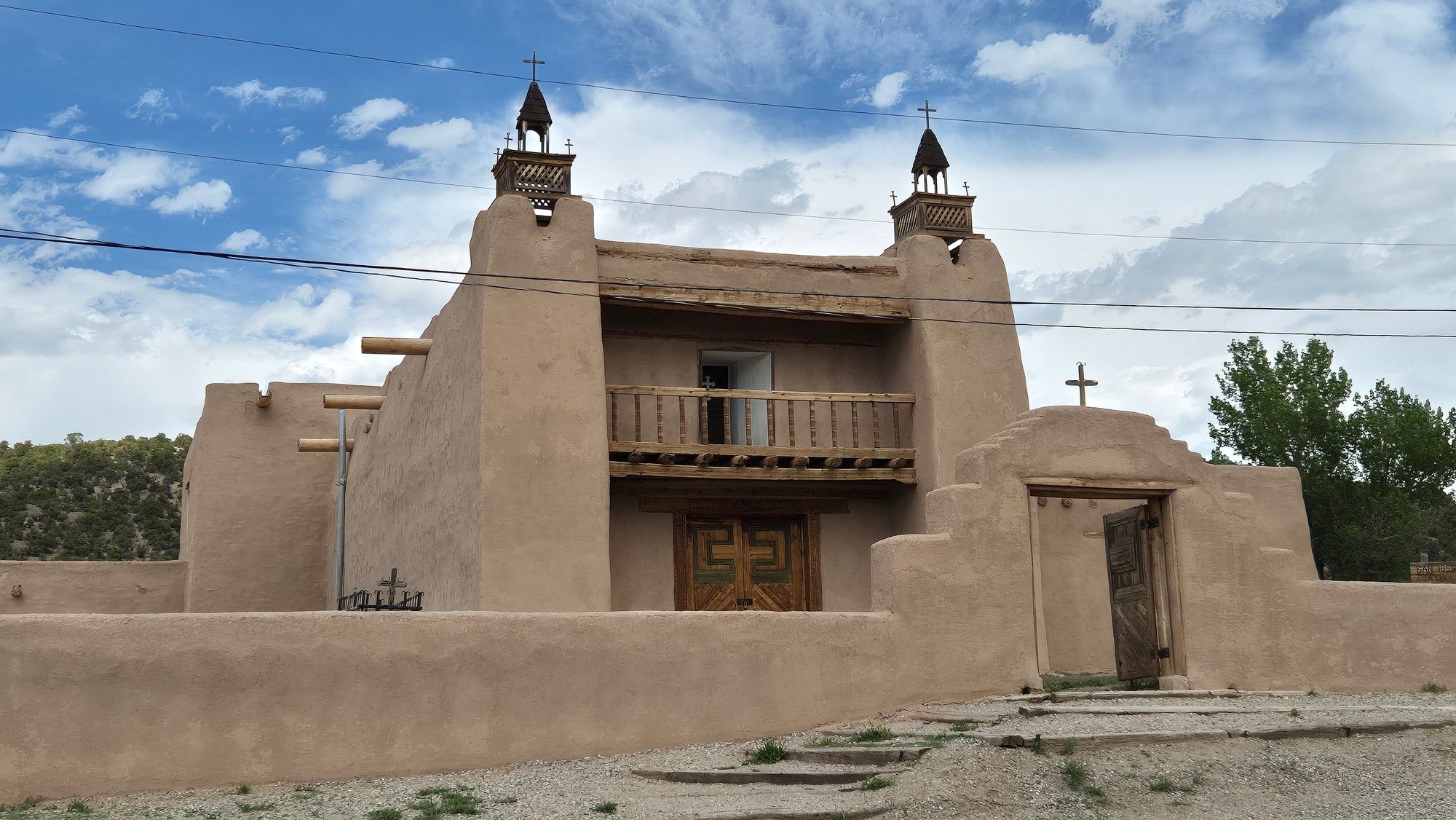
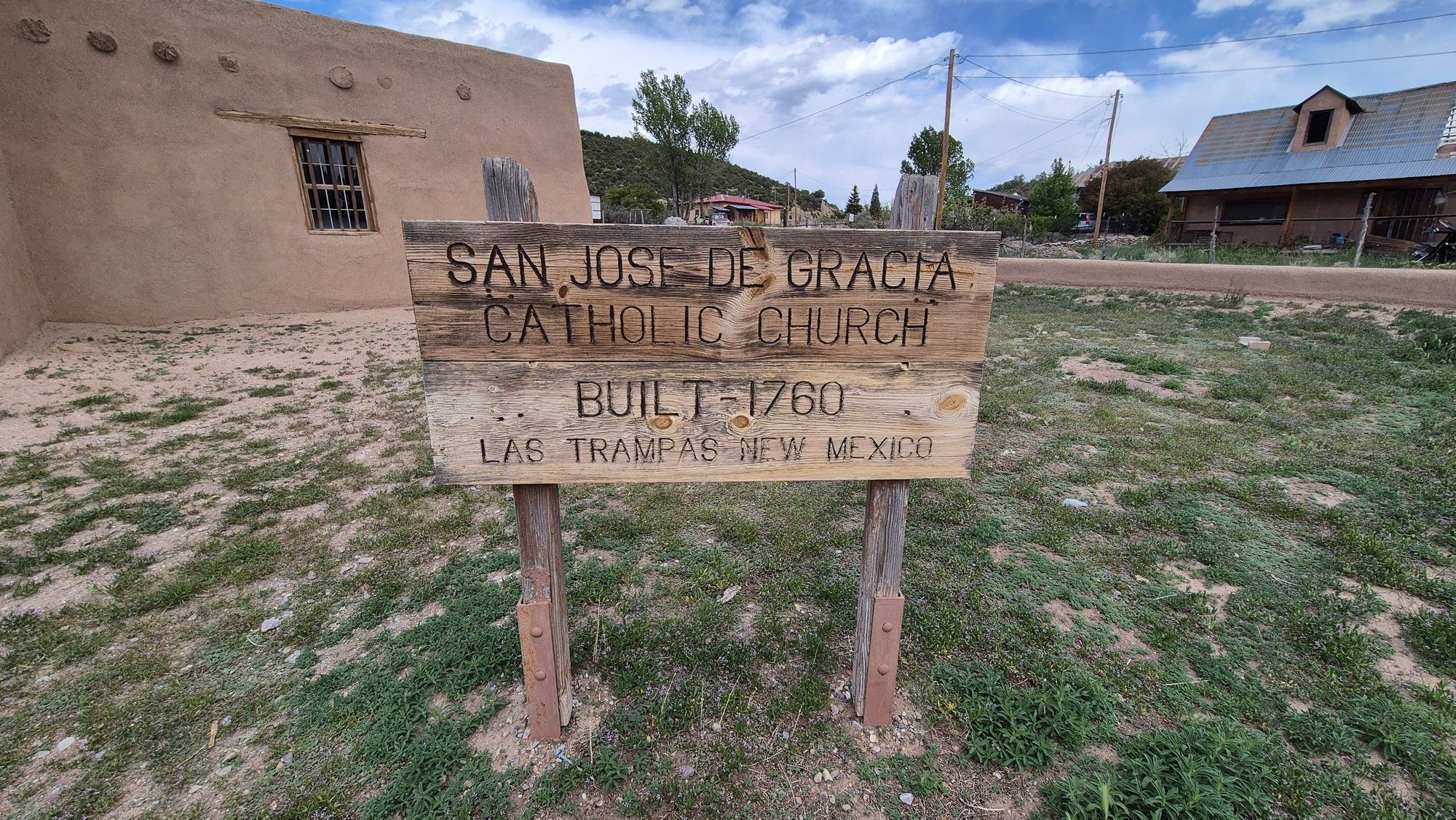
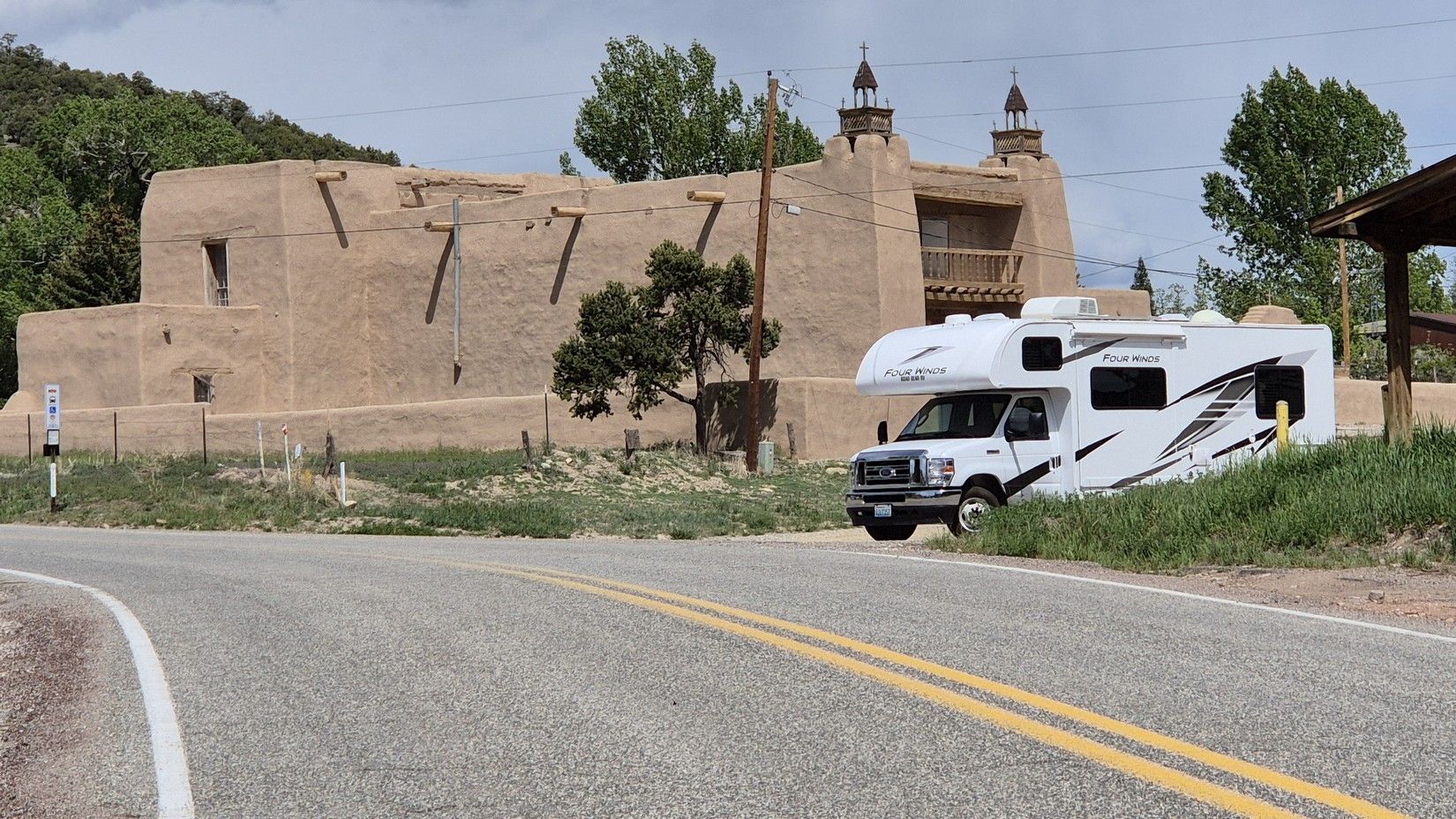
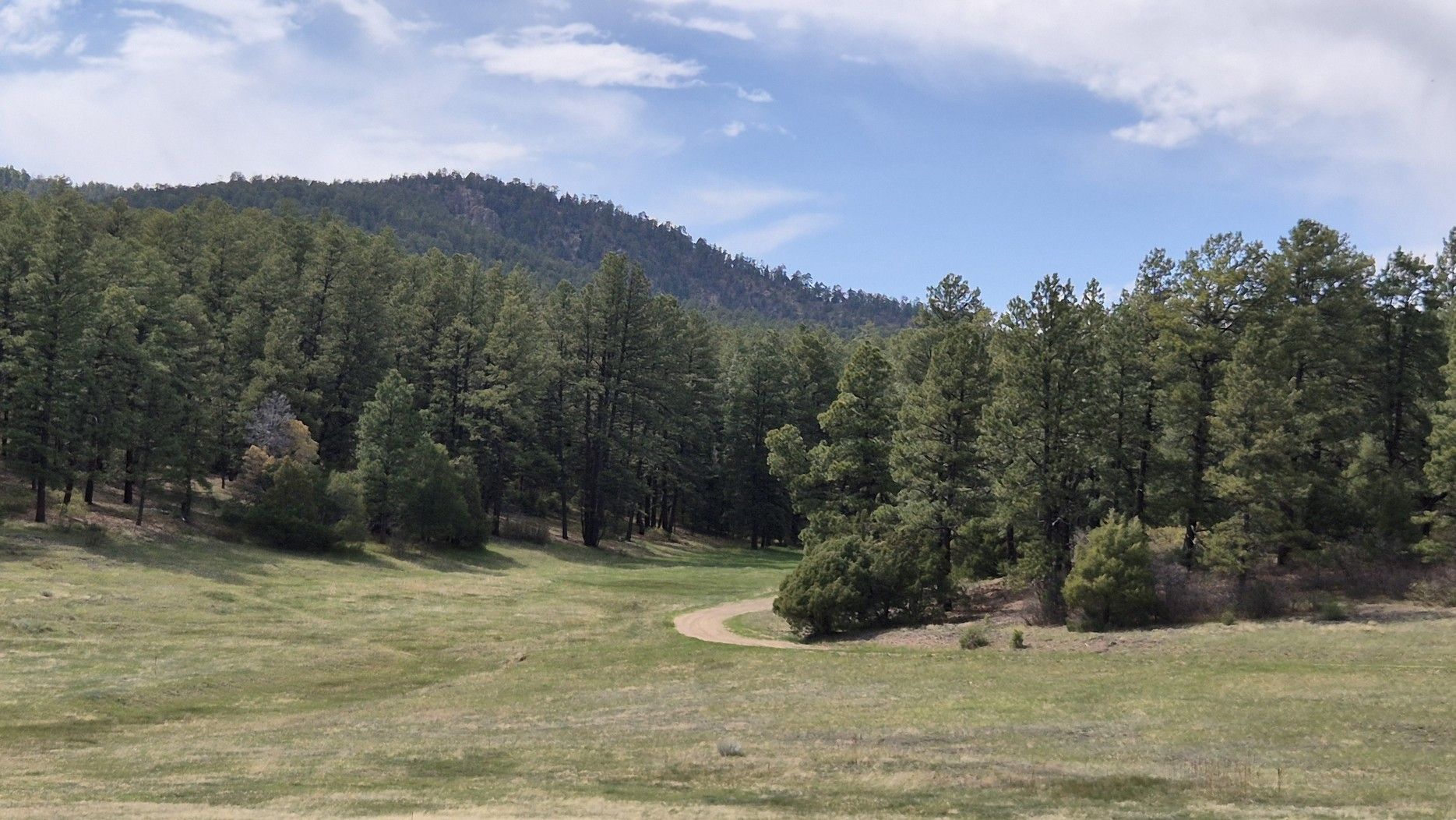
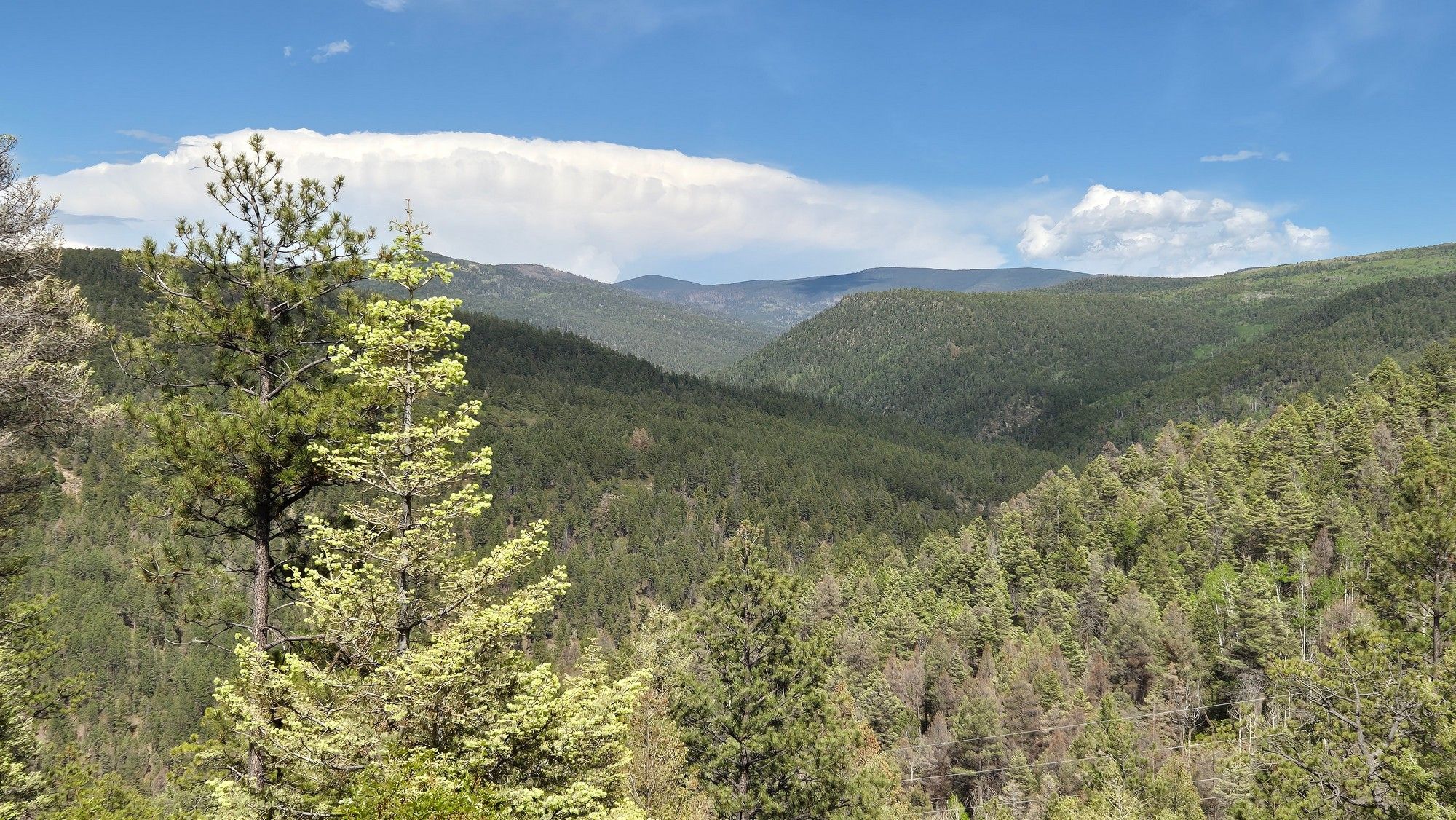
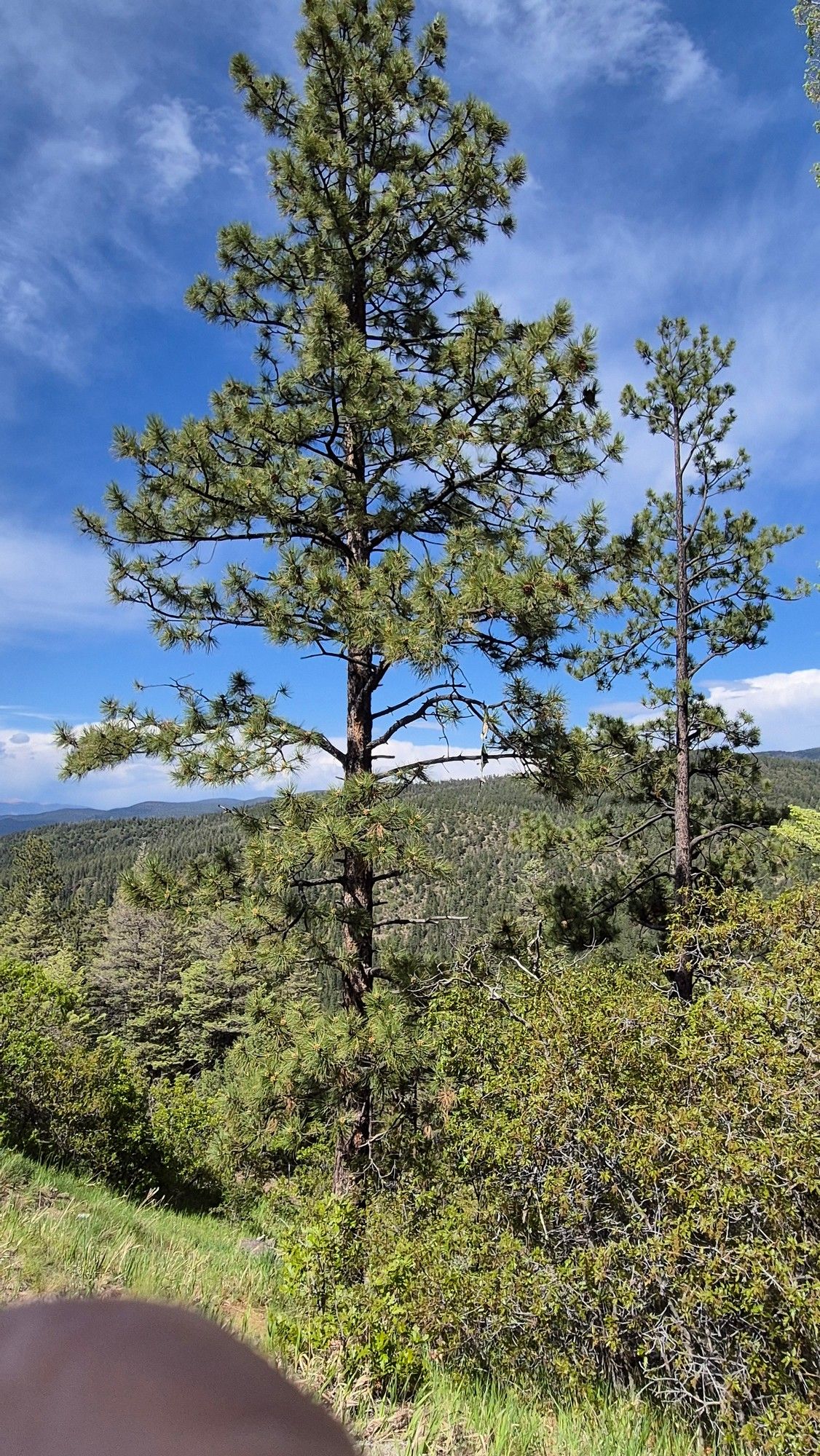
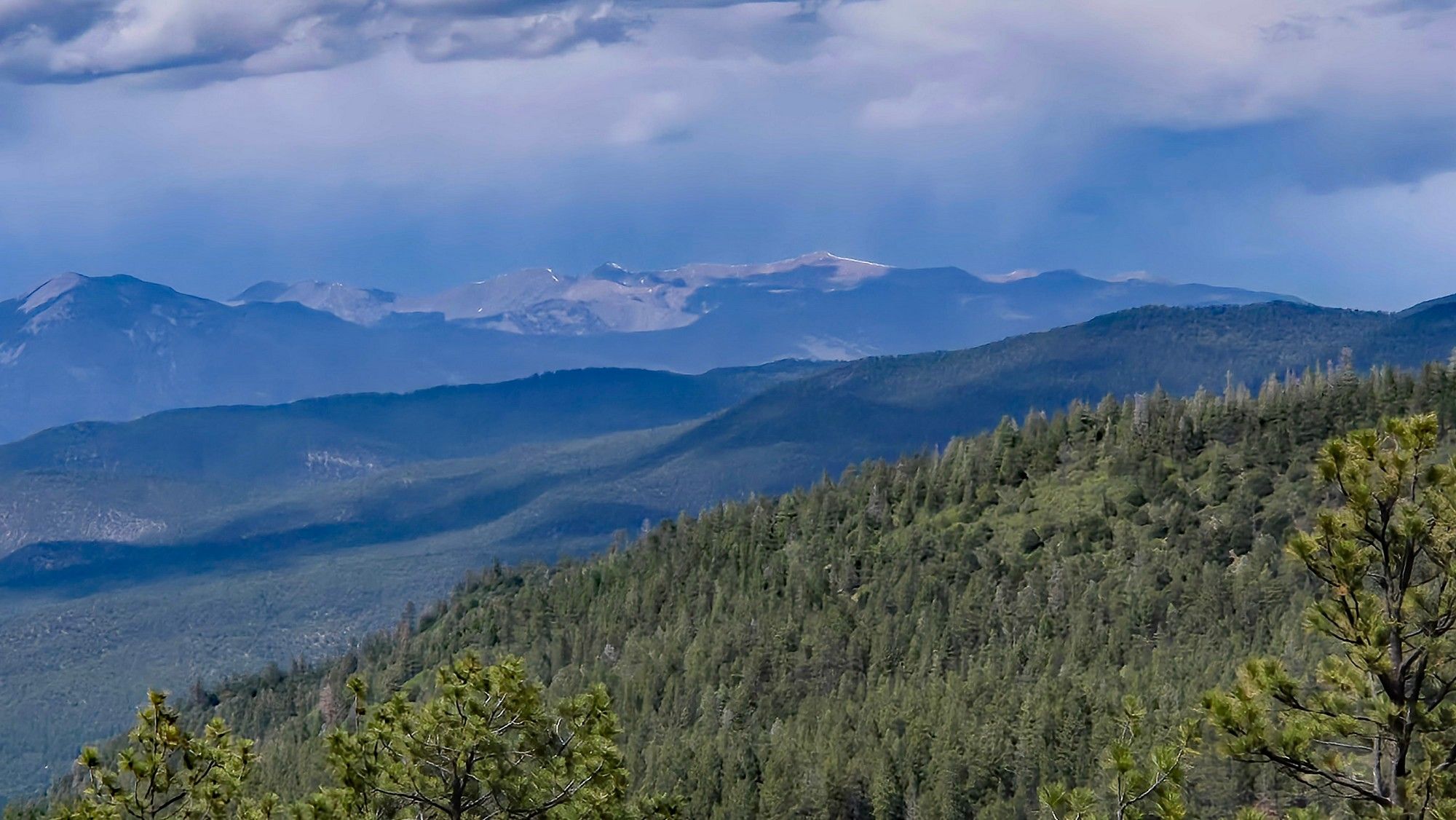
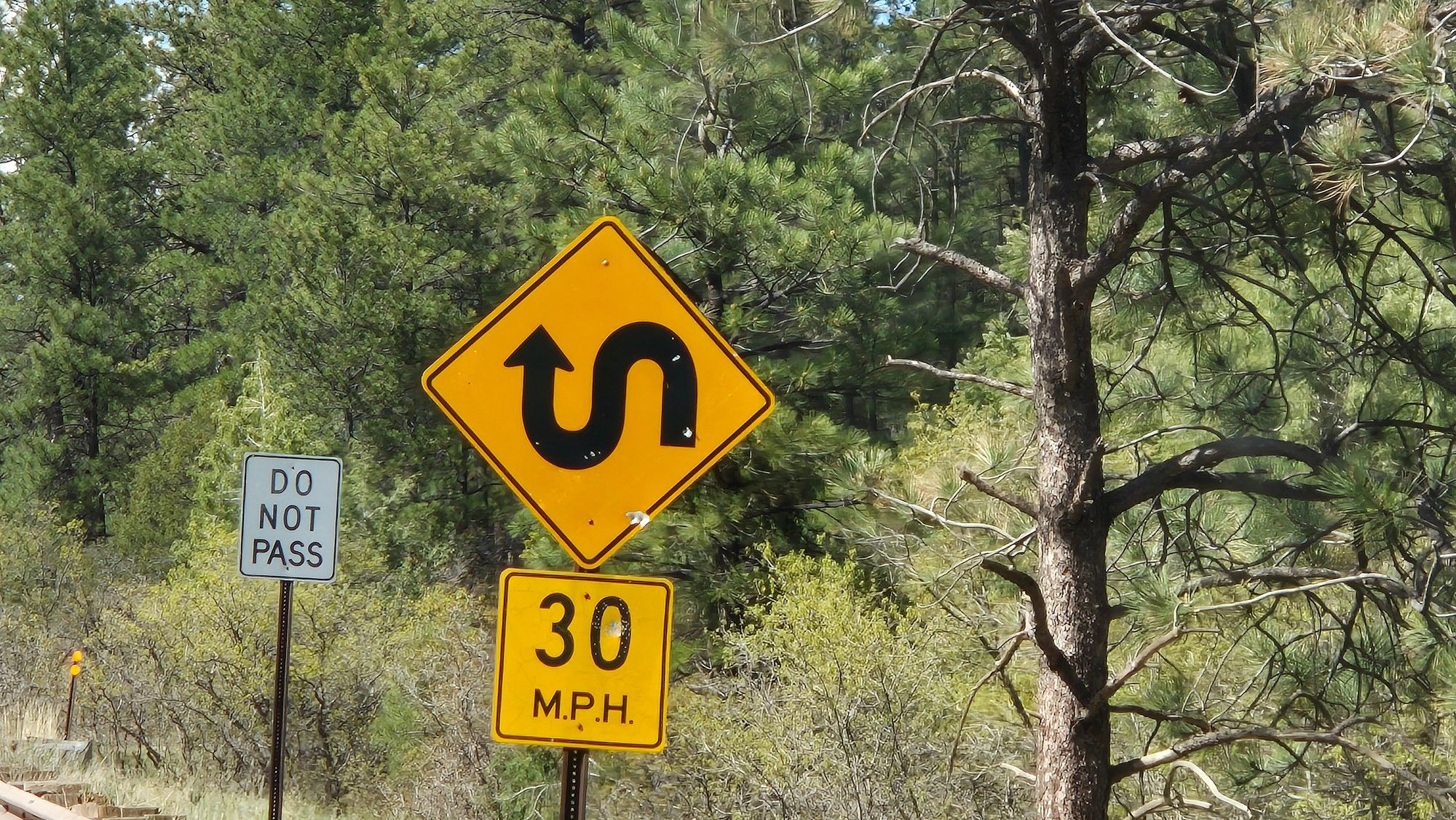
We continue along the ‘High Road to Taos’, which takes us through beautiful mountain landscapes, partially alpine, almost like in Central Europe. On the way, we stop at the ‘San Jose de Gracia’ church from 1760 in the village of Las Trampas. Since it is closed, we cannot look inside.
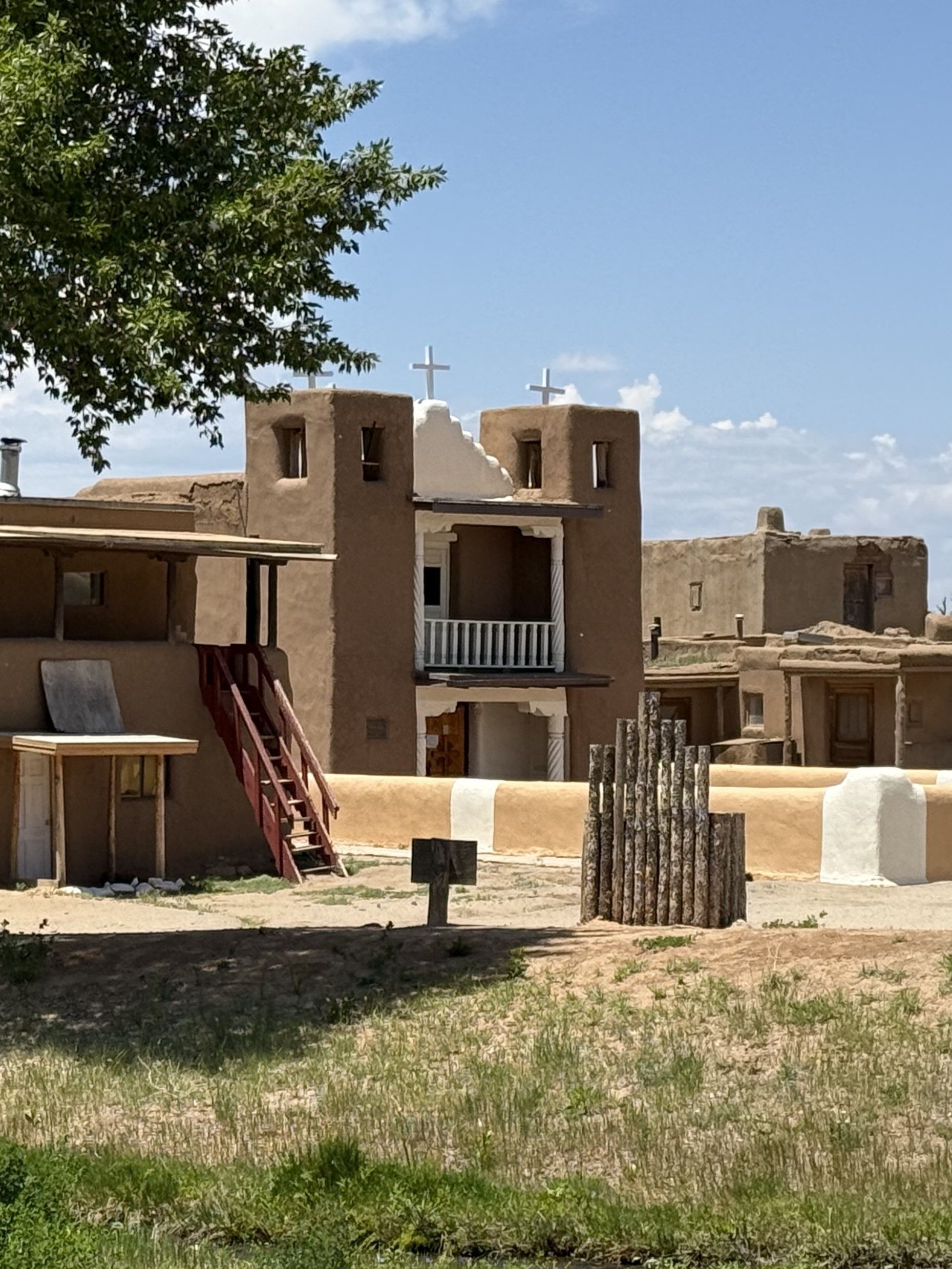
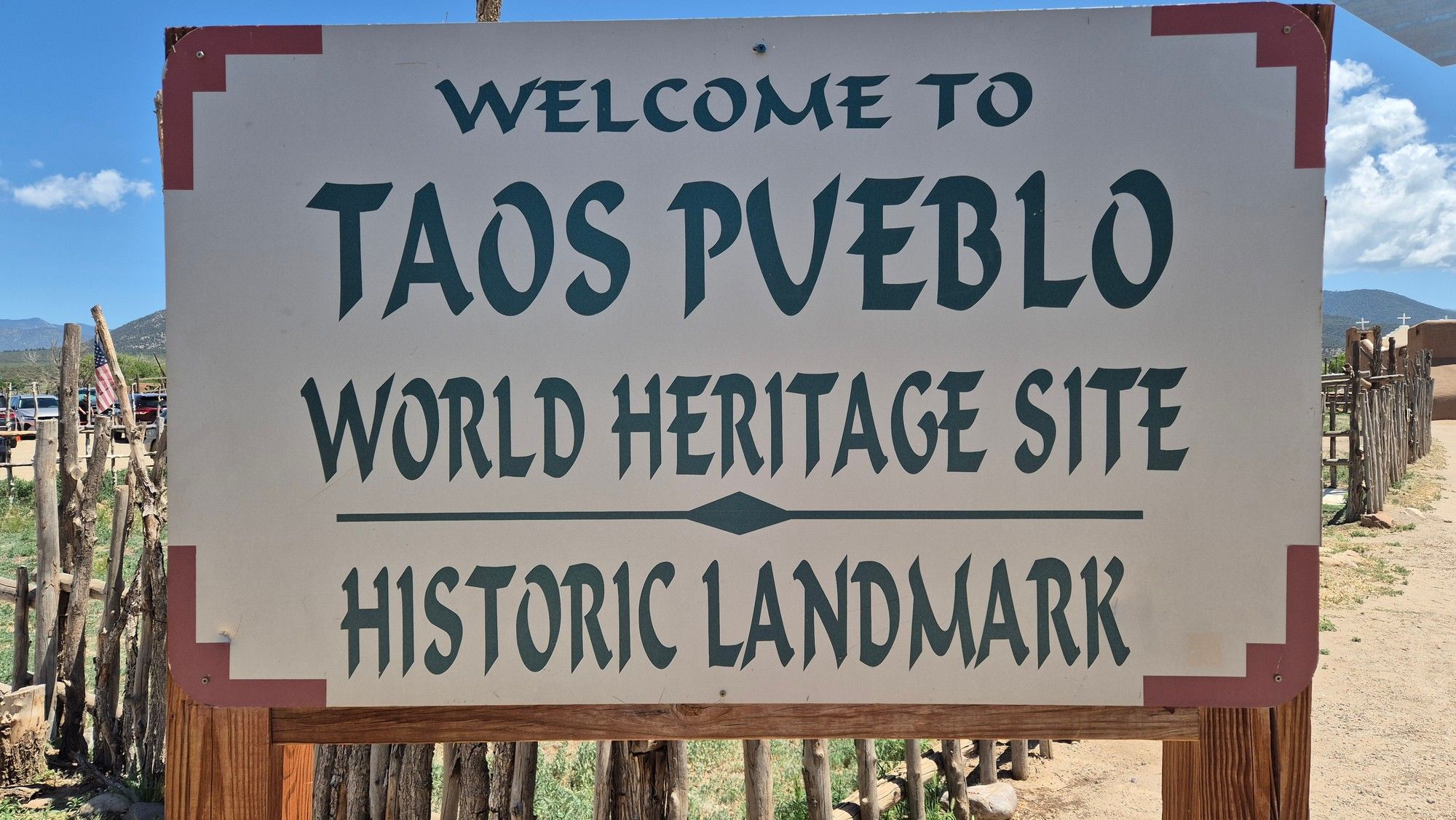
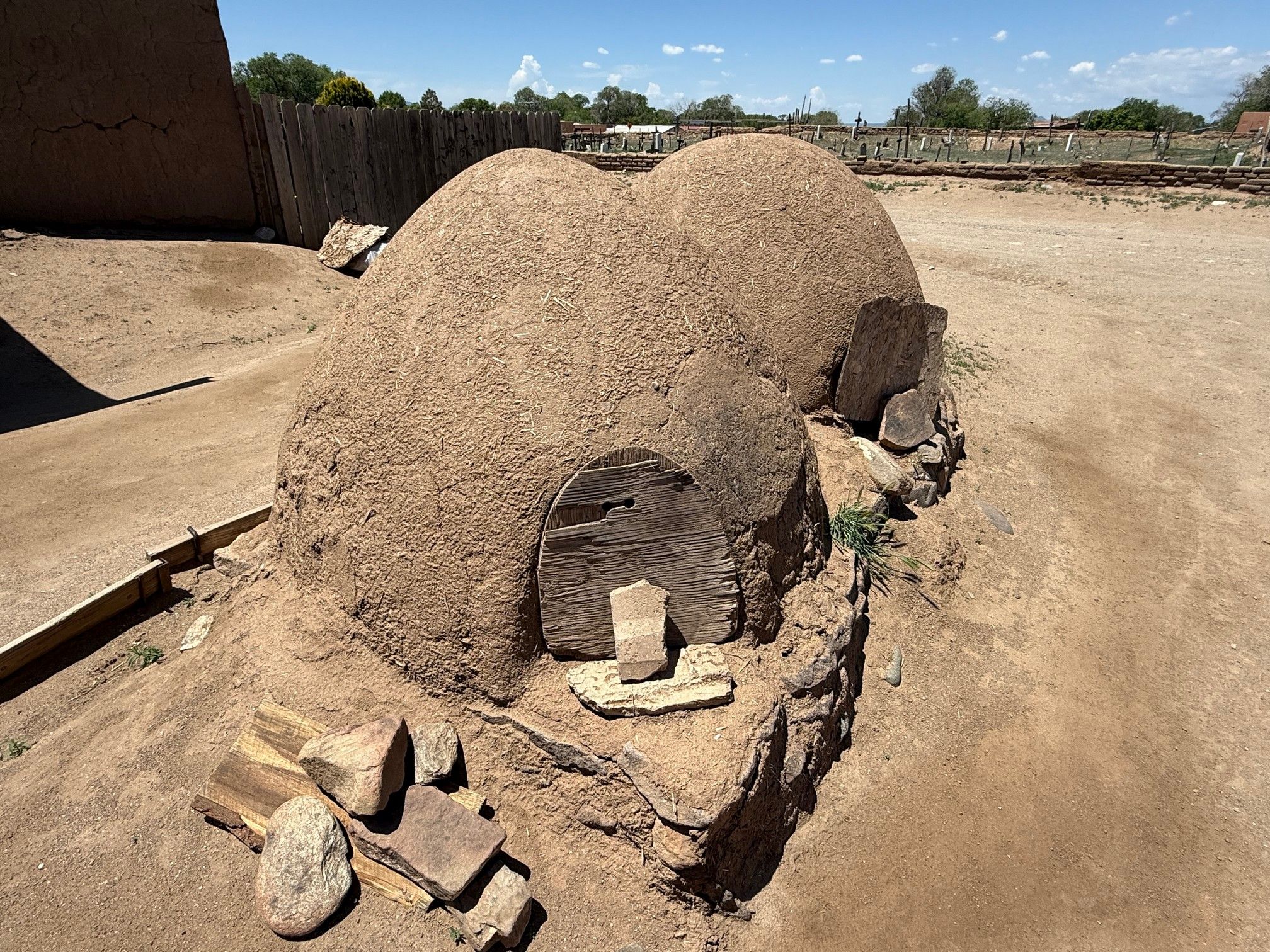
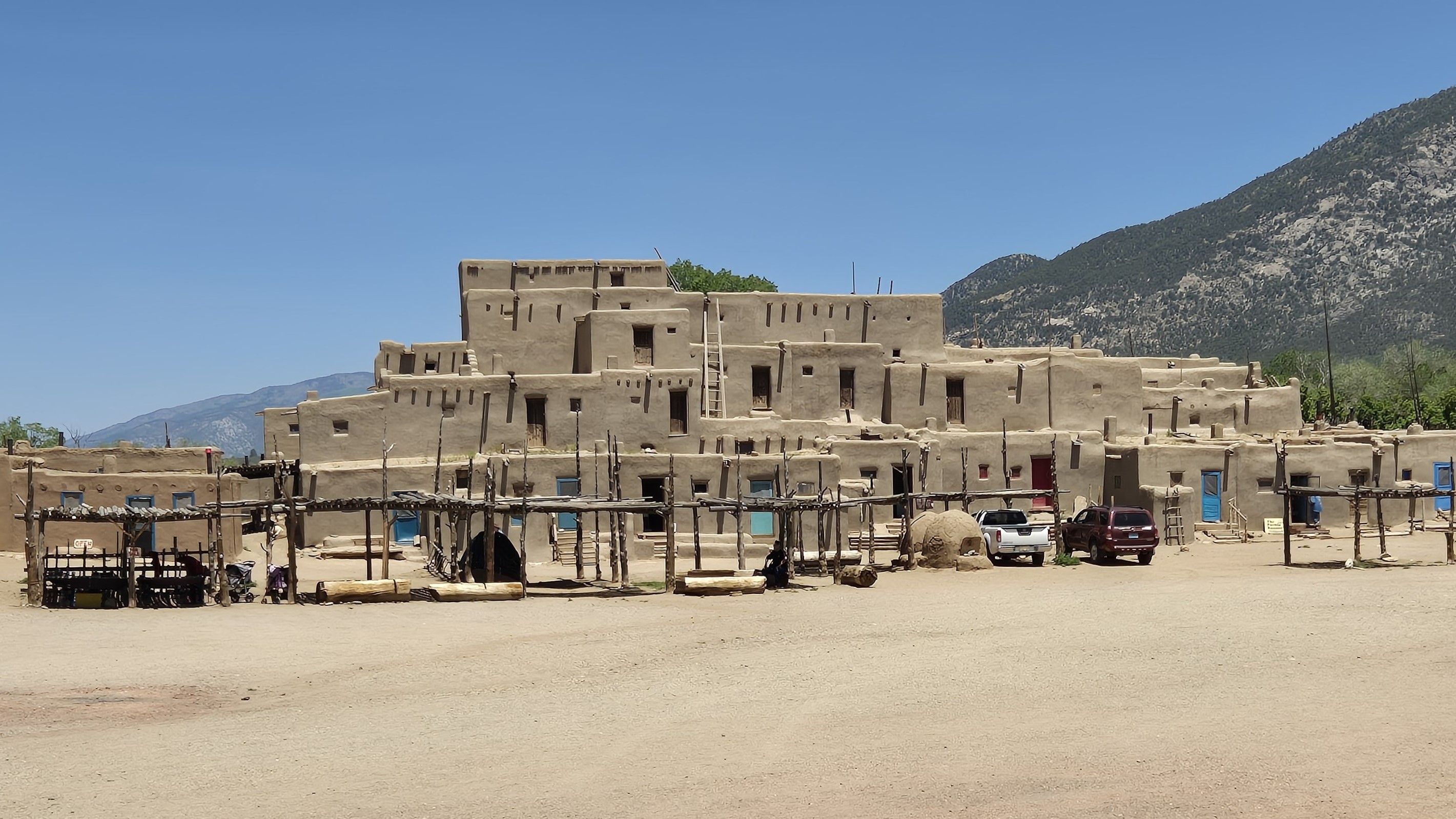
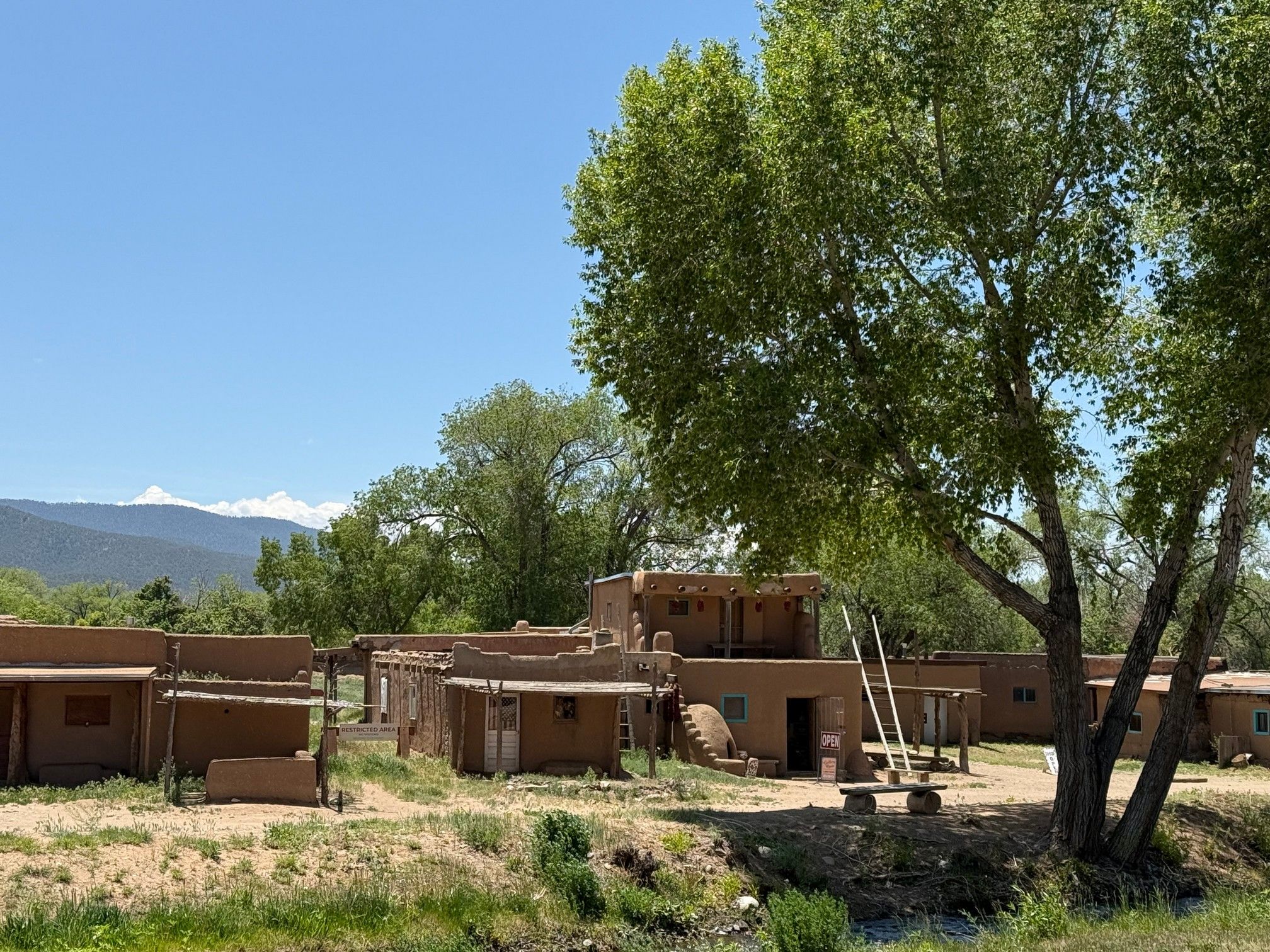
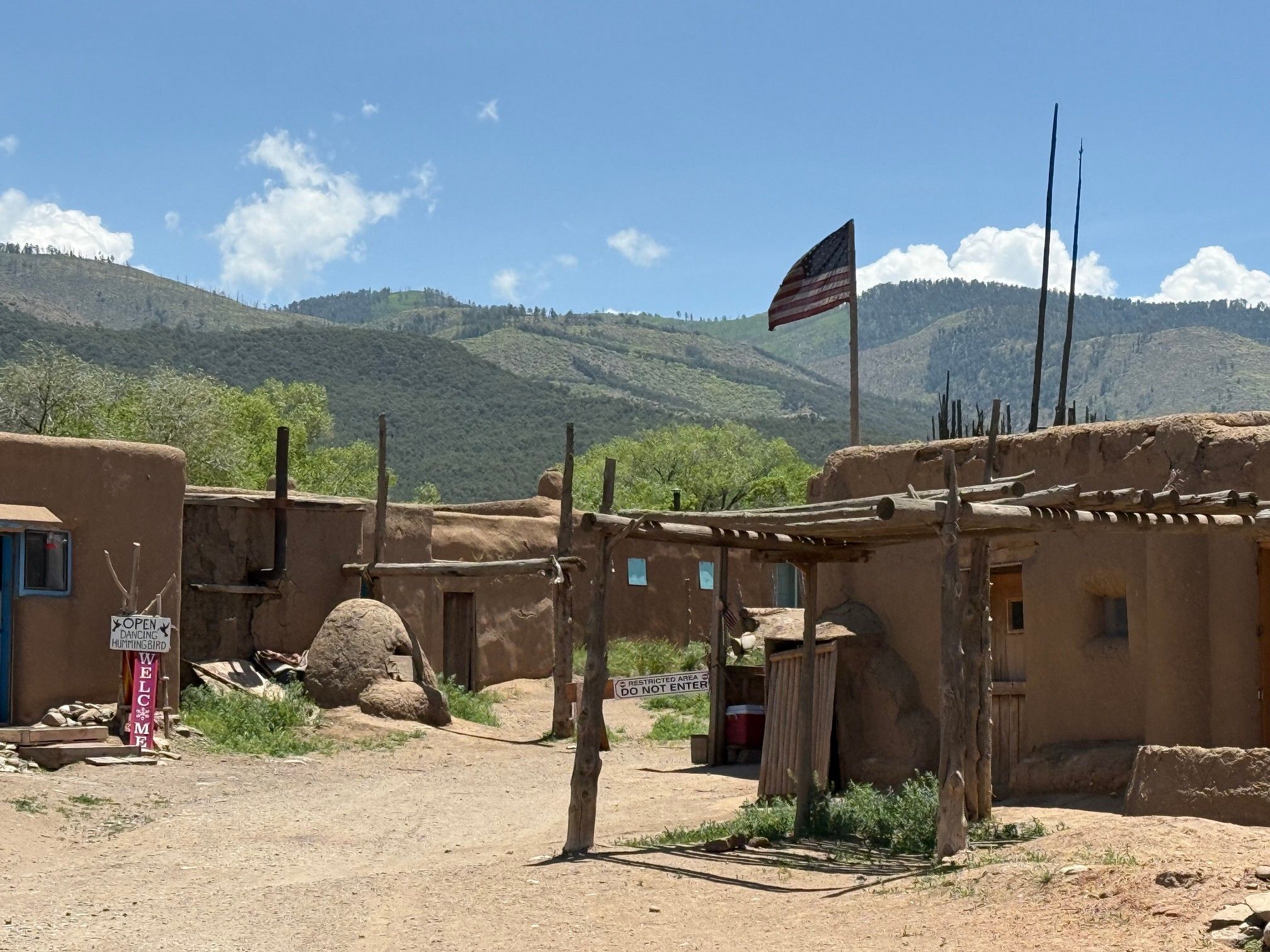
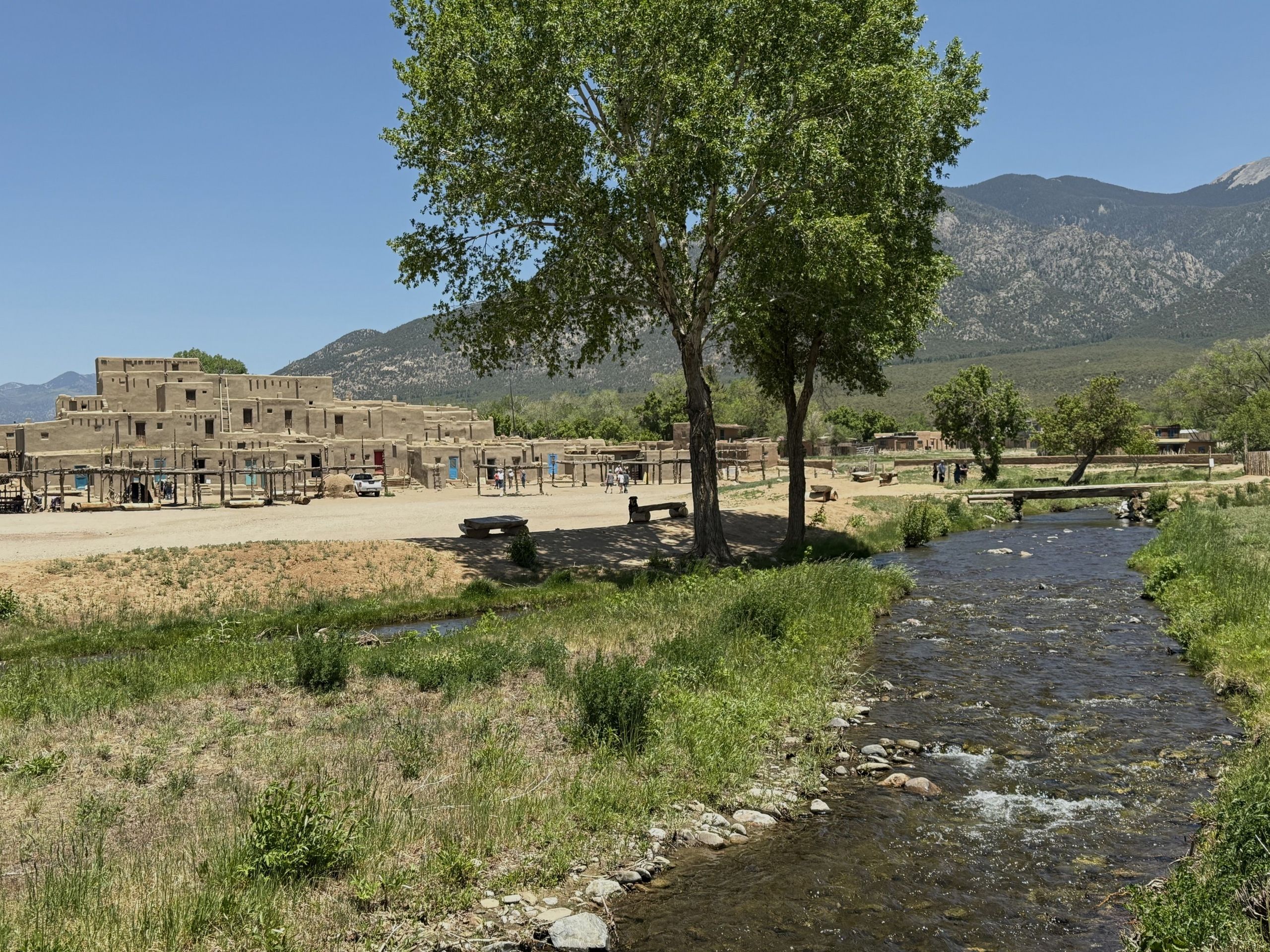
Taos Pueblo is likely the oldest continuously inhabited settlement in the United States. The Pueblo is one of the Eight Northern Pueblos, whose residents speak one of two variants of the Tanoa language. Currently, about 150 Native Americans still live in the Pueblo, largely maintaining a traditional way of life.
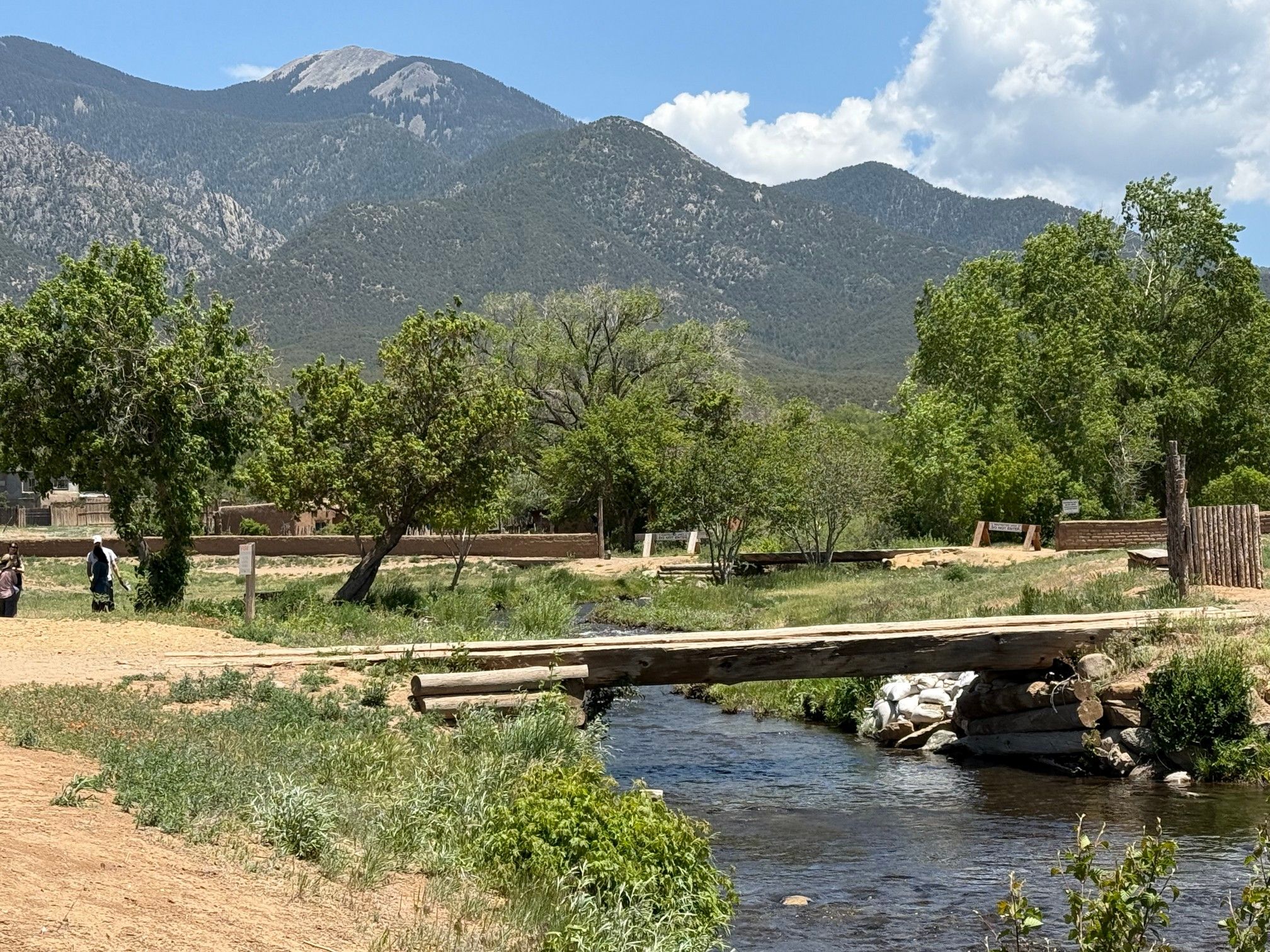
The oldest parts of the current buildings date back to the Anasazi culture and were built between 1000 and 1450. The Pueblo was constructed on the slope of the Taos Mountains in the Sangre de Cristo Range along the Rio Pueblo de Taos long before Columbus “discovered” America...
In ancient times, Taos Pueblo was a central trading place between the residents of the Rio Grande watershed and the neighboring prairie tribes in the northeast. In the autumn, it served as the site of a post-harvest market.
The first Spanish visitors reached Taos Pueblo in 1540 searching for the legendary “Seven Golden Cities”. Fray Francisco de Zamora established the first mission in 1598. Around 1620, Spanish Jesuits oversaw the construction of the first Catholic church within the Pueblo, the Mission de San Geronimo de Taos. Reports from this time suggest that the inhabitants resisted the construction of the church and the pressure to join the Catholic religion. Throughout the 16th century, there were increasing tensions between the indigenous people and the growing presence of Spanish colonizers. In 1660, the church was destroyed and the Spanish priest killed. Several years later, it was rebuilt. In 1680, the Pueblo Revolt began, during which the church was again destroyed and two local priests were killed.
At the turn of the 18th century, San Geronimo de Taos was rebuilt for the third time. The relationship between Spaniards and Taos was briefly friendly, as both groups had to unite against a common enemy: Utes and Comanches were invading the area. However, the rejection of Catholicism and Spanish culture remained strong. Nonetheless, the religious beliefs of the Spaniards and agricultural methods gradually penetrated Taos culture, reinforced by closer cooperation.
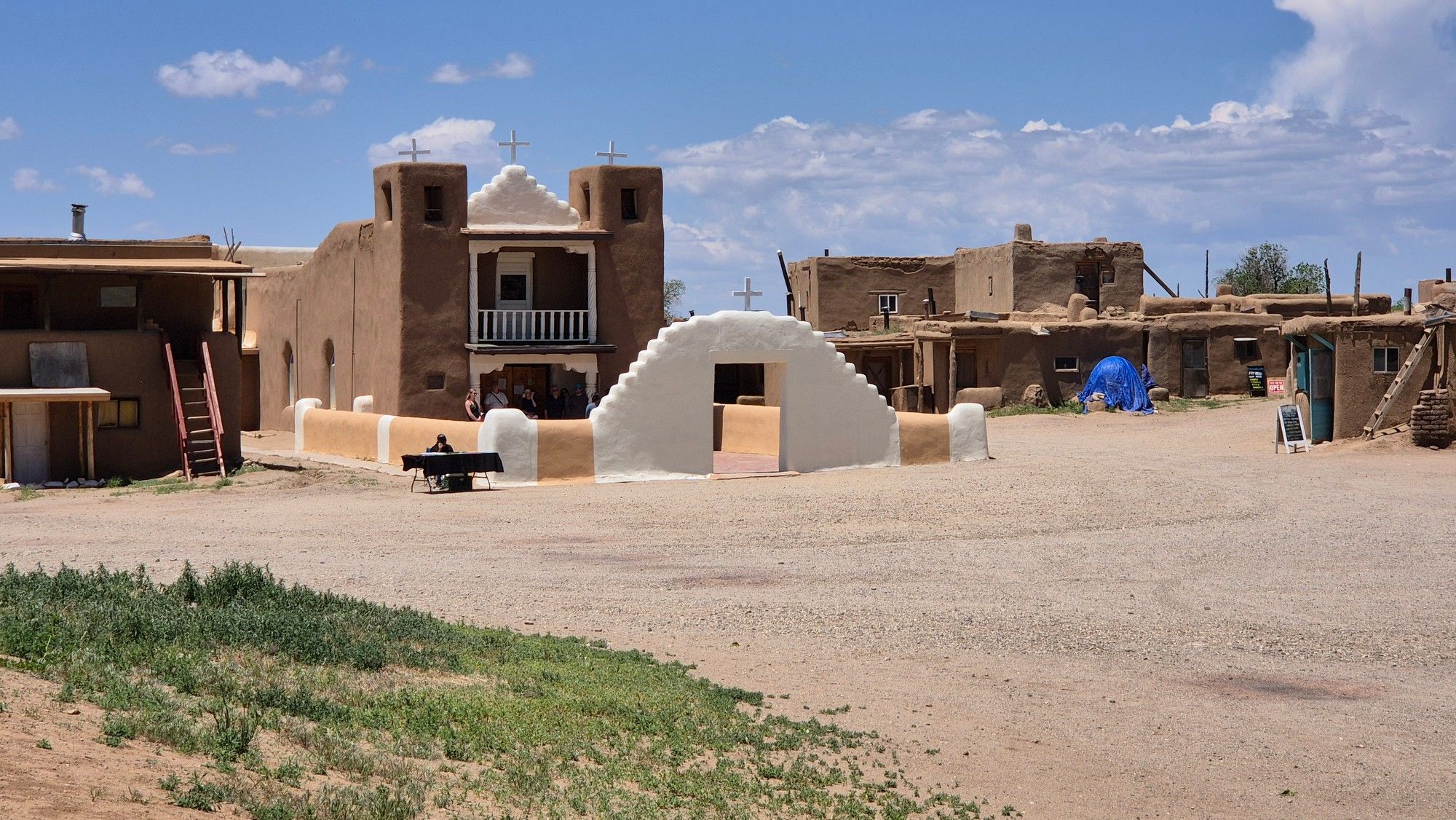
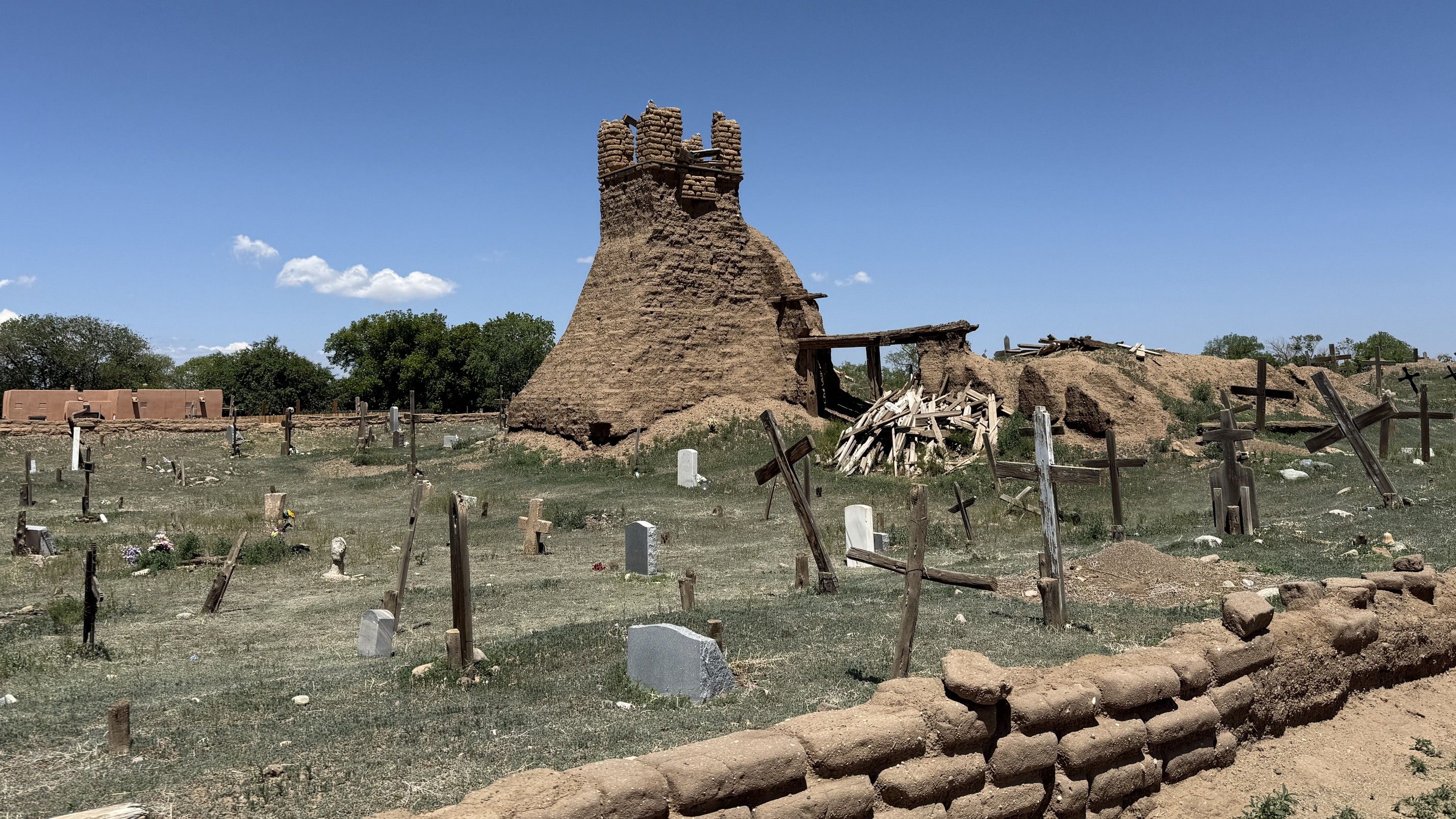
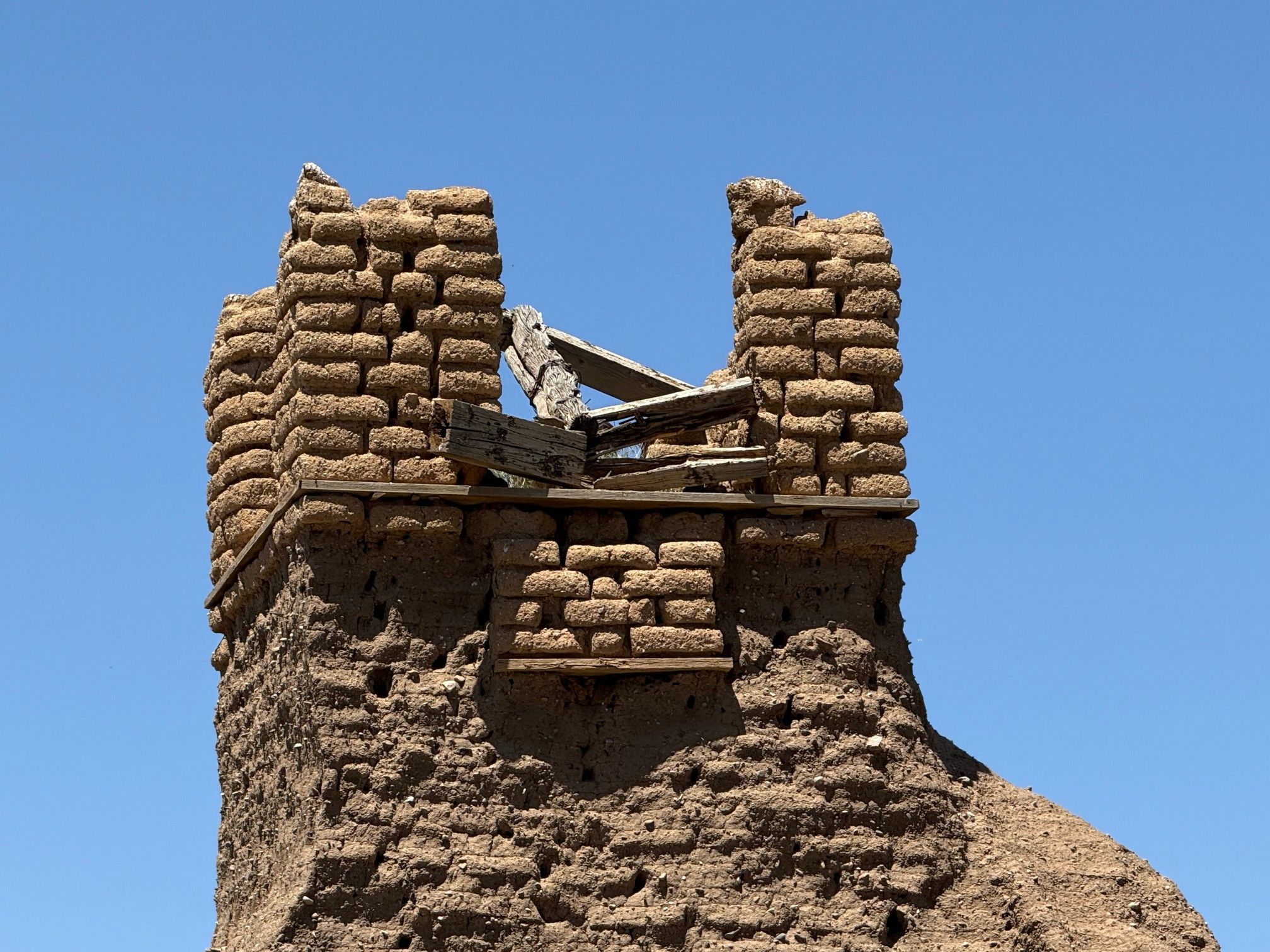
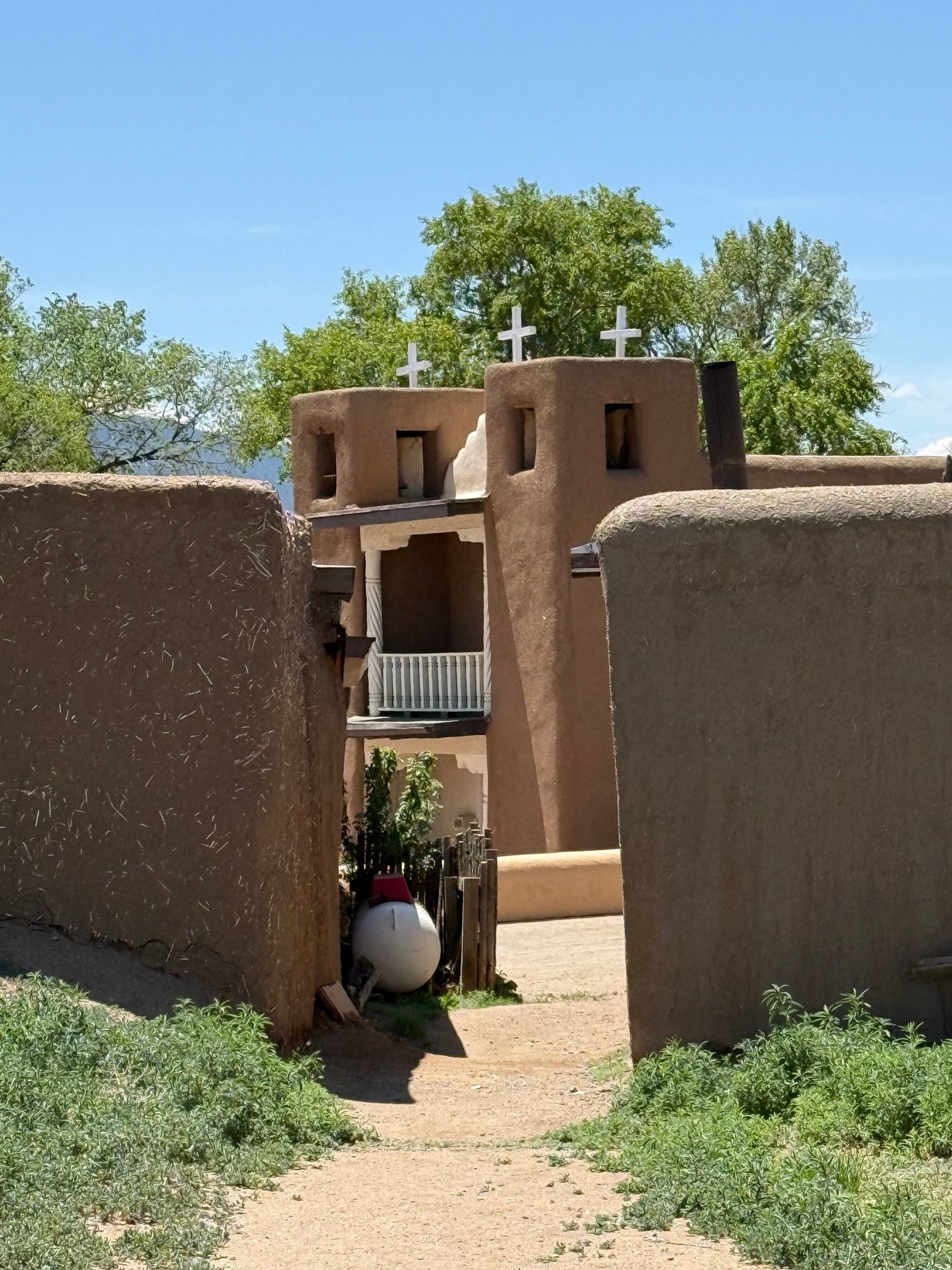
The Taos Rebellion began at the end of the Mexican-American War in 1847. The Mexican patriot Pablo Montoya and Tomasito, a leader of Taos Pueblo, led a militia of Mexicans and Taos residents fighting against annexation by the United States. They killed Governor Charles Bent and others and marched on Santa Fe. The rebellion was suppressed, and the Pueblo was besieged. The rebels sought refuge in the mission church. The Americans bombarded the church, killing or capturing the insurgents and destroying the building. Around 1850, a new church was built near the western gate of the Pueblo wall. The ruins of the former church and the successor structure from 1850 can still be seen in the Pueblo today.
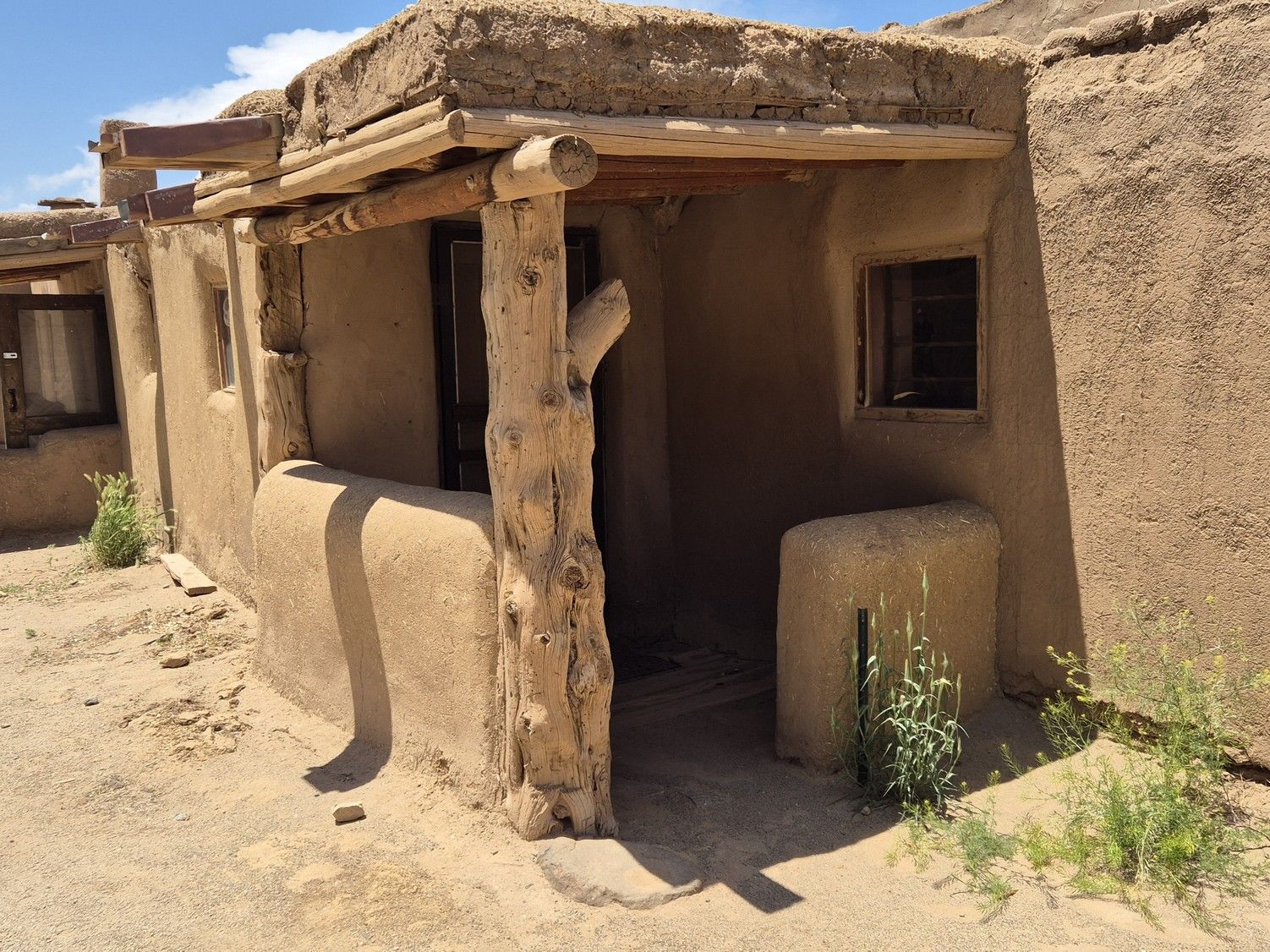
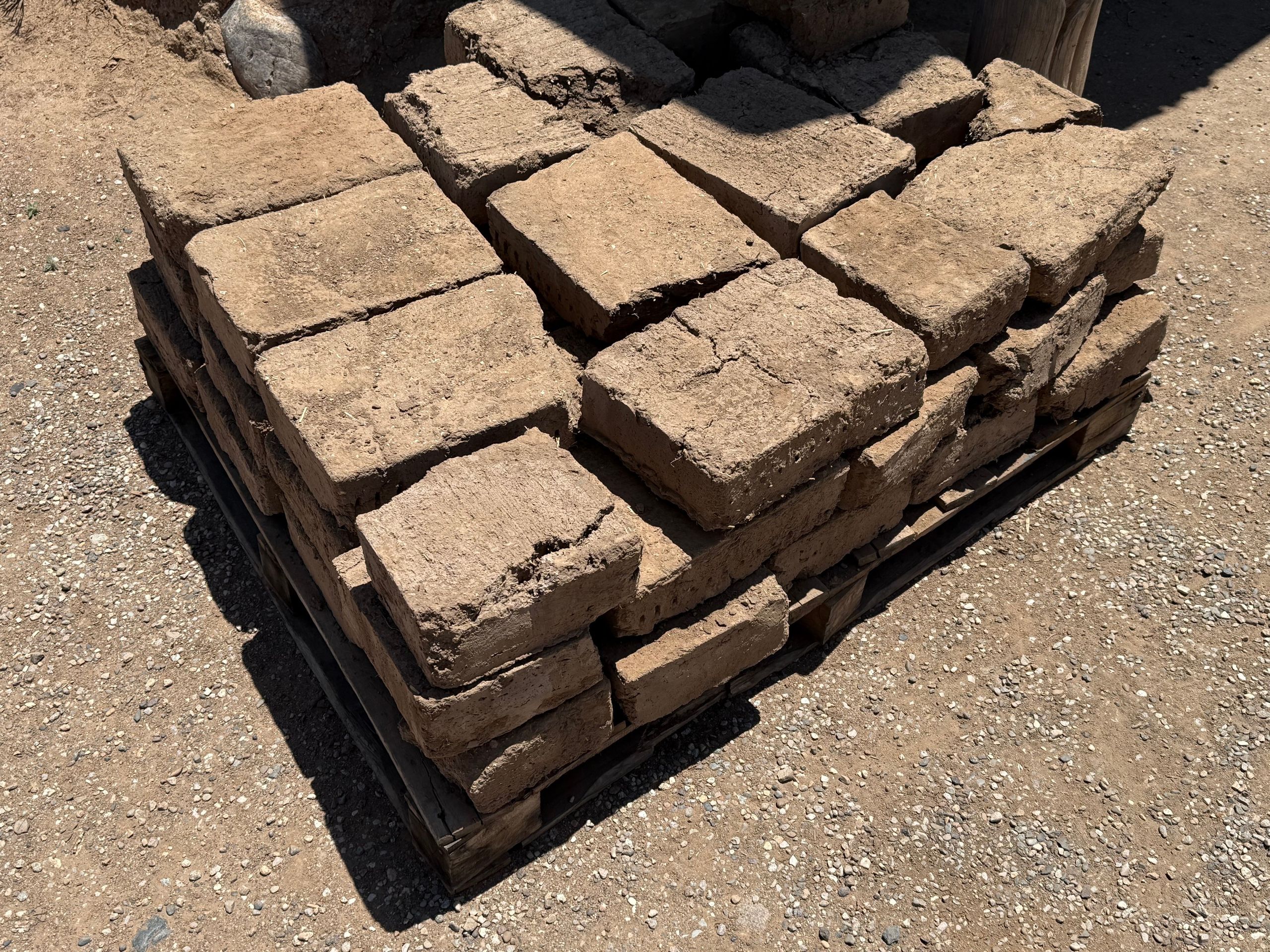
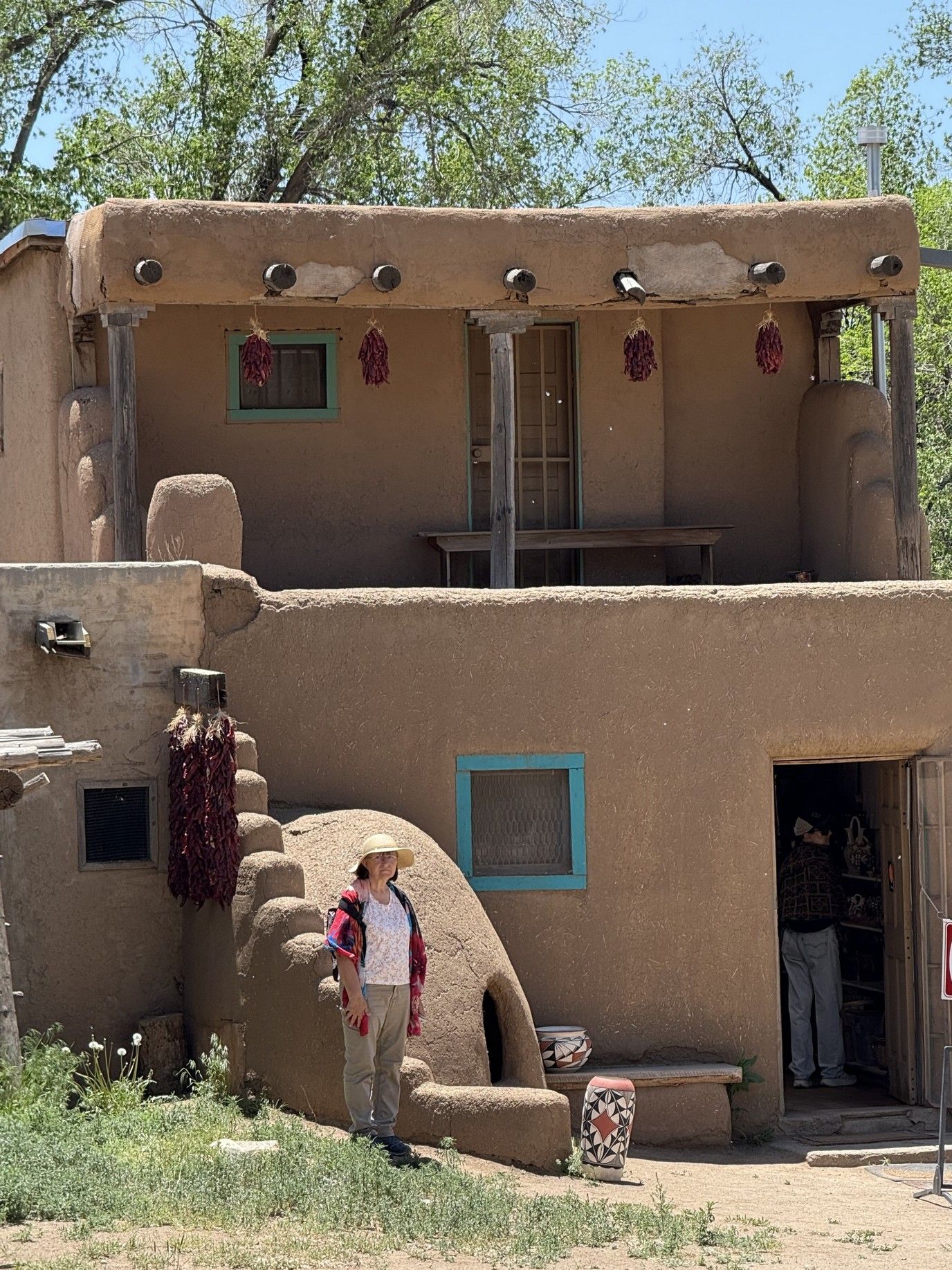
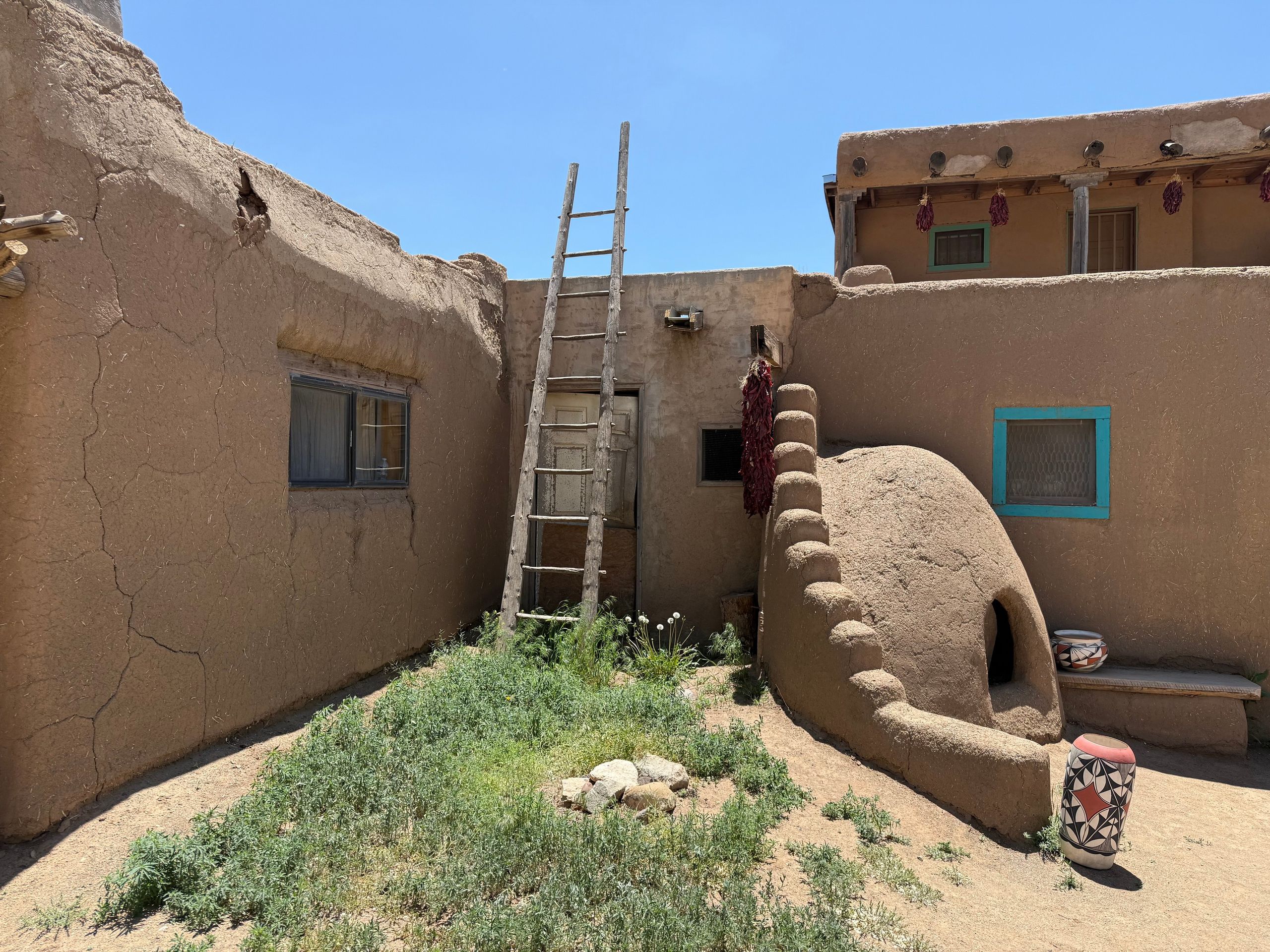
The adobe houses are still re-plastered with adobe annually by the owners. Most houses are still in the possession of the family and are maintained by them.
The houses are typically passed down from generation to generation, with the oldest son usually being the sole owner. These houses are still used for religious and cultural activities today.
The multi-story buildings, known as Hlauuma (North House) and Hlaukwima (South House), and their preservation have the highest priority for the community as part of the Taos Pueblo experience and the tribe's way of life.
To ensure both buildings maintain their condition, the tribe has developed a special program for the protection and maintenance of its houses.
The Taos Pueblo Preservation Program (TPPP) is committed to protecting and preserving the cultural heritage of Taos Pueblo as a traditional living community and also provides training for young people in traditional techniques.
Characteristic of the earlier treatment of the United States towards the Native Americans was the 1906 expropriation of about 19,000 acres of mountainous land in the Taos Mountains, including the sacred ‘Blue Lake’, through a decree by President Theodore Roosevelt. Native Americans were subsequently prohibited from entering so they could no longer carry out their annual ritual pilgrimage to their sanctuary, and violators were arrested and deported by the U.S. military. It was not until December 1970 that then-President Nixon corrected this injustice, and the corresponding law was passed in Congress with bipartisan support.
On the Homepage of Taos (www.taospueblo.com), it is stated:
President Nixon emphasized the importance of the law: “This law stands for justice because injustice occurred in 1906 when the affected Indians, the Taos Pueblo, were deprived of 48,000 acres of land.
The Congress of the United States is now returning this land to its rightful owners… I can think of no more appropriate measure that could make me prouder as President of the United States.”
The signing returned the land to the Taos Pueblo and allowed the unimpeded continuation of their millennia-old traditional culture. It also created a precedent for the self-determination of all Native Americans, tribes, and nations.
The Governor of Taos Pueblo, James A. Lujan, expressed: “We hope that all our neighbors in the Taos Valley will join us to celebrate this significant event for the people of Taos Pueblo.”
Cacique Romero, the religious leader of the Pueblo in the late 1960s and 1970s, who was instrumental in defending the Pueblo before Congress, stated in response to the Congress's approval and the signing by President Nixon: “A new day is beginning not only for Native Americans but for all Americans in this country.”
This new day resulted in the Taos Pueblo preserving the interests and welfare of the Pueblo, its water supply, its natural and indigenous resources, as well as the site of social and cultural events.
May it continue to be so!
Our Taos guide told us much about today’s life, in which their customs are largely still kept secret from outsiders, and even married members from other tribes may not participate in all ceremonies.
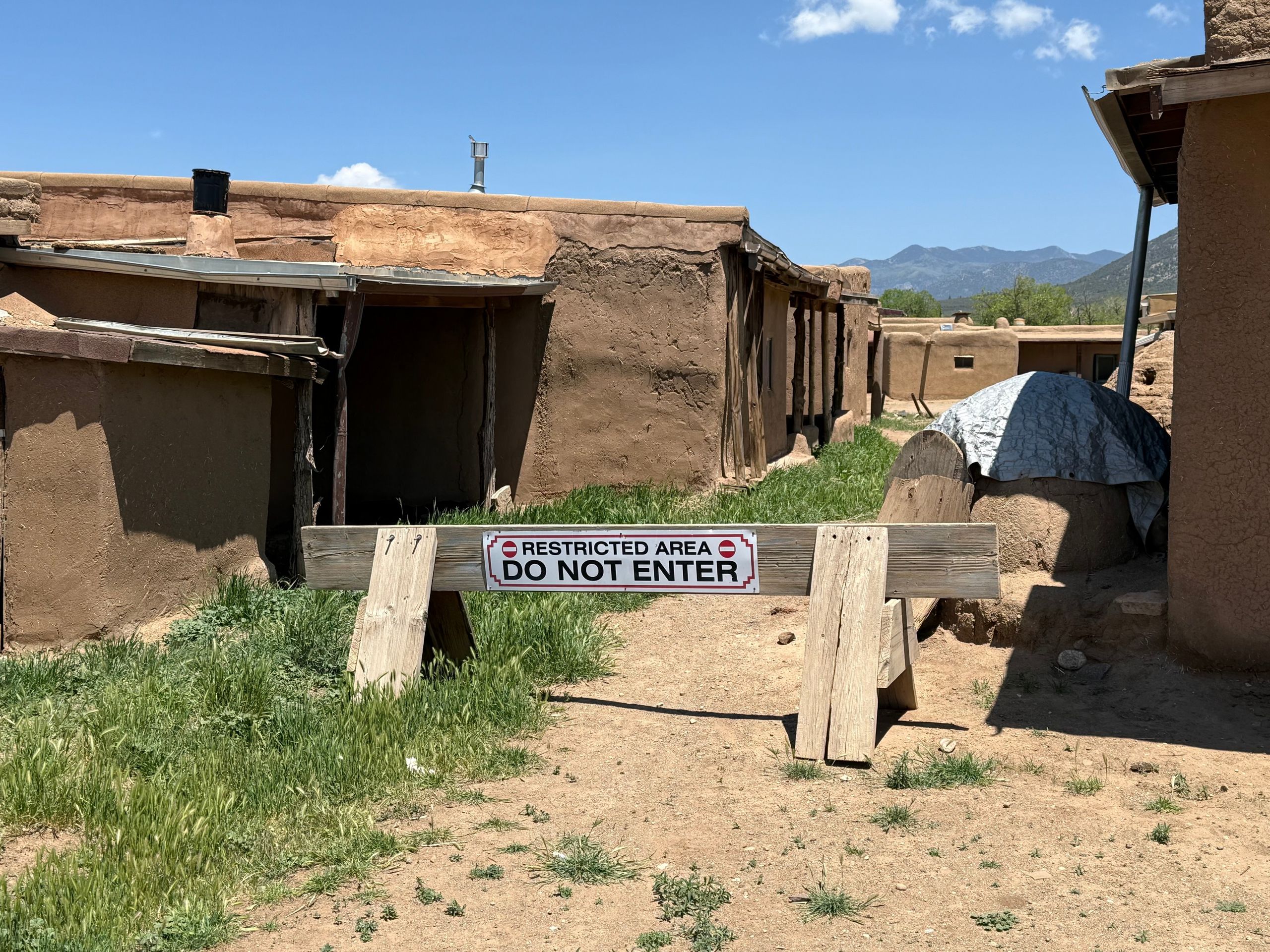
Visiting the Pueblo is only possible for visitors between 09:00 and 16:00, and not all areas are open for entry.
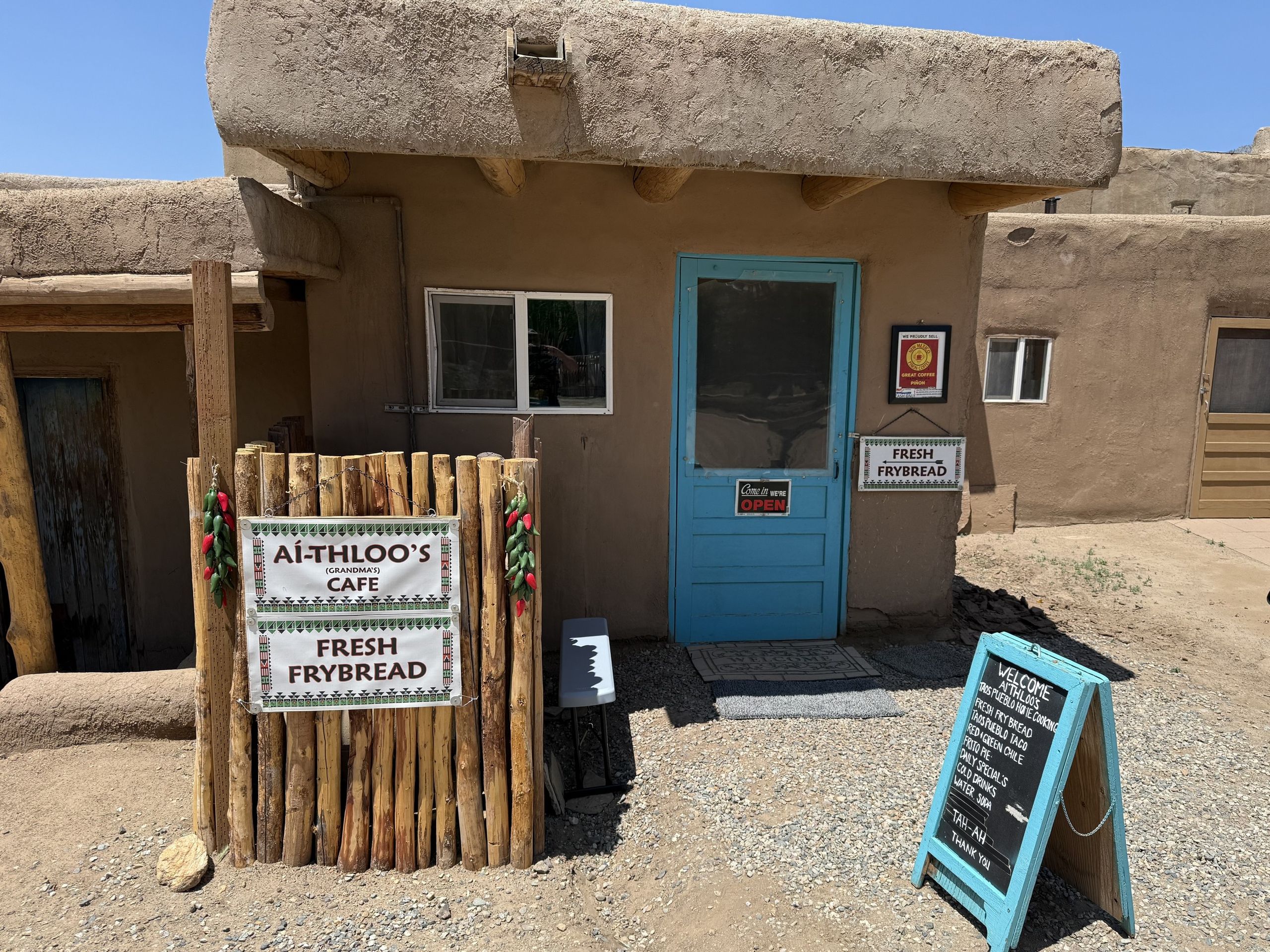
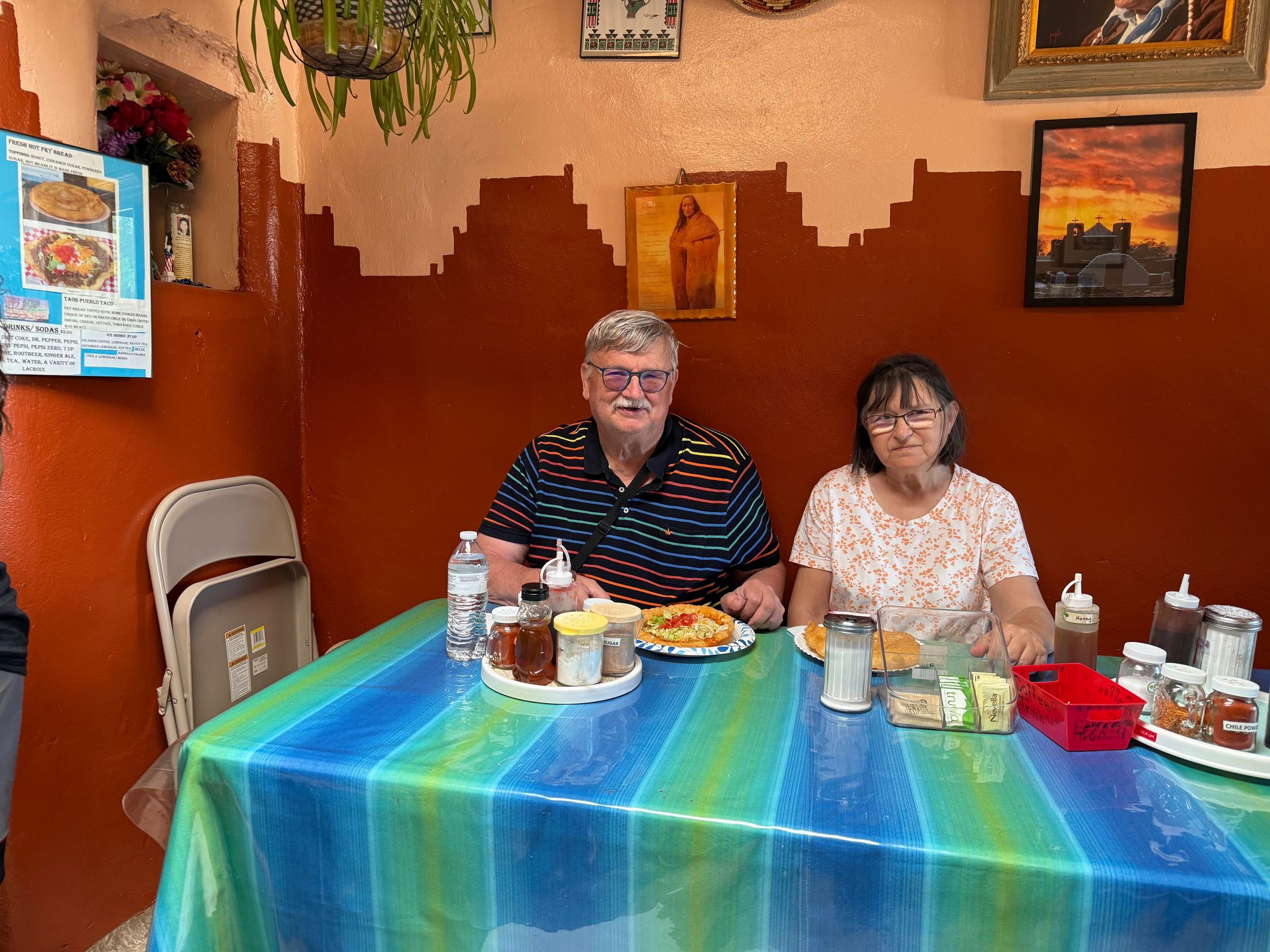
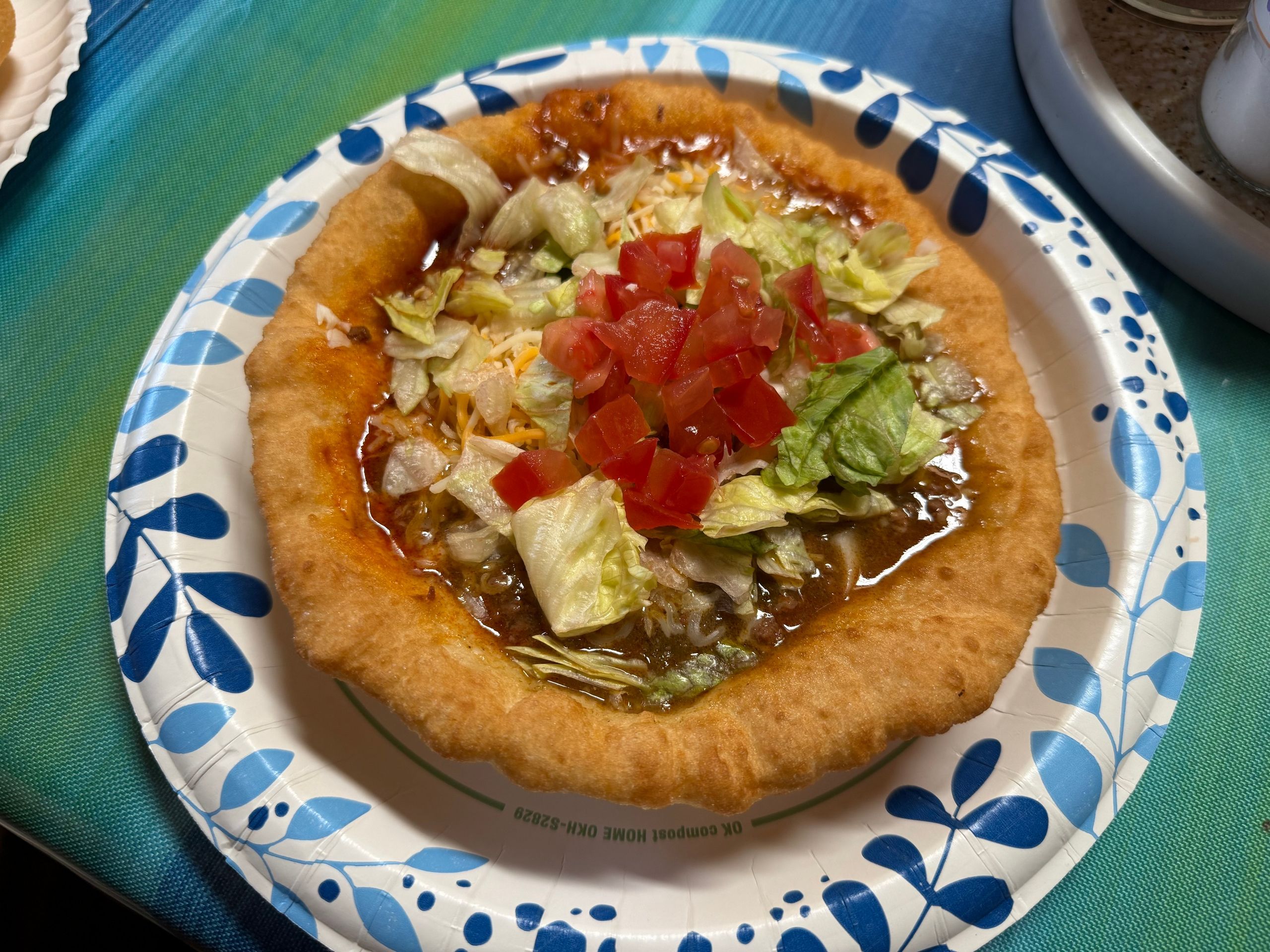
To conclude, we visit “Grandma’s Cafe” where we enjoy a frybread and a Taos Pueblo taco.
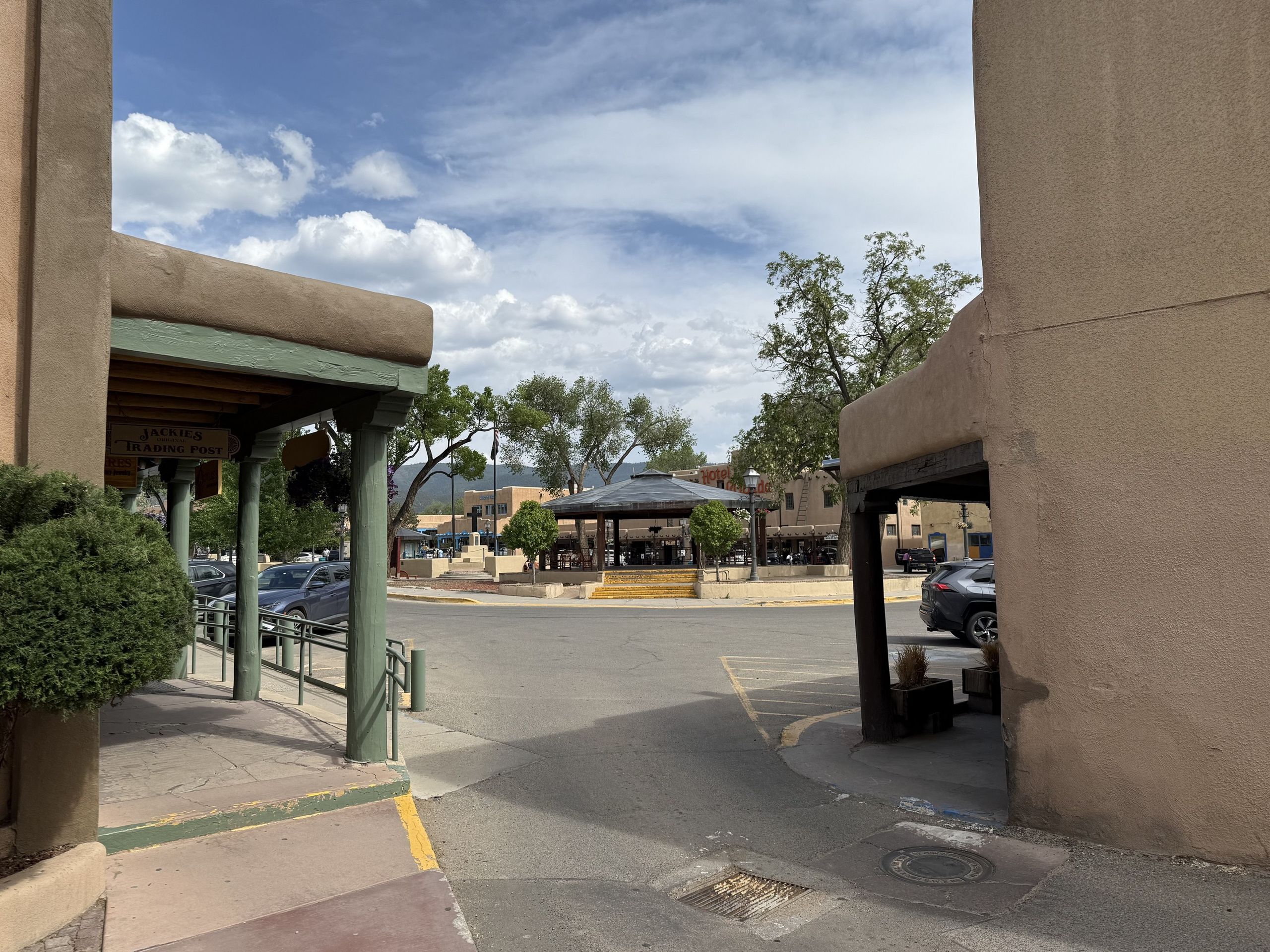
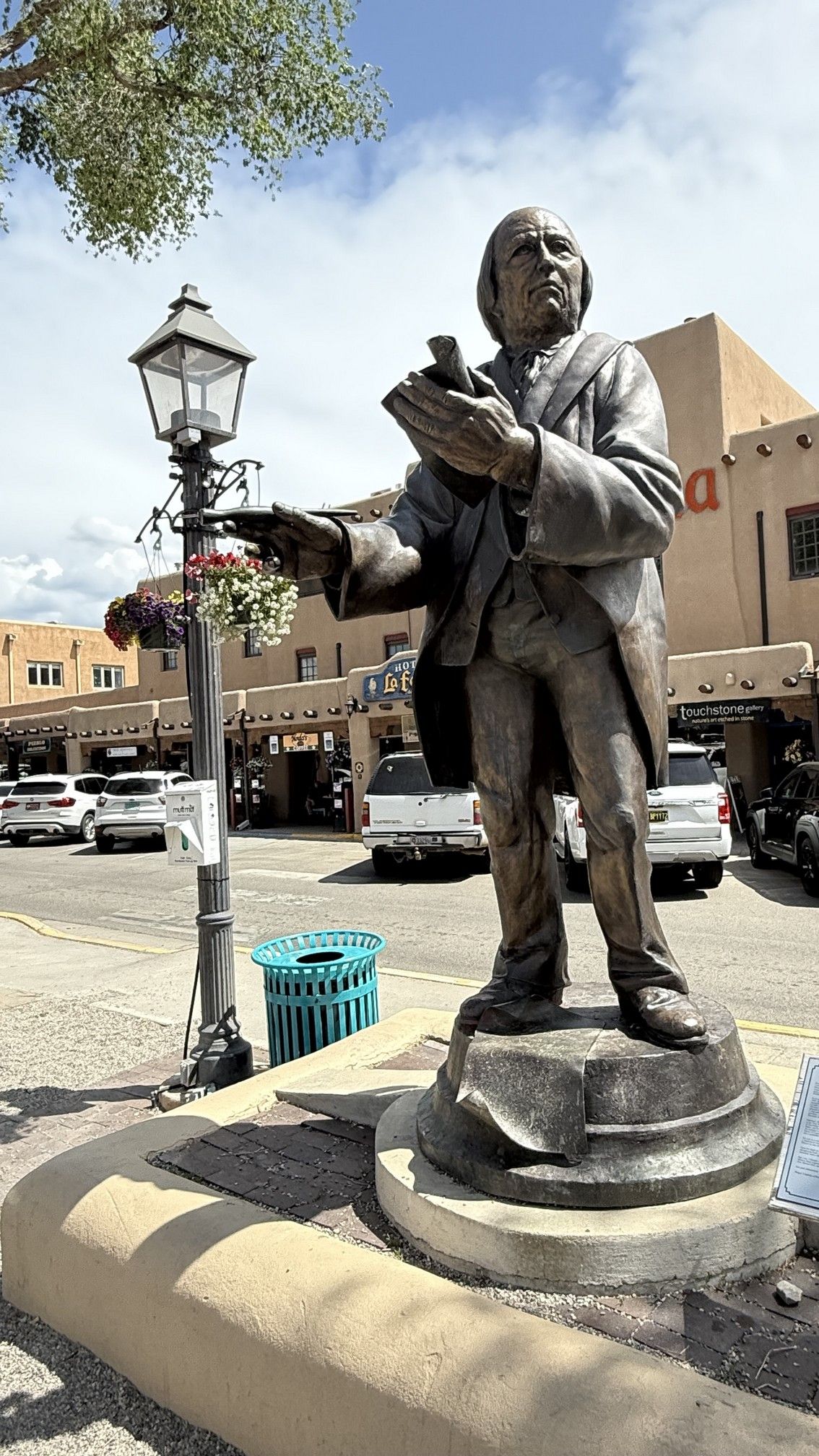
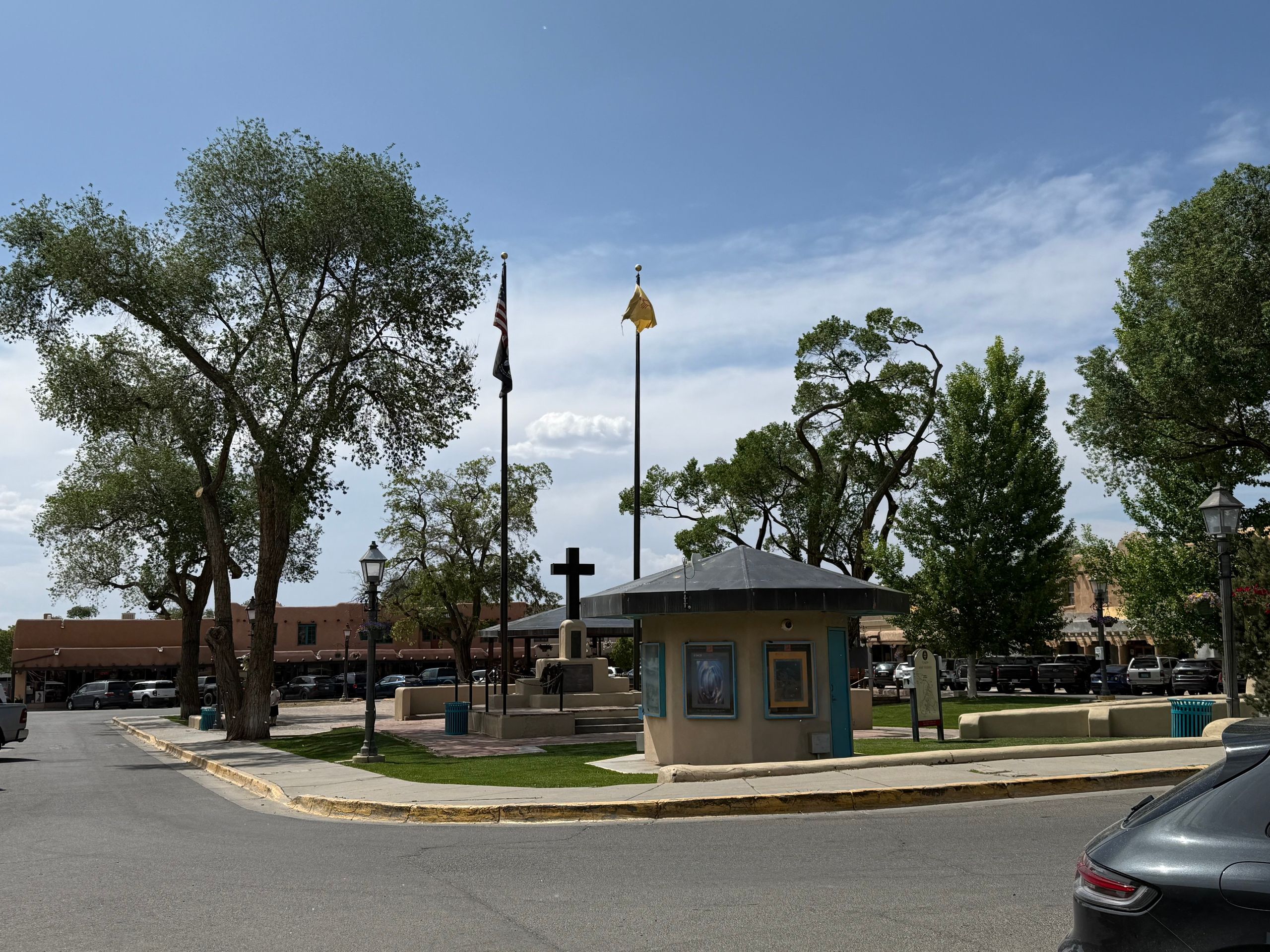
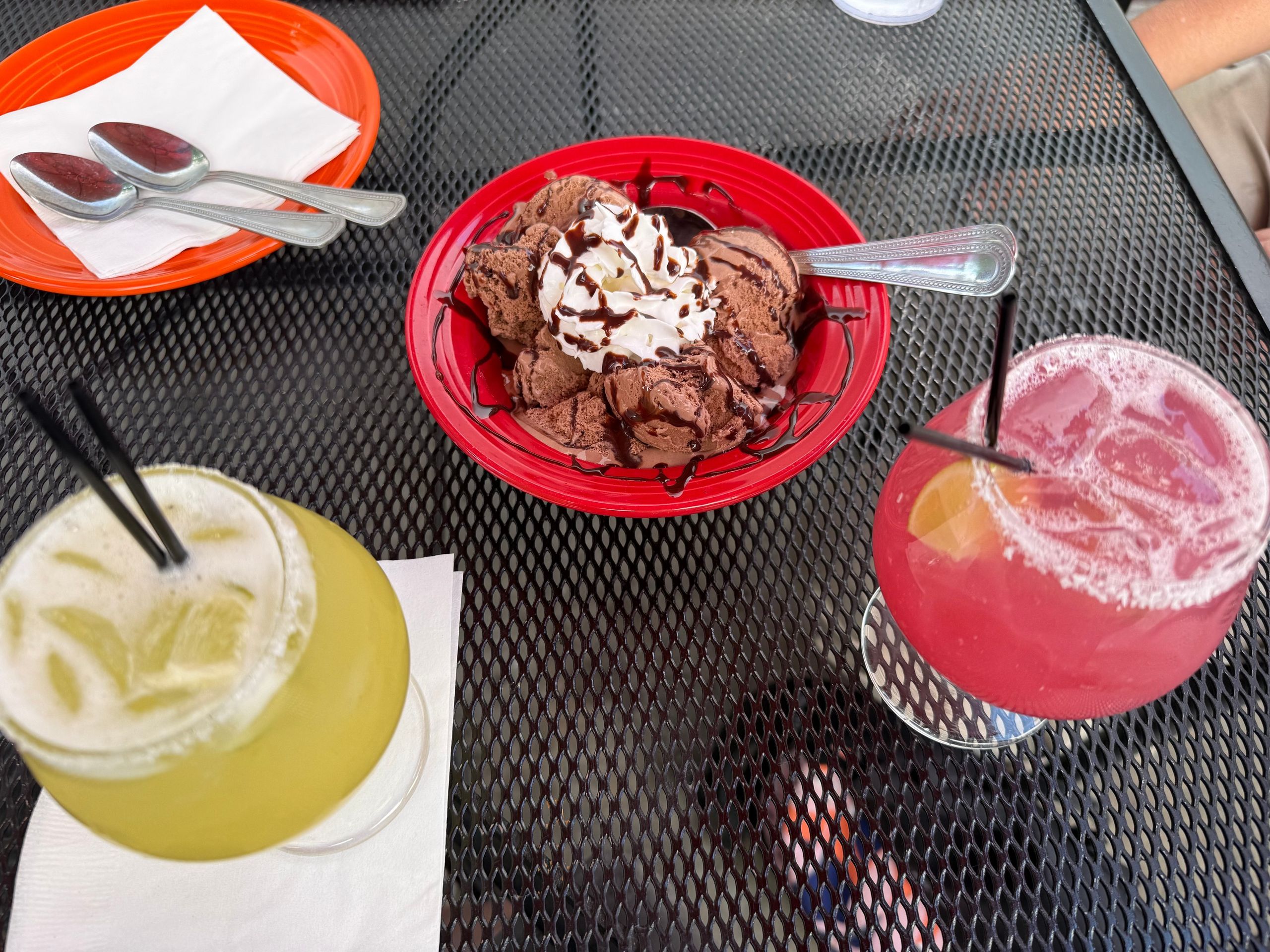
The town of Taos offers nothing special, there isn’t even a decent restaurant at the plaza, but we find a bar in an alley where we are served incredibly sour margaritas...