BLOG 14: Petrified Forest & Painted Desert (....and a bit of Route 66)
Quiet at Fool Hollow Lake

Published: 05.06.2025
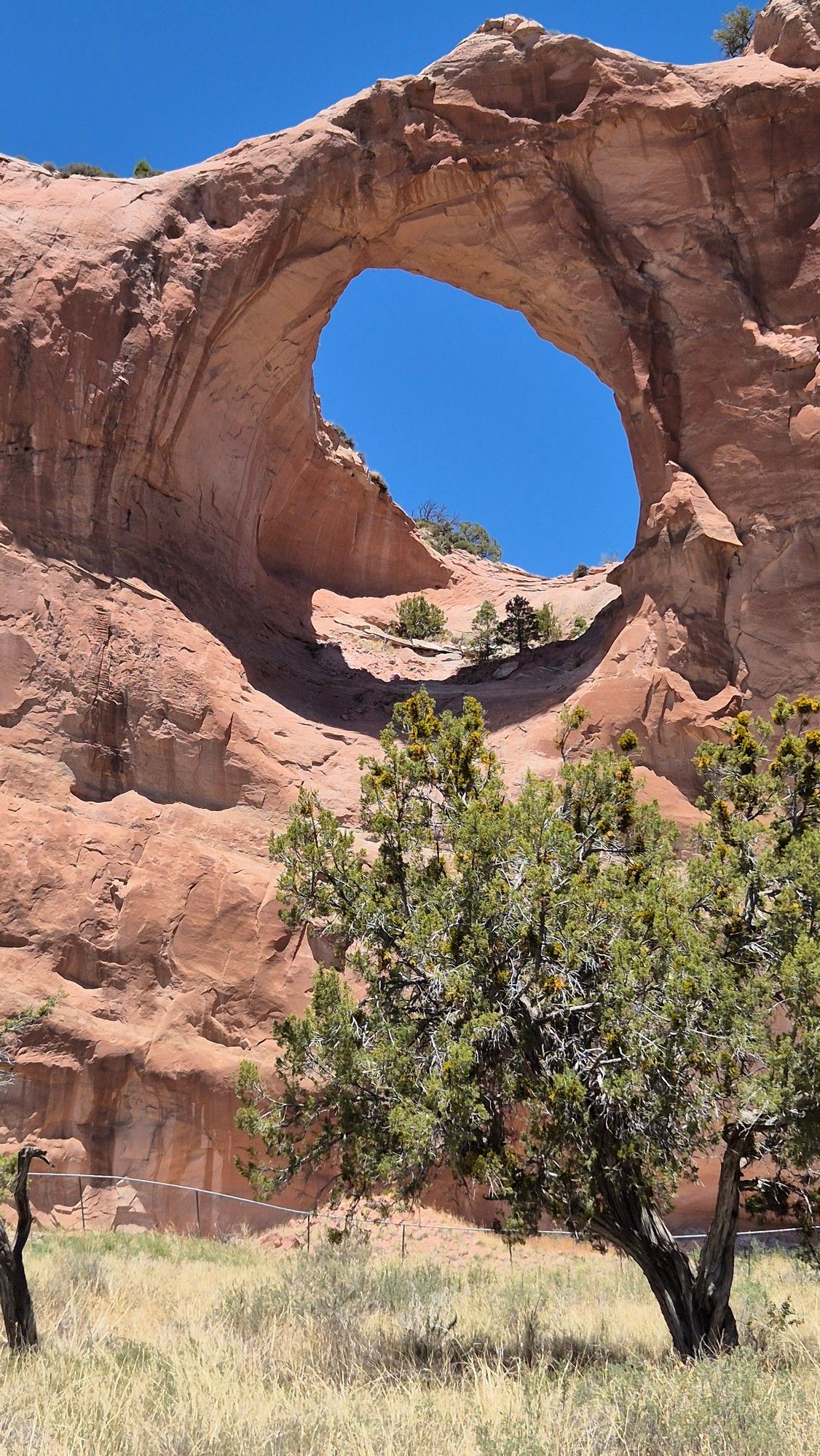
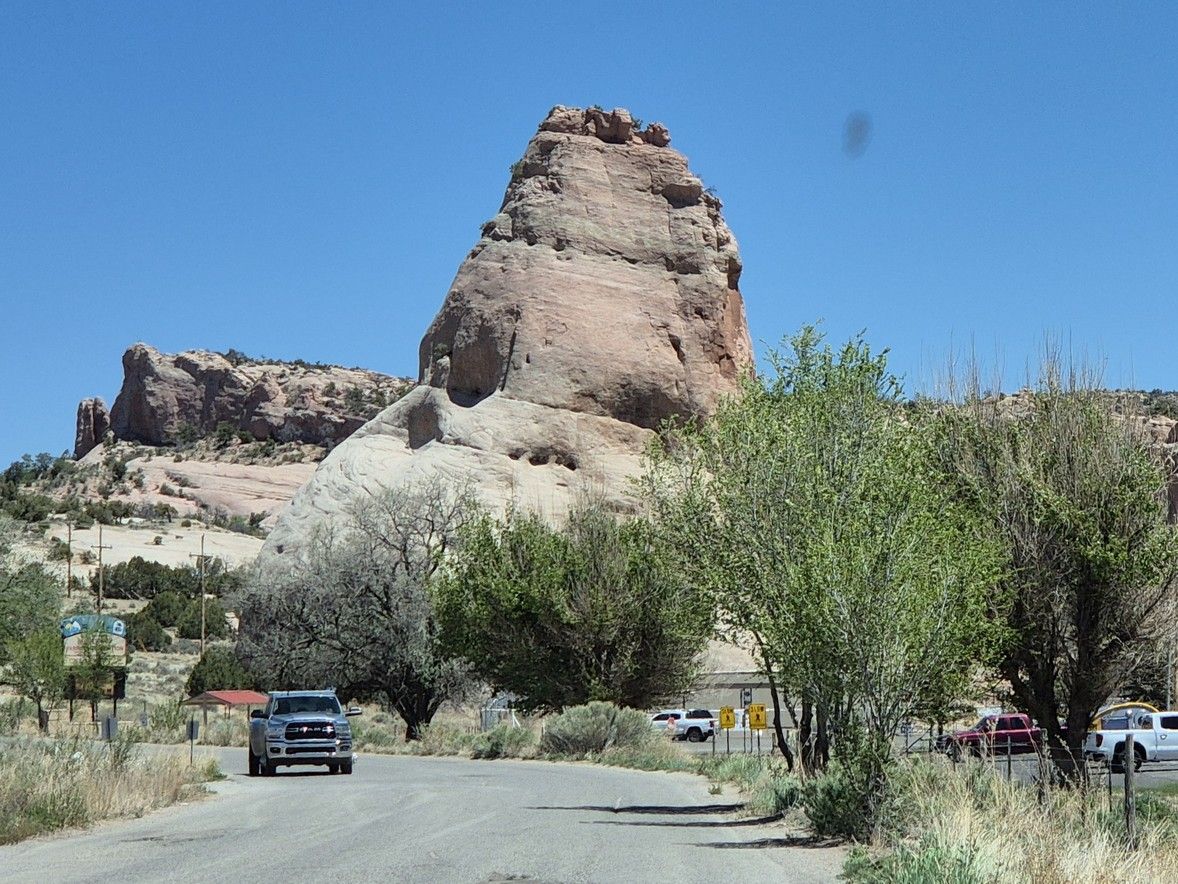
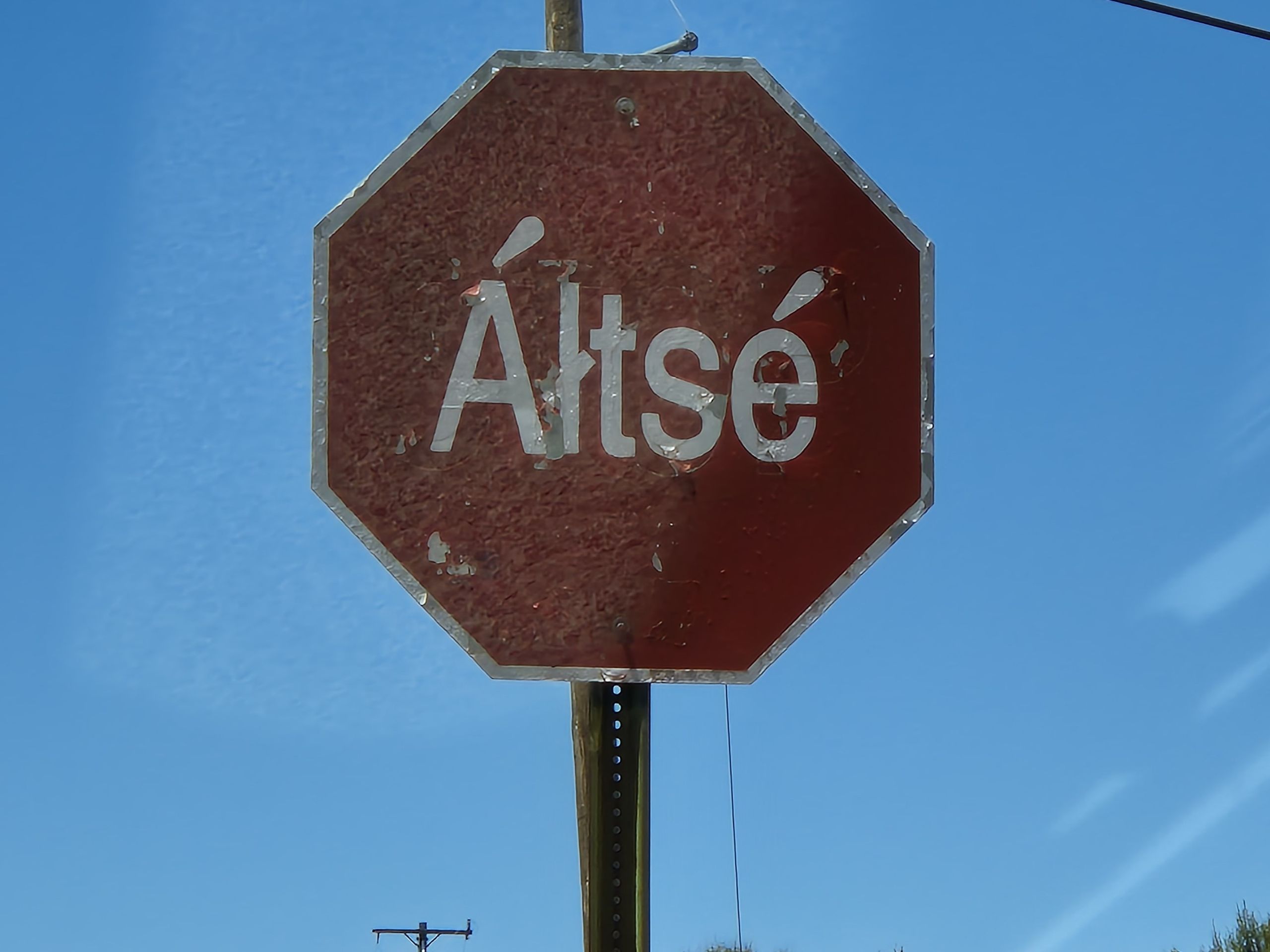
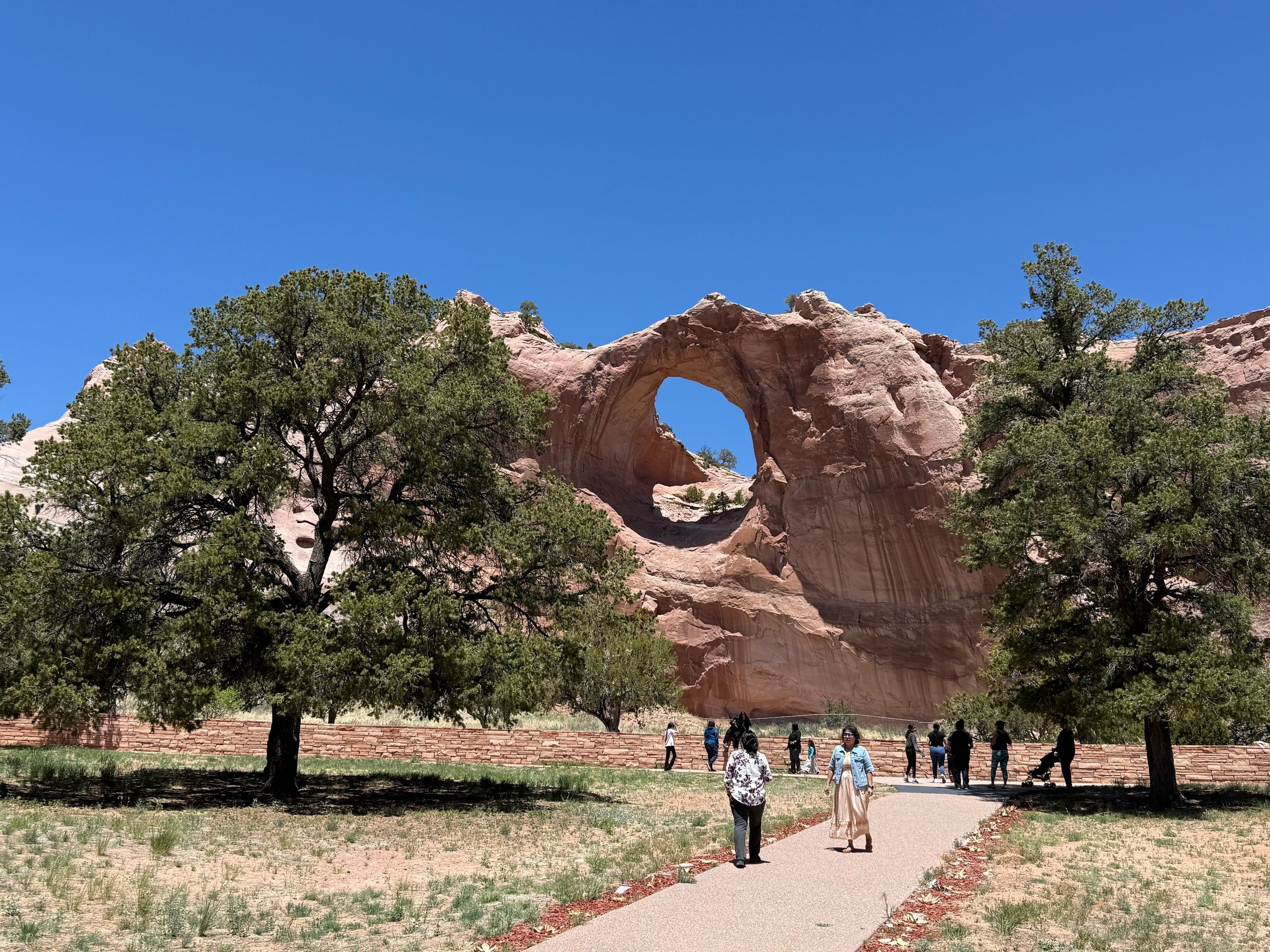
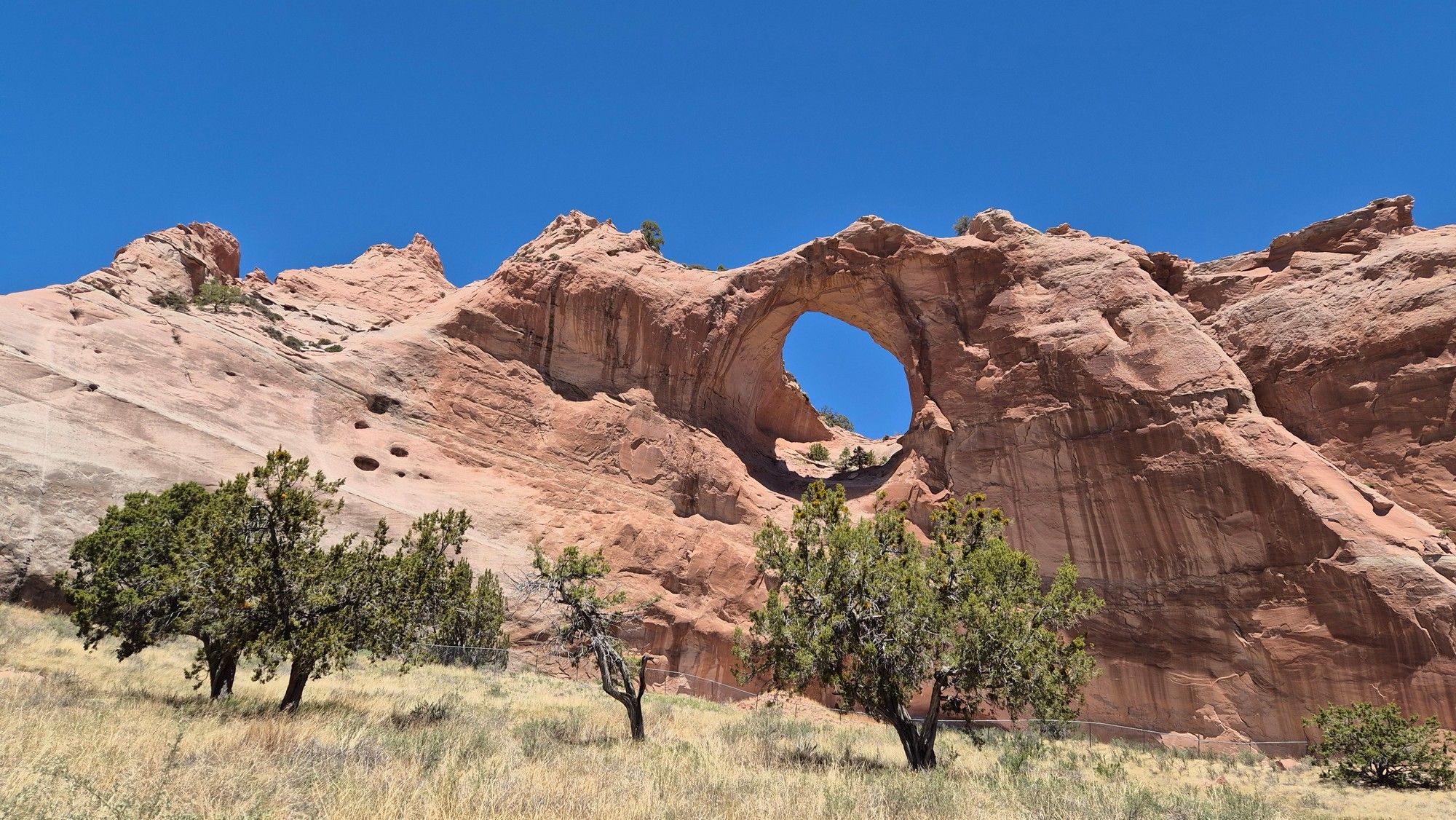
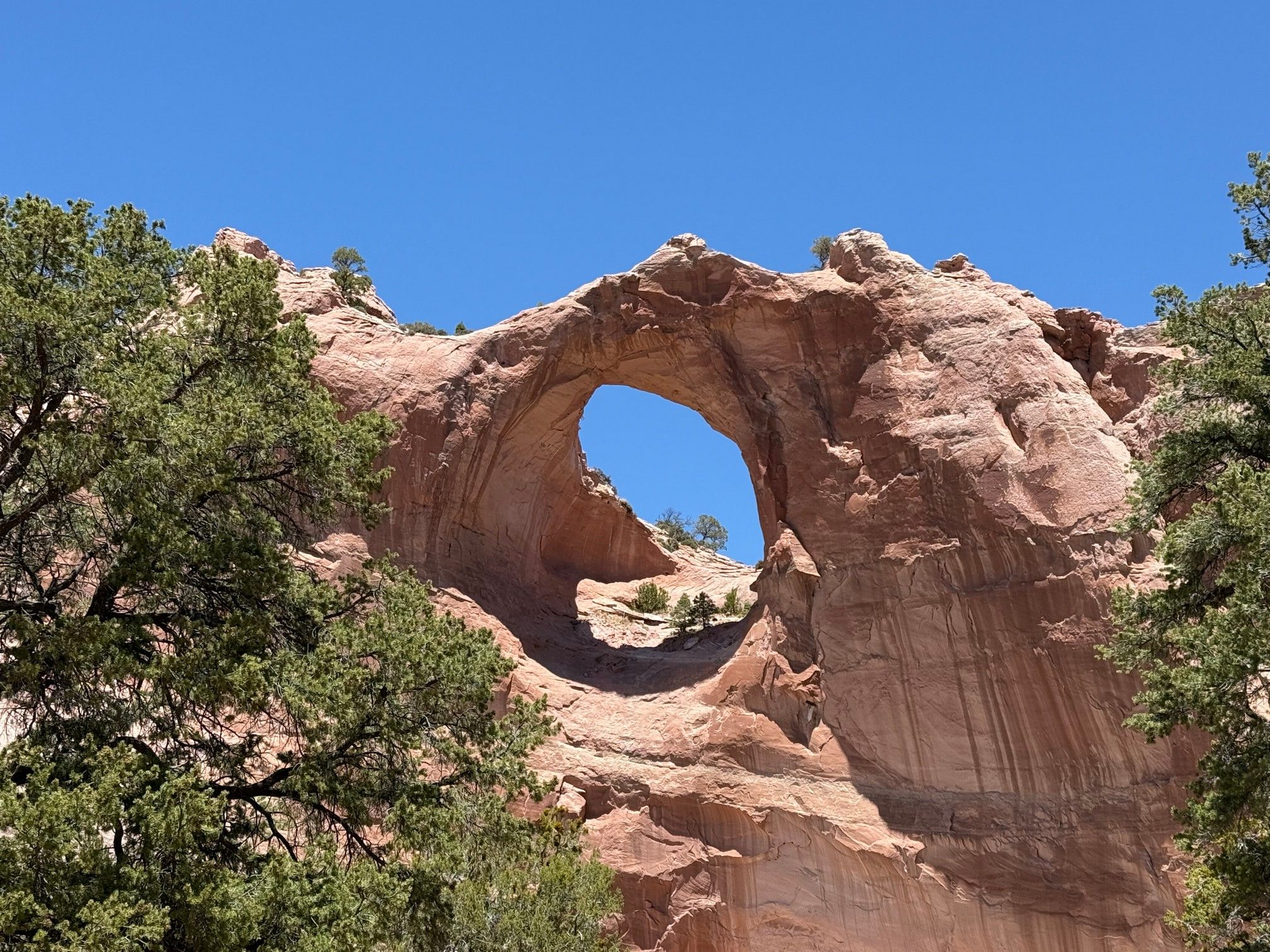
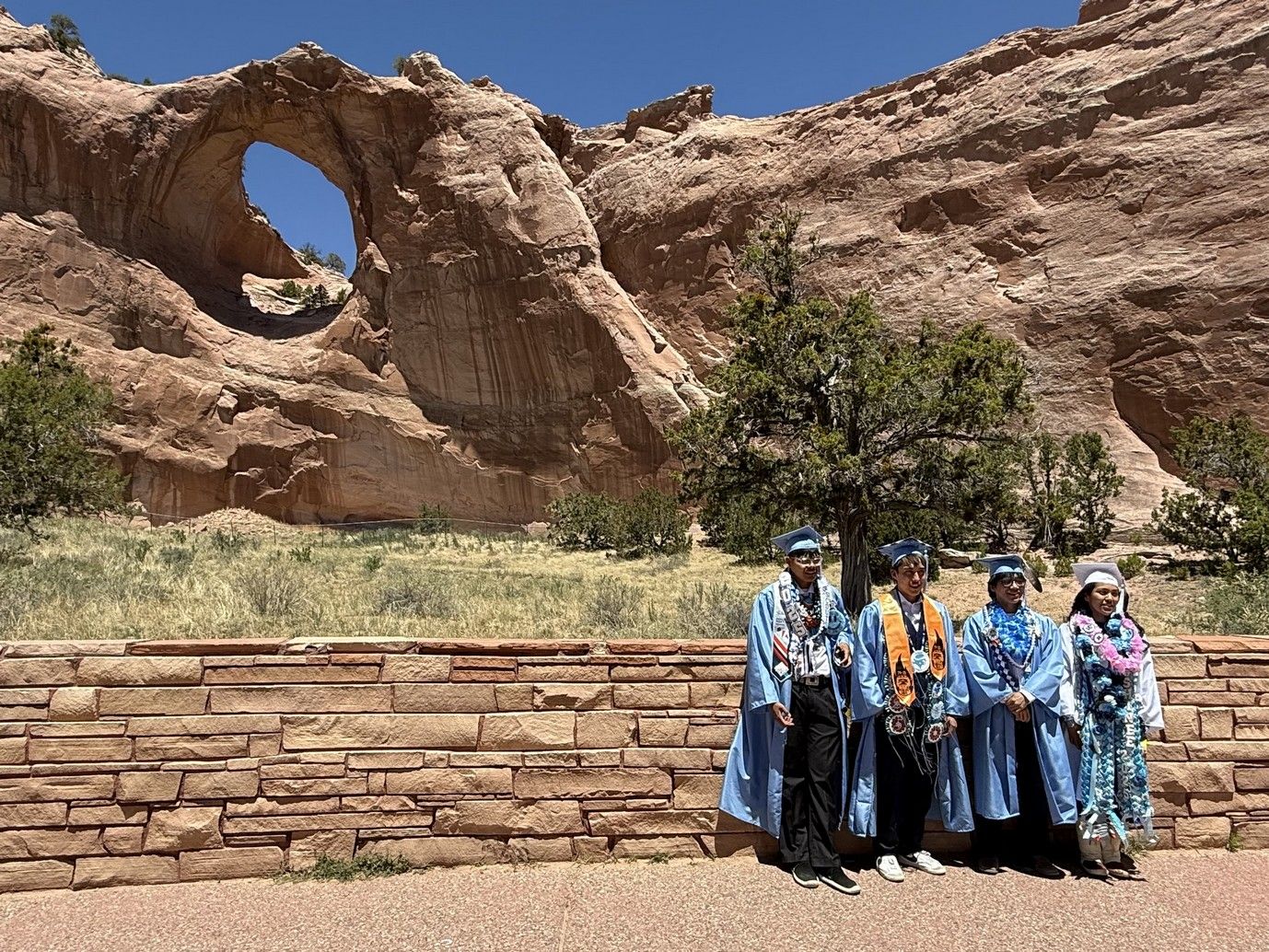
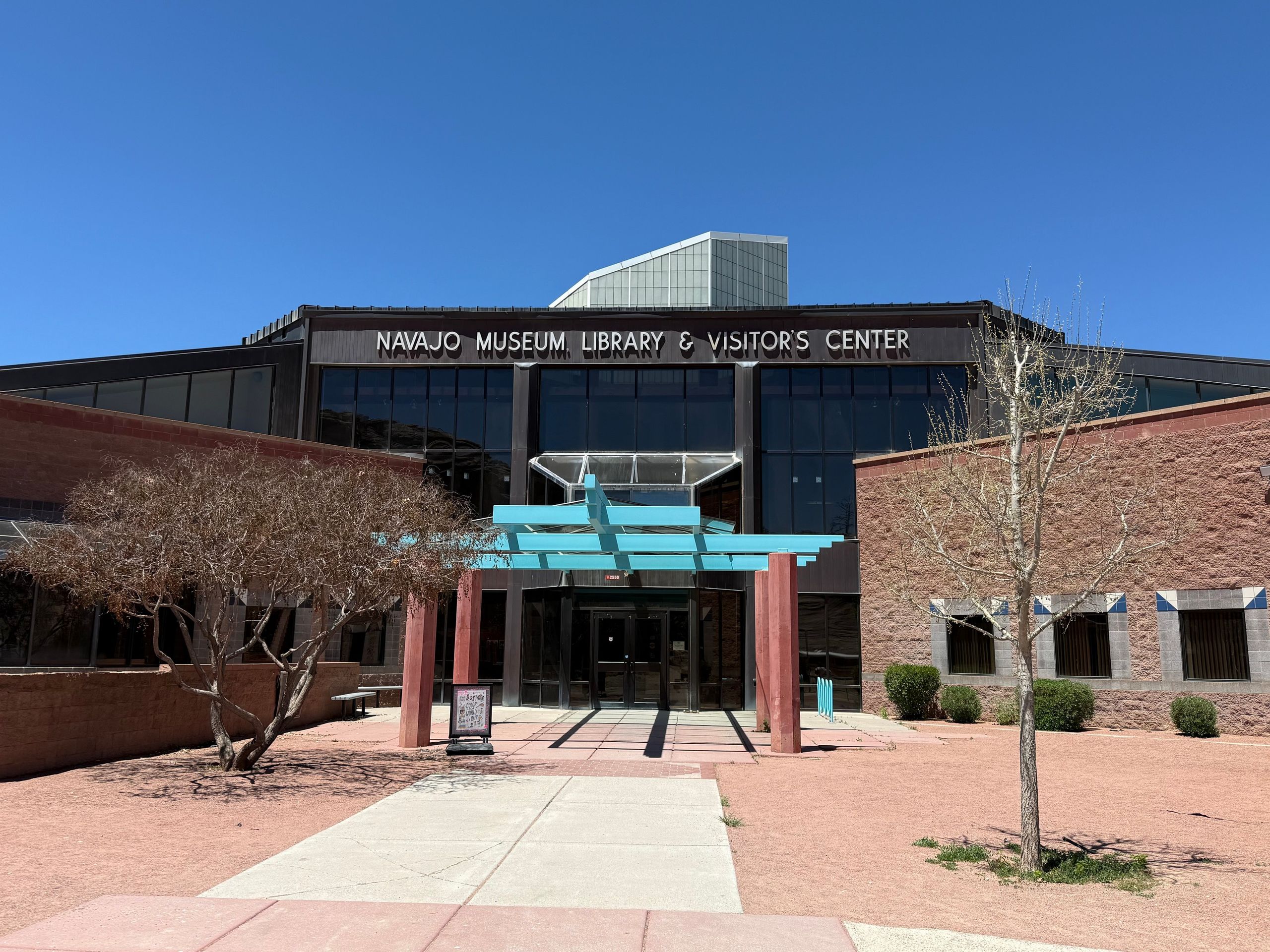
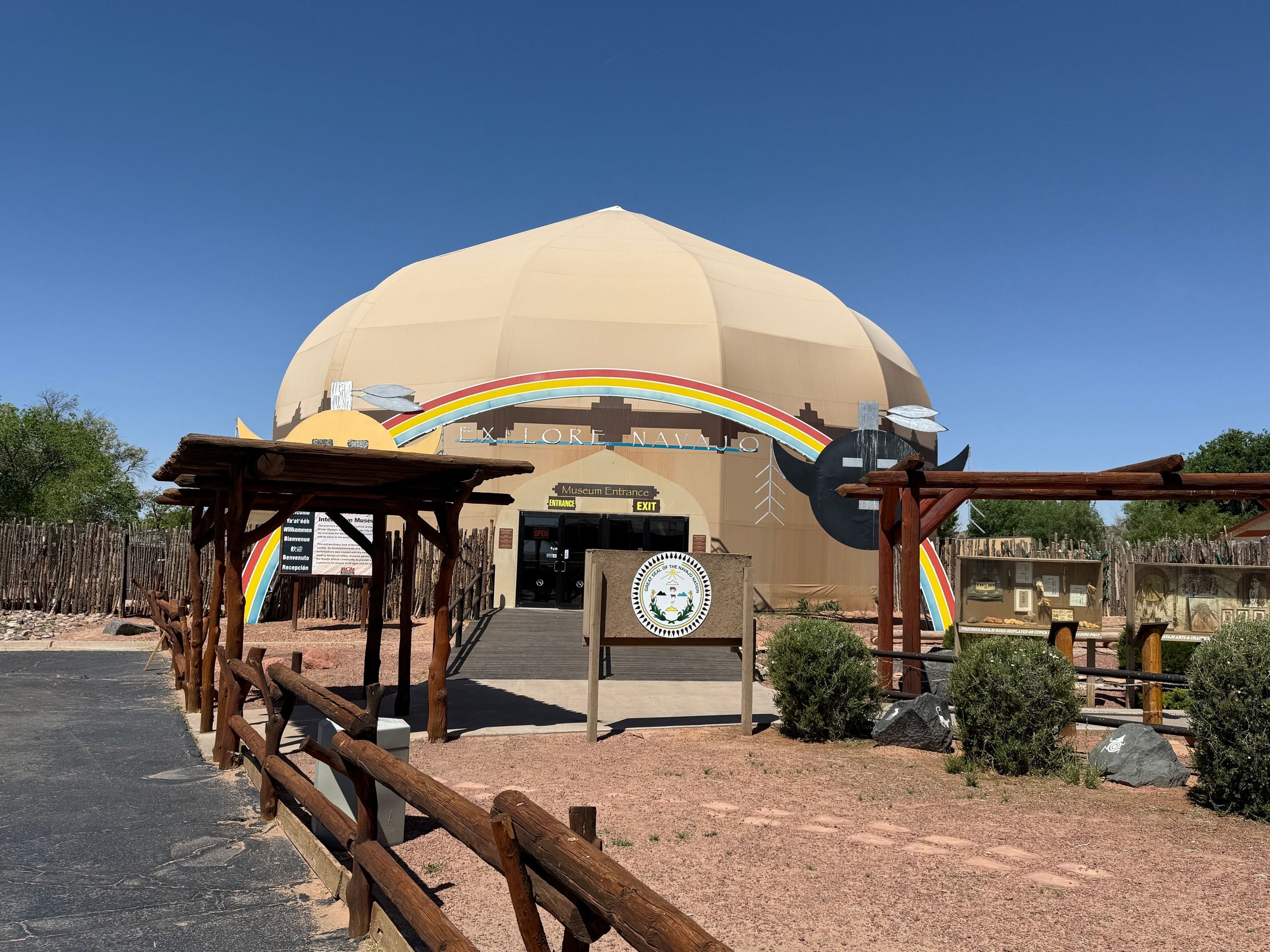
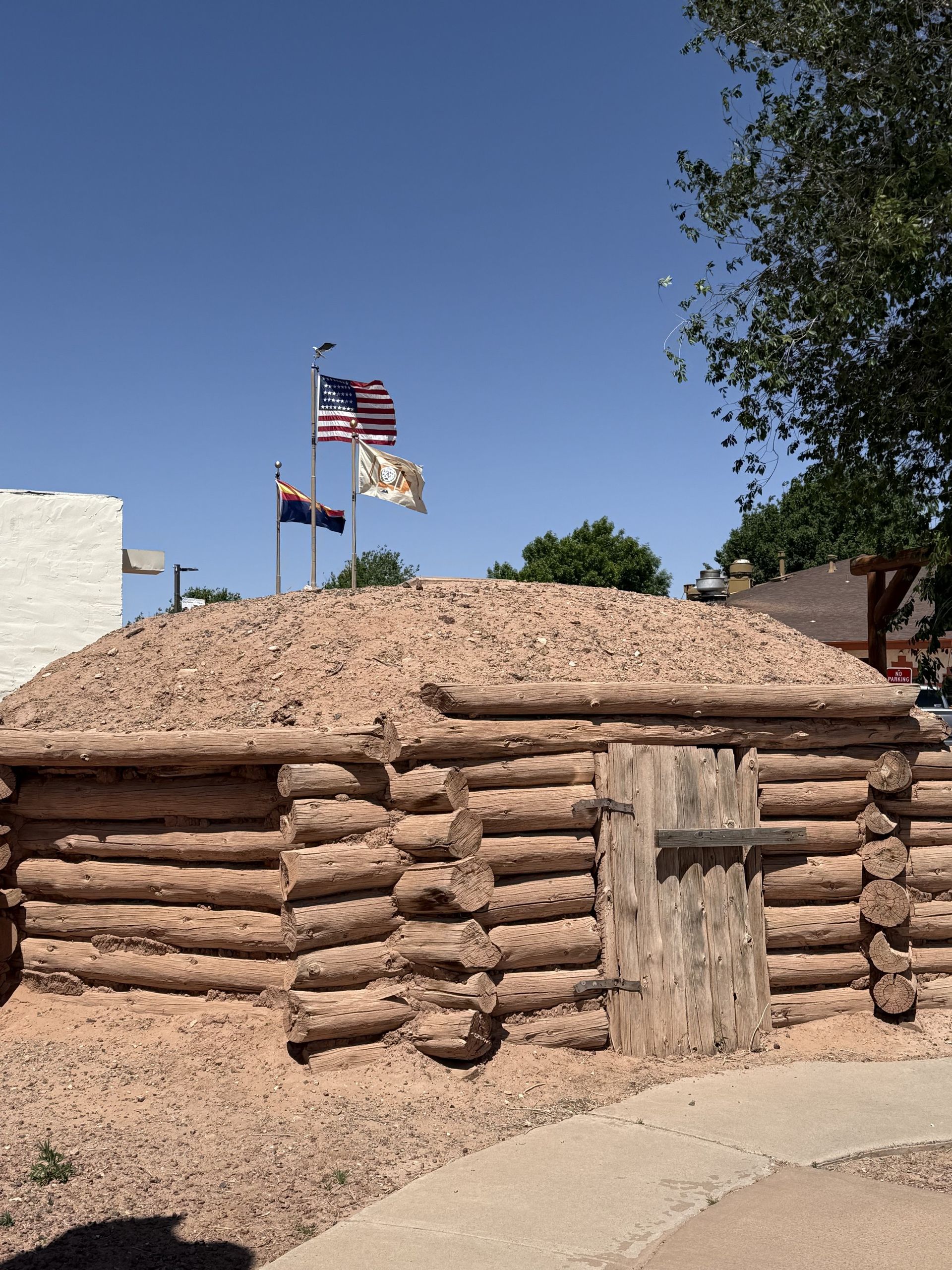
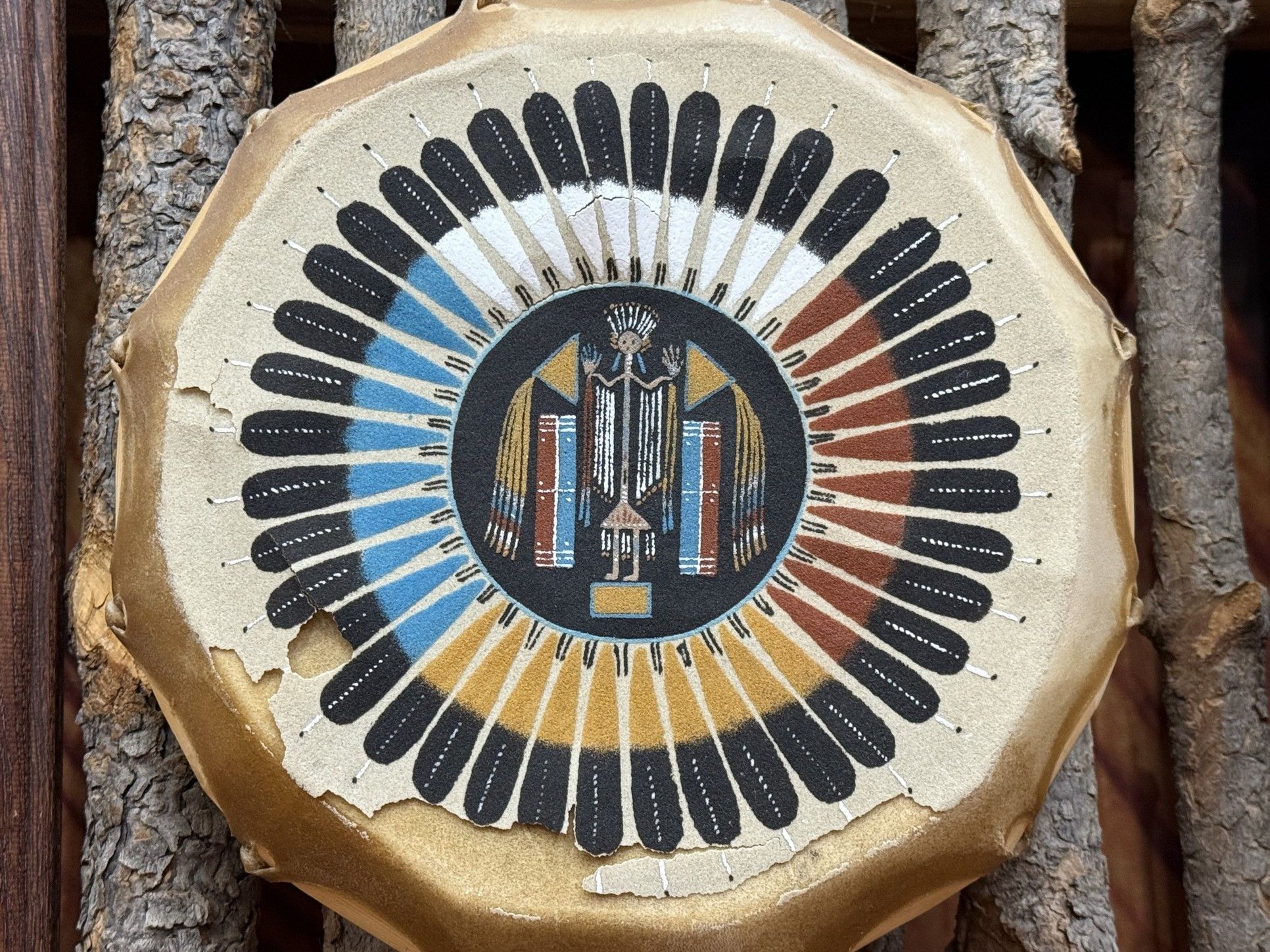
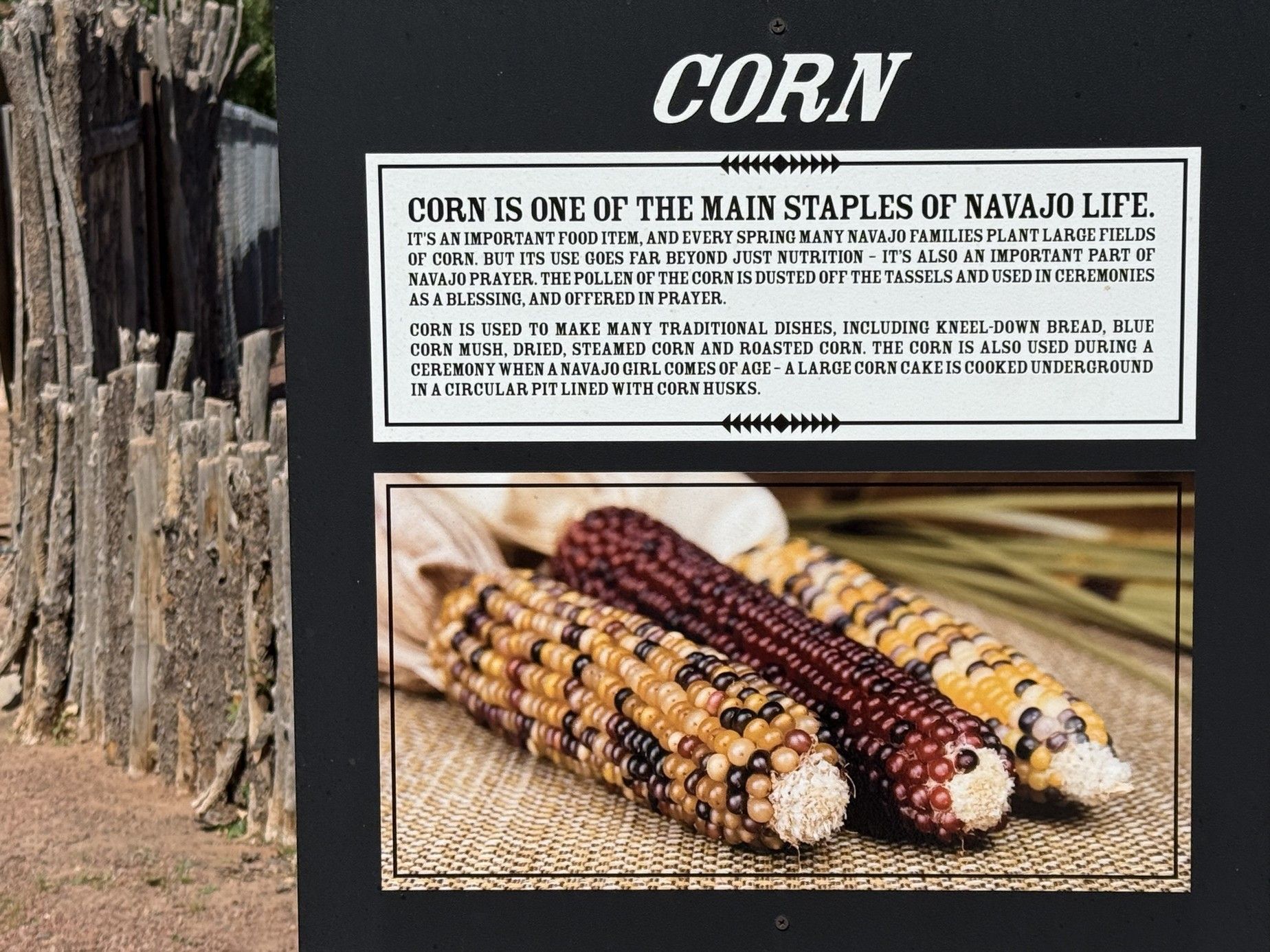
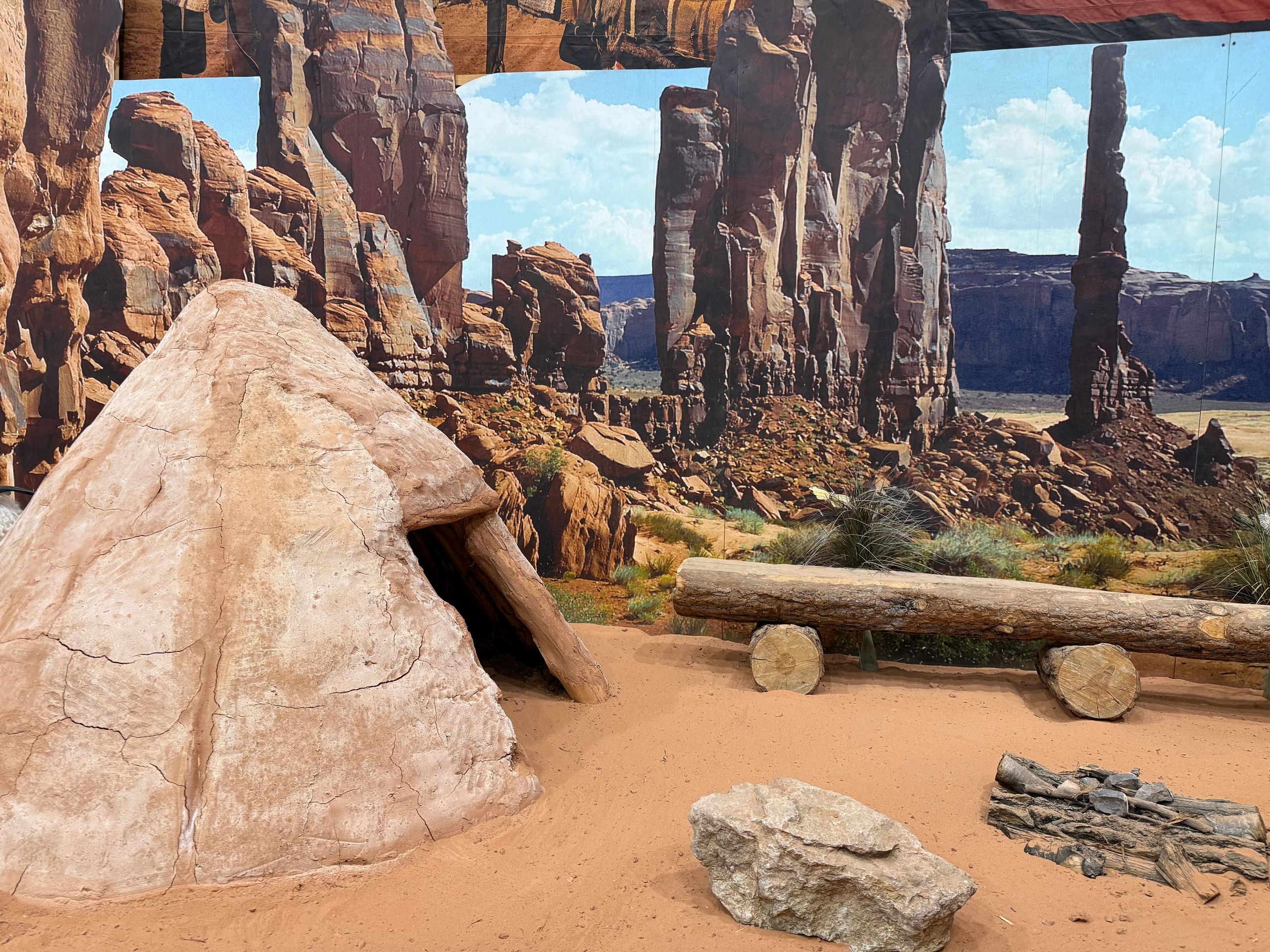
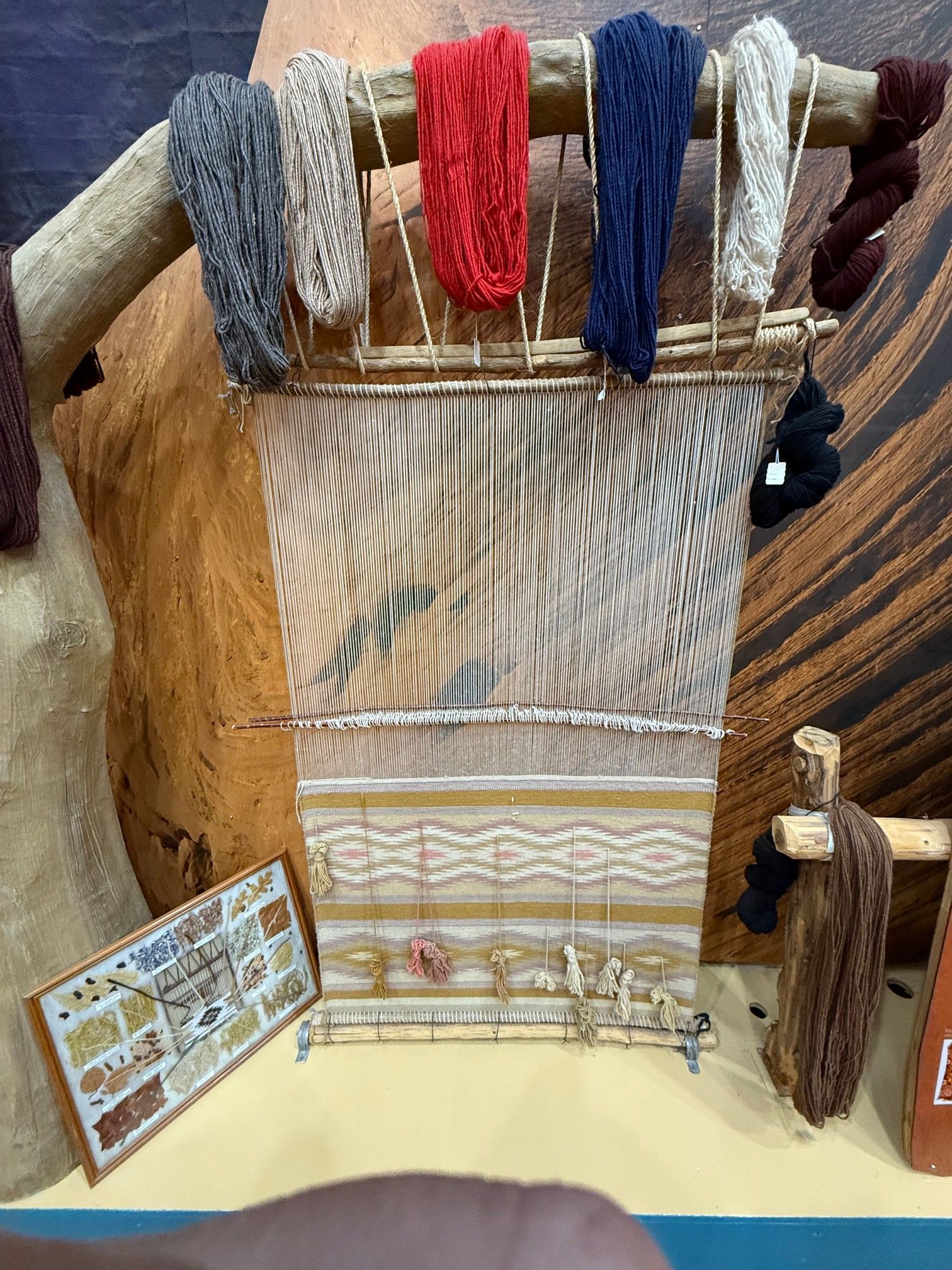
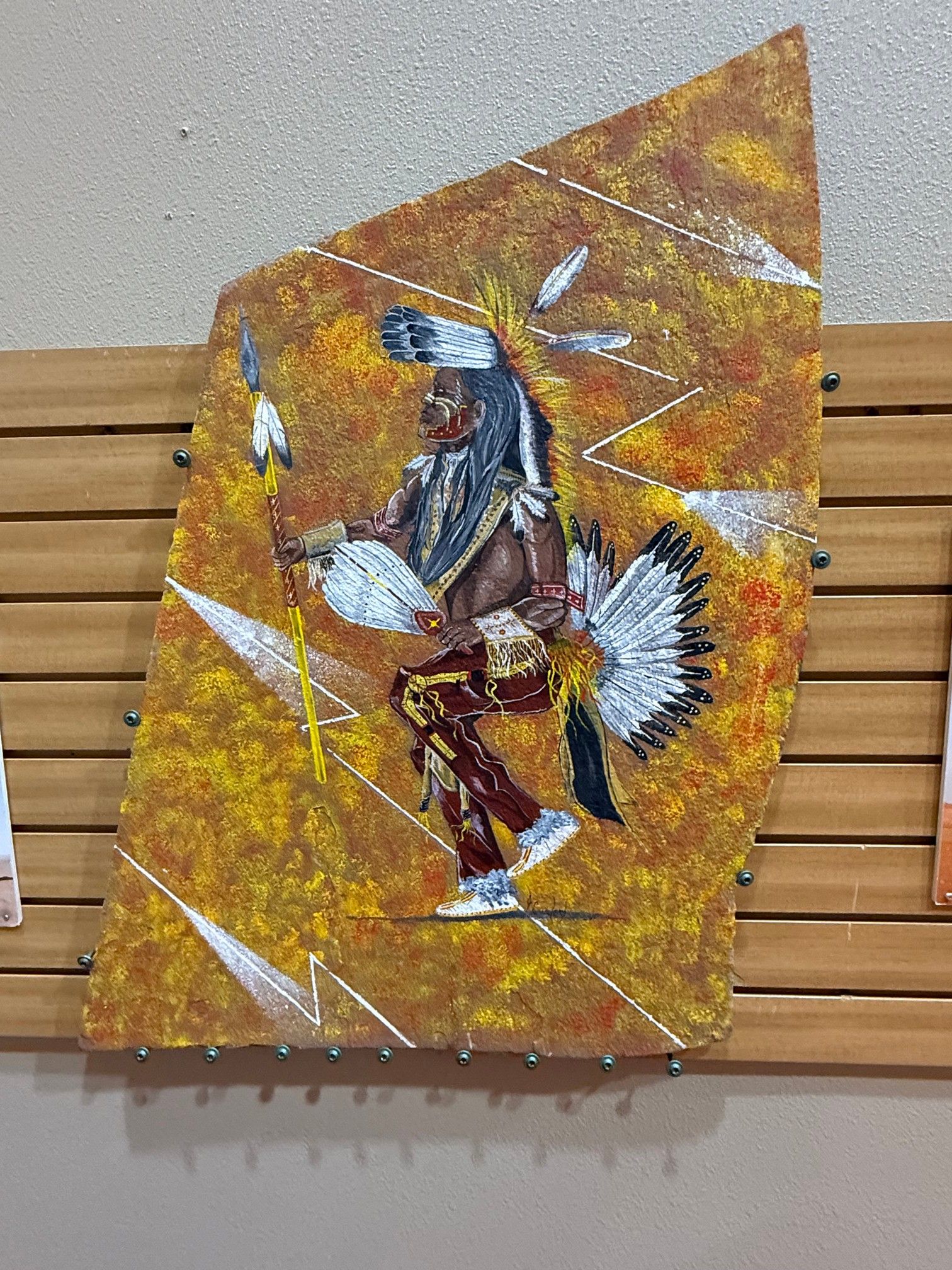
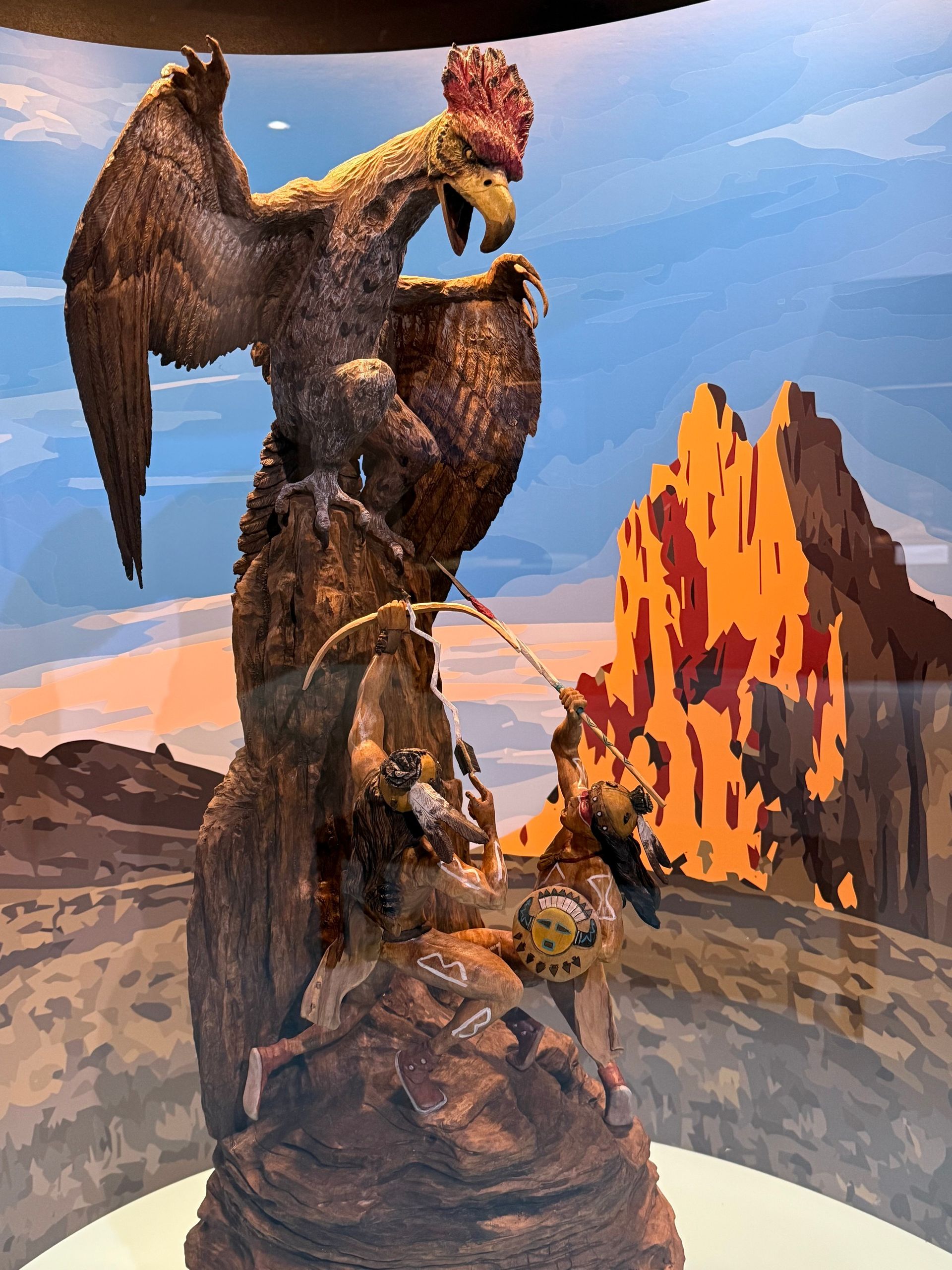
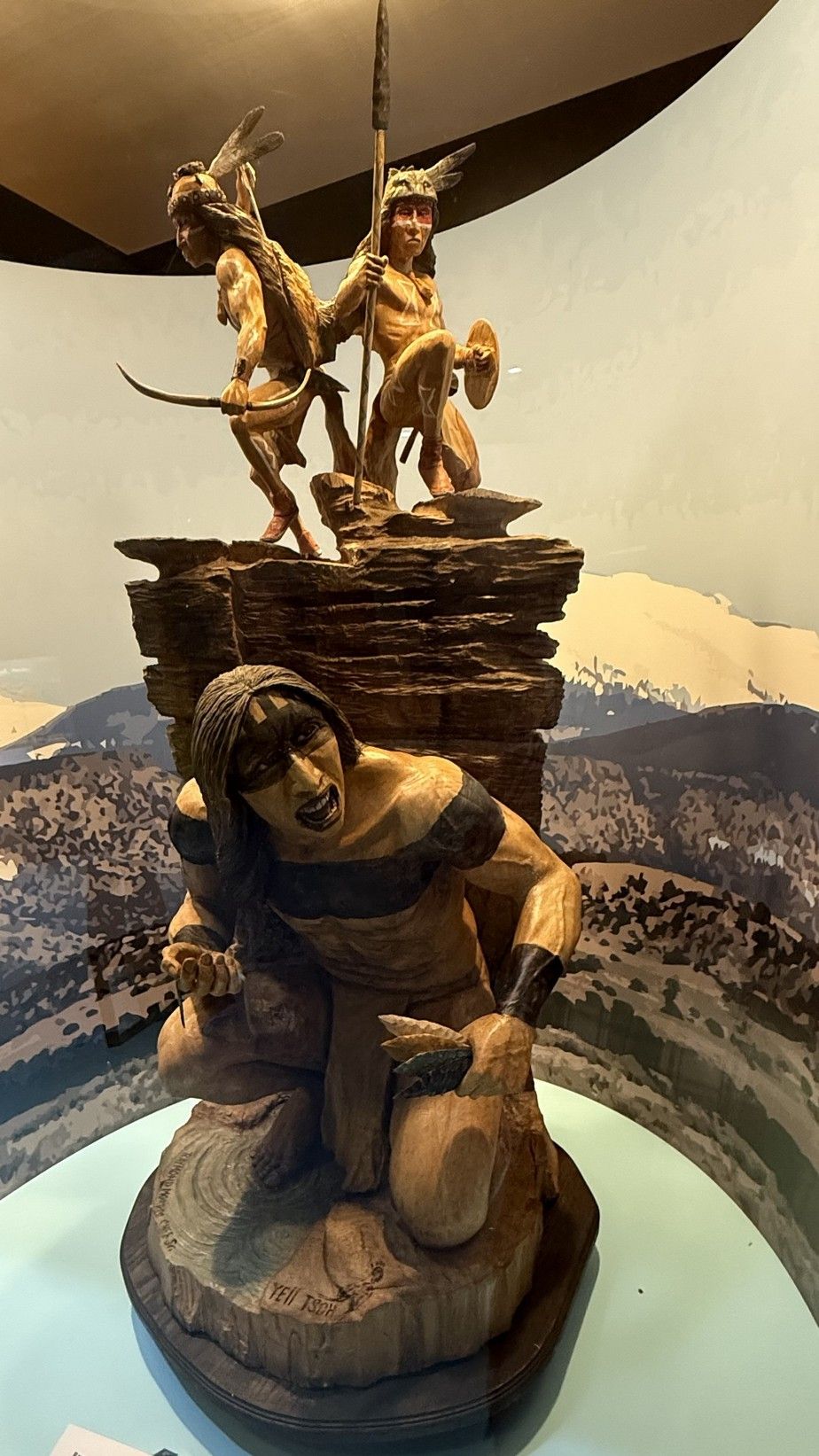
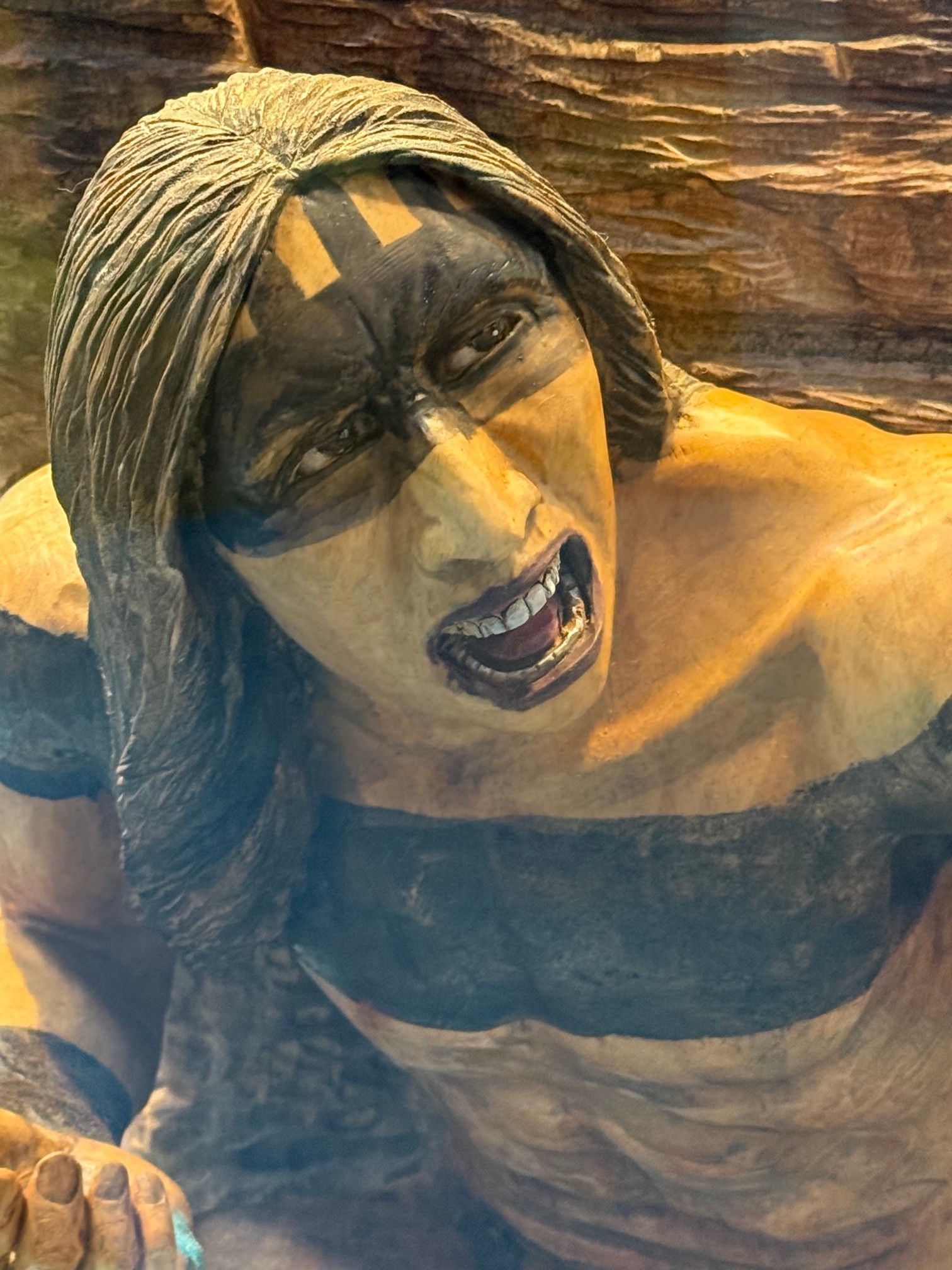
Window Rock is the capital of the Diné, which is what the Navajo call themselves.
The Navajo Nation, with about 335,000 tribal members, is the second largest of the Indigenous peoples in the United States.
Since 1923, the nation has been governed by a tribal council, consisting of representatives from the 88 settlements, along with a directly elected chairman. It has tax authority similar to that of an American state, its own police force, and its own jurisdiction.
The Navajo have managed to somewhat emancipate themselves after long conflicts and displacements, and they have – as one Navajo told us – even made a deal with Donald Trump regarding coal mining, which they would benefit from significantly.
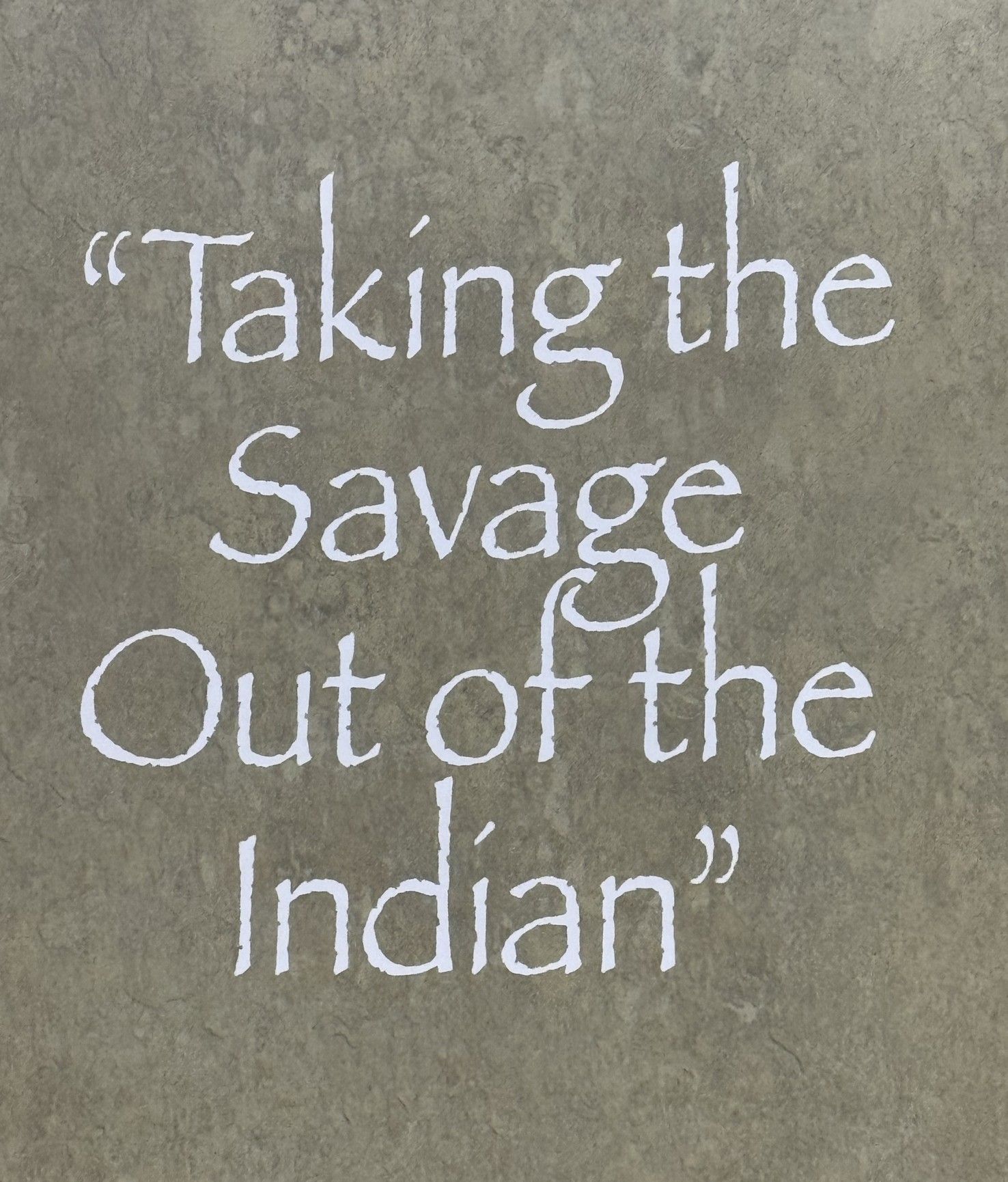
The events of 1863 / 1864 still resonate strongly among the Navajo today:
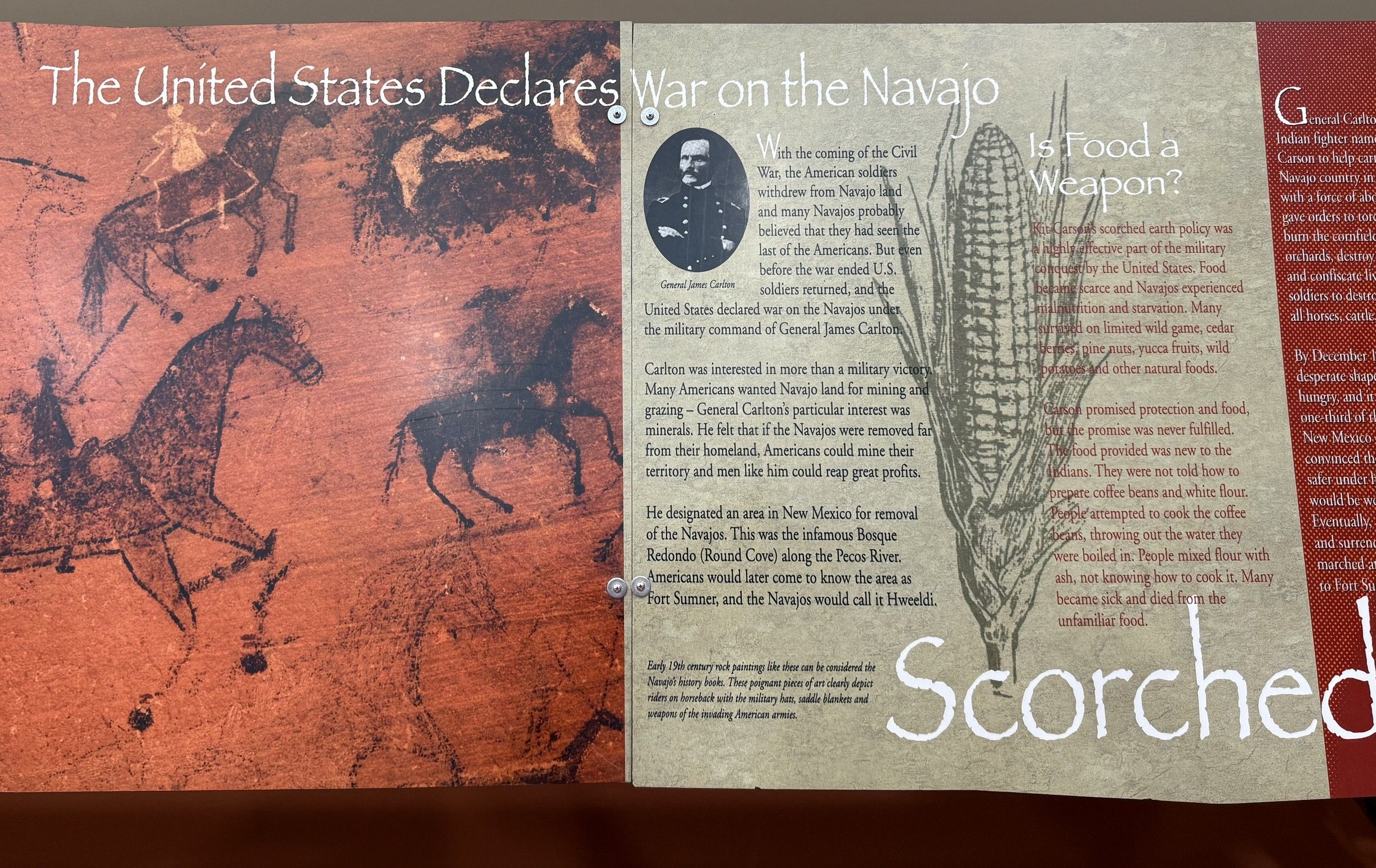
The infamous Kit Carson marched with 300 soldiers, supported by Ute and Pueblo Indians and militia from New Mexico, through Navajo lands, destroying orchards, corn supplies, hogans (homes), water holes, and livestock herds. On January 14, 1864, the actual campaign began. Kit Carson allowed the Navajo the apparent refuge of fleeing with their main forces into the Canyon de Chelly, which they believed to be impregnable. However, at the edges of the canyon, the Americans had set up cannons, and the Navajo surrendered after a short skirmish.
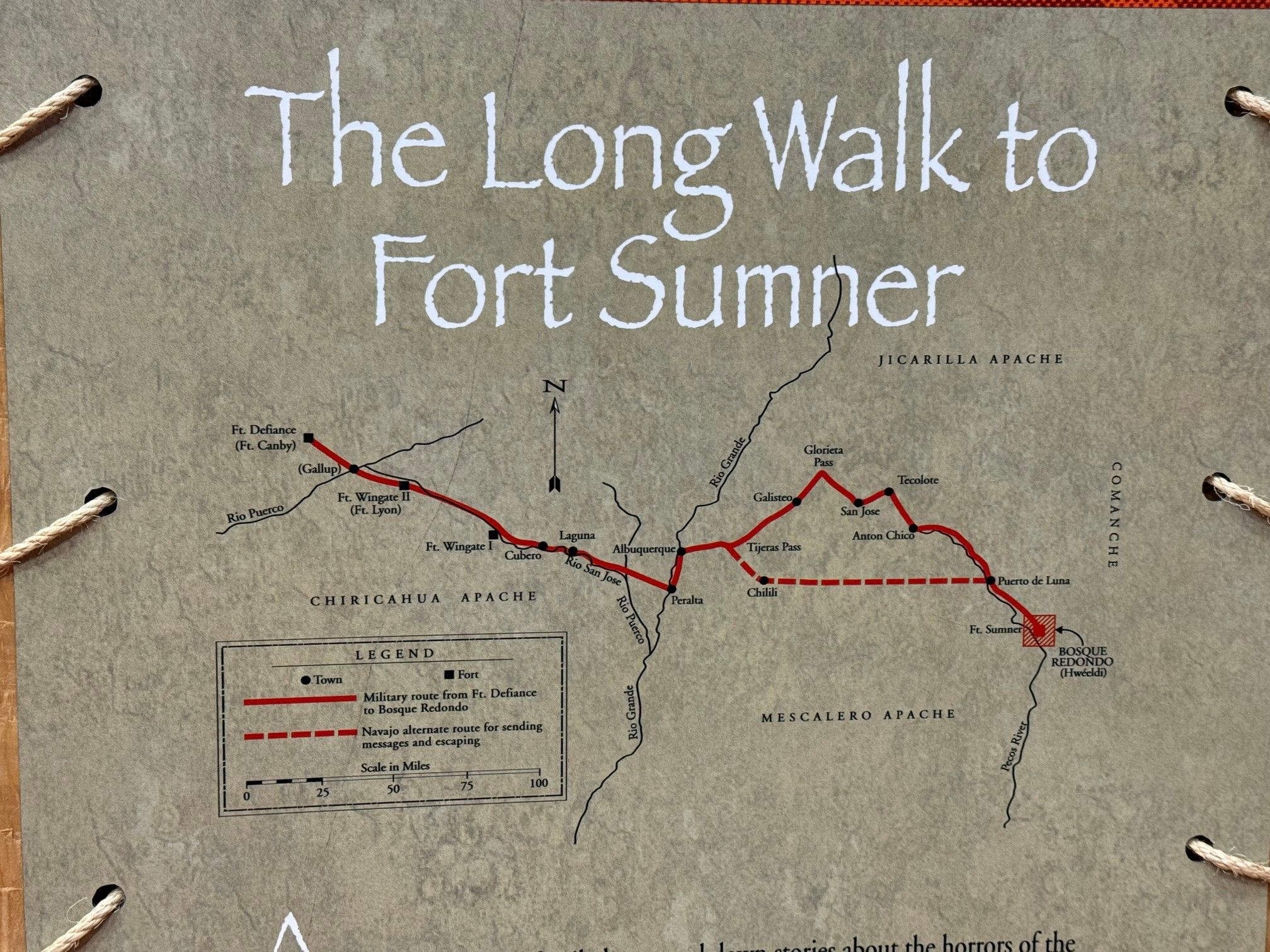
Only a few escaped under the leadership of Chief Manuelito. Their livelihood was destroyed, and in February 1864, over 8000 Navajo gathered at Fort Defiance. They were sent on the Long Walk to Bosque Redondo (Fort Sumner). This endeavor ended in disaster, costing approximately a quarter of the Indian population their lives. General William T. Sherman led an investigative delegation and was appalled by the conditions. On June 1, 1868, a treaty was signed that allocated part of the old homeland to the Navajo as a reservation and allowed their return.
The creation myth and pantheon of the Navajo are also remarkably multifaceted.
The Navajo believe in the existence of four successive worlds – the First World / Black World, the Second World / Blue World, and the Third World / Yellow World were, however, not inhabited by humans, but only by the Diyin Dine'e / the Holy People (spiritual beings who imparted morals and laws to animals and humans) and deities, as well as four living beings or animal species also referred to as Diné (“people”). Each of these animal species inhabited one of these worlds, and since they followed the deities and the Holy People on their journey through the worlds up to the last – the Fourth World / White World, all animal beings were already living there when the Navajo and other human peoples were created in the last. Since for the Navajo, all beings were also Diné, they were treated as relatives with great respect. The present world (after the arrival of Europeans) is sometimes referred to by the Navajo as the Fifth World.
The pantheon of the Navajo is often described as “diverse” – it is actually quite confusing without deeper study, and I cannot delve into it further here.
We also visited a museum in Tuba City, in addition to the Navajo Museum in Window Rock – the images come from both.