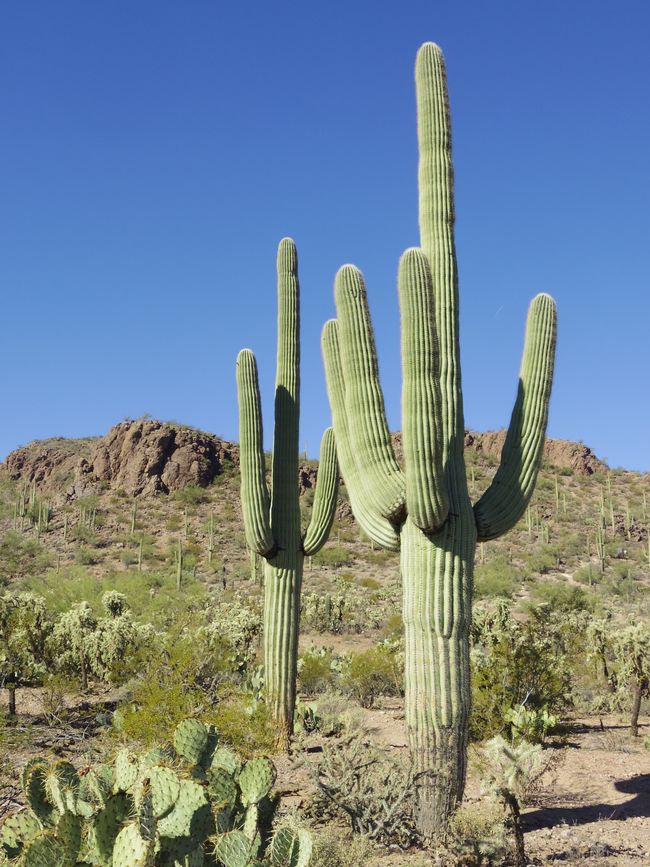
BLOG 12: In the Homeland of the Chiricahua Apaches
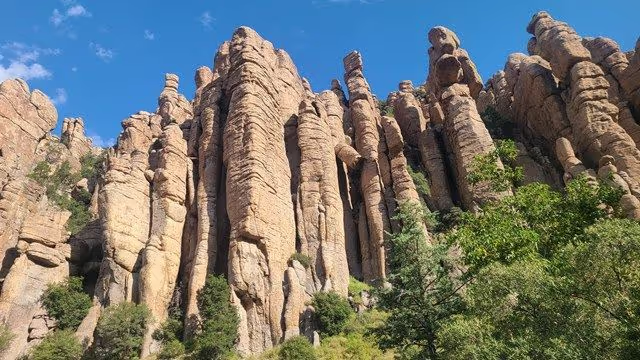
The present-day Chiricahua National Monument encompasses part of the former territory of the Chiricahua Apaches, who lived off the natural resources of the region as early as...

Published: 02.06.2025
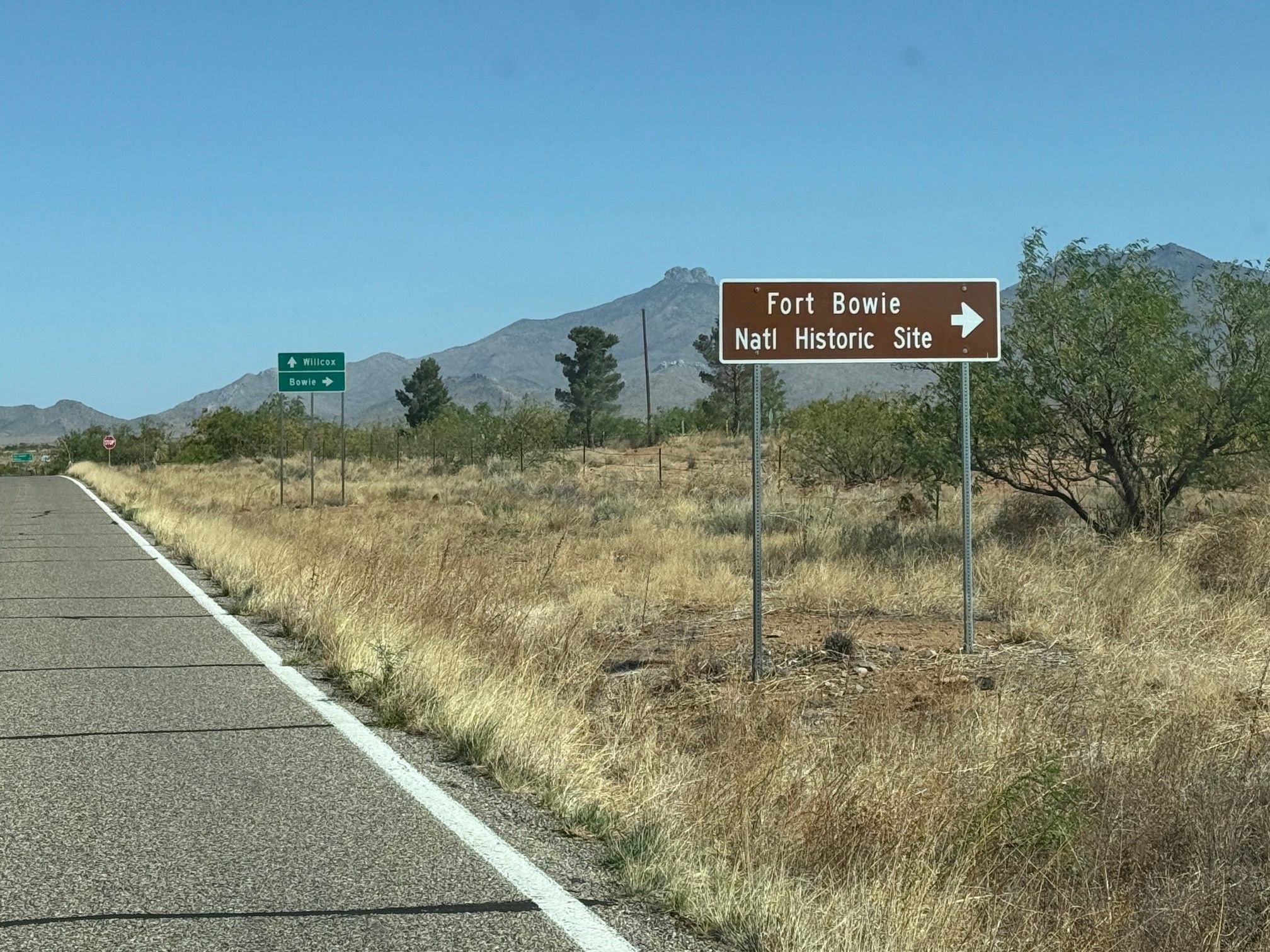
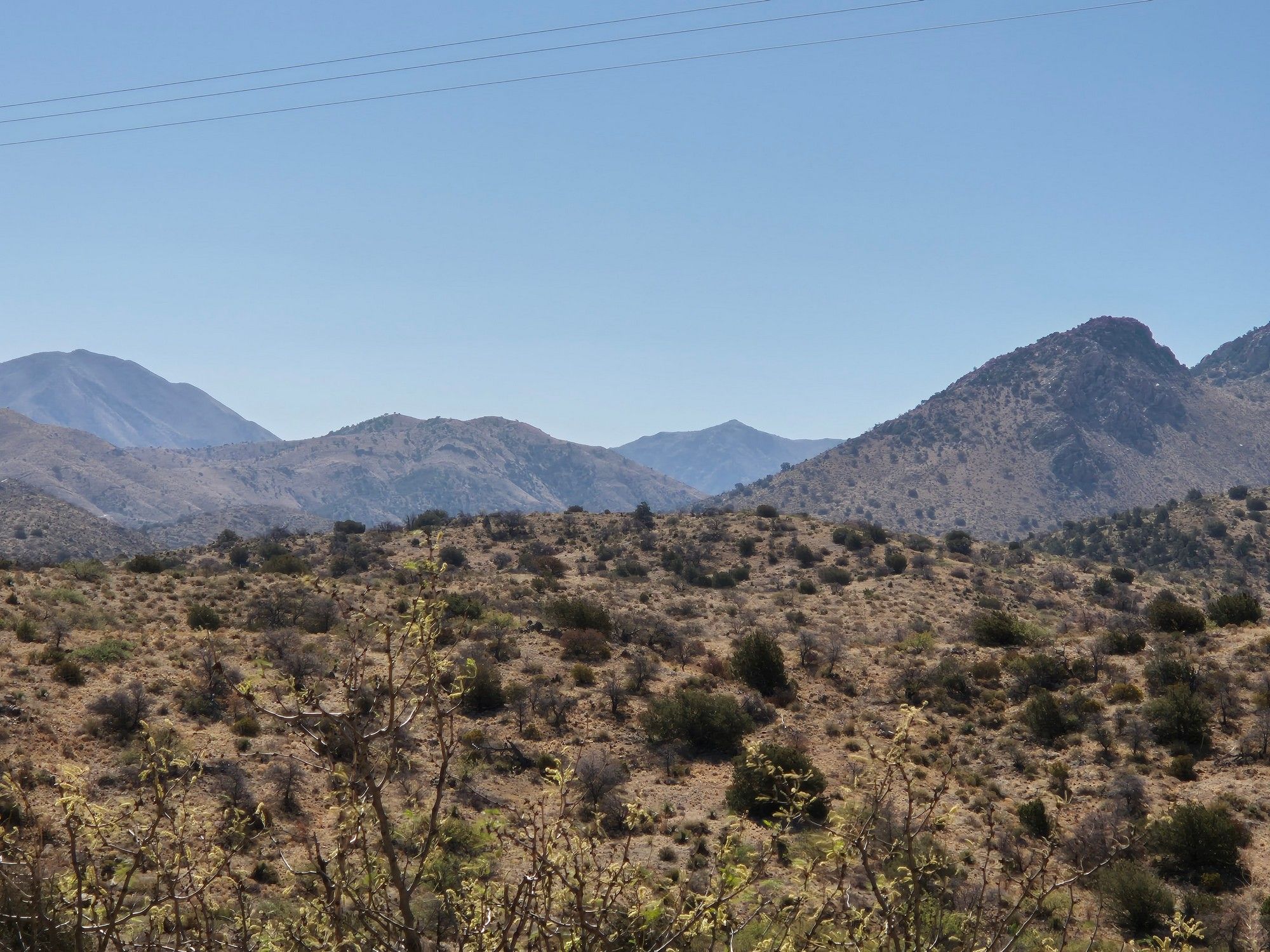
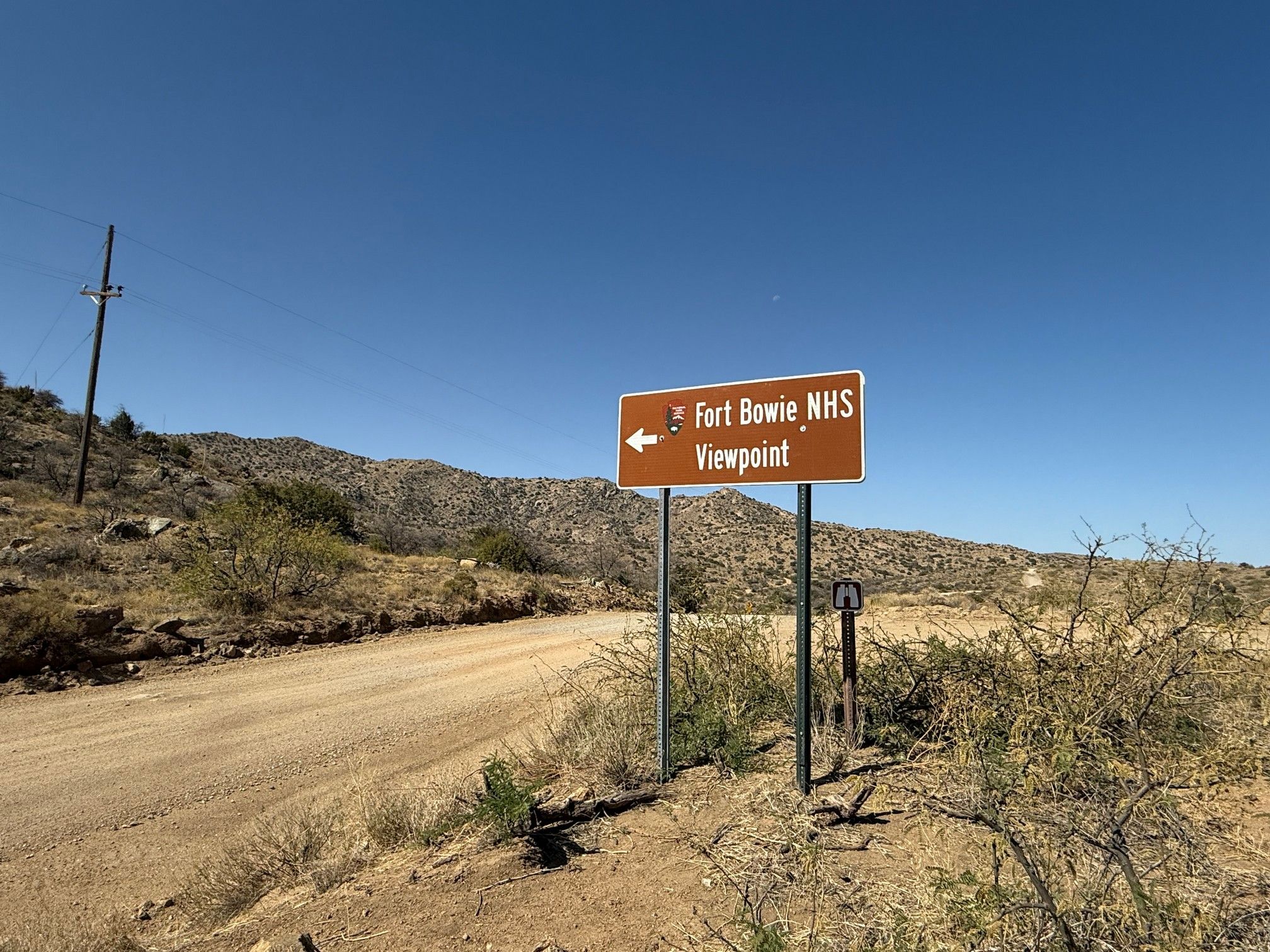
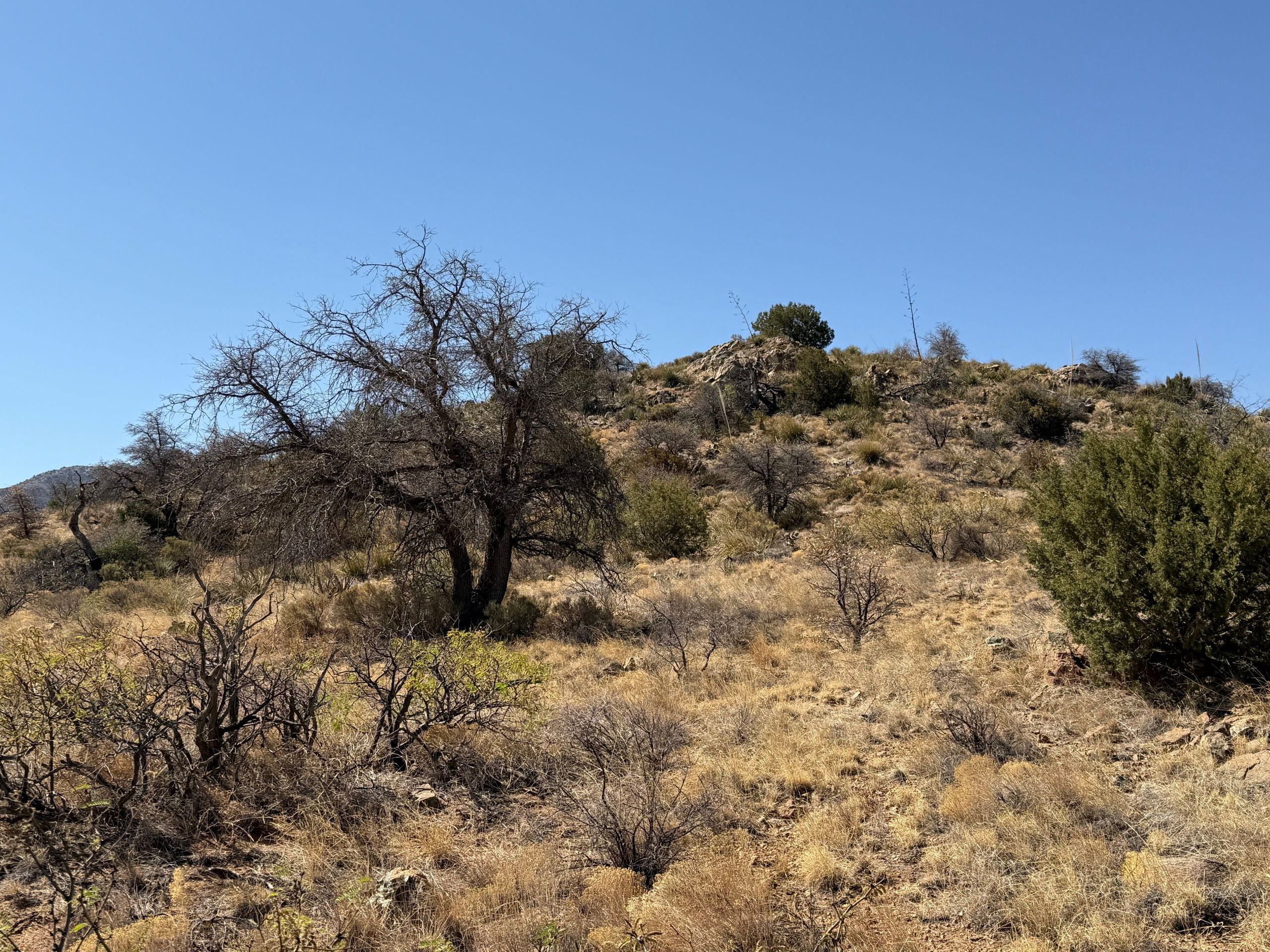
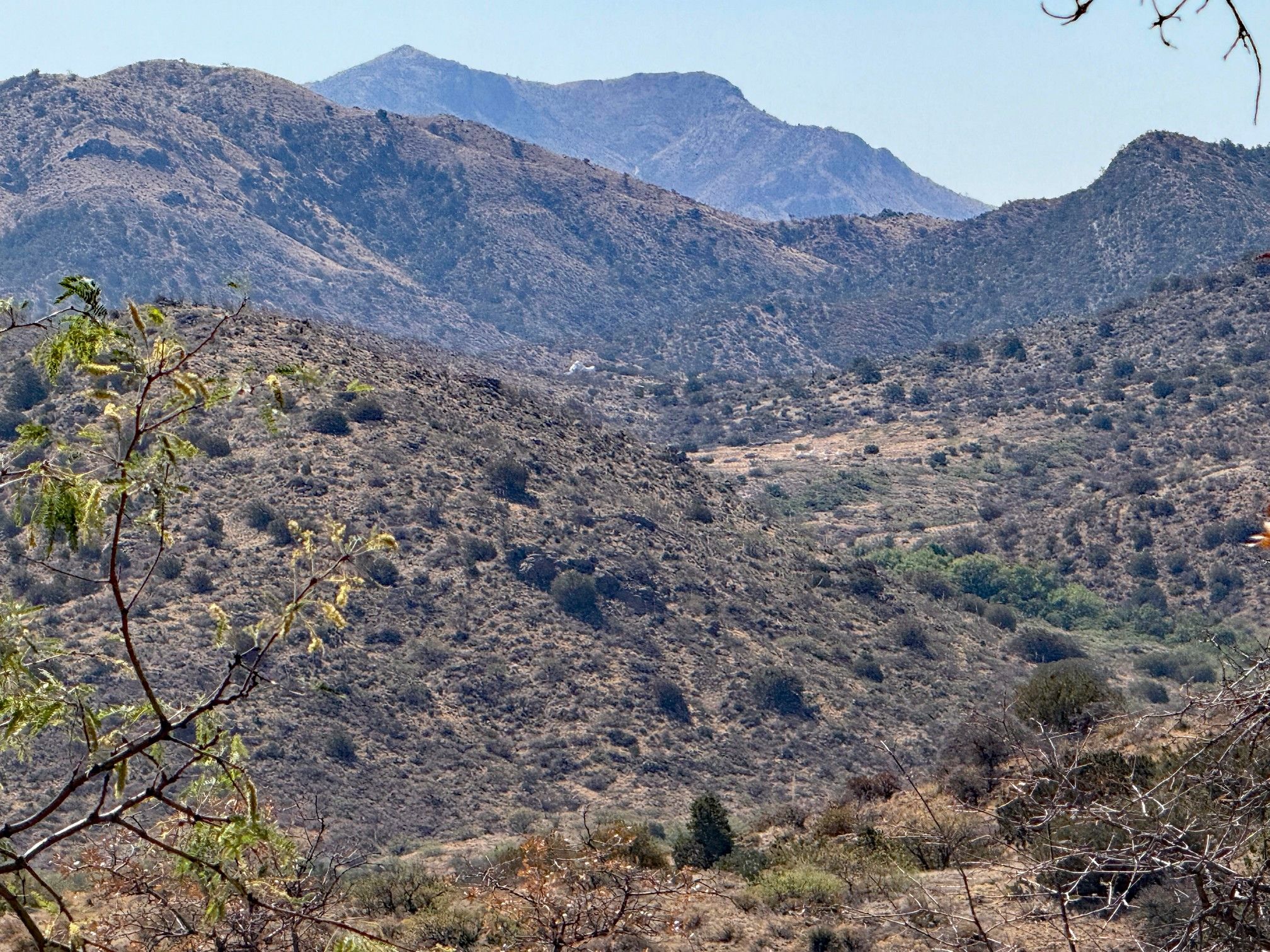
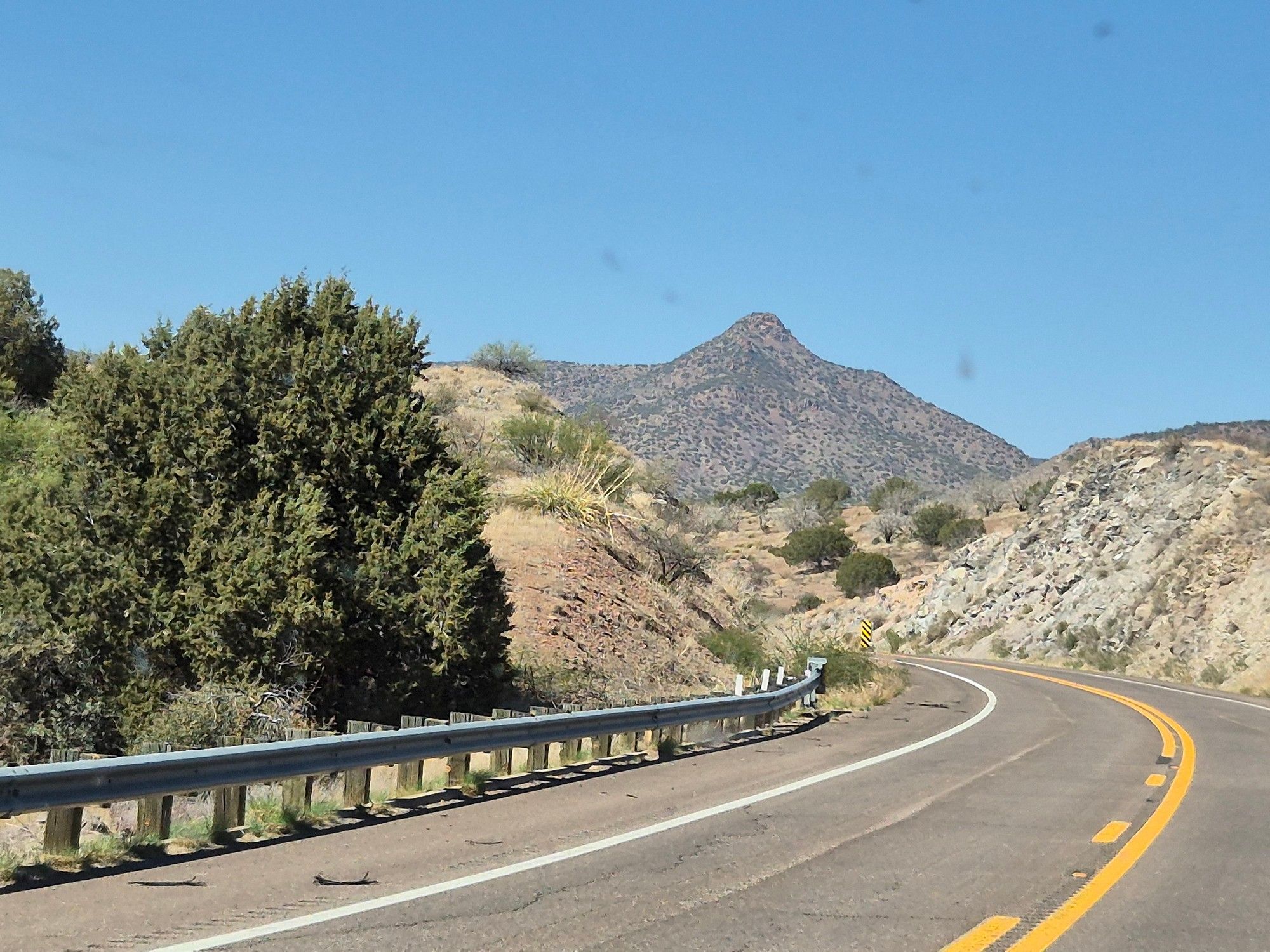
The Apache Pass has been an essential travel route for centuries, as this area provided wood, grass, and water from the Apache Springs—all vital resources for the groups traversing the desert. In 1849, it became an important stop on an 'emigrant path' that hopeful gold seekers from Texas took to reach the California goldfields, leading to the establishment of the Butterfield Overland Stage Route as a mail route.
The increasing traffic through their tribal territory disturbed the Chiricahua Apaches and resulted in over a decade of raids and conflicts. This created an atmosphere of violence where Native Americans and Anglo-Americans fought for control over the Southwest and its natural resources.
Fort Bowie played a significant role in the wars with the Chiricahua Apaches. In February 1861, even before the fort's establishment, Lieutenant George Bascom had a dramatic confrontation with Cochise. This led to a quarter-century of bloody hostilities between the Chiricahua and white invaders and a ten-year personal war between Cochise and the U.S. Army. This event is known today as the Bascom Affair.
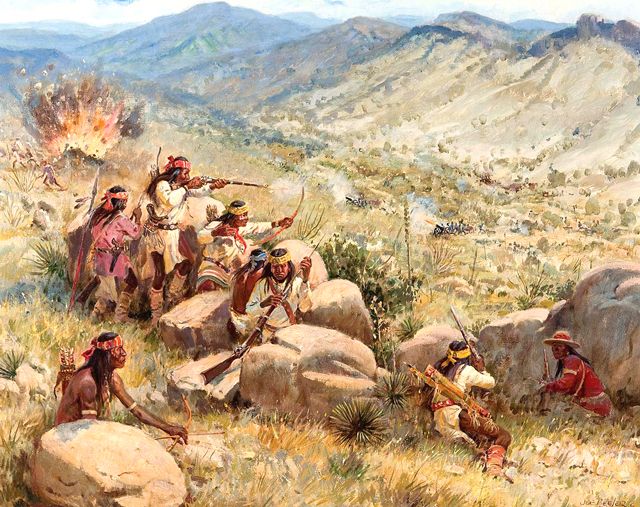
General James H. Carleton, who led a Union army east in 1862 to thwart the Confederate invasion of New Mexico, fought against the Apaches for two days, on July 15 and 16, for control of the nearby Apache Spring. U.S. troops, also equipped with mountain artillery, attacked again and eventually reached the water after driving the Apaches from their rocky fortifications that dominated both flanks of the spring.
This 'Battle of Apache Pass' directly led to the establishment of Fort Bowie and was just one of many confrontations that were fought with great harshness and brutality by both sides. Ultimately, the Apaches were defeated and forced into distant reservations.
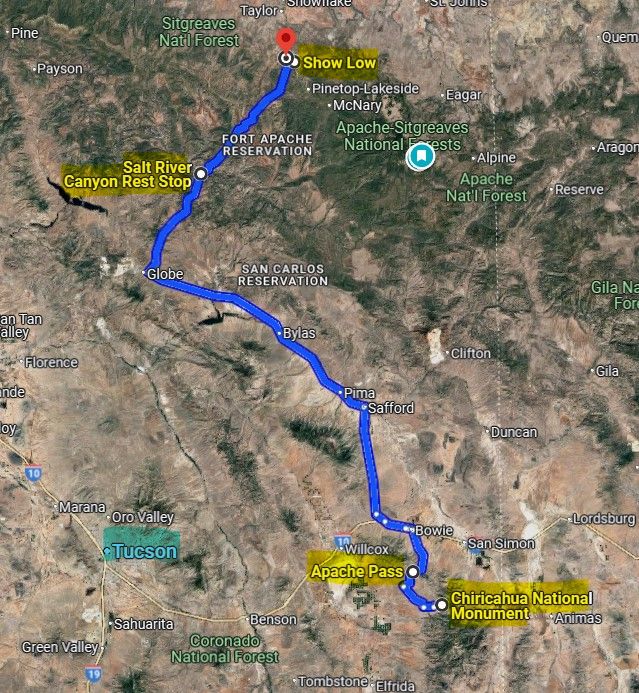
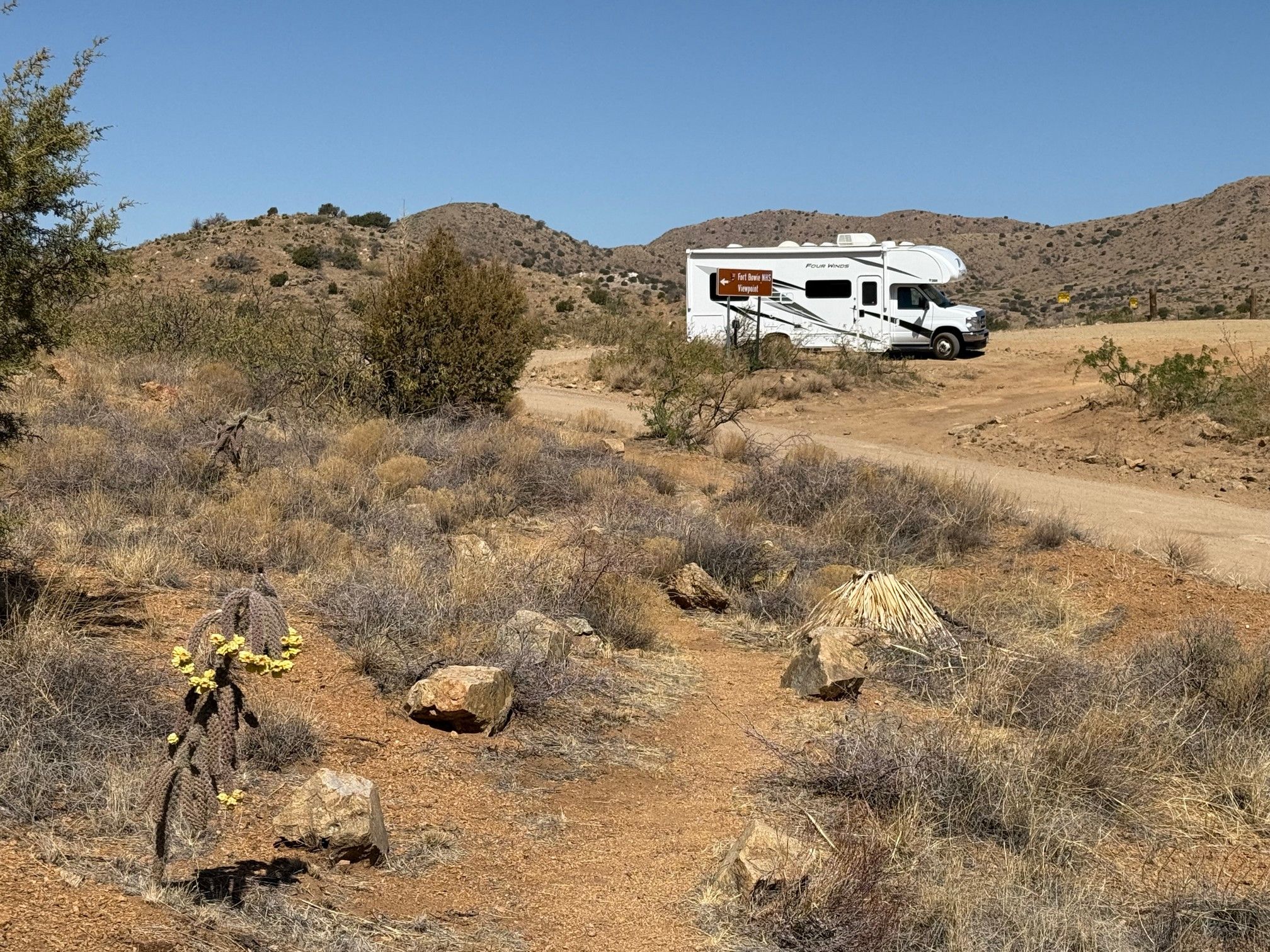
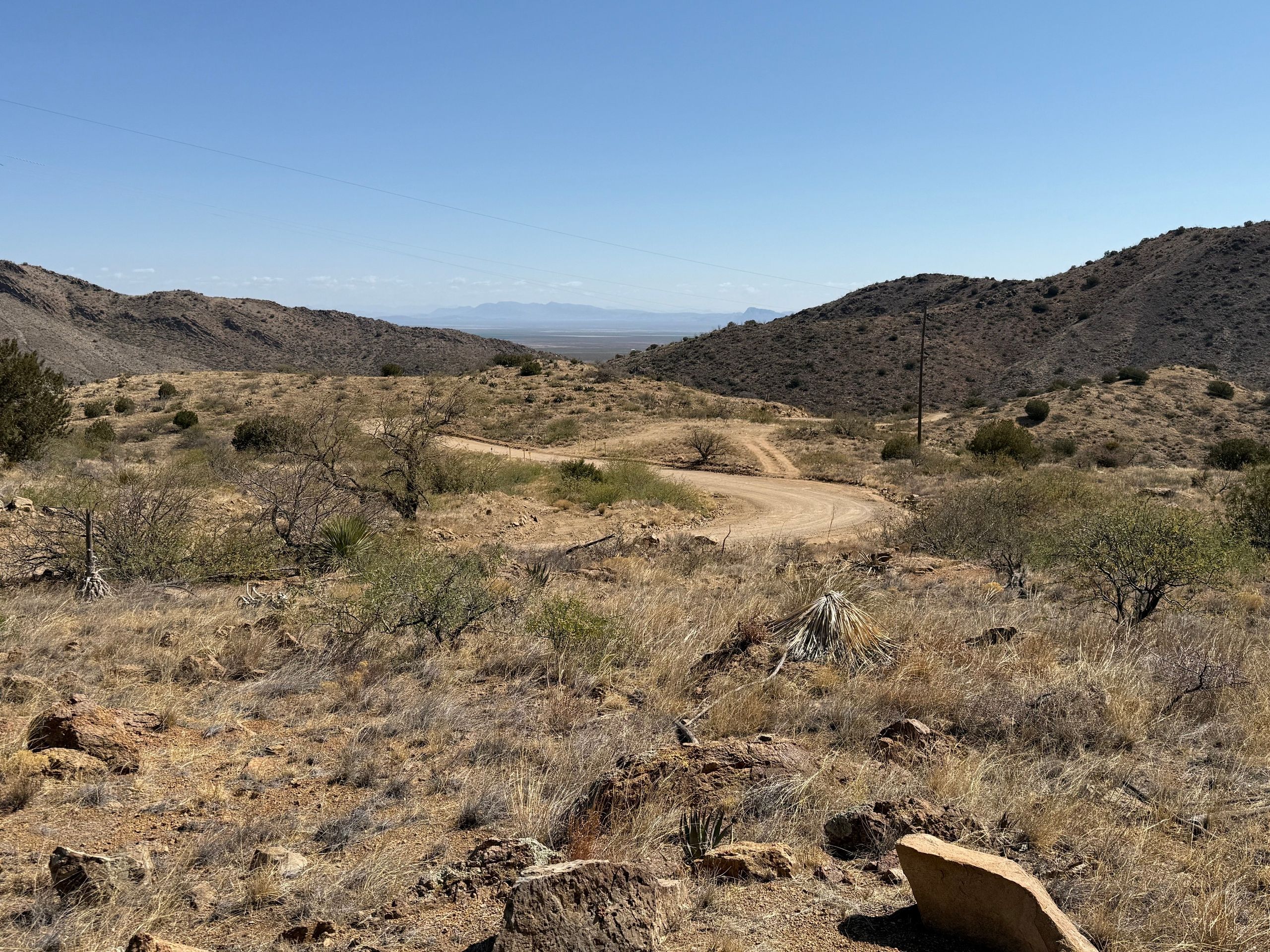
After driving along the gravel road over Apache Pass and taking a distant look at the ruins of Fort Bowie, we need to take a 'technical pause'; our RV has been having problems with the cabin battery since the start of our journey, a call to the rental company’s 'hotline' turns into a more than half-hour wait on hold, and the suggested workshop proves to be incompetent—issue resolution postponed!
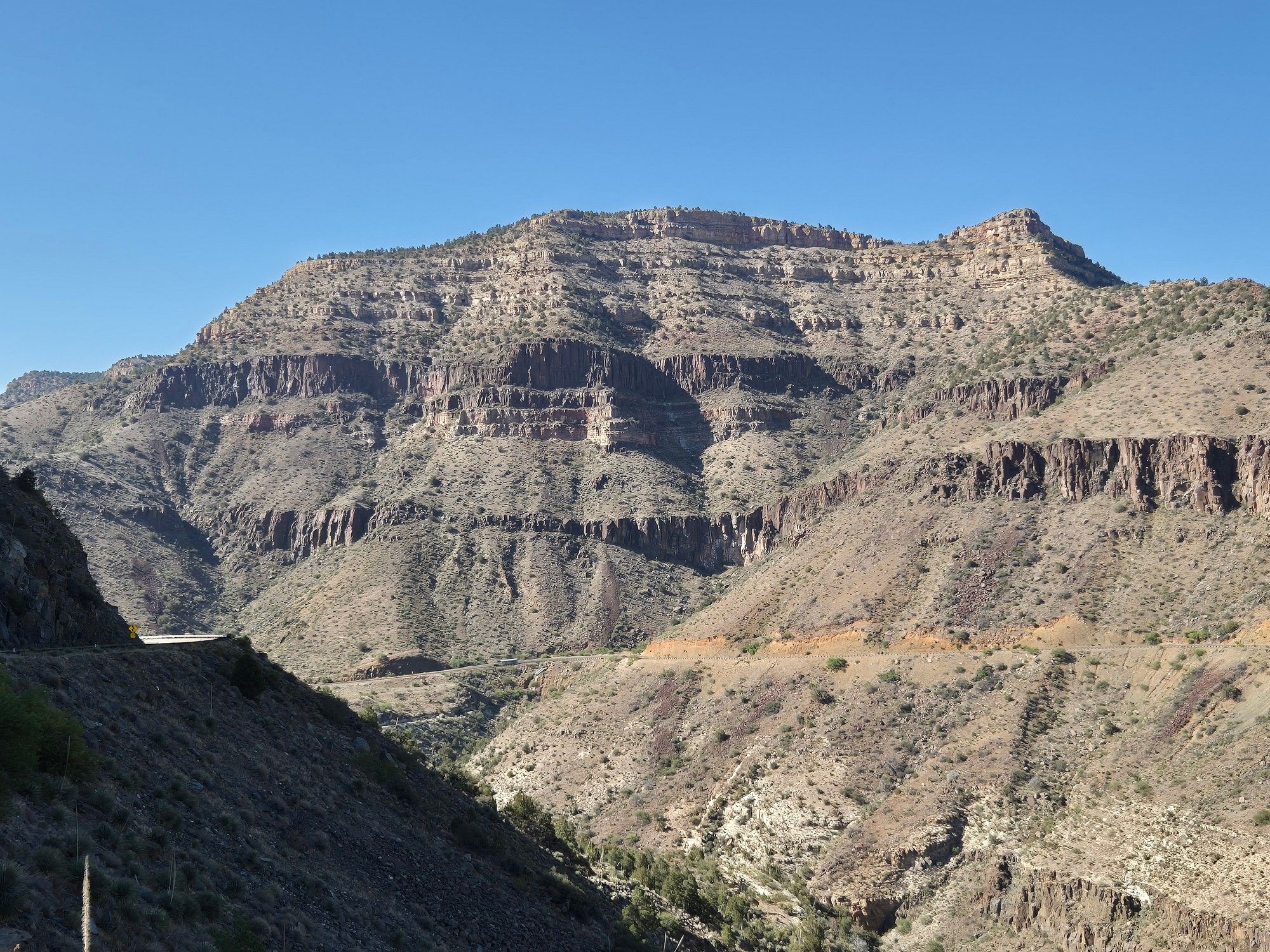
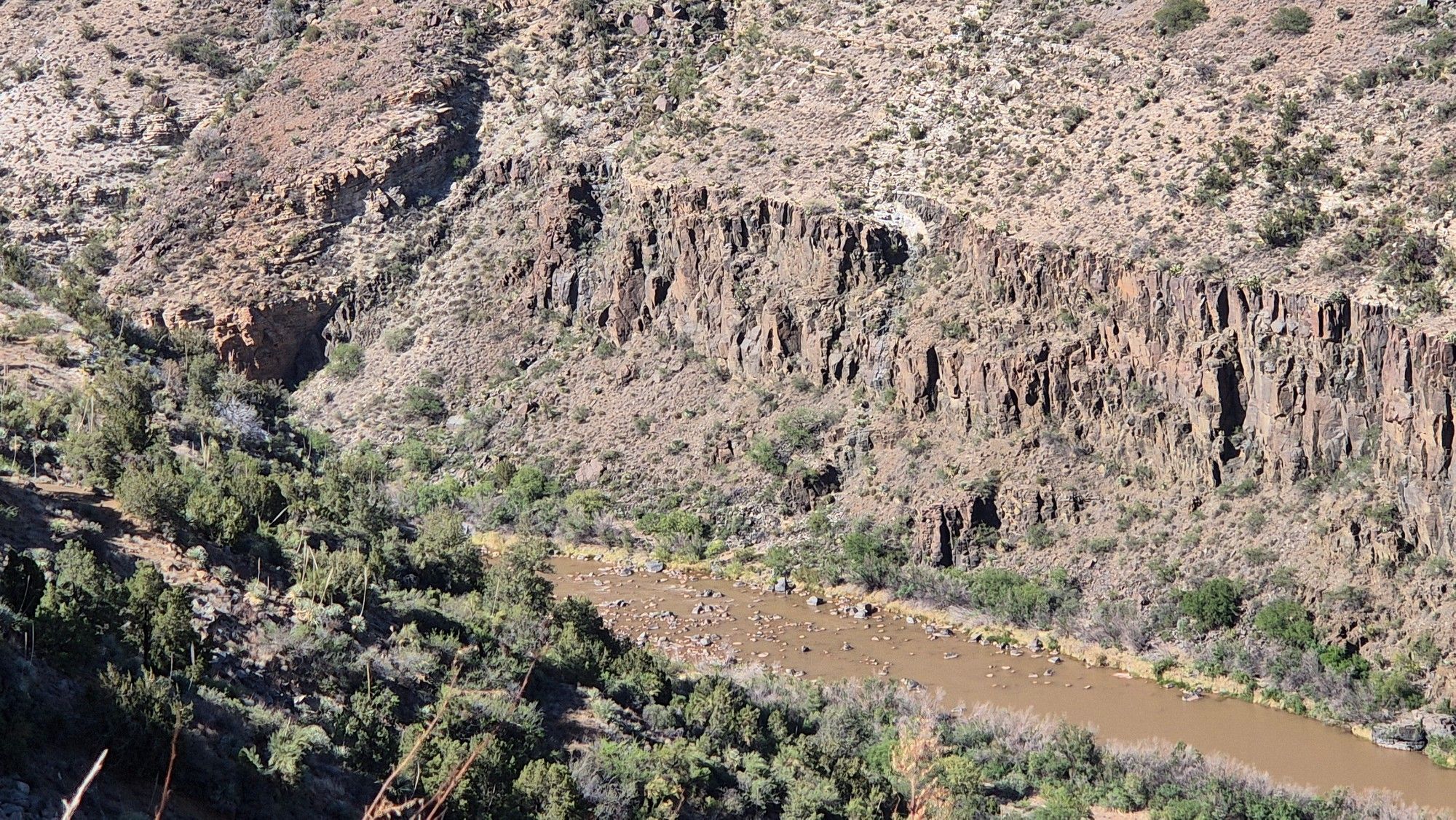
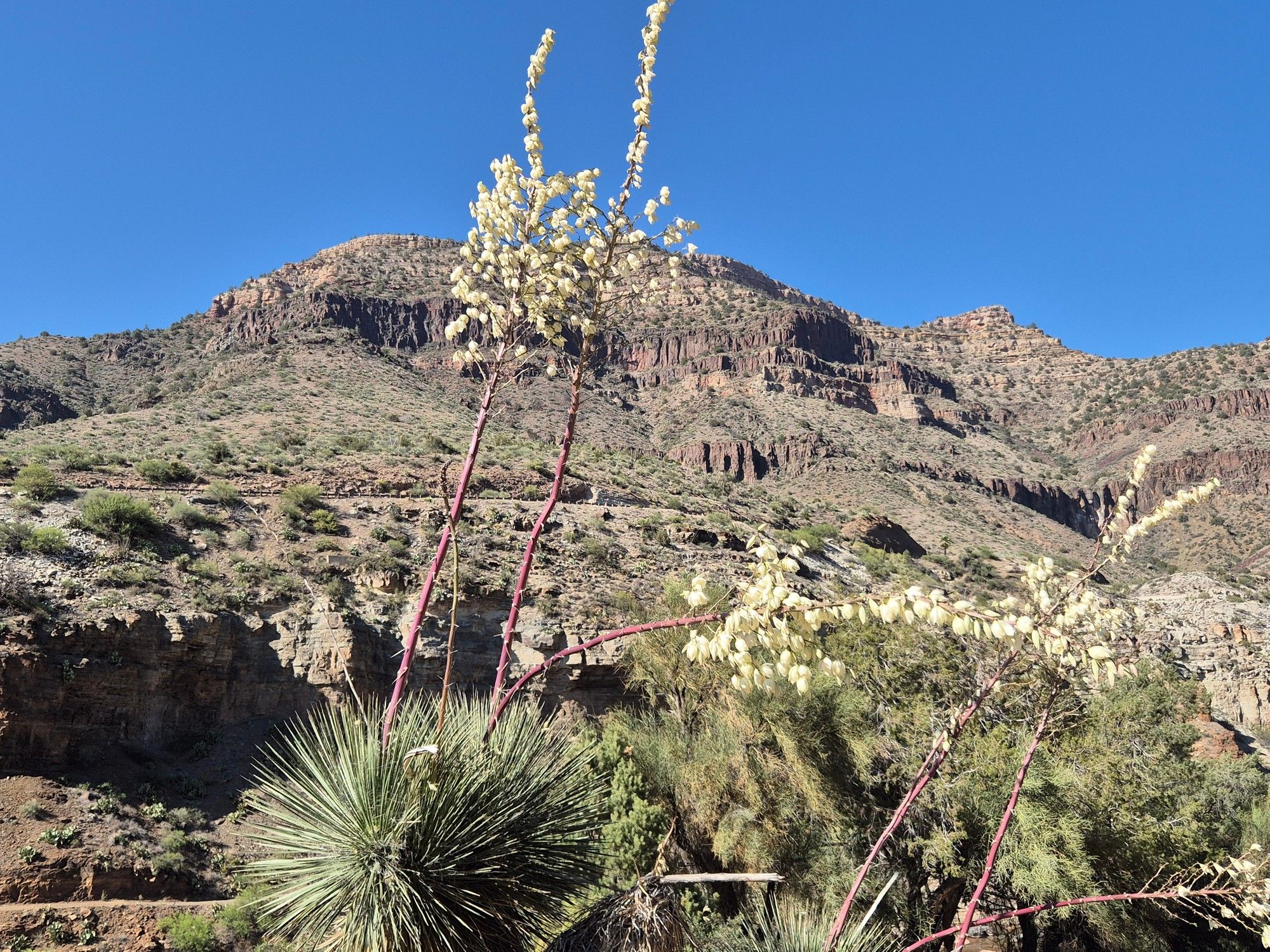
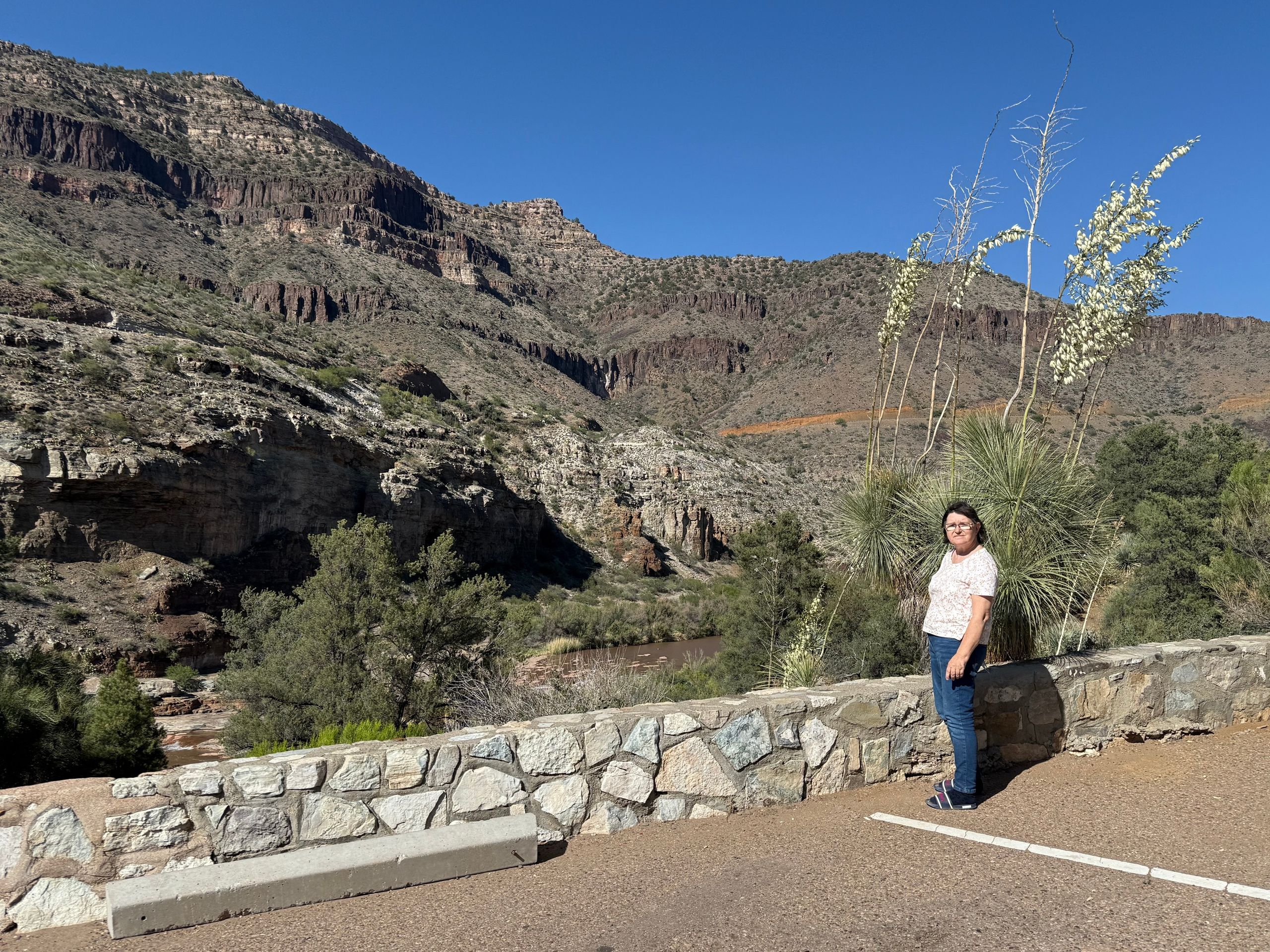
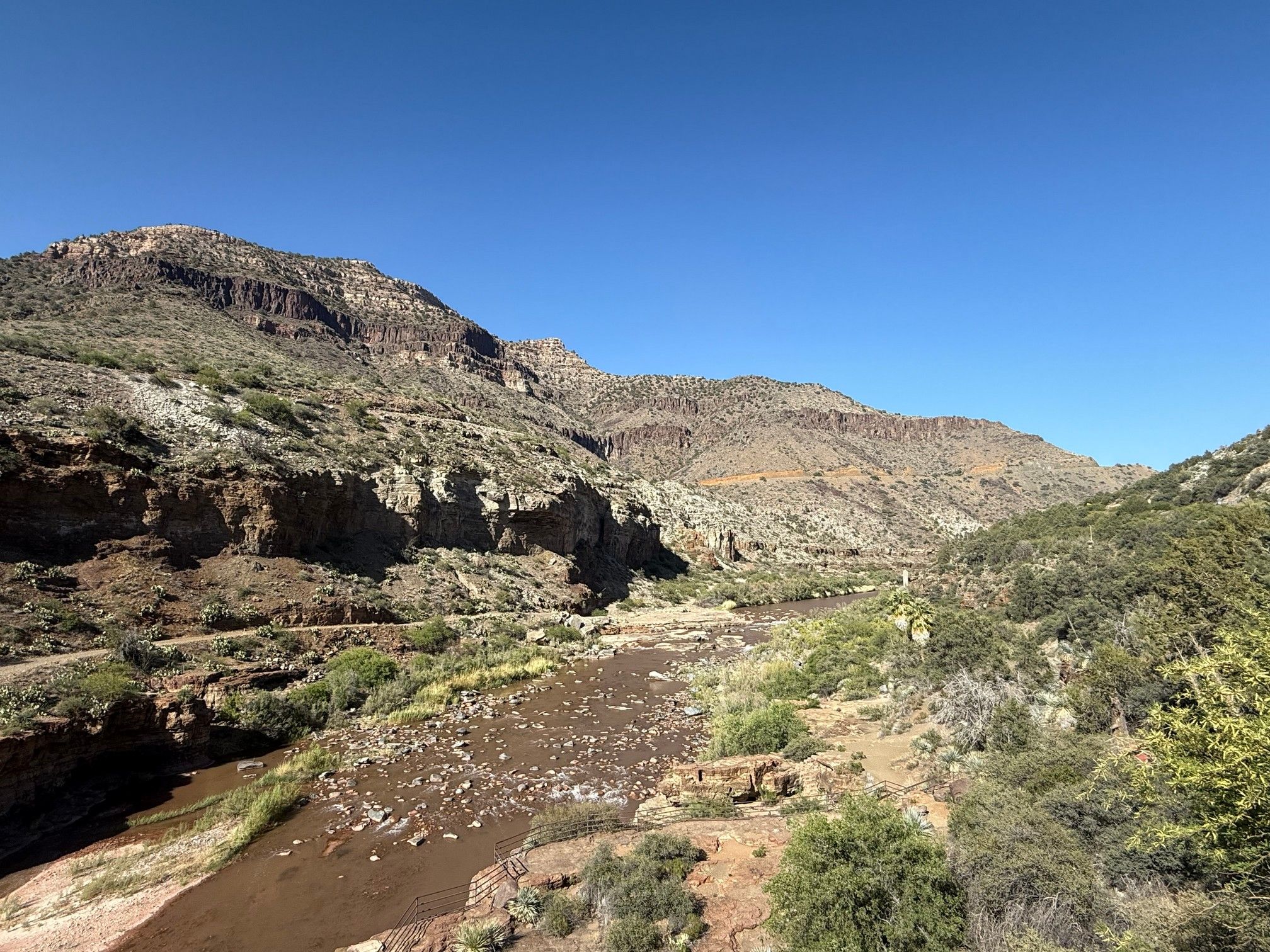
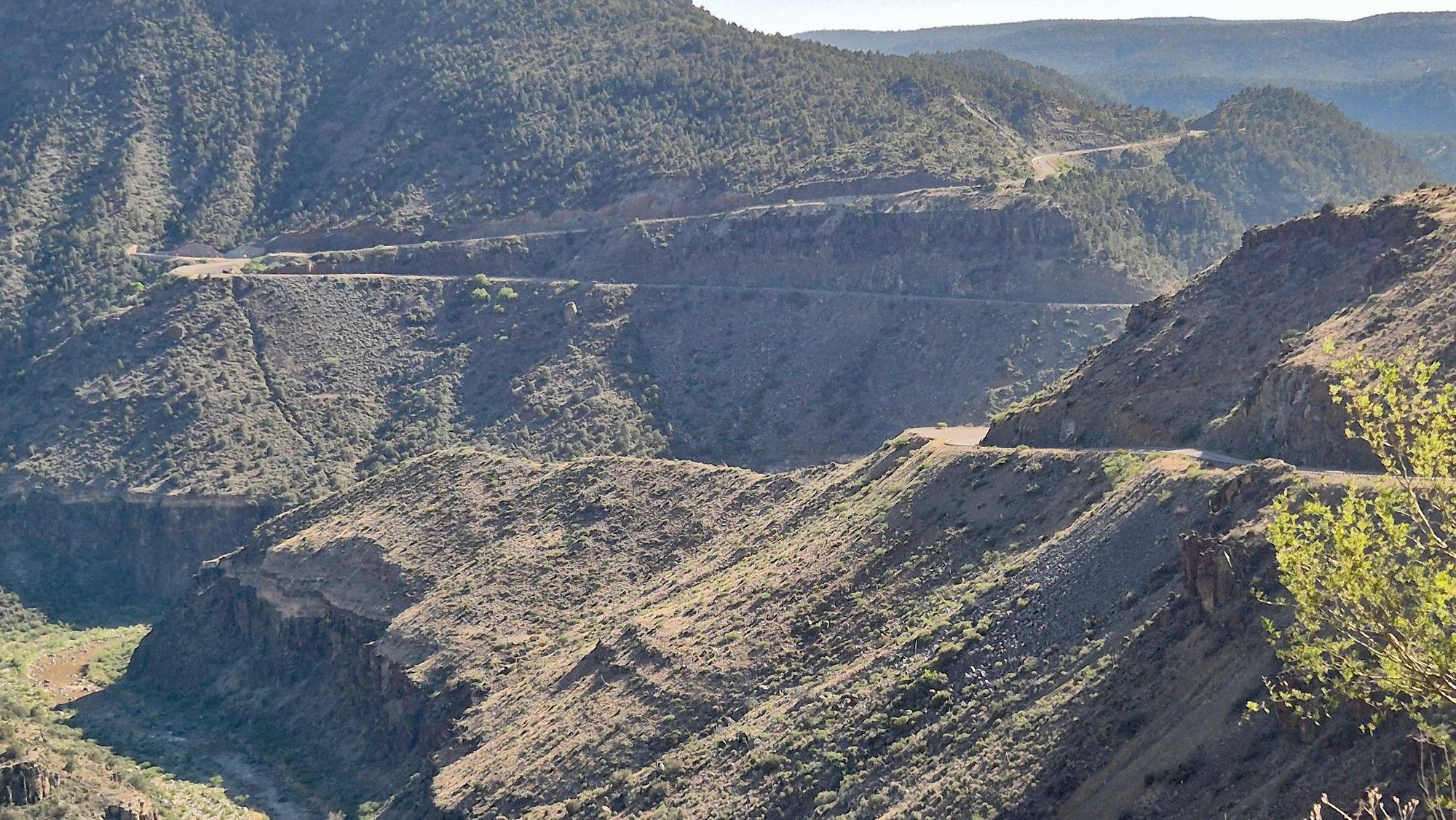
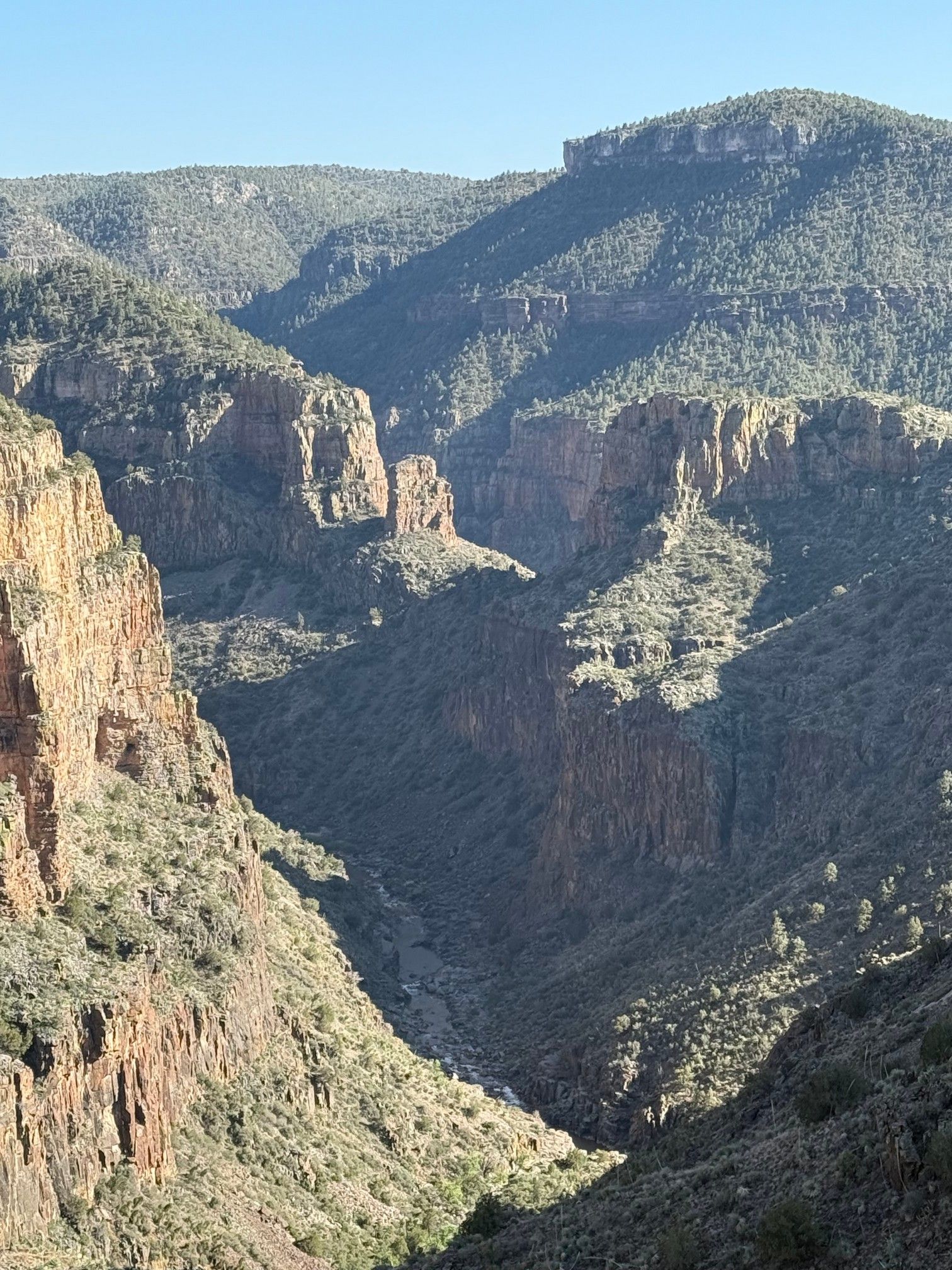
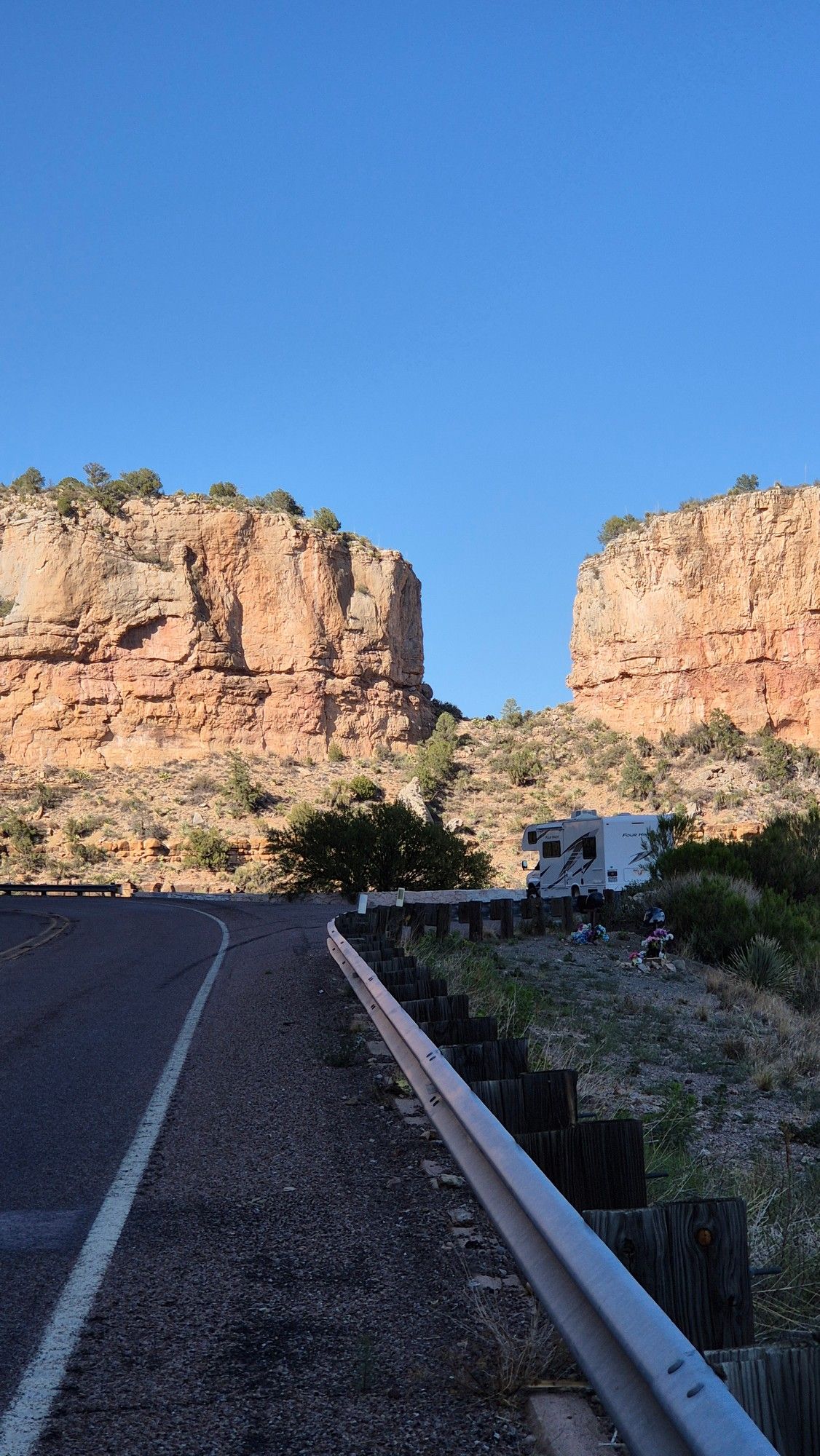
For the continued journey north, we choose the US 60 from Globe – Salt River Canyon Scenic Drive.
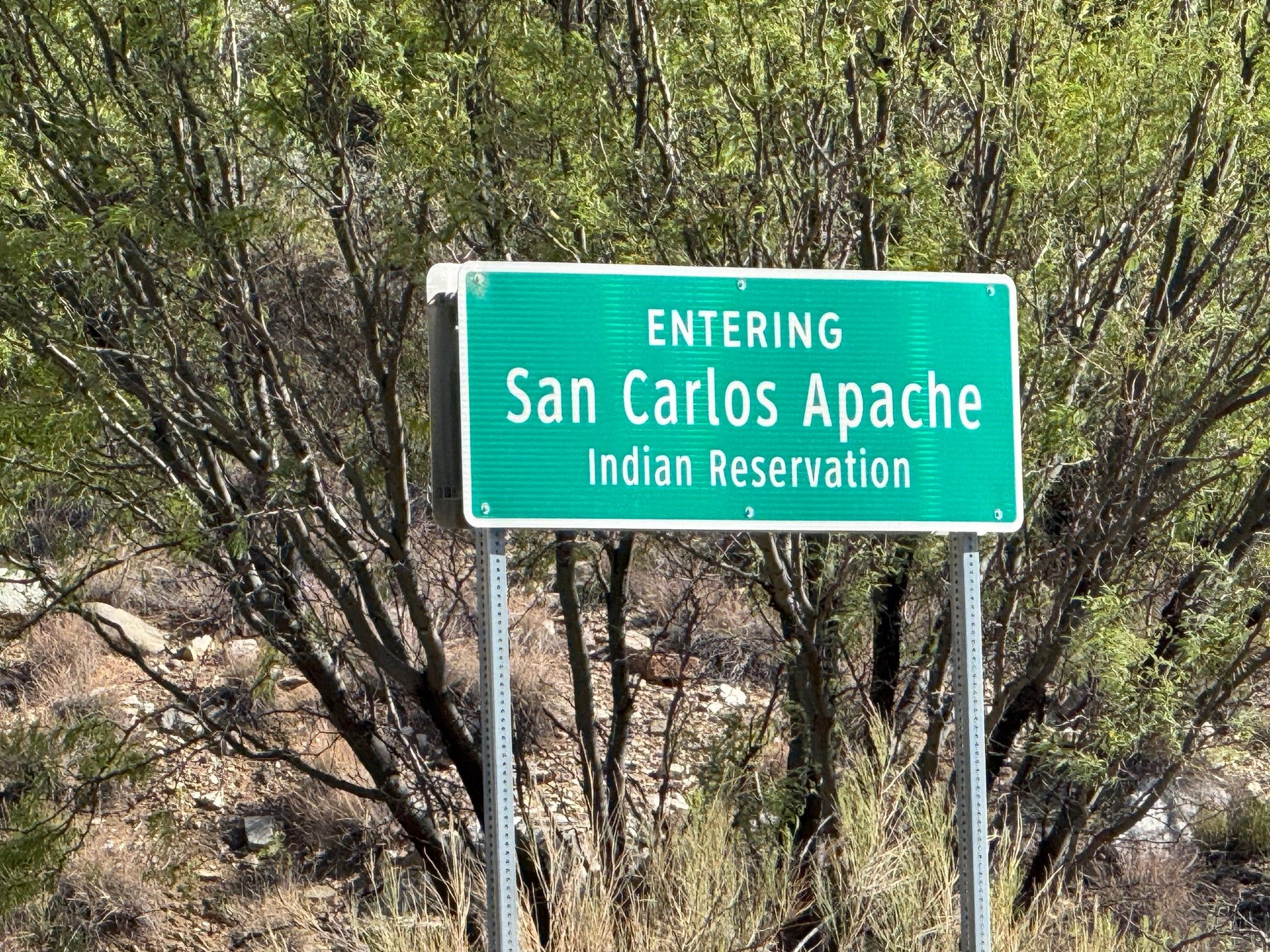
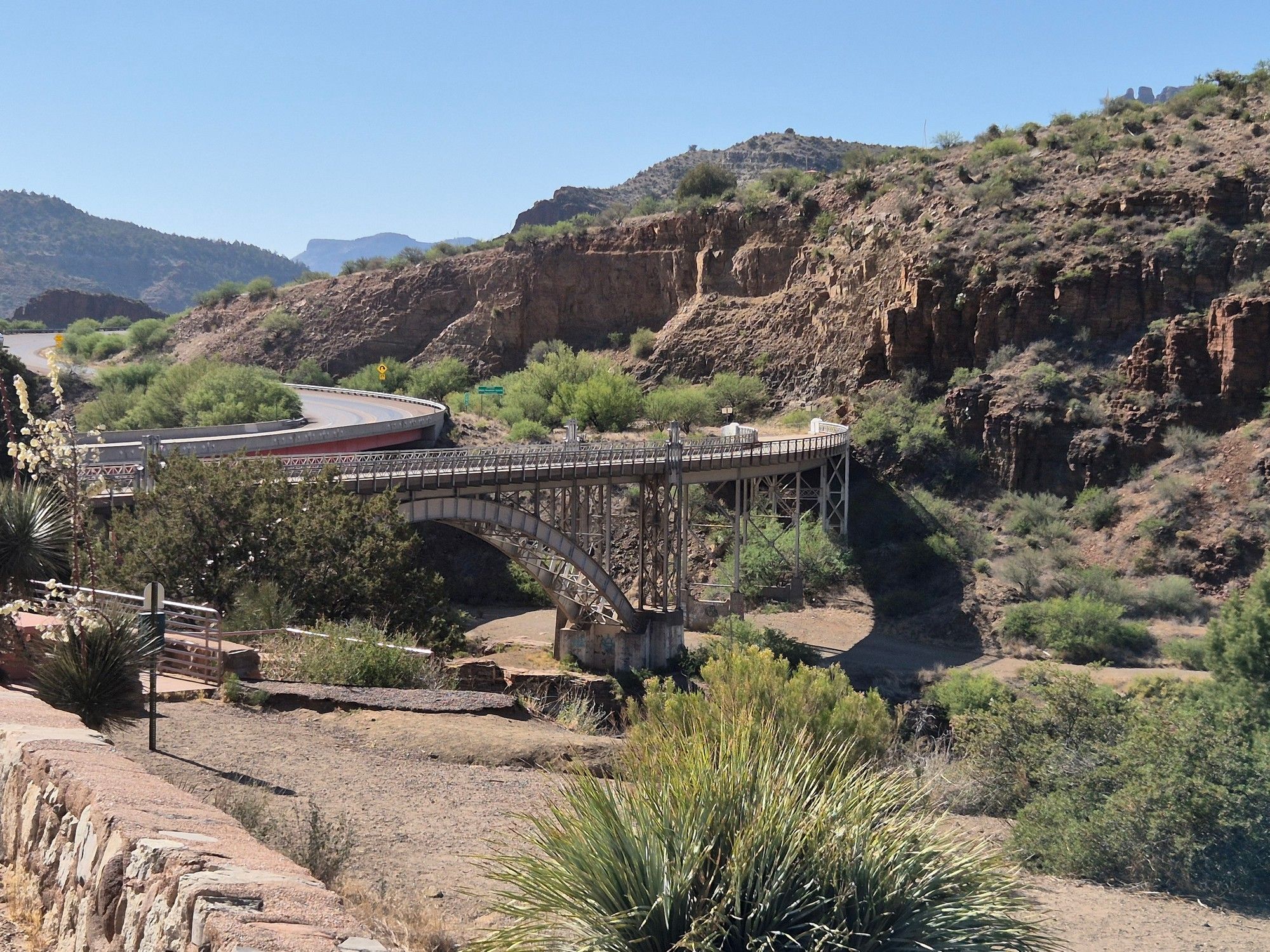
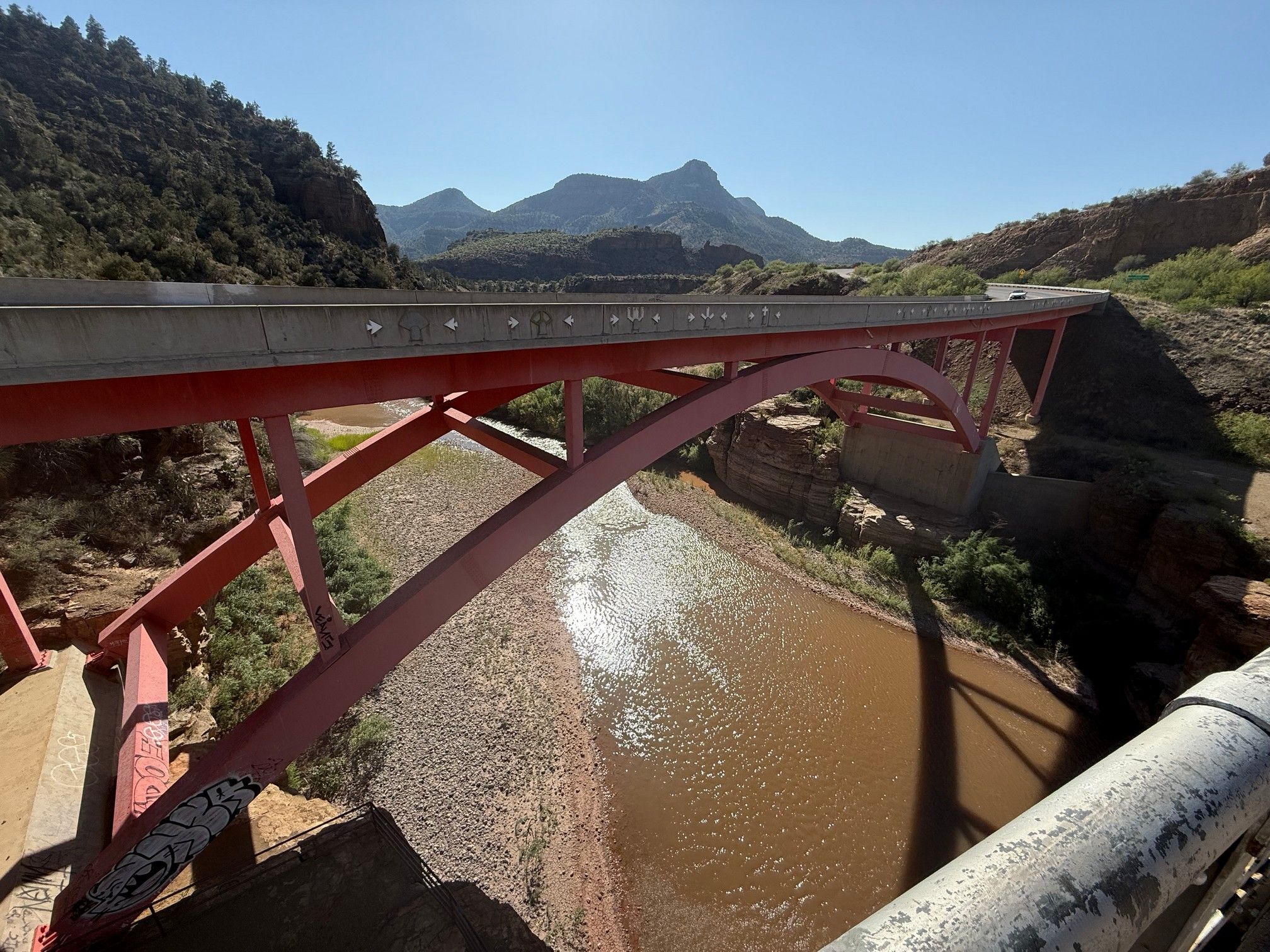
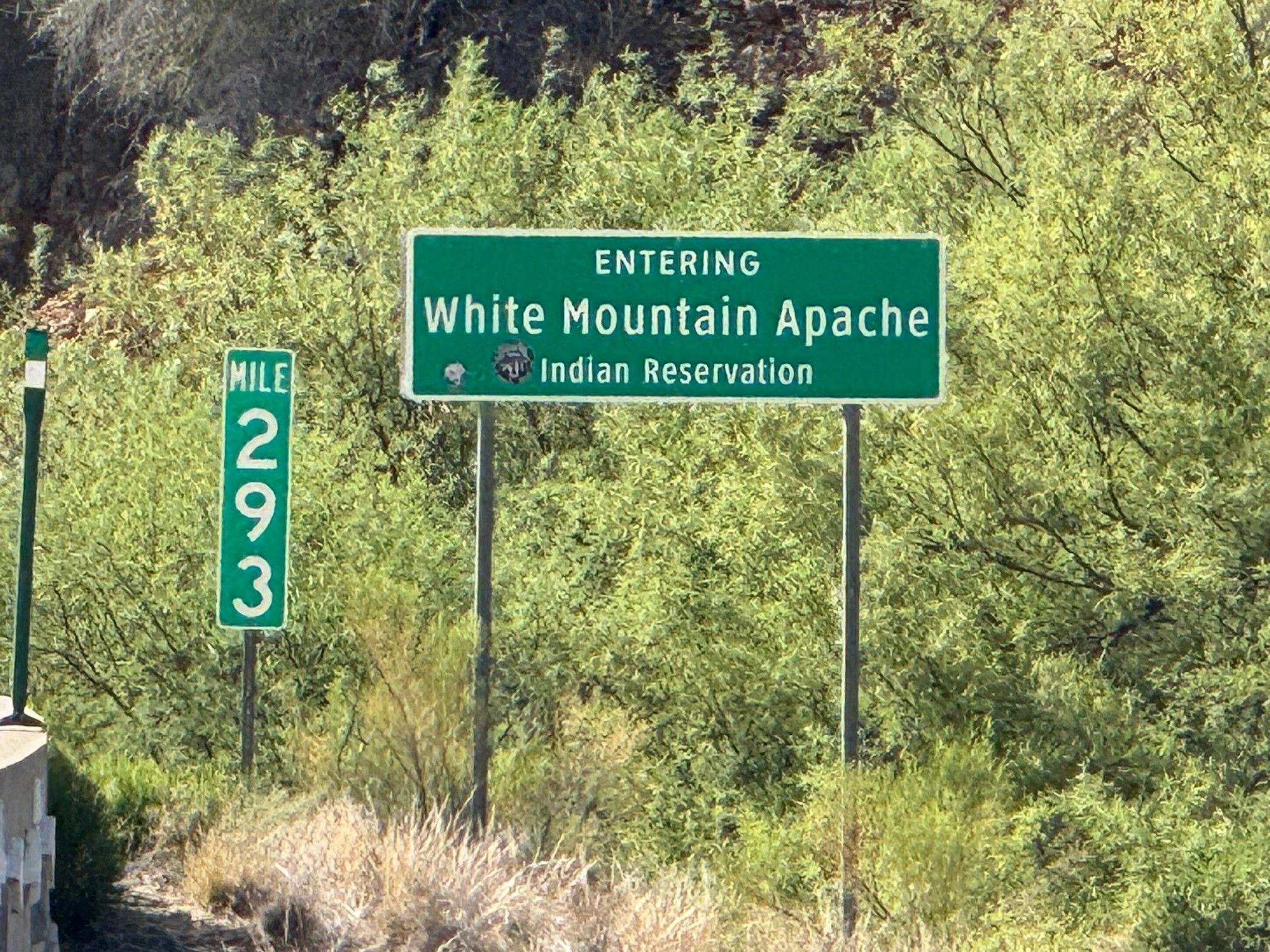
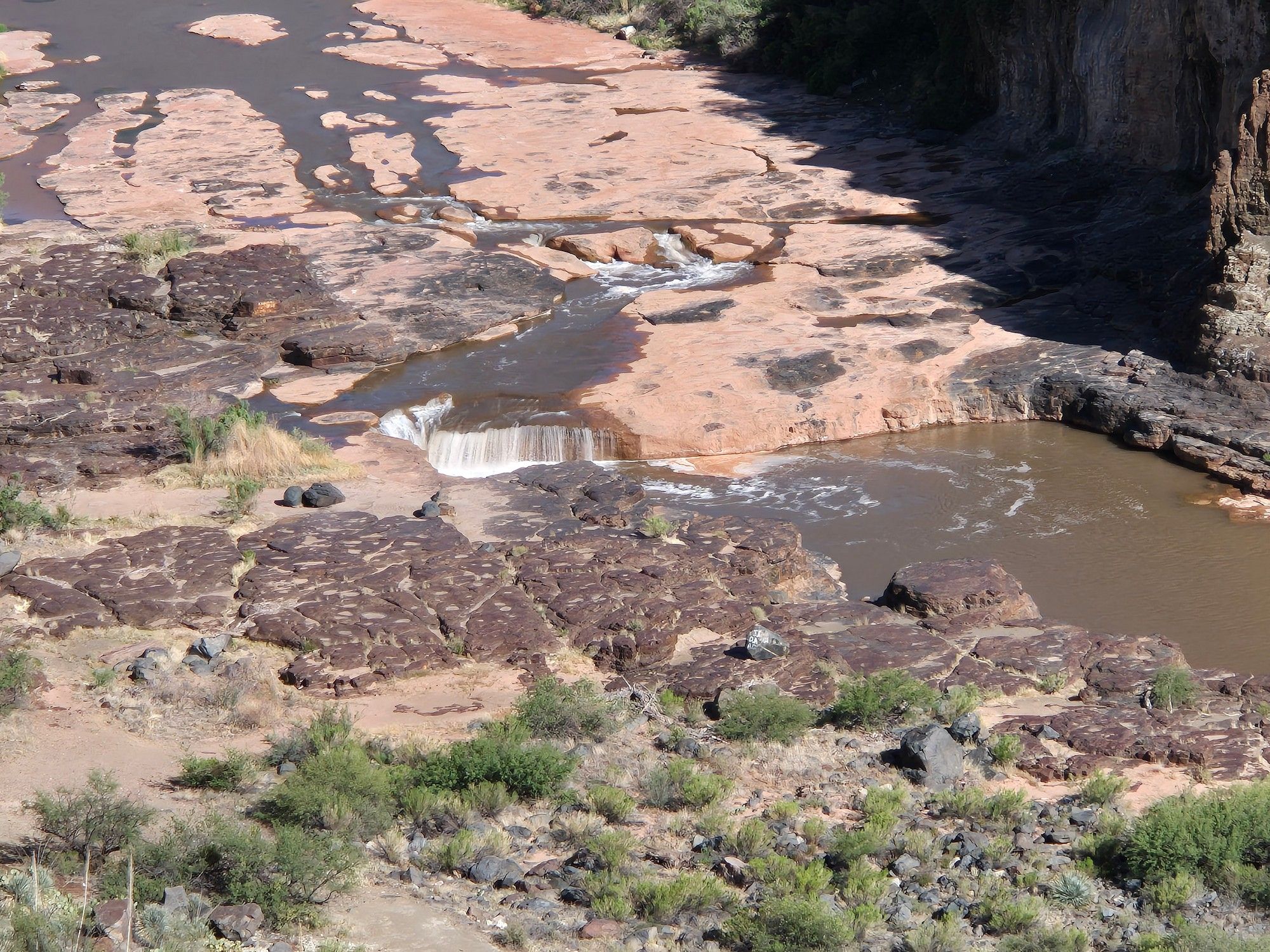
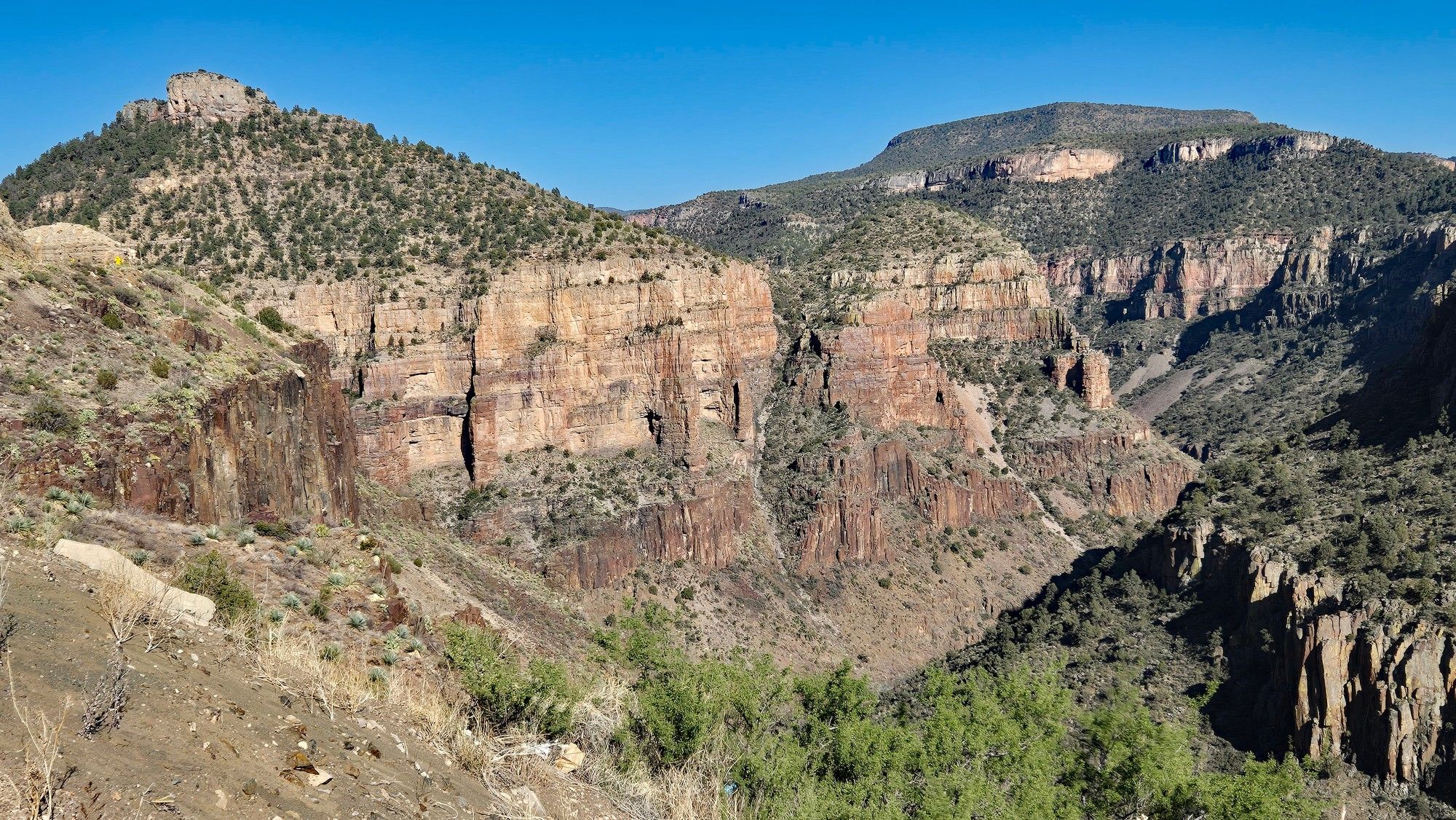
The road initially runs through the San Carlos Apache Reservation and, after crossing the Salt River, through the White Mountain Apache Reservation. As often in the USA, there is a pair of bridges – the historic one, built in 1934, serves as a pedestrian viewing bridge, while the new one, built in 1996, is reserved for vehicle traffic.
The area is scenically beautiful, but not really suitable for everyday living, which is why we can't meet any Apaches here.
The stage takes us to Fool Hollow State Park near the town of Show Low, where we stayed for 2 days to rest a bit and hopefully address the final resolution of the RV problems.