BLOG 11: In the Land of the Saguaro Cactus
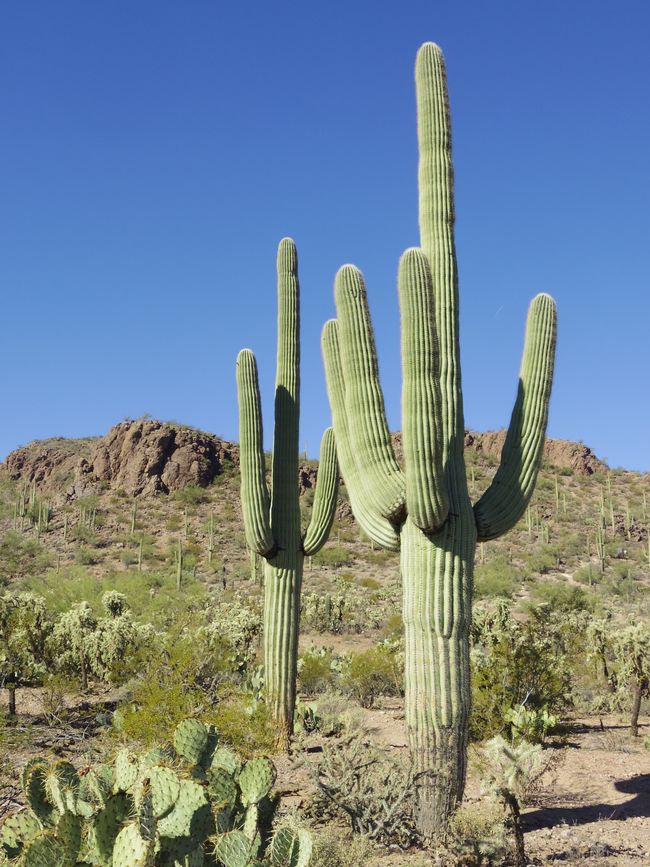
First, a brief excursion about the Saguaro Cactus: The Saguaro (suh-waa-row), also known as the giant cactus, has always been a symbol of the American Southwest. These majestic...

Published: 30.05.2025
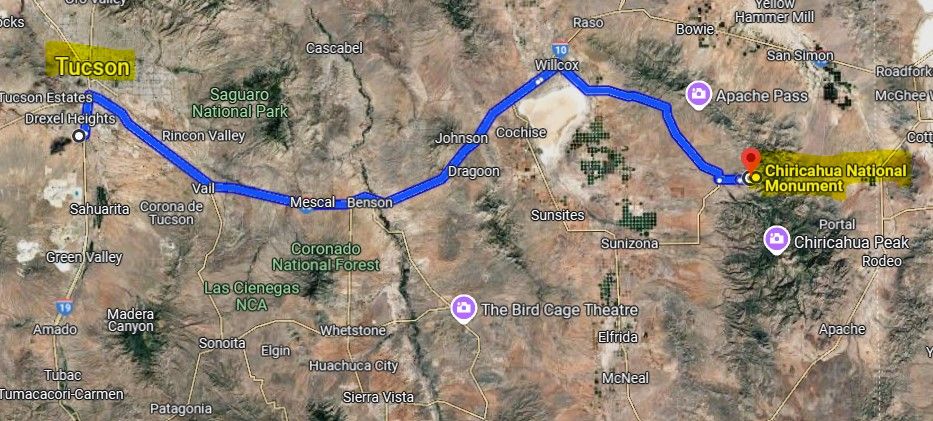
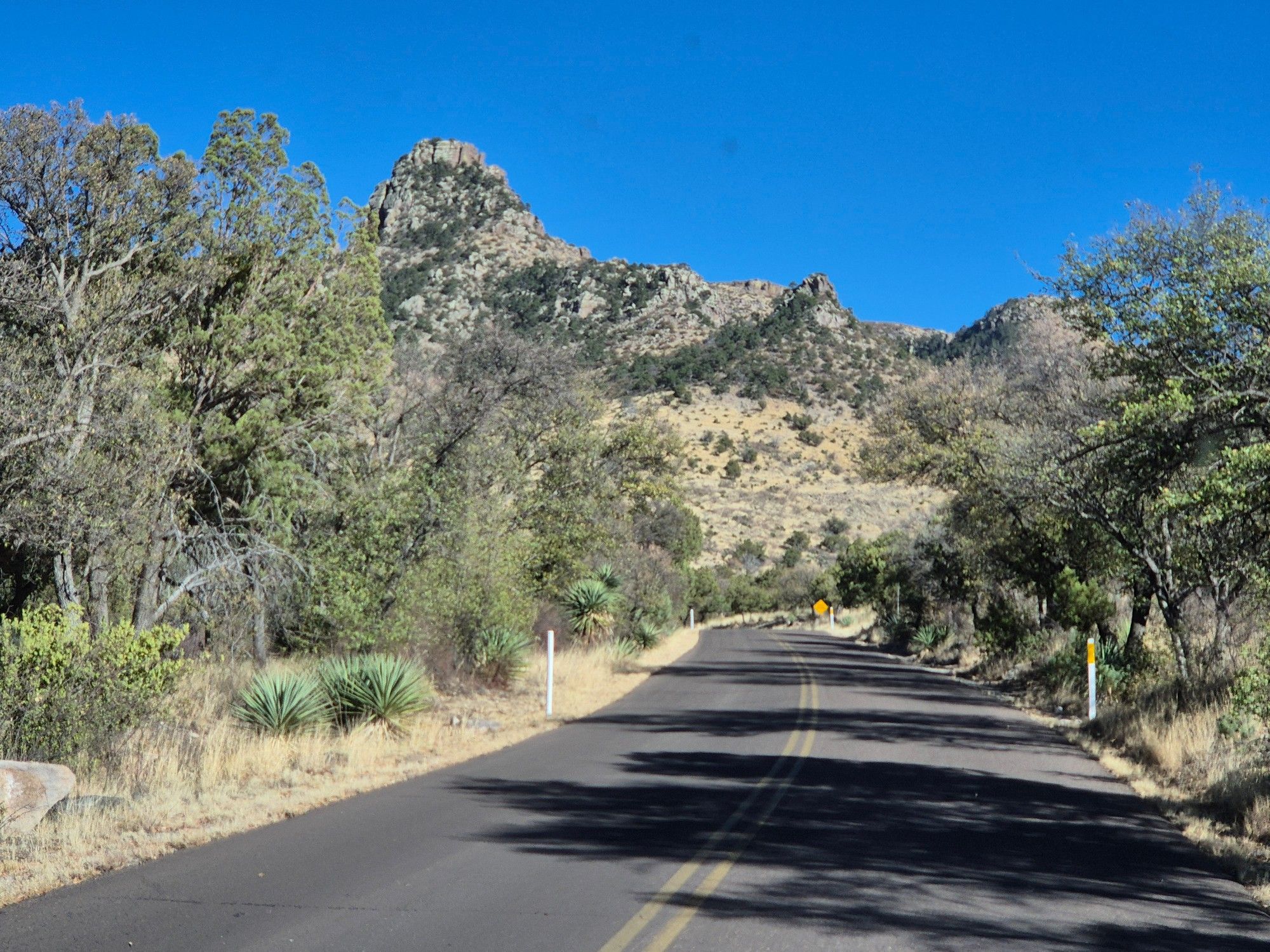
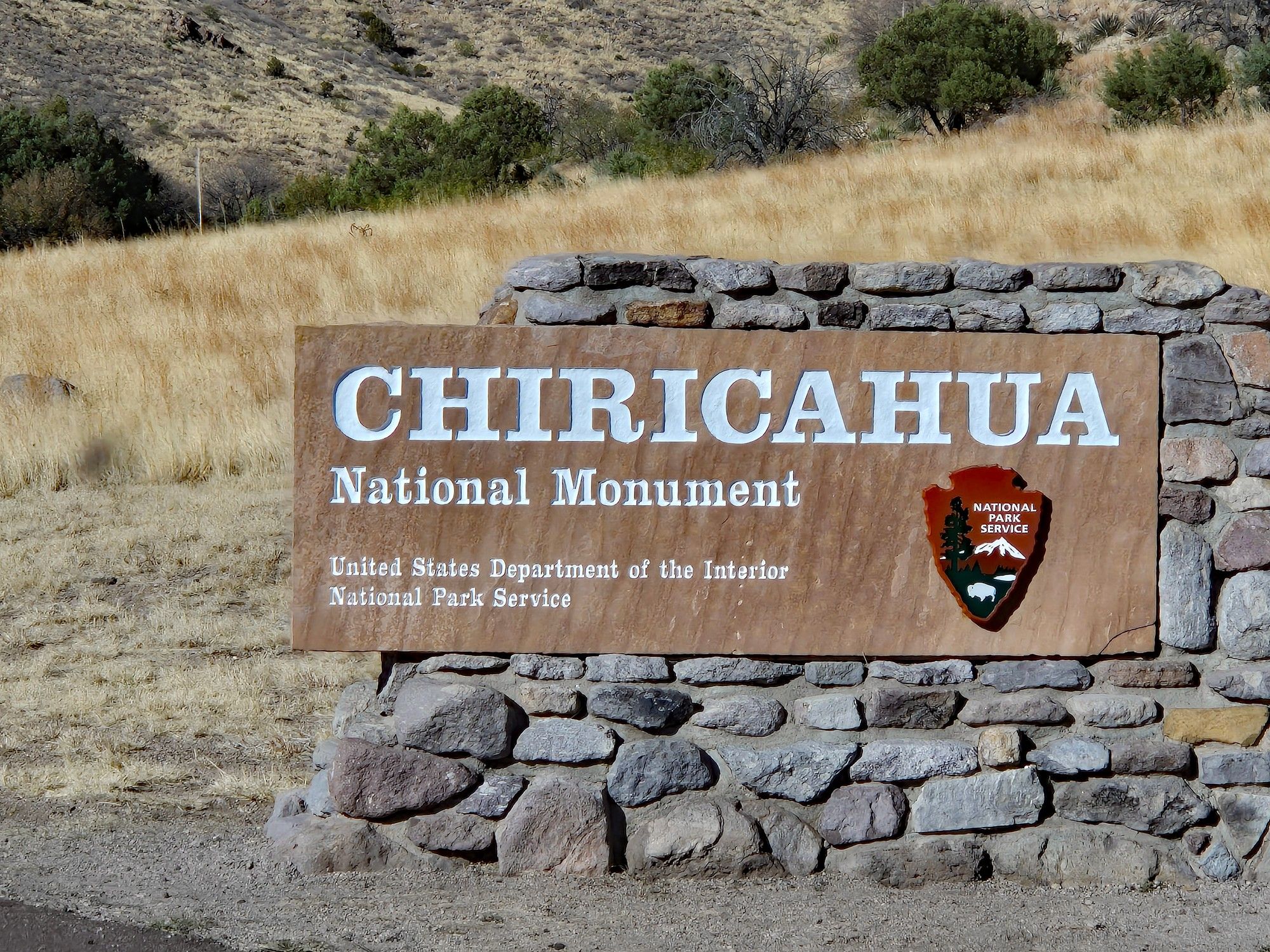
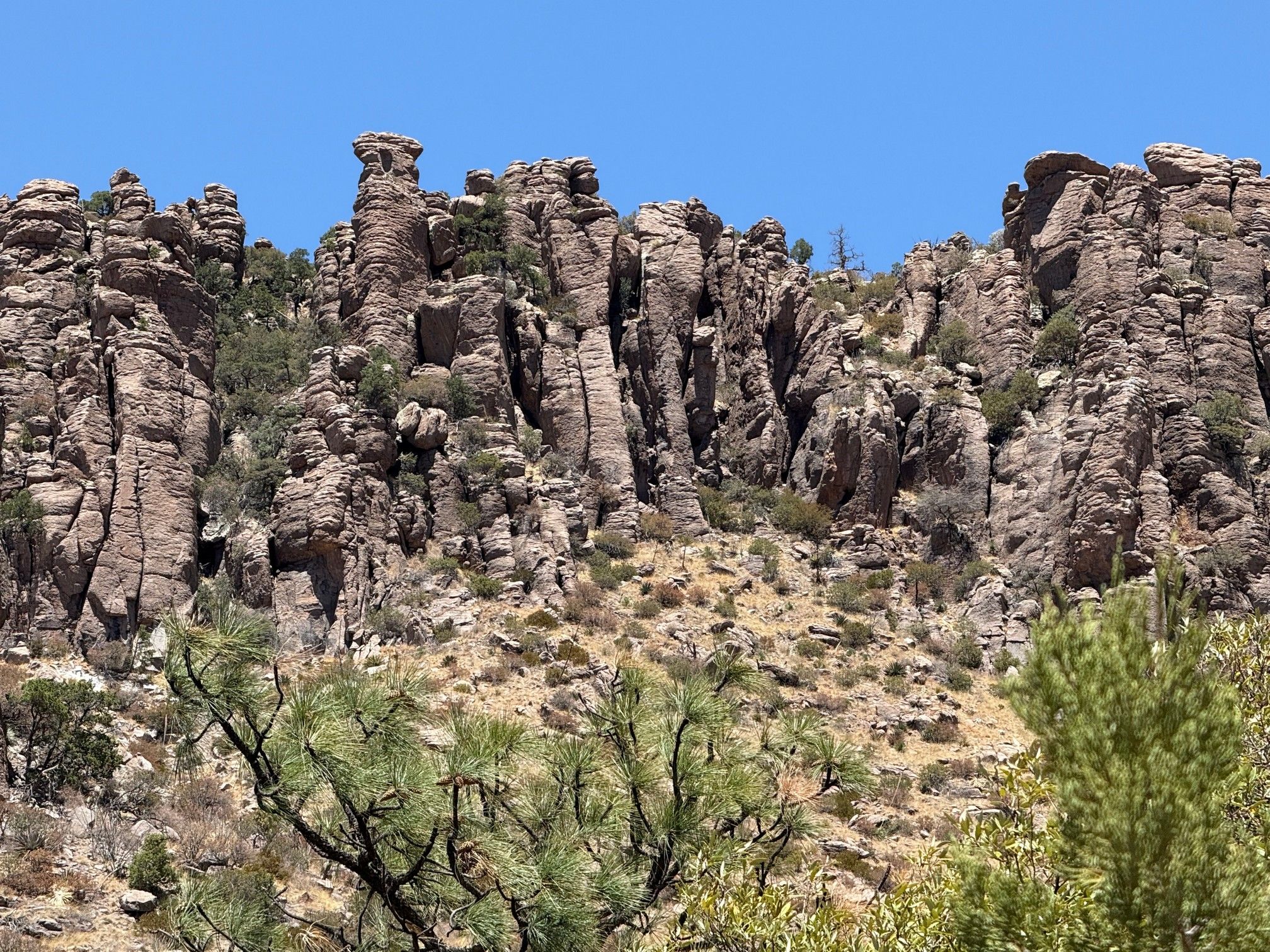
The present-day Chiricahua National Monument encompasses part of the former territory of the Chiricahua Apaches, who lived off the natural resources of the region as early as the 15th century. The stories of the chiefs Mangas Coloradas and Cochise, as well as the medicine man and later warrior Geronimo, can still be heard in the canyons today.
For generations, the Apaches resisted the white colonization of their homeland in the Southwest (present-day New Mexico and Arizona) by Spaniards and North Americans. When gold was discovered in California in 1848, the Apaches were further threatened by incursions of white gold seekers heading to the gold fields.
Until 1886, the Apaches, led by three chiefs, fought against their removal to reservations in Arizona, later Oklahoma, and even Florida!
This long struggle of the Apaches is relatively objectively presented, for example, on the website
www.desertusa.com/desert-people/chiricahua-apaches.html
.
Ultimately, in 1886, the remaining small group of free Apaches under Geronimo, who had often retreated to the area of today’s national monument, was captured by a troop of 5,000 soldiers with the support of 500 Indian scouts, and despite all promises, they were held in Fort Sill, Oklahoma. He never saw his homeland again until his death in 1909.
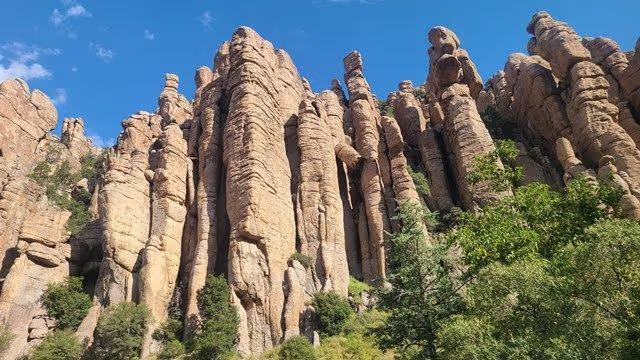
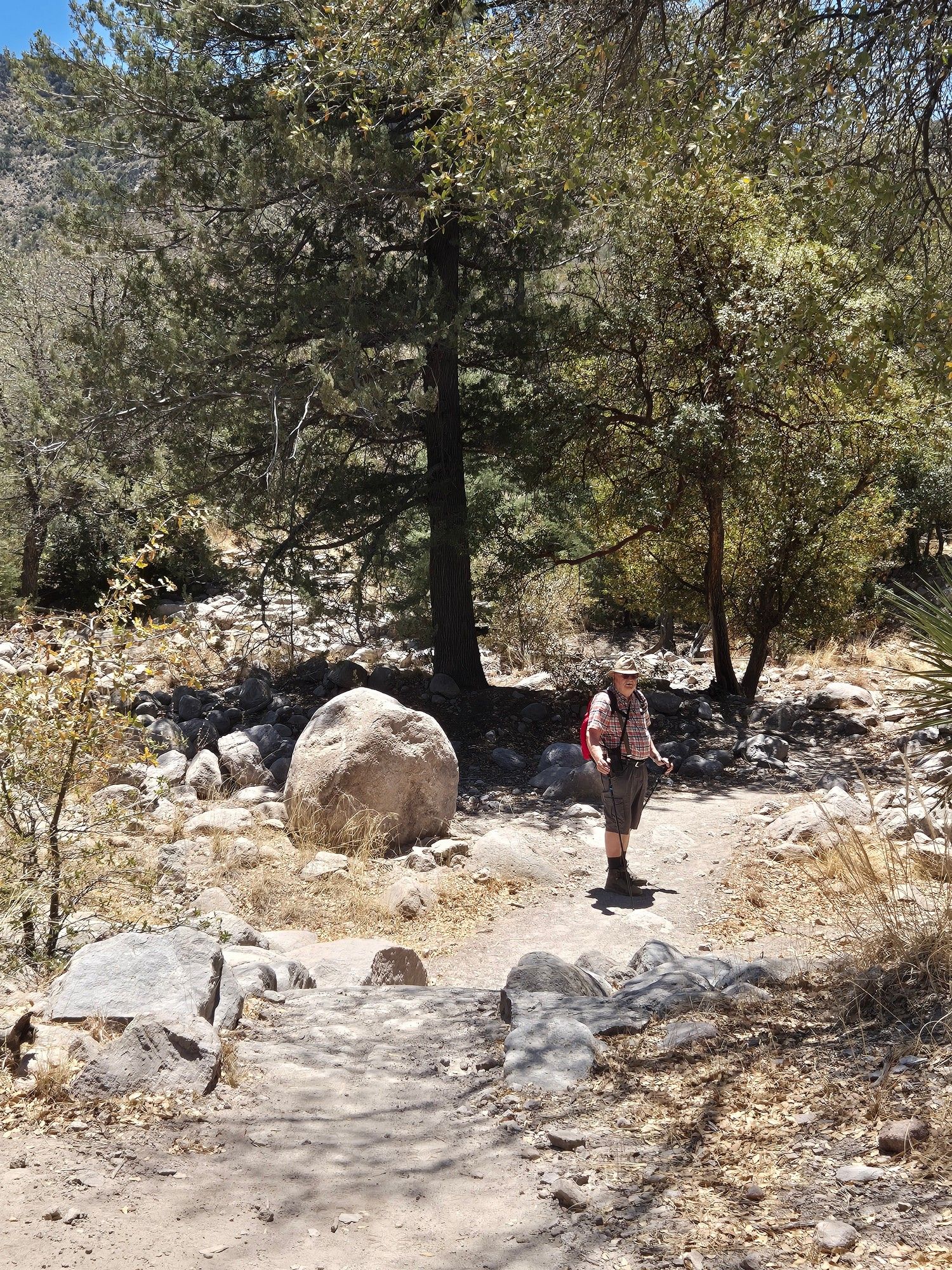
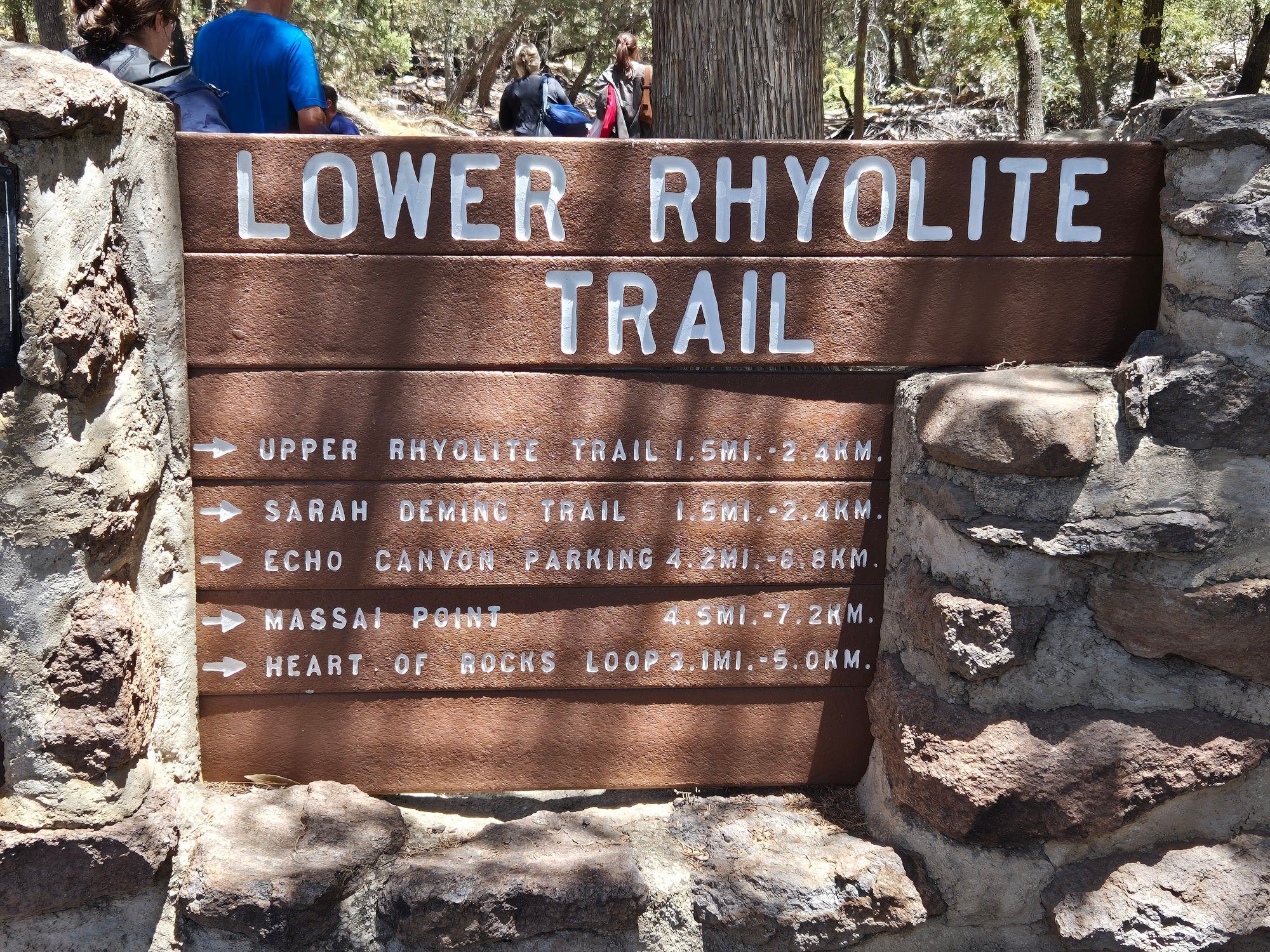
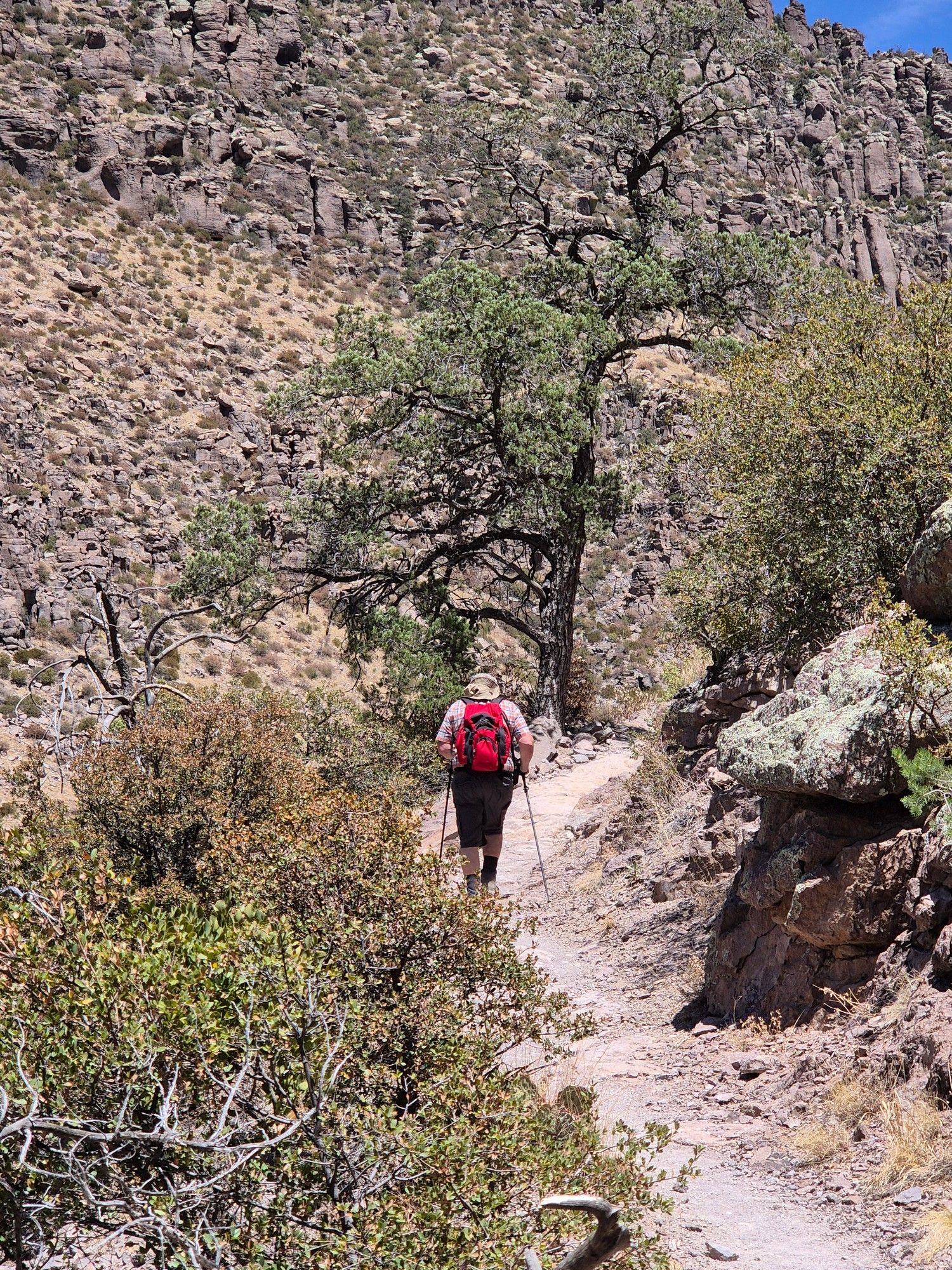
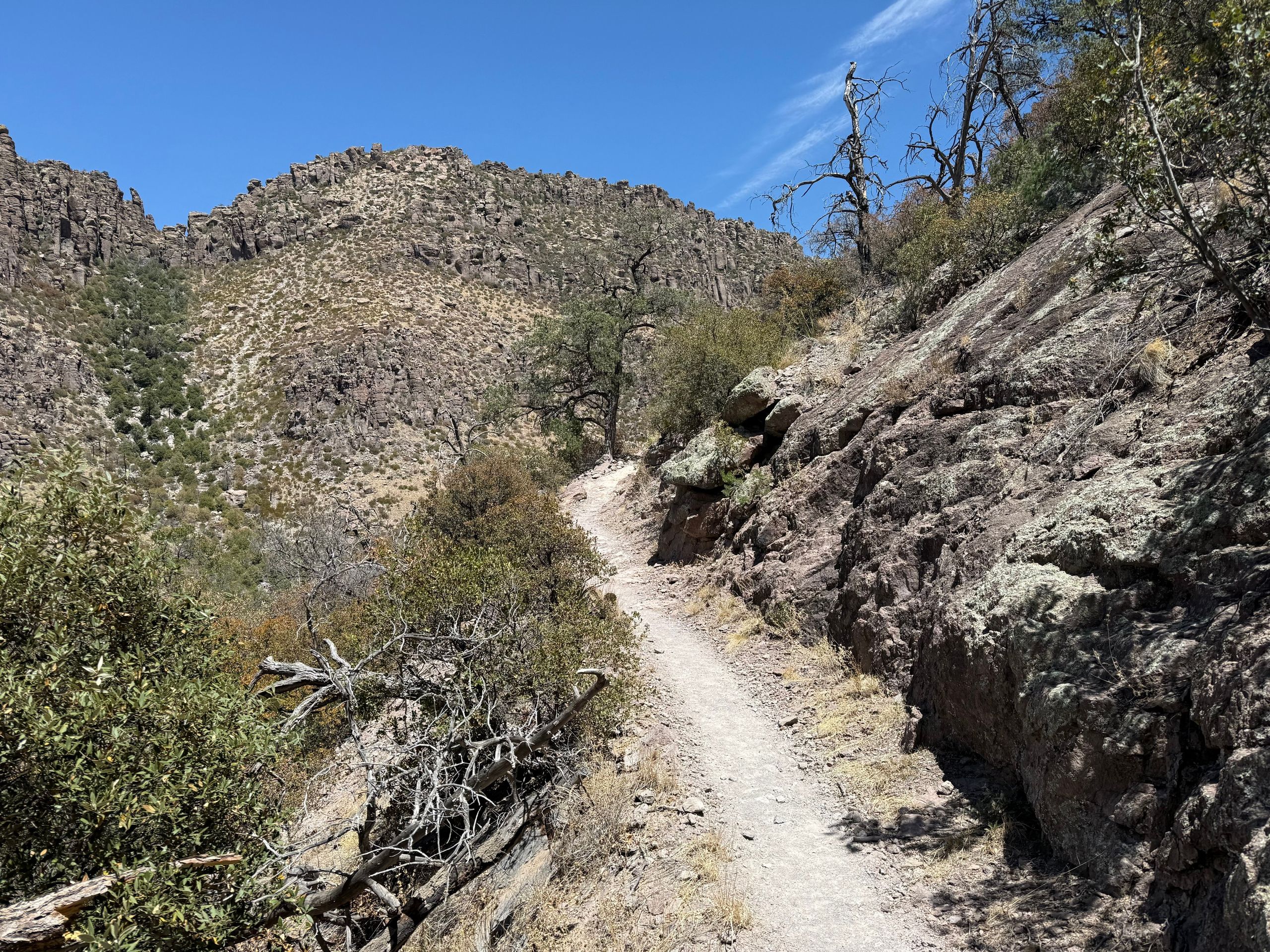
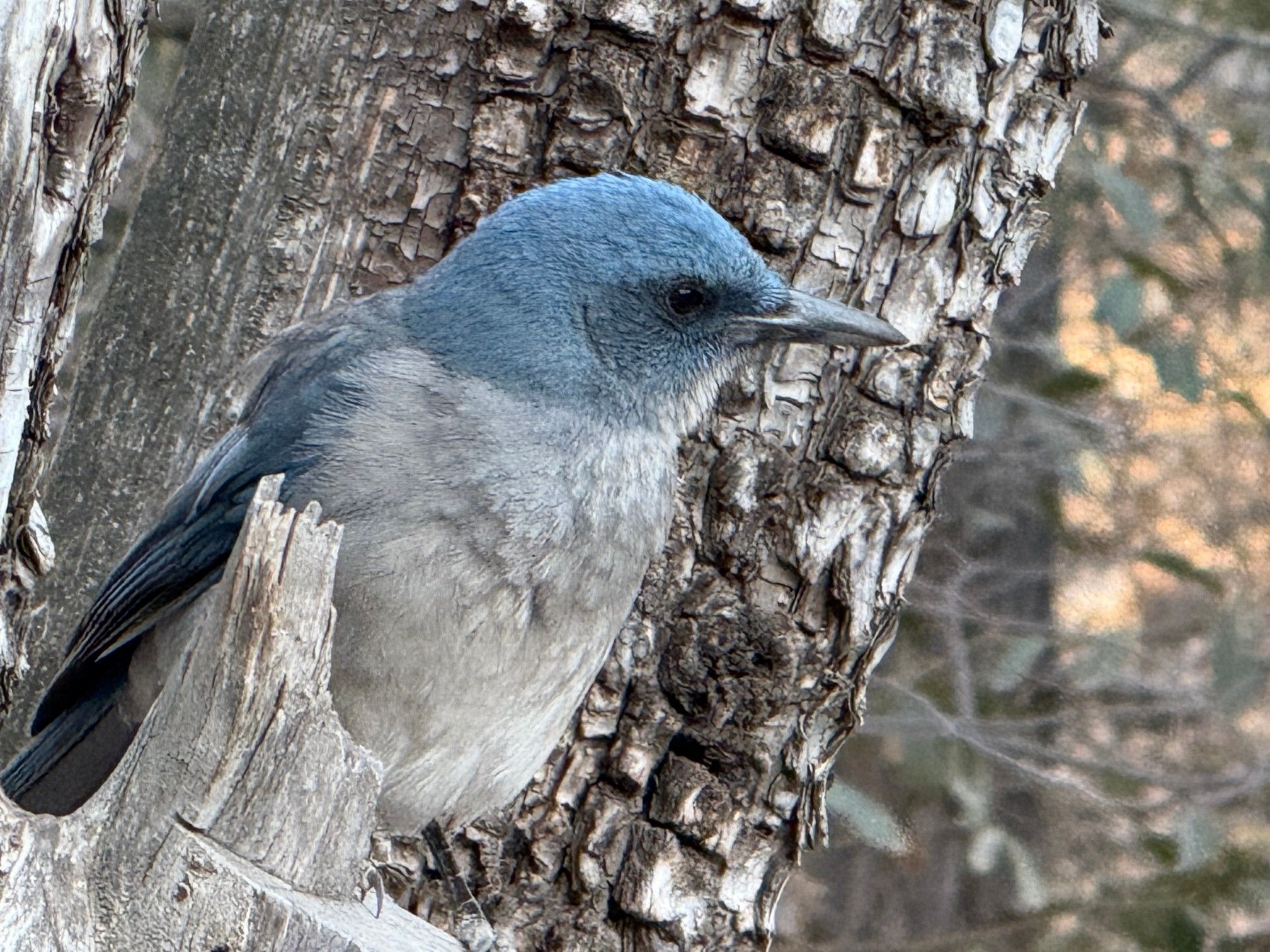
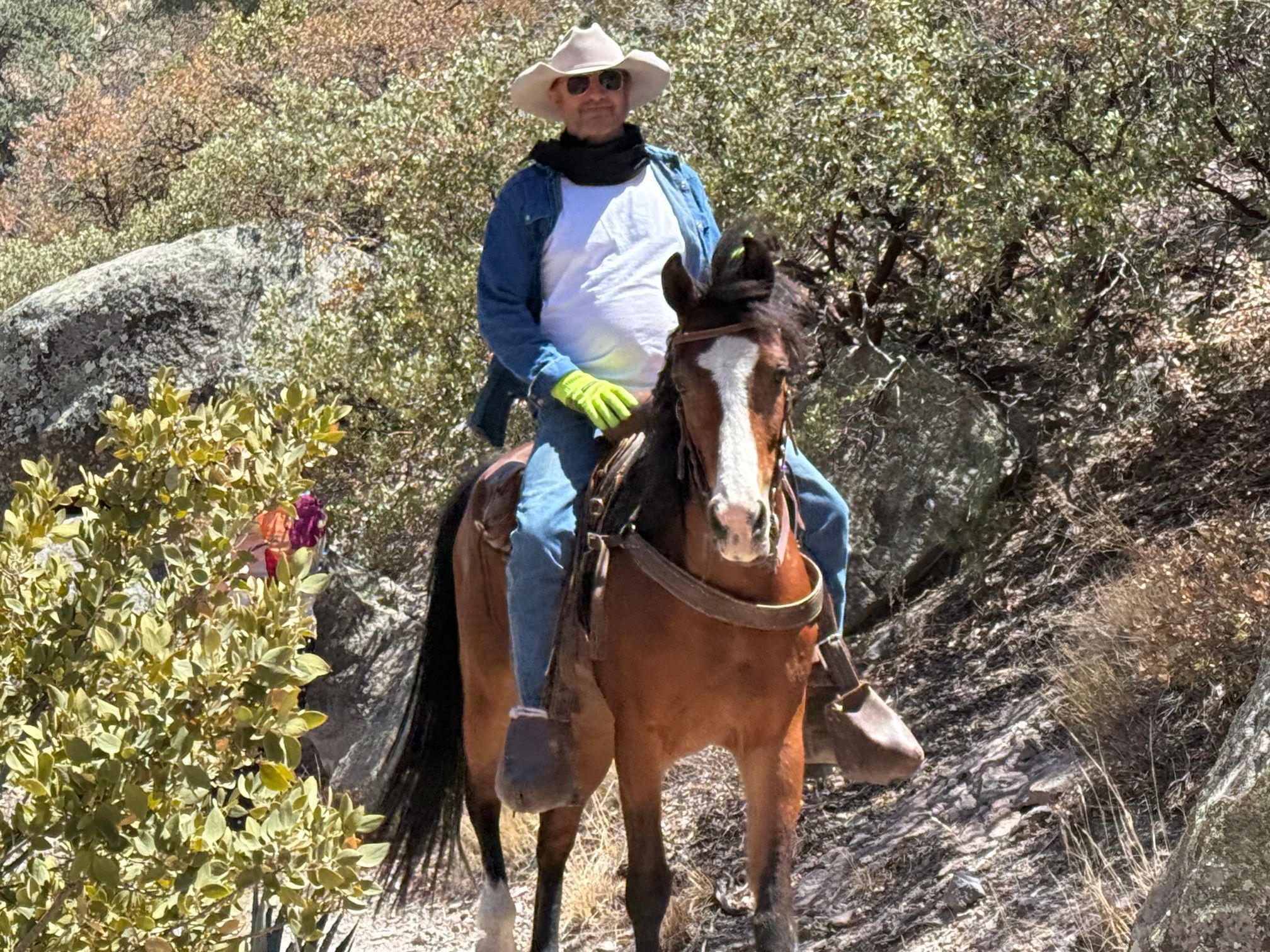
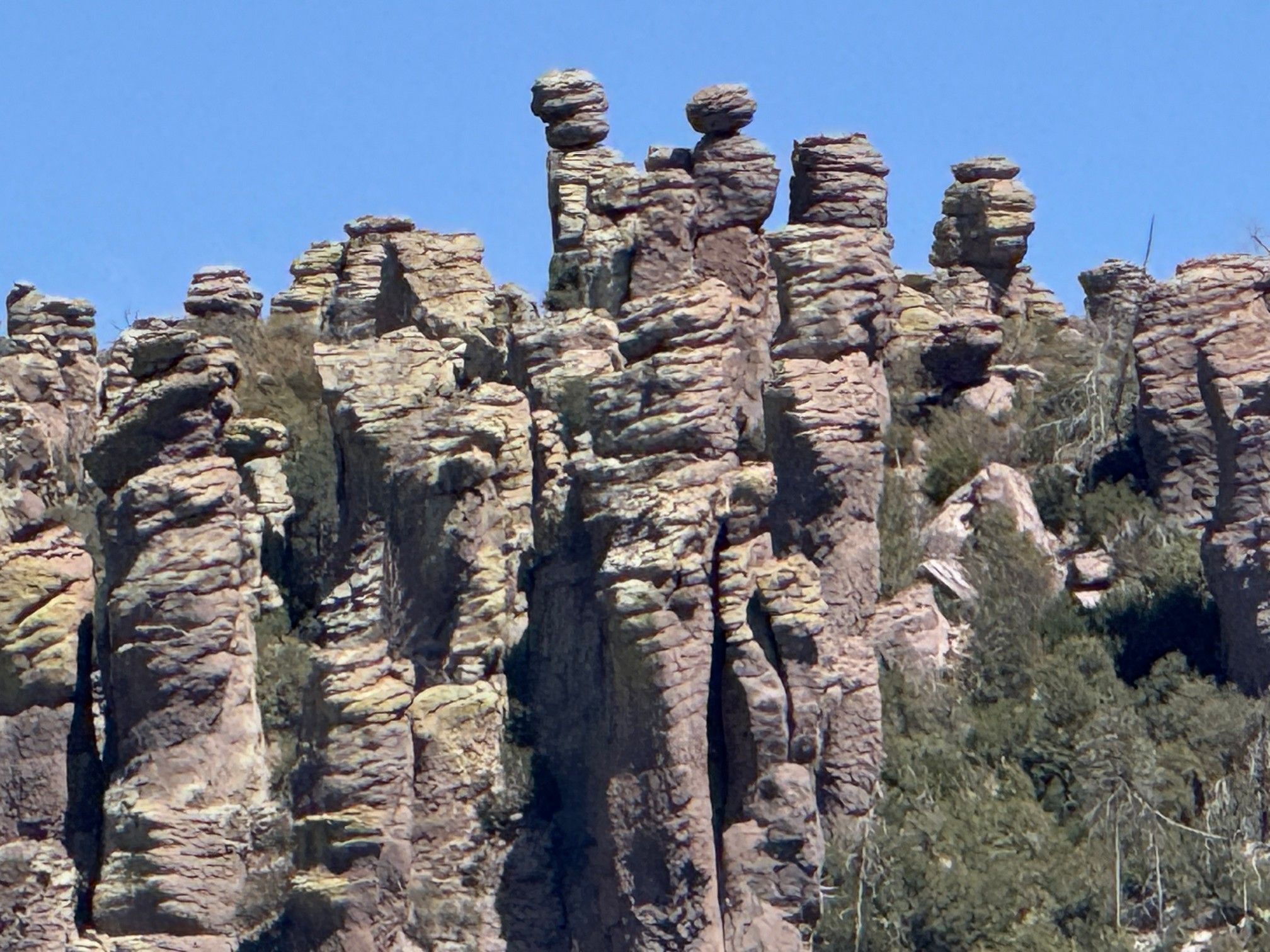
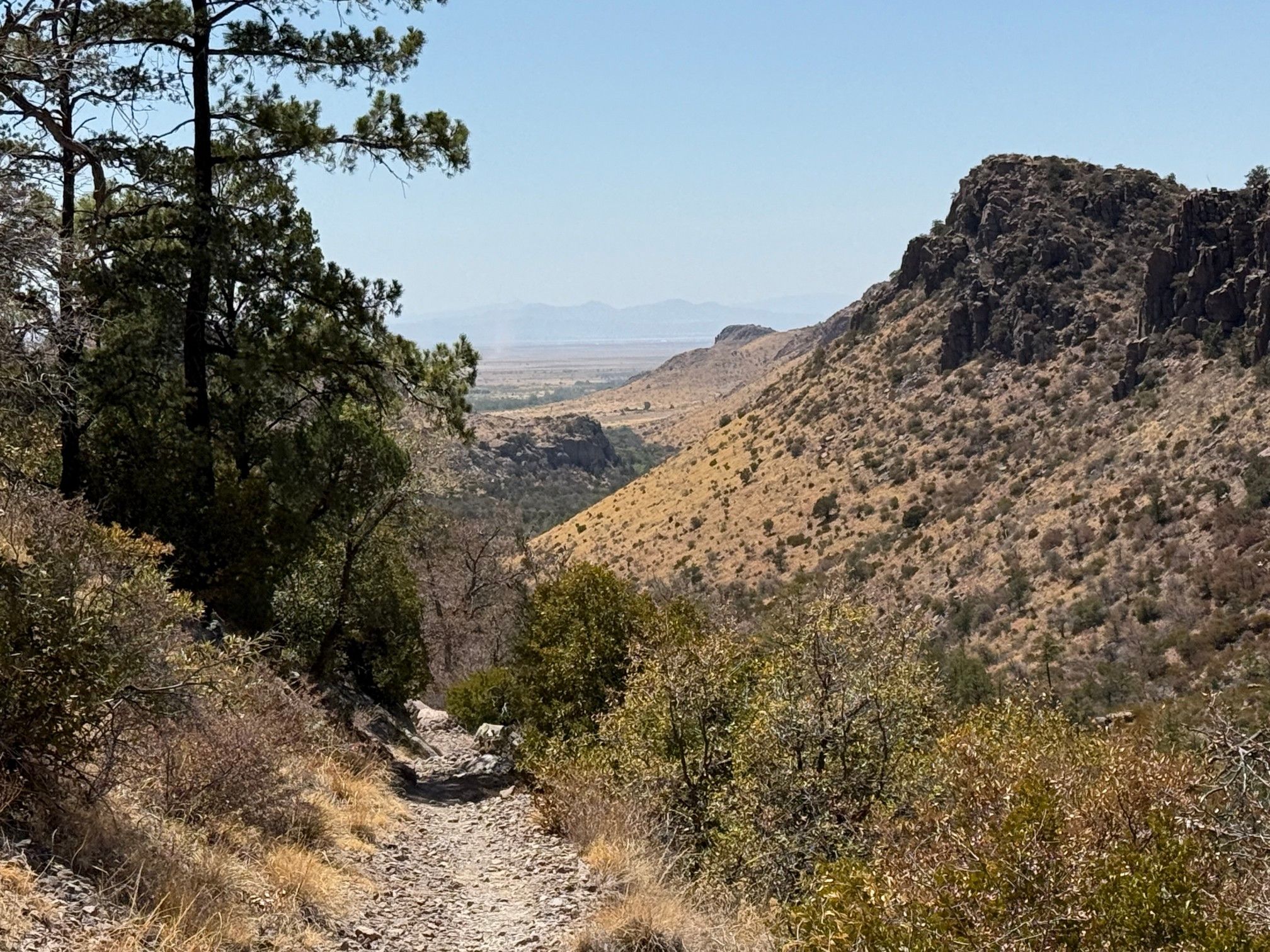
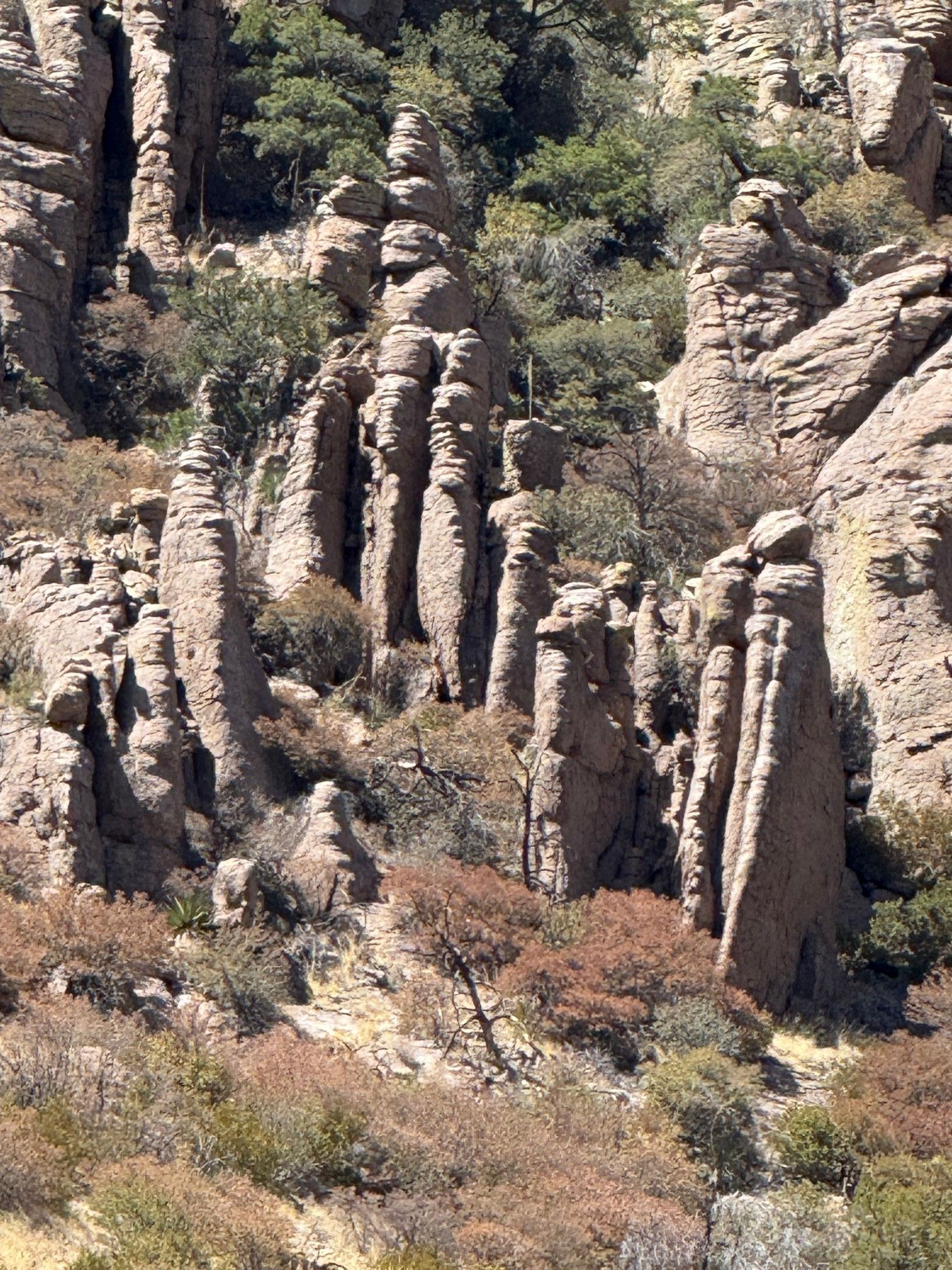
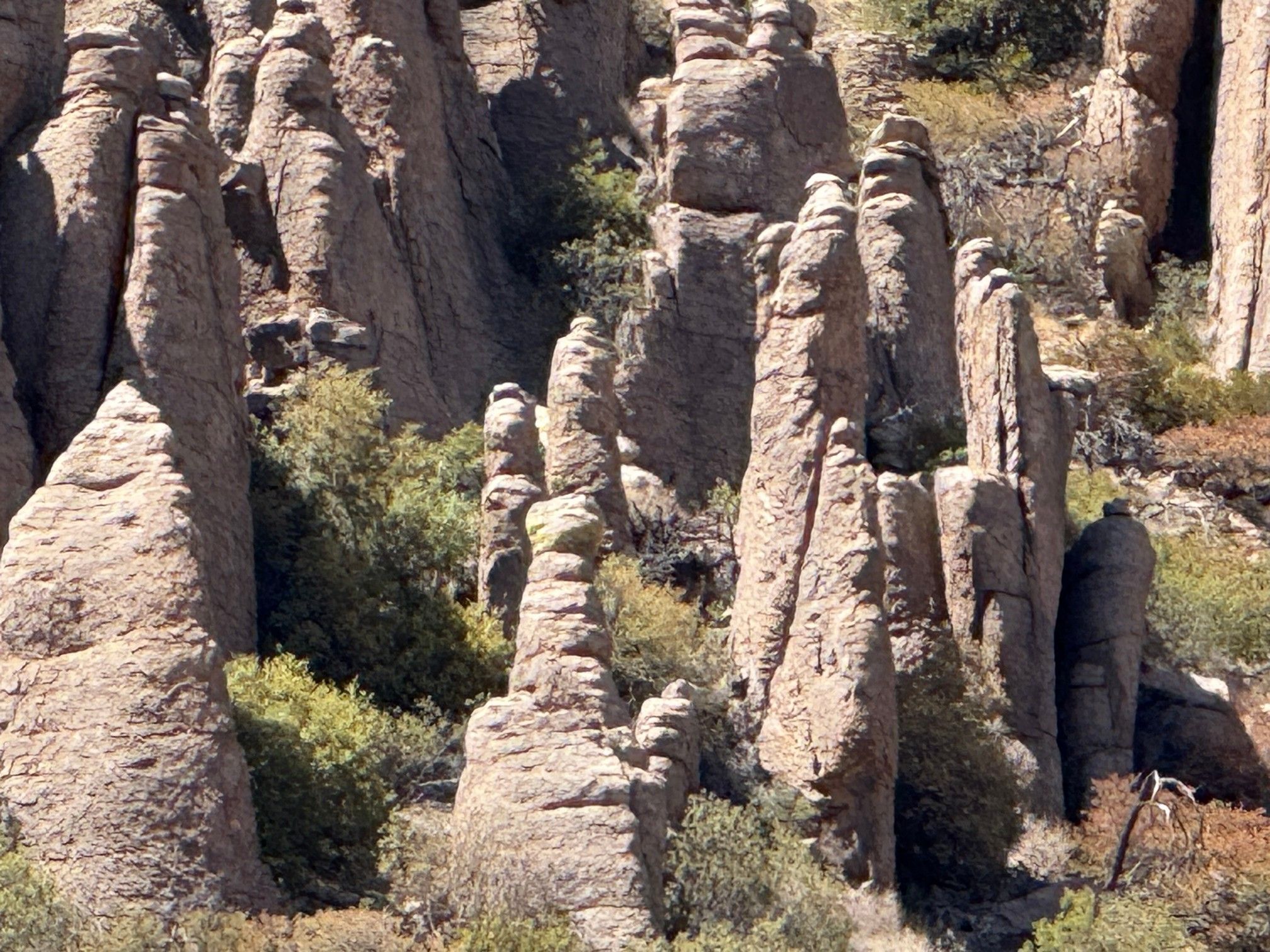
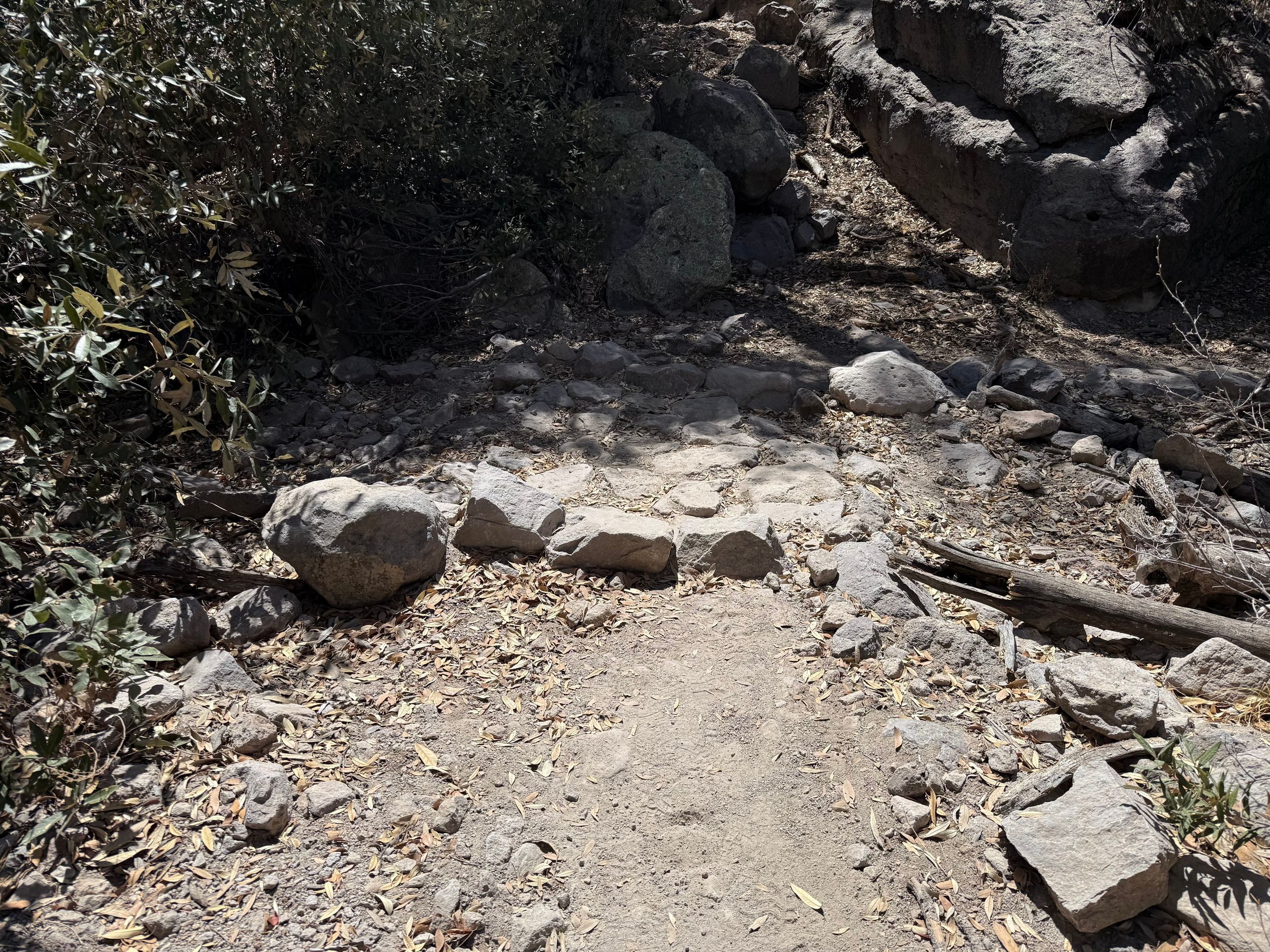
Today, deer, bears, and mountain lions also inhabit the area, which offers visitors about 30 km of hiking trails, some of them long and very challenging. We hike a good distance along the “Lower Rhyolite Trail” in the canyon of the same name, which already gives us some beautiful views of the area’s unique rock formations.
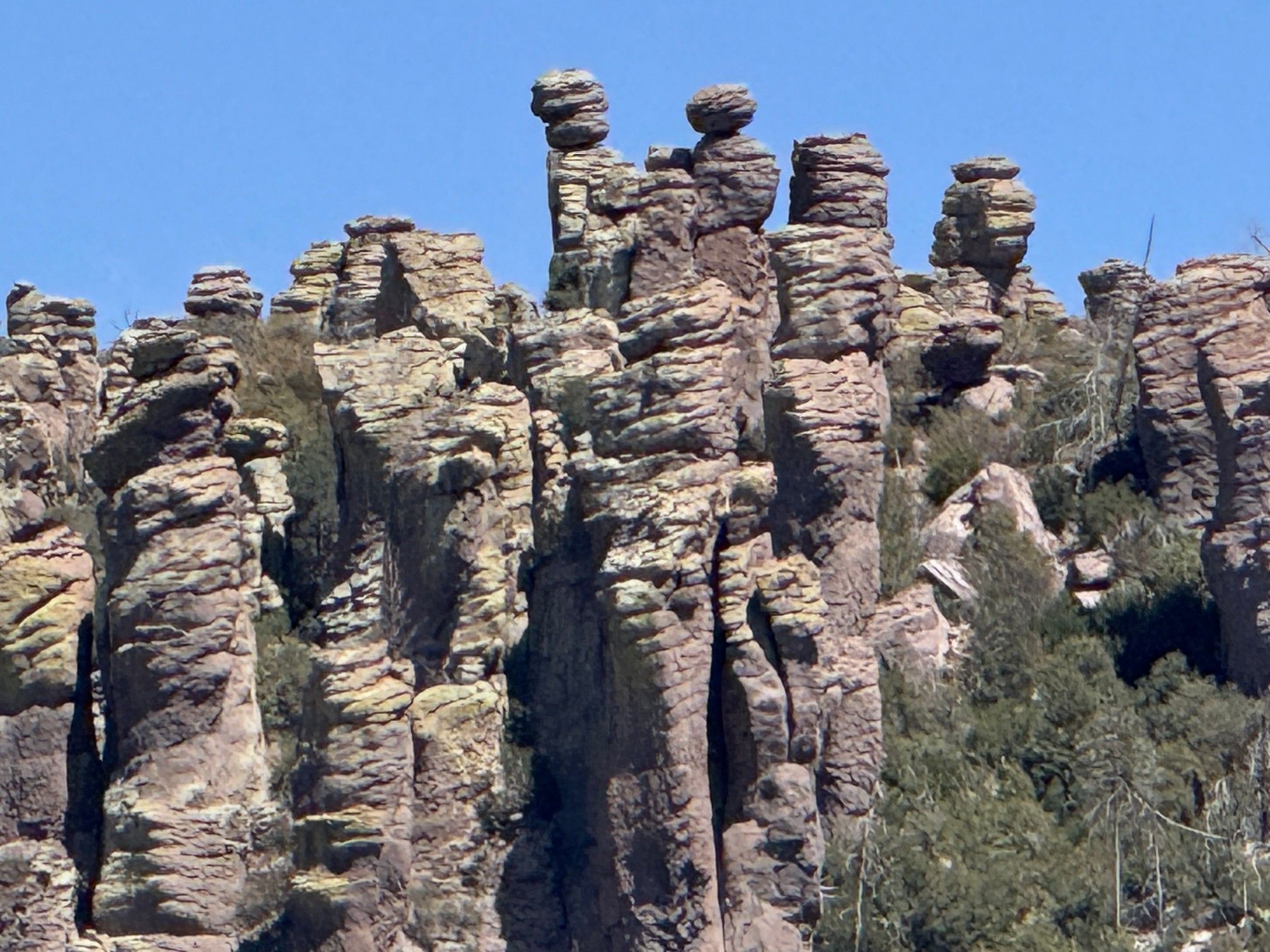
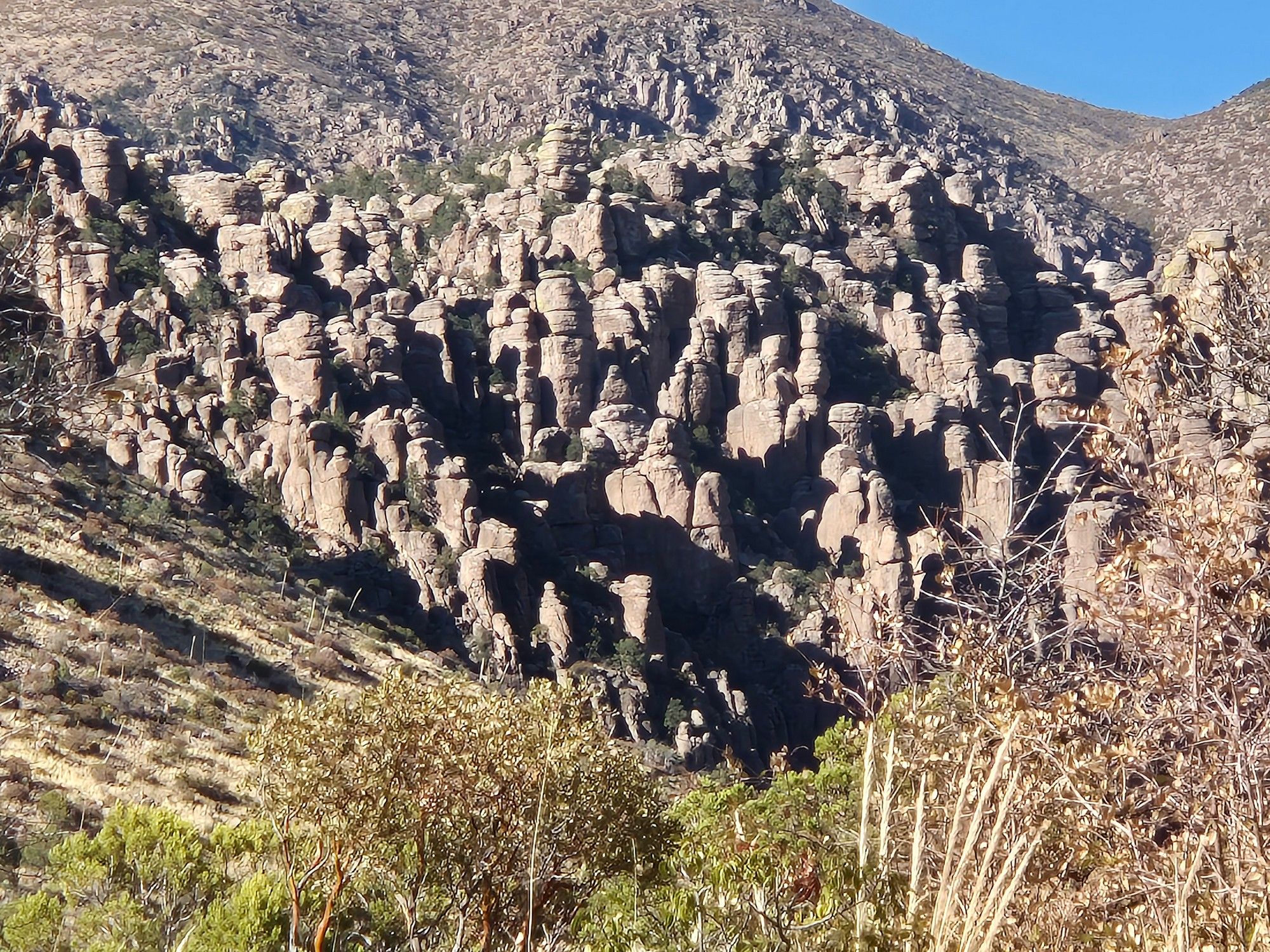
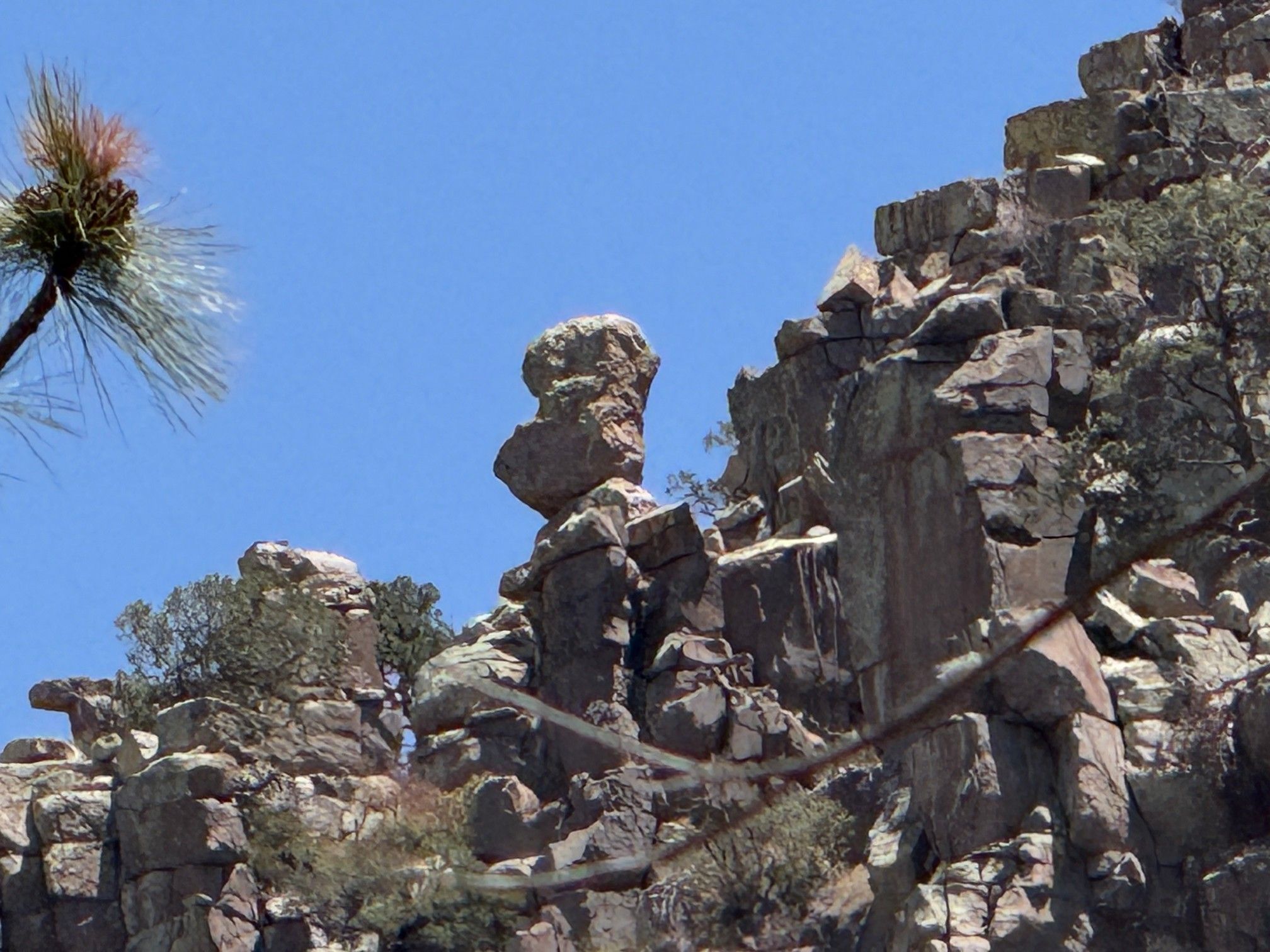
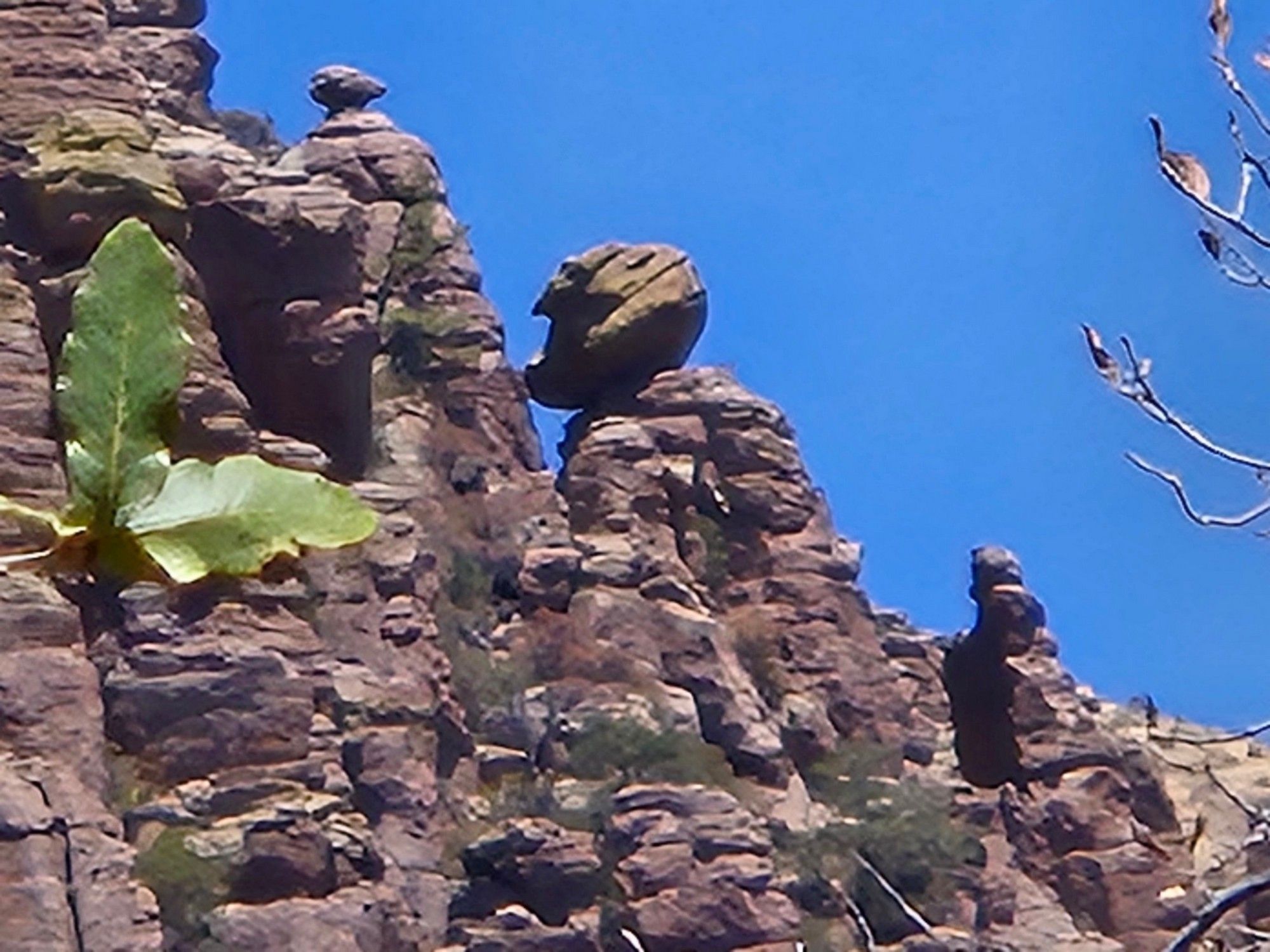
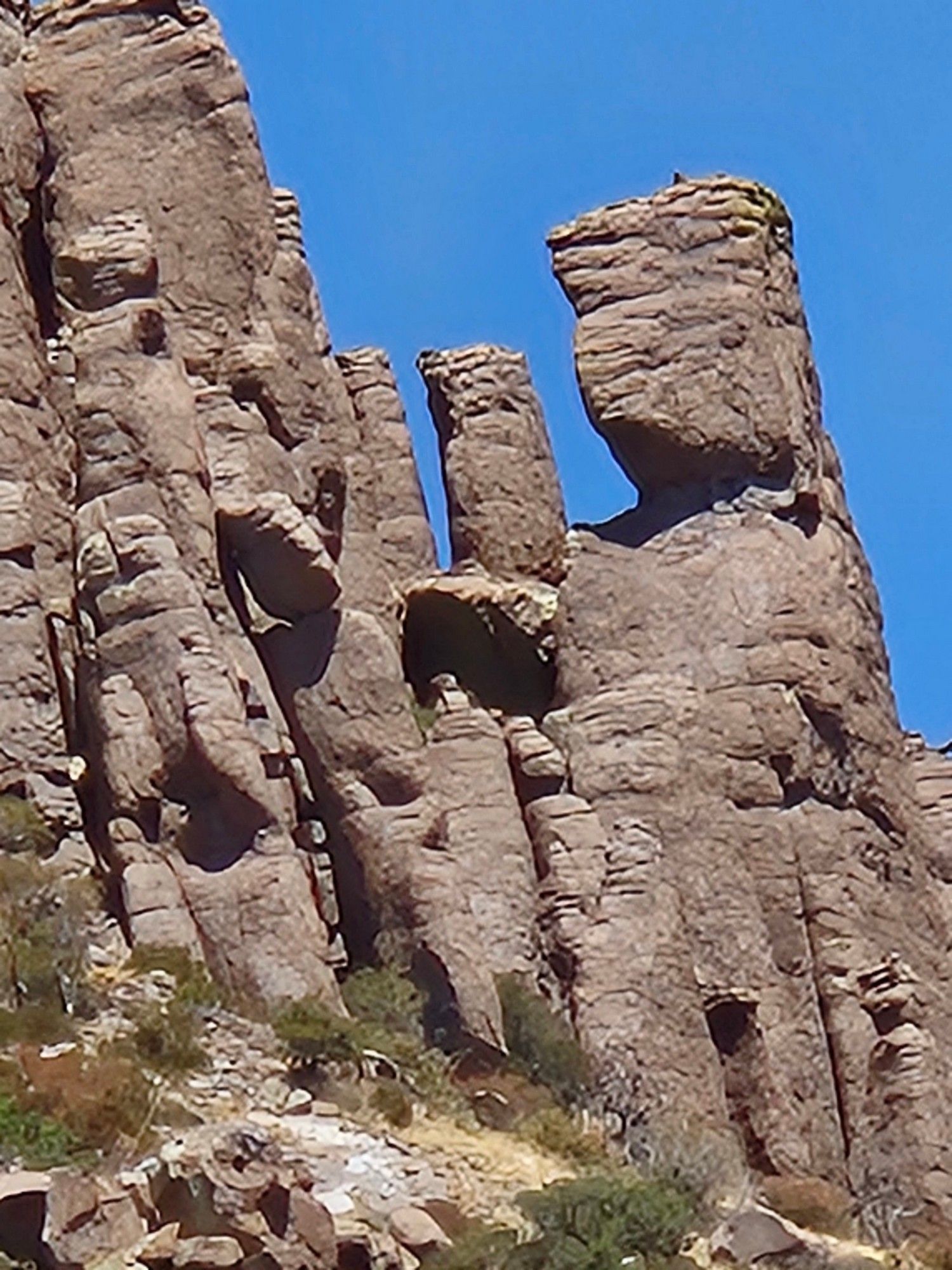
The unusual rock formations of the Chiricahua National Monument result from a series of massive volcanic eruptions that occurred around 27 million years ago, covering the surrounding land with a layer of ash and sand more than 600 meters high. Once the pyroclastic material had compacted into solid tuff, the dark rock was raised, shifted, and repeatedly fractured over millions of years through plate tectonics.
Winds and water washed away the softer rock from the harder rock until only countless towering rock formations remained. In some cases, unusual rock formations were formed in this manner.