
2025 - April - Tangier
All beginnings are difficult – Morocco and I had a rough start. Even the journey was turbulent: At over 60 knots (about 111 km/h), I arrived at the port of Tangier aboard the...

Published: 13.04.2025
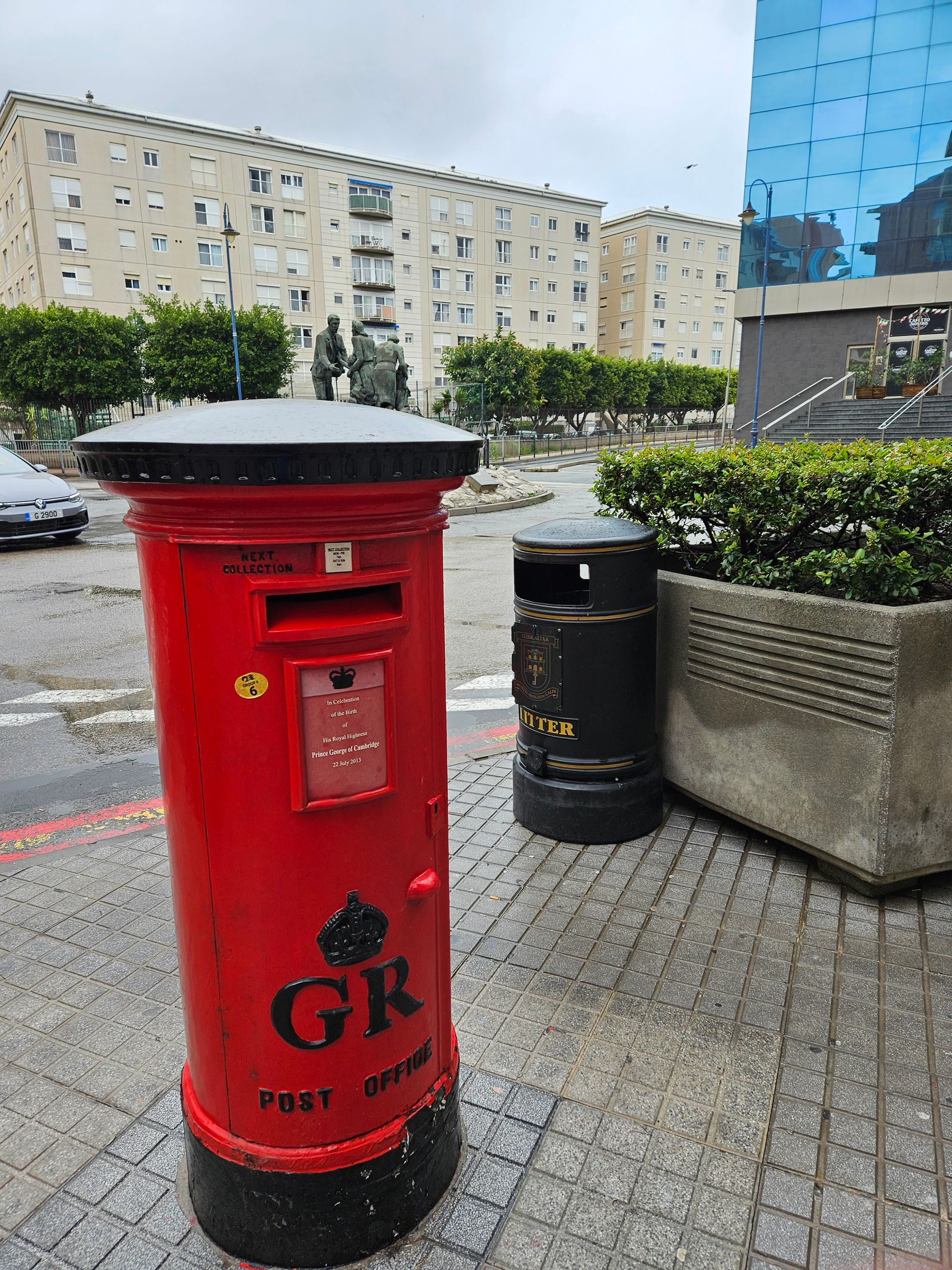
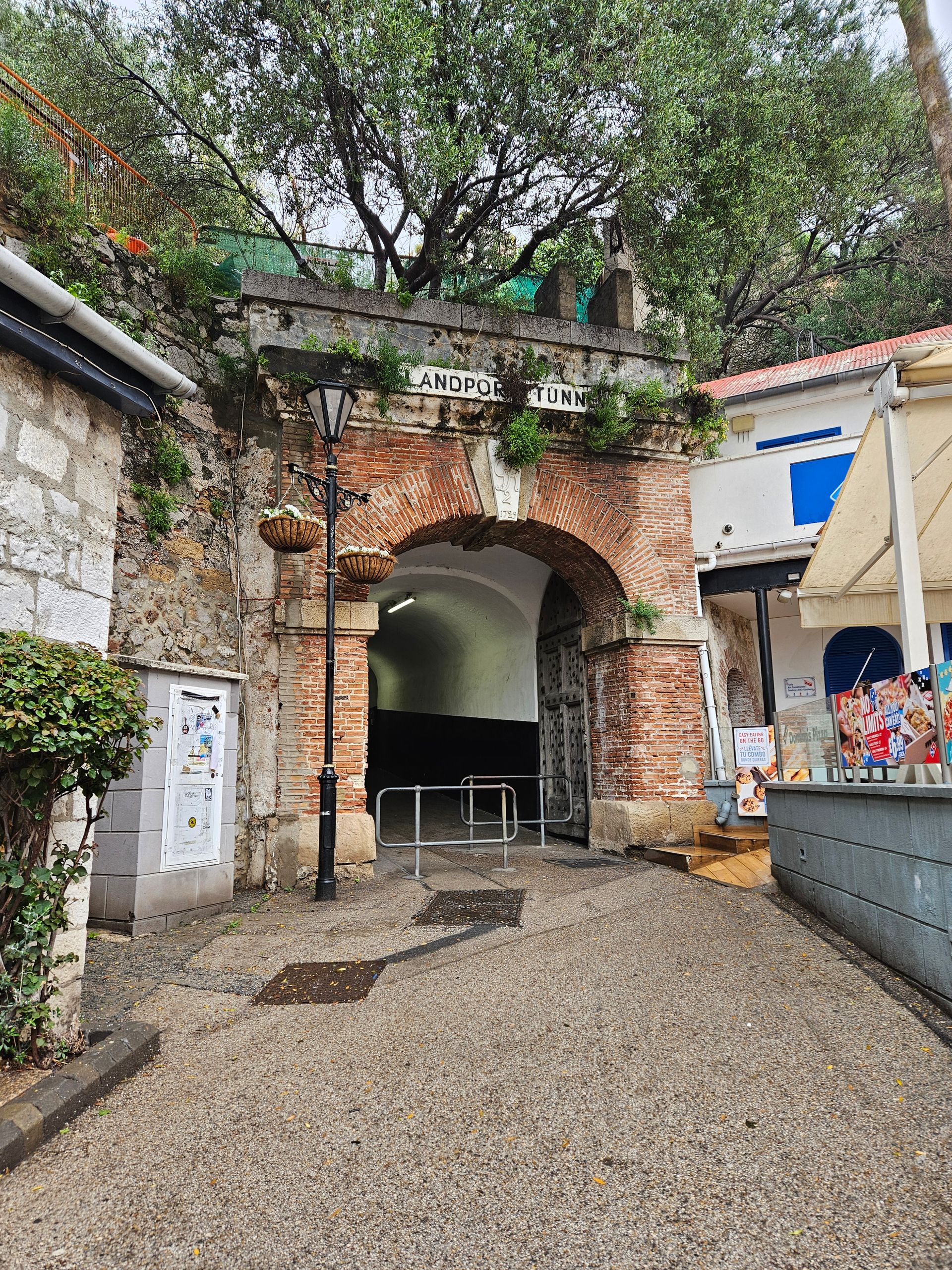
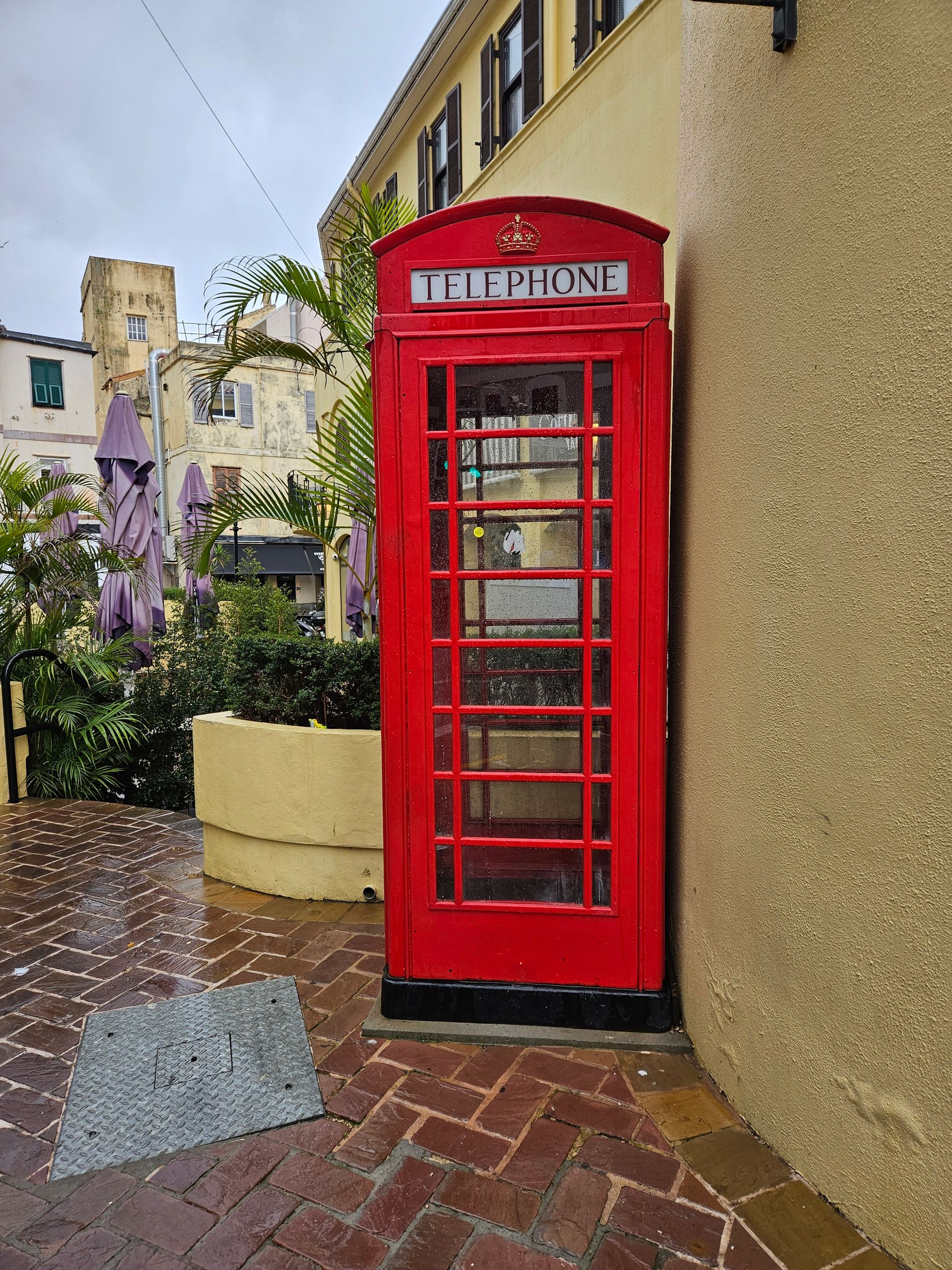
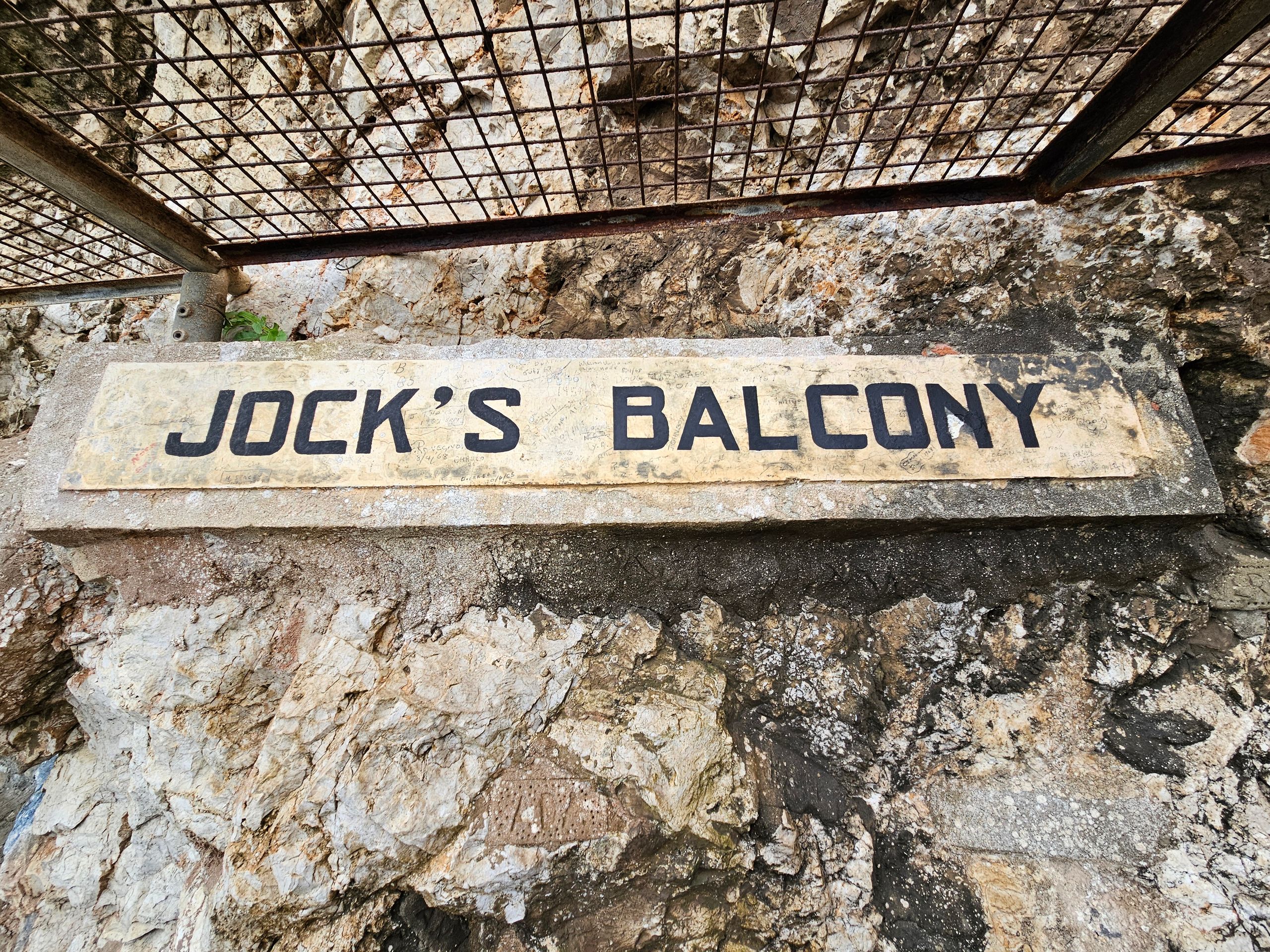
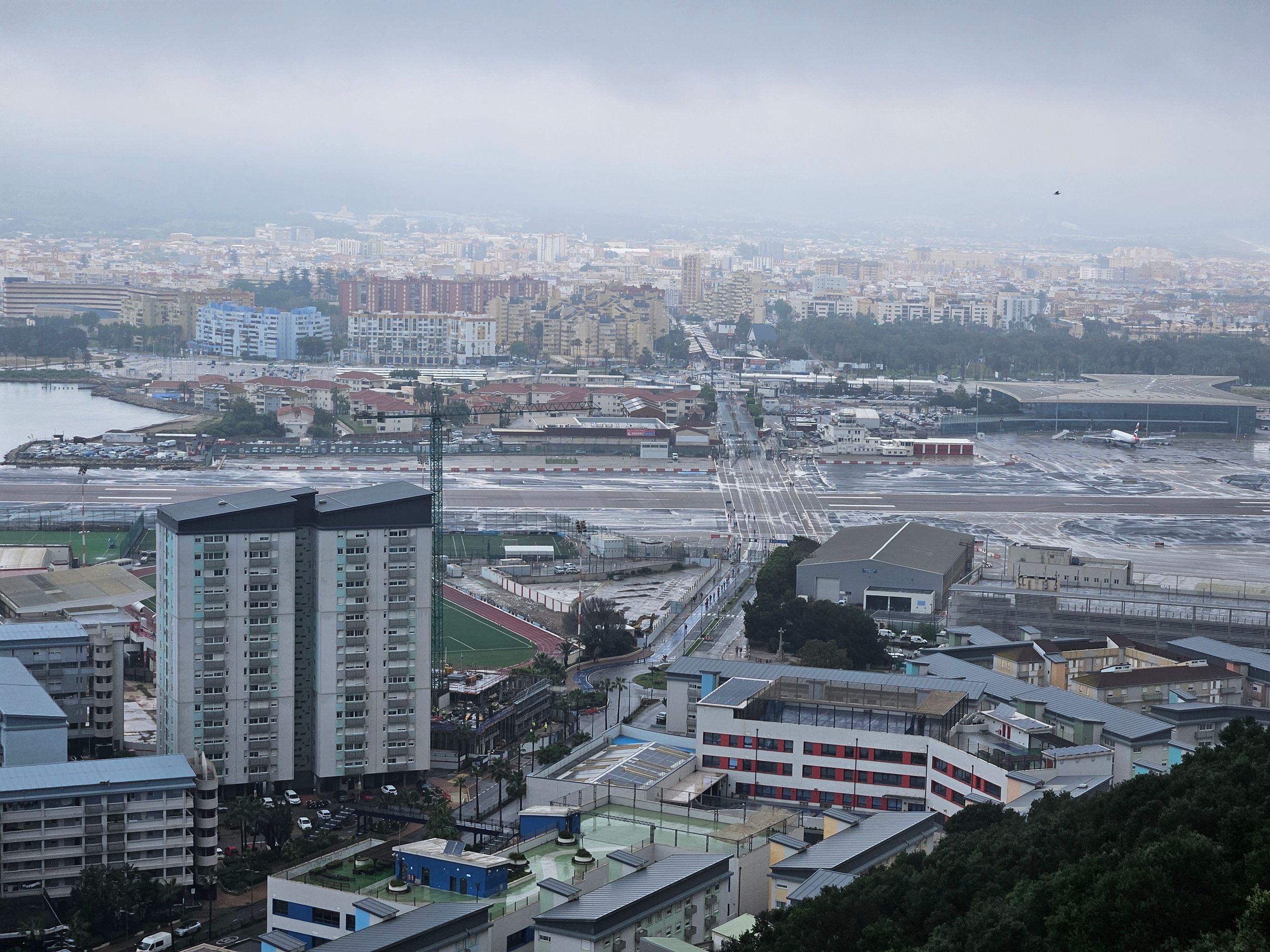
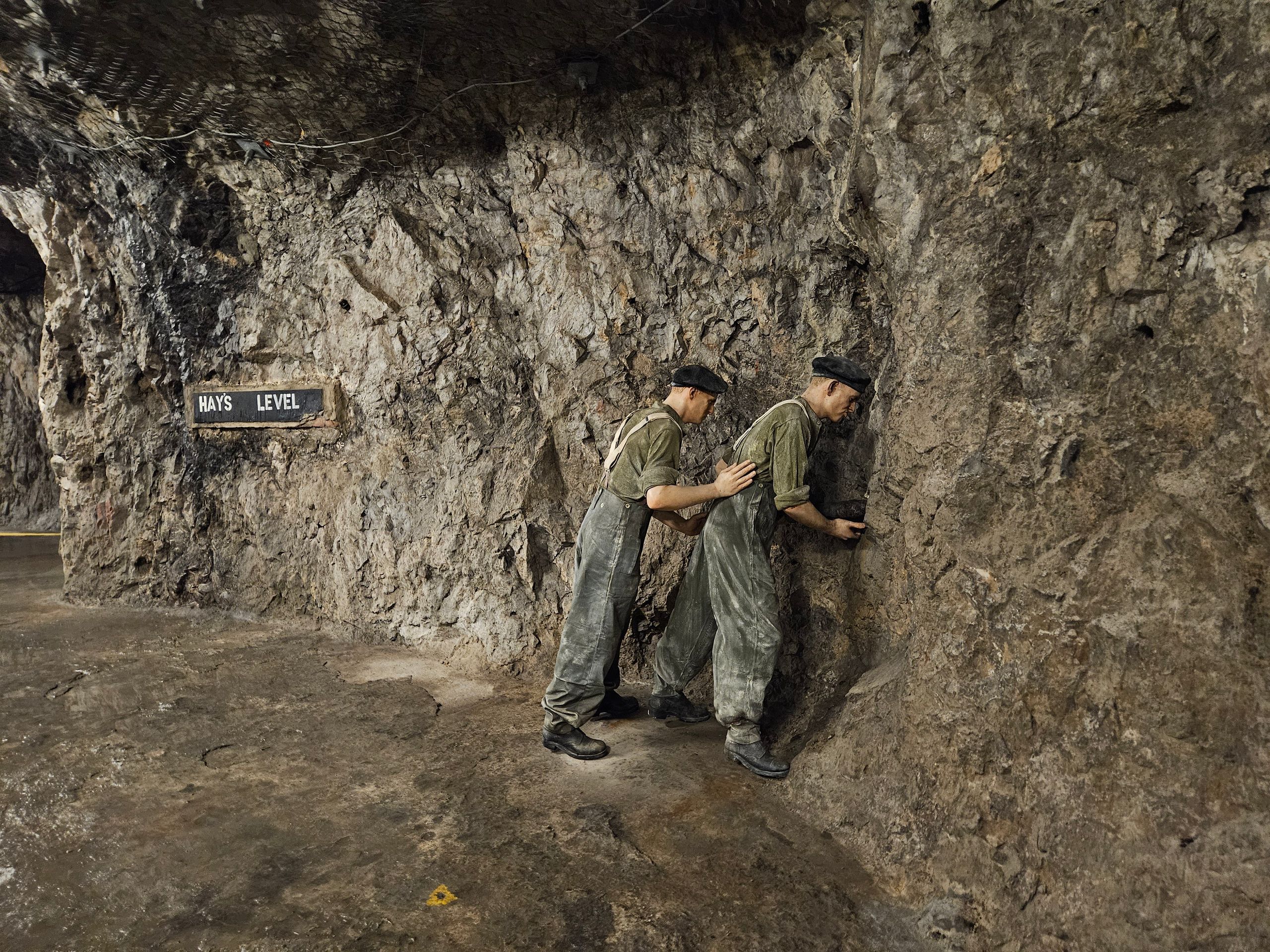
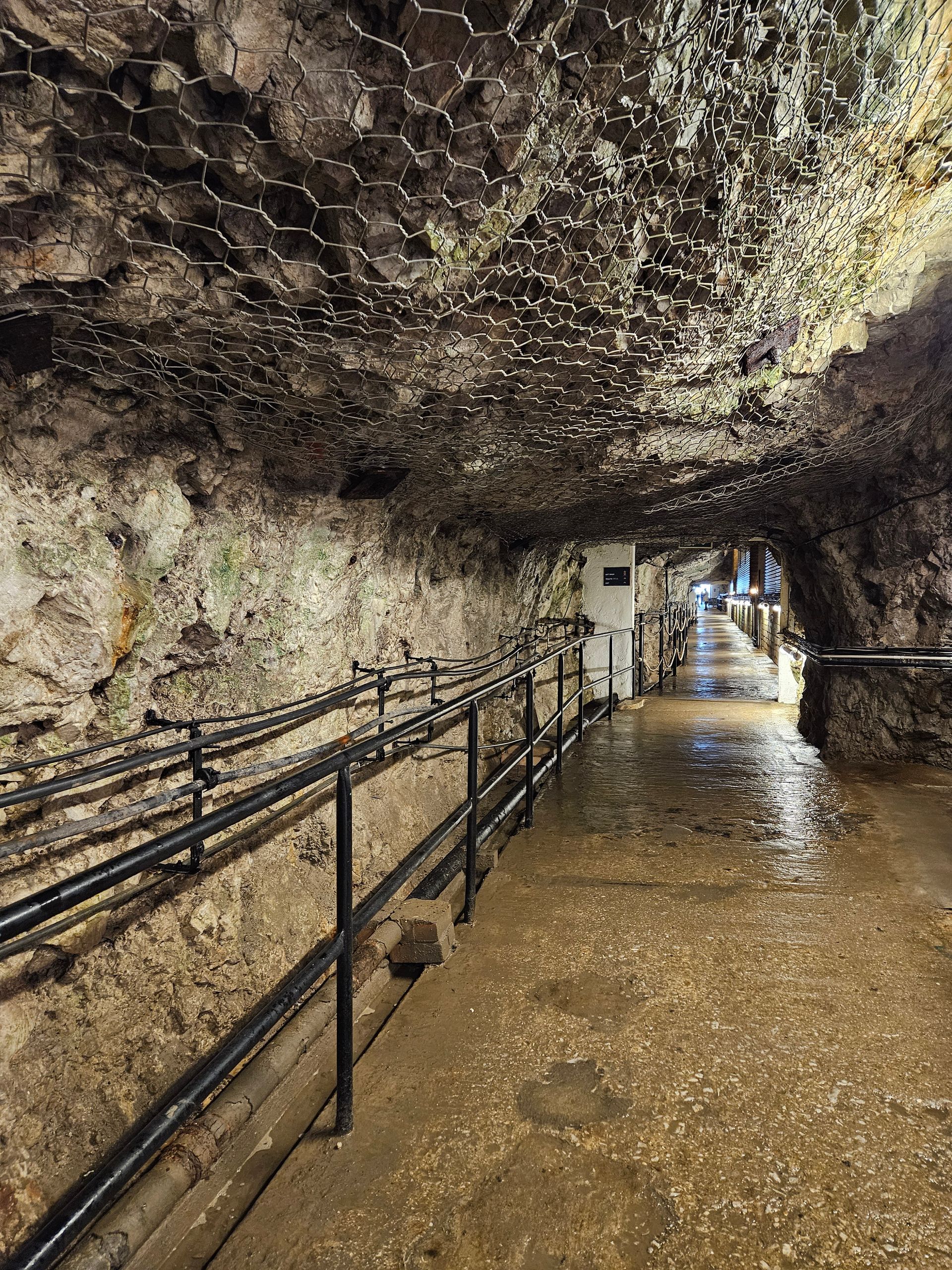
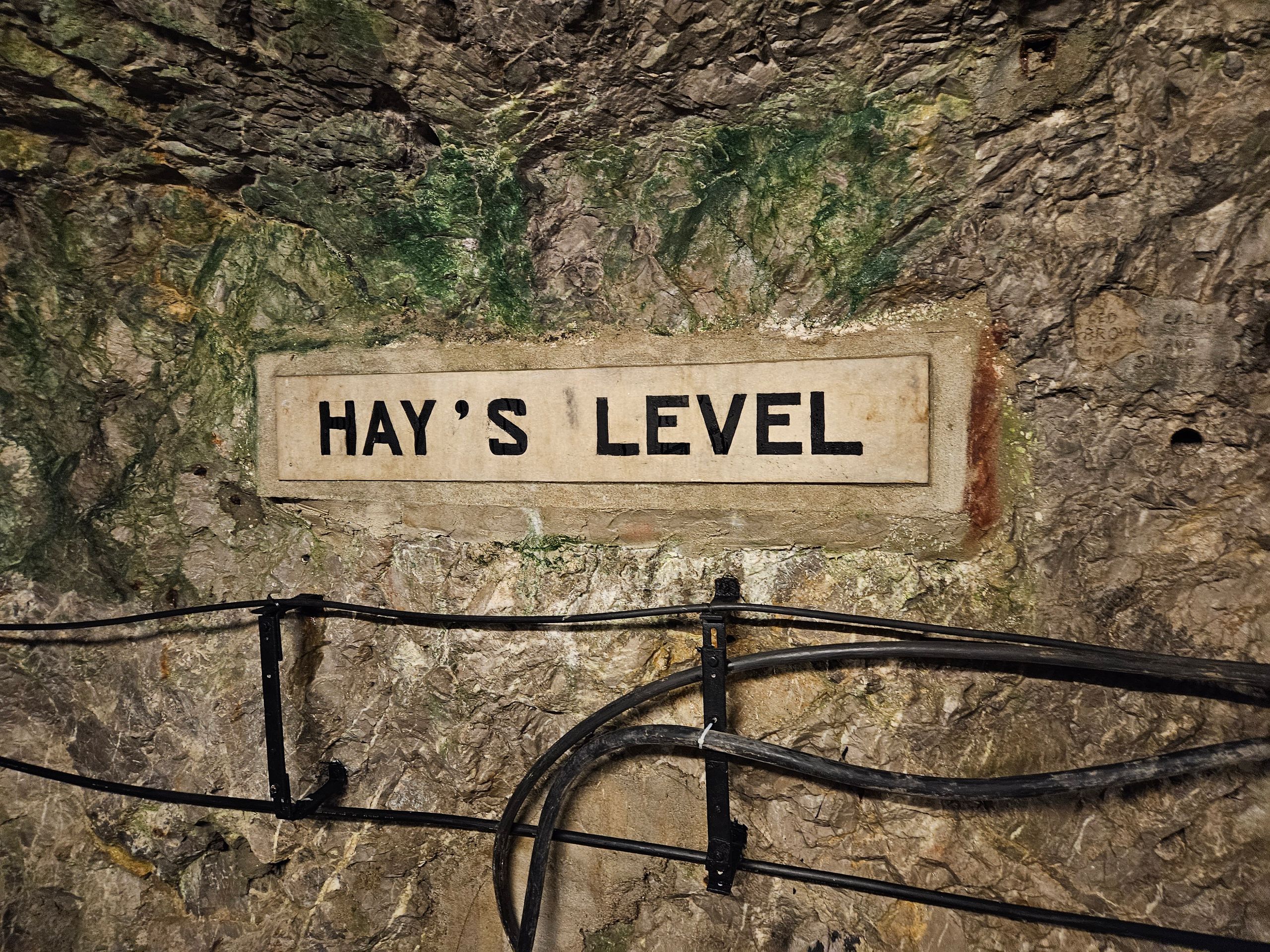
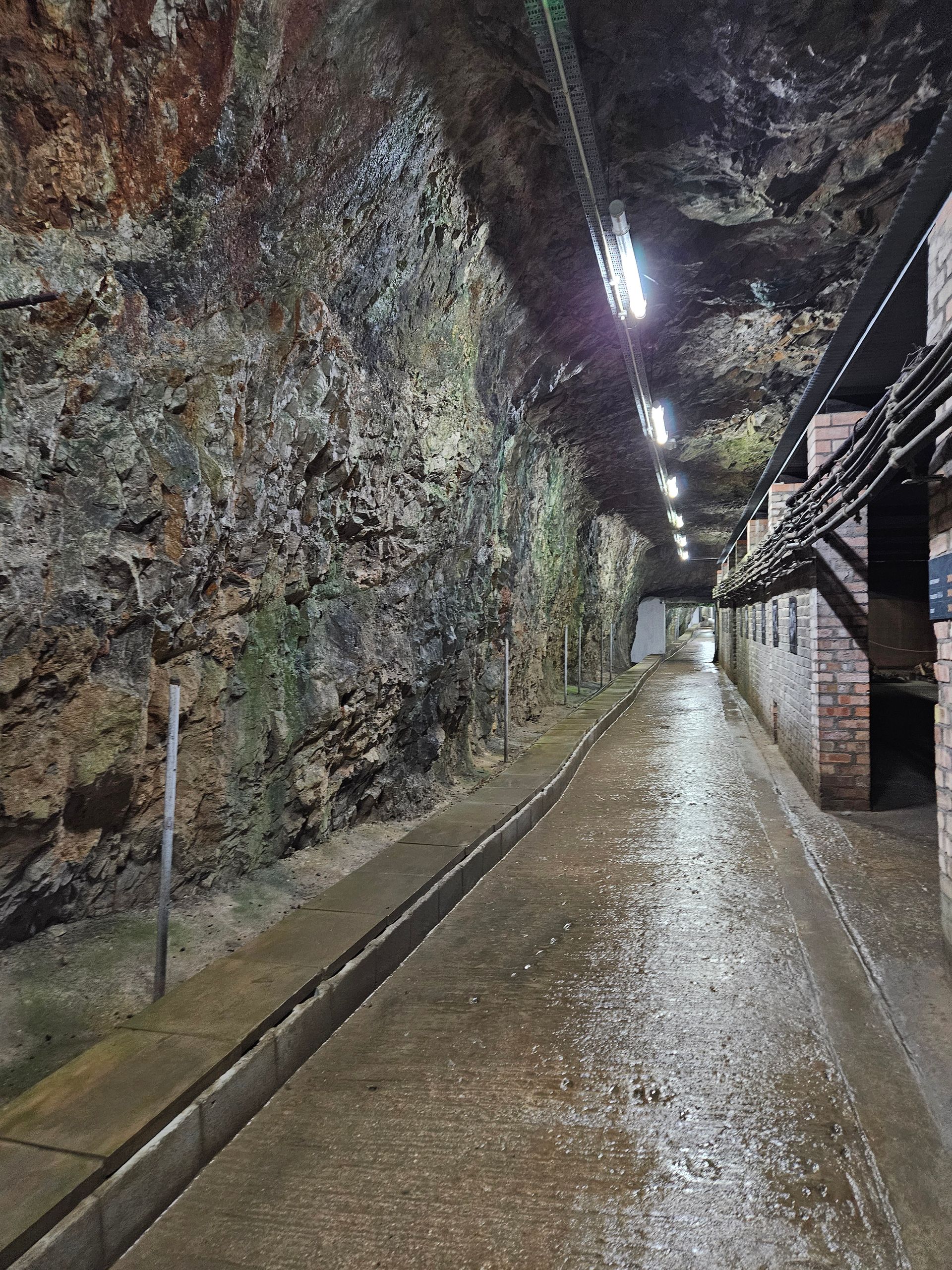
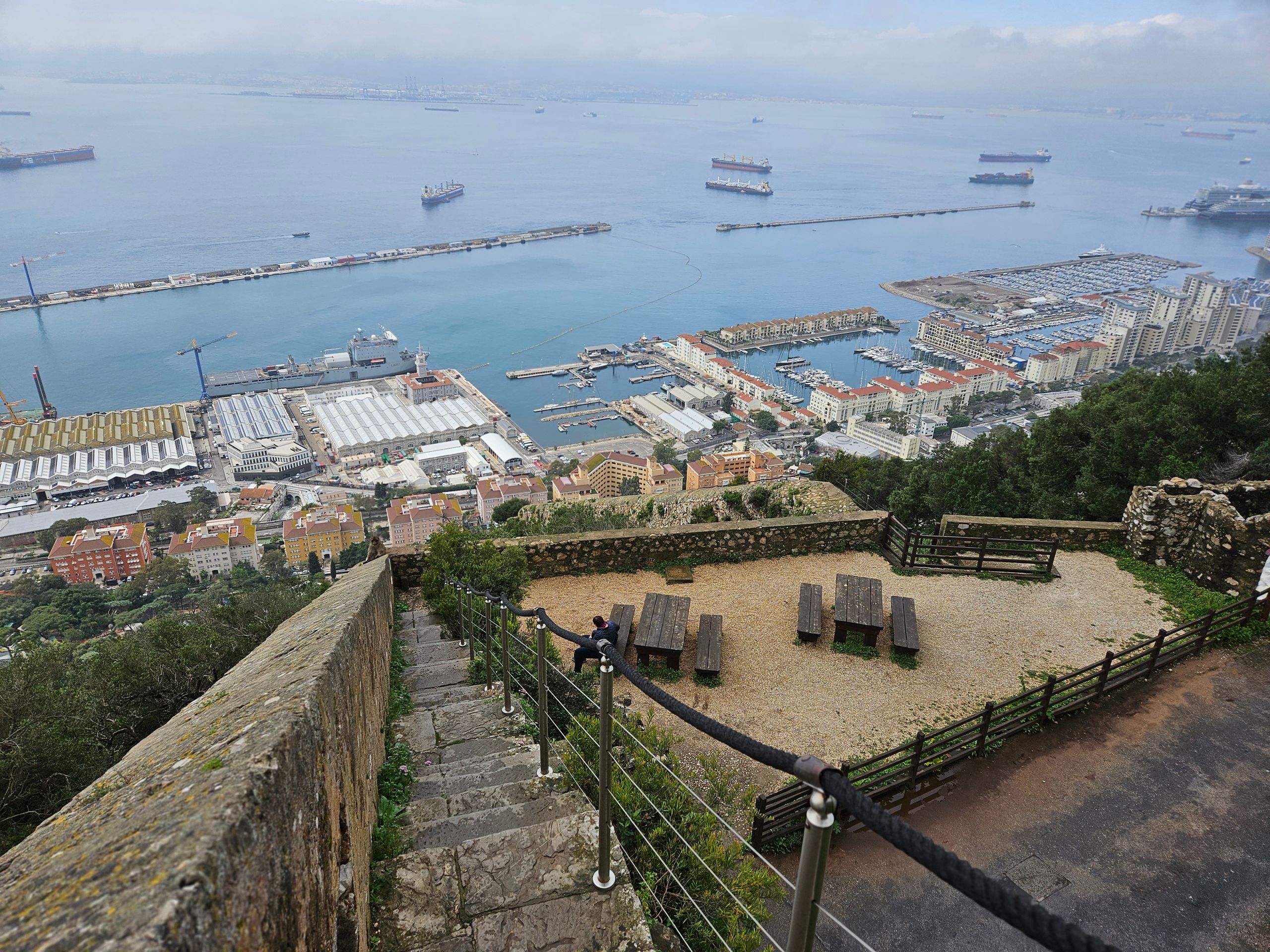
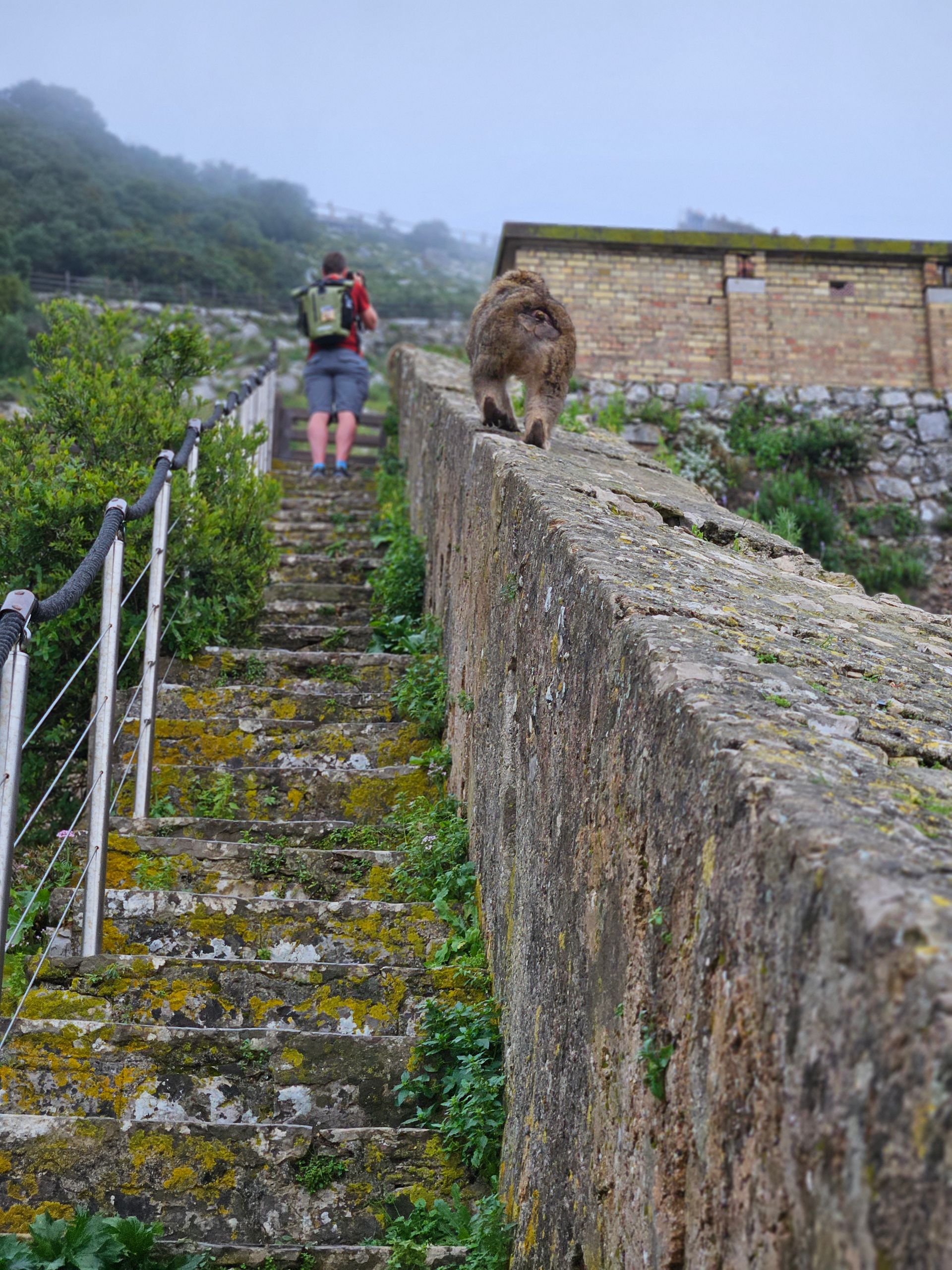
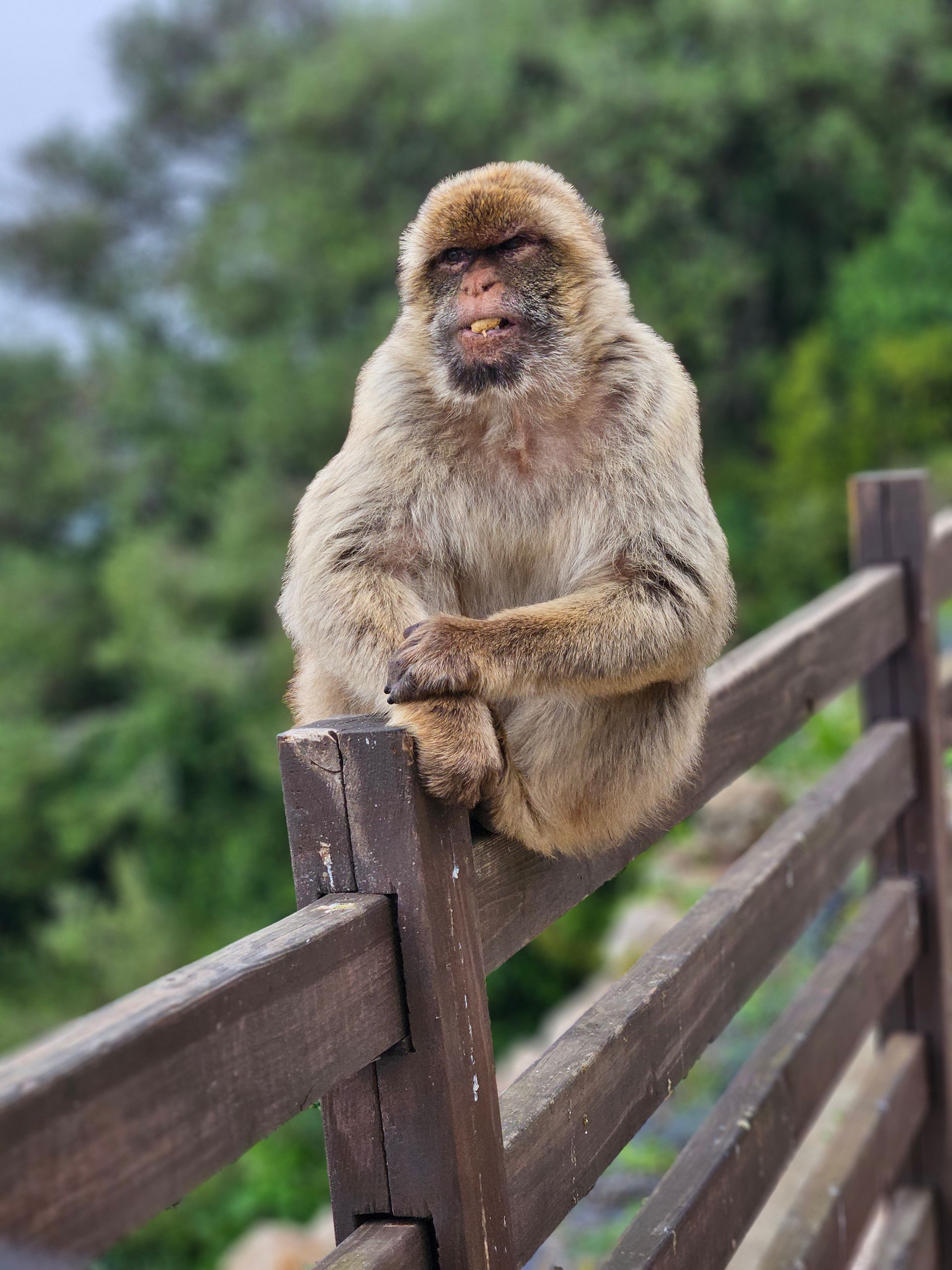
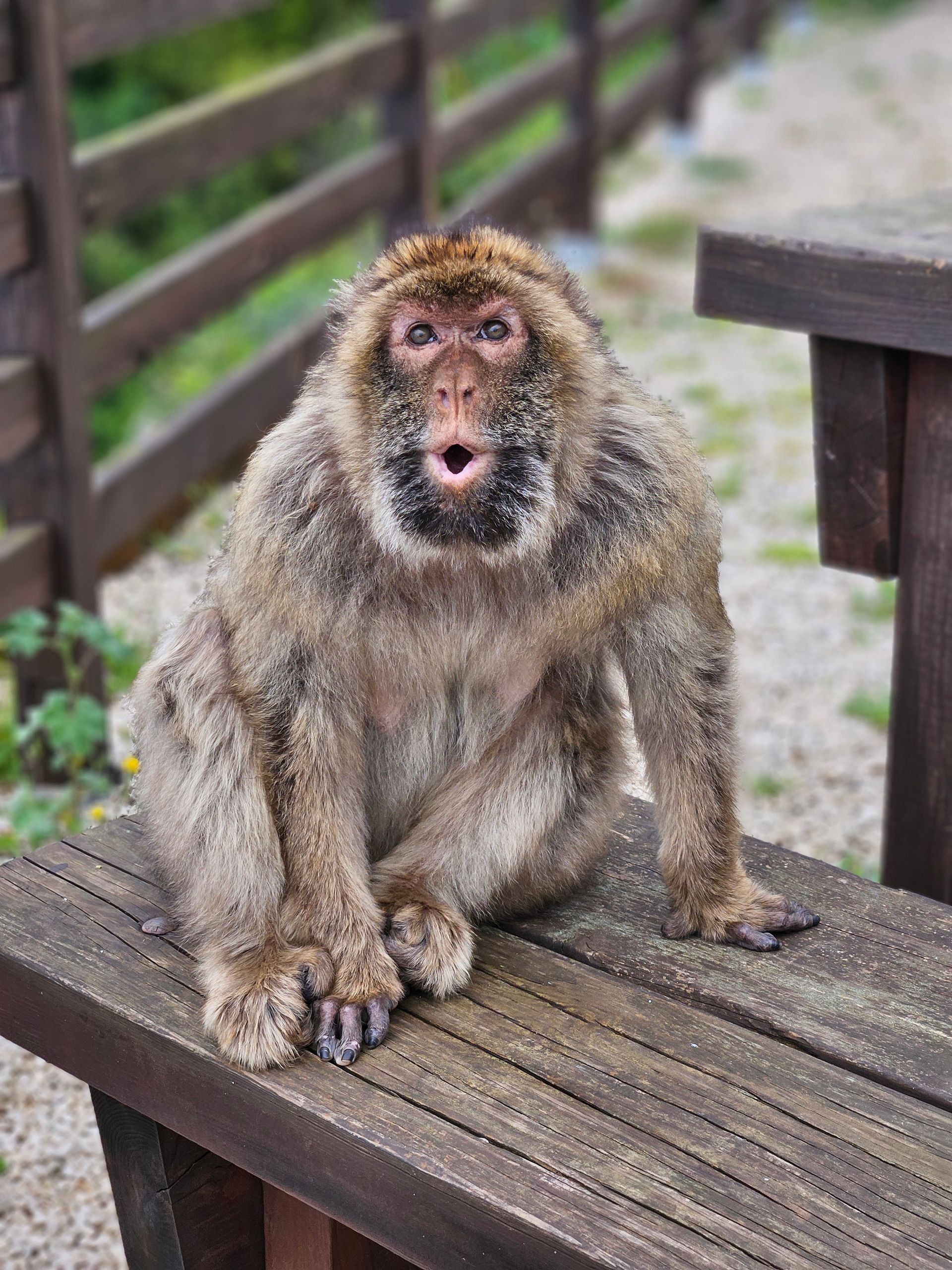
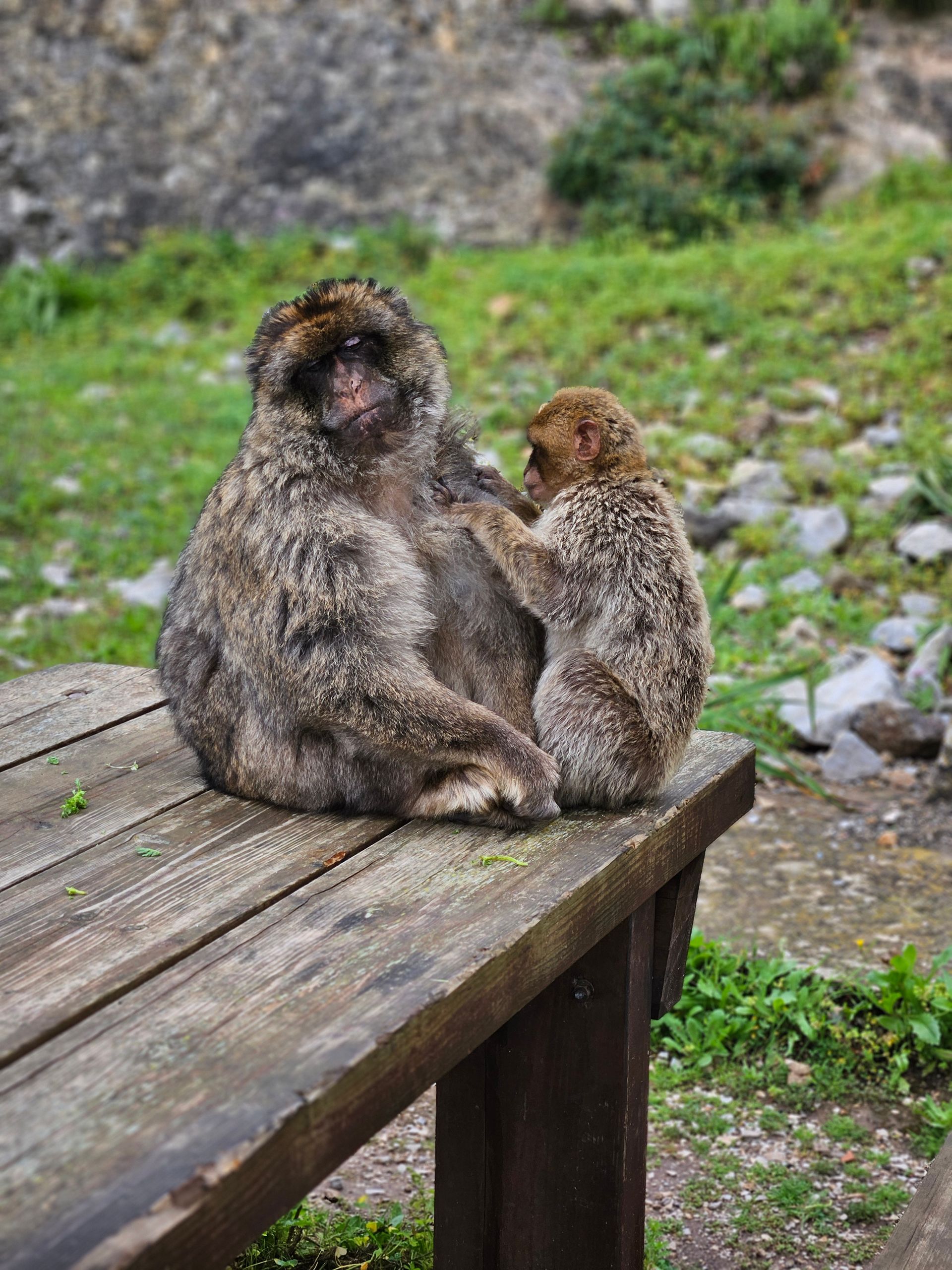
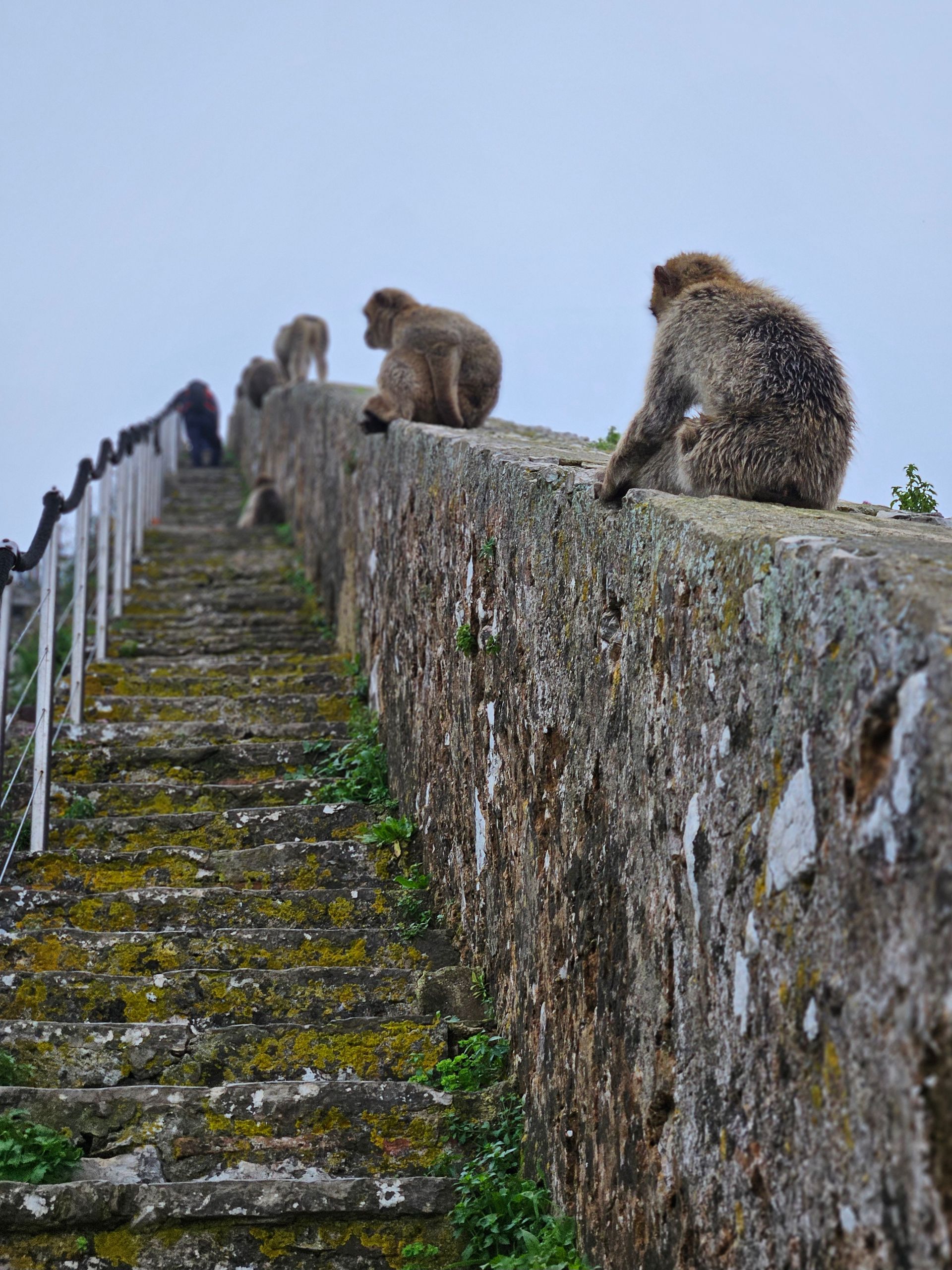
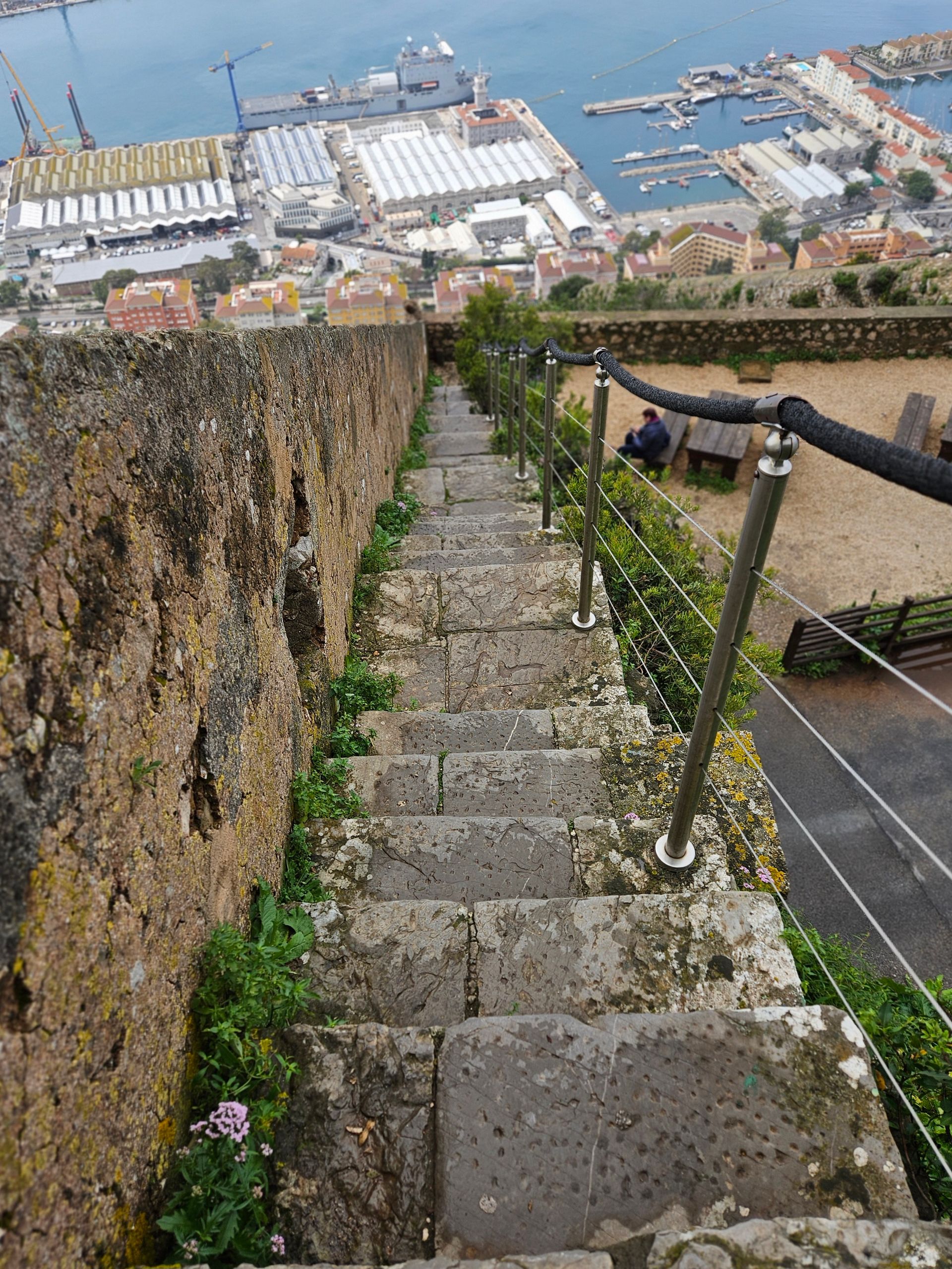
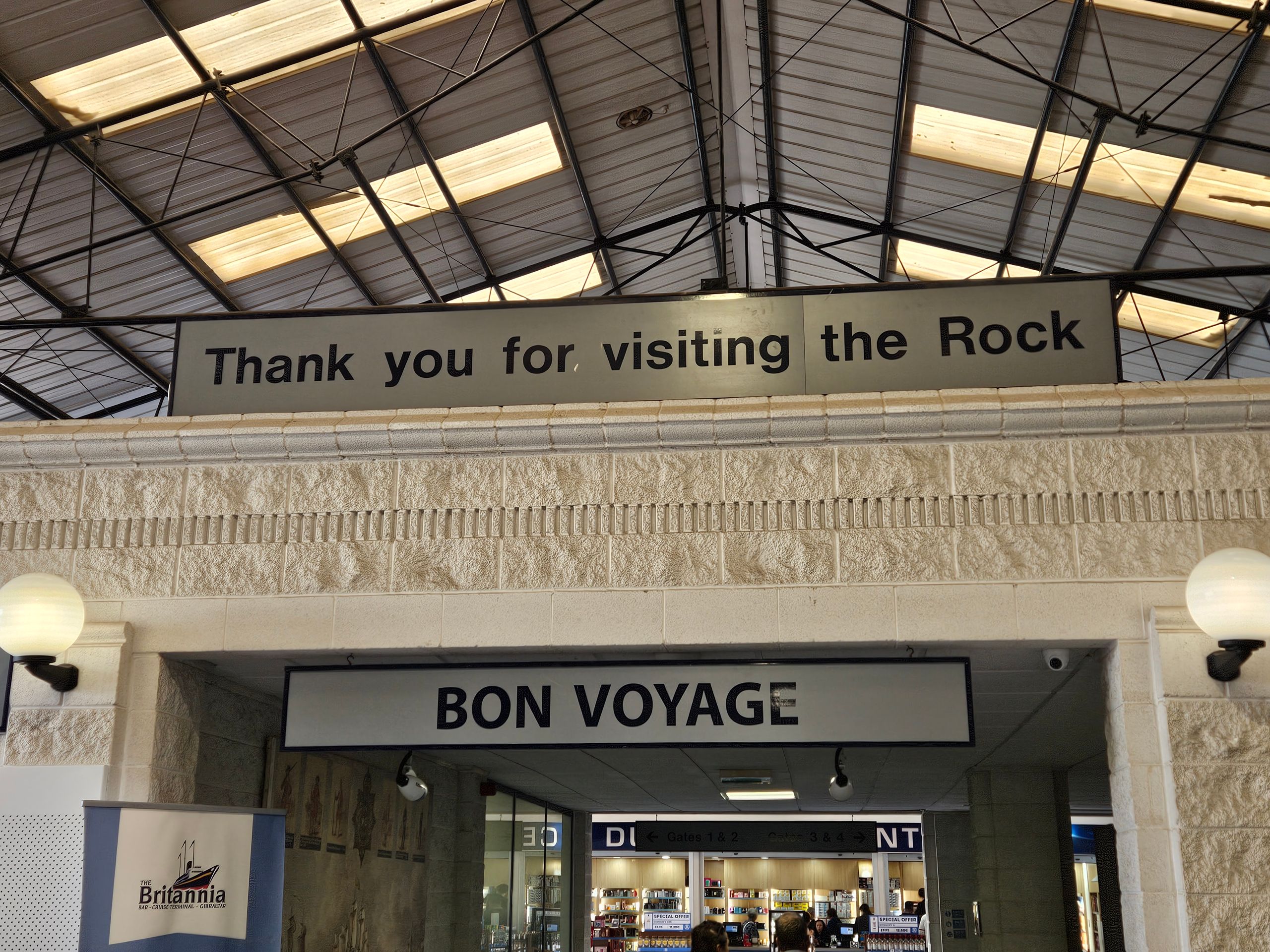
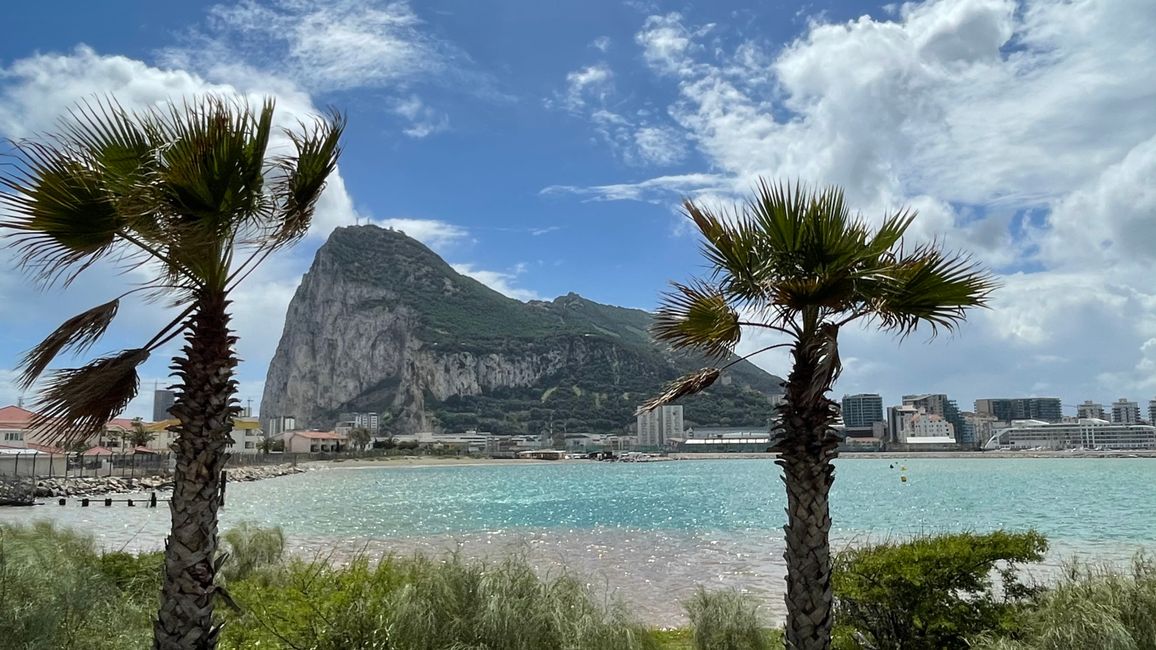
Typical Britain: You arrive – and it rains. In our case, we were even awakened by thunder. The weather forecast for the day was accordingly gloomy: The sky was gray, and the Rock of Gibraltar was completely enveloped in clouds.
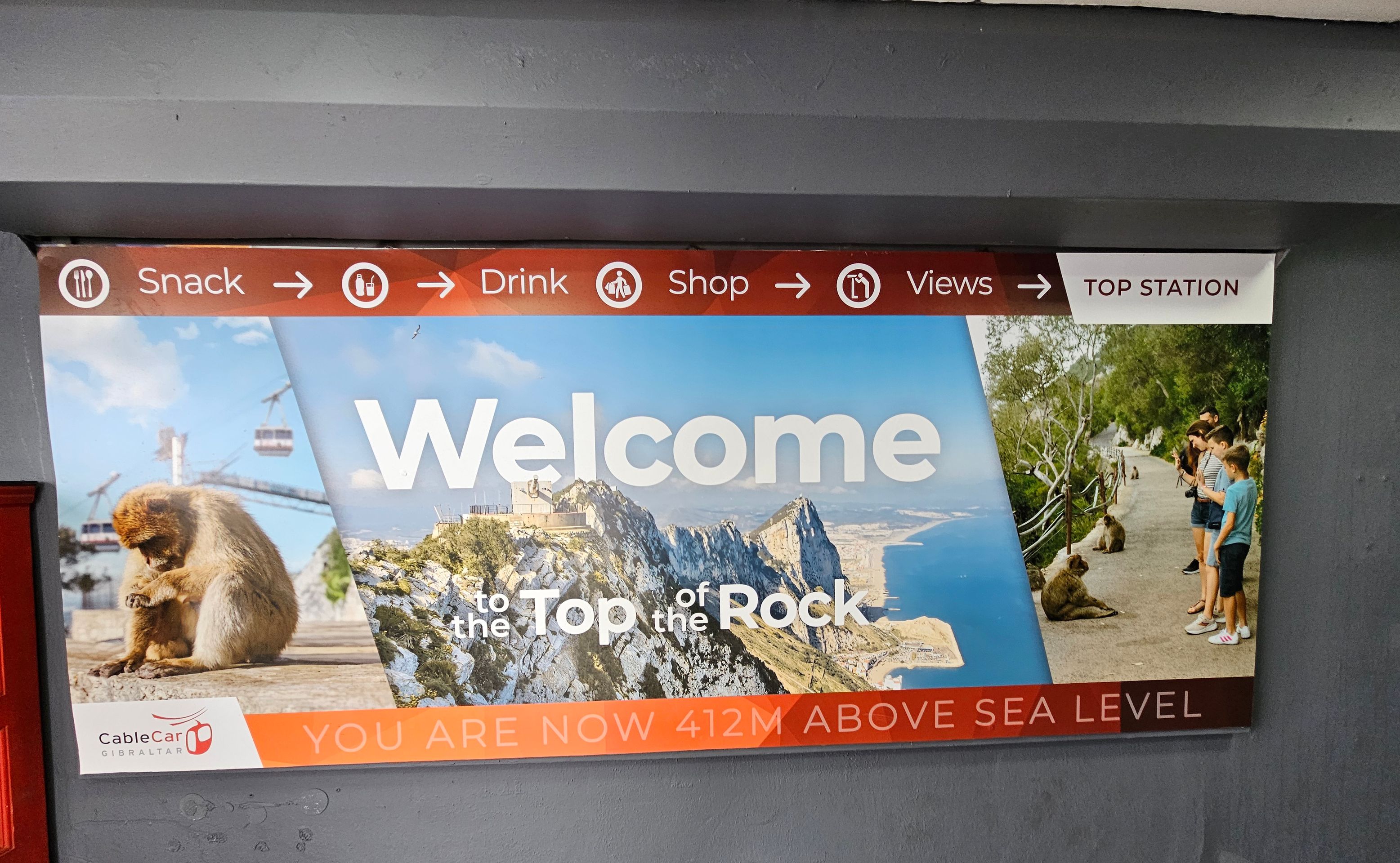
So it was time to rethink our plans. My original plan to take the cable car up the rock and explore the area along with the famous monkeys literally went down the drain. Instead, I opted for the rain alternative: exploring the famous tunnels. Gibraltar has about 55 kilometers of underground tunnel systems – more distance underground than above. Most of these tunnels were built by the British Army over the last 200 years.
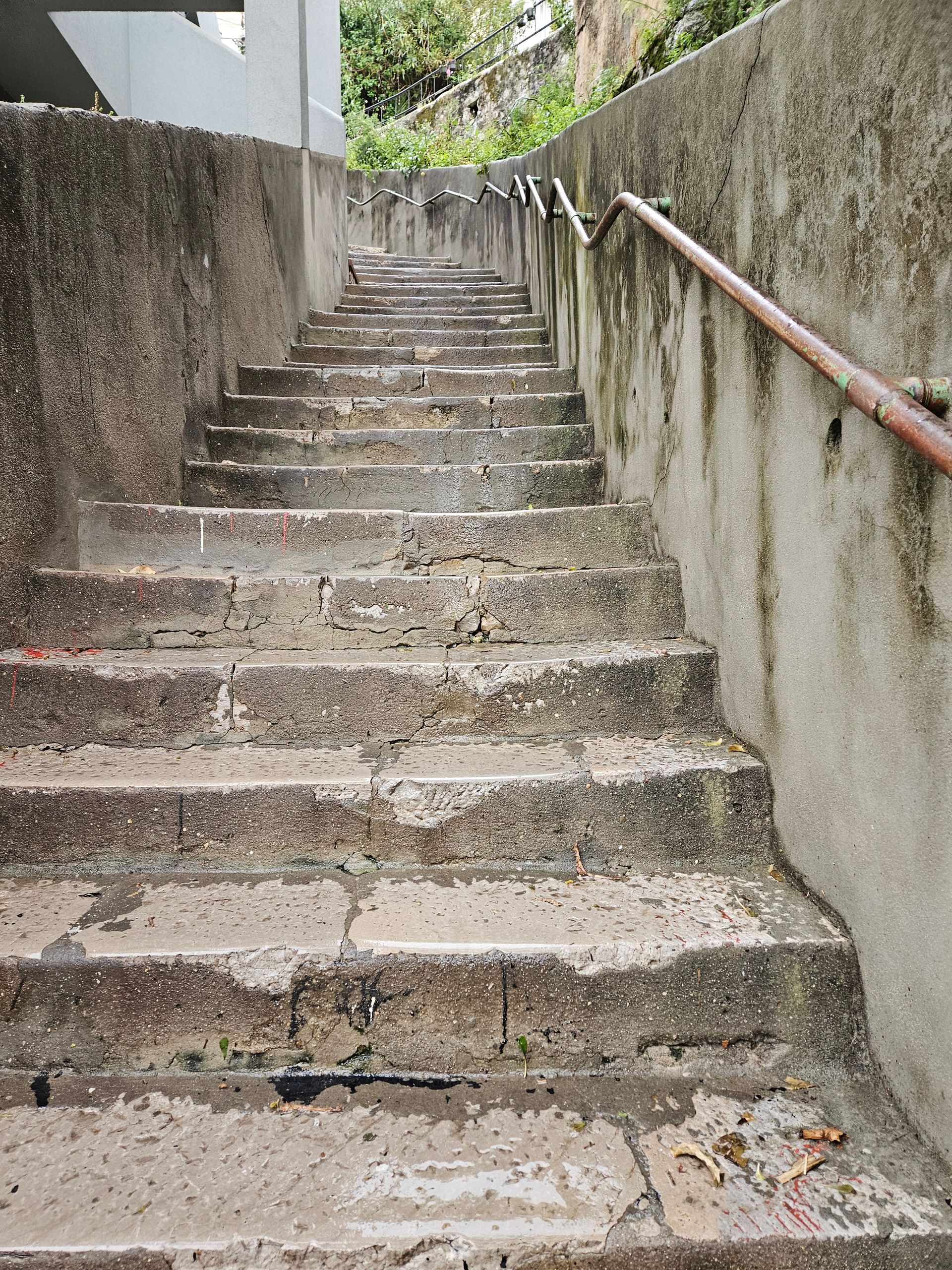
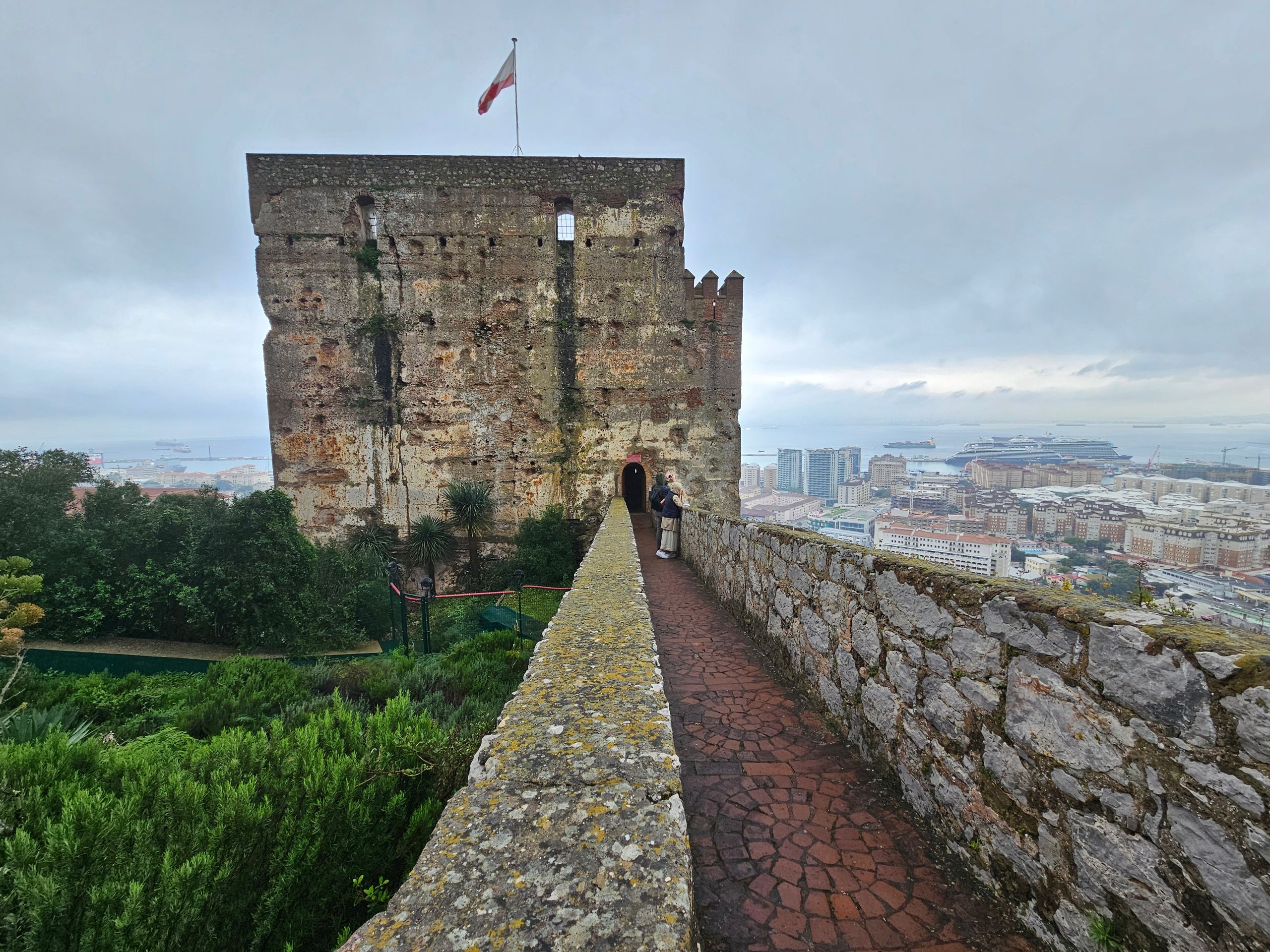
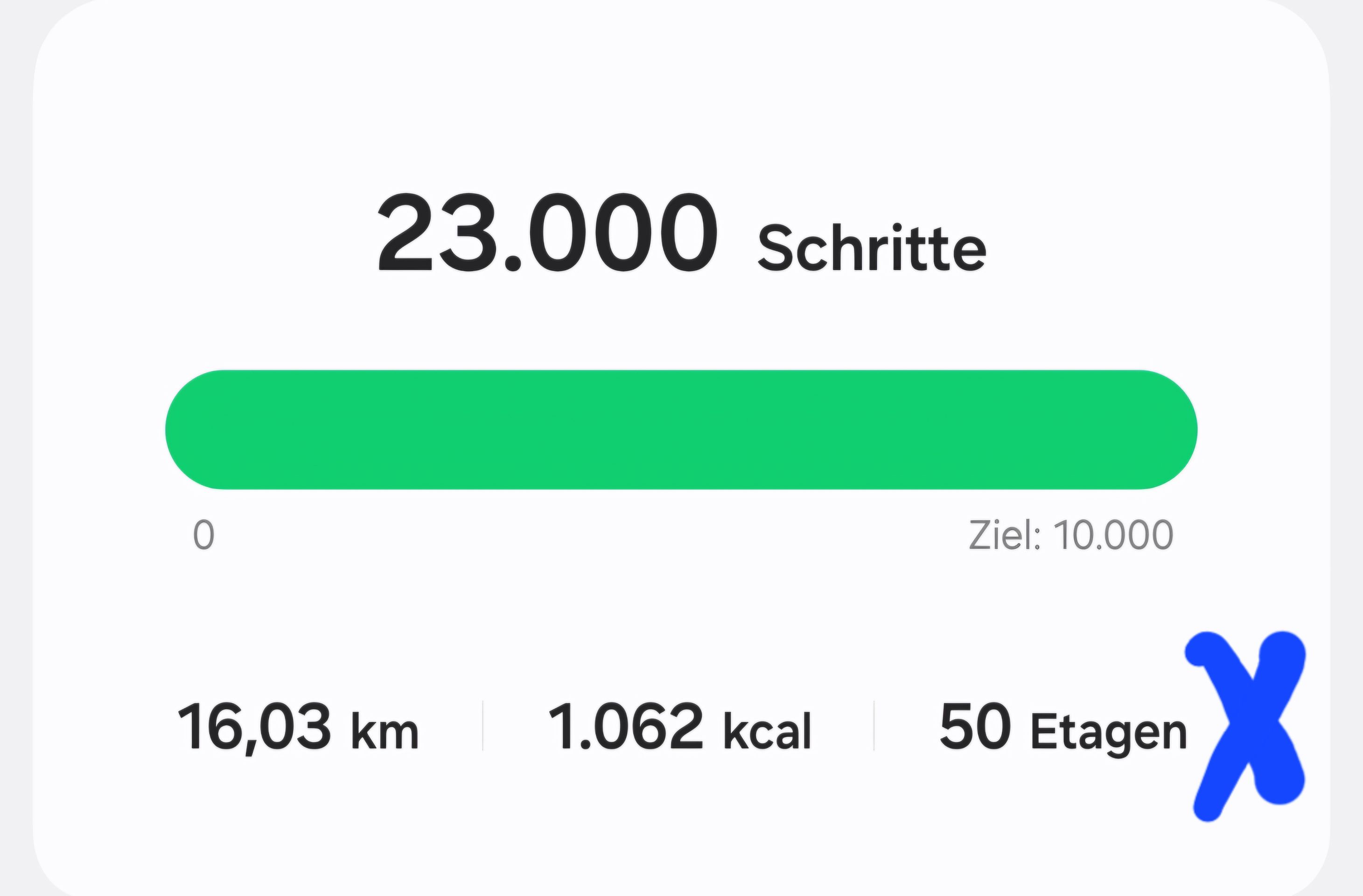
Google Maps showed me a feasible distance of 2.3 kilometers from the ship – but it included a stair symbol. No problem, I thought. Easy enough. What I didn't know was that after going up various stairs, we initially reached the ticket office of the Moorish Castle – and nothing proceeded without a 30-pound entrance fee per person. However, we learned that this ticket granted access to the entire area on the rock. The provided map displayed a large area with numerous attractions.
However, time was an issue: we had to be back on board by 5:30 PM at the latest. And since we had only set off at noon due to the weather, it turned into a race against the clock.
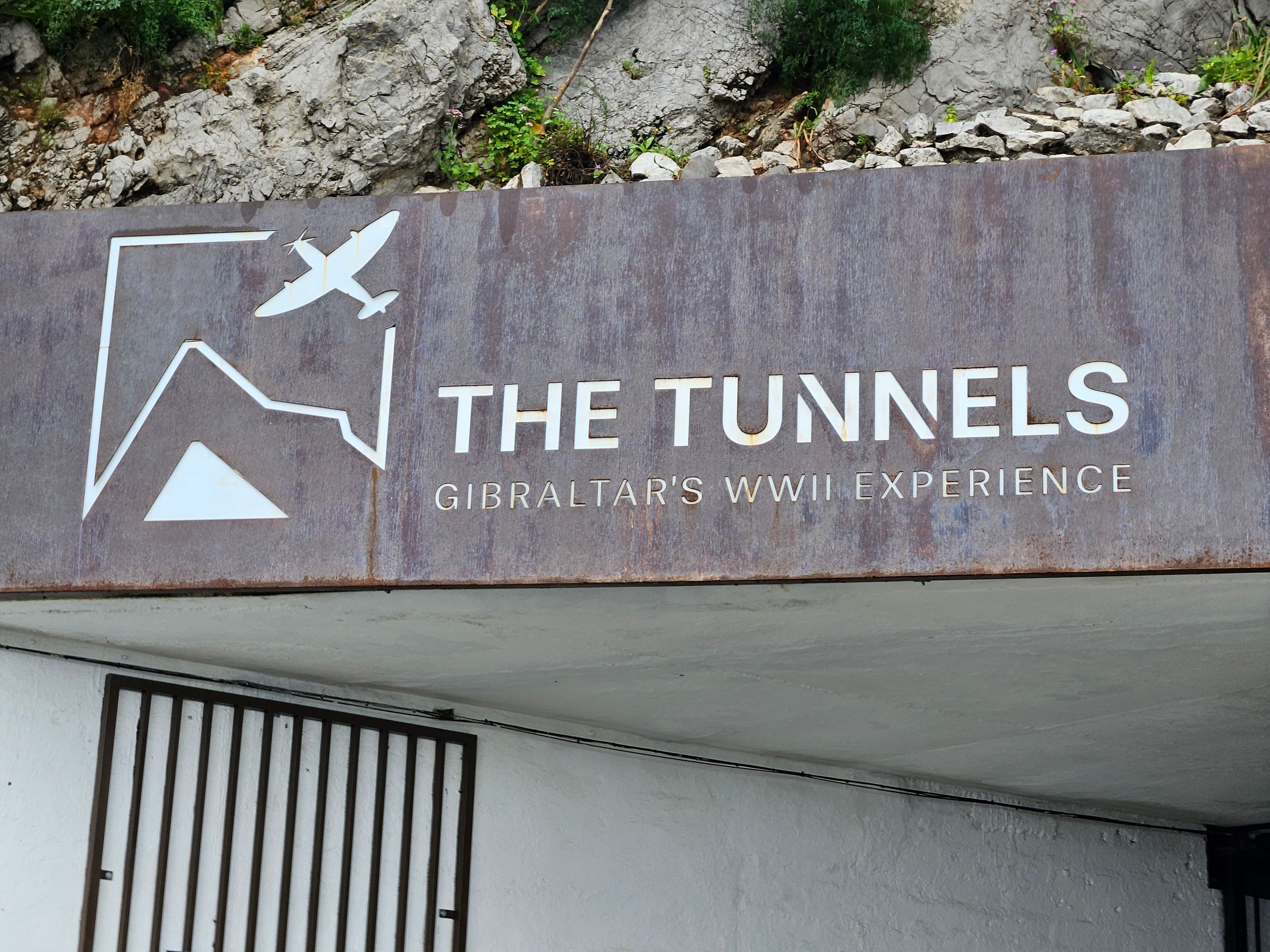
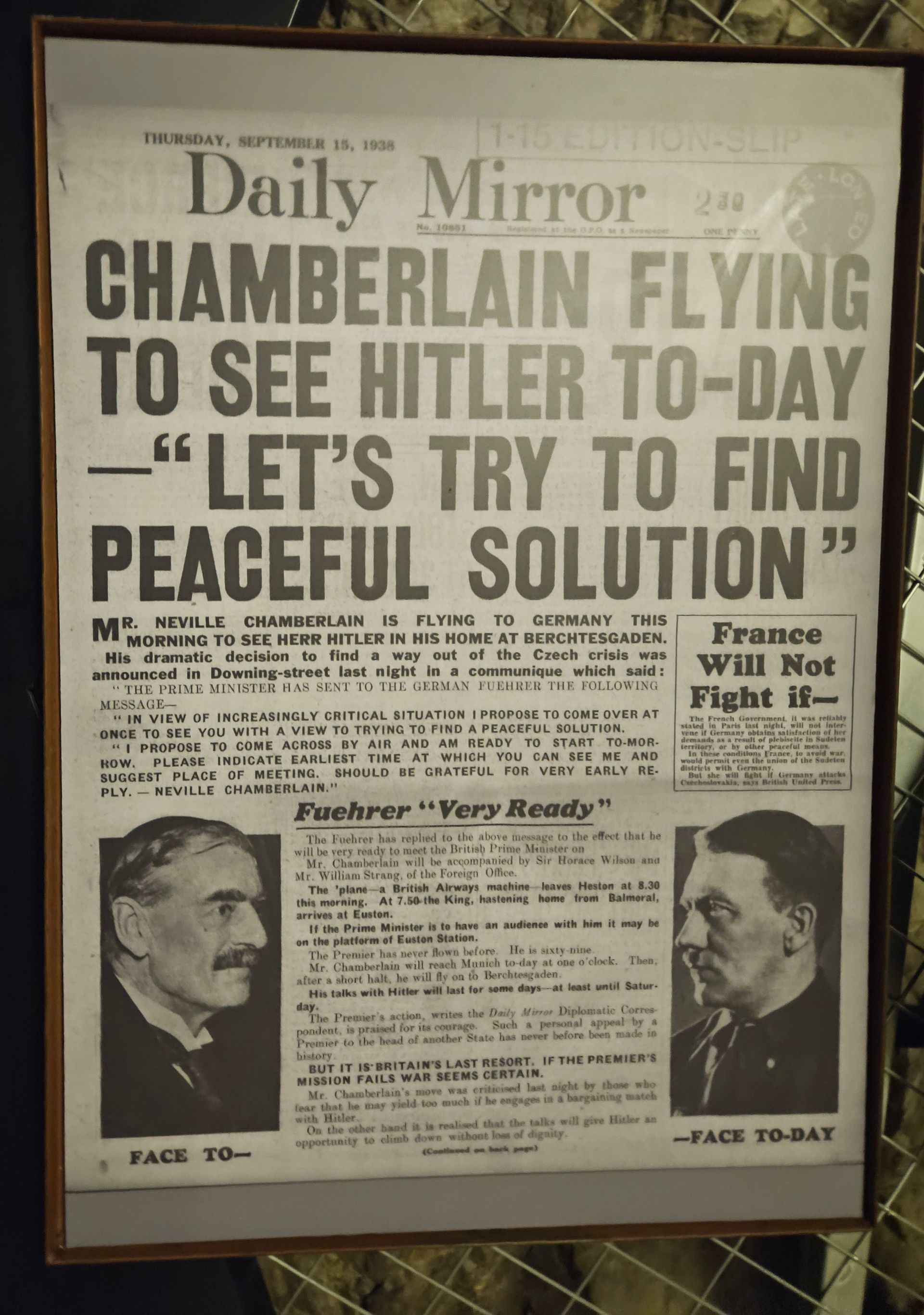
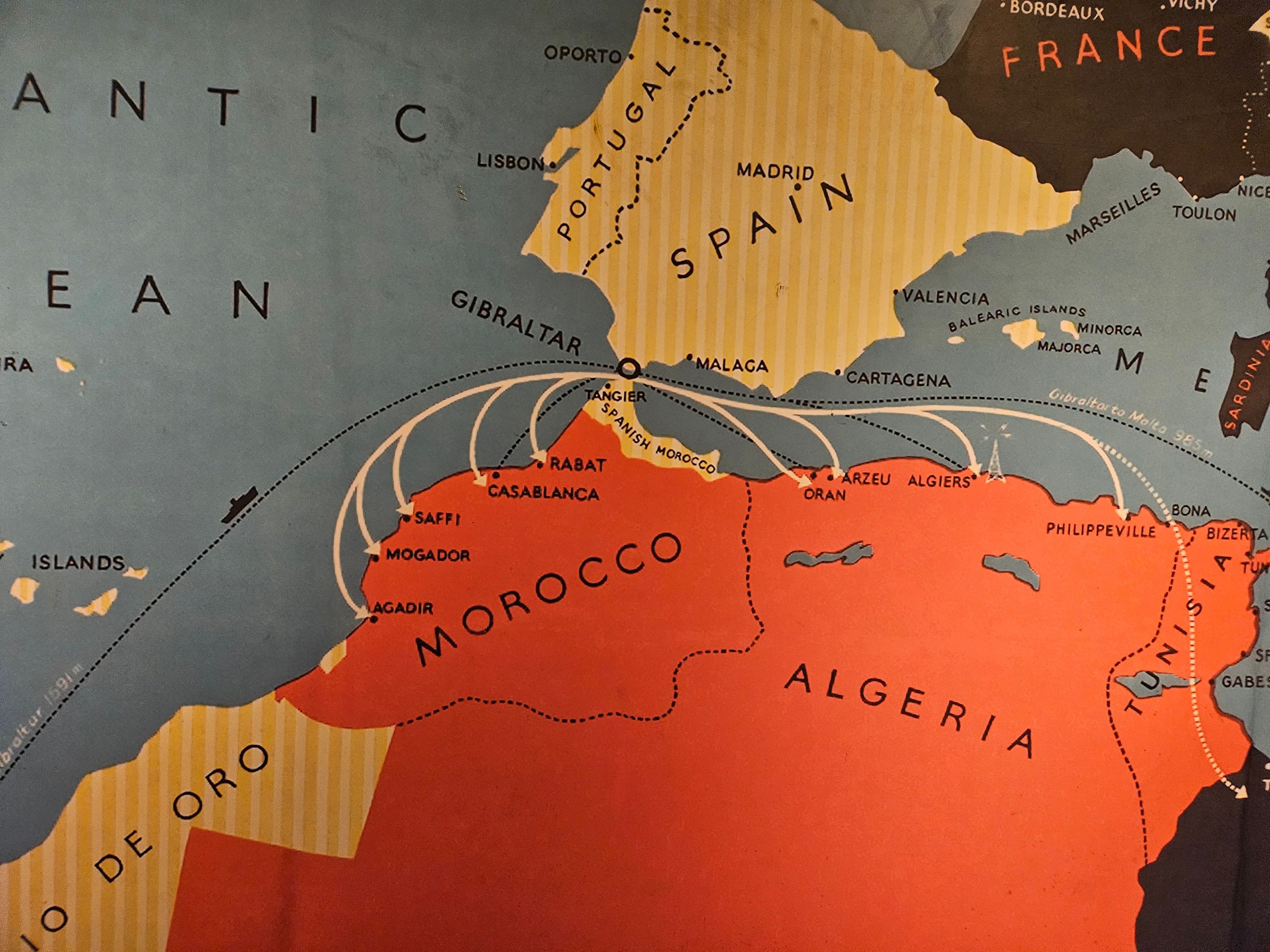
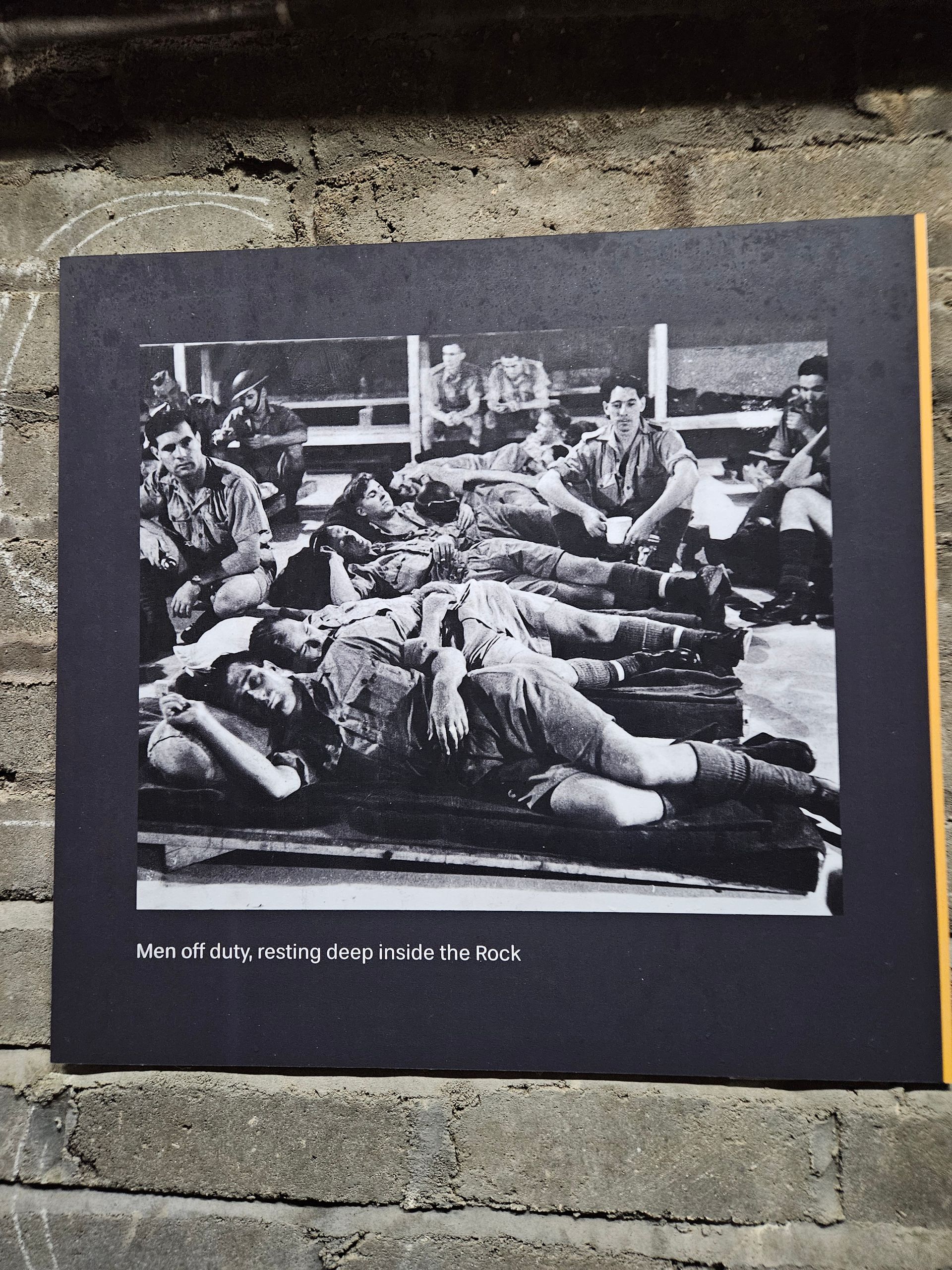
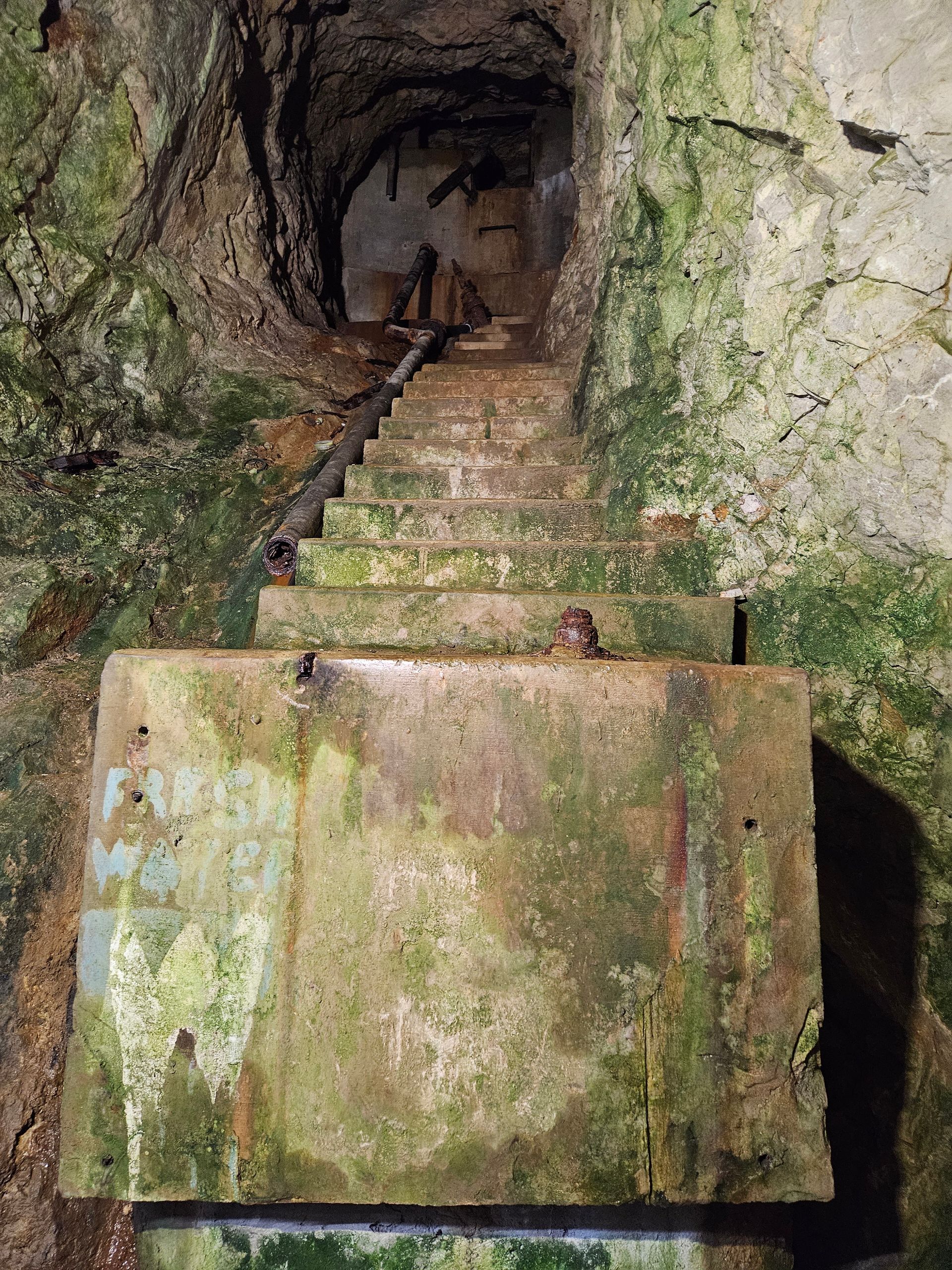
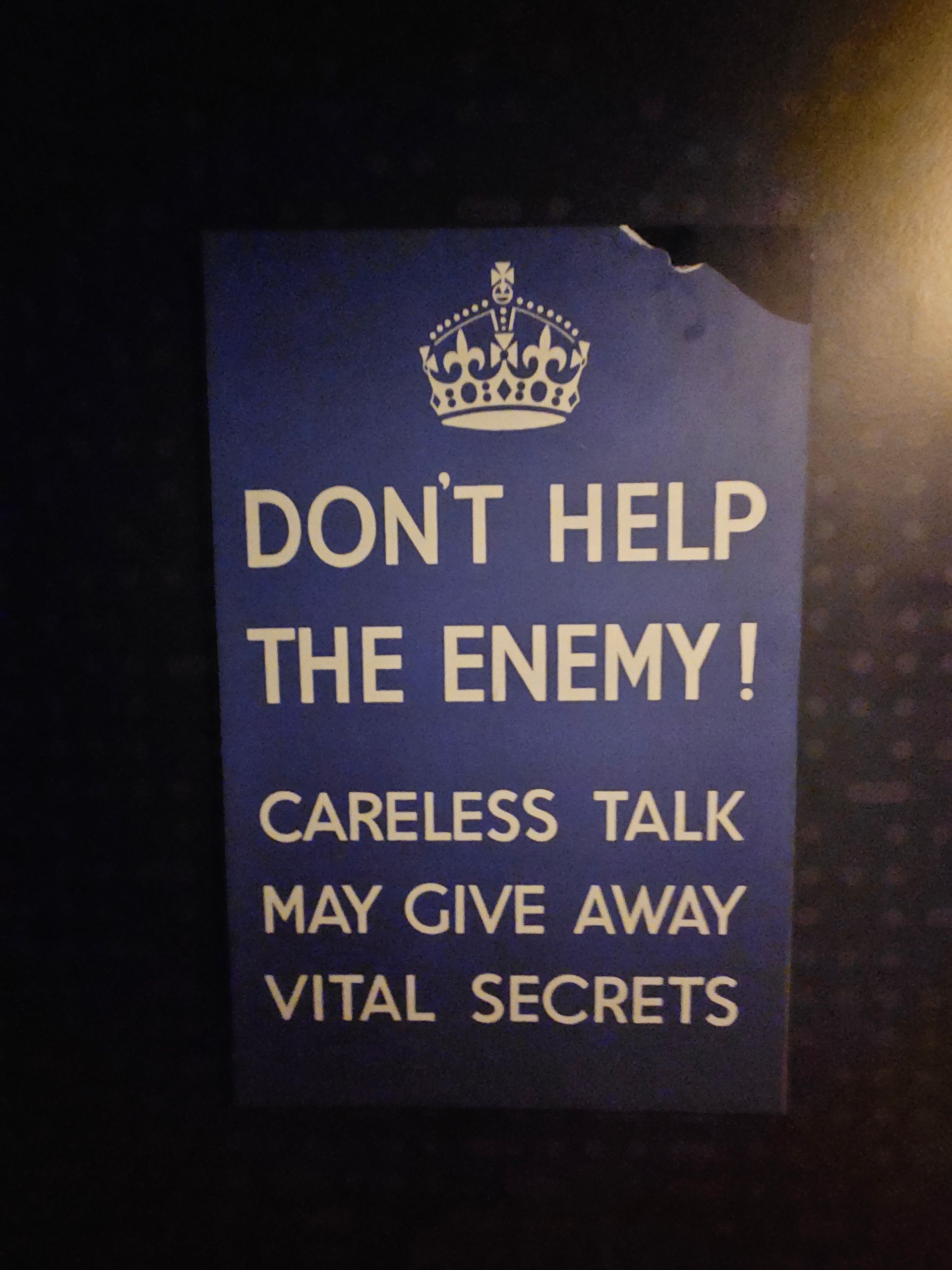
Still in the rain, we finally reached the World War II Tunnels. During World War II, Gibraltar became a strategic stronghold. A vast network of tunnels was carved into the limestone rocks – essentially an underground city. Here, resources were stored, equipment was maintained, and a garrison was prepared for a potential siege. The tunnel system also provided a military advantage for monitoring the Strait of Gibraltar.
Today, the tunnels provide impressive insights into the lives of the soldiers who lived underground here. There is information about the few remaining civilians – most were evacuated to Britain – as well as the war history of the region.
By the way, we didn’t stay dry in the tunnels either – there were drips here and there, and the helmets we were given were already damp on the inside. Our hairstyles were definitely ruined after the tour.
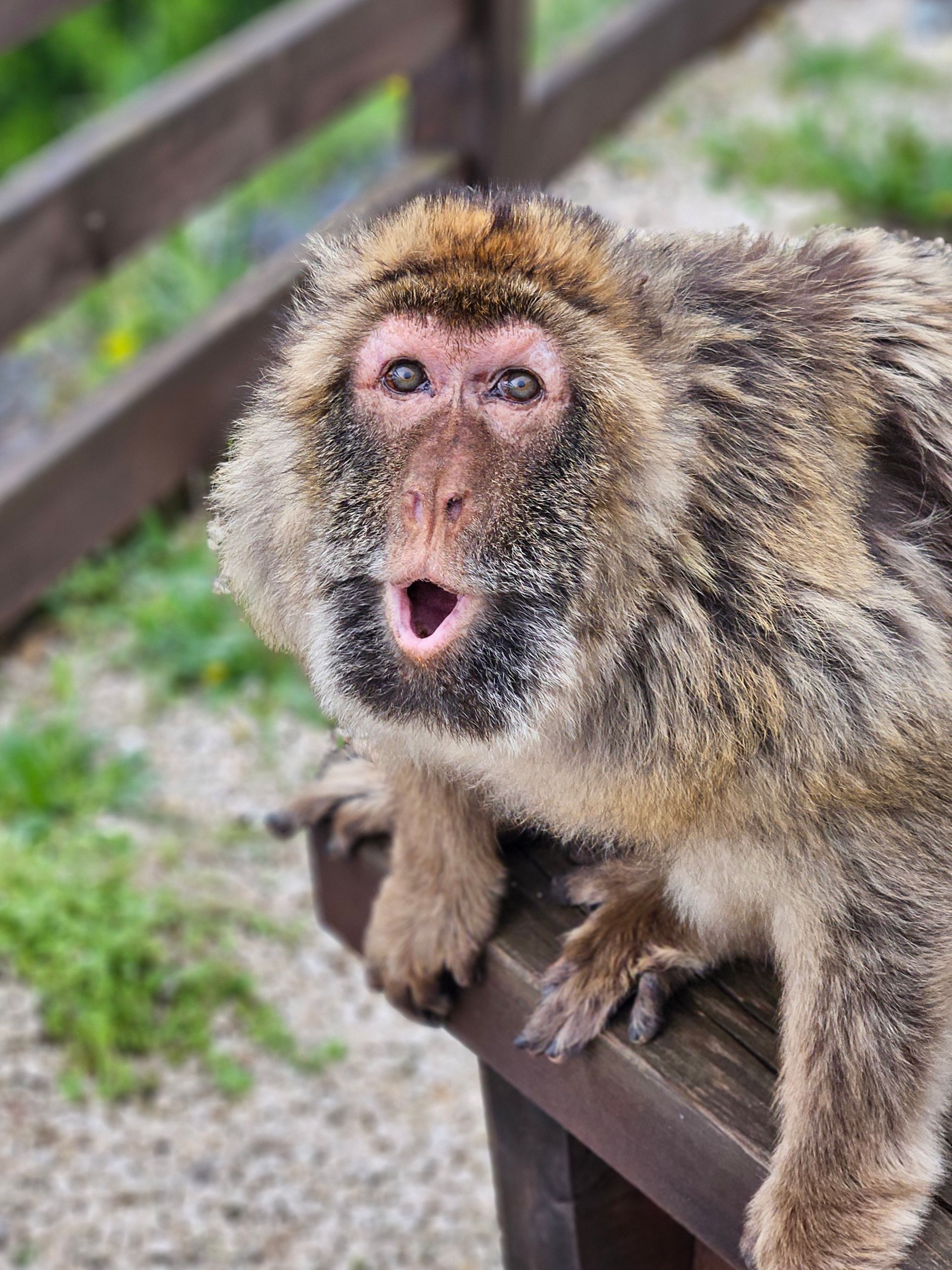
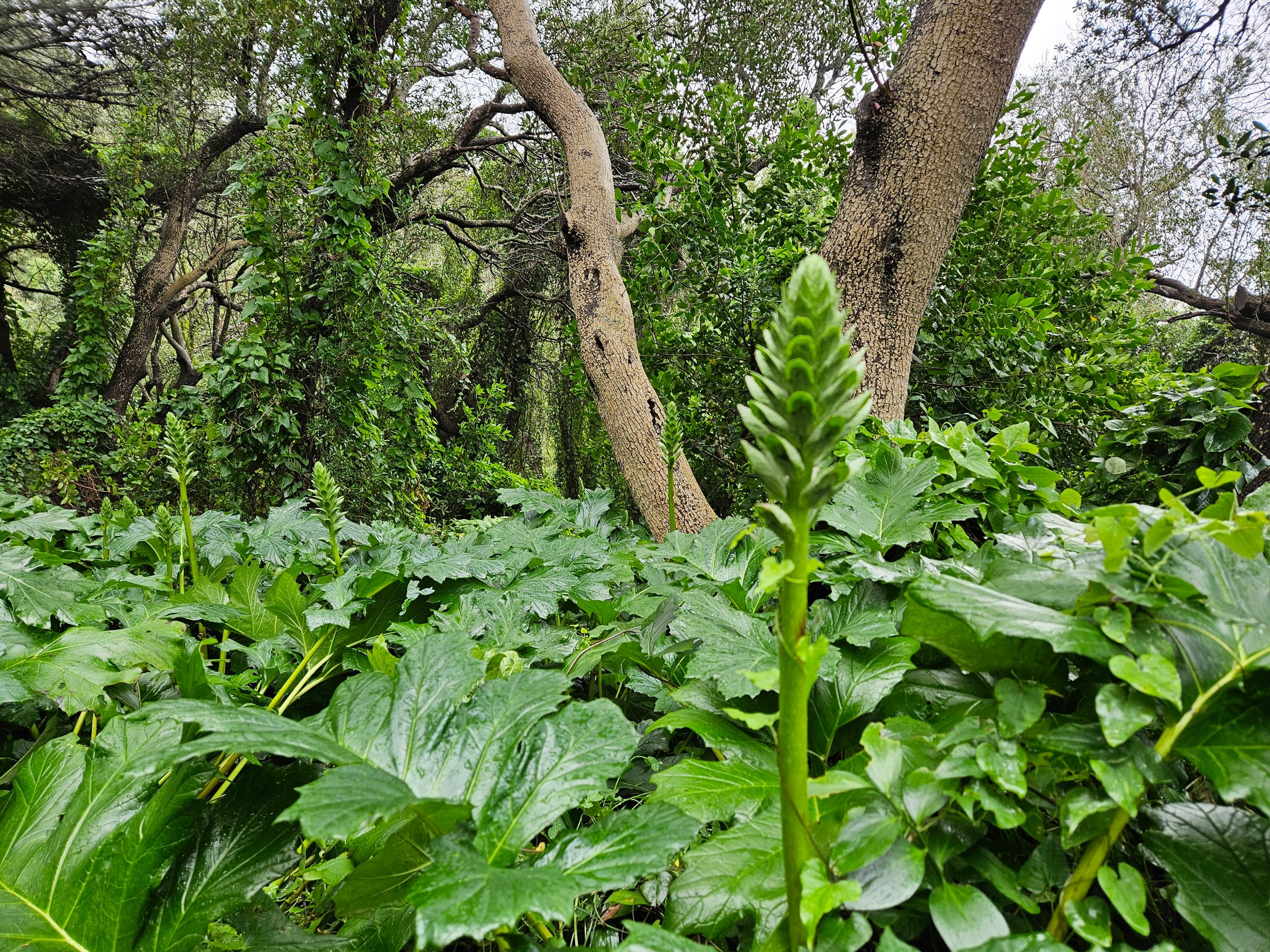
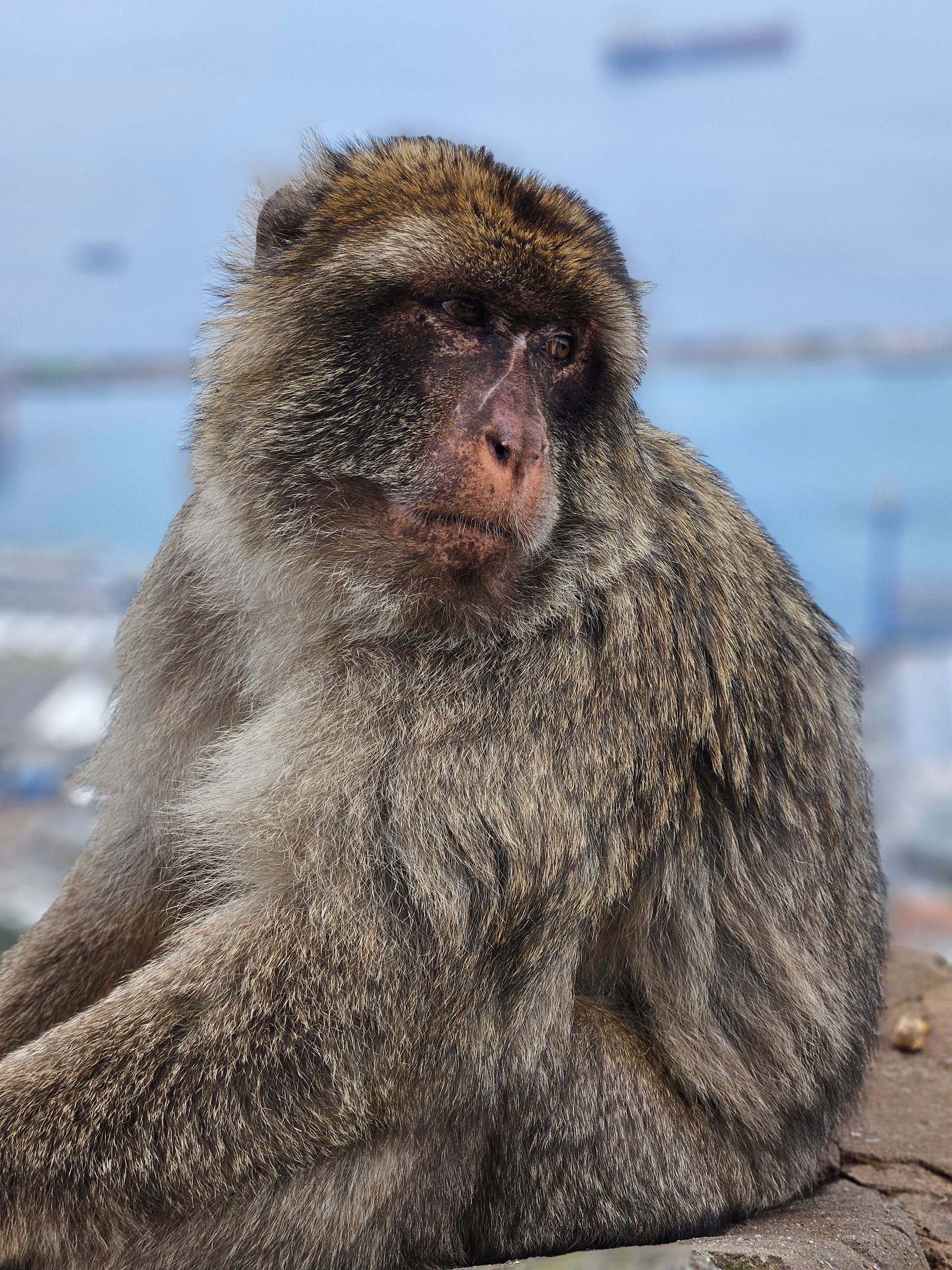
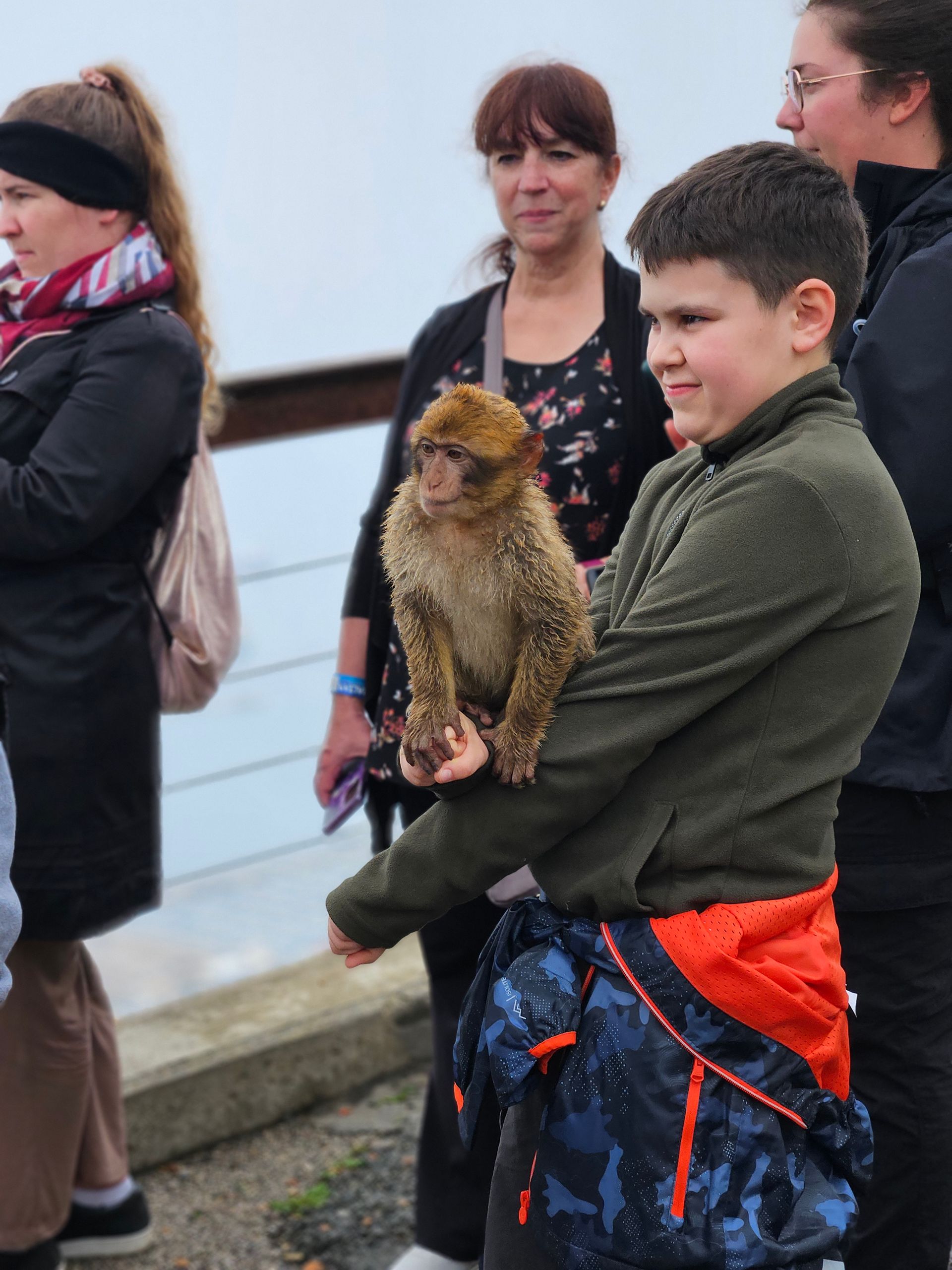
Since we were already up there and the rain had lessened, we resumed our plan to visit the monkeys. Destination: Apes' Den. The name literally means