
The Power of Water
With a comfortable sleeper bus, we will travel from Ho Chi Minh City to Hoi An over 20 hours from November 15th to 16th. Hoi An is located in Central Vietnam, where a severe...


Published: 23.11.2025
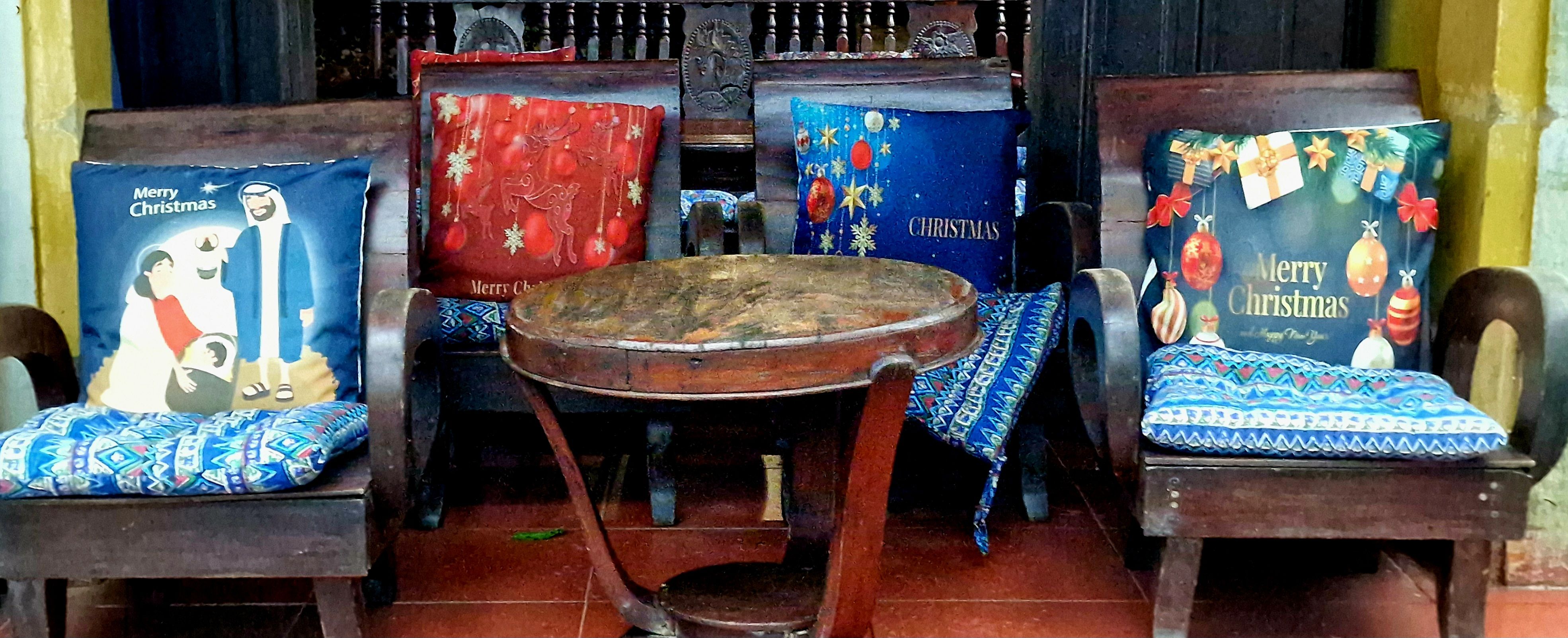
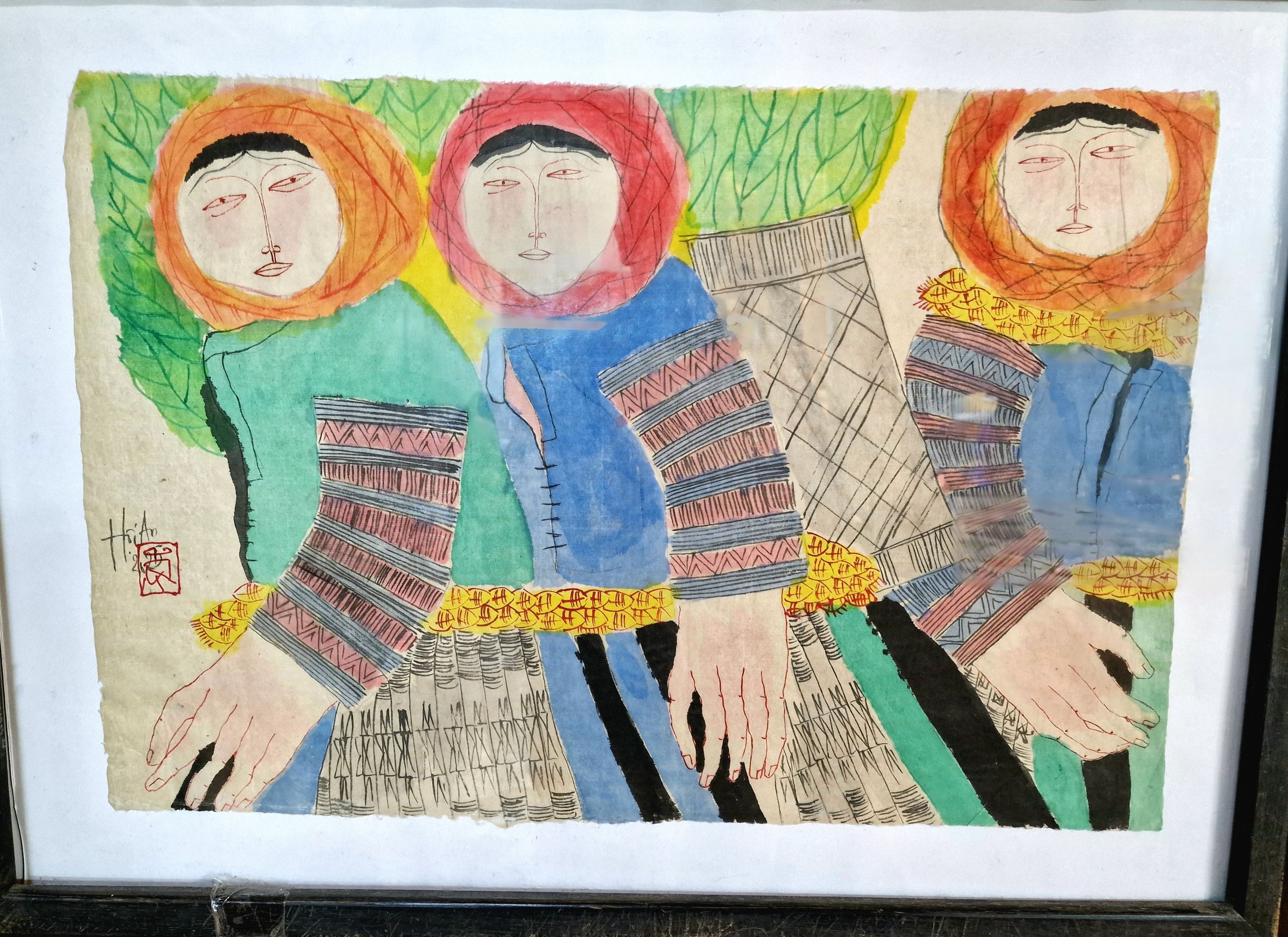
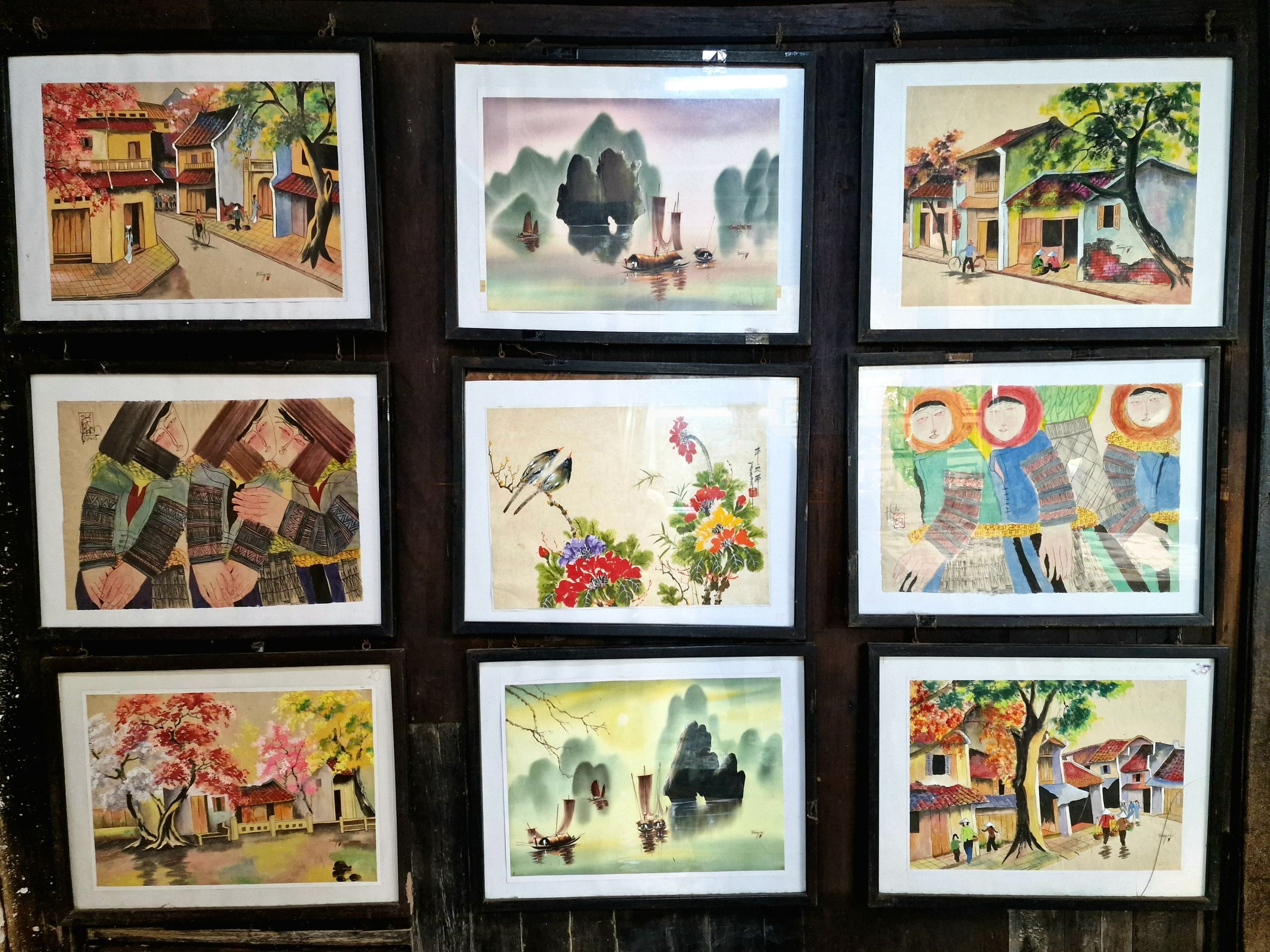
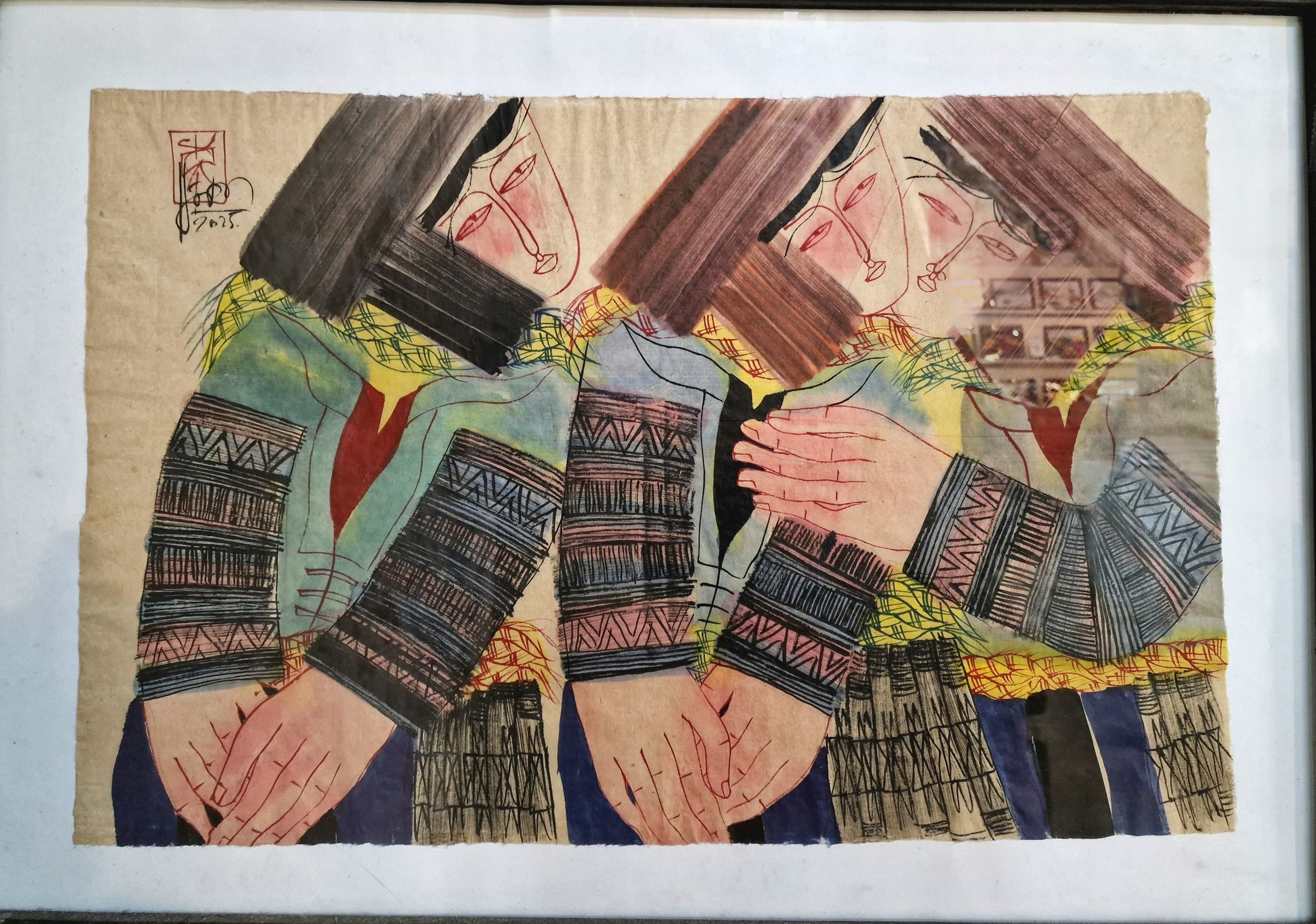


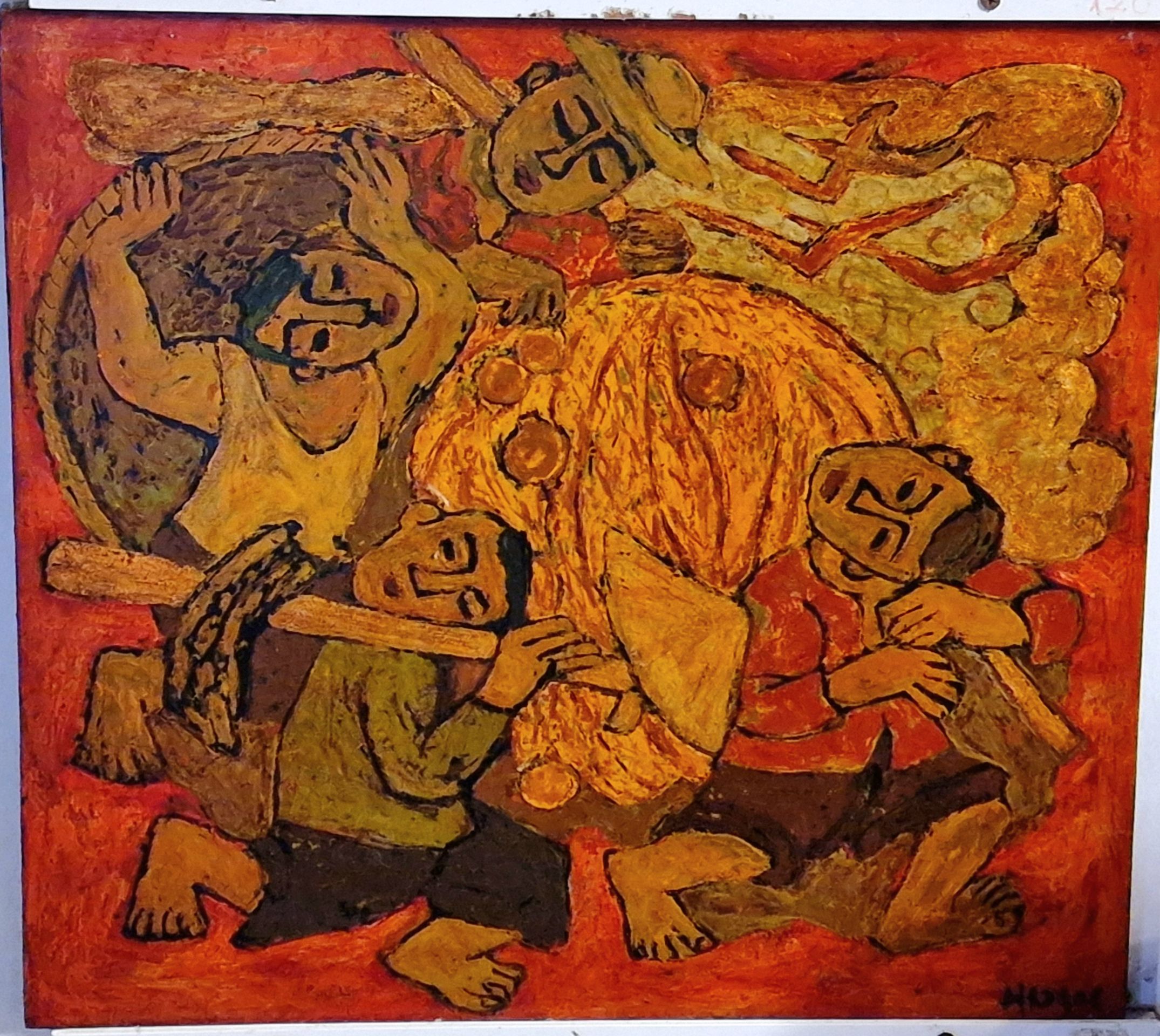
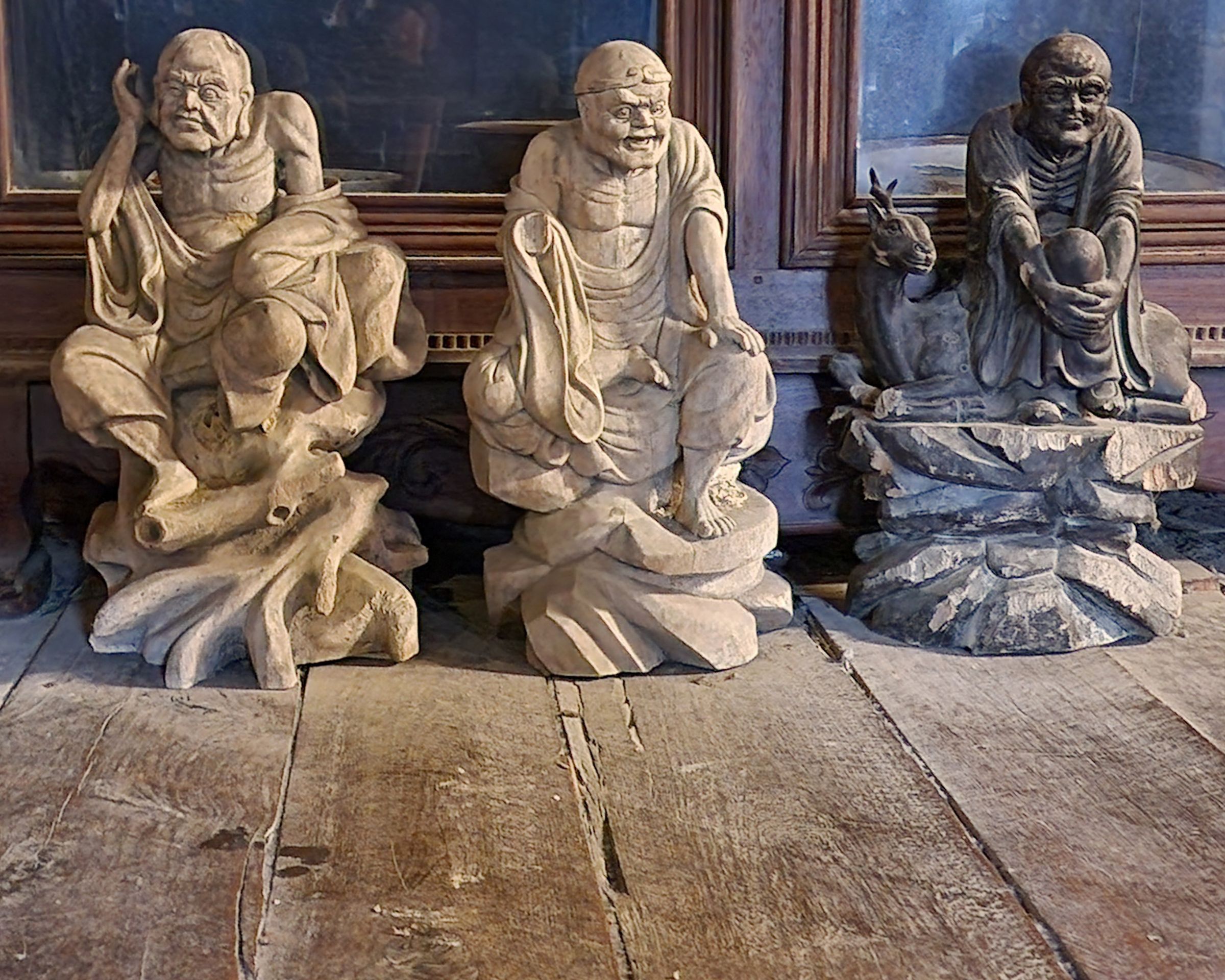
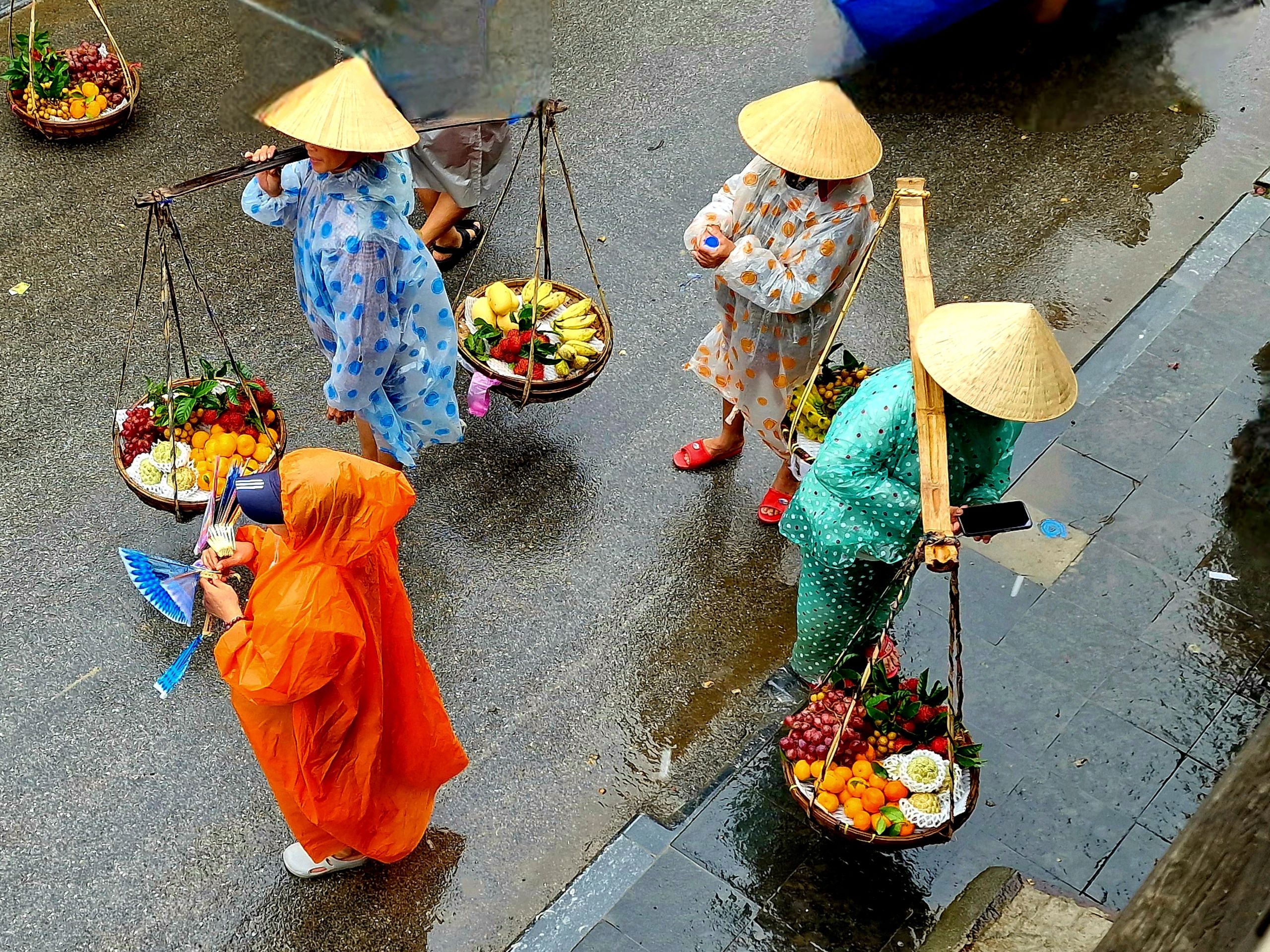

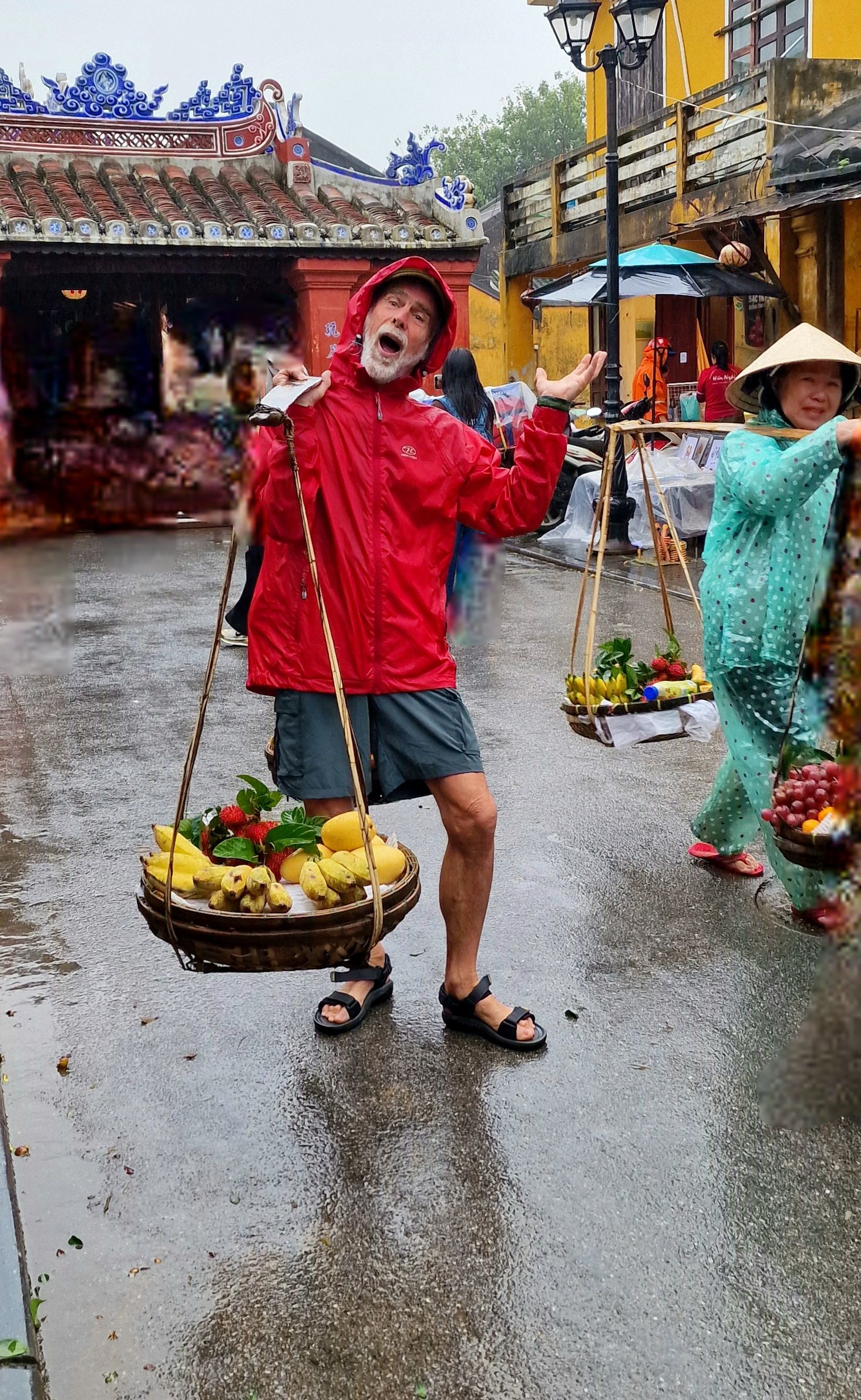
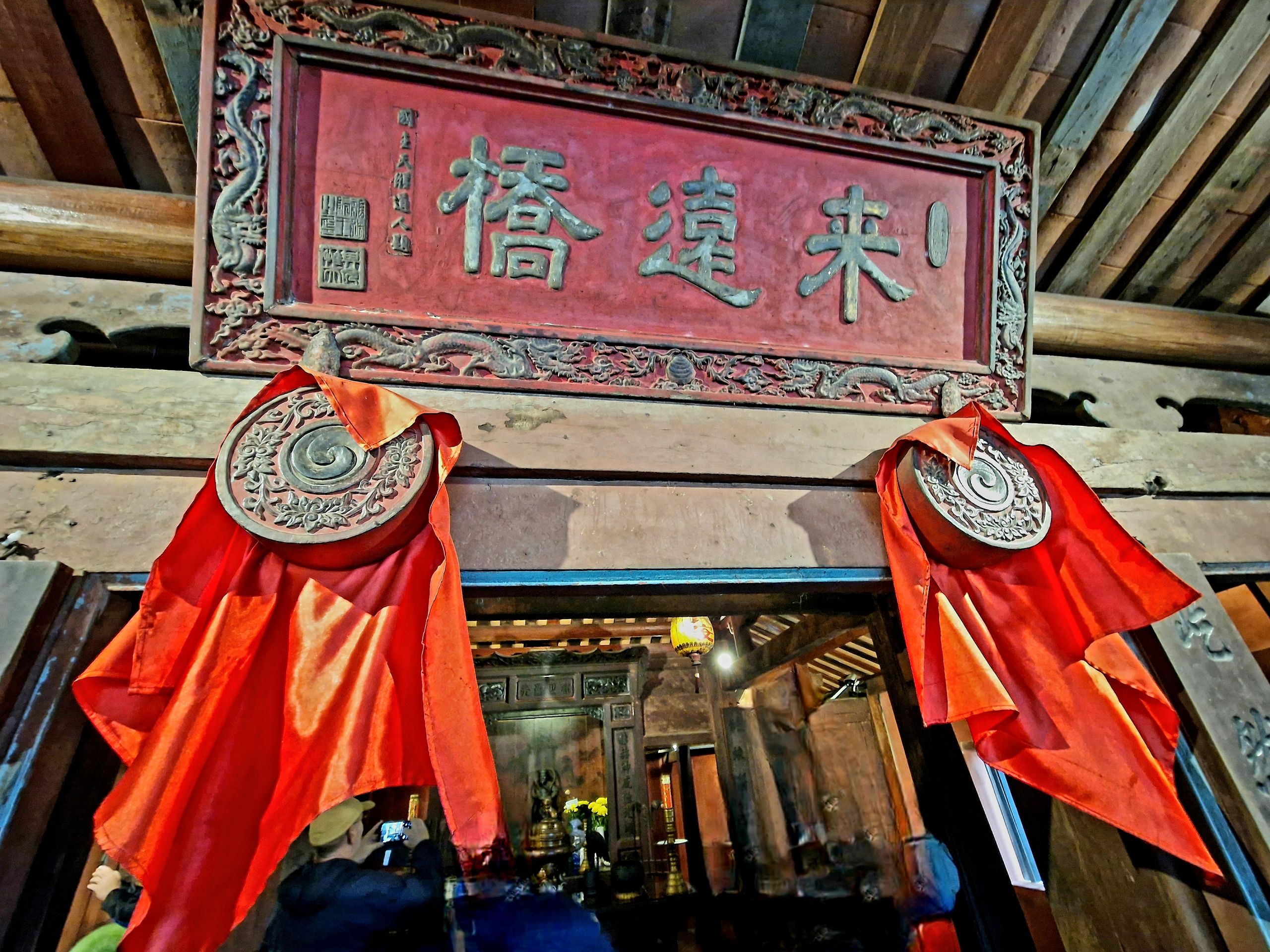
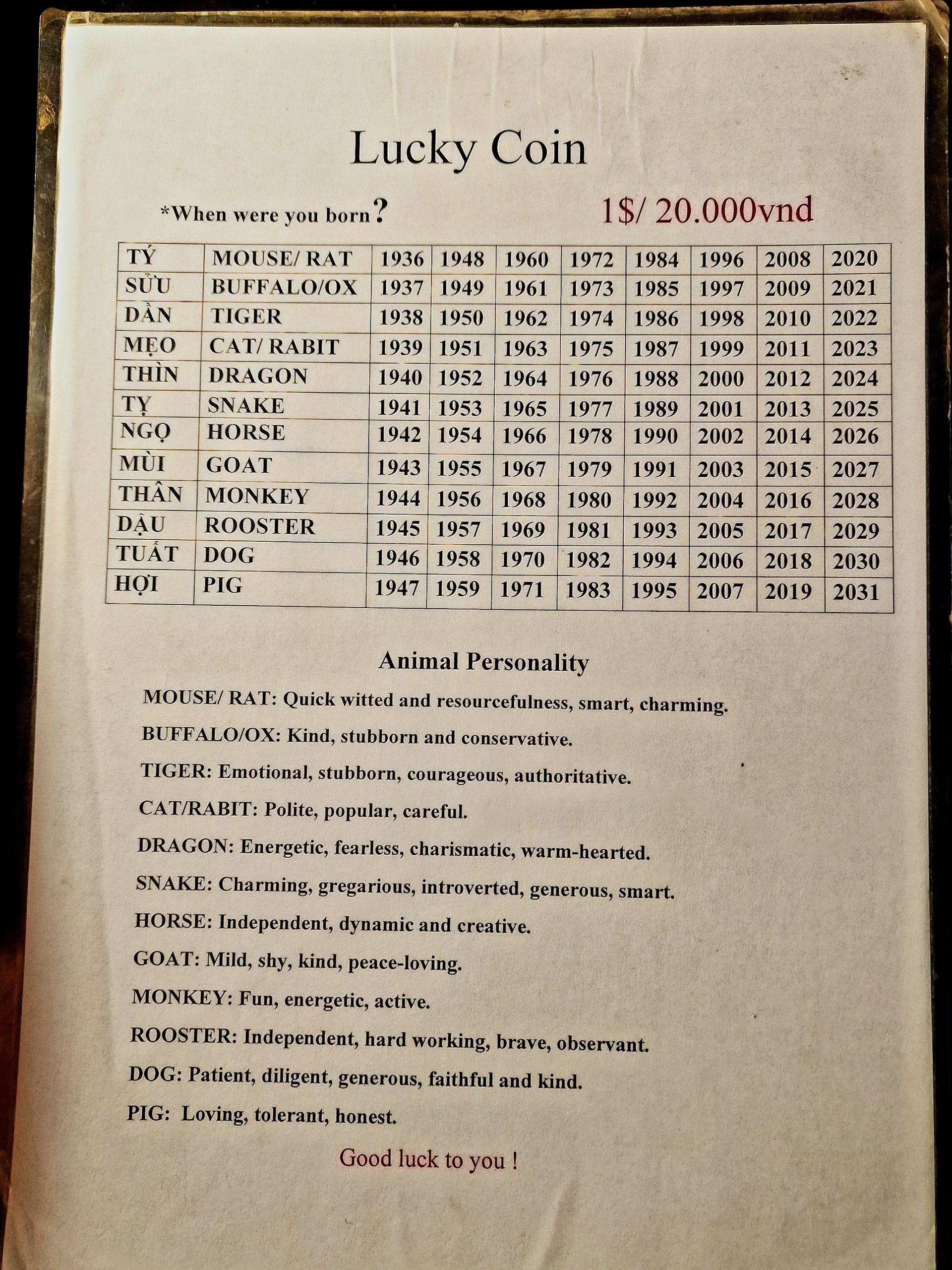
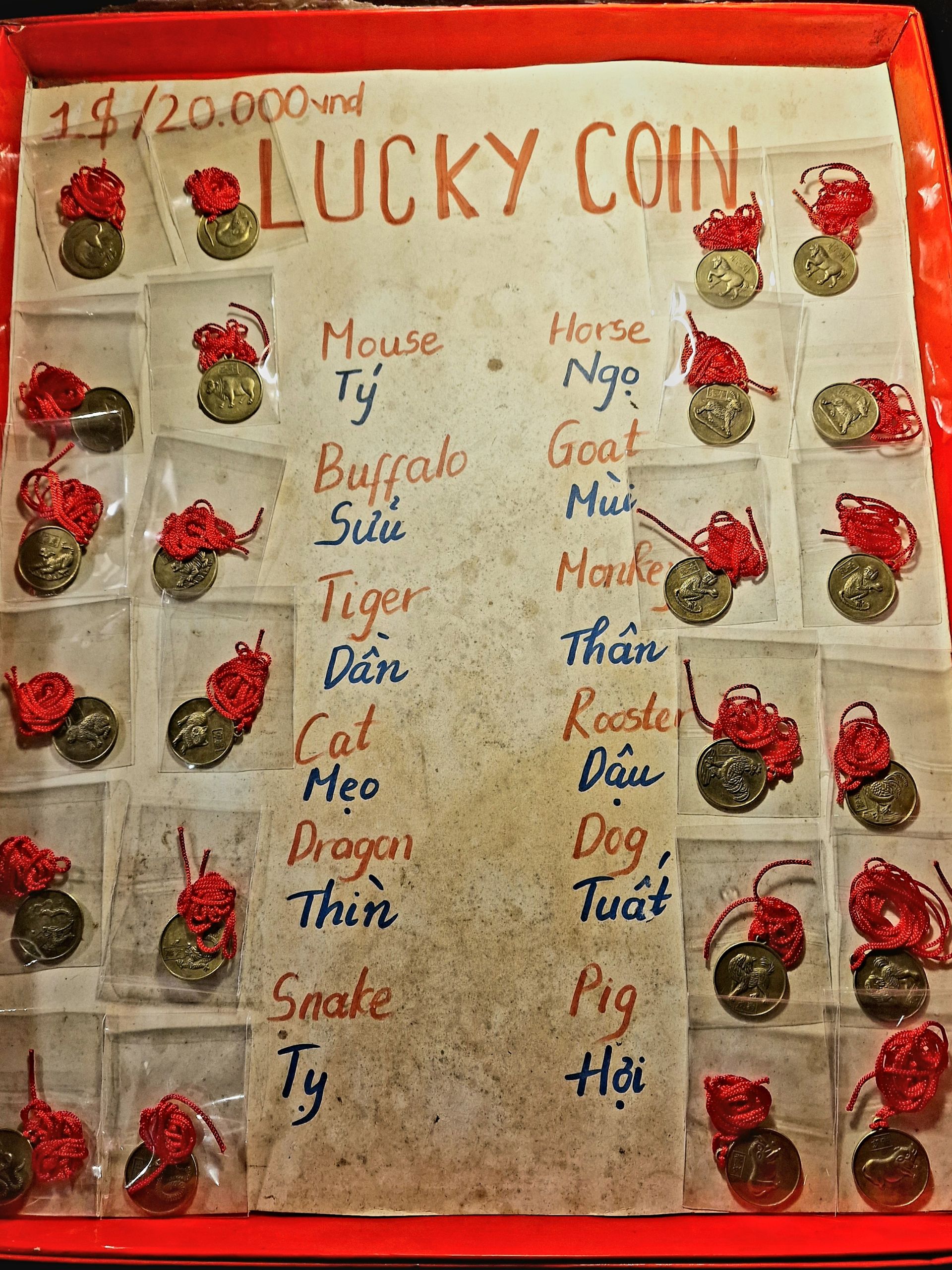
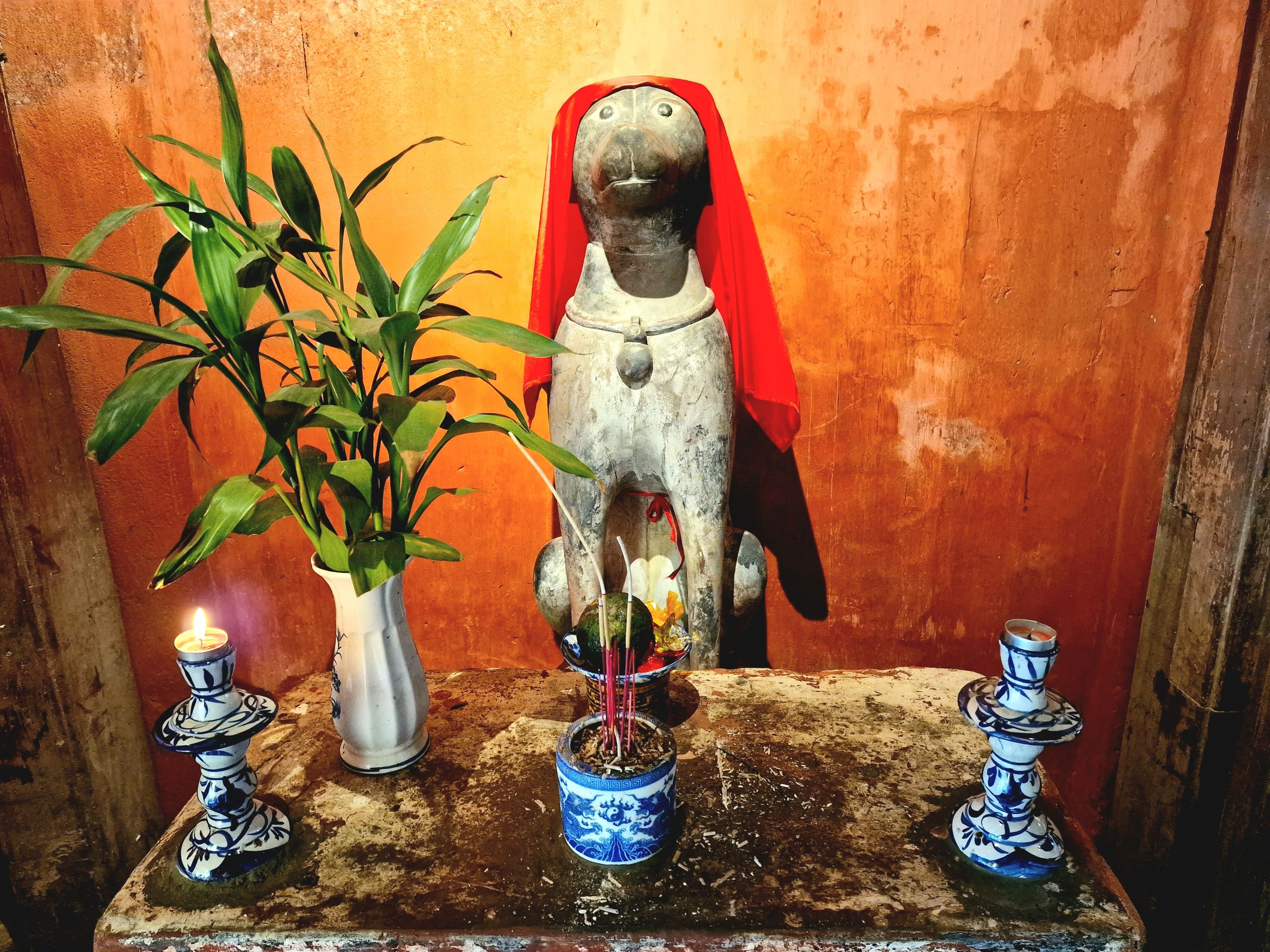

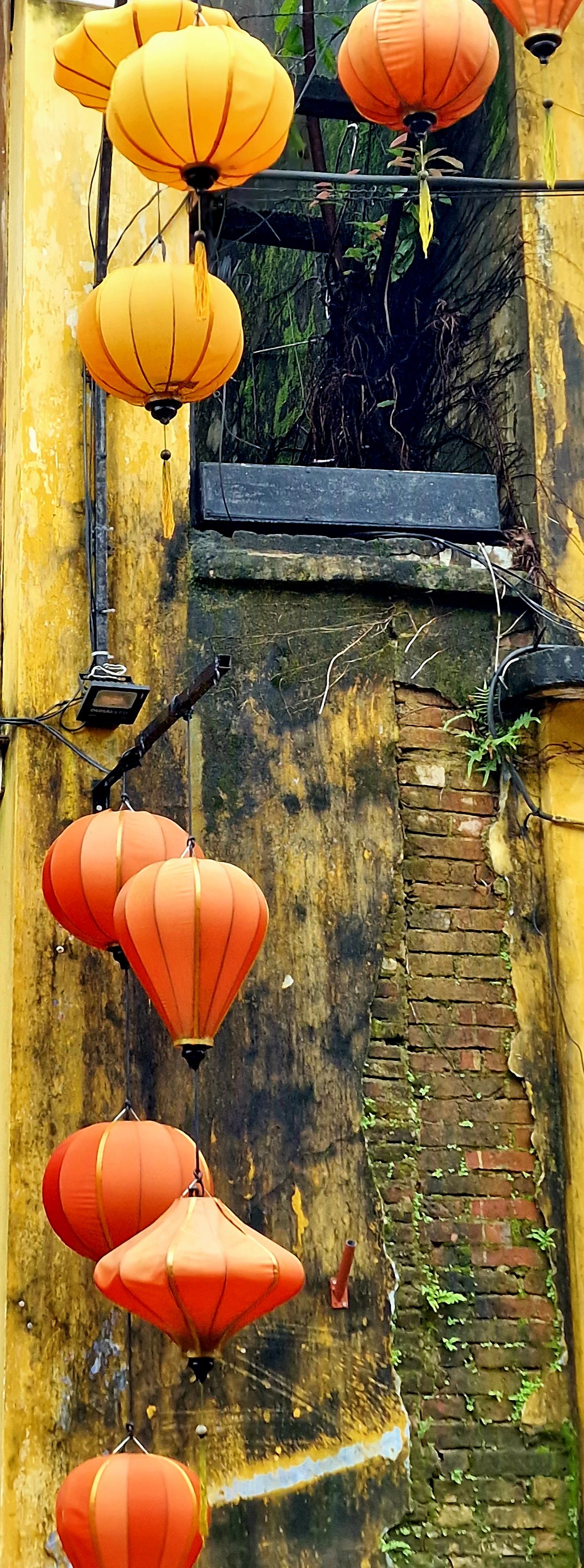

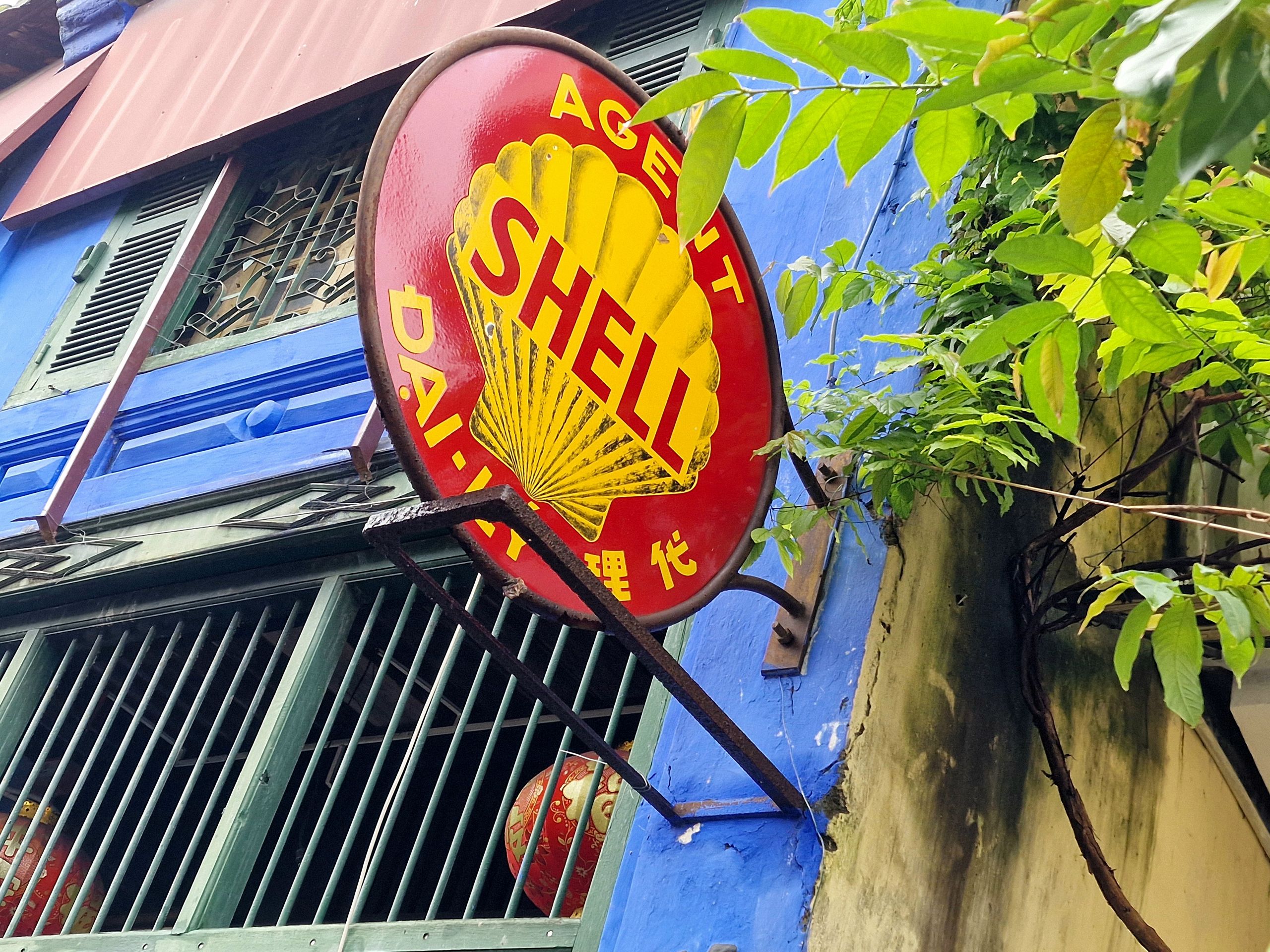
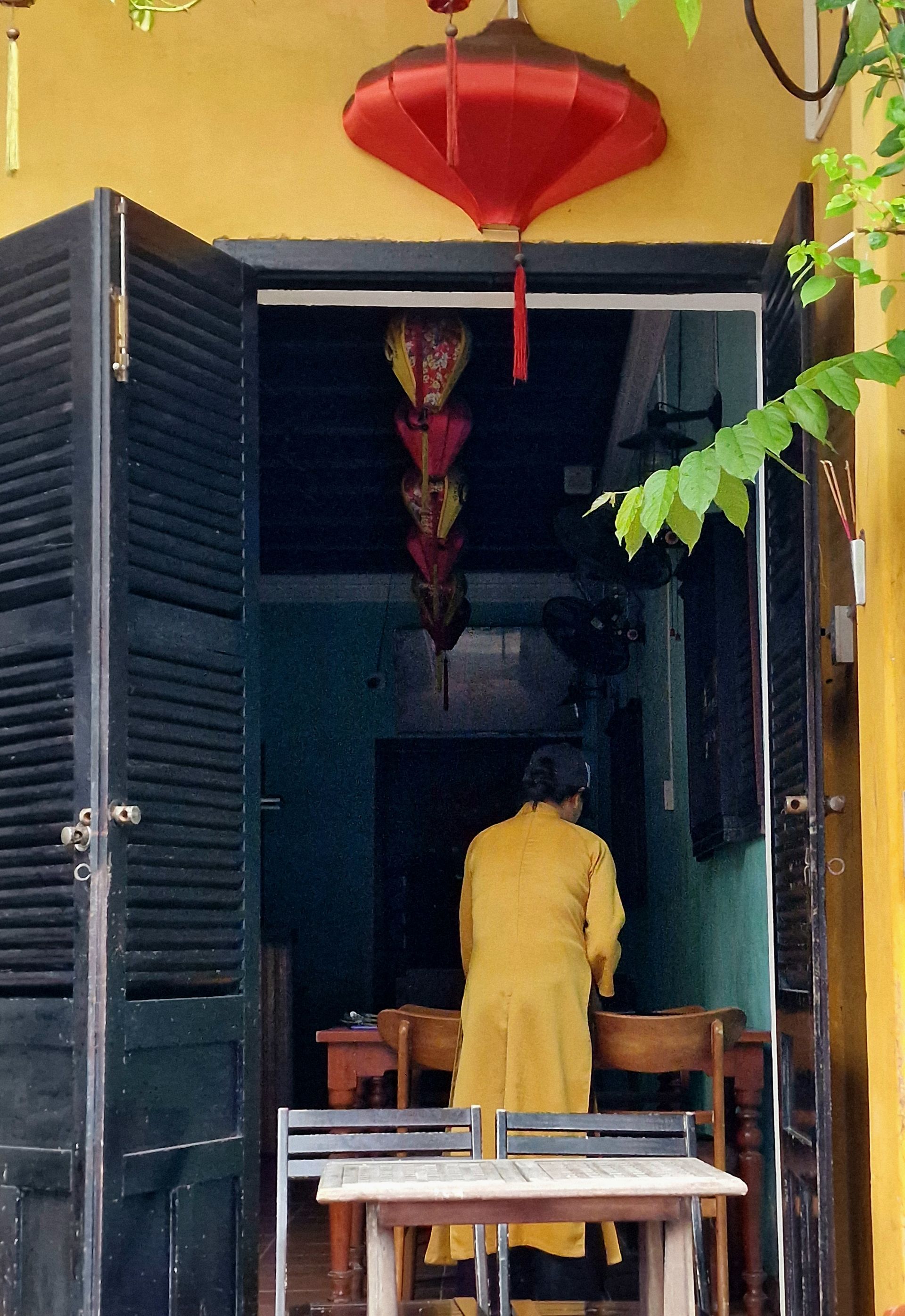
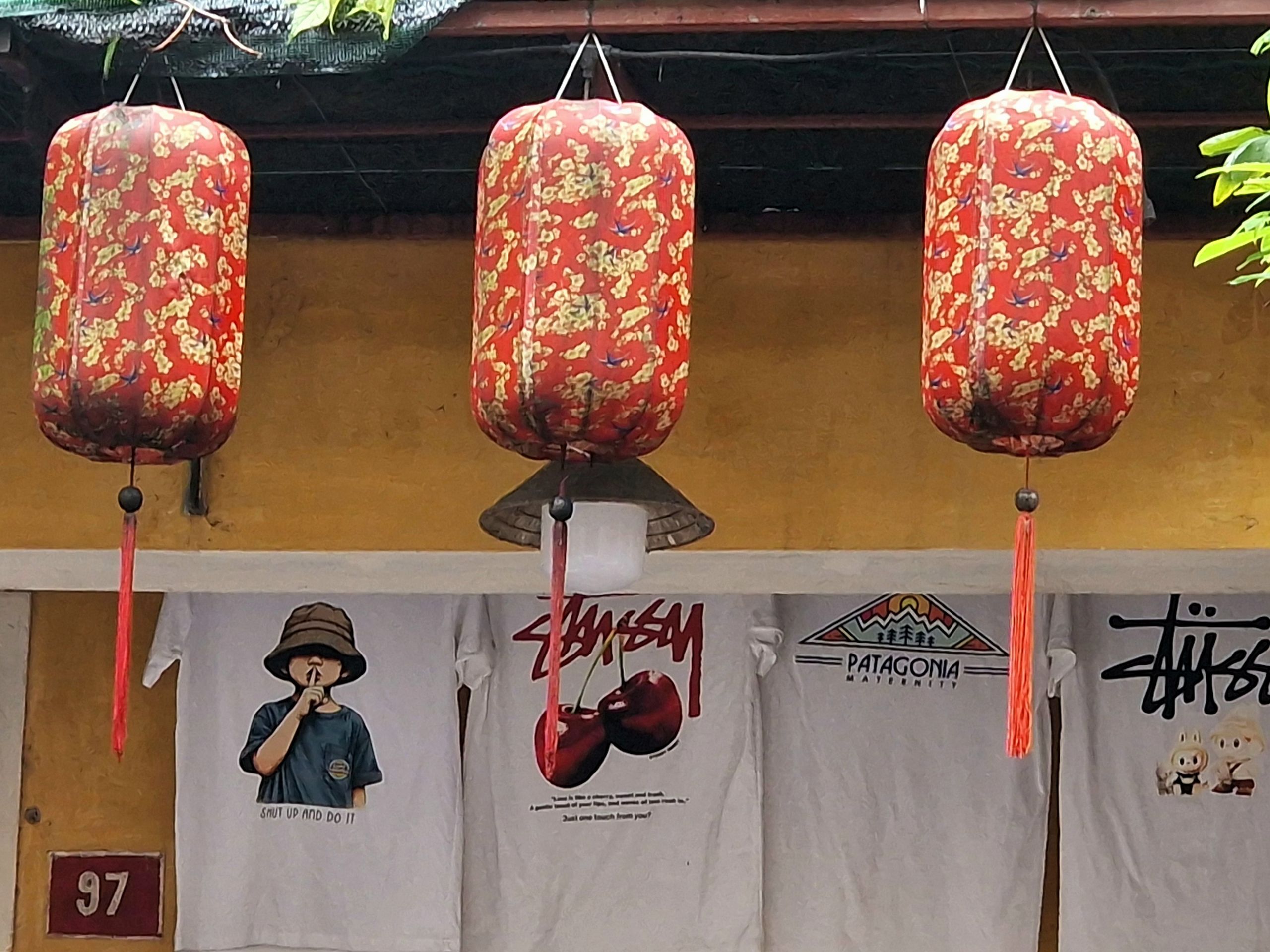
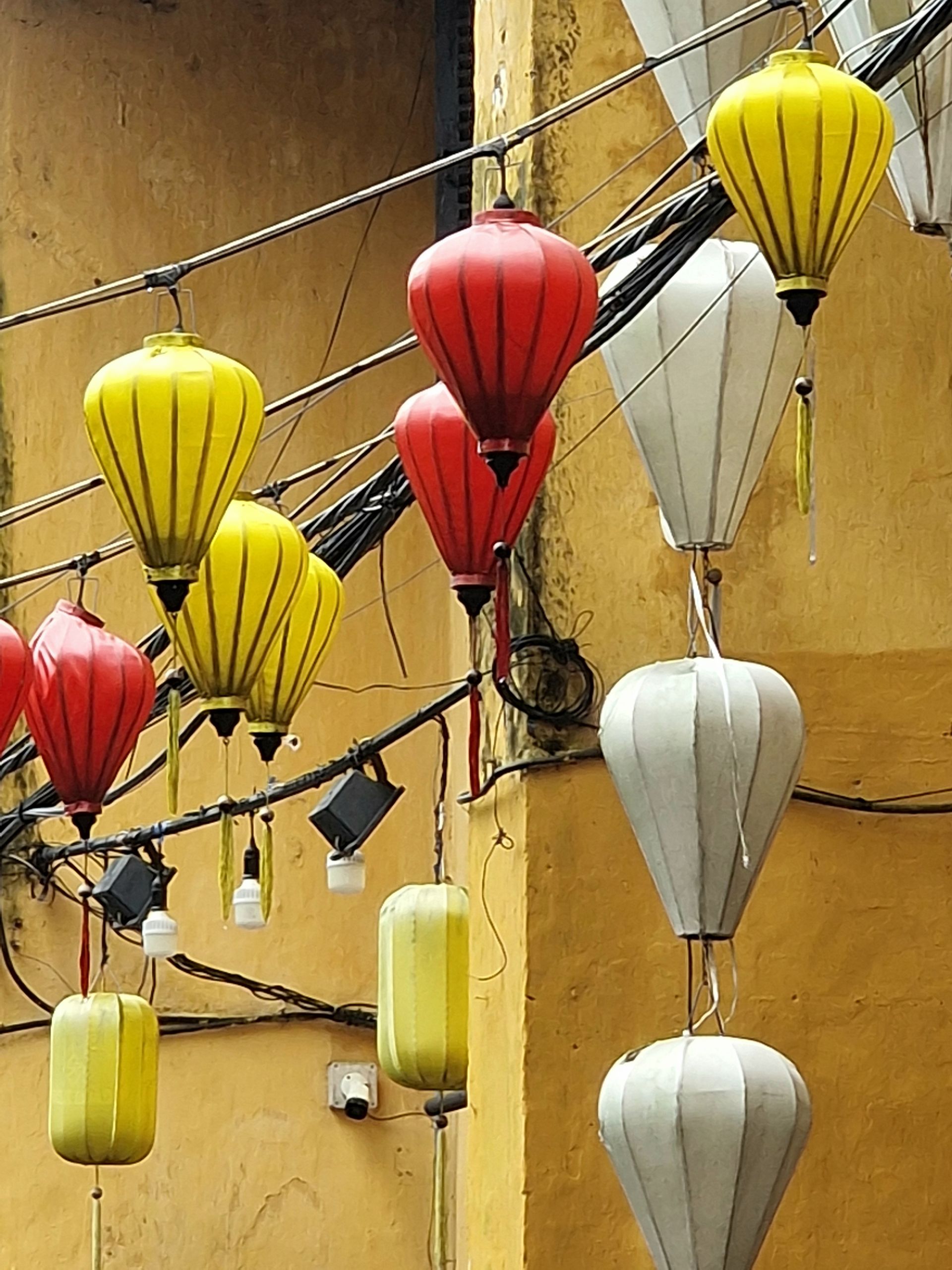
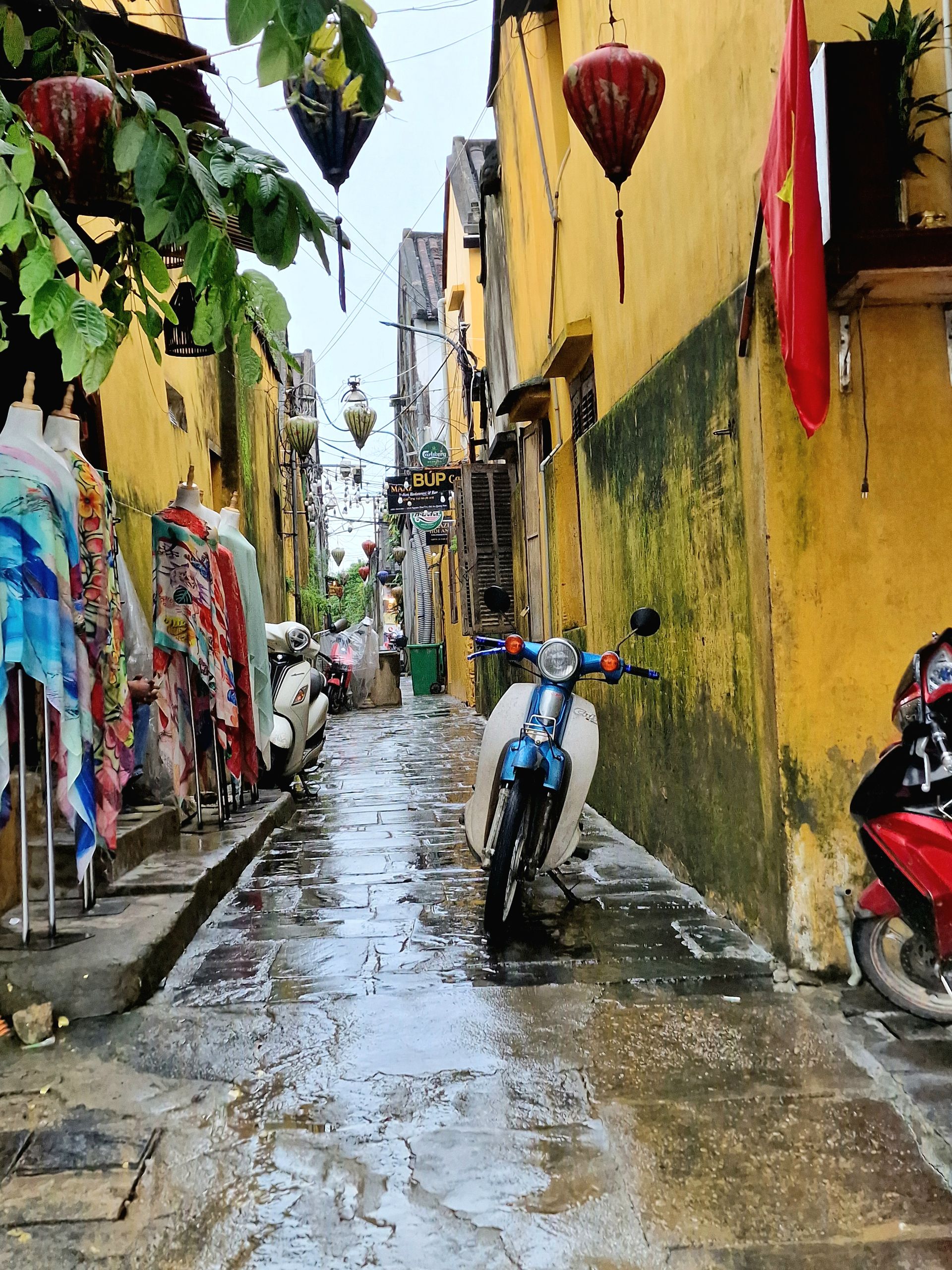
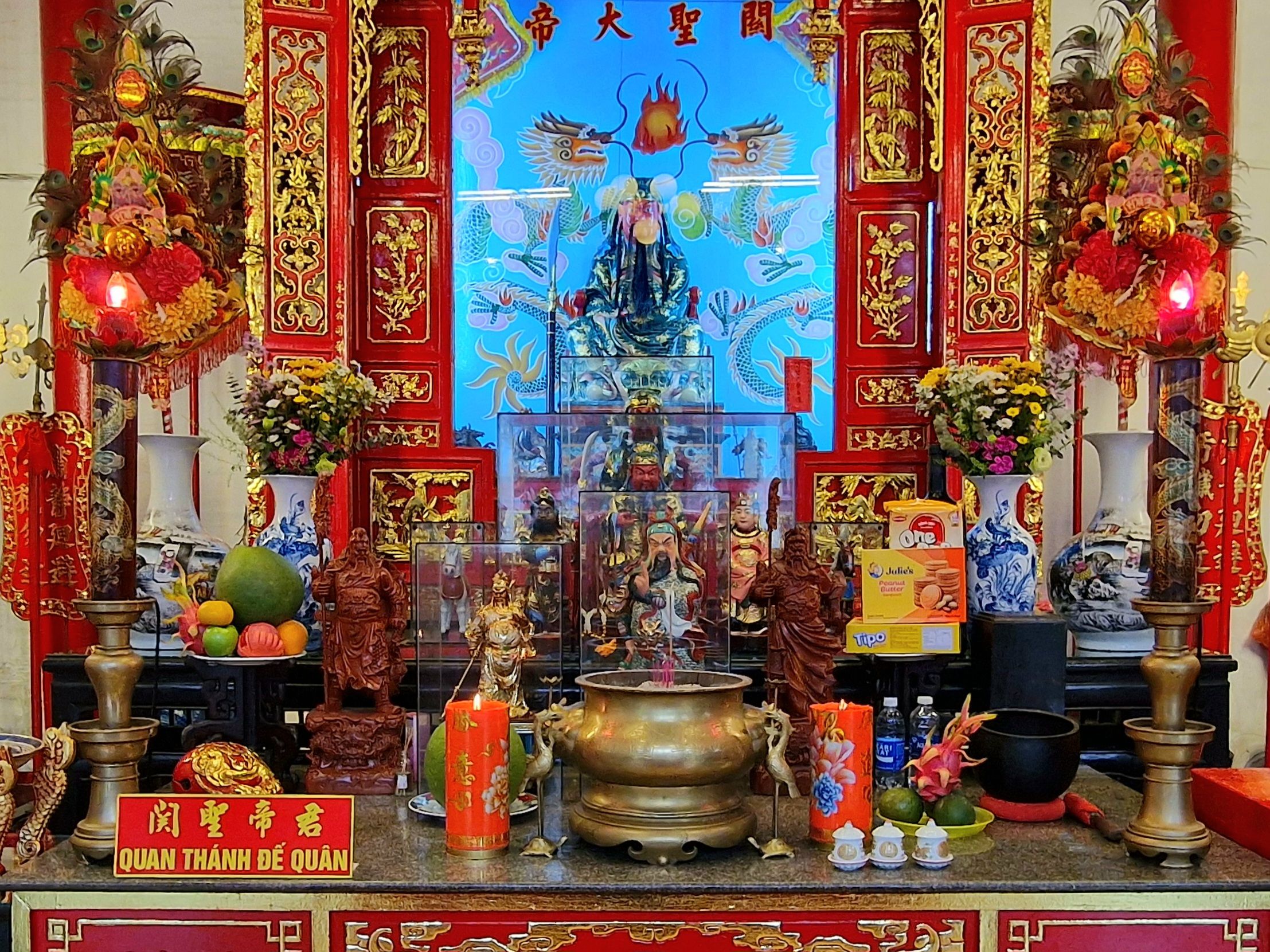

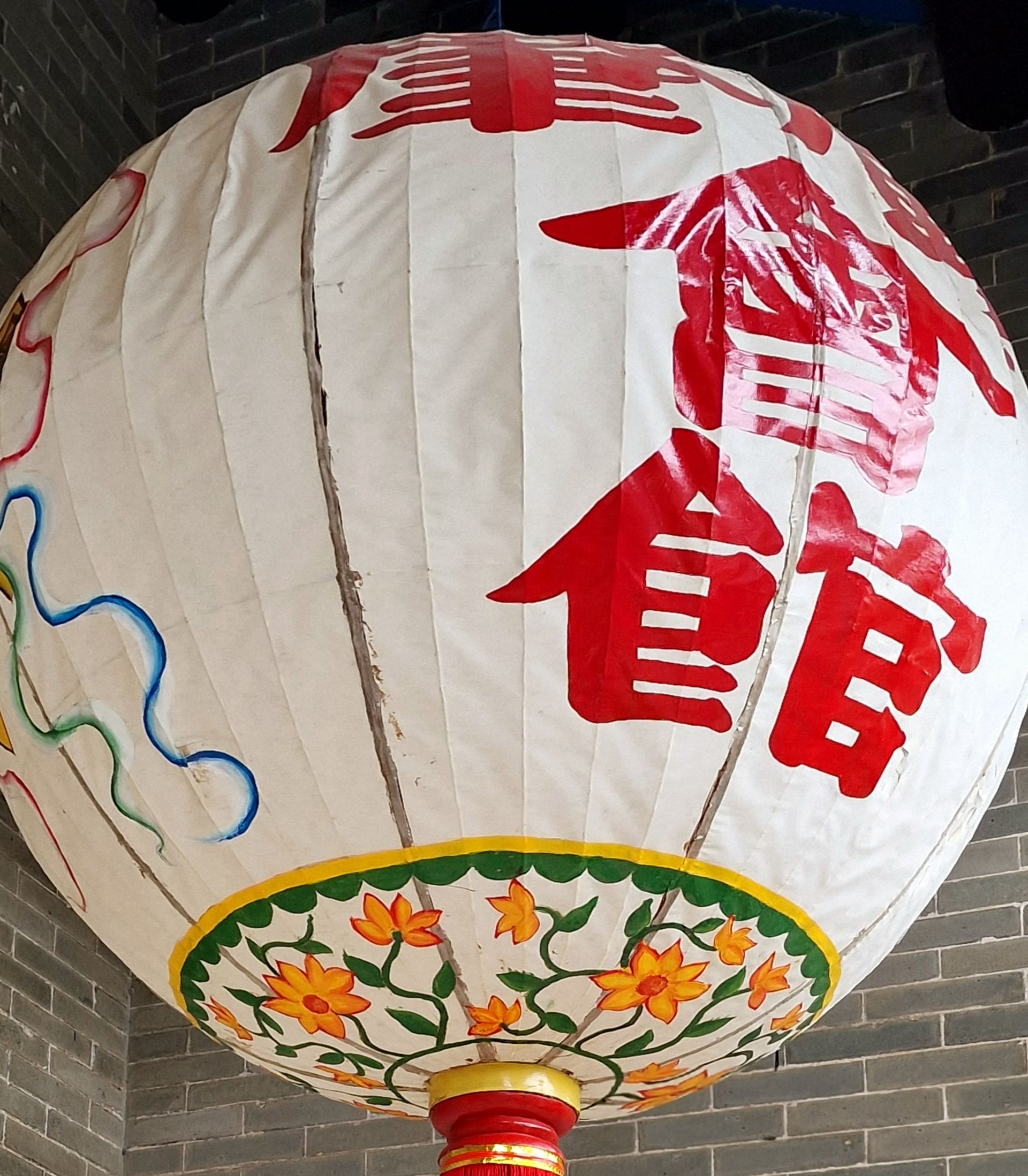
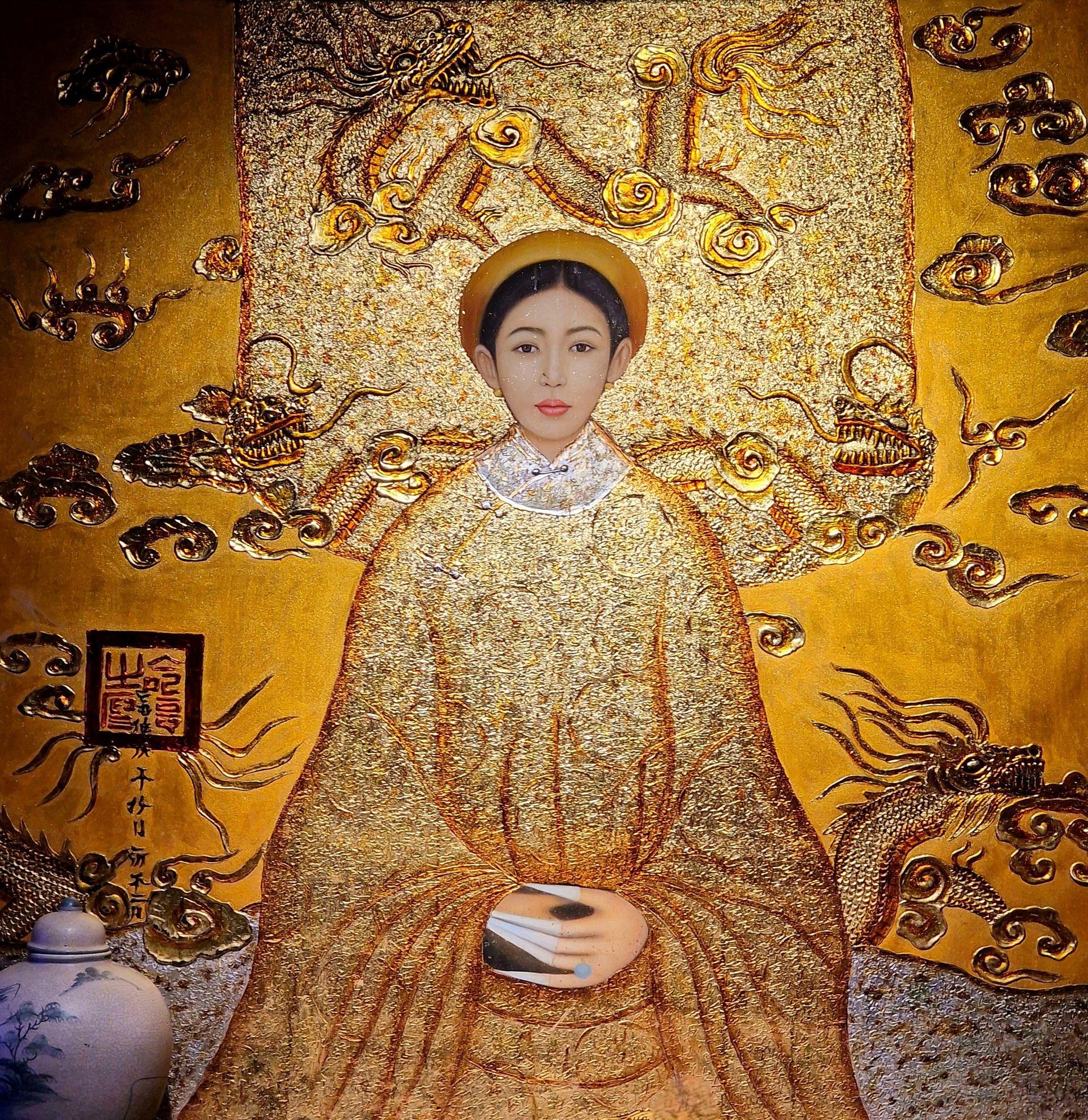

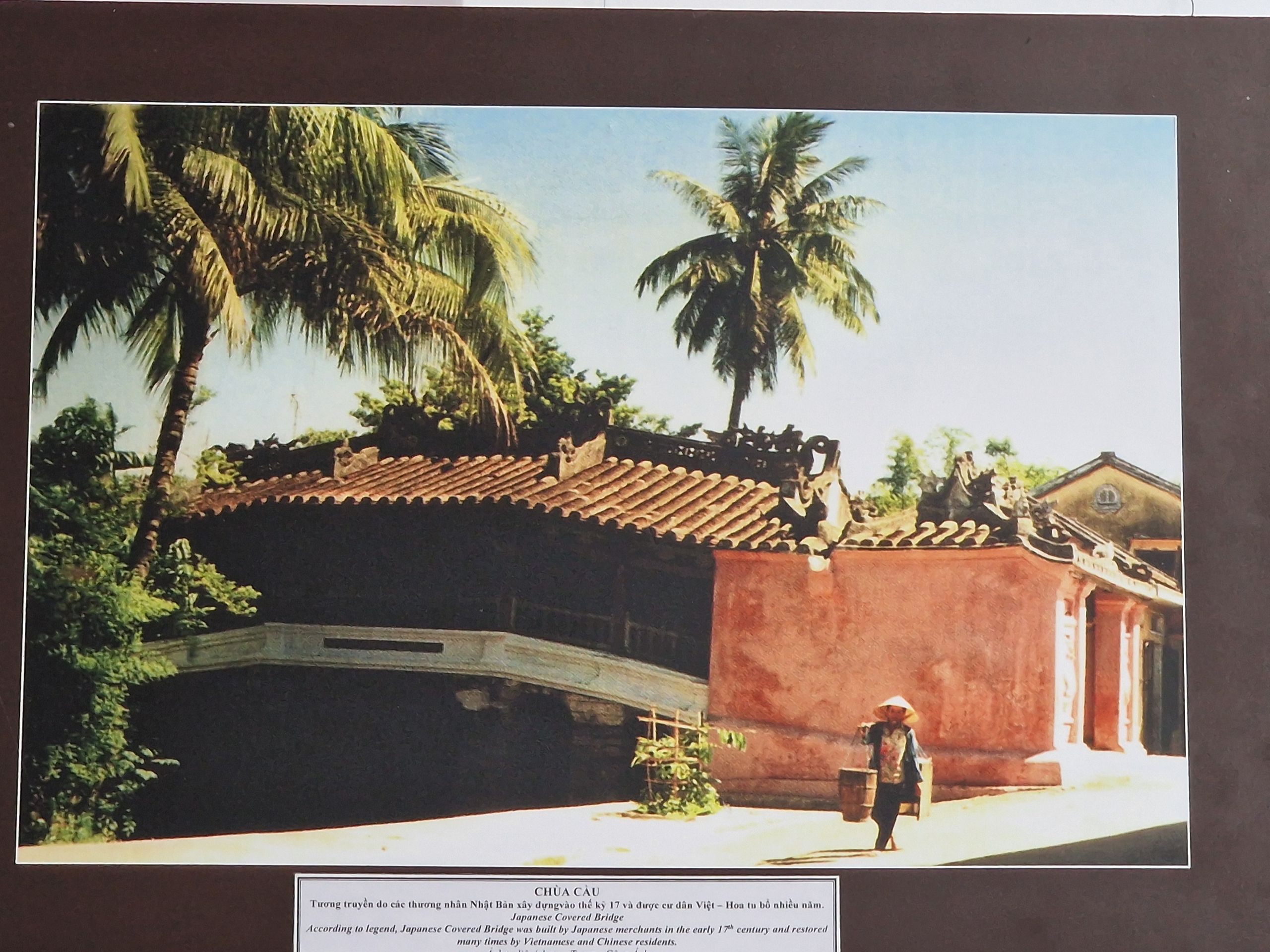
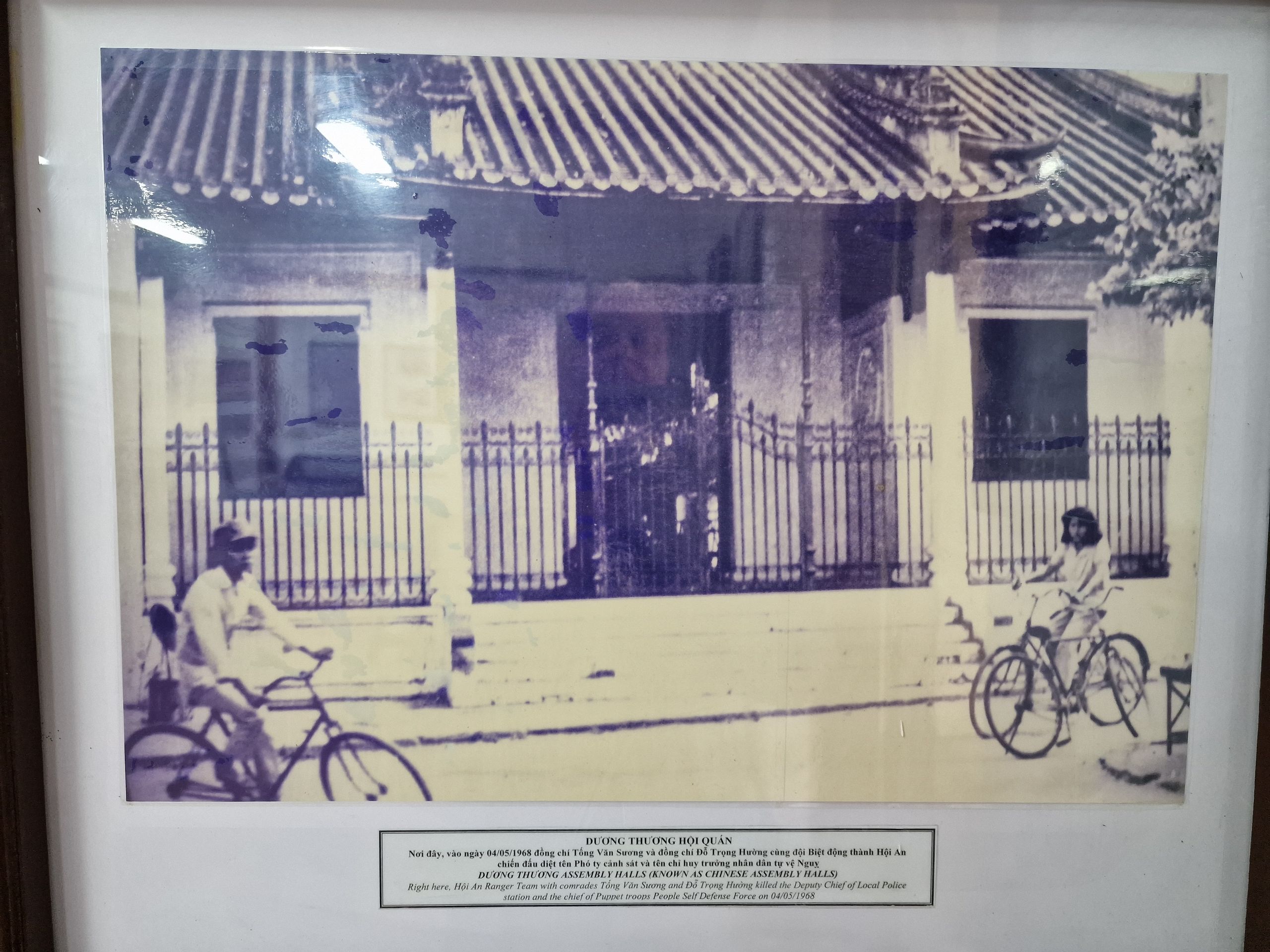

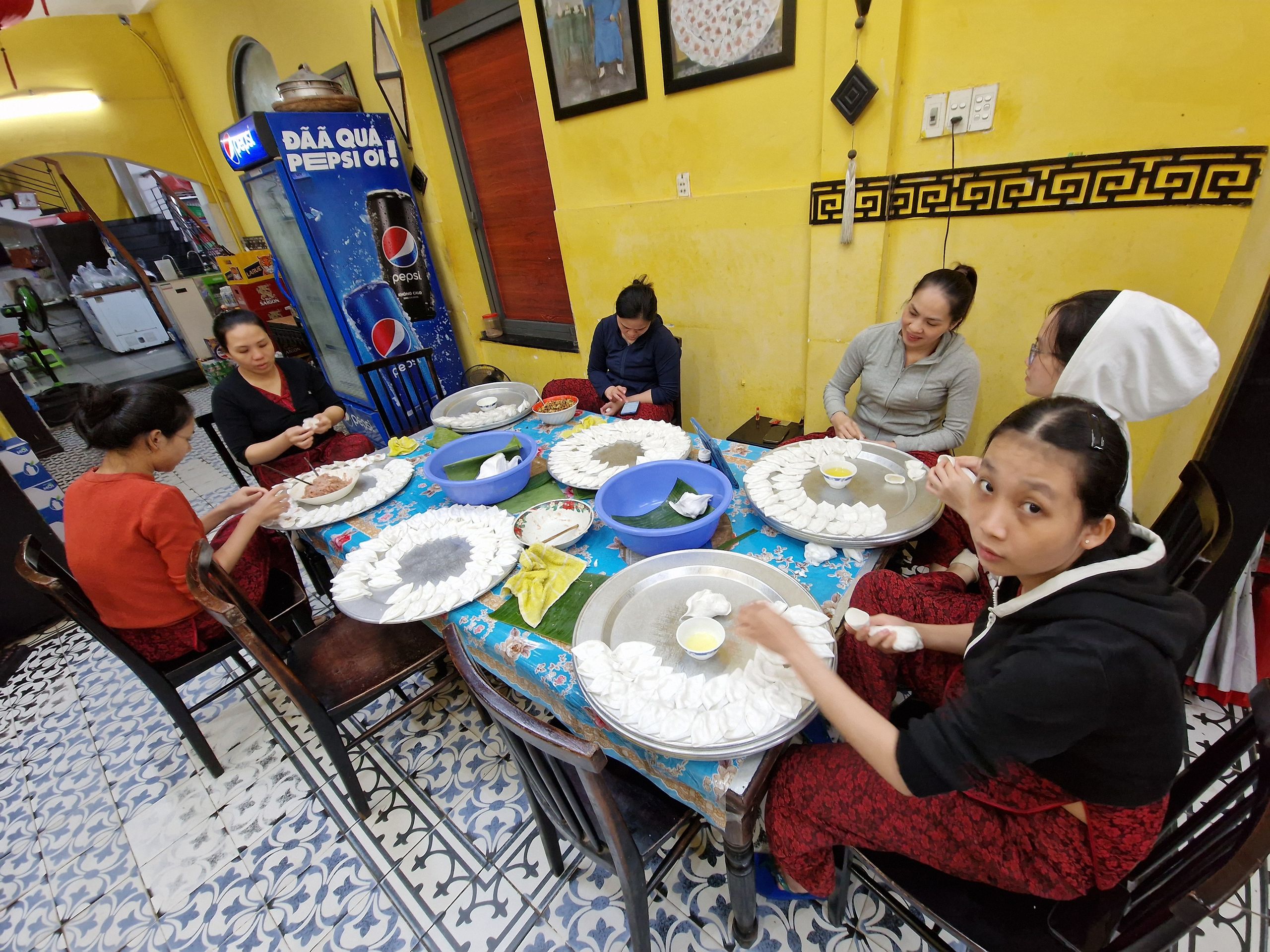
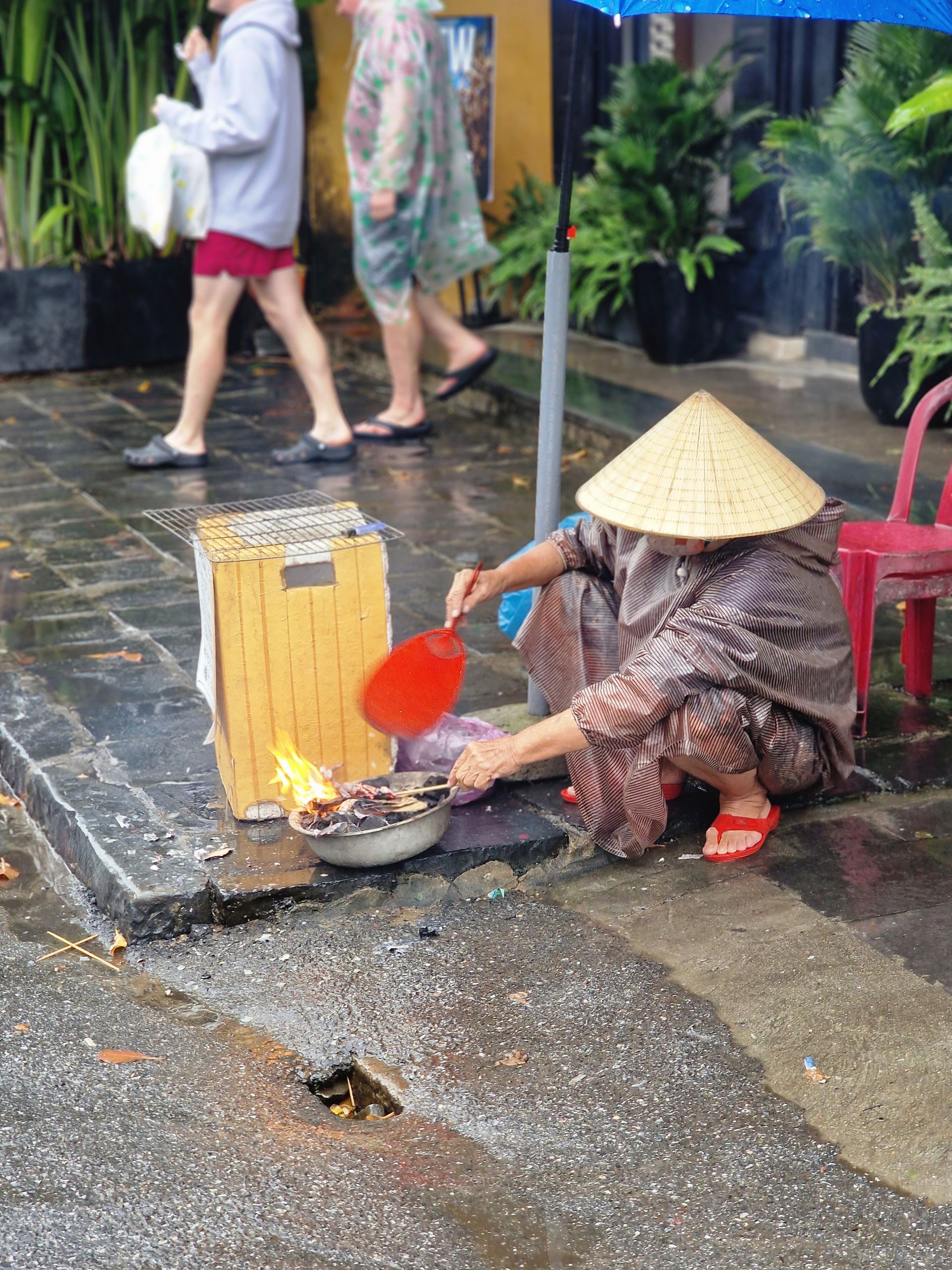
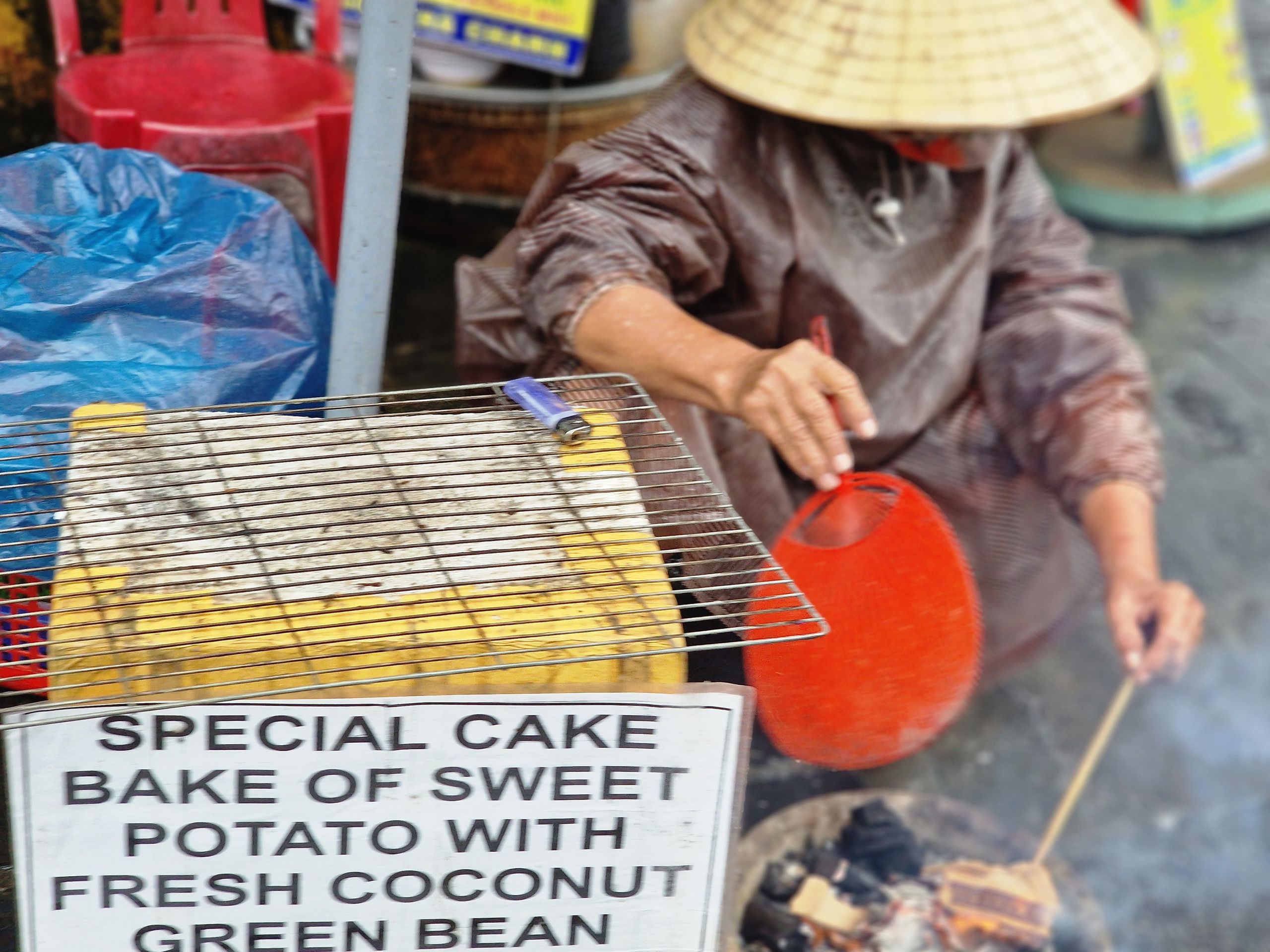
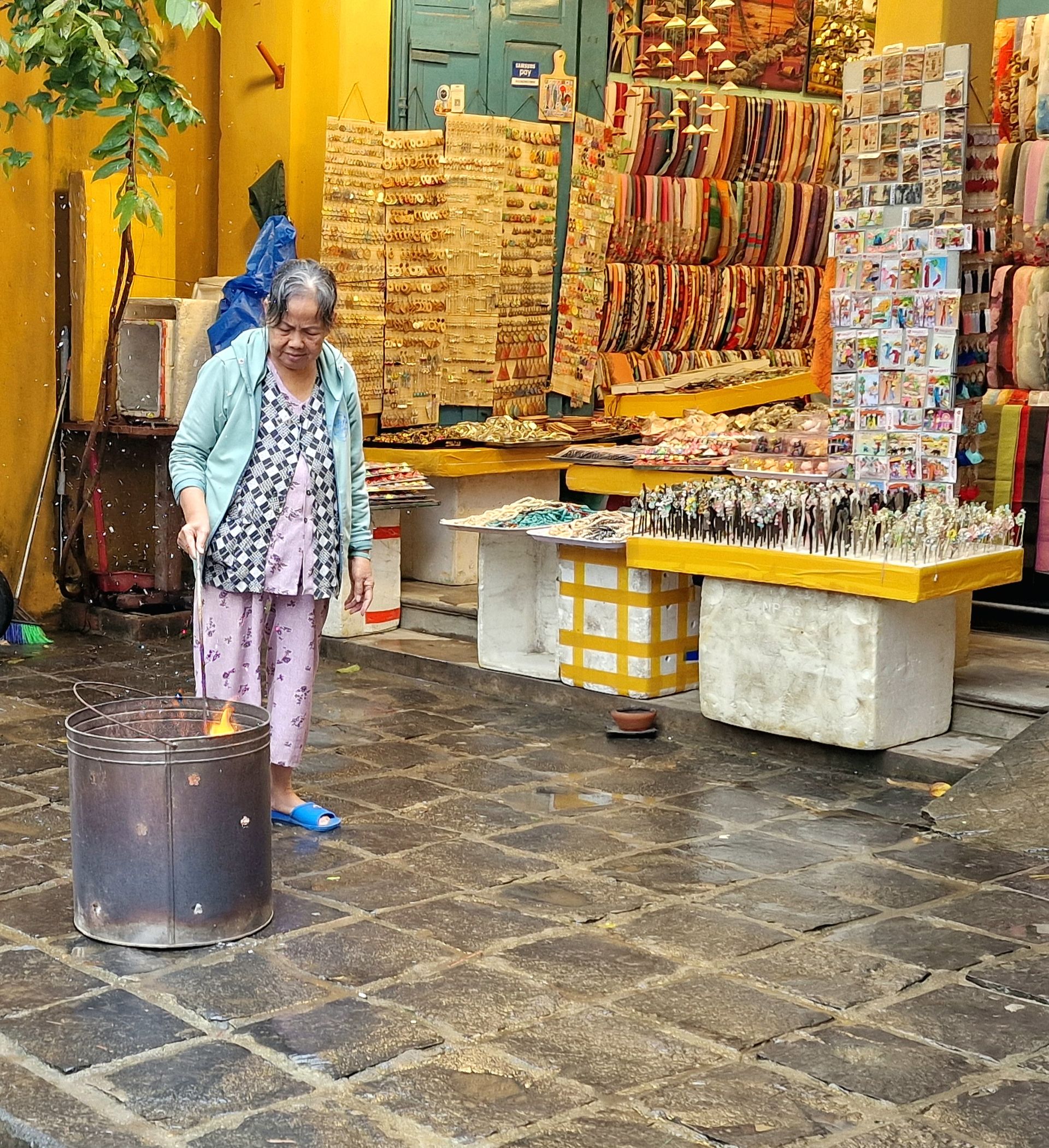
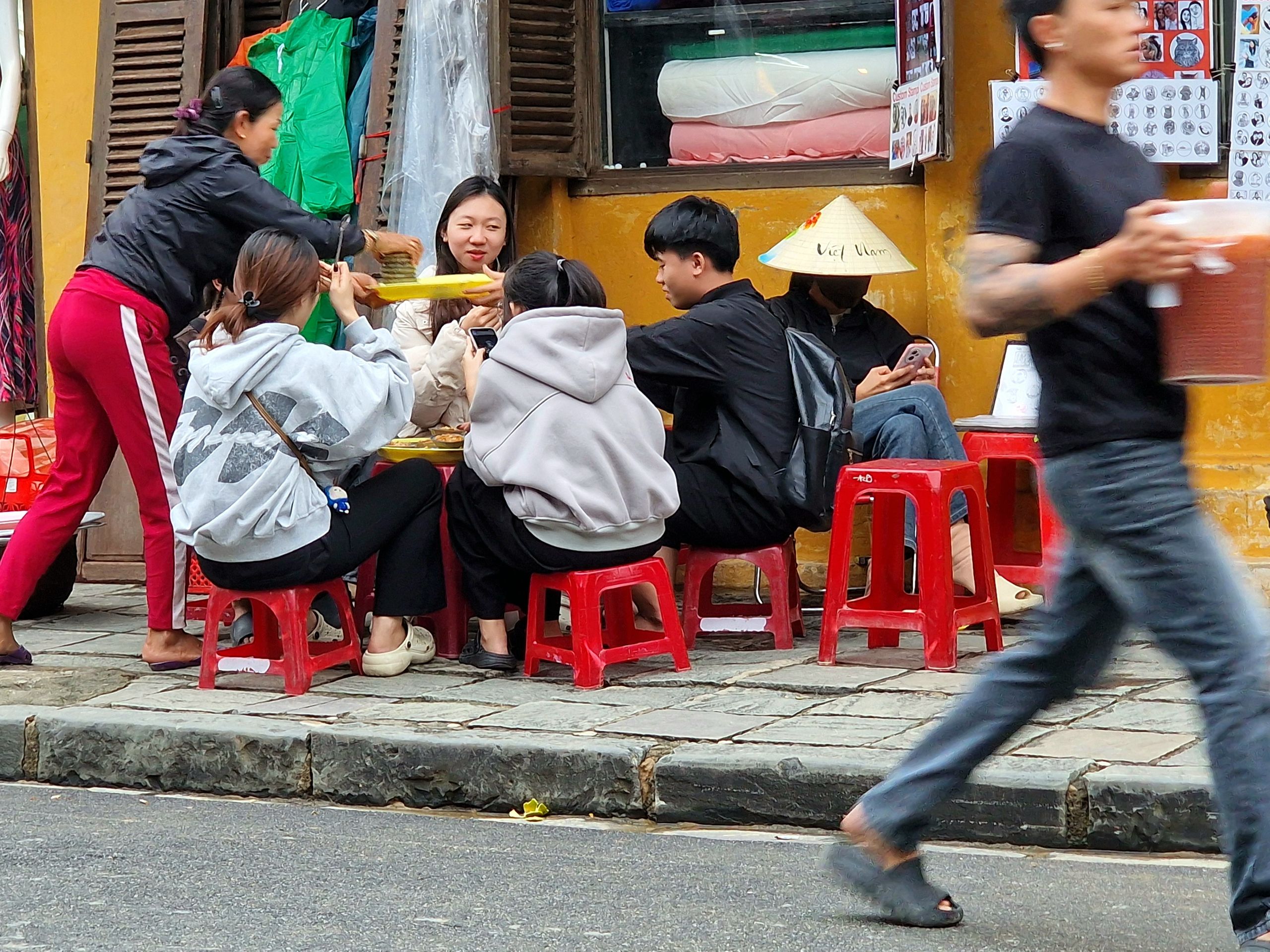
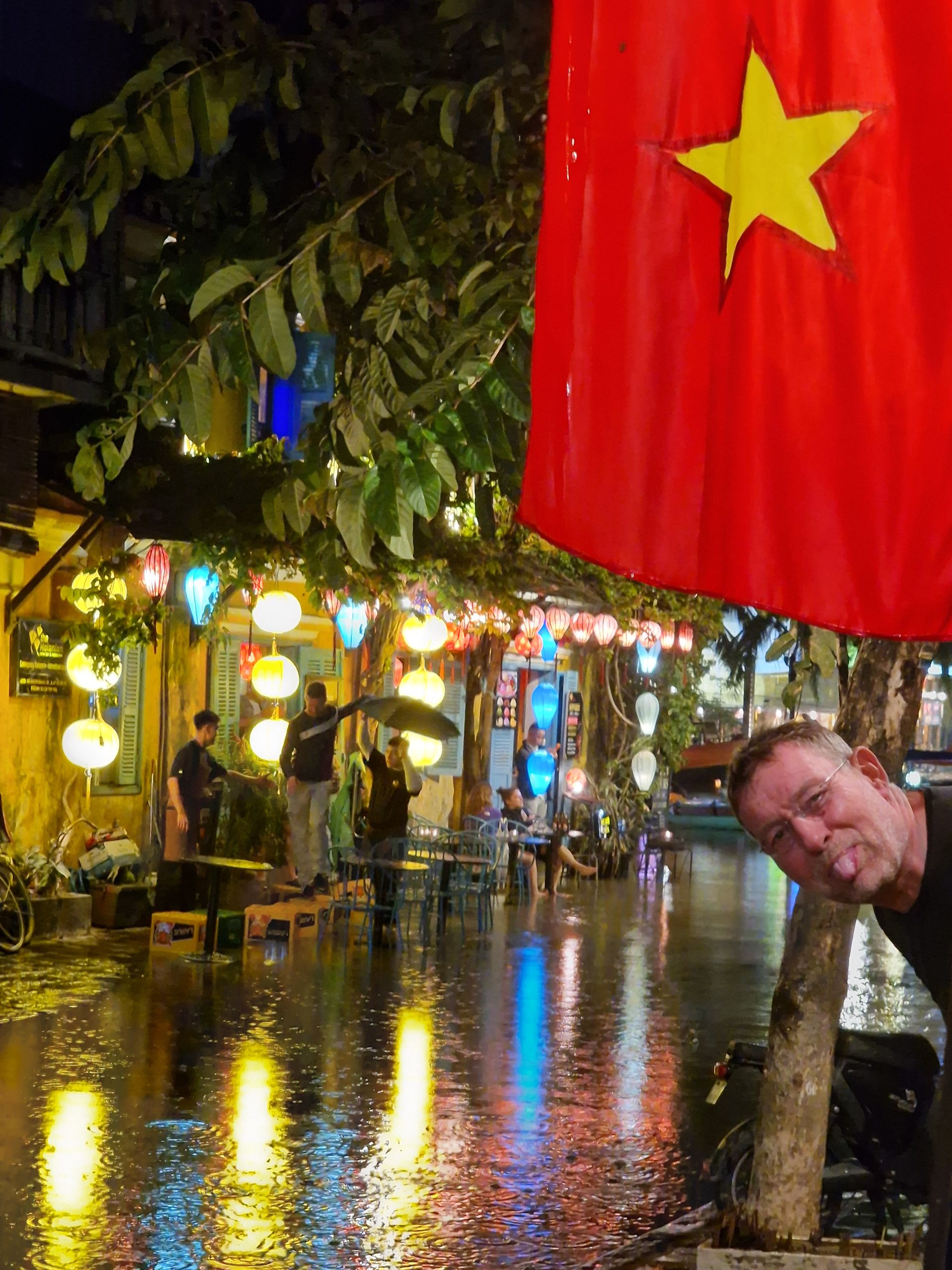
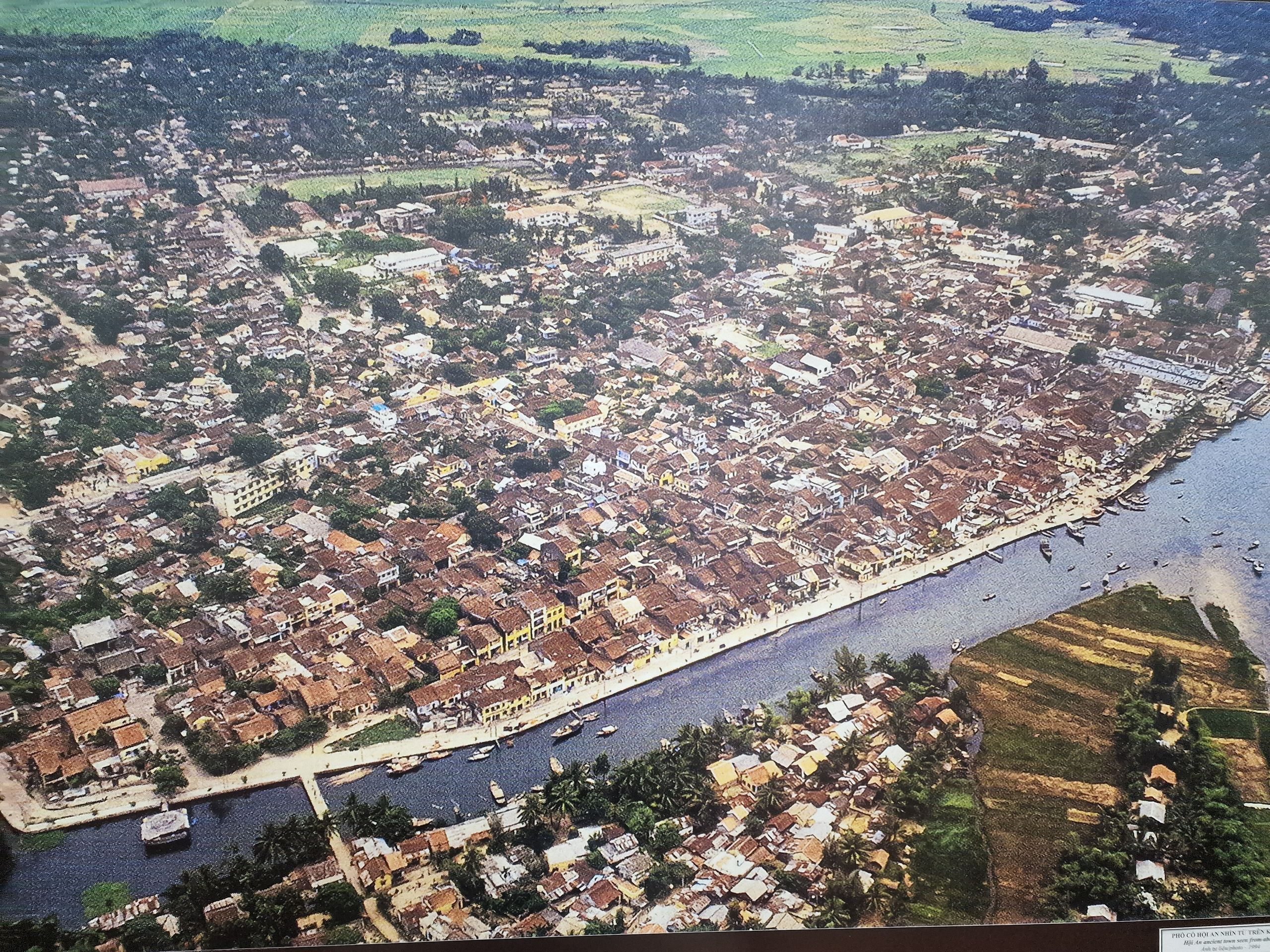

We first visited Hoi An in 1993. Old, crumbling houses, built with southern Chinese charm and French influence - it had a special atmosphere even back then. A Polish historian and architect fell in love with the city and helped it to be recognized as a UNESCO World Heritage Site - as a Vietnamese said in a restaurant: we owe it to him!
https://en.wikipedia.org › wiki › Kazimierz_Kwiatkowski_(architect)
Now I was looking forward to discovering the history of Hoi An in the protected area of the old town, in the houses, temples, and especially in the Hoi An Museum, seeing images that reminded me of those times. What we found was a rather small, meager exhibition, few images, few objects, little explanation... which personally disappointed me quite a bit. The old town consists of shops, shops, shops, cafés, restaurants, bars, and more shops... The World Heritage Site has been commercialized. Of course, what else? Hoi An, if it weren't a World Heritage Site, wouldn't look as beautiful in the cityscape; new, taller buildings would have been constructed, and the small, ochre-colored houses with their tiled roofs and wooden balconies would have become rare. One evening, I sat there and thought that the houses didn't care what was happening inside them - everything serves to preserve them. The fact that the whole city might eventually collapse and not be able to withstand the tourist influx is another topic - and yes, I know, I contribute to that too.
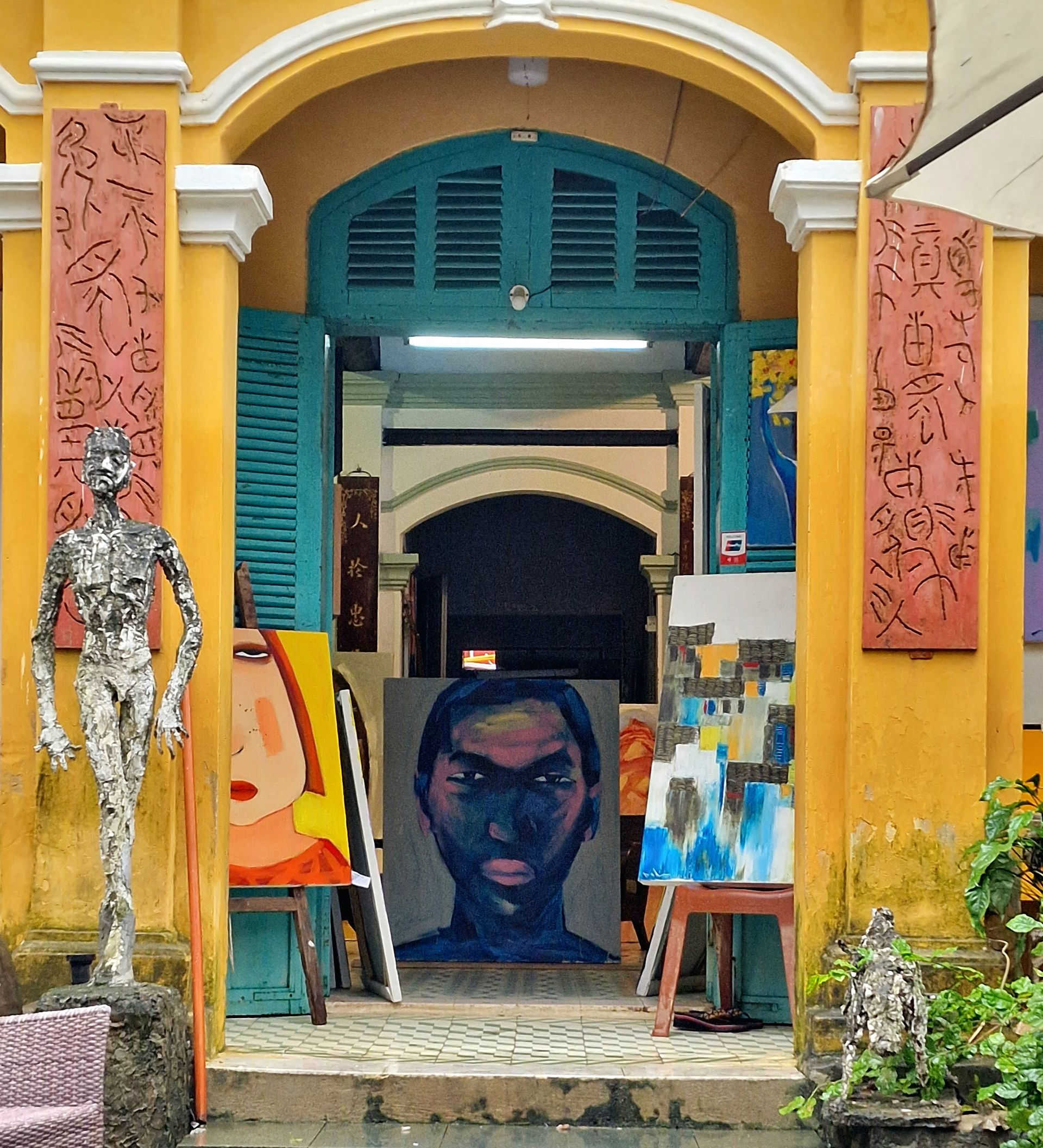
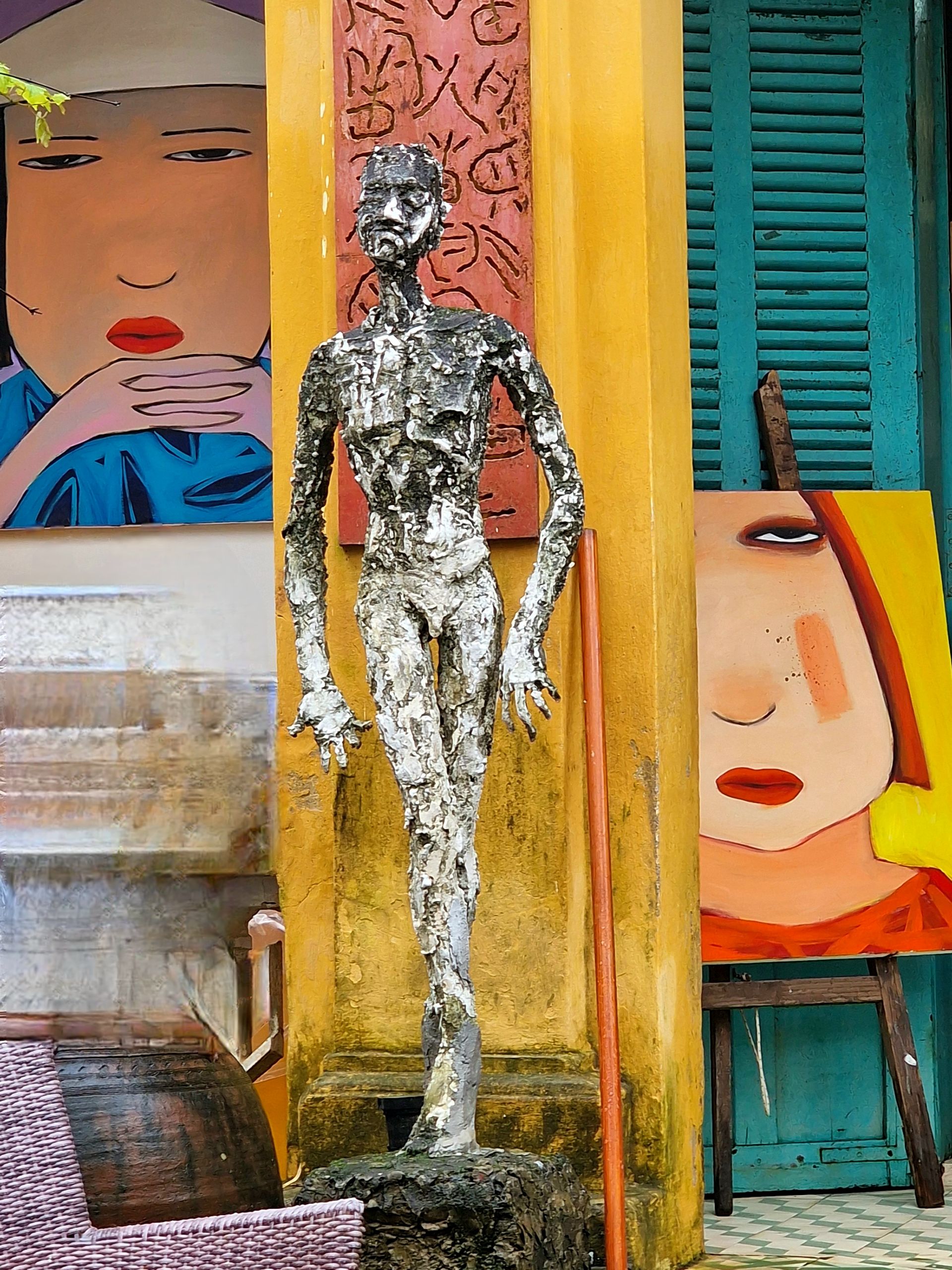
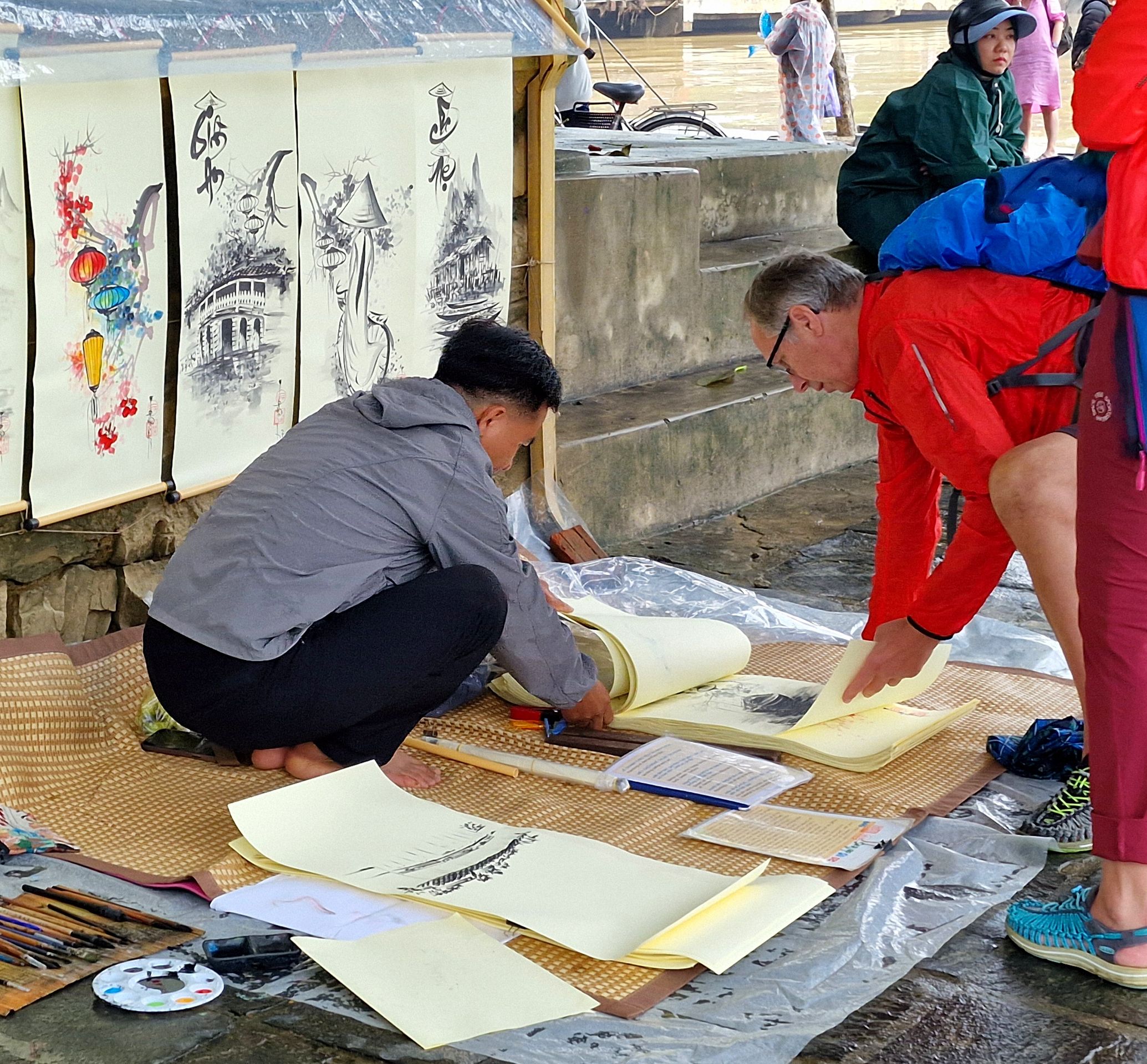
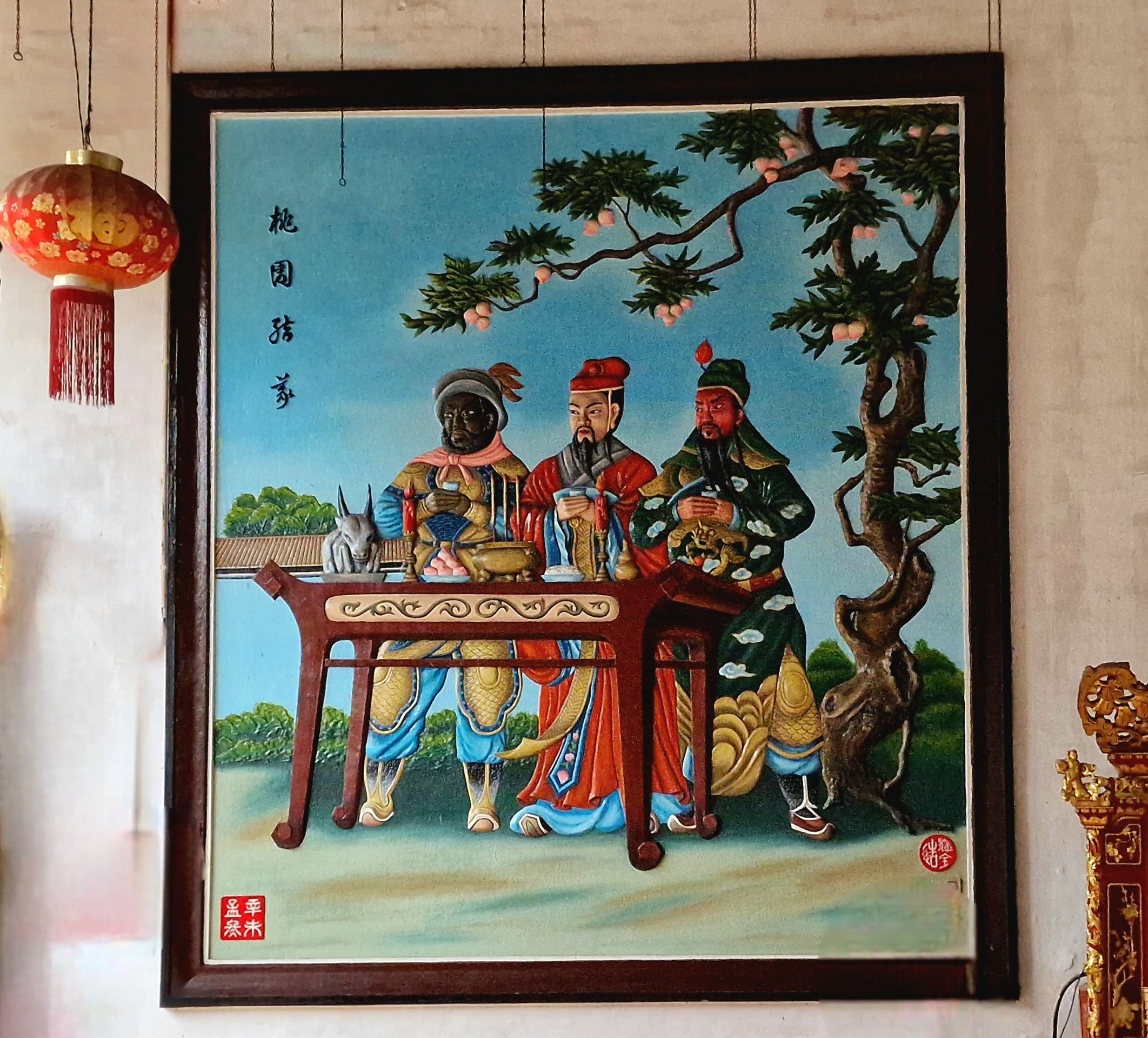
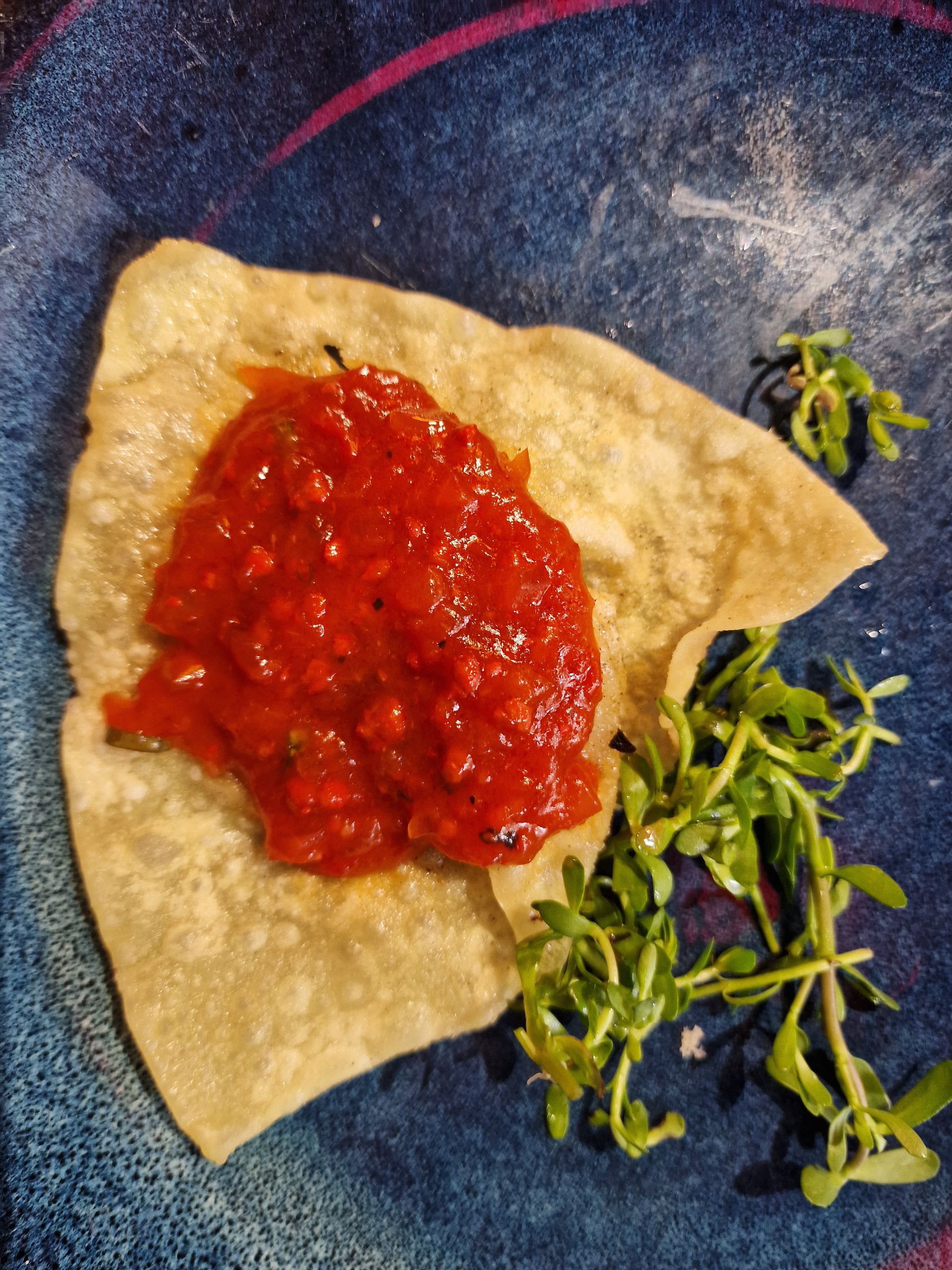
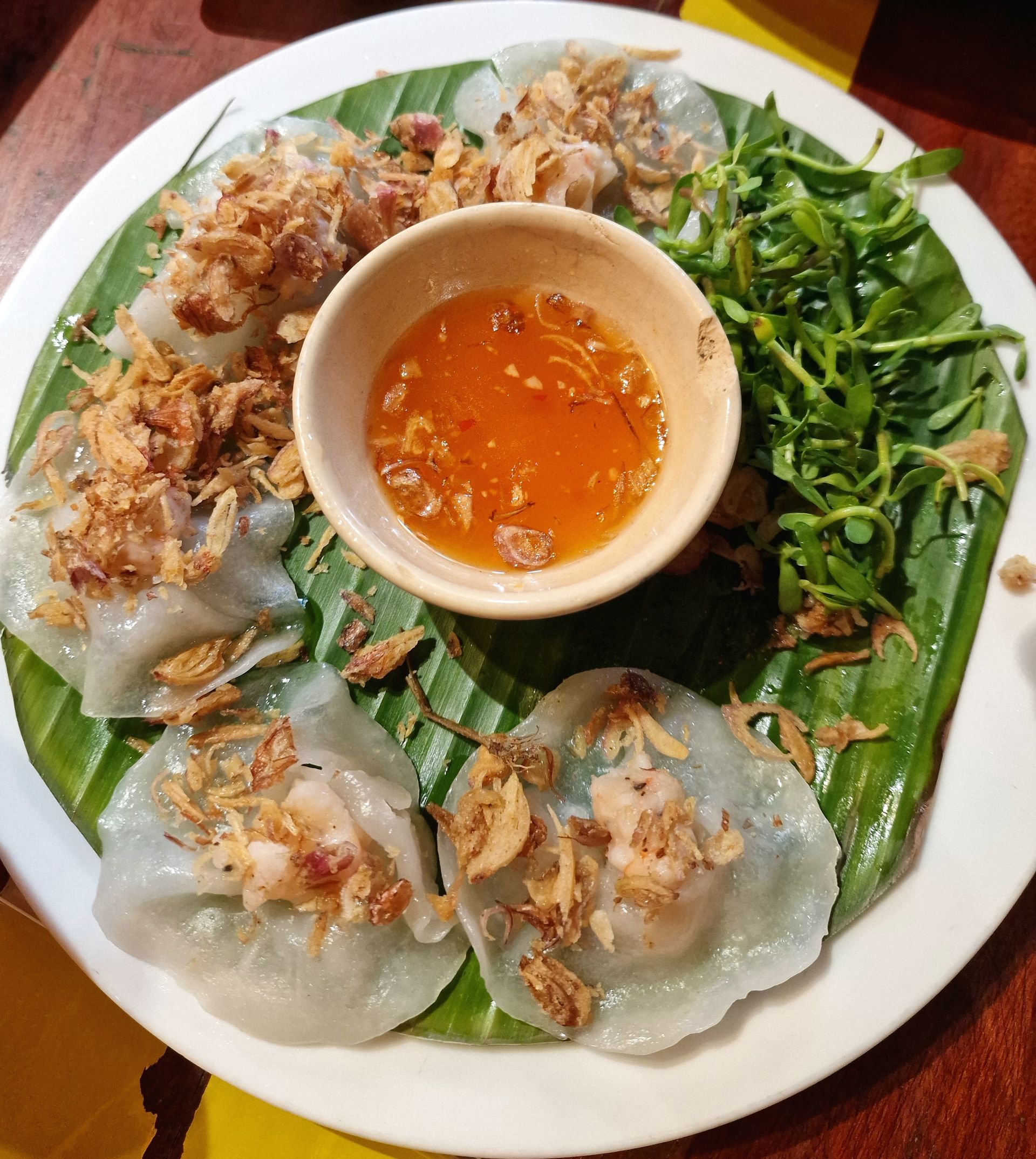
So I focused on 'art', photographing what I liked, whether old or new, including culinary delights. But what we found was the only hotel in town at that time, where we stayed in 1993. Now an administration? Authority? Organization? We didn't figure it out - it wasn't important, we were just happy :-)