
Vientiane - Experience history, understand the present
How do I summarize these 24 hours? Totally surprised, we explore Vientiane for hours. A city full of contrasts: old, dilapidated houses, overloaded power poles, shining glass...

Published: 23.12.2025
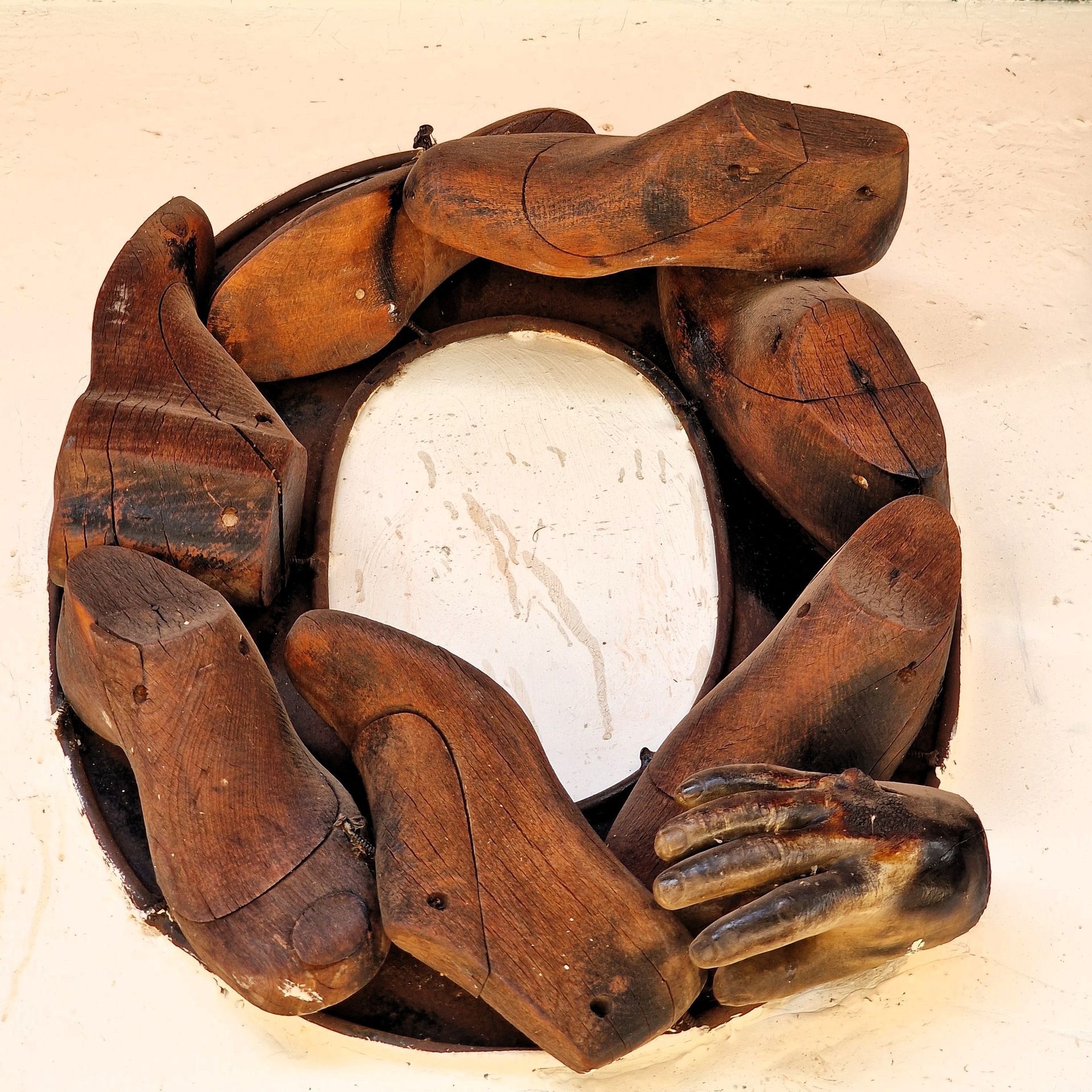
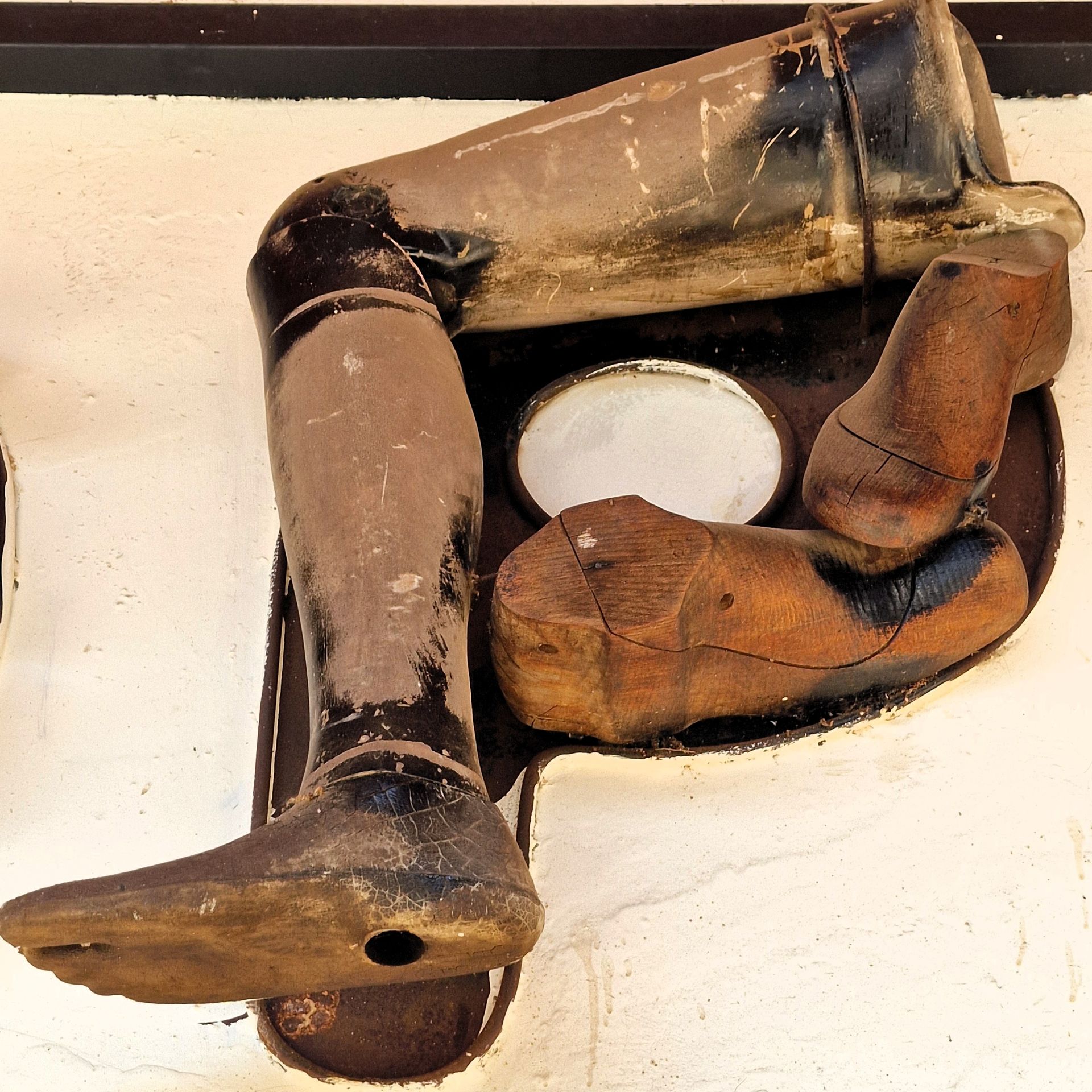
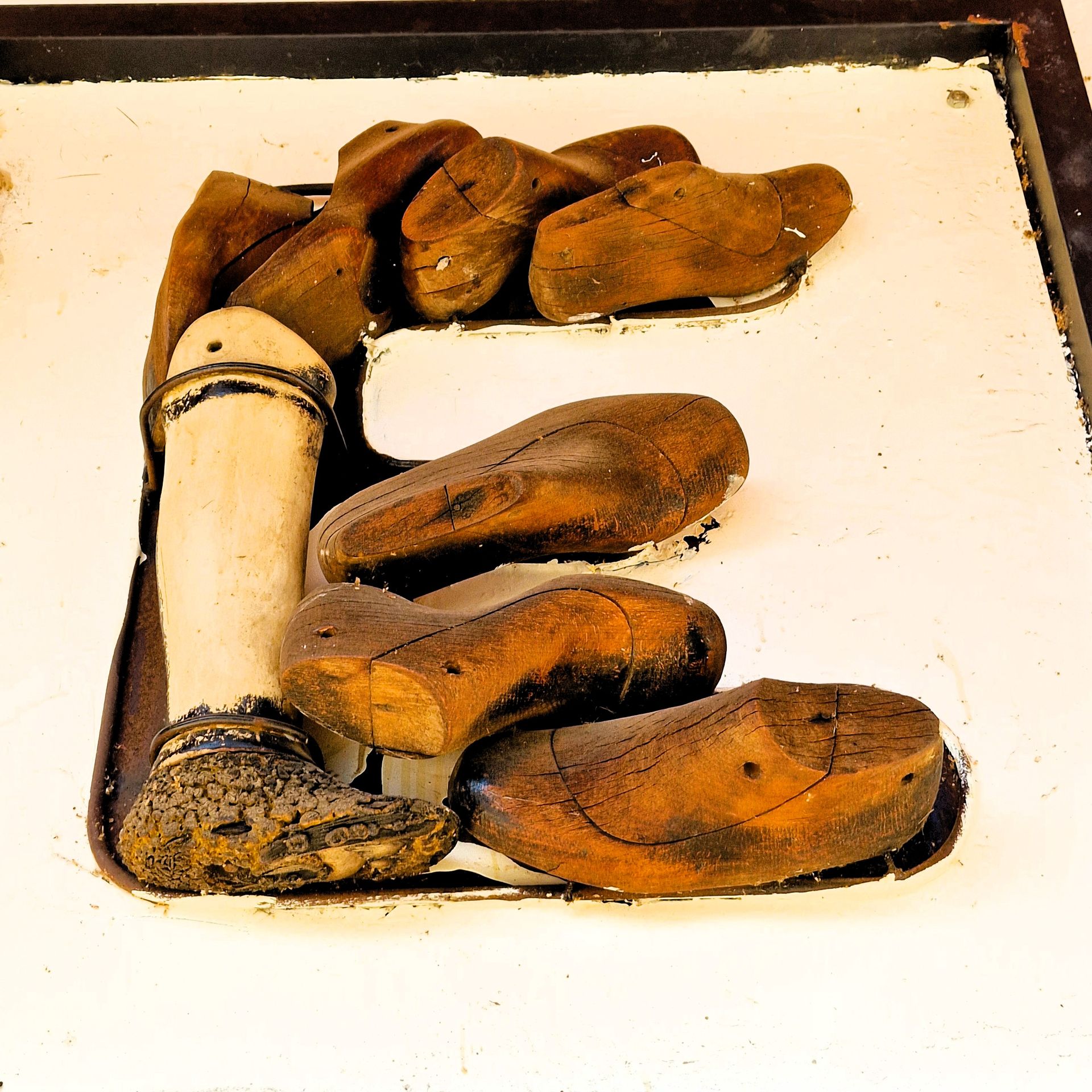

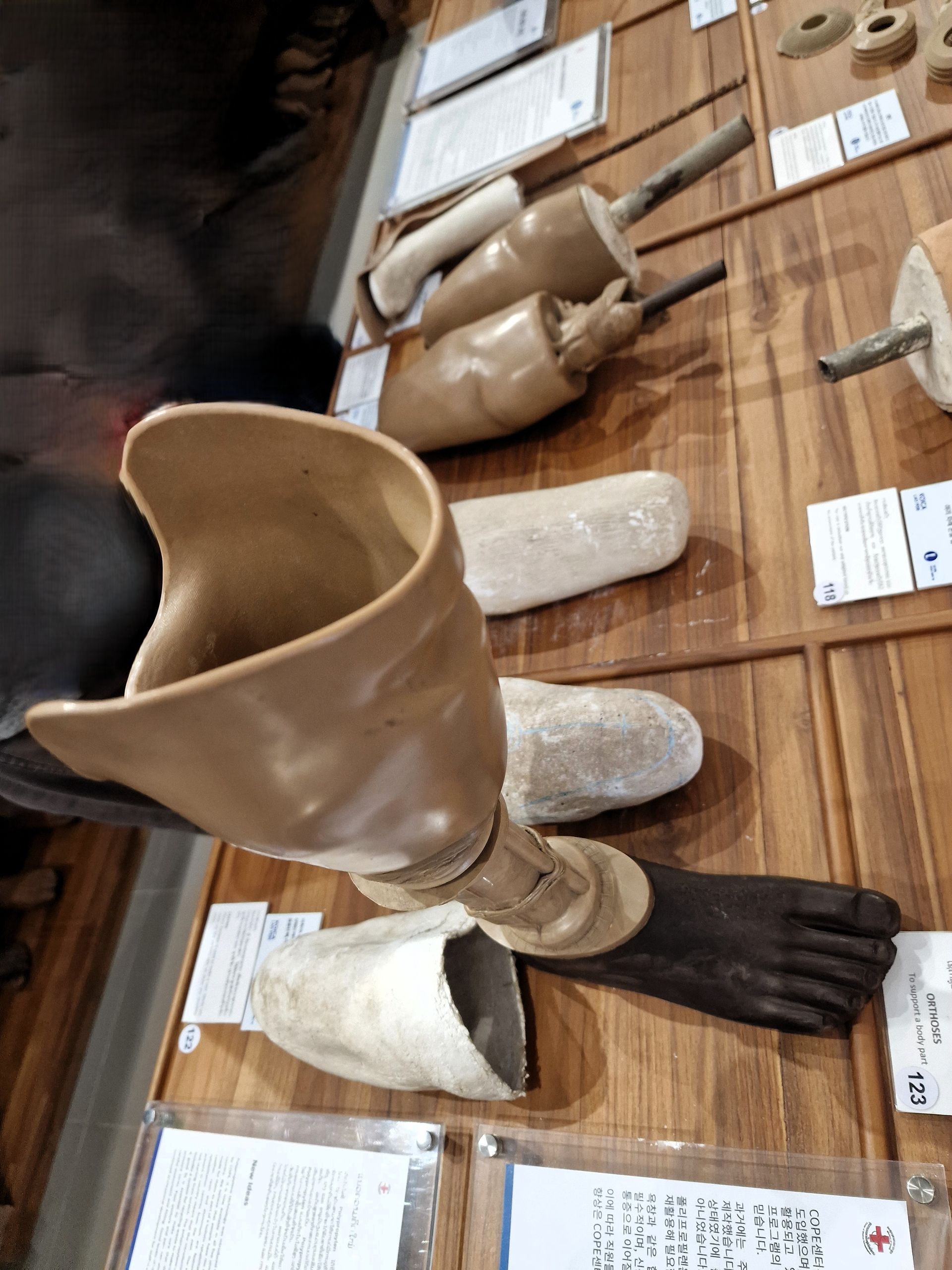
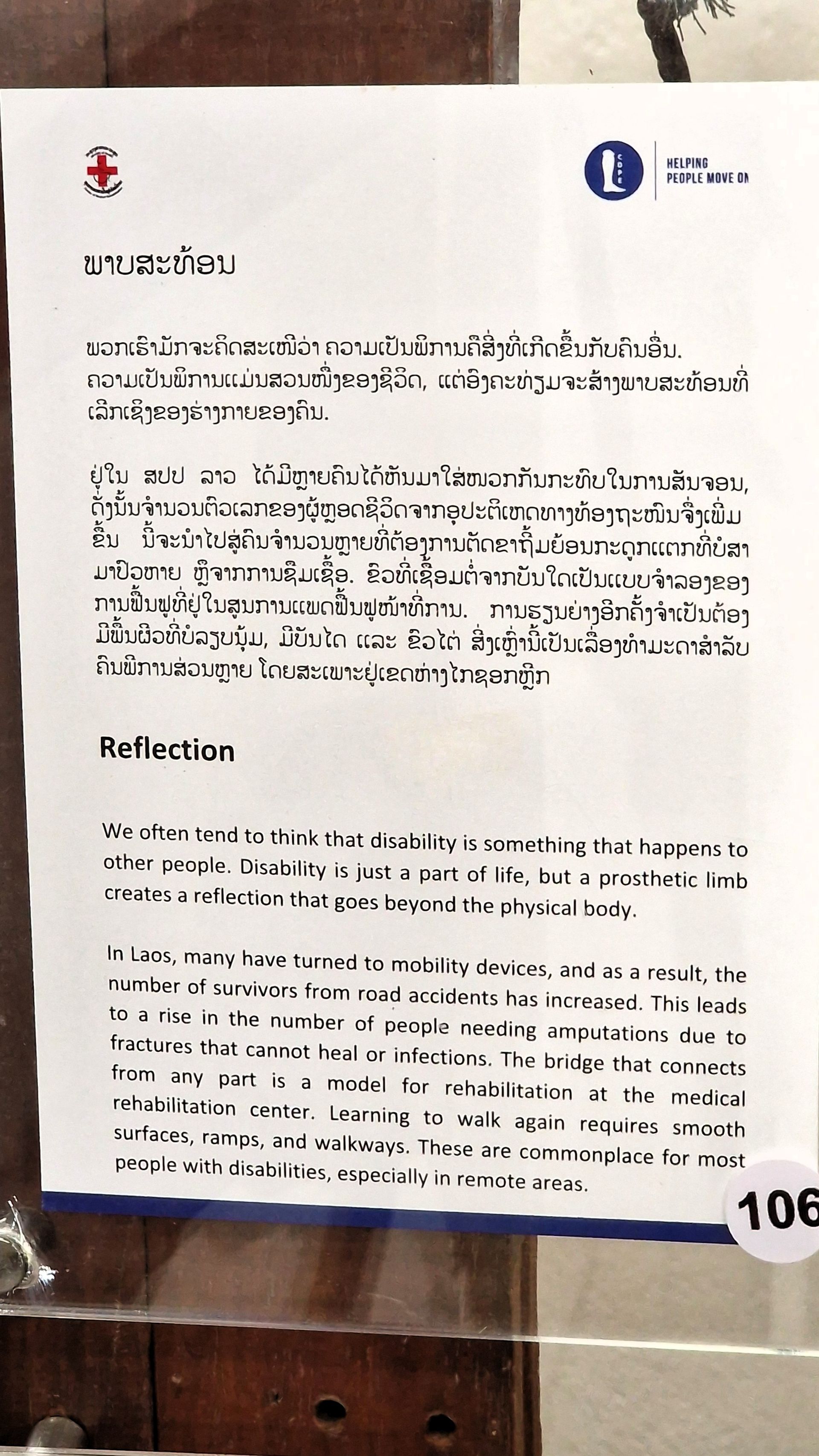
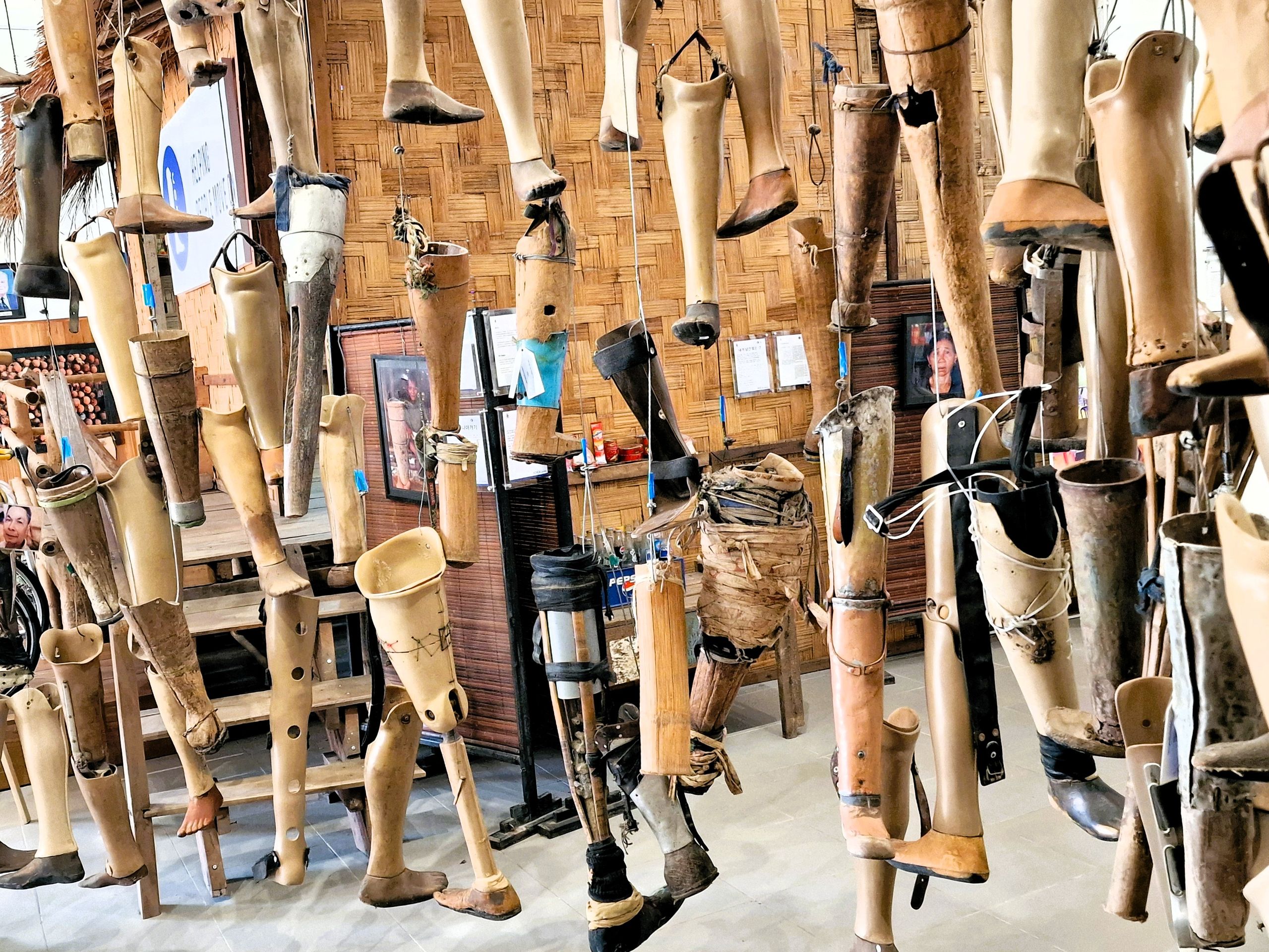
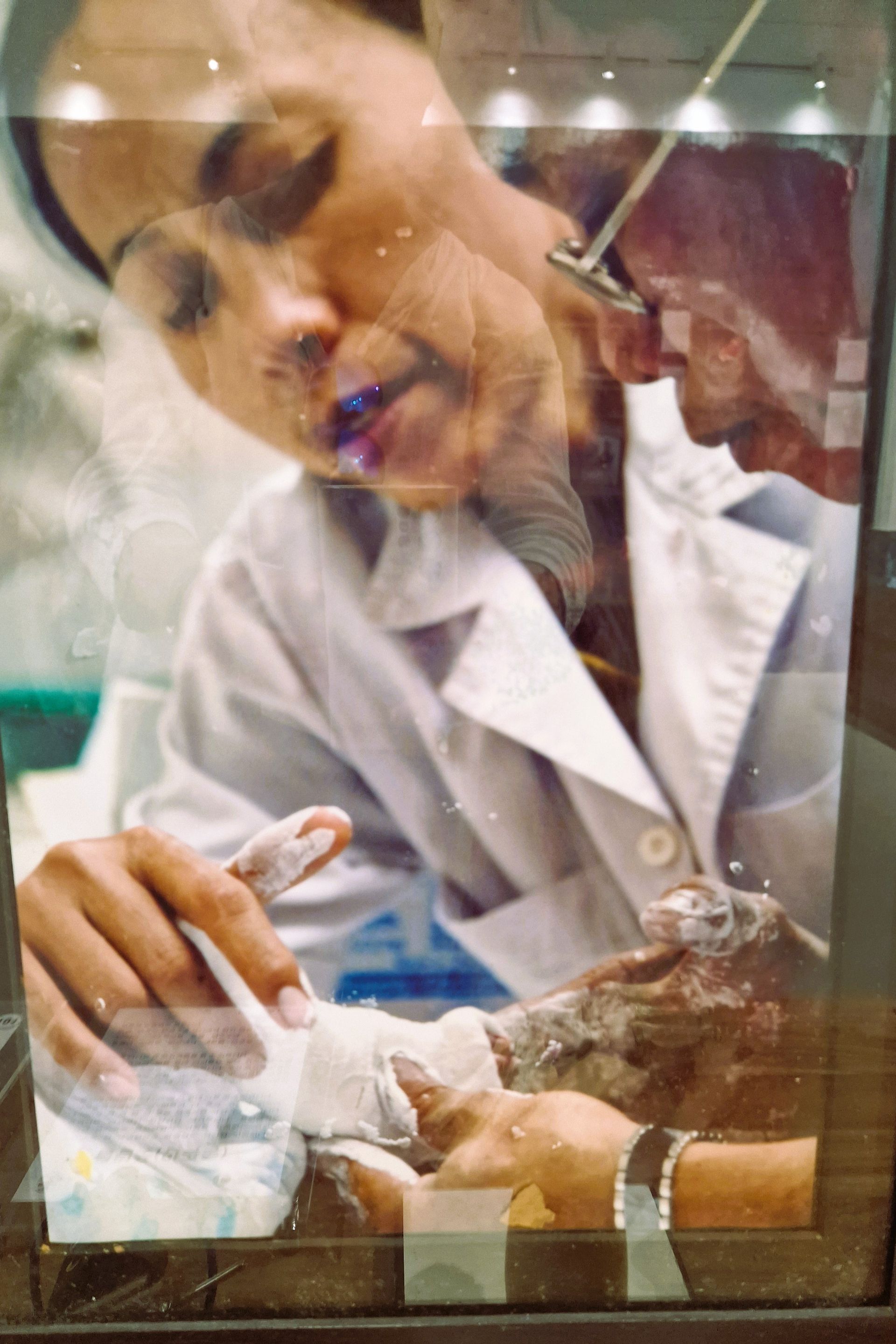
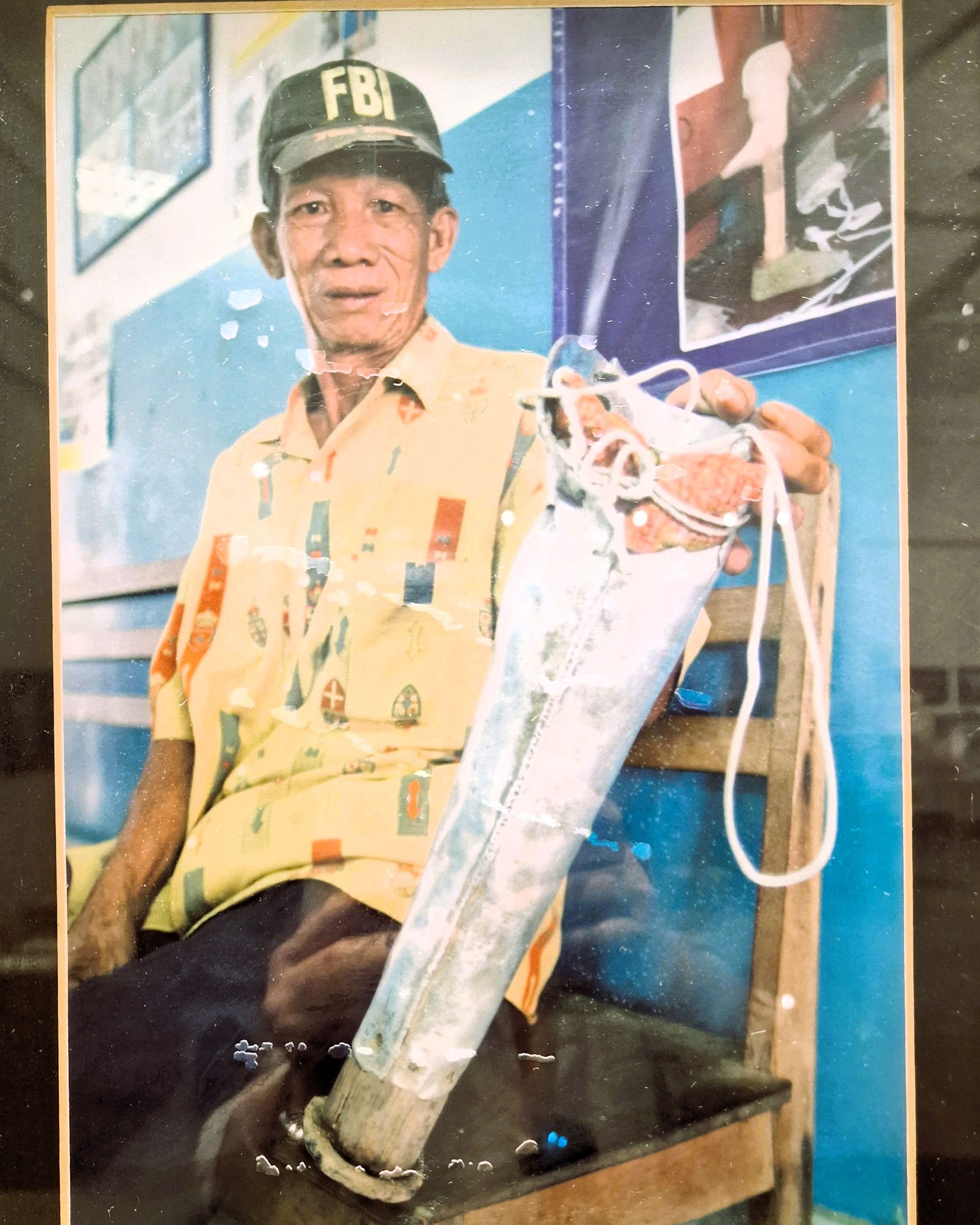
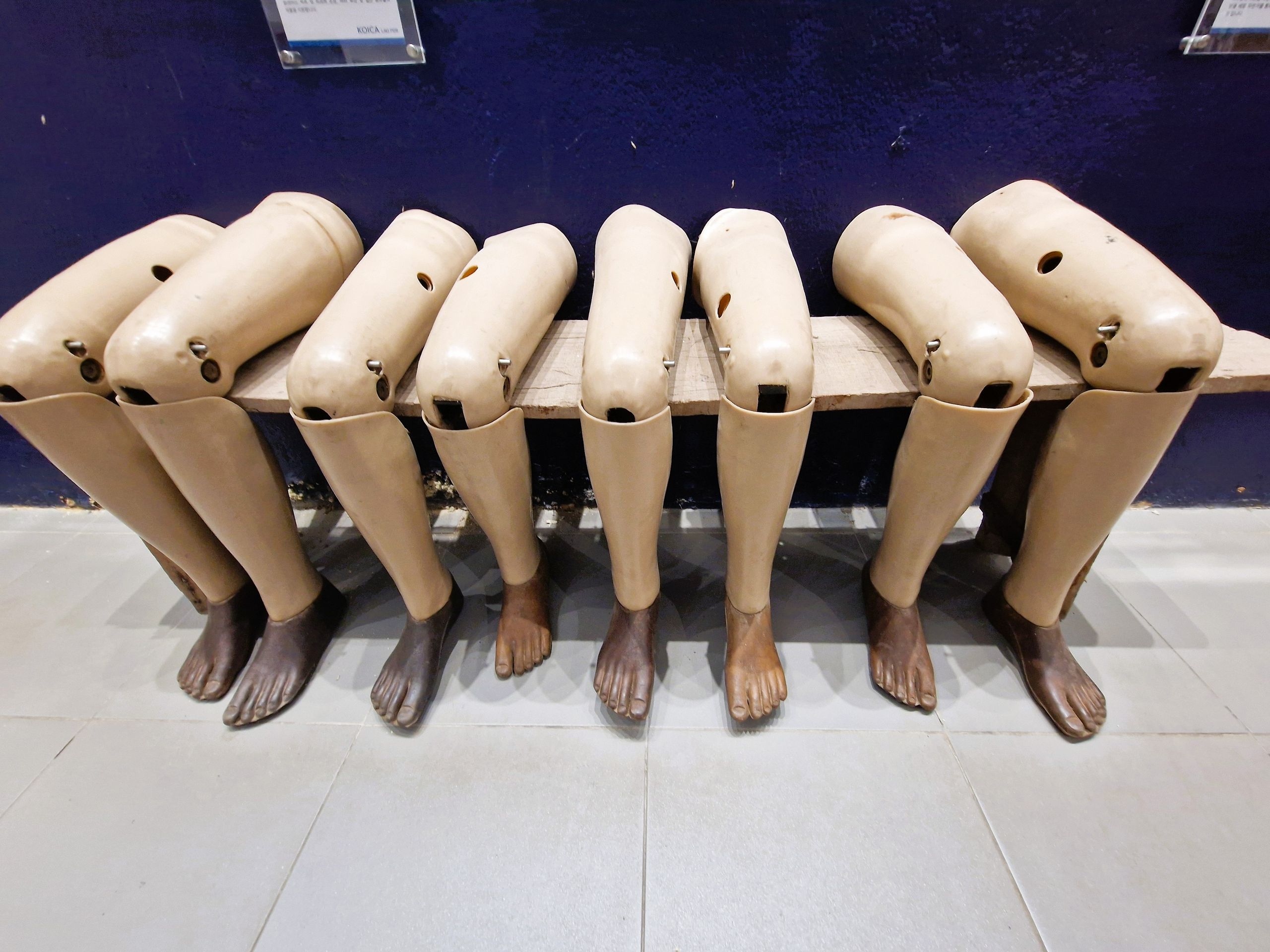
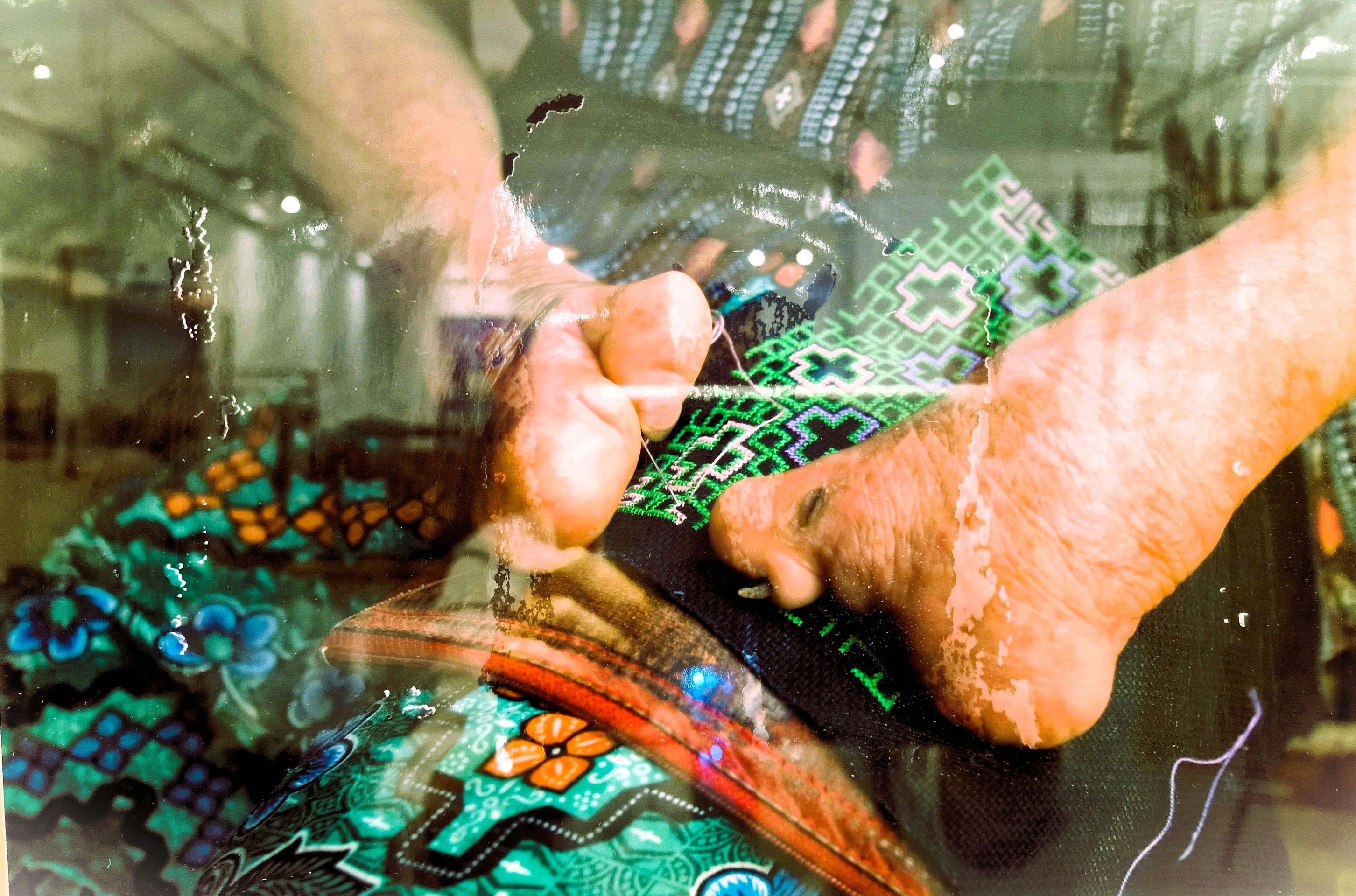
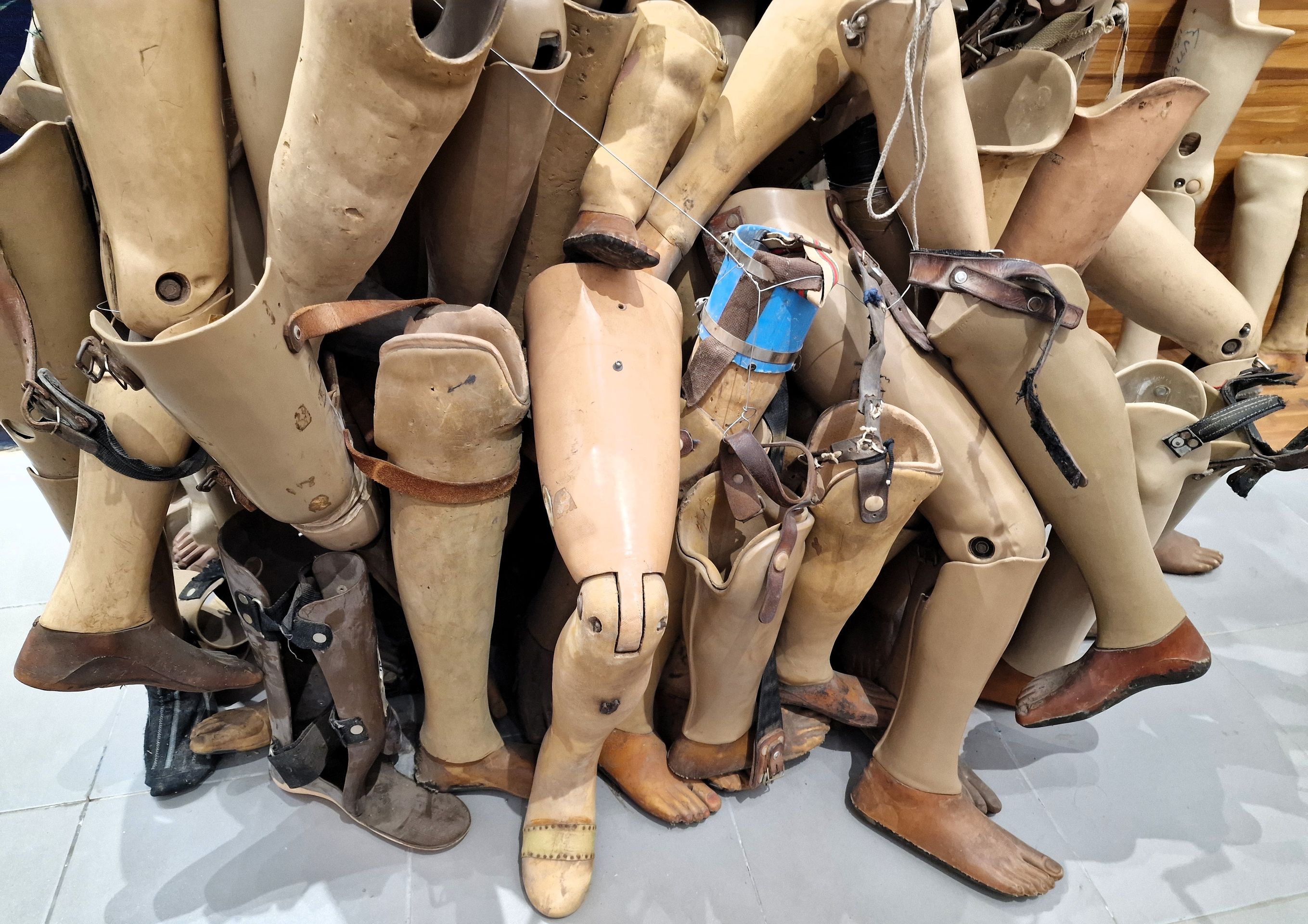


Note:
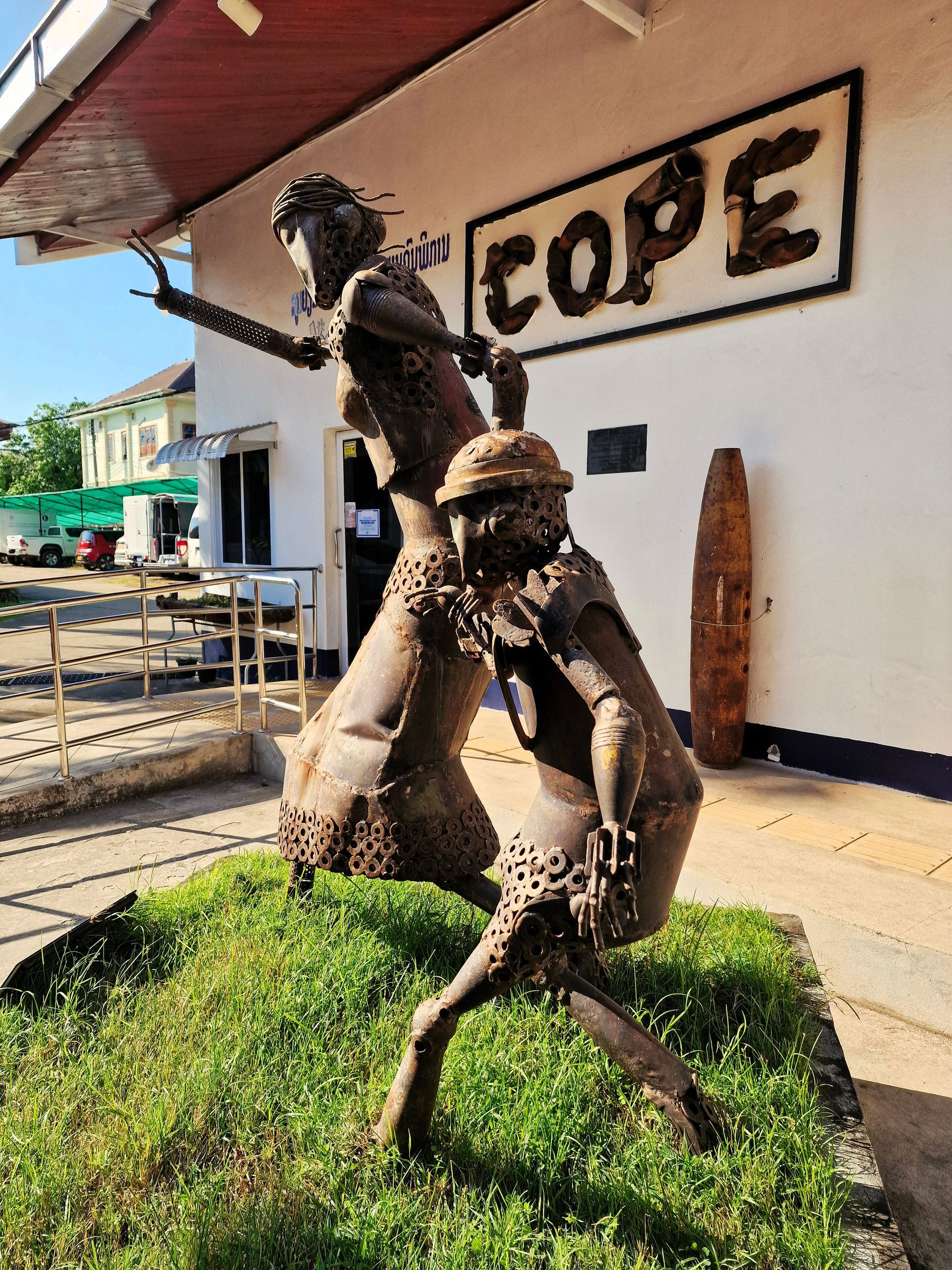
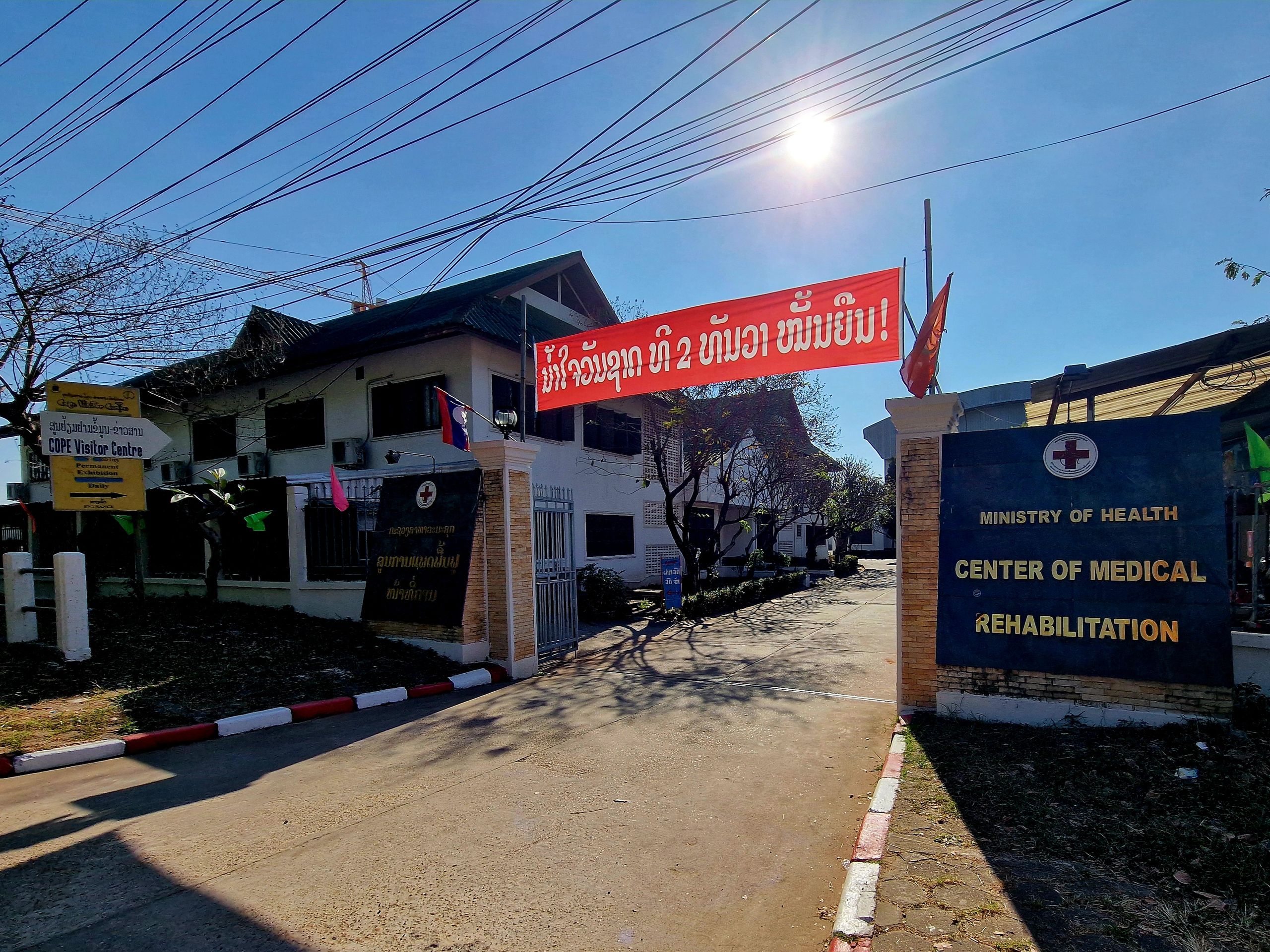
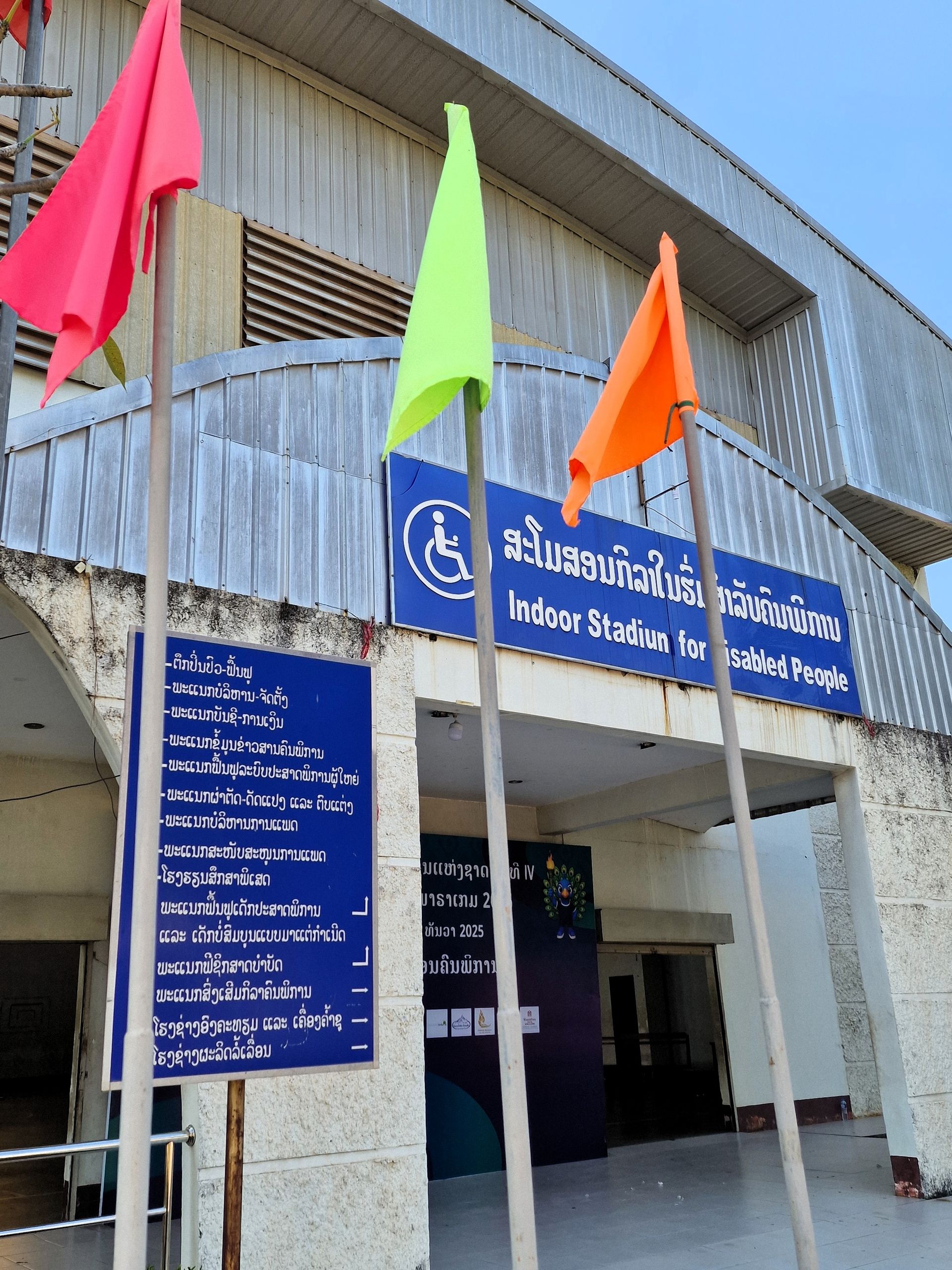
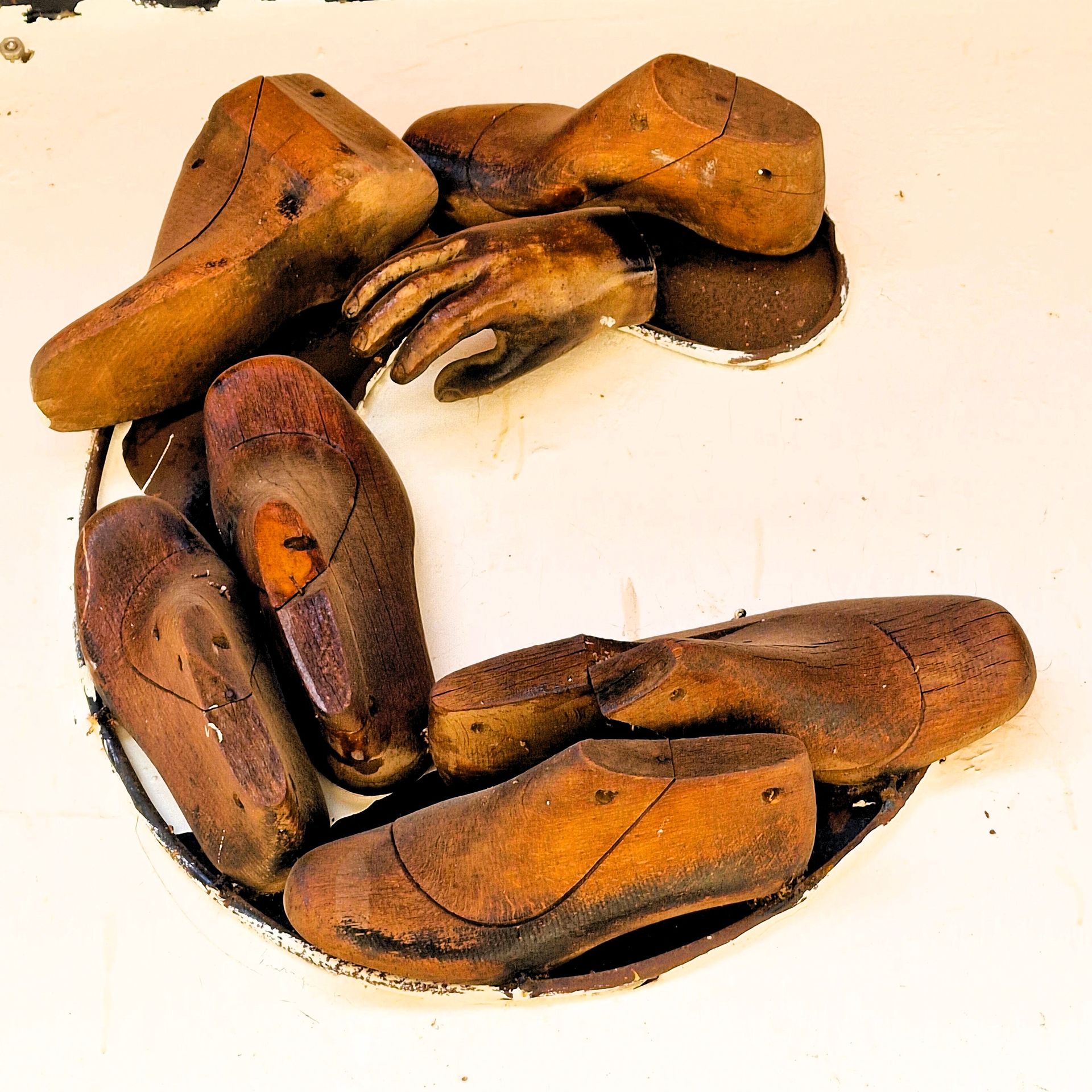
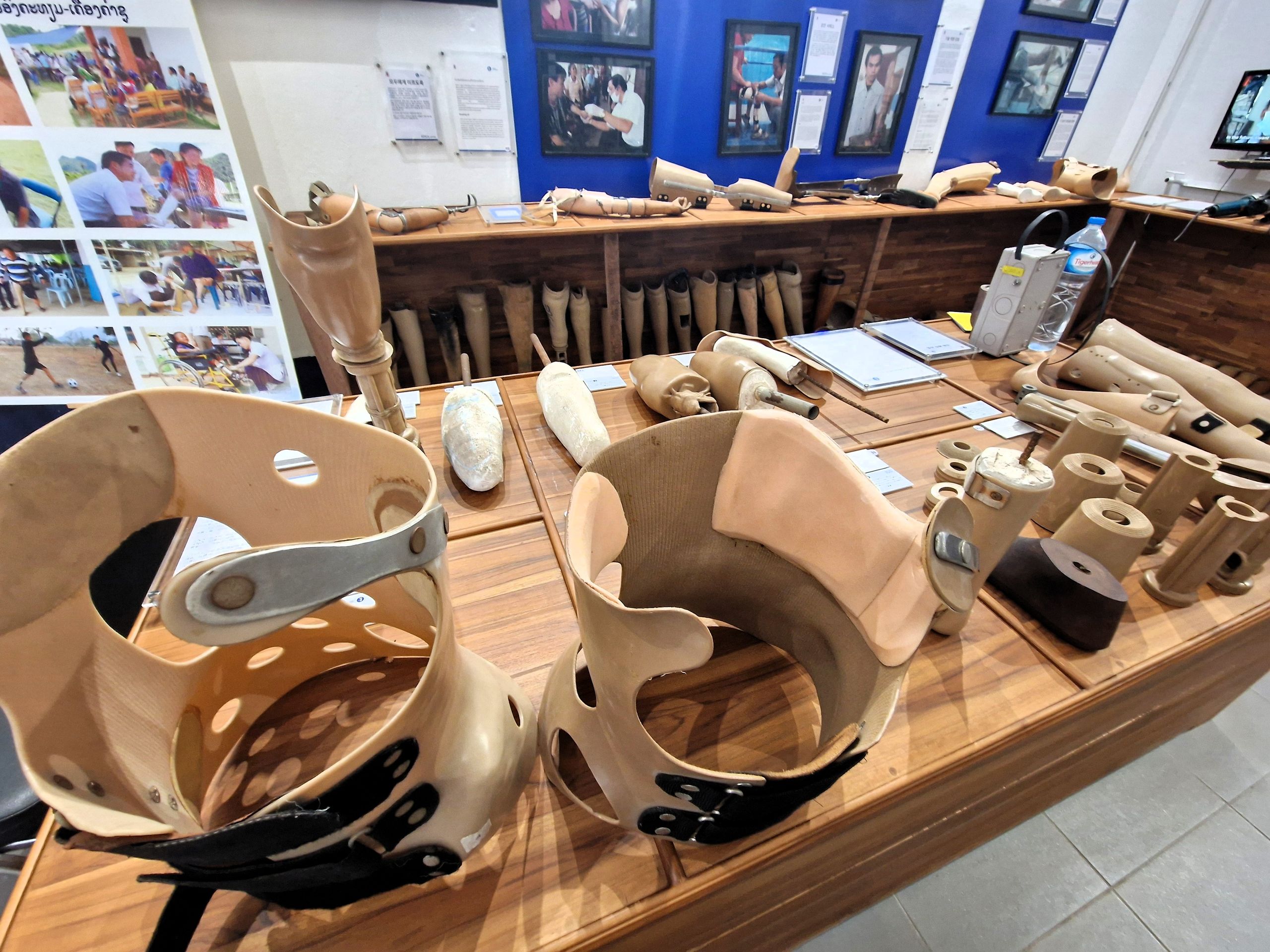
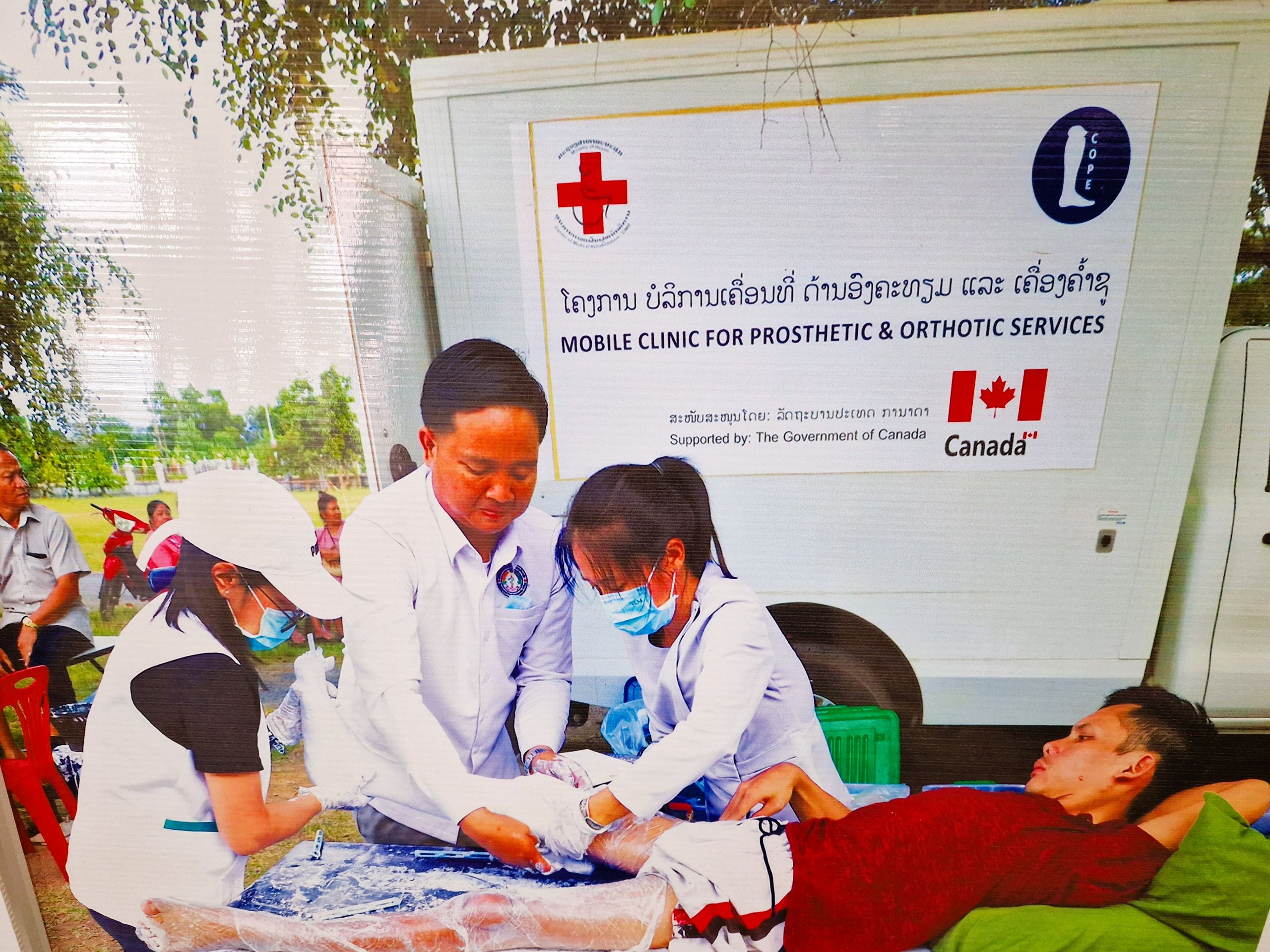
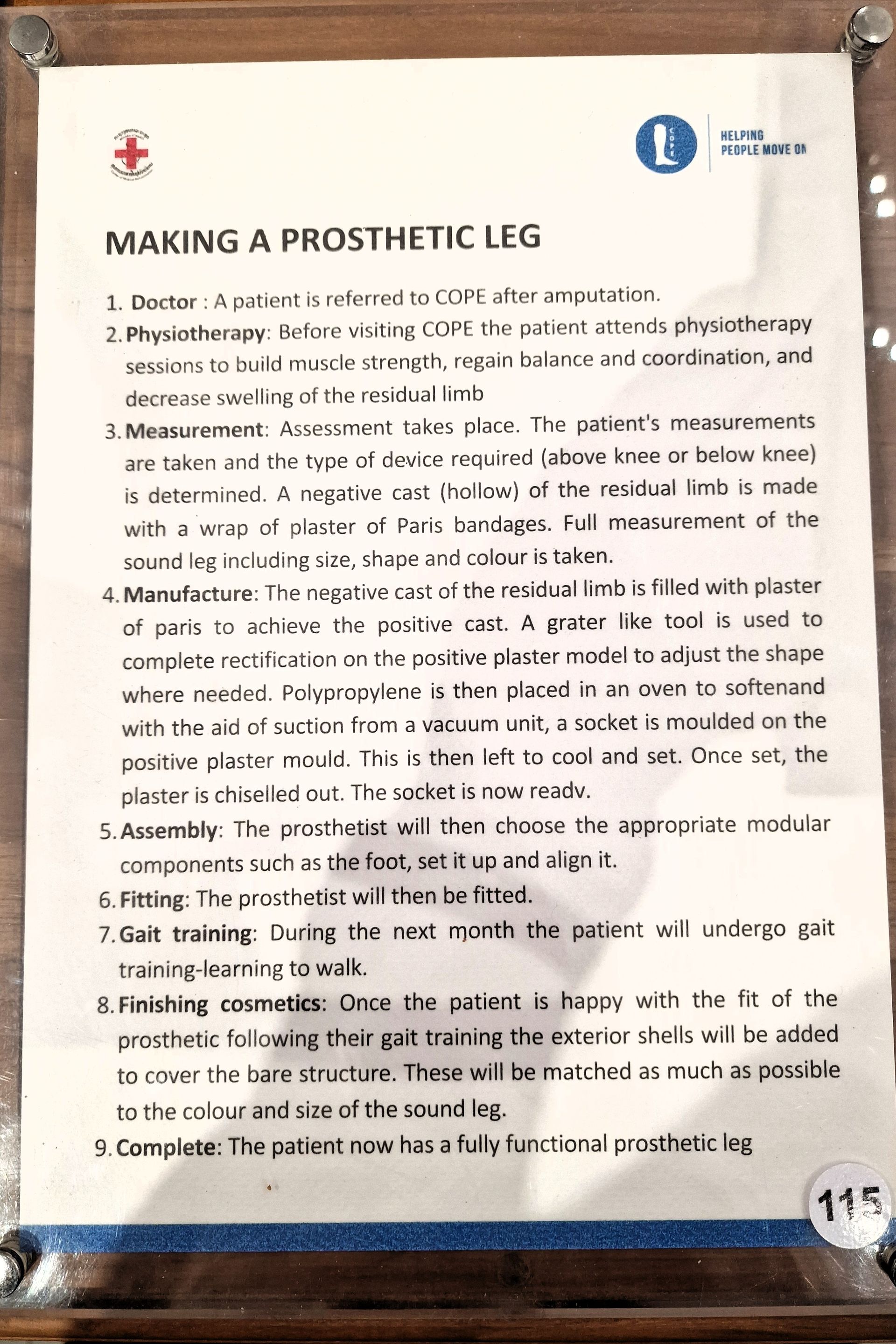
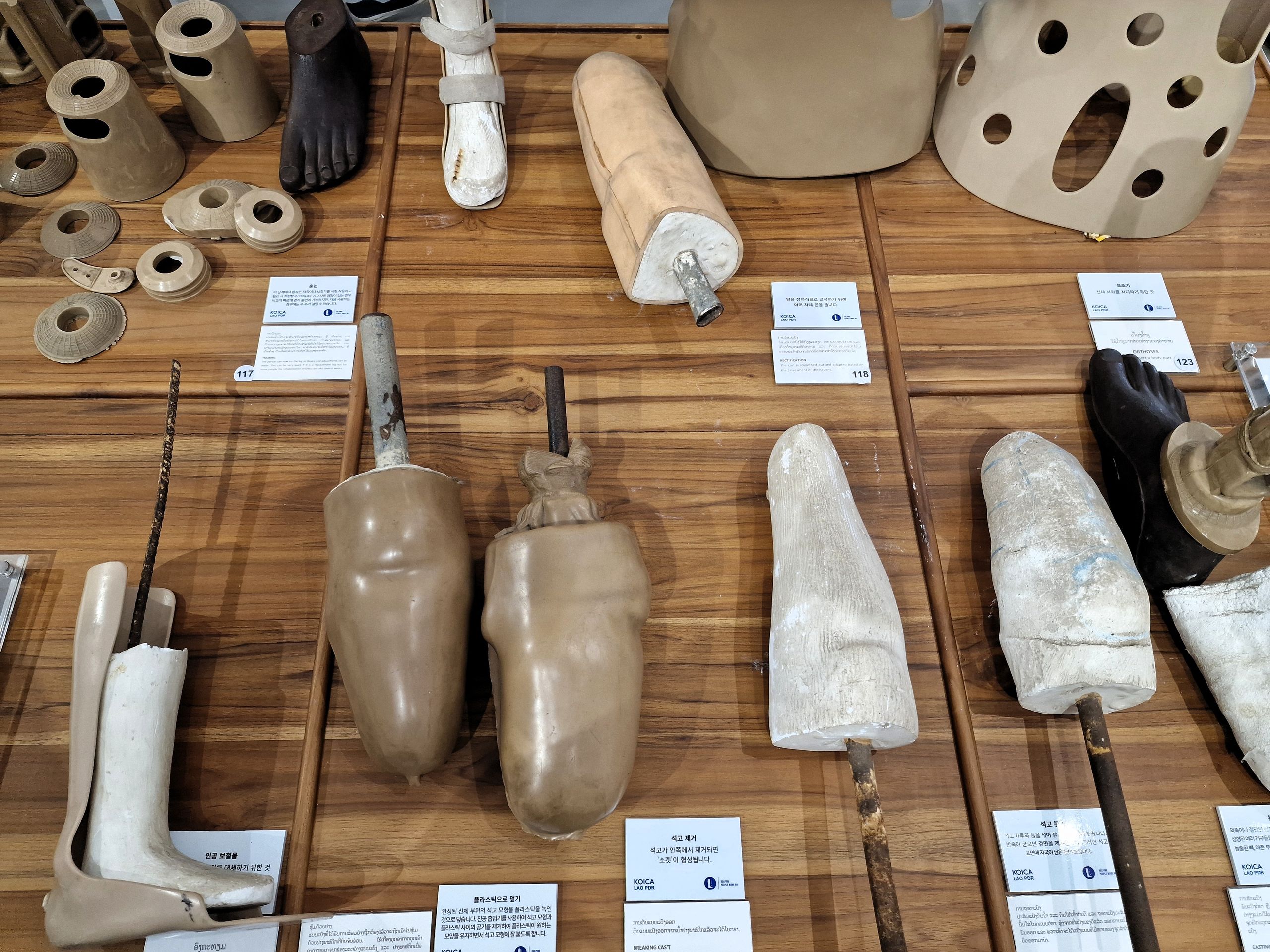
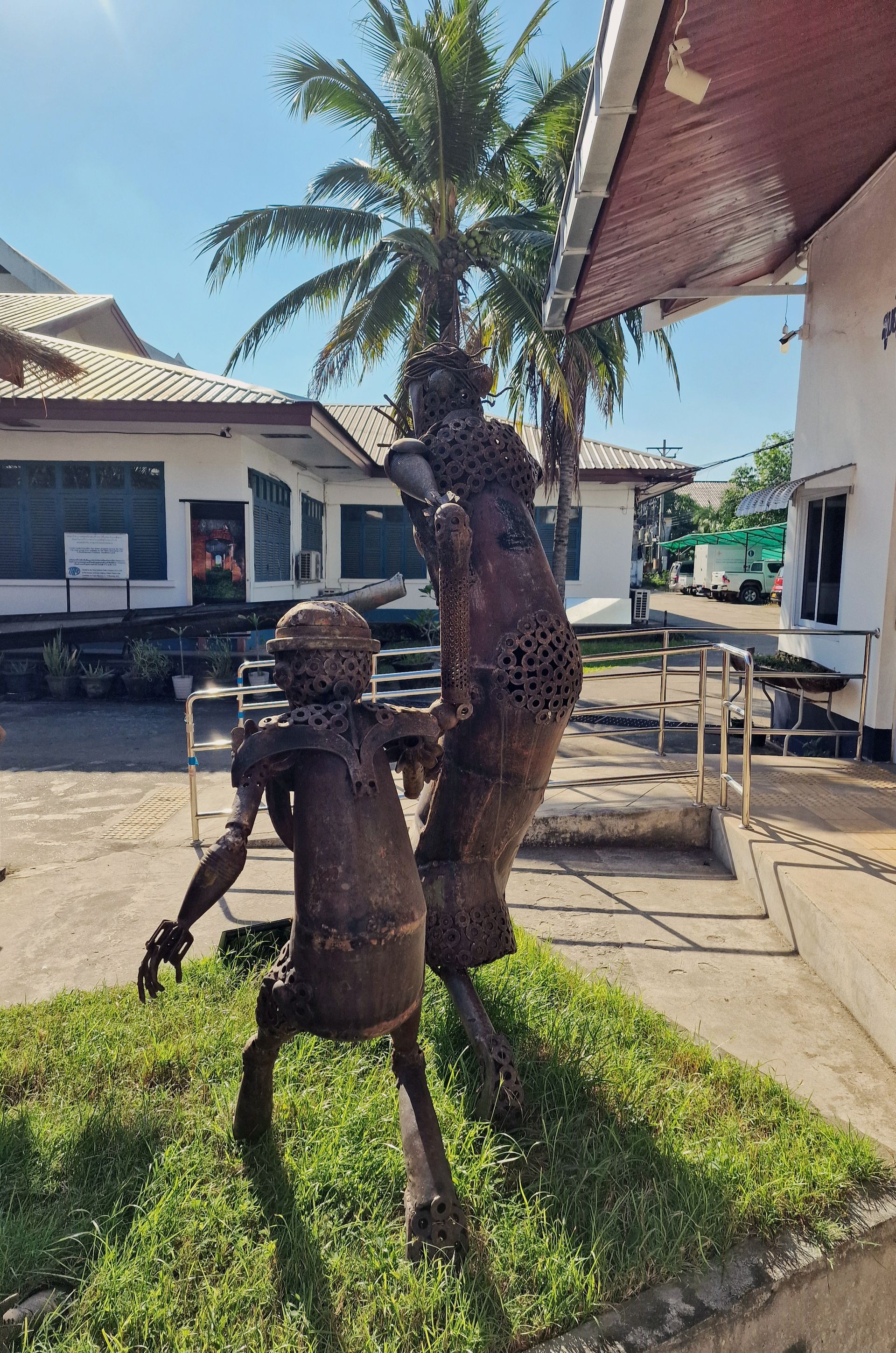
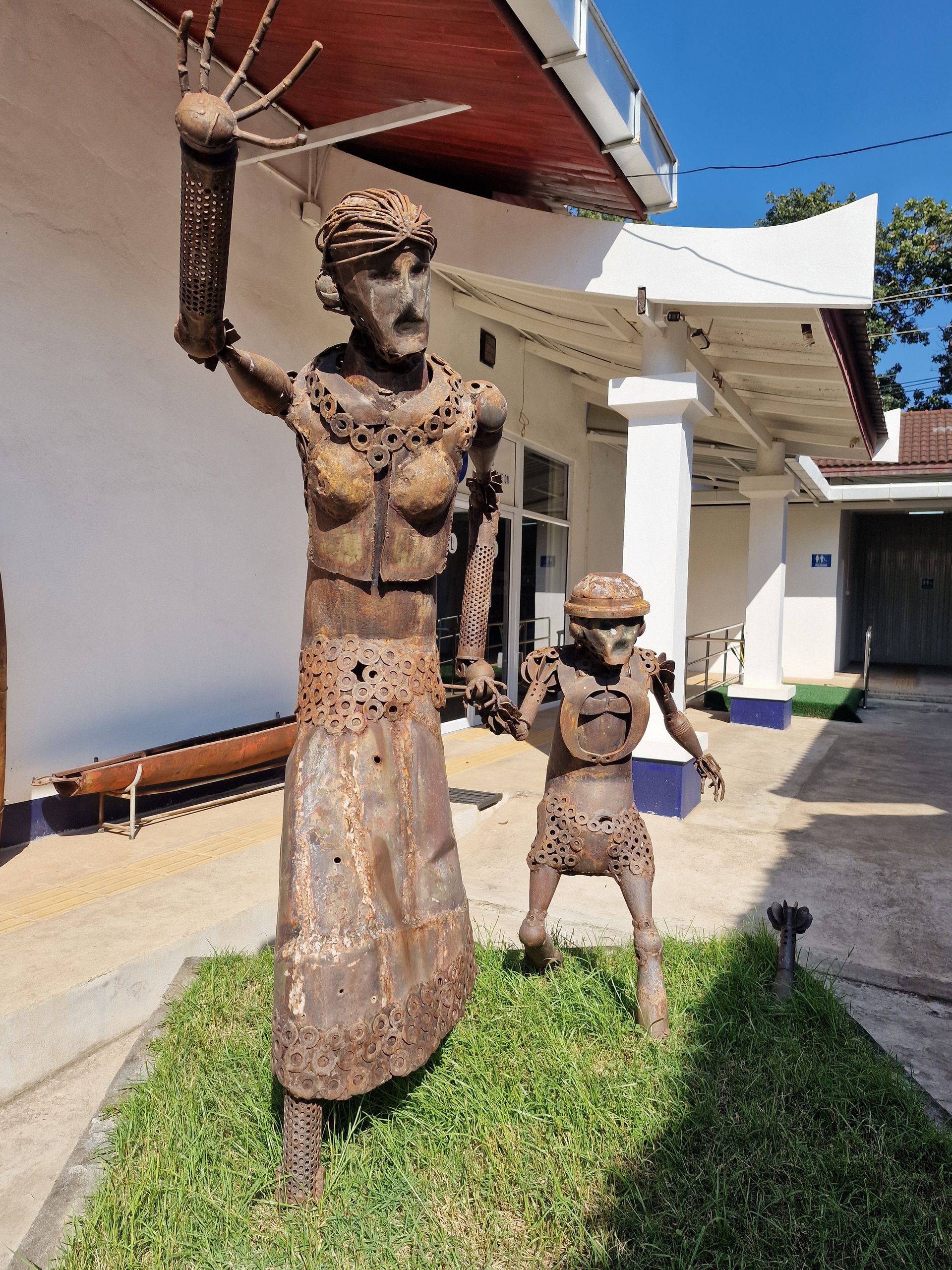
What exactly COPE is and does is described below; for context, I will elaborate further in this travel report.
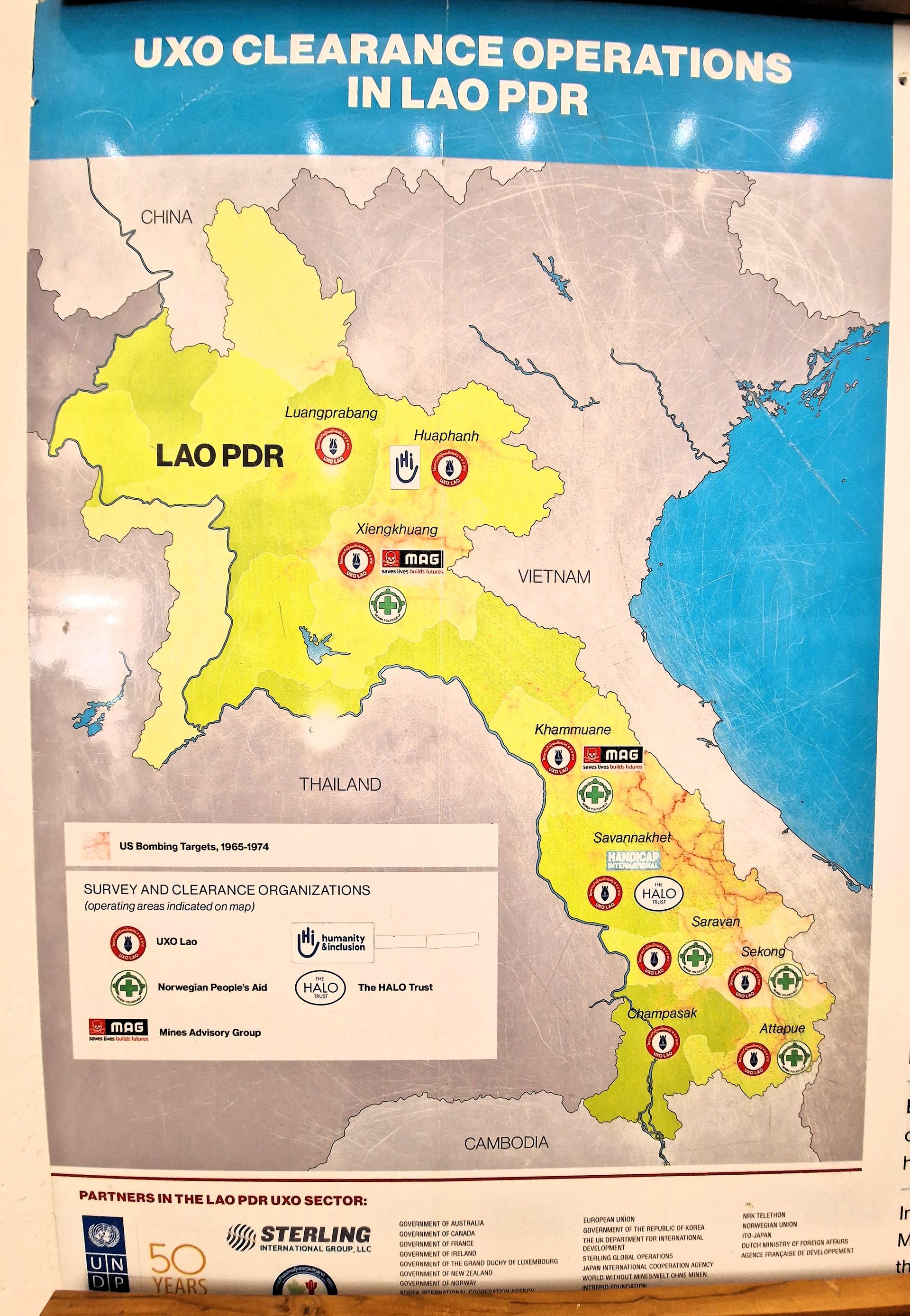
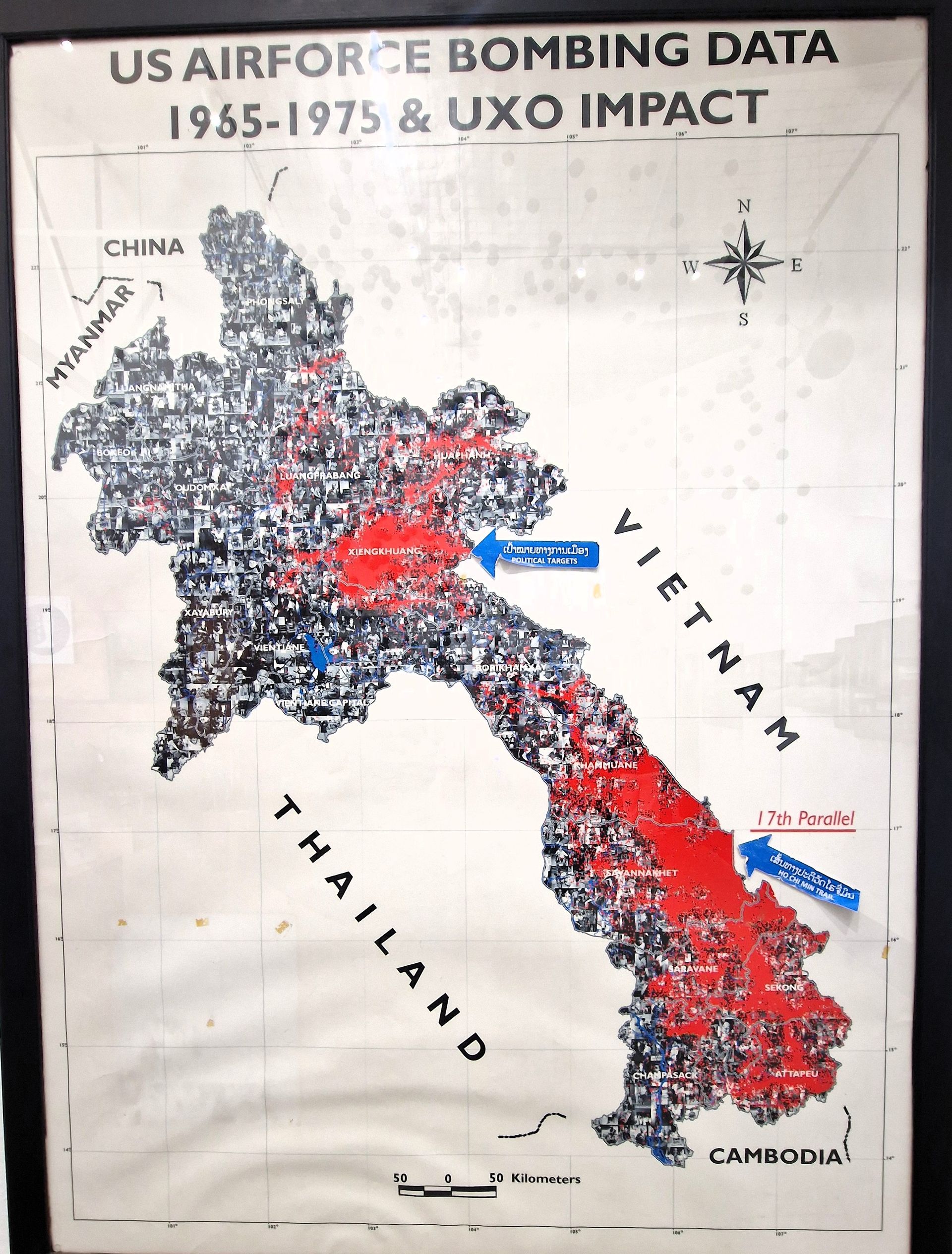
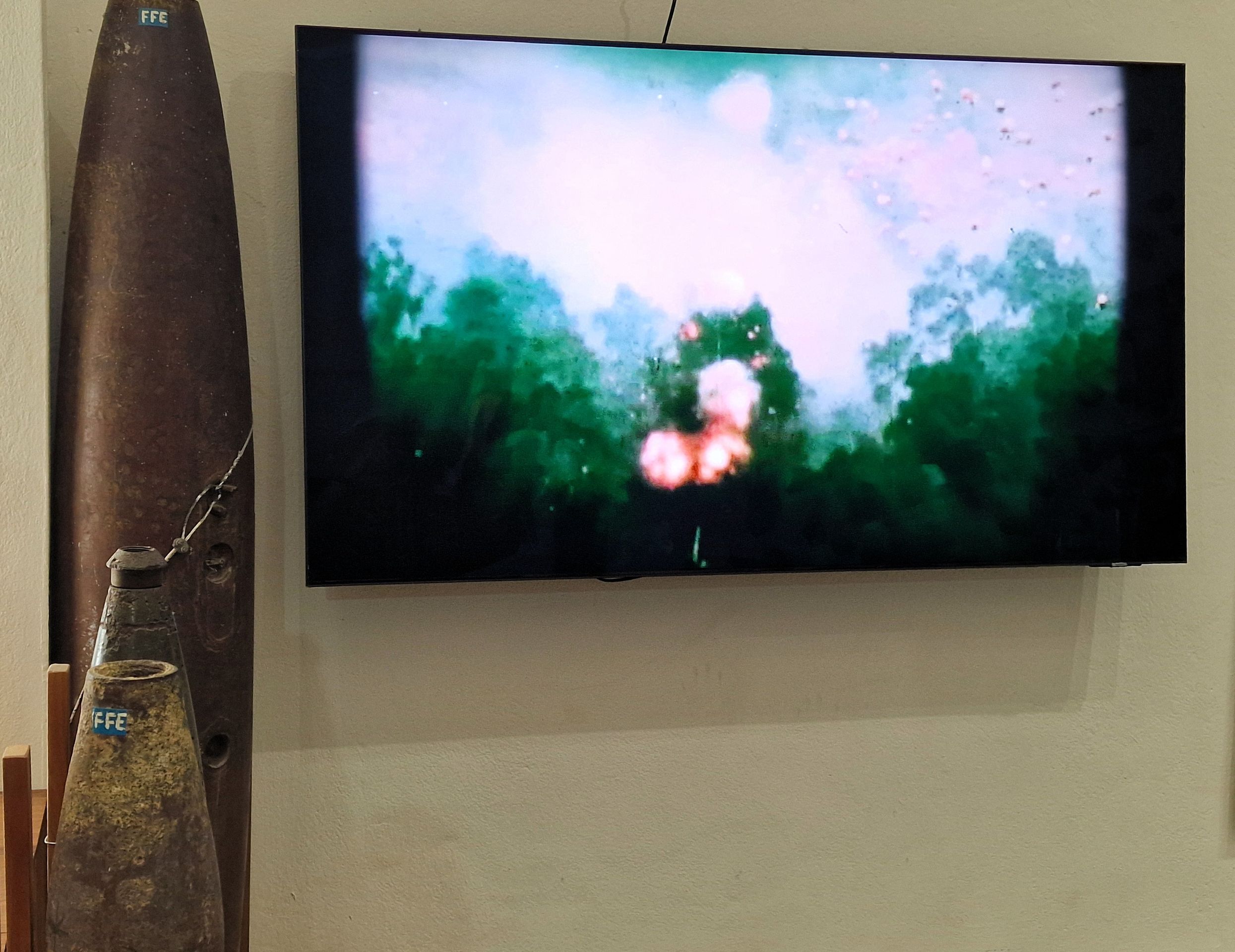
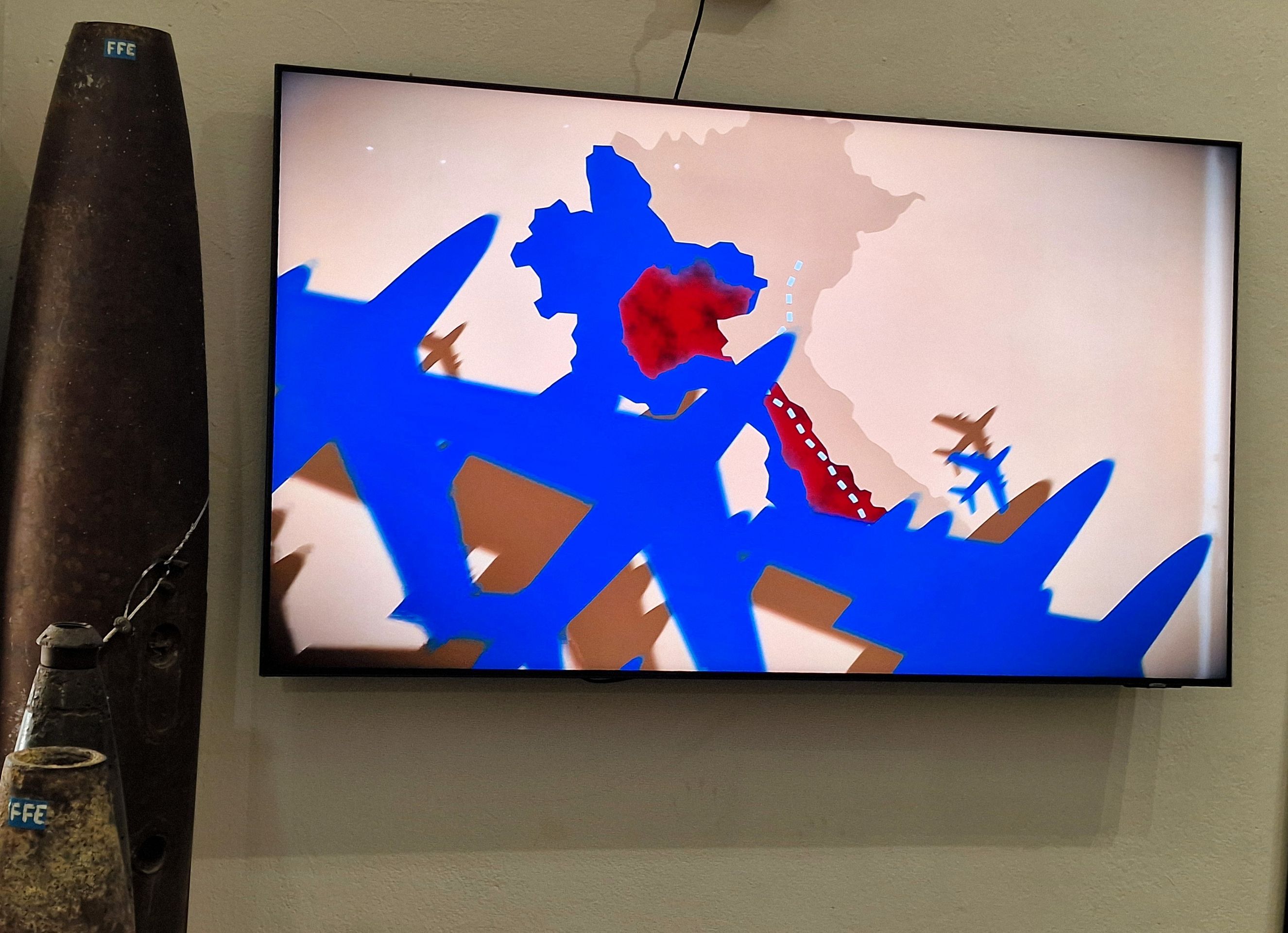
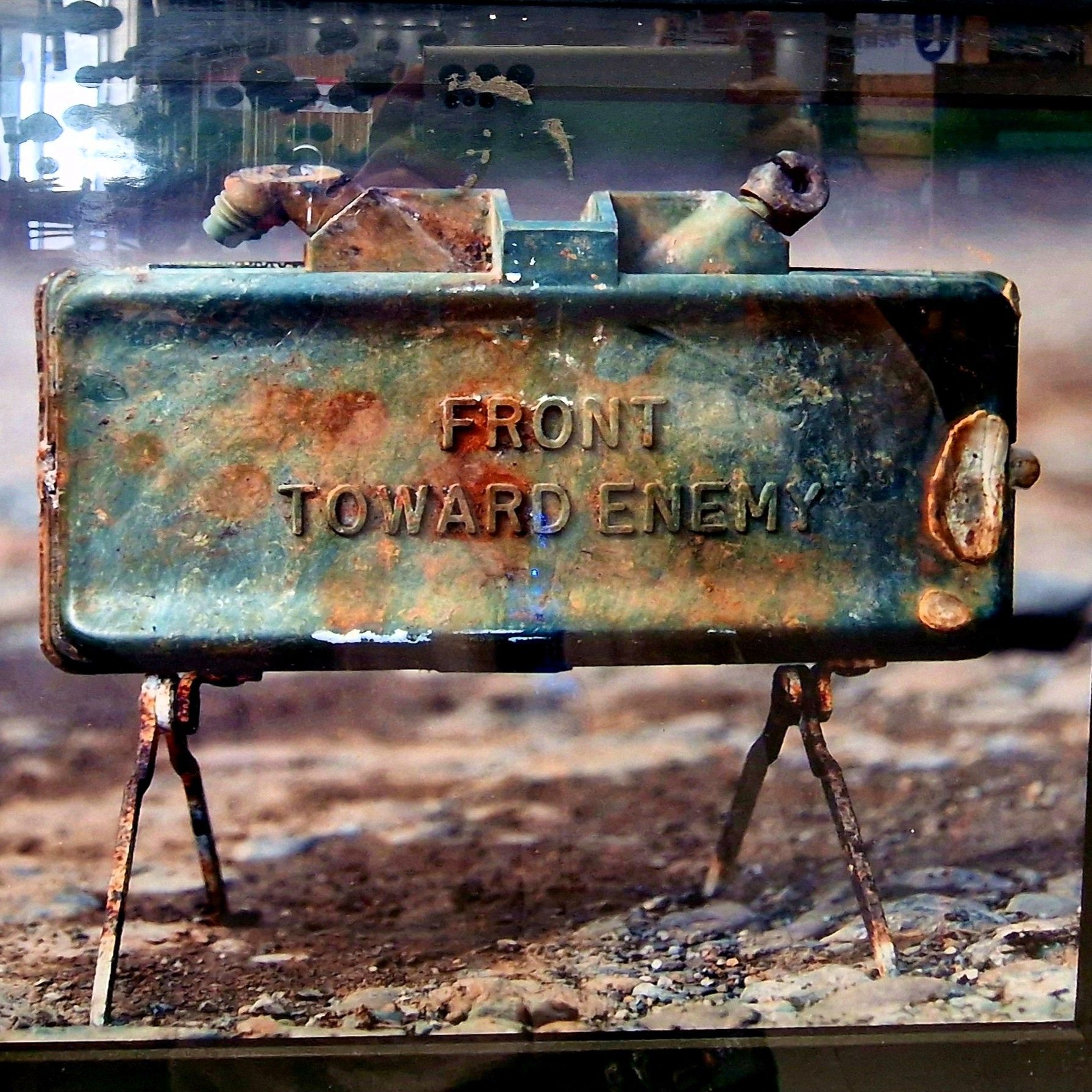
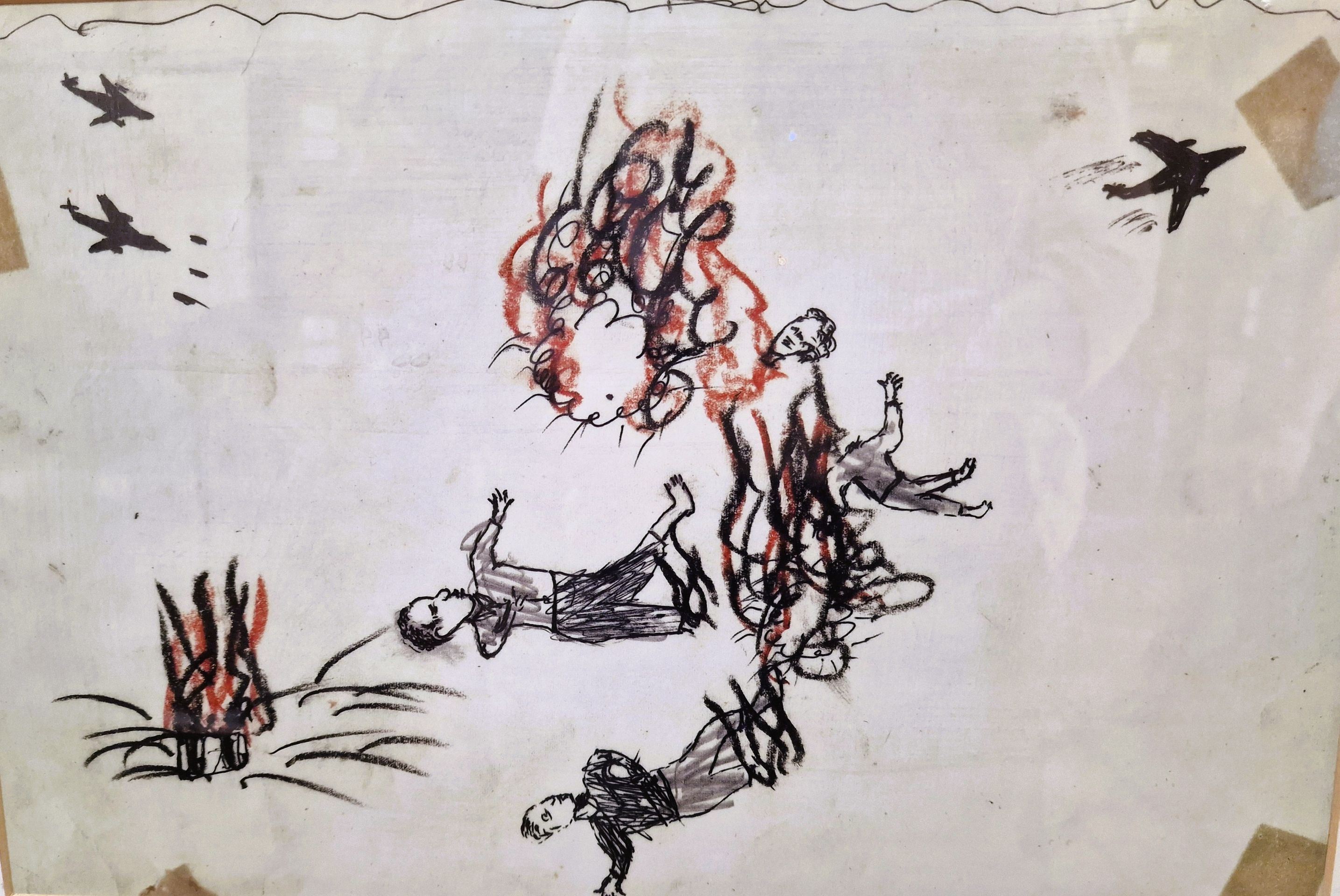
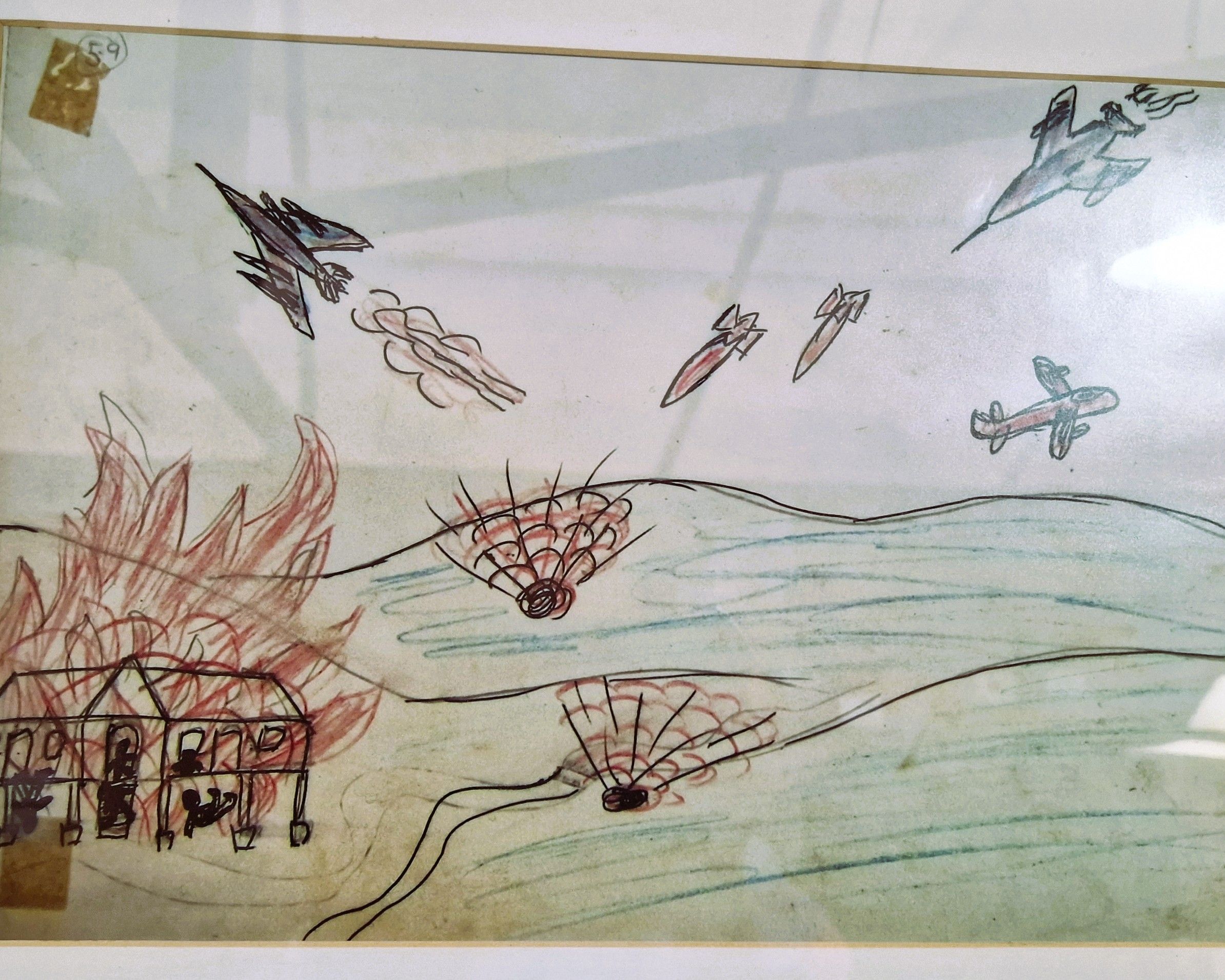
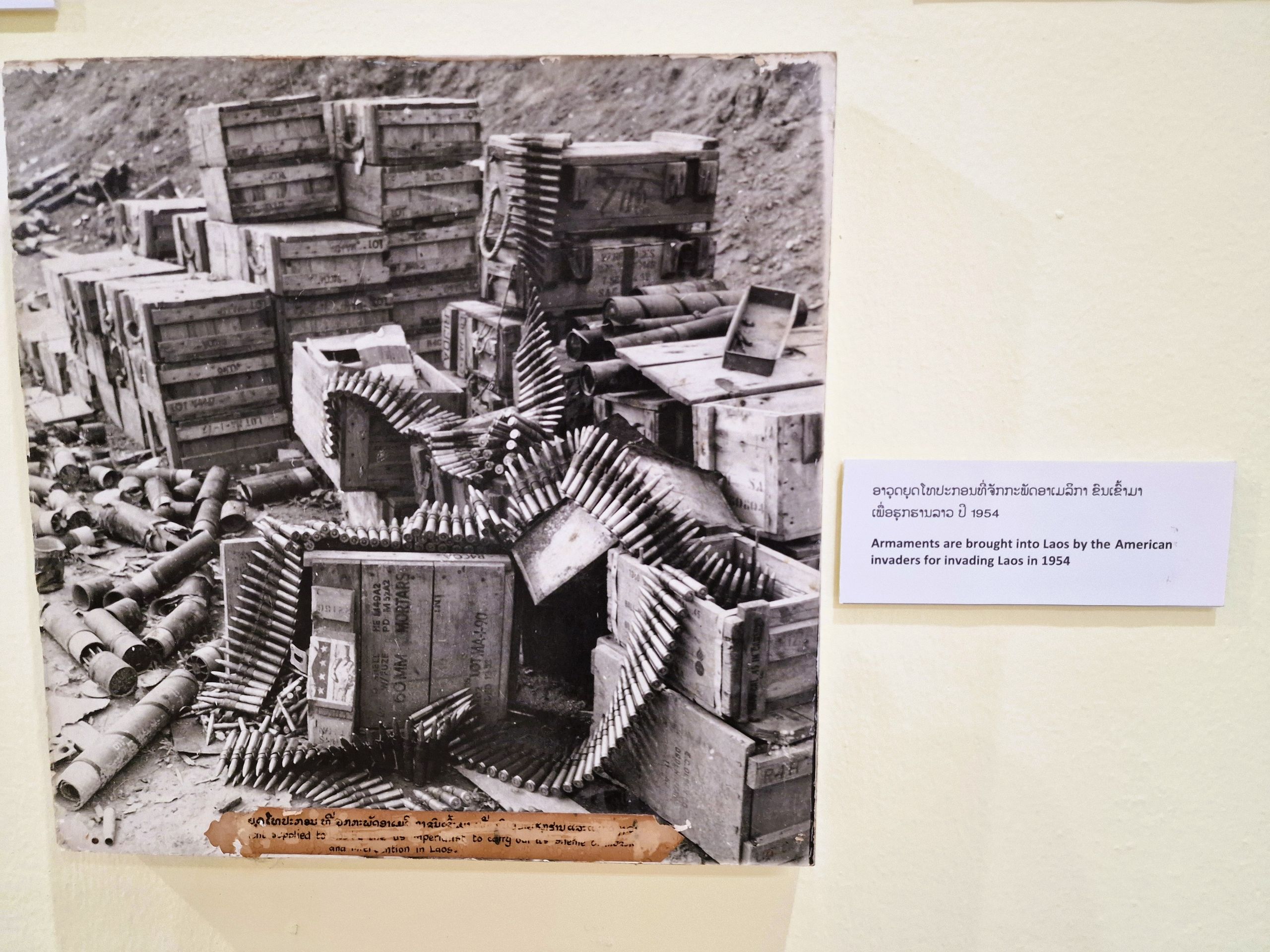
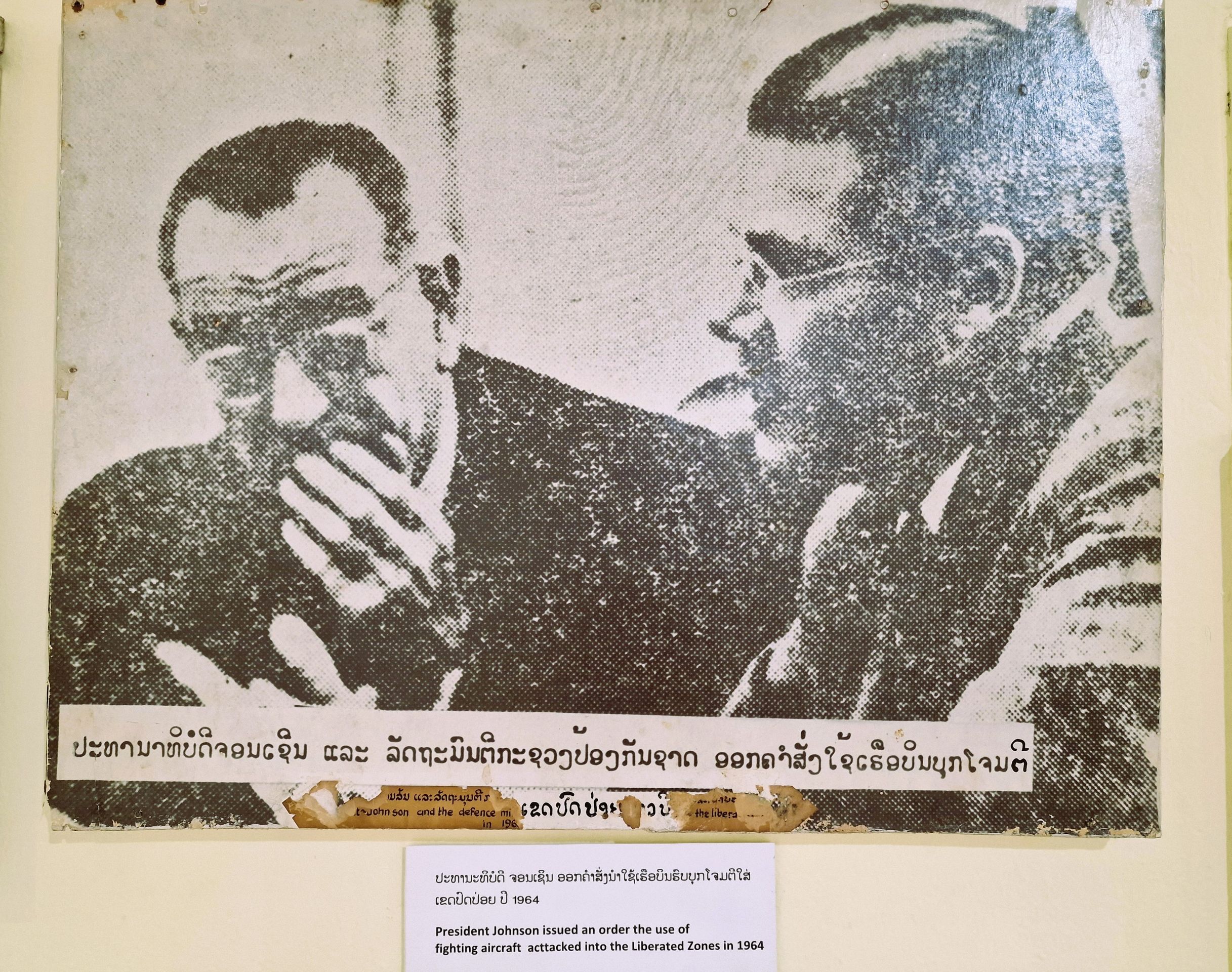
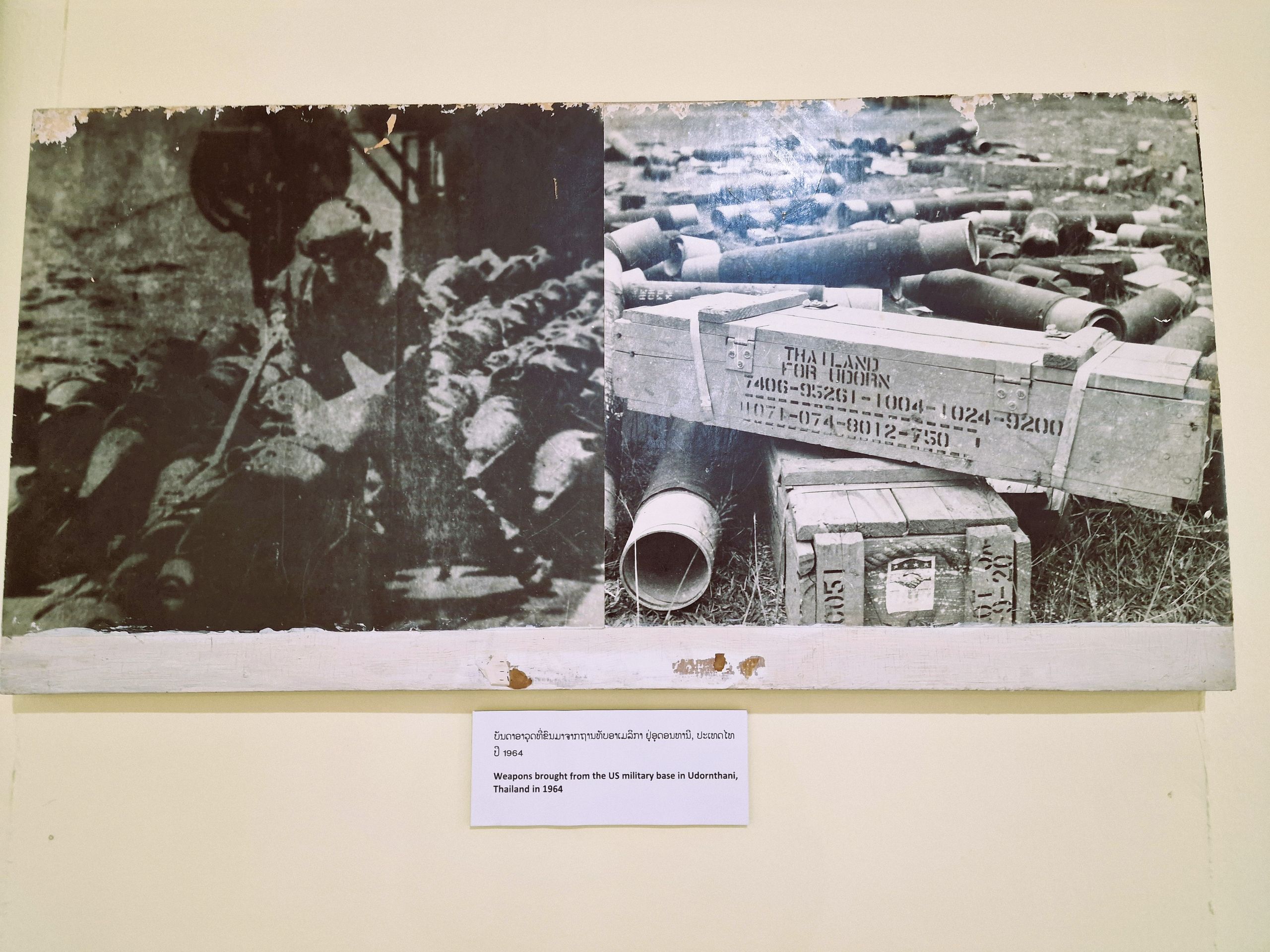
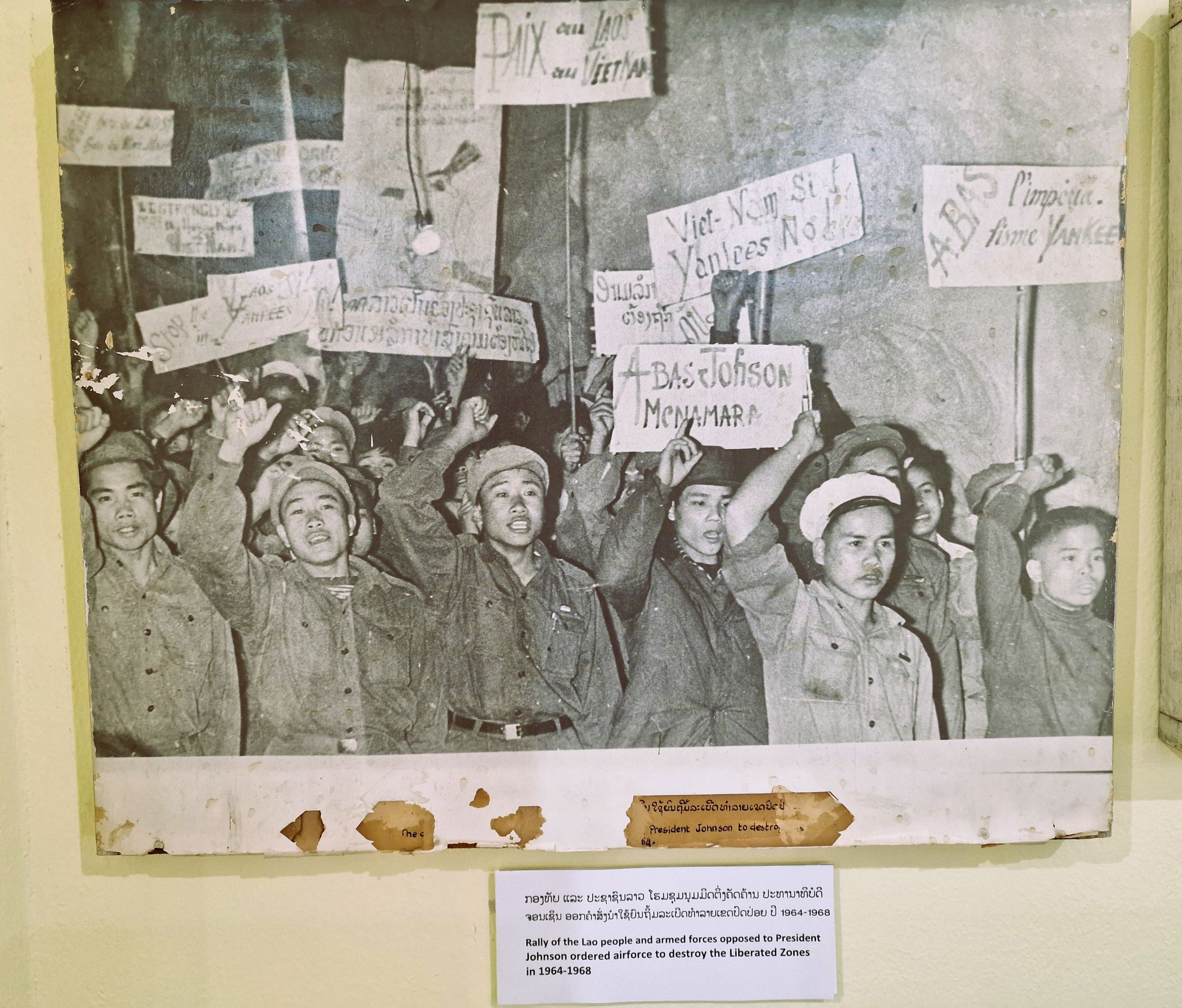
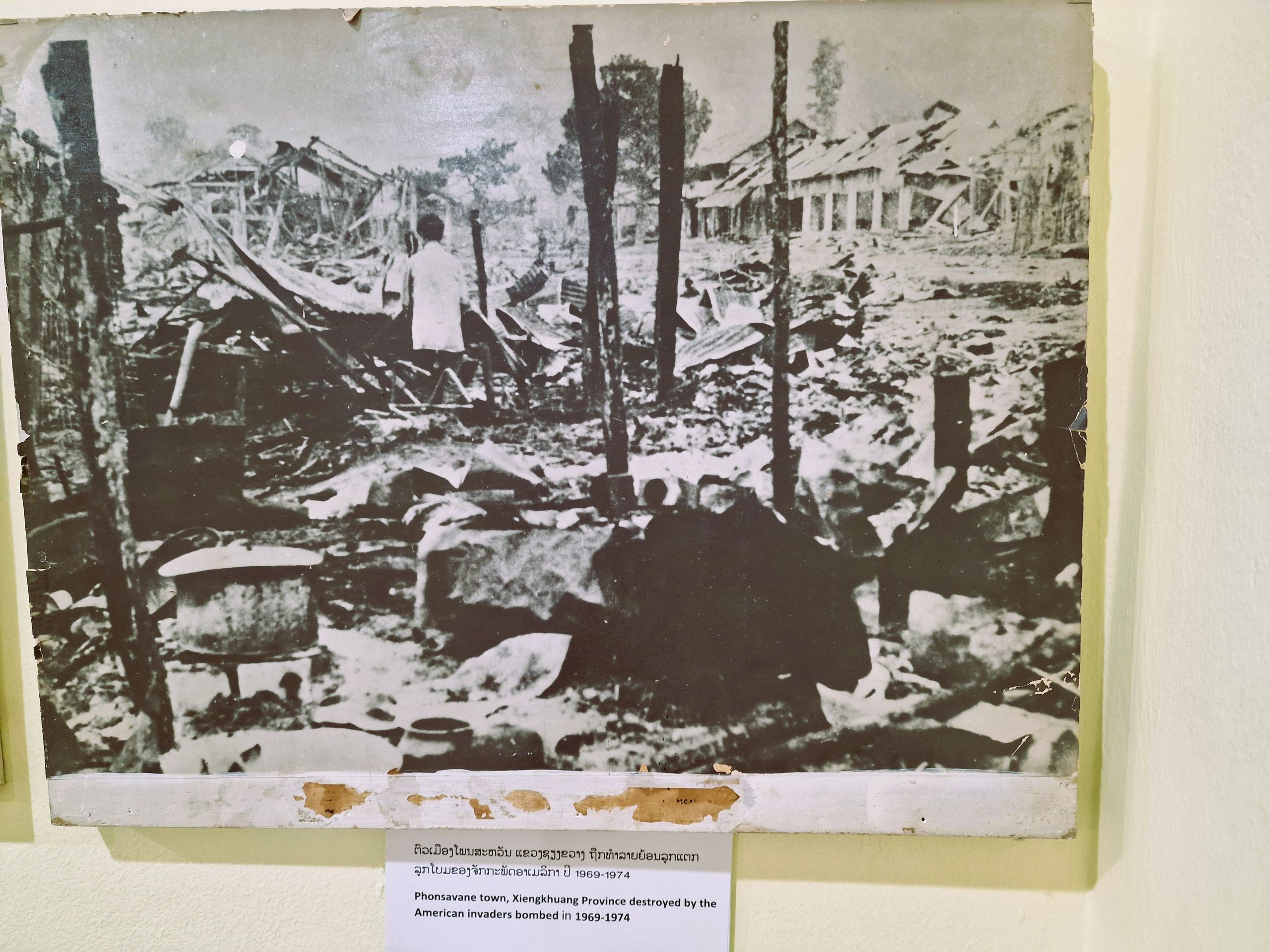
During the visit to COPE, we first learn about the impacts of the Vietnam War, which also severely affected Laos. Background: North Vietnam ran the Ho Chi Minh Trail along the border on Laotian territory. The United States bombed extensively and mercilessly.
Wikipedia: Laos is the most heavily bombed country in the world.
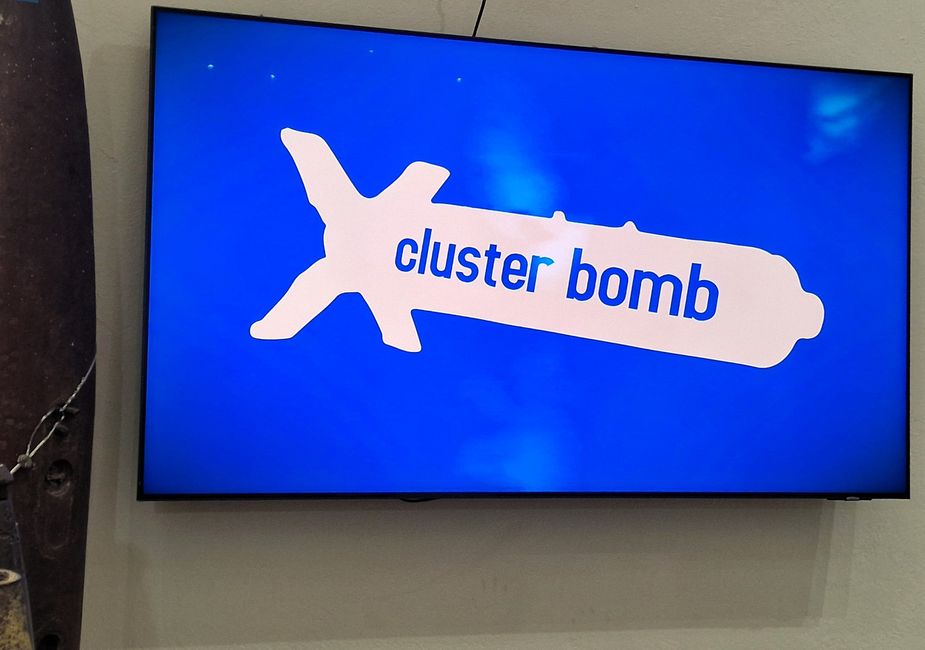
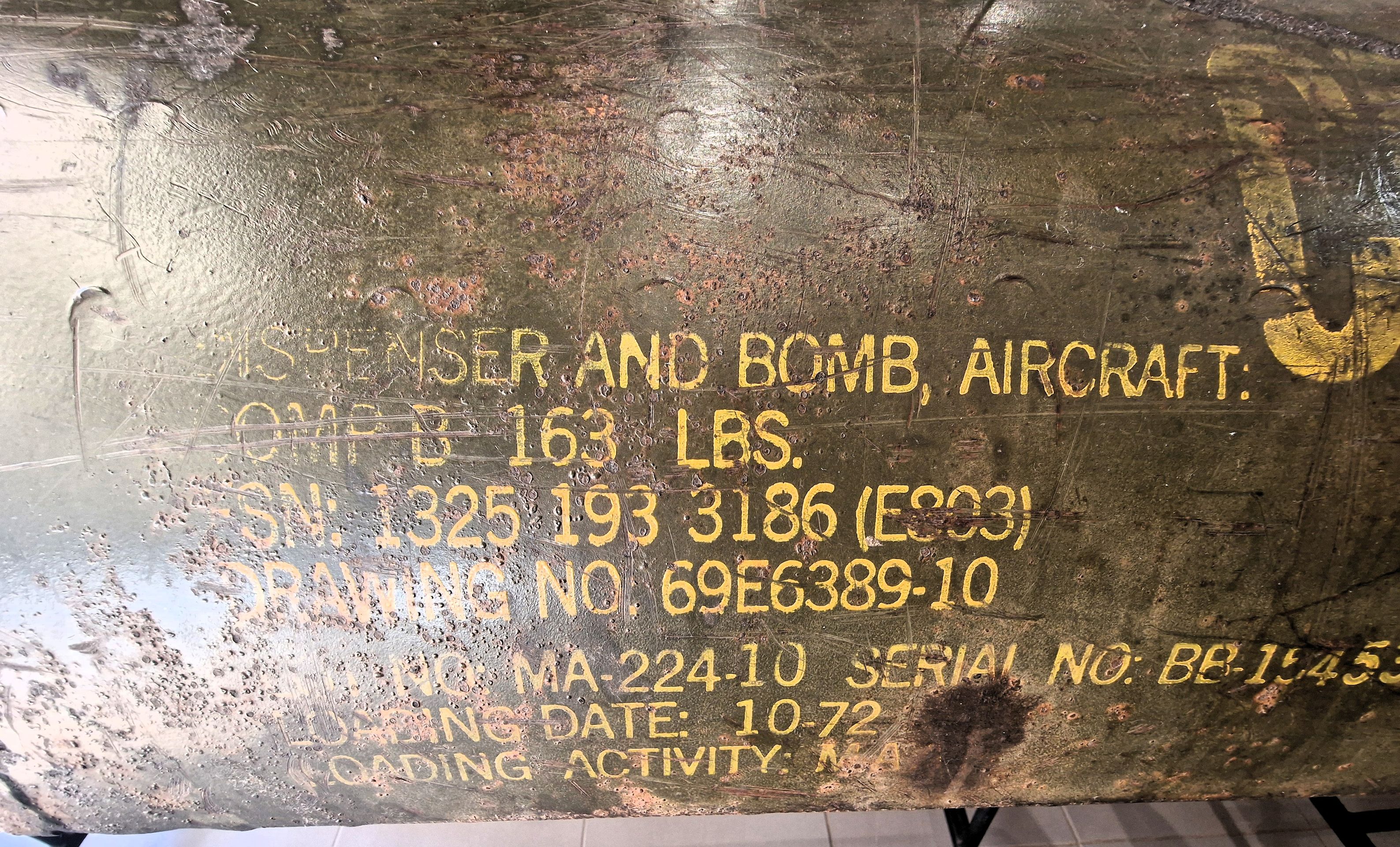
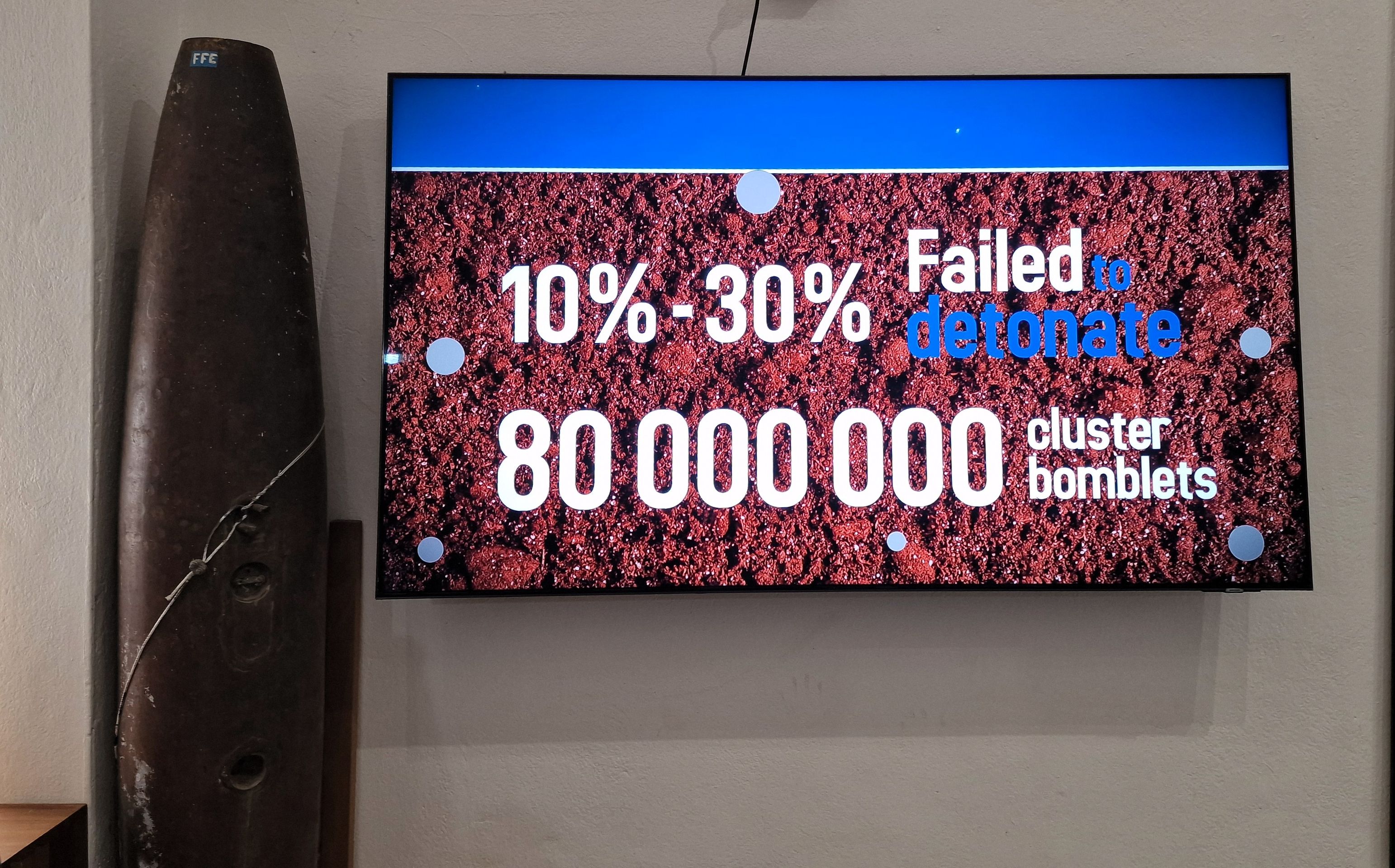
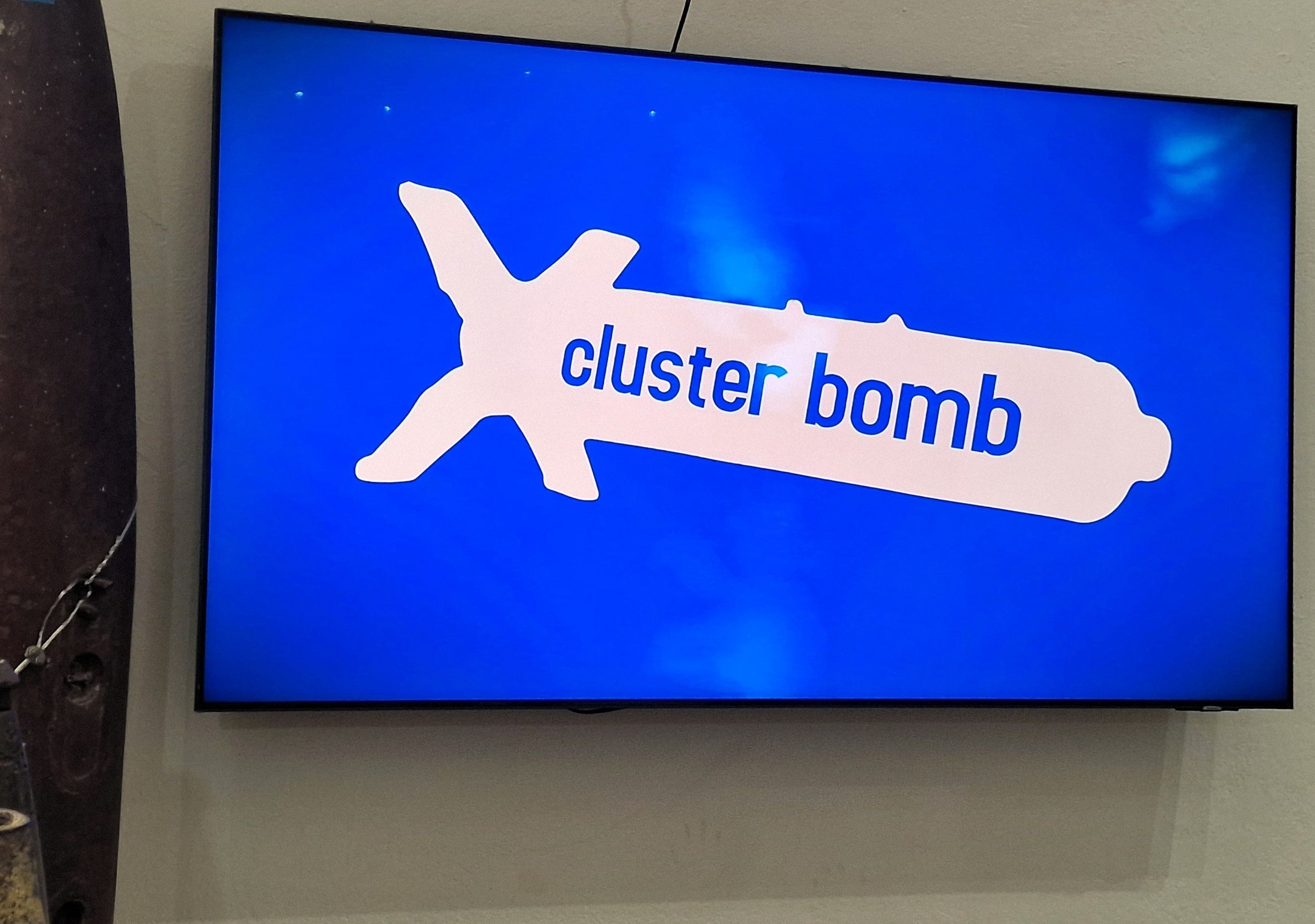
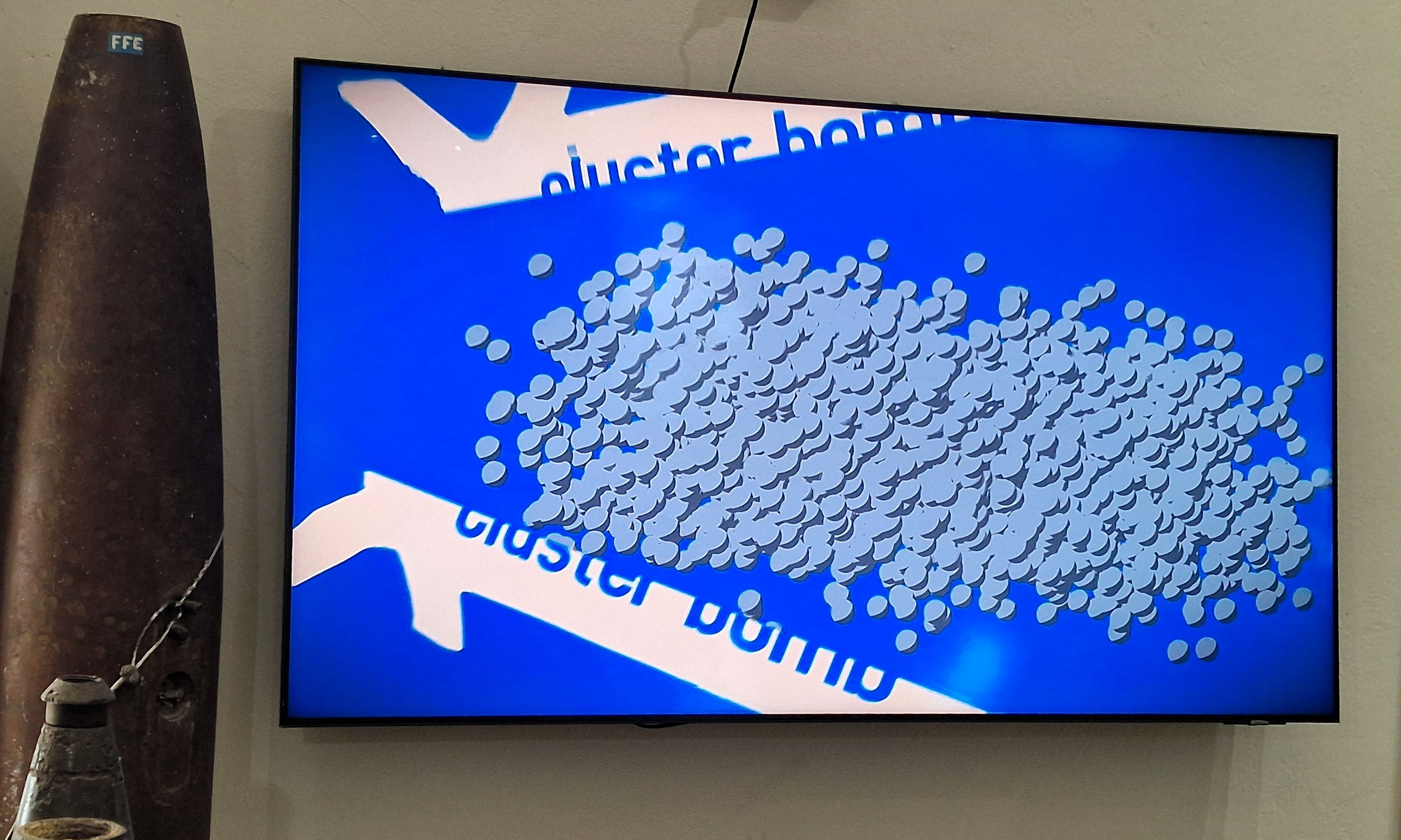
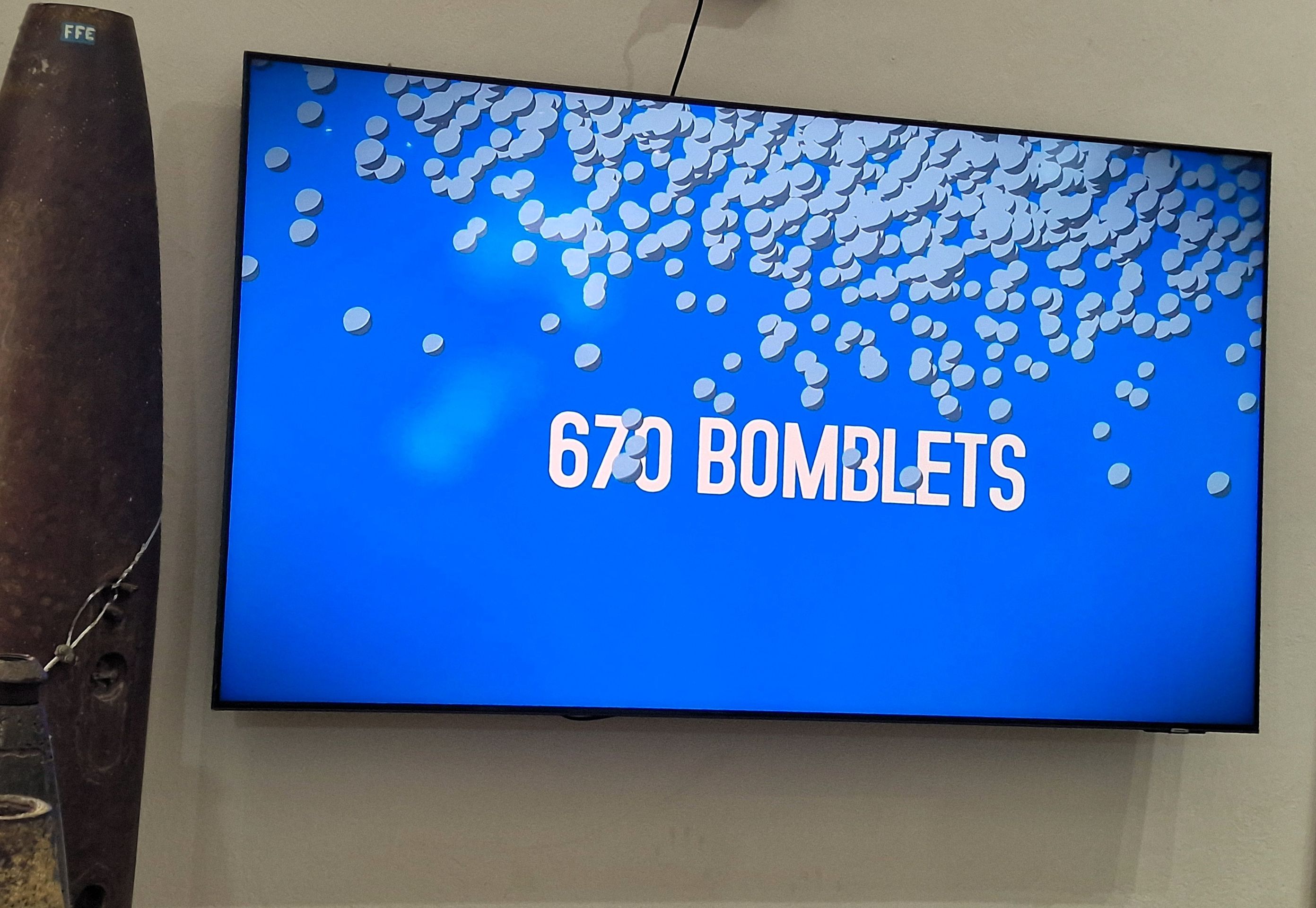
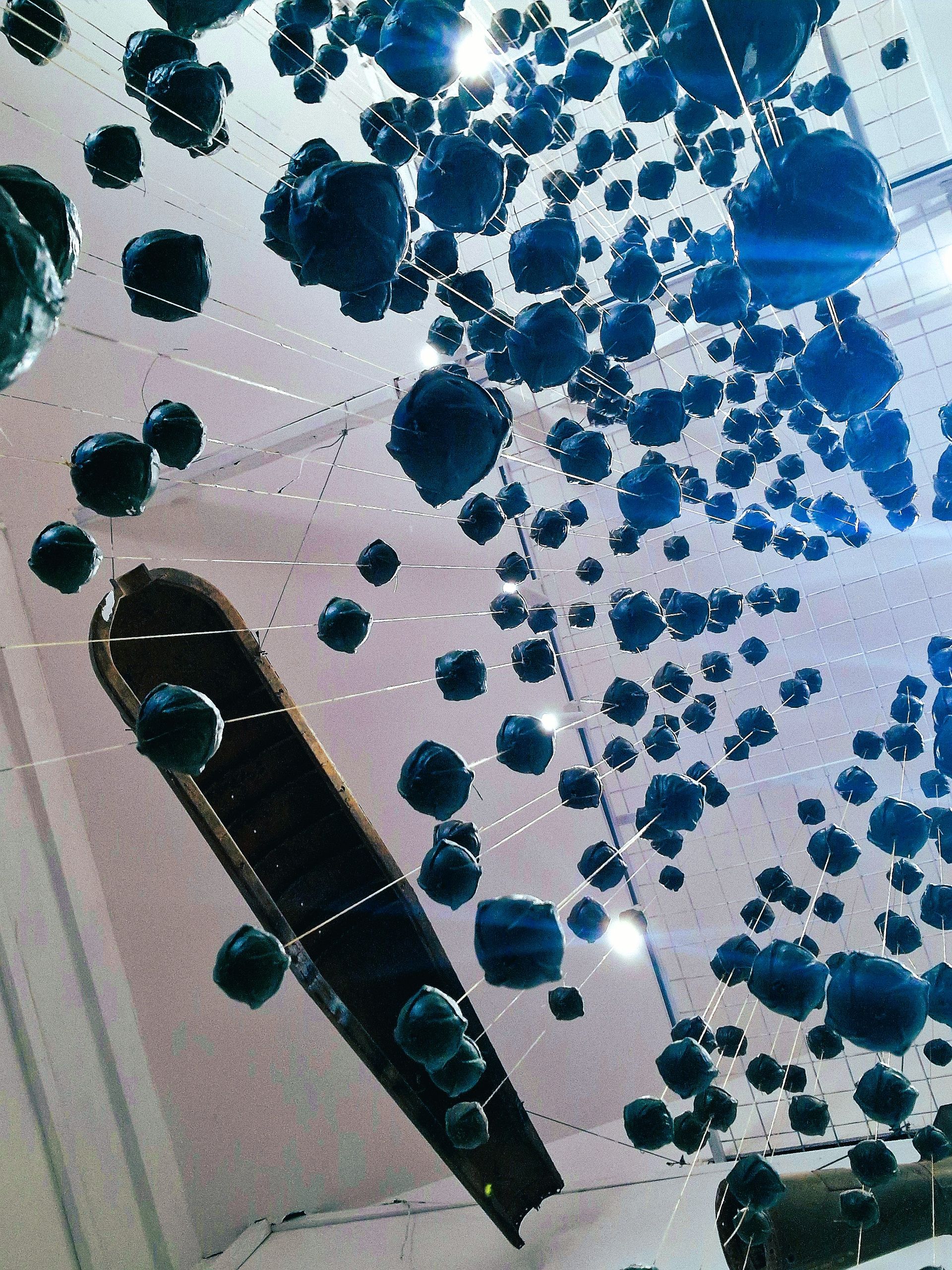
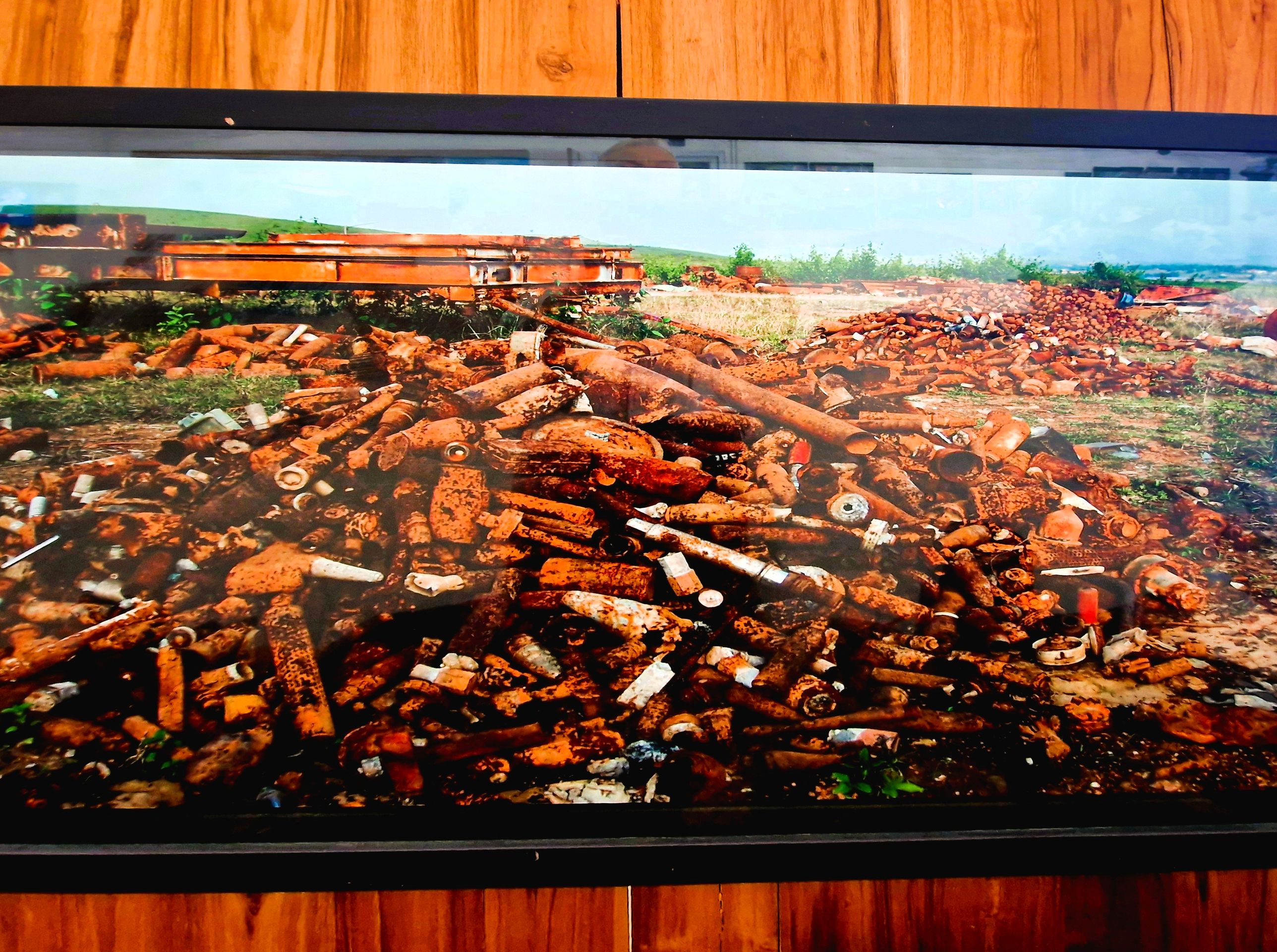
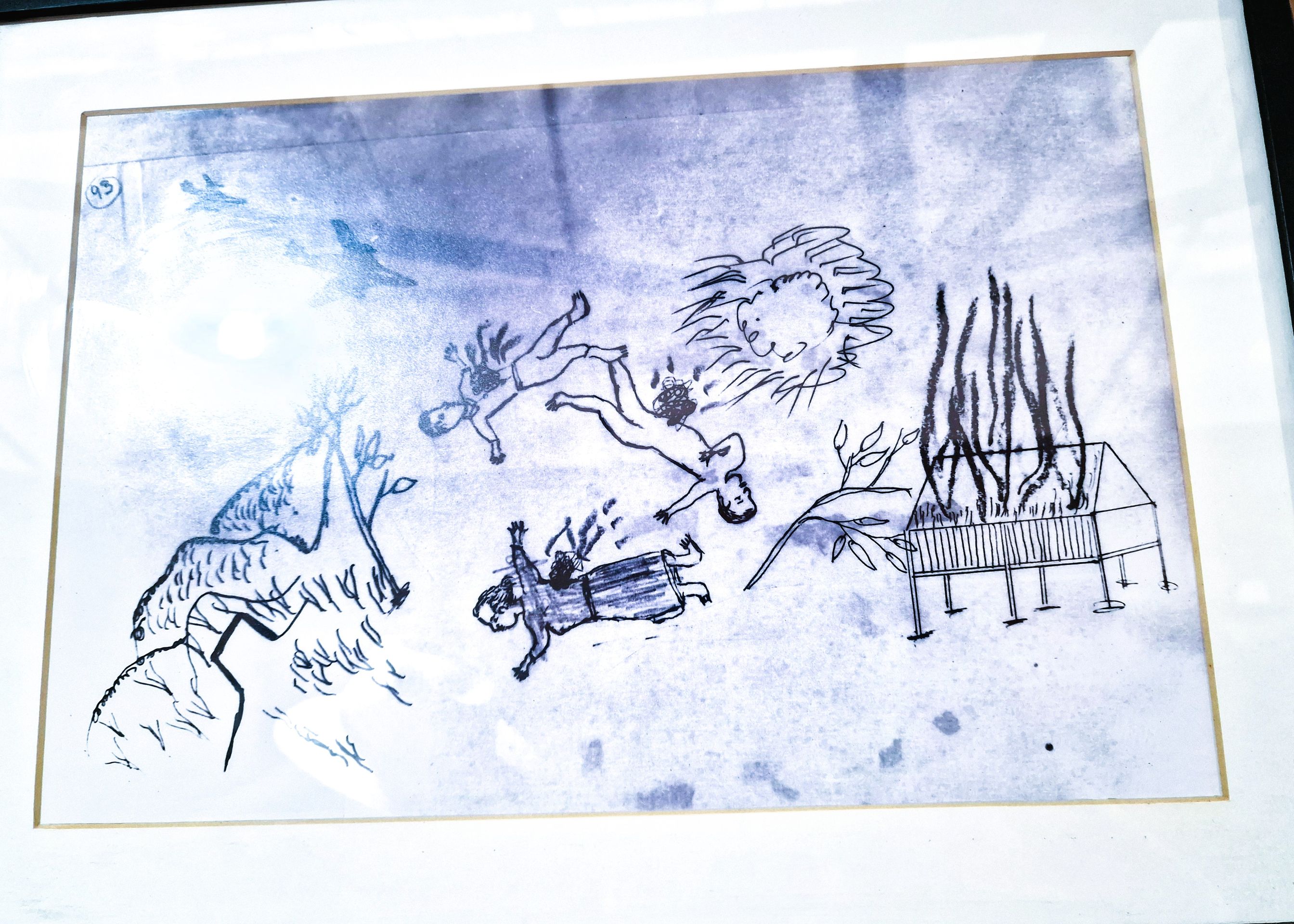
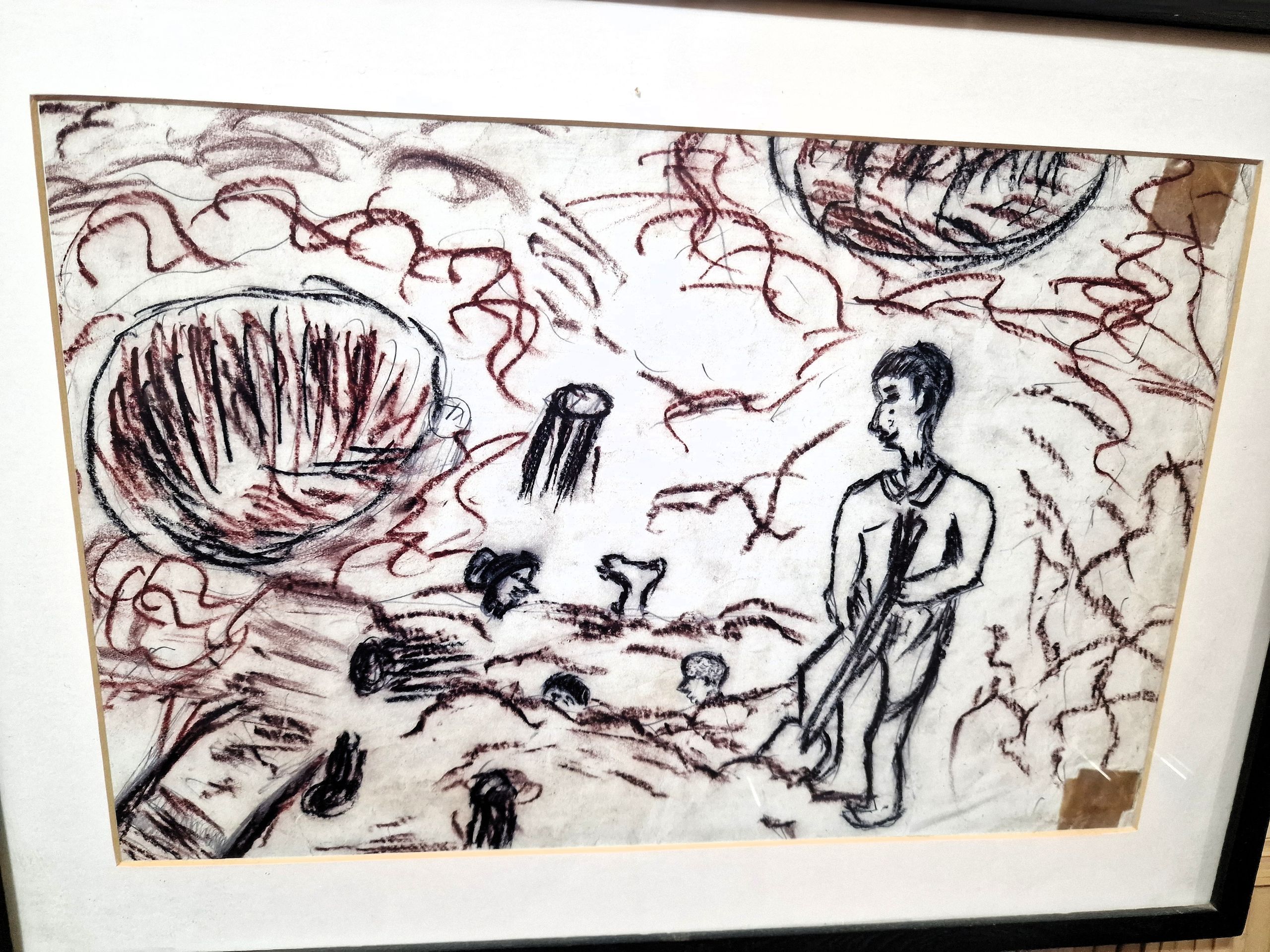
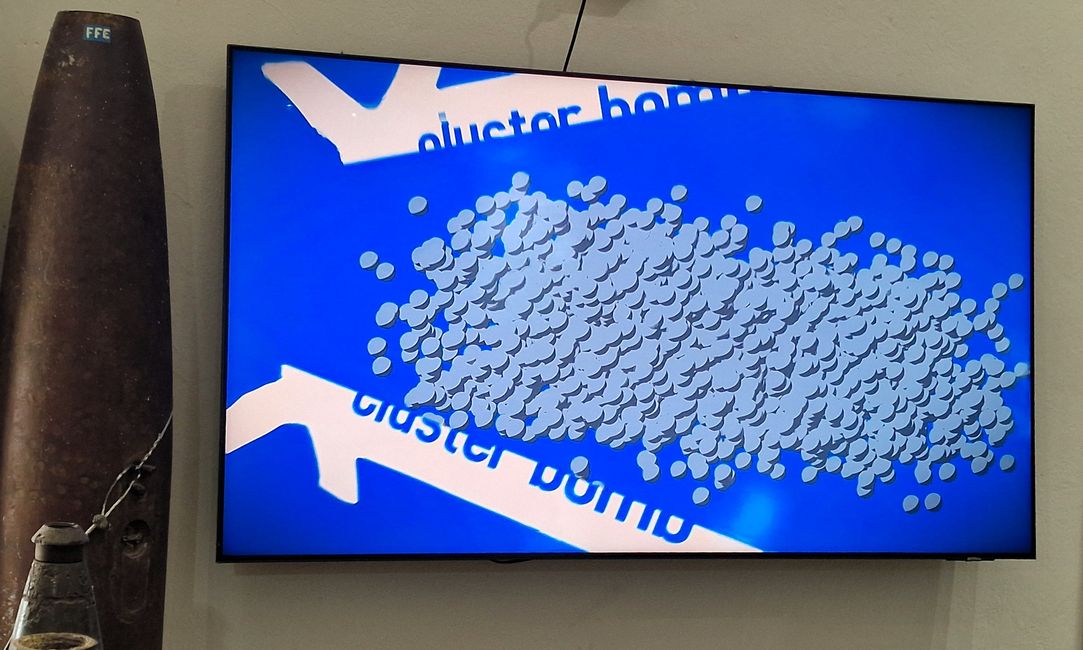
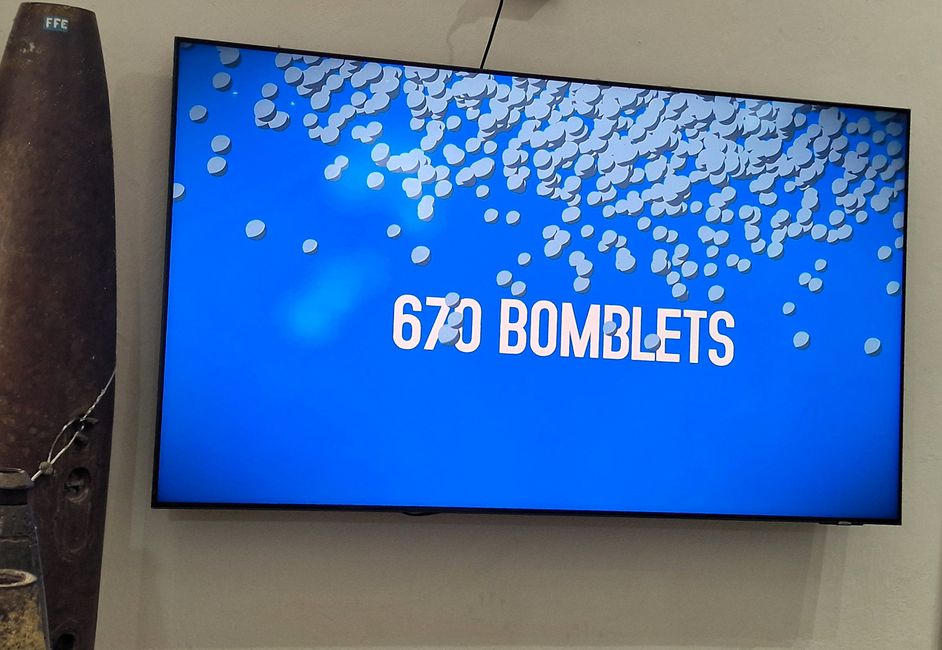
A cluster bomb, or cluster munition, contains 670 bomb balls (that’s what I call them; they are round like a ball and the size of an orange), which can destroy an area equivalent to 3 football fields. An unexploded bomb ball in the ground is a danger. For farmers when they till the land, for housewives cooking over fire with heat penetrating the ground, for children playing ball if it bounces on the ground, for... anything that shakes the ground even slightly, heats it, or moves it.
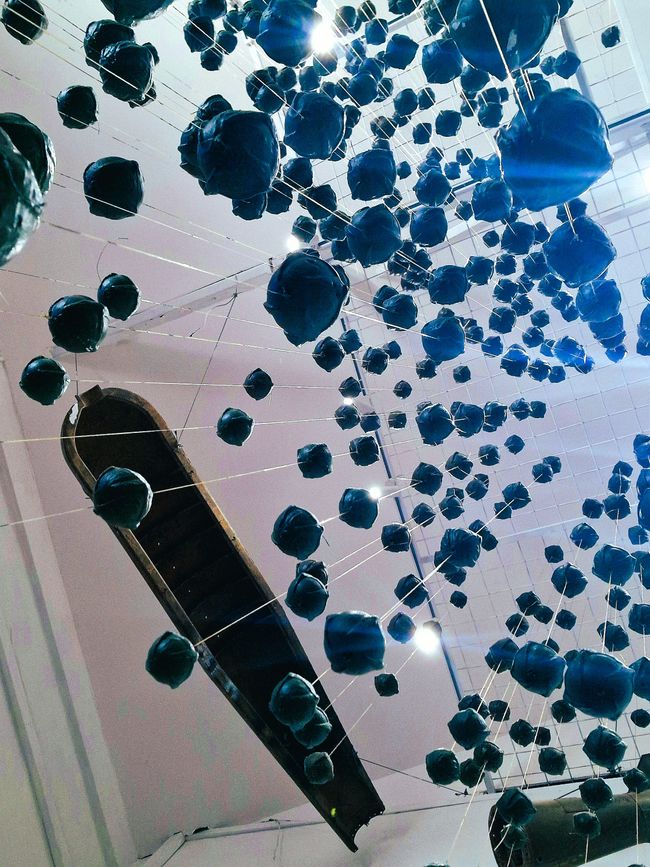
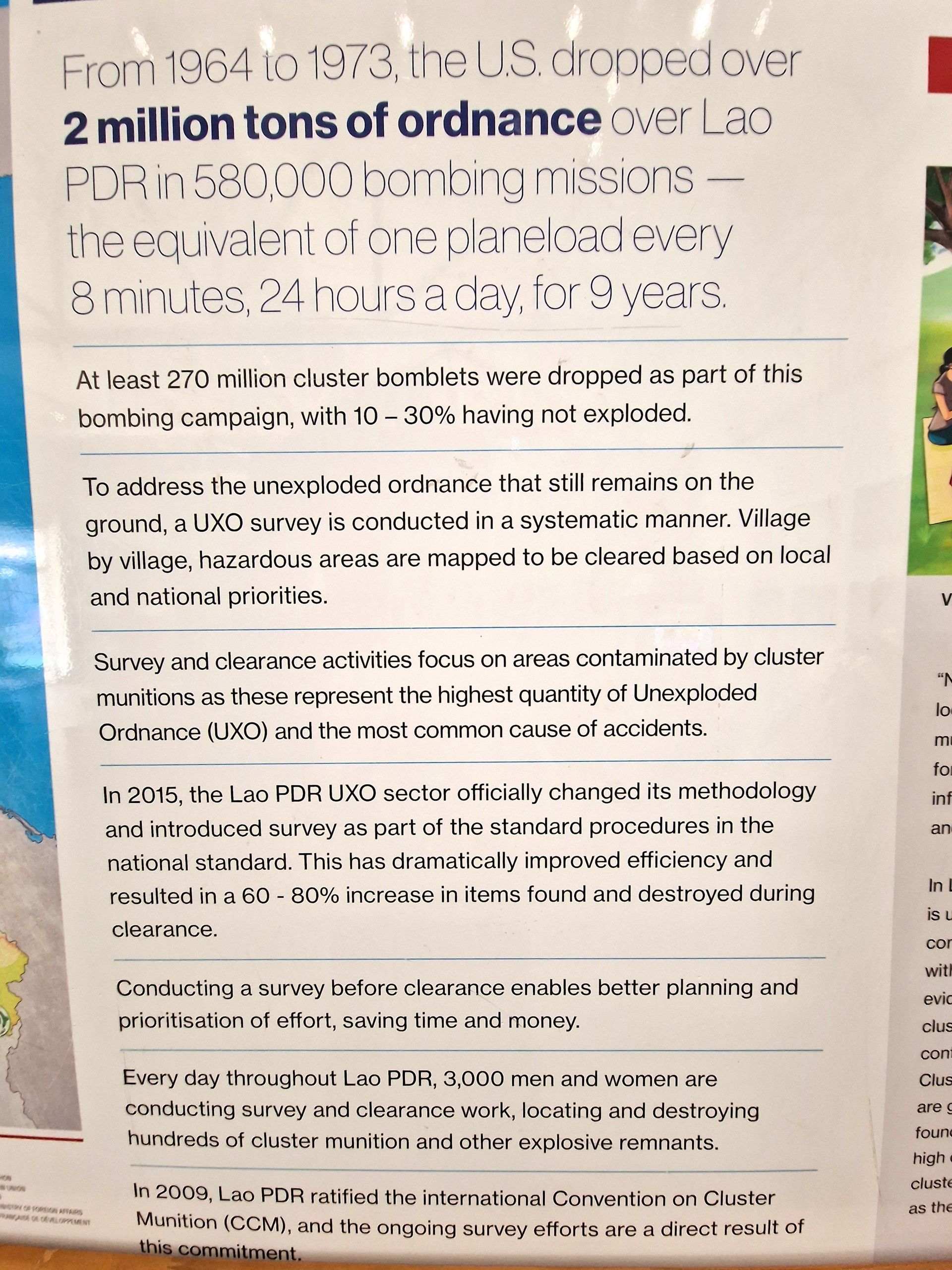
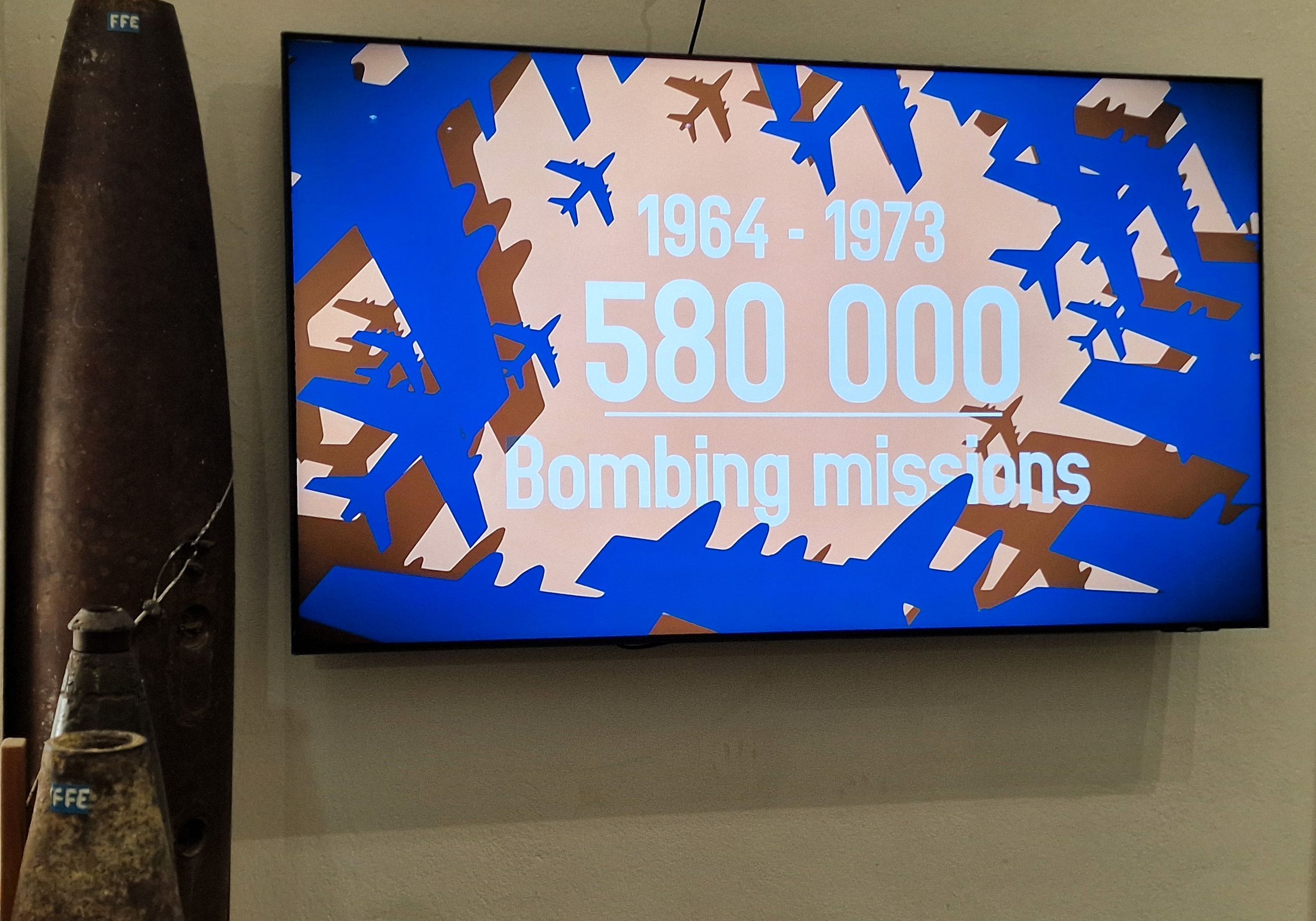
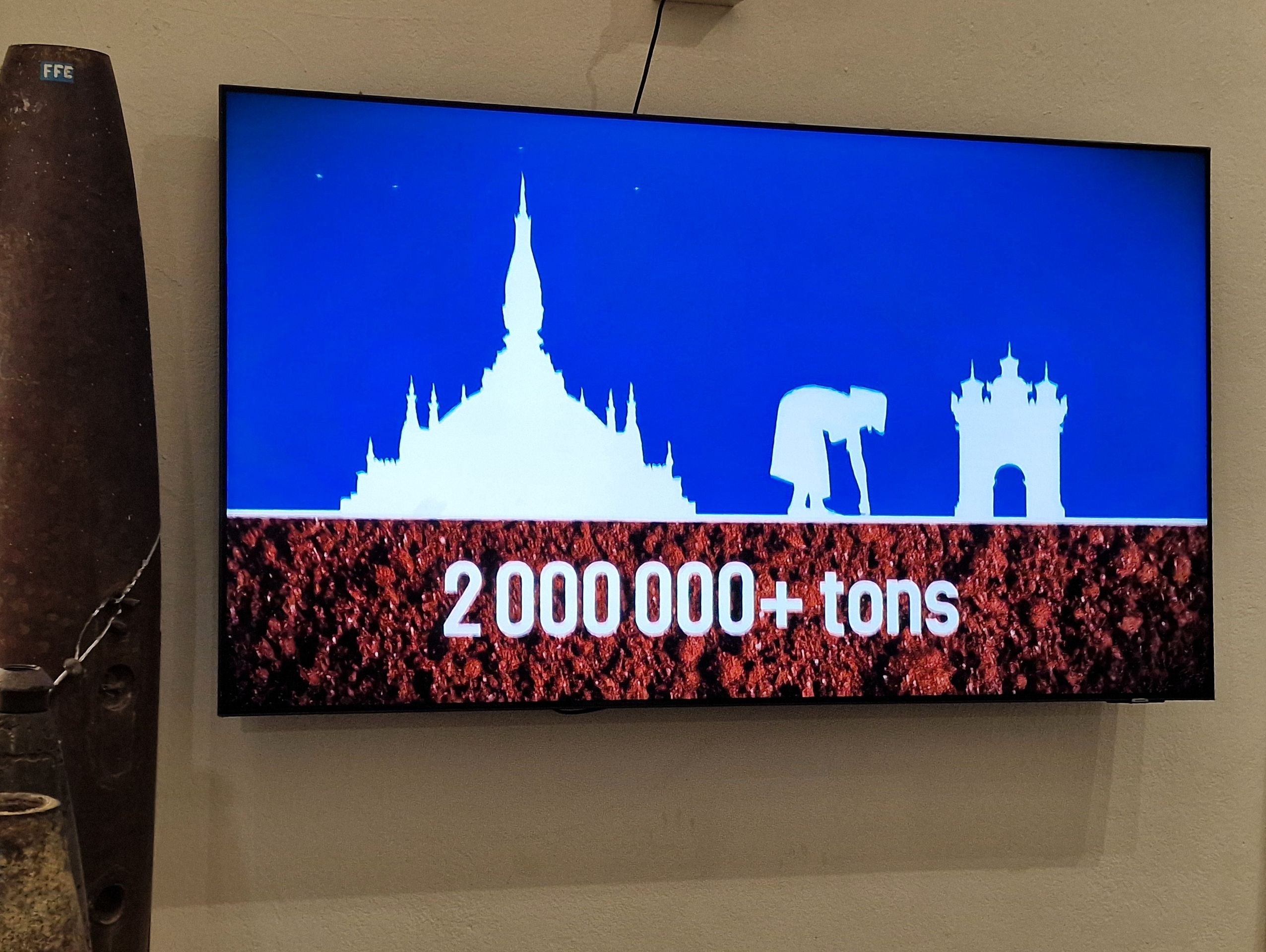
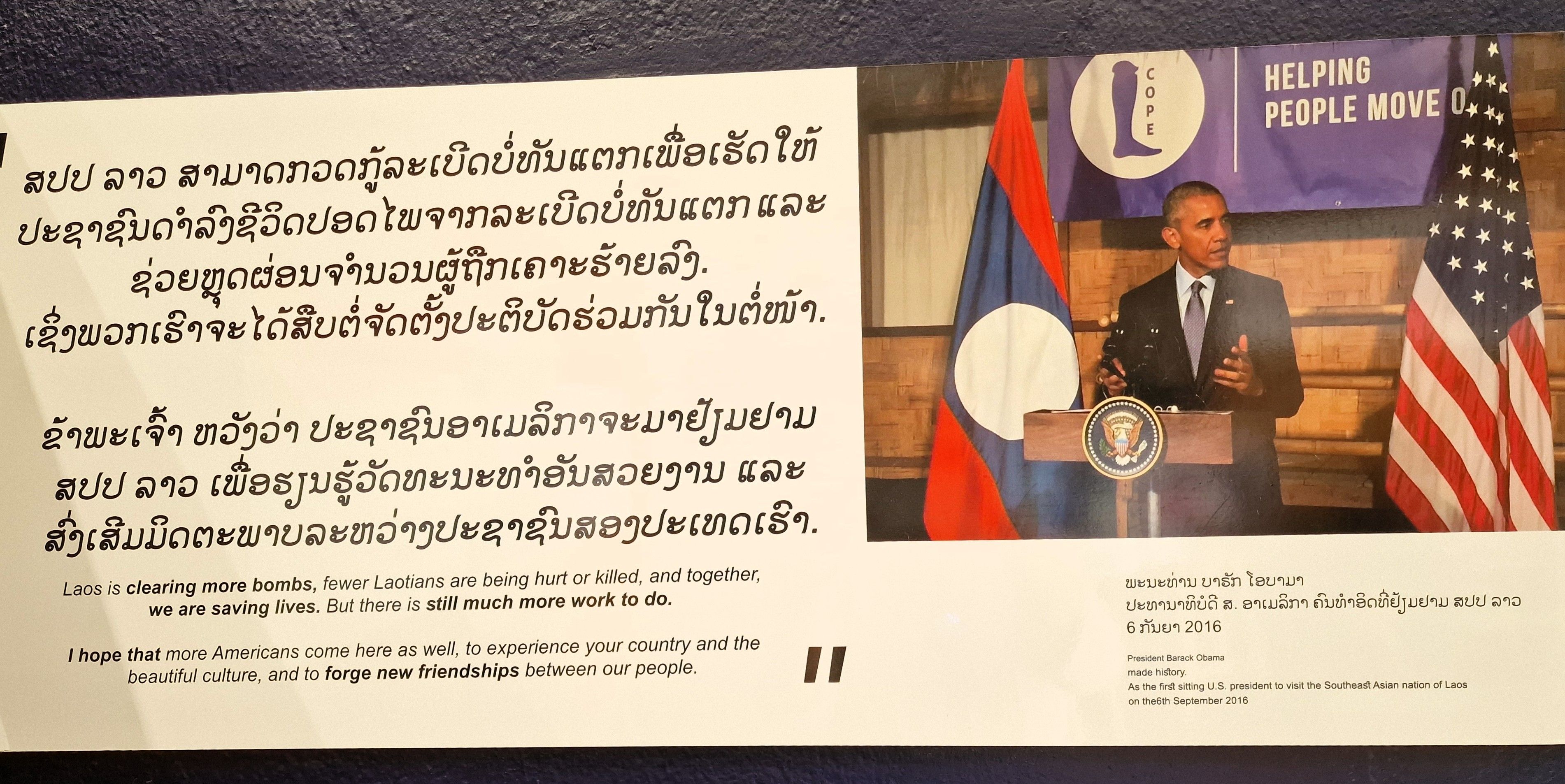
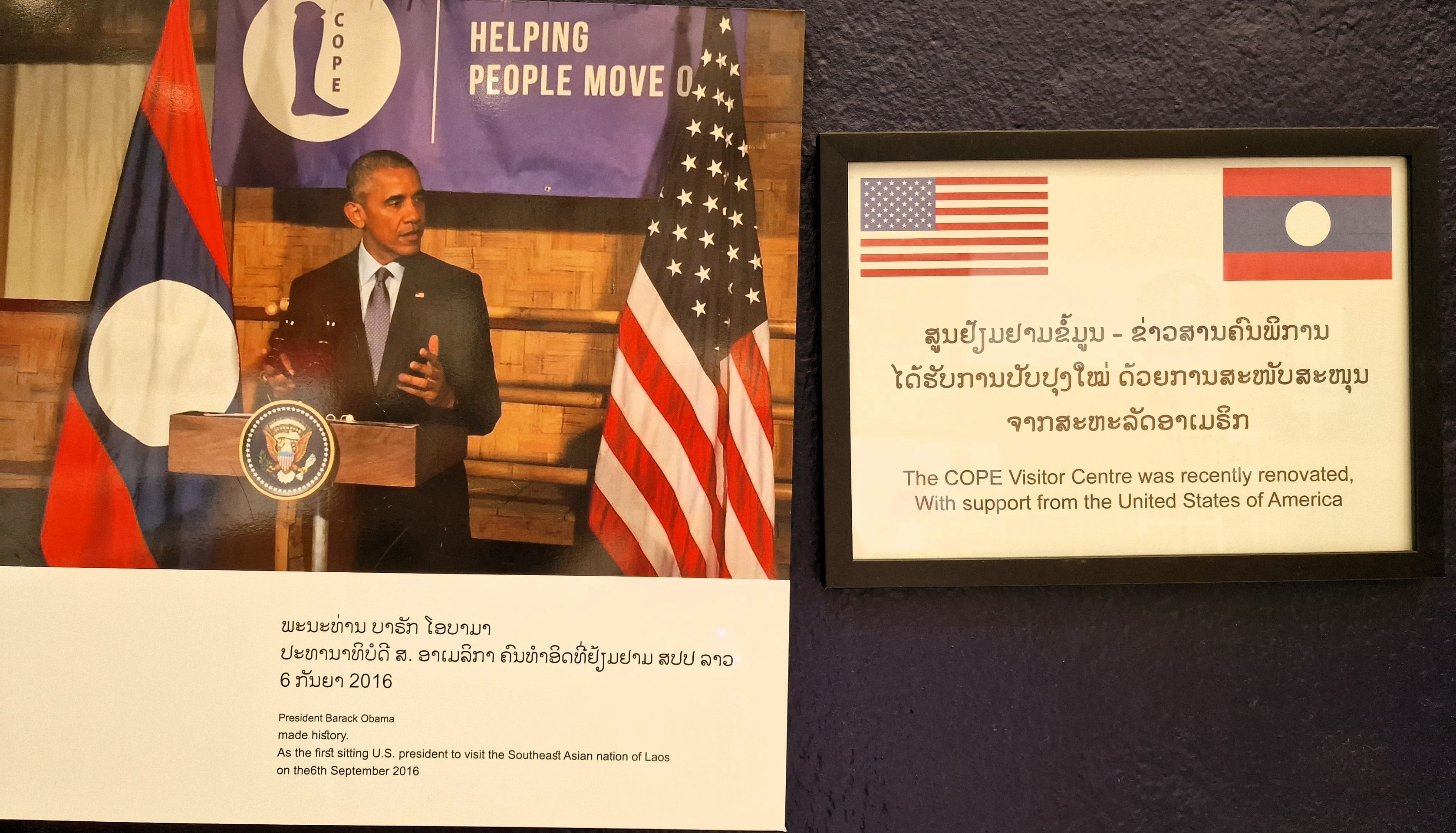
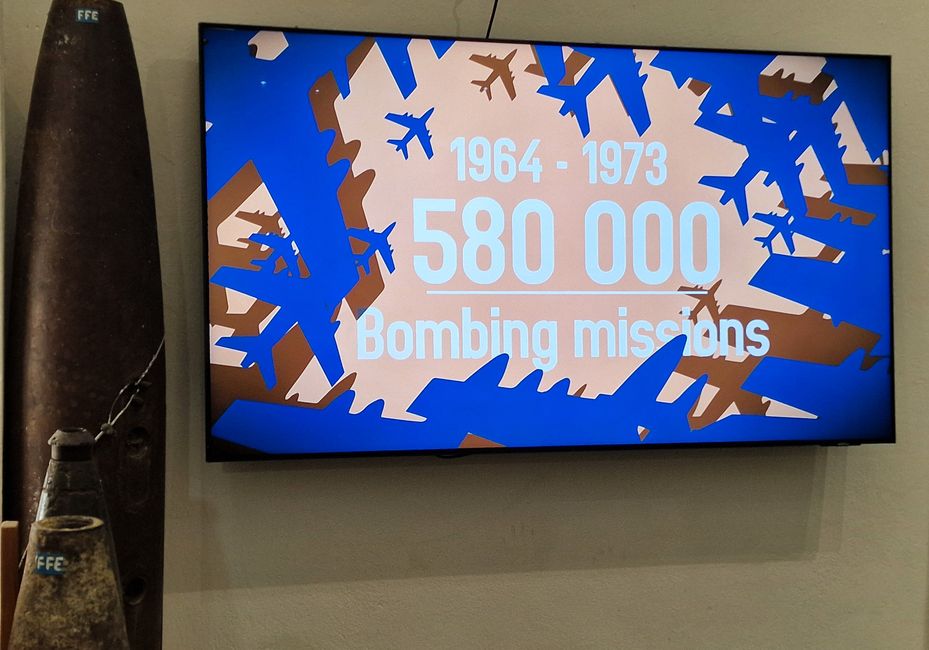
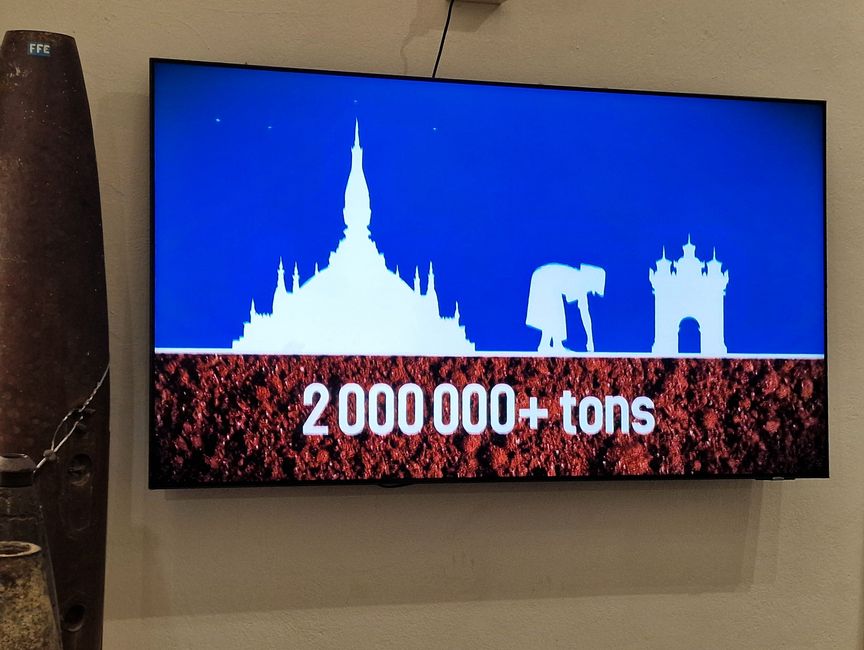
The damage during and after the war is immeasurable. Wikipedia: A major environmental problem for Laos is unexploded ordnance (UXO) from the Vietnam War. They make Laos one of the countries with the largest amounts of unexploded ordnance in the ground. Of the more than 2 million tons of bombs dropped by the American air forces in more than 530,000 airstrikes over Laos from 1964 to 1973, about 50 percent of the territory is still affected today. For an agriculturally driven country like Laos, this presents a significant problem, as people are regularly injured or killed by UXO. The UXO-LAO project, which focuses on educating the public and clearing unexploded ordnance, is one of the largest employers in the country and is funded by UNDP and some developed countries and aid organizations, but has long been underfunded by the responsible party, the U.S. It was not until 2012 that the United States invested nine million dollars in clearing unexploded ordnance. Secretary of State Hillary Clinton visited Laos that same year, and President Barack Obama in 2016.
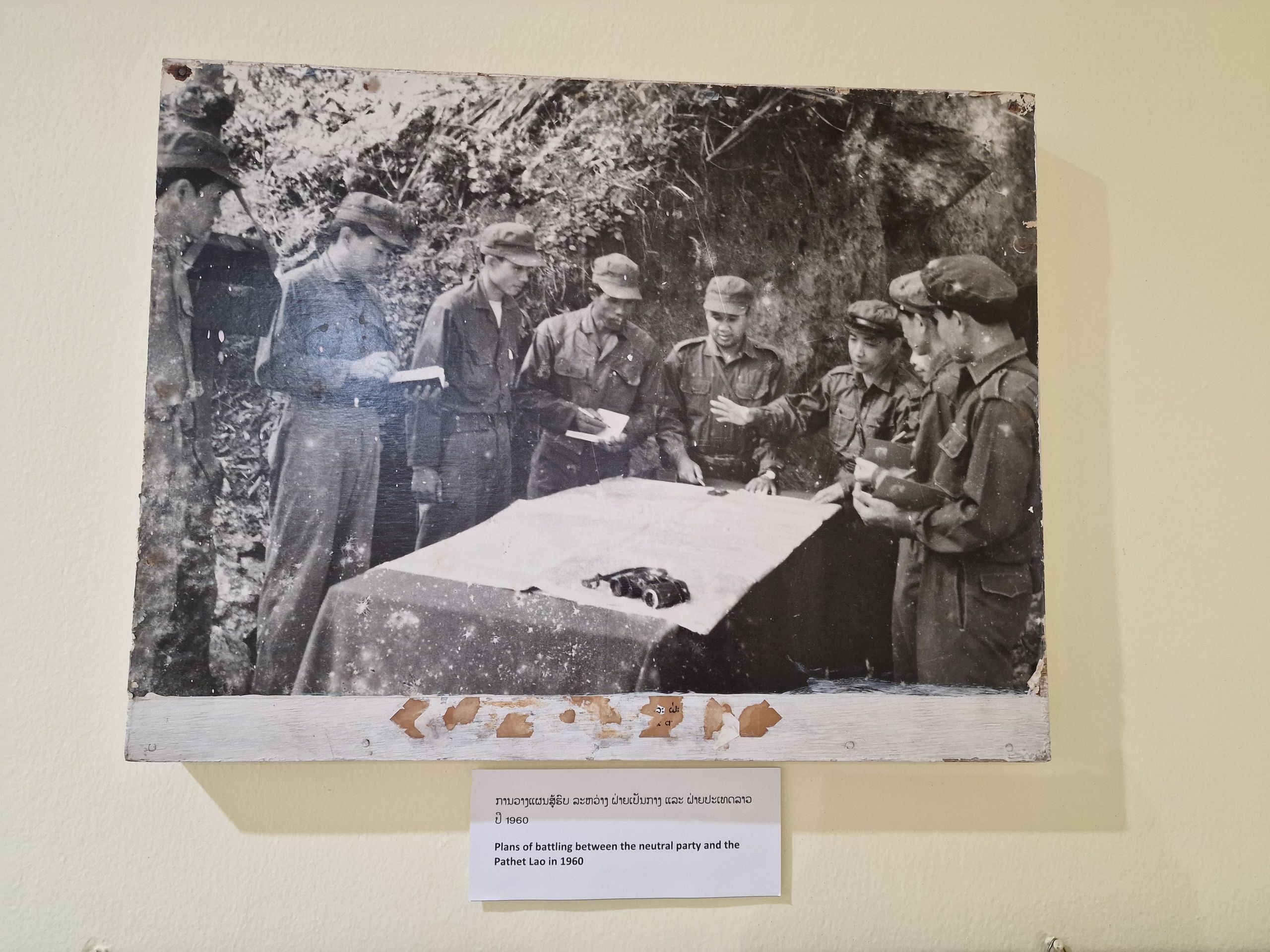
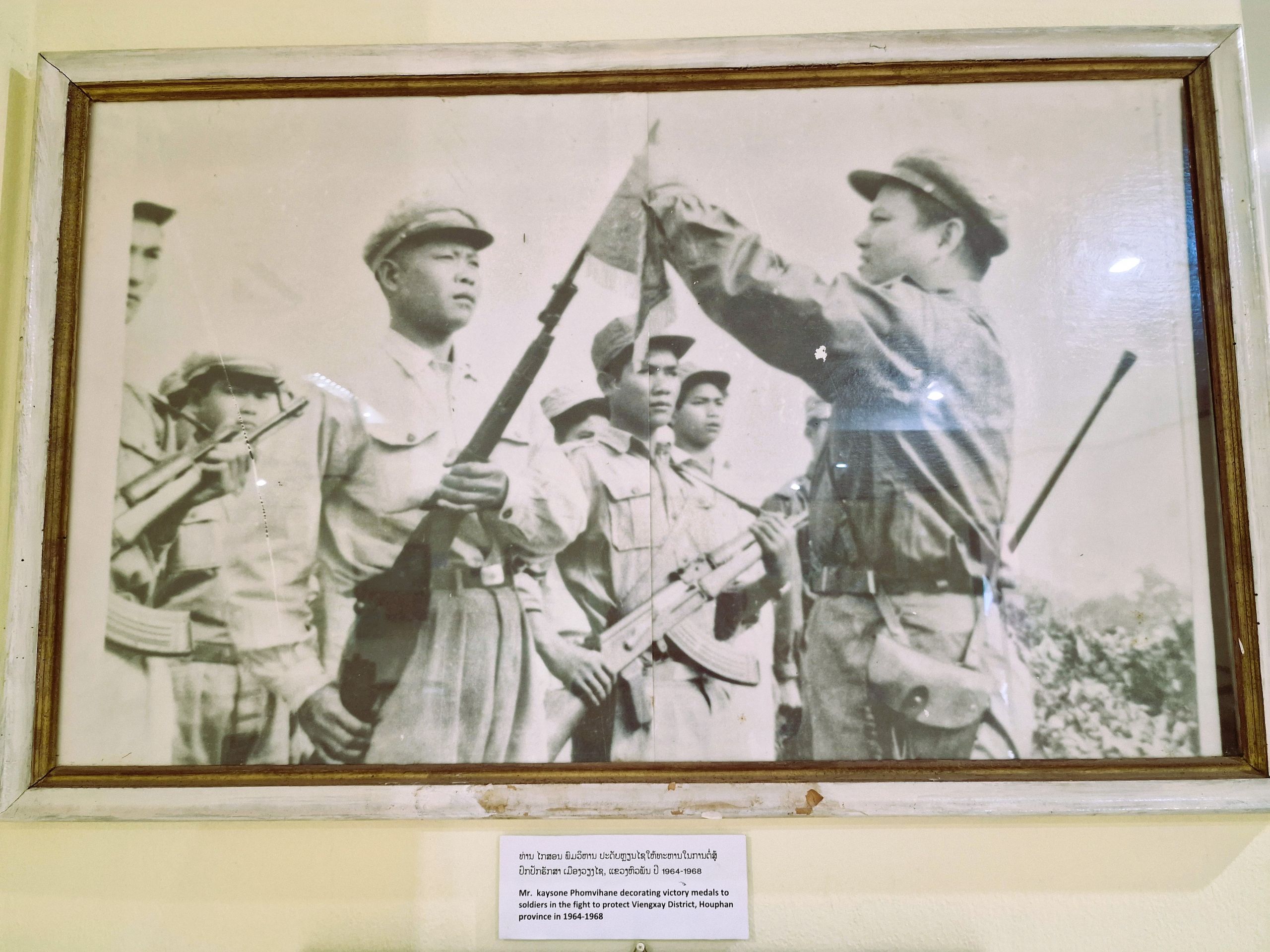
The Laotian Civil War was associated with the Vietnam War. The North Vietnamese supported the Pathet Lao guerrillas against the Laotian government, which was supported by the United States. Laos was officially neutral in the Vietnam War. In 1959, North Vietnam invaded Laos to control and expand the Ho Chi Minh Trail. The CIA organized a guerrilla counter-army in the 1960s, made up of members of the Hmong people from Long Tieng, to fight against the Pathet Lao. This conflict was largely unknown to the international public. The initially successful operation ended in disaster, resulting in the death and flight of many Hmong. The Ho Chi Minh Trail running through much of Laos was just one aspect of the fight against communism, with an estimated 2.5 tons of munitions dropped over Laos per inhabitant during American carpet bombings. Thus, Laos is one of the most heavily bombed countries in the world, with a high proportion of unexploded ordnance and landmines remaining today.
Now about COPE, what is it?
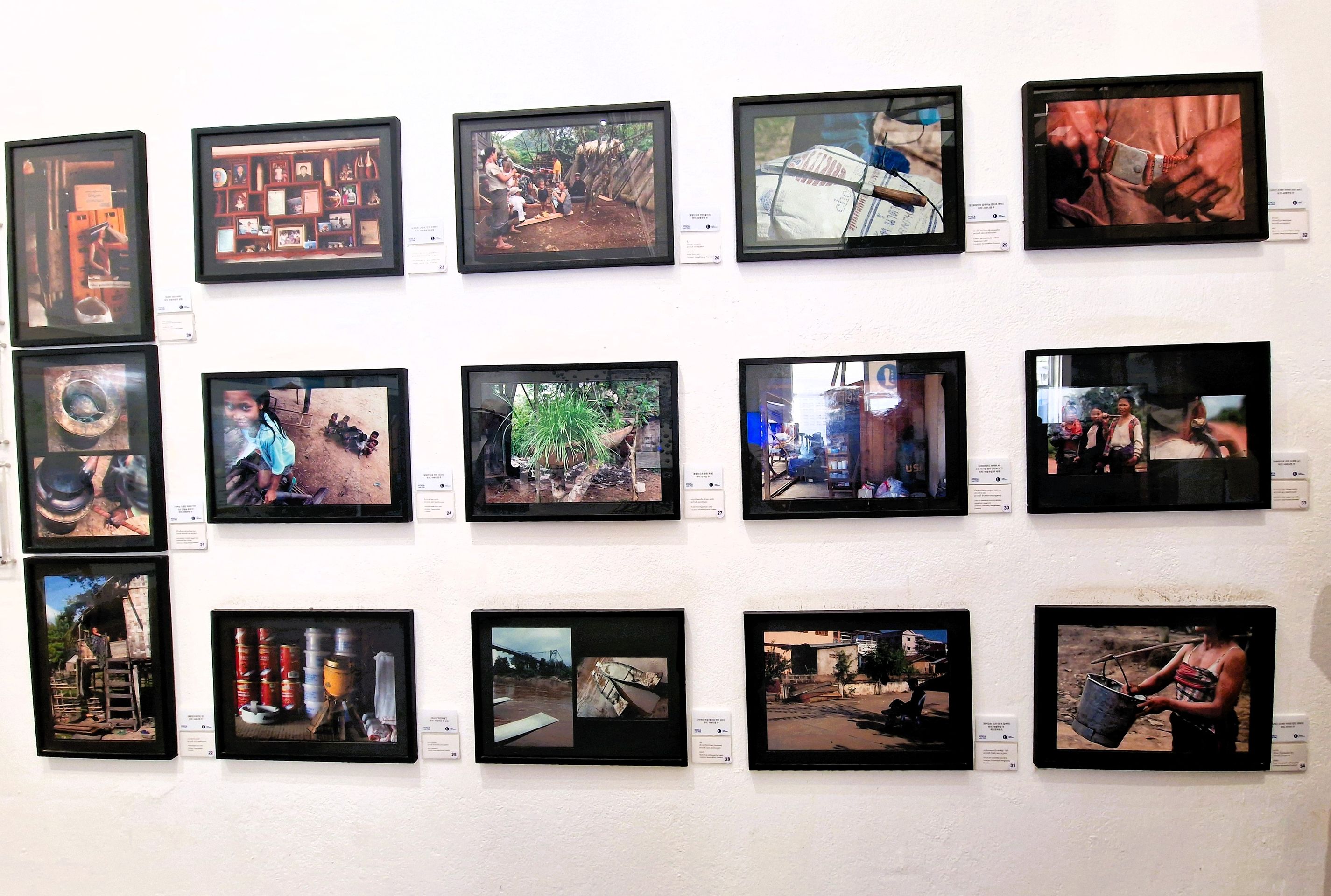
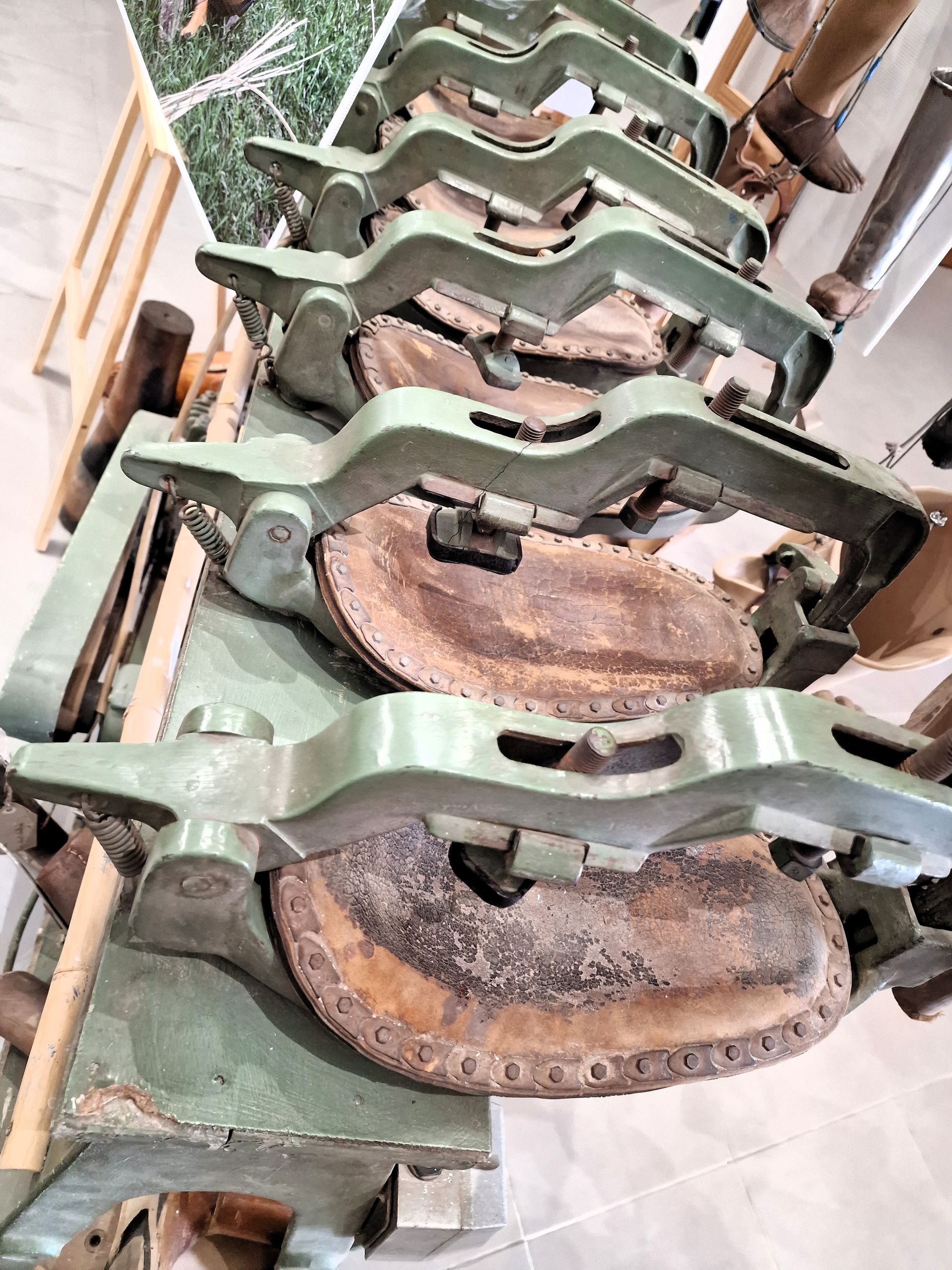
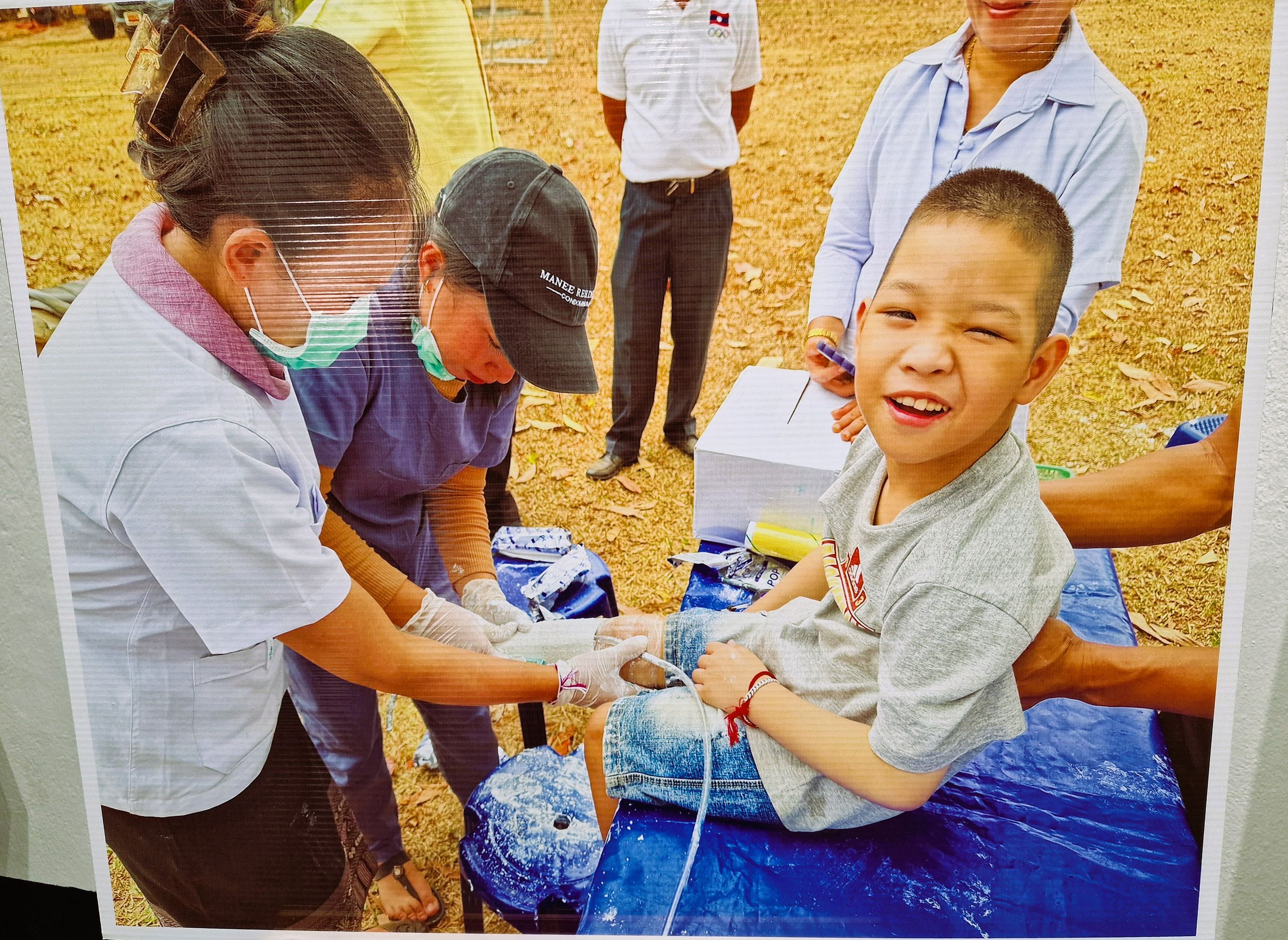
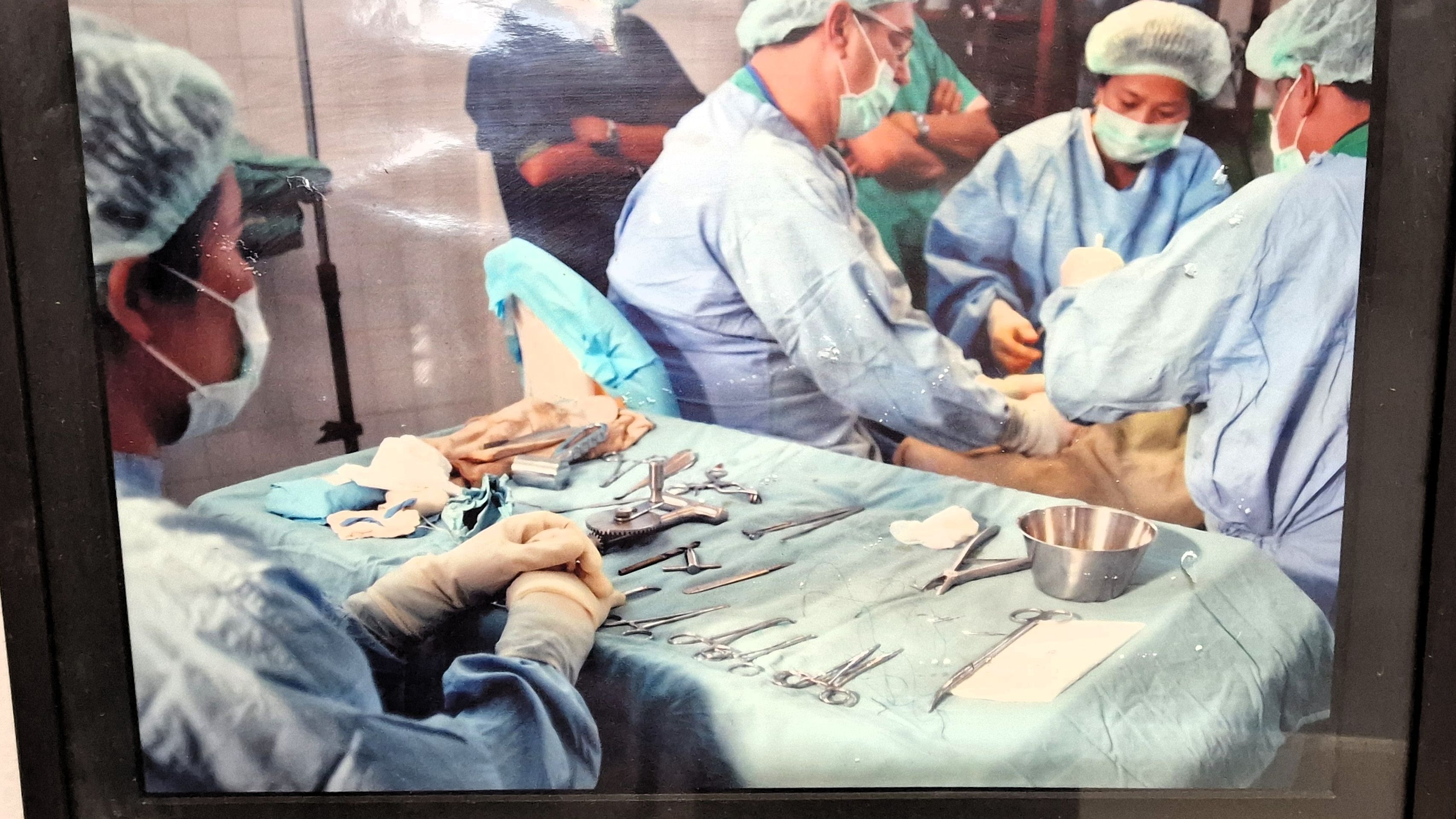
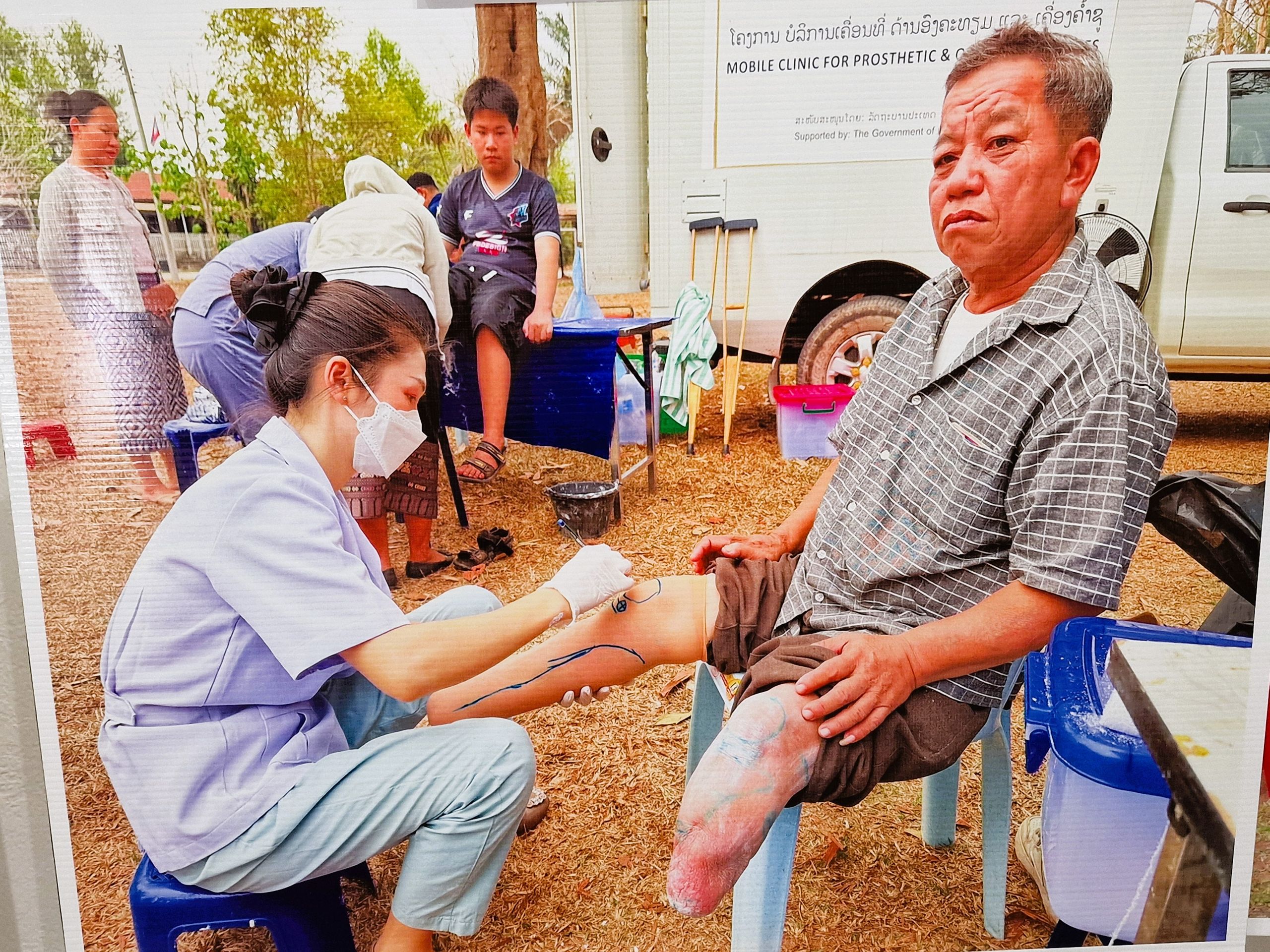
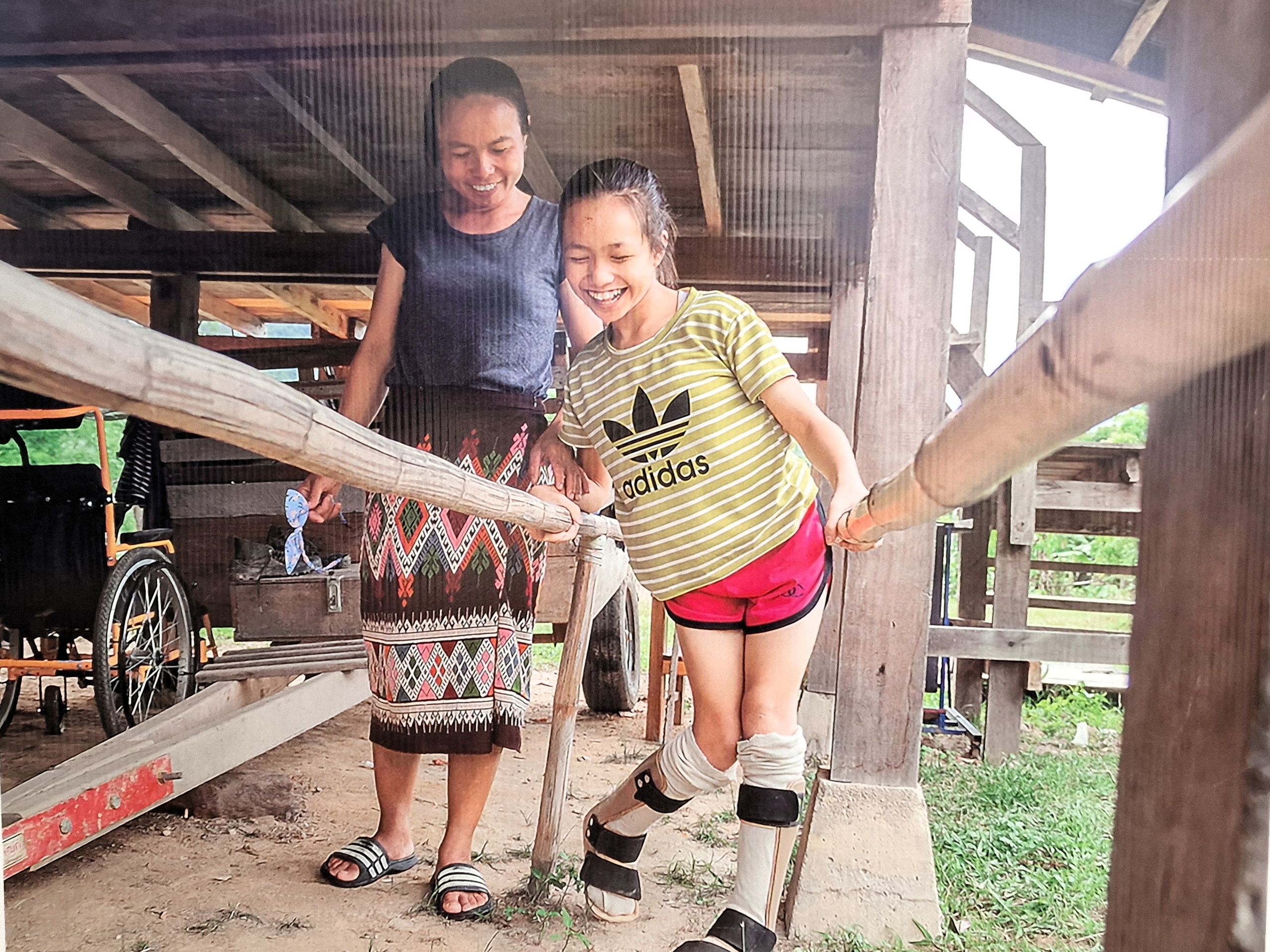
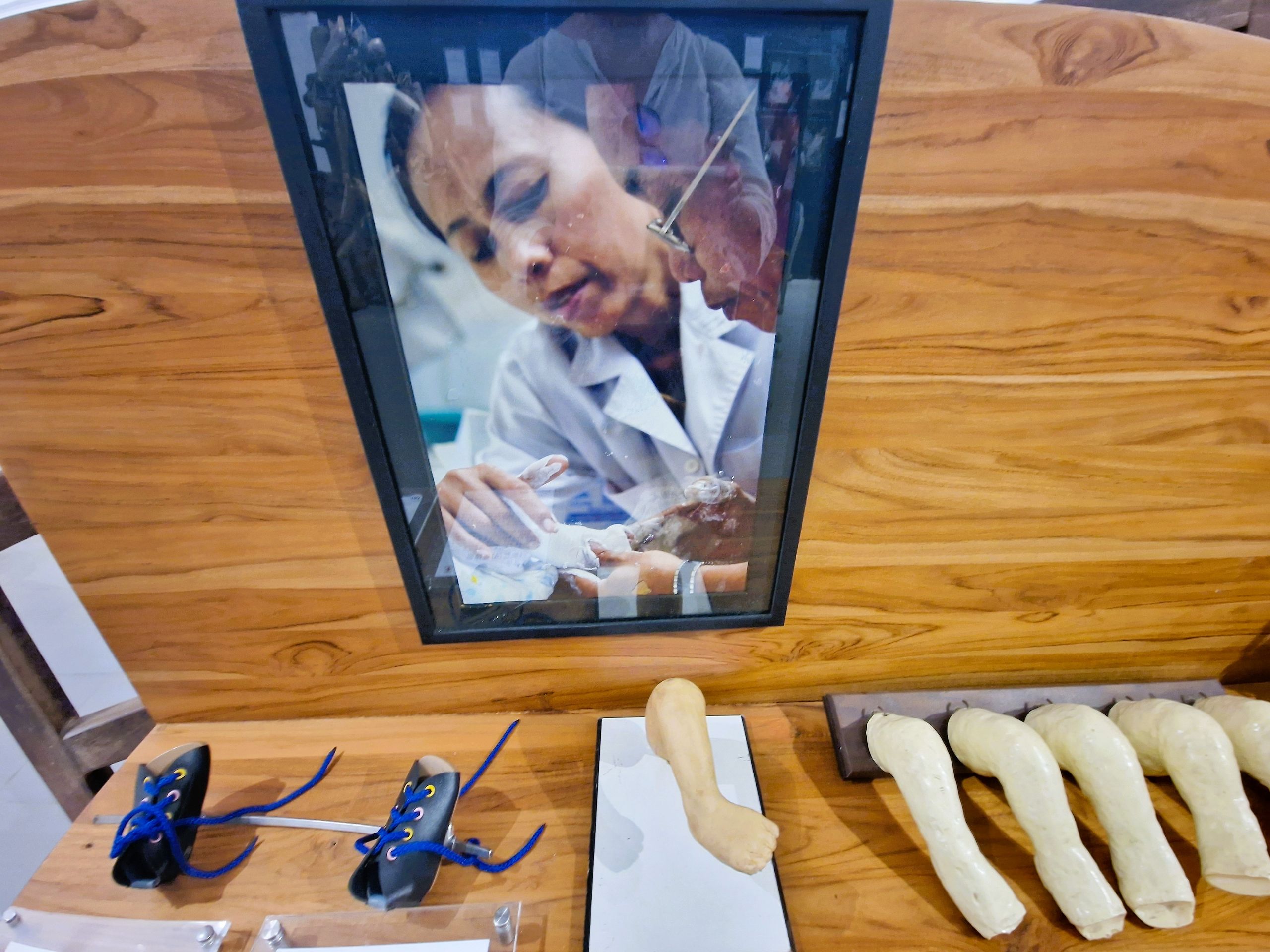
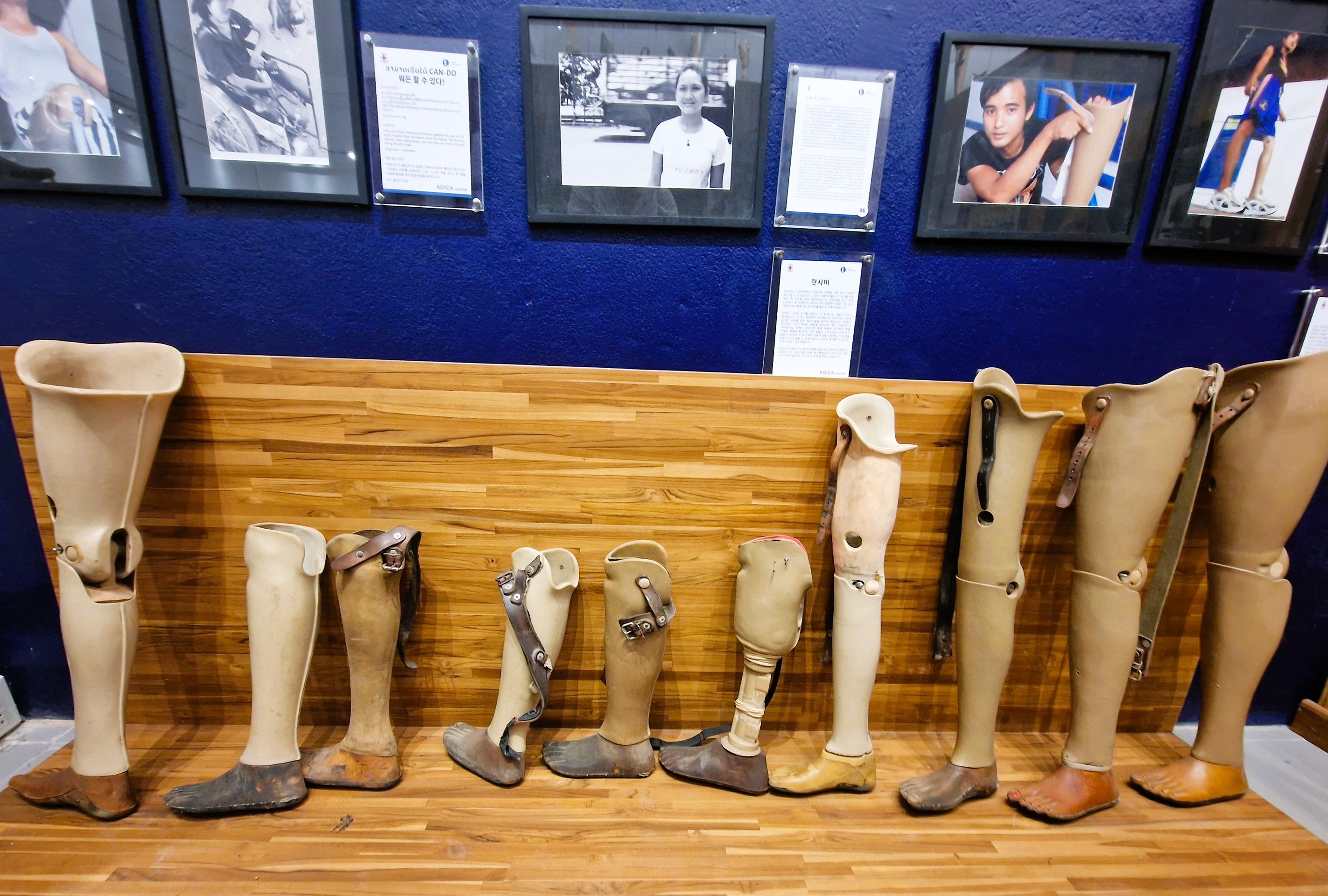
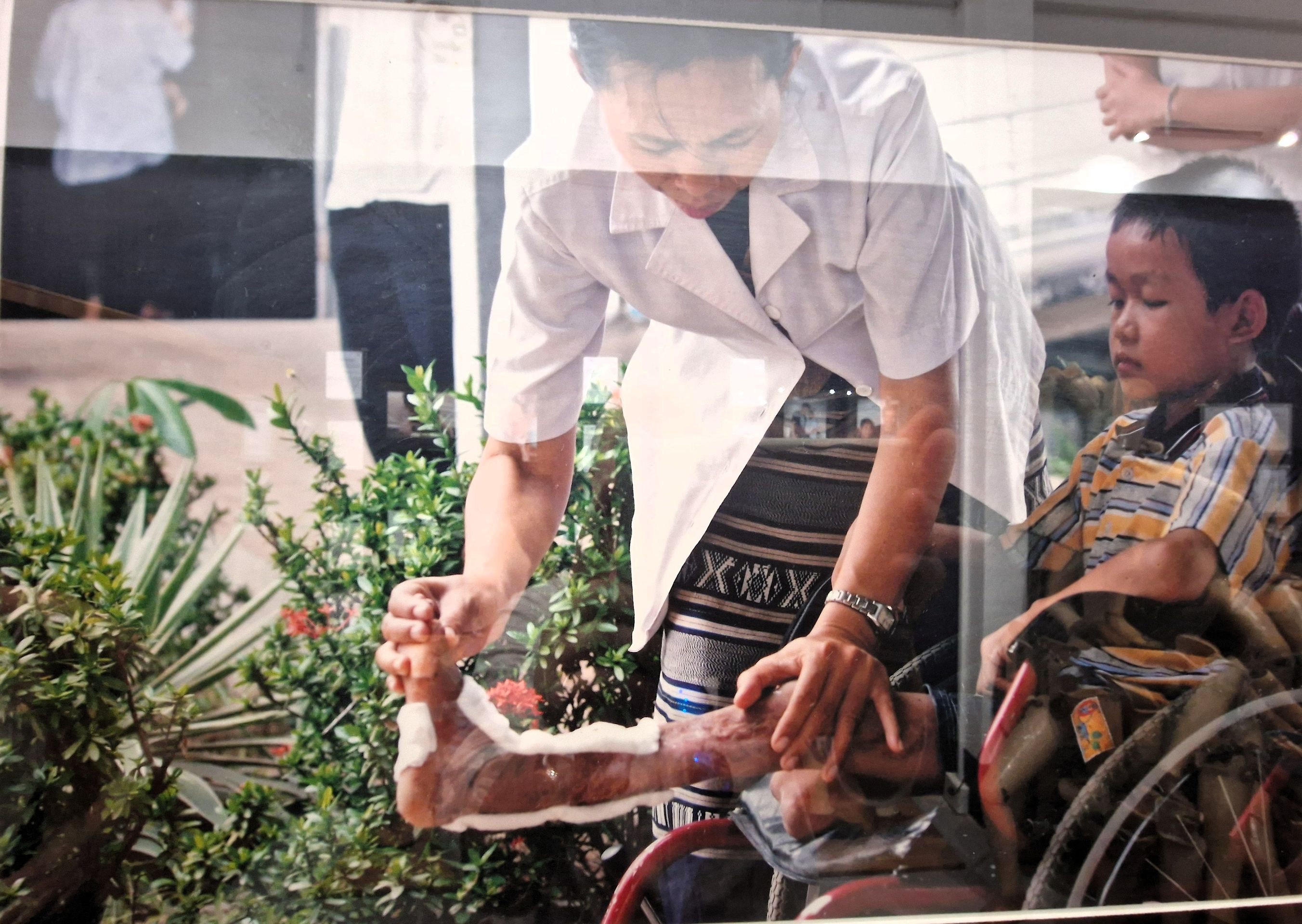
In 1997, the Laotian Ministry of Health and a group of non-governmental organizations agreed to establish COPE (Cooperative Orthotic and Prosthetic Enterprise). This was partly due to the increasing number of victims from unexploded ordnance (UXO, Unexploded ordnance, explosives that did not fully detonate). Their mobile units travel to all areas to see who needs treatment.
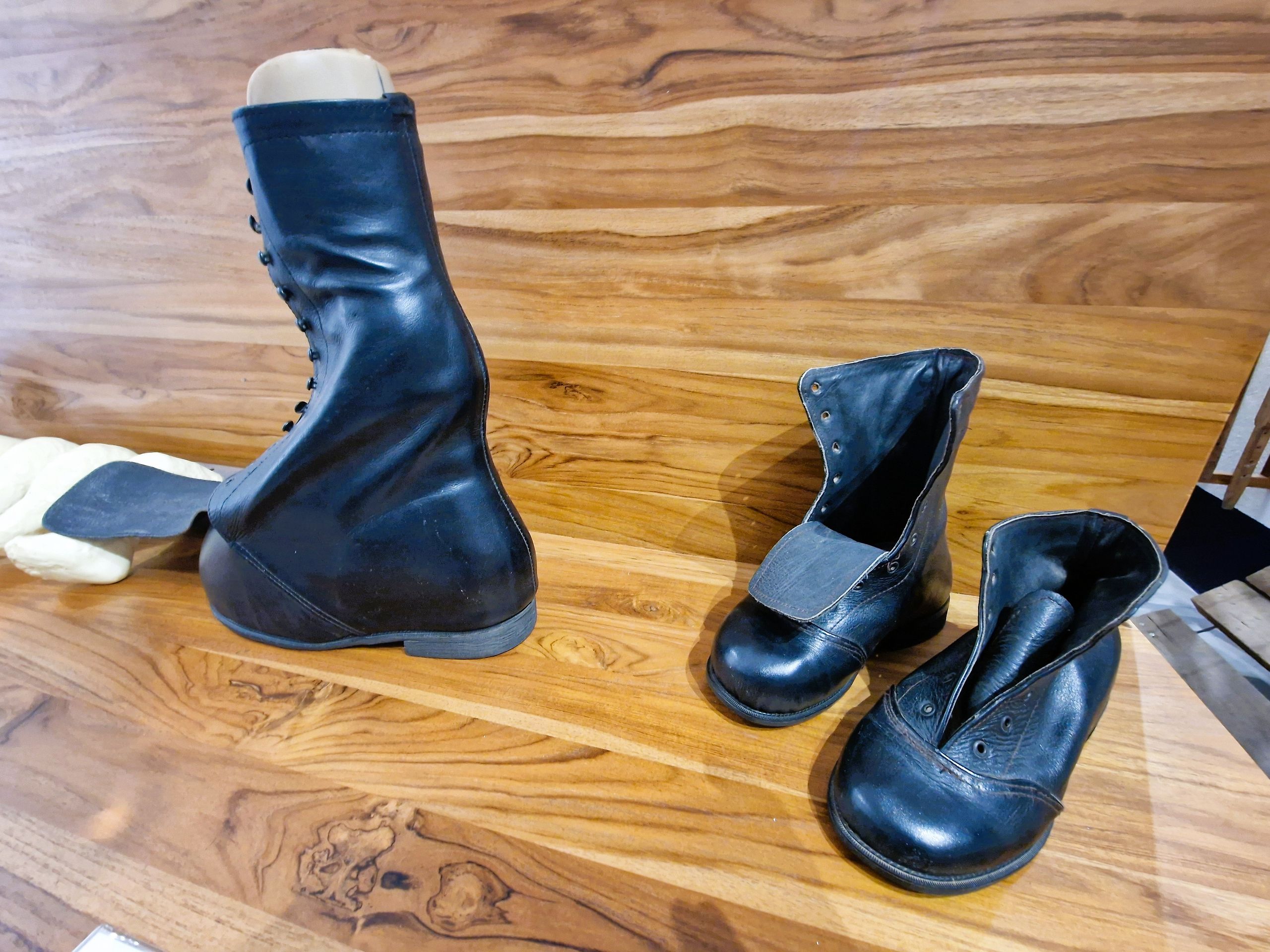
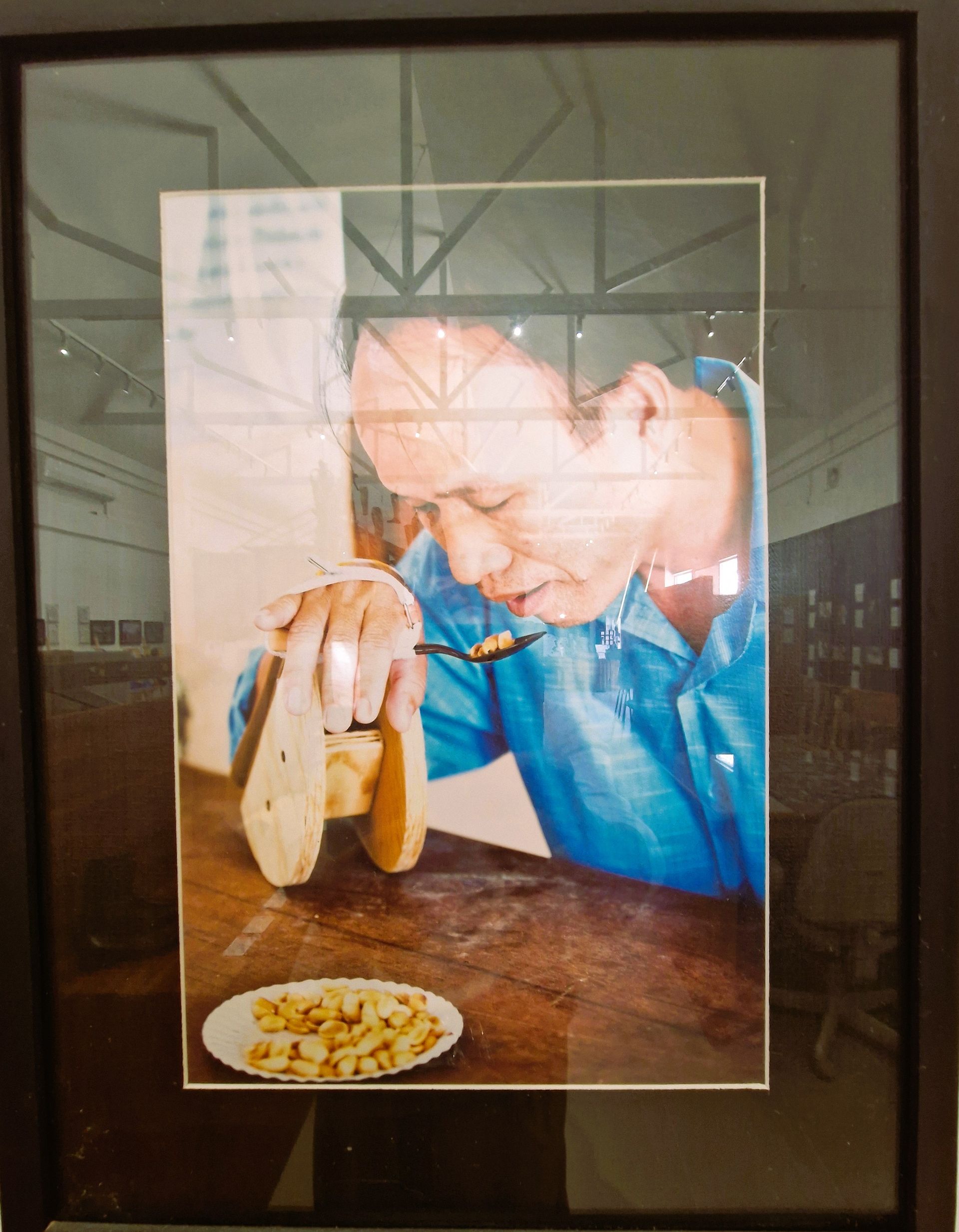
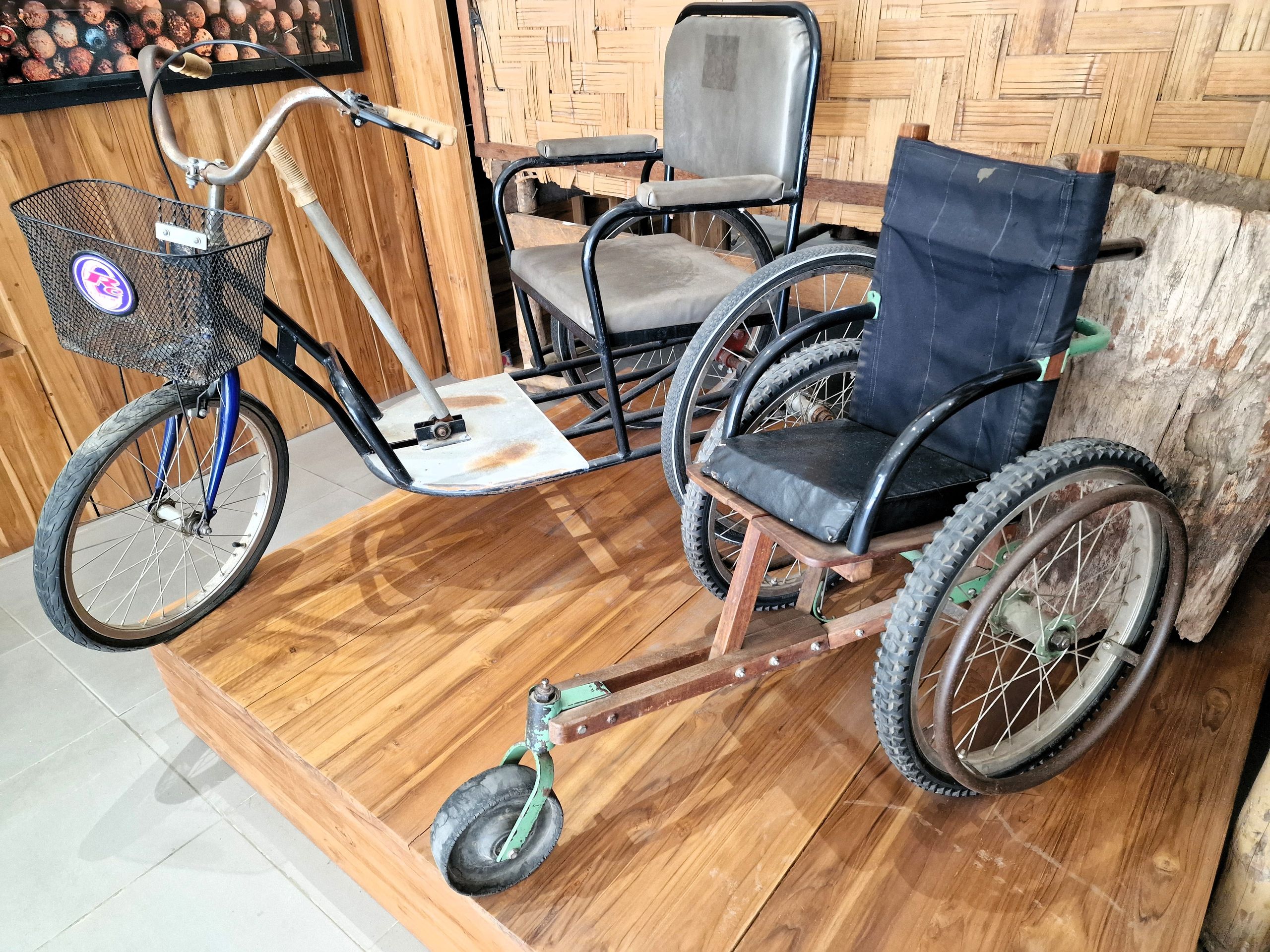
All those with physical disabilities who can be treated or even healed orthopedically with aids such as prostheses are to be helped. Wikipedia: In accordance with the consensus statements of the International Society for Prosthetics and Orthotics (ISPO), COPE introduced polypropylene for prosthetics and orthotics with the system designed by the International Committee of the Red Cross for persons with disabilities (ICRC-SFD), which means that those requiring prostheses and orthoses in Lao PDR now have access to robust, custom-made, high-quality, and affordable devices.
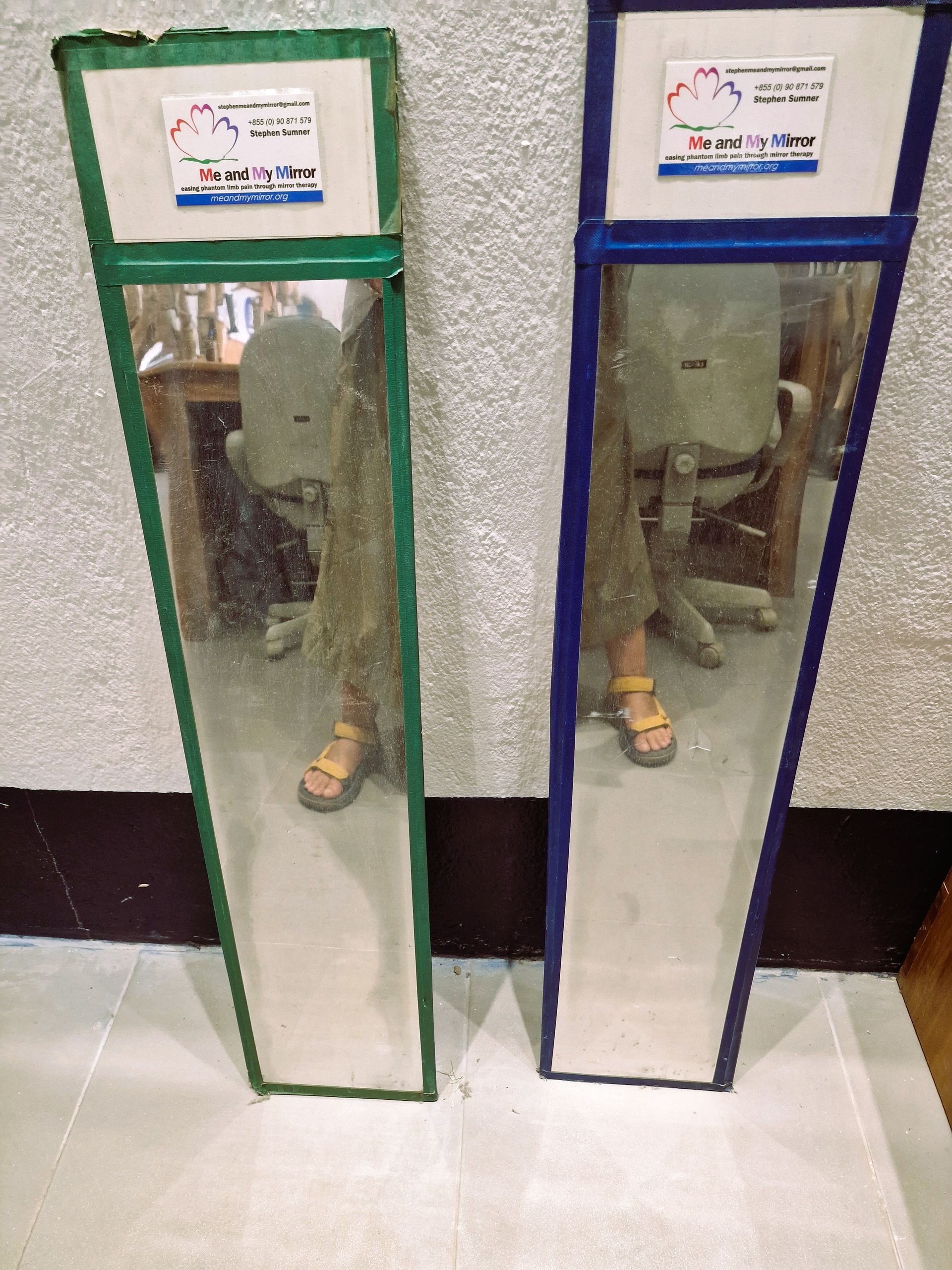
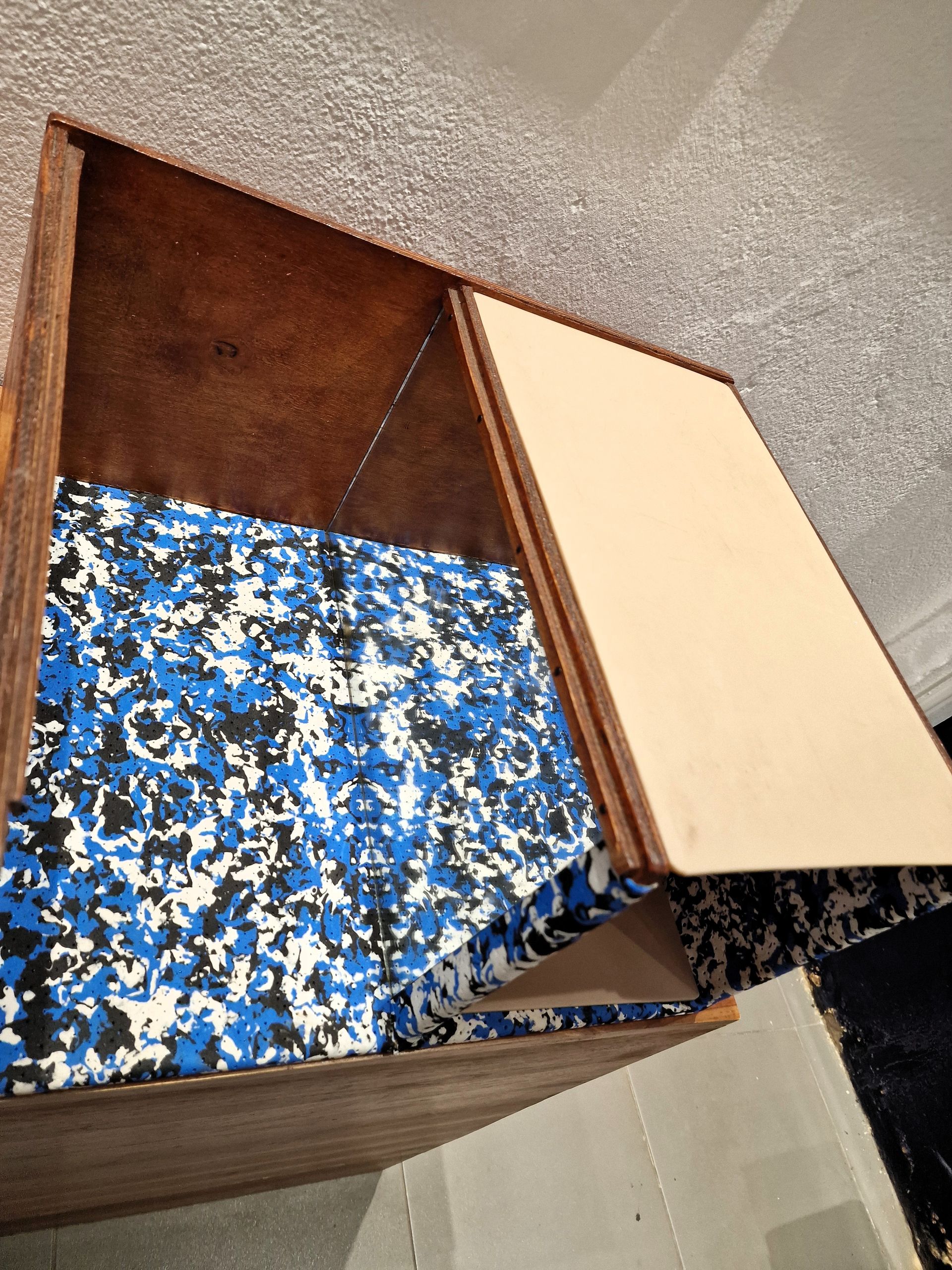
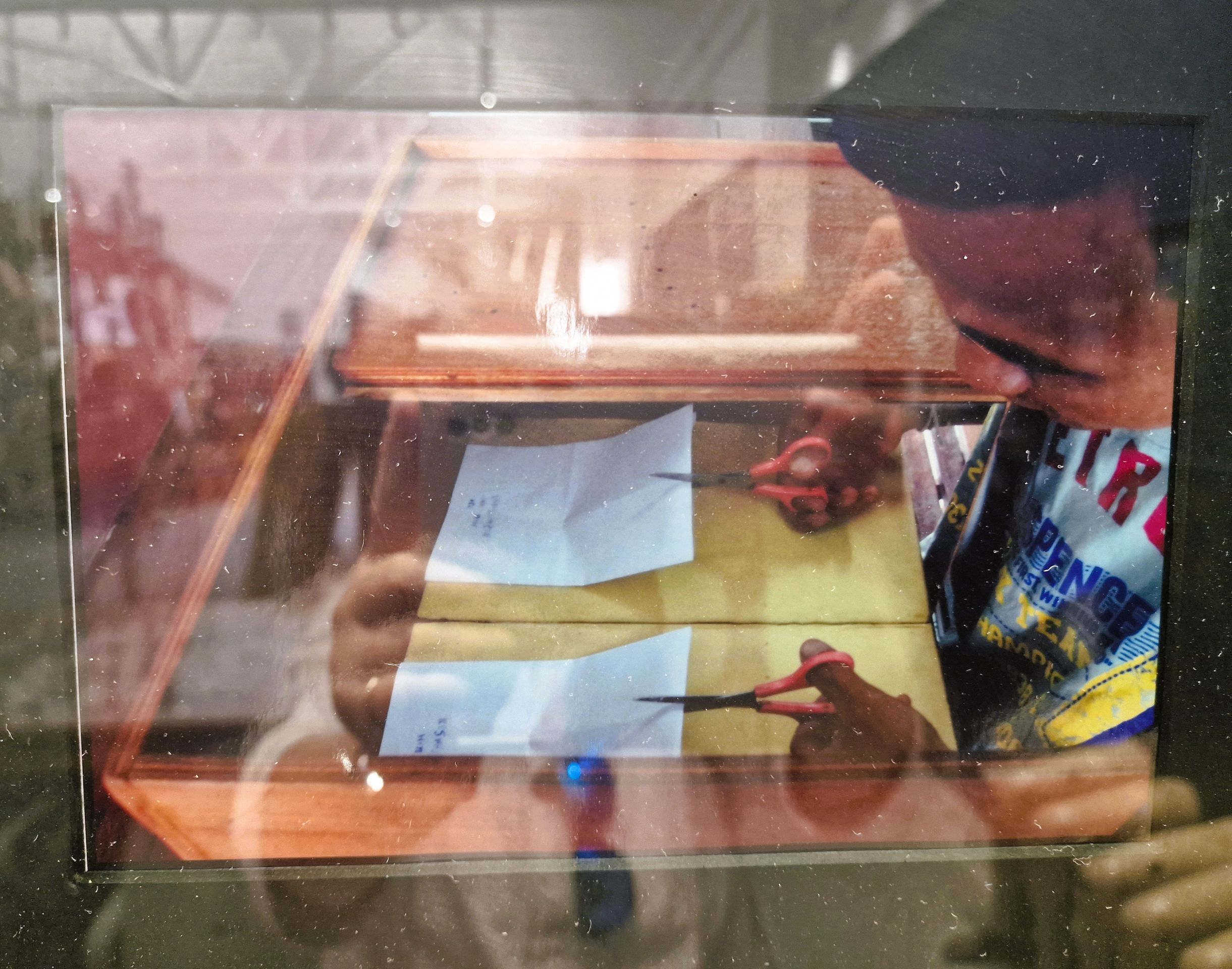
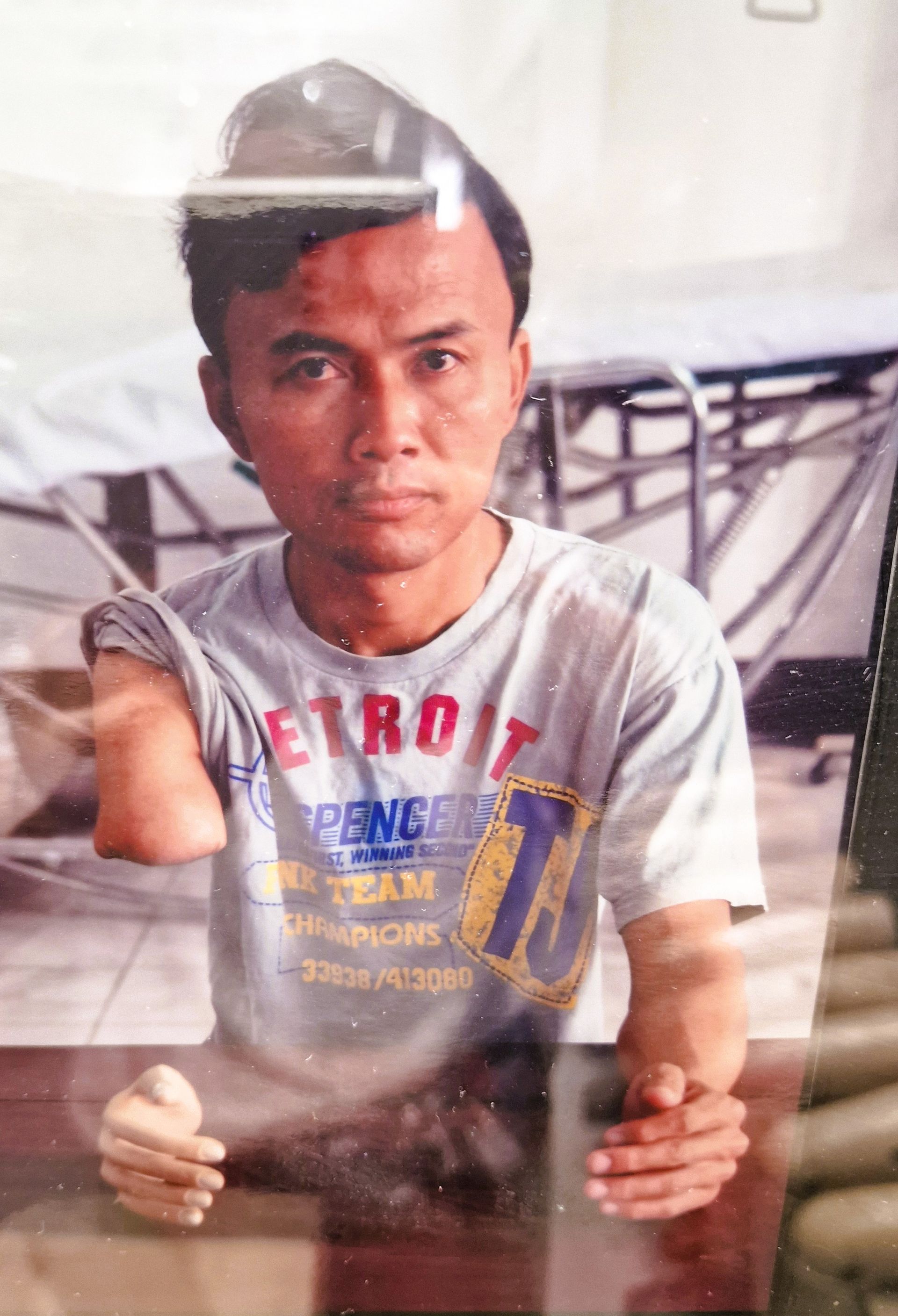
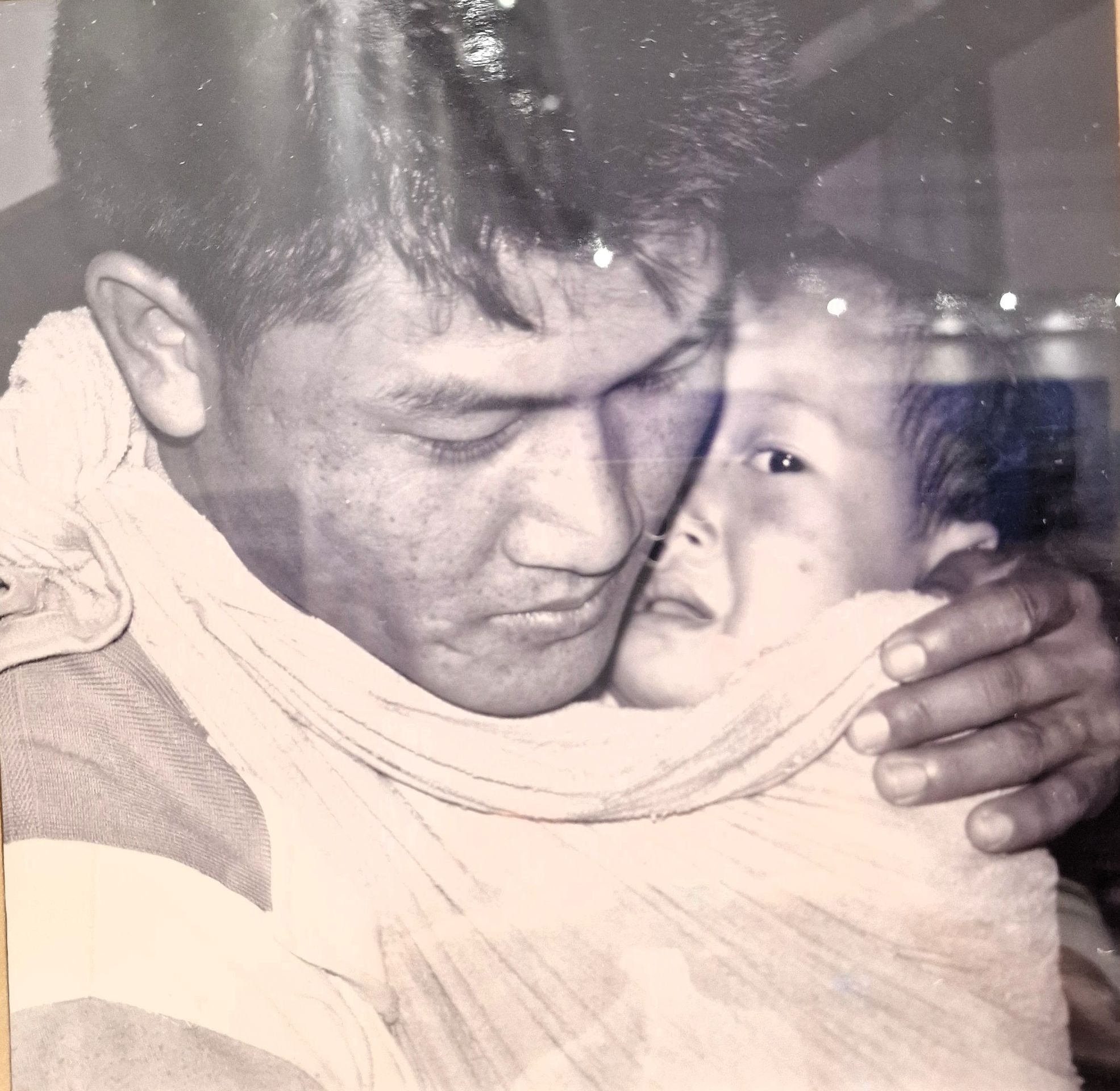
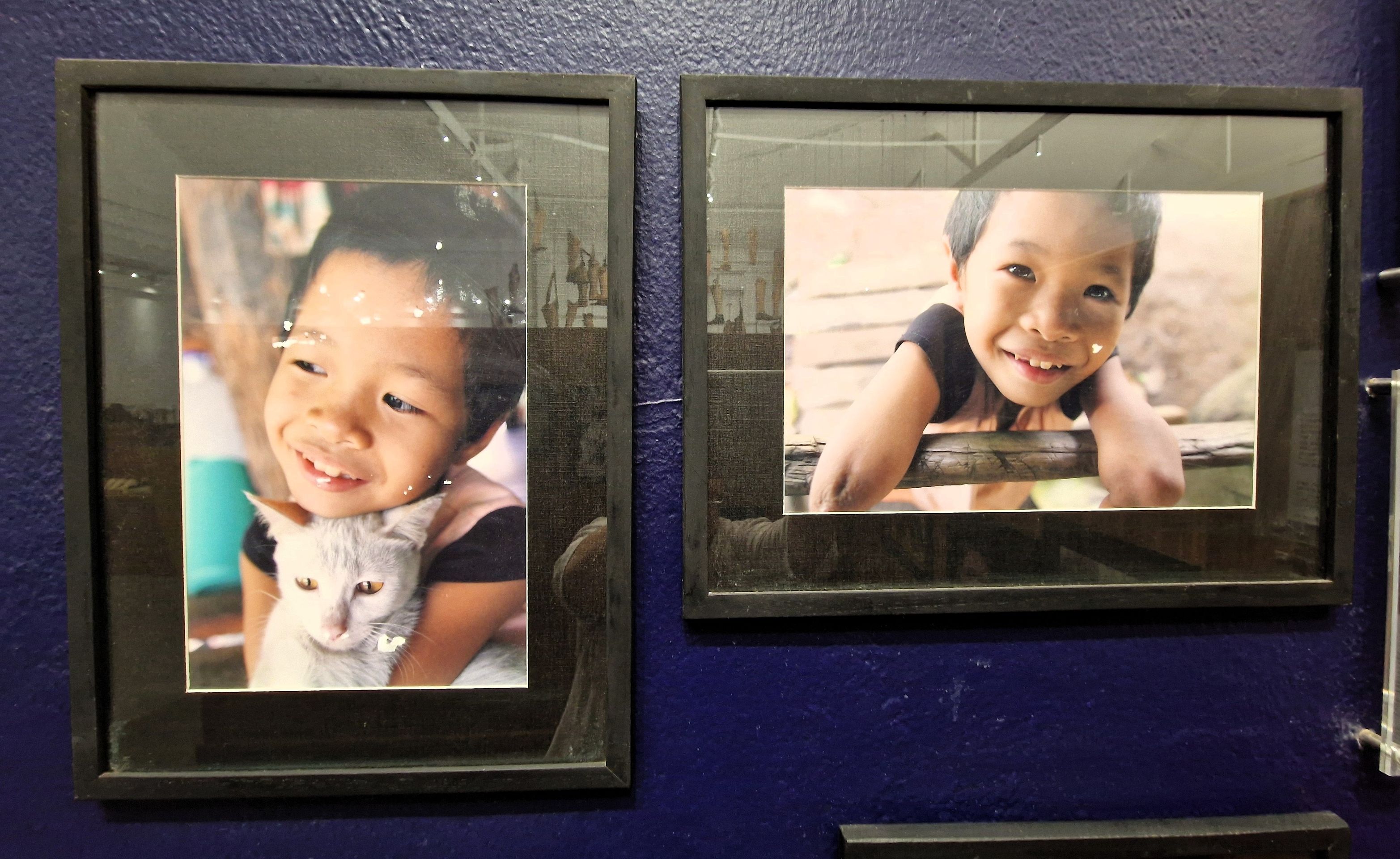
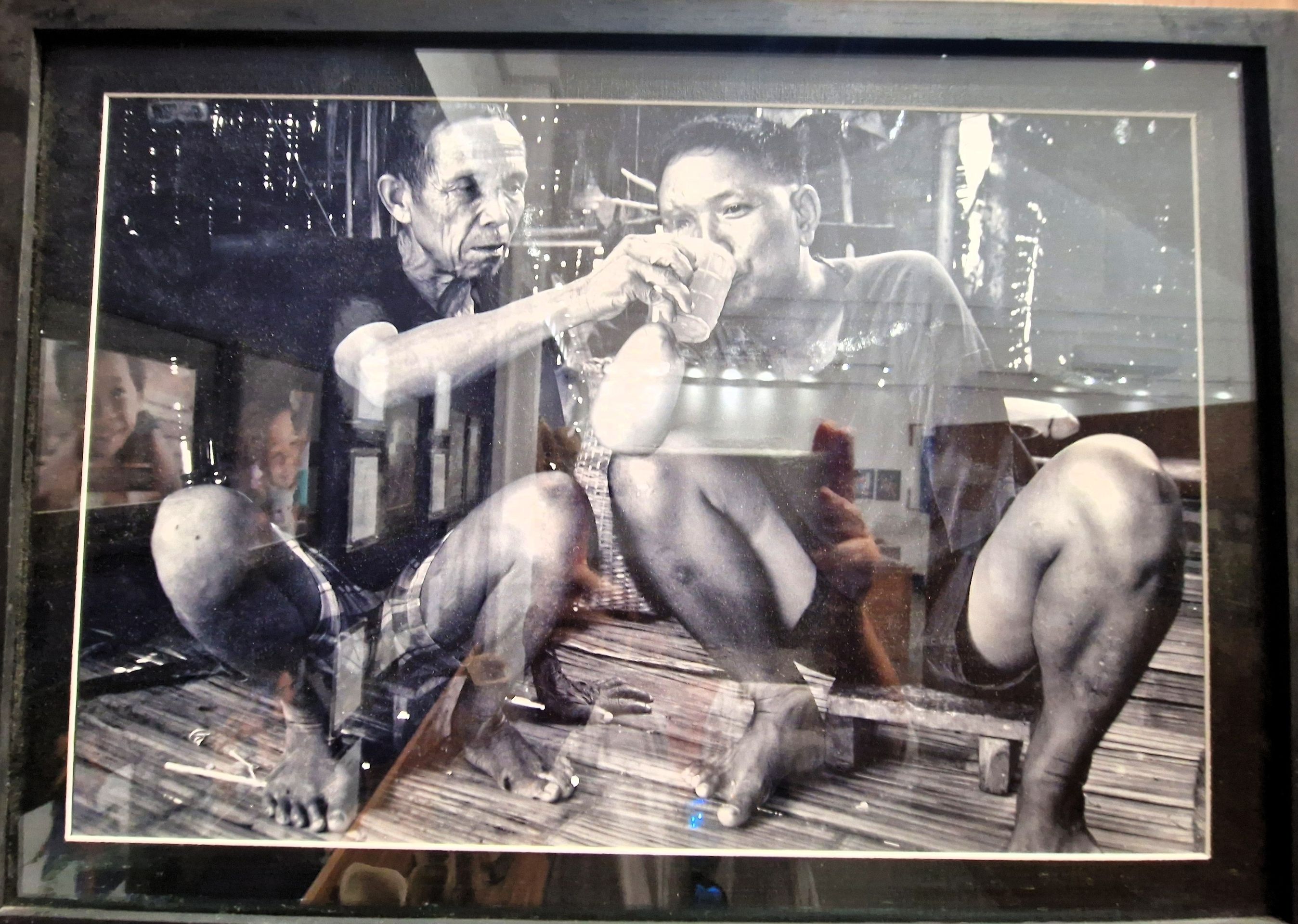
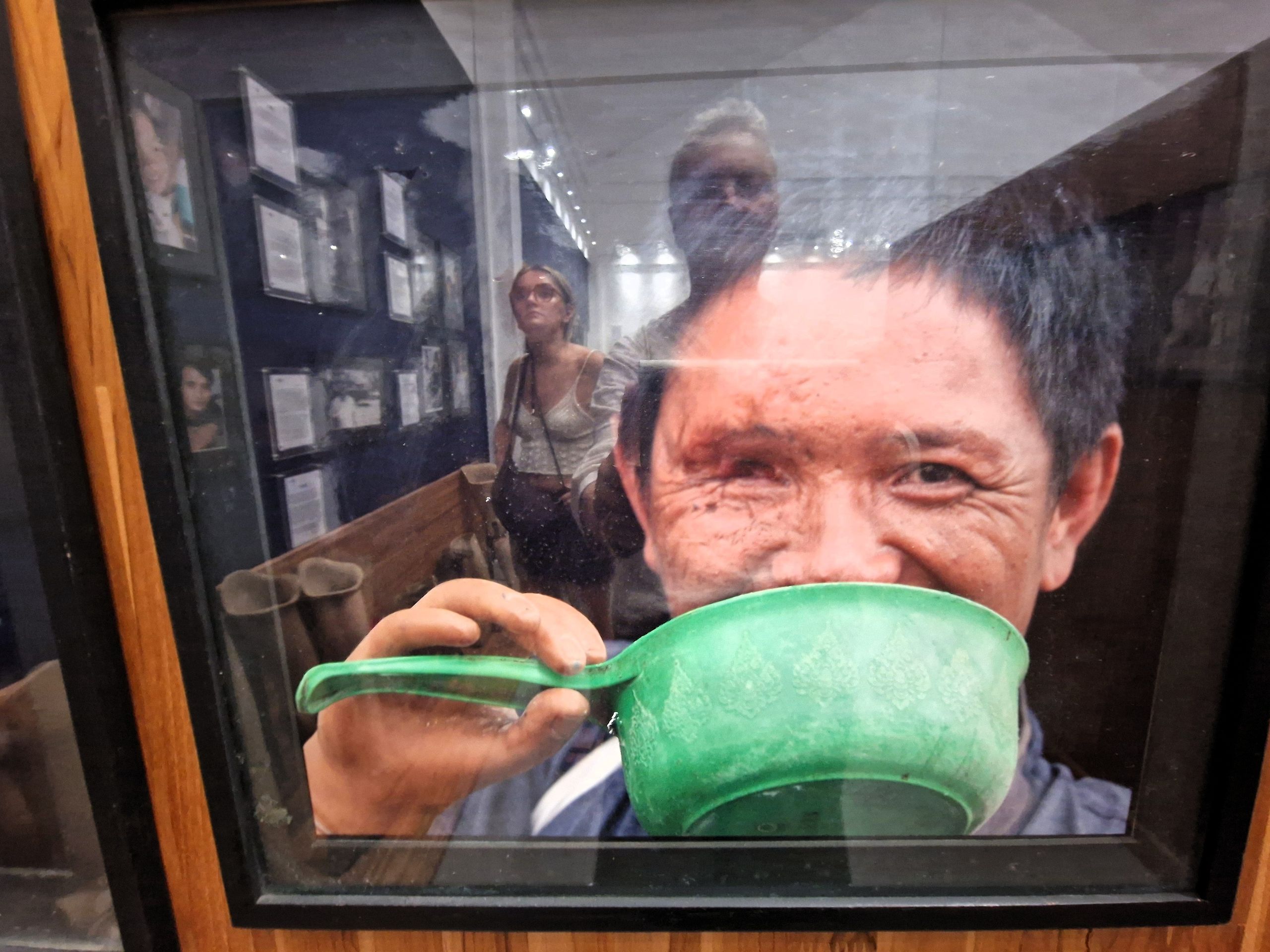
The images speak for themselves.
https://copelaos.org/
Laos is the most heavily bombed country in the world.
What further moves us is the fact that one experiences nothing, truly nothing, other than an indication not to leave the paths. We can hardly believe it, we talk a lot about it. A silent country. Occasionally we heard criticism about the sale of land, water, and other rights to China – direct criticism of the government was not heard. If at all, China gets blame; Chinese are not popular.
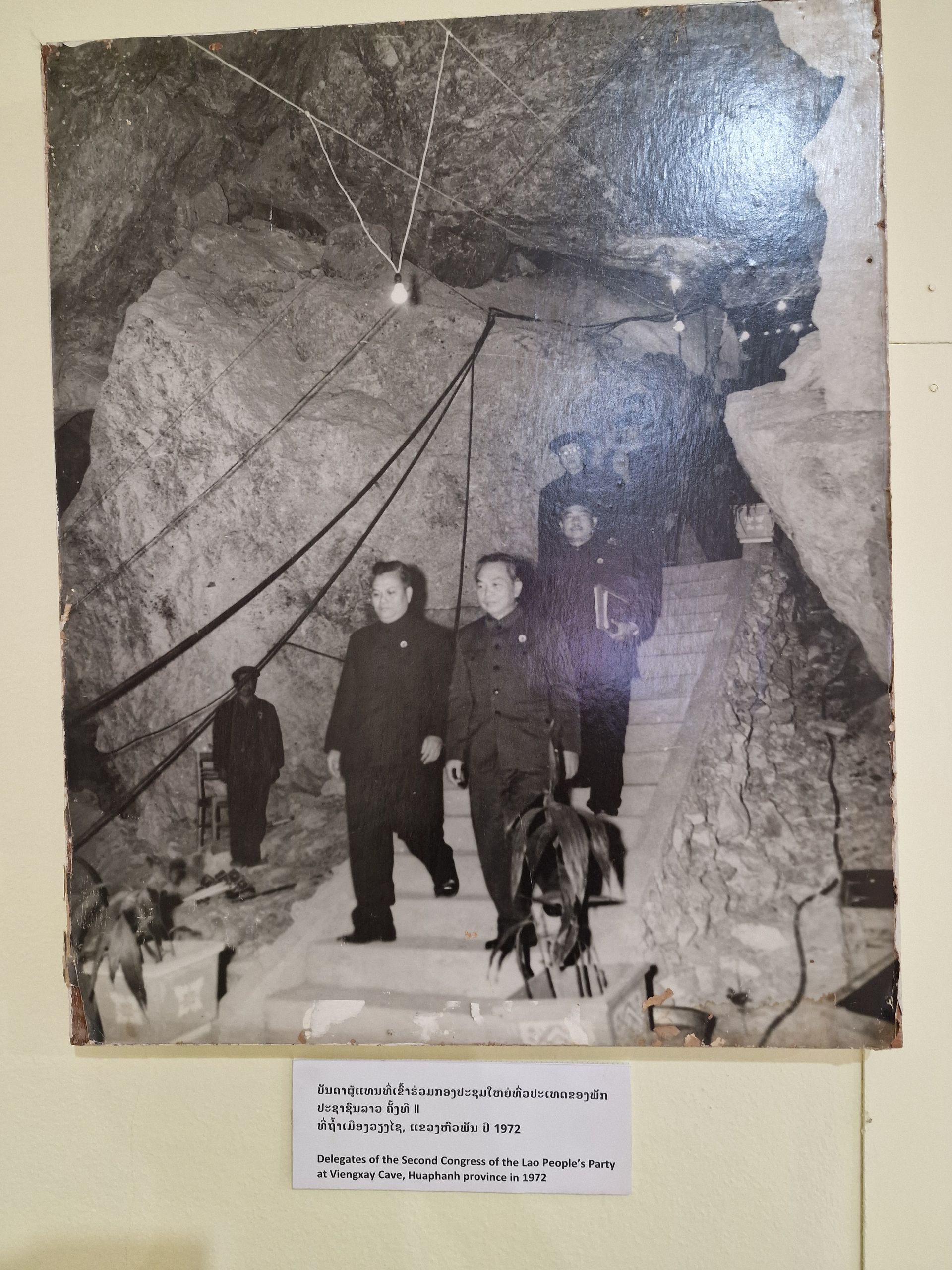
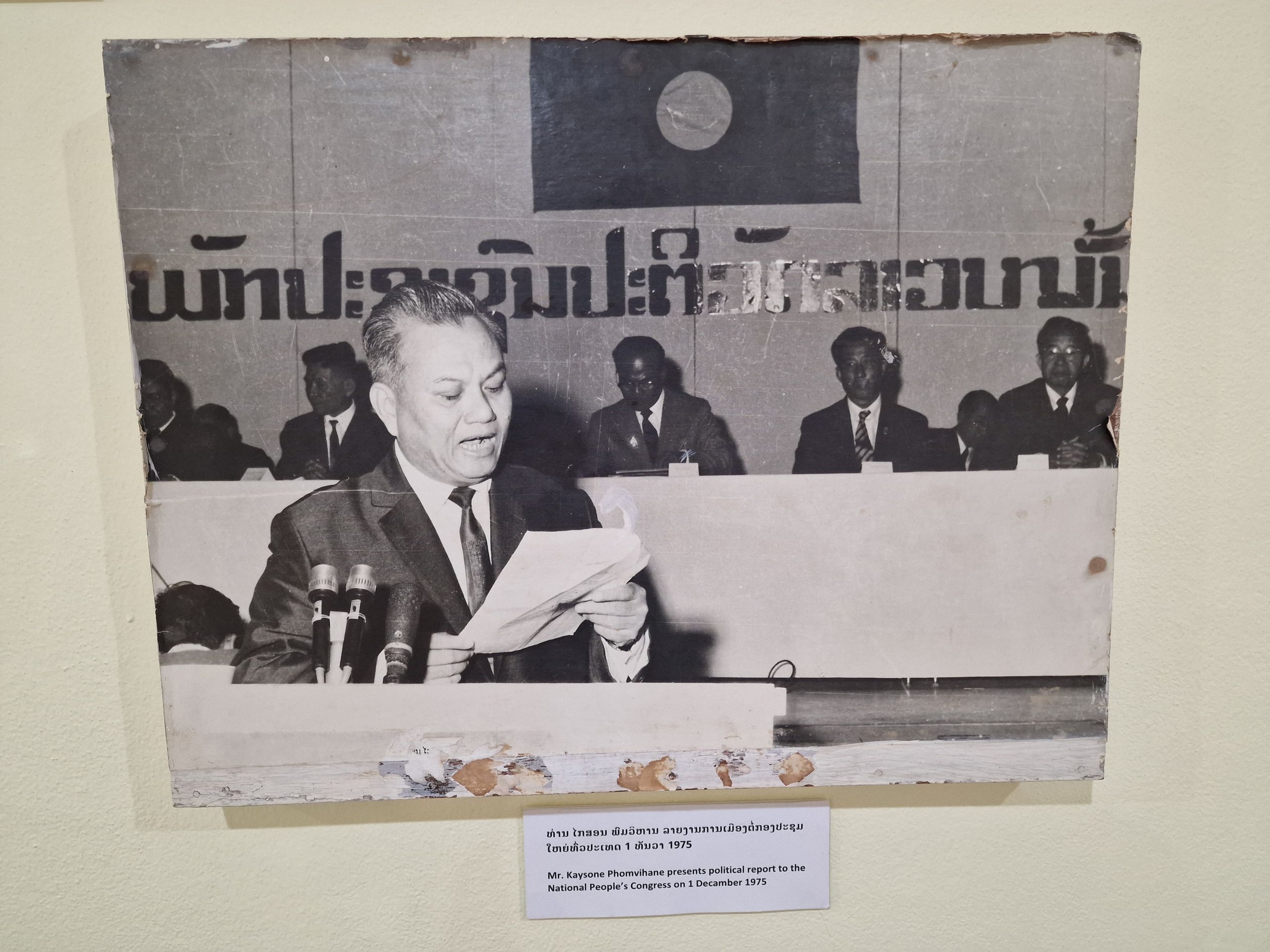
Wikipedia: After the end of the Vietnam War in 1975, the communist forces of the Pathet Lao (Lao Revolutionary People's Party) came to power through a – compared to the events in neighboring Cambodia – bloodless revolution in 1975 and proclaimed the Lao People's Democratic Republic on December 2, 1975. Due to its historical experiences, Laos has always strived to balance the influence of its mostly much larger neighbors. The landlocked Laos without access to the oceans is increasingly becoming an important transit country in East-West and North-South directions. At the same time, its geography makes the country dependent on its neighbors. The three major investors, China, Thailand, and Vietnam, are particularly important for Laos's economic development.
The influence of China, the largest investor in Laos, has increased significantly in recent years. China's economic engagement has led to a significant increase in the Chinese population living in Laos. Through large infrastructure projects and large-scale agricultural concessions, as well as major real estate projects in the capital Vientiane, China is intervening in the country's economic development.
China invests heavily, of course not selflessly. So far, there is not a word about those who legitimize this and make the contracts. Dams for energy, high-speed rail through Laos, road construction, banking, factories, businesses, hotel chains,...
My intention not to write much is fading, I realize how much this country occupies my thoughts. Much here is orderly, manageable, controlled, and silent for an Asian country.
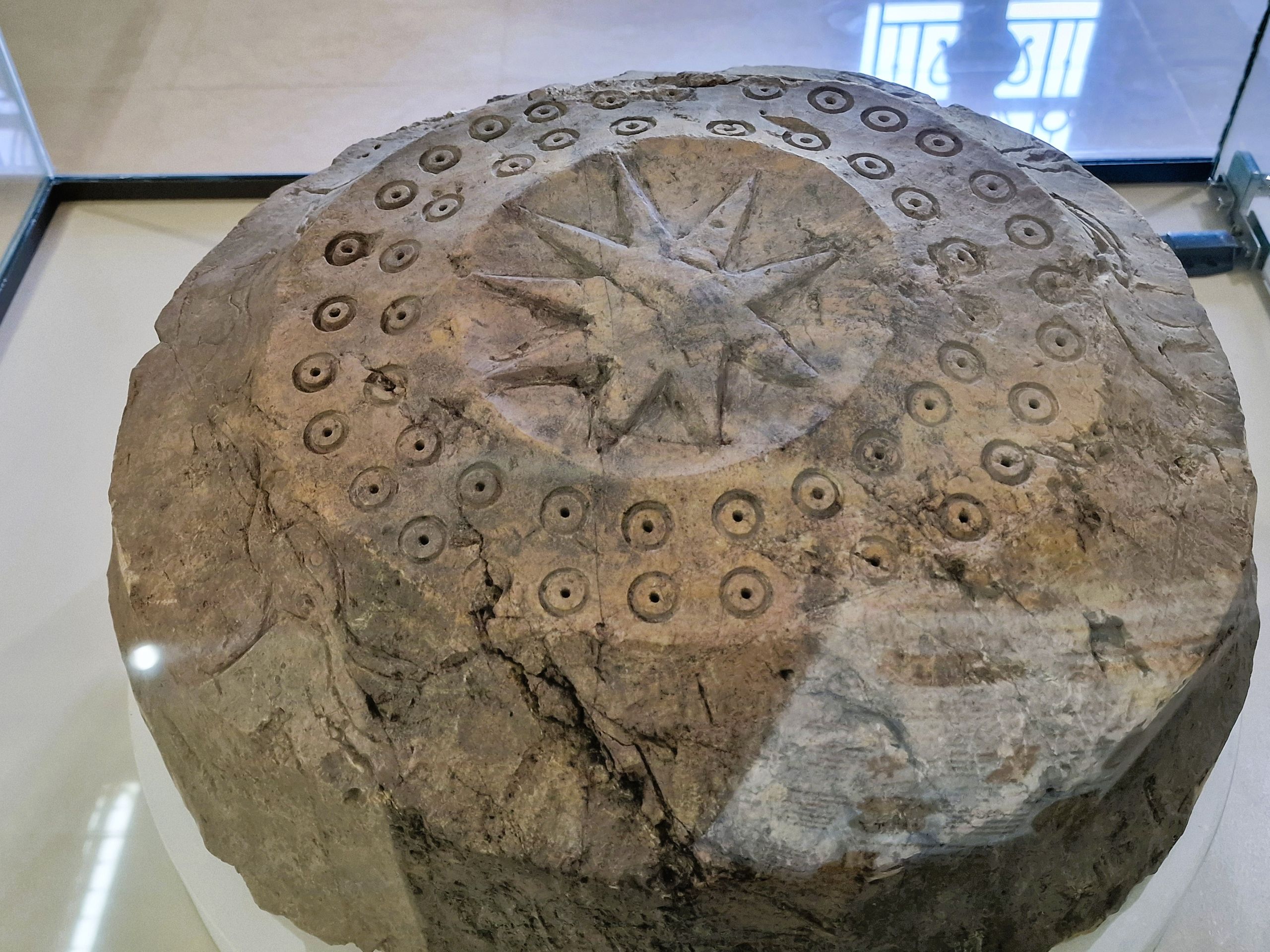
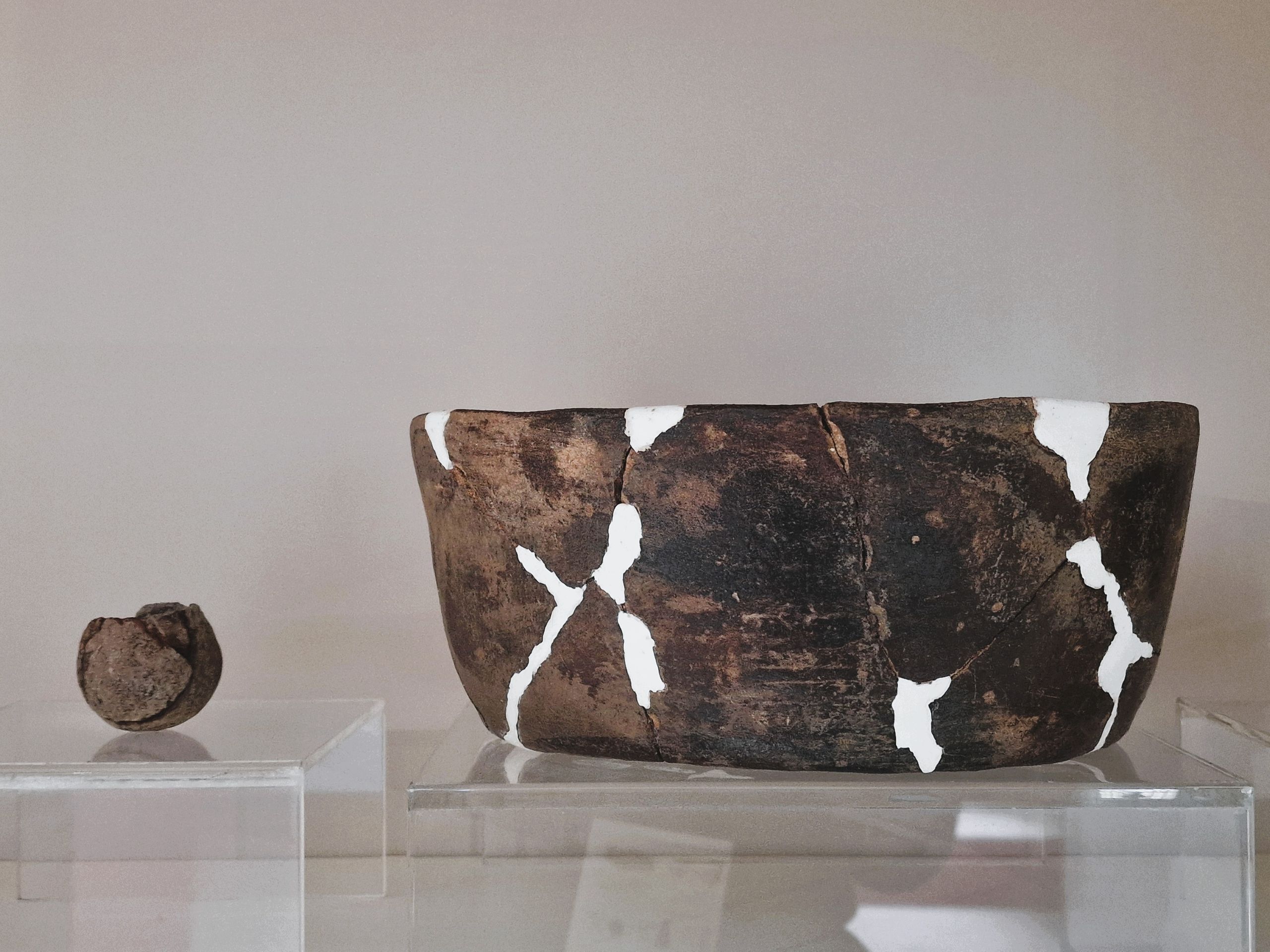
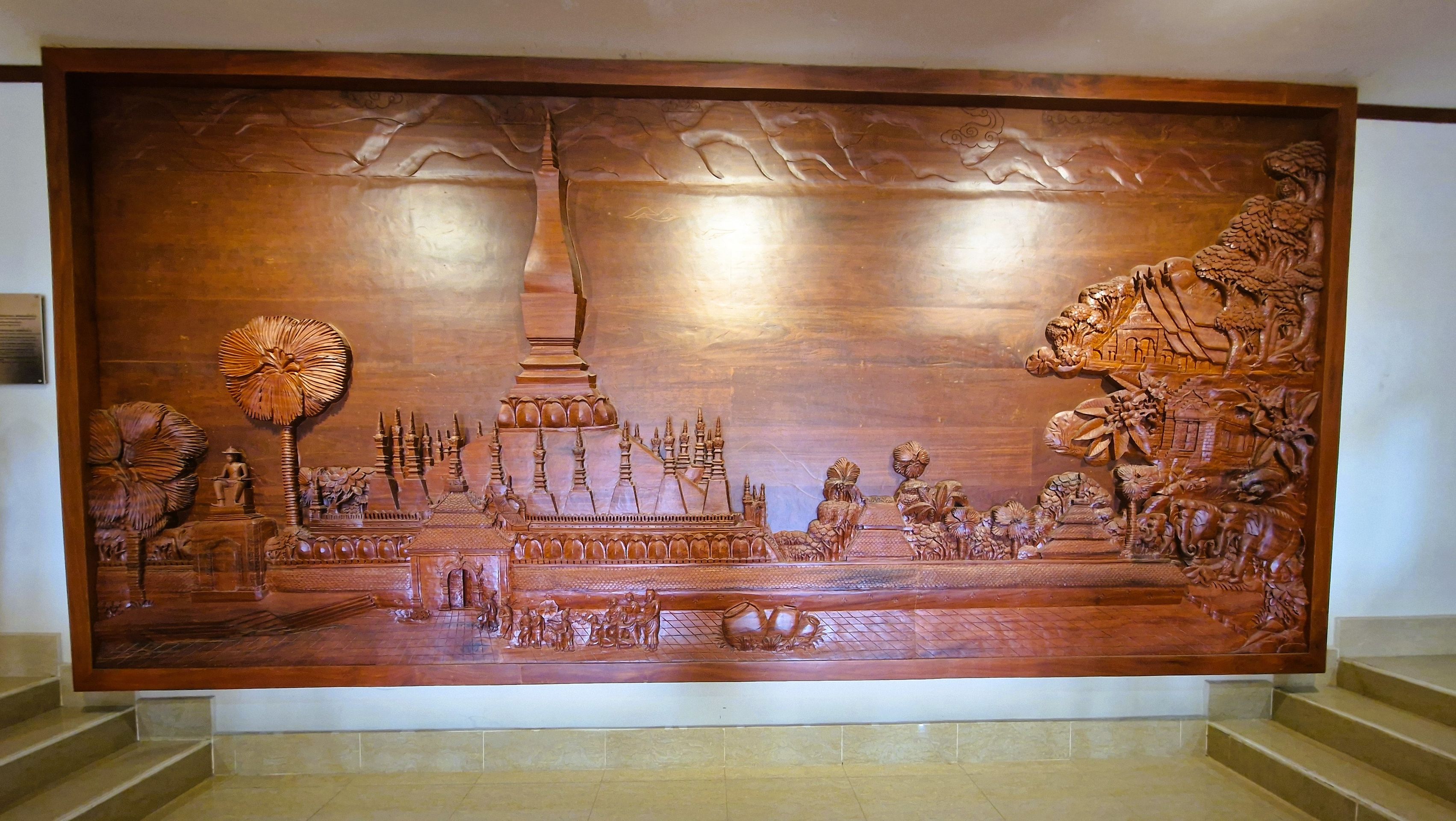
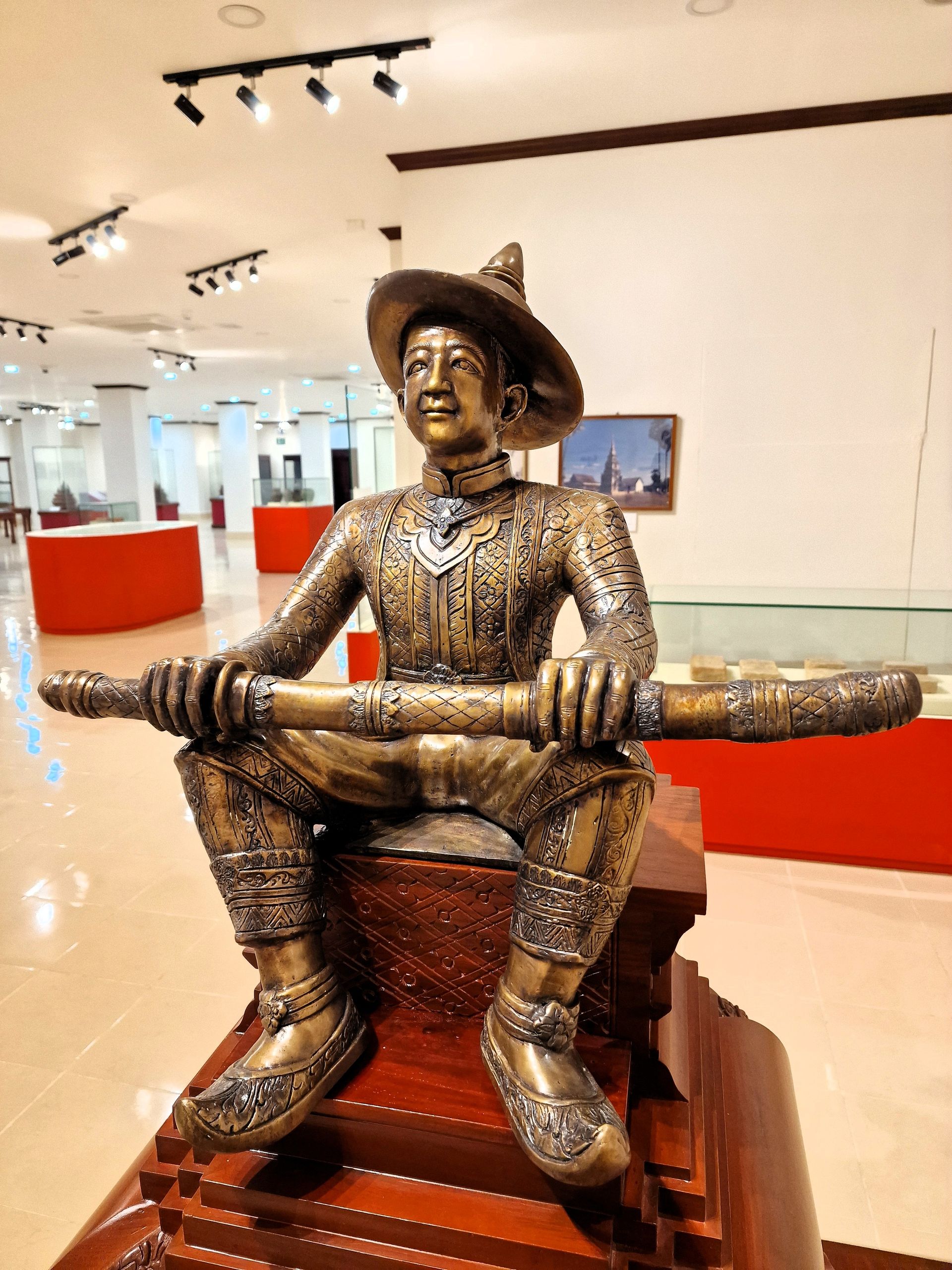
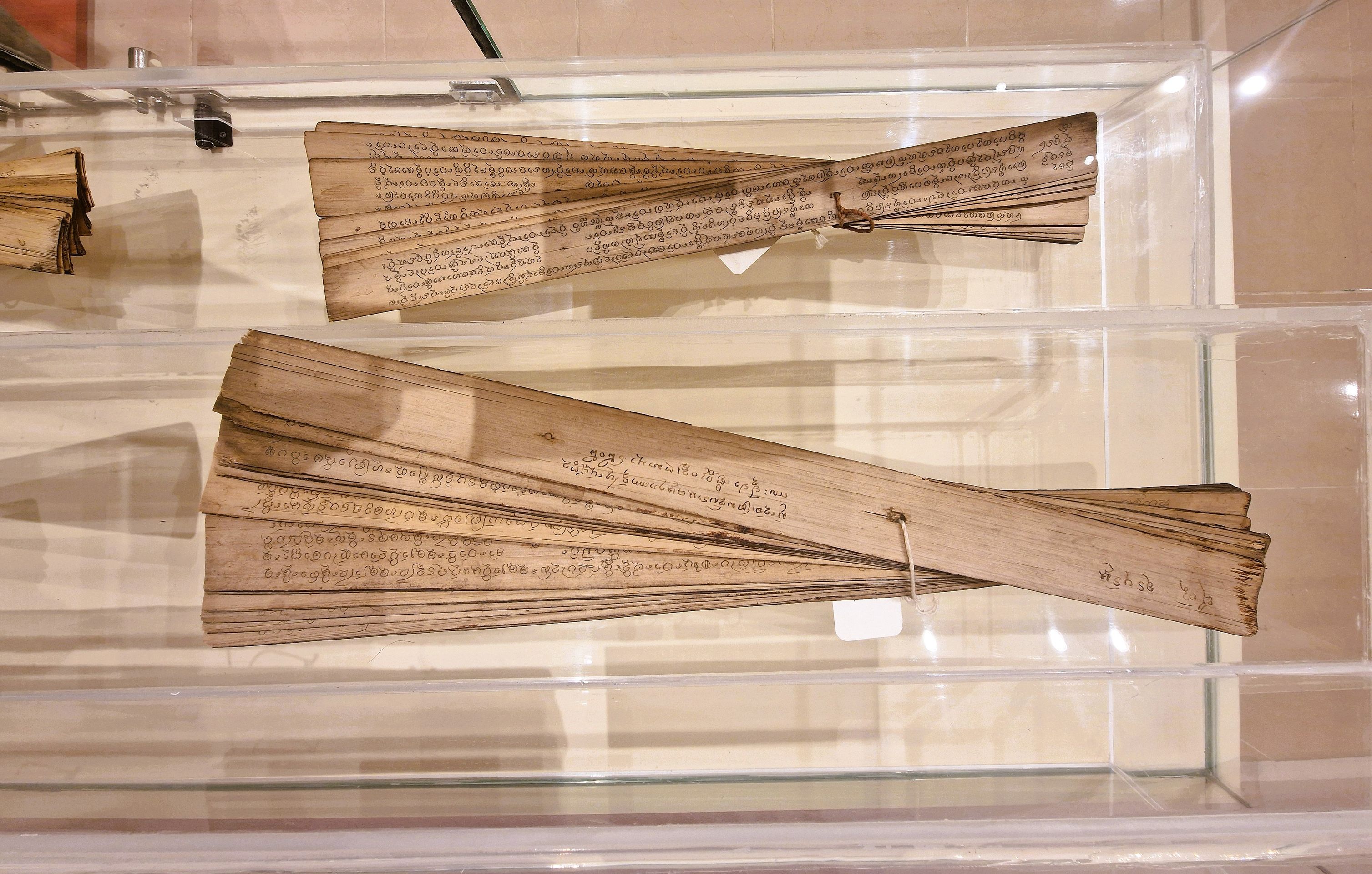
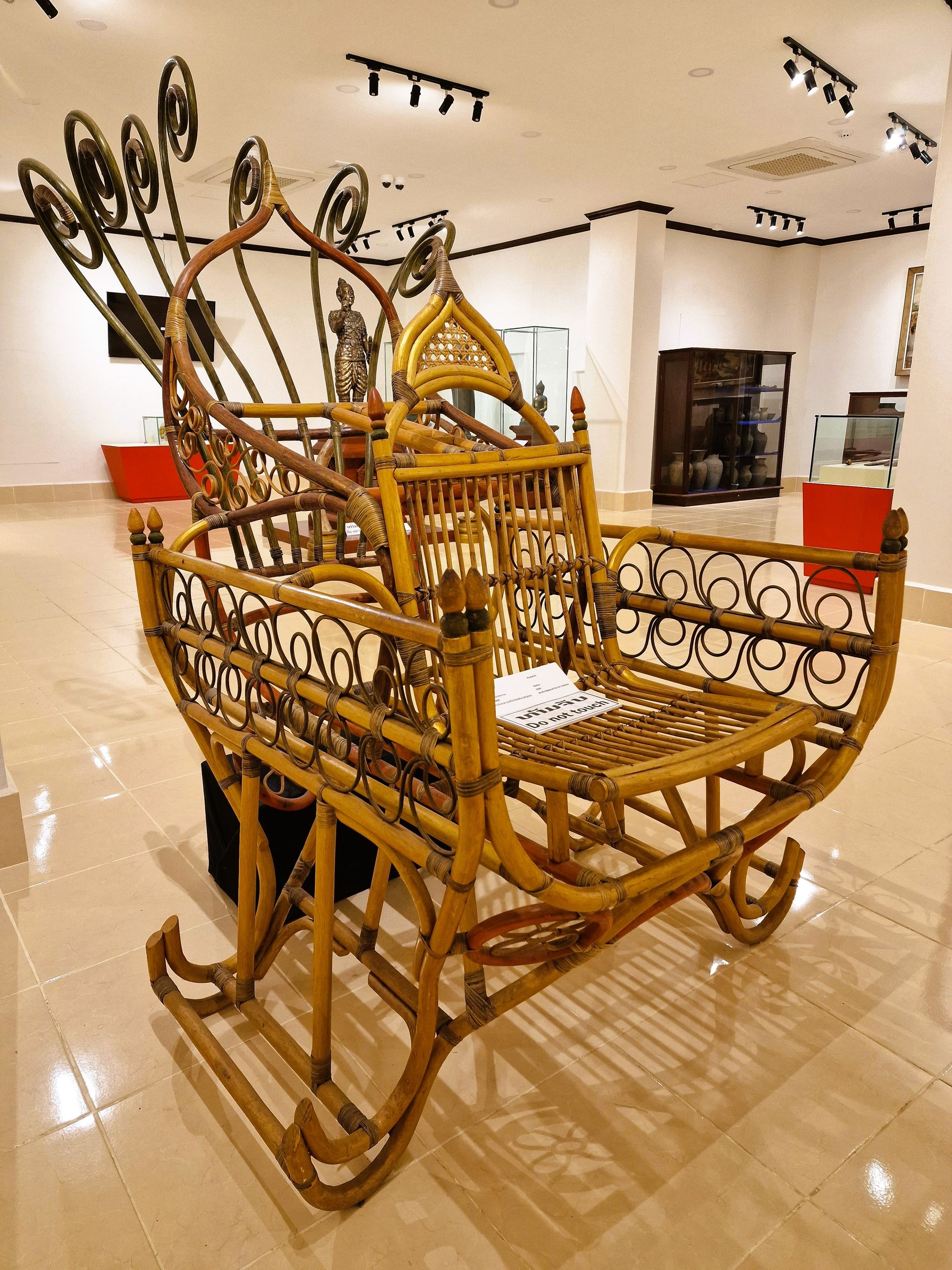
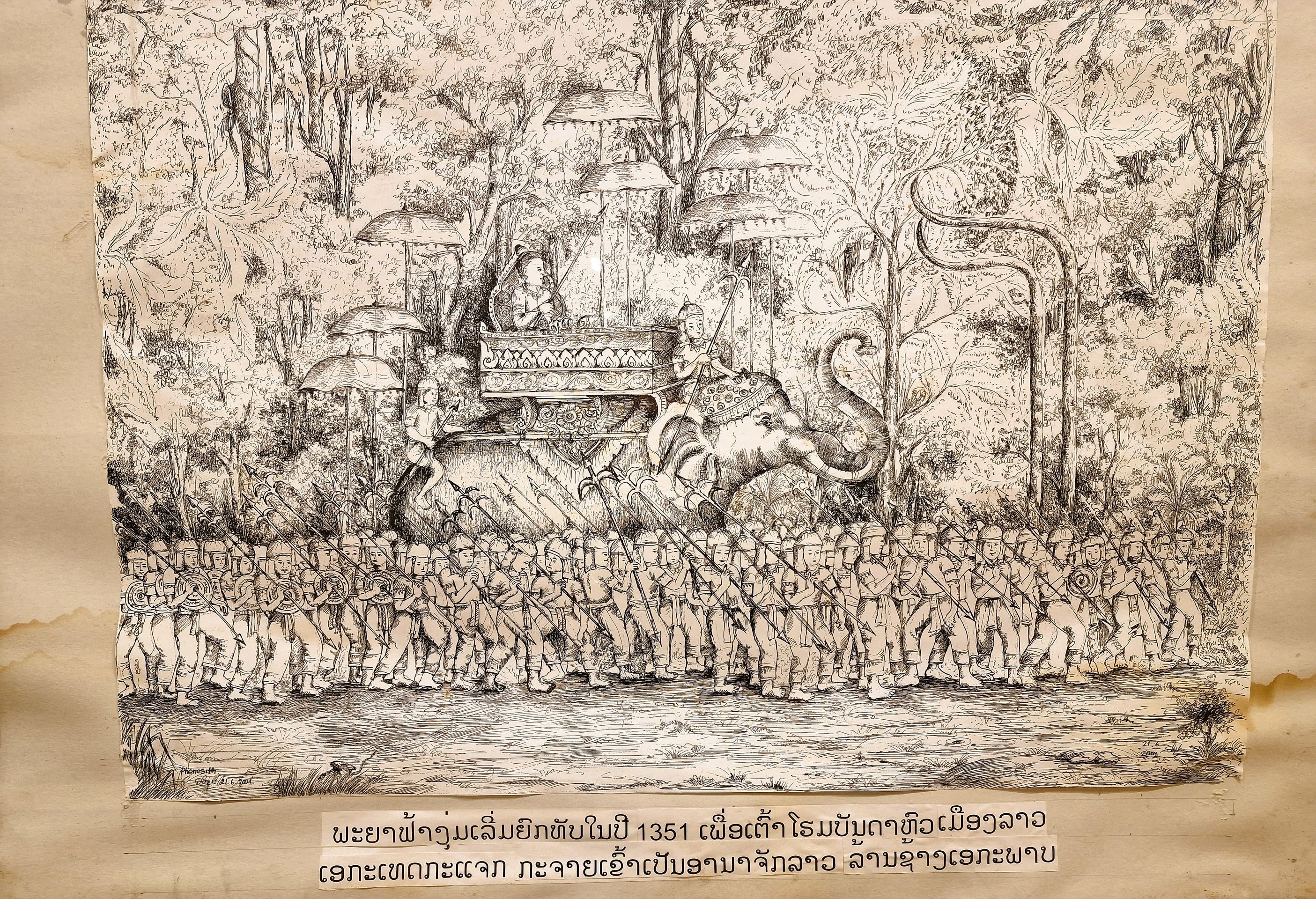
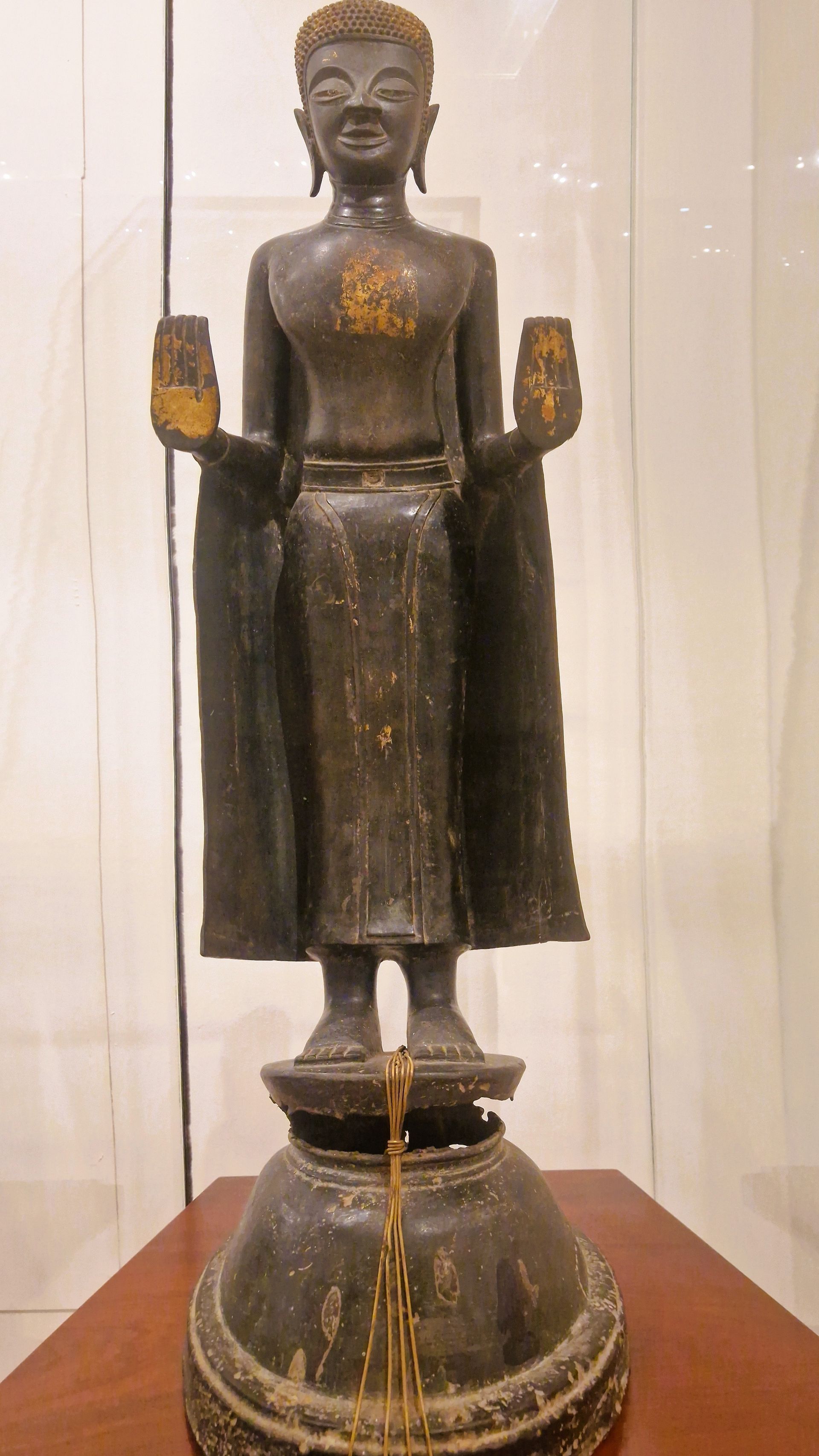
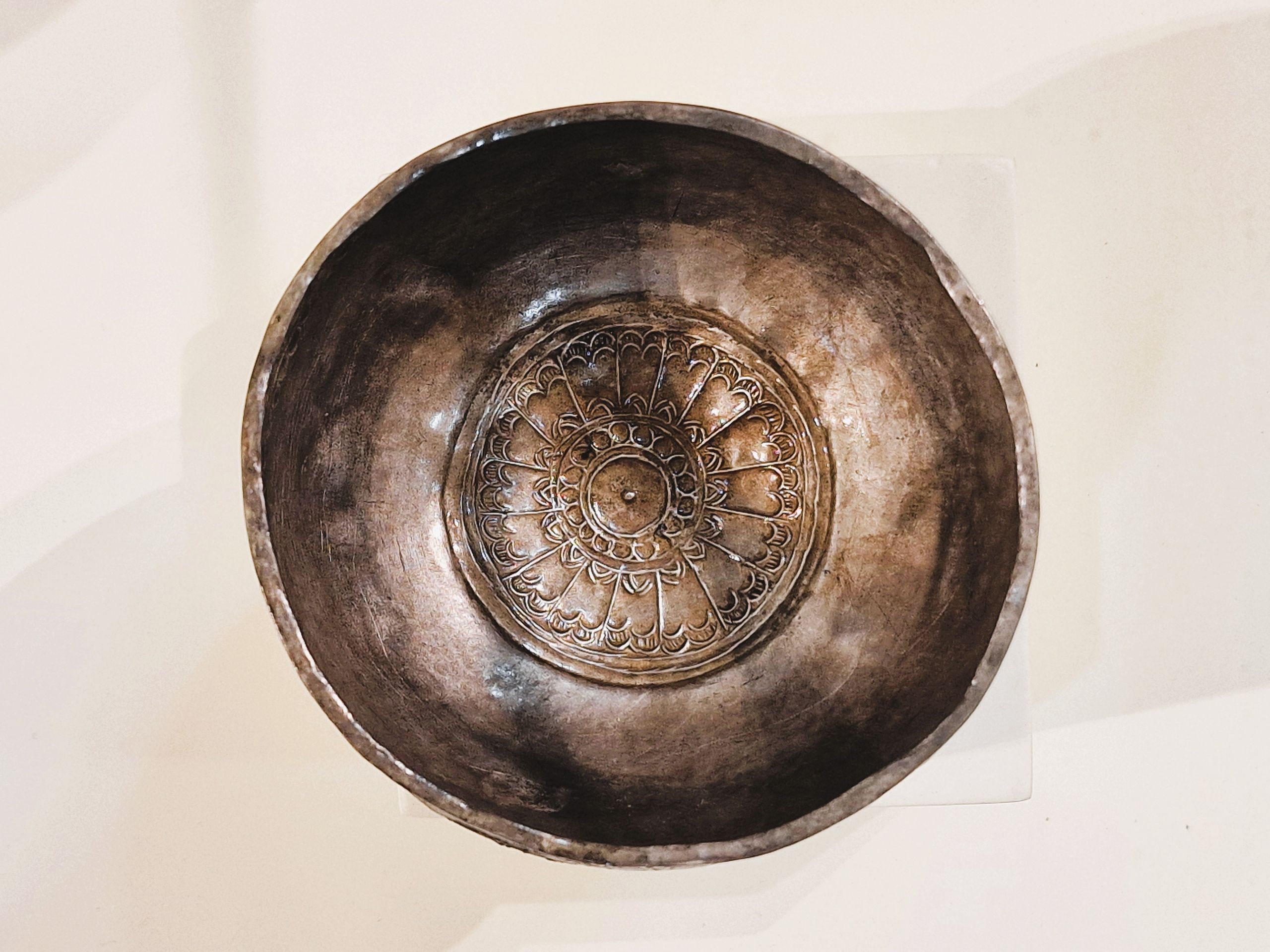
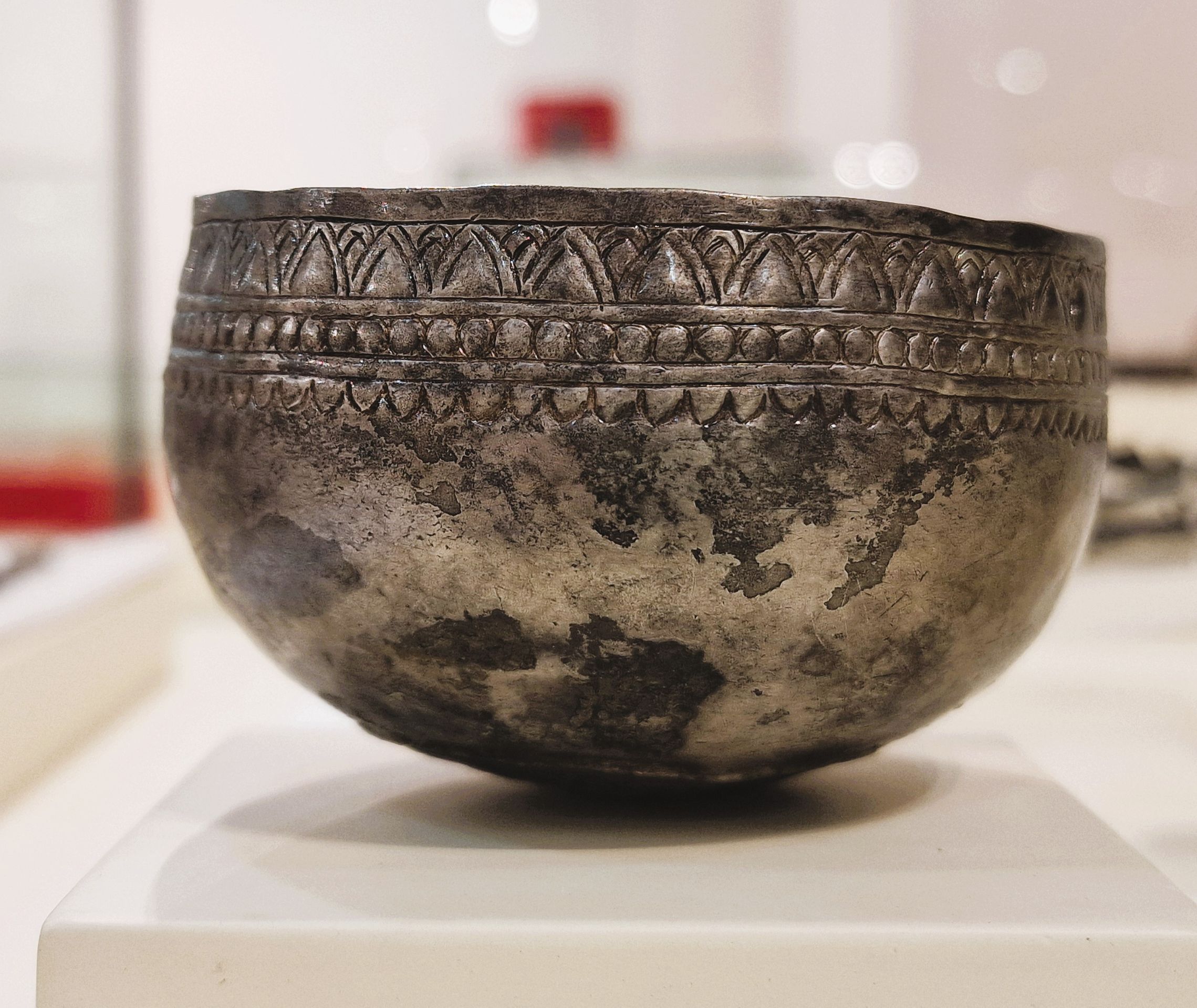
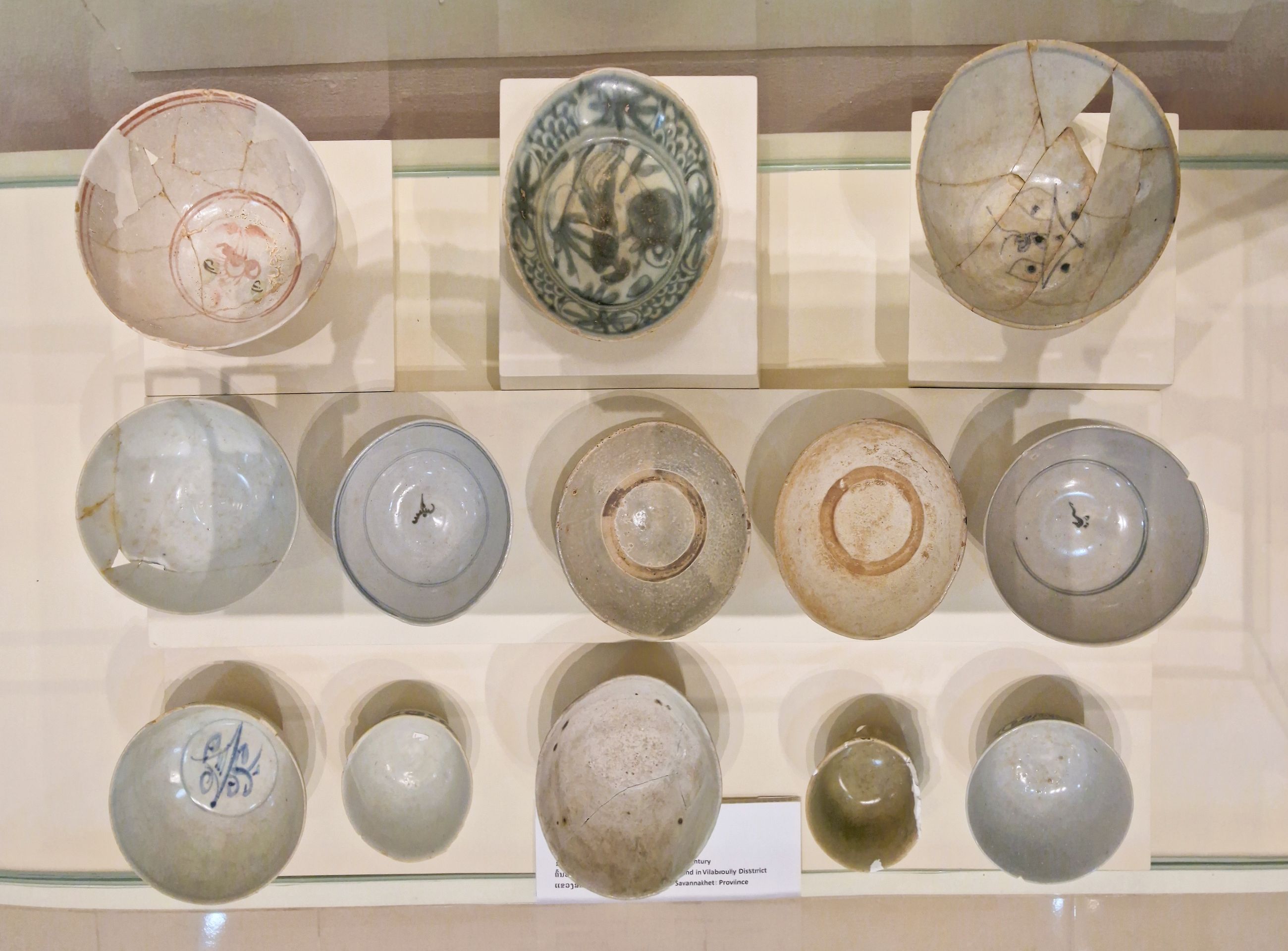
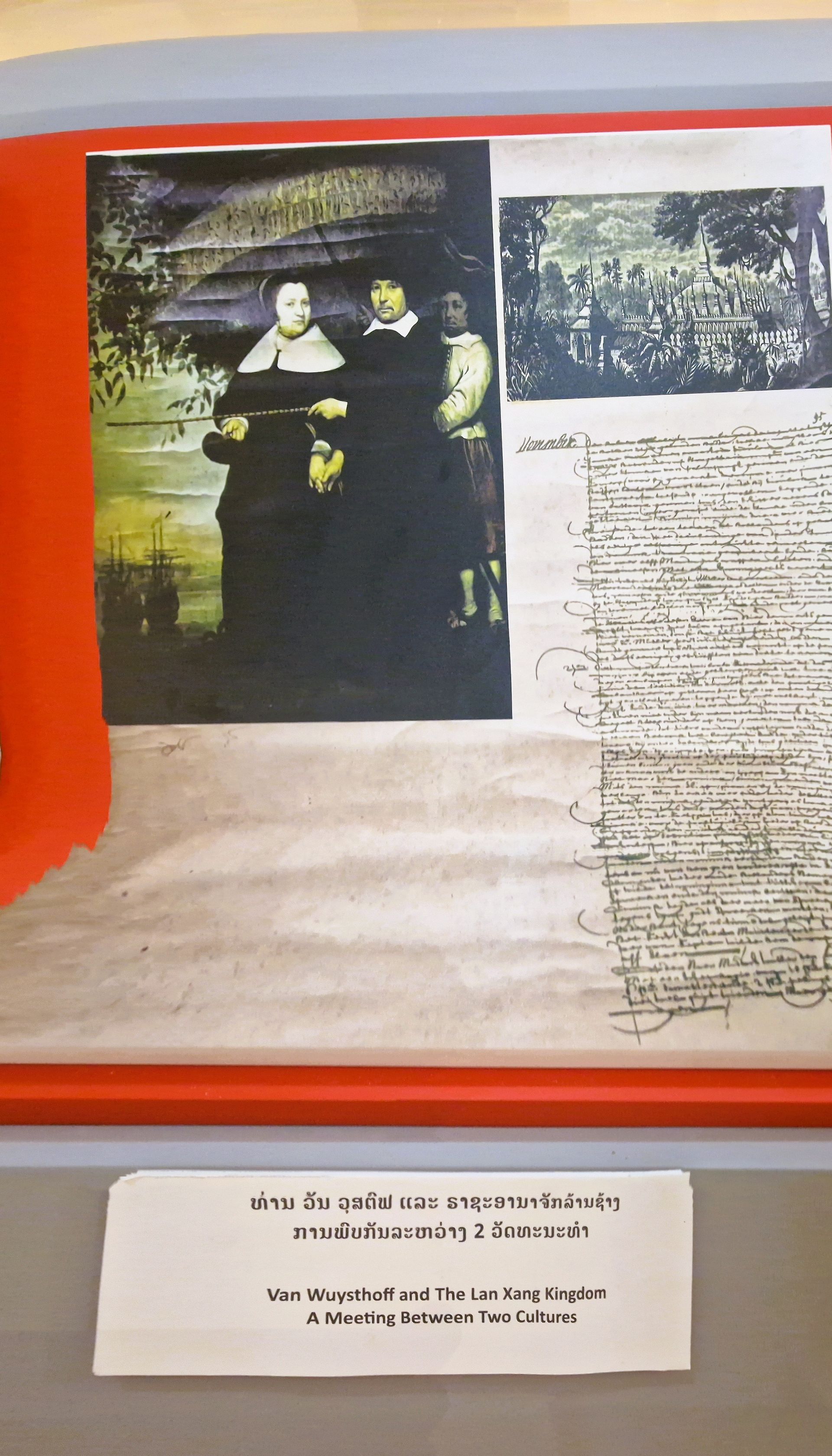
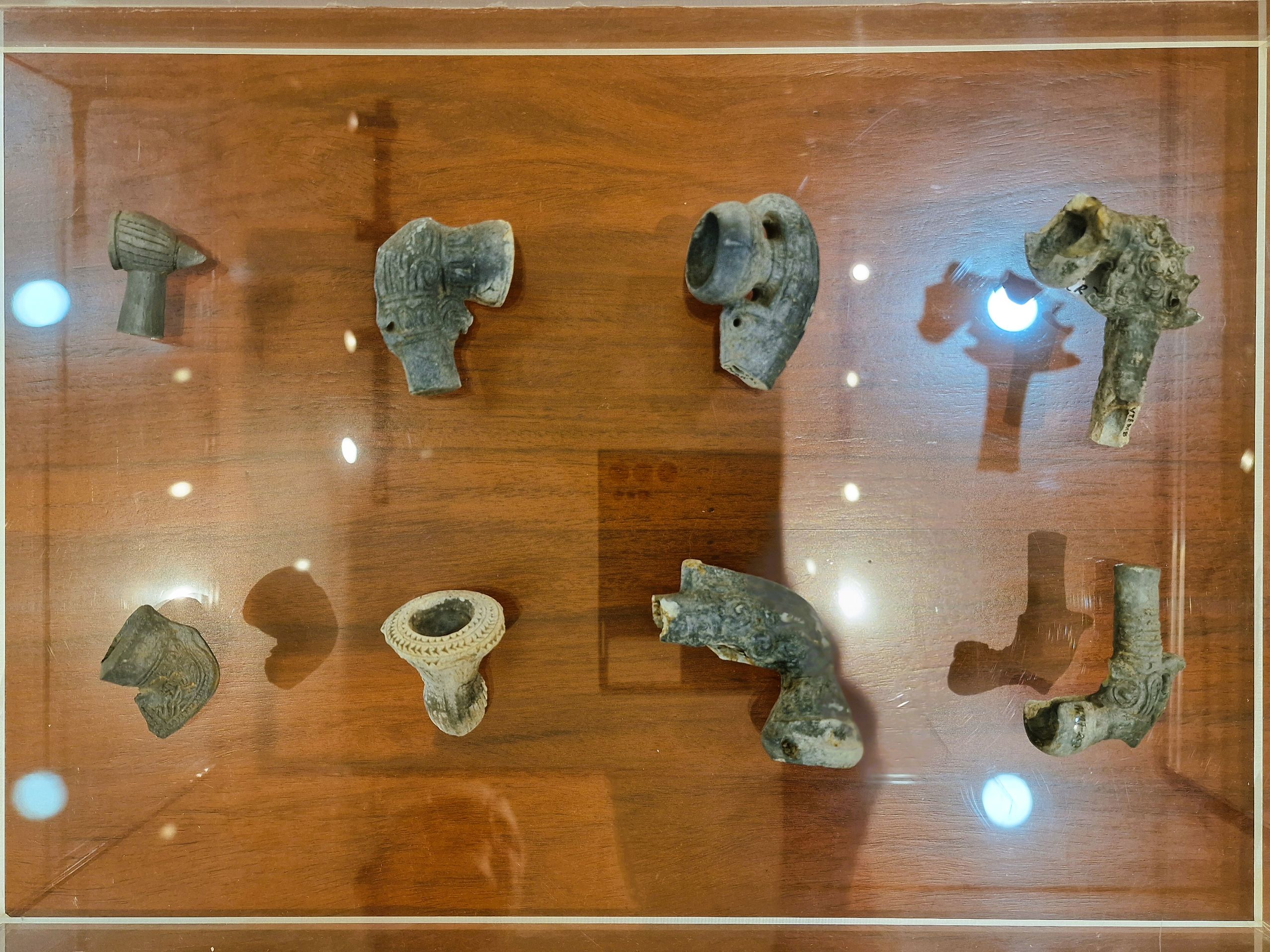
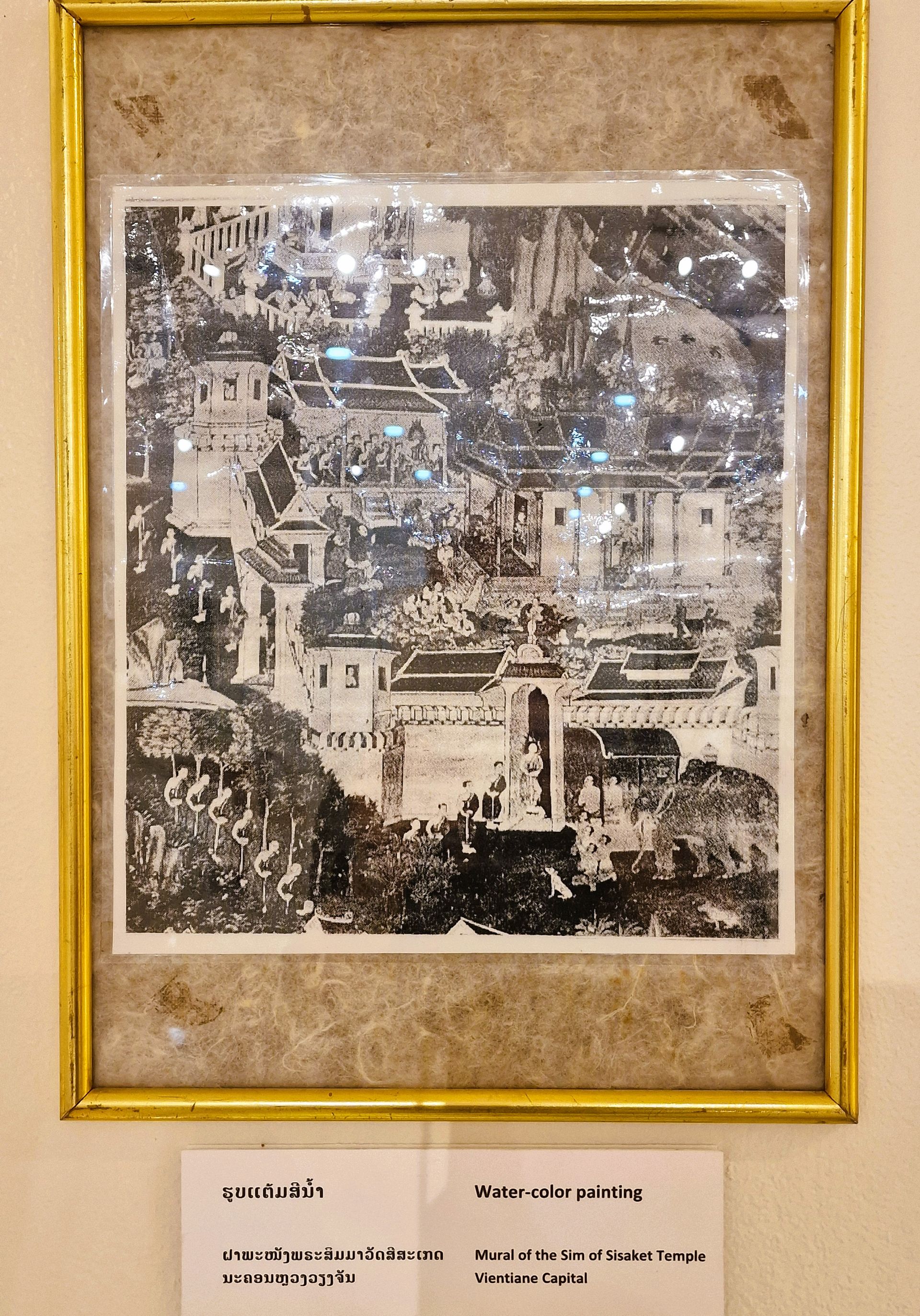
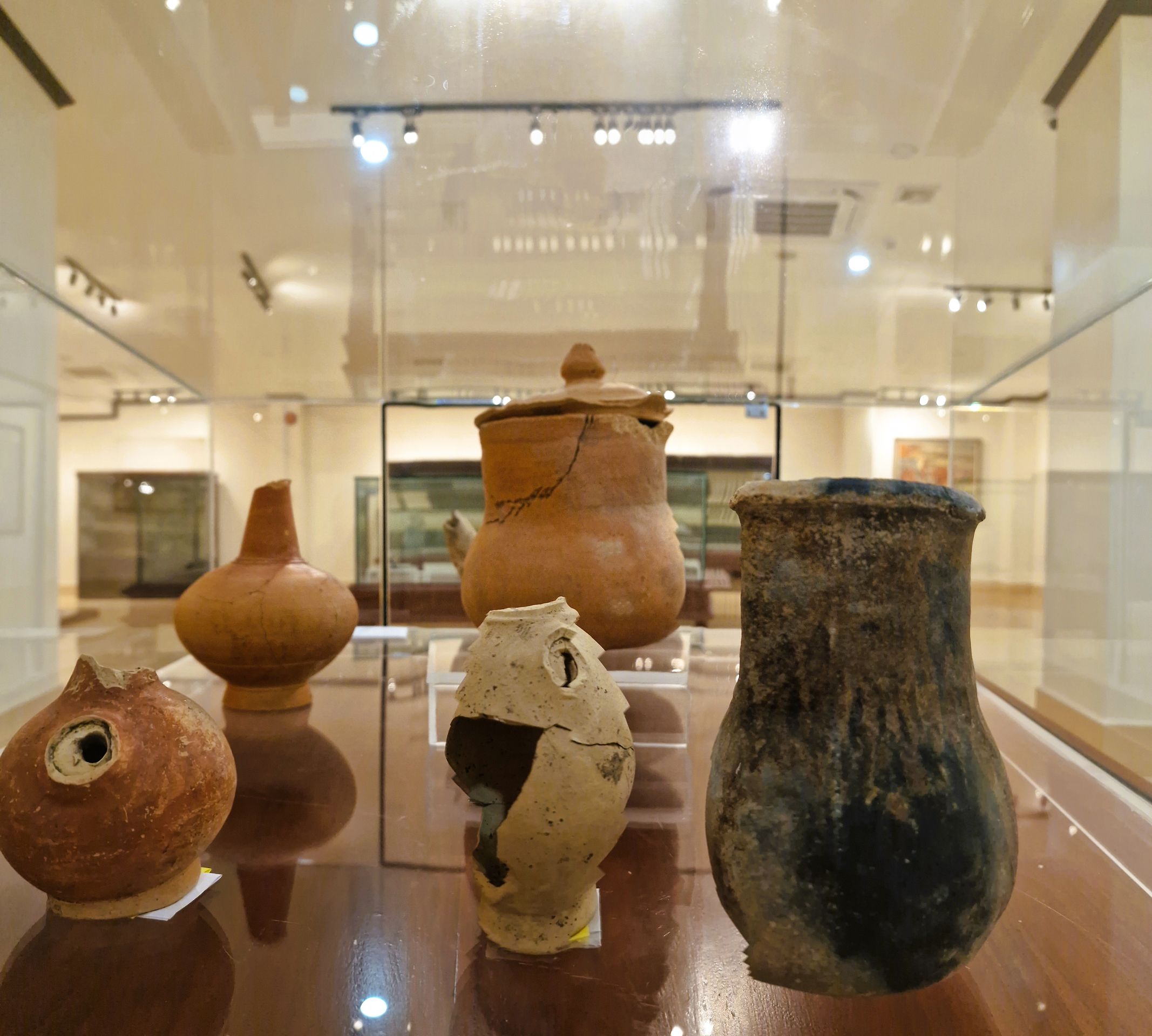
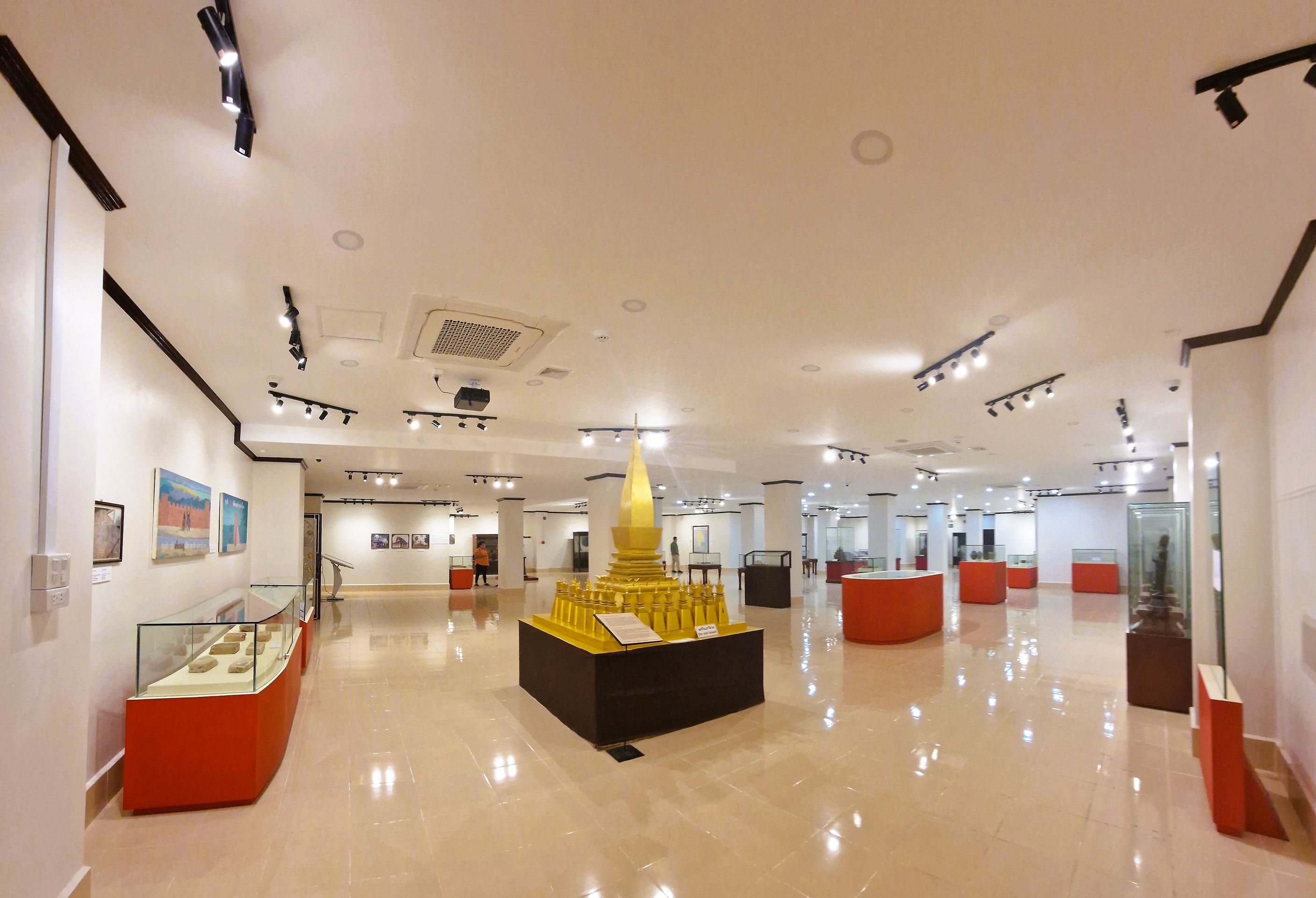
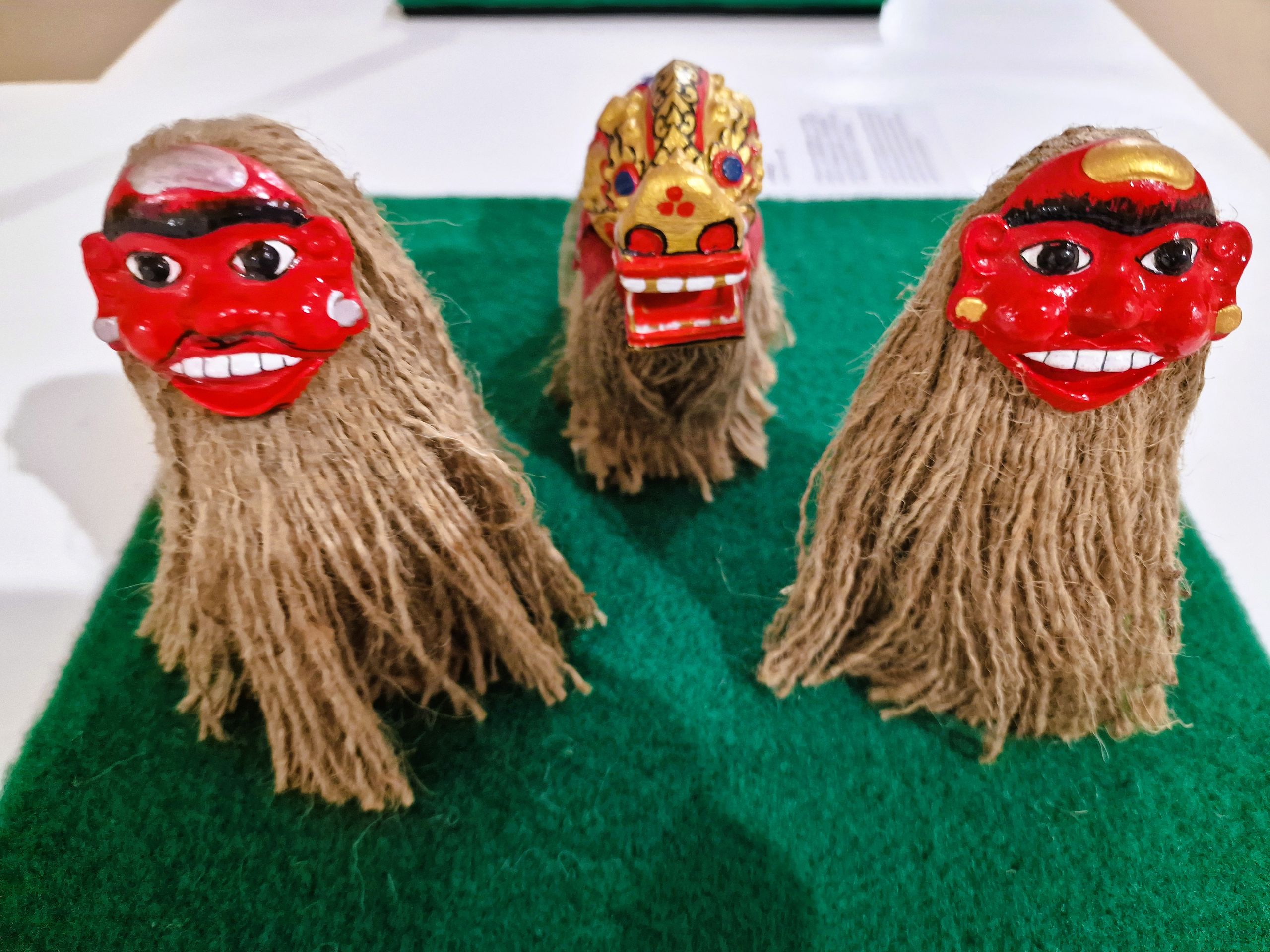
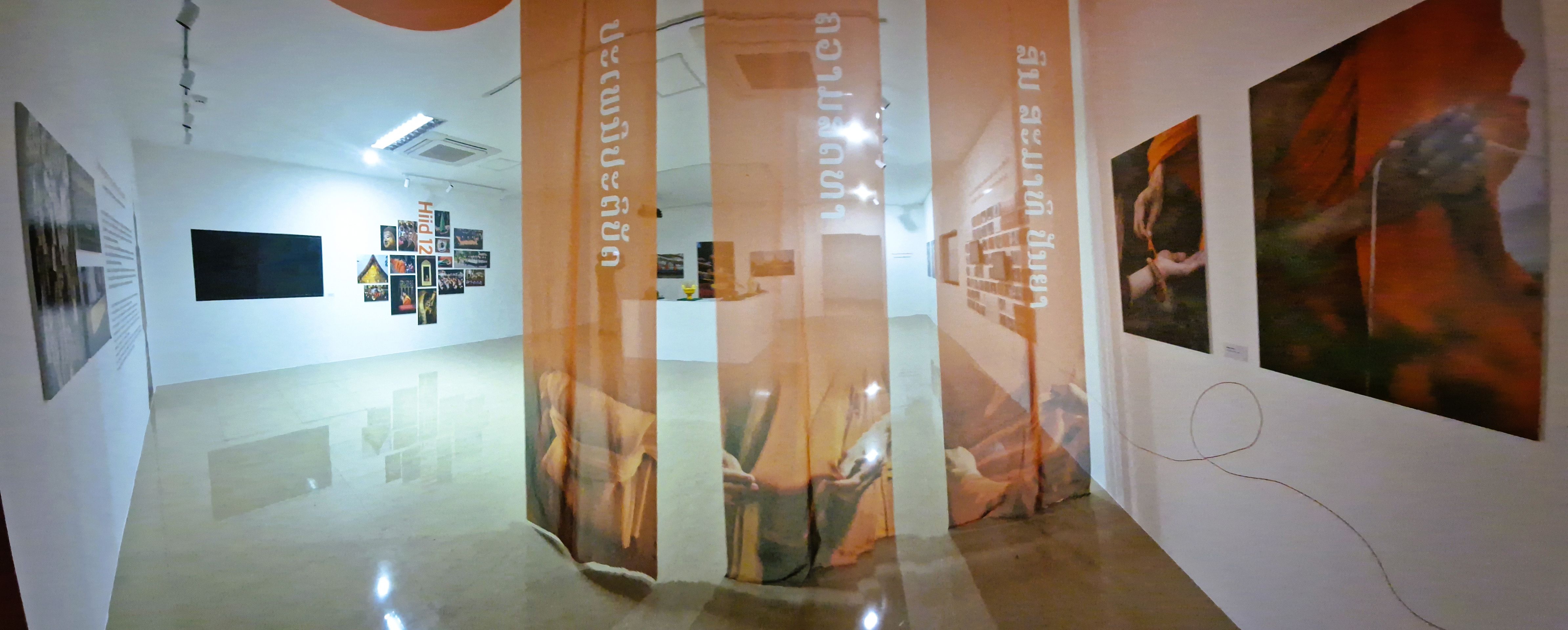
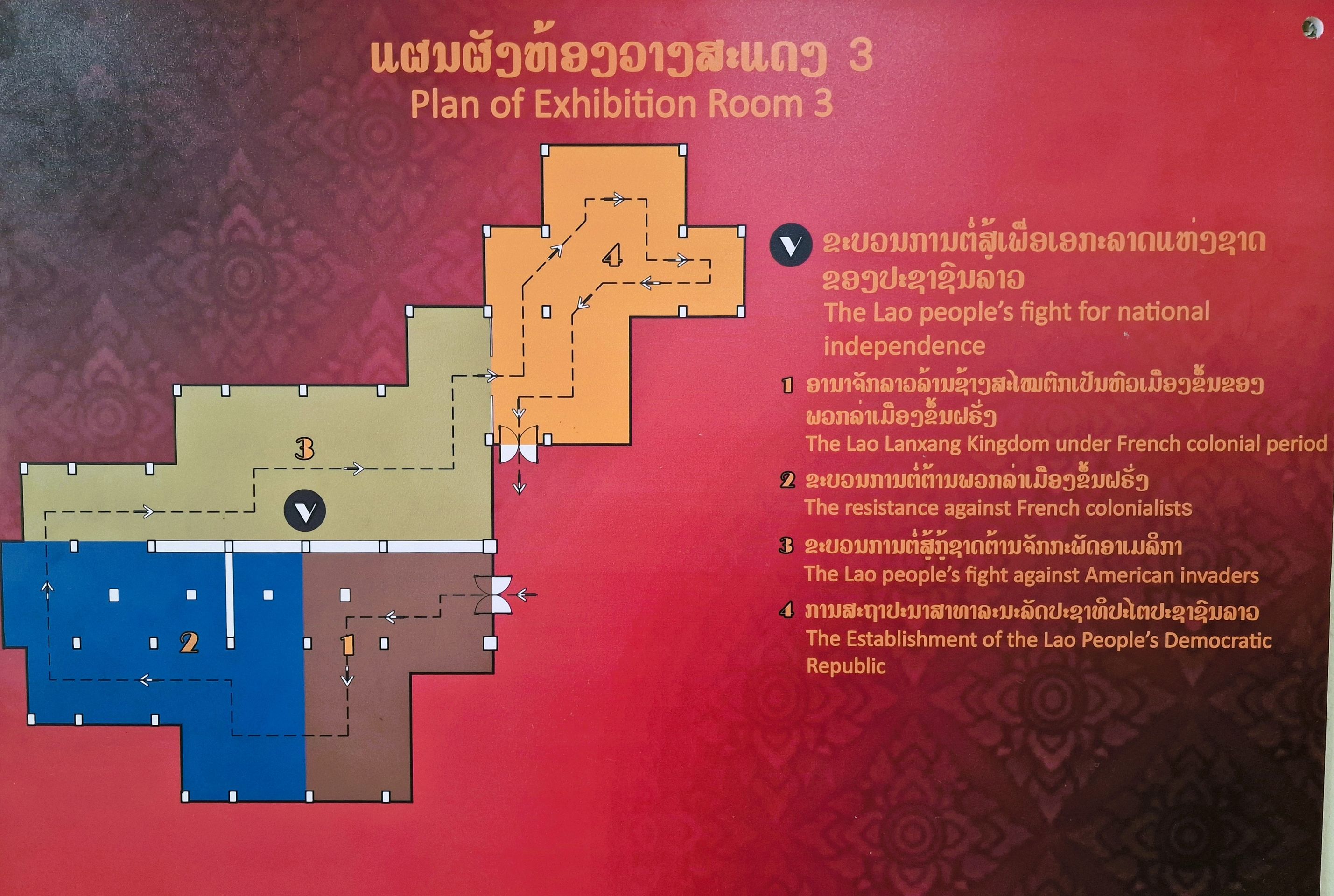
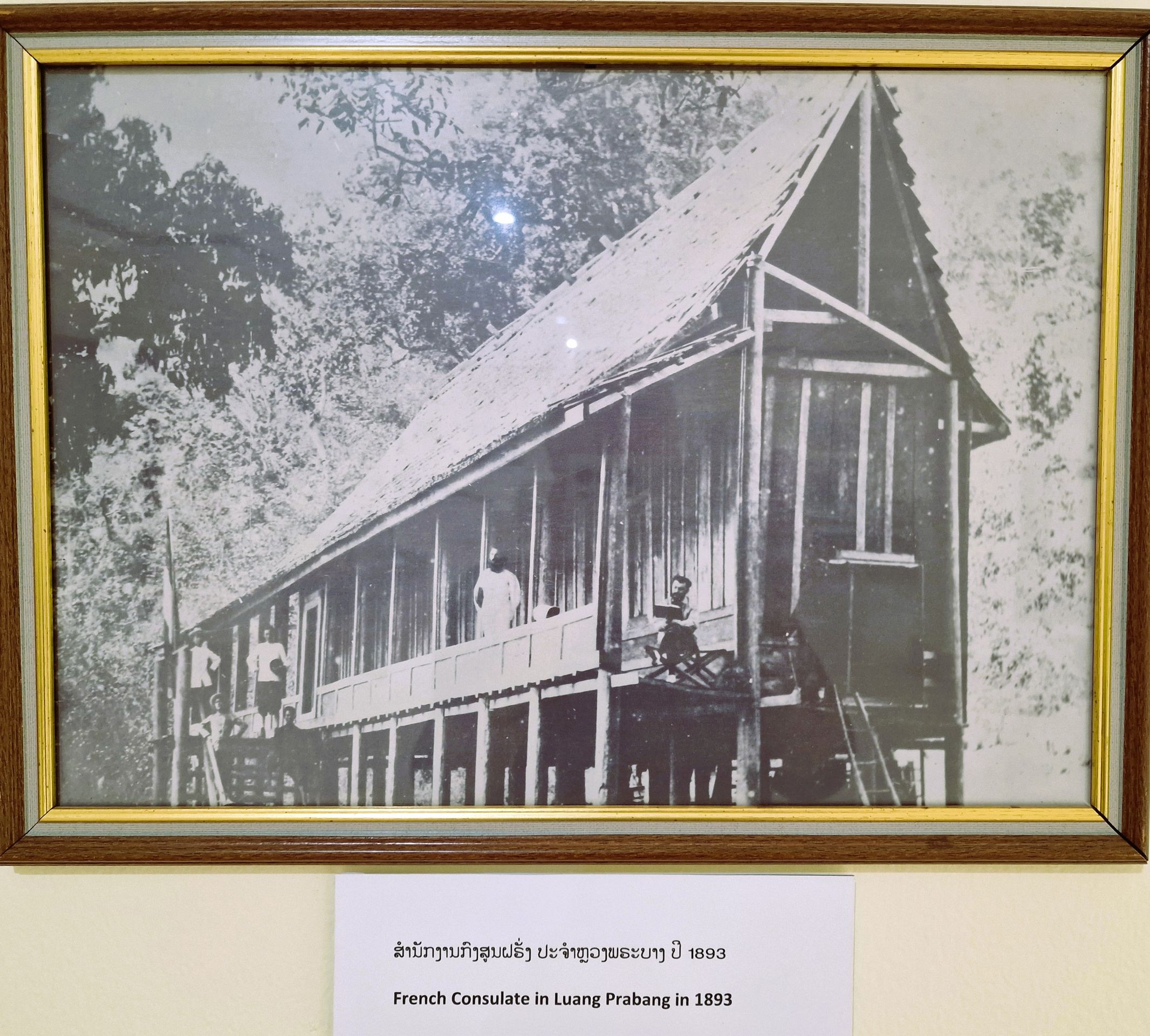
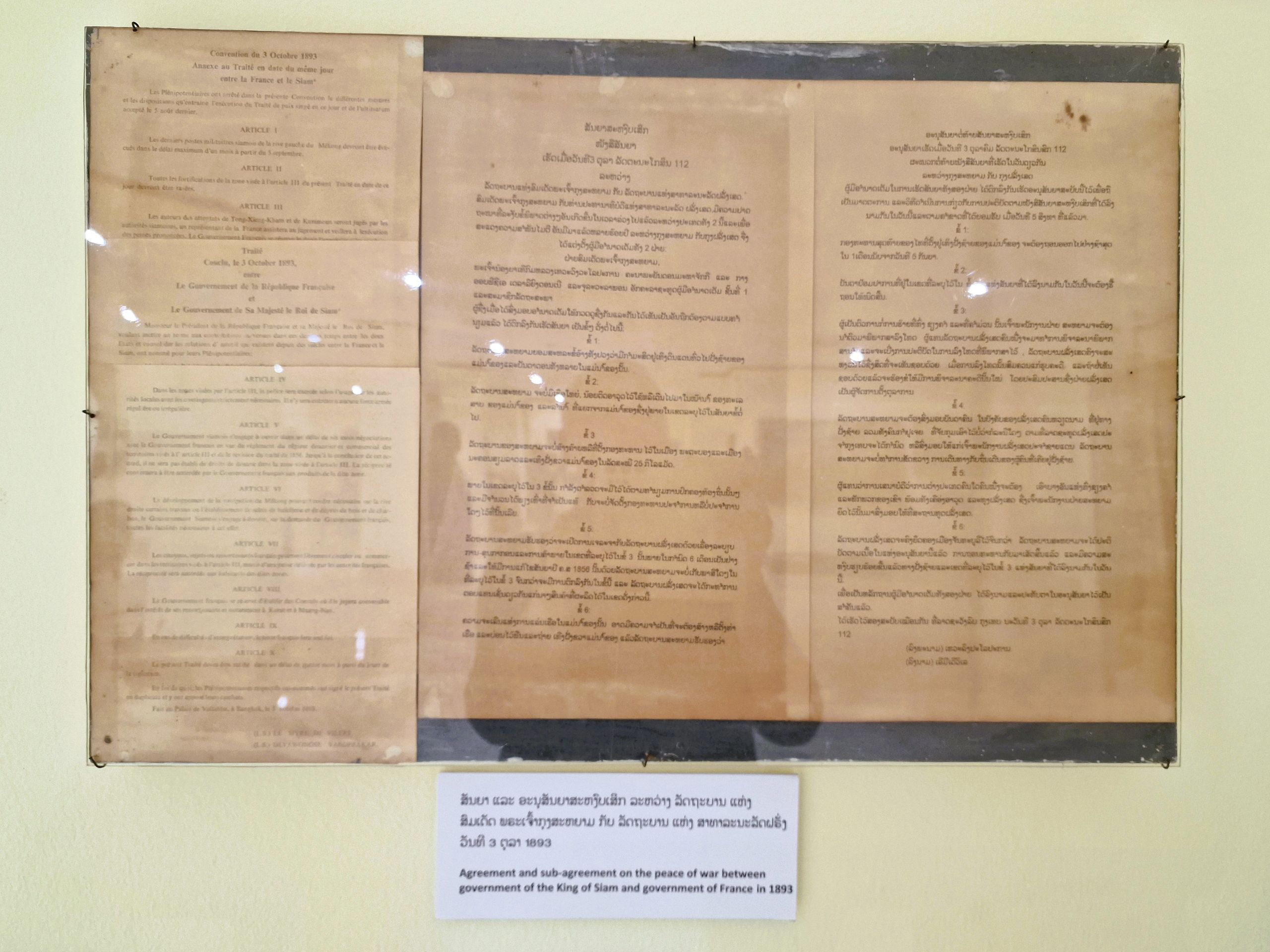
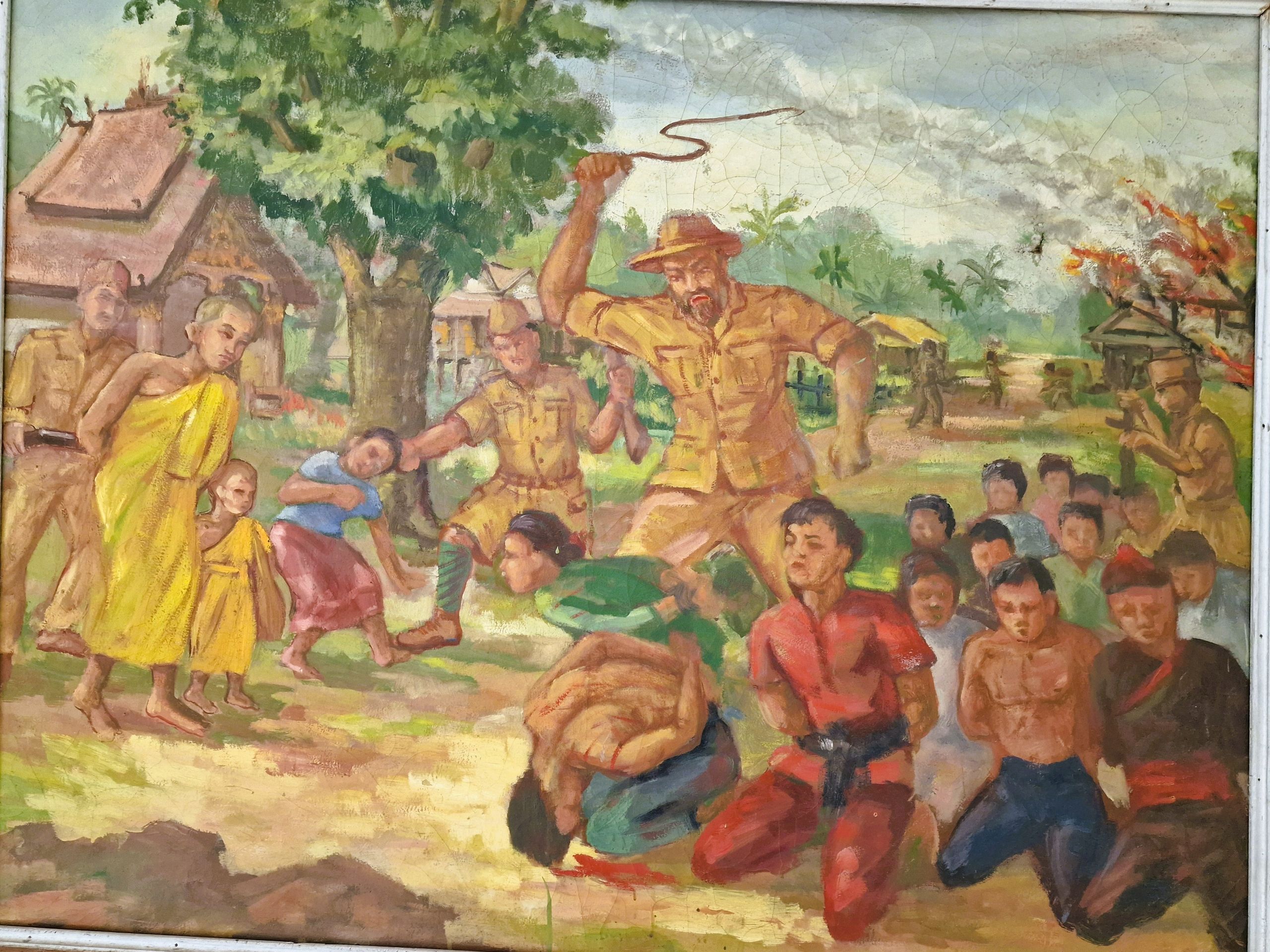
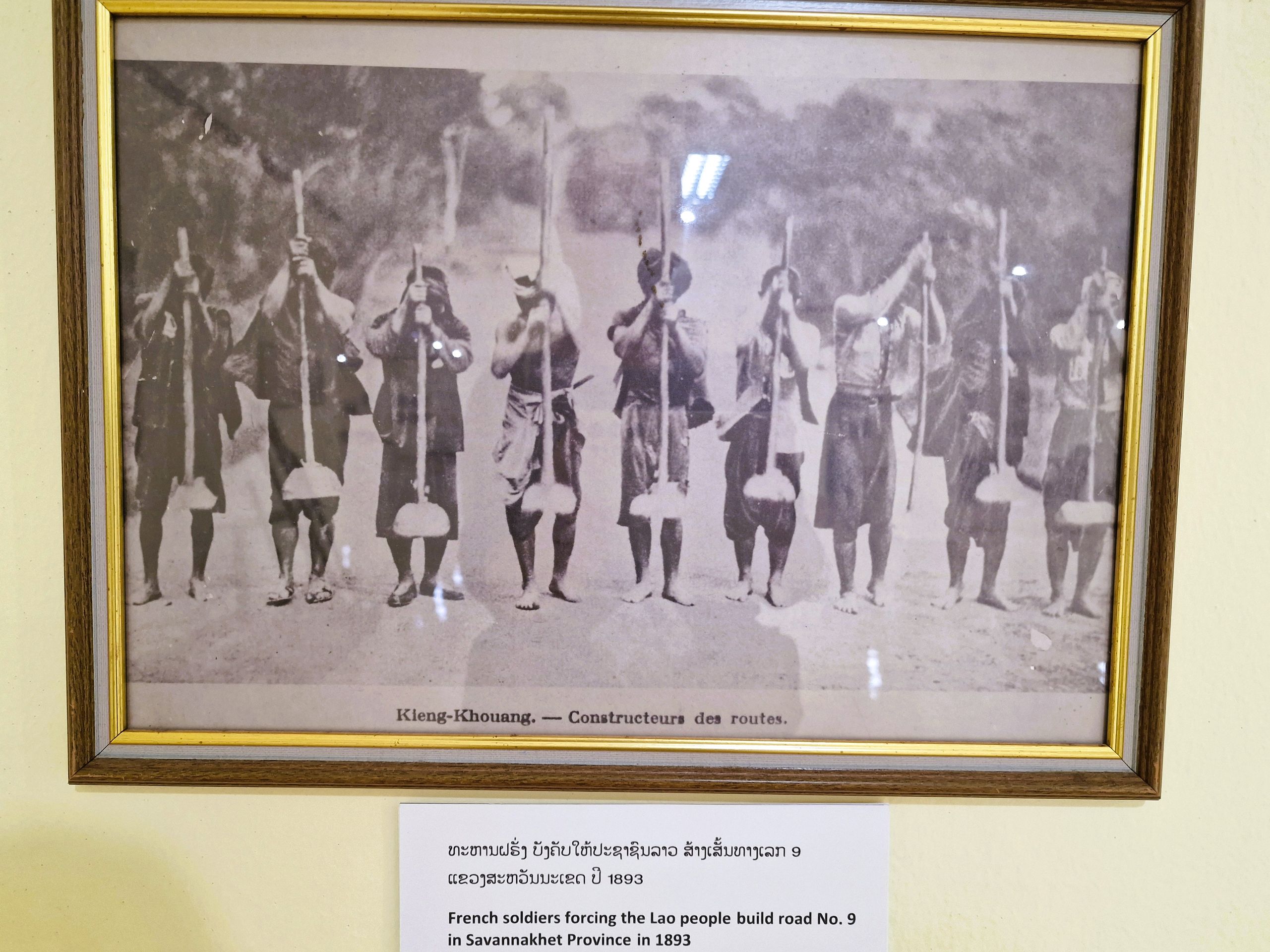
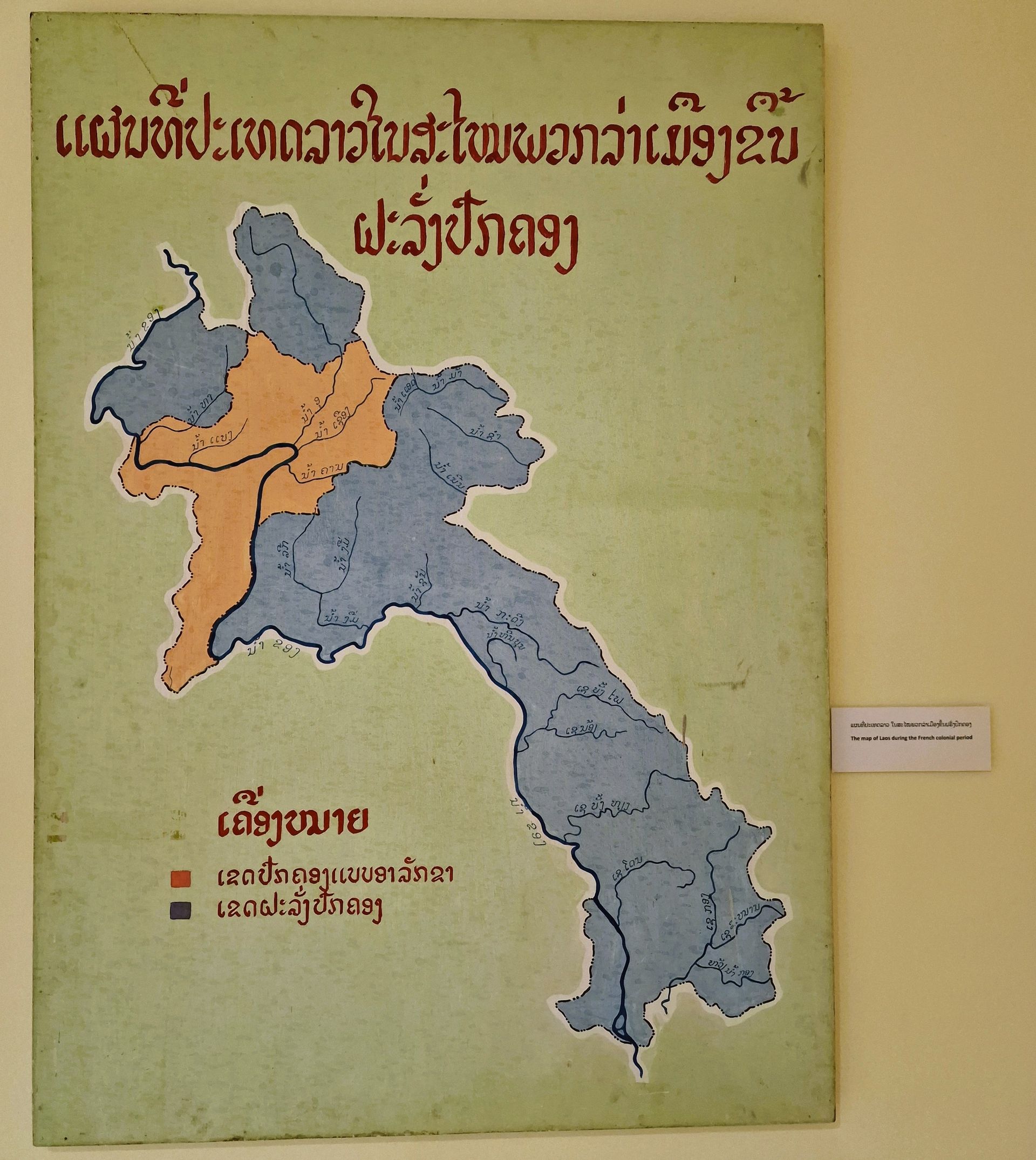
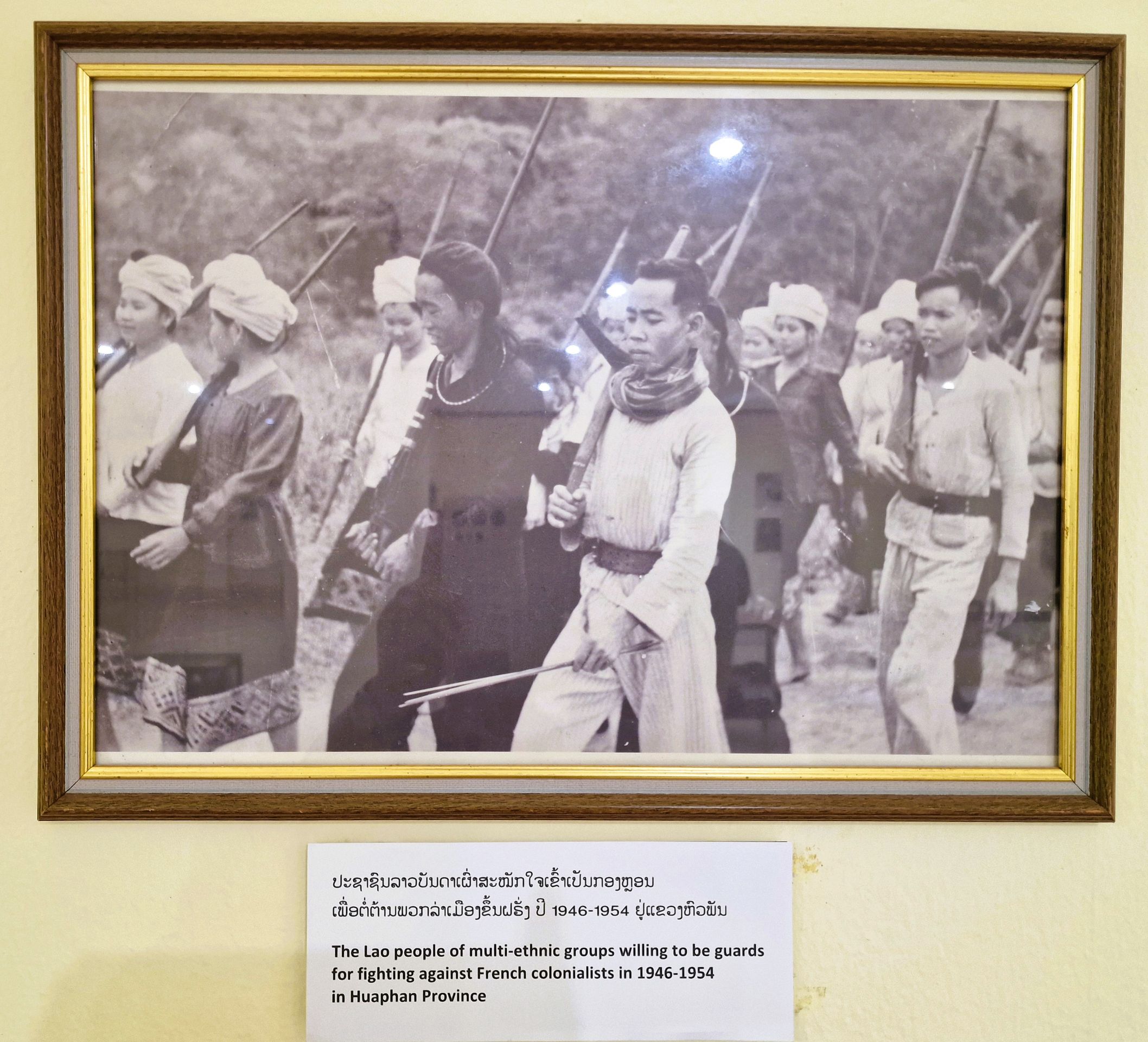
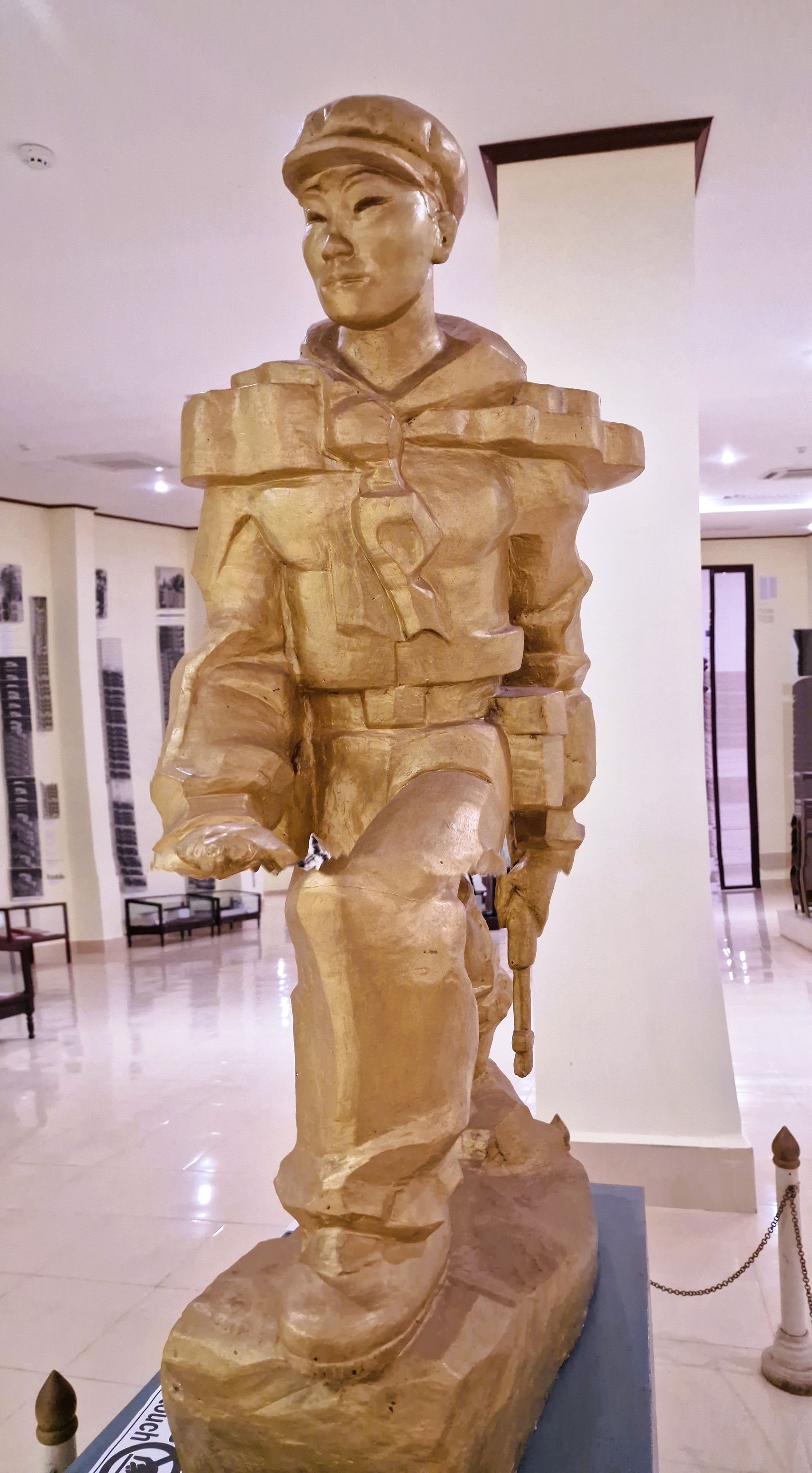
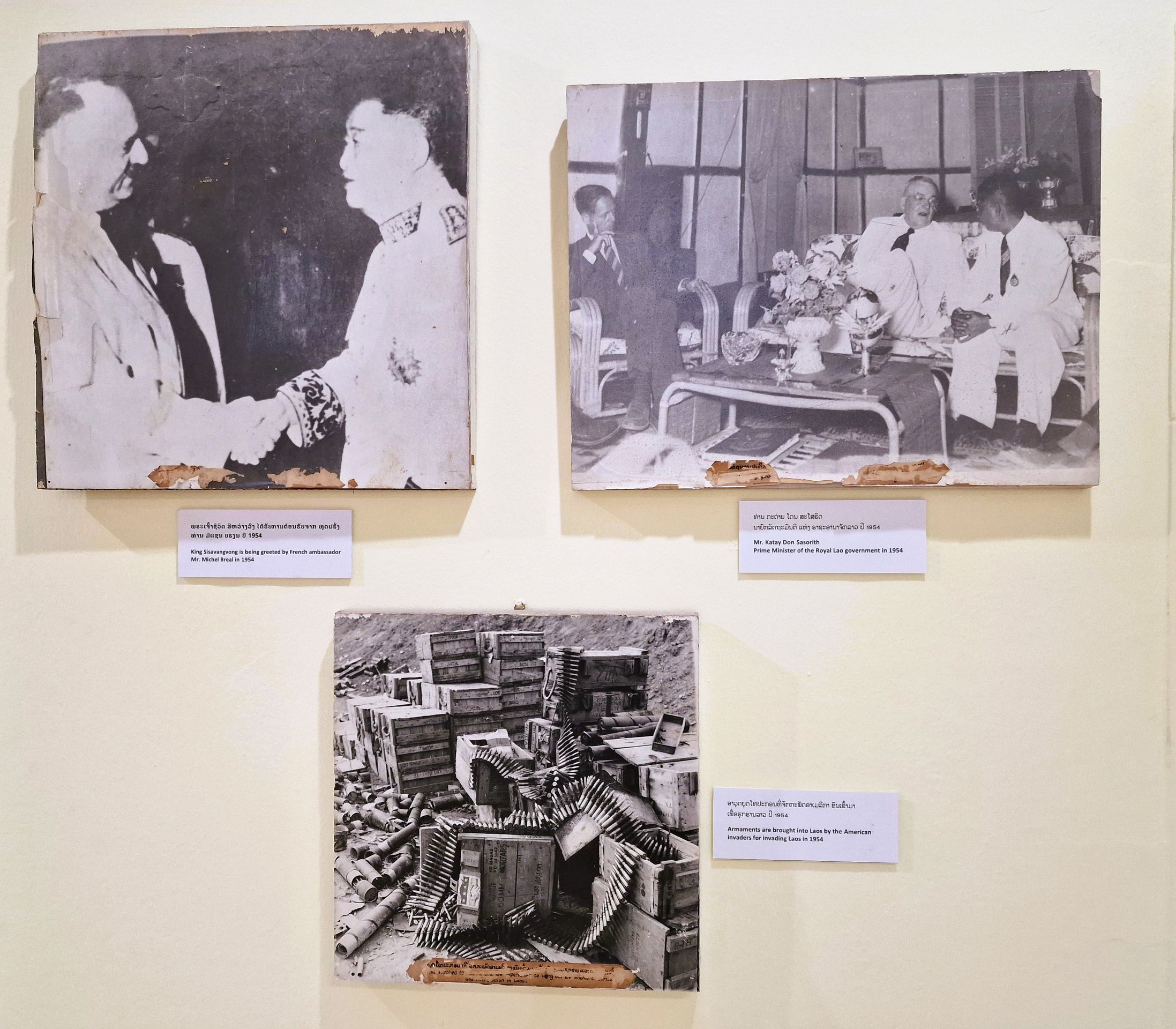
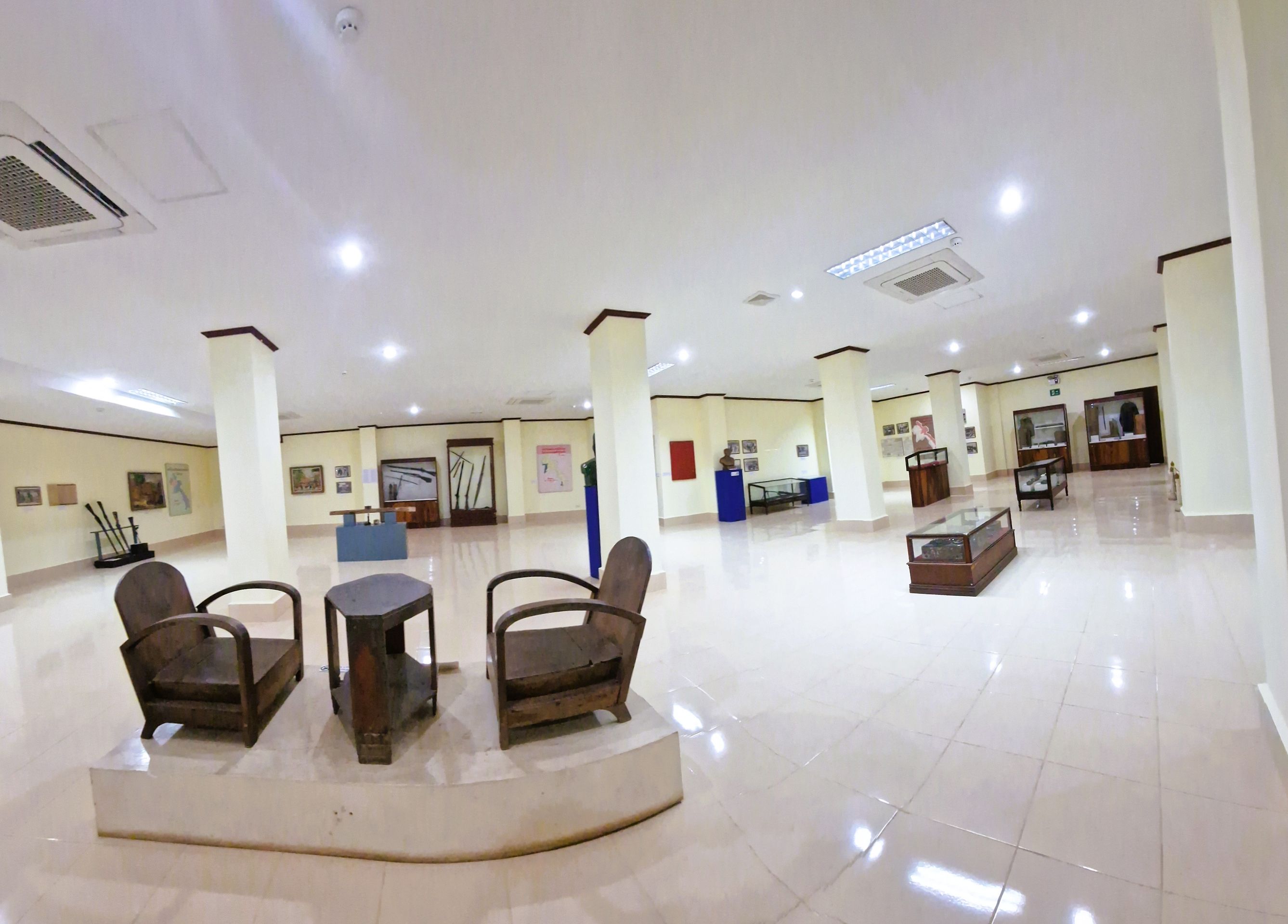
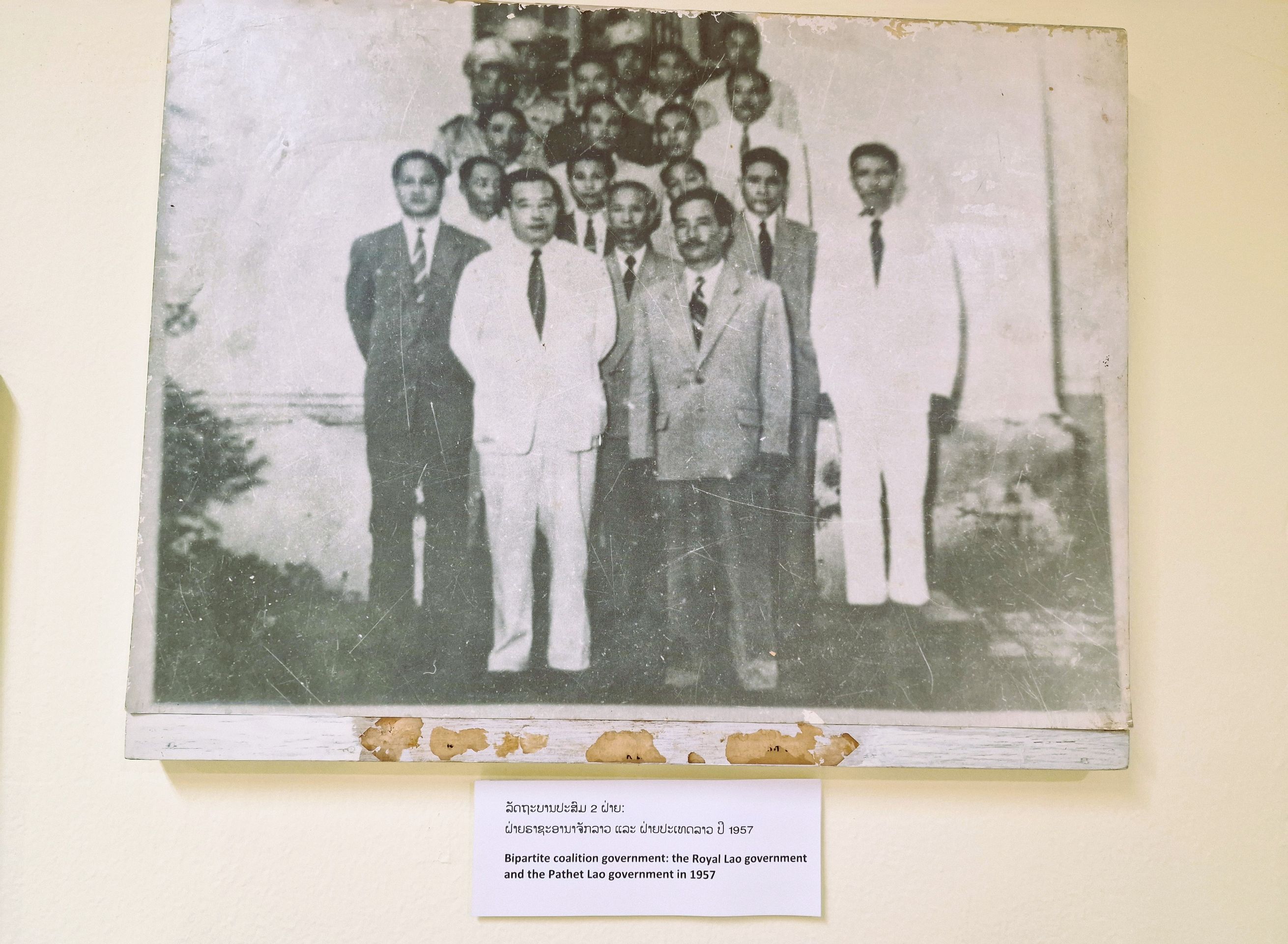
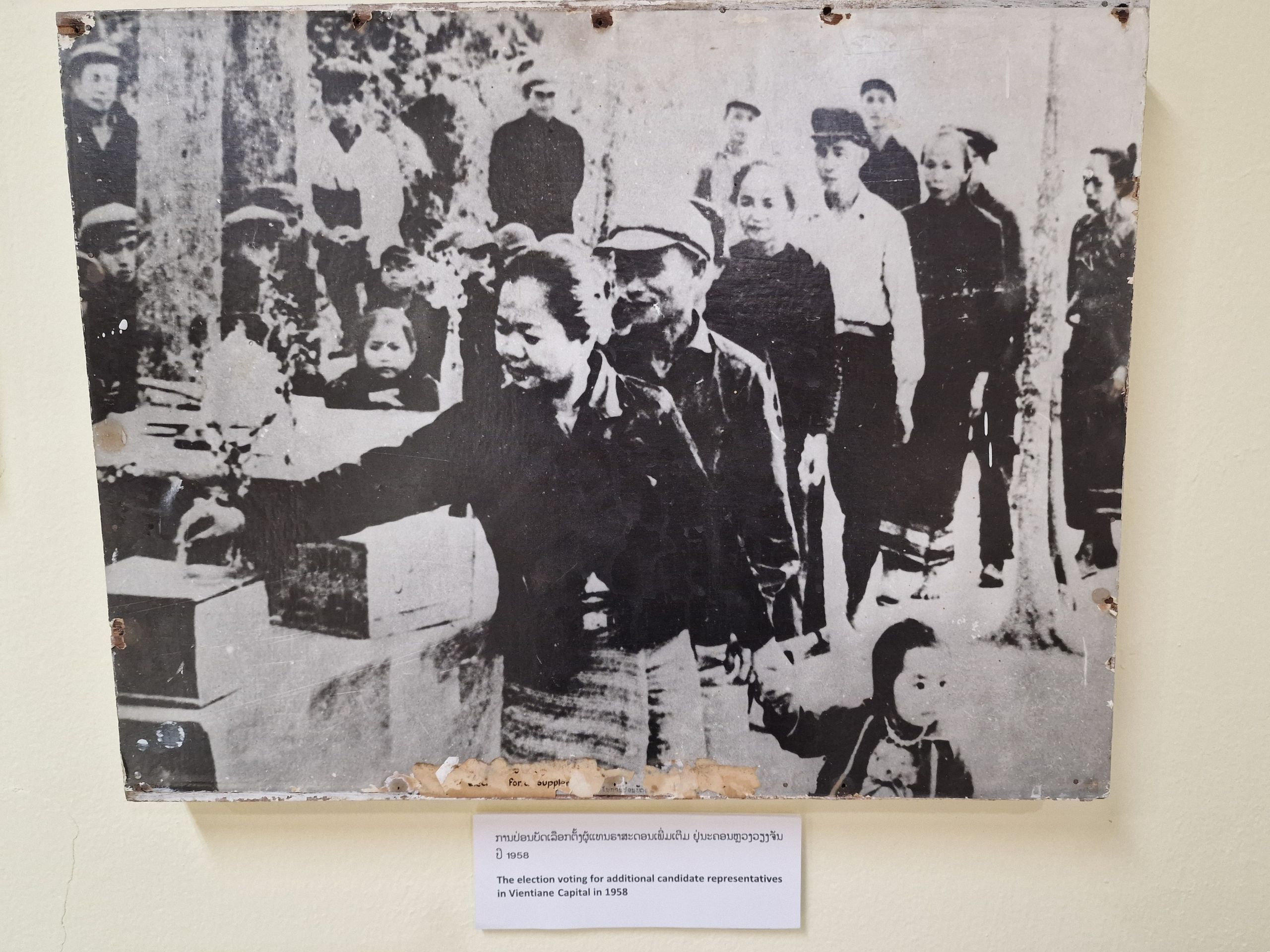
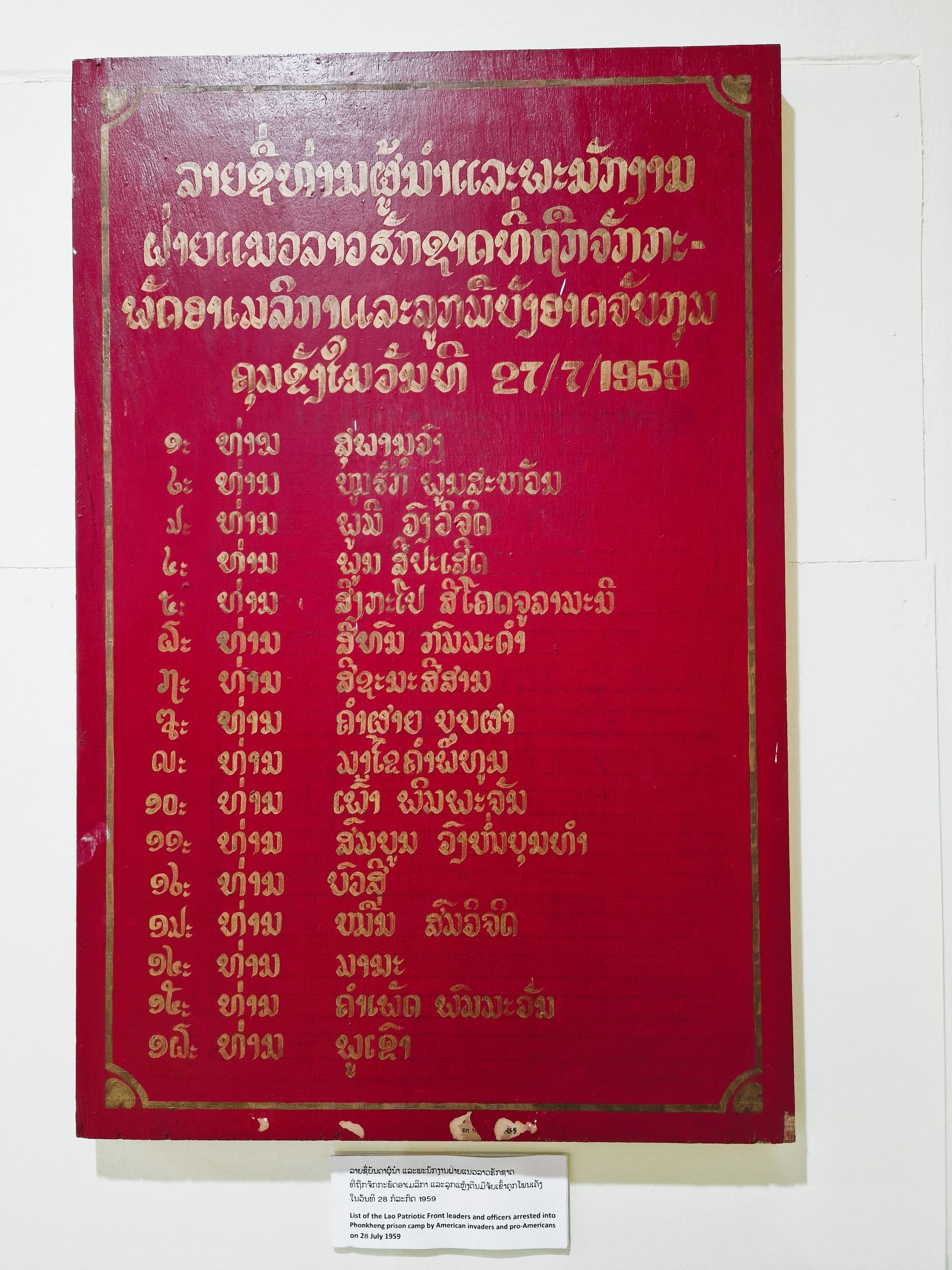
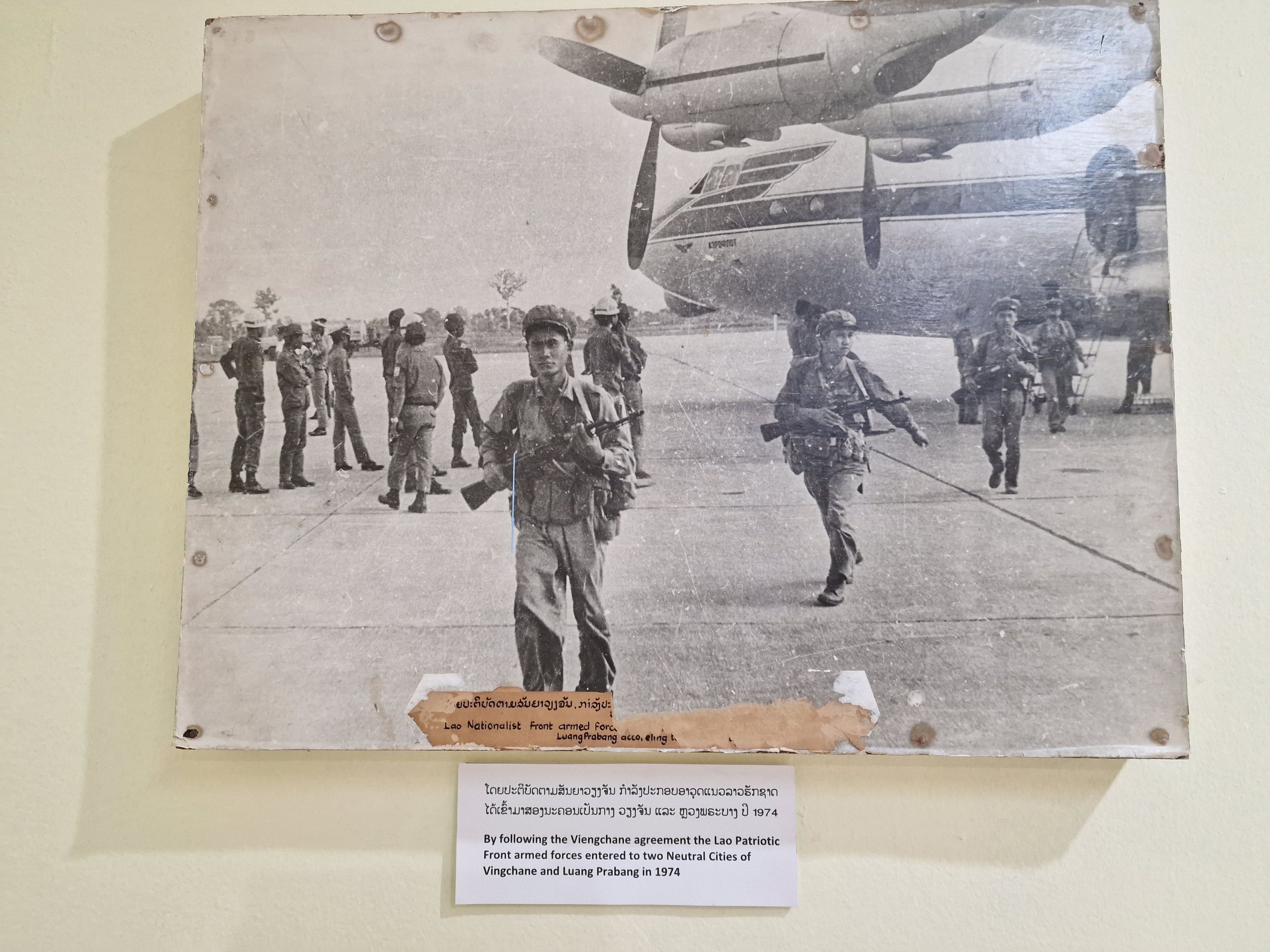
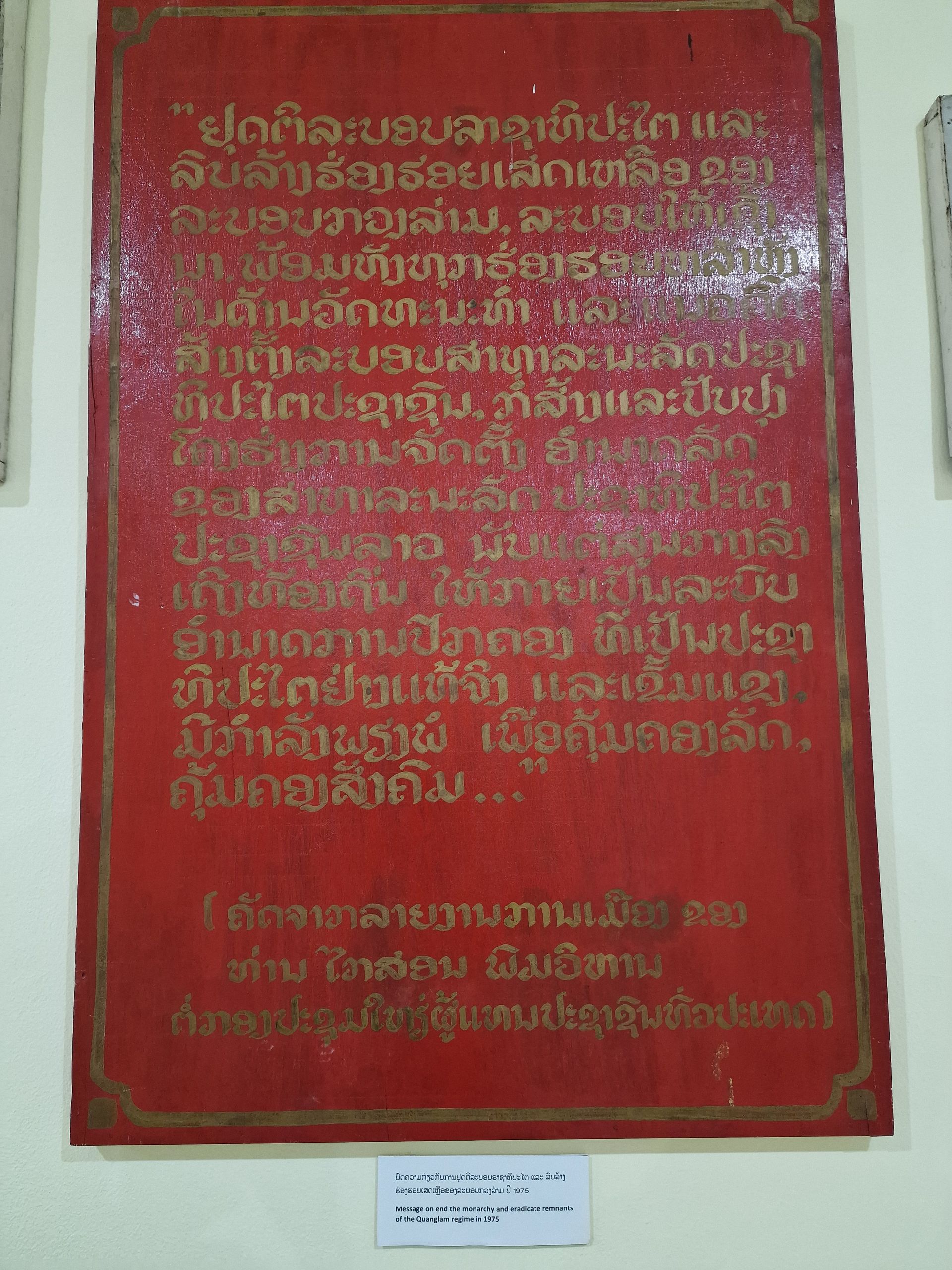
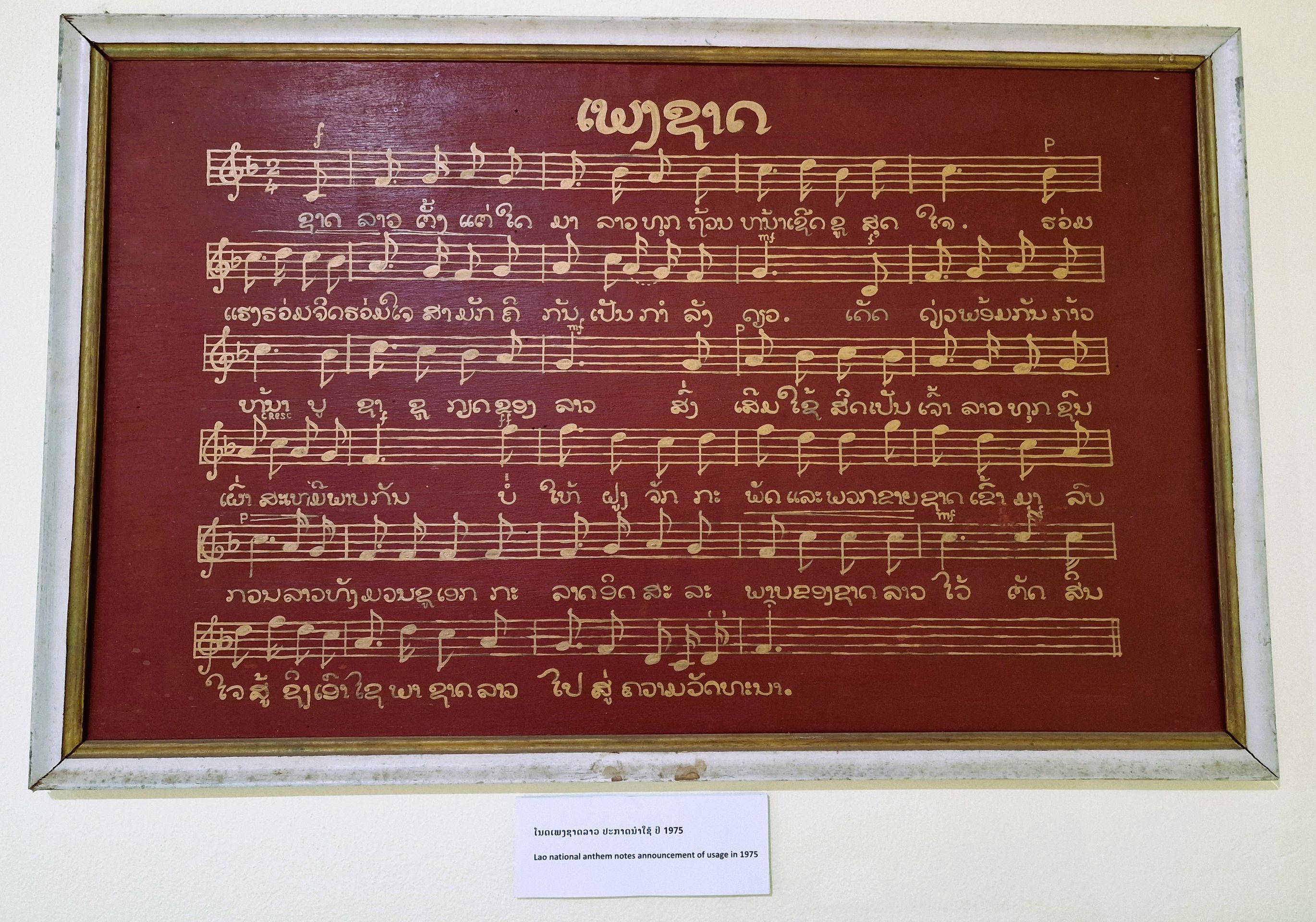
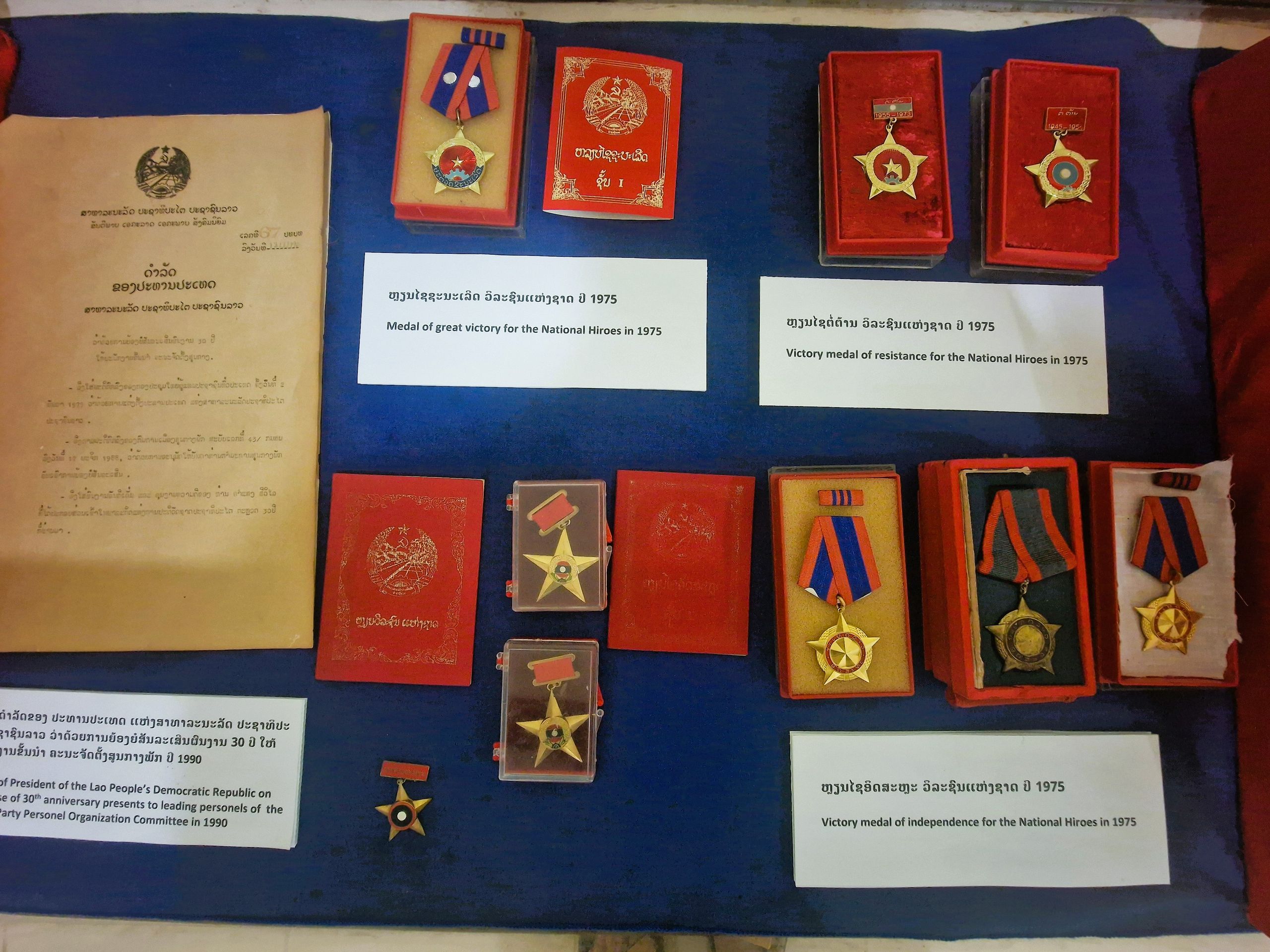
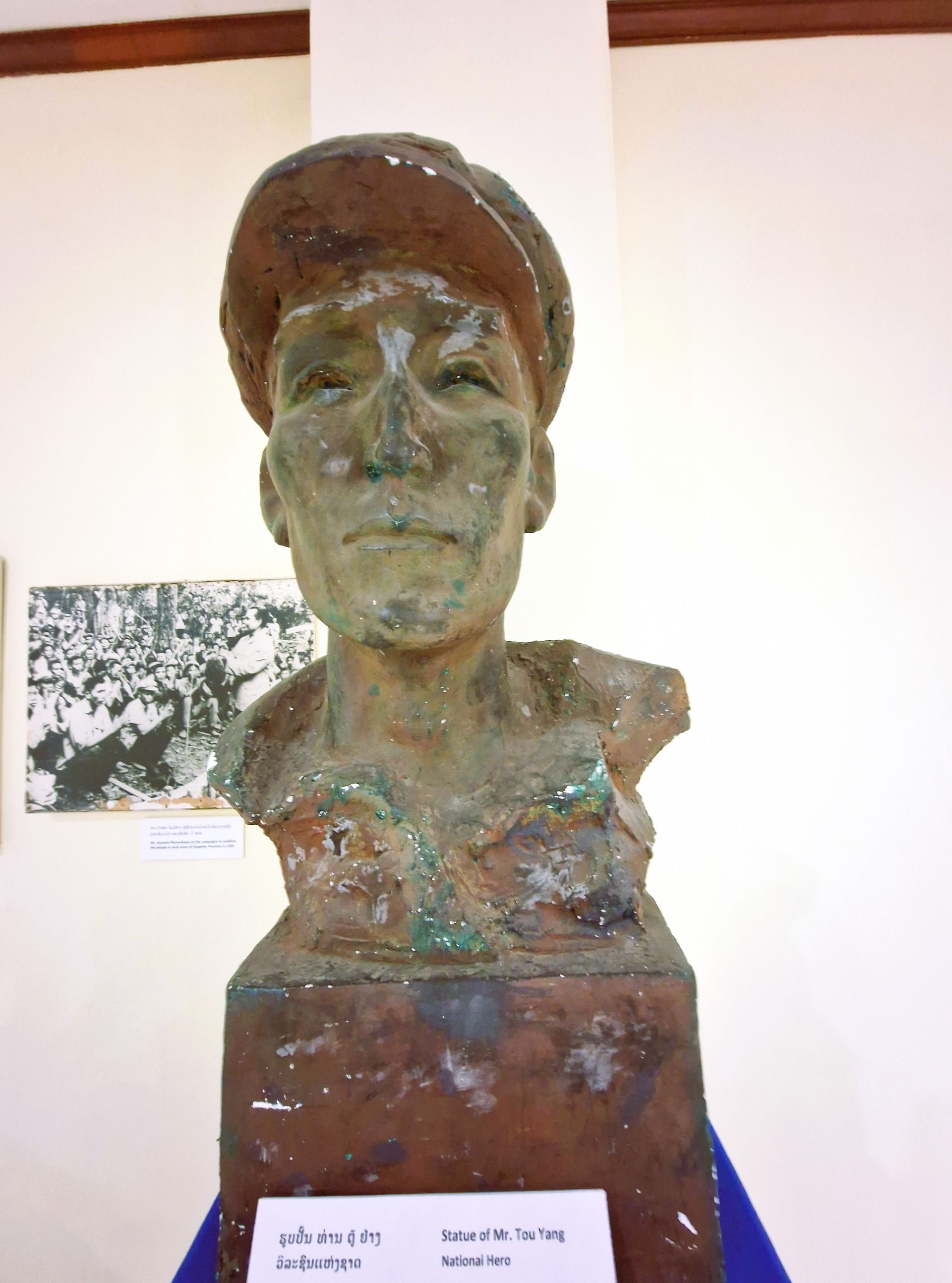
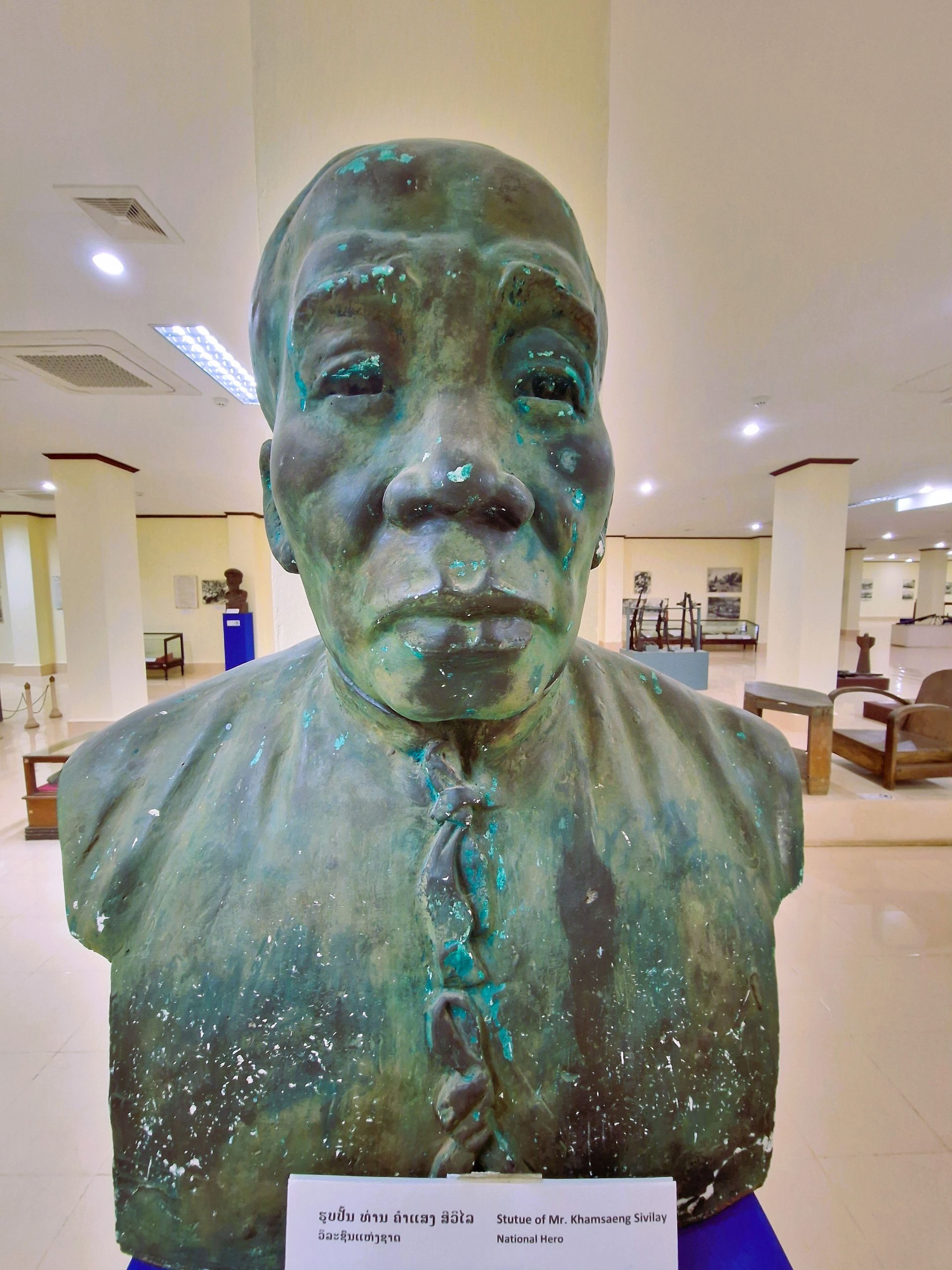
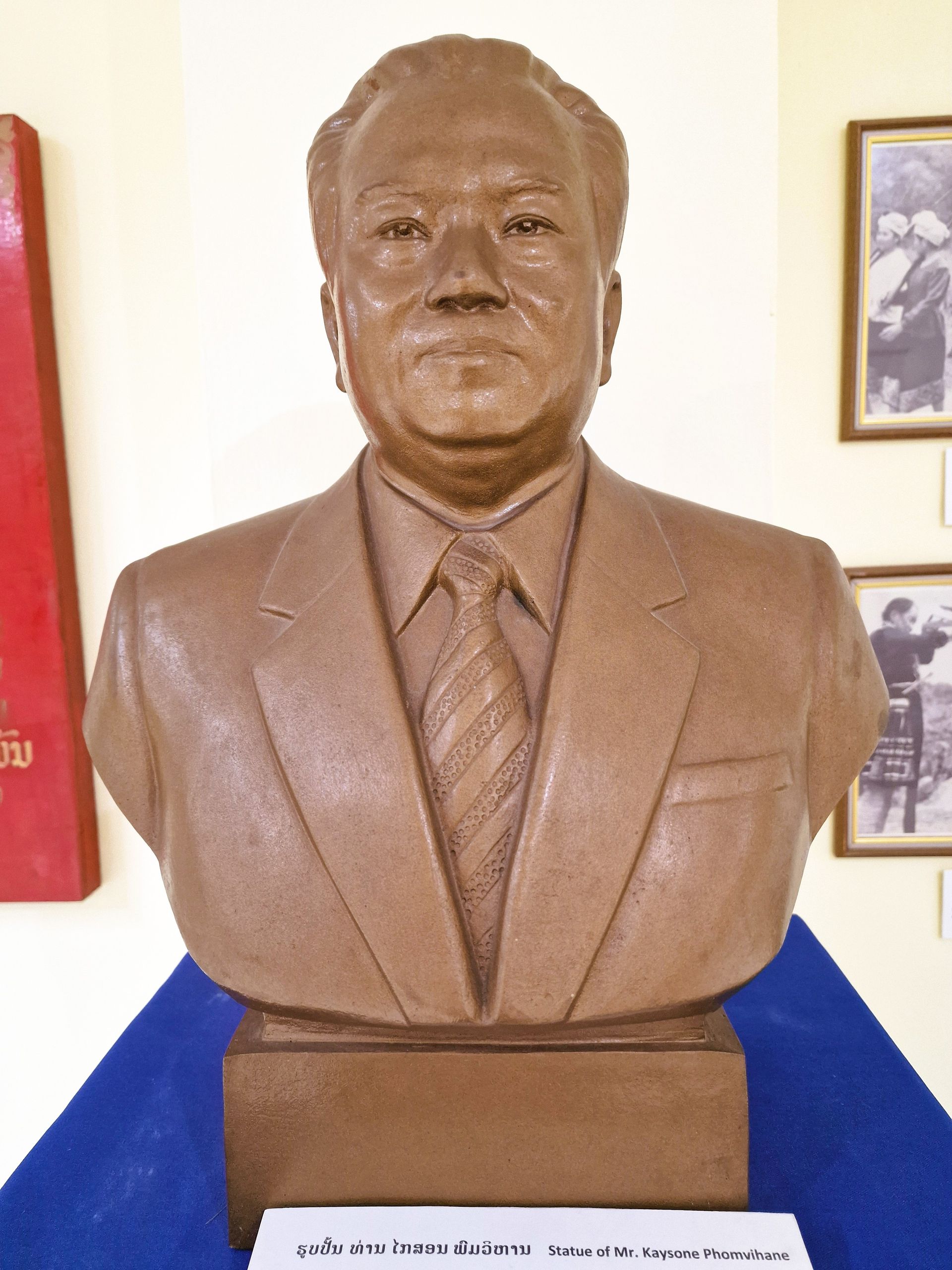
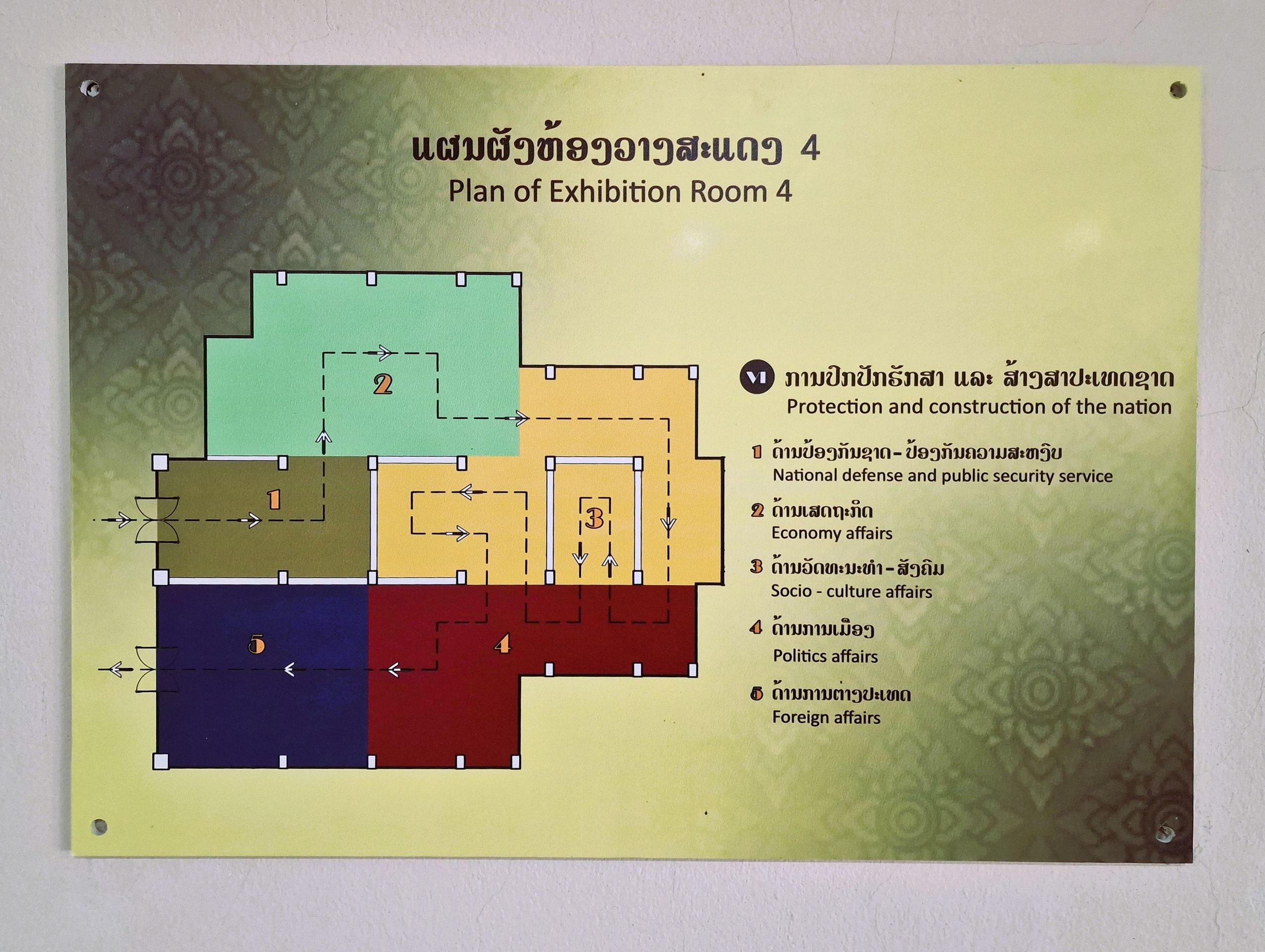
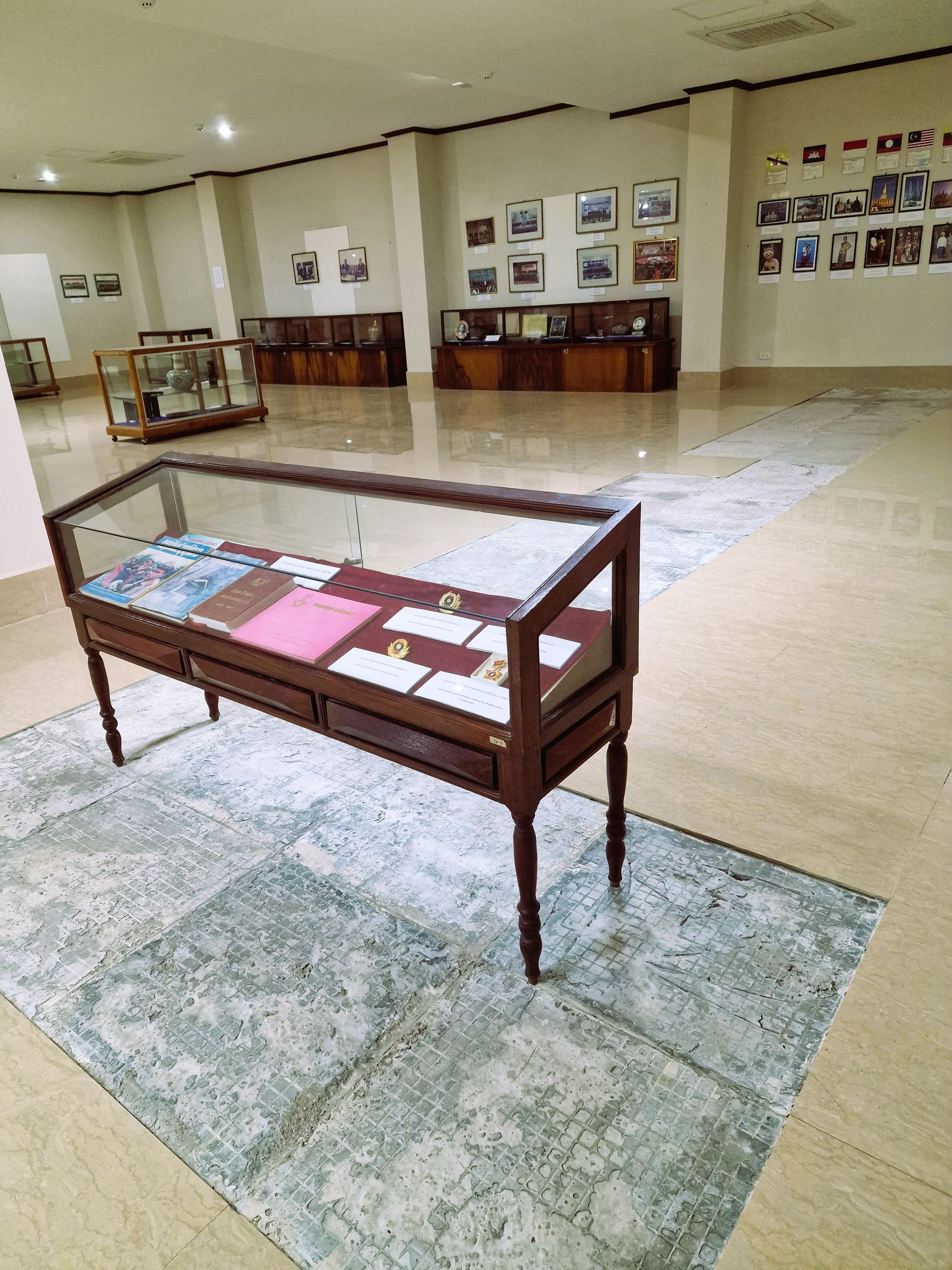
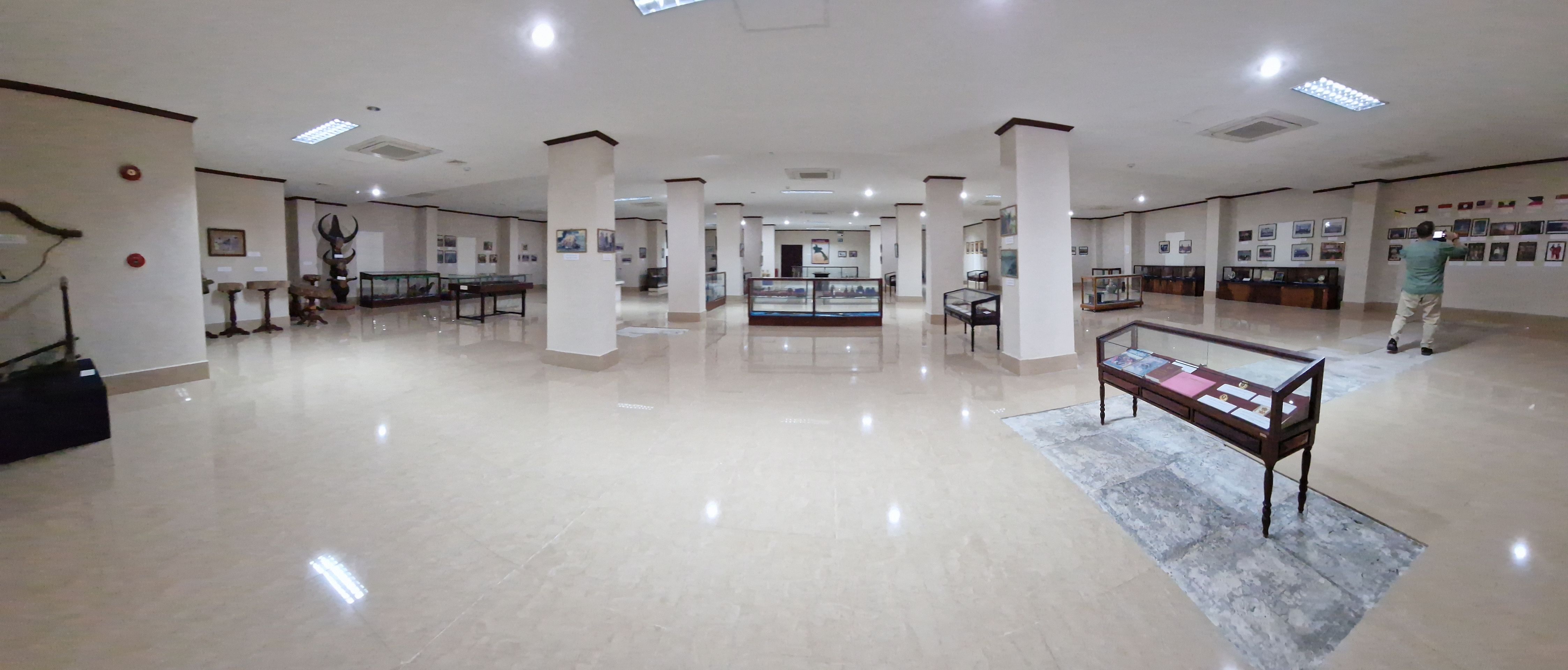
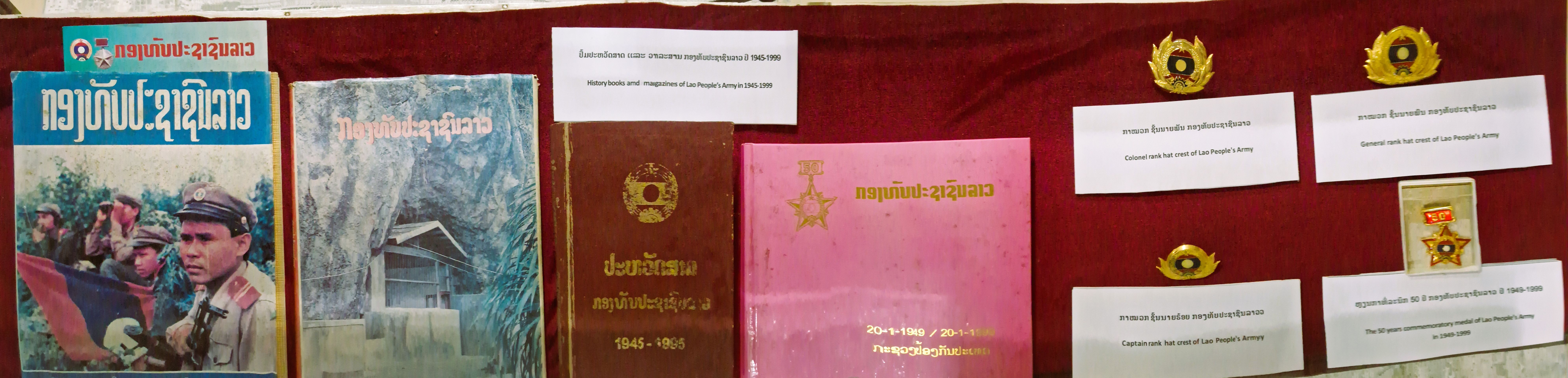
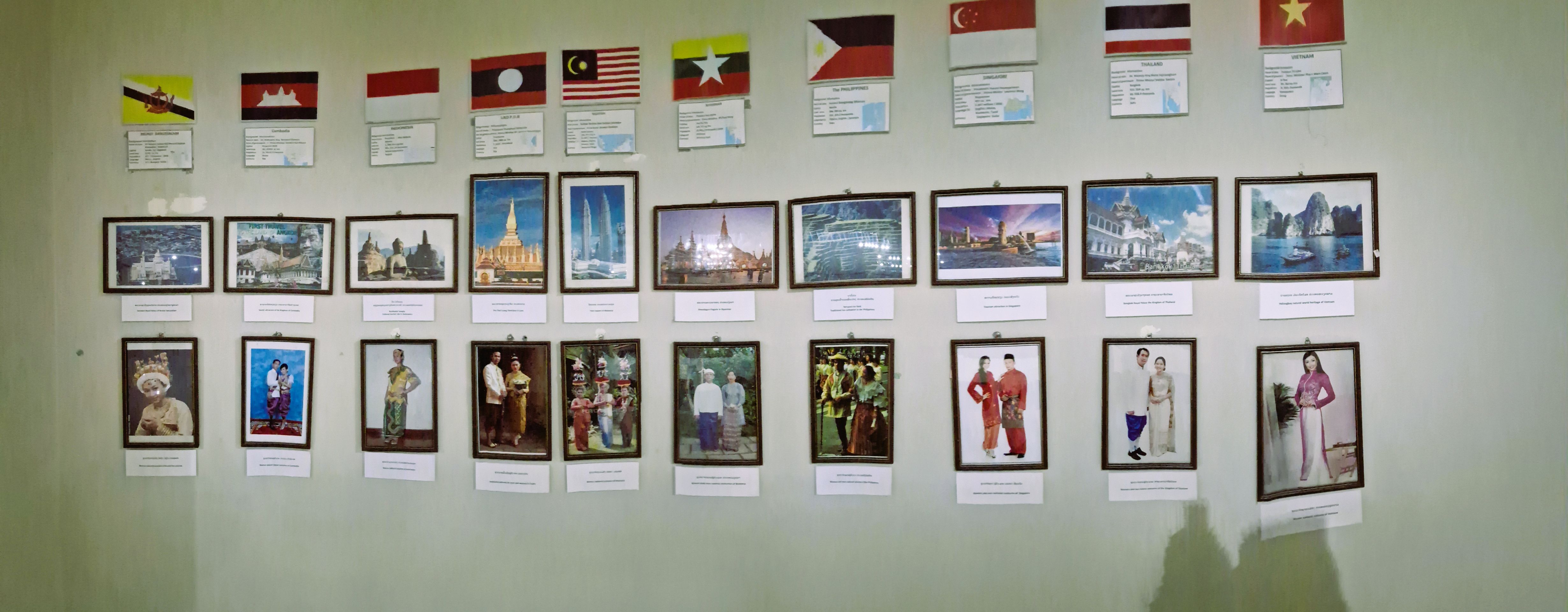
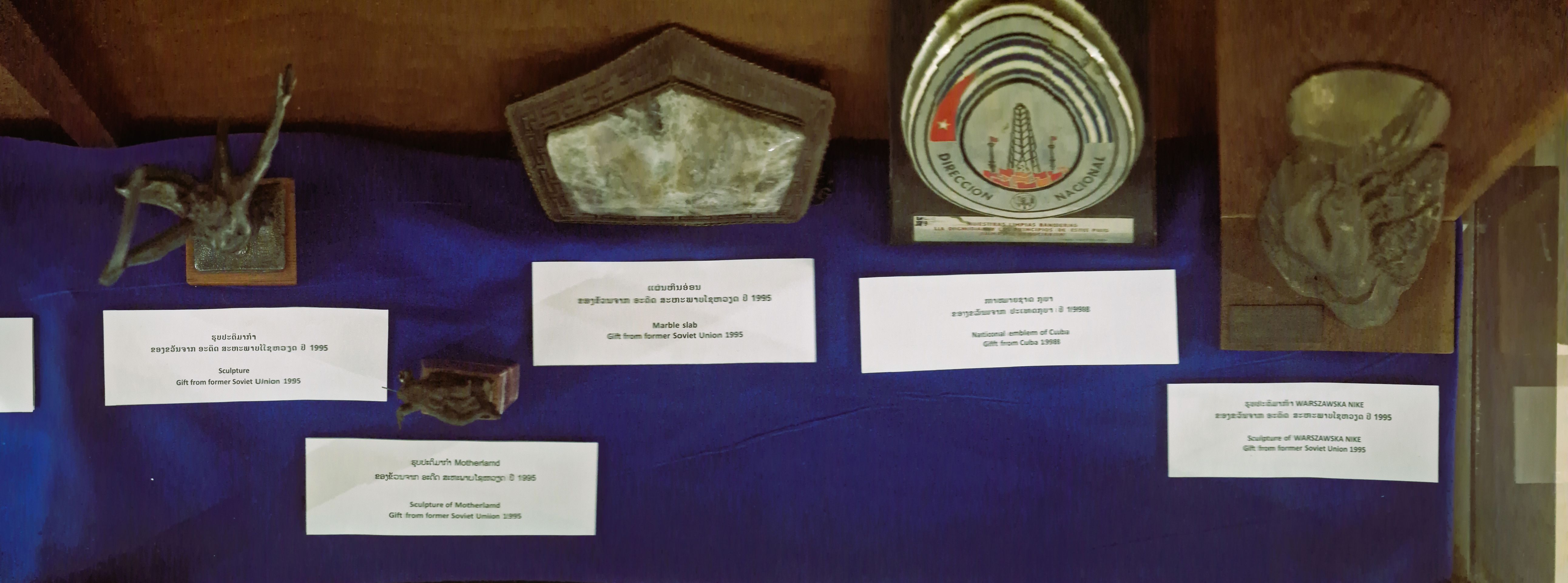
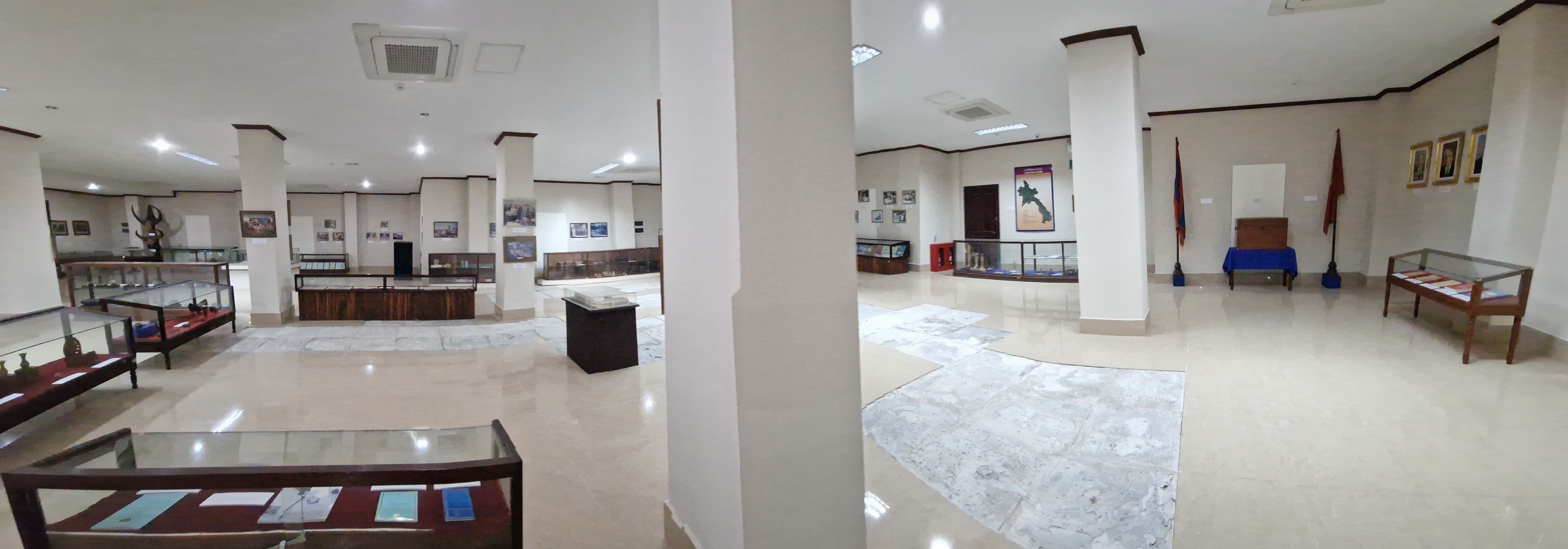
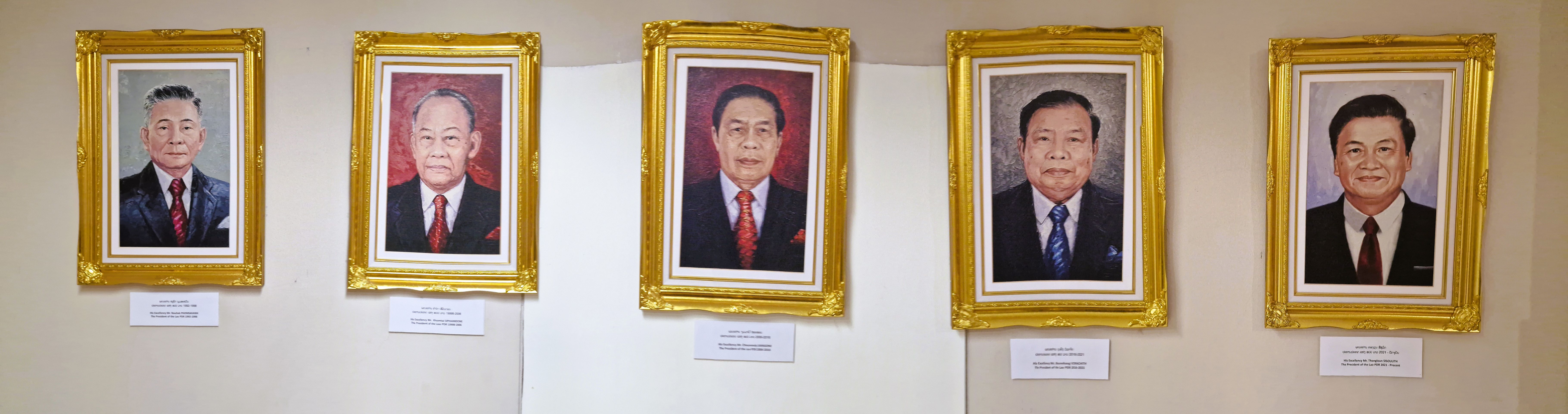
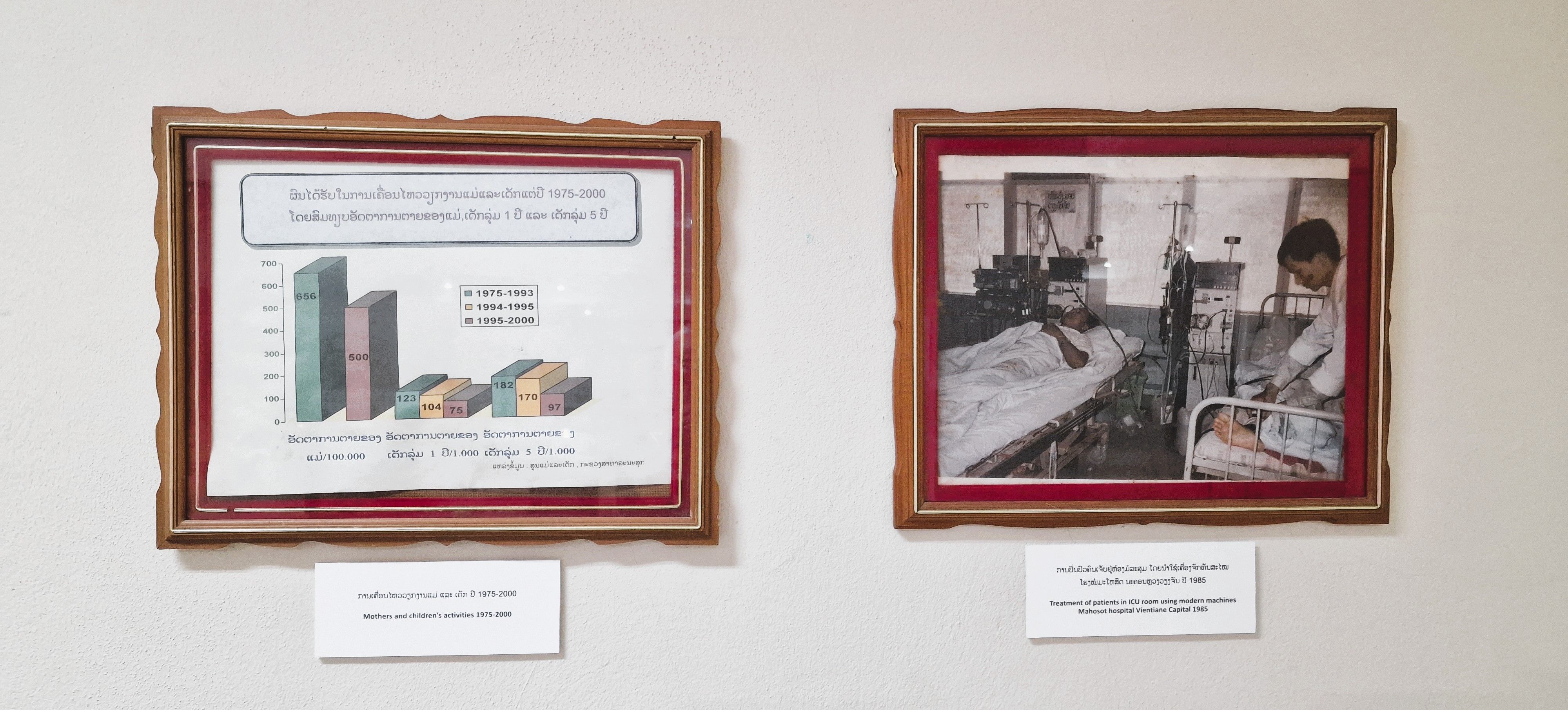
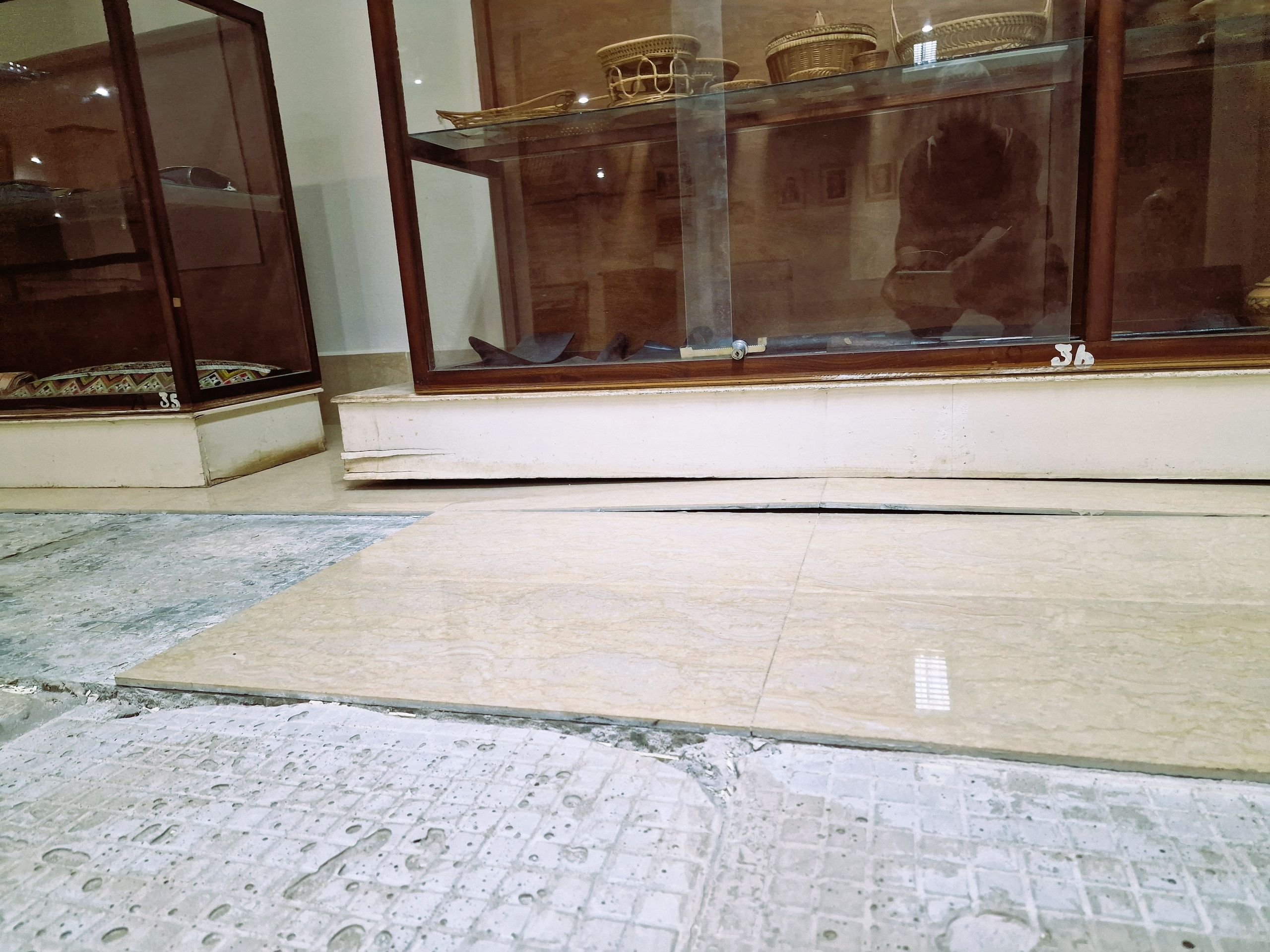
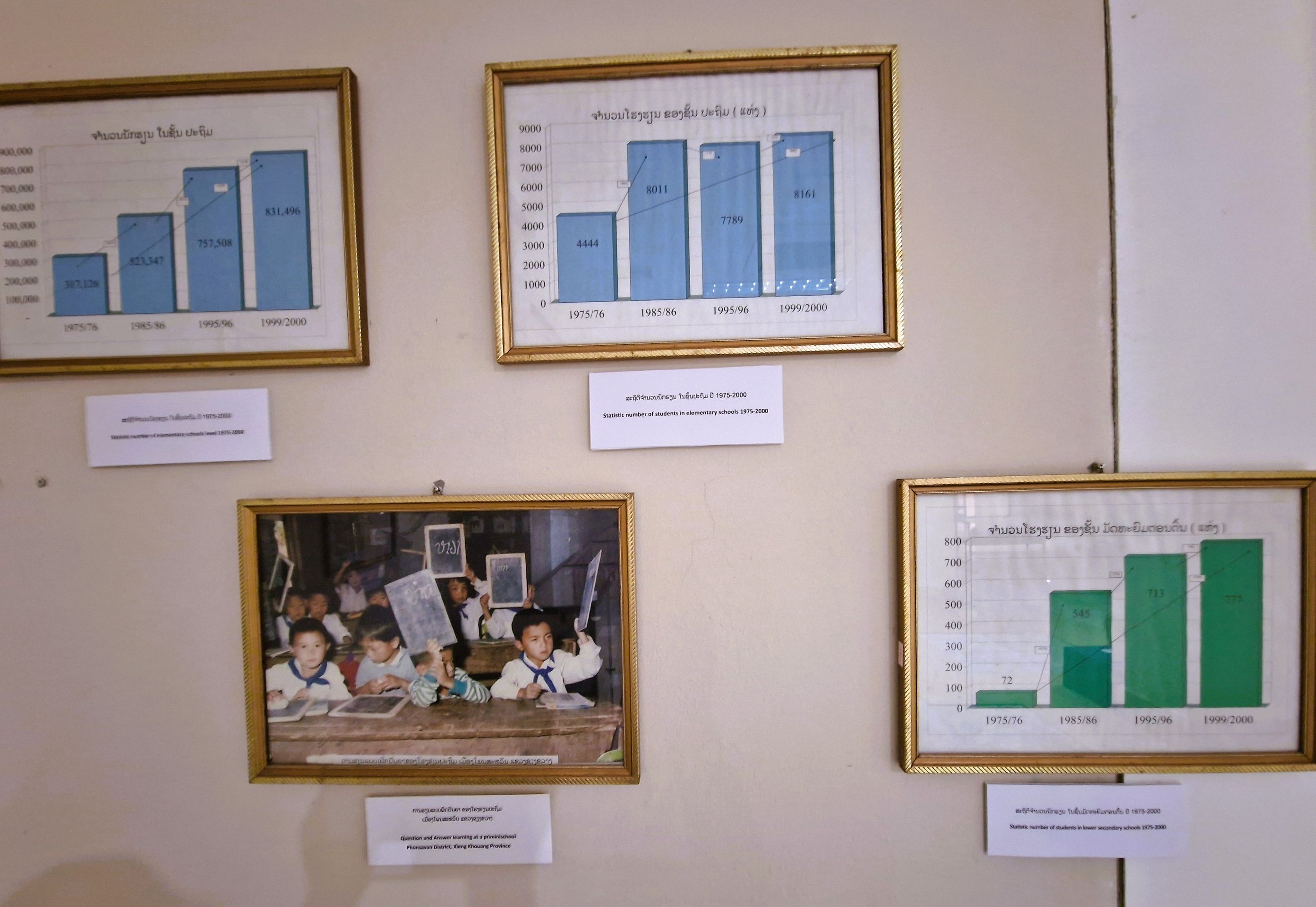
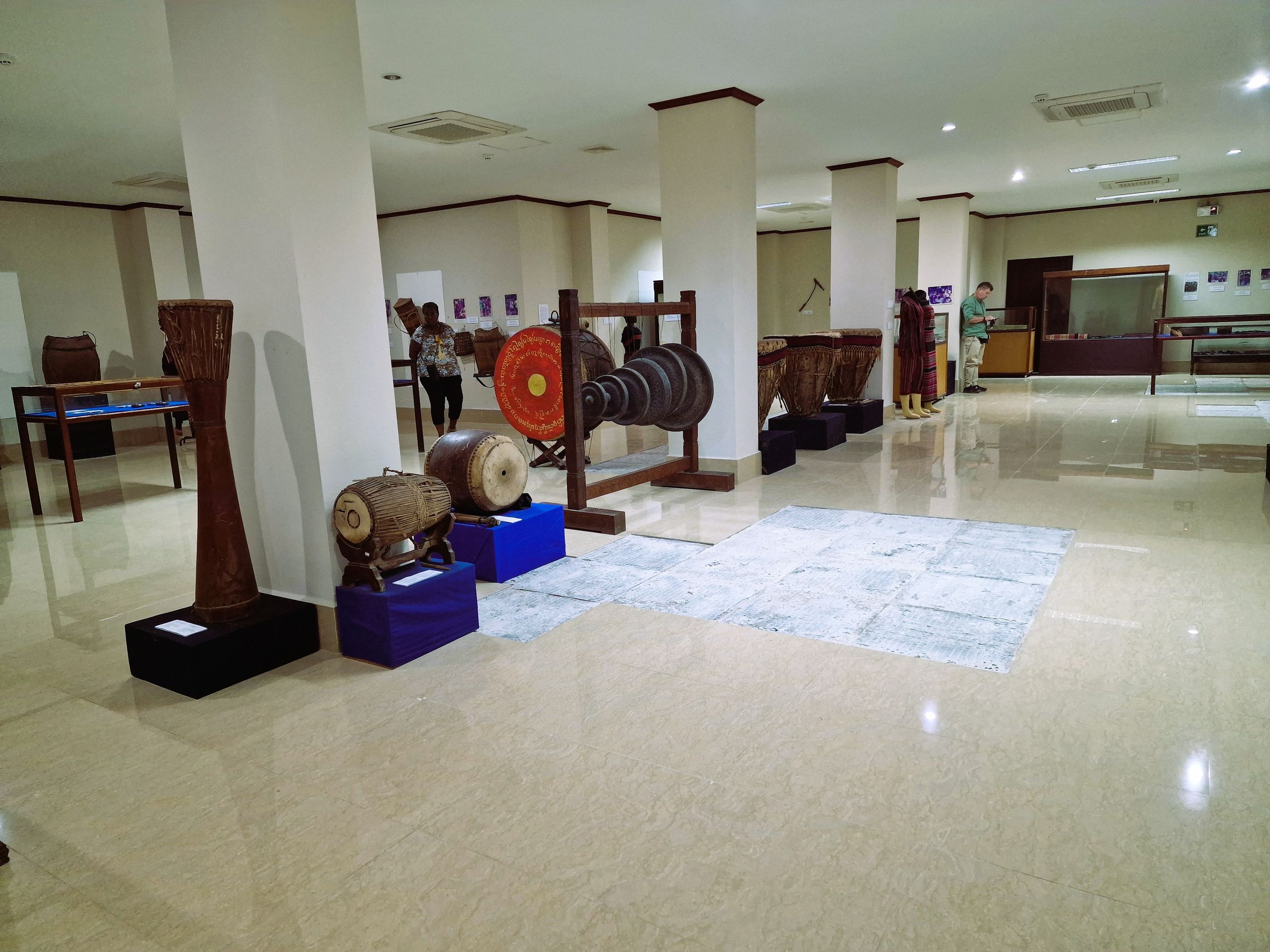
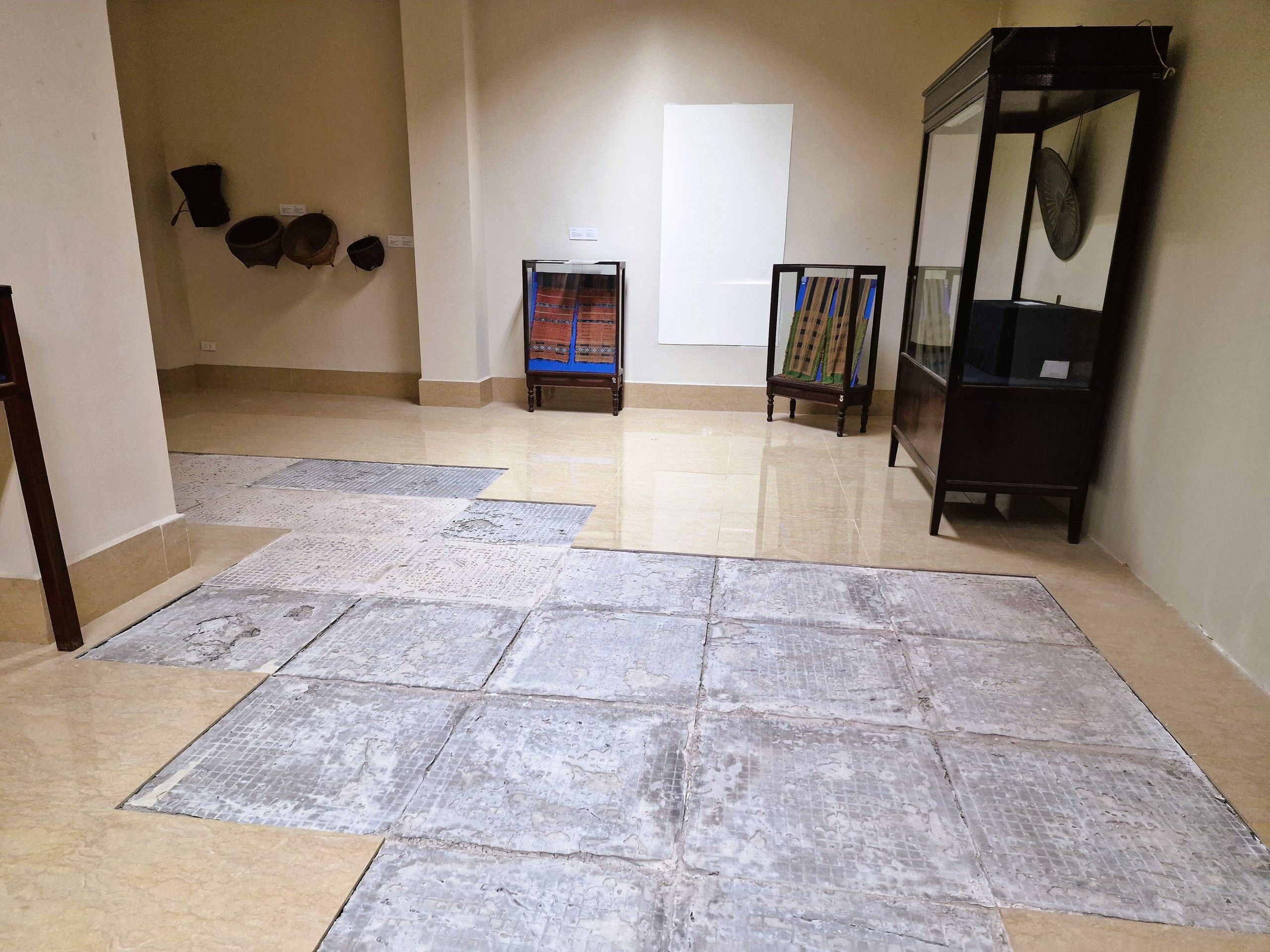
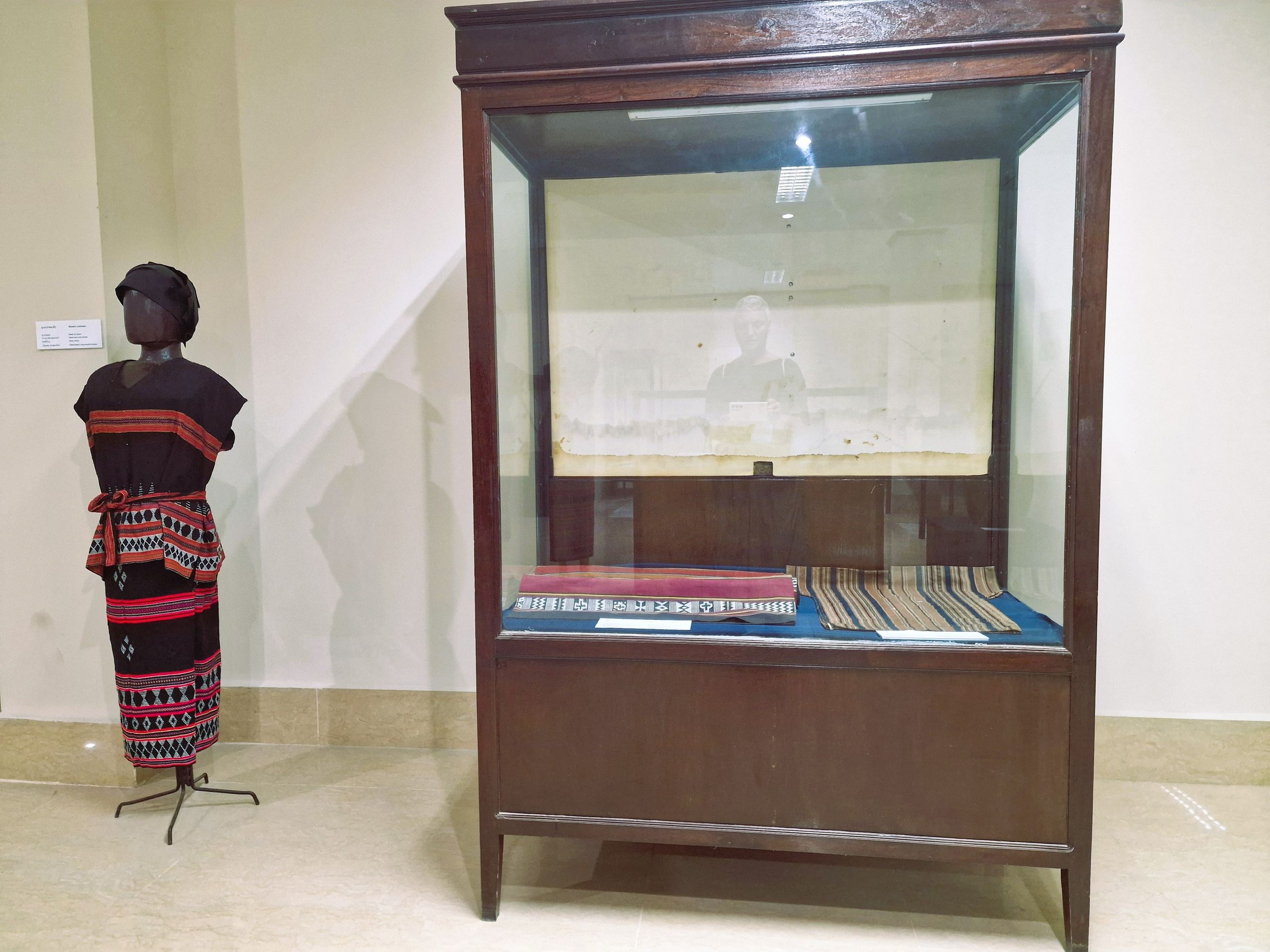
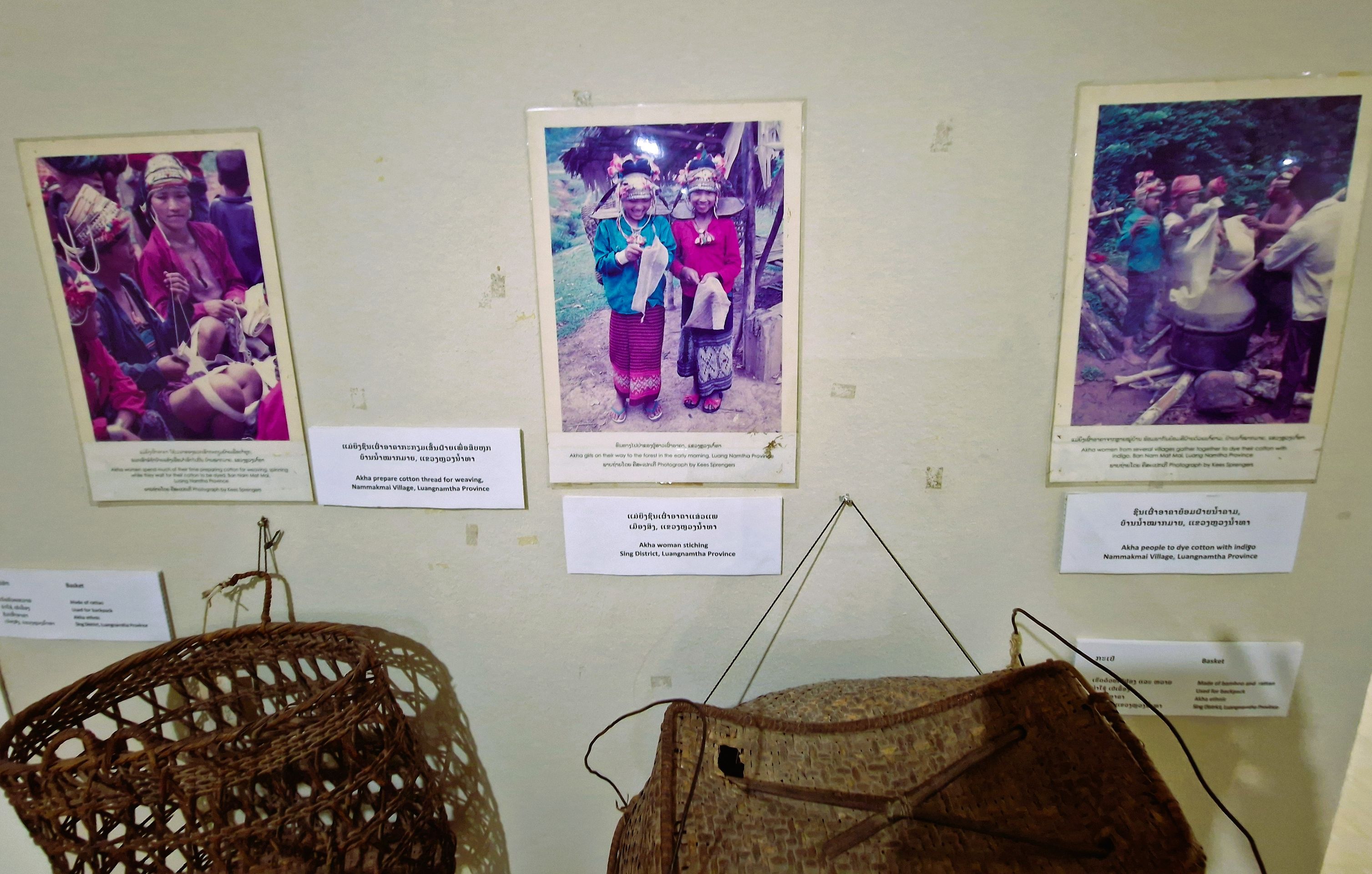
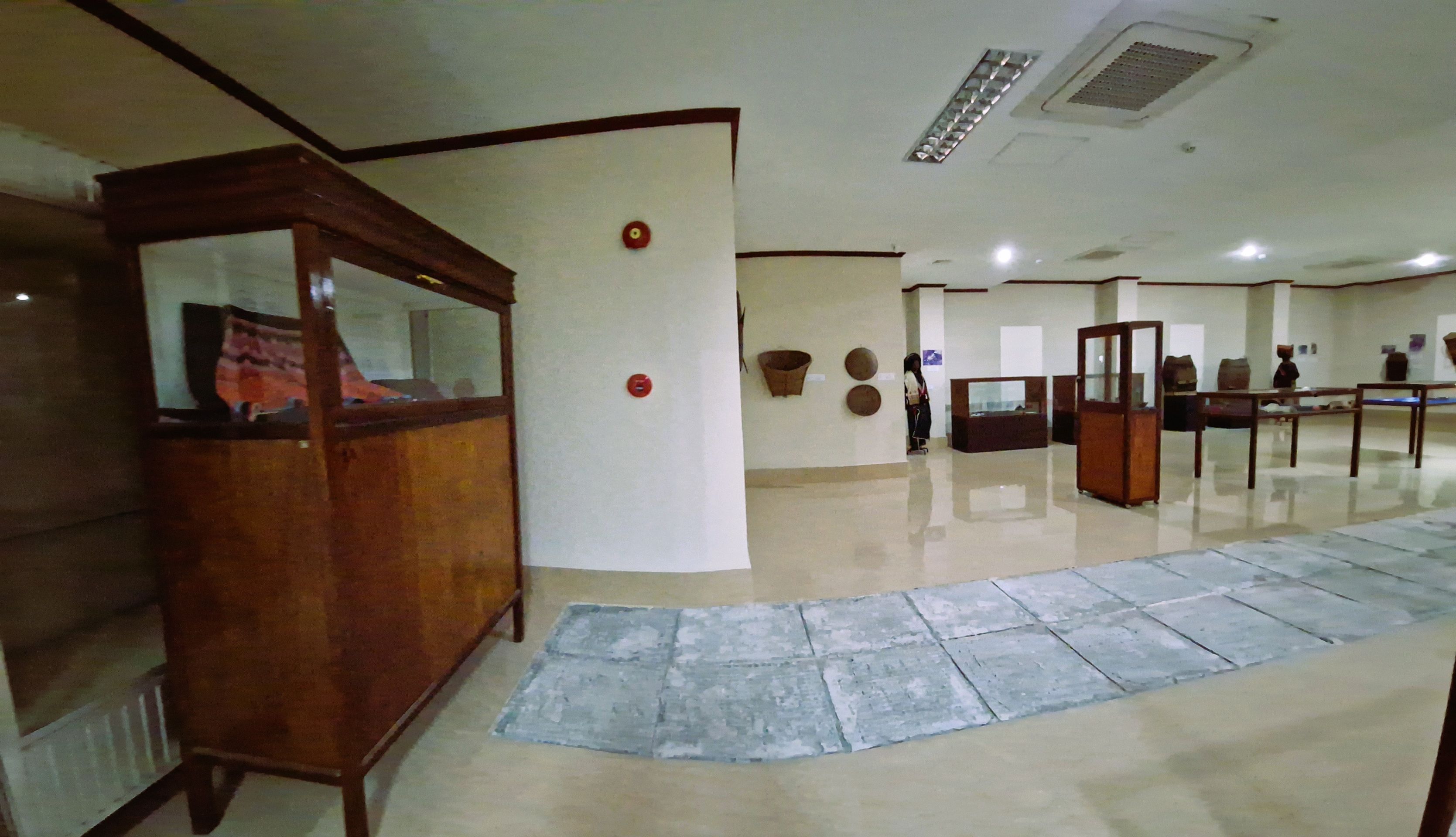
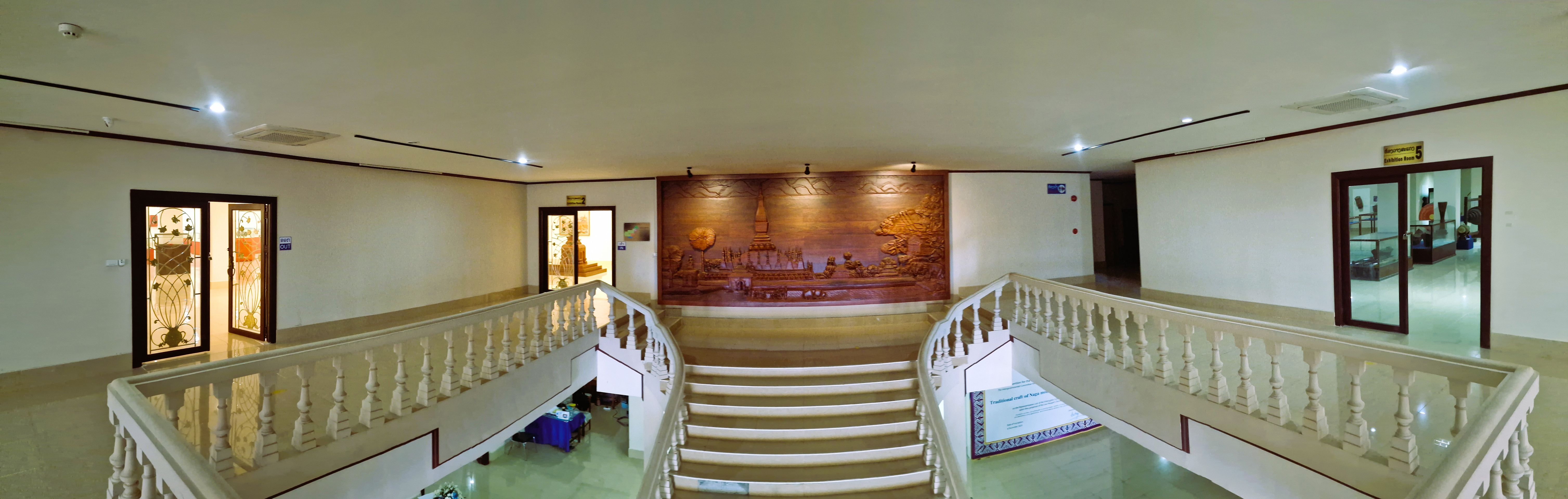
Well, we continue to observe and research for ourselves. We take plenty of time for the visit to the National Museum. It begins in Room 1 with early finds of dinosaur bones and ends in Room 7 with representations of the way of life of ethnic groups. We are pleased with how beautifully, appreciatively, grandly, generously, and detailed artifacts and images with descriptions are exhibited. In the representation of colonial rule by the French and liberation from it, there are already photographs and stories – told sparingly, emphasizing heroic deeds. The involvement of the United States, the division, and the ousting of the royal family, the civil war, and the devastating extent of the U.S. bombardments are not given much space. From Room 4, we are shocked! The building of the nation of Laos until today, poorly lit, the floor is damaged, the showcases dirty, the images gray/brown, not even a picture of the current president hangs in the presidential gallery! The whole room feels dismissive, disrespectful, demeaning, and indifferent. We are appalled, and what we see expresses exactly what we perceive. Where is the vision? Where is the pride, the pride of the people? Where is the identification? Room 5, the 'appreciation of ethnic minorities,' is just sad...
Wikipedia writes and explains it to us like this: After the end of the Vietnam War in 1975, the communist forces of the Pathet Lao (Lao Revolutionary People's Party) took power through a – compared to the events in neighboring Cambodia – bloodless revolution in 1975 and proclaimed the Democratic Republic of Laos on December 2, 1975. Since then, Laos has been a single-party state and thus one of the five states in the world led by a communist party. The political life of the country is dominated by the dual structure of party and state, as all state officials are also party officials. This gives the LRVP unrestricted power and control over events in the country. Corruption pervades all state and party structures, which are infiltrated by patronage networks of influential entrepreneurs and family clans. Members of powerful family clans specifically aim for party and state offices to secure their economic interests. There is no prosecution of corrupt high-ranking party and state officials. The constitution of Laos is the result of discussions that began in 1989, during which critics calling for a multi-party system were arrested. It enshrines the political leadership claim of the LRVP as a legitimate center of power and the principle of democratic centralism, yet abstains from the utopia of a communist society or the dictatorship of the proletariat.
A political index released by non-governmental organizations states for Laos:
Fragile States Index - heightened warning
Democracy Index - authoritarian regime
Press Freedom Ranking - very serious condition for press freedom
Freedom in the World Index - Freedom status unfree
Corruption Perception Index - high corruption
In conversations with Laotians, no one asks us how we like it. No one seems proud of their country. One Laotian told us that he sends his children to study in Vietnam, as the 'university degrees', high school, and training in Laos are worthless, they are for sale. A taxi driver expressed his frustration: “China pays, and the government signs, signs, signs.” Someone bitterly told us what effects the construction of dams on the Nam Ou River has on the locals who live by the river, and that the beneficiary of the energy generated is China.
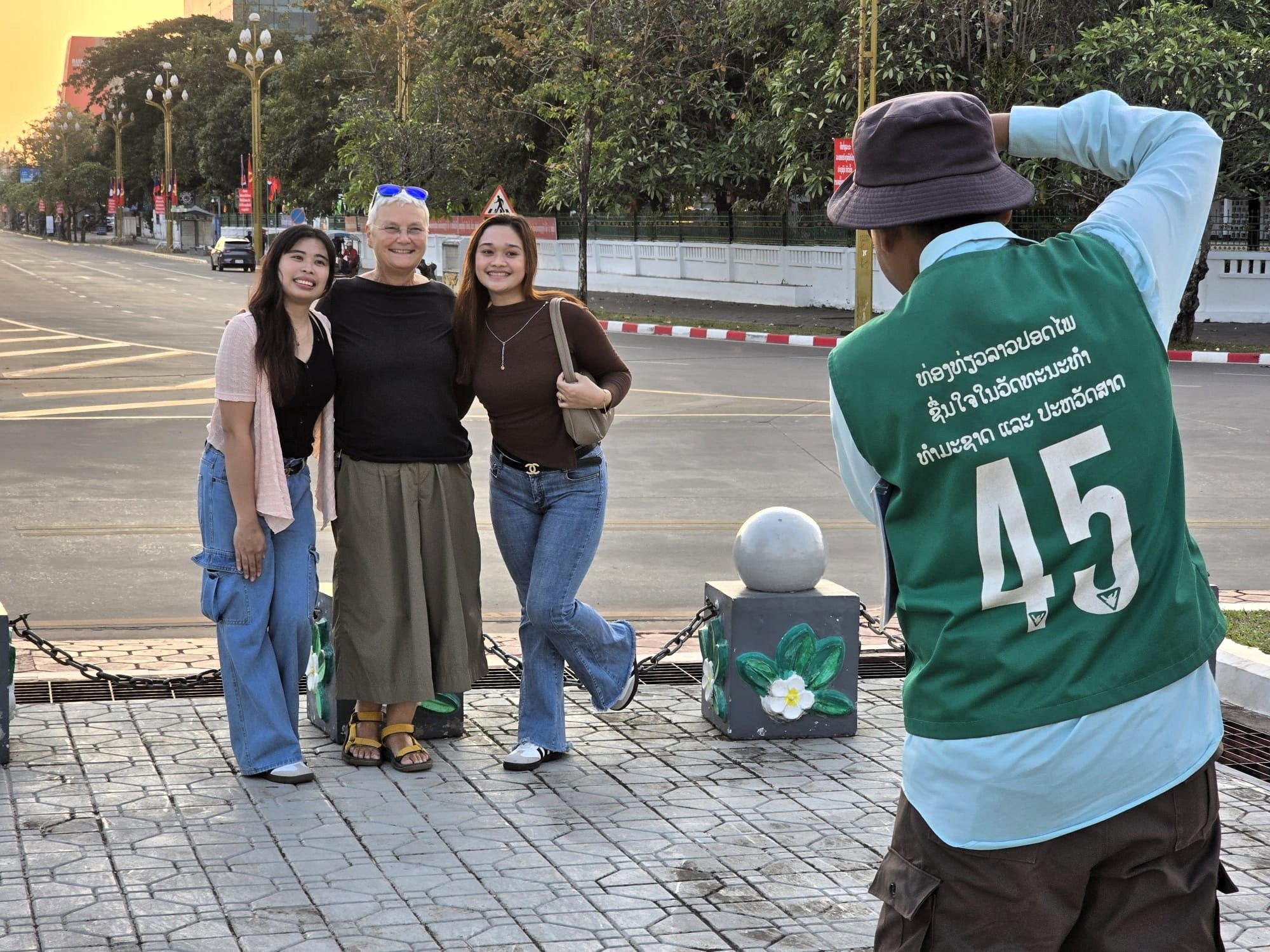
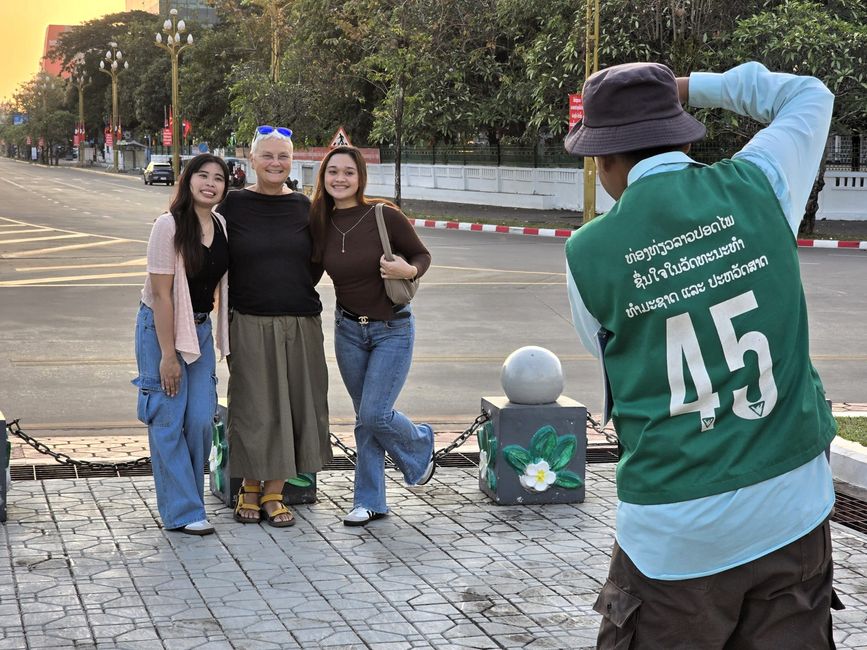
Chinese tourists, who move openly and interestedly in the beautiful places and temples, are going to Chinese hotels and eating in Chinese restaurants. In the hotels, we notice how Vietnamese manage the business or are owners. Two young women who approach me for a photo come from the Philippines and work in Vientiane. In a conversation with a hotel employee yesterday, he told us he would like to do more, to develop more, but it is not possible. Not possible. The median age in Laos is 24.9 years – that means a lot of power! Essentially!
I conclude my remarks and hope I haven’t demanded too much.... it was the only way I could grasp what Thomas and I felt in the background.
Images of all the nice encounters, the wonderful situations over all the days, with people and beautiful places, all that fills, will come in the next hours.
On Christmas Eve, we are in Luang Prabang and on the 25th we head towards Thailand.