
Verdun sur le Doubs to Abergement-la-Ronce
Abergement-la-Ronce, a small village on the Canal du Rhône au Rhin. After Lock 73, there is a landing spot. Even though we were on schedule and the stop was planned, when we...


Published: 11.06.2025
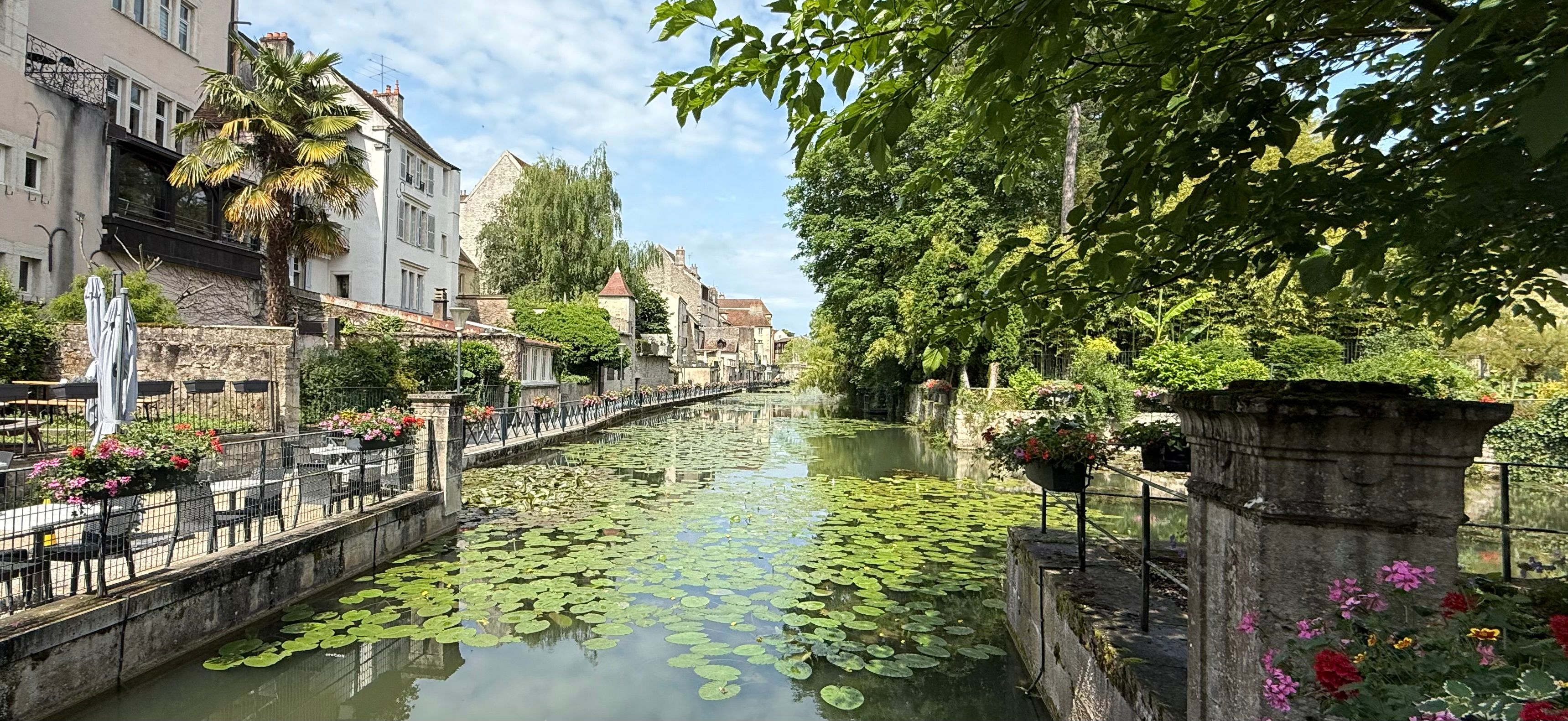
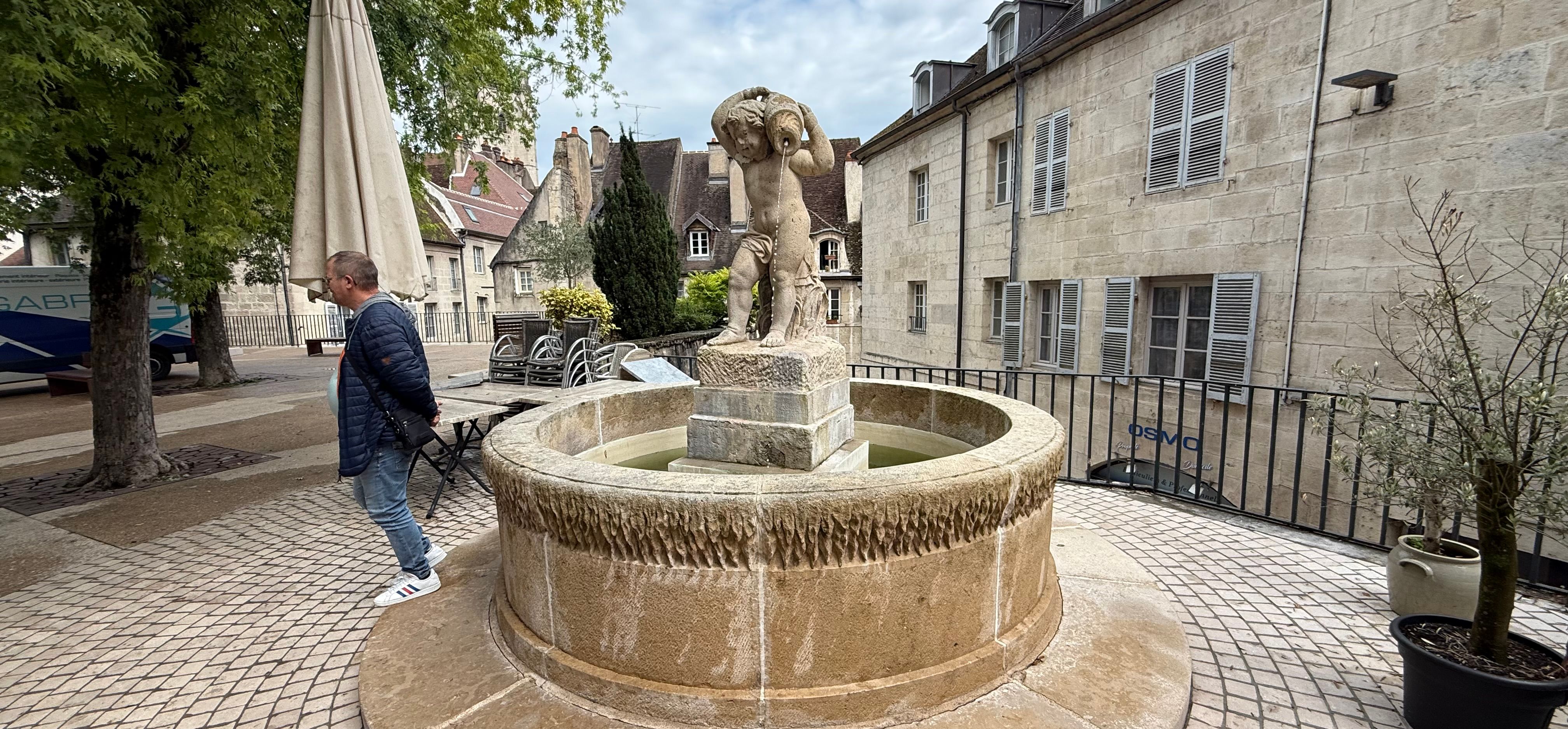
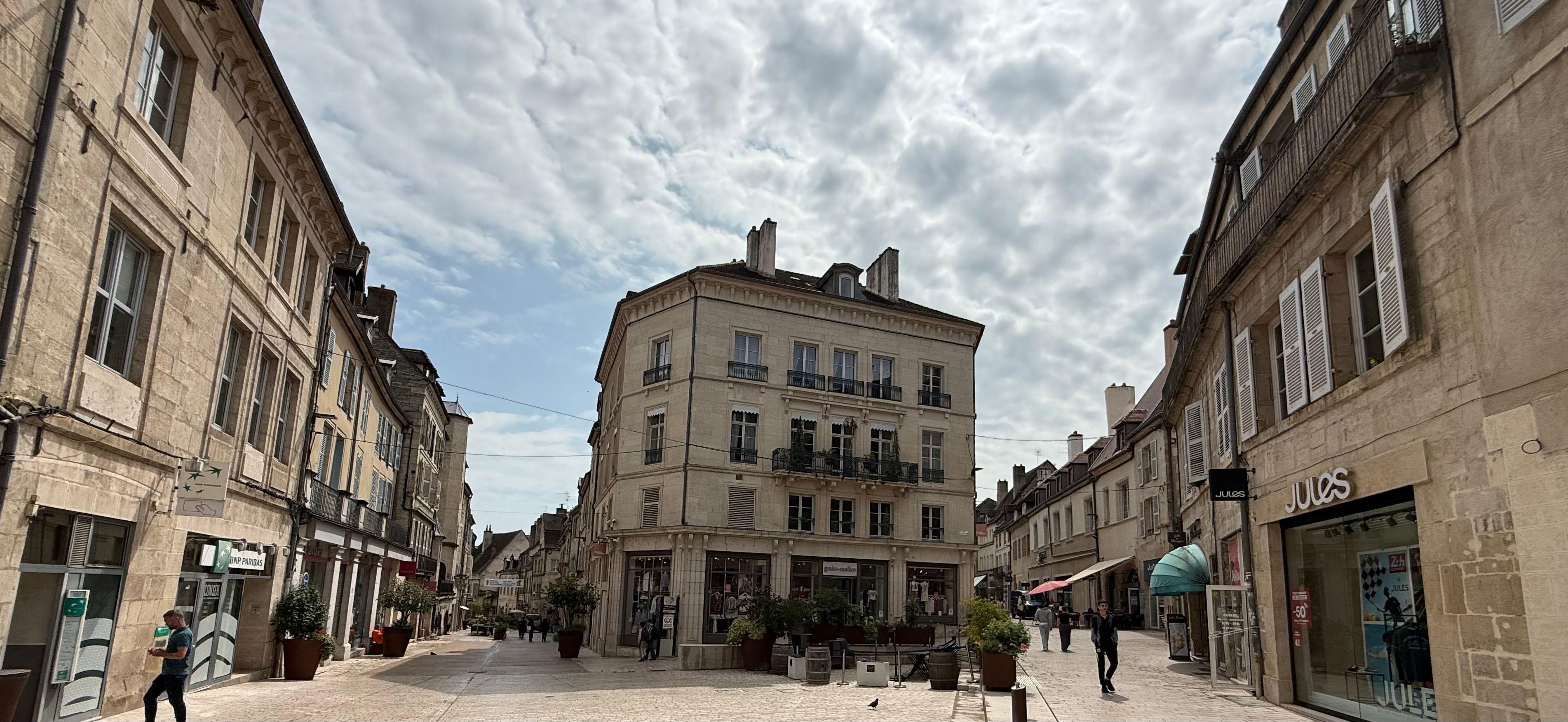
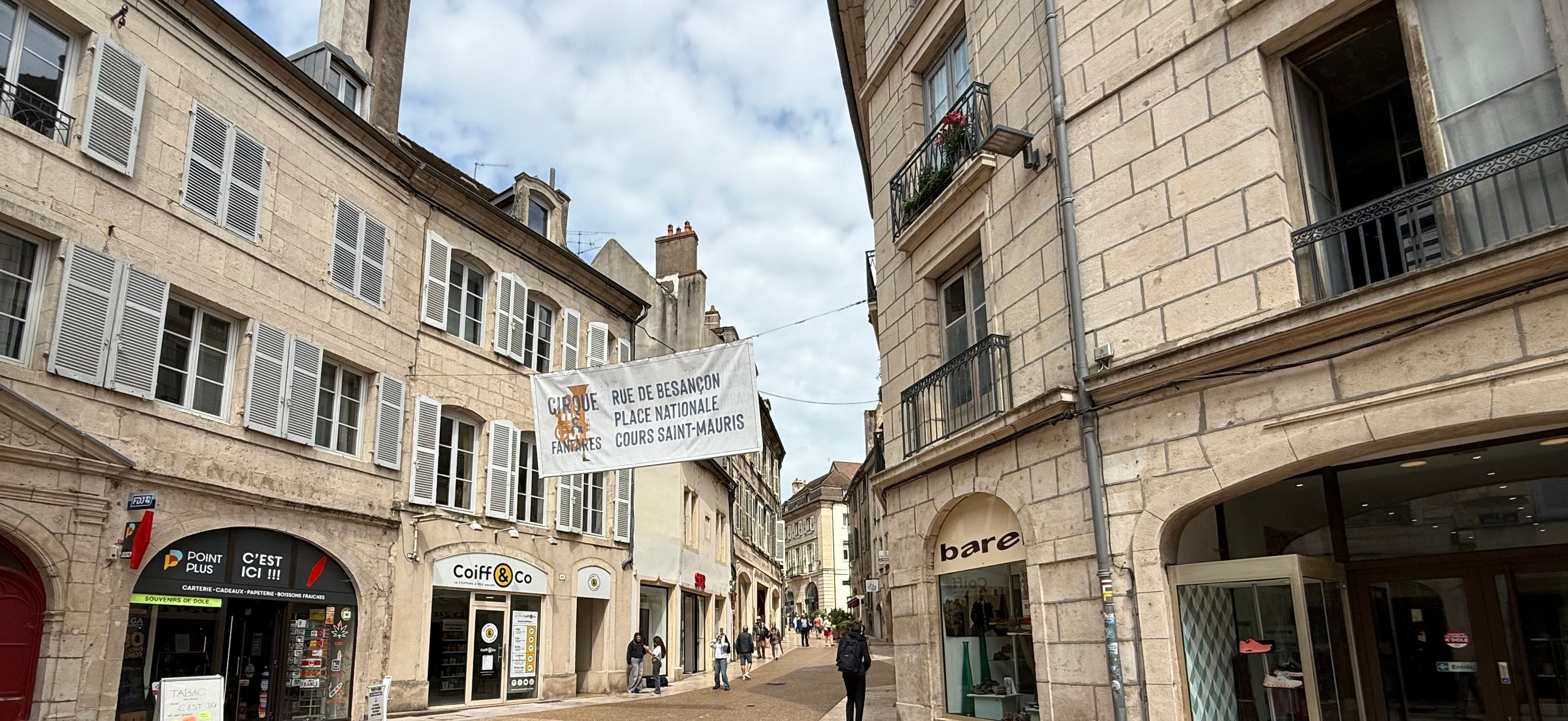
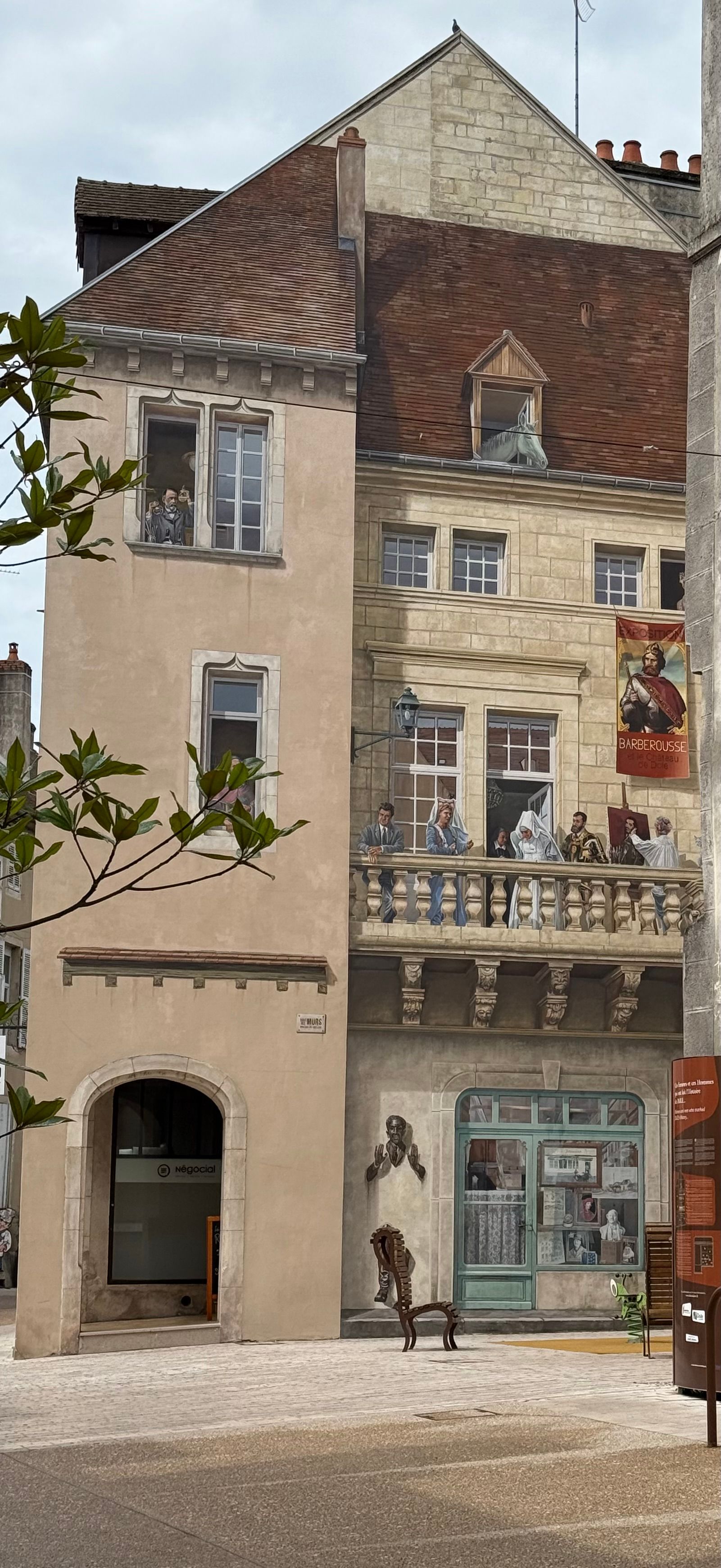
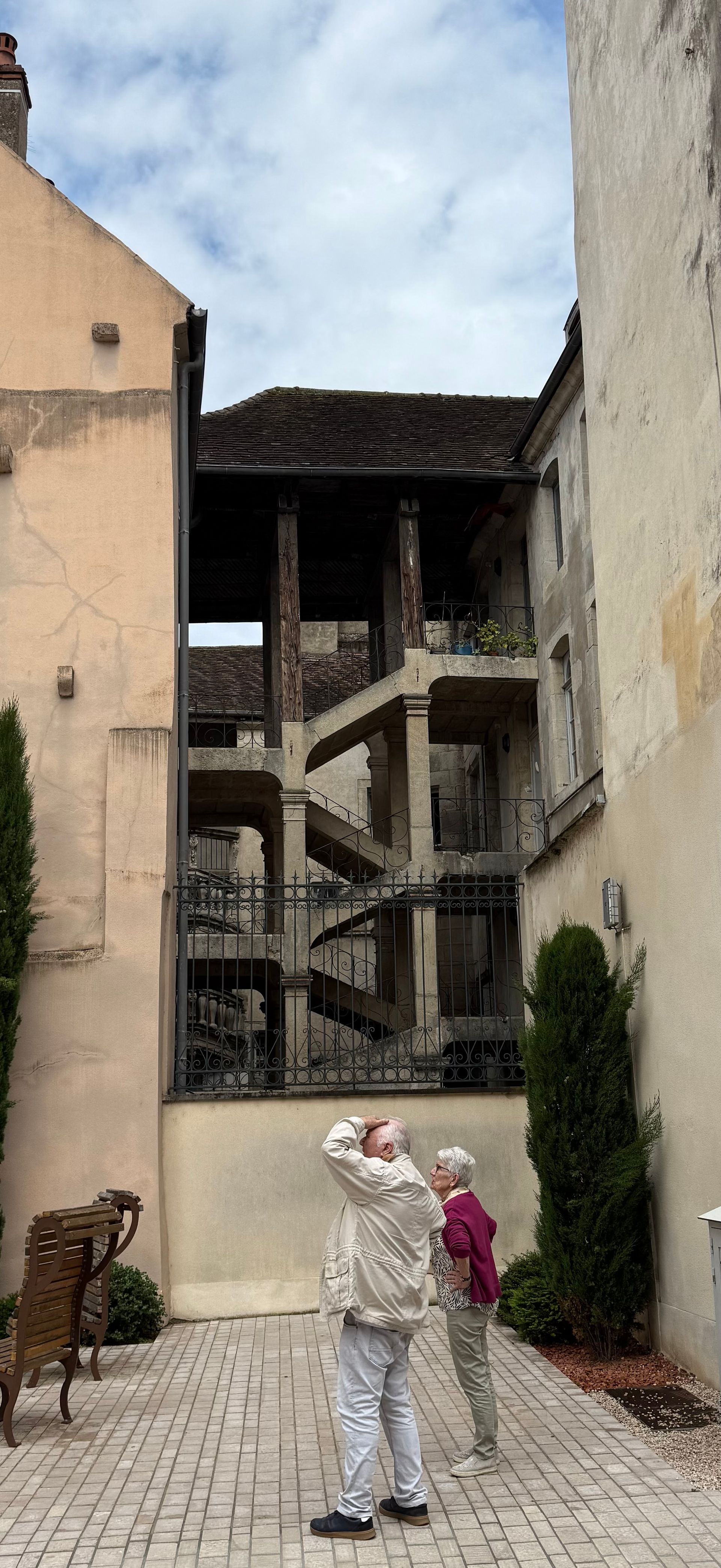
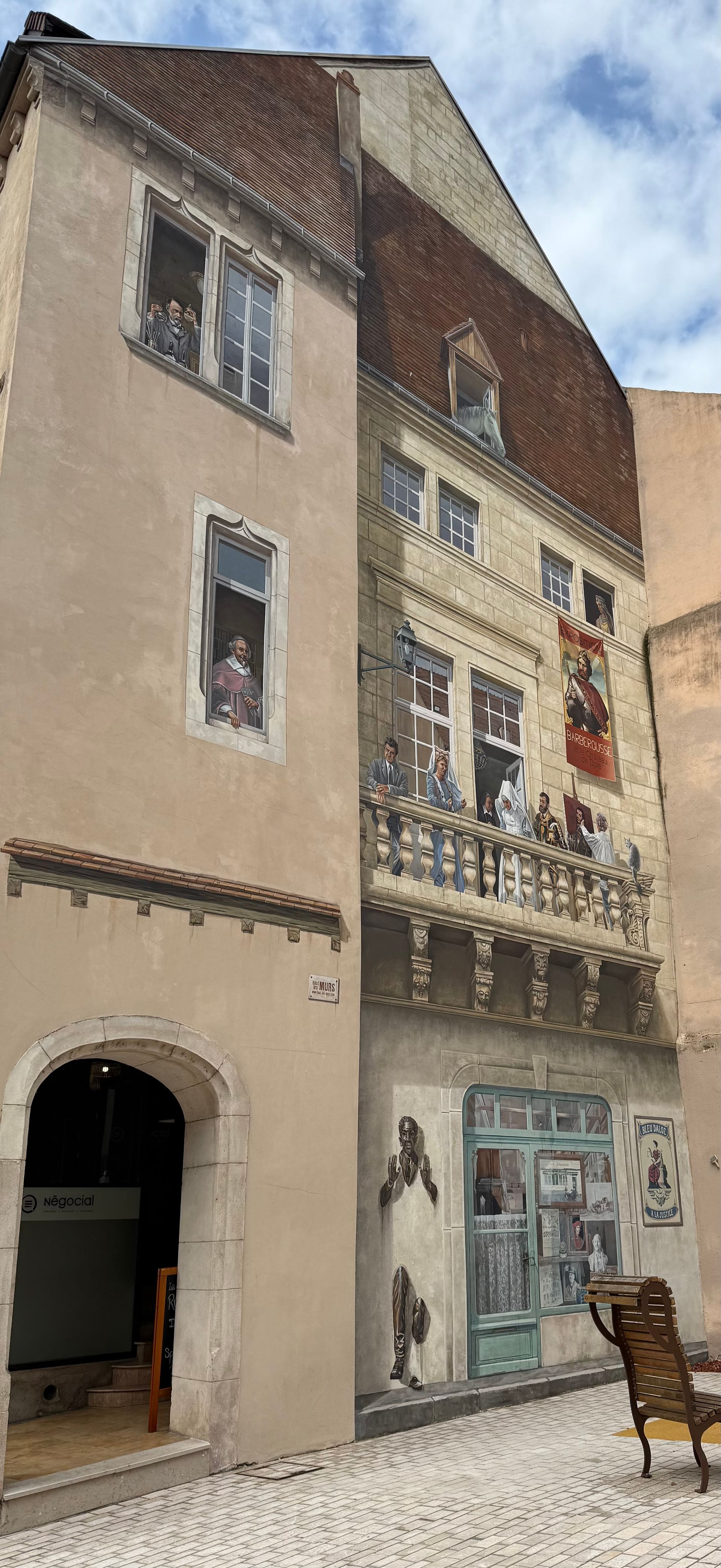
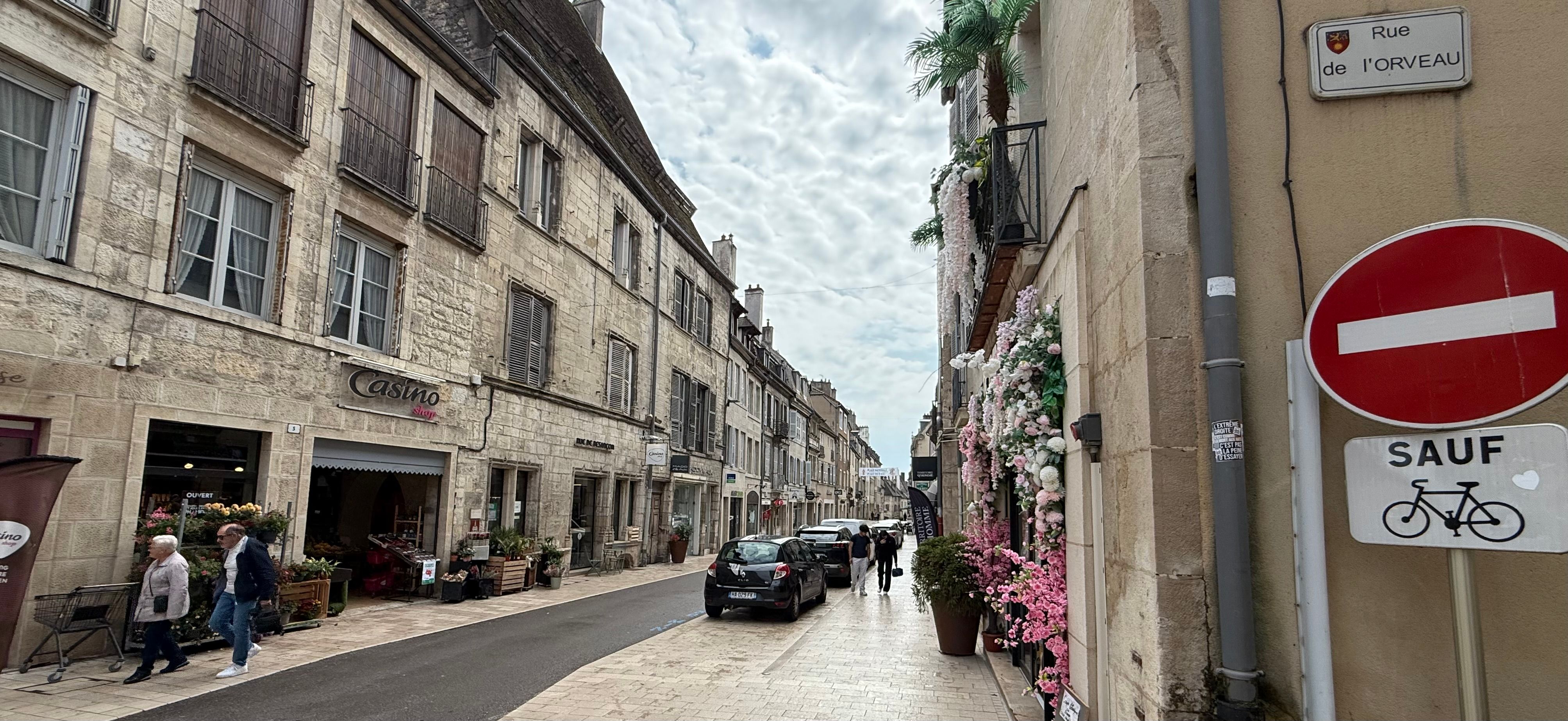
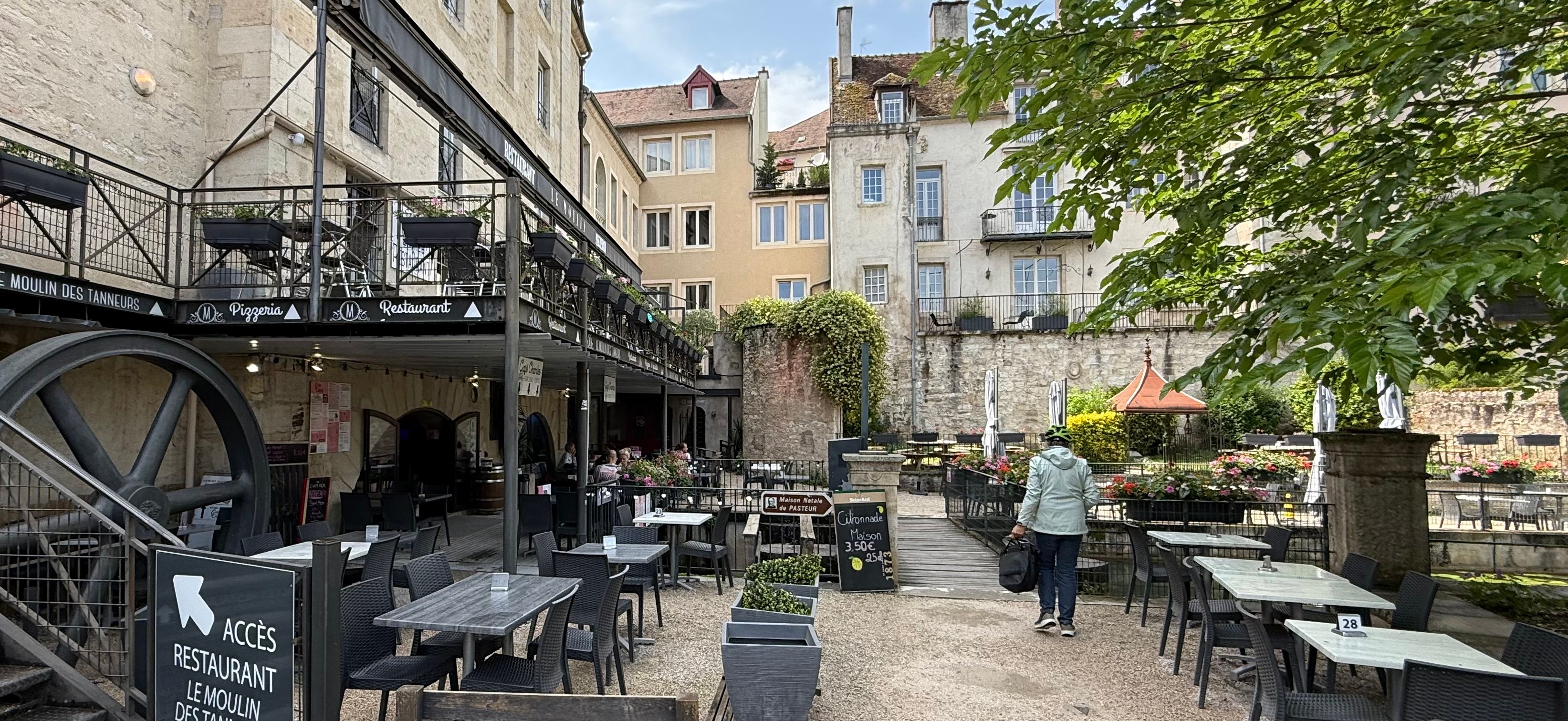
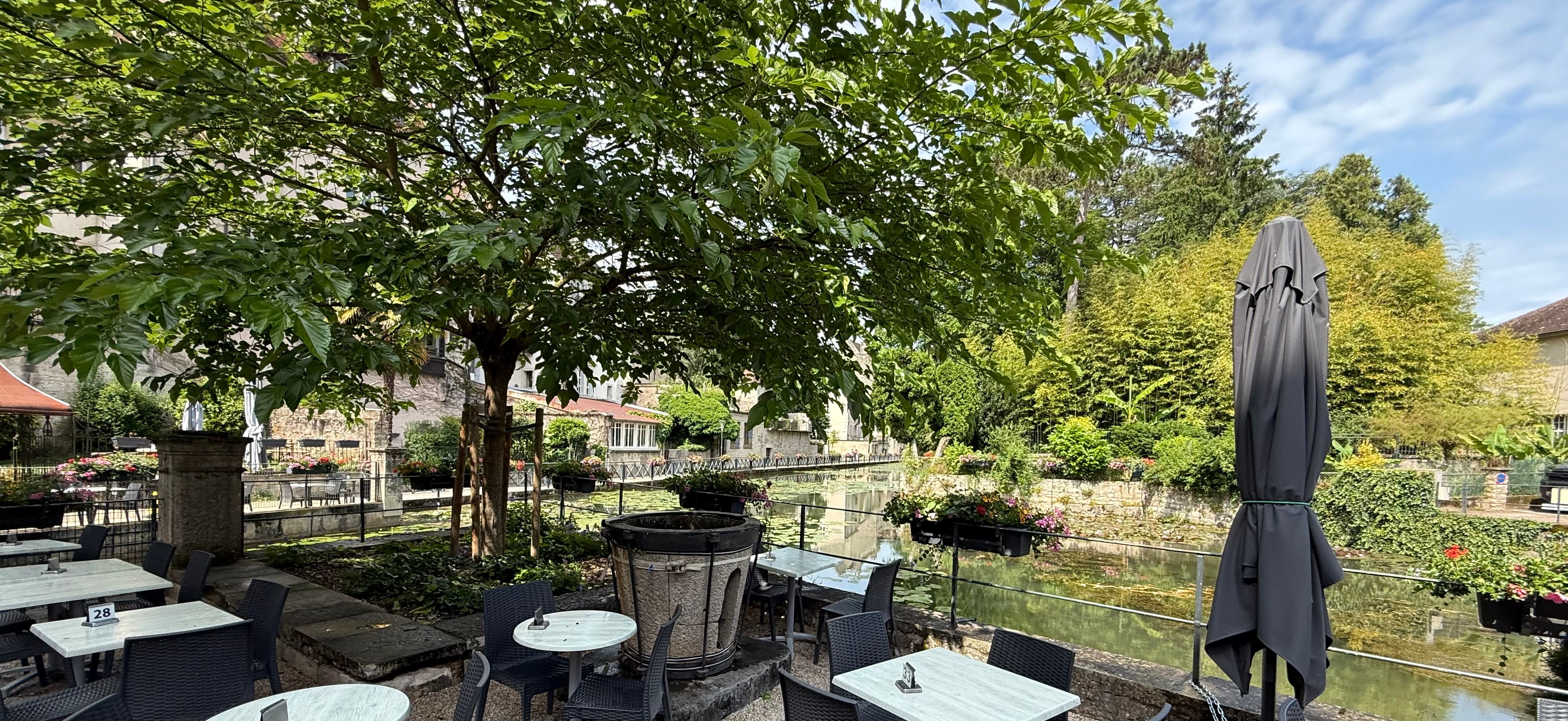
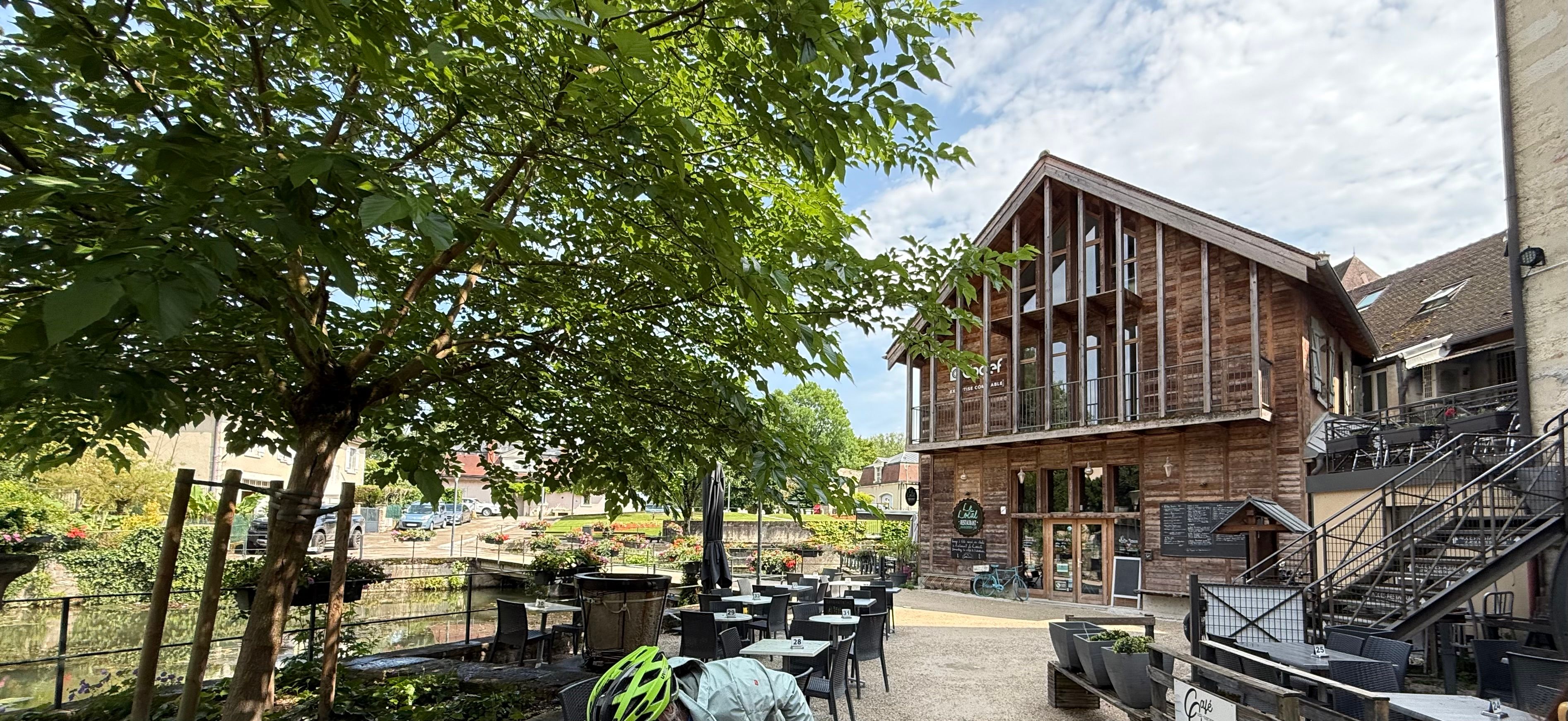
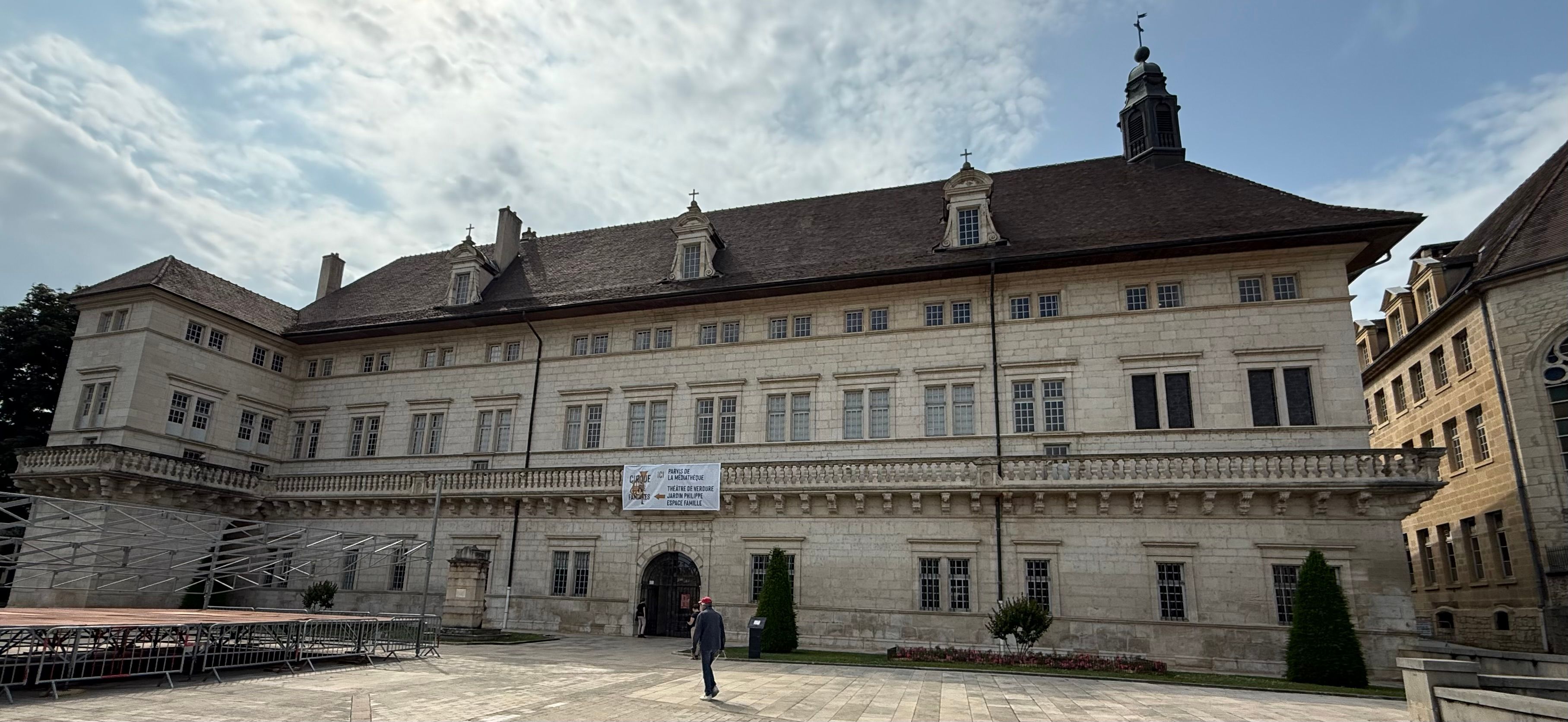
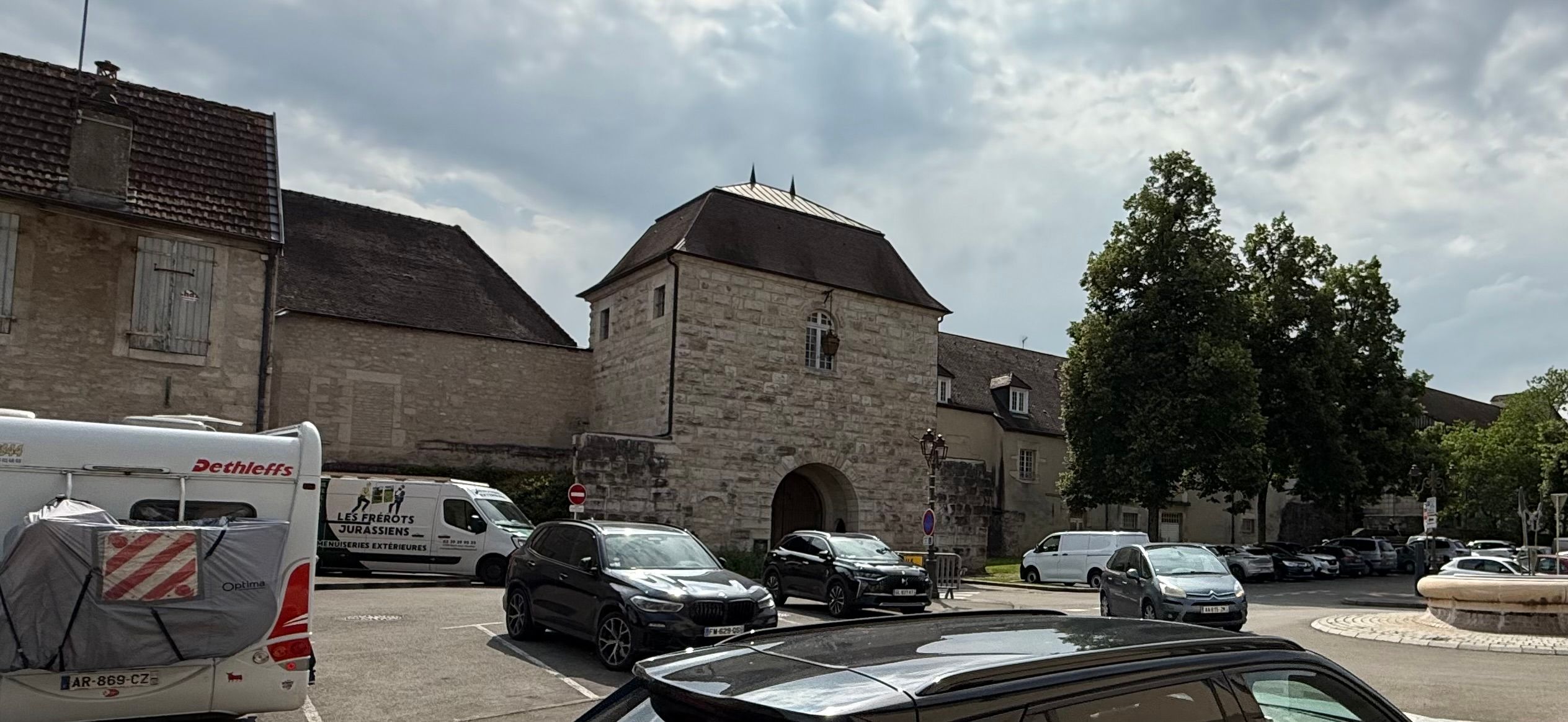
From Abergement-la-Ronce to Dole, it was just a short distance, 3 hours of travel time including 6 locks. The canal runs through an industrial area of the Solvay company on one side, while the other side of the canal is a huge landfill. Mobile phones and smoking are prohibited, as well as stopping or mooring.
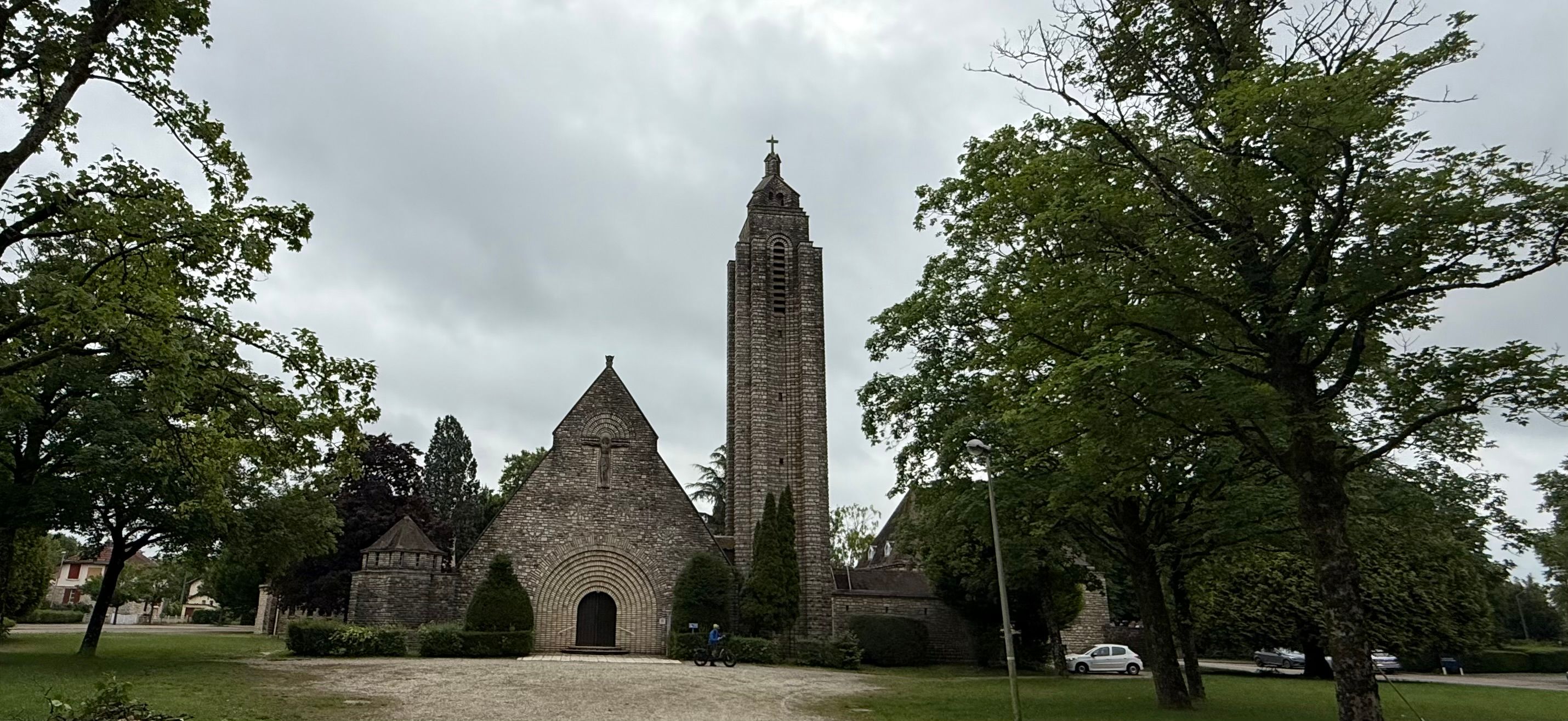
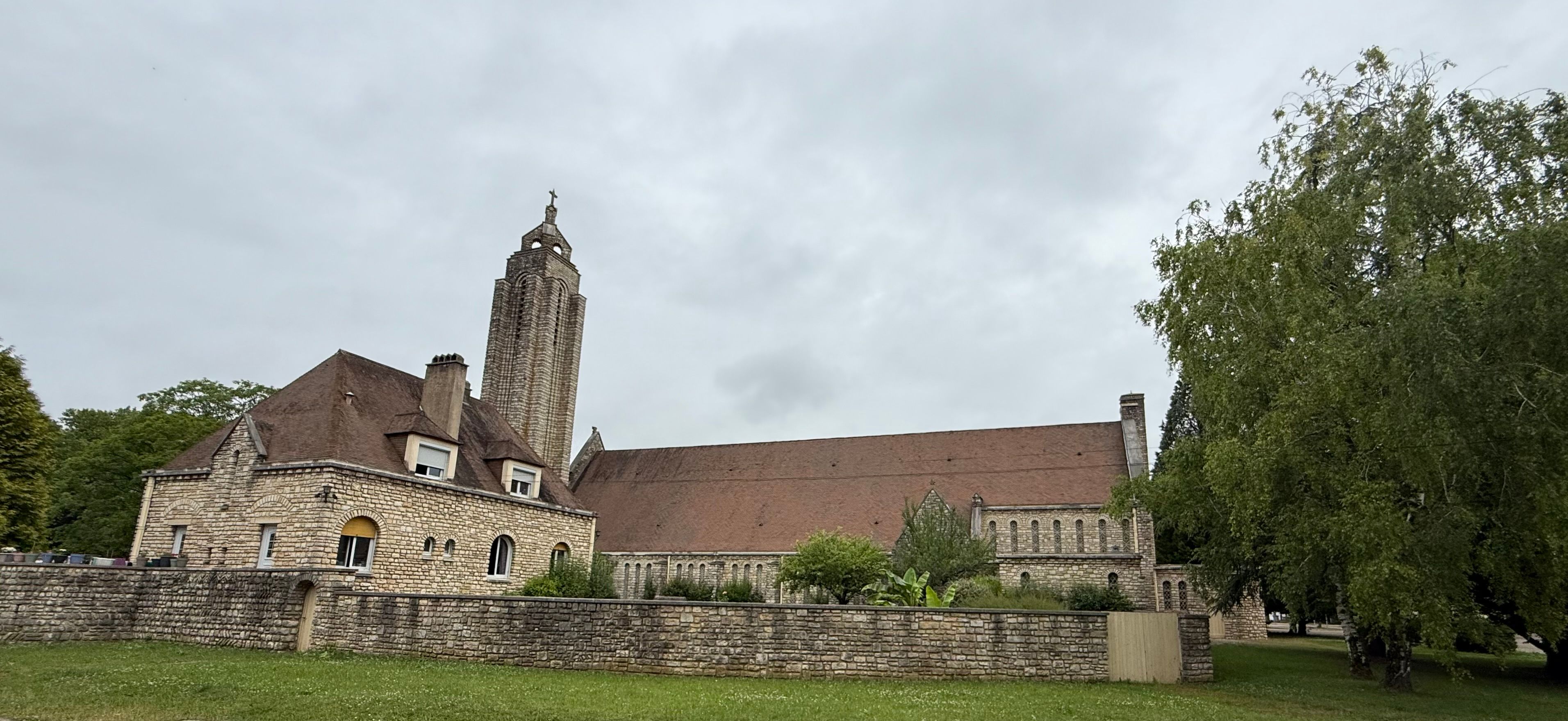
We reach our destination, Dole, around noon and immediately make our way to the Église Sainte-Anne de Tavaux. We enter the destination into the GPS and off we go; however, upon arriving, the church is missing. A second attempt to input the destination leads us back for a large part of the route, and ultimately we can see the church Sainte-Anne de Tavaux. It is a Catholic parish church constructed in the late 1930s by architect Henri Vidal in Tavaux in the French Department of Jura. It is part of a workers' city also designed by Vidal, built for the Solvay factory located in this municipality.
Just like the factory, everything here seems a bit aged; we cannot view the interior as the church is closed. In short, we begin our return journey and also take care of some shopping at Leclerc.
Since a lot of rain is forecast for the coming days, we make Gustav a bit weather-resistant, with a visit to Dole planned for the next few days.
Dole once held much greater significance, as quoted from Wikipedia: In 1372, the Couvent de Cordeliers (Franciscan Monastery) was founded. The then Dola became a seat of parliament in 1386 and the capital of the Free County of Burgundy (Franche-Comté) in the Burgundian Empire in 1422.
In several wars, the city changed ownership between Habsburg and France several times until it was ultimately detached from the Holy Roman Empire in the Peace of Nijmegen (1678/79) and ceded to France.
After that, Besançon gained more and more importance, and Dole fell a bit behind.
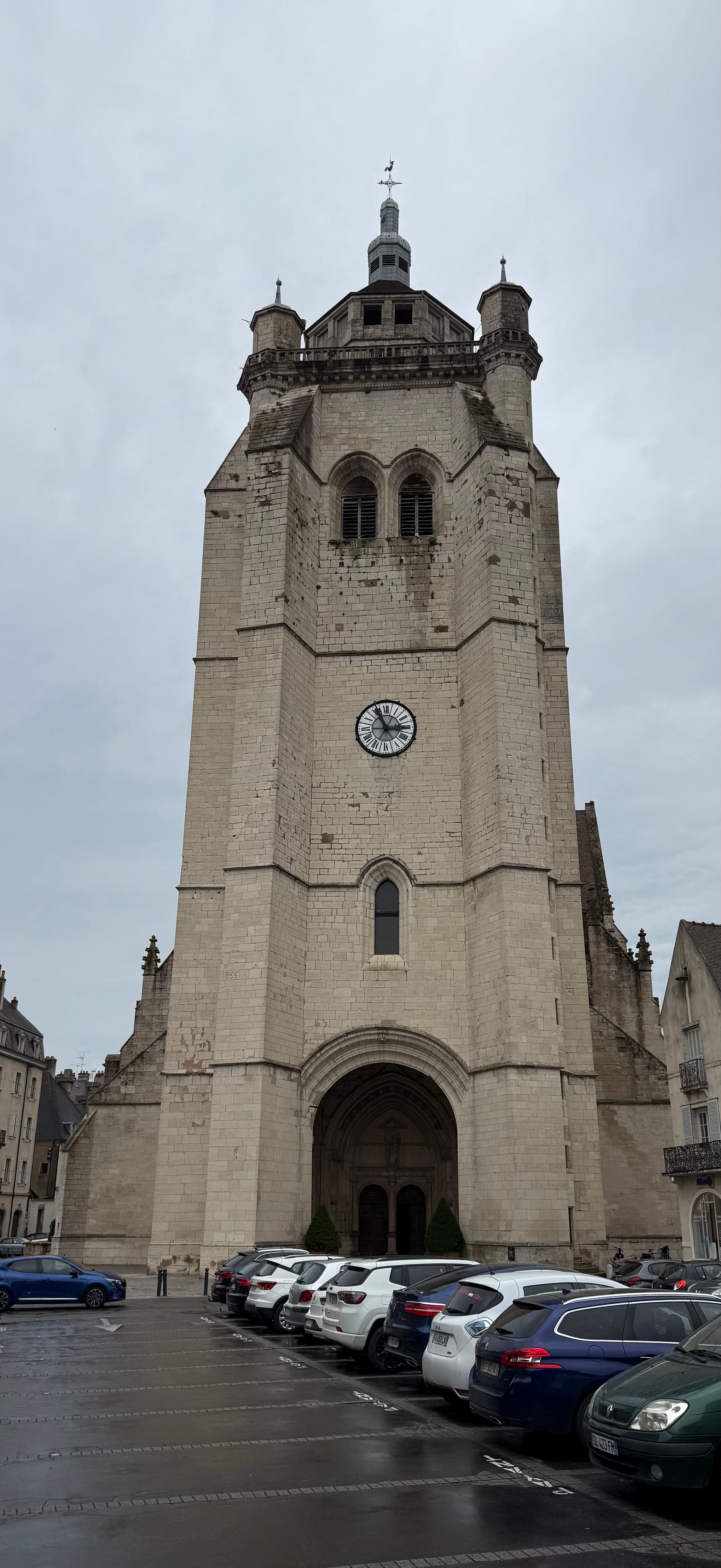
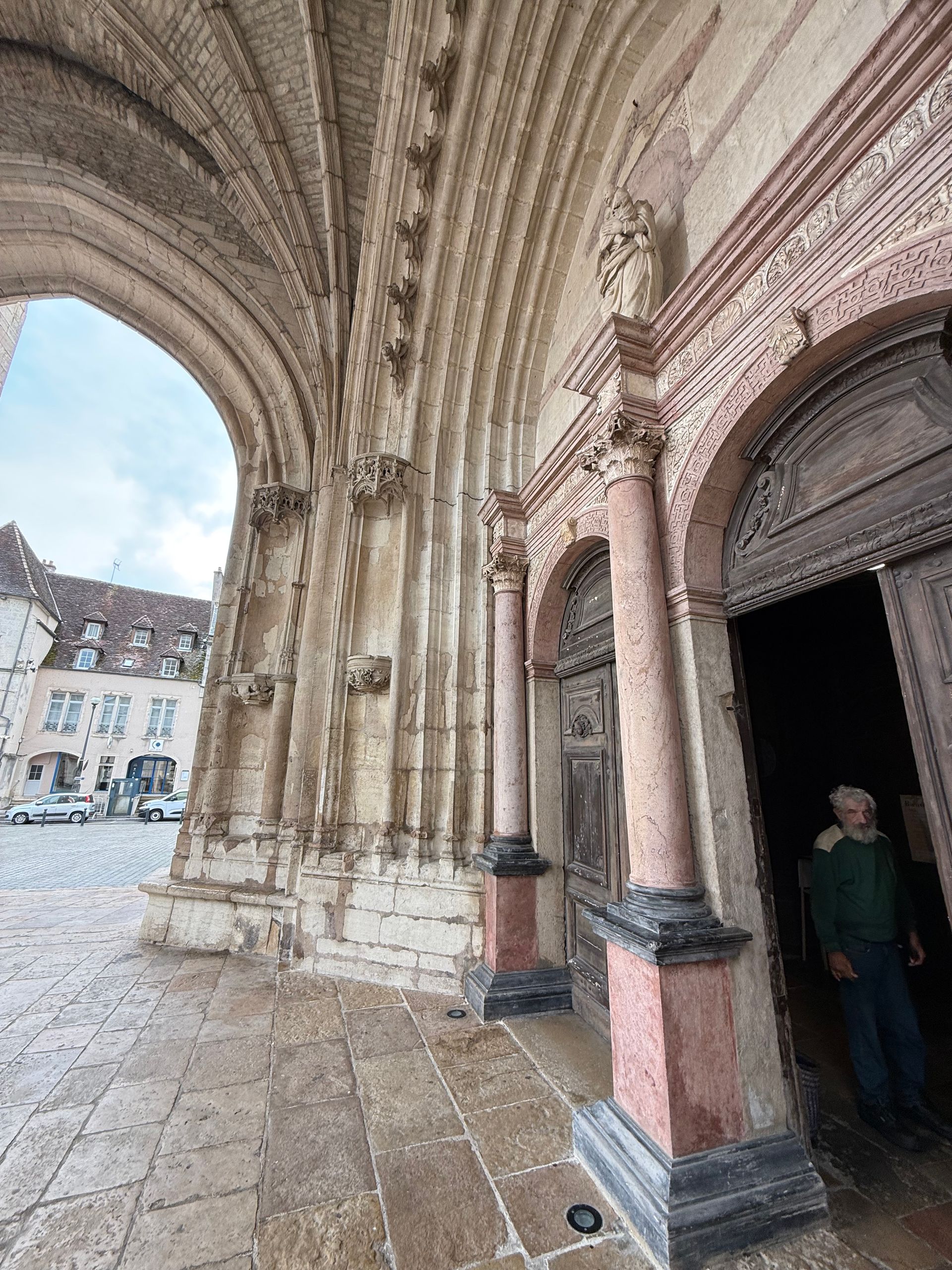
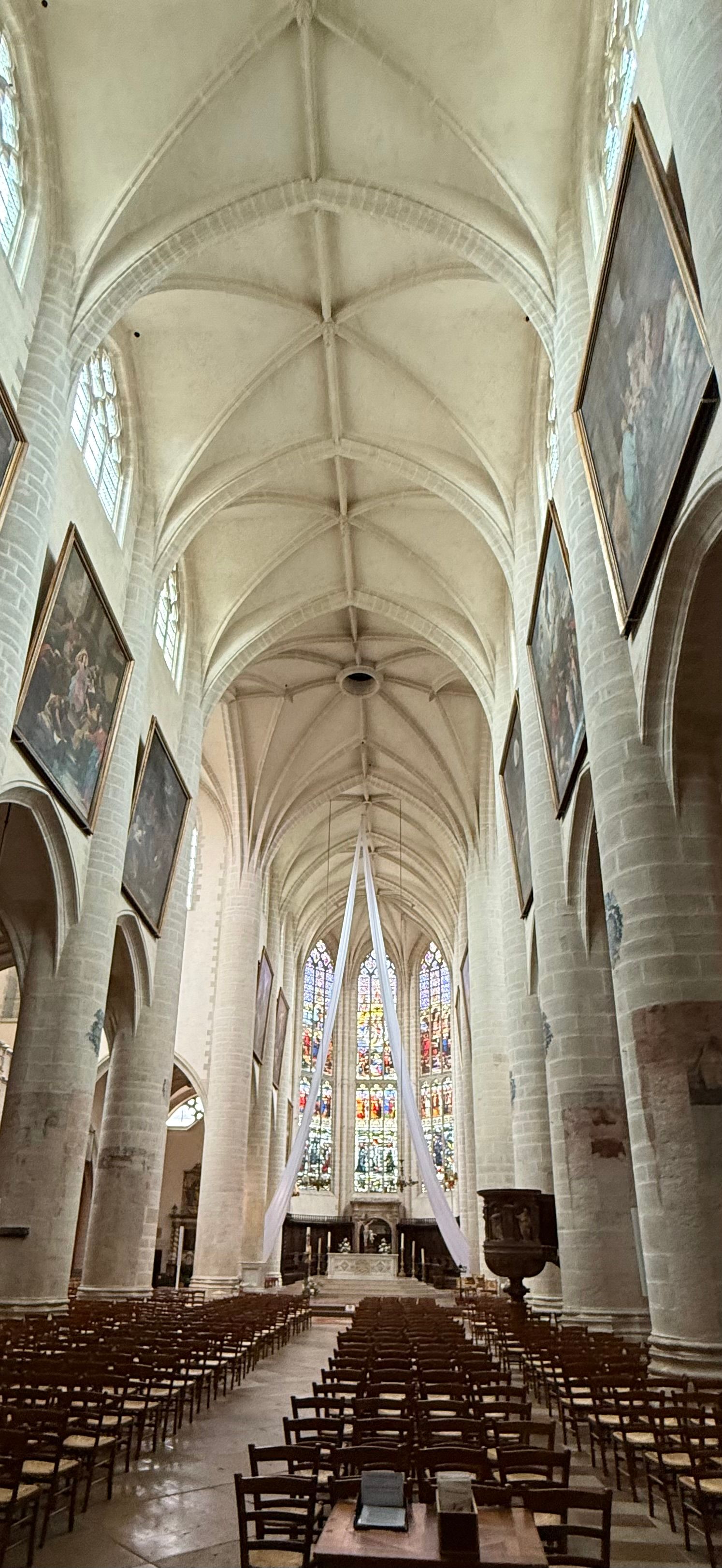
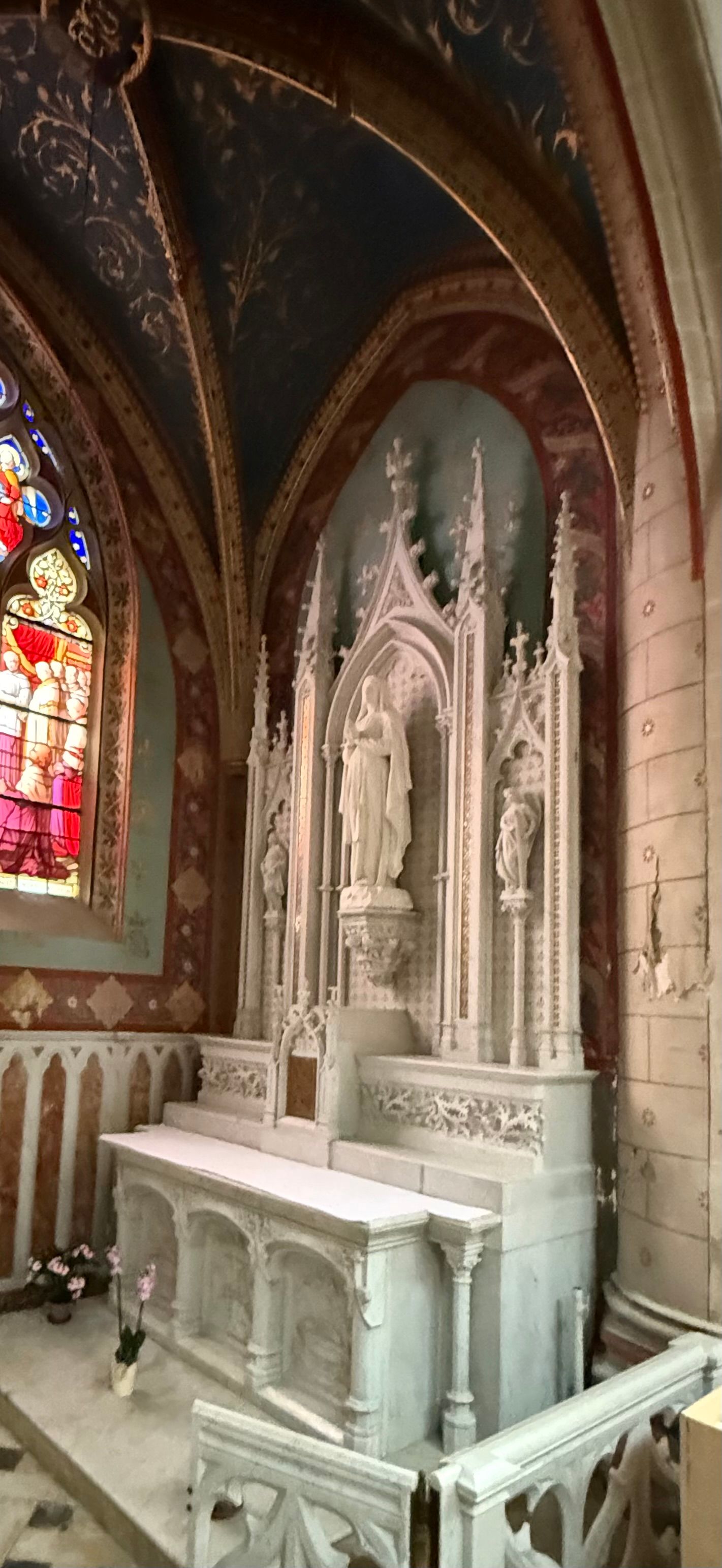
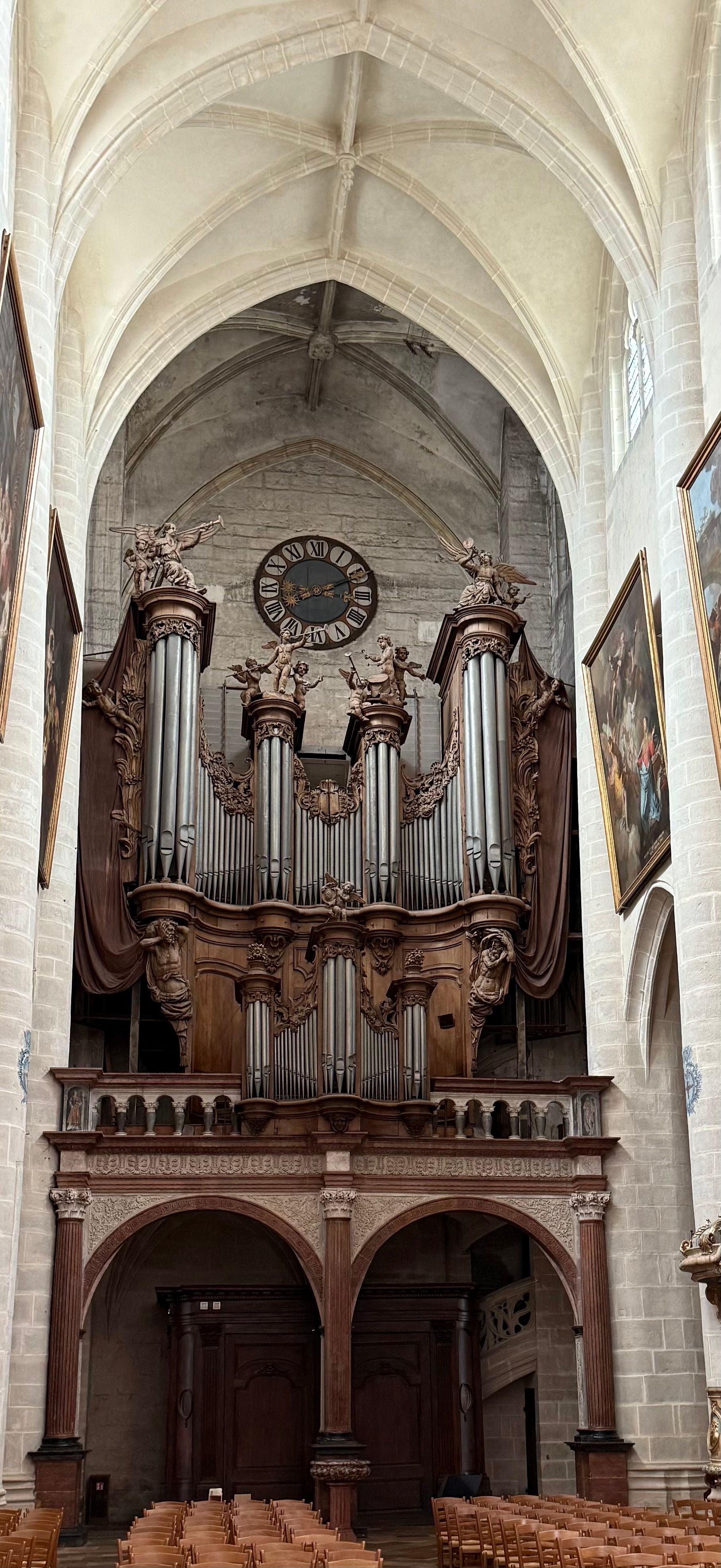
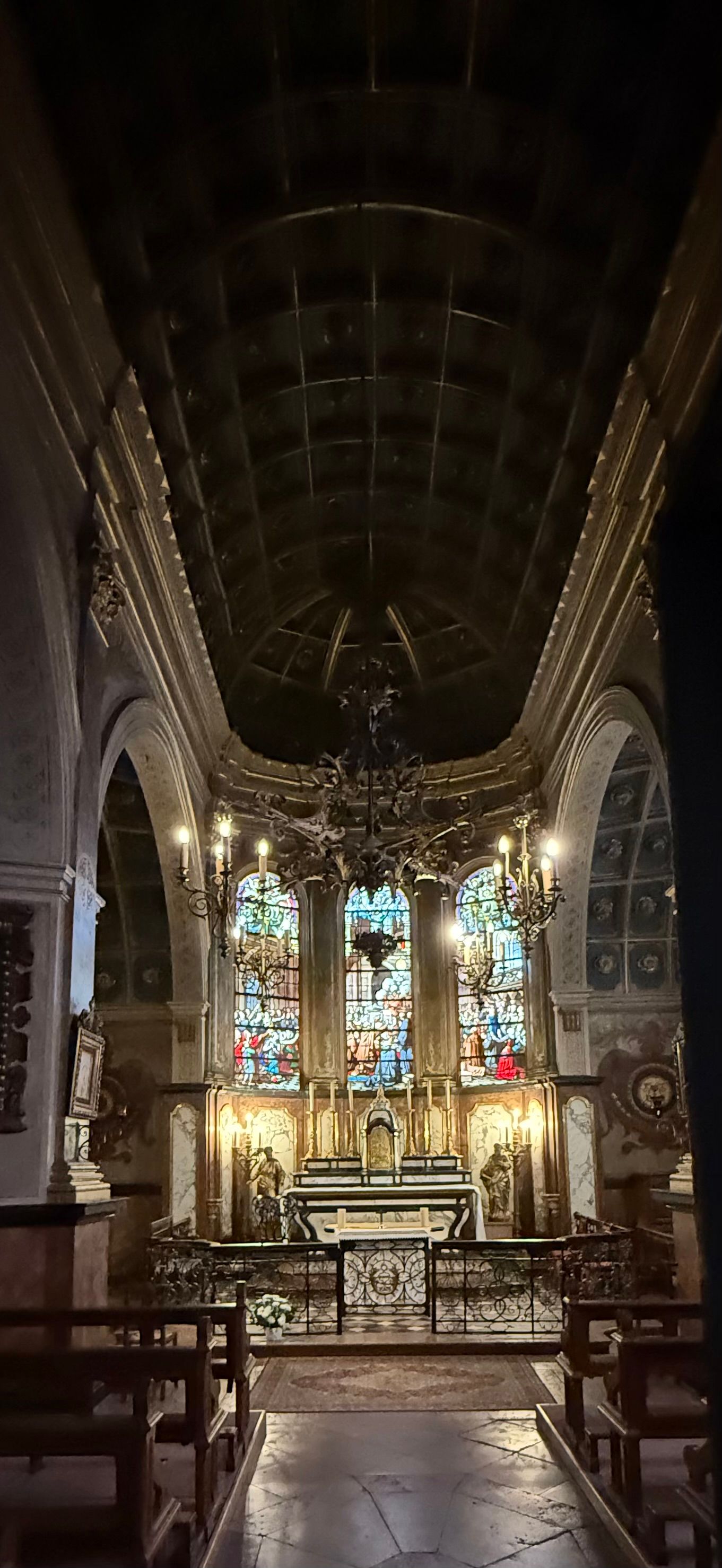
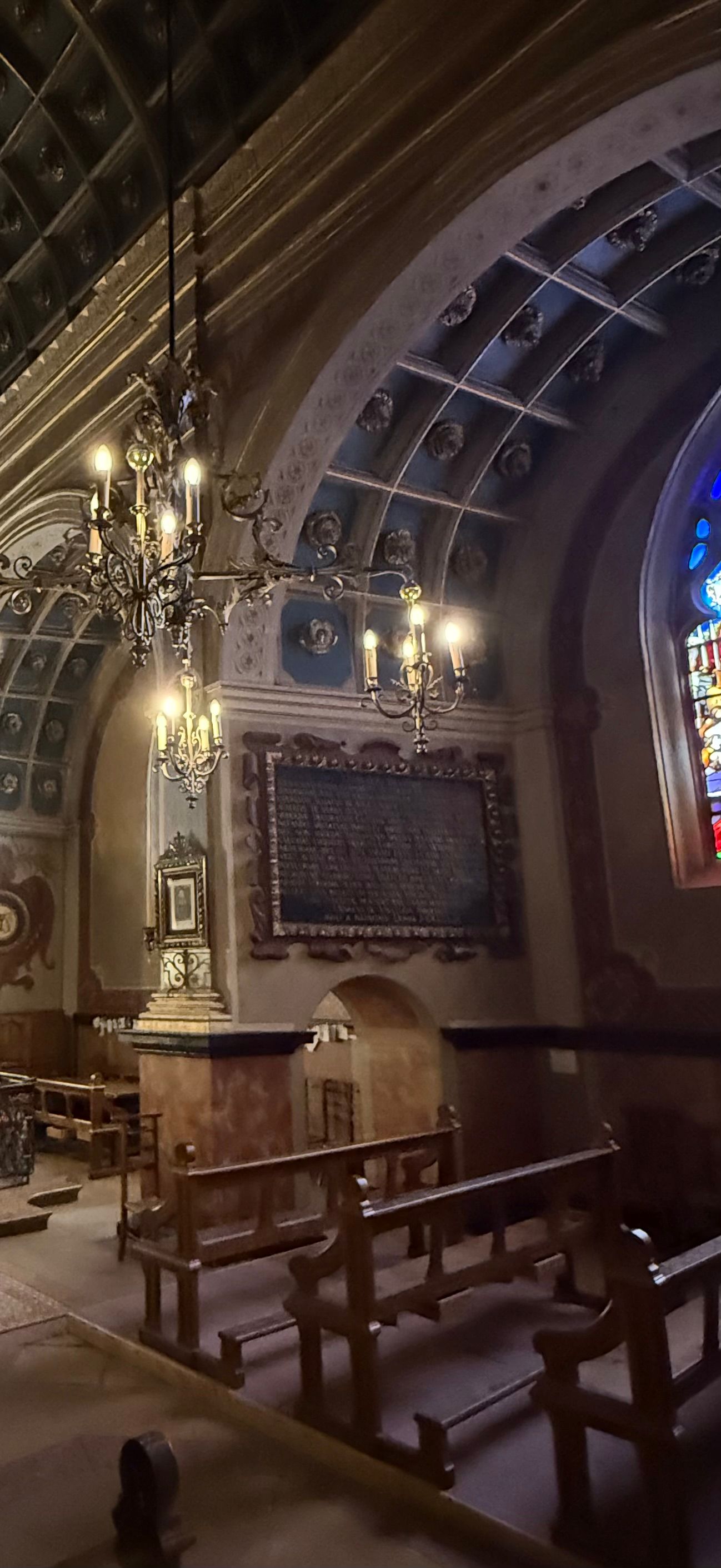
The city is worth a visit, especially the Collégiale Notre-Dame de Dole, which was built in a simple late Gothic style, setting itself apart from the previously visited churches.
The city center features a pedestrian zone, lively and bustling, and we ultimately find ourselves at Pl. des Tanneurs, where we end the day with a break.
Moving on, we wait out the weather and then head to Besançon.