A part of Uckermark at the other end of the world
Those who want to go to Prenzlau must primarily head west, through Marburg and Minden; those coming from the south will likely pass through Templin. This is the case, at least, if...

Published: 10.08.2026
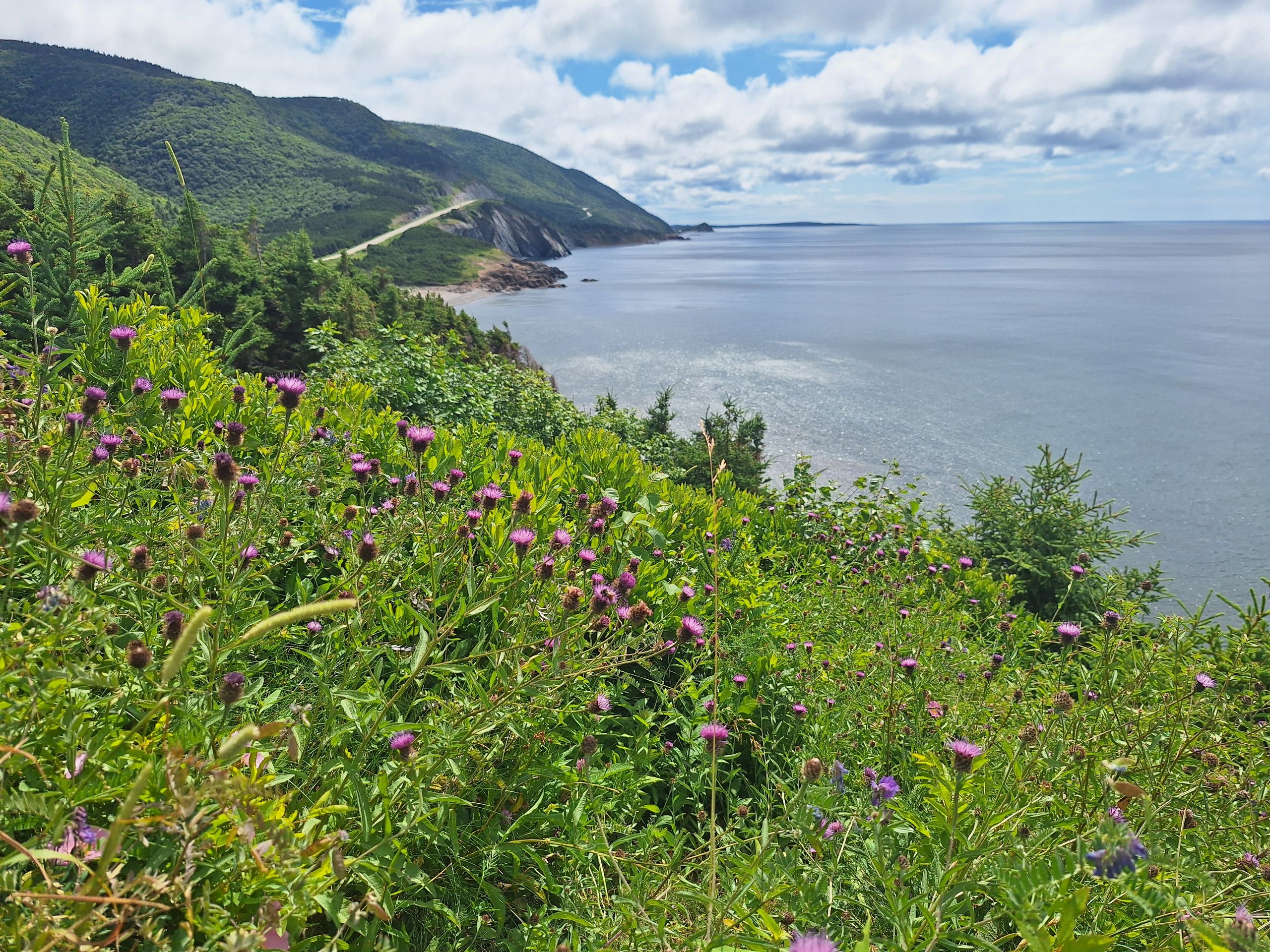
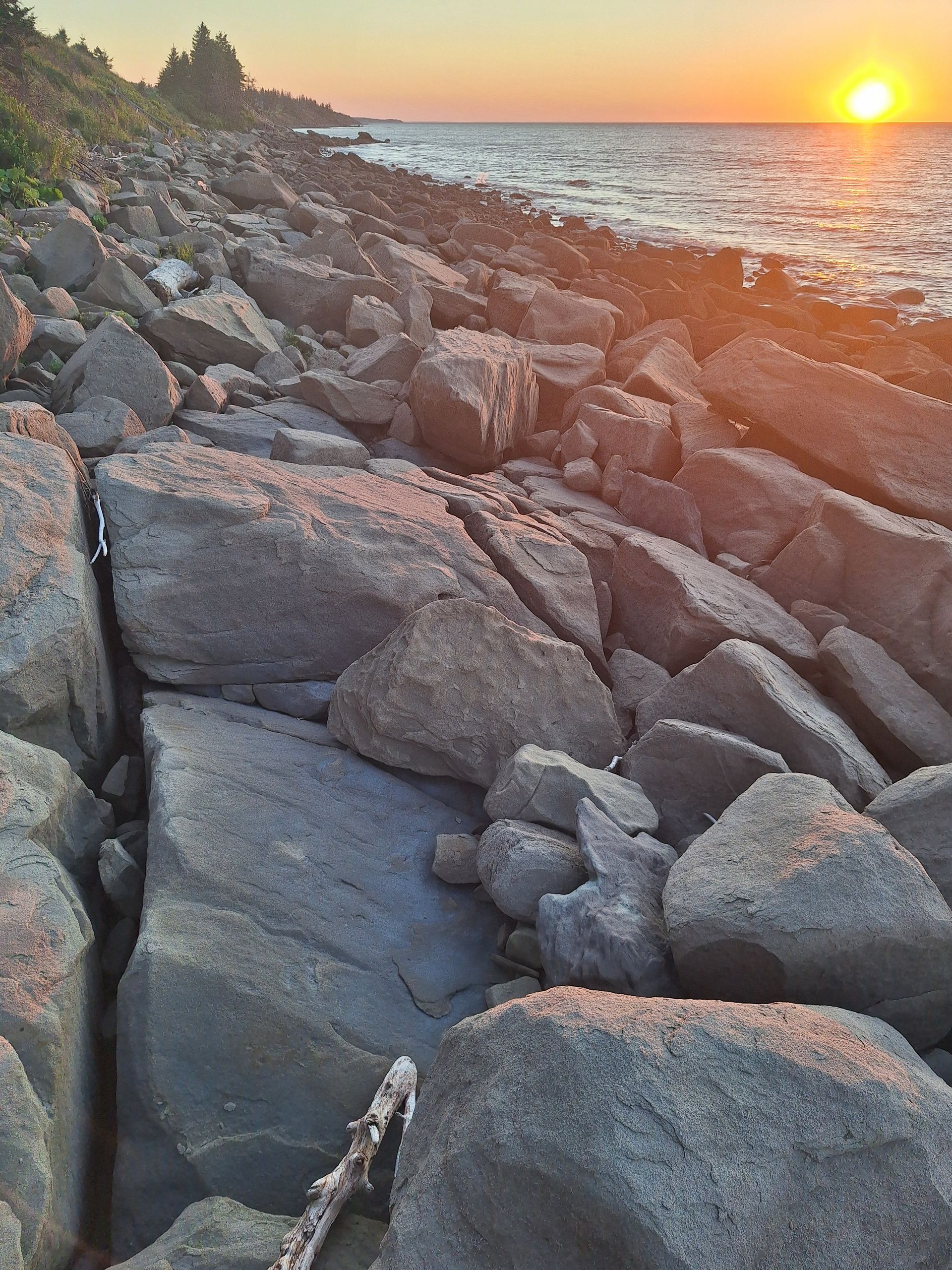
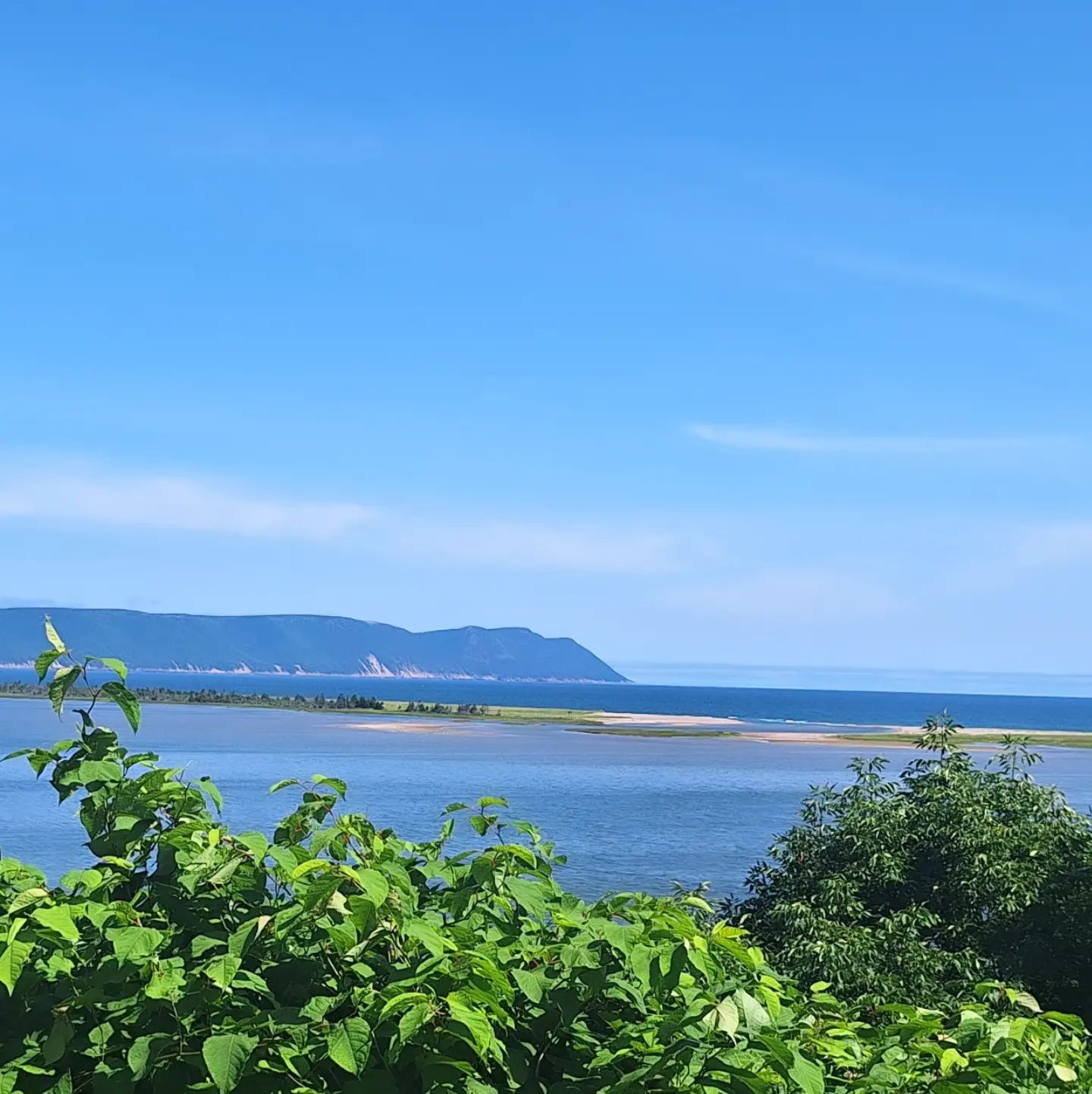
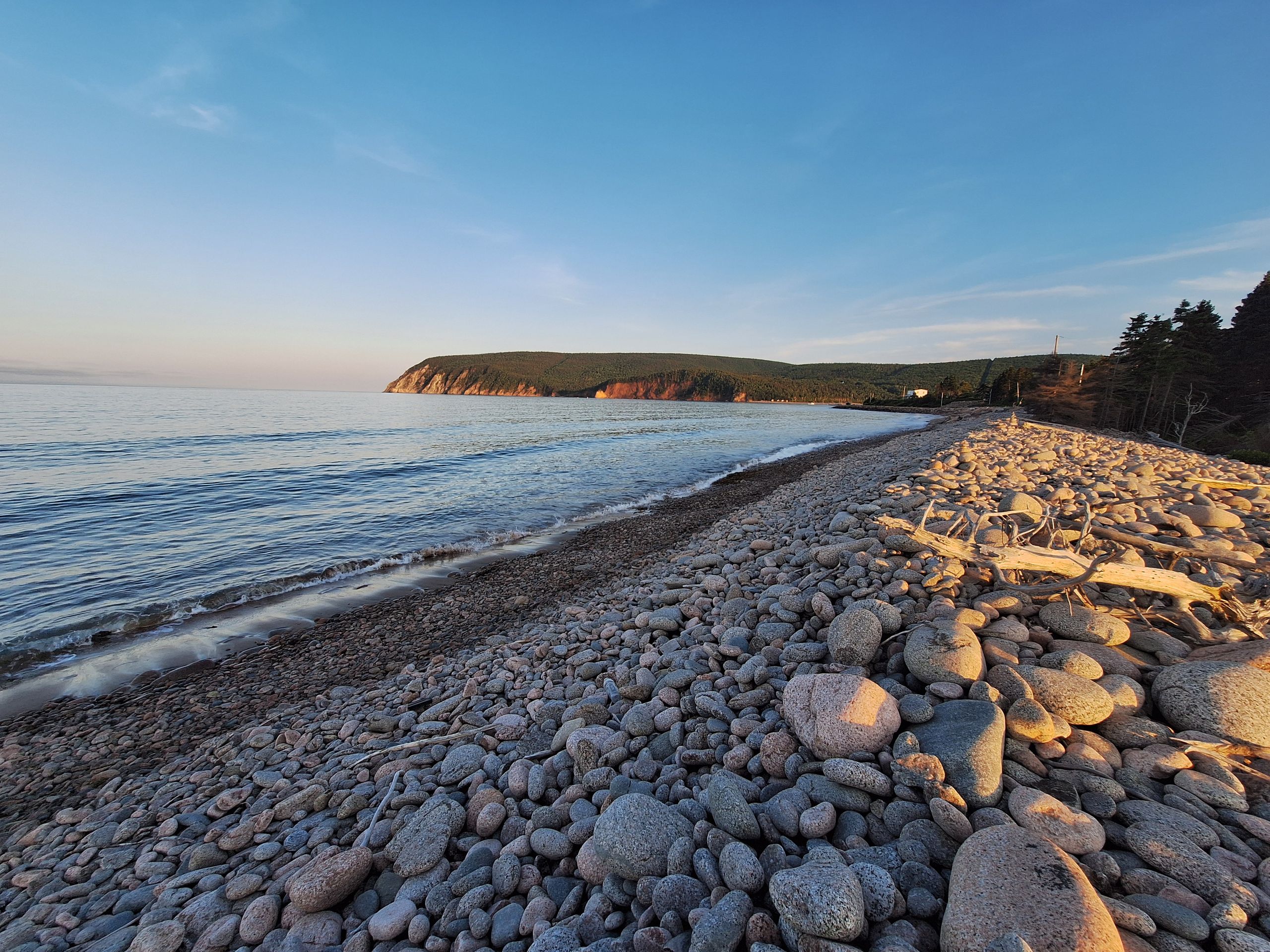
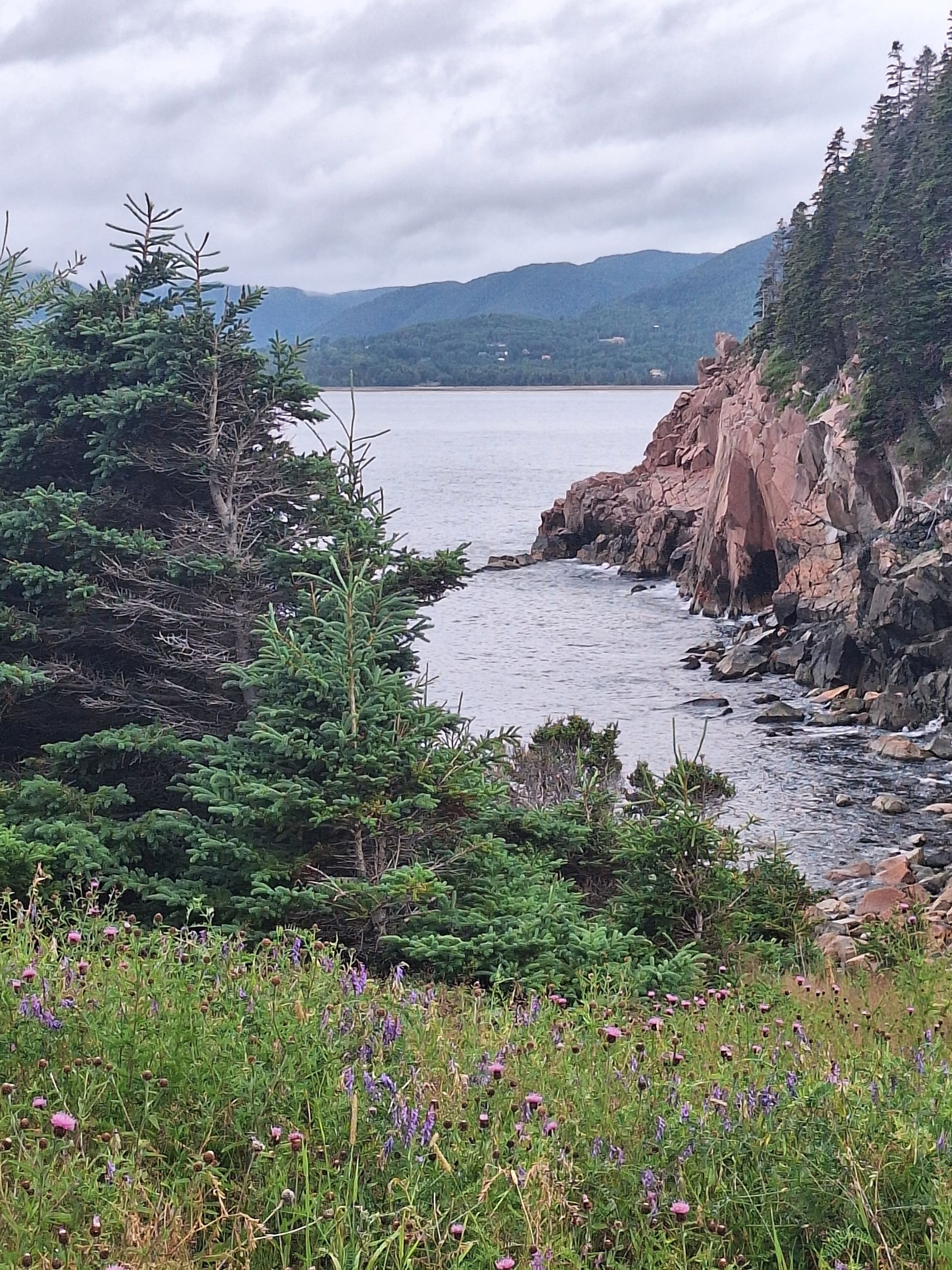
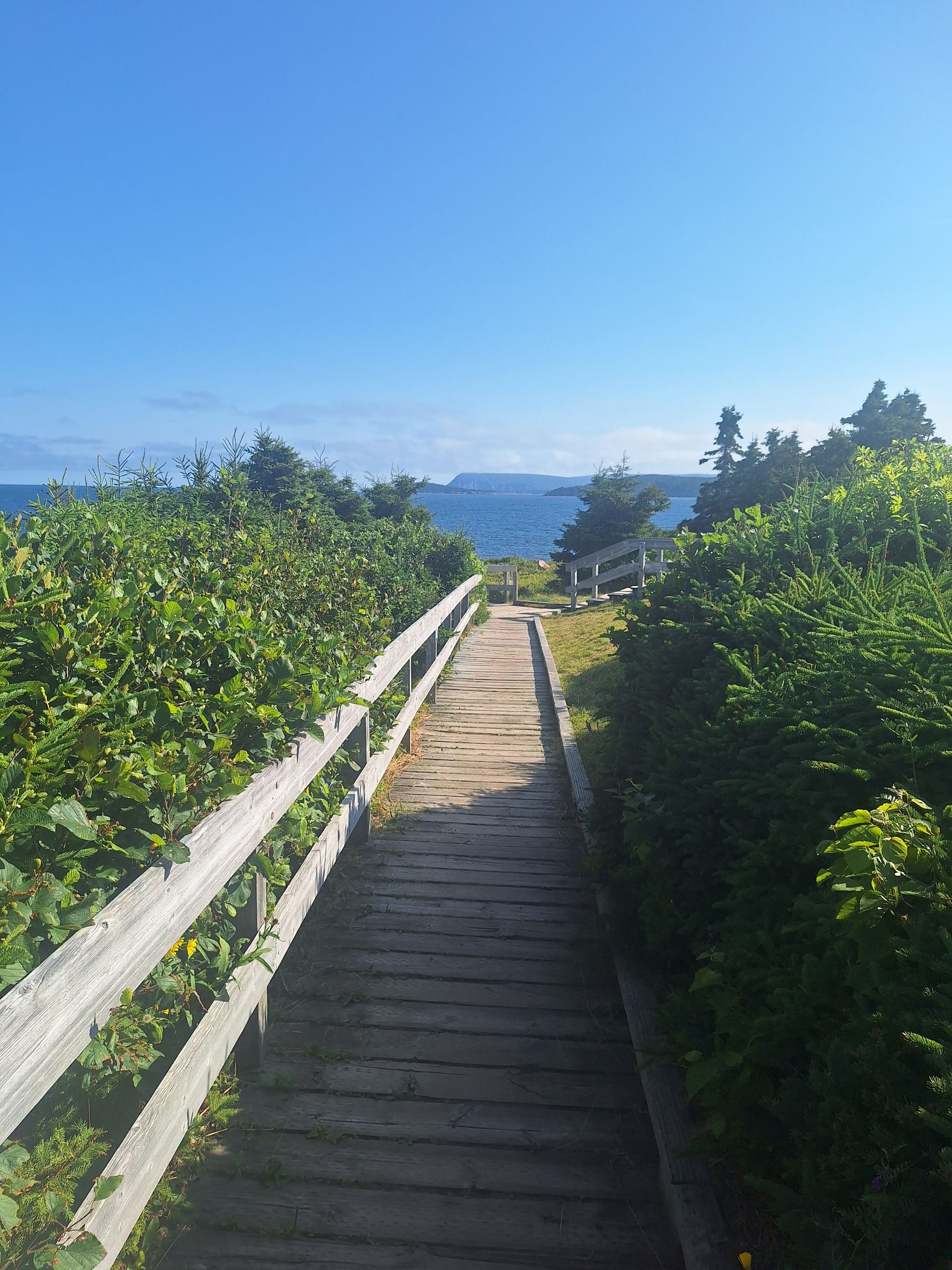
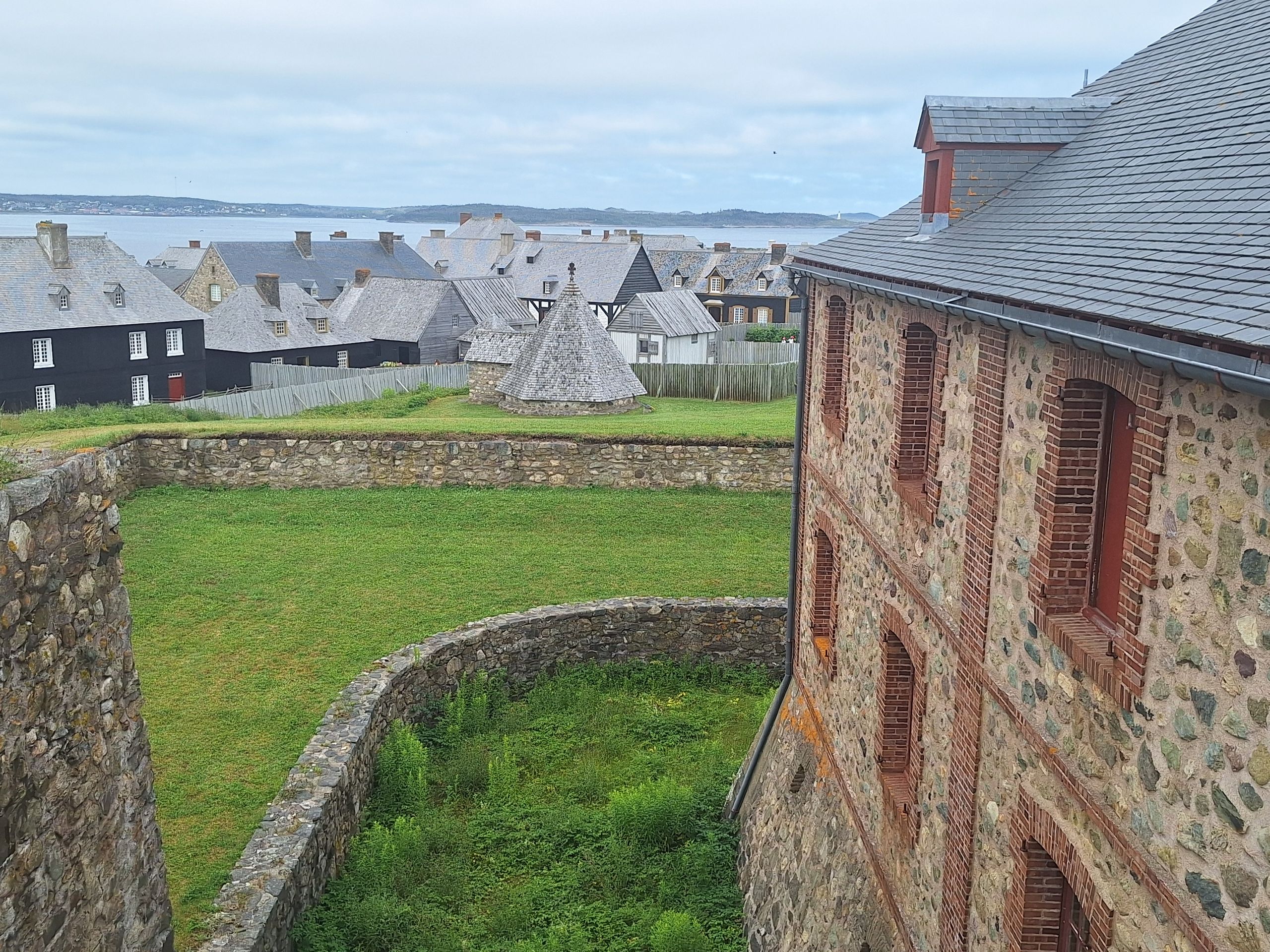
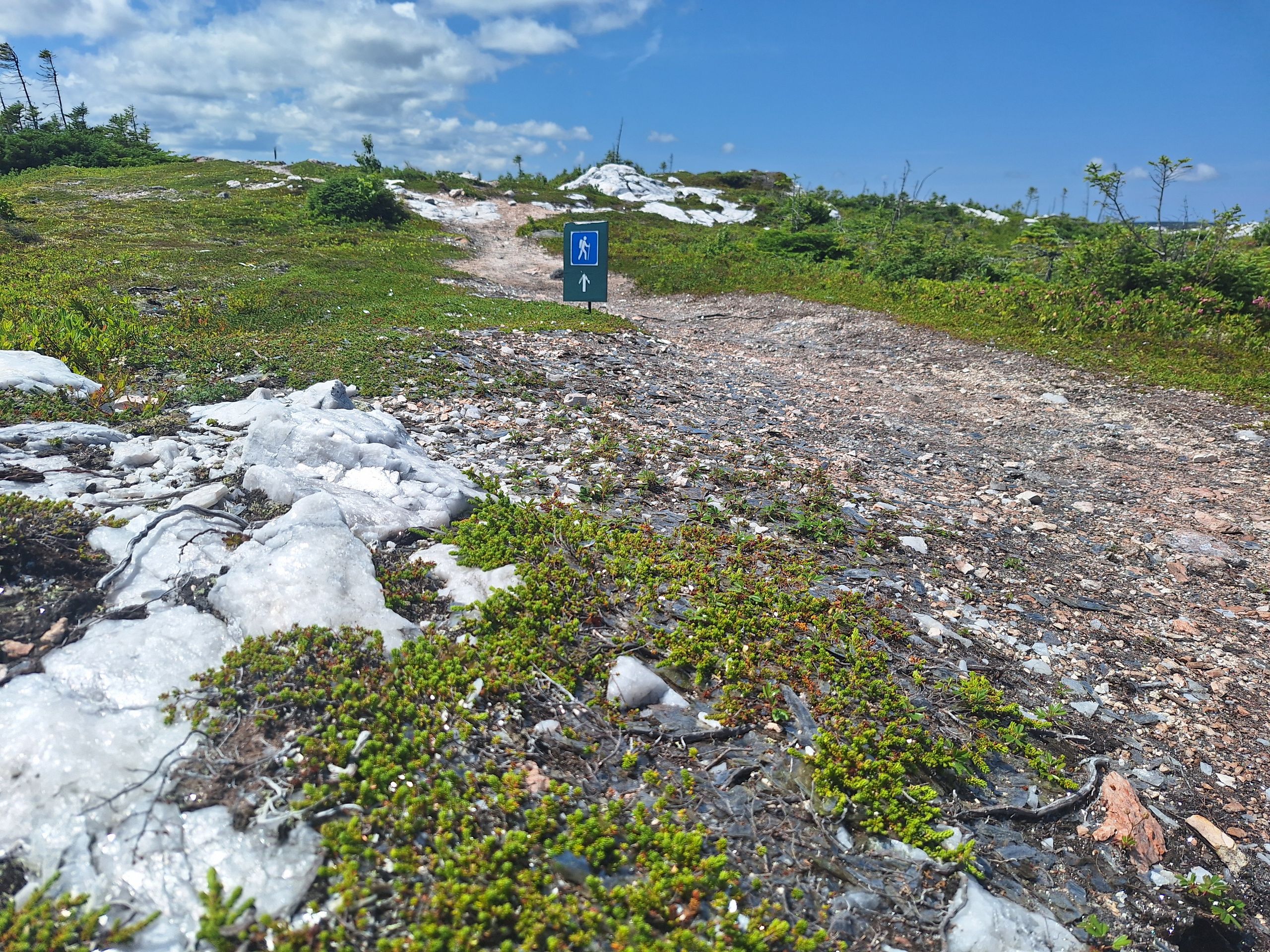
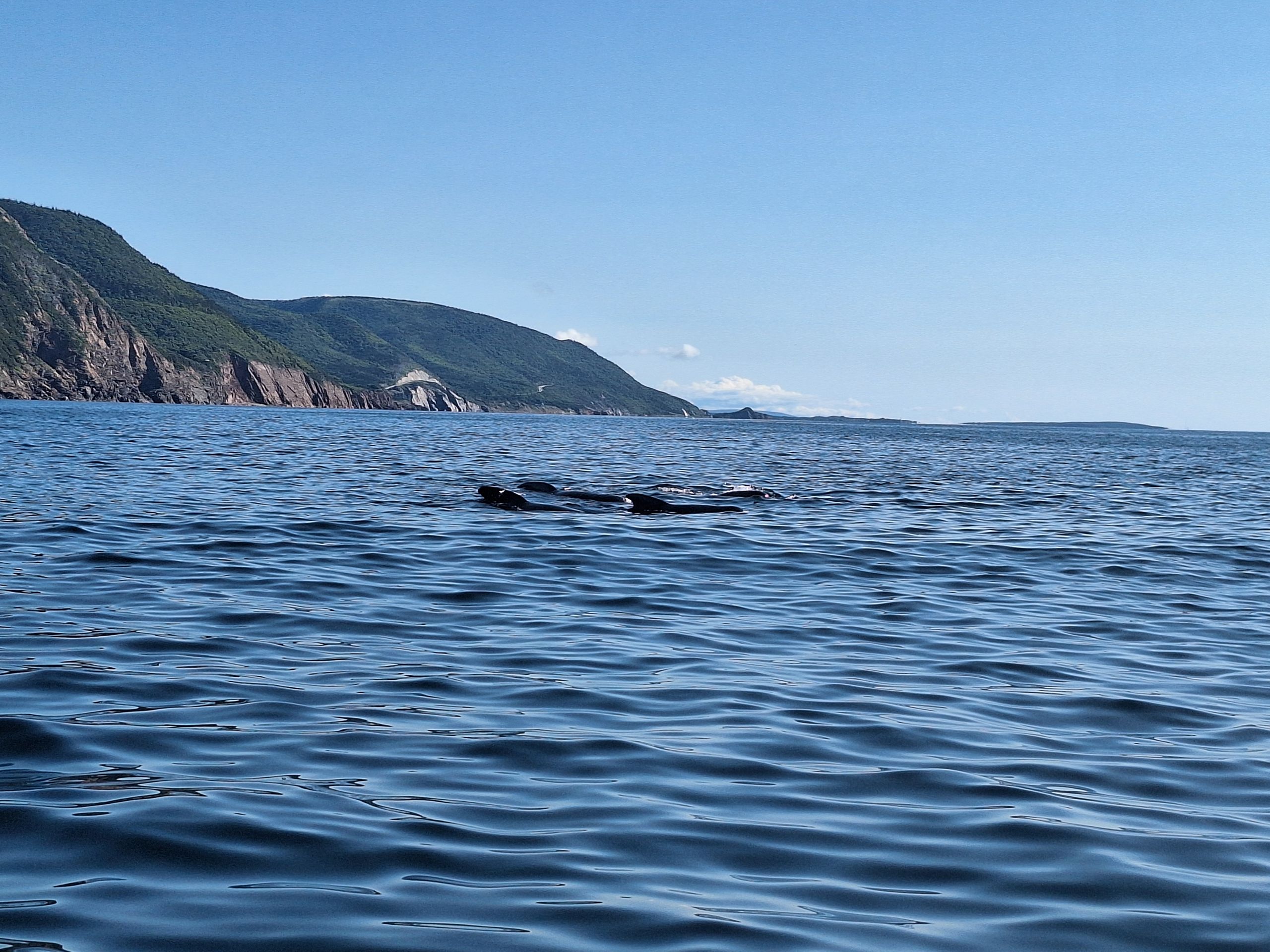
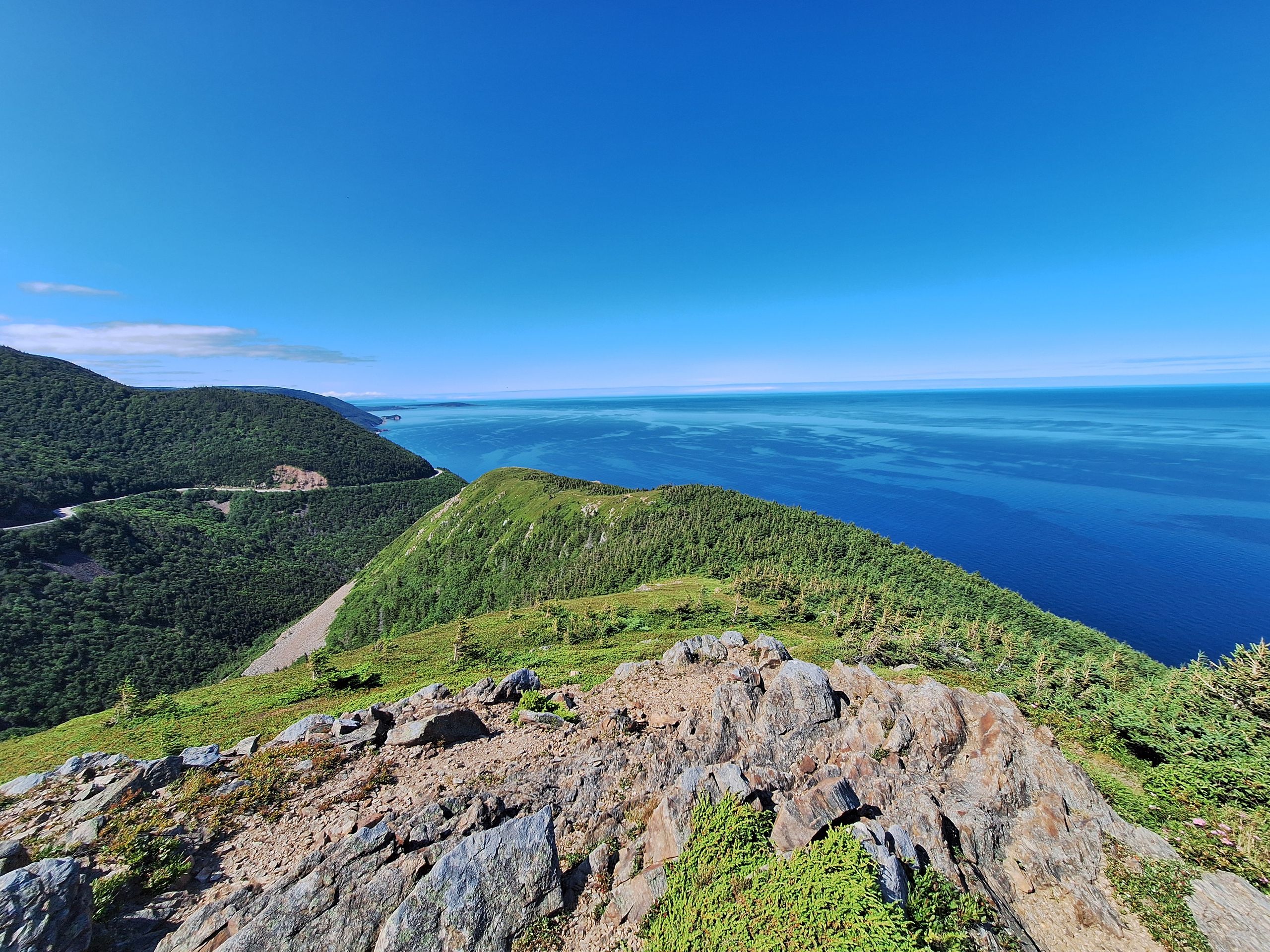
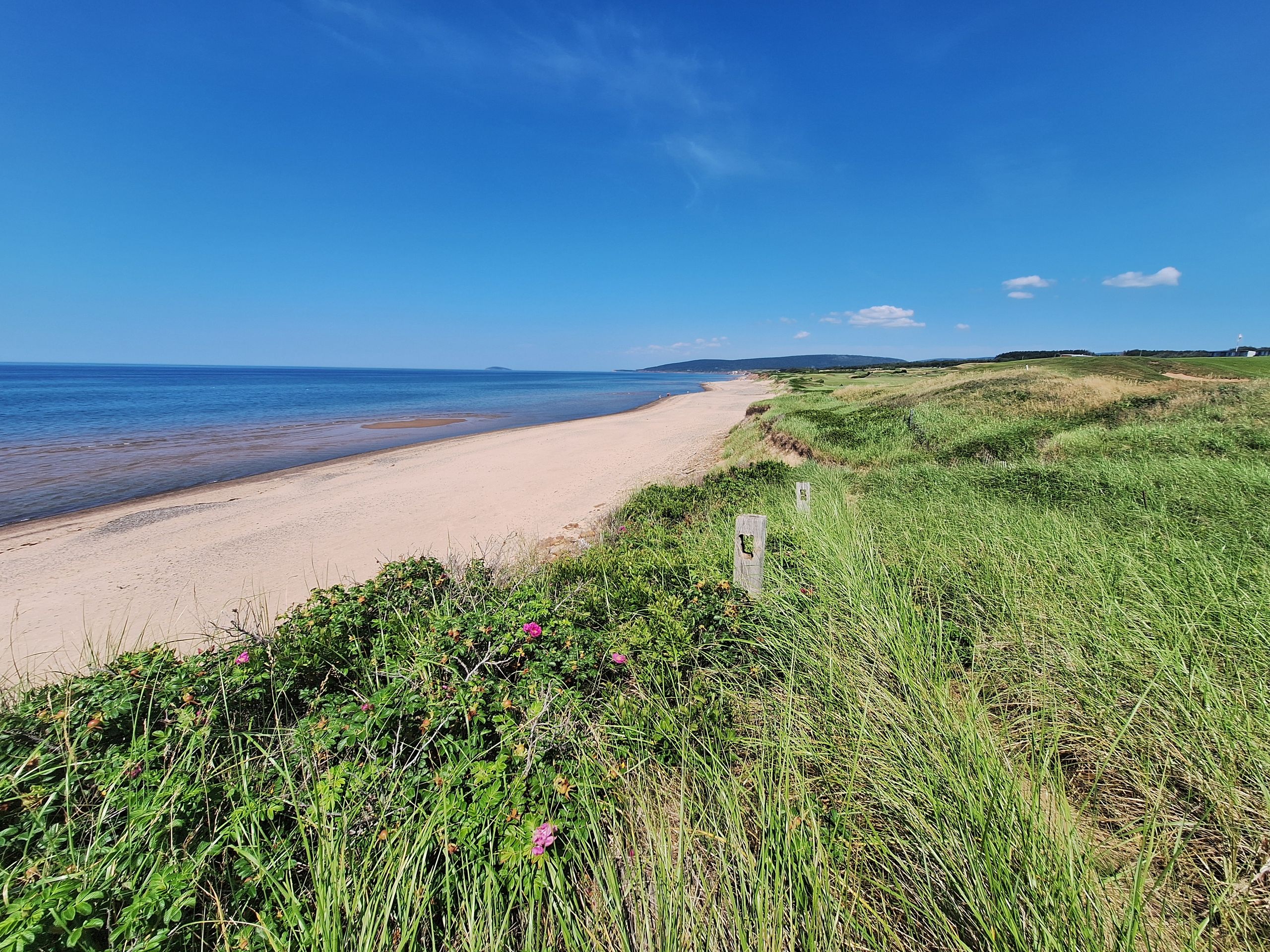
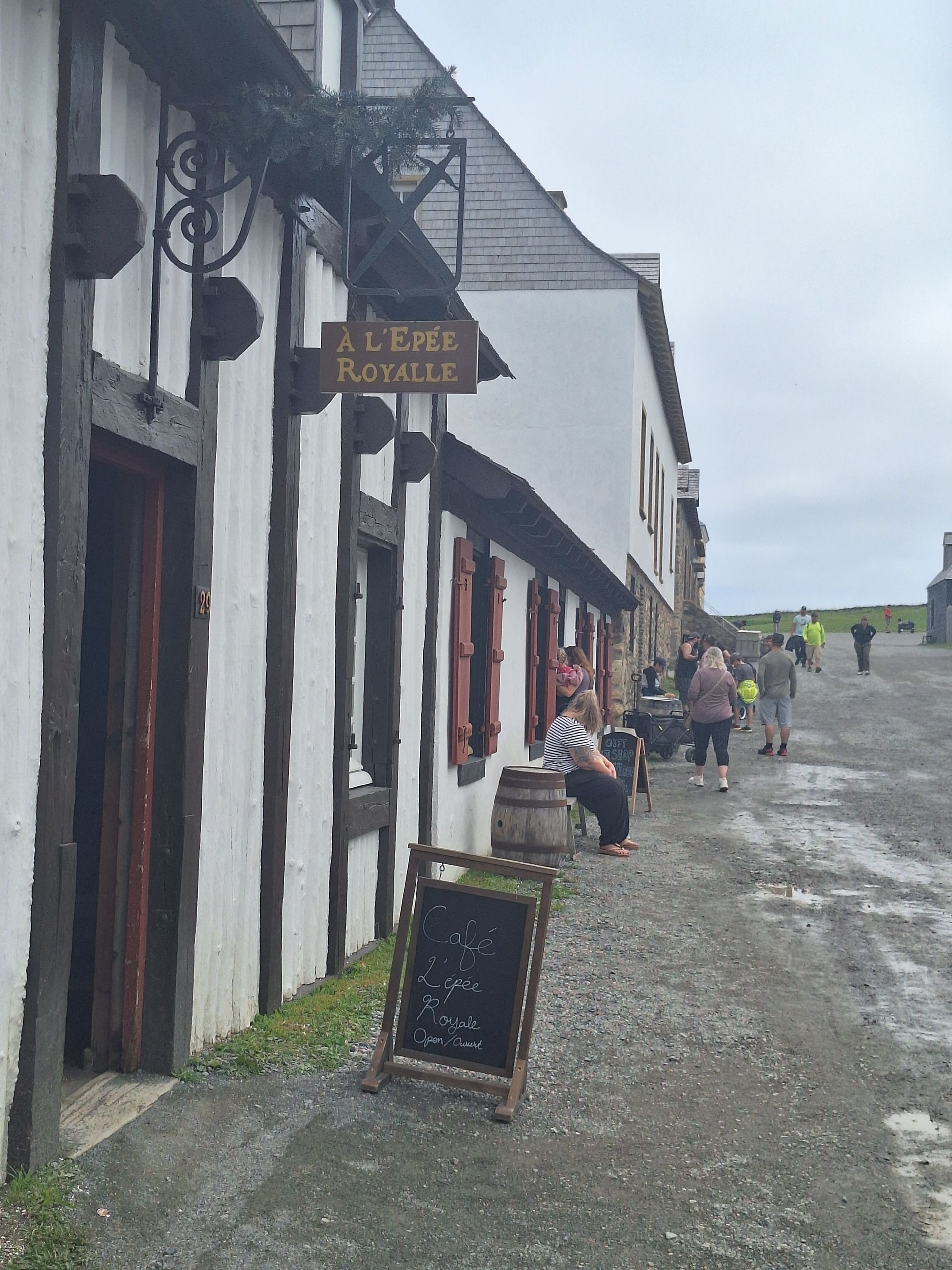
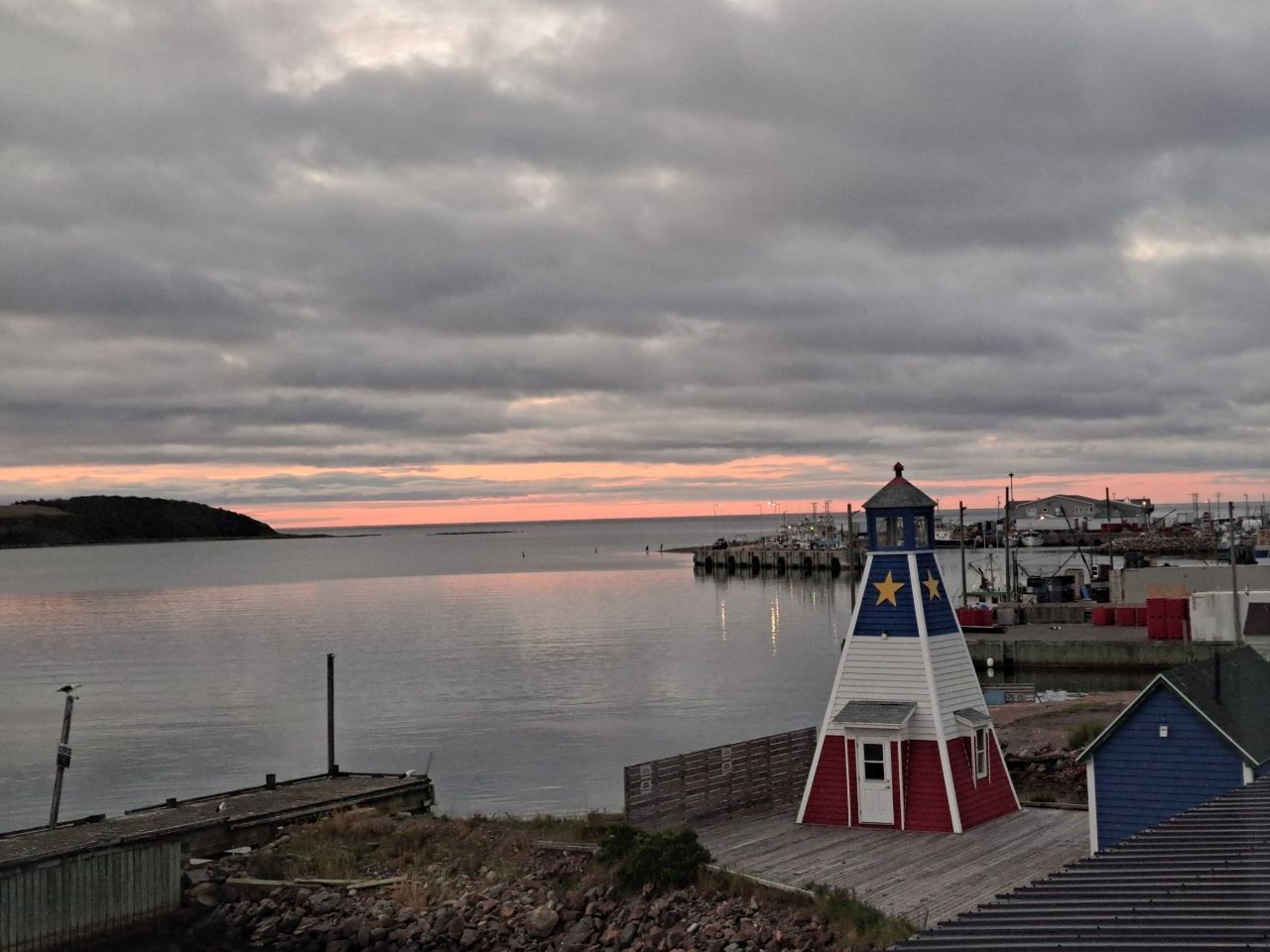
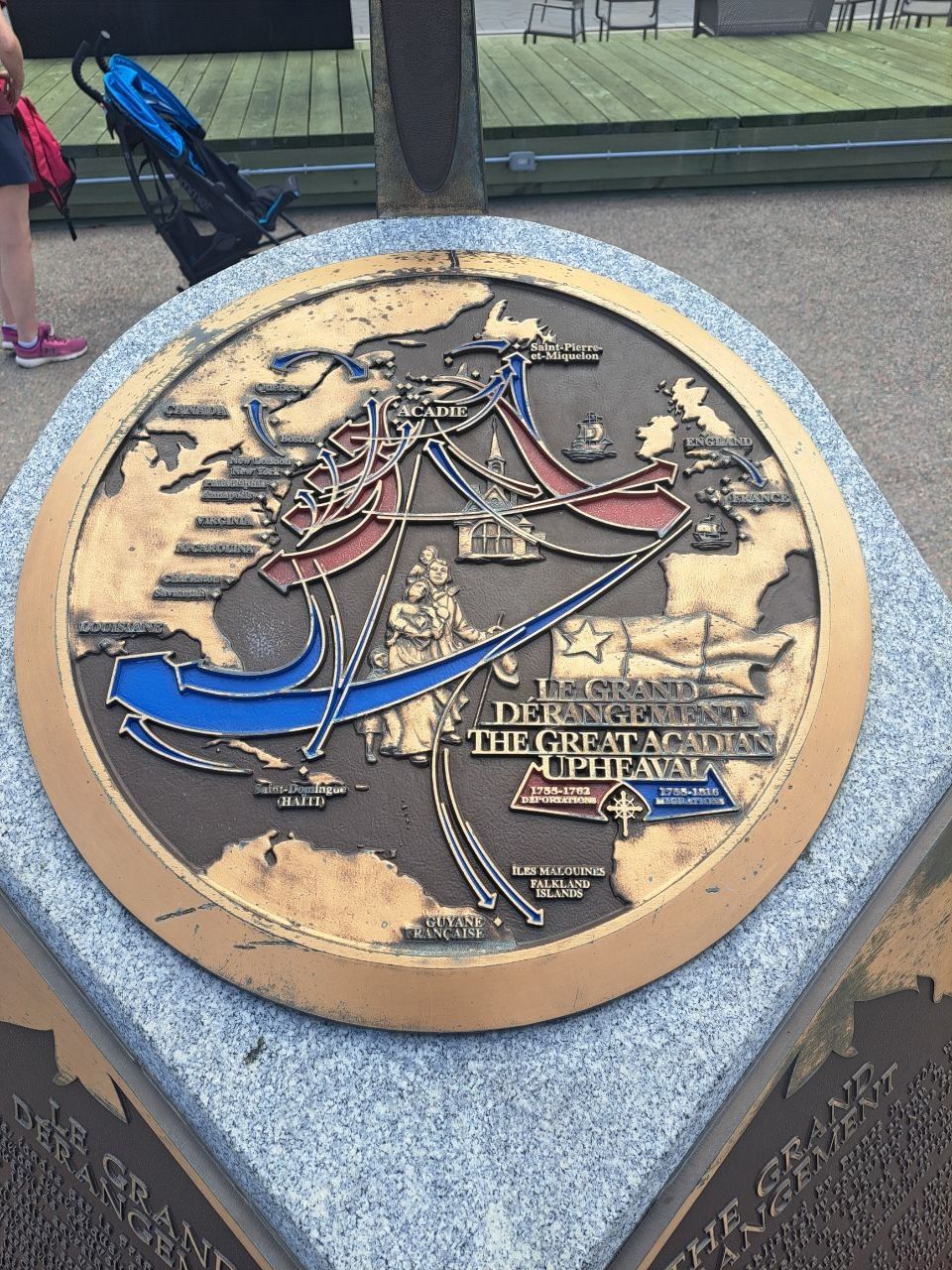

Since 1713, Acadia has no longer been part of the colony of New France. It became British and has been known as Nova Scotia ever since. Today, it is one of Canada's outposts on the Atlantic coast.
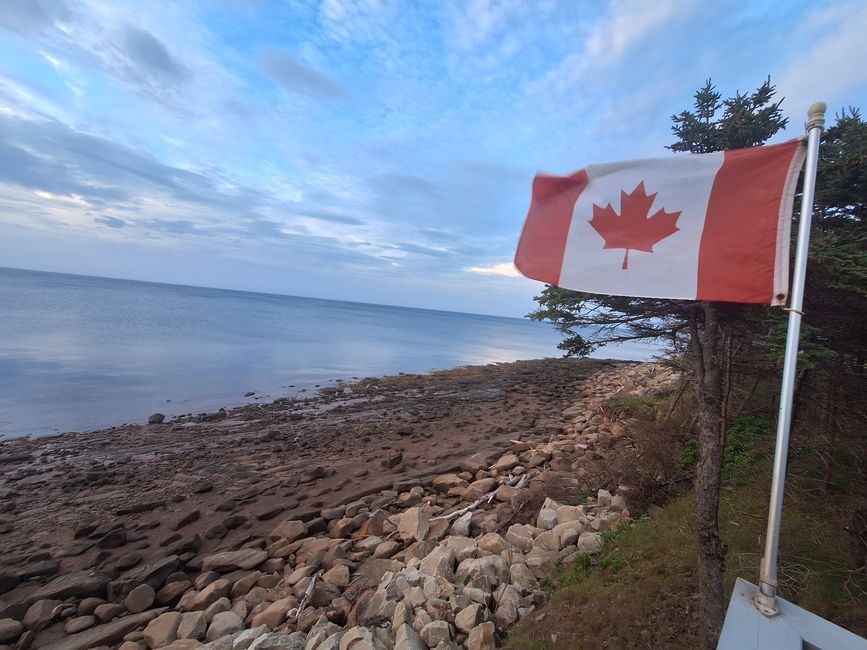
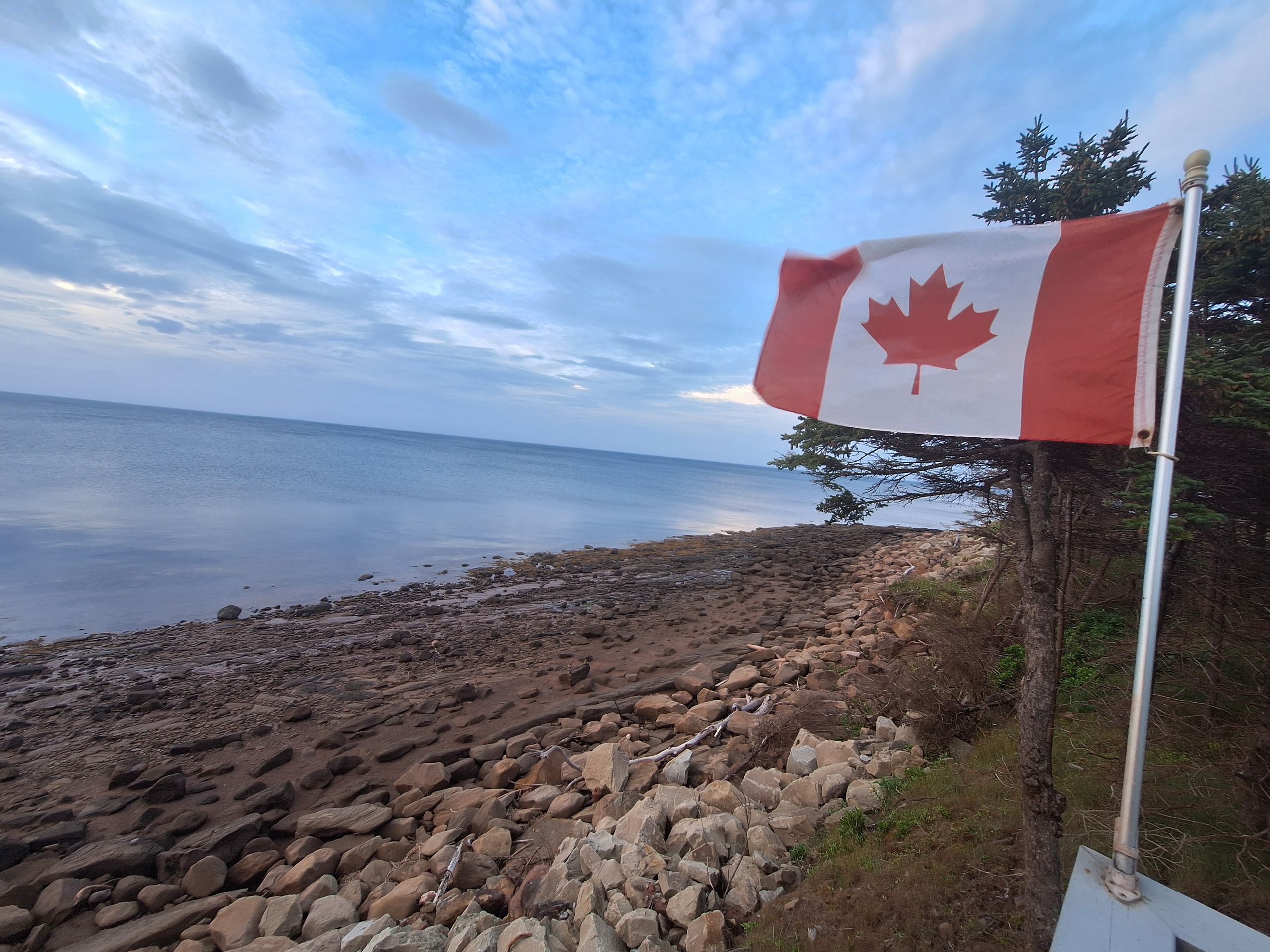
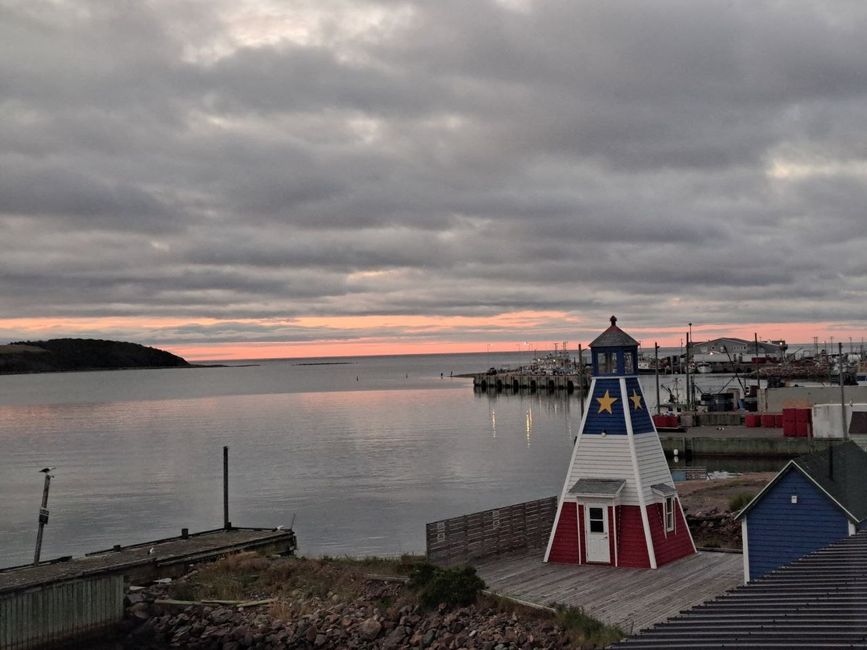
This is Canada, and this should be made clear to every moose, coyote, and bird. The density of flags has apparently increased recently due to Trump's policies. This is, as one often hears, in no way the 51st state of the USA. Canada is different, friendlier, more open, nicer, and people take pride in that. Besides the rainbow flag and that of Nova Scotia, a blue, white, and red flag with a yellow star also flies in the wind - the flag of Acadia, referring to the French traditions of the region.
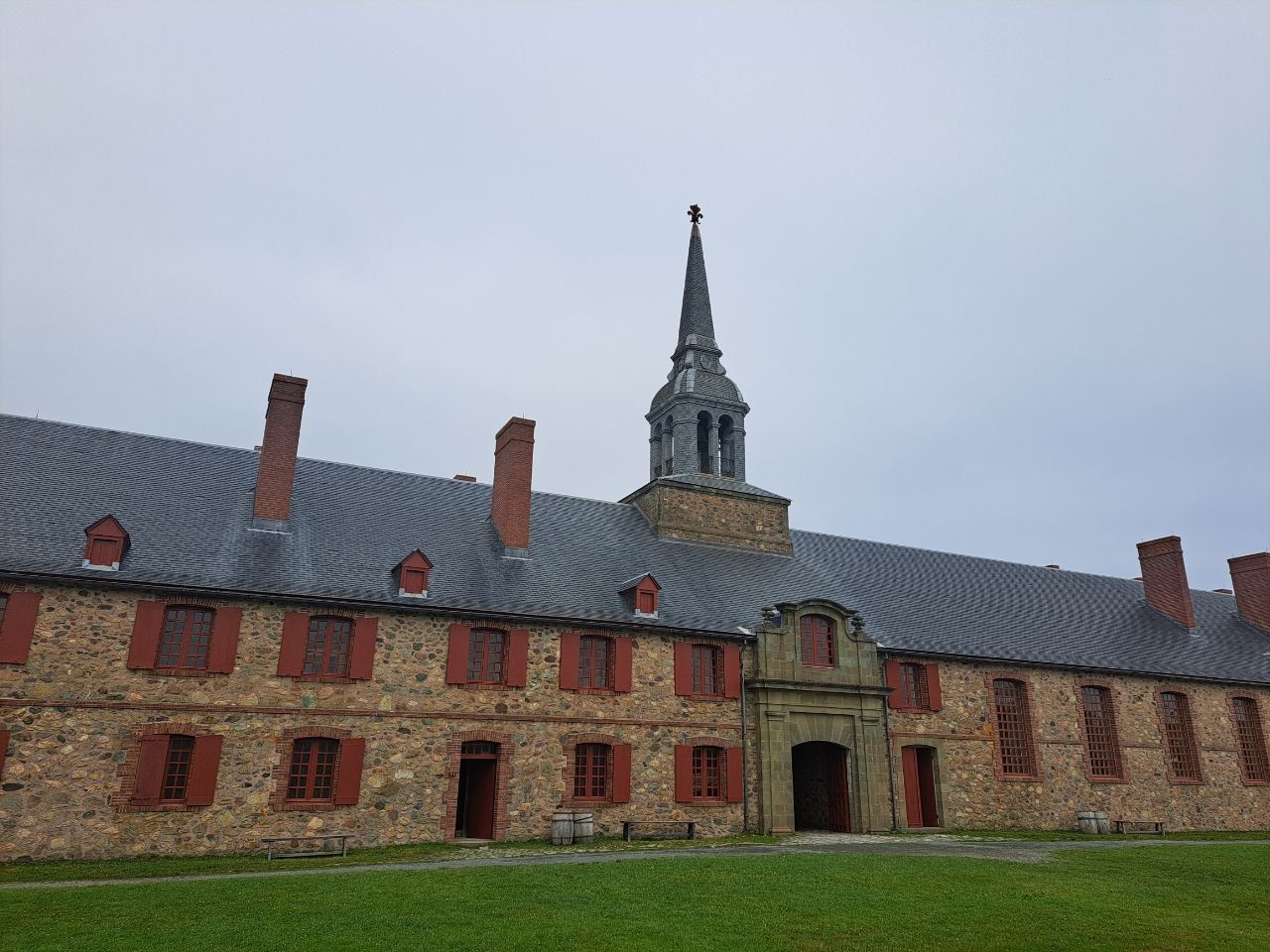
Today's Nova Scotia was at the heart of a French colony in the 18th century. The first European settlers claimed the land, displacing a large part of the local Mi’kmaq, an indigenous group. In Louisbourg, on the northeast coast of Cape Breton Island, French troops began constructing a large fortified city from 1719.
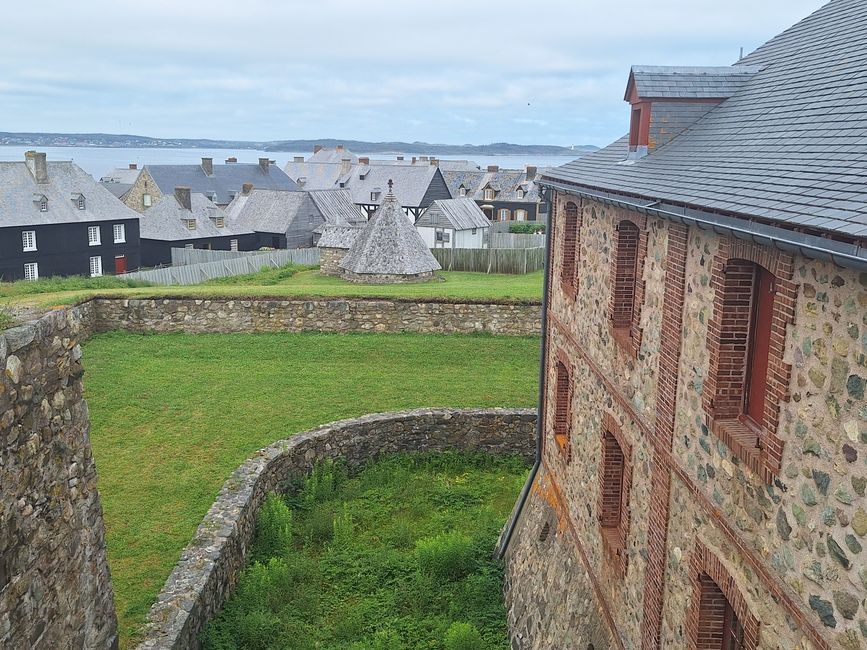
The goal was primarily to fend off the British, who also had their sights set on the territory. The parcel of land that is now Eastern Canada was best accessible by sea from Europe and had been regarded since the 15th and 16th centuries as an area of infinite wealth. The coast was particularly known for its wealth of fish, and there was a rumor that one couldn’t swim in the sea, as there was so much other life in the water. This attracted more and more people from Europe to the northeast coast of America. The Europeans also enslaved individuals into