
What do anti-communist 'Russians' have to do with Southeast Asia and Hawaii?
It’s complex and yes, this is also DP history.

Published: 26.01.2026
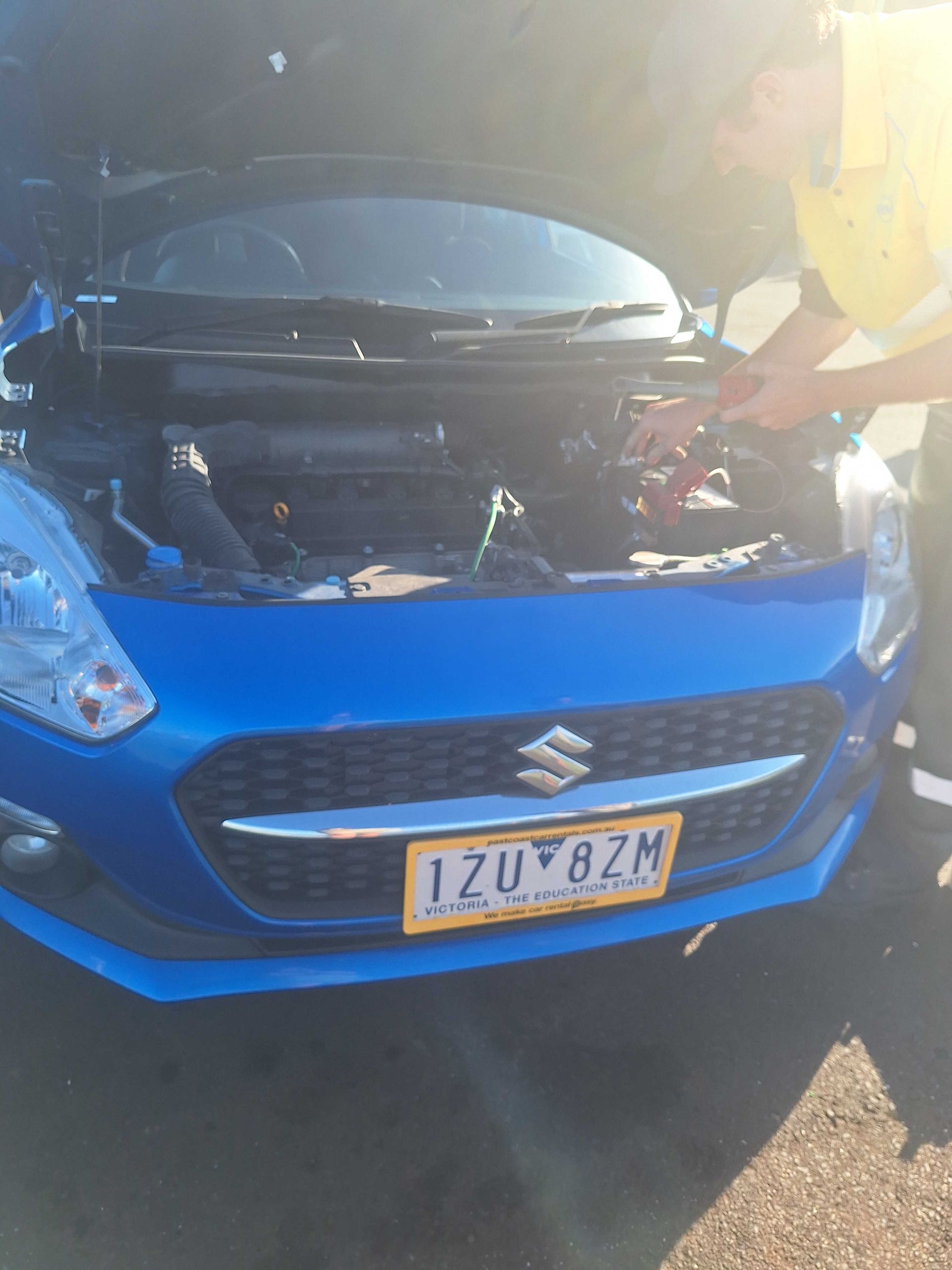
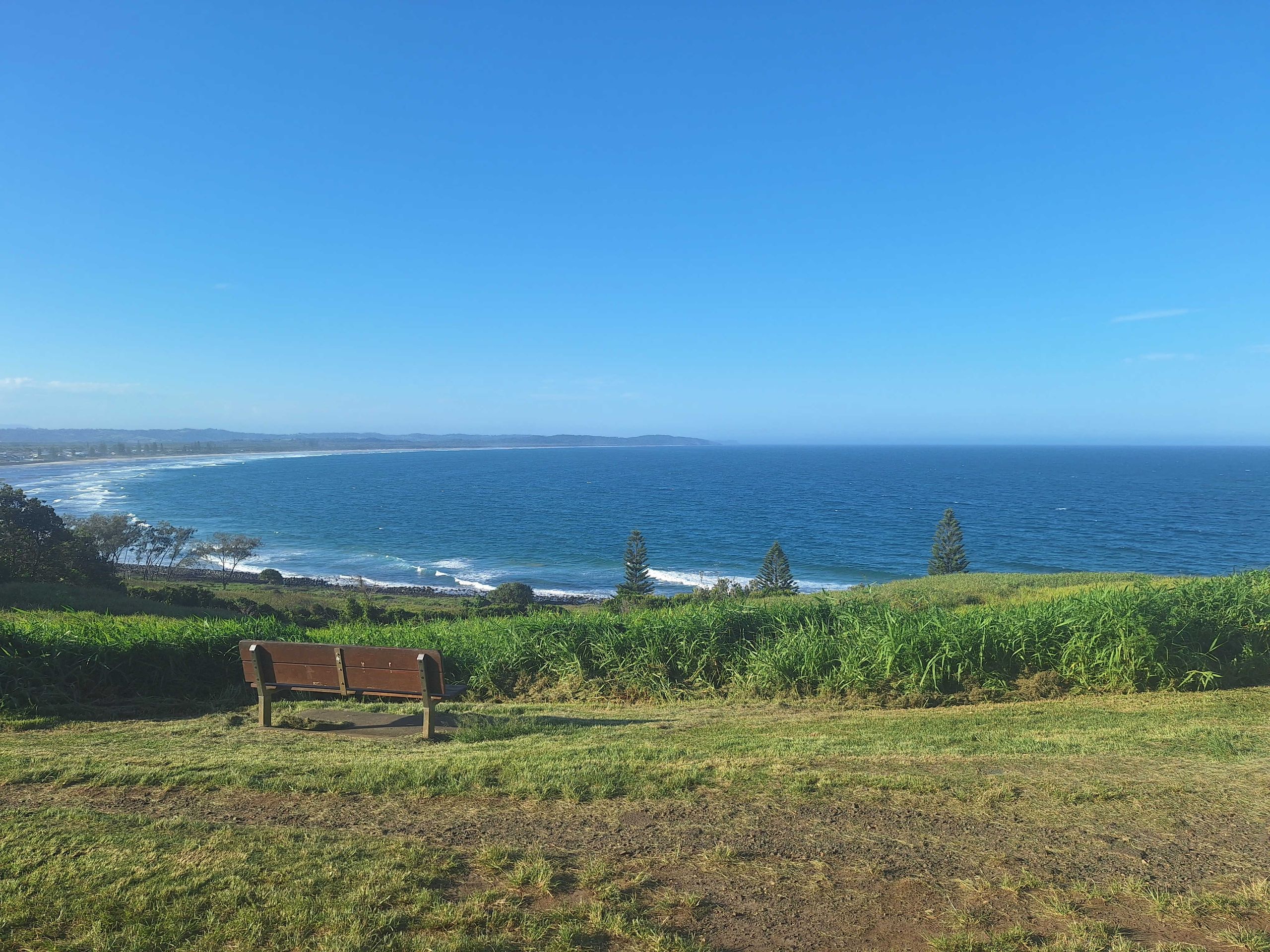
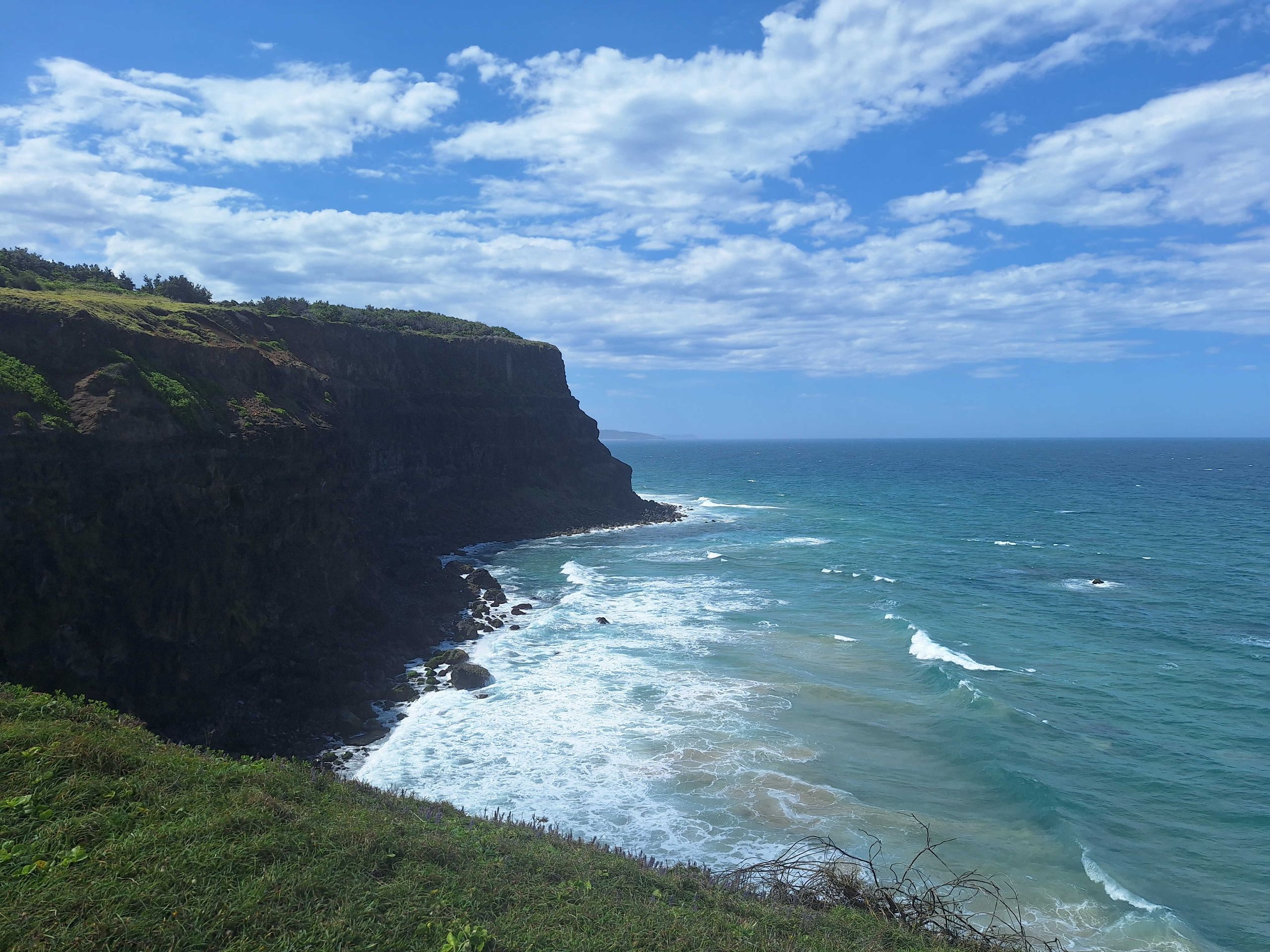
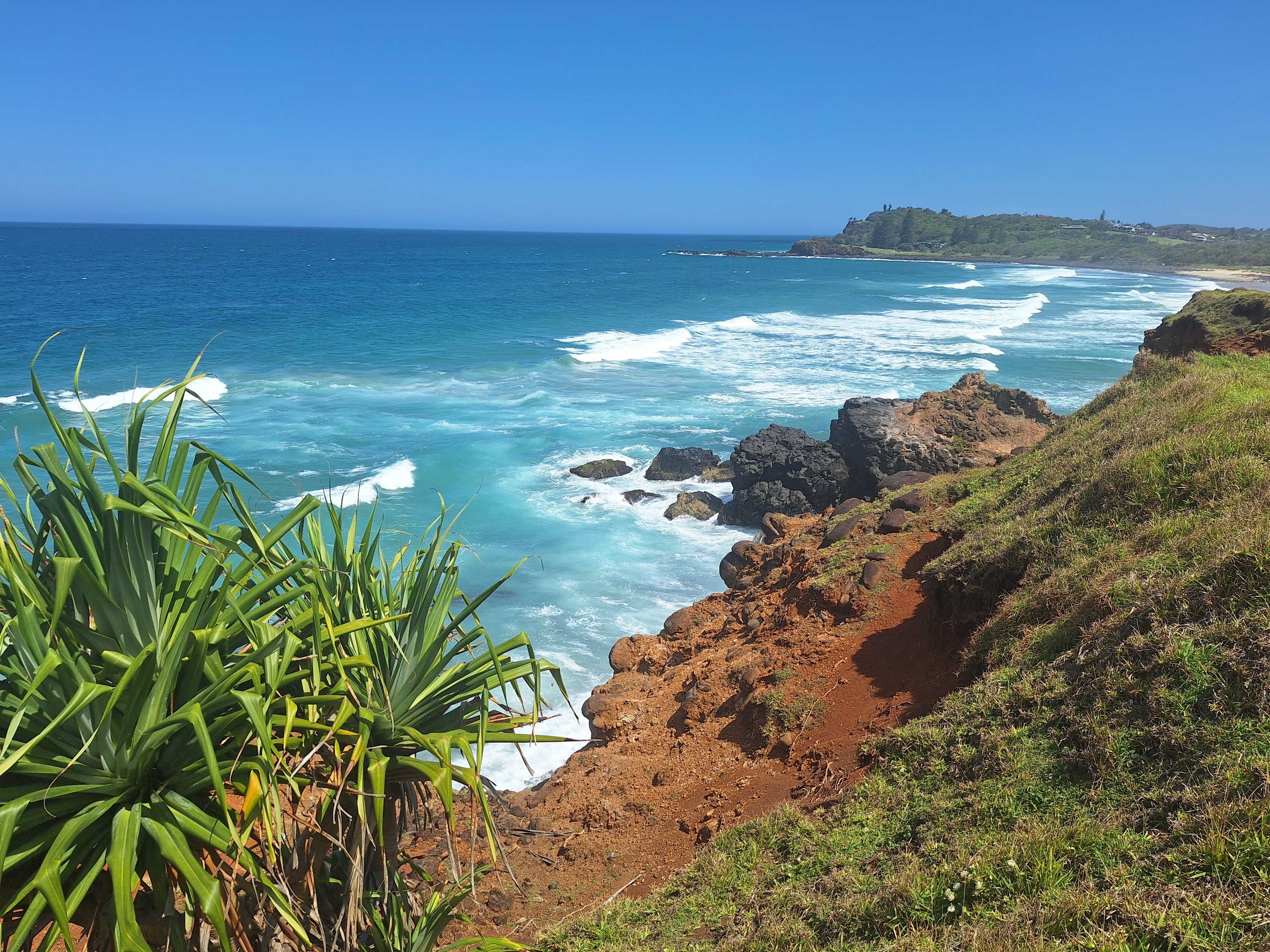
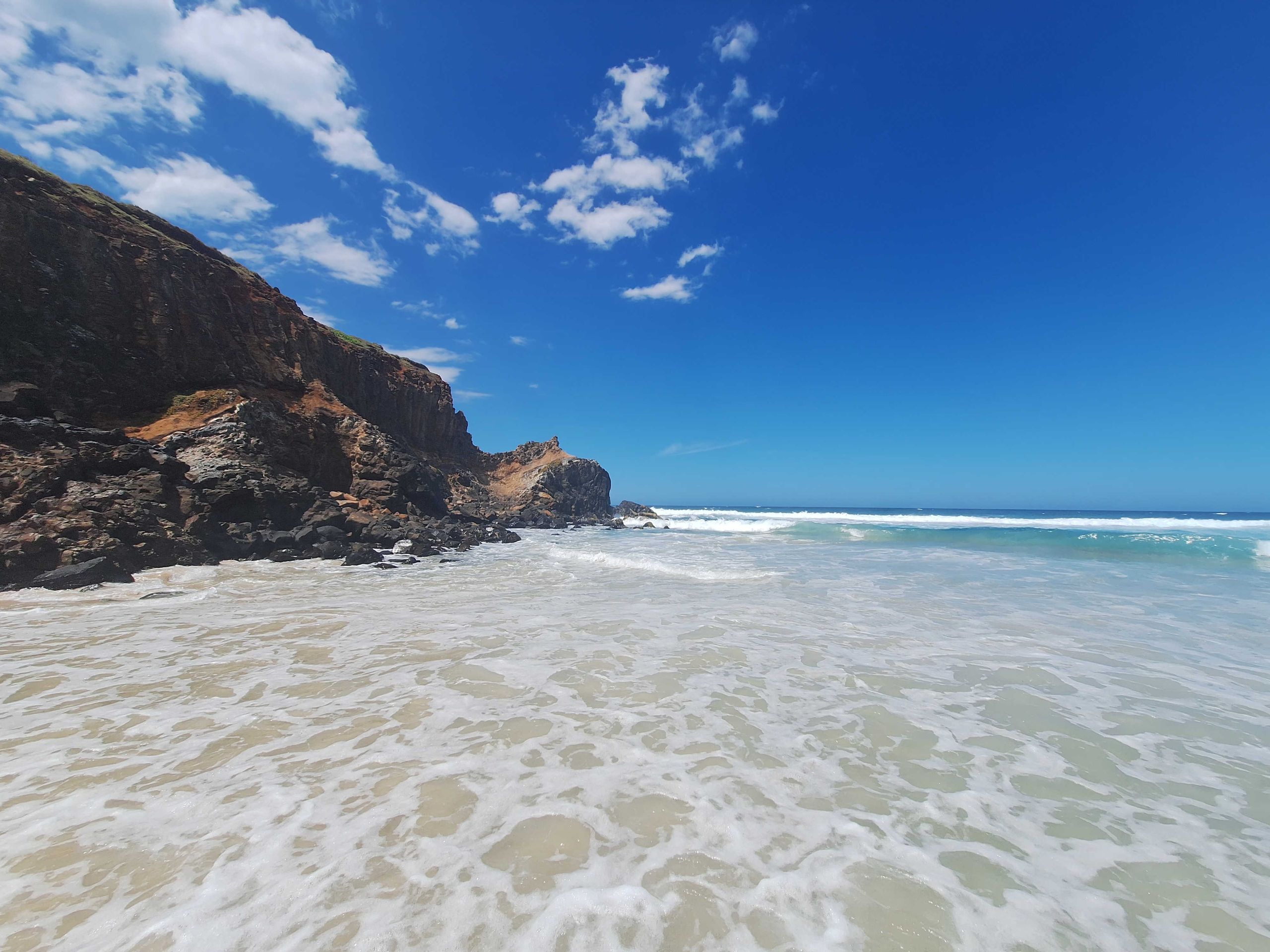
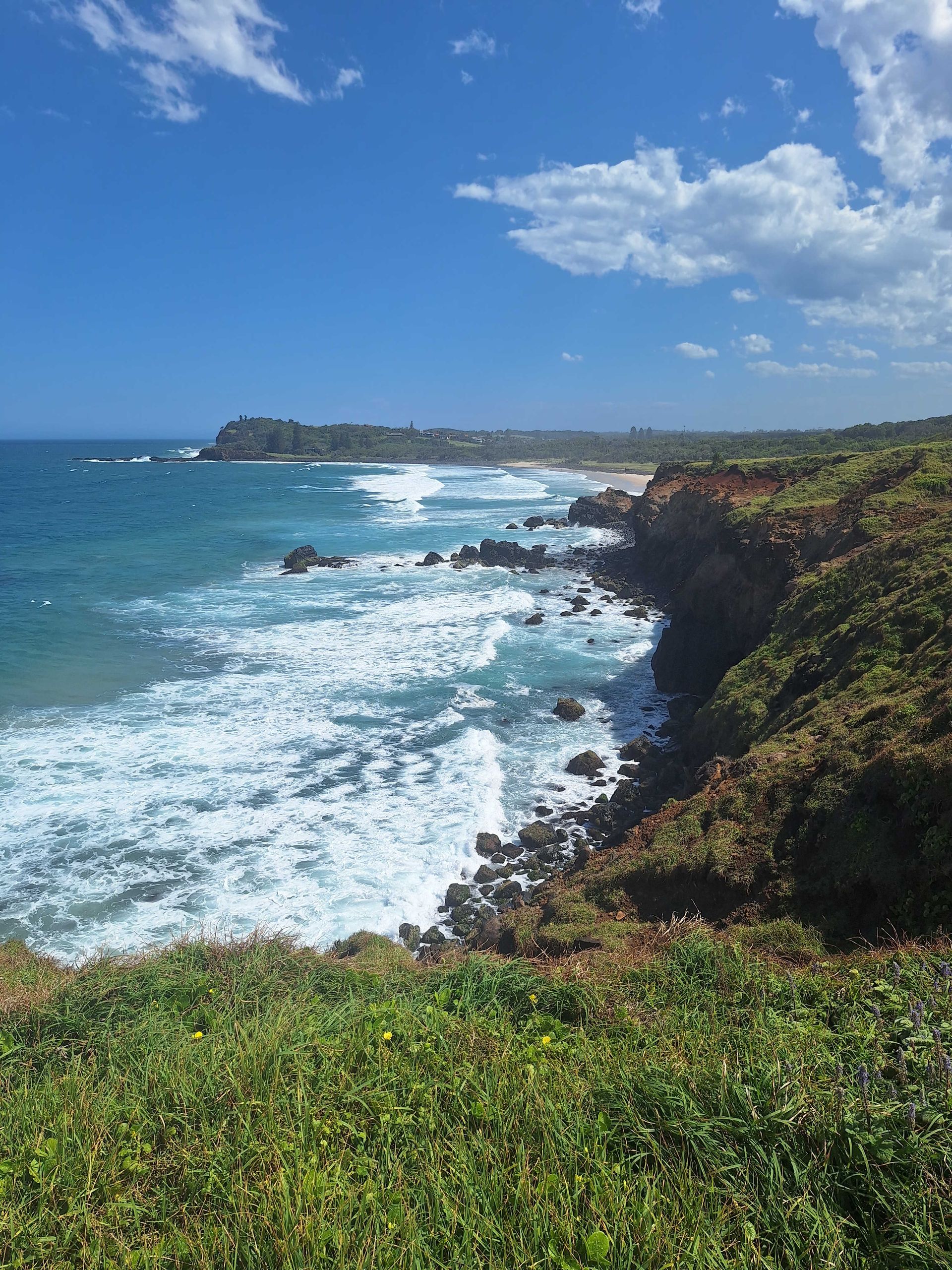
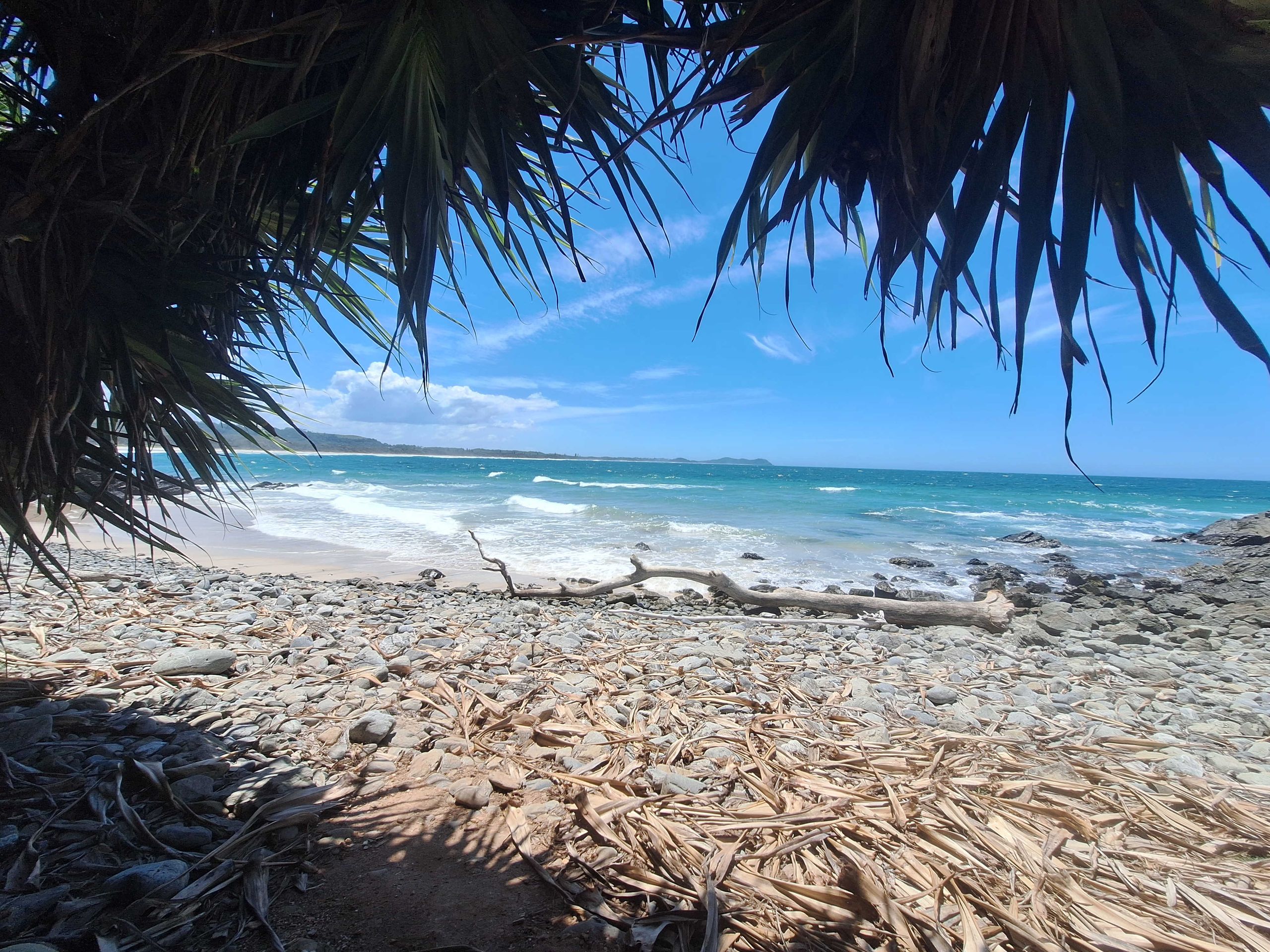
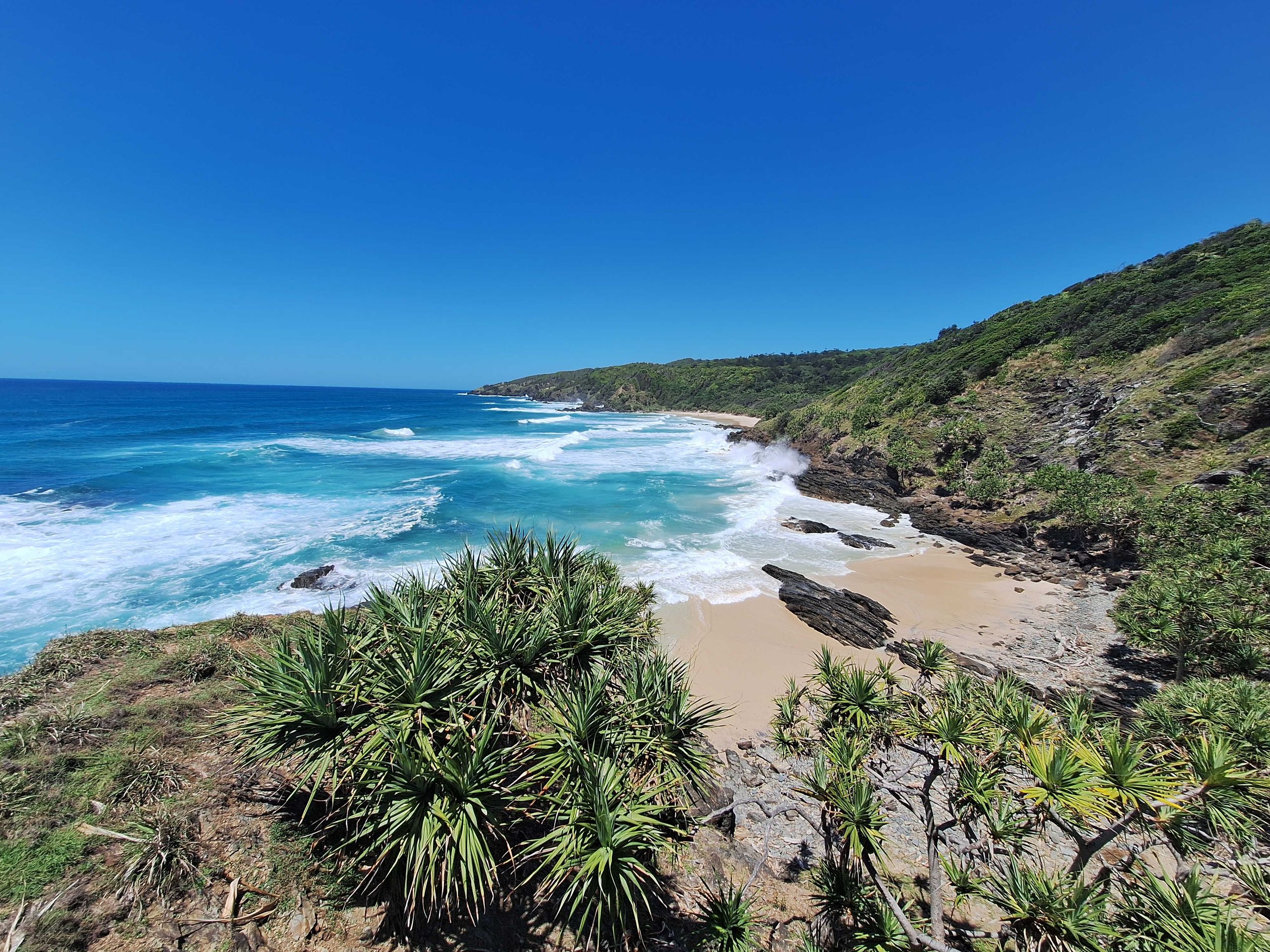
I recently heard from various sources that my restlessness was noticeable and seemingly increasing. I gathered that some were worried about my energy reserves and my internal batteries. I assured them that I was doing more than well – yet I was still stuck. Not my body, not my mind, but the rental car I had.
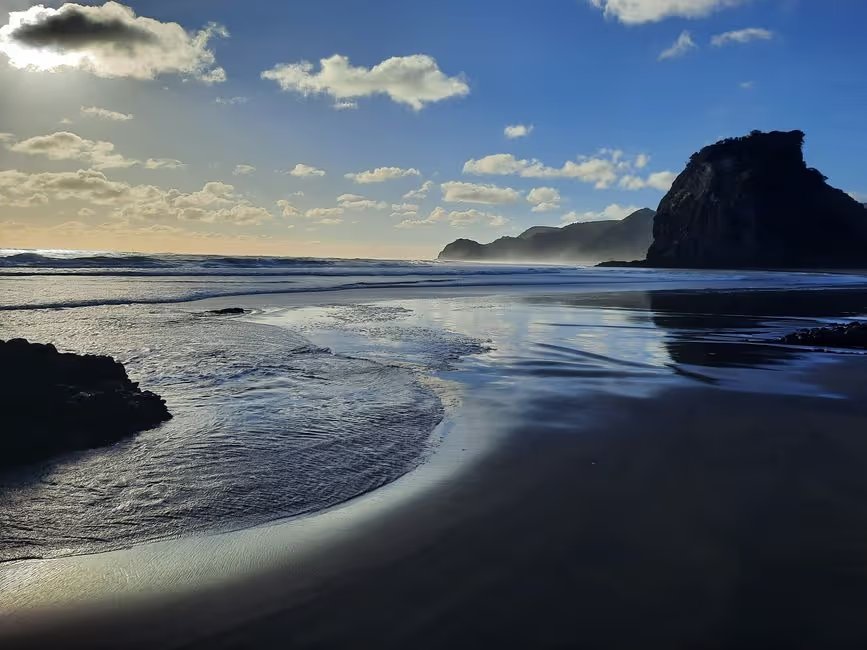
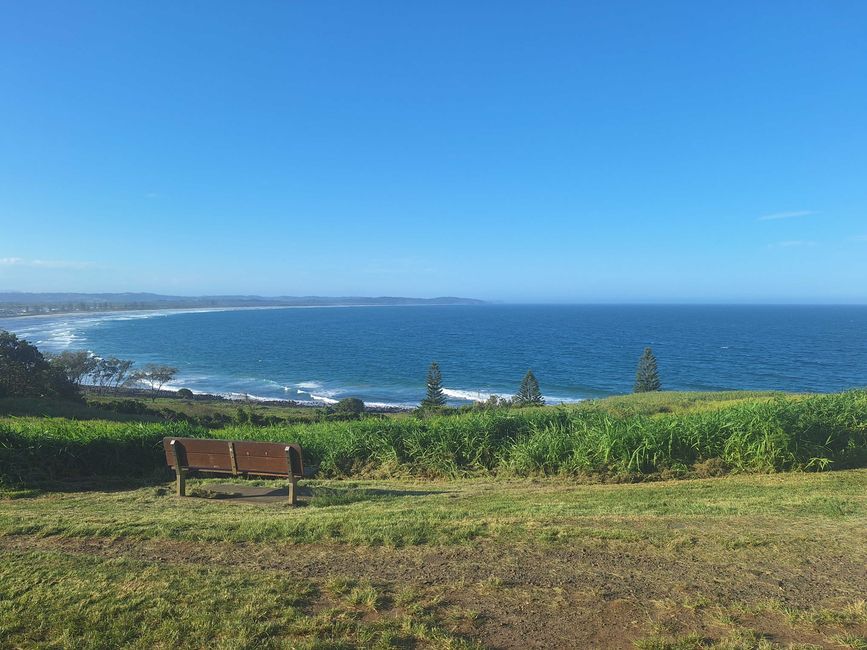
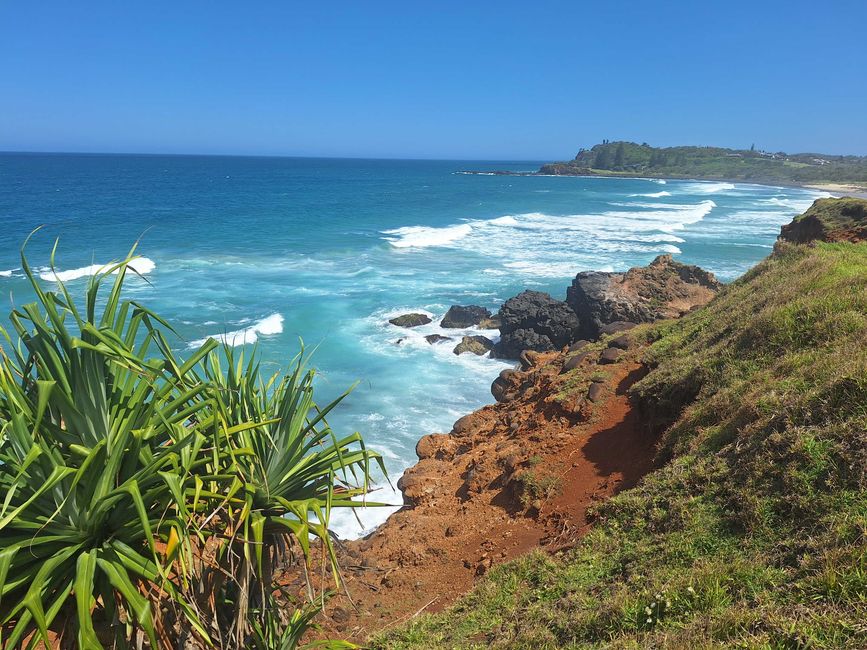
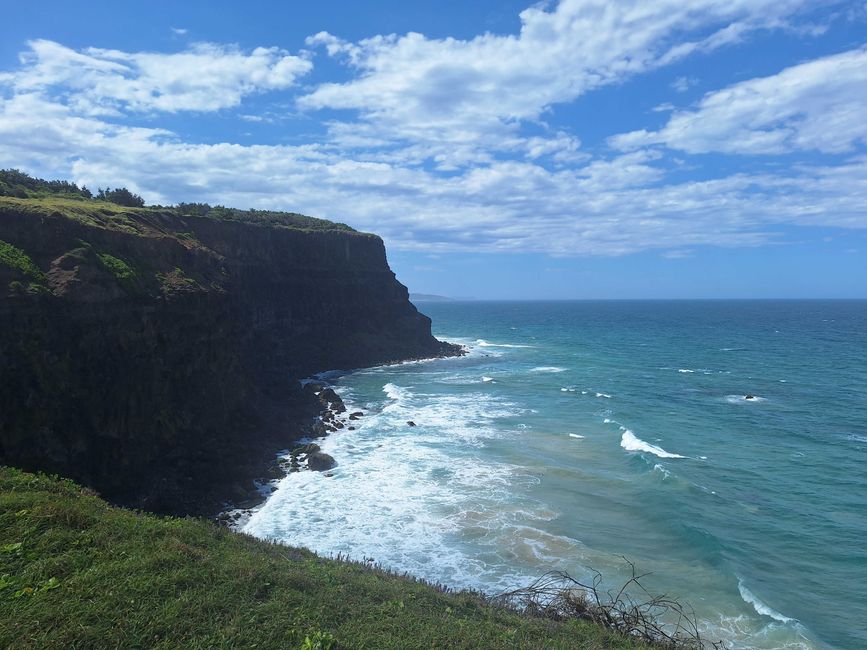
The last time I, or rather my car, needed a jump-start was a whole 18 years ago; back then, three flight hours further east in New Zealand. I remember it vividly. I felt like I had died a thousand deaths; I thought all my savings (at that time in the form of this car) were now gone. I stood in a parking lot, somewhere in a small town on the North Island. I believe I was wearing a sweater and a pink rain jacket. The mood was tense; in my memory, it was cool and damp. By contrast, my outlook today was phenomenal – sure, I was back in a parking lot, but this time with a view of the open sea; looking out at a beautiful bay, waves, and spray; plus sunshine, perfect temperatures, and a warm breeze. Whatever I had done, the rental car with me at Pat Morton Lookout, south of Byron Bay, wouldn't start anymore. After a brief moment of confusion and thinking about what I should do next, I wandered around the parking lot. Wouldn't it take ages for someone from the rental company to come...? Hmm…
After a short time, a surfer approached me, sitting with her friend in a van admiring the sea. She, tanned and petite, with blonde hair bleached by saltwater, offered a few encouraging words and helped me find the right English words for the problem (battery) I had: what I actually needed were jumper leads. She quickly added that I shouldn't worry; there were so many surfers and others with Land Rovers, big cars, and those with all-wheel drive, someone would surely have something suitable, just keep an eye out and ask. So I stumbled from one car to another in the parking lot, but no one had jumper leads. “Oh, we took that thing out of the car for Christmas! I always have some with me!” “Oh, that’s unfortunate! I certainly have some in the other car!” After a while, a small truck drove into the parking lot – it could help, but not completely; something was wrong with its jumper leads.
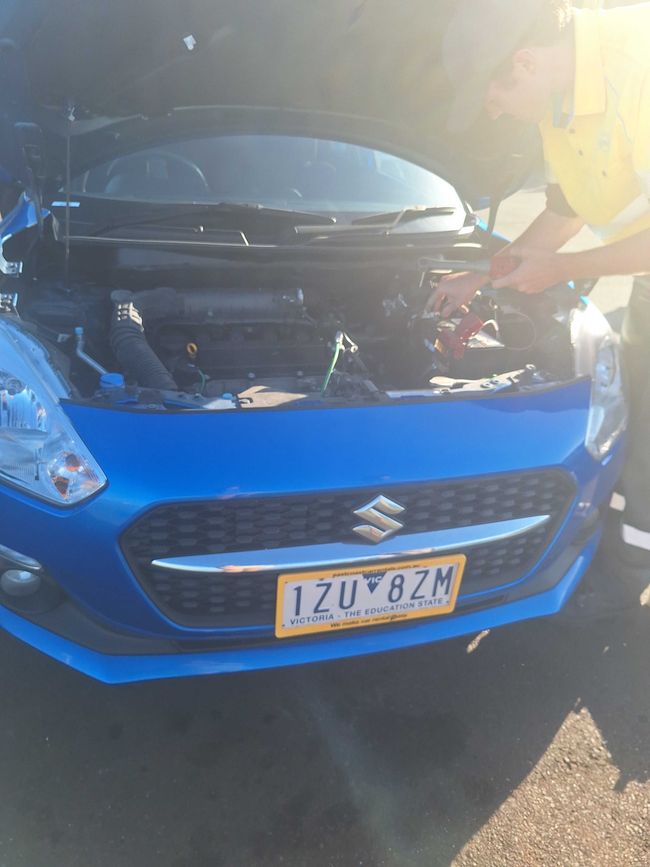
I continued my rounds and passed by the surfers again; now there were three, and one man after another was looking in the engine compartment of my rental car. To encourage me, the surfer asked if I wouldn’t like to have a beer, then it would be much easier to ask. “By the way, I’m Sunday!” She suggested just waiting, everything would be alright. She was right, the place where this happened to me couldn’t be better – simply a dreamy view. During pauses when no one new drove into the parking lot to ask, she proudly showed me her van, we talked about traveling; then a quick interruption to ask; then back again since the mission wasn’t successful, sipping more beer. Although everyone was super friendly and helpful, no one could bring the car back to life, so I called the emergency hotline for the rental car. It would take about 90 minutes, possibly sooner, possibly later. “All good! I found a nice spot to stop!”, I replied without delay. I walked back to Sunday. Yes, it could have been worse, and I was very happy with stopping.
Eventually, Sunday asked where I was from. “Europe,” that much was clear, but where exactly? She guessed Switzerland or Sweden. We spoke “Australian,” which in my understanding means relaxed small talk; it rarely involves work, what someone does, how one earns their money, but rather about what is considered life; about leisure, about what brings joy and happiness. We talked about her life in the van, the sea, surfing, traveling. Then she asked if I knew anything about Poland. “Well,” I stammered, “I’m a historian and study Polish and German history.” – “Oh, that’s so interesting! My mum is Polish! And my babcia (Polish for grandma) was born in Germany!” We were both delighted by the turn of the conversation. I told her what I had been doing the last few years and what I had found; she shared what she knew, about a small village near Sydney where her grandmother lived in a little Poland in Australia.
But it wasn’t long before she mentioned that her father is Aborigine. With a laugh, she said that this made her truly Australian, immigrants on one side, Aborigine on the other. Her eyes sparkled, she gazed at the sea, paused – and then spoke about Australia Day, which will be celebrated on Monday, January 26, like every year. Australia Day is one of the most important, if not the most important national holiday. The background is the arrival of the First Fleet, the first British fleet in 1788. This marked the beginning of British settlement and colonization of Australia. “Why do we even celebrate something like this in Australia?!” Sunday asked, expecting no answer, and continued, “We celebrate the following genocide, the invasion! Incredible!” Those still standing around mostly remained silent, some nodded; one added that there are also Independence Days in other countries, like the USA, and that would be the same. An embarrassed silence that I couldn't interpret; at that moment, the breakdown assistance drove into the parking lot.
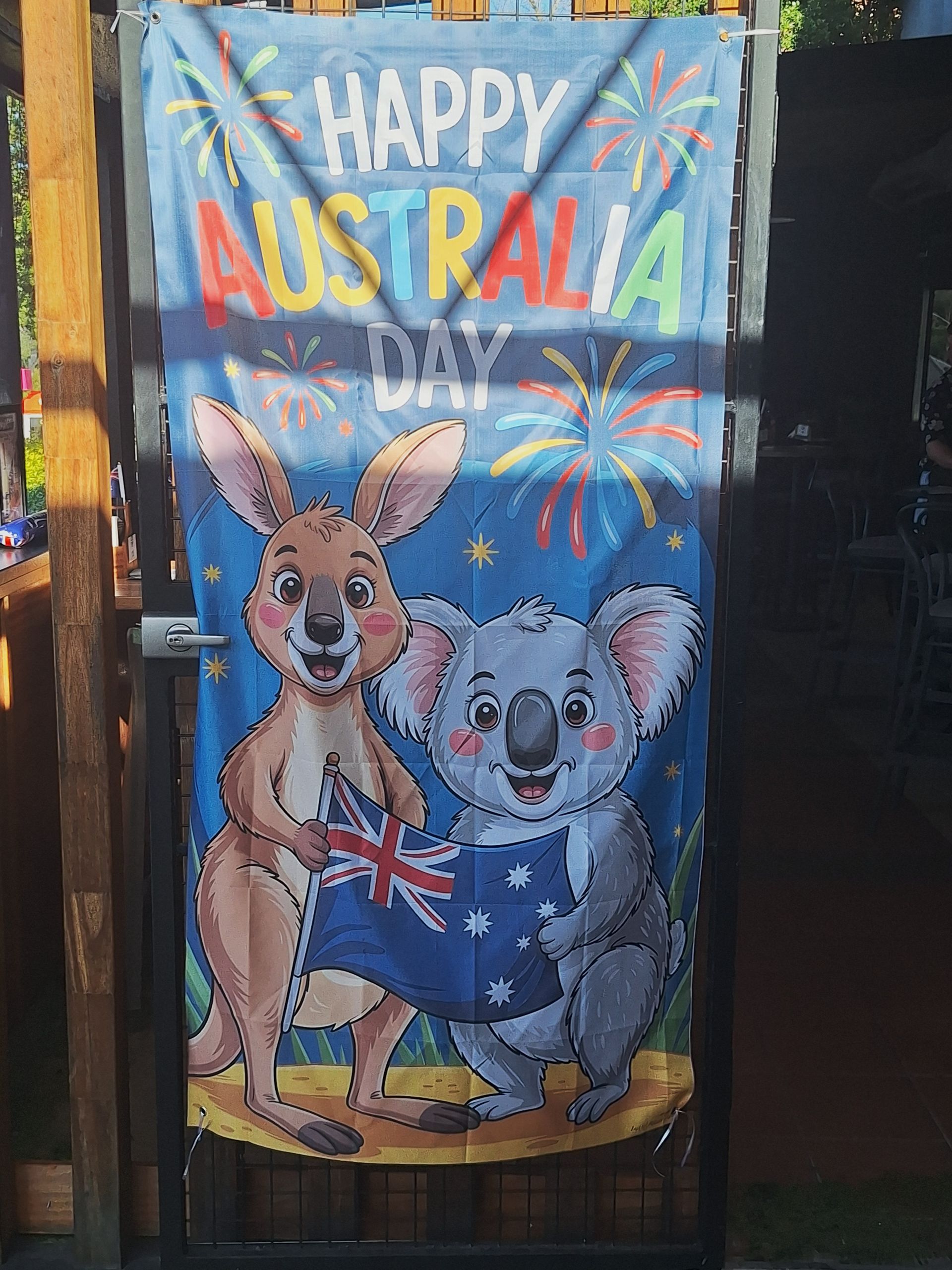
Australia Day, the holiday on January 26, is a hot potato Down Under; opinions on it vary greatly.
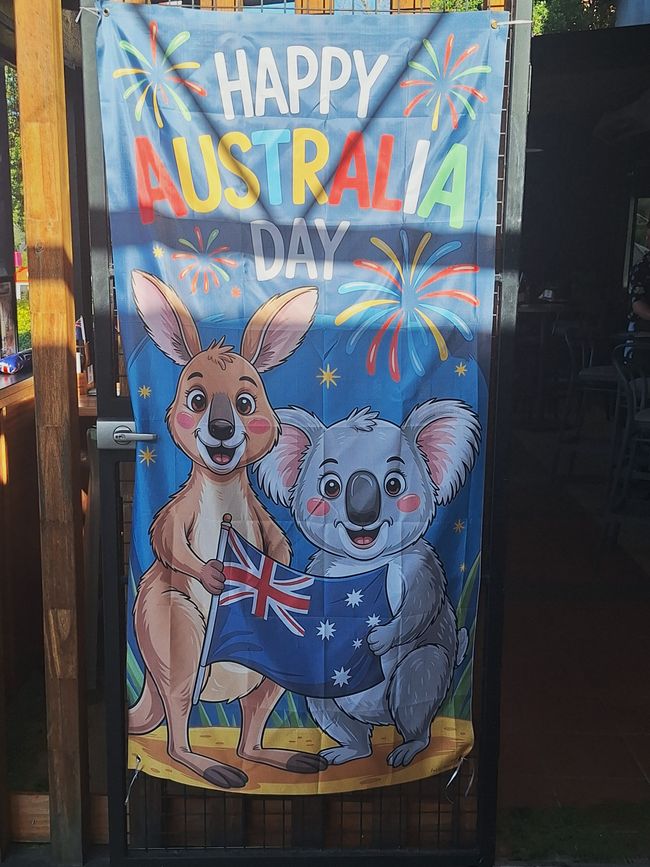
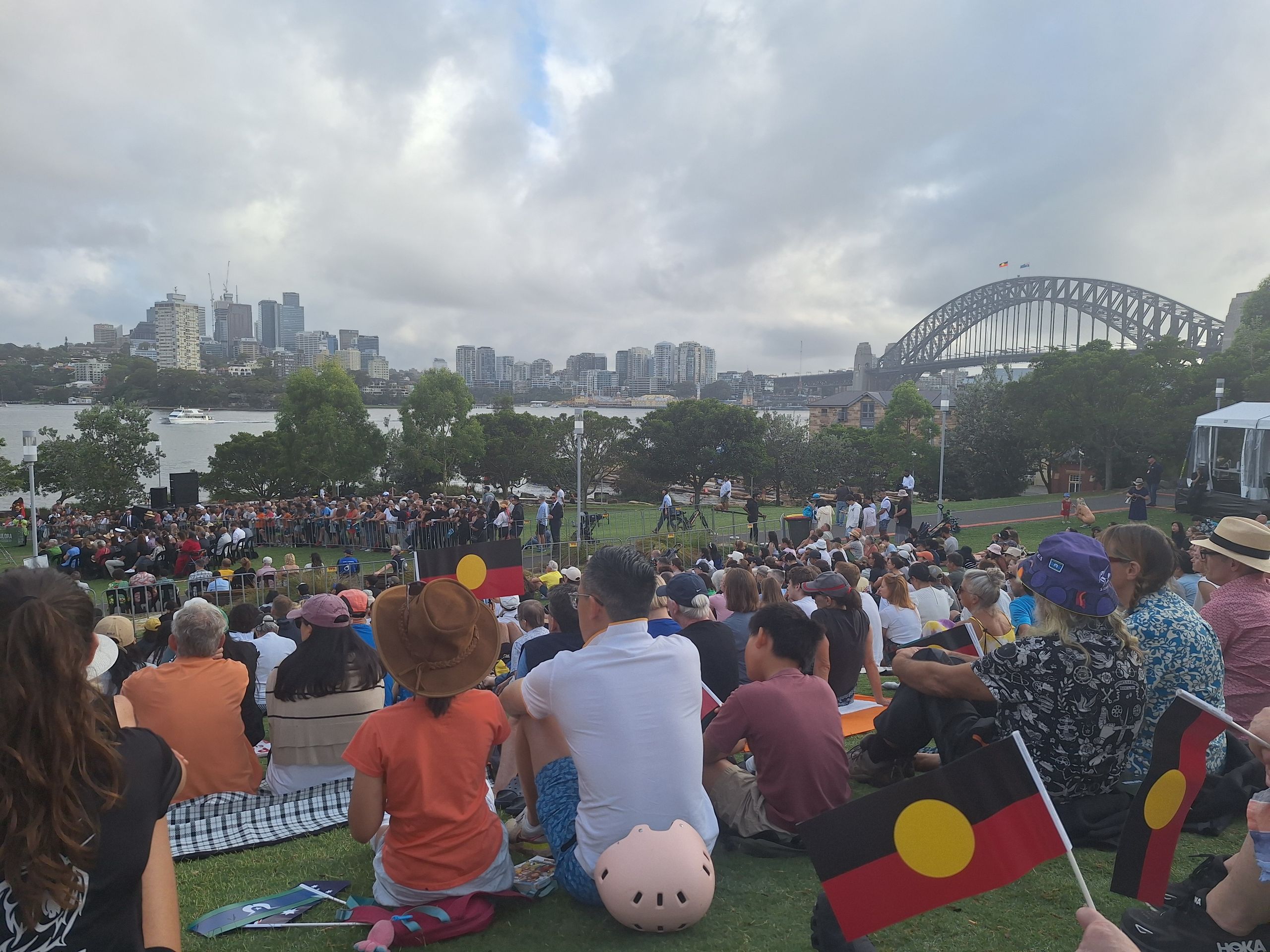
Many see it as a celebration of Australia and its people, while for many Indigenous people, the day is a day of land loss and the consequences of colonization. Many thus refer to January 26 as “Invasion Day,” the day of the invasion, or “Survival Day,” the day of survival. For most people in Australia, it is primarily a public holiday and also in January, so in summer; thus, hardly anyone really wants to abolish this day, as there are significantly fewer public holidays in Australia than in Germany. However, Australia Day is also a day of pride for some. Australian nationalists – currently politically on the rise – wave flags particularly loudly; for others, it’s a day of reconciliation, at least that’s how many government and moderate political forces try to portray it. For many Aborigines and also activists on the politically left side, it is a day of the obliteration of the Australian Aborigines by the British, by whites, by colonizers.
Last year, there were many events in Sydney, both state-official and unofficial; demonstrations and counter-demonstrations as well as many events took place in the days before and after. I found it hard to keep track and really understand who or which group stands for what and whom, and why. The only thing I could clearly grasp is that it’s controversial and ambiguous what Australia Day will become, should become, and can be; it also became evident how deeply the society is divided over this issue.
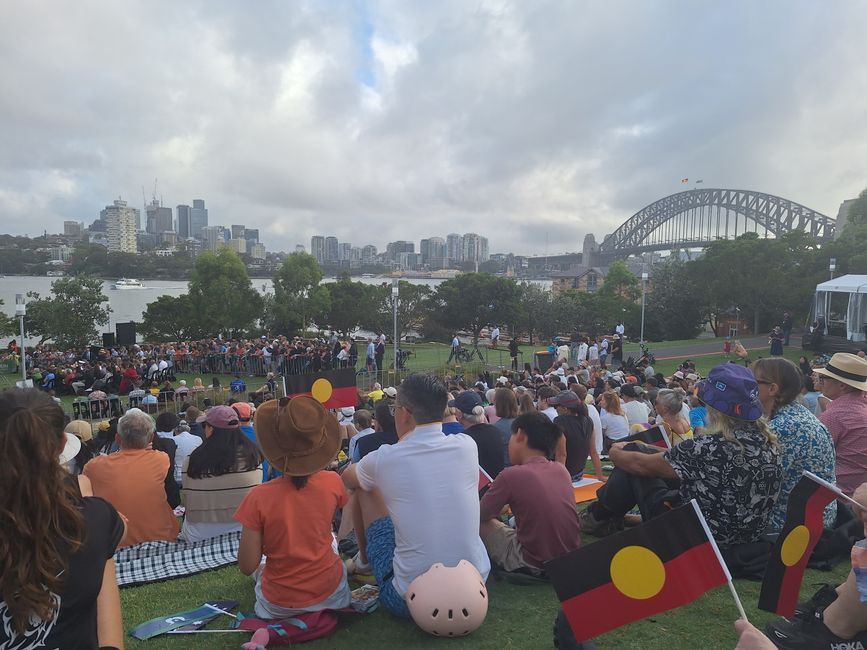
In Brisbane, where I will spend January 26, 2026, there will be a large public fireworks show on Monday (with drones due to fire risk; therefore, it will rather be a light show). Locals recommended that I definitely see it; the acquaintances I am staying with will use the day for a barbecue with their children followed by a public 'fireworks' display. I don’t know what Sunday, the Polish-Aborigine surfer, plans to do on Monday. She certainly isn’t in the mood to celebrate that day.