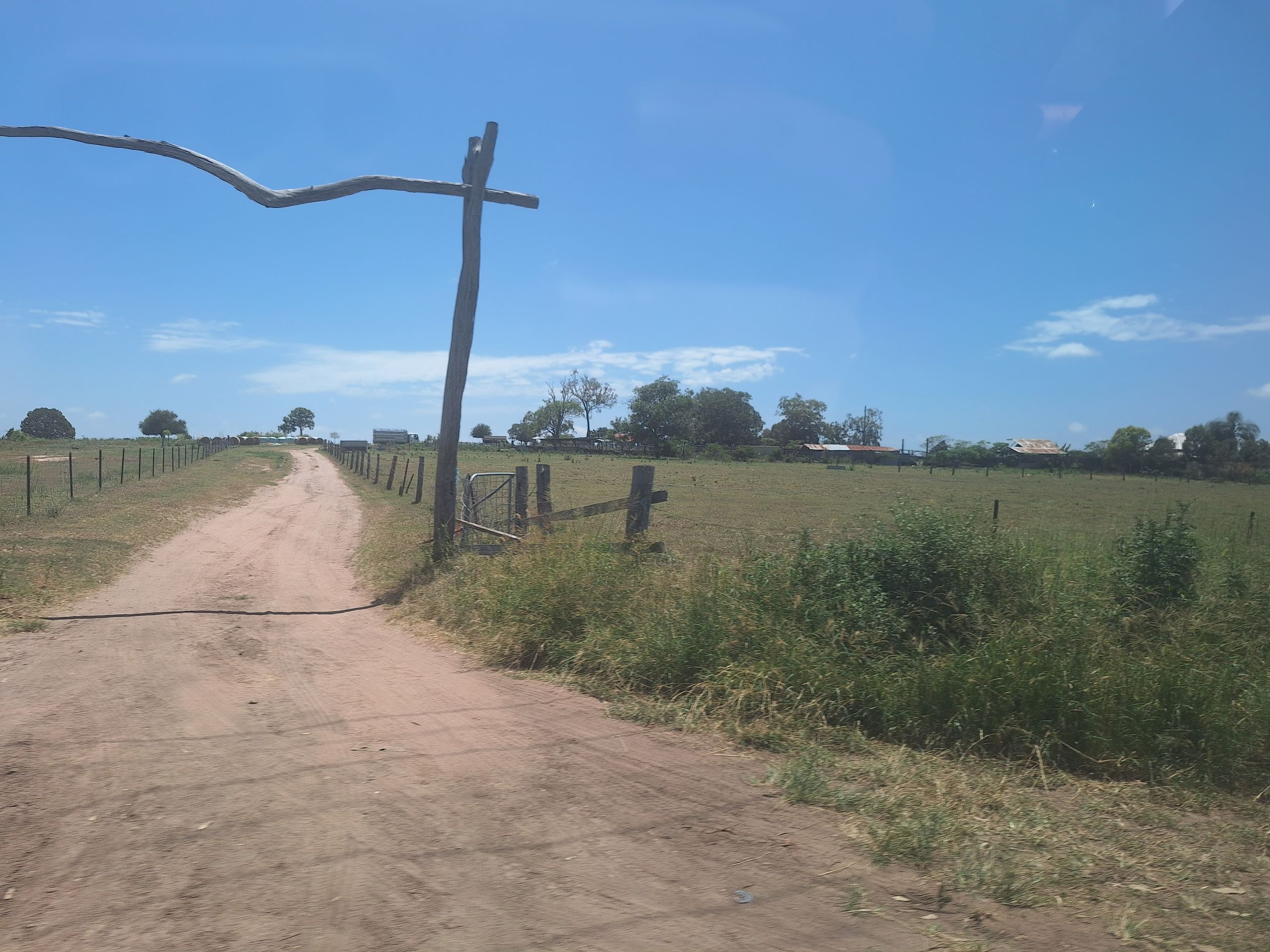
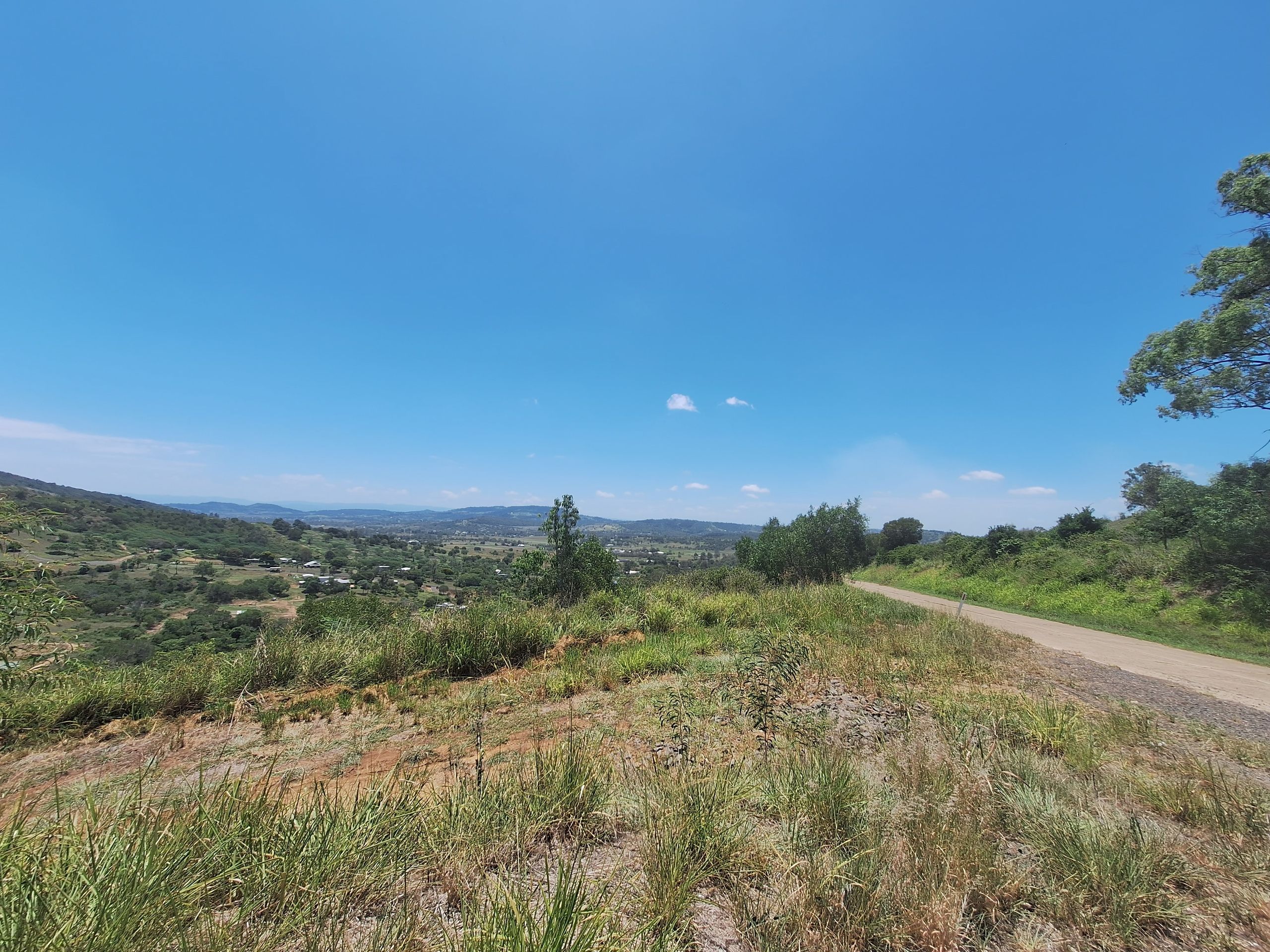
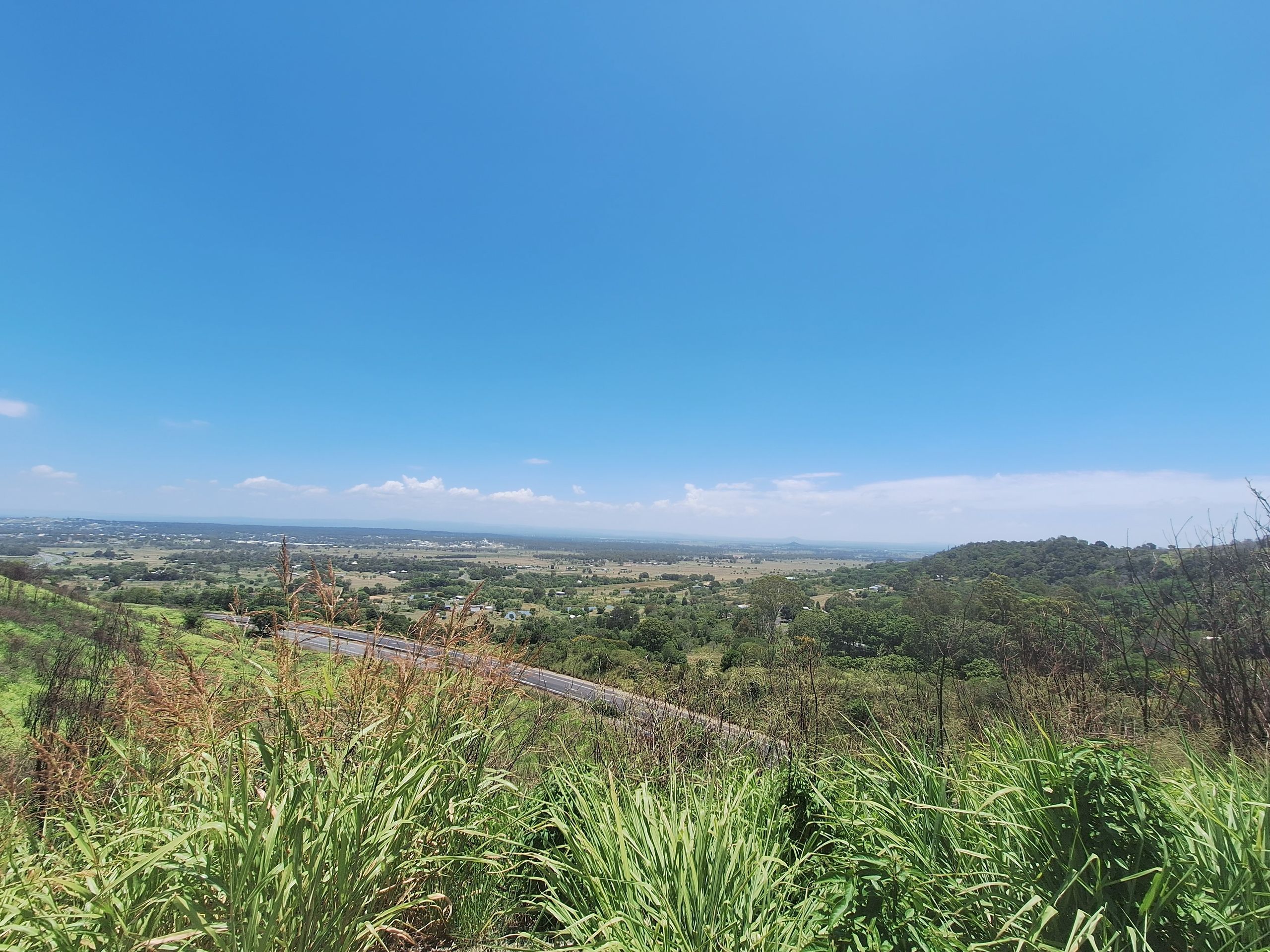
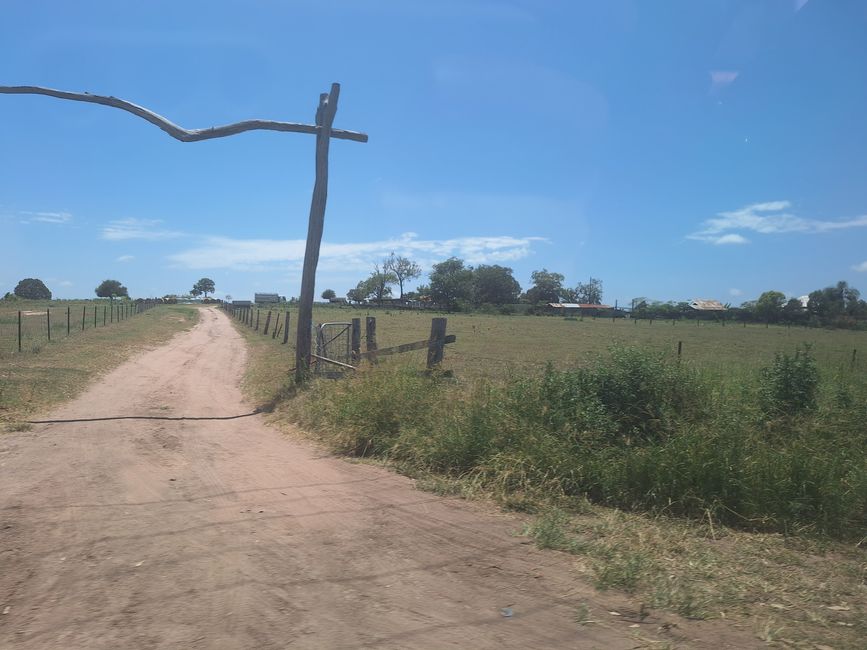
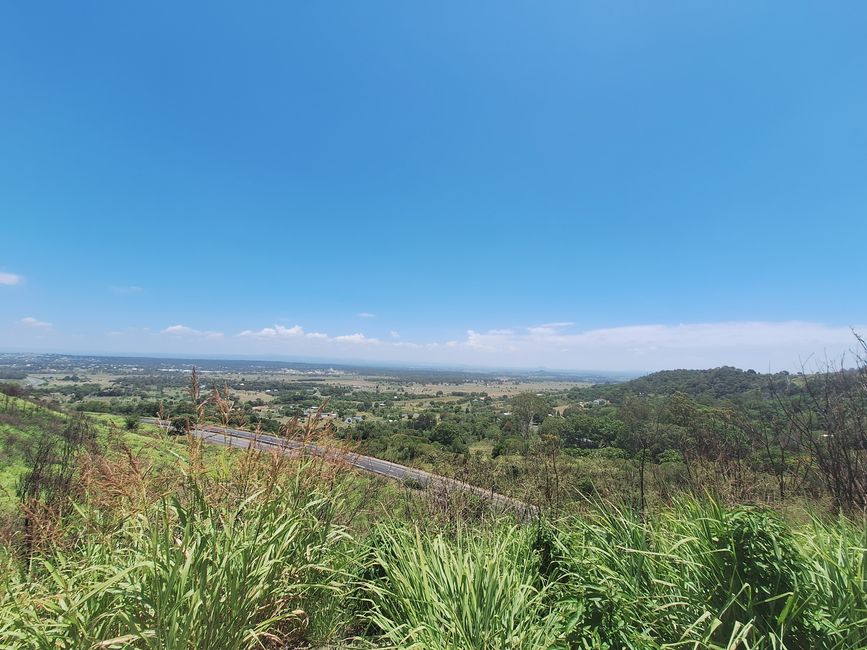
Those who want to go to Prenzlau must primarily head west, through Marburg and Minden; those coming from the south will likely pass through Templin. This is the case, at least, if one is coming from Brisbane, the largest city in the Australian state of Queensland. The now small village of Prenzlau is quite remote. It's not necessarily a tourist magnet. Over the past few decades, the place has shrunk significantly: only about 400 people now live here. Basically, Australian Prenzlau stretches along a winding road.
Prenzlau in Australia.
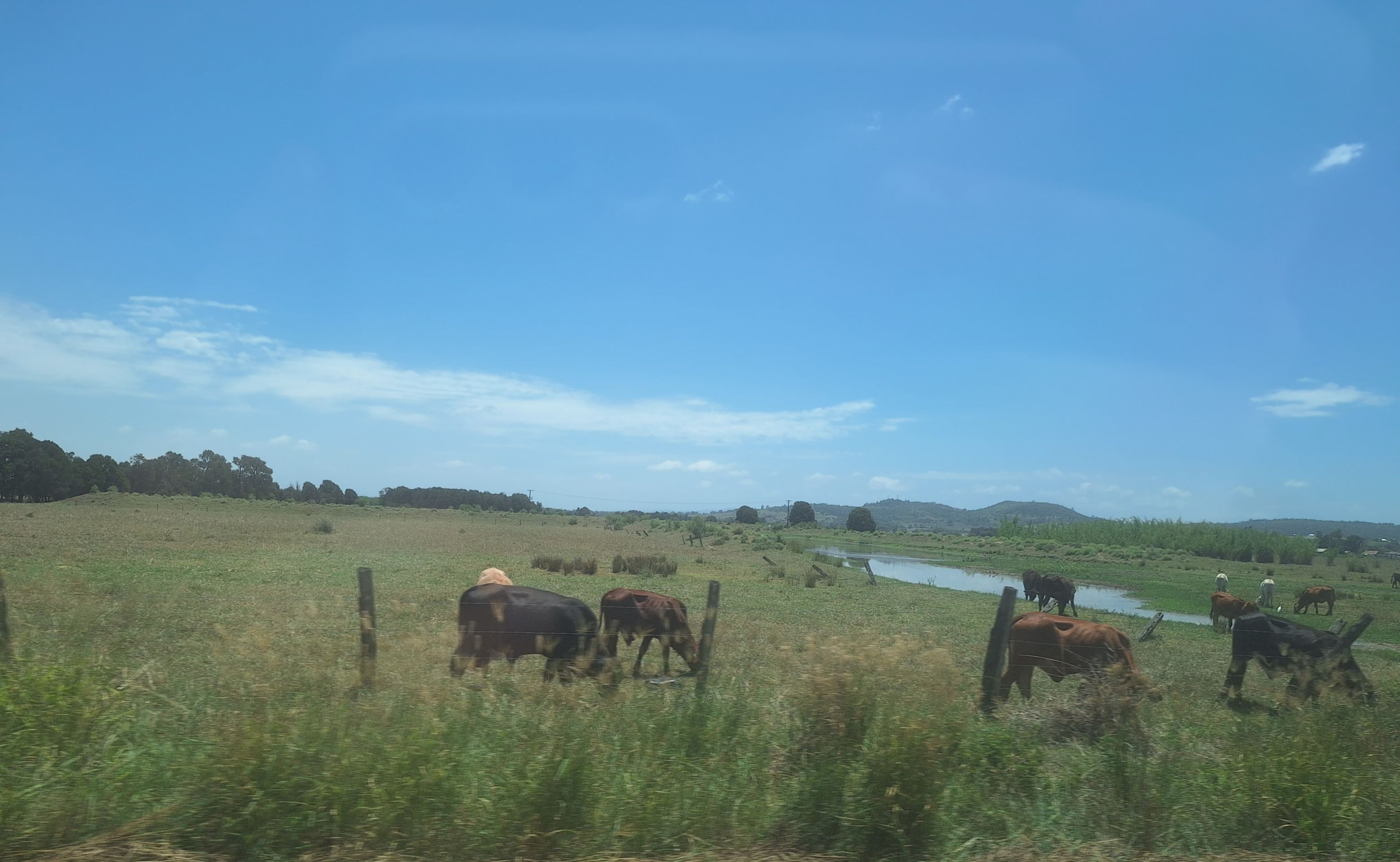
Fields, pastures, and farms alternate on the left and right. The houses in the vicinity are often built on stilts, allowing for natural ventilation of the buildings. After all, 40 degrees Celsius is not uncommon in the Australian summer. High temperatures are also normal in spring and autumn. The weather in this corner of the Earth is extreme: dryness often leads to devastating fires. However, when it rains, flooding frequently occurs.
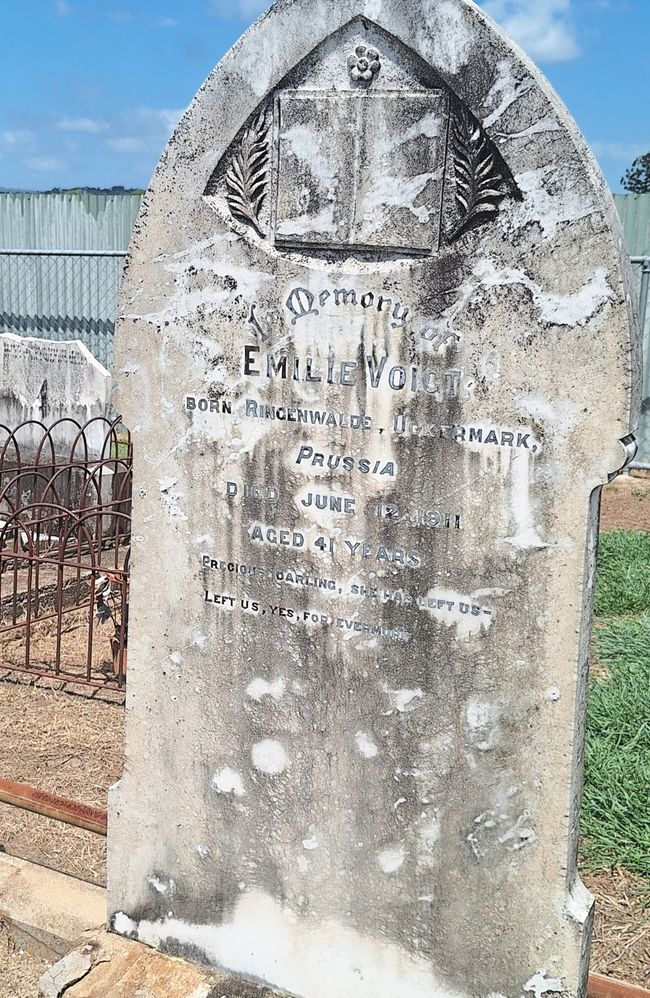
Prenzlau, like the surrounding villages, was established in the late 19th century. They were part of the British colonization of the Australian continent. For the indigenous population of Australia, the Aborigines, the resettlement and land appropriation by Europeans meant violent displacement and ongoing persecution, sometimes murder. In addition to British settlers, other groups came, including families from Uckermark. Many of them sought an escape from economic hardship, hoping for a better life far from their place of birth. For the emigrant families from Uckermark, it was a leap forward. They wanted to leave behind the difficult conditions at home and carried great hopes with them.
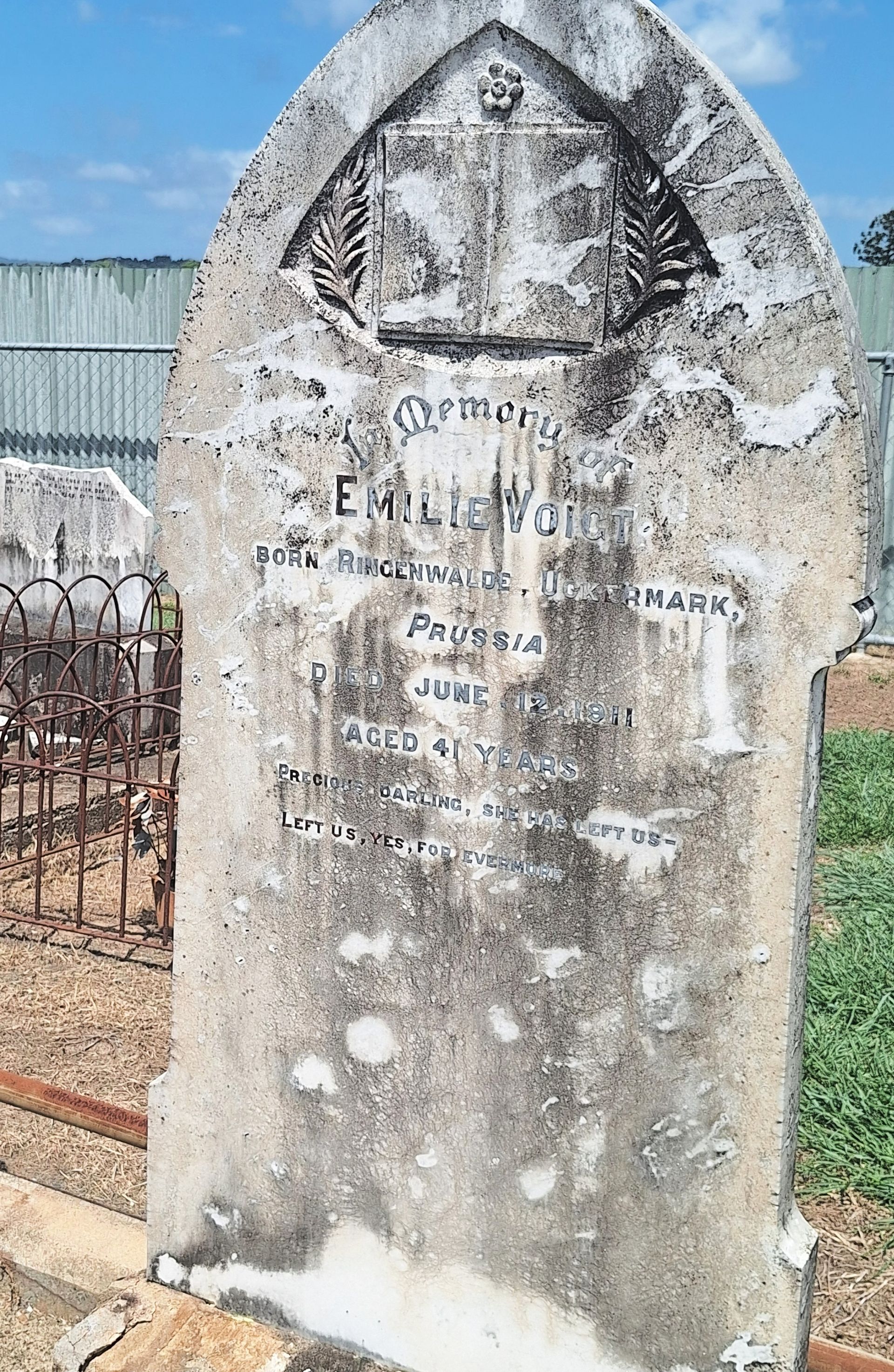
Tombstone for Emilie Voigt from Ringenwalde/Uckermark
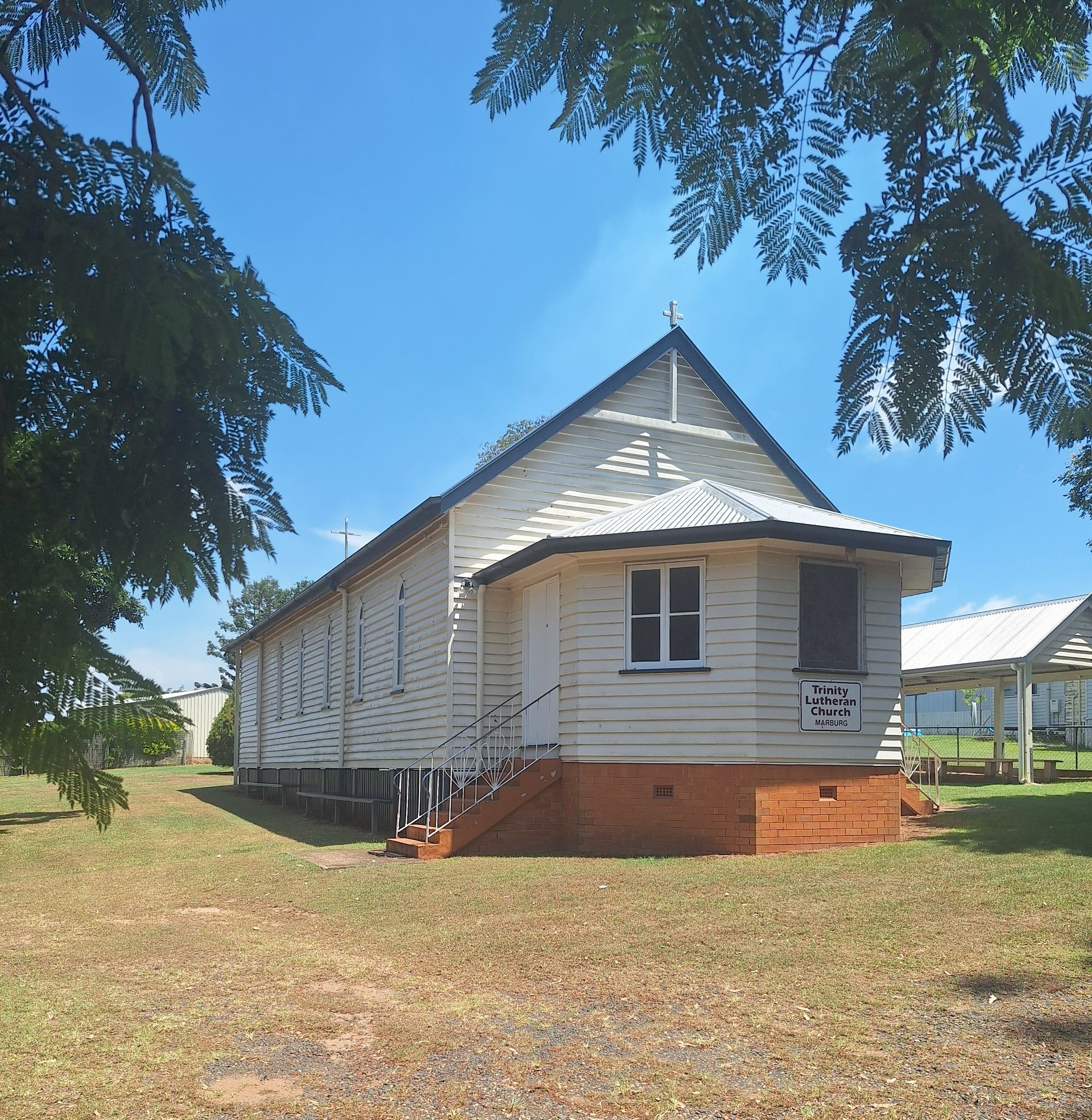
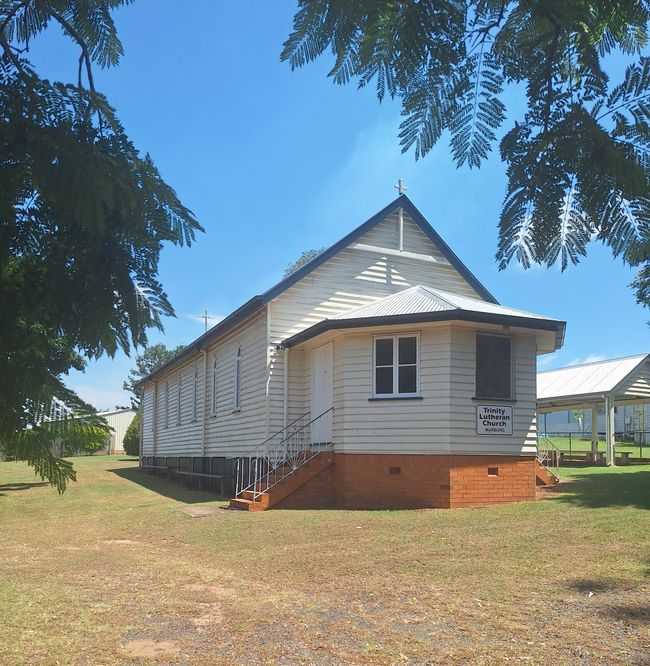
The people in (Australian) Prenzlau, Marburg, and Minden were devout Lutherans. This is still evident today: there are five churches in the immediate area. These are still well attended today. The church service is an important event, and so on Sundays all the believers wear their best clothes for church. The women have neatly styled hair, some wear high shoes. The service at Trinity Lutheran Church in Marburg has been held in English for decades. German has long ceased to be the main language in the region. Surnames like Voss, Schulz, and Voigt have, however, remained; as have some street names. For example, a road from Marburg to Minden runs along Berliner Straße. A young woman in the church in Marburg says that her last name is Muller. Her mother and even more so her grandmother always insisted on the ‘ü’ – even though no one else in Australia understood what the two dots above the ‘u’ meant. The young woman, as a third generation, does not find the ‘ü’ important; moreover, she can't pronounce the German ‘ü’ anyway.
The Trinity Lutheran Church in Marburg, Queensland.
There is a story told somewhat behind closed doors about the many churches in the vicinity of Marburg, Minden, and Prenzlau. Yes, on one hand, there was the need and many believers, but even more so, the various church buildings were likely the result of internal disputes. Some disputes were religious in nature, concerning different interpretations of faith; for others, however, personal animosities played a larger role. The people here, as it is said today, used to be very conservative and often pedantic. The latter sometimes manifested itself in narrow-mindedness and stubborn behavior – and thus new churches continued to emerge over time. A man in his late 50s, tall and with a round belly, says that he now lives in Prenzlau. He expresses with a very convinced tone that his – as he calls it – correctness in craftsmanship certainly comes from his ancestors. For him, this is his German heritage.
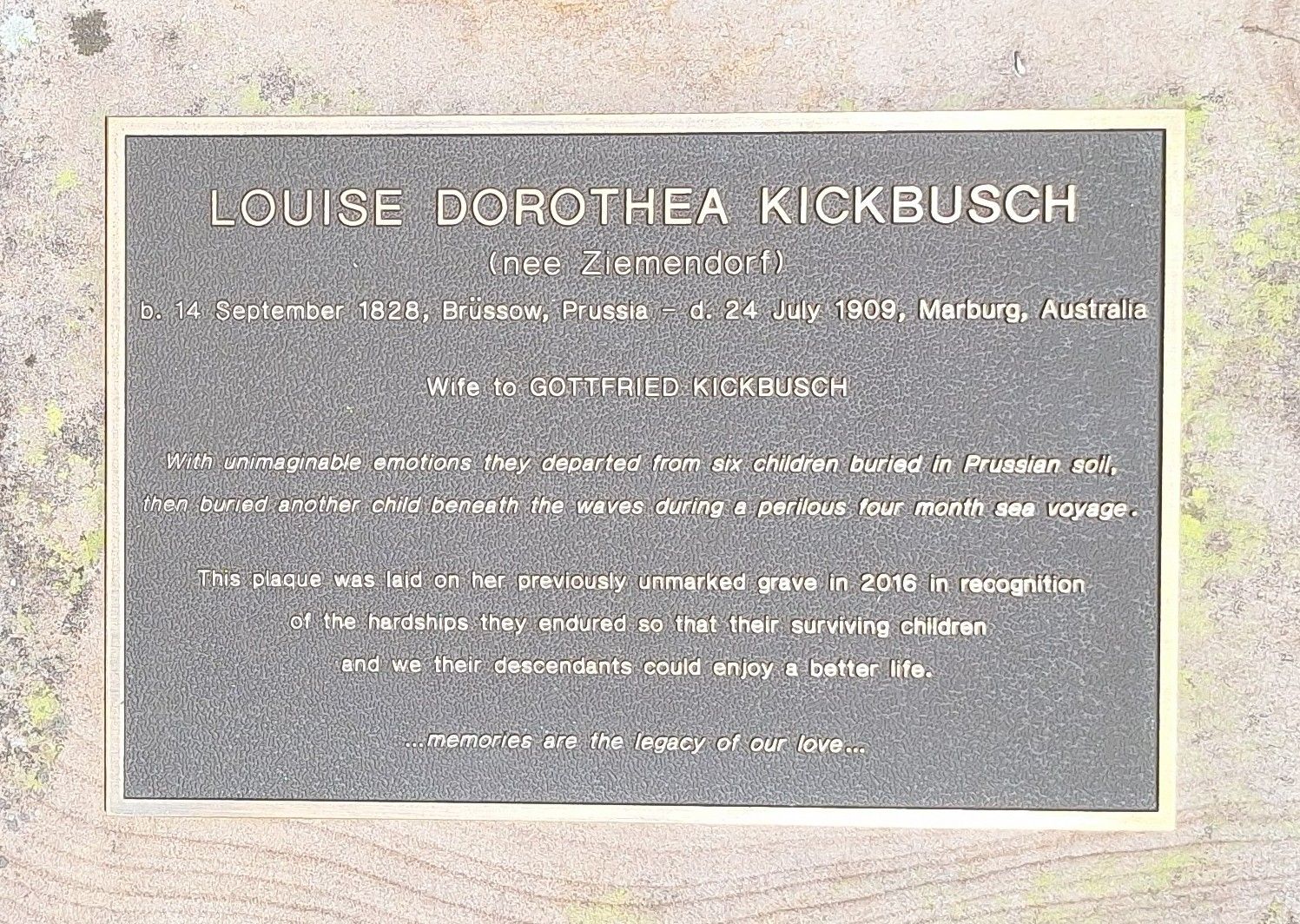
The emigration of German speakers in the 19th century across the world was part of a great migration movement. Many Lutherans emigrated overseas, hoping for freedom of religious practice; from today's perspective, some could also be described as certain 'economic refugees.' Particularly many came from Uckermark in the Province of Brandenburg – and so did those who founded Prenzlau and the southern neighboring Templin in Australia. On the cemetery in Australian Marburg, smaller brass plaques recall the Kickbusch family. Historically very accurately, it states that the family came from Prussia; there was no German state at that time. Louisa Dorothea Kickbusch, née Ziemendorf, was born in 1828 in Brüssow. She came to Australia with her husband Gottfried. Gottfried was from Züsedom, today Uecker-Randow-Tal. The couple, both in their late thirties, were searching for a better life for themselves and their children. The plaque for Louisa states that the couple had to bury six children
At a glance
Automatically extracted from the post
Weather
Summer · 40°C
Mood
Cultural
Highlights
Prenzlau in Australien
Trinity Lutheran Church in Marburg
Friedhof mit Plaketten für die Familie Kickbusch
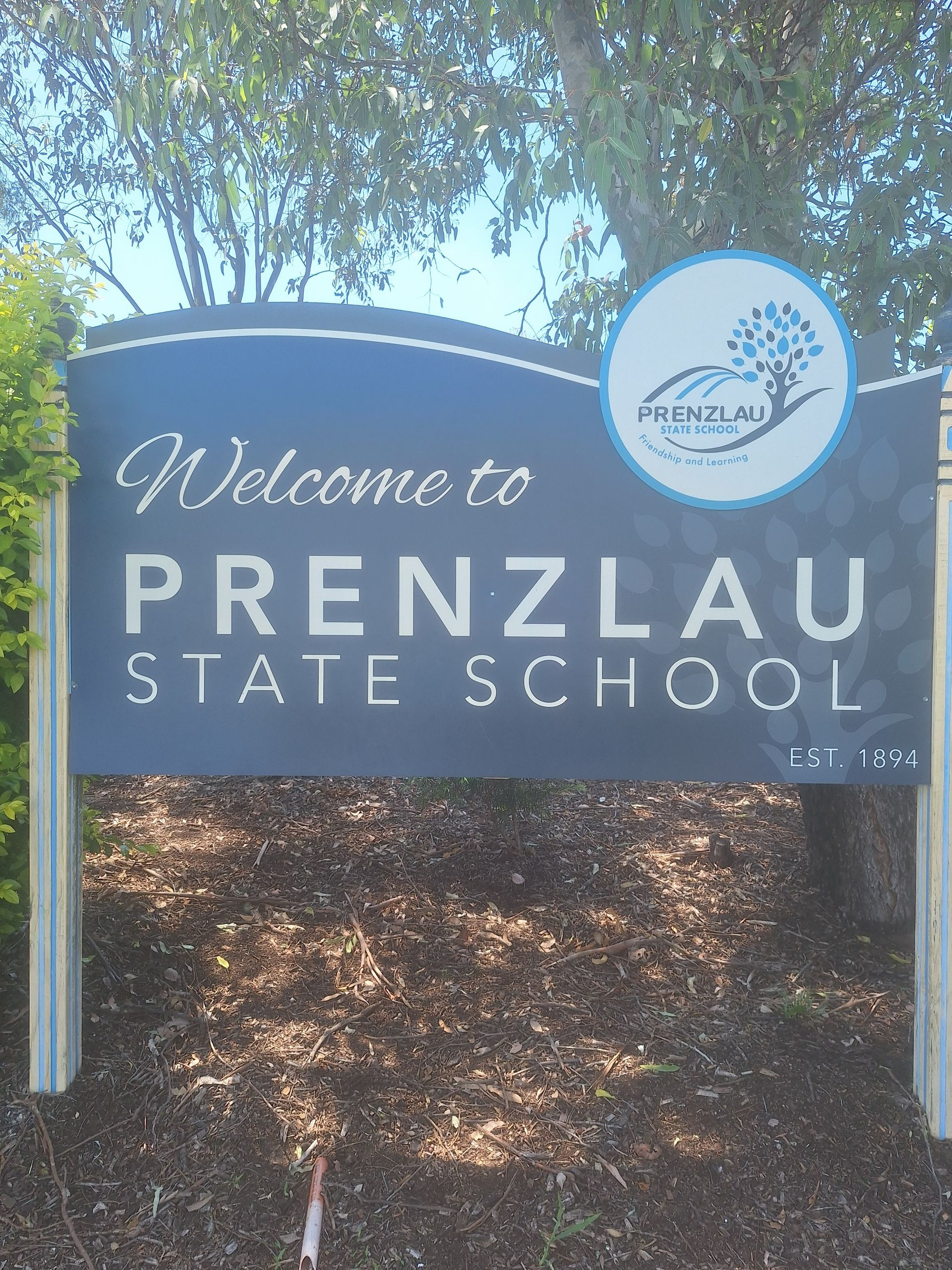
Prenzlau State School
Topics
StoryCultureCity
Mit Geschichte(n) um die WeltLike a newsletter: every new post arrives via email.