Add-Ons - Upgrades - Extras
It is well known that the perfection of commercialization resides in the USA: everything costs extra, and where there are many people, everything is three times as expensive. This...

Published: 16.07.2025
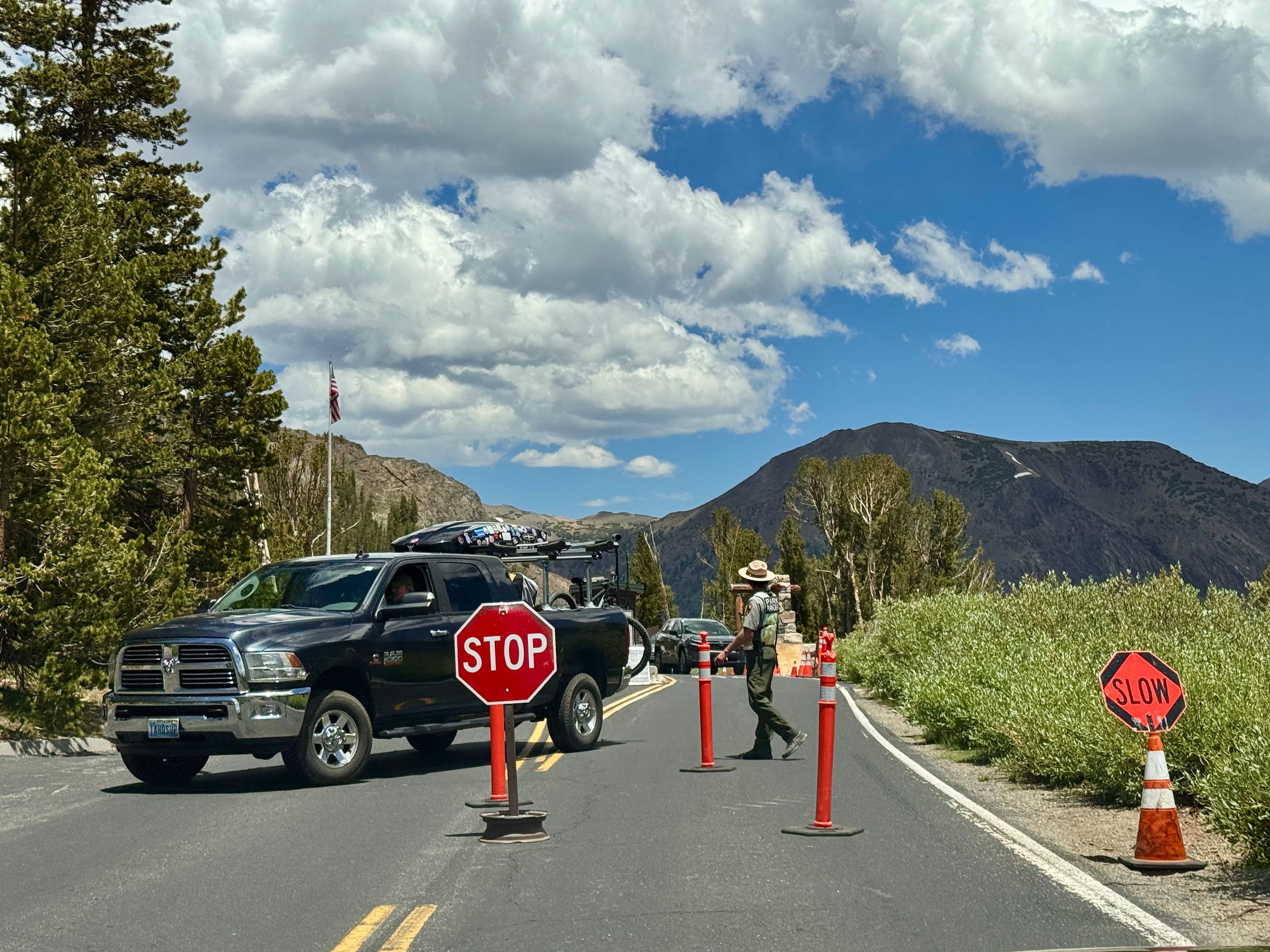
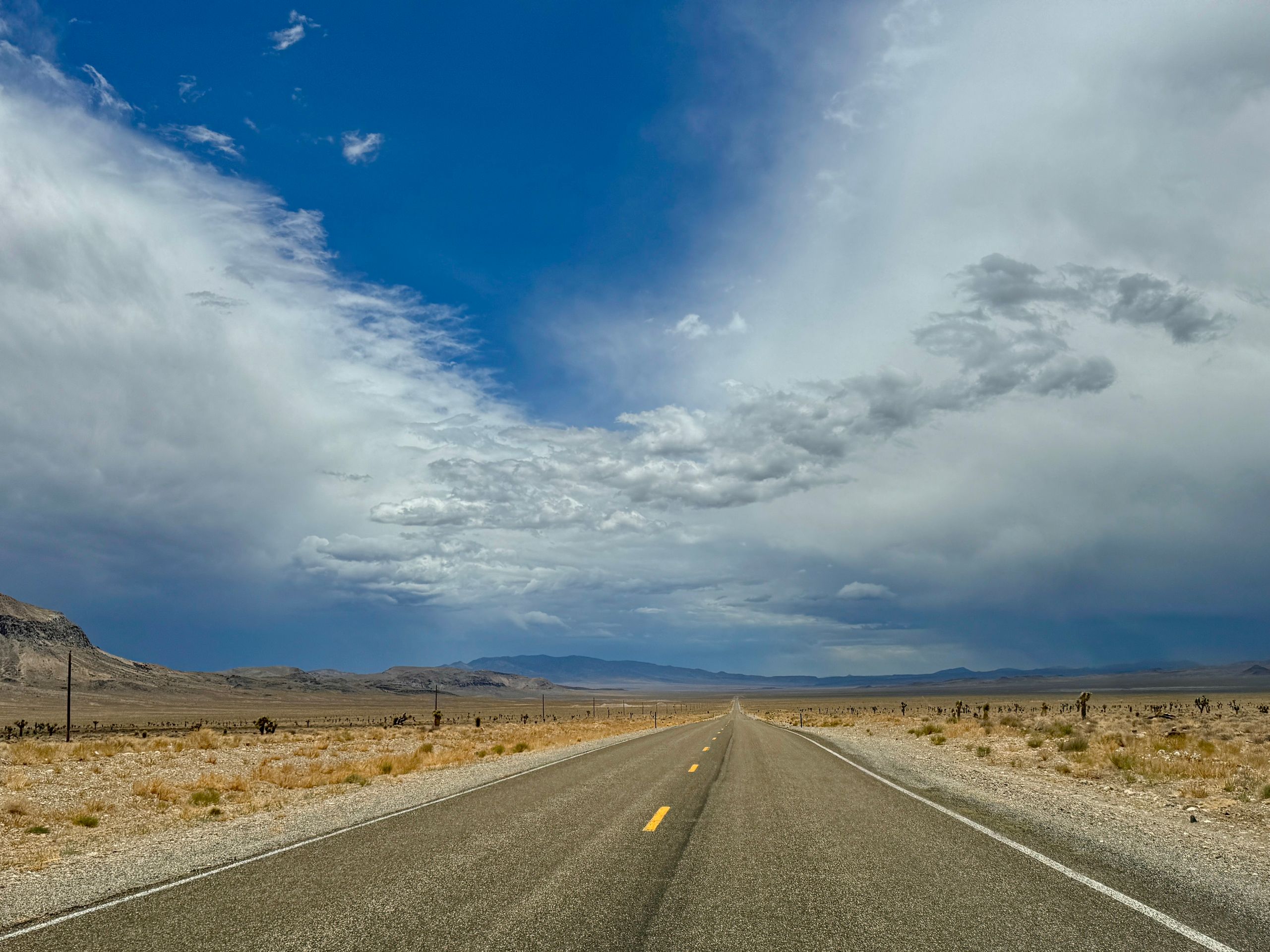
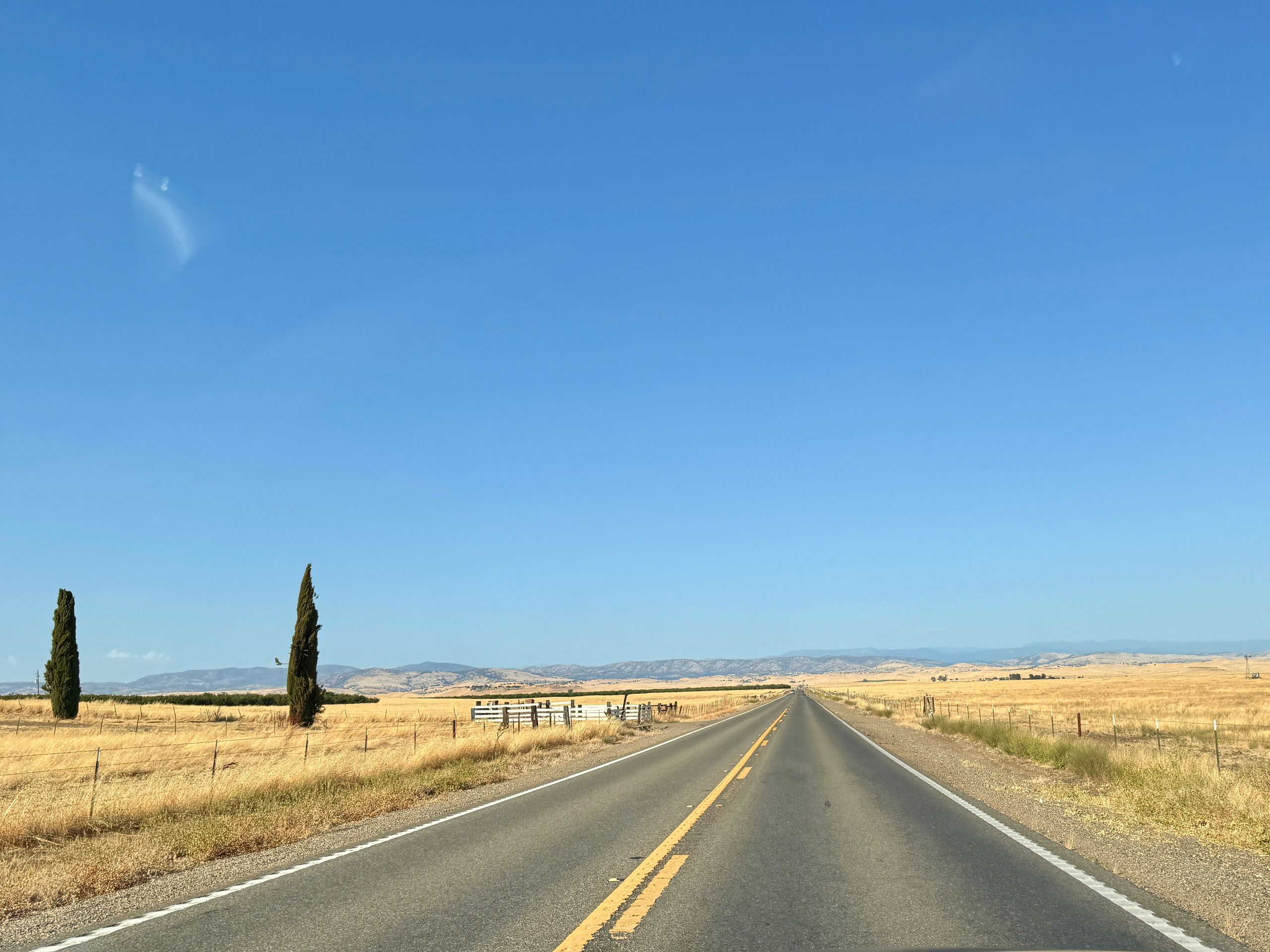
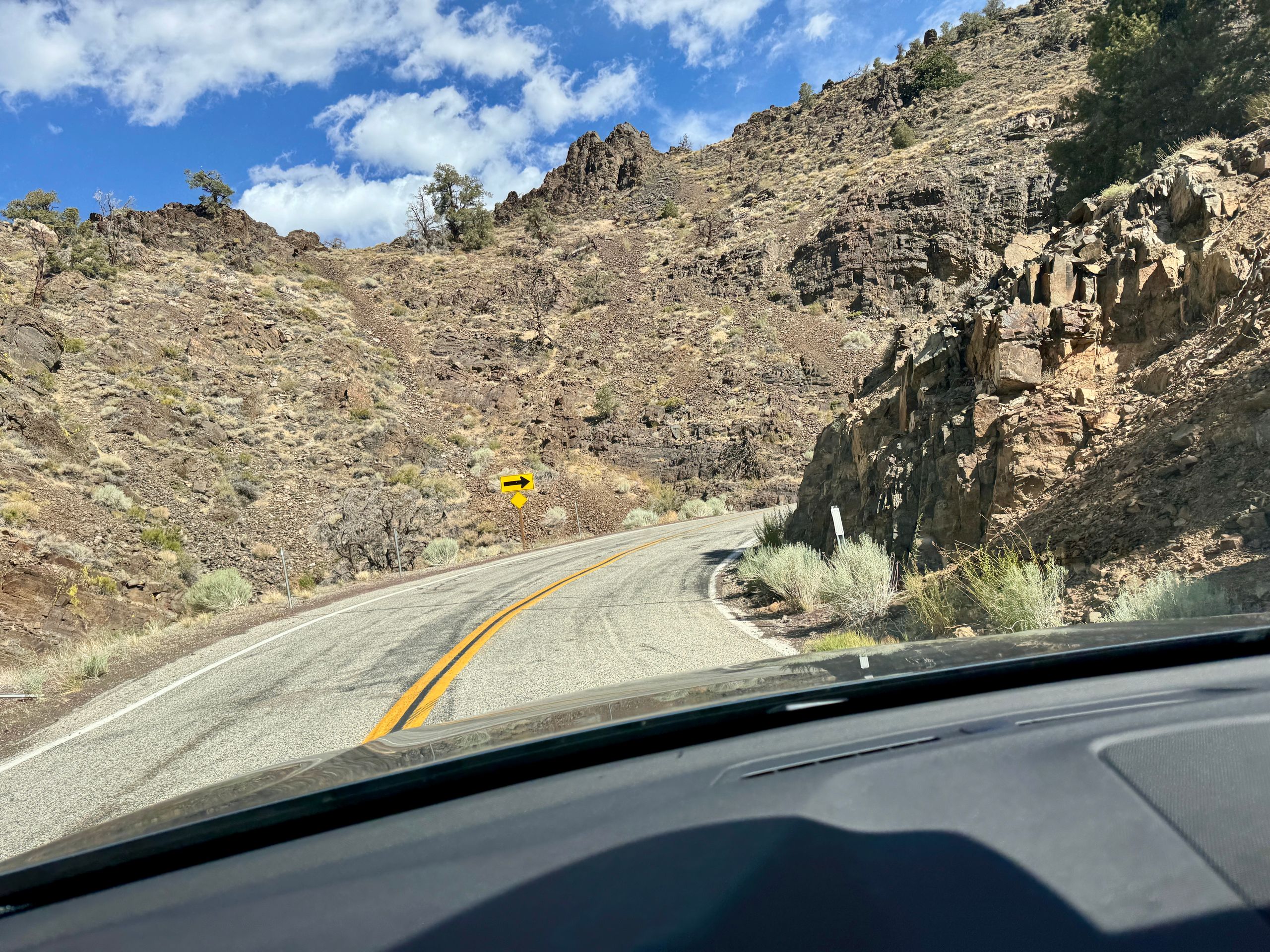
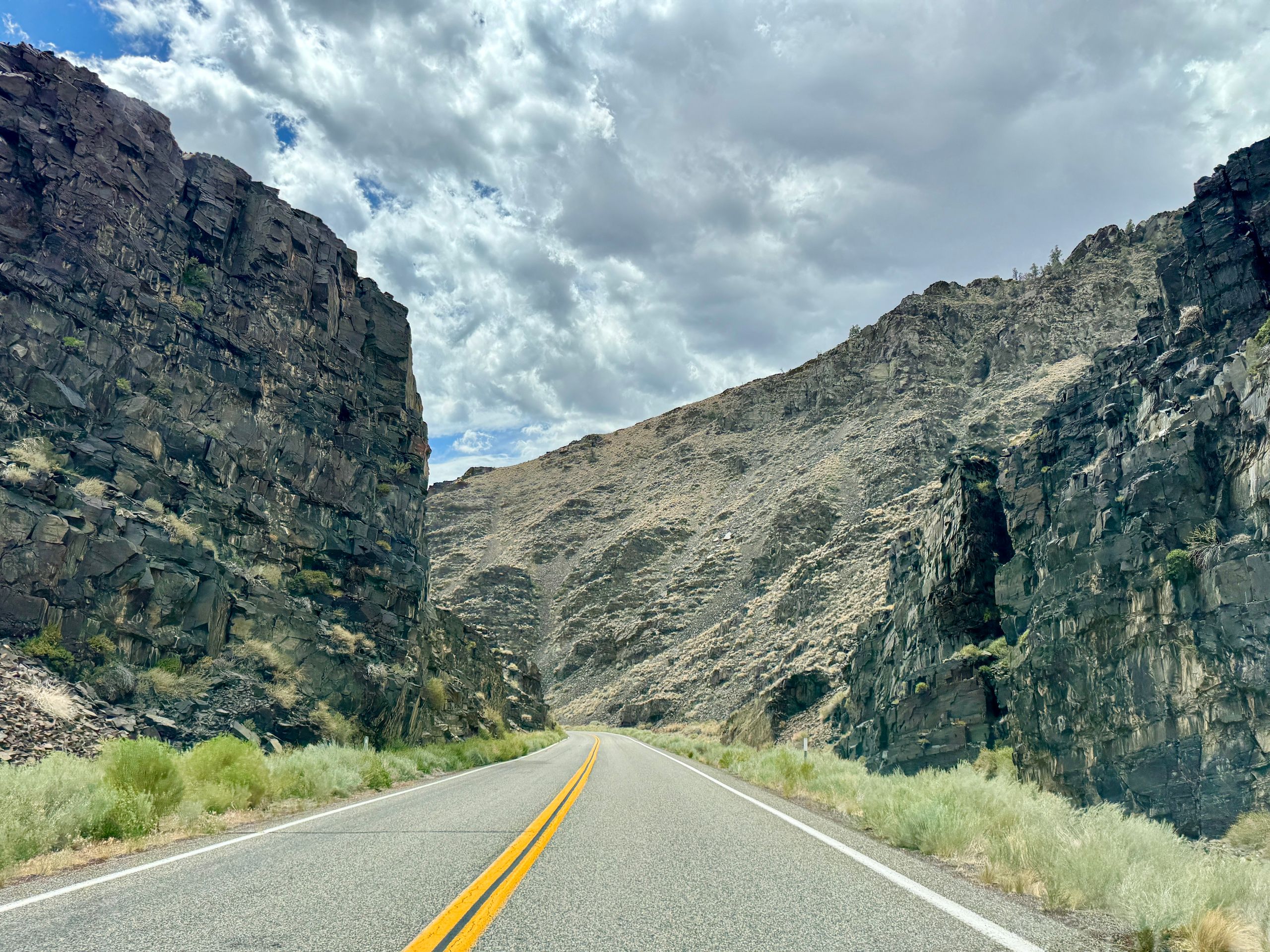
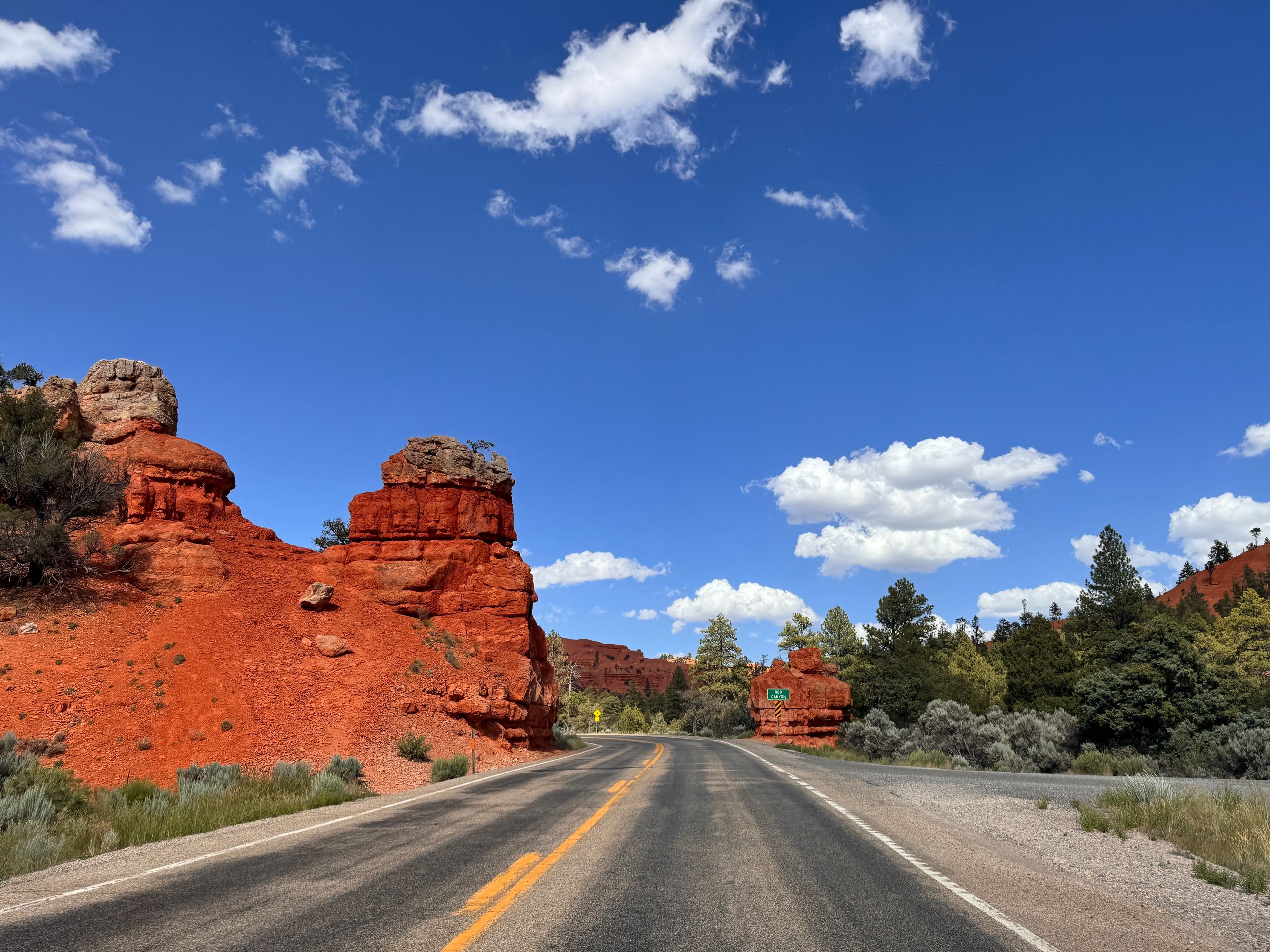
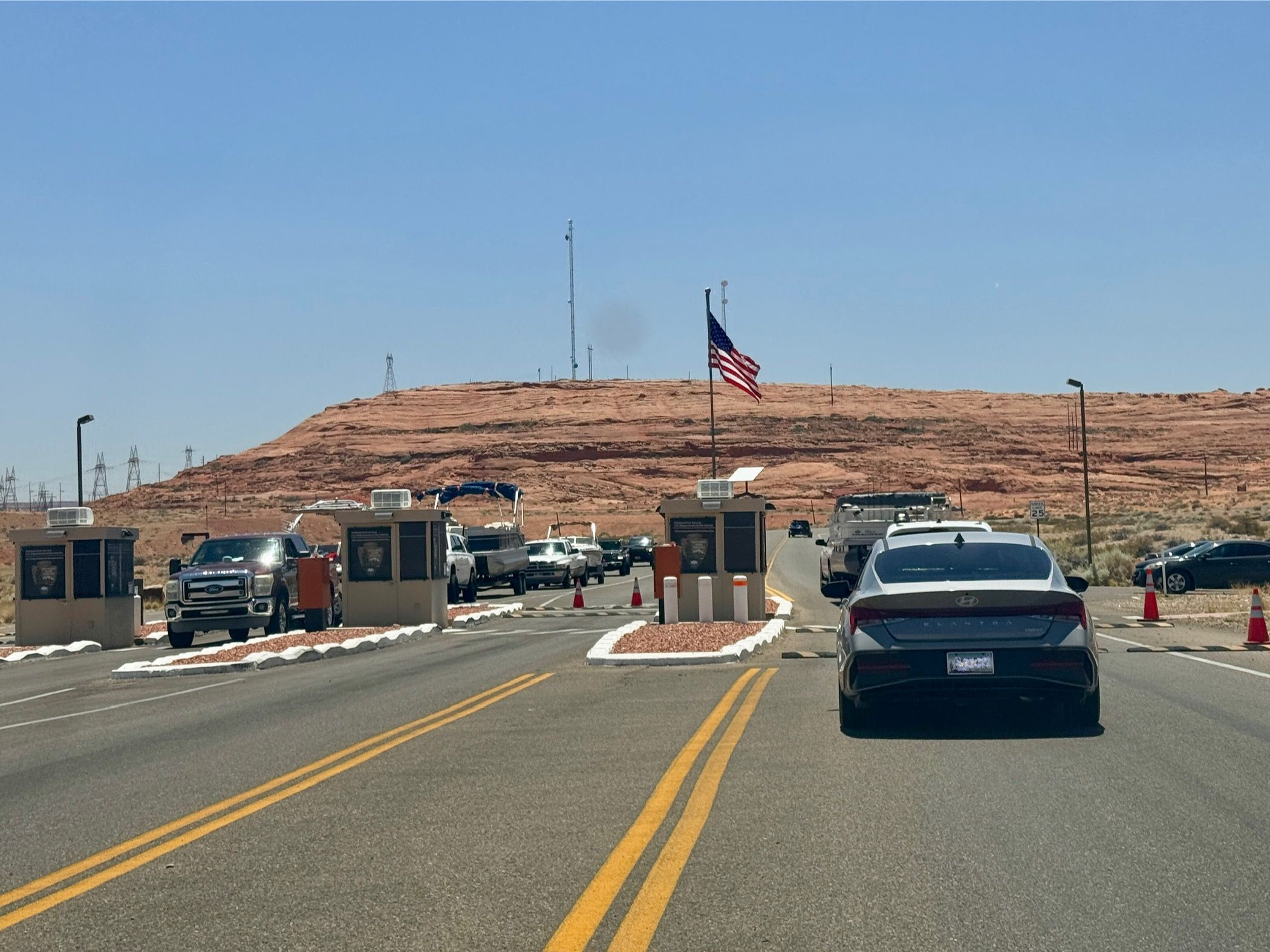
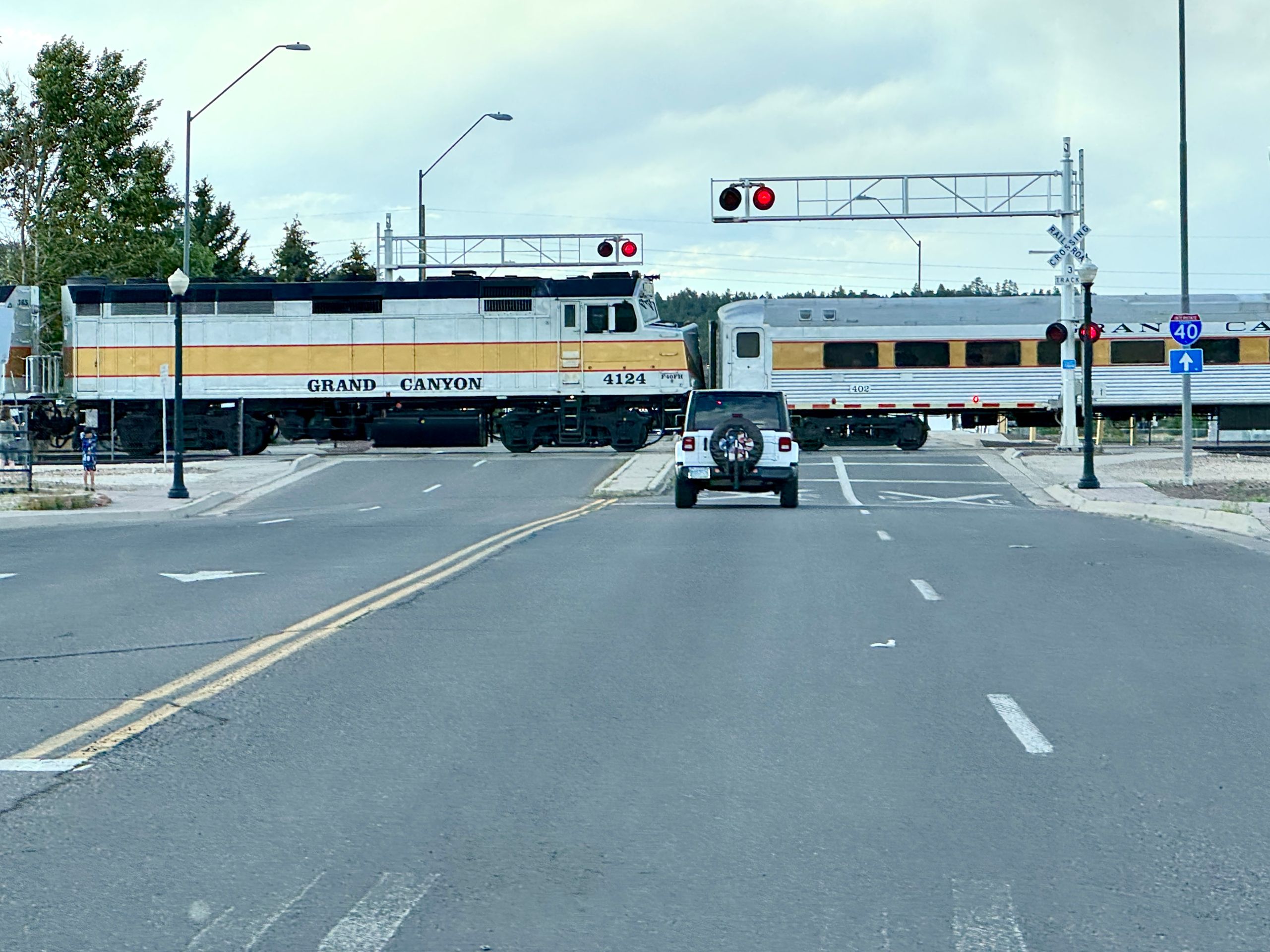
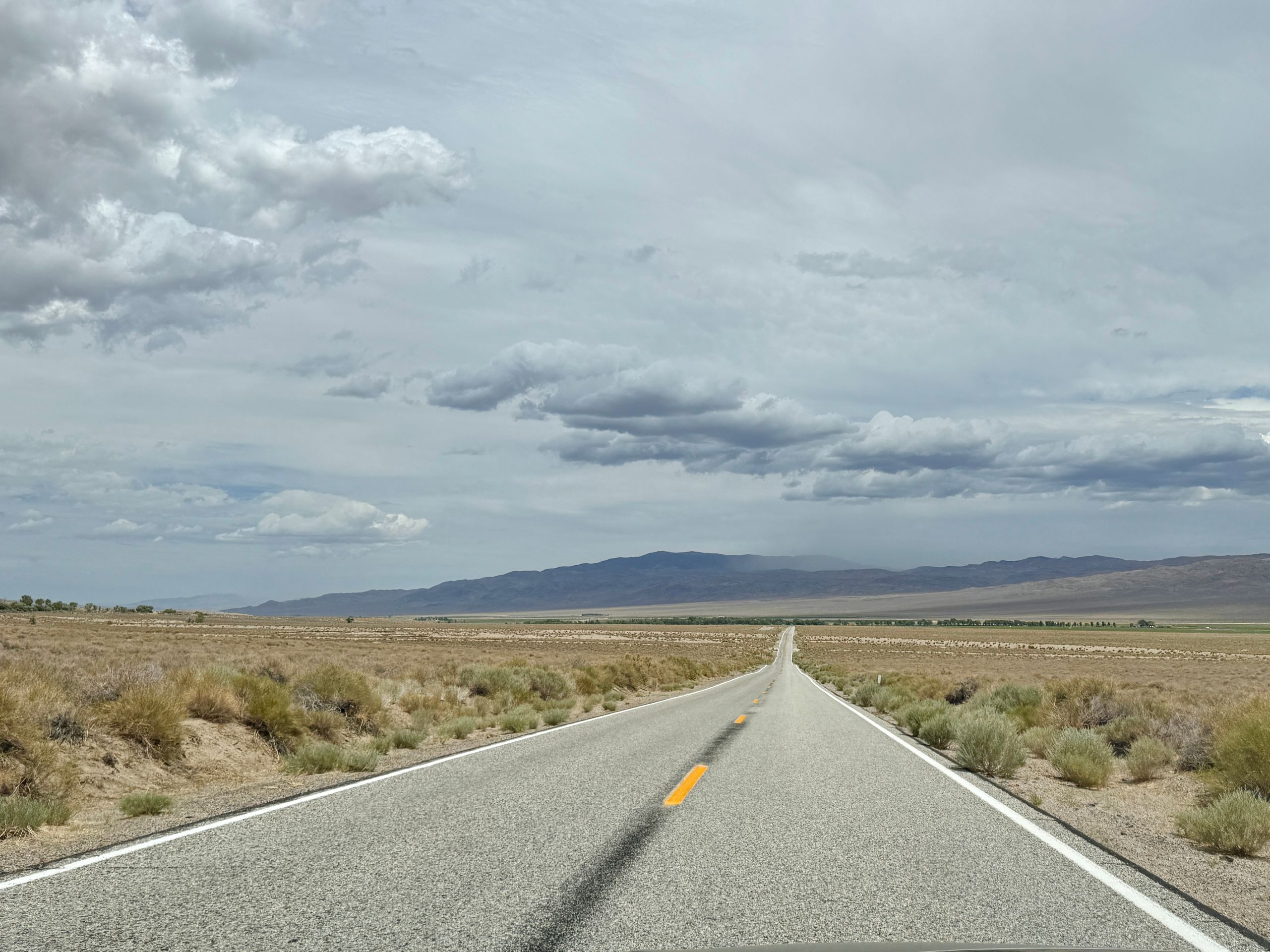
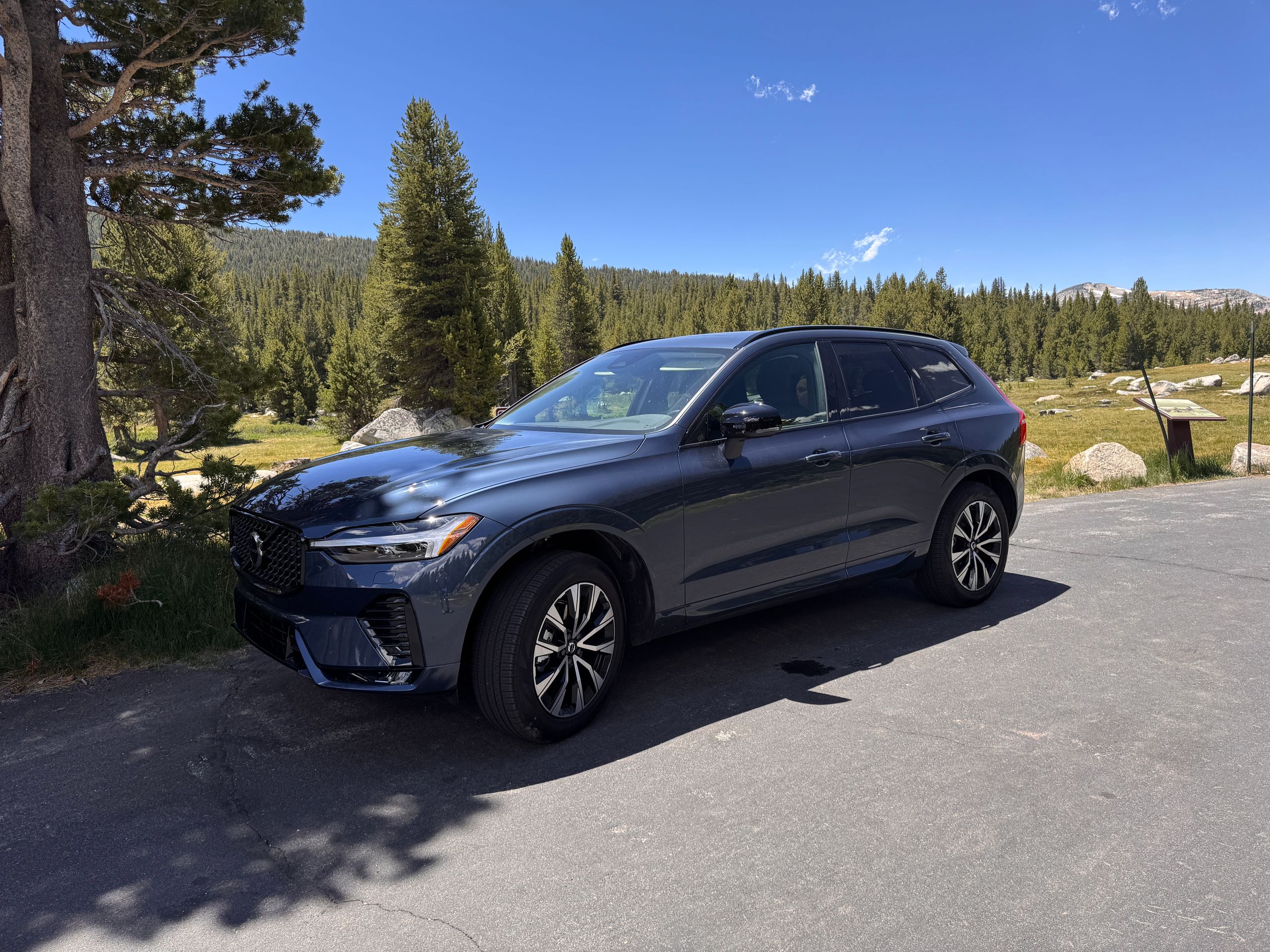
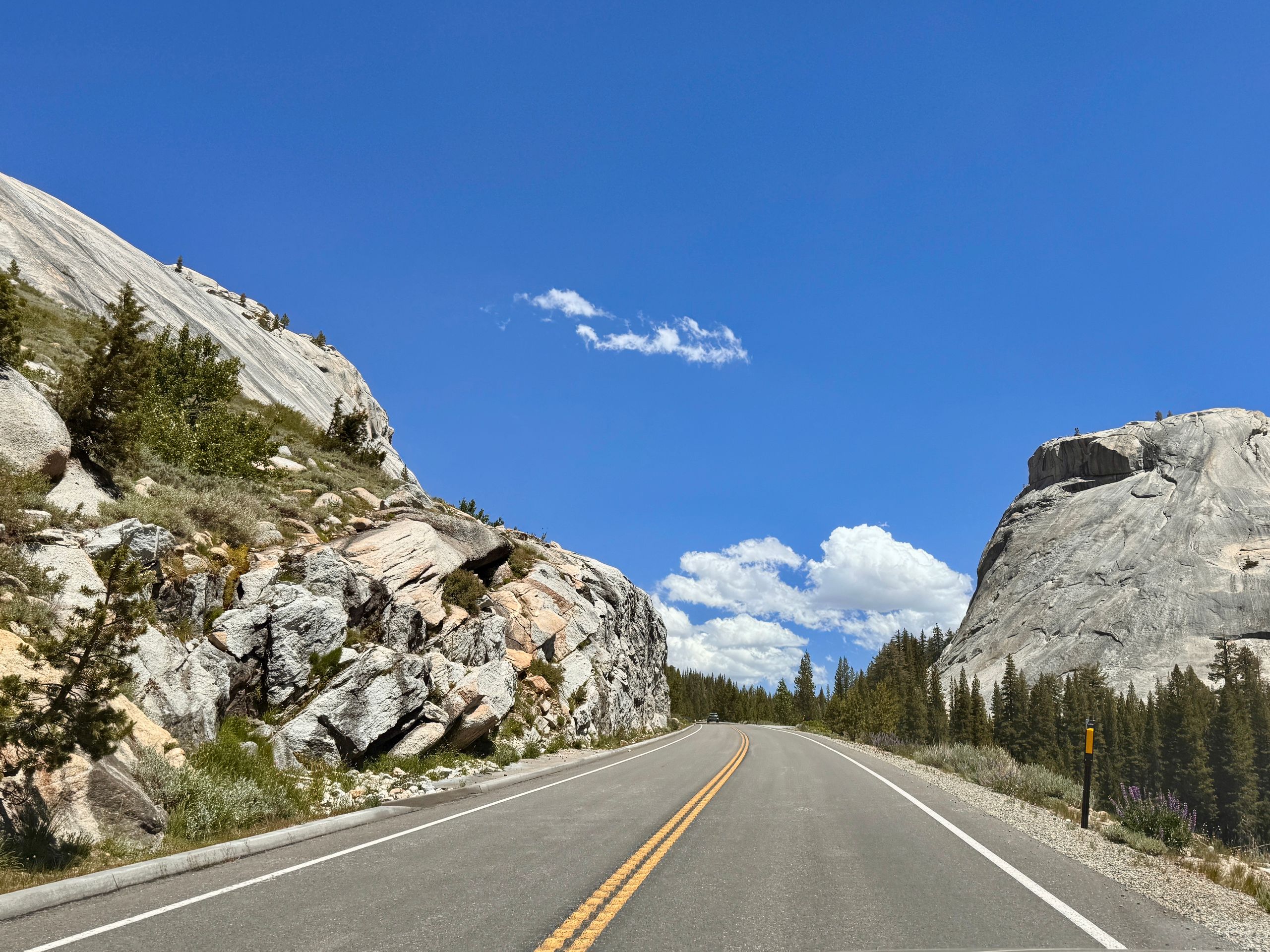
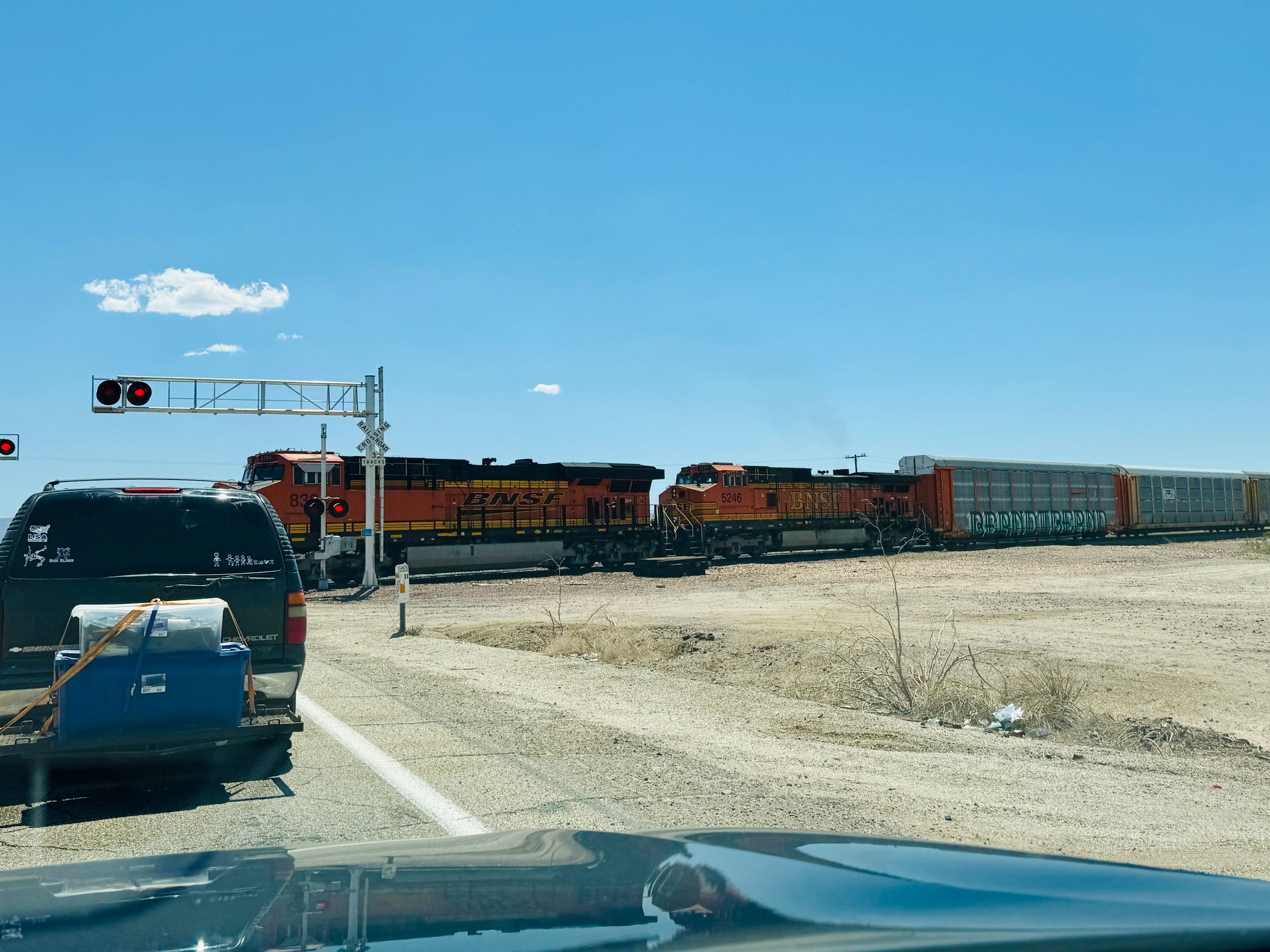
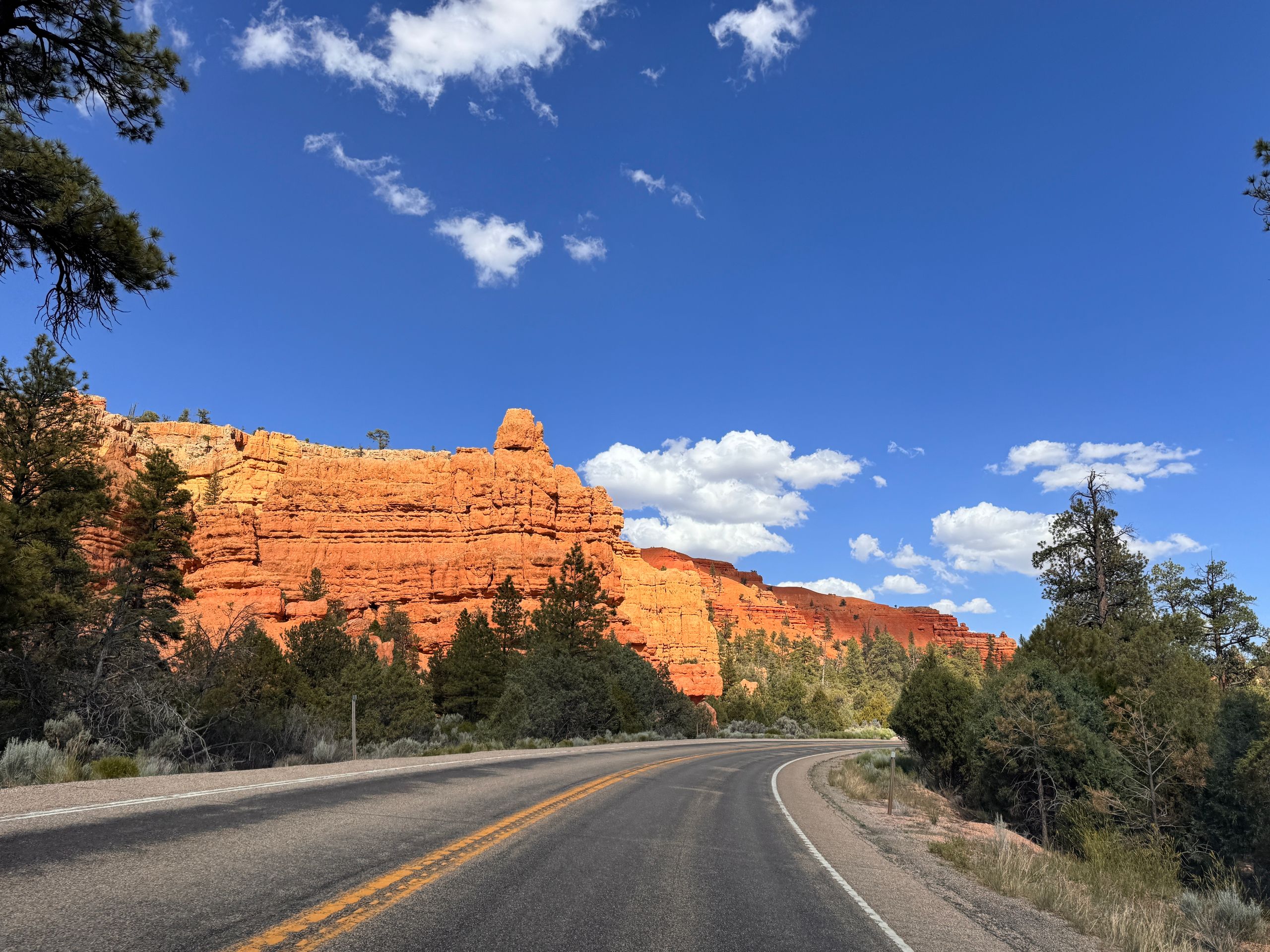
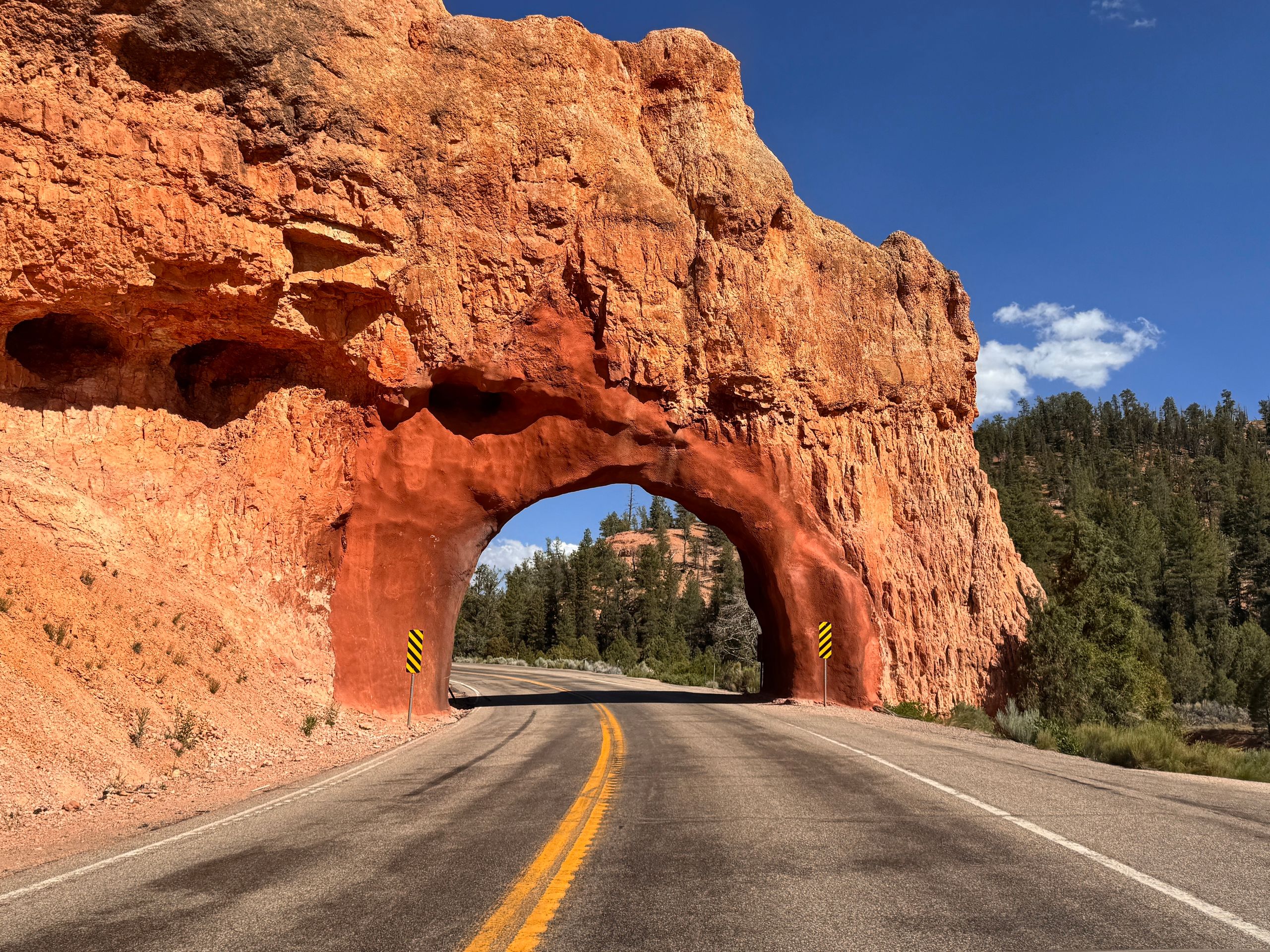
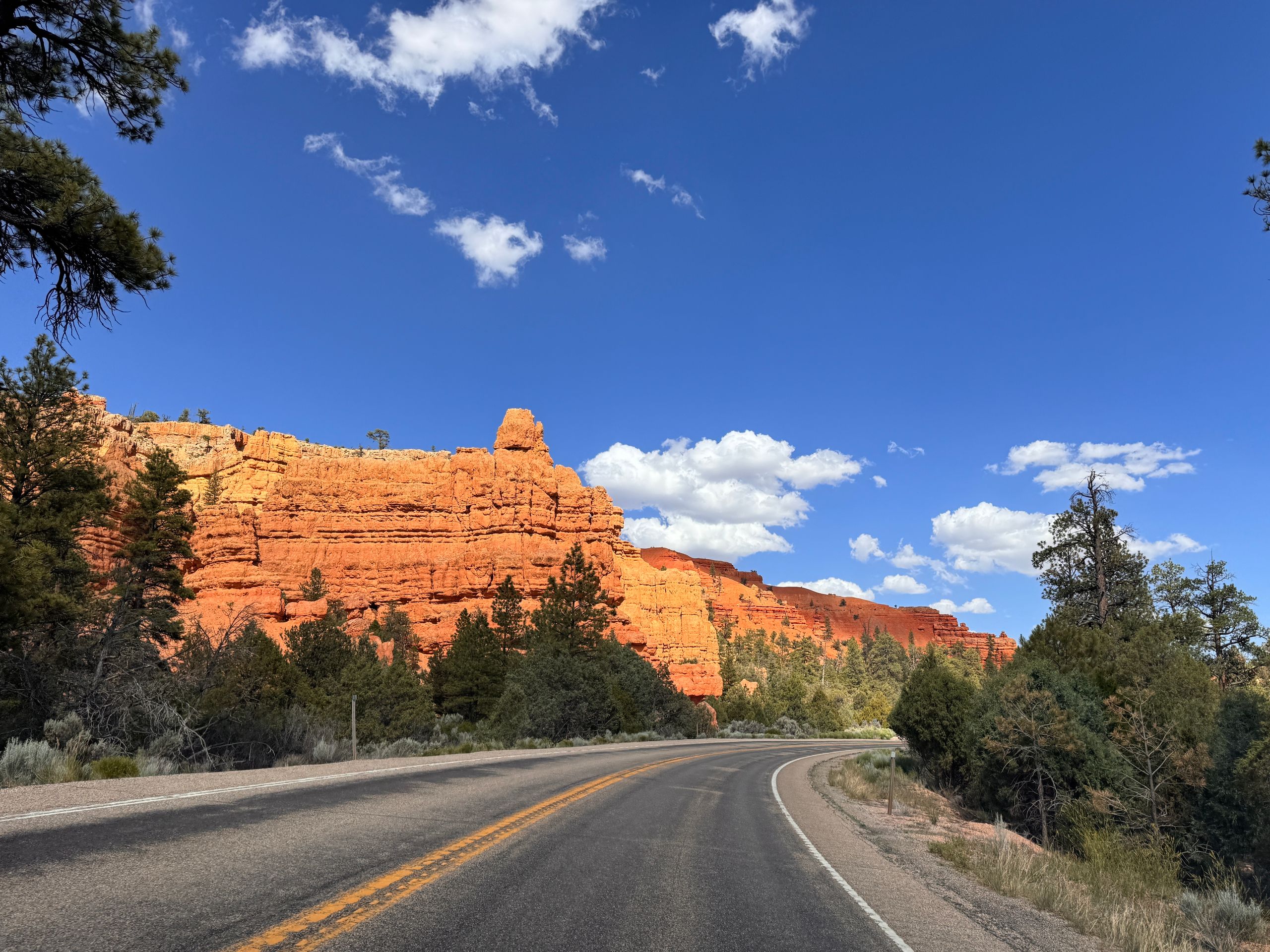
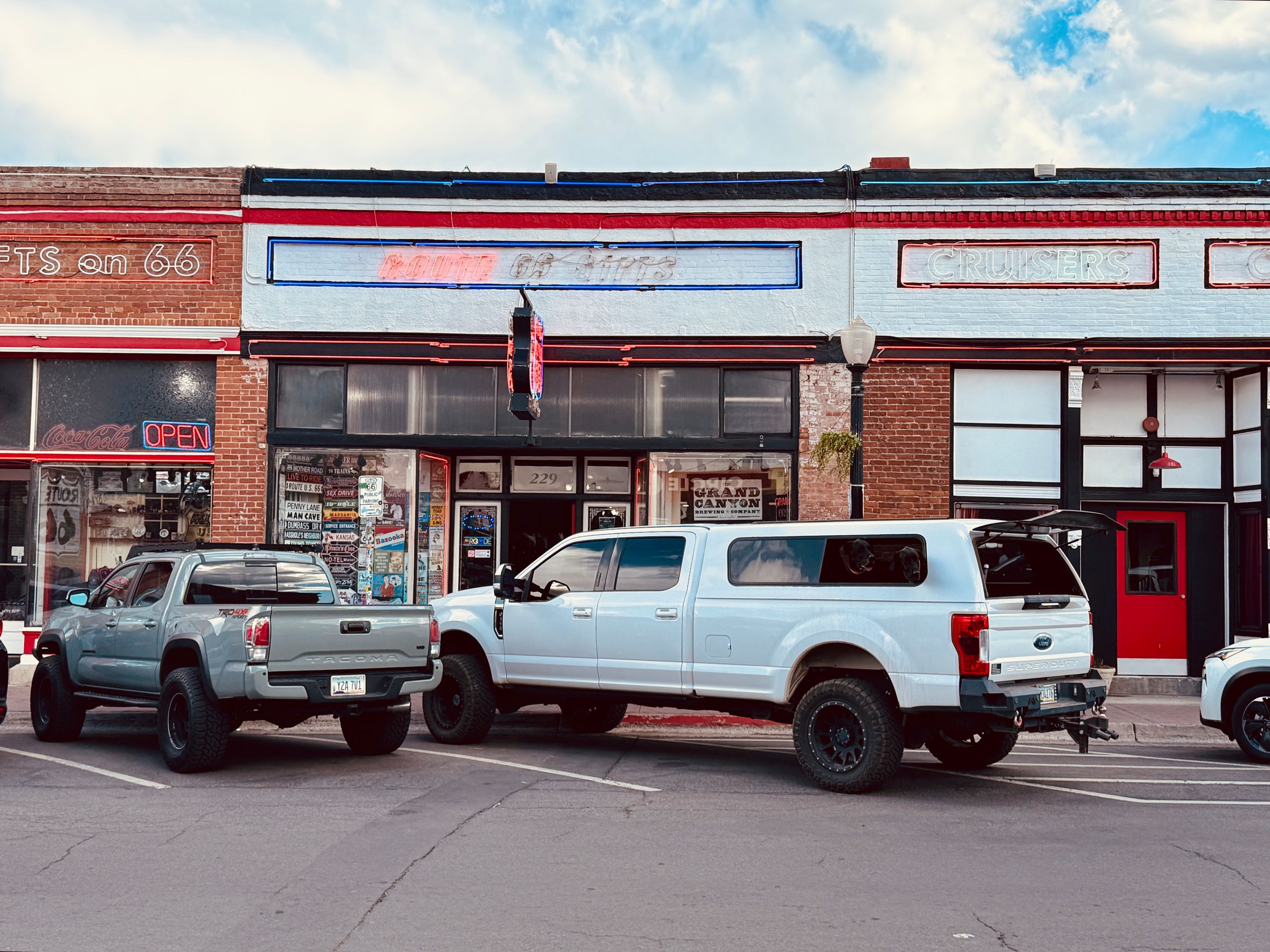
A quick jump back to the beginning of our road trip: My 25-year-old Austrian paper driving license puts a smile on the face of the friendly junior employee at the rental car company, and he cheerfully tells a story about a 70-year-old Frenchman who handed him an old, faded scrap of paper on his first day of work, 'he looked like eleven in the picture.' It's the first paper driving license he's ever seen - today he knows that driving licenses come in paper form, at least outside of the USA. He continues with the usual upgrade offers.
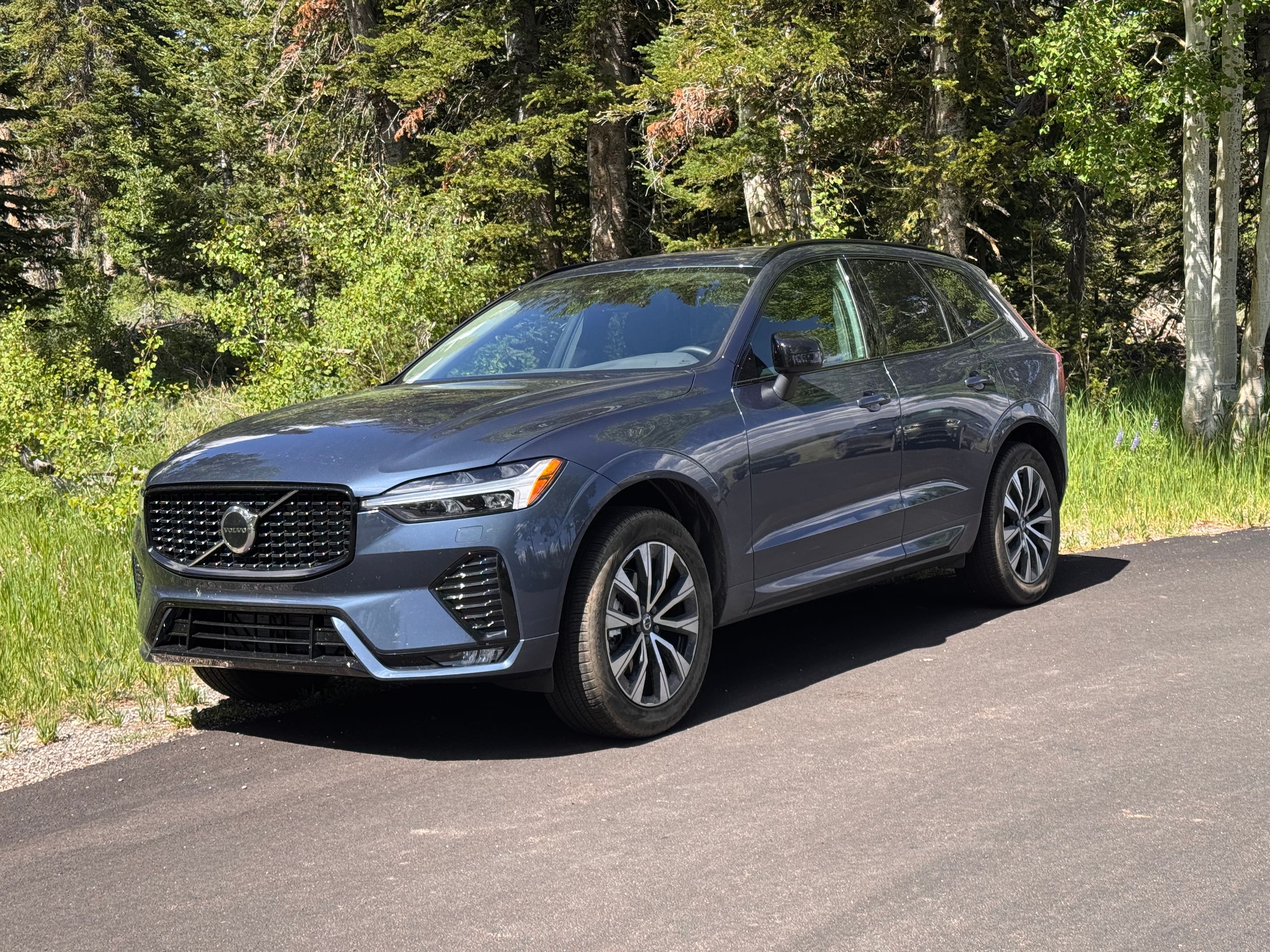
Since we are traveling with a rental car on our tour through the four states of California, Nevada, Utah, and Arizona, we obtained an international driving permit. Although this is usually not required in the four states our road trip covers, there are increasingly problems with rental car companies if one cannot present an international driving permit. Rental cars and fuels are cheaper even in high-priced California compared to Europe. Instead of the booked GMC, which would have been too big for us, we received a European SUV, which is brand new. The largest category 'Full-Size' is more akin to a truck by European standards. Before departure, it’s important to thoroughly check the air conditioning and the tires. No one wants to be stuck in Death Valley at around 50°C with a broken air conditioning!
Each state has different regulations for child seats, which can vary significantly. Typically, a child over 8 years does not need a booster seat anymore – however, in California, for example, an 8-year-old must sit in the back if possible, while in Nevada, Utah, or Arizona, they may sit in the front.
I have already driven in the USA before, but I familiarized myself with the key differences in traffic rules once again before the trip. There are some laws and prohibitions that, if ignored, constitute serious traffic offenses, which are permitted in our country. For example, oncoming traffic is not allowed to pass a school bus when it is stopped and flashing. Frequent lane changes on multi-lane roads are also not permissible, but passing on the right is allowed.
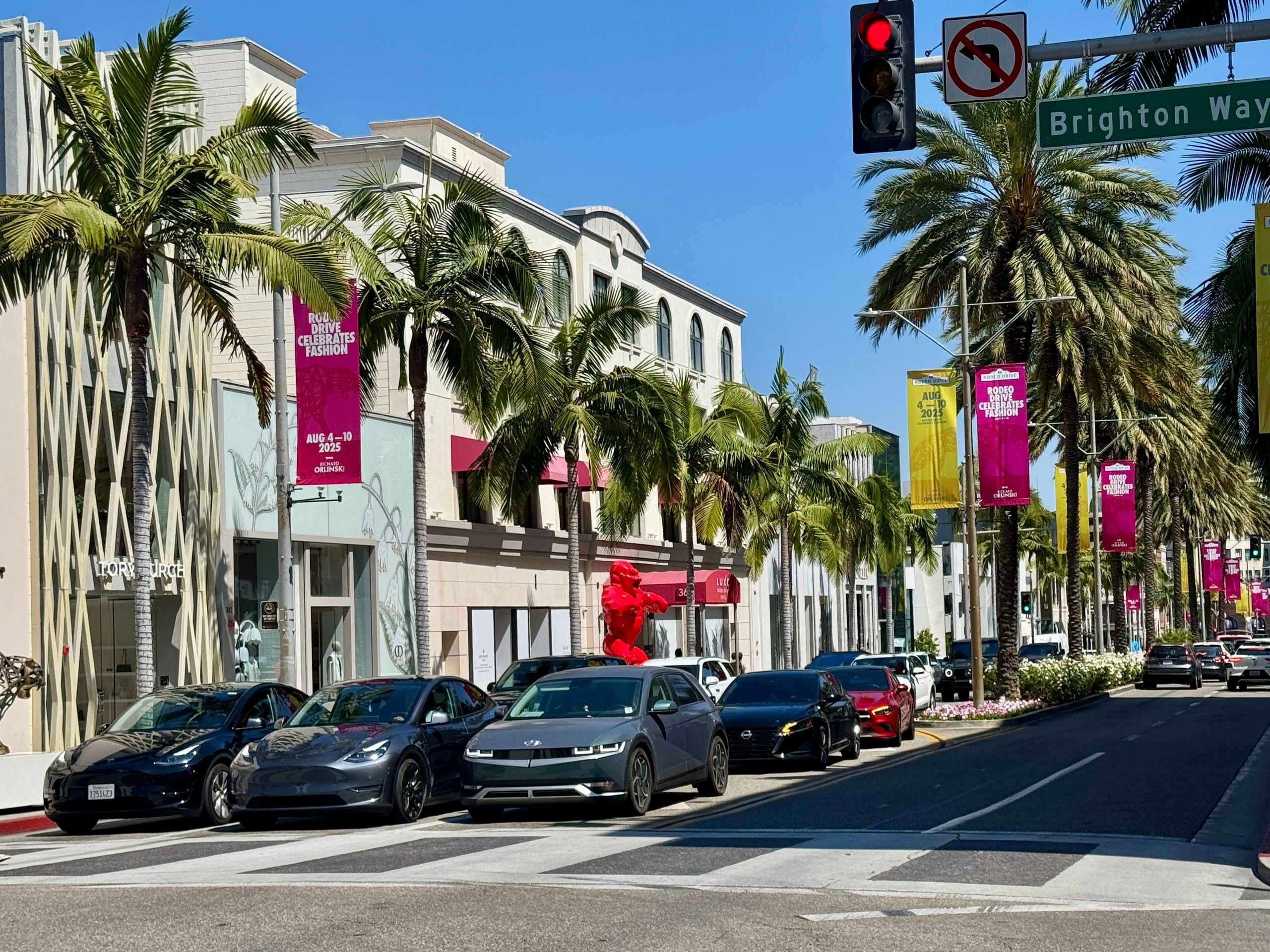
At red lights, it is generally permissible to turn right unless there is a 'no turn on red' sign. Traffic lights are positioned behind the intersection, leading to the so-called 'Yellow Trap.' This is a danger situation known exclusively in the USA that forces one to violate a traffic rule, either by not leaving the intersection when the light turns yellow or taking priority away from oncoming traffic, which may still be green.
At an All-Way Stop or an uncontrolled intersection, the First-Come-First-Serve principle applies, which can cause confusion even among locals at a busy intersection: Who was there first? If stopped by the police, one must keep their hands visible on the wheel and should never search in the glove compartment for documents, as a police officer in the USA always assumes that the stopped person is carrying a weapon.
We did not encounter any unusual occurrences during our road trip. Generally, people tend to drive faster than the allowed speed near cities, sometimes even more recklessly. Using turn signals, for example, is often omitted when changing lanes. Otherwise, drivers are generally considerate.