Traveling in Costa Rica
You can turn it around and see it in any way you want: Costa Rica just wasn't for us. After our stay in San José, we rented a car, but no matter where we drove, the time was...

Published: 05.09.2025
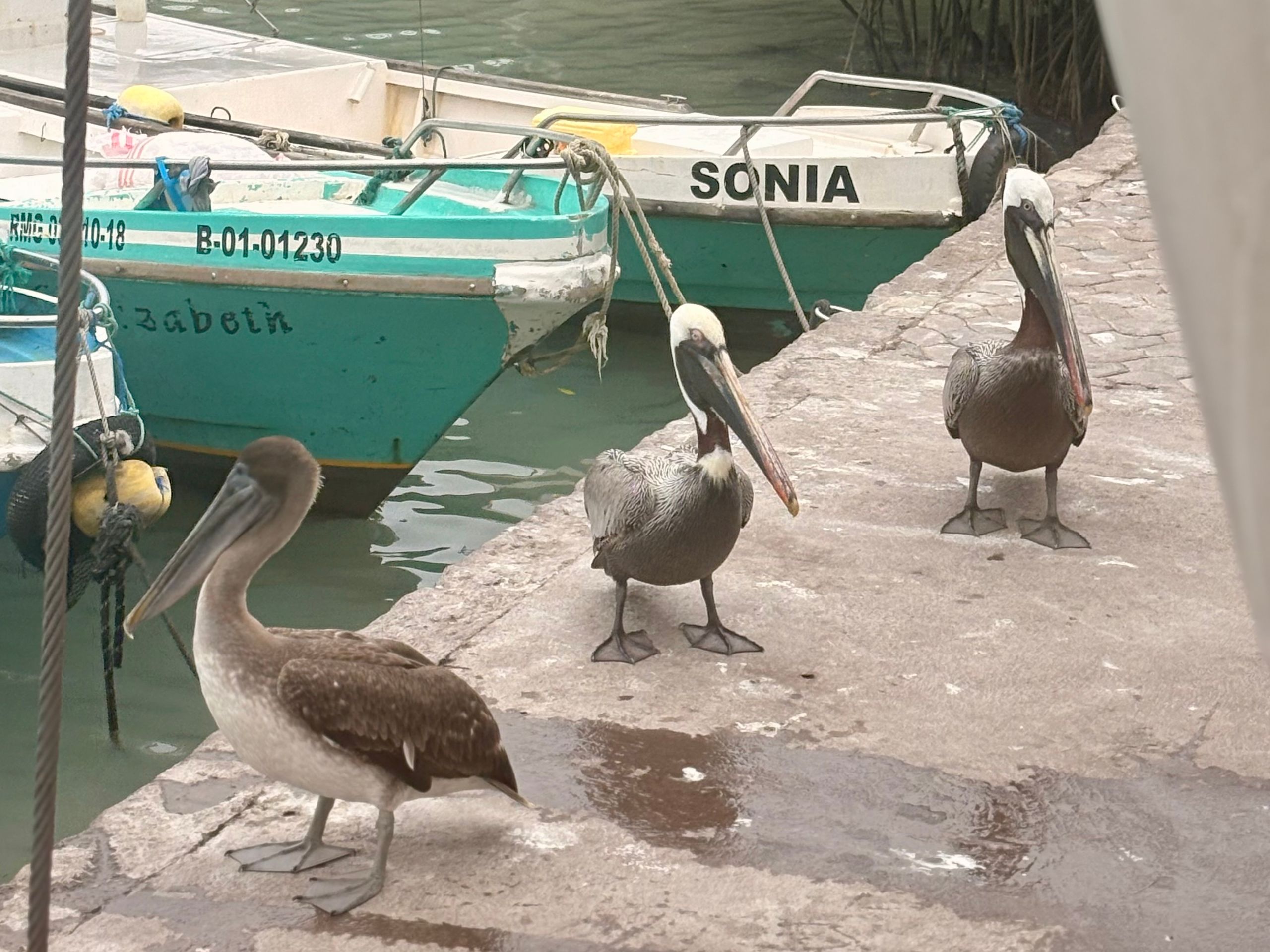
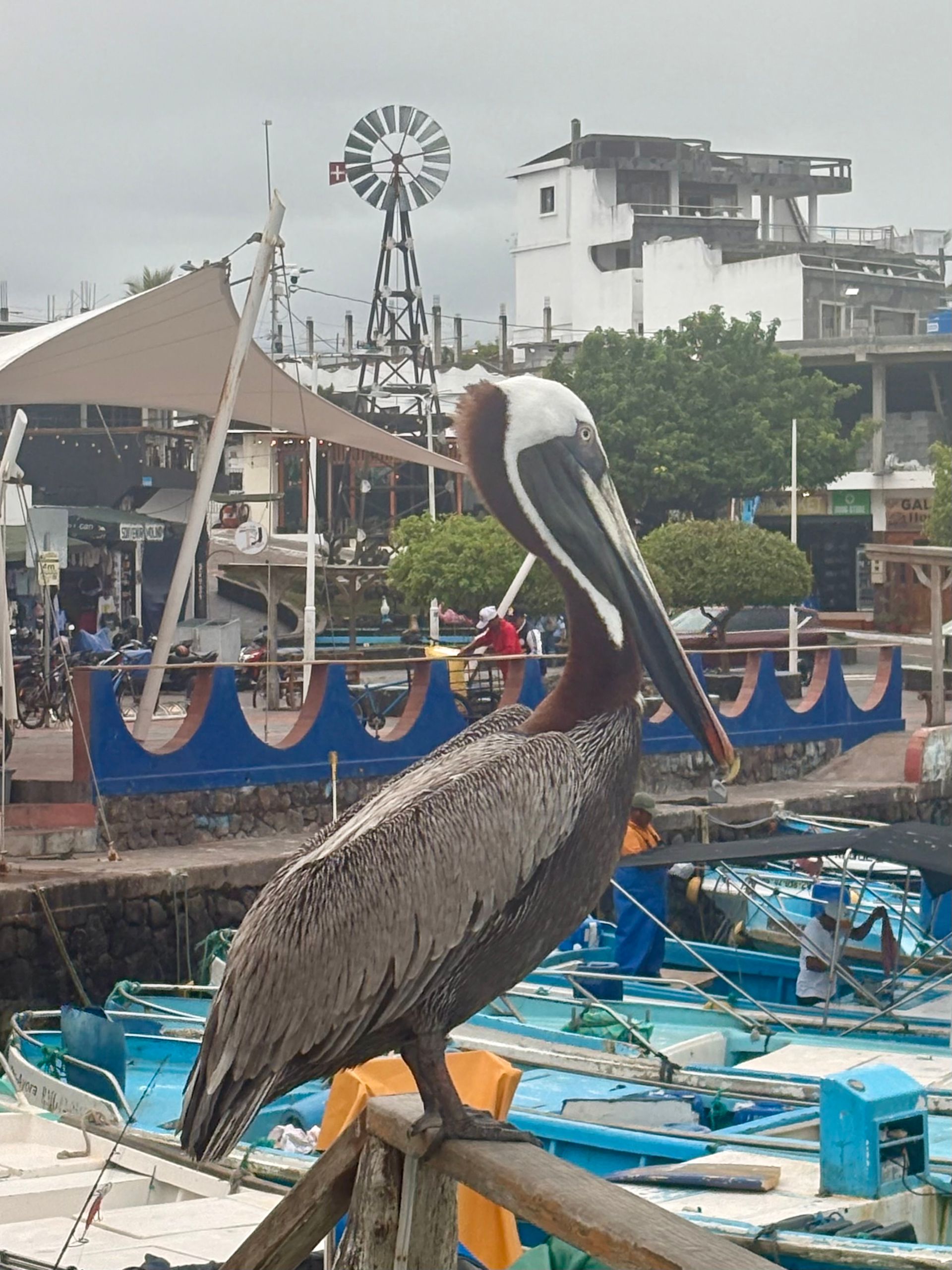
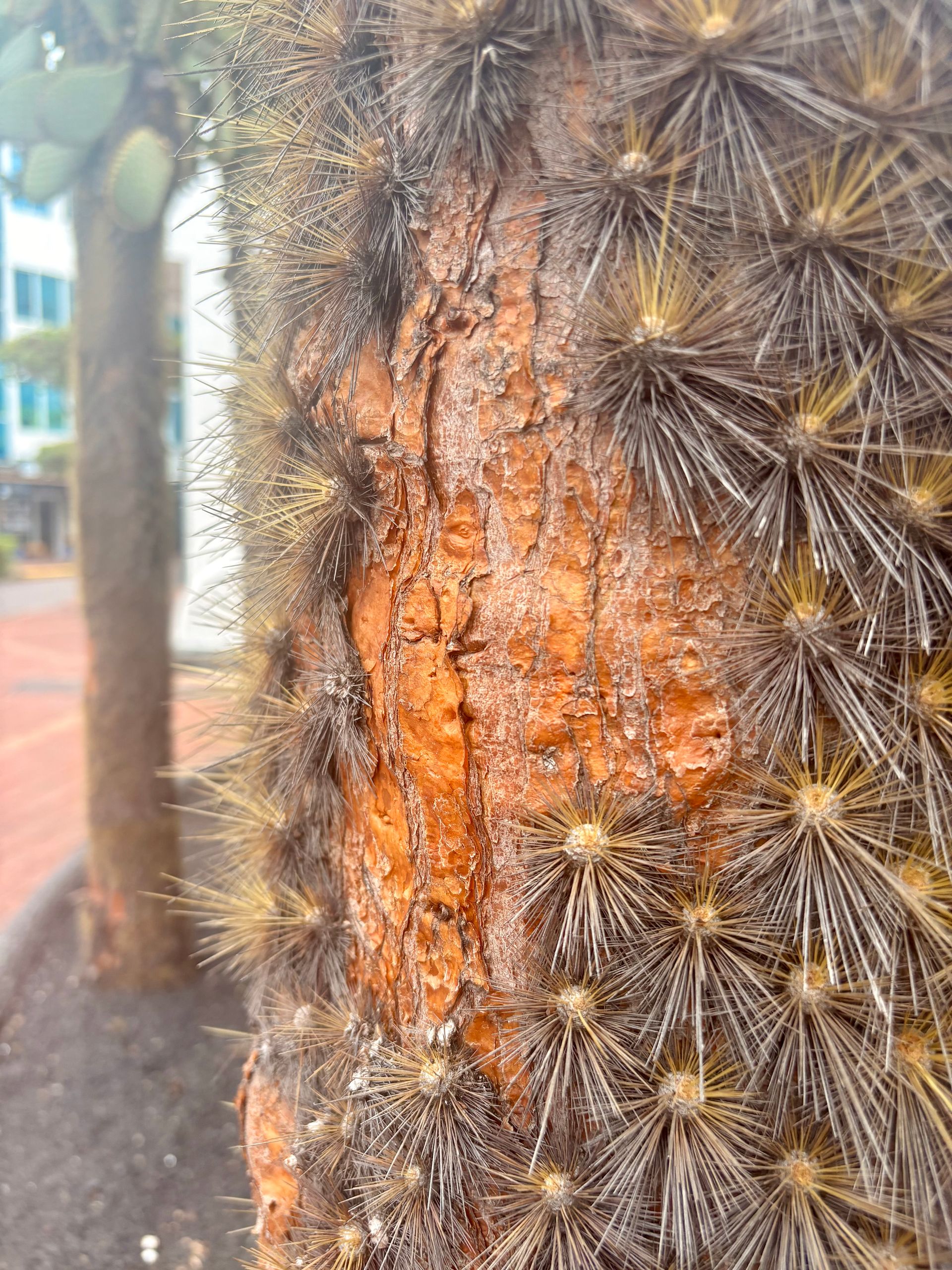
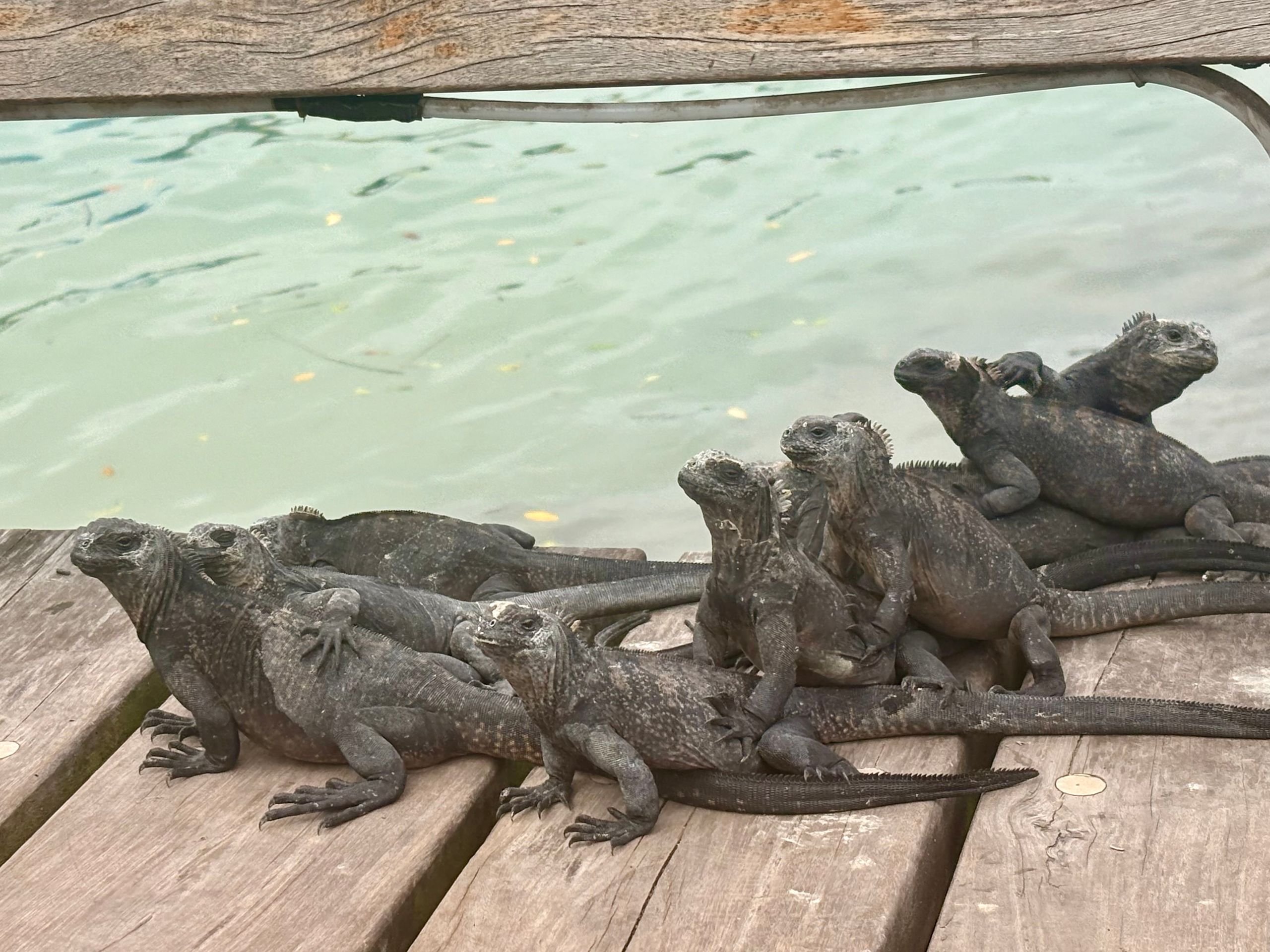
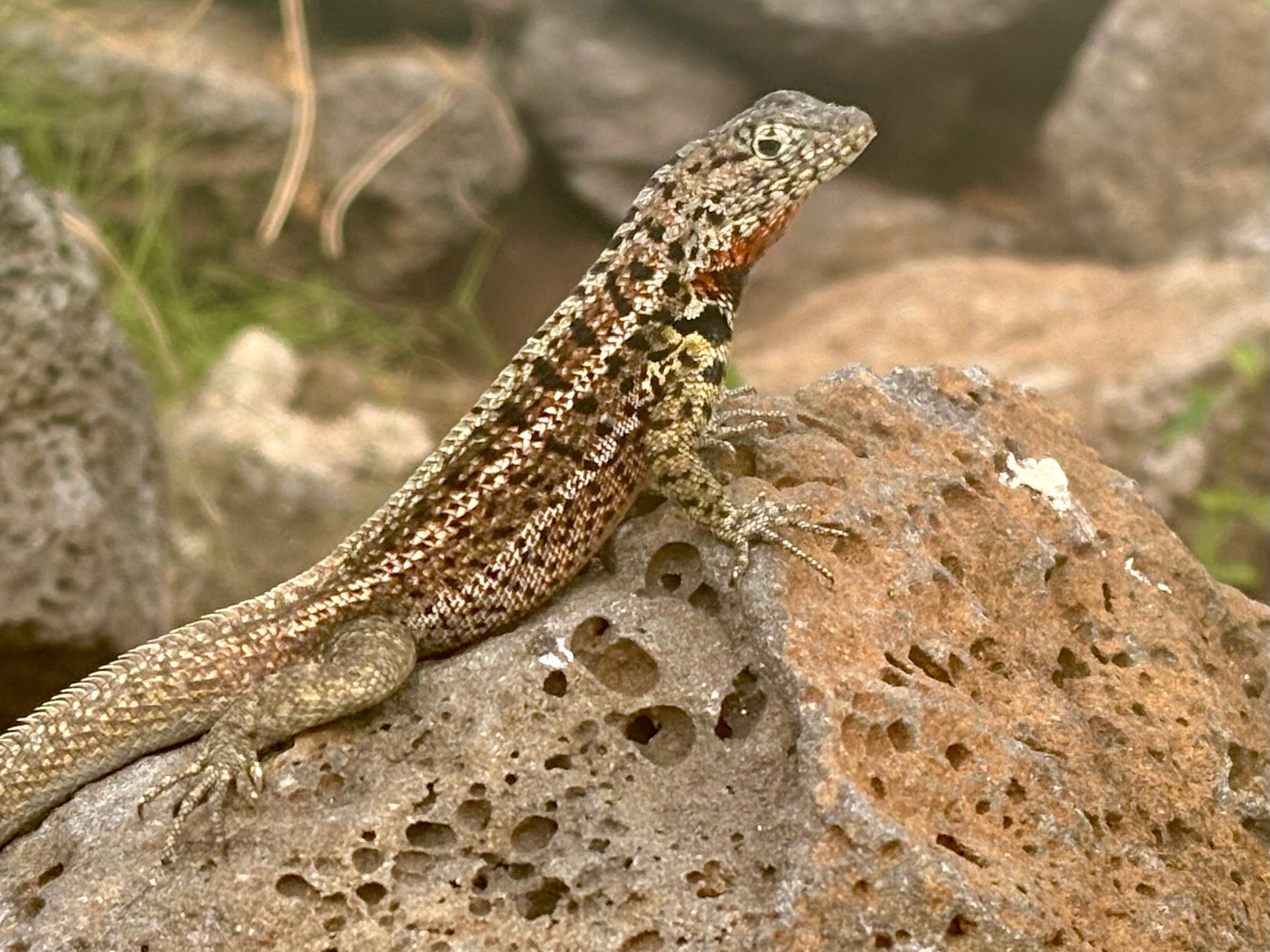
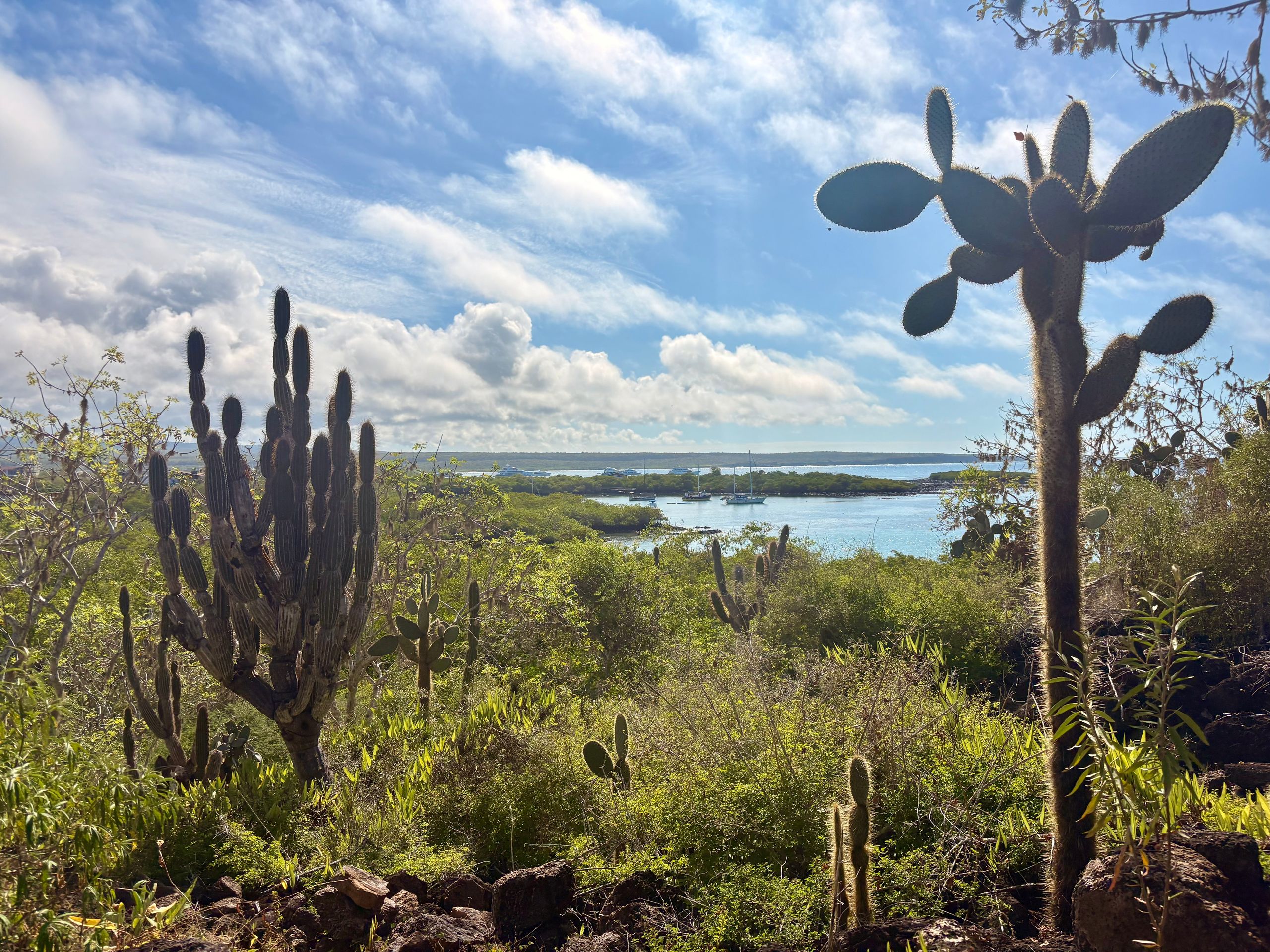
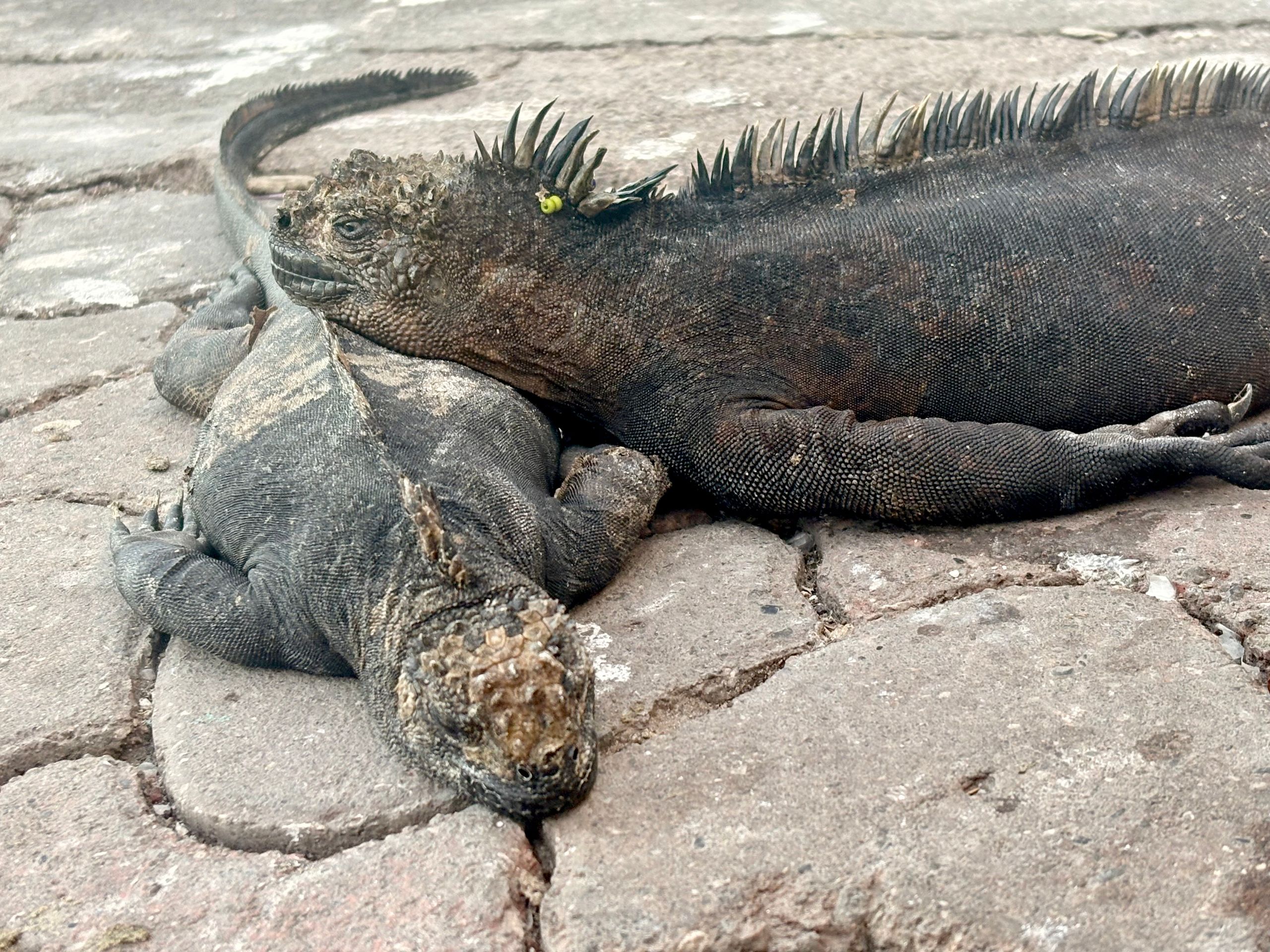
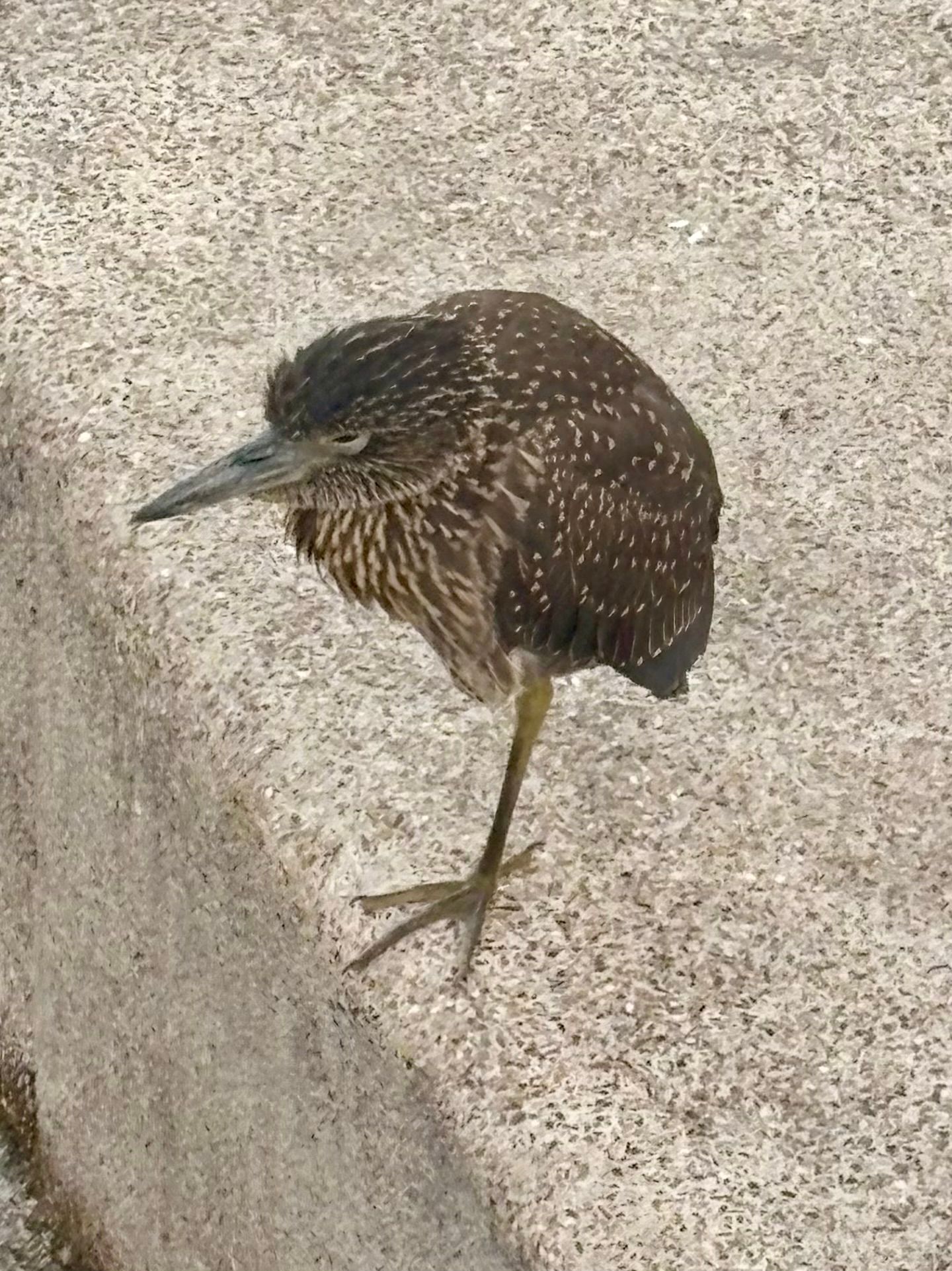
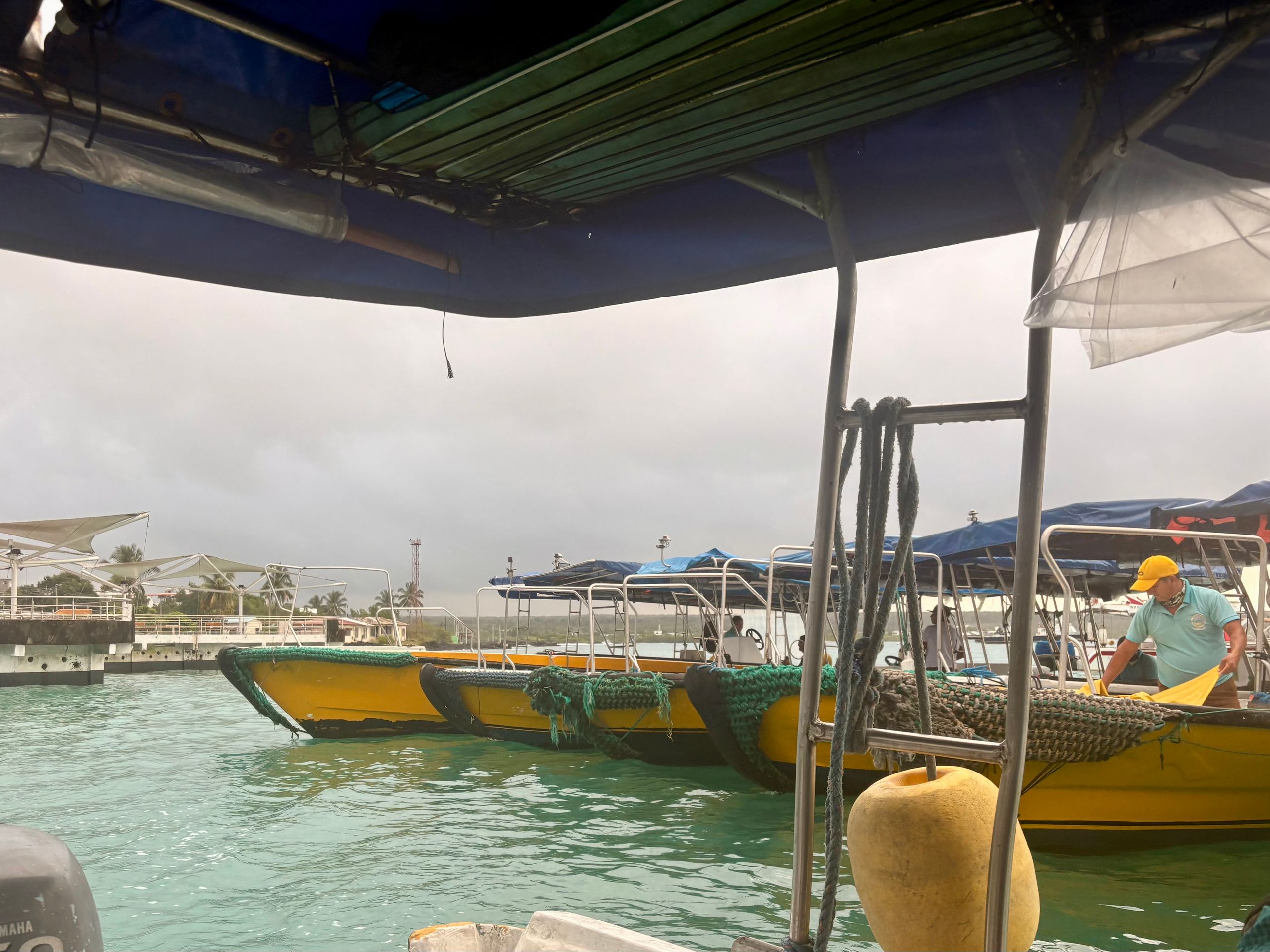
We then returned by boat, going through the usual process with the small taxi boats at the ports back to Santa Cruz. We were pleasantly surprised by our hostel, which contrasted our previous impression of Galápagos where everything seemed to be done poorly; here we were properly registered and even received a receipt.
On the island, you can embark on various snorkeling and diving boat excursions, but after our previous outings, we felt that we had gotten close enough to the animals (perhaps even too close at times) and could still cherish those experiences. While the landscapes and animals were amazing, the excursions were quite expensive, and the guides treated us mainly as walking dollar bills; sometimes we weren't even greeted properly, and interactions were minimal. Not to mention the already mentioned rudimentary knowledge about nature.
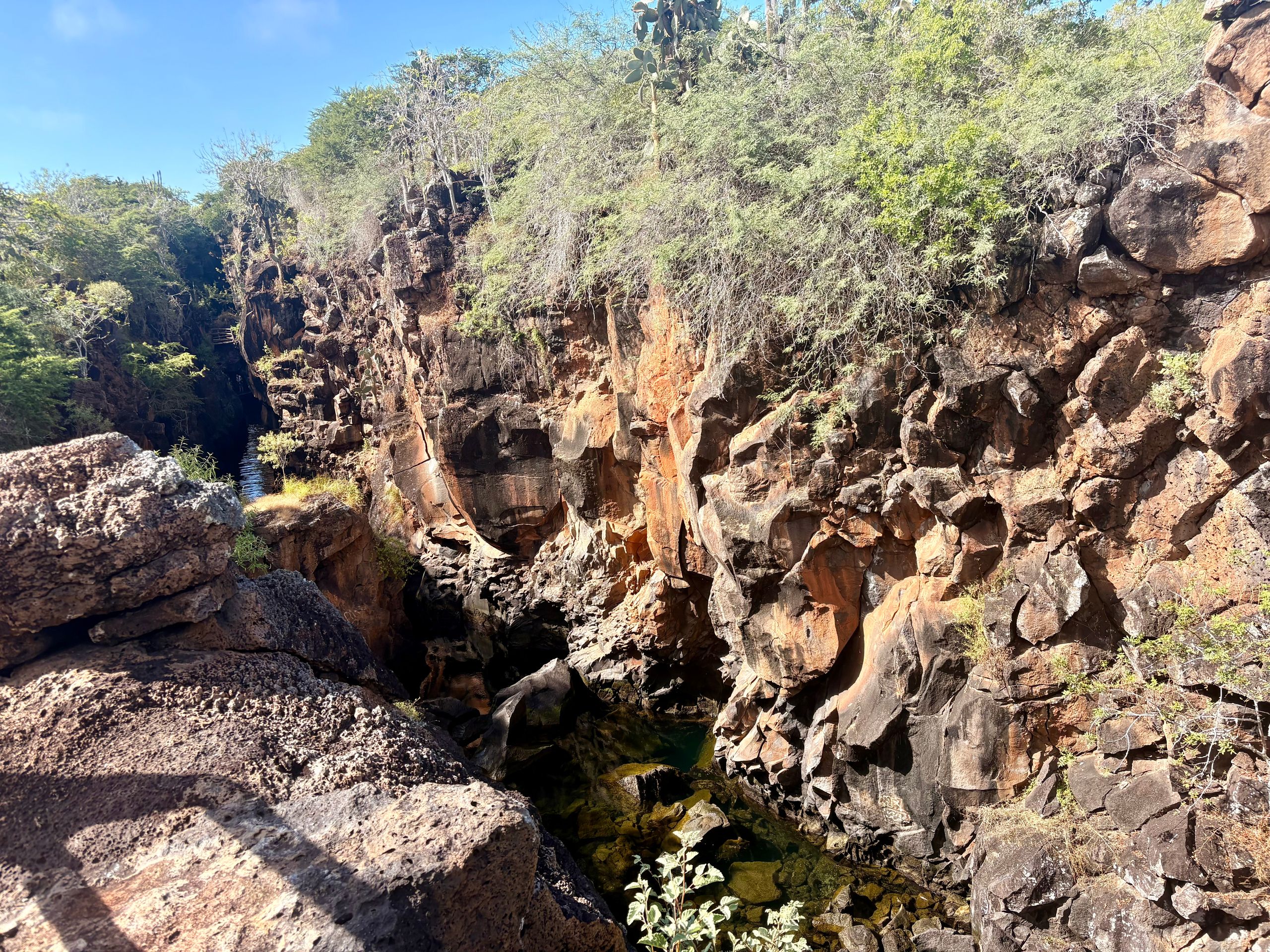
However, we did reluctantly play along with the guiding game when we went to Las Grietas, a kind of mini-canyon good for swimming. Not long ago, it was free to go there (or included in the high national park fees), but now it had been decided that tourists would be charged an extra $10 per person. For that, we were hurried by a 'guide' along a very clear path and immediately left upon arrival, as he had to capture the next tourists. The place was nice enough for swimming, but not spectacular. After barely an hour, we were asked to leave again. Well, at least we could walk back in peace...
A highlight in Santa Cruz was the Museum of Nature - it was relatively modern and effectively conveyed why the islands are so special in the context of Earth's history, evolution, and climate. However, the publicly accessible part of the Charles Darwin Research Station felt somewhat outdated. Hopefully, the research department is more up-to-date. We opted not to pay for the turtle breeding station. One thing that became increasingly noticeable was the lack of culture. Since most residents of the Galápagos Islands moved there in recent decades, their identity seems almost entirely based on tourism, which is a bit unfortunate. Well, the superstars are indeed the animals and plants, while the people are merely performers.
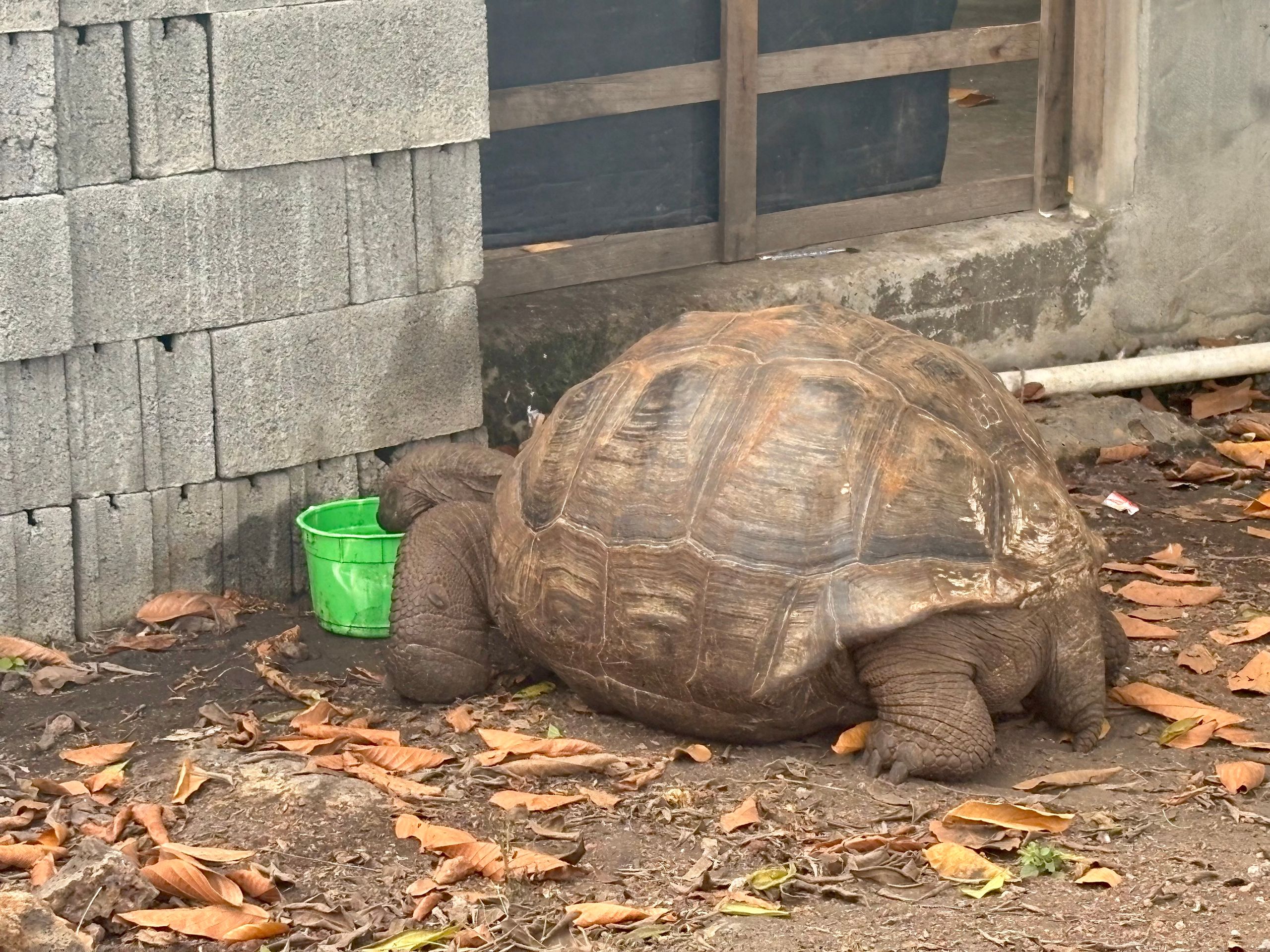
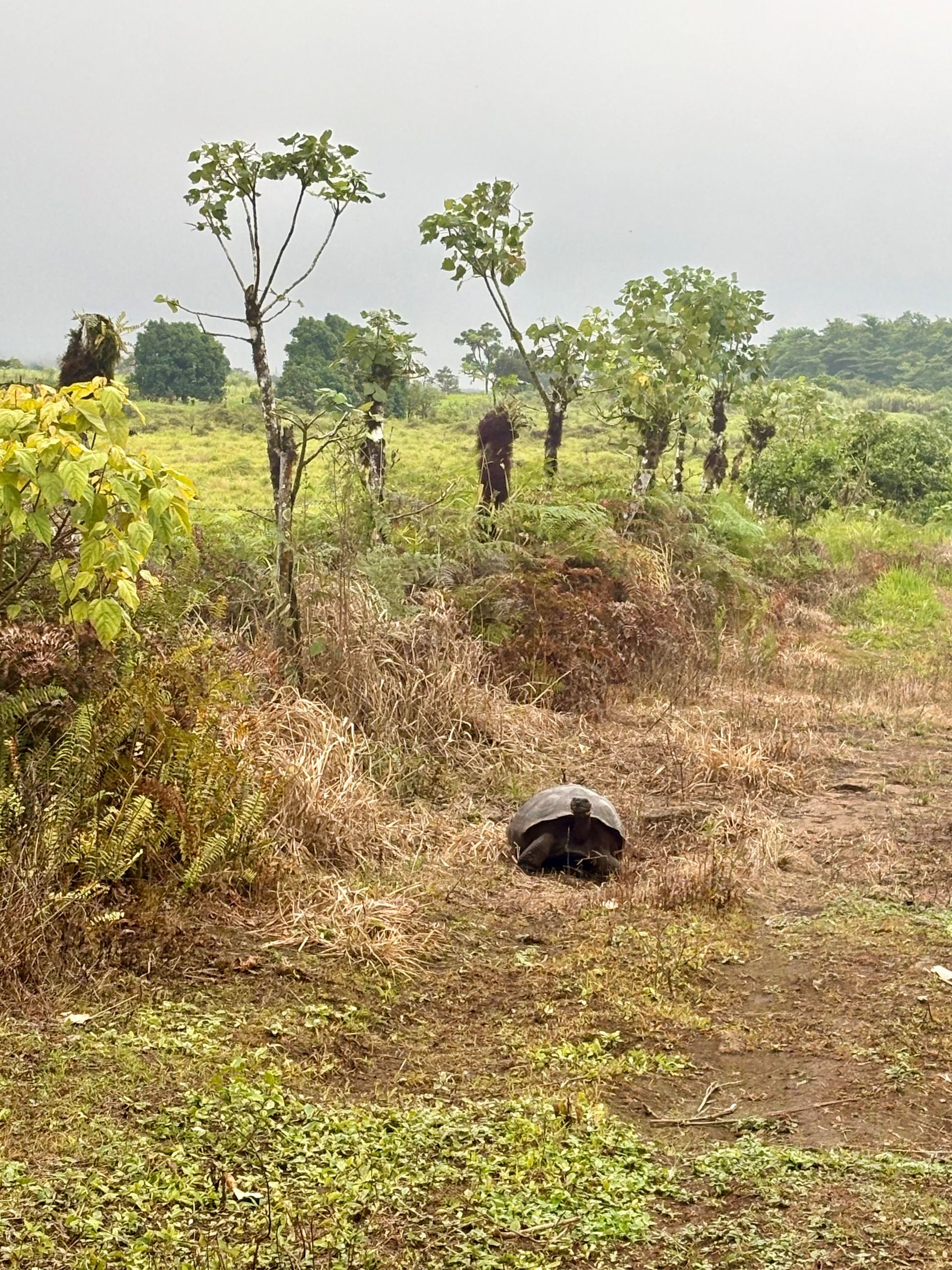
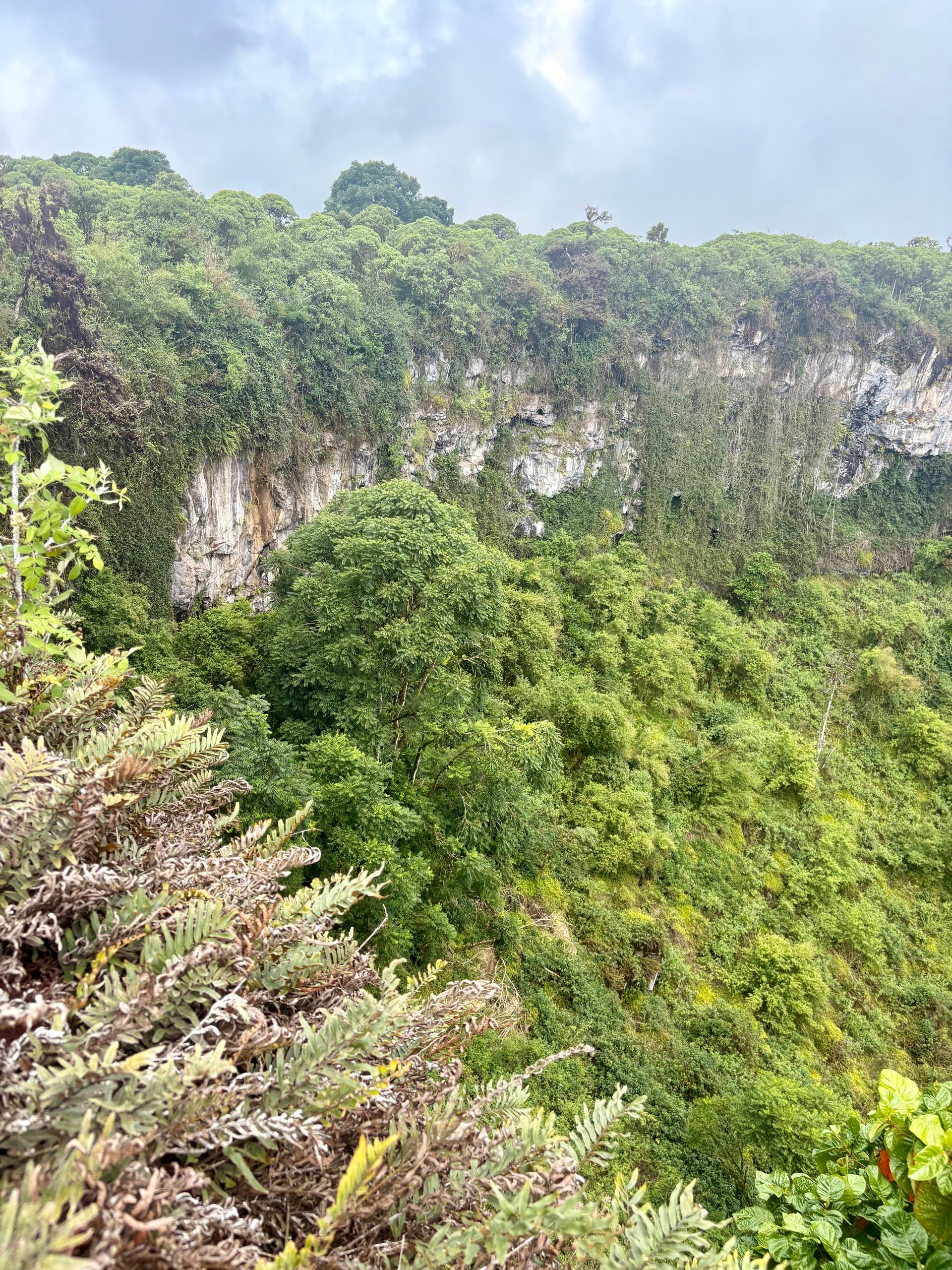
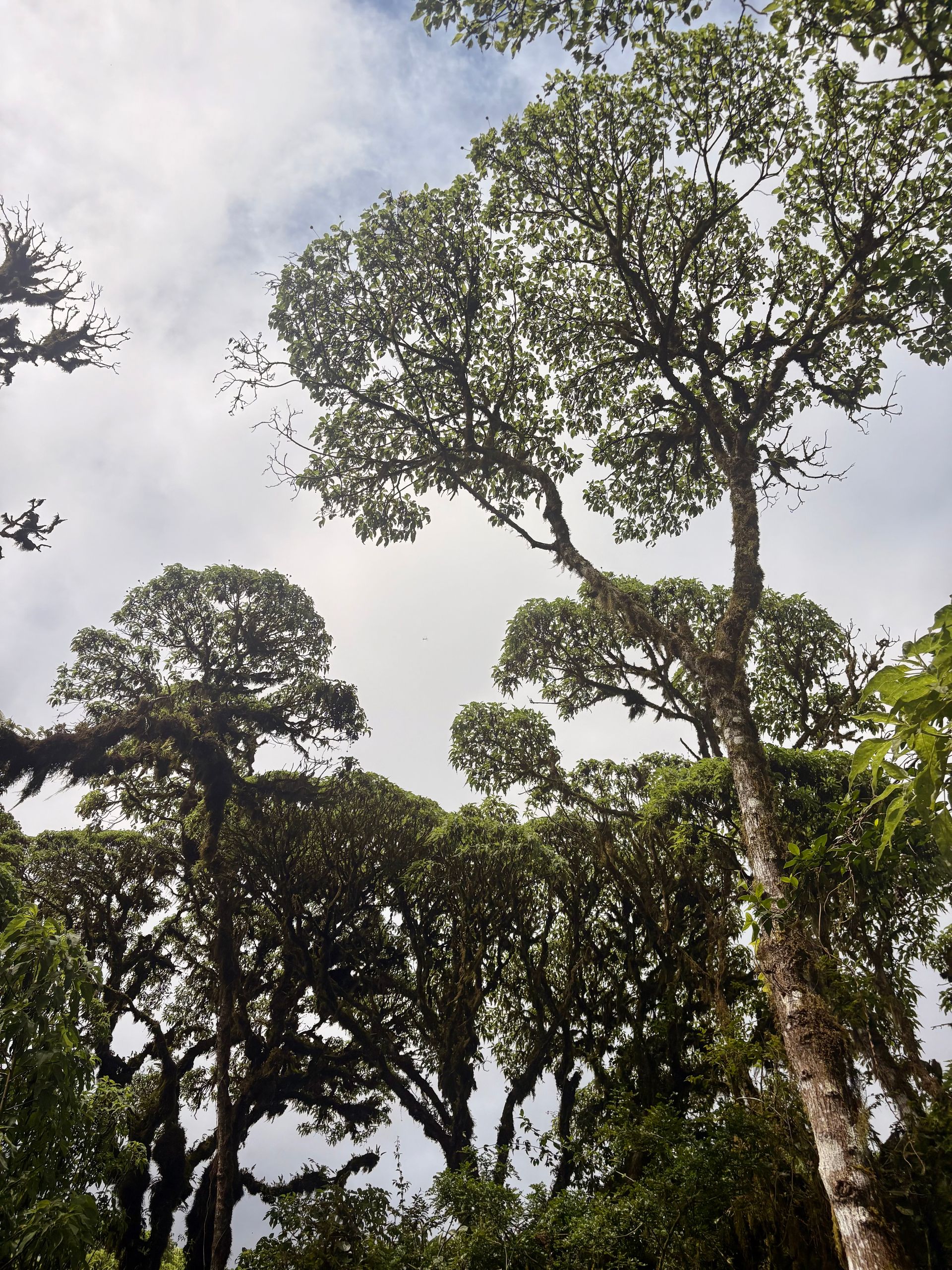
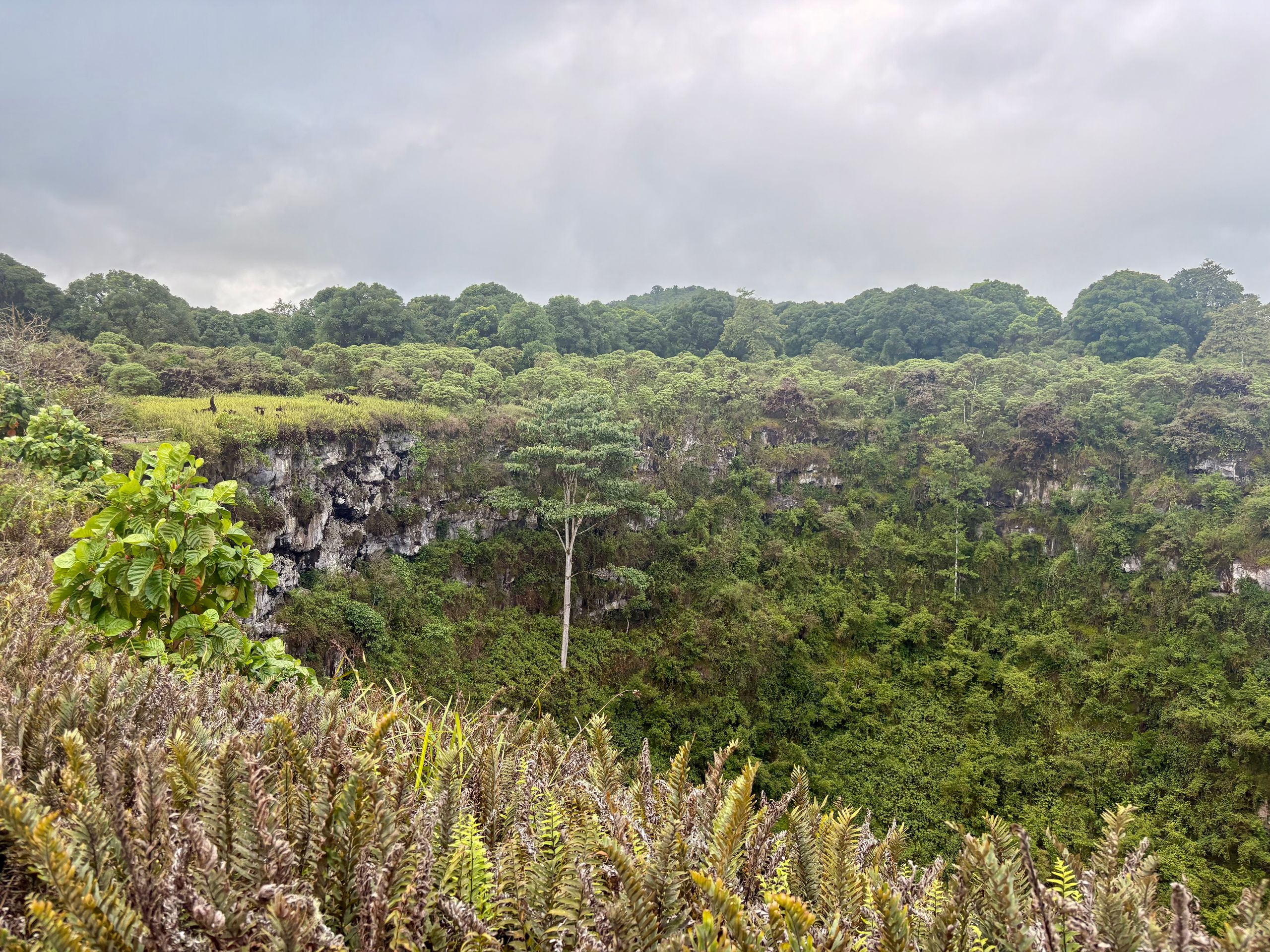
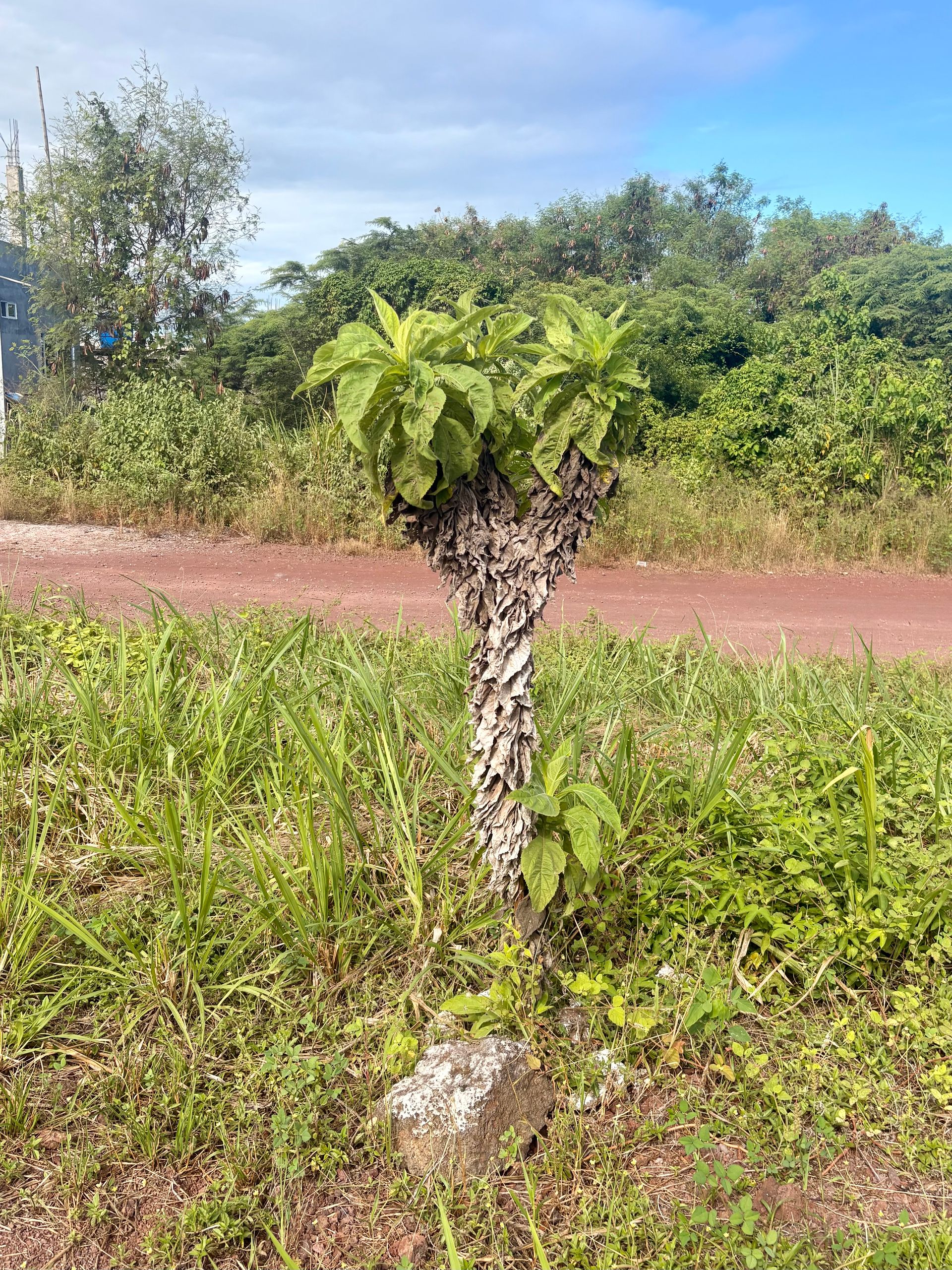
One day, we rented bicycles (the last heaps of junk) and pedaled over 600 meters of elevation gain into the green highlands of the island. It was quite a torture in the heat; we were also the only ones doing this, and locals thought we were crazy. We came through small villages in the hinterland where not much was happening, which was quite nice. Now and then, we saw giant tortoises strolling across the fields; one apparently stole food or drink from a dog in front of a house. Finally, we reached our destination, Los Gemelos, two large collapsed and heavily overgrown sinkholes (which formed because the upper layers of lava solidified while the still liquid hot lava continued to flow beneath). Here, we saw Giant Daisy trees (Scalesia pedunculata) from the daisy family (which also includes daisies, sunflowers, lettuce), growing up to 20 meters tall. The daisies play a similar role in the Galápagos plant world as Darwin's finches do in the animal world: under varying conditions on the archipelago, many different endemic species likely evolved from a single daisy that made it to the islands, adapting into various forms as bushes or trees to fit different ecological niches. They play a very important role in the ecosystem here, providing food and shelter for various native birds and attracting many pollinators. At the same time, Giant Daisy Trees are especially endangered, as they only seed every 15 years (after which the trees usually die, and a new generation grows) and stand little chance against invasive species like guava trees, which reproduce continuously. Unfortunately, there is a relatively high risk that this species will soon become extinct. On the way back, Marike's bike finally gave up completely, and the chain, which had jumped off countless times before, completely jammed. Luckily, it was all downhill, so we managed to get back to the bike shop reasonably smoothly, even without pedals. There, they weren't particularly interested in the non-functionality of the bicycles, so the next tourists will likely experience something similar.
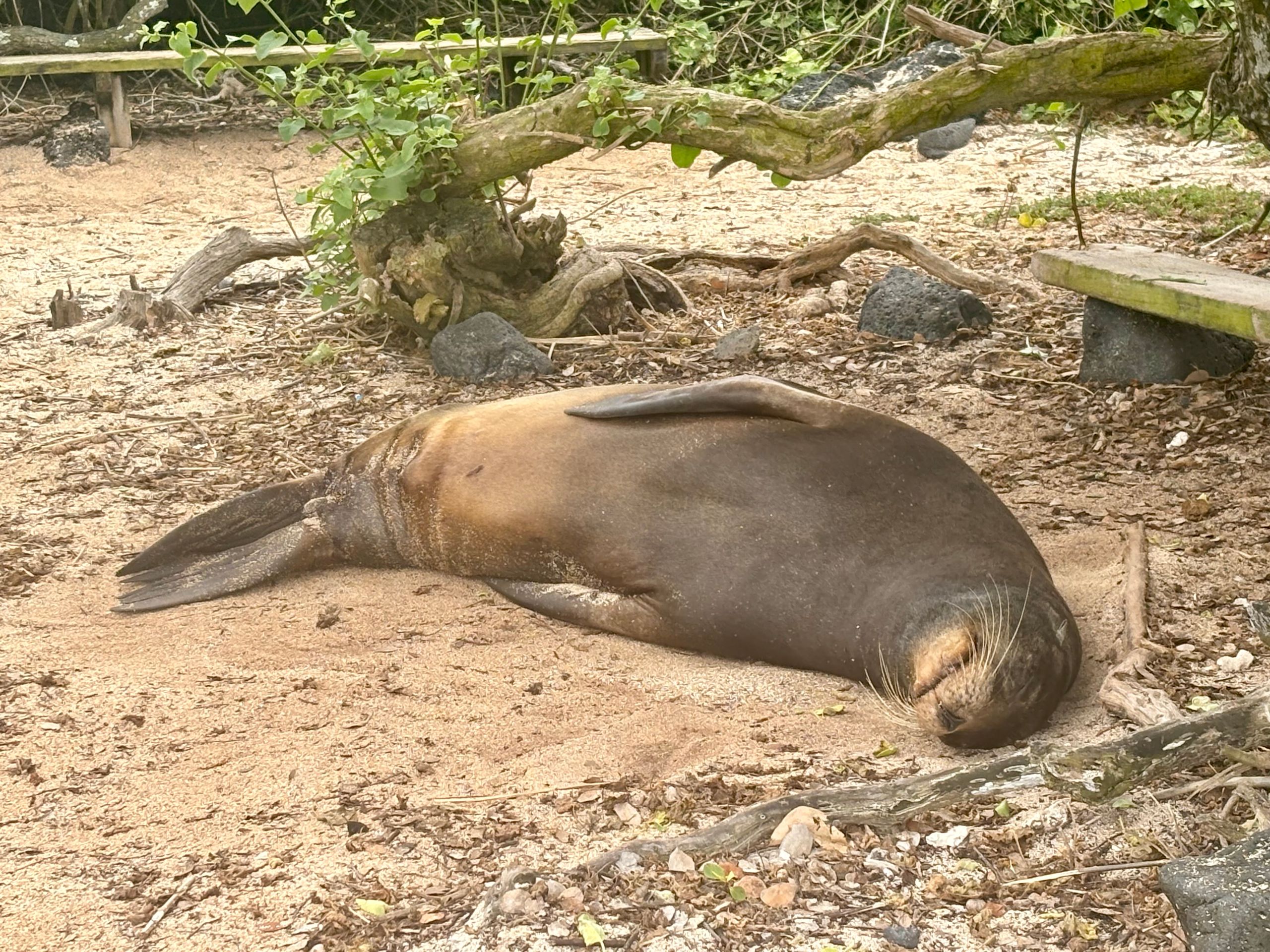
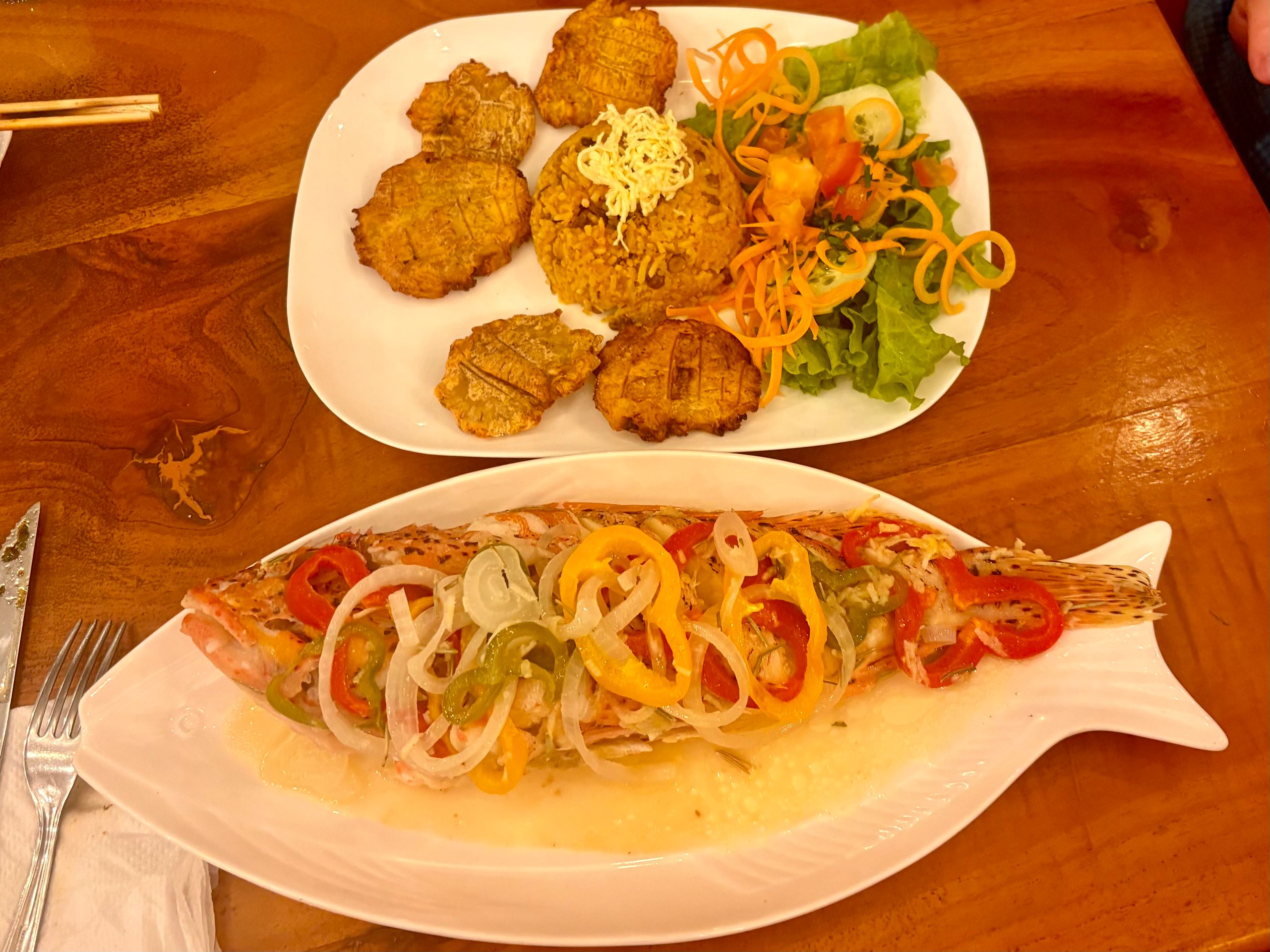
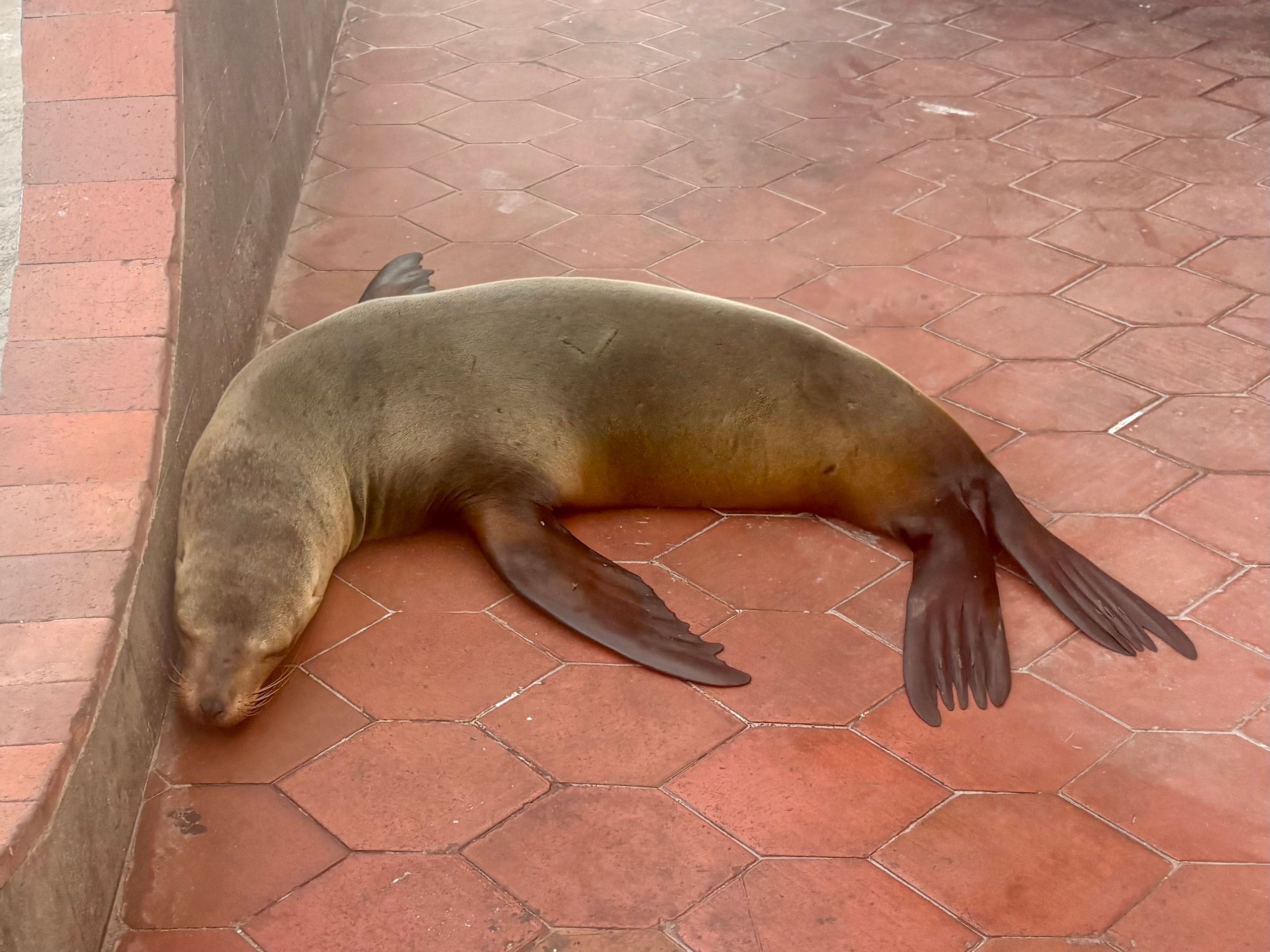
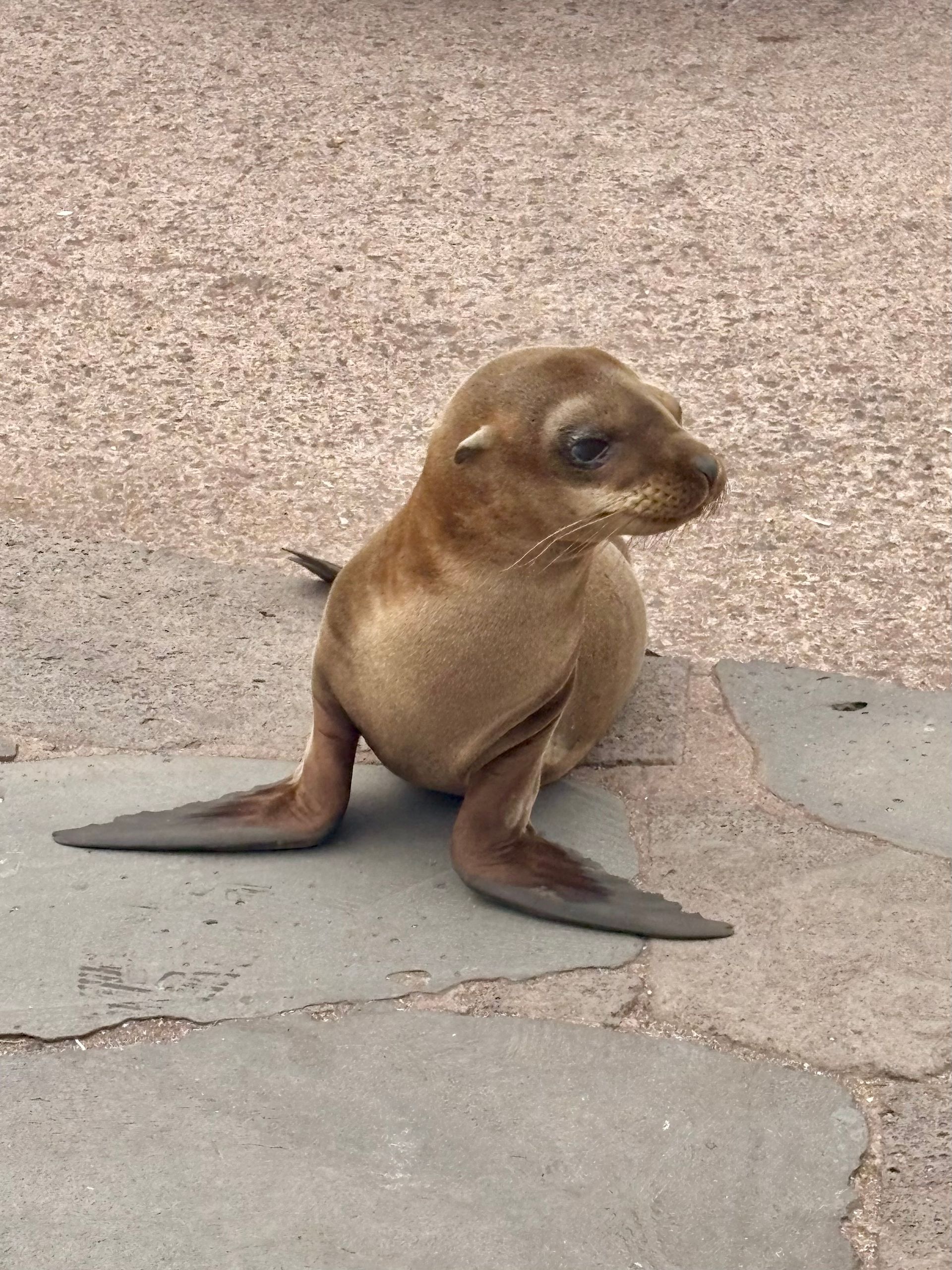
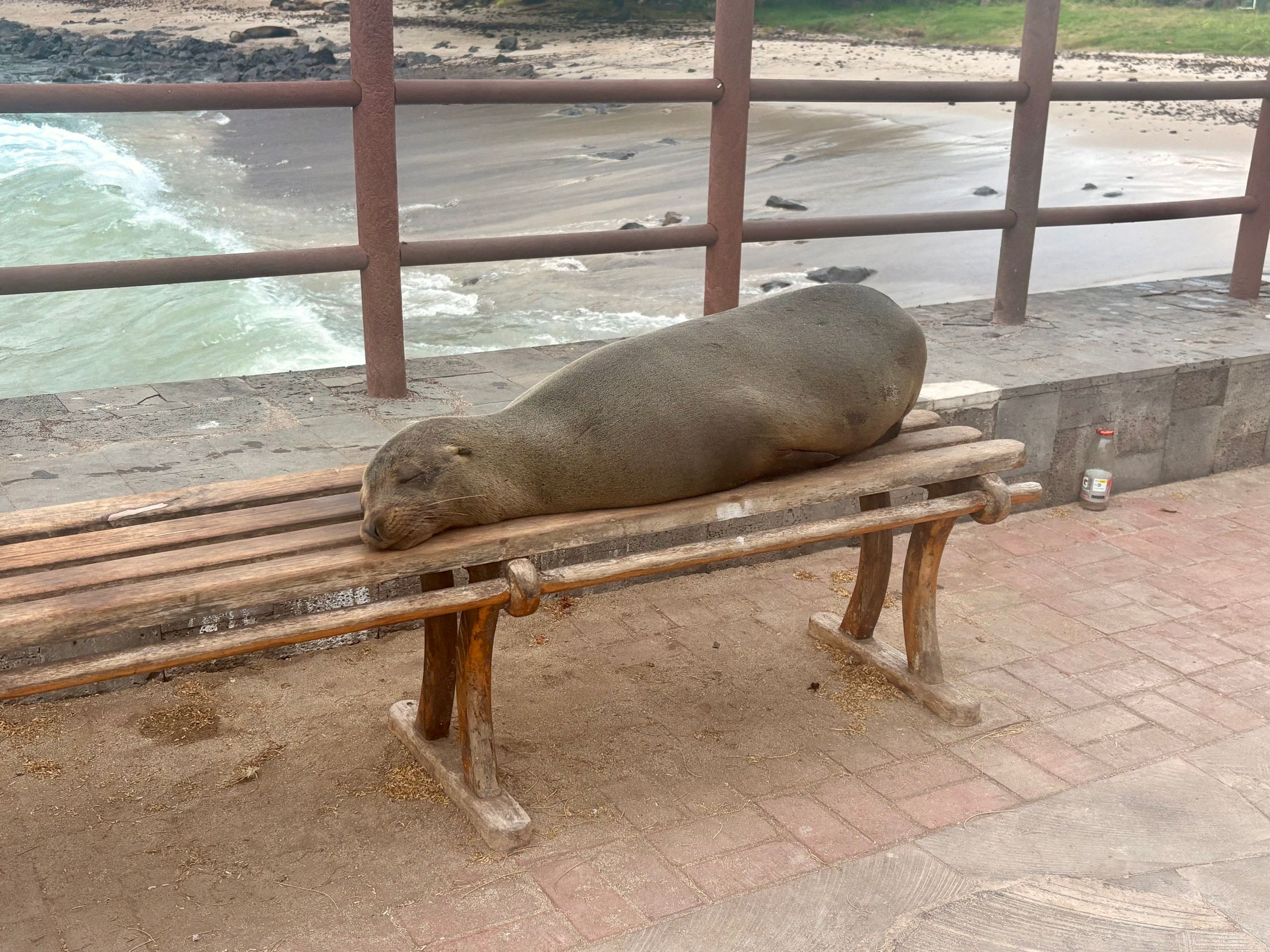
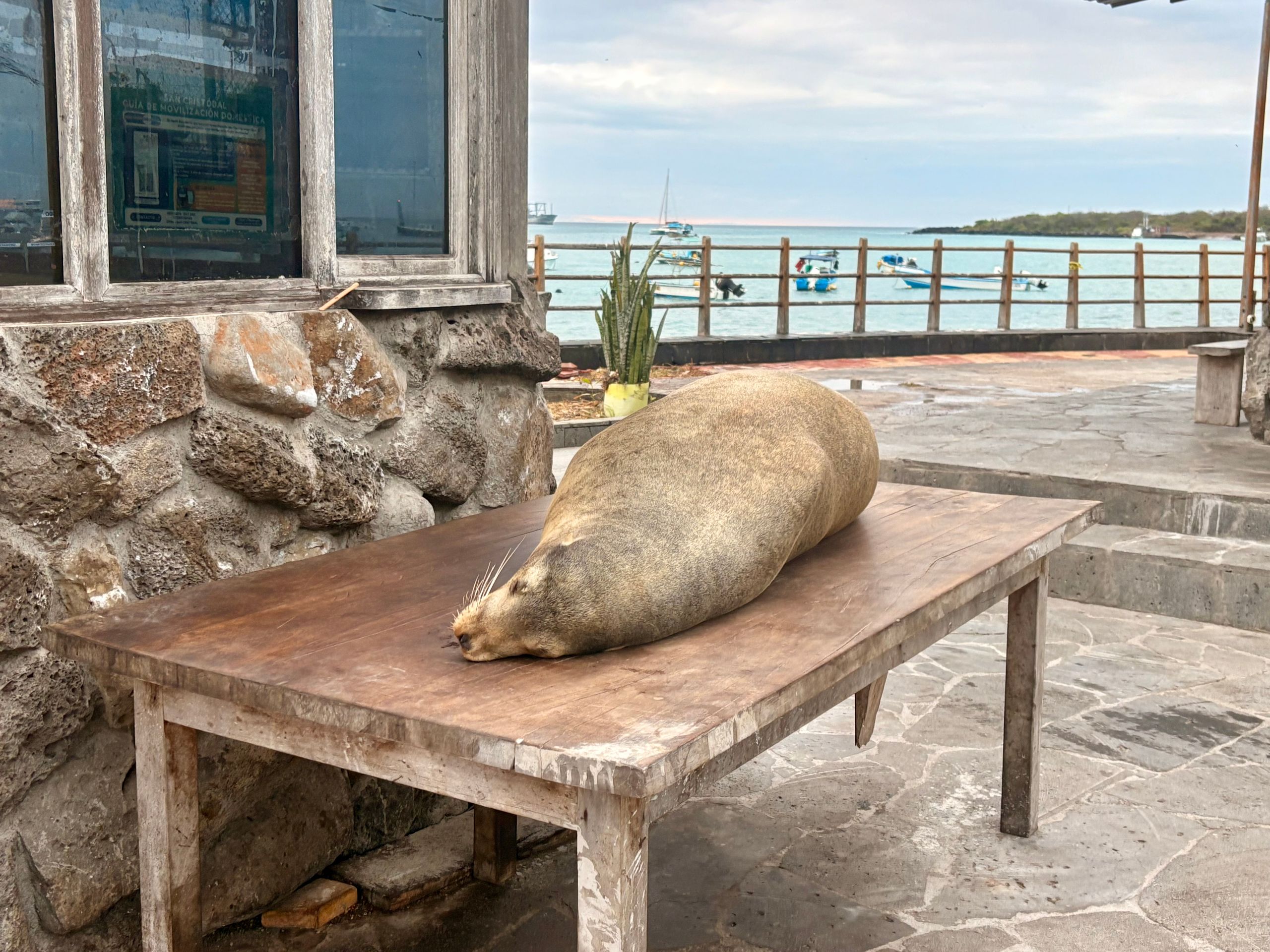
Otherwise, we chilled and snorkeled at the beach, observed sea lions, and after our trauma in Trujillo dared to eat fish again, enjoying fresh and delicious Brujo multiple times at a small nice local place. And we read to each other a lot about the biology of the animals and plants, simply fascinating!