
Cochabamba
After the impressive experiences in Potosí, we have to admit that the altitude does not treat us well in the long run. And since we also do not feel like going on a multi-day...

Published: 29.06.2025
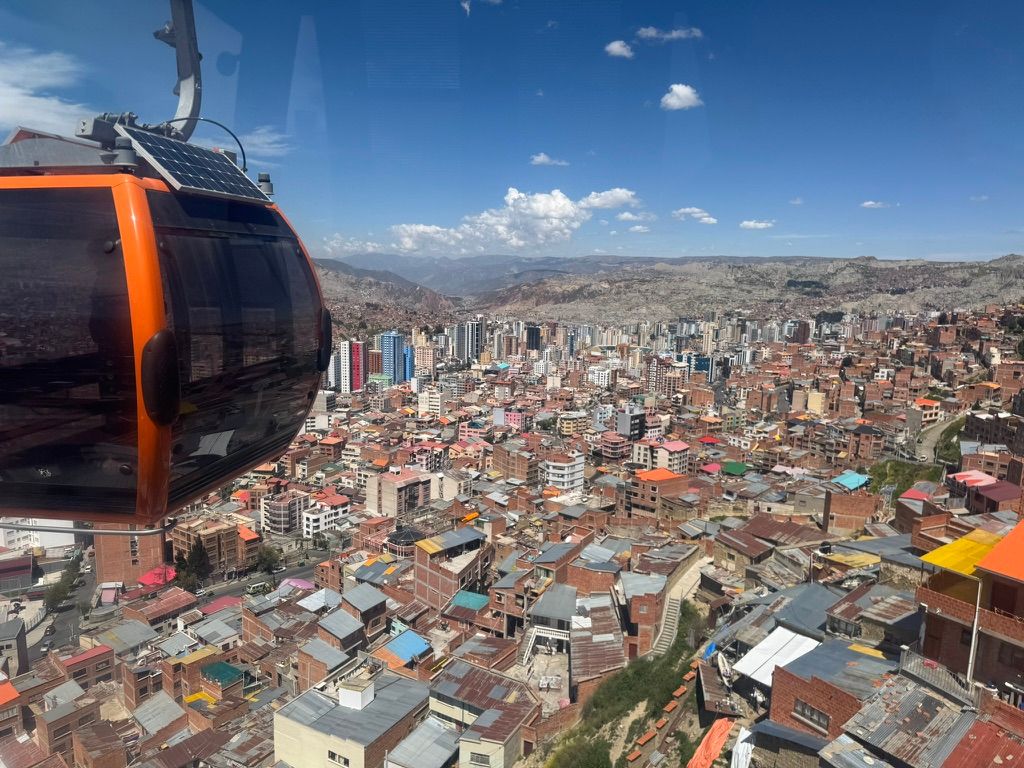
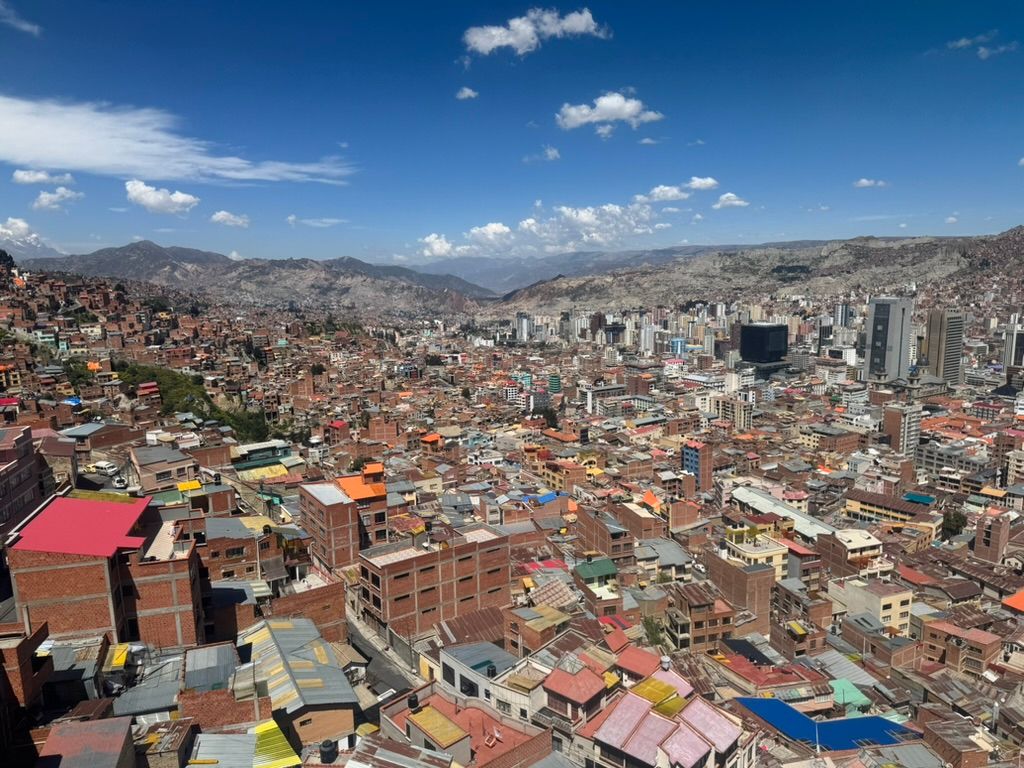
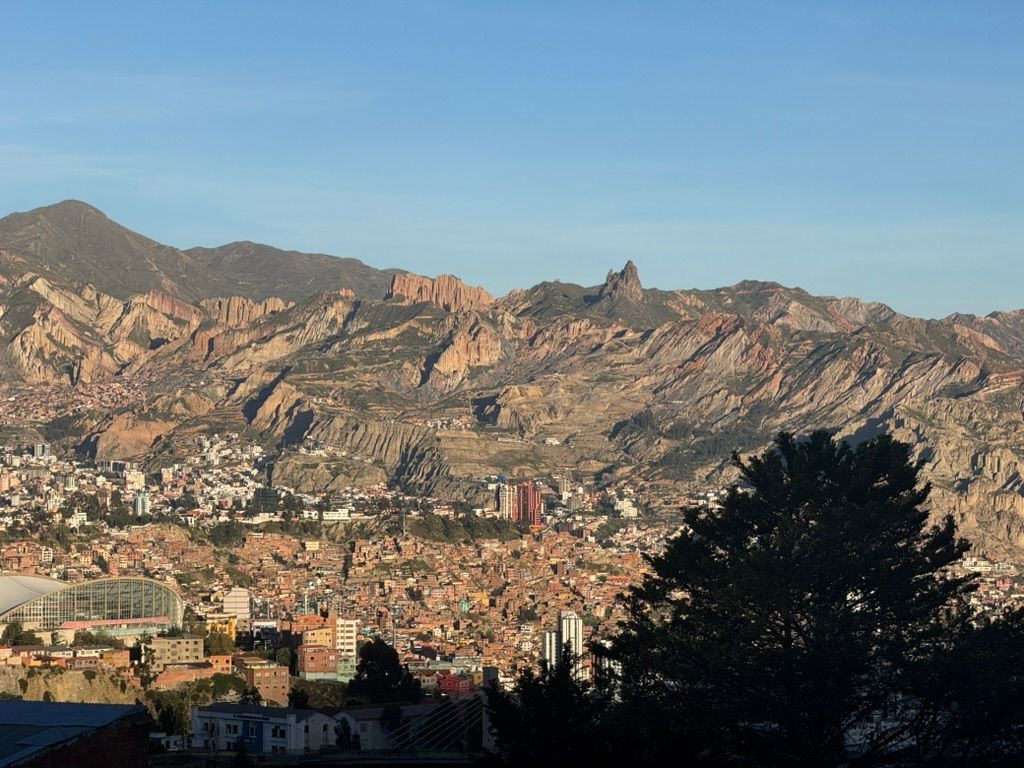
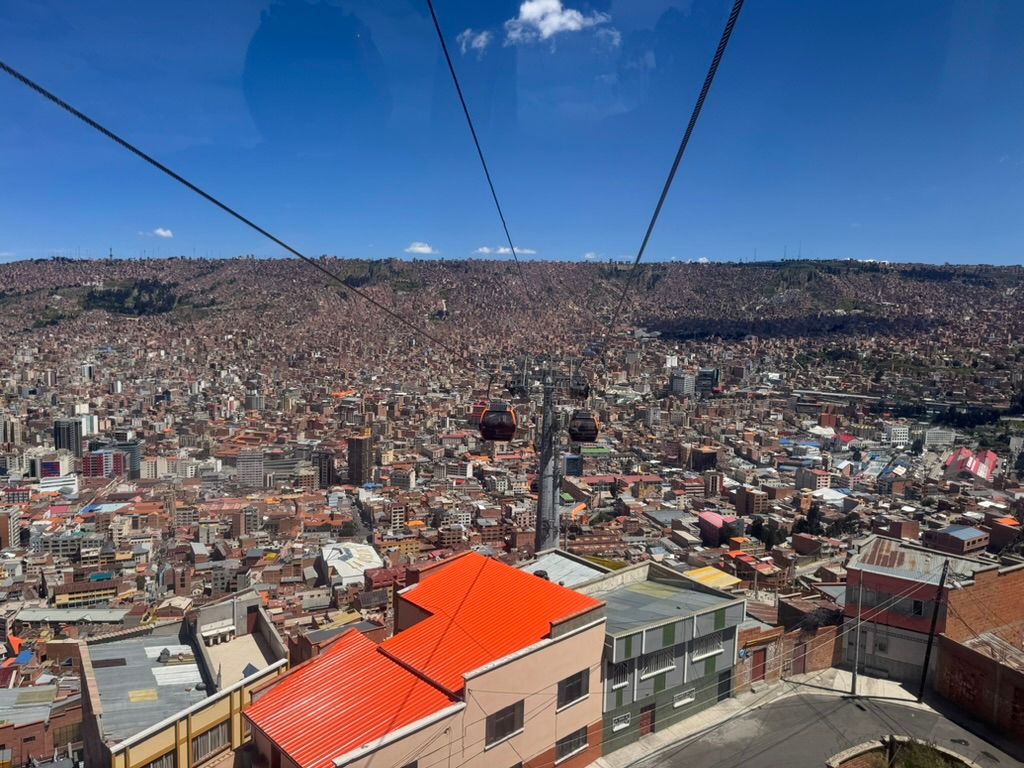
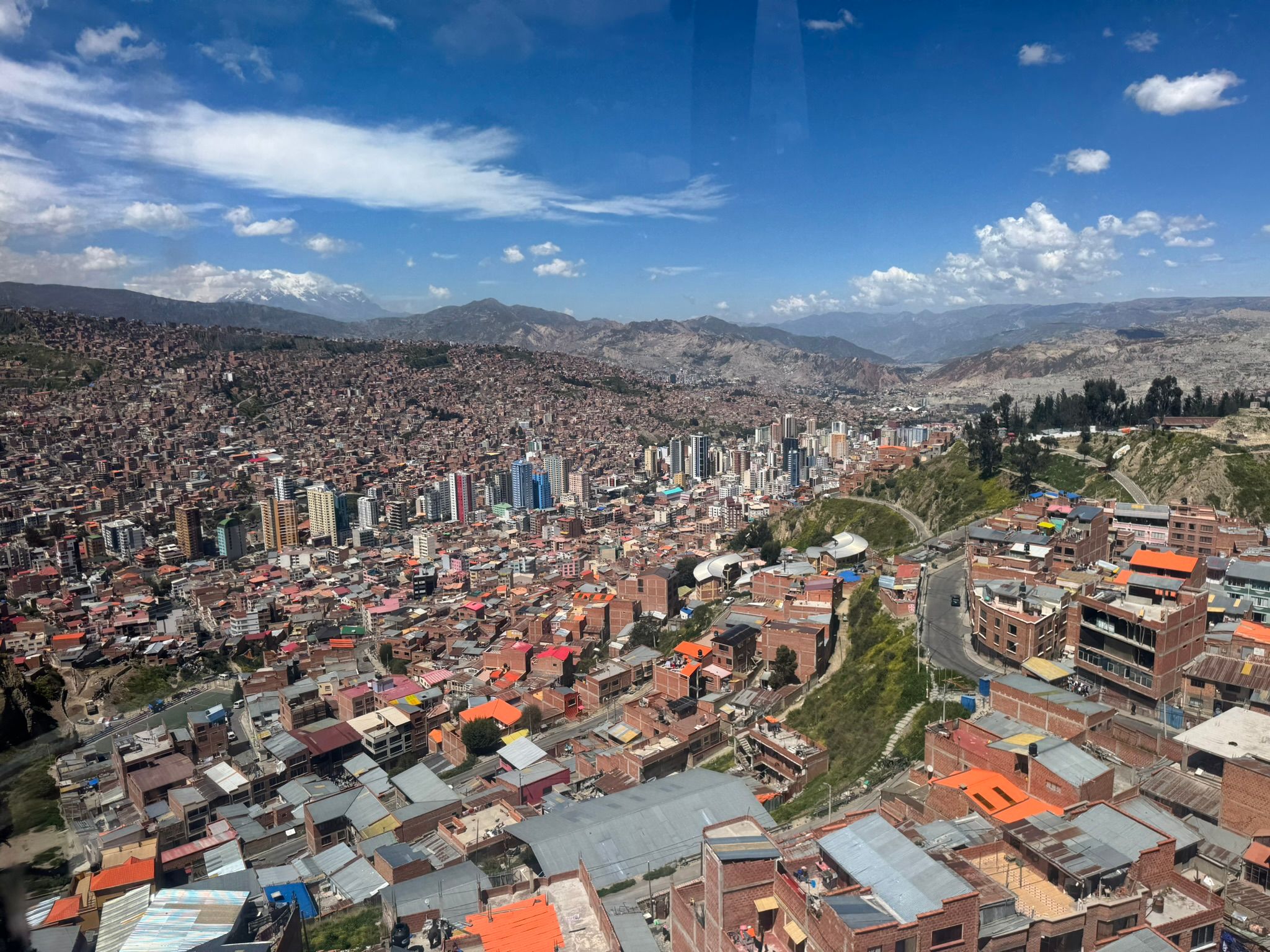
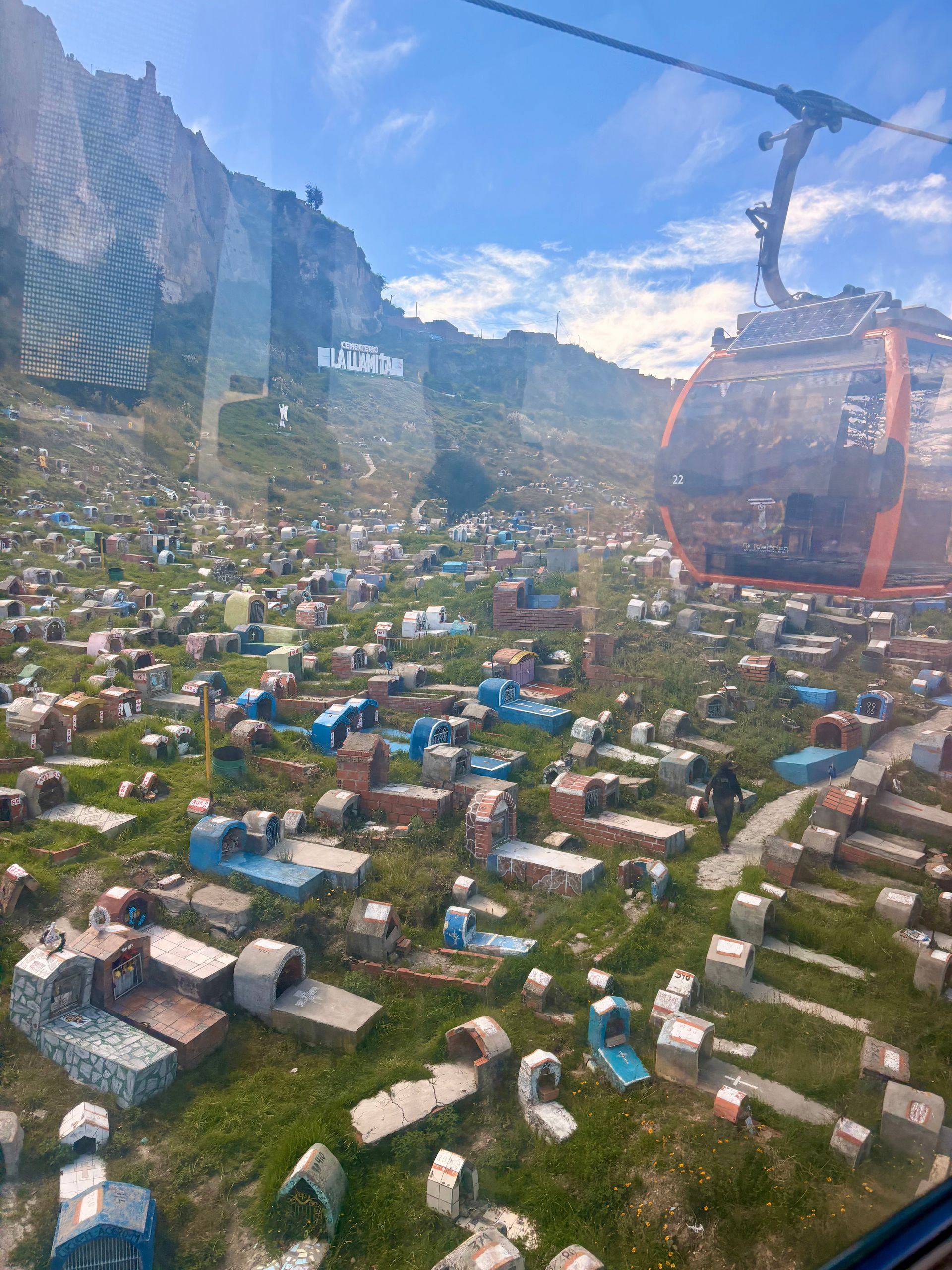
Back in La Paz, we indulged again in excessive rides on the Teleferico in perfect weather; you can never get enough of this. This mode of transport is simply brilliant for this city, even though it could never be implemented in Germany in this manner. What would happen if we just zipped over a cemetery or a rooftop terrace?
We also explored the area around La Paz. Booking excursions here was significantly more expensive than in Peru, despite the generally lower cost of living, and ultimately turned out to be just a transport service without a competent guide or anything similar. The transport was an outdated Collectivo, essentially a total wreck. During the ride, we tried to hold on somehow, but we kept banging our heads against the ceiling. The overall driving style of the road users was questionable to suicidal; another car even rammed into us (exactly in the corner where Freddy was sitting), but the driver didn’t even stop and just plowed on. This wasn’t the first accident our vehicle experienced and certainly won’t be the last; who cares about a little crumpled metal?
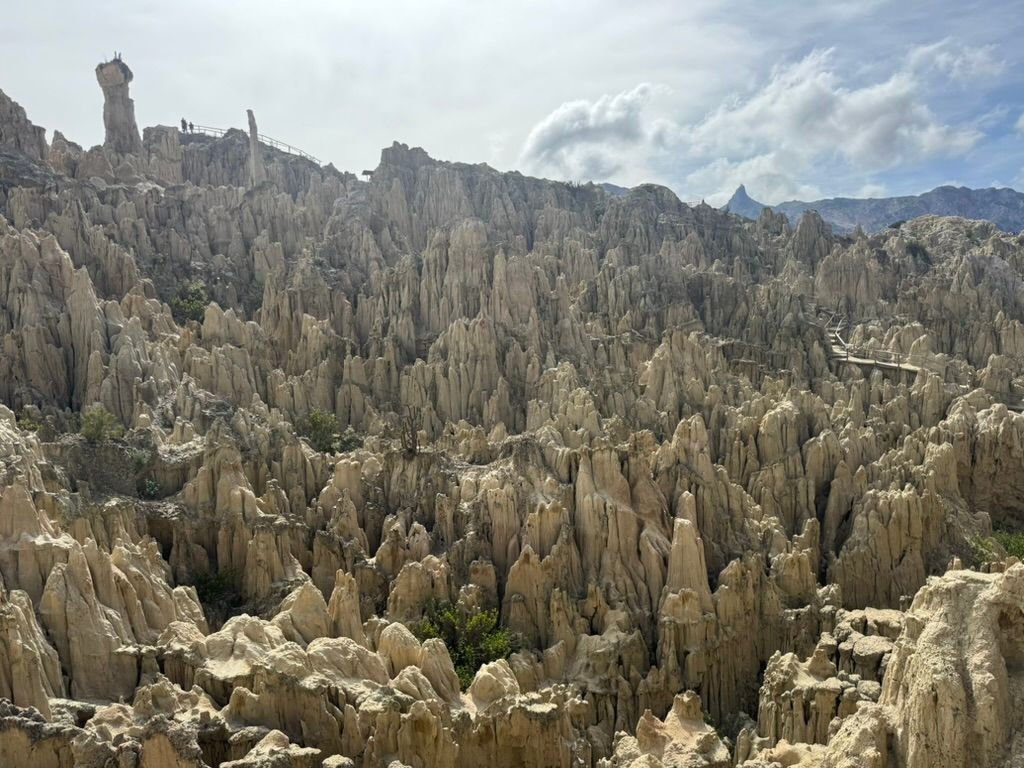
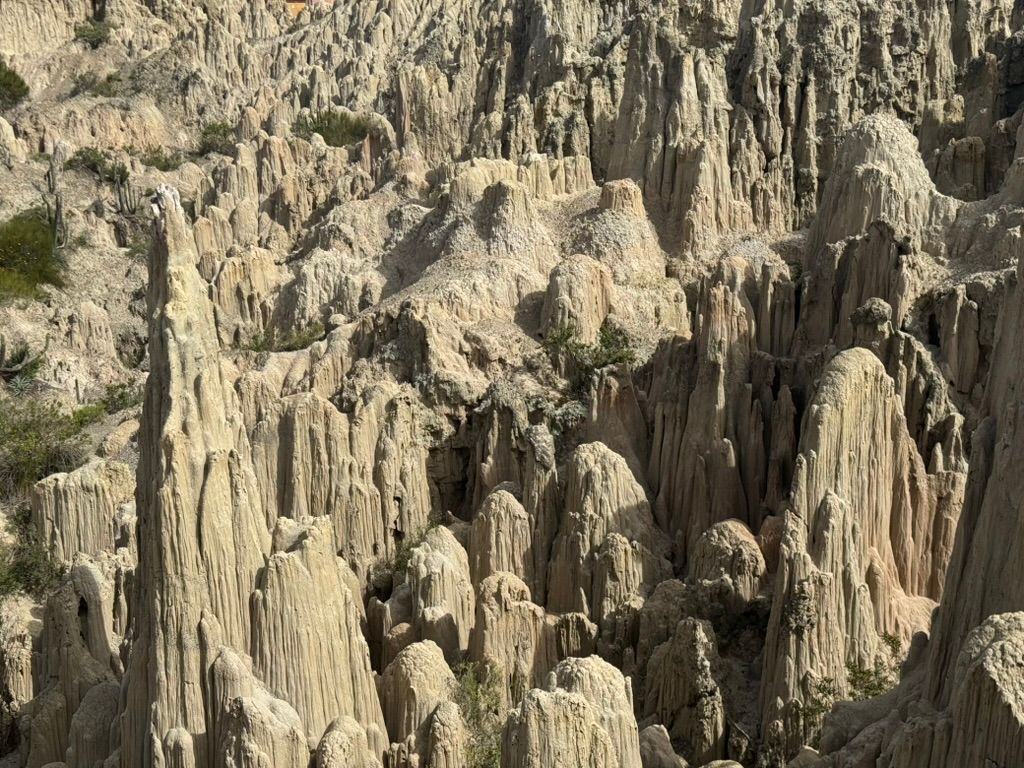
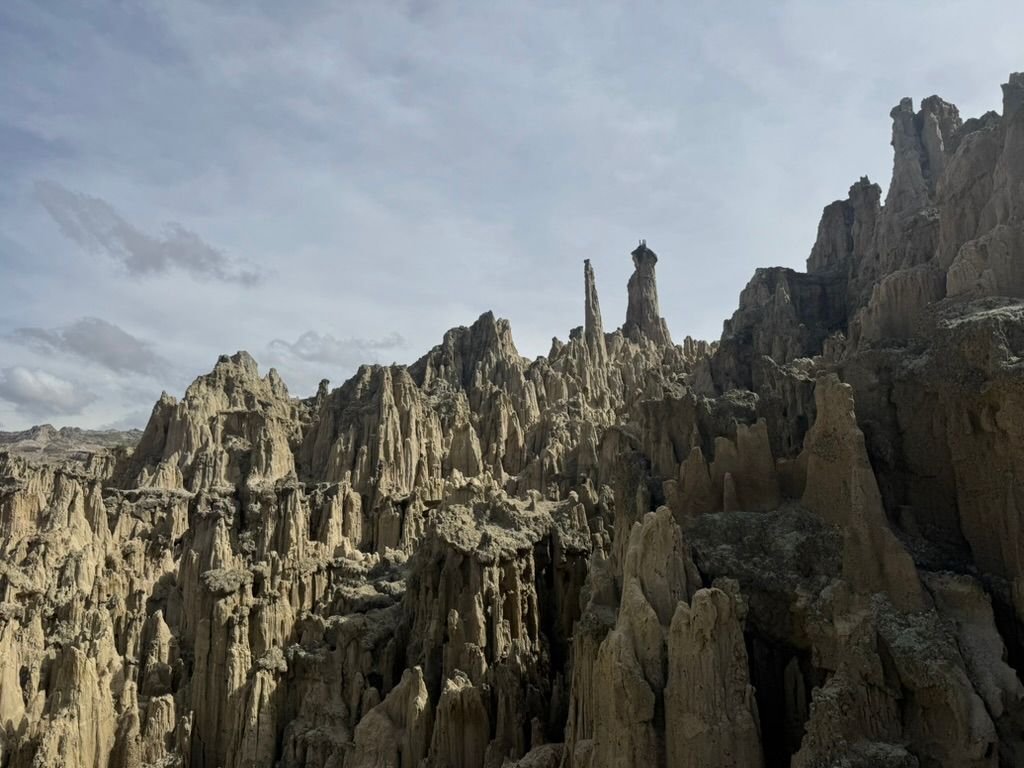
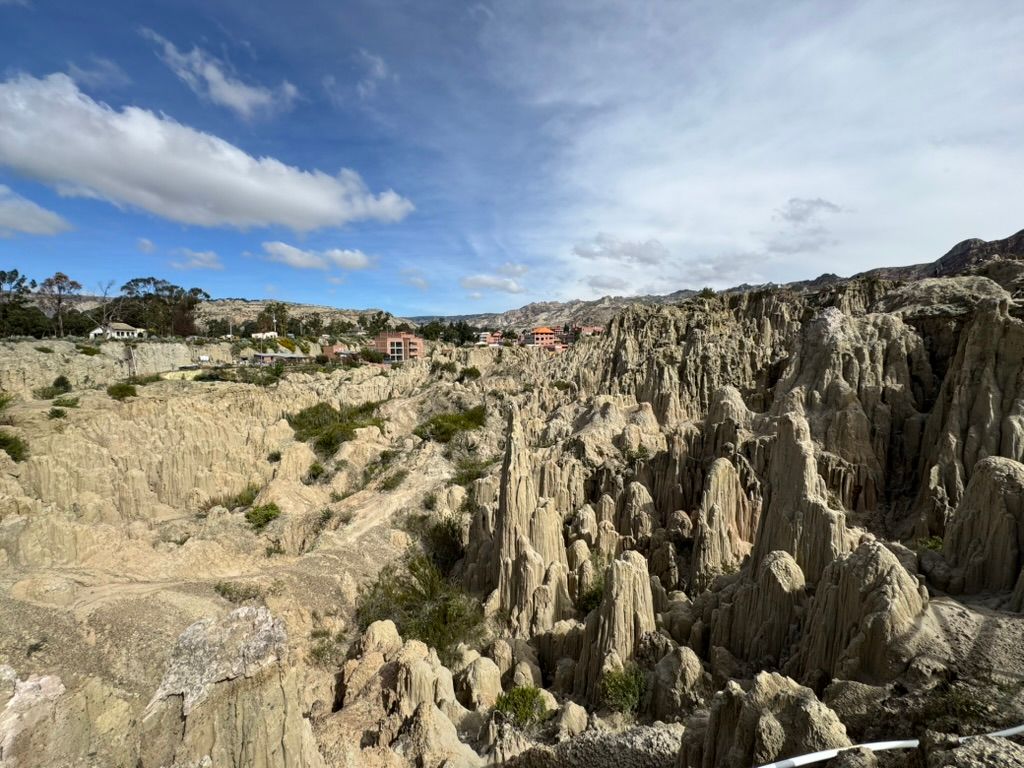
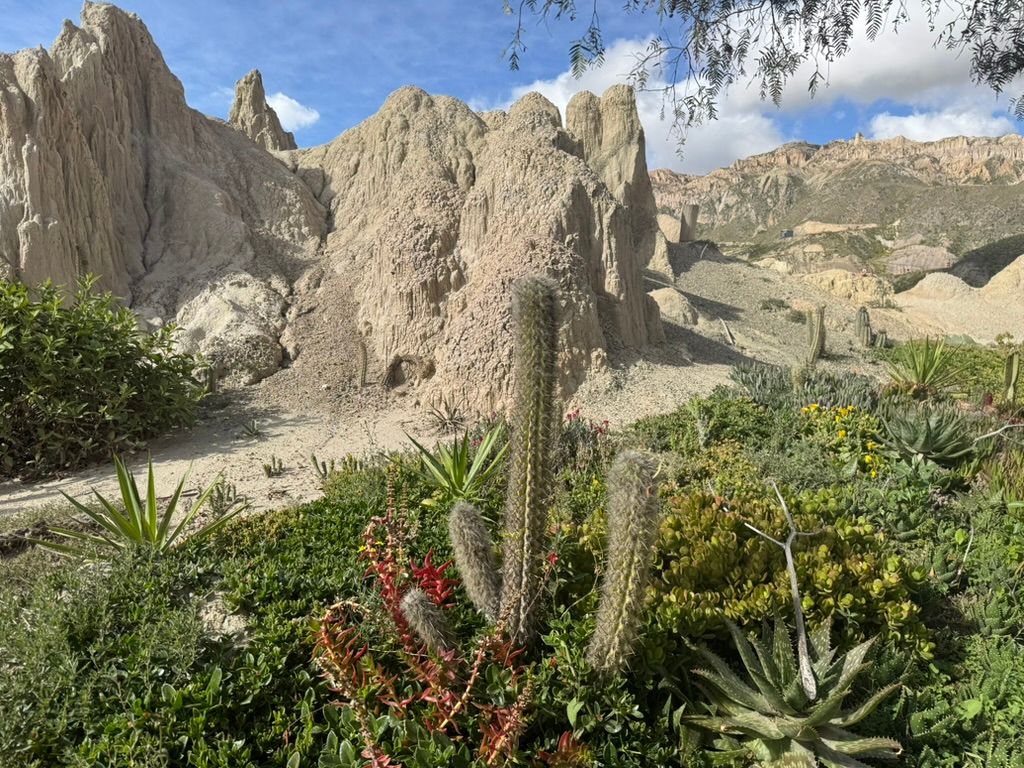
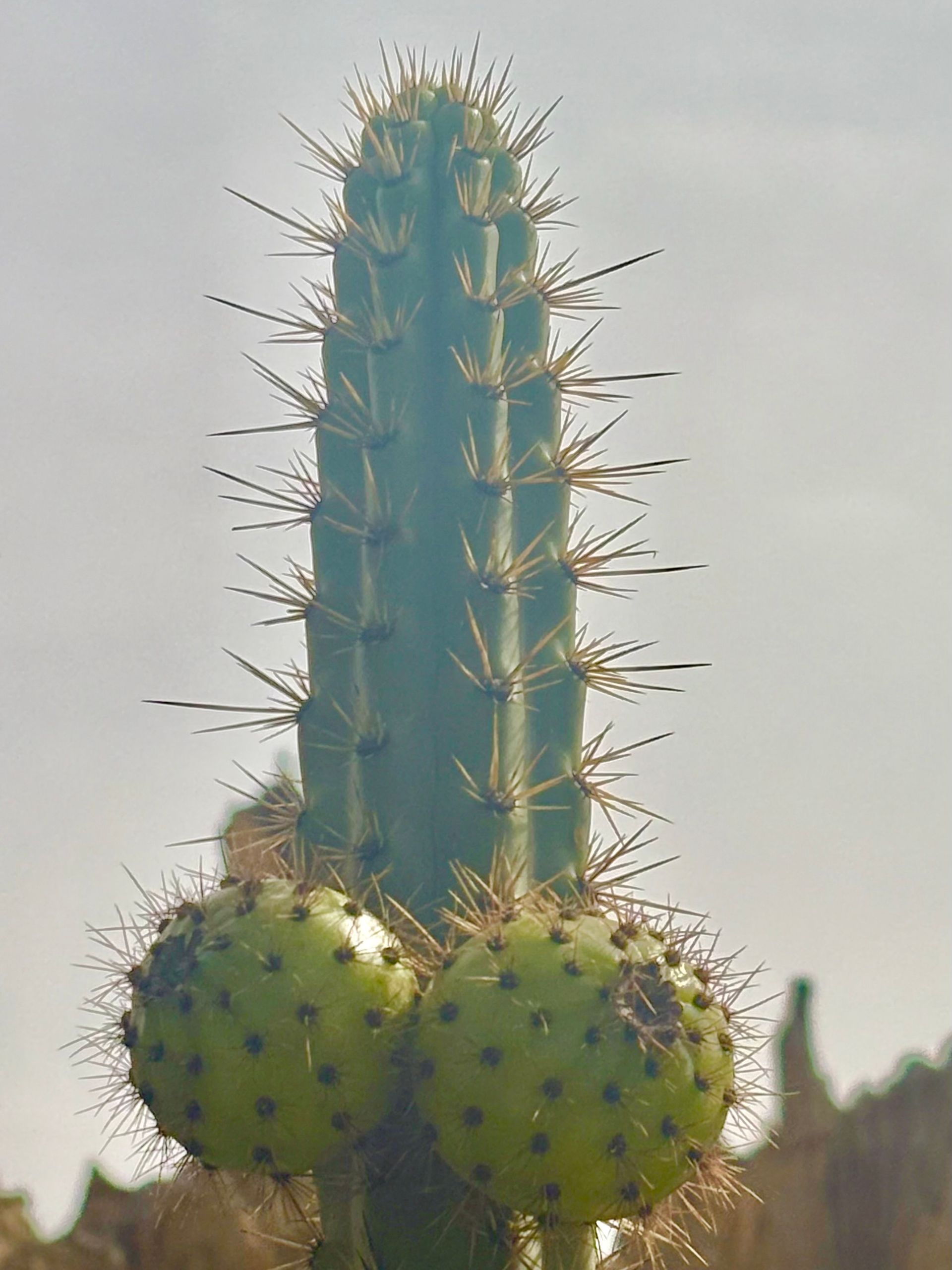
First, we went to the Valle de la Luna, which supposedly got its name from Neil Armstrong, who played golf nearby and felt reminded of his moon trip. It consists of a small area of claystone where stalagmite-like formations have formed due to erosion, which are subject to changes with every rain. Admittedly, it didn’t completely blow us away after our experiences in the Atacama Desert, but it was quite nice. The most interesting thing is probably the dispute surrounding this area. It officially belongs to the city of La Paz, which has declared it a protected area. However, the neighboring municipality (we can’t remember if it was El Alto or another) also lays claim to it and allows people to build here. As a result, more and more of the fragile formations are being destroyed, and there are a considerable number of buildings that are at risk of collapsing during any major storm on this completely unsuitable ground.
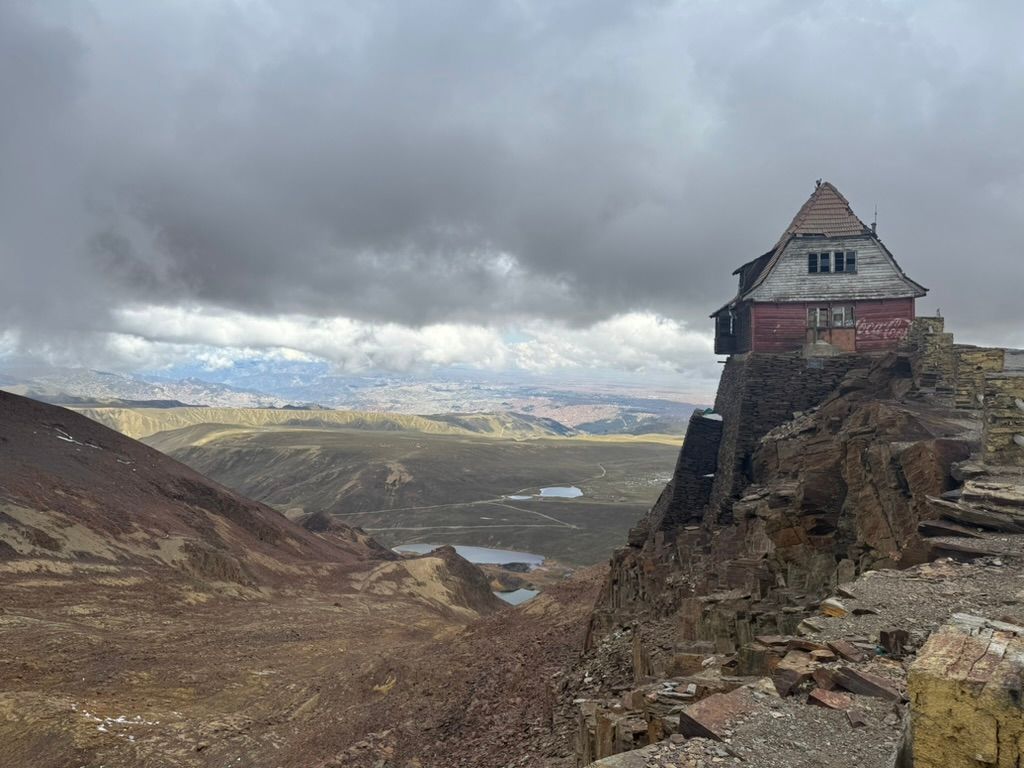
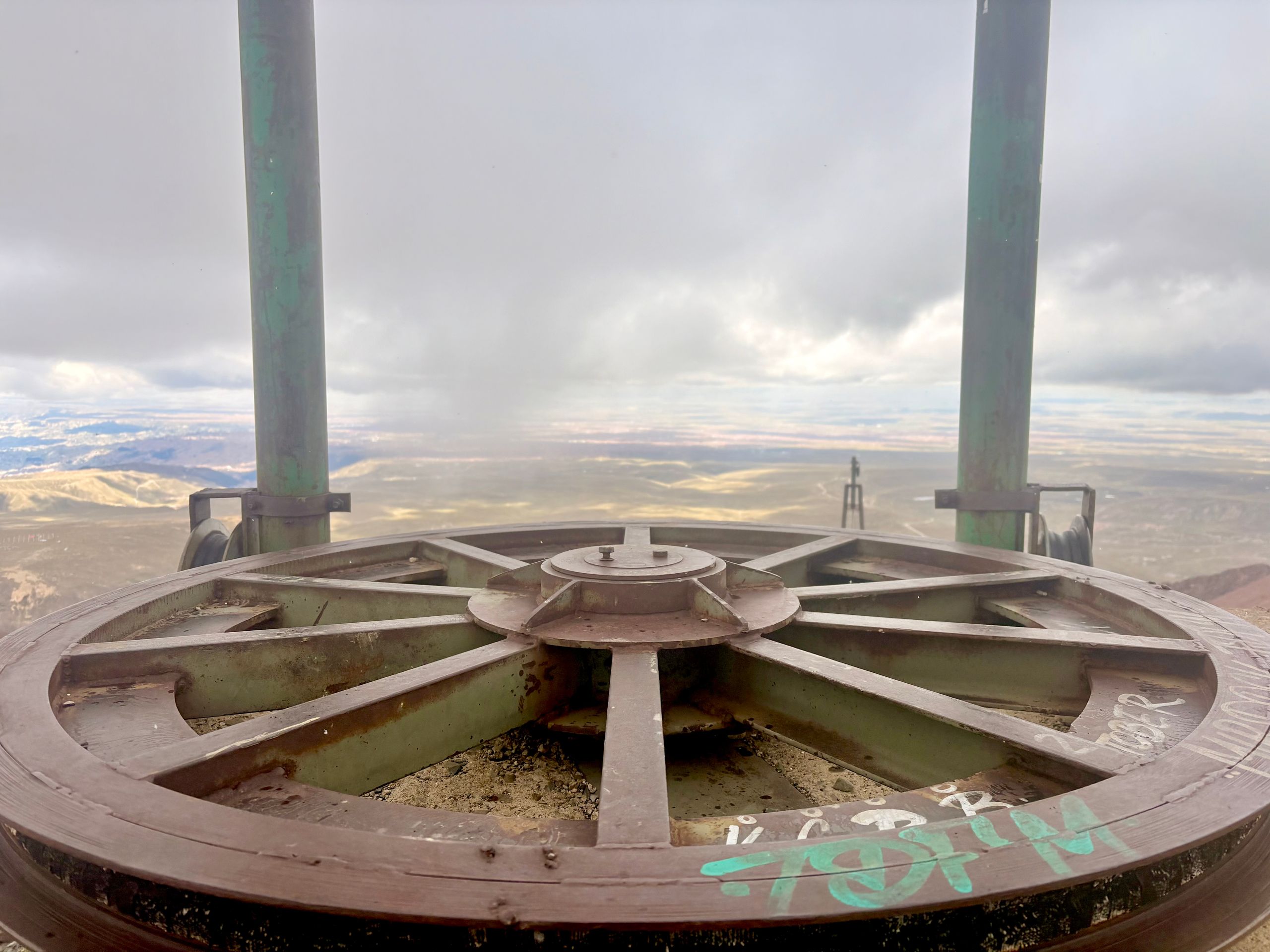
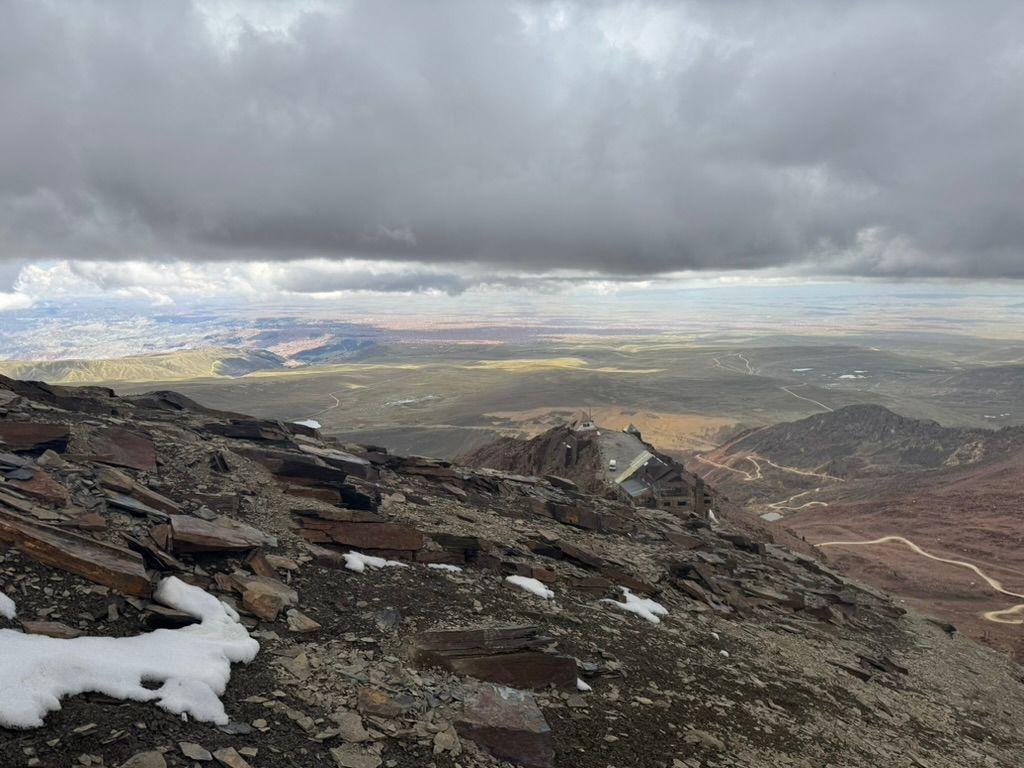
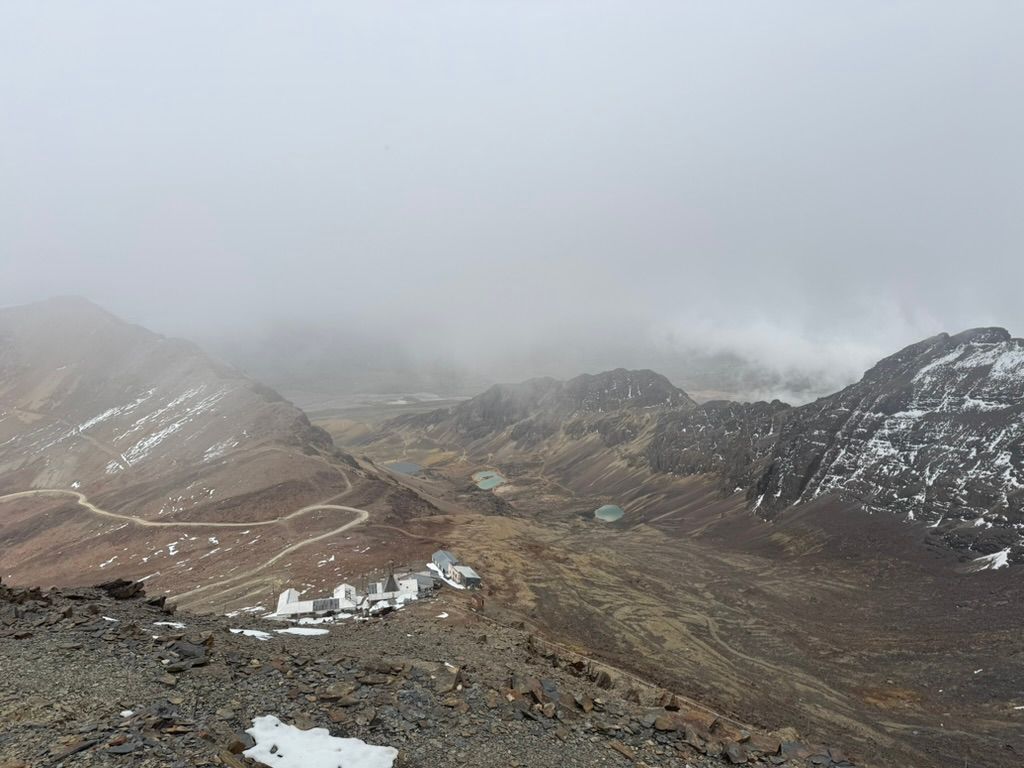
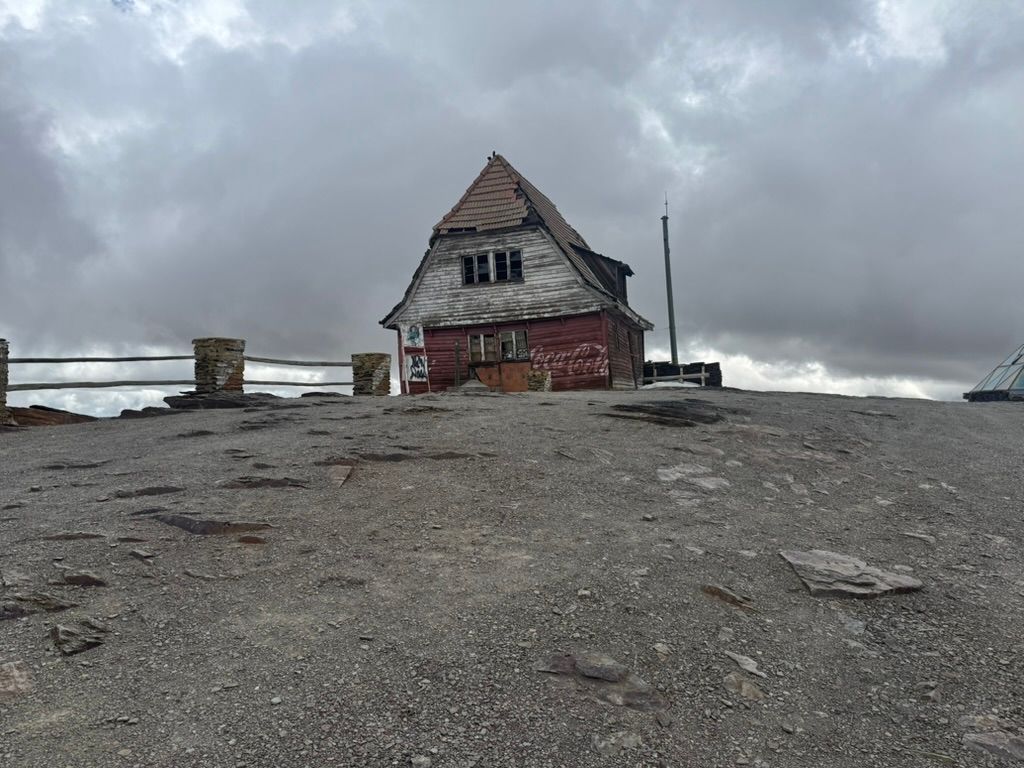
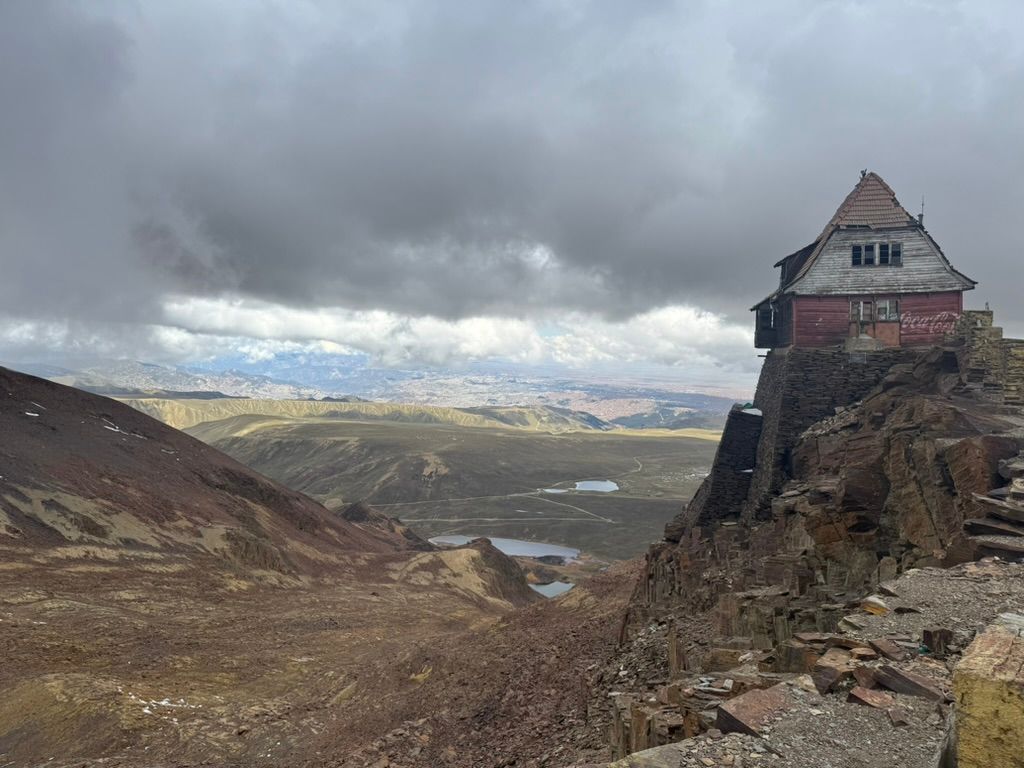
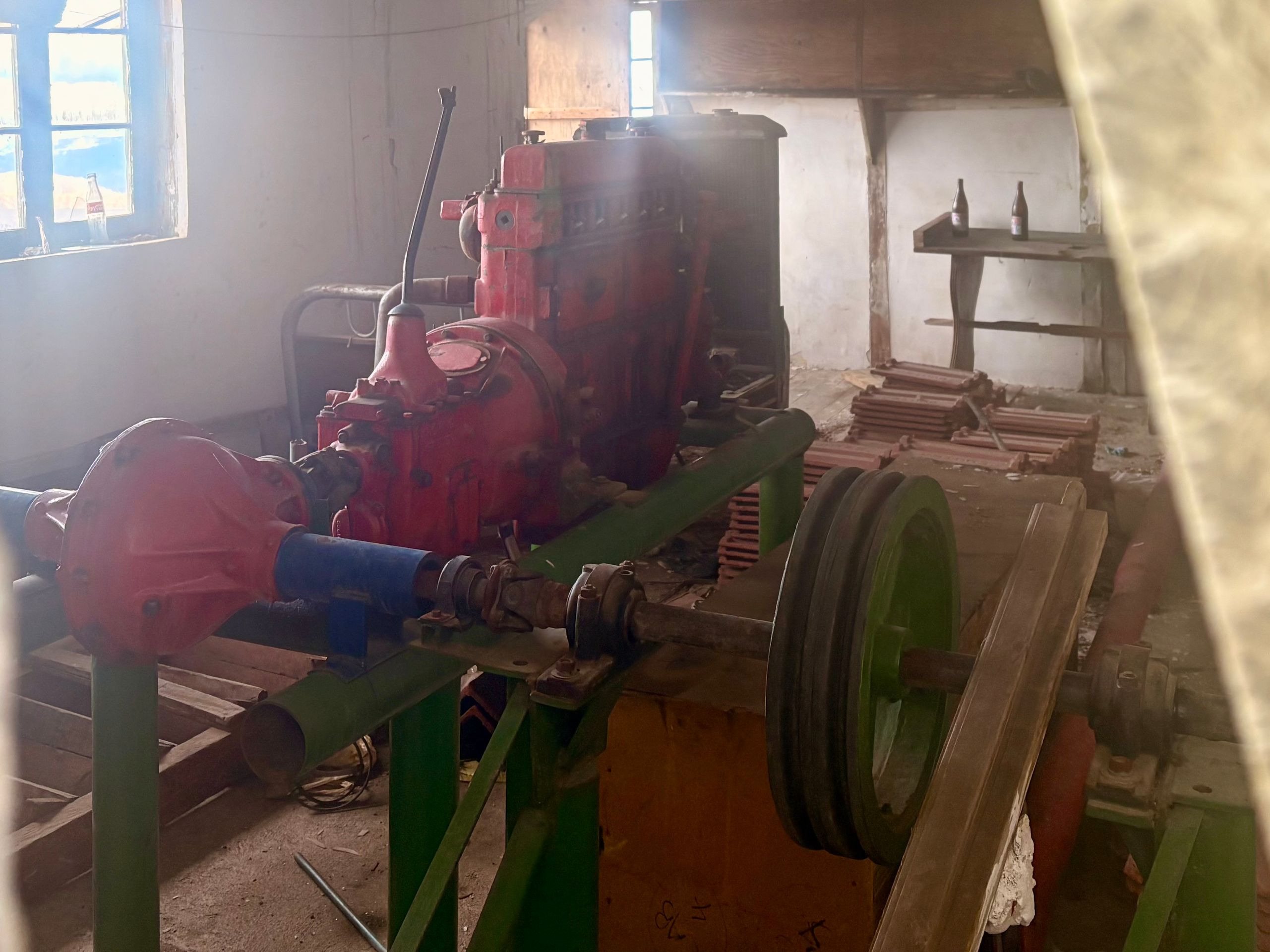
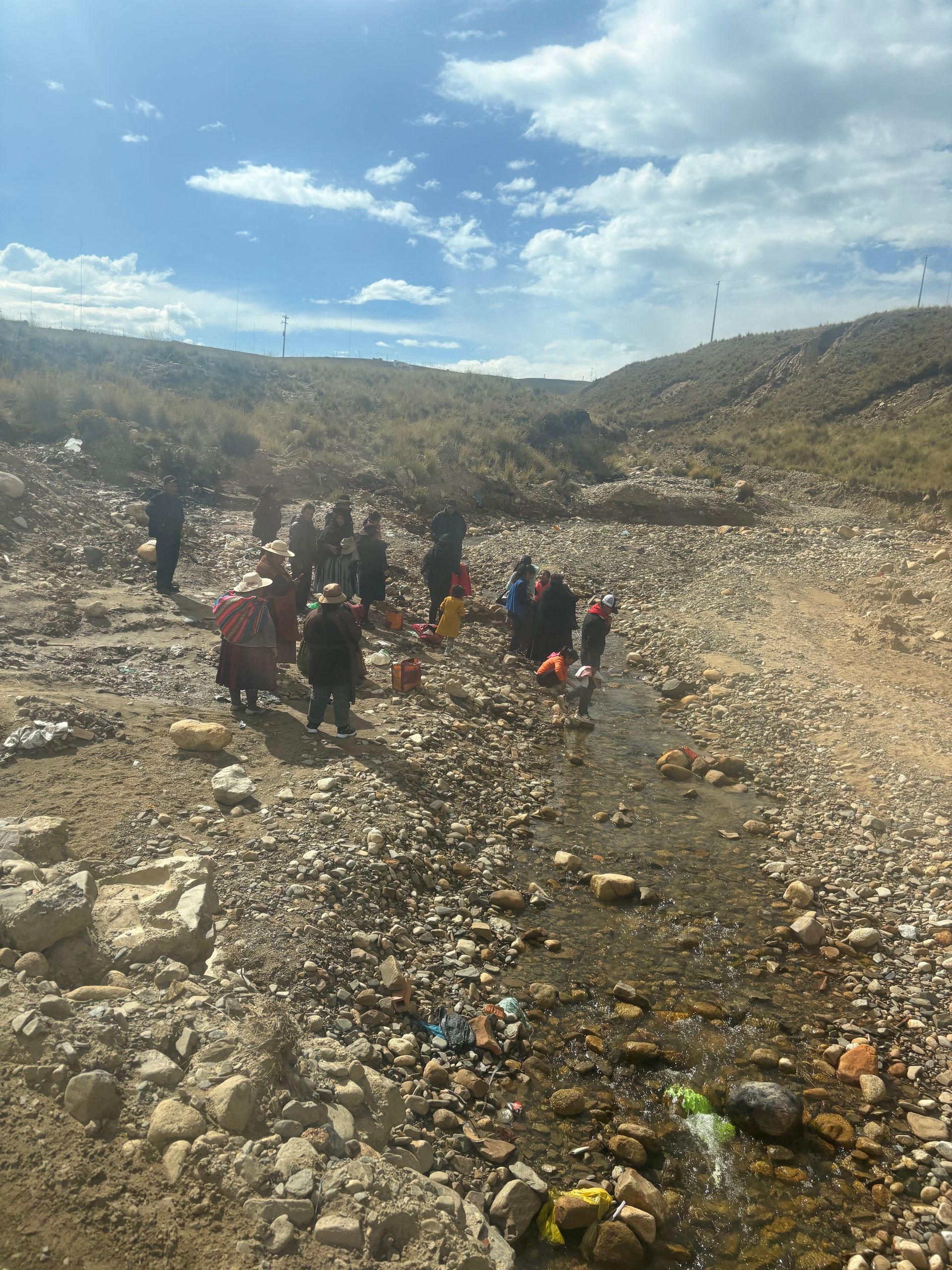
After that, we traversed the city again through the rough traffic to reach Chacaltaya, once the highest ski resort in the world. The way led through a not particularly beautiful landscape, passing many small junk heaps and little settlements where apparent high poverty prevailed. The people we saw were mainly occupied with patching up the holes in the very damaged roads (for which they receive a bit of money from passing cars), sorting scrap, and washing laundry in the river. Our junk bus was painfully making its way up the mountain over bad roads on steep slopes. More than once, we thought we’d end up smashed hundreds of meters further down. After what felt like an eternity, we first passed a research station for cosmic radiation. Here, measurements are taken to monitor changes in the atmosphere, and data on global warming is collected for the IPCC (Intergovernmental Panel on Climate Change of the United Nations); it is apparently the highest station of its kind in the world. Shortly thereafter, we reached the half-collapsed 'valley station' of the former ski lift, which stood completely lost in the middle of nowhere on a slope. Nearby, there was even a hut belonging to the Austrian Alpine Club, which, however, has been abandoned since the ski operations ceased. Instead, a few locals resided there, who would later sell us lukewarm coca tea in a half-collapsed common room. A very strange and sad sight. It took us a moment to even grasp where skiing used to take place, as the former glacier has shrunk over the years due to global warming and completely disappeared by 2009. A fate that it shares with many glaciers in the area, as hardly anywhere else do the glaciers melt as quickly as in the tropical Andes, with devastating consequences for the region but also for the world climate (here’s a rather interesting article on the topic, though it’s already from 2020: https://monde-diplomatique.de/artikel/!5688407).
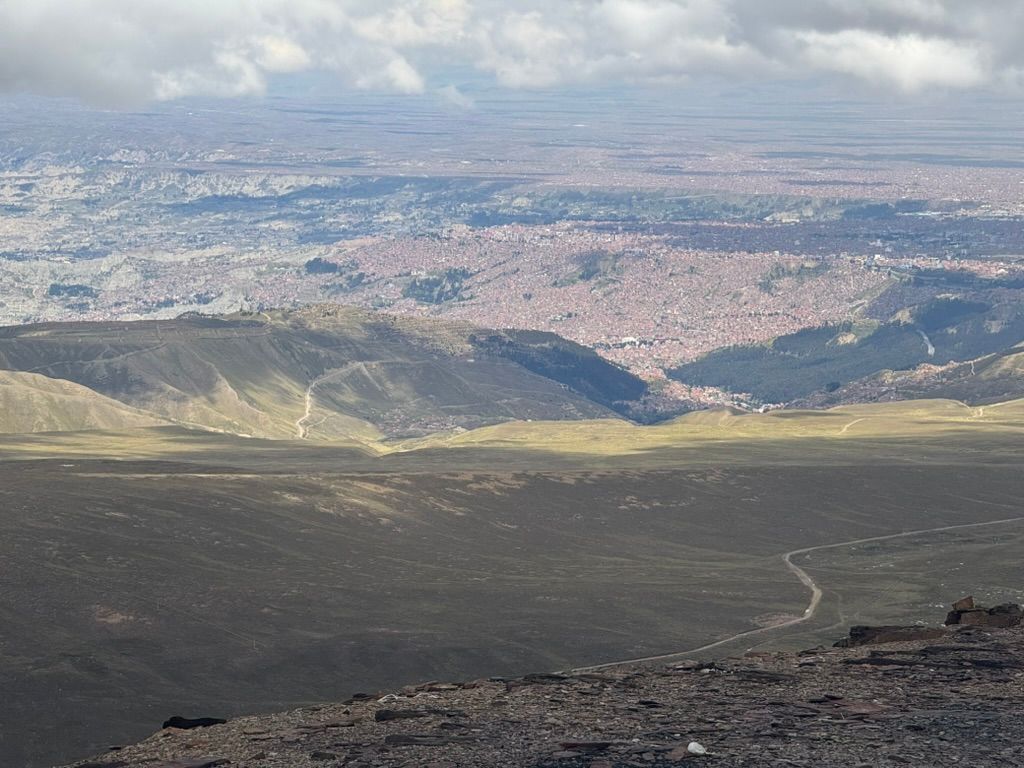
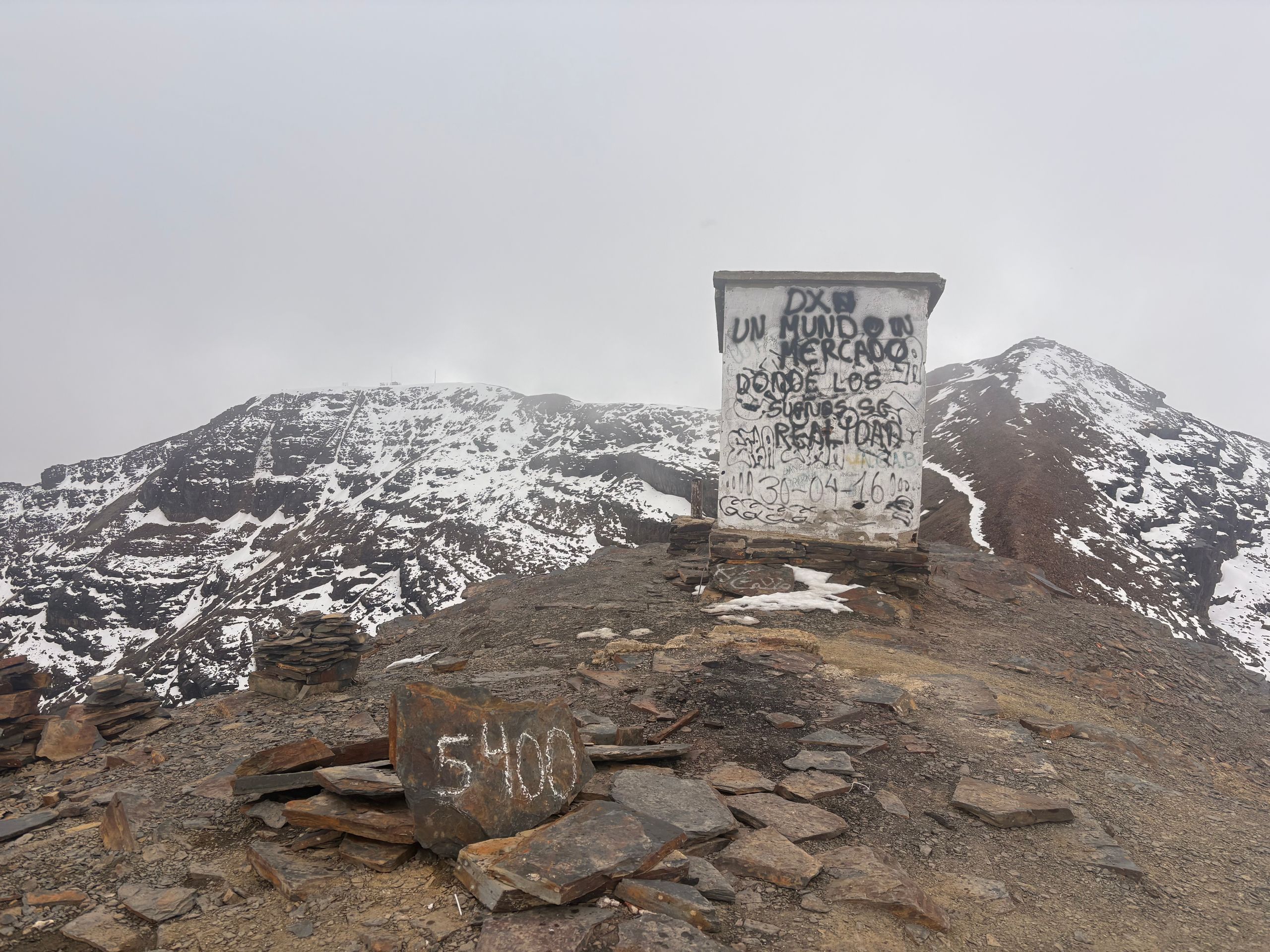
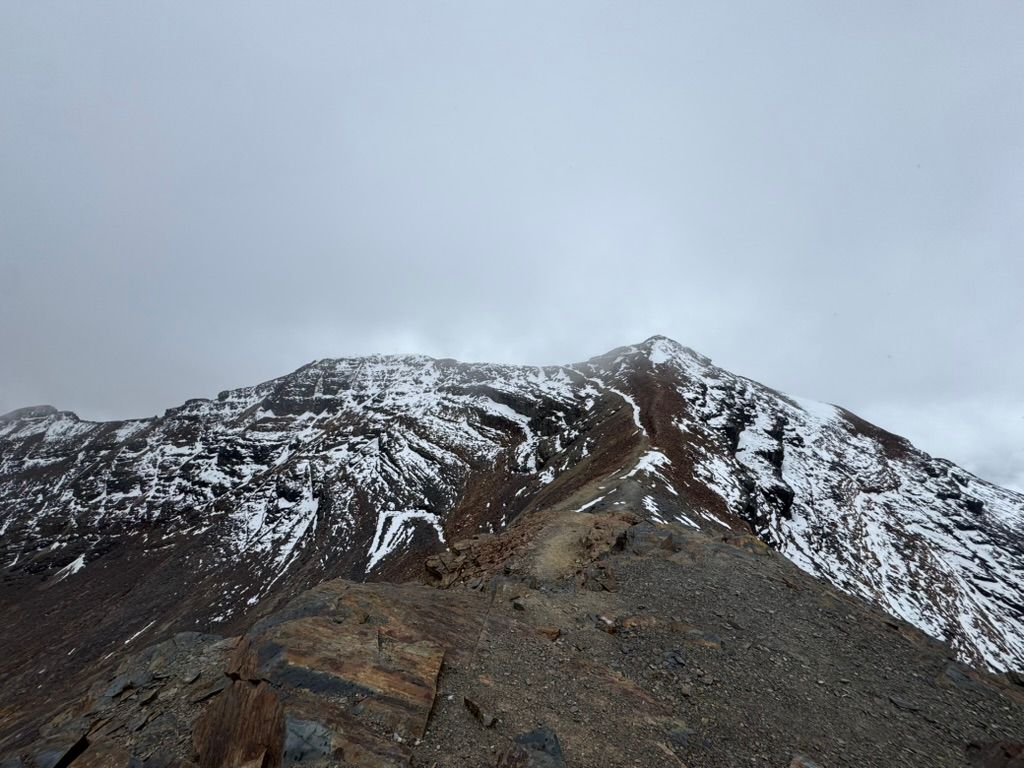
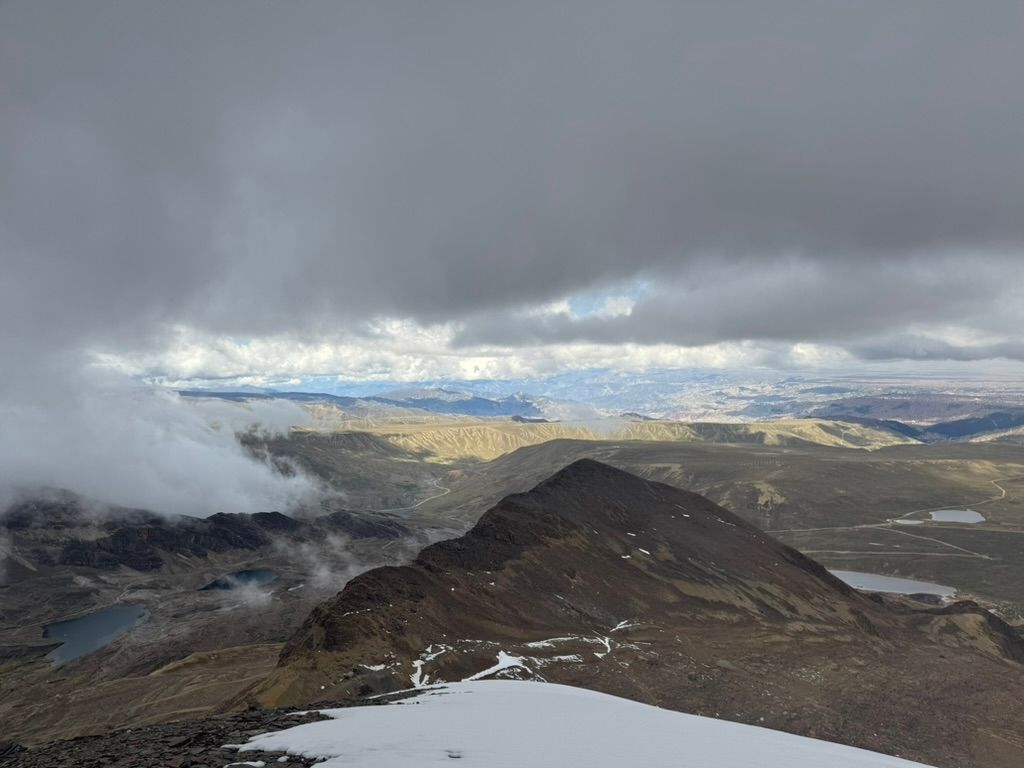
From here, we began the relatively short steep ascent over the scree field with a few small patches of snow to the summit, feeling again like we were in a steam engine mode due to the altitude. But even the severely altitude-sick Korean couple in sneakers managed to make it, even though they looked really rough. And here we were, at almost 5400 m, in the icy wind, gazing from the rusty remnants of the ski lift into a largely snow-free environment, with the sea of houses in La Paz peeking out through the clouds far below. Probably the highest point we will reach on our journey (unless we end up going to the Karakoram or Himalayas), and we felt quite melancholic. Because you could see climate change so clearly here, and one felt helpless. Because it was simply the decadent nonsense of building a lift in the middle of nowhere for some super-rich people. Because the effects of climate change also predominantly hit the poor here.
After the descent, it was a bumpy and lengthy return along the same way, and we decadent world travelers, who also do not contribute positively to the overall situation, prepared ourselves mentally, spiritually, and morally for the long bus ride from La Paz to Lima.