
San Cristóbal (Galápagos)
After more than 5 months on the South American continent and over 17,000 km by bus, we boarded a plane again to the island of San Cristóbal, one of the three largest islands in...

Published: 18.08.2025
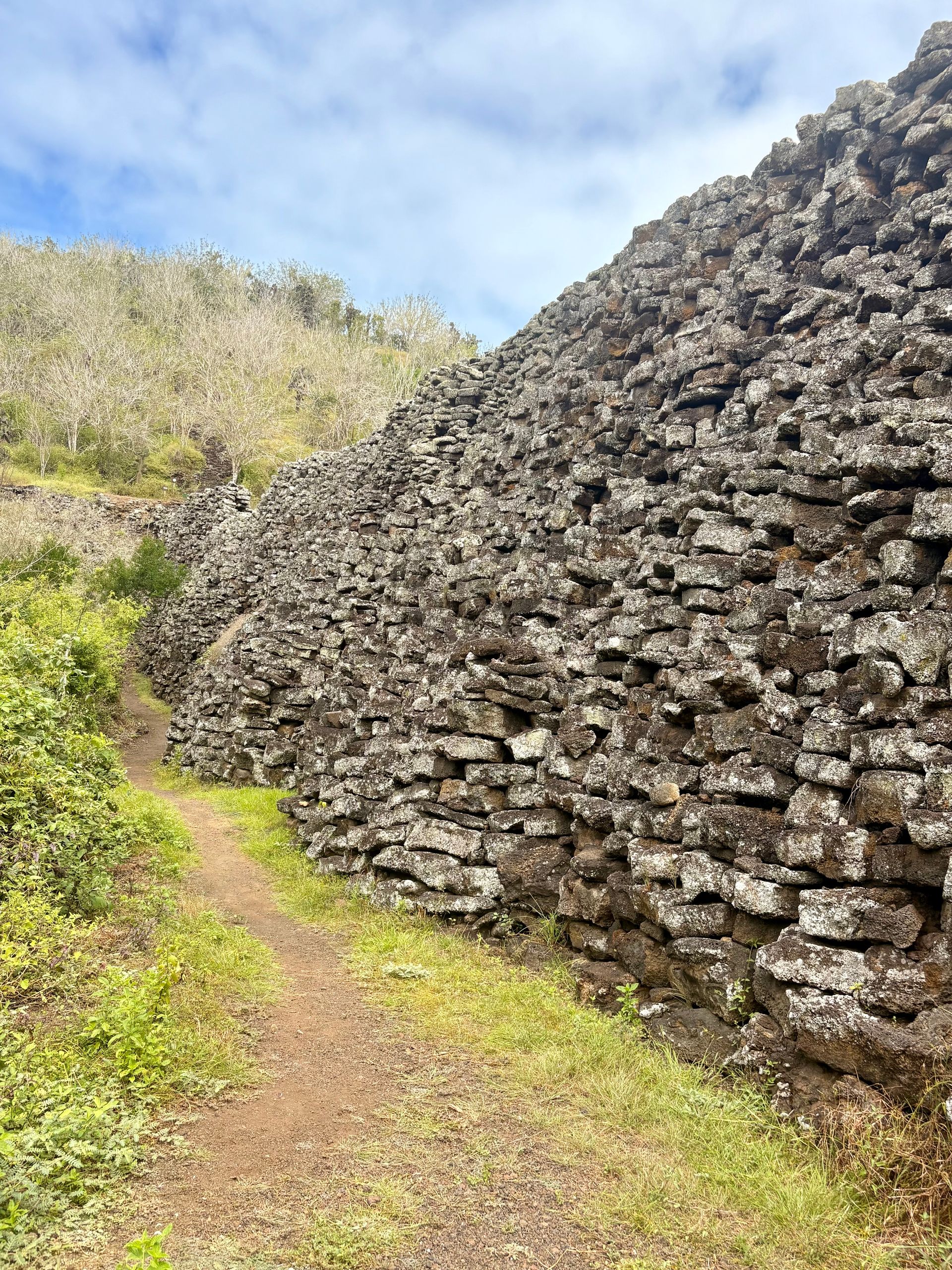
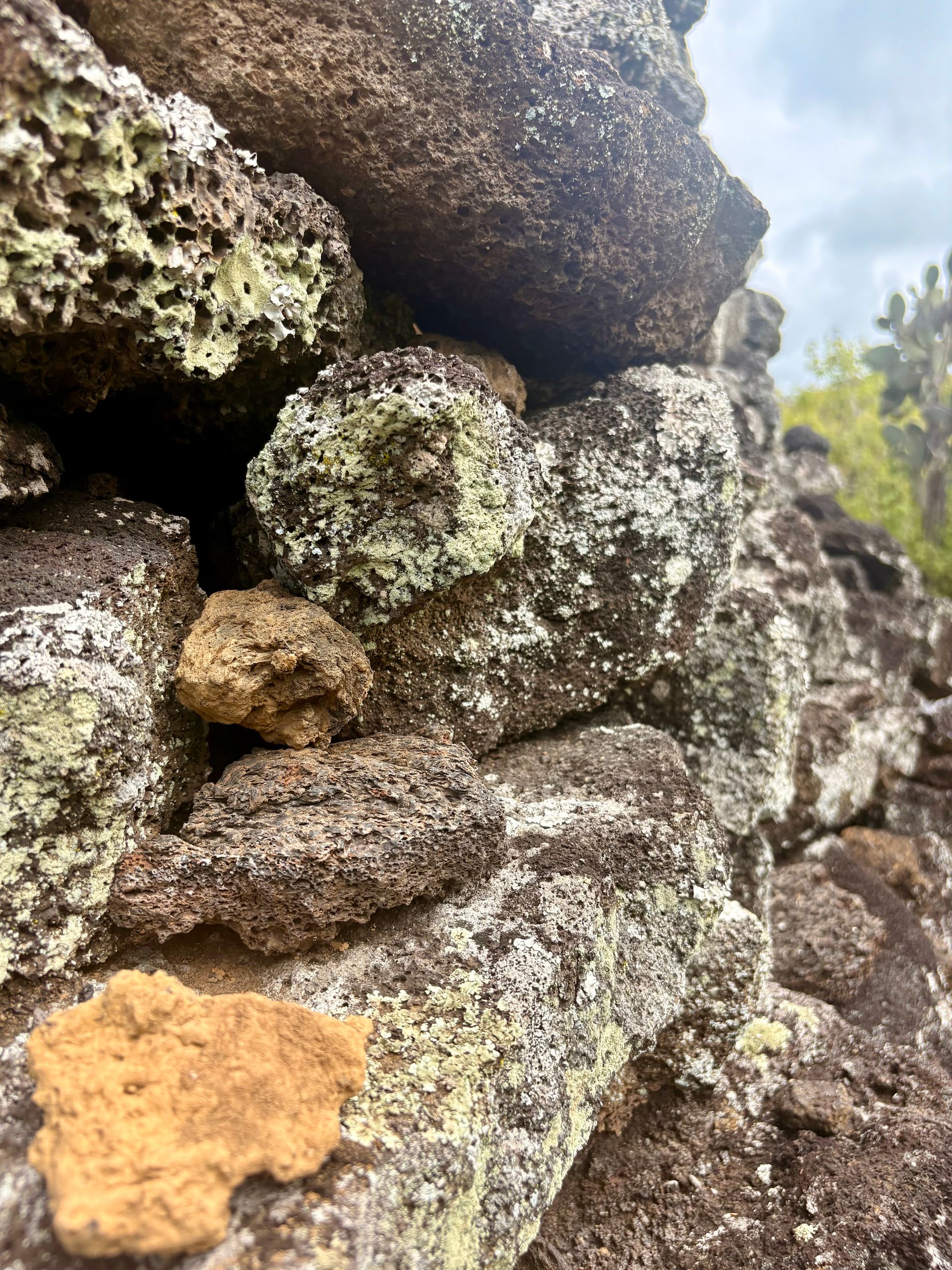
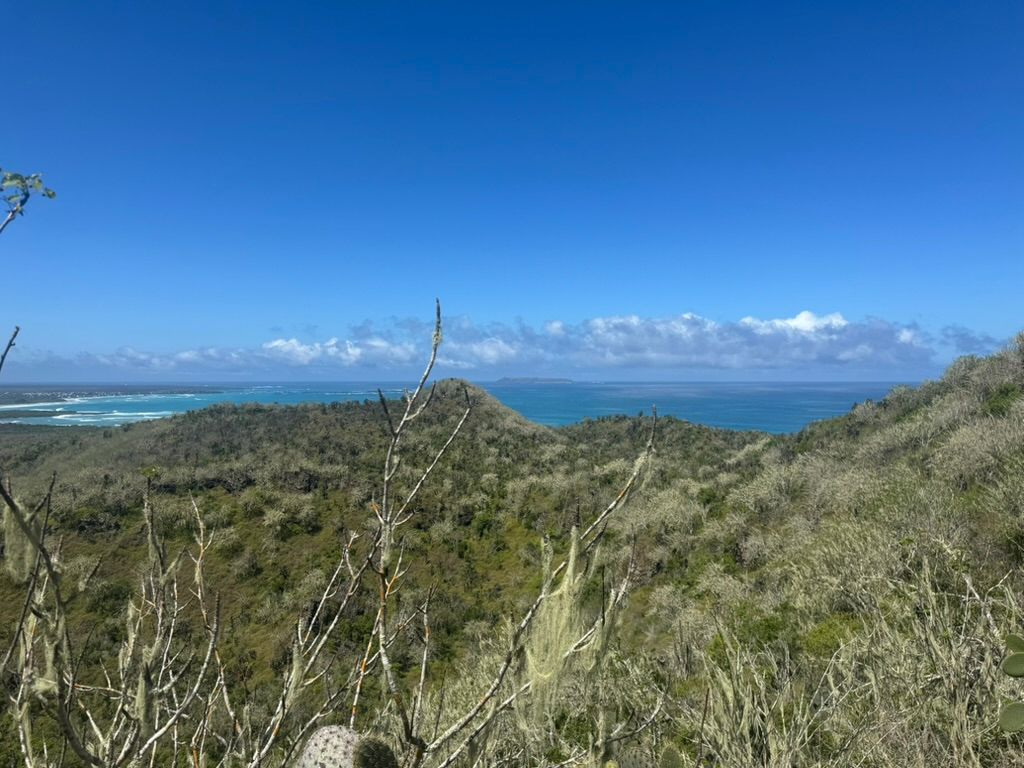
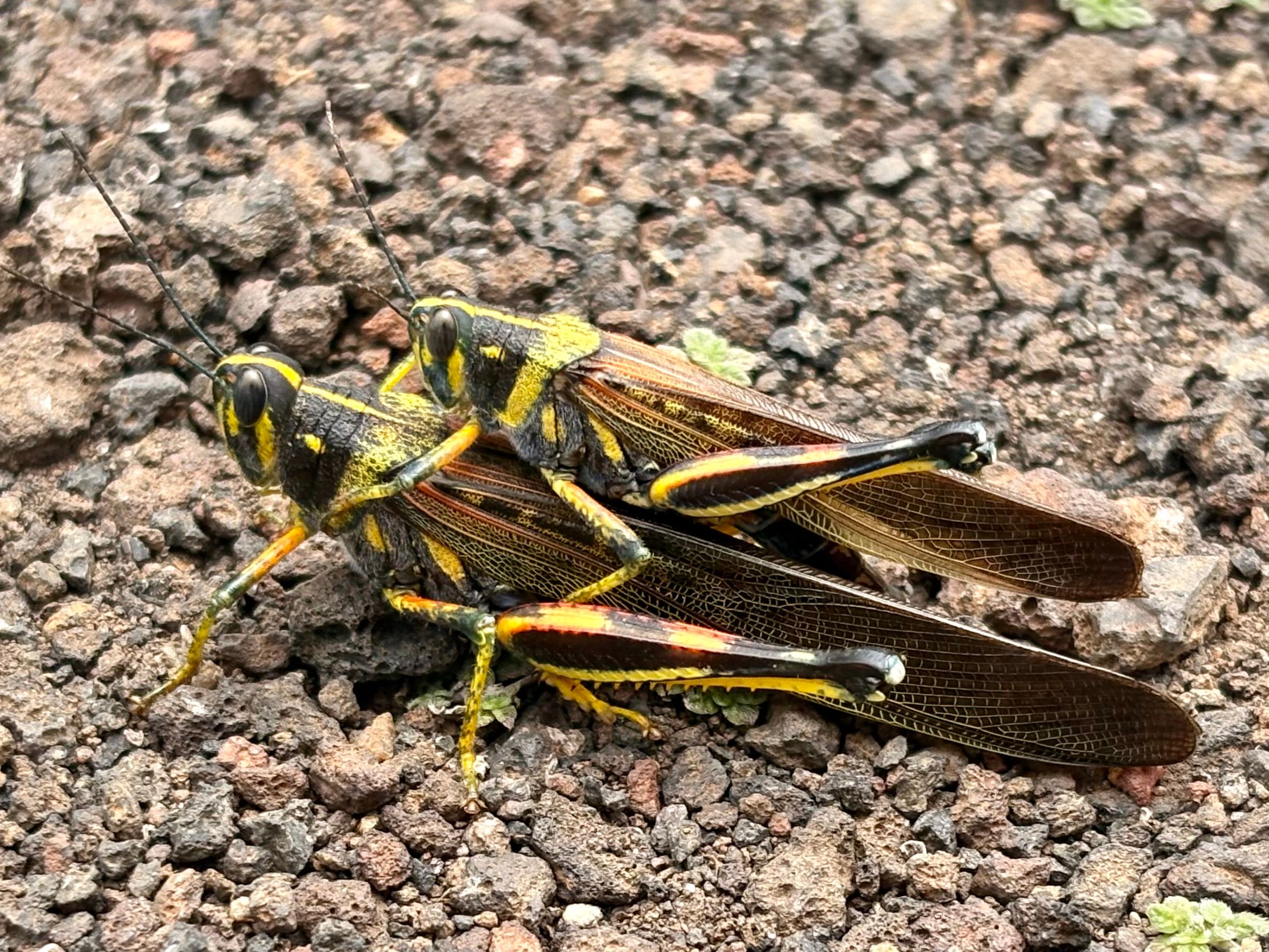
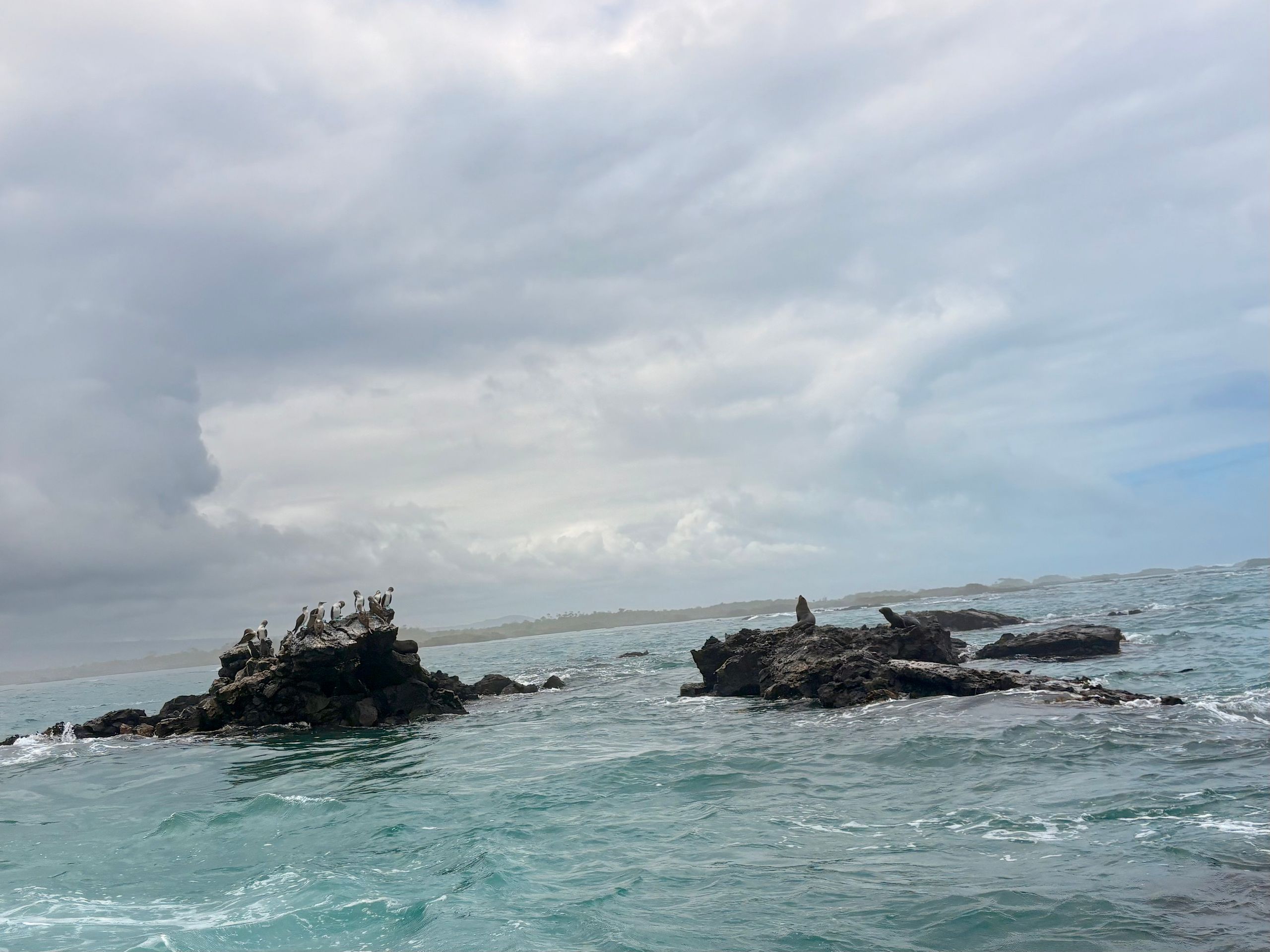
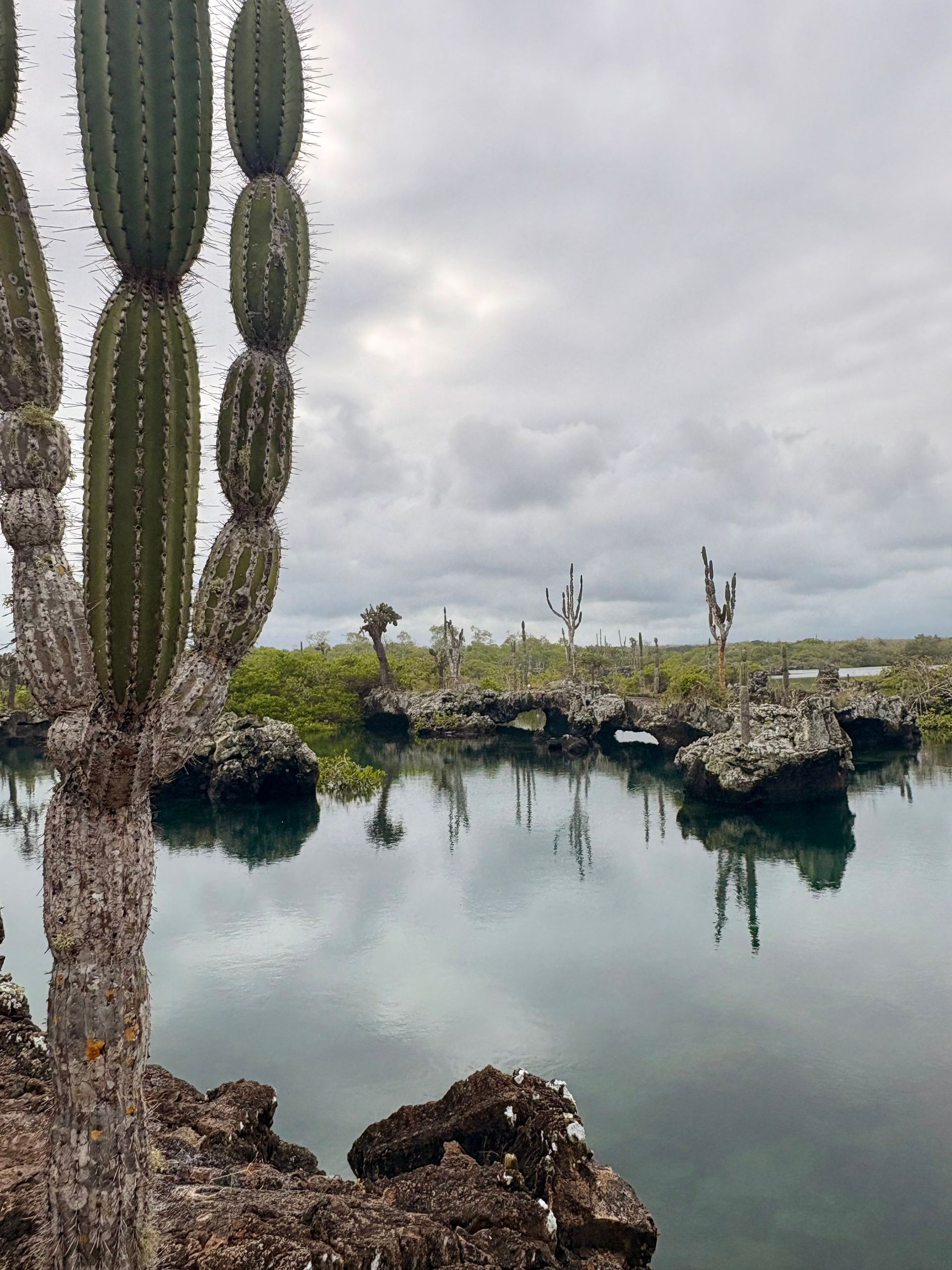
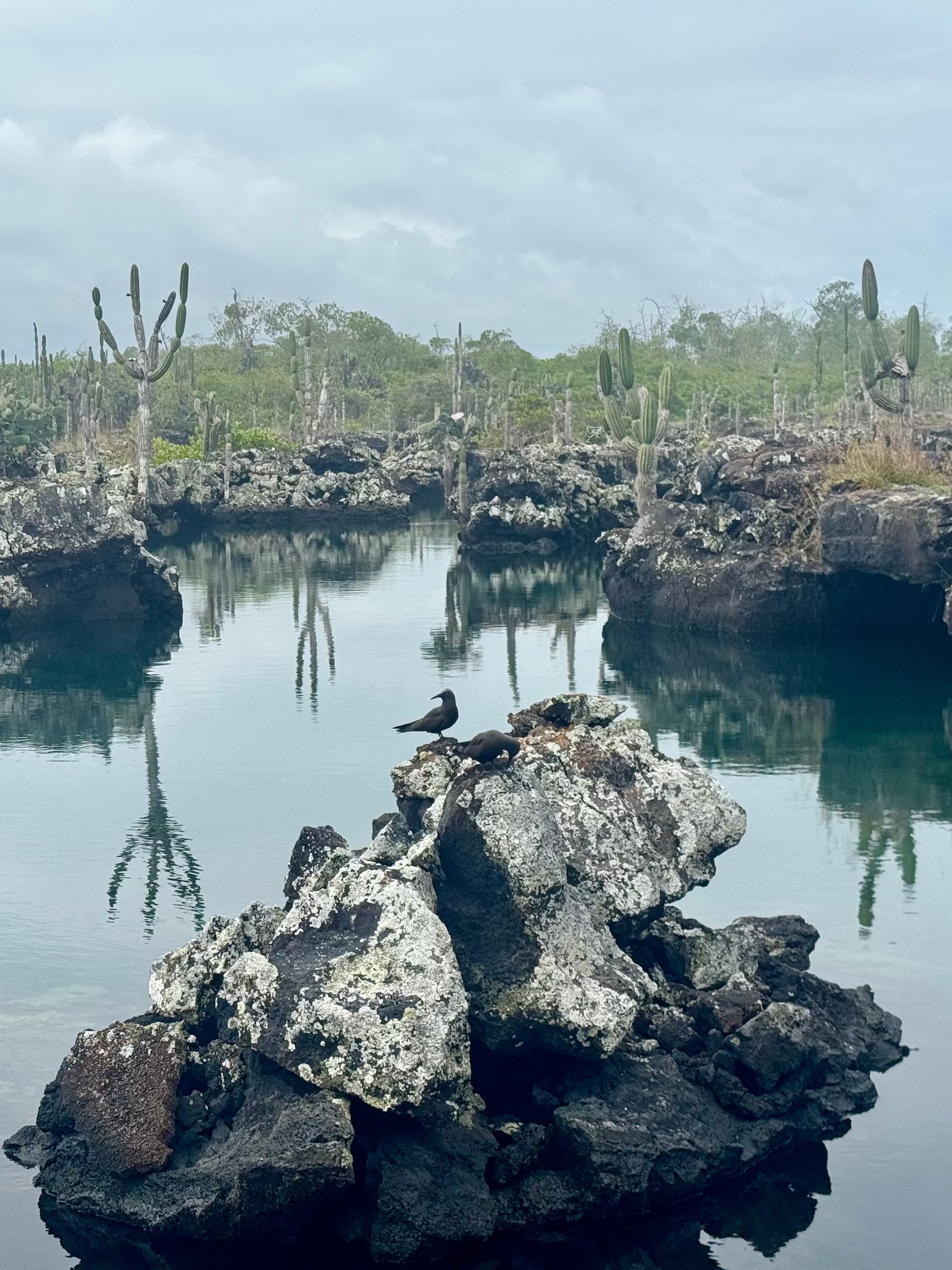
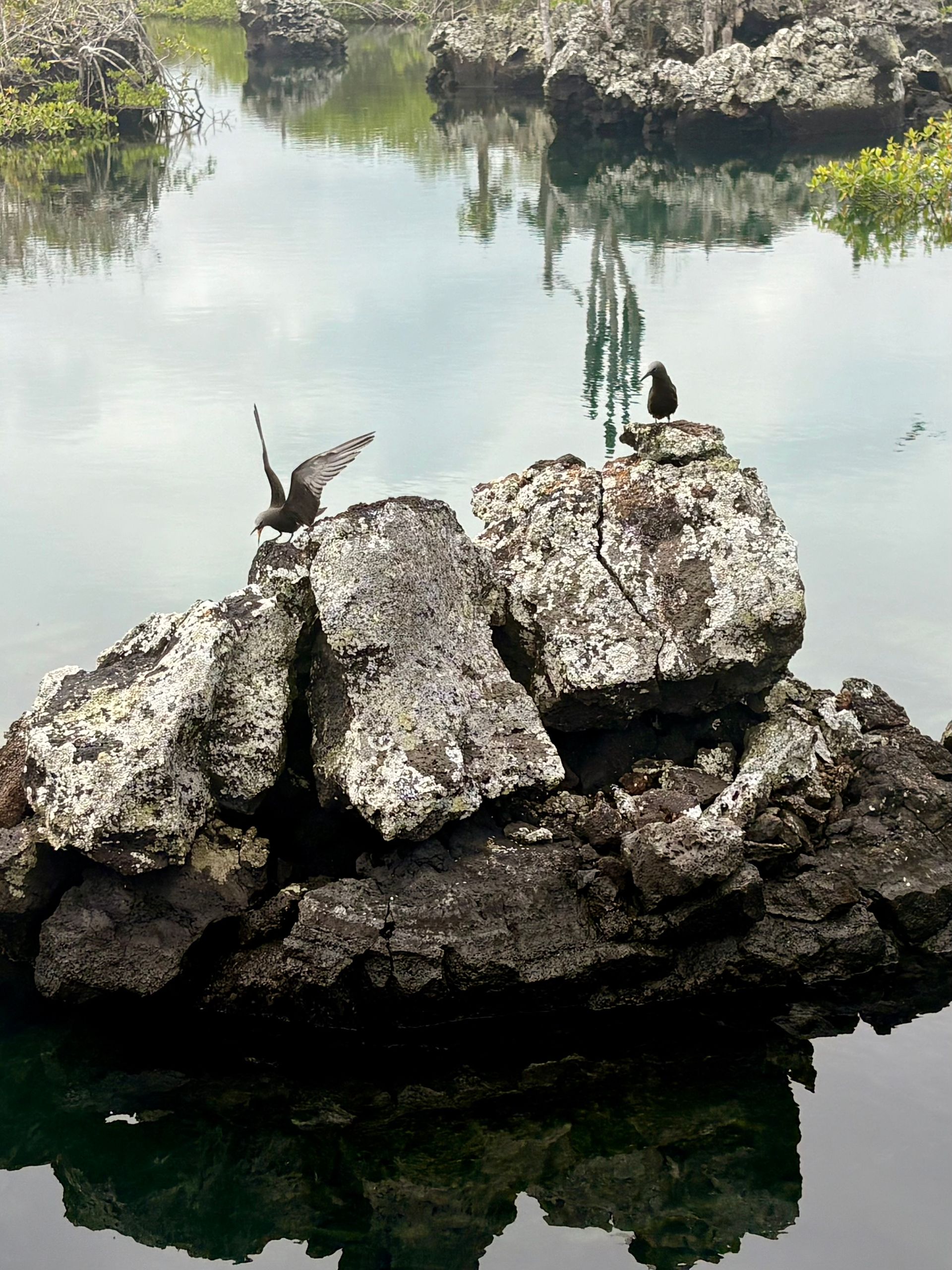
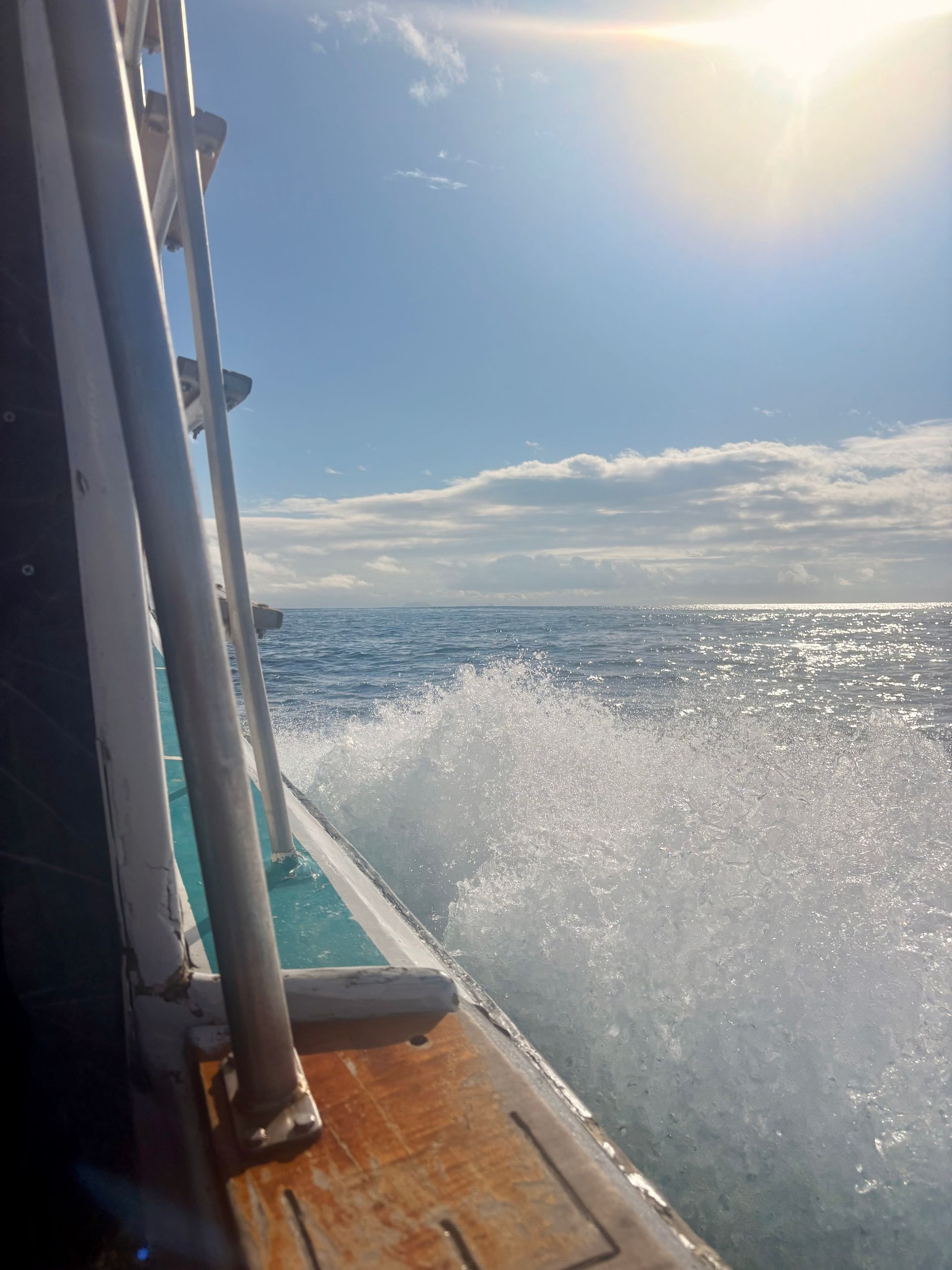
The journey to Isabela Island, one of the three largest main islands of the archipelago, turned out to be unnecessarily complicated in our opinion. First, we were taken by a small boat (water taxi) to the 'ferry' (more like a worn-out angler's speedboat), even though the water depth would have easily allowed for direct docking at the pier. This concept seems to be designed to create a few extra jobs, which of course comes at an additional cost. However, we were not taken directly to Isabela, but had to first travel to the third main island, Santa Cruz, then take another water taxi to the pier, and spend a few hours loitering with our luggage along the promenade until the second ferry departed in the afternoon (water taxi procedure included, of course). For some reason, all ferries operate simultaneously in the morning and afternoon, turning the whole boarding and biosafety checks (which are supposed to ensure no animal and plant species are transferred between the islands, but unfortunately the actual measures only serve as an alibi) into a huge chaos. The boat trips themselves were also challenging, with rough waves and reckless speeding with no regard for losses (ouch, whiplash). In Isabela, one had to pay an extra fee at the harbor for some reason (let's remember that we had already paid a hefty national park fee for the entire archipelago), but it's all just money.
Then we walked through the quiet, sleepy town of Villamil to the hotel; everything here is quite small and manageable. In the evening, we visited the various little corner shops to buy supplies, and the prices varied greatly, making it necessary to really piece everything together individually. The culinary offerings in the restaurants were also quite limited, but we found a nice local place with delicious grilled skewers and cold beer. Overall, the island is significantly less touristy and very relaxed.
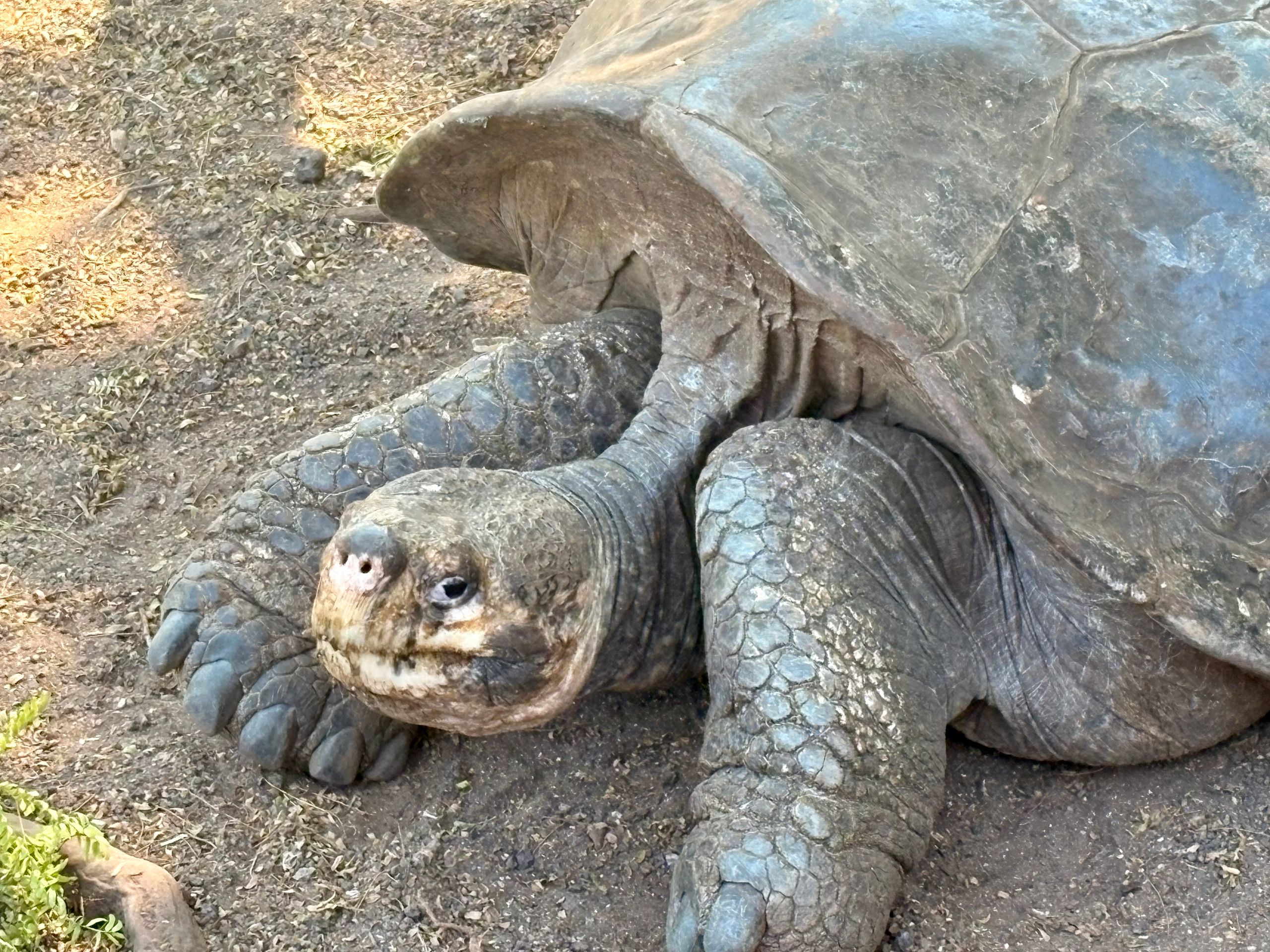
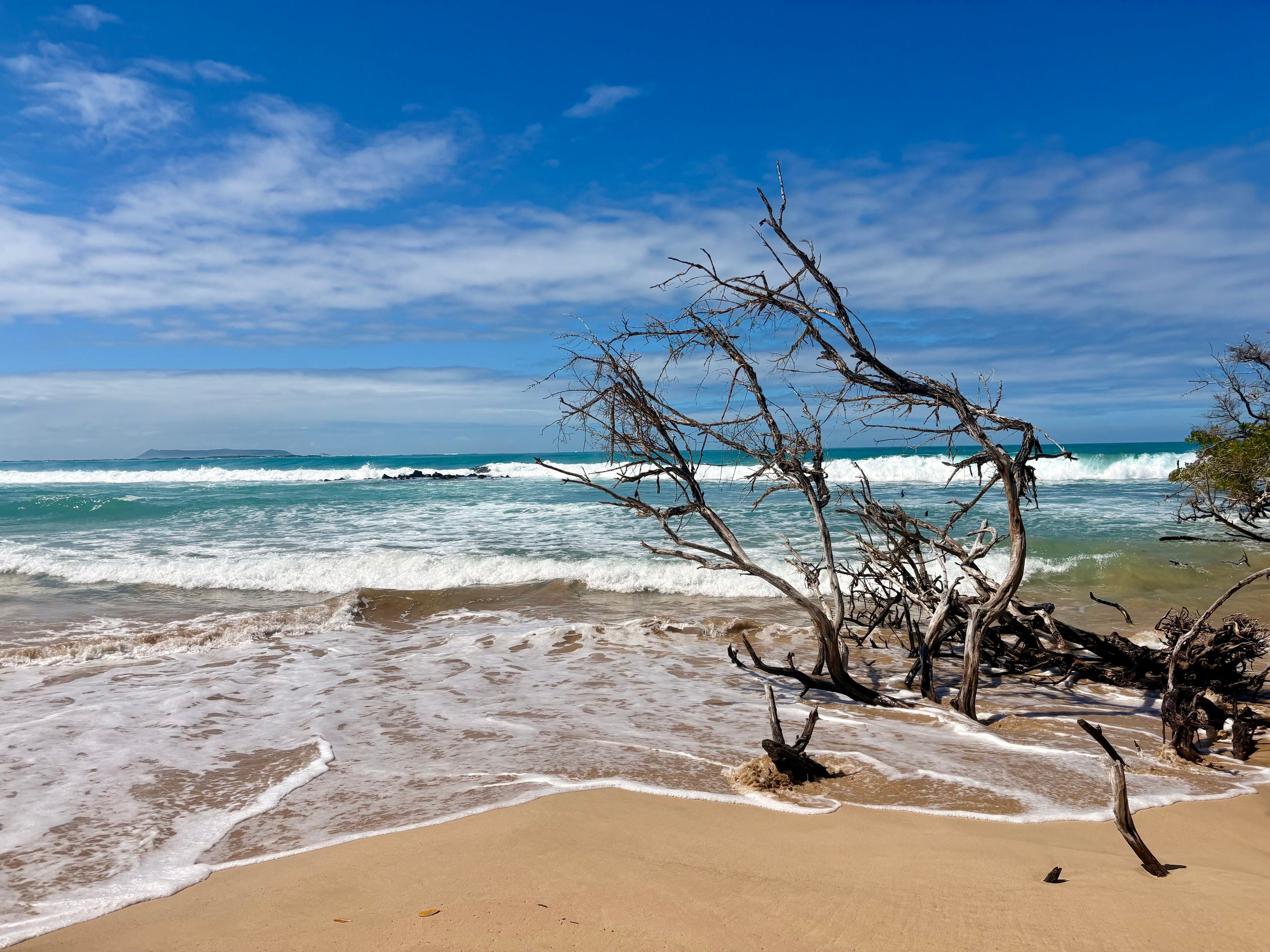
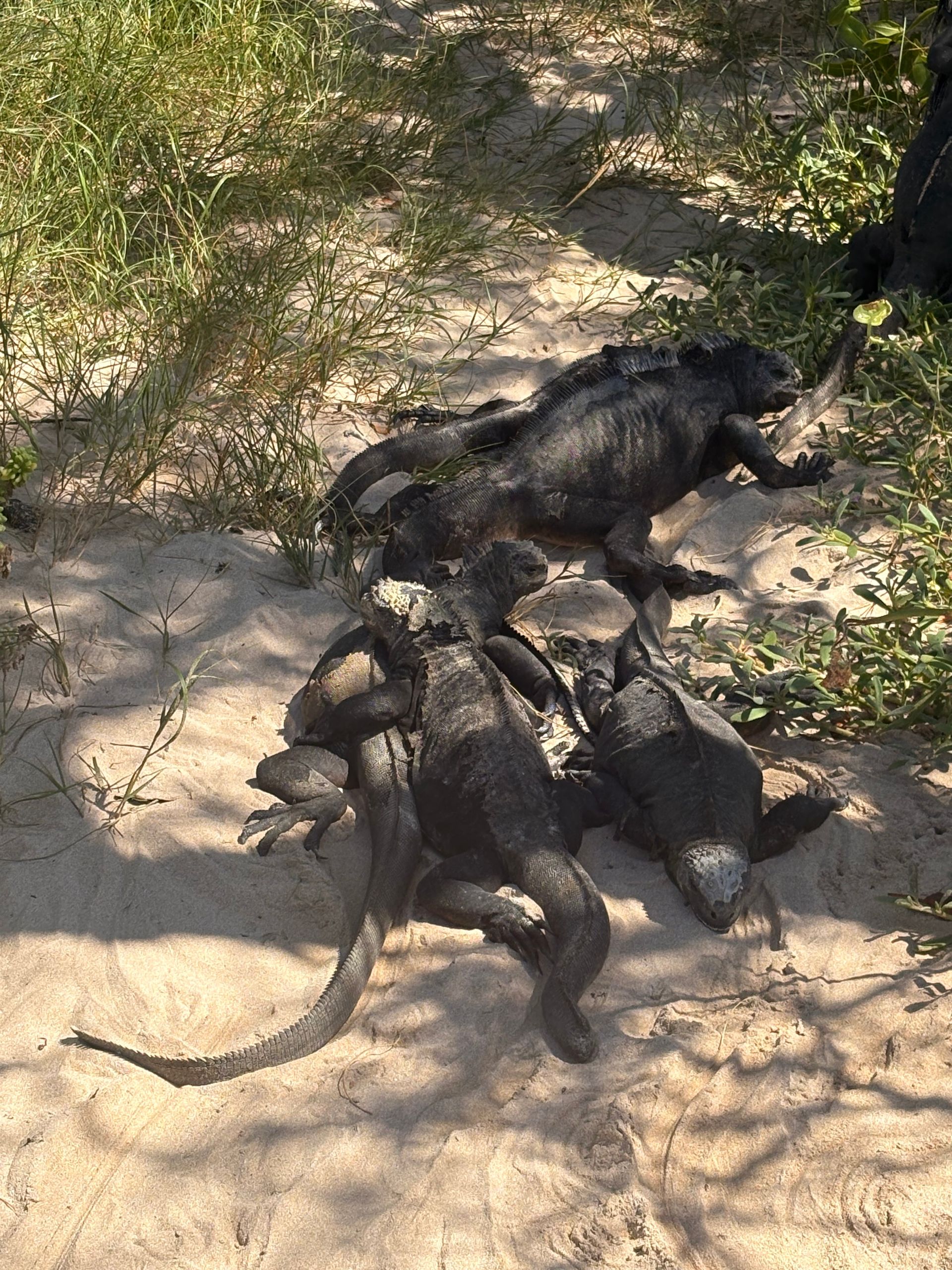
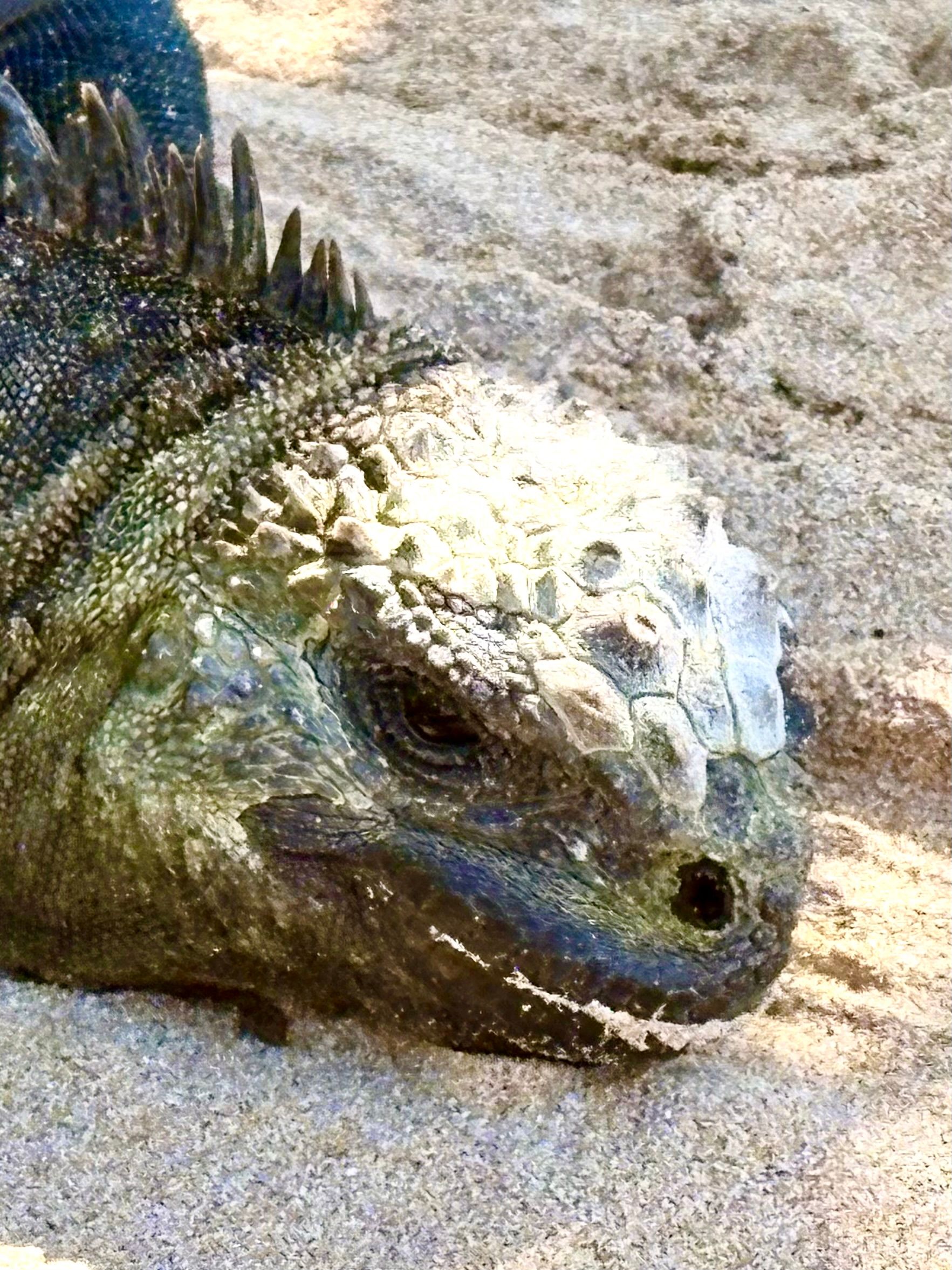
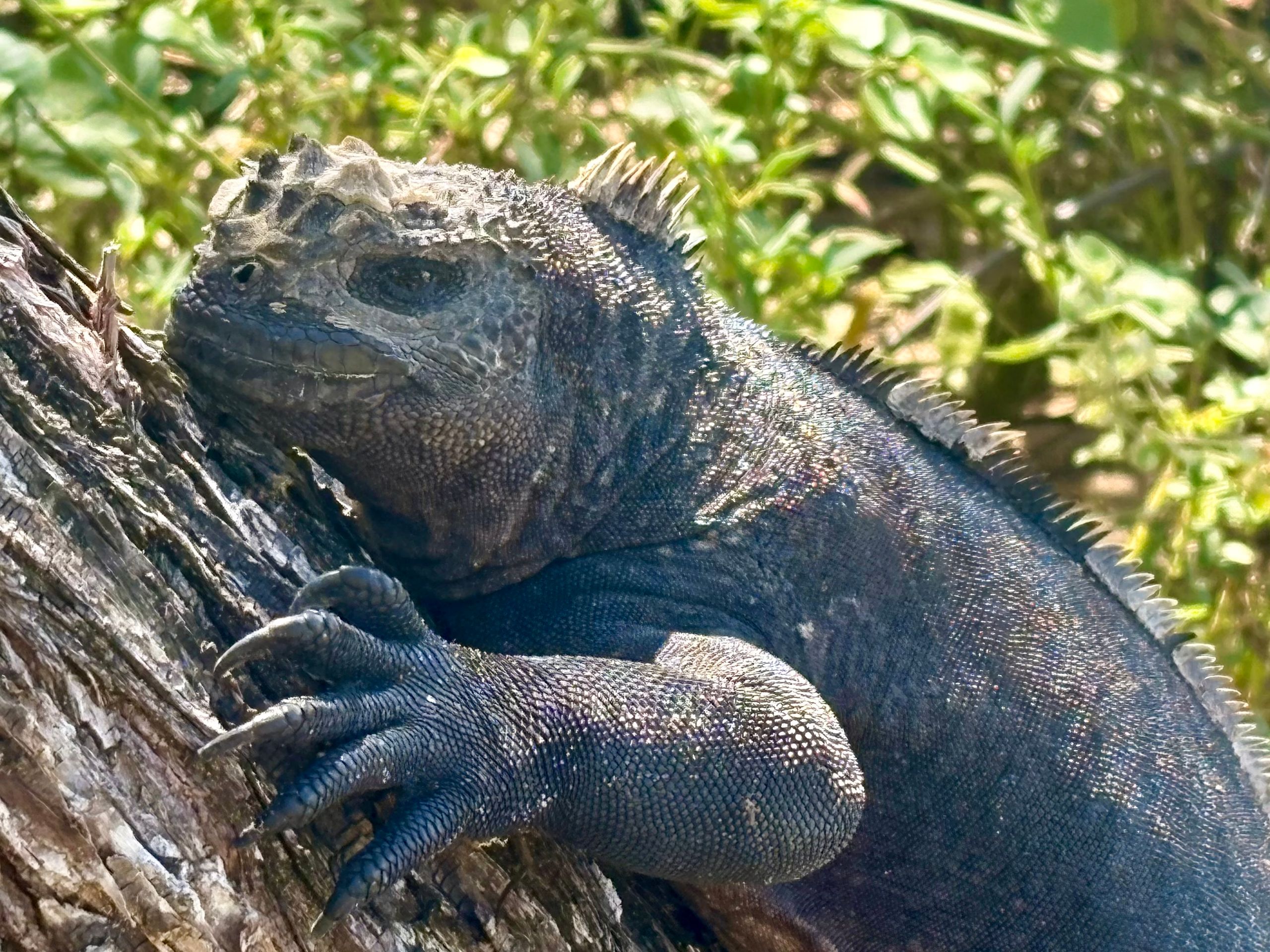
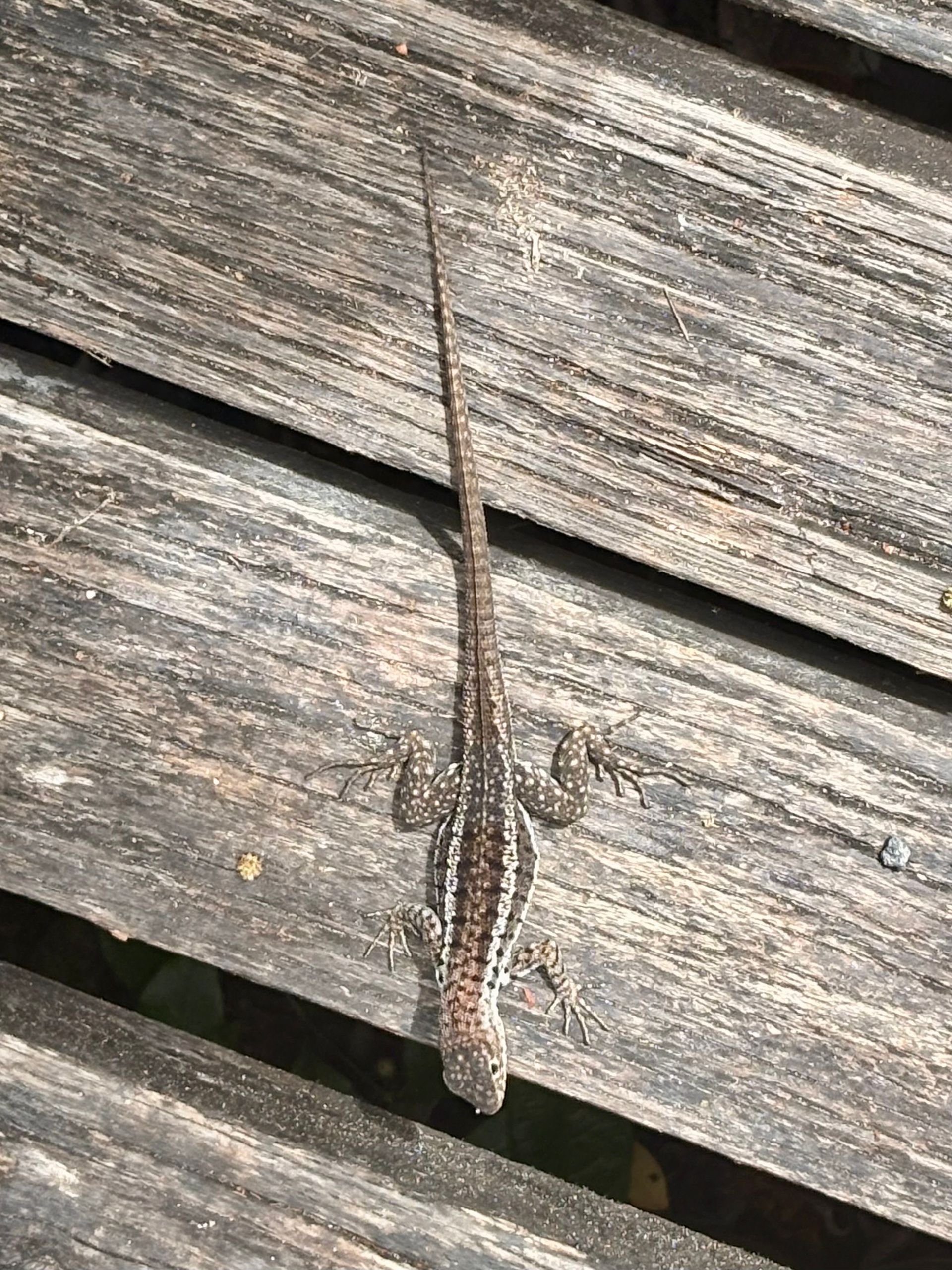
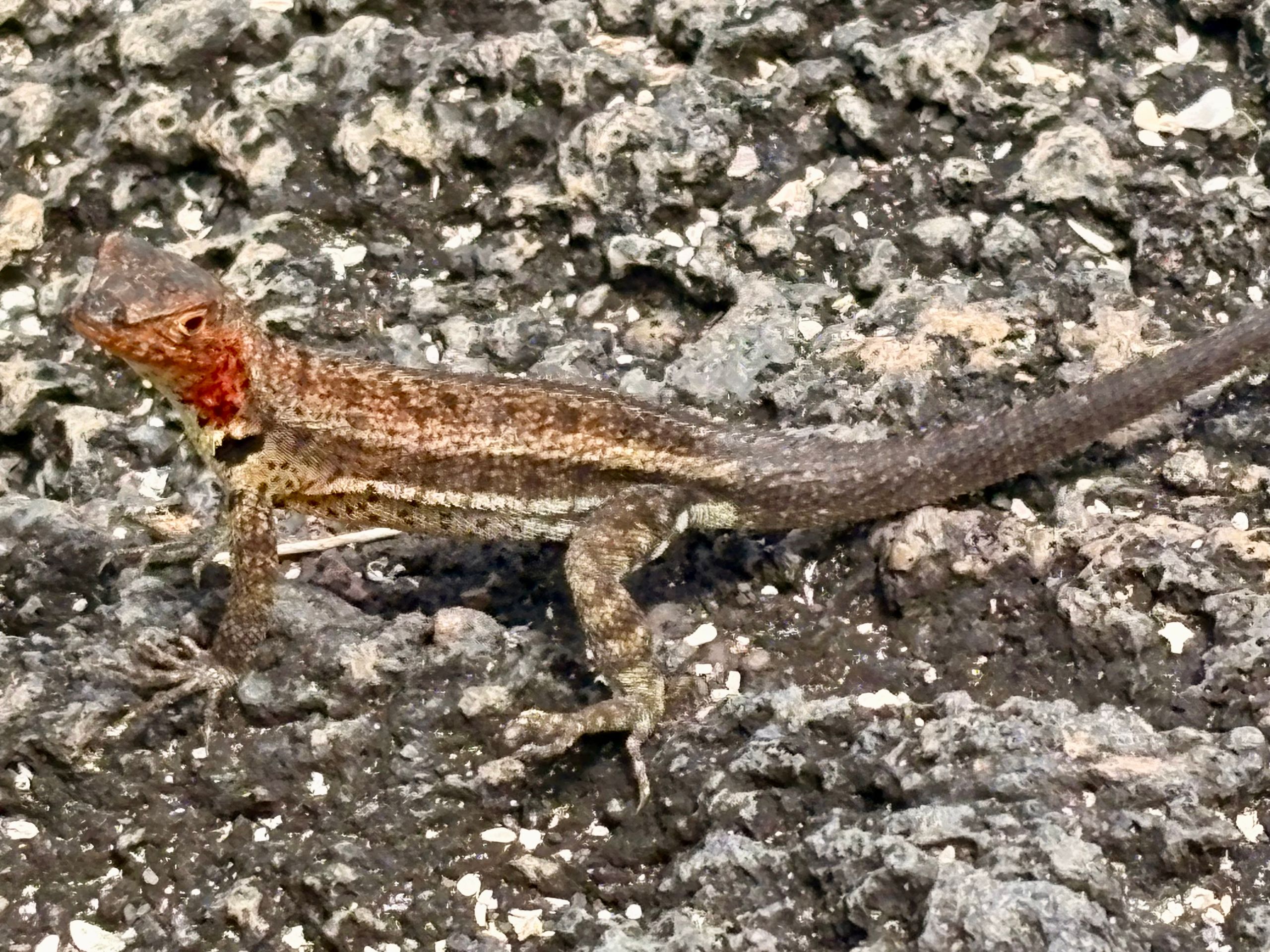
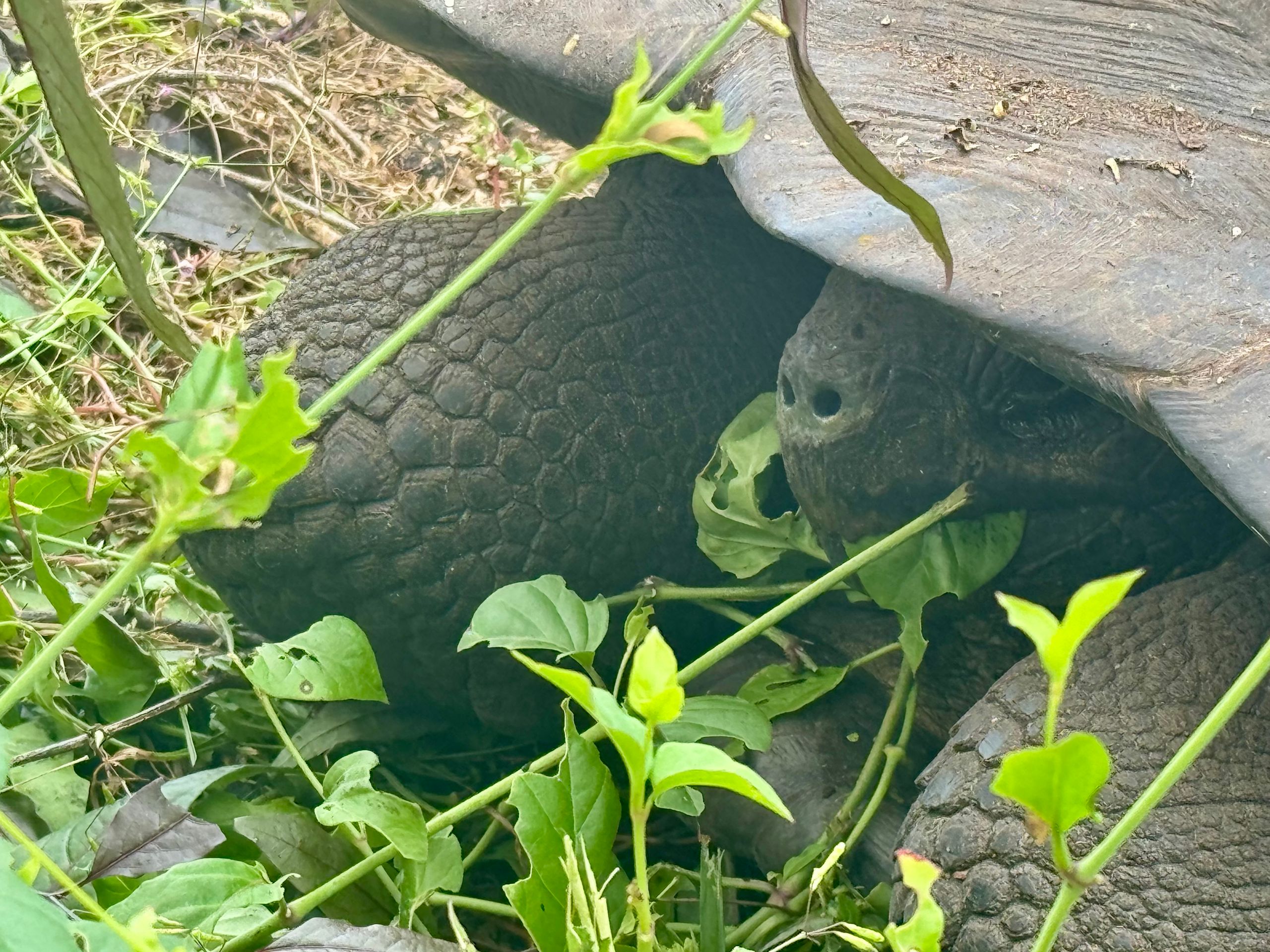
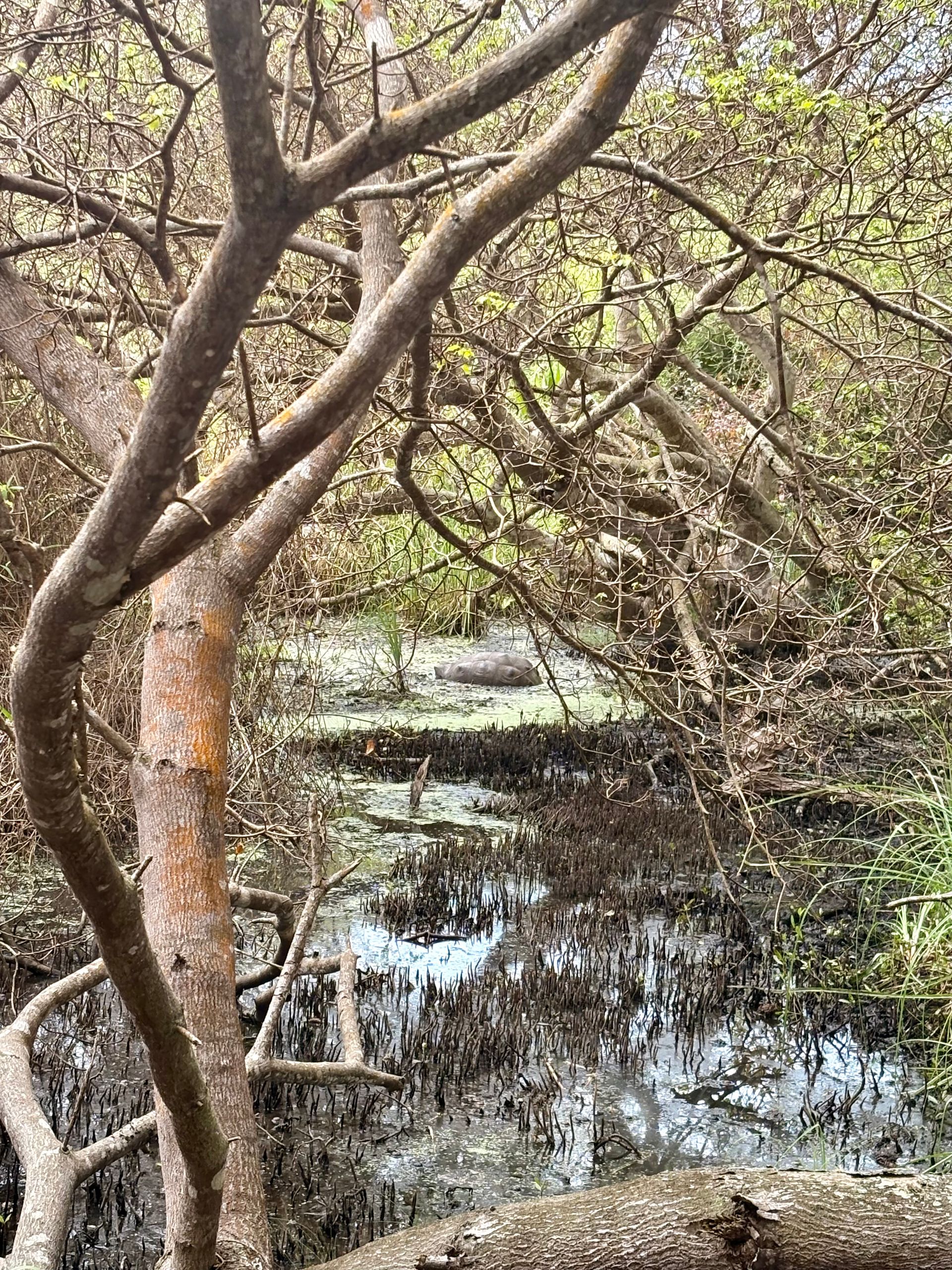
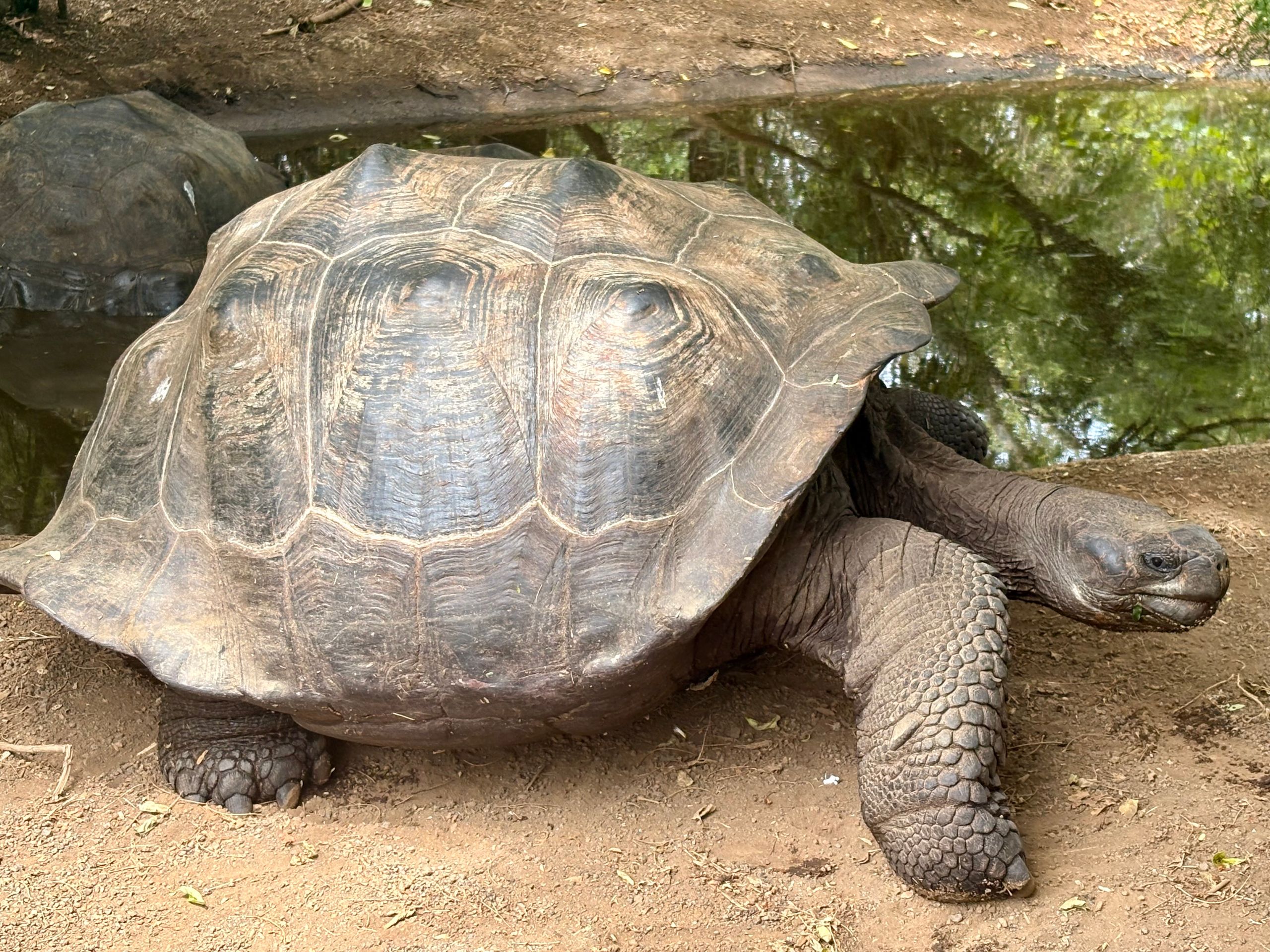
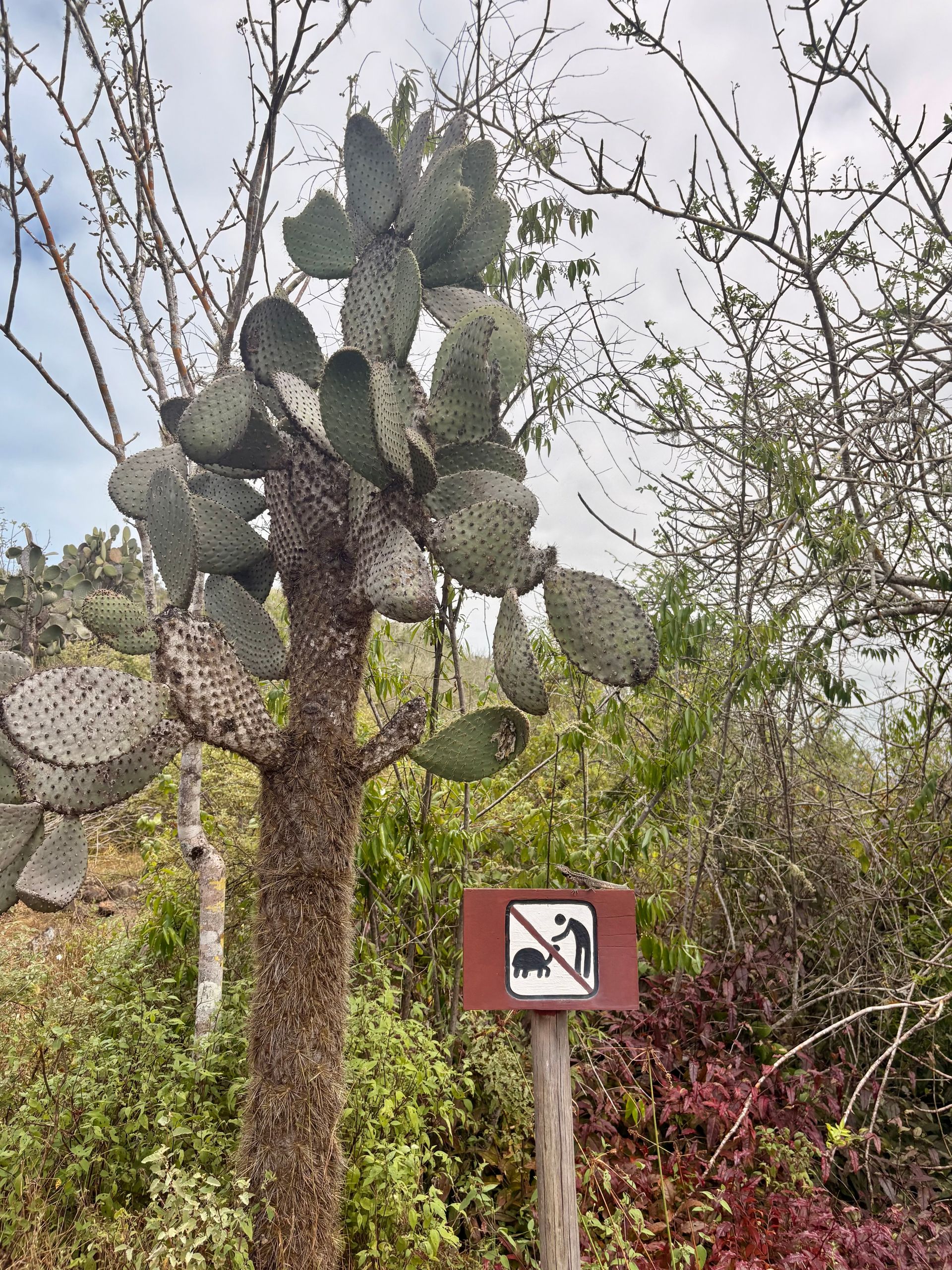
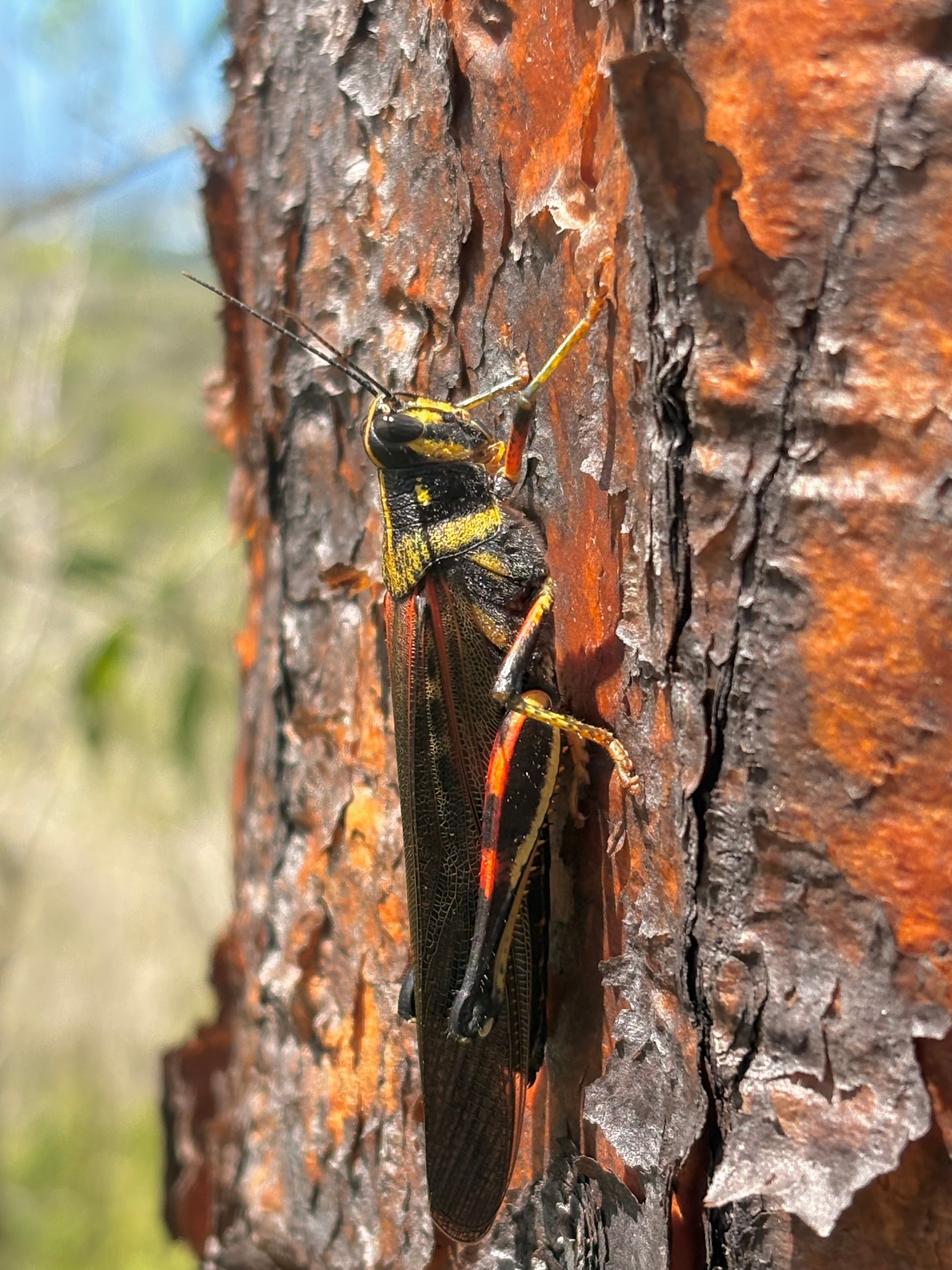
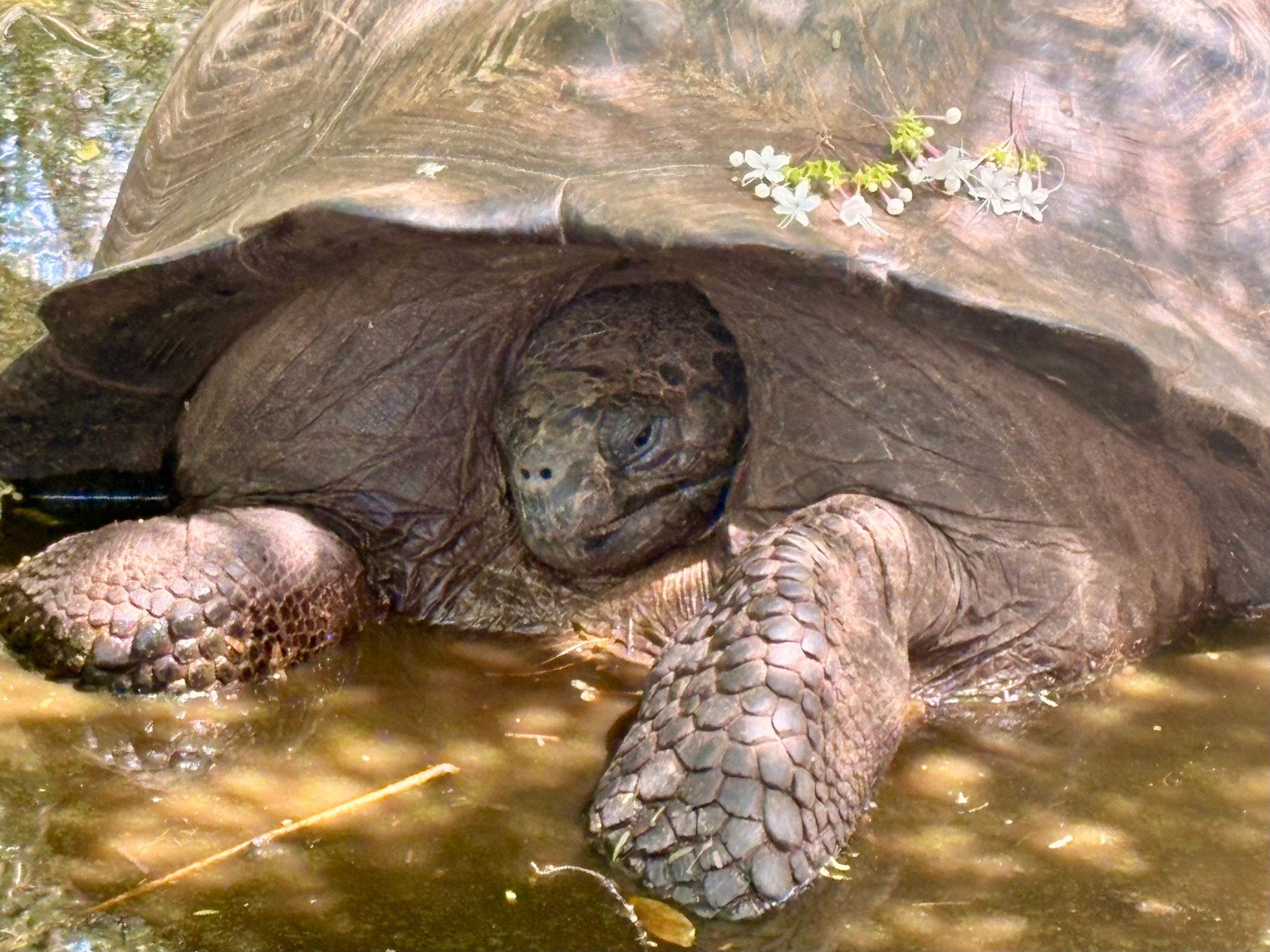
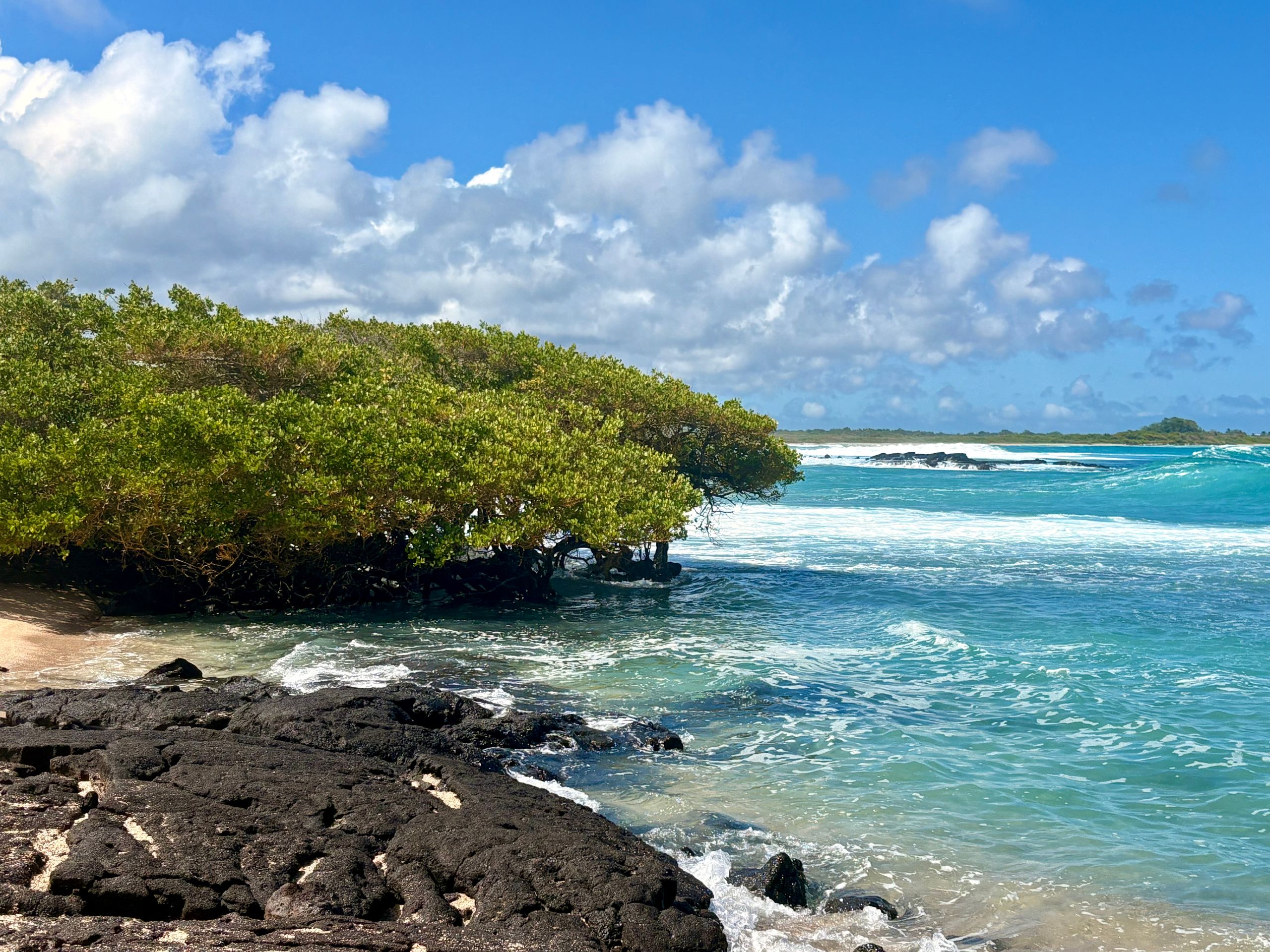
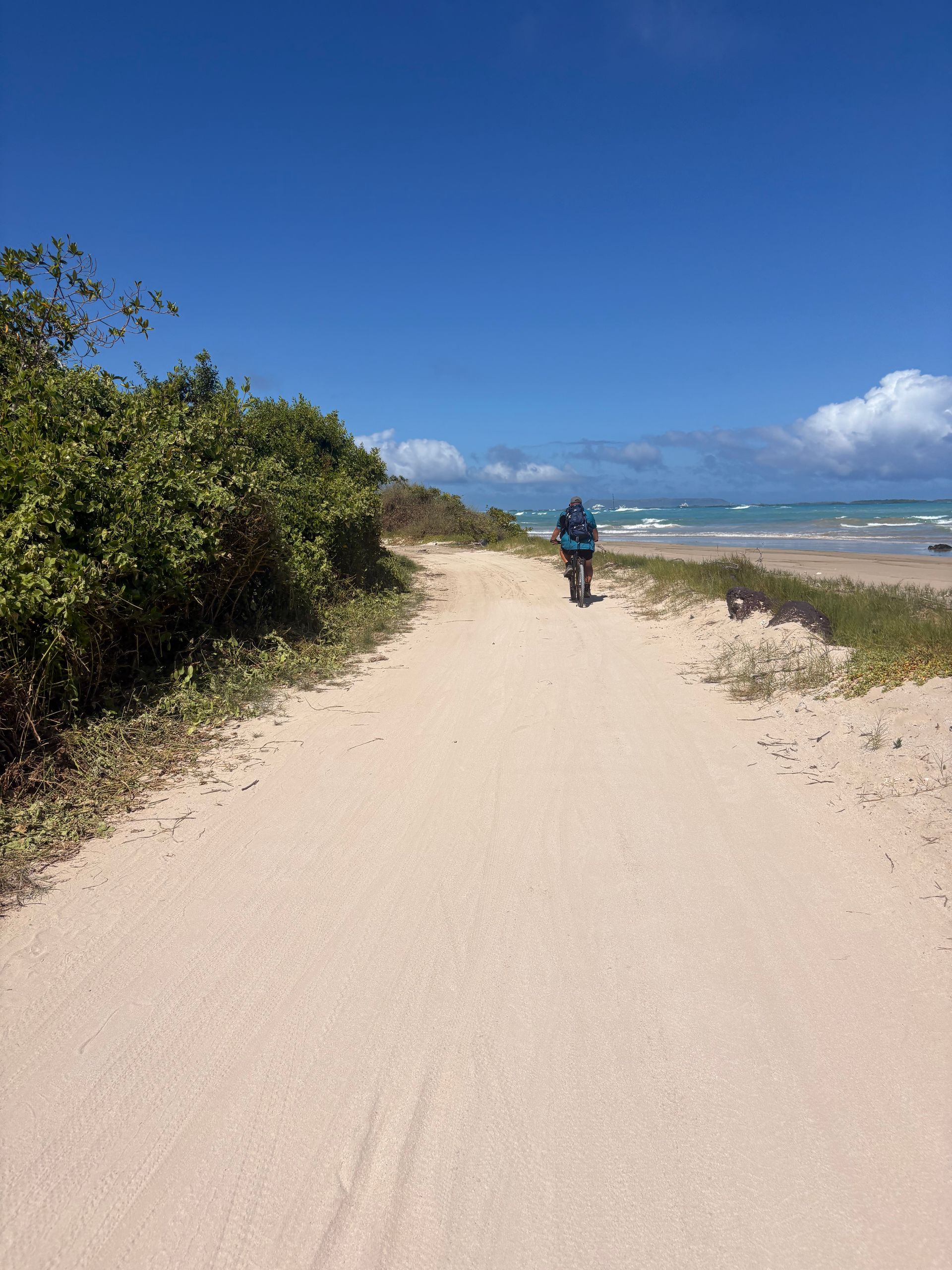
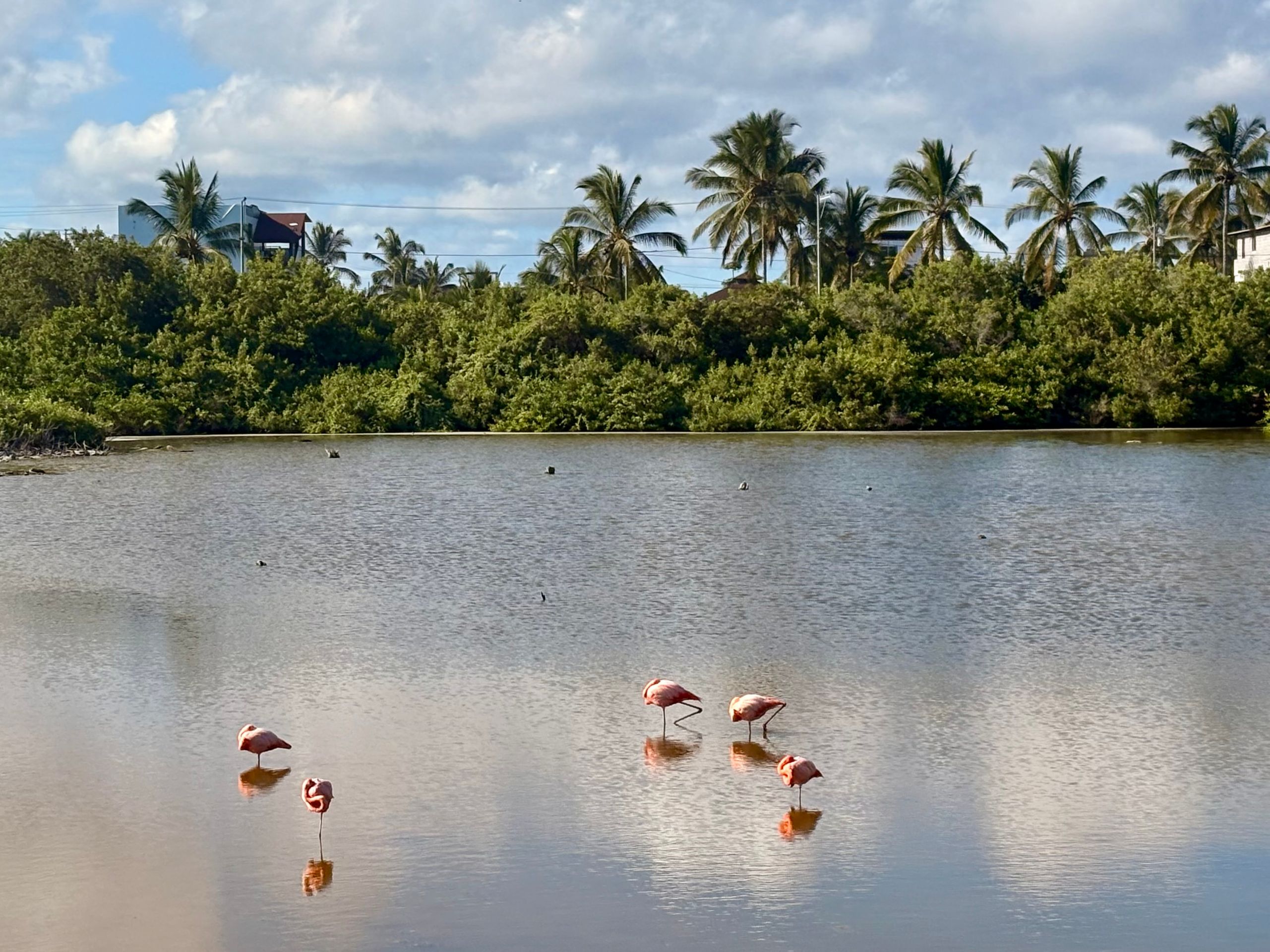
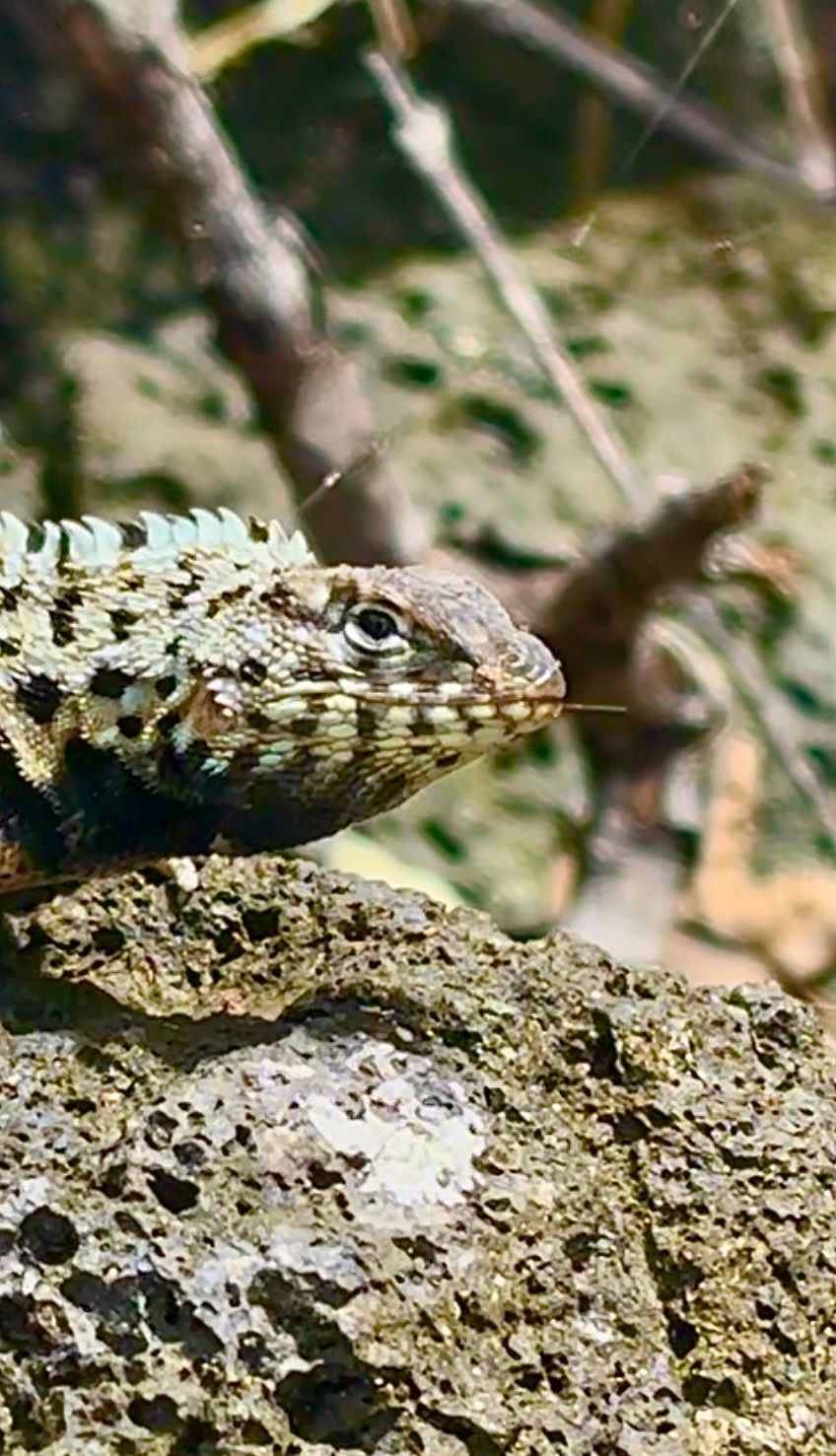
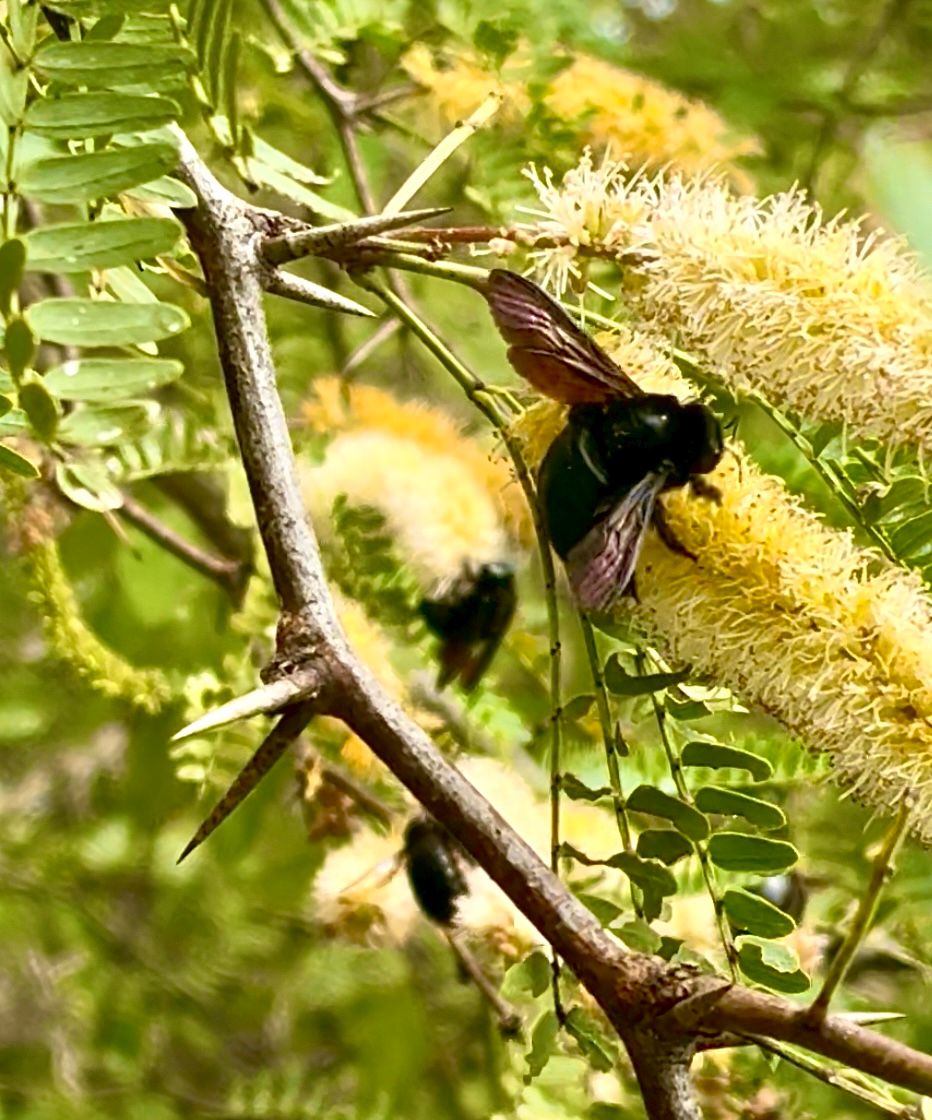
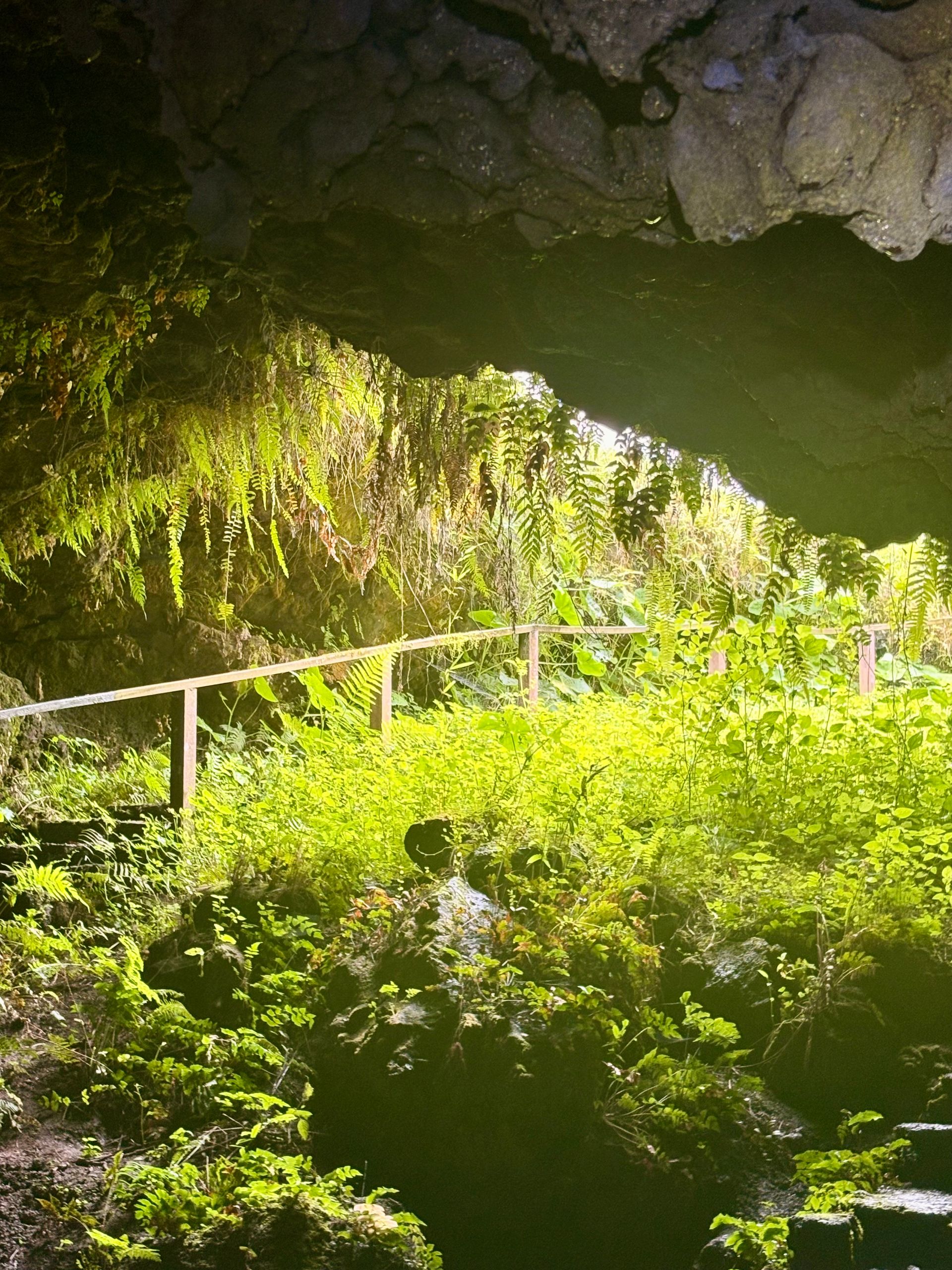
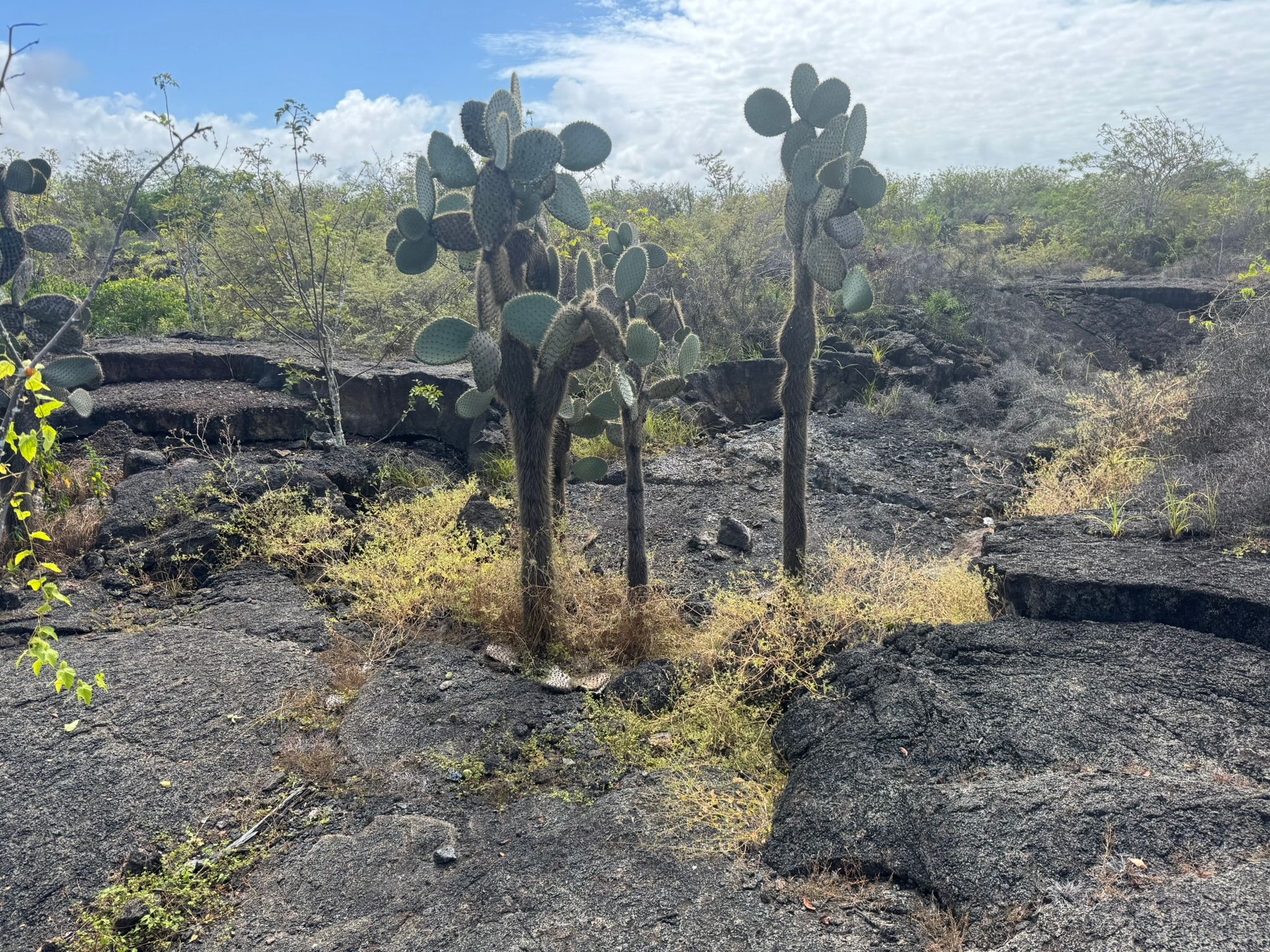
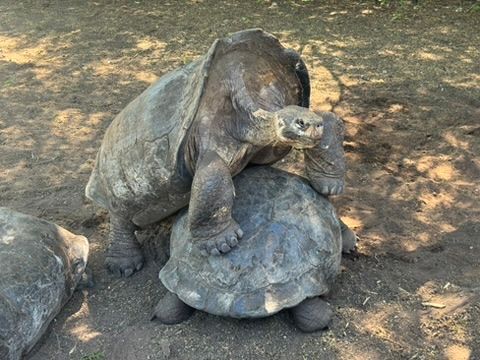
The next day, we rented bicycles and rode to Muro de las Lágrimas (Wall of Tears) — it was nice that the rental guy said bike locks were unnecessary; if the bike happened to be missing, one should just look around the town a bit since someone likely borrowed it for a short while. After just a few kilometers, we discovered a group of giant tortoises in the bushes; it was fantastic to observe and experience them in their habitat. Such wonderful animals, deeply relaxed and completely unfazed by us. The bike ride featured beautiful viewpoints overlooking the sea, marshes, mangrove forests, lava tubes, and of course, animals (various insects, numerous iguanas, and the tortoises). El Muro de las Lágrimas is a tall, semi-collapsed wall of sharp-edged lava stones located in the middle of nowhere, built by prisoners from a penal colony established after WWII by the US Army for the purposes of labor and punishment. Countless people died in this process. Old American radar stations, which can still be found in ruins on the hills, now serve as viewpoints.
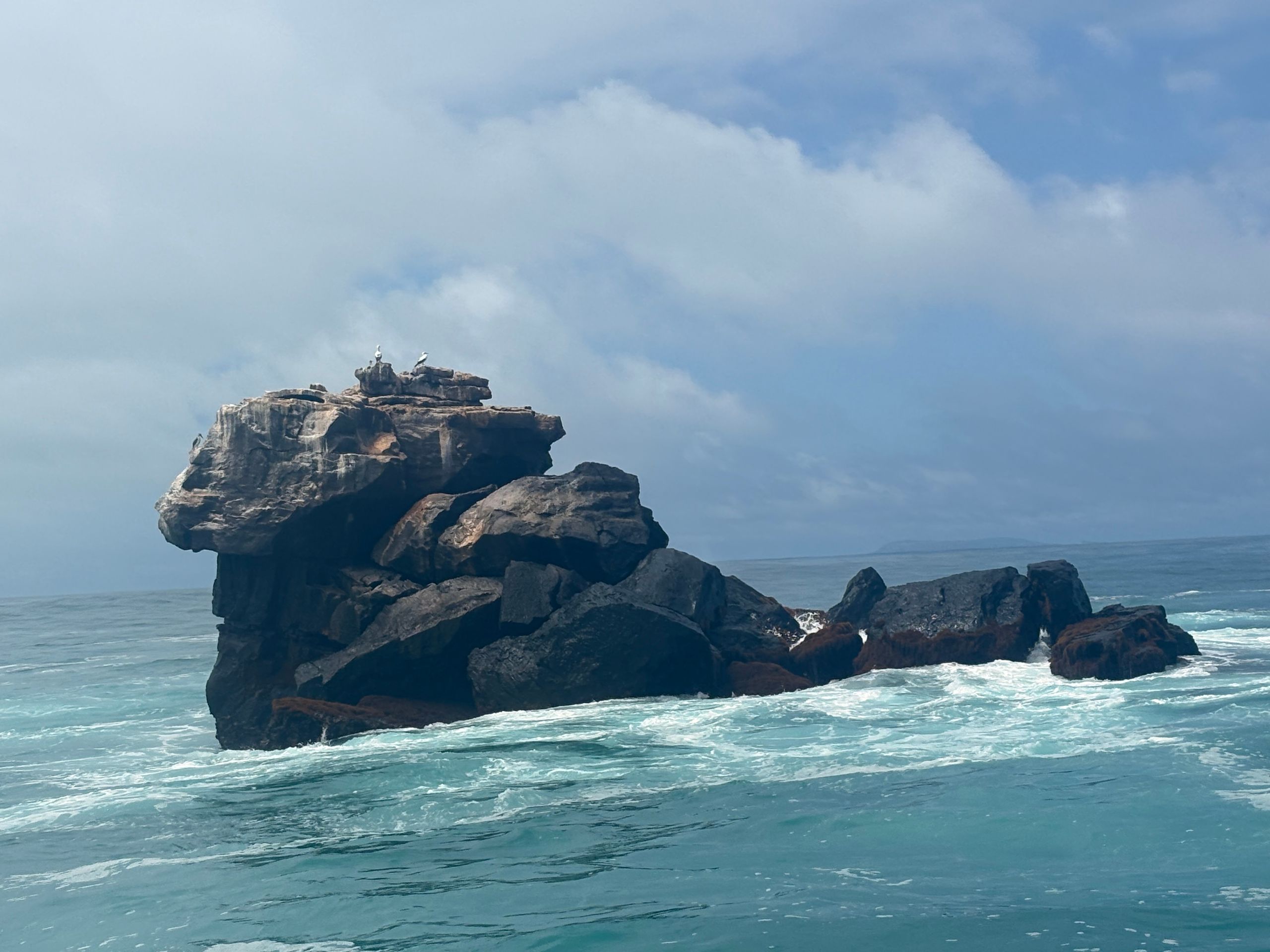
The next day, we went on a boat trip to Los Tuneles, one of the many tunnel systems found above and below the water. They were formed by fast-flowing magma that drained into the sea after various volcanic eruptions, solidifying the outer surface first and leaving behind these tubular formations.
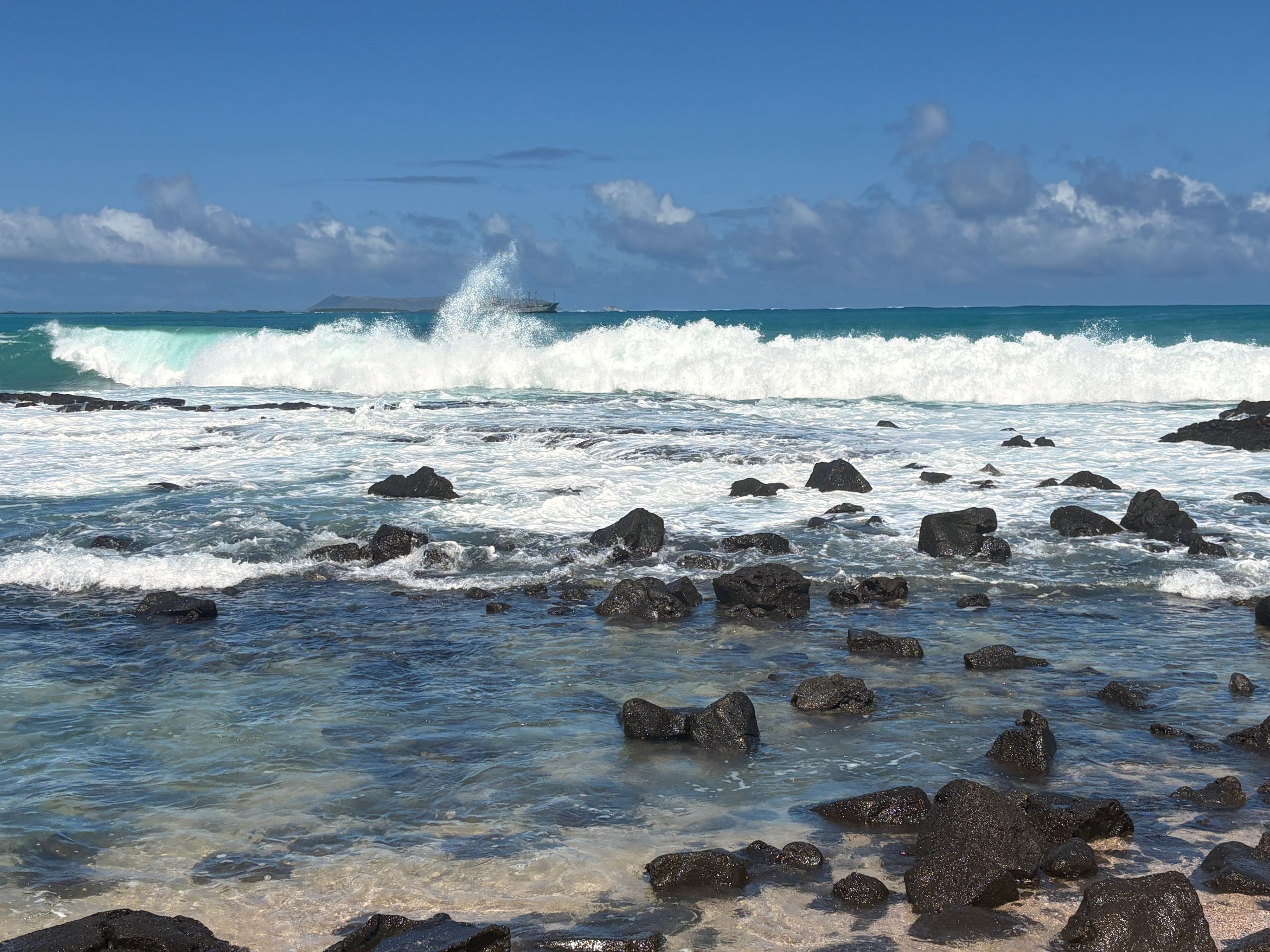
Equipped with snorkeling gear and wetsuits, we boarded a boat with a reassuring captain who knew the sea and the coast like the back of his hand, skillfully maneuvering us through 10-meter high breaking waves with speed and power, but also with a lot of finesse. We had to hold on tightly and were uncertain at times if it would go well, but he perfectly anticipated the waves without capsizing or crashing onto rock formations. Impressive.
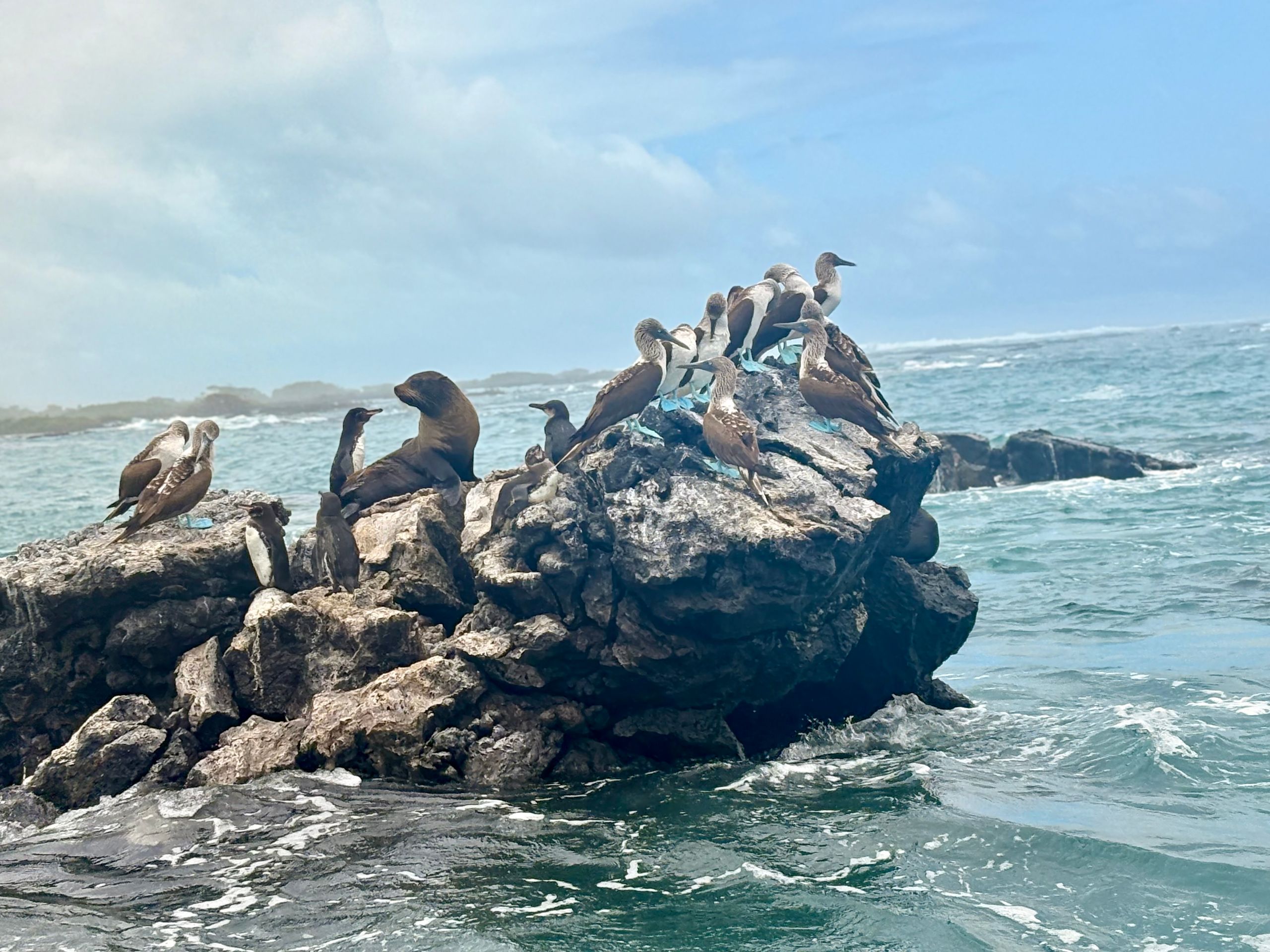
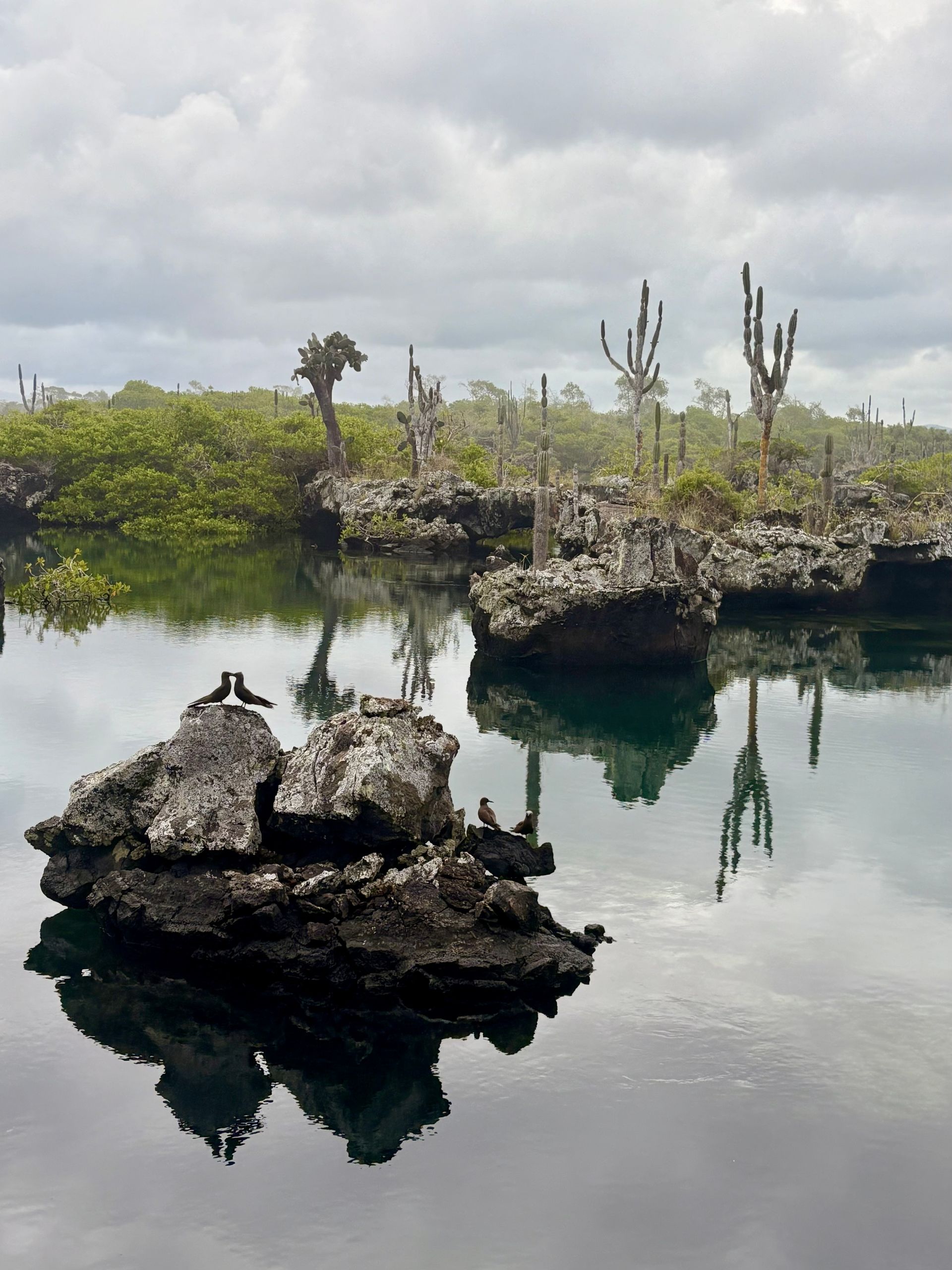
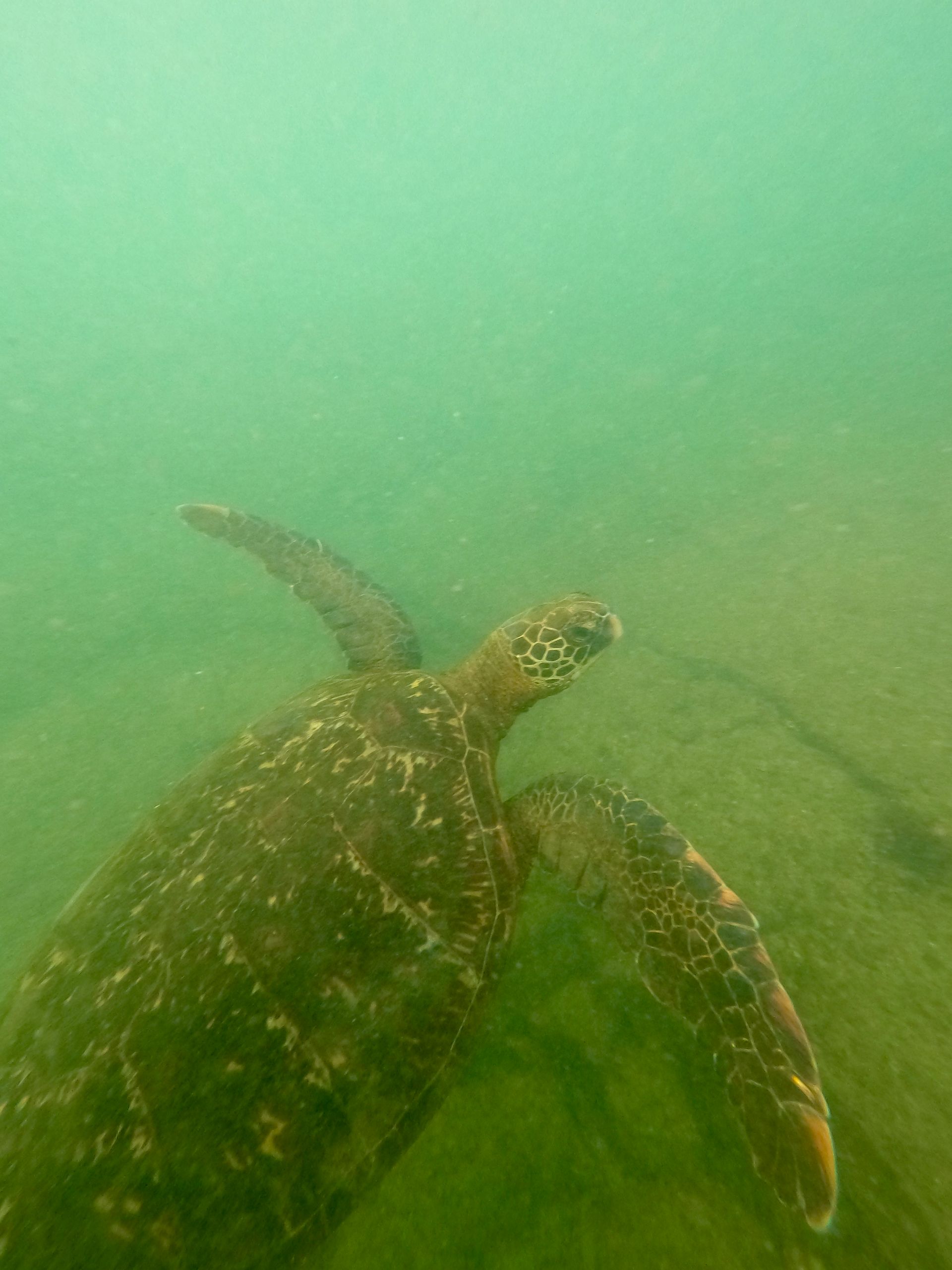
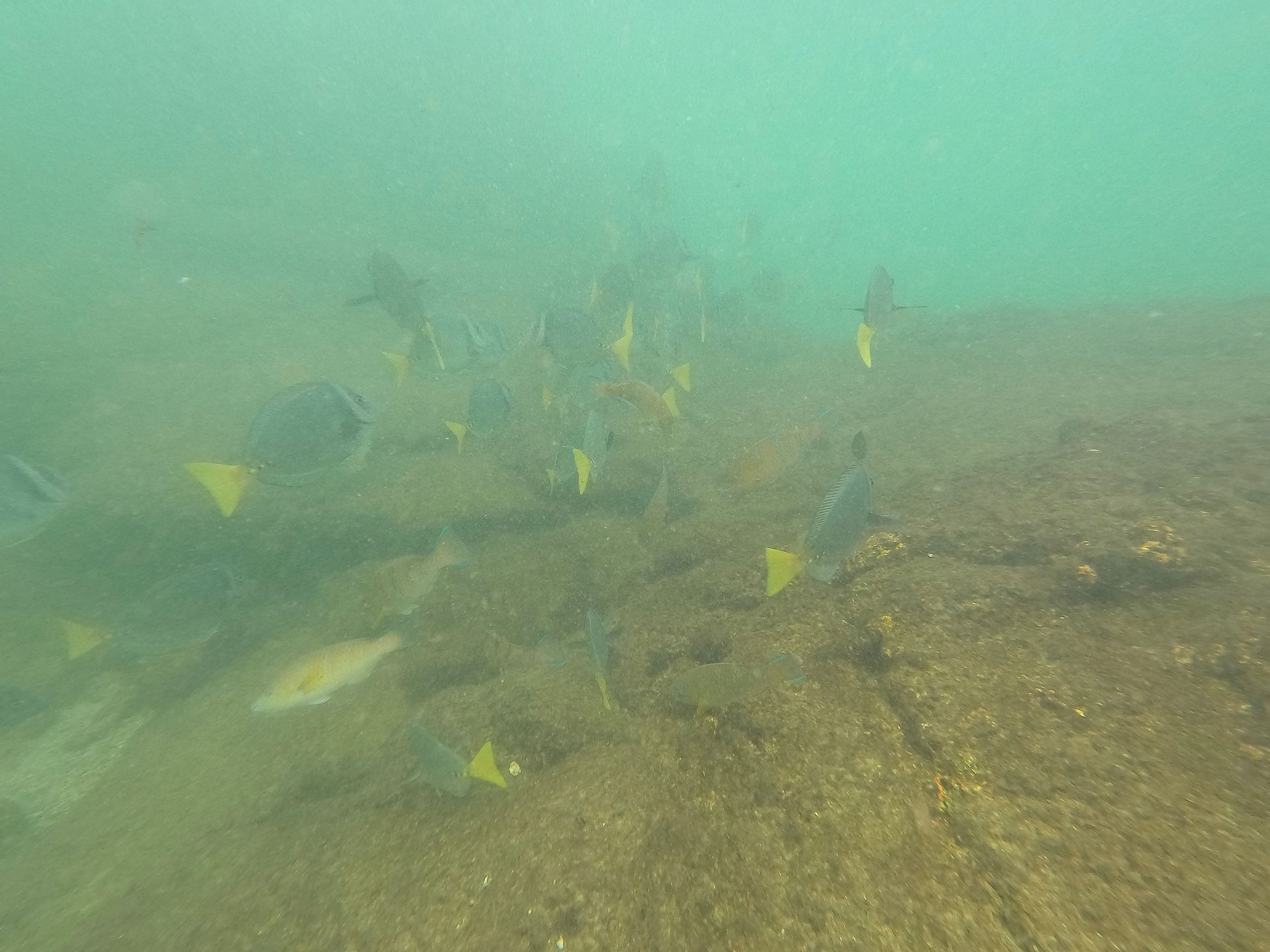
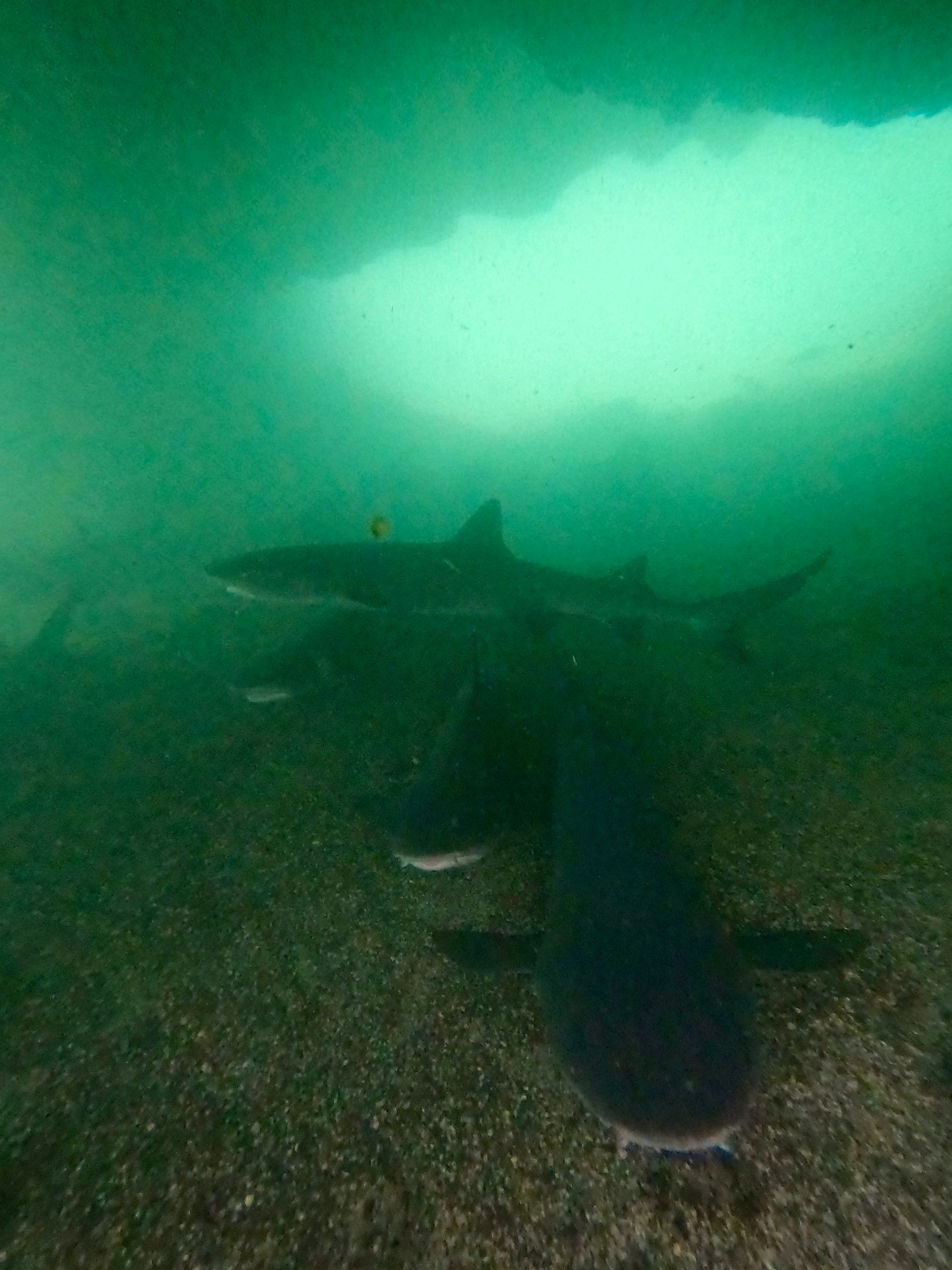
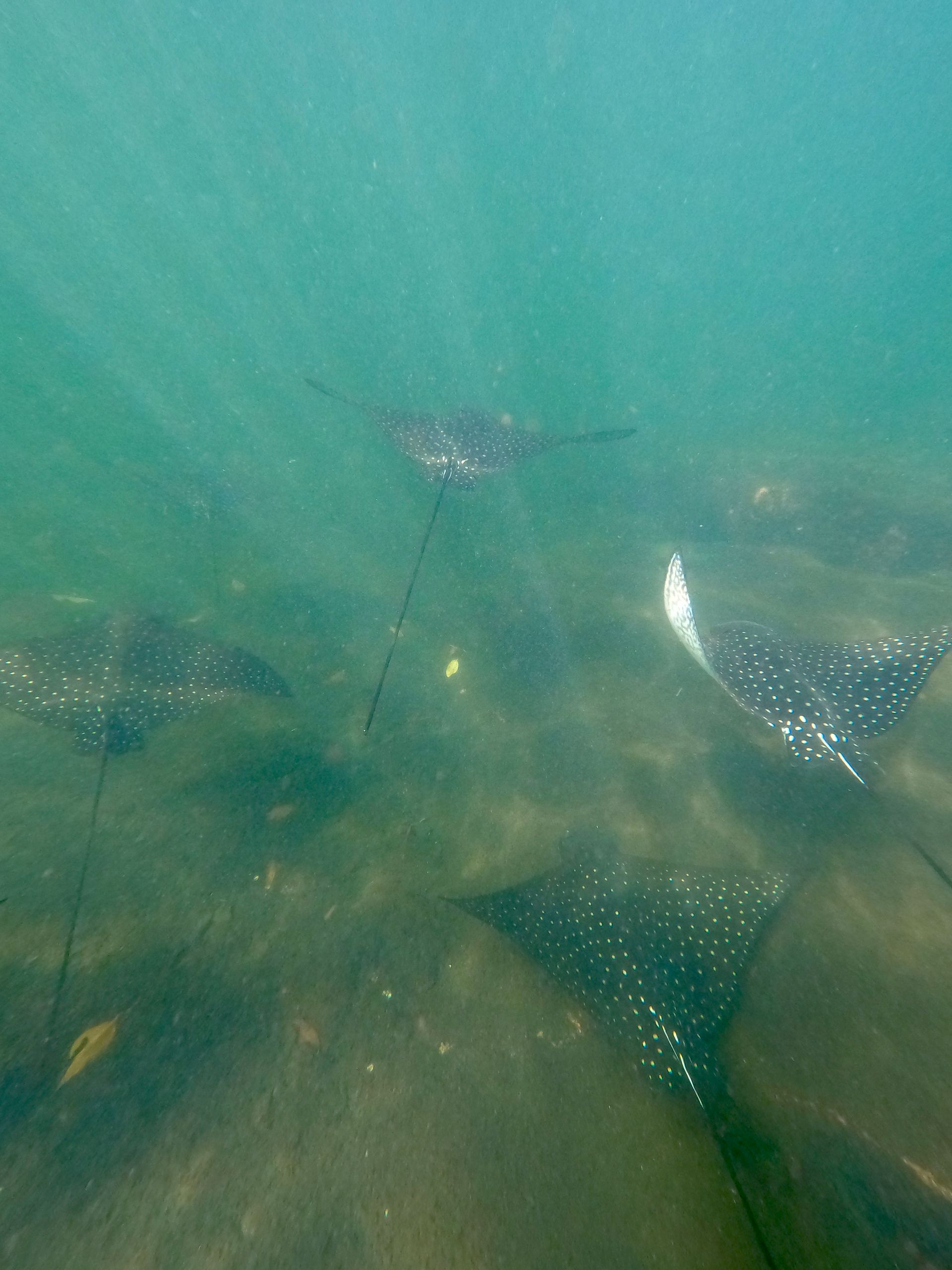
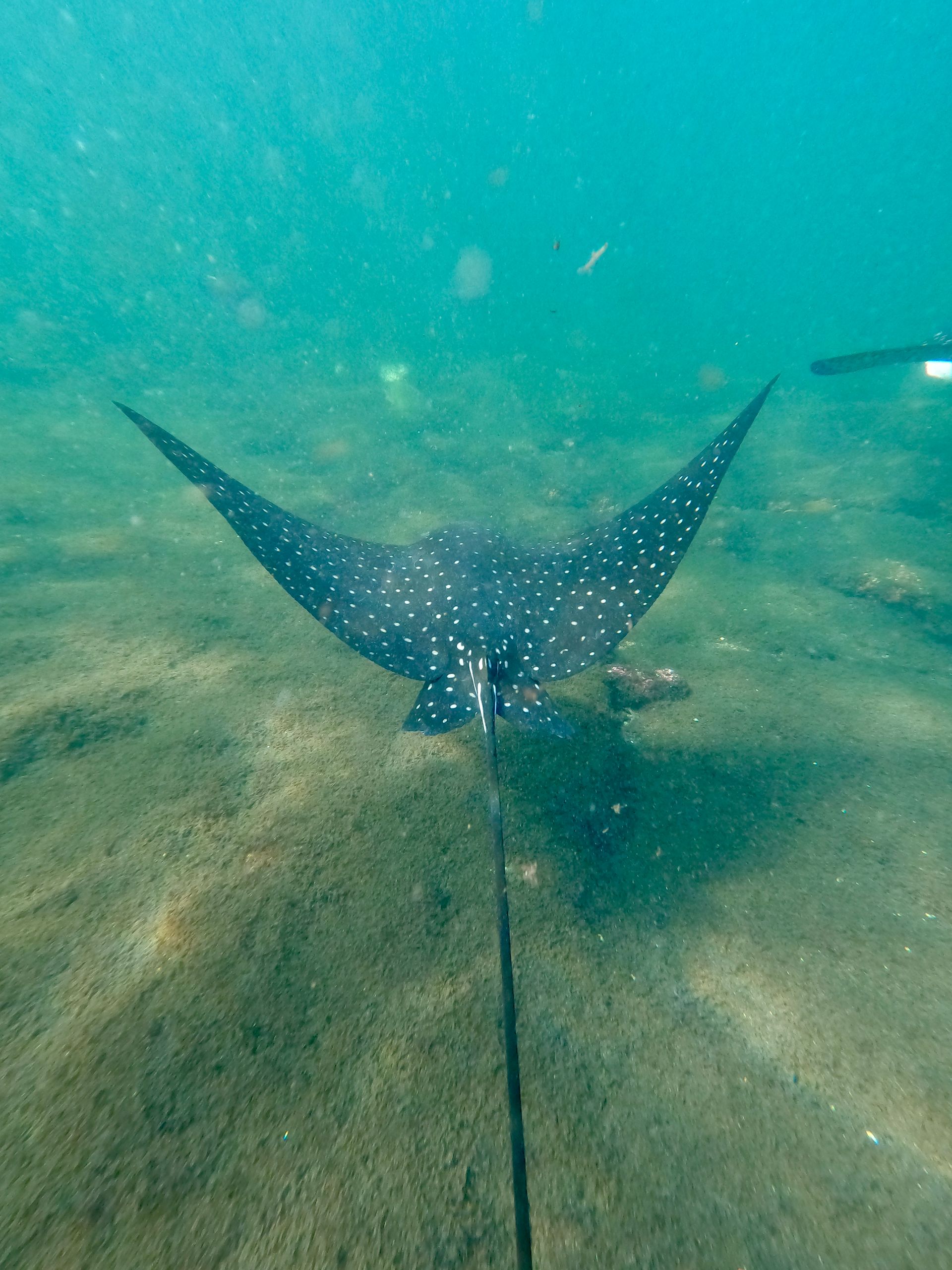
The scenery and landscape were once again incredible. After stepping onto land in a surreal world of tunnels, where we could observe birds and sea turtles in the crystal-clear water, we entered a cove where we could snorkel among the tunnels. And who did we meet? Sea turtles, sleeping white-tip reef sharks, mantas, seahorses, sea lions, fur seals, blue-footed boobies, penguins, and various colorful fish. So many unique impressions that we truly needed a few days to process everything. Unfortunately, we had to return as the tide was rising; our captain skillfully navigated us back through the strong surf, and then we returned to the home port, blue in the face and exhausted.
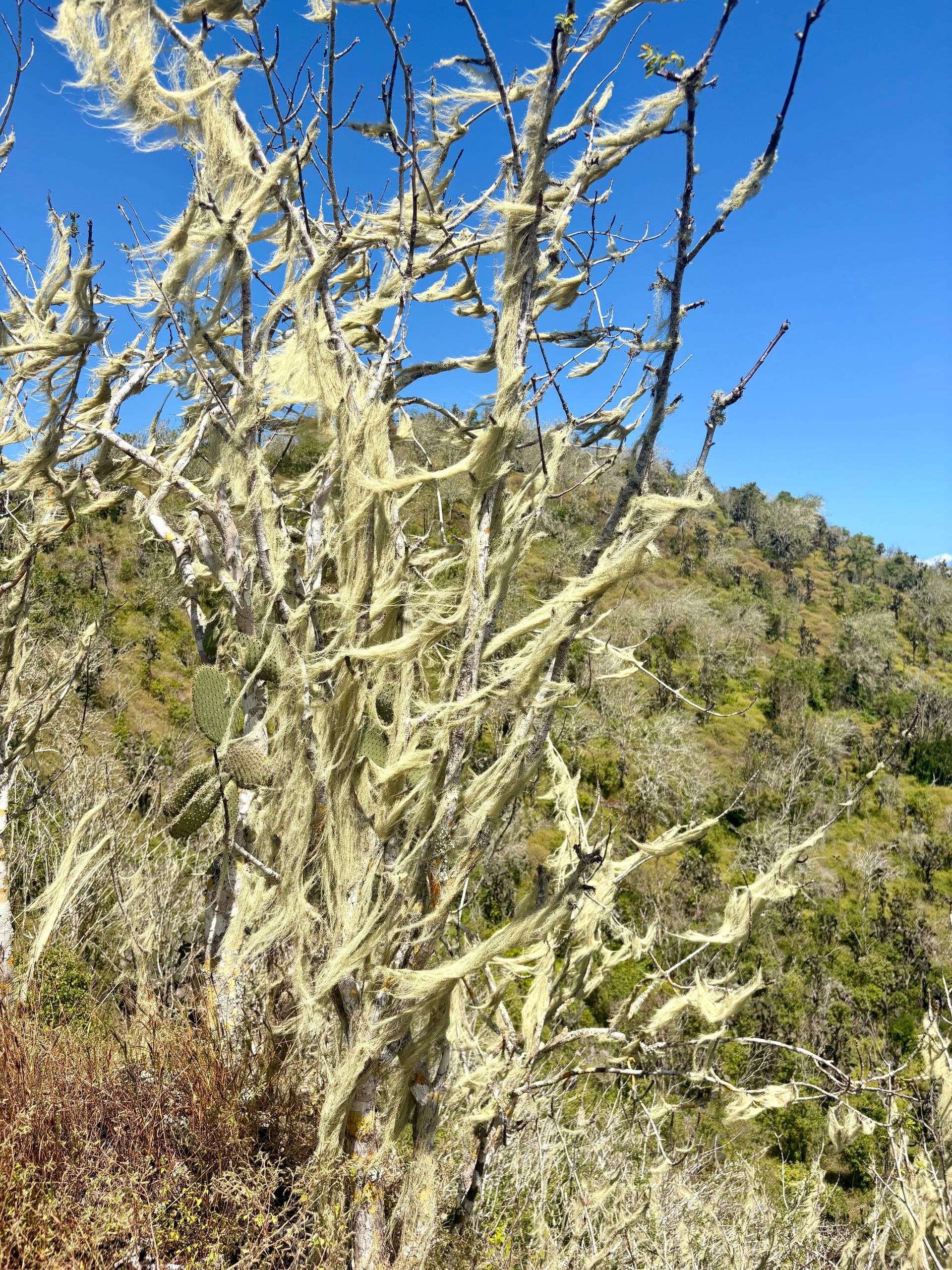
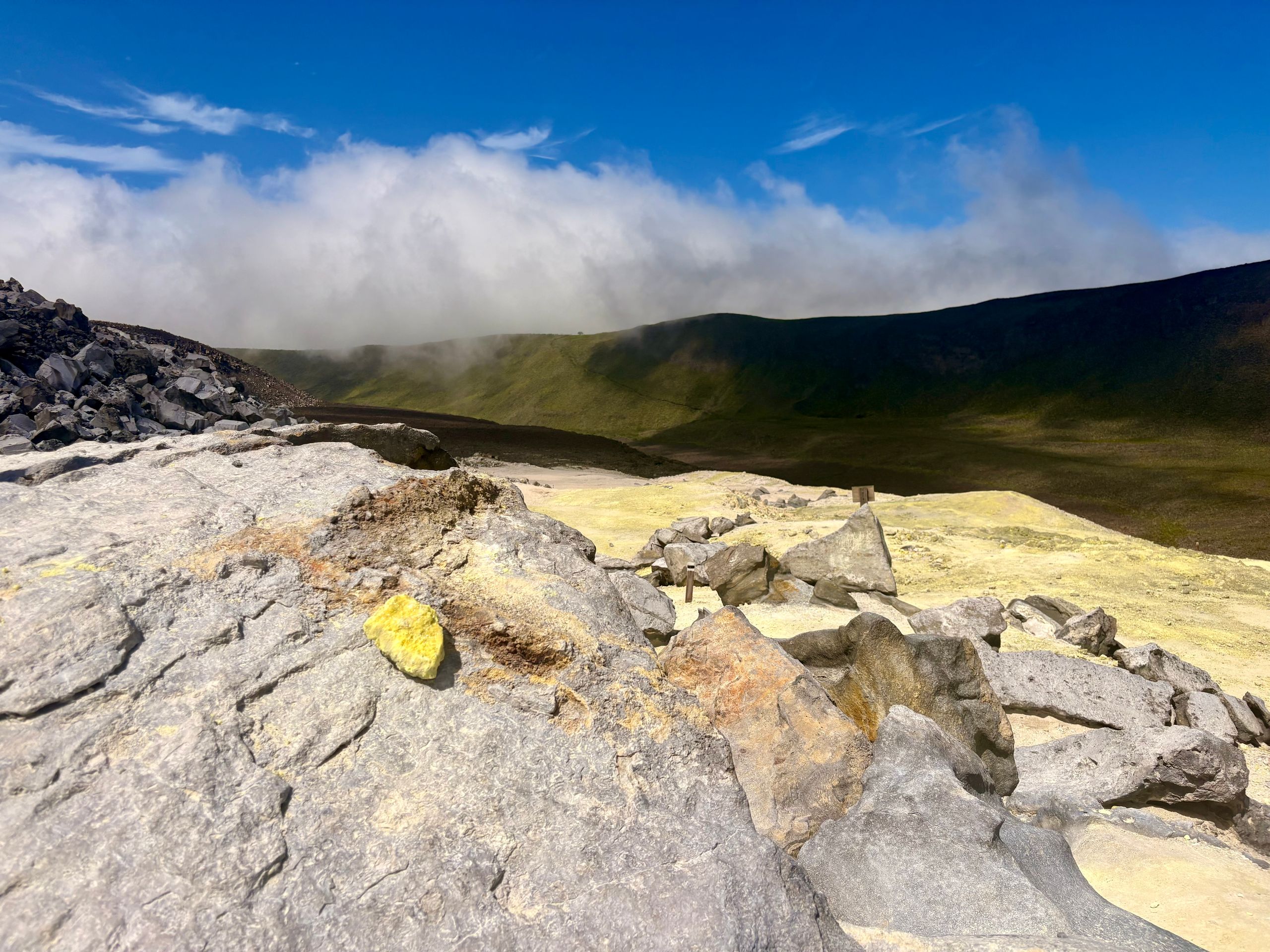
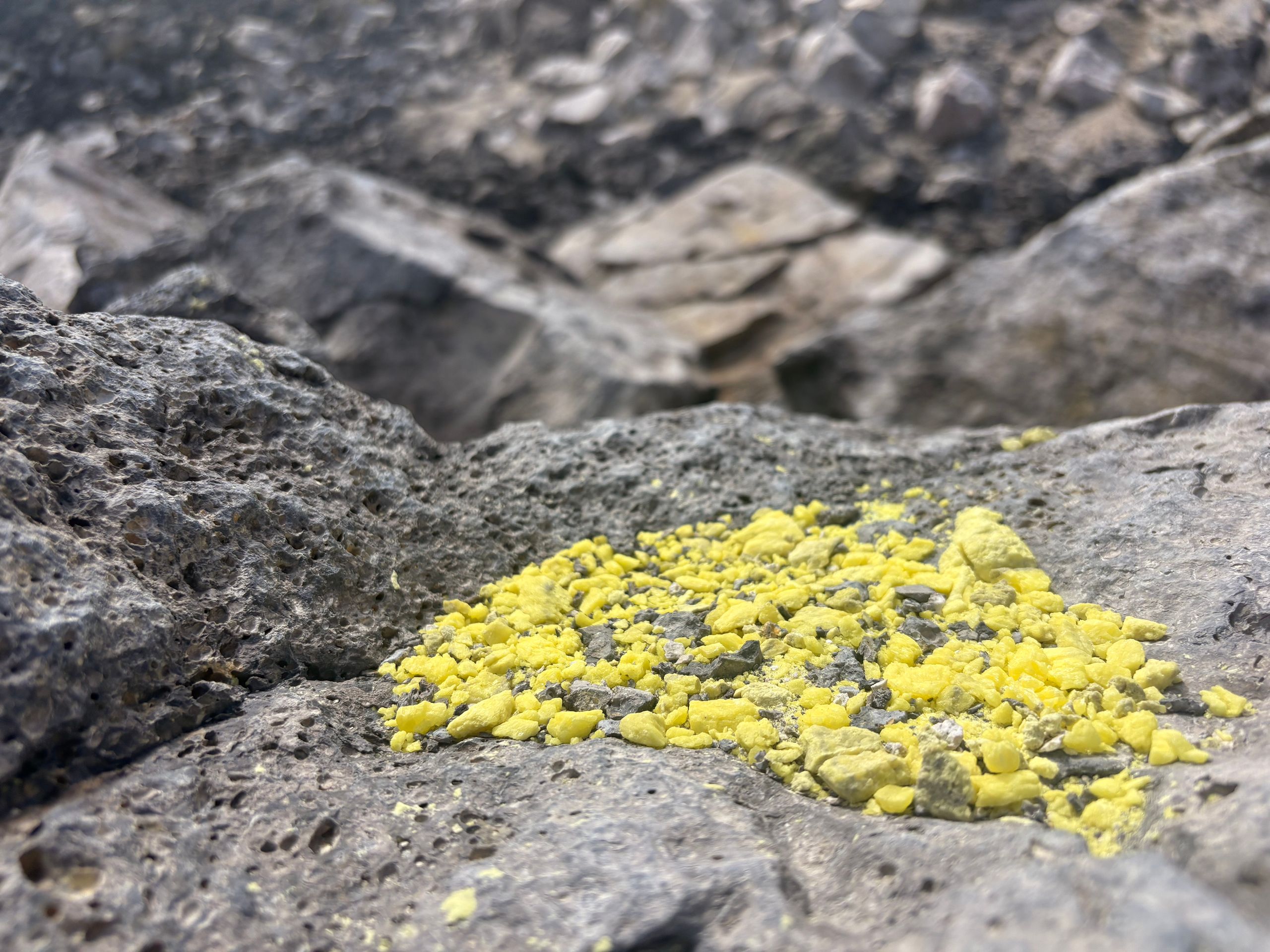
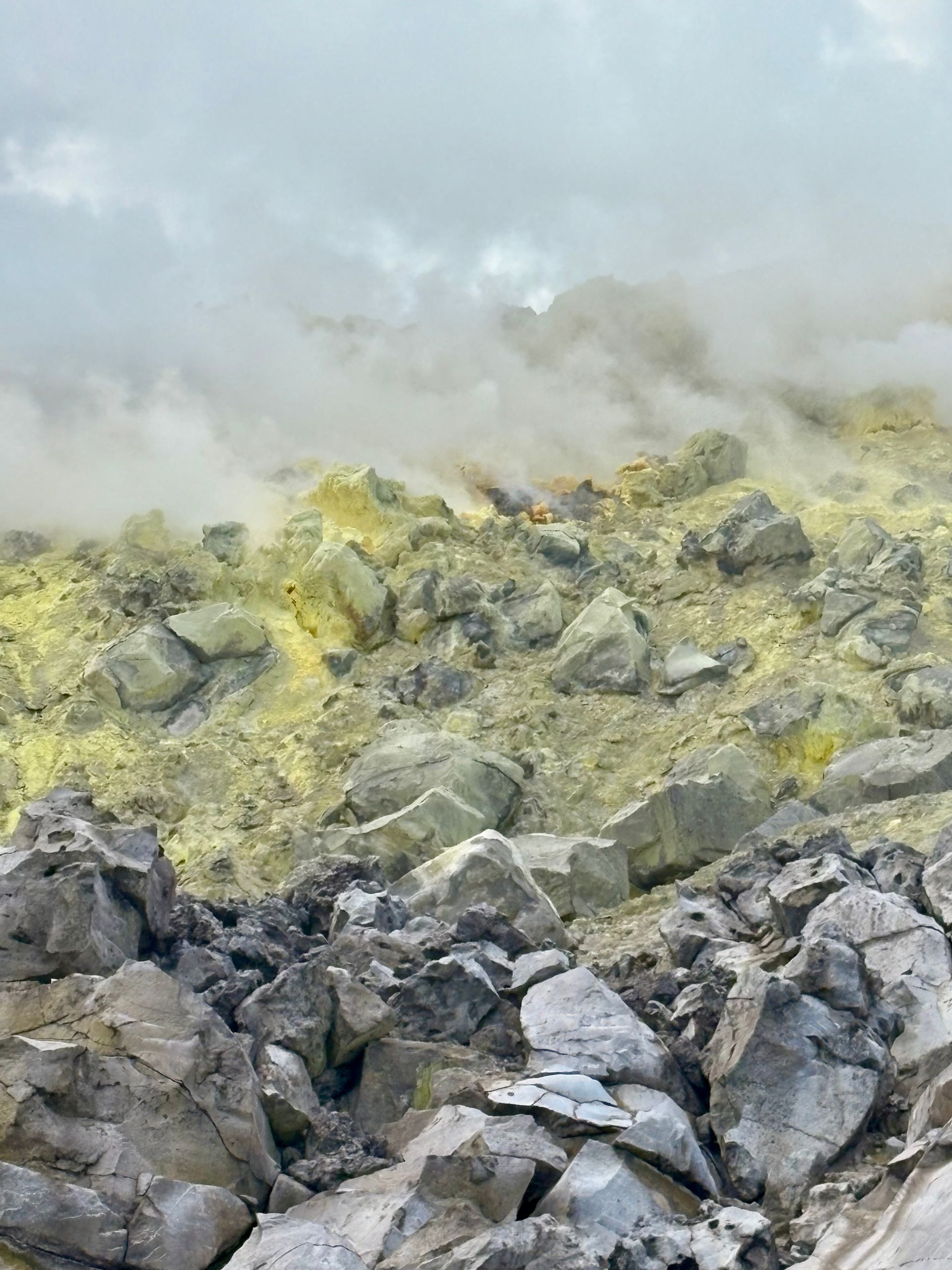
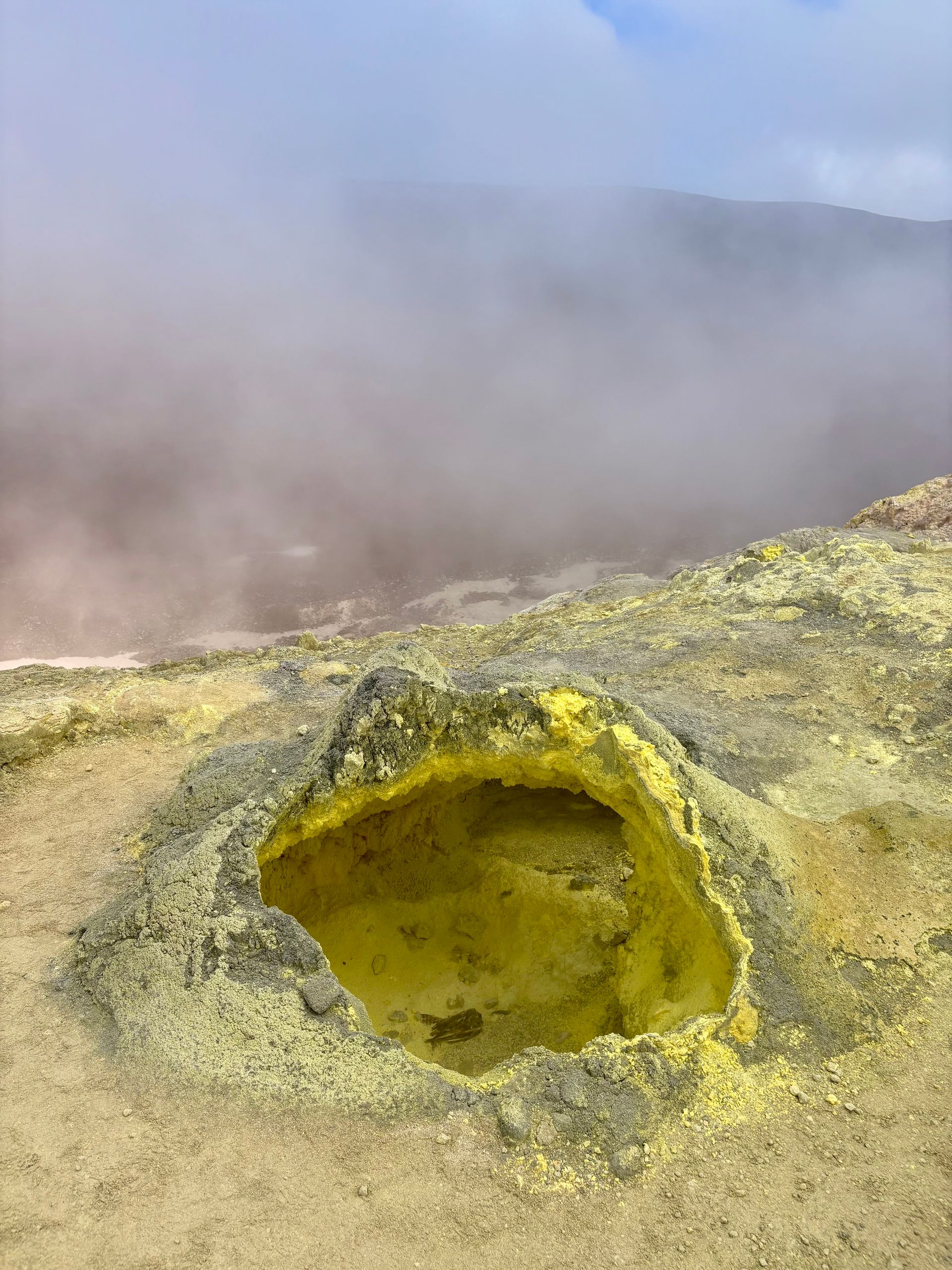
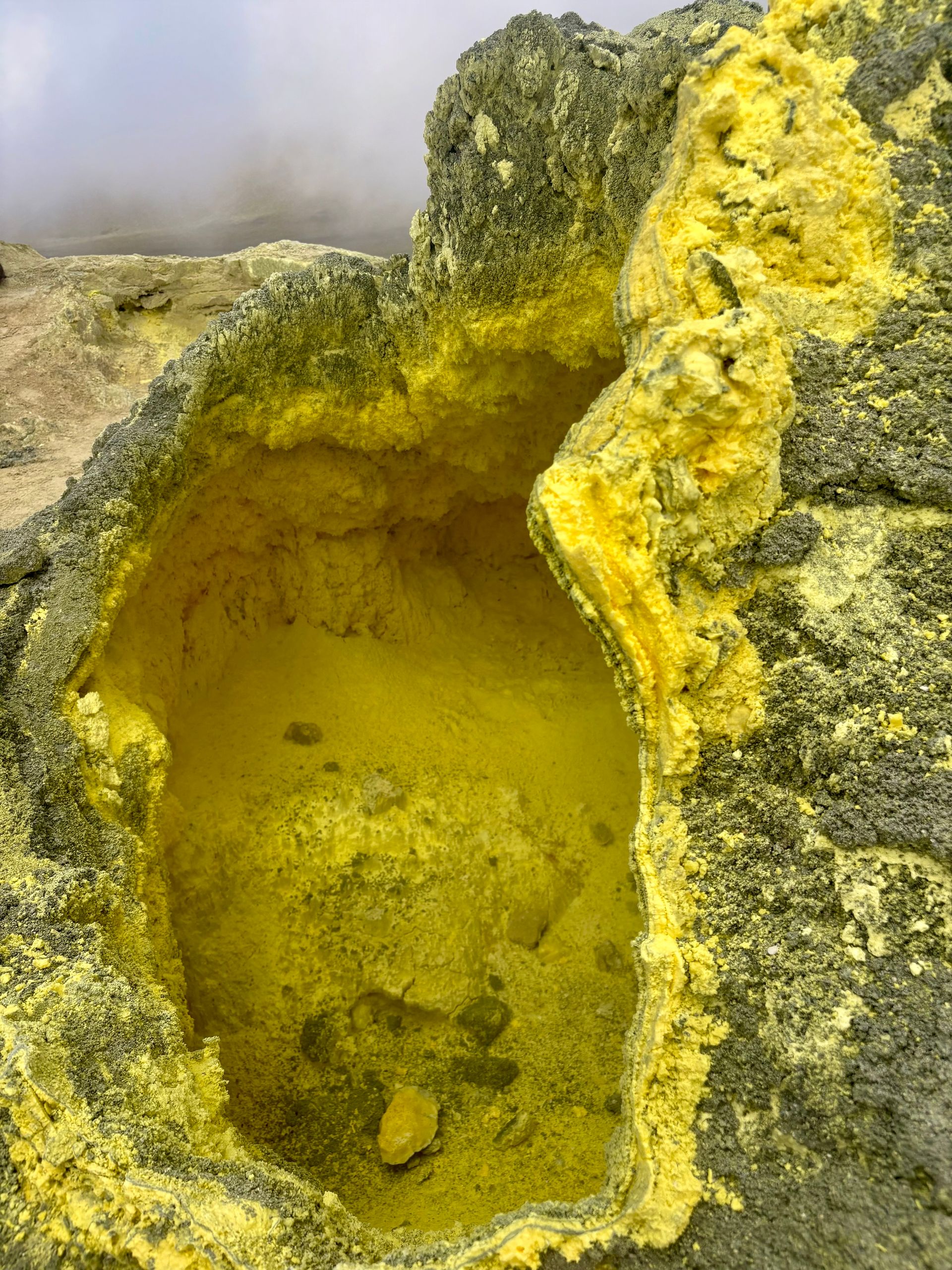
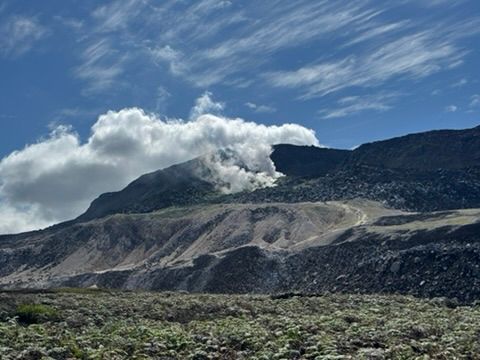
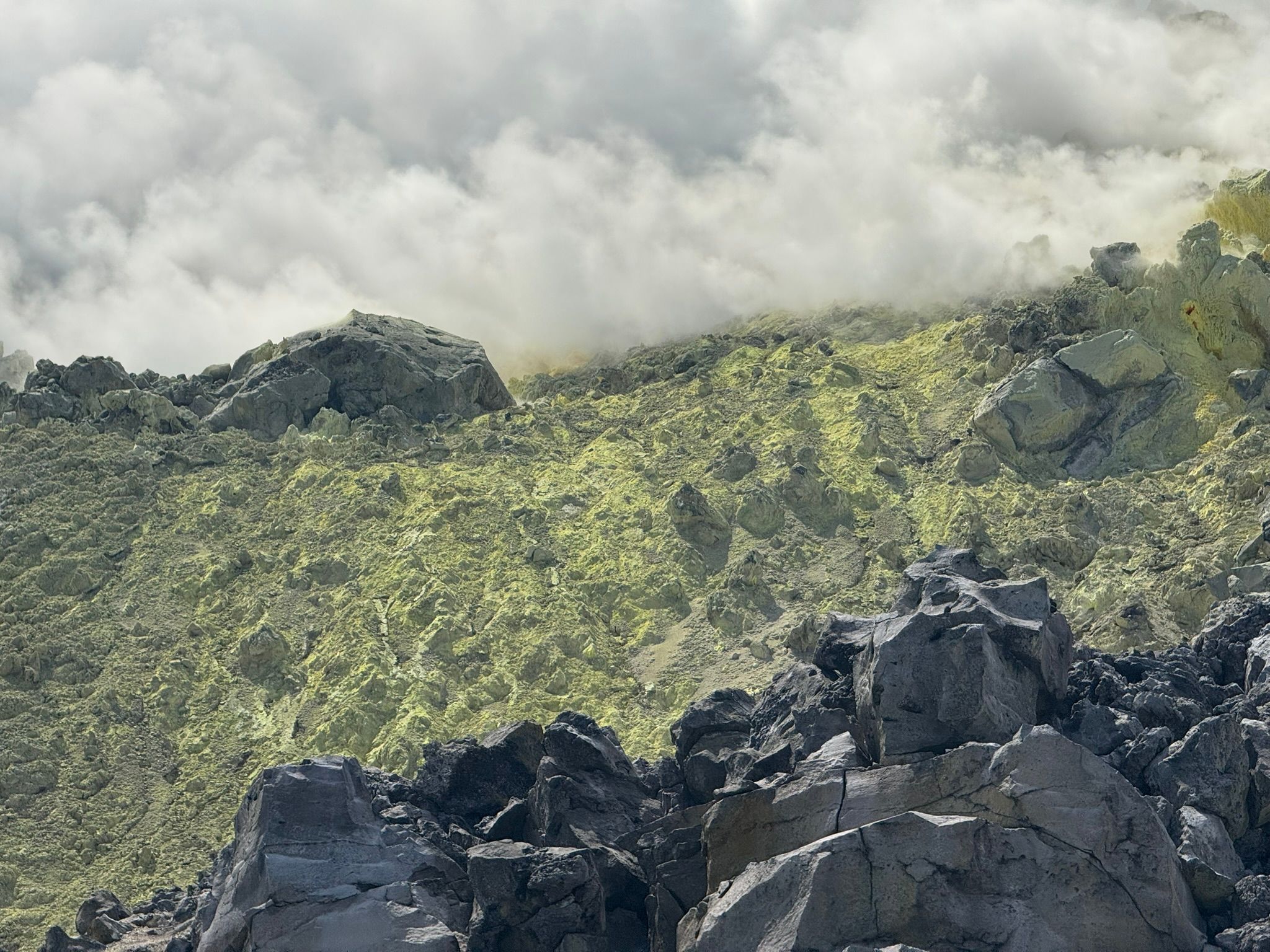
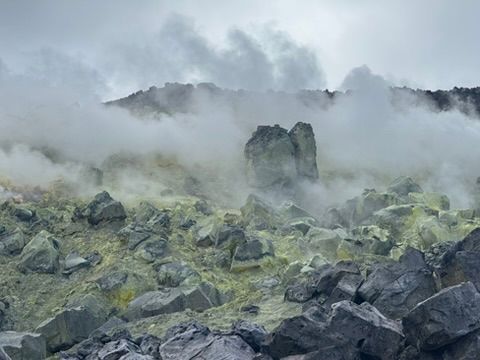
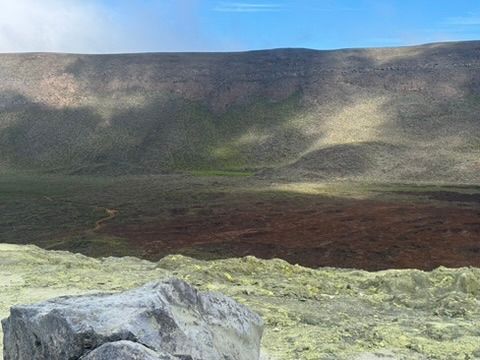
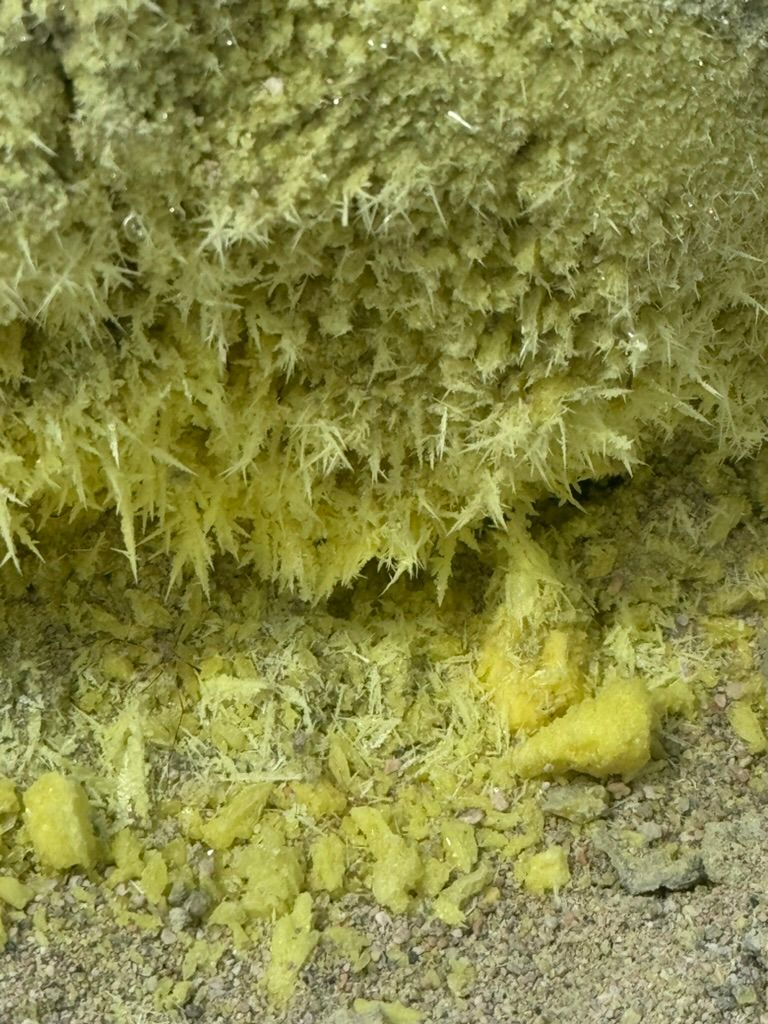
The next day, we set off for one of the volcanoes! Sierra Negra is a shield volcano that rises to 1,124 meters. With dimensions of 7 × 10.5 km and a depth of 300m, it has the largest caldera of all Galapagos volcanoes and the third largest in the world. The floor of the caldera is entirely covered with lava, which flowed out during the 2005 eruption from a slightly elevated fissure. It is also the most active volcano on the islands. We were picked up in a wooden truck and then traversed bumpy roads up to the crater rim through clouds and fog, where we could see the various vegetation zones as we passed through them. Our destination was the sulfur fumaroles in the caldera, which we hiked to first down to the crater floor and then up to the sulfur fields, which were mined on a small scale under very simple conditions during the 1930s-50s. Quite a smell, but also a fantastic excursion. Unfortunately, the tour guide's knowledge (as was the case with previous ones) was very superficial and limited, so we already knew more than he did with our gleaned Wikipedia knowledge. It's a pity, as we thought we would be dealing exclusively with proud nature experts on the islands who know every detail about their unique home. Nonetheless, it was a great experience!
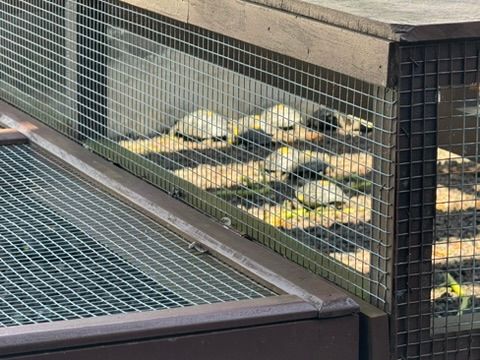
The visit to the tortoise breeding station the next day was rather sobering, and it certainly wasn’t the turtles’ fault; they were great. Yes, something is being done to preserve the species, and it's indeed the right thing to do. The obligatory bored guide, who just wanted to quickly send us off and was more than expensive for what he told us, was somewhat annoying, especially because we had no time to really observe the animals. The argument for why we couldn’t linger was that apparently 300 young turtles were stolen, the exotic animal trade is booming, and it seems to be an enticing business here too. However, the very old animals in the station - some over 100 years old - were amazing, showing 'scars' from hot ash and lava from the aforementioned volcanic eruption in their shells. The large number of young turtles, which are released back into the wild after 6 years, gives hope that the species will survive, if not dogs, wild goats, rats, and humans make survival impossible.
Overall, we really liked Isabela - fewer tourists and great nature that you can enjoy in solitude if you wish. After eventful days, we headed to the third island - Santa Cruz, which we had already briefly encountered on our way to Isabela.