Máncora
We were feeling somewhat better and wanted to get out of our hotel room as quickly as possible, especially to be independent from the cooking skills of others. So, we left pale...

Published: 20.07.2025
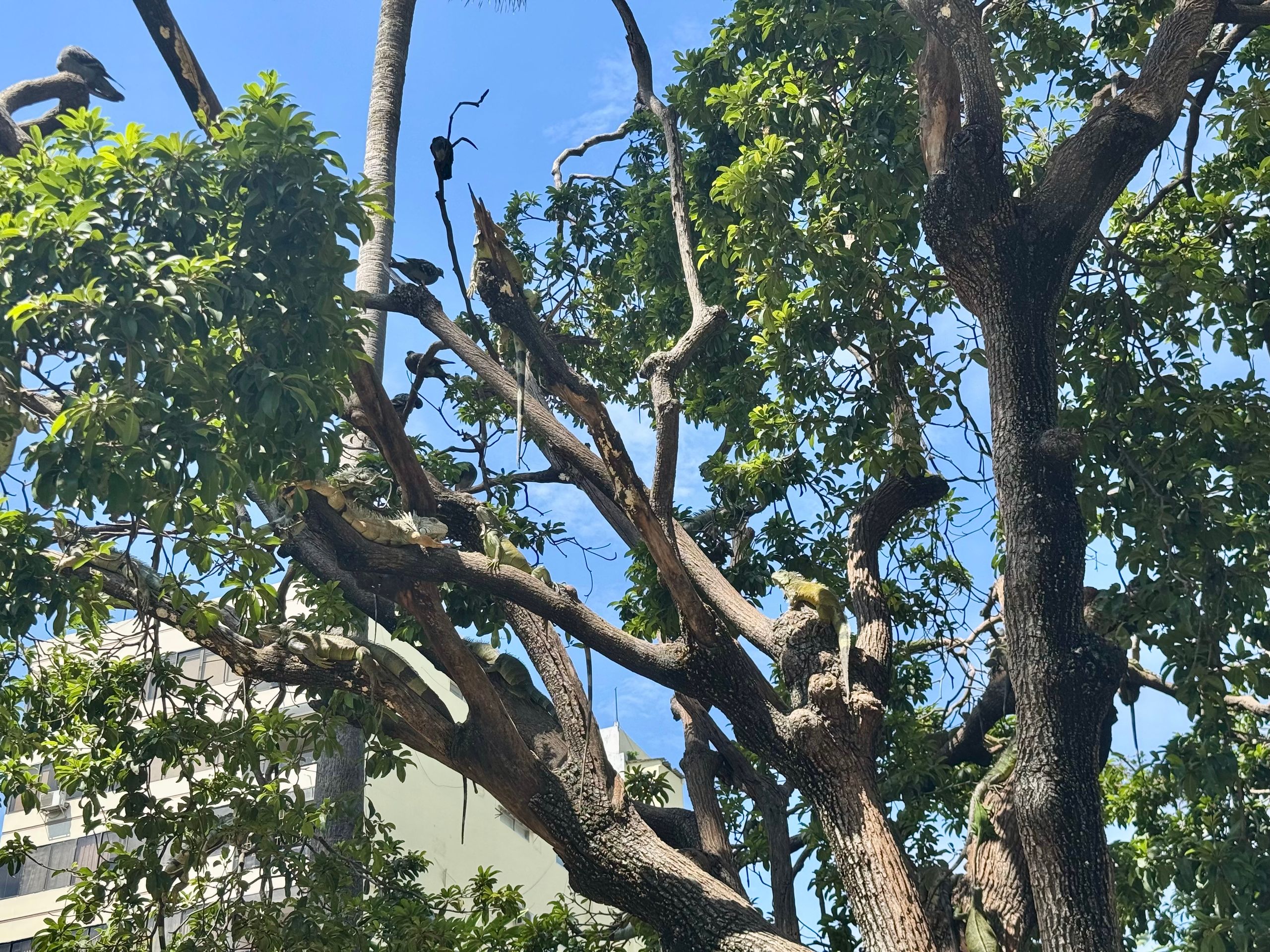
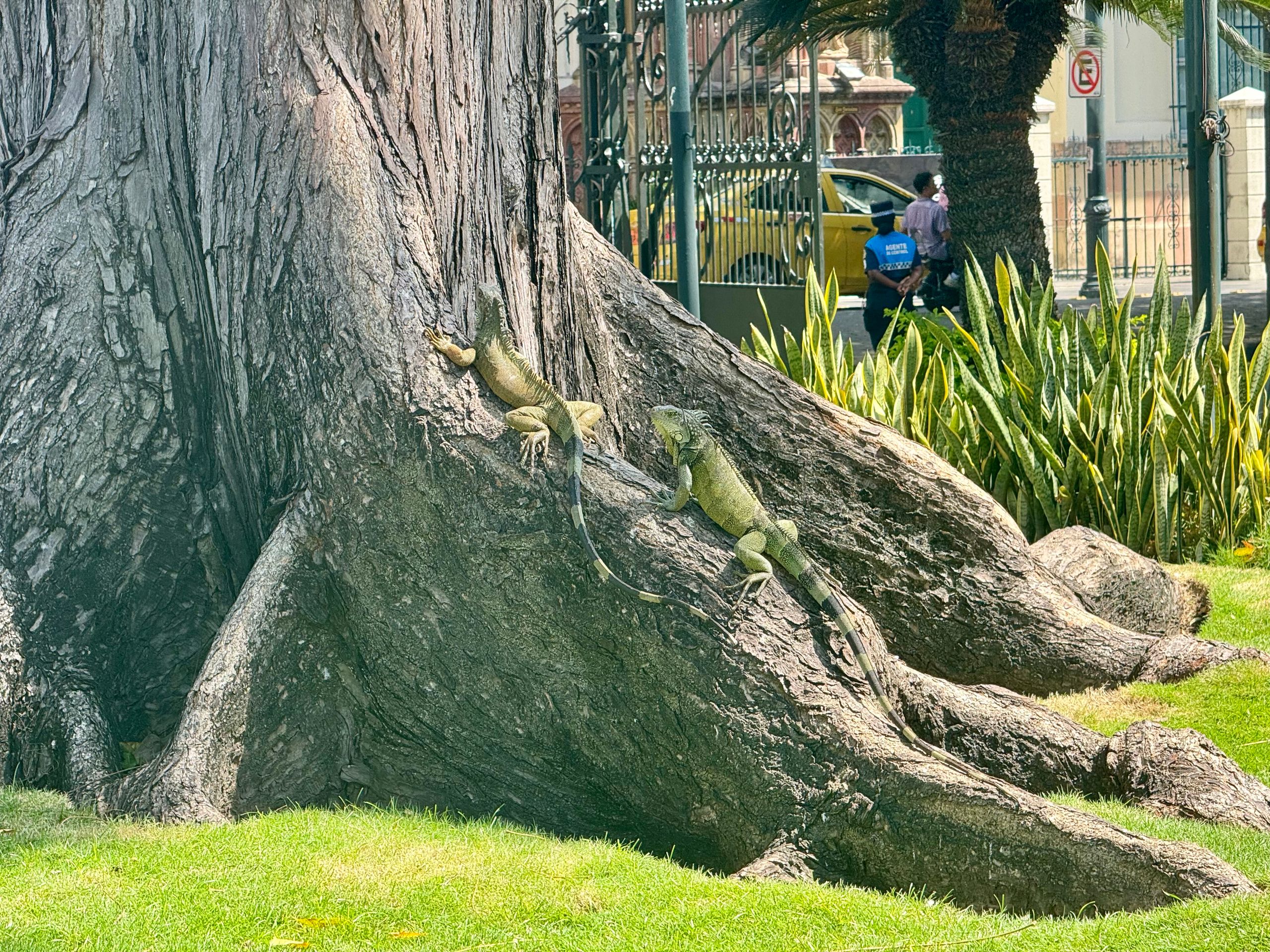
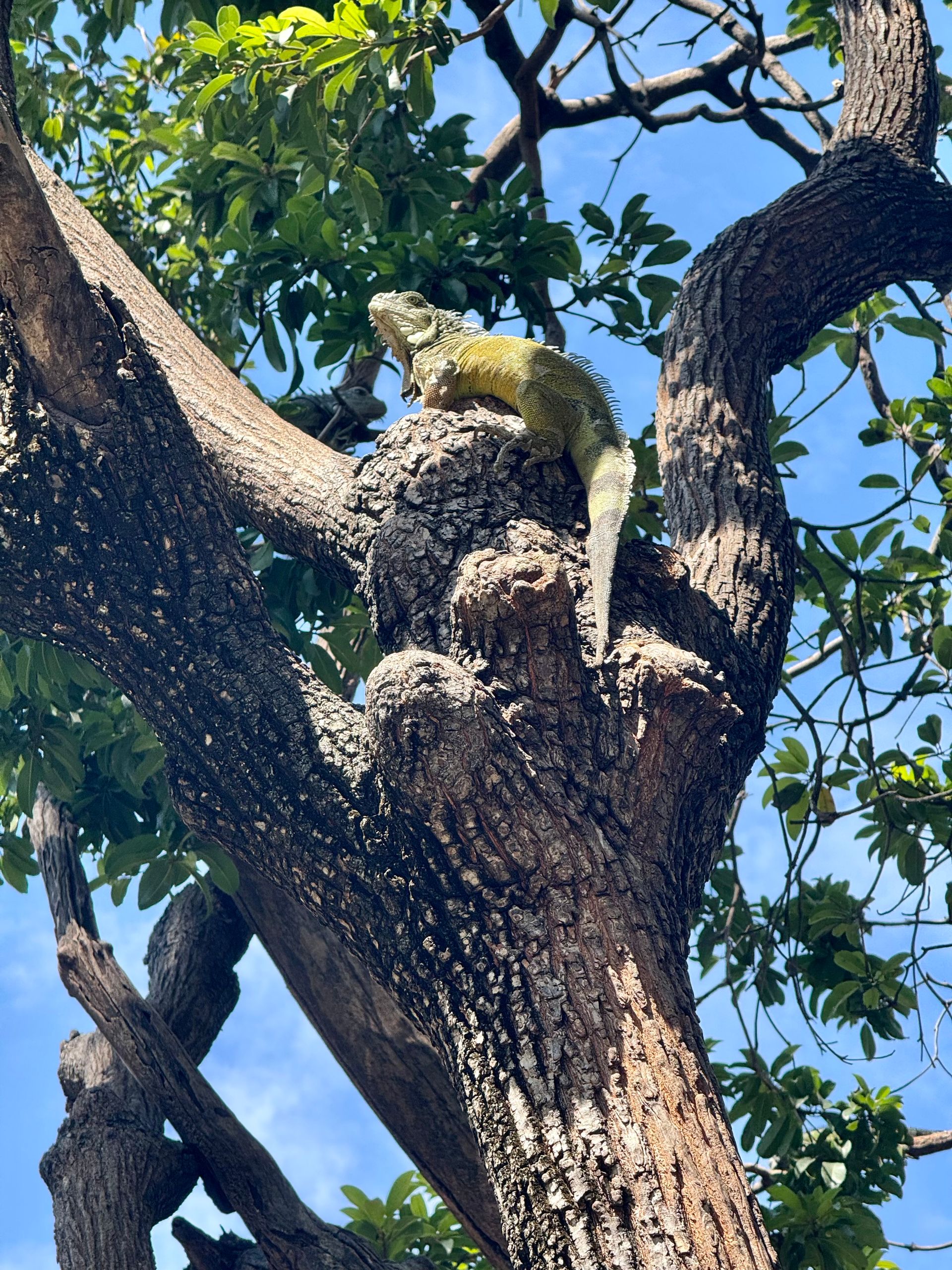
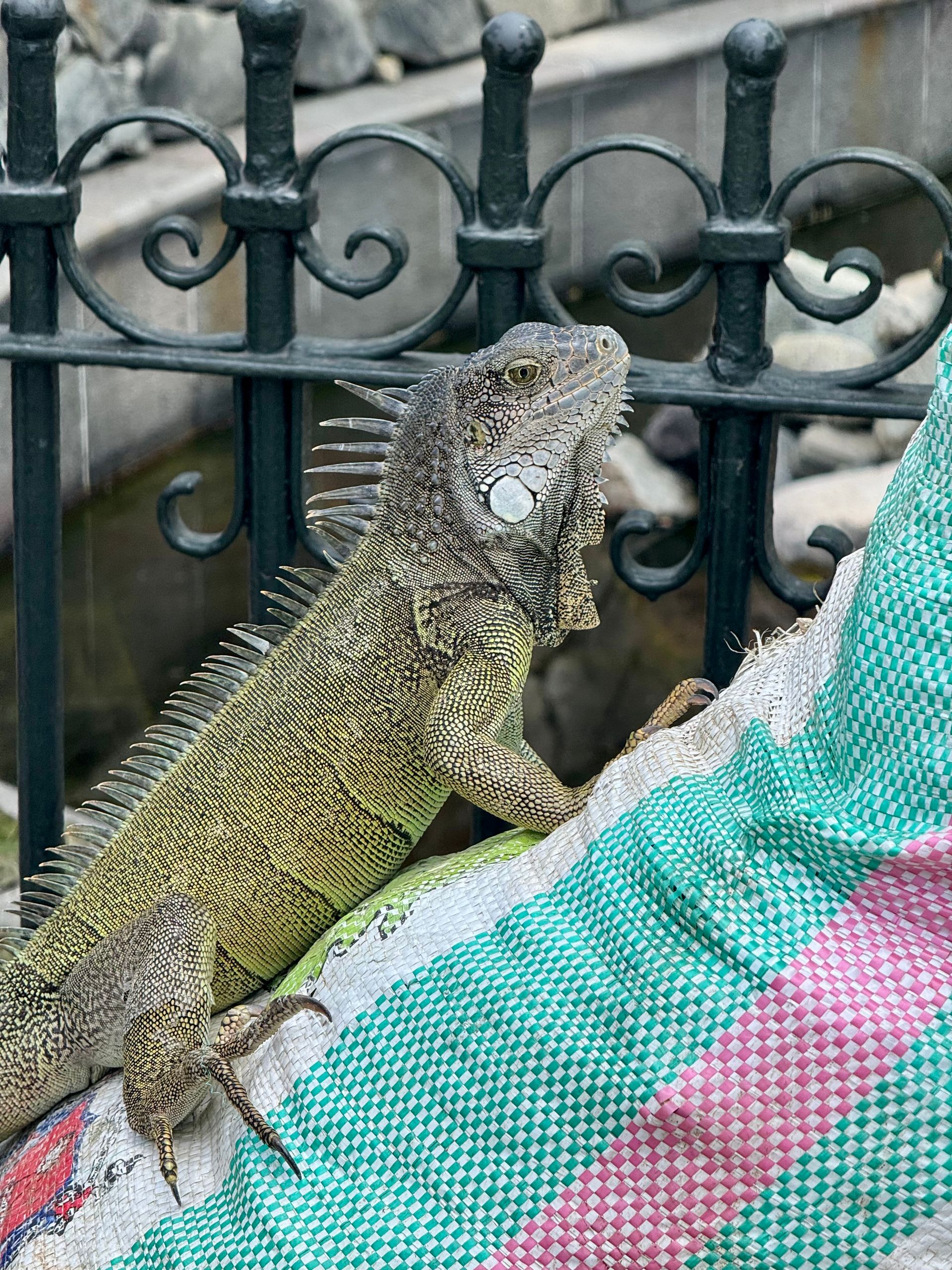
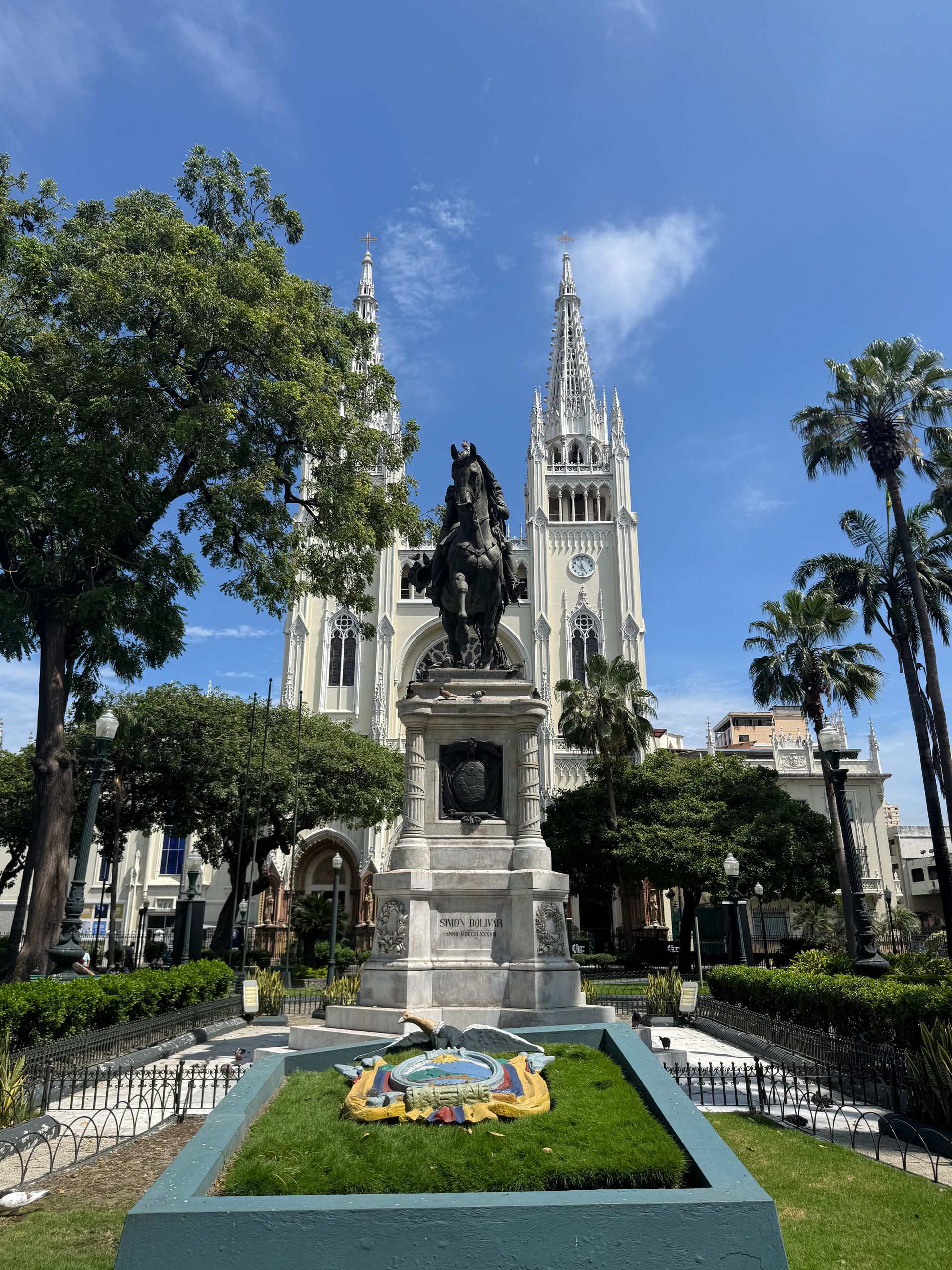
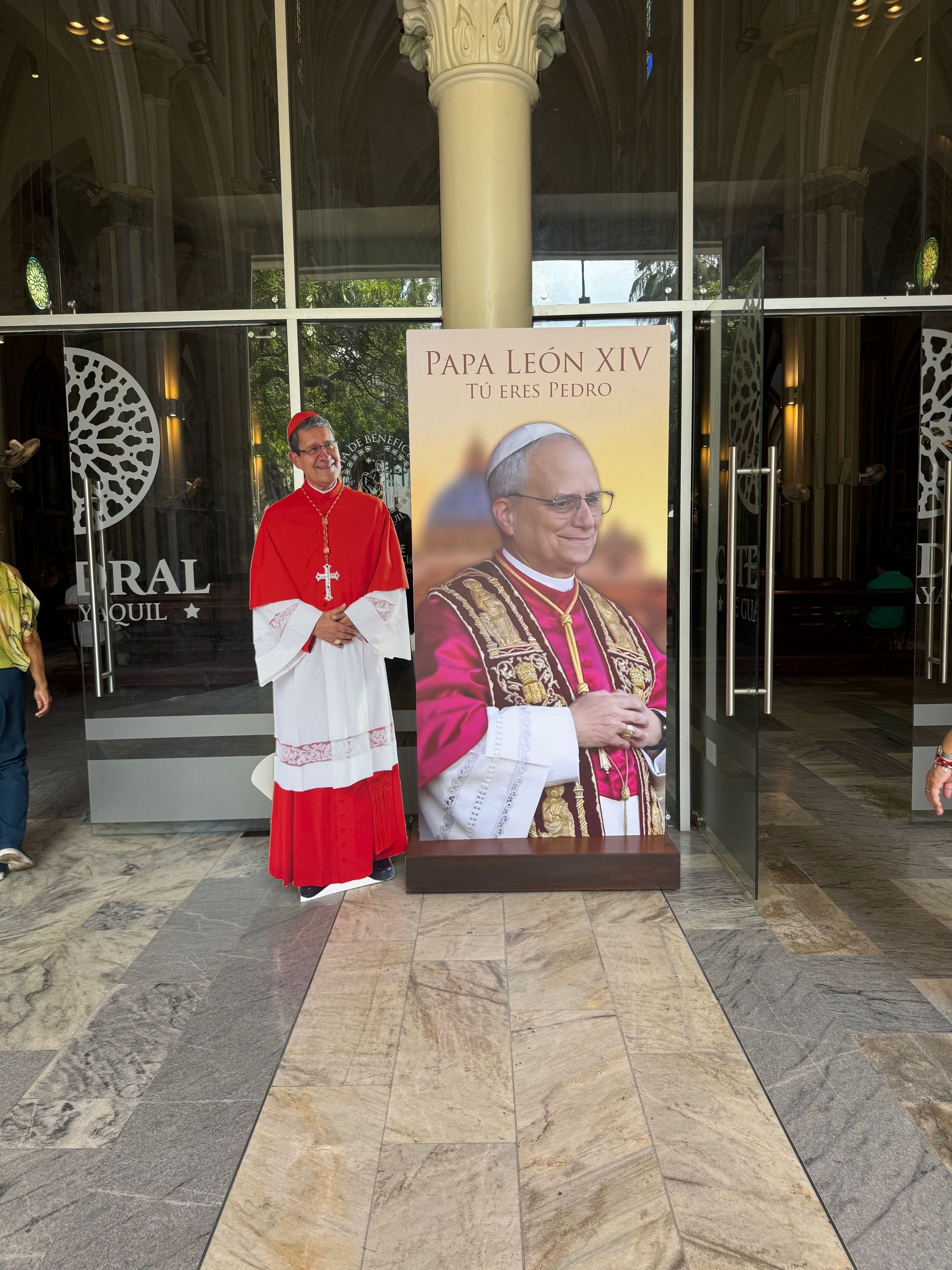
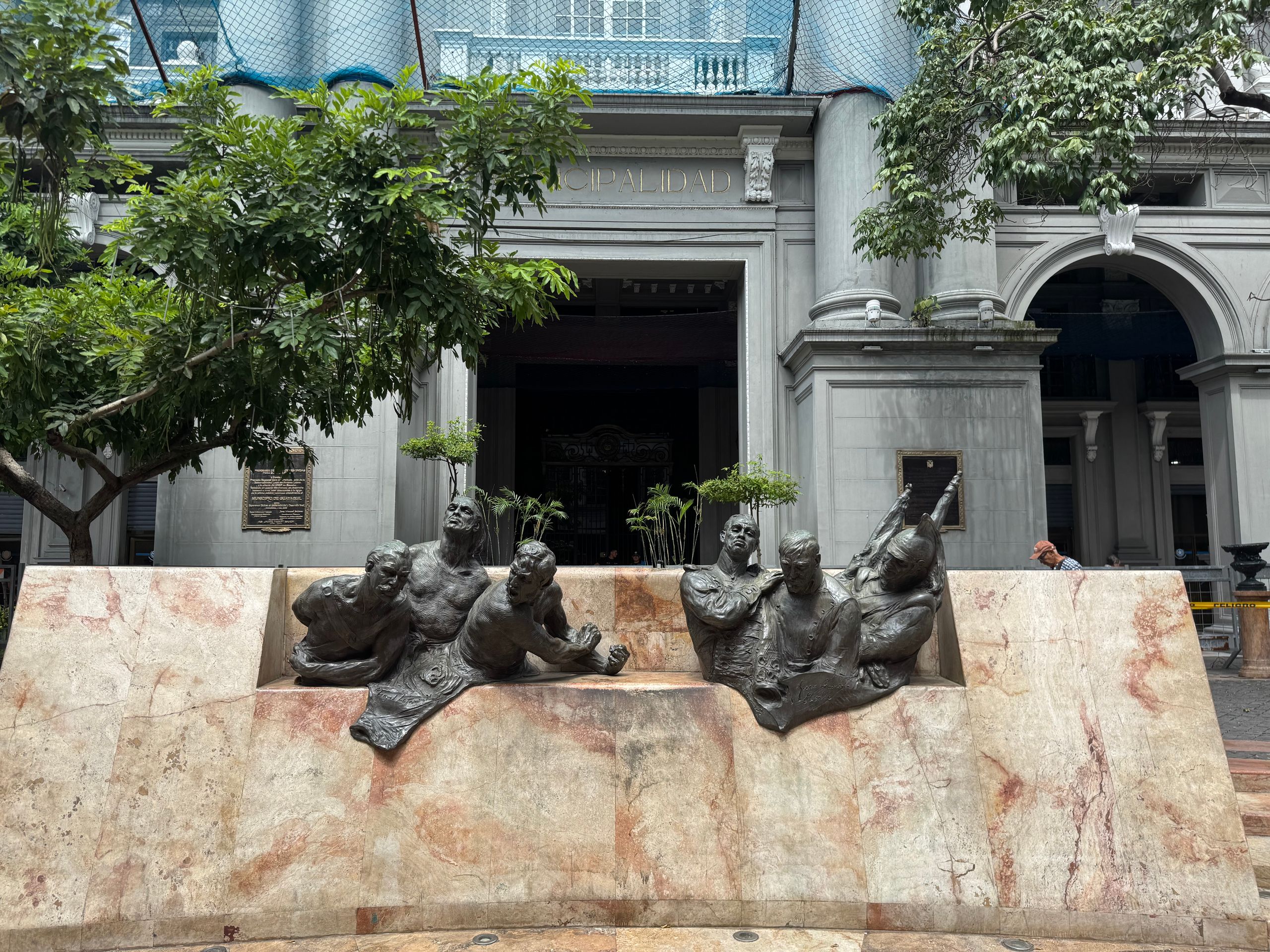
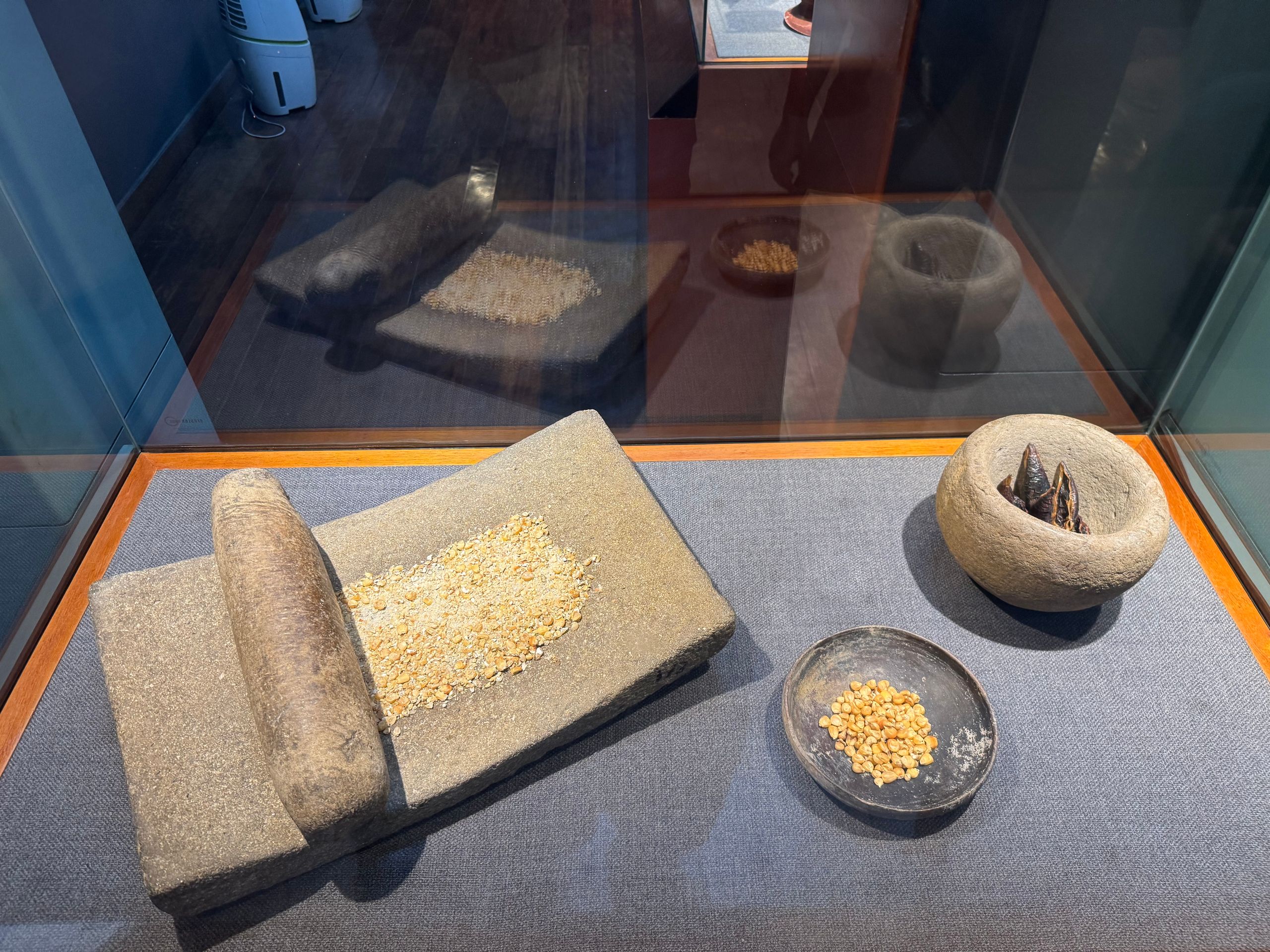
Since we now had very little time before our flight to Galapagos due to all the lounging around, we decided to head directly to Guayaquil, from where the plane should depart.
Crossing the border in the middle of the night went very smoothly again; only our yellow fever vaccinations were closely checked due to a few outbreaks. Actually, for crossing the border by land, one now requires a (translated) police clearance certificate, an attempt by the government to control the sharply rising crime in the country. However, when we asked the border authority in advance about an exemption, we learned that this procedure does not apply to tourists.
We already knew in advance that Guayaquil is not the best place for travelers. Ecuador, which a few years ago was considered a peaceful country, has unfortunately developed into a stronghold of drug gangs during the course of the Corona pandemic, which has reshuffled cocaine trafficking routes in South America, and consequently, it has also become one of the most violent countries in South America. And in Guayaquil, violence is particularly exploding, here you can find one of the highest murder rates in the world.
However, since we had seen online that there were still many tourist activities offered, such as trips to volcanoes, haciendas, or mangroves, and that there are a few neighborhoods where one can move around safely, we thought that we could find plenty of ways to pass the time productively. However, upon arrival, we were disillusioned to find that all these tours weren't officially offered and would be unaffordable privately.
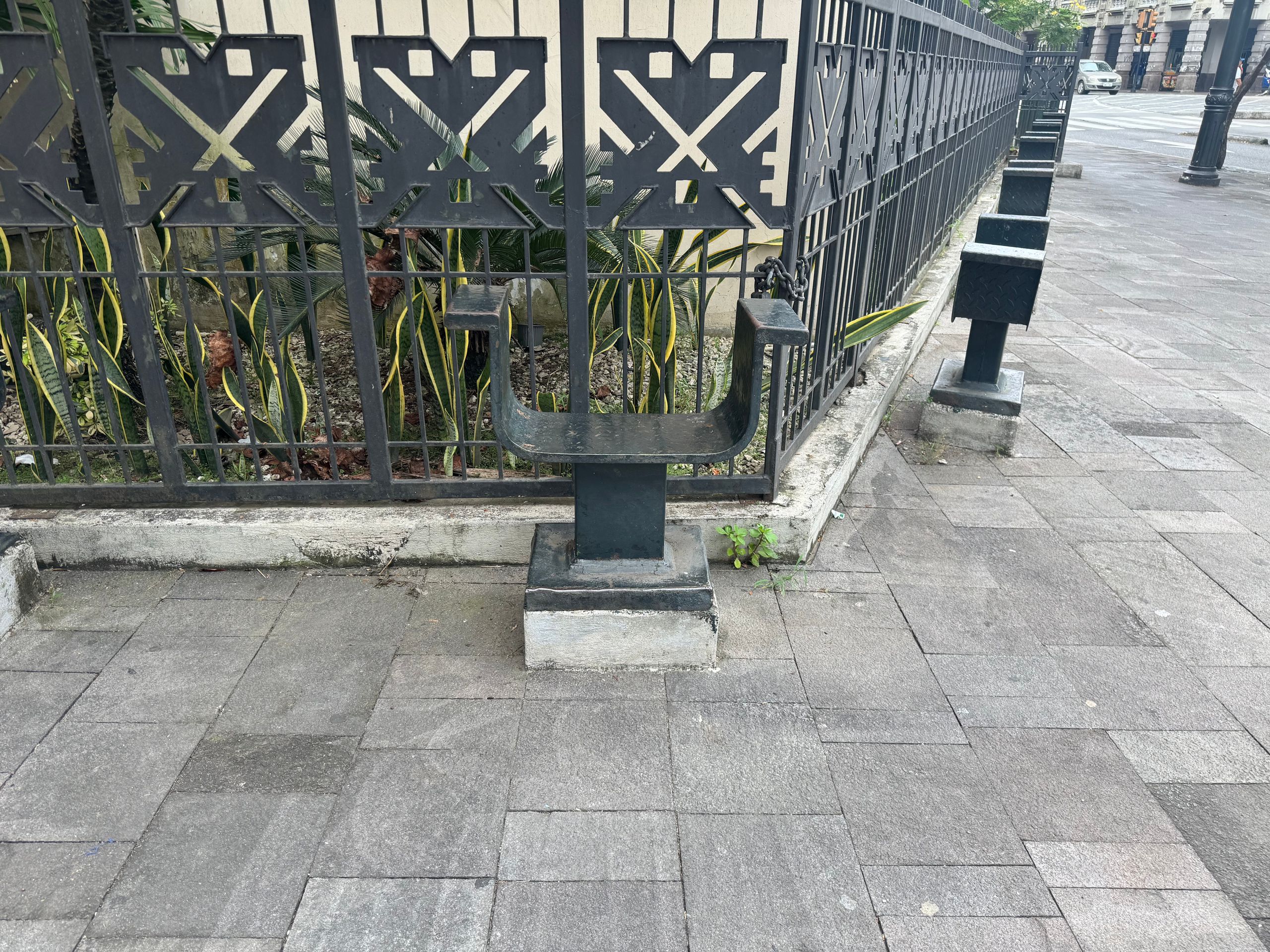
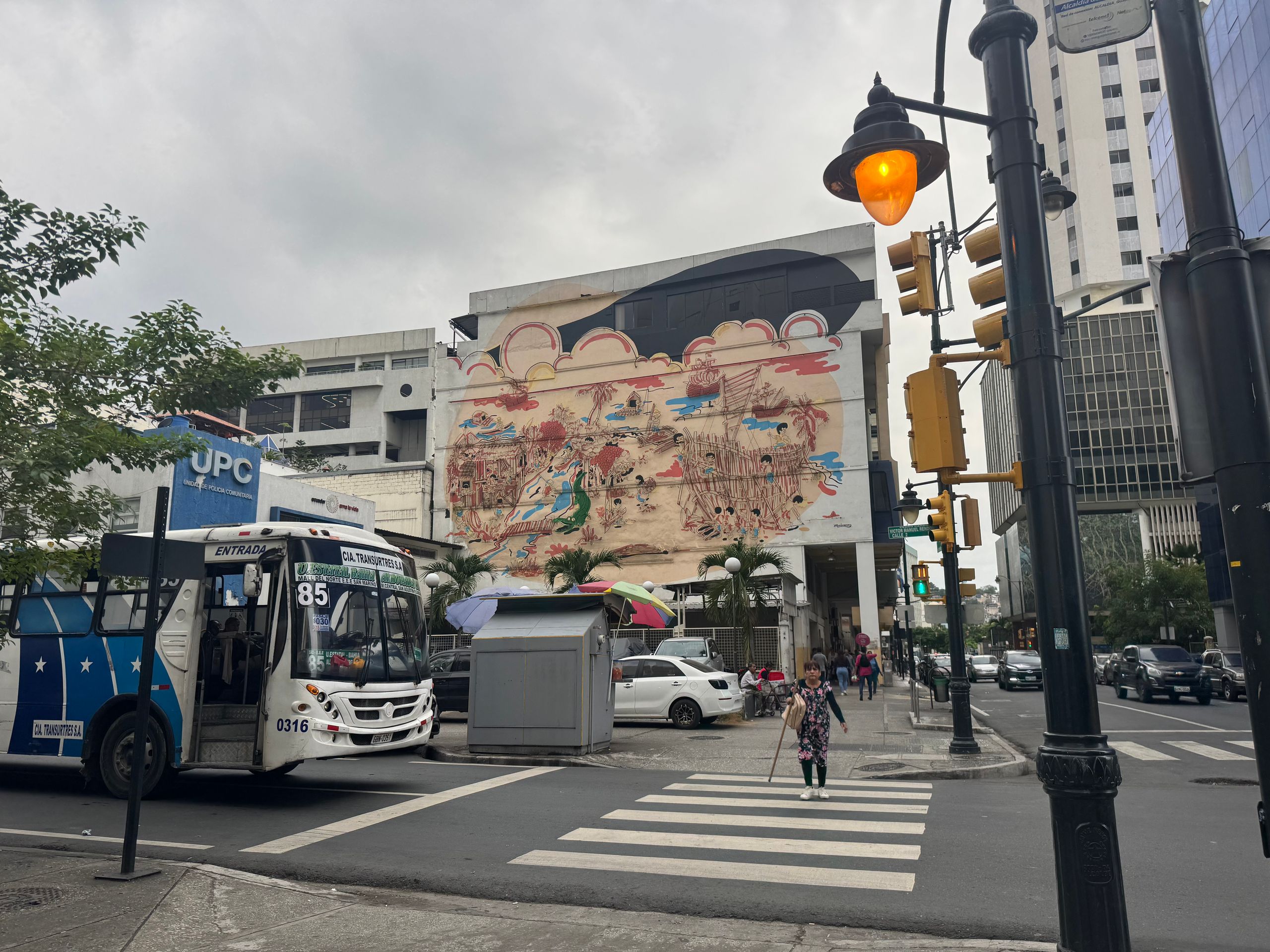
The real atmosphere in the city also felt strange. During breakfast at the hotel, news reports were airing where the police chief in full combat gear reported his successes against various gang members. On the way to the shopping mall in the safe district (where we got snorkeling gear and diving goggles), we were 'checked out', kiosk owners only served through grates onto the street, and when we tried to enter a simple restaurant, the armed security first had to open the gated door, which was immediately closed behind us. And then getting from point A to B could only be done quite expensively by taxi. Thus, this city of 2-3 million shrank for us to a rather manageable size.
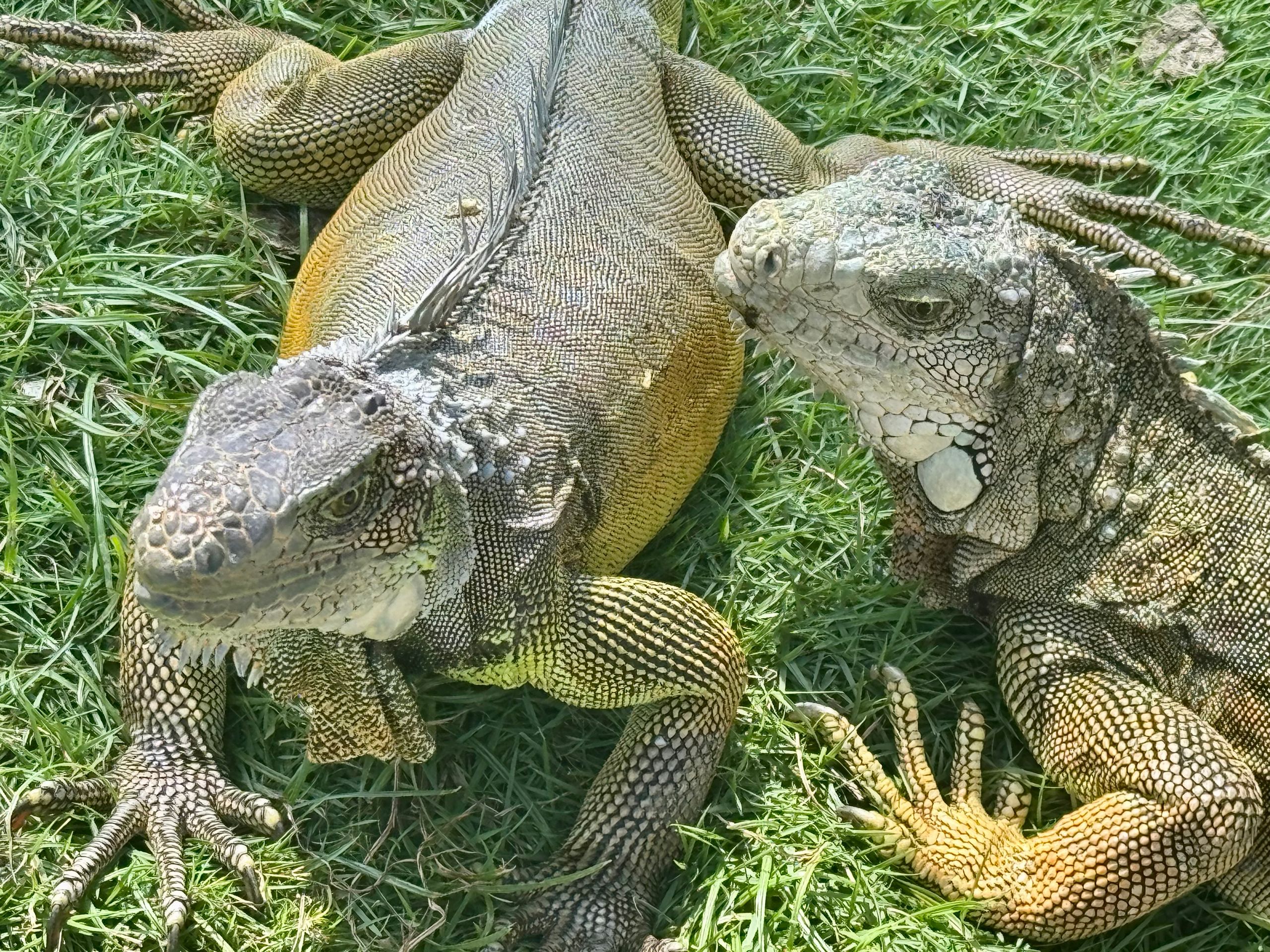
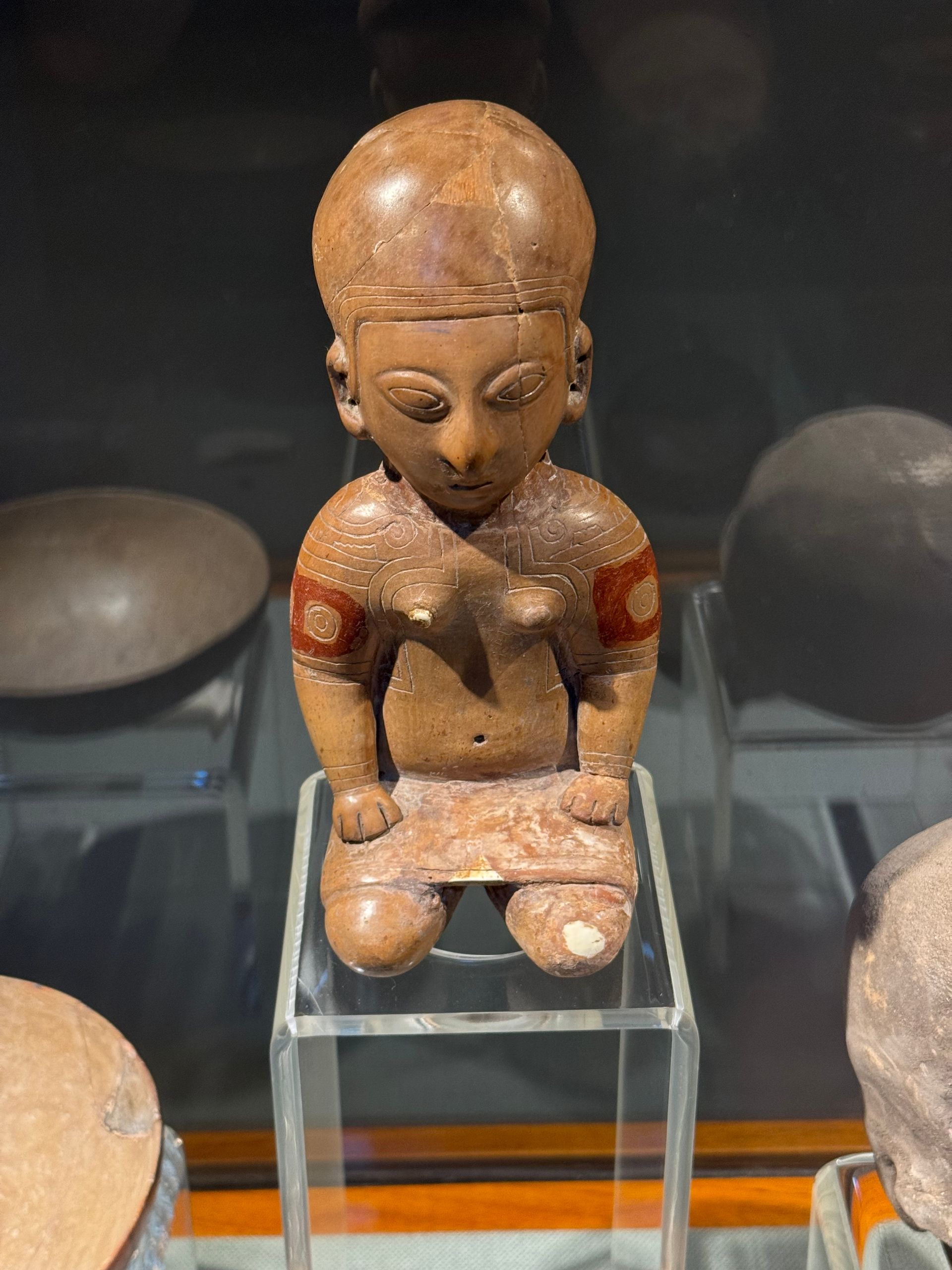
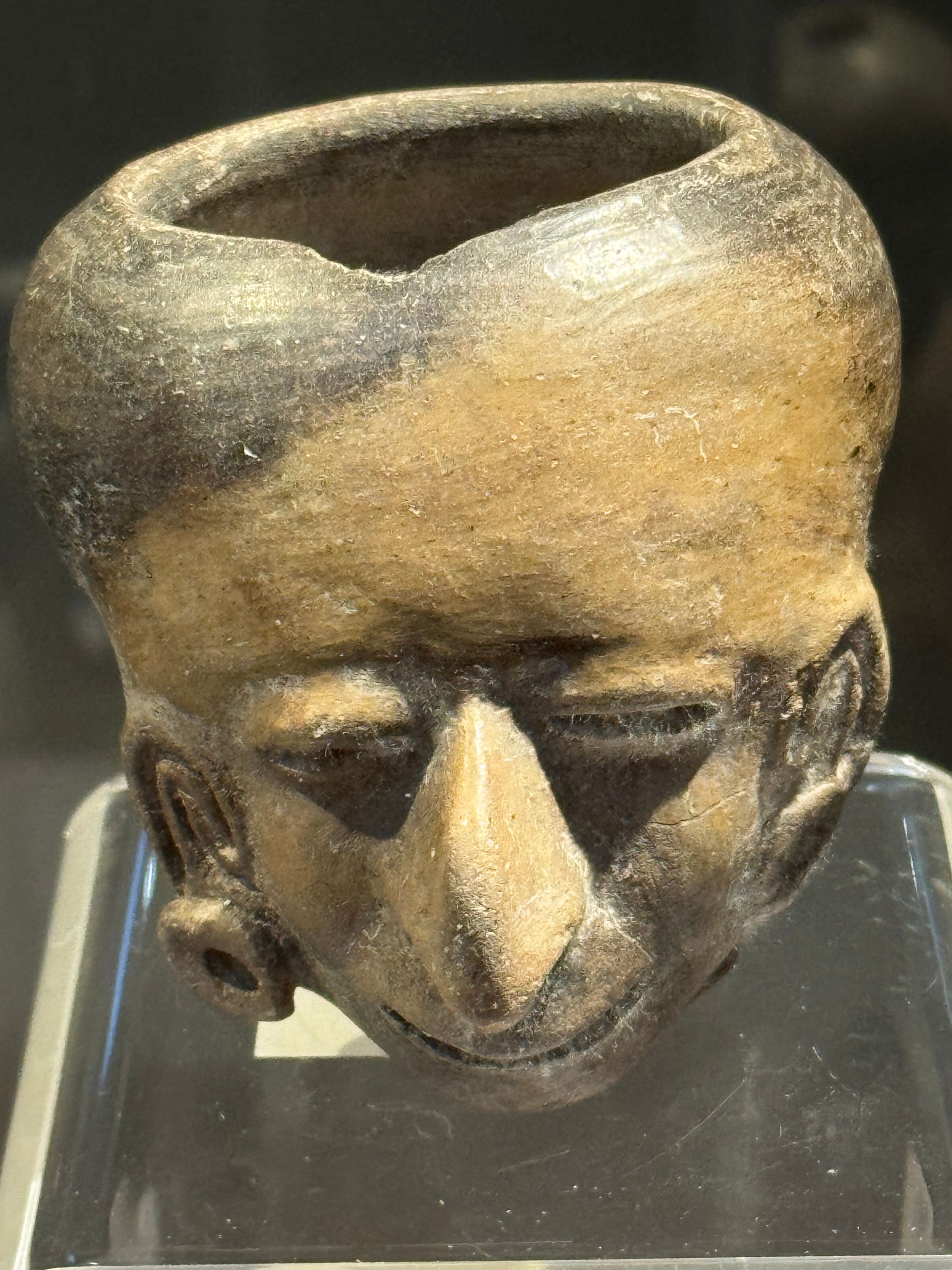
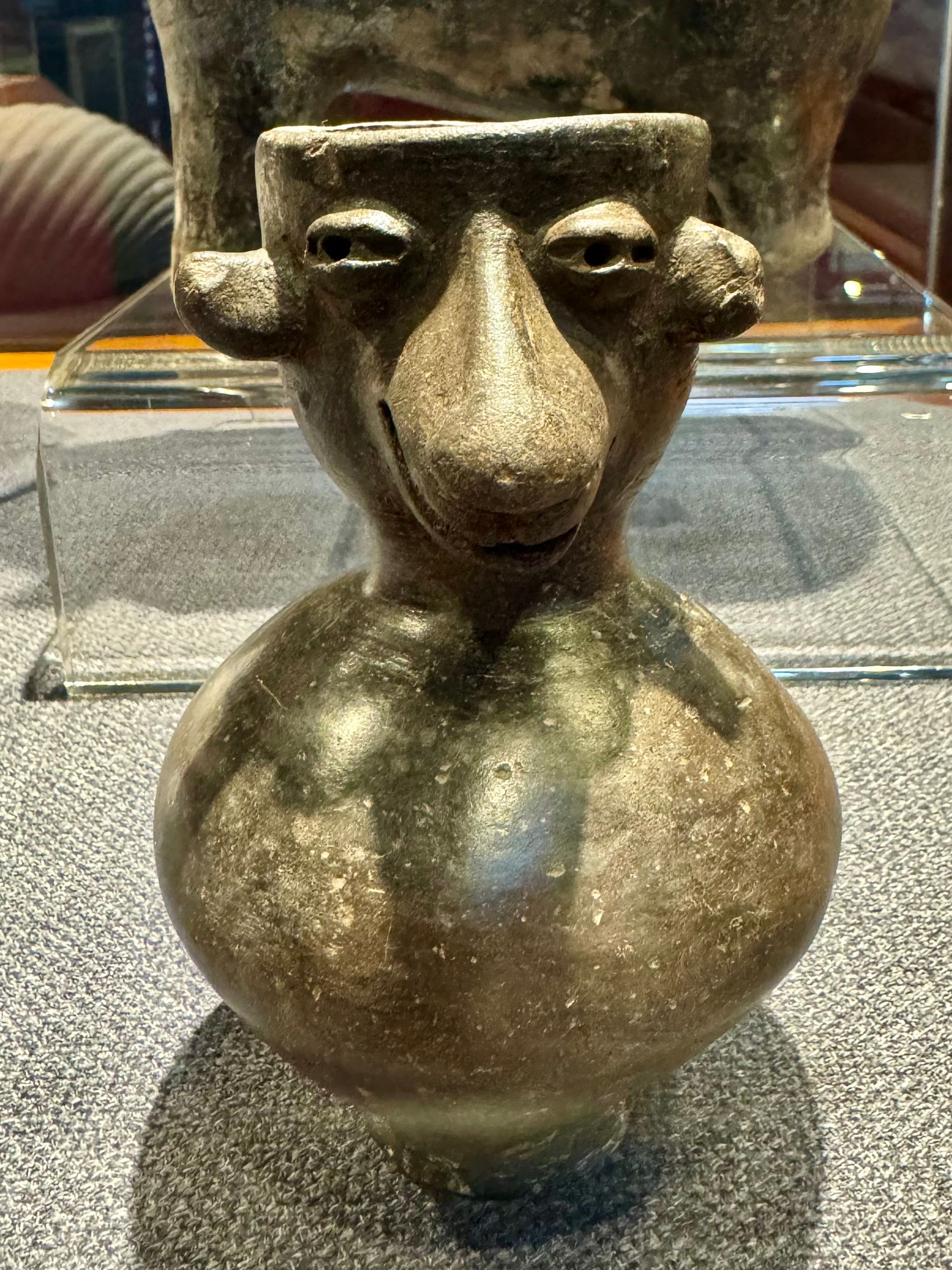
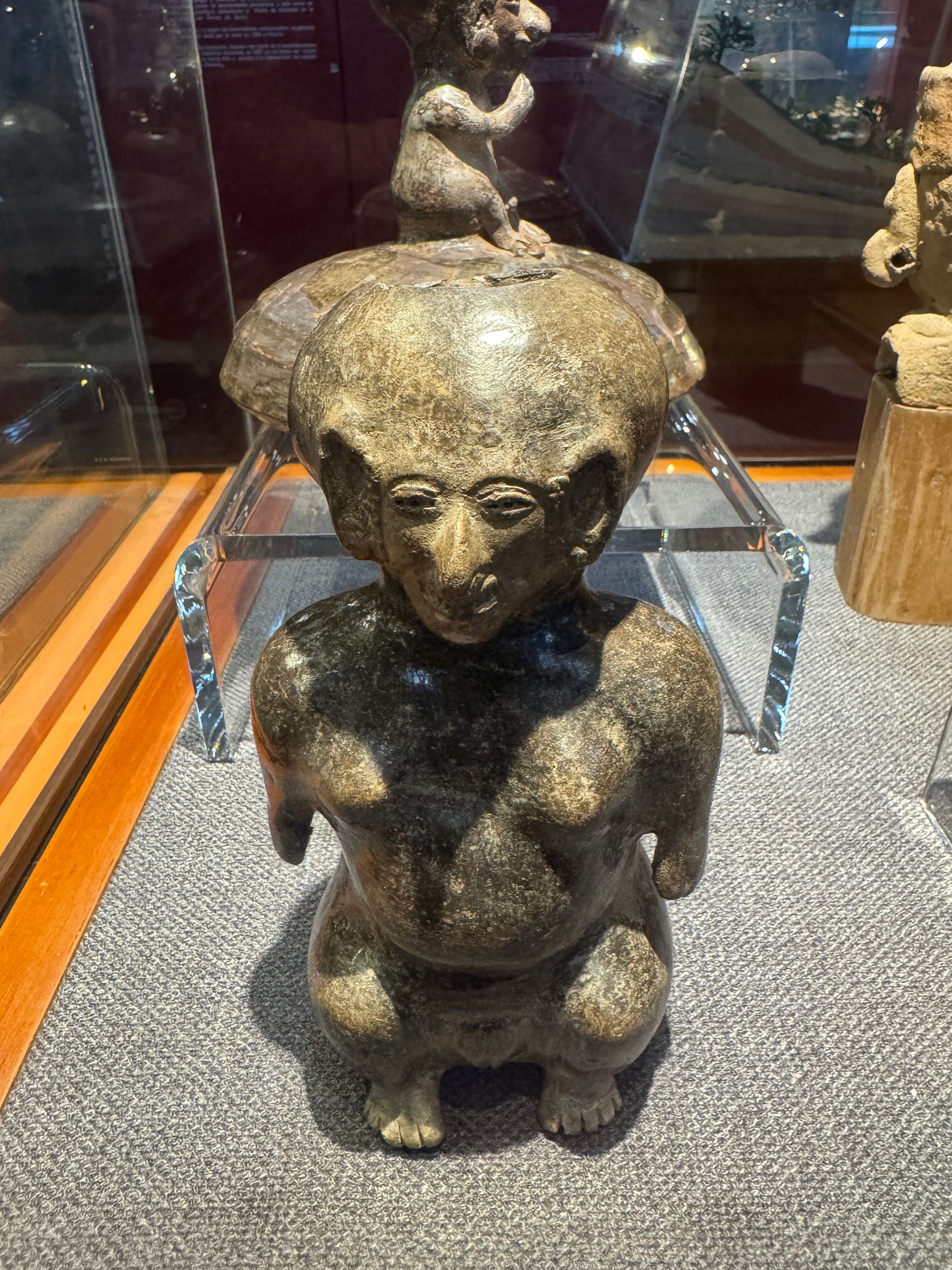
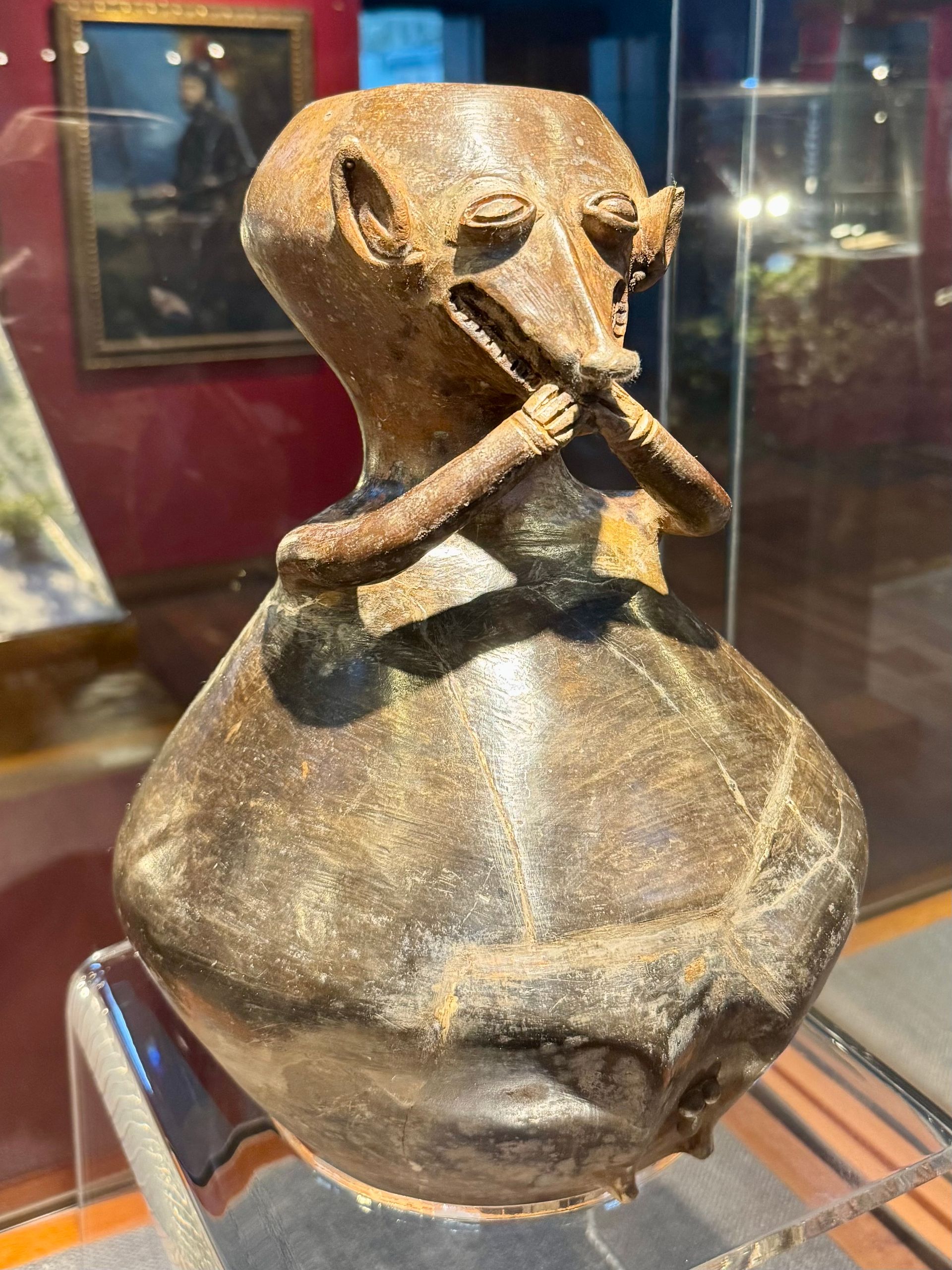
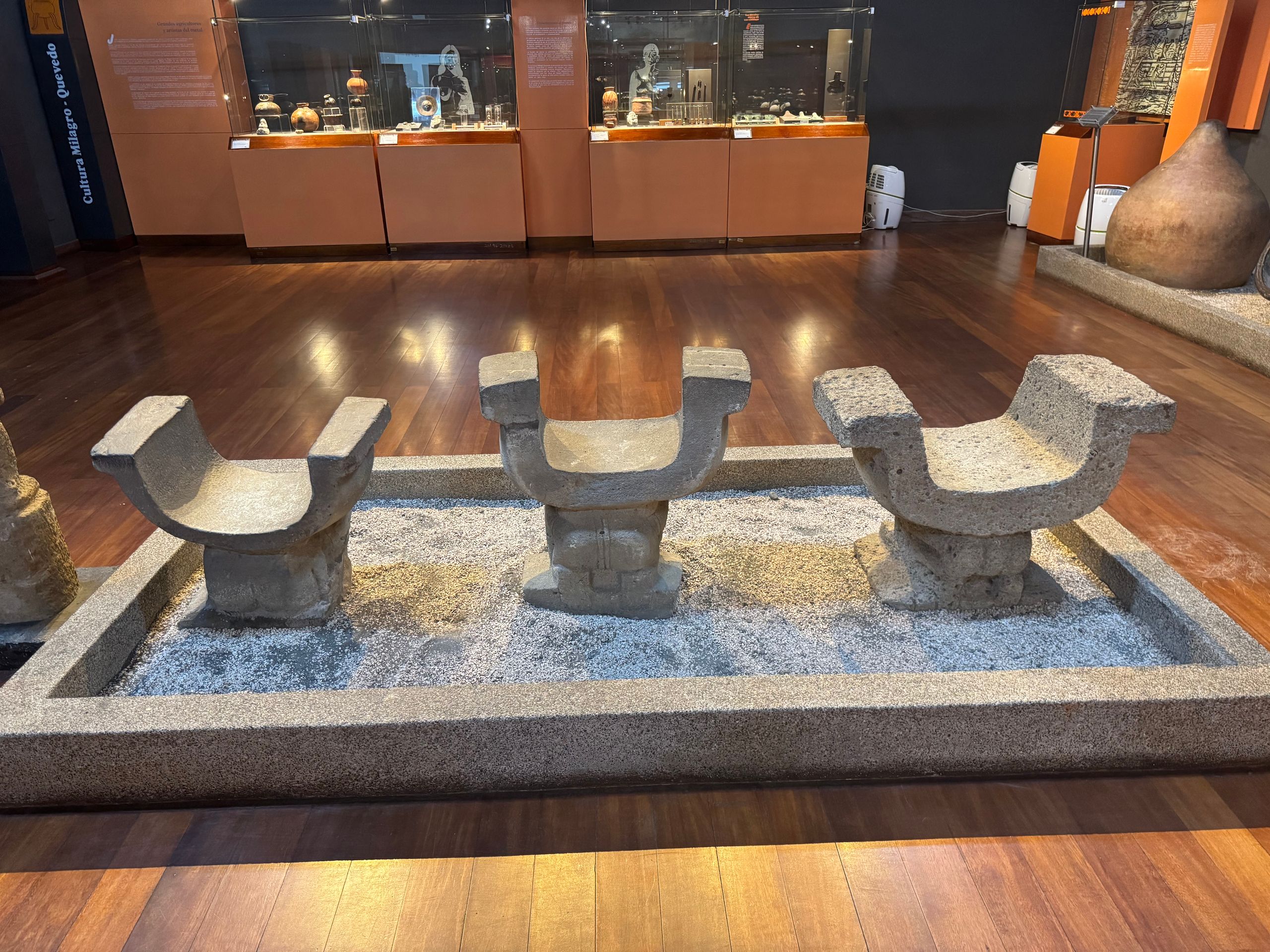
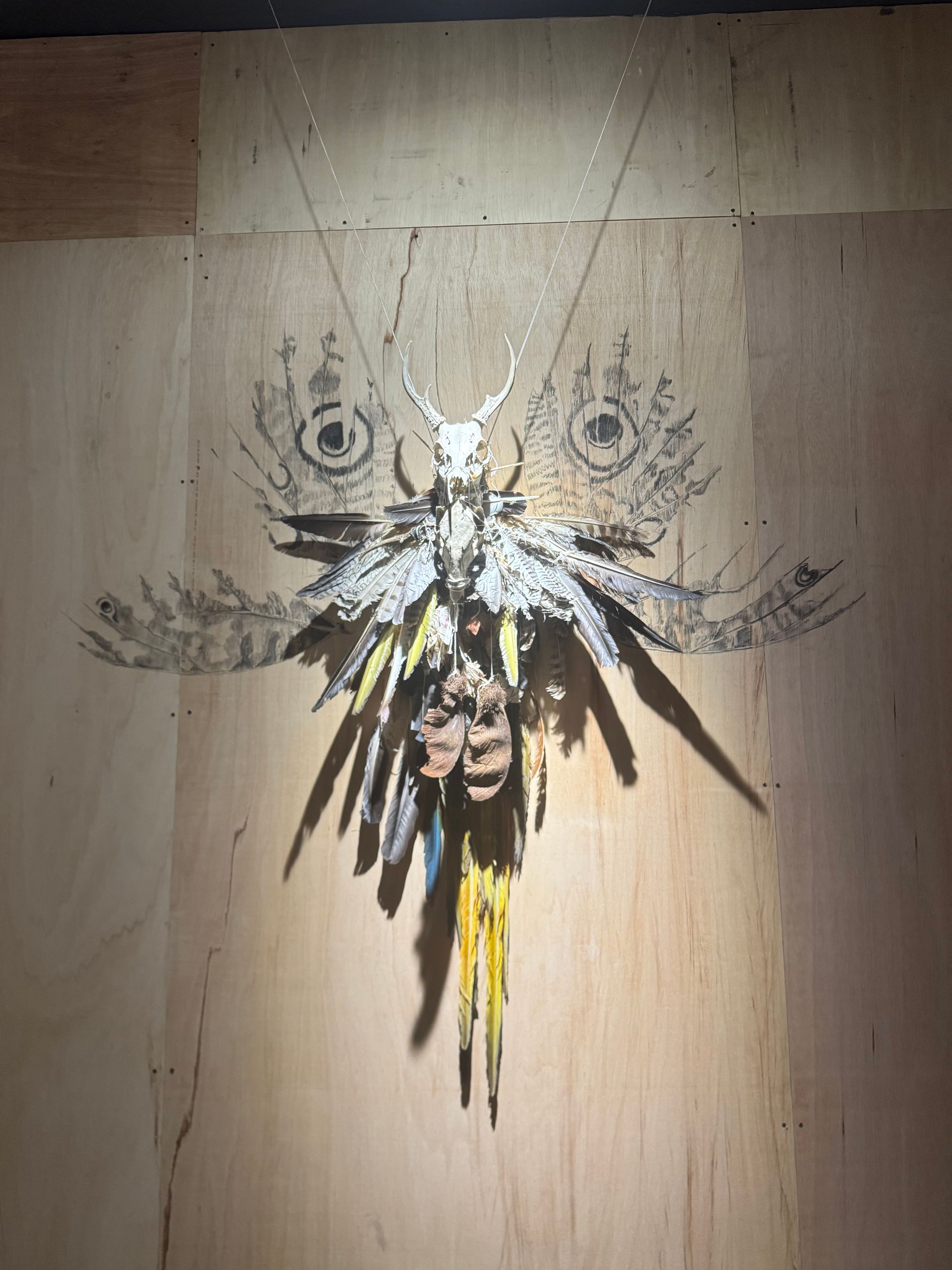
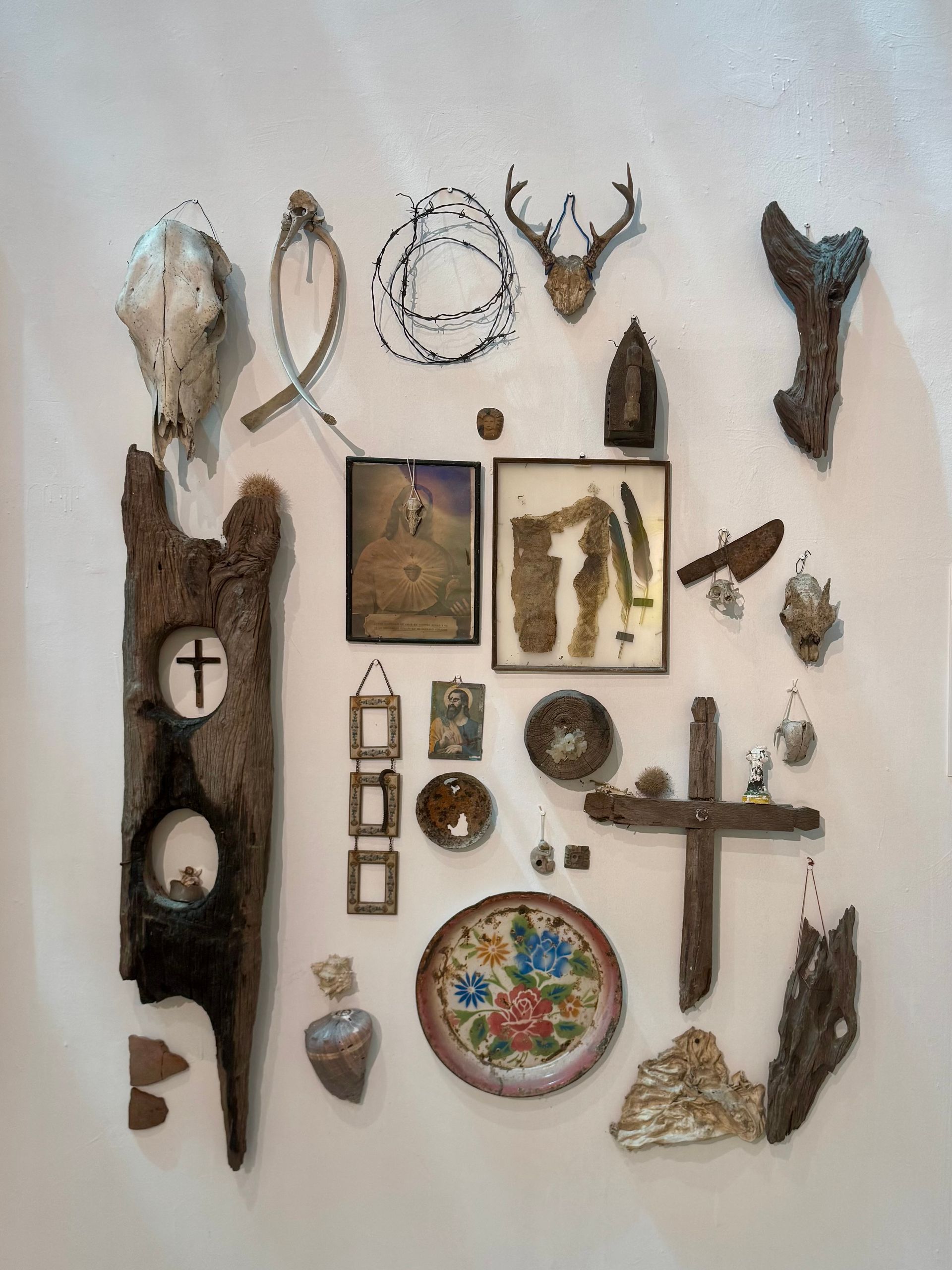
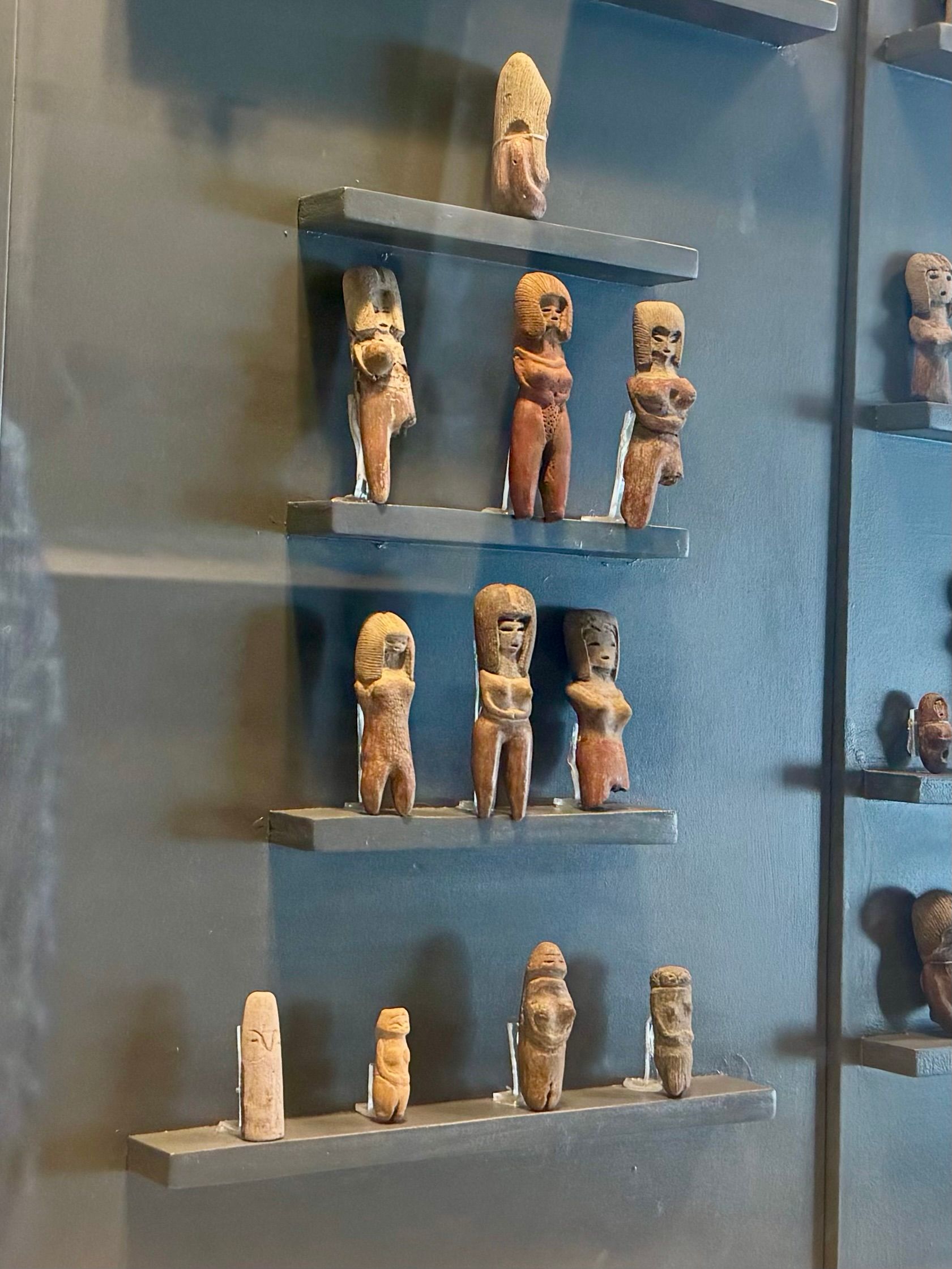
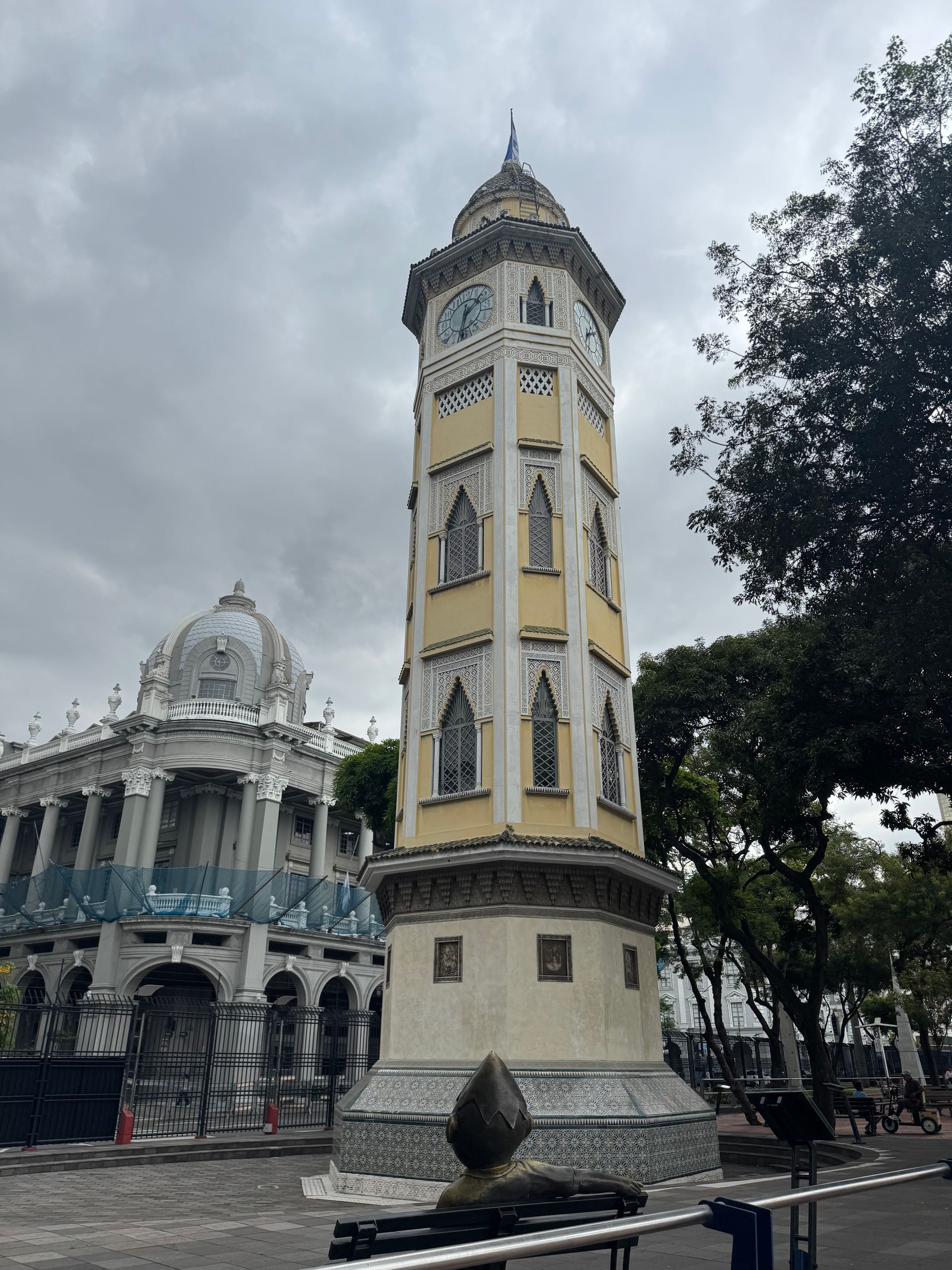
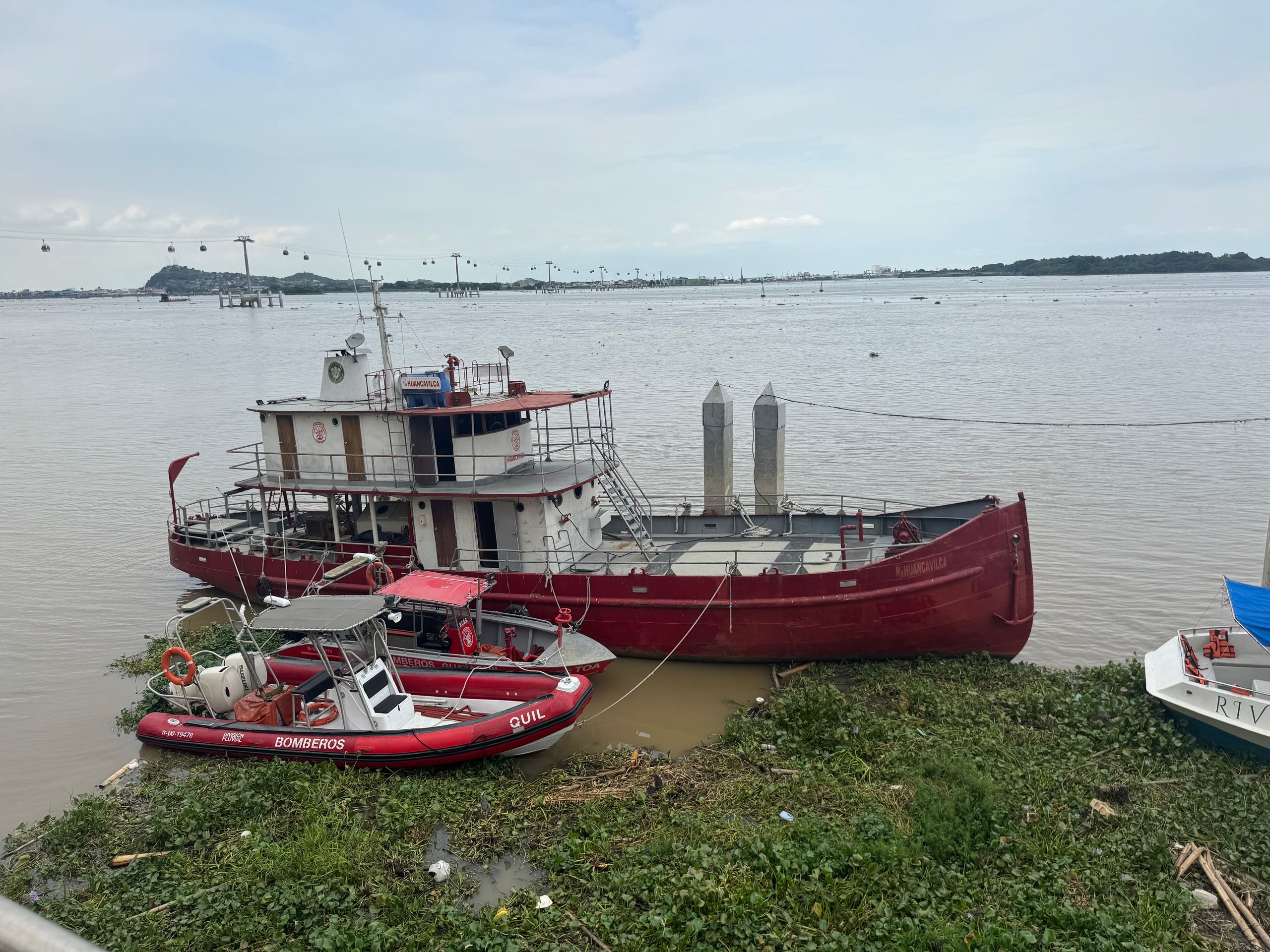
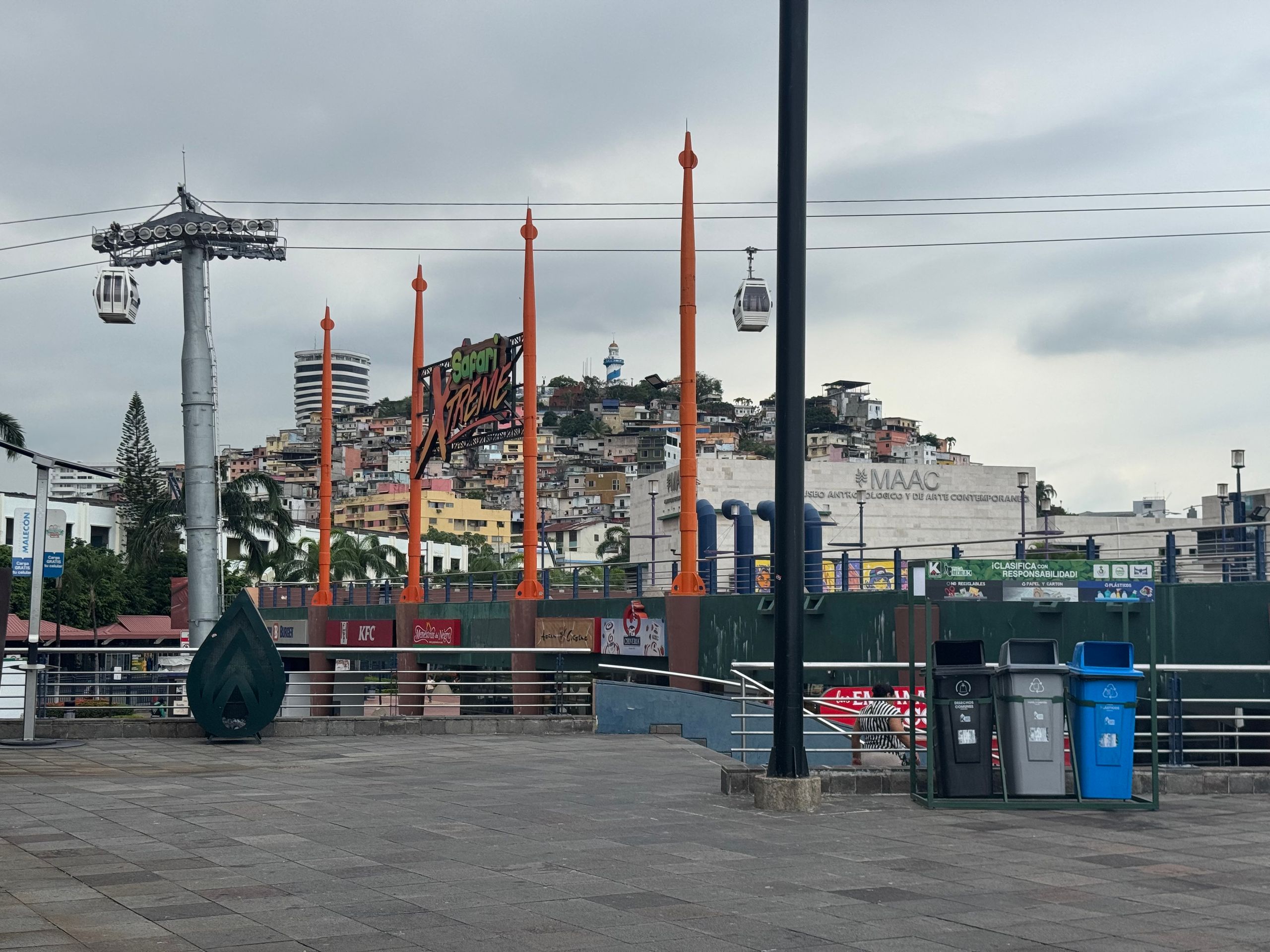
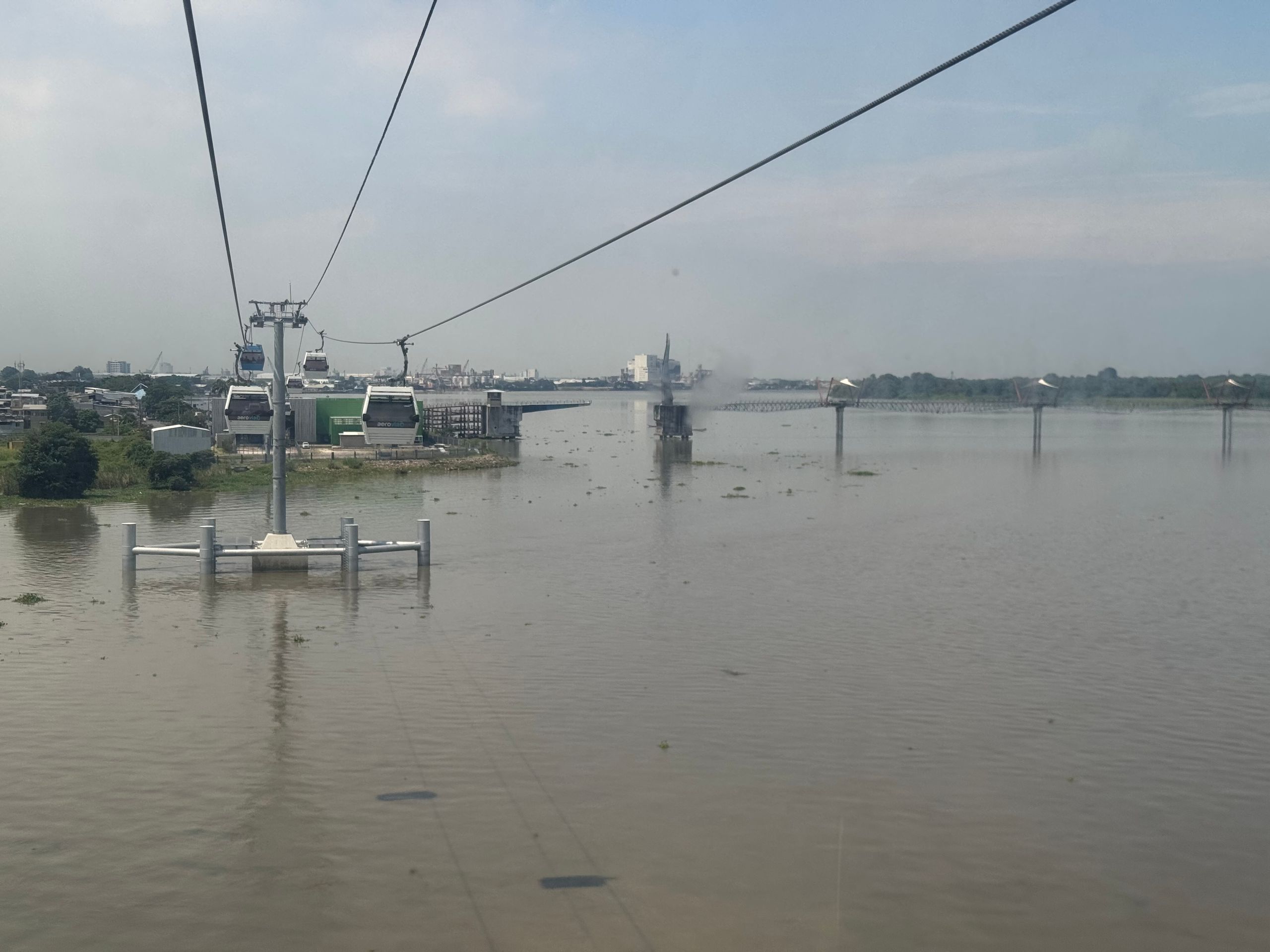
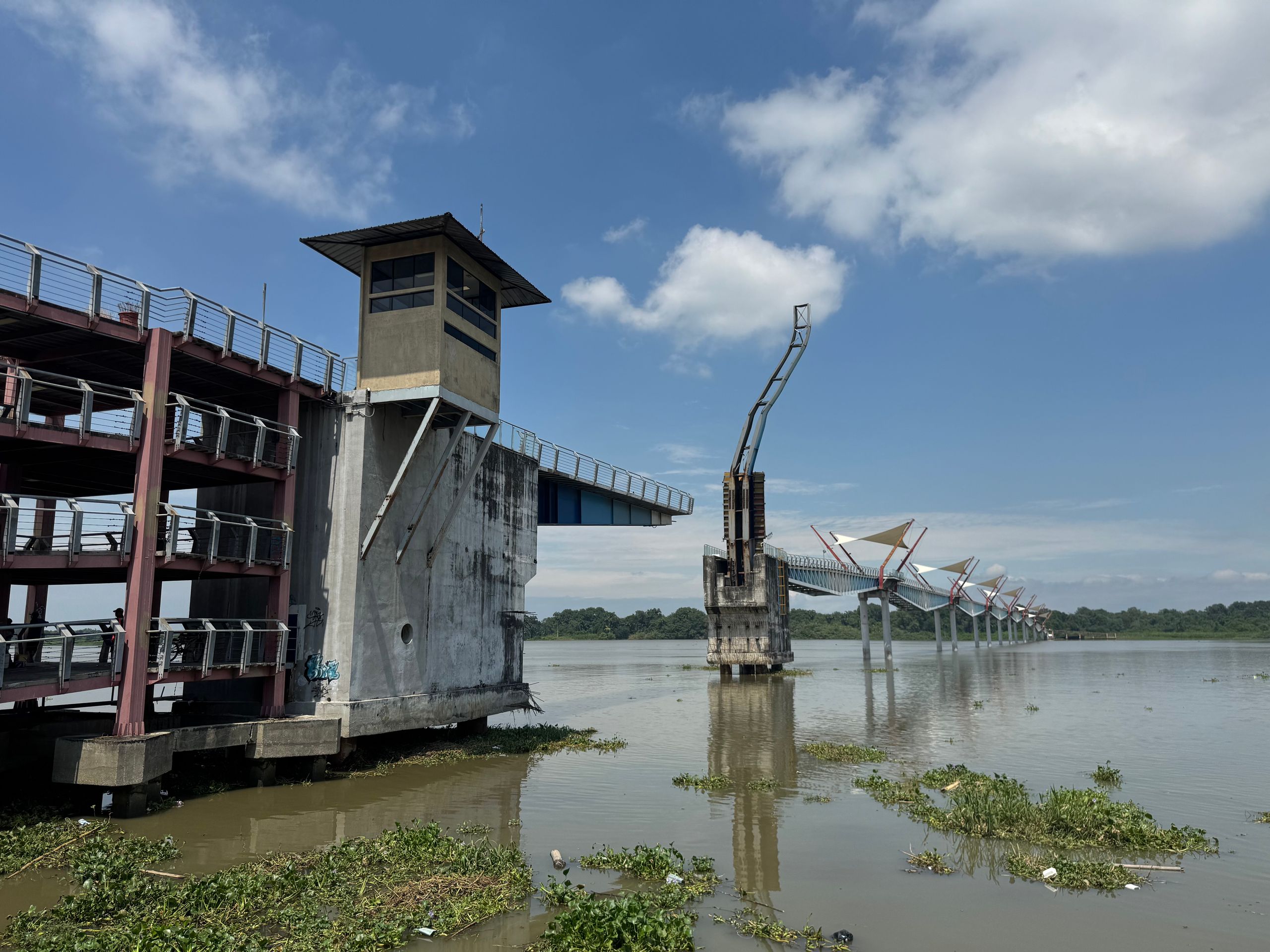
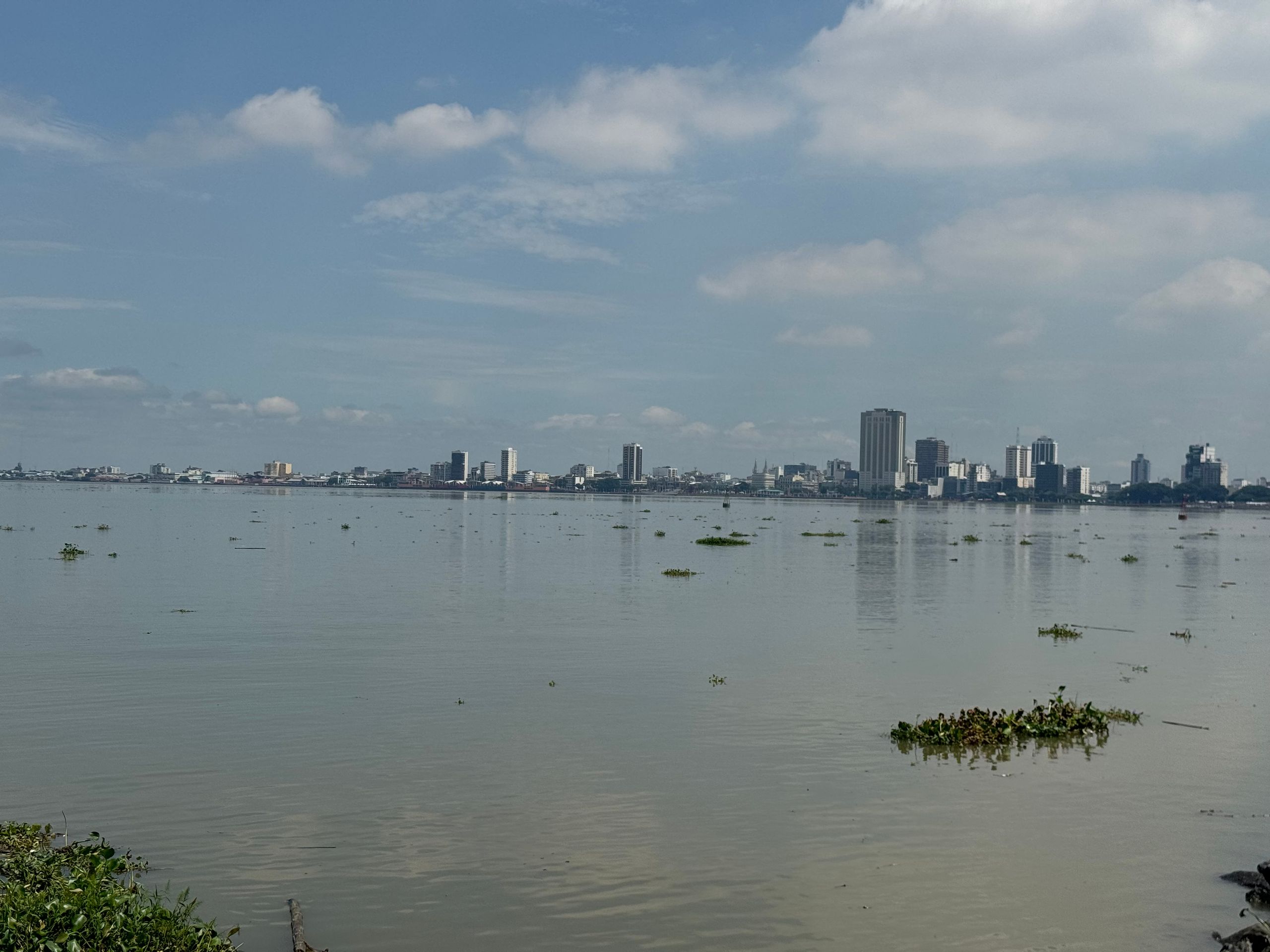
Nevertheless, we spent our time well visiting the few open museums (many had genuine water damage issues, and many rooms were closed, a pity for the art), in the Iguana Park, and along the river promenade. When the cable car reopened on the last day after maintenance, we also took a ride over the Rio Guayas to Duran. However, since it was said to be particularly dangerous there, we only dared to stay for a short time and returned quickly.
Our time in South America was coming to an end, and our mood was a mixture of nostalgia and anticipation for Galapagos and the worlds that still lay ahead of us.