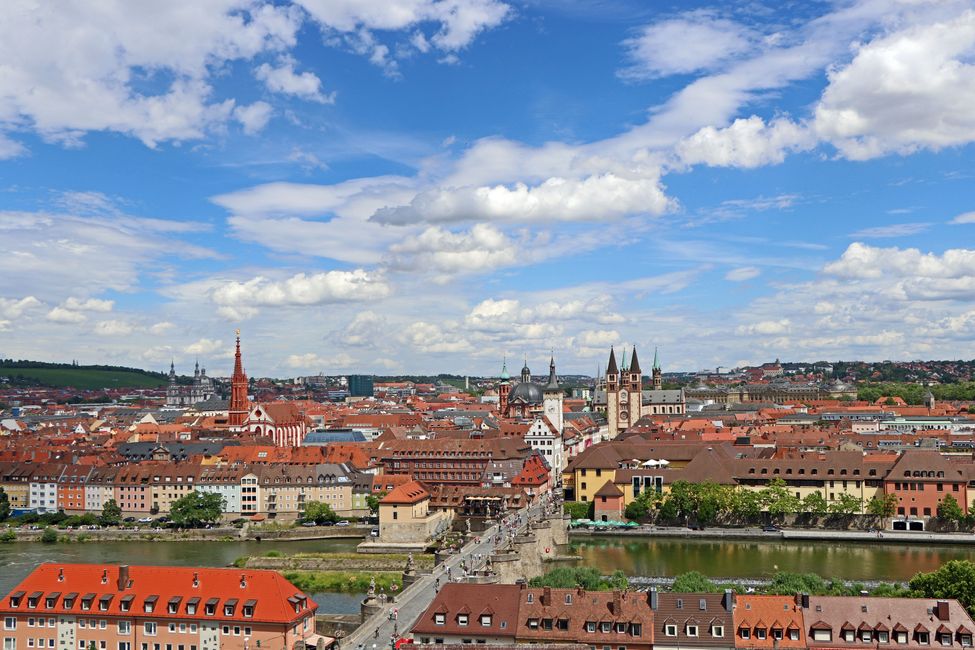

KOBLENZ is the place where the Moselle and Rhine rivers converge.
A historically rich city with cozy street cafés, traditional family businesses, and large shopping centers. „Am Plan“ features the first fountain from 1806, which provided...


Published: 04.05.2026
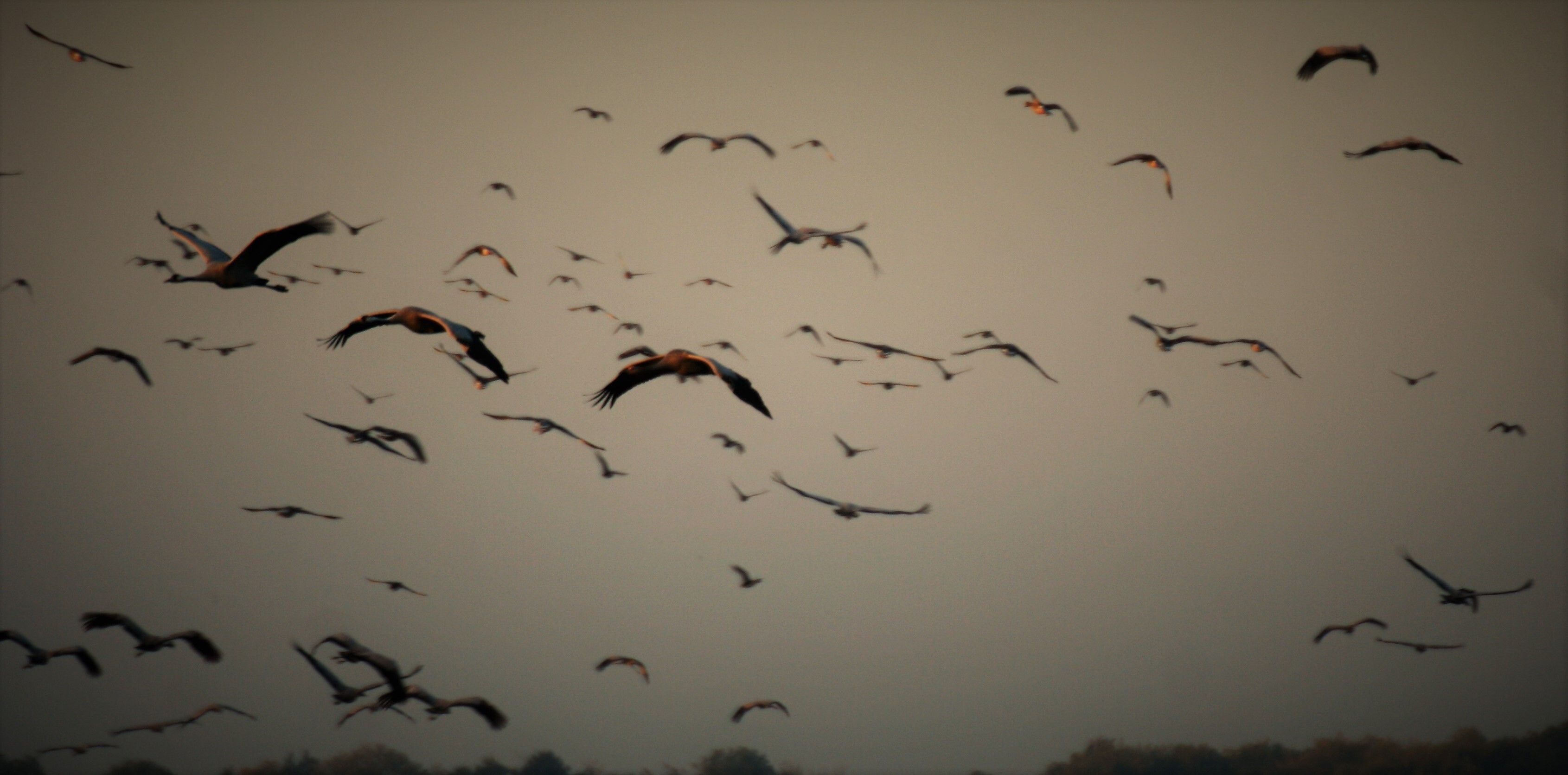
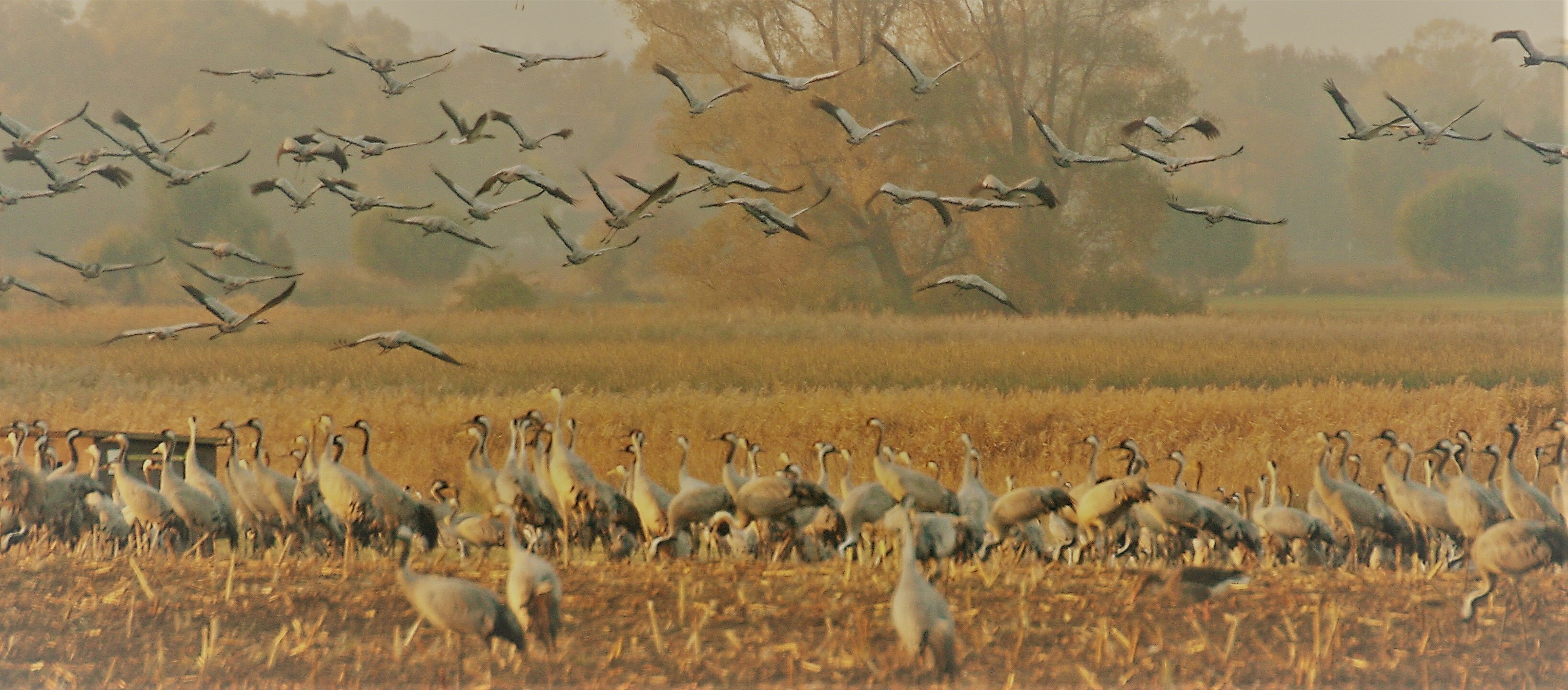
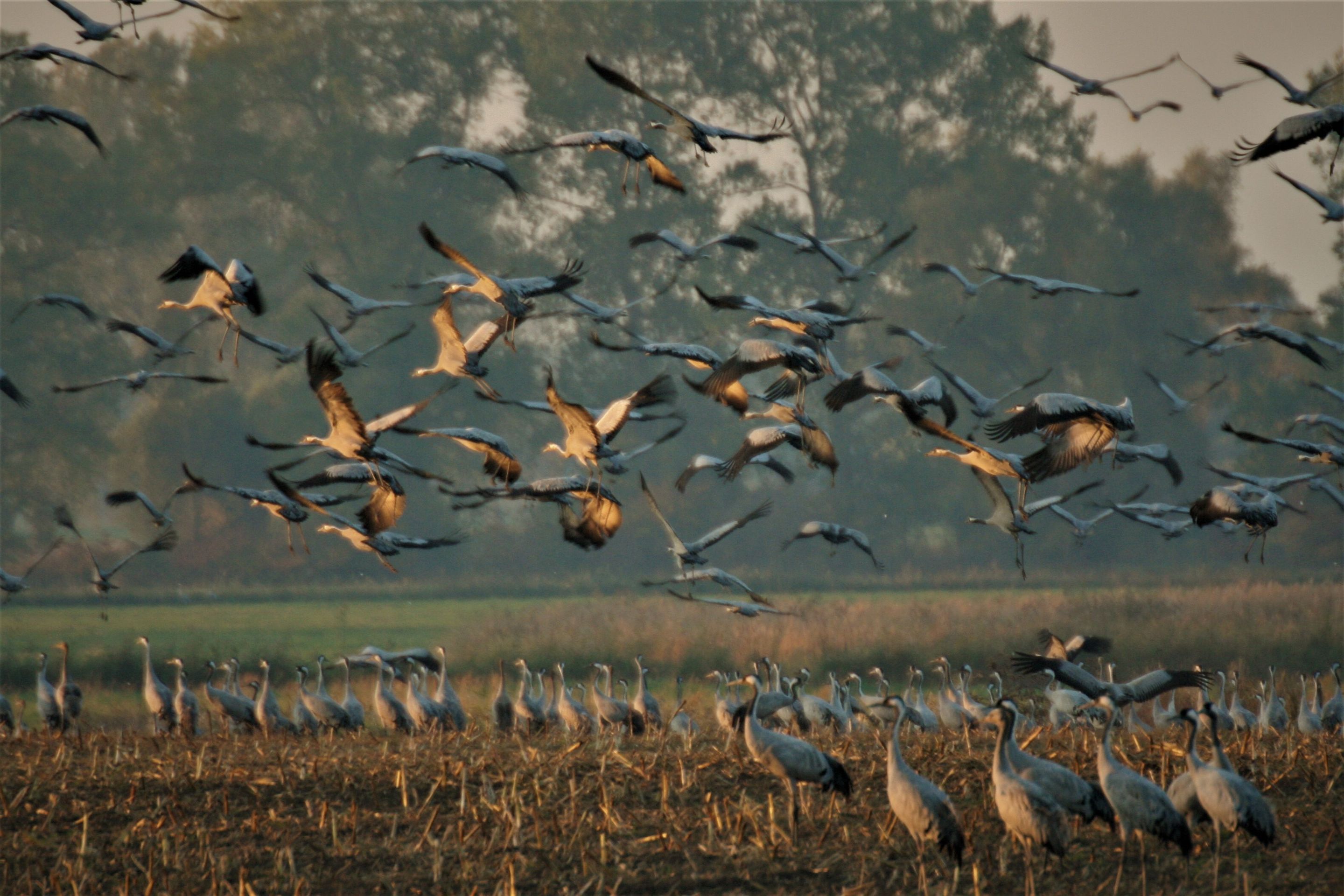
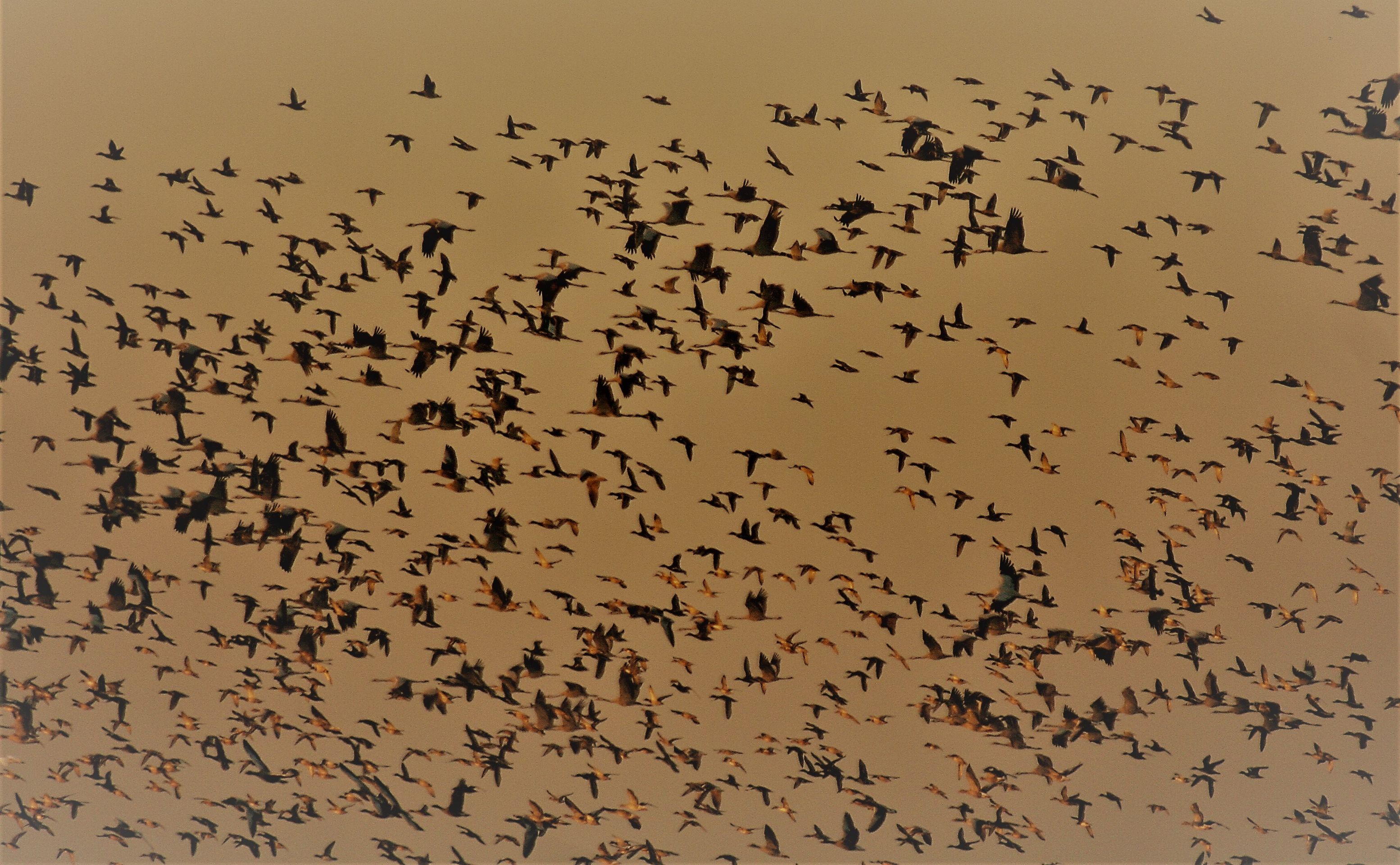
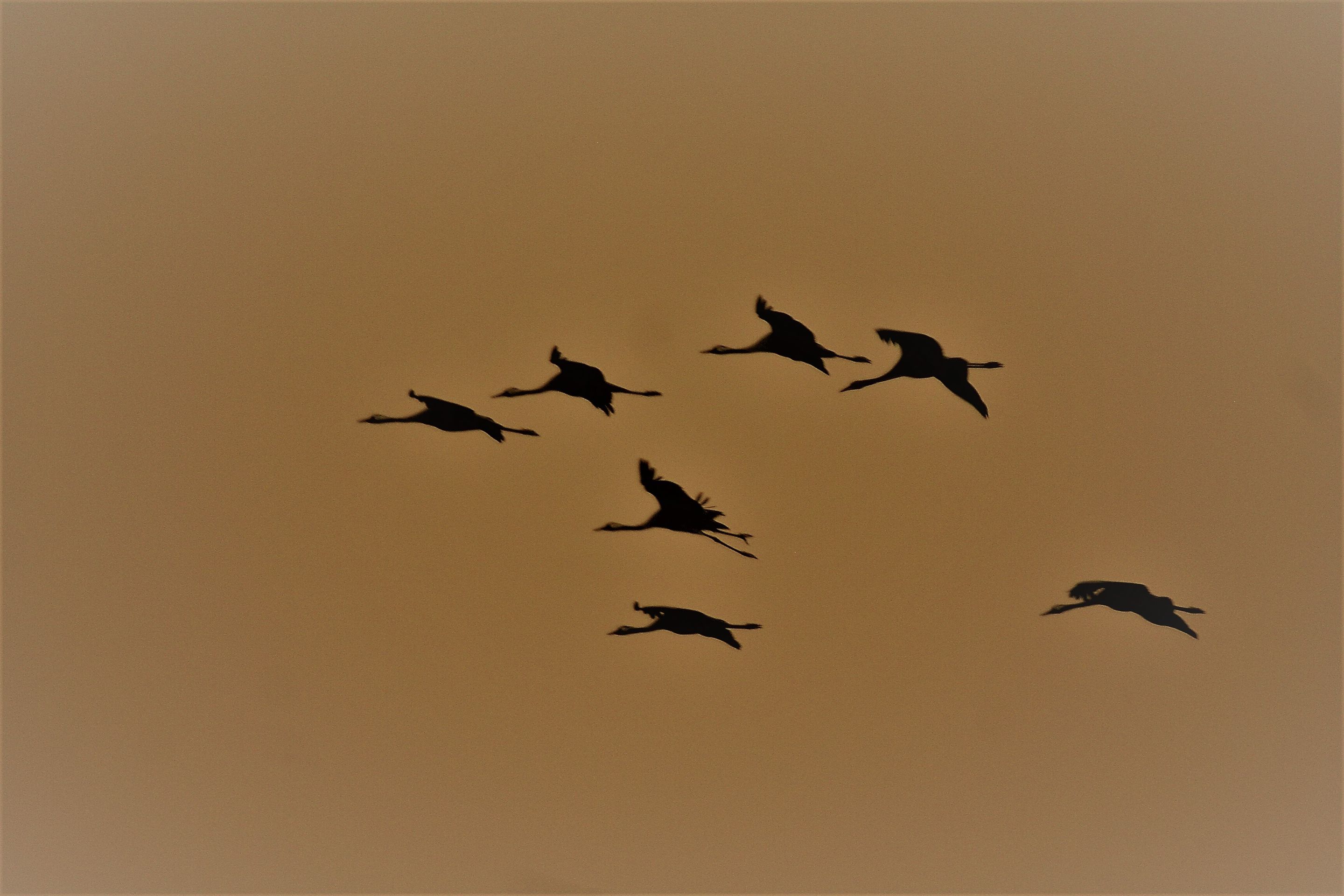
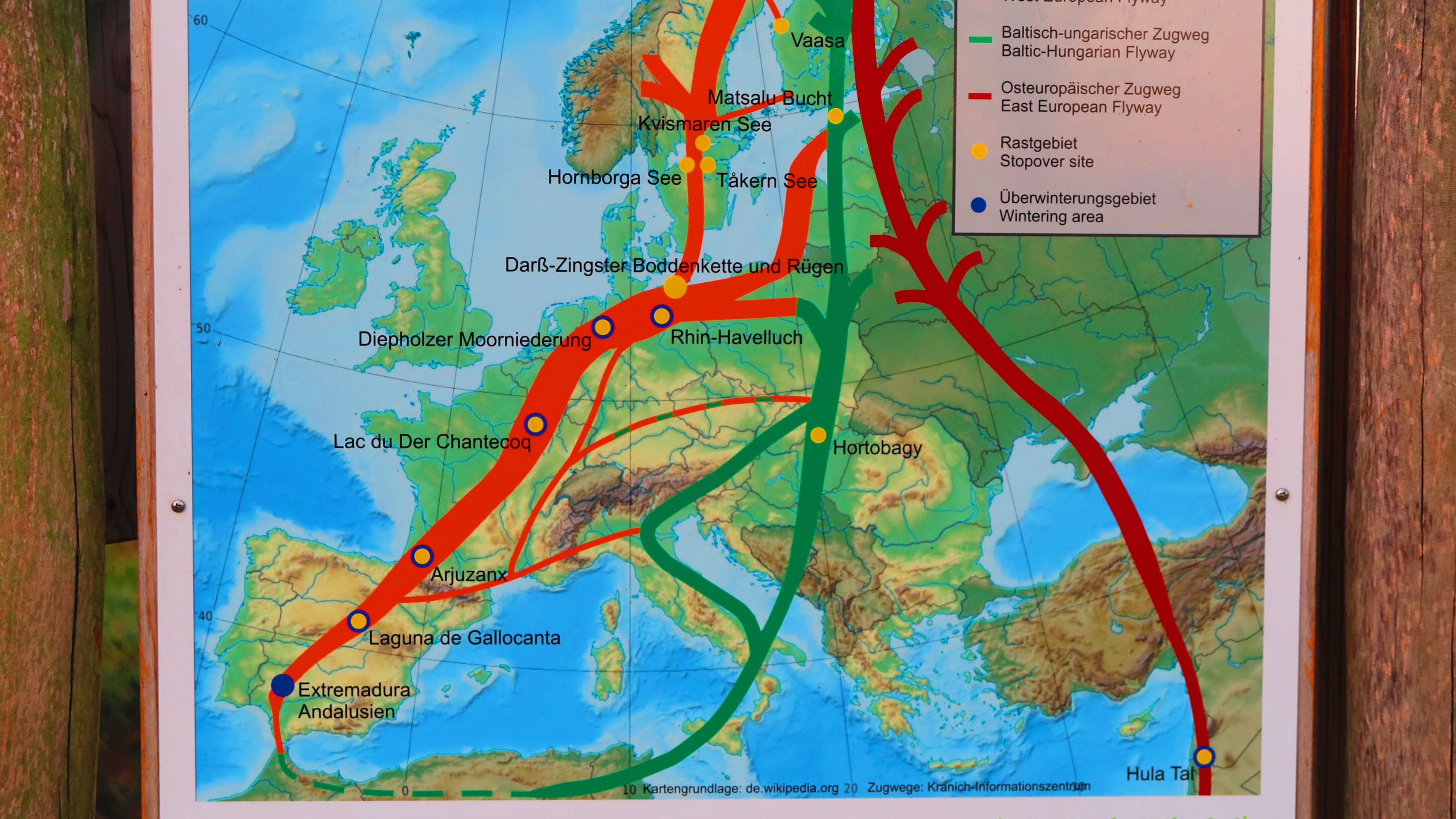

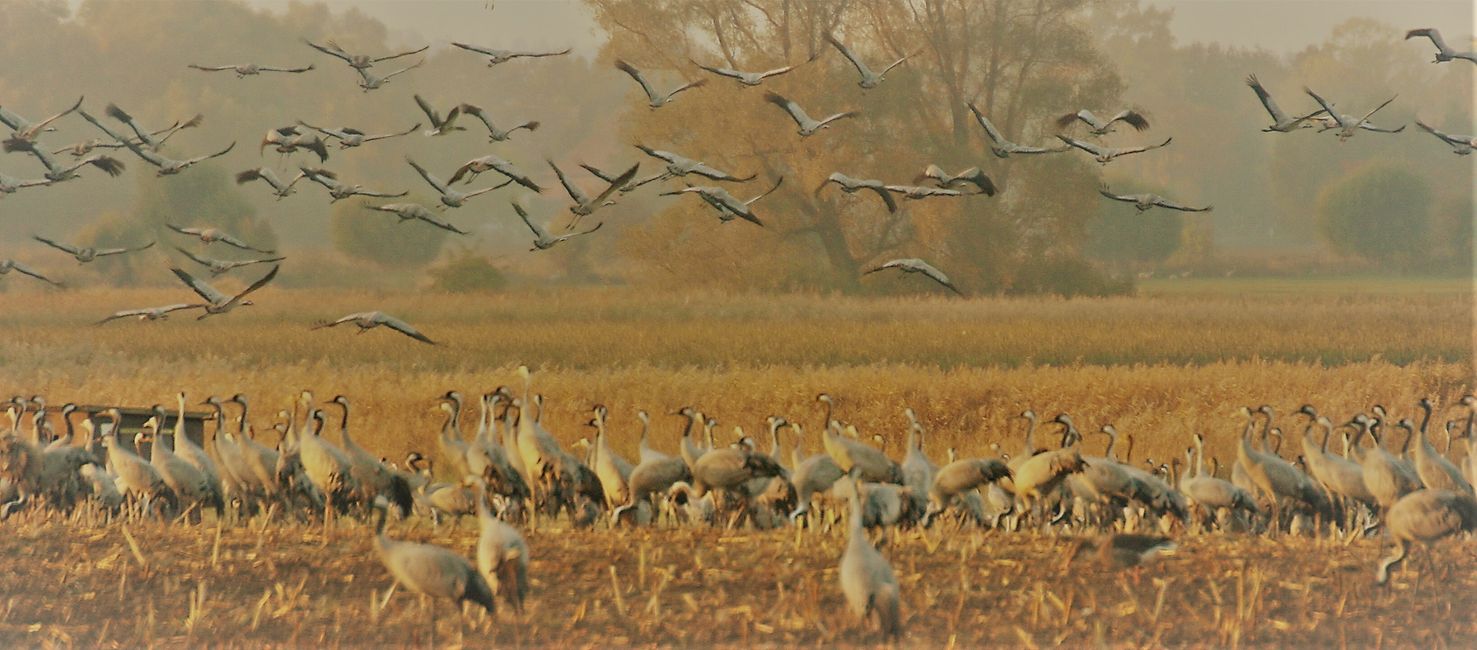
It is known that when they migrate south in mid-October, it is a reliable natural sign of autumn.
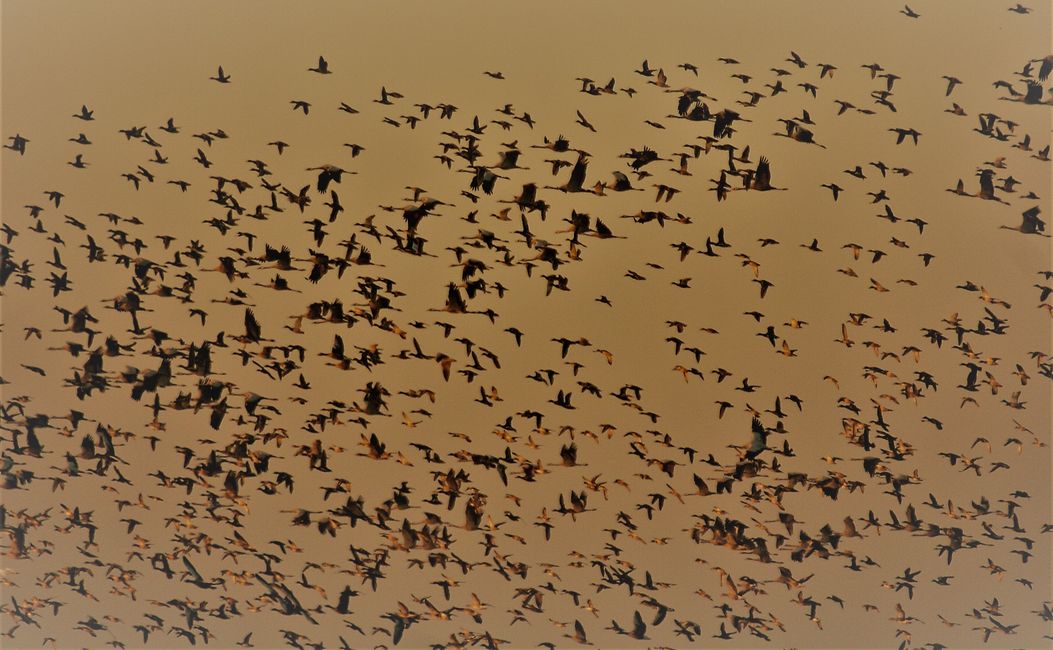
Through vocal signals, their departure is synchronized and with some quick steps, the cranes push off and fly with long necks.
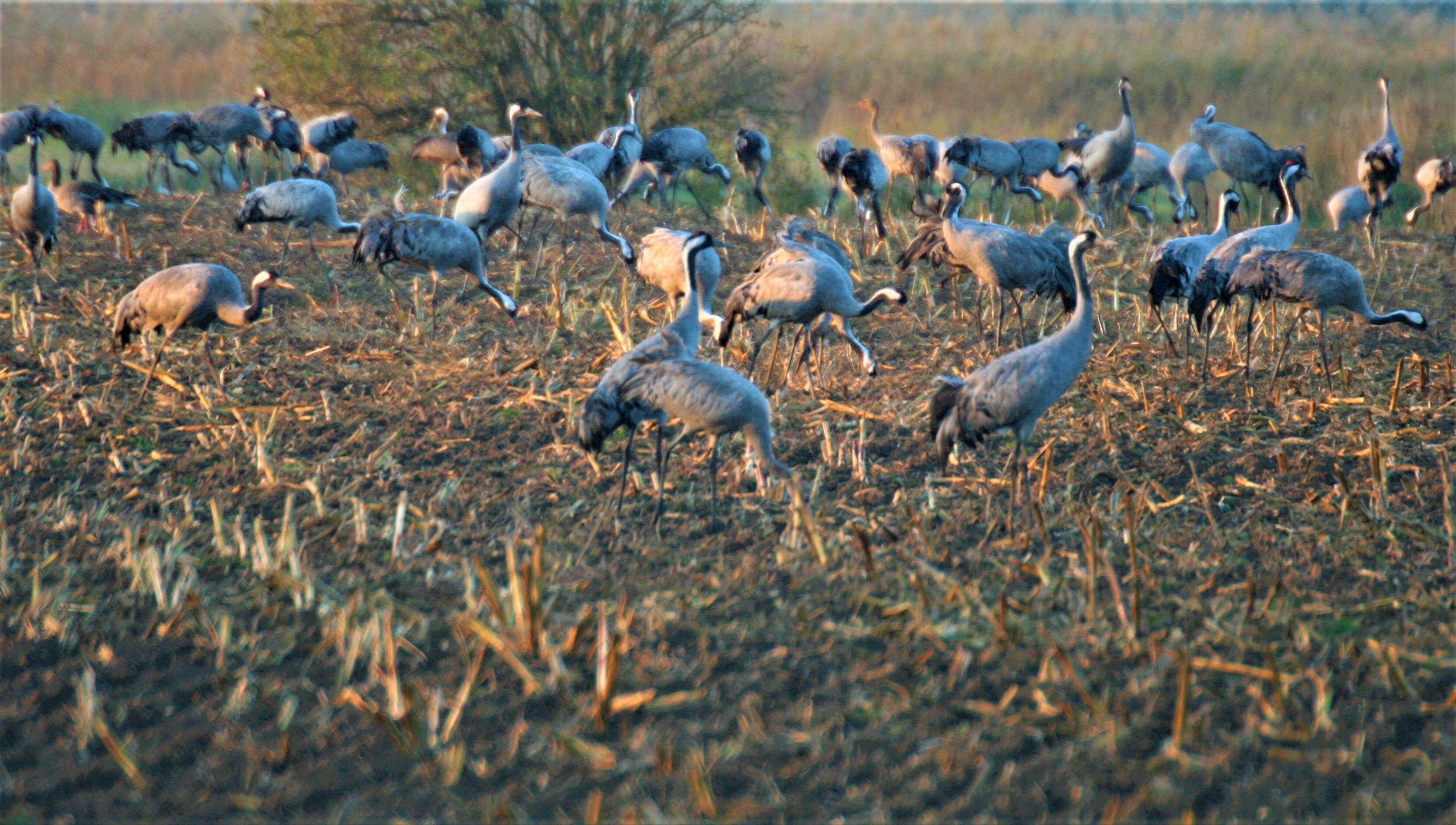
Their preferred habitats are wetlands in lowlands such as lake shores, moorlands, and wet meadows, and bodies of water with low water levels offer protection from enemies like foxes.
For resting, they use wide and open areas like fields and stubble fields.
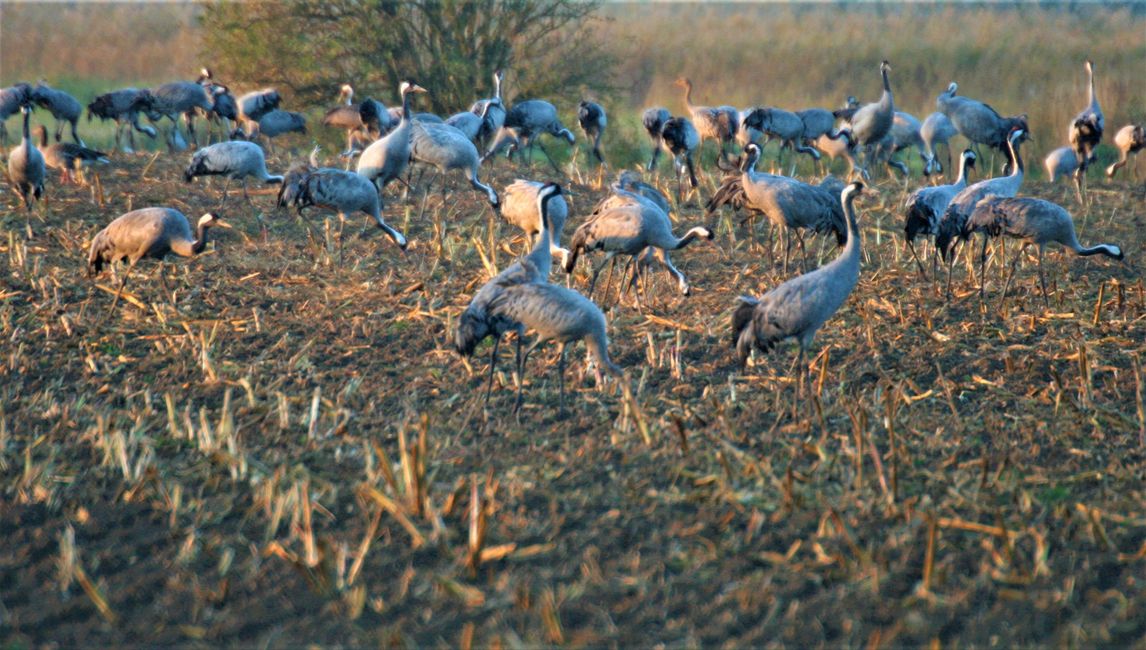
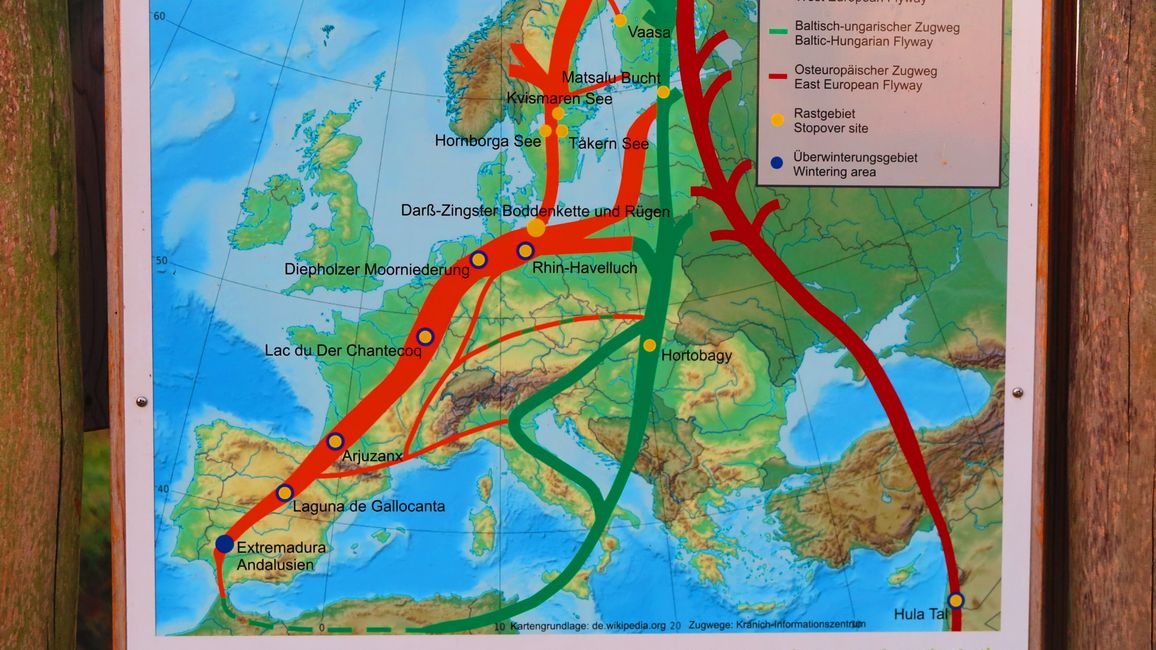
Before the onset of the mass departure, the birds display restless behavior. They call and dance, are excited at night, and orient themselves to winds, food availability, and temperature changes.
The crane migration consists of groups of pairs or small families that gather in thousands at resting places.
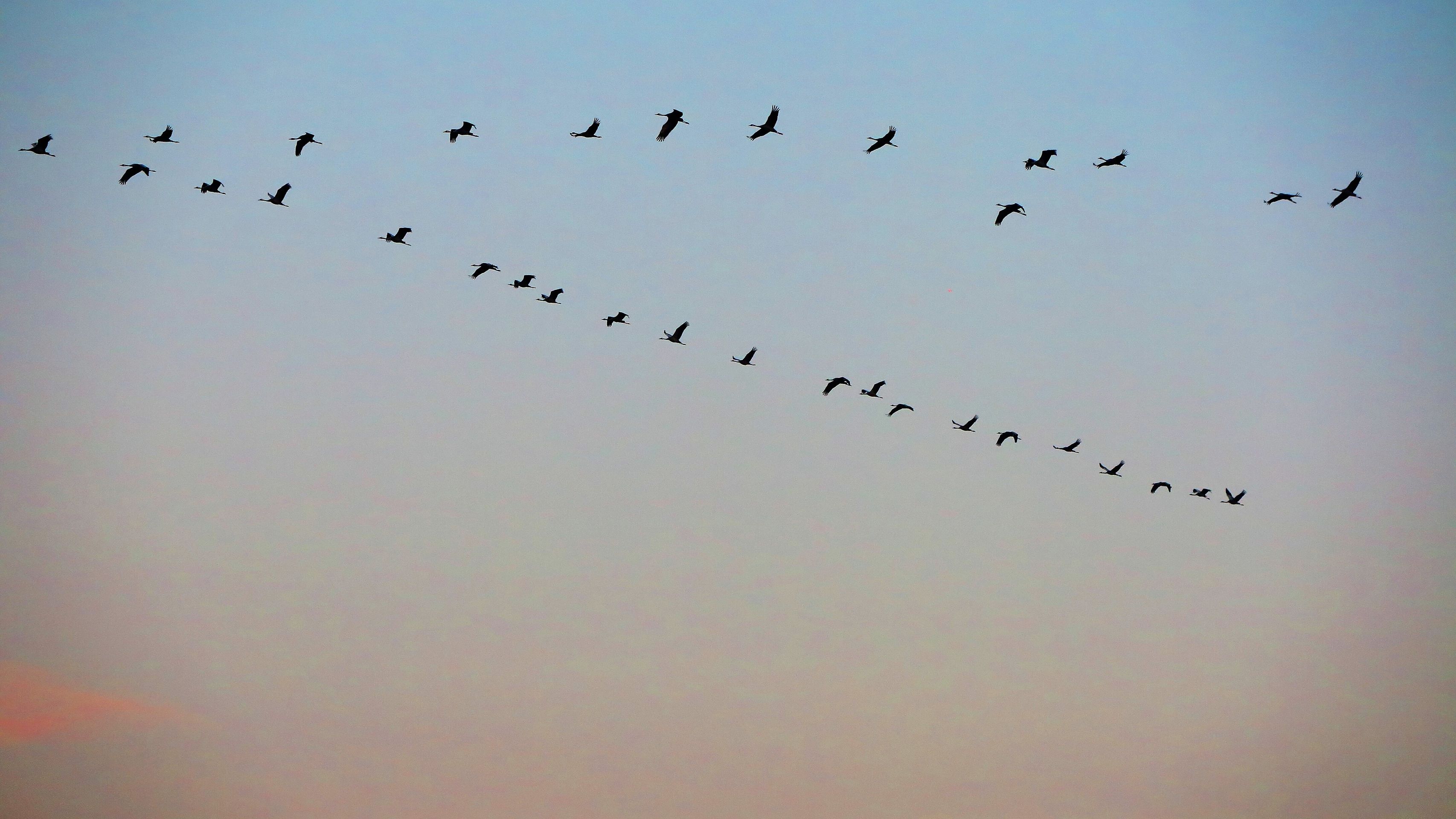
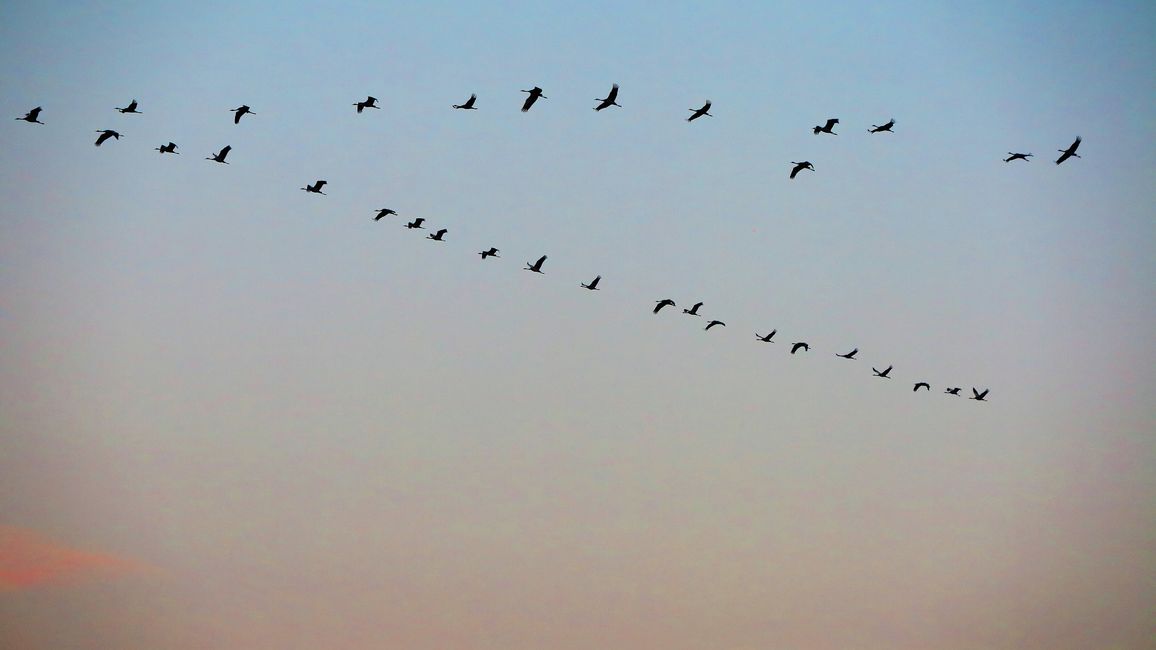
Cranes fly in a wedge shape, uneven angles, and slanted lines to reduce air resistance and ensure contact with one another.
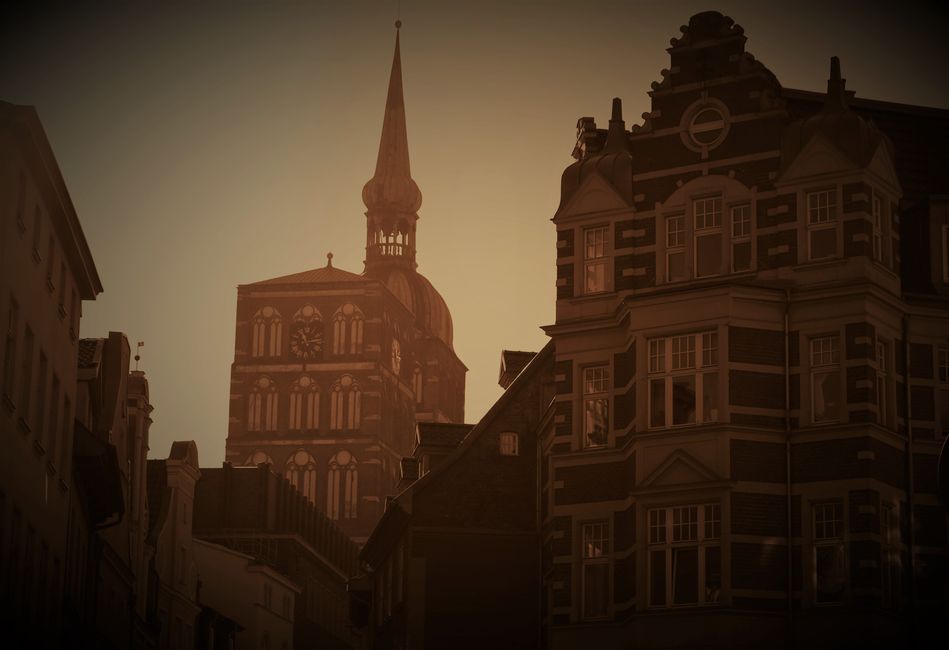
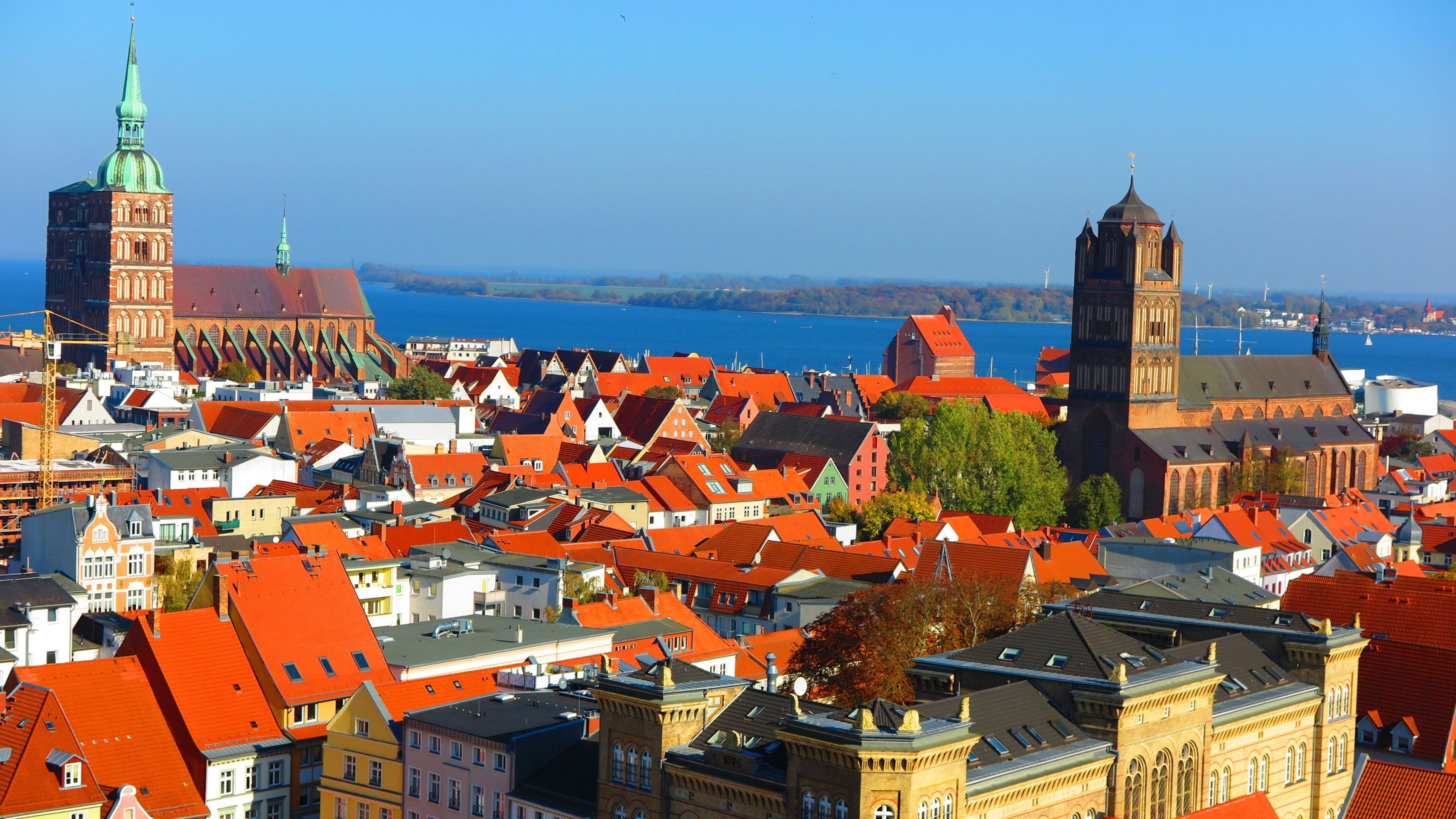
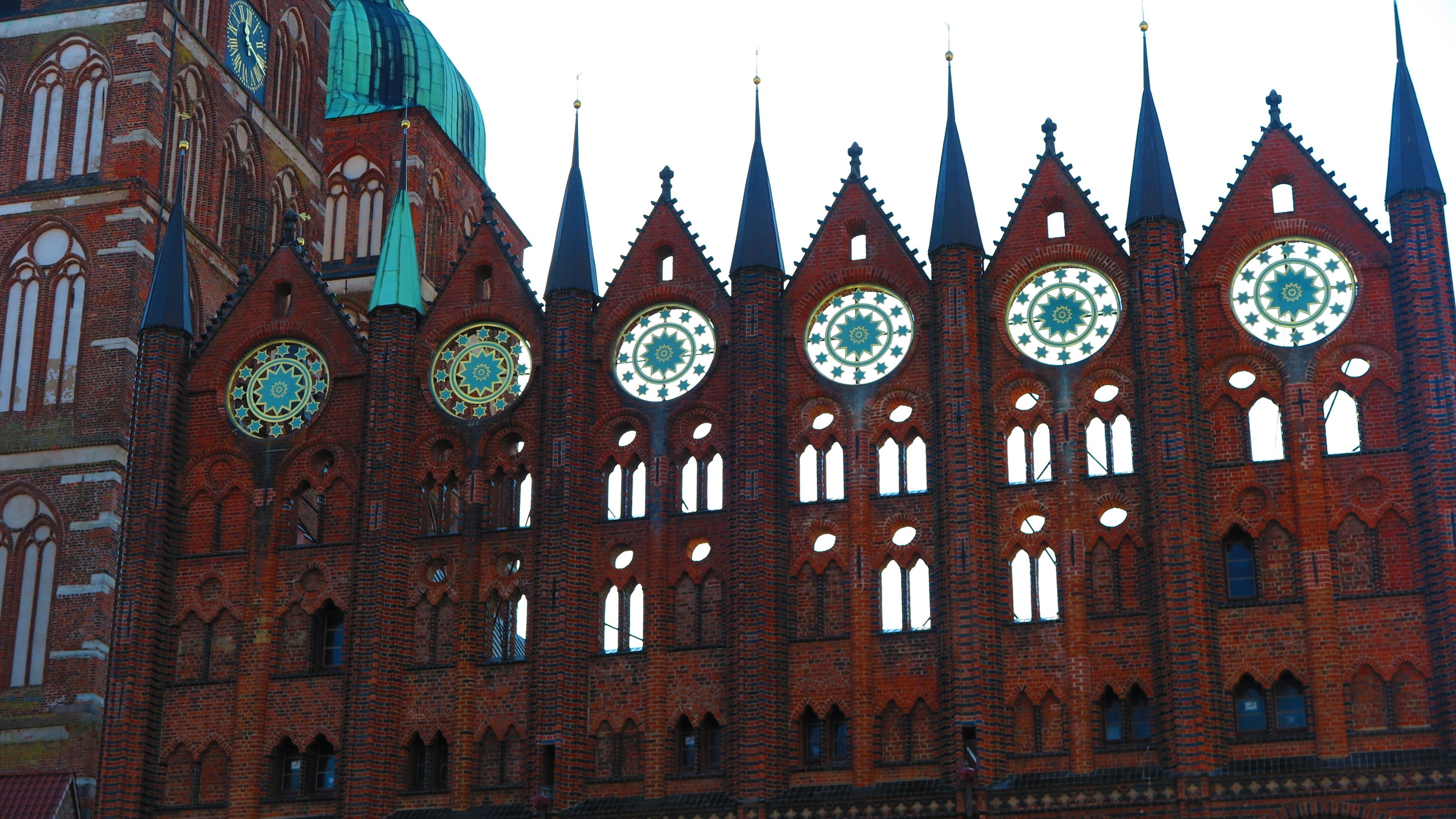
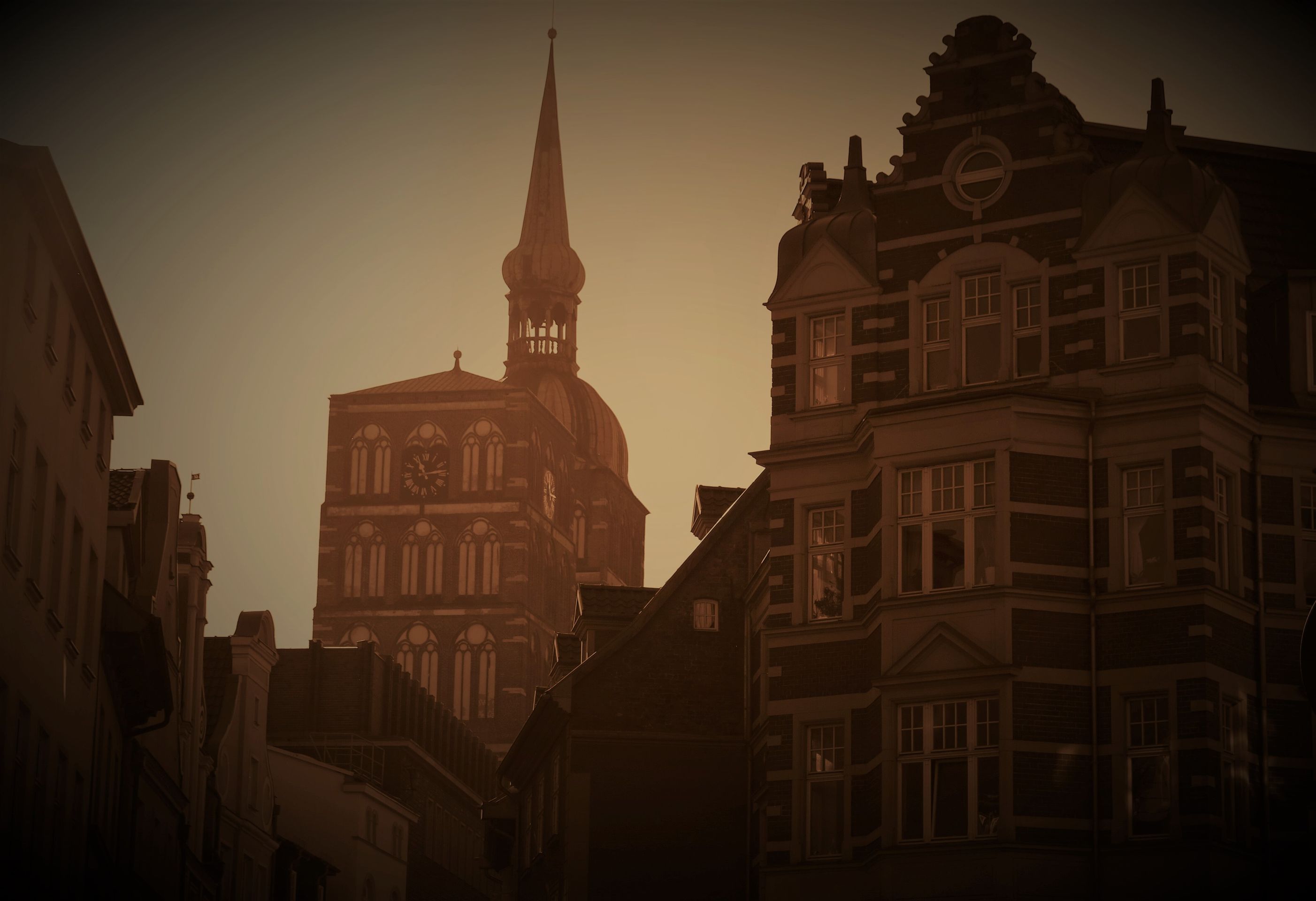
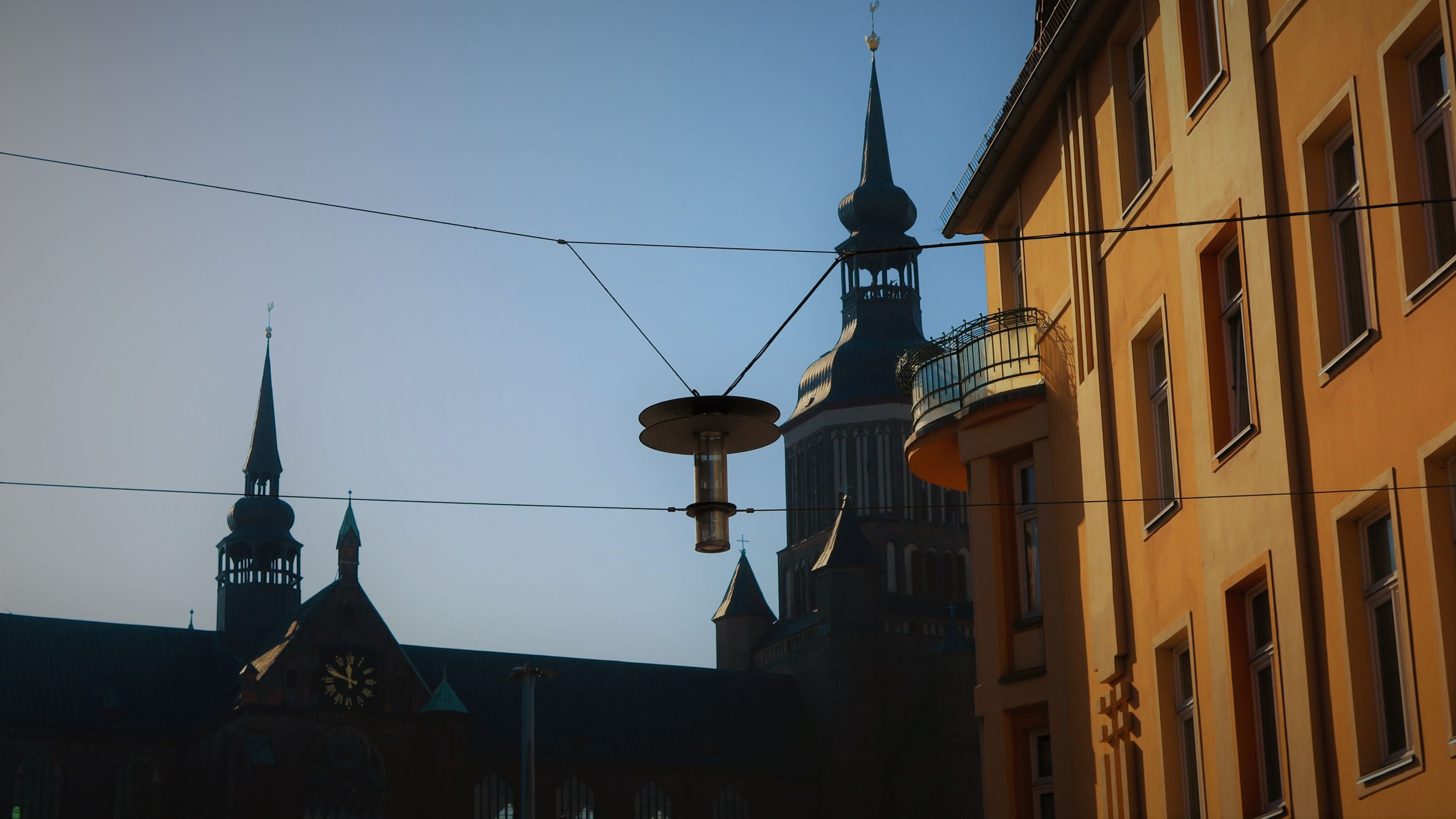
Among the large and significant structures in Stralsund are impressive brick buildings such as the monumental town hall, the St. Mary’s Church, the St. Nicholas Church, and the modern Ozeaneum. The cityscape of the old town rightly belongs to the UNESCO World Heritage. The city was founded in the 12th century, received city rights based on Lübeck models, with the organization of the city being handled by merchants and guild representatives, and developed into an important Hanseatic city on the Baltic coast.