
Night Watchman's Tour through HATTINGEN
Hattingen was founded in 1396, had a grain mill—the Birschel Mill, and the textile trade thrived at the flax market, necessitating the construction of a fortification. In 1554,...

Published: 05.05.2026
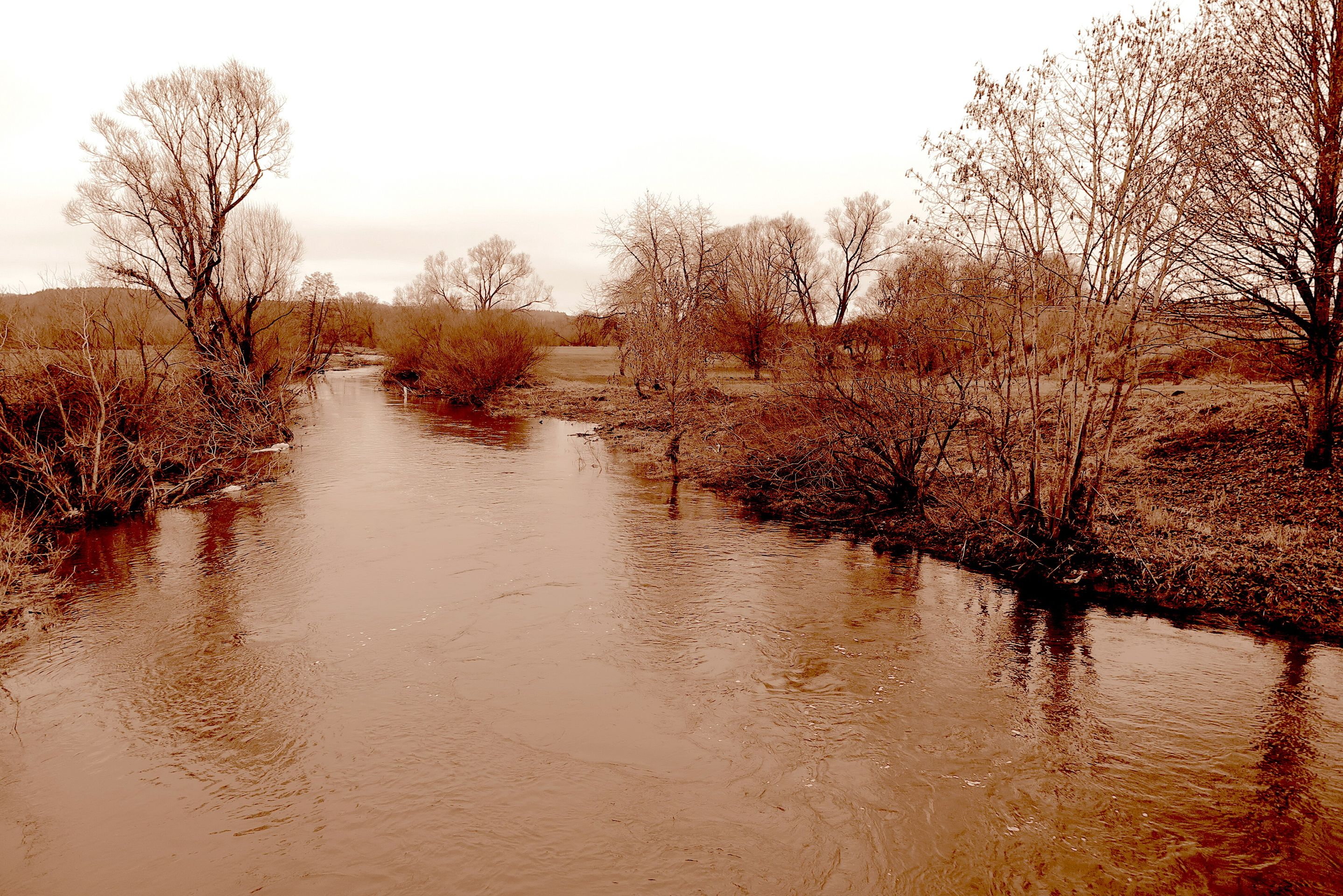
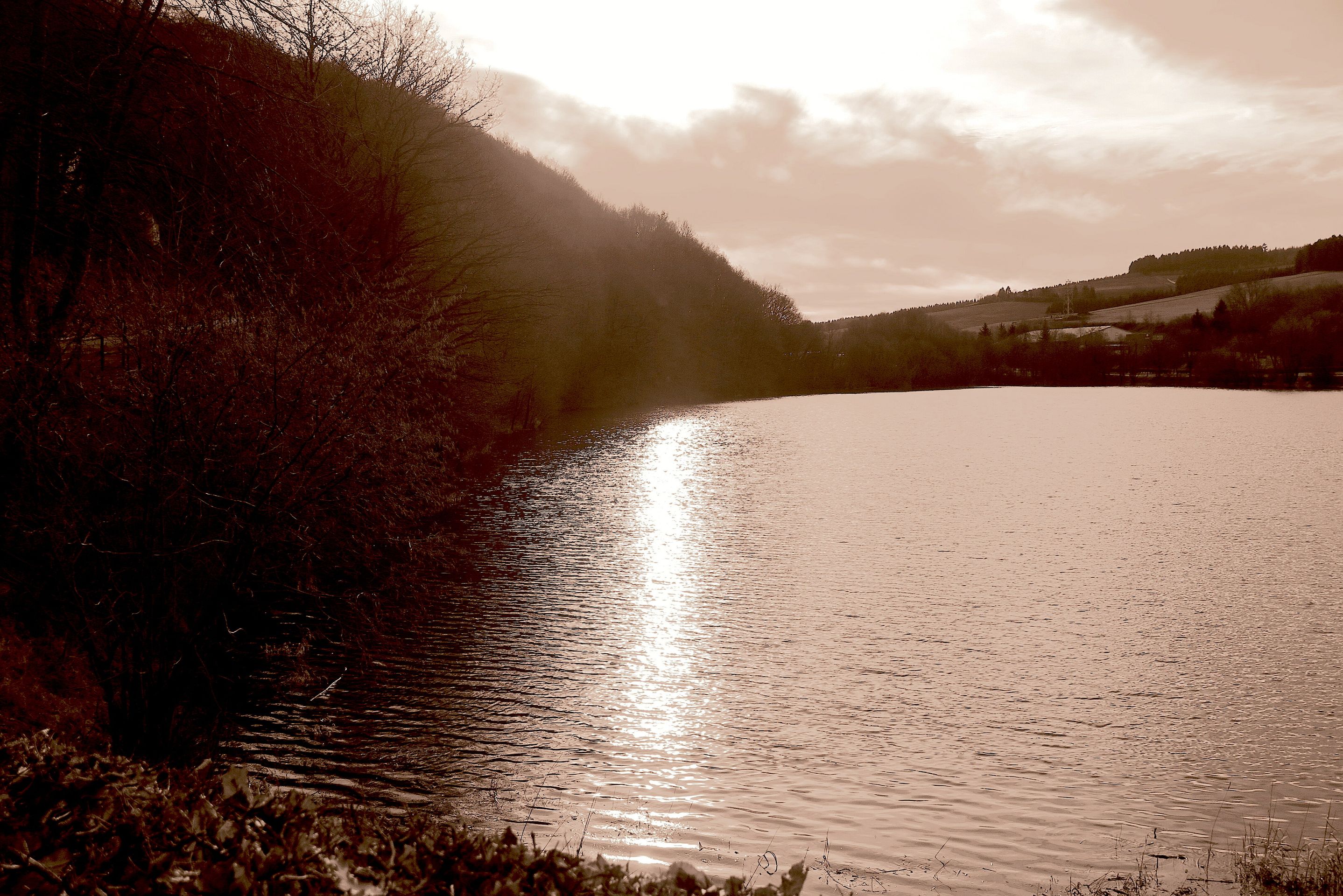
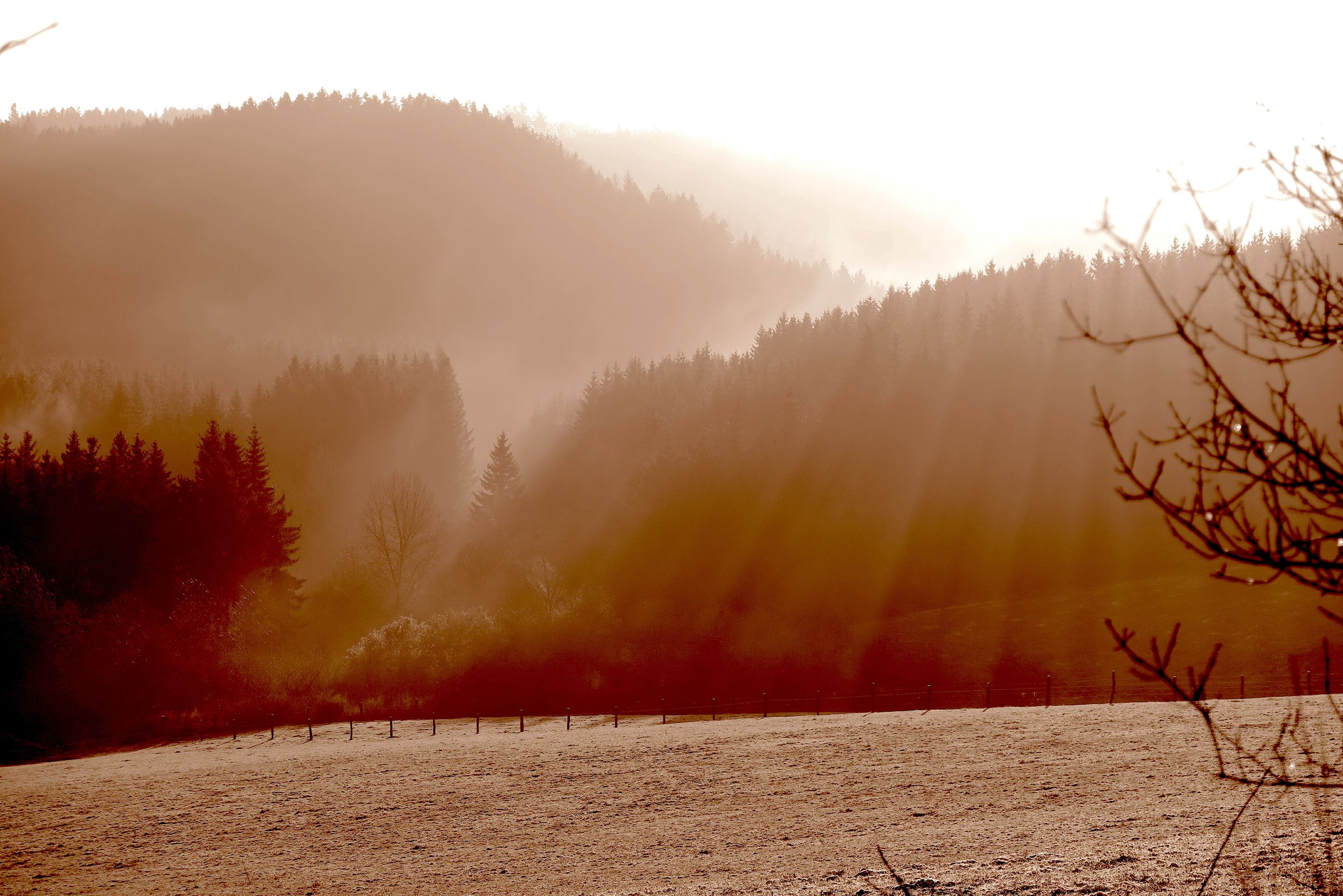
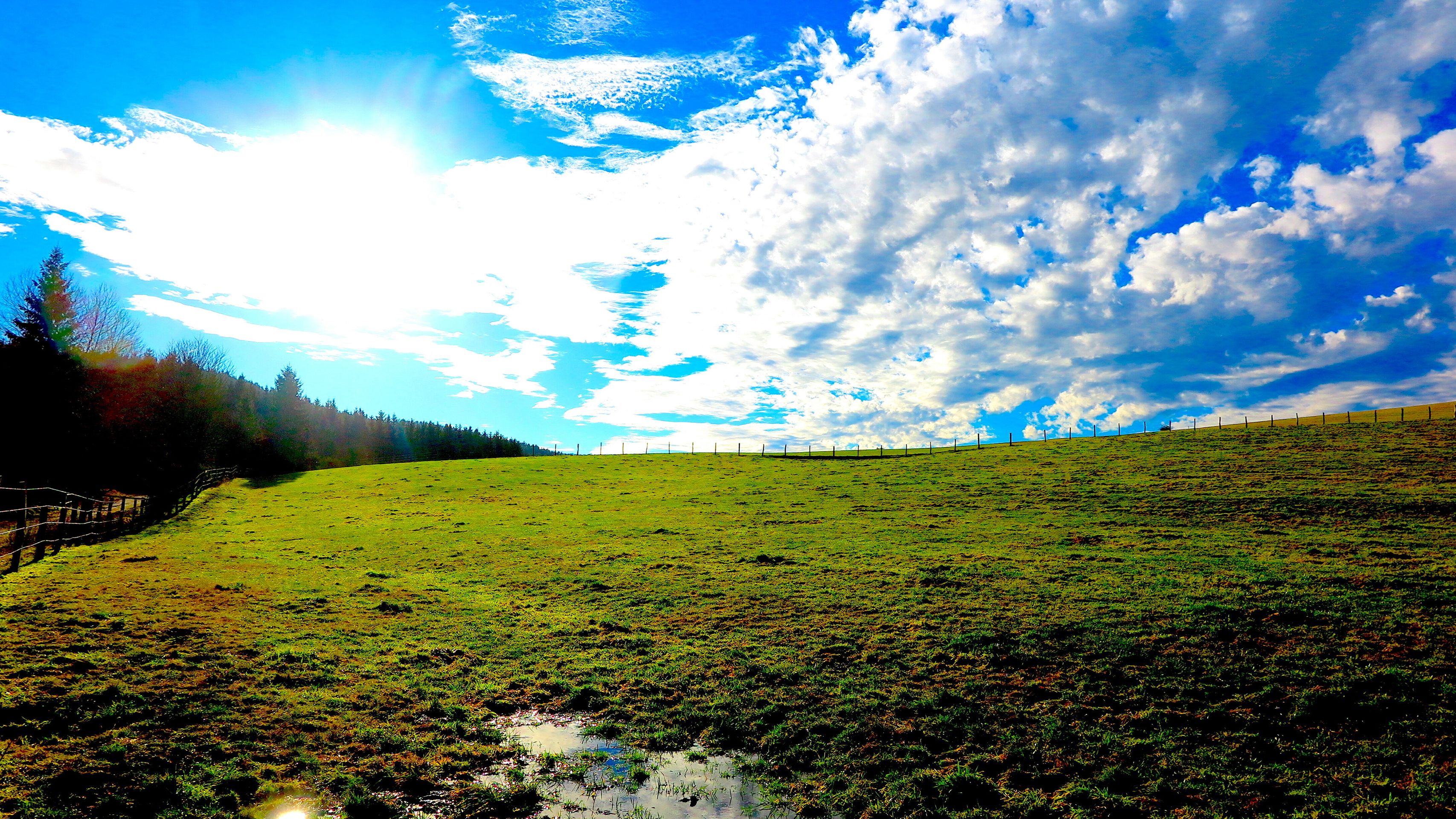
The Eifel borders Rhineland-Palatinate and North Rhine-Westphalia, the Eifelsteig connects these two federal states from Aachen to Trier with its over 300km. Rivers like the Kyll, Erft, Ahr, and Urft have natural river courses and form floodplains.
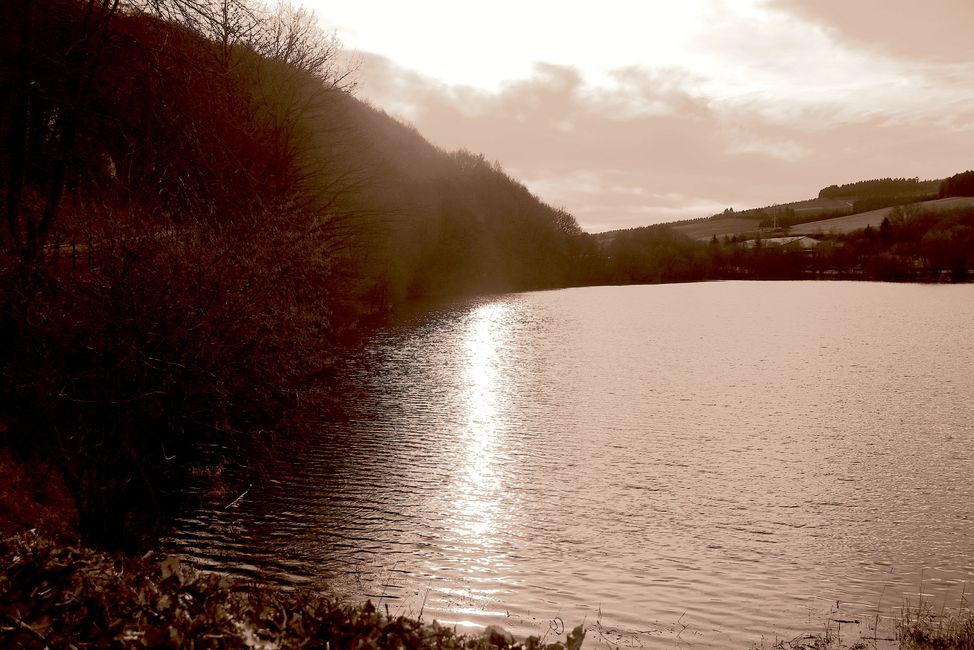
Here one finds gently rolling hills, wide green fields, numerous streams, dams, and maars.
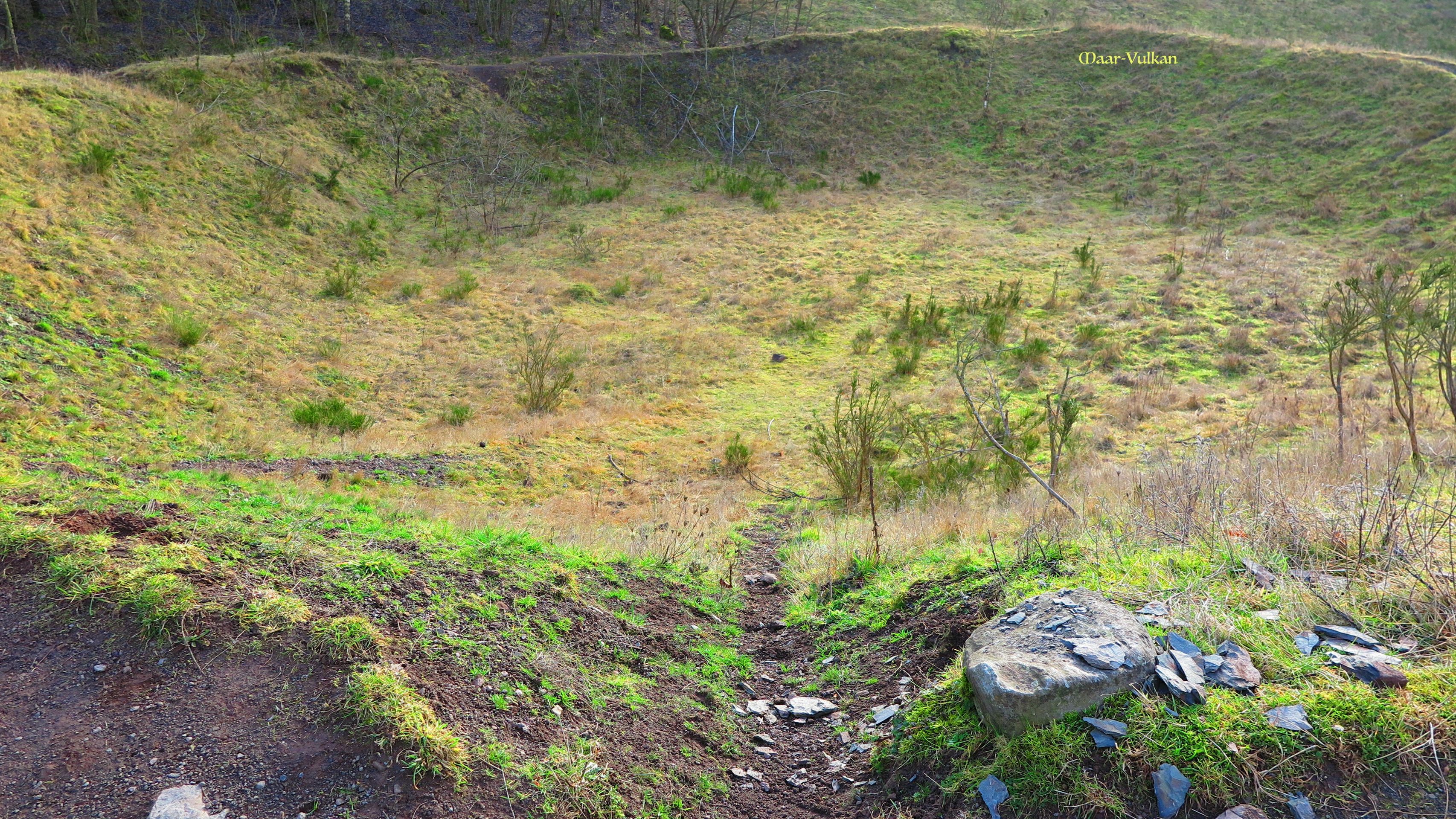
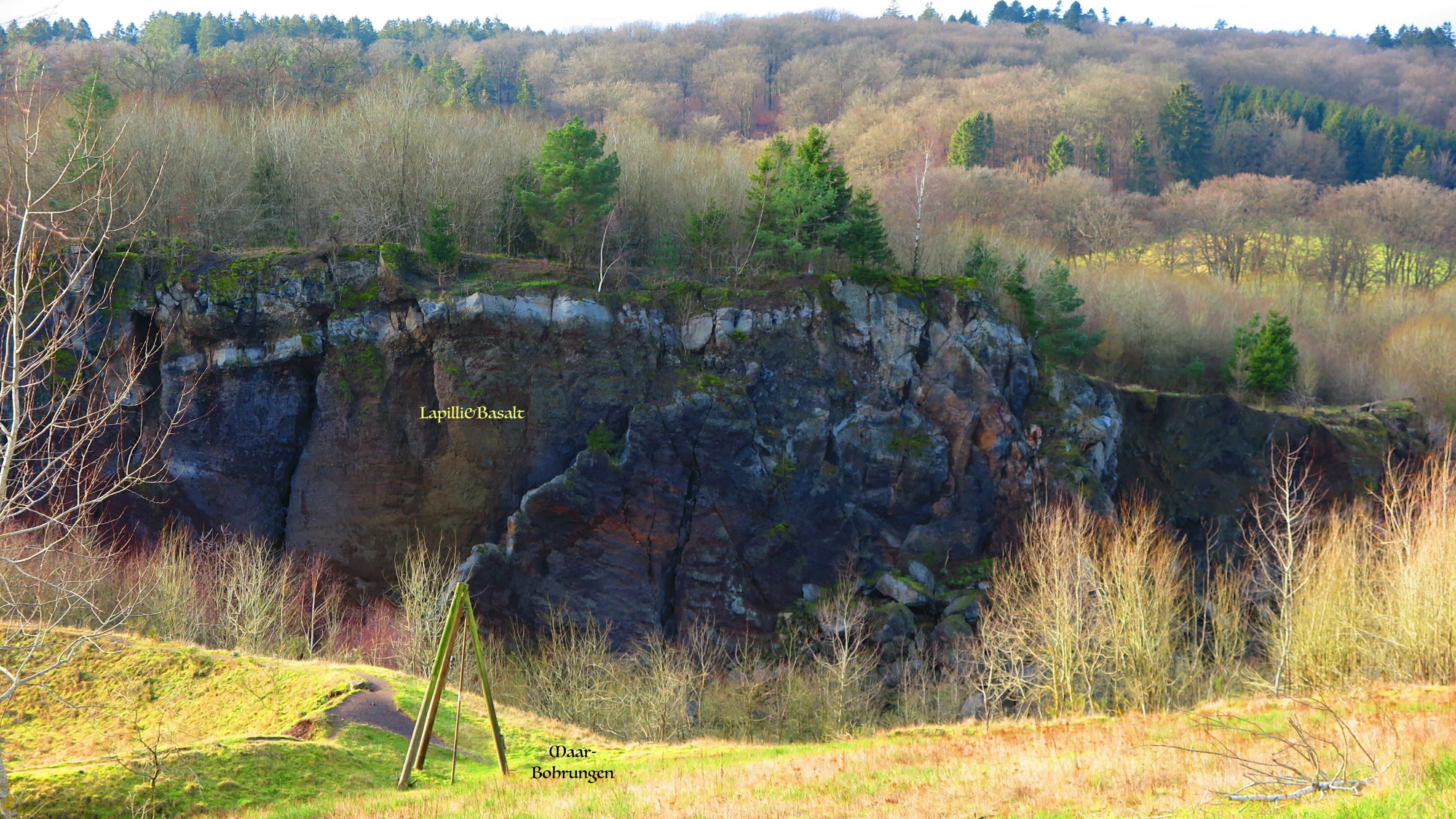
This is where the mystery begins. Maars are funnel-shaped depressions formed by an explosion during the meeting of magma and groundwater.
In the volcanic garden of the Steffel Mountain, one can look into the crater. Here one finds basalt, lapilli, and ash.
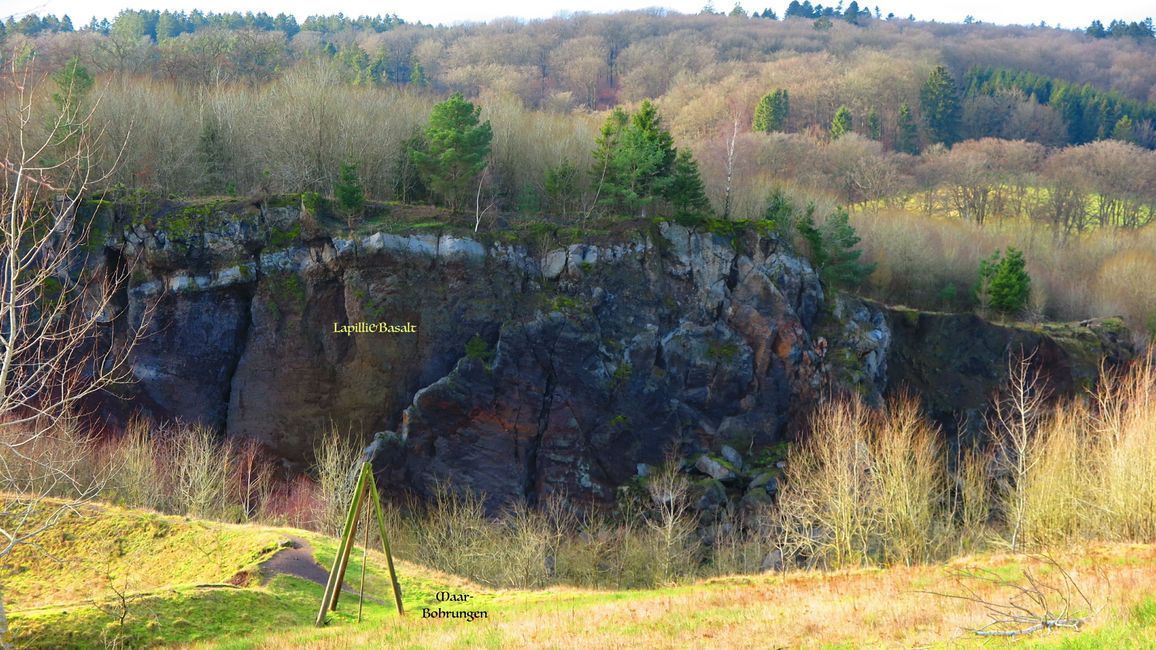
You can see a maar volcano, a slag cone with flowed lava, 15 information stations, and of course goats 🐐 are on their way as a cleaning crew. Just kidding...;-)
Due to interesting mineral deposits such as manganese, lead, zinc, and iron, Stolberg has made a name for itself as the copper town. Here, Galmei was used to dye the copper yellow to produce brass that resembles gold.
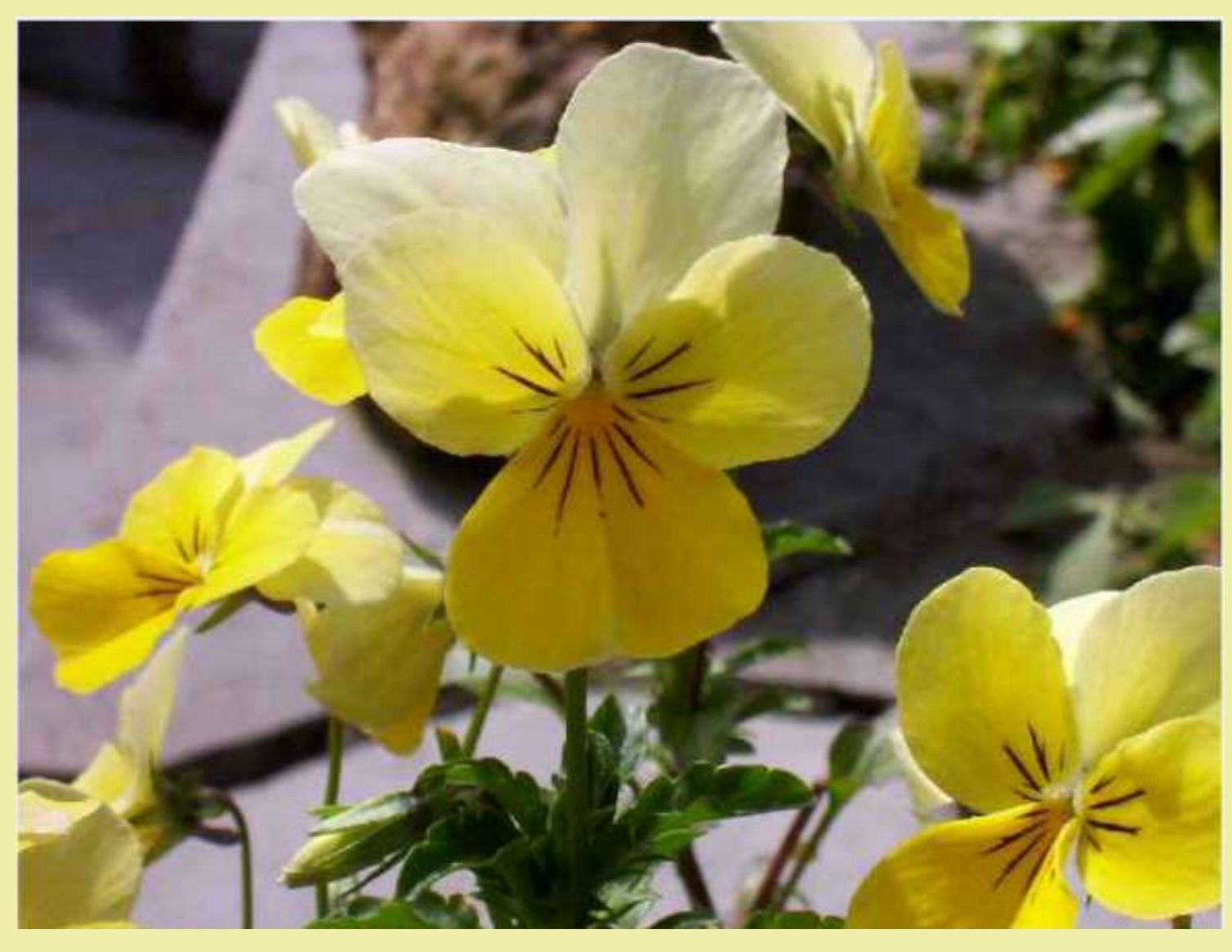
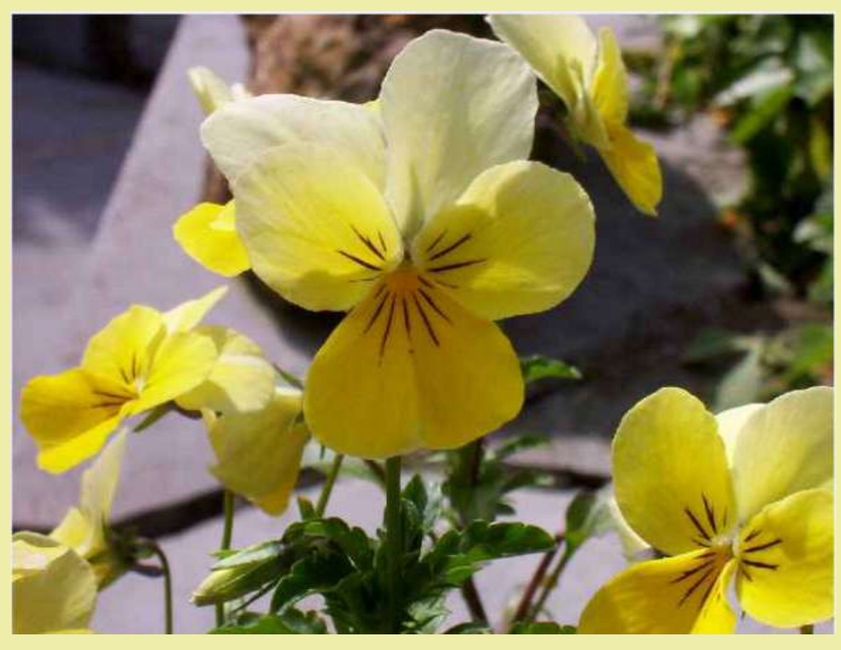
These raw materials require a high tolerance from the flora. The galmei flora, for example, the galmei violet, has adapted very well.
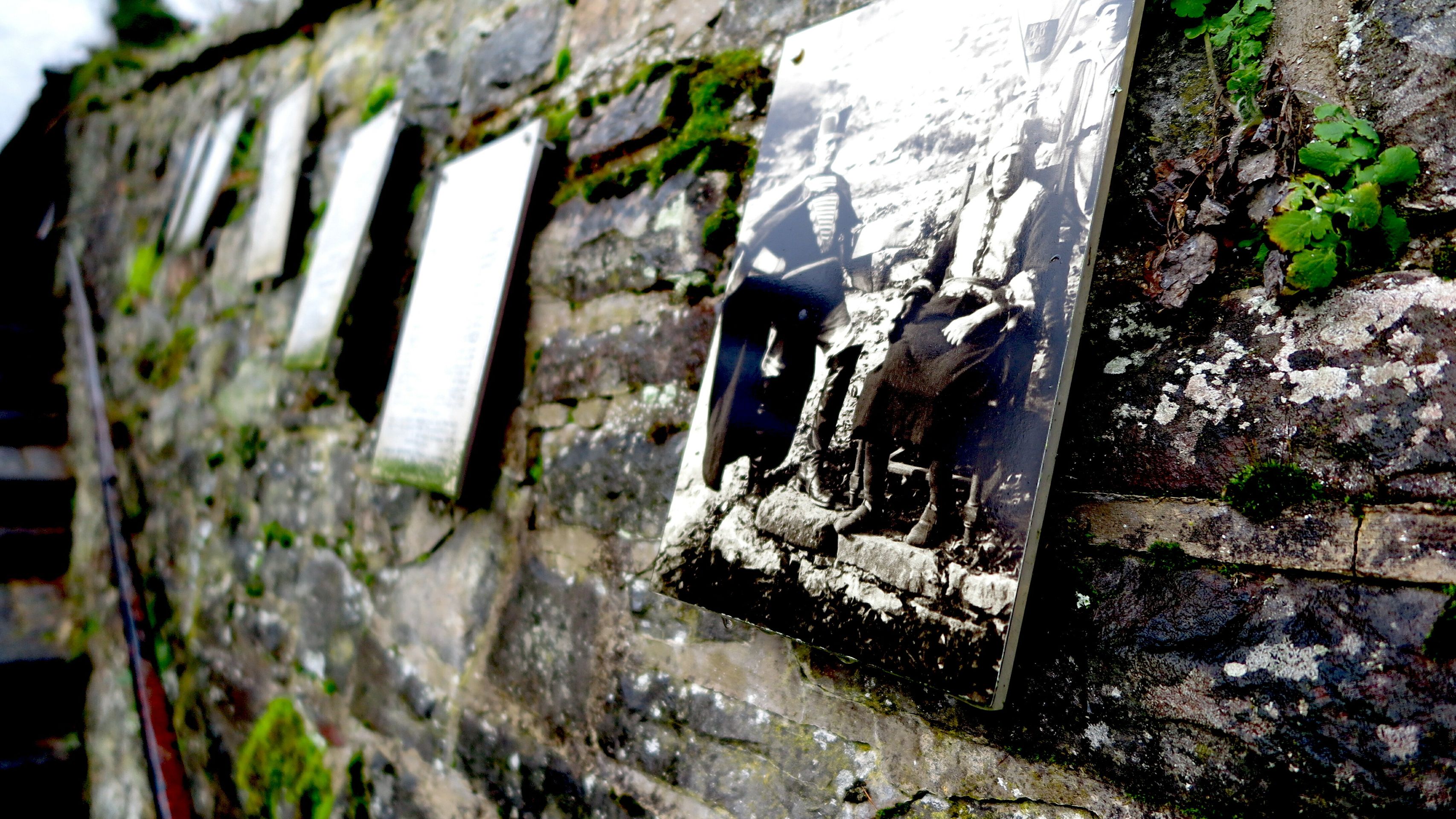
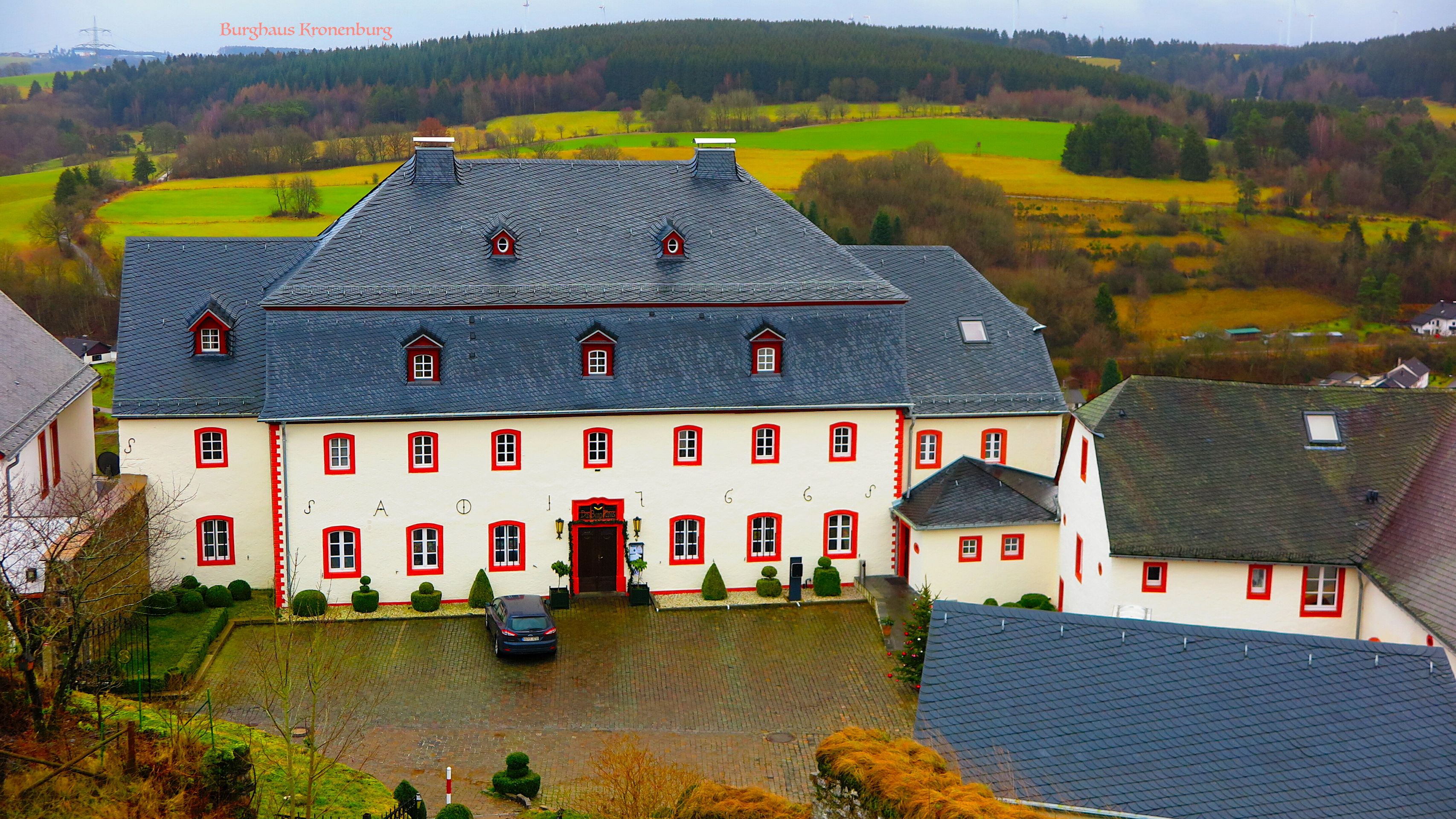
Another town with historical significance, recognized as a town in 1350, is Kronenburg.
In the 14th century, it received a defensive structure. In the mid-18th century, the castle house of Kronenburg was built for the administration of the ironworks and estates.
All in all, one discovers in the Eifel historically significant sights, distinctive nature, and courageous people who still have to cope with the flood disaster.