
Why the ERFURTERS are also called "Puffbohne".
The main attractions of Erfurt are naturally the overwhelmingly prominent Roman Catholic Severi Church and the Gothic-style Cathedral.

Published: 02.05.2026
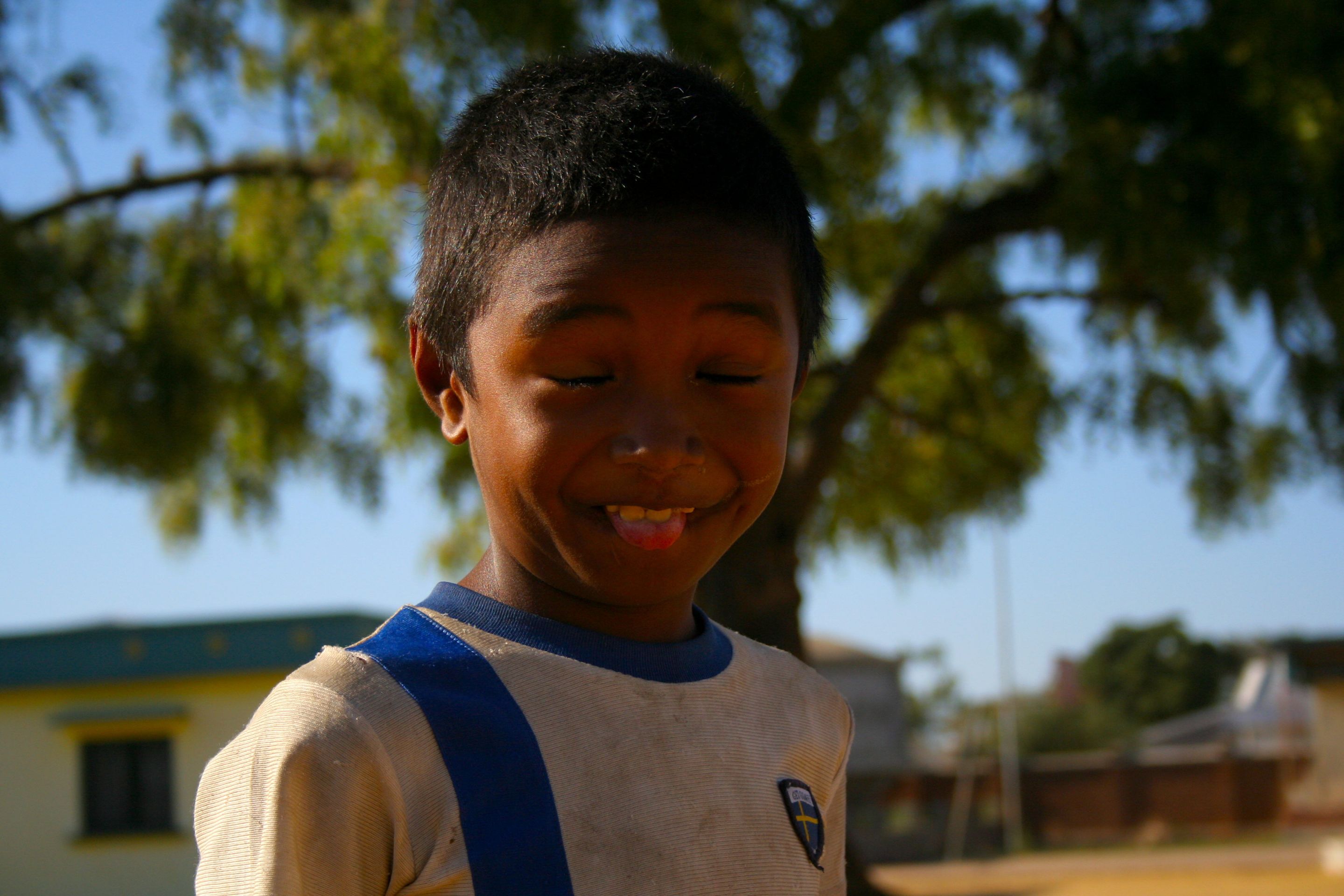
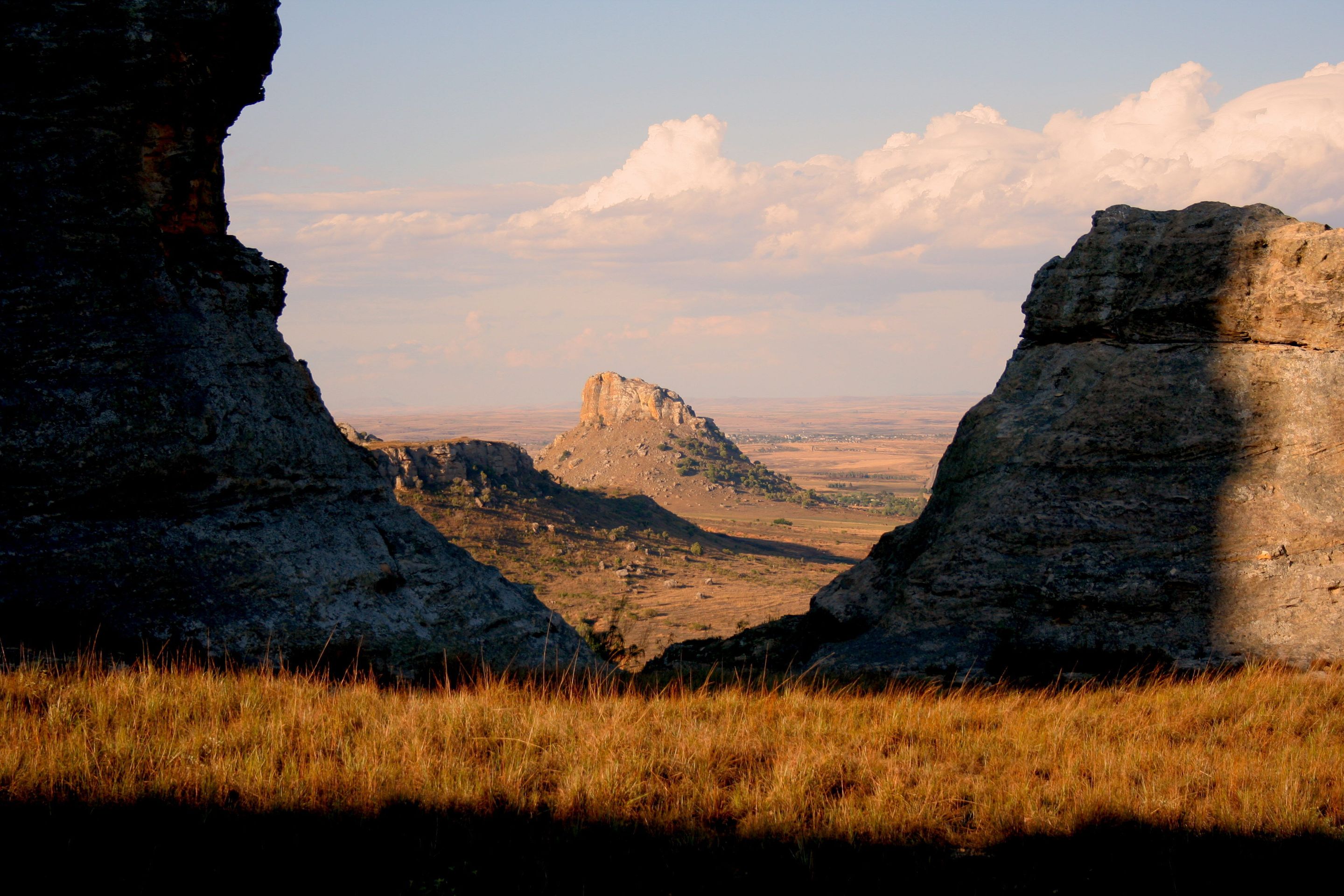
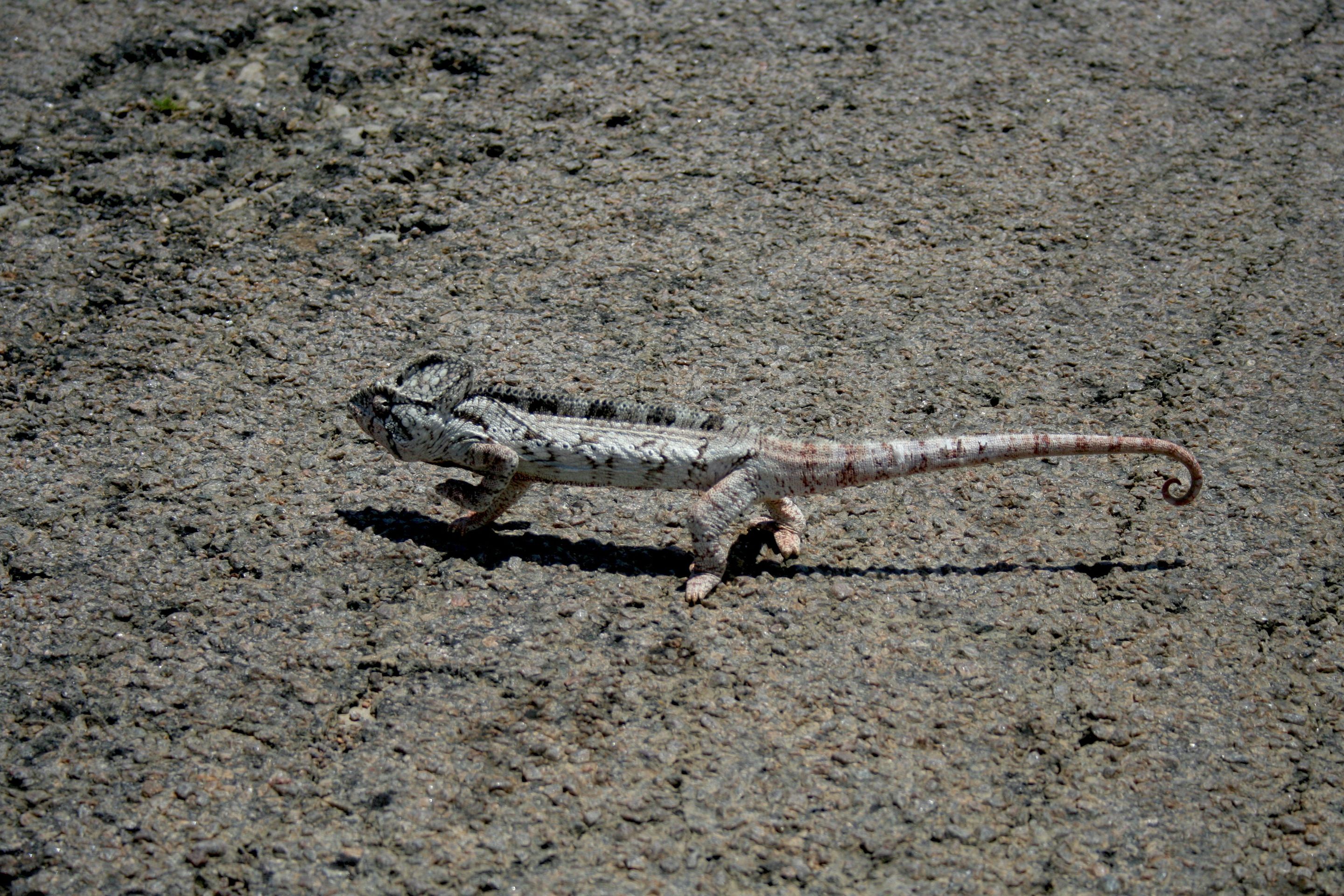
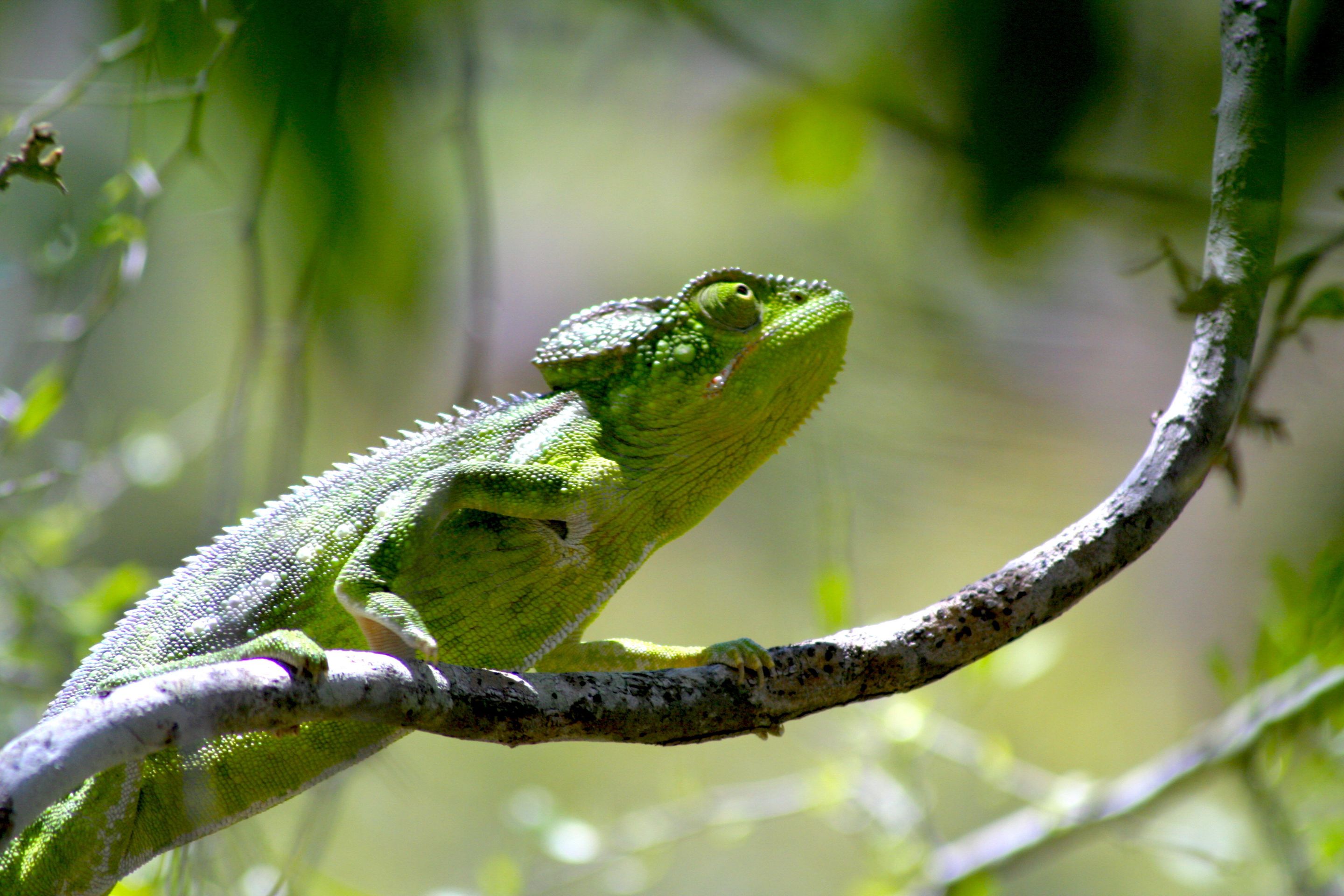
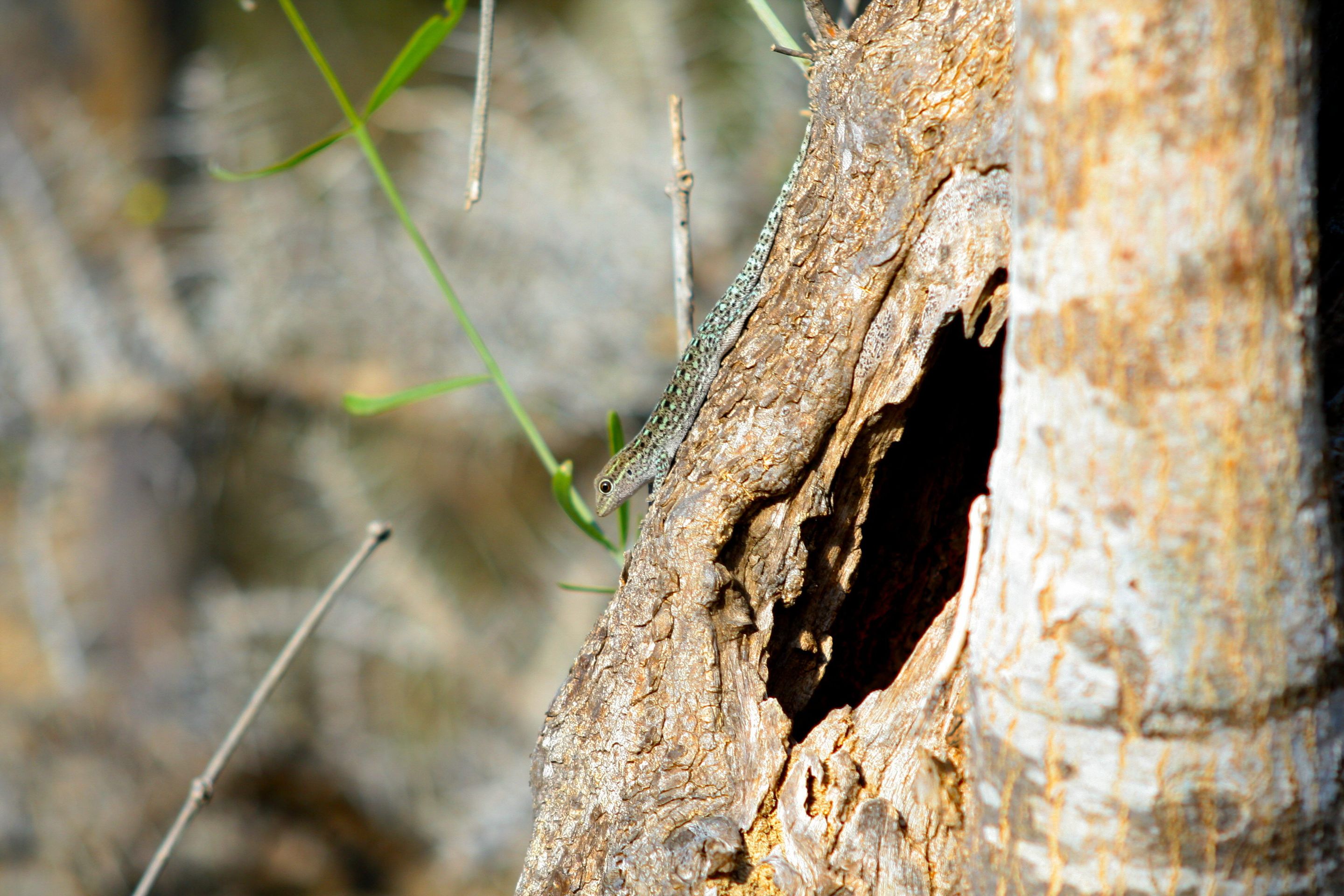
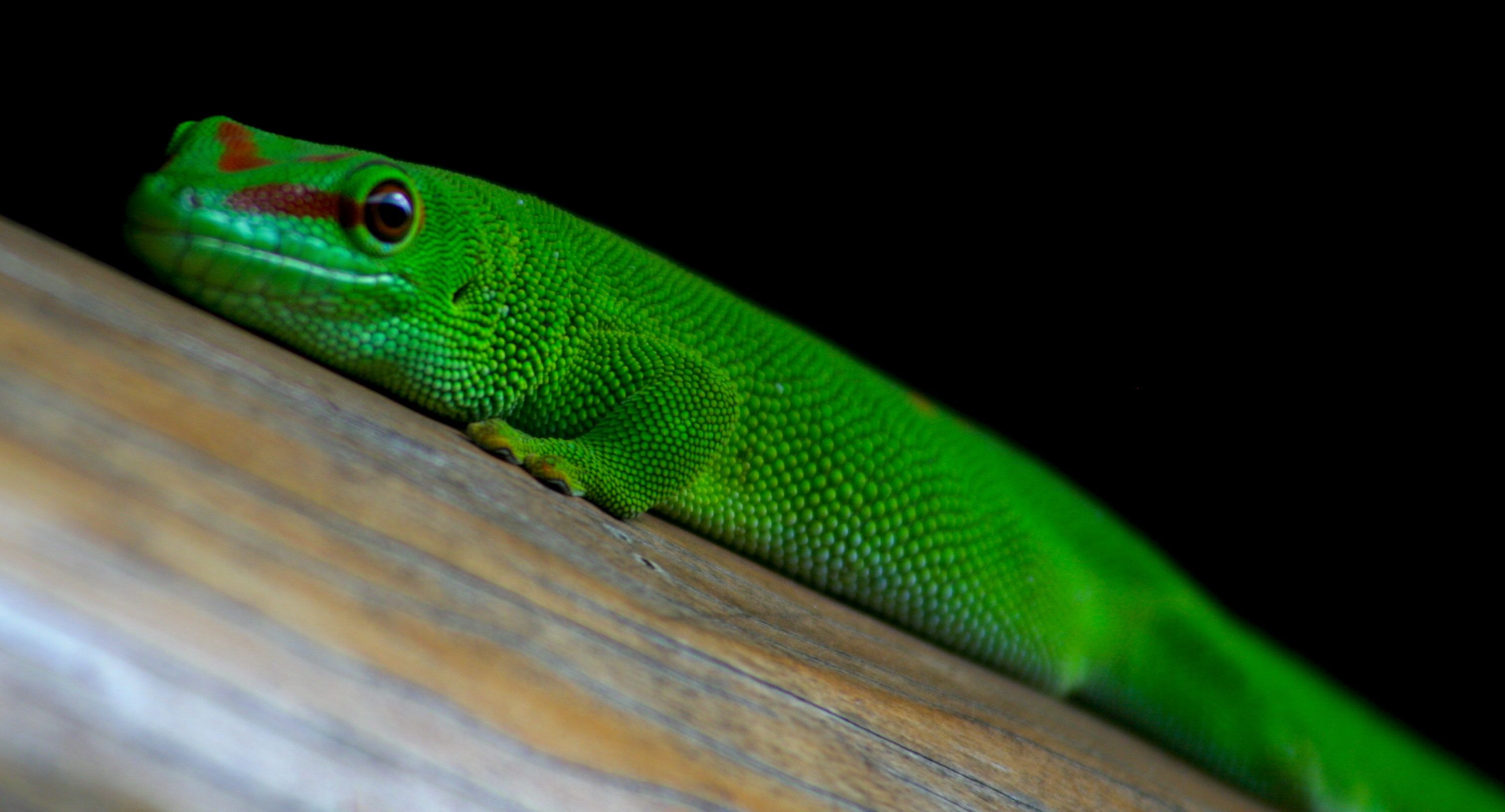
Madagascar is a former French colony and is still part of East Africa.
Due to continental drift, Madagascar separated from Africa about 150 million years ago and from the Indian subcontinent about 90 million years ago. Over a very long period, a unique, isolated fauna and flora could develop. Therefore, it is also referred to as the so-called eighth continent.
This video beautifully shows the drifting of the Indian subcontinent after about 1:10 minutes.
https://www.youtube.com/watch?v=_0tejKld8Yk[/video]
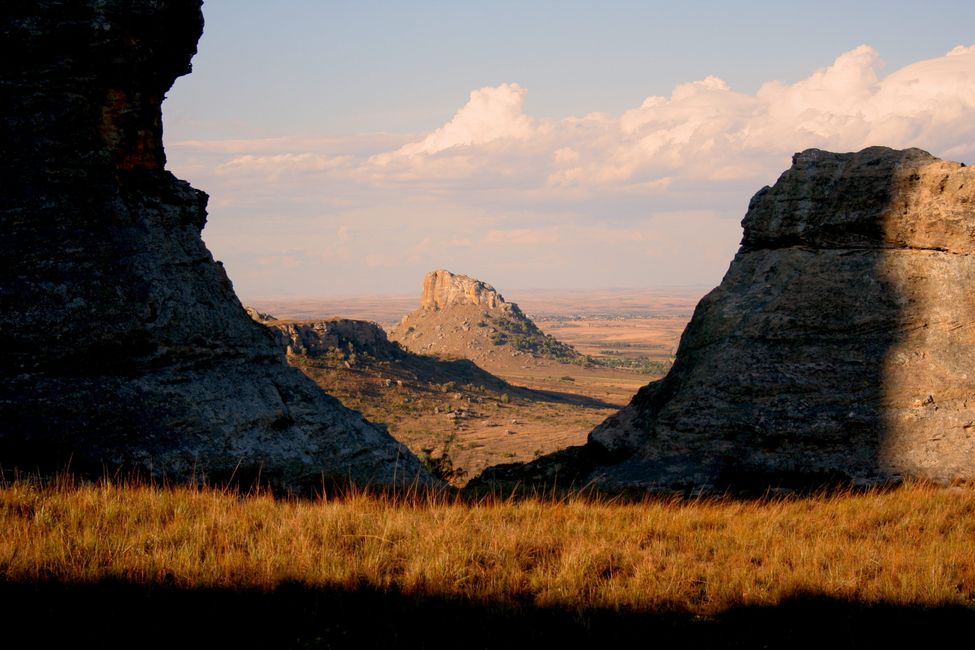
Our journey (2013) begins in the southwest in Toliara. European settlements failed due to malaria and the very hot, dry climate.
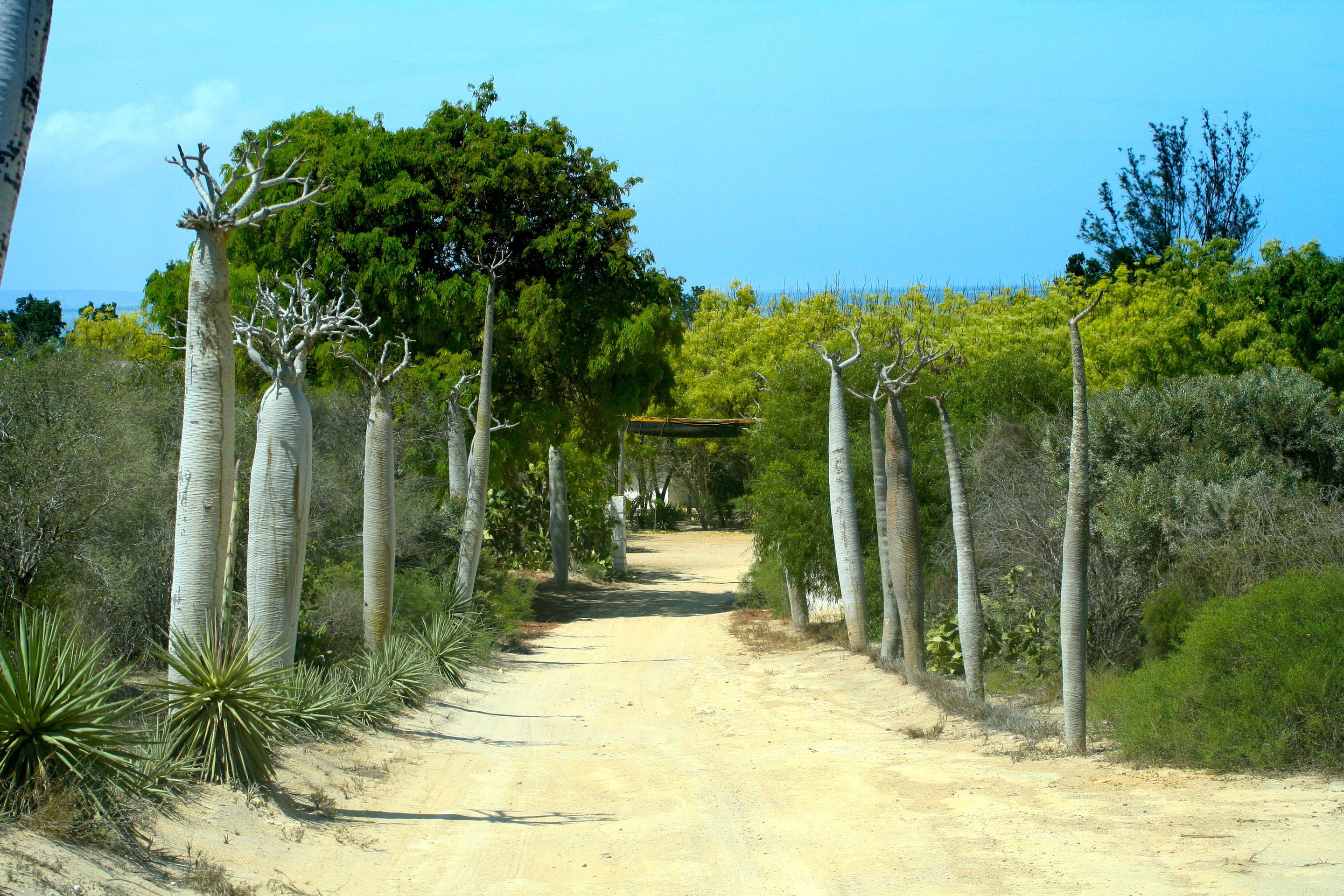
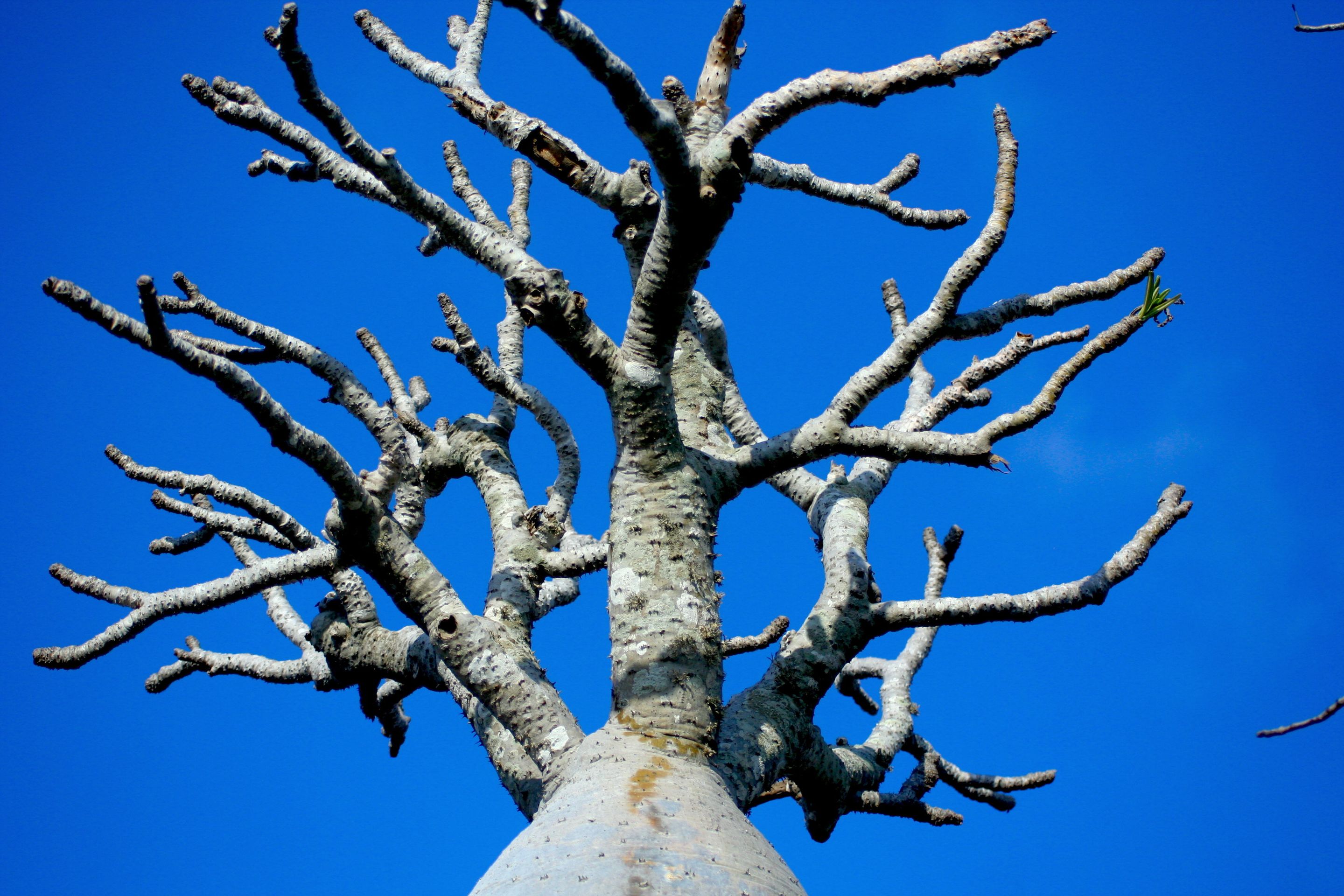
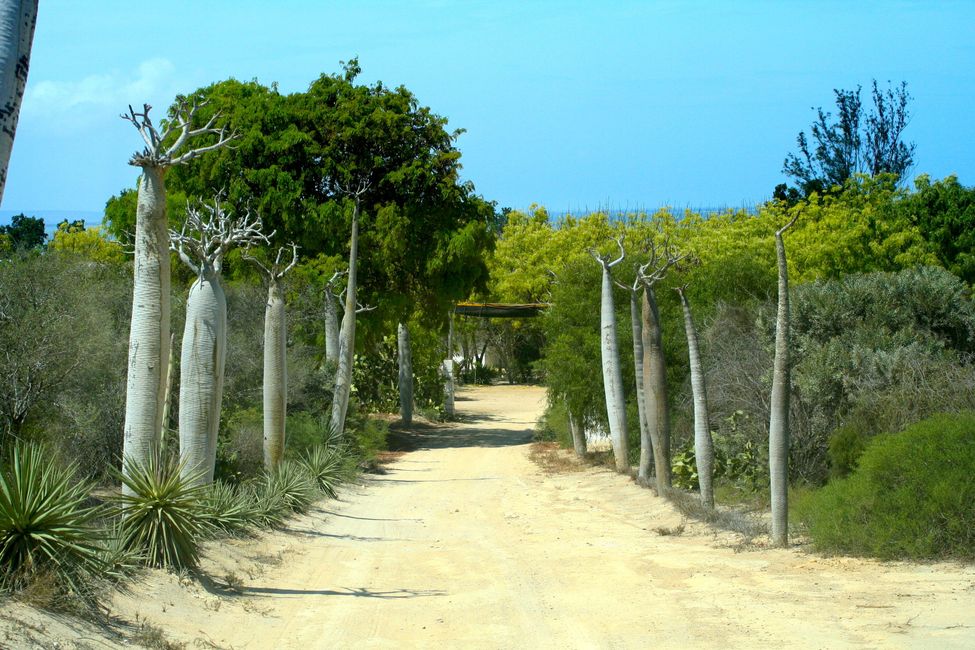
There are six different species of baobabs, the monkey bread trees, in Madagascar. Adansonia is a genus that often has an adventurous growth form. They are classified as deciduous trees. During the dry season, the small elliptical leaves are shed. The bark is smooth, while the wood is very soft. The hollowed-out tree trunks are used as water reservoirs, stables, cool rooms, etc. The fibers of the bark are used for ropes, baskets, nets, etc. Additionally, soap and cosmetics are made from the bark, and it is said to be a good remedy for fever.
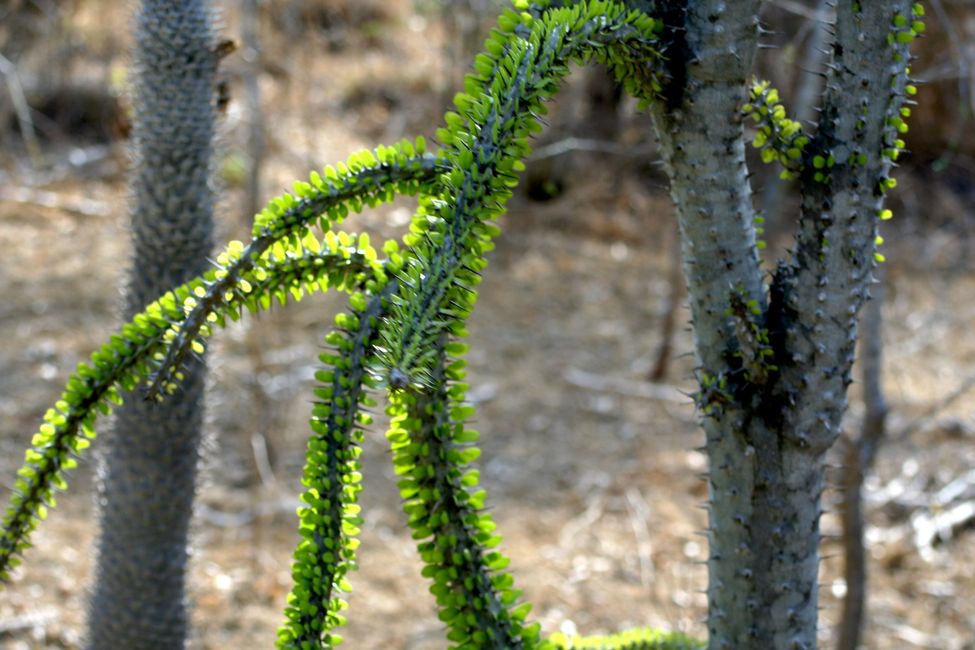
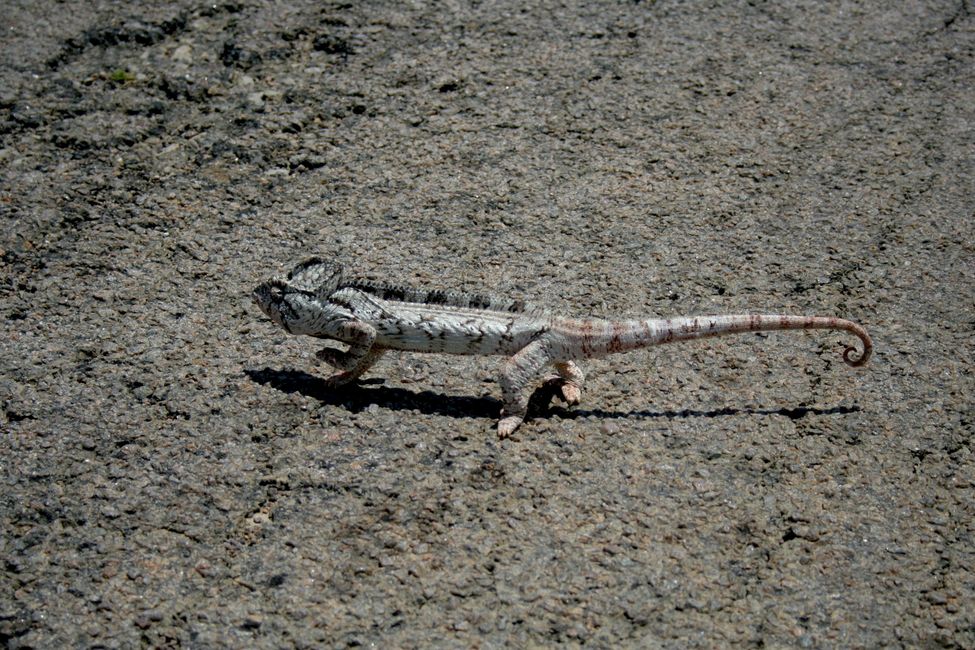
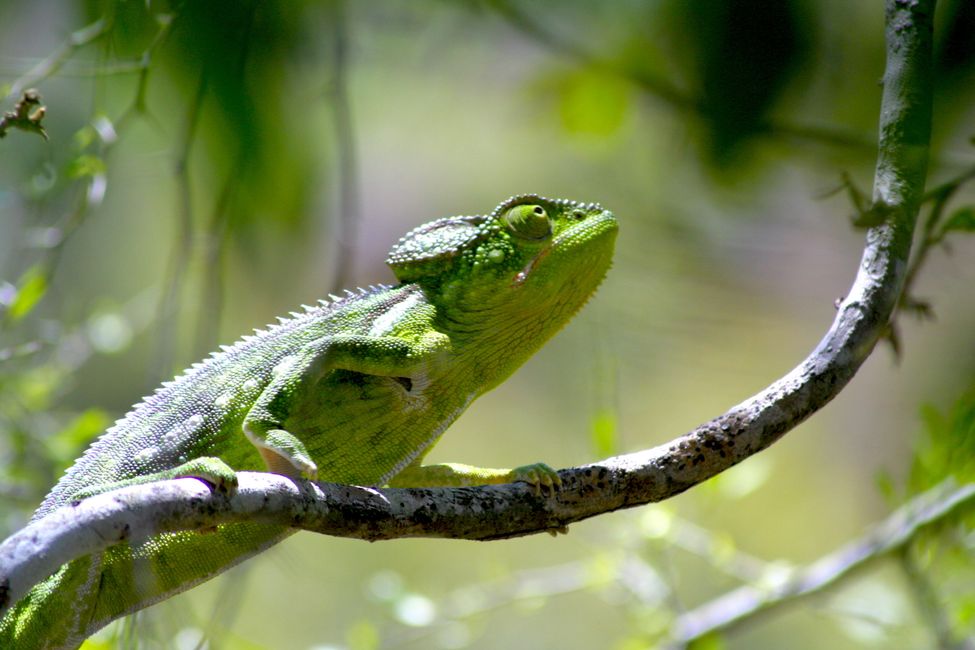
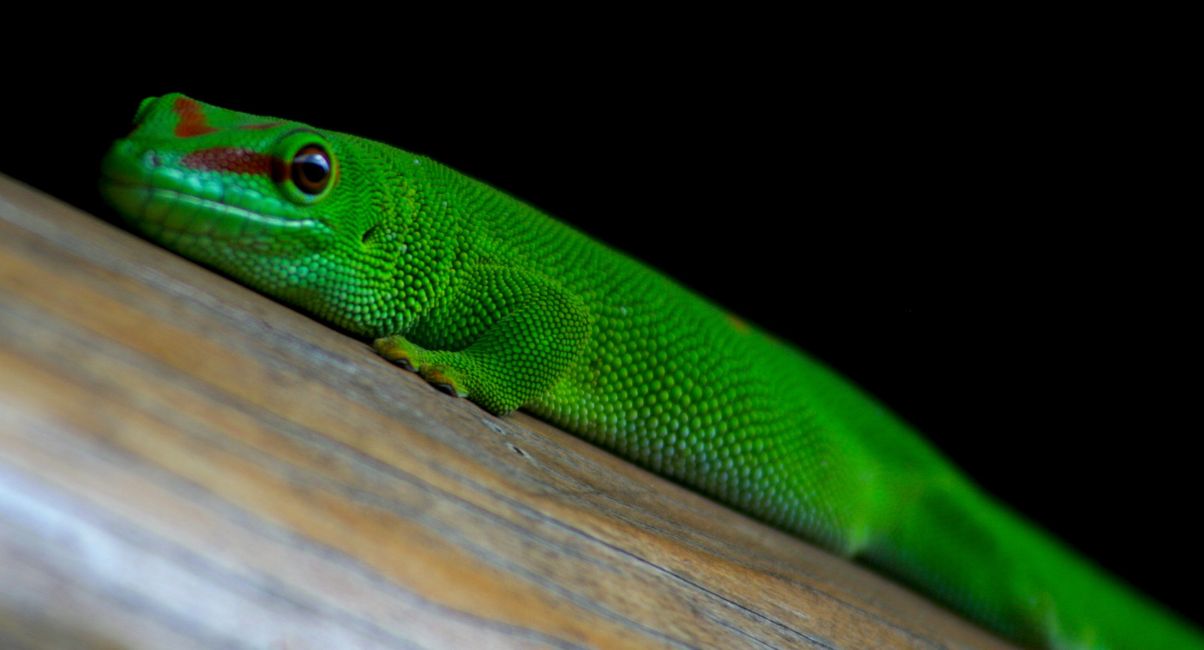
The Madagascar iguana, endemic, can grow up to 40 cm long and is diurnal. The males are somewhat more colorful.
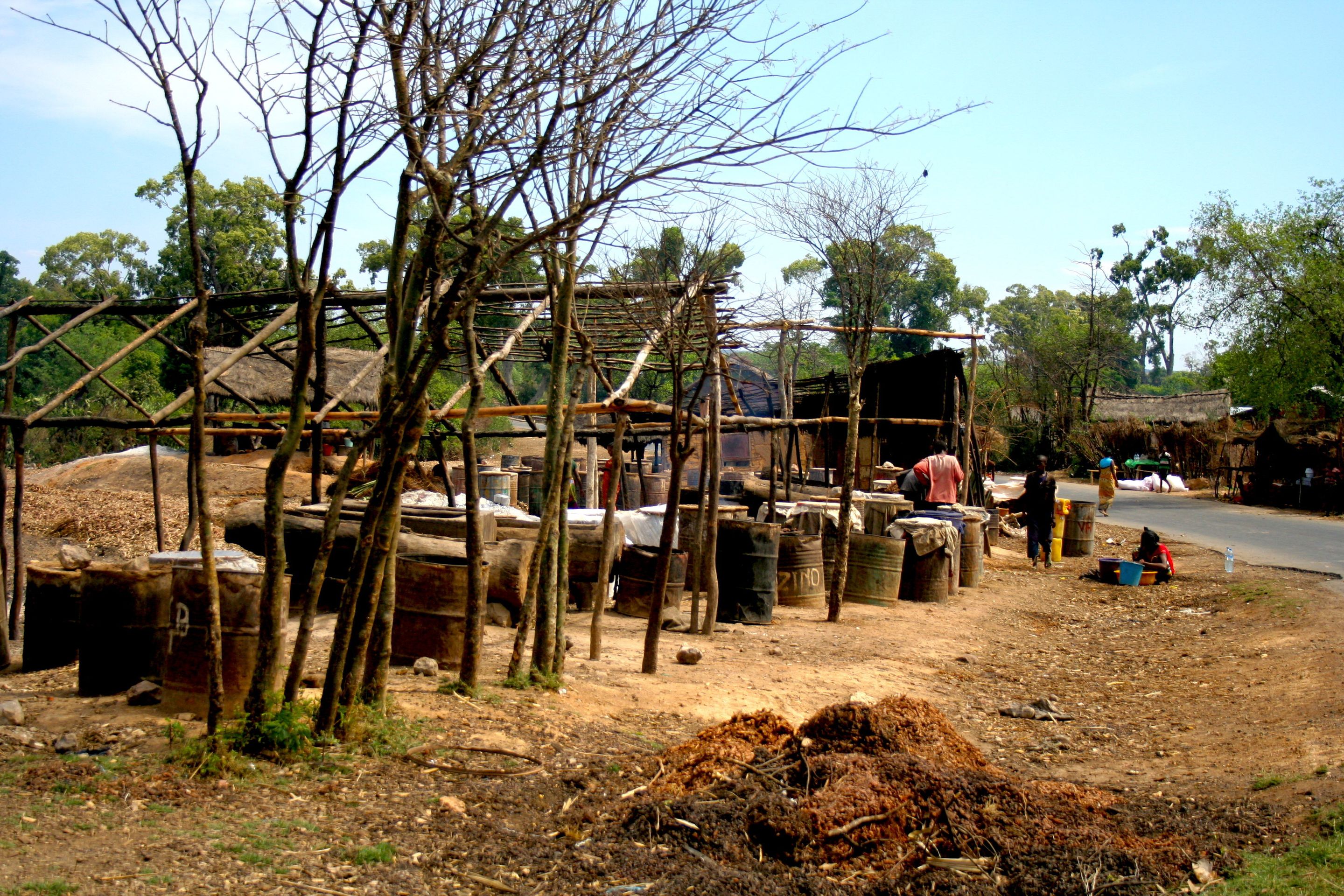
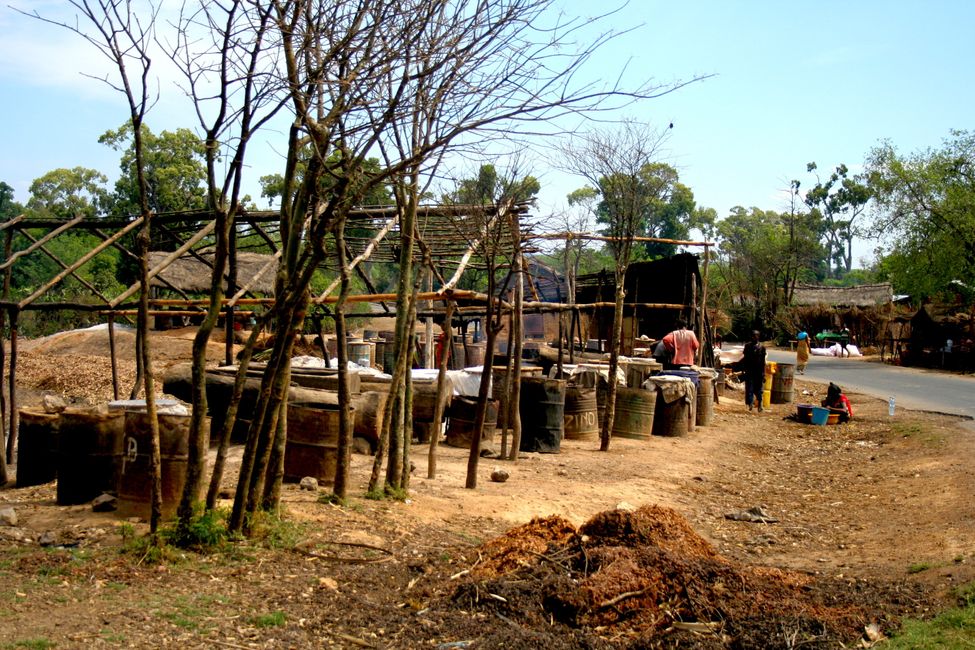
Distilleries are operated by local farmers who have their sugarcane plantations nearby. Here they produce rum with a lot of smoke and vanilla.
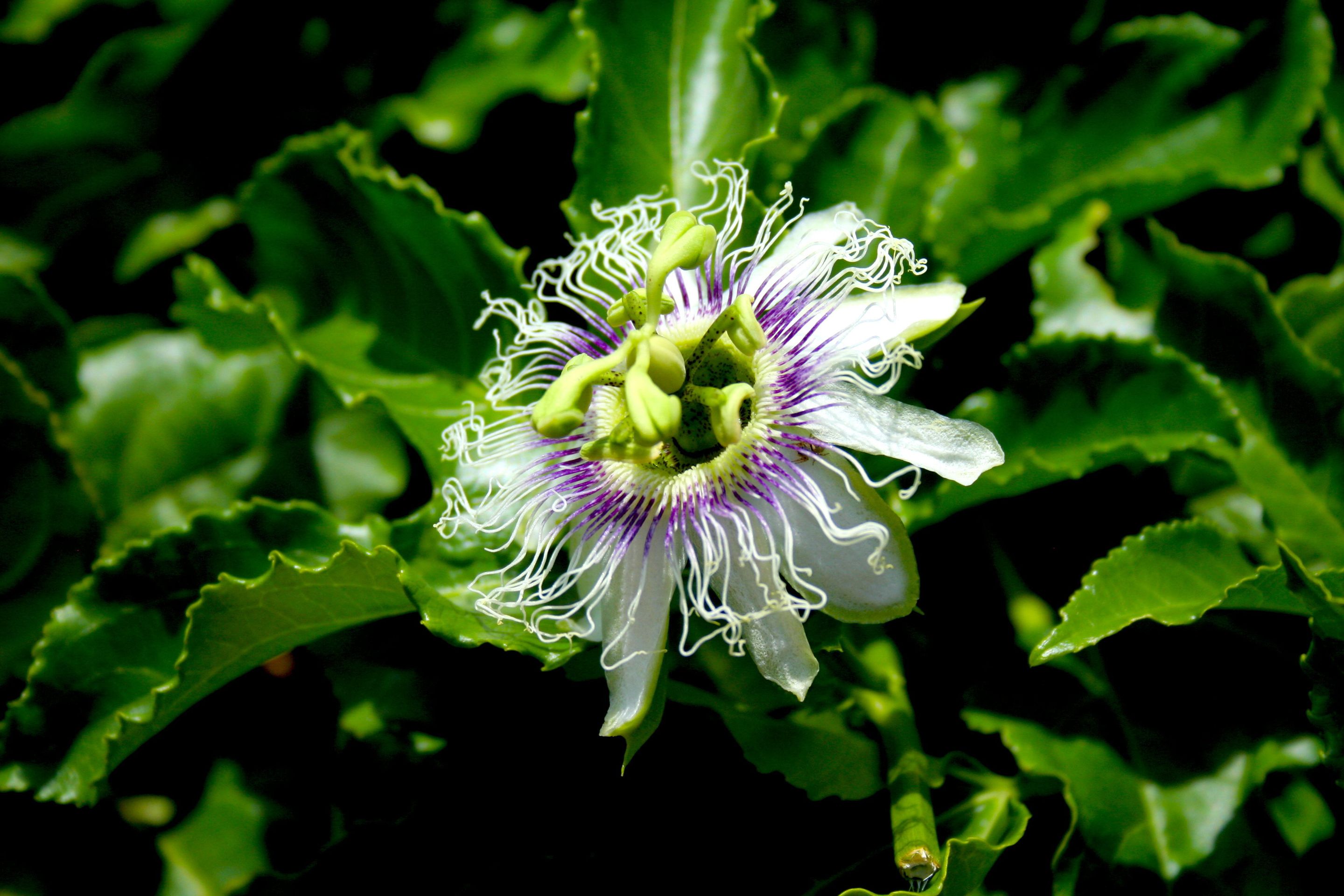
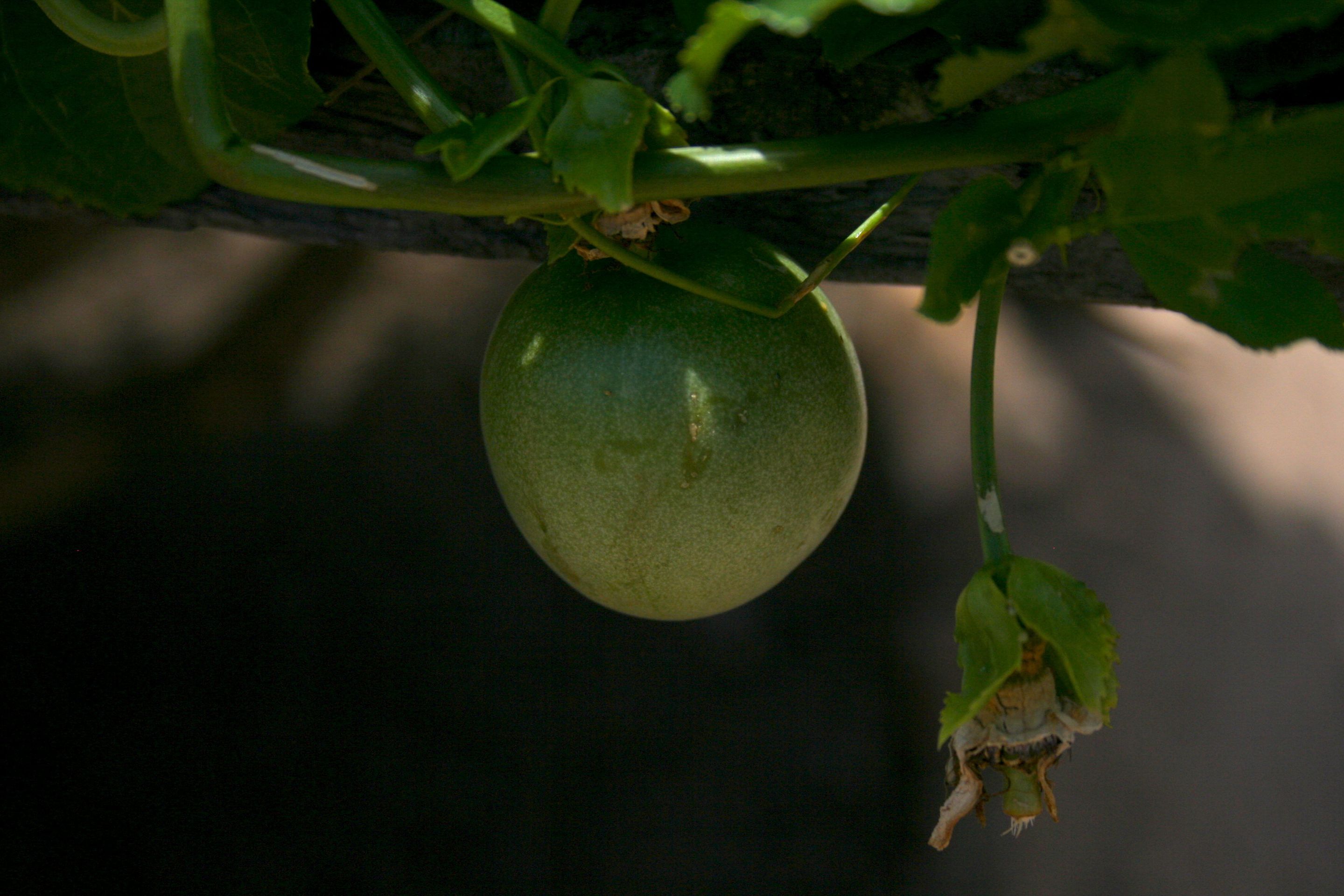
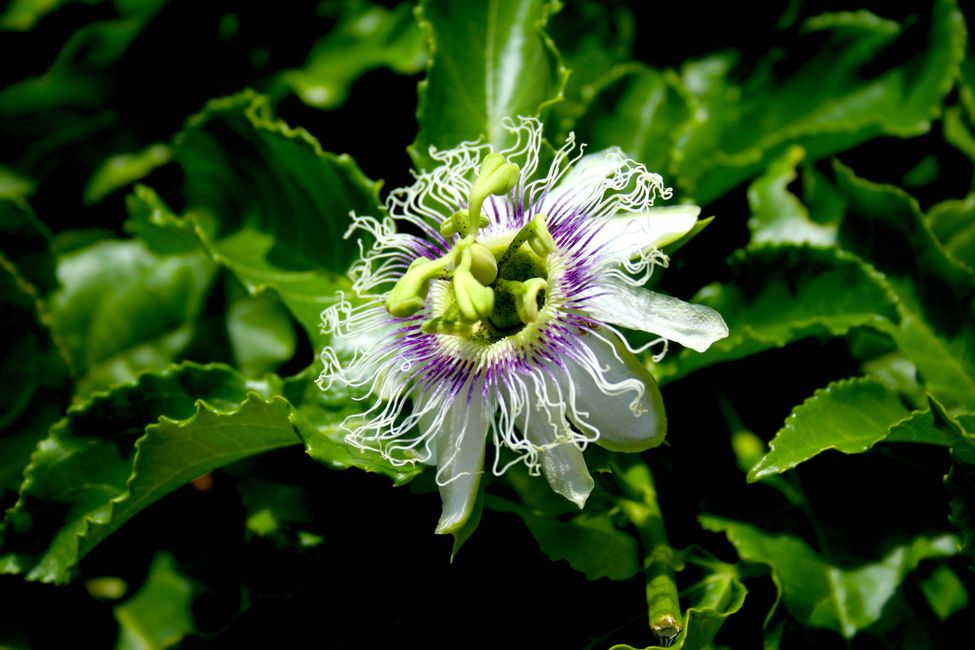
The passionflower, Passiflora edulis, is the plant that produces the passion fruit. The pulp is scooped out or processed into juice.
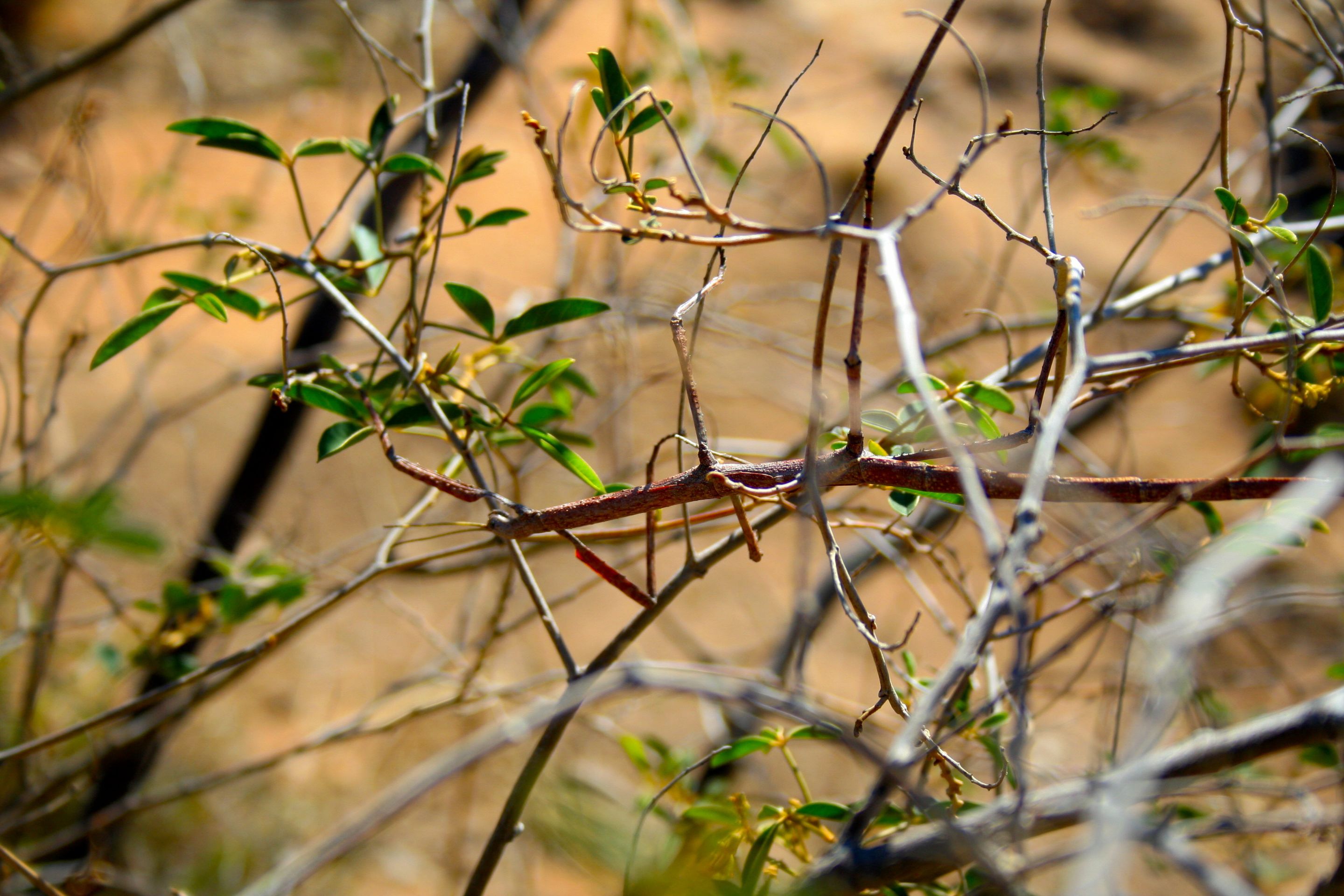
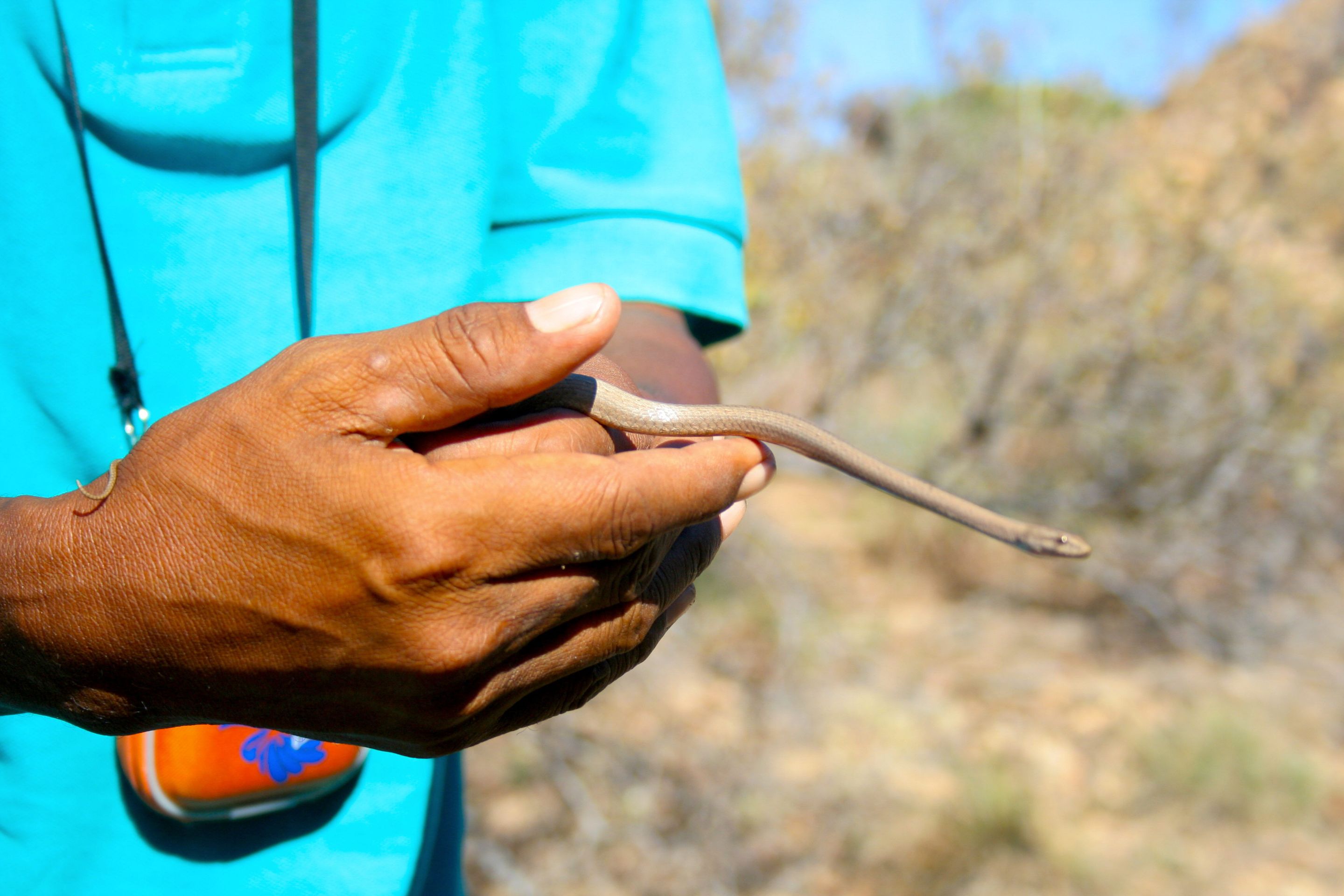
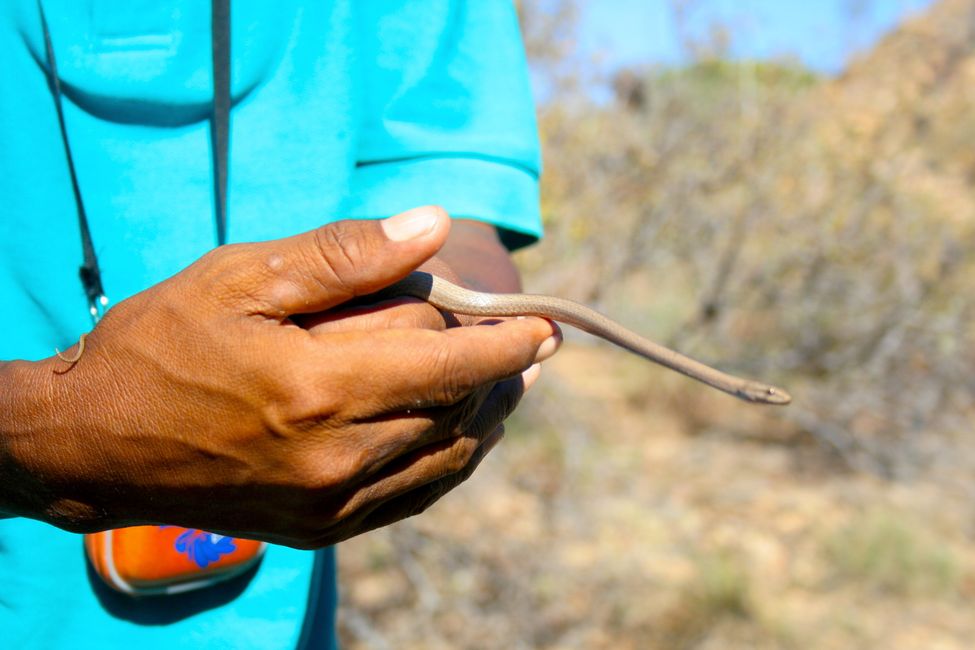
There are no venomous snakes in Madagascar. One of the most common snakes found only here is the Mimophis Mahafaly snake. It only bites in extreme distress. It loves savannas and thorn forests and can grow up to 75 cm long and is diurnal.
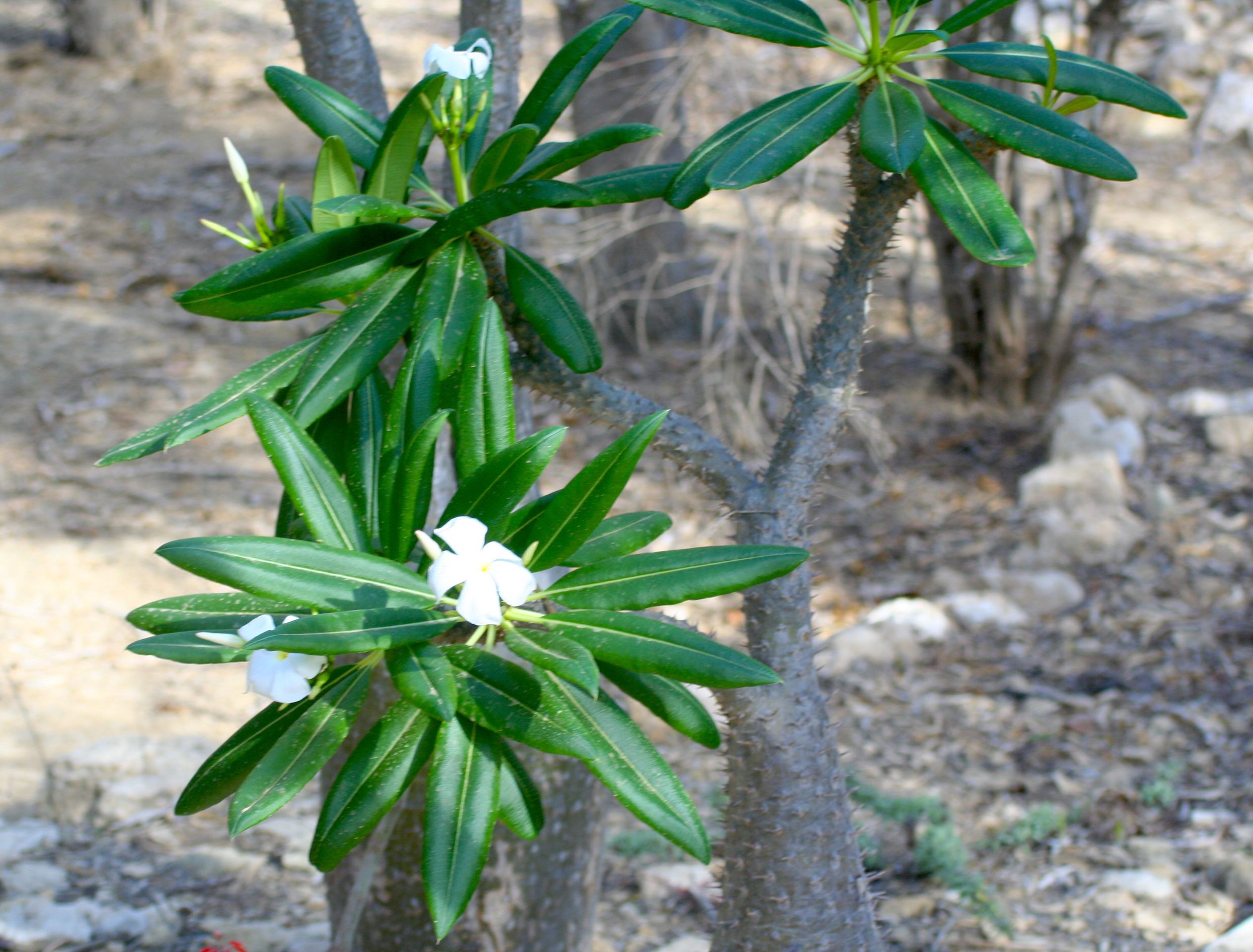
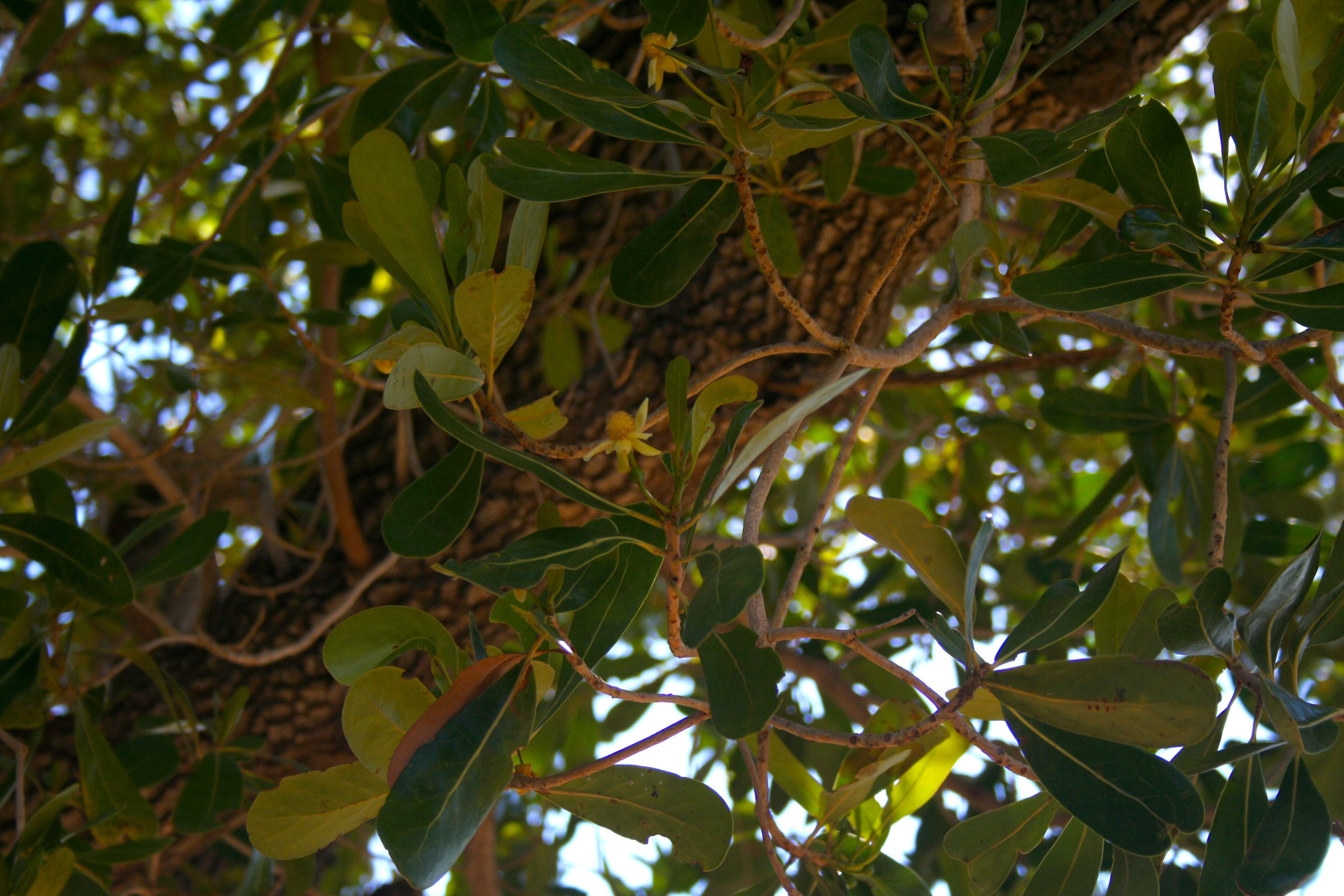
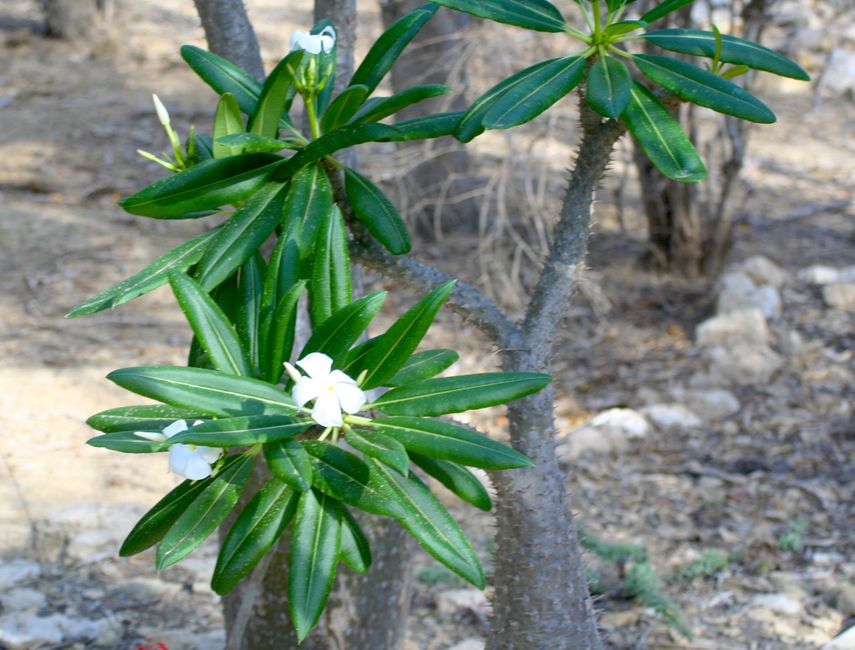
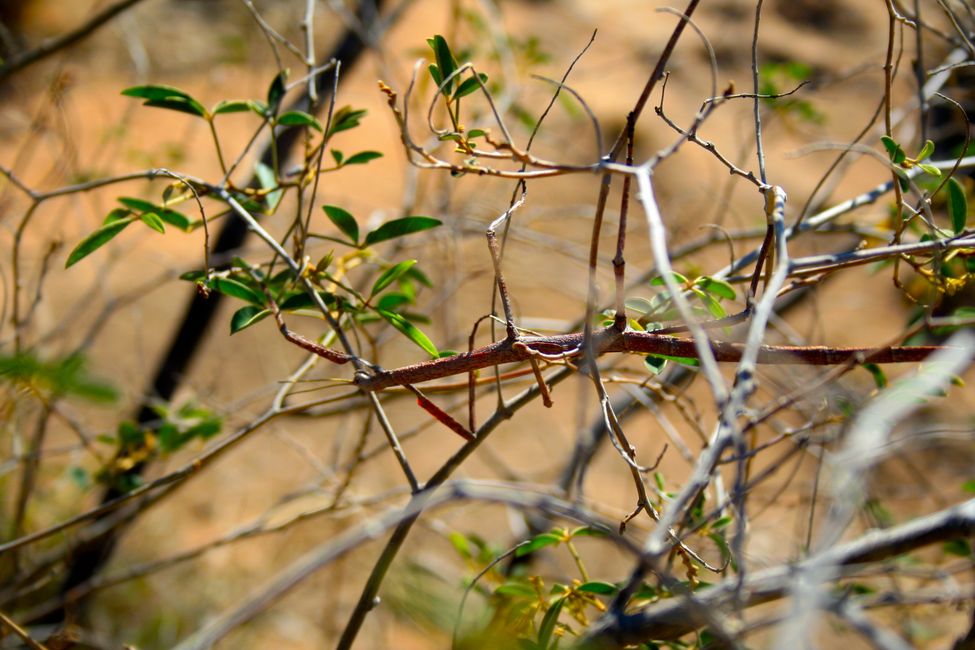
The tapioca tree is also endemic and is found in the highlands of Madagascar. It can grow up to 10 m tall. The bark is very thick and heat-resistant. The fruits are edible.
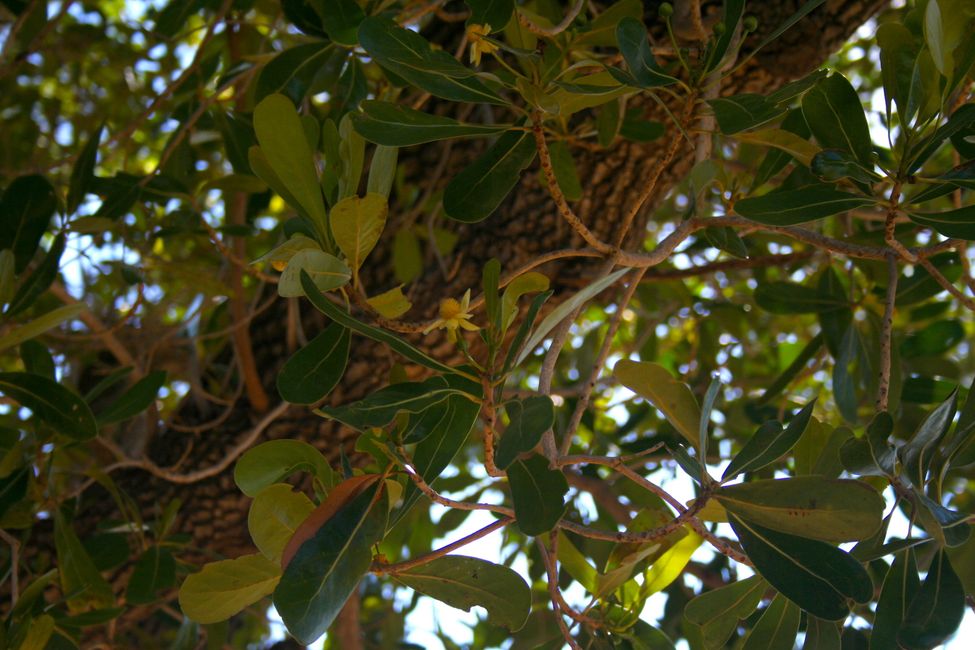
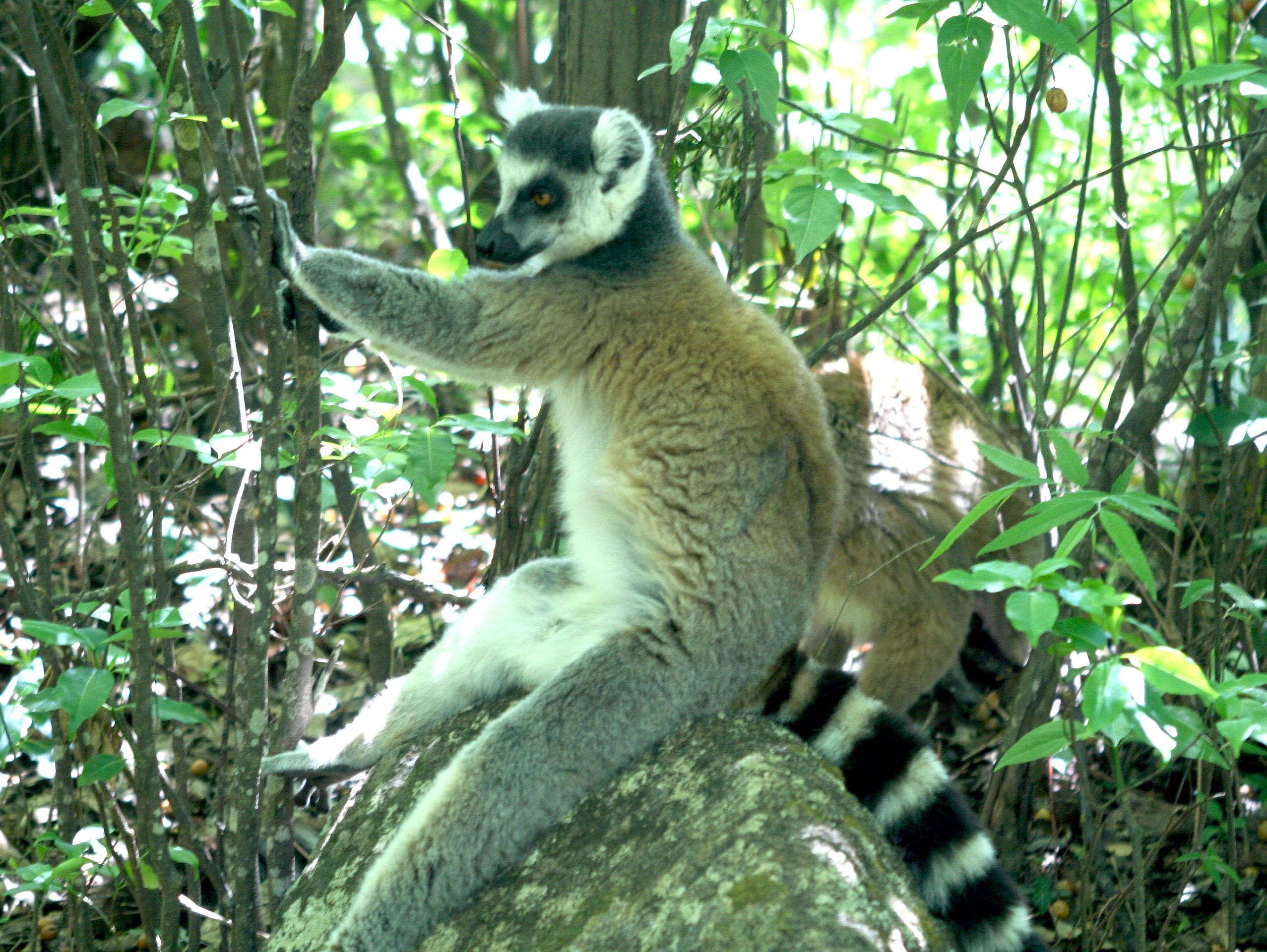
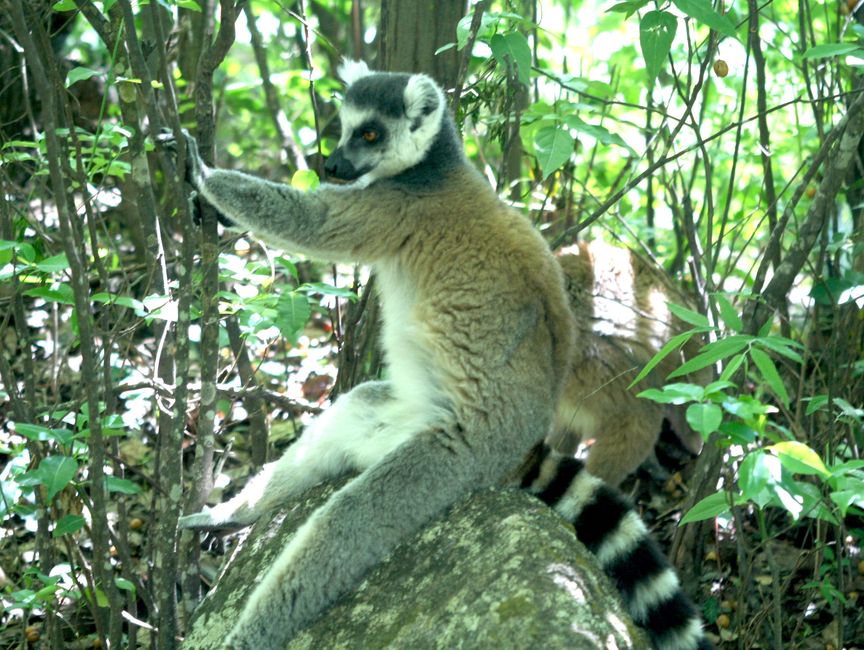
In Anja Park, near the city of Fianarantsoa, you can visit the ring-tailed lemurs. They are diurnal, sleep in trees or caves, and love to adopt a comfortable sitting position, especially when the sun is shining.
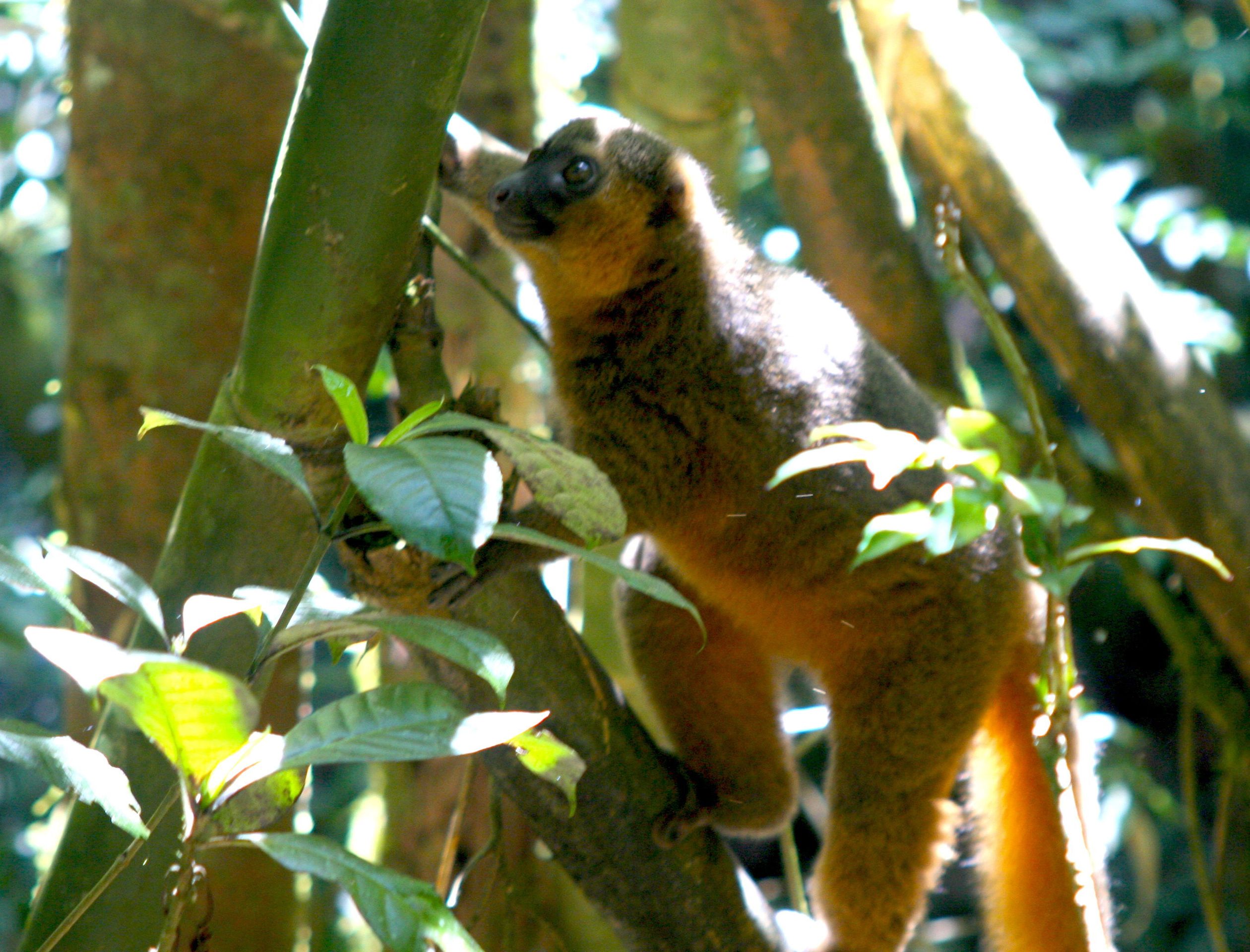
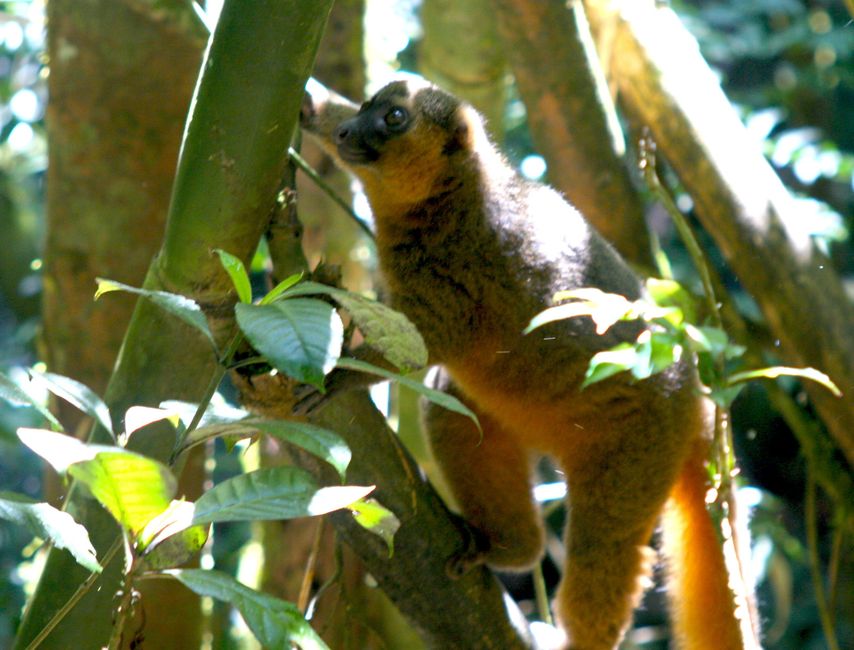
The nearby Ranomafana National Park is known for its golden bamboo lemurs that exist only here.
Part two sheds light on the political circumstances, the capital, and the northern part of Madagascar.