
Wonders of Nature - Andasibe National Park
We set off early the next day, heading east to visit the nearest national park, Andasibe. All roads out of town quickly become completely blocked! The country's road network is...

Published: 30.05.2025
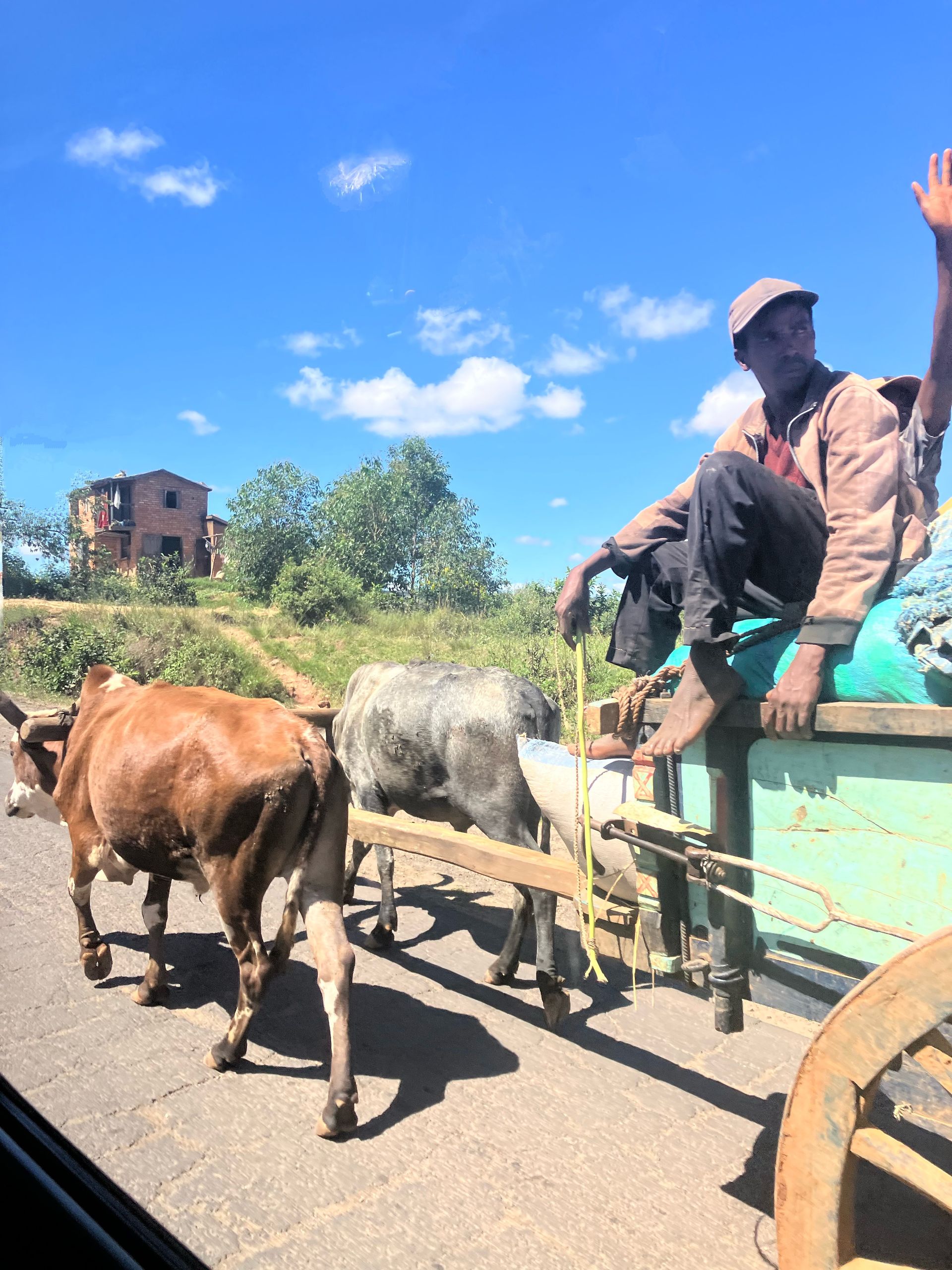
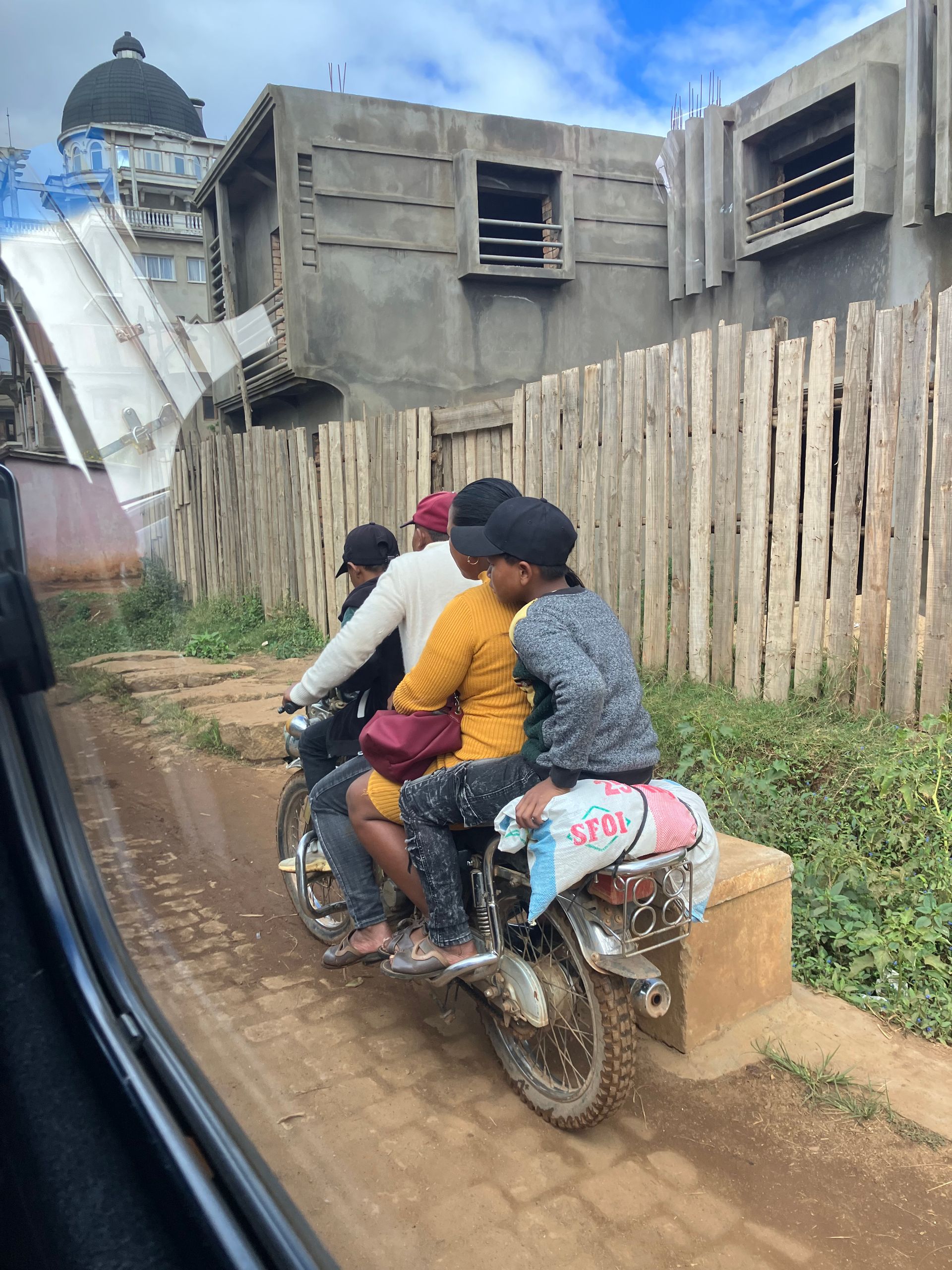
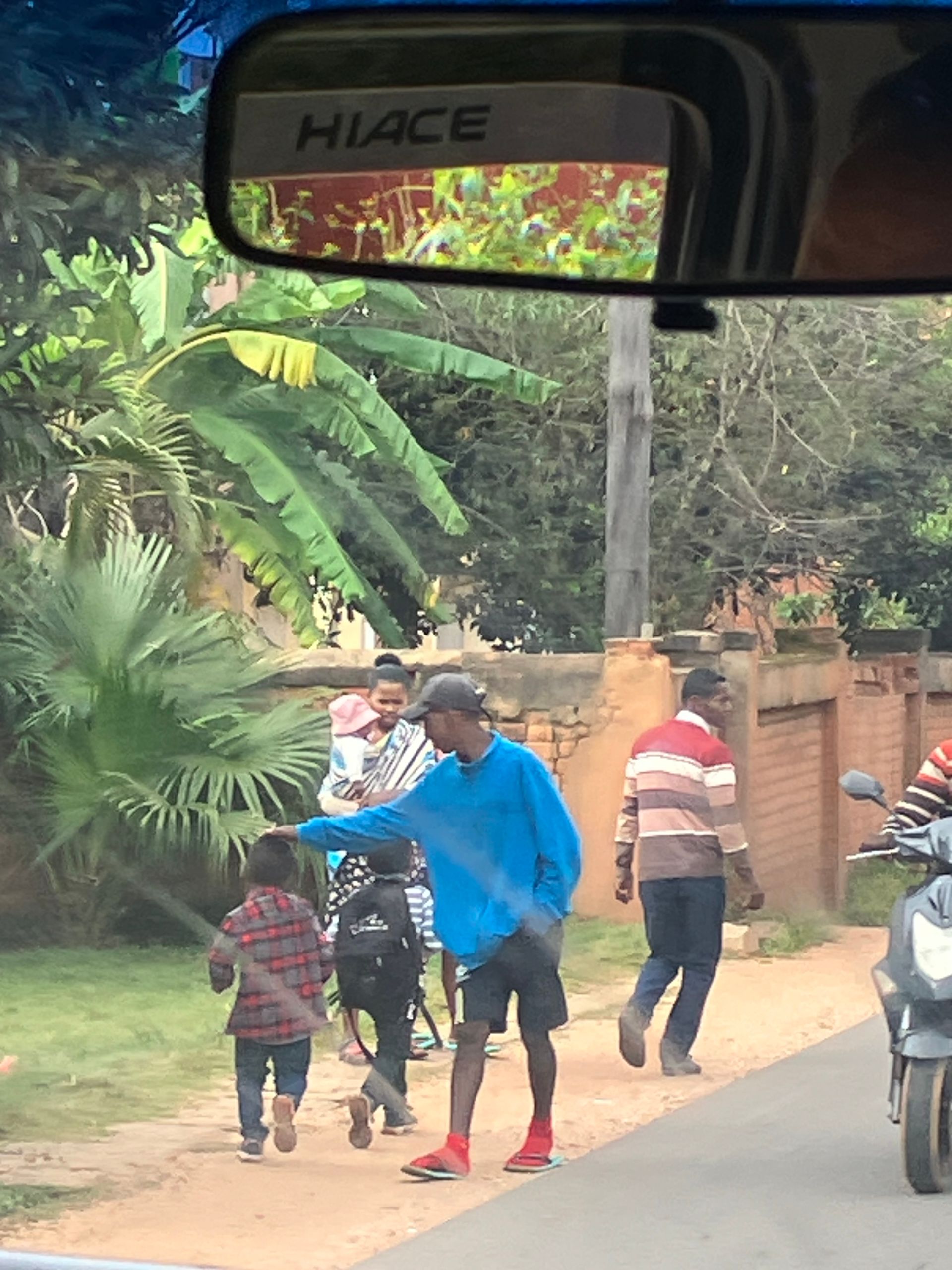
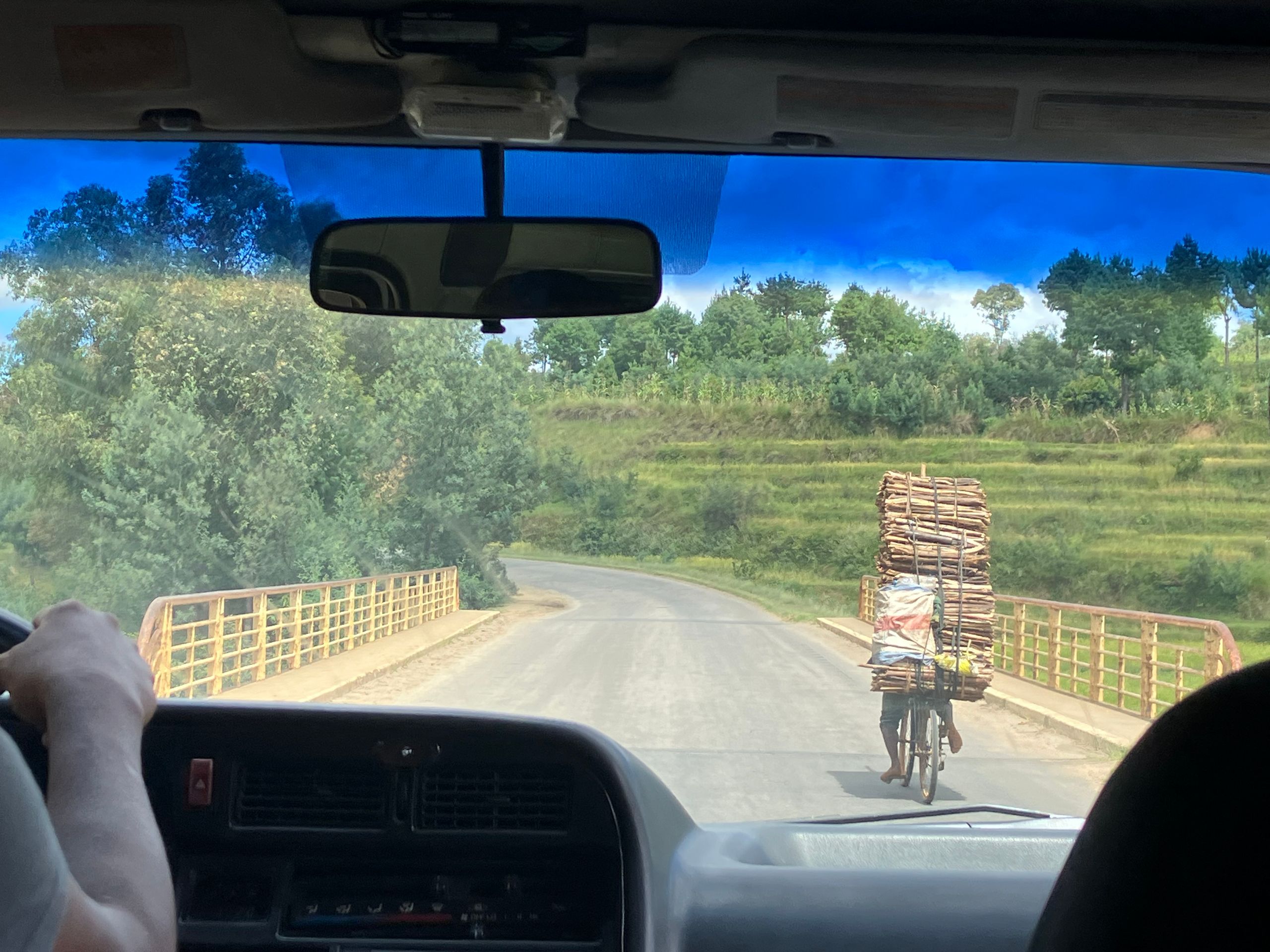
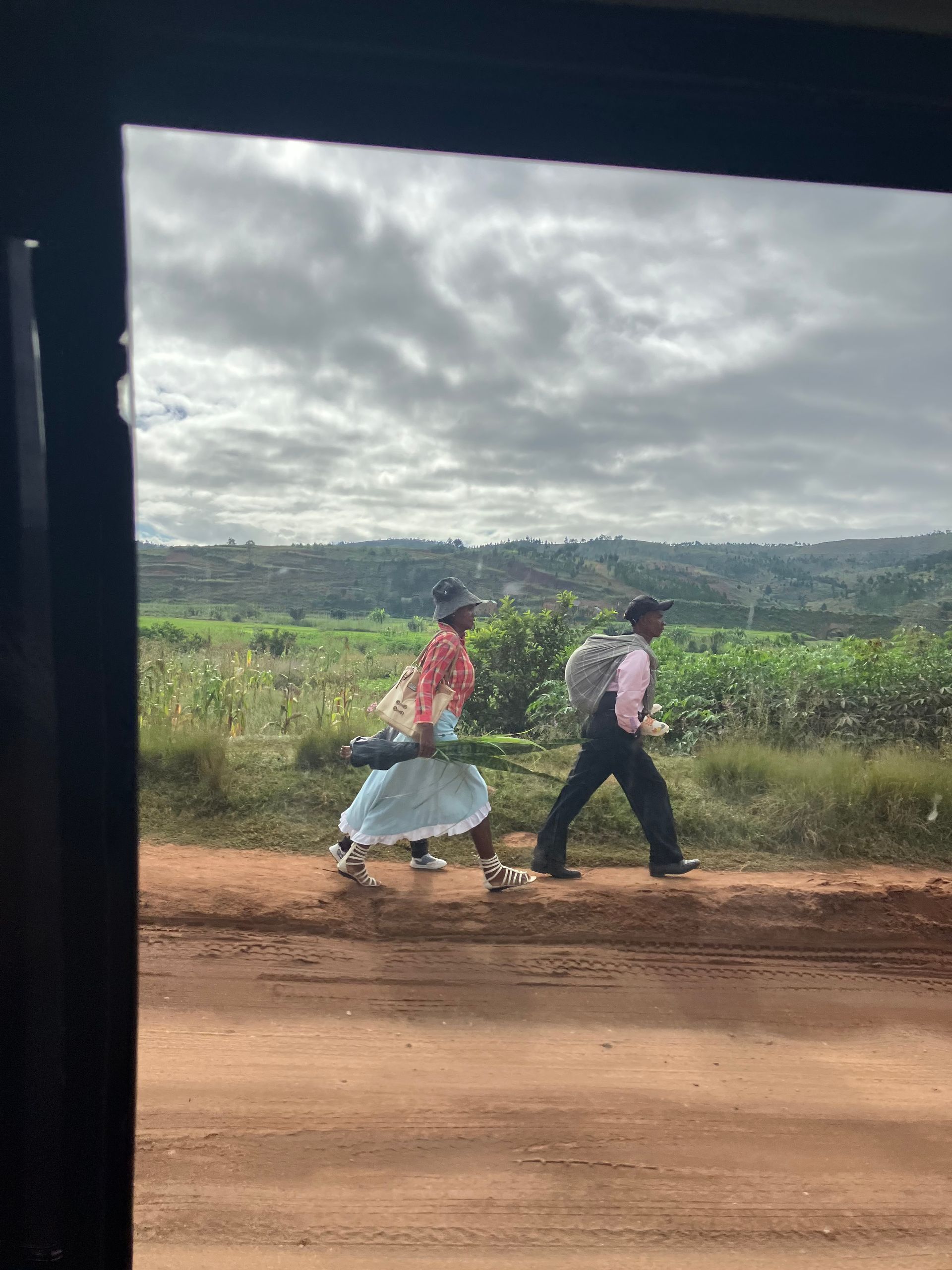
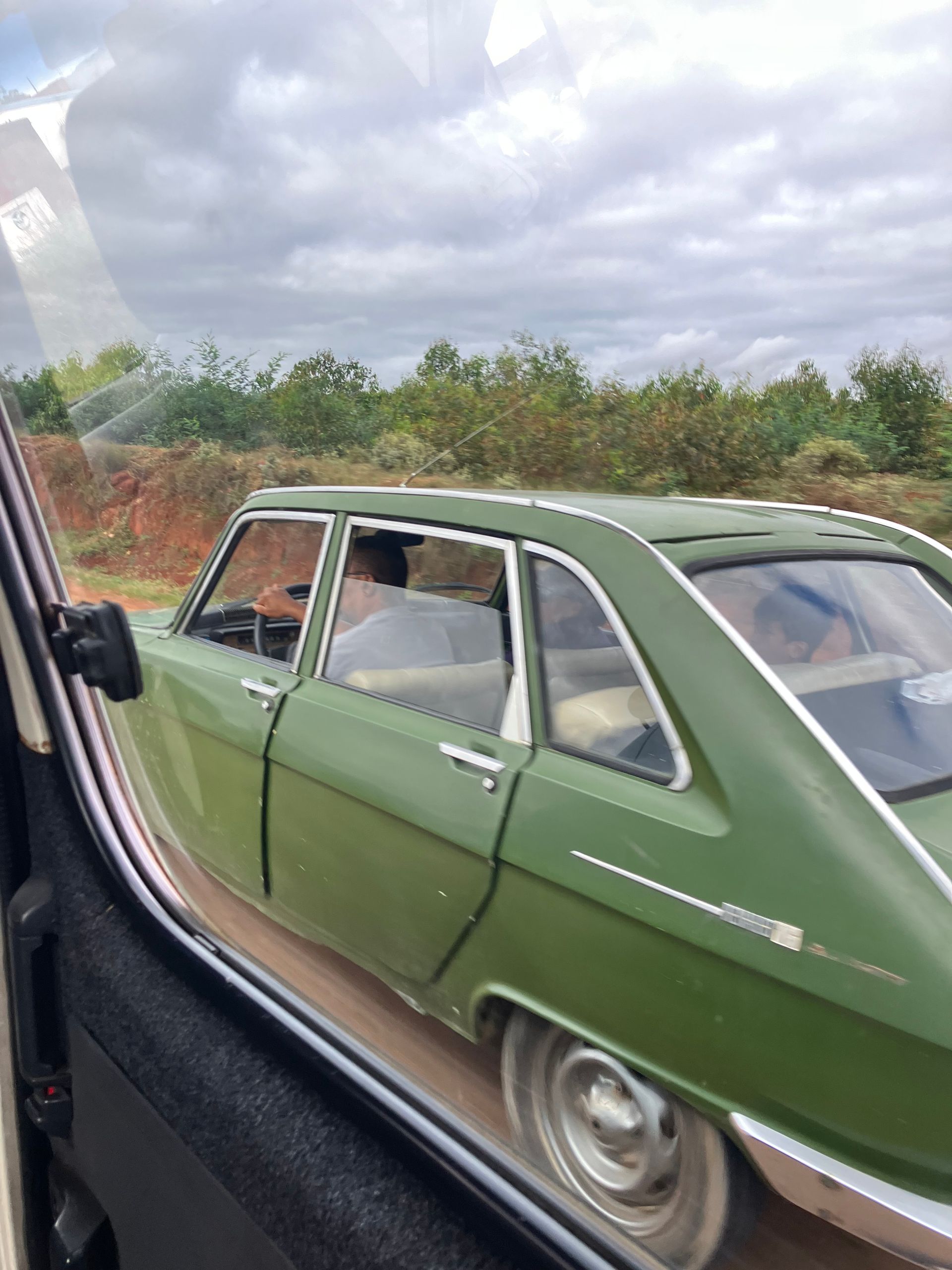
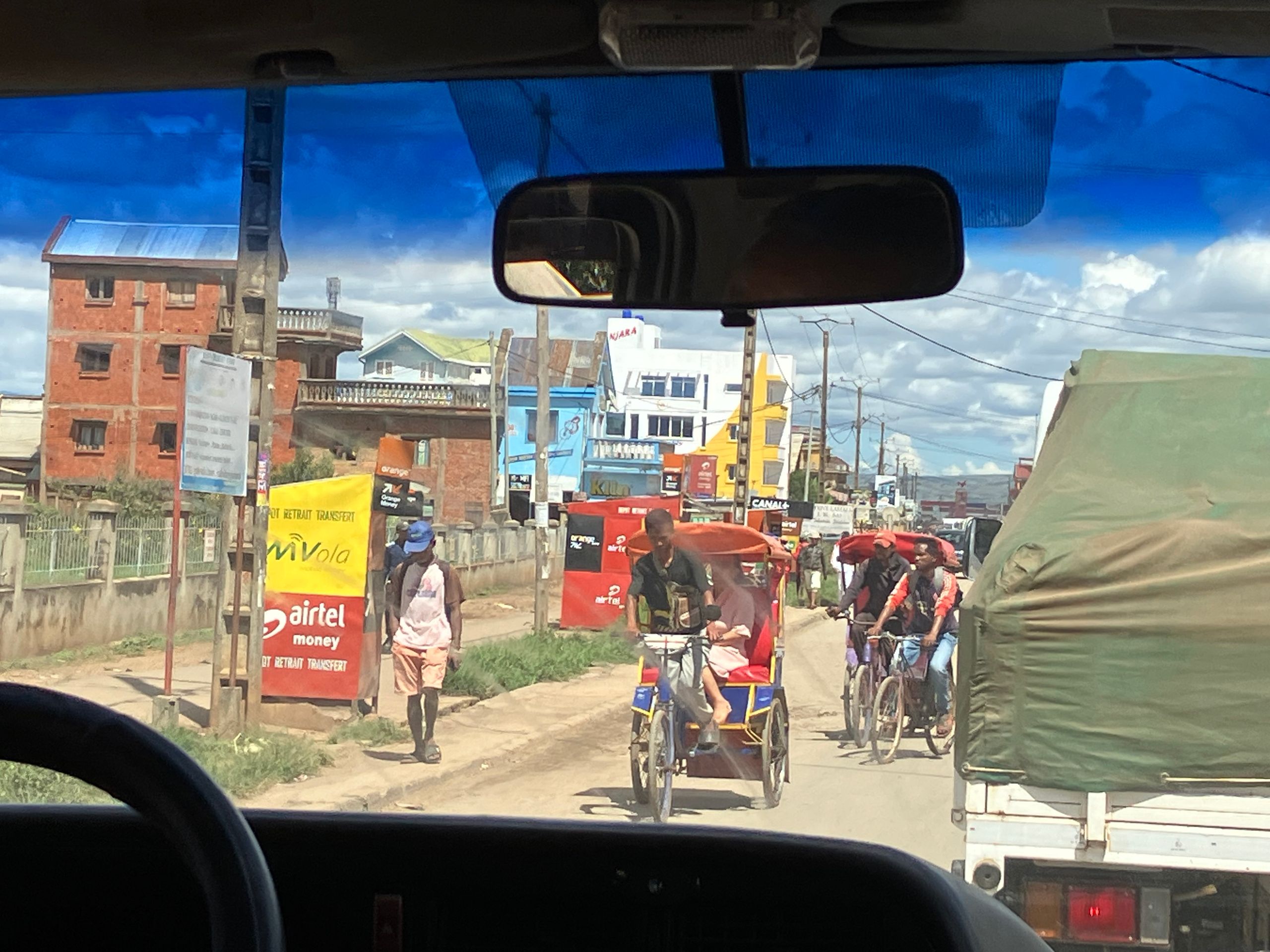
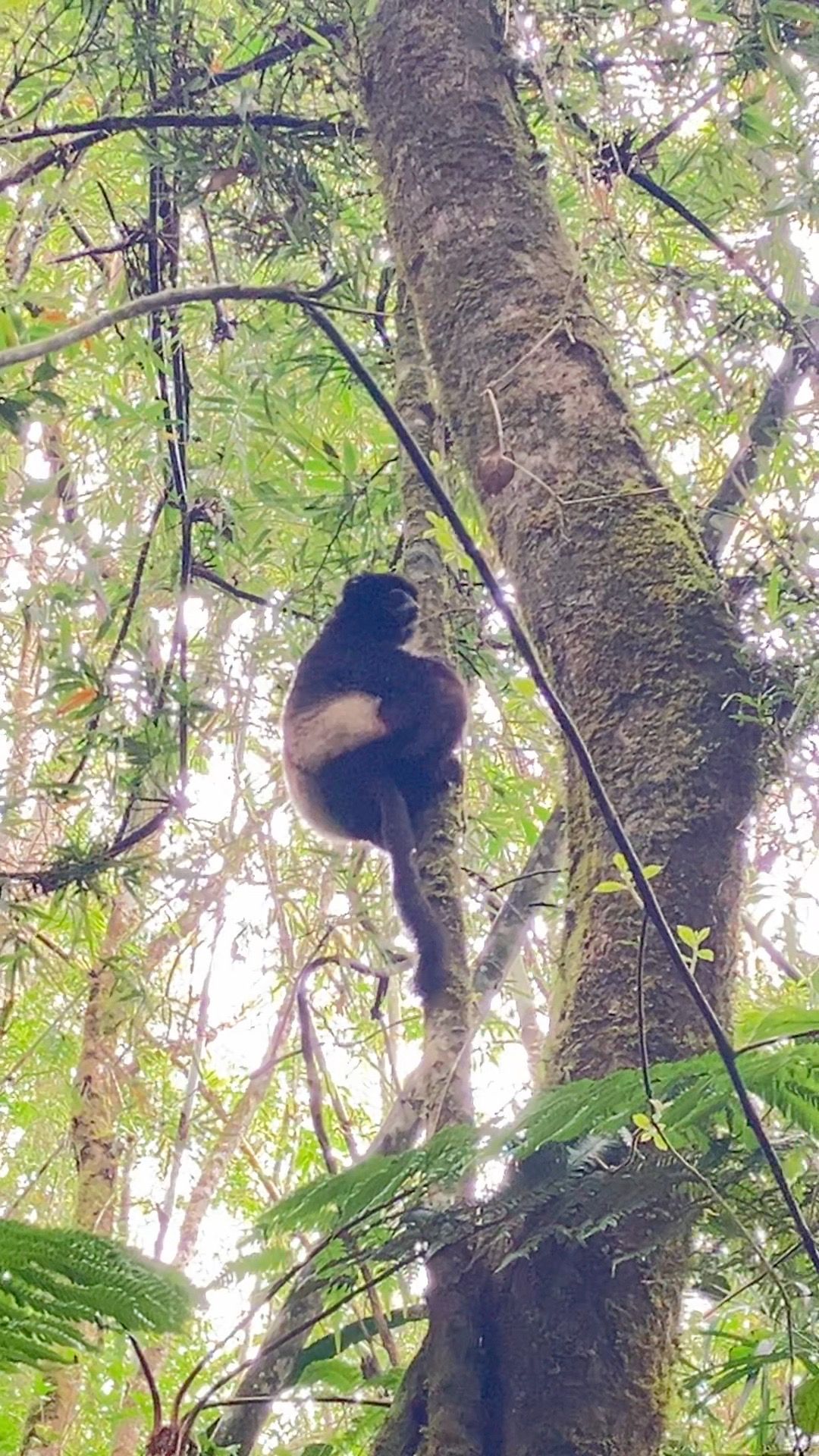
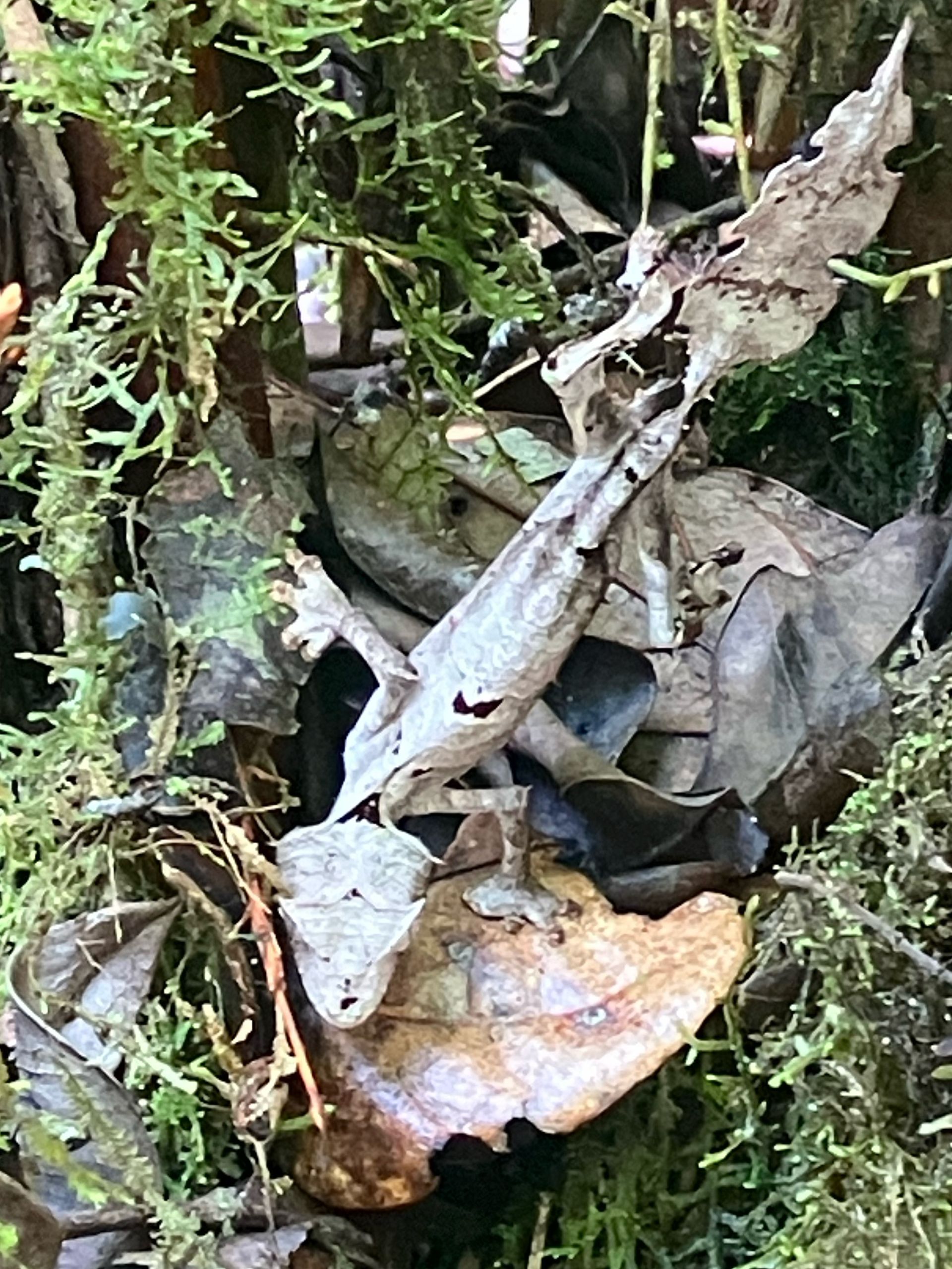
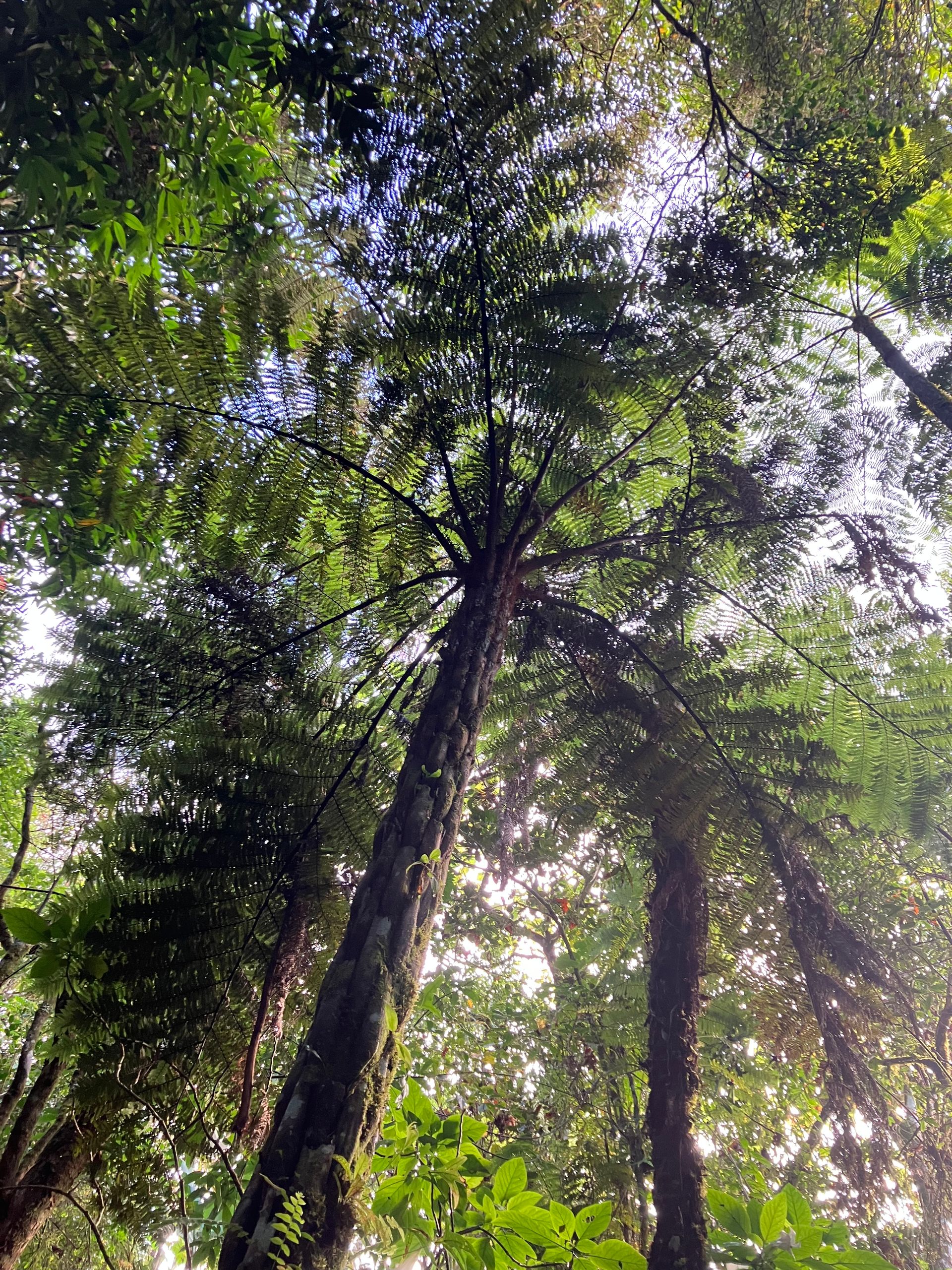
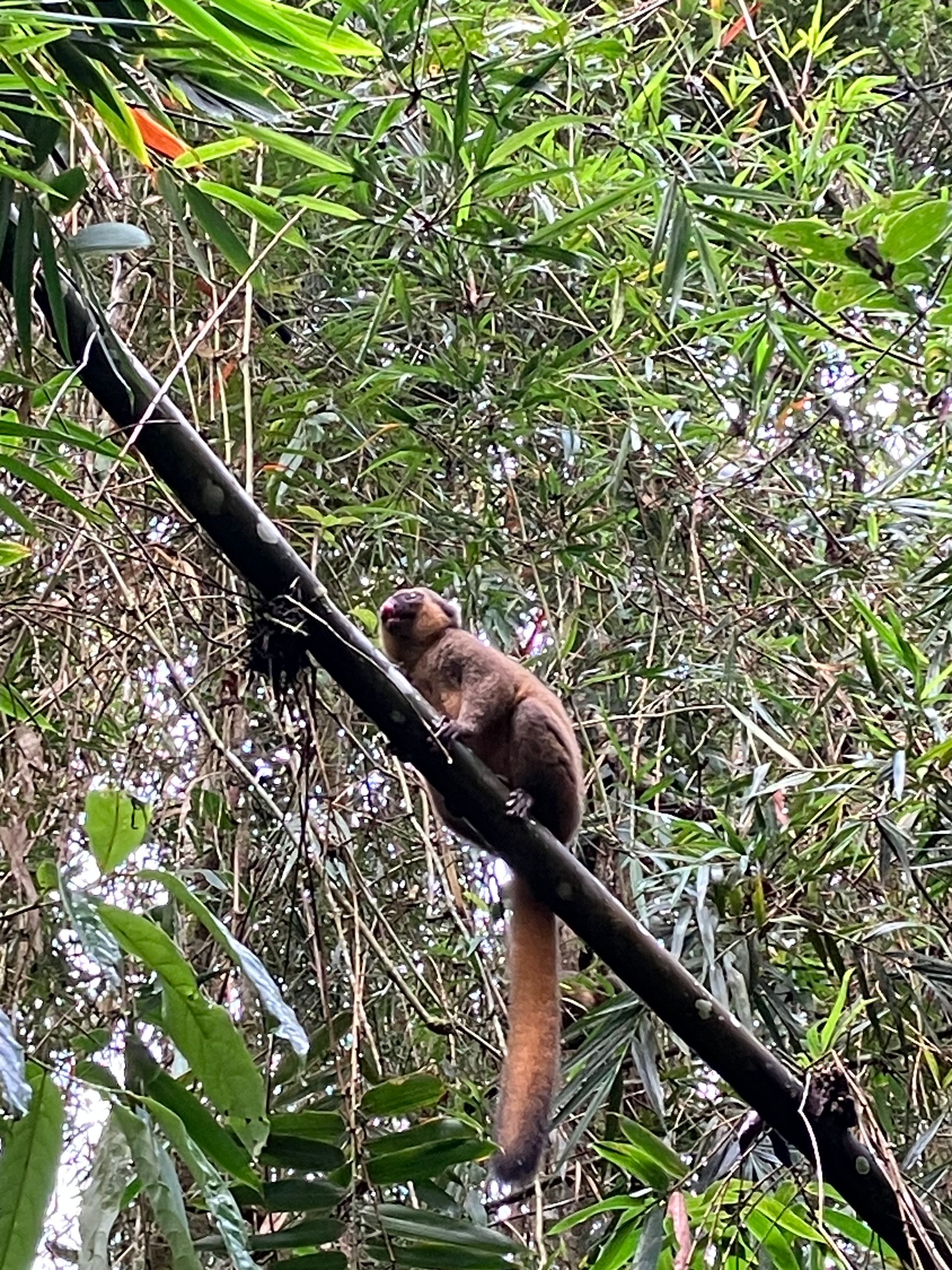
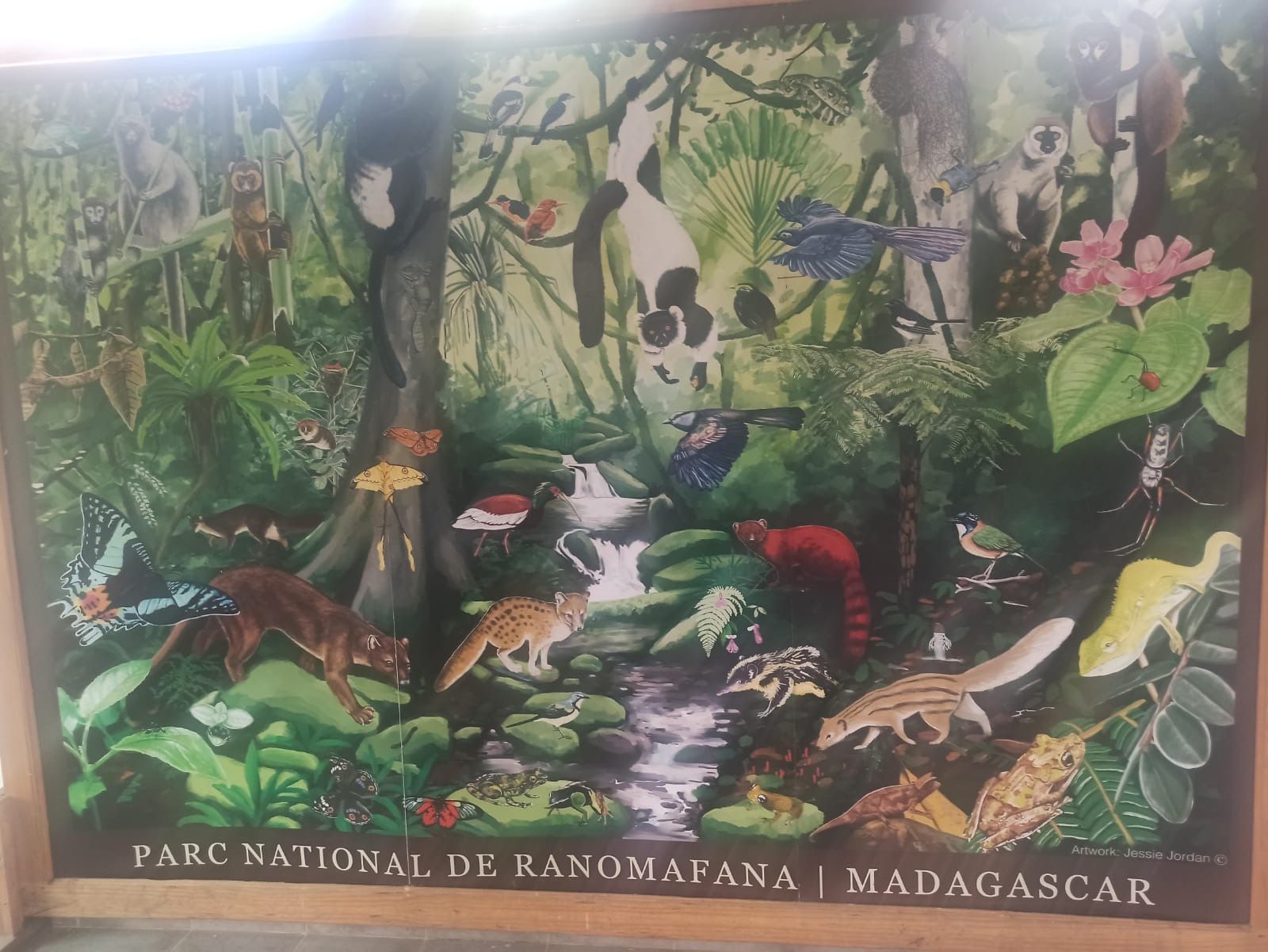
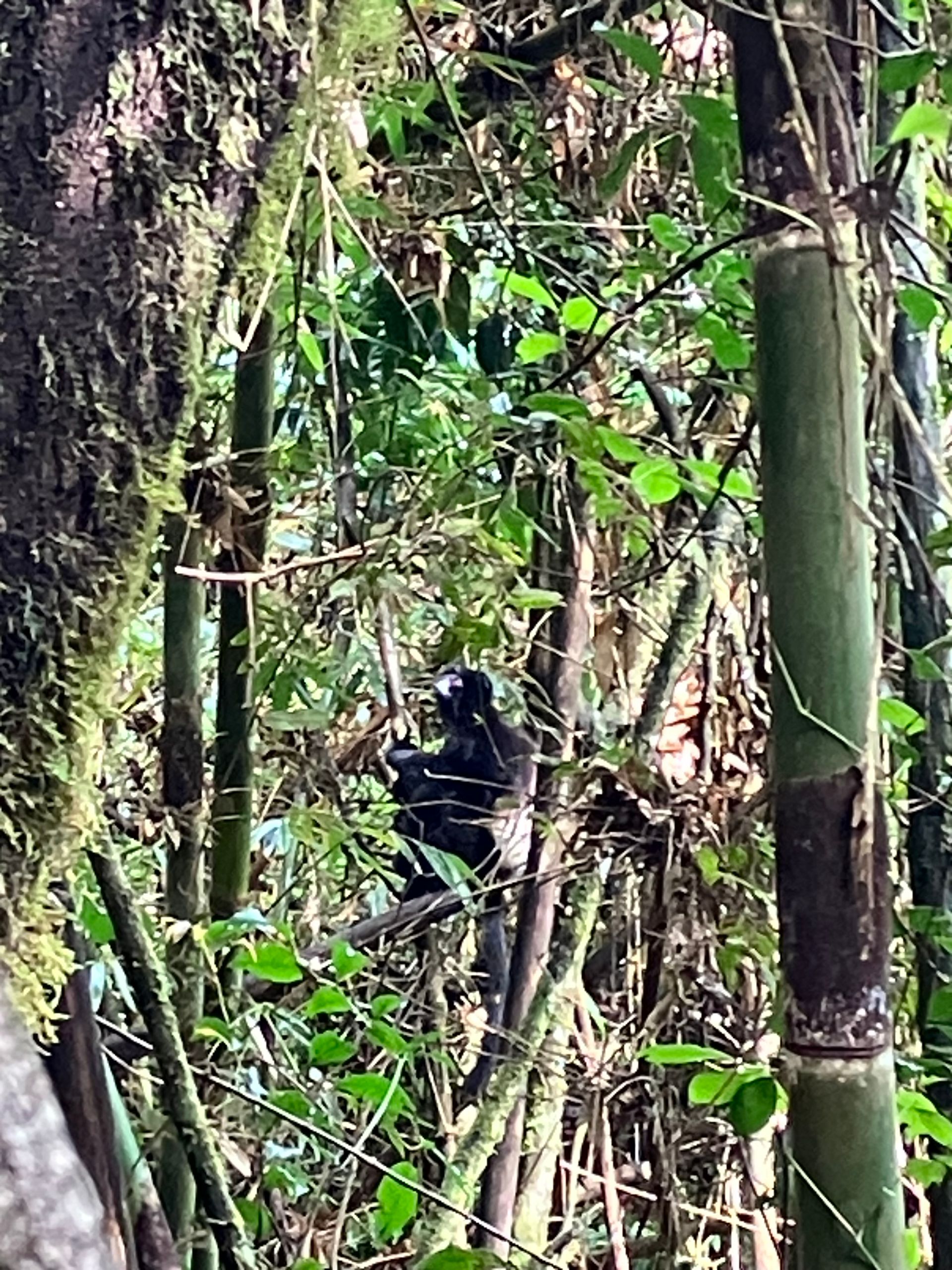
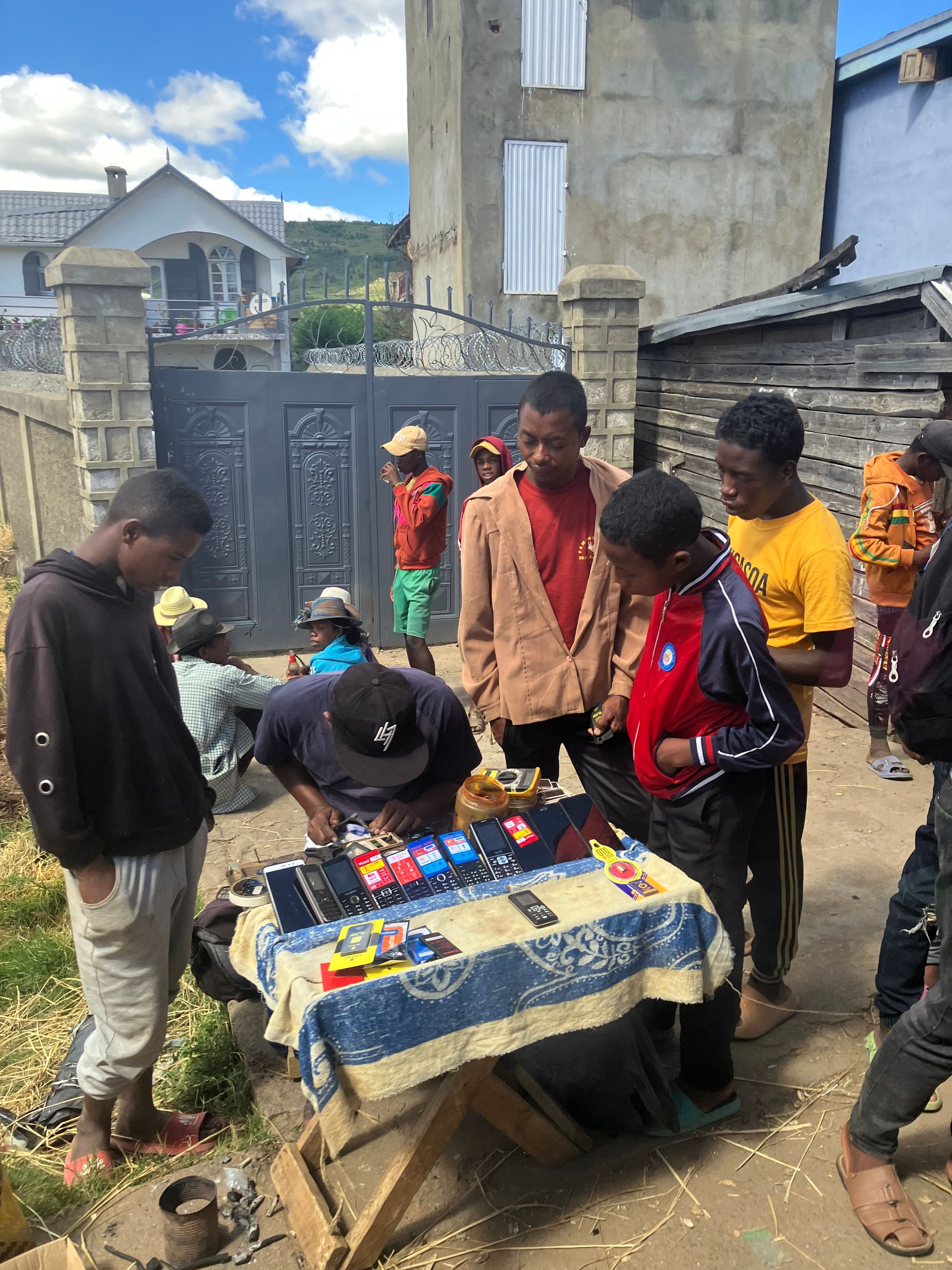
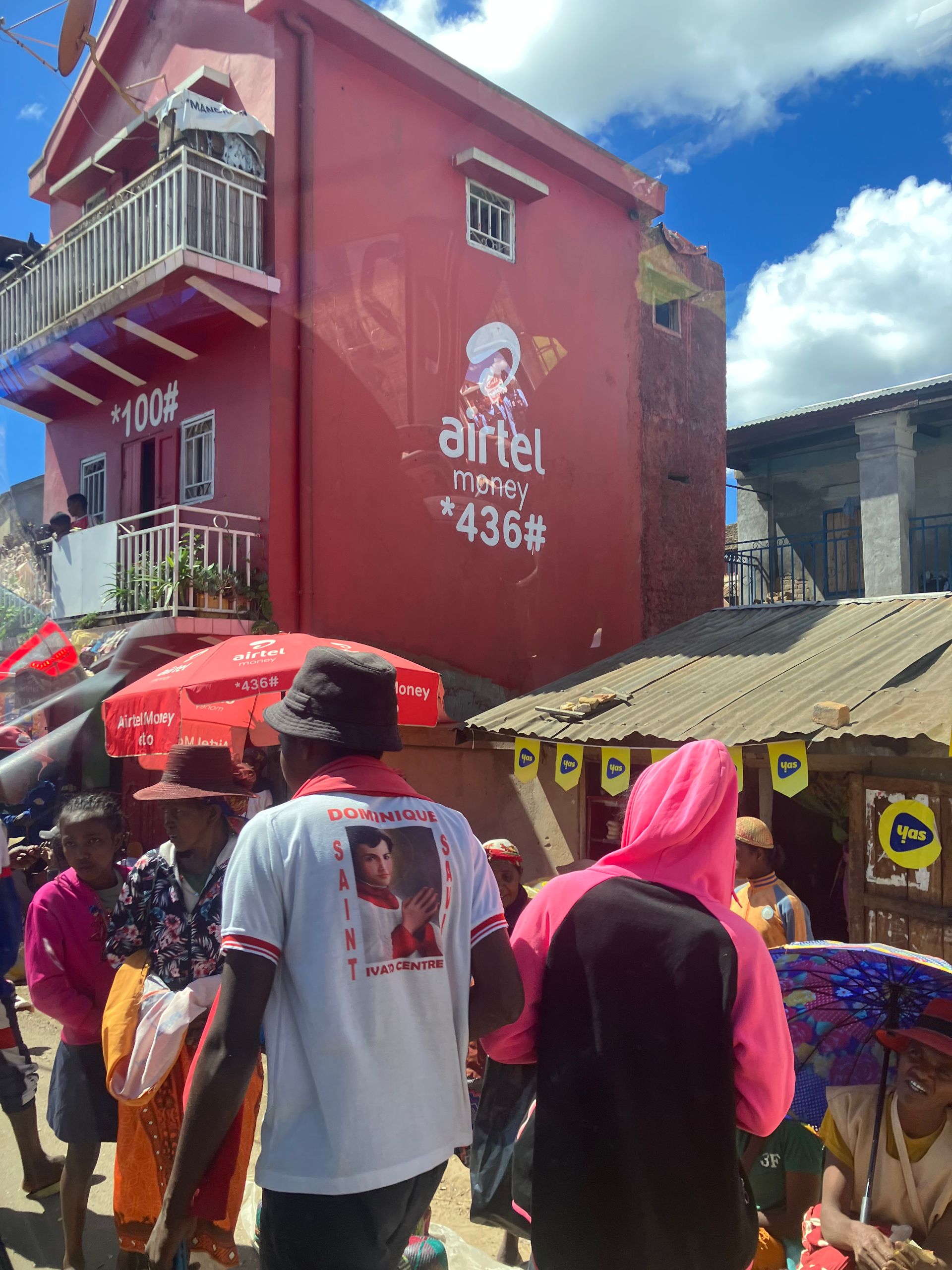
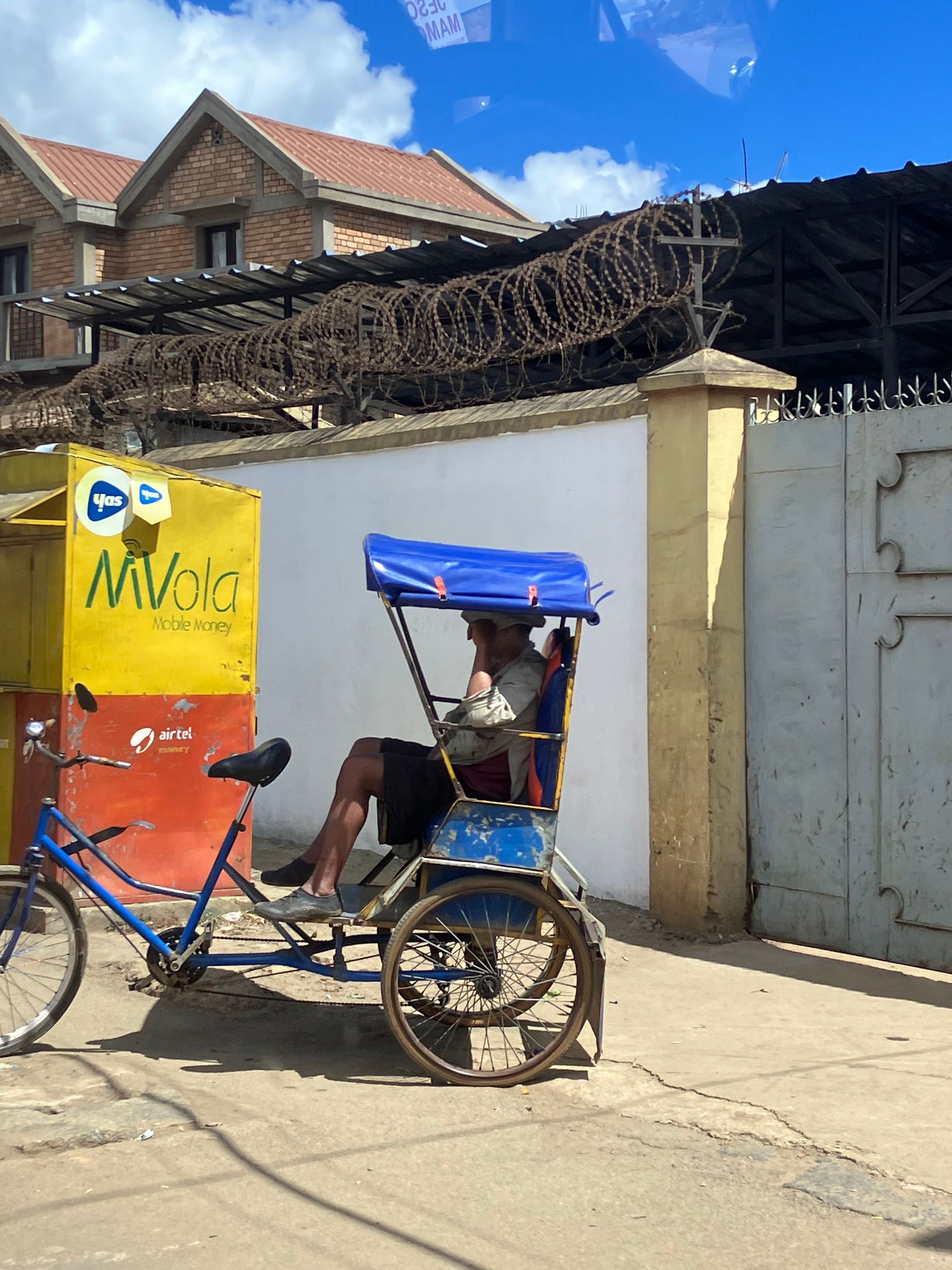
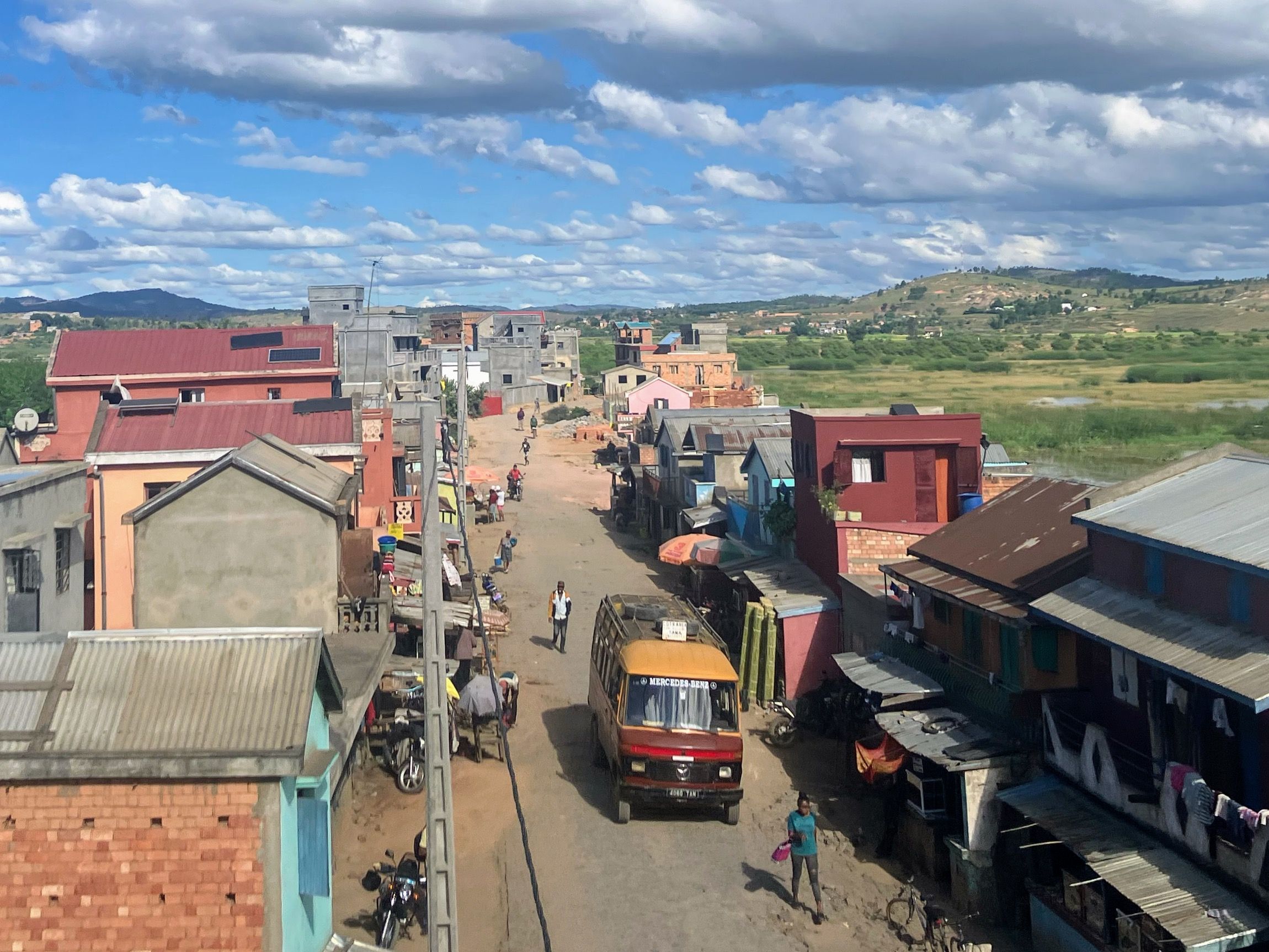
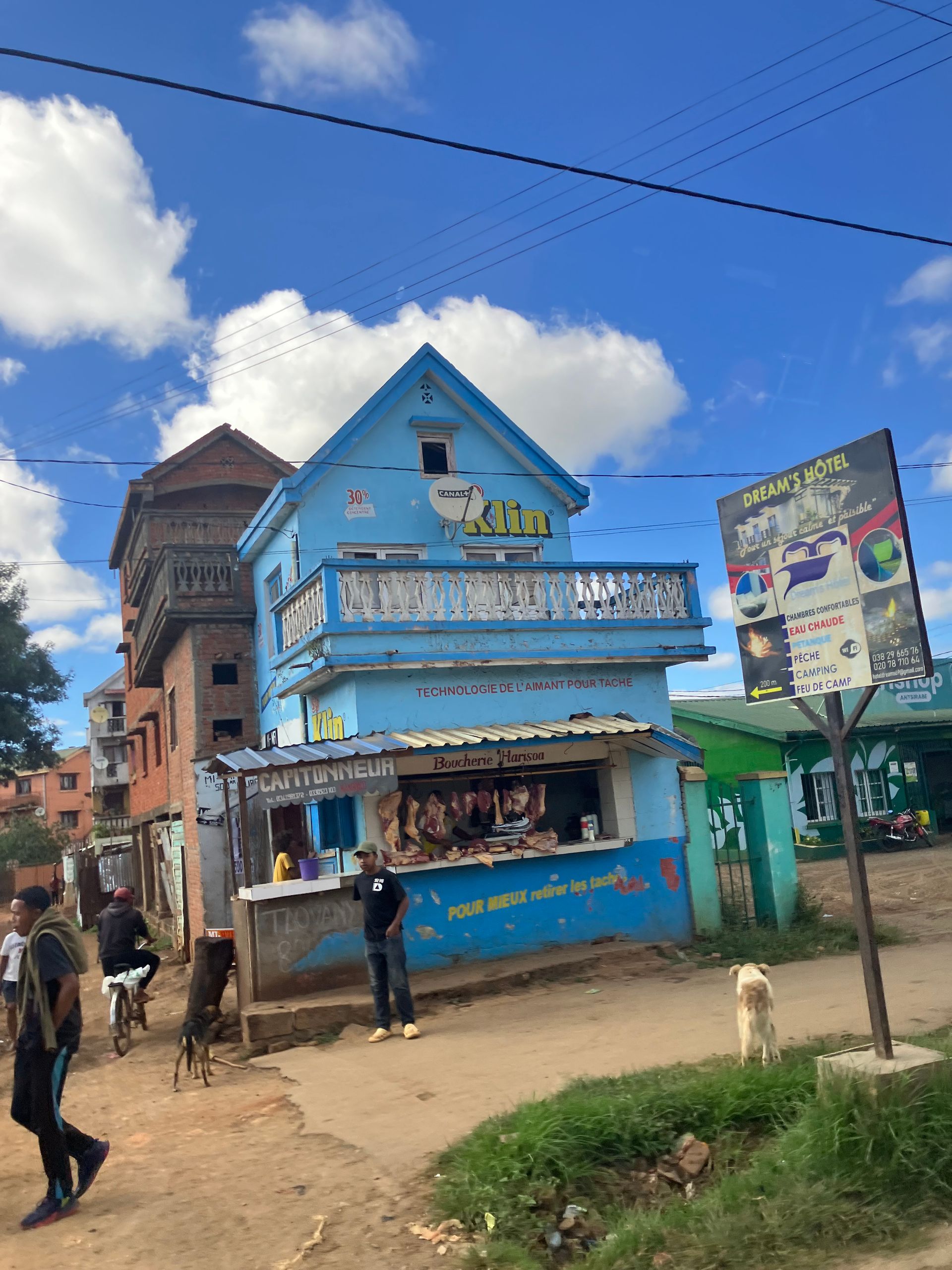
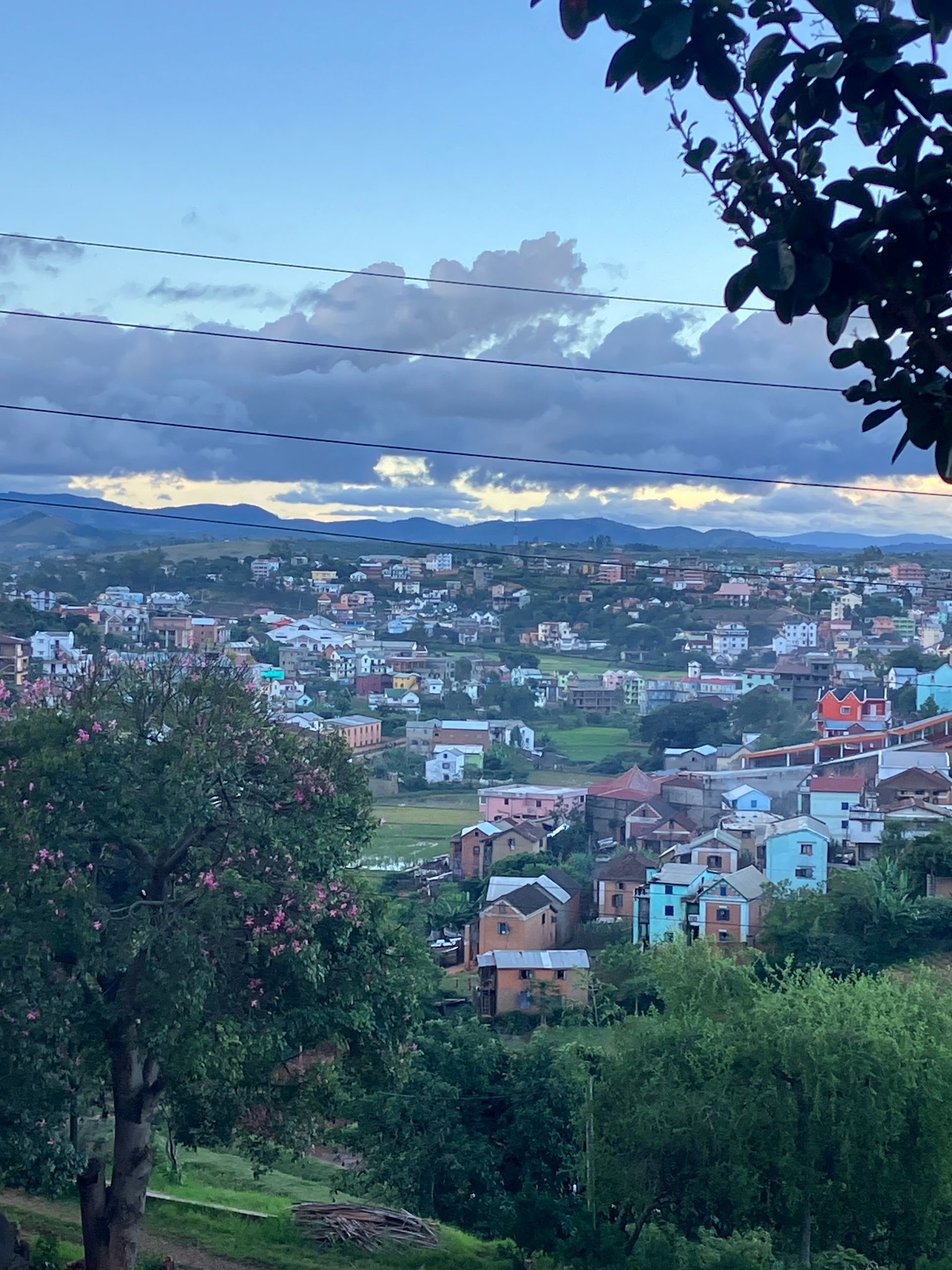
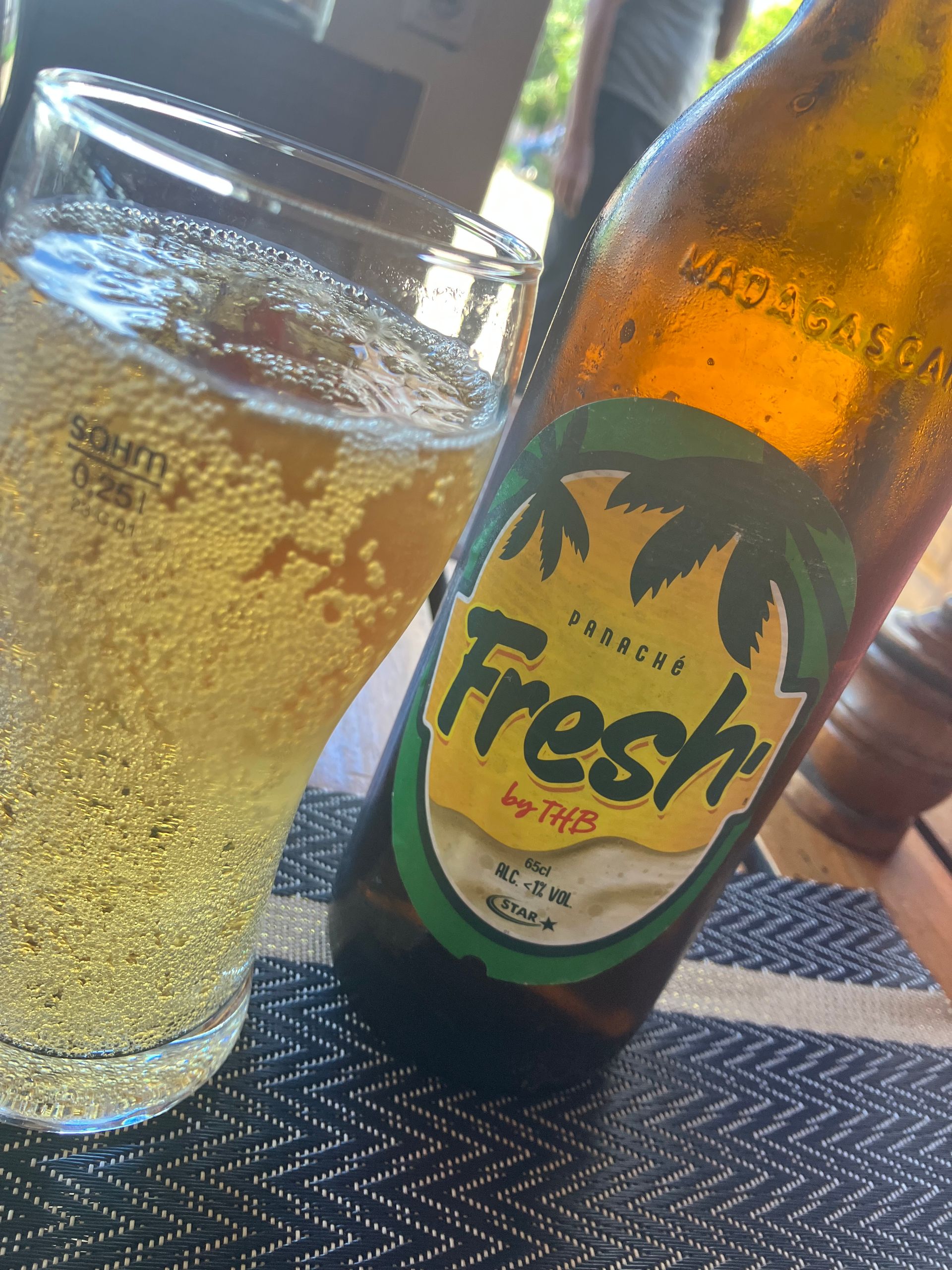
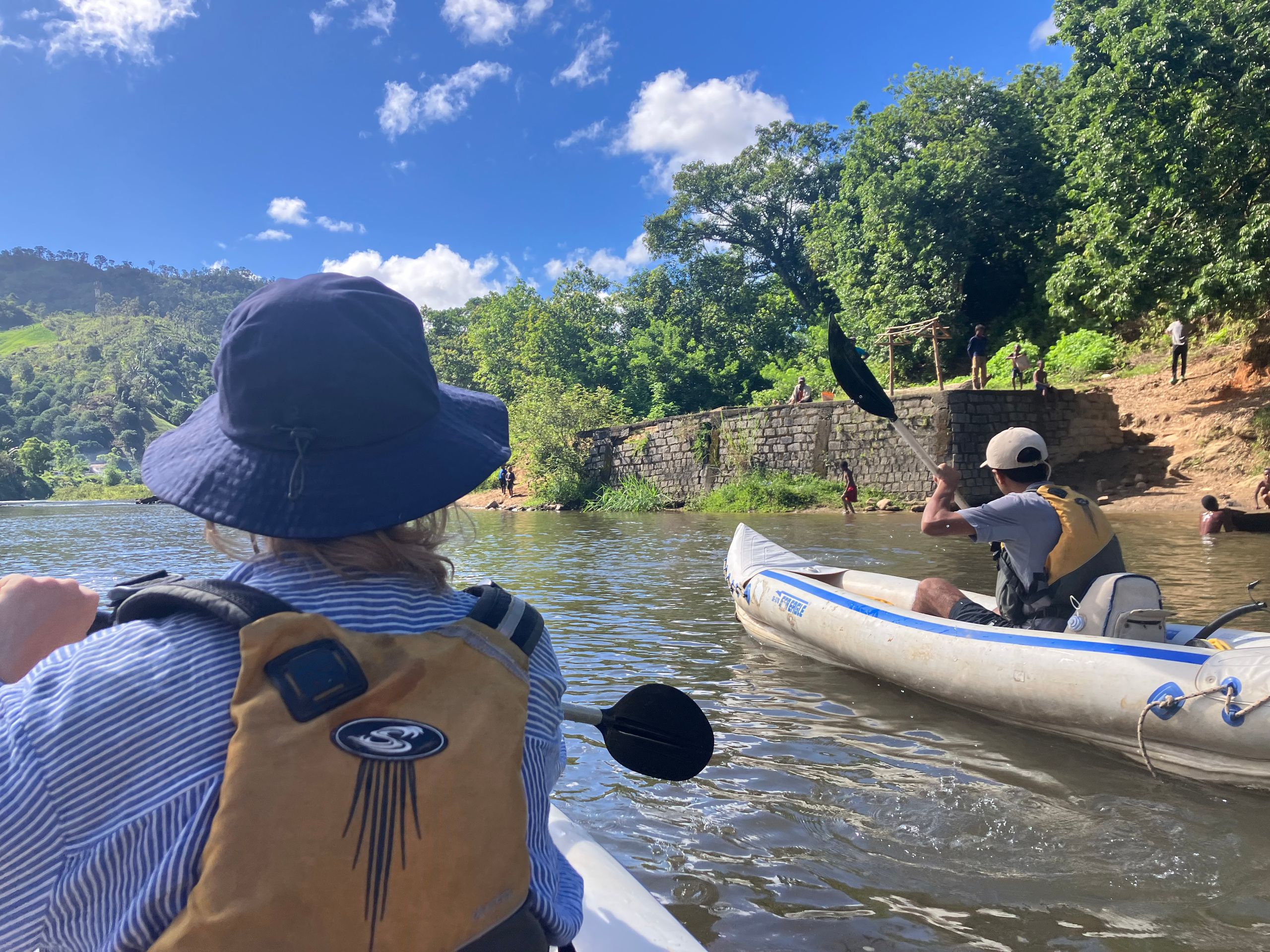
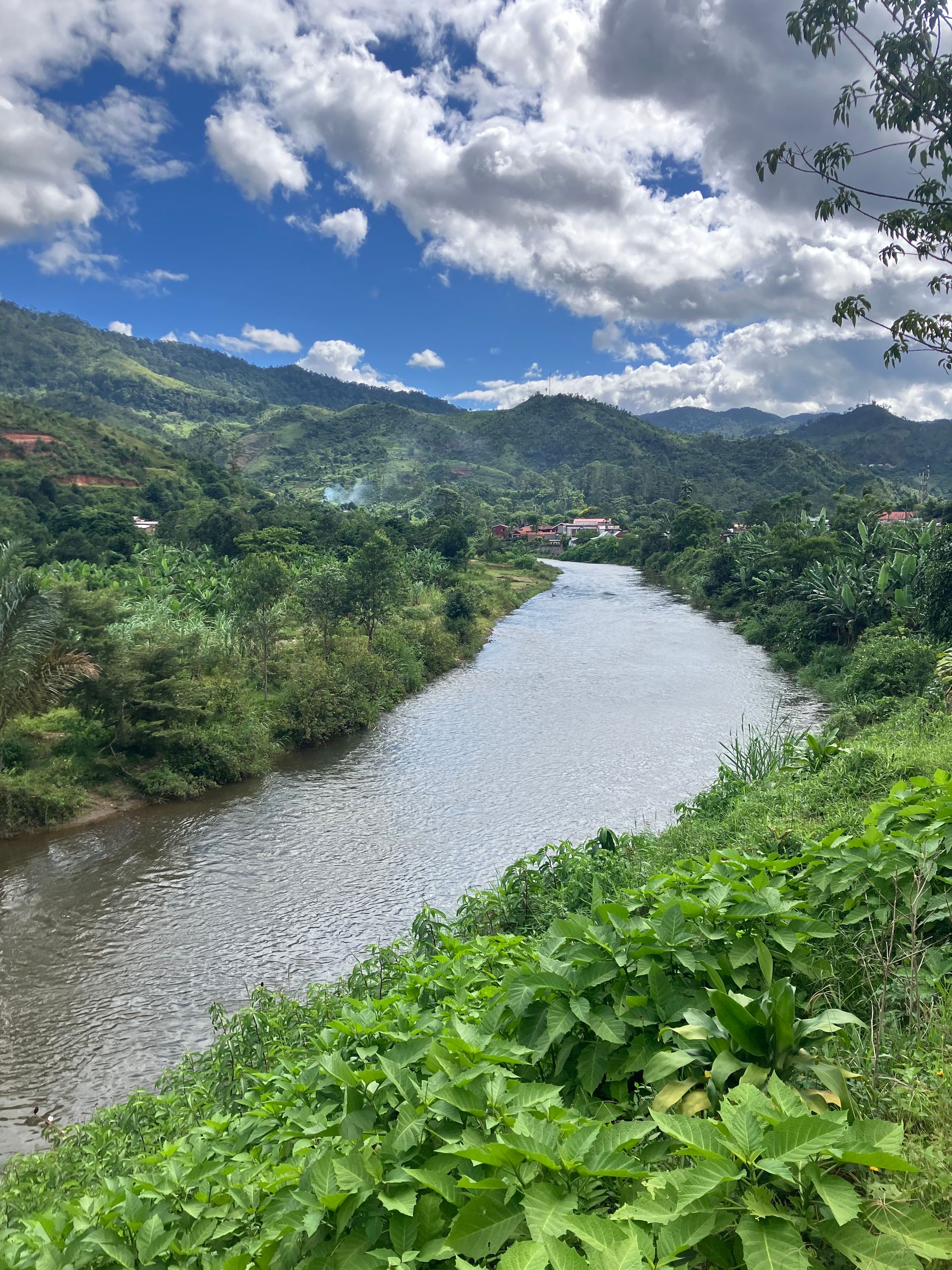
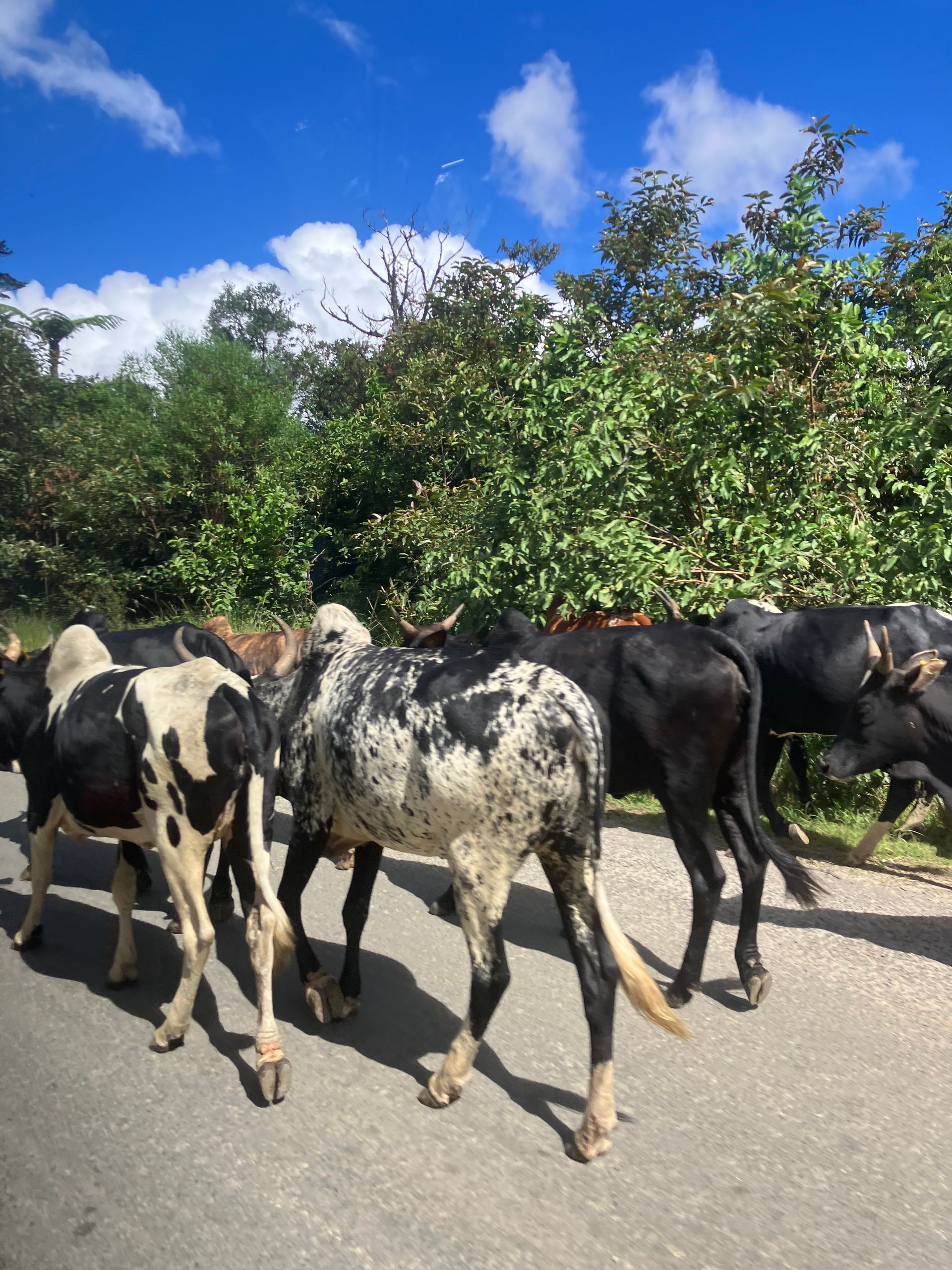
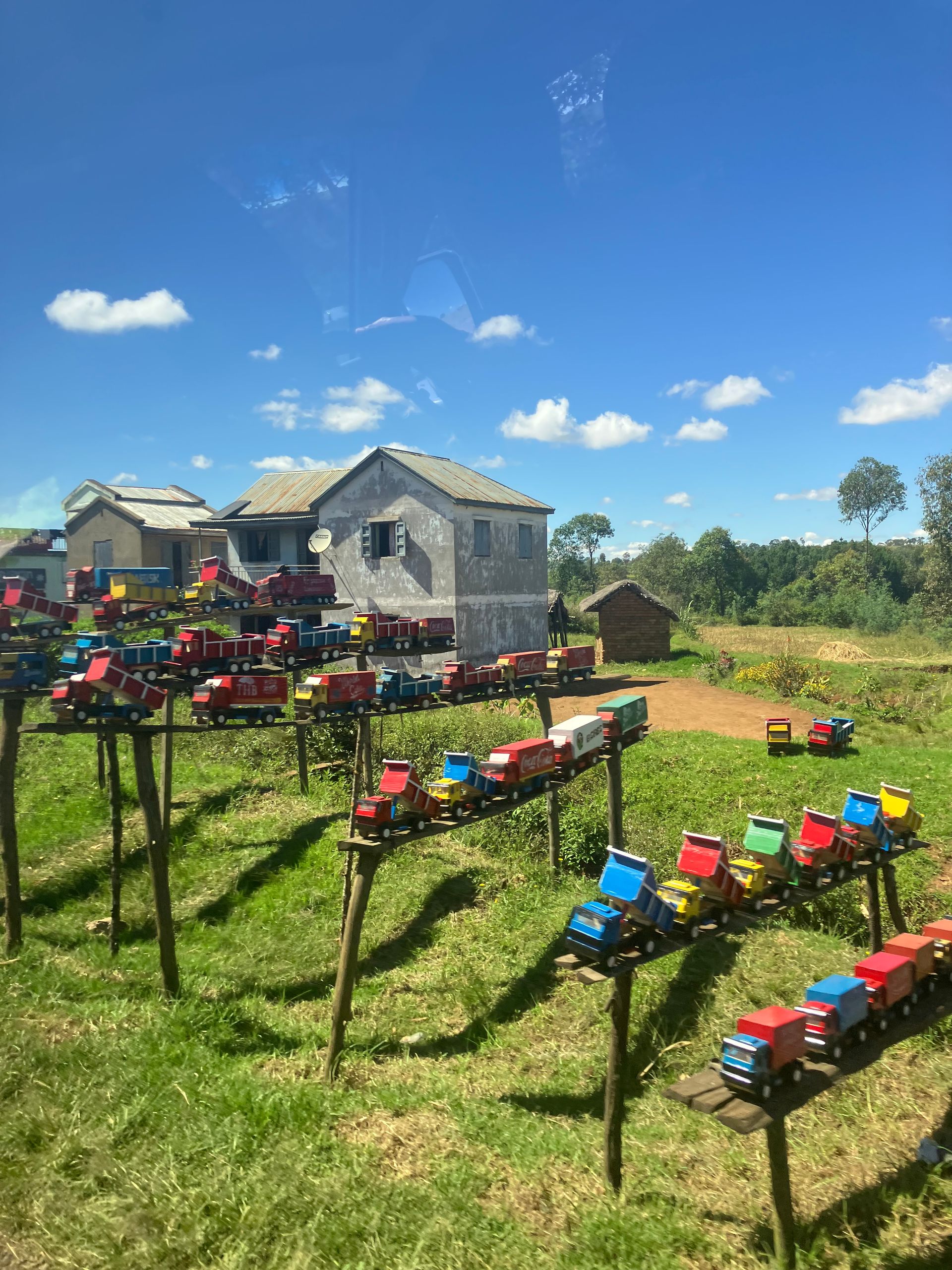
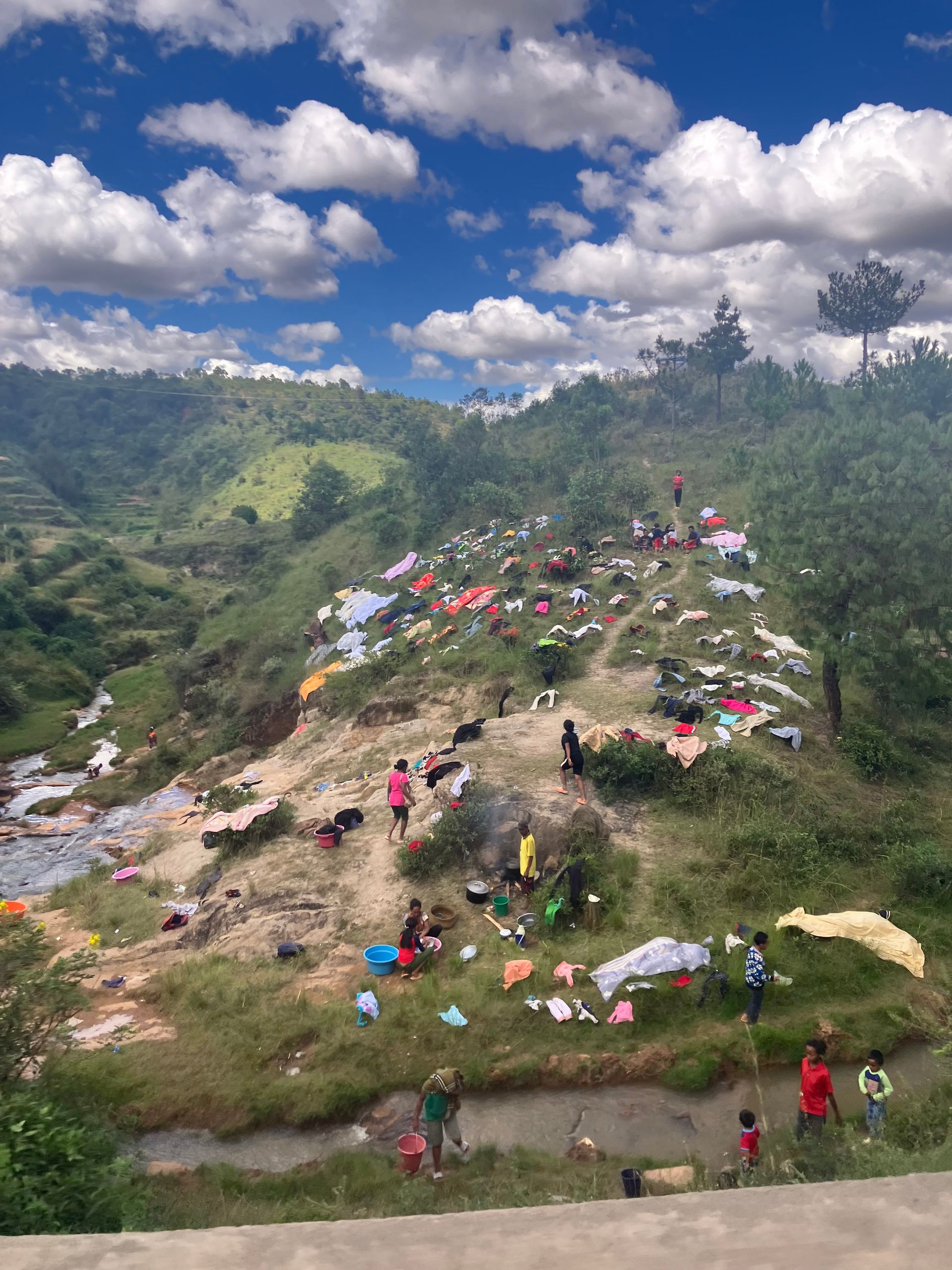
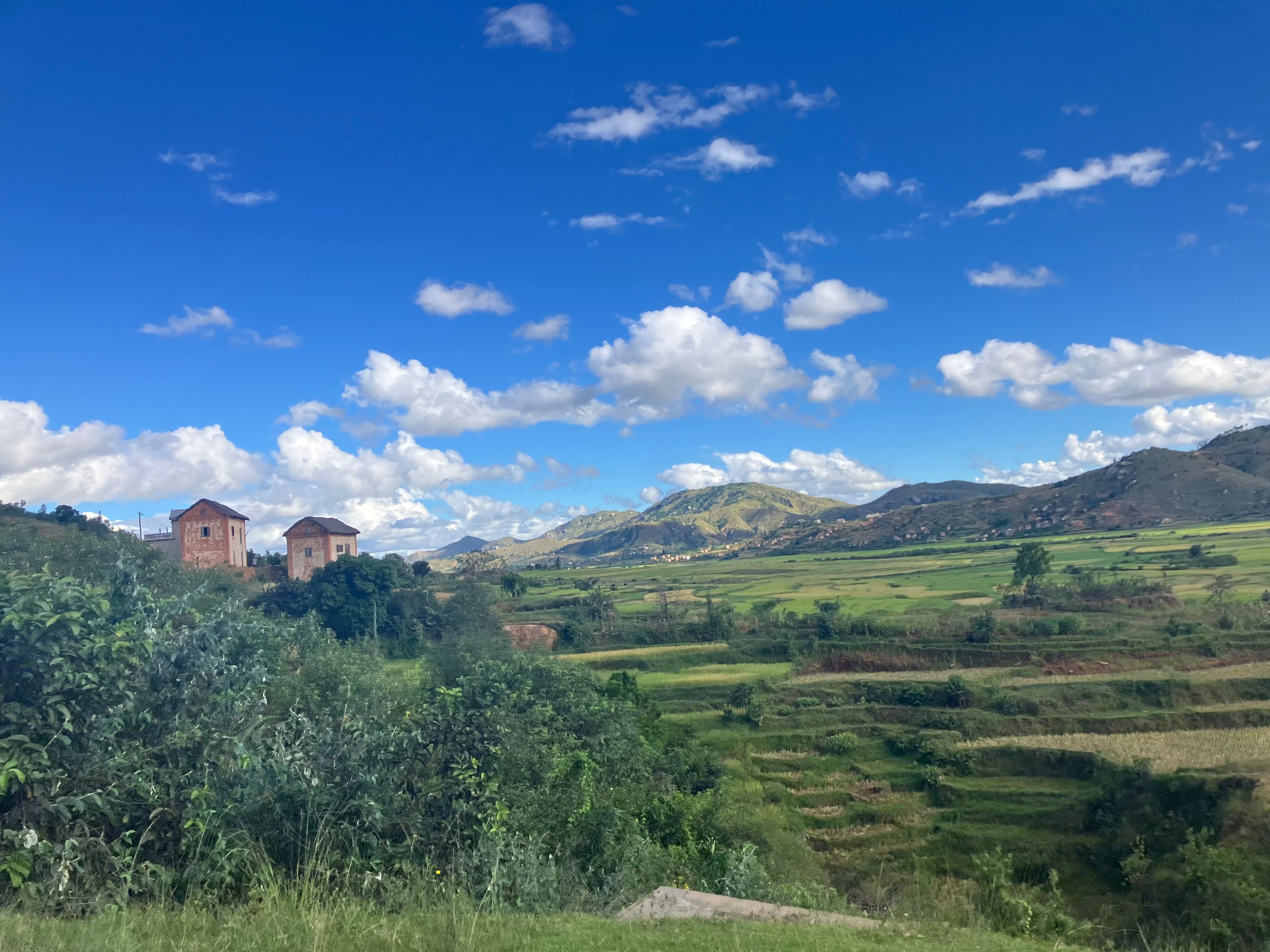
The Ranomafana National Park is regarded as one of the most important places to experience the flora and fauna of Madagascar. But the journey there is already a unique road trip - with considerable endurance required! Our driver Patrick has planned two full days for the journey. It's over 400 km, and it won't be easy 😆
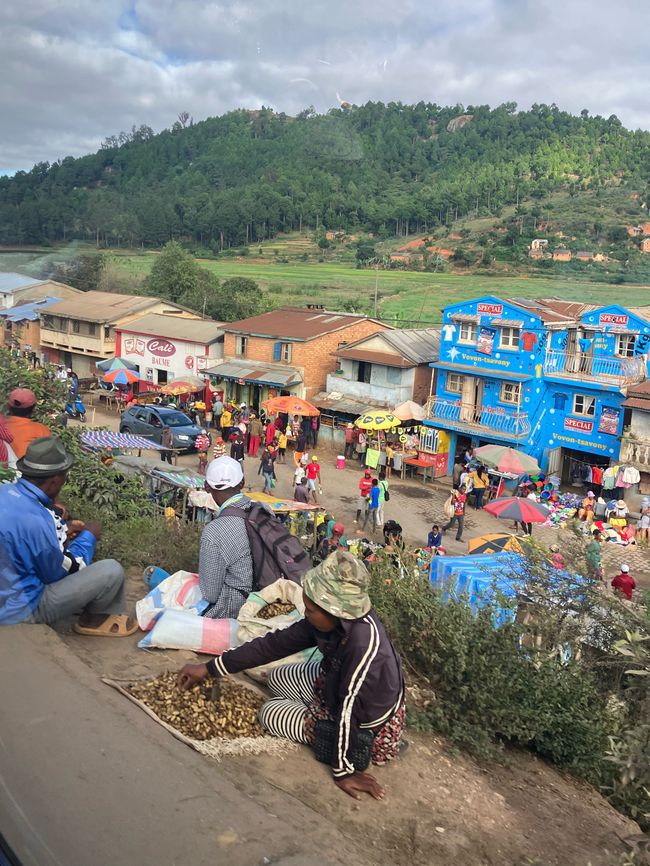
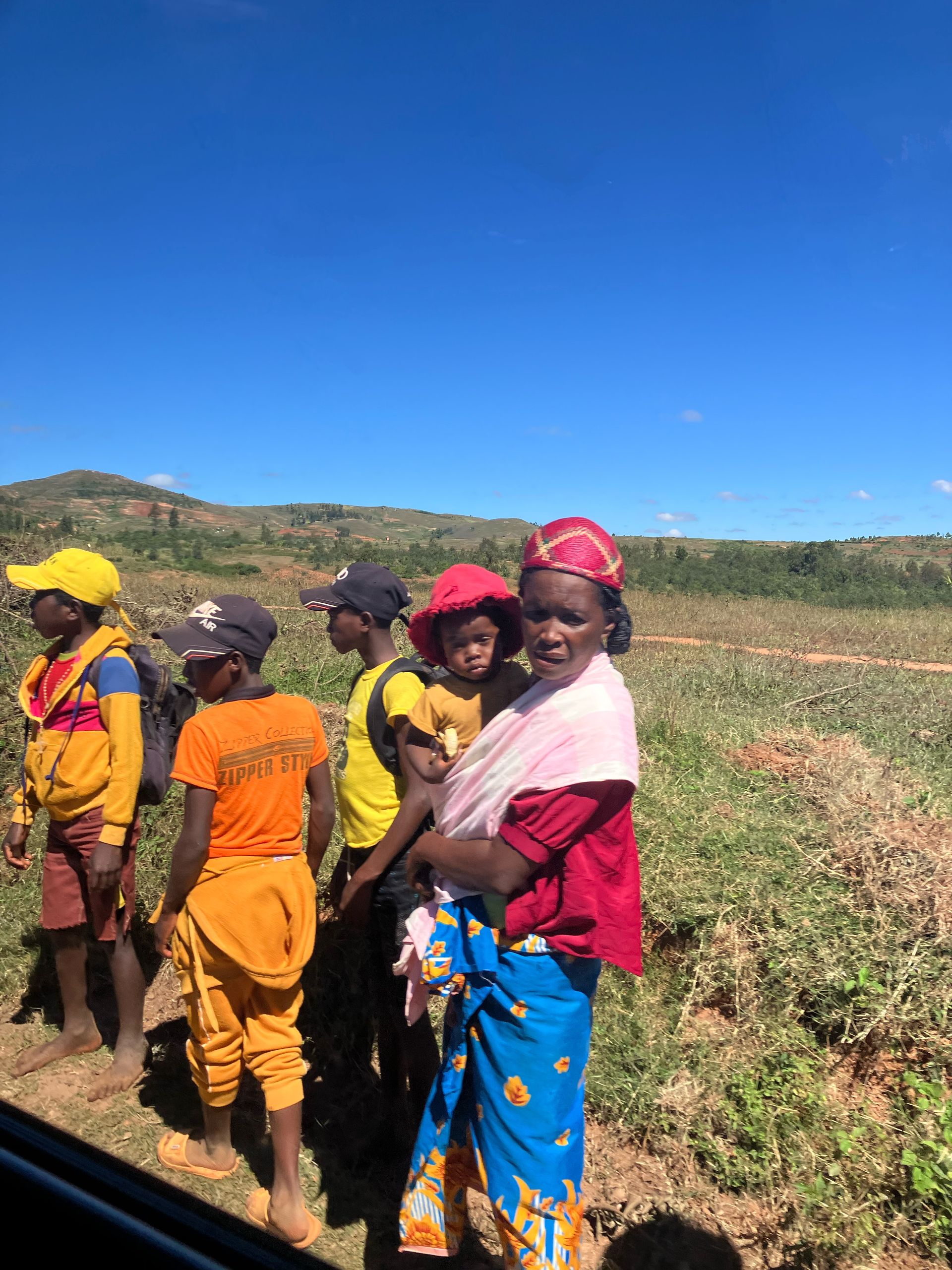
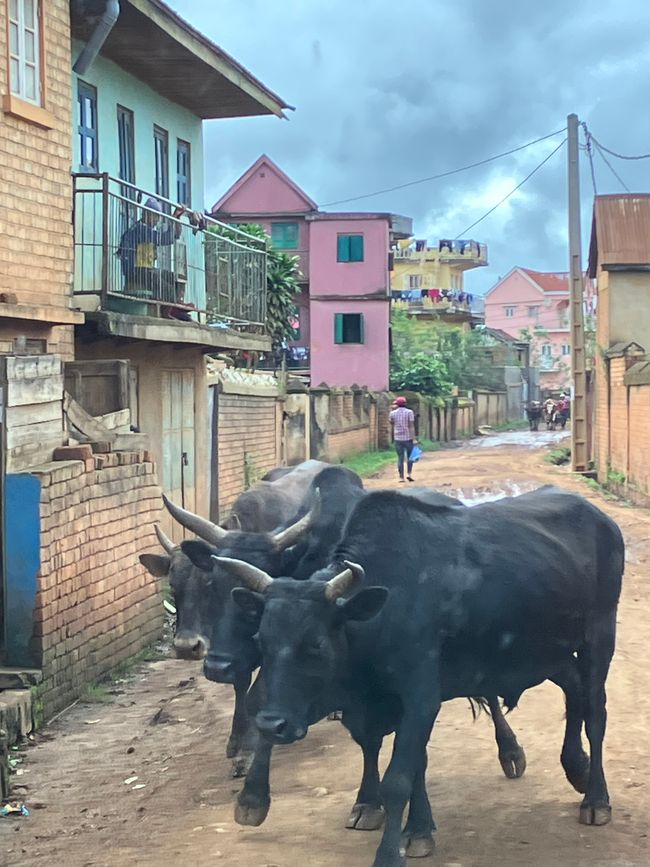
We see many landscapes, people, and villages passing by. Through Patrick, we learn a lot about this very special country, Madagascar.
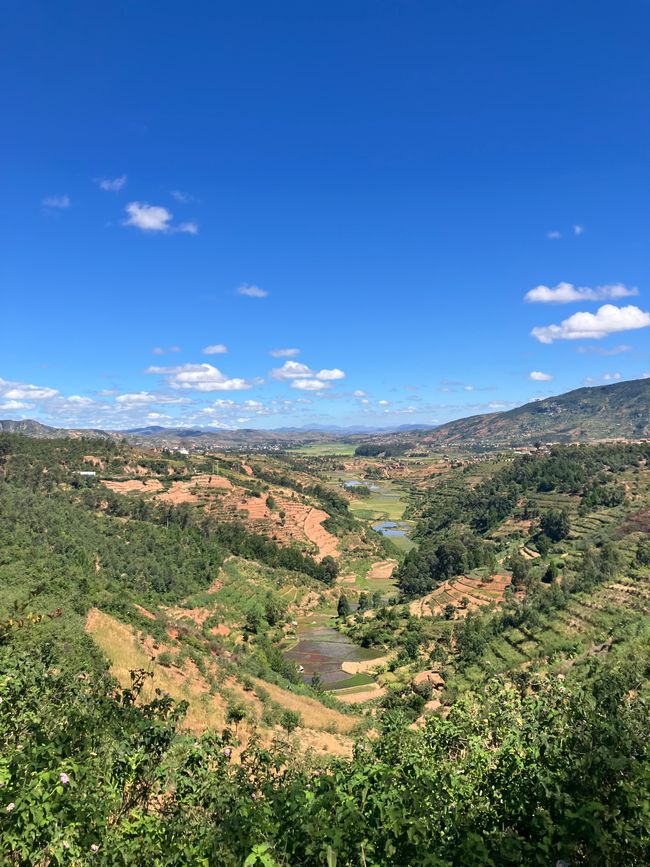
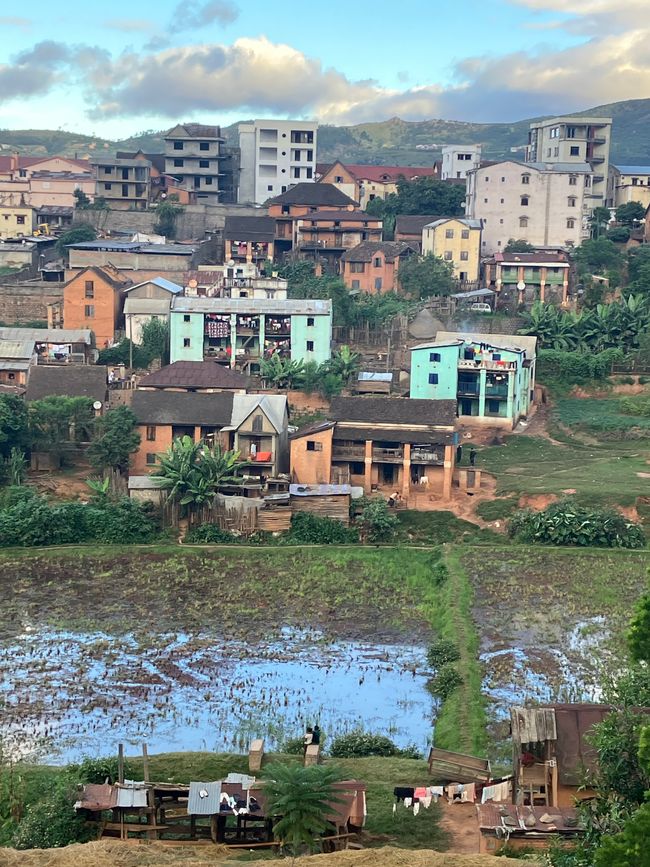
The land in the highlands of Madagascar is very fertile. Rice can be harvested here up to four times a year!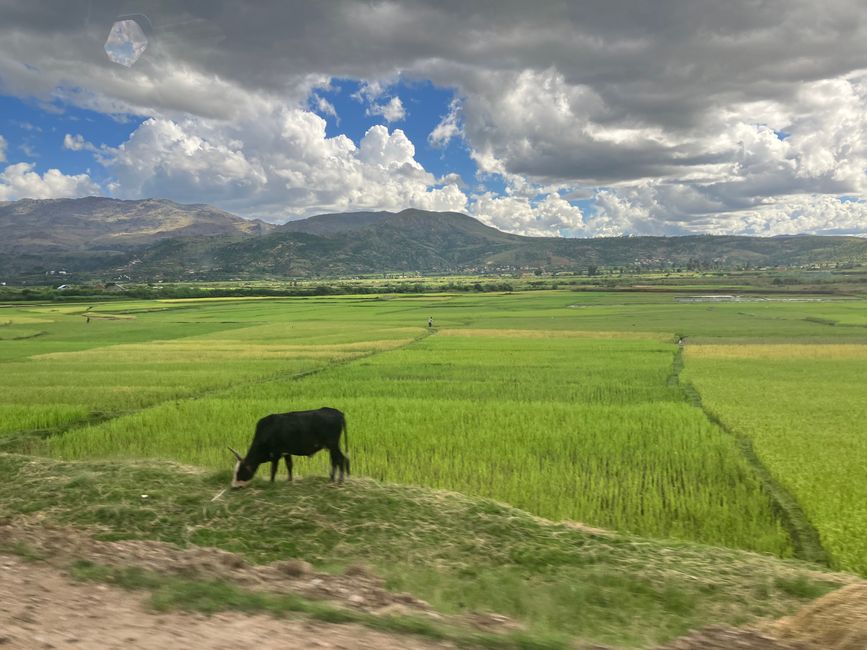
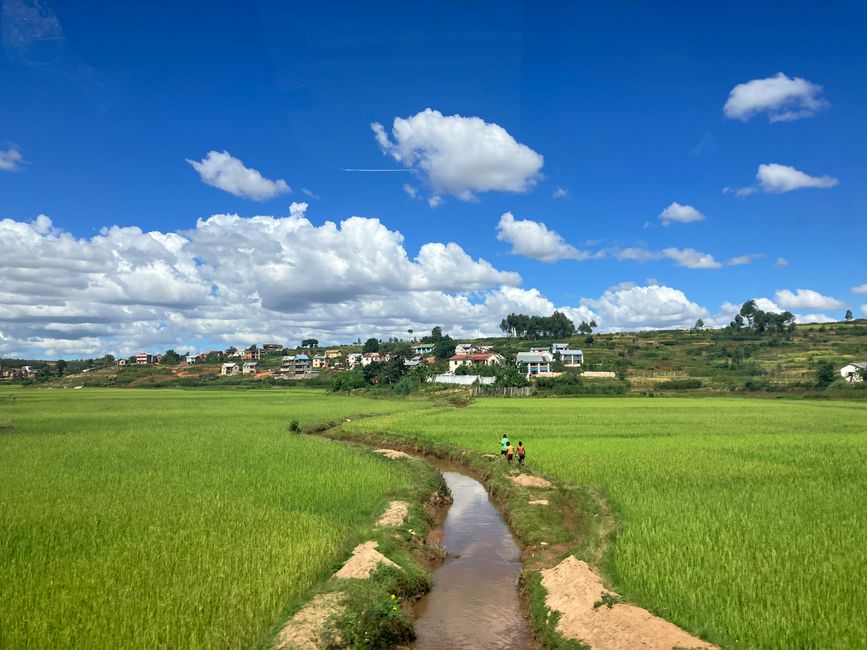
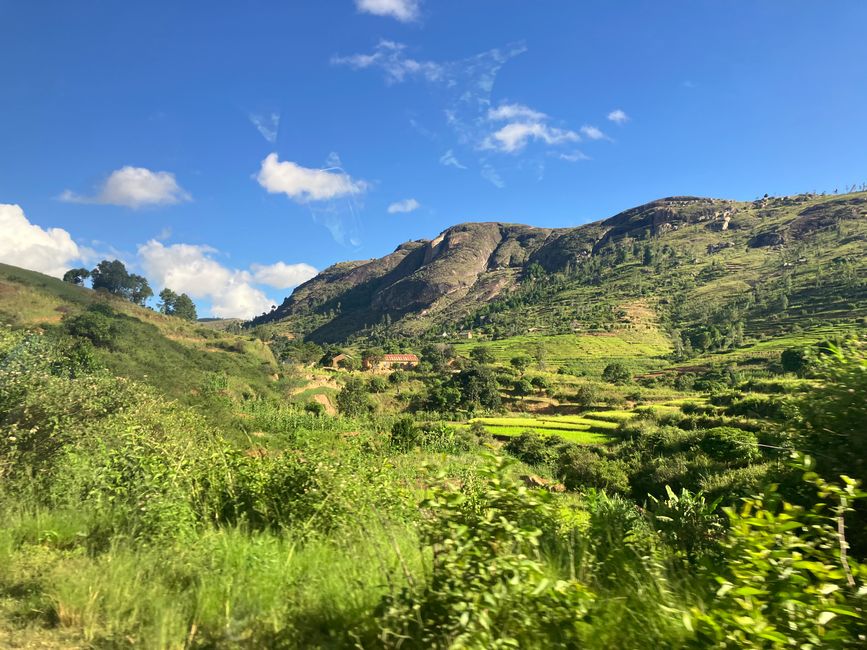
The average annual per capita consumption is about 250 kg! Rice is the absolute staple for every meal. In addition to the rice fields that are almost underwater, dry rice is also cultivated in the mountains (see below).
There are often mats laid out by the roadside on which the rice grains are dried.
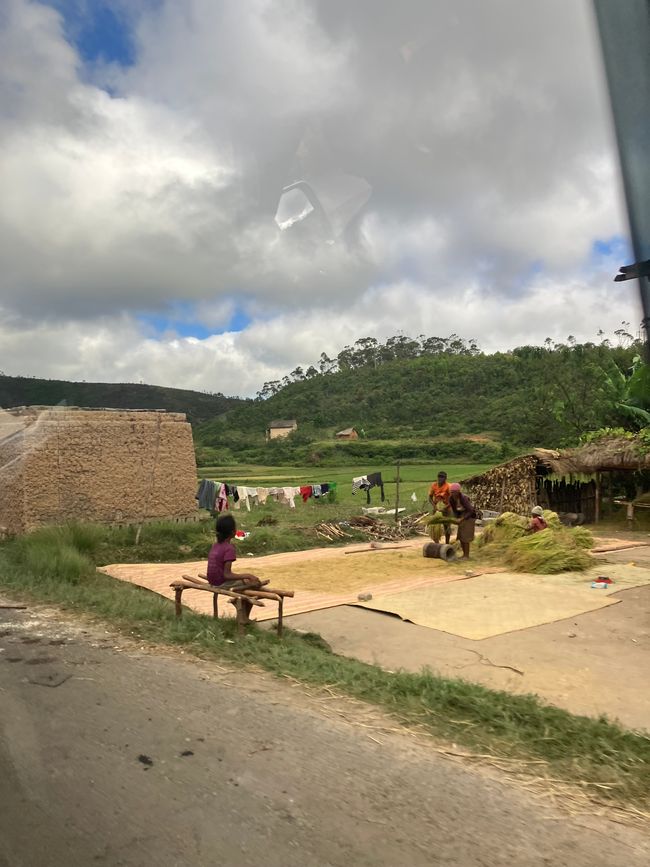
The houses in rural areas are generally built from red bricks. The soil used is very clay-rich and can be seen everywhere.
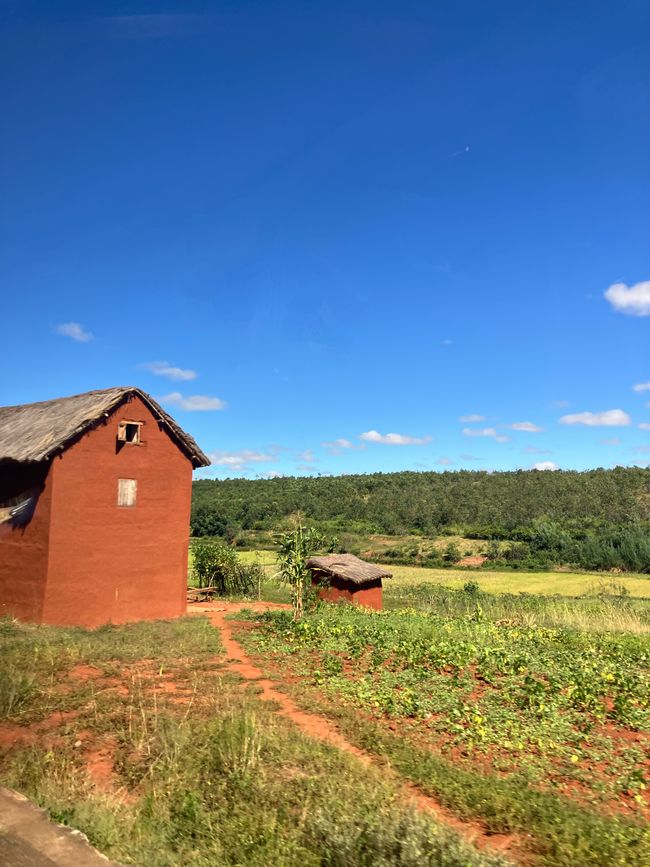
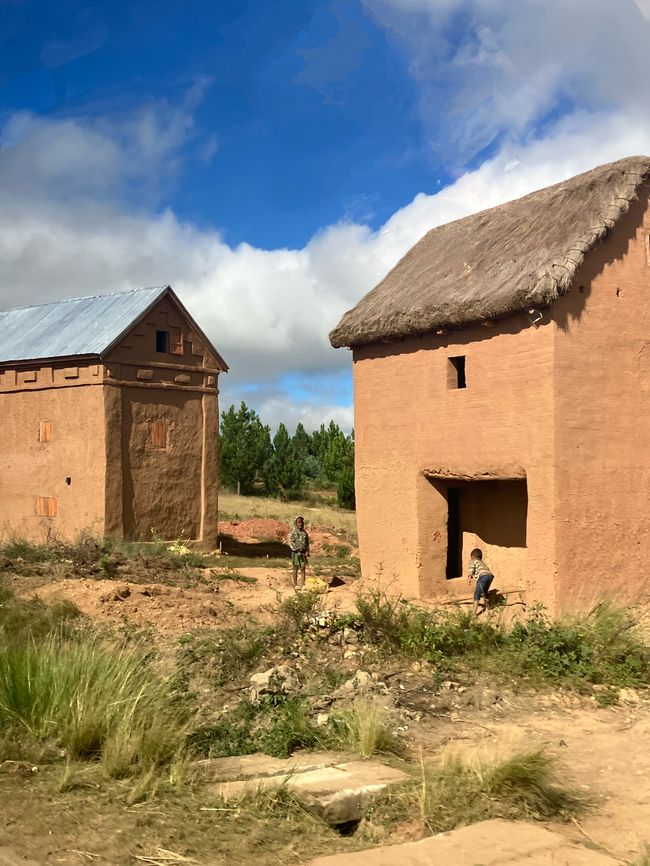
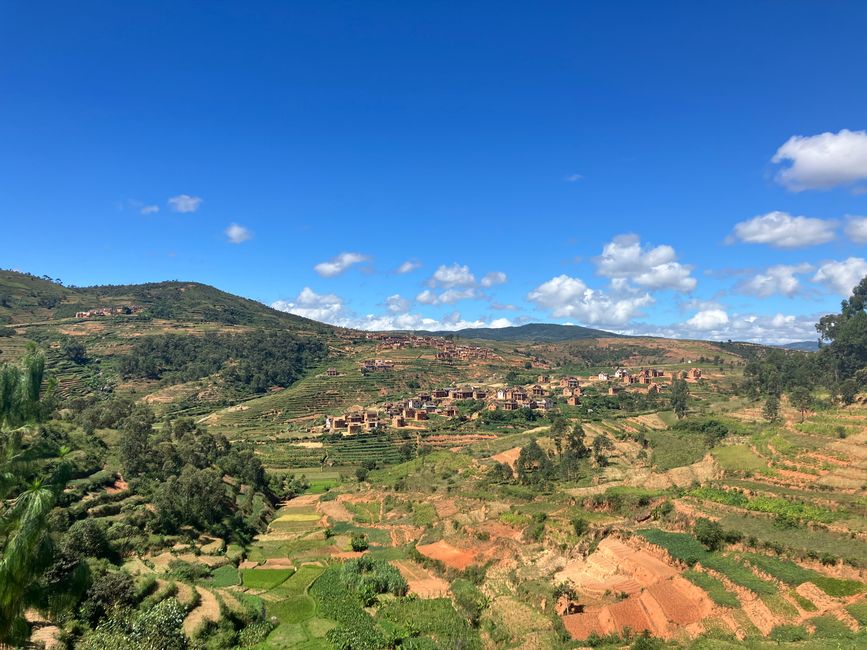
The living conditions are very simple. Water and electricity connections exist only in urban areas. Due to mismanagement and corruption, the country lacks basic infrastructure!
Unfortunately, only 43% of Malagasy people have access to clean drinking water. To obtain water daily, many families must walk long distances and sometimes fetch it from rivers or lakes.
Despite compulsory education, some children do not go to school or do not successfully complete primary education. On one hand, the costs for school uniforms and materials are high, on the other, the school buildings are often far away. Additionally, public schools are poorly equipped and classrooms are overcrowded.
A significant part of the Malagasy population is Christian.
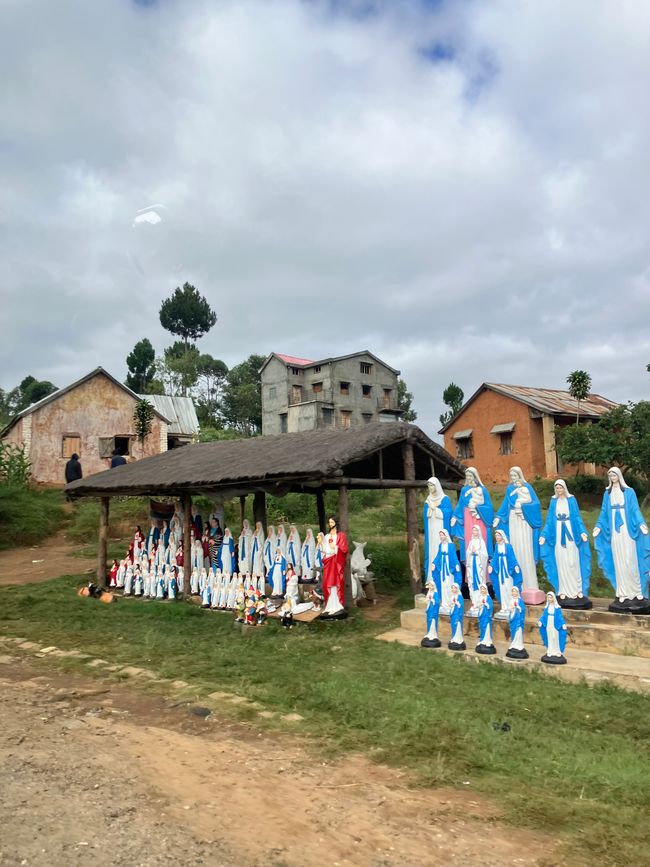
However, old religious traditions are widely practiced! The reverence for ancestors is central: Ancestors continue to participate in life. They play a mediating role to God and can communicate with Him on behalf of the living.
Depending on the region, the deceased are buried in special tombs. They are taken out for ceremonies, dressed anew, and honored.
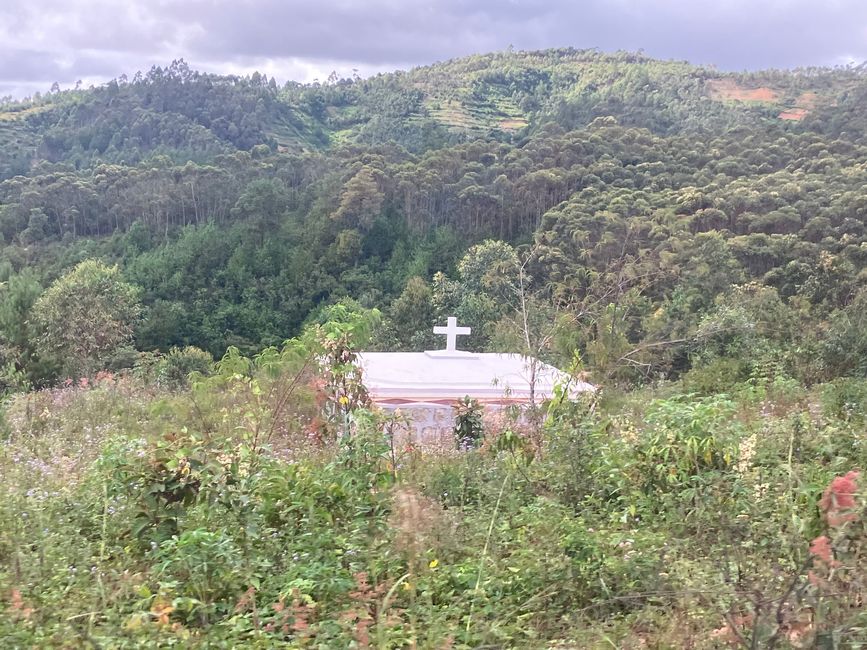
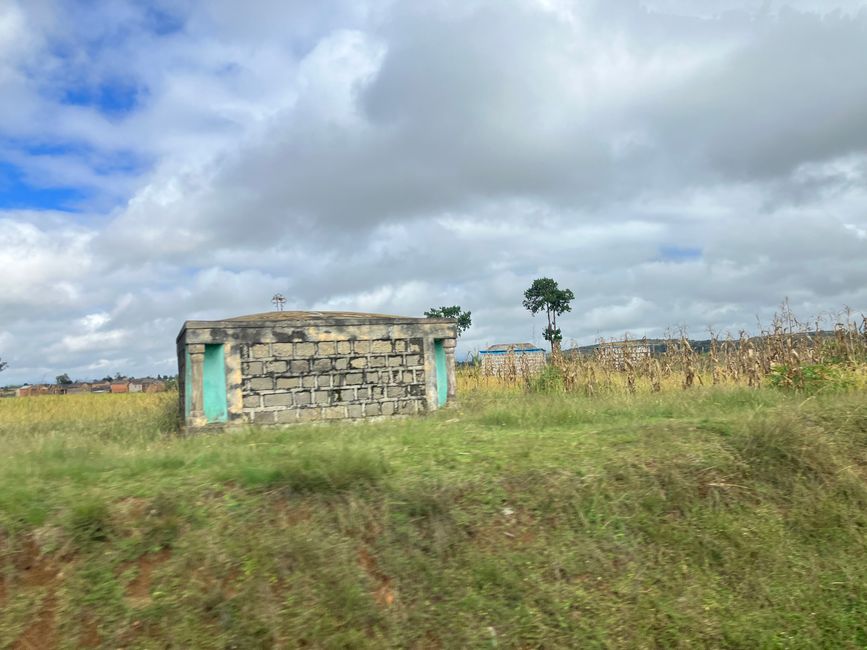
Moreover, there are various Fady. These are taboos that apply to certain individuals or entire communities and can change over time. They relate to all areas of life; for example, Malagasy people do not point with their extended index finger at a tomb where the dead rest, to avoid offending them. Certain foods are also forbidden, or sacred places must not be desecrated.
Taxi-Brousse are THE public transport in the country. The minibusses serve as shared taxis, but they are very old and hopelessly overcrowded.
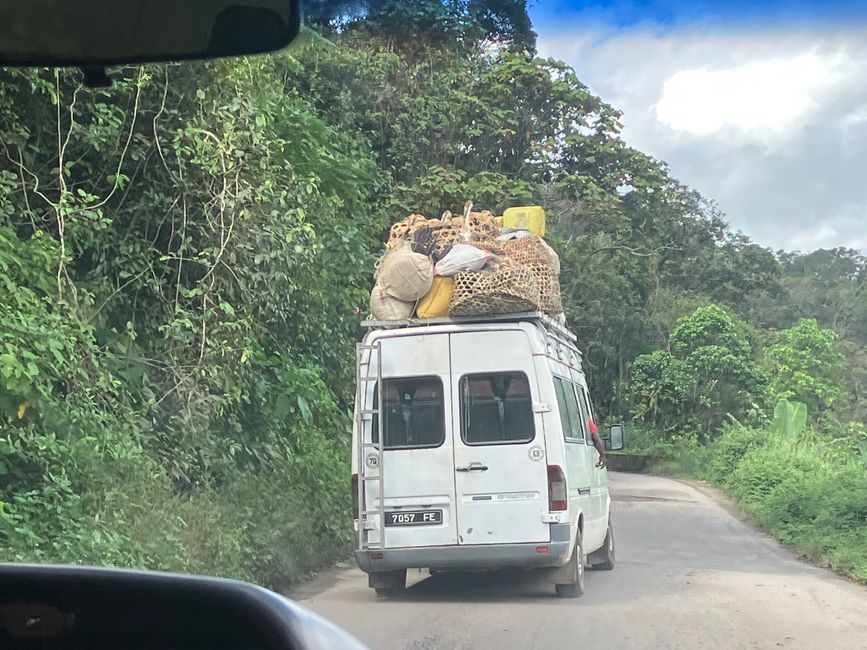
Moreover, additional goods are transported on the roof – a lucrative side business for the drivers.
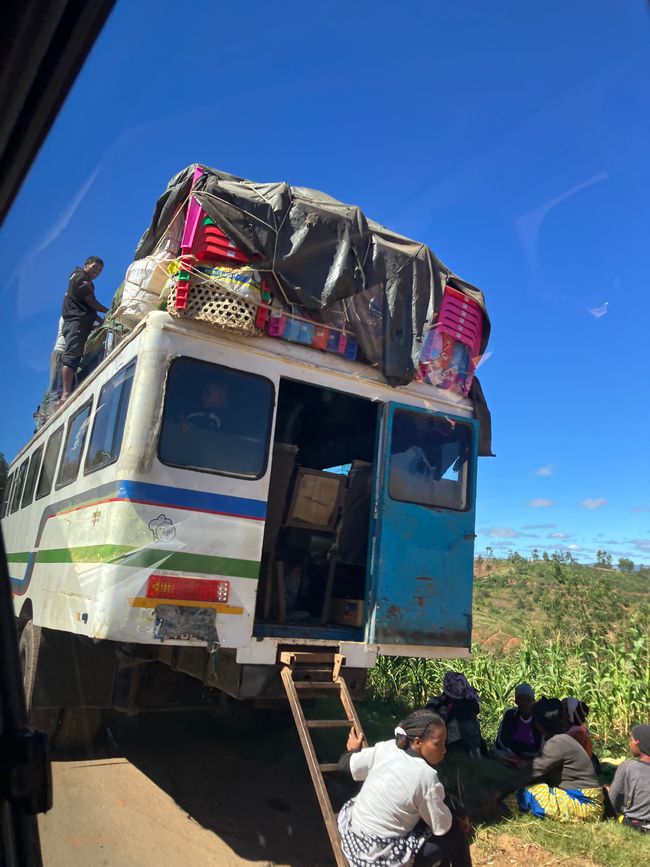
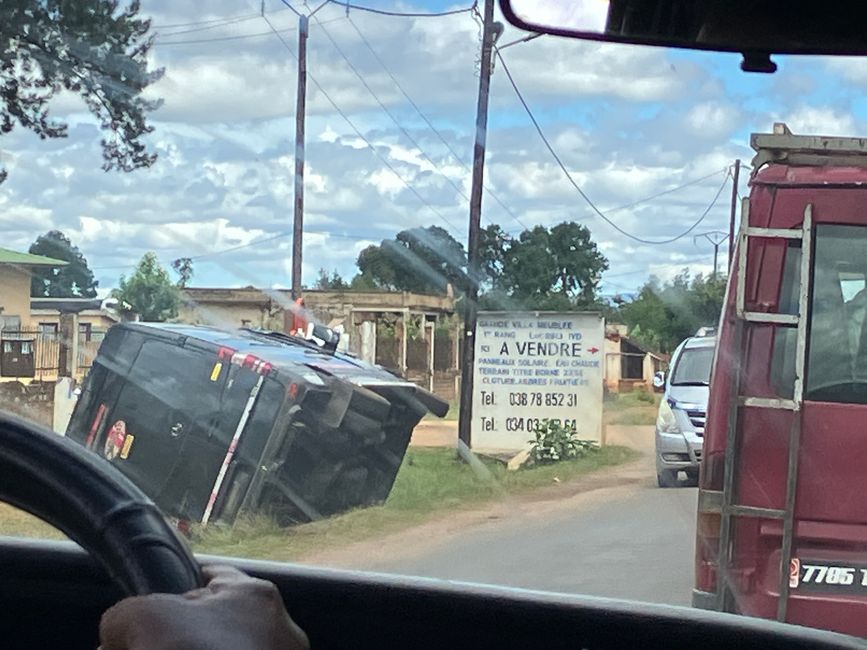
However, this often leads to breakdowns and accidents. We see several overturned vehicles that have an unfavorable center of gravity due to overloaded roofs...
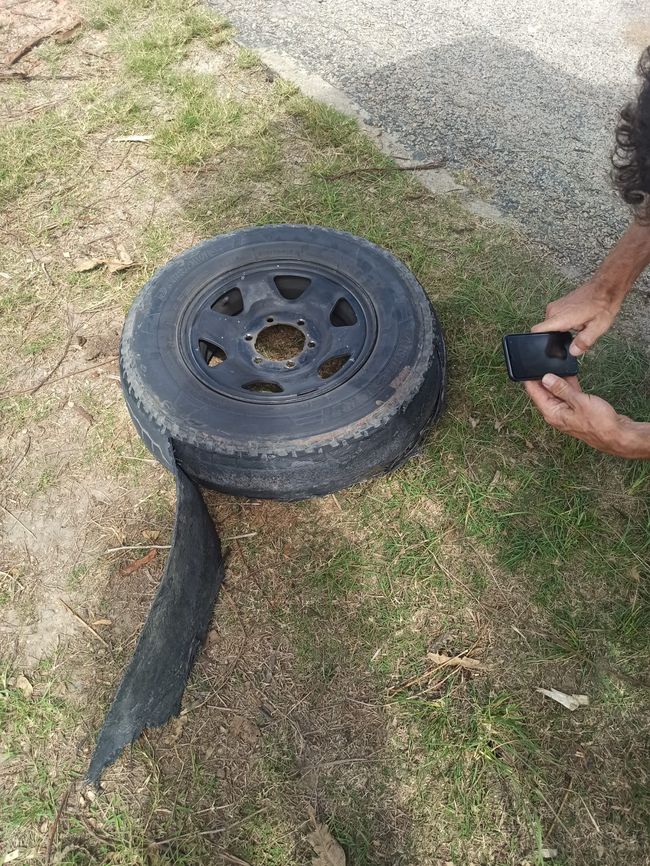
On the way back, we also face misfortune. The tread of one tire completely peels off...
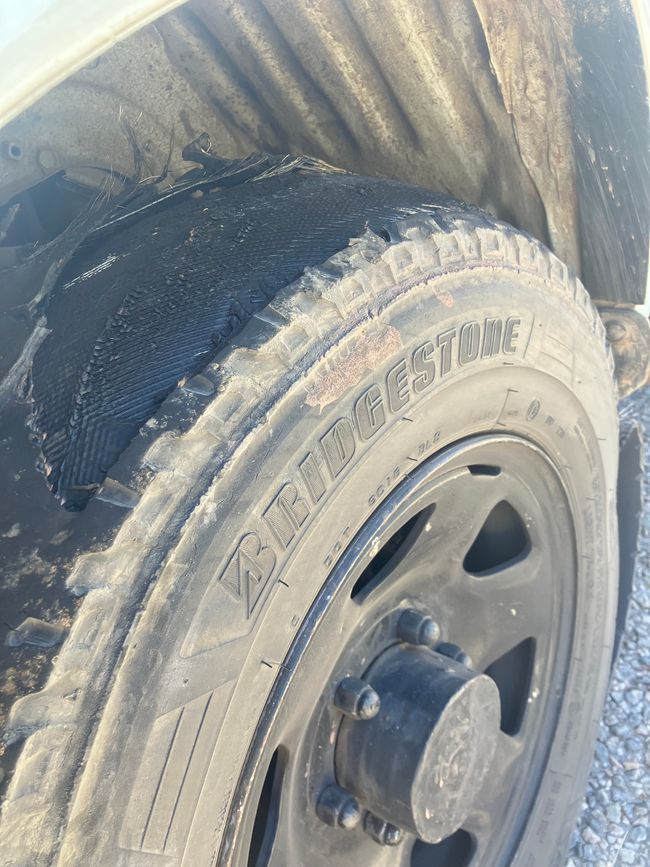
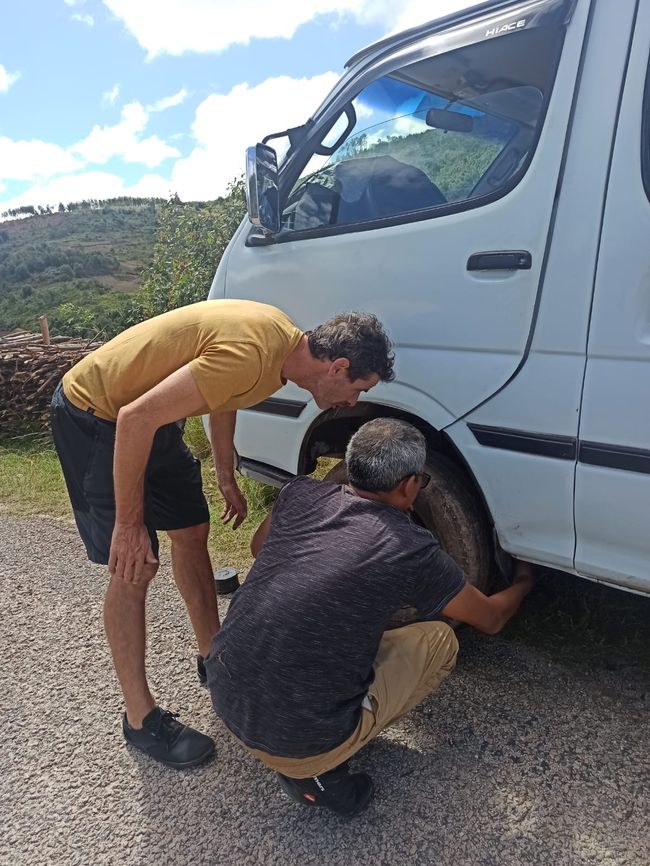
Thanks to the spare tire, we can quickly continue our journey 😊
On our way to the national park, we make an overnight stop in the quiet town of Ambositra.
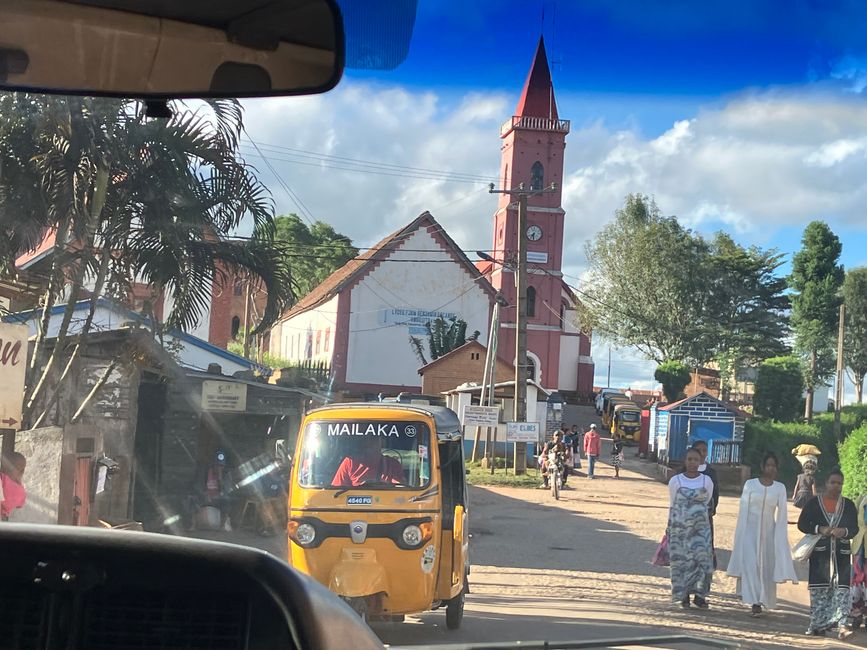
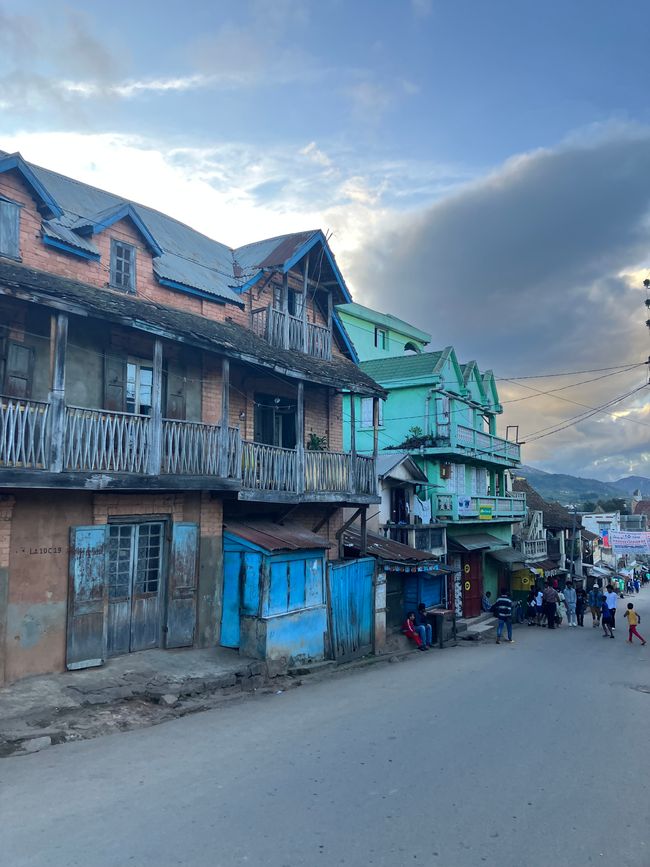
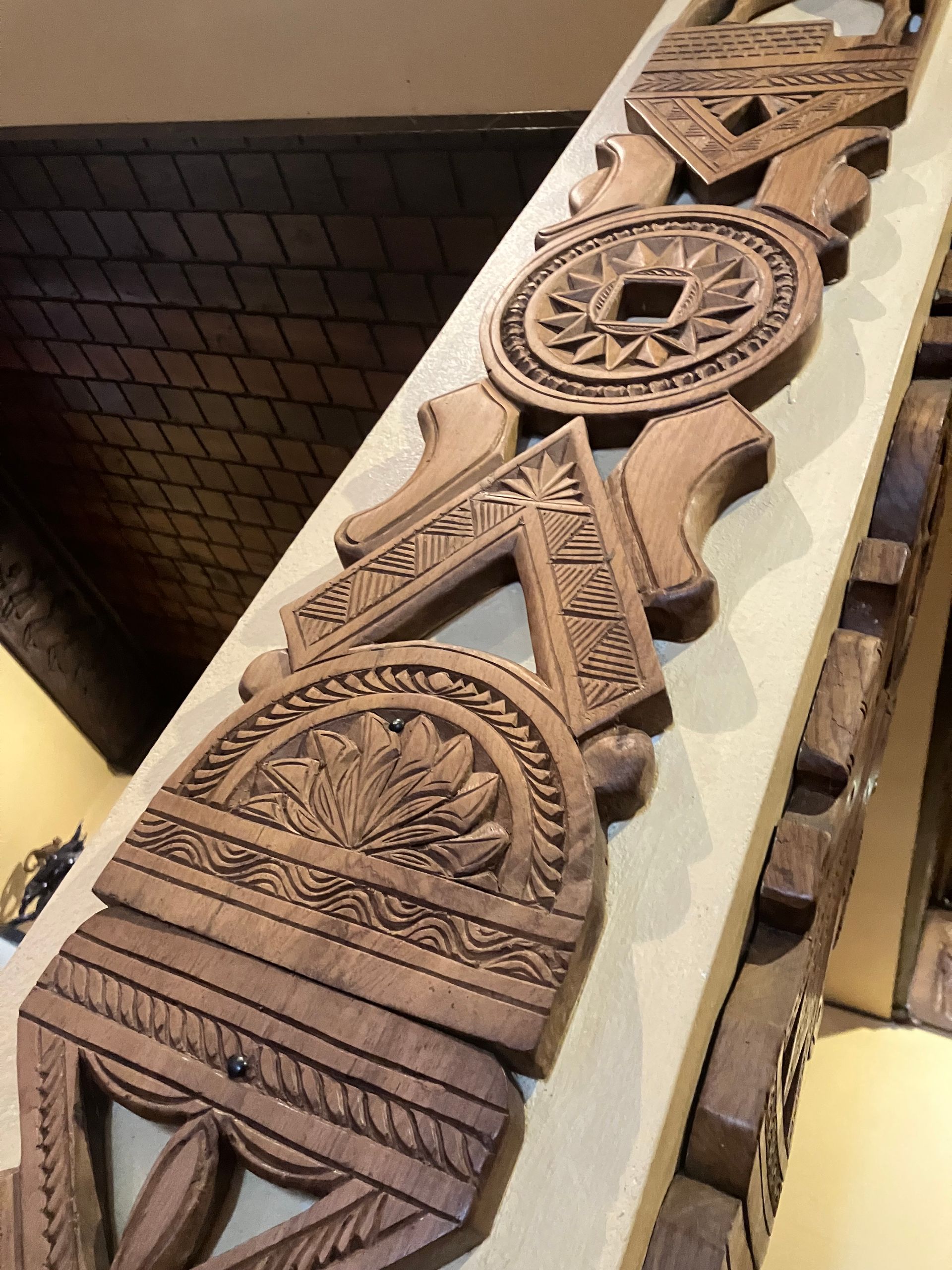
In this area, wood carving is very significant.
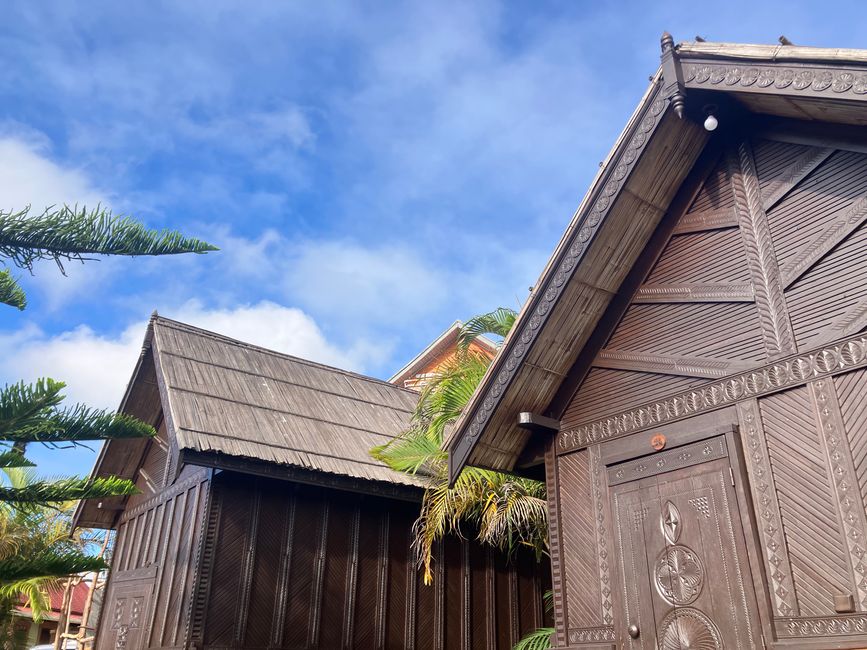
Our accommodation,