Today, hardly anyone accounts for a meteorite impact - yet what sounds like outer space hysteria has already happened in Germany. And where in Germany? Of course in Baden-Württemberg! Researchers have discovered that 14 to 15 million years ago, a
#meteorite crashed into the Nördlinger Ries. However, the celestial body was not alone; it came with its moon in tow. The
hundred-meter-thick iron ball shot into the ground 40 kilometers southwest of the Ries. It left behind the
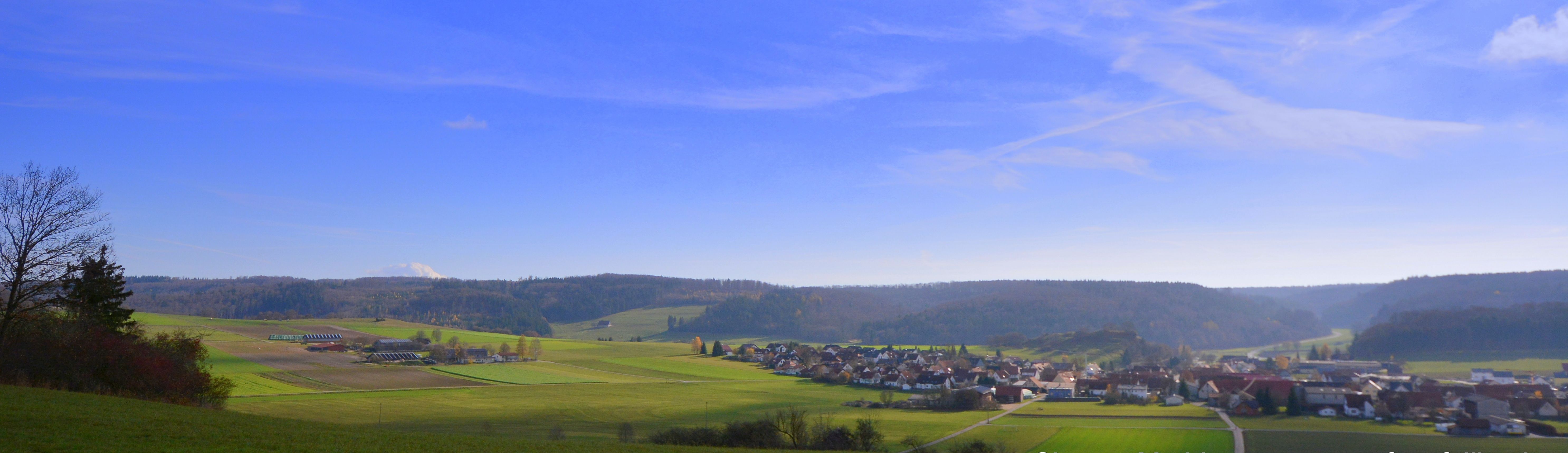
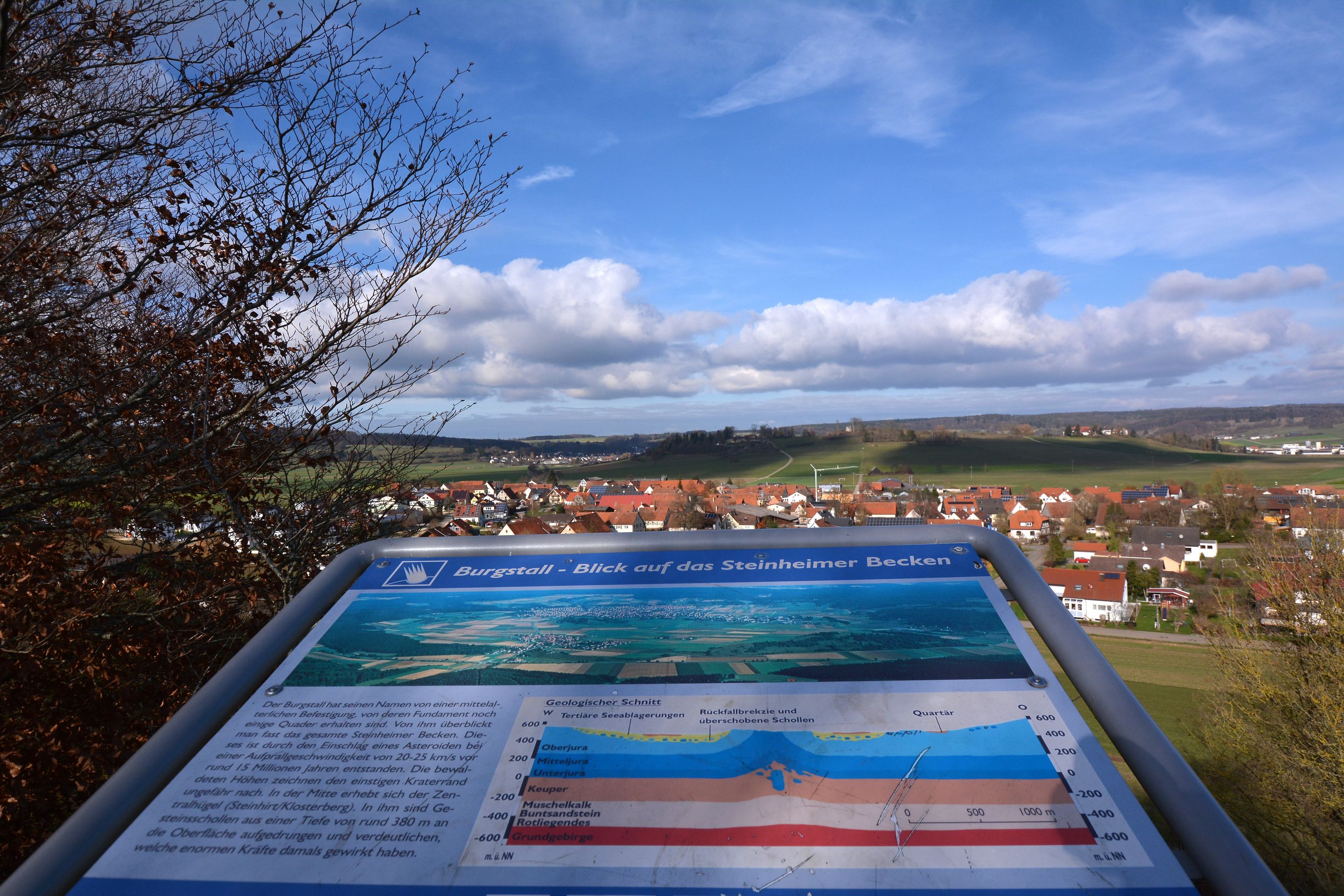
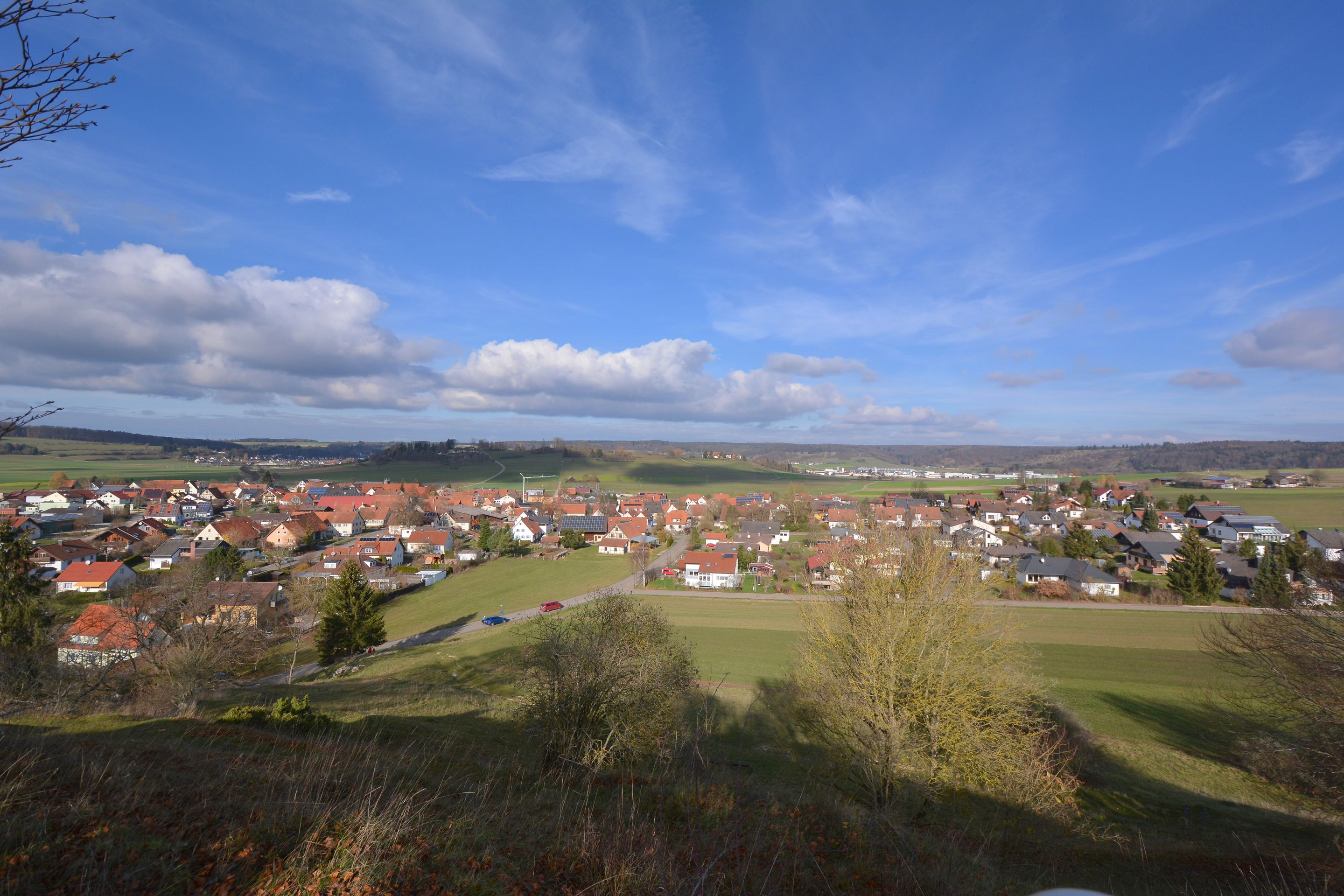
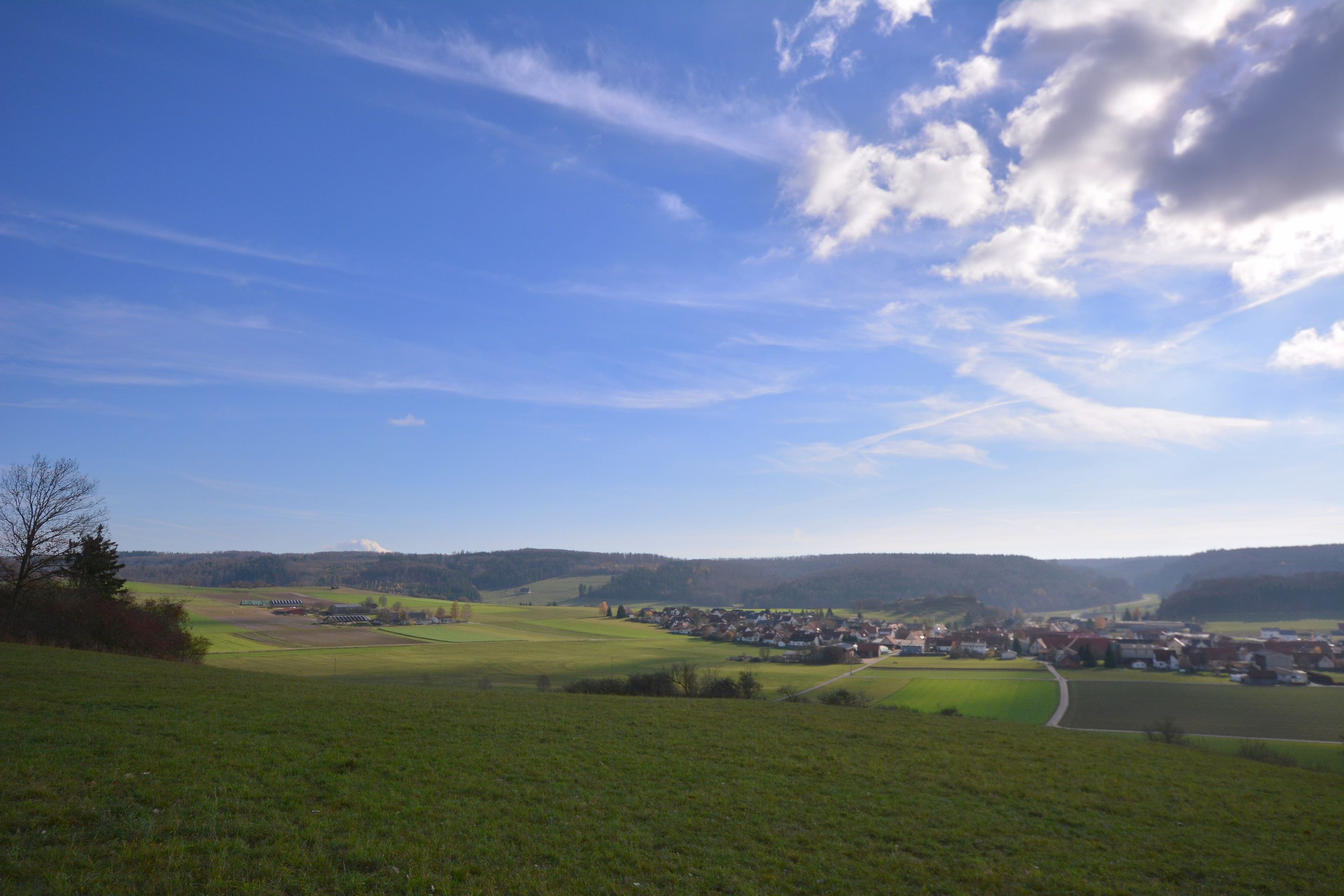
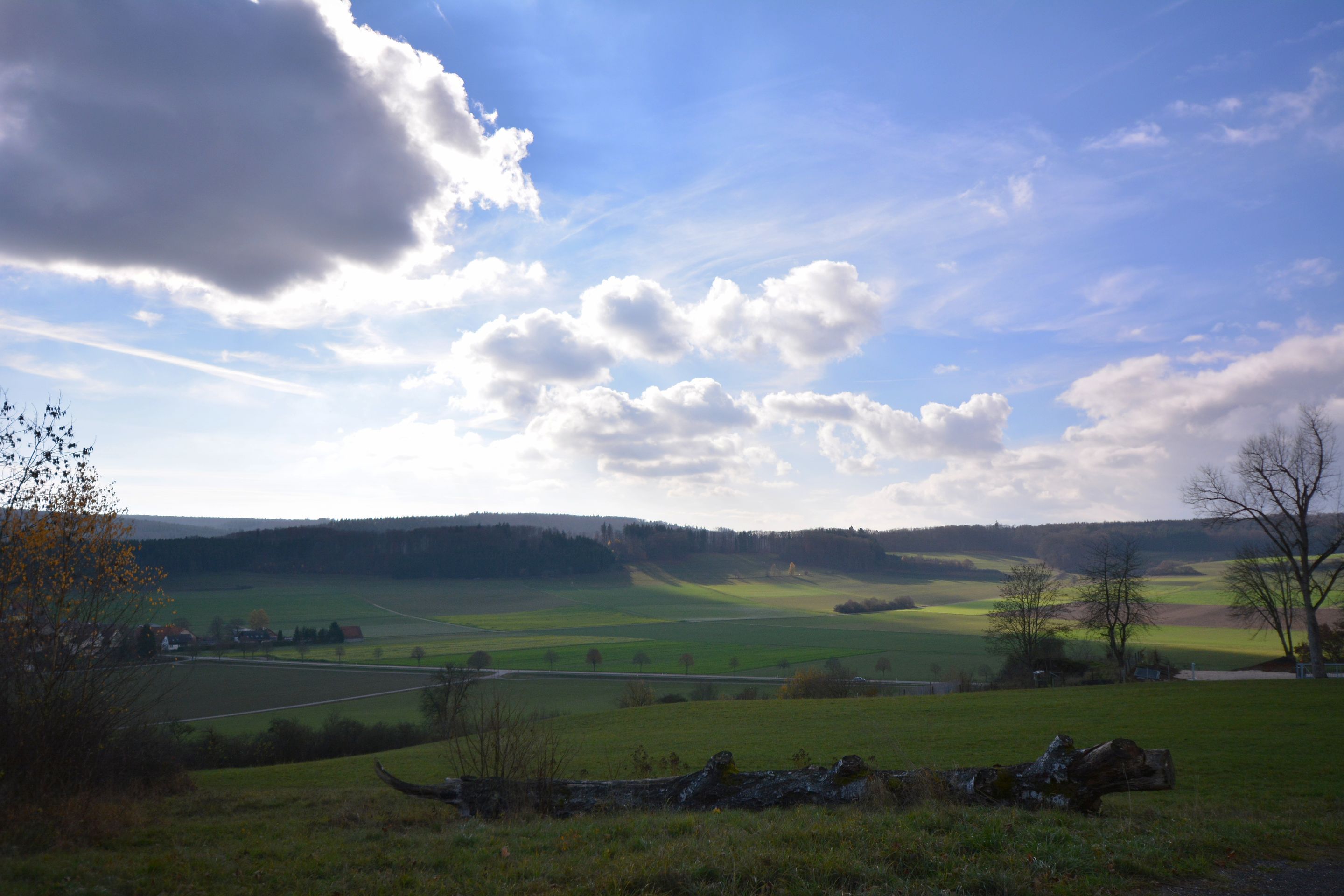
#SteinheimerBecken. The Steinheimer Basin is one of the most fascinating landscapes of the Swabian Jura. A circular basin with a diameter of 3,400 meters gaped in the ground after the dust had settled. This cosmic dance still has a significant impact on the landscape of the
#Ostalb. In the midst of the impact crater lies
#SteinheimamAlbuch with the district of
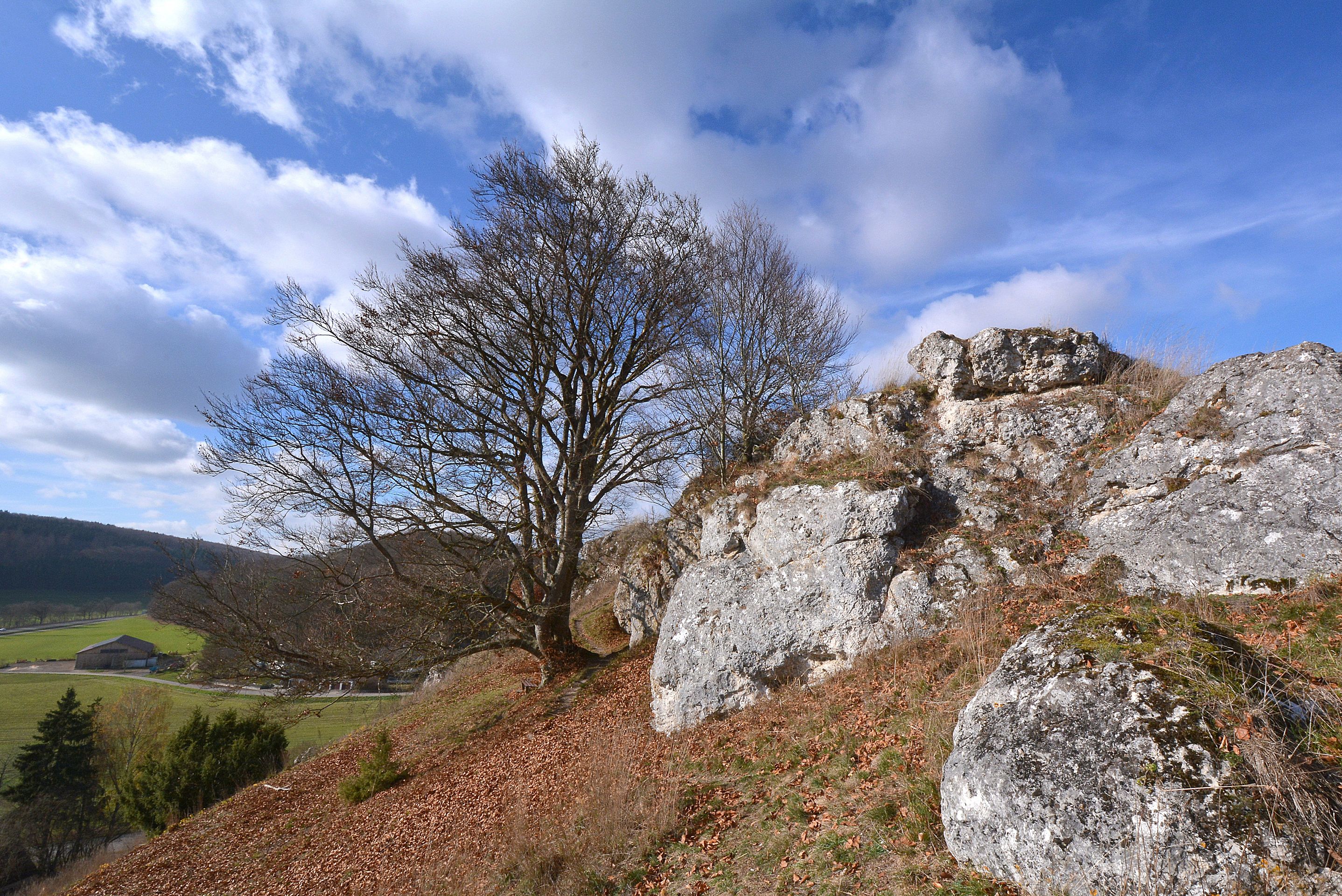
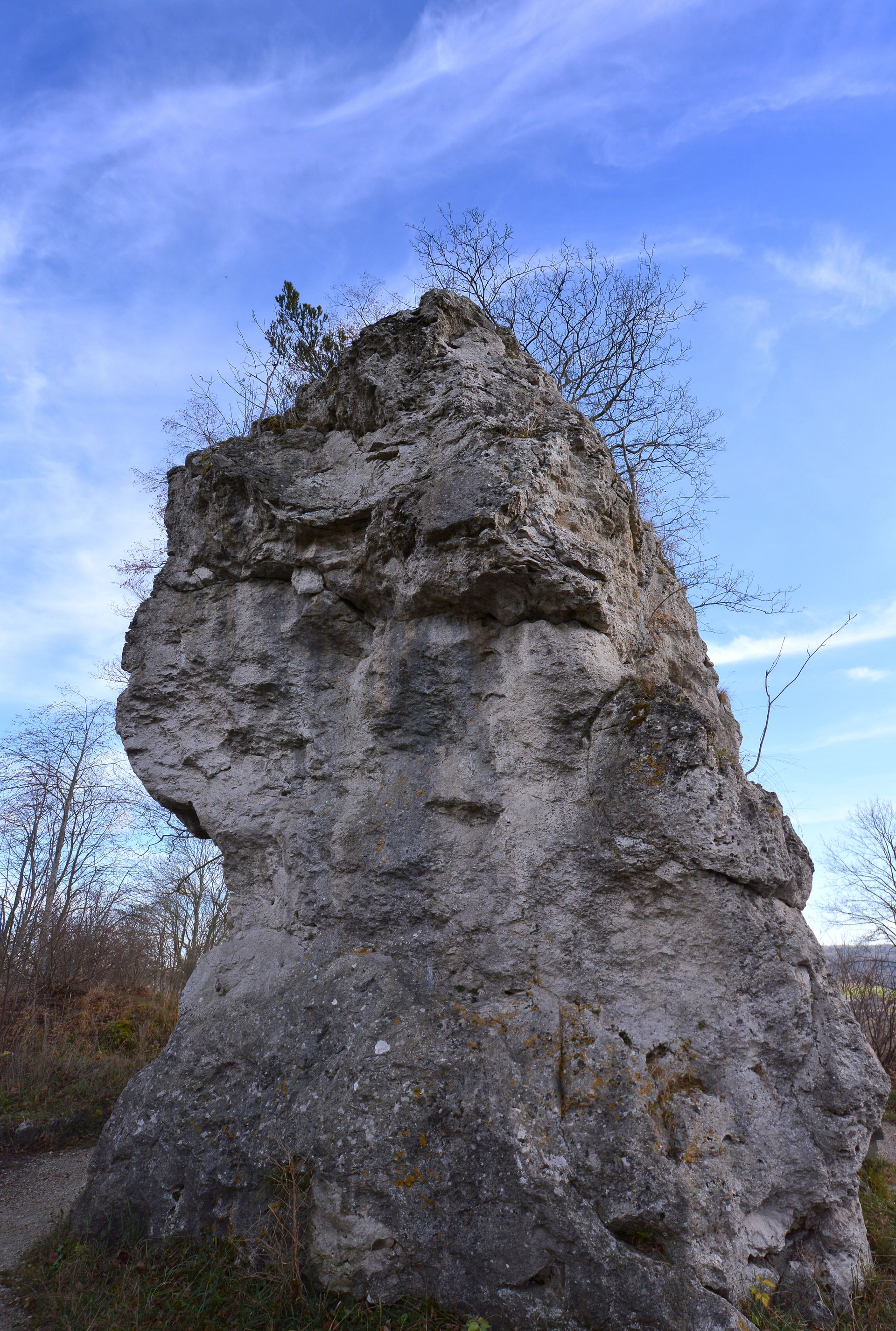
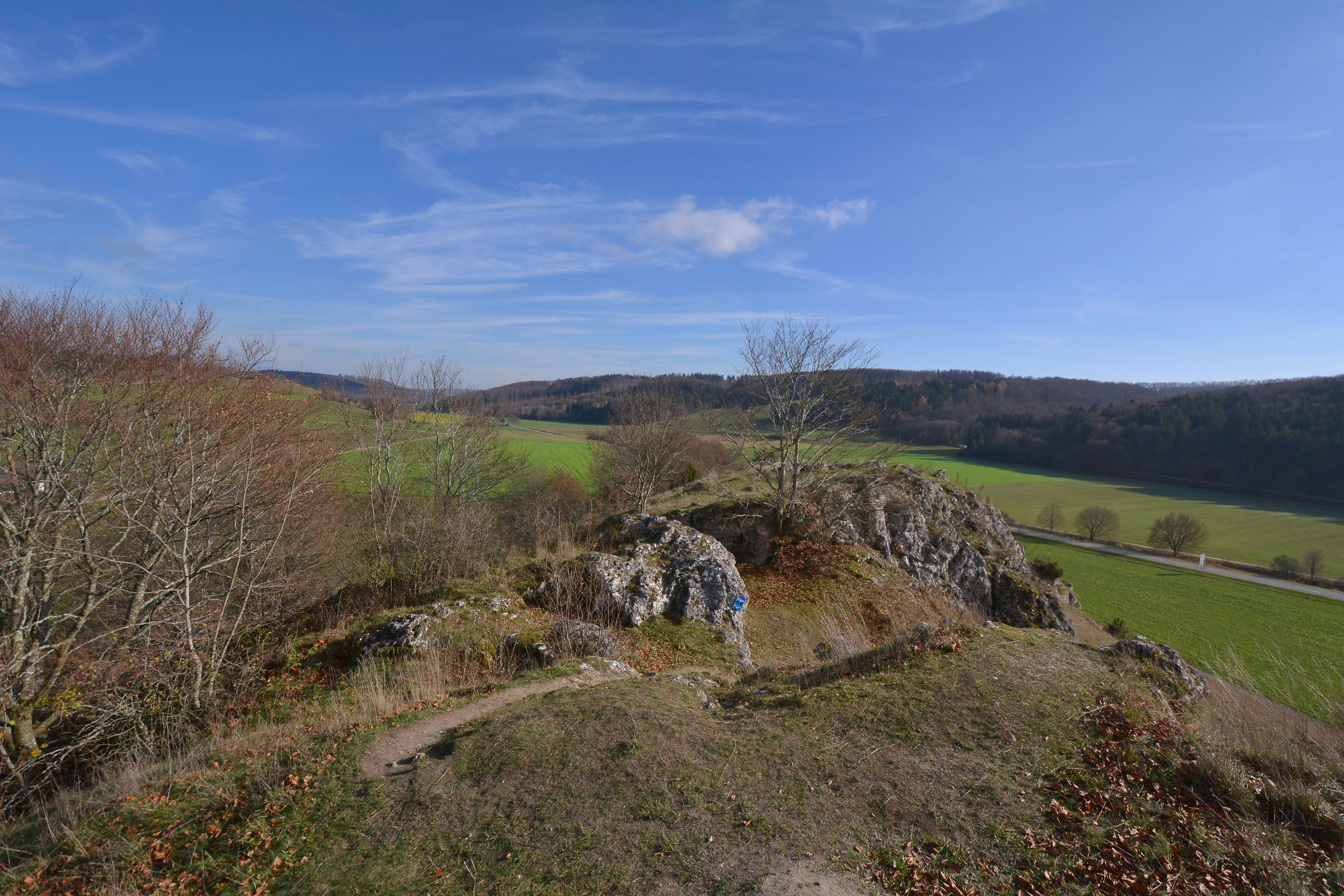
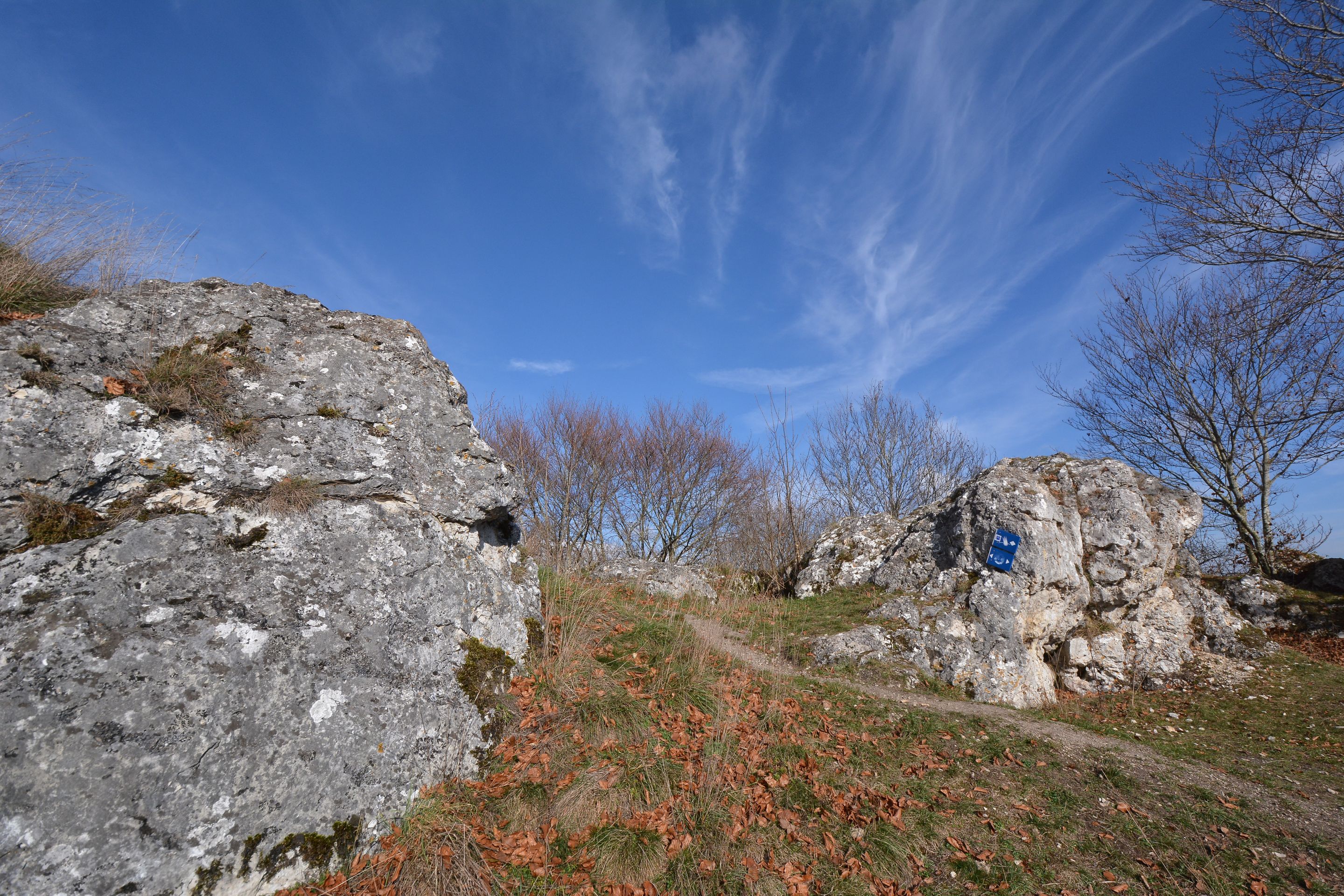
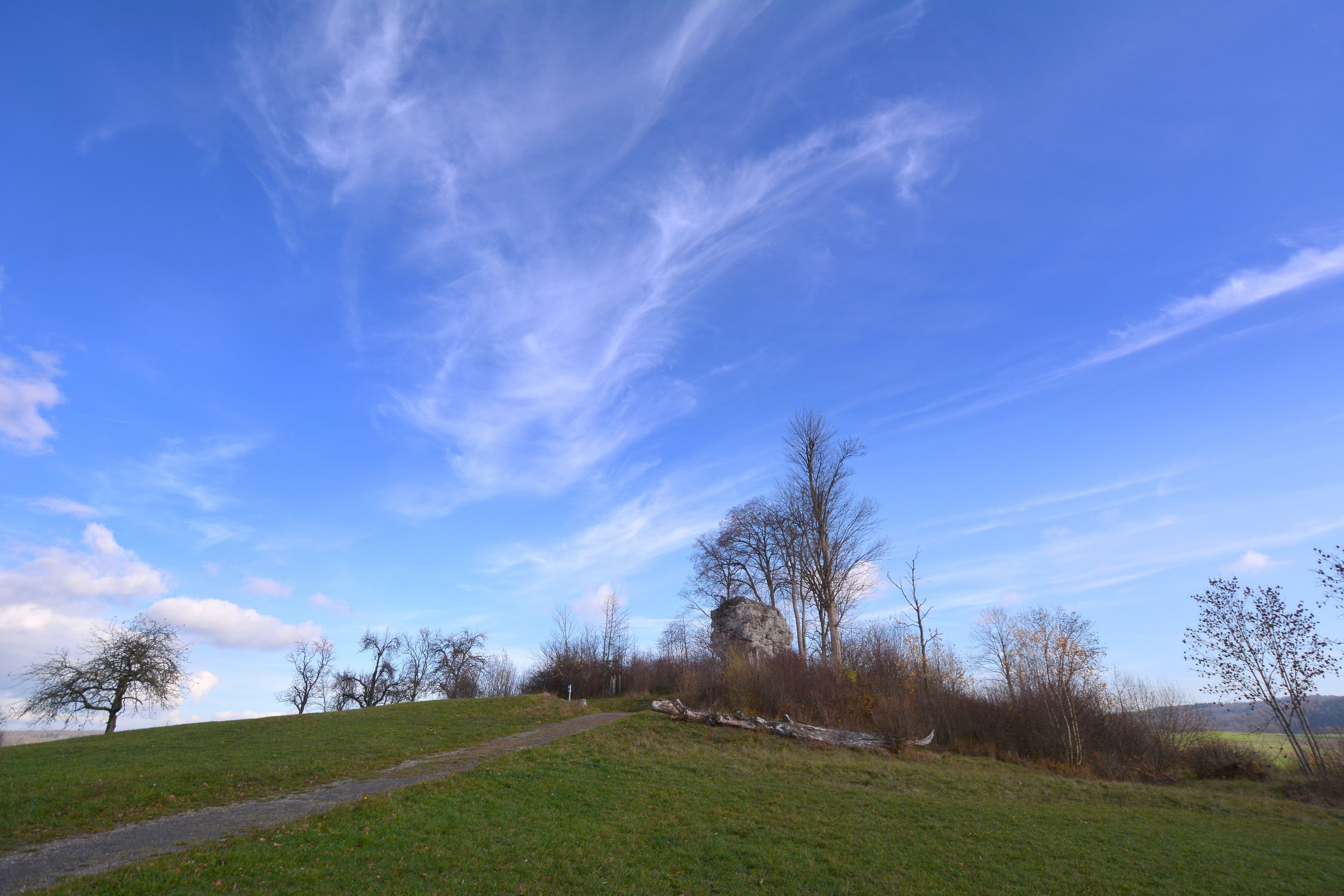
#Sontheim in the Stubental, and prominently rising from the landscape is the central hill, also known as Klosterberg or Steinhirt. The relatively short ascent of this hill (15-20 minutes) offers not only a breathtaking view but also insight into the fascinating geology of the area. The Steinheimer Basin is part of the Geopark
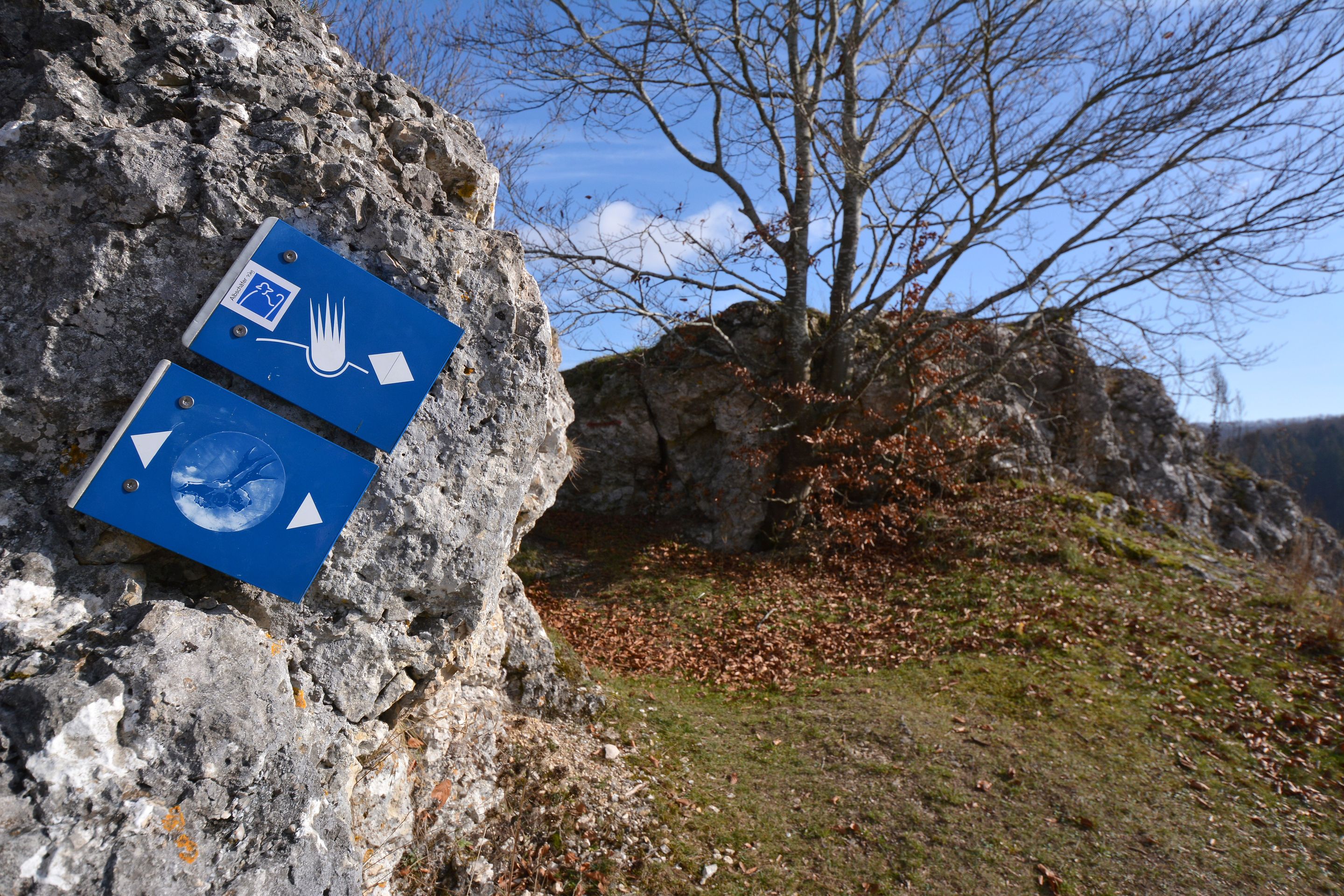
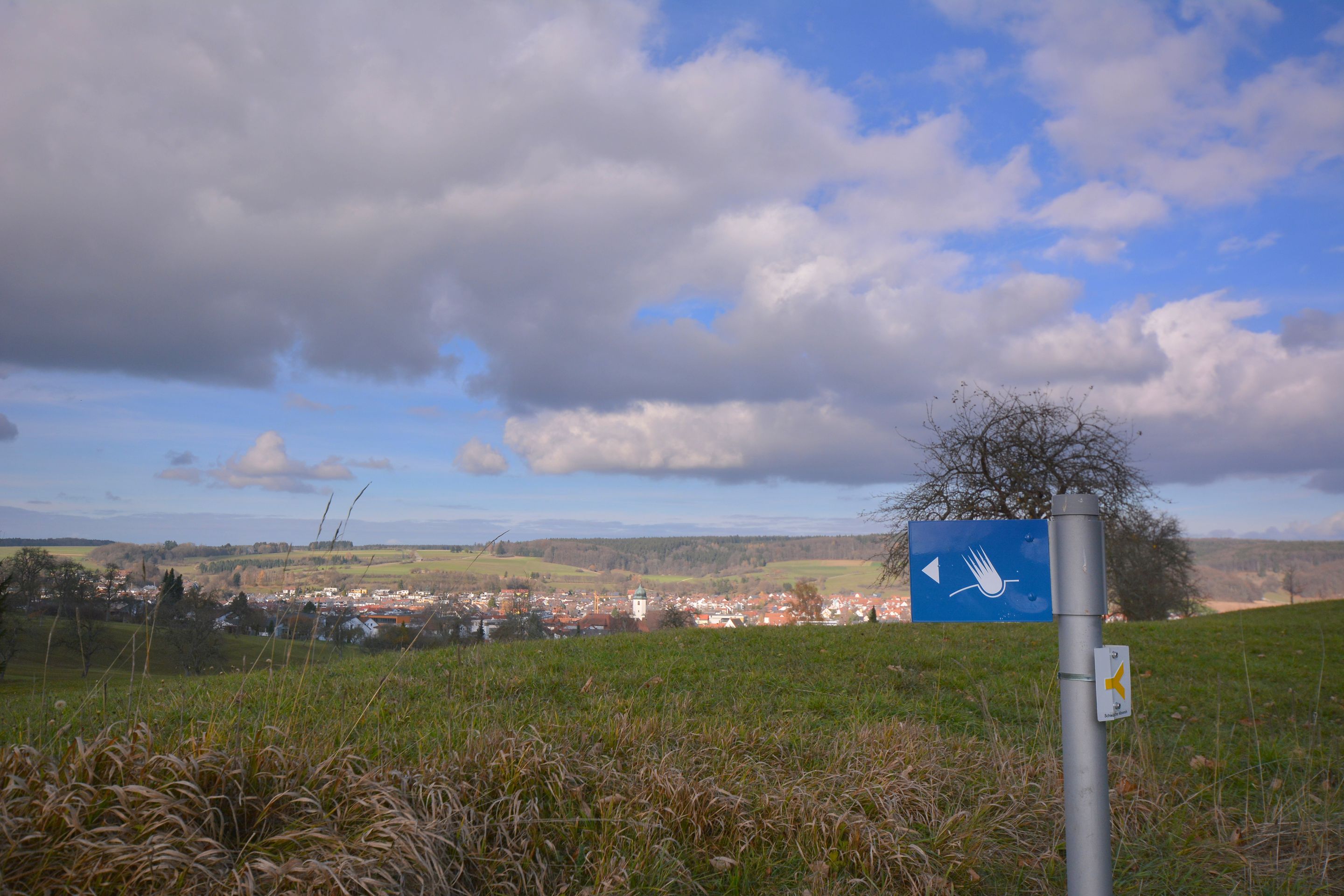
#SwabianJura, with an informative geological path and marked circular routes. A museum in Sontheim deepens the understanding of the history of this extraordinary place. For explorers, the journey begins from the large parking lot west of the central hill. Simply walk from the center of Steinheim am Albuch, across the road to Sontheim in Stubental (L 1165), and the parking lot appears just before the end of the village of Steinheim am Albuch. There, information boards welcome curious visitors and direct them to the 'collection point' geological path. Following the meteor crater circular hiking trail reveals traces of the primordial force. At the edge of the crater basin, visitors experience a wealth of knowledge about the geology, culture, flora, and fauna of the Steinheimer Basin. Picturesque juniper heaths lead to more exploration opportunities. A remnant of the Ries impact can be found almost everywhere in the Steinheimer Basin – the
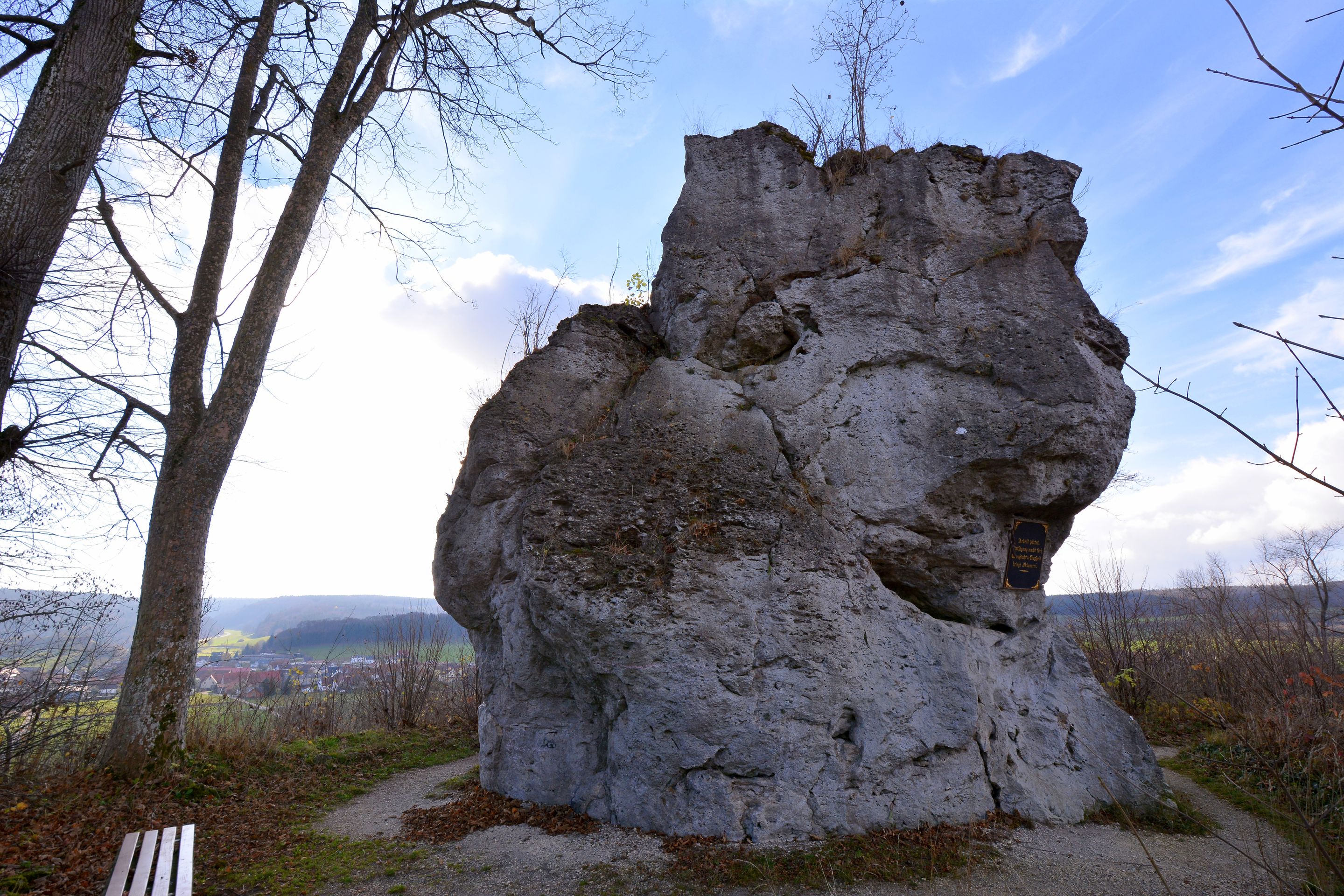
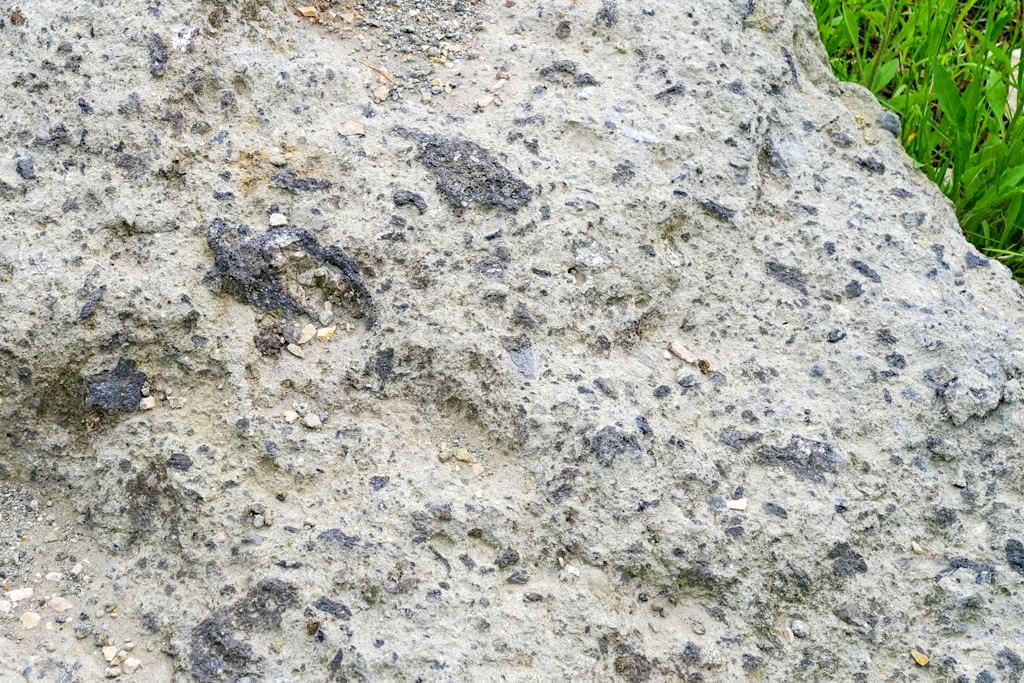
#Suevit. This rock, named after the Latin word for
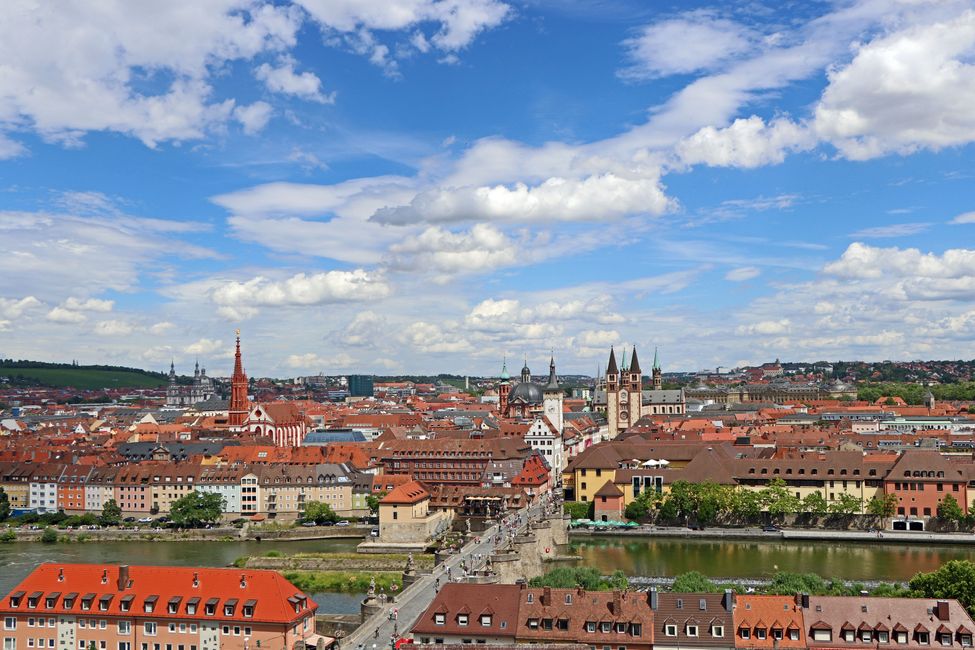
#Swabia – suevia, was formed minutes after the meteorite impact. The cloud of molten rock cooled down and fell back onto the crater area as rain of solidified droplets. Today, this Suevit rock shapes the entire Ries area. It is characterized by minerals reshaped by high pressure, inclusions of so-called impact glass – and even tiny diamonds may be contained within. However, they are too small to be extracted or processed from the Suevit. The Romans and later medieval builders used Suevit as building material, which is why many historical buildings in Nördlingen are made from this rock. For example, the St. George's Church with its tower “Daniel” is almost entirely built from Suevit, but parts of the town hall, the Baldinger Gate, and parts of the city fortifications are also made of this rock material. Even in Munich, one can admire Suevit from the Ries today, for instance at the Deutsches Museum and the former Royal Bavarian Ministry of Transport. The Steinheimer Basin and the Nördlinger Ries are not only
#Geotope, but also windows into a time when cosmic forces shaped the landscape. Those who follow the traces of this fascinating history dive into the primordial power of the universe that influenced our Earth millions of years ago.
#imländle#wirsindsüden #schwäbischealbtourismus #vacationlandbadenwürttemberg #bwnow #bwjetzt #hiking #hikinggermany #vacationinländle #vacationatthefrontdoor #current #hikingwithoutbackpack #hikingingermany #bwtourism #visitbawü #youhavearrivedatyourdestination #daytrip #germany #hiking #hikingadventures #hikingwithdogs