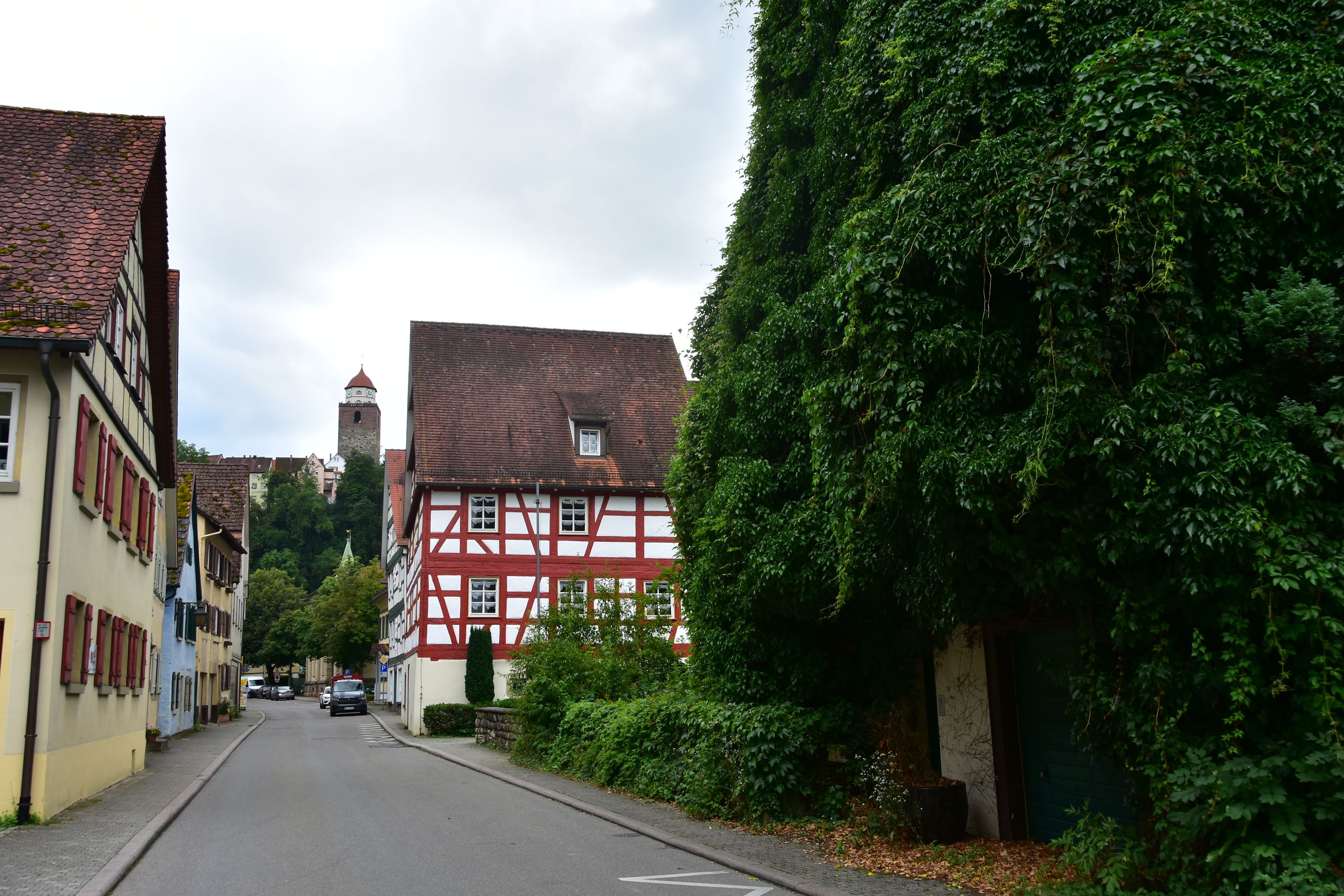
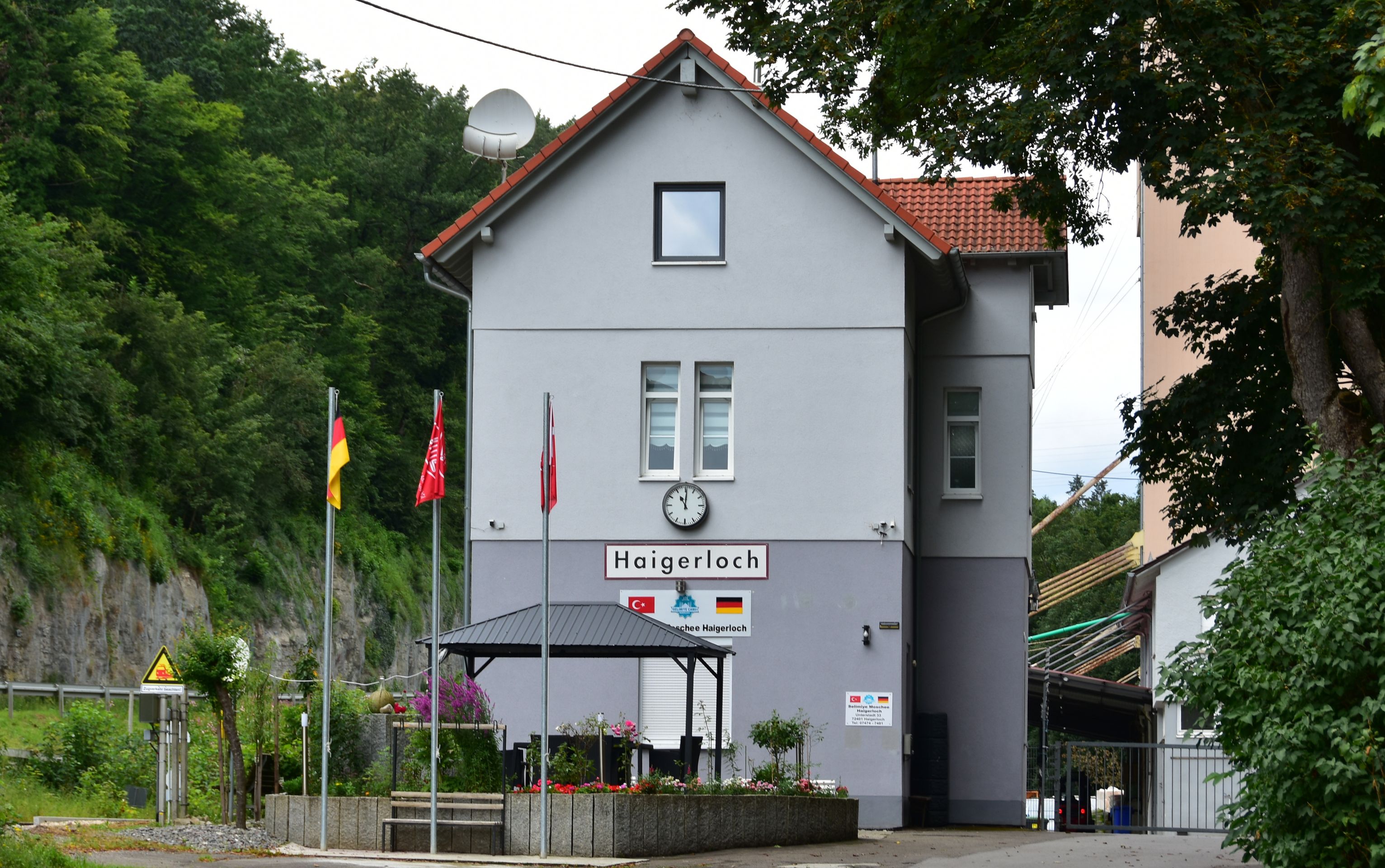
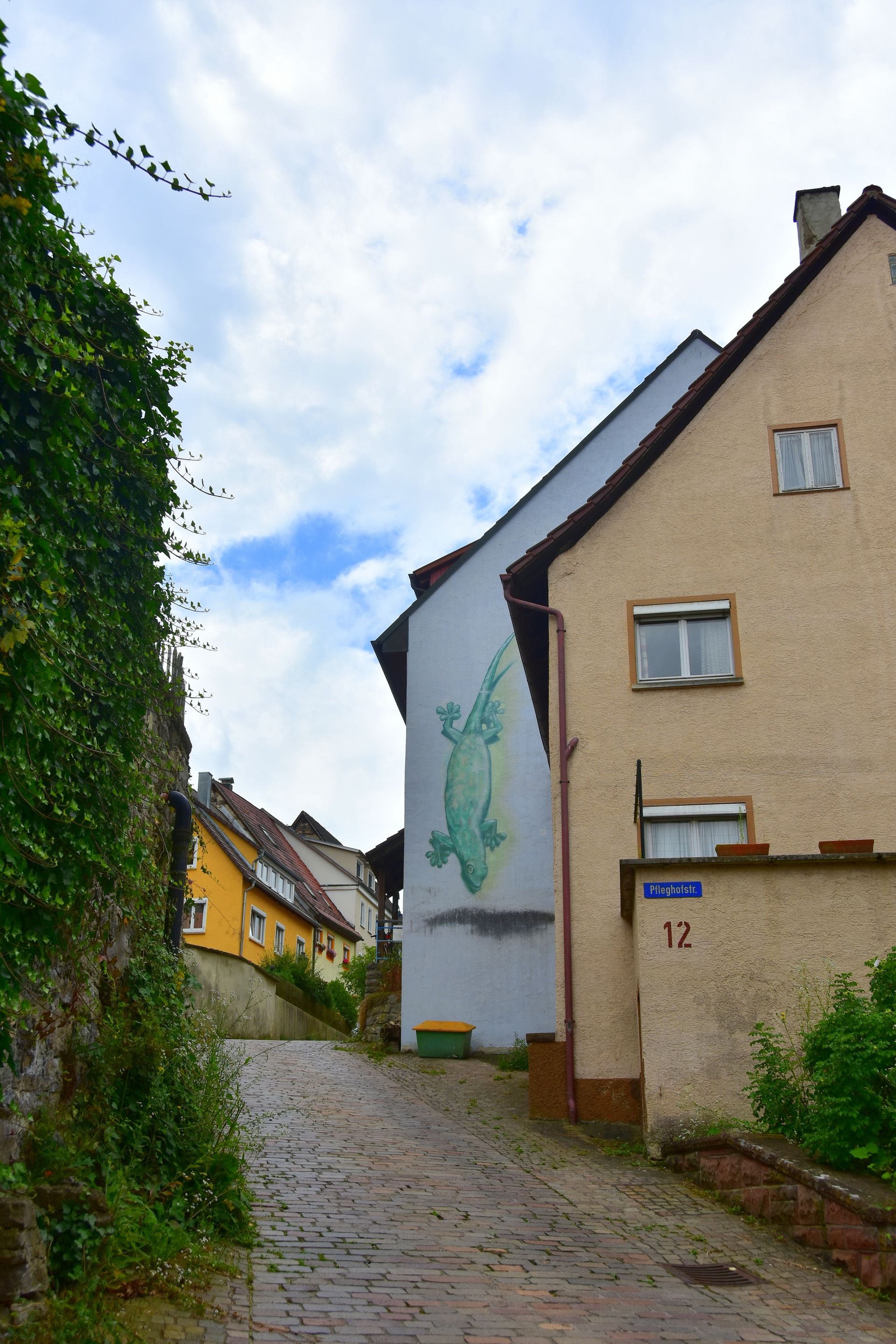
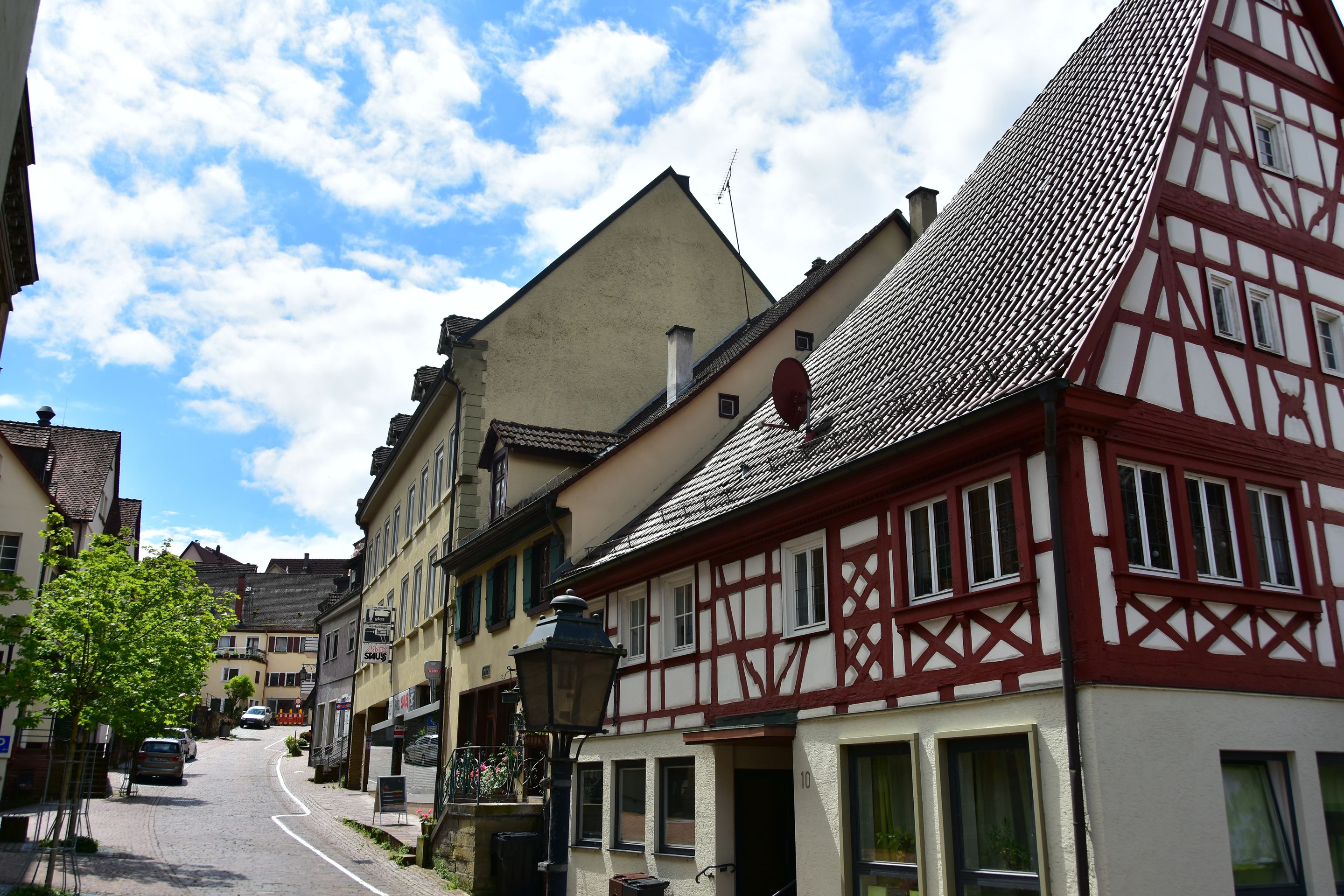
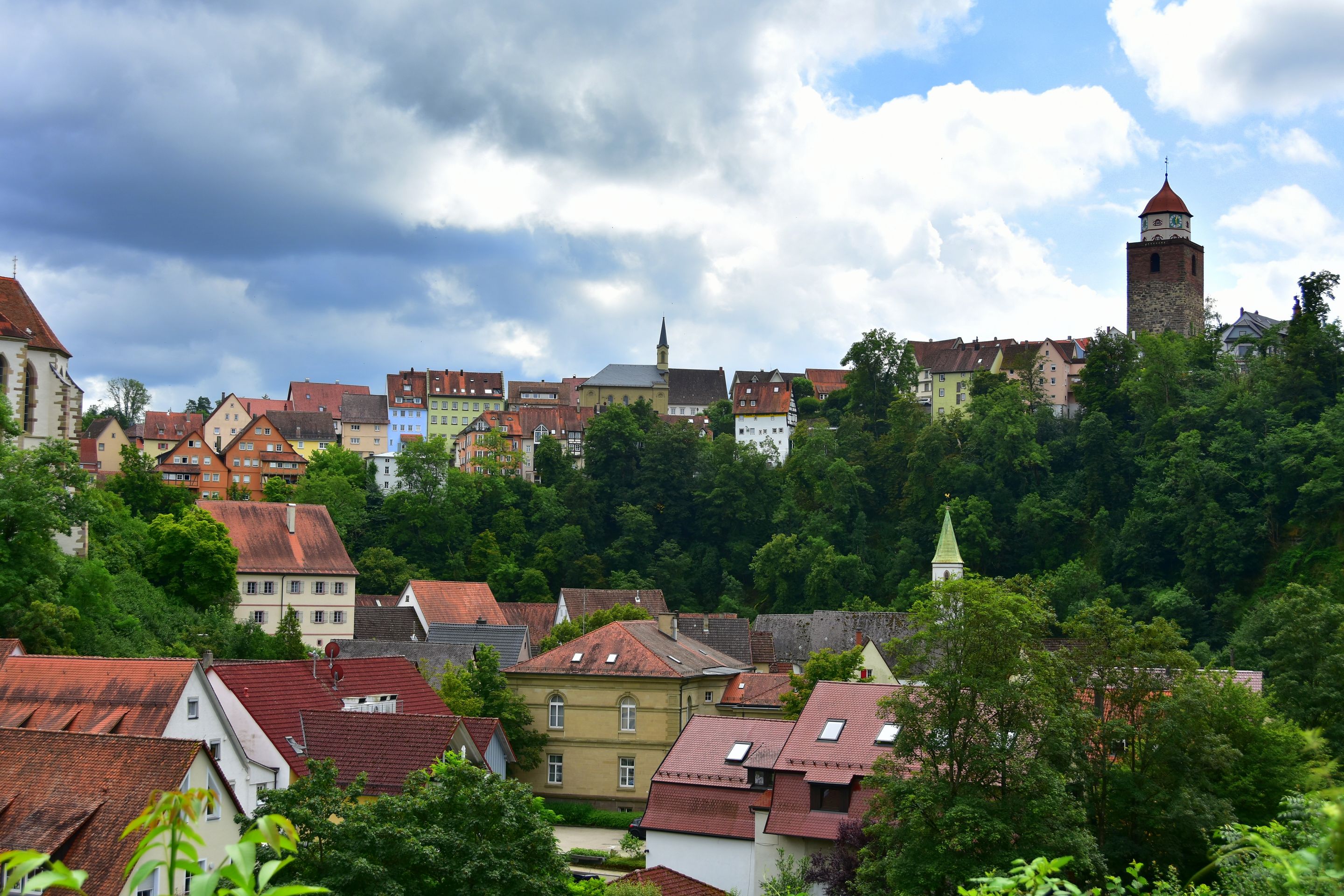
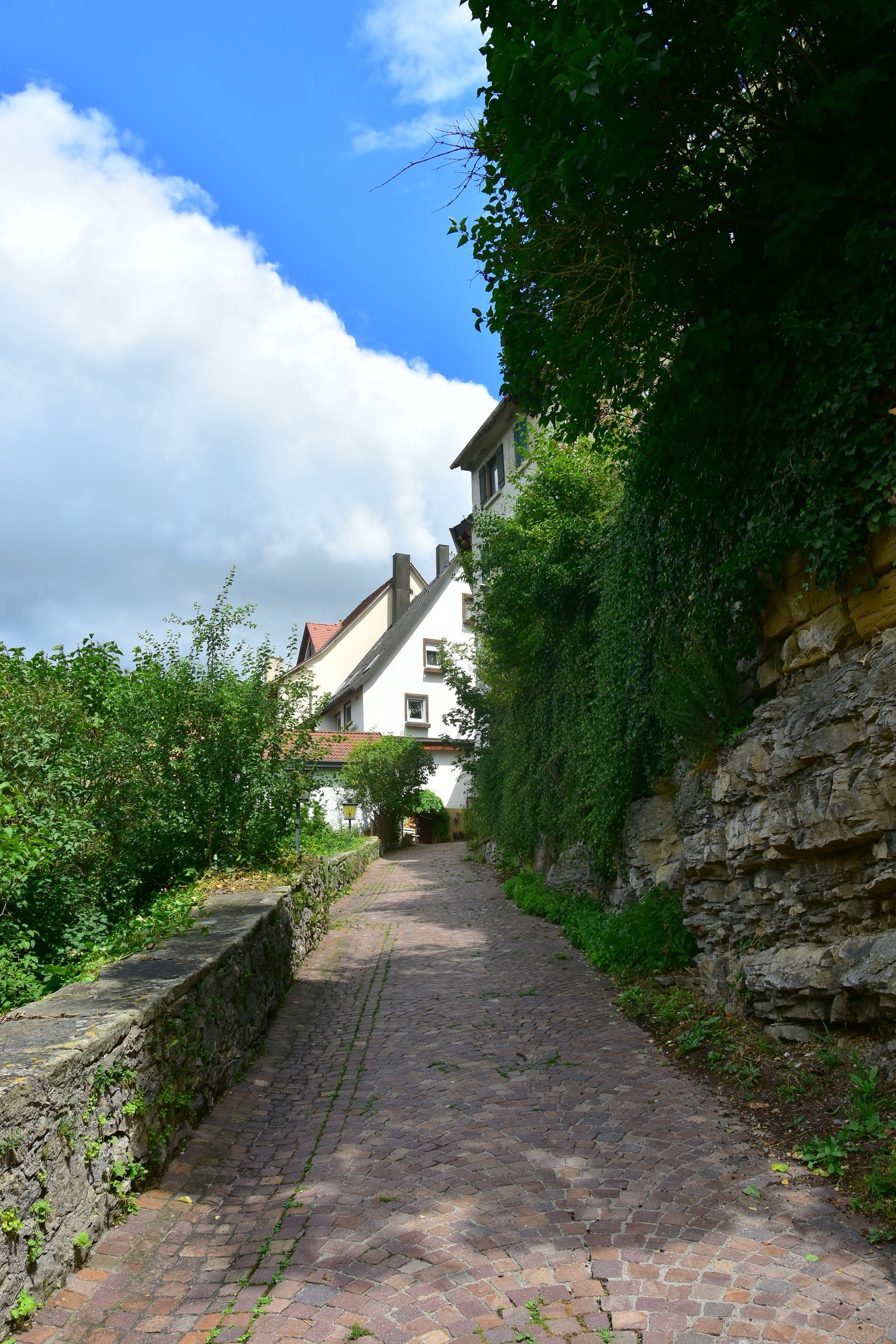
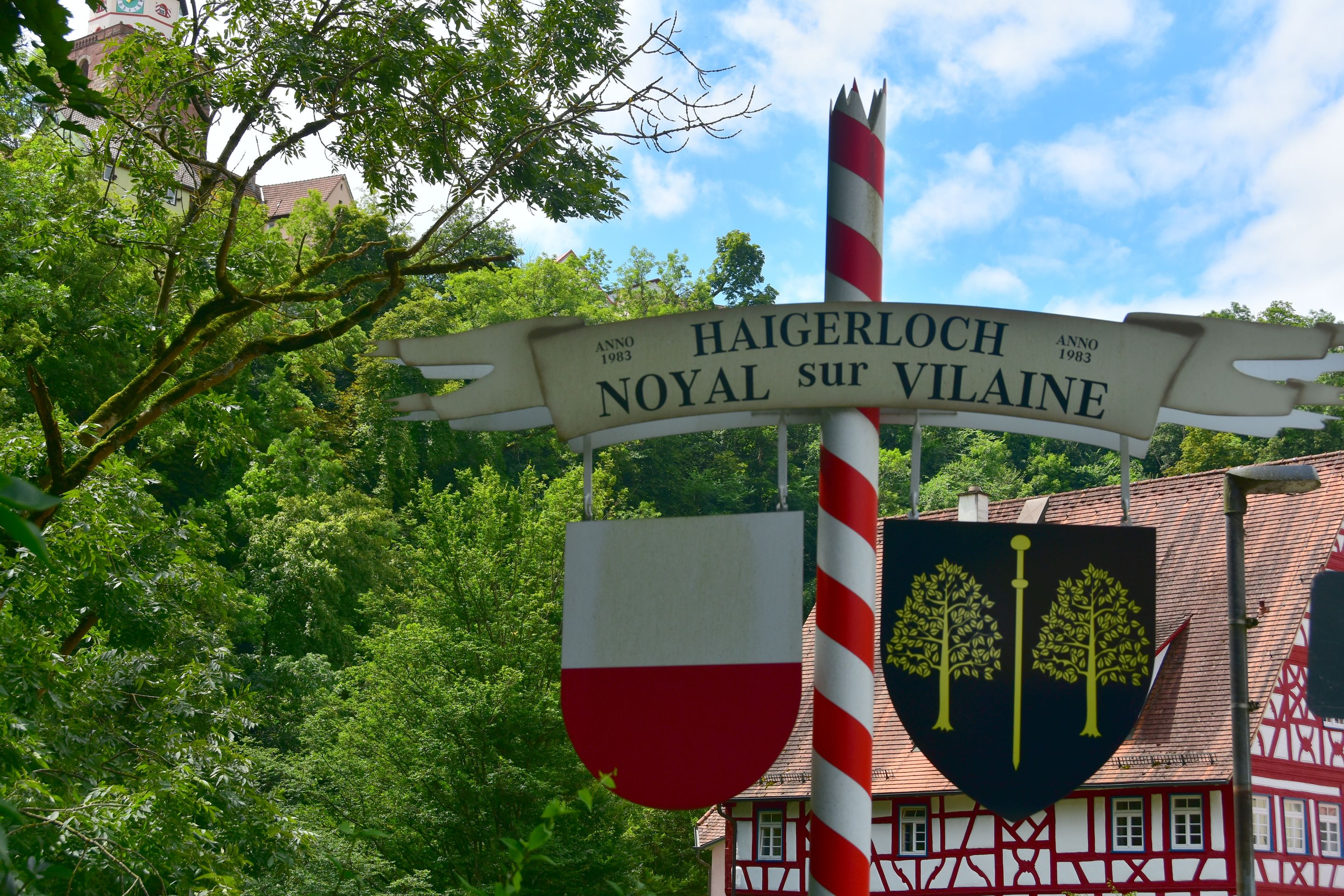
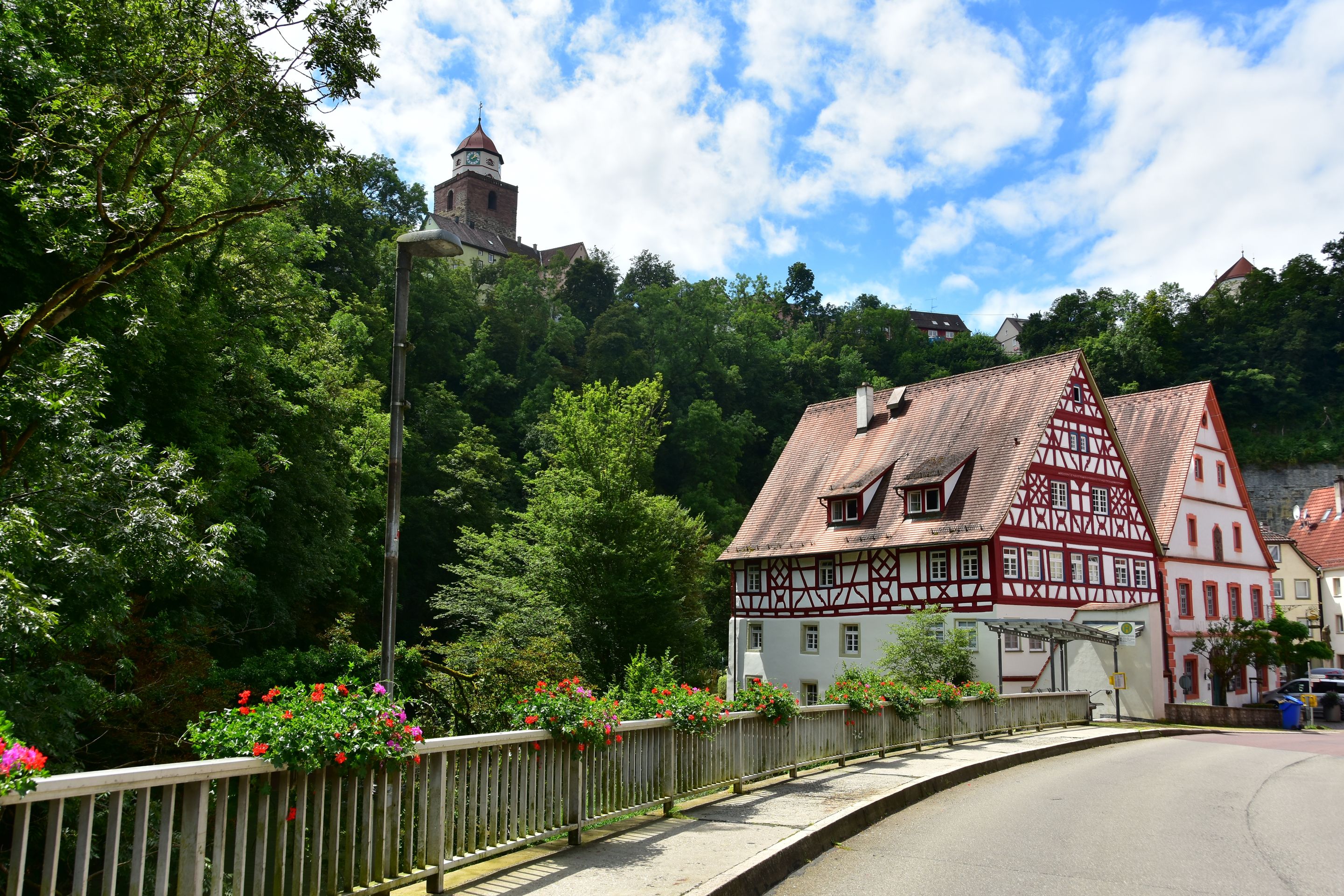
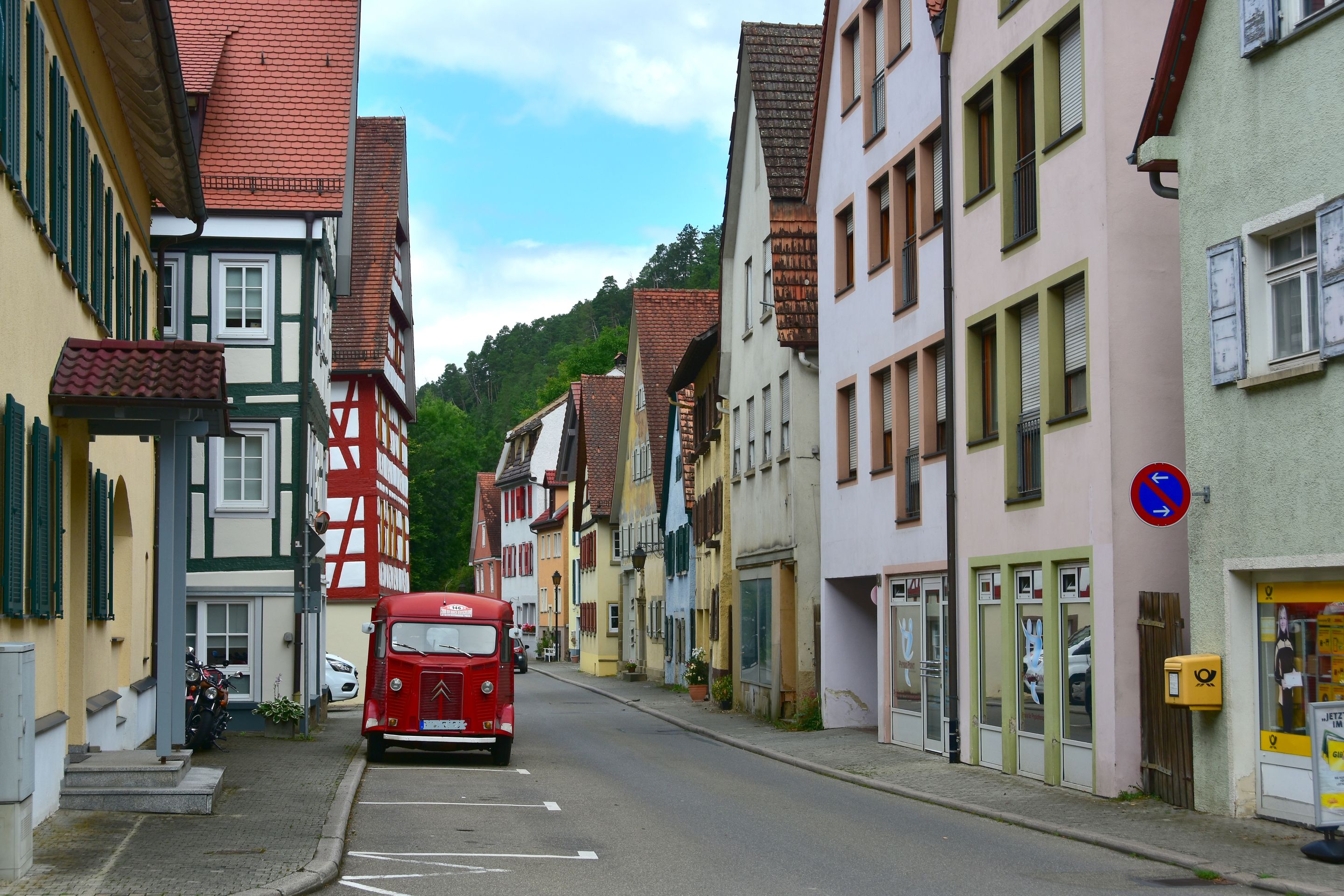
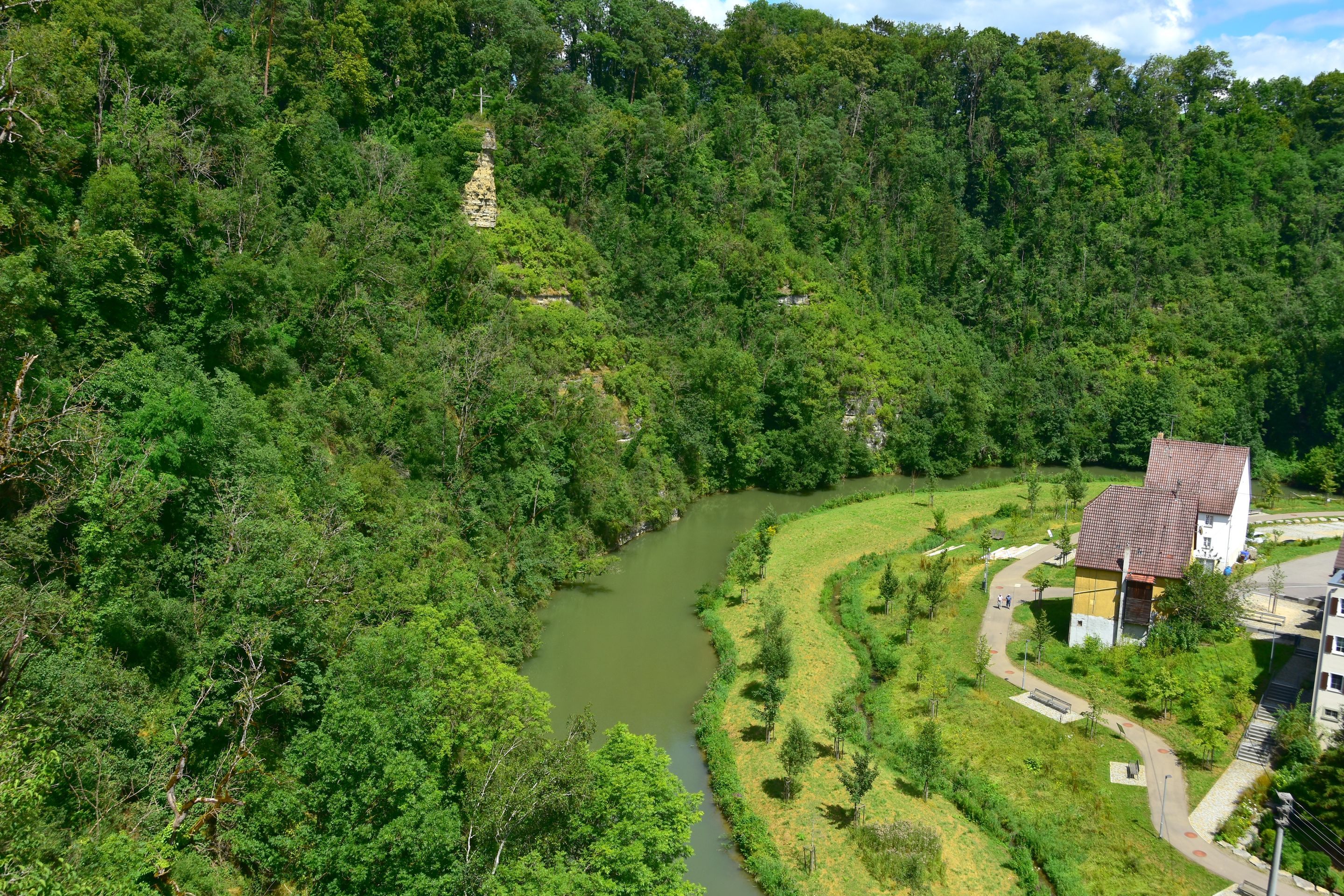
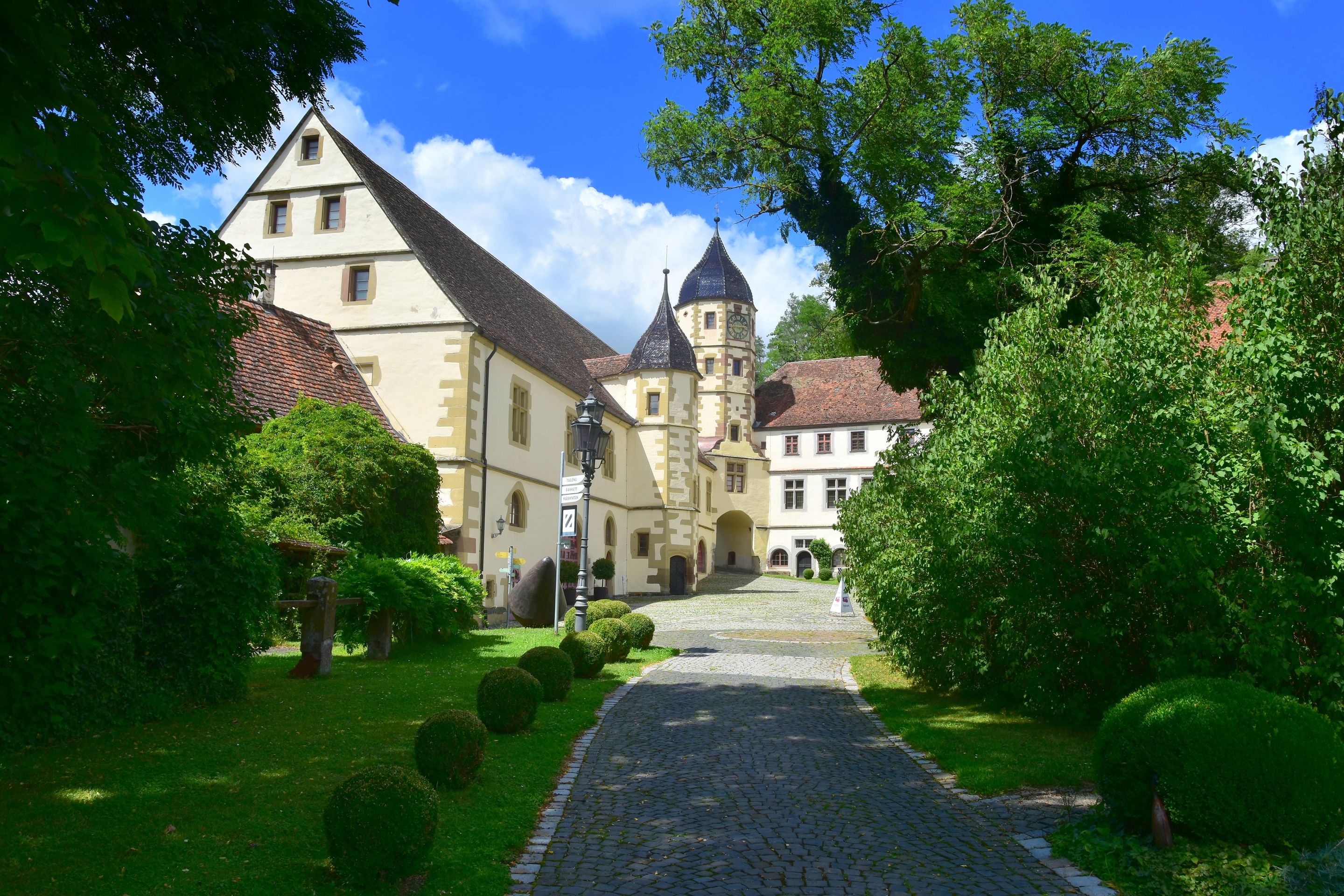
Surrounded by forests and meadows of Zollernalb, not far from the Black Forest, Lake Constance, and the state capital Stuttgart, lies the picturesque town of
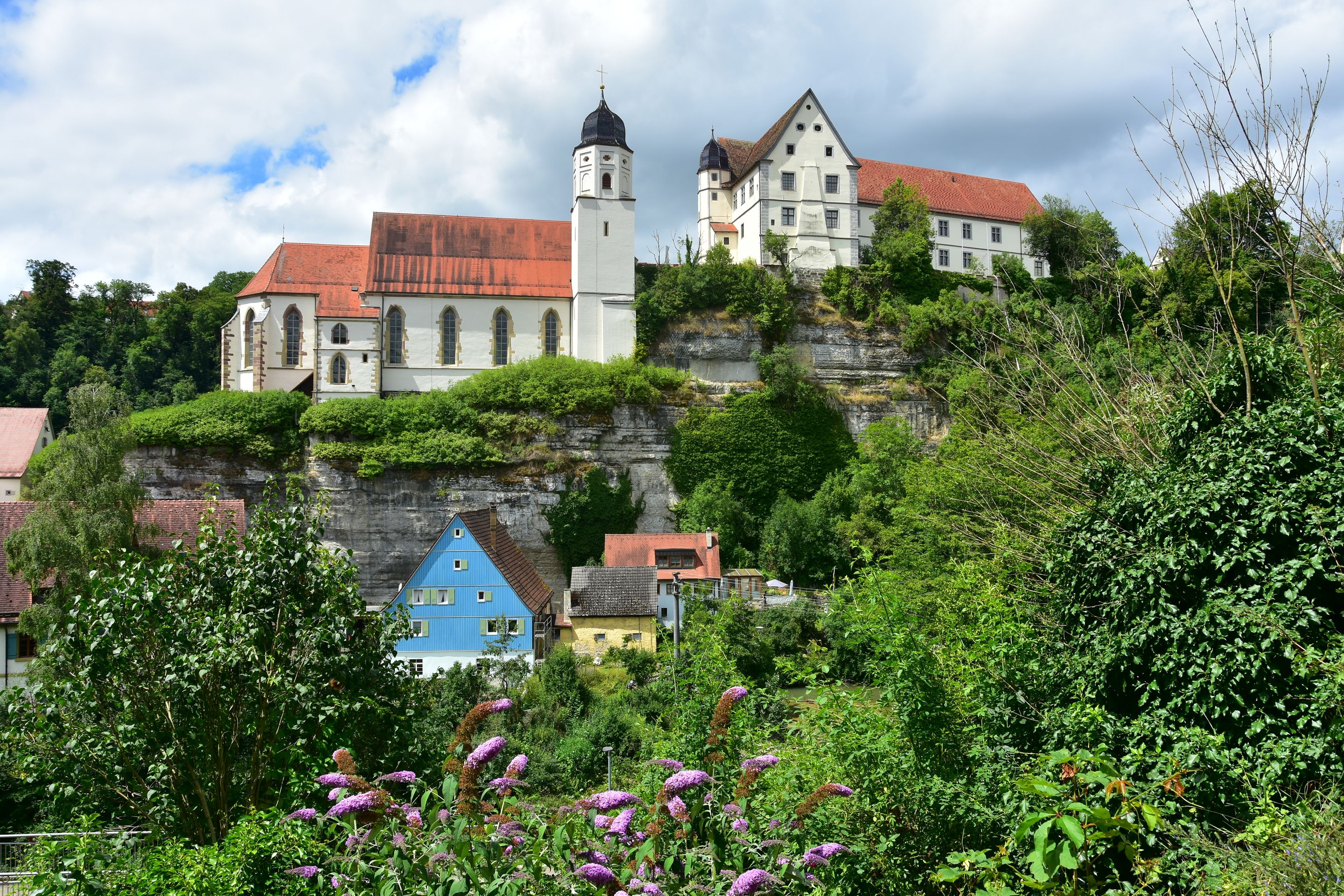
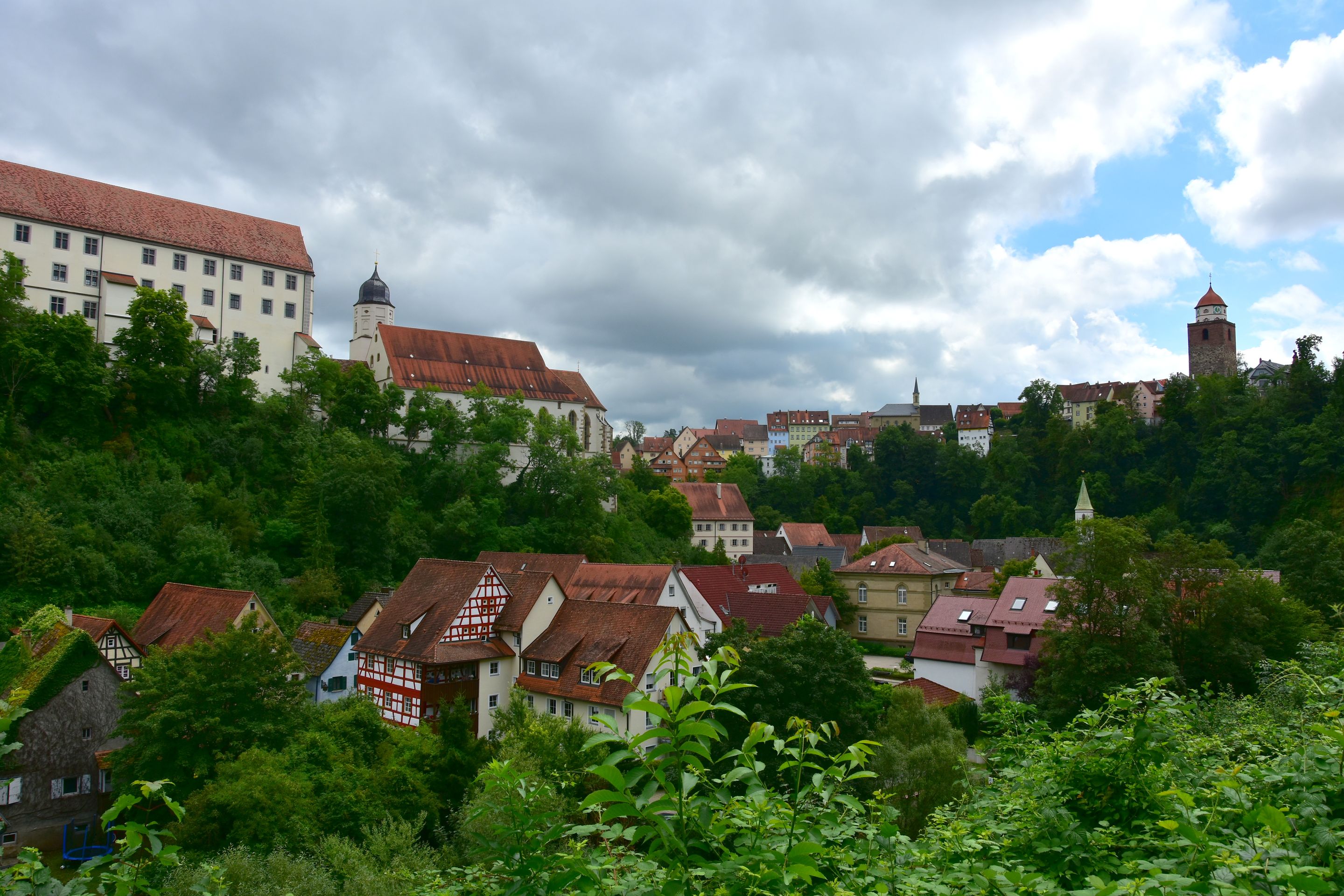
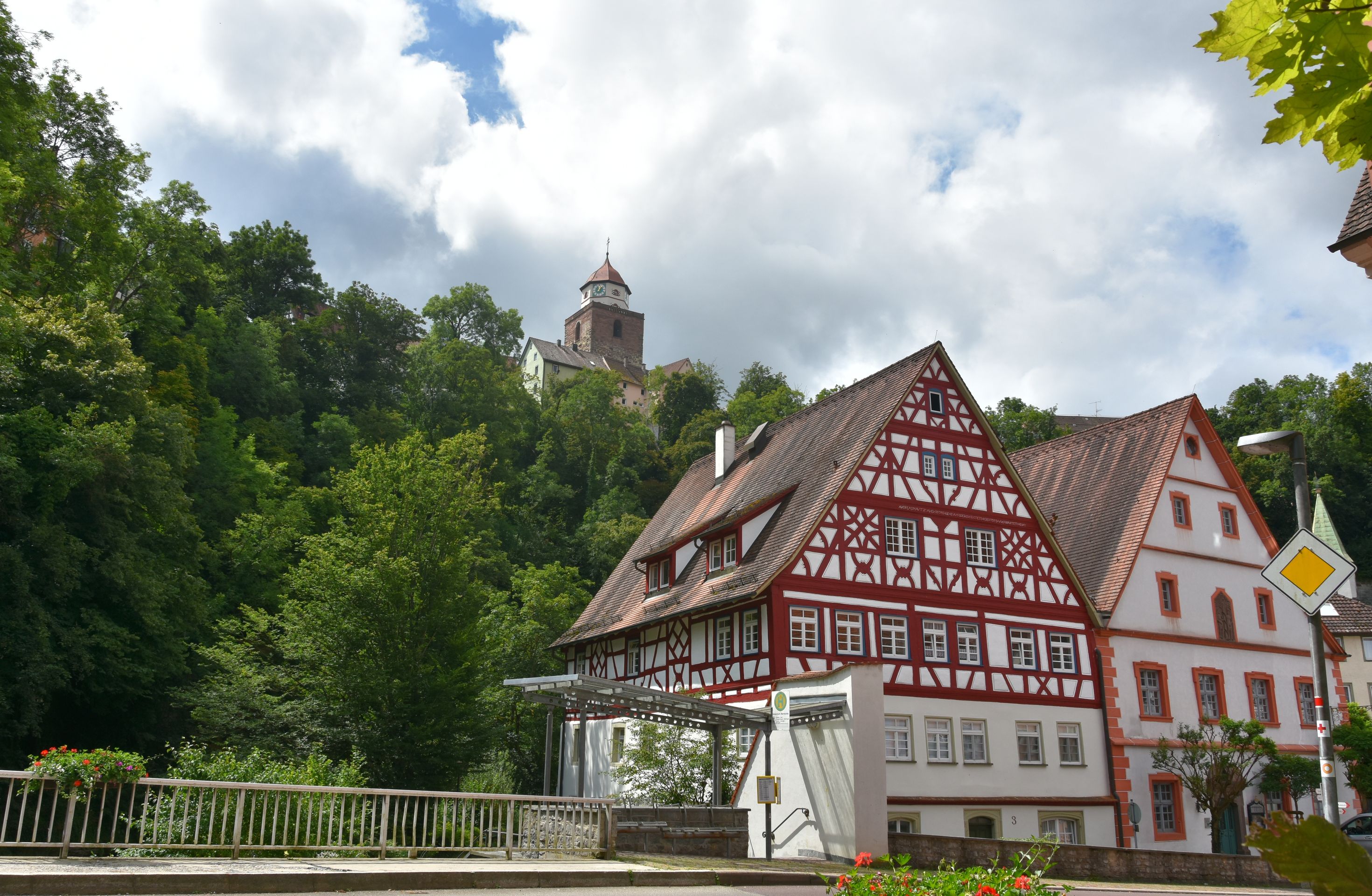
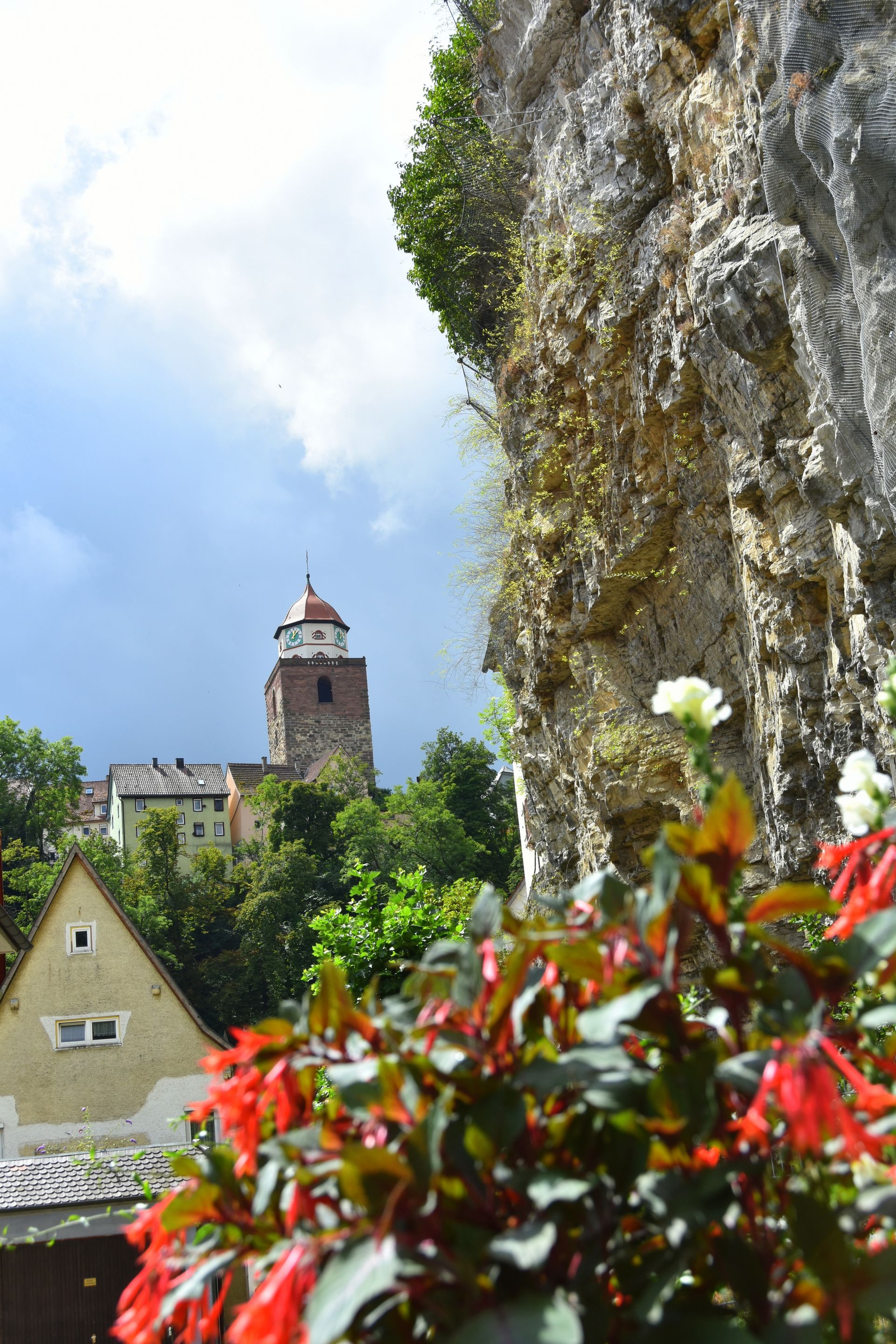
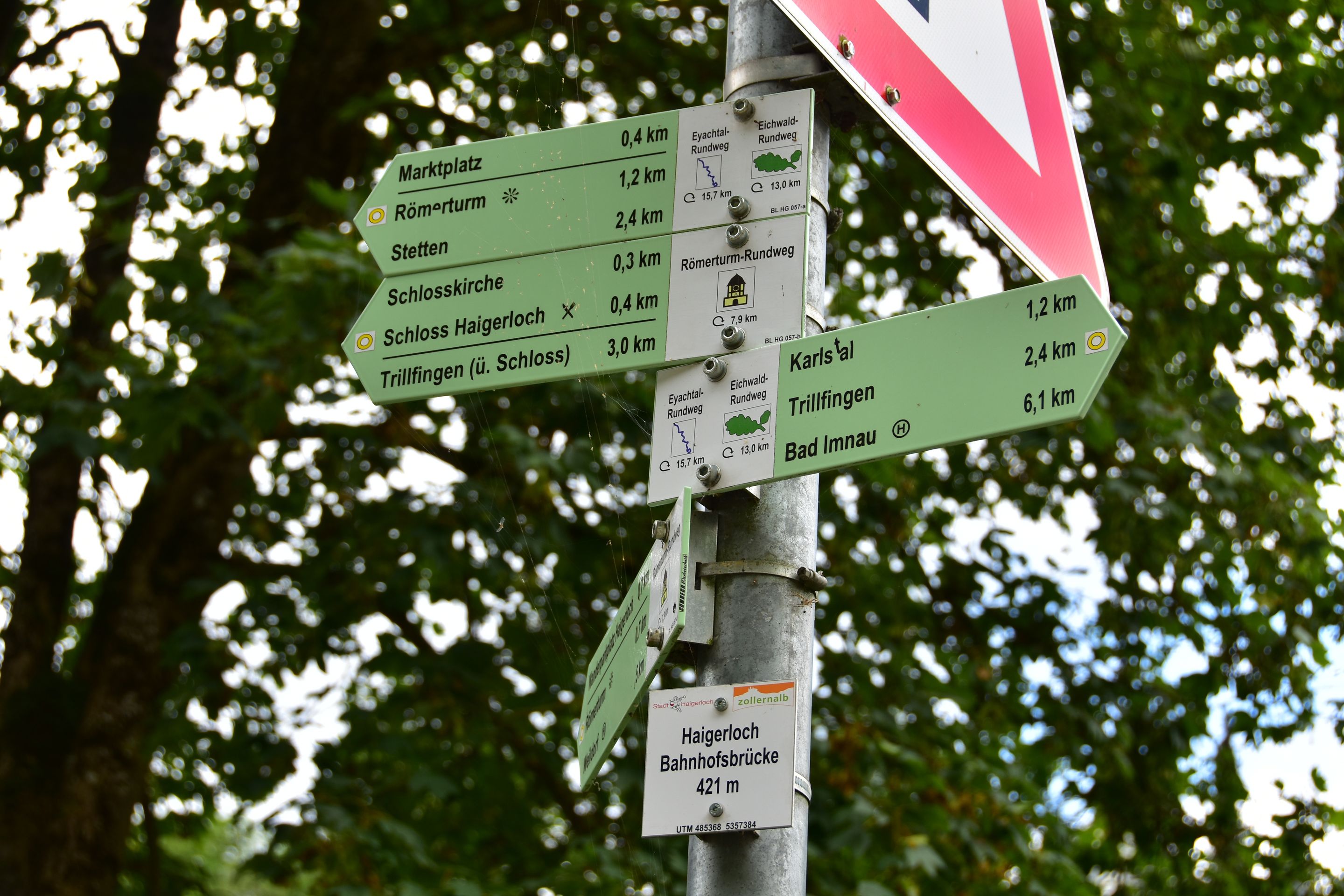
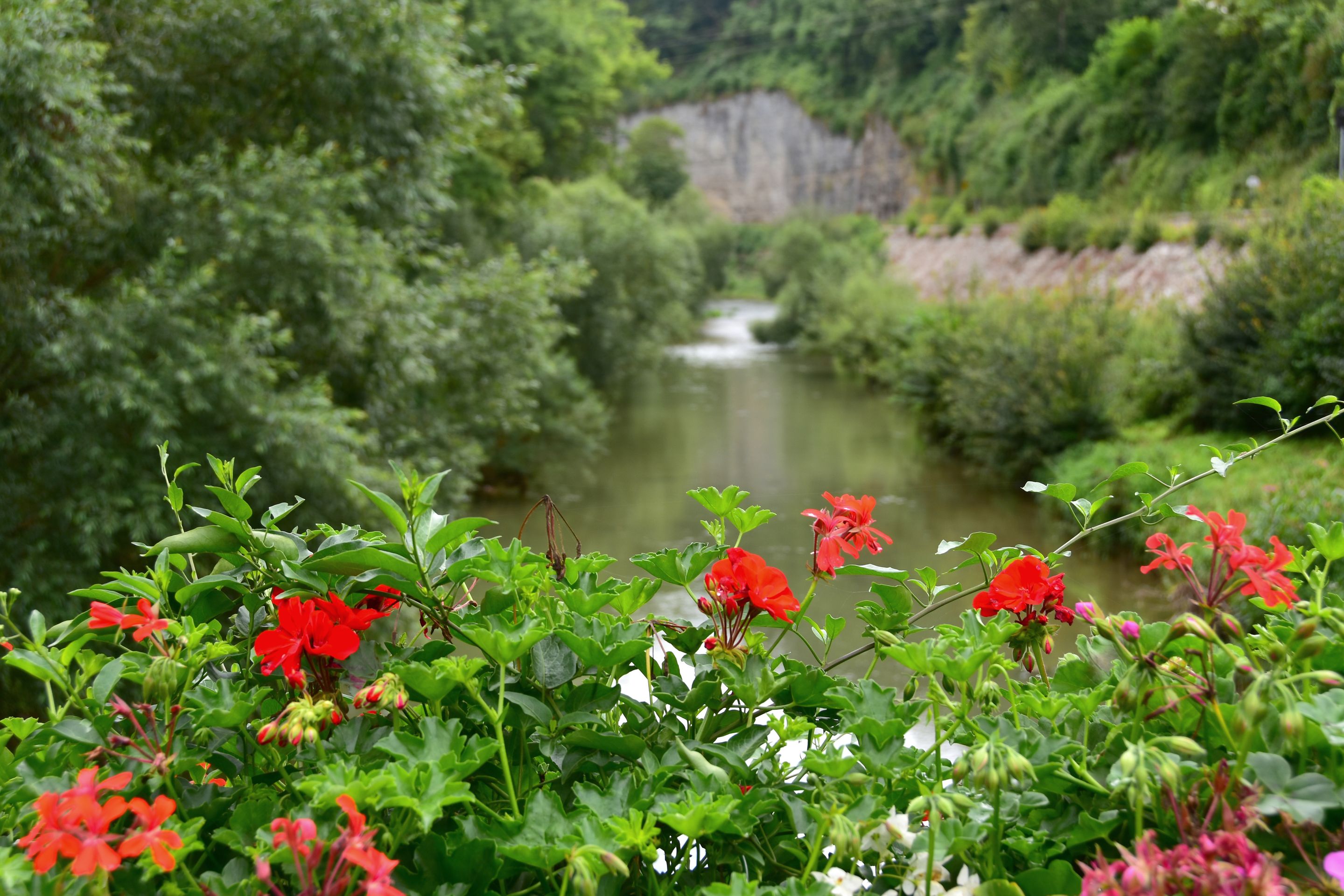
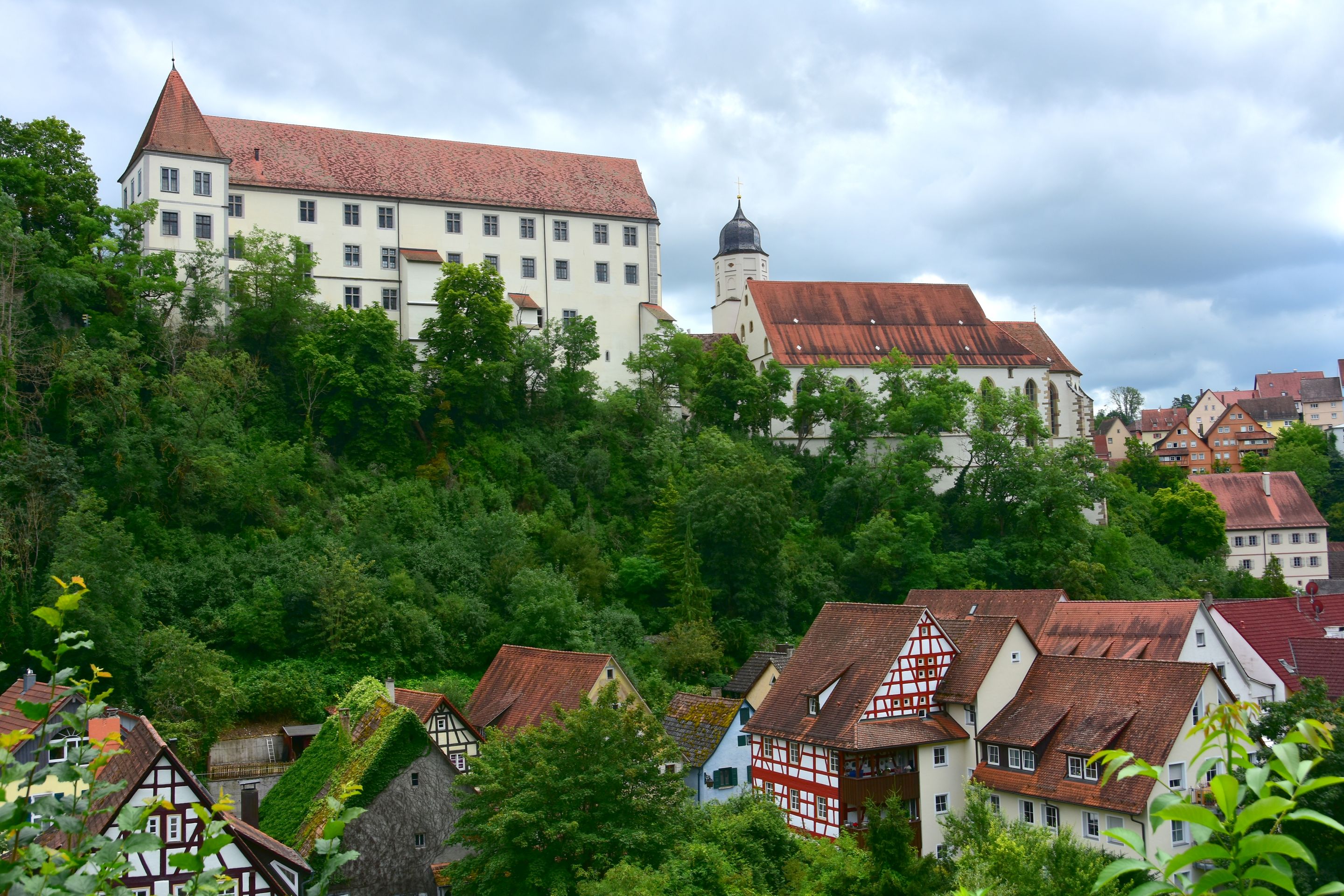
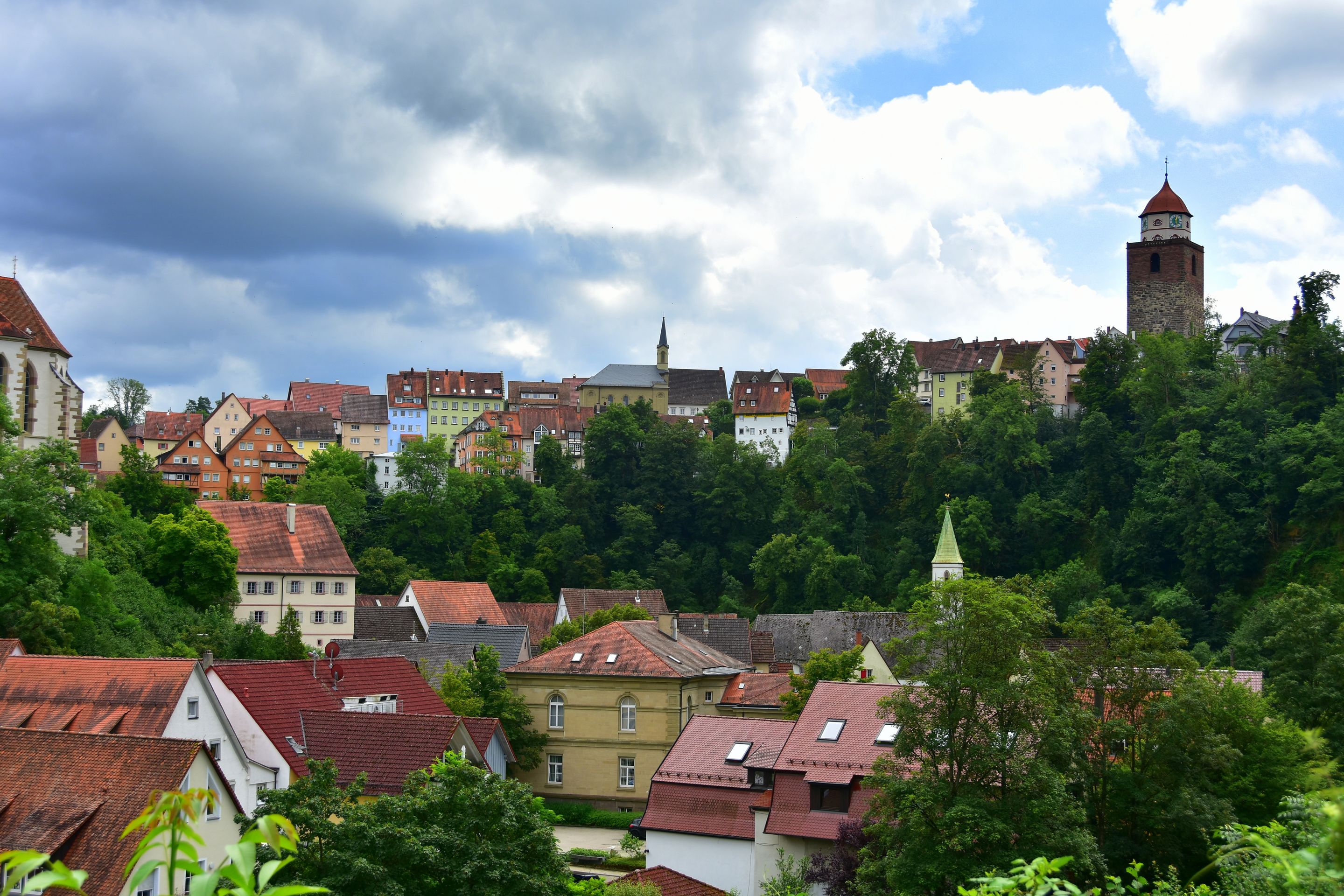
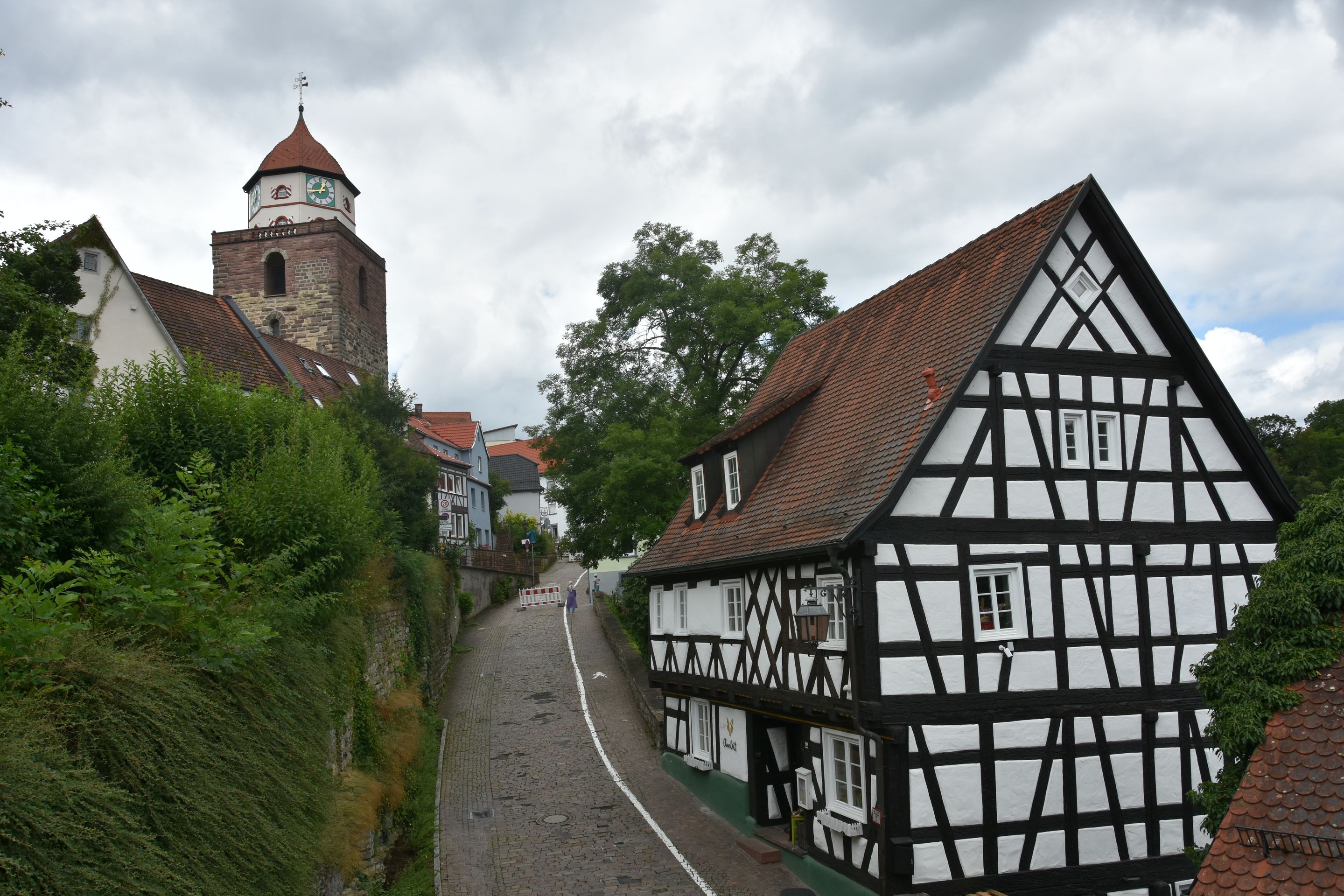
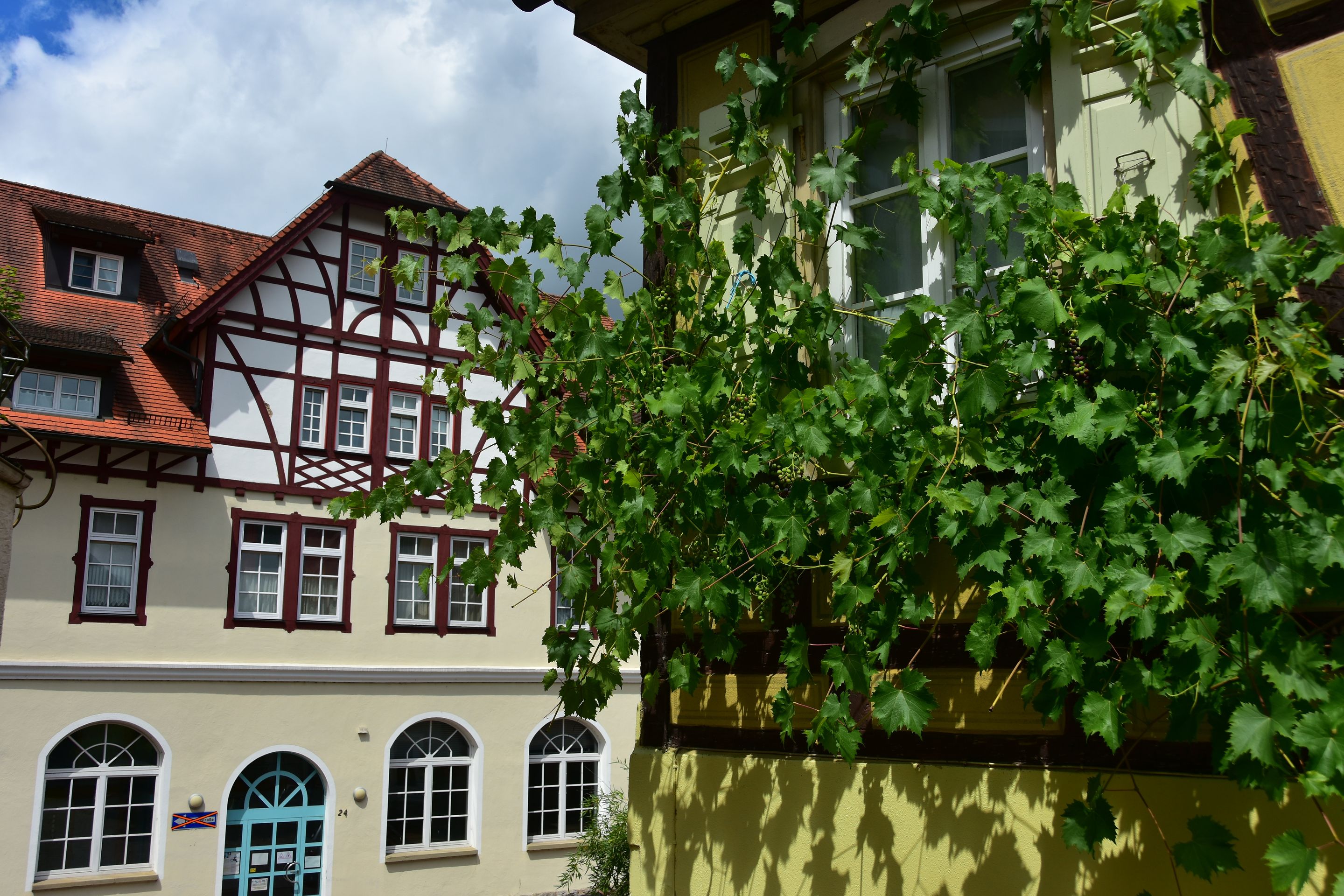
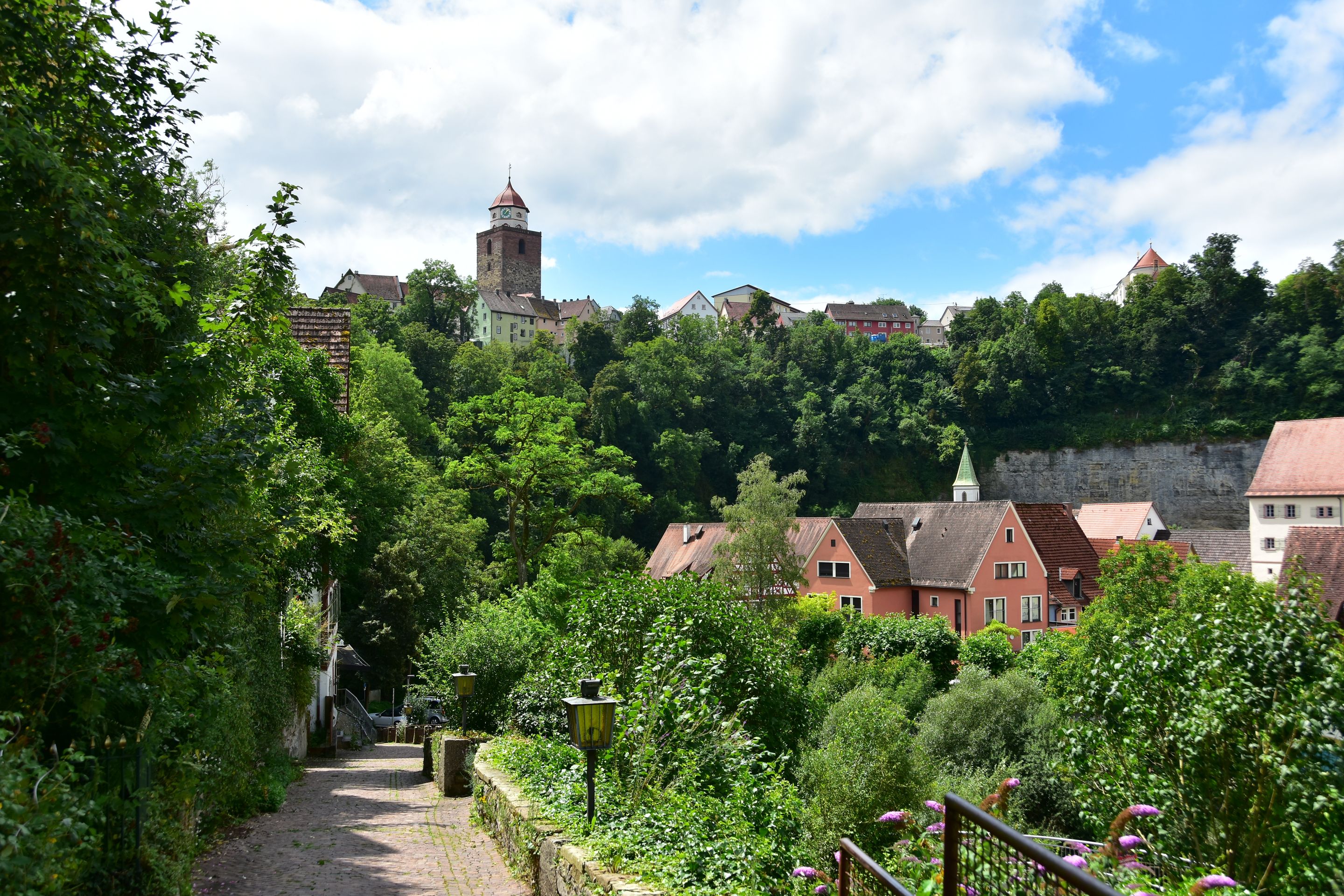
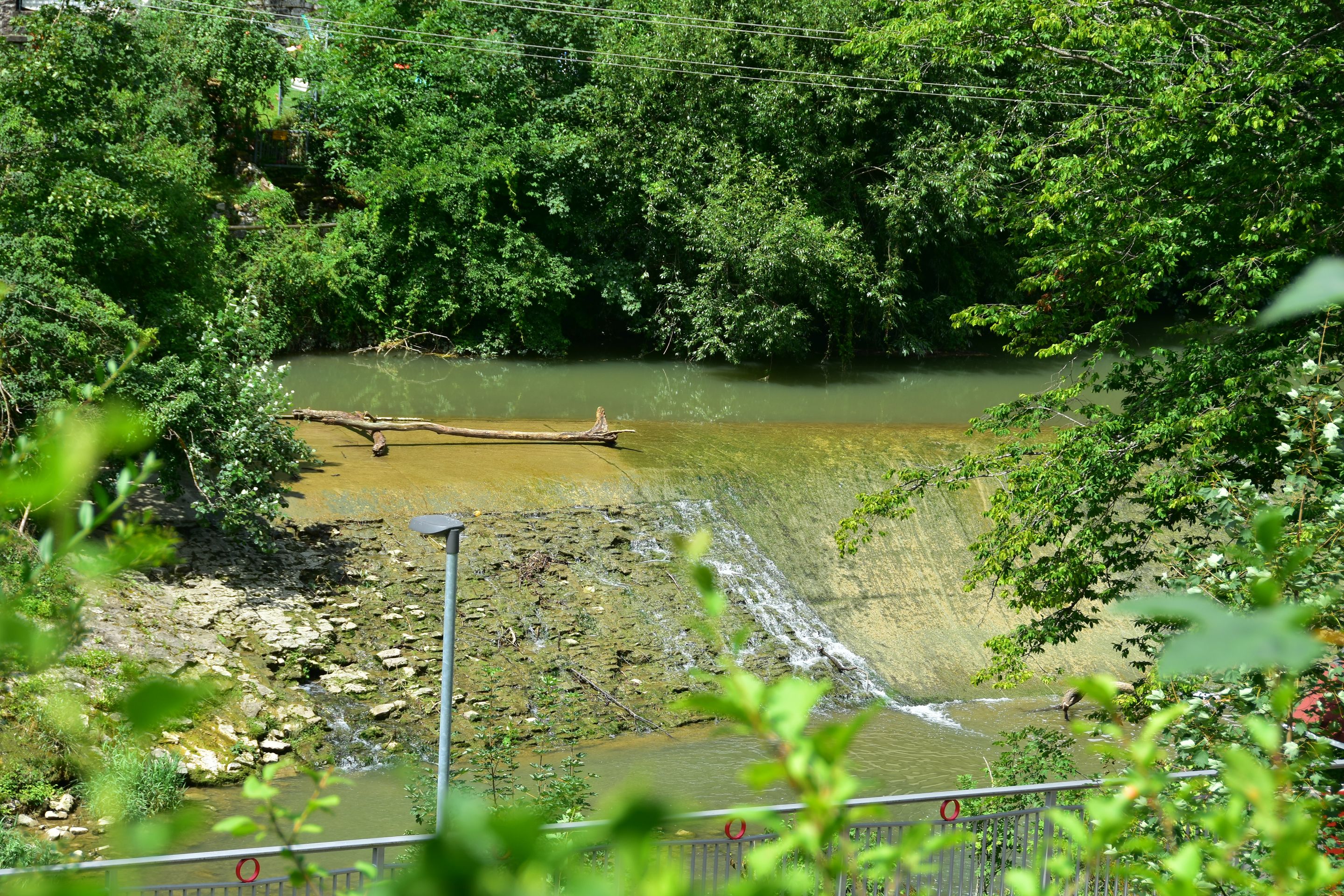
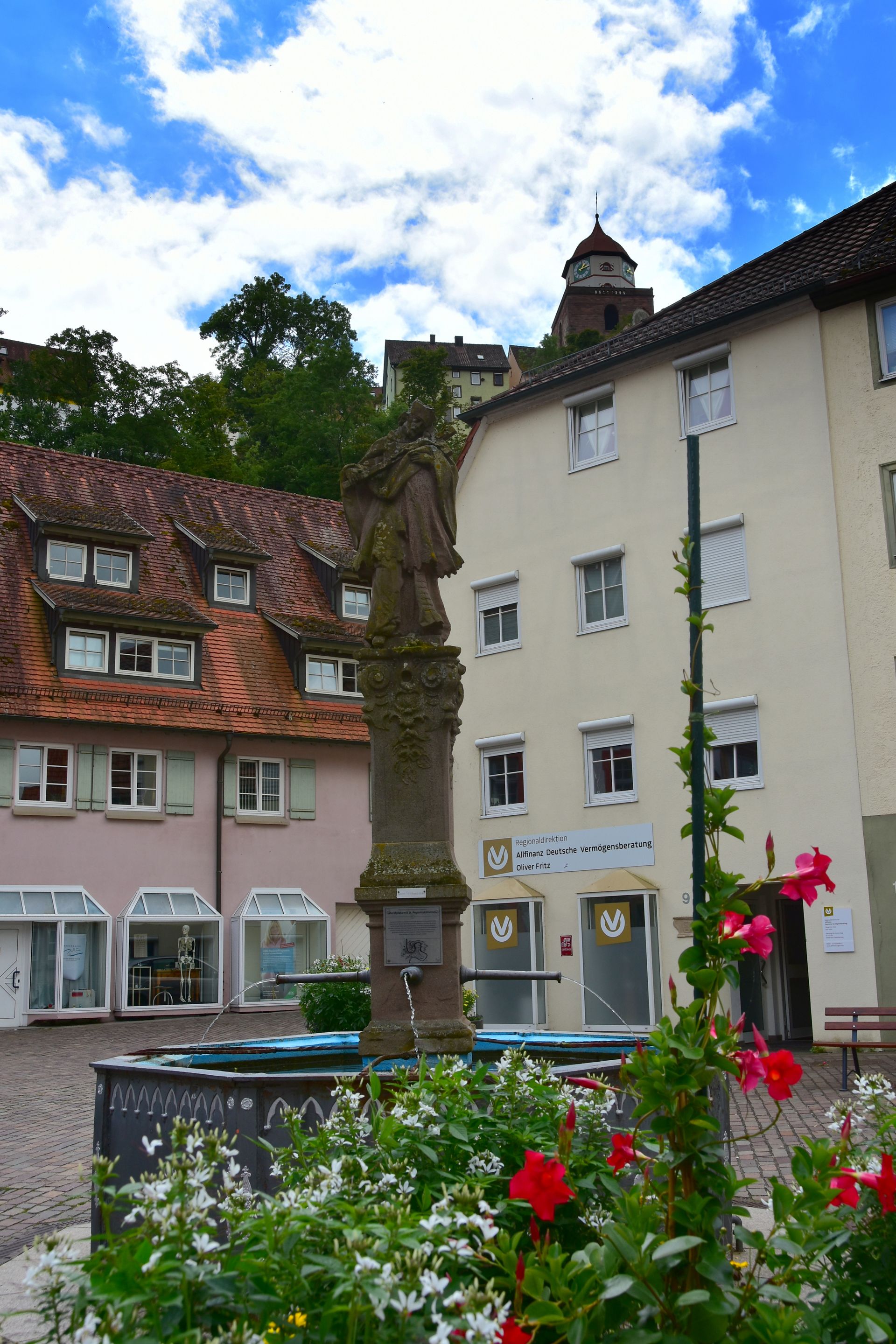
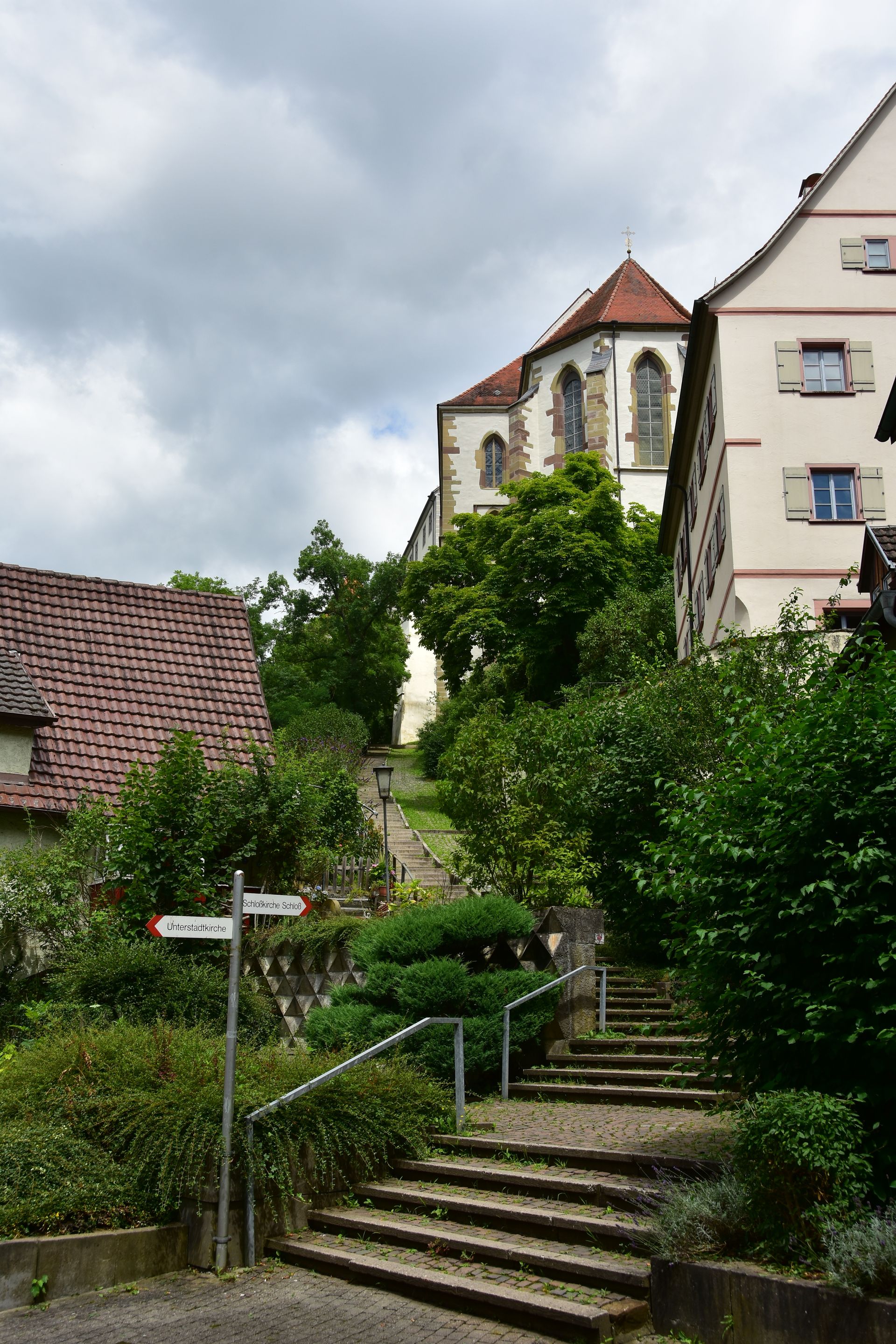
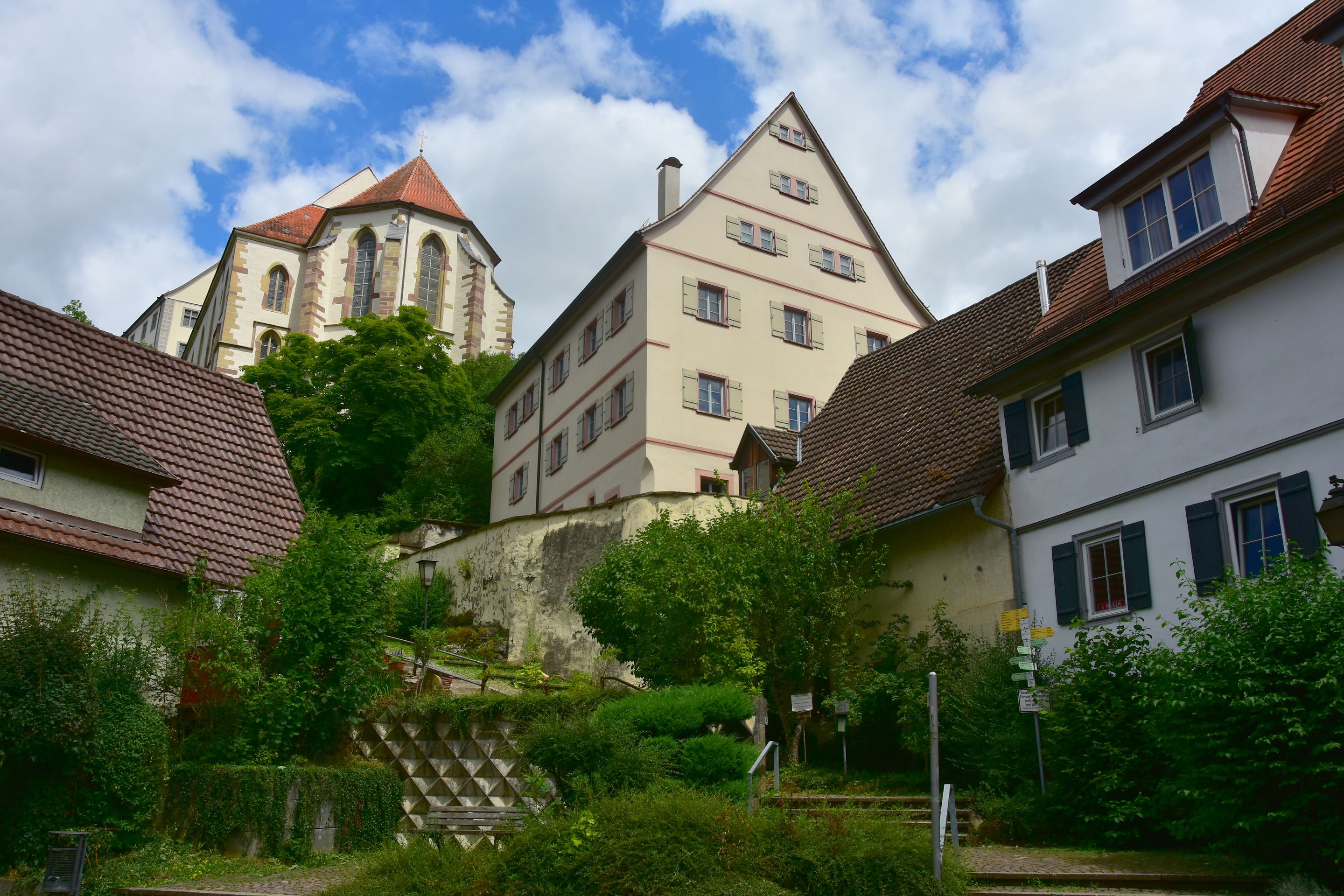
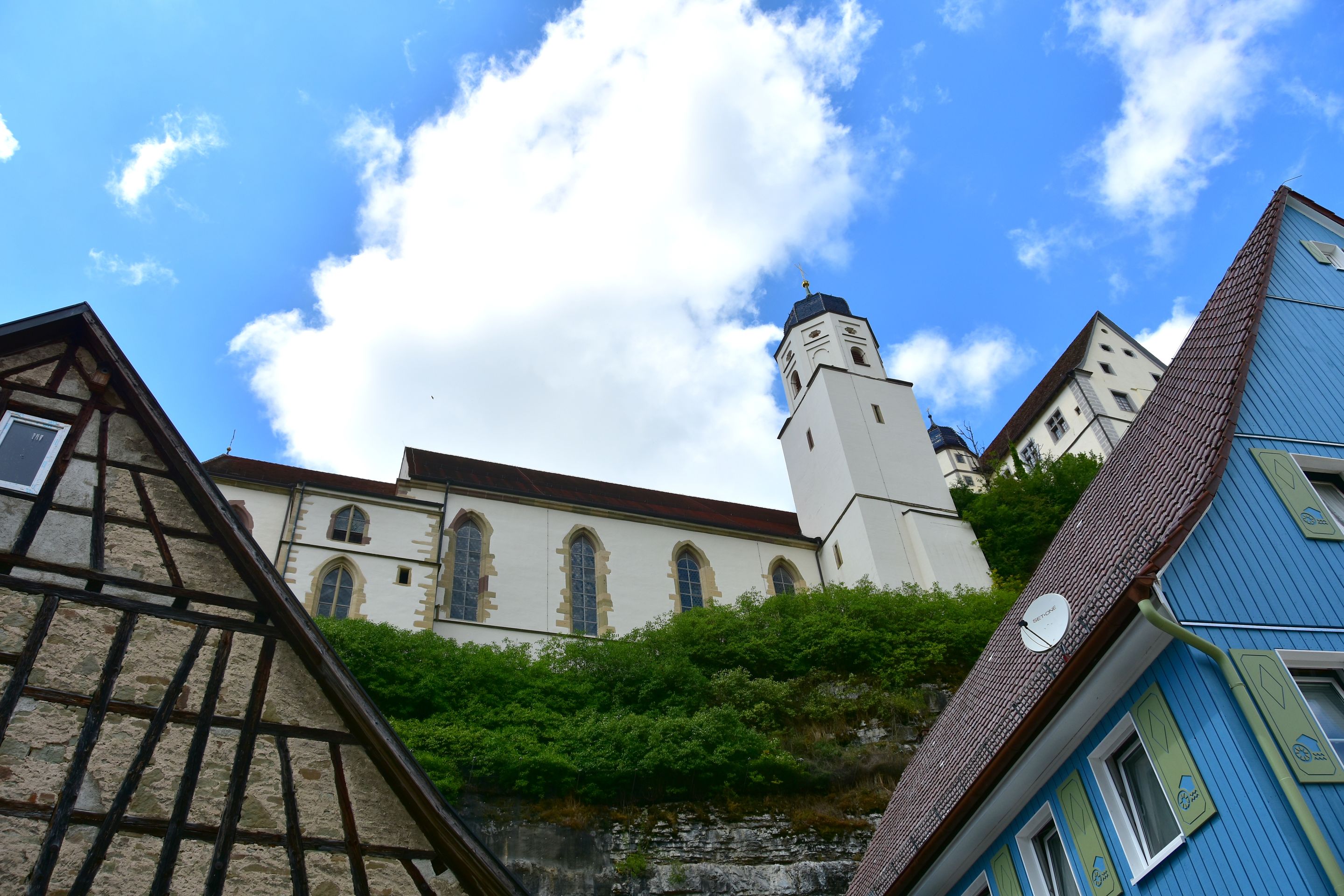
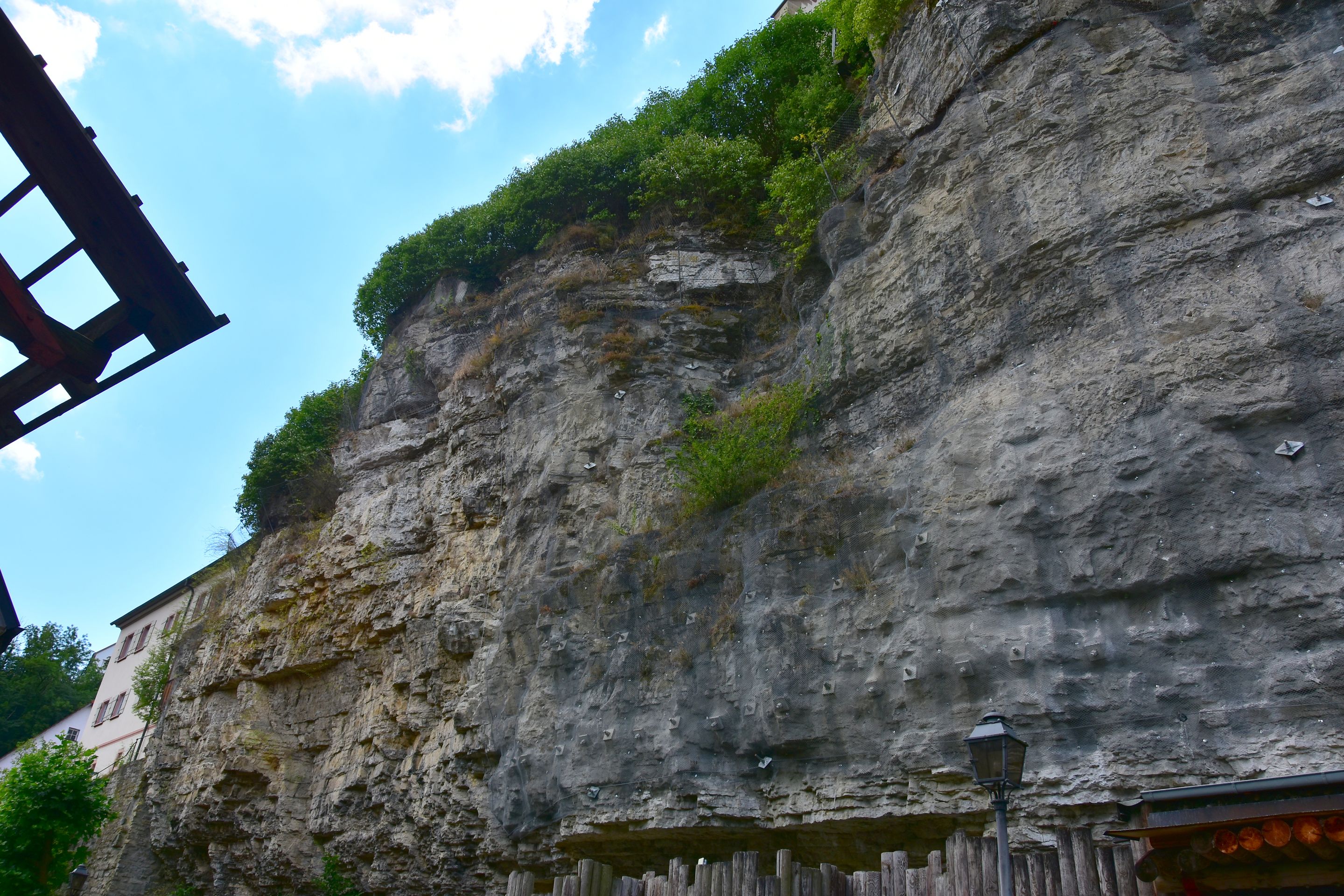
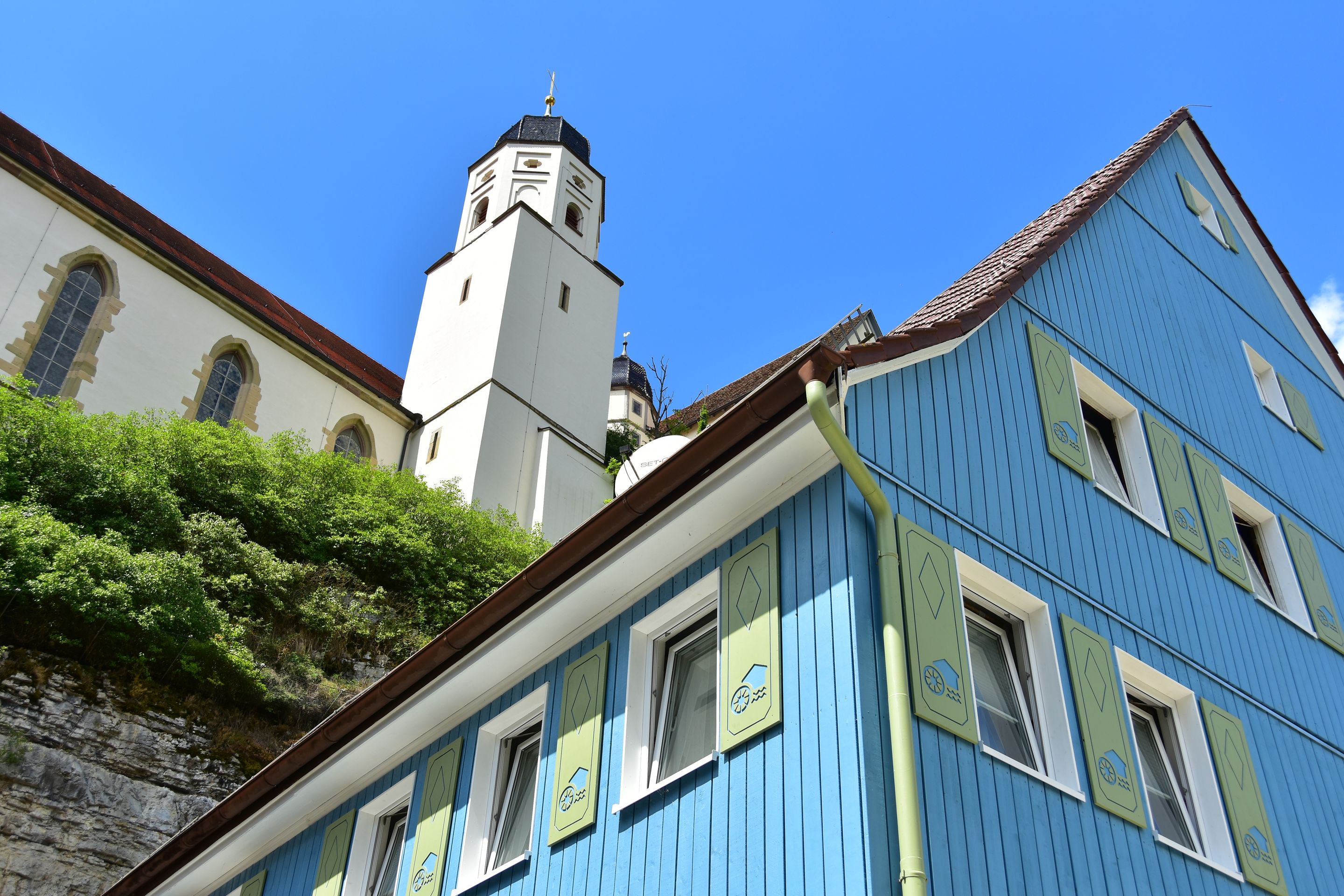
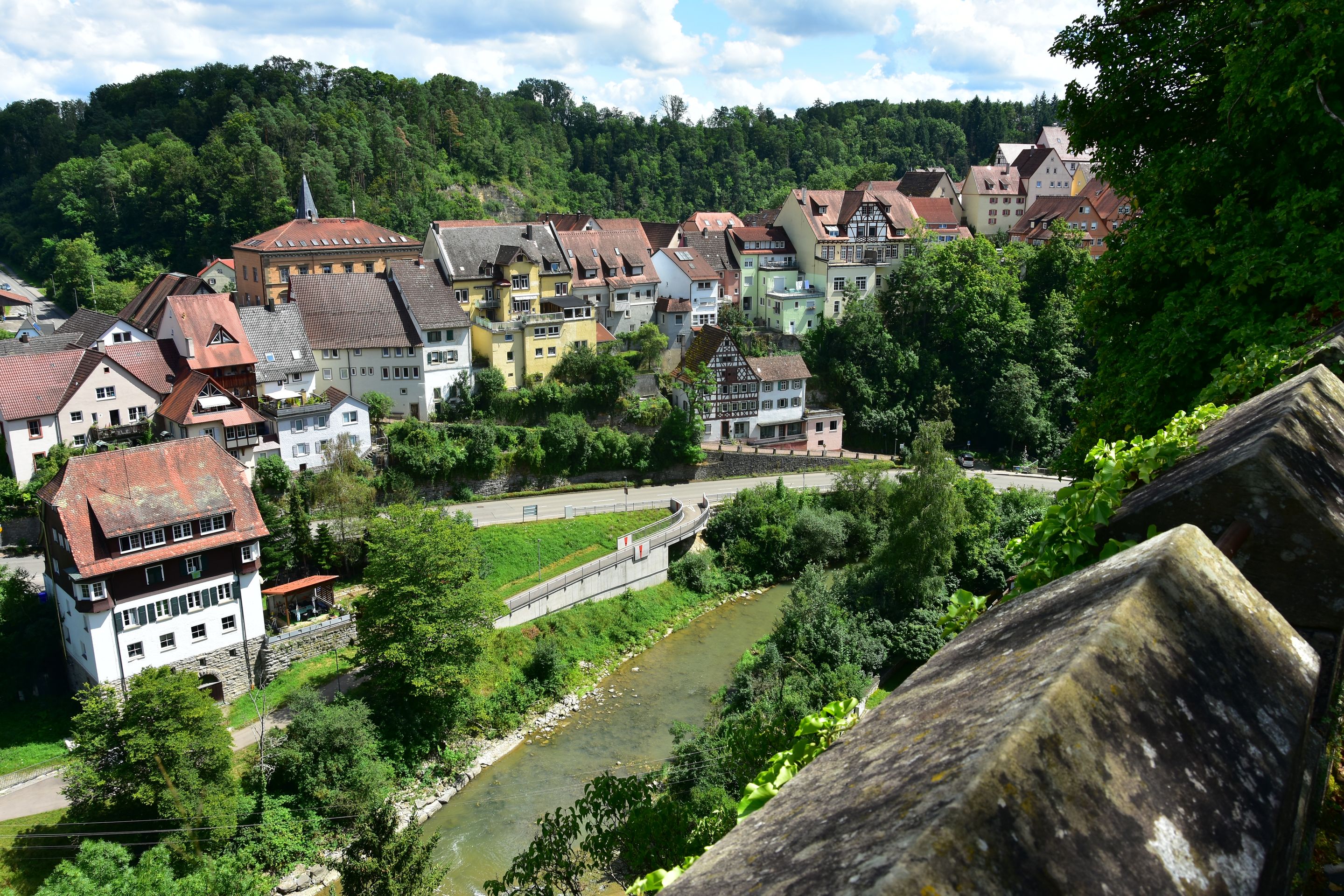
#Haigerloch, a 'below-above town'. The highest point of the city area is about 550 m in the west, while the lowest point is at 388 m in the river valley. The town of Haigerloch consists of the Upper Town, which is situated on a narrow shell limestone spur, and the Lower Town, located at the valley bottom of the river
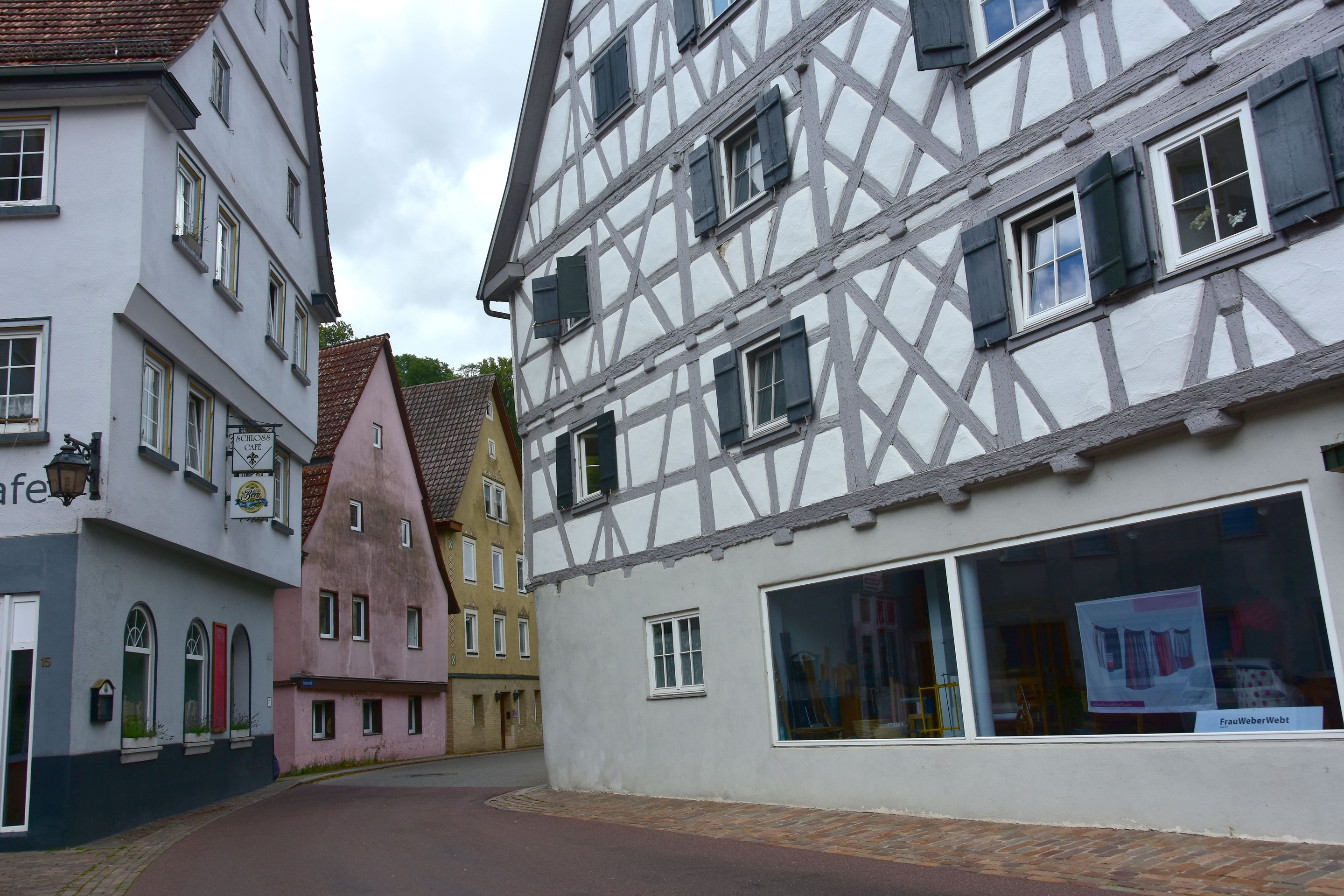
#Eyach. Quite spatially tight! This tightness and the exciting history of Haigerloch have led to an incredibly diverse urban landscape today. Haigerloch has belonged to Hohenzollern-Sigmaringen since 1634 and was the
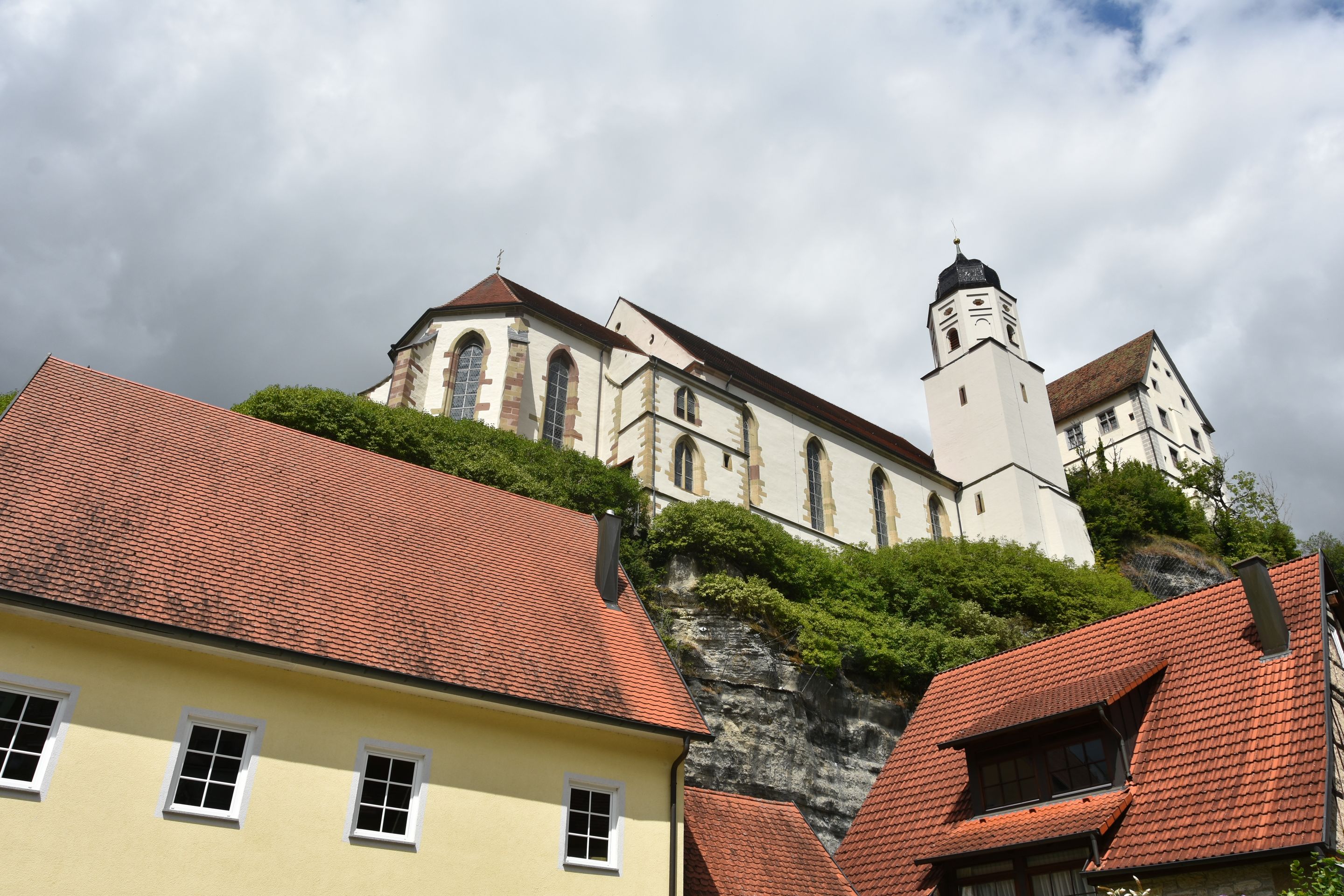
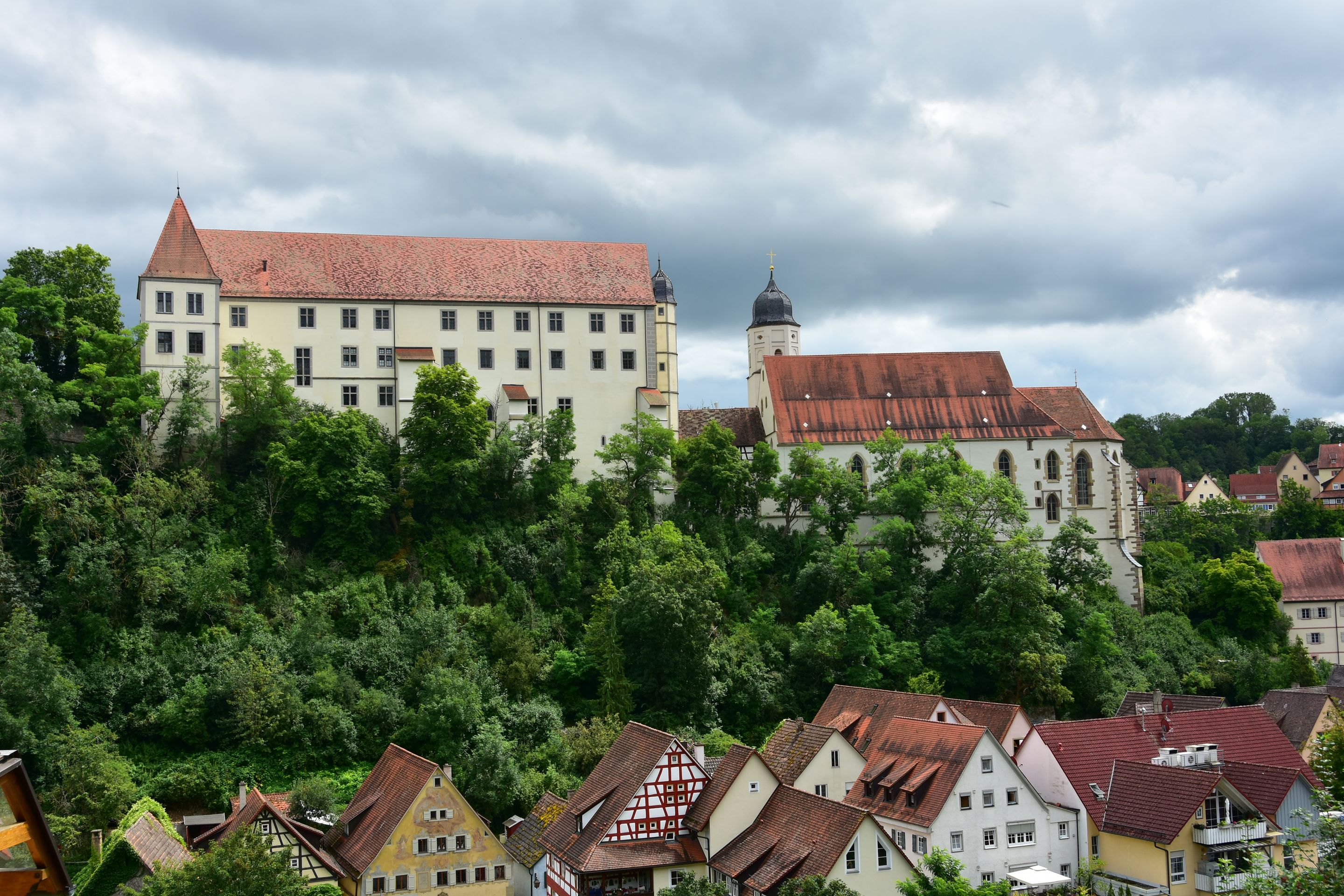
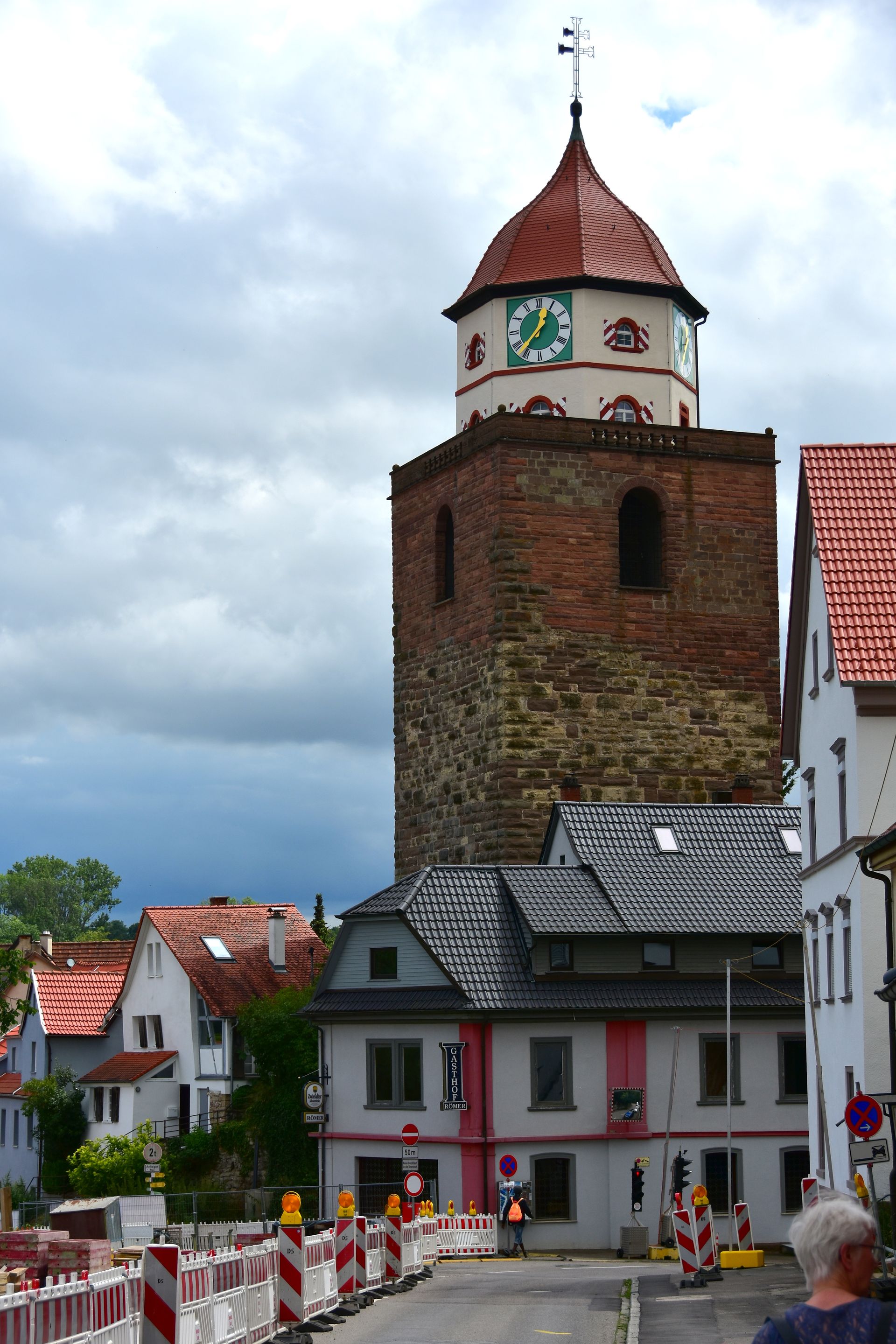
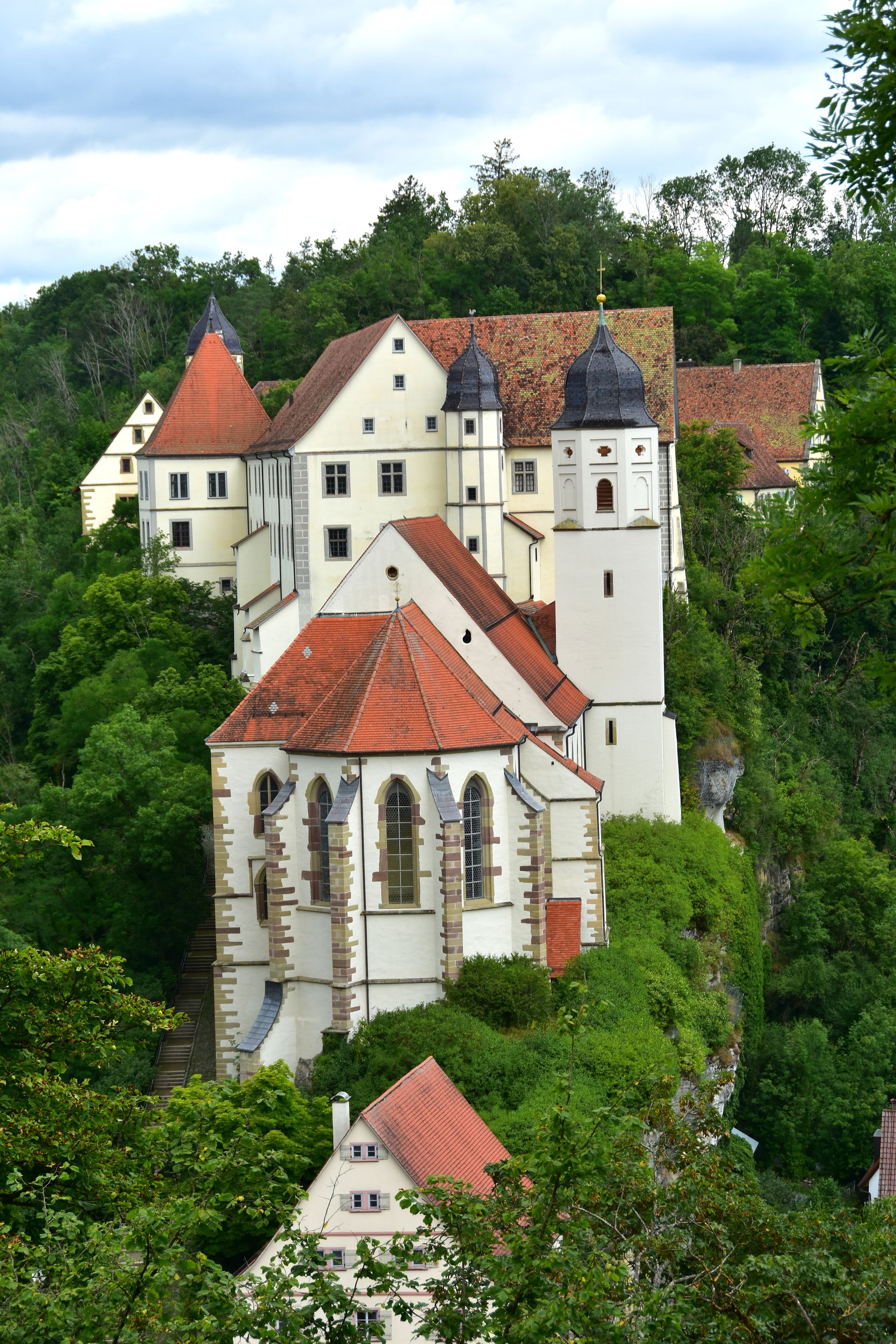
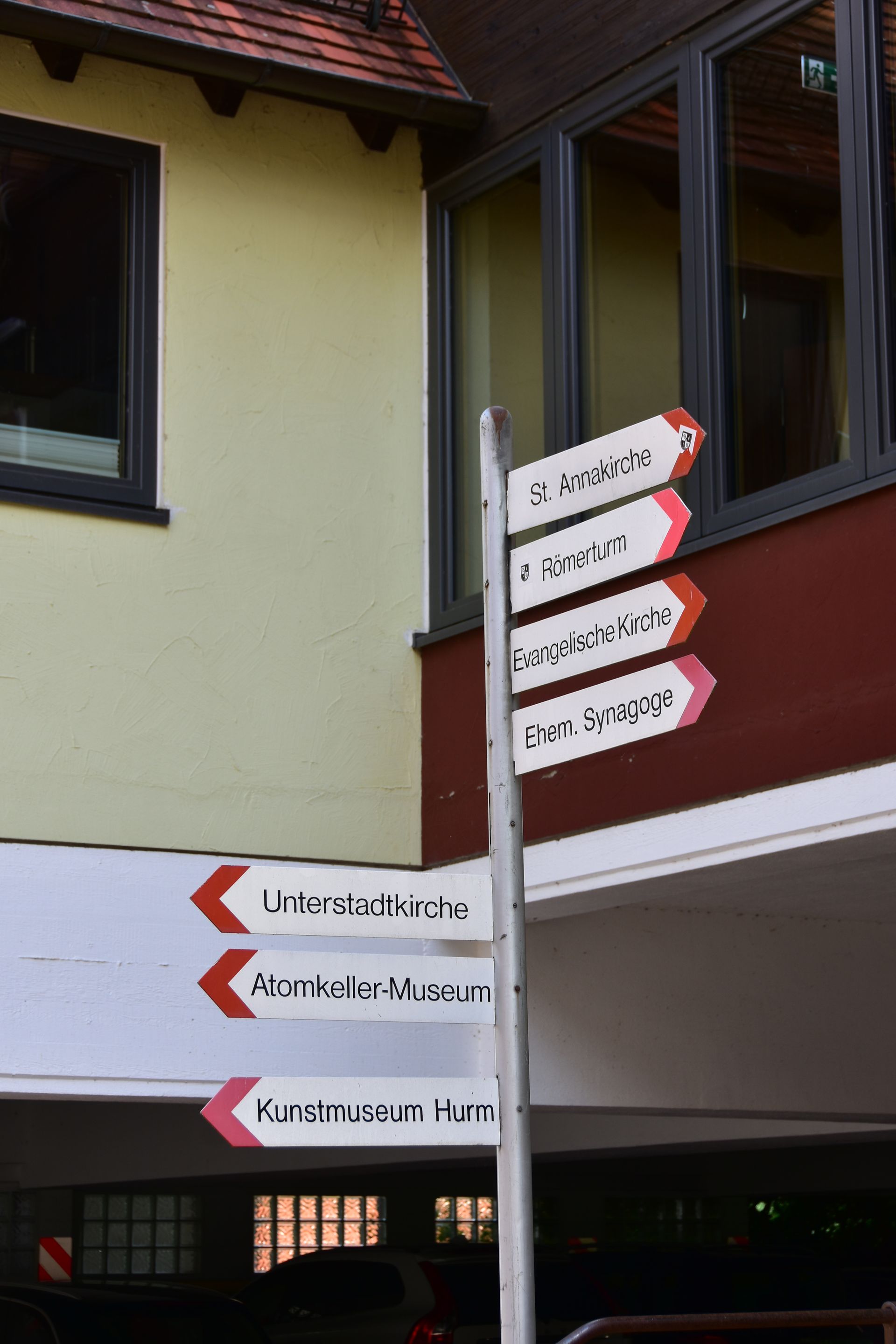
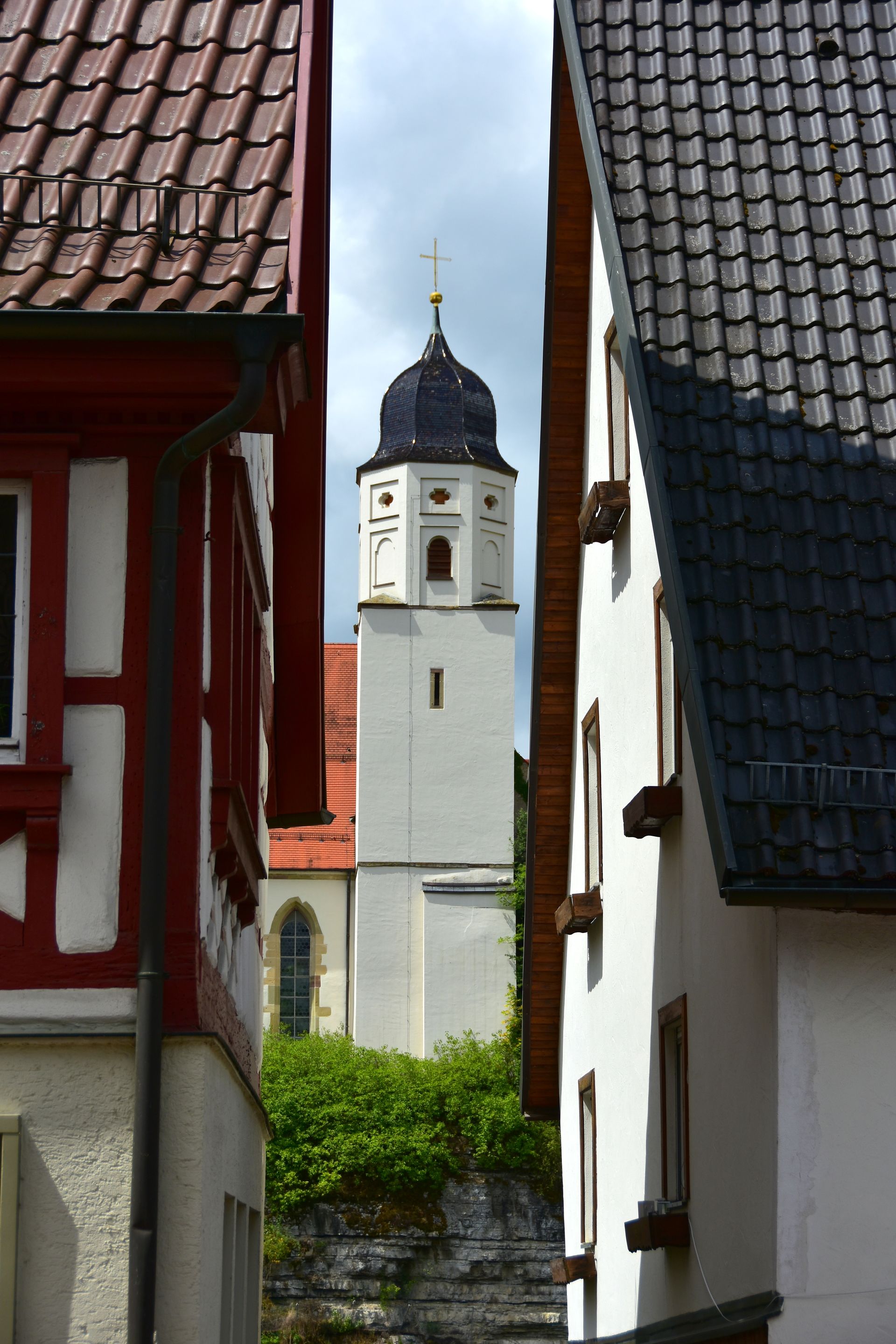
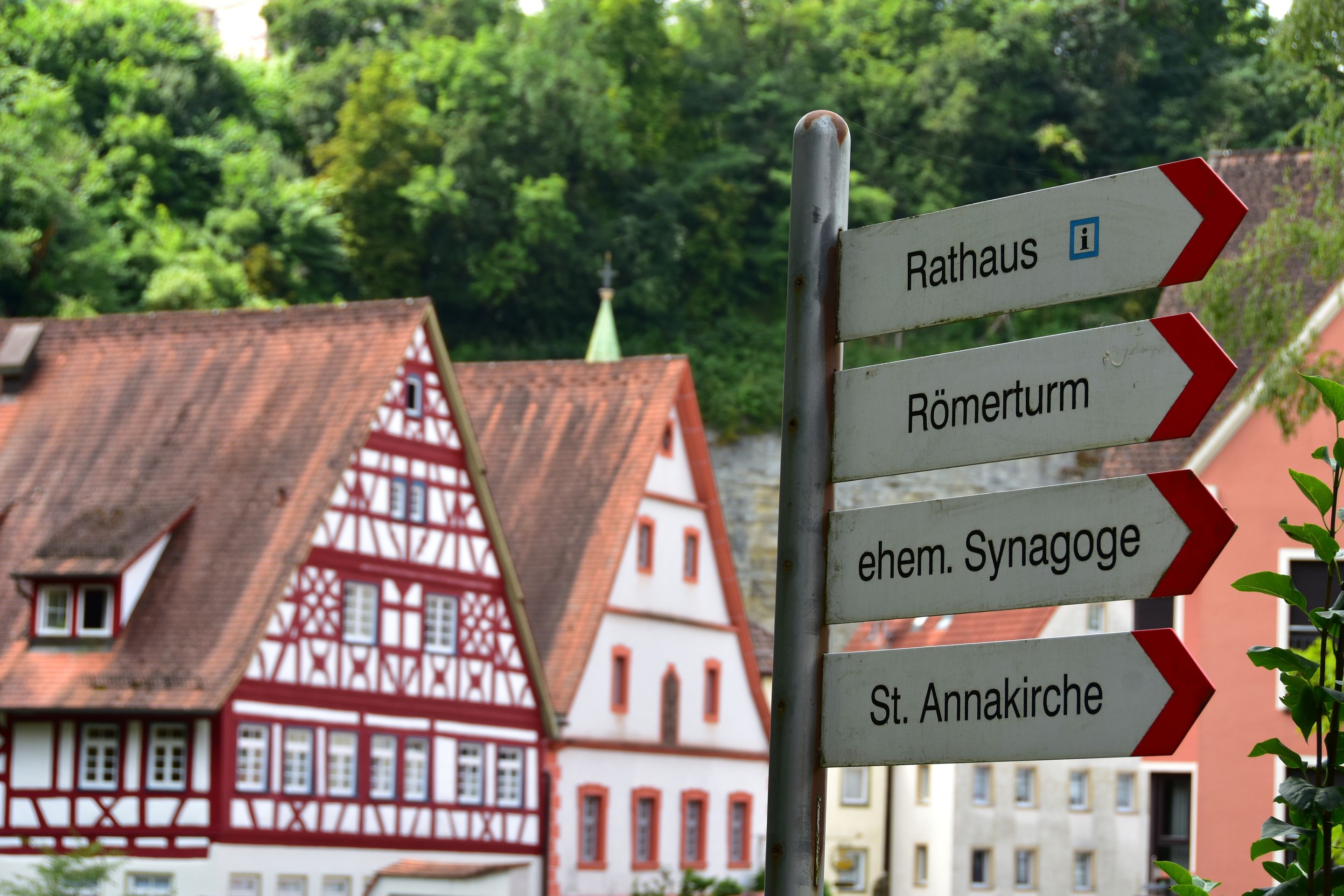
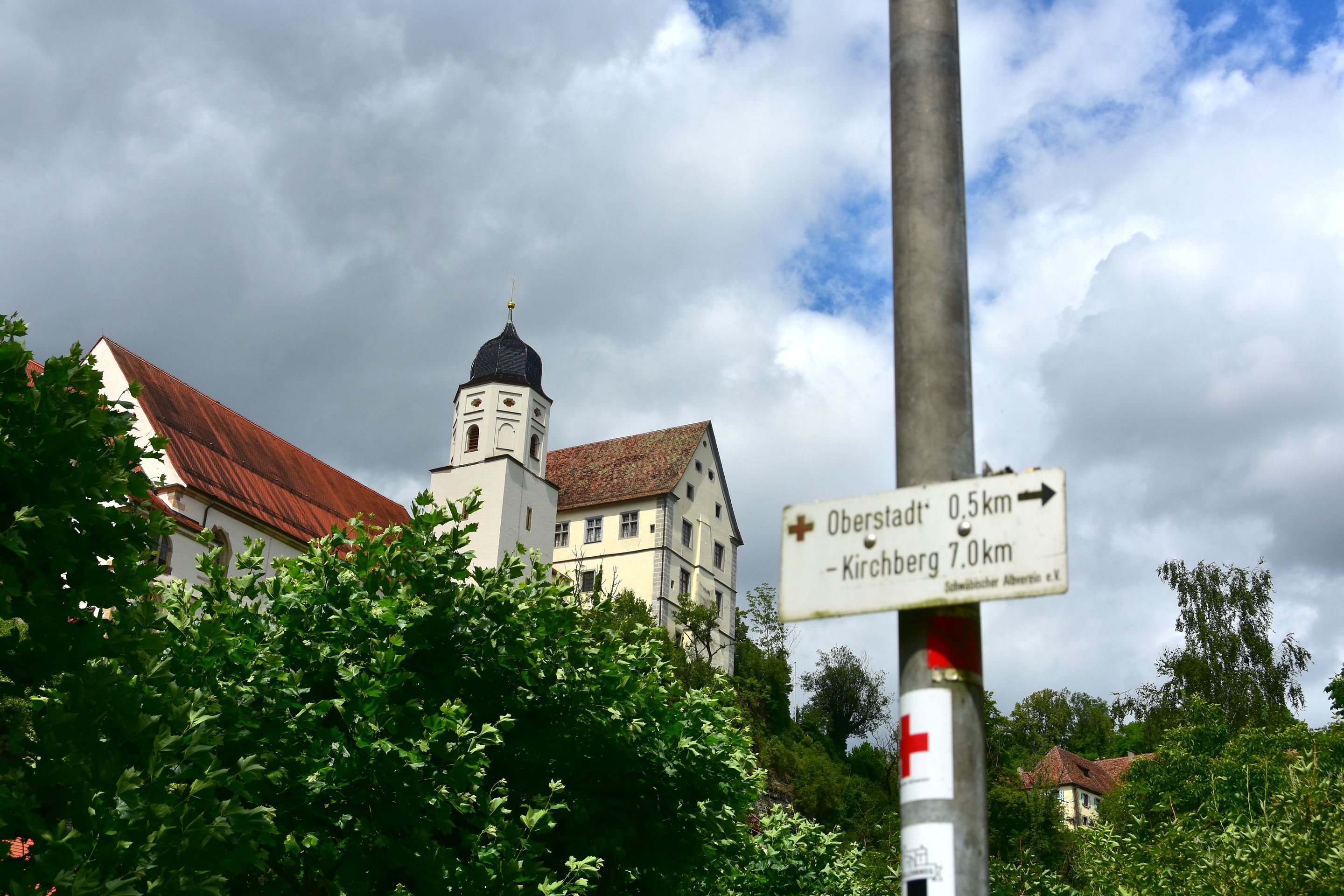
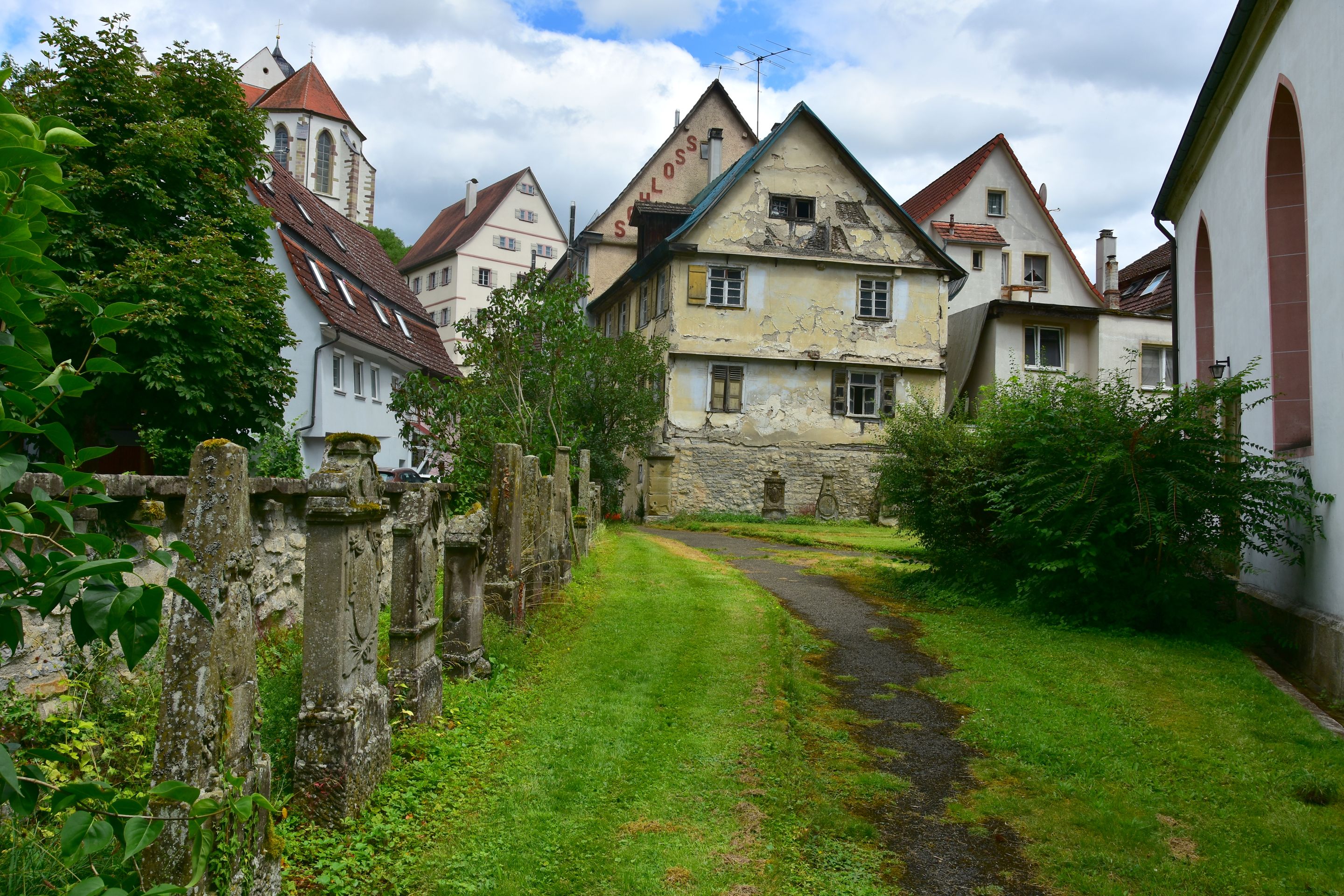
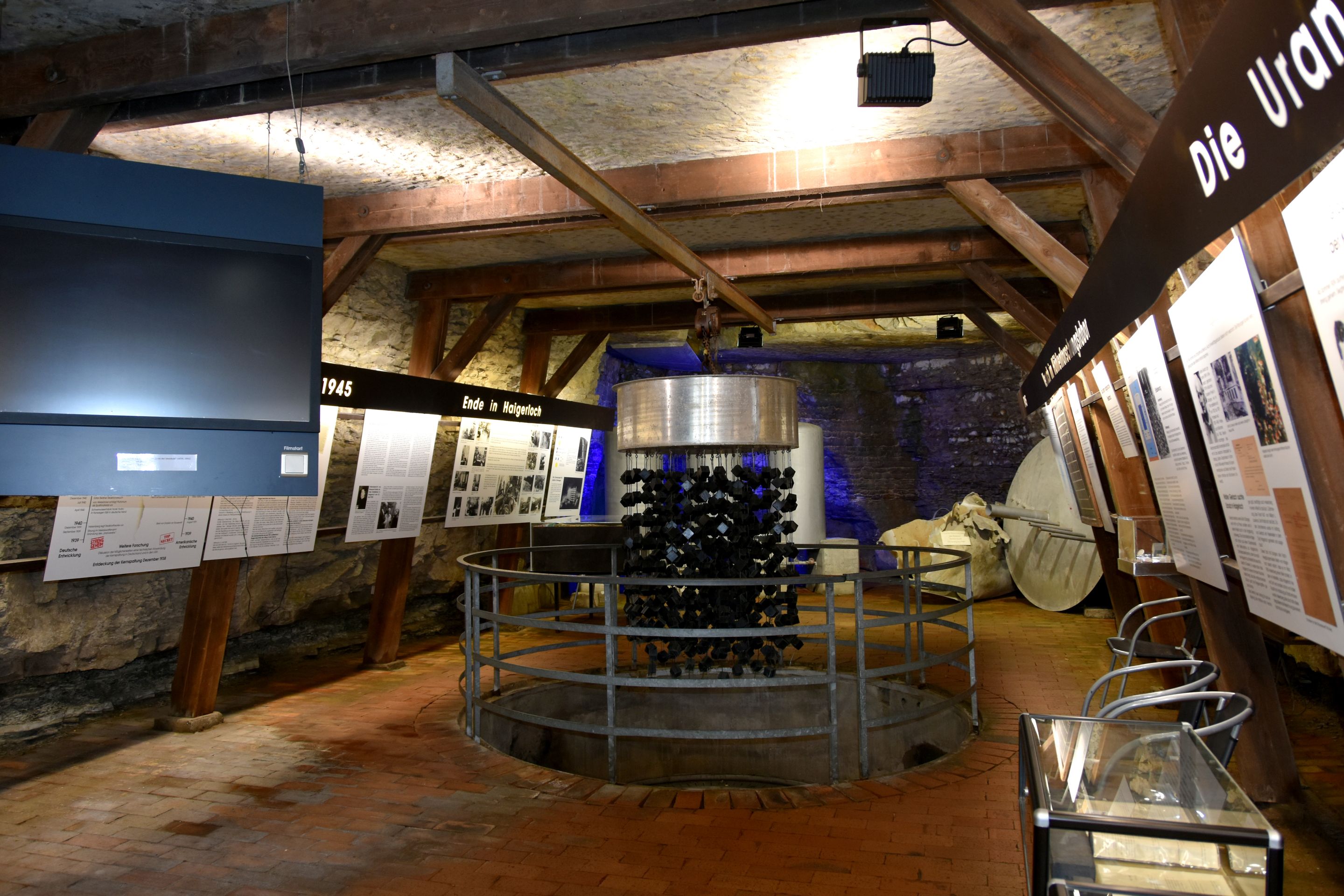
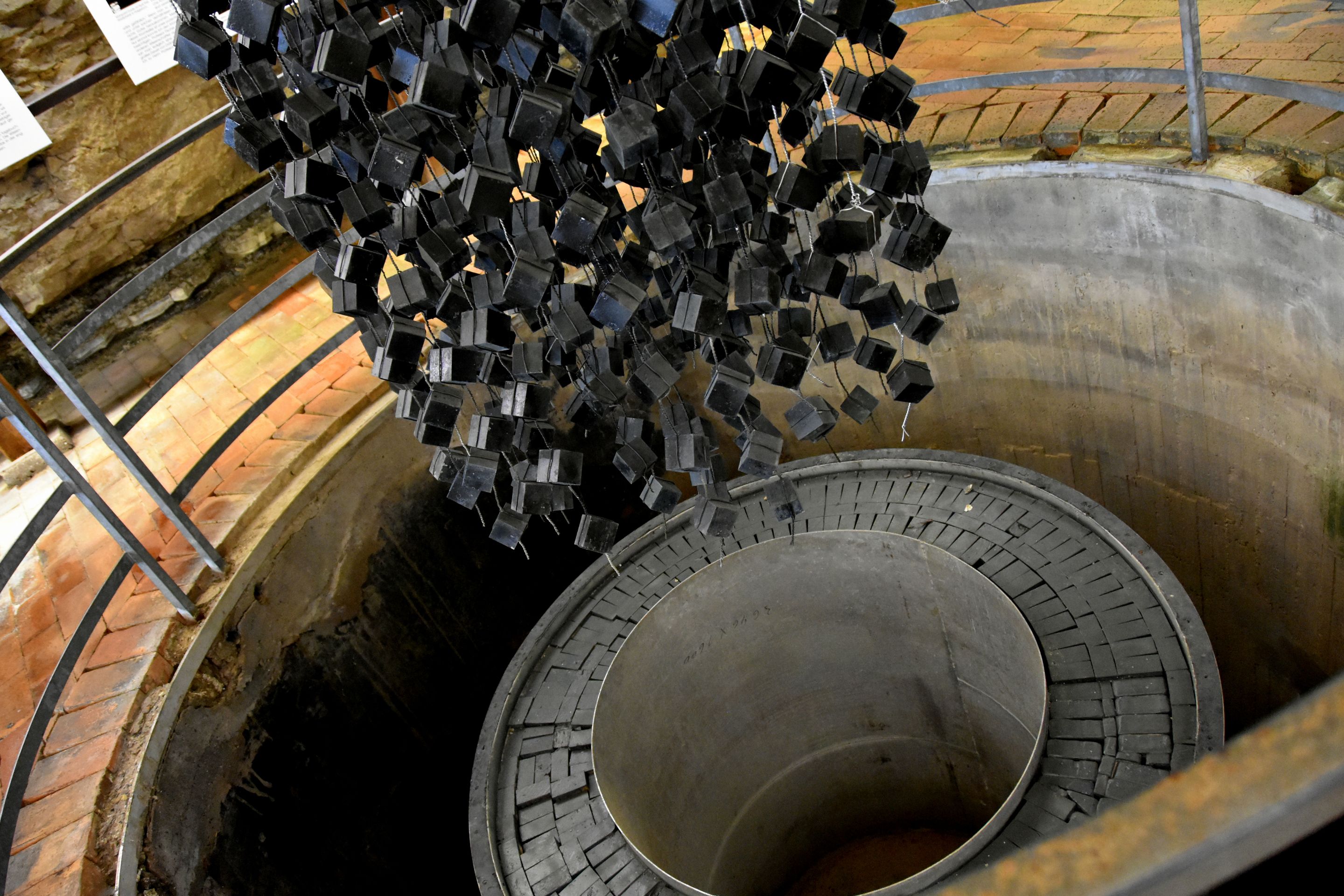
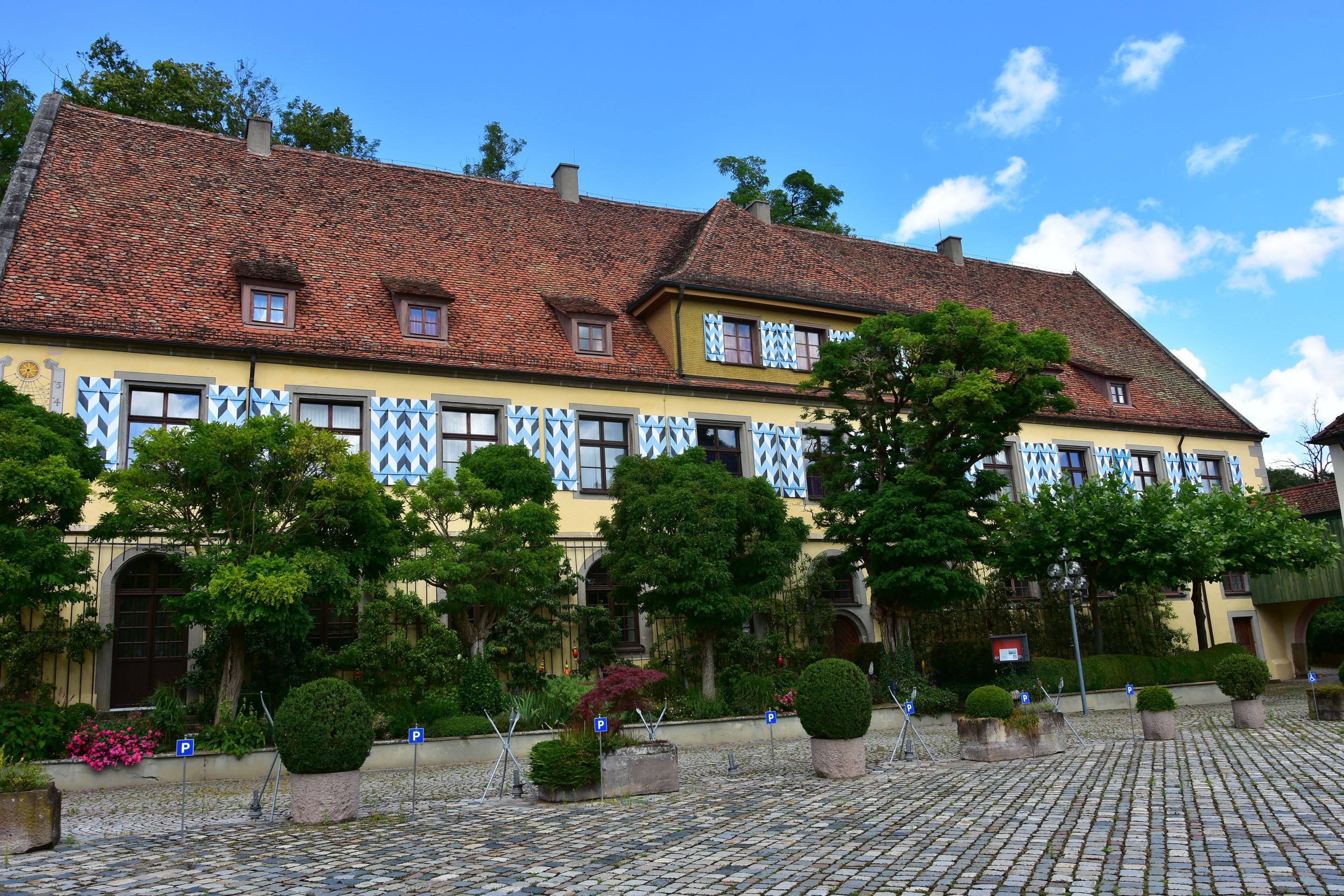
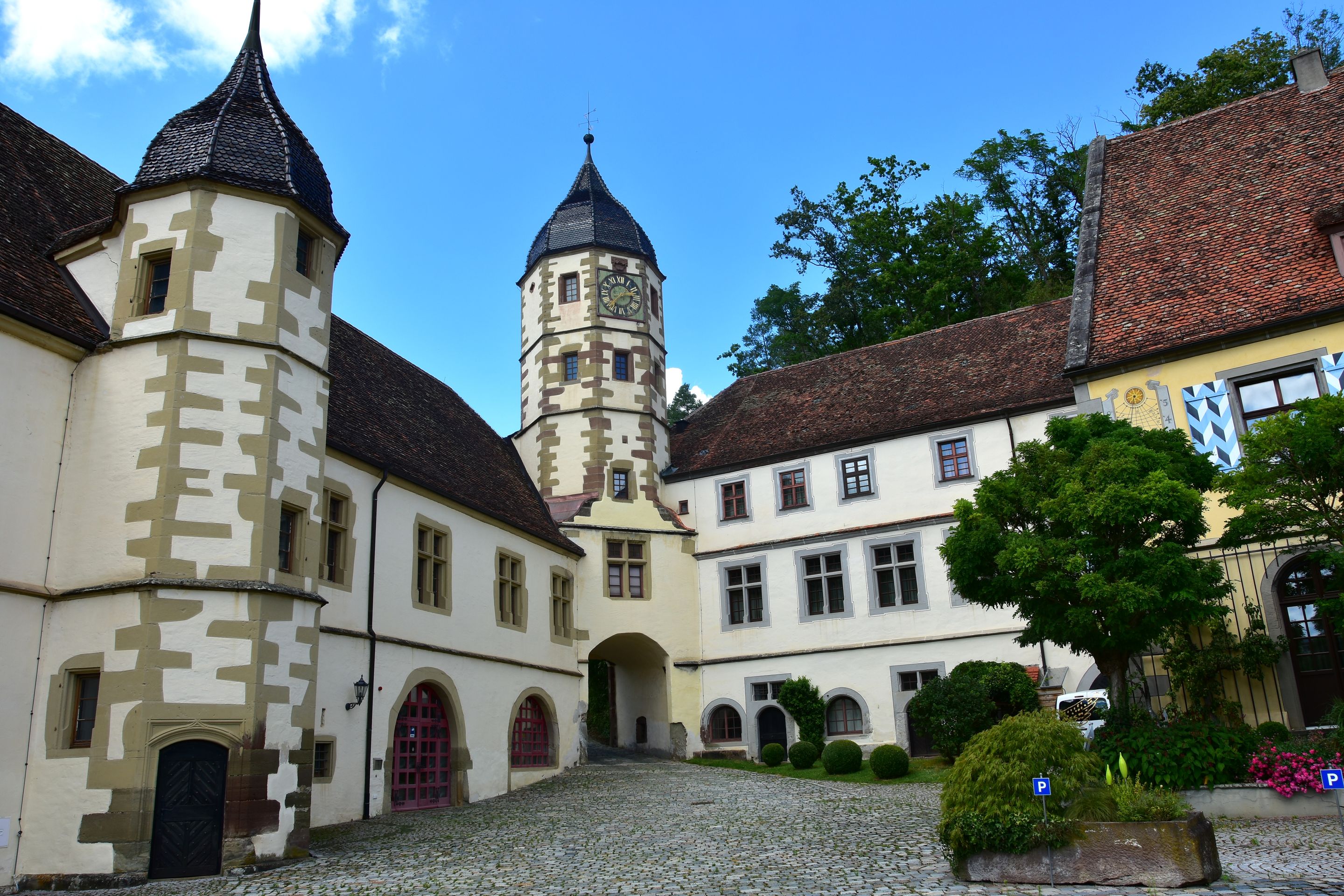
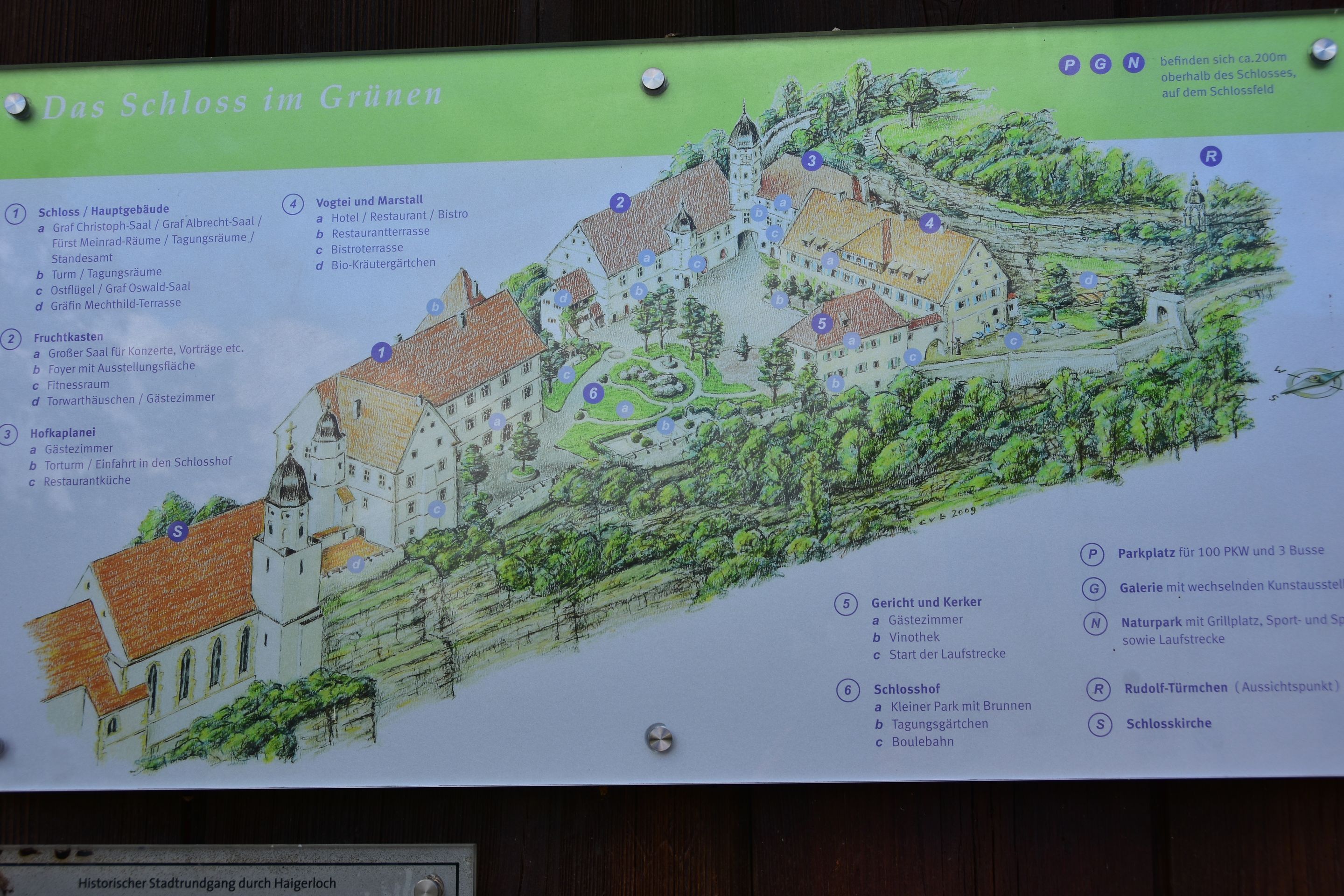
#residential city from 1737-1769. The city promises an interesting day trip with its great variety and stimulating contrasts! The various attractions of the town provide excellent conditions for this. Numerous treasures from the past, such as the Roman Tower from the 11th century, the last remnant of the former castle, the Weiler Church in Owingen consecrated in 1152, or the Haigerloch Castle built in 1580, have been preserved to this day. Beneath the Baroque castle church, which can impress with magnificent stucco and imposing paintings, the research reactor Haigerloch was once hidden behind meters-thick shell limestone. Today, in the same place, there is the world-renowned Atomkeller Museum with an accurate replica of the reactor. Shaped by art, culture, and history, the town surprises with contrasting diversity and impressive superlatives: the first nuclear reactor in
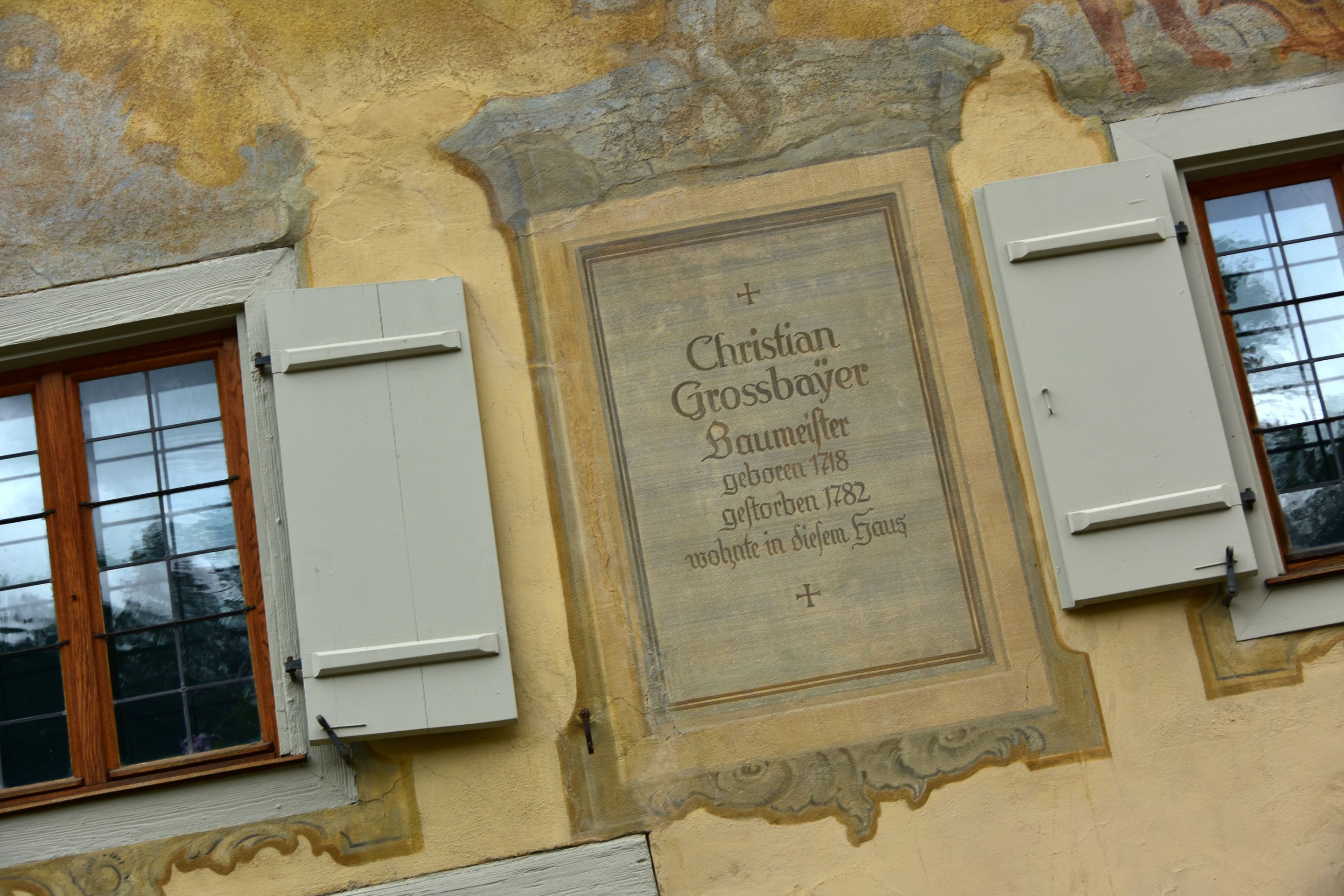
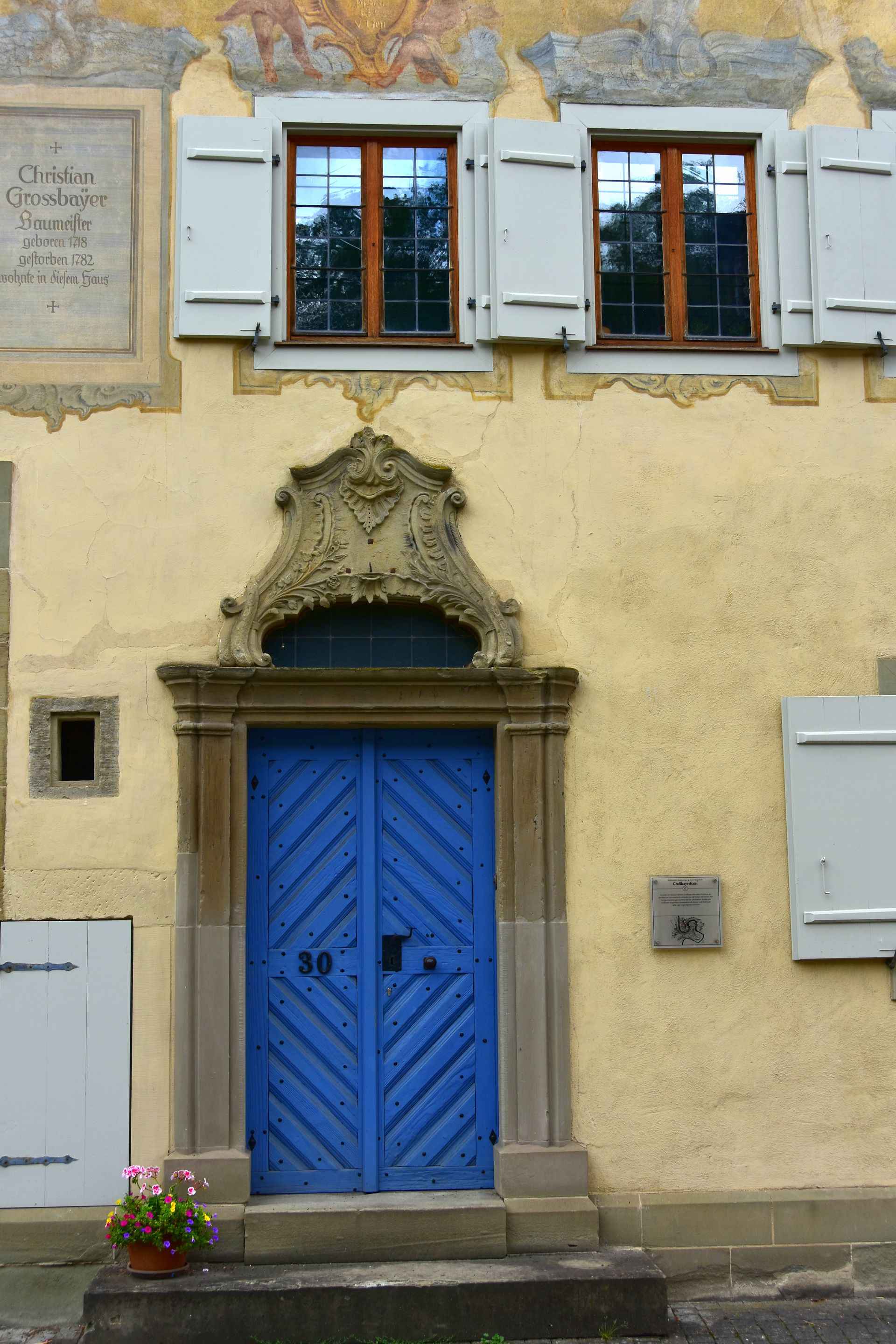
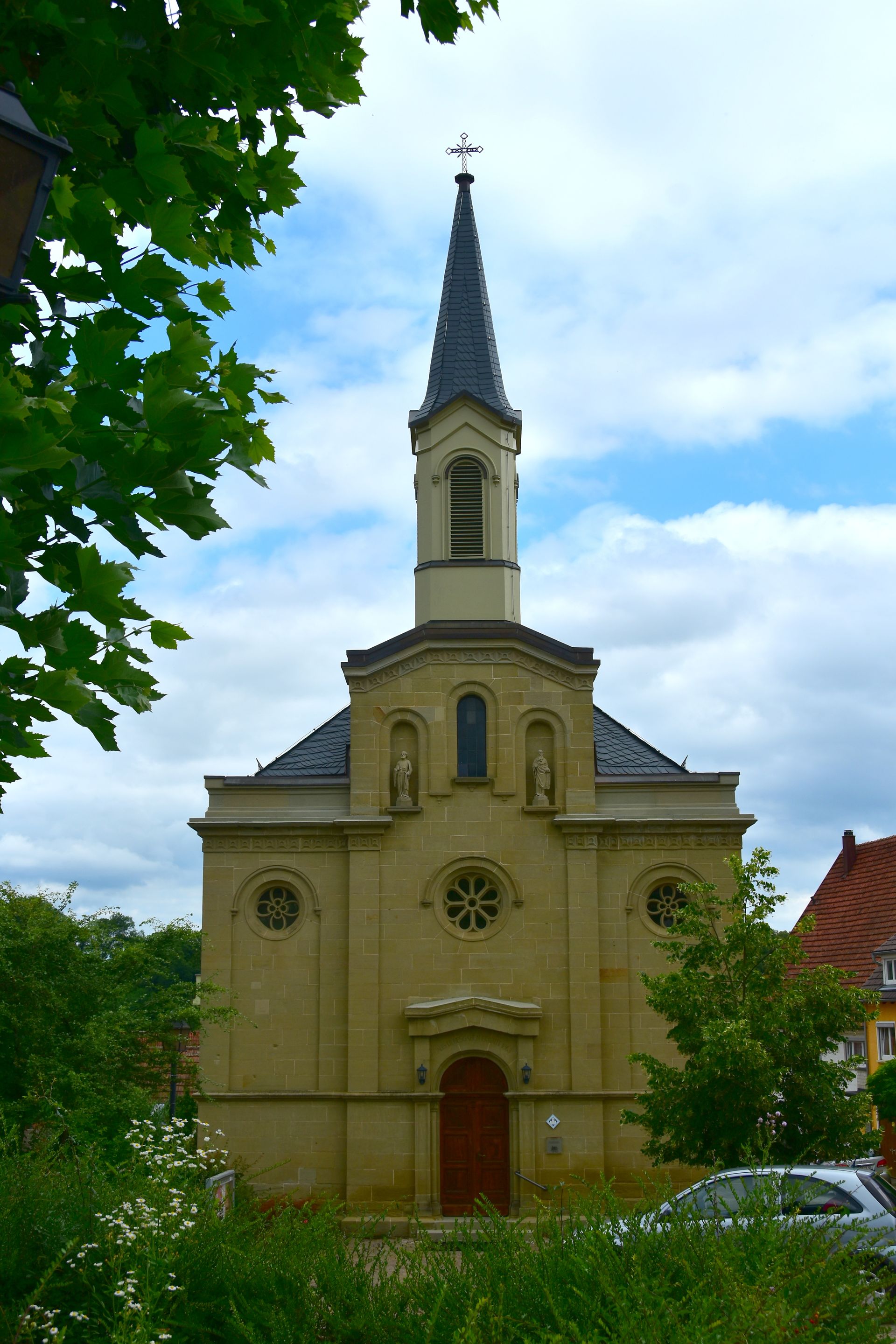
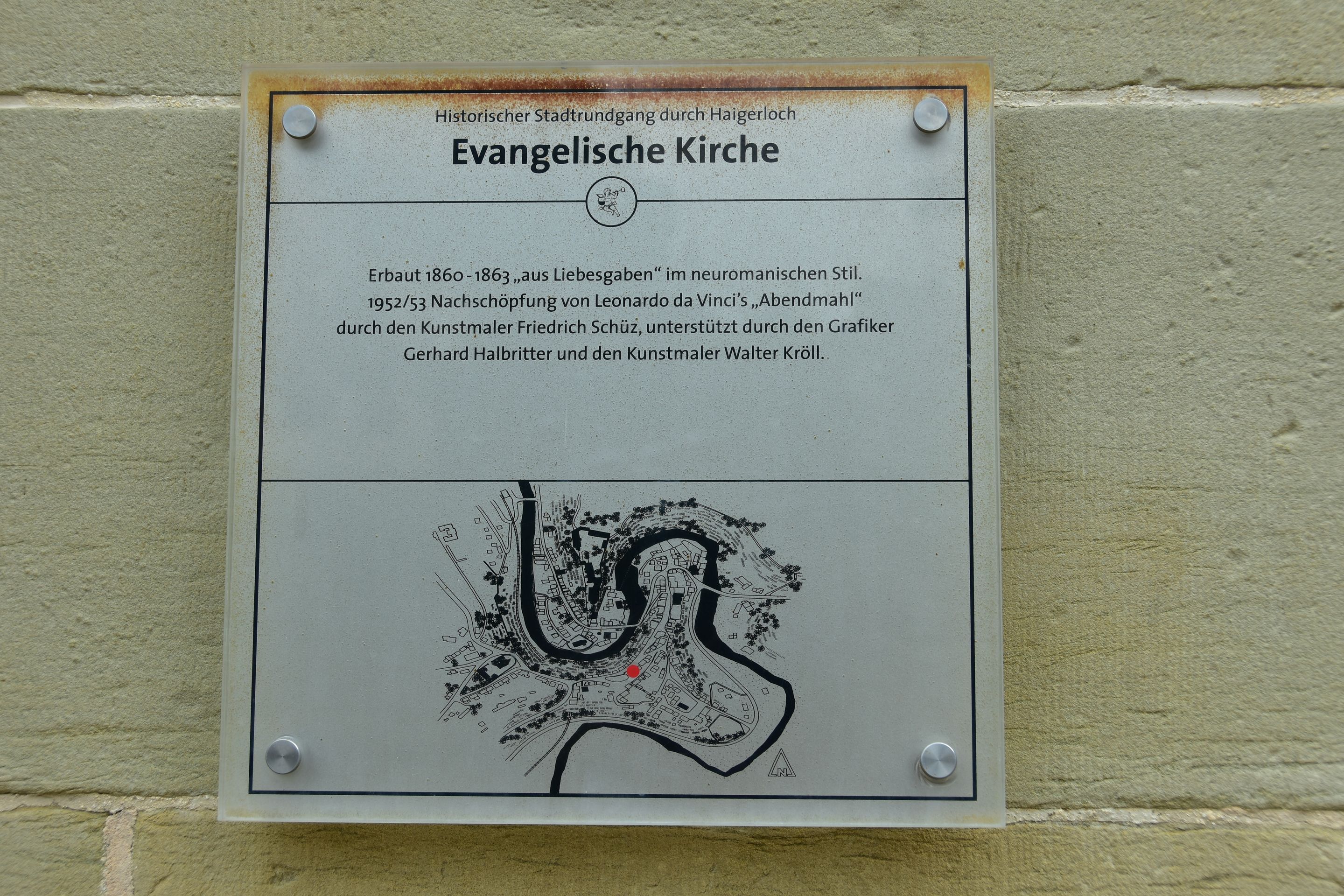
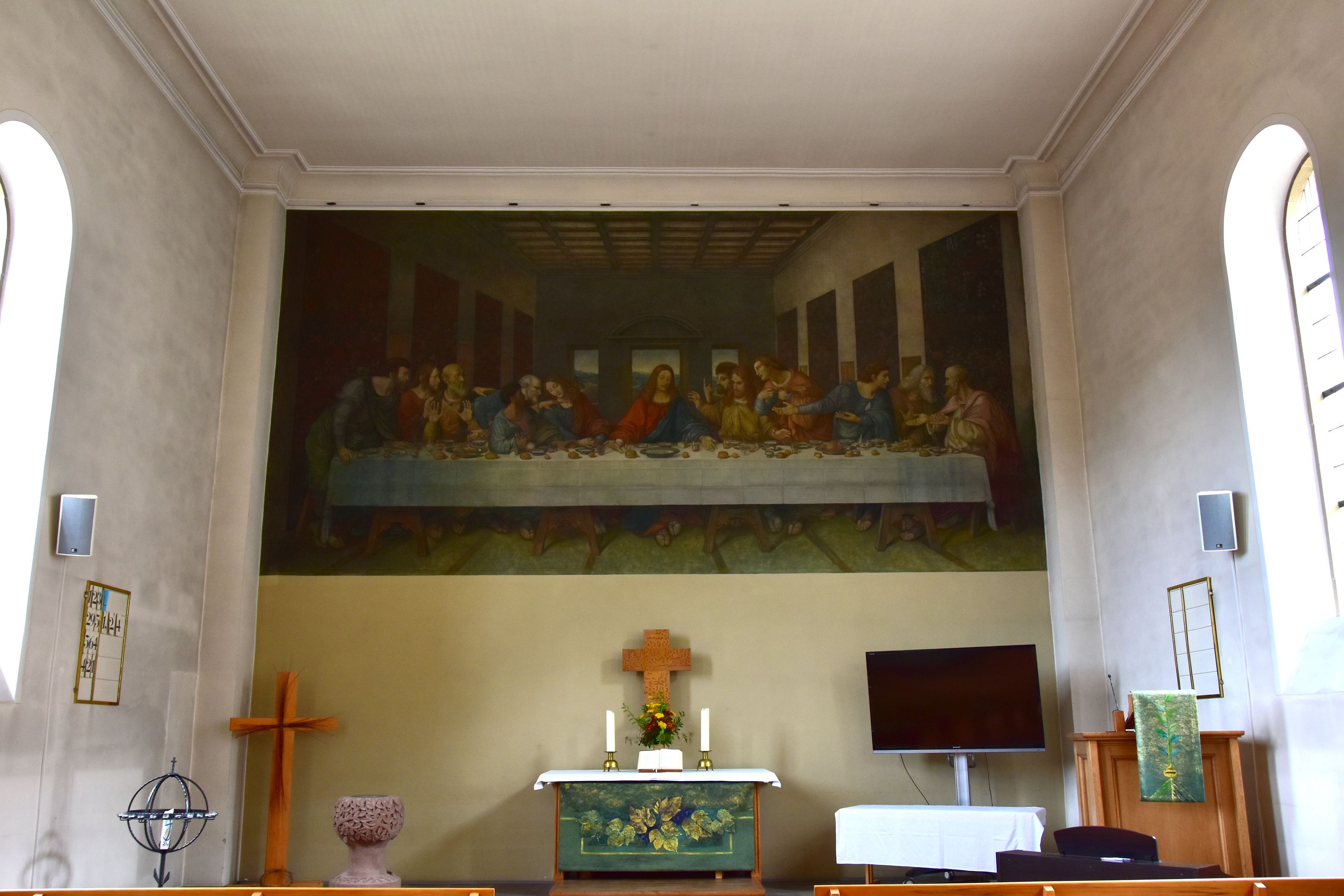
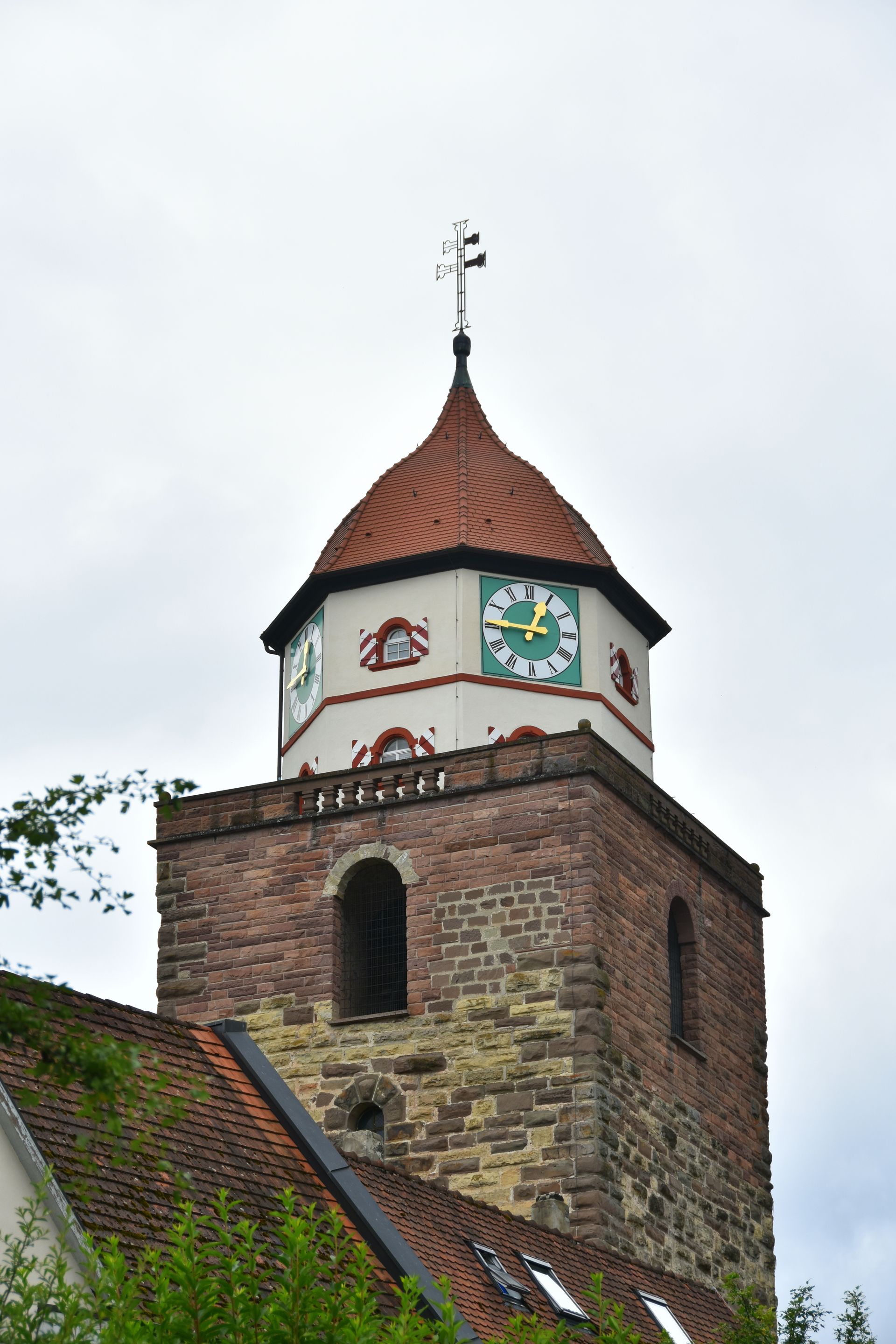
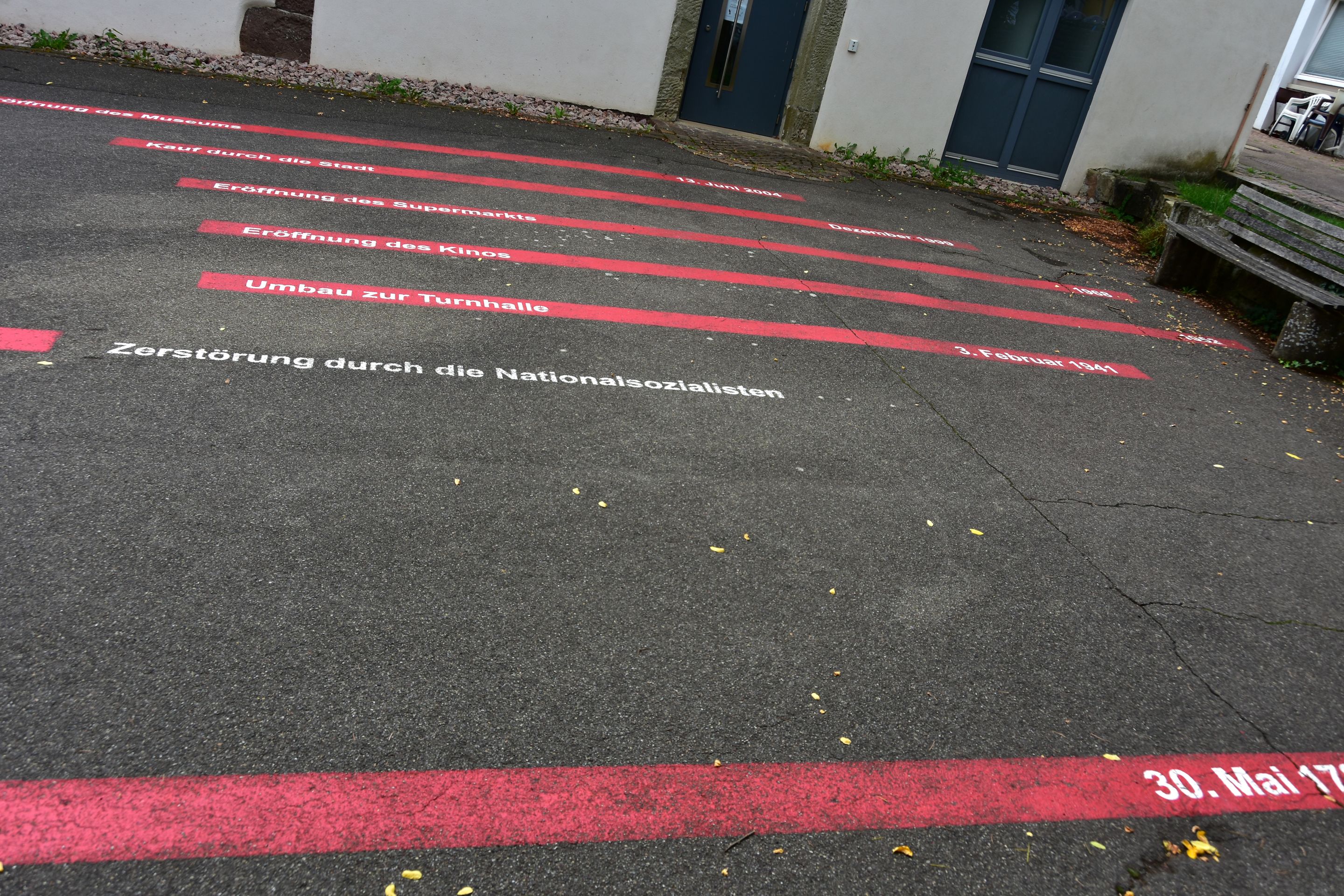
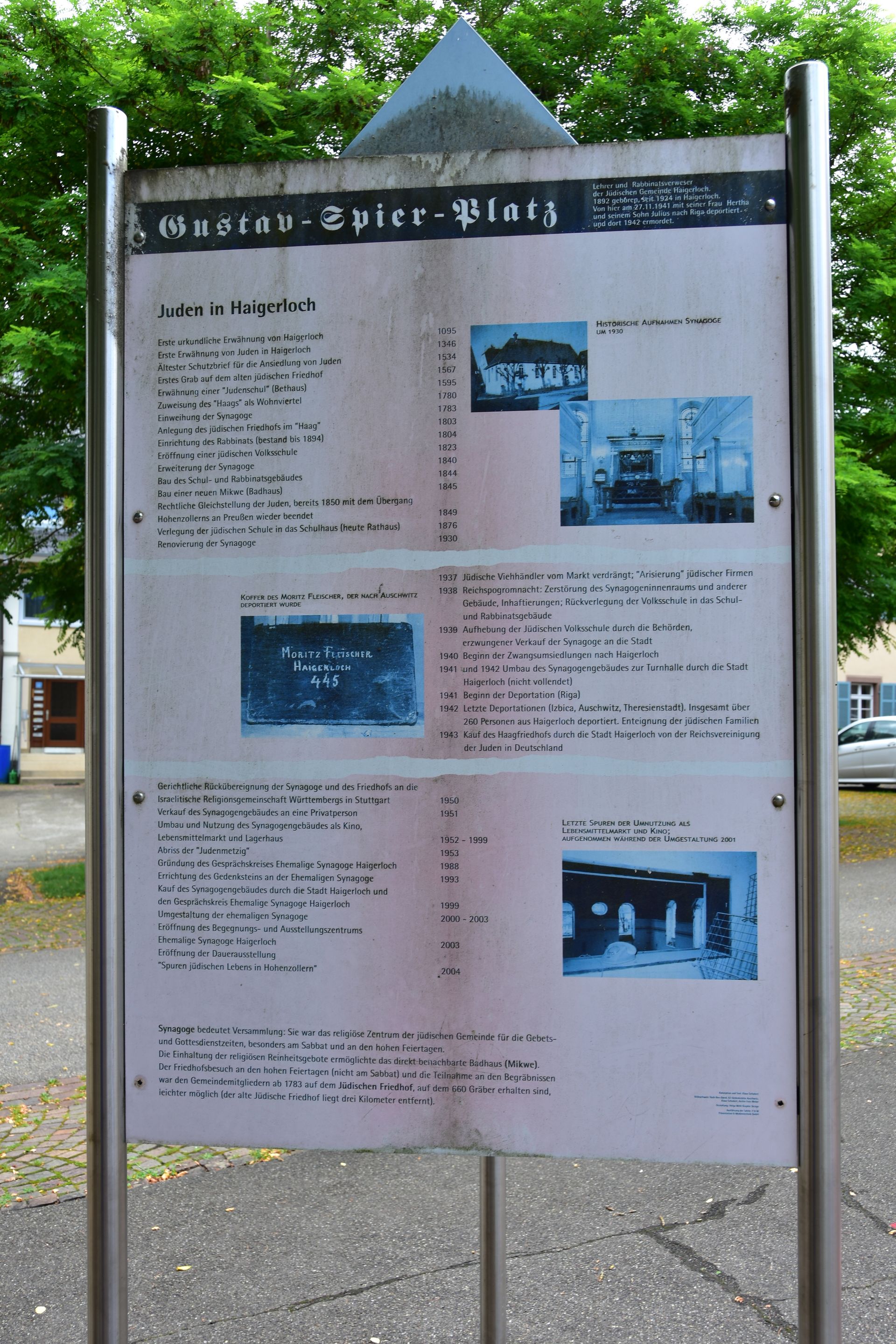
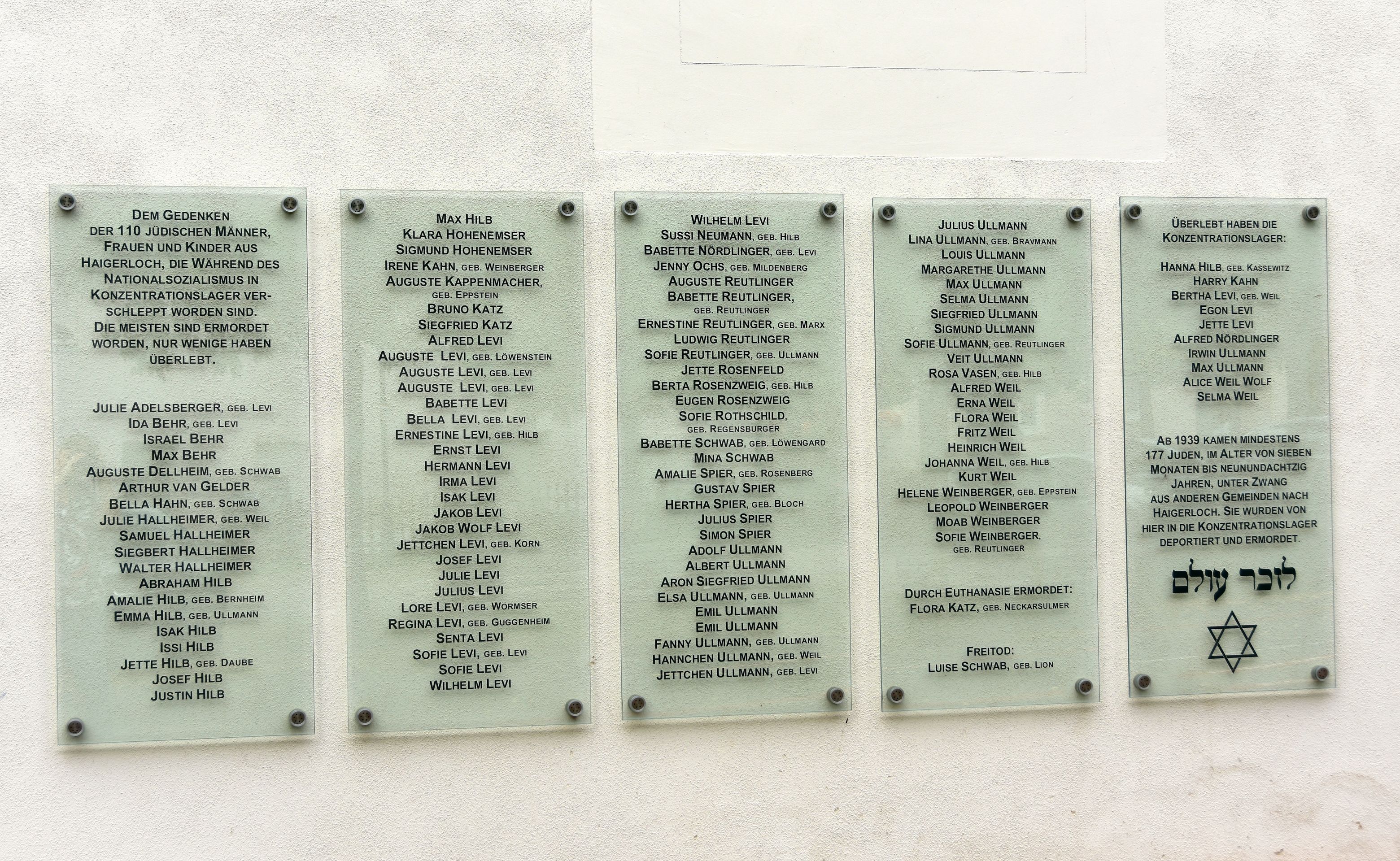
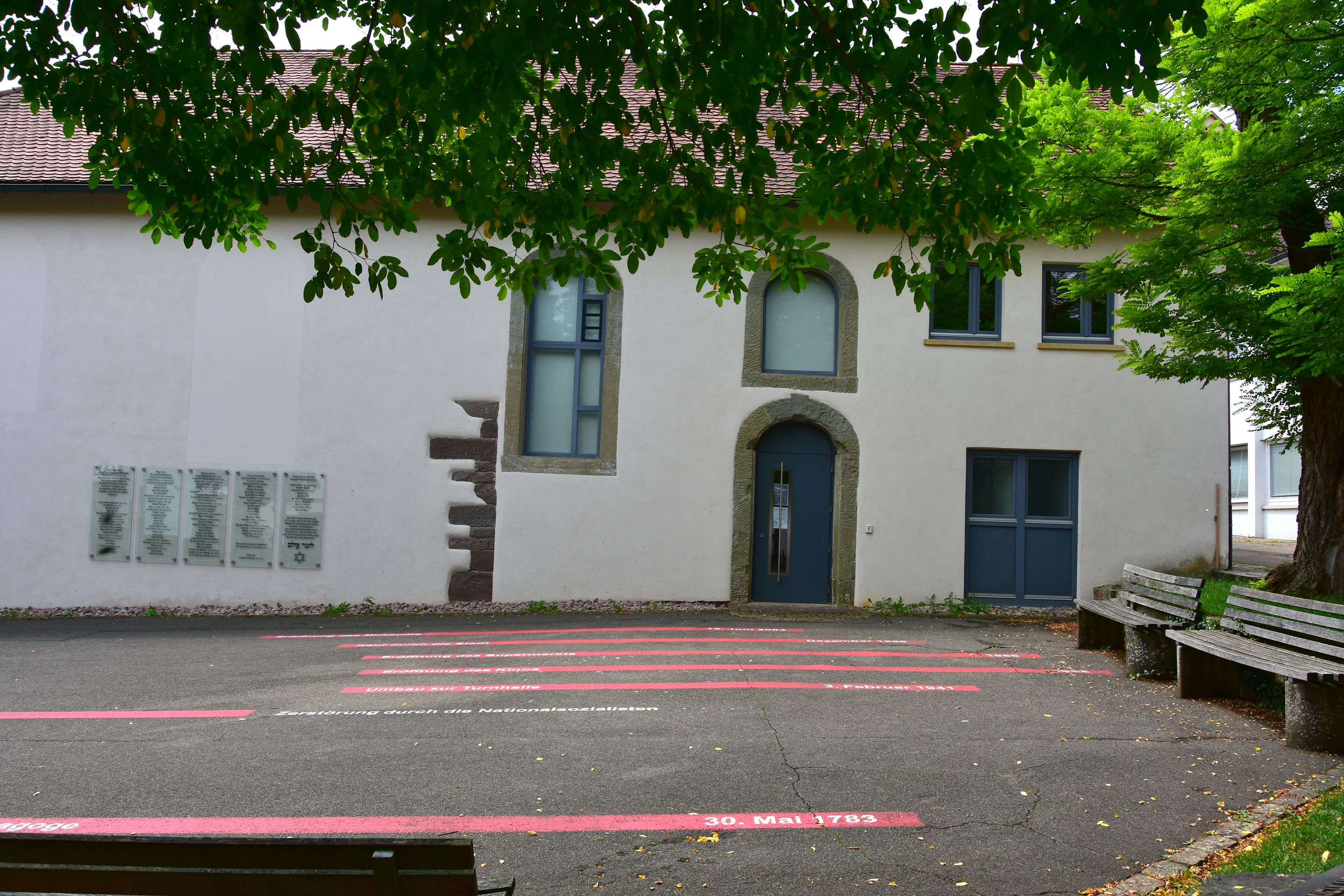
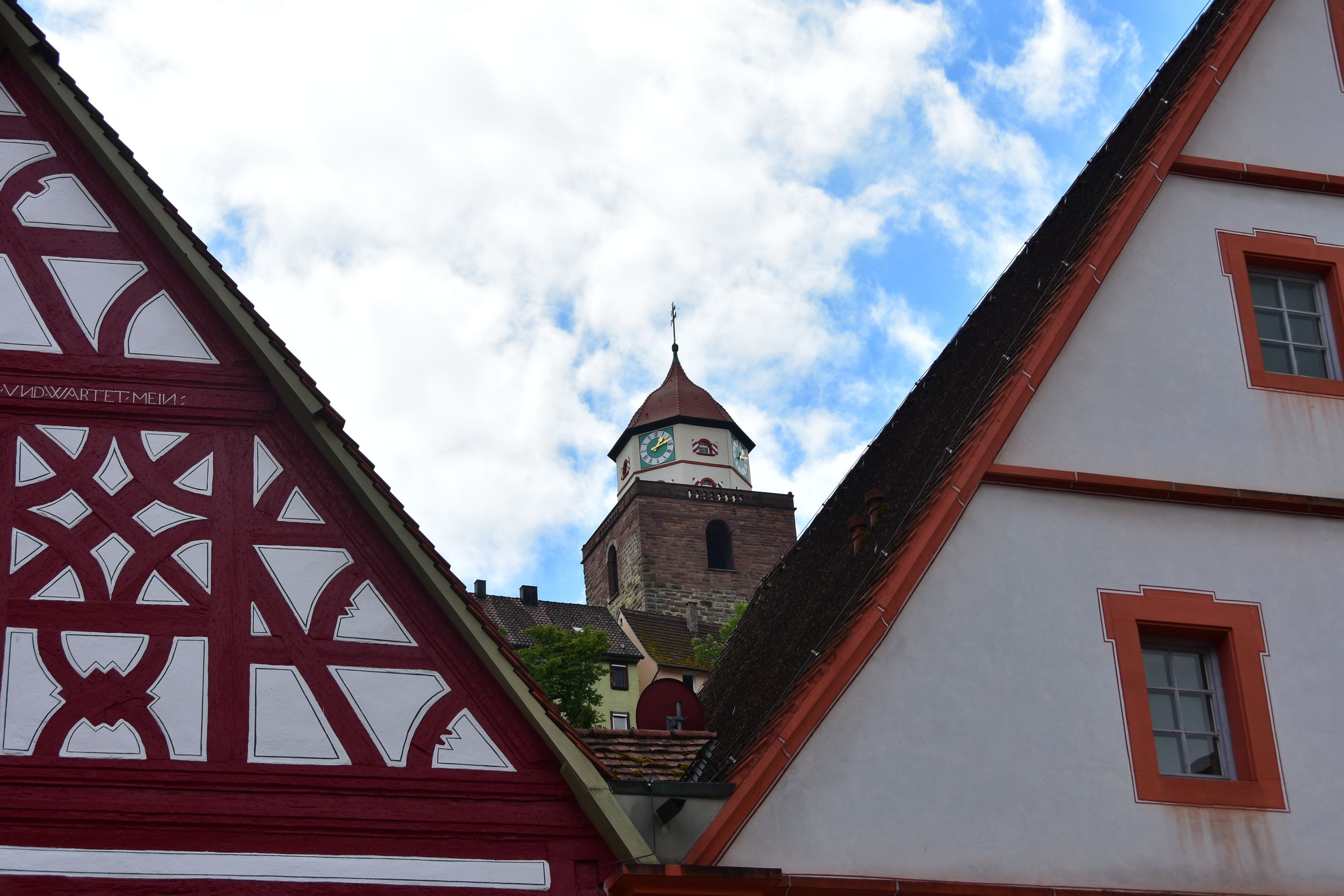
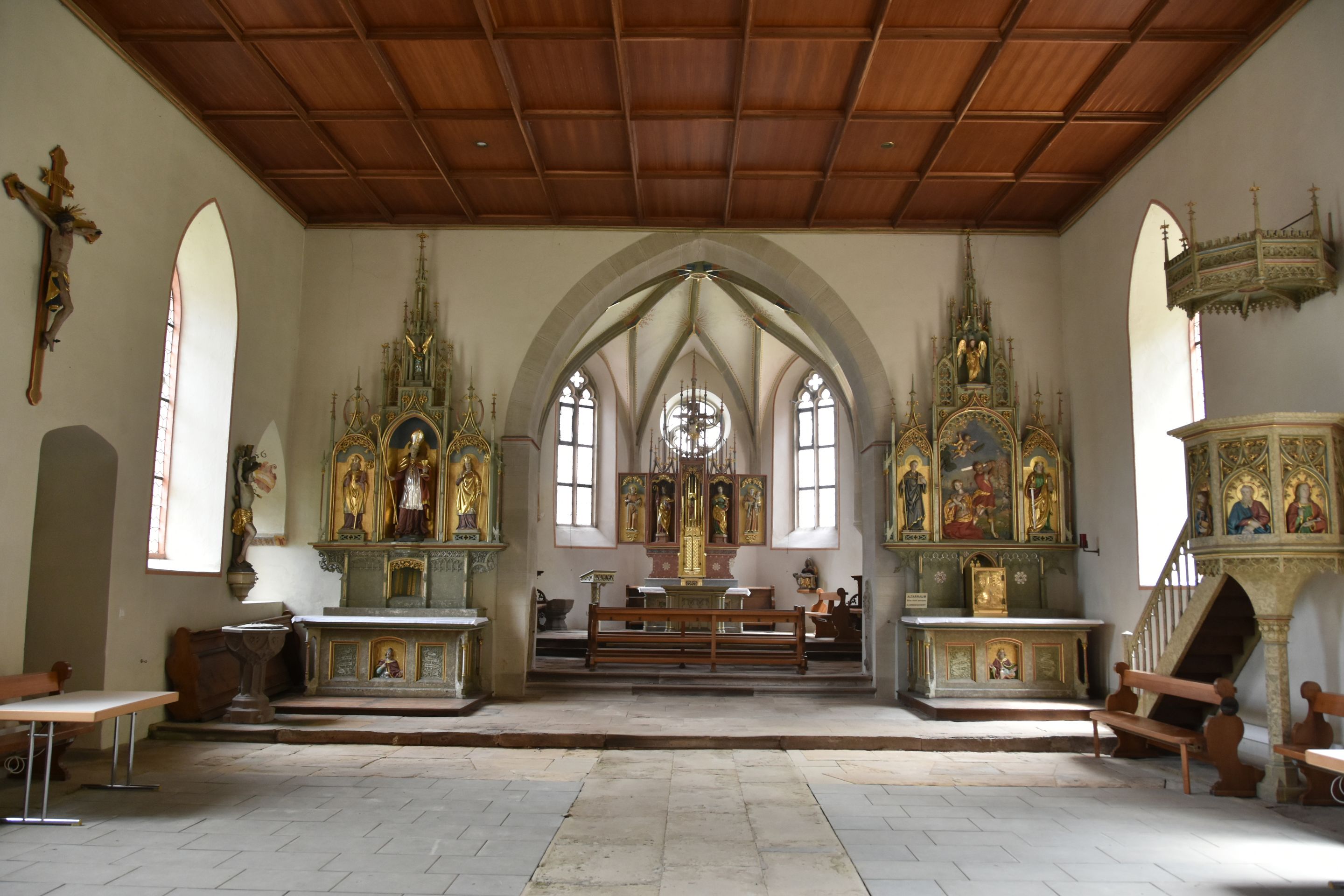
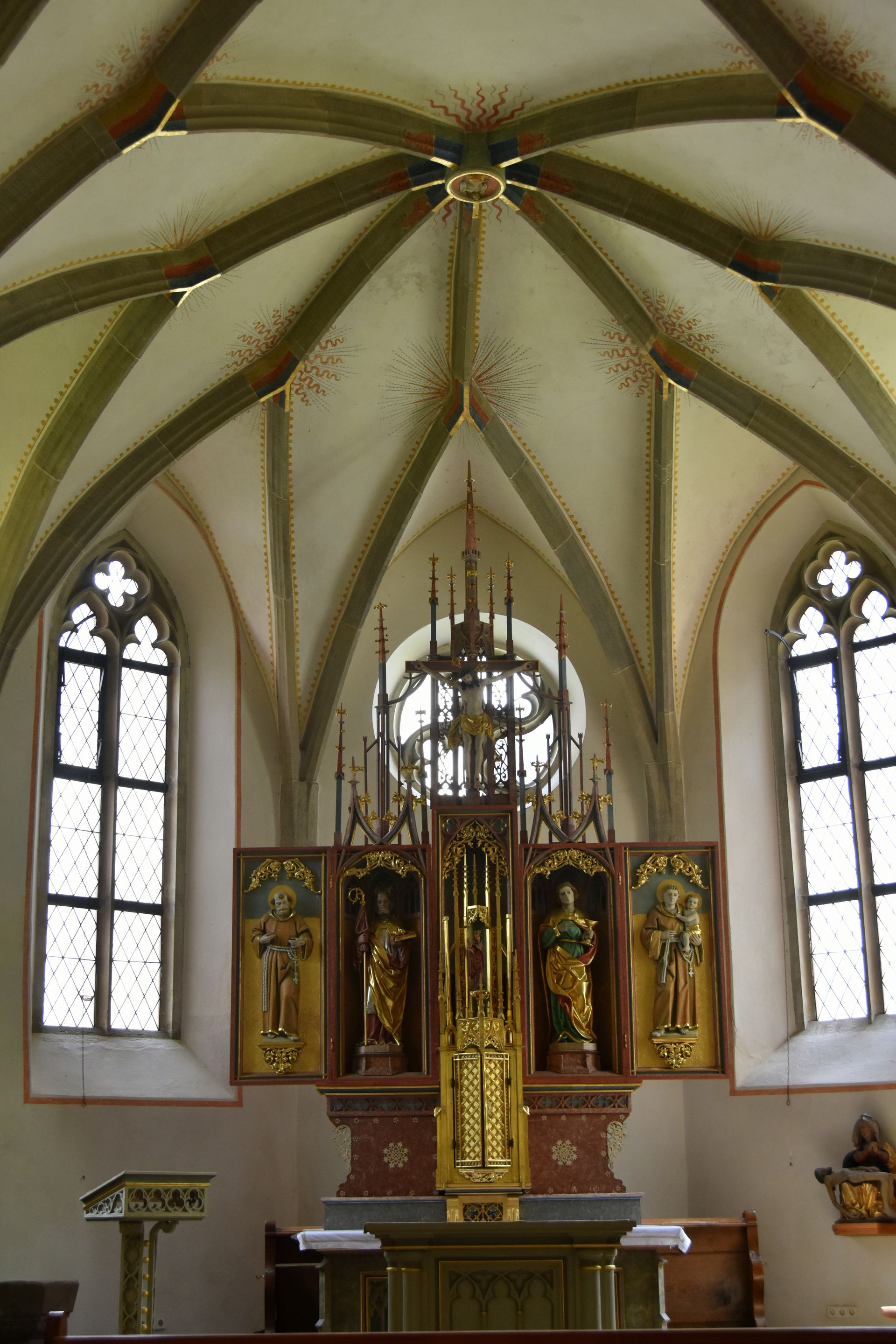
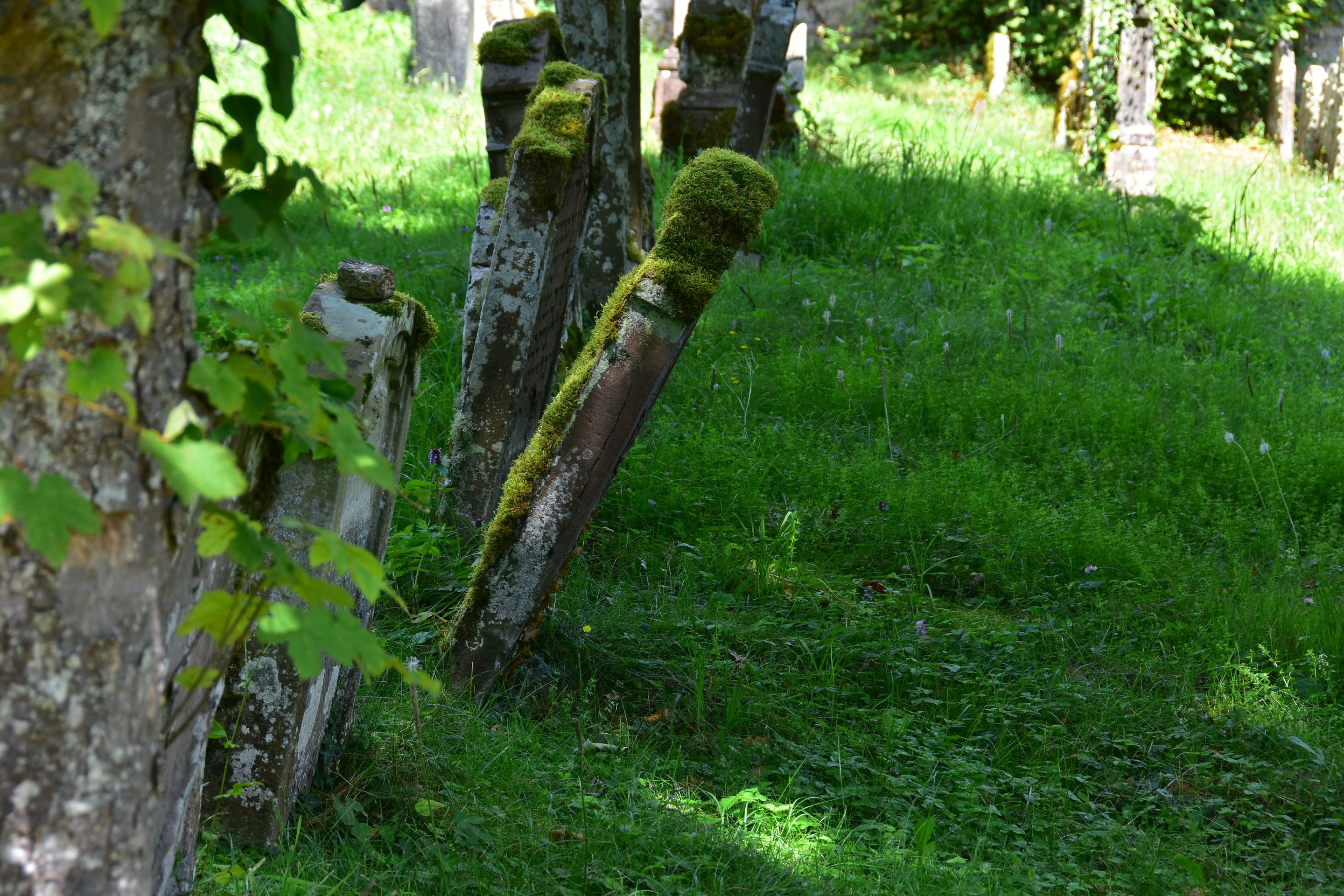
Germany in a former beer cellar, the only full-size replica of Leonardo da Vinci's Last Supper in the Protestant church, the Baroque-Rococo pilgrimage church of St. Anna, and art galleries featuring works by significant local artists. Fancy a time travel? In Haigerloch, no problem! THE LAST SUPPERWith the help of numerous donations, the Protestant church in Haigerloch was built from 1860 to 1863, according to the plans of the Royal Prussian salt inspector K. L. Raiffeisen, a brother of the founder of the agricultural cooperatives. In 1952/1953, Düsseldorf artist Friedrich Schüz, a brother of the then pastor Martin Schüz, fulfilled a lifelong dream in Haigerloch. After decades of working with Leonardo's painted masterpiece, the Last Supper, and its progressive decay, he decided to reconstruct it in the dimensions of the original. Supported by the Tübingen graphic designer Gerhard Halbritter and the Gießen painter Walter Kröll. Thus, the re-creation of the Holy Last Supper by Leonardo da Vinci was created in the altar area of the church. The ROMAN TOWER was first mentioned in writing in 1375. The tower does not date back to Roman times. It was only in the 19th century that someone realized that it is a Romanesque building, thus the name 'Roman Tower'. Previously, the tower had a half-timbered addition with a hipped roof. Its present form was given to the tower from 1744 to 1746 by the Haigerloch master builder Christian Großbayer on the occasion of the conversion to a bell tower for the Upper Town Church of St. Ulrich, which was unfortunately completely demolished in 1839. The construction of the CASTLE CHURCH was intended to ensure a dignified burial for the then newly founded line of the Hohenzollern family. When, 150 years later, Prince Joseph Friedrich of Hohenzollern moved his residence to Haigerloch, he remodelled the castle church in the Baroque taste of the time. The painting was done by the then young Sigmaringen church painter Meinrad von Au. The heart of the prince is laid to rest in the crypt of the castle church alongside the builder Count Christoph. Each year, the Haigerloch Castle Concerts take place in the castle church in a unique ambiance. The HAIGERLOCH SYNAGOGUE, built in 1783, was until the expulsion of the Jews during the National Socialist regime the center of the Jewish community. During the pogrom night of 1938, the interior was completely destroyed by Sulzer SA personnel. Disgraced for the Jewish community, it served for a short time as a cinema, then as a shopping center, and finally as a warehouse. Since June 2004, there has been an interesting and extensive permanent exhibition