
Oslo, ville grise au bord du fjord
Oslo était une ville comprimée, Oslo était une jeune capitale, Oslo était une ville inachevée. Un bref aperçu de l'histoire de la ville : établissement viking, sous domination...

Publié: 20.04.2026
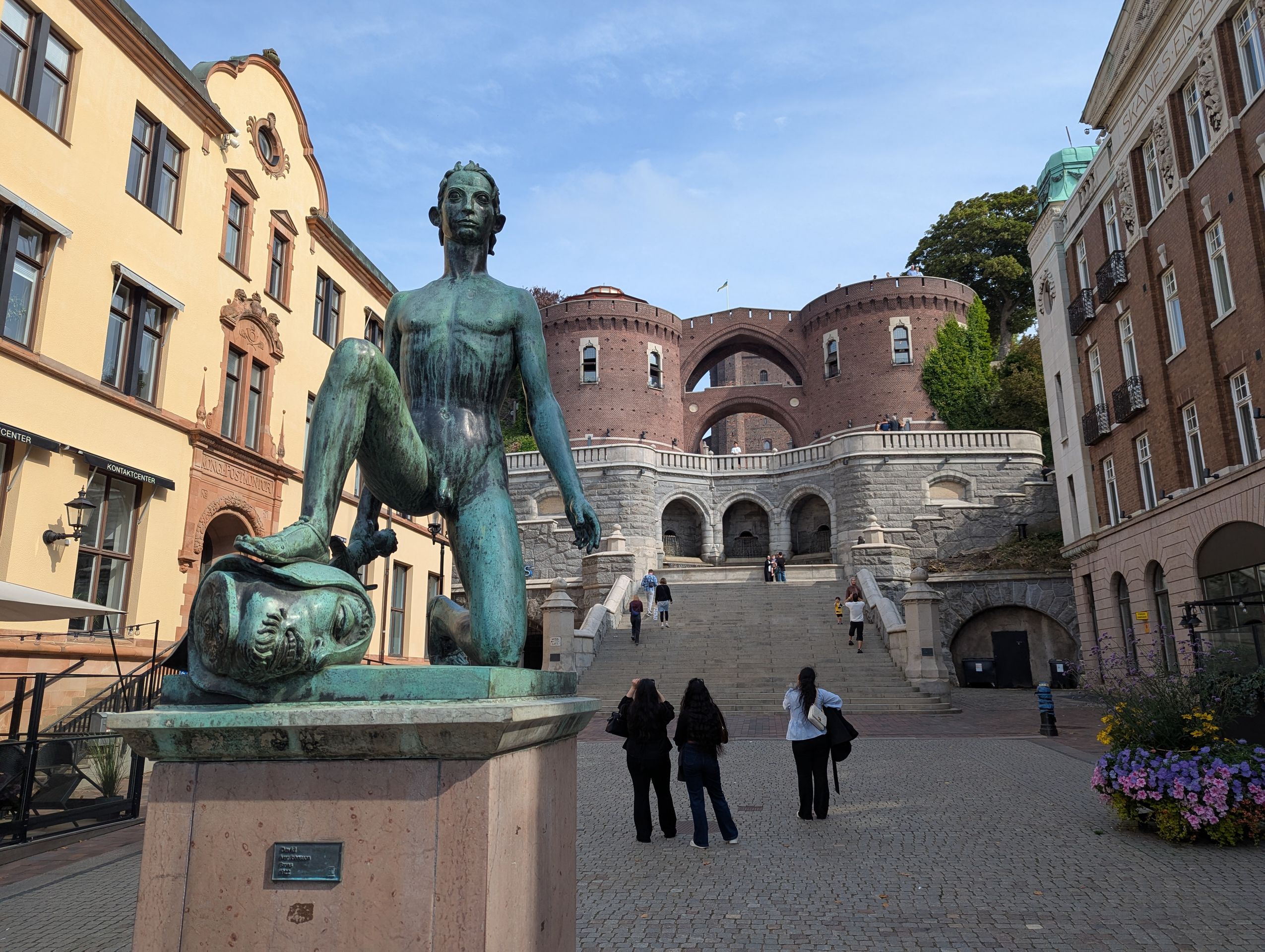
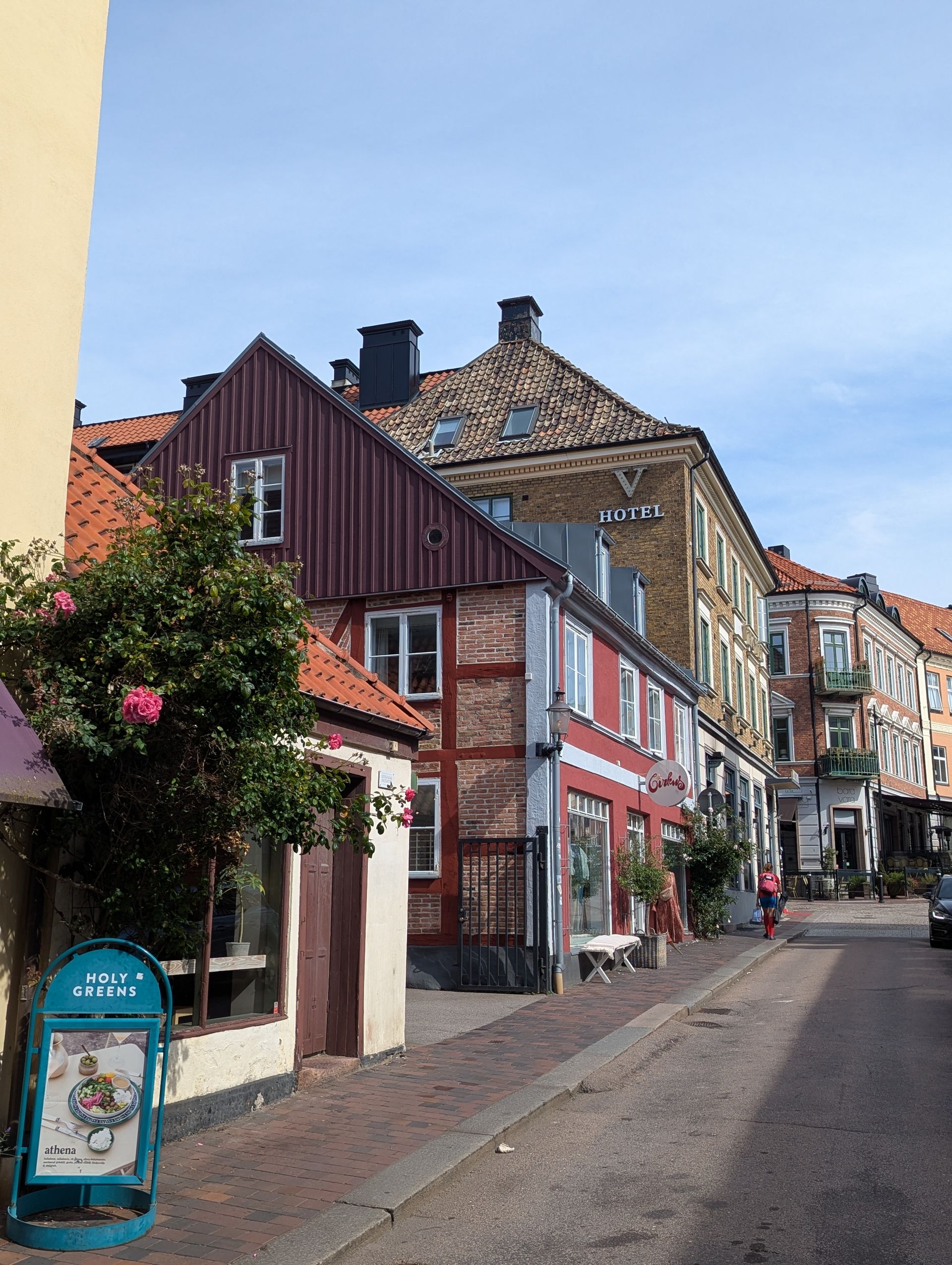
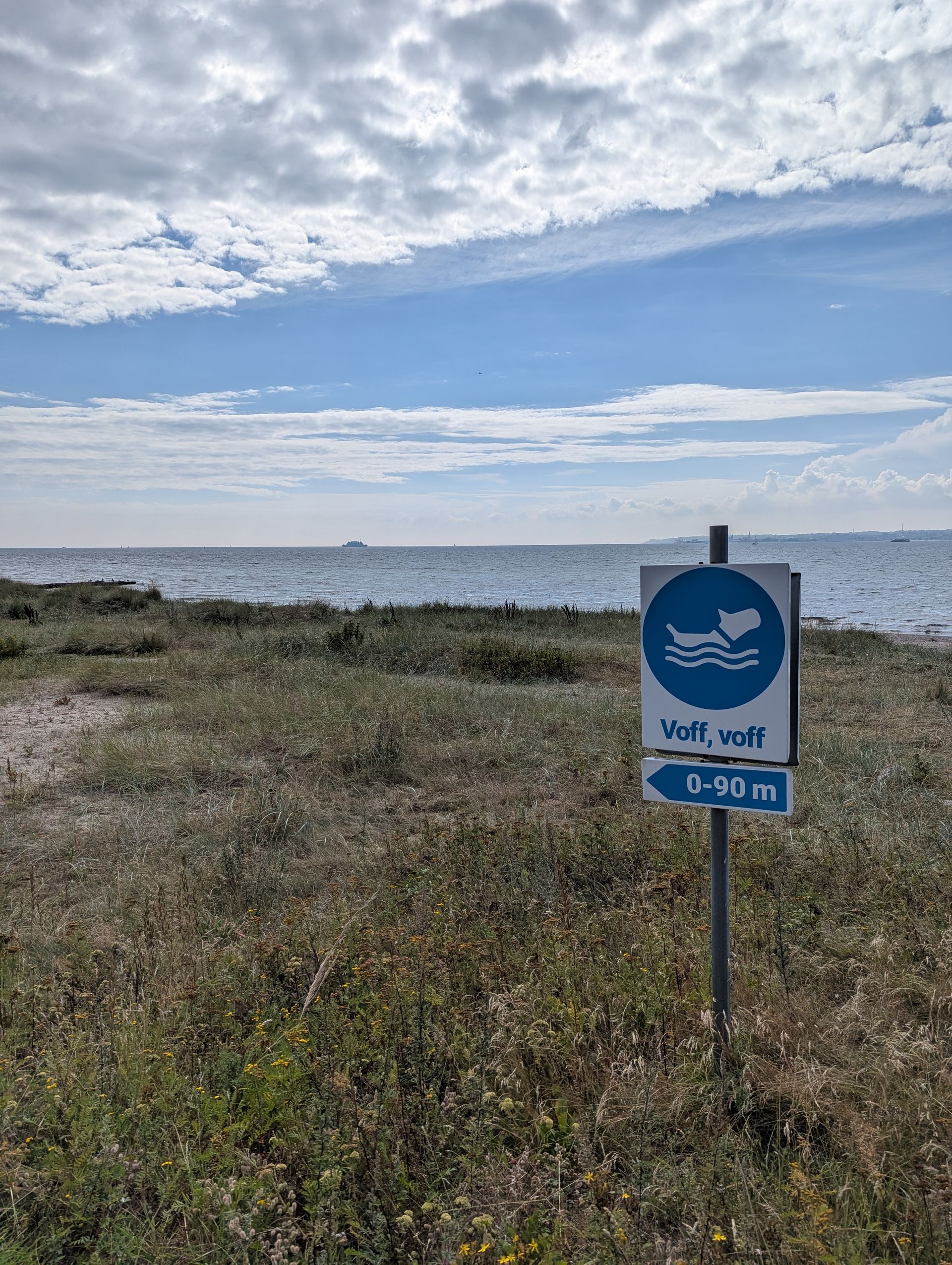
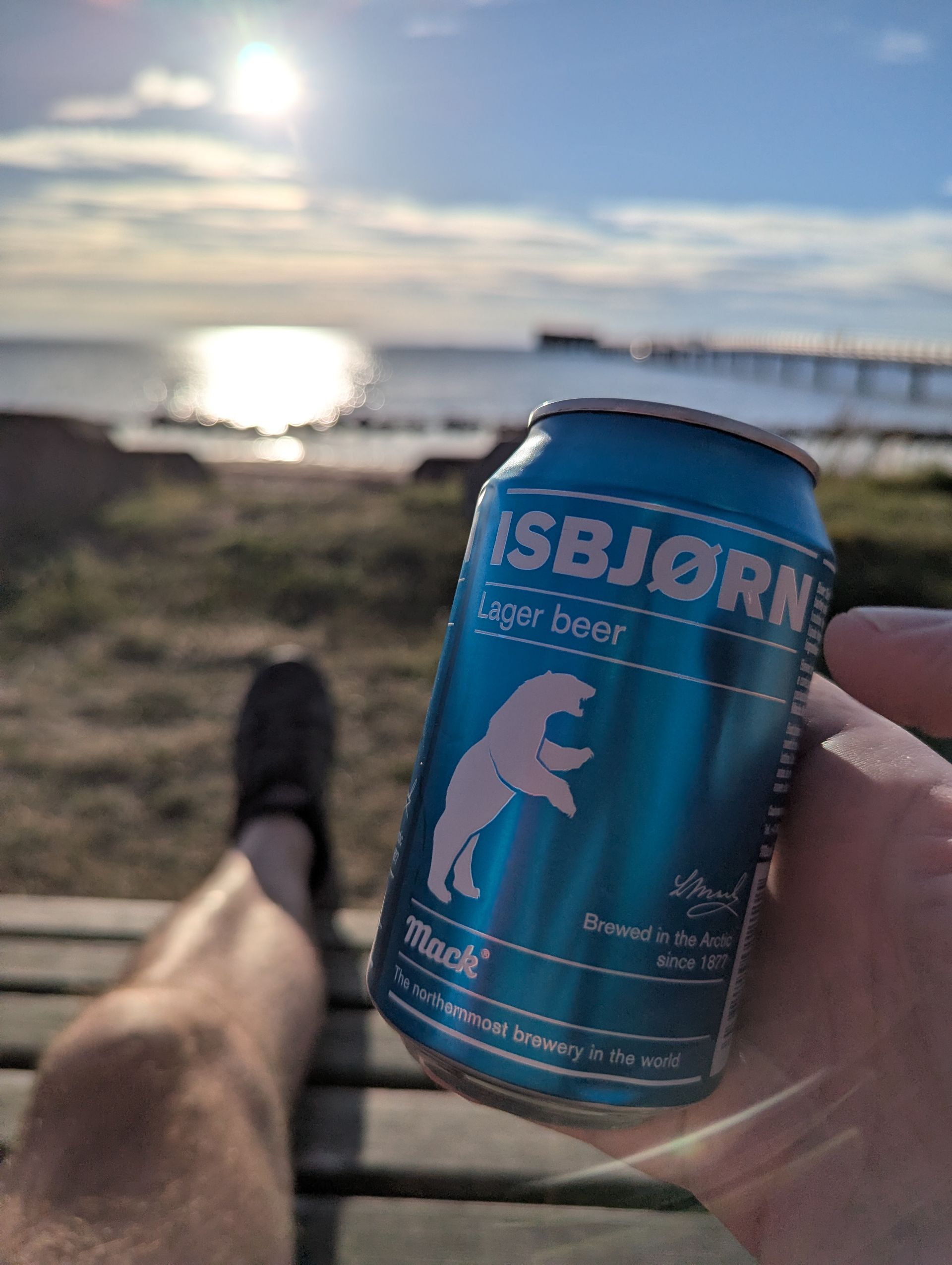
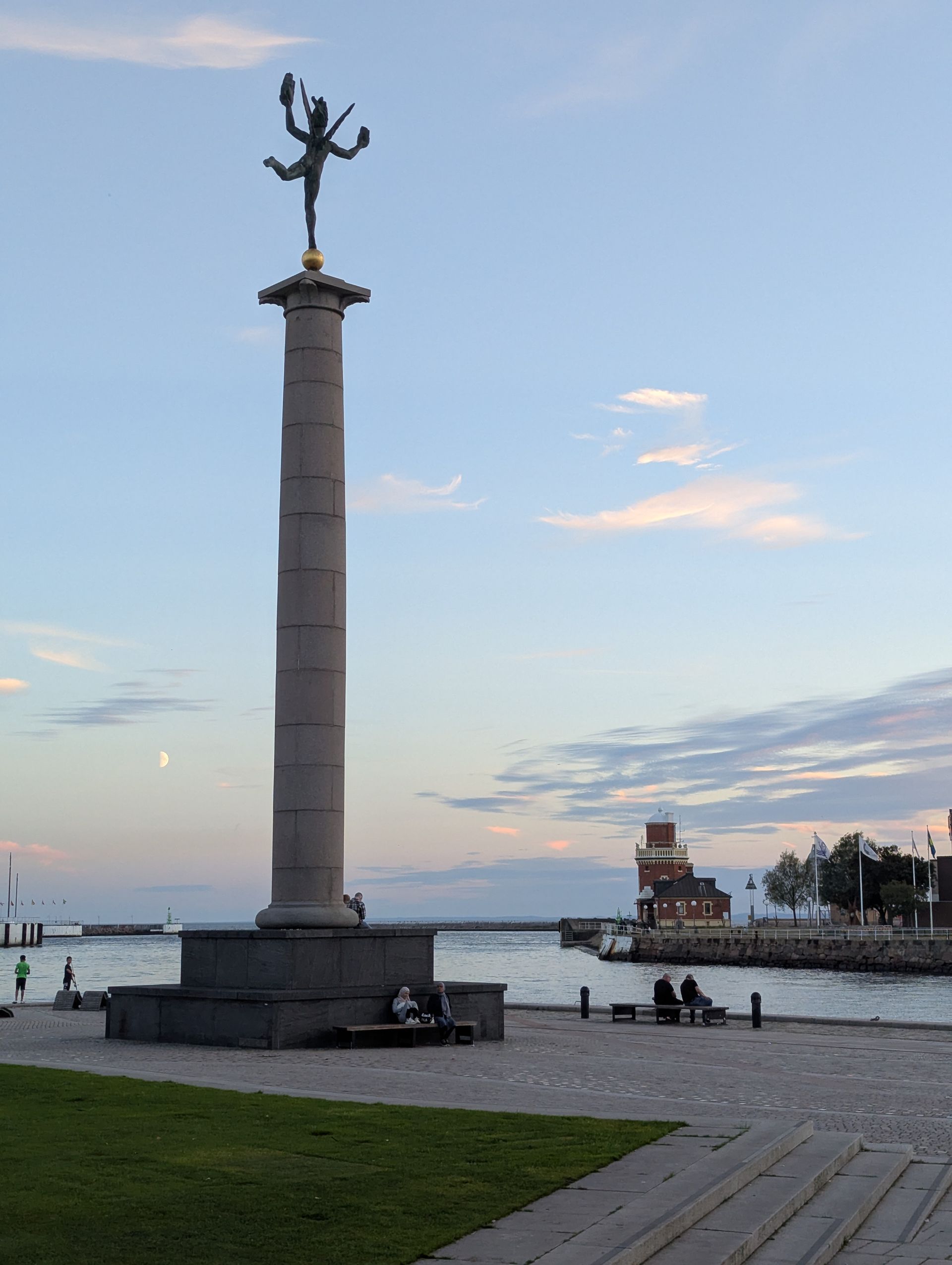
Had I chosen the right one? Helsingborg, with over 100,000 inhabitants, was the largest of the three cities and boasted a long-distance bus connection, a train station, and a ferry terminal. Aside from a small old town and the beach promenade, that was about it. Helsingborg was a sensible choice.
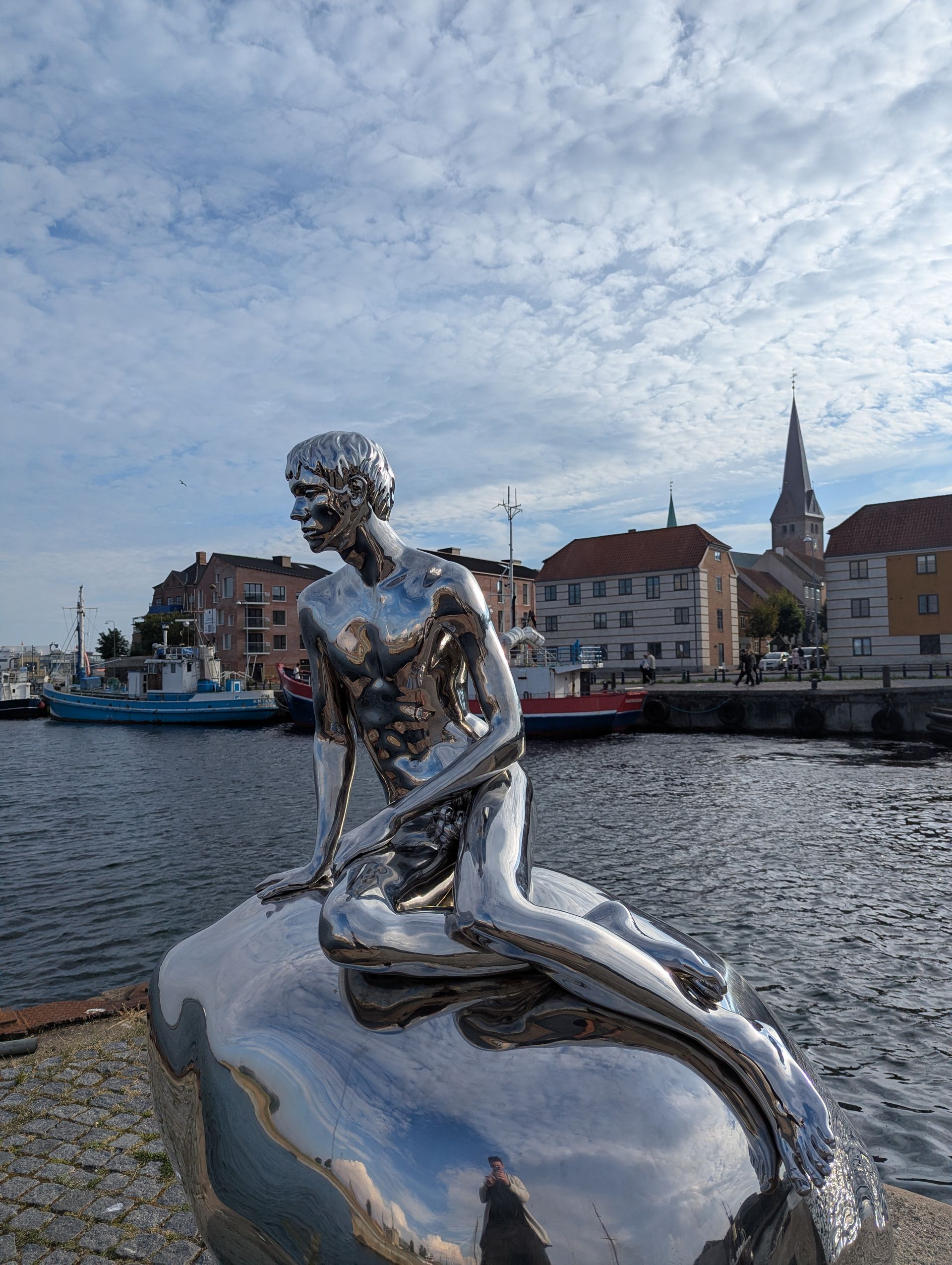
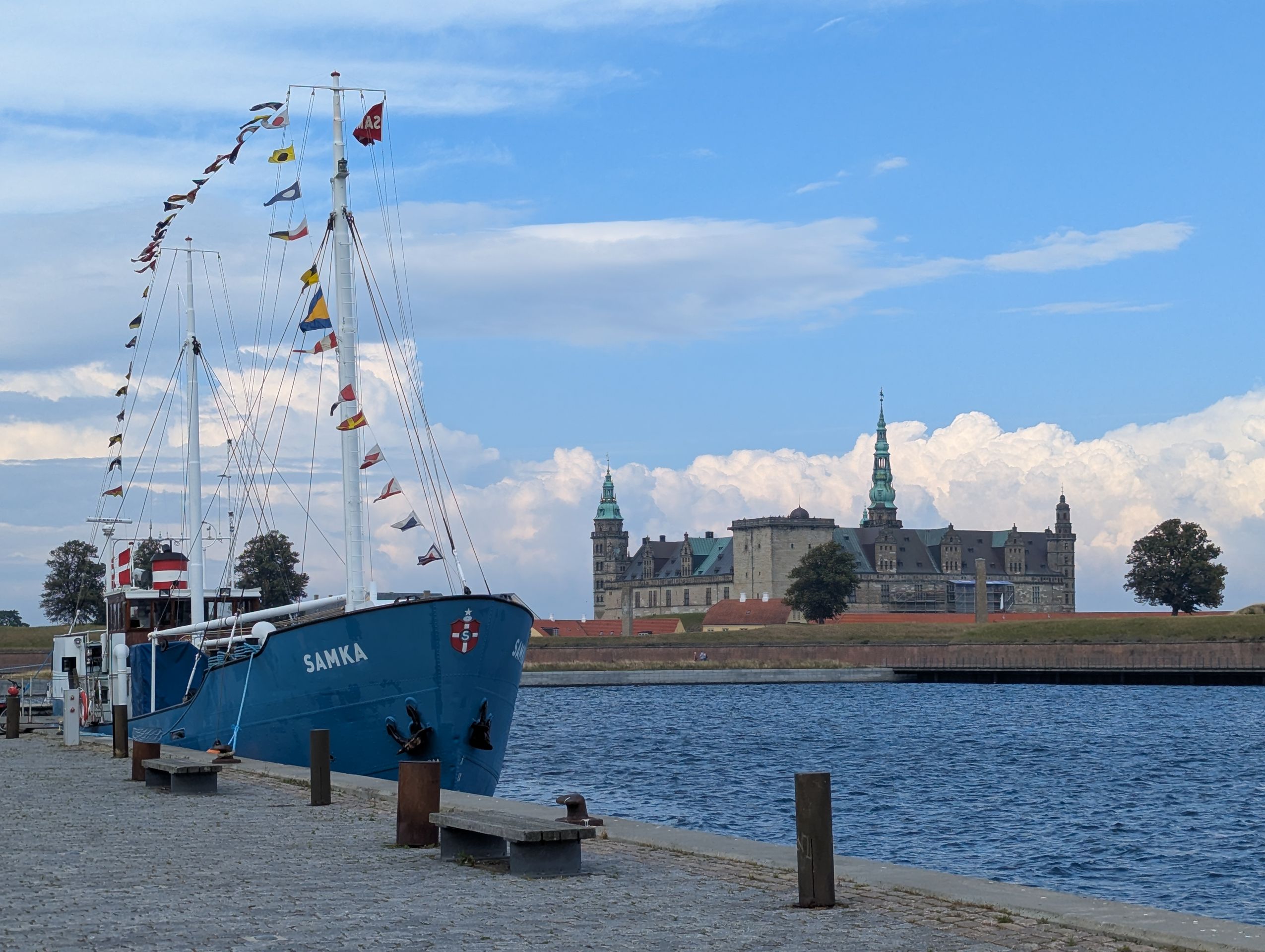
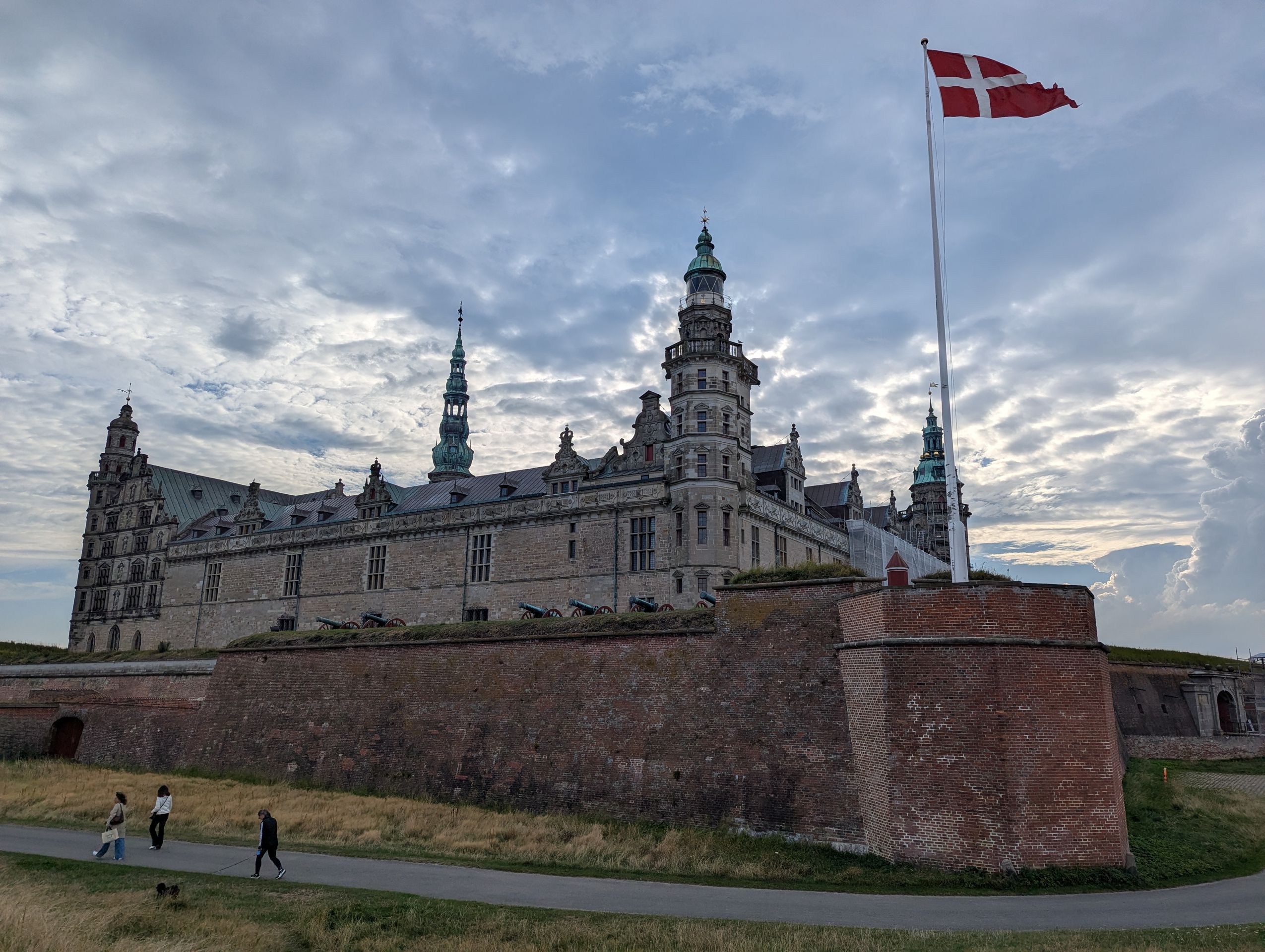
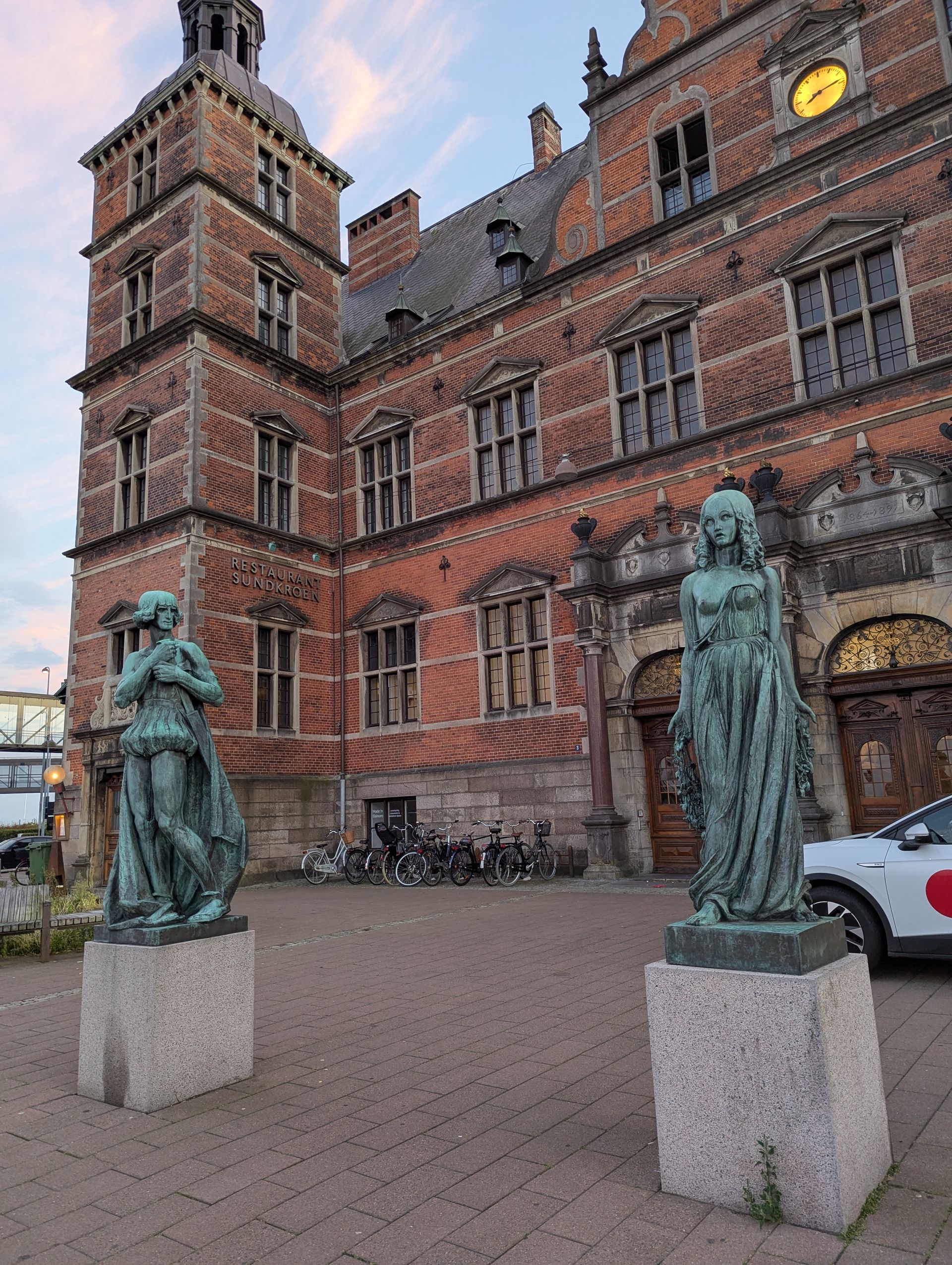
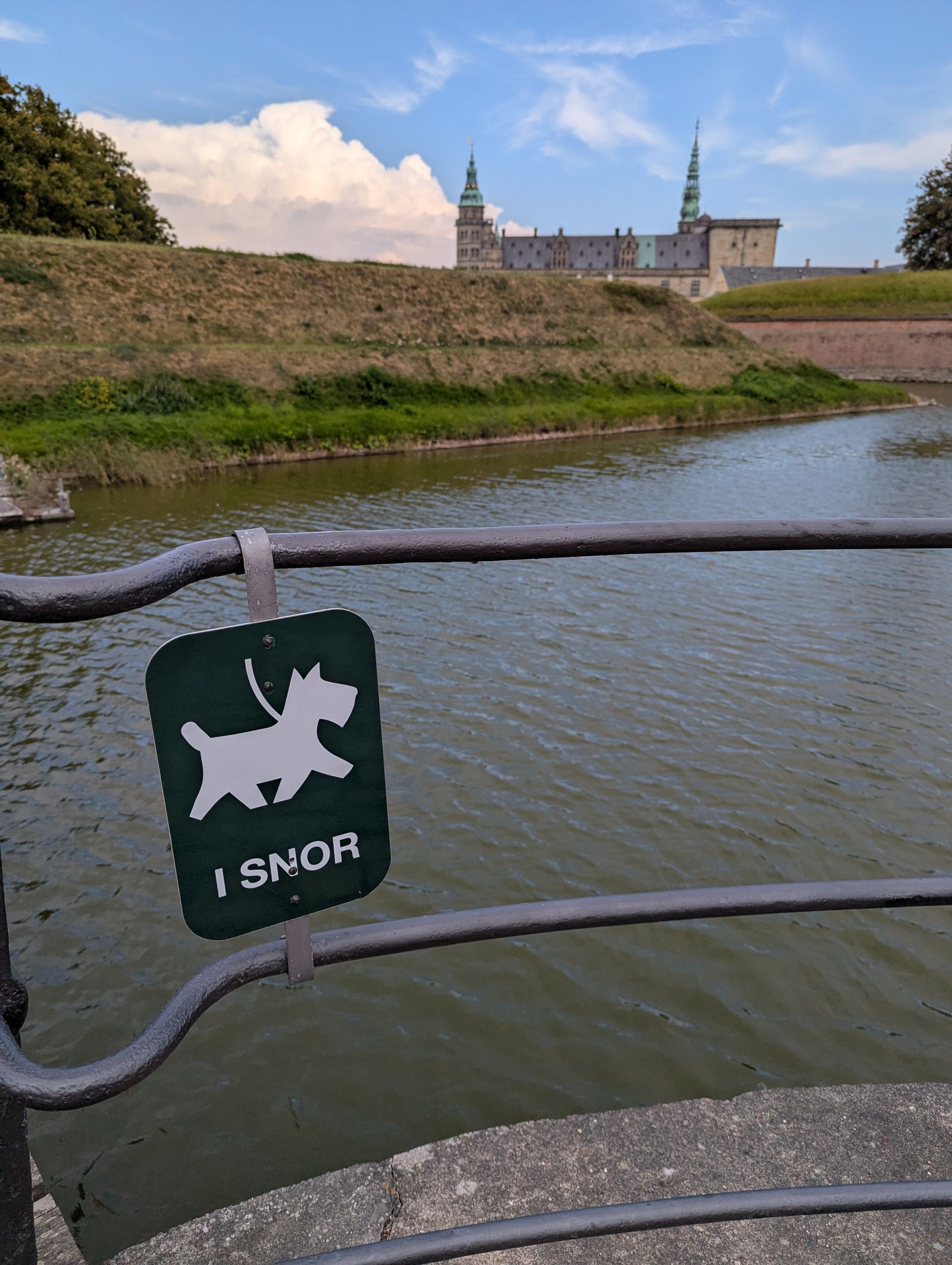
Helsingør, the middle one, was a different story. Located a 30-minute ferry ride away on the Danish side of the Øresund, it was a bustling place. The historic old town offered all sorts of tourist attractions, information boards, bars and cafes, as well as (again) a modern cultural center near the harbor and a massive fortress, exceptionally well-preserved and famous as the setting for Shakespeare's Hamlet.
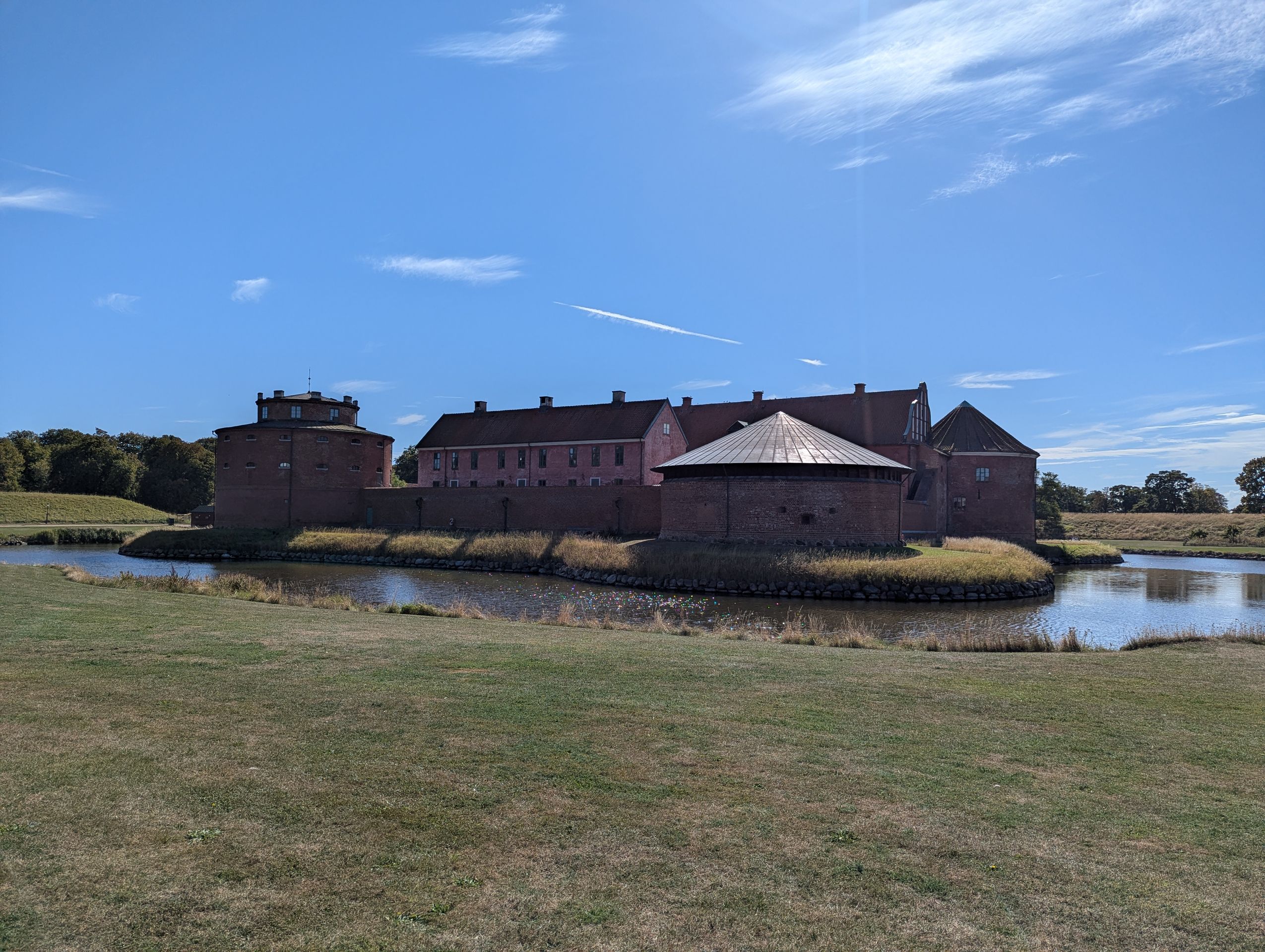
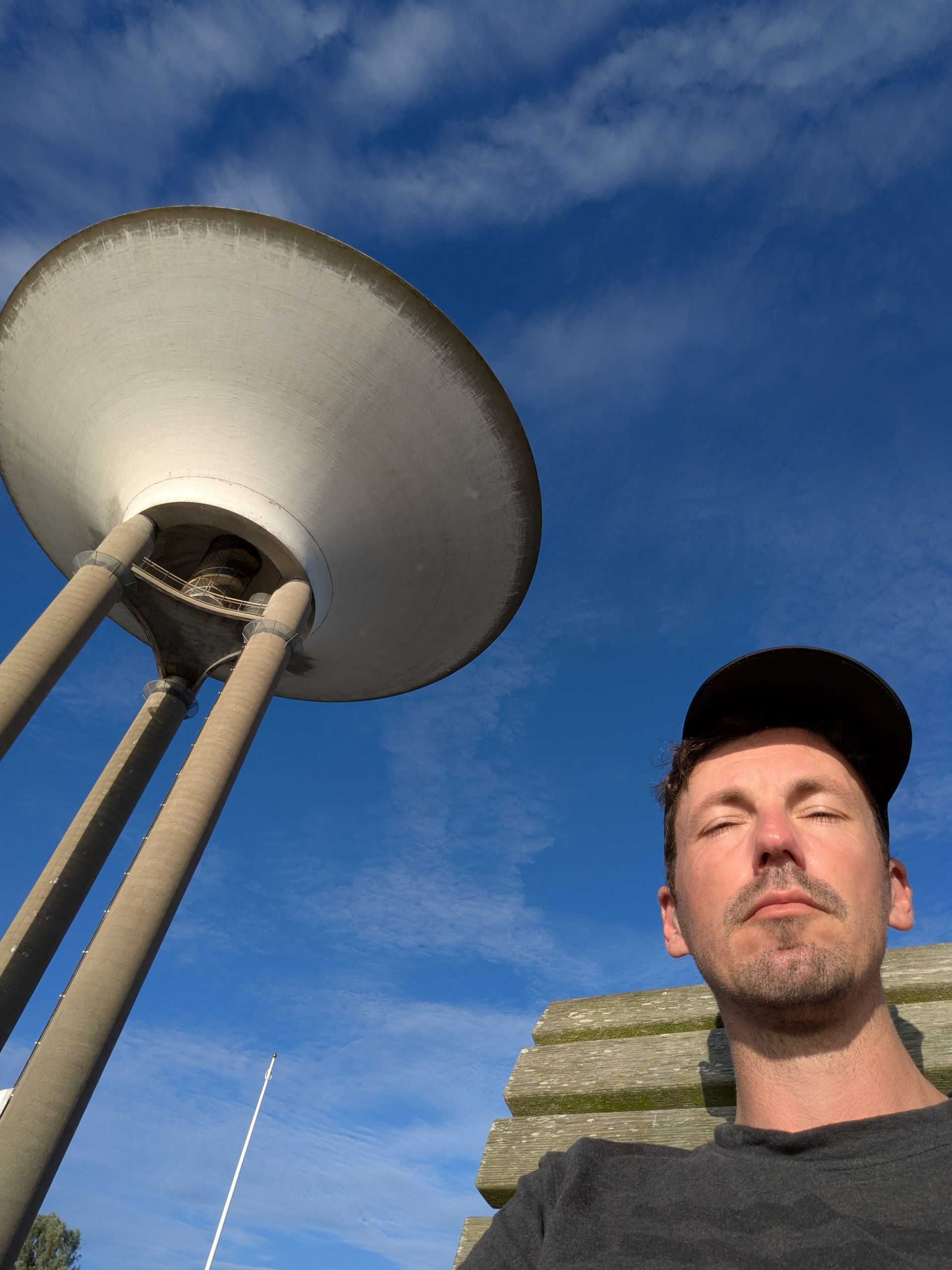
Finally, there was Landskrona, the Little One, a provincial backwater. It too had a historical fortress built to control the strait, though it was considerably less spectacular than the one in Helsingør. Information panels were mostly only in Swedish. The town center was deserted on Sunday.
My summer vacation in northern Europe ended with two days at the Øresund. After two weeks of touring and road-tripping, it was time to say goodbye. Helsingborg was located halfway between Oslo and Berlin. I arrived in the city early in the morning by night bus and spent my first few hours in the only café that was already open at that hour.
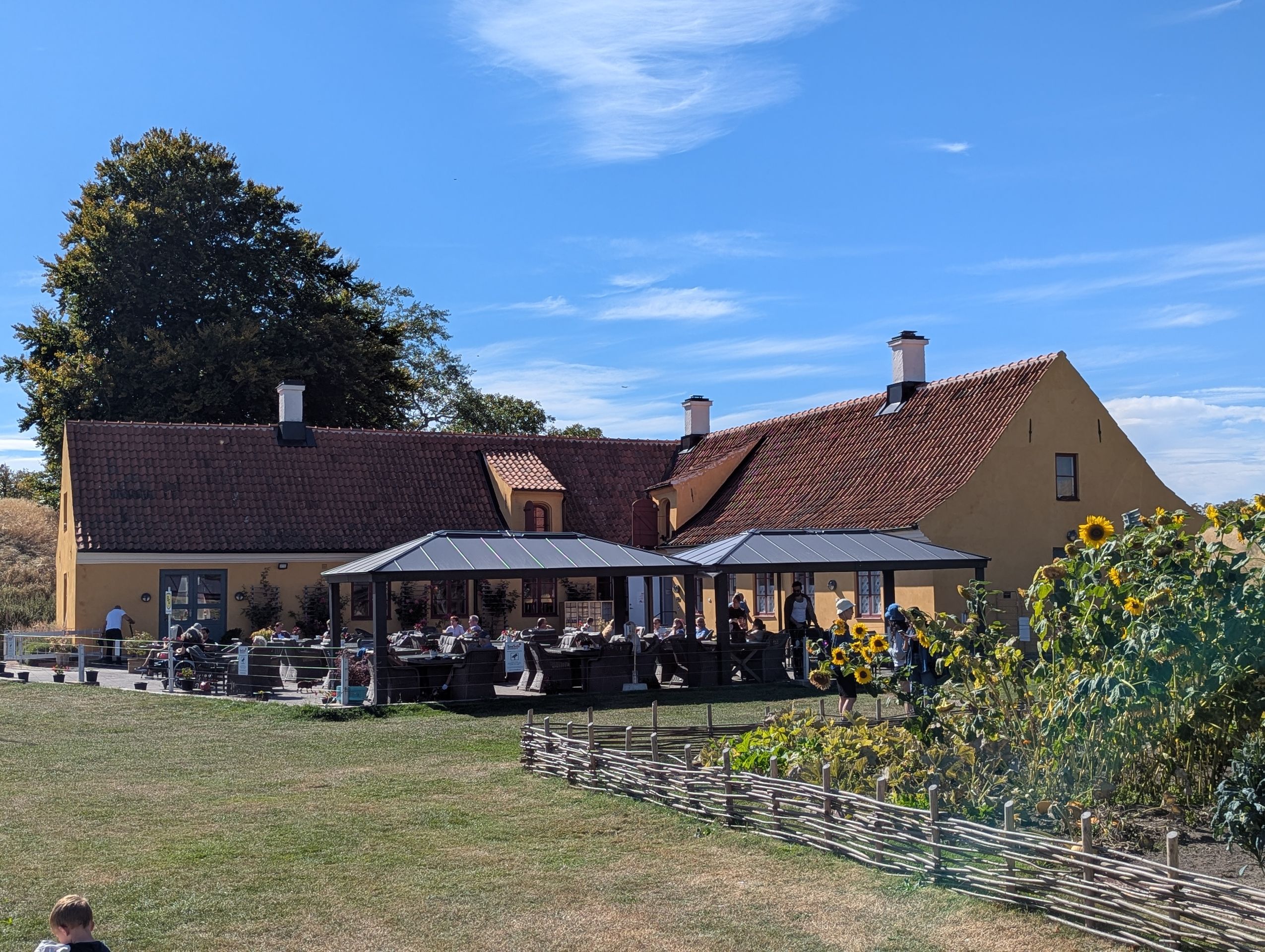
I spent Saturday afternoon in Helsingør, Denmark. Here I experienced the greatest possible contrast to the Swedish metropolis. Many people, a great many people, roamed the streets and crowded the outdoor cafes.
I stopped at a restaurant terrace to read my travel book, "Zeno Cosini" by the Triestine author Italo Svevo, when a group of middle-aged men joined us. More men followed, all dressed in similar jackets and ties. An old men's club had chosen the restaurant for a get-together.
The group swelled, becoming loud and imposing. A young assistant—his jacket and tie still a bit sloppy—flirted between the tables, acting excessively obsequious, bringing extra ice cubes for gin and tonics or pulling out chairs. I watched the scene unfold while the waiter pitied me.
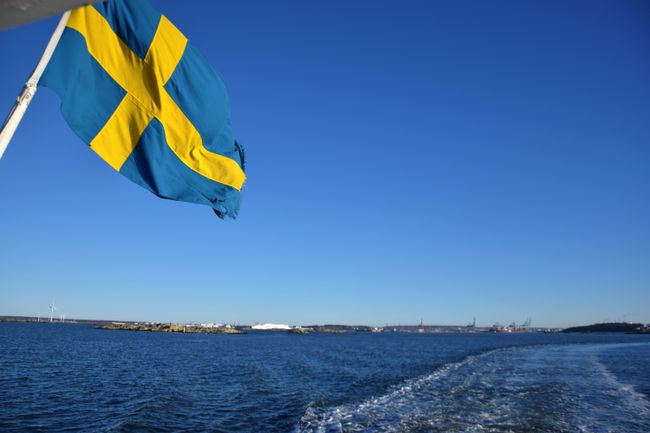
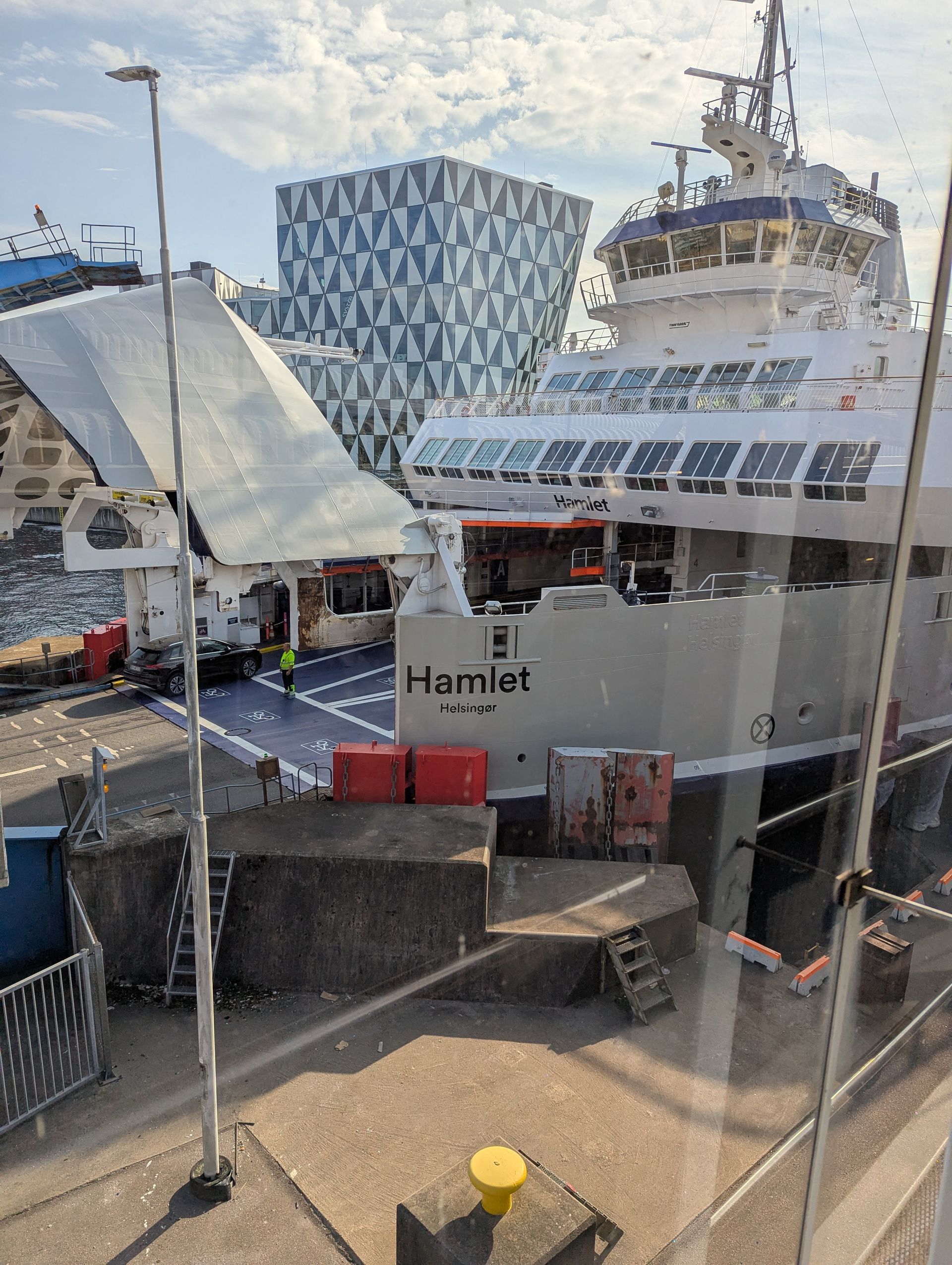
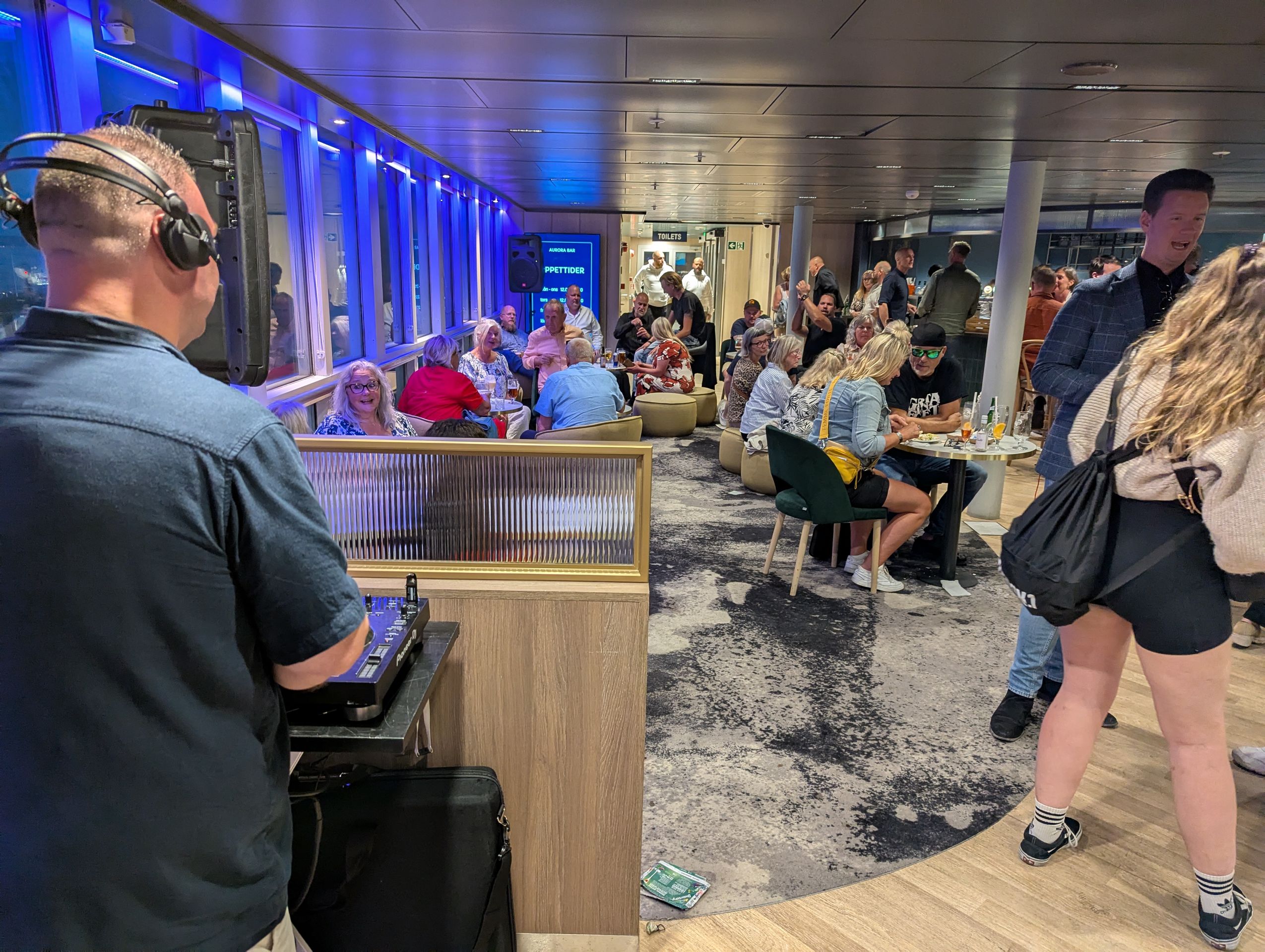
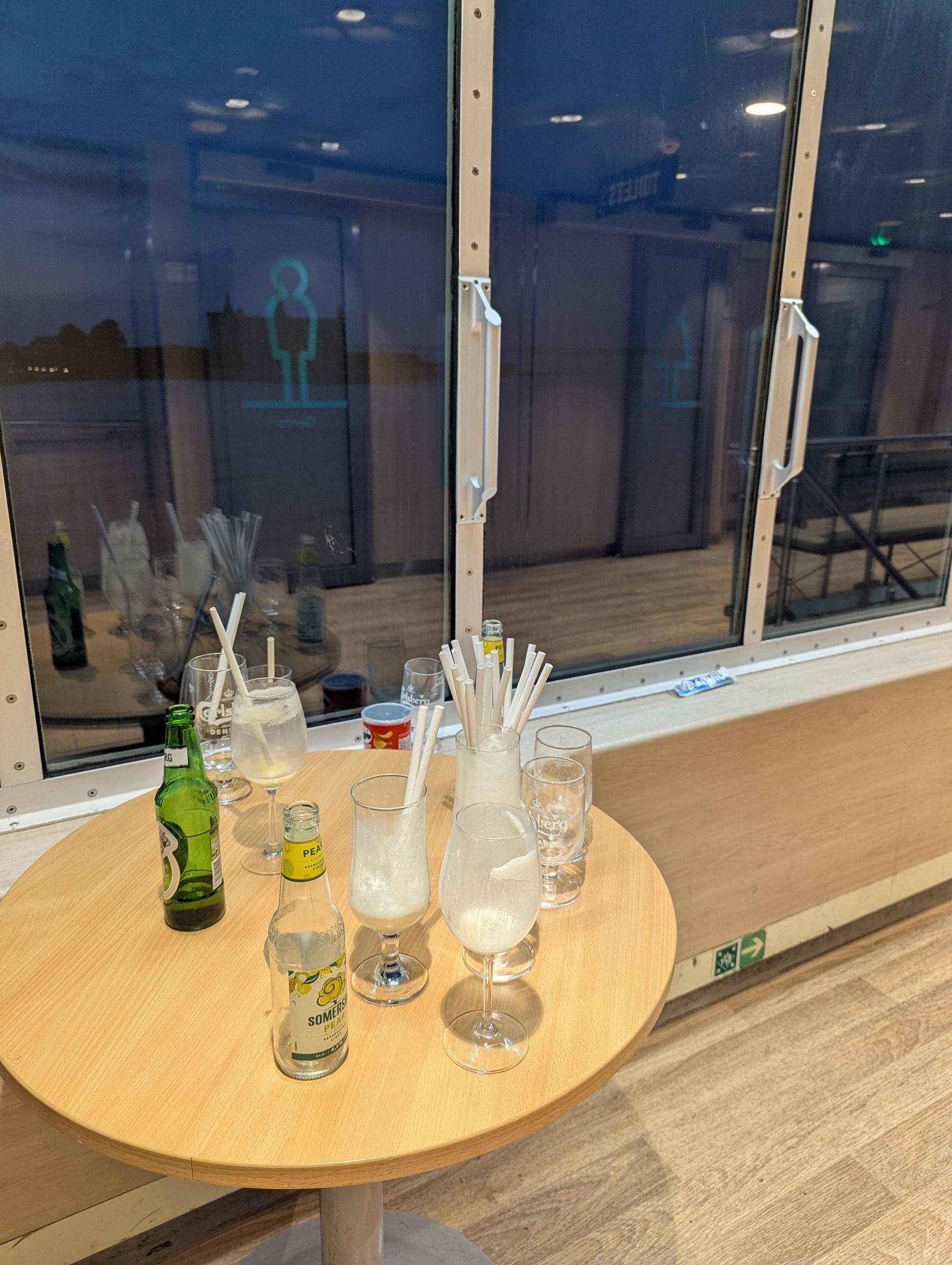
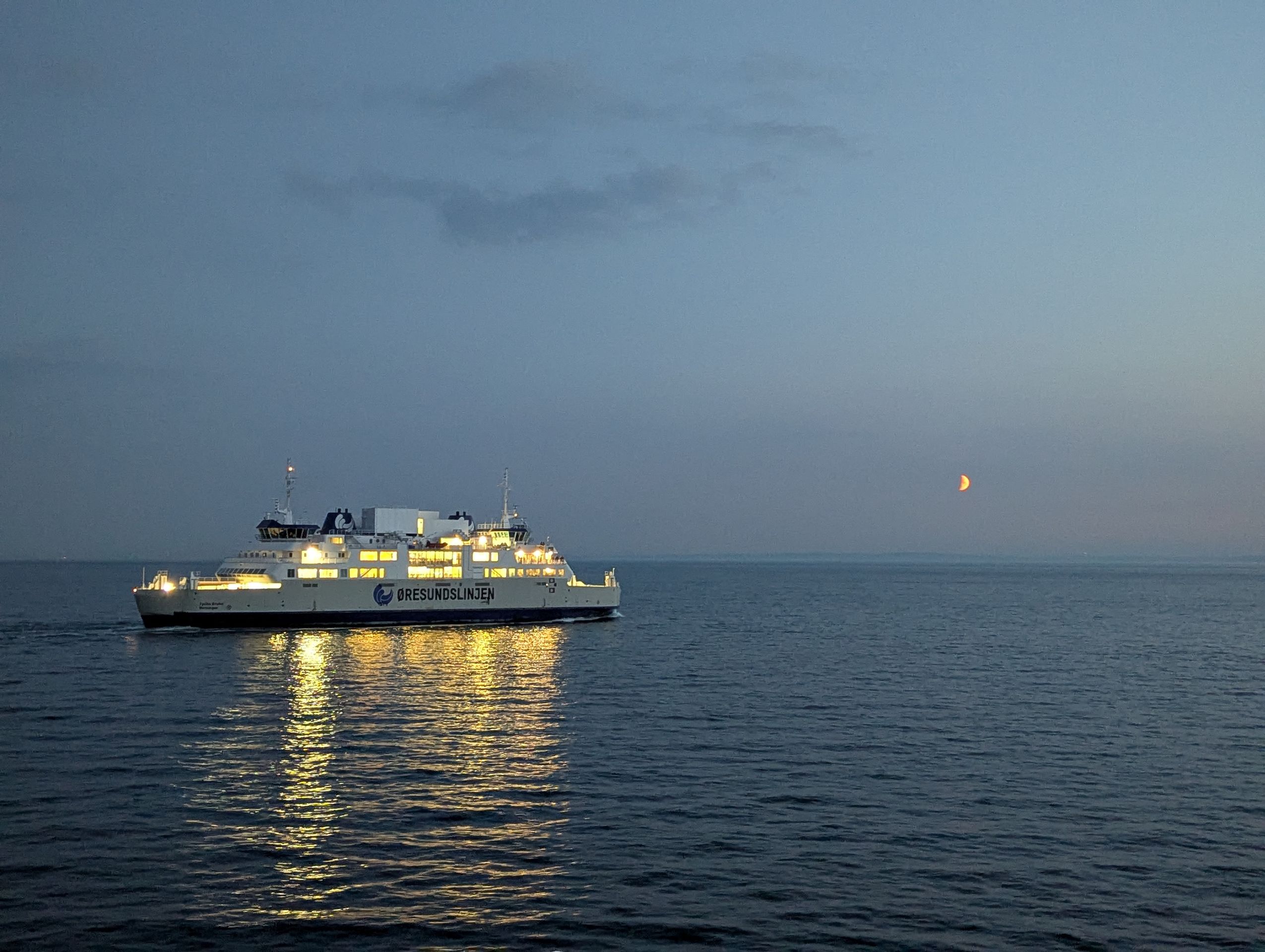
Helsingborg and Helsinggør were connected by a ferry line. The ferries (including the "Hamlet") ran between the two cities every 20 minutes. Clearly, the ferry was more than just a means of transport. Equipped with a bar, restaurant, and duty-free shop, many people used the short crossing for entertainment; after all, there was no need to disembark. One could simply cruise back and forth between the cities and enjoy discounted drinks, food, and shopping in international waters. In the evenings, there was even a DJ, and disco classics blared from the speakers. Scandinavian reserve quickly vanished. I was looking forward to my bed.
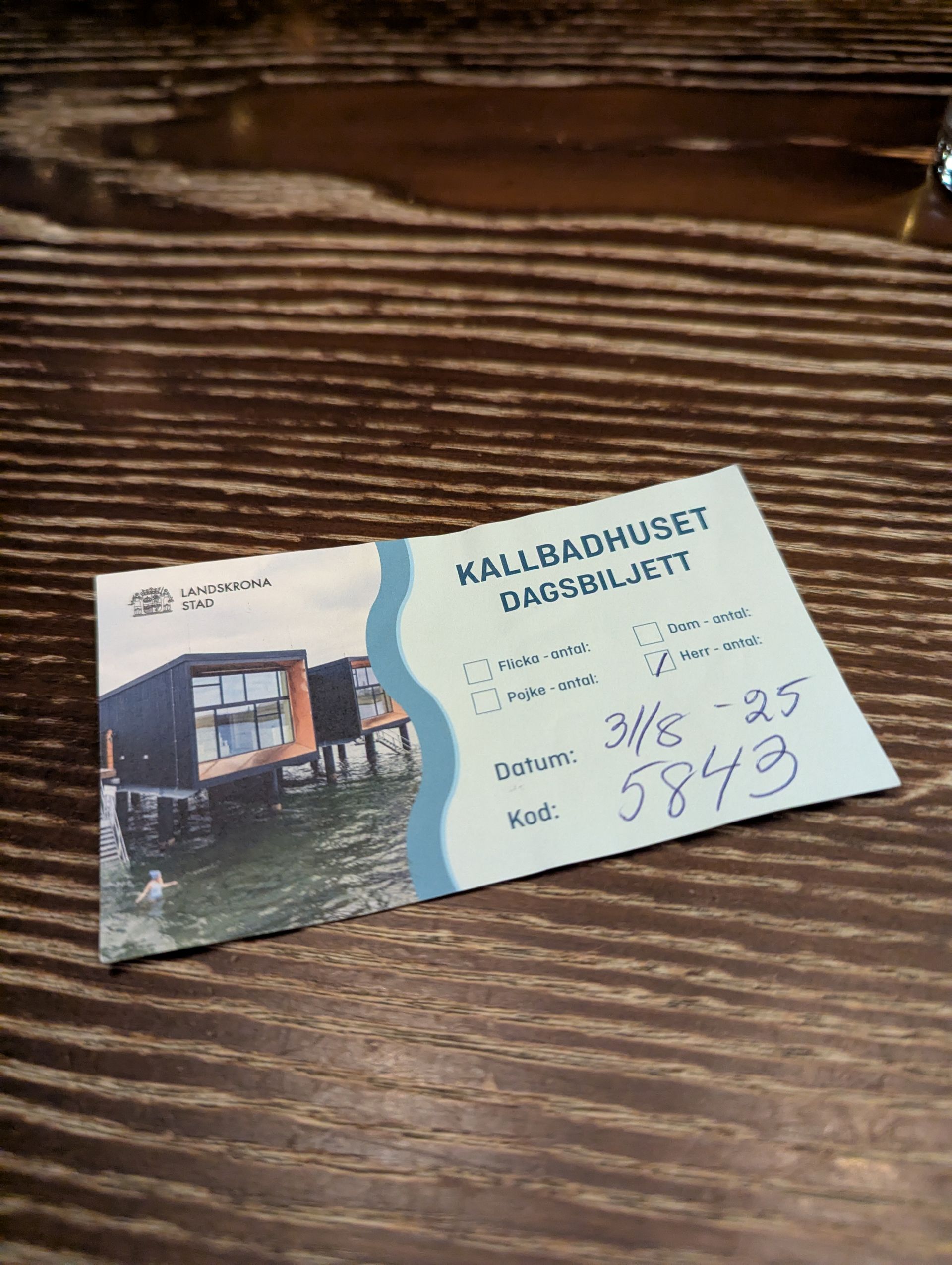
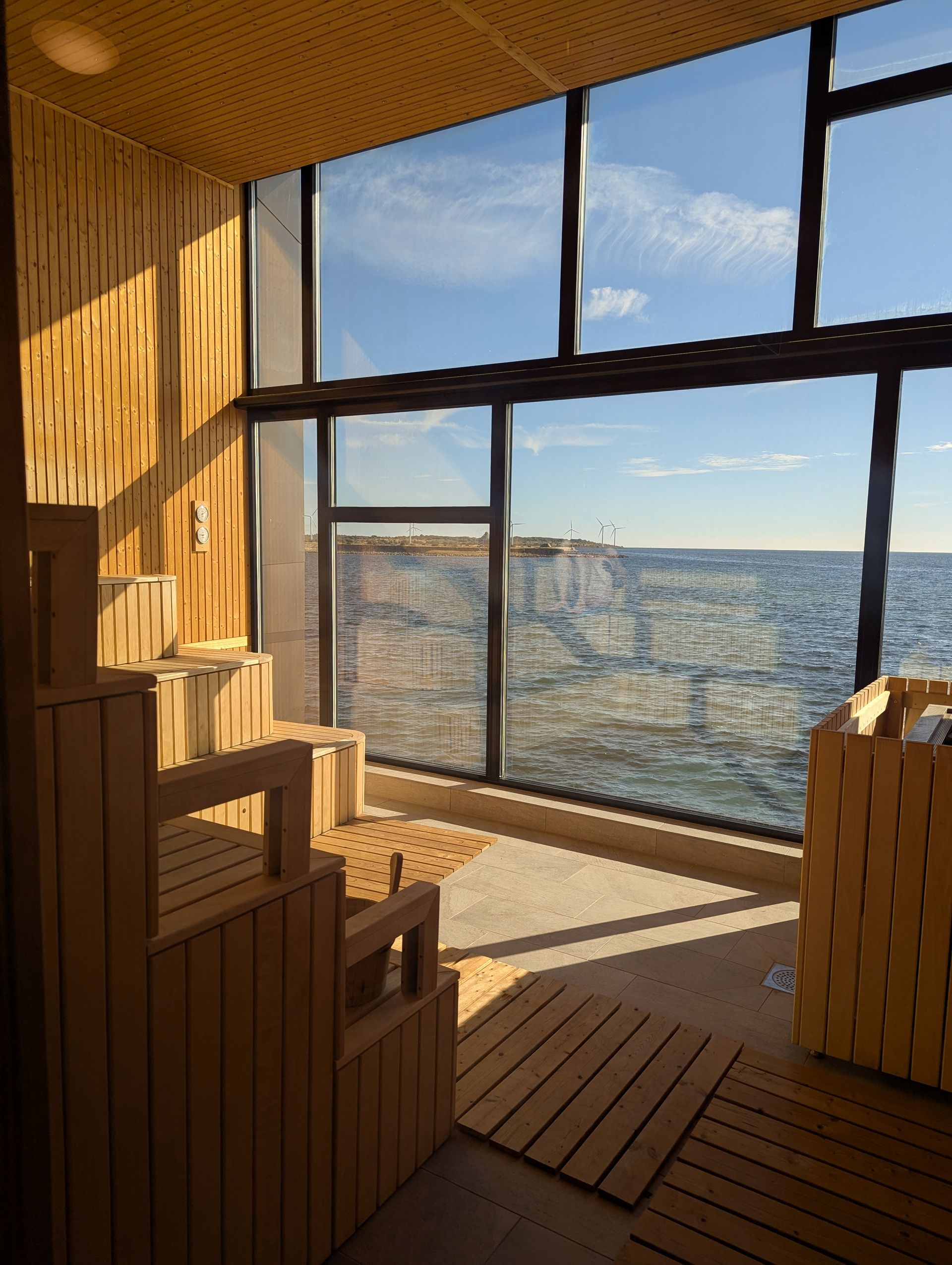
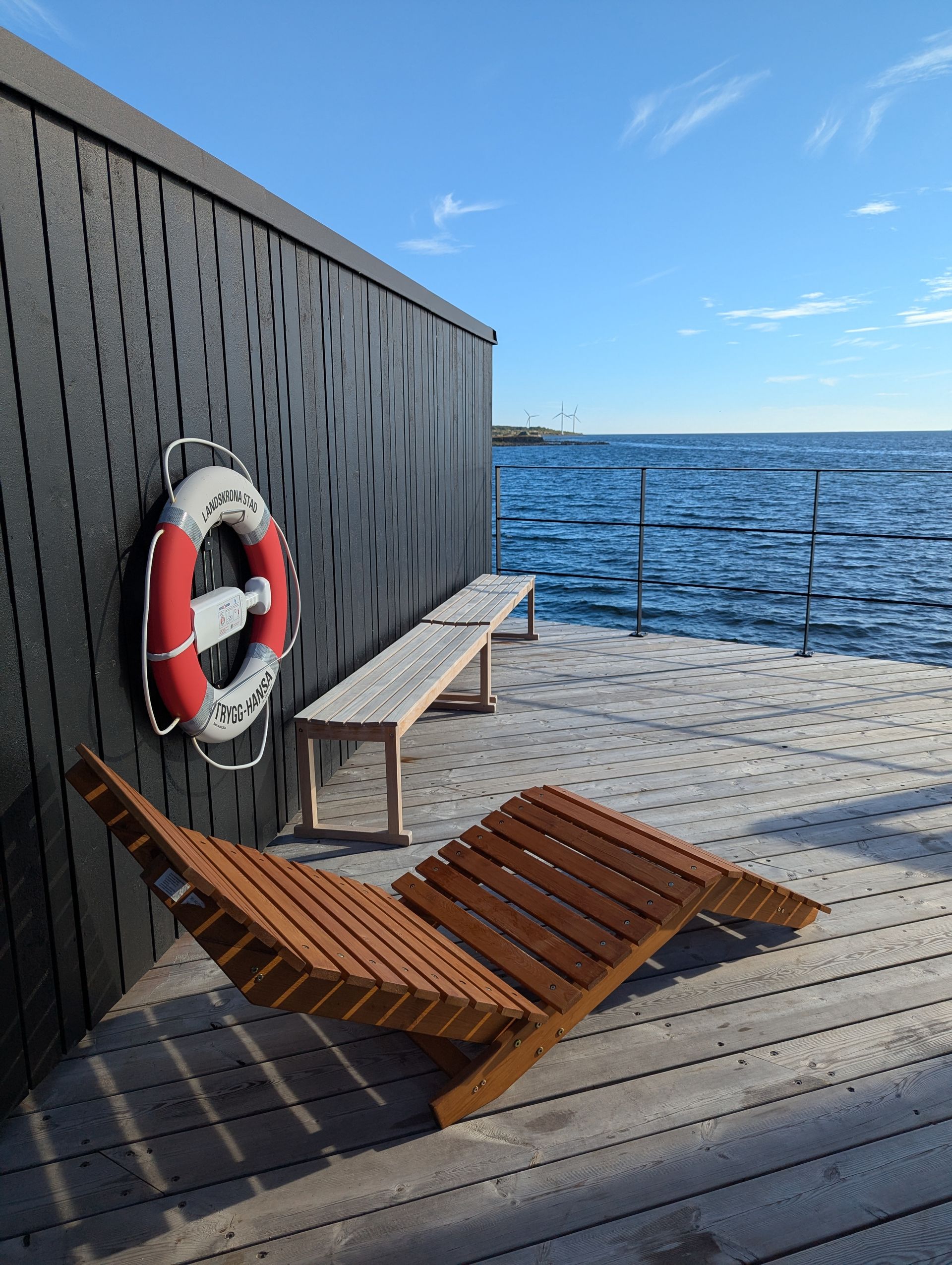
On Sunday, I visited the tranquil town of Landskrona. There, I concluded my holiday on this glorious Sunday with a visit to a cold-water sauna. Only the Swedish instructions for self-check-in posed a challenge – they required, among other things, a national tax ID – so I almost gave up. Fortunately, the outdoor swimming pool by the beach also sold sauna access, and I received the access code, handwritten on a piece of paper!
On Monday, the journey home followed, by bus, ferry to Fehmarn, via Rostock to Berlin.