Tuscany Tour 2026
Massa Marittima - Days 20, 21, and 22
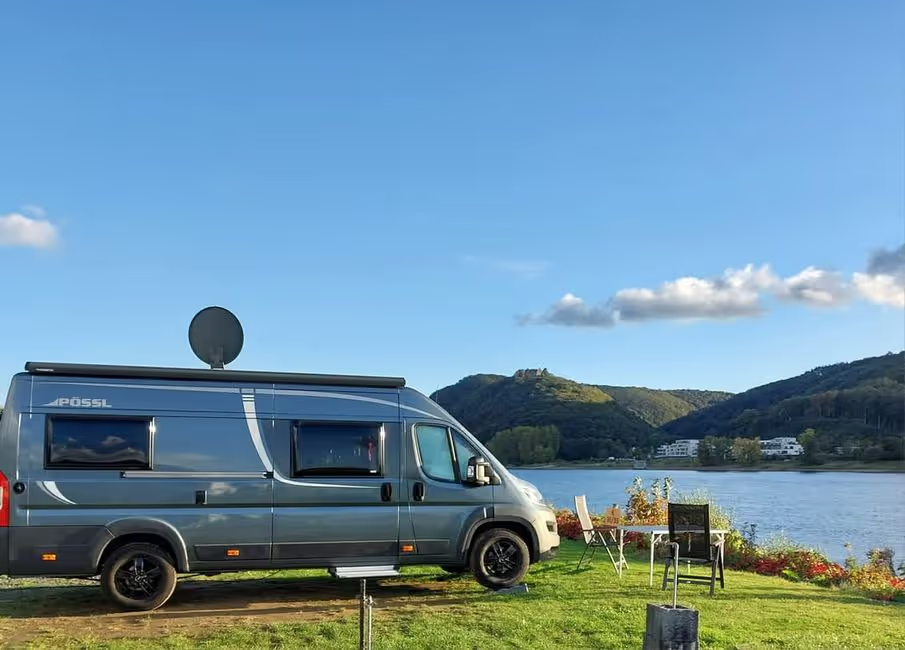
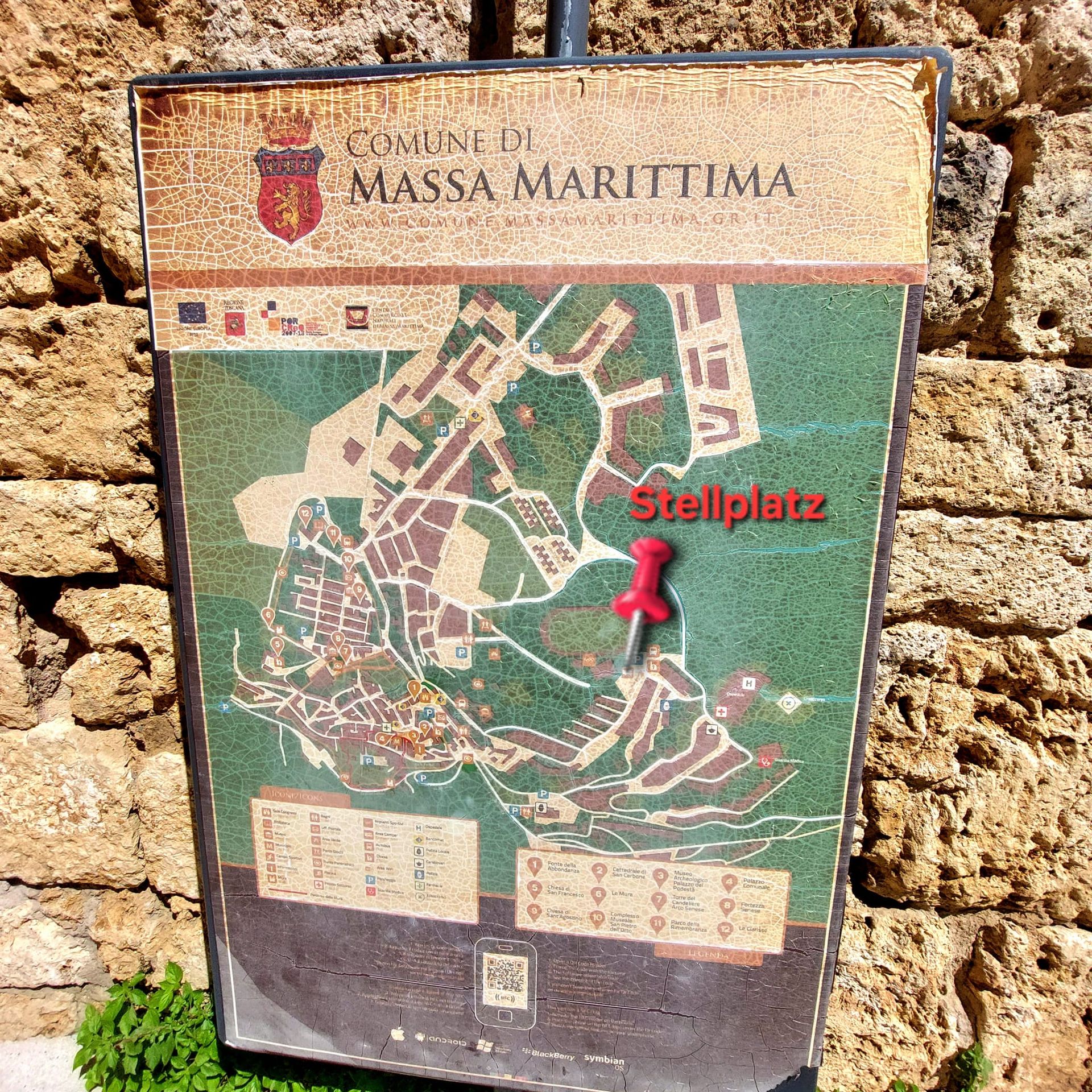
Upon arriving in Massa Marittima, we found a good camping spot above the town, equipped with everything typically found in camping areas: waste disposal, electricity, water, toilets, showers, dishwashing sinks, wooden benches, and tables.
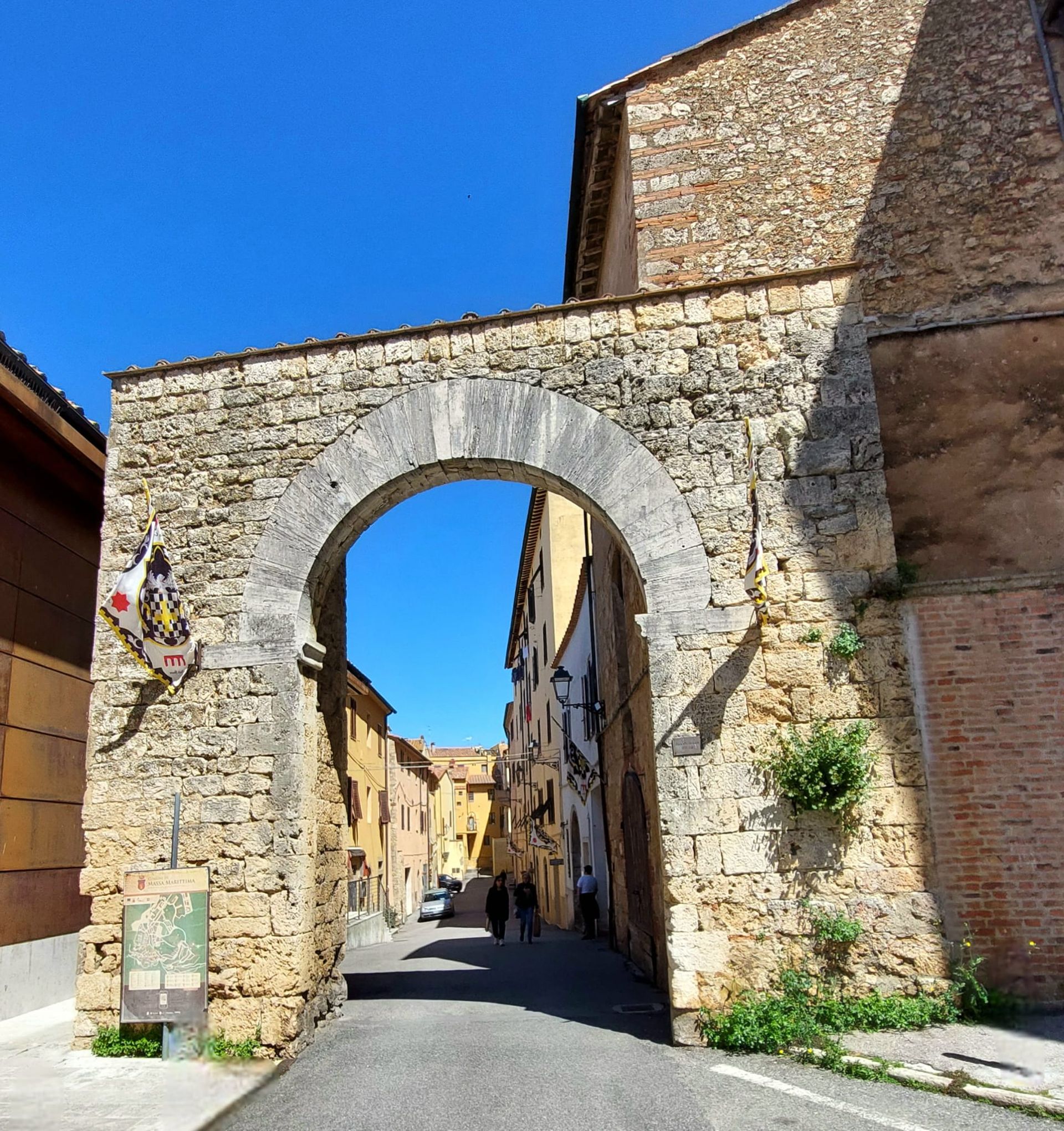
The footpath was approximately 900 meters pleasant walk to one of the city gates.
The area around Massa Marittima – although not verifiably the hill itself – has been inhabited since Etruscan and Roman times.
The beautiful historic town of Massa Marittima, located on a high, solitary hill, is characterized by a well-preserved city wall.
The nickname Marittima, which Massa received in the Middle Ages, does not mean that the town is located by the coast, but rather designates the place as part of the Maremma, which was once connected to the swampy landscape of the Tyrrhenian Sea, known as Maritima Regio in Roman times.
The small town holds numerous medieval landmarks.
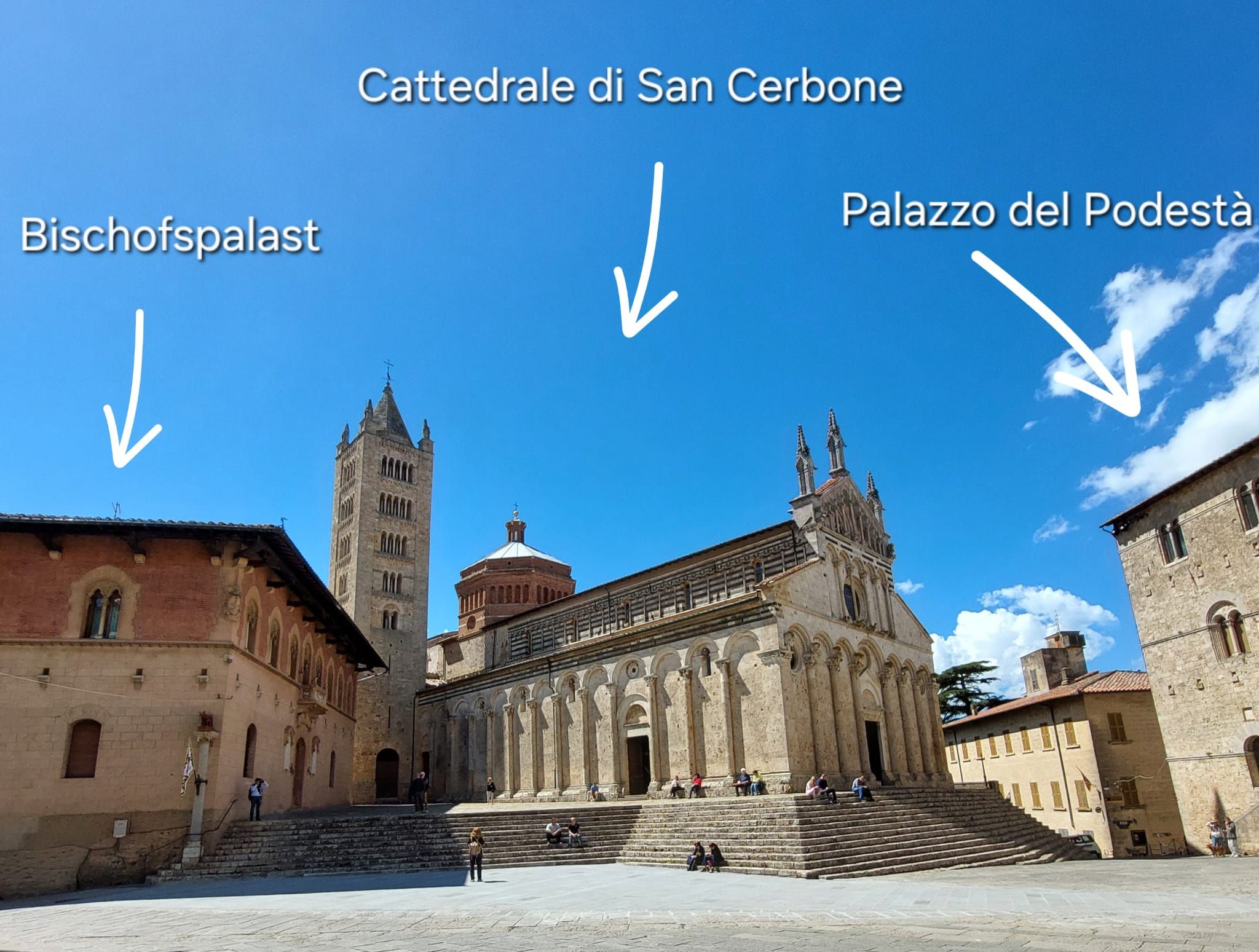
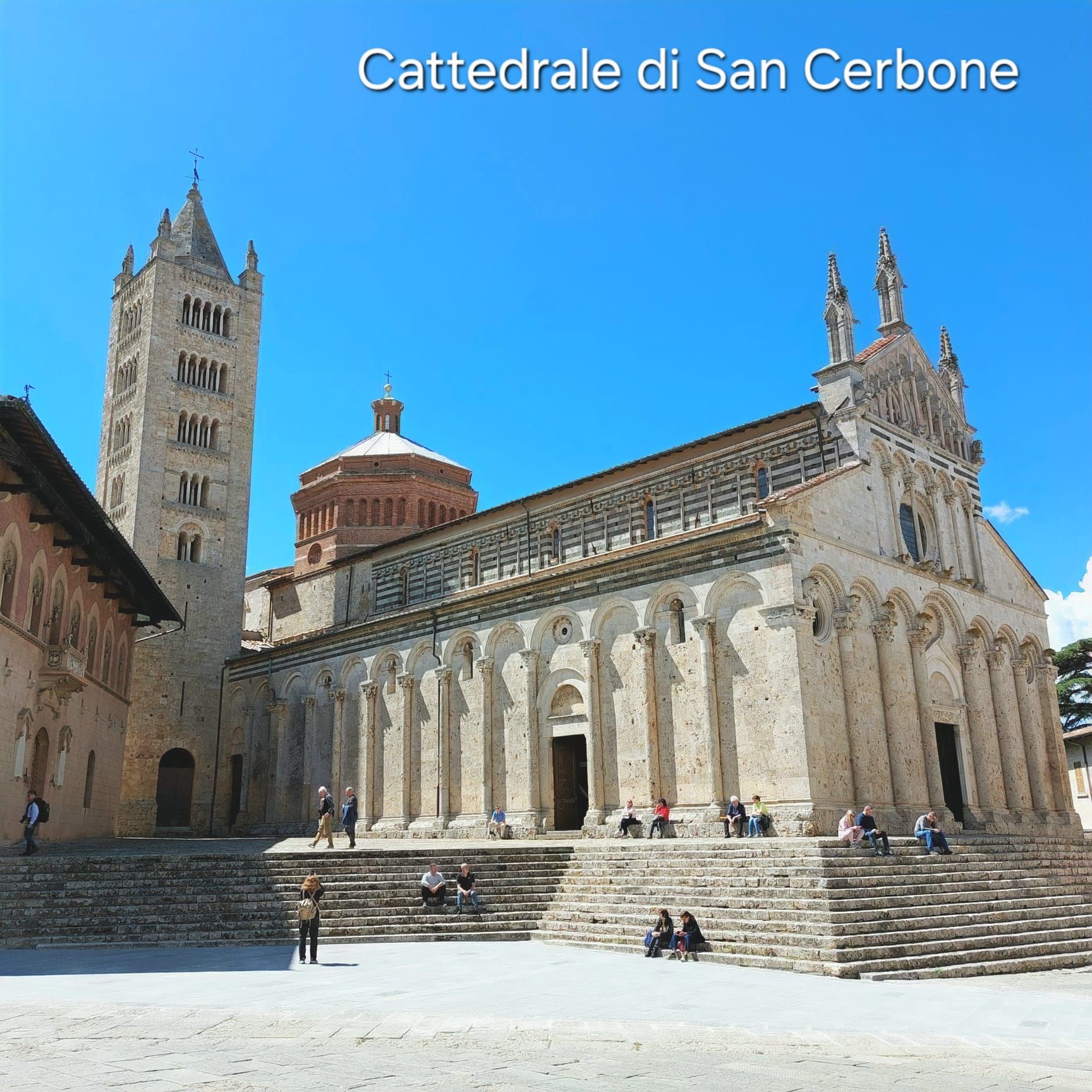
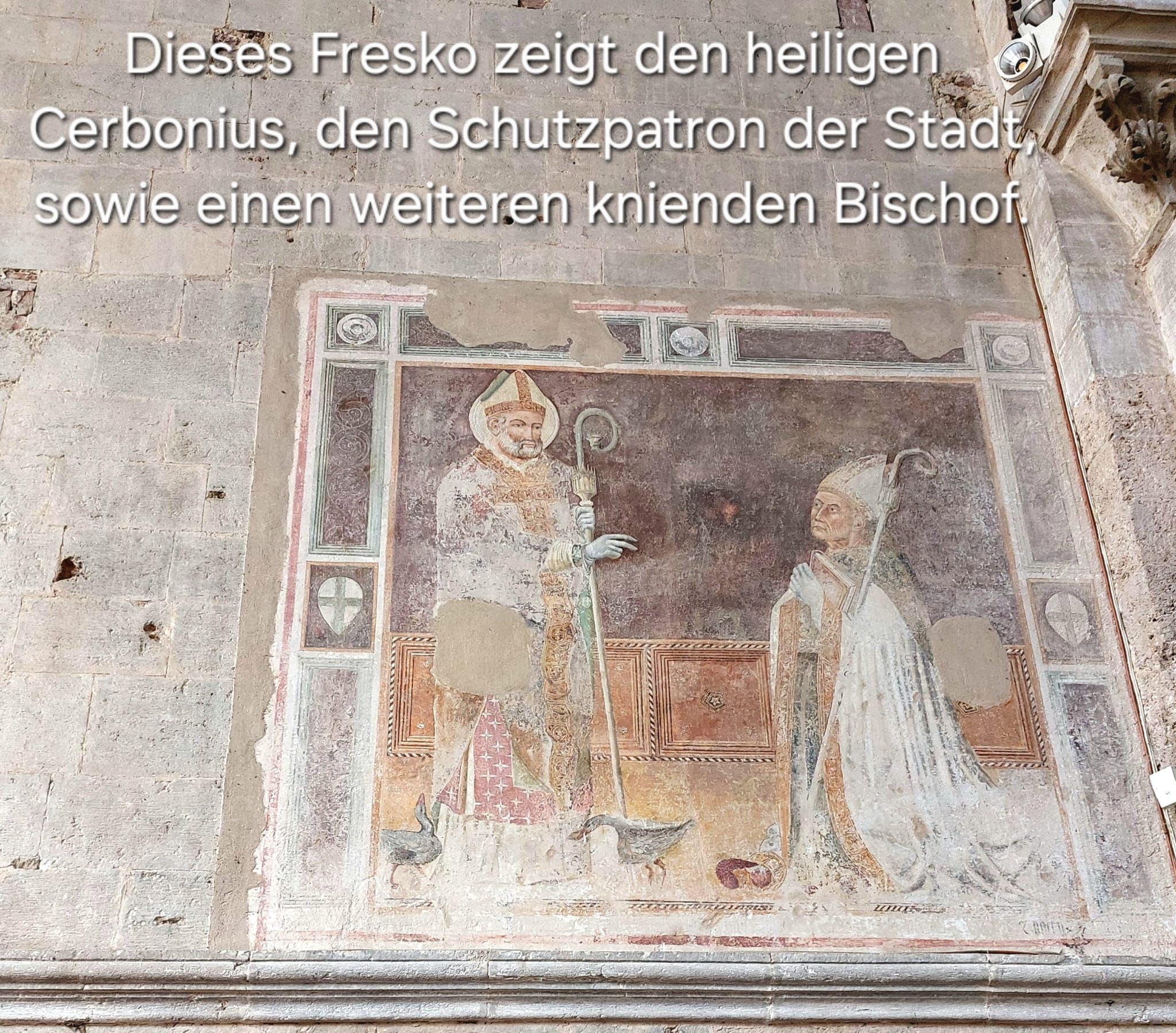
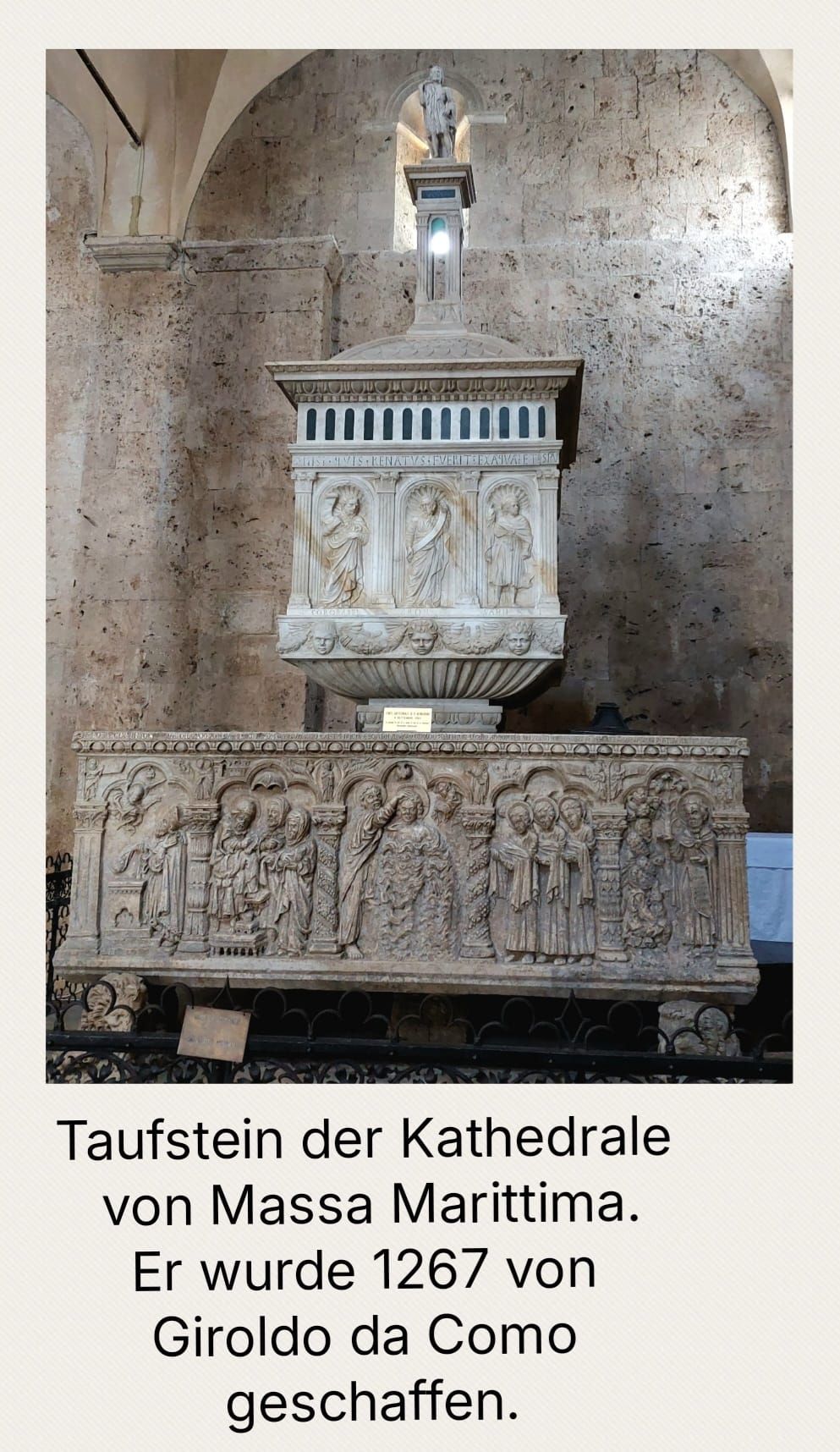
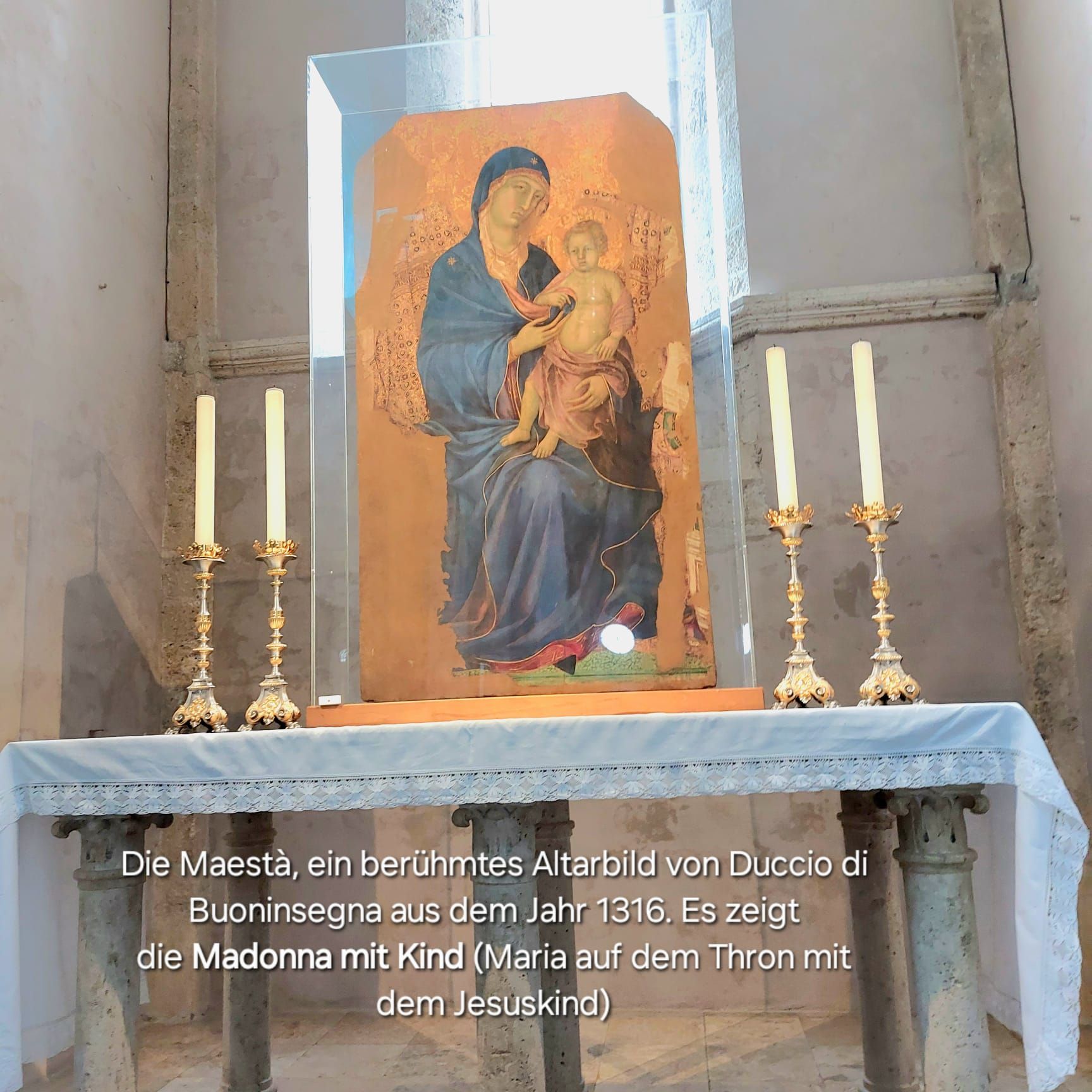
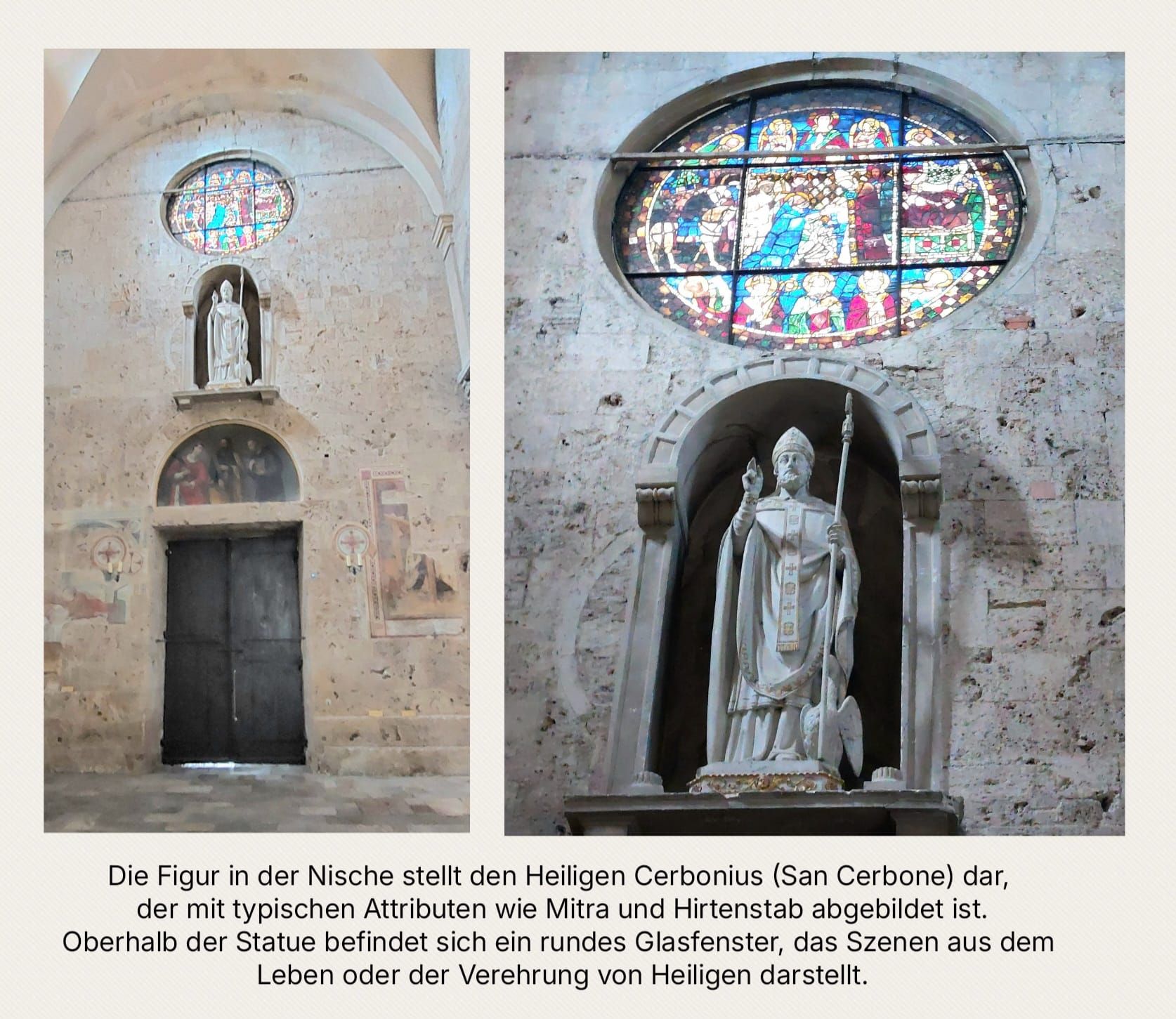
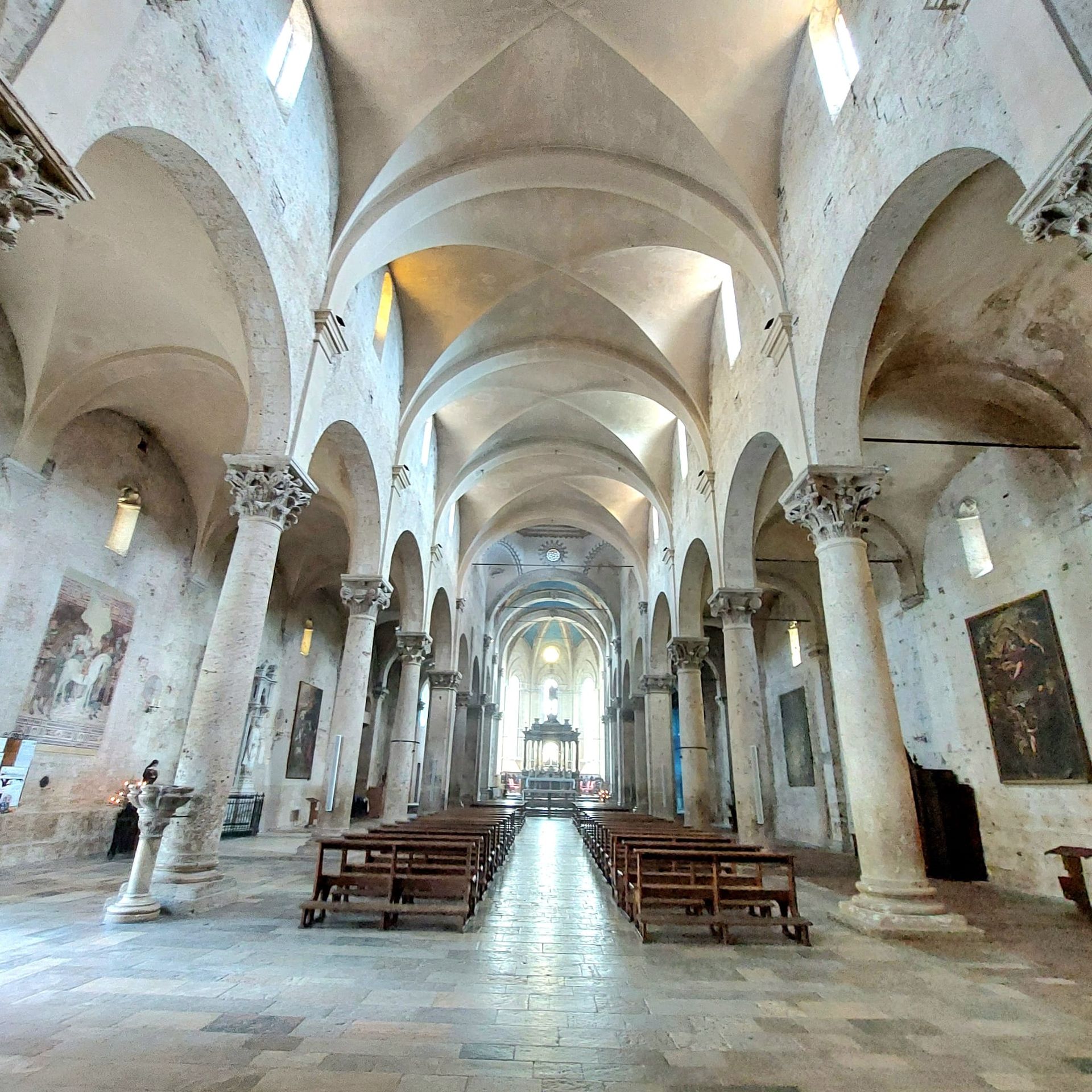
On the Piazza of Massa Marittima stands the Cathedral of San Cerbone. The construction of the cathedral began in the 11th century in Romanesque style and continued into the 12th and 13th centuries. Towards the end of the 13th century, the third façade level (the uppermost) was altered and the apse was expanded to its current form. An apse is the usually semi-circular or polygonal vaulted end of the altar area in a church.
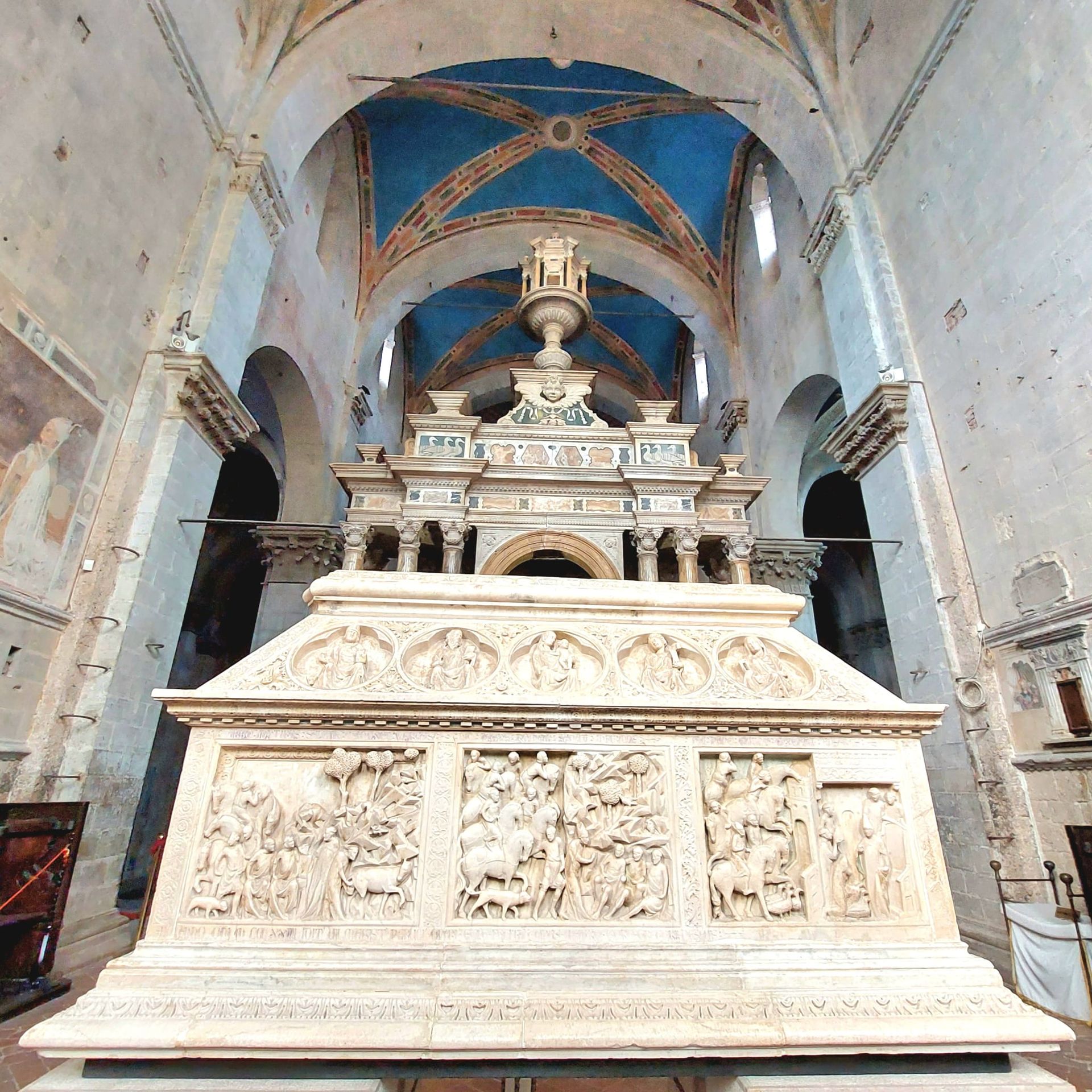
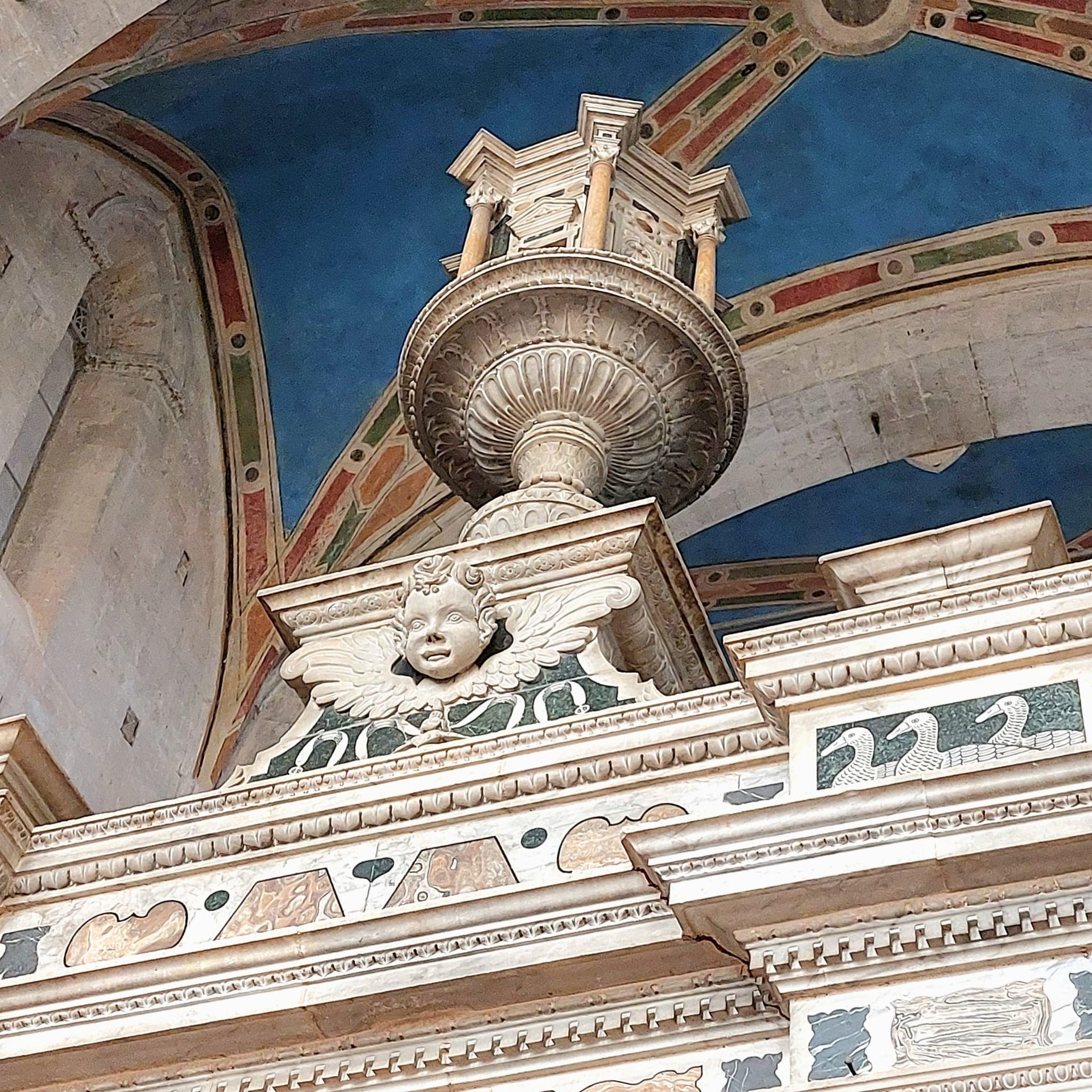
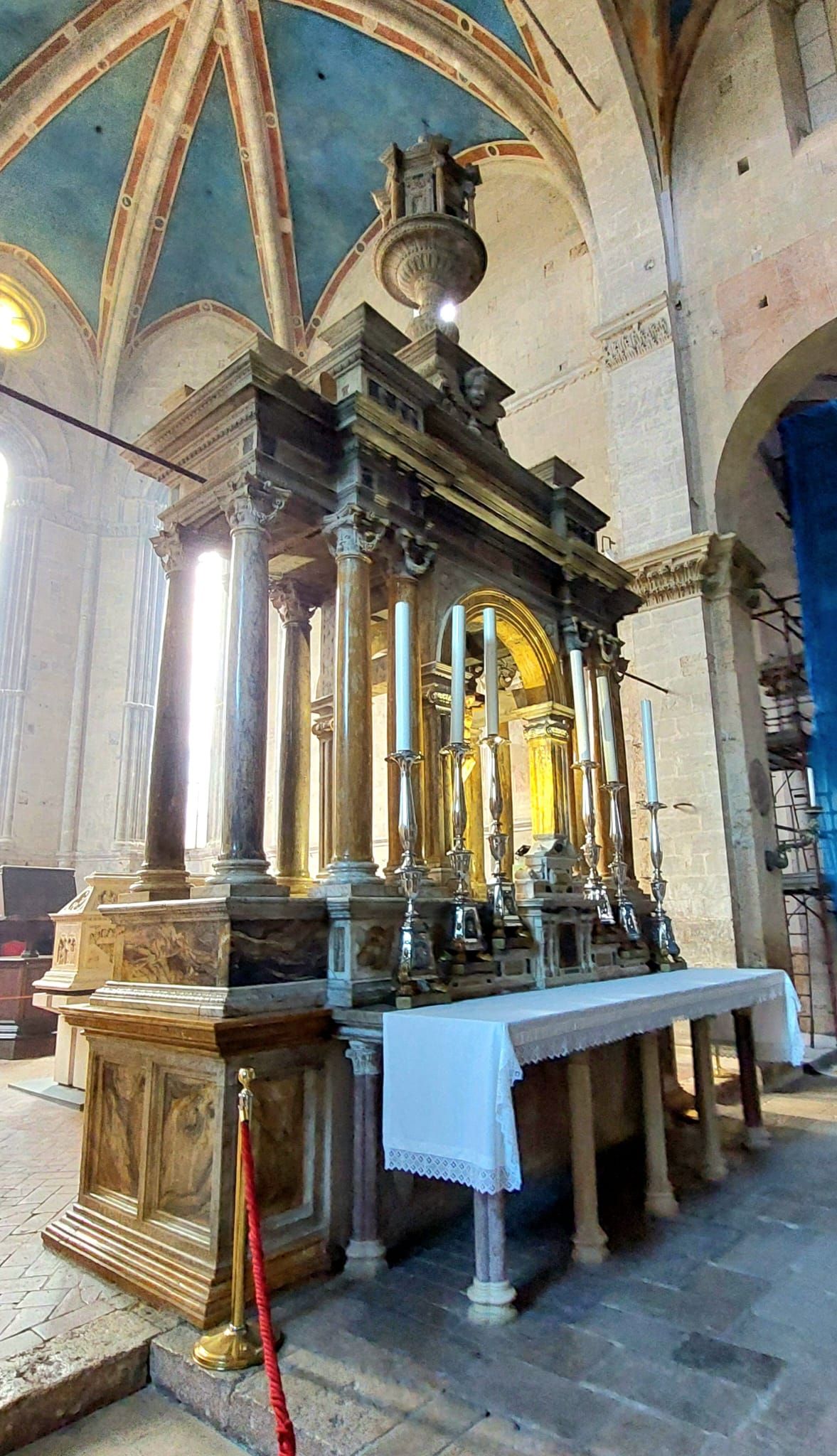
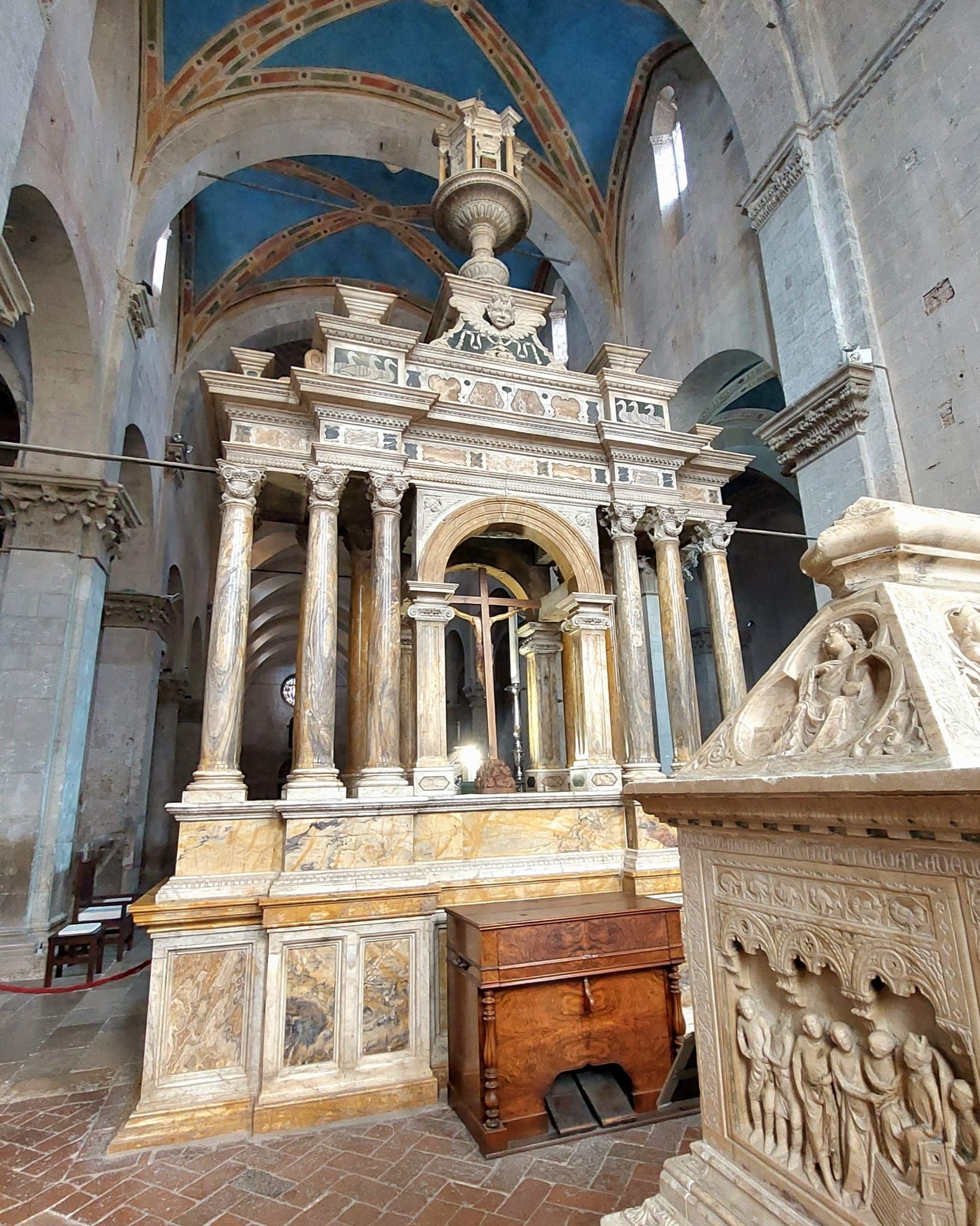
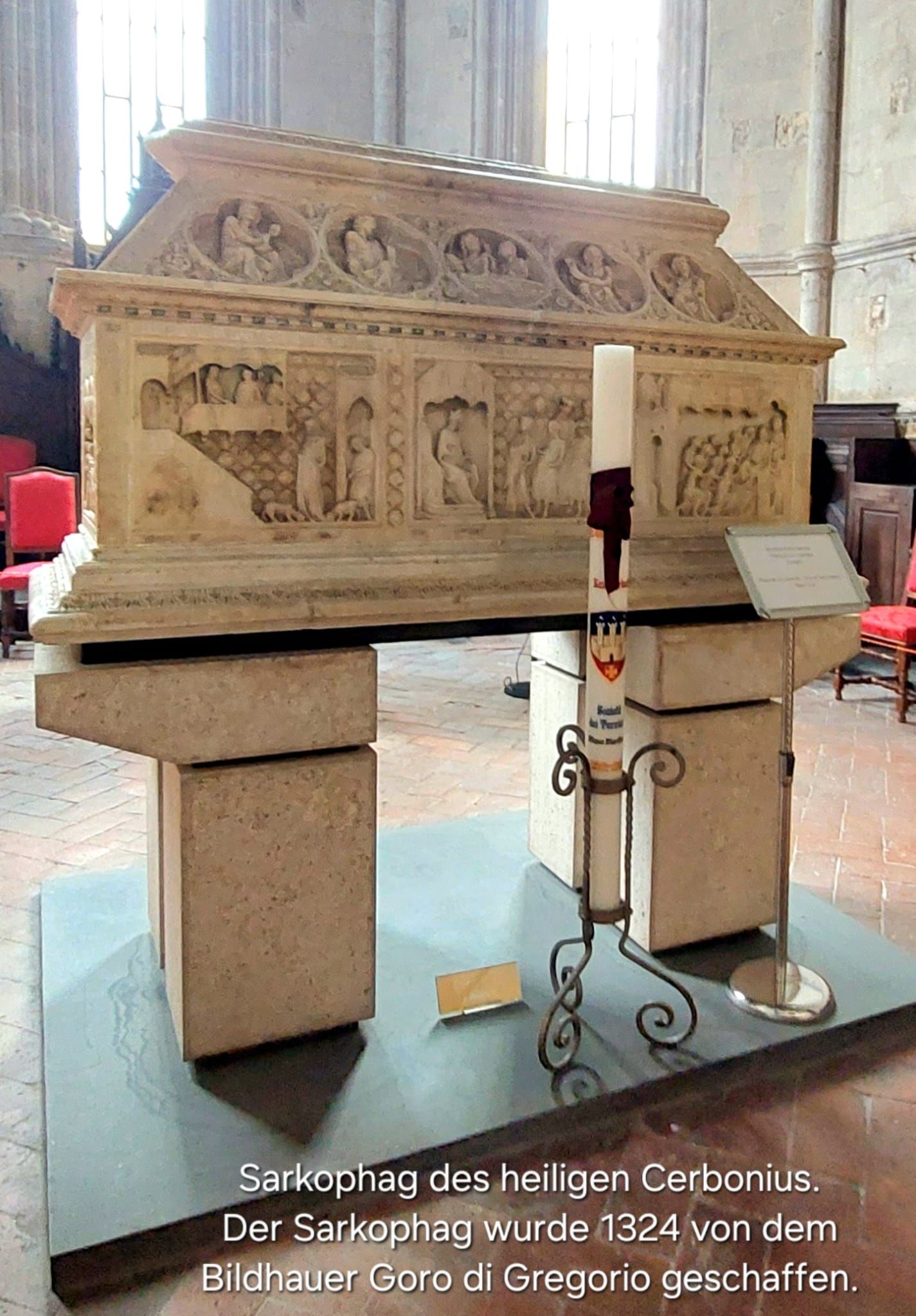
The cathedral impresses in the altar area with an outstanding sacred masterpiece: the Arca di San Cerbone. Behind the main altar is this intricately carved marble sarcophagus, created in 1324 by Goro di Gregorio. It contains the relics of the saint and tells his life story in eight elaborate relief scenes. The actual altar in the background is a work from the 17th century, crafted from the finest marble.
The church is surrounded by all the buildings significant to the former city-state:
the Palazzo del Podestà
This palace dates back to the years 1225 and 1235 and served as the residence of the commissioners and captains of justice of Massa Marittima.
the Palazzo del Comune
The town hall from the 13th century. The coat of arms of the Medici adorns the façade since 1555, when the entire area was annexed to the Grand Duchy of Tuscany.
the Loggia del Mercato
The market hall of Massa Marittima is a historical medieval building with three arches from 1230 and originally served as a public grain storage to protect the town from famines, later becoming a covered market hall.
and in close proximity, the Zecca (Mint Palace)
The mint was established in the early 14th century by the Free Municipality of Massa Marittima, which enjoyed its economic heyday due to mining. However, the coins from Massana were minted only for a relatively short period, approximately from 1317 to 1394, the year Massa came under Sienese rule.
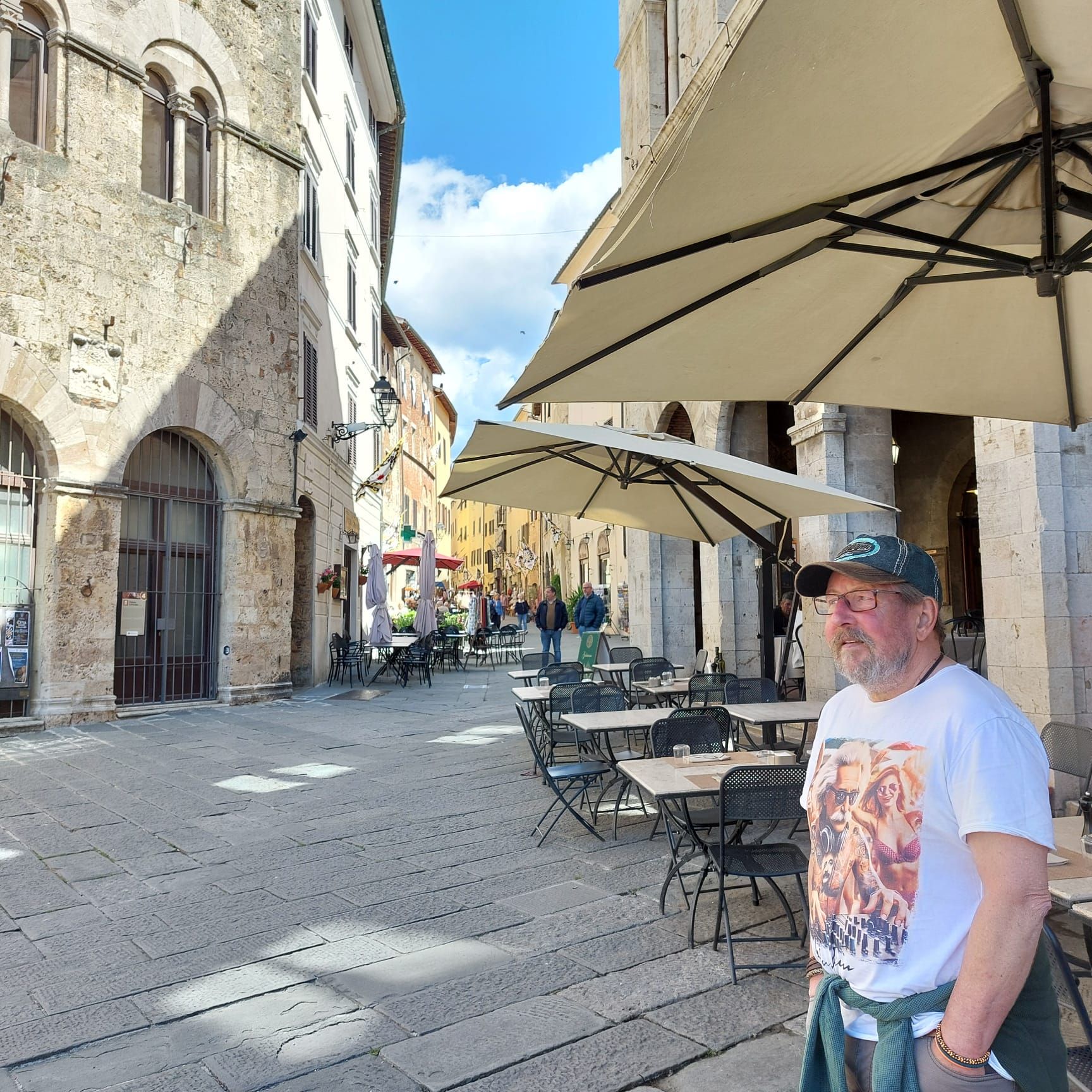
In the city, one can pass the time well by visiting the many sights, browsing through the many shops, and resting in one of the numerous restaurants and cafés.
We spent our time there well and after 2 nights continued on - this time towards the sea.