Southern
Sweden Tour - Day 3
Today, we set off shortly after 10:00 AM. We left Nyborg and headed towards Copenhagen on the E 20.
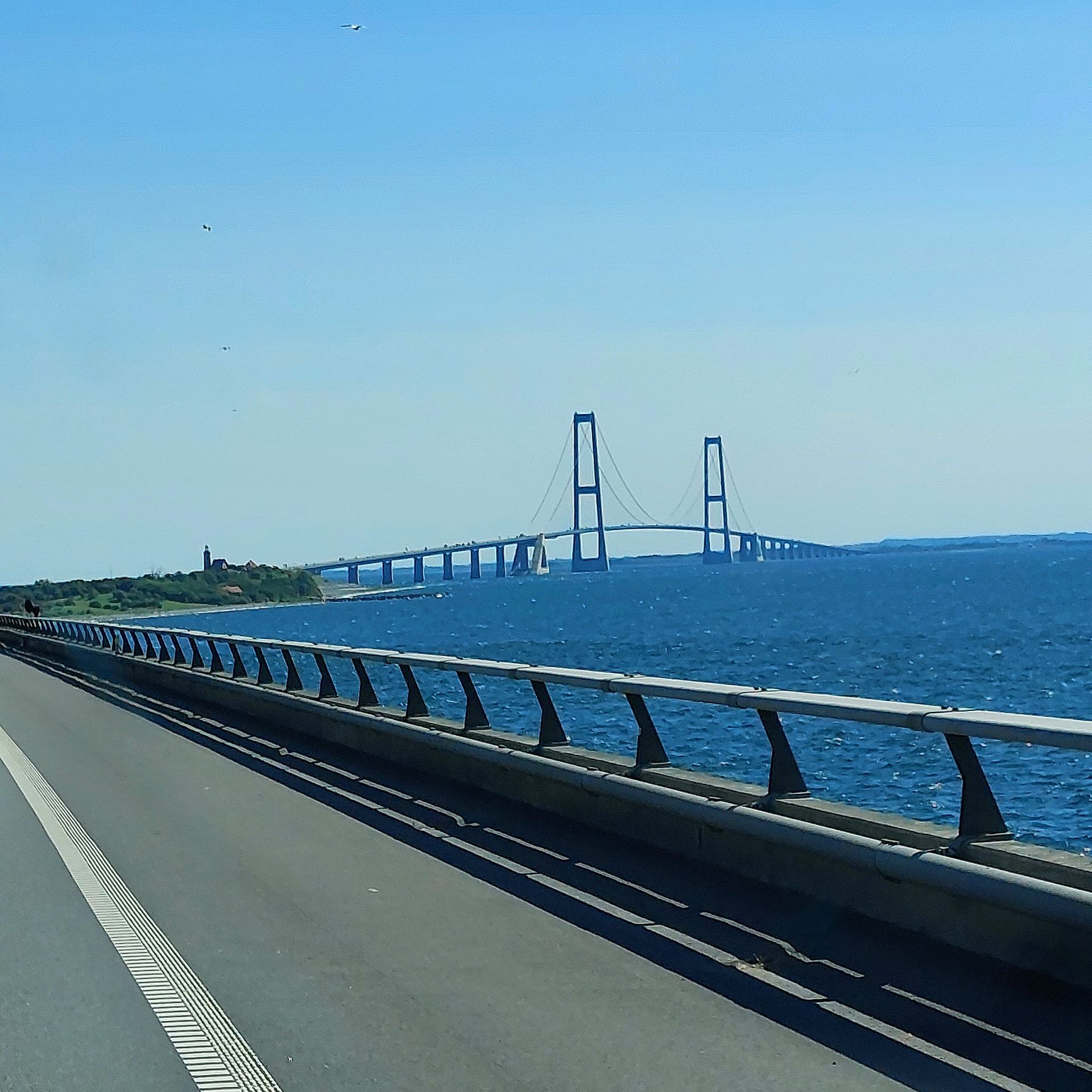
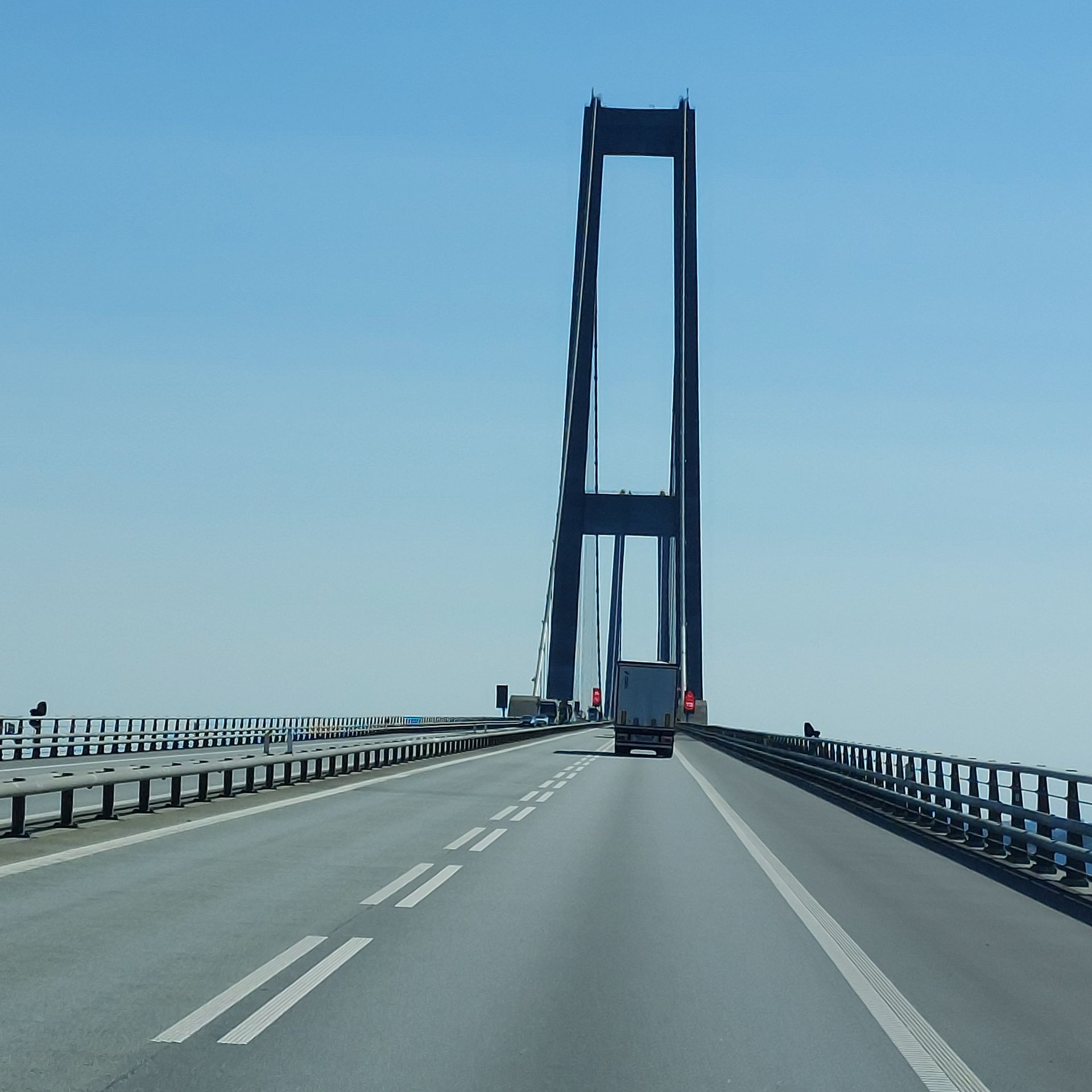
Soon we were on the 'Great Belt Bridge' (“Storebæltsbroen”), which connects the islands of Funen and Zealand, where Copenhagen and Roskilde are located. It spans the maritime route “Great Belt” separating Western and Eastern Denmark. The bridge is 18 kilometers long and consists of two parts.
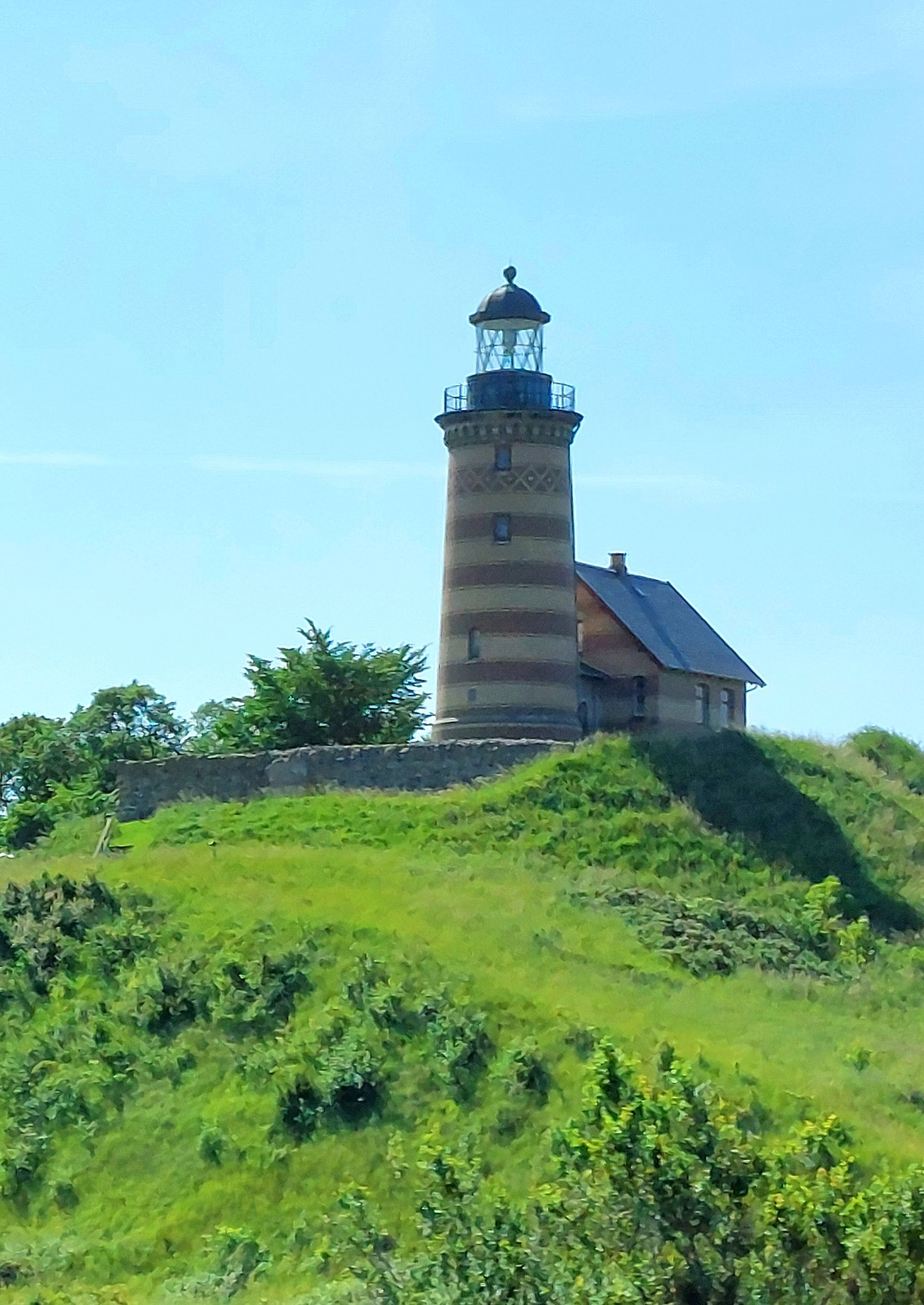
The island of Sprogø lies in the Storebælt (Great Belt) between the Danish islands of Fyn (Funen) and Sjælland (Zealand). The Storebælt Bridge uses this island as a stopping point in the connection between Funen and Zealand. From the bridge, we could see the lighthouse on the island.
At Ishøj interchange, we continued on the E 20 towards Malmö / Copenhagen.
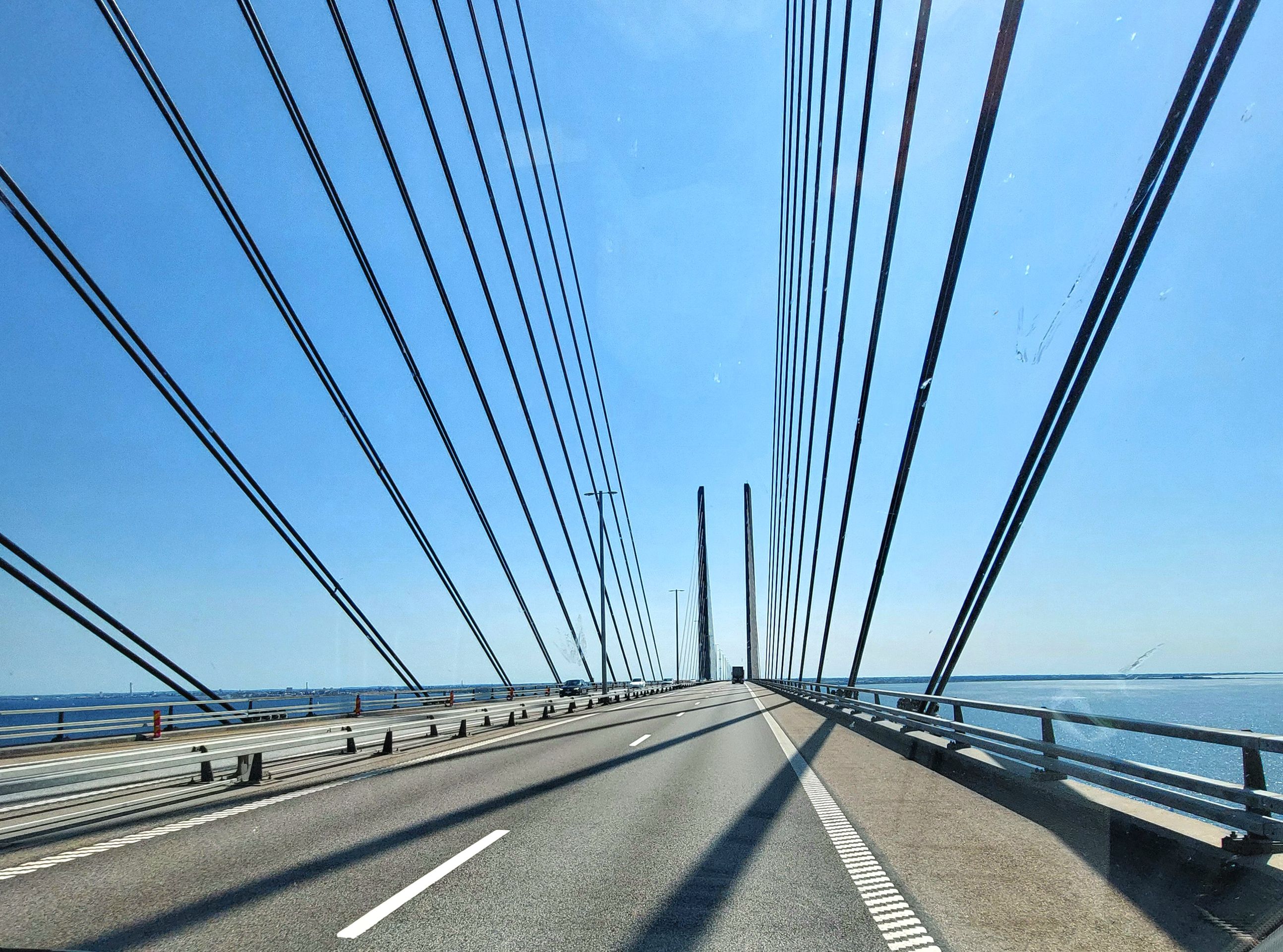
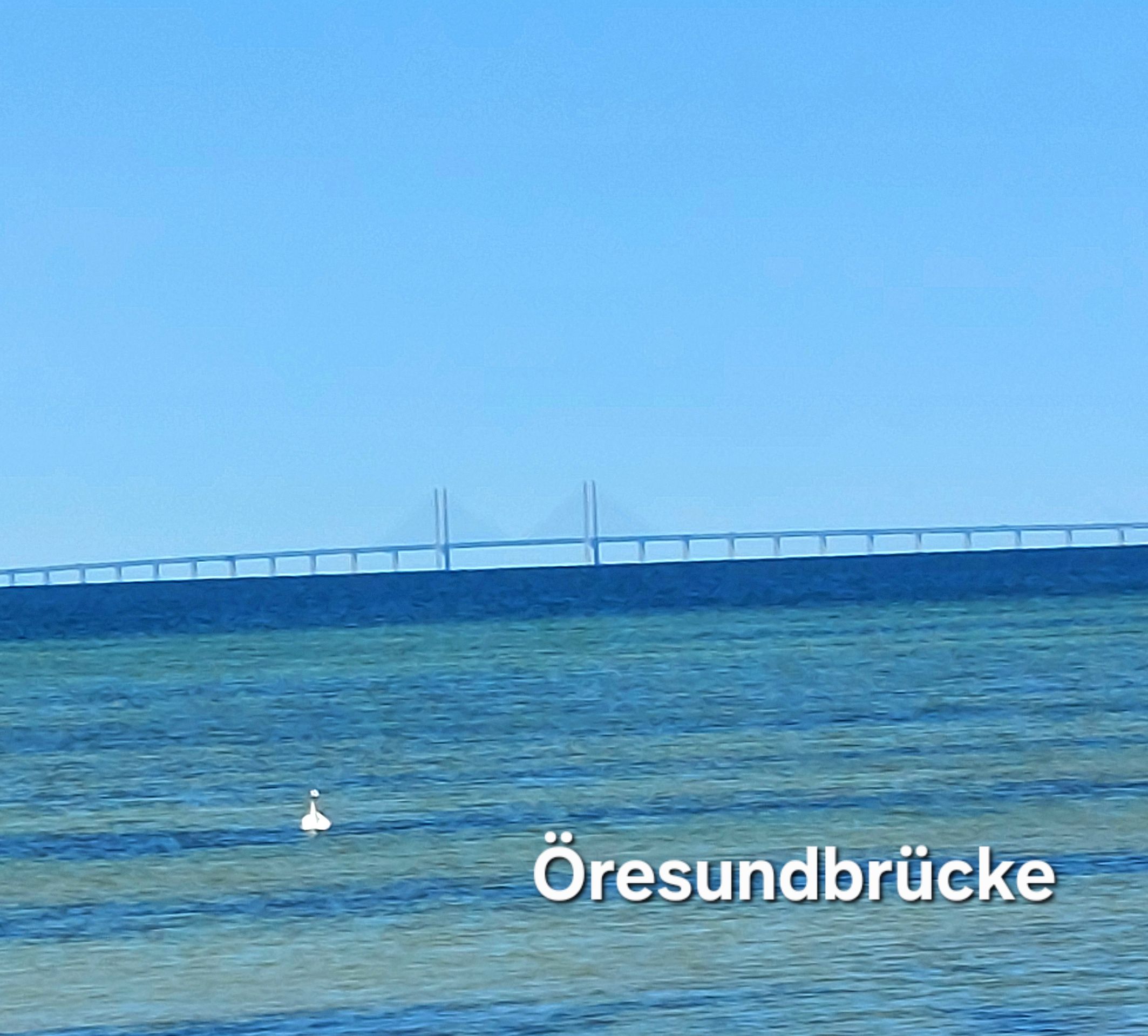
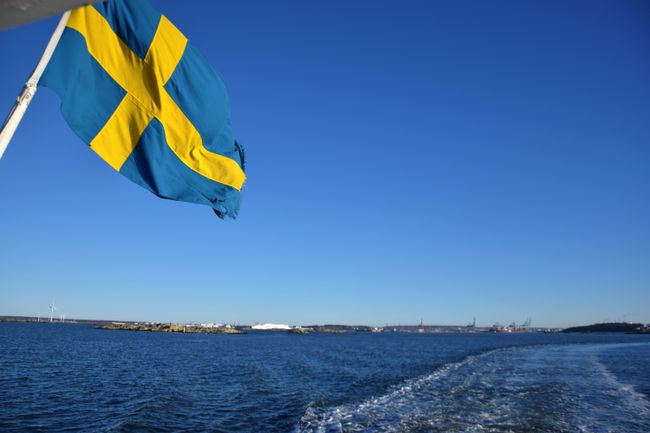
Just after Copenhagen, we reached the Øresund Bridge, the world's longest cable-stayed bridge for combined road and rail traffic, together with the Drogden Tunnel and the artificial island Peberholm, it forms the Øresund connection. This connection links the Danish capital, Copenhagen, with Malmö in Sweden, significantly developing the Øresund region. The border runs 883 meters west of the western pair of pylons and is marked by signs located at the nearest sign bridge. The bridge was opened to traffic on July 1, 2000.
After the bridge, we continued towards Trelleborg, taking the exit at Höllviken to 'Federal Road' 100.
There, our first stop in Sweden took us to Skåne. We actually wanted to visit Foteviken, located on the Höllviken peninsula in southern Skåne. There is a reconstruction of a large Viking settlement, and a full-size replica of a Viking ship found off the coast can also be admired here. Unfortunately, we were not able to do this, as Foteviken is temporarily closed.
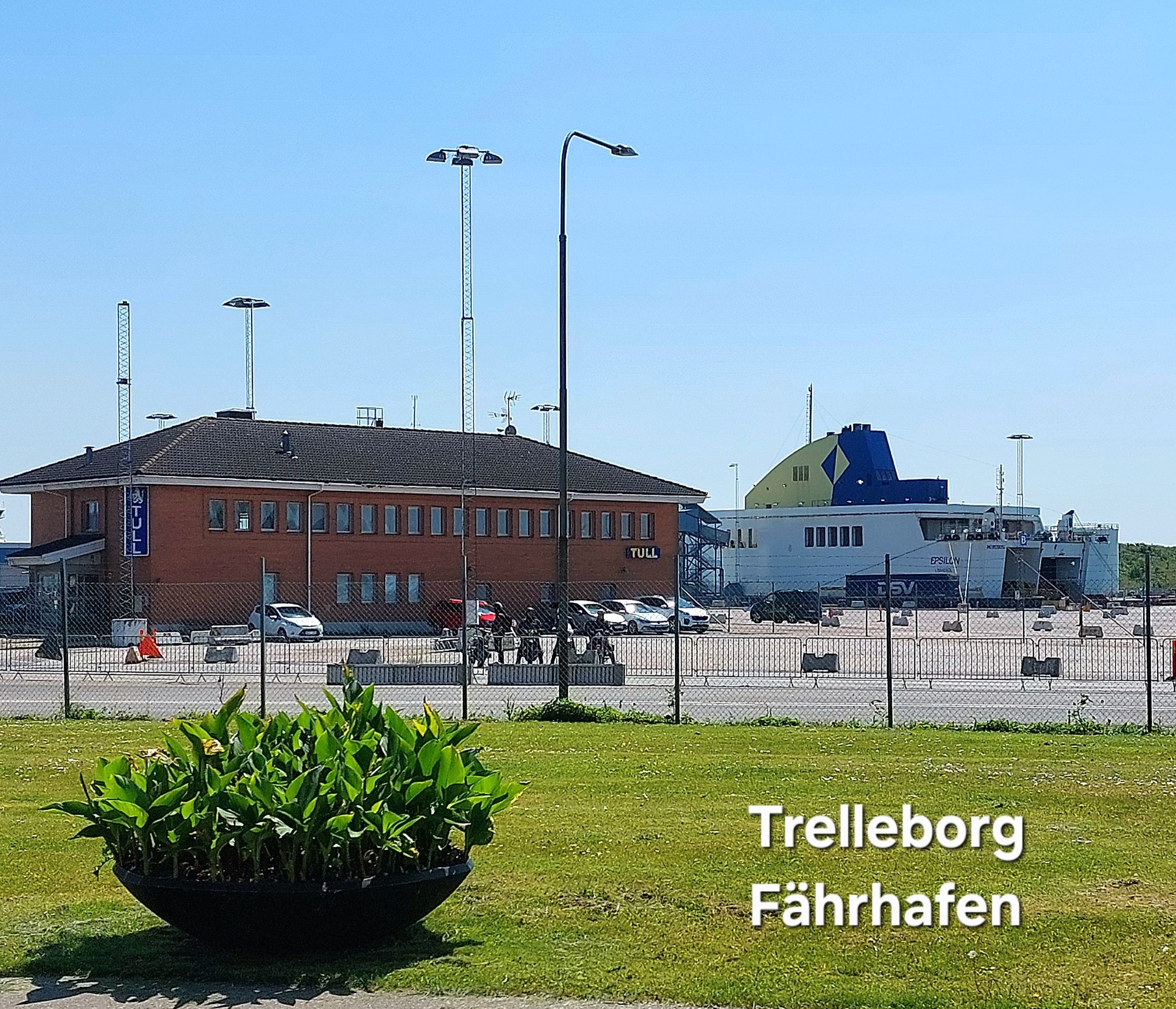
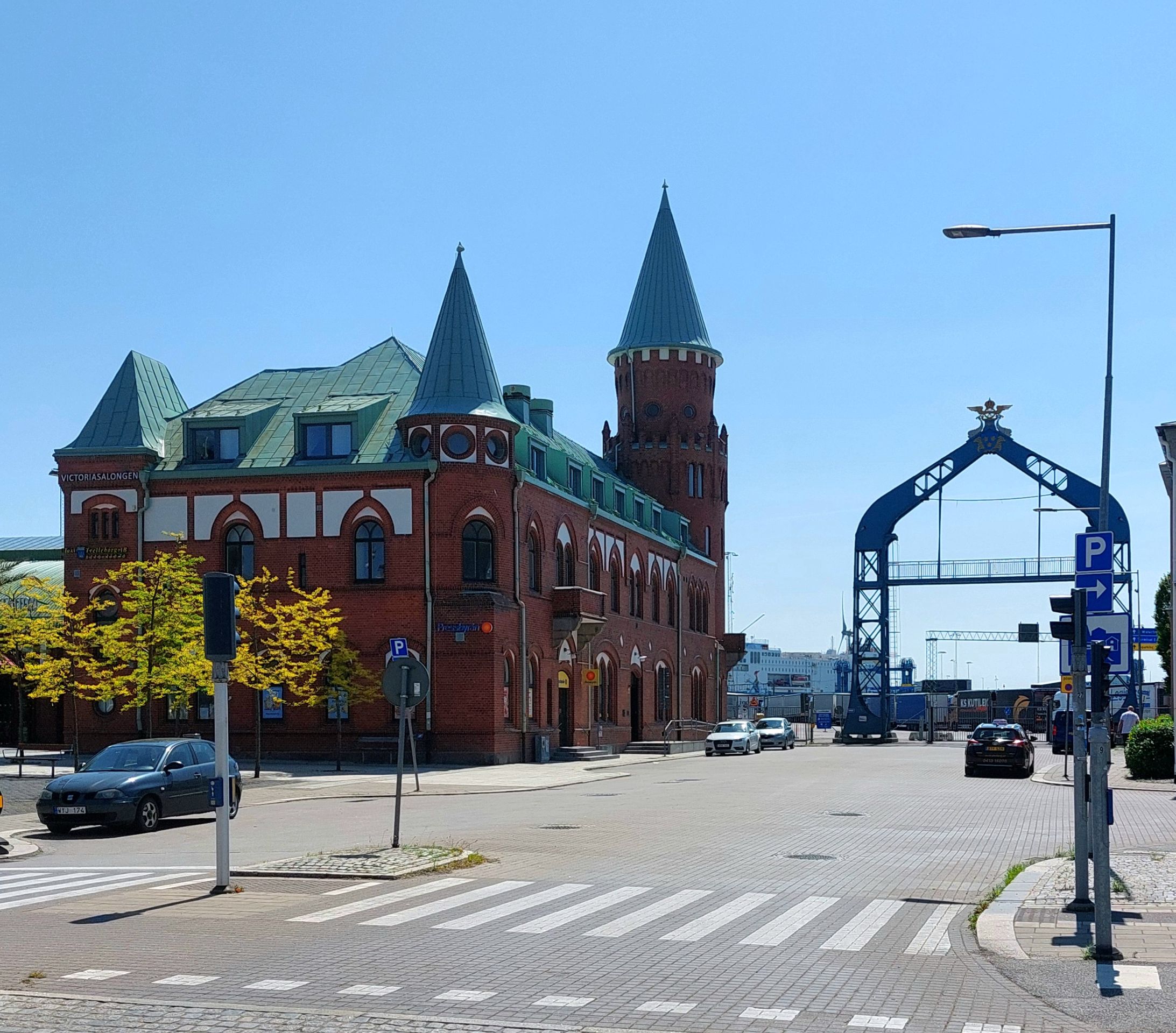
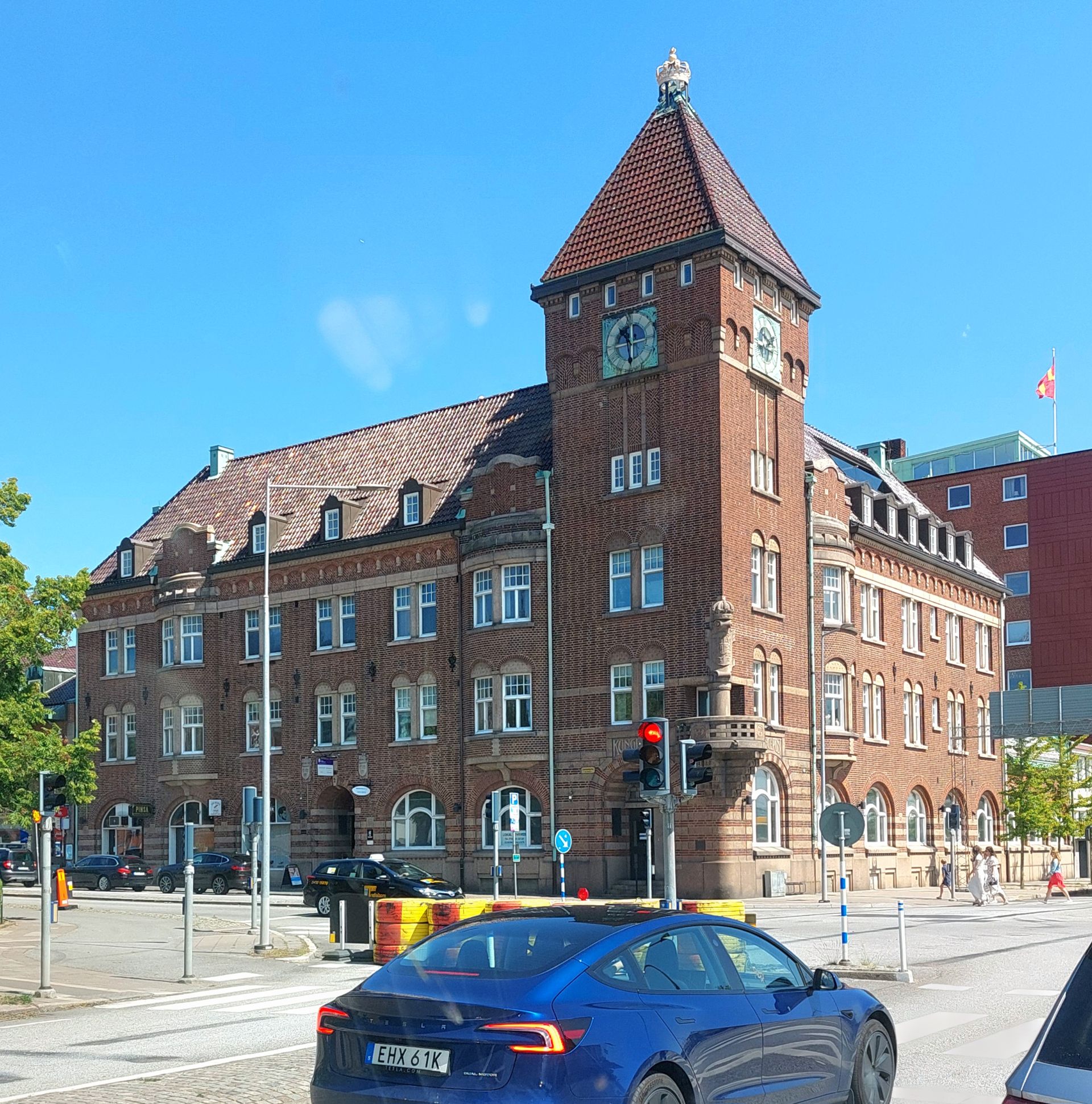
So we turned back and drove on Road 9 to Trelleborg. In Trelleborg, we passed the ferry port and the old post office, which now houses a museum.
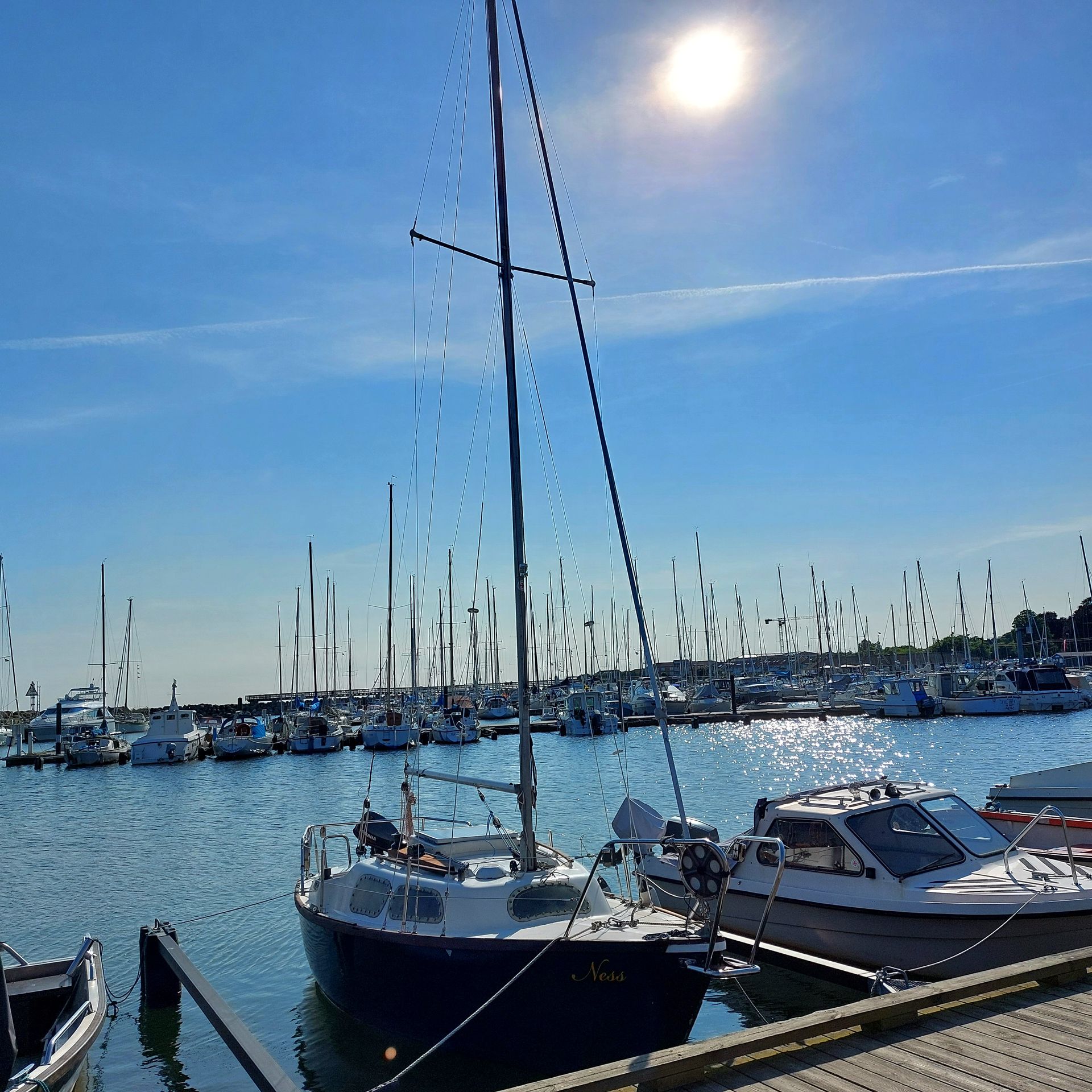
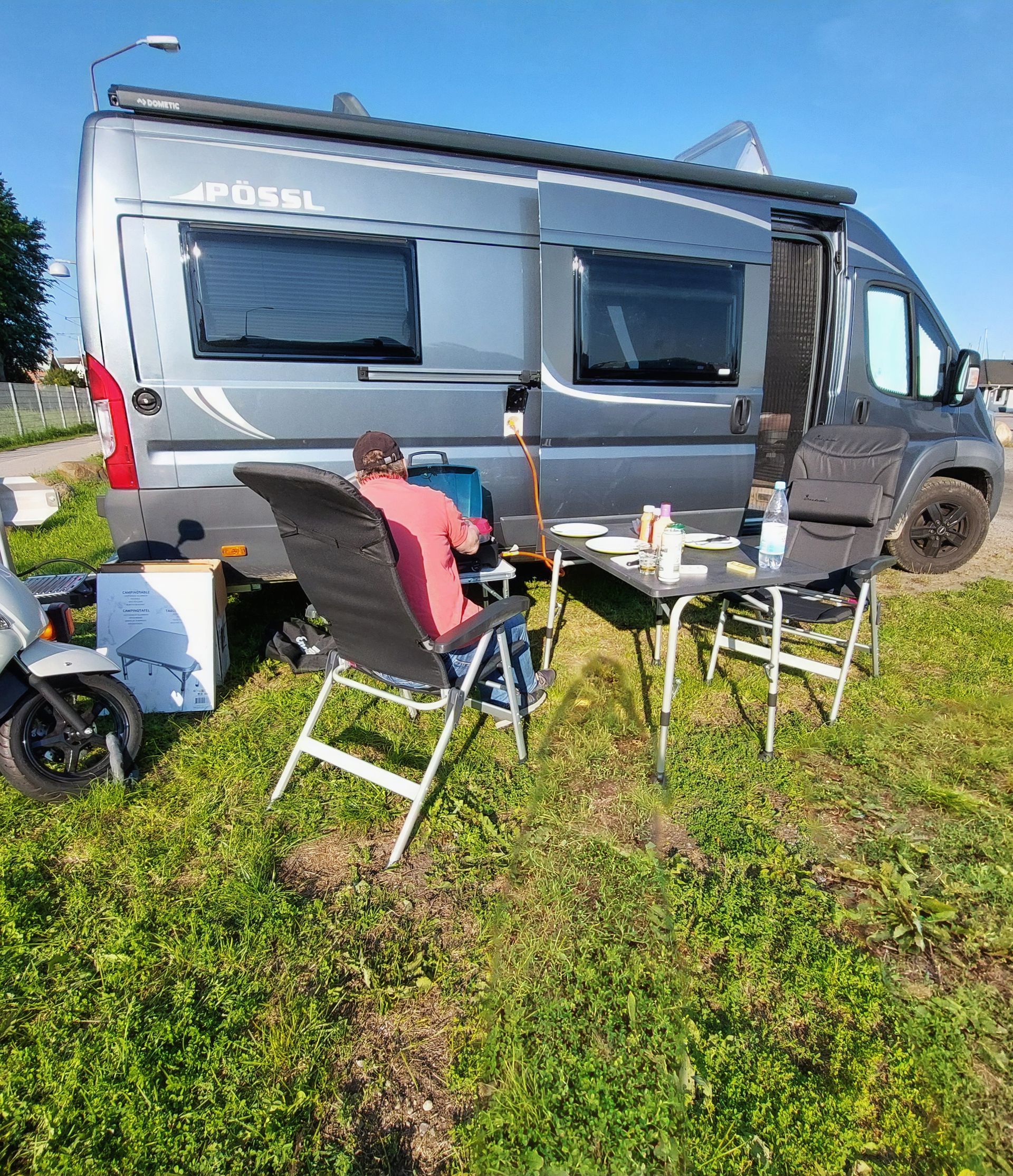
After that, we continued to Ystad. At the harbor, we found a parking spot and will stay for 2 nights. After setting everything up at the spot, we headed into the town.
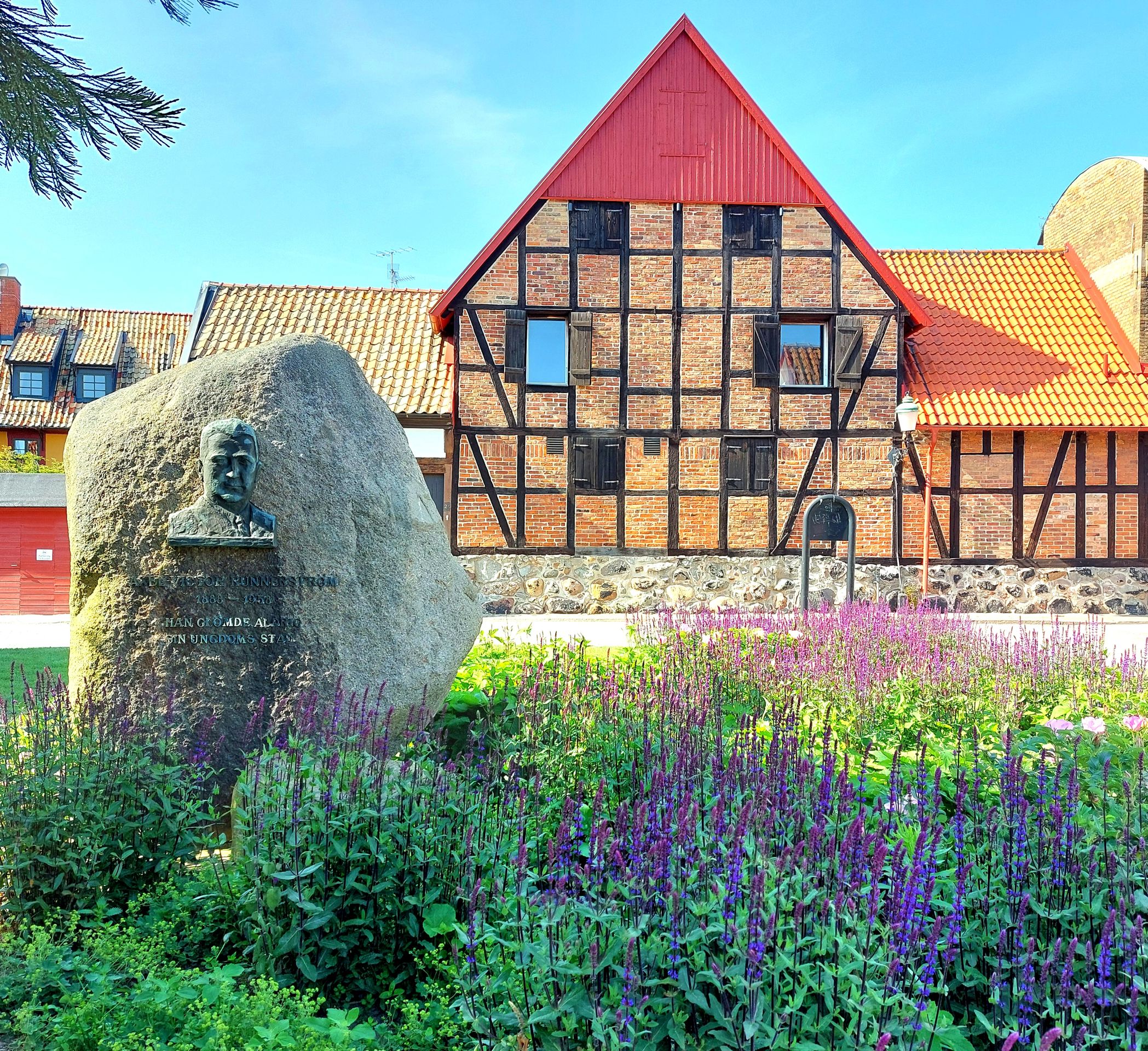
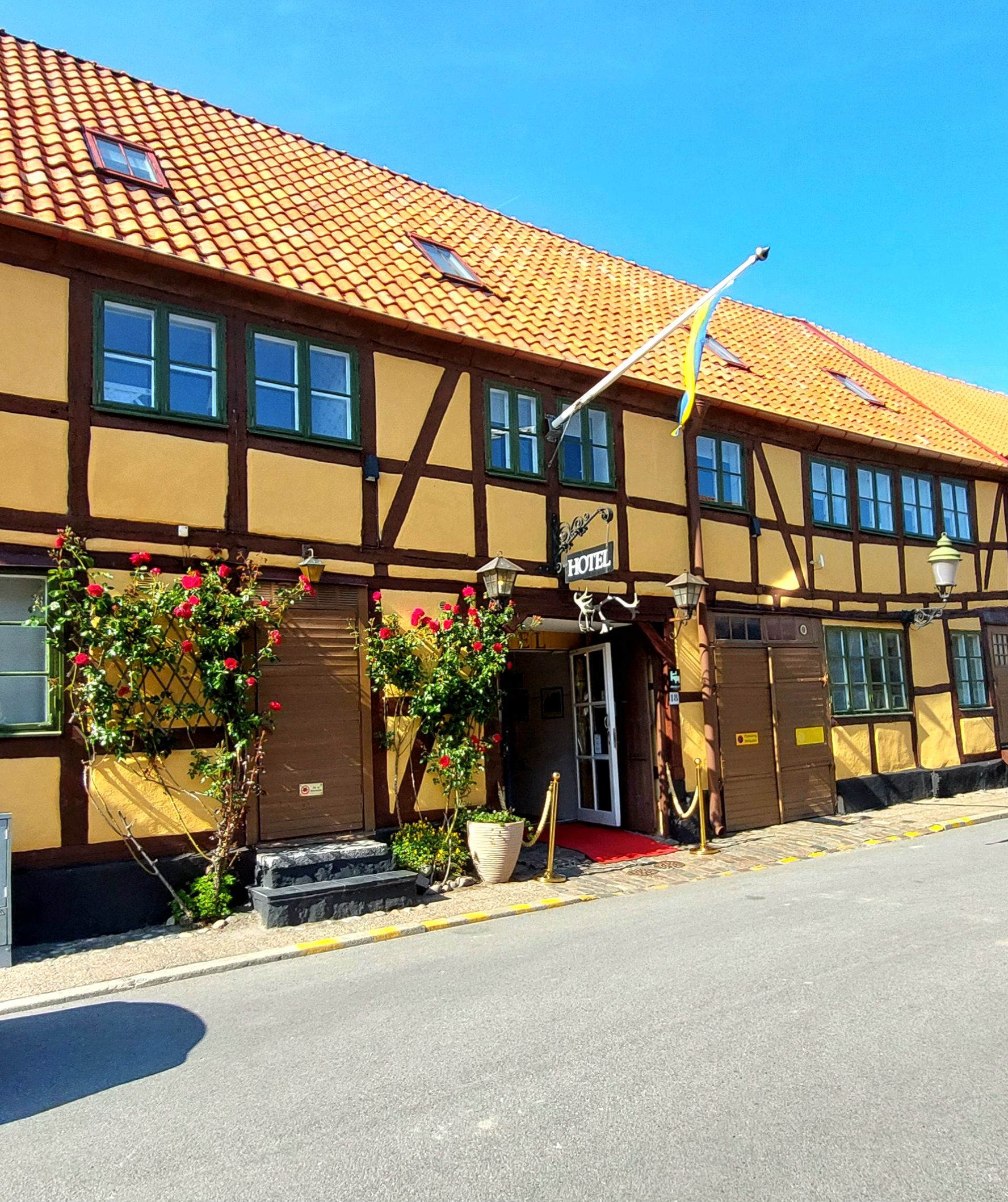
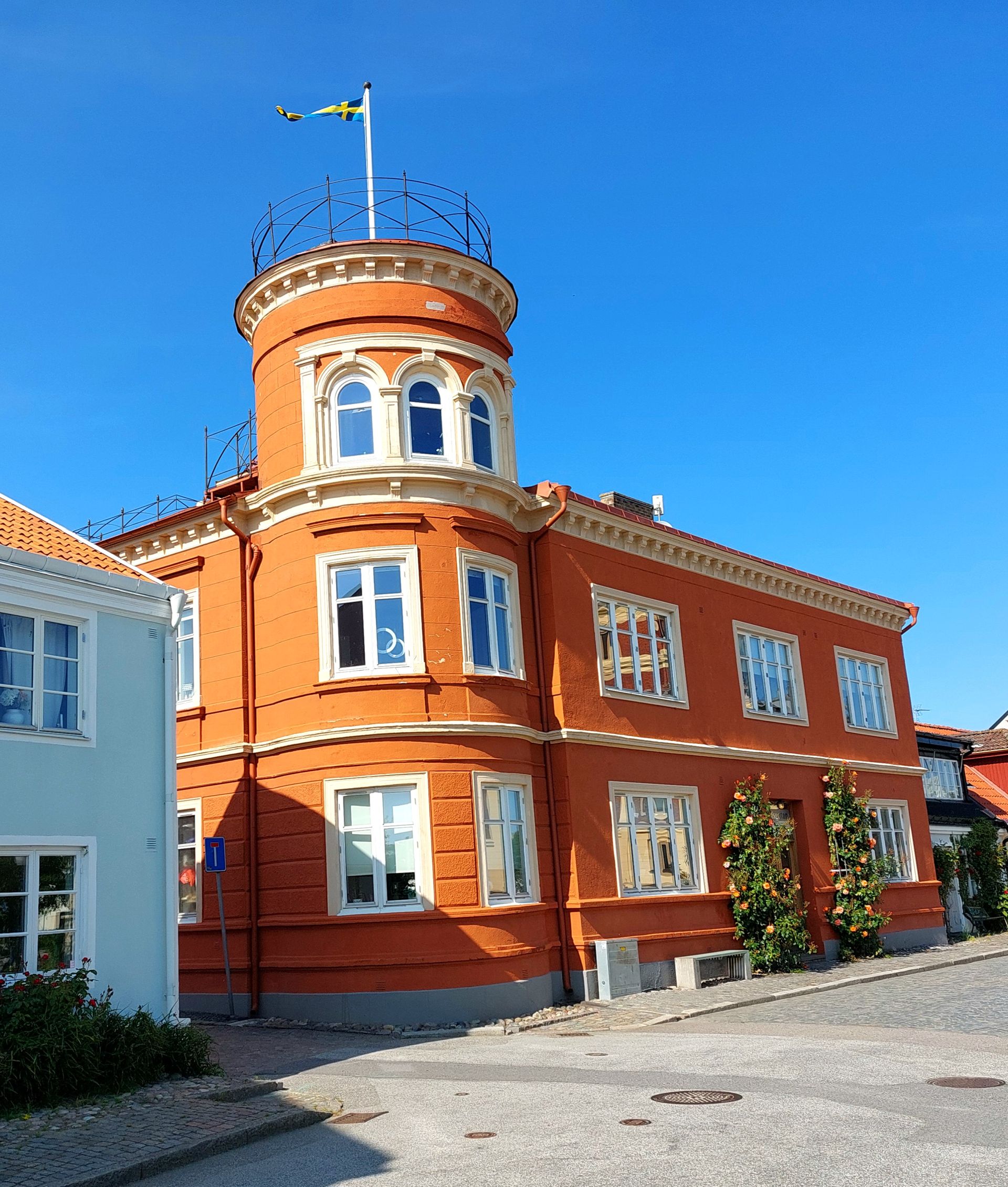
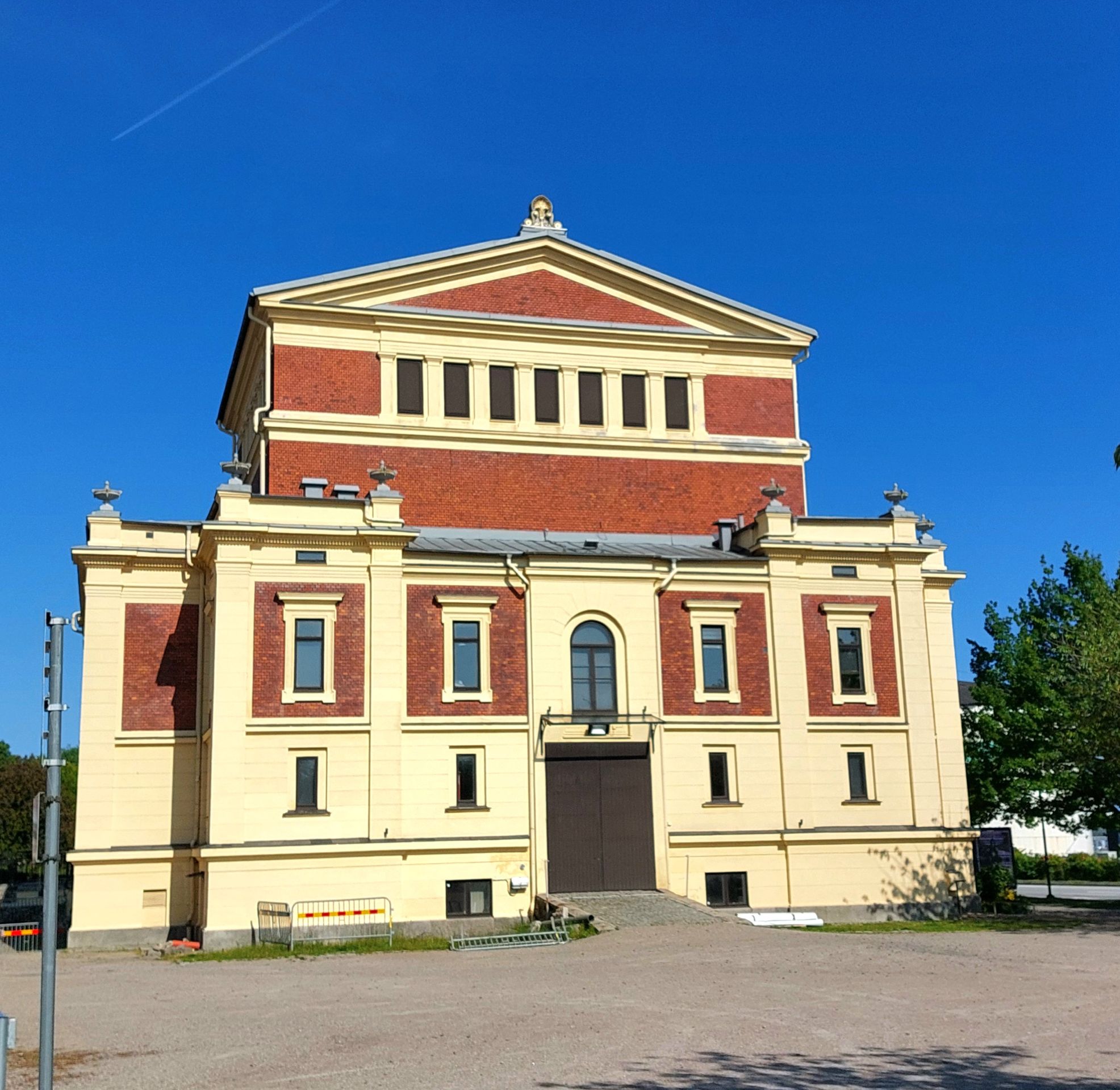
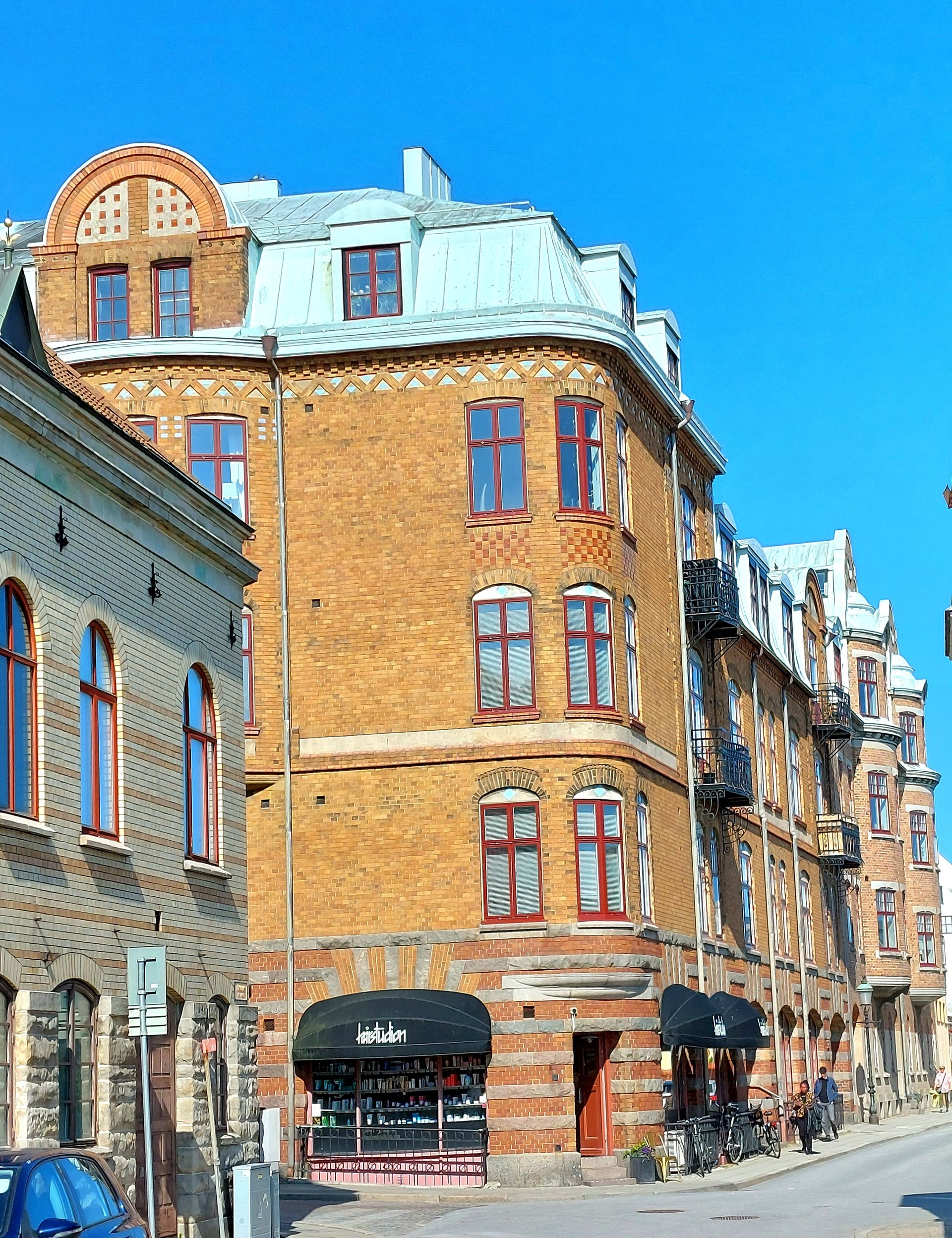
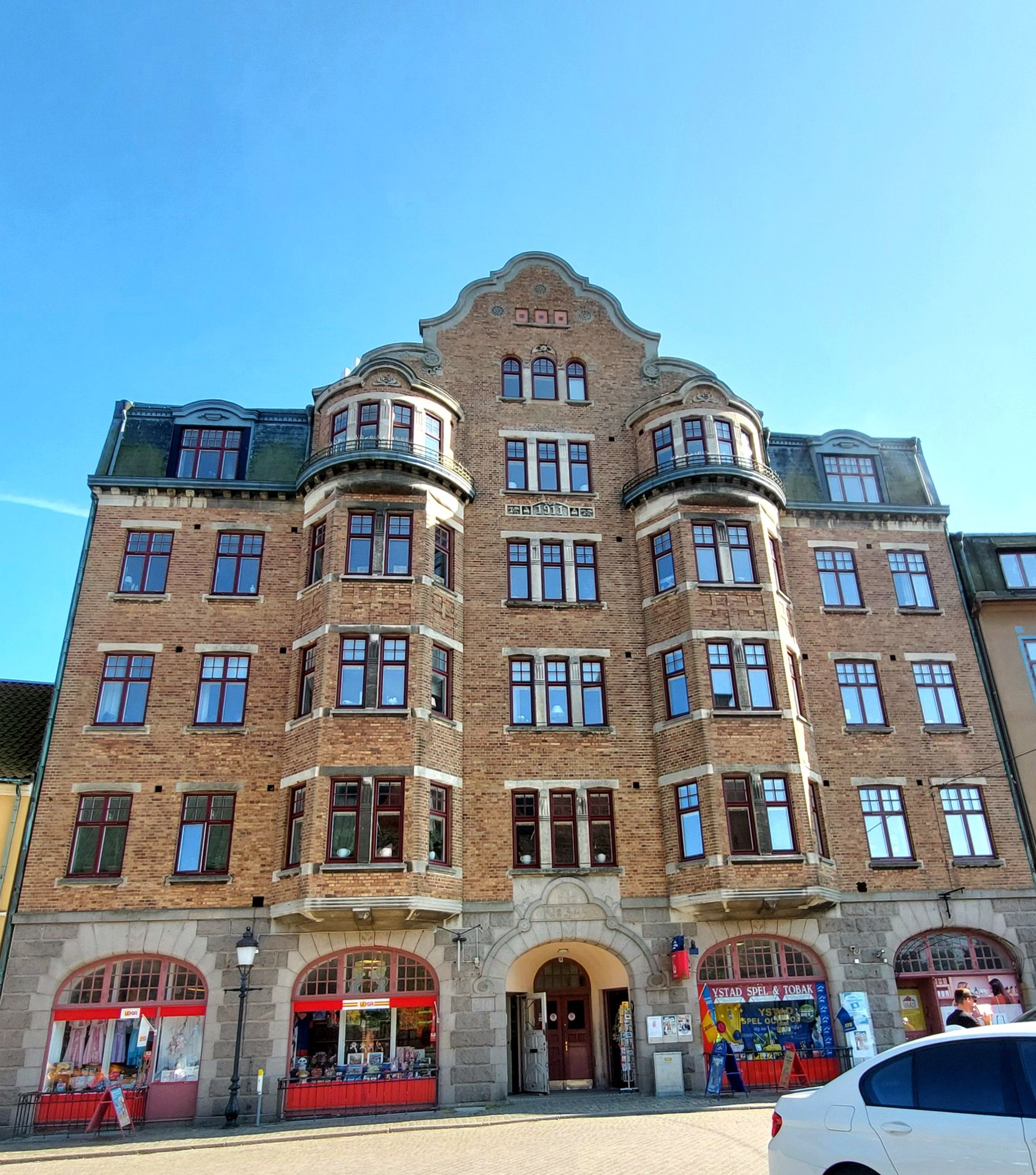
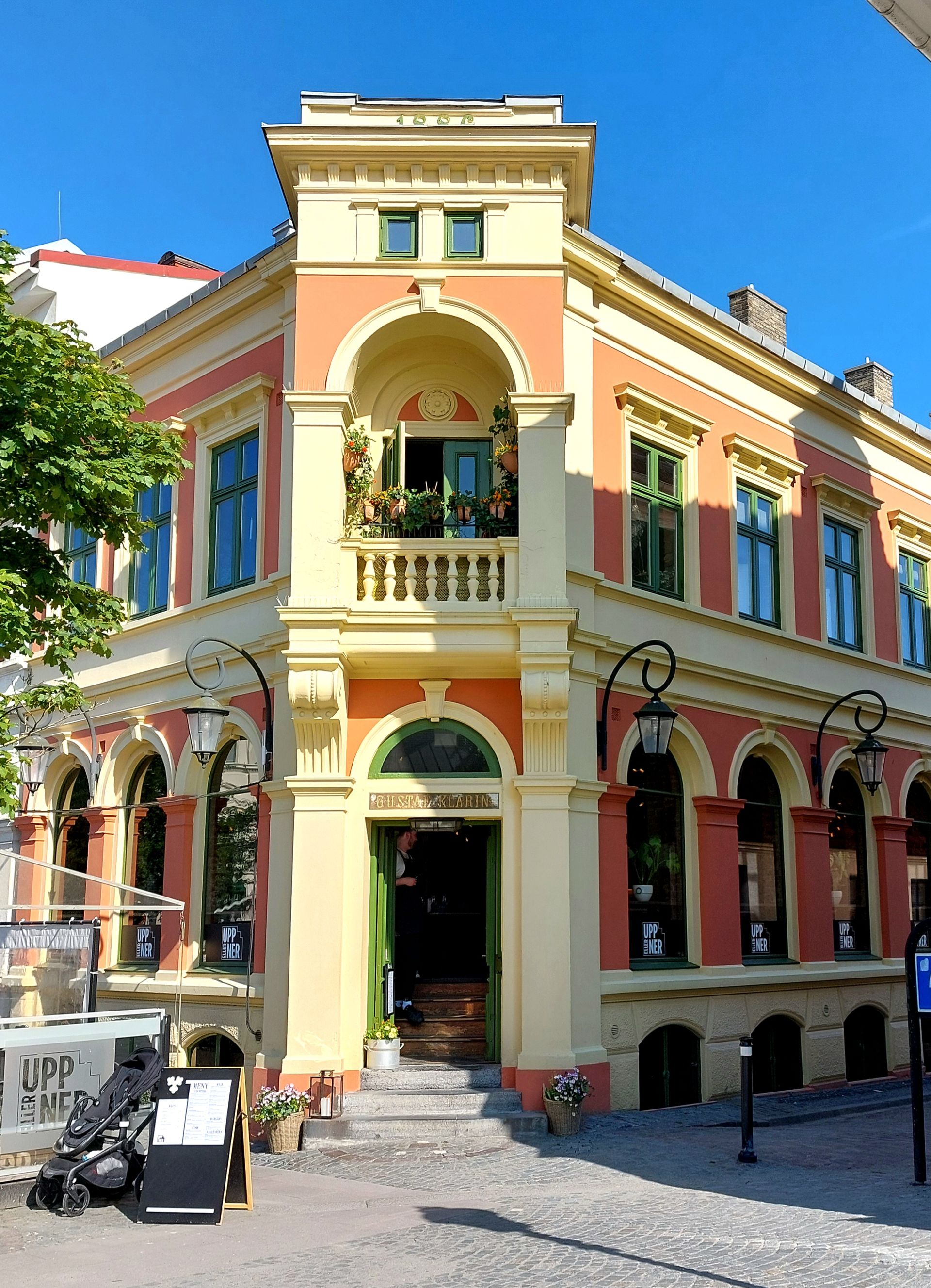
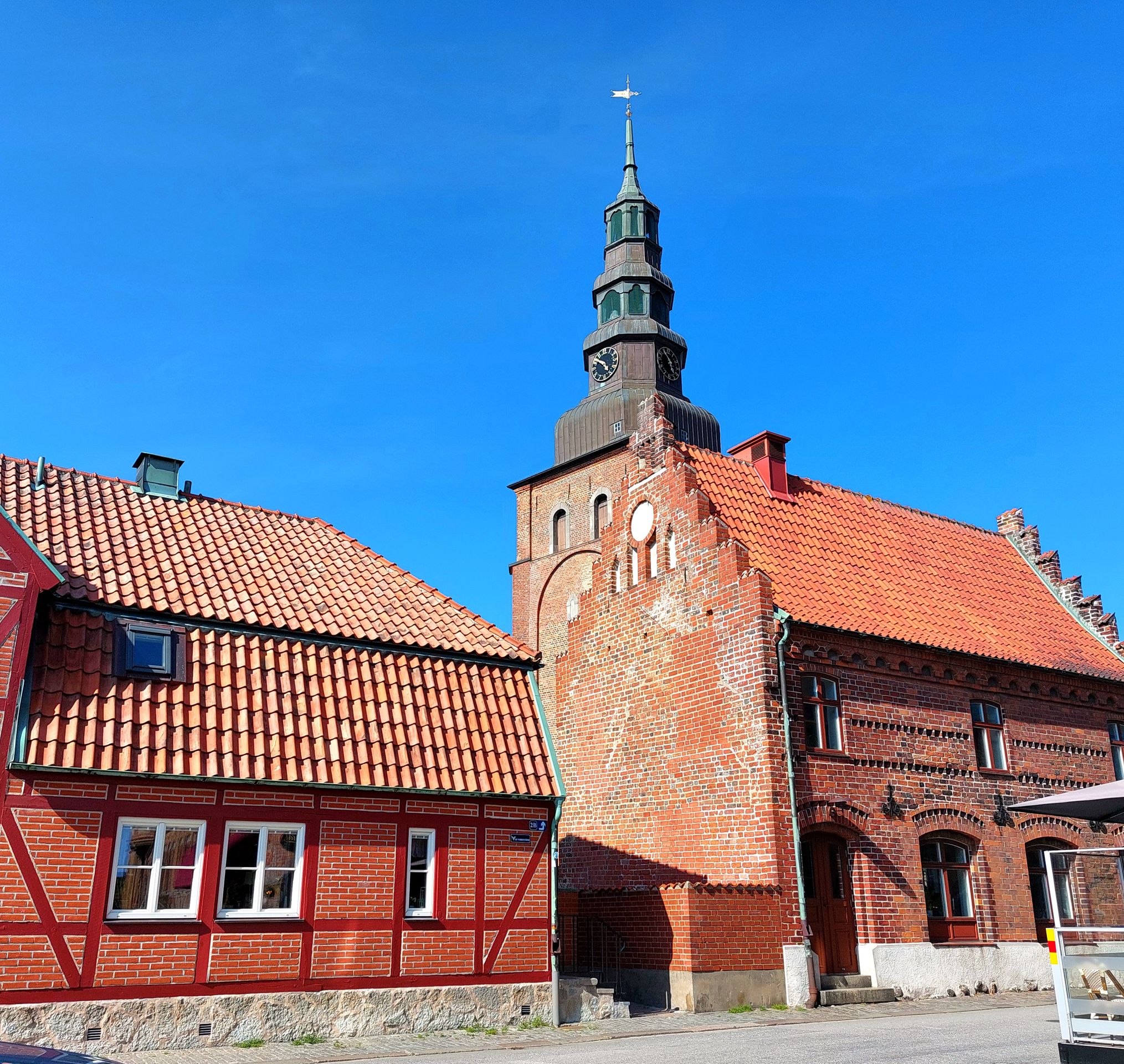
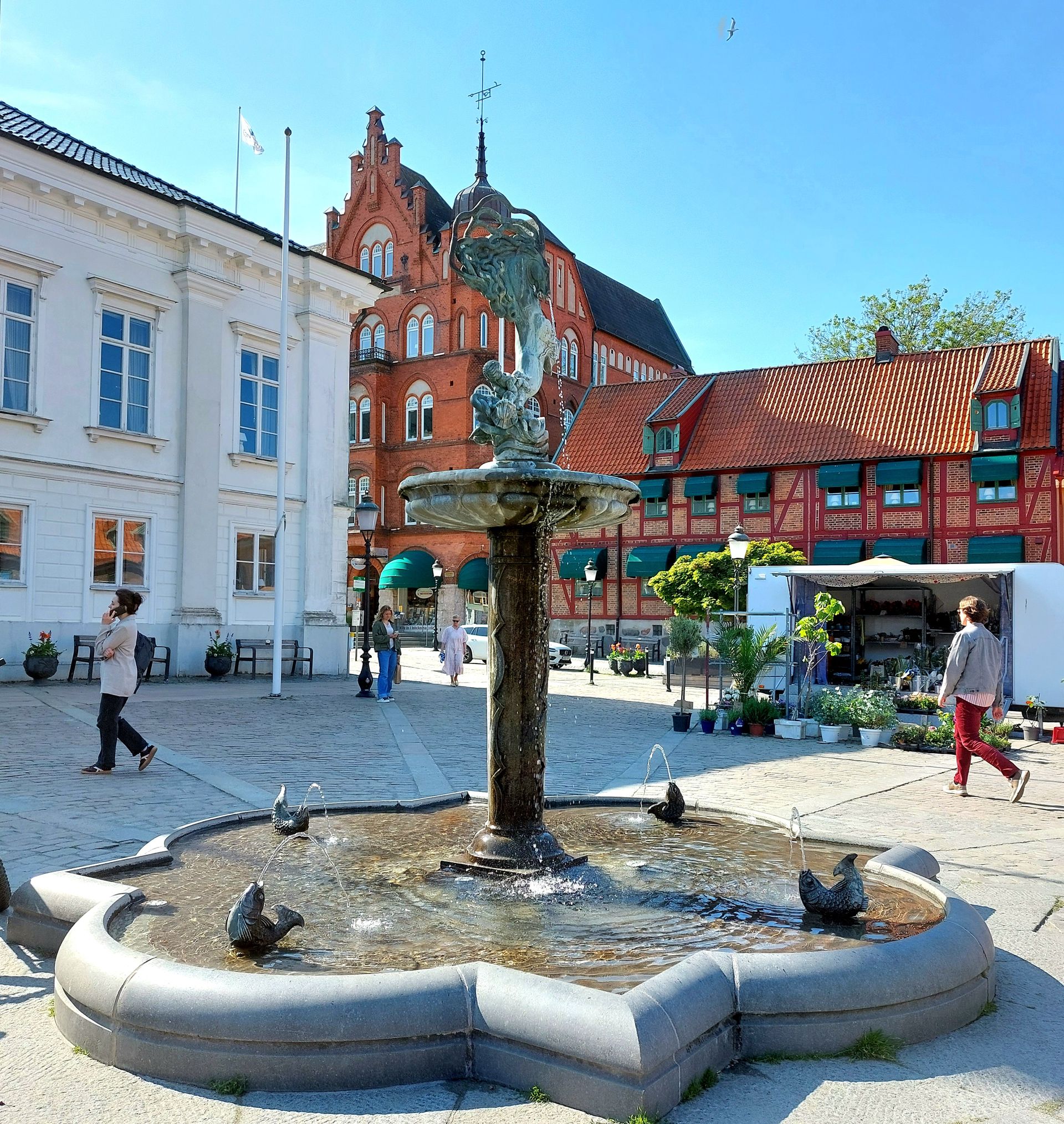
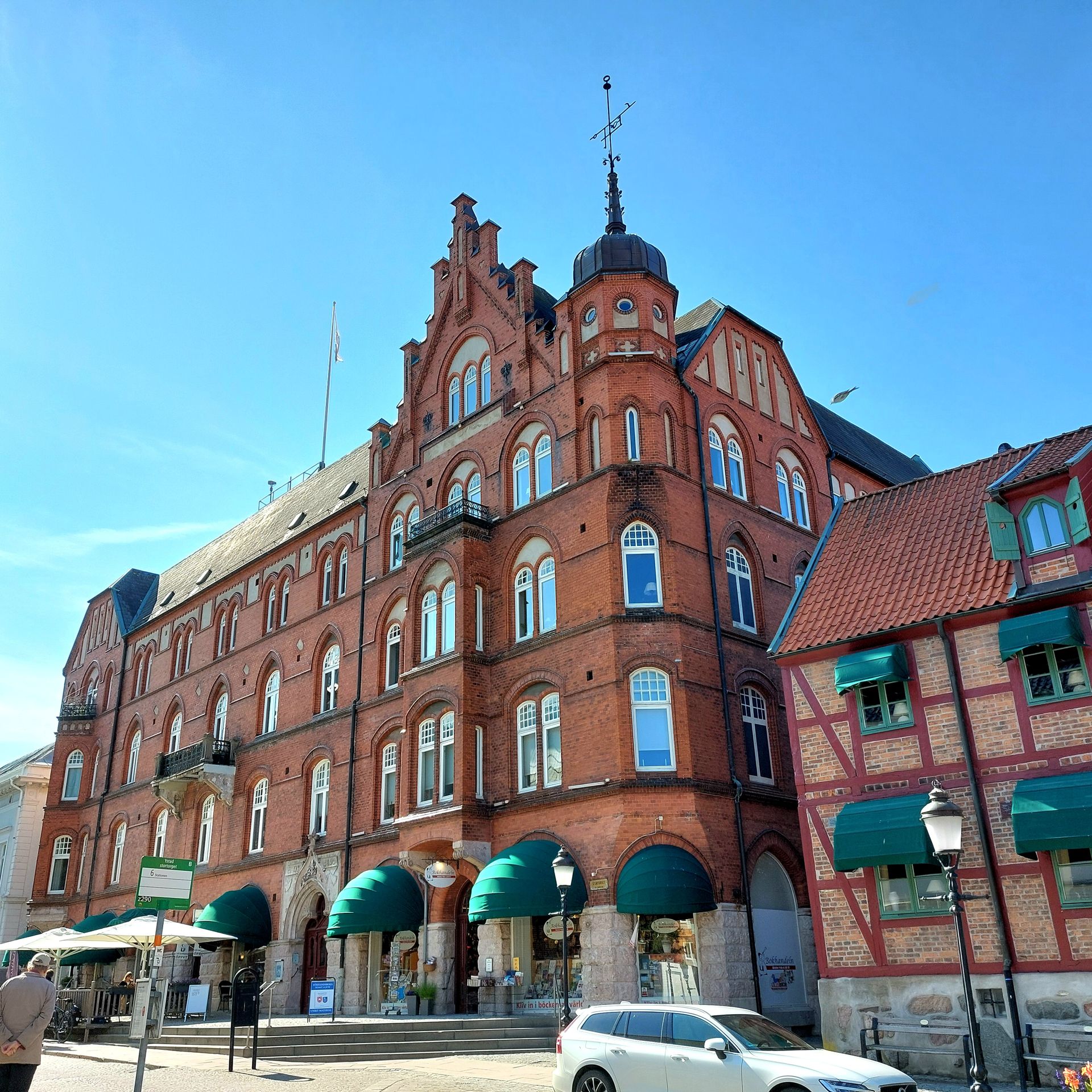
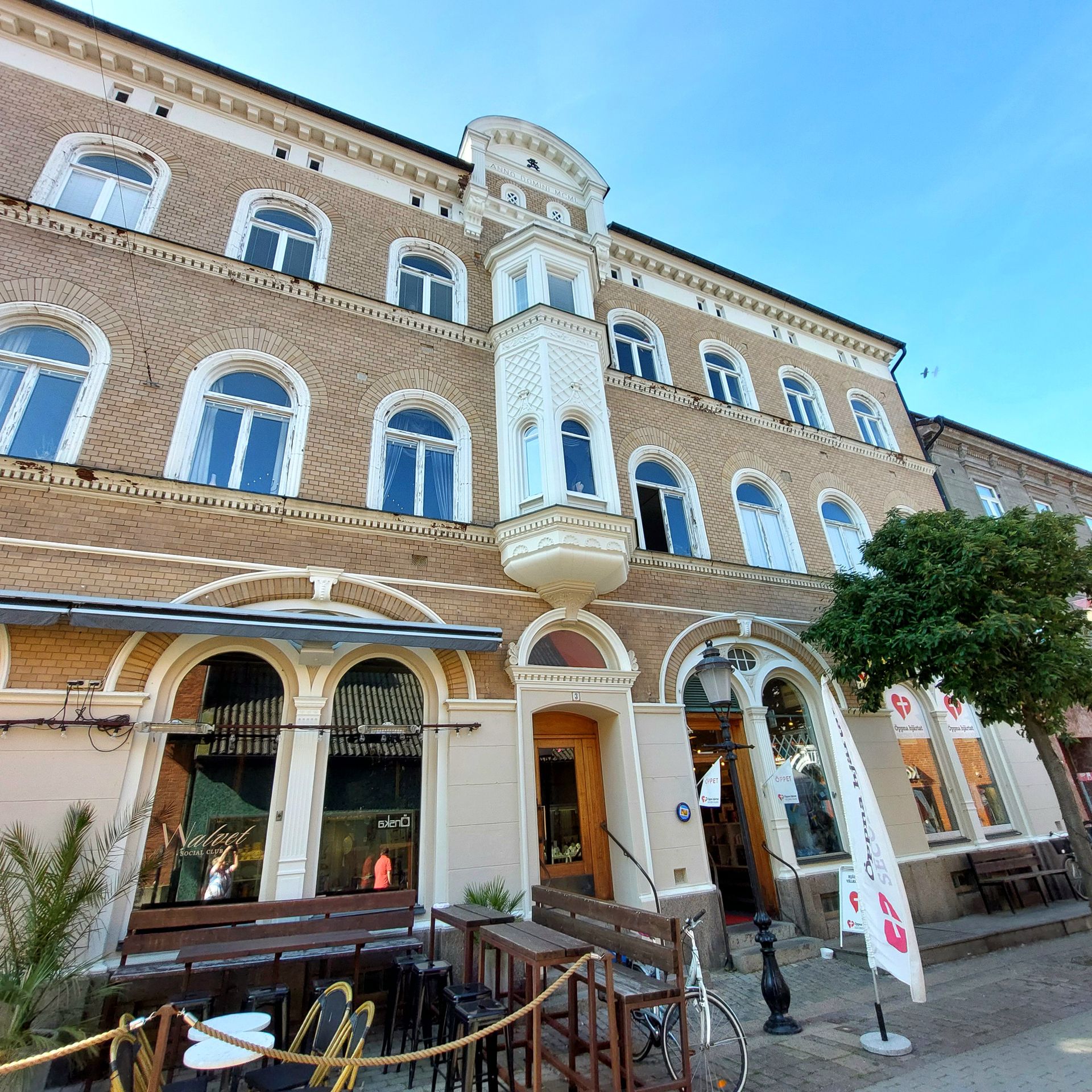
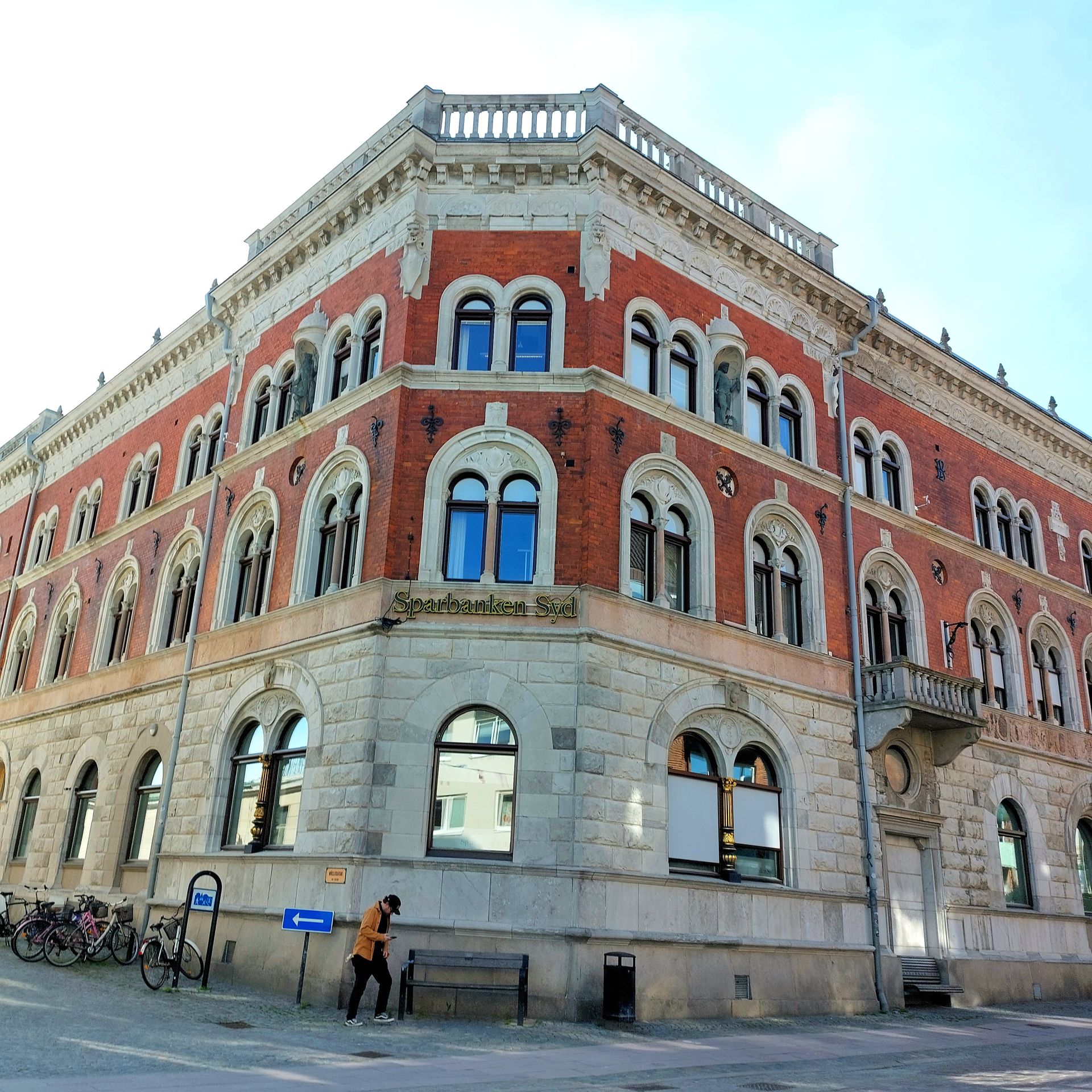
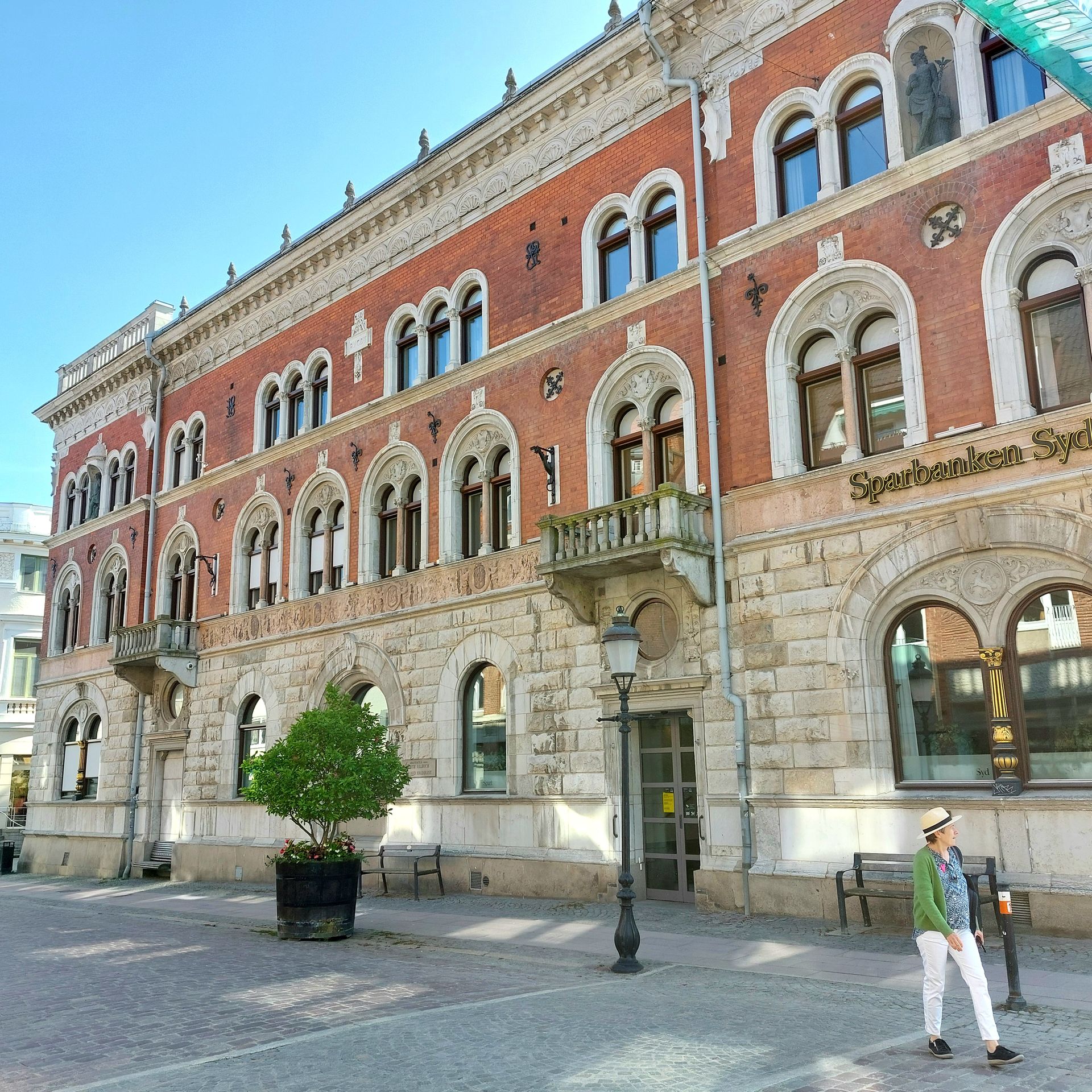
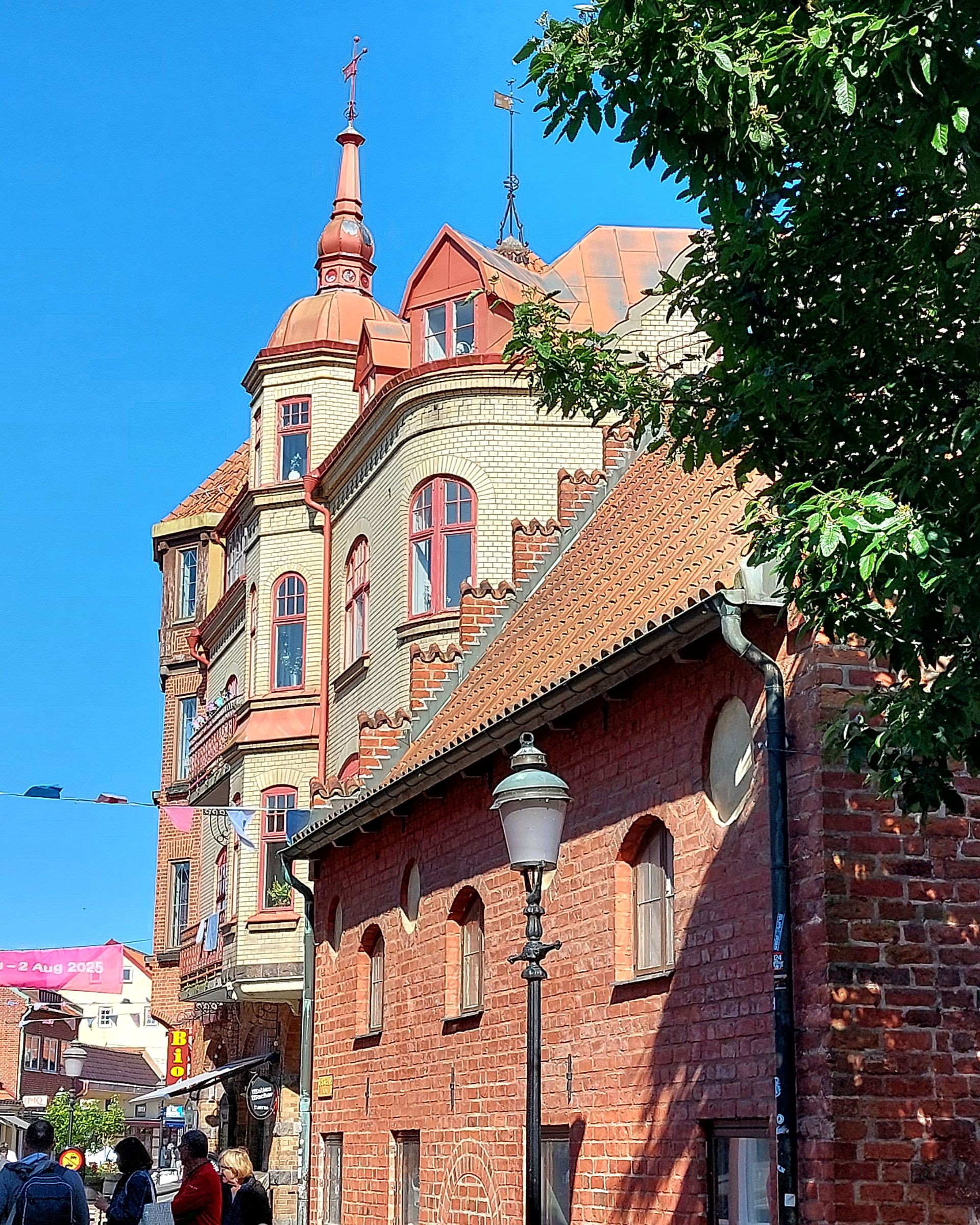
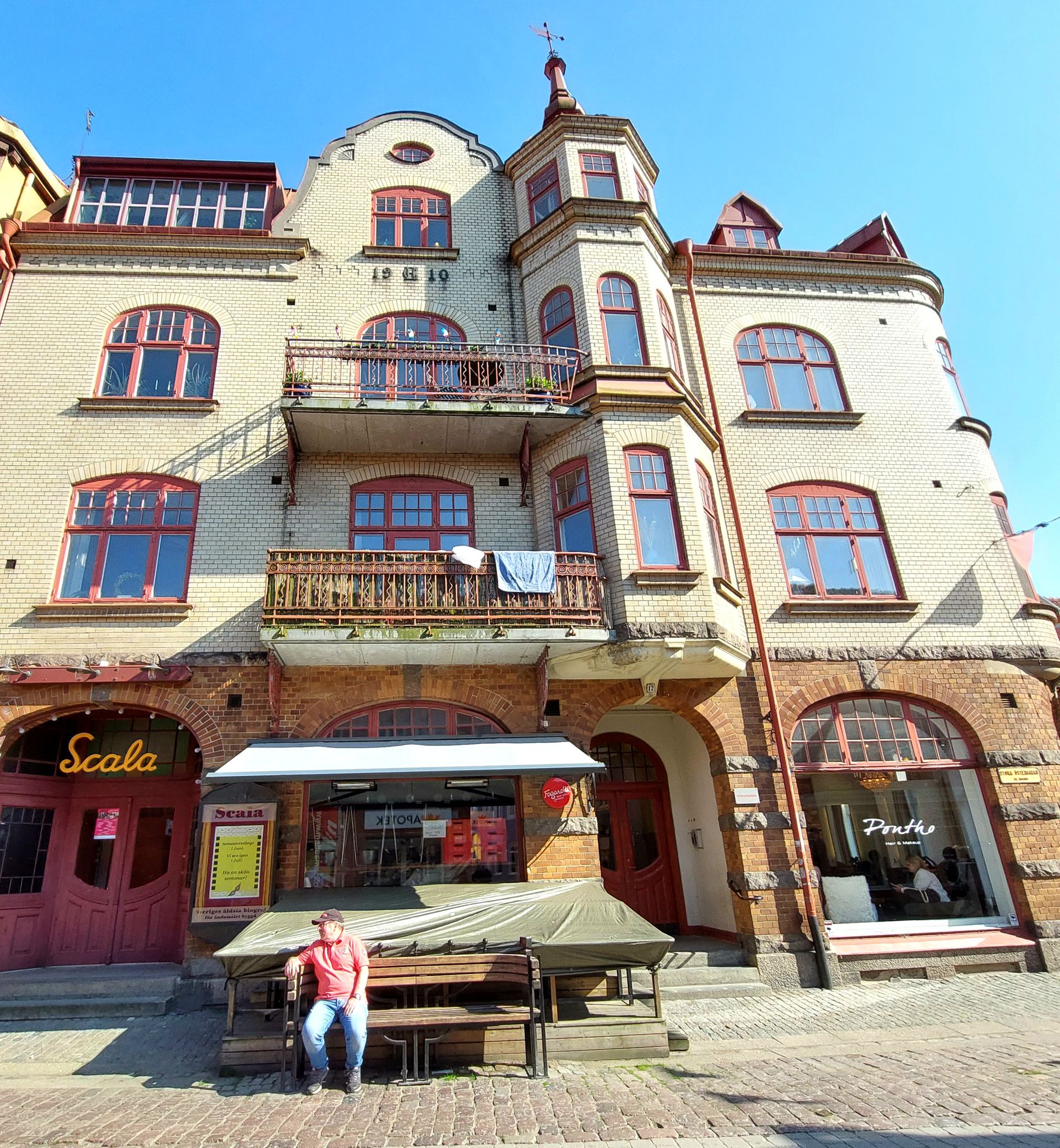
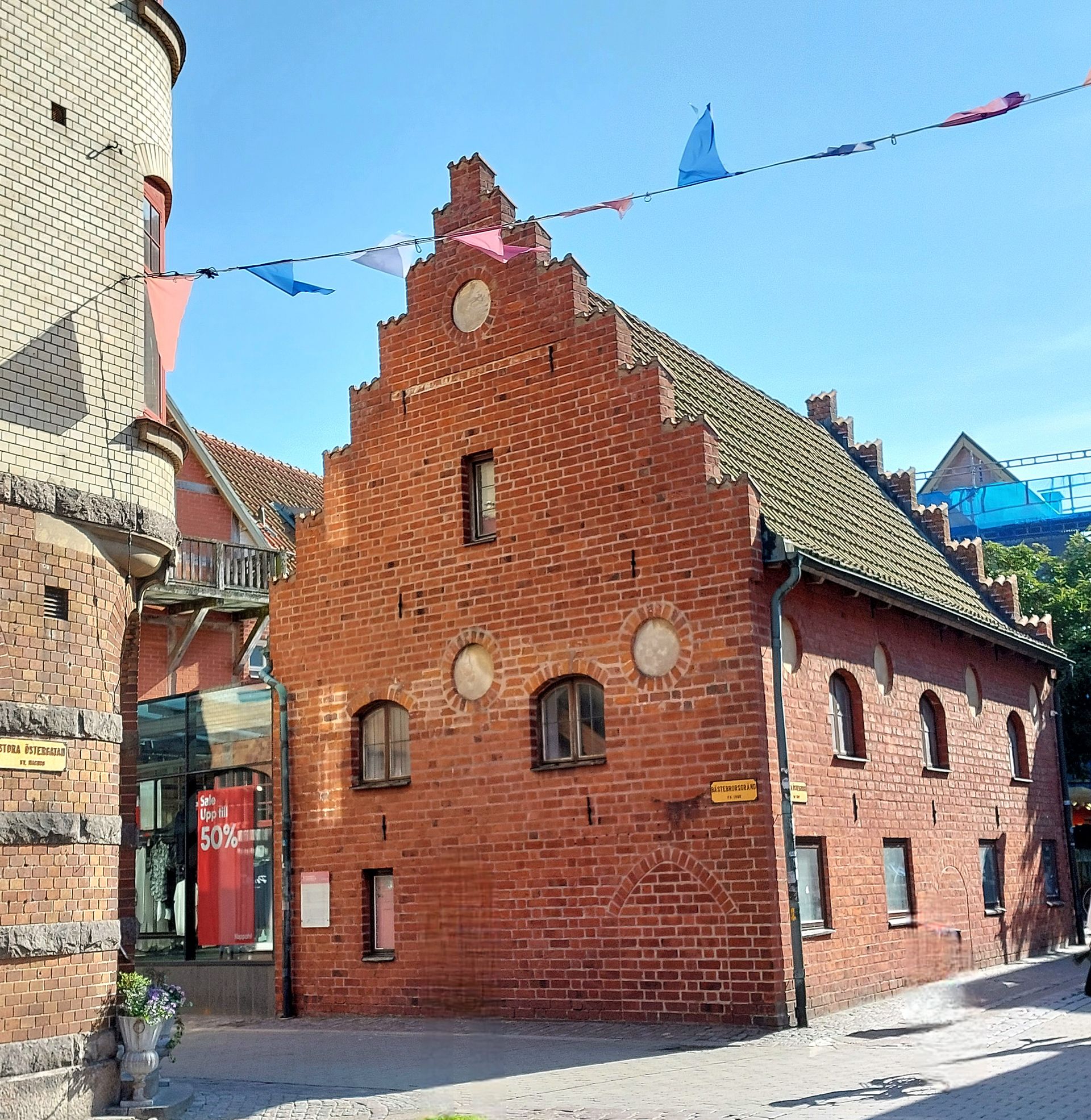
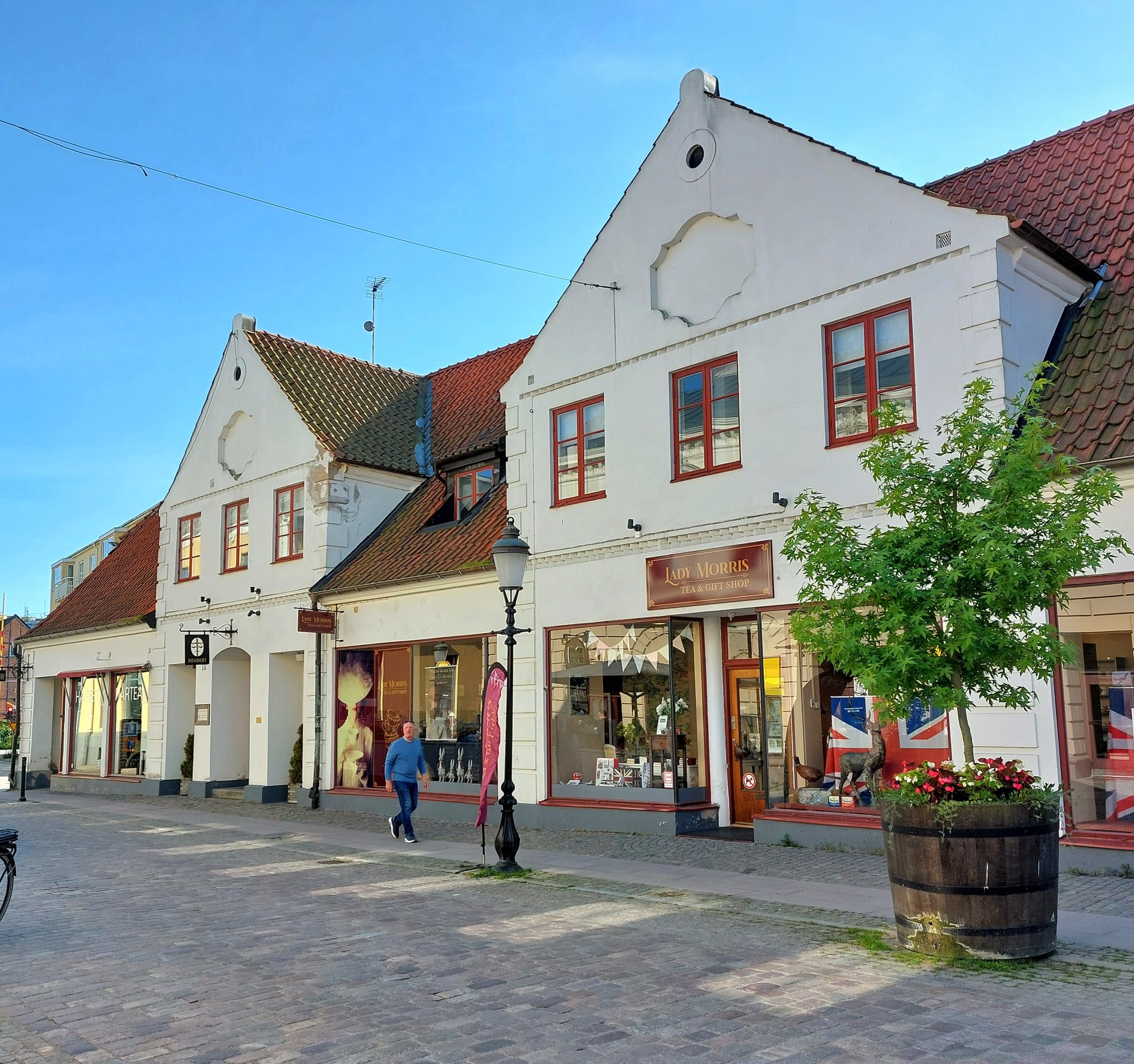
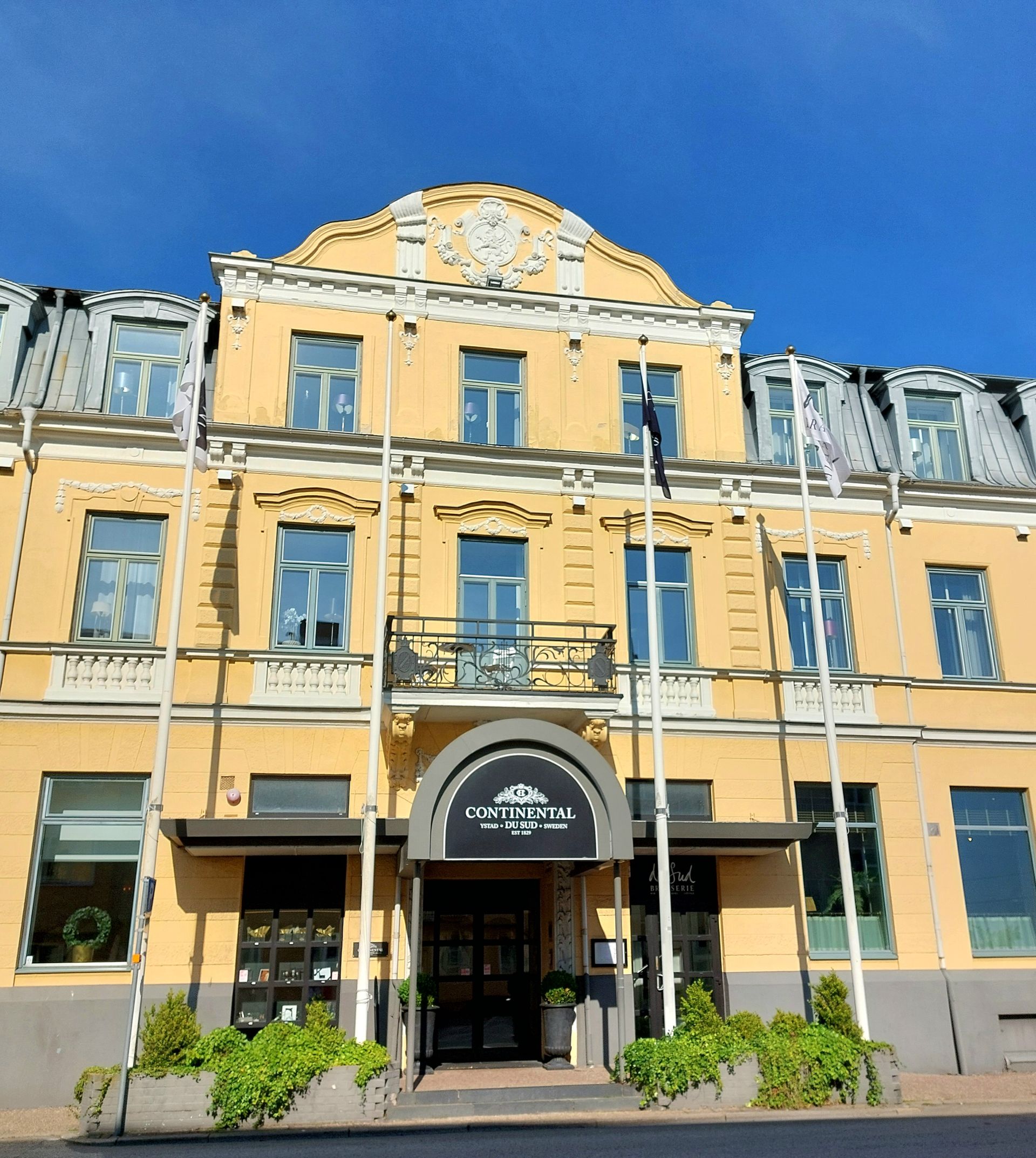
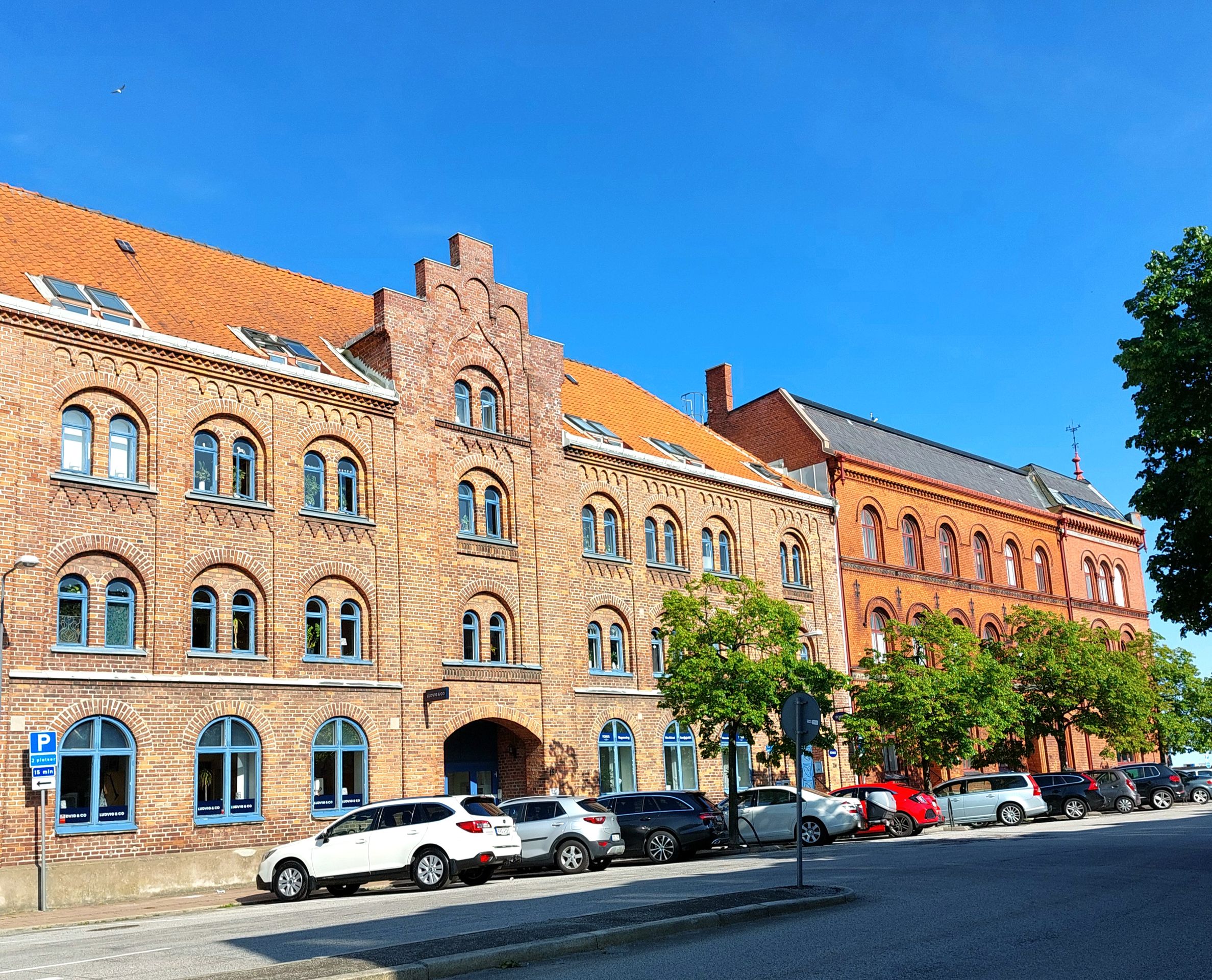
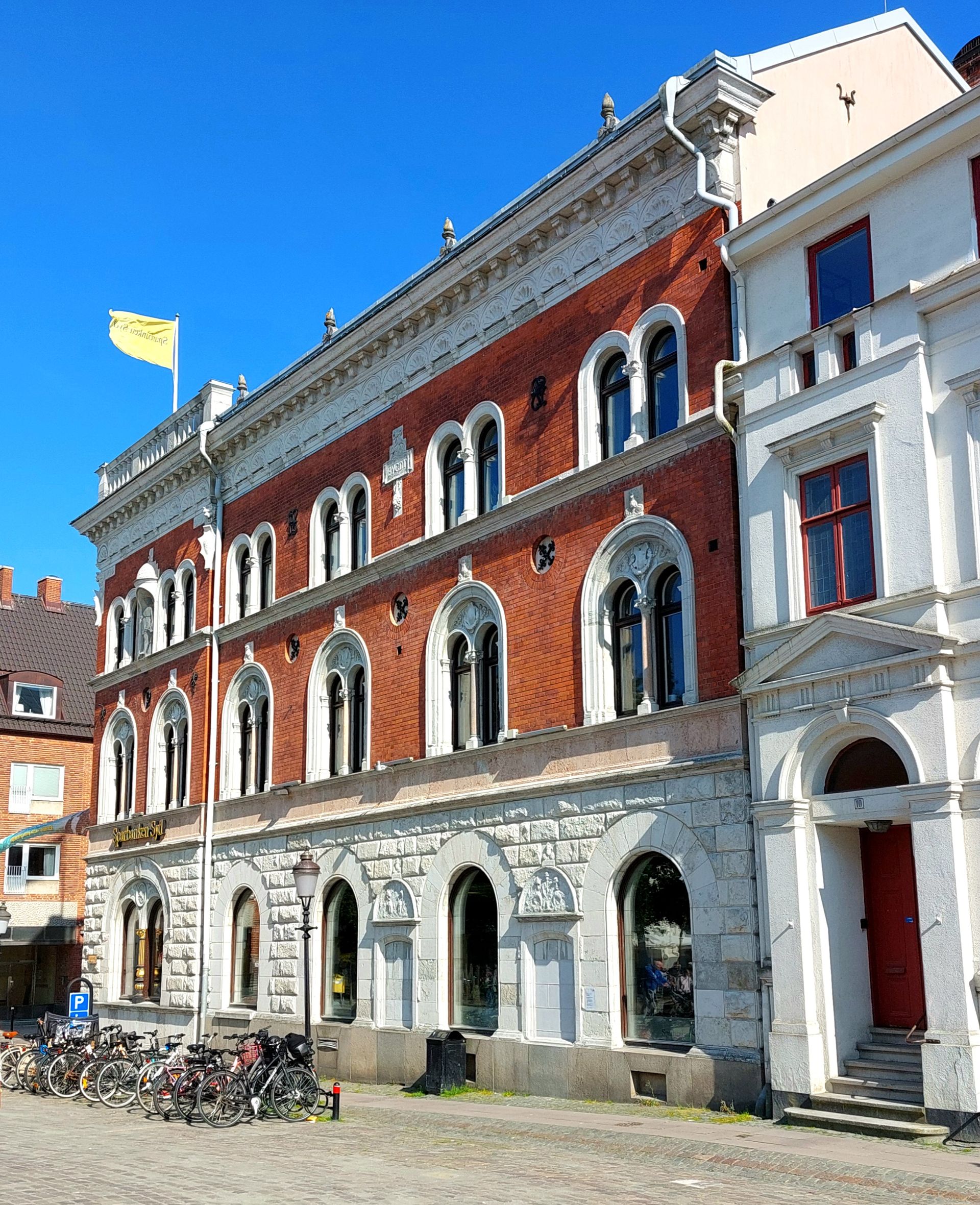
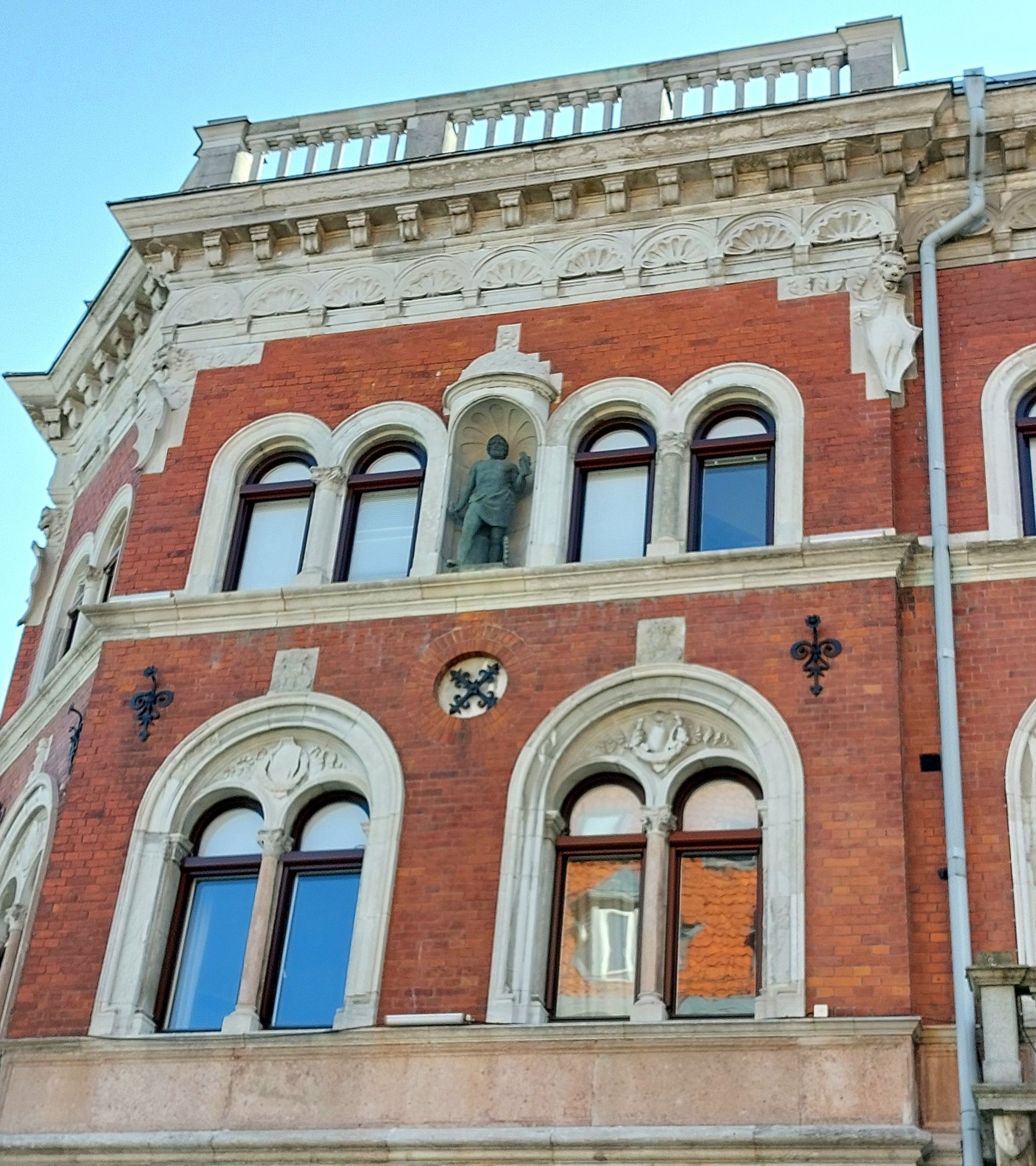
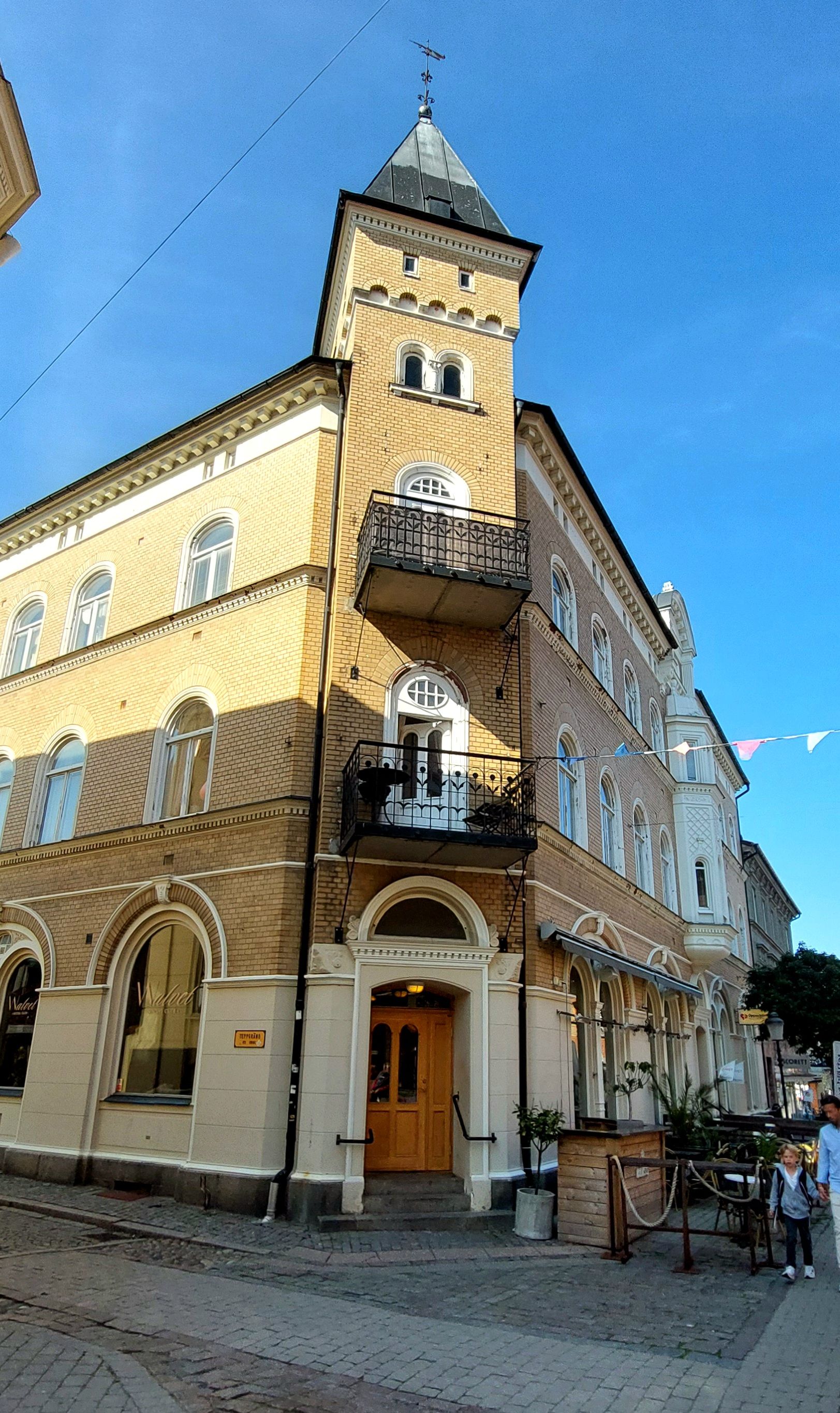
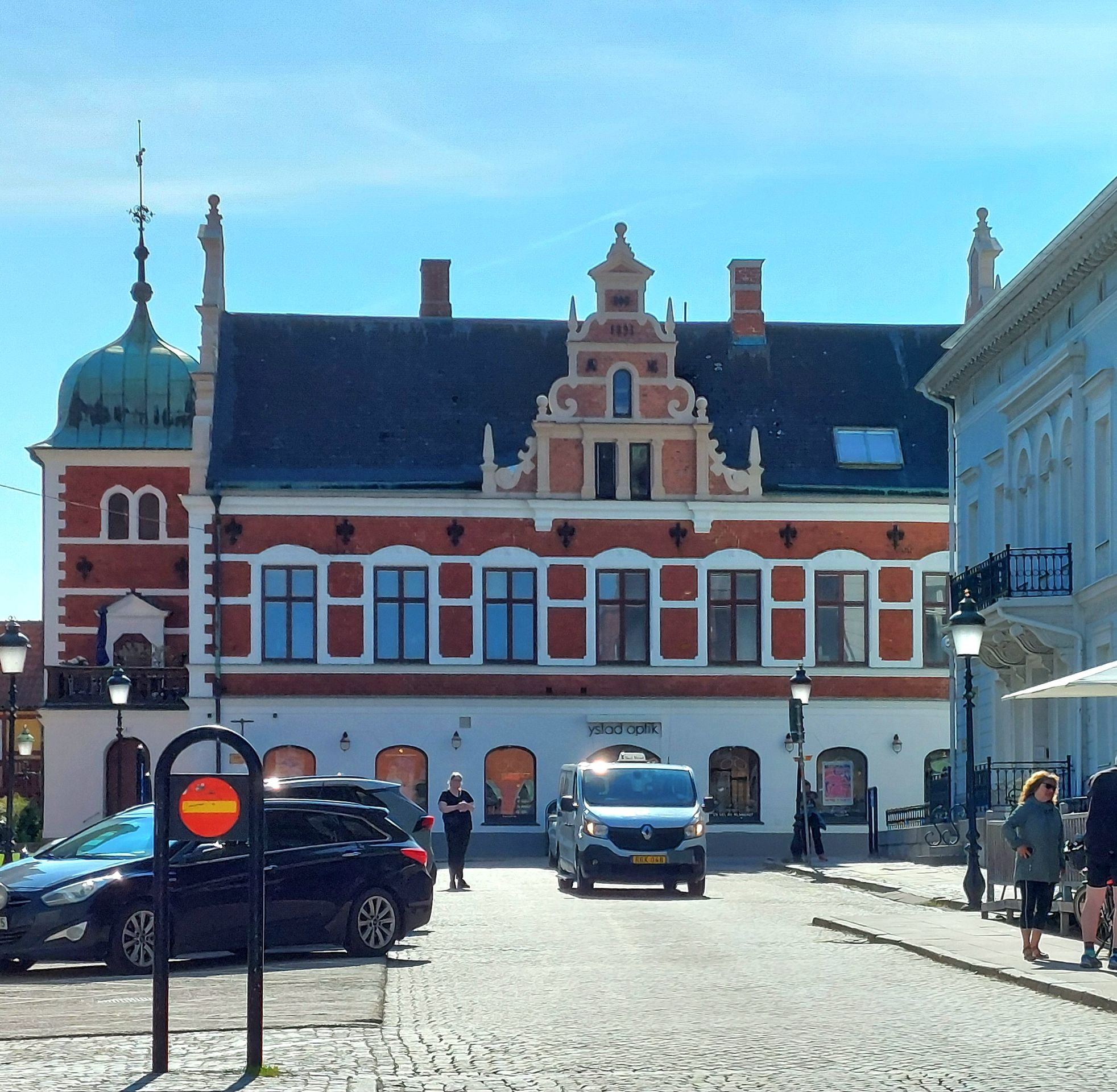
The town, with its medieval pastel-colored wooden houses, cobblestone streets, and sunny market squares, has its charm. The old town of Ystad boasts many historic houses, each one more beautiful than the other, featuring some quite impressive townhouses. “Swedish curtains” are rather rare; most windows allow a clear view inside.
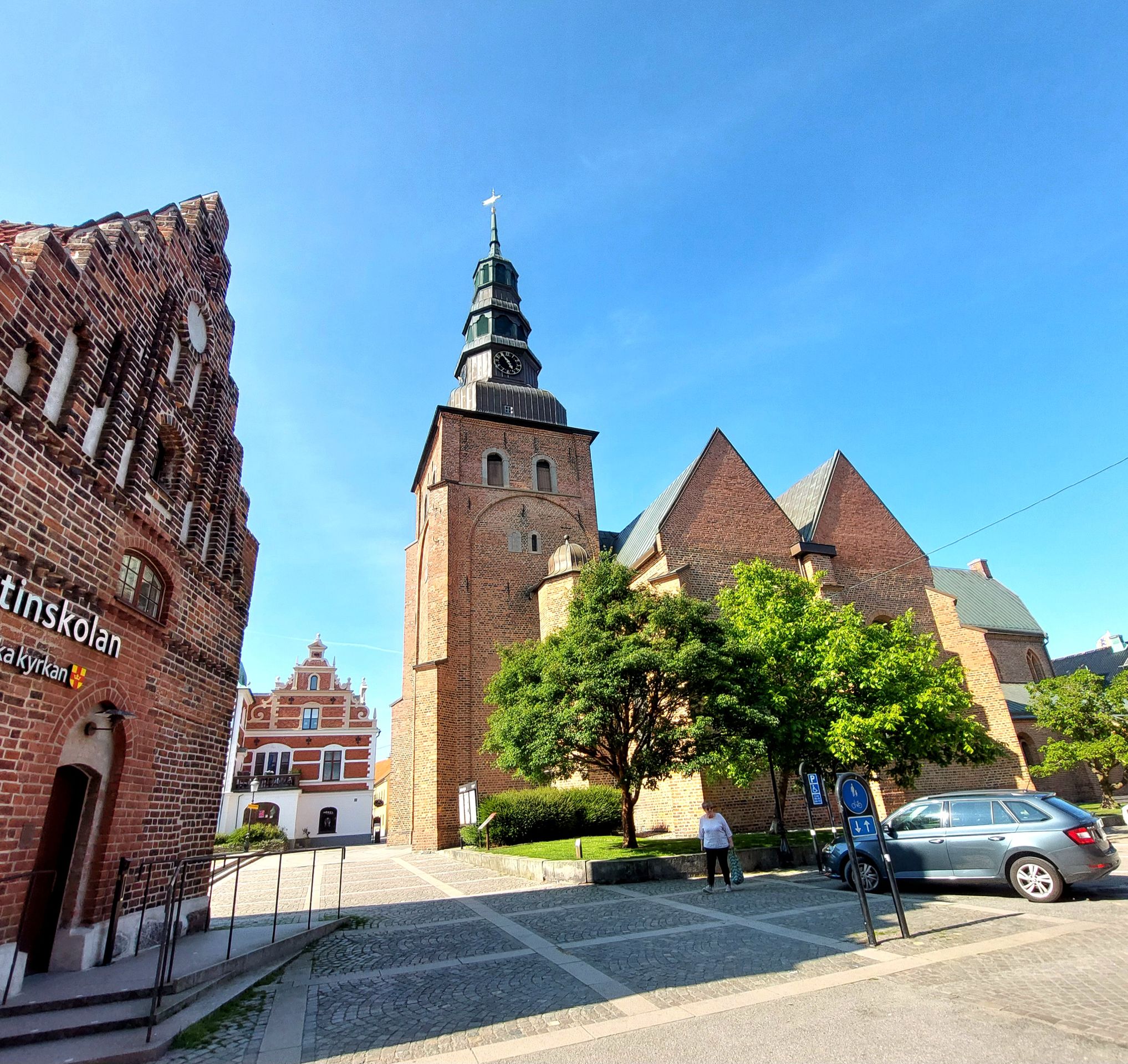
The St. Mary's Church is located at the center of the city. The oldest parts of the church date back to the 13th century.
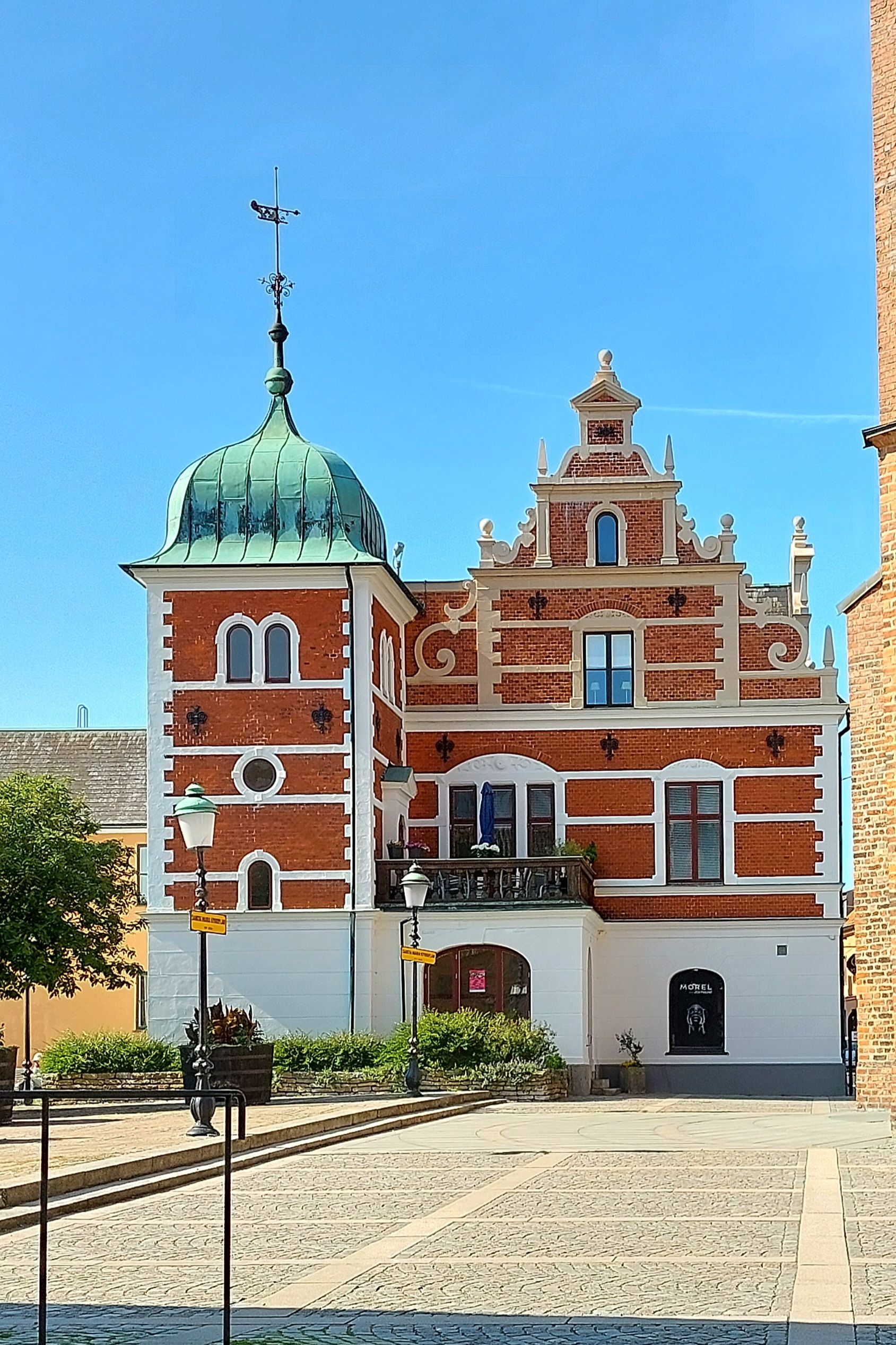
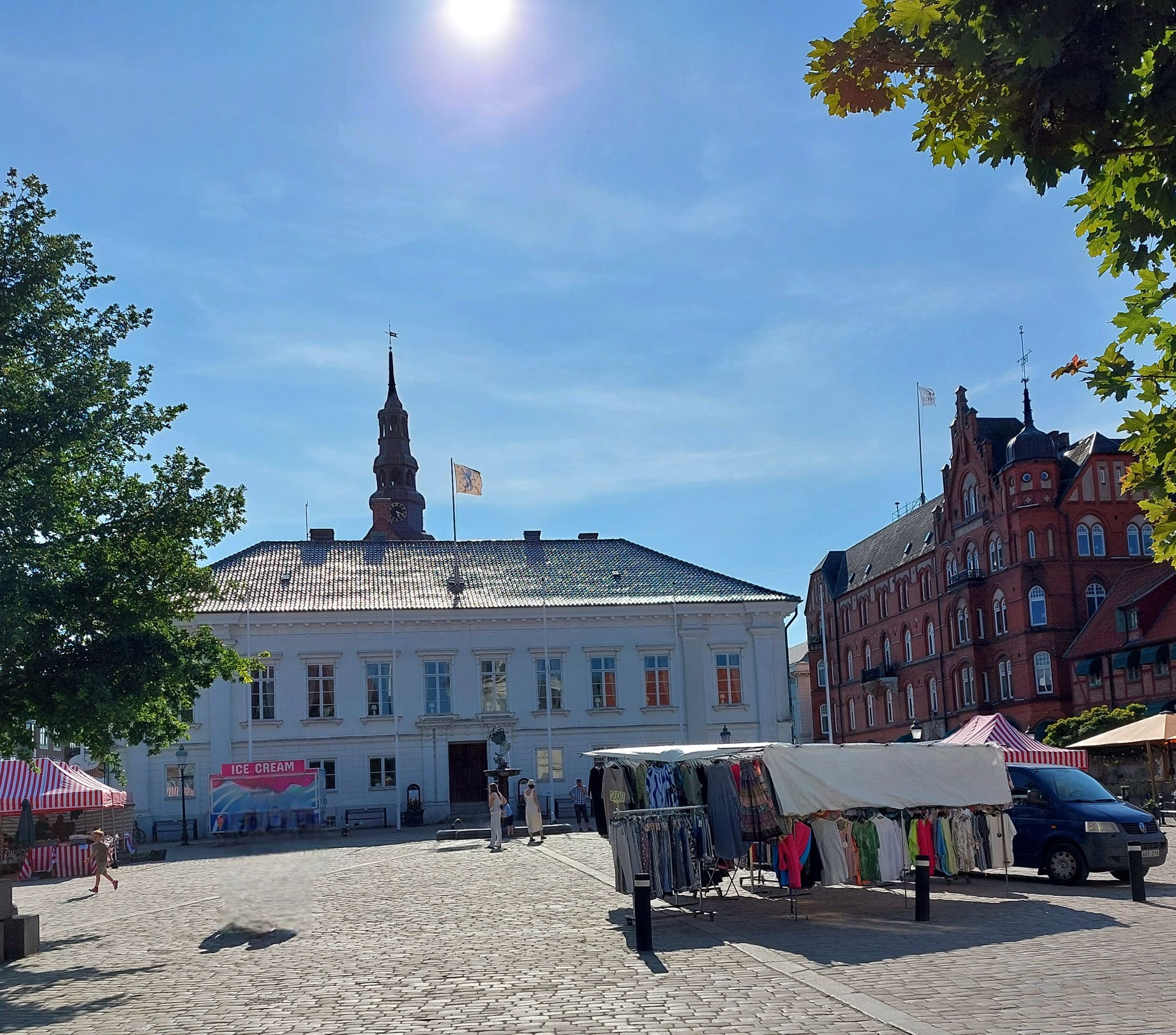
Gamla Rådhuset (German: Old Town Hall) is the historical town hall of Ystad and is located at Stortorget in the center of the old town. The building dates back to the 15th century.
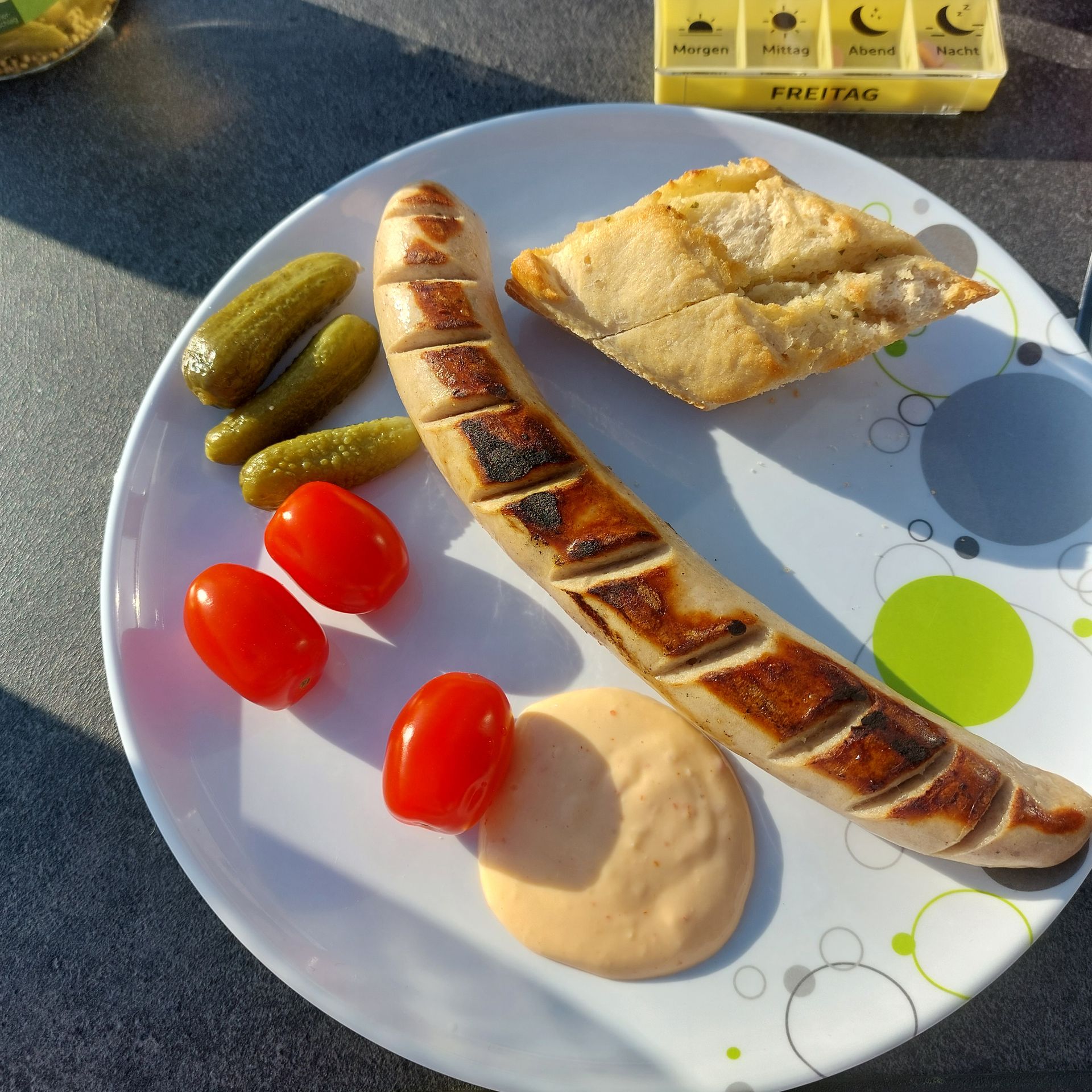
Back at our temporary residence, we grilled some sausages for dinner.
Satisfied and full, we fell into our beds.