
Torrevieja
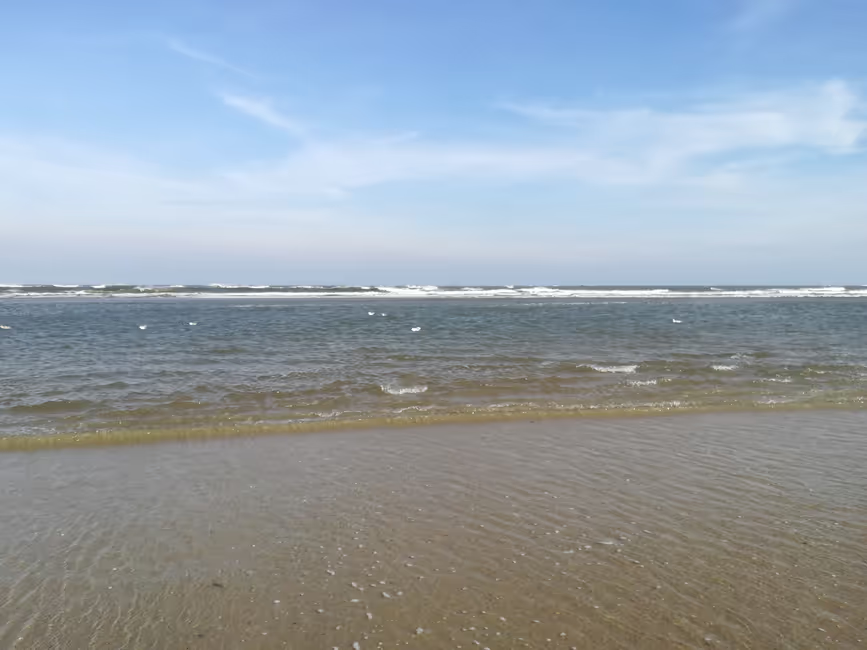
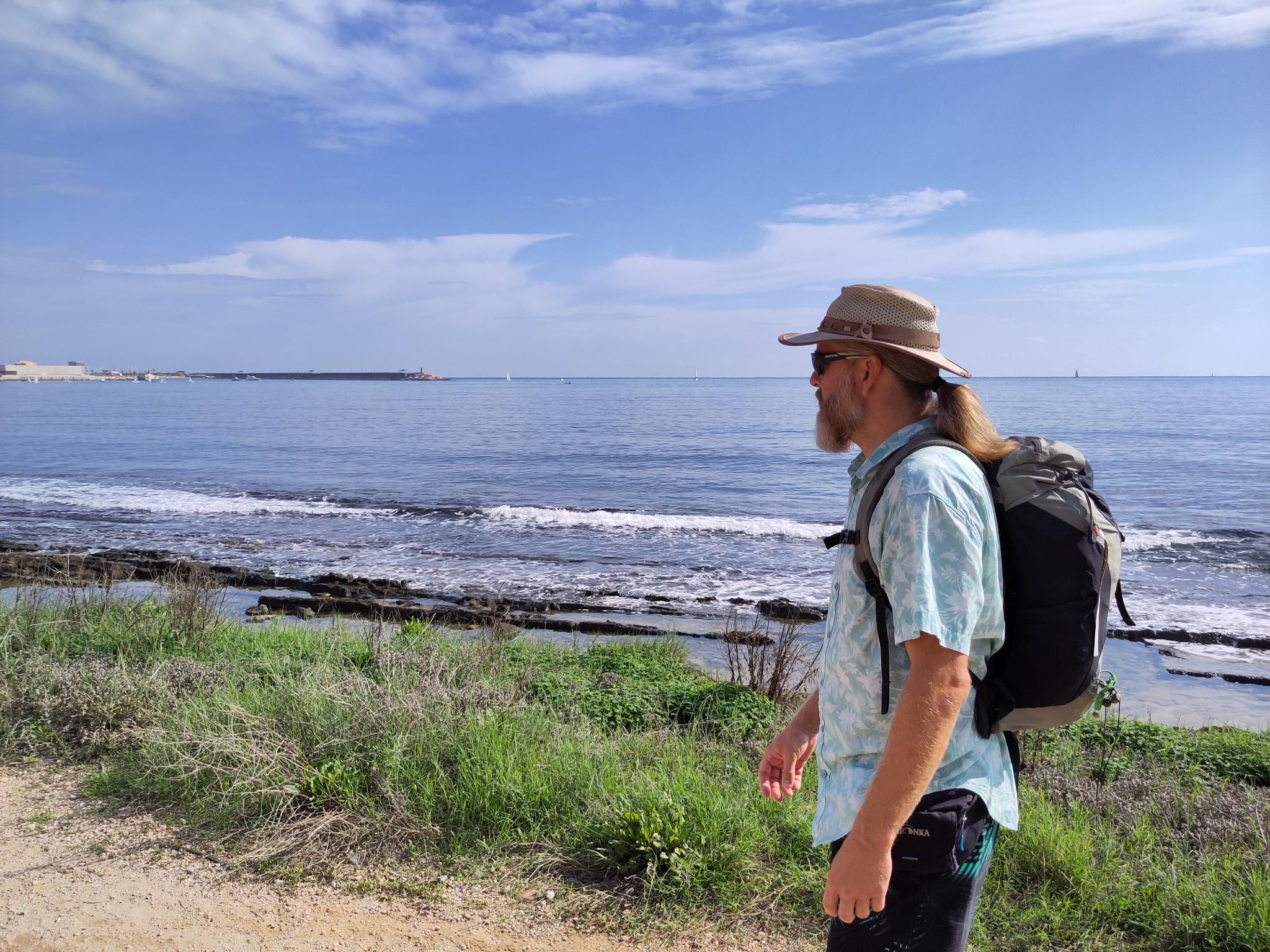
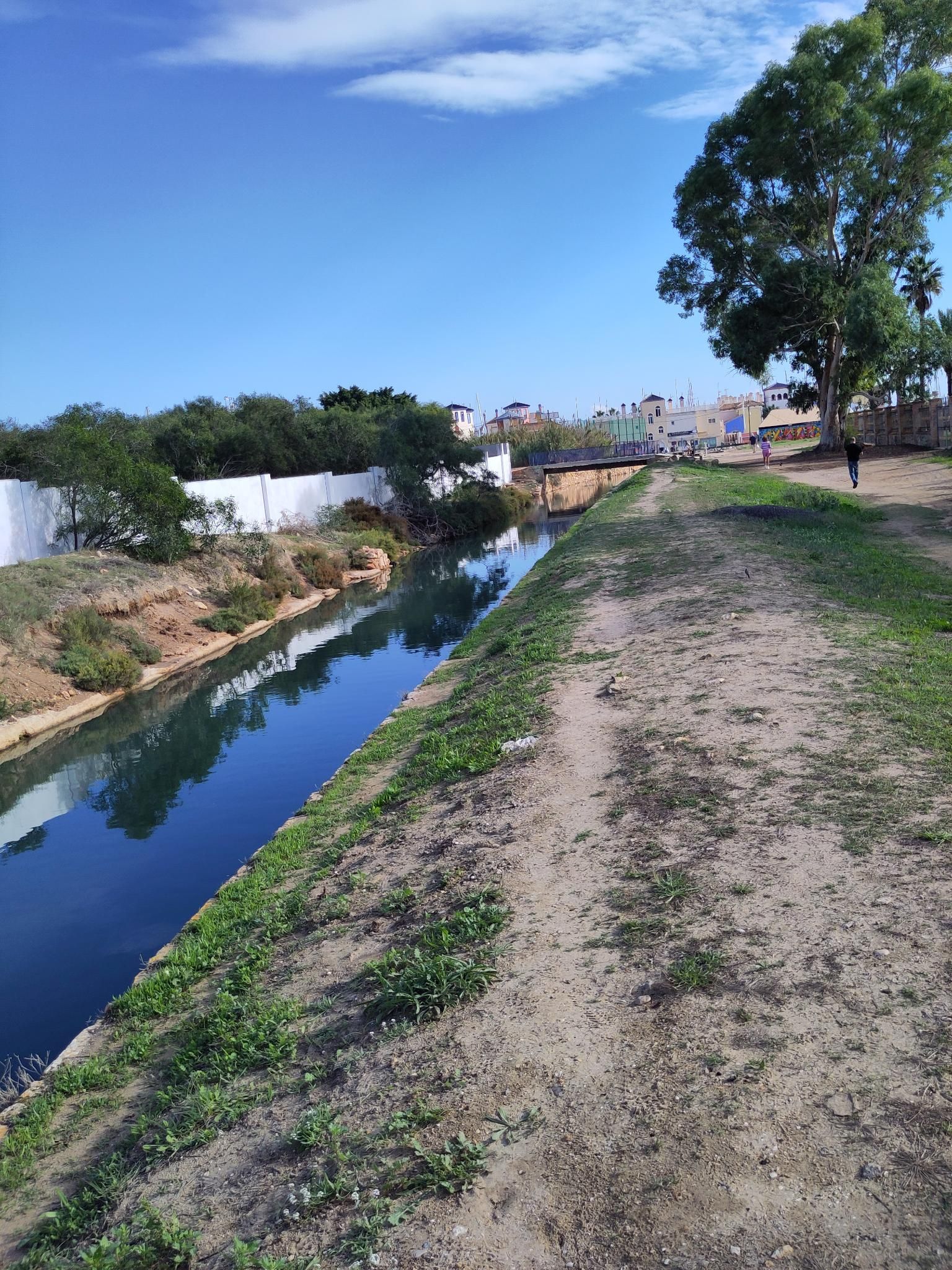
Odometer: 163606 In the morning, we planned to explore the coast of the spit between the Mar Menor lagoon and the Mediterranean Sea. We walked along the beach to the Puente de...

Published: 08.11.2026
Mileage: unchanged
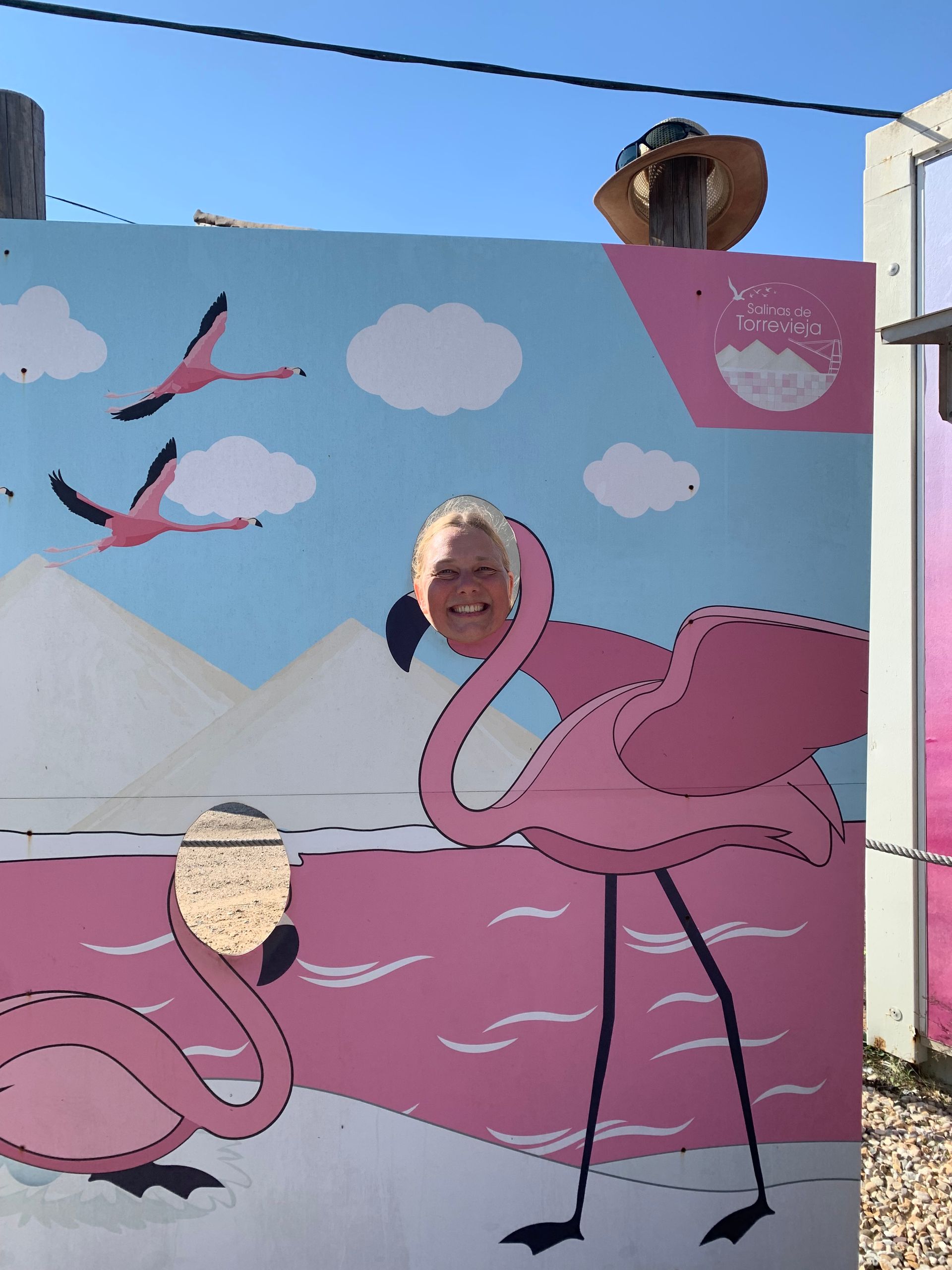
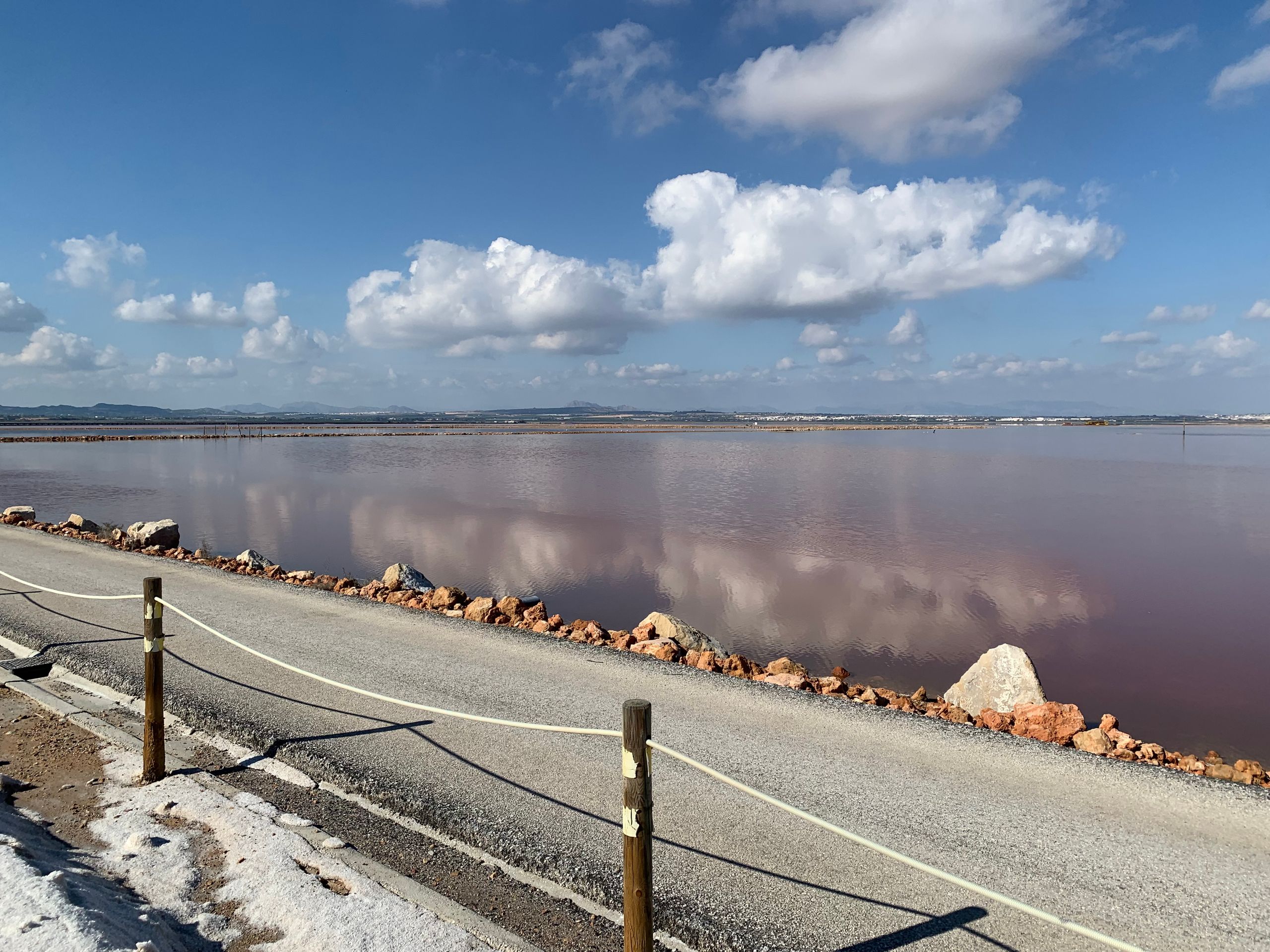
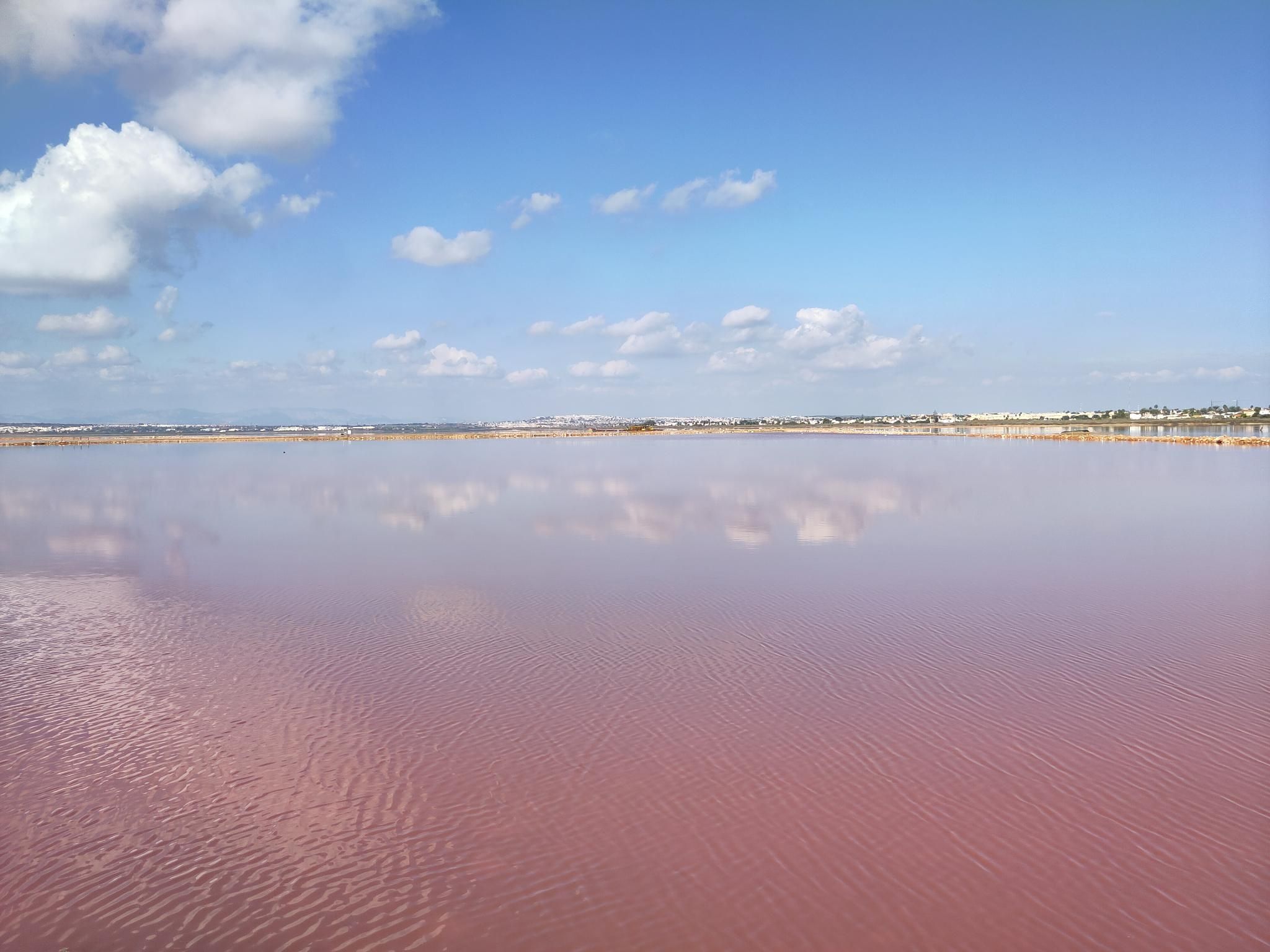
Yesterday we discovered that there was also a salt production facility here in Torrevieja. Since we enjoyed our last visit four days ago in Cabo de Gata so much and the sights in the vicinity were limited to beaches, we decided to check out the next saltworks right away.
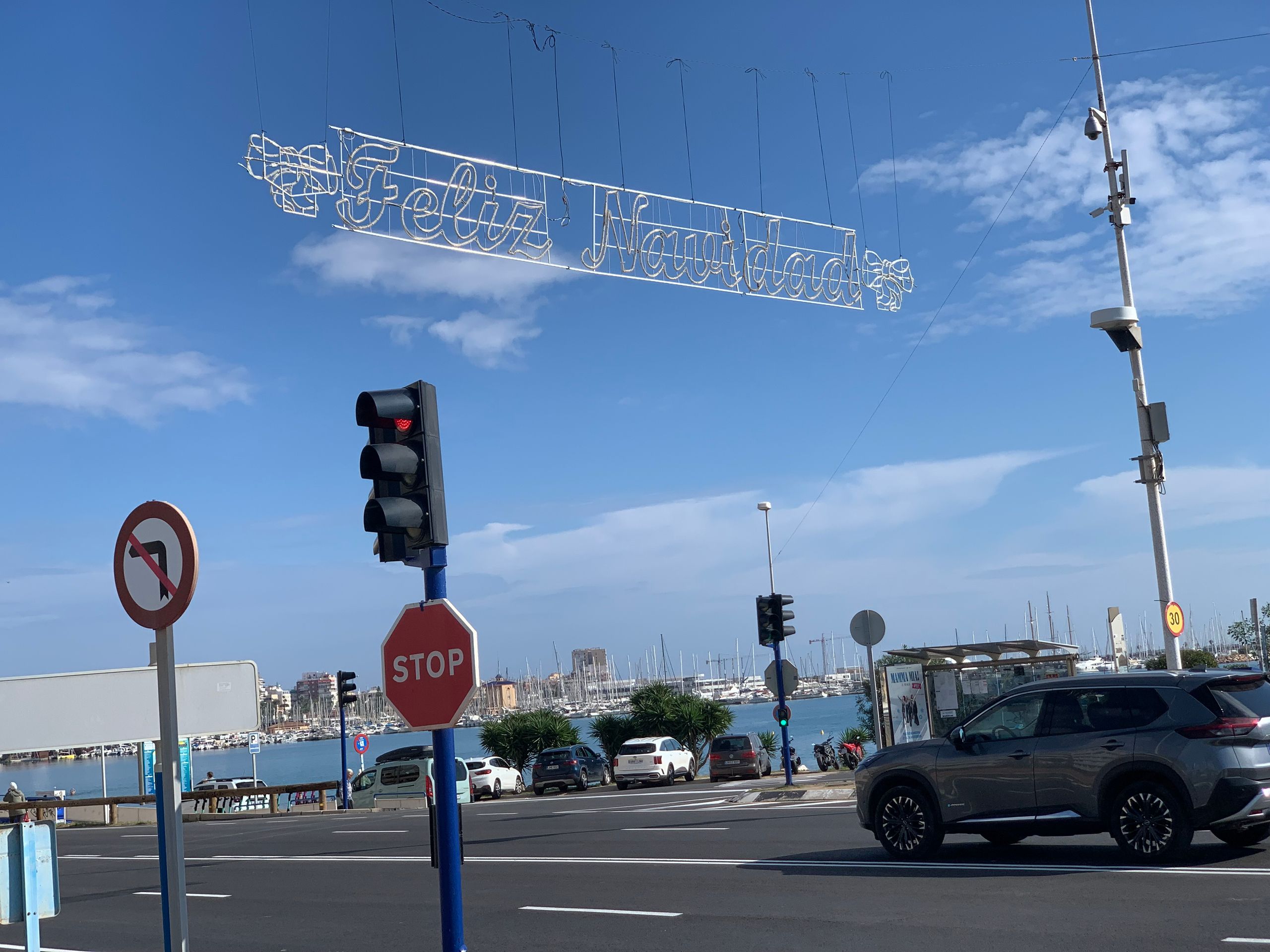
On the way to the pink lagoon, we walked along the beach again and could see that the town was already fully engaged in Christmas preparations.
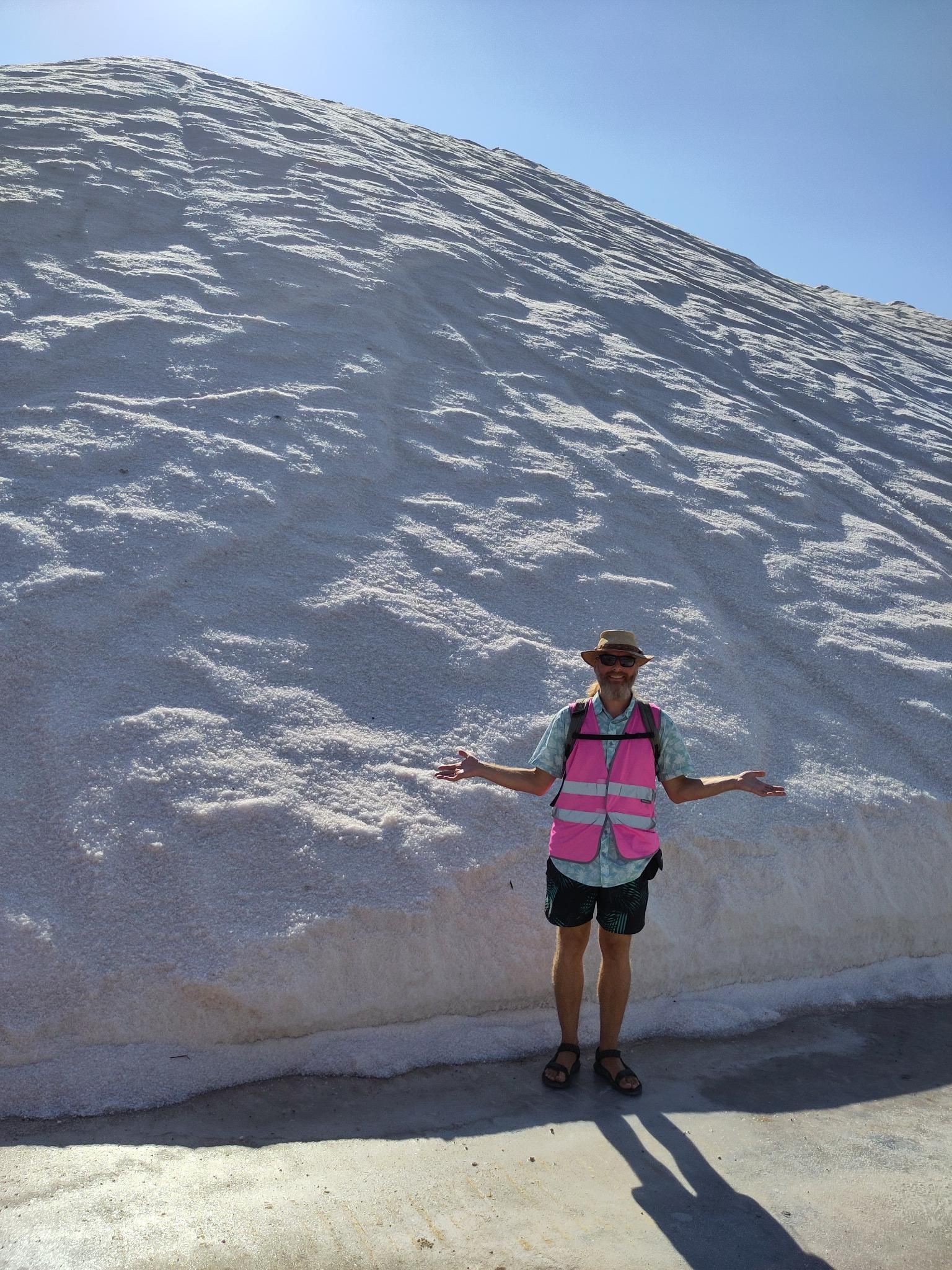
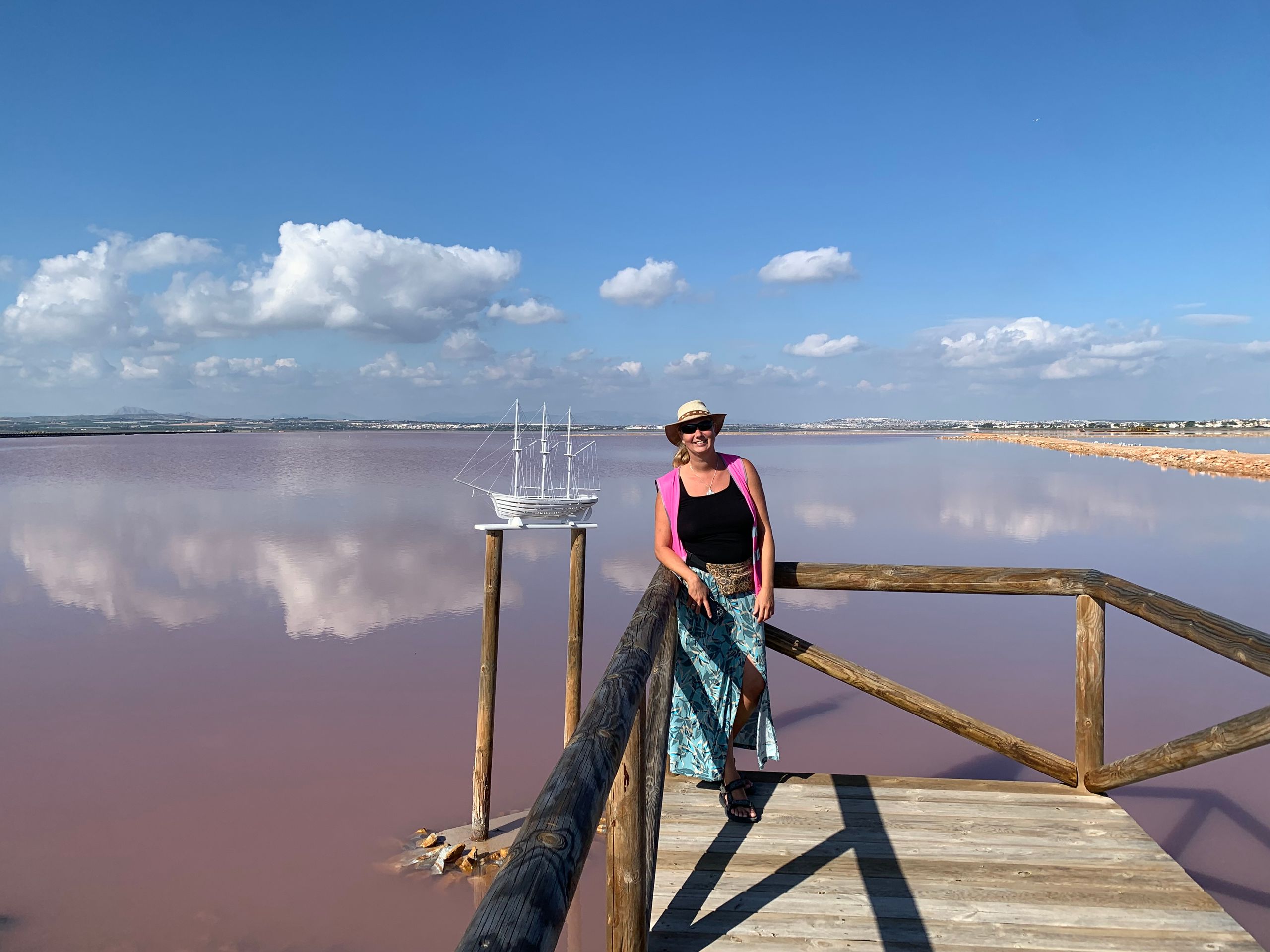
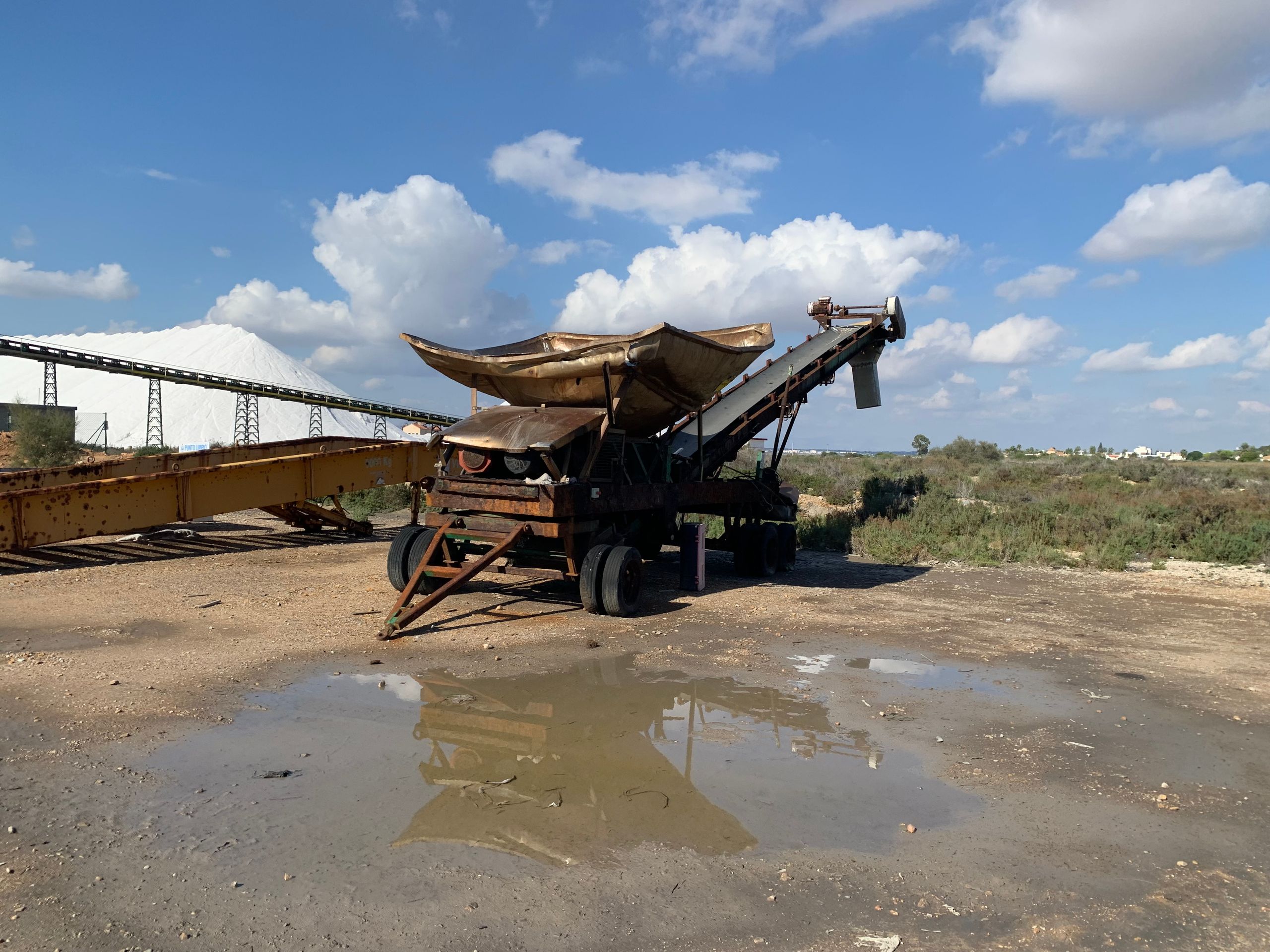
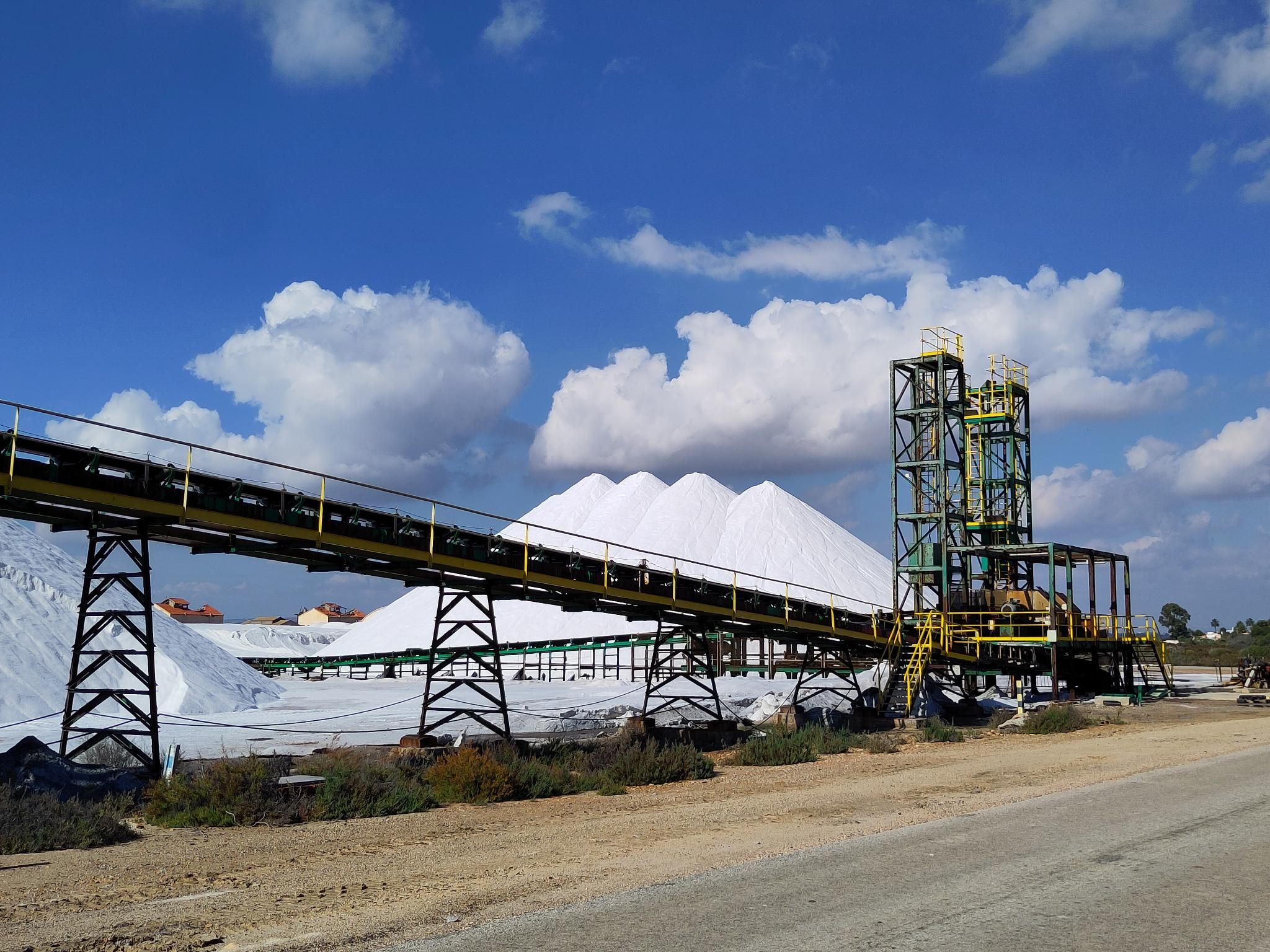
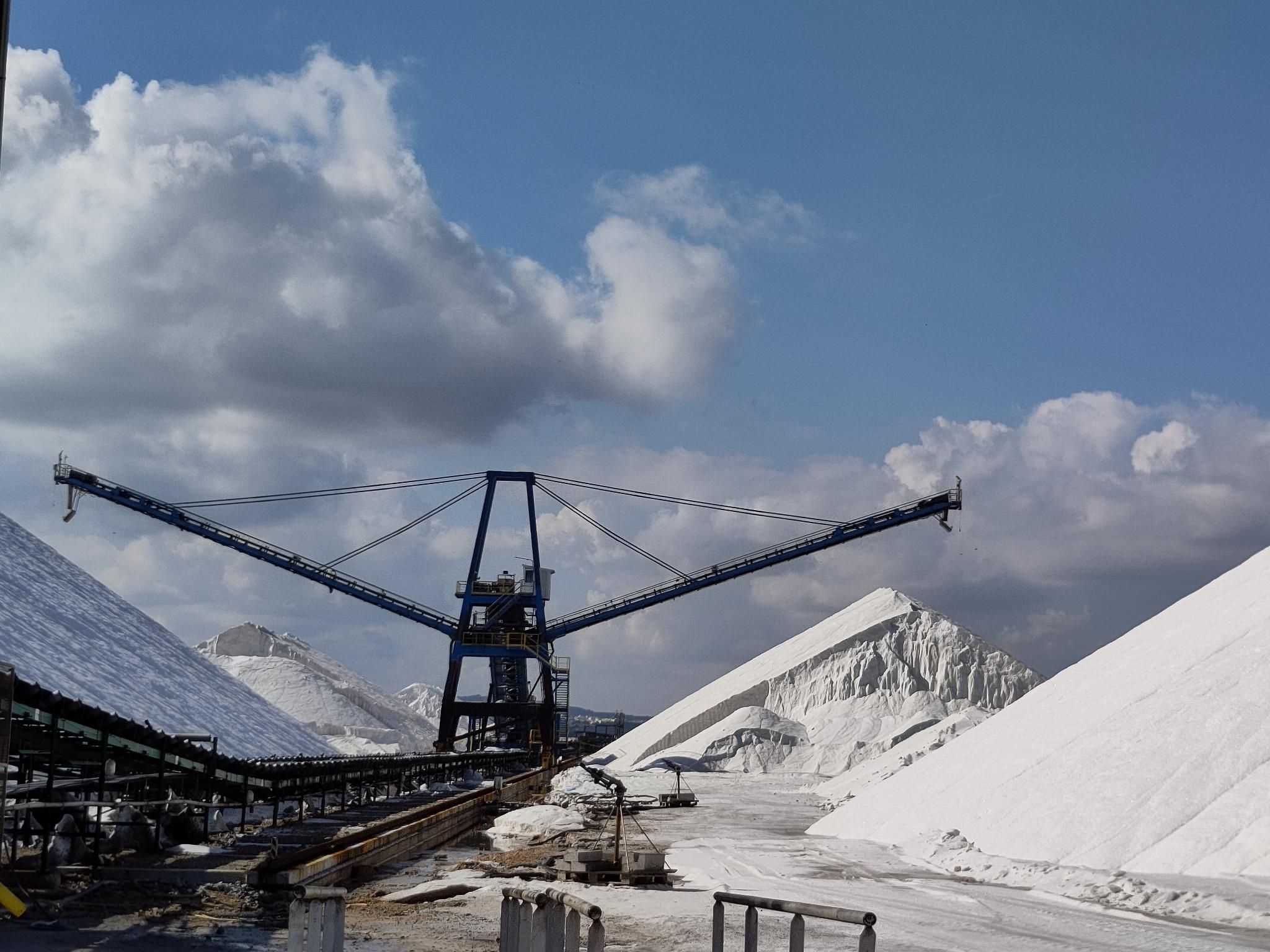
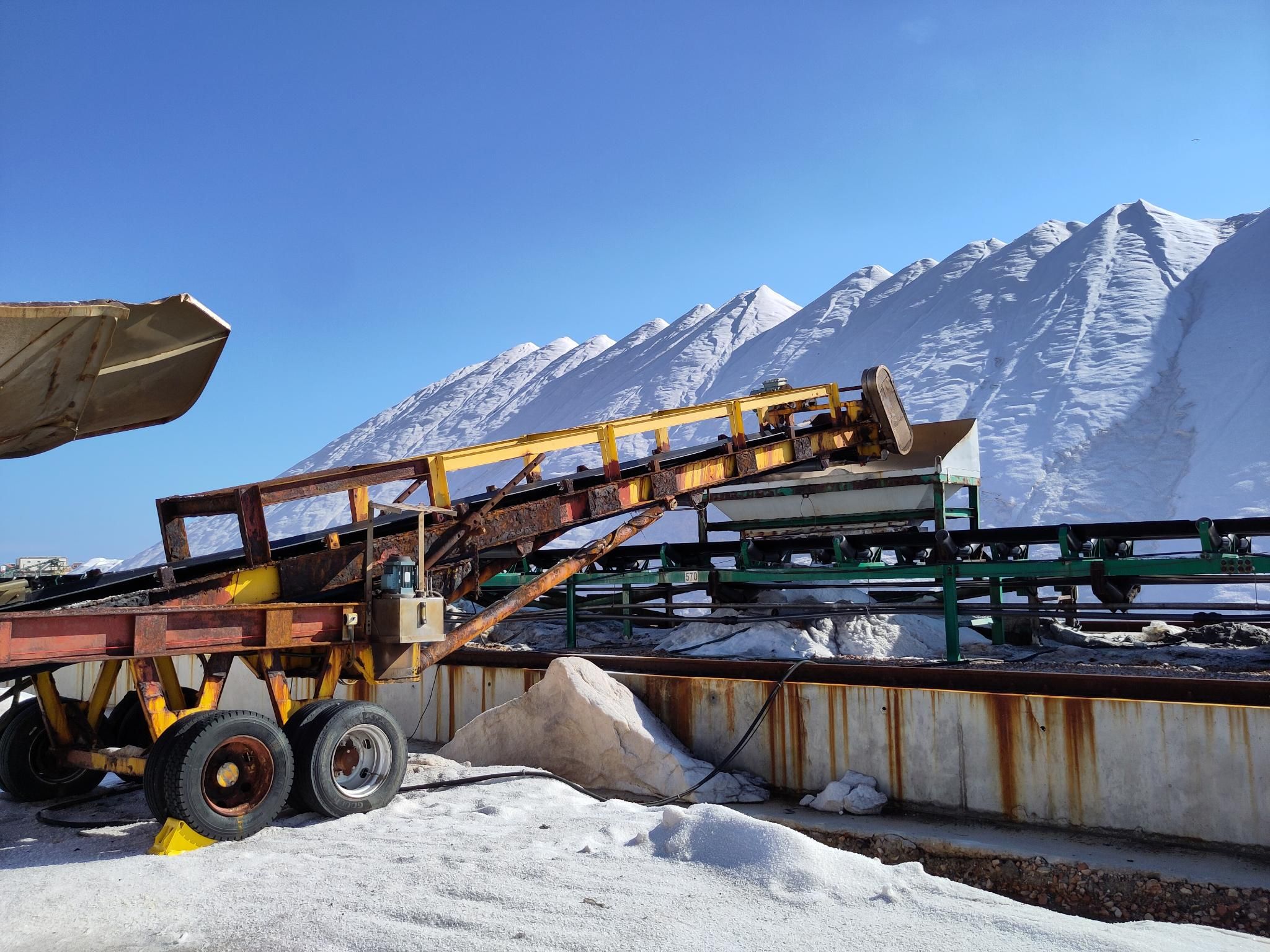
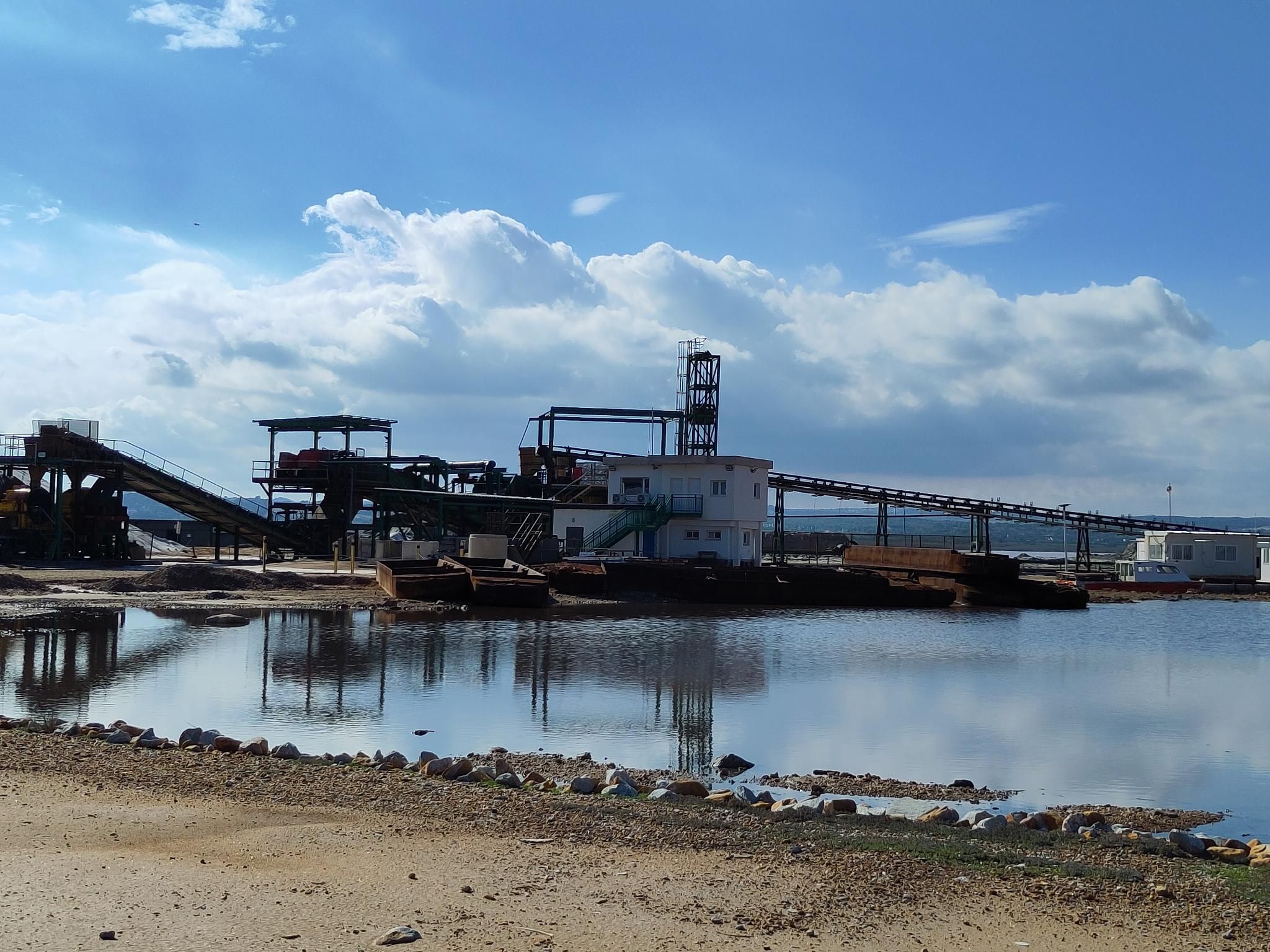
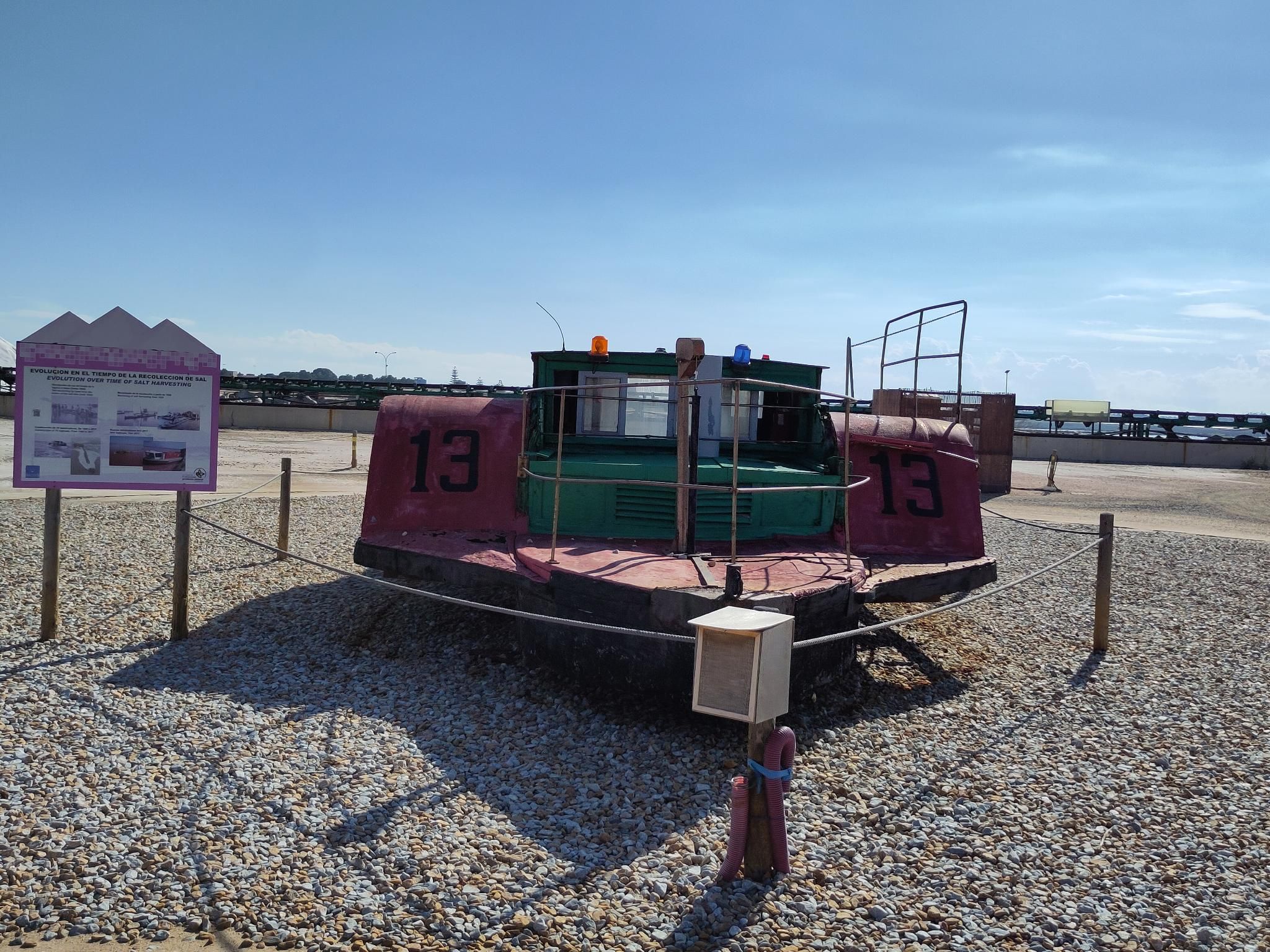
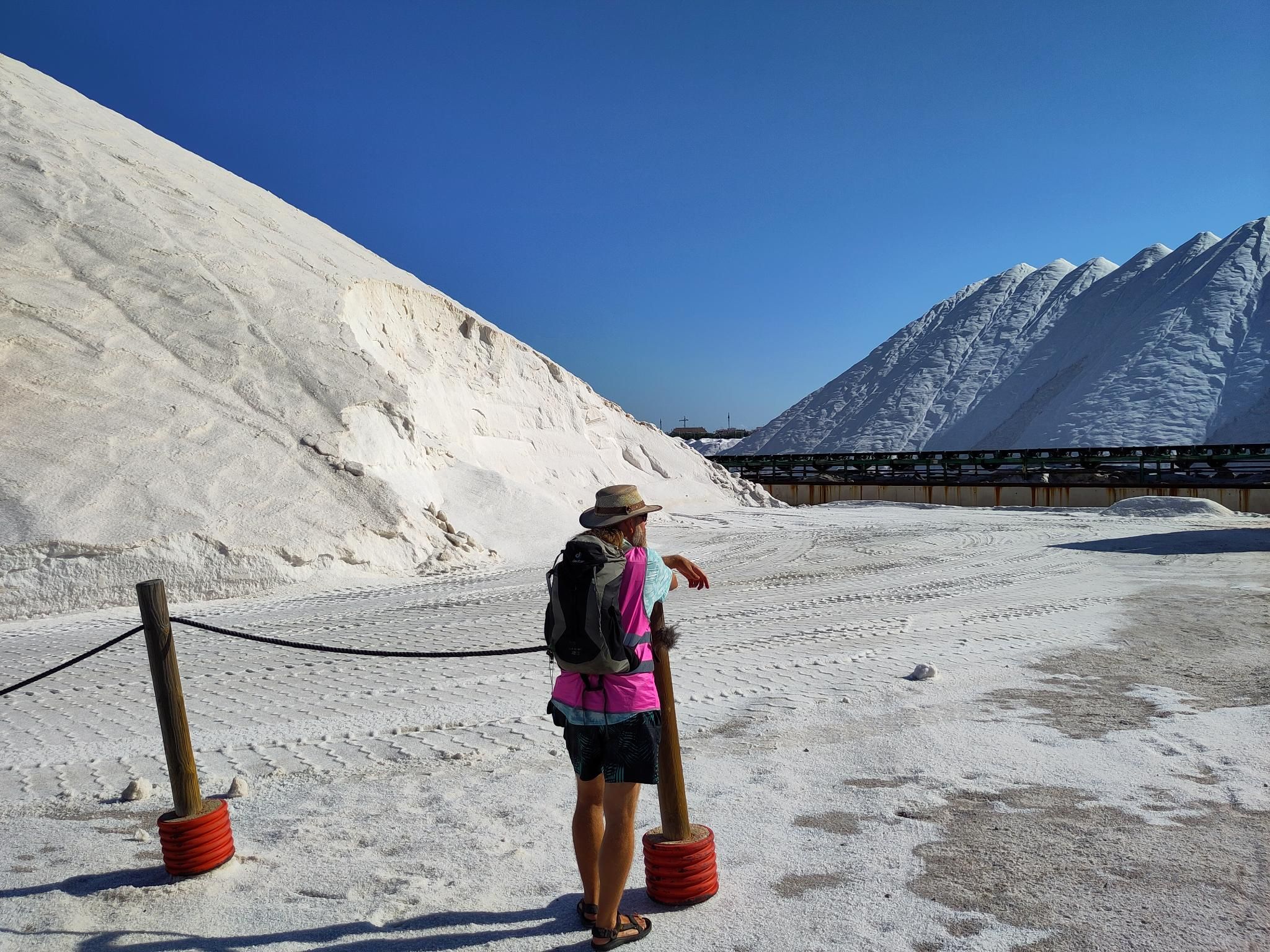
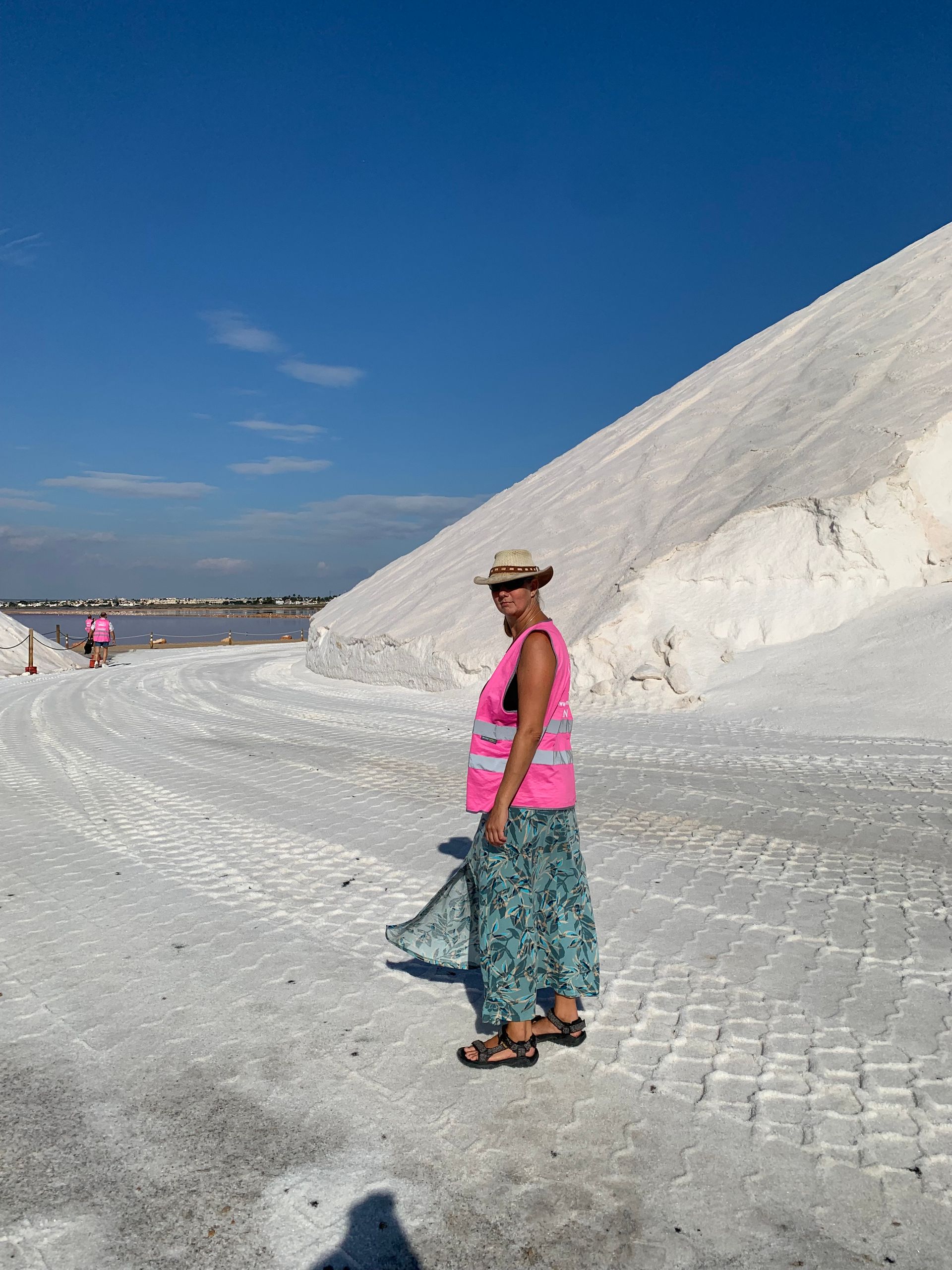
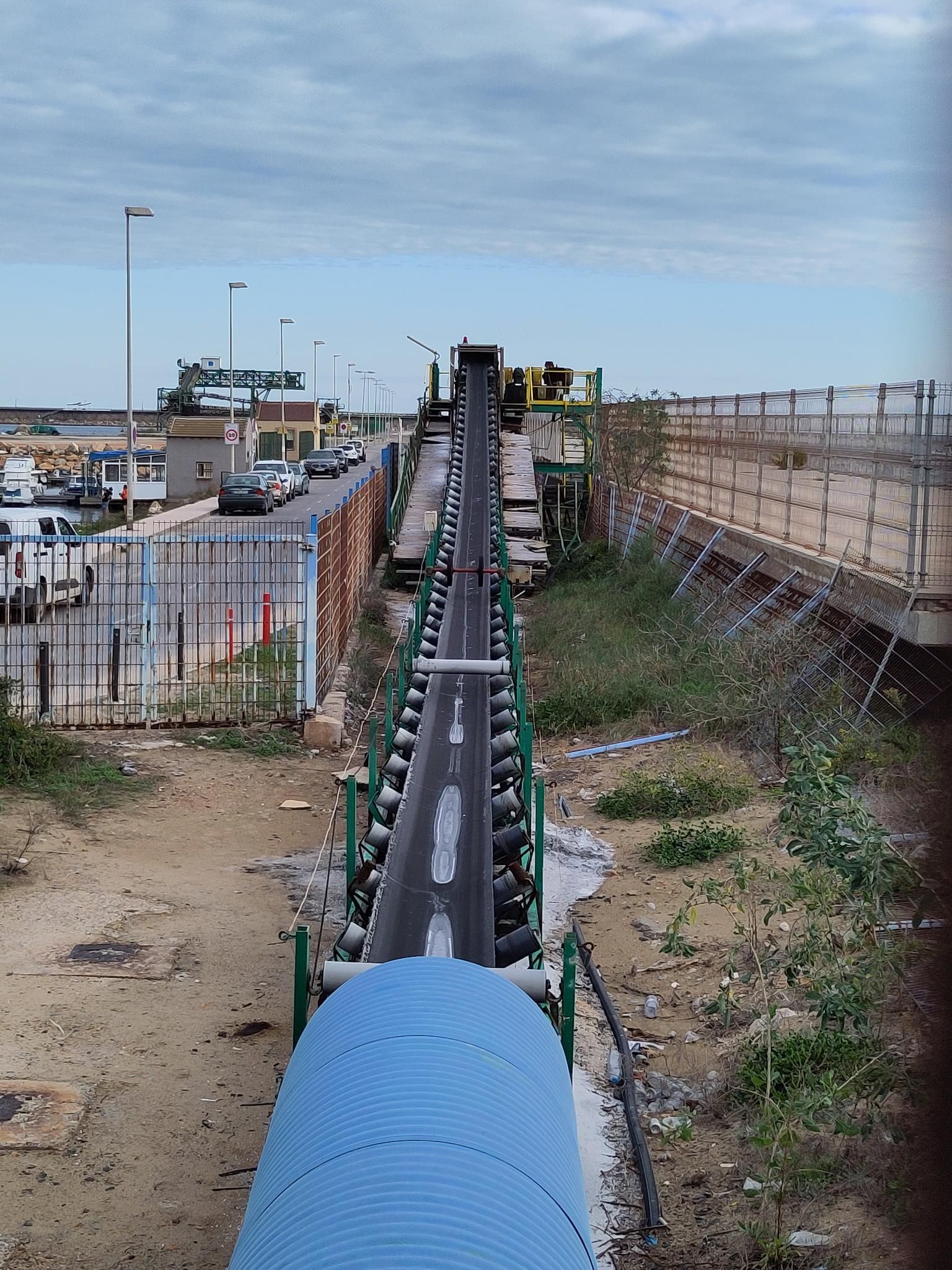
Once we passed the gate of the access road to the saltworks and paid our entrance fee, we were required to don a safety vest. In PINK! There was no choice. Pink was the color for visitors here. The group today was significantly larger with over twenty participants than last time. This suited the facility, which was one of the largest sea salt production plants in Europe. The annual production was about 800,000 tons, more than twenty times that of the facility in Cabo de Gata. These numbers were achieved by structuring the salt production process differently here, allowing for nearly continuous production for ten months of the year. The salt workers had three sources available here: the Mediterranean Sea, the neighboring lagoon, and a salt mine located a few kilometers away in Pinoso. They did not wait for the crystallization ponds to dry out completely; instead, they harvested the crystals as soon as a five to ten-centimeter thick layer of salt had settled in the shallow brine ponds with a type of dredger. The harvested wet salt was piled into Garberas and then dried out over eight to ten months of storage. A roughly three-kilometer-long line of conveyor belts stretched from the salt ponds to the storage locations and partly underground, directly to the port on the other side of the town. Sebb was temporarily reminded of the belts of the lignite open-cast mines back home, which transported coal to the power plant in Lippendorf.
After we had been thoroughly informed about this salt production facility, we walked back to the beach and took a seat in a restaurant by the water. We ordered the Plato del dia twice and had lunch at 3:00 PM. As it approached 4:00 PM and the staff began clearing the tables and chairs, it was also time for us to move on. We headed back to Gary and took our siesta. While Ines engaged in Pilates afterwards, Sebb grabbed the phone and talked for a good two hours with family back home, as there was a lot to discuss.
Dinner was skipped today since we were still full from our late lunch.
Today was also the first time we had run out of data on our phone contracts, but fortunately, today was also the last day of the contract month.