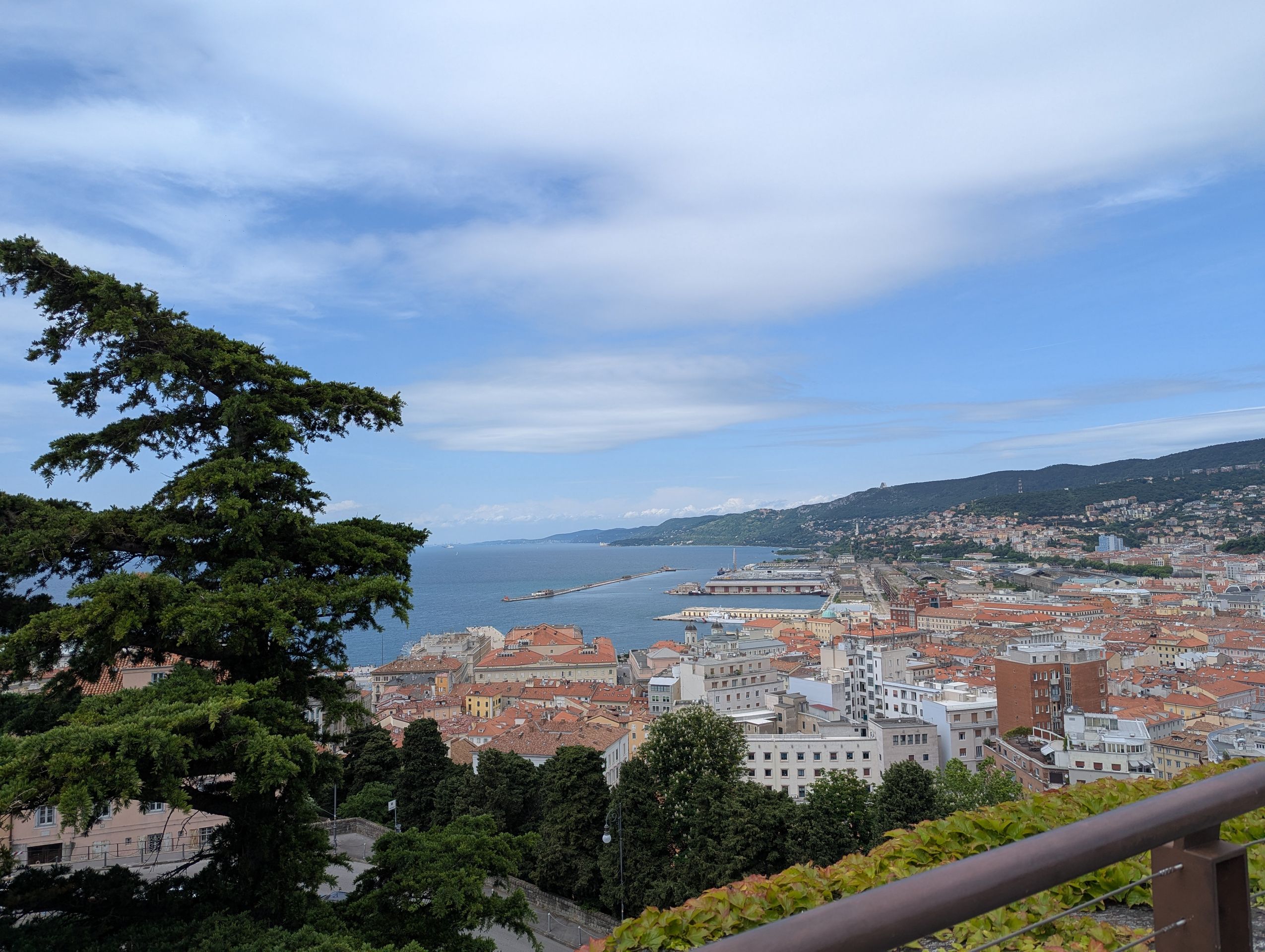
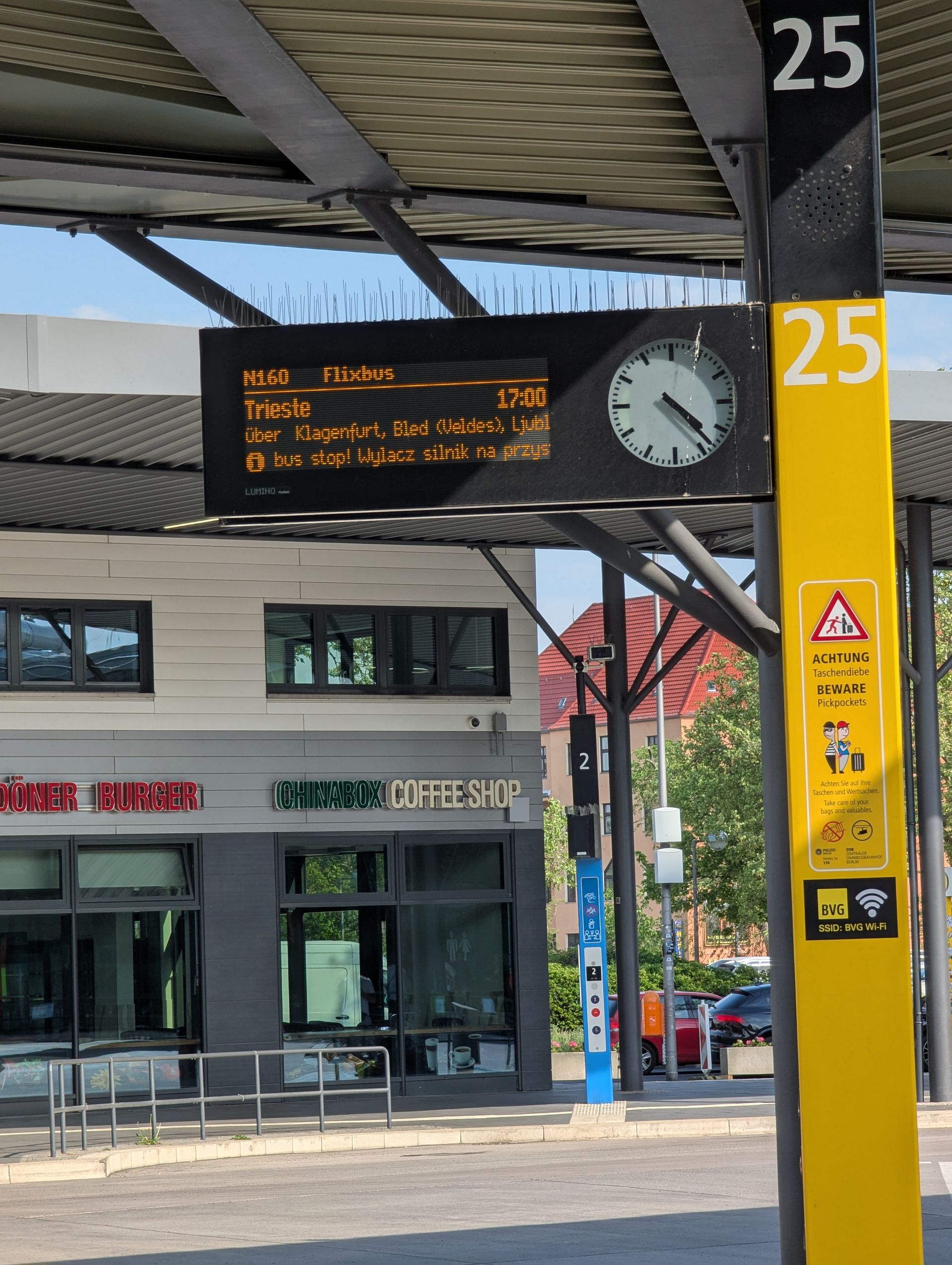
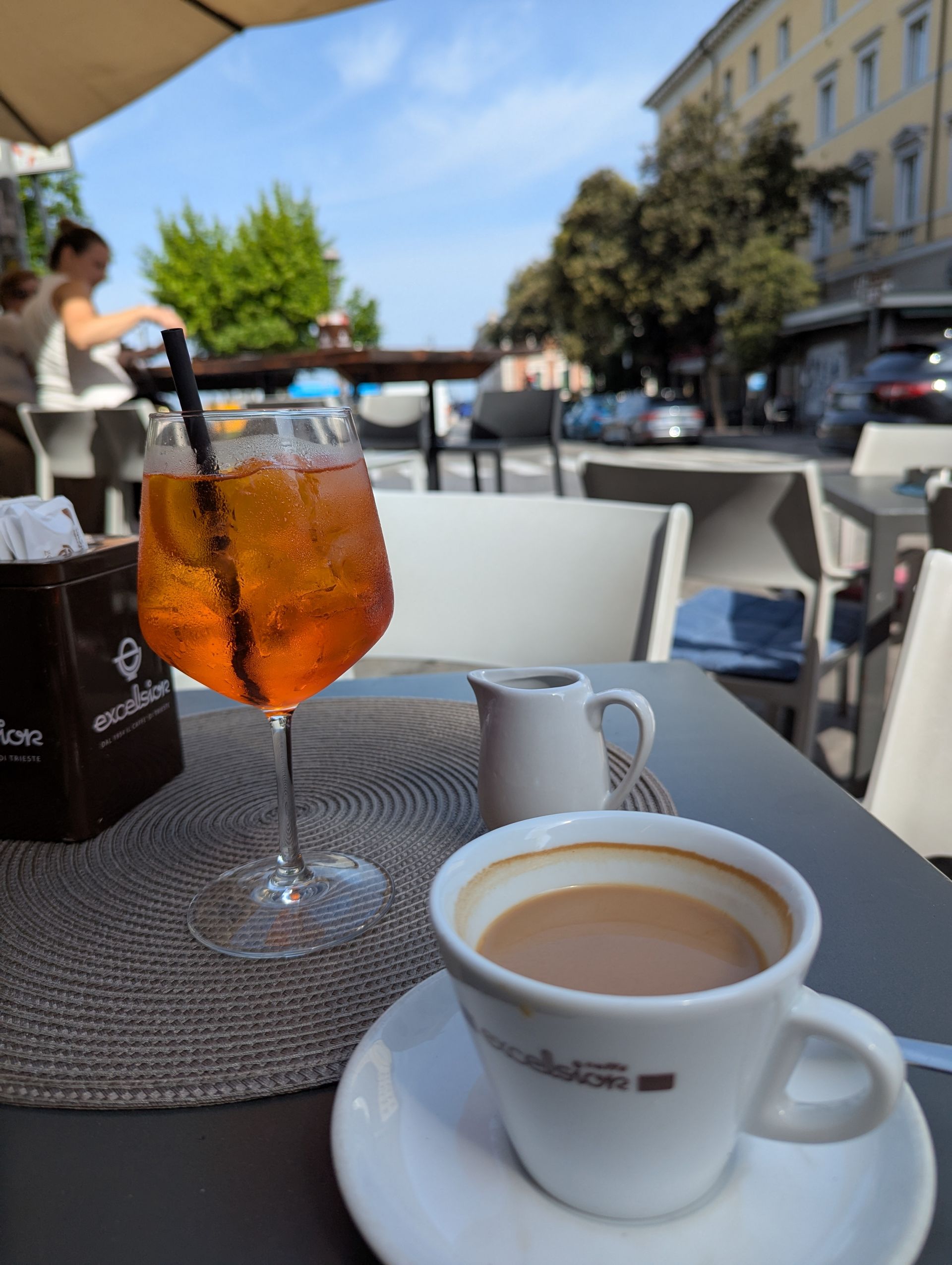
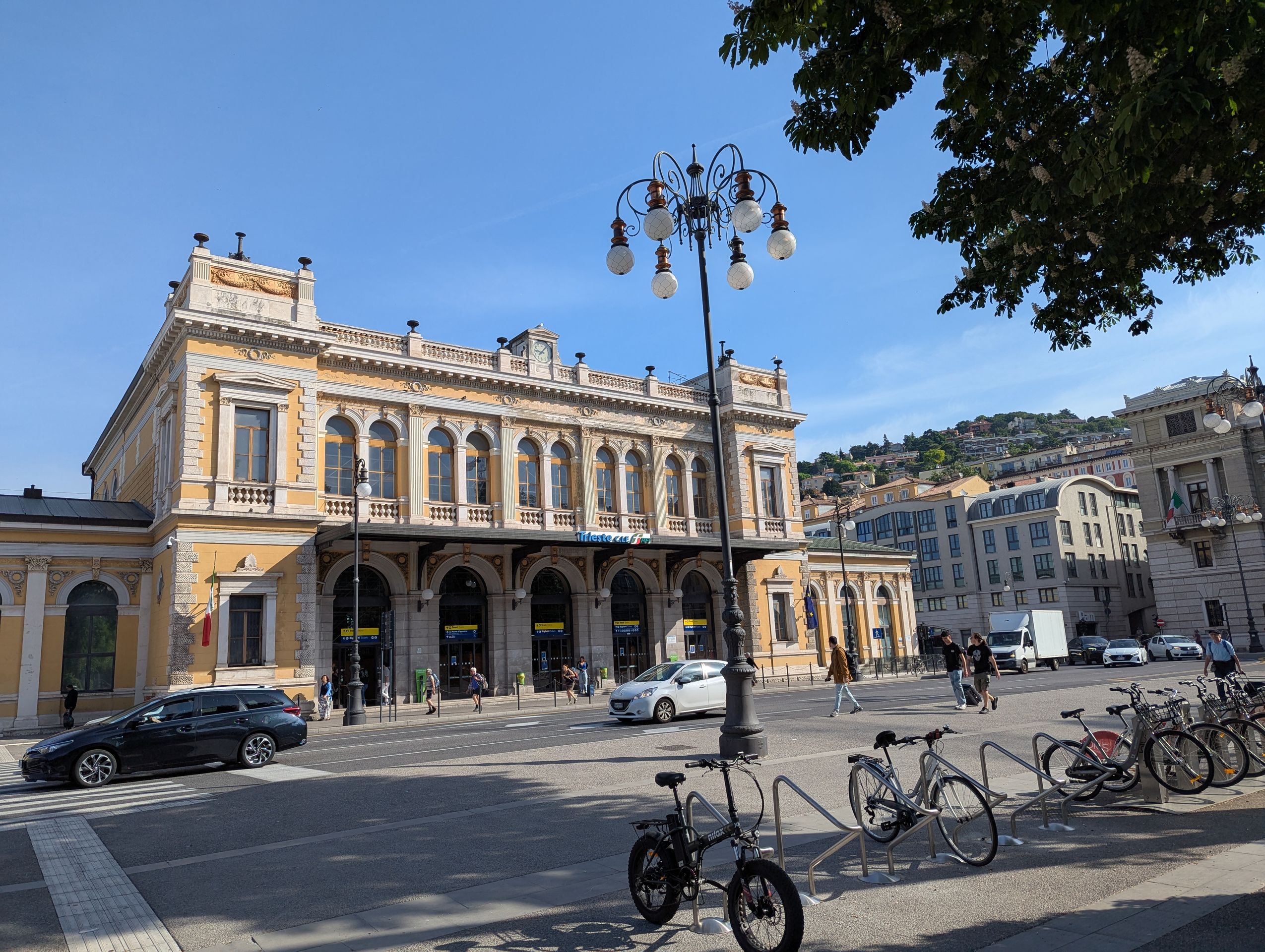
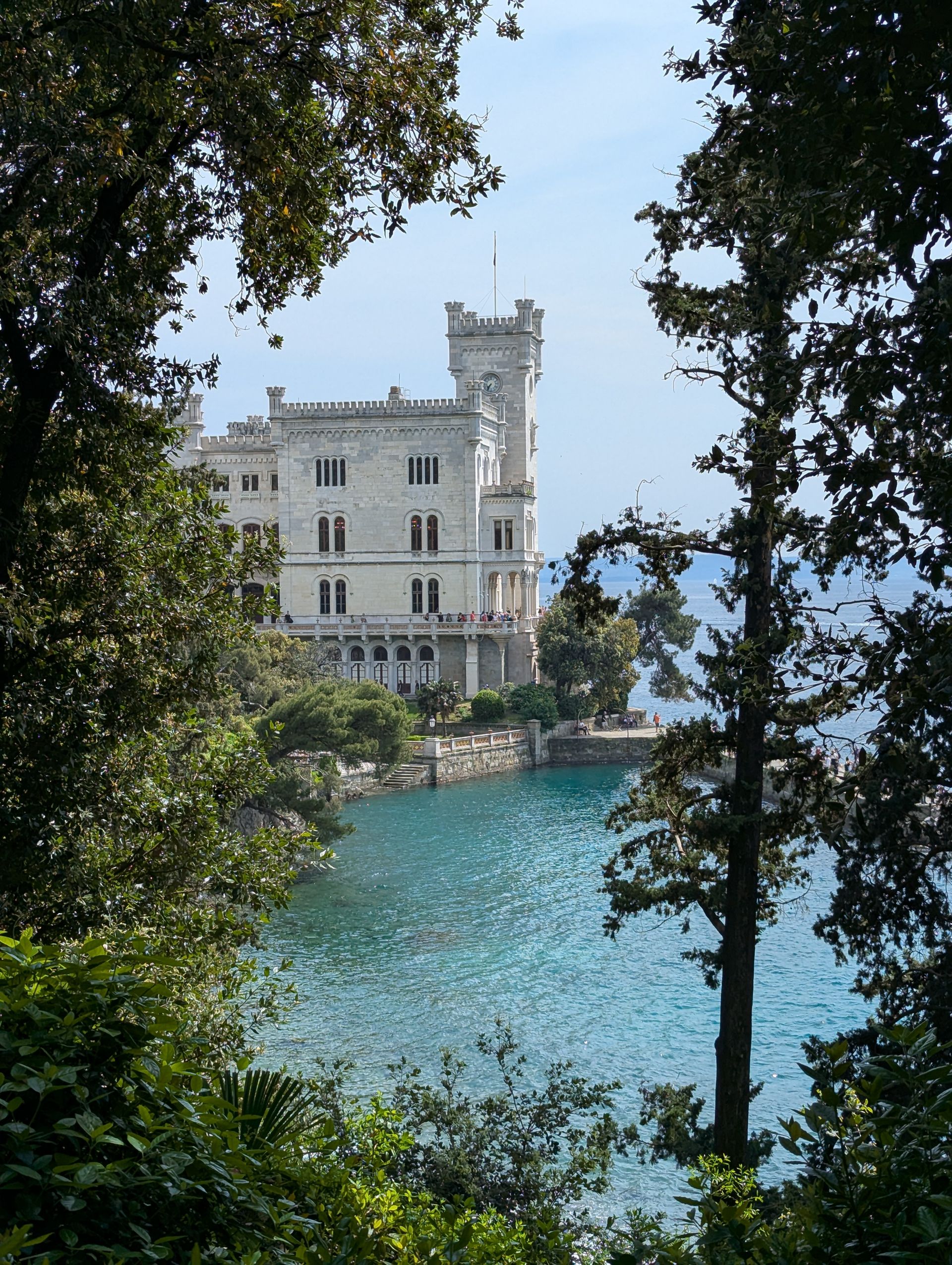
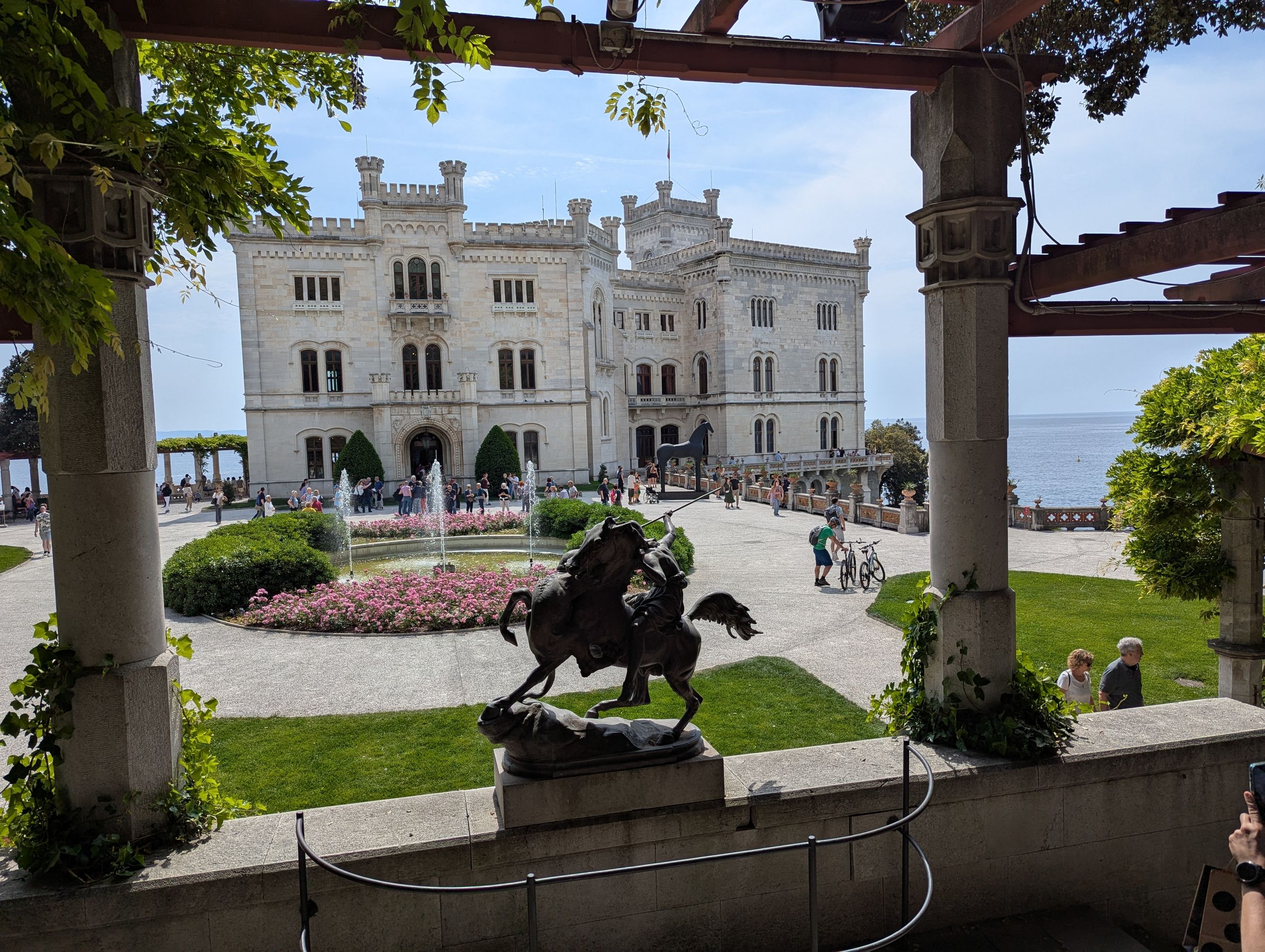
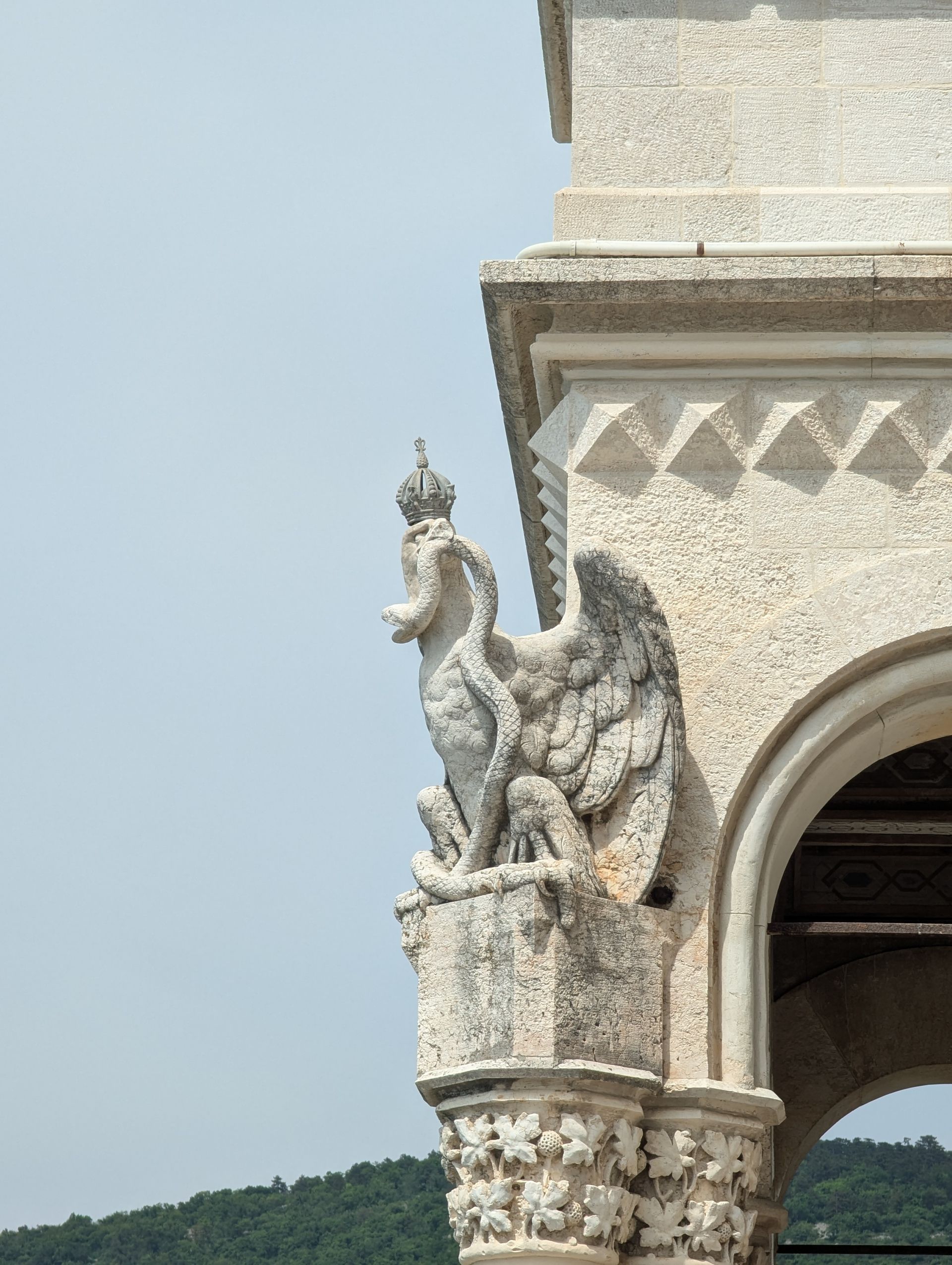
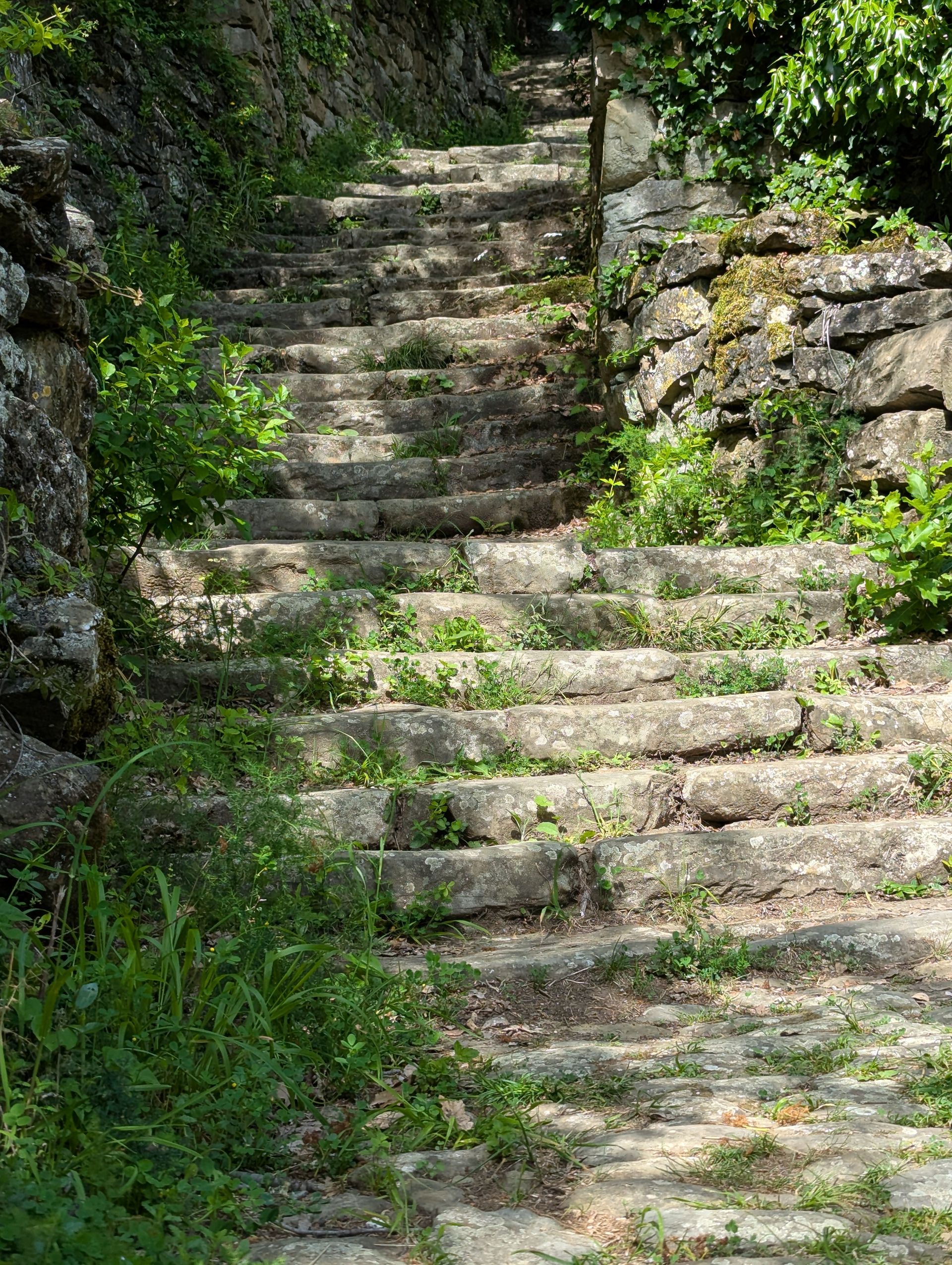
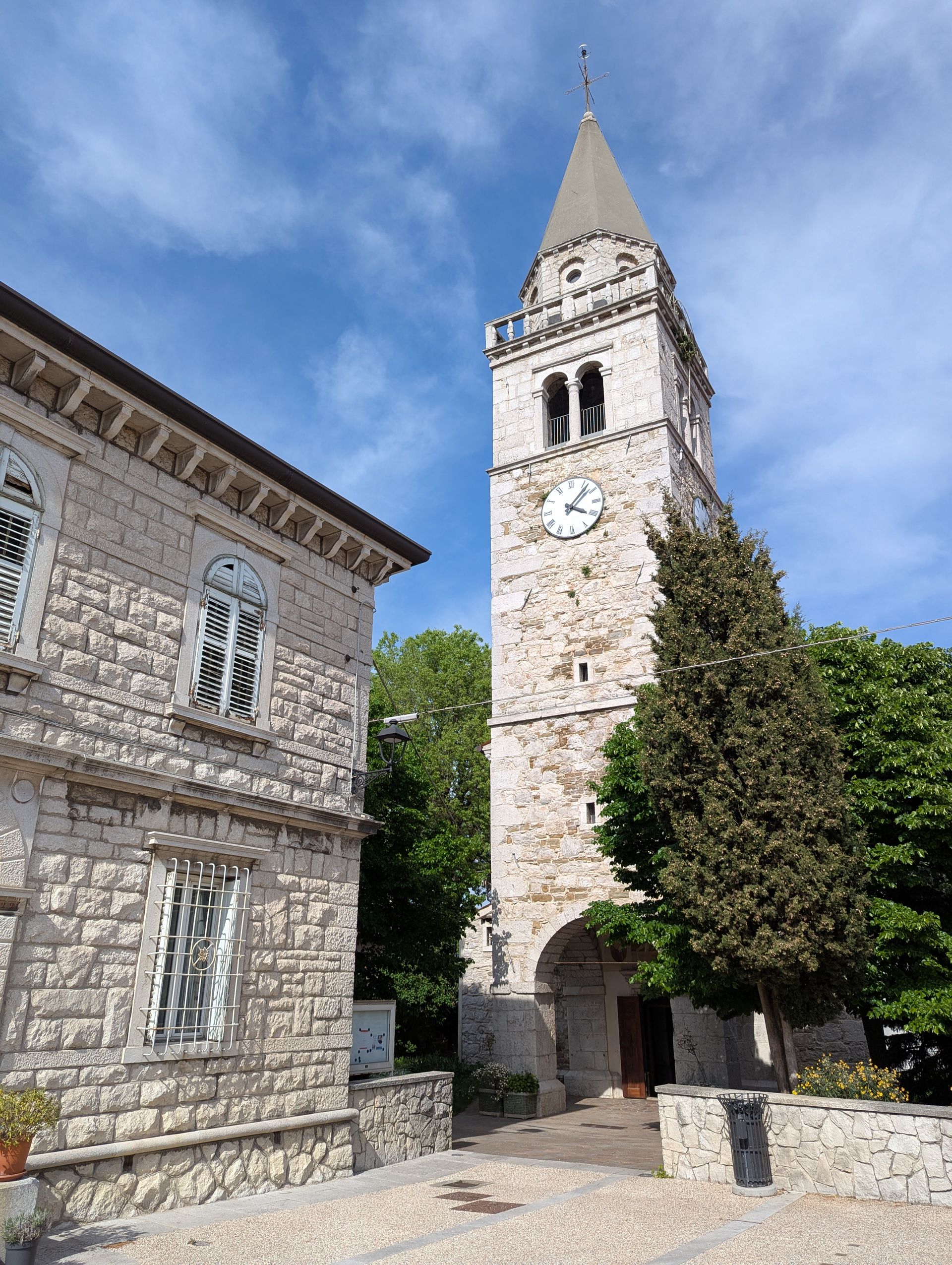
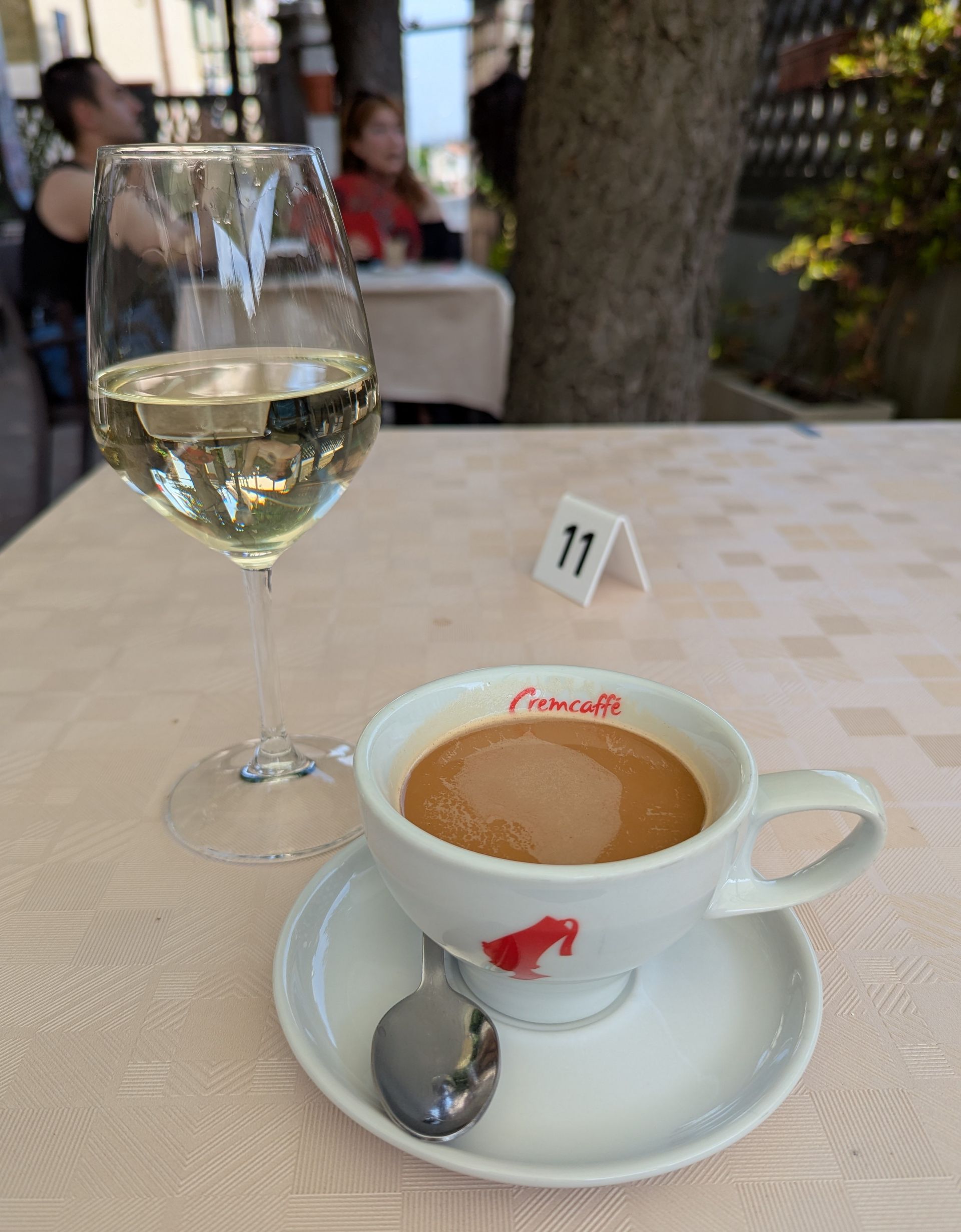
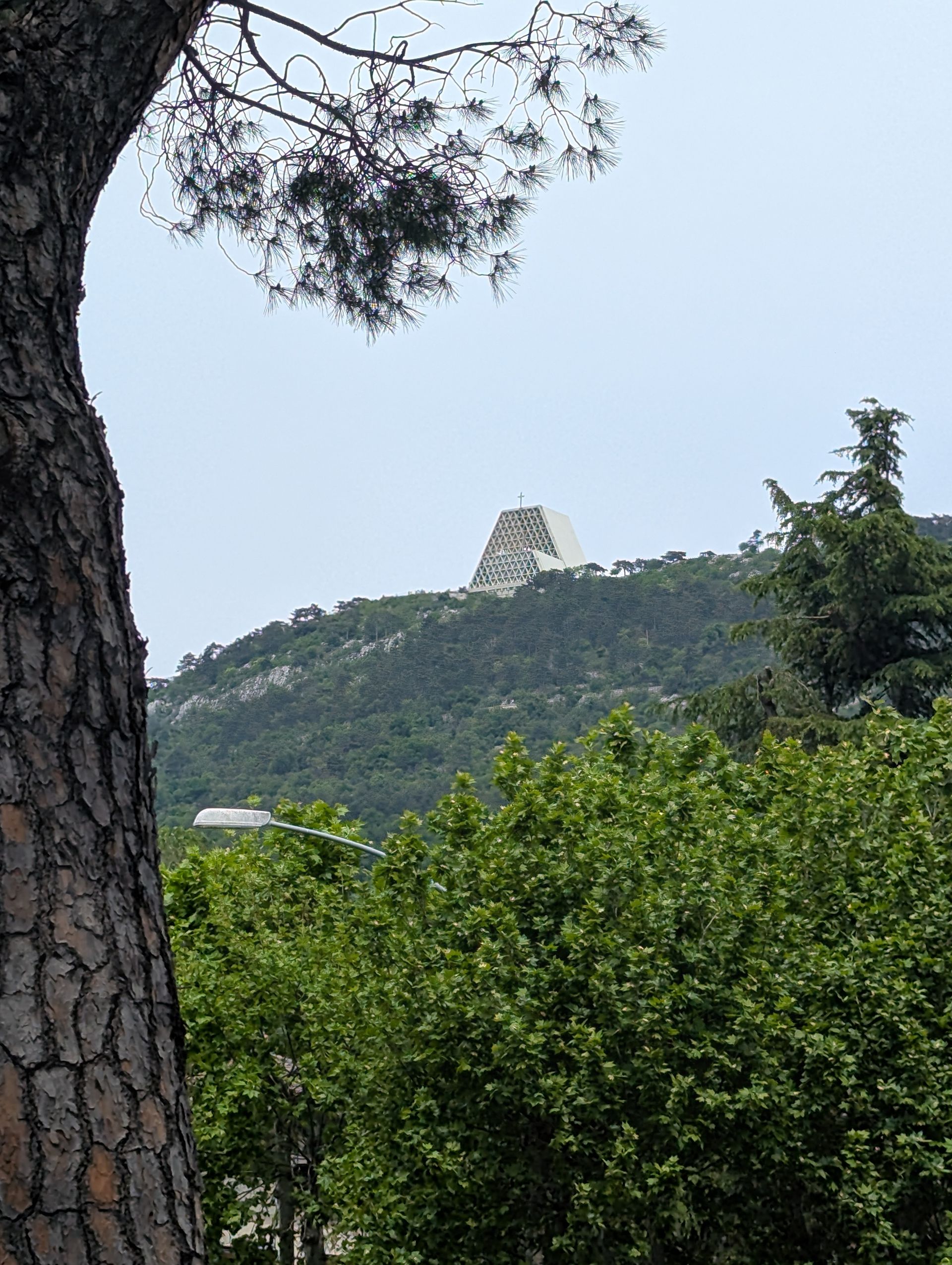
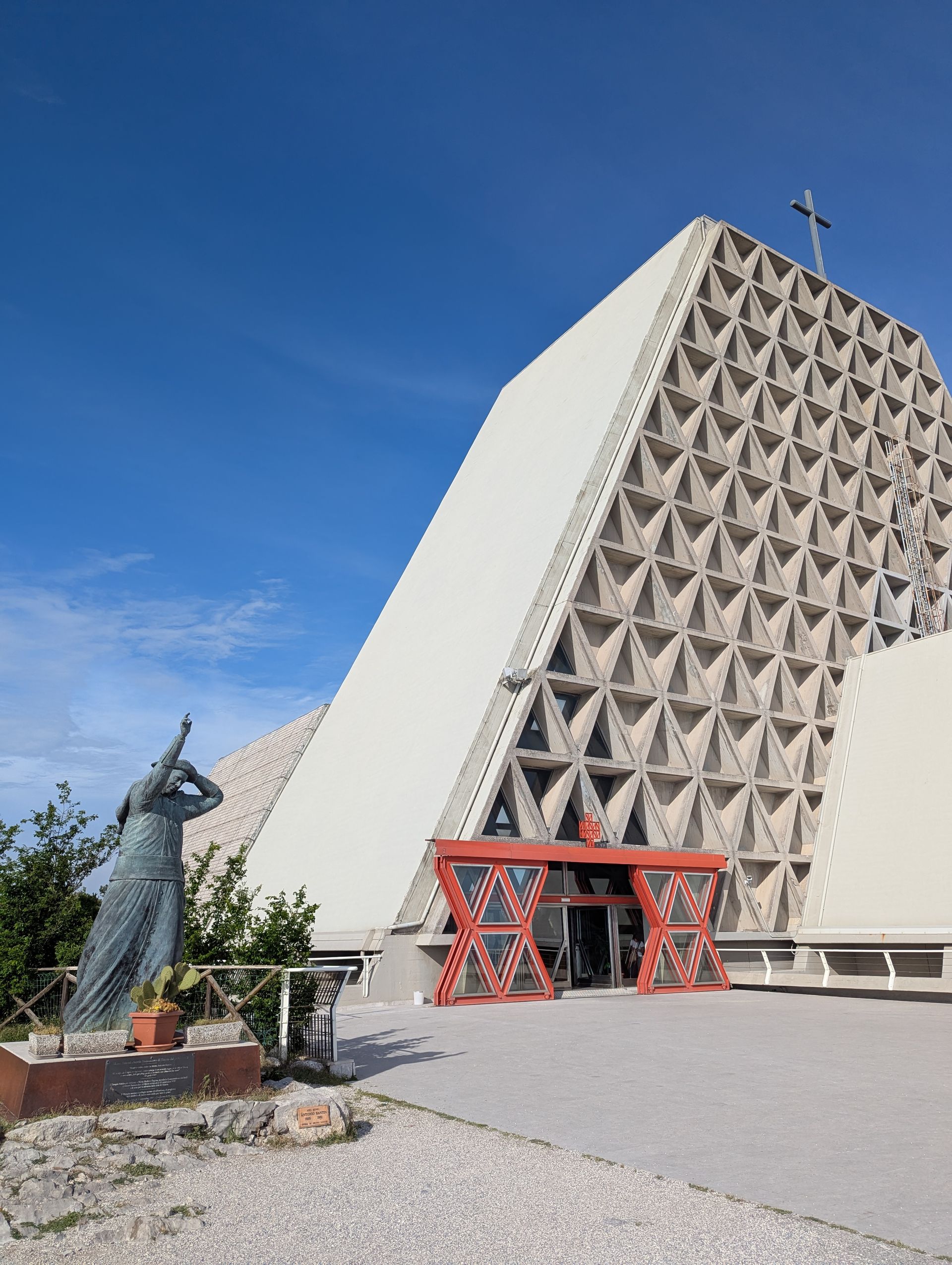
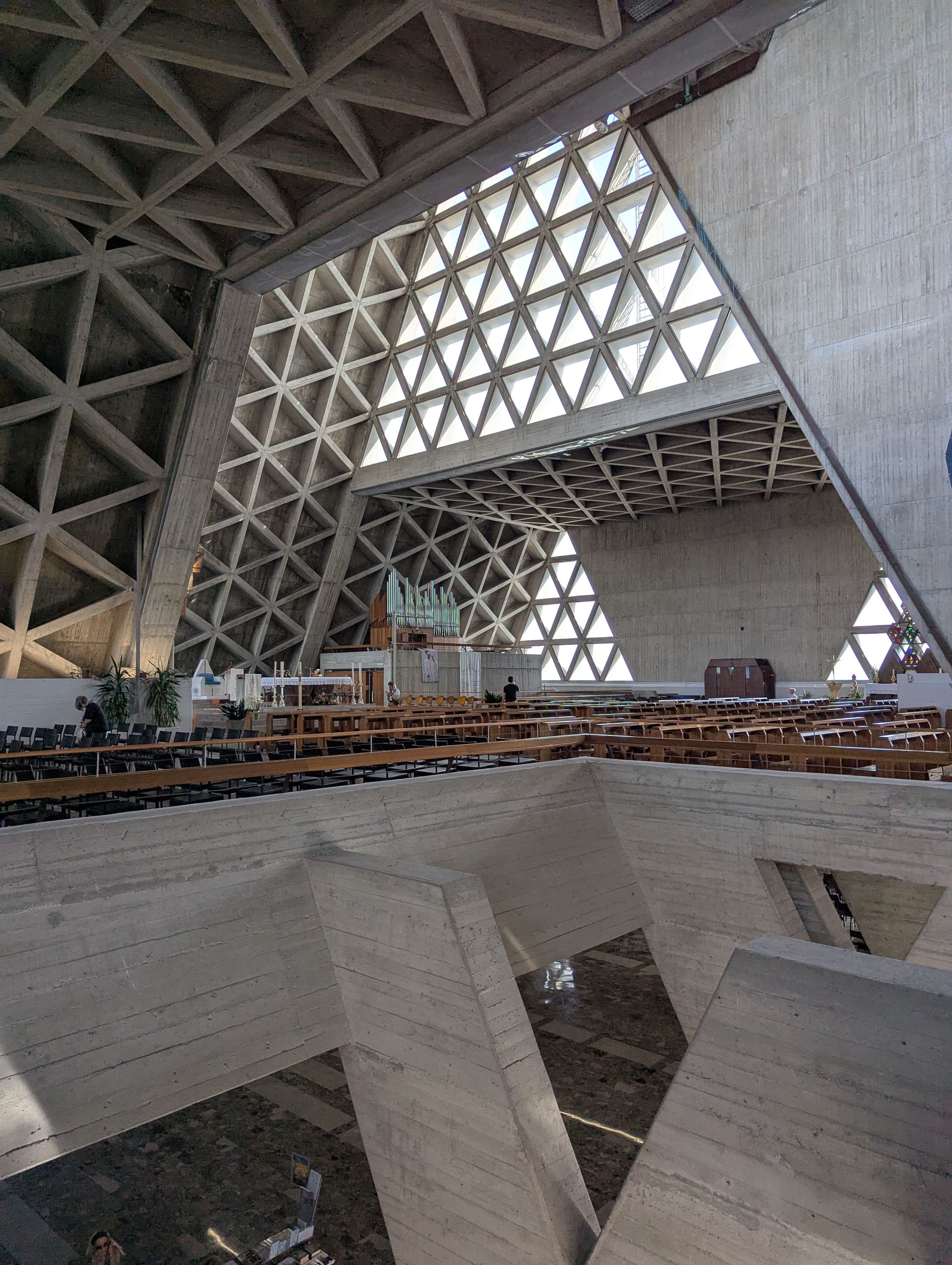
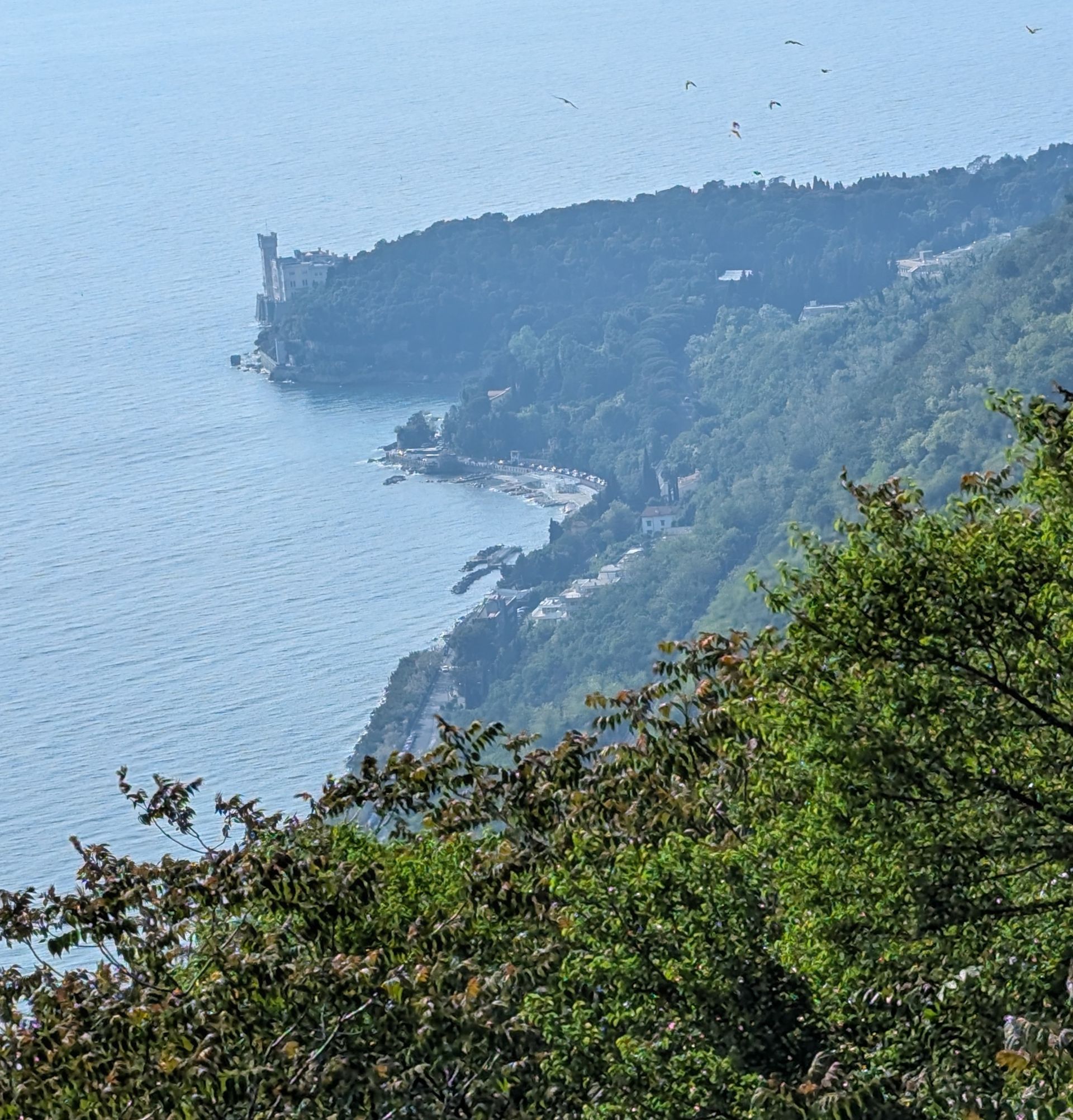
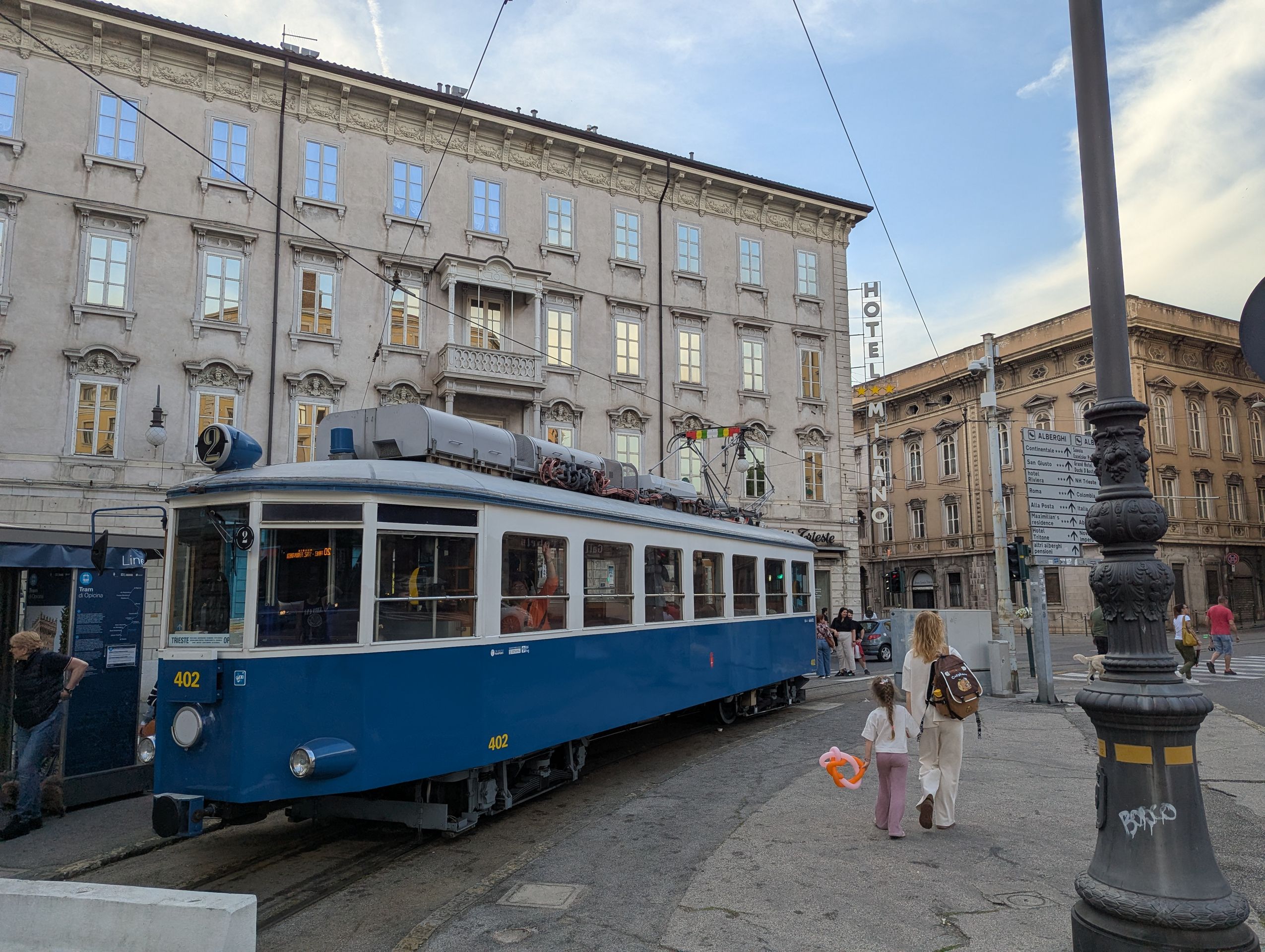
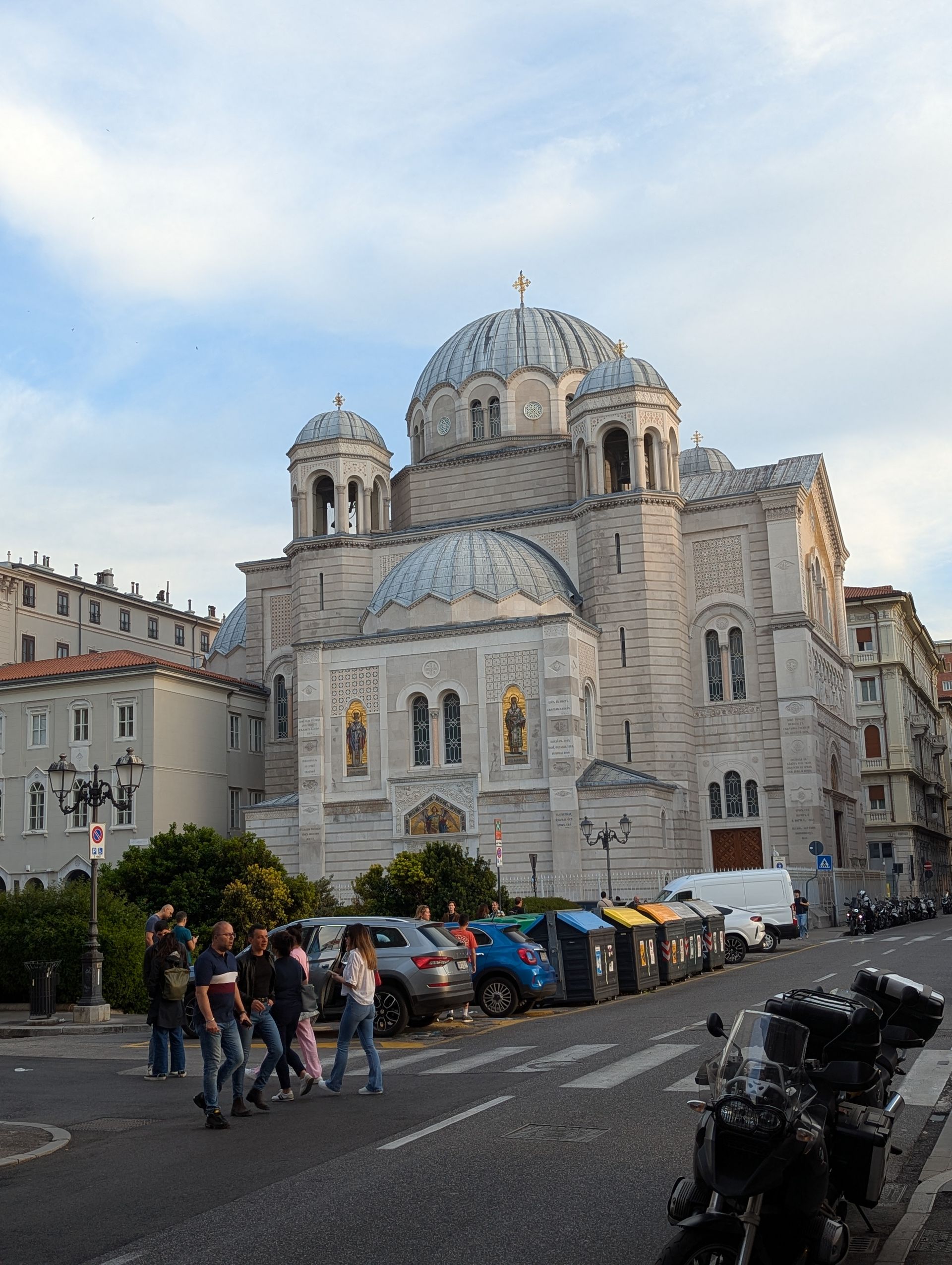
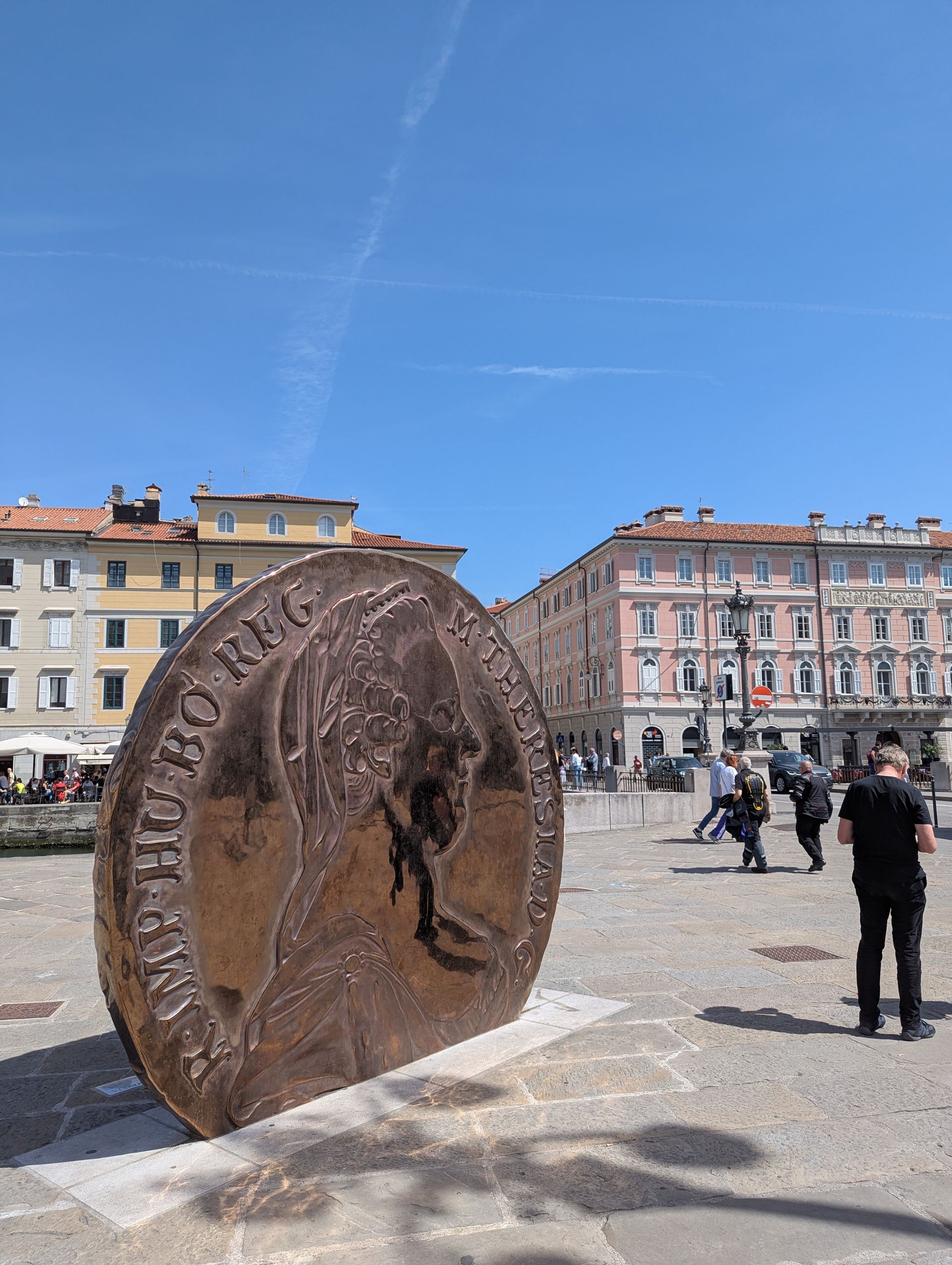
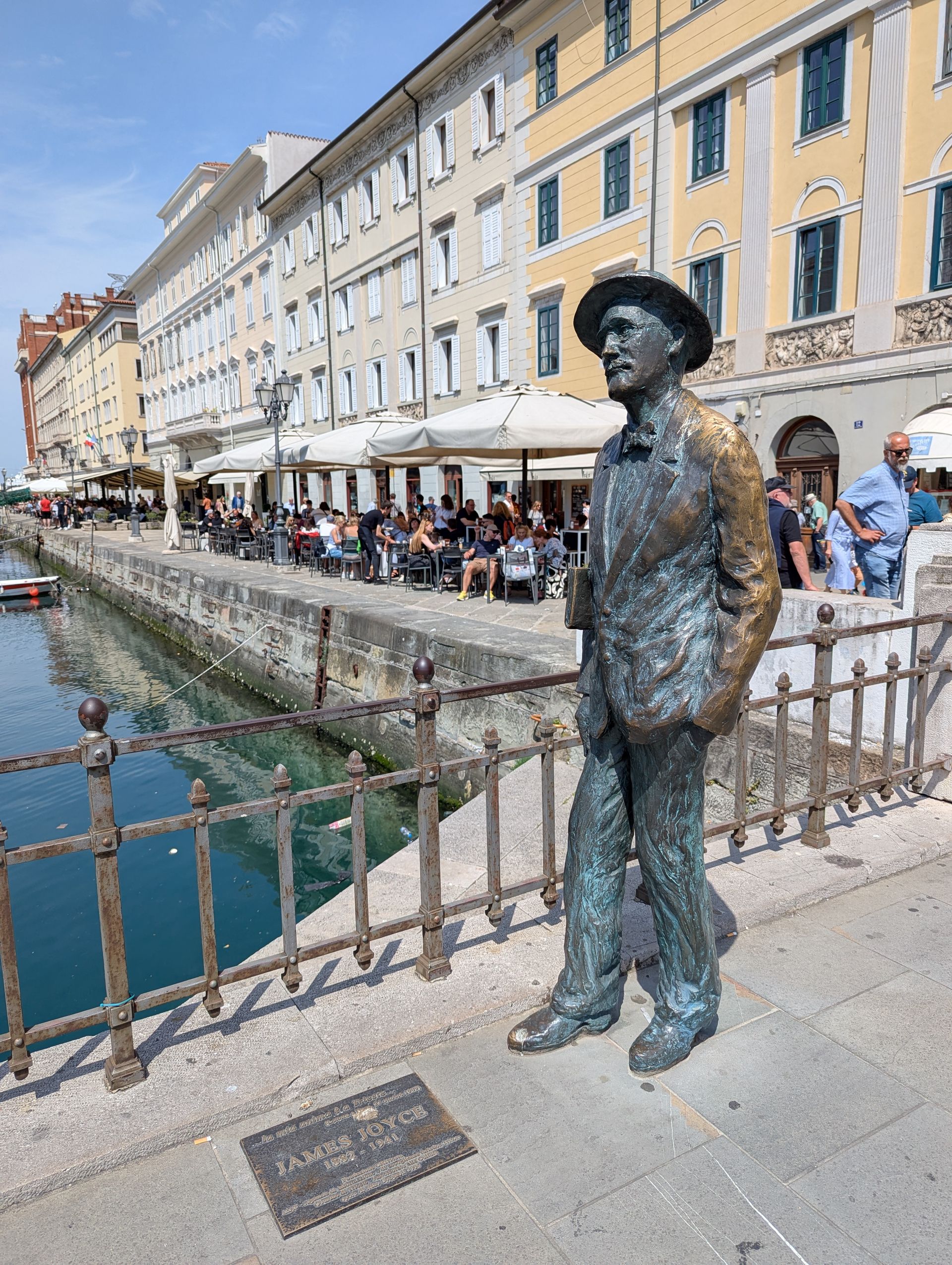
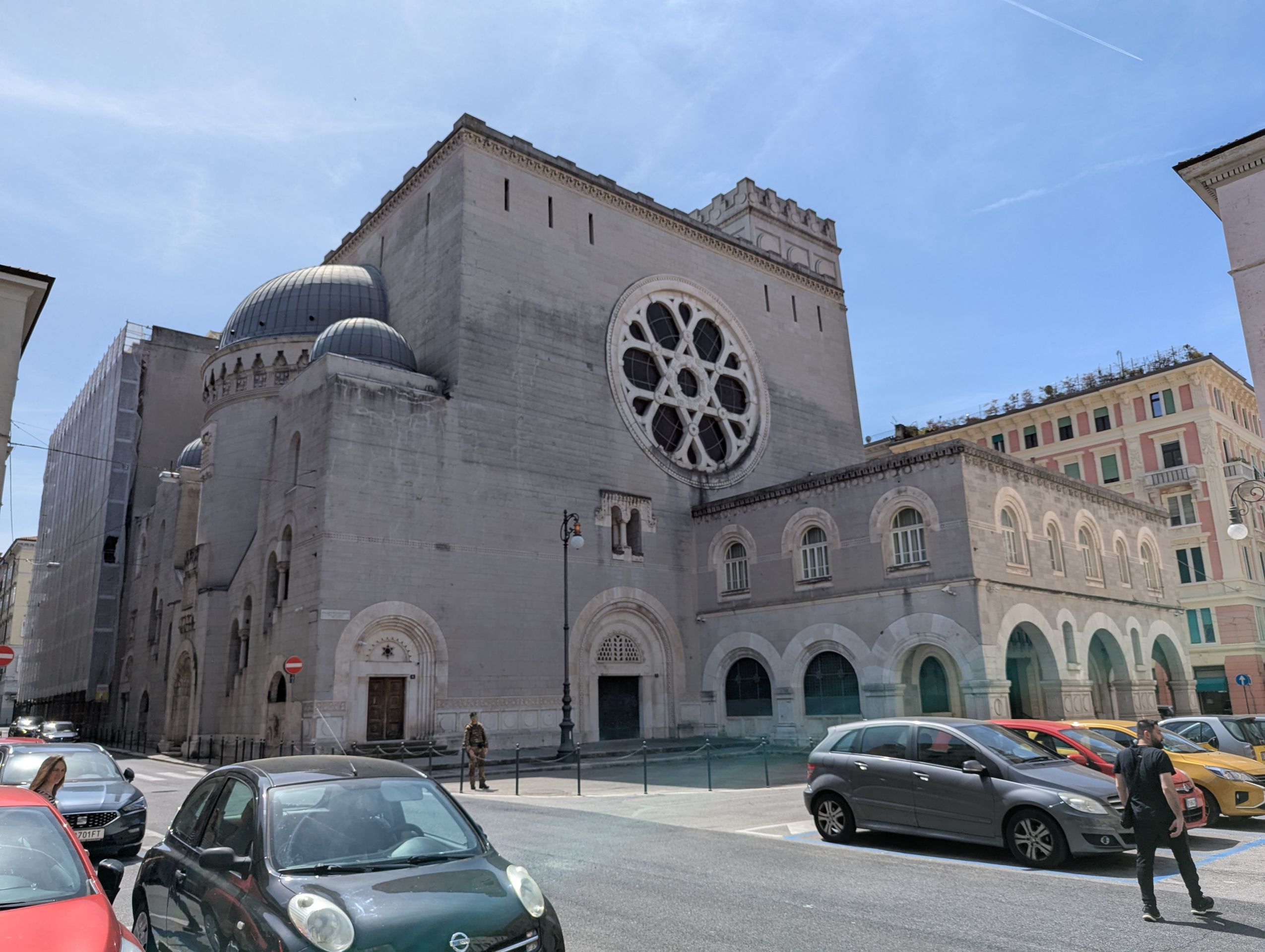
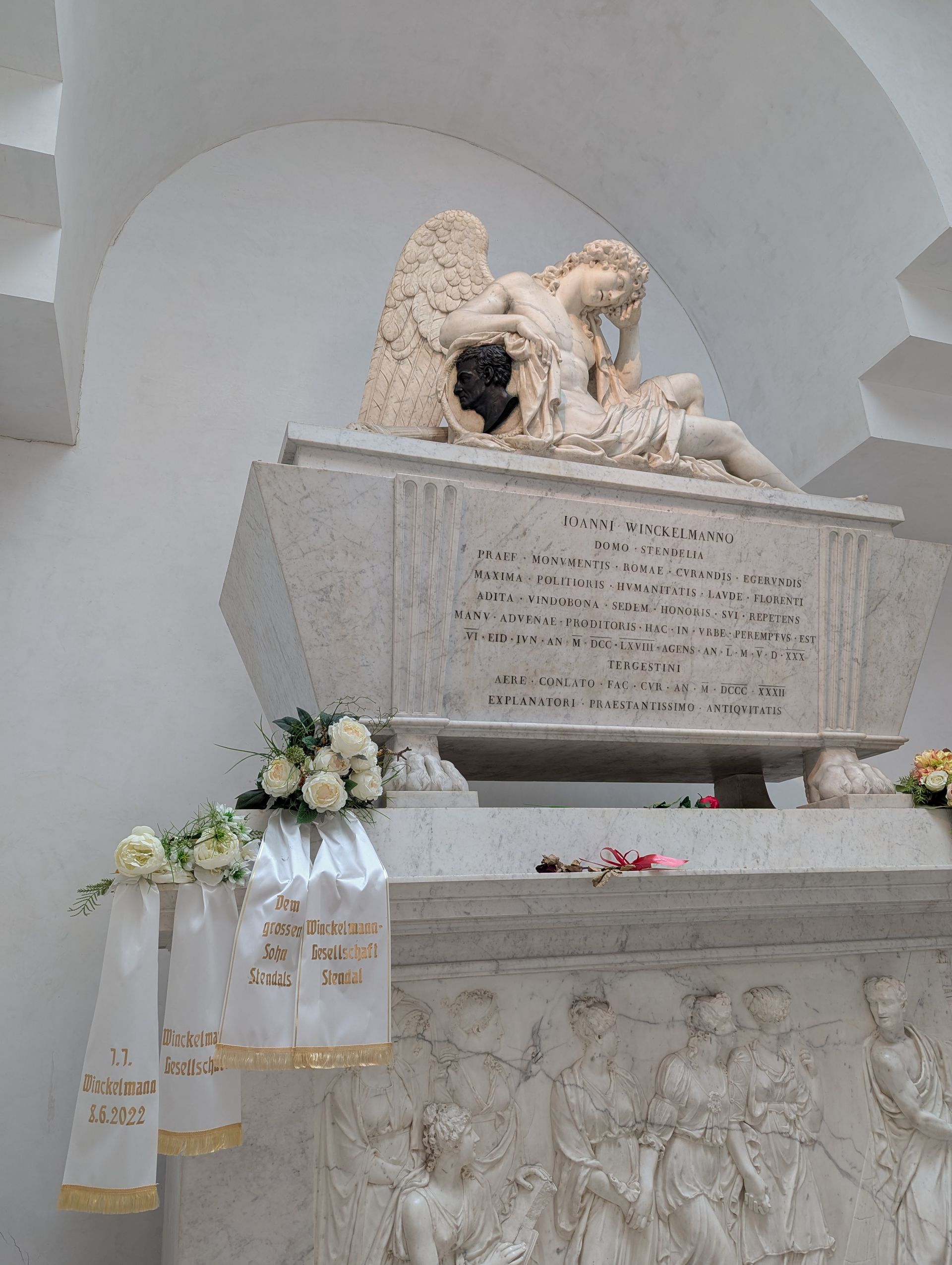
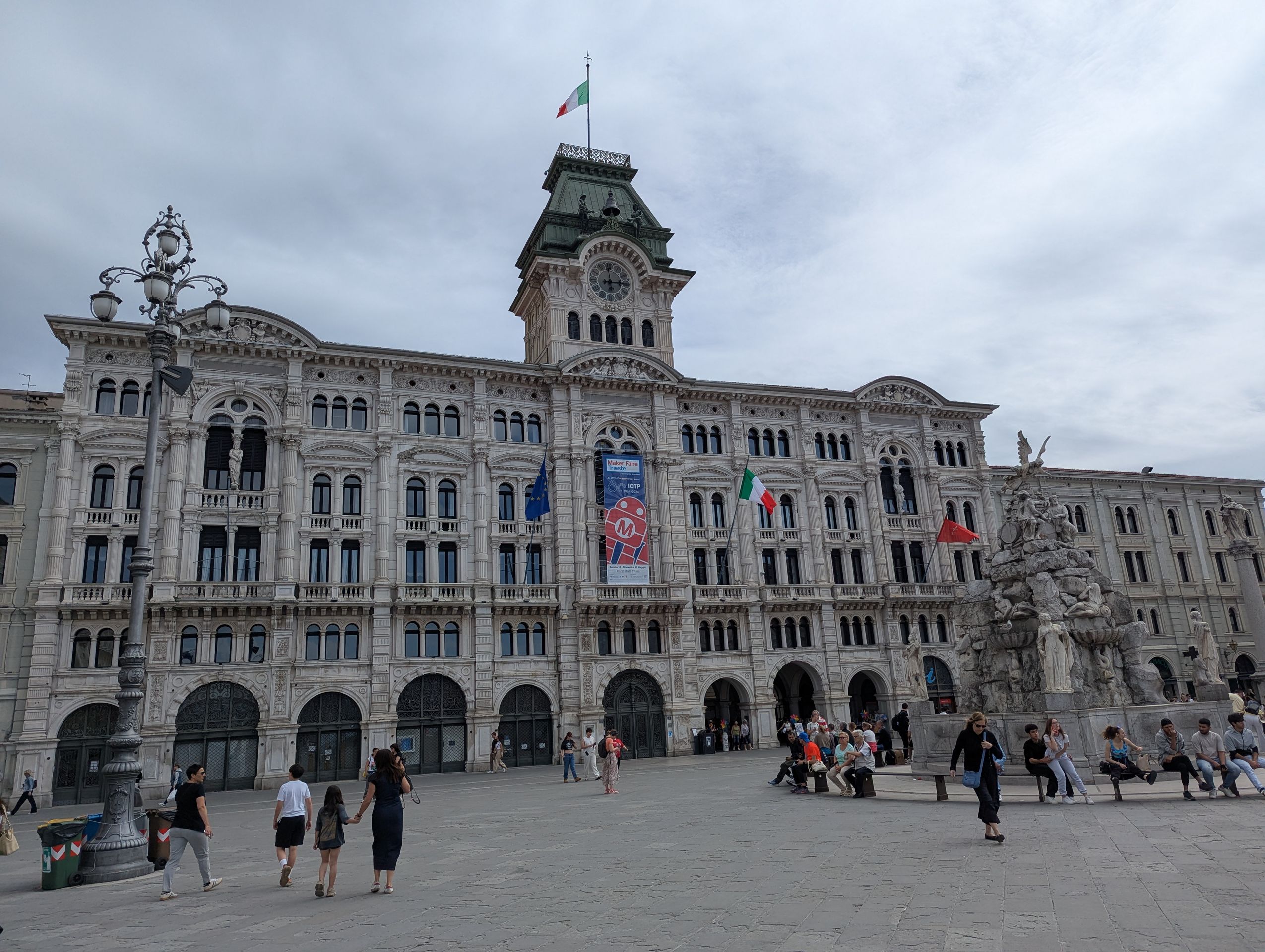
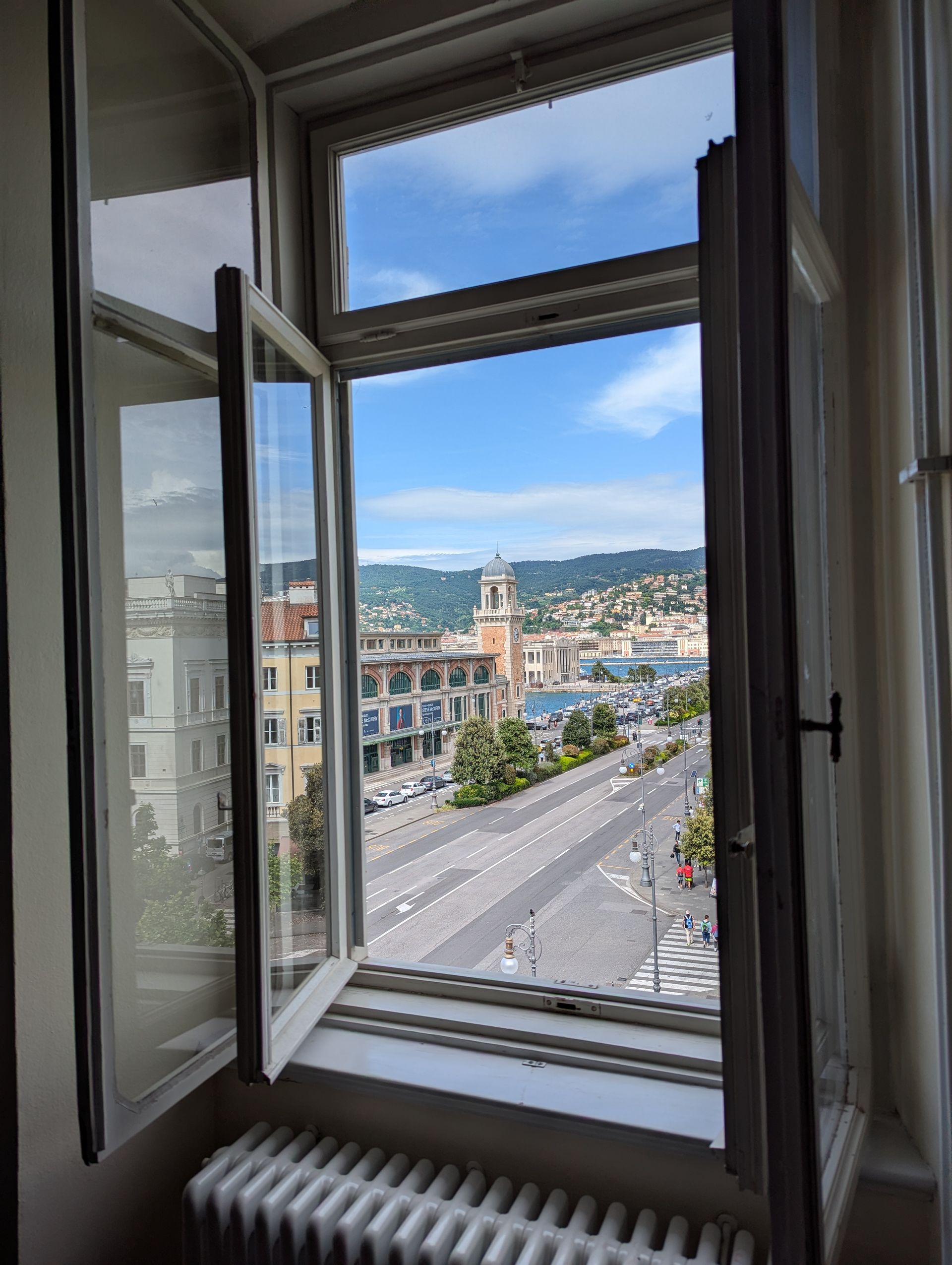
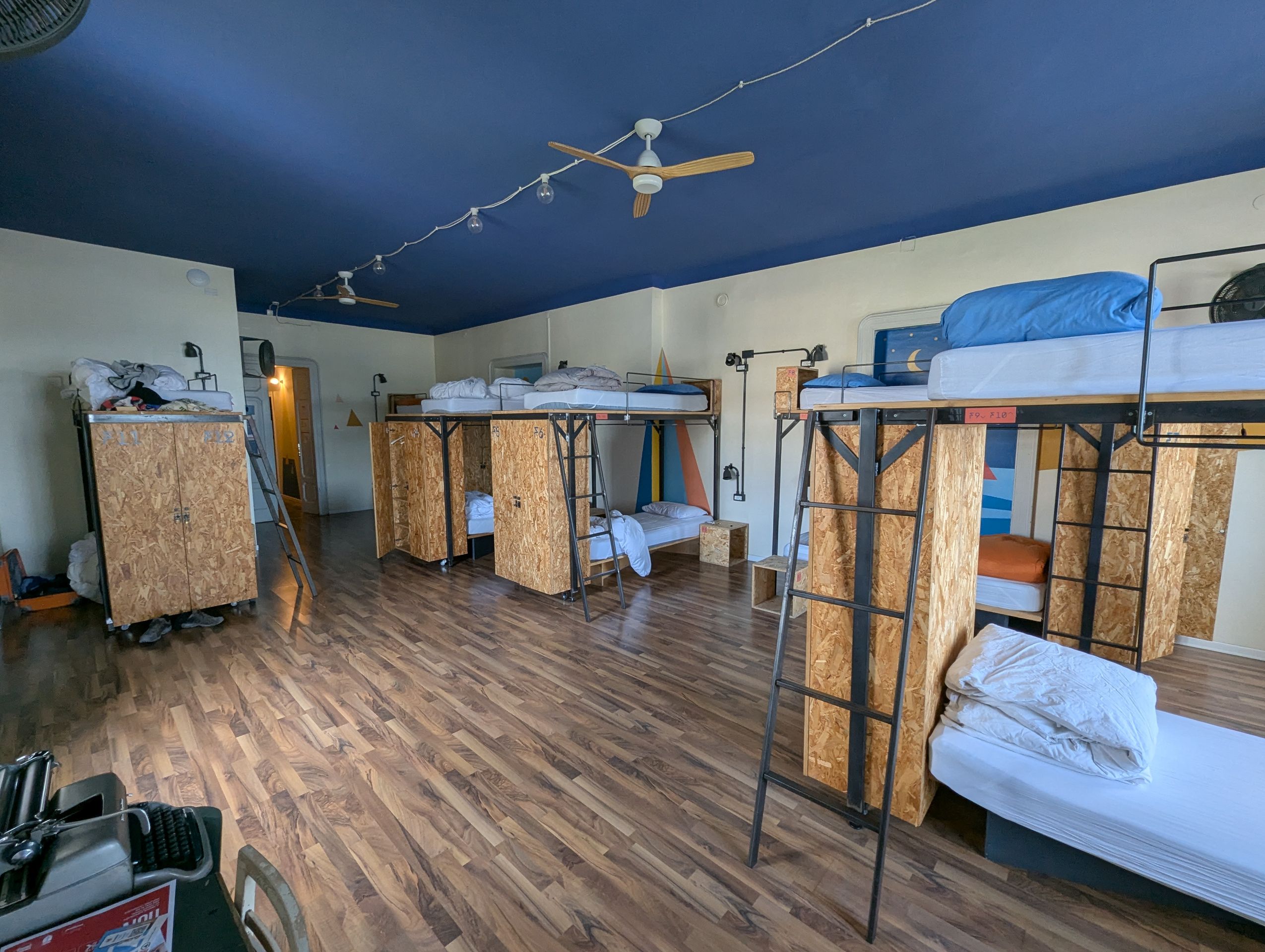
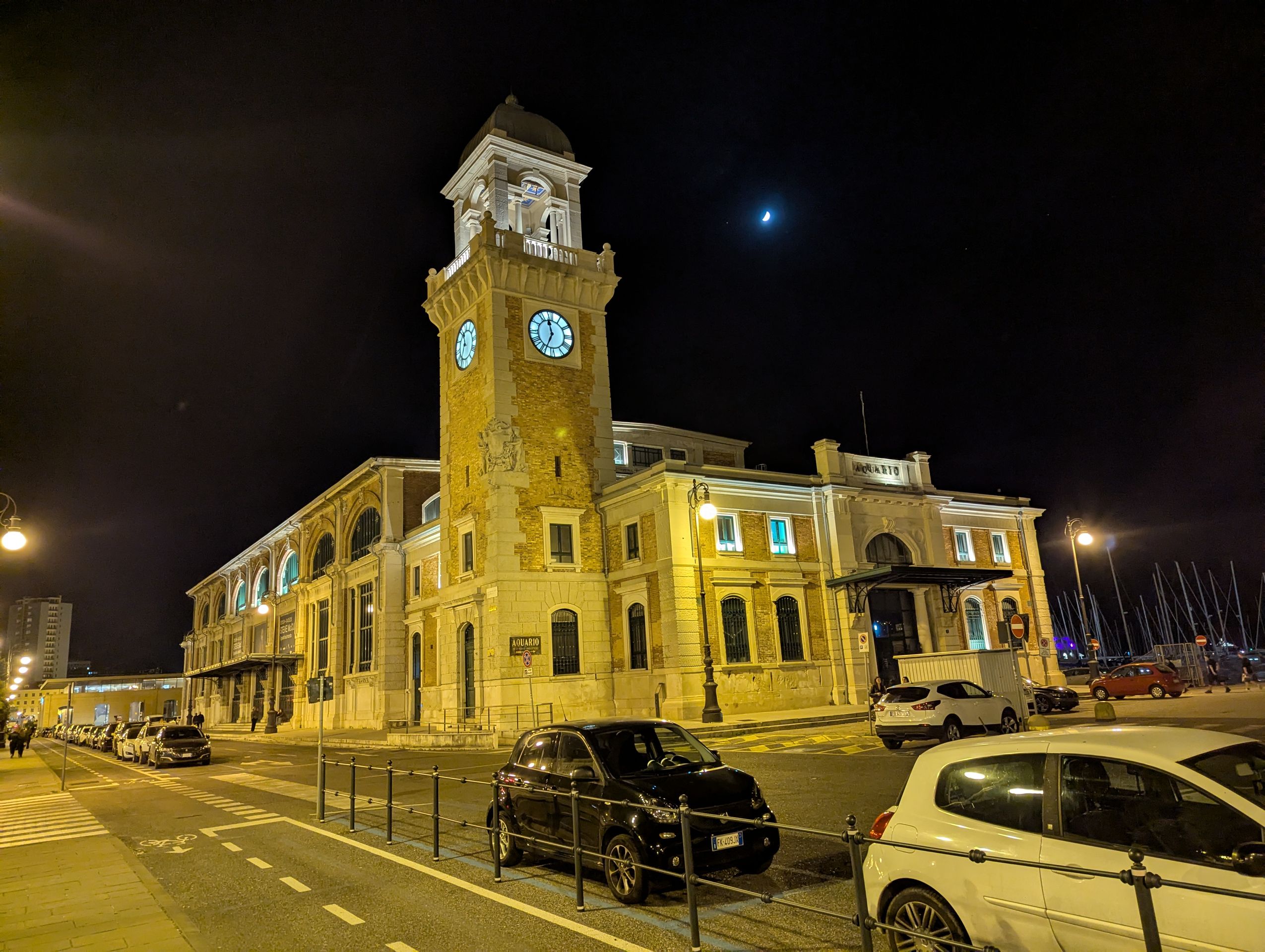
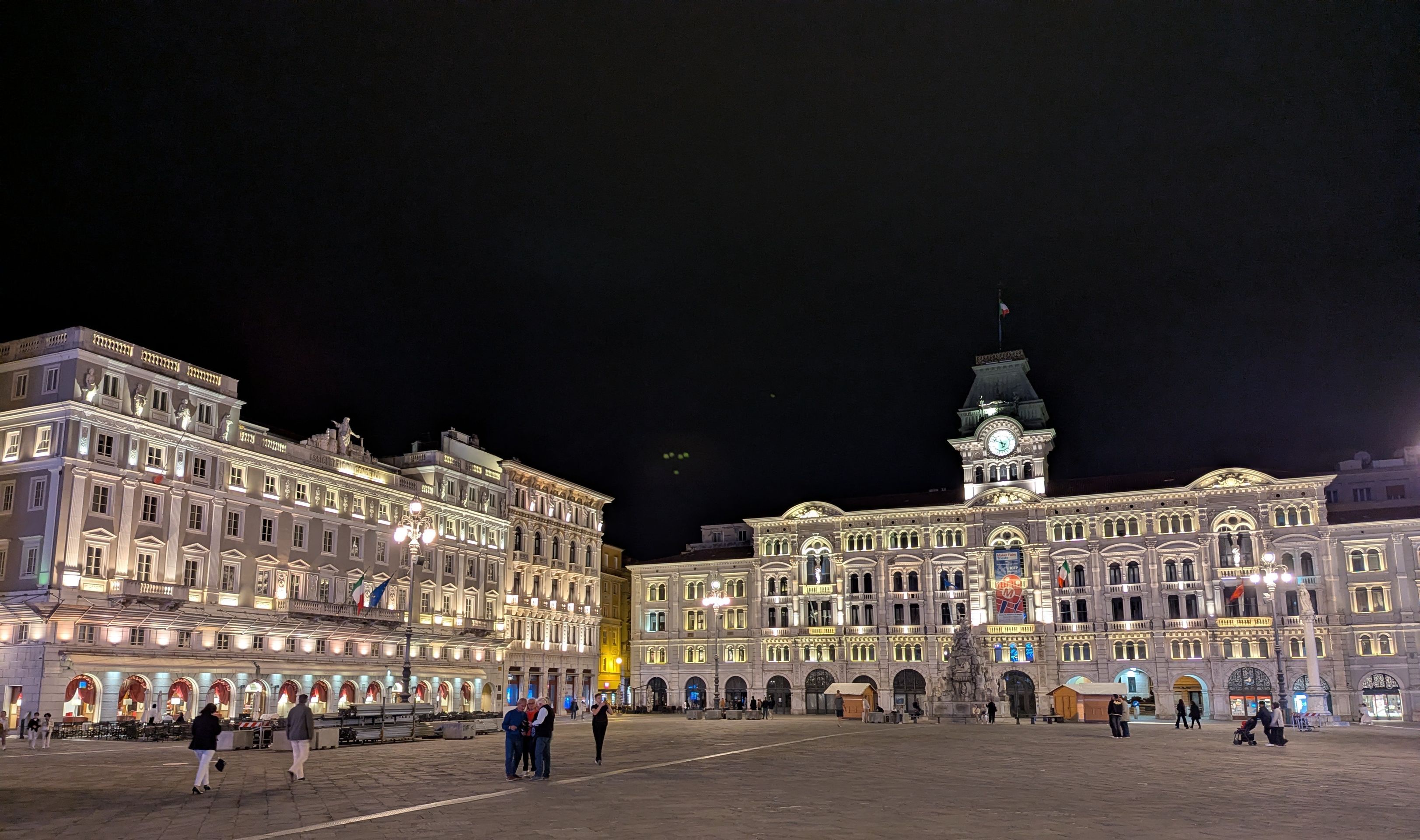
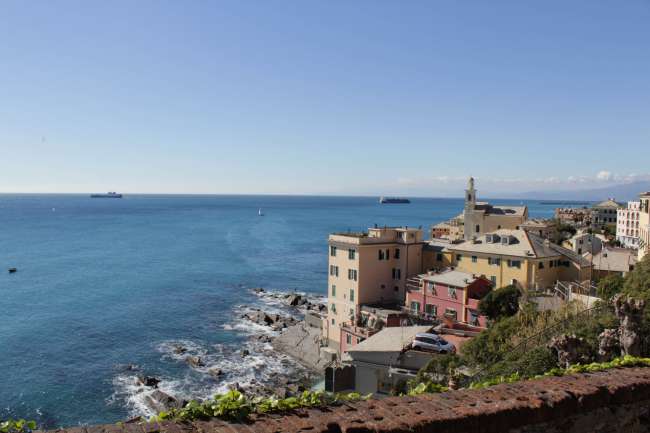
Trieste has charm. At the border of Italy, the city combines Slavic and Austrian culture with Italian Dolce Vita. For many centuries, Trieste was the Mediterranean port of the Austro-Hungarian monarchy, and this is still evident in the city's architecture, with Viennese Baroque wherever you look. The trip to Trieste was planned as a spring journey. I was guided by the romantic idea that there is a direct bus connection from Berlin to the Adriatic. Slow traveling as an alternative to jet-setting. My European tour took me in one night through five different countries; the bus was pleasantly empty, and I found it easy to sleep. In the morning, there was glorious sunshine and an Aperol on the Piazza. I had planned quite a bit, especially culture and hiking. I wanted to check off one highlight right on the first day: the Miramare water palace. The fluffy seven-kilometer walk turned out to be quite exhausting: suburbs, coastal roads, and an endless beach promenade. The castle itself was particularly impressive due to its history. Maximilian, brother of Emperor Franz of Austria, who oversaw the imperial navy, resided here. In the 1860s, the castle served as the backdrop for a bizarre spectacle. Maximilian of Habsburg received a Mexican delegation in Miramare, which offered him the Mexican imperial dignity, which he accepted with great pathos. In Mexico, however, Maximilian faced a civil war that cost him his life. On that spring Saturday, the castle was a popular excursion destination. Given the large number of visitors, I skipped a tour of the interior. With a refreshing drink in hand, I planned my way back into the city and opted for the challenging hike over the mountain ridge, along a road whose blueprint dates back to Napoleon. Highlights, in the literal sense, included the village of Prosecco, which gave its name to the Italian sparkling wine and was sensationally unremarkable, as well as the pilgrimage church of Monte Grisa, a fascinating interplay of sacred architecture and brutalism. From there, one could overlook the entire bay. By evening, I had to admit that I had somewhat overexerted myself after the night bus ride. With a swollen leg, I dragged myself to the hostel. Consequently, Sunday was dedicated to resting and the city of Trieste. I visited the castle and the grave of Heinrich von Winckelmann, the founder of archaeology from Stendal, who met a violent death in Trieste. Additionally, there was a fortress-like synagogue and various churches (Catholic, Serbian, Greek, etc.) to visit. The multi-ethnic state of Austria-Hungary has also left its traces here. Trieste was charmingly un-Italian, and yet the Aperol Spritz for 5 euros tasted excellent, and in the evening, Italo Disco echoed through the streets of the old town.
At a glance
Automatically extracted from the post
Length of time
2 Days
Weather
Spring
Accompaniment
Alone
Mood
CulturalAdventurousRelaxing
Highlights
Nachtbus von Berlin nach Triest
Wanderung zum Schloss Miramare
Prosecco und Monte Grisa
Triest bei Sonnenschein und Aperol Spritz
Burg, Winckelmann-Grab und Synagoge
Equipment
bequeme WanderschuheRucksack
Topics
CityCultureStoryArchitectureAdventure
Cost
Aperol Spritz€5
timeoutLike a newsletter: every new post arrives via email.