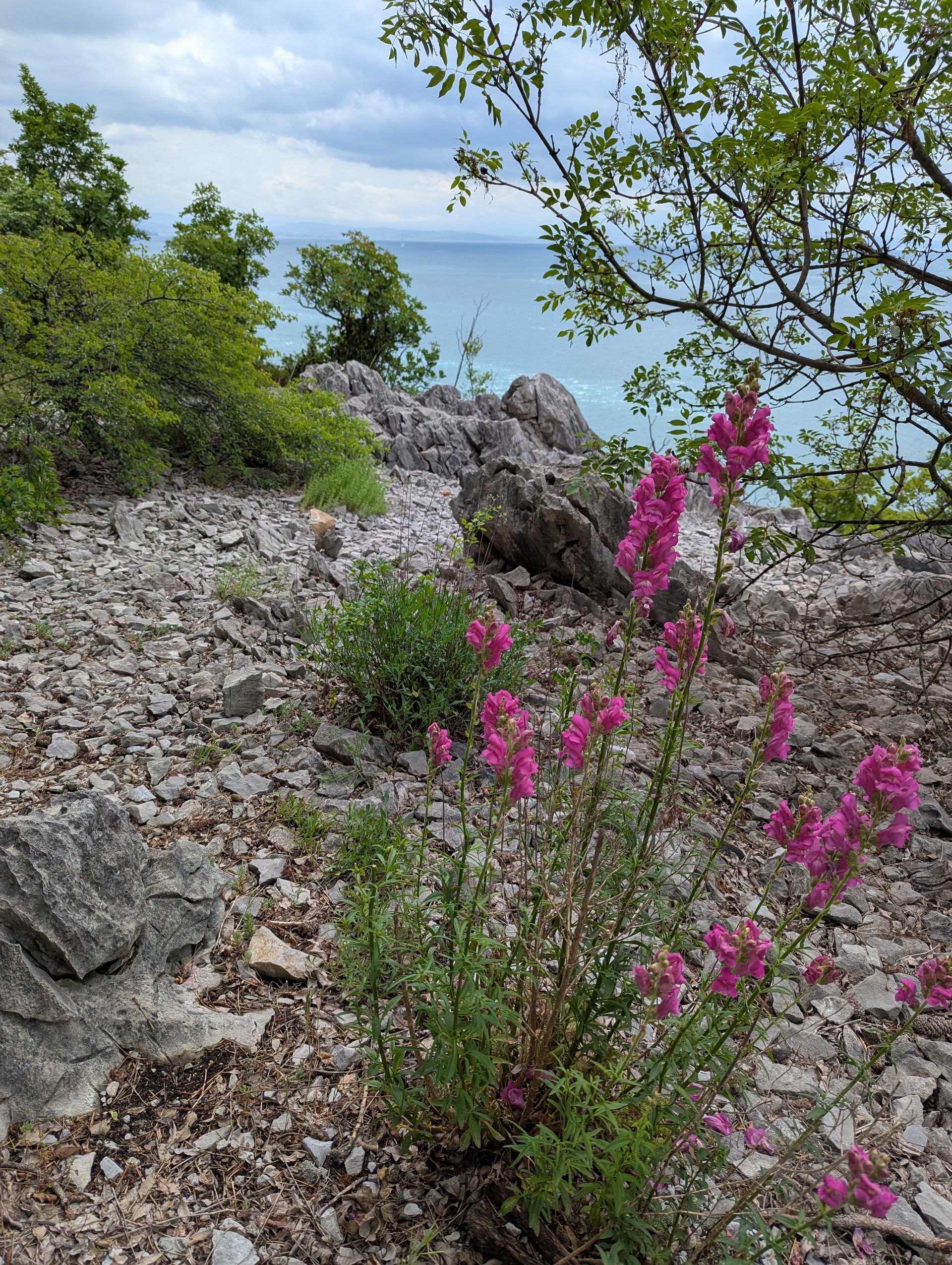
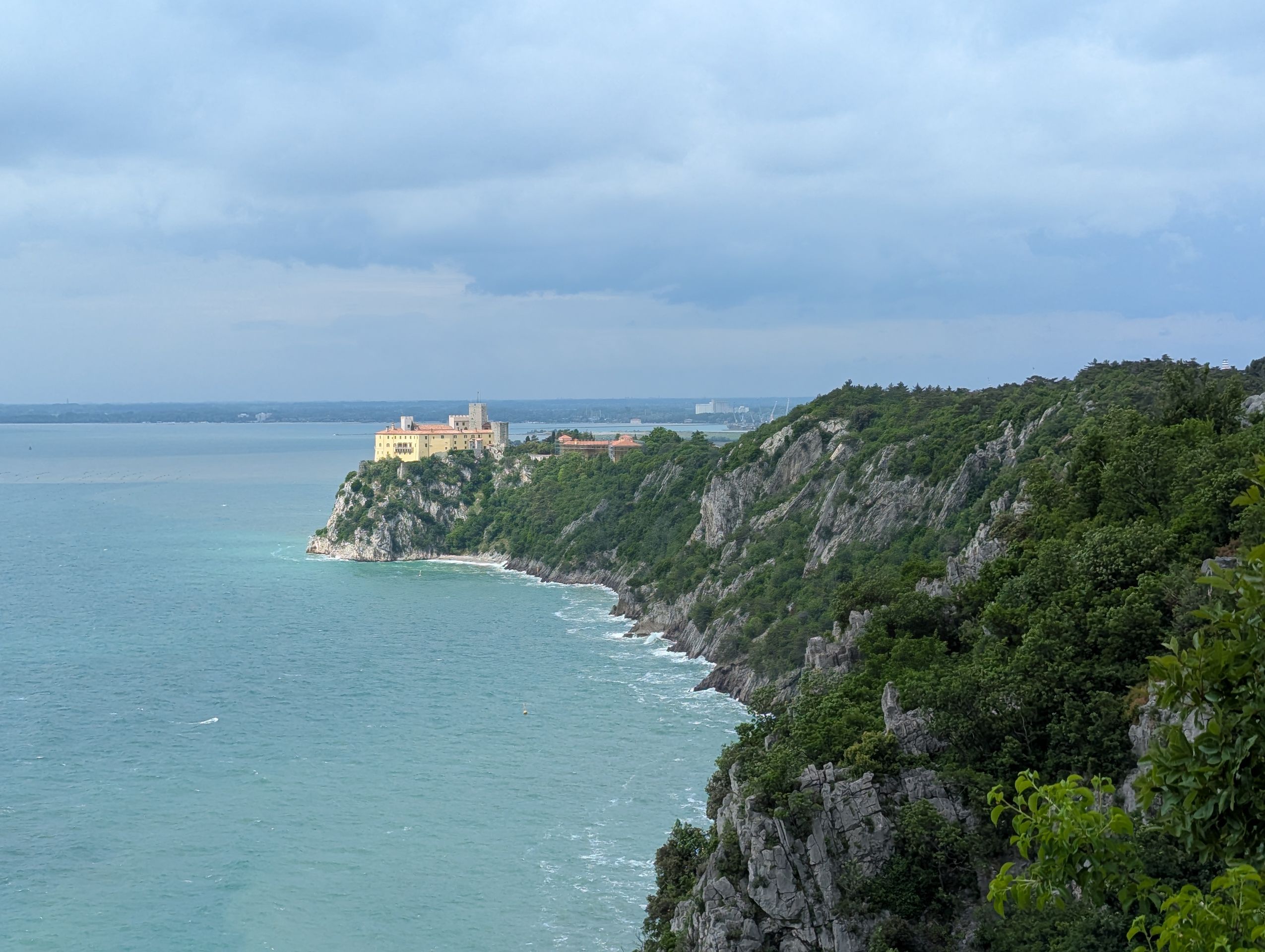
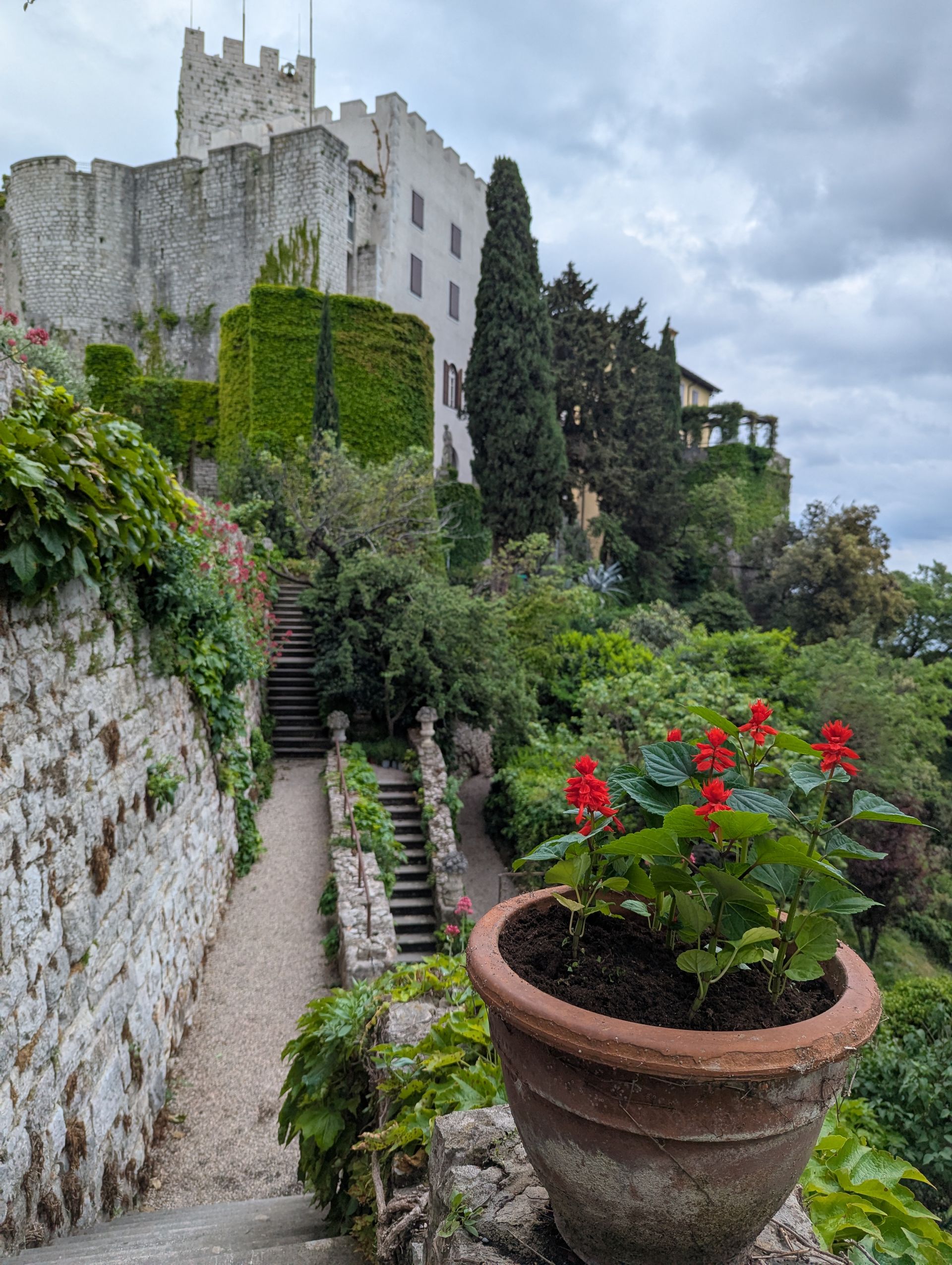
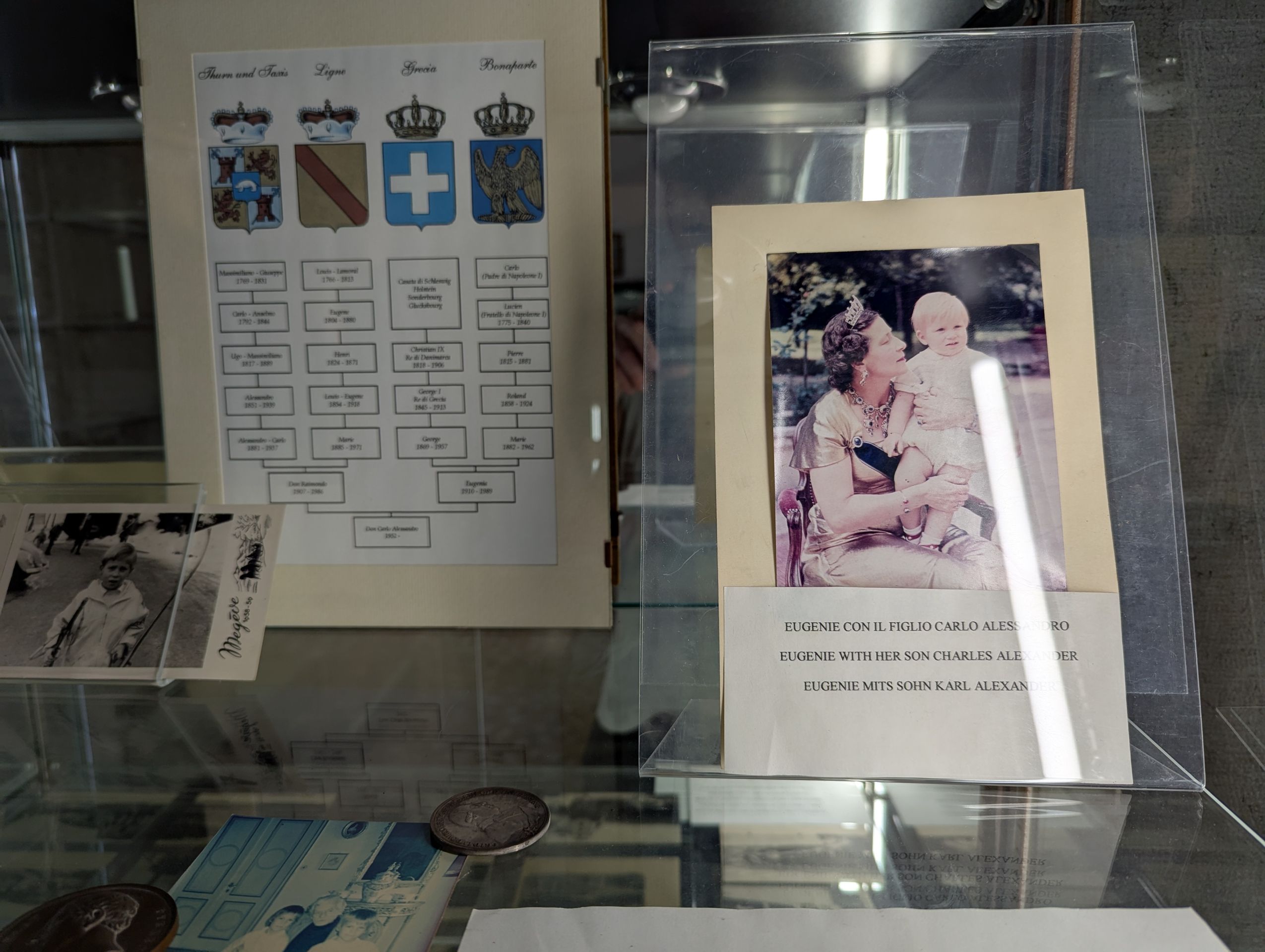
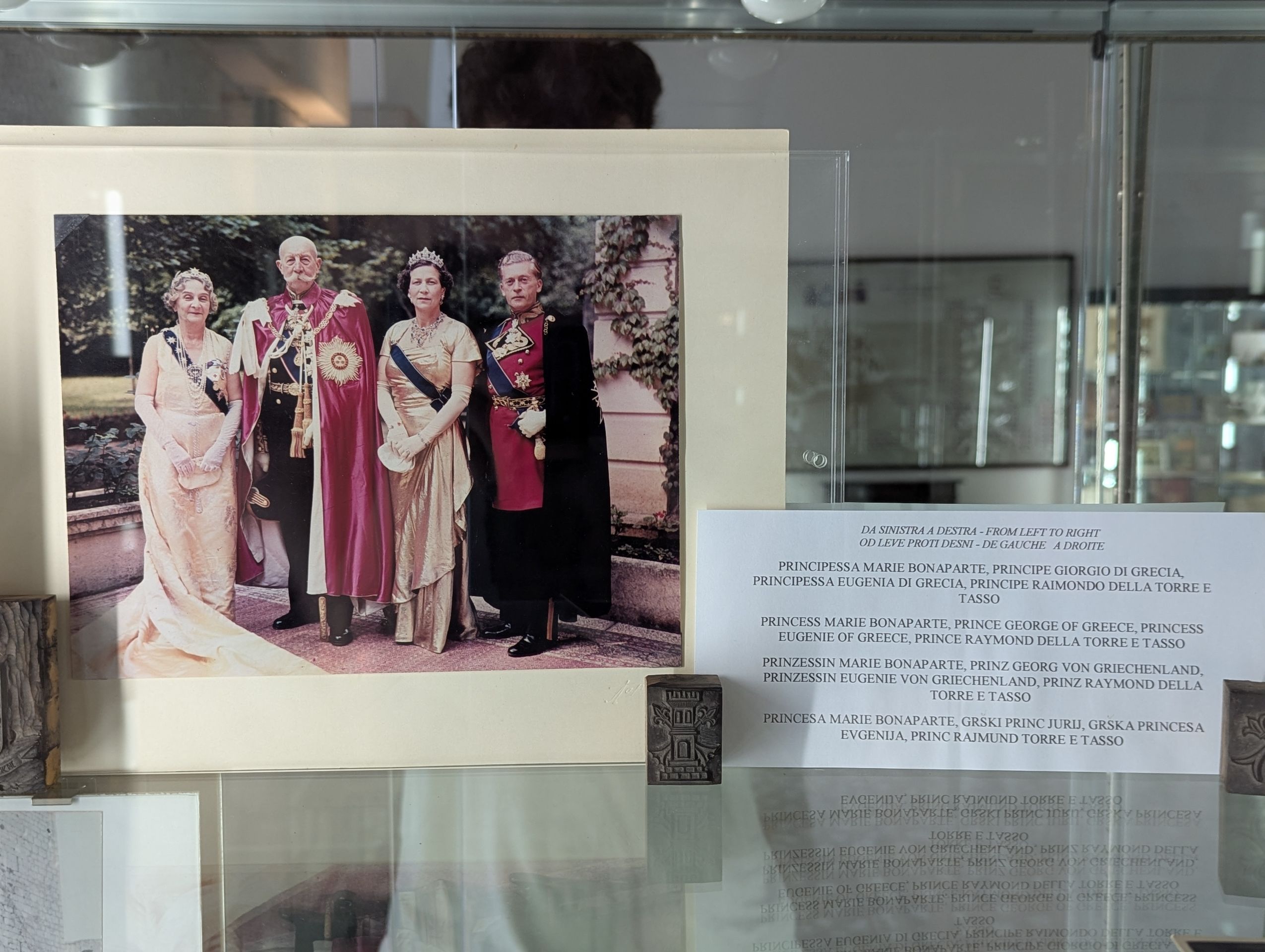
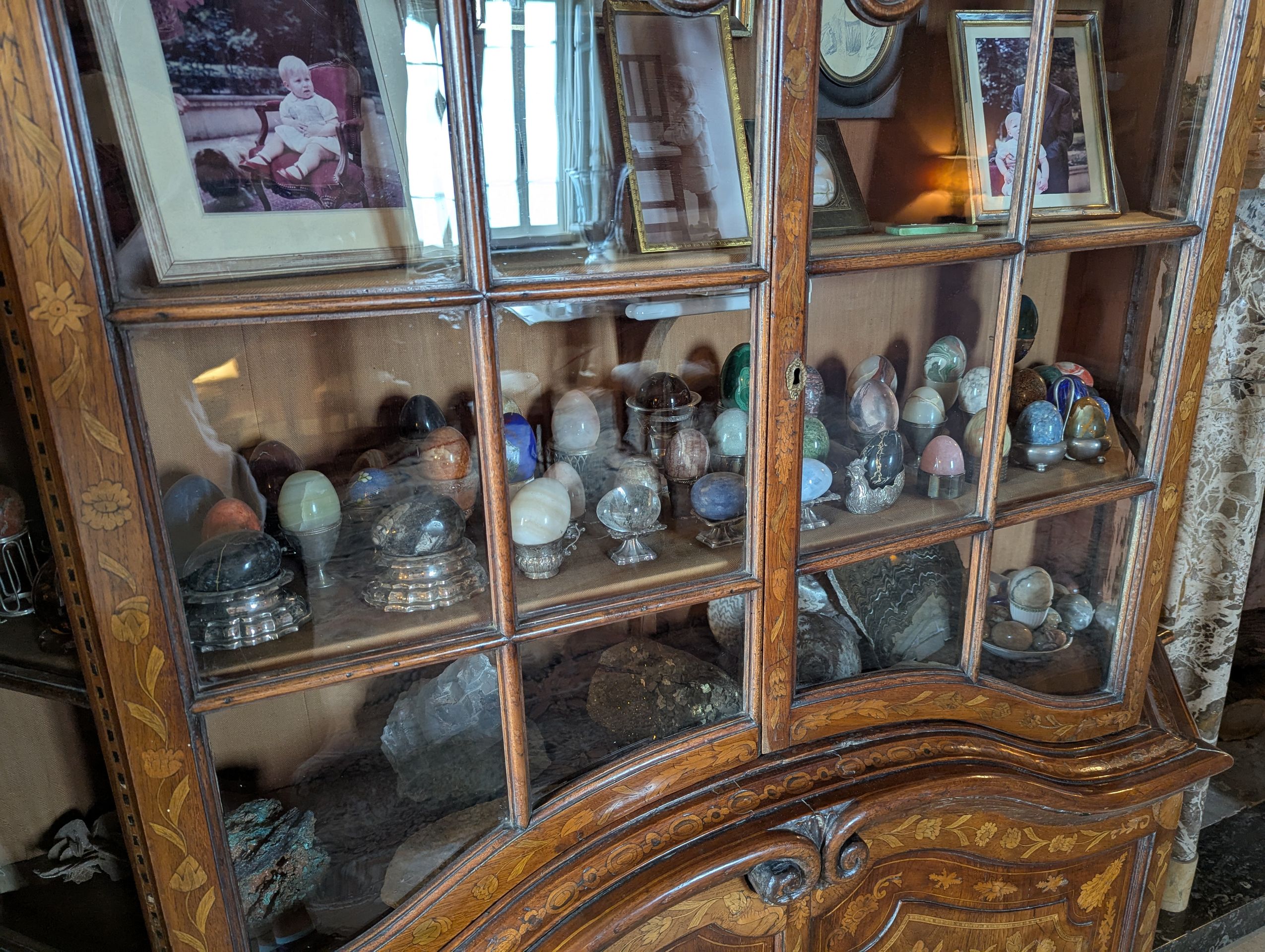
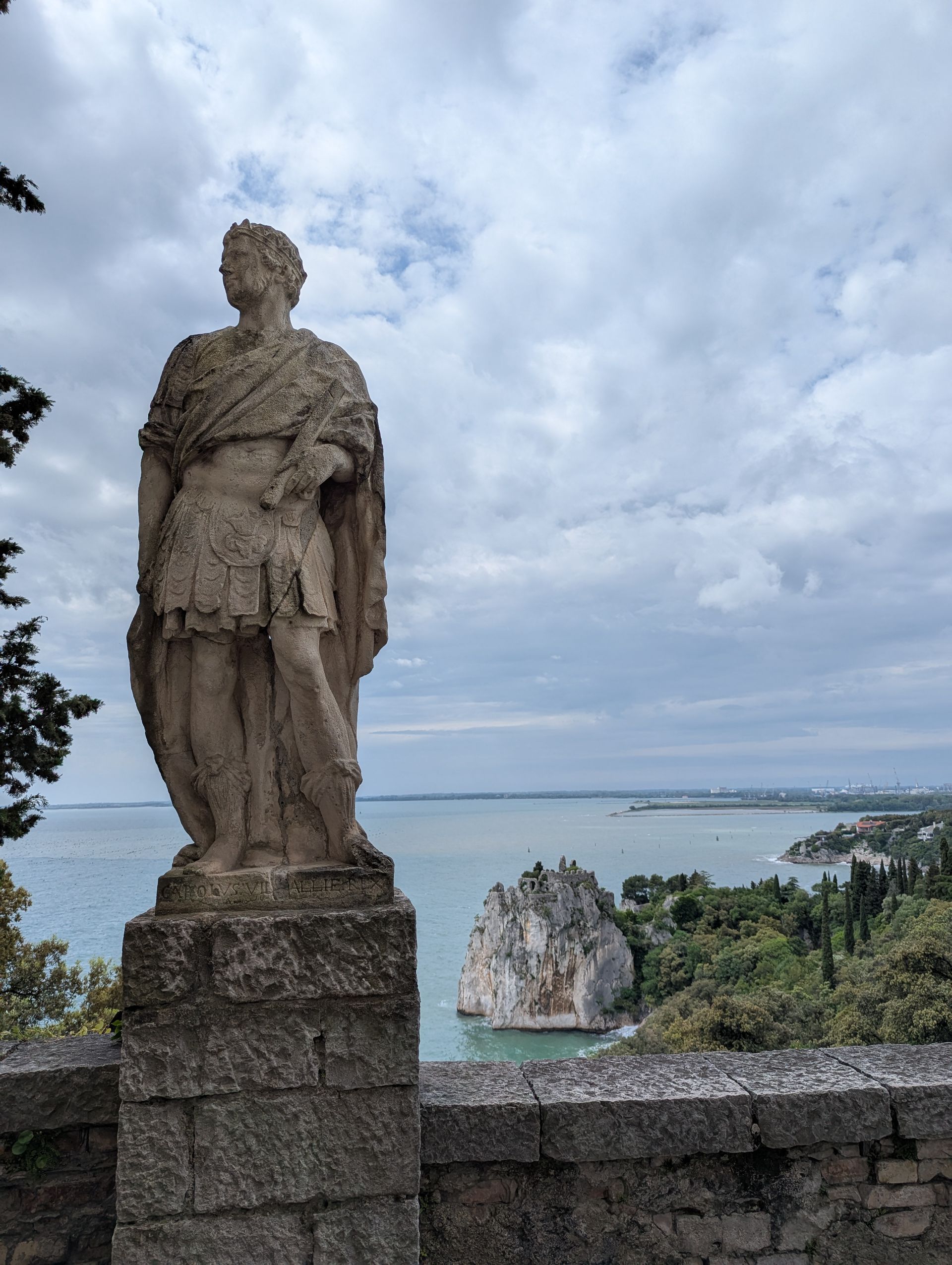
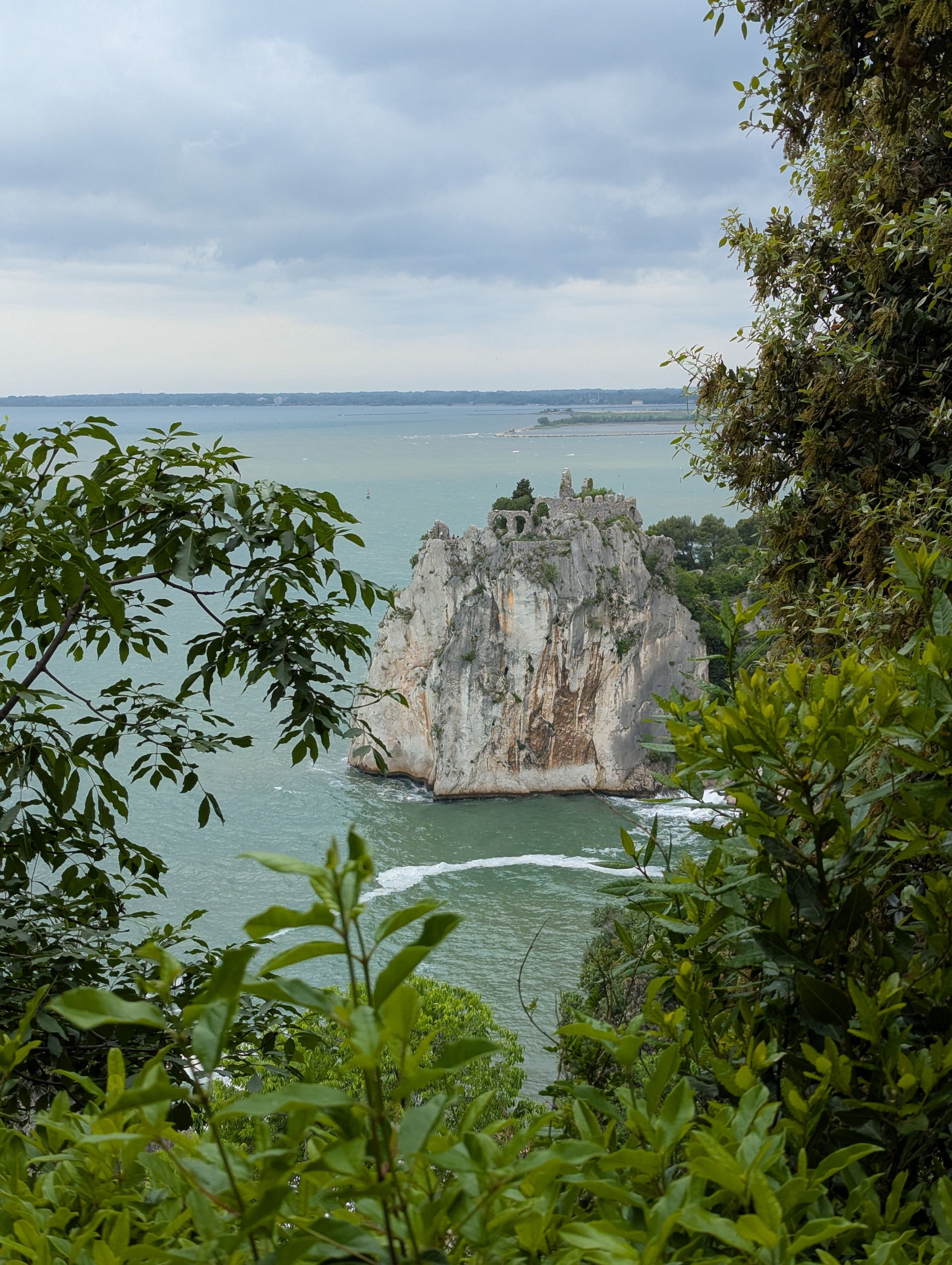
On Monday, I made my way to Duino at a leisurely pace, where there was a hiking trail dedicated to Rainer Maria Rilke. He spent some time at the castle as a guest of the local noble family Thurn und Taxis and wrote the Duineser Elegies here. The changeable weather and the seclusion provided a dramatic view of the sea and the cliffs. The castle itself displayed a private exhibition of the noble family featuring all kinds of bric-a-brac, decorative arts, minerals, corals, etc. Notably, the self-representation was also present: family portraits and family trees tracing back to the European high nobility and even the bourgeois Napoleon.
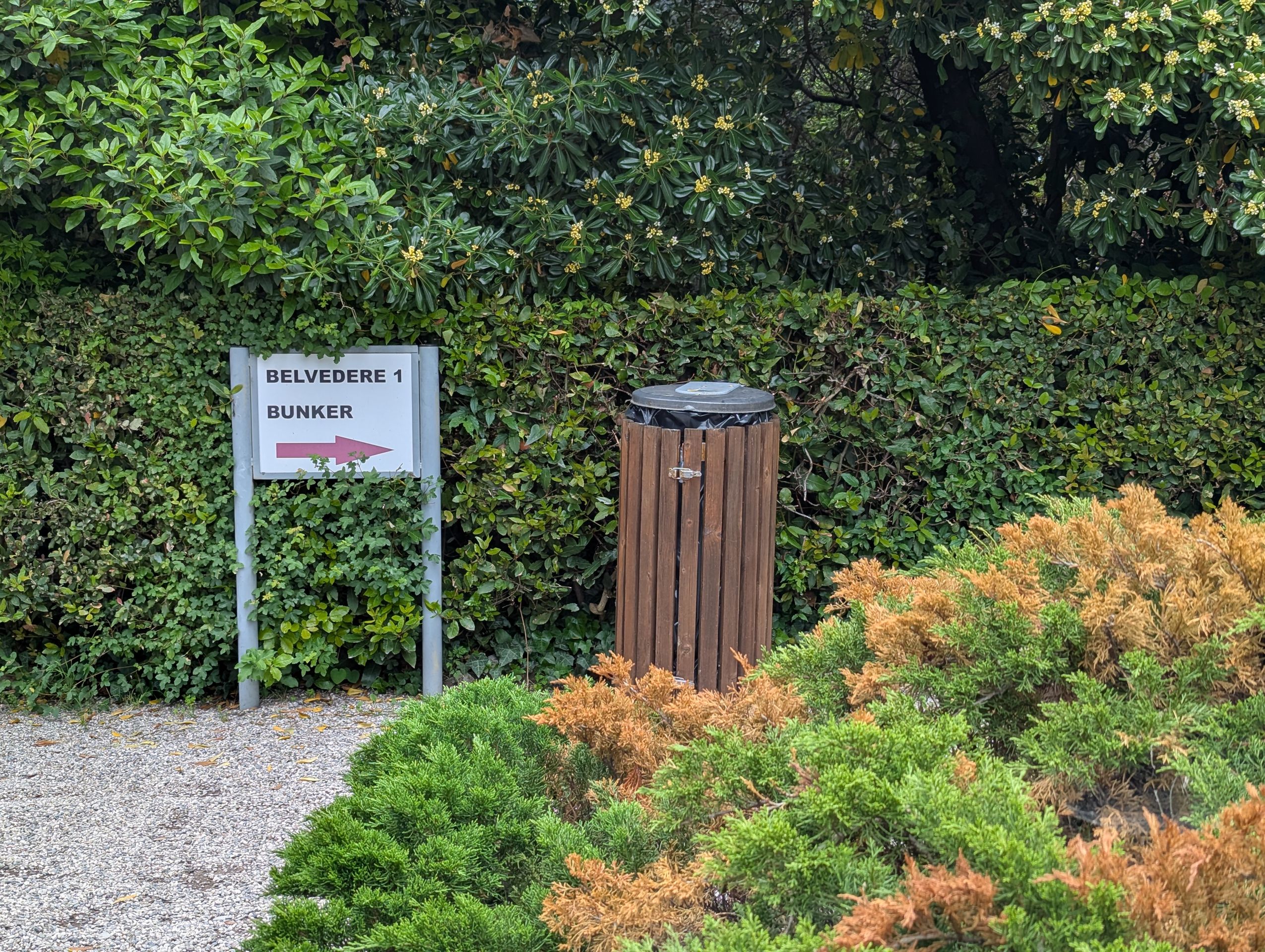
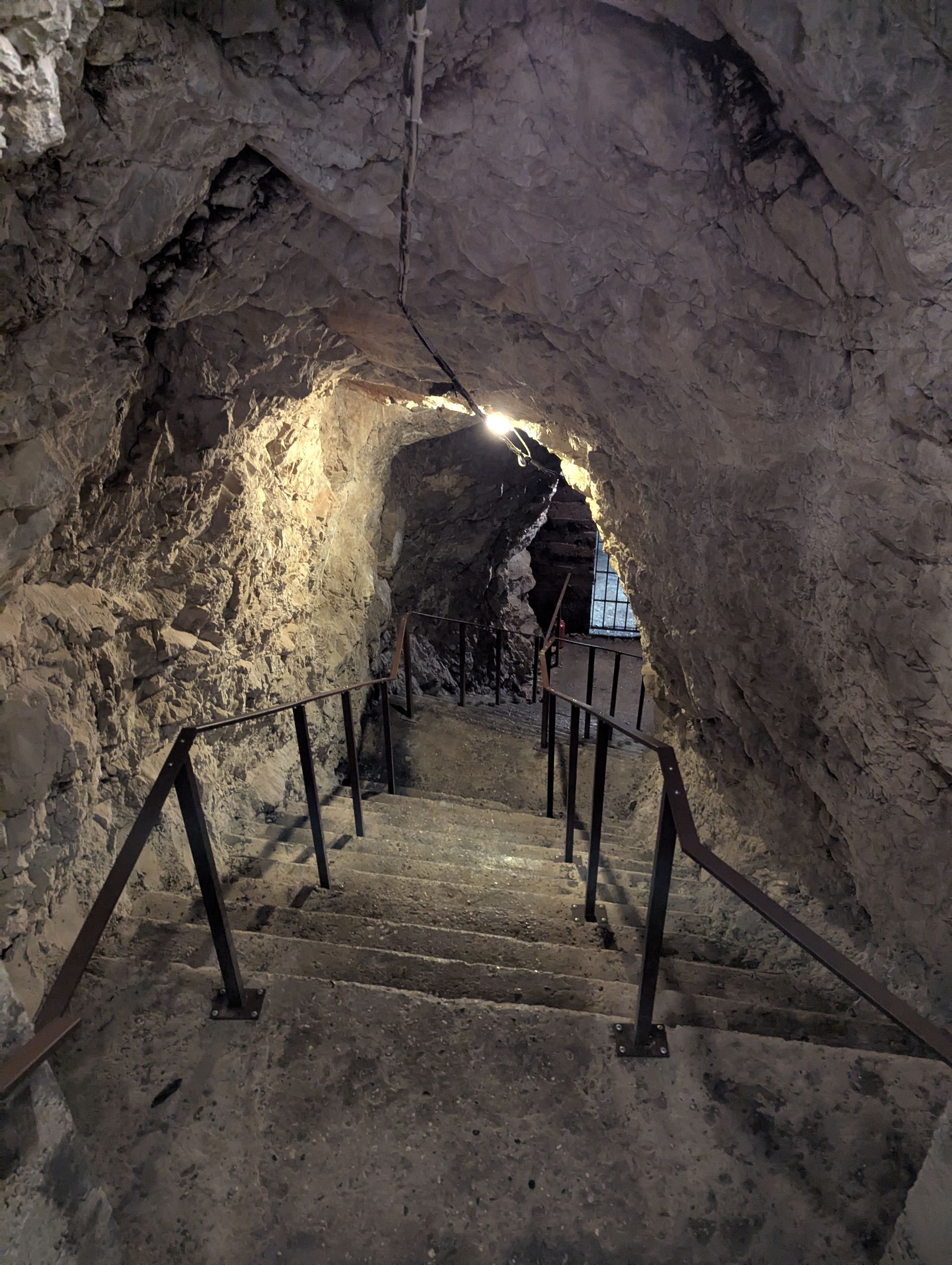
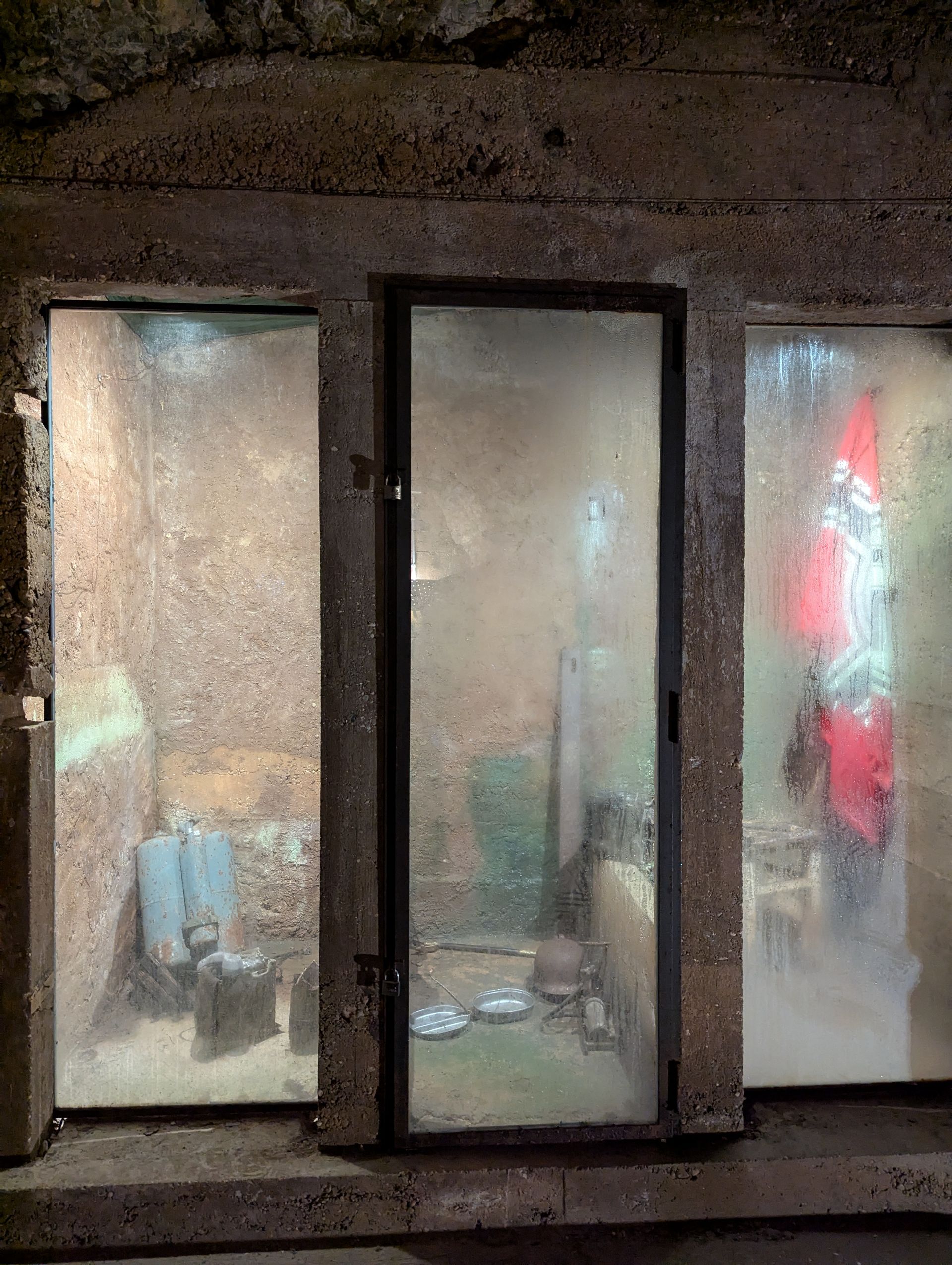
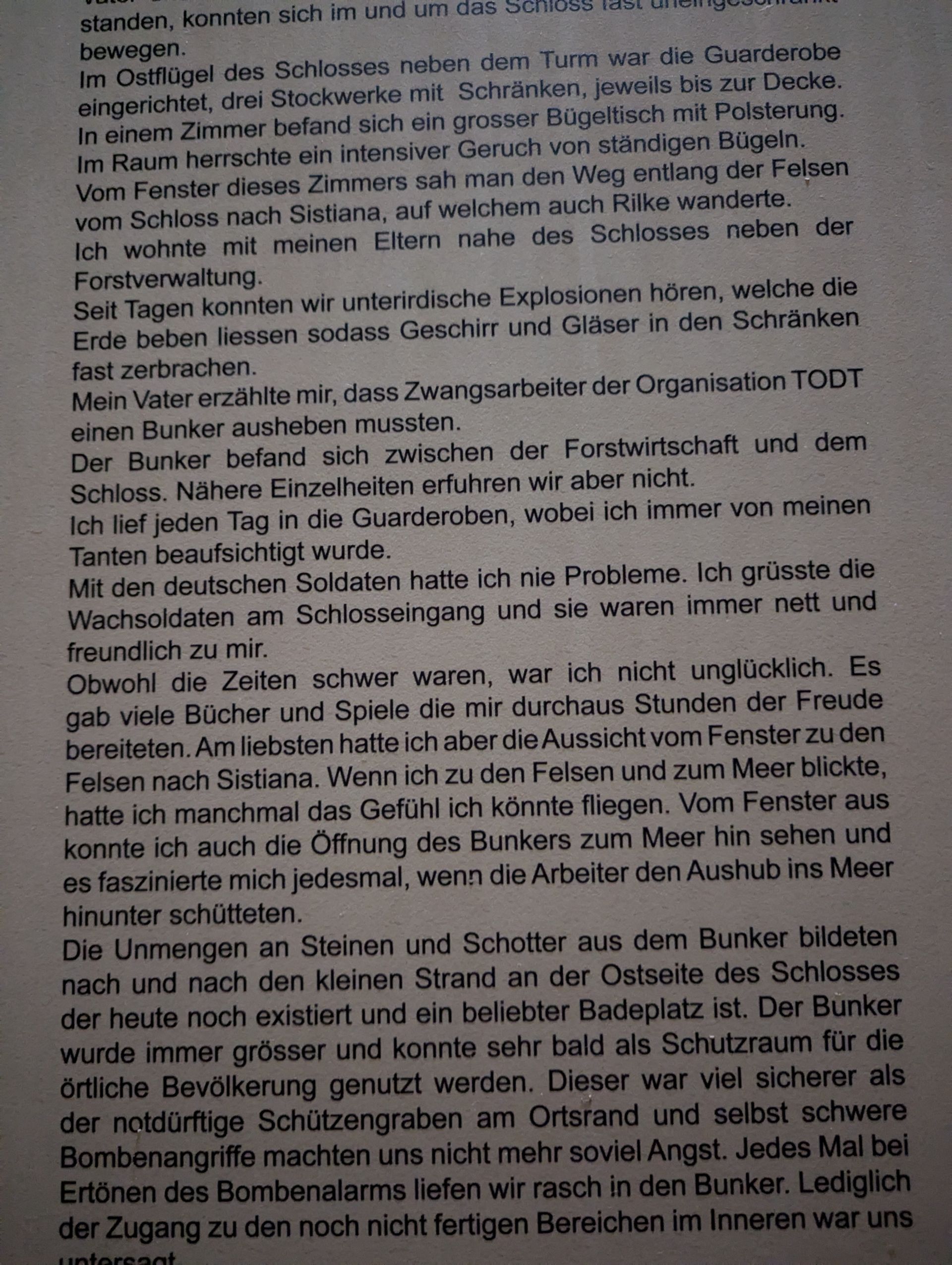
Here, the European idea of the 19th century flickered back to life, with kinship relations between the noble houses, culture beyond national borders, and the aristocracy as patrons and benefactors. A world from yesterday. Outside the castle, a small path led down through the magnificent garden to the rocks beneath the castle. The Nazis had established a bunker here to defend the Gulf of Trieste. In a peculiar twist, the facility today served to display military material and Nazi memorabilia, akin to the collectible pieces in the display cabinets of the castle. An information panel illustrated with testimonies showed how harmoniously villagers felt about the German occupation. The entanglements of Thurn und Taxis with the Nazis went unmentioned. The unlawful use of forced laborers was only mentioned in passing. European history without context. National Socialism was regarded as a tragedy at Duino Castle, whereas it was a crime!
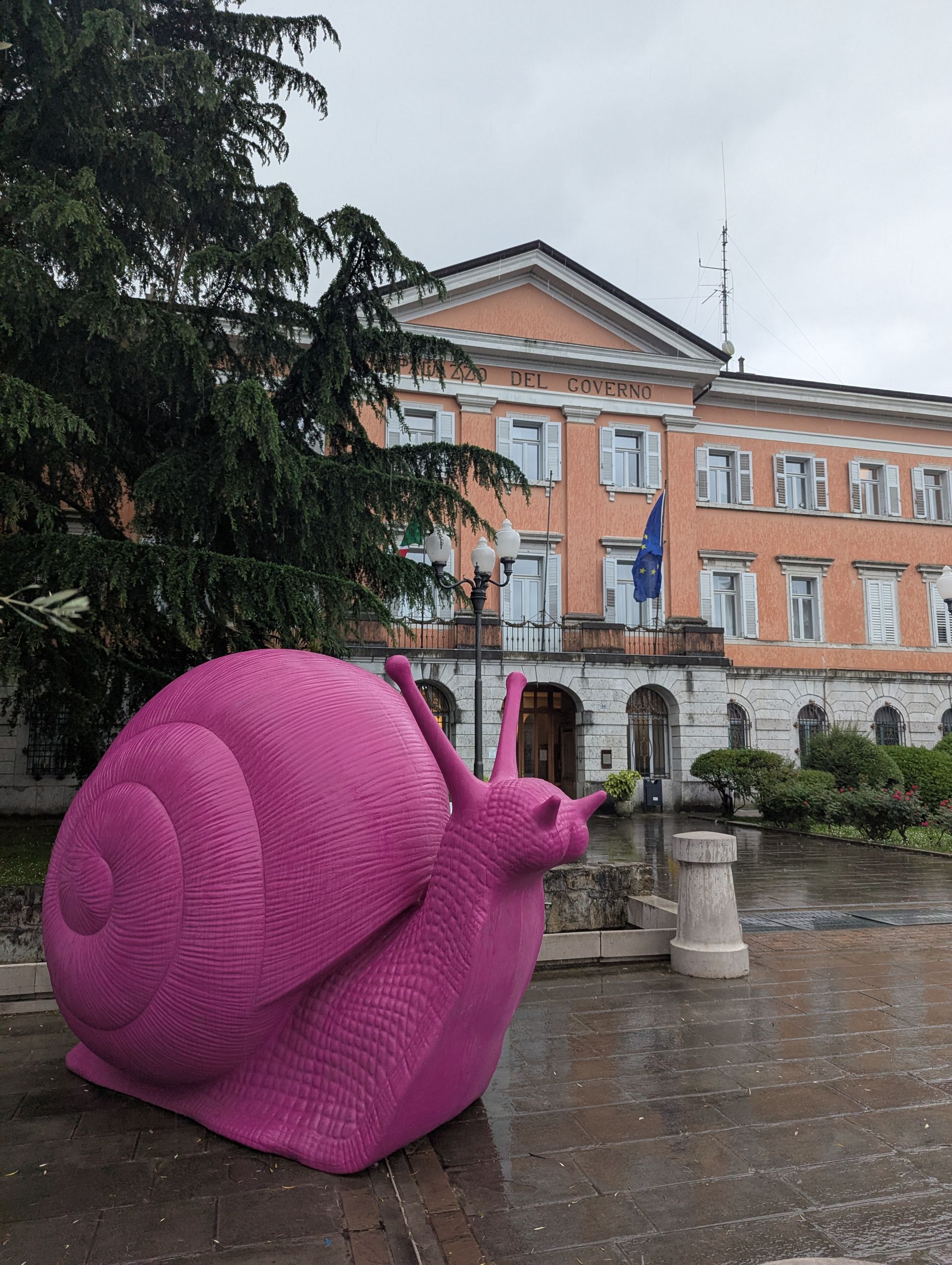
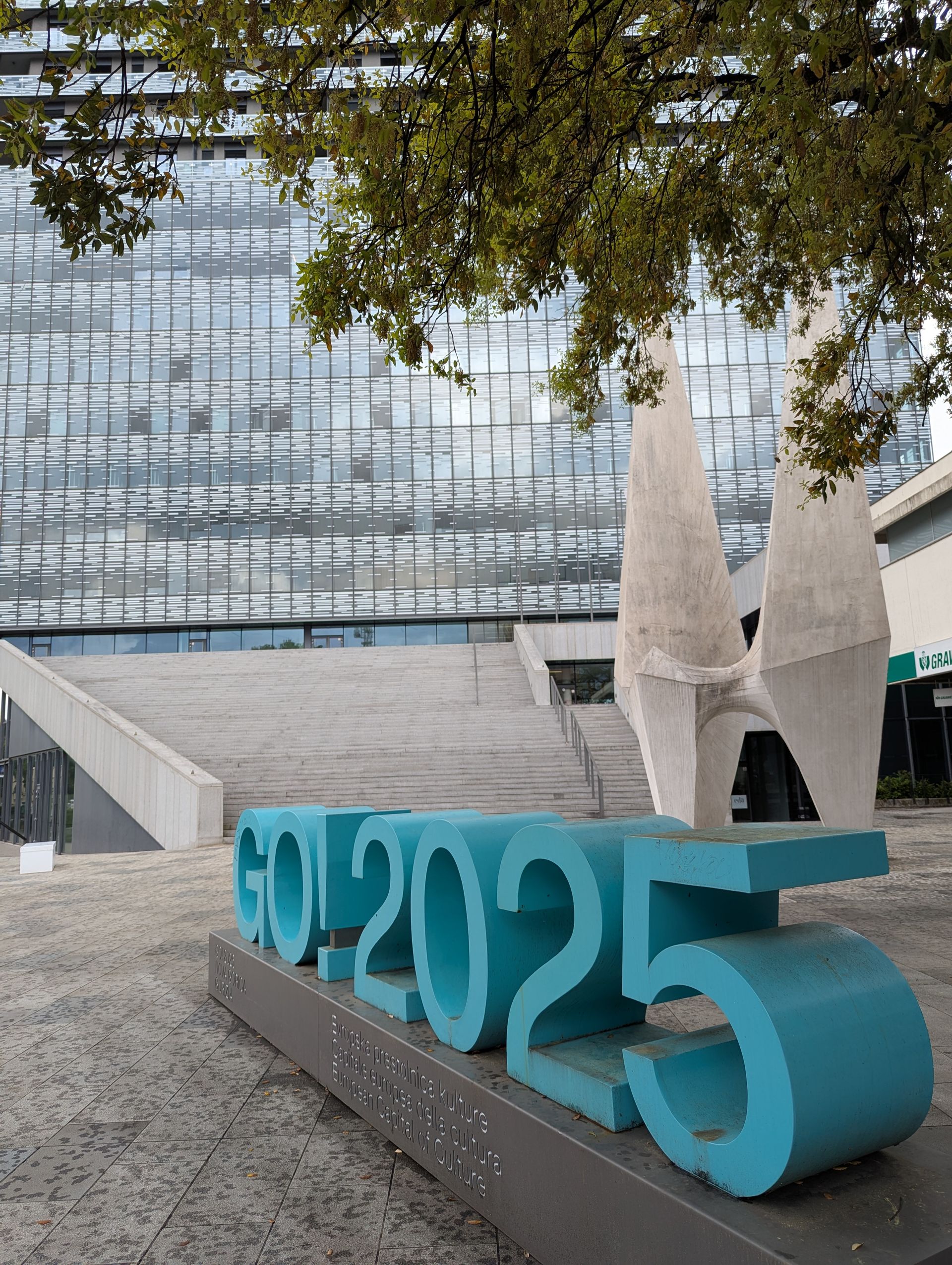
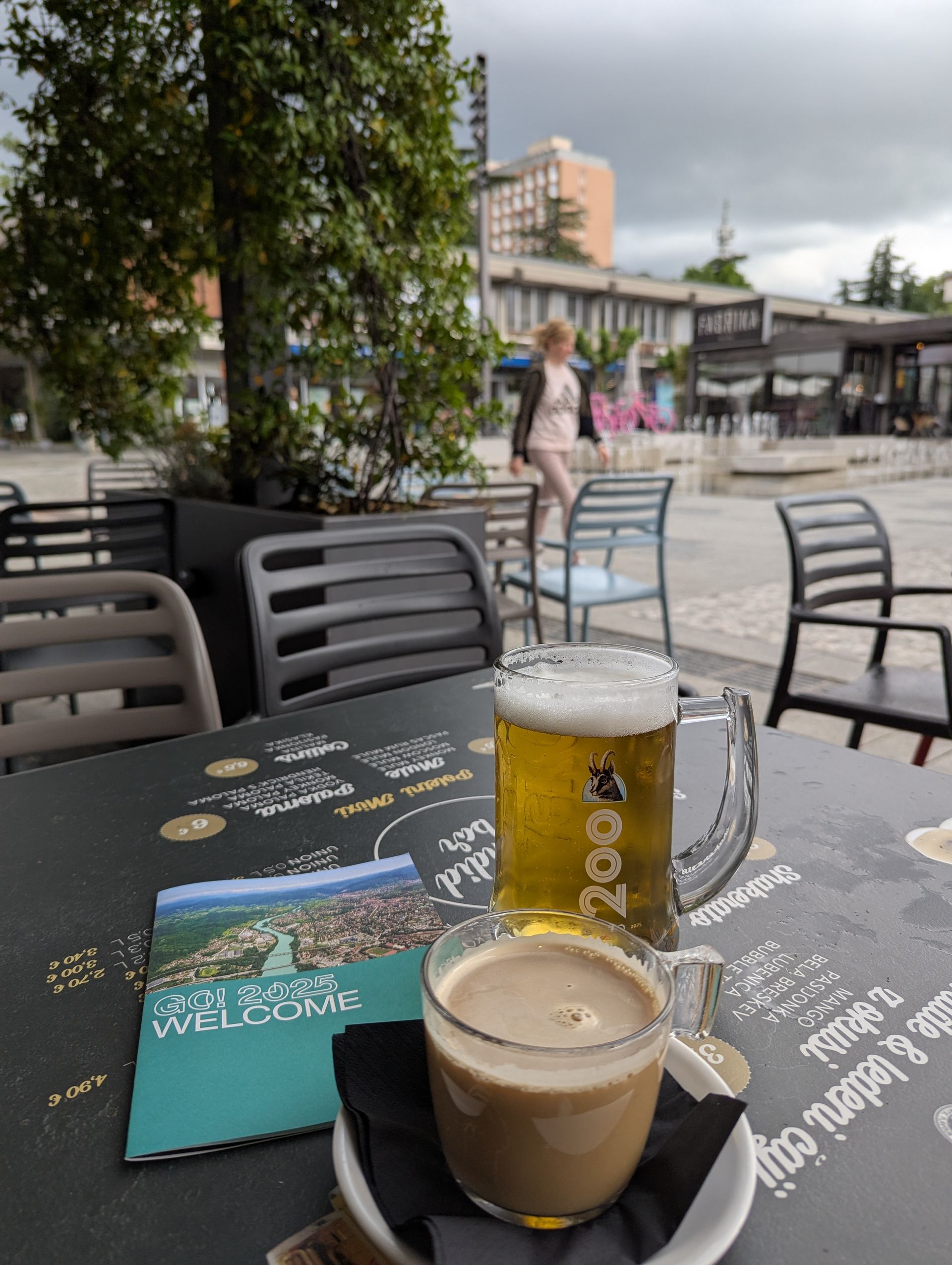
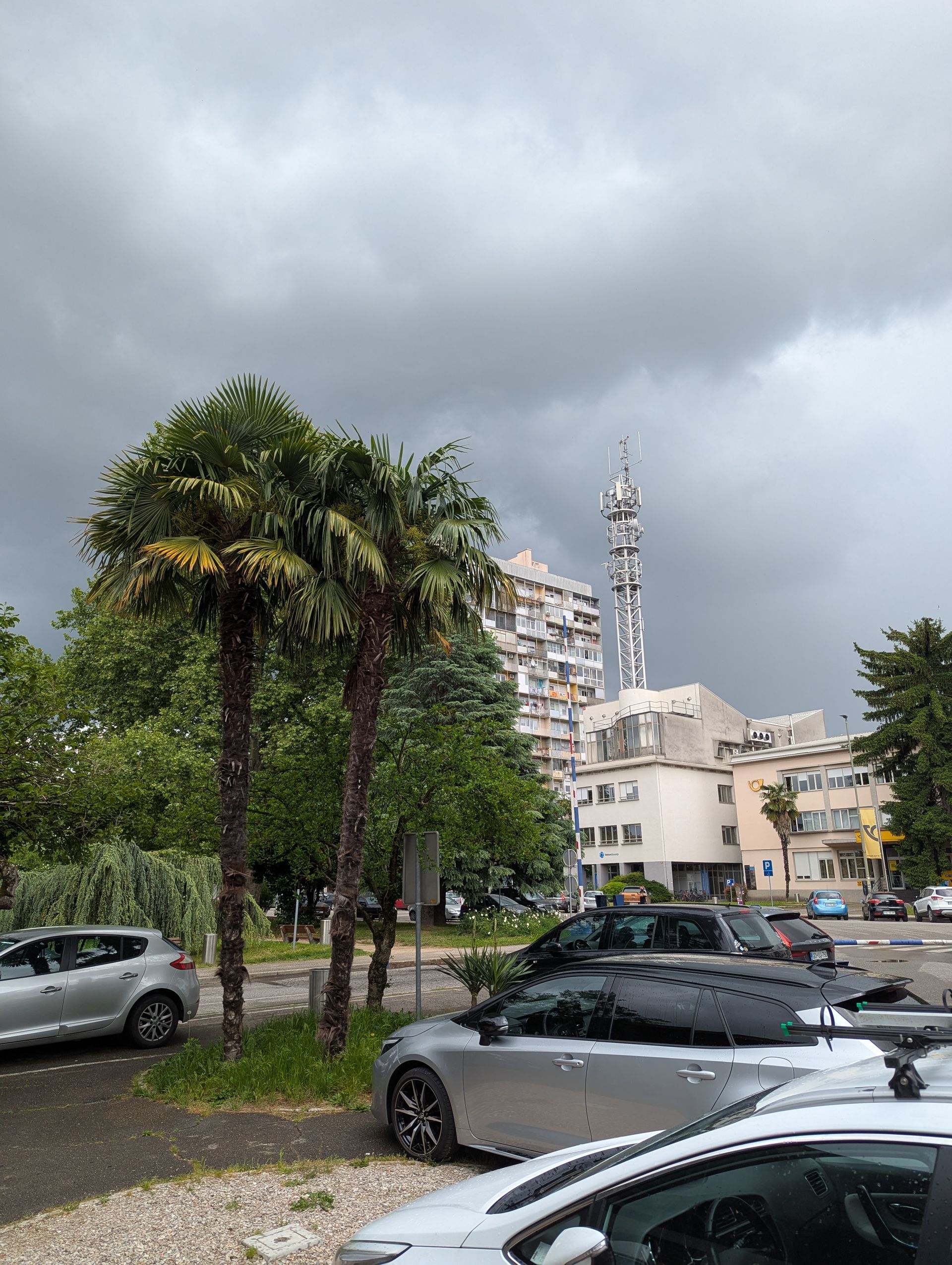
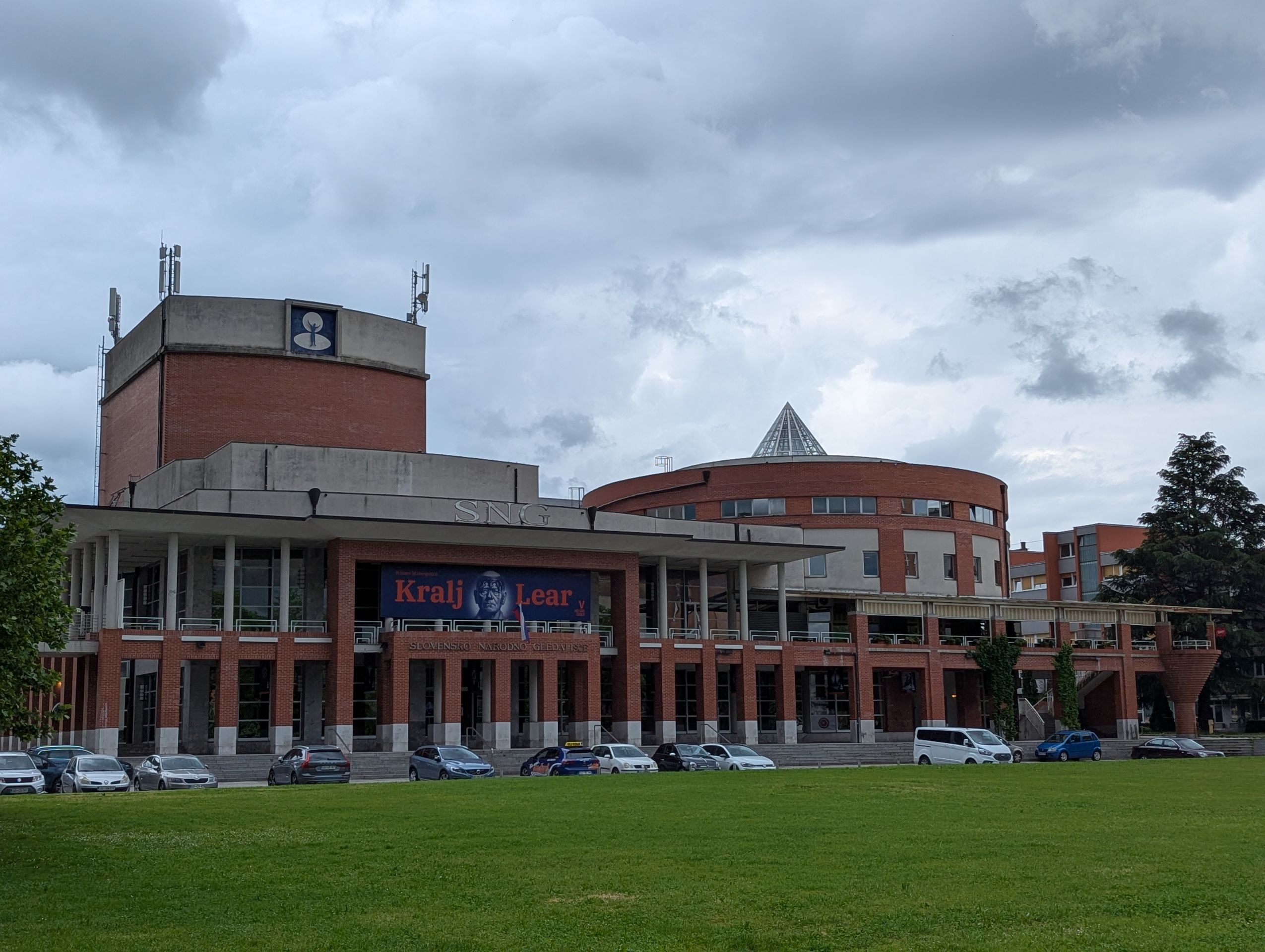
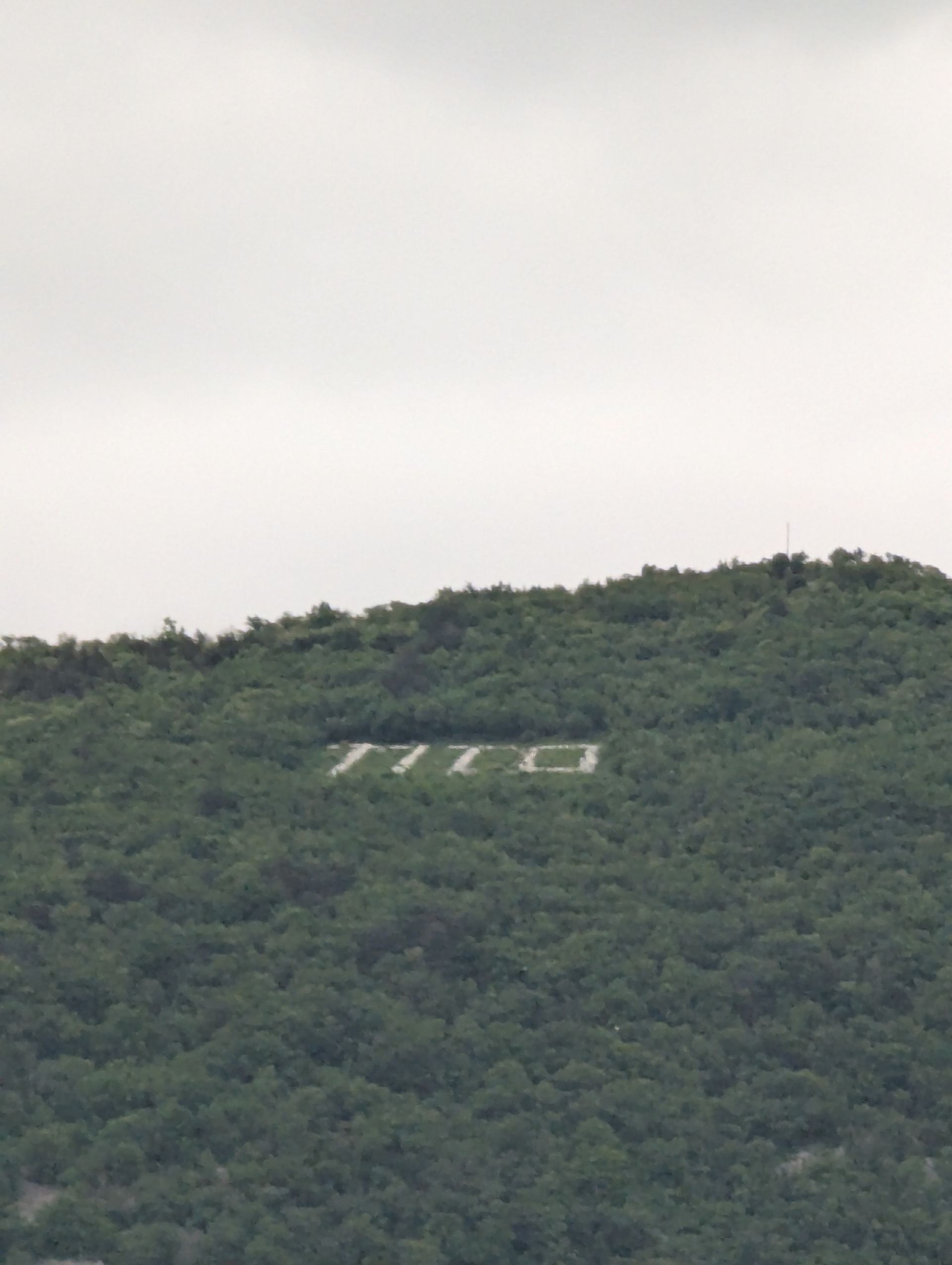
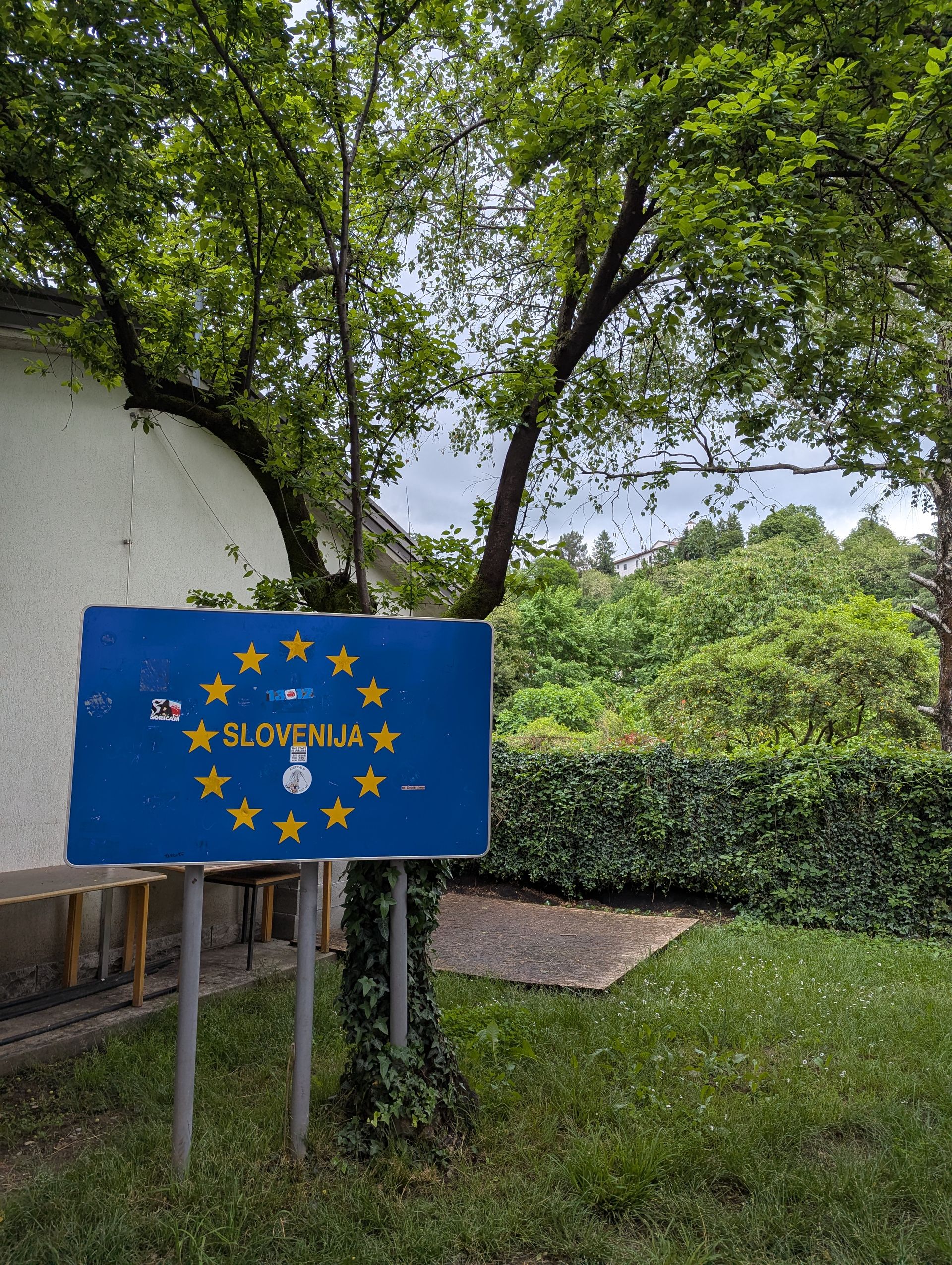
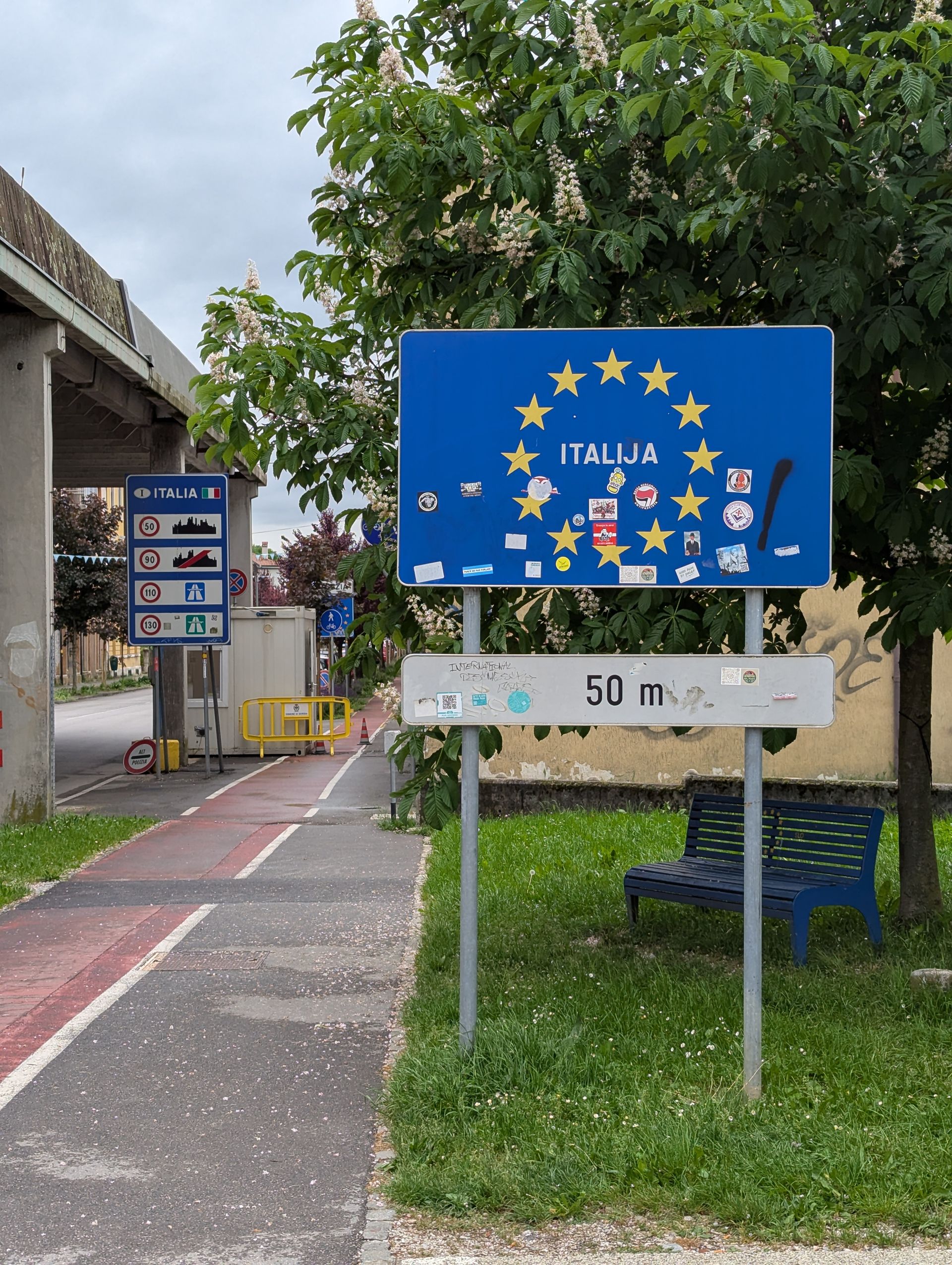
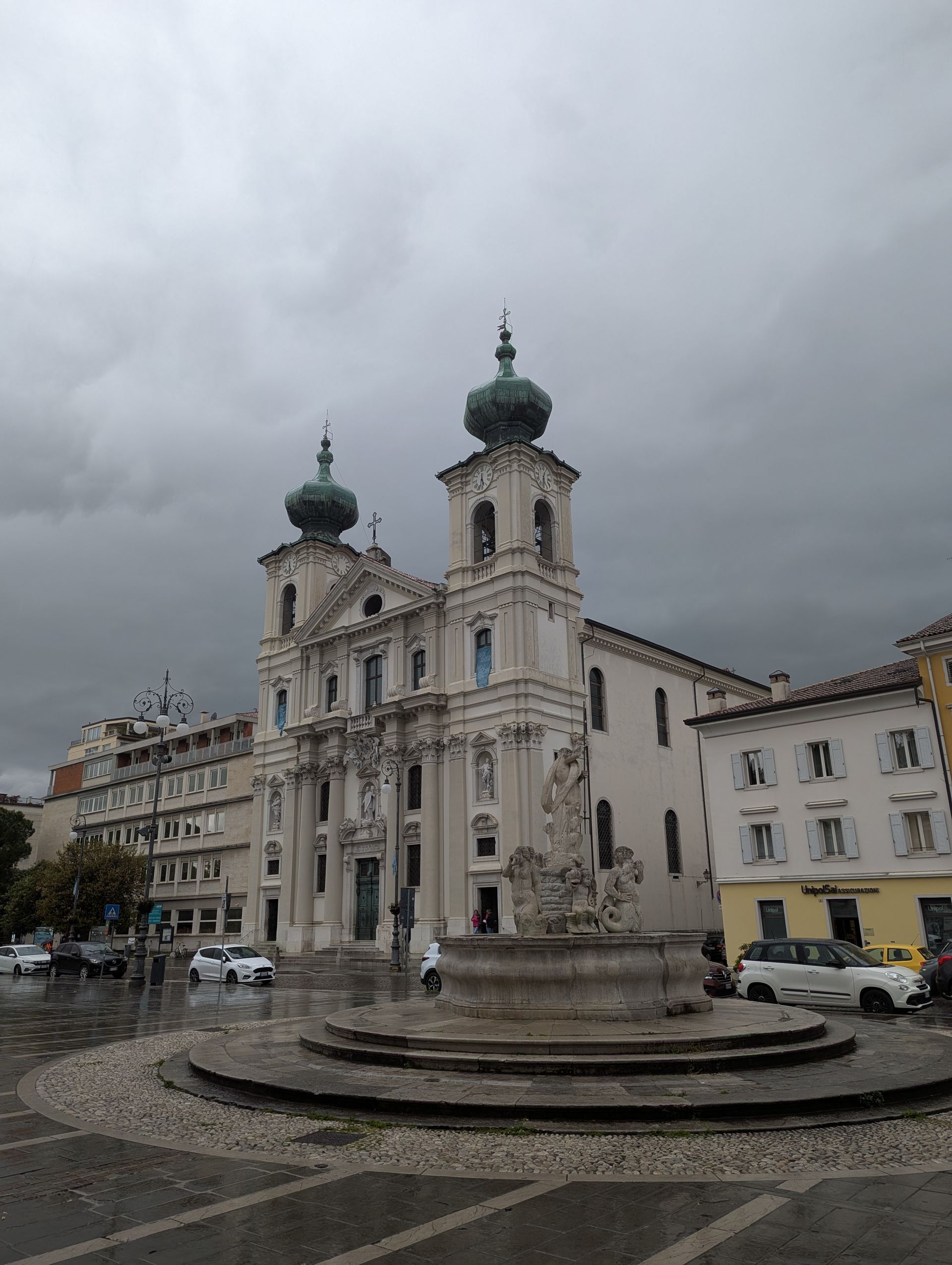
In the afternoon, I took the train and traveled into the hilly hinterland. The border town Gorica (SL) / Gorizia (I) - Austrian: Görz - was this year's European Capital of Culture (along with Chemnitz!). There, I was greeted by a strange ensemble of k.u.k. Baroque, socialist architecture, and cultural capital marketing under the slogan 'GO!2025 - Borderless', all rather forced and somewhat uninspired. At the border crossing back from
Slovenia into Italy, I initially encountered an identity check, Go Europe! On the way back to the station, I stumbled into a vernissage featuring canapés and free drinks.
Europe gave me much to ponder on that day, starting from the good old times of Rilke and Stefan Zweig, through the trauma of the 20th century, up to the European Union, which must prove itself anew in the 21st century. Outside in the mountains, it rained heavily, and in Trieste, the evening sun appeared, it had cooled down.