
Pine Creek – Edith Falls – Nitmiluk National Park
Our stay in Kakadu National Park came to an end today. After having breakfast and doing laundry for the first time, we headed towards Nitmiluk National Park. It took us about 1...

Published: 14.05.2025
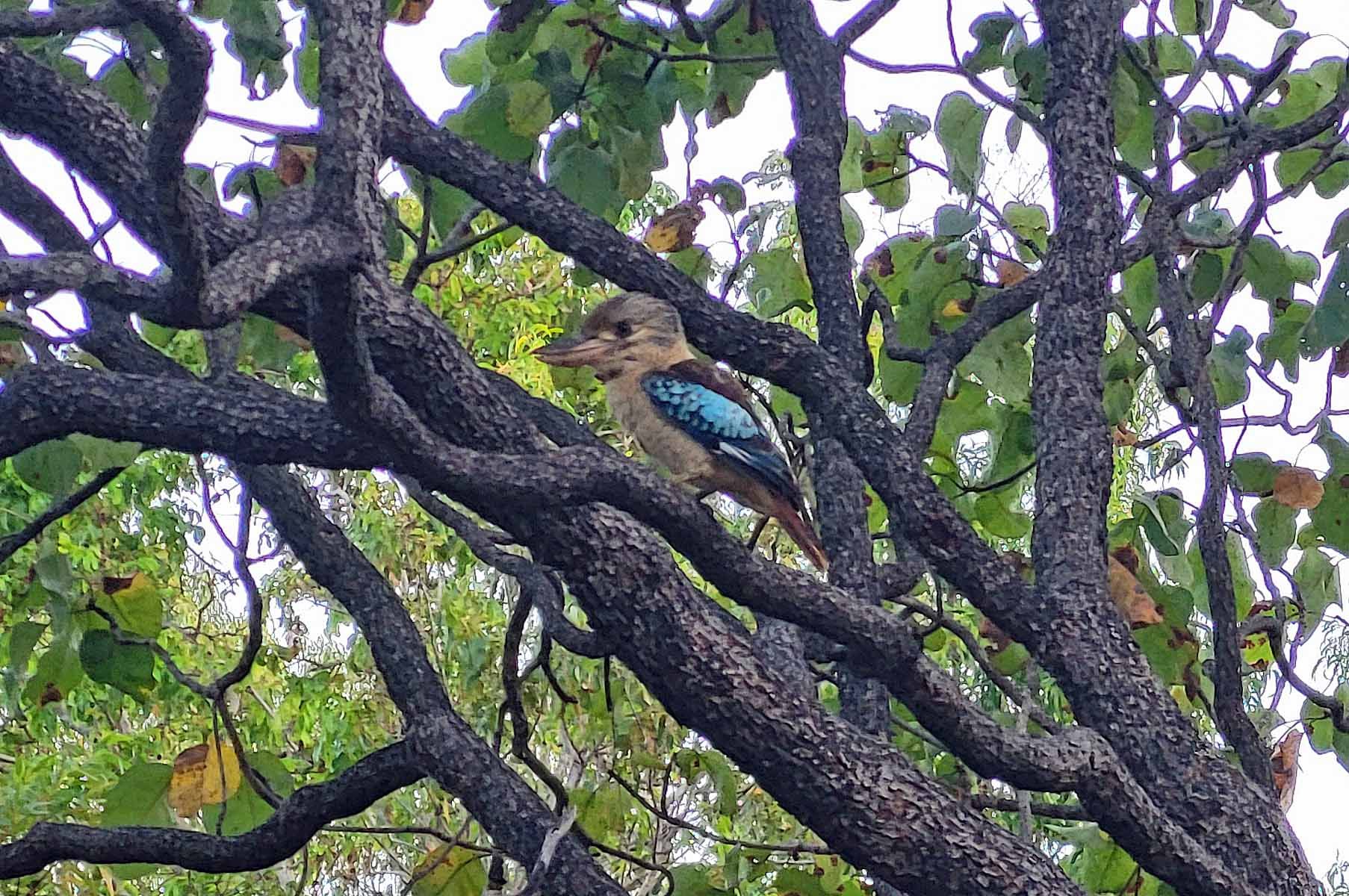
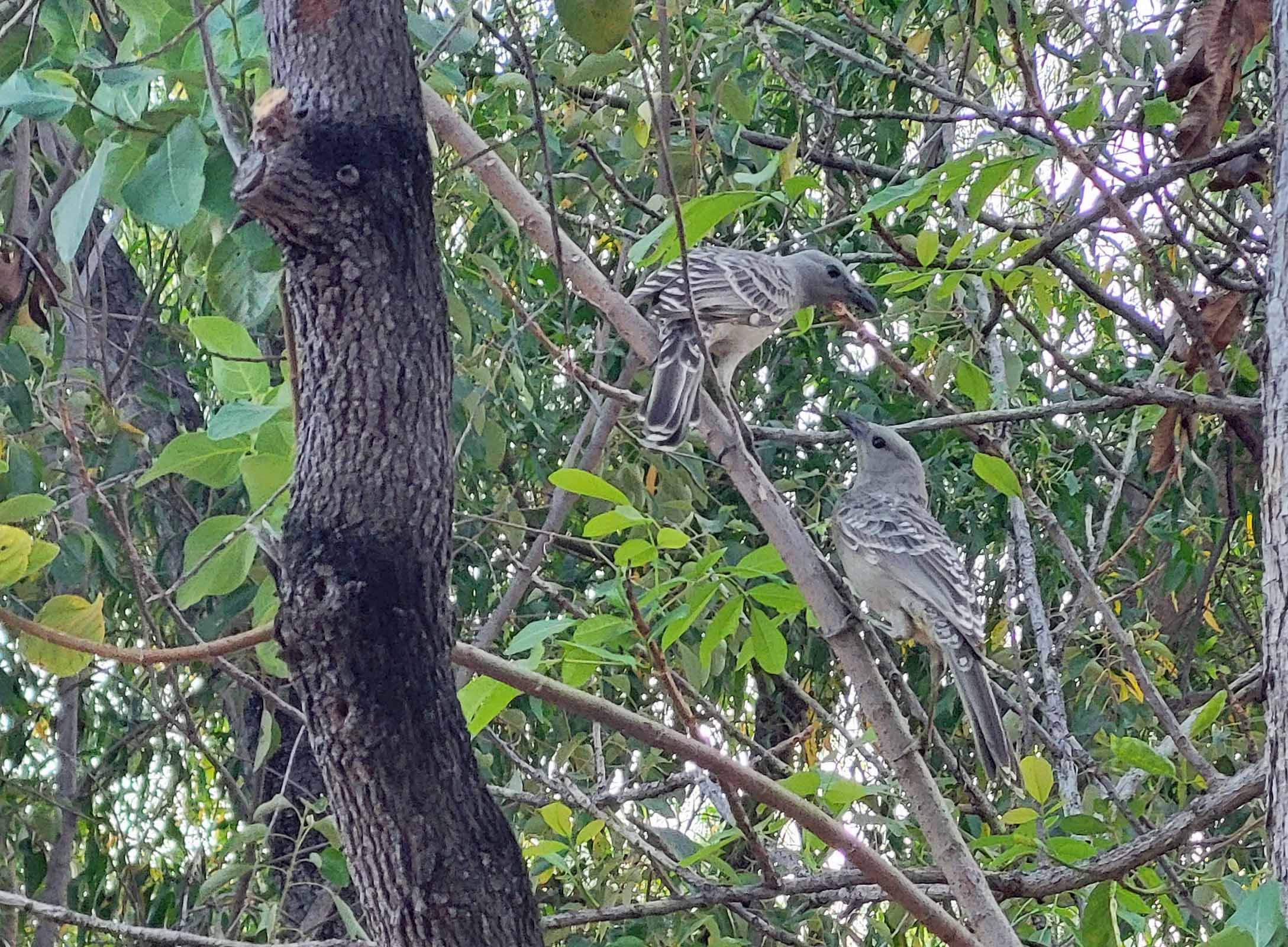
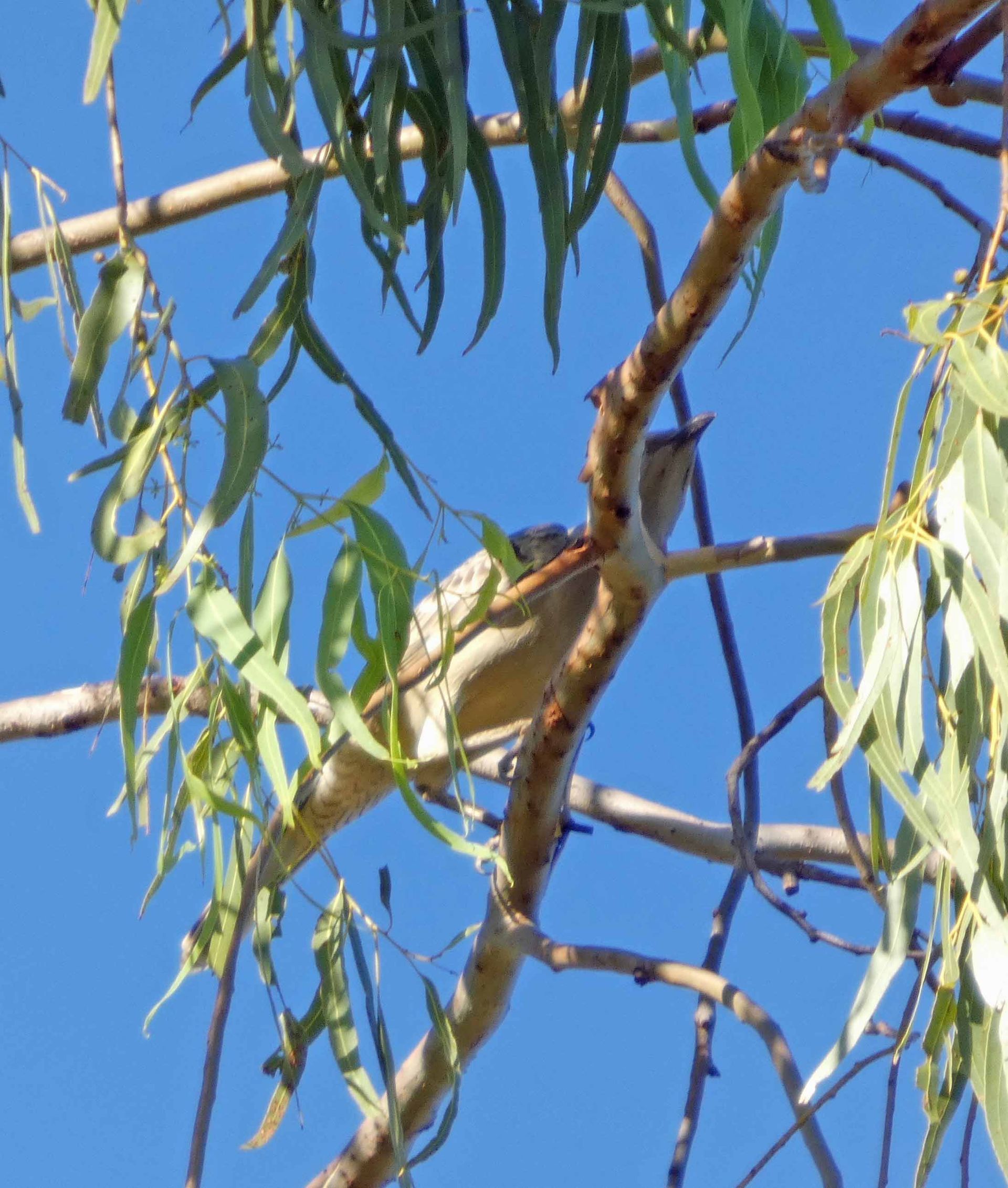
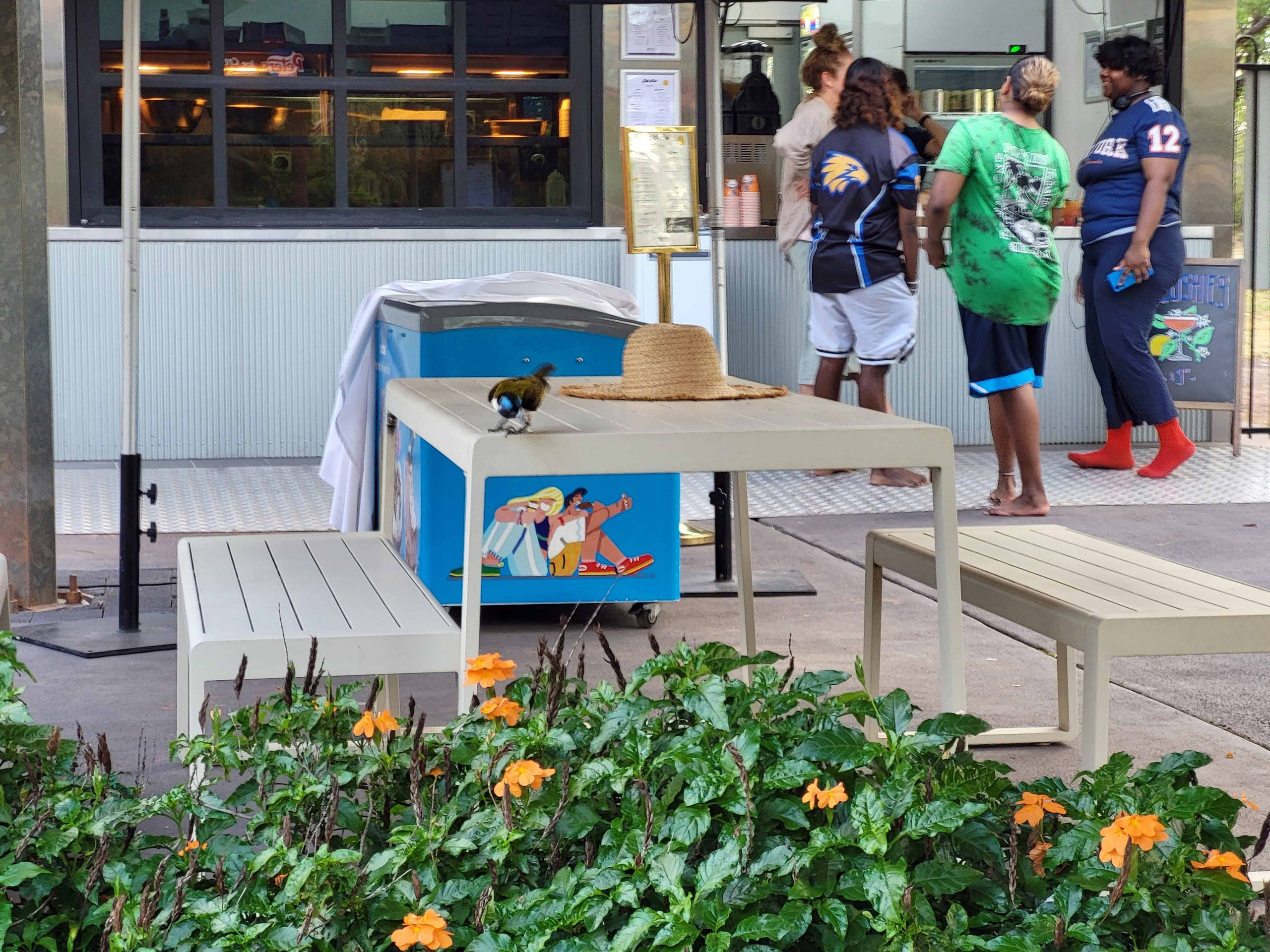
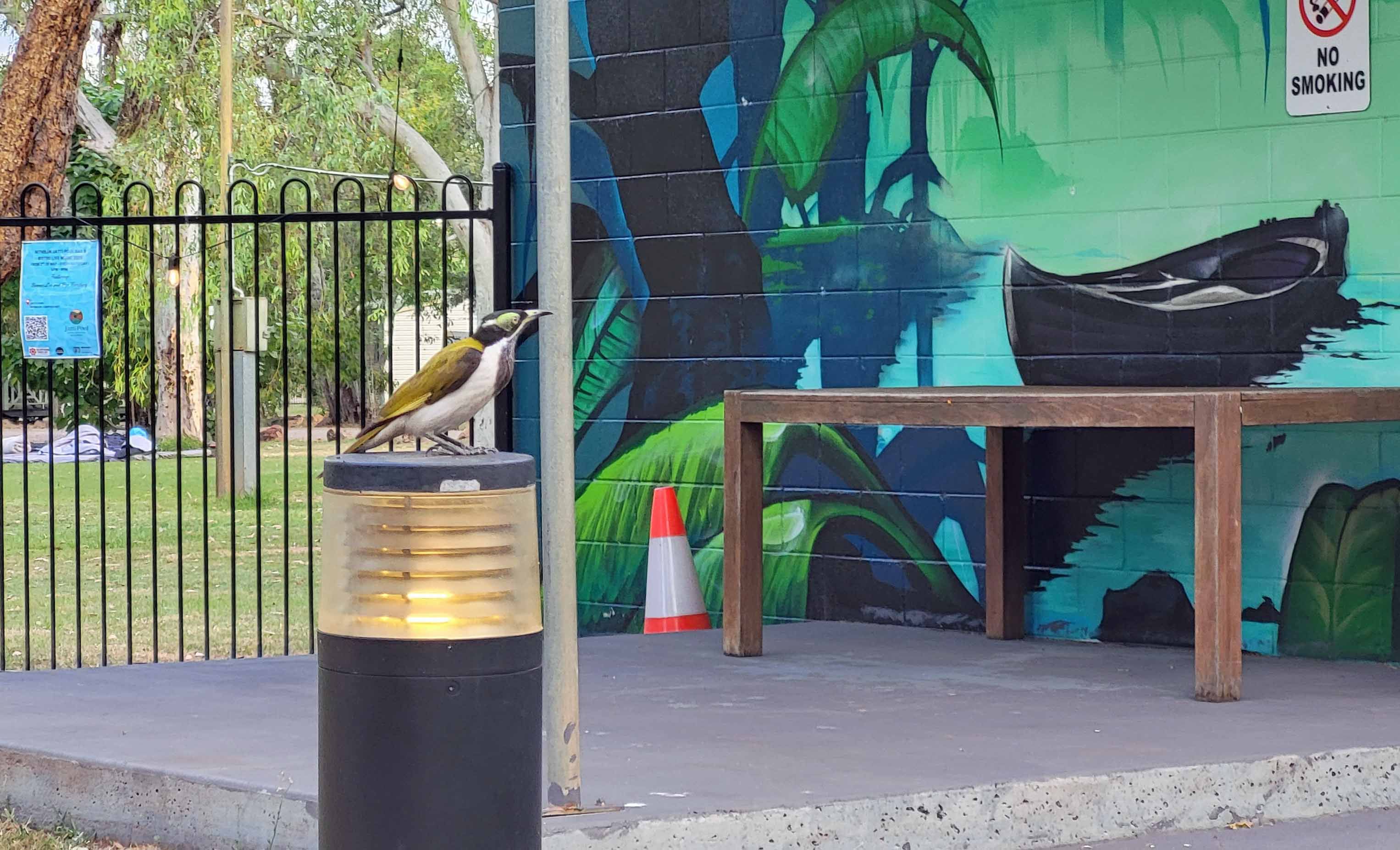
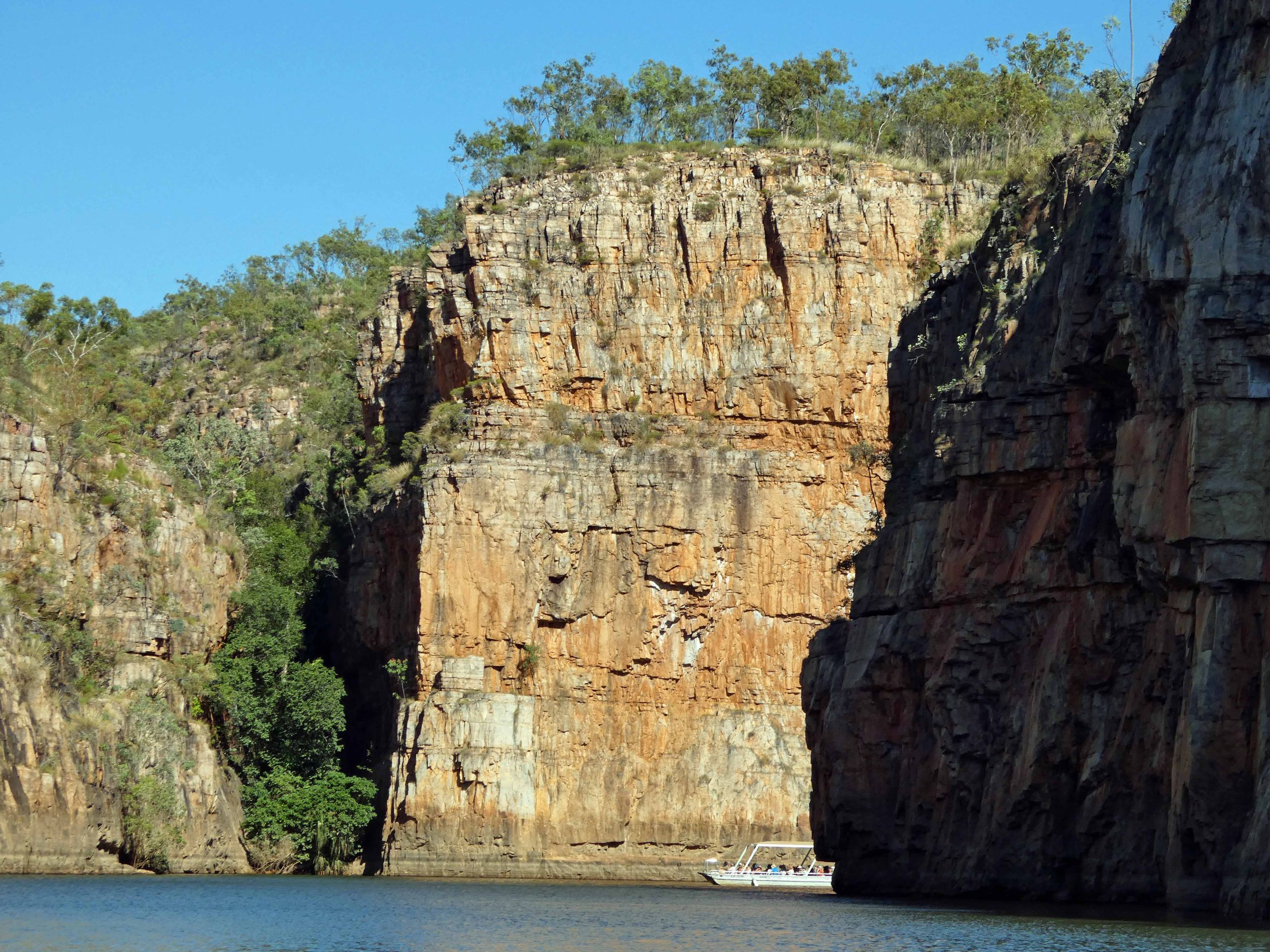
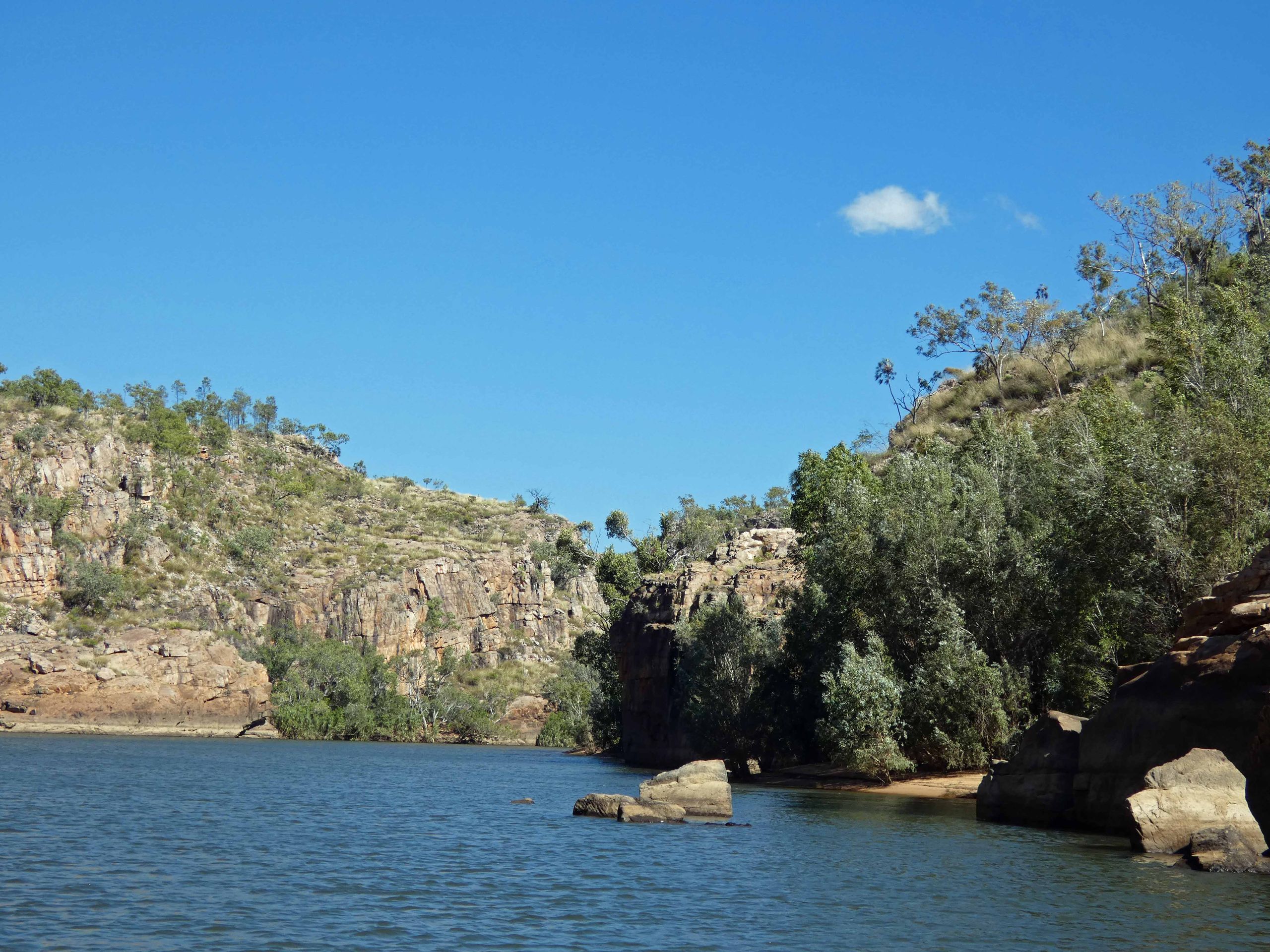
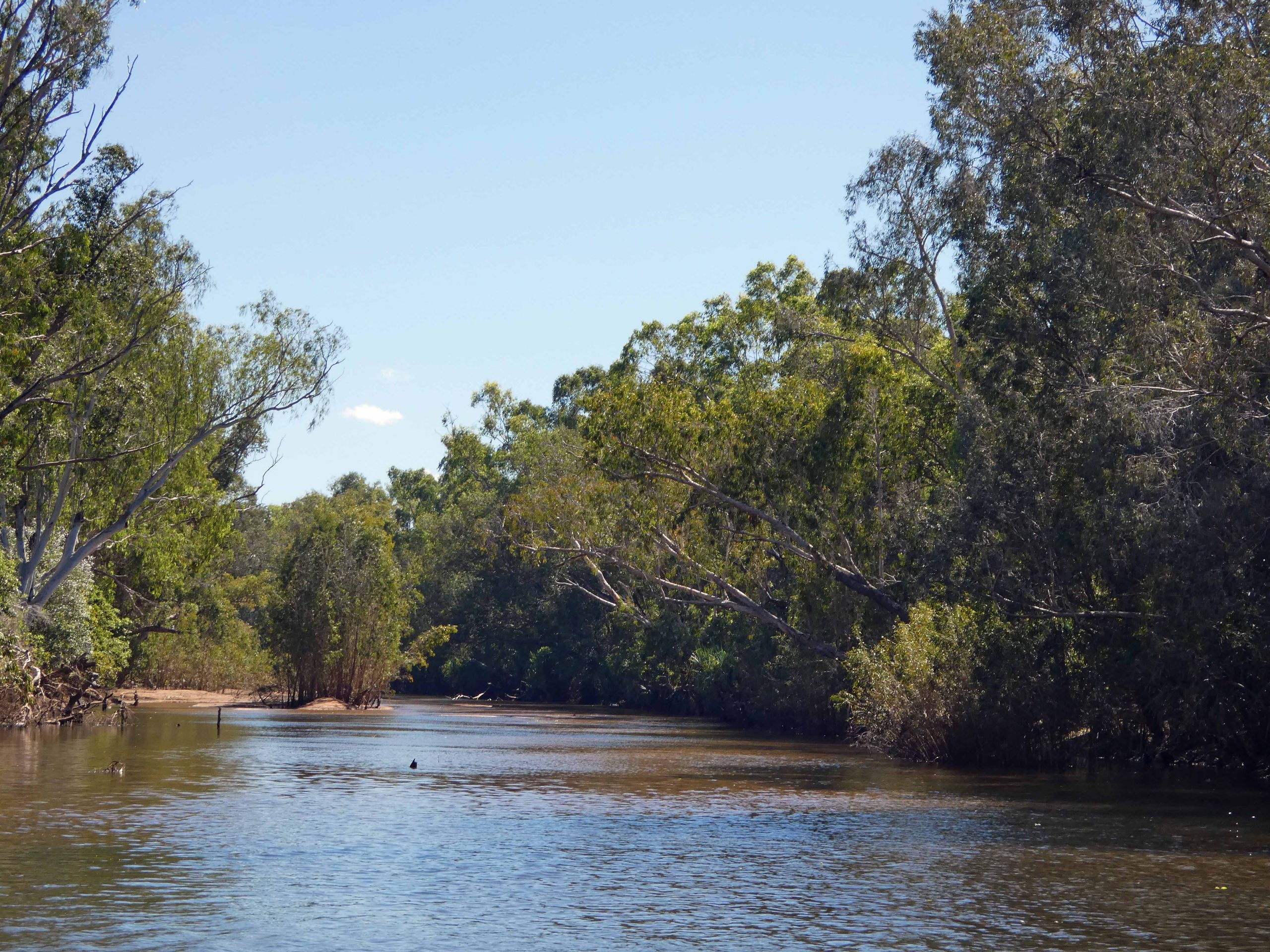
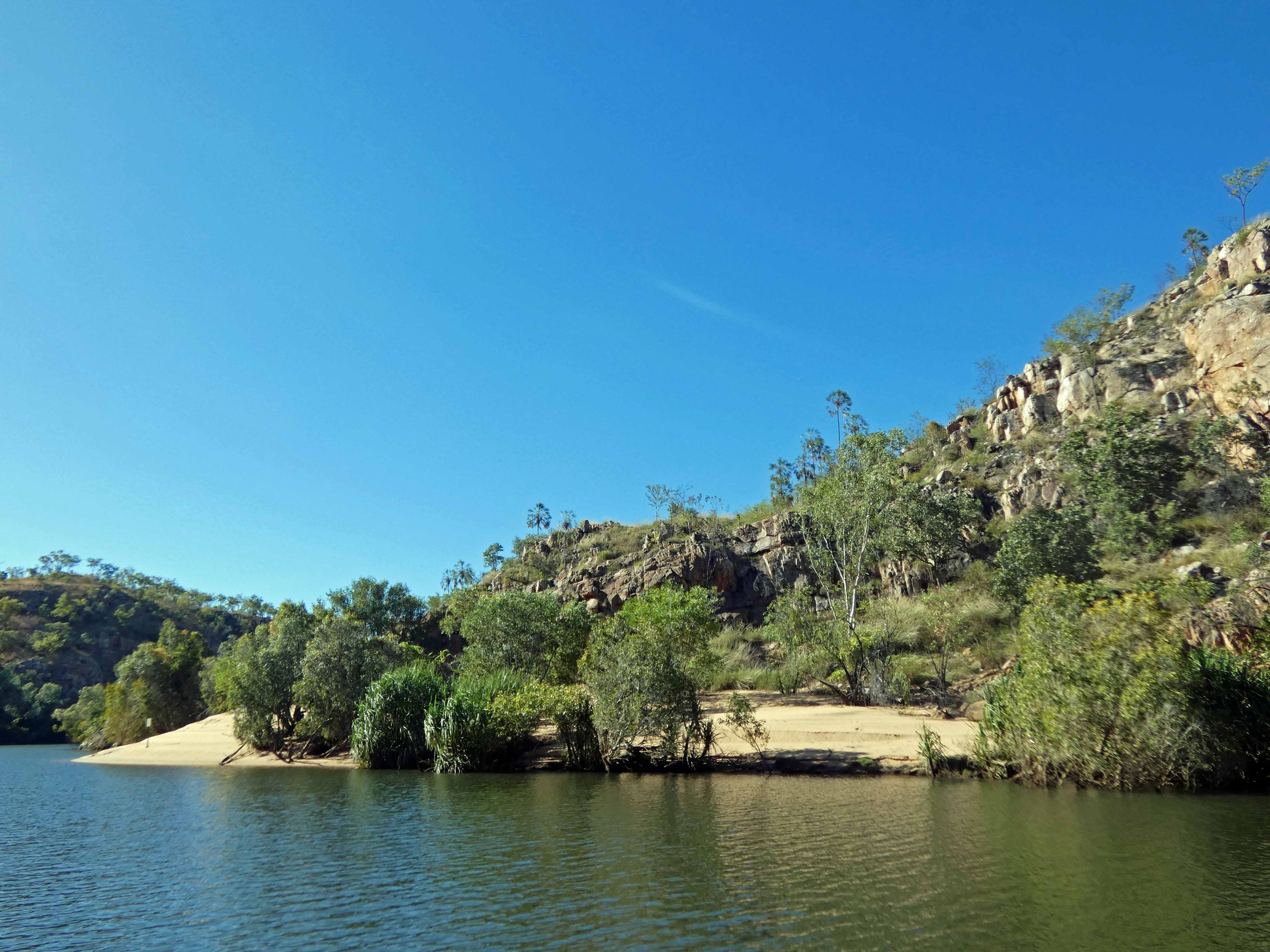
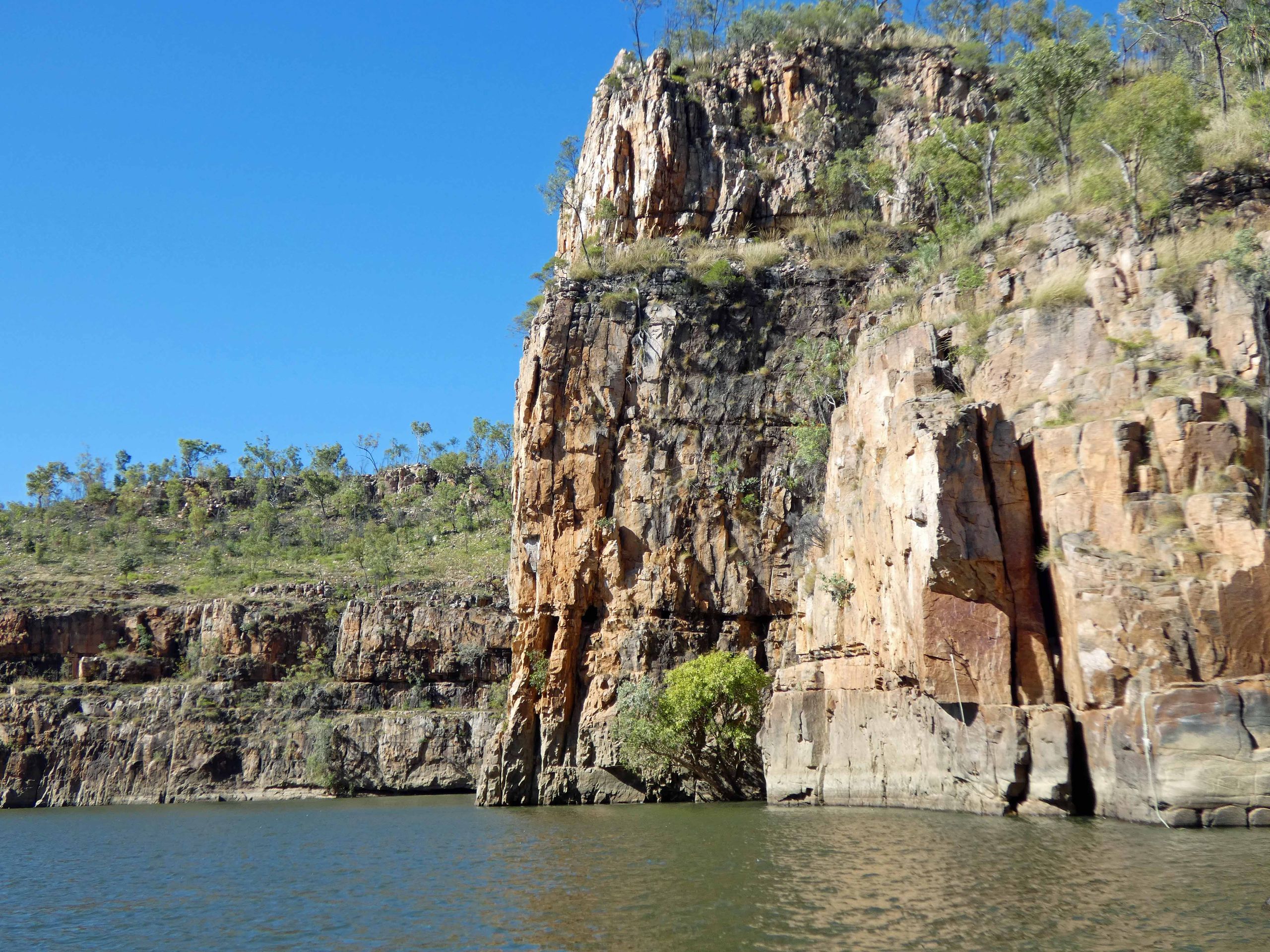
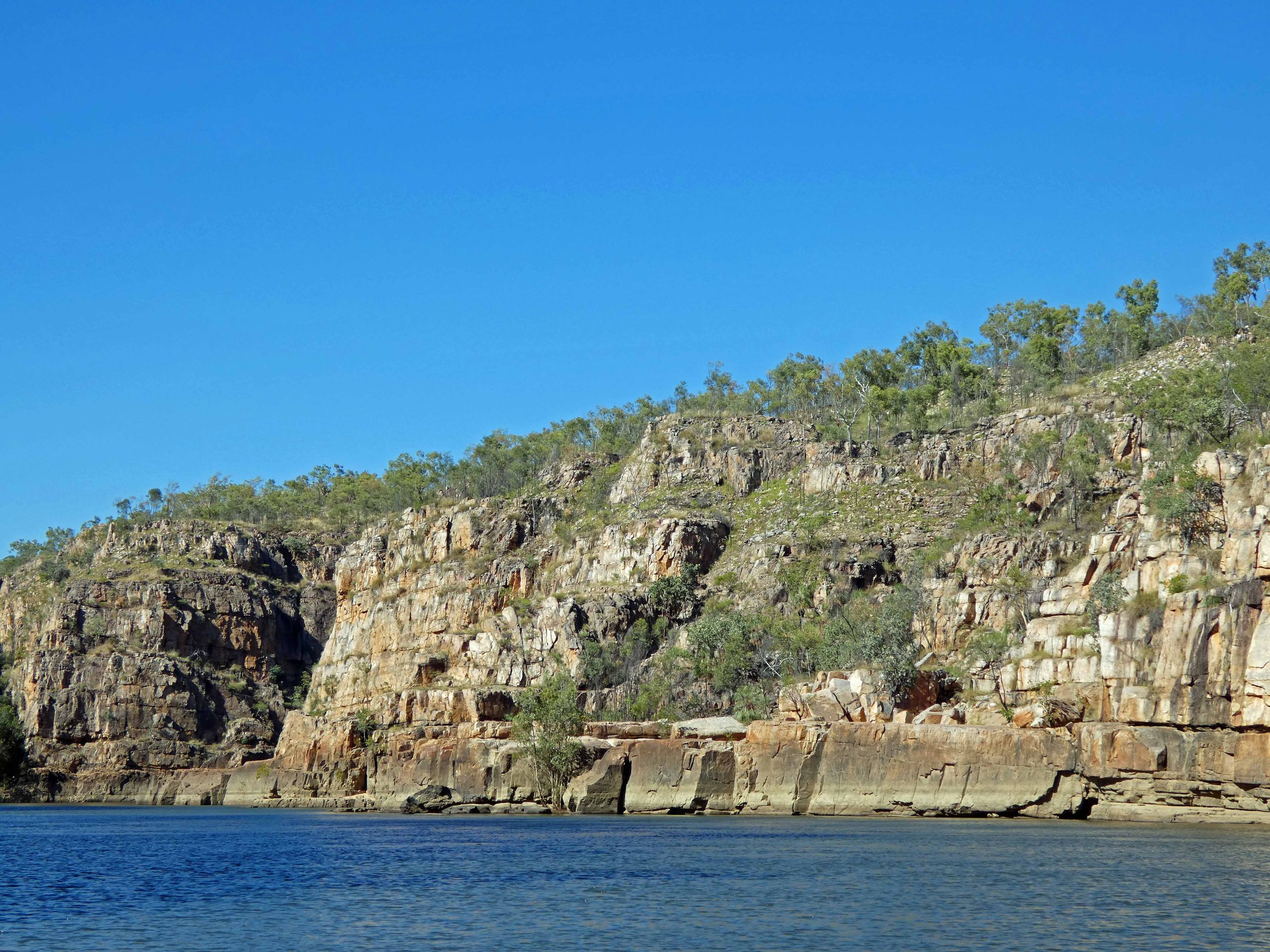
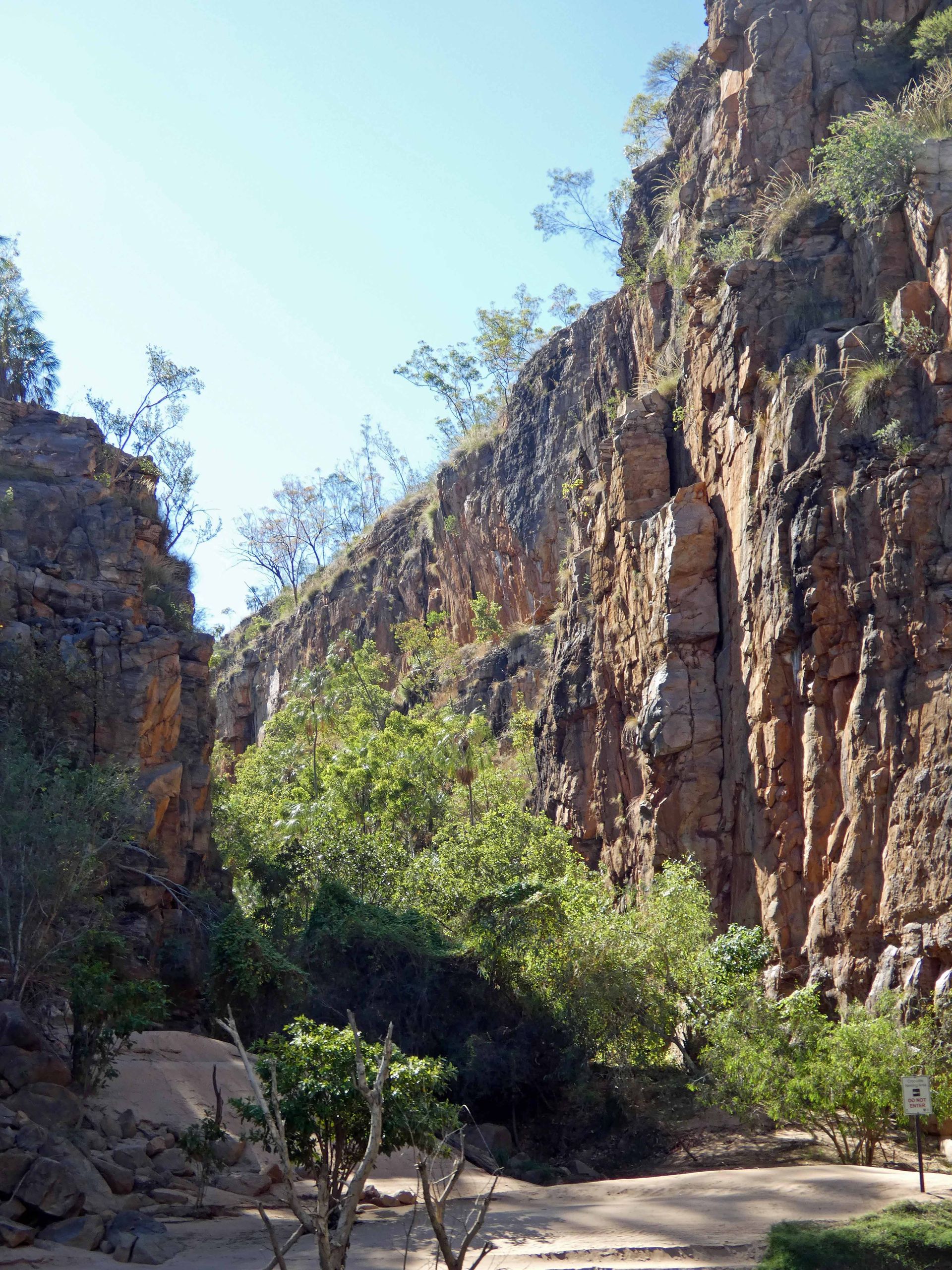
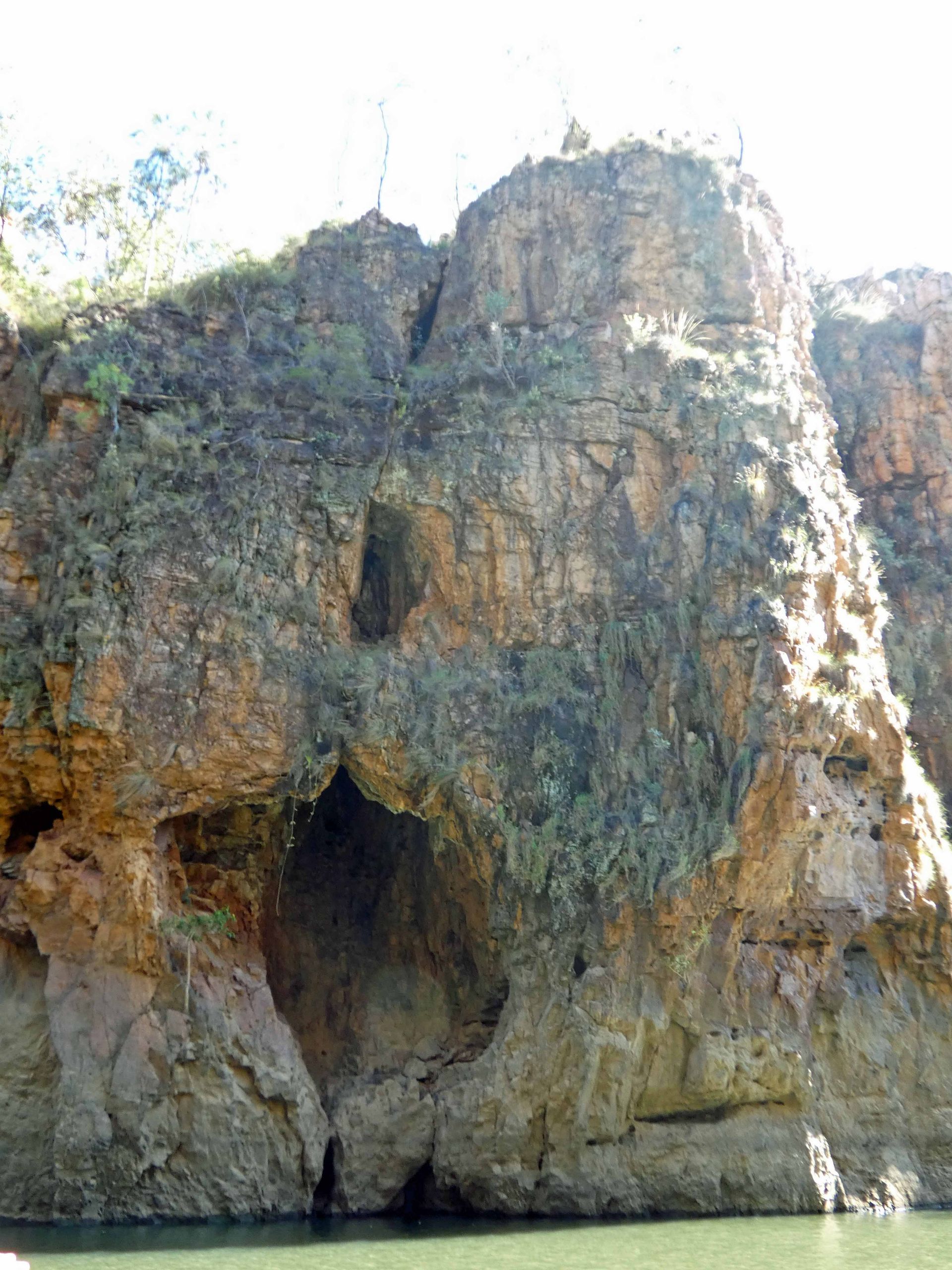
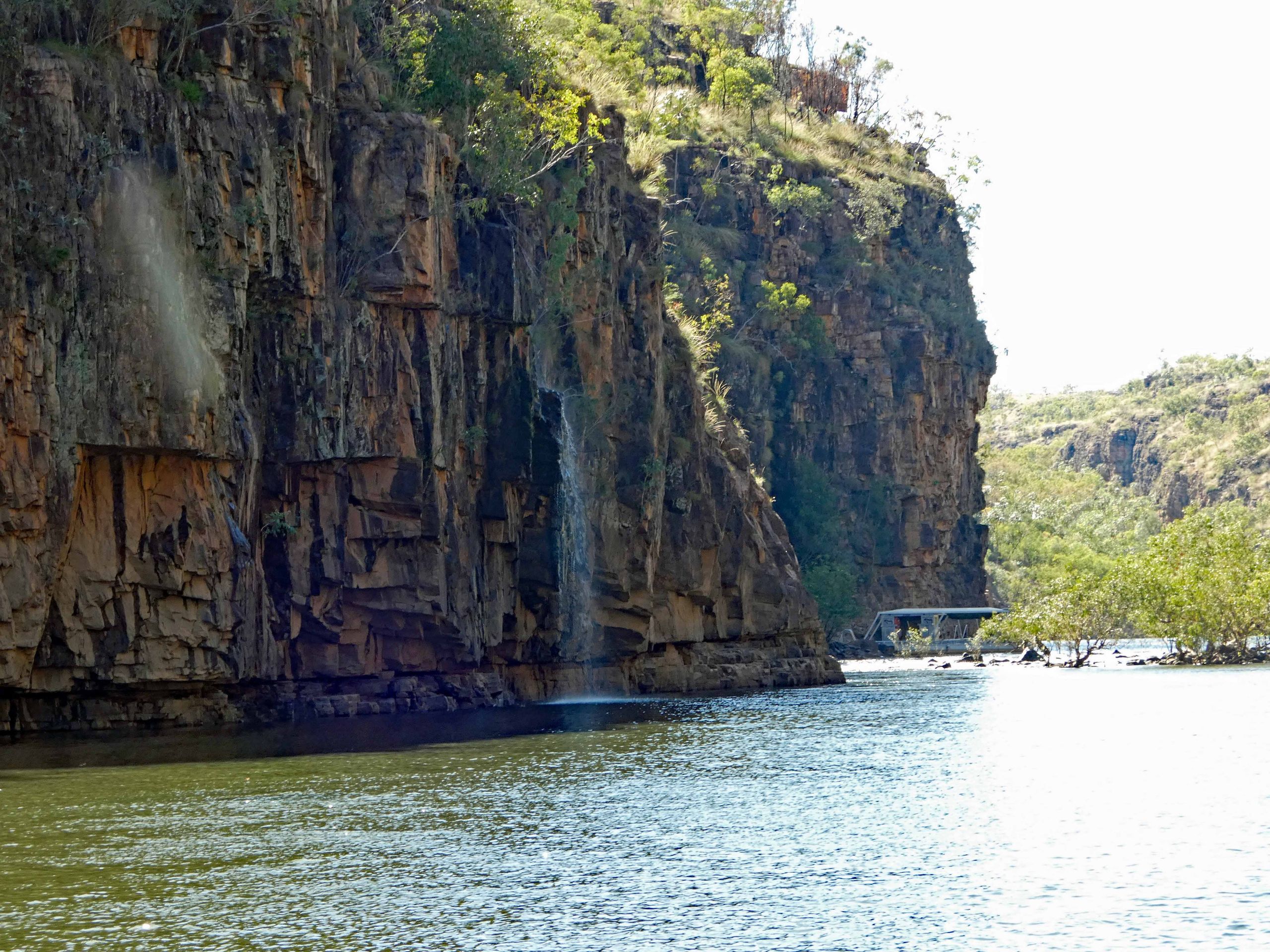
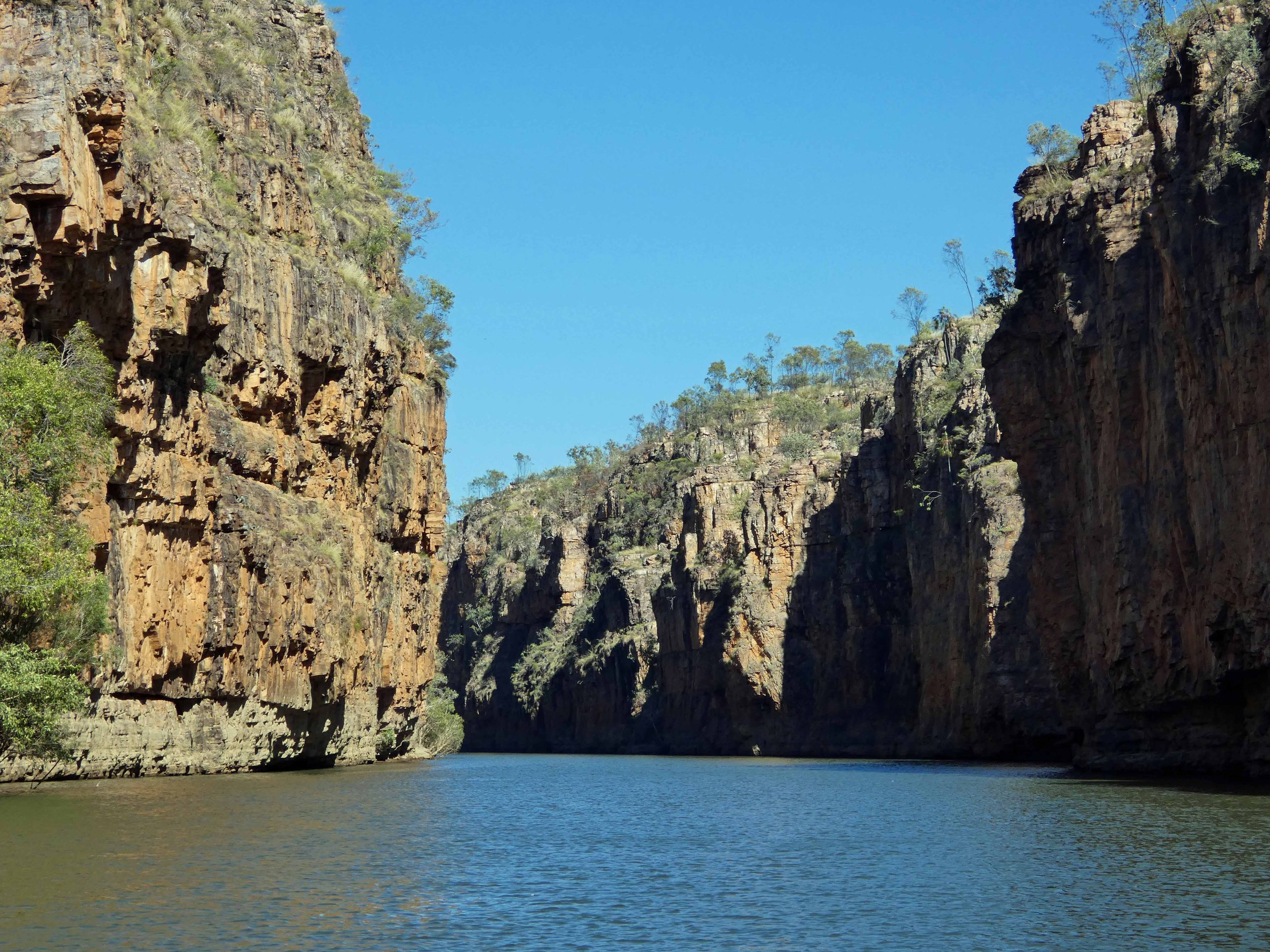
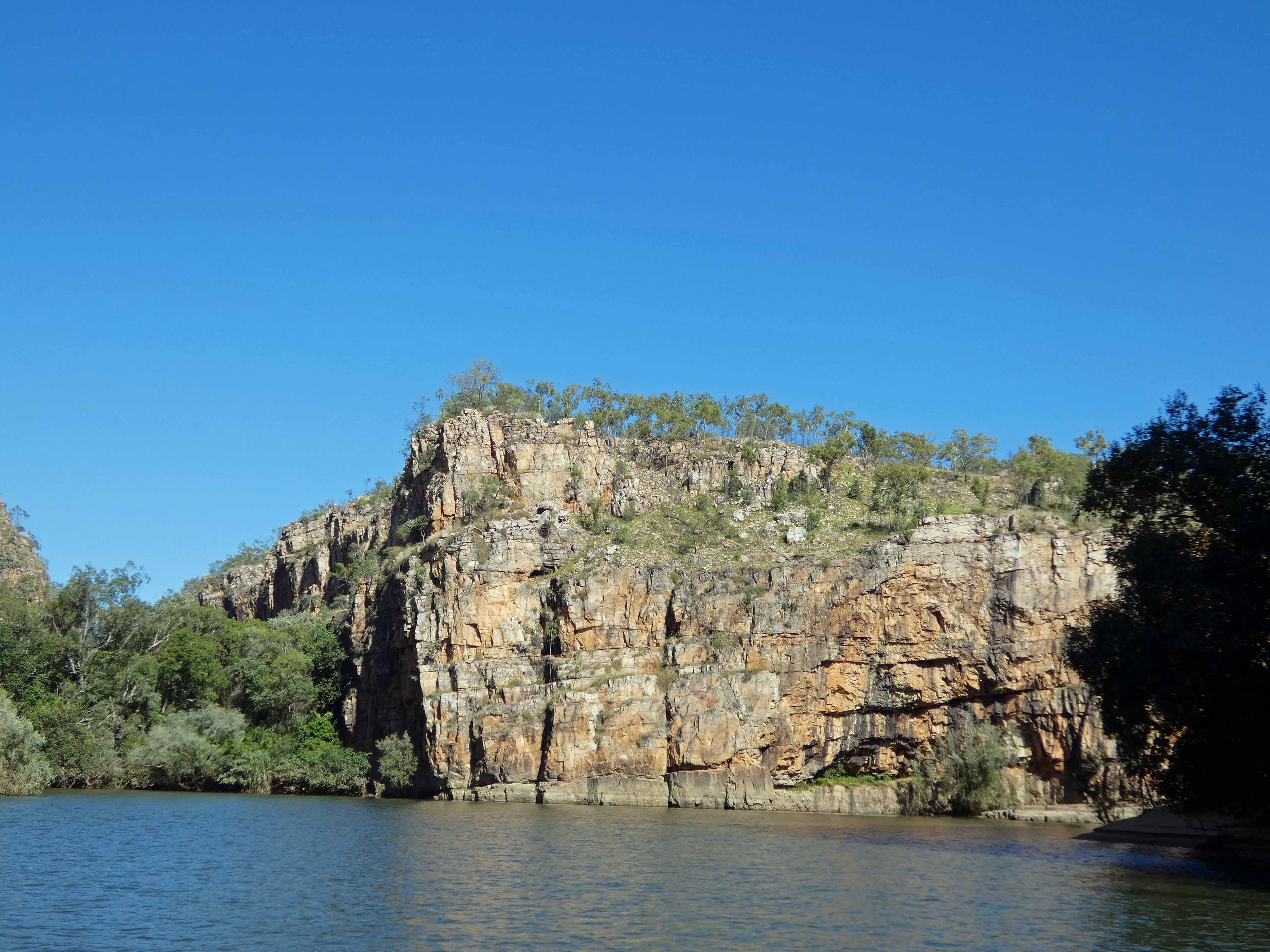
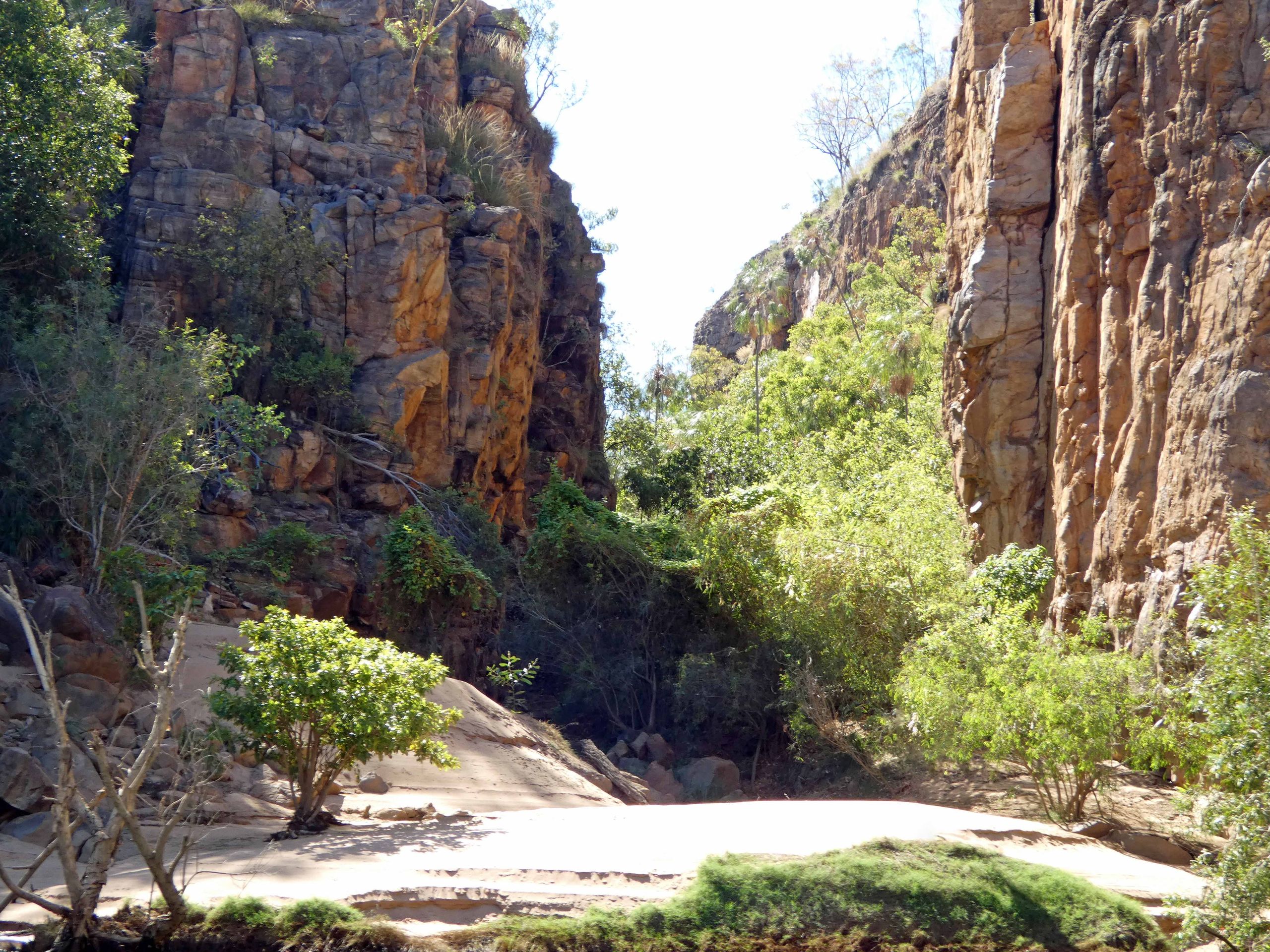
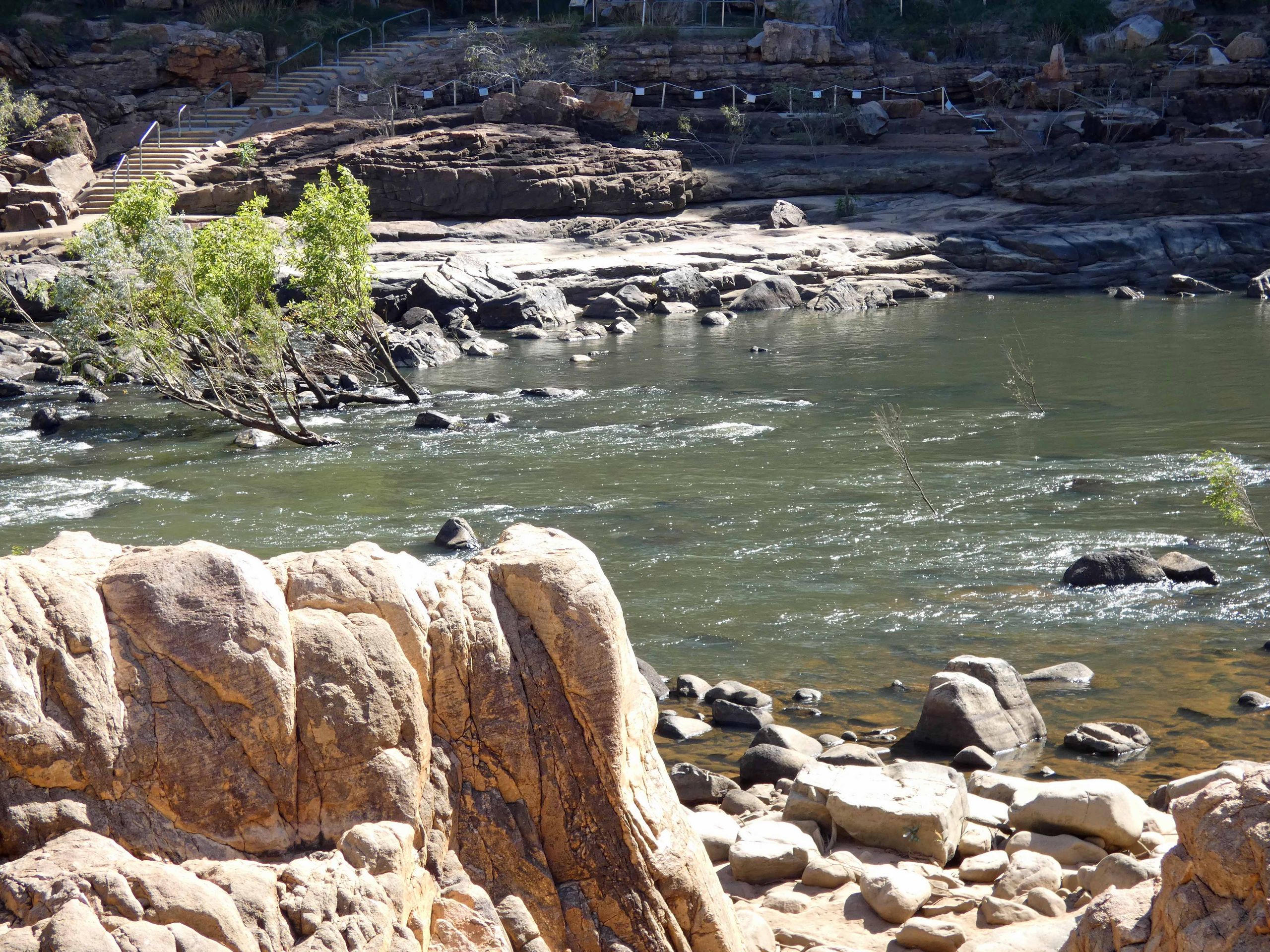
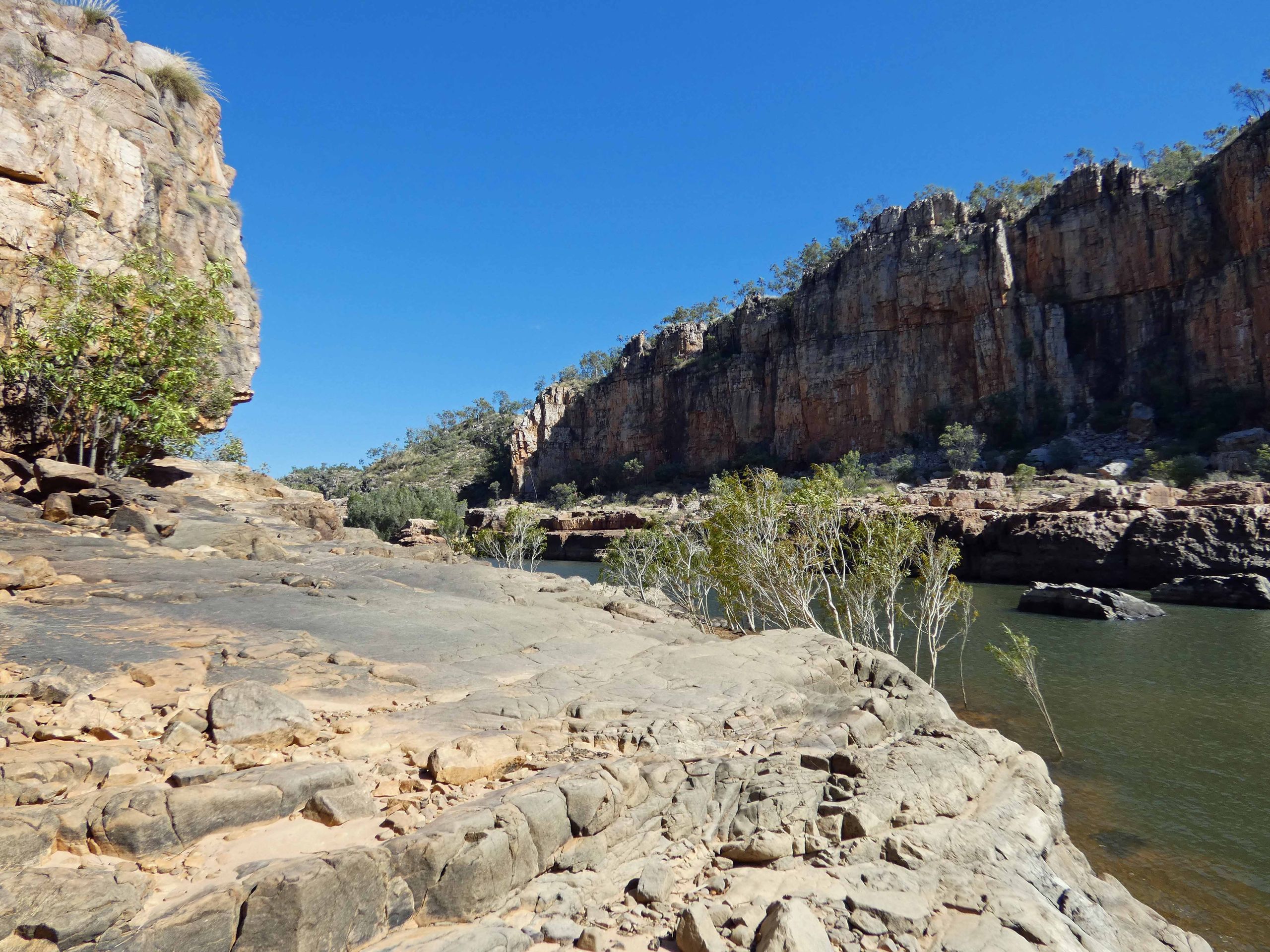
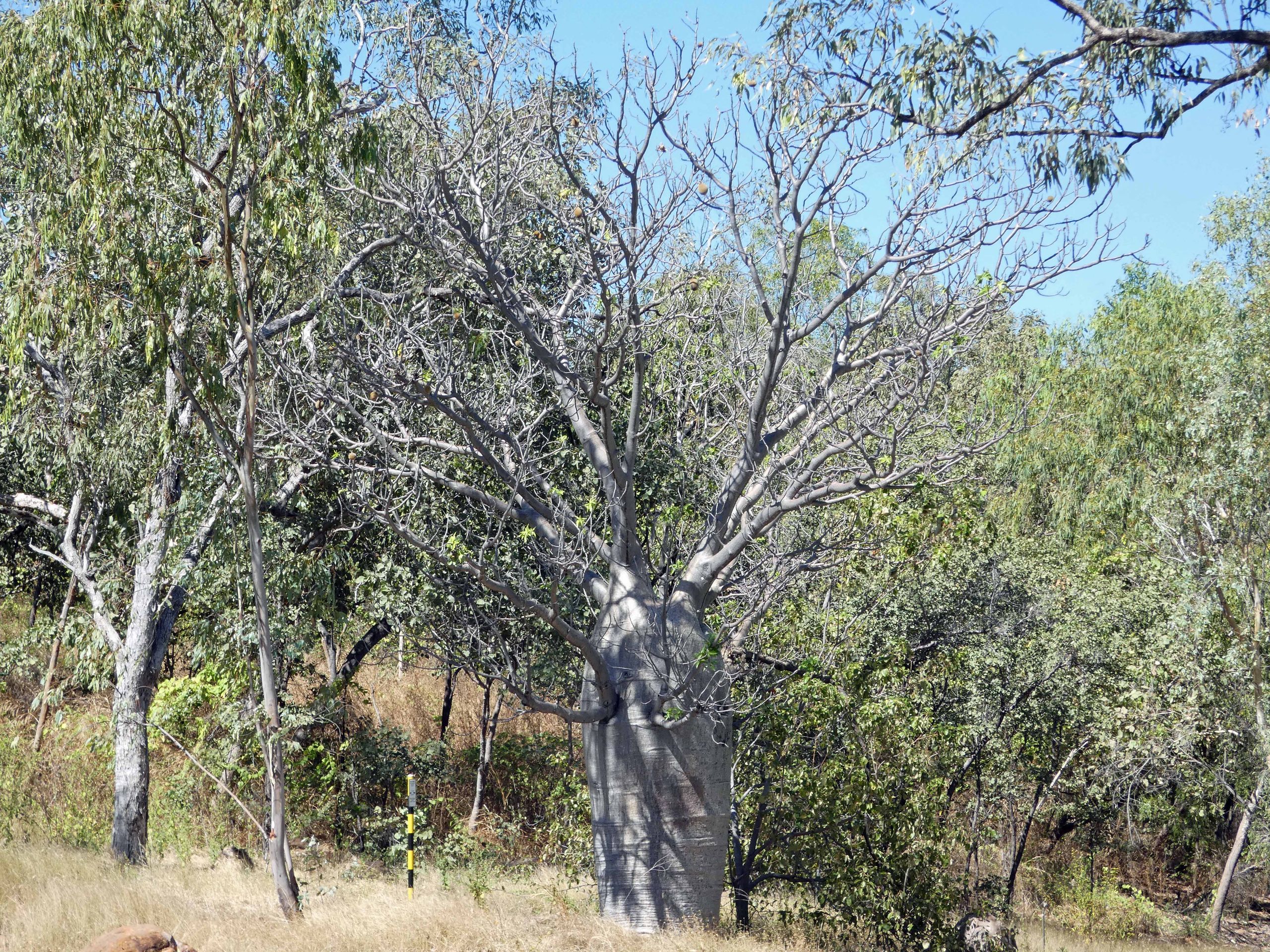
Today, we continued our journey, but first, we visited the Nitmiluk Gorge in Nitmiluk National Park with a boat tour. Around our lodge, there were various cheeky birds that enjoyed indulging in anything edible.
The Nitmiluk Gorge is the main attraction of the park. The national park was established in 1989 and covers 2,921 km²; however, Kakadu National Park is significantly larger at nearly 20,000 km². Both parks are notable for being located on land belonging to Indigenous people. This land was returned to the Indigenous people, specifically the Jawoyn, in the 1980s and 1990s. For a national park to be established on parts of this land, it had to be in state ownership first. The solution was that the Indigenous people leased the land back to the state for the national parks. Therefore, there are large areas around the parks today that are only accessible to Indigenous people.
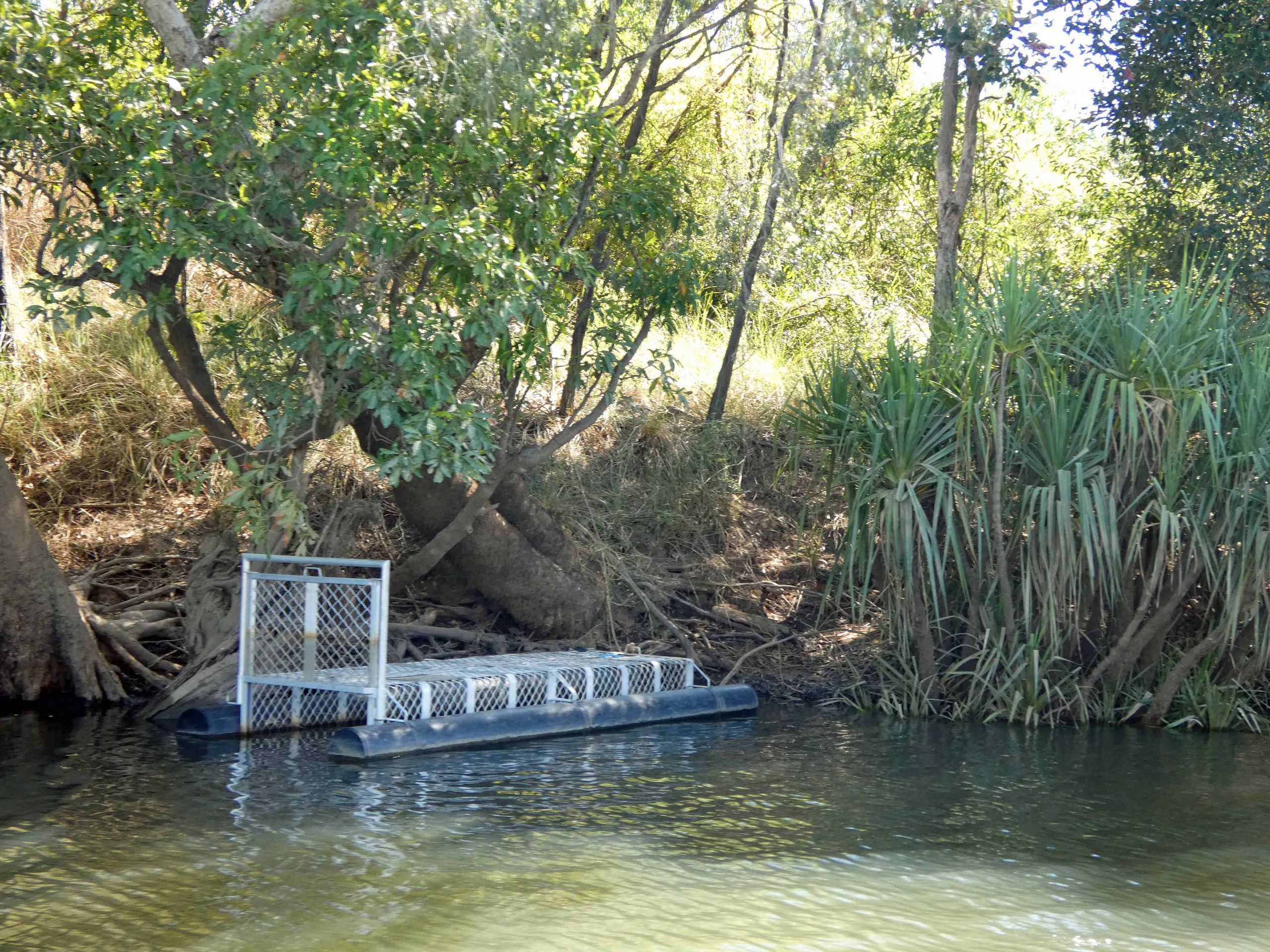
The gorge is very picturesque. The area consists of relatively hard sandstone, and the gorge was initially formed by strong earthquakes and then eroded by water. During the rainy season, the area gets flooded, and the swamps on the plateau above the gorge are submerged. In the dry season, water levels naturally recede, but the water from the swamps takes 1.5 years to seep through the rocks, thus continuously feeding the Katherine River. Saltwater crocodiles leave during the dry season, and only freshwater crocodiles remain. The latter are relatively harmless, allowing swimming in the river again.
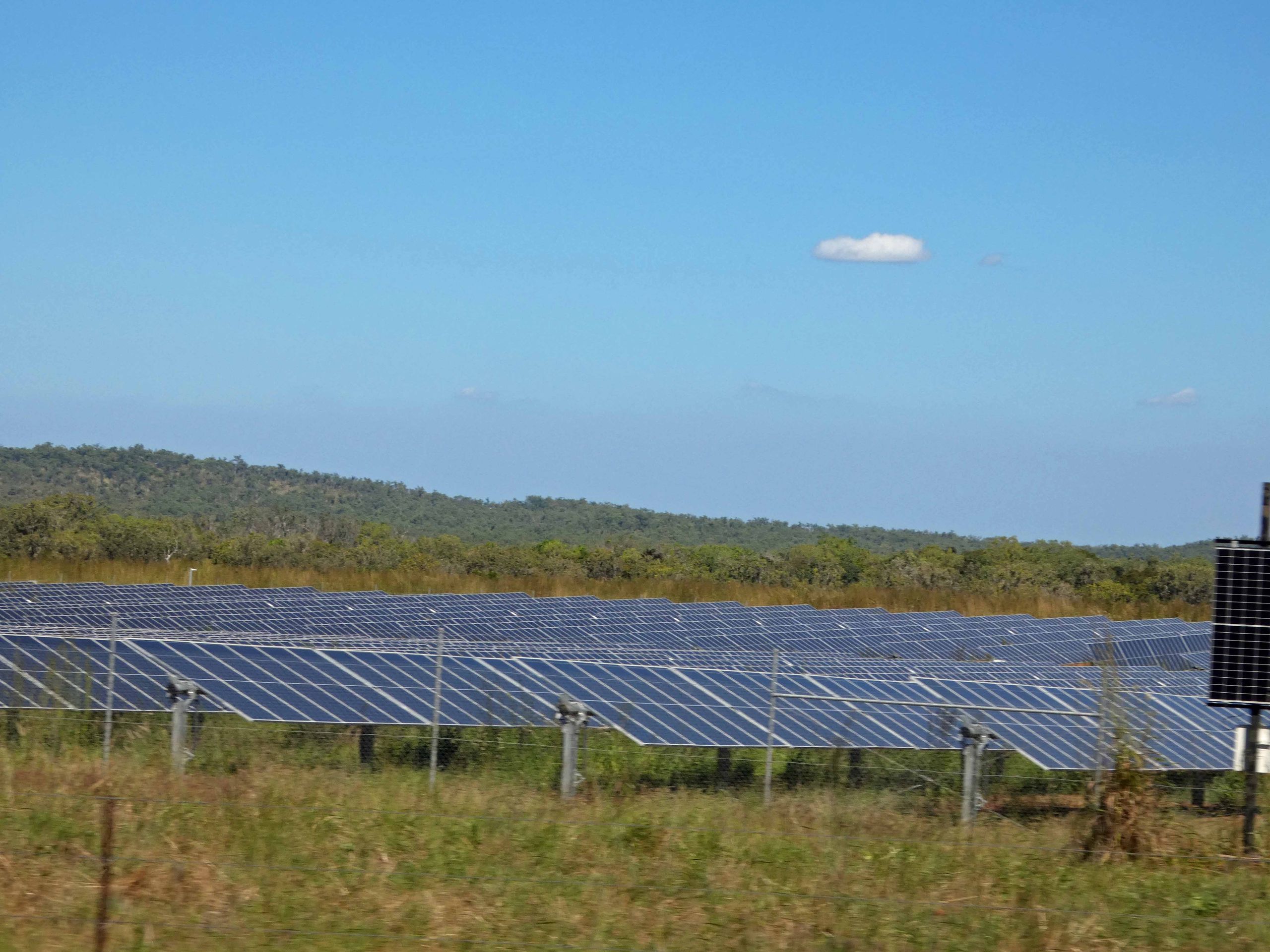
After the boat trip, we drove about 300 km further to Litchfield National Park. The journey was lonely over long stretches, with some traffic only on the stretch of Highway No. 1. There wasn’t much to see along the way. The only notable feature was a large solar farm. Apparently, there are several of these, but there are hardly any solar installations for electricity generation on private homes. Even in the national parks, electricity is generated exclusively with diesel generators. Solar panels can be seen on streetlights and at public phone booths, which still exist here. The mobile coverage is also pretty poor.