
Melbourne, Day 2
Today we explored Melbourne a bit more. We walked across the Jarra River to the National Gallery of Victoria, or as they abbreviate everything here, to the NGV. It is a large...

Published: 06.06.2025
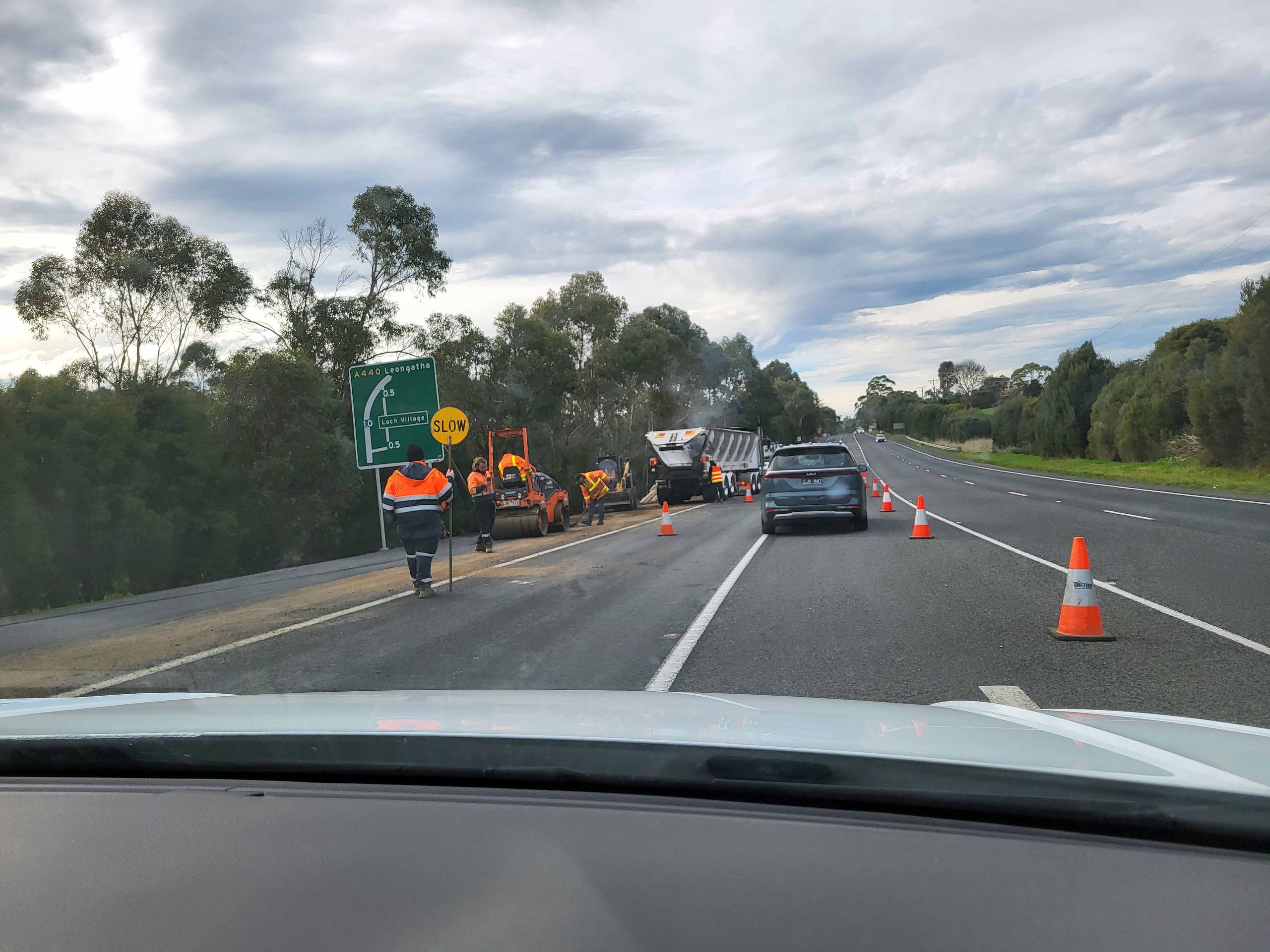
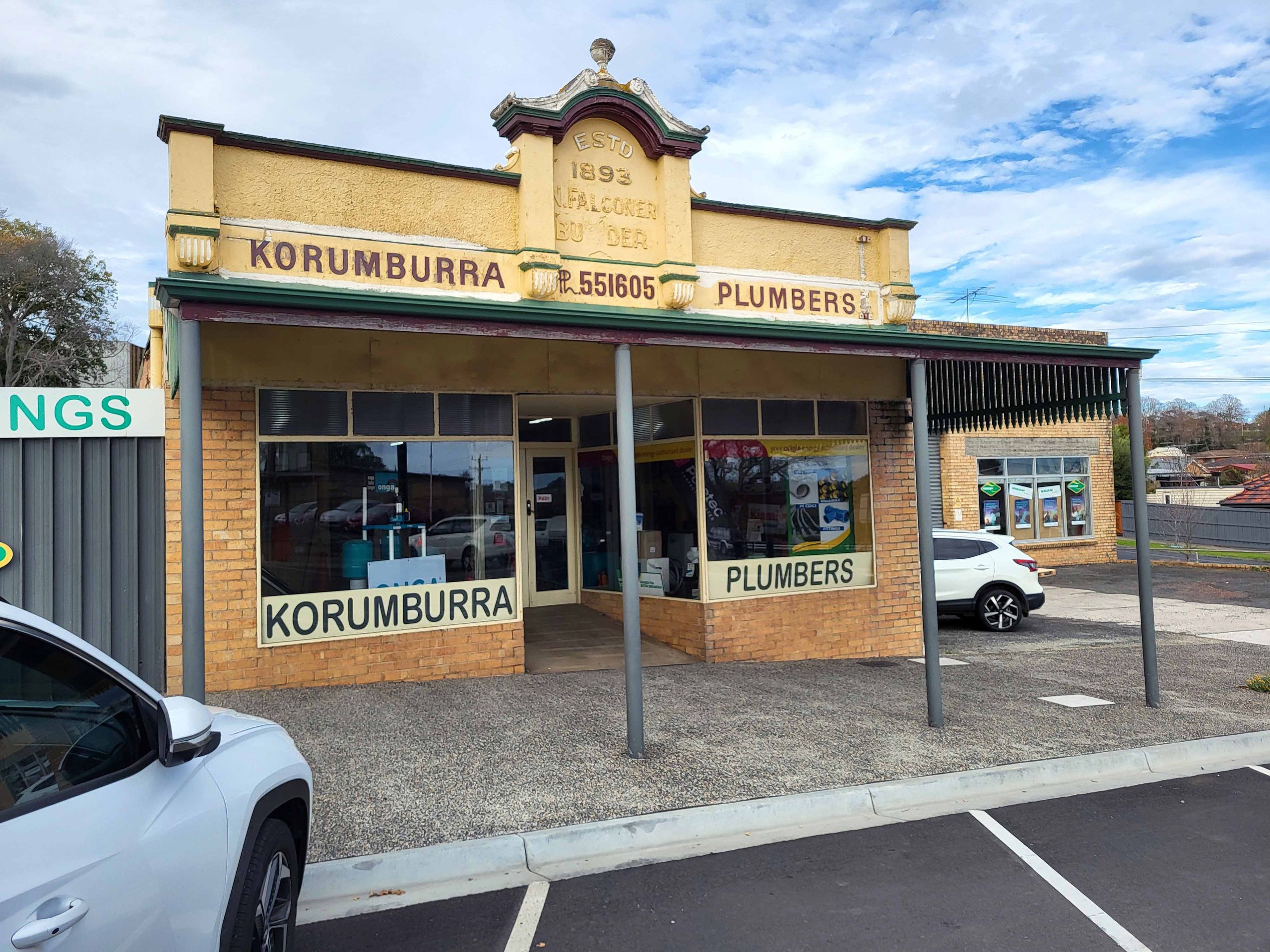
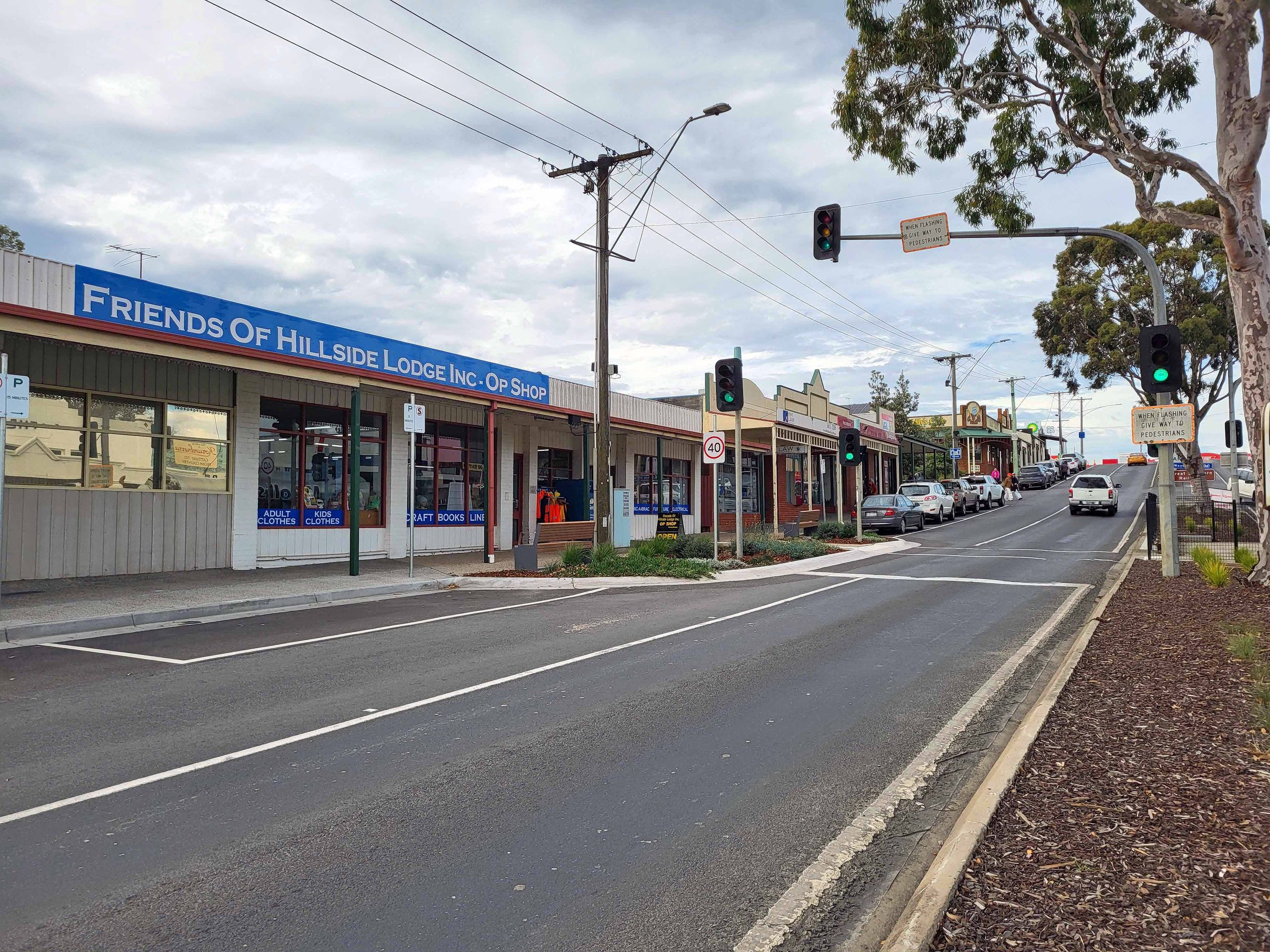
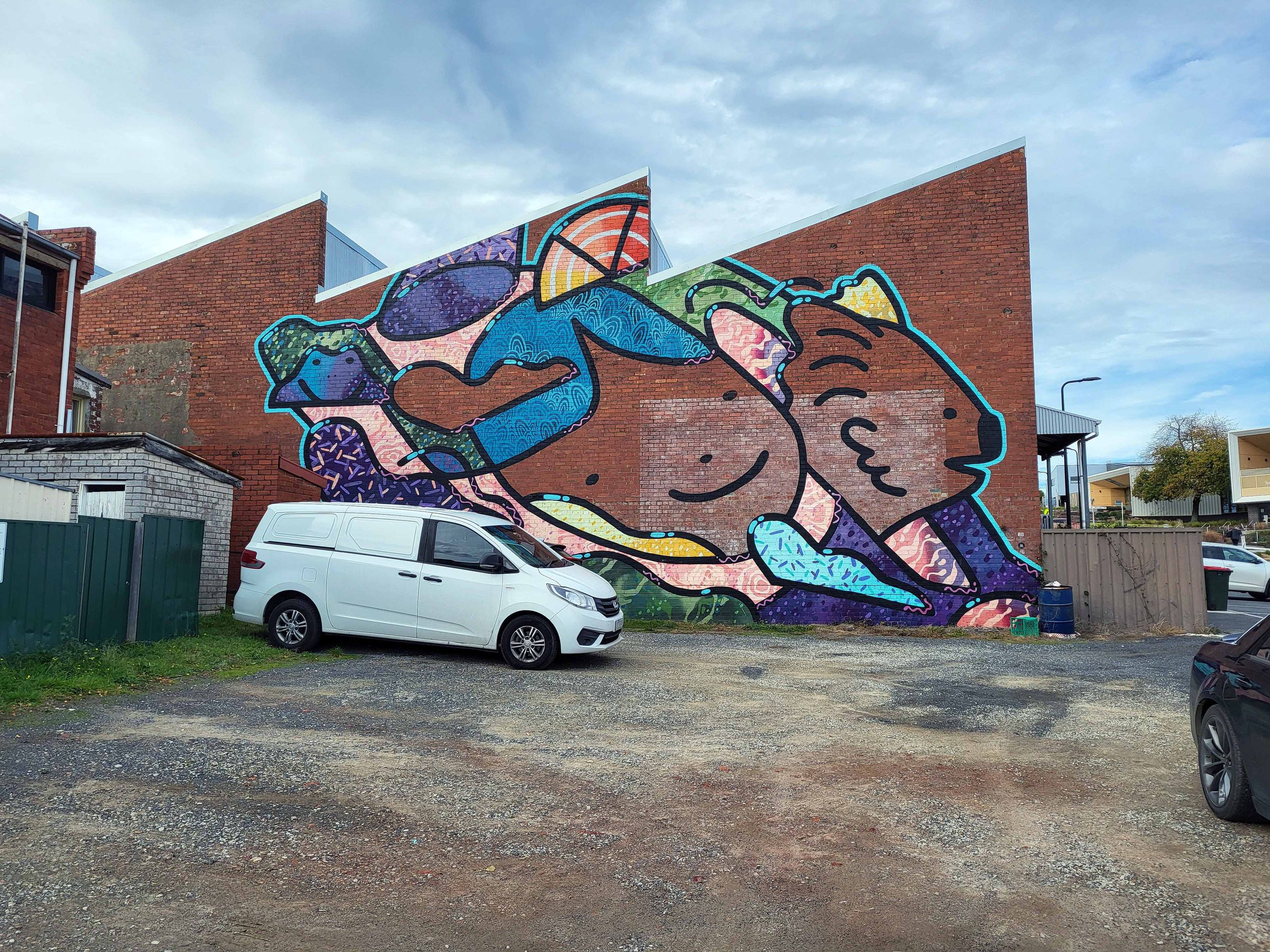
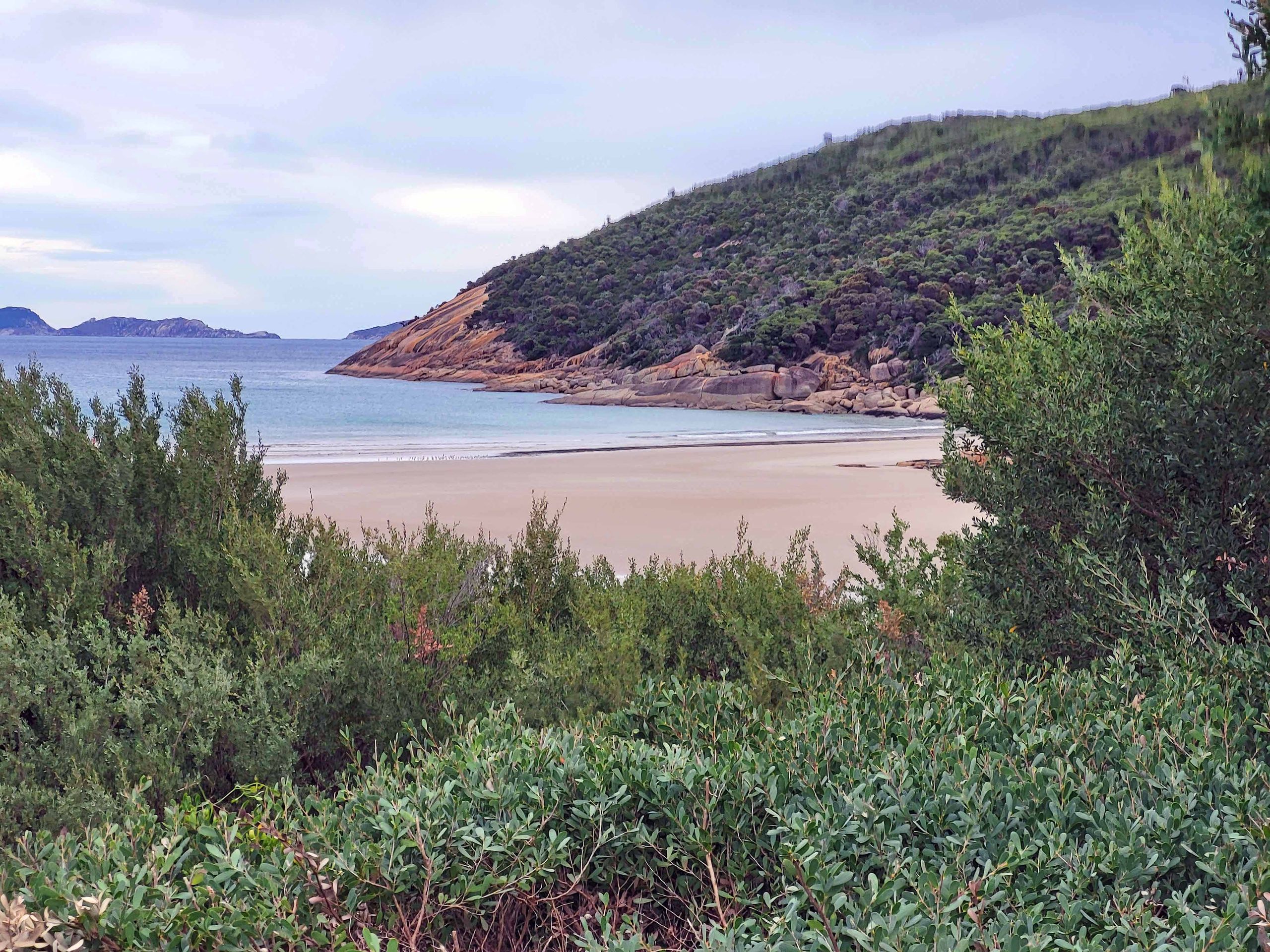
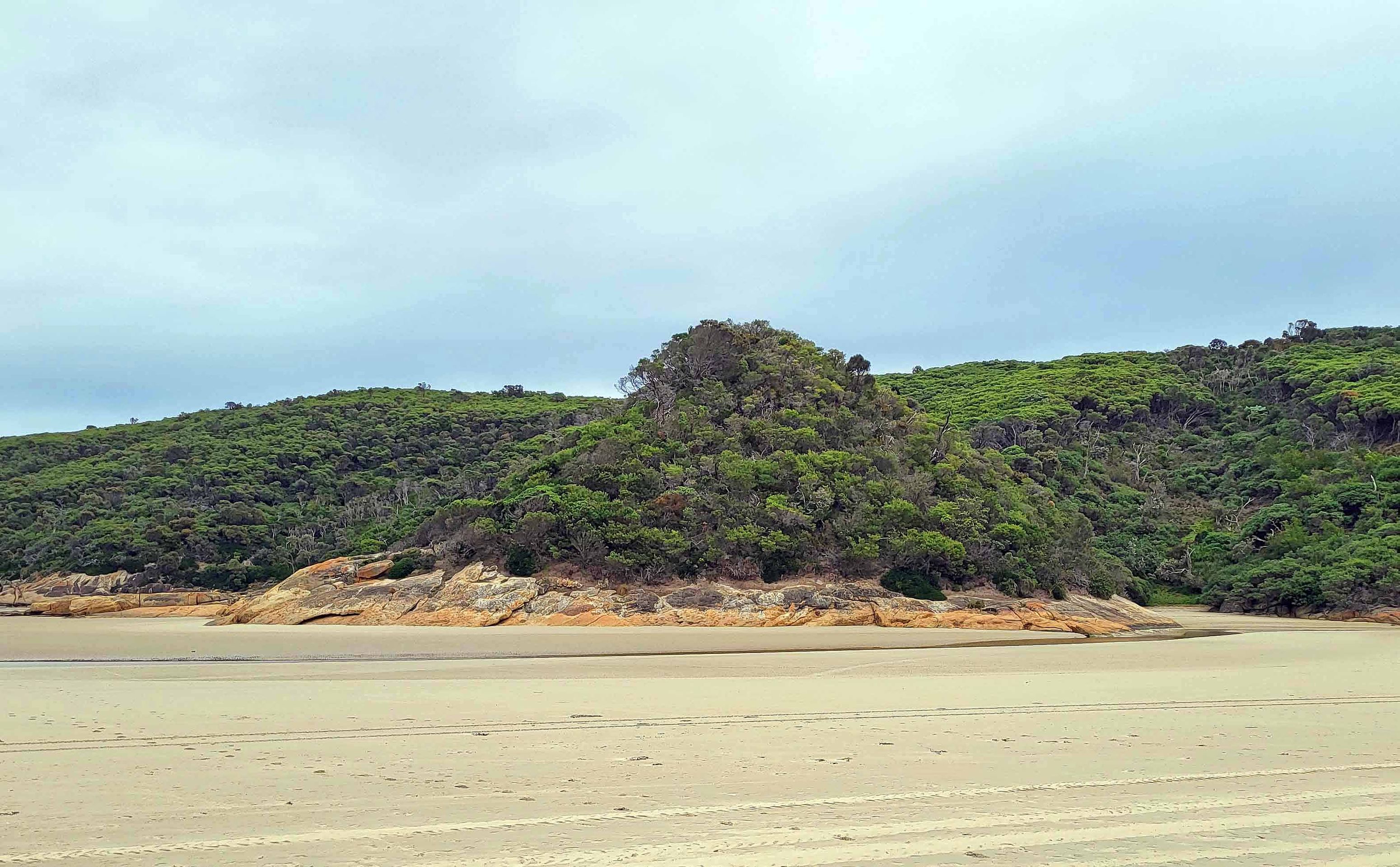
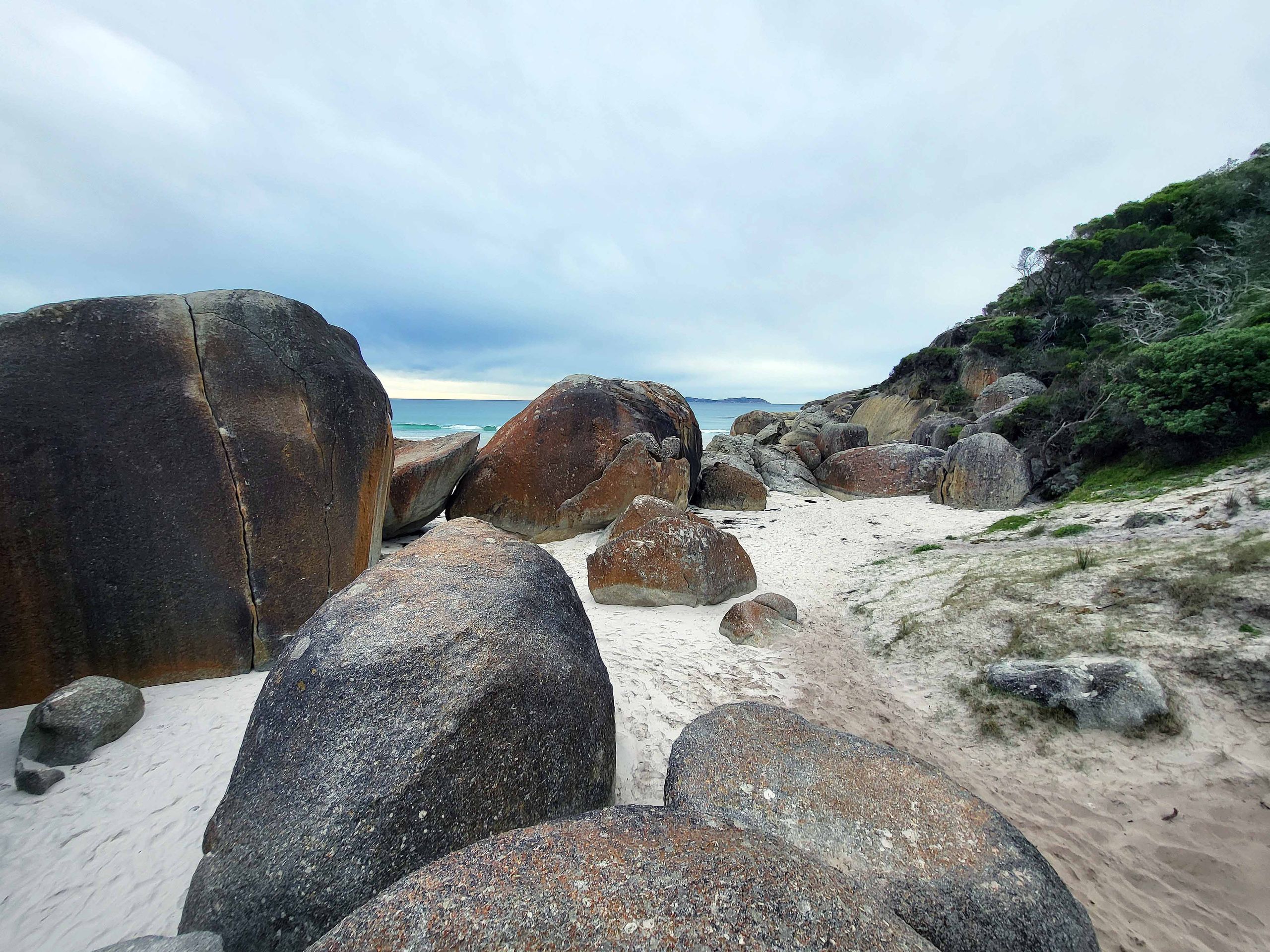
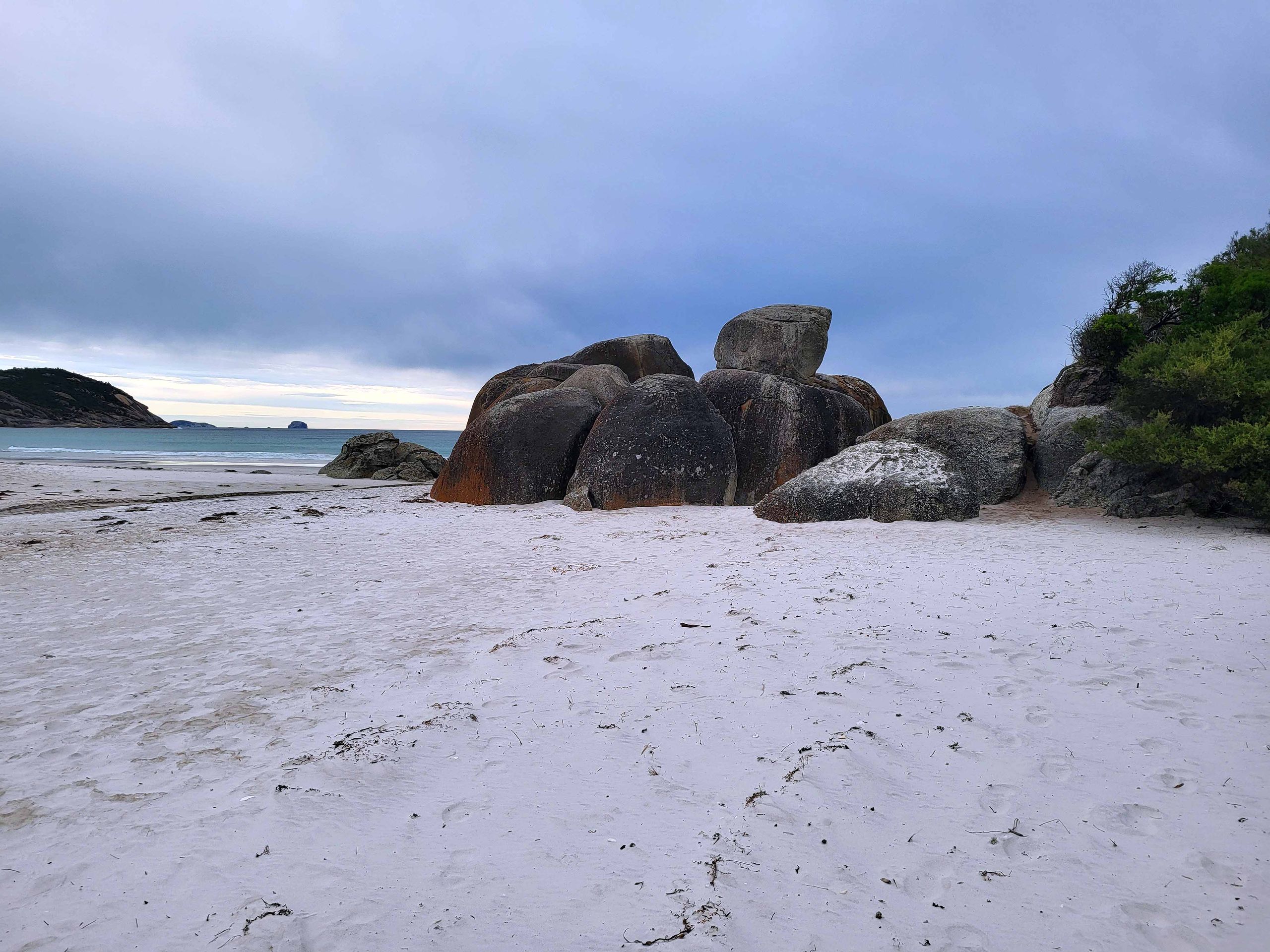
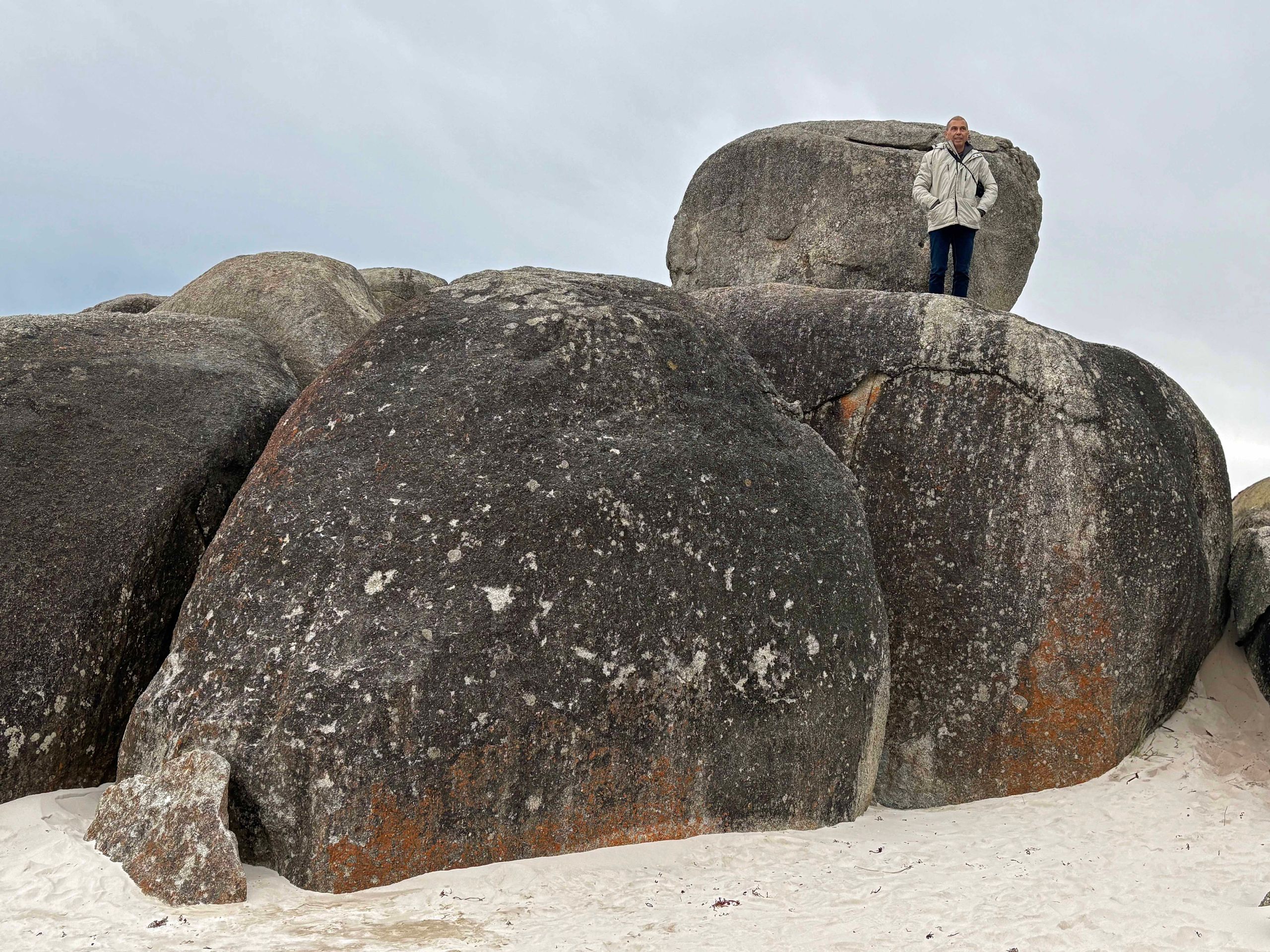
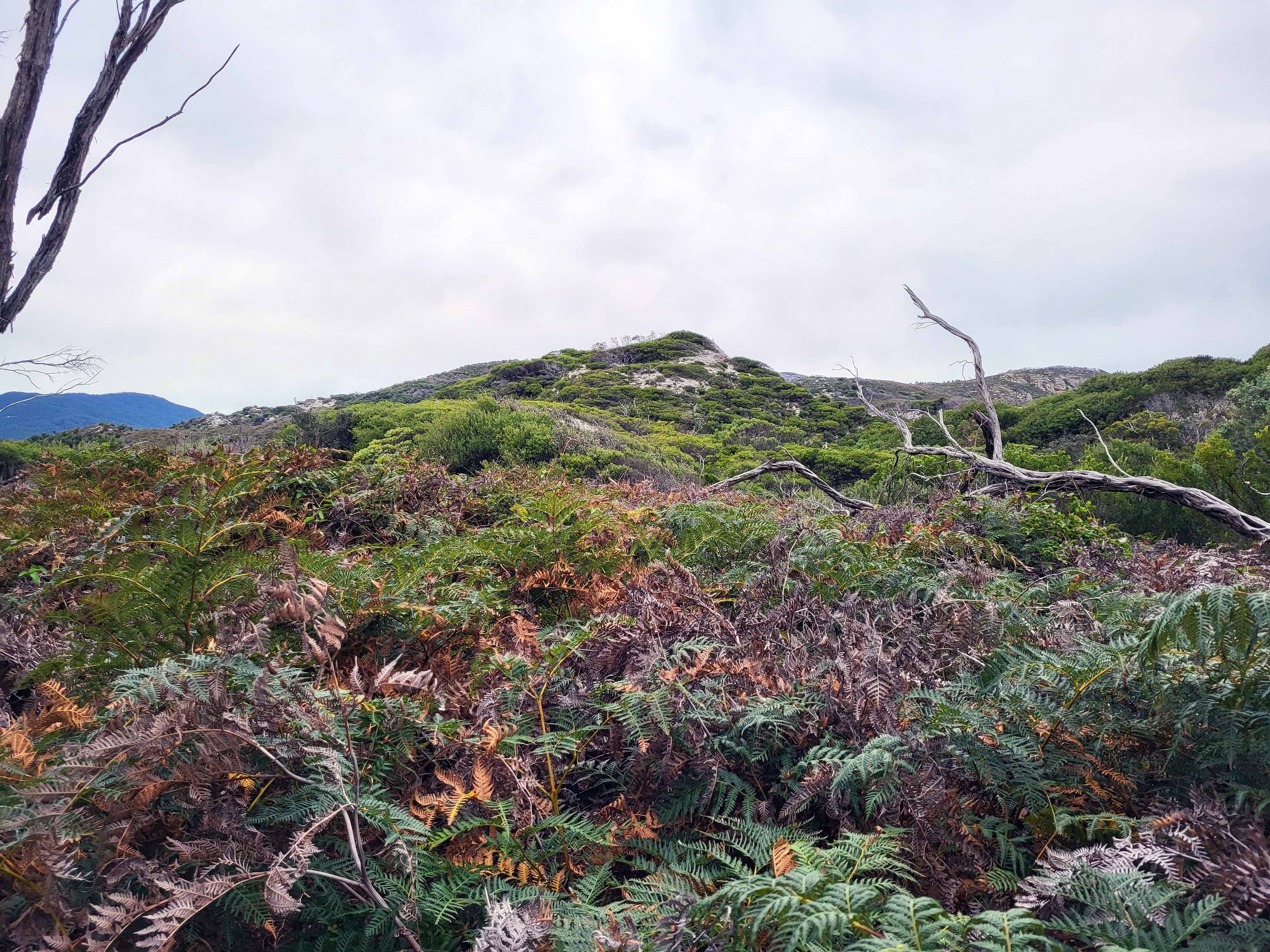
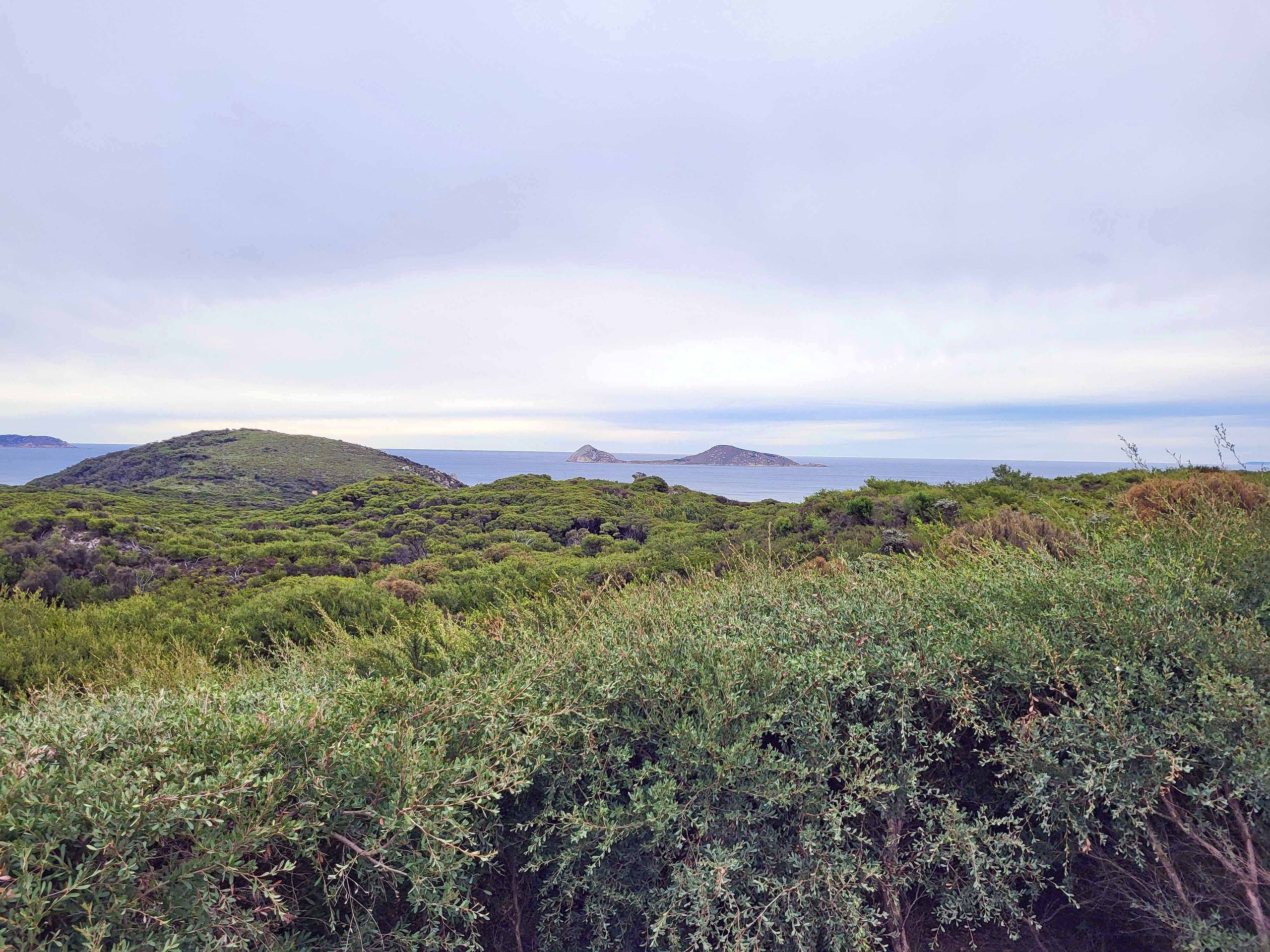

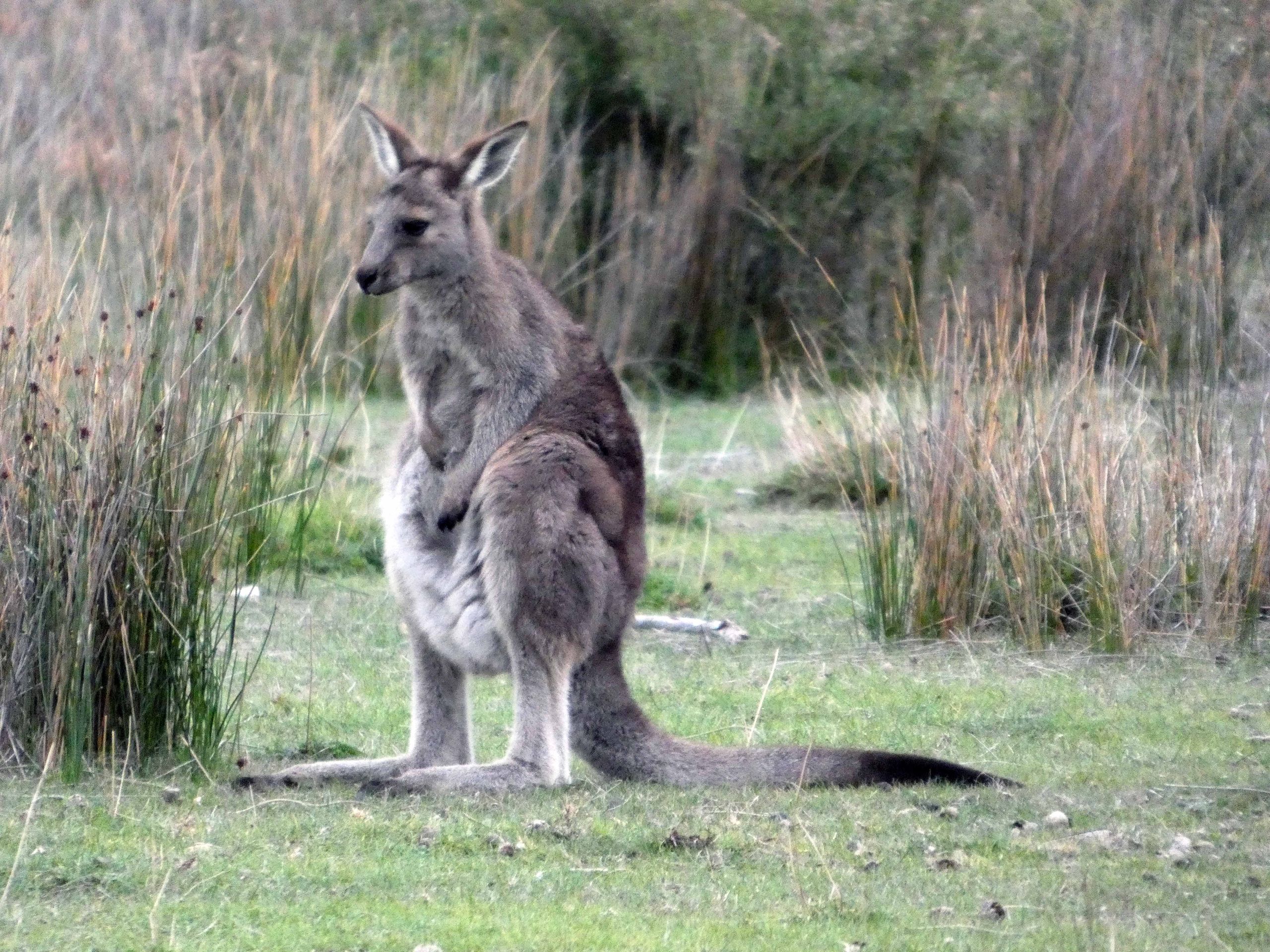
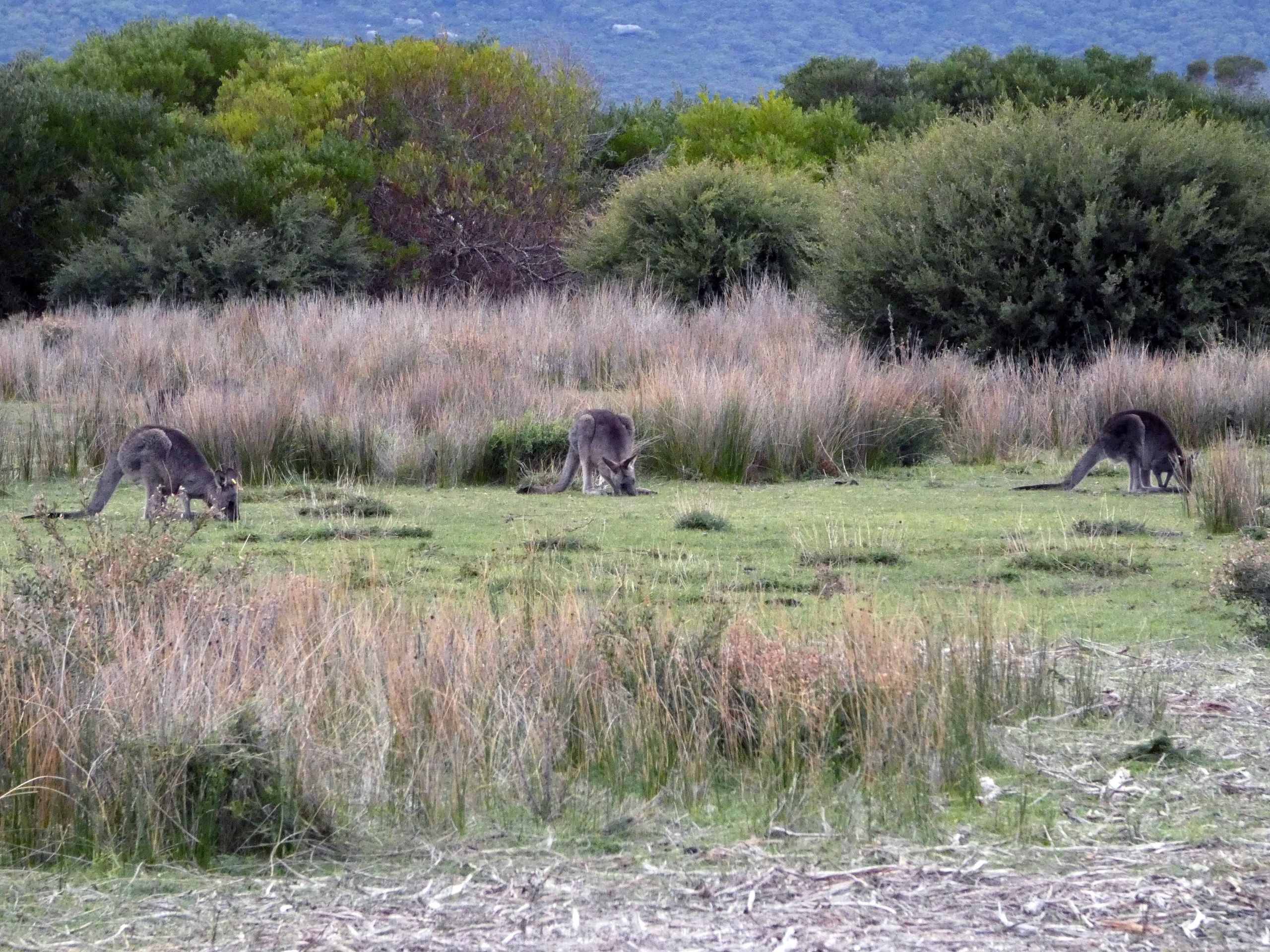
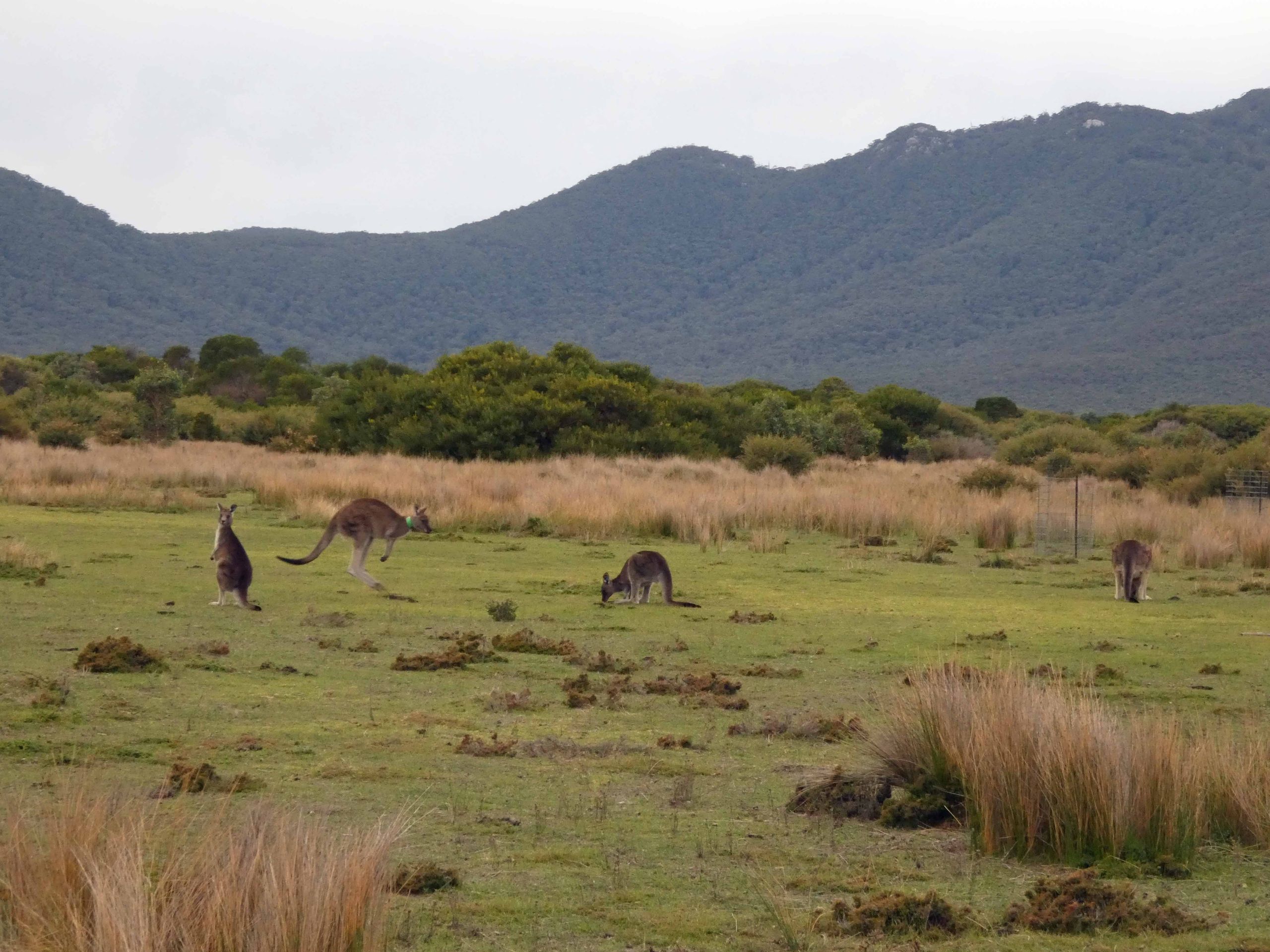
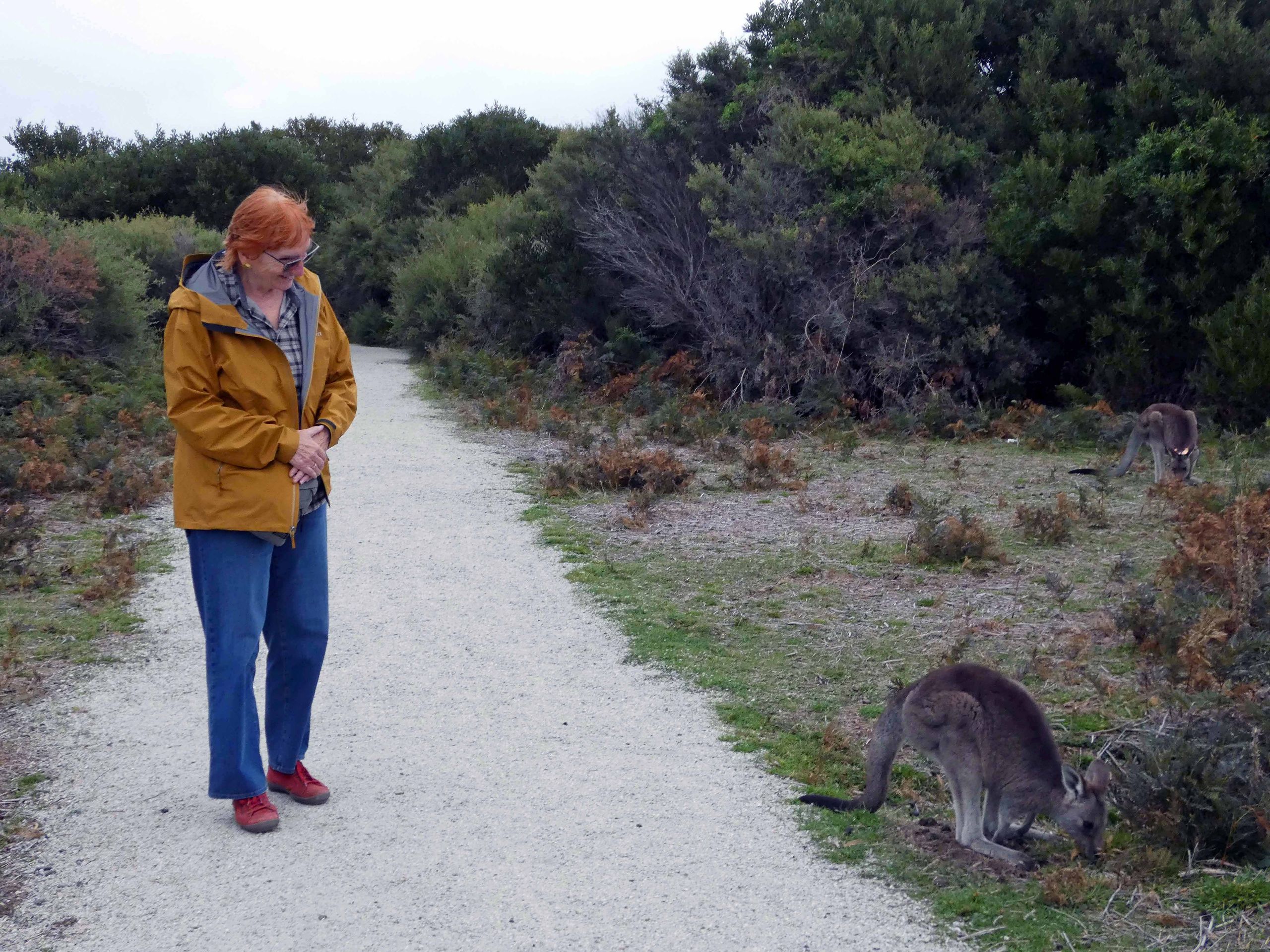
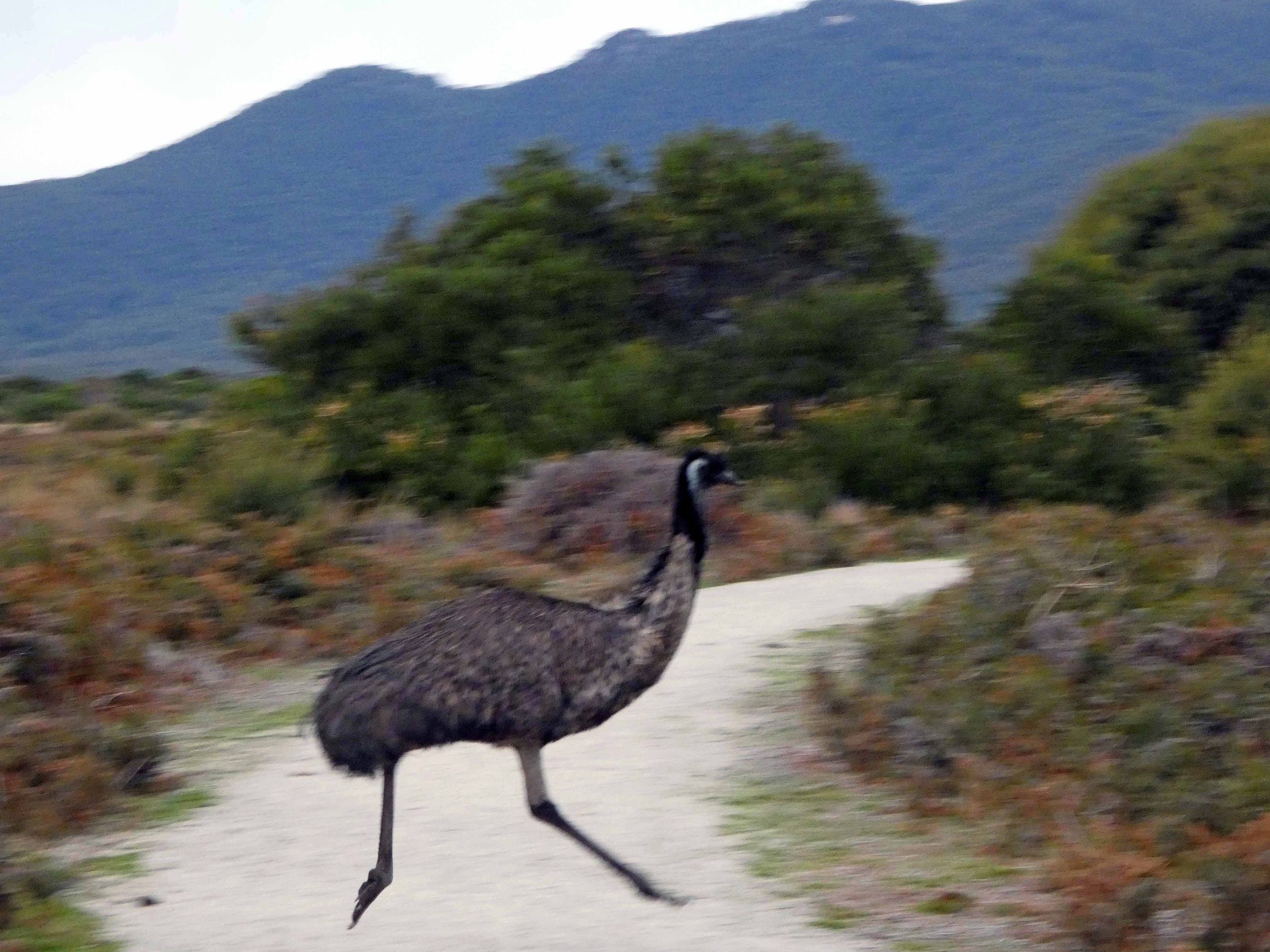
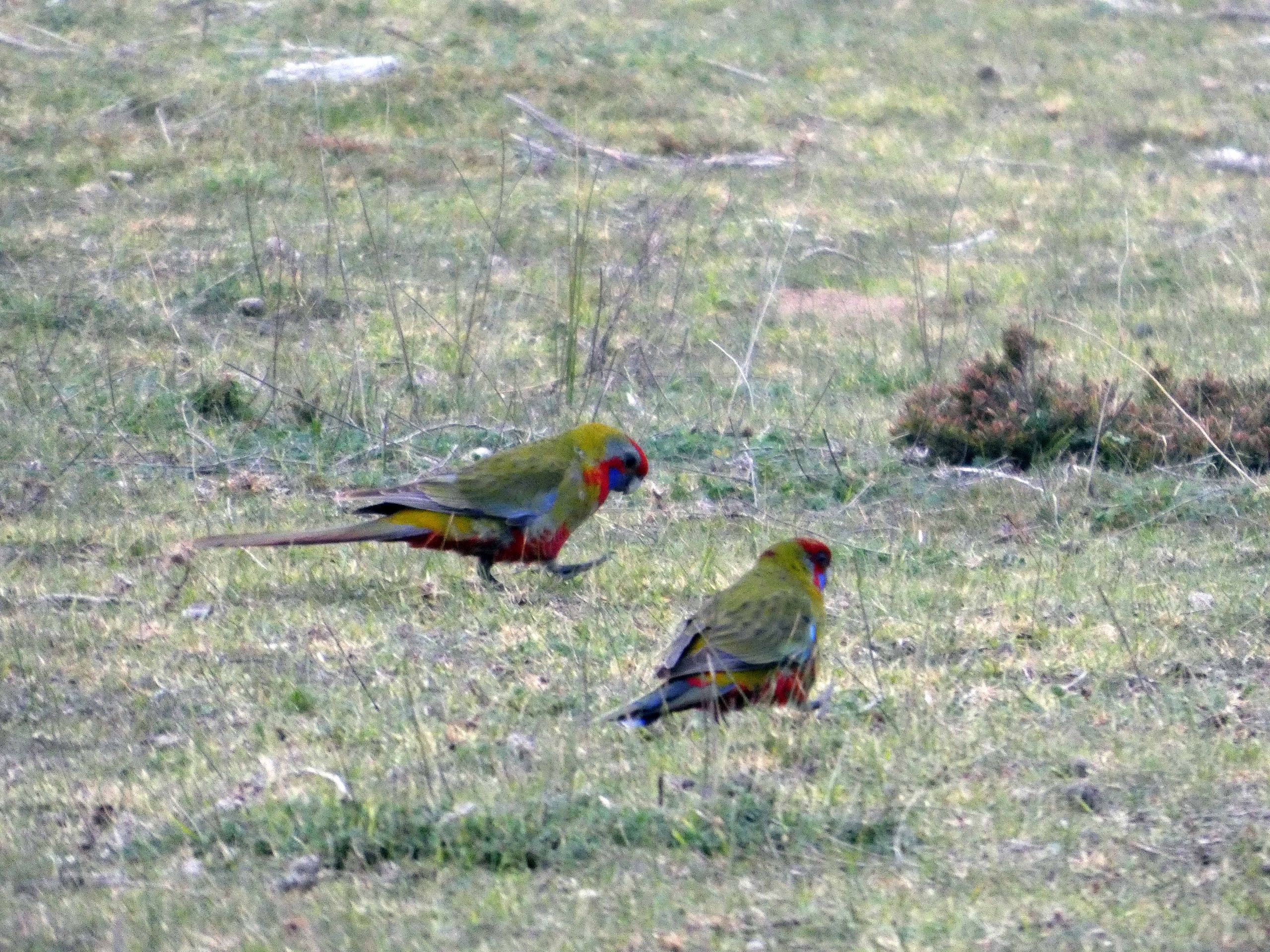
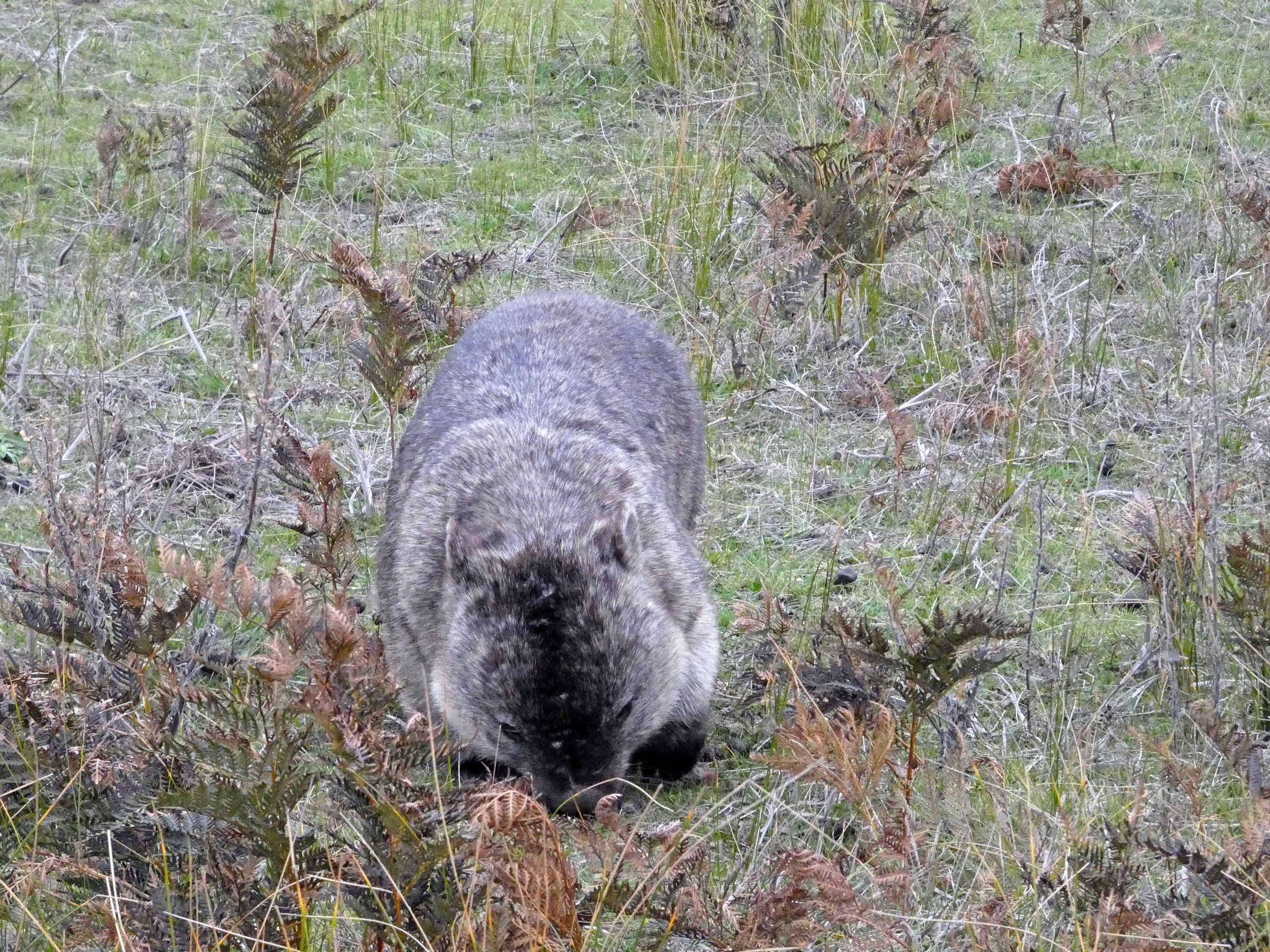
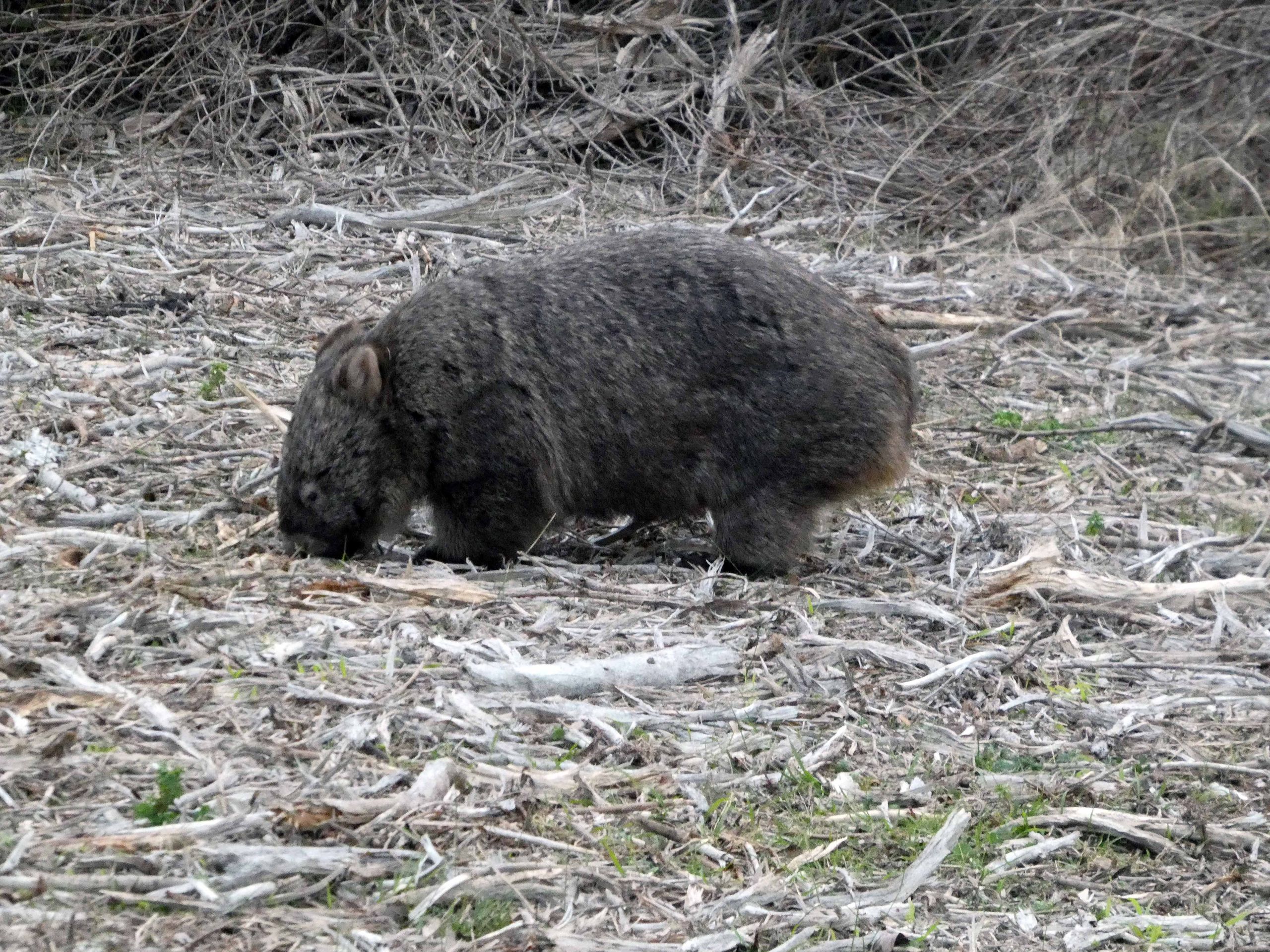
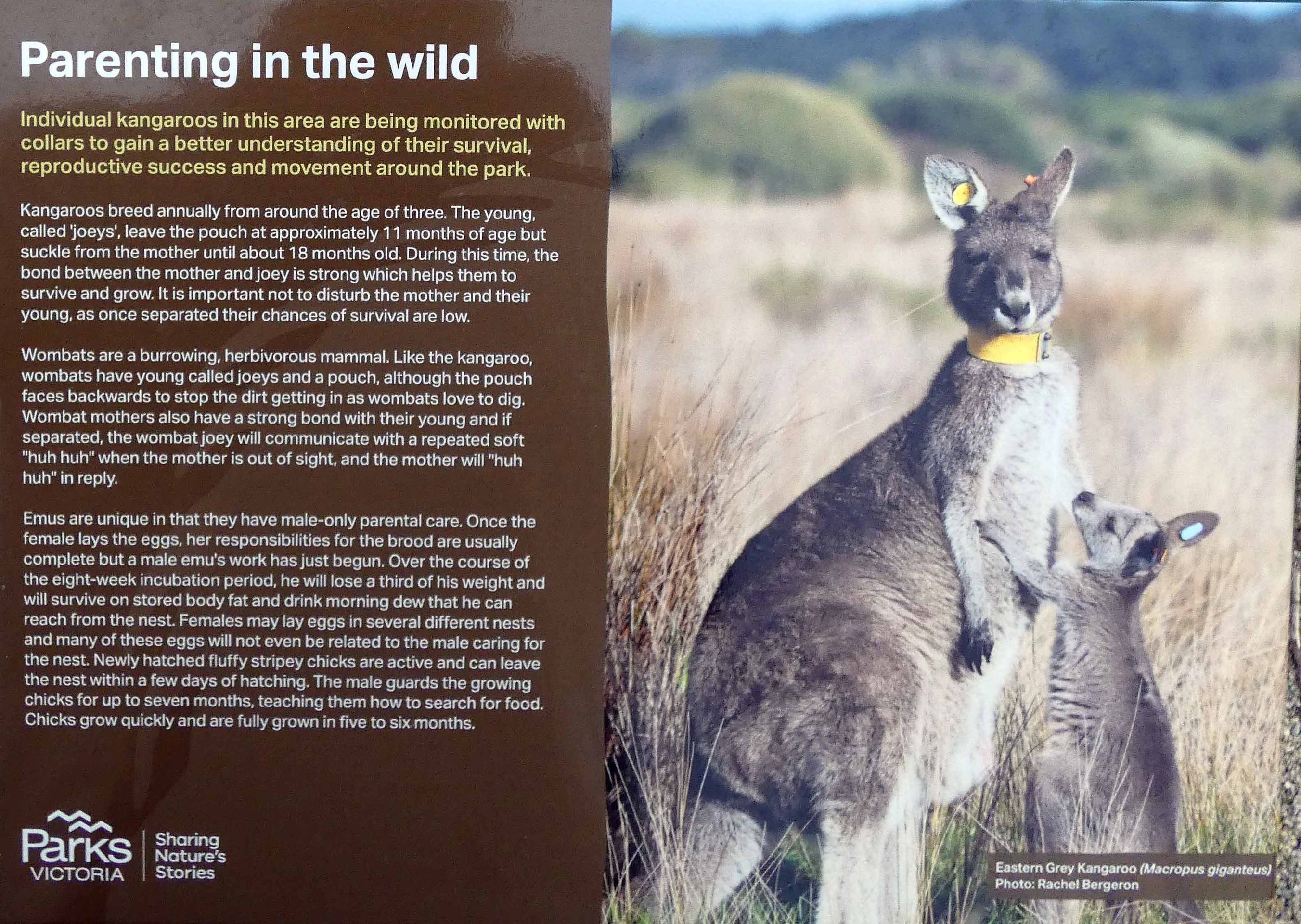
The intrusion of an Antarctic cold air mass combined with rainy weather will throw a bit of a wrench into our plans. It is expected to remain just above 0°C at night and snow up to 900m. However, we managed to reach the Wilsons Promontory National Park without any issues today. There was extremely heavy traffic upon leaving Melbourne, and there were a few construction sites along the way, but these were not significant obstacles.
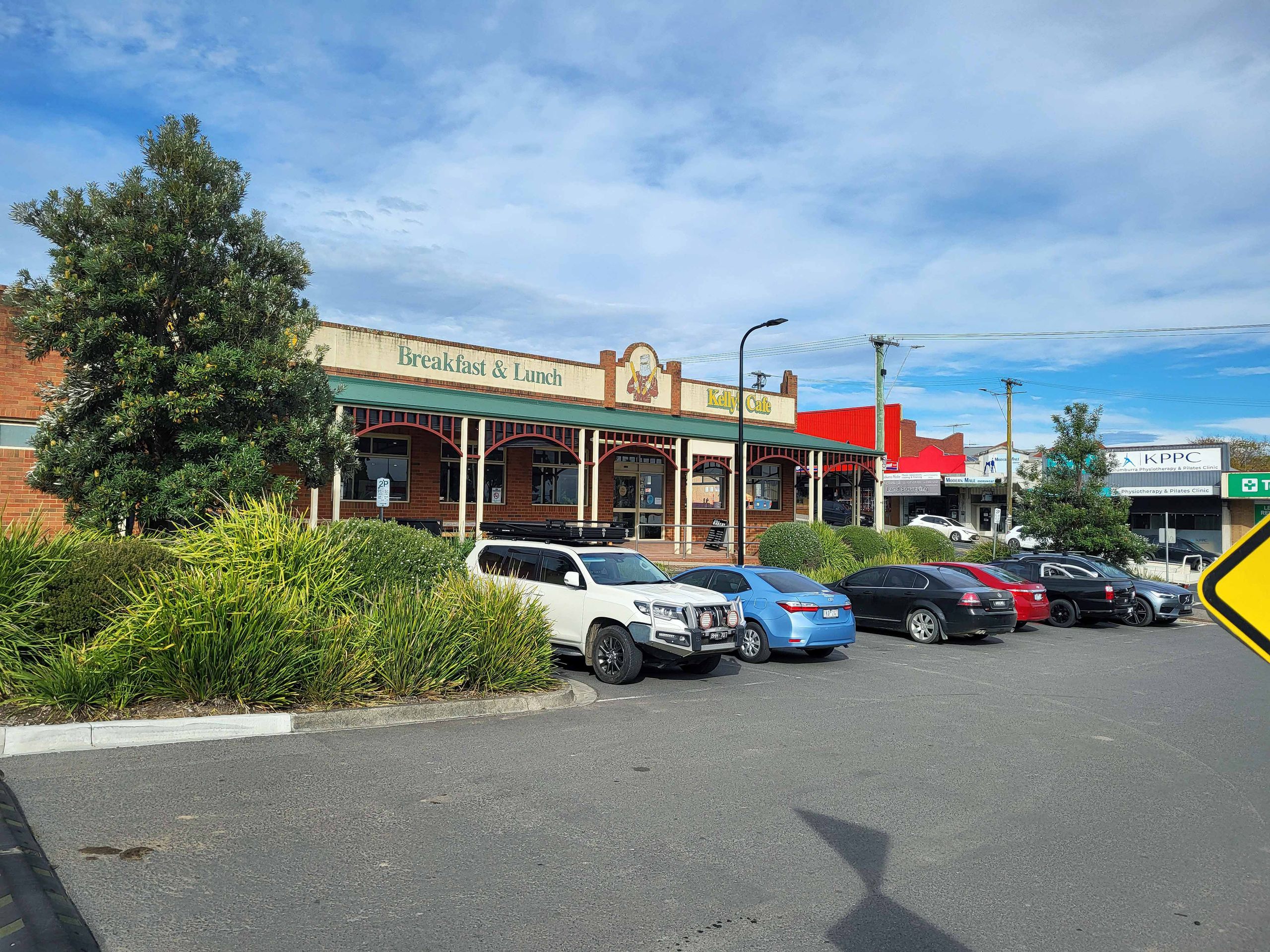
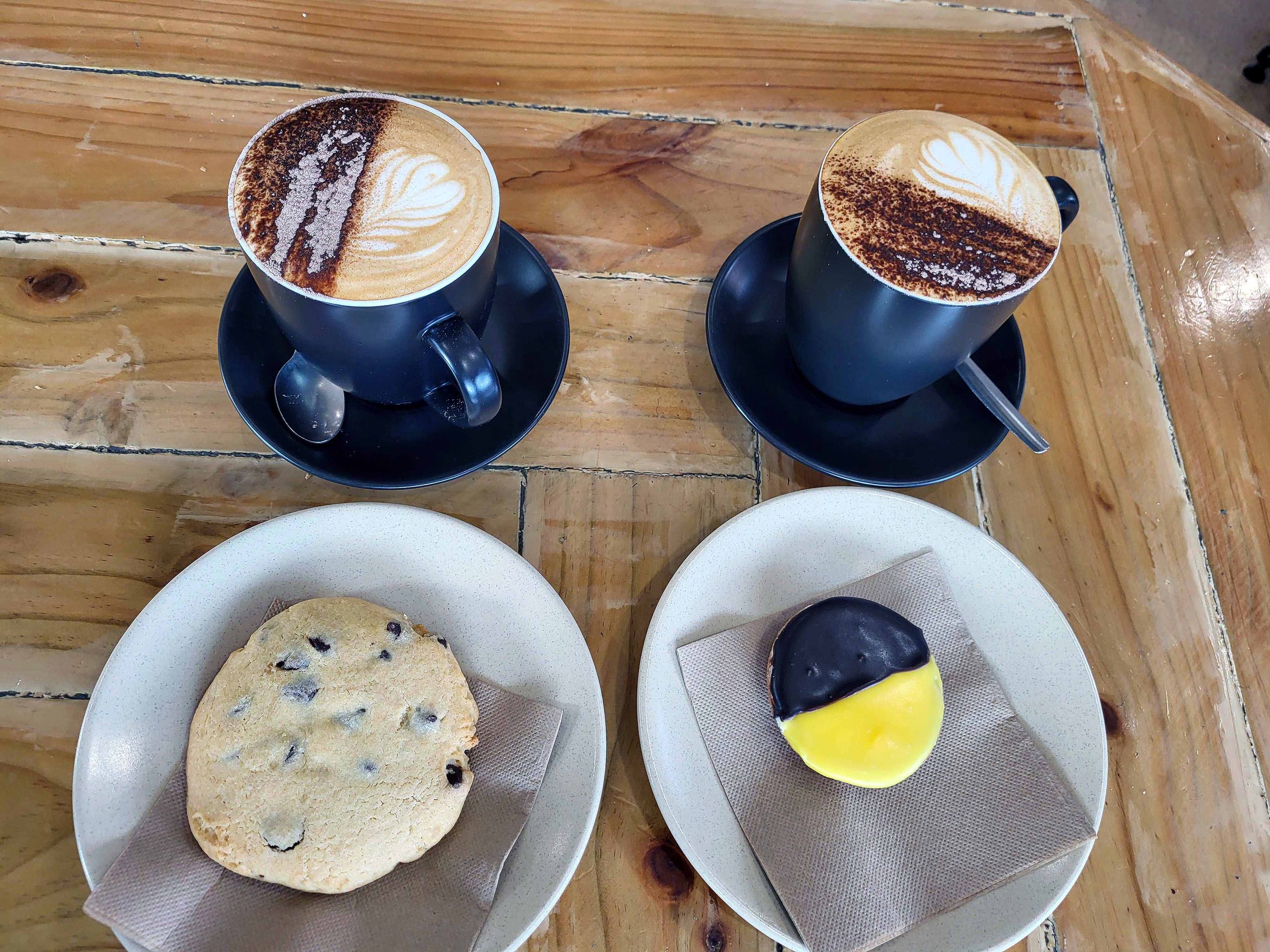
First, we made a stop in Korumburra. This is a small and typically South Australian town. The houses on the main street are all somewhat reminiscent of the 'Wild West.' In any case, there was a bakery with good coffee and sweets.
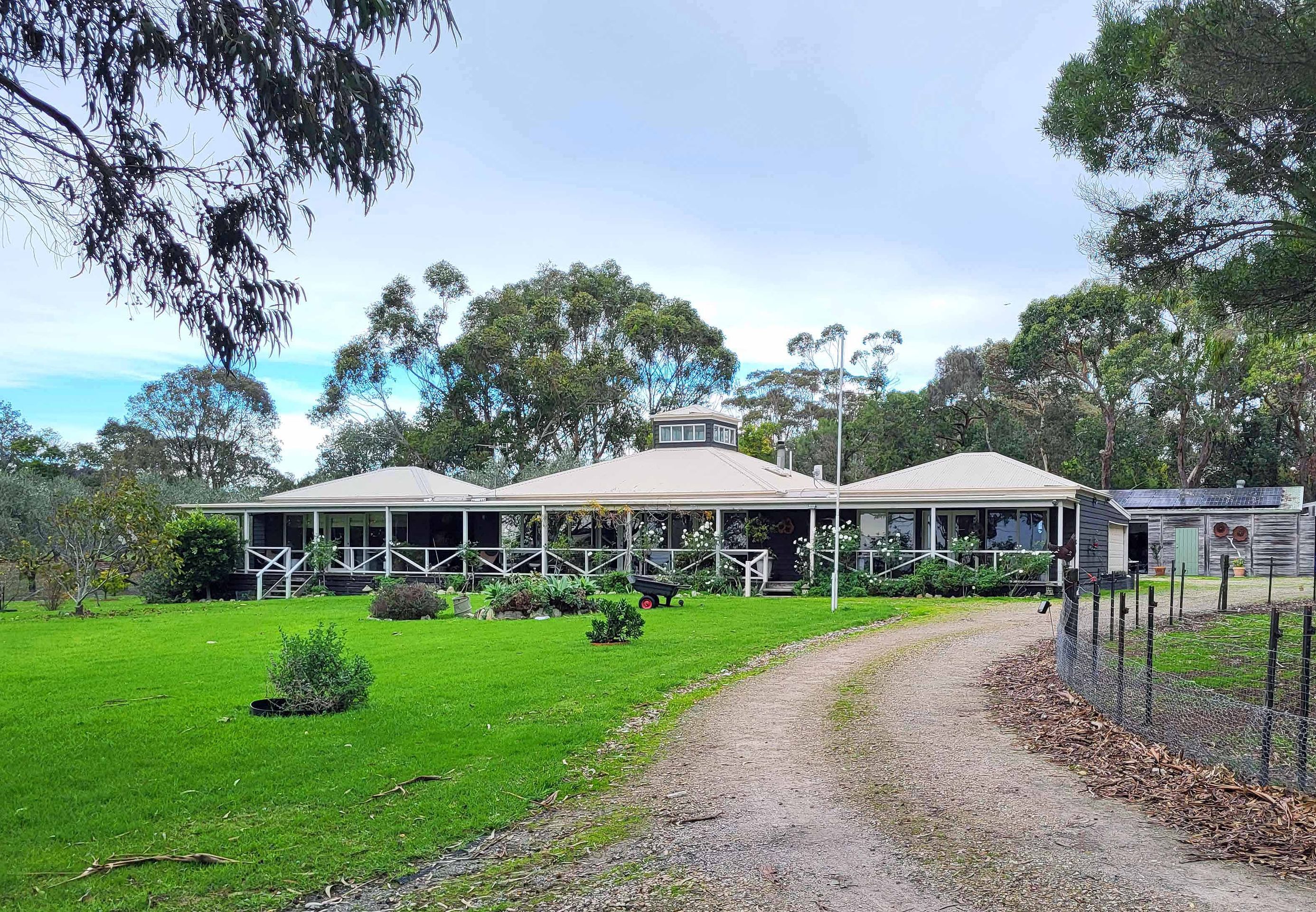
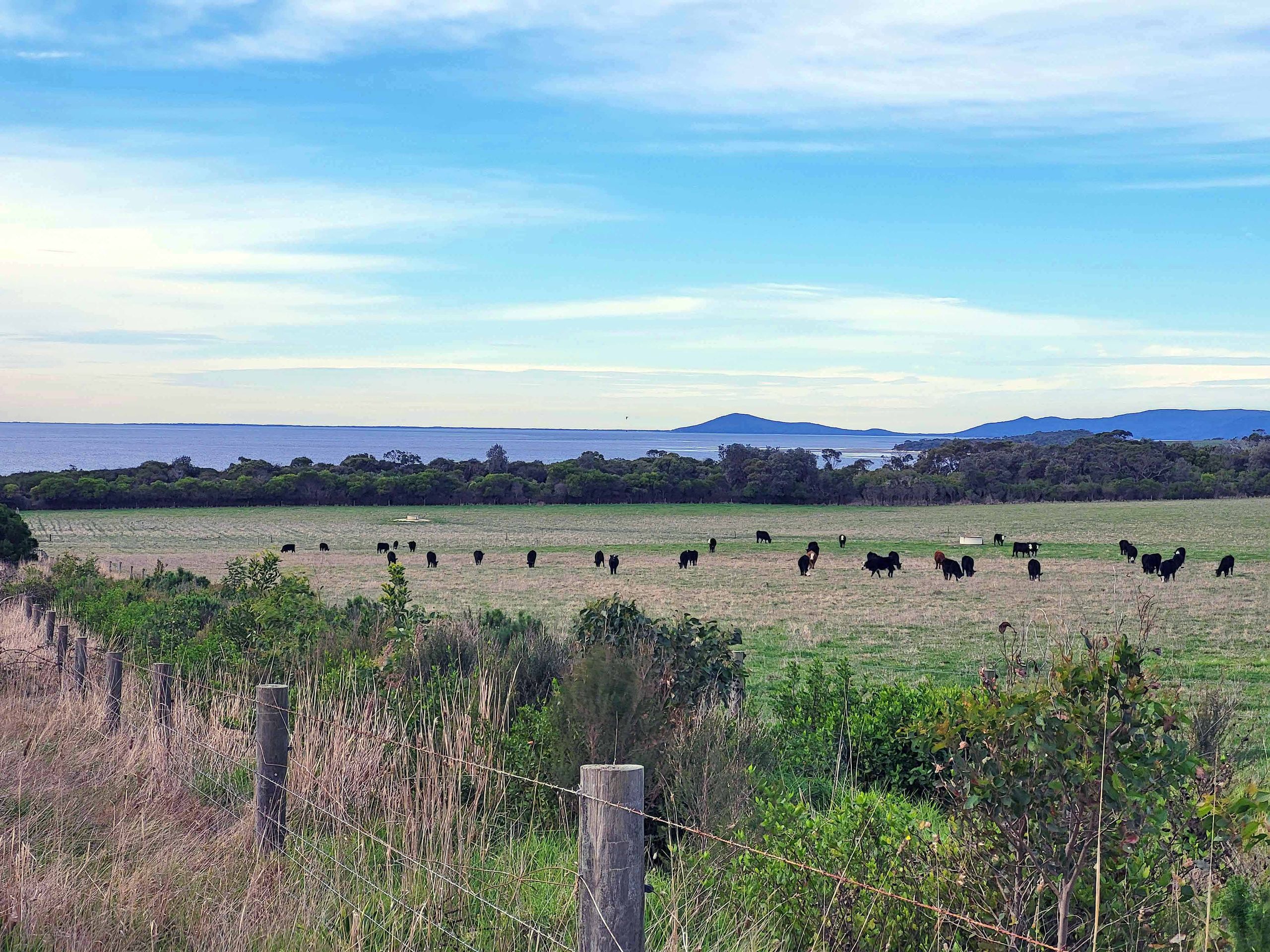
Due to the change in weather, we went straight to our B&B near Wilsons Promontory National Park. It is located away from the road in an agricultural area. The nearest restaurant and small shop are a 20-minute drive away. It is idyllic, and behind the cow pasture and forest, you can see the sea.
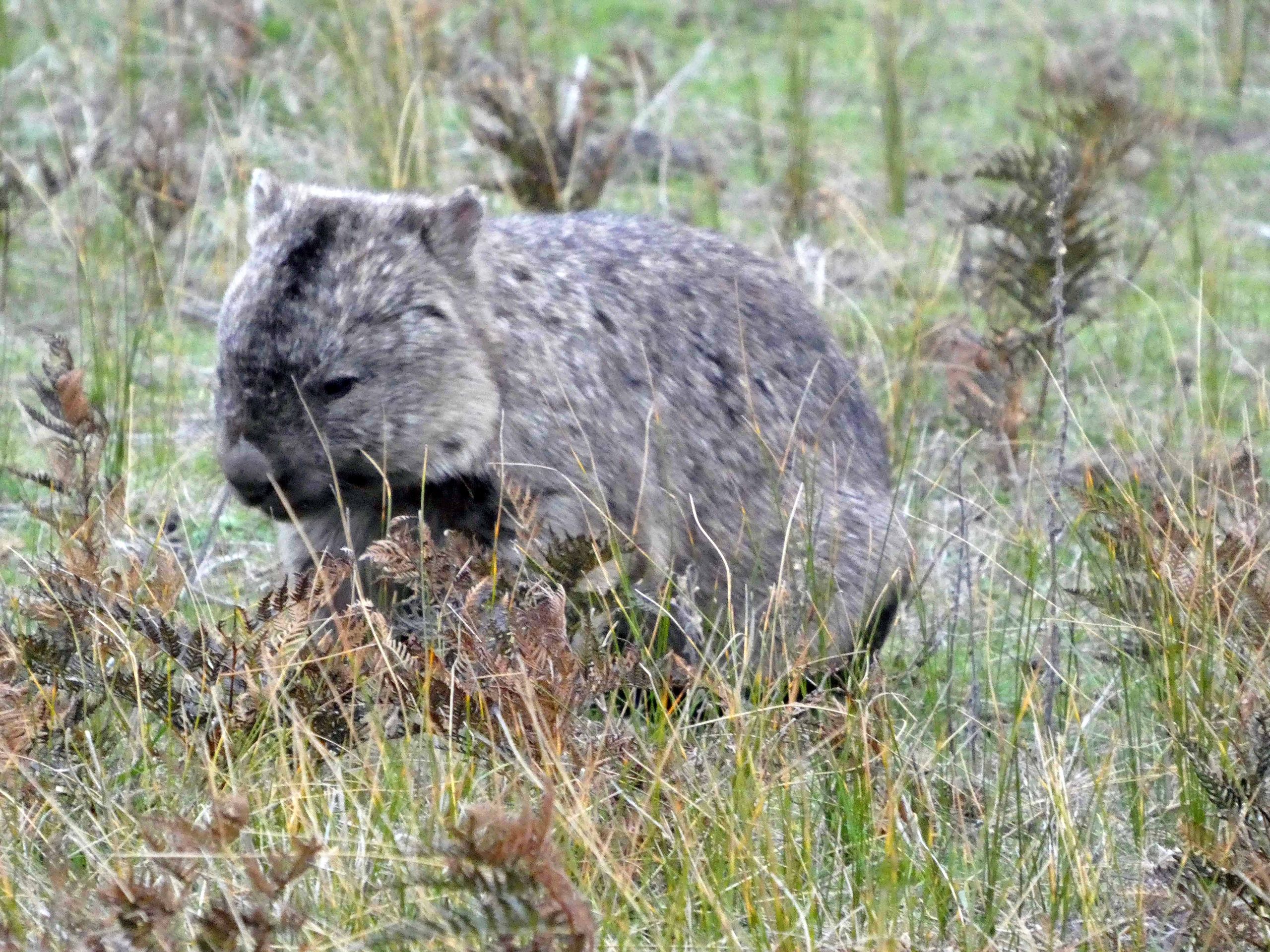
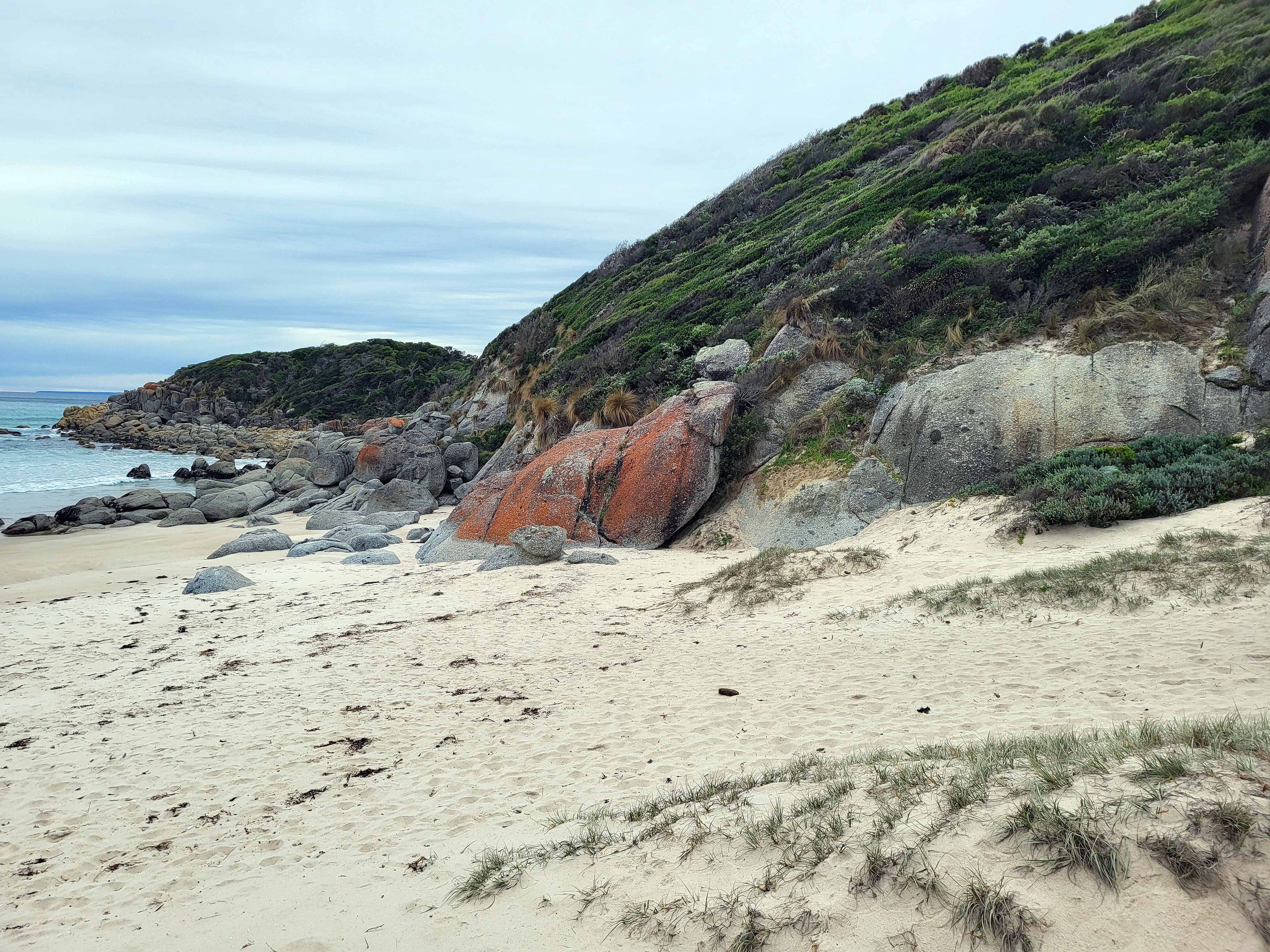
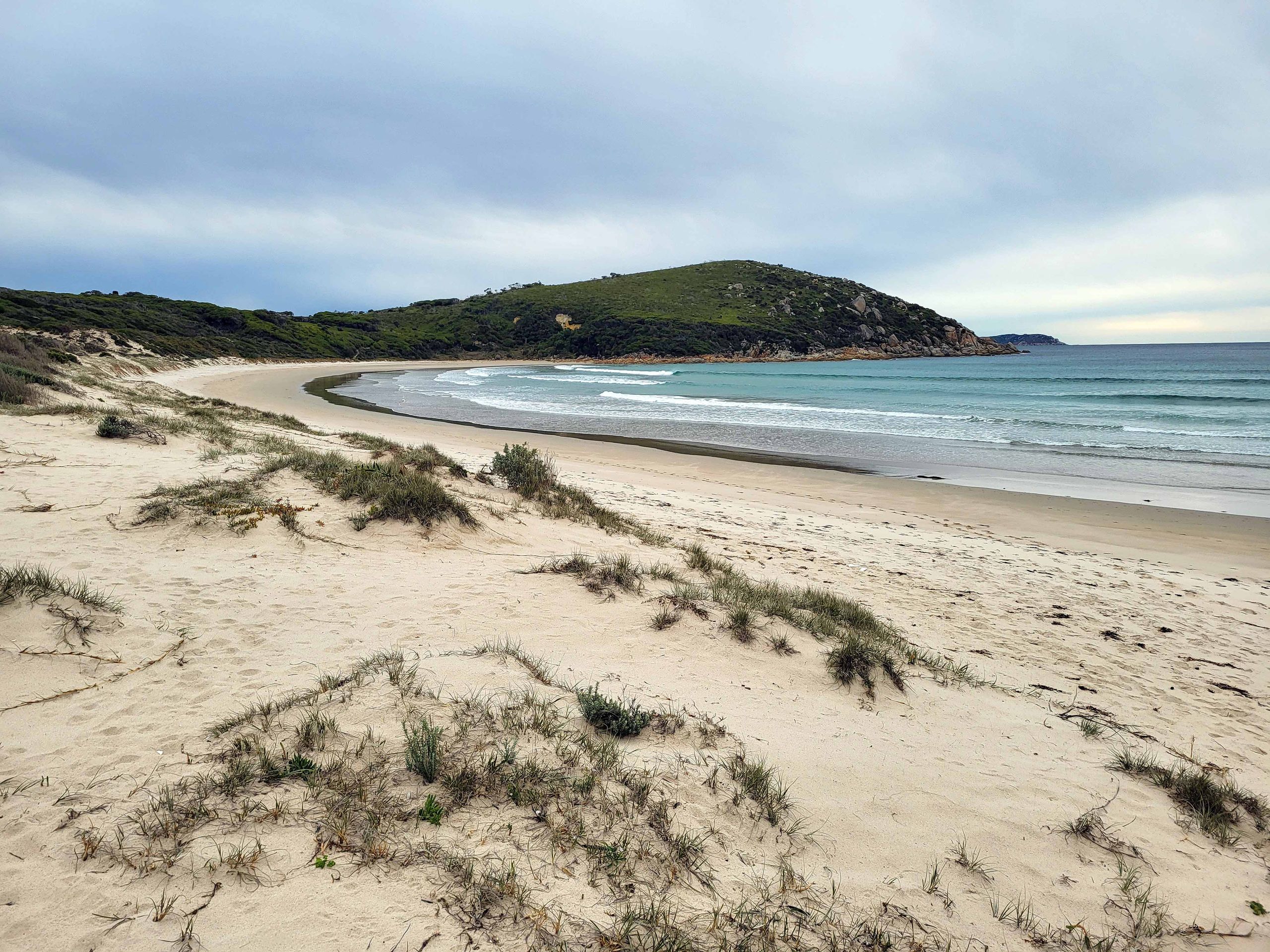
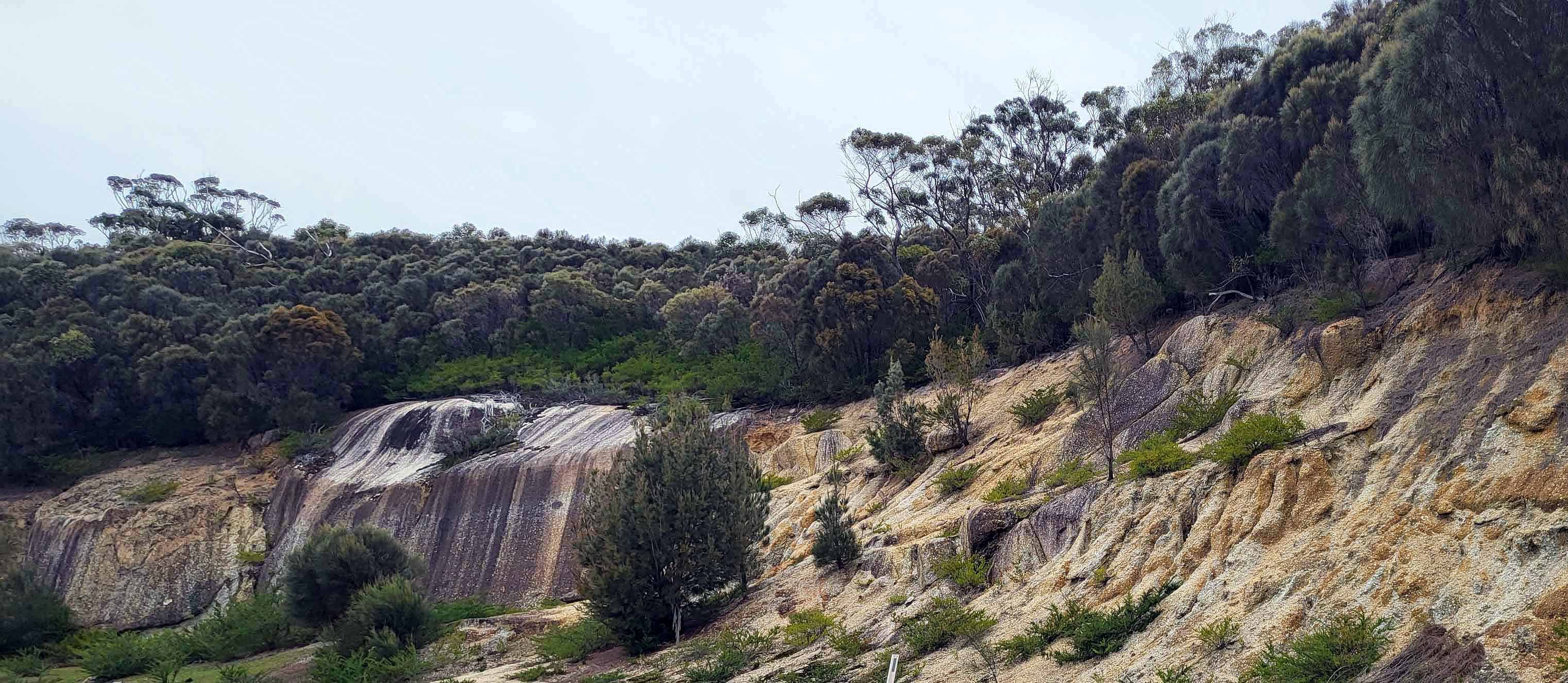
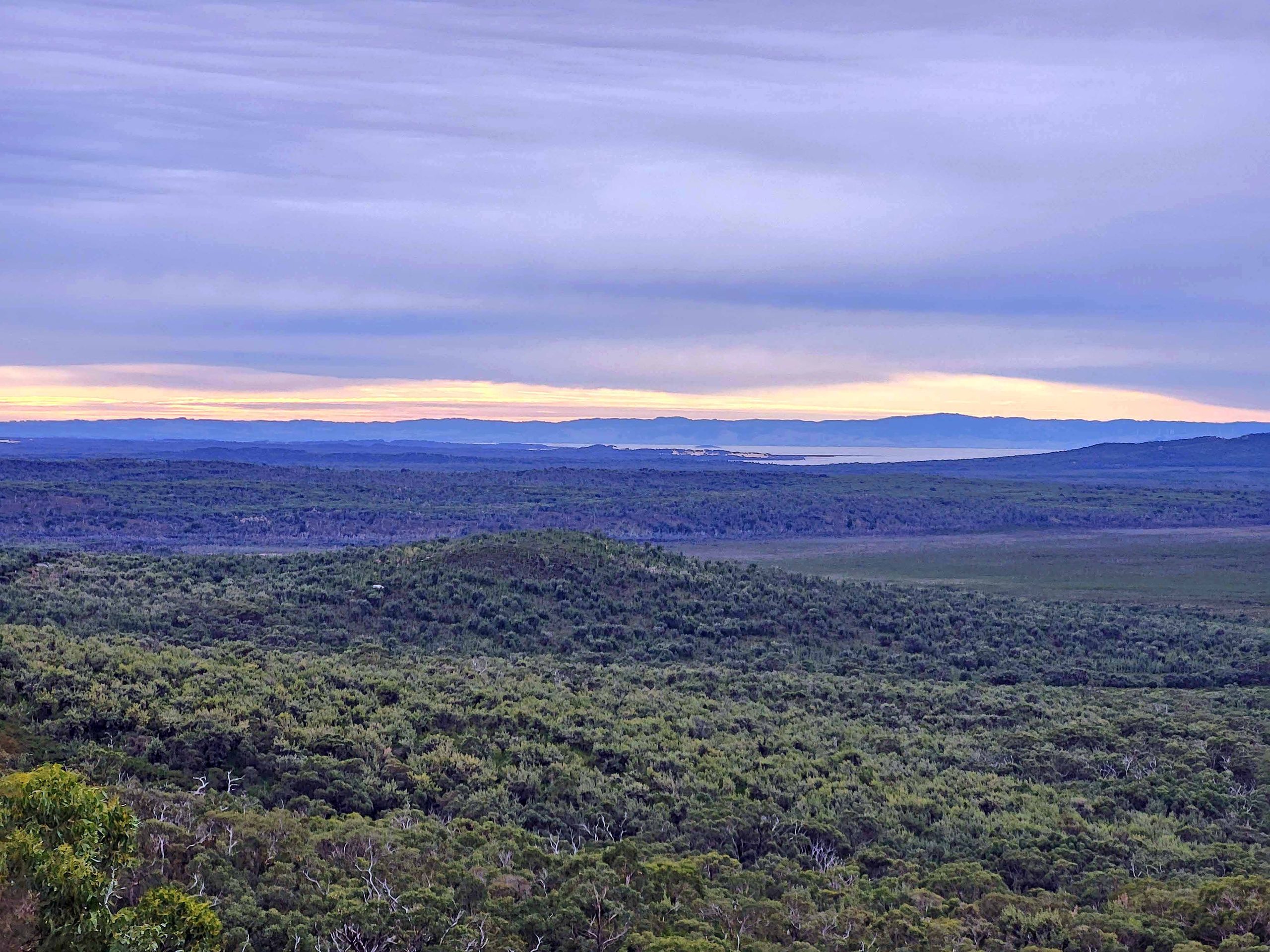
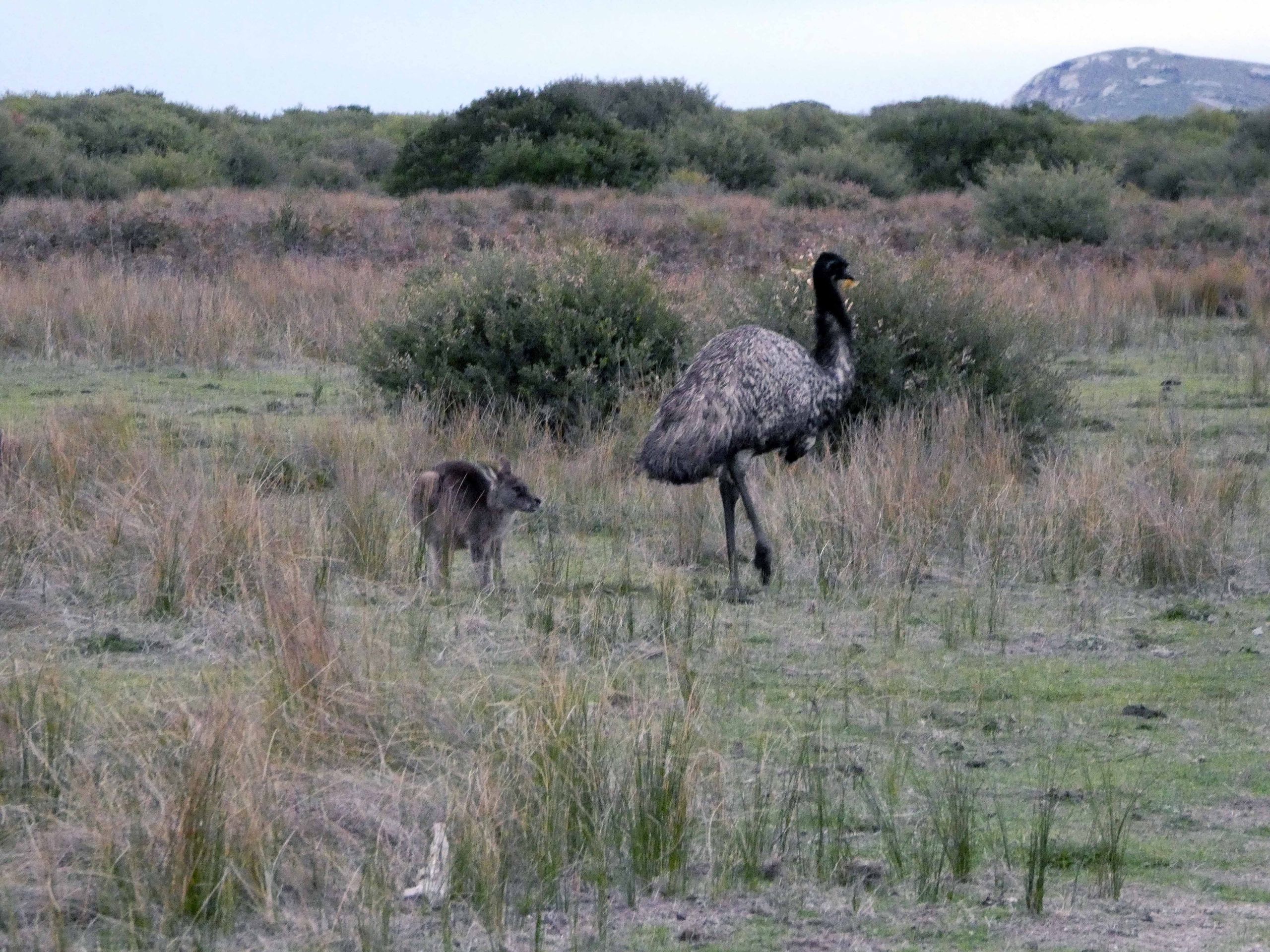
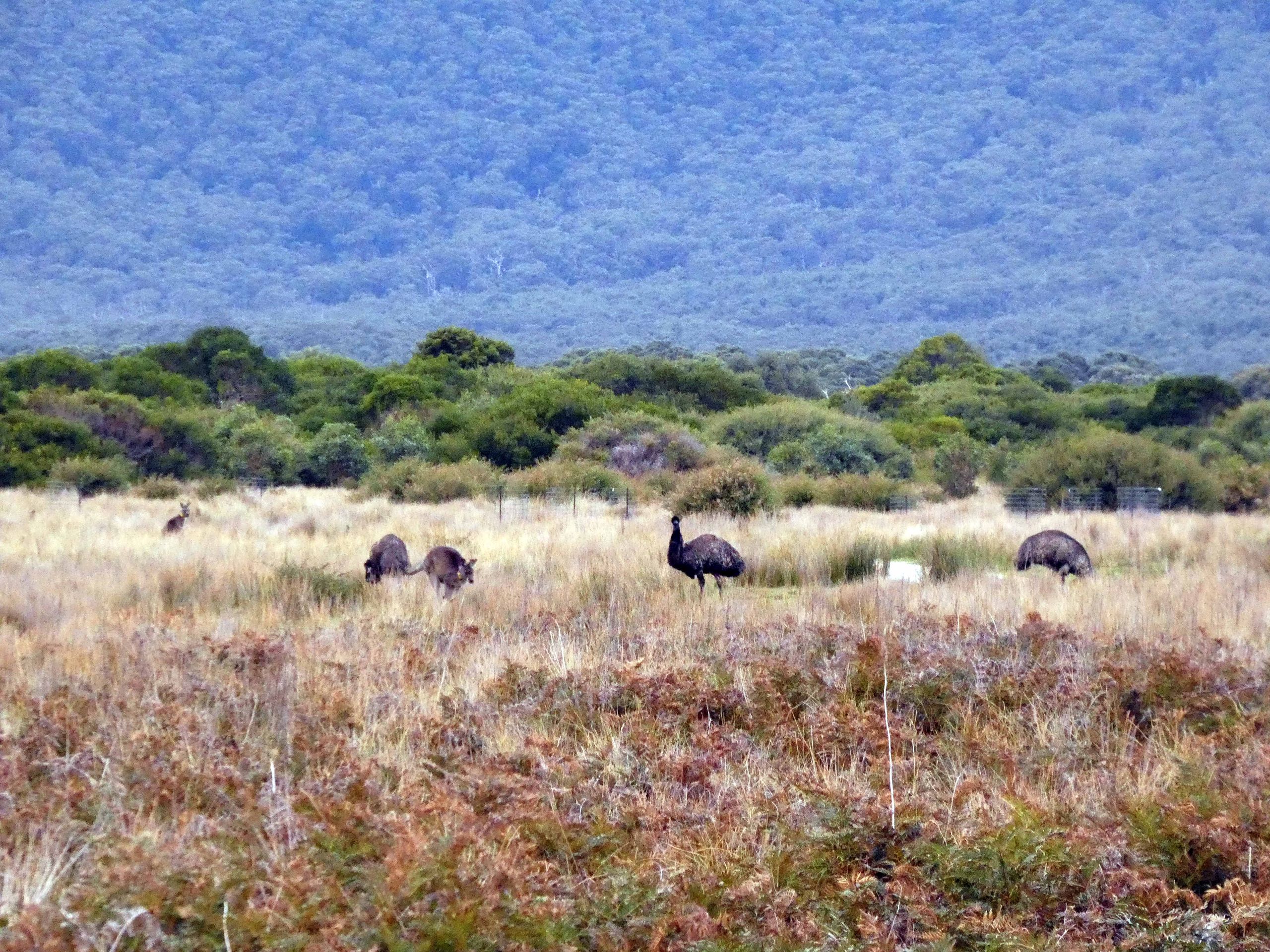
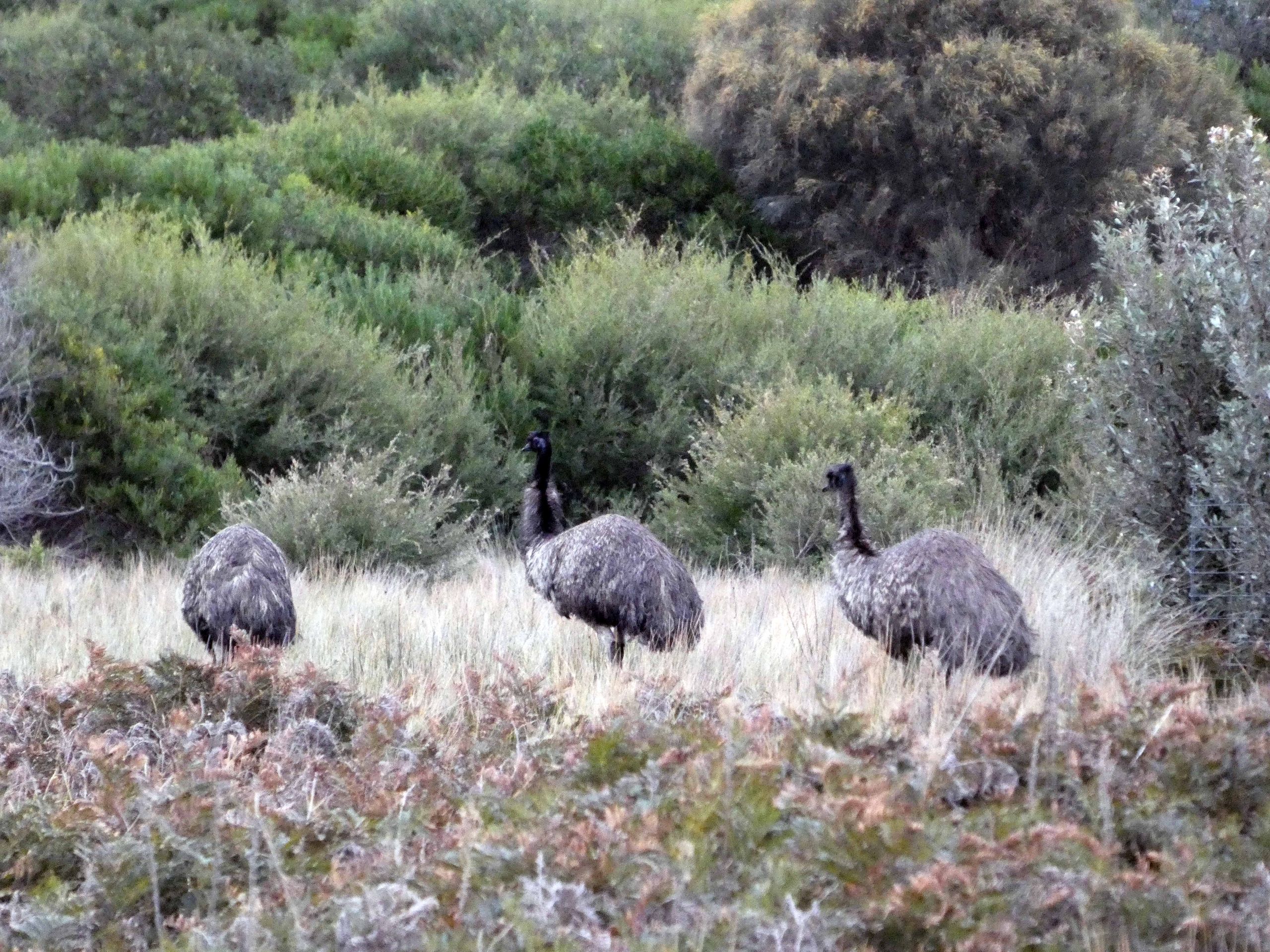
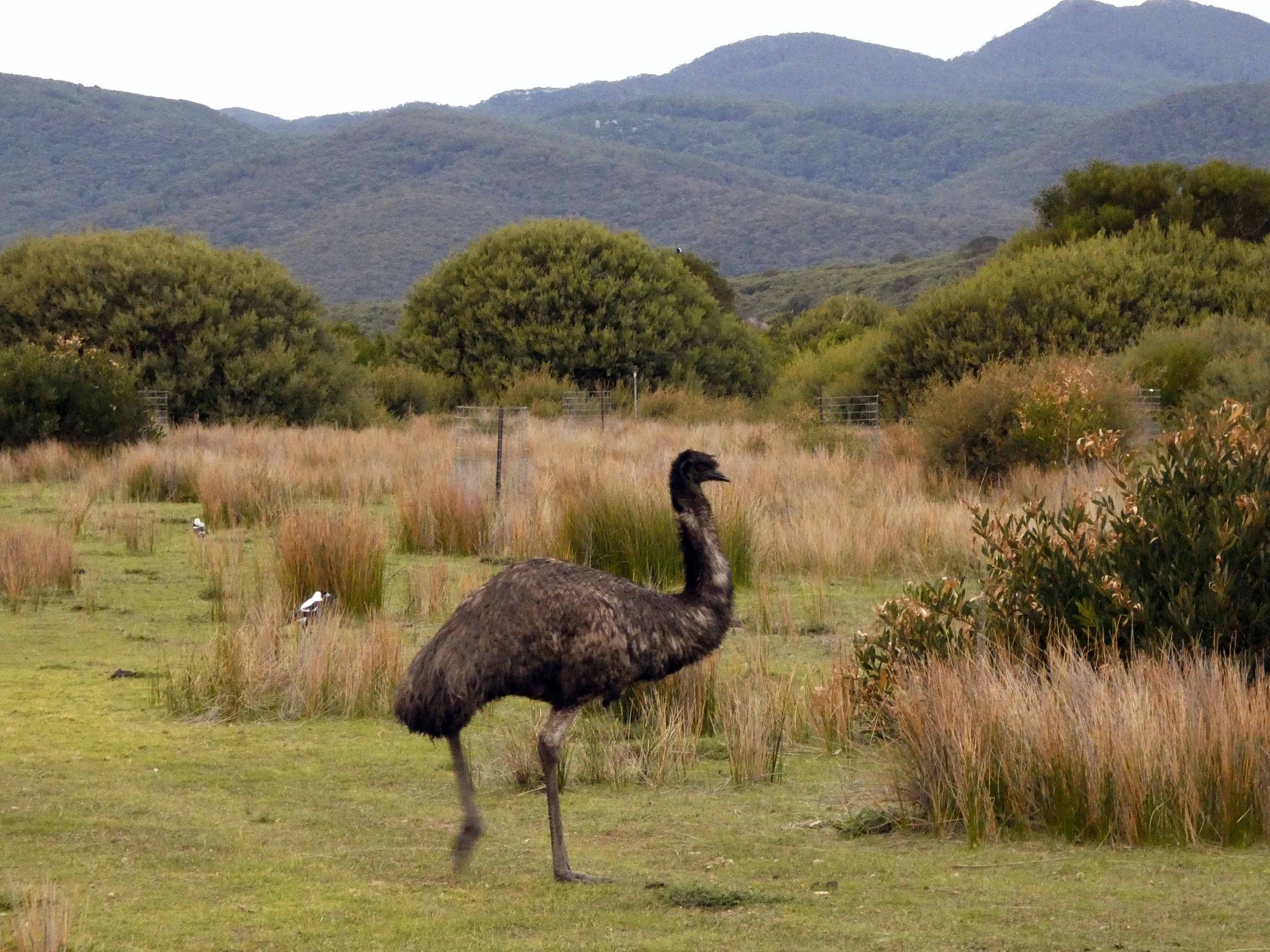
To take advantage of the still somewhat decent weather, we headed into the national park right away. It is somewhat different from what we have seen so far. The various bays, mountains, and walking paths form the main attractions of the park. Particularly striking are the weathered rock formations that emerge from the forests and bush, as well as the sand dunes that soar over a hundred meters high. After exploring the bays, it was already getting a bit dark, and we could indulge in our favorite activity, wildlife watching. To our delight, alongside familiar kangaroos, emus, and parrots, we finally saw various live wombats. Wombats are herbivorous marsupials, roughly the size of koalas. They live in self-dug burrows and can only be found in Australia.
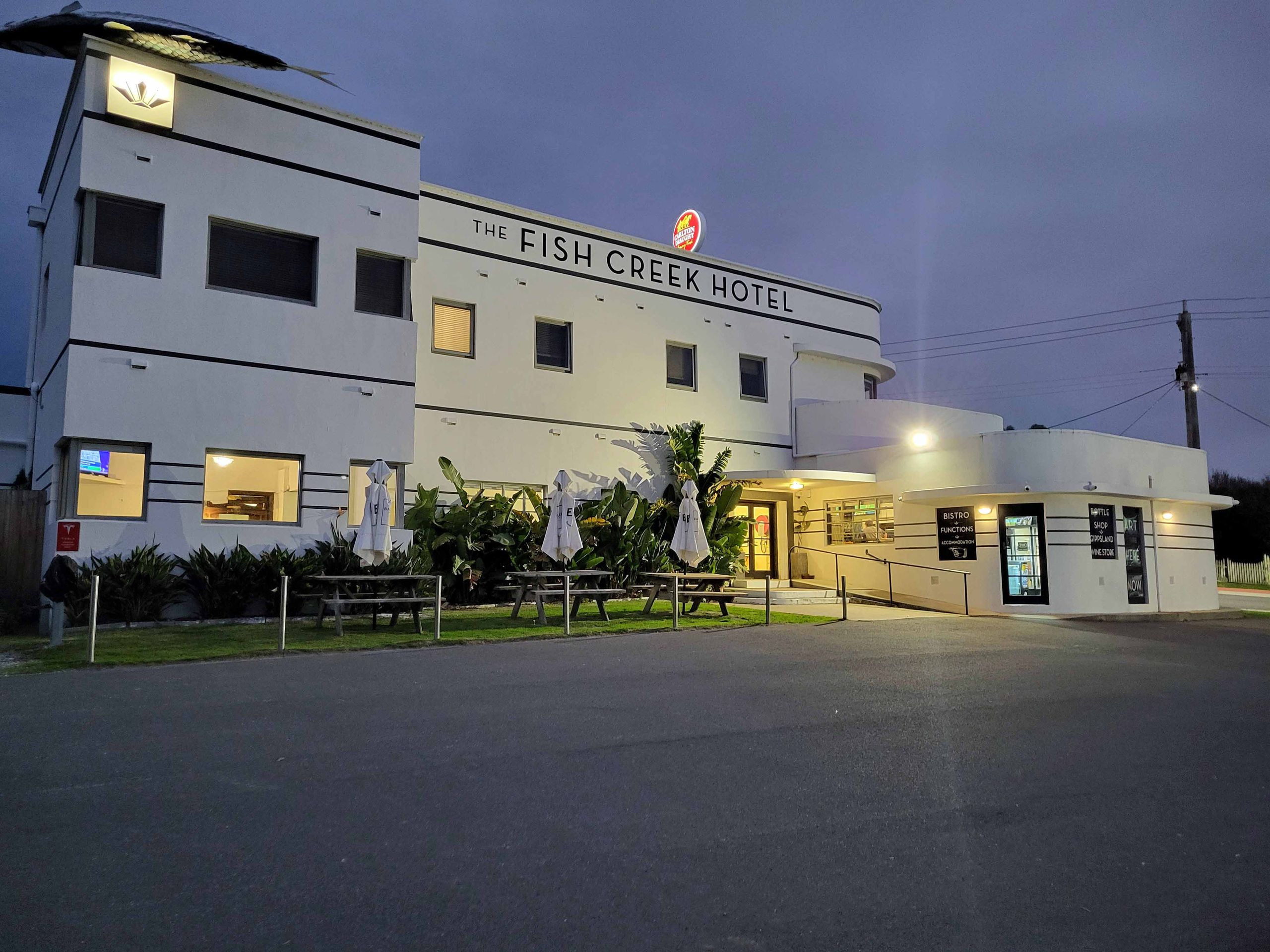
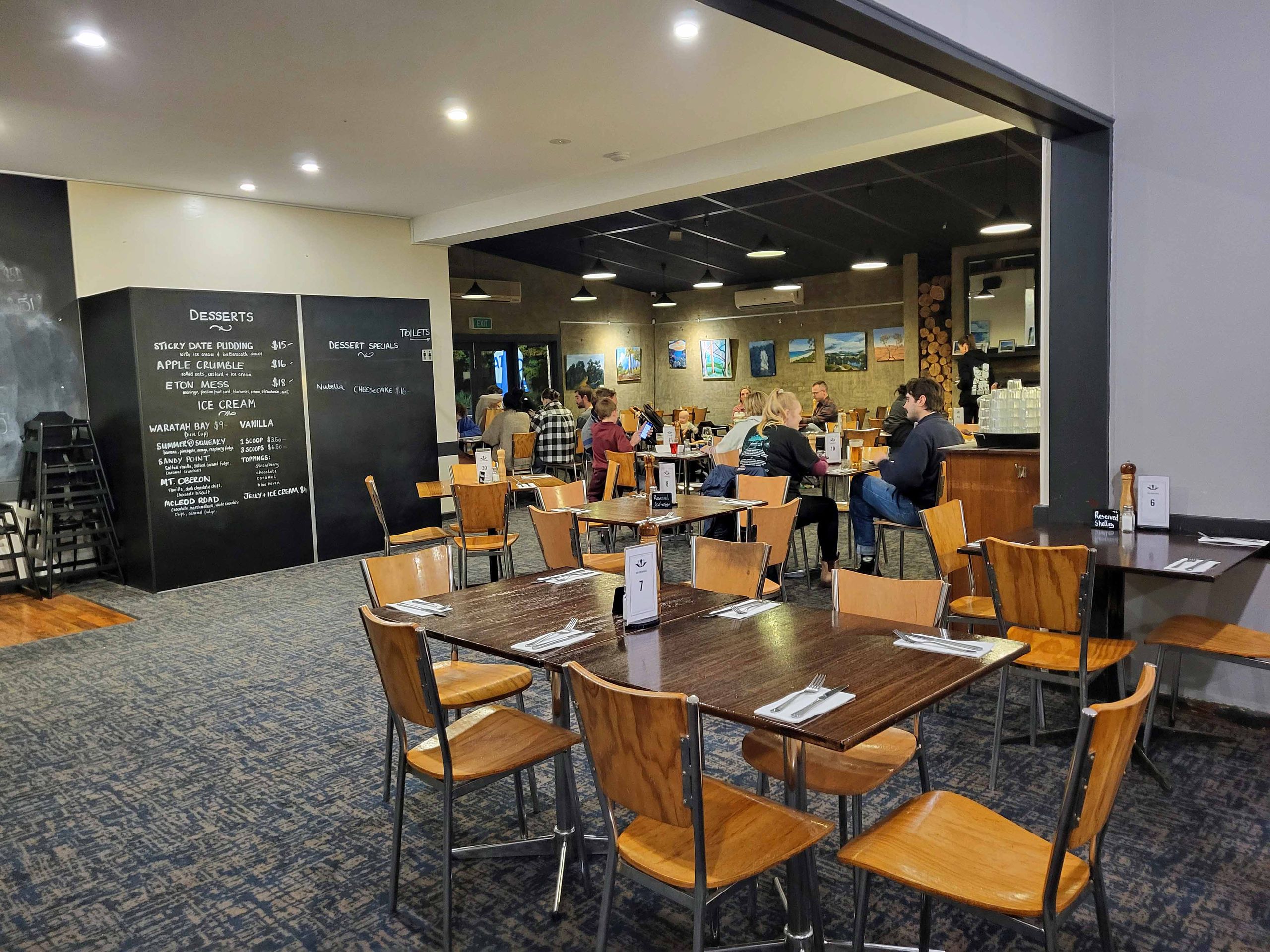
After observing the wildlife, we were able to head to the nearest mentioned restaurant for dinner. It was about a 45-minute drive from the park. The restaurant is located in a house that somewhat reflects classic modernity, while the interior is typical of Australia. During the drive back to our B&B, it was completely dark, and the road was winding, narrow, and wet. Adhering to the speed recommendations led to Aussies overtaking us in these conditions. Several people explained to us that there is actually nothing you can do to prevent wildlife collisions. It is far too dangerous to swerve or brake.