
Melbourne
Last night we took Tram 35 on the City Circle Tram line. Unfortunately, this line only runs until around 6:00 PM, so we were only able to go a few stops. The great thing is that...

Published: 05.06.2025
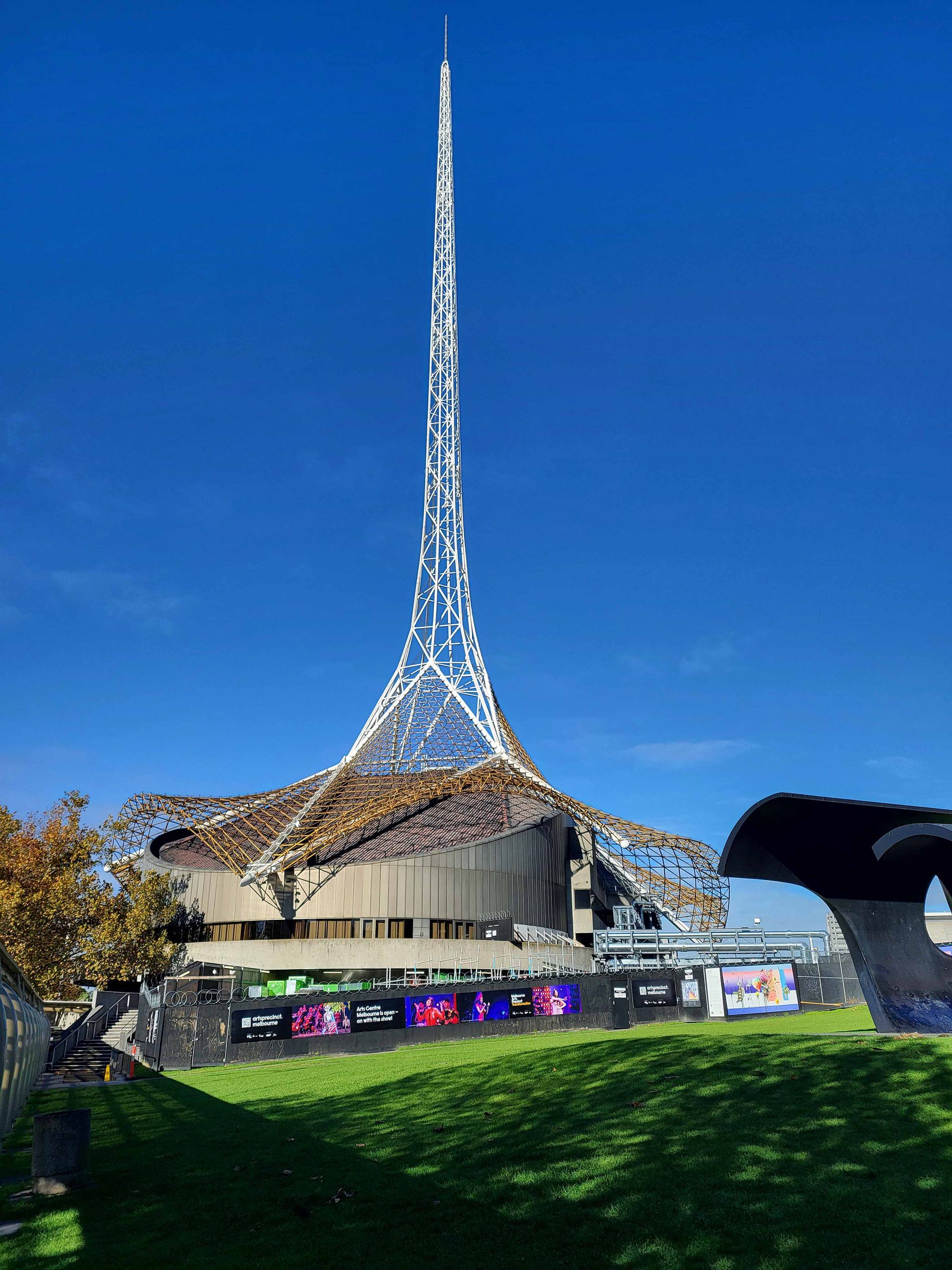
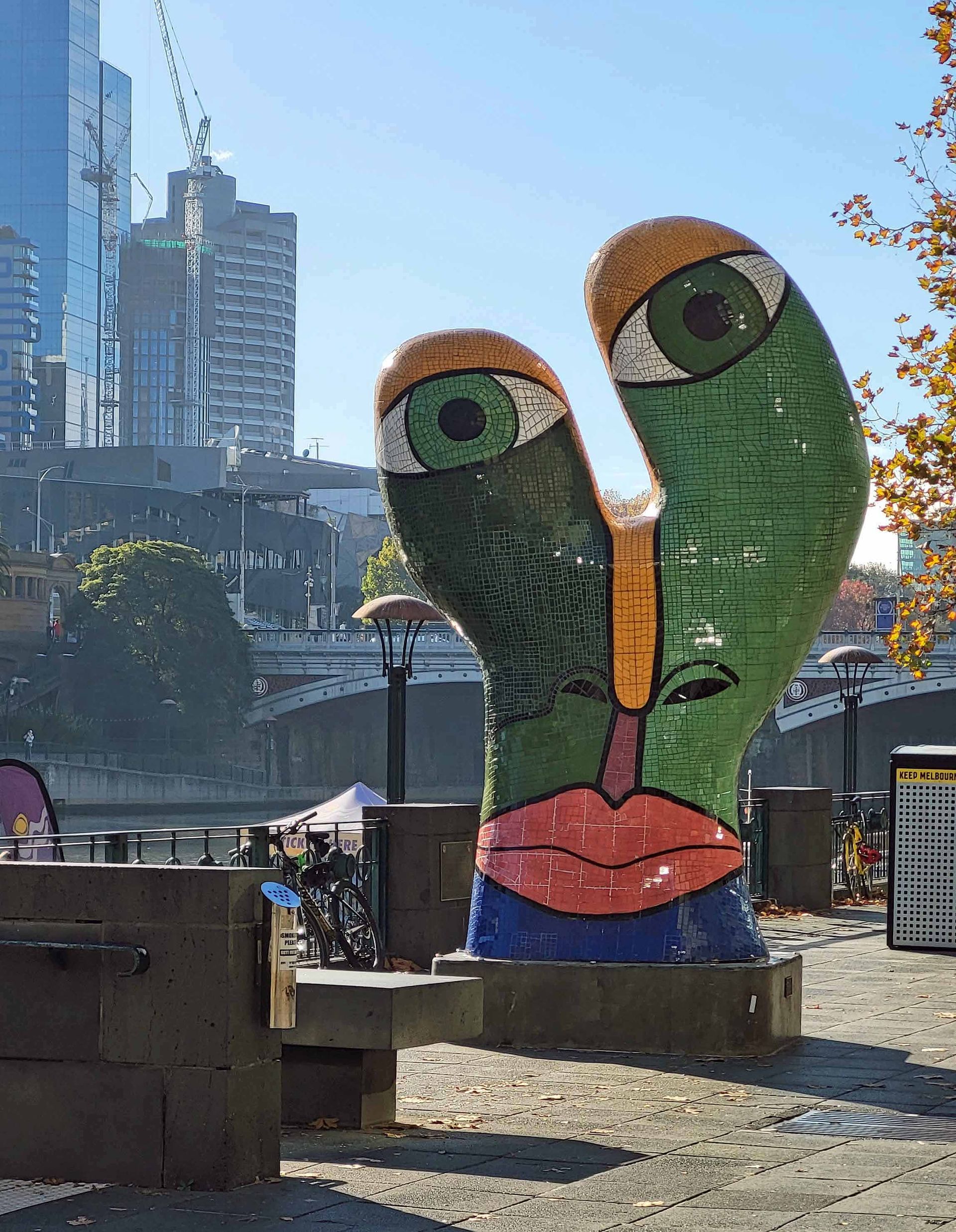
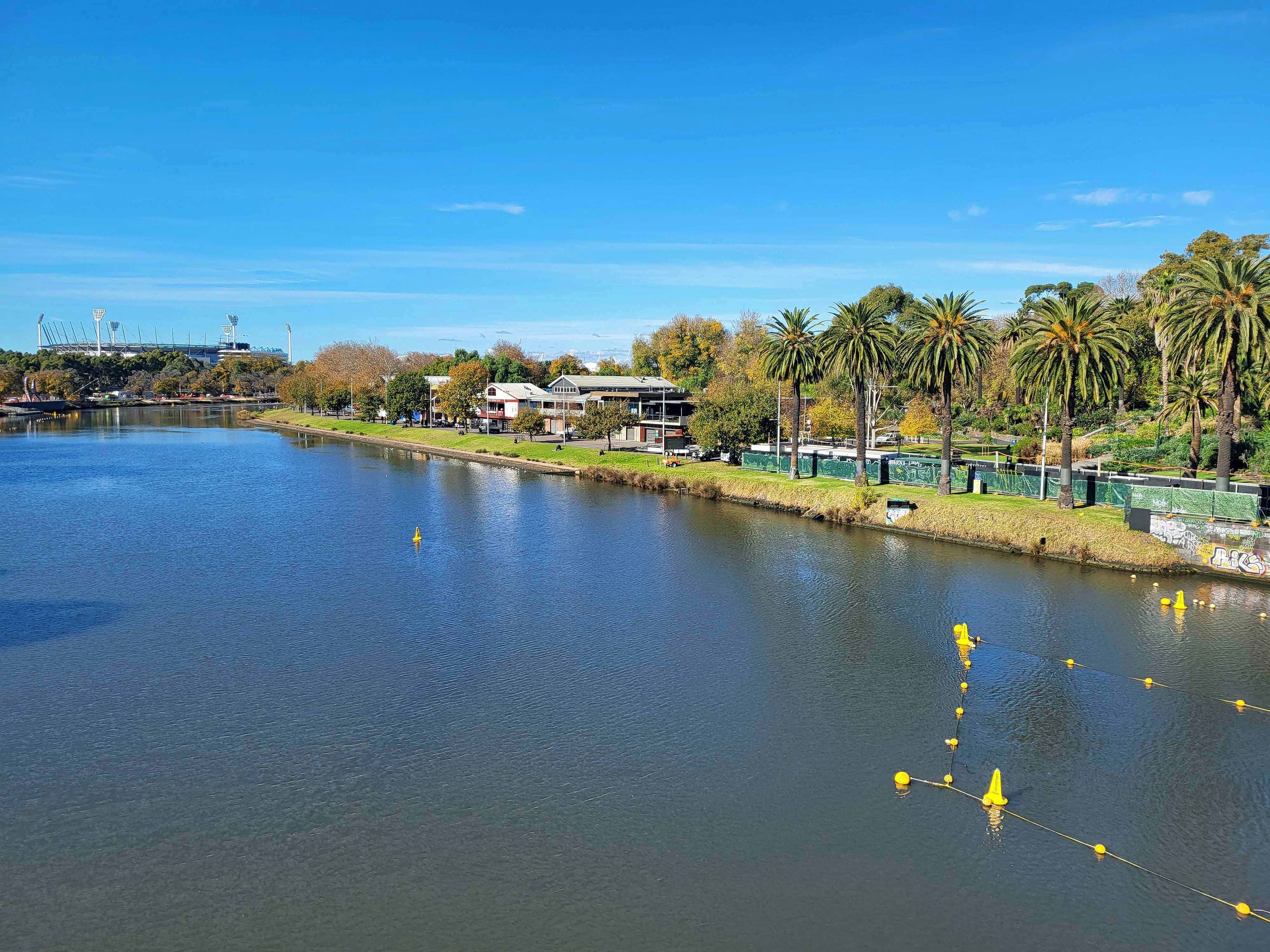
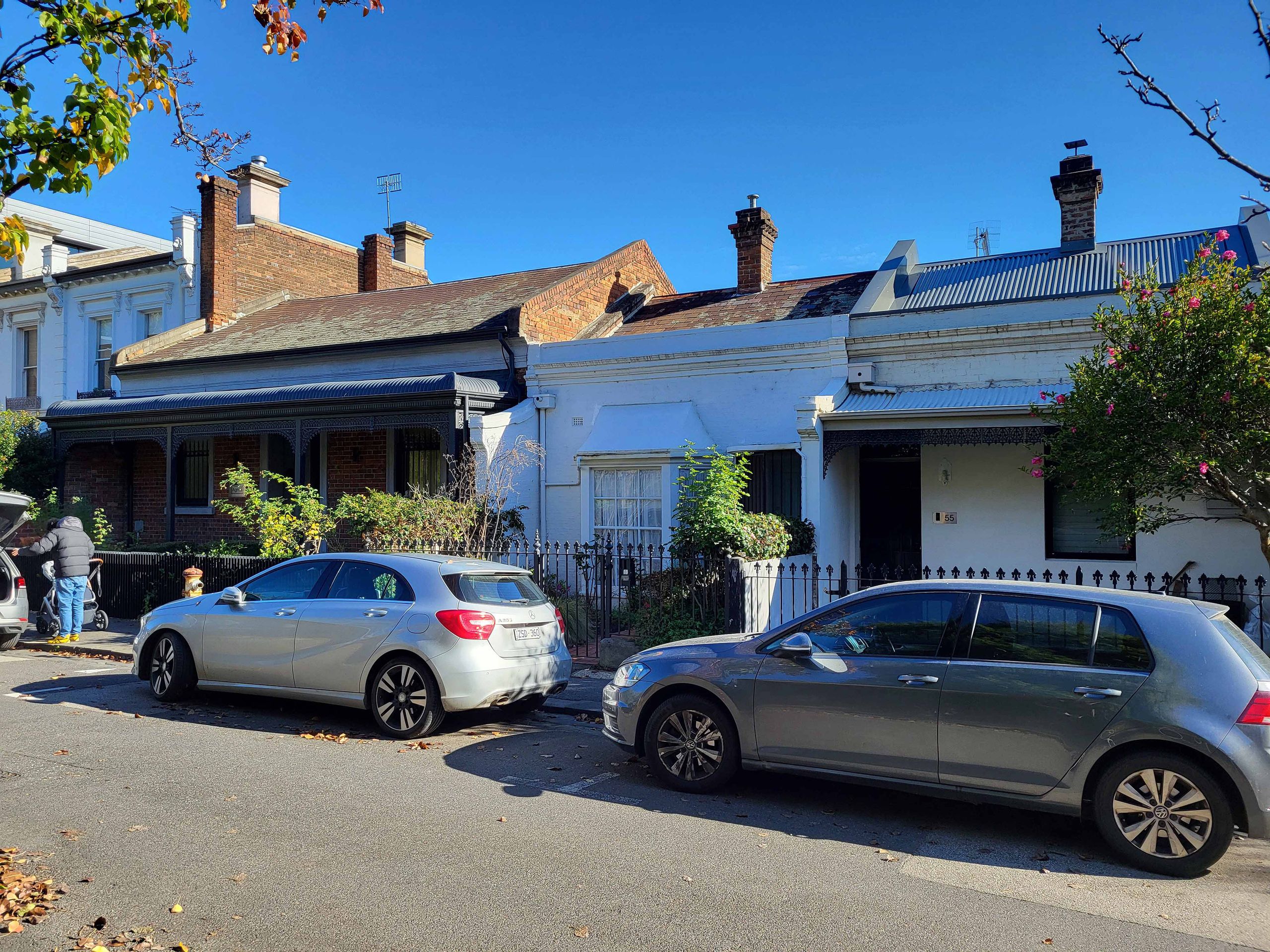
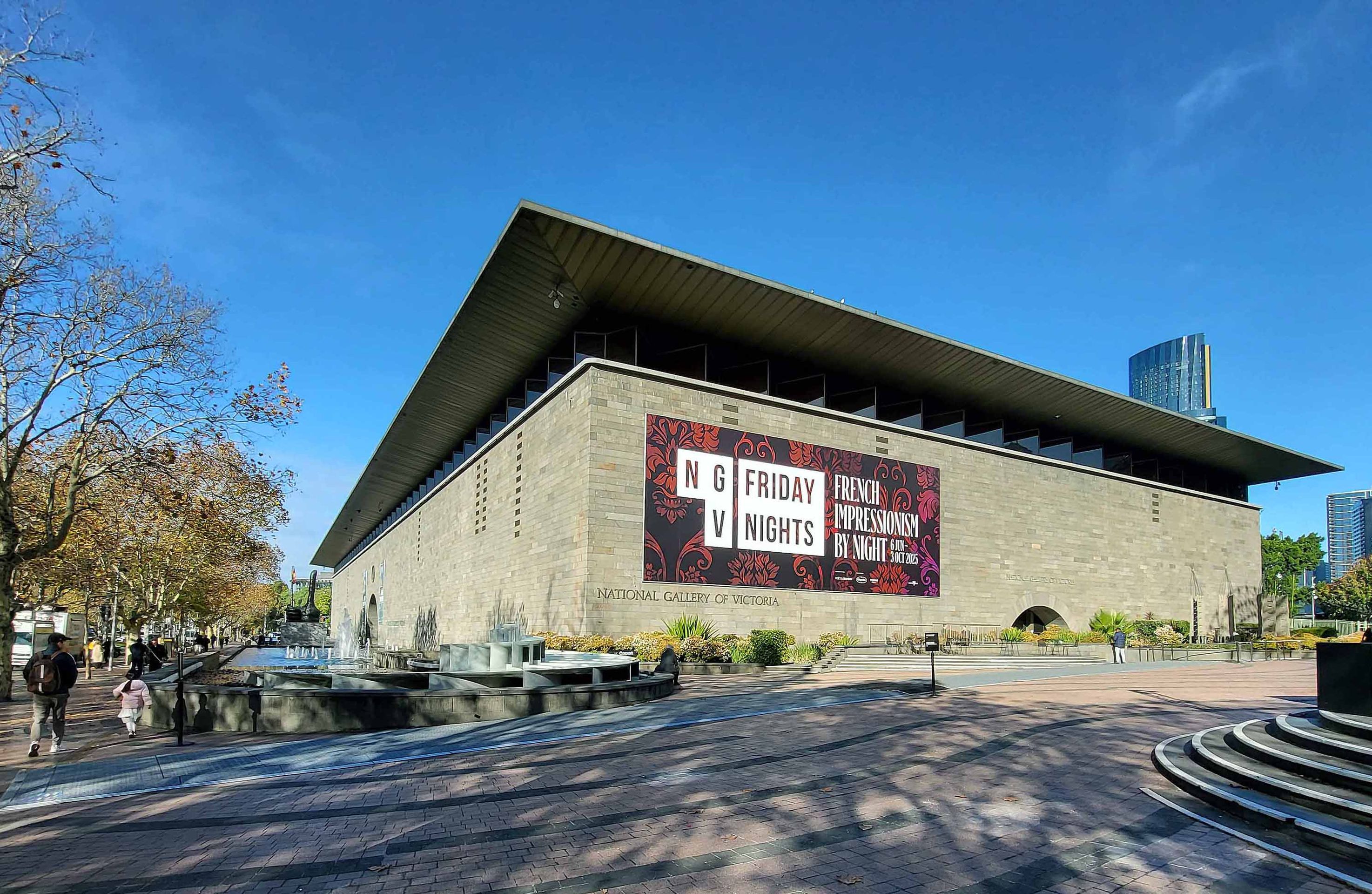
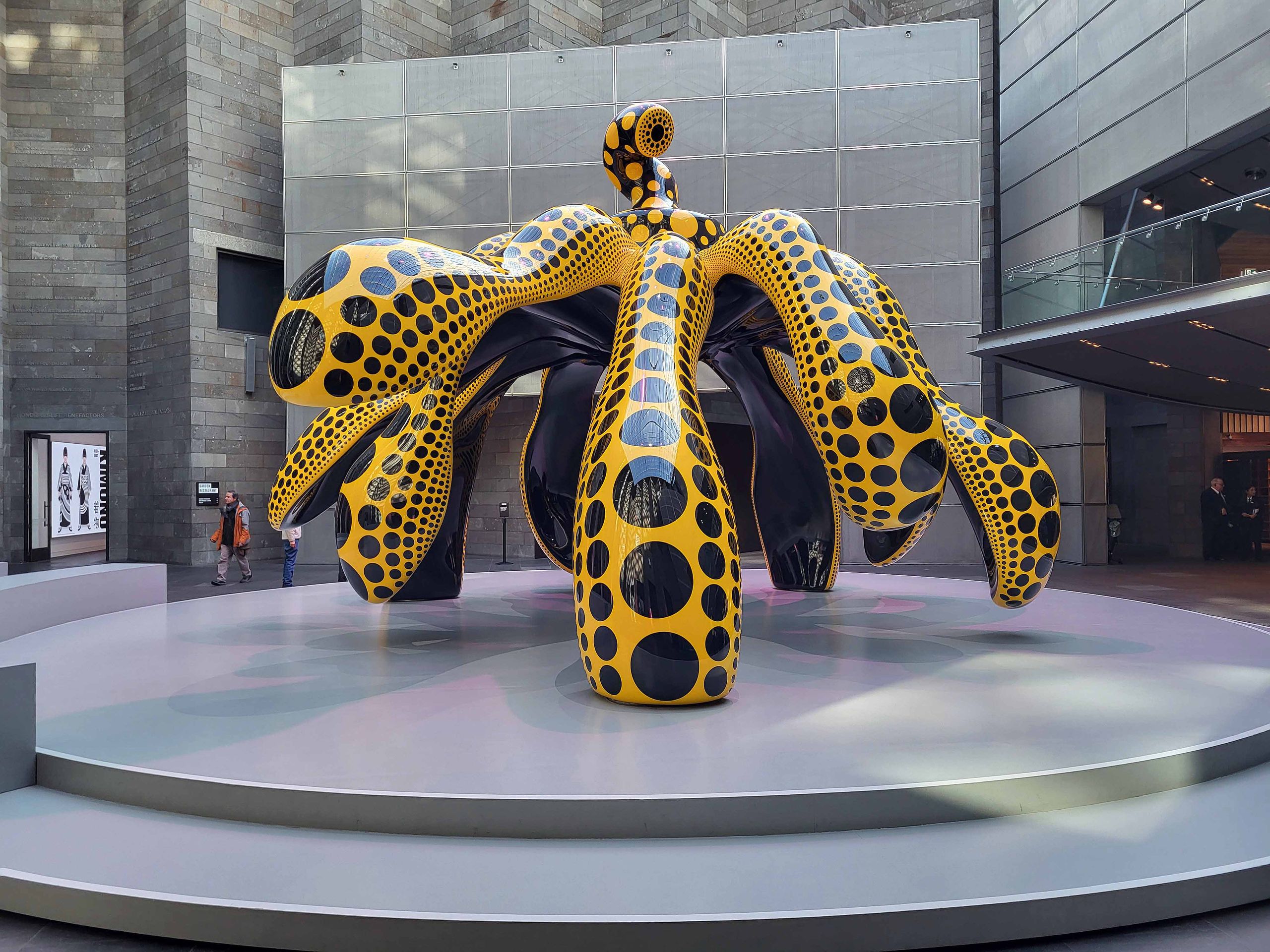
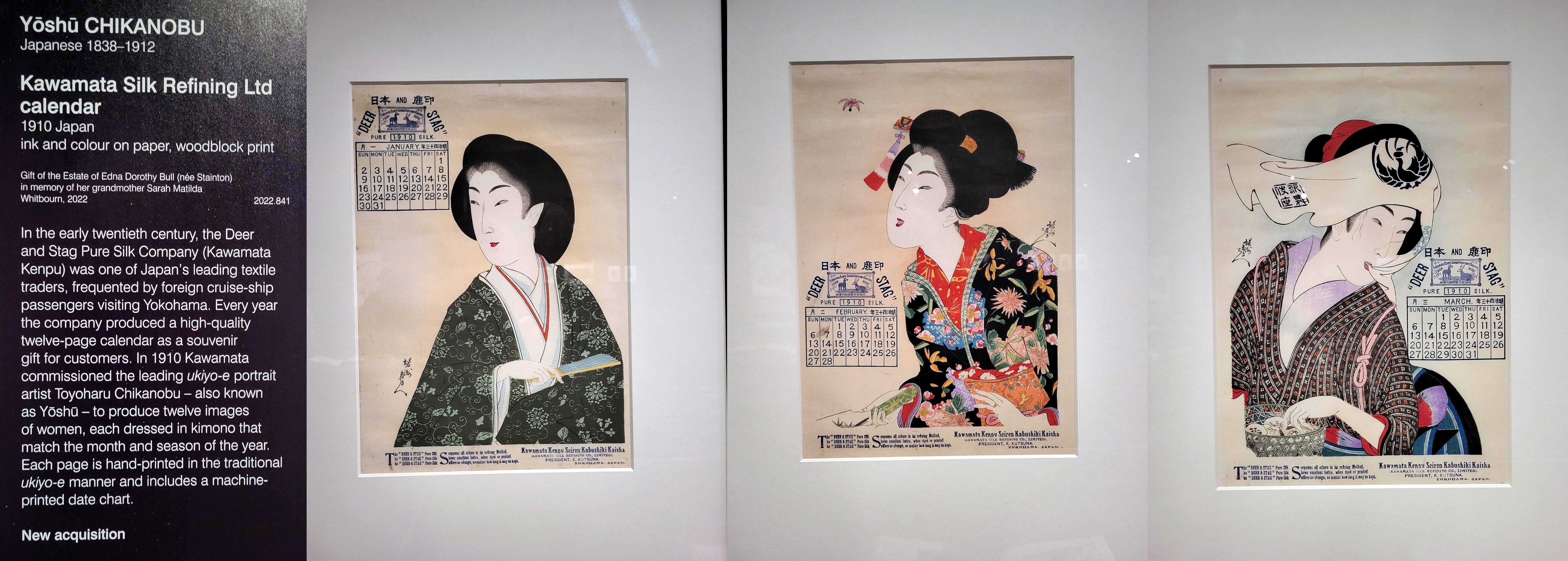
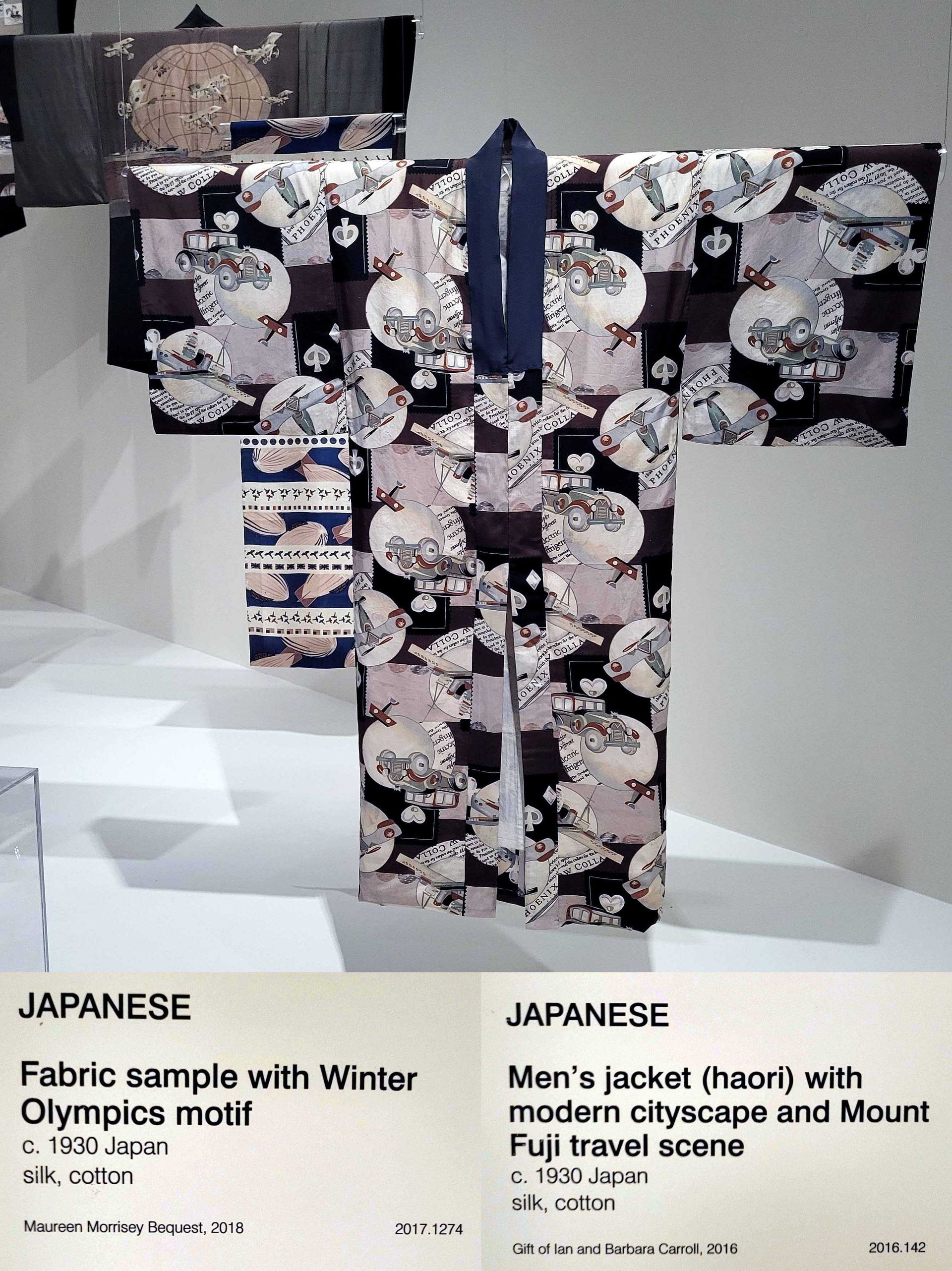
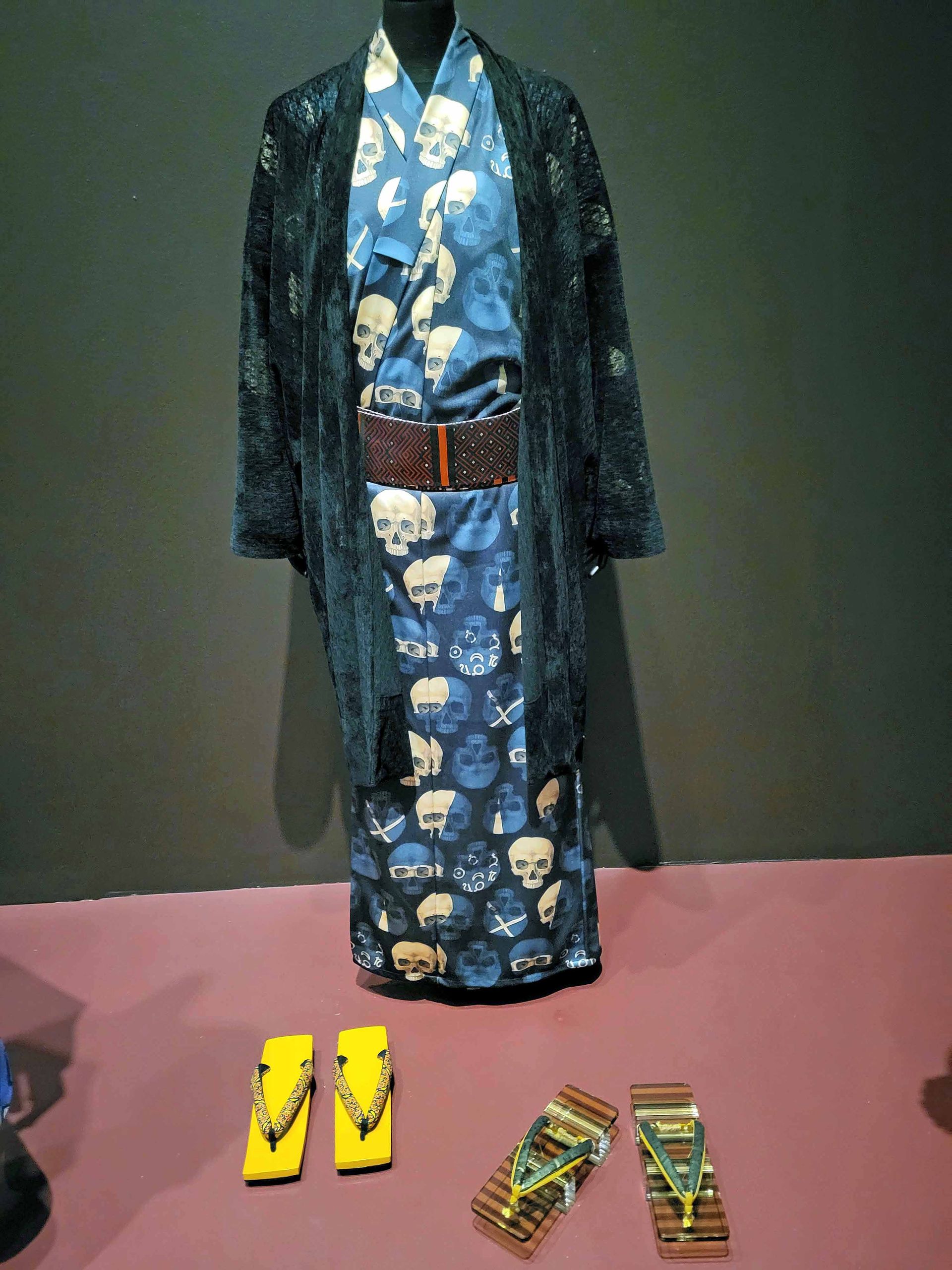
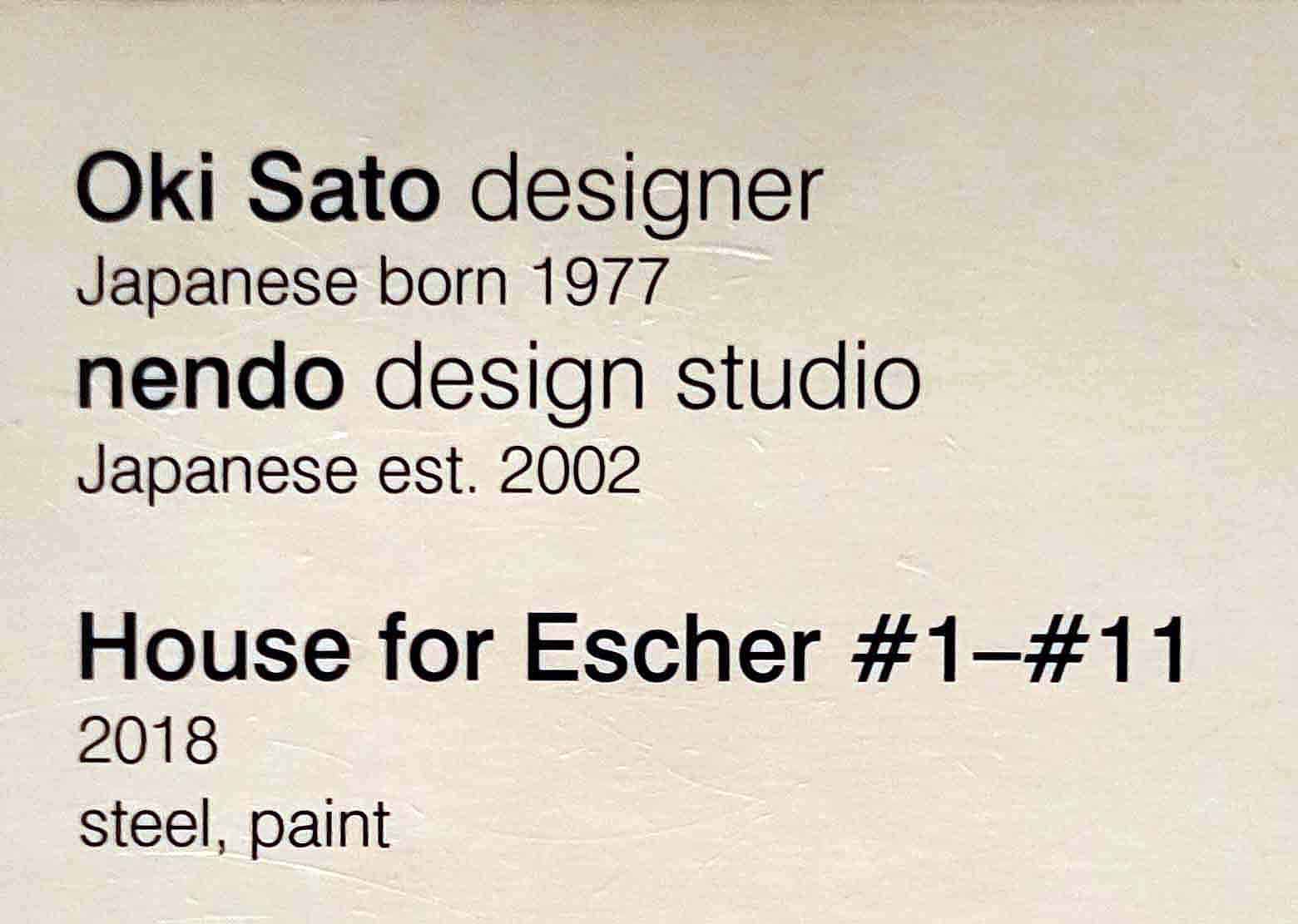
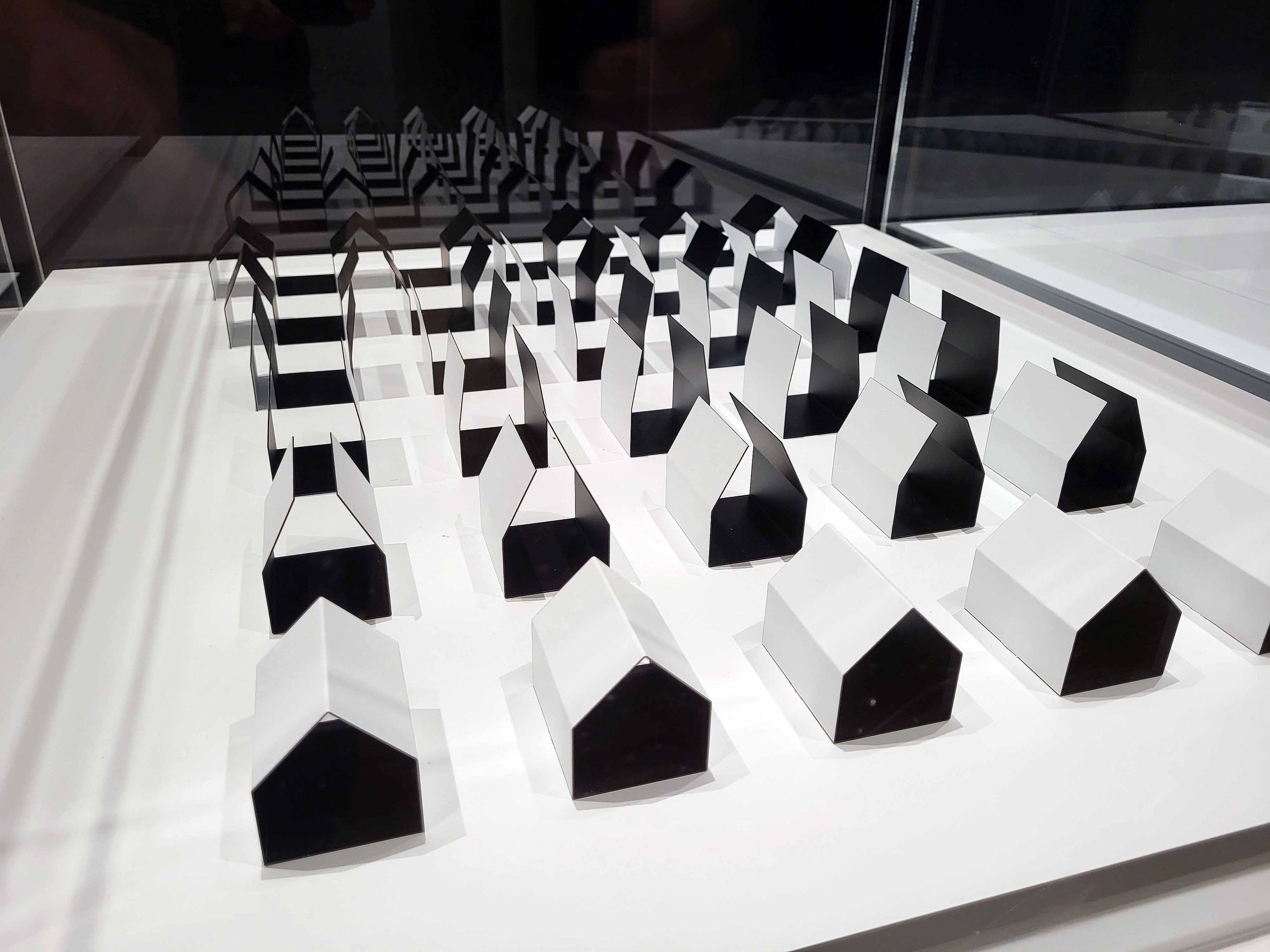
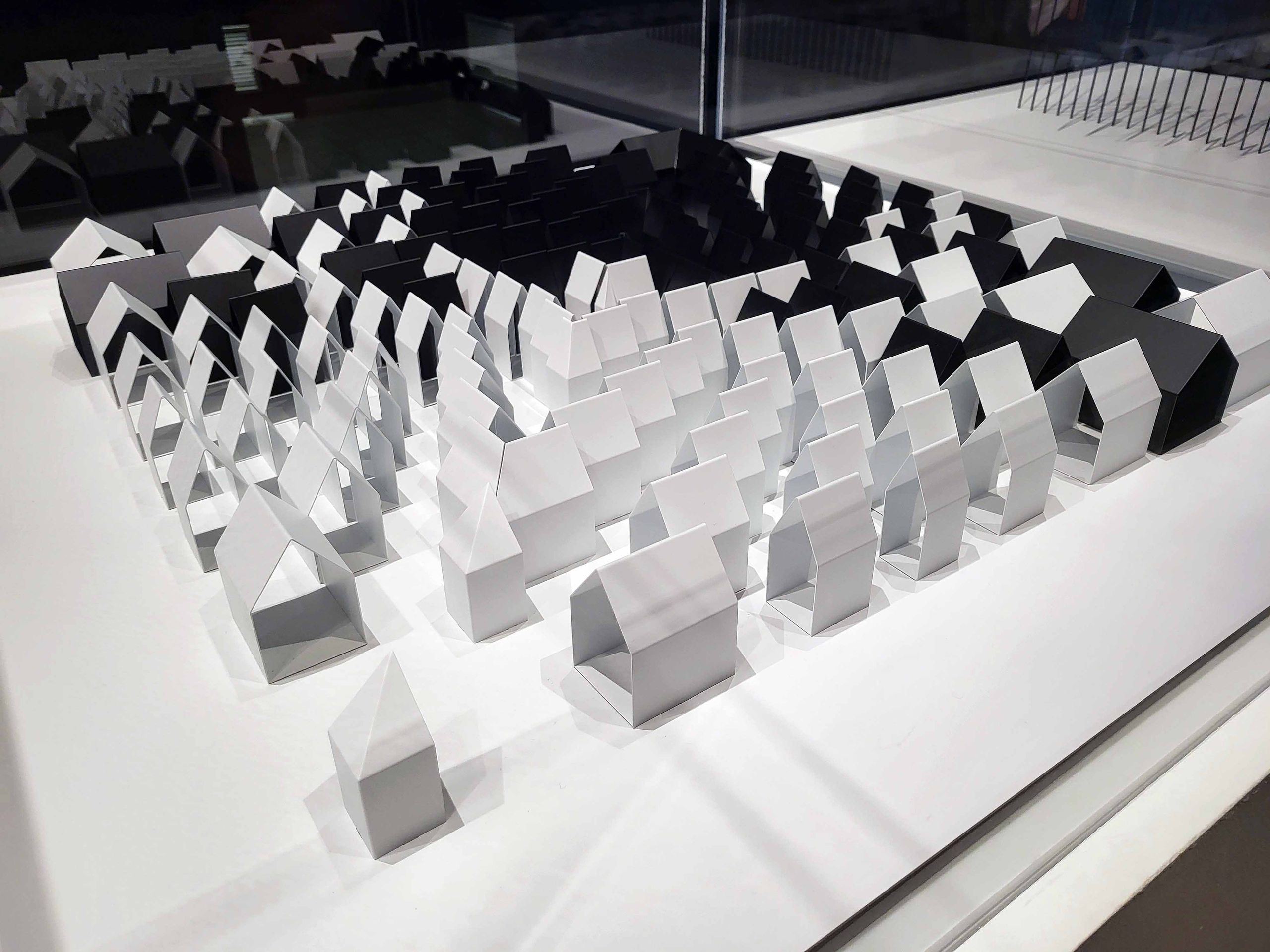
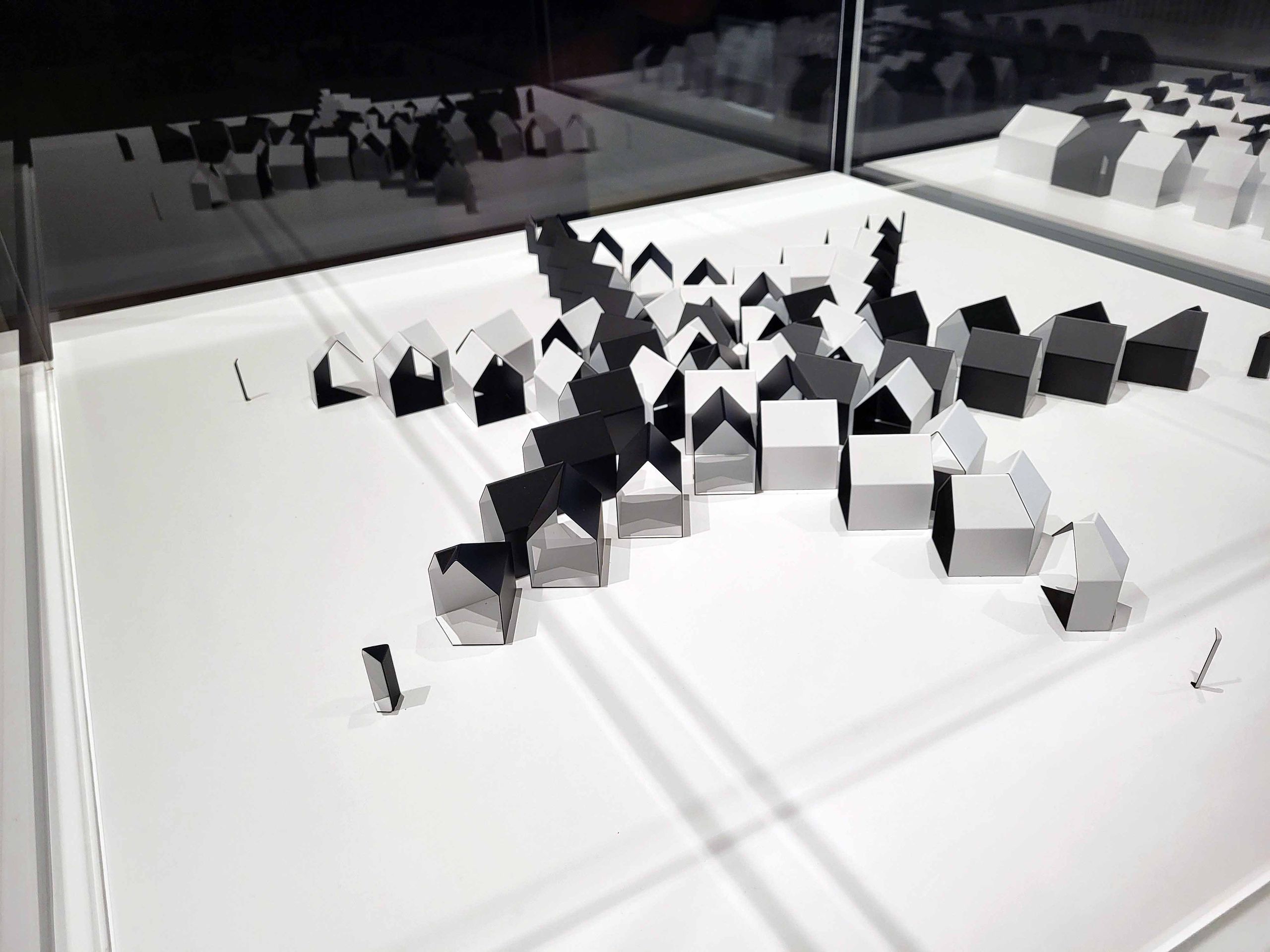
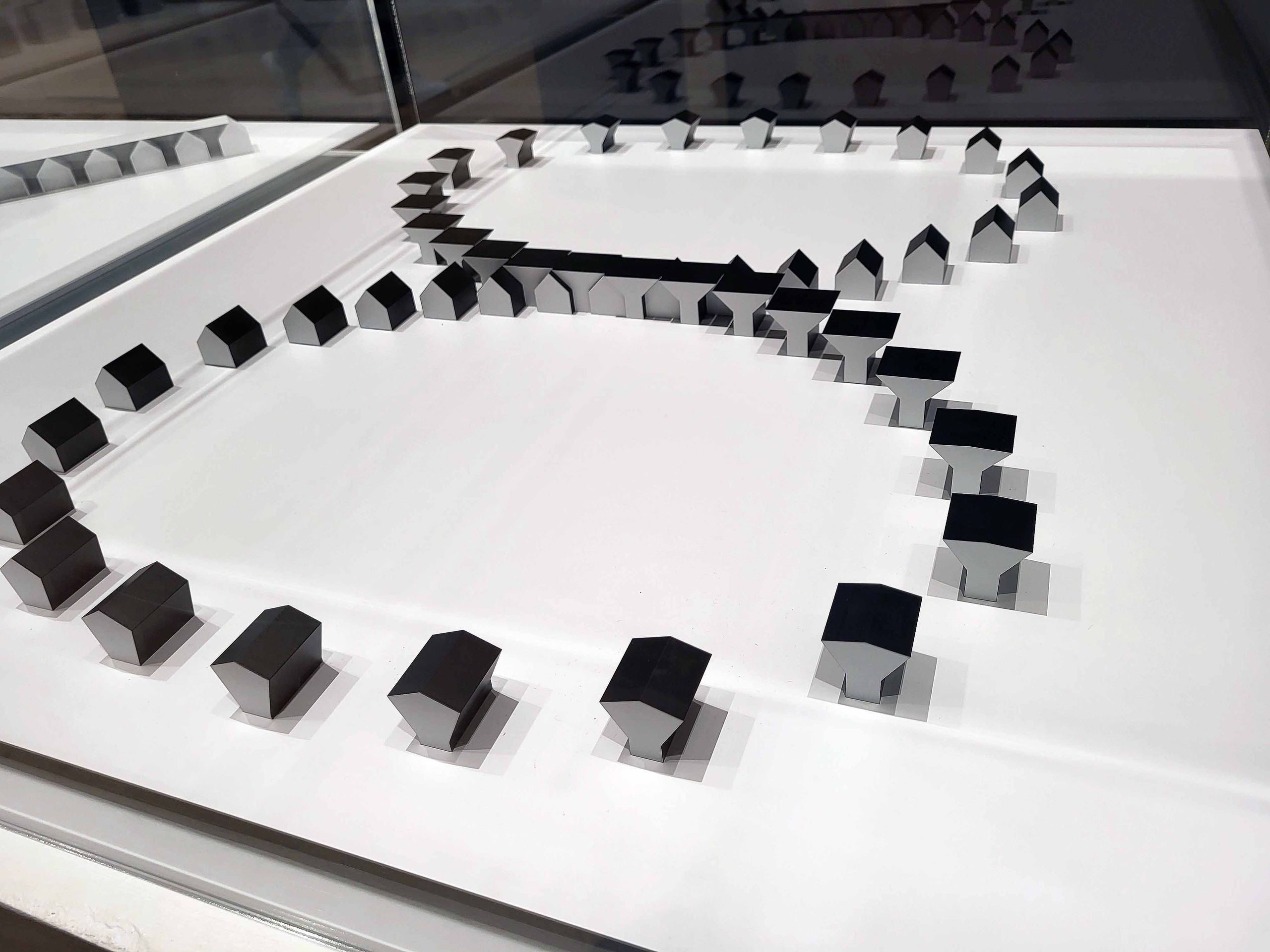
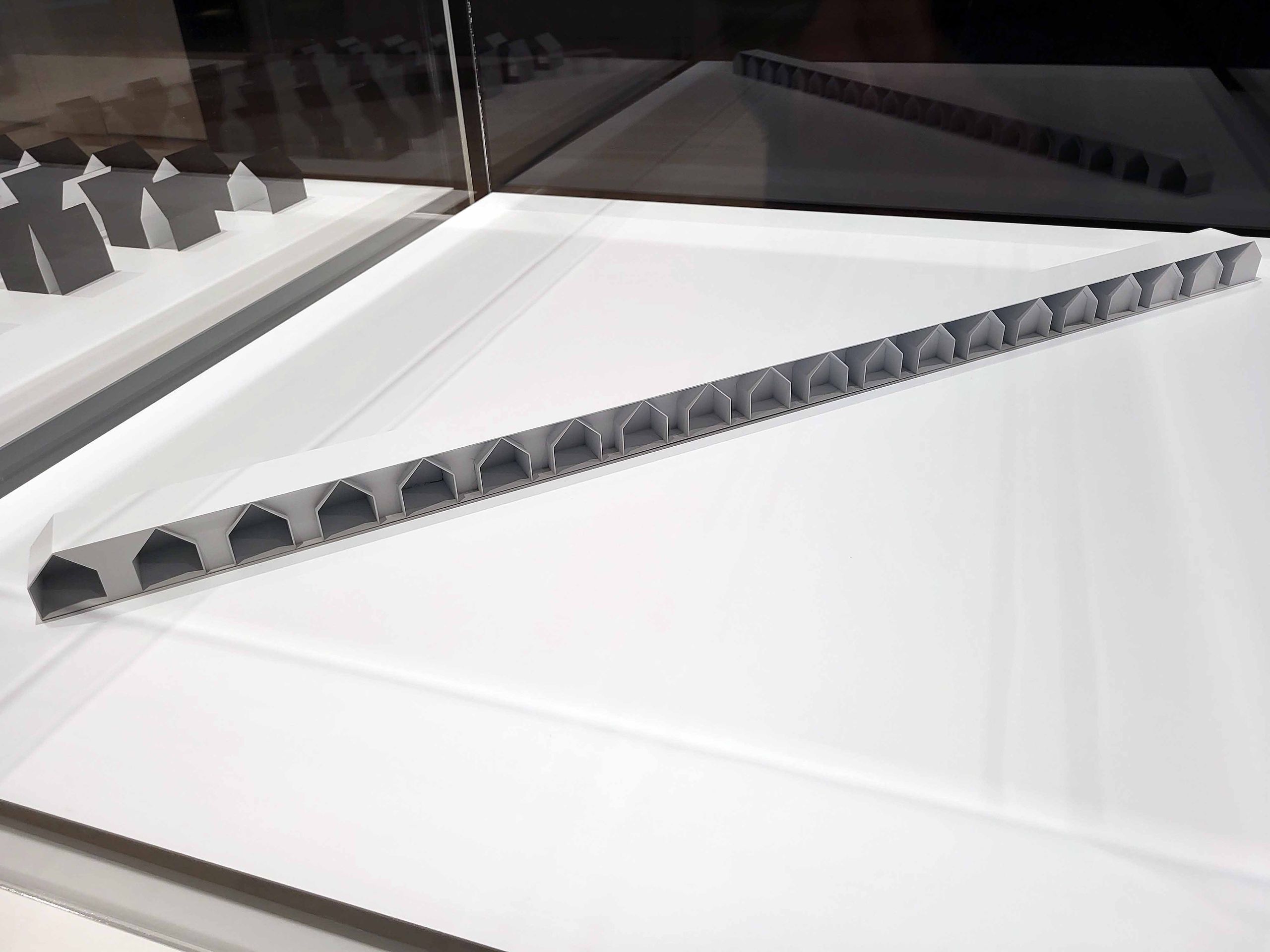
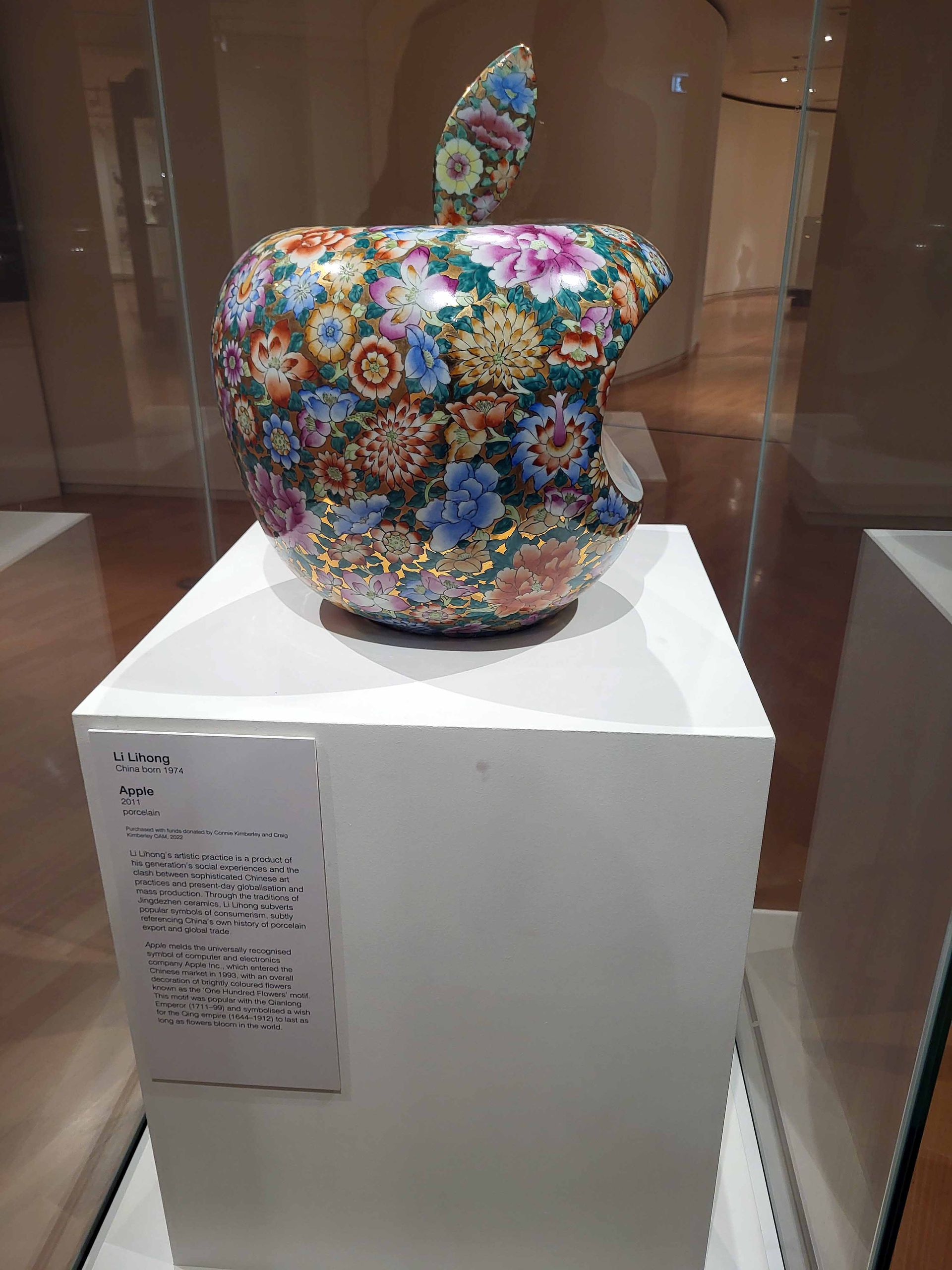
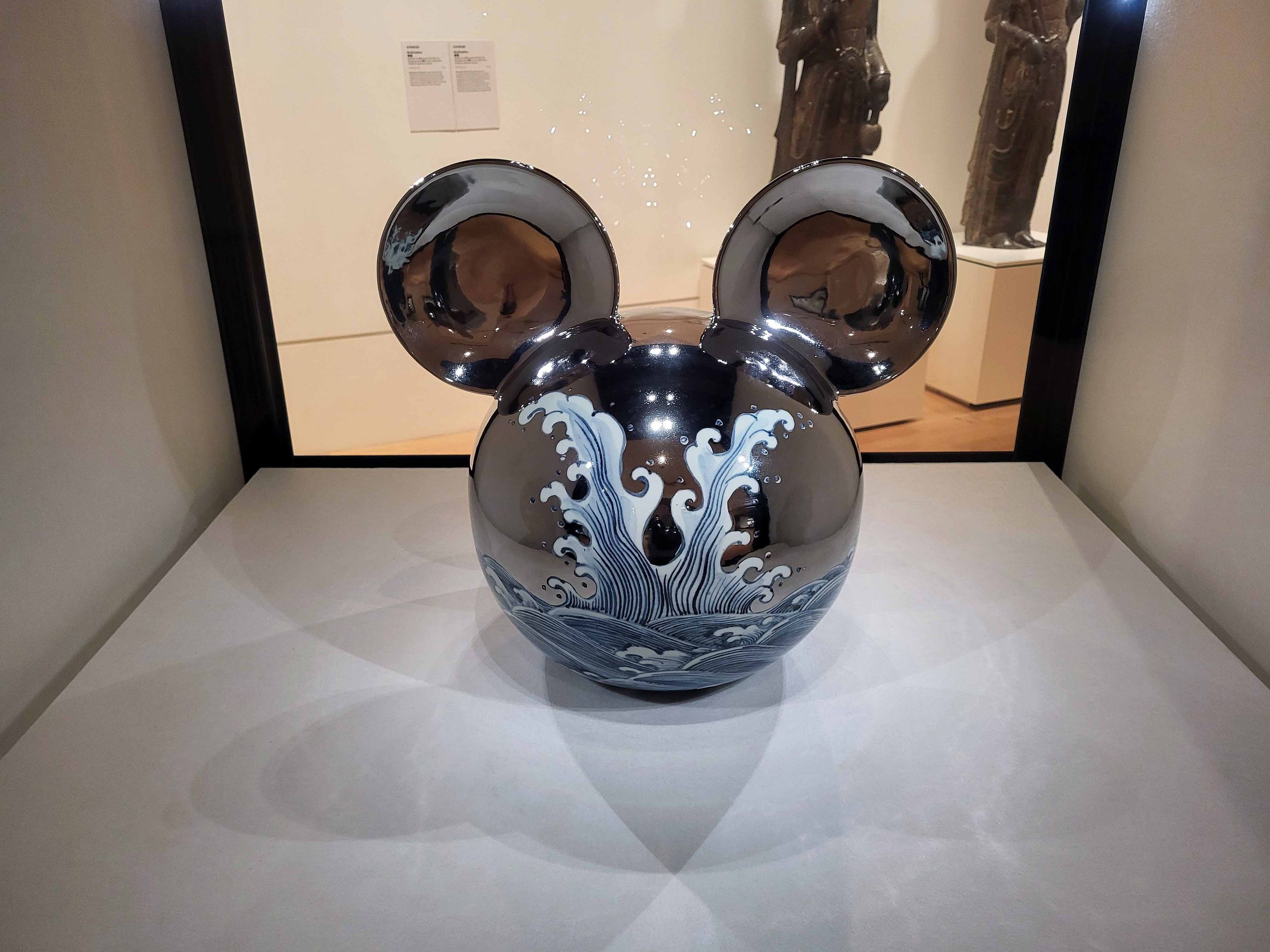
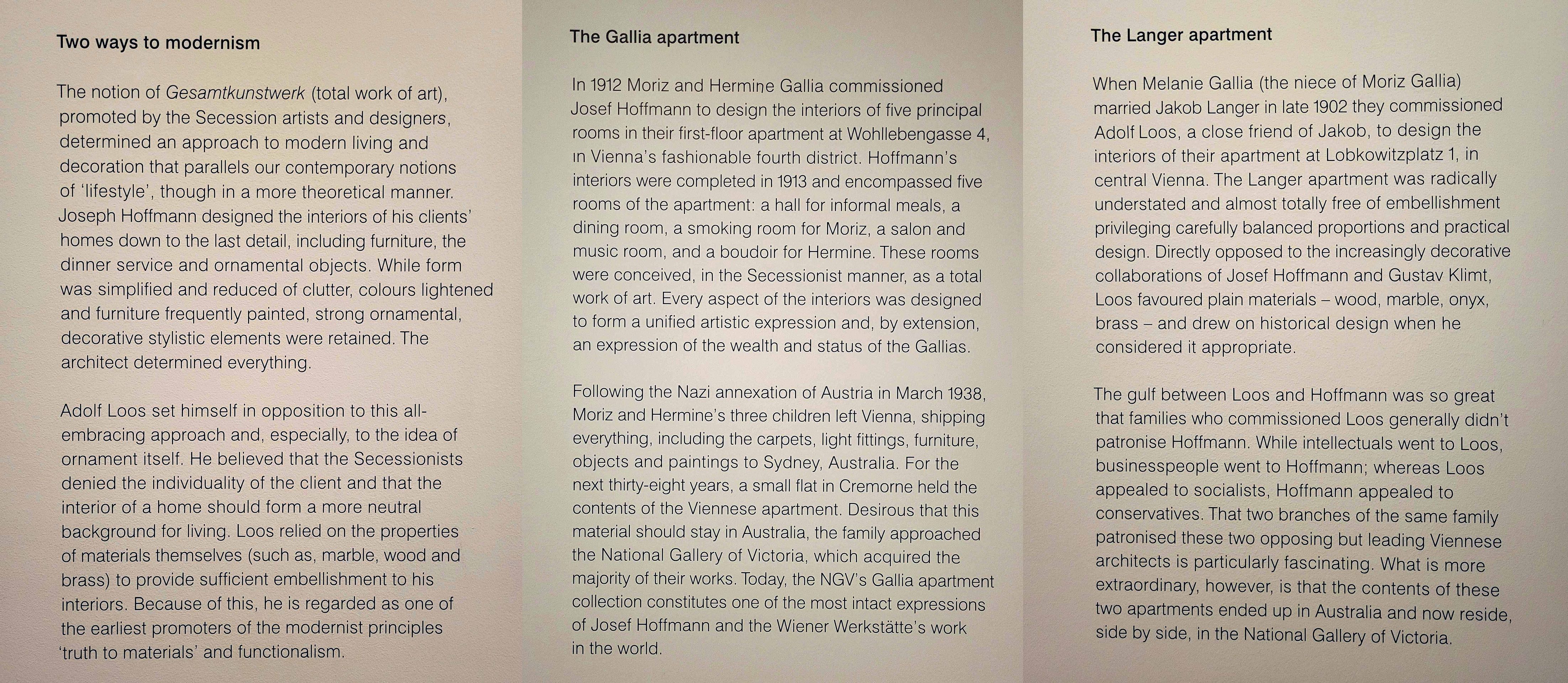
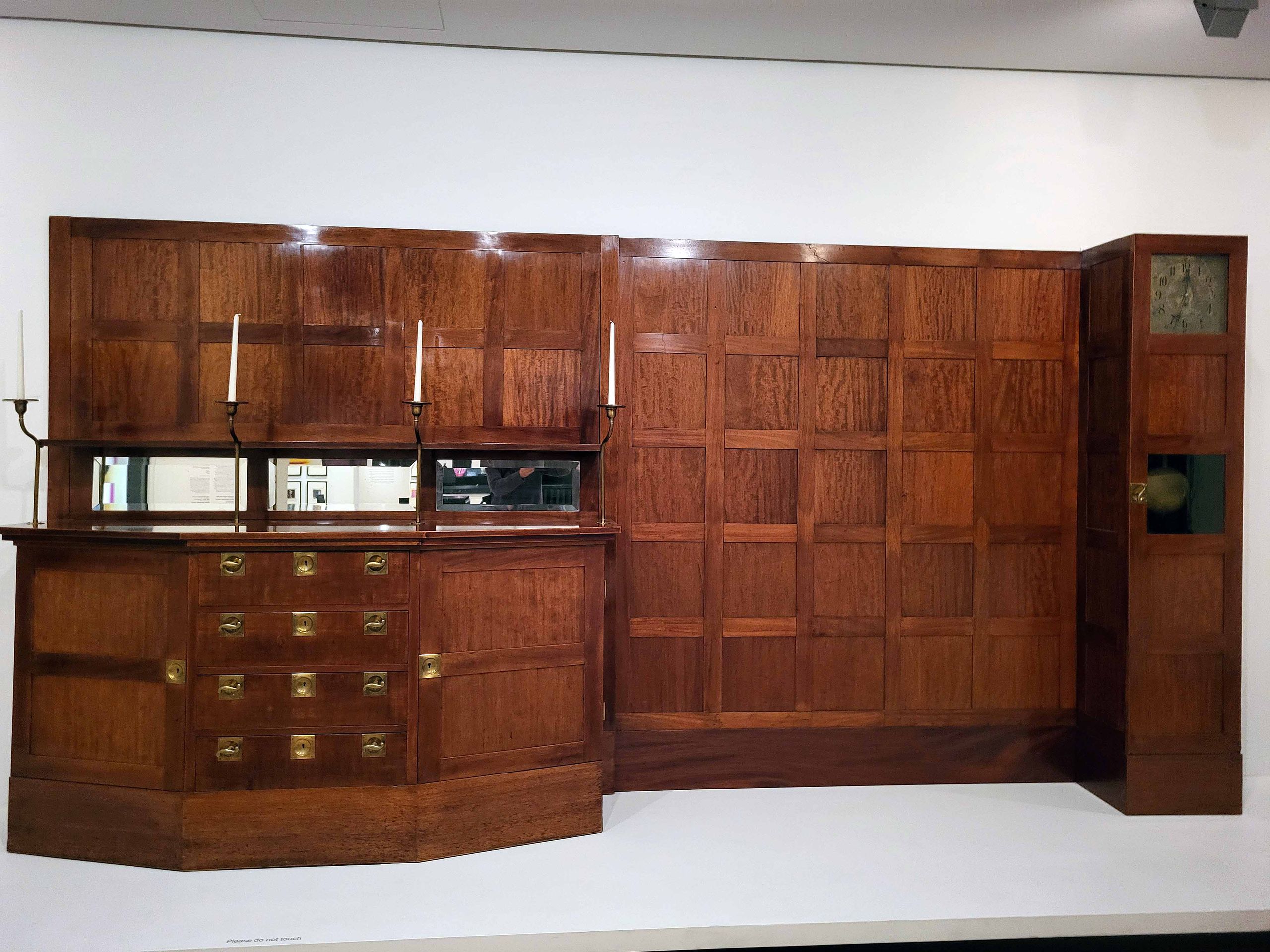
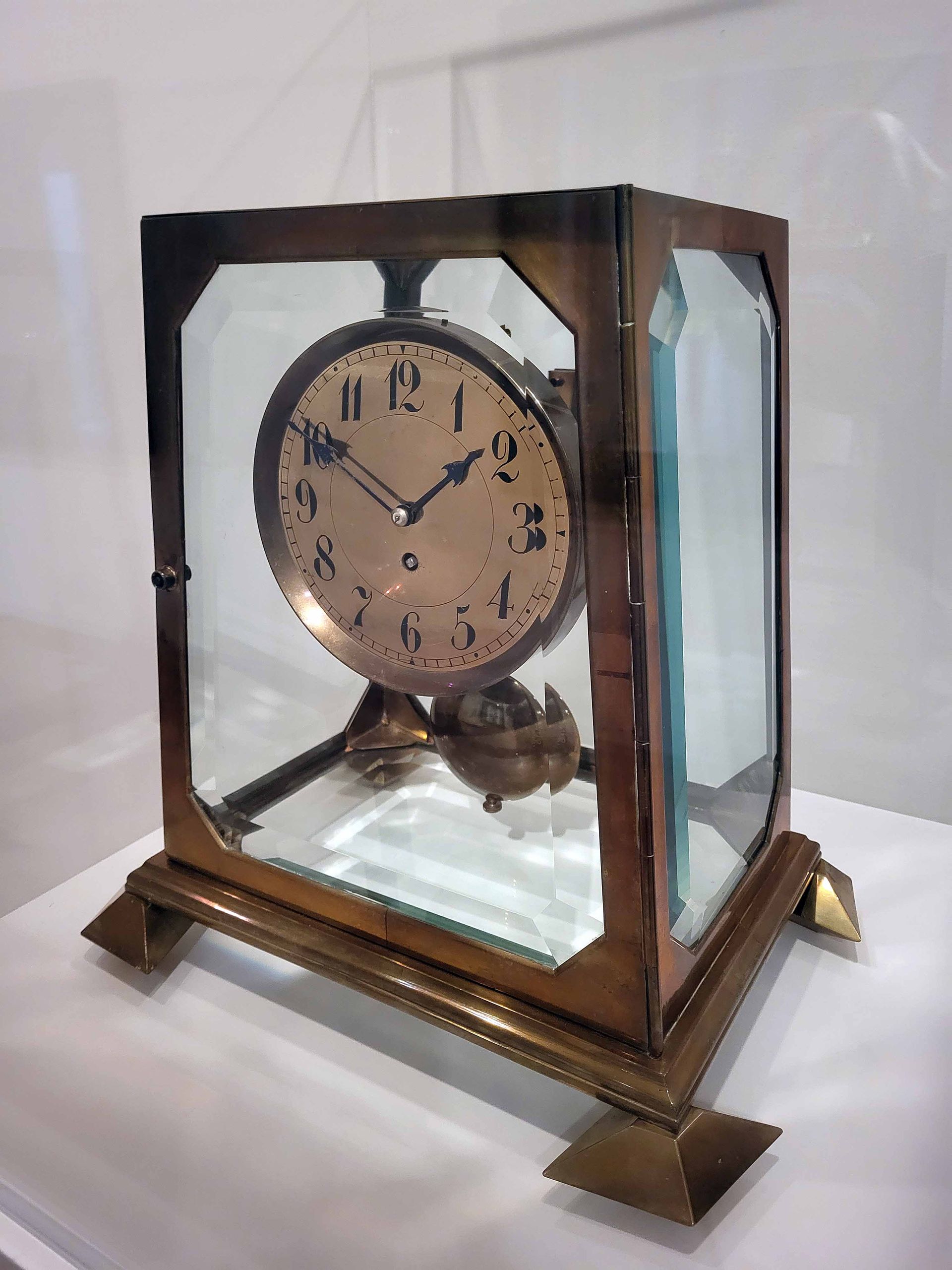
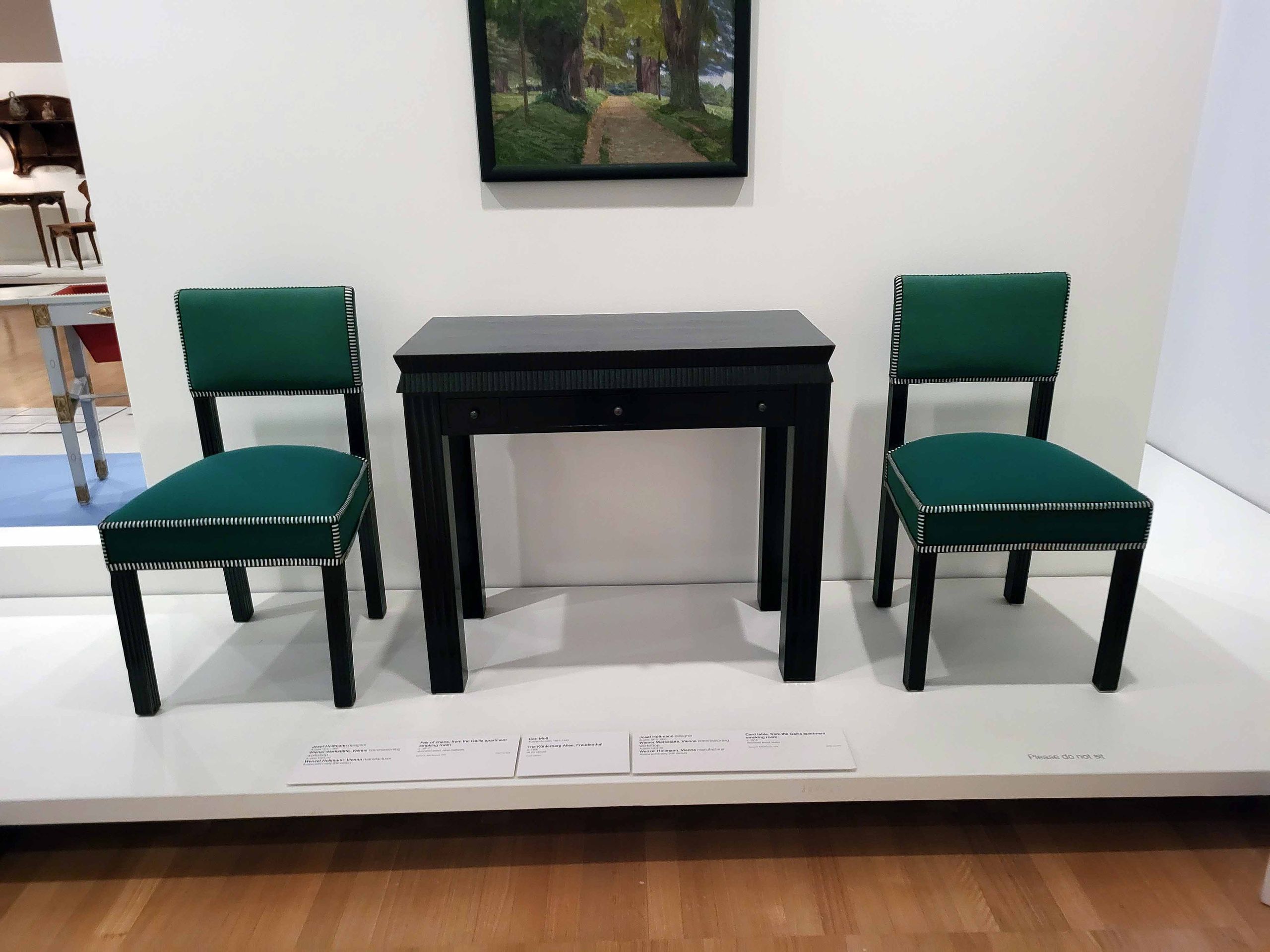
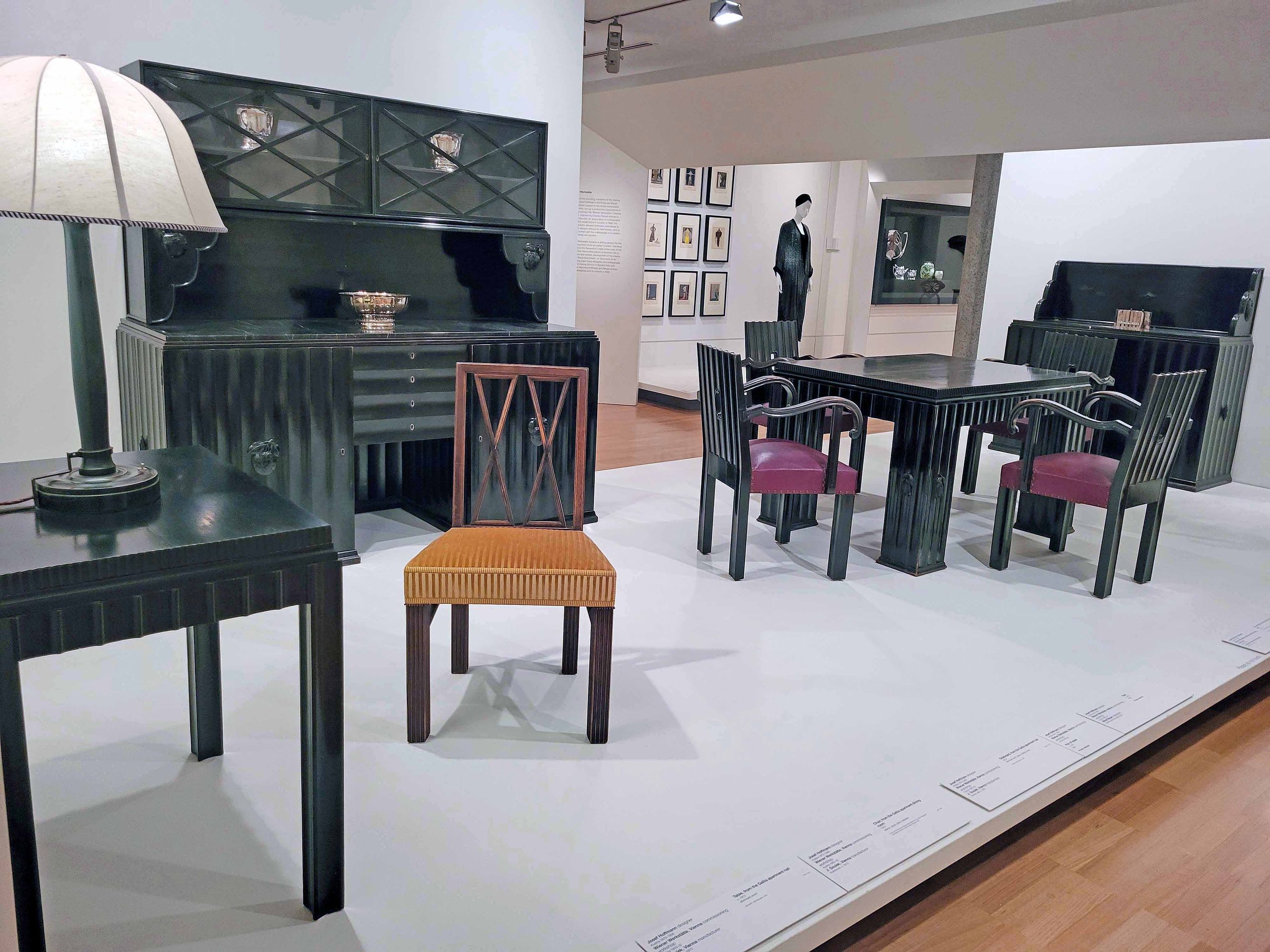
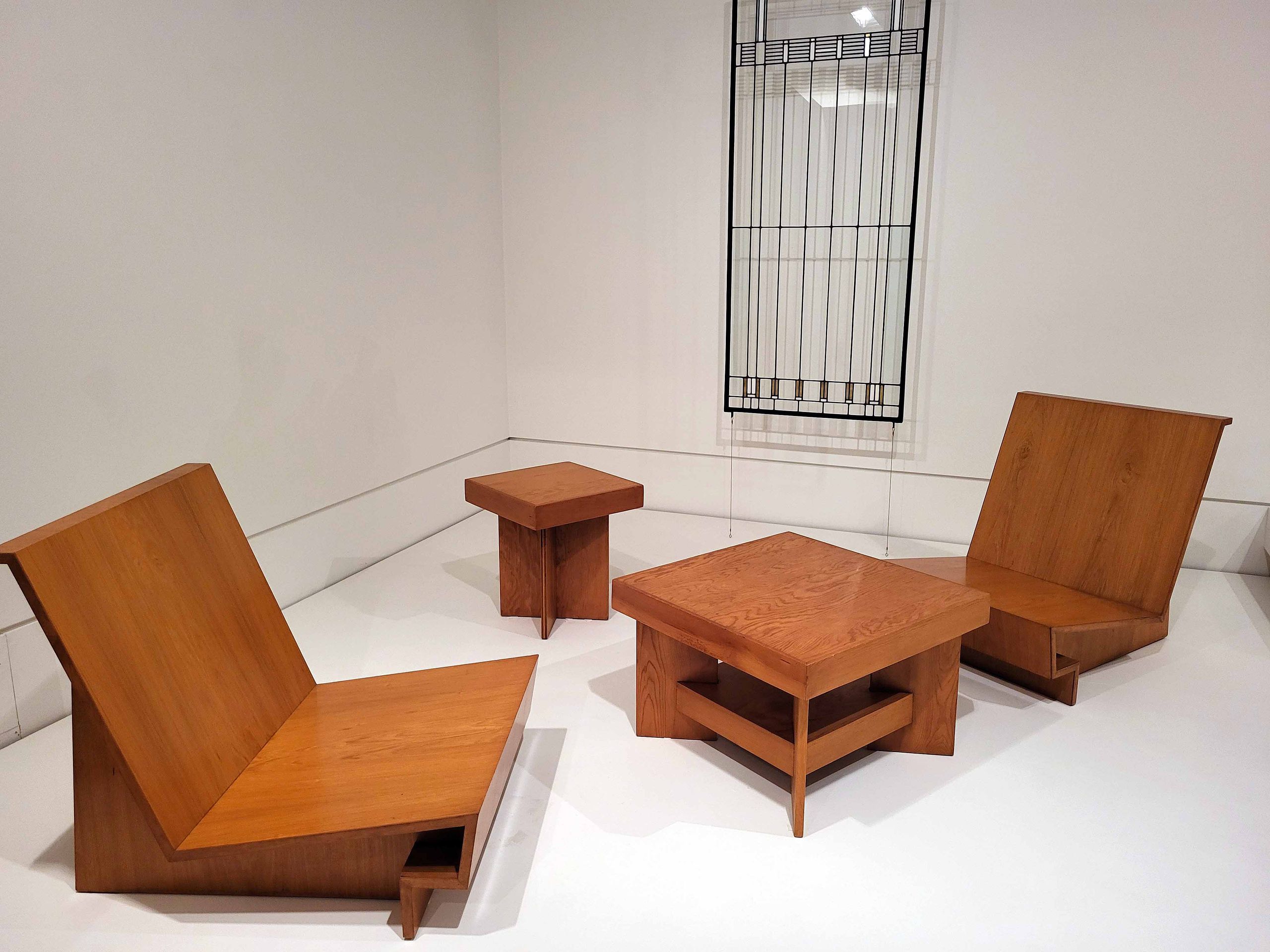
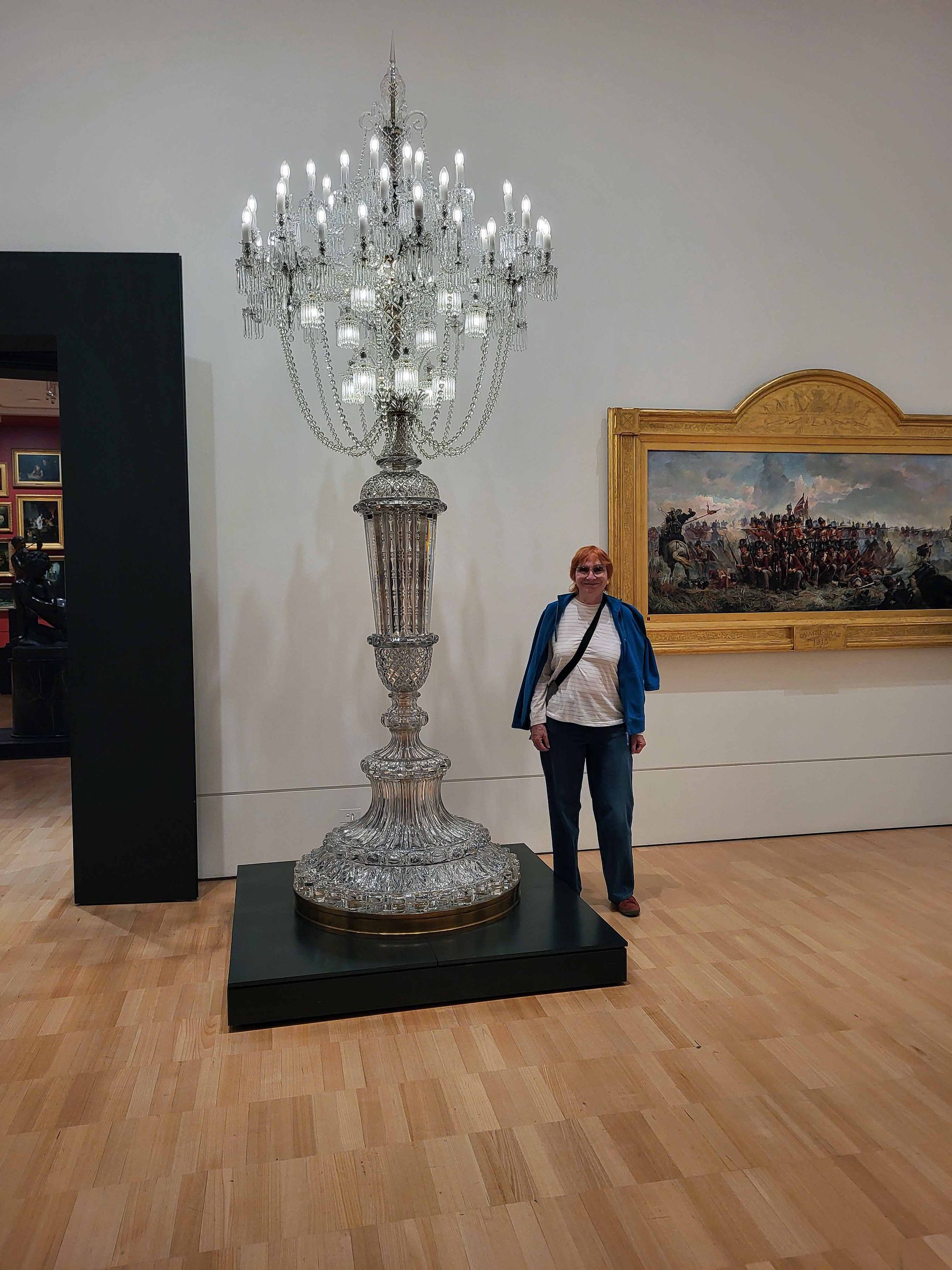
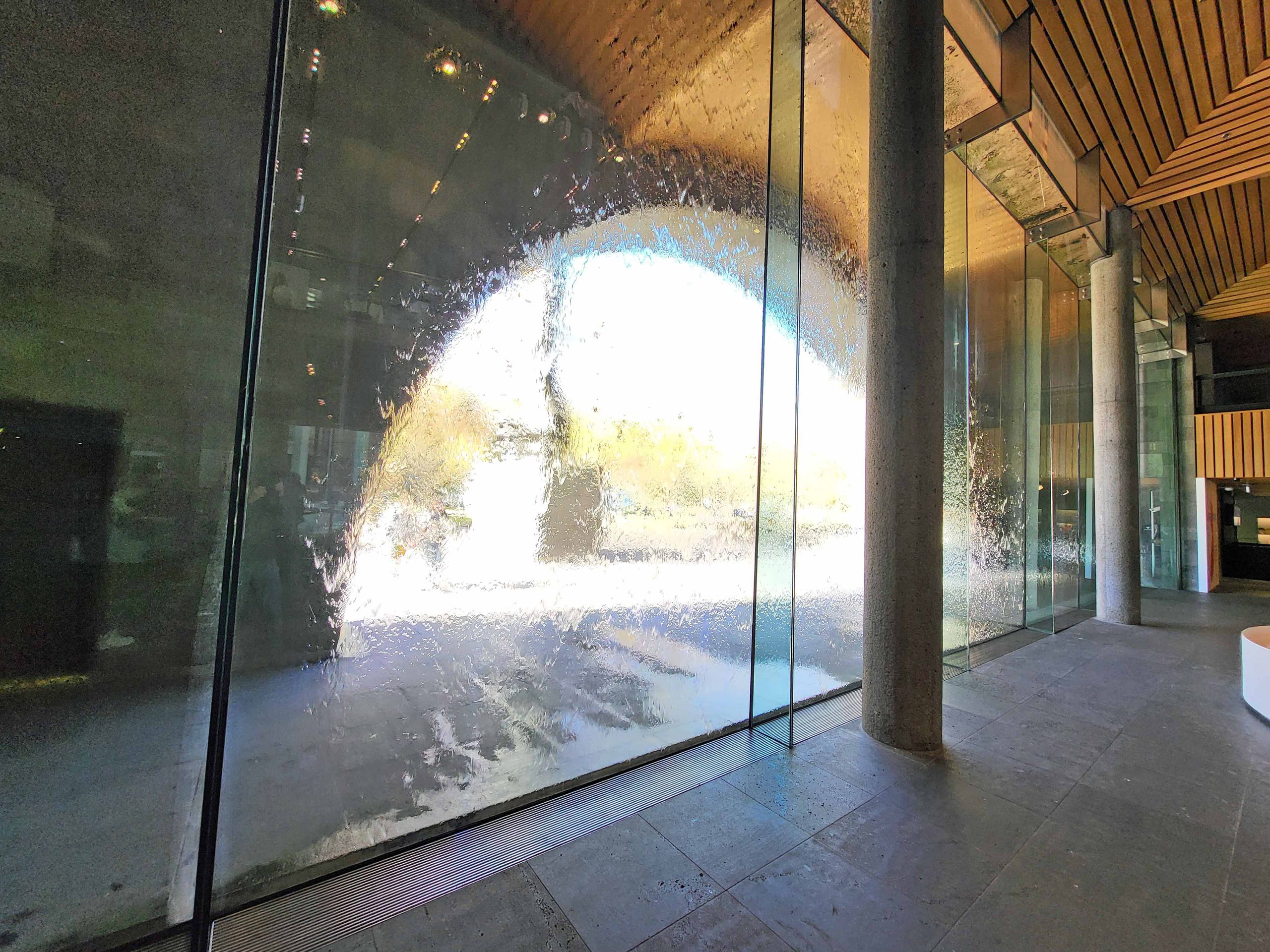
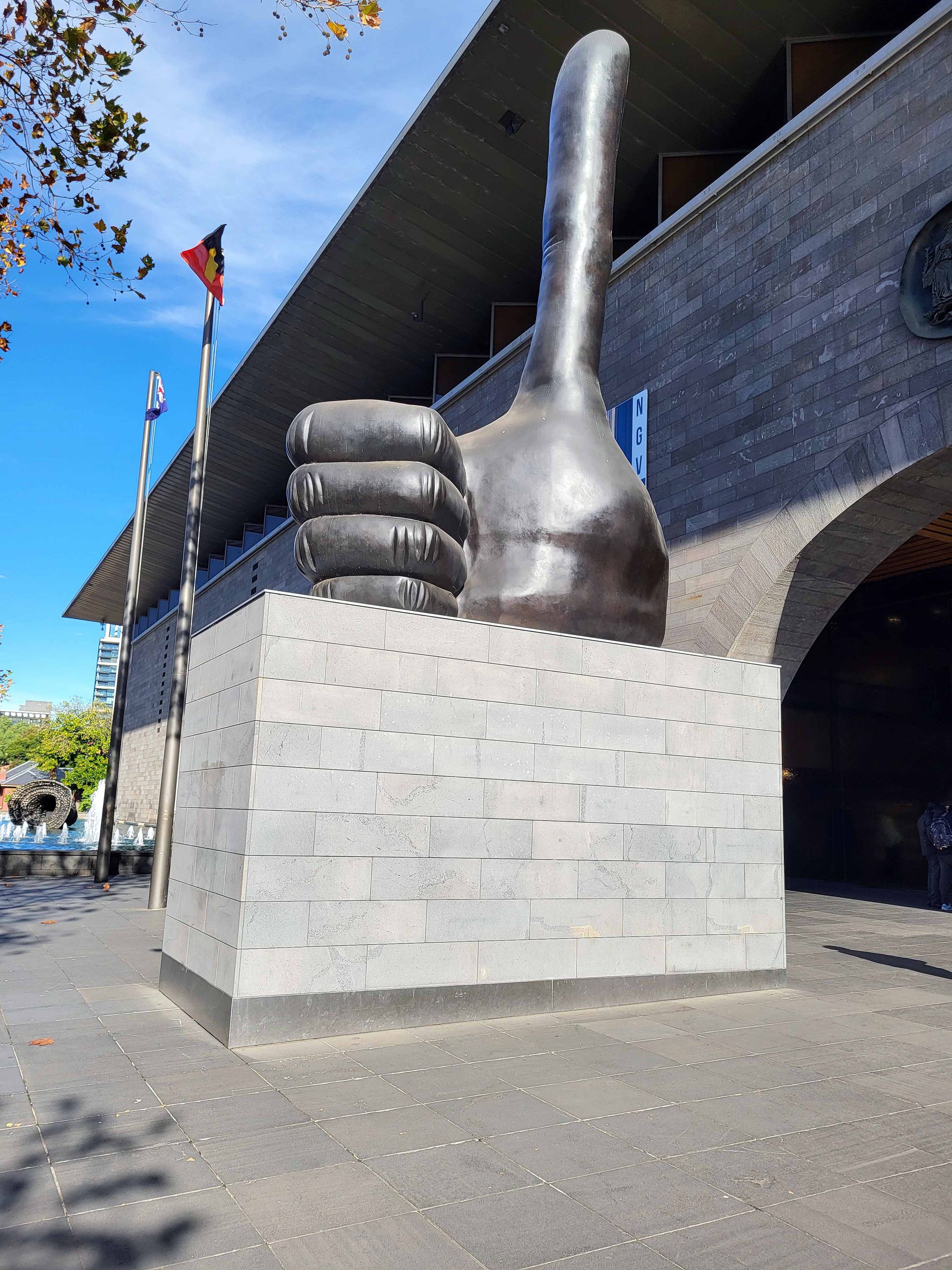
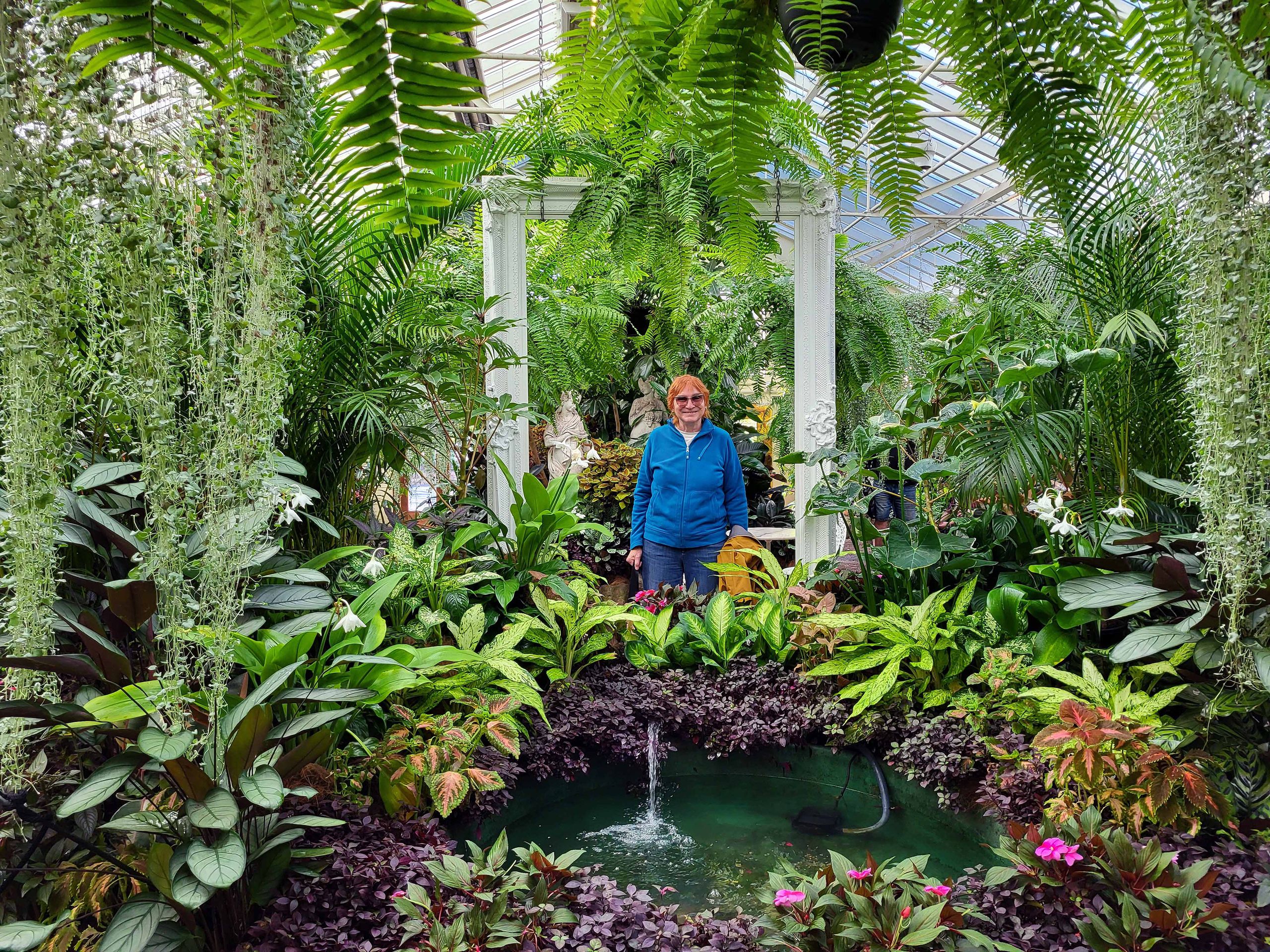
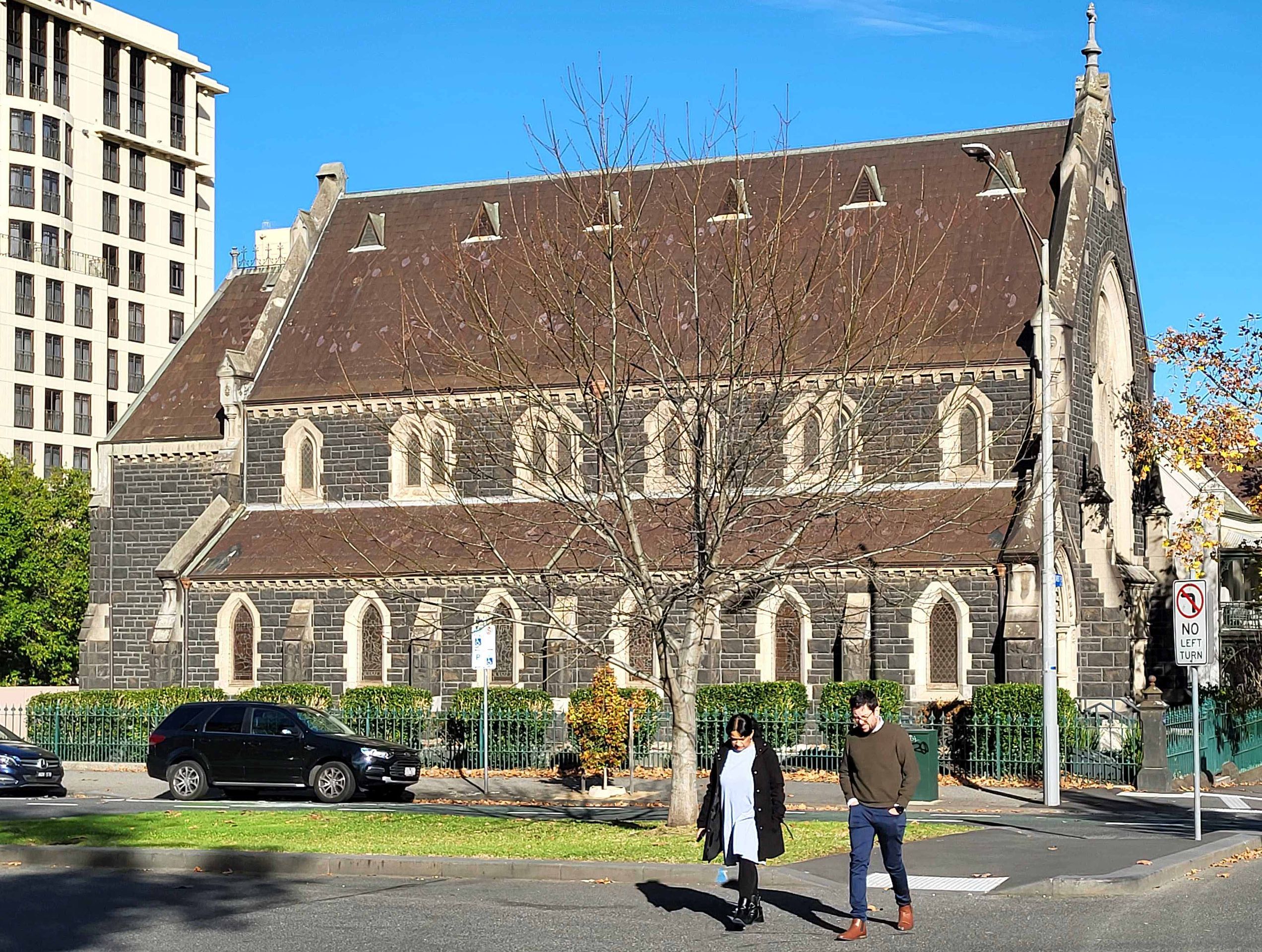
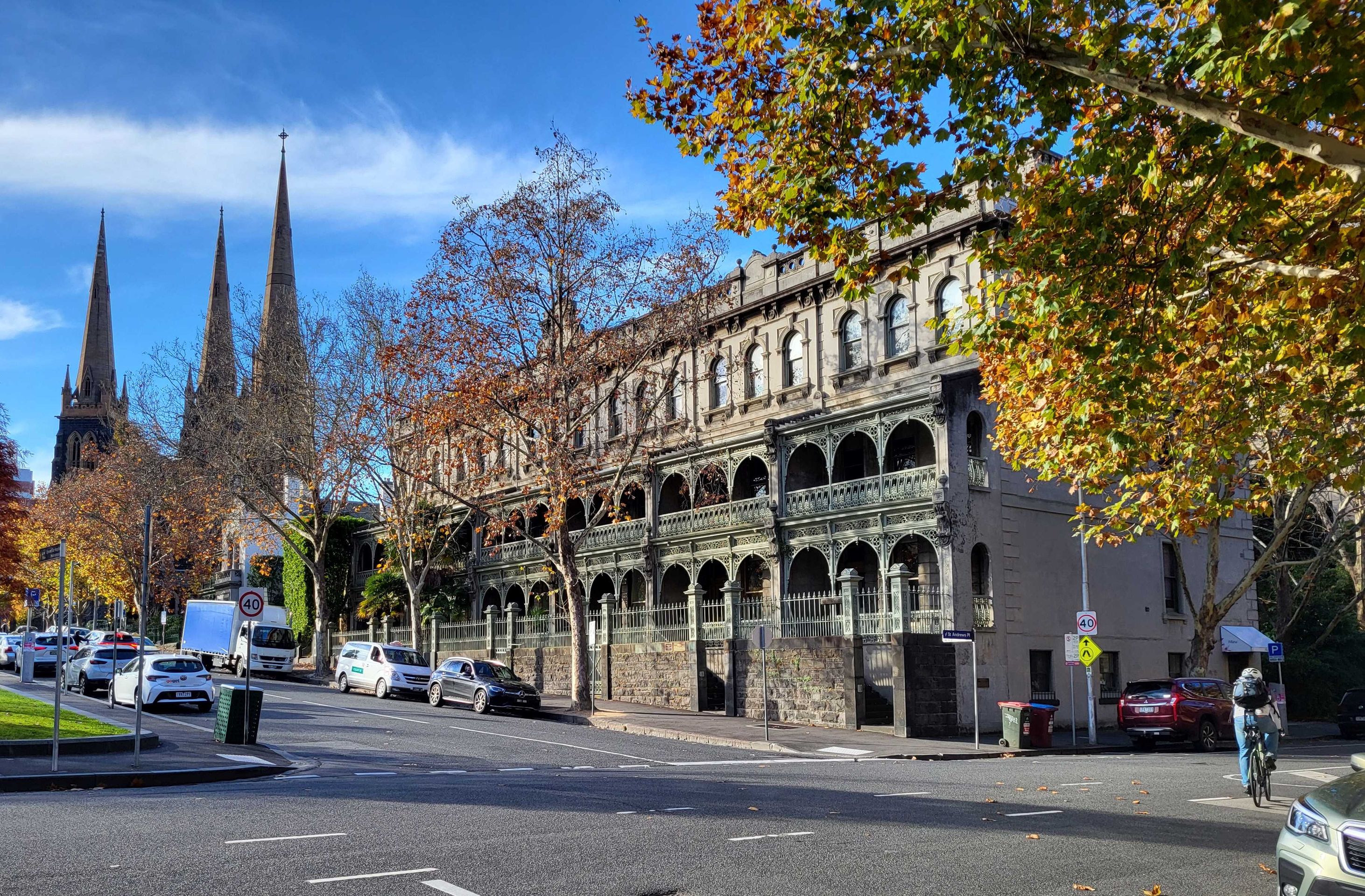
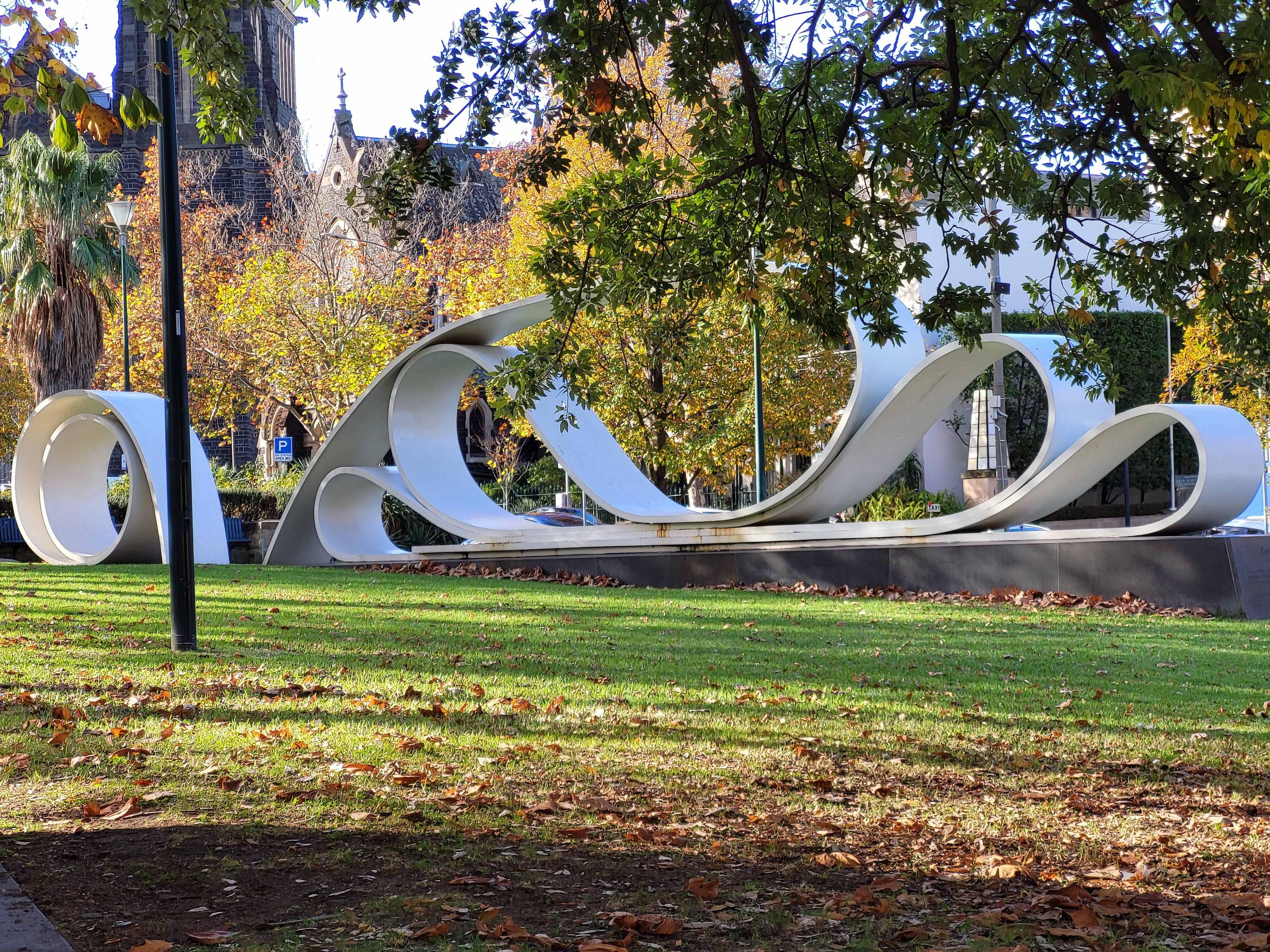
Today we explored Melbourne a bit more. We walked across the Jarra River to the National Gallery of Victoria, or as they abbreviate everything here, to the NGV. It is a large building with several annexes. On one of the annexes, there is a kind of Eiffel Tower erected. The NGV houses European and Asian art as well as the art of the First Nations.
Interesting here is the understanding of art. On one hand, it is much more integrated than it is with us. This means that in the halls, music from the corresponding era is often still played. Not only art in the narrower sense is shown, but also design pieces, that is, everyday items. This even extends to cooking recipes. Quite interesting, really. However, they also mix things up quite easily. In an exhibition area on Gothic art, texts and artifacts from the Romanesque period are presented abruptly and without explanation. Within the context of the Romanesque, Renaissance can then also be mentioned. In the hall with paintings from the 19th century, a picture from the 17th century might well sneak in. This fits the very eclectic collection. Overall, there are many fantastic pieces in the collection, although the exhibition concept does need more work in such a large venue.
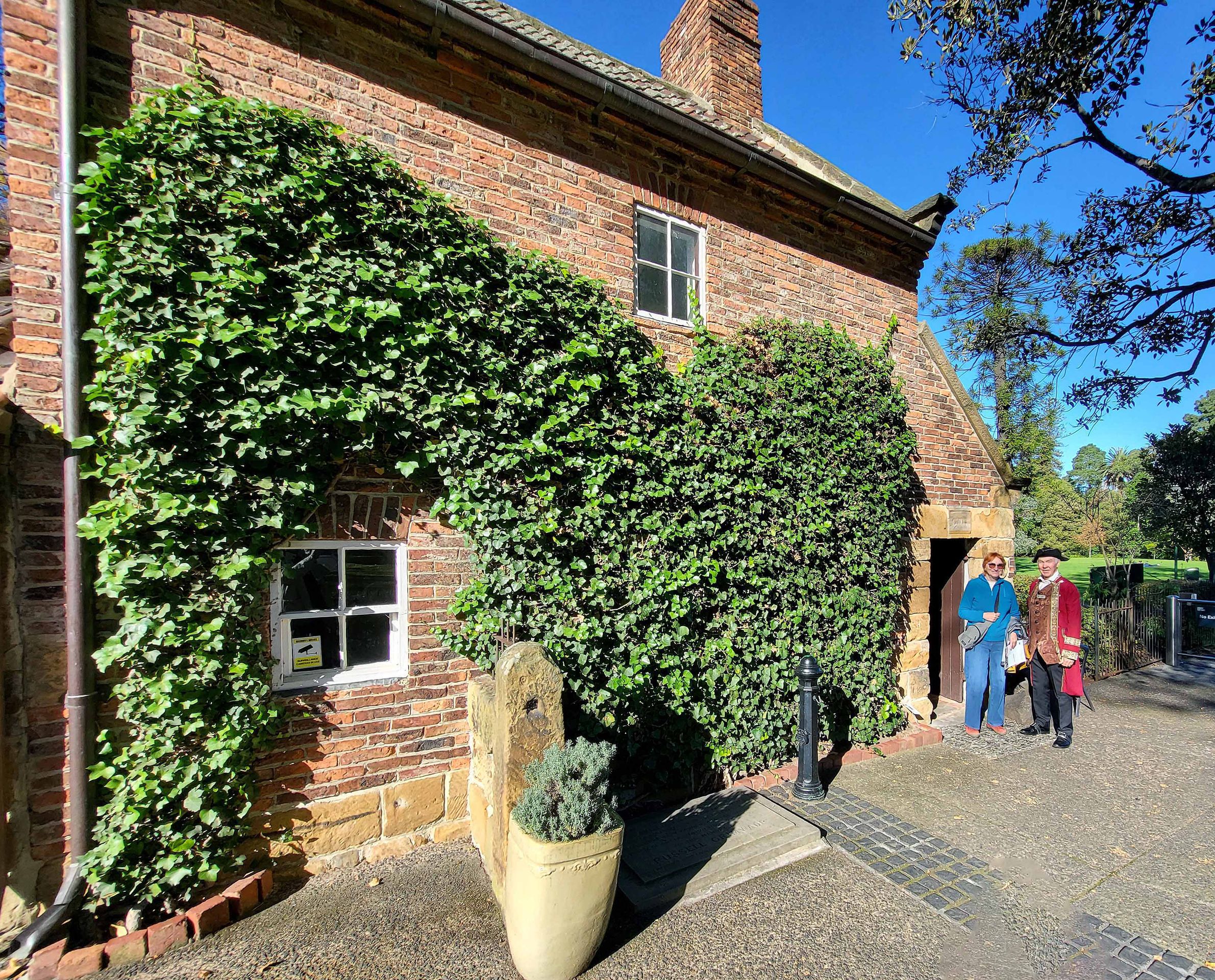
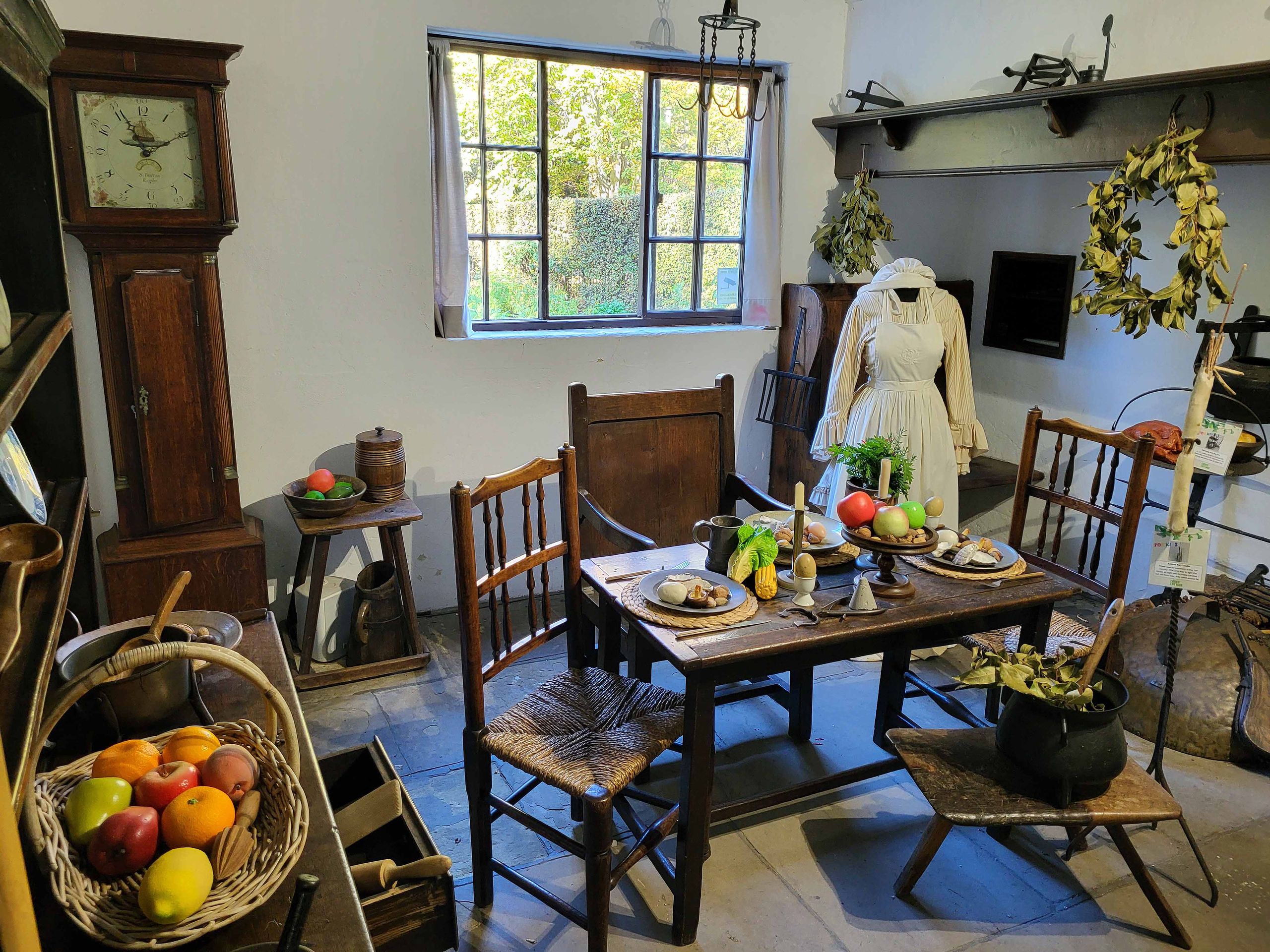
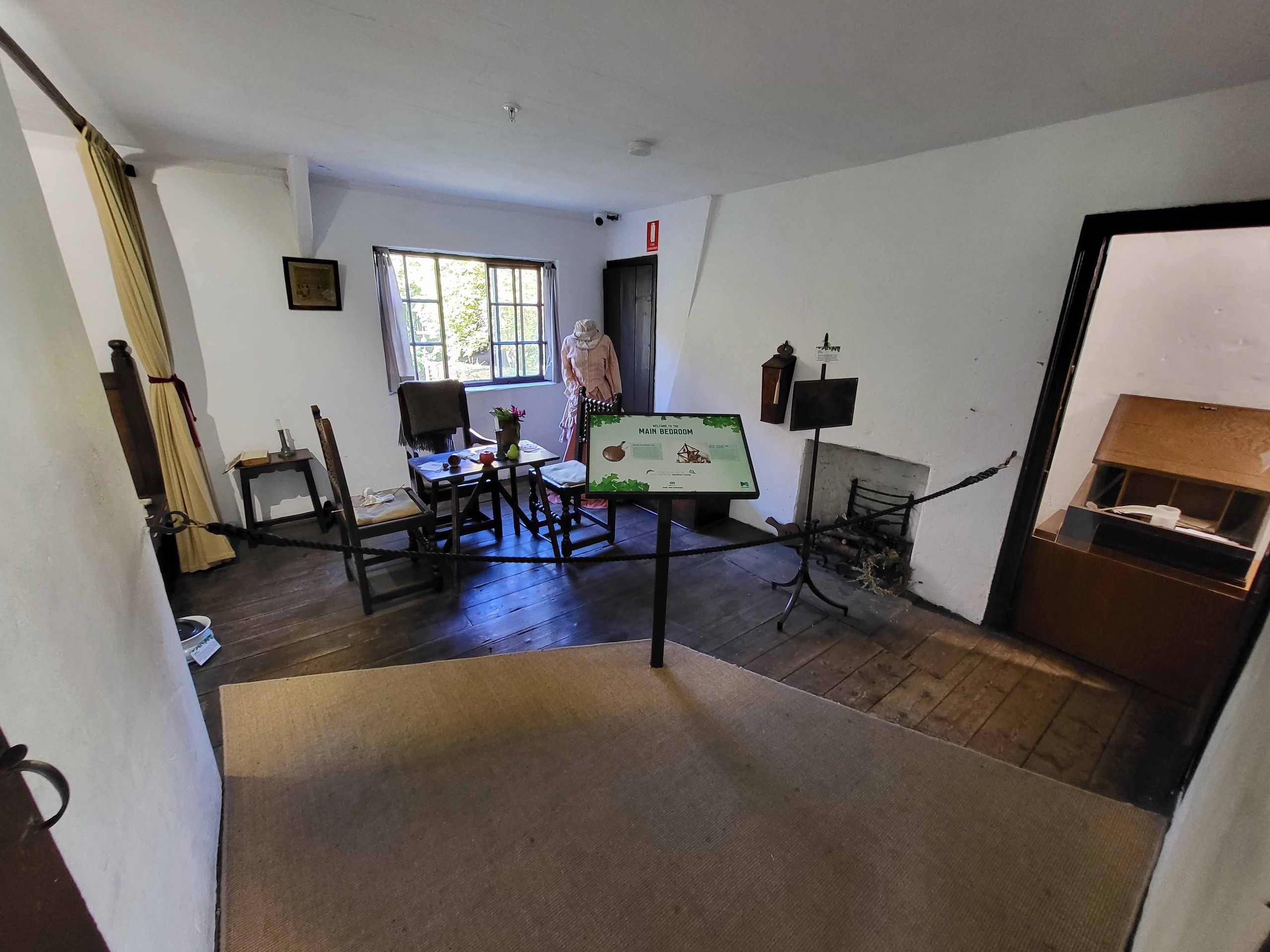
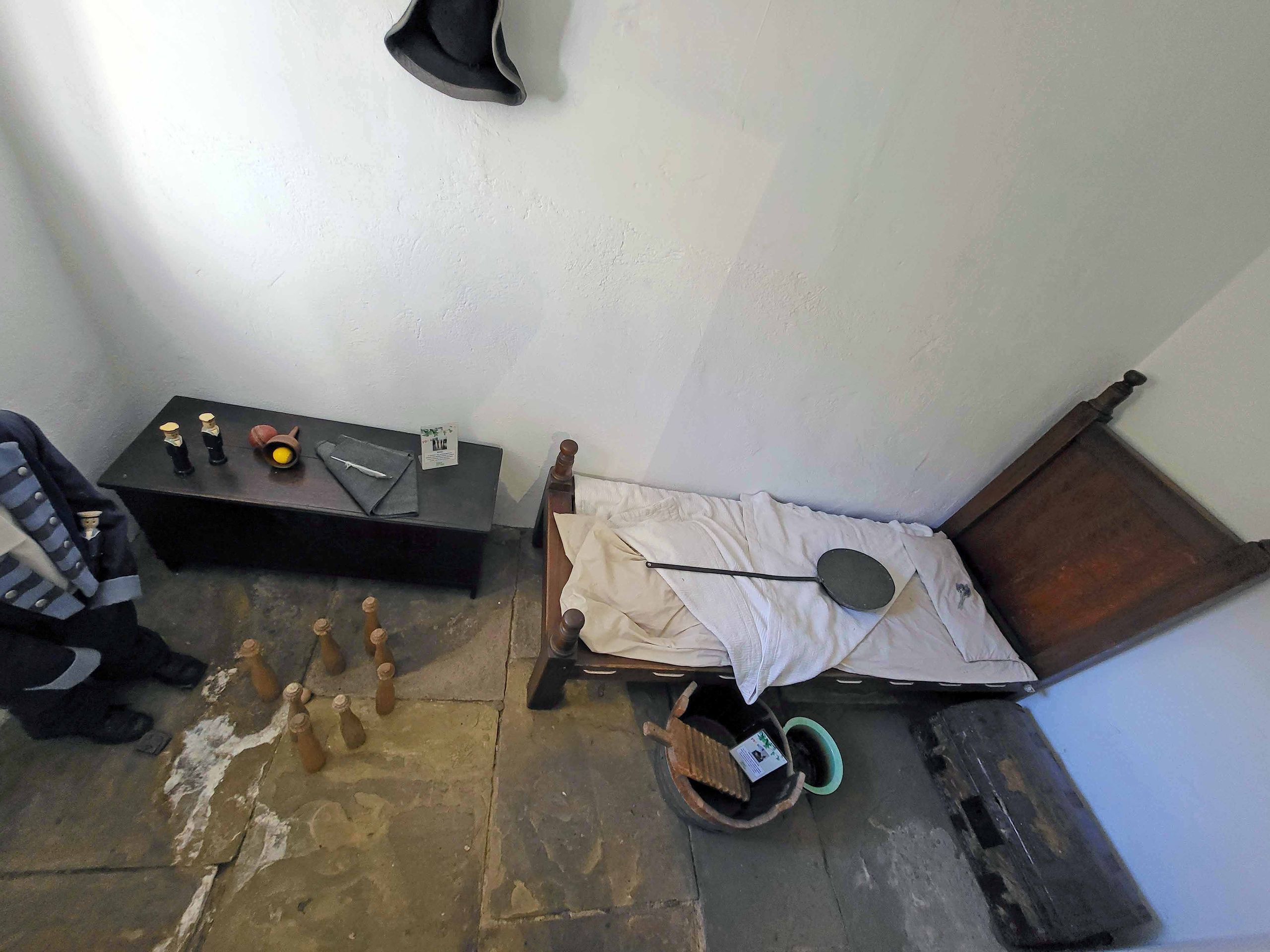
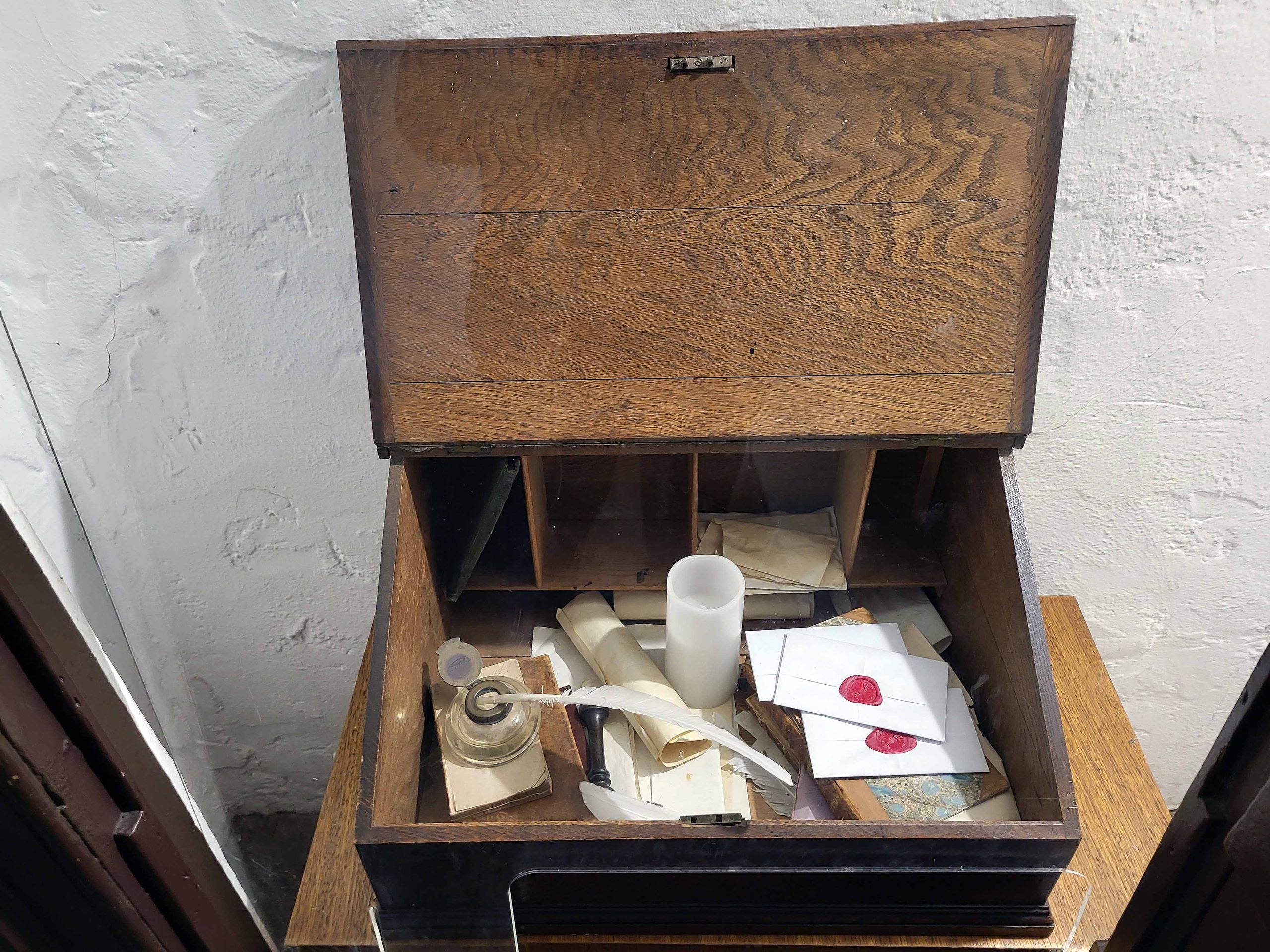
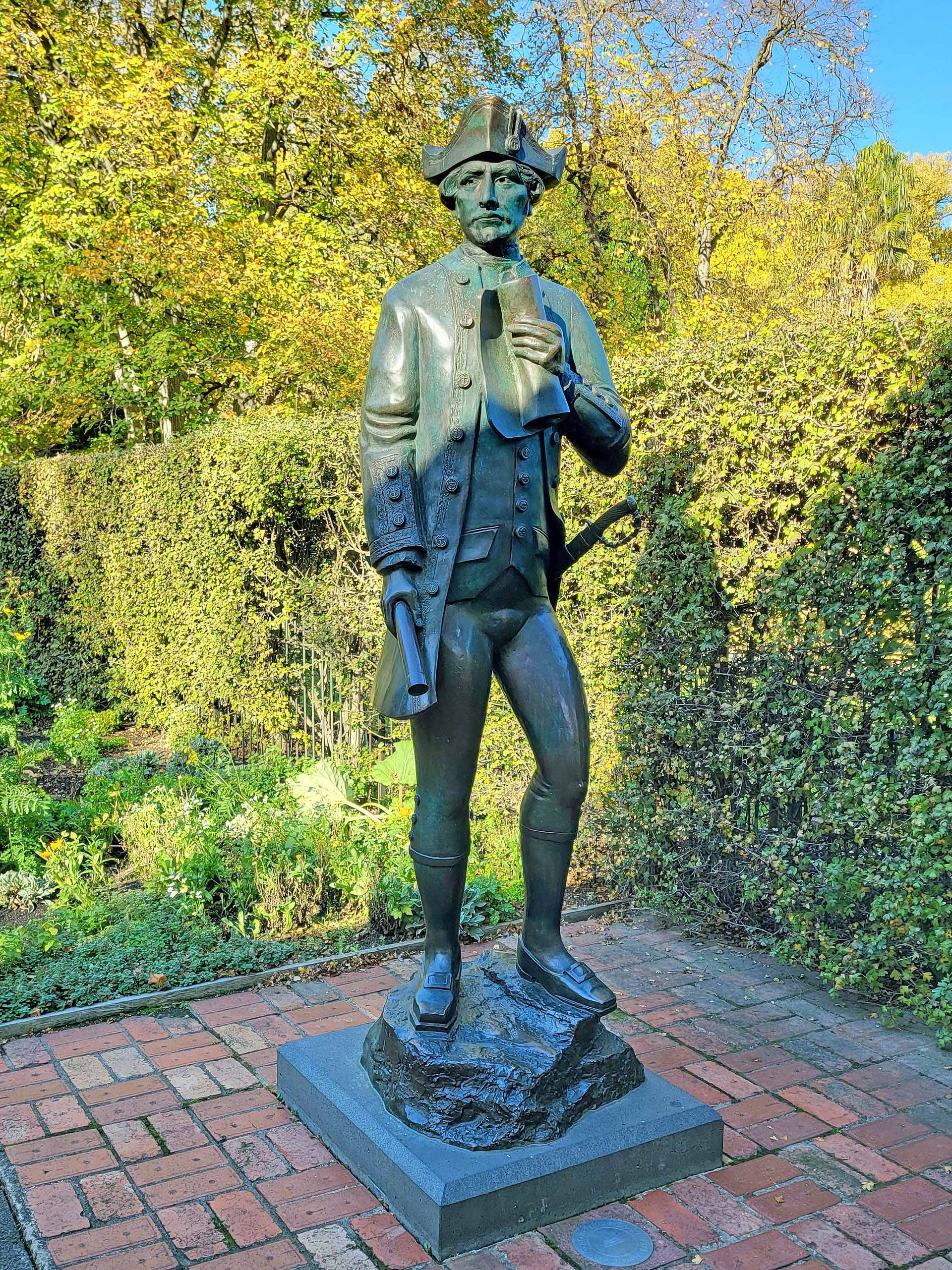
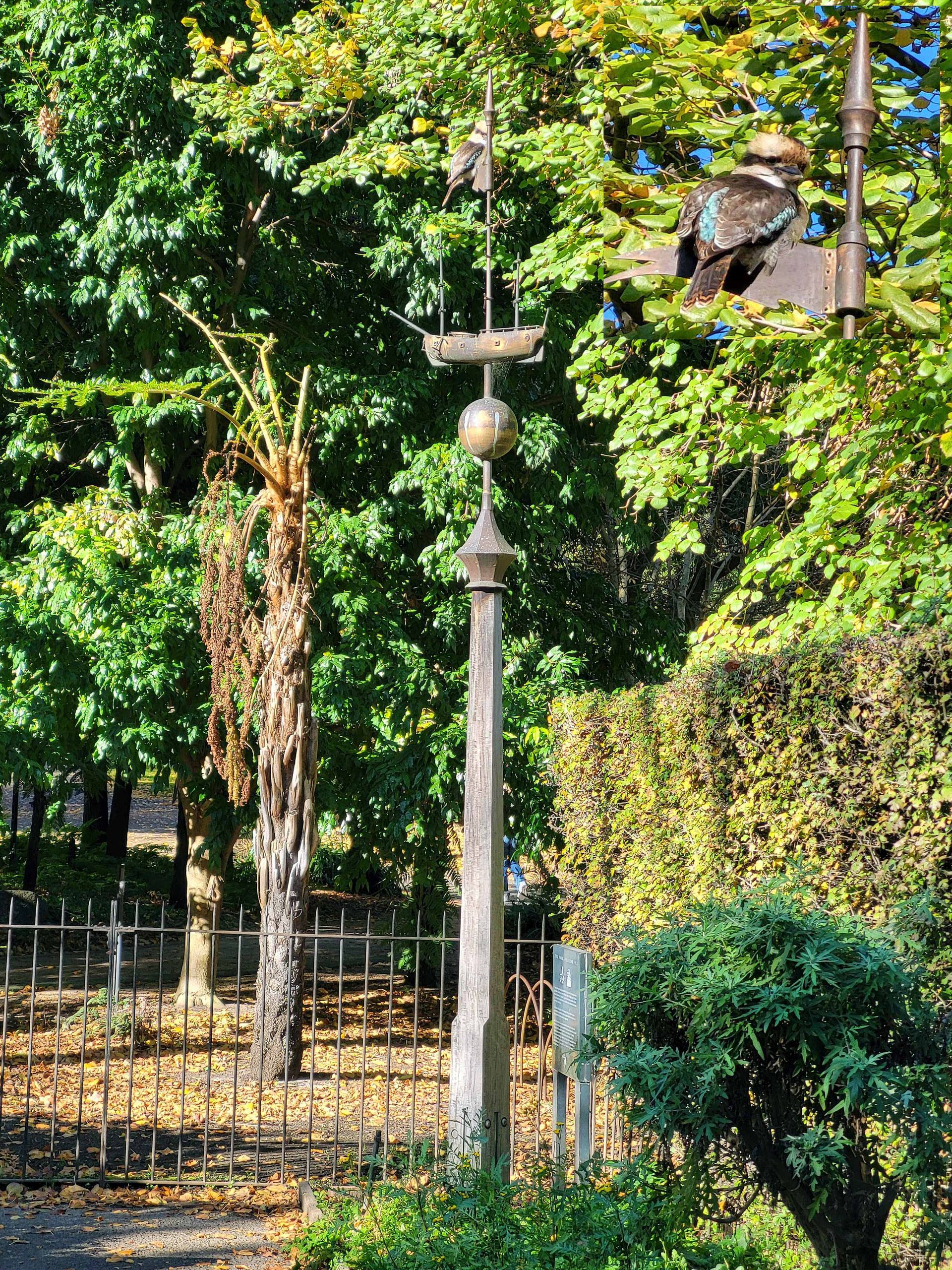
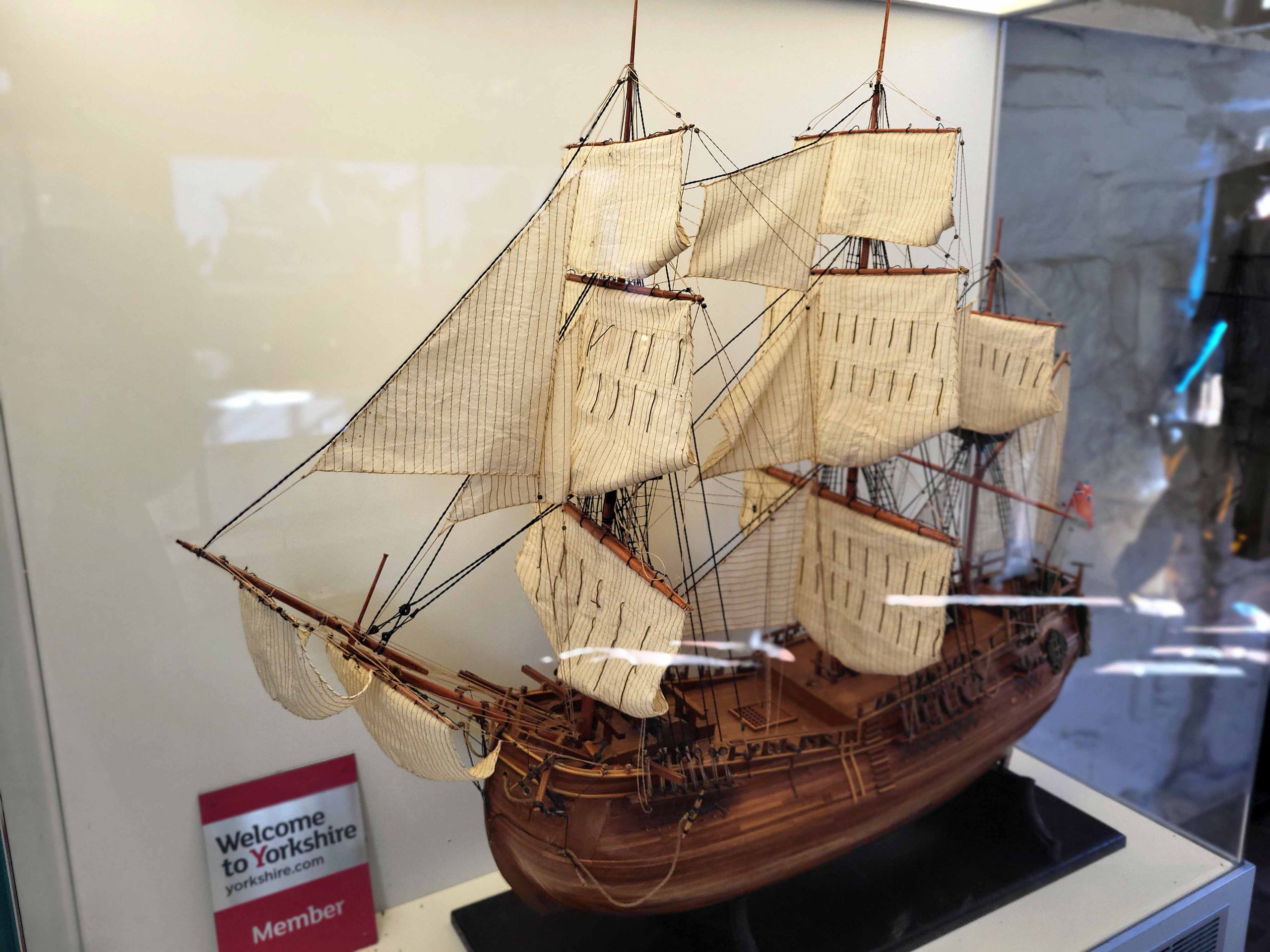
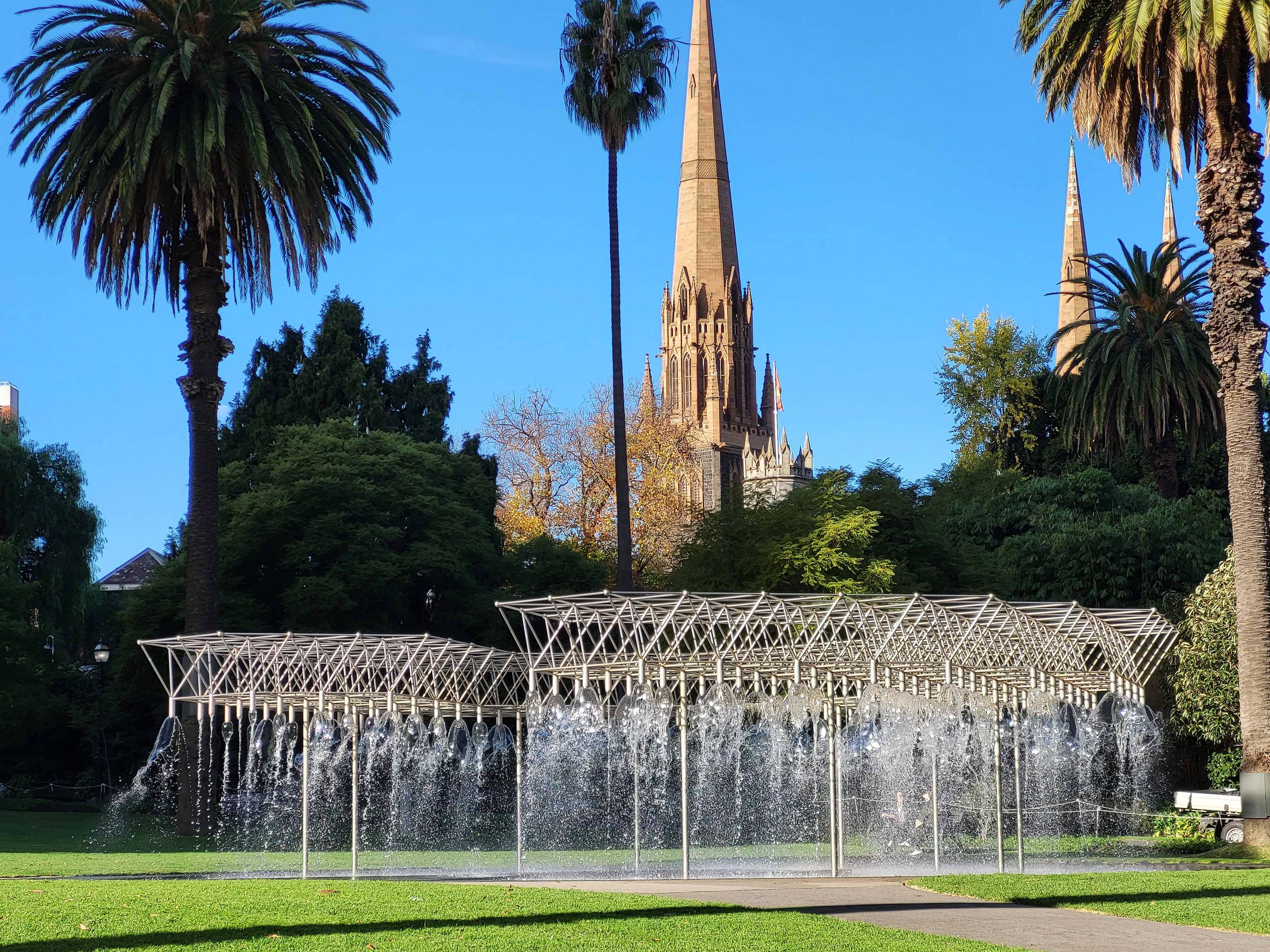
We then walked further to the Fitzroy Gardens. There is Cook's Cottage. This is the childhood home of the English Captain James Cook, who is referred to as the discoverer of Australia and is said to have been the first European to set foot on the continent in April 1770. The cottage was purchased by a wealthy Australian in 1933 in Yorkshire (England) and taken apart piece by piece. It was then rebuilt in Melbourne and presented to the public on the occasion of the 100th anniversary of the founding of the state in 1934. The house became the subject of numerous controversies; the English lamented the loss of the historic house, even though nobody wanted to preserve it and part of it had already been sacrificed for a street. In Australia, they were initially unwilling to give up space for it. Since the parents only built the house after James Cook moved out, and Cook only visited there, it was partially not considered to be Cook's house. The First Nations viewed it as an affront to give a monument to a conqueror; for student circles, it is a symbol of colonialism, and demonstrations occasionally take place there with heavy graffiti on the house. Overall, an interesting story.
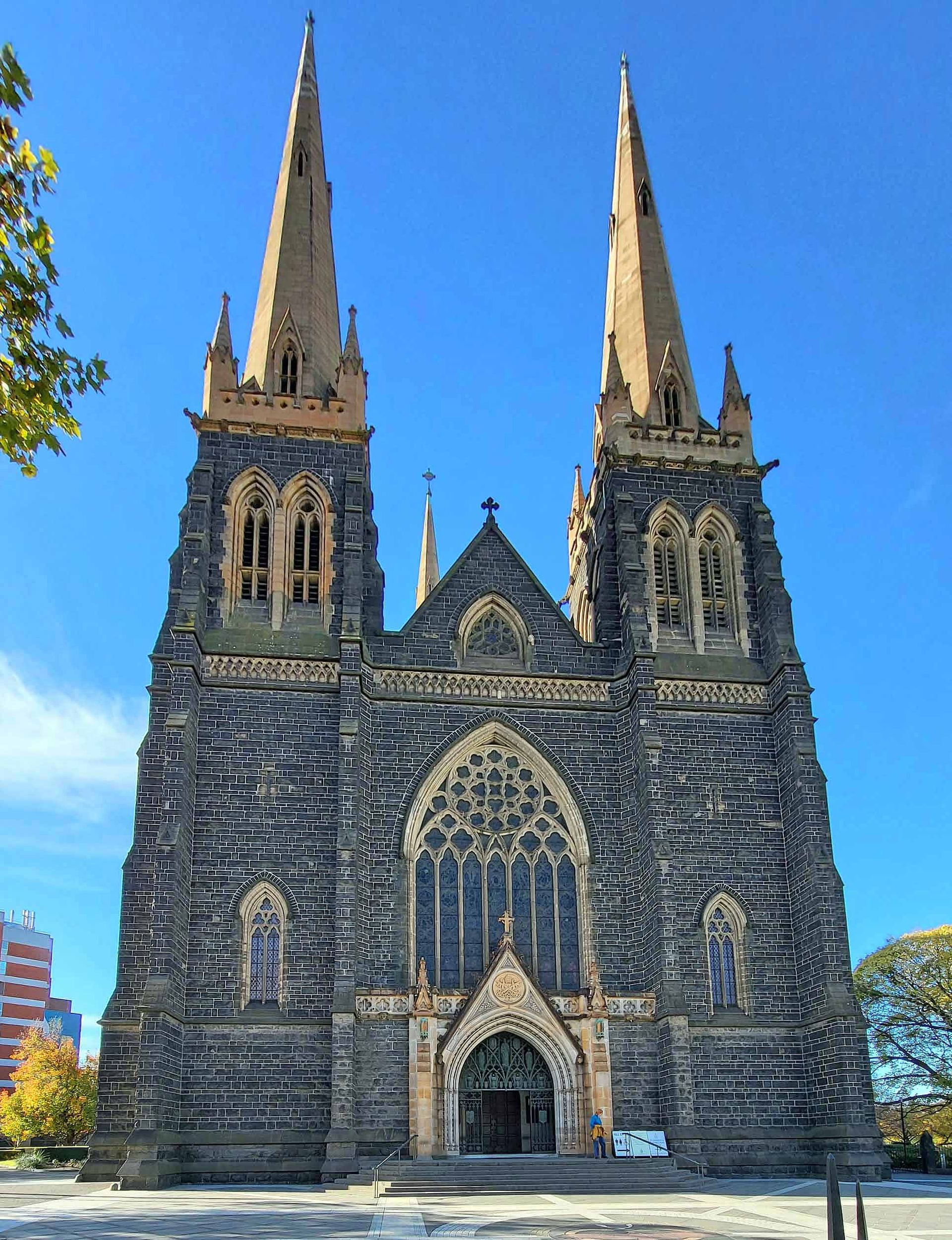
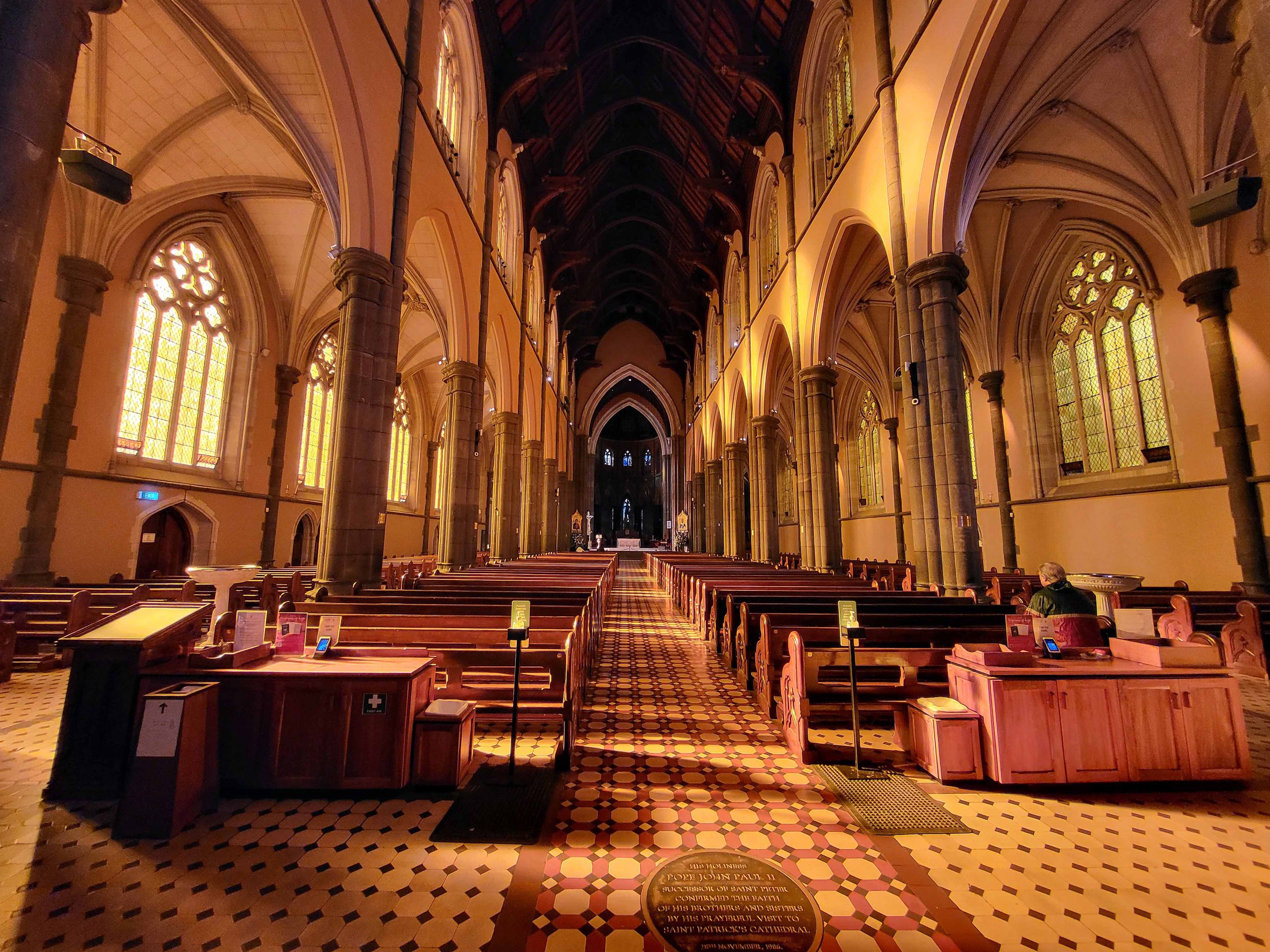
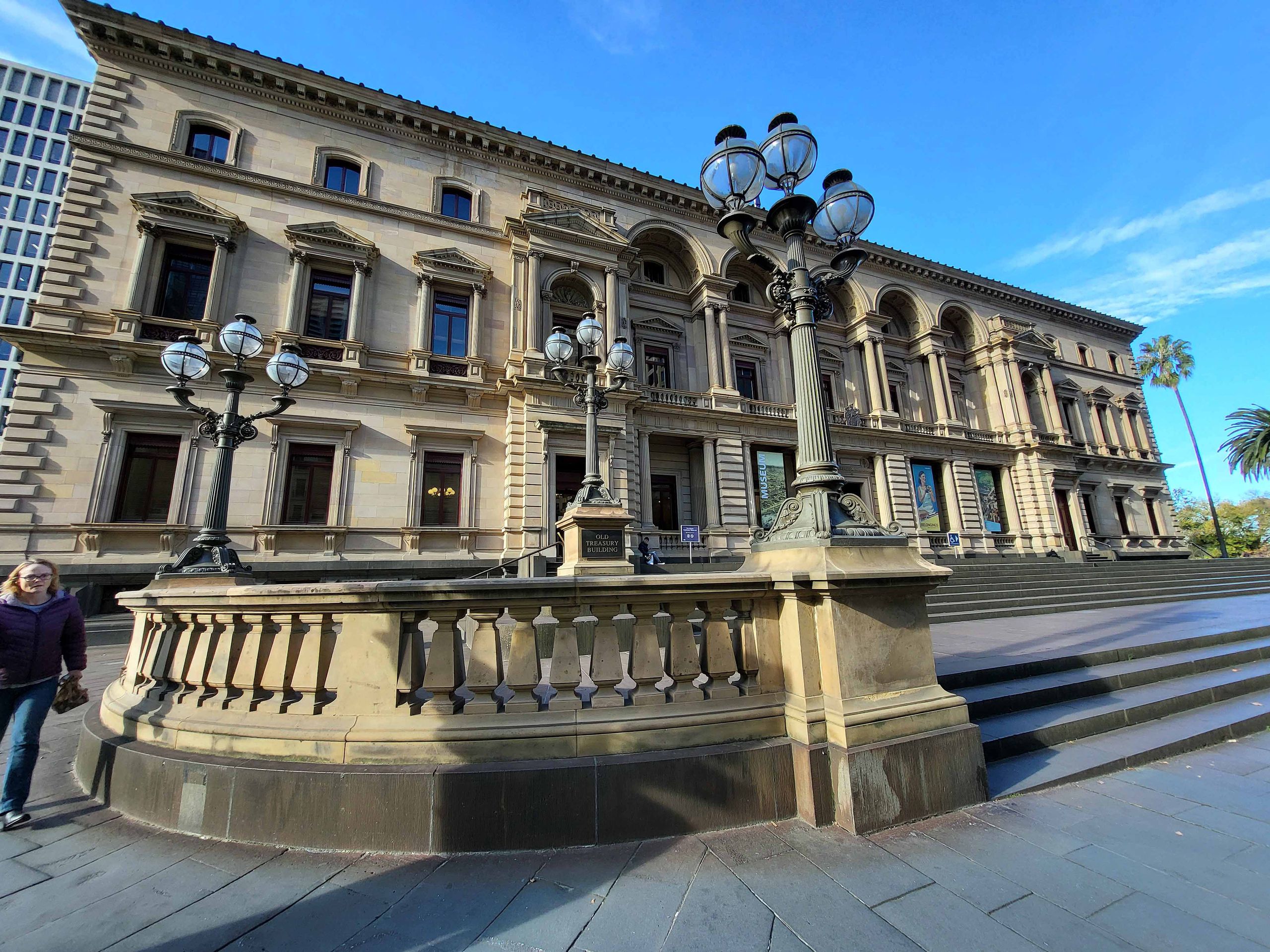
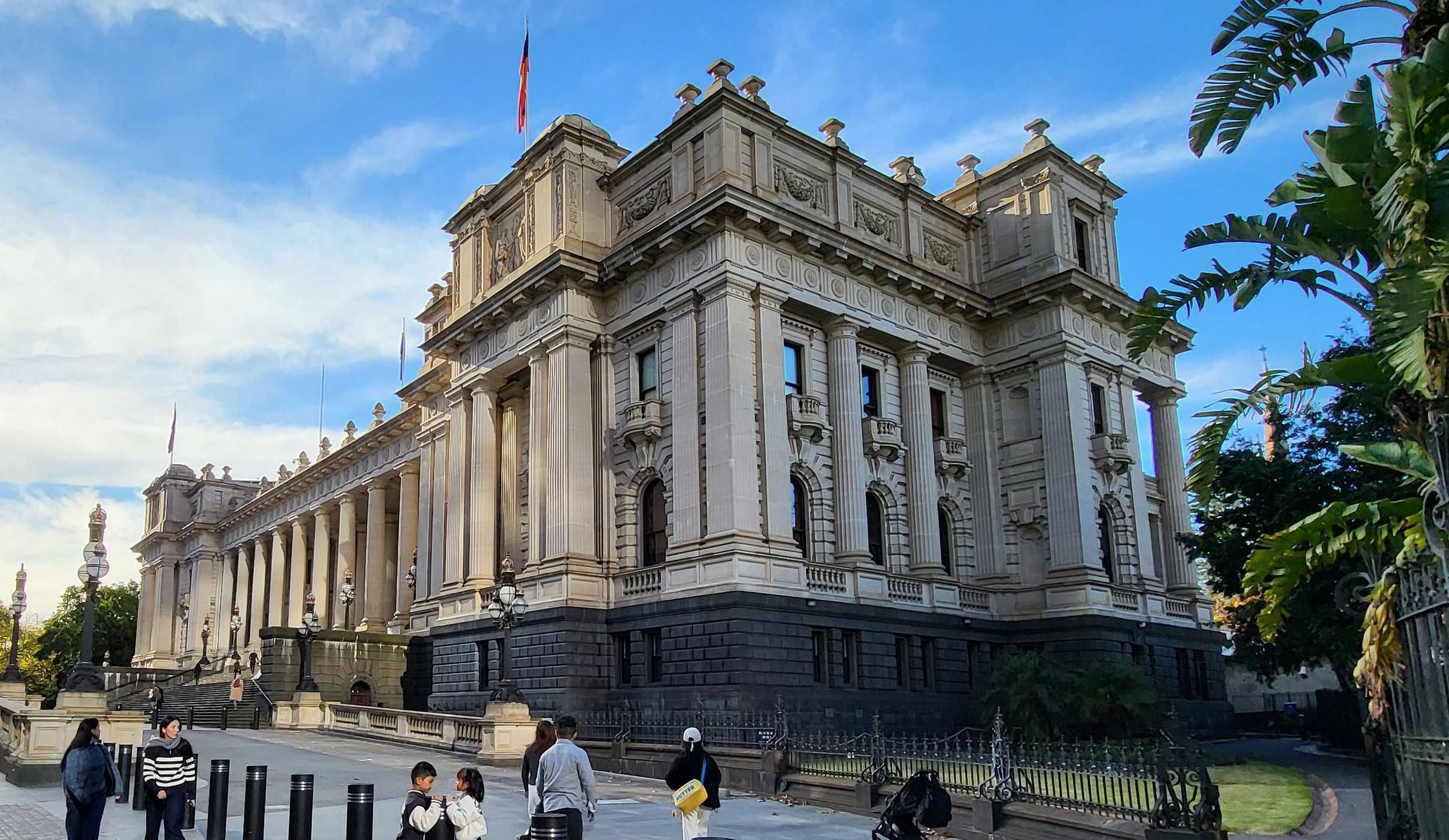
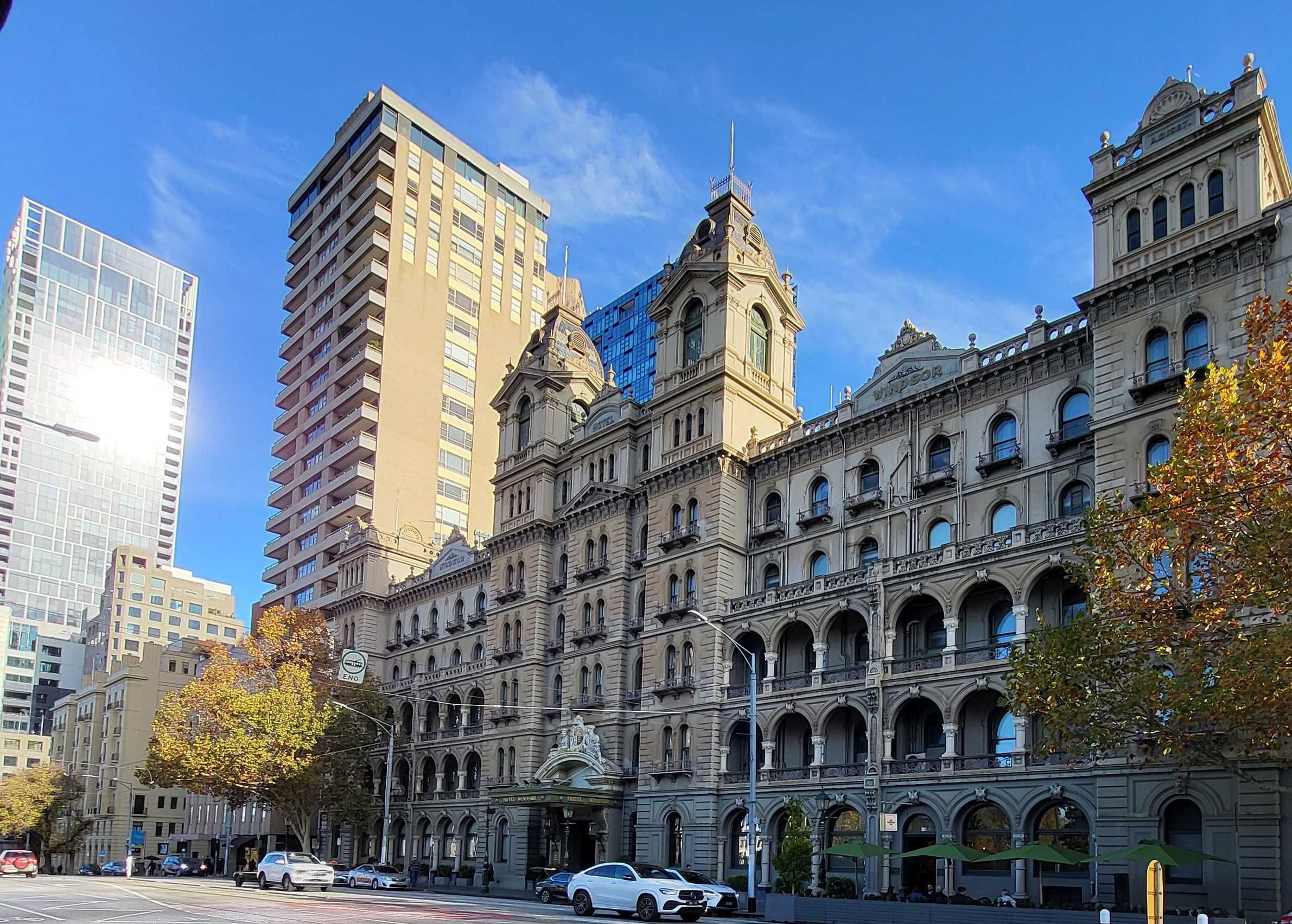
We then walked a bit further to St. Patrick's Cathedral and also viewed the inside. Nearby, we then walked to the old Parliament building and the old National Bank building.
It's already time to pack the suitcase again. Tomorrow we are heading to Yanakie, and we are getting closer to Sydney.
Entry not yet finished...