
Ferry ride Hososhima - Toba, April 10, 2026
Today is our last day at sea. As another low-pressure system moves over Japan, which is expected to bring high waves, the captain has decided to spend the last night in the port...

Published: 11.04.2026
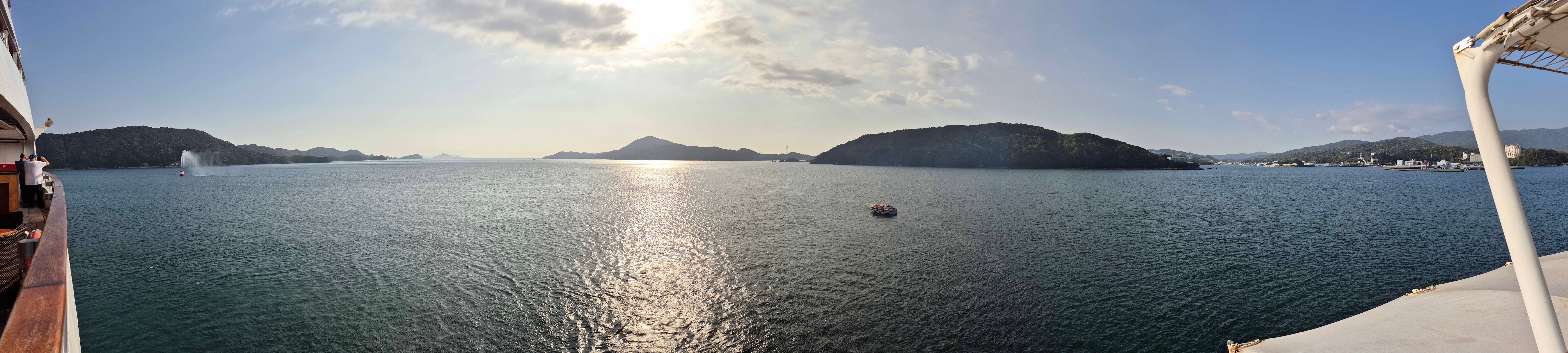
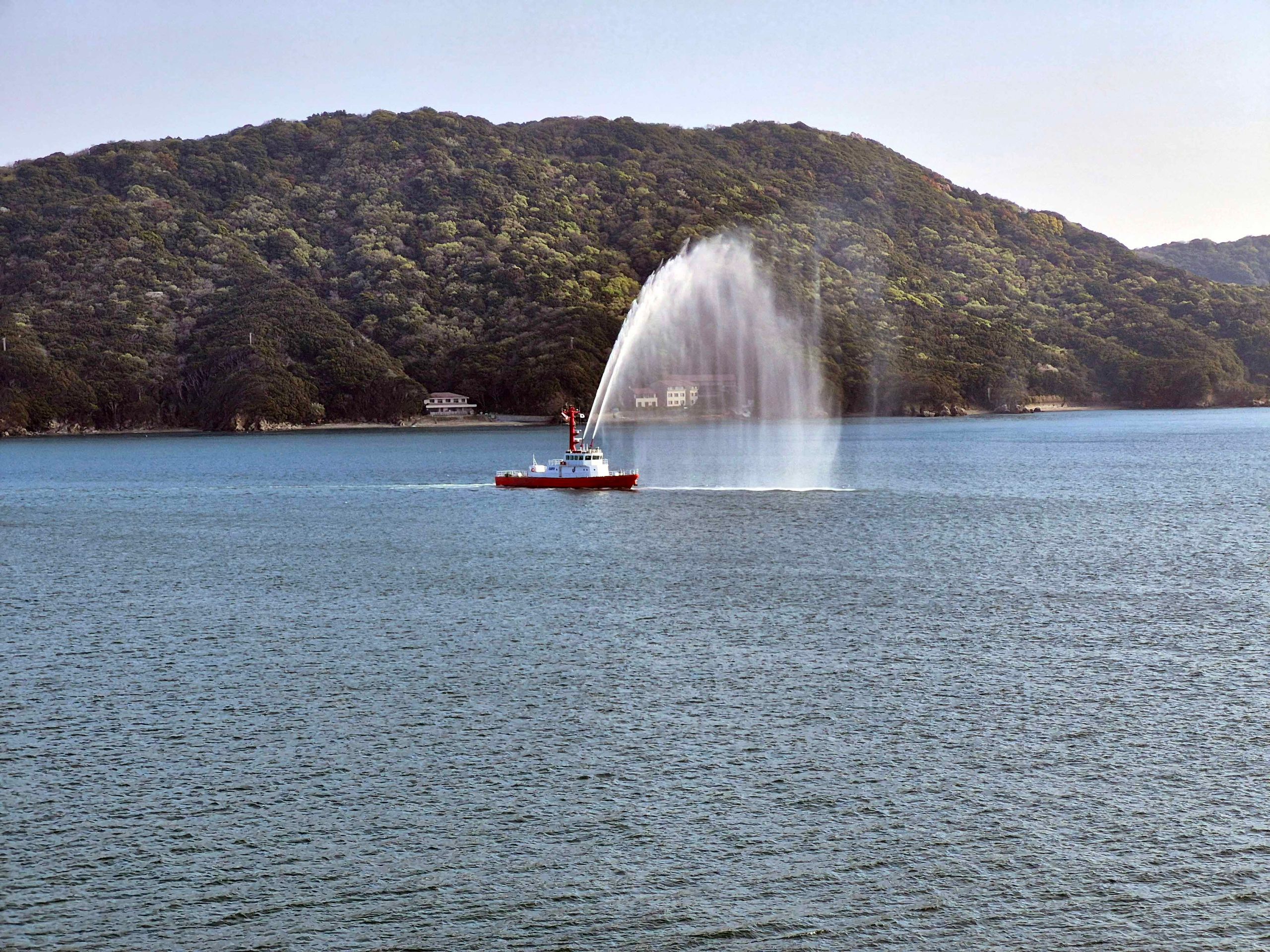
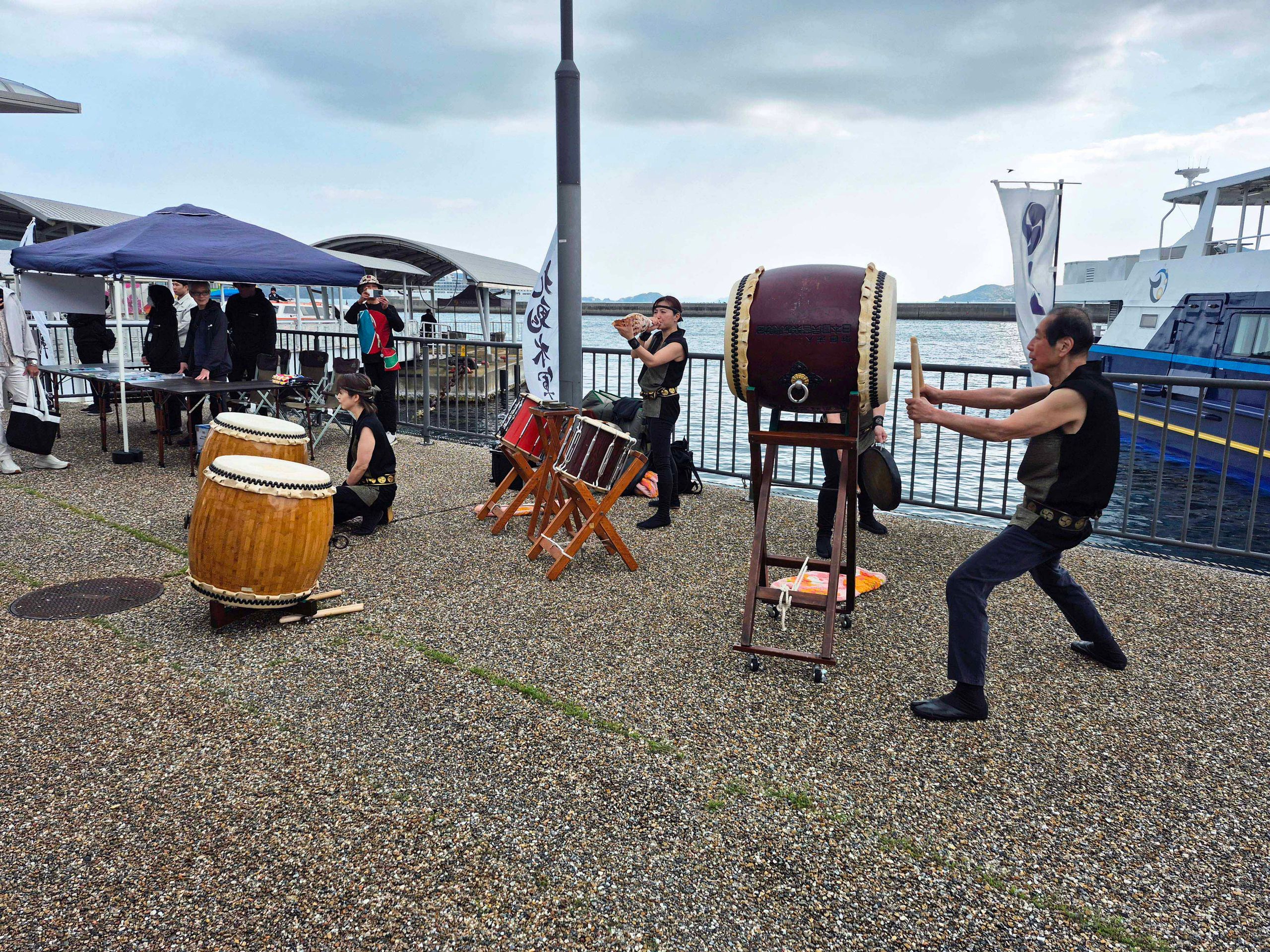
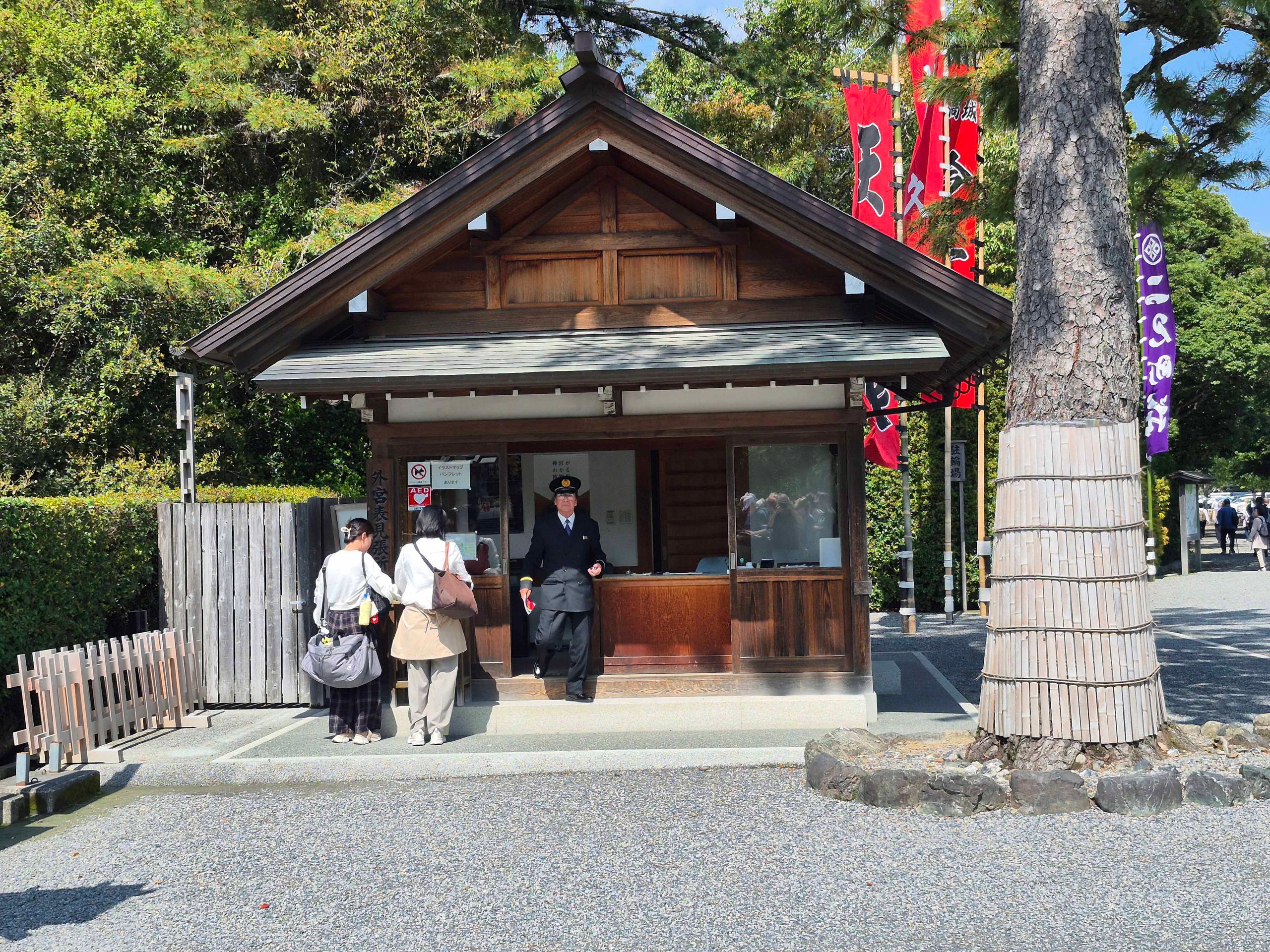
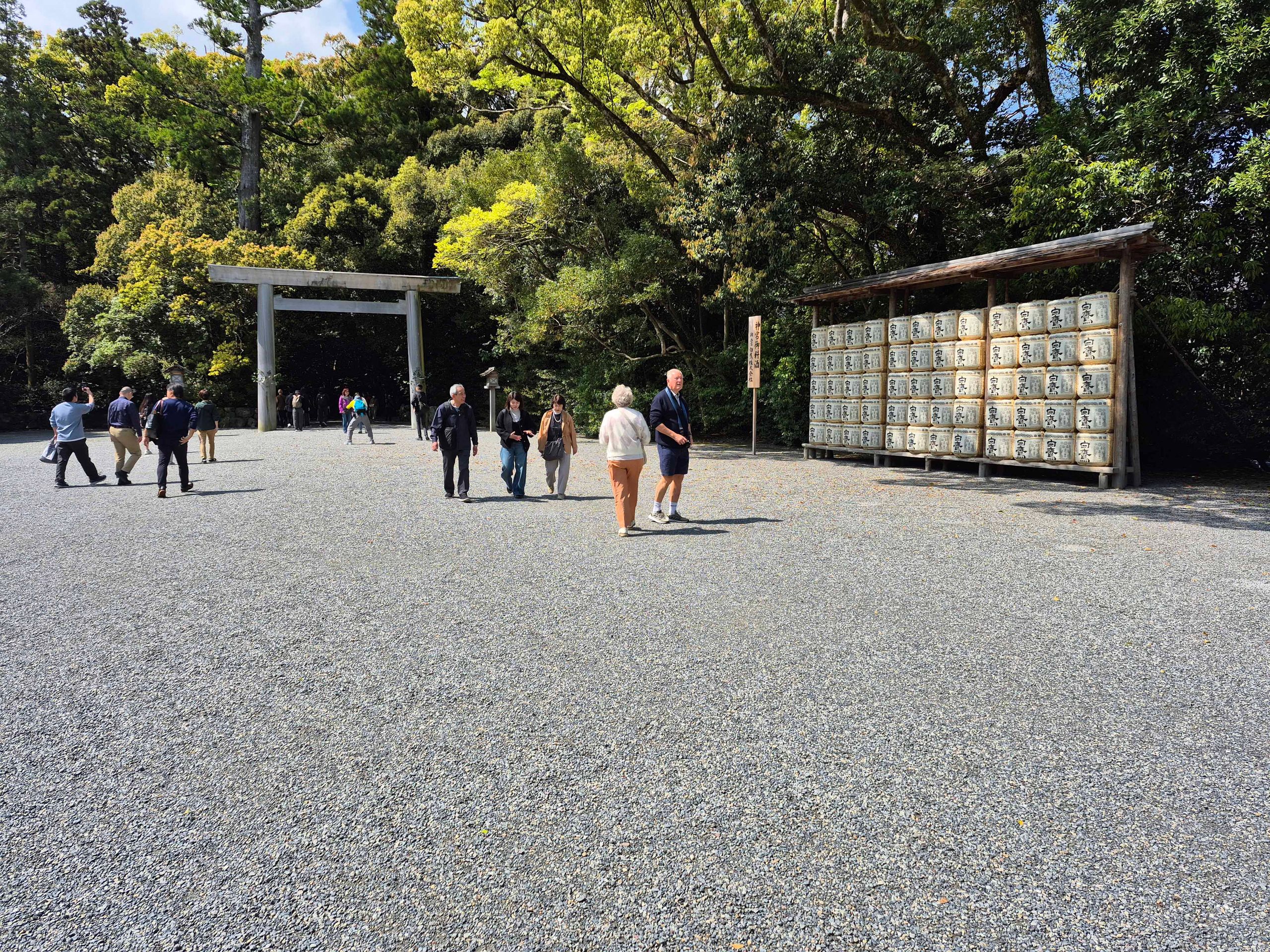
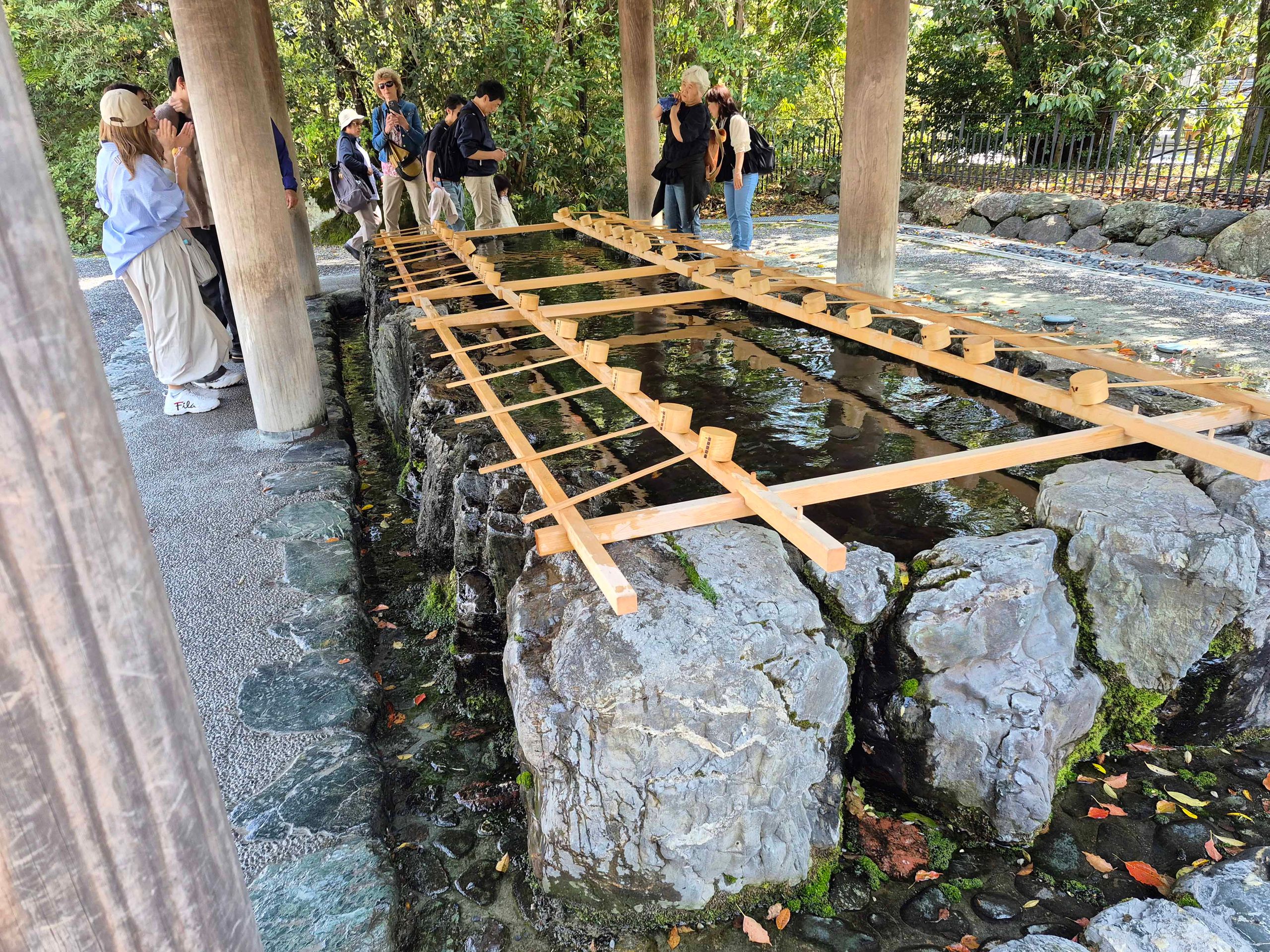
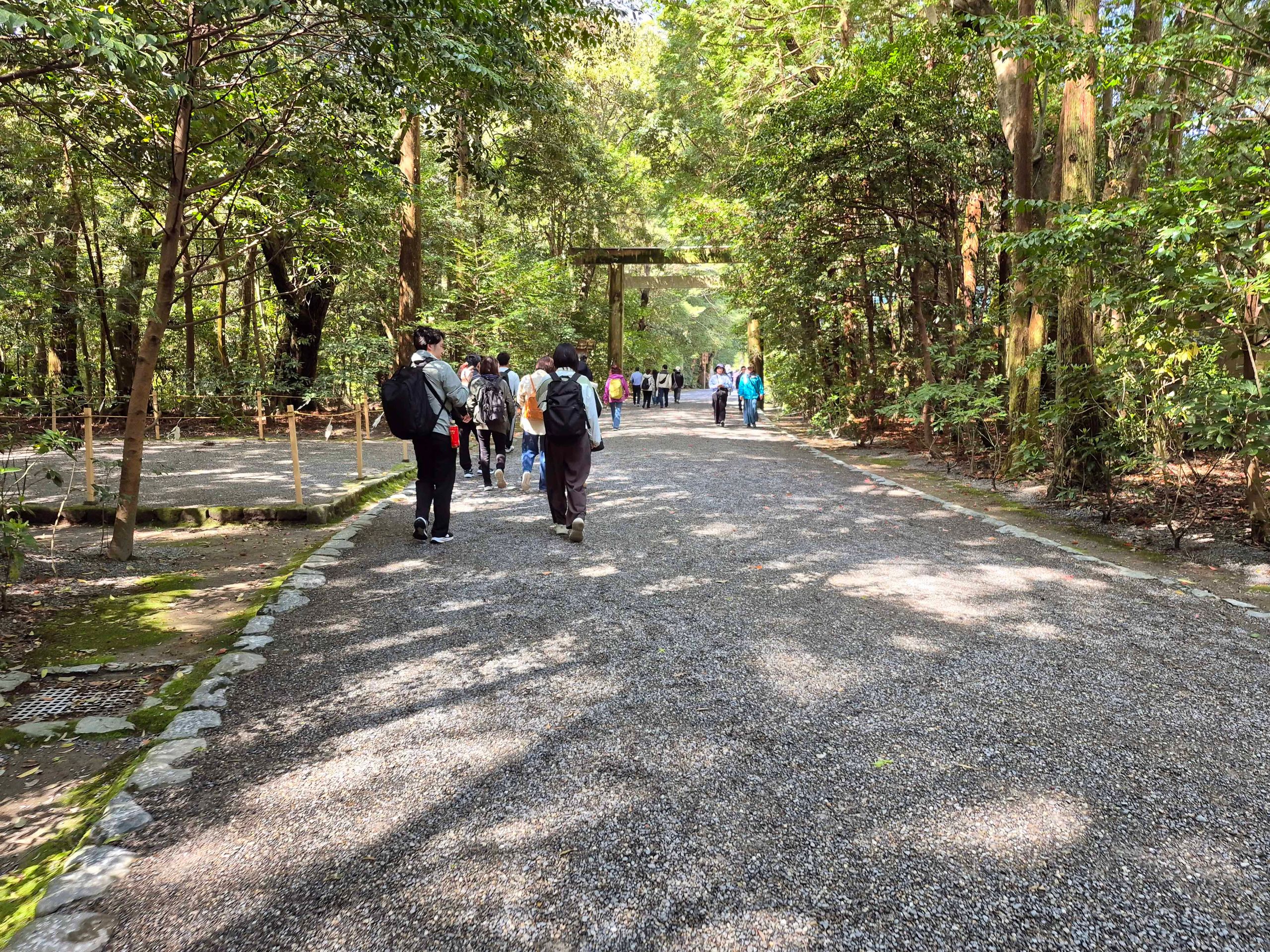
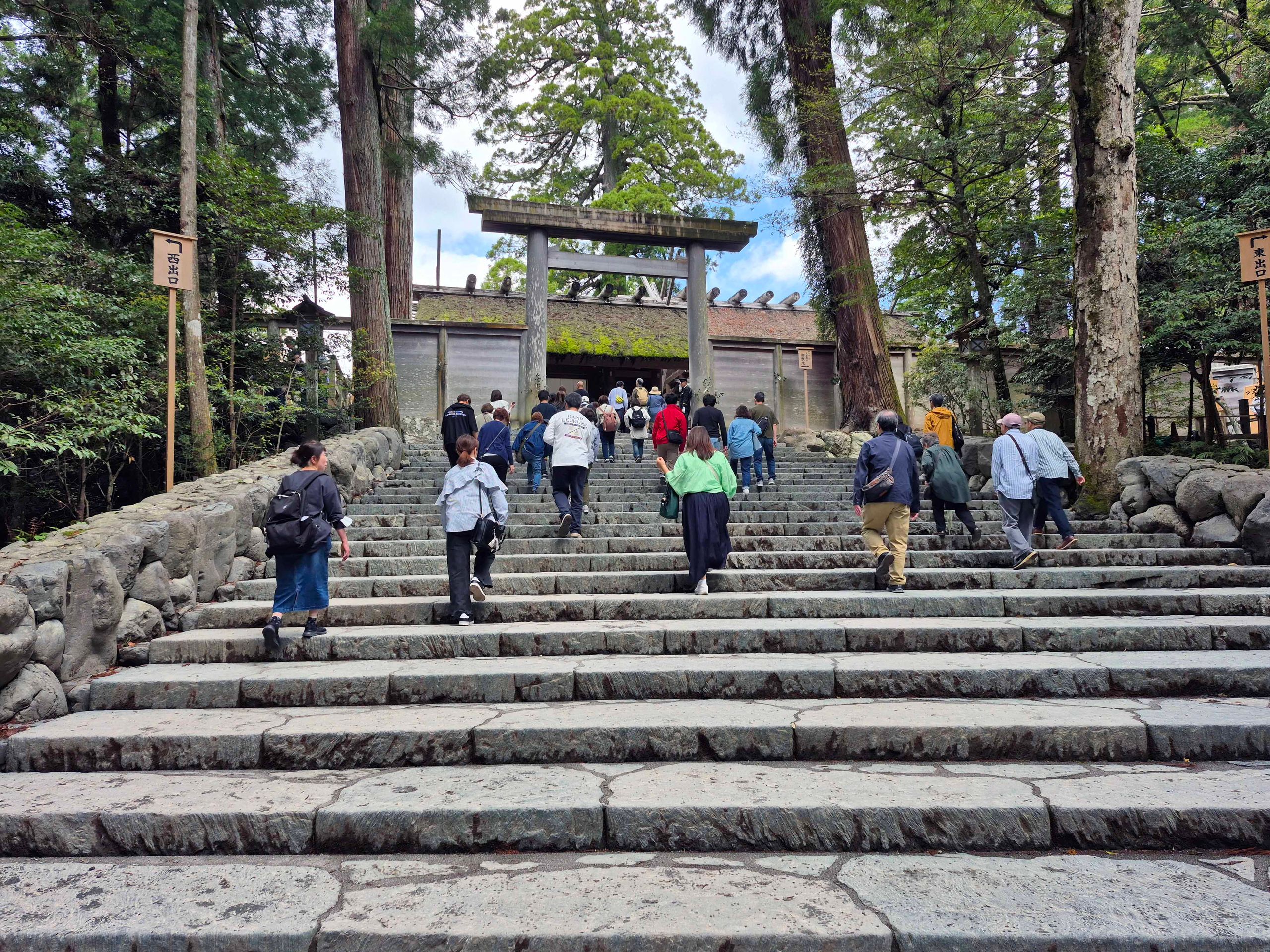
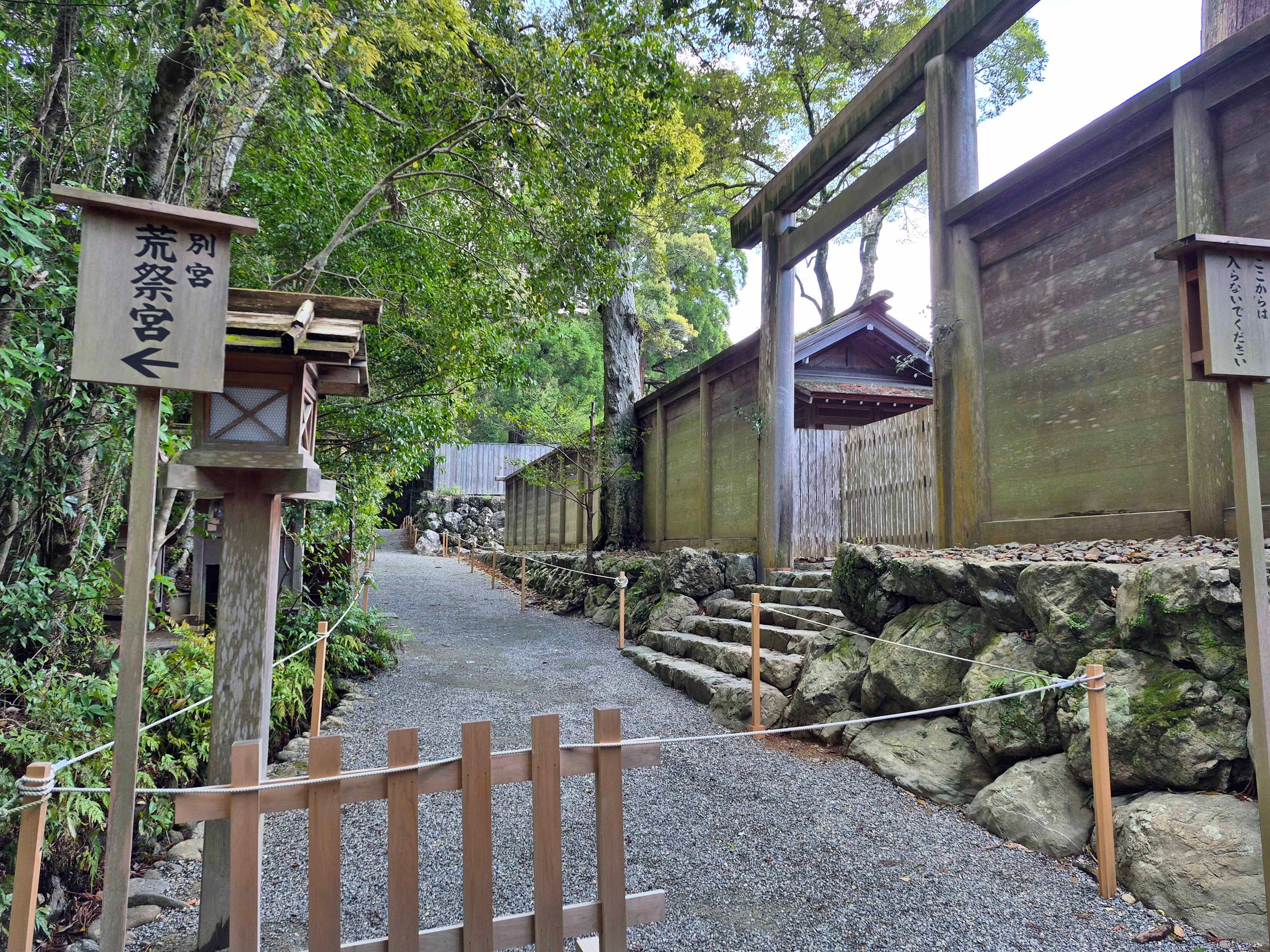
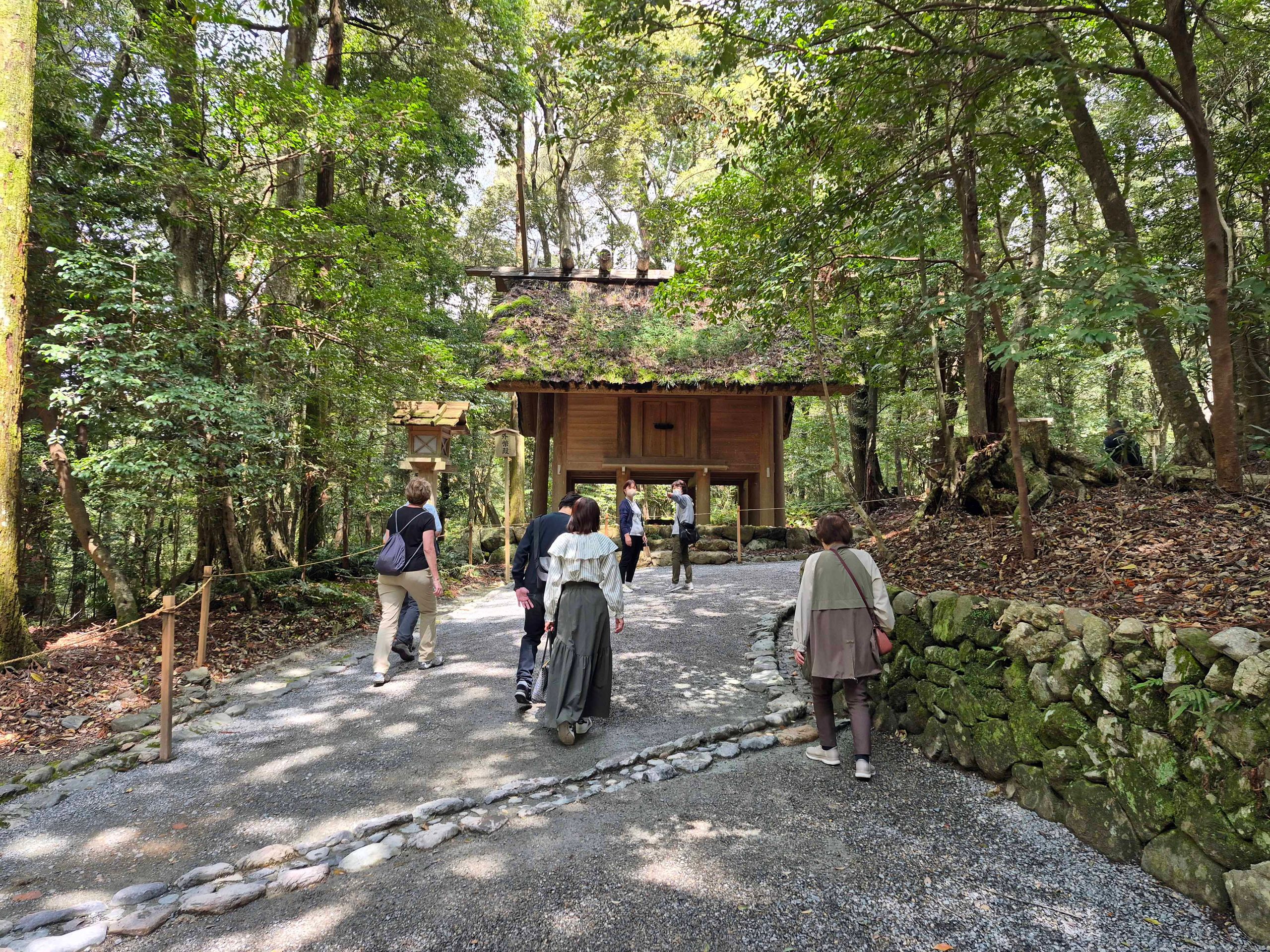
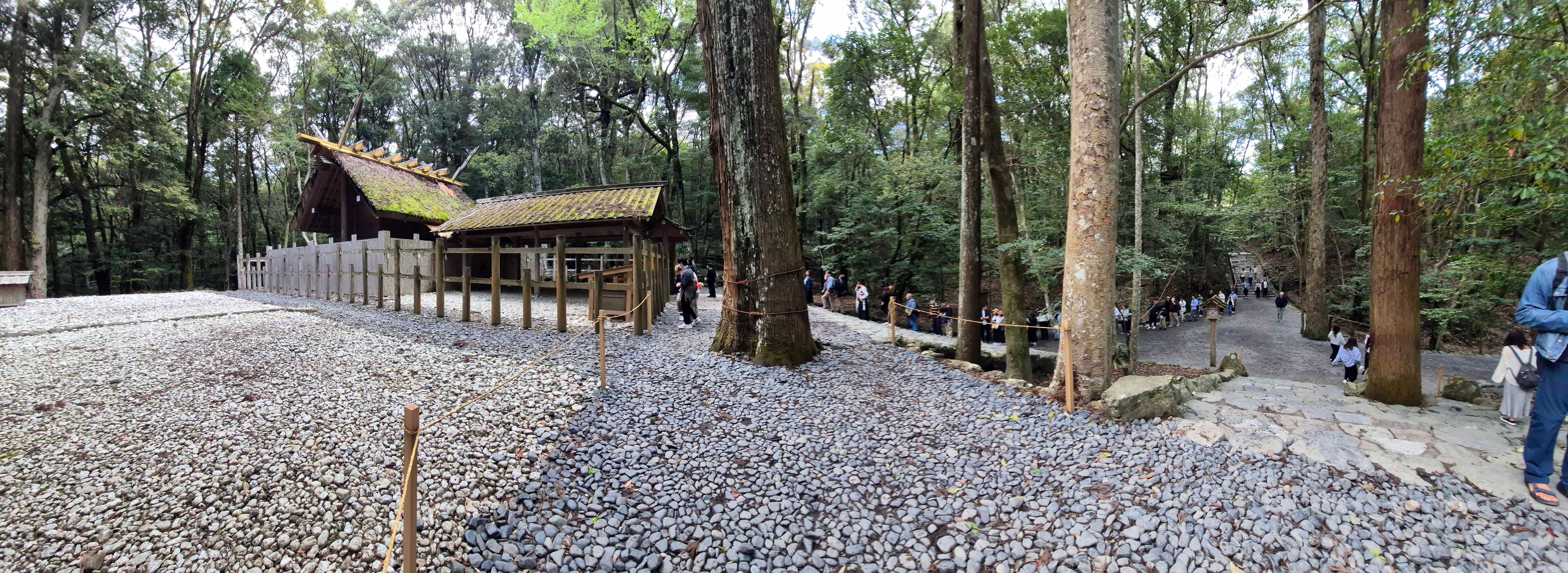
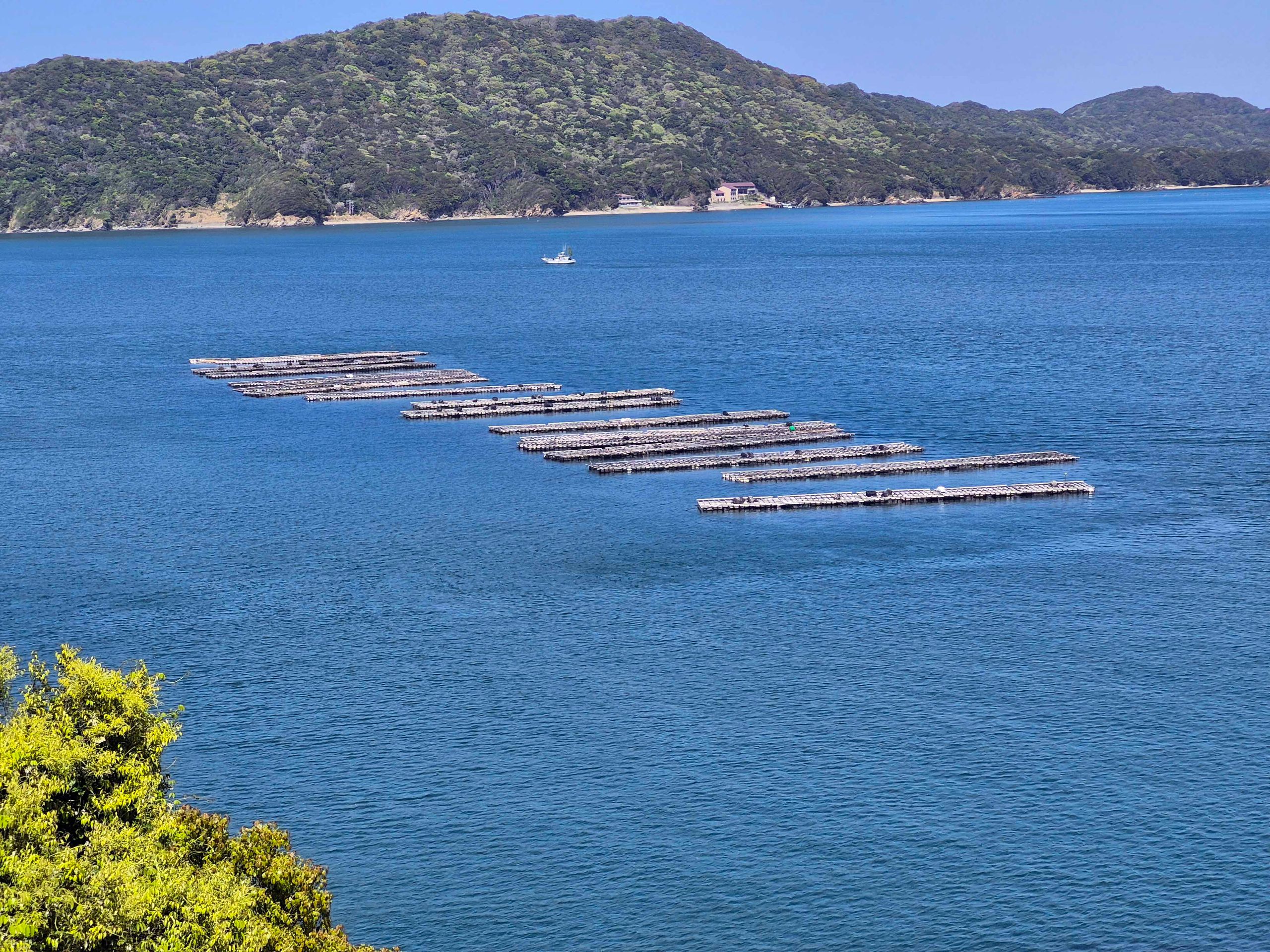
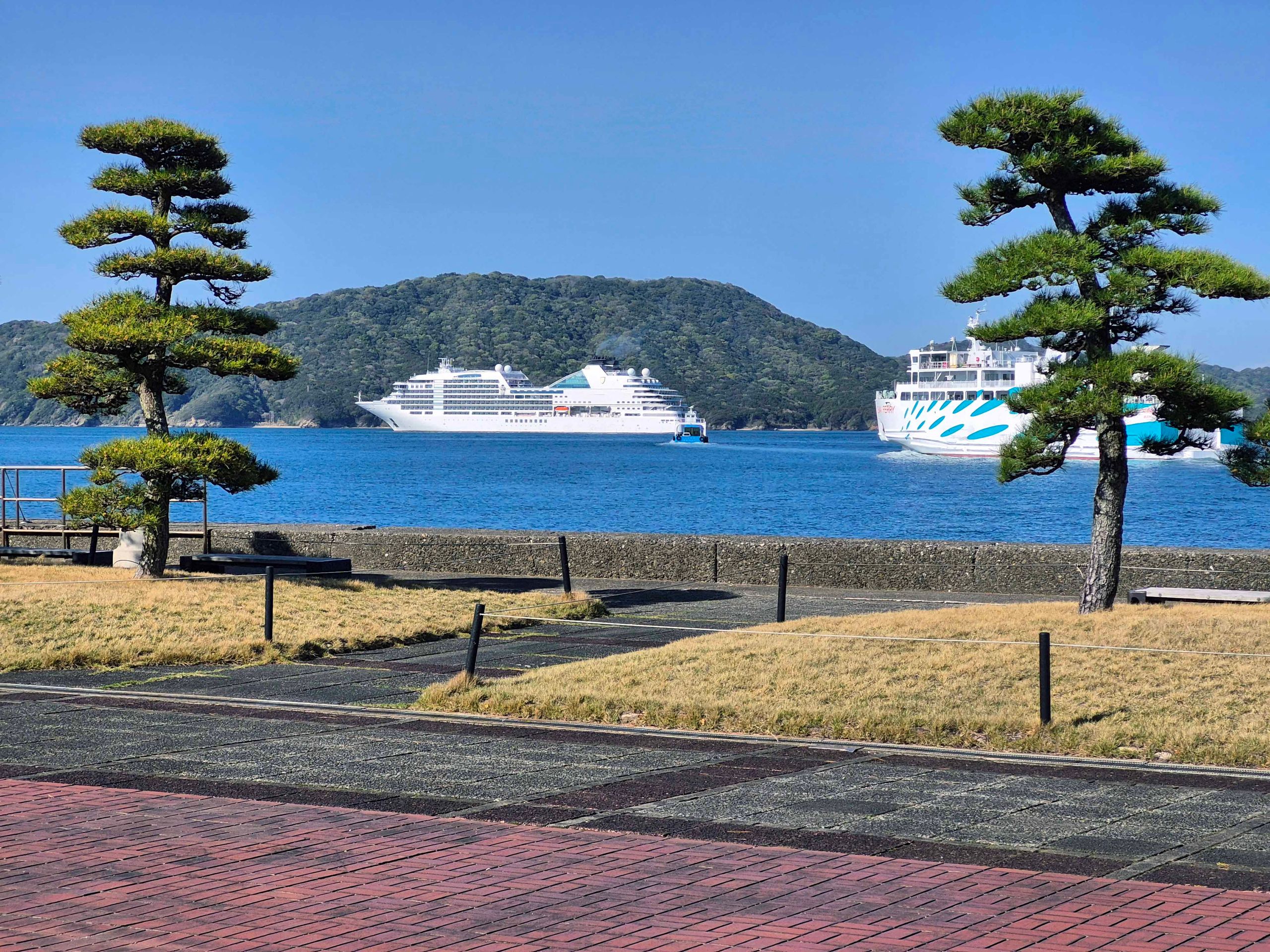
The captain's decision to set off yesterday only in the morning, but to travel a bit faster, paid off. The whole journey was quite calm. Upon arrival in the morning, it was still heavily overcast and windy. However, around ten o'clock the clouds cleared, and it became sunny and pleasantly warm.
Toba is a small town with about 17,000 inhabitants, encompassing half a dozen incorporated villages. It belongs to Mie Prefecture, which has around 1.7 million residents. It is a rural area primarily based on agriculture and fishing. Today we took a tour to the shrines of the neighboring city of Ise and to Mikimoto Island, known for its divers.
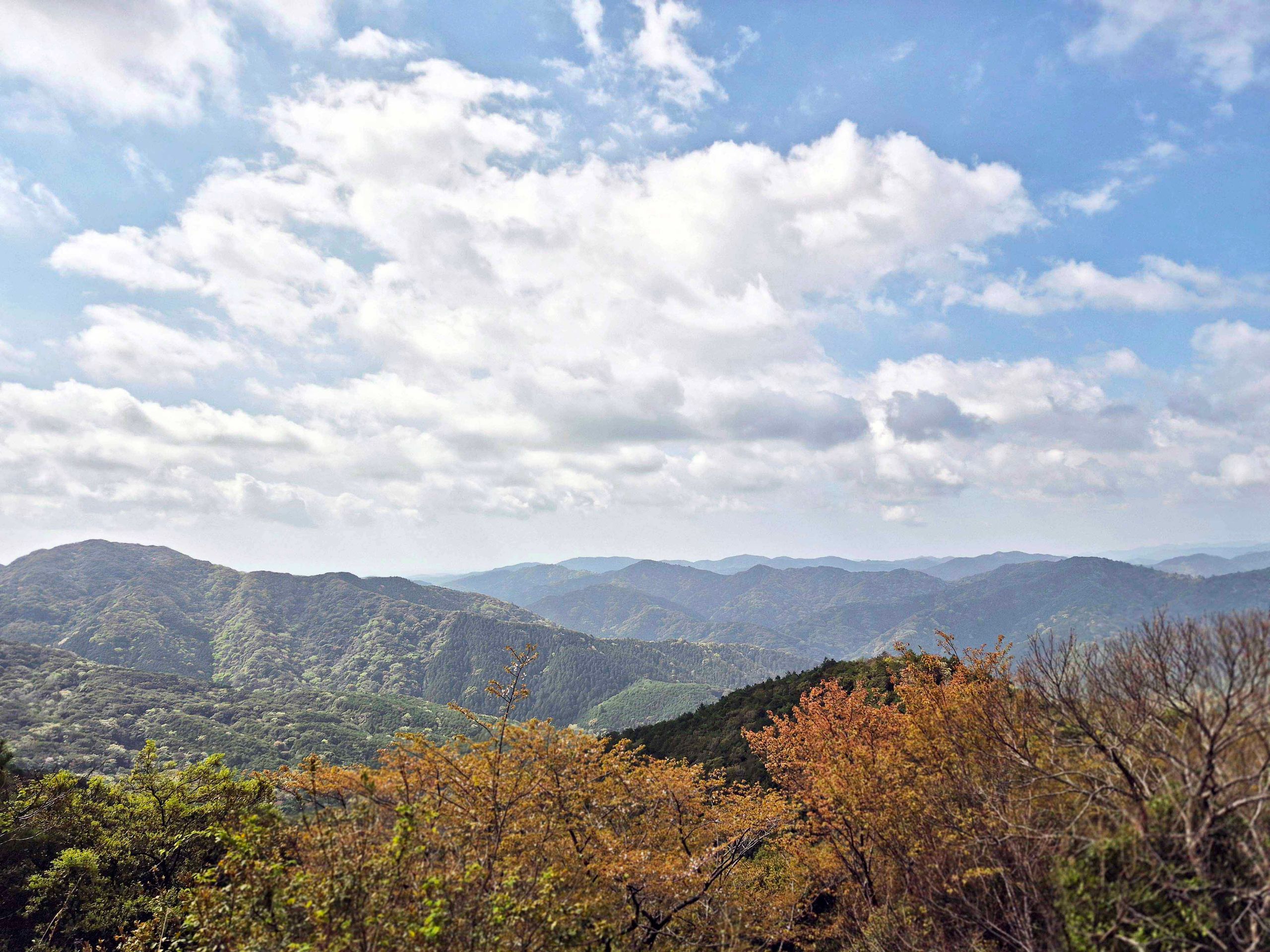
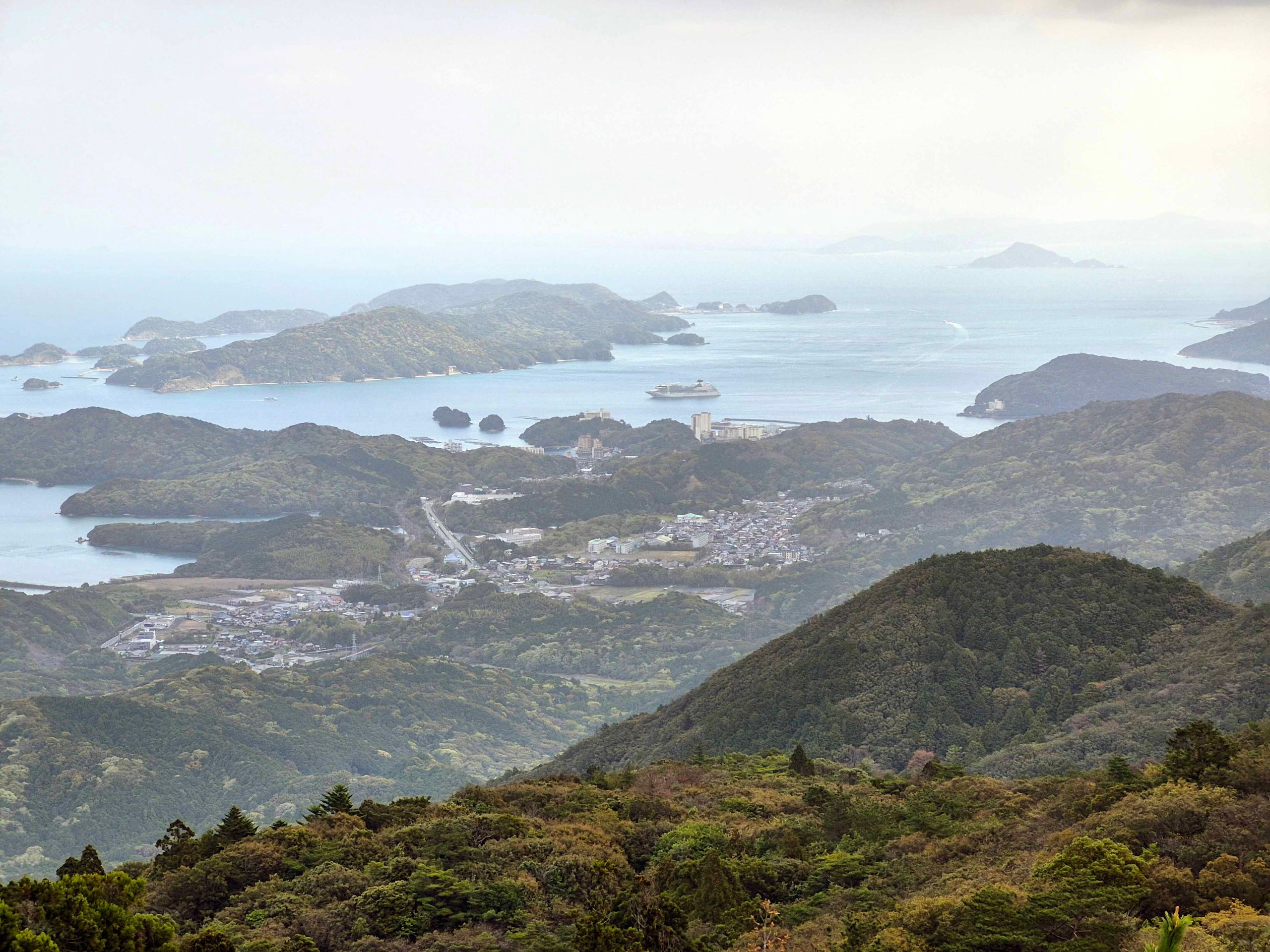
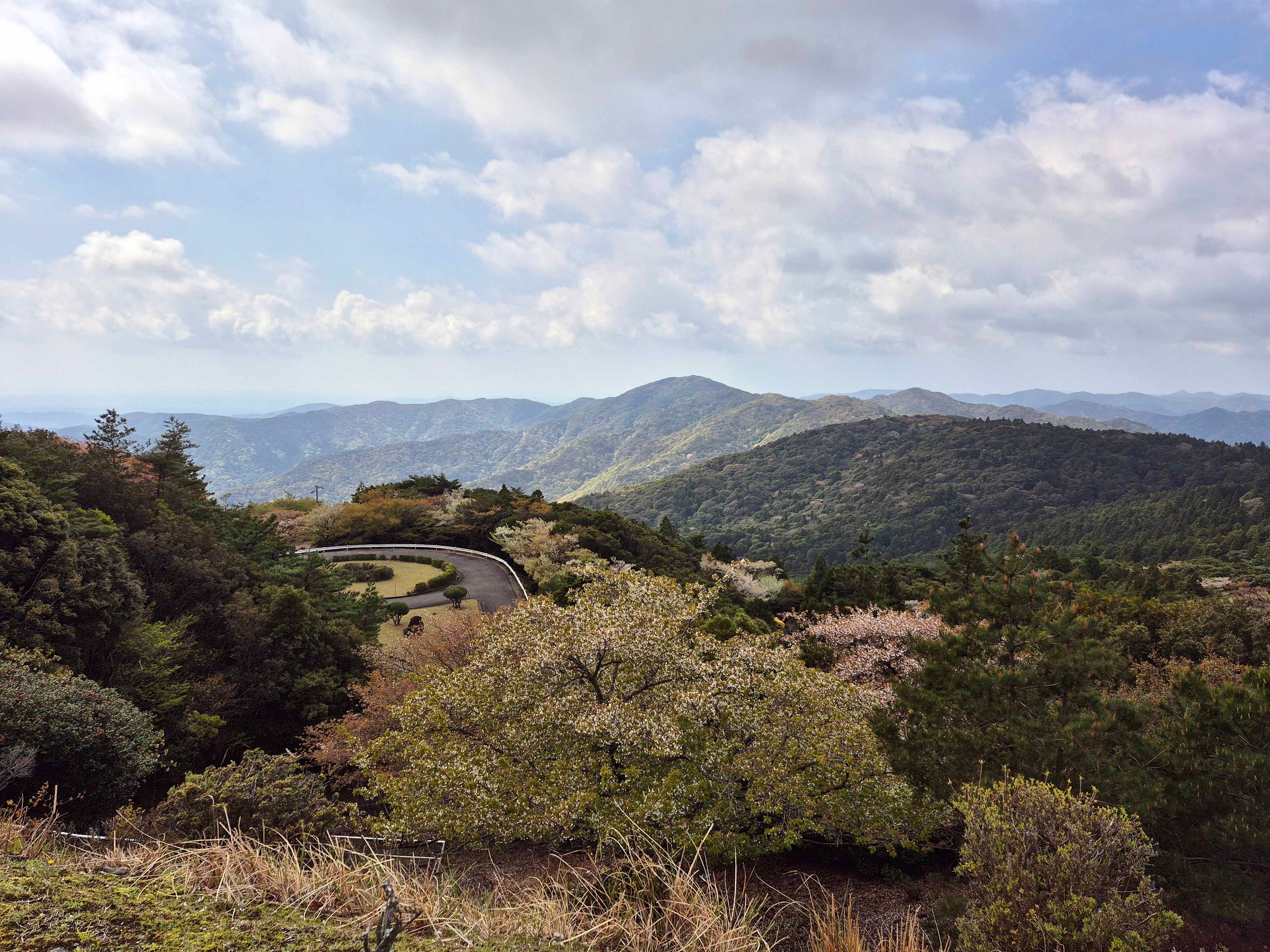
Ise is significantly larger than Toba, with over 200,000 inhabitants. However, we did not travel directly to Ise; instead, we took a mountain road to Mount Asama with a viewing platform.
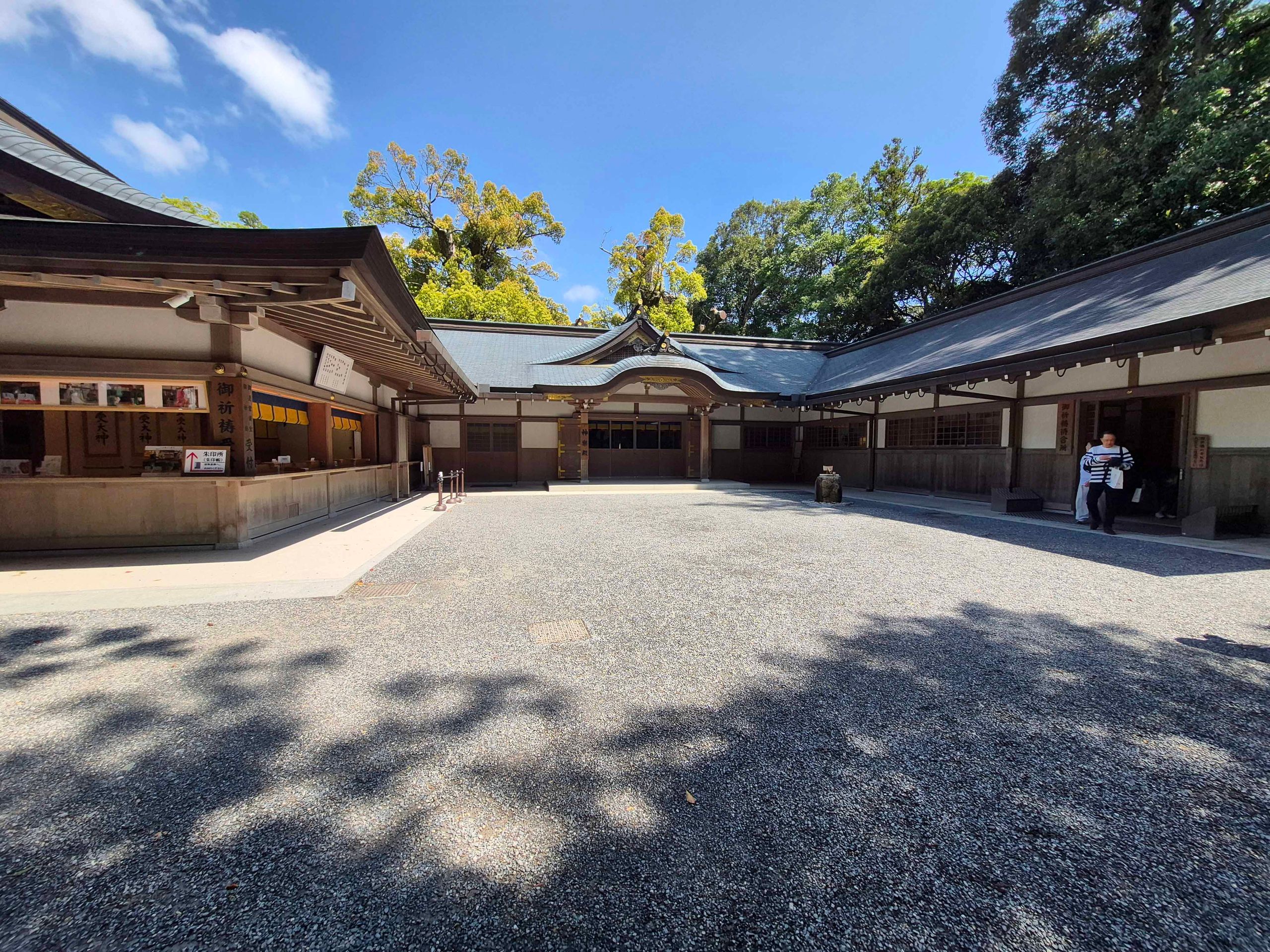
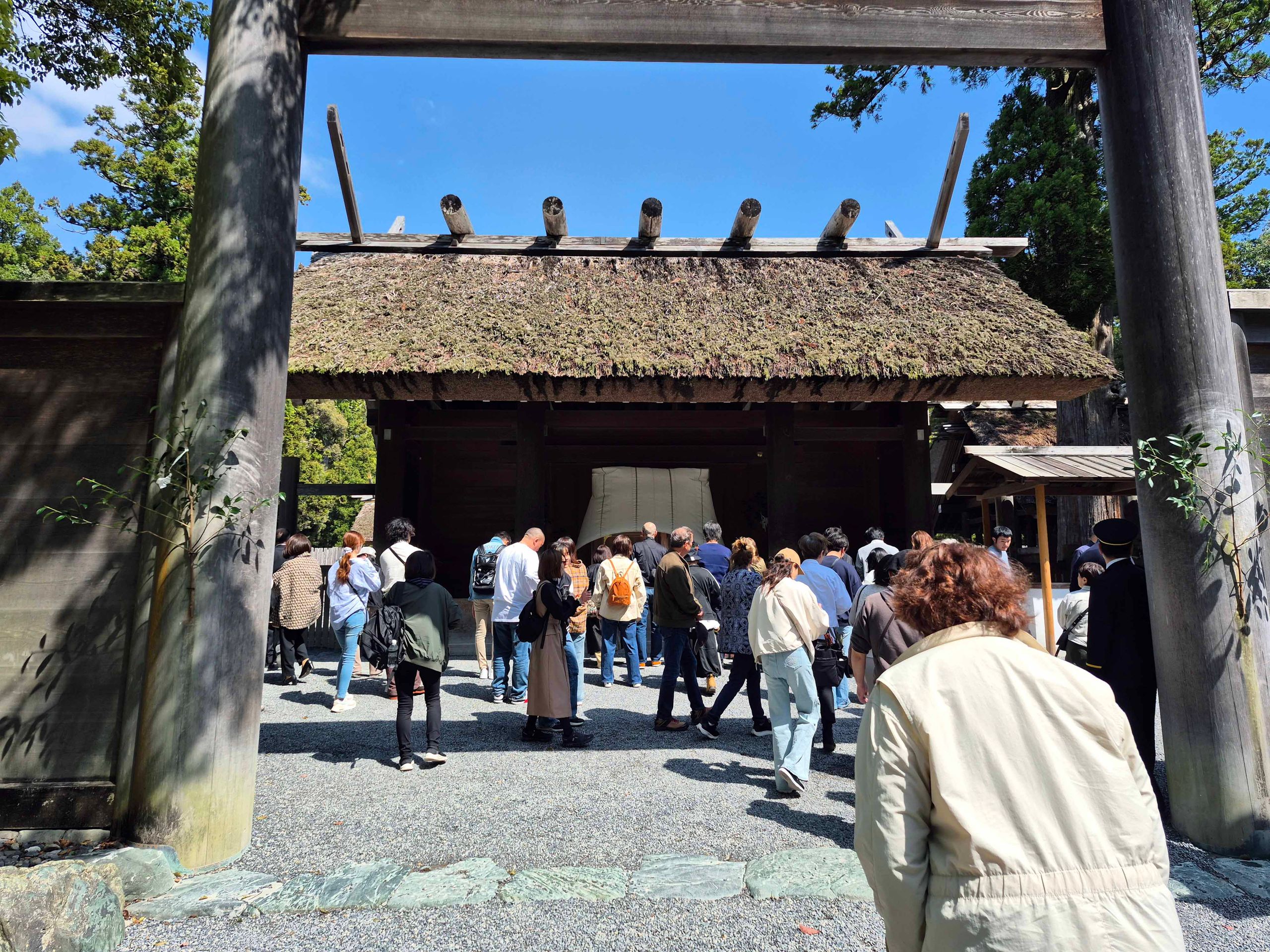
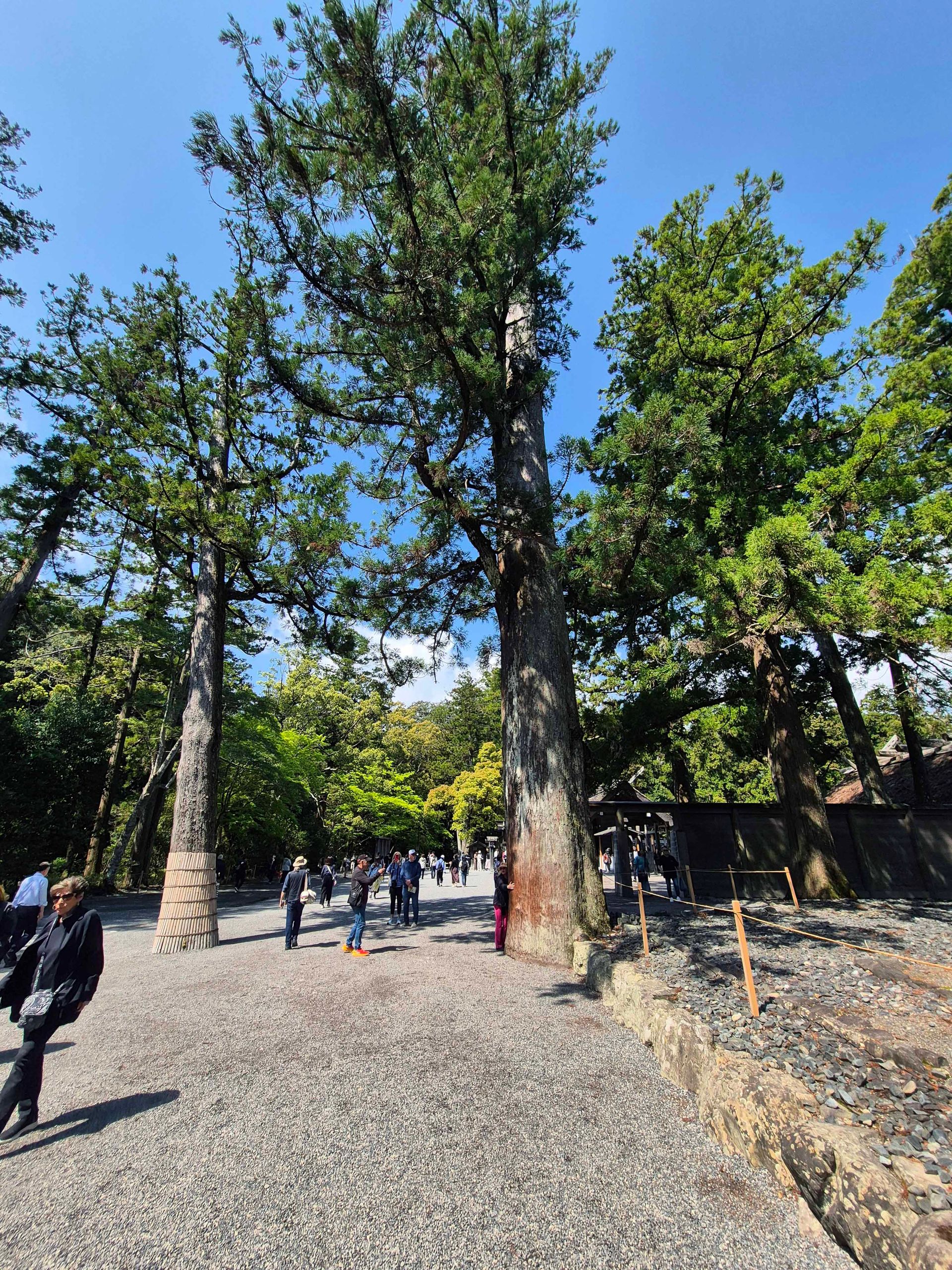
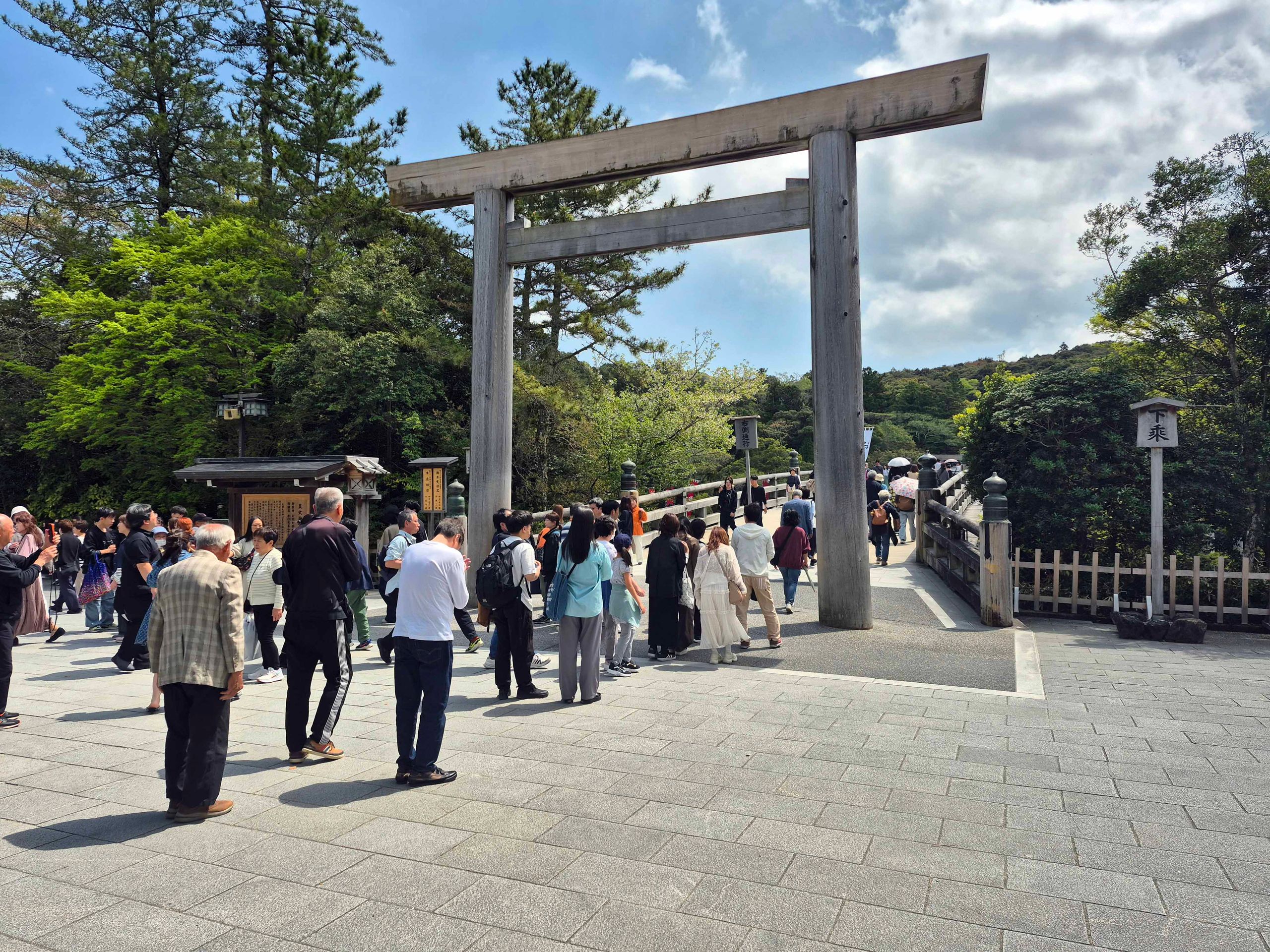
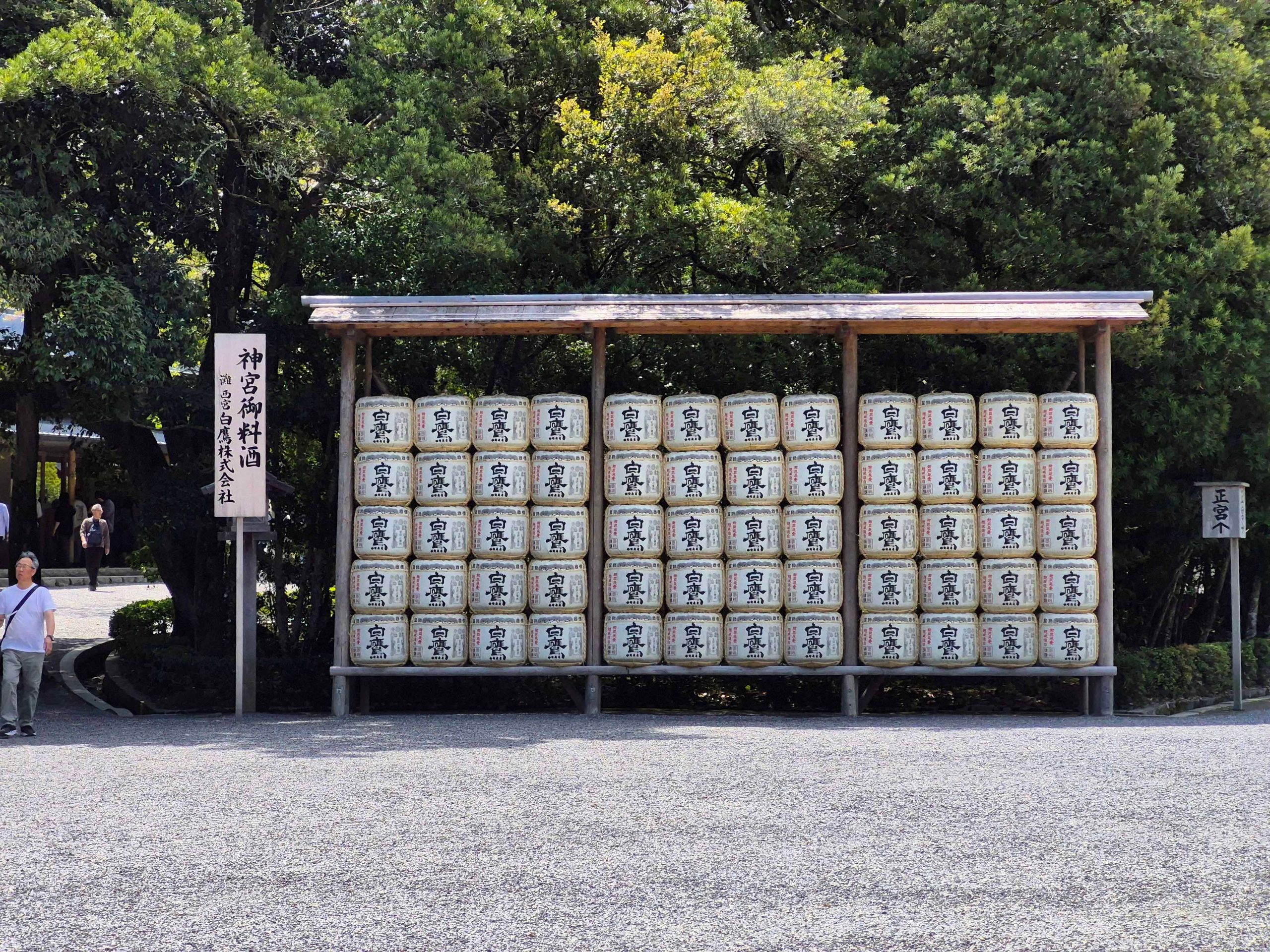
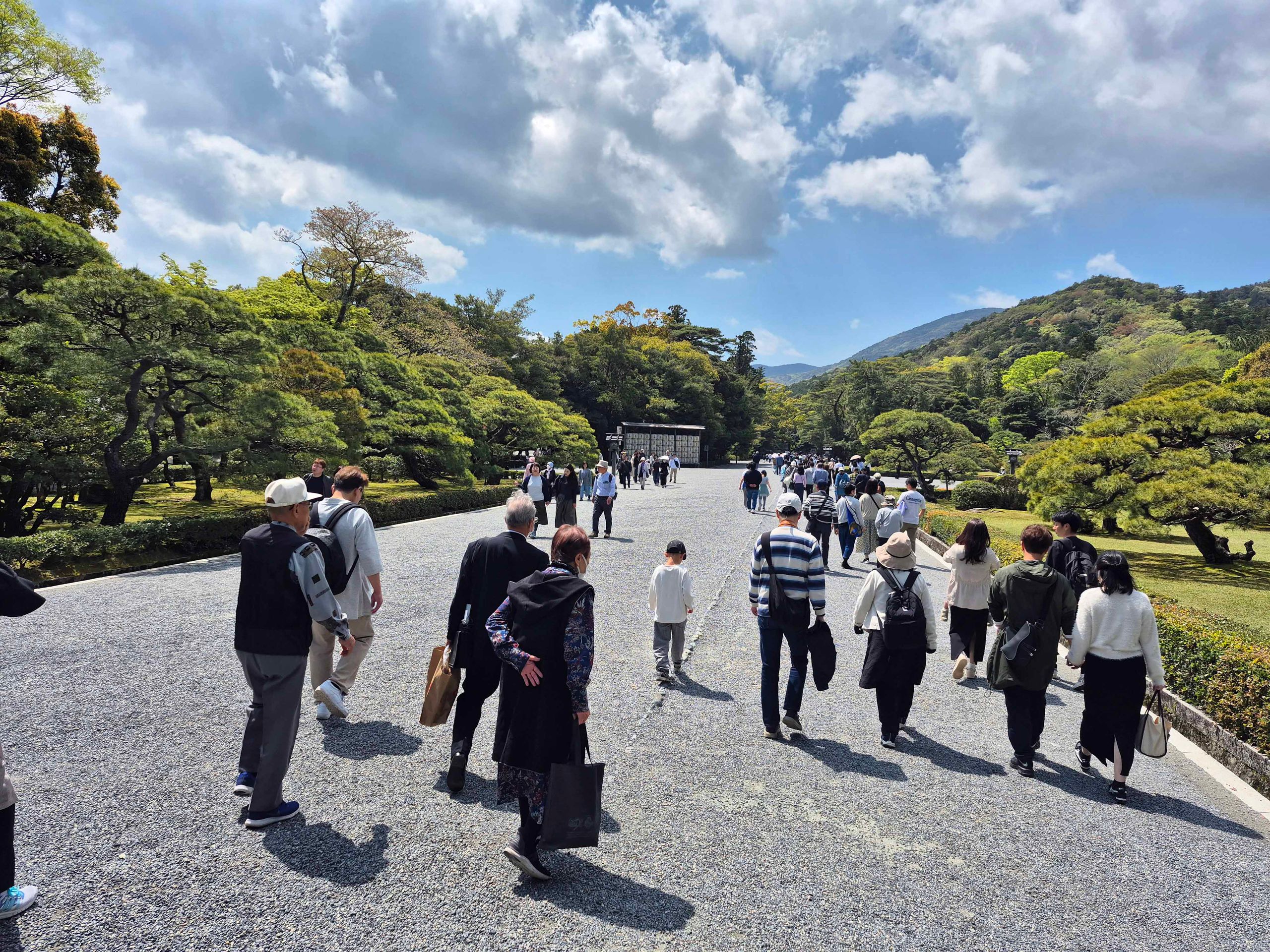
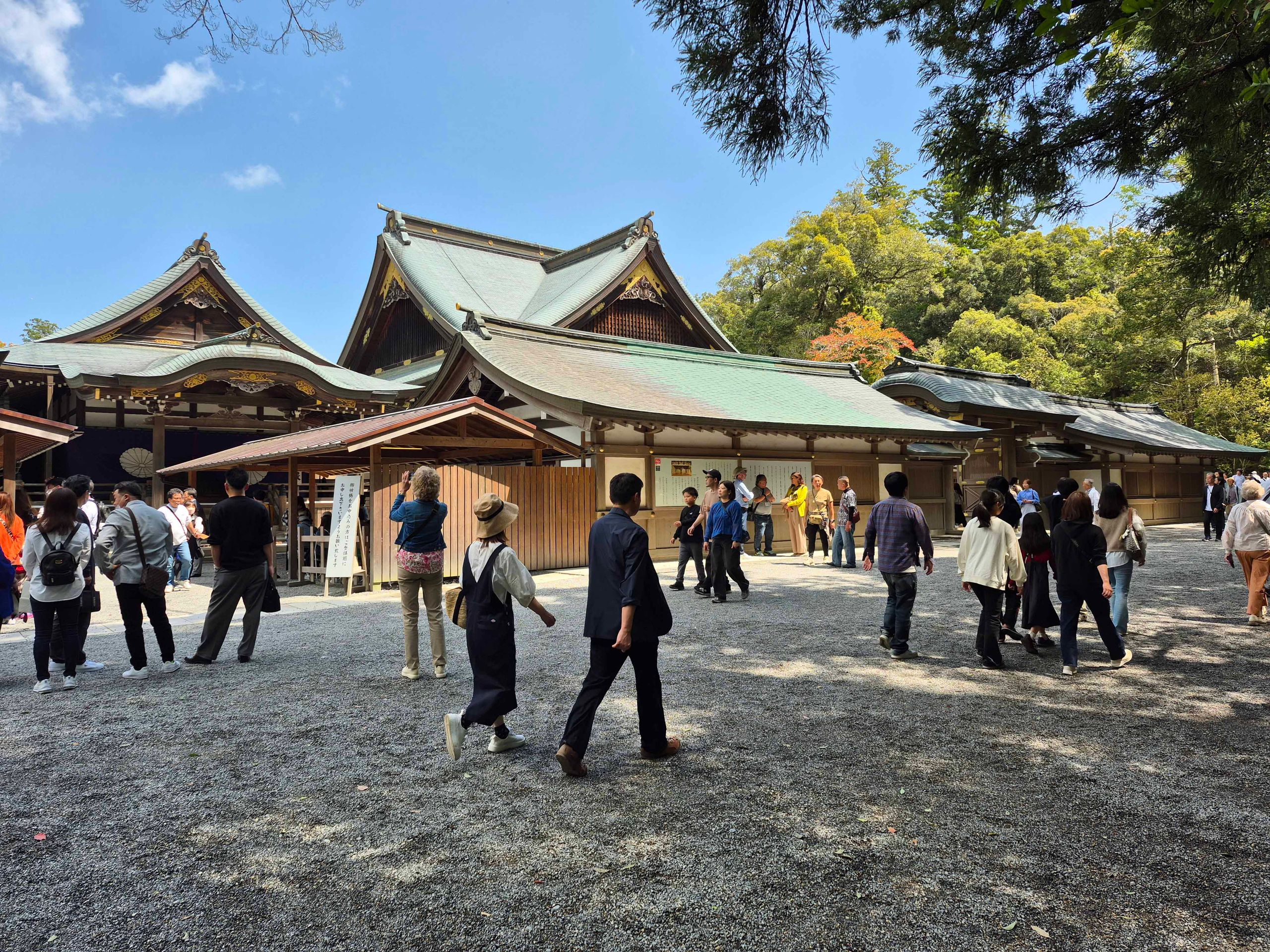
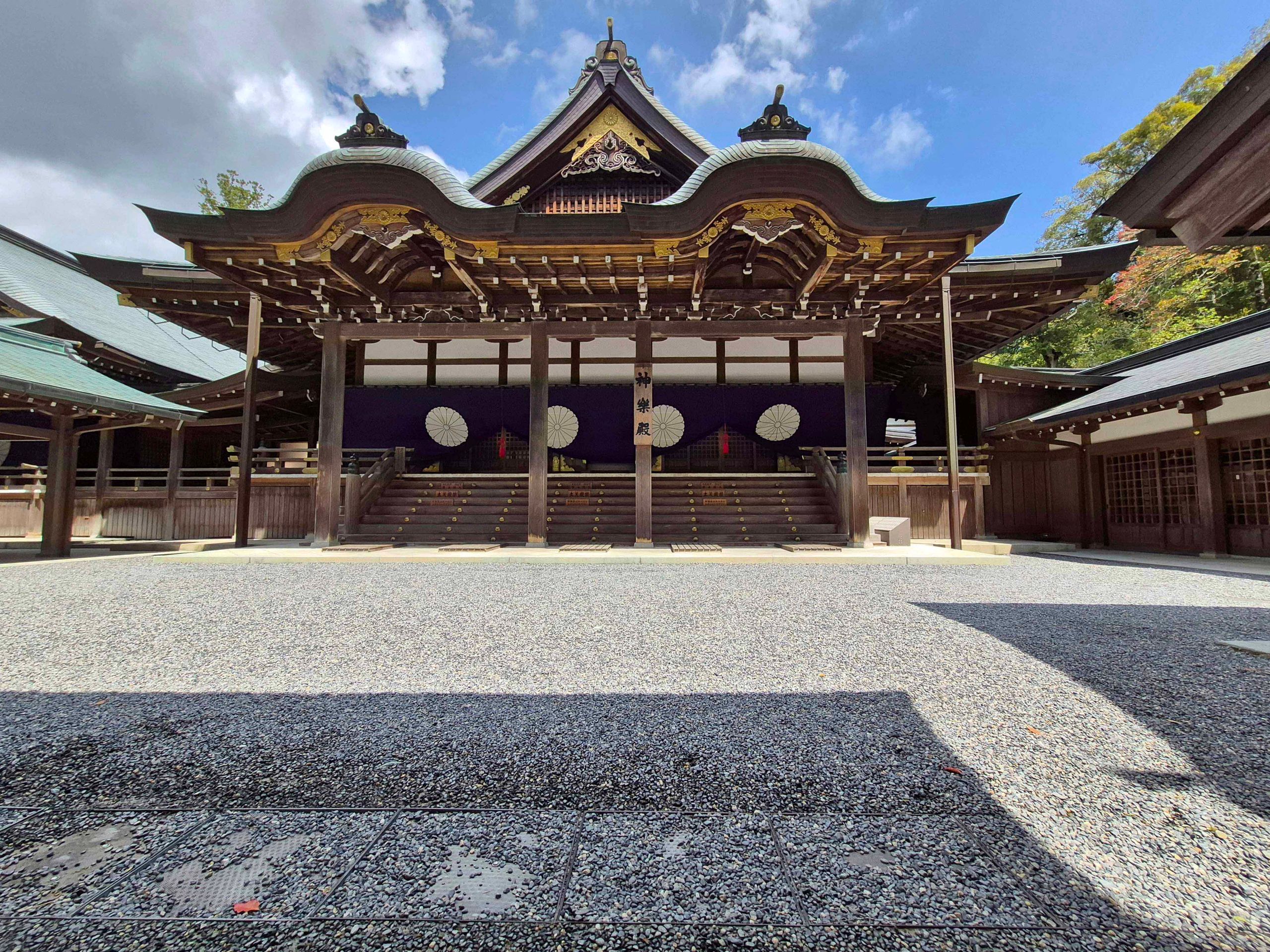
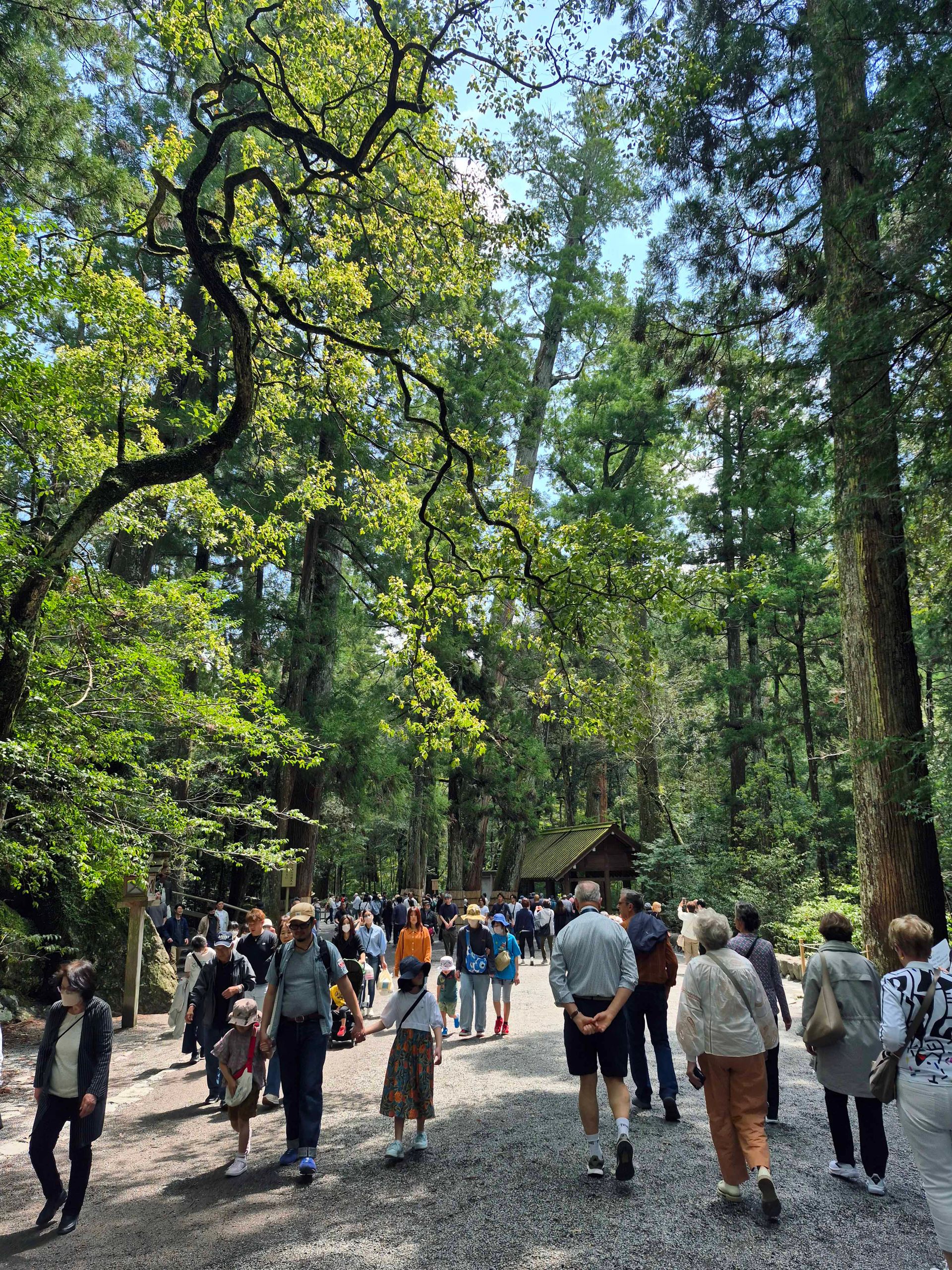
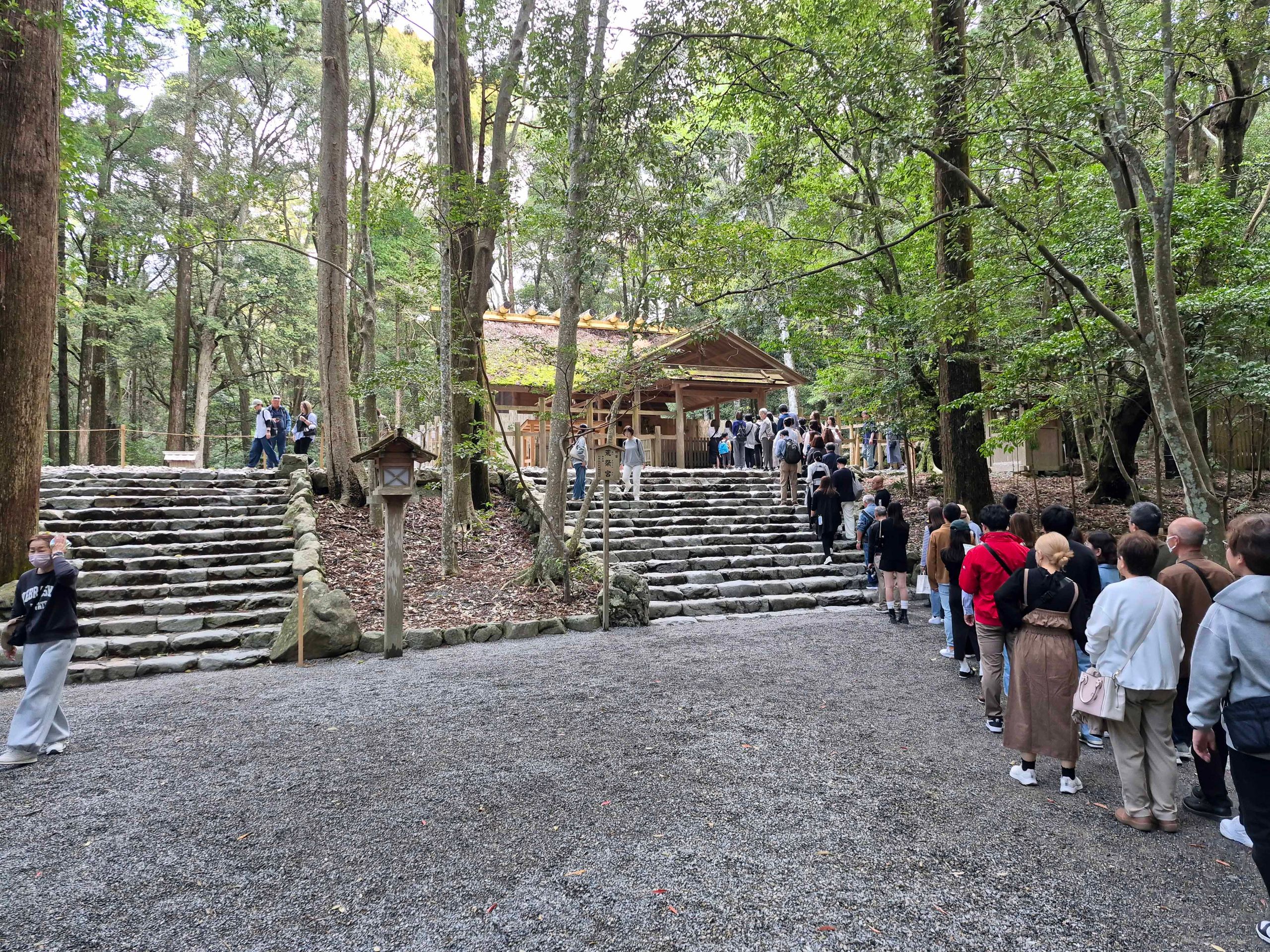
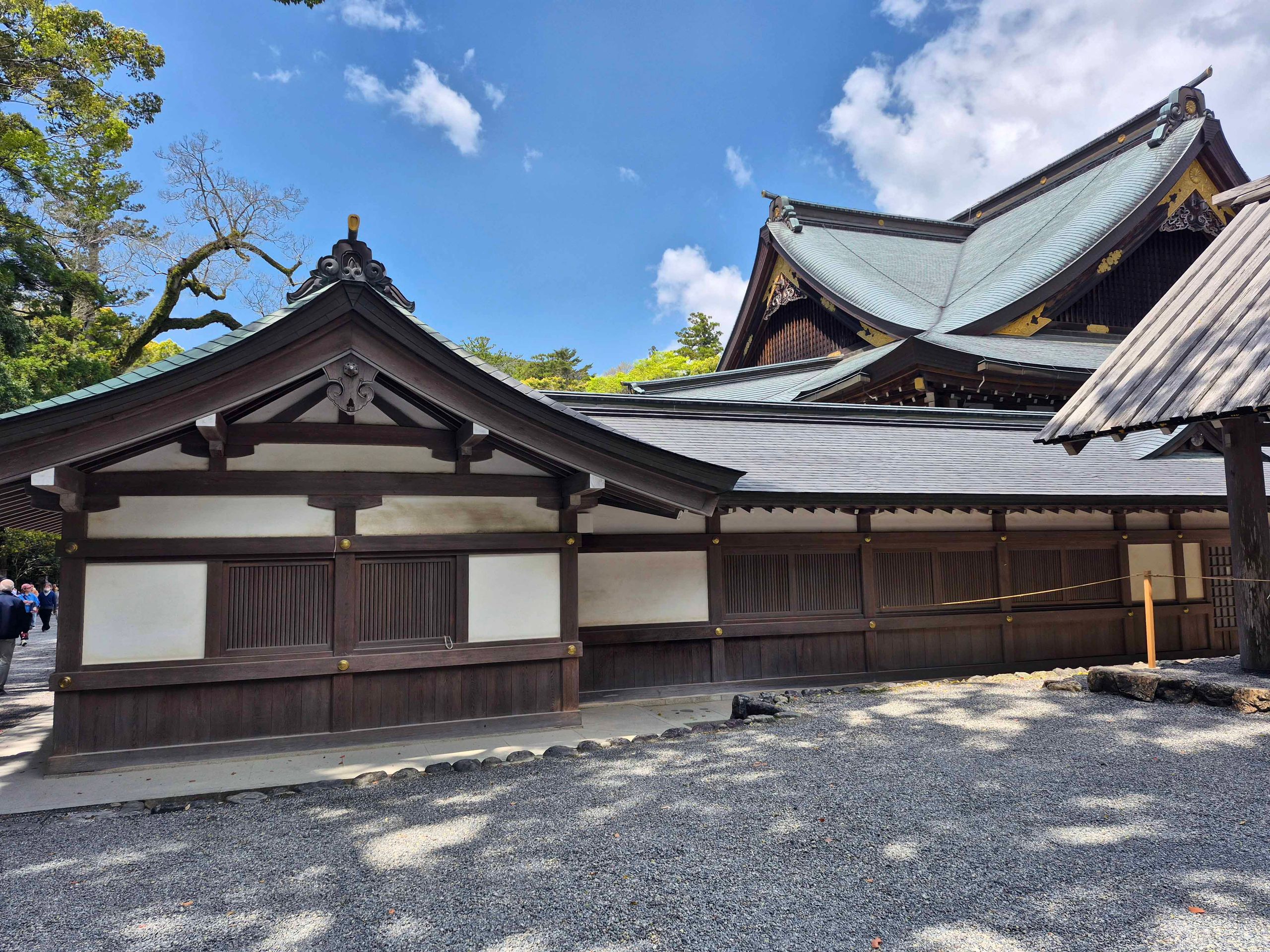
The shrines in Ise are considered the most important sacred sites for Shinto believers and should be visited by them at least once in their lifetime. They claim to have protected and preserved Japan. First, we visited the so-called outer shrine (Toyouke Daijingu, Gekū), which was built over 1,500 years ago, 500 years after the inner shrine. The inner shrine is located about four kilometers to the south. It is one of the two main shrines of the city of Ise and is also the first one visited by the believers. The main temple, Toyouke Daijingu, is dedicated to the deity Omikami, the protector of food, shelter, and clothing. Toyouke provides sustenance to the sun goddess Amaterasu Omikami, who is honored in the inner shrine. Like the inner shrine, the temple of the shrine is rebuilt every 20 years in the open area next to the existing temples using fresh wood, and the old temple is simultaneously dismantled. The old wood is used for less important temples so that they also receive a part of the sanctity. The next renewal will take place in 2033. As always, the site is located in a very beautiful place, surrounded by gardens and forests with giant trees. The large trees are giant cypress trees that can grow to about 70 meters tall and have a trunk diameter of up to 7 meters. Photography is not allowed in the temples. However, we stood in line at one, made an offering, and performed the wish ritual. It is quite moving.
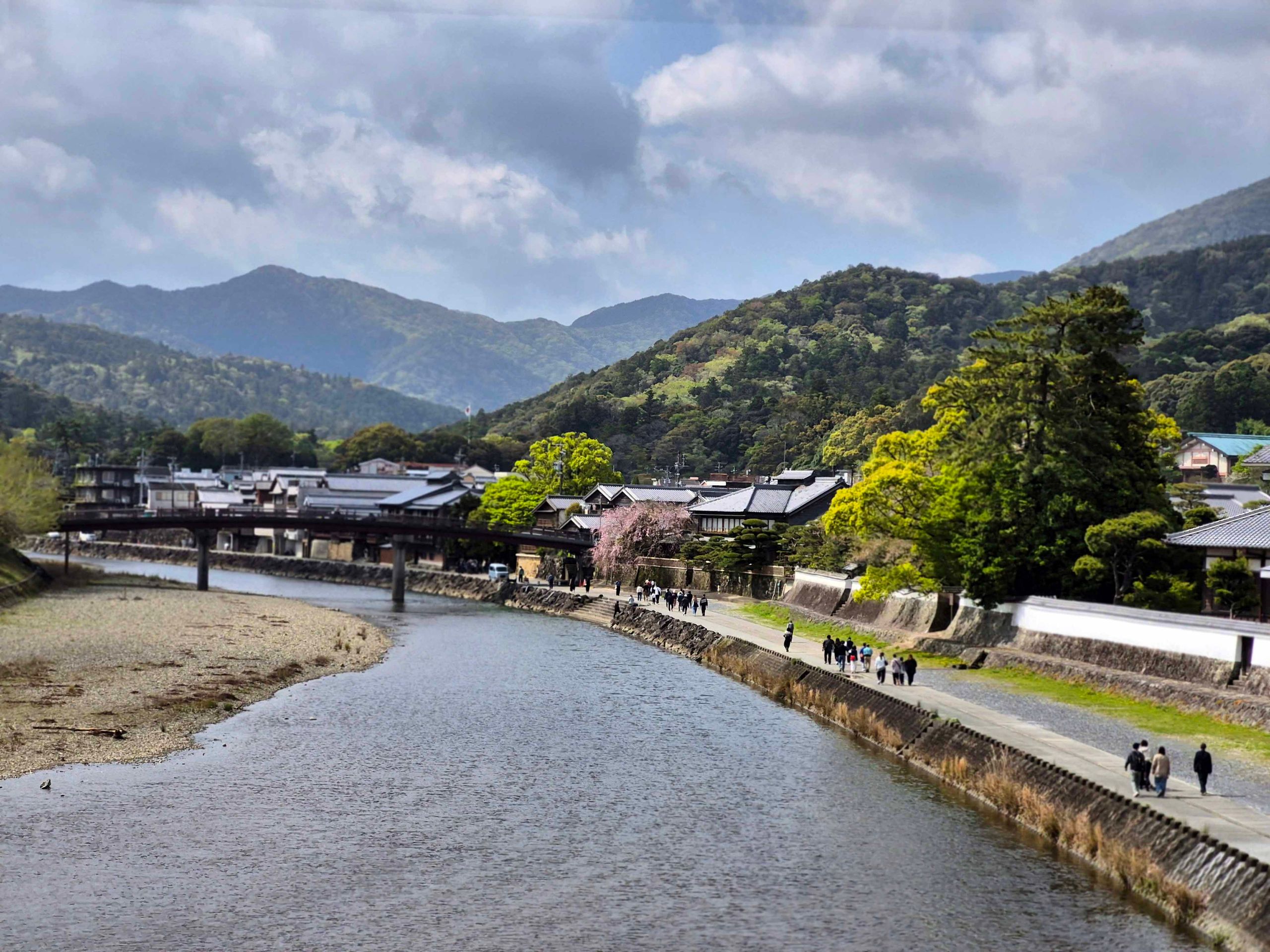
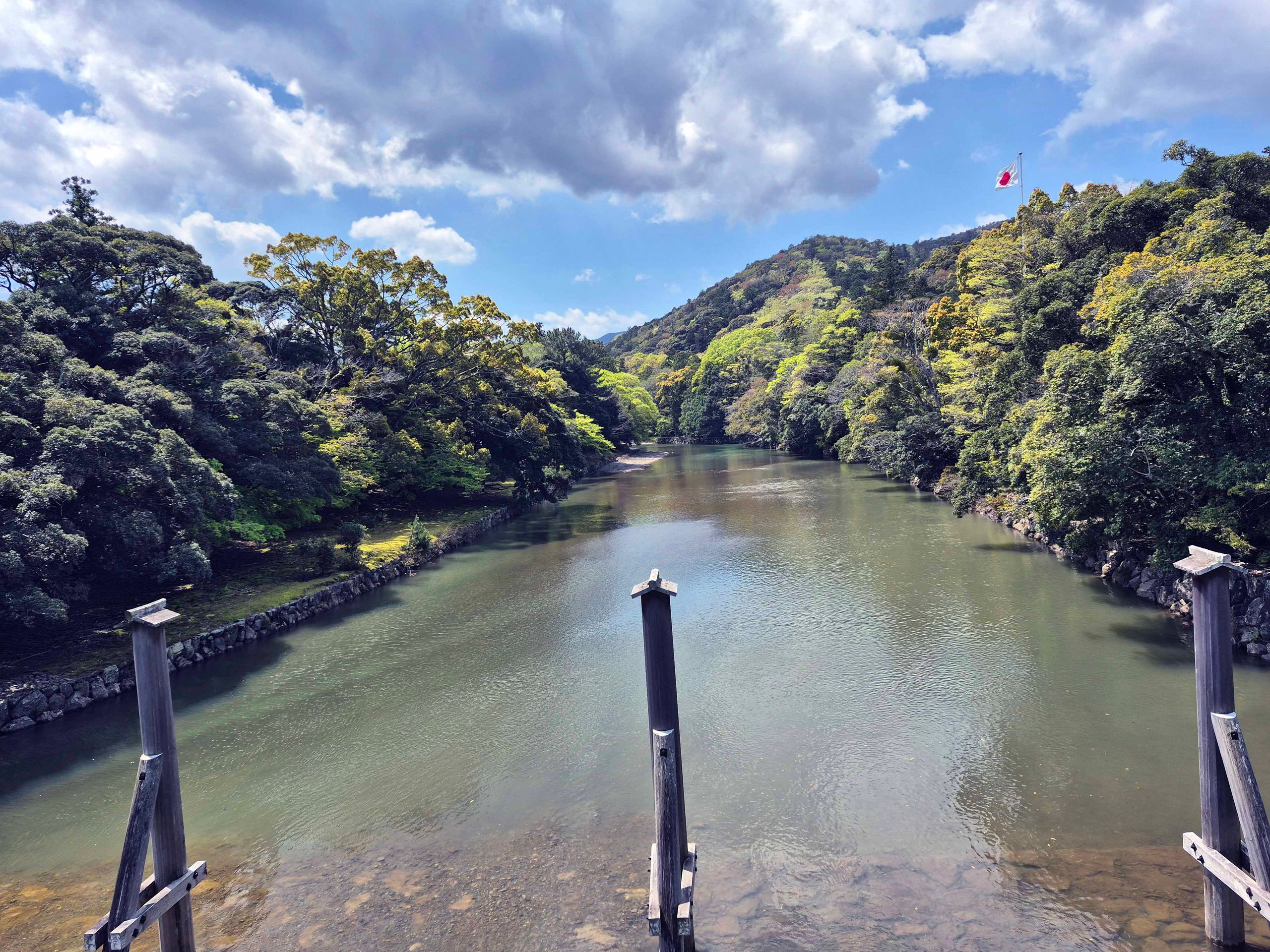
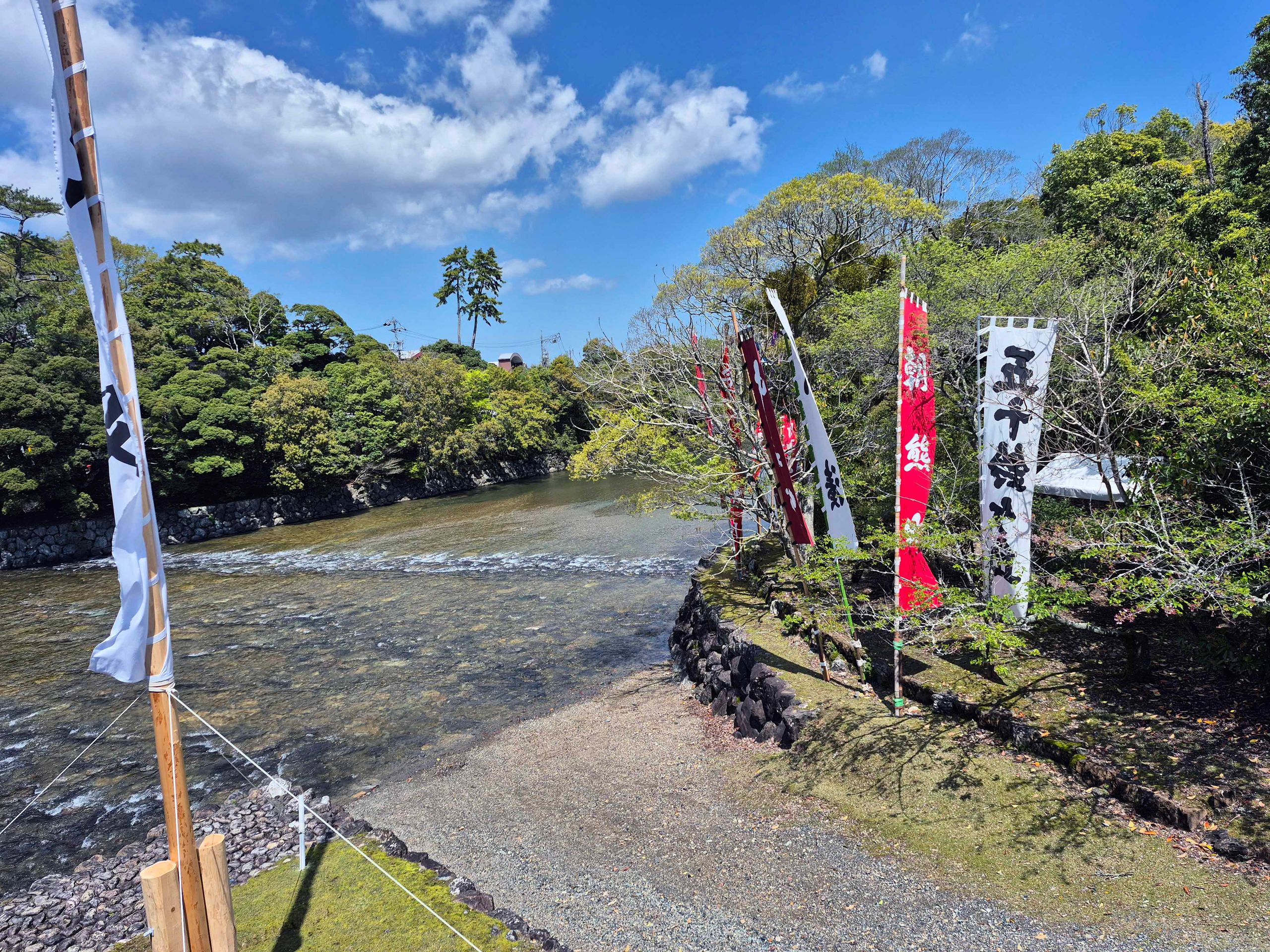
As is customary, we then proceeded to the inner shrine (Kōtai Jingū, Naiku). It is over 2,000 years old and is the most revered deity in Shintoism, dedicated to the sun goddess (Amaterasu Omikami). It is considered Japan's holiest shrine. The main temple is built in an ancient architectural style with no recognizable influences from the Asian mainland. Like the inner shrine, it is rebuilt from the ground up every 20 years. The 62nd reconstruction was completed in 2013. The 63rd reconstruction will take place in 2033. Compared to the outer shrine, it is even larger and leaves an even stronger impression.
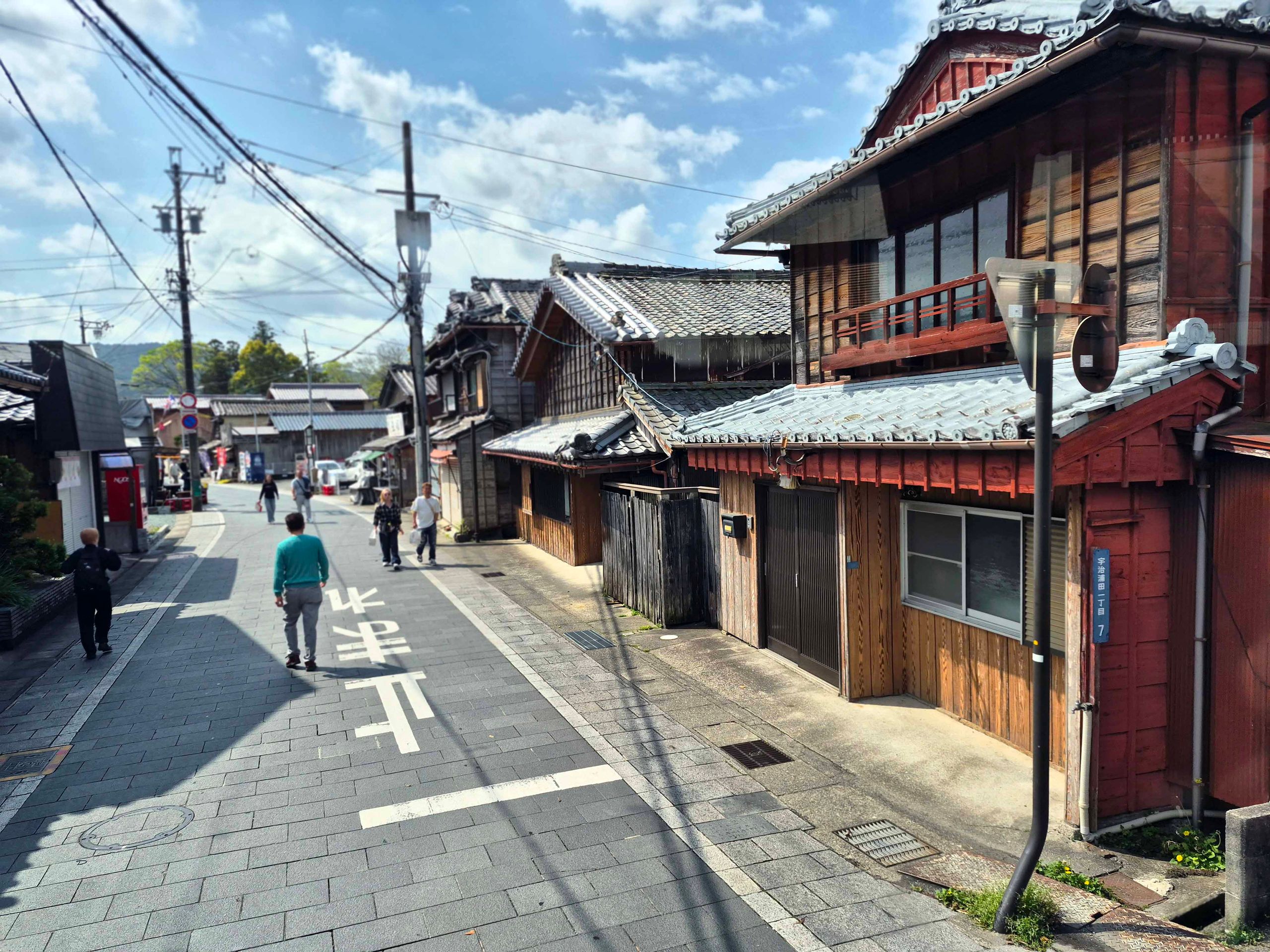
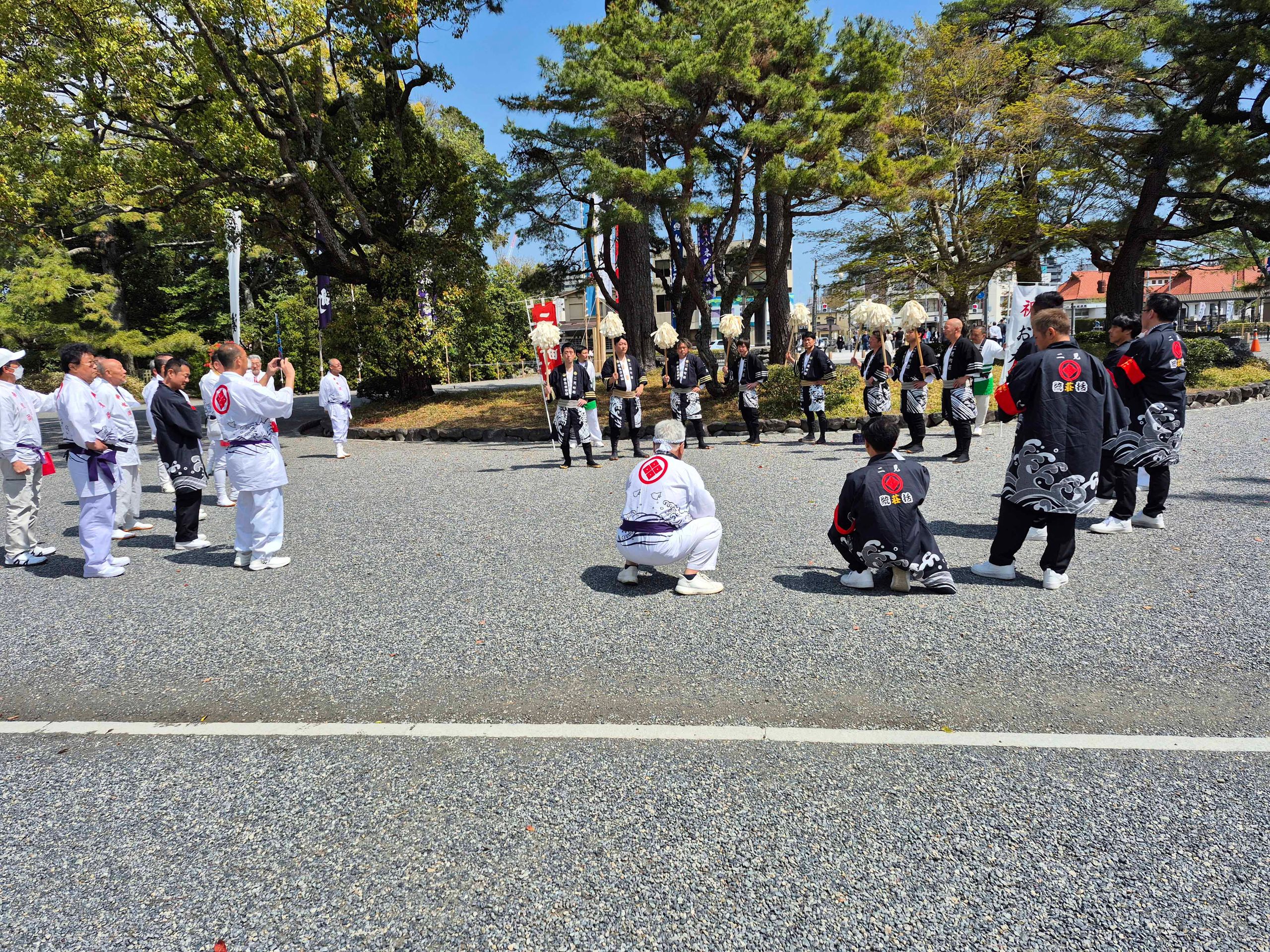
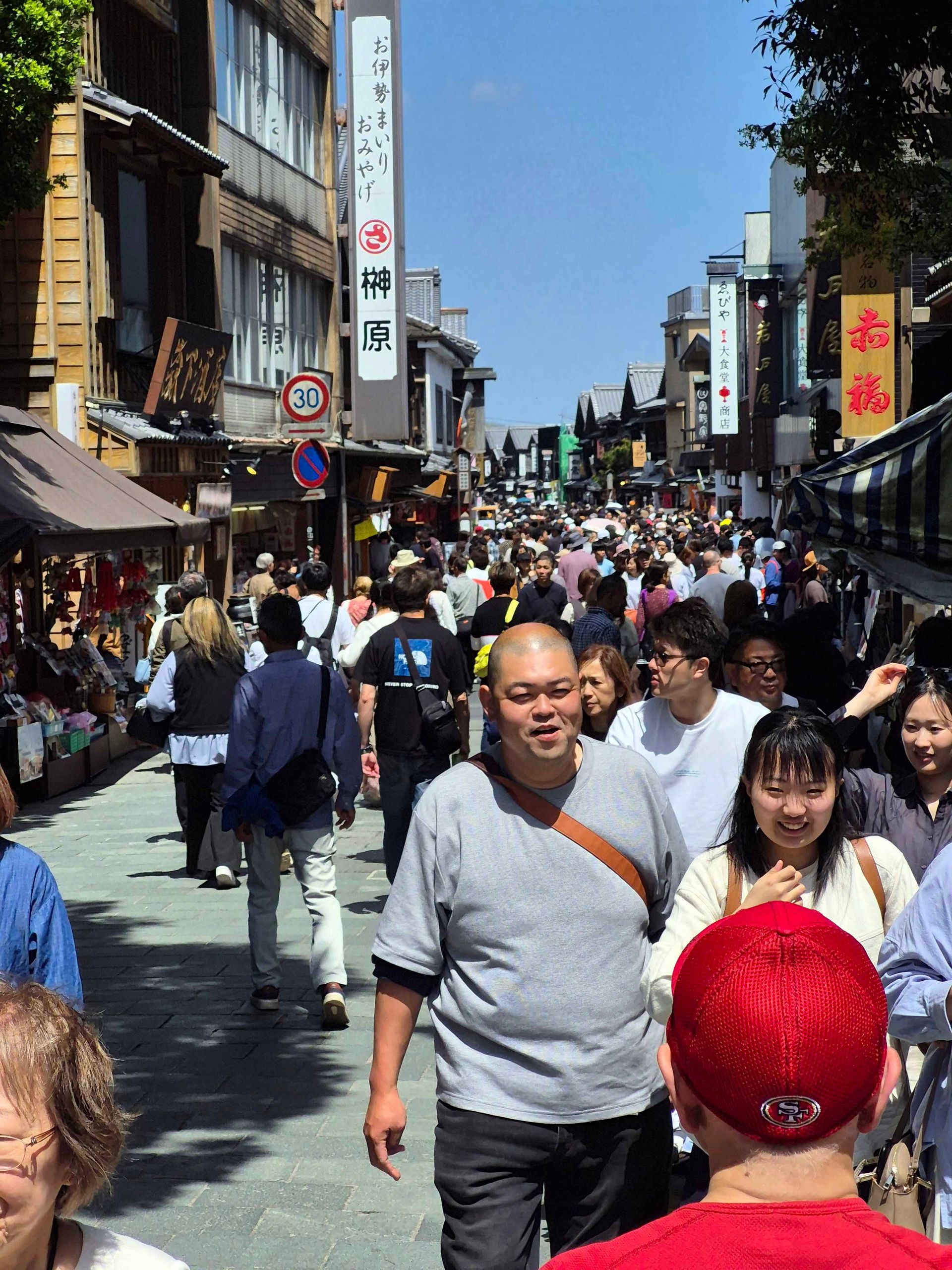
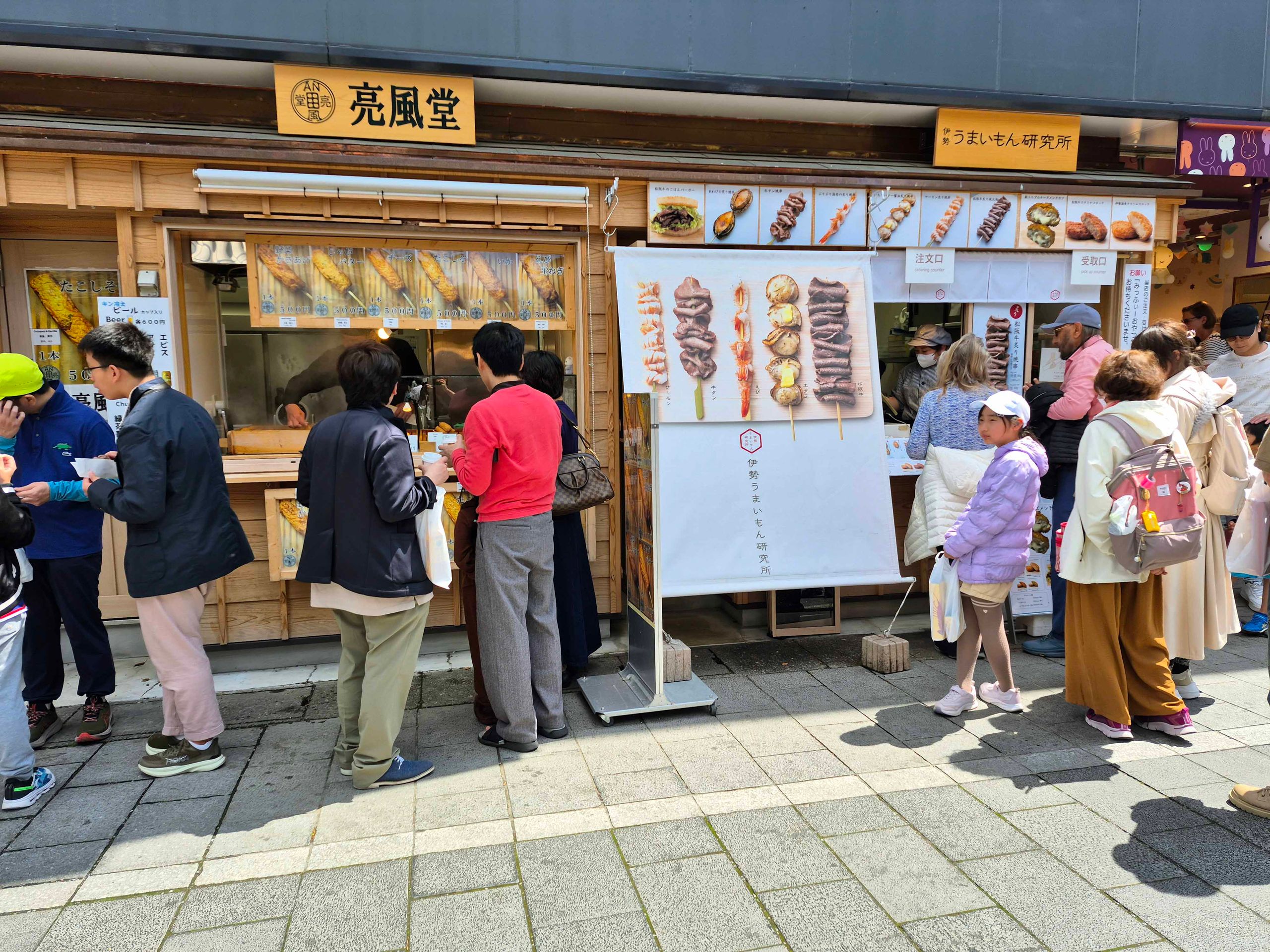
The site is adjacent to a shopping street, mainly filled with food stalls and restaurants. It is very well visited, almost like during a festival.
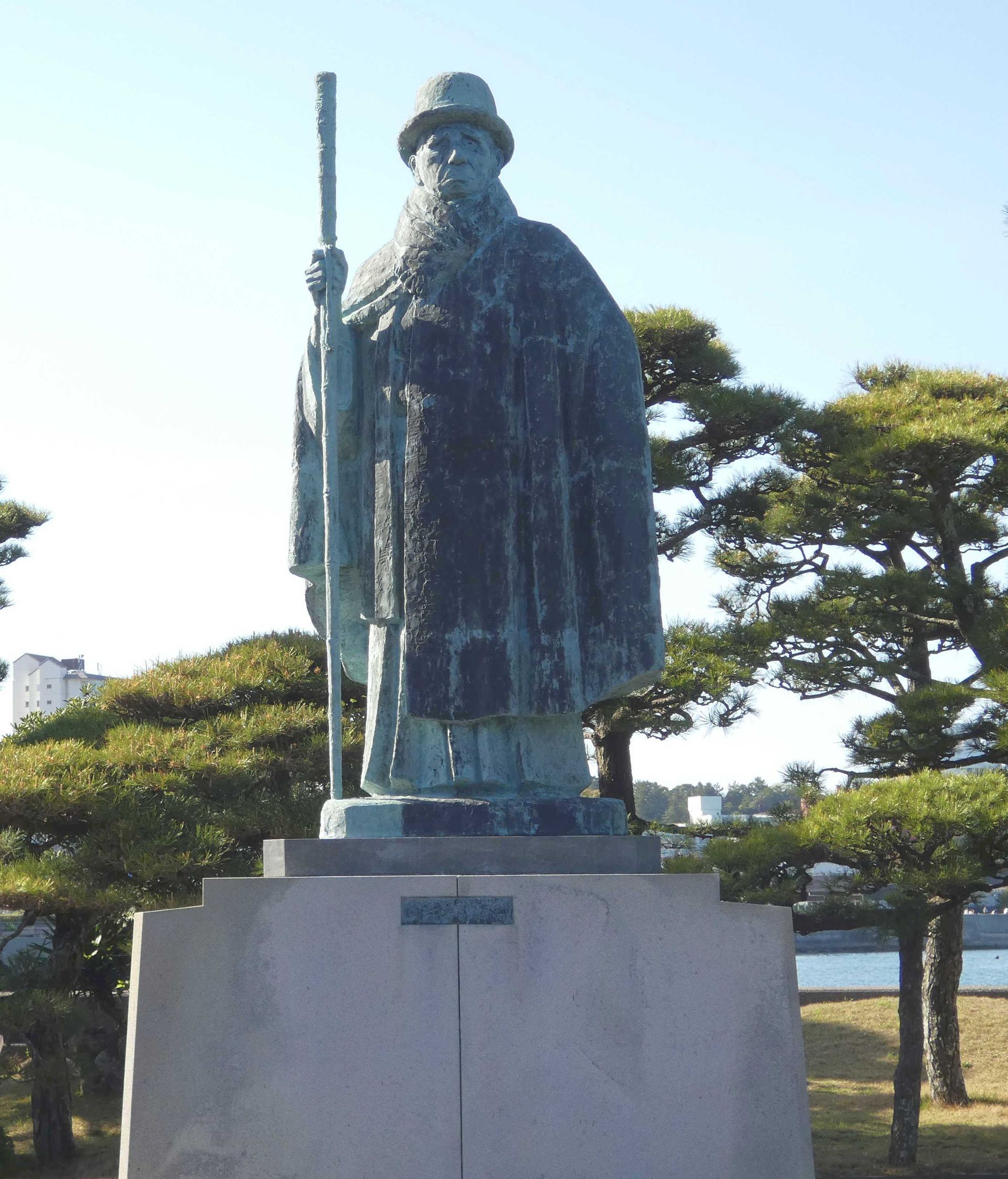
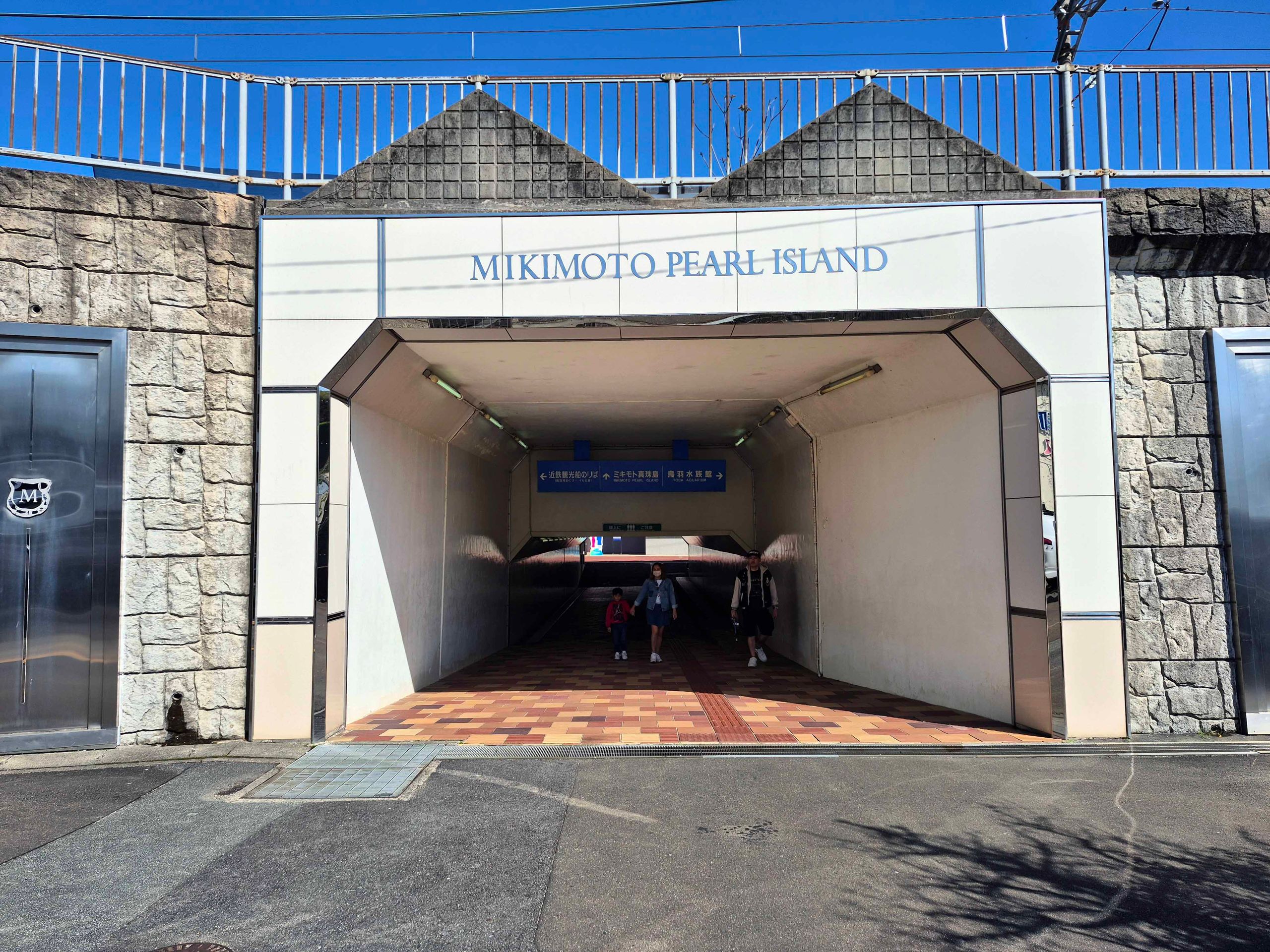
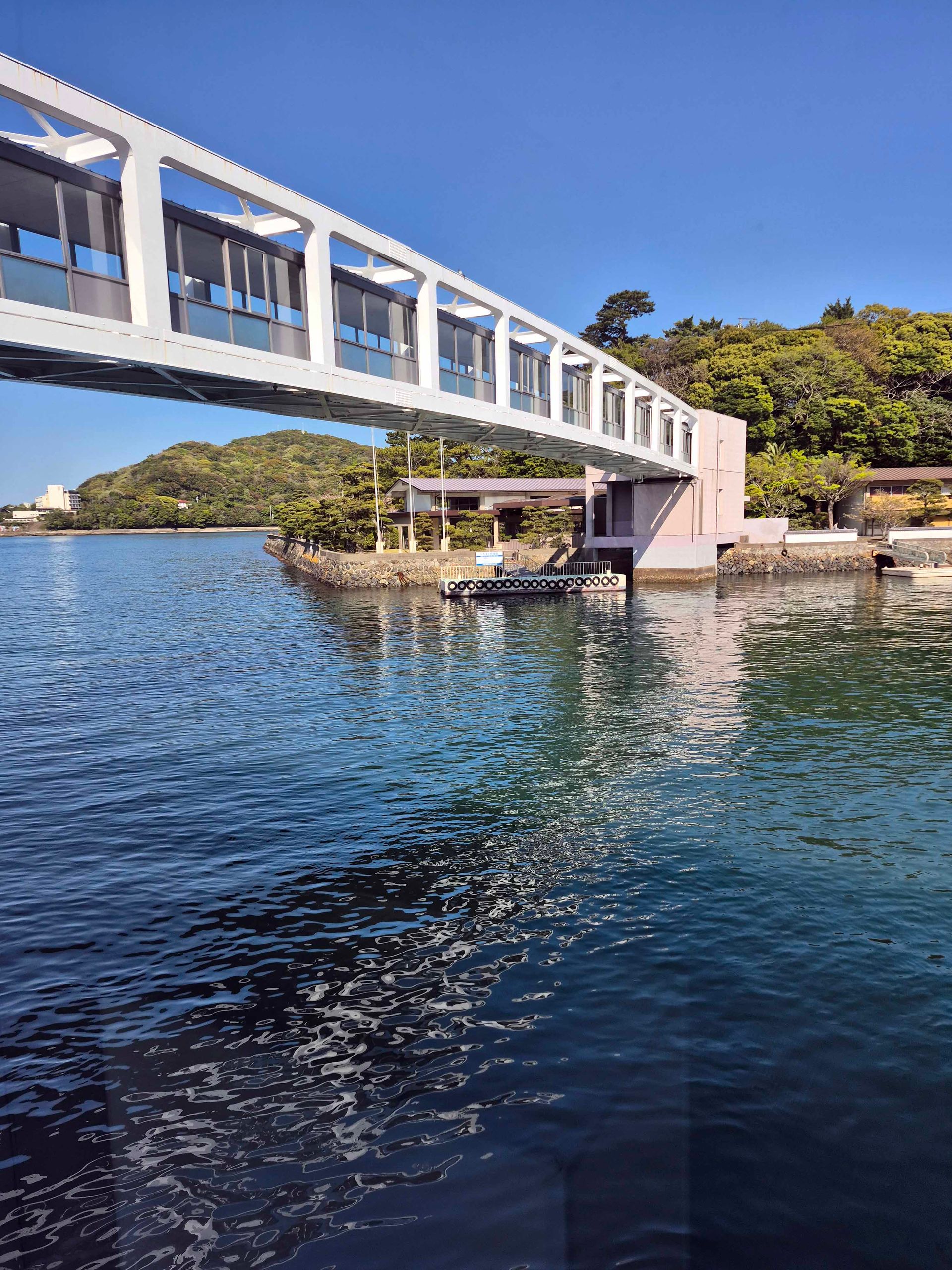
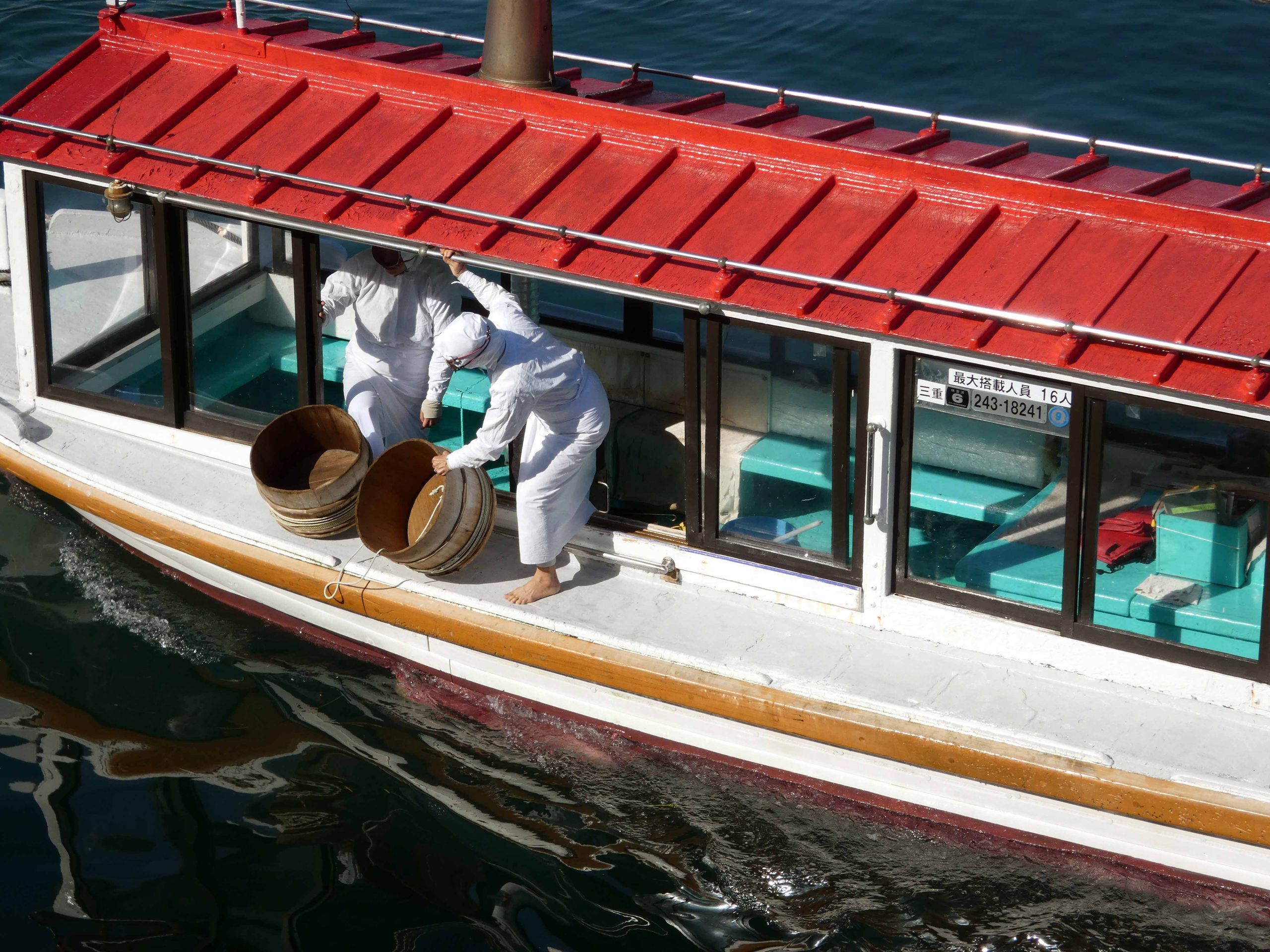
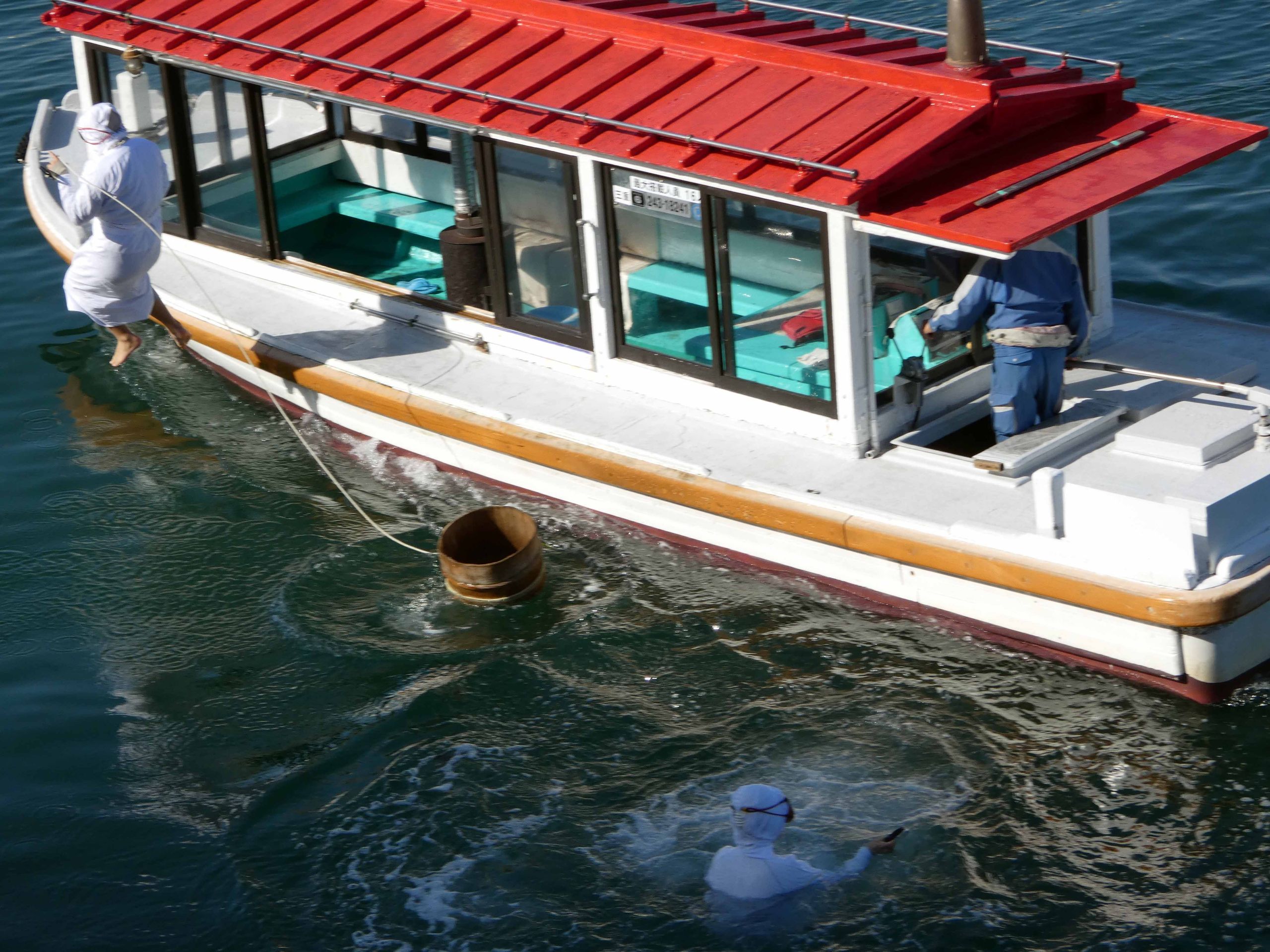
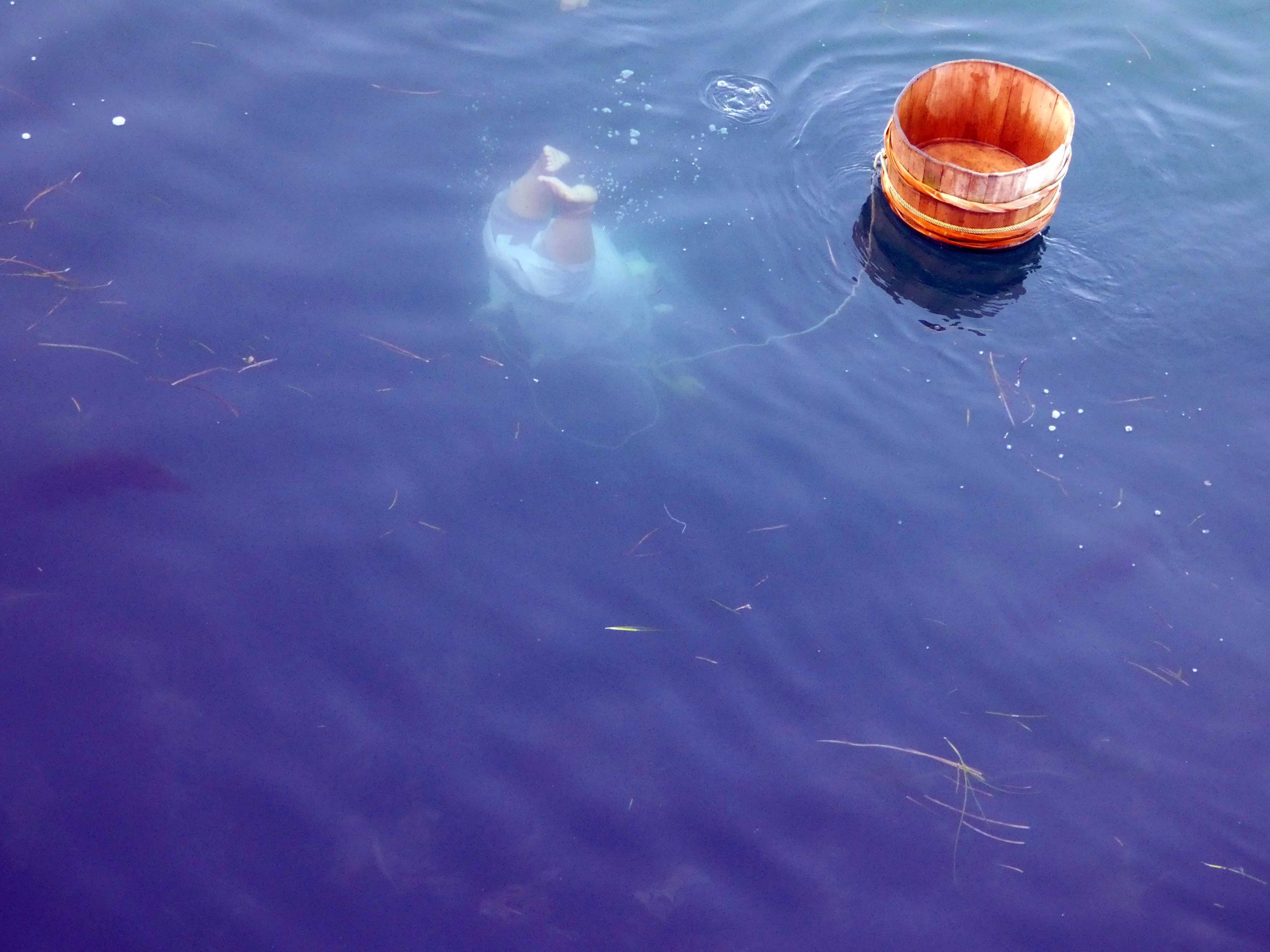
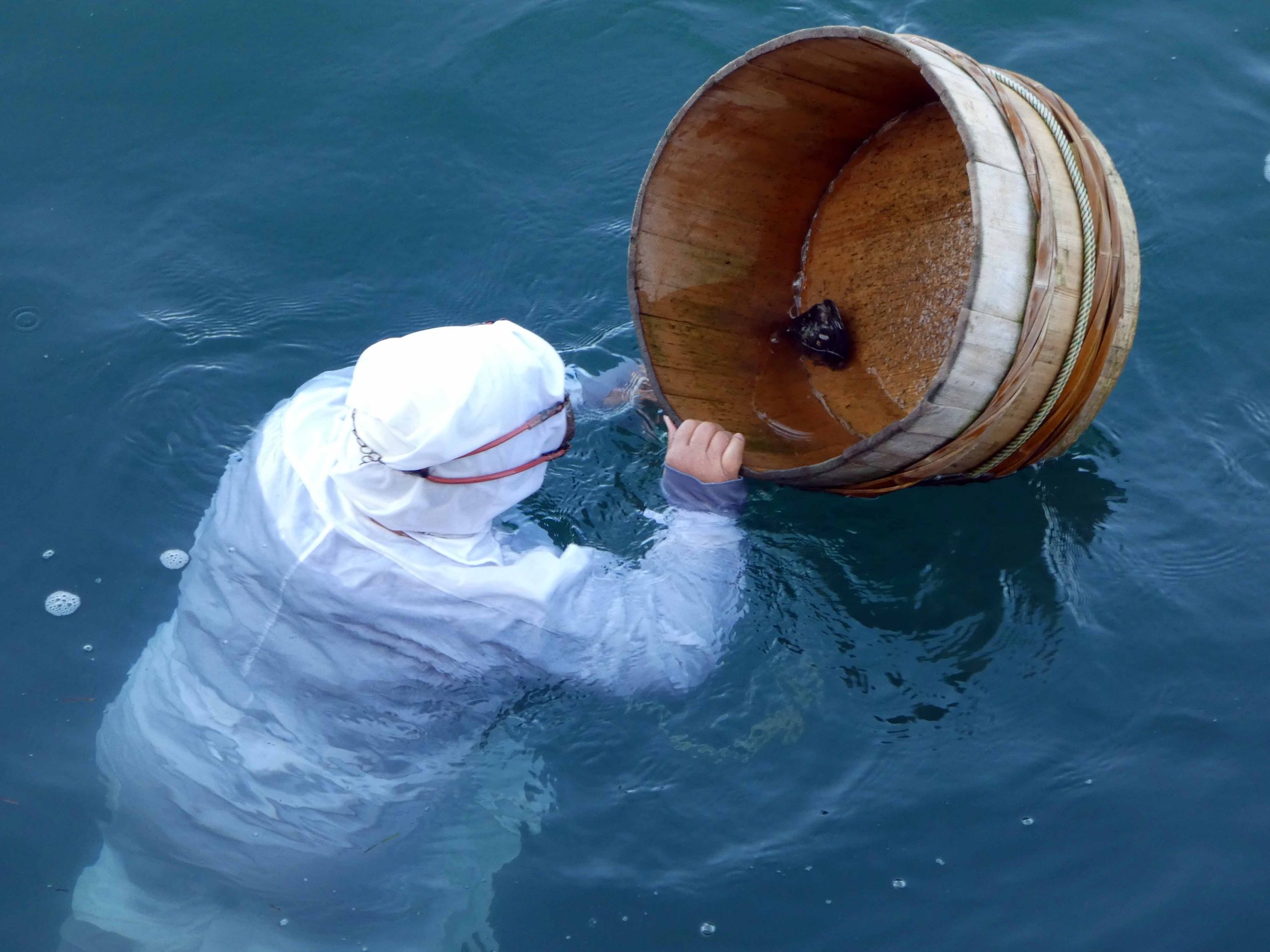
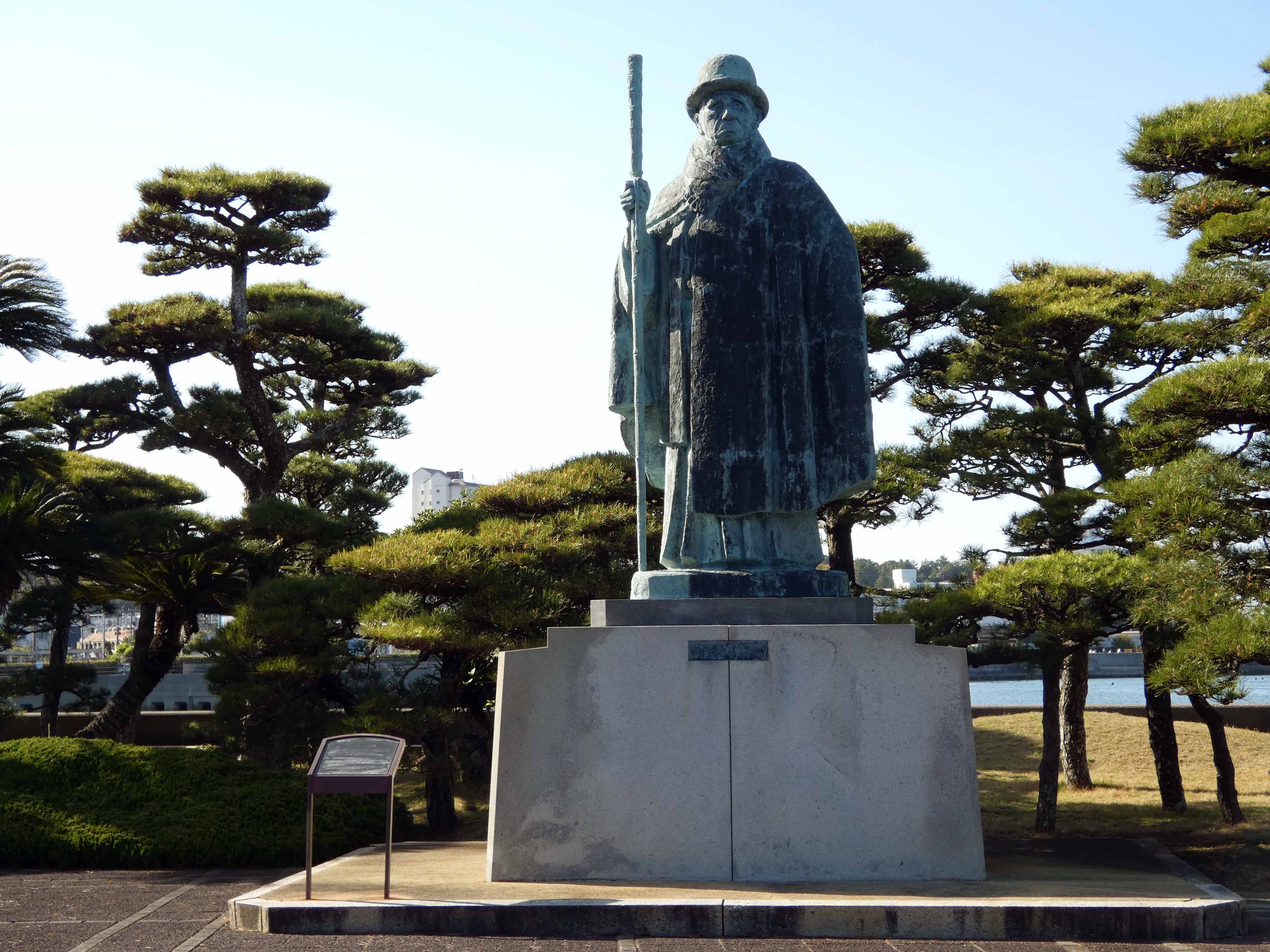
Afterward, we returned to Toba and had lunch. The conclusion of our tour was Mikimoto Island. Kokichi Mikimoto observed the female divers of Ise in the late 19th century, which led him to the idea of cultivating pearls. In 1888, he received a loan to open a pearl farming business. After many failures, he was able to show the first cultured pearl in 1893. However, the method still needed improvement, and therefore, his company became the first to produce cultured pearls in the early 1920s. This also provided a secure income for the divers. Today, no pearls are cultivated there anymore, and the divers only showcase their skills as a tourist attraction. You can view pearls and the history of pearl diving in a museum, and there are shops that trade in pearls. Somehow, the saleswomen are not prepared for western customers. For example, they cannot explain the different quality levels and the associated (huge) price differences. Therefore, no sale was made.