Nagasaki, April 7, 2026
Tram Line No. 3

Published: 08.04.2026
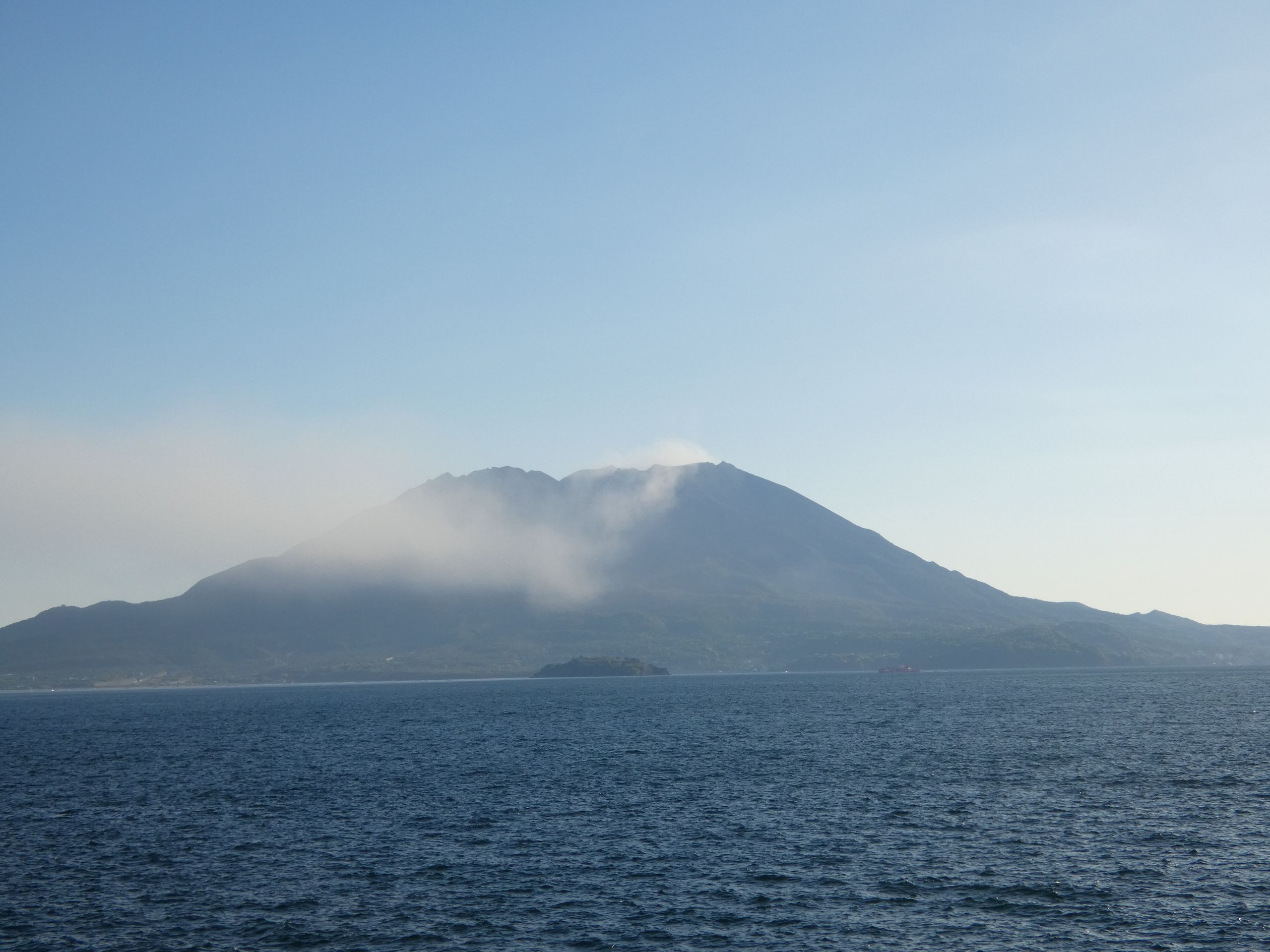
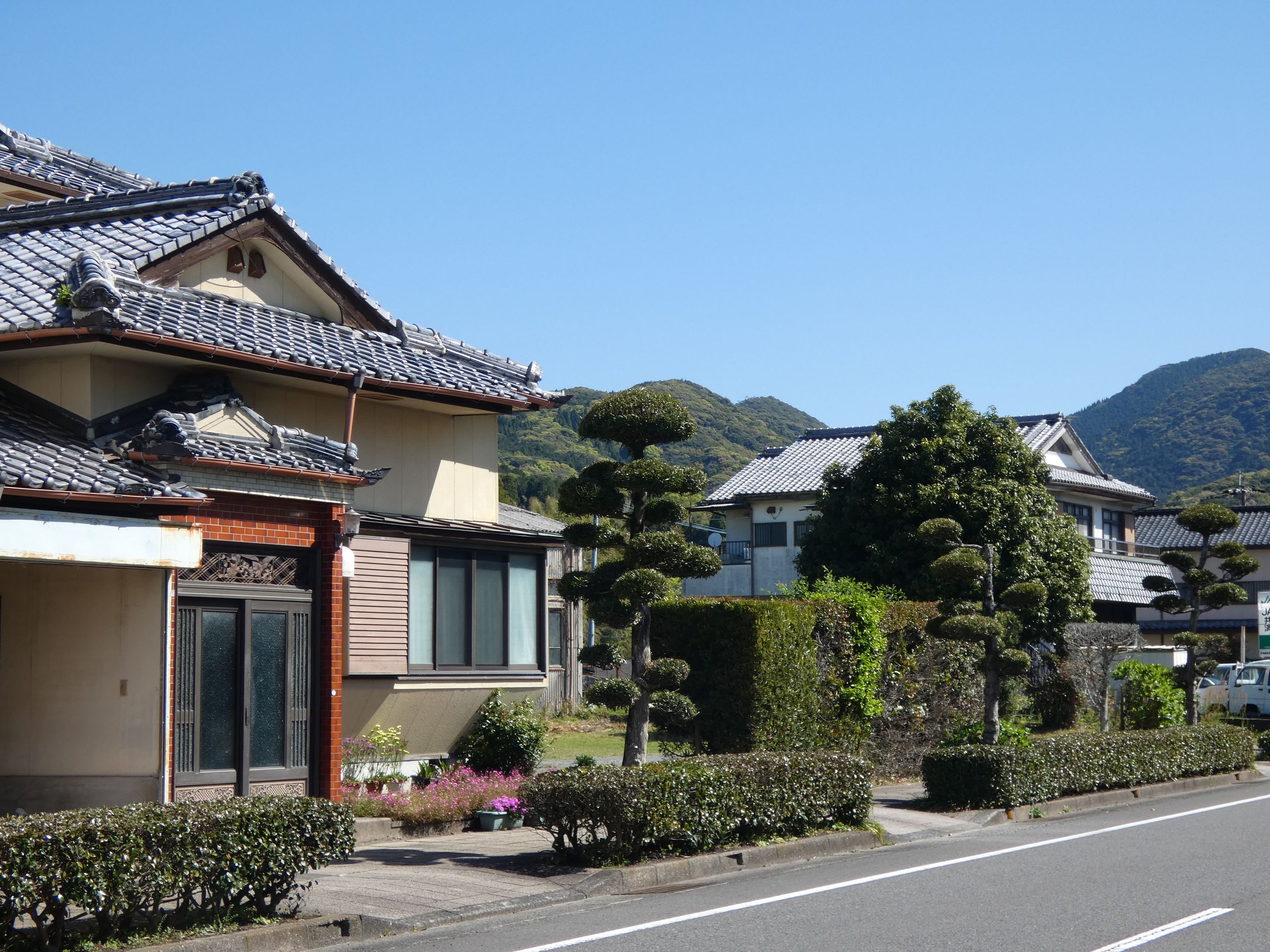
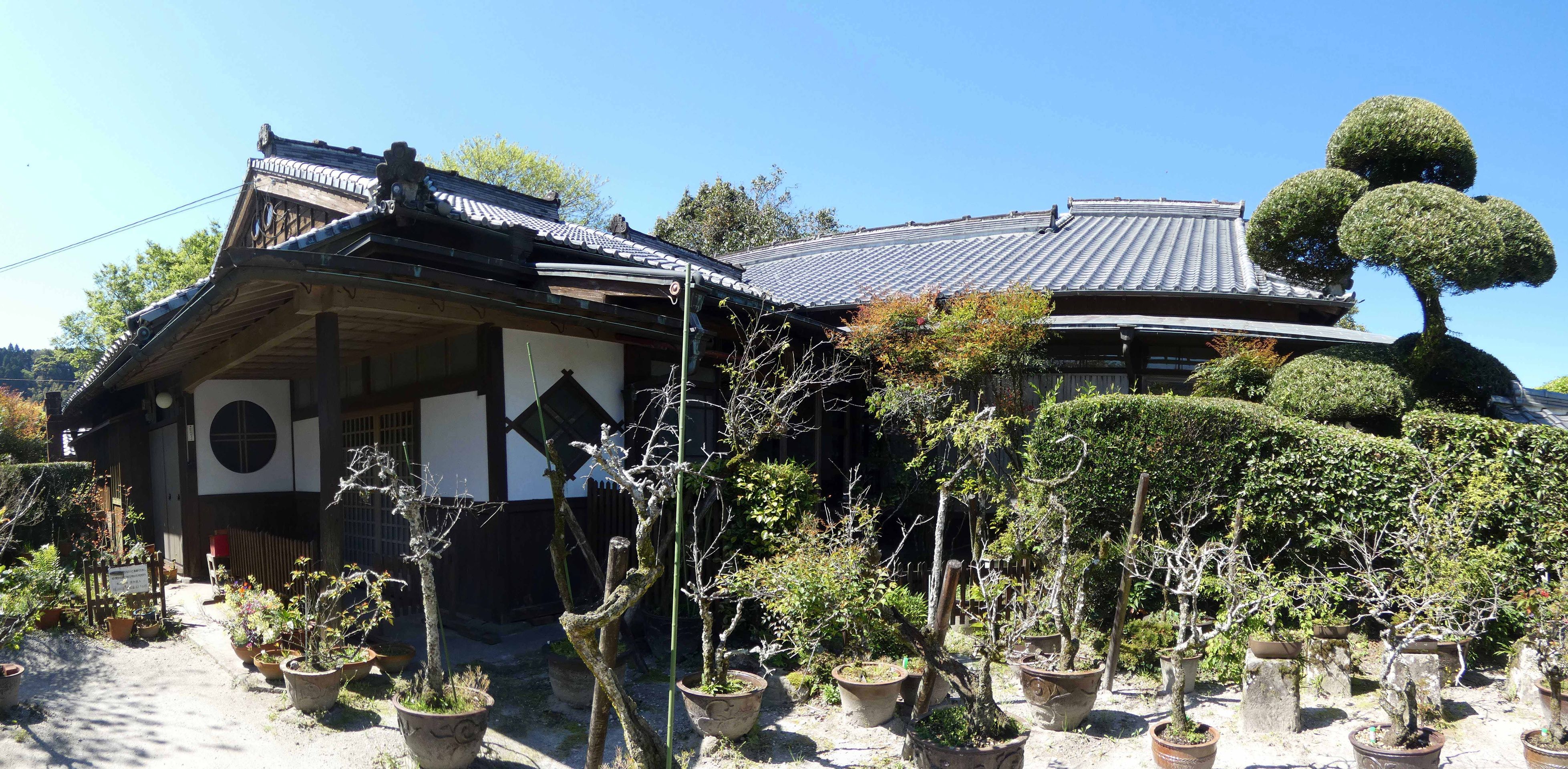
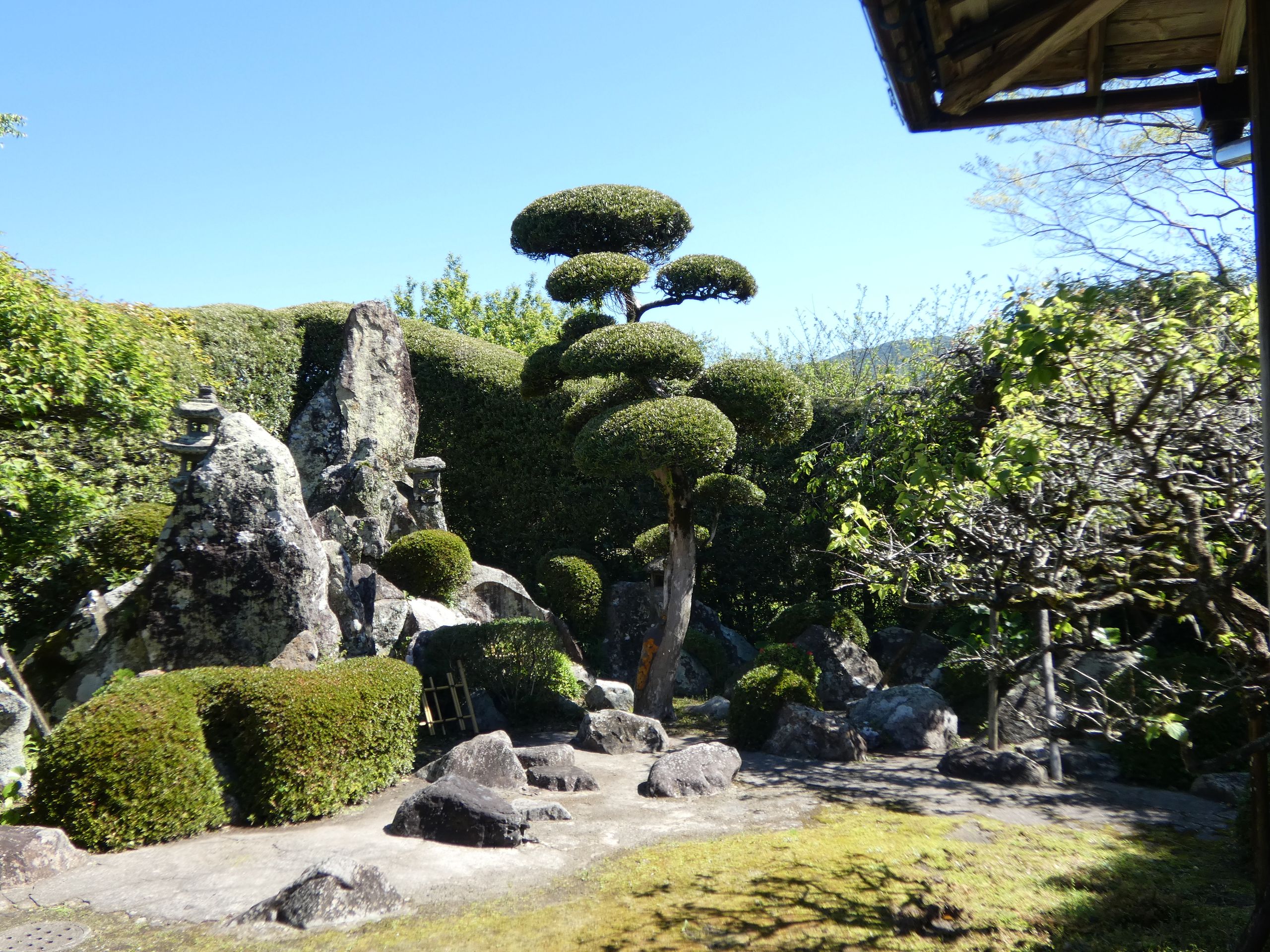
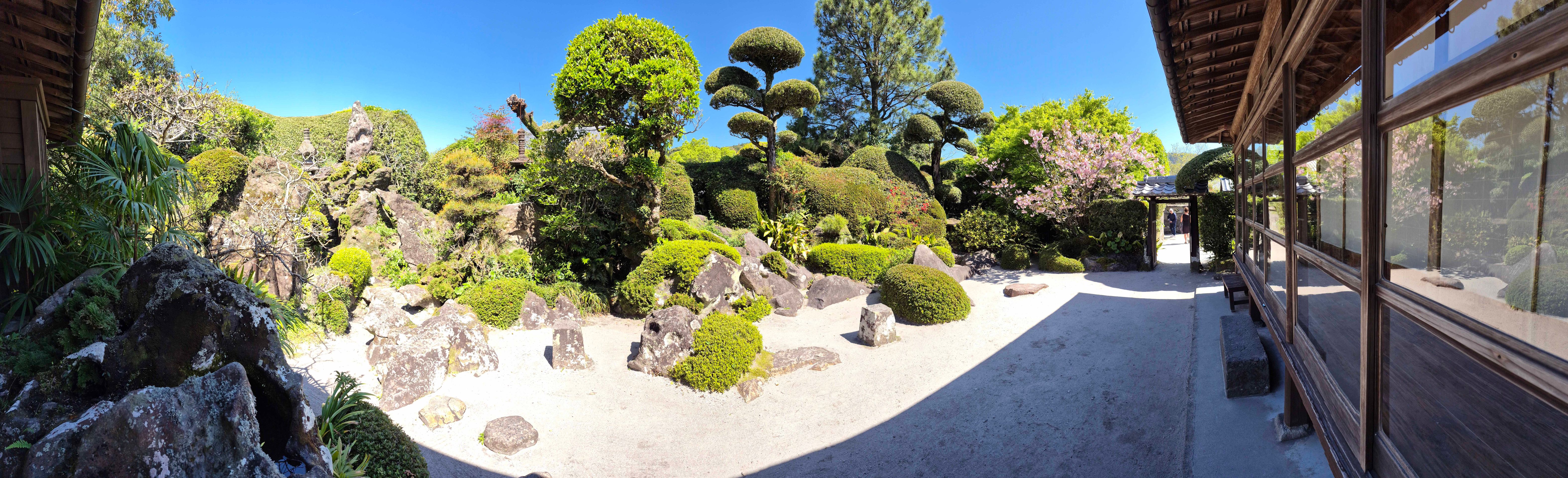
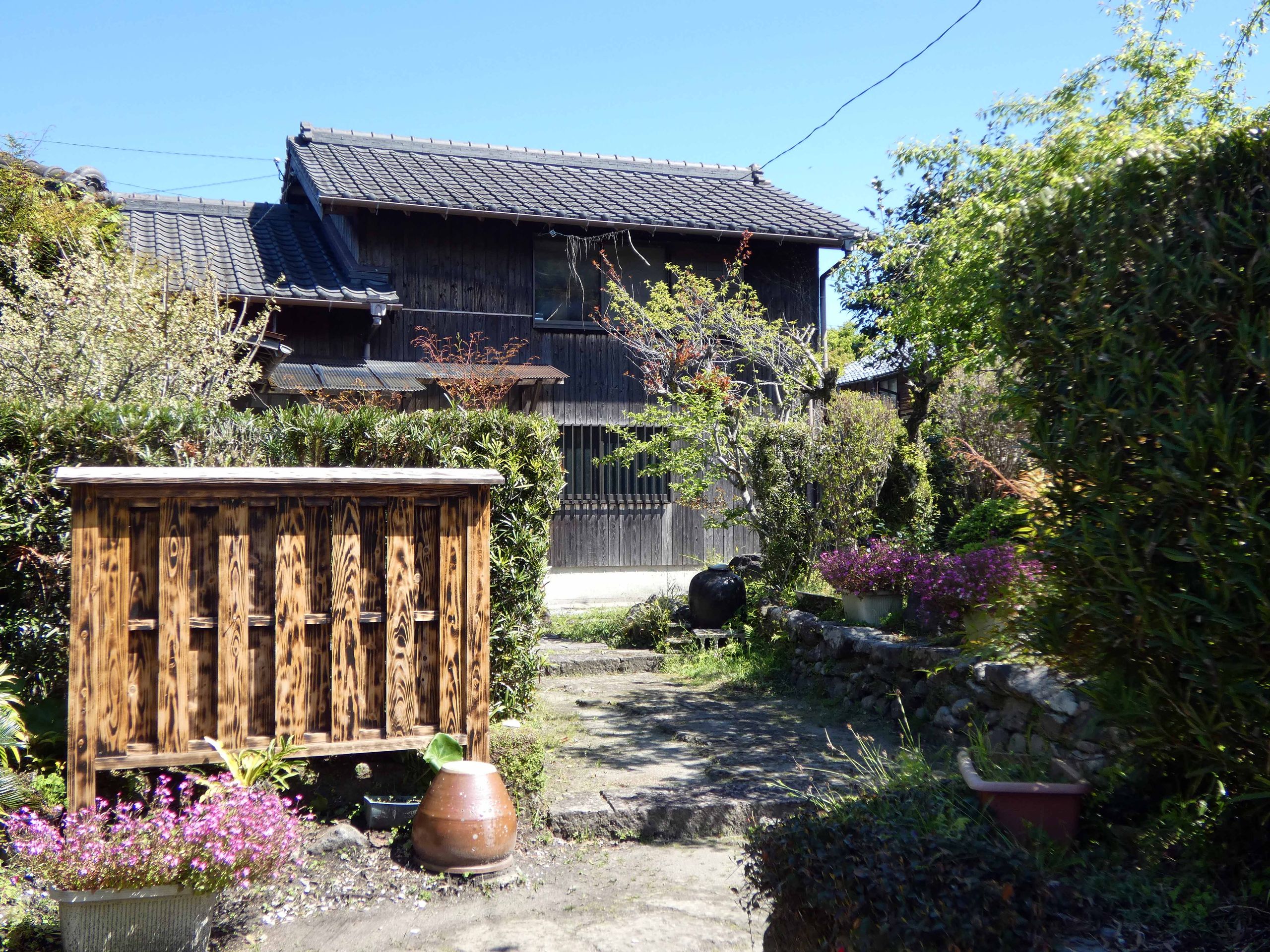
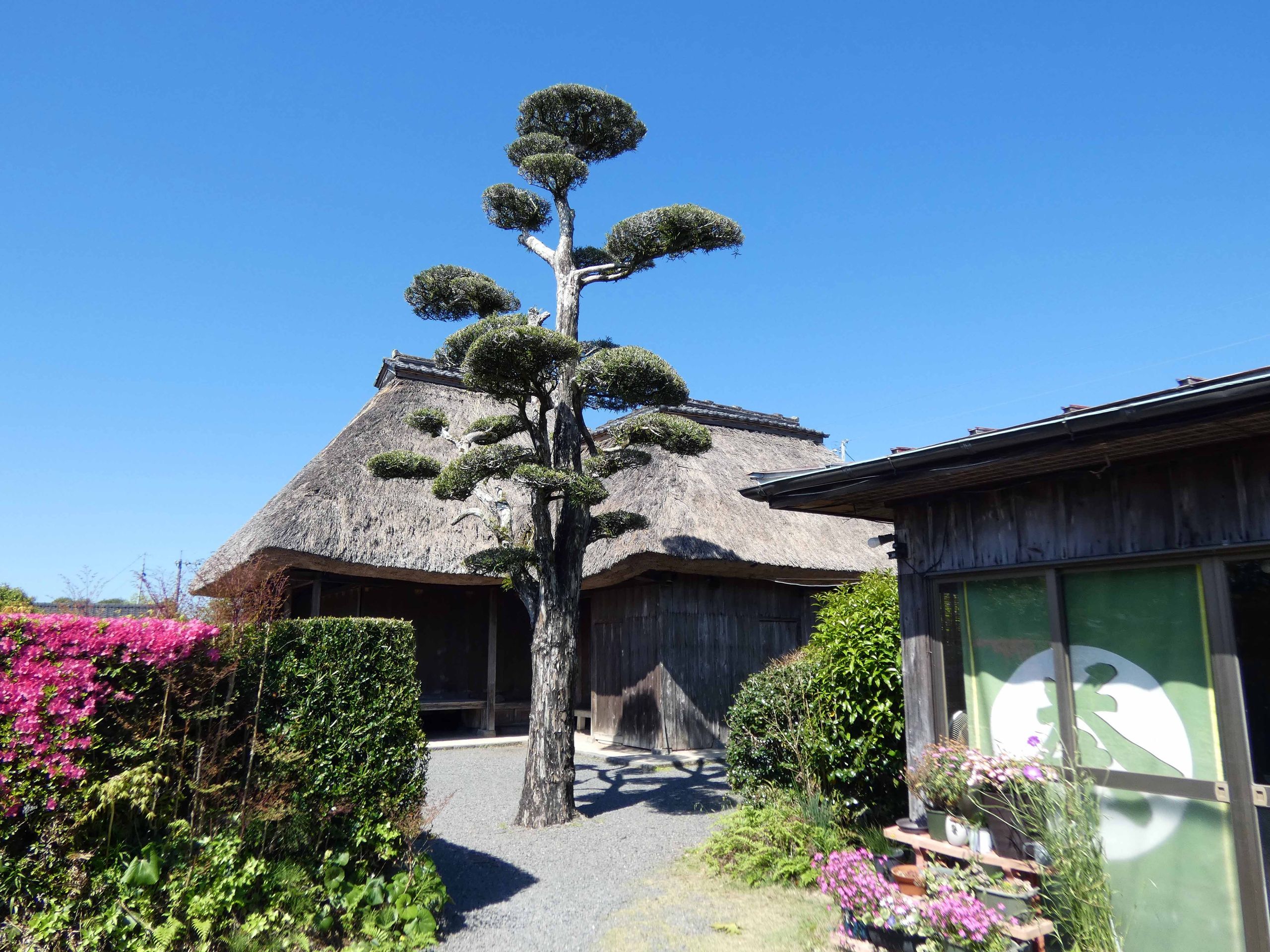
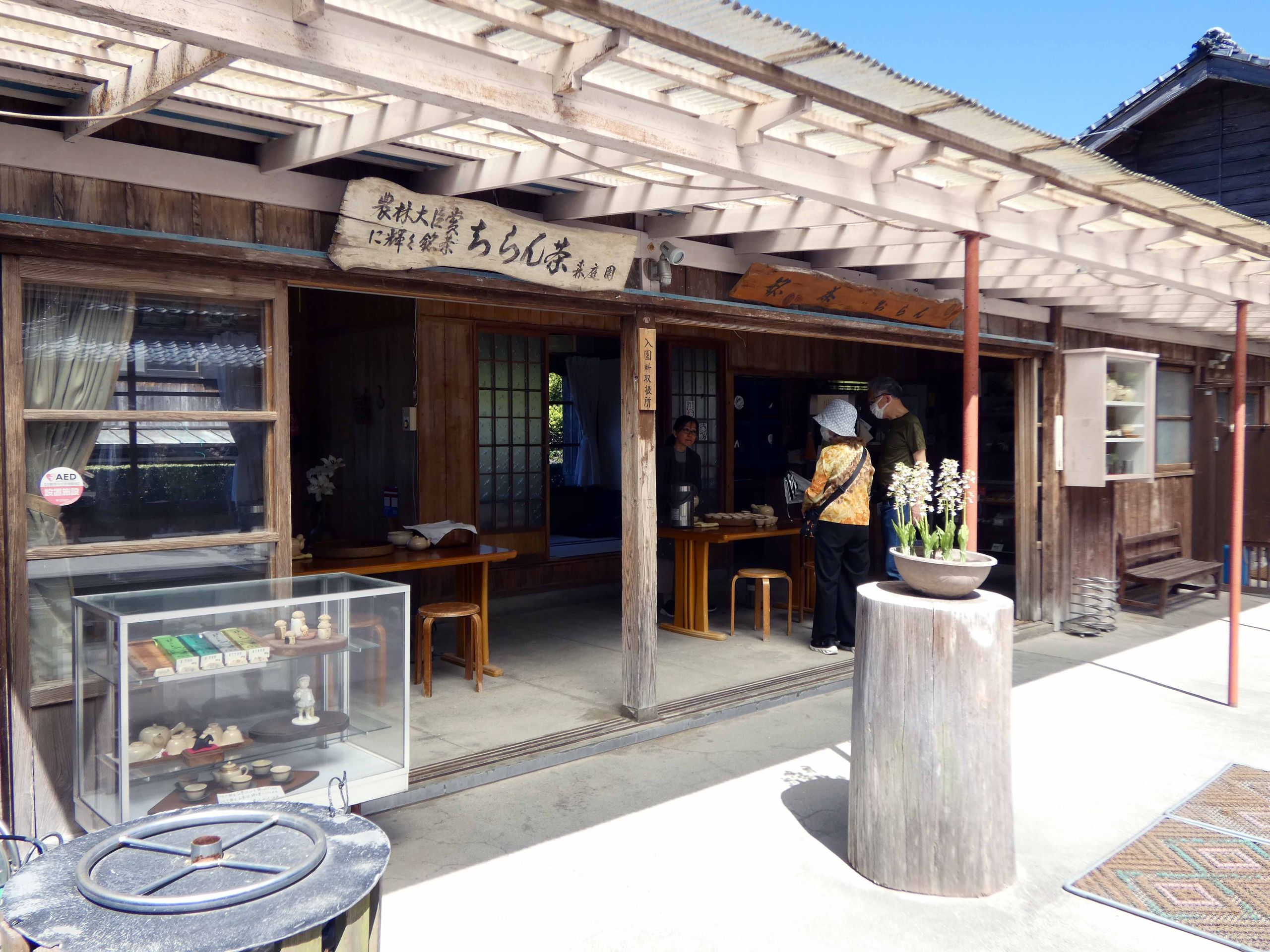
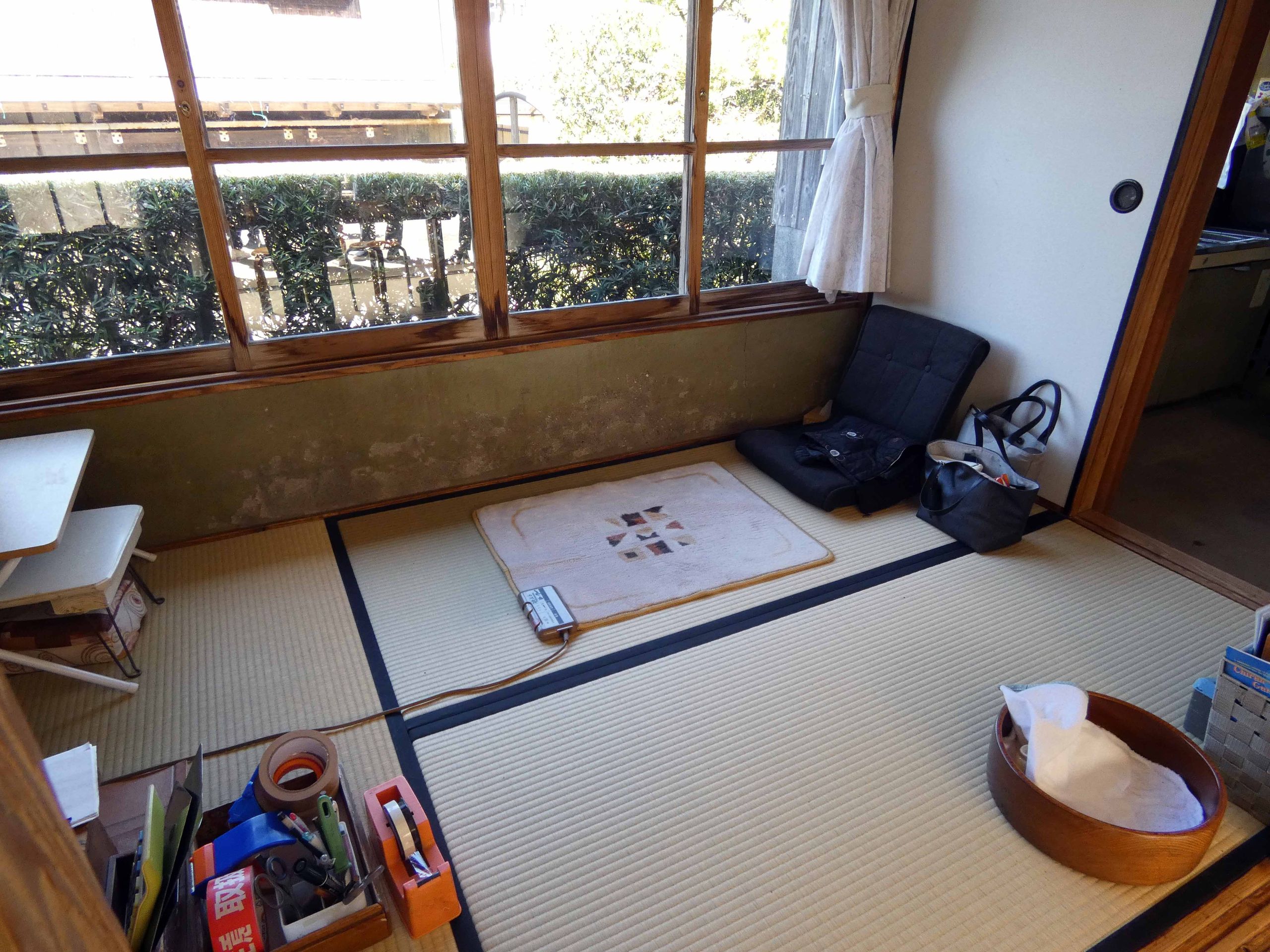
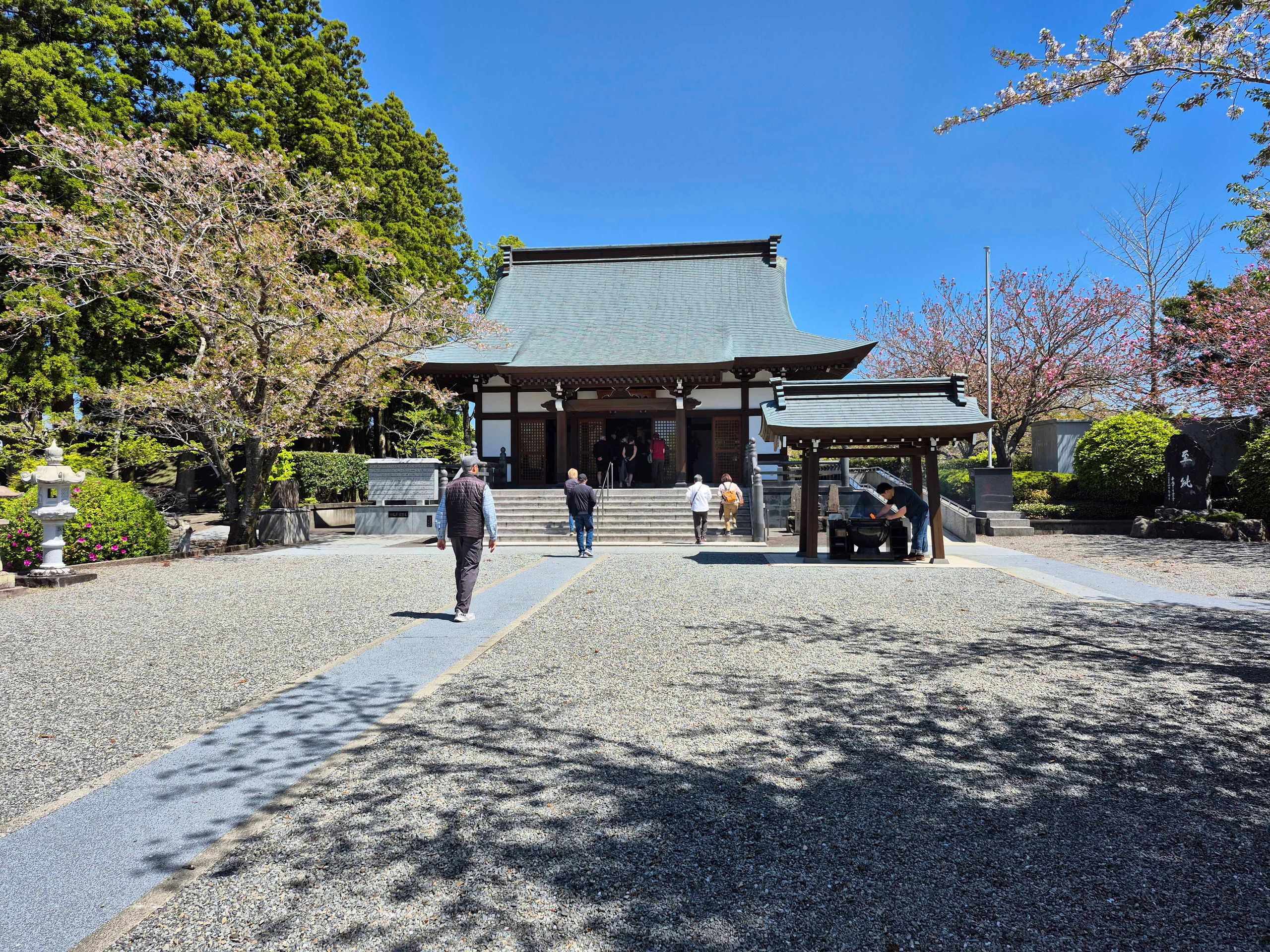
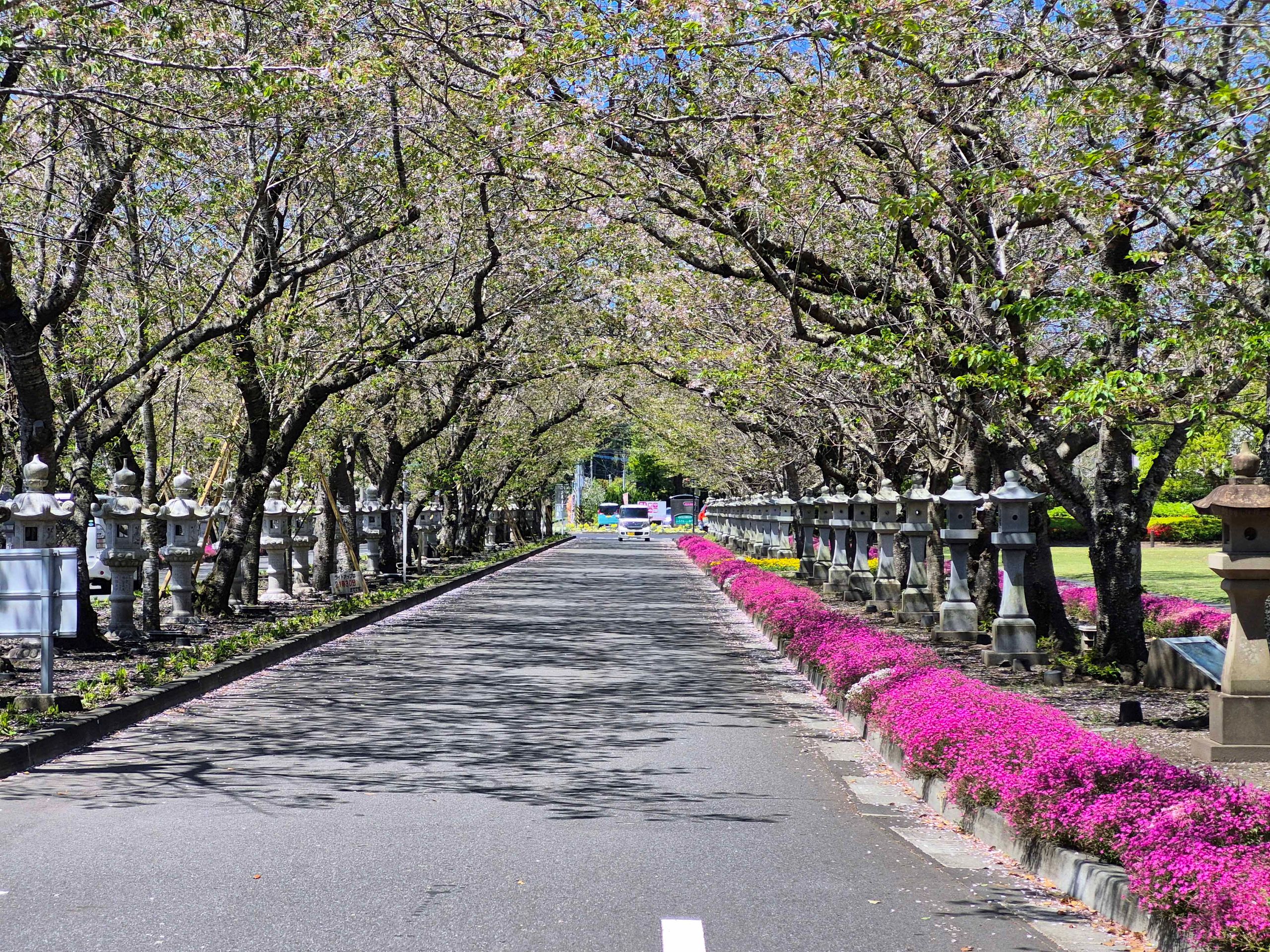
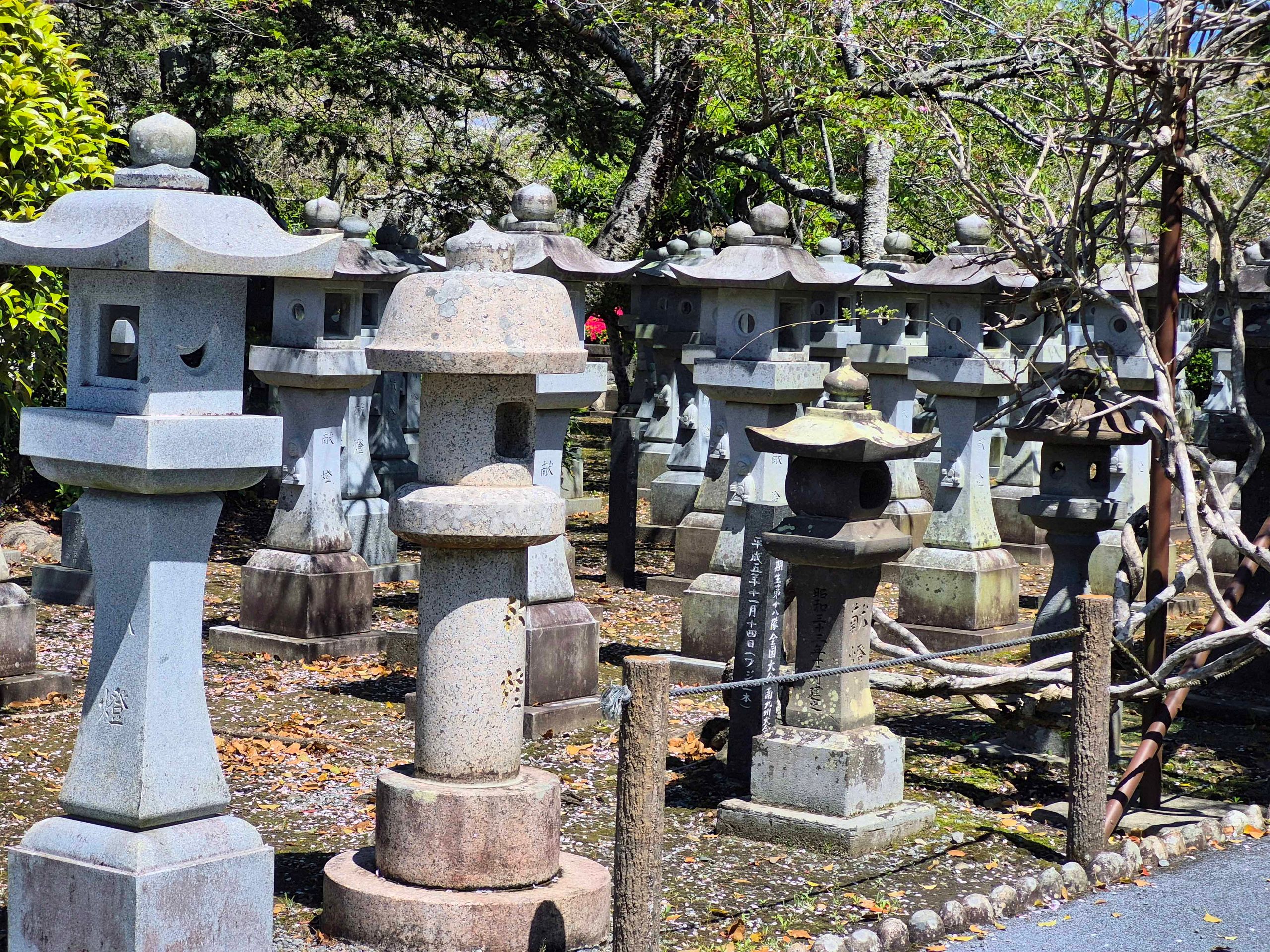
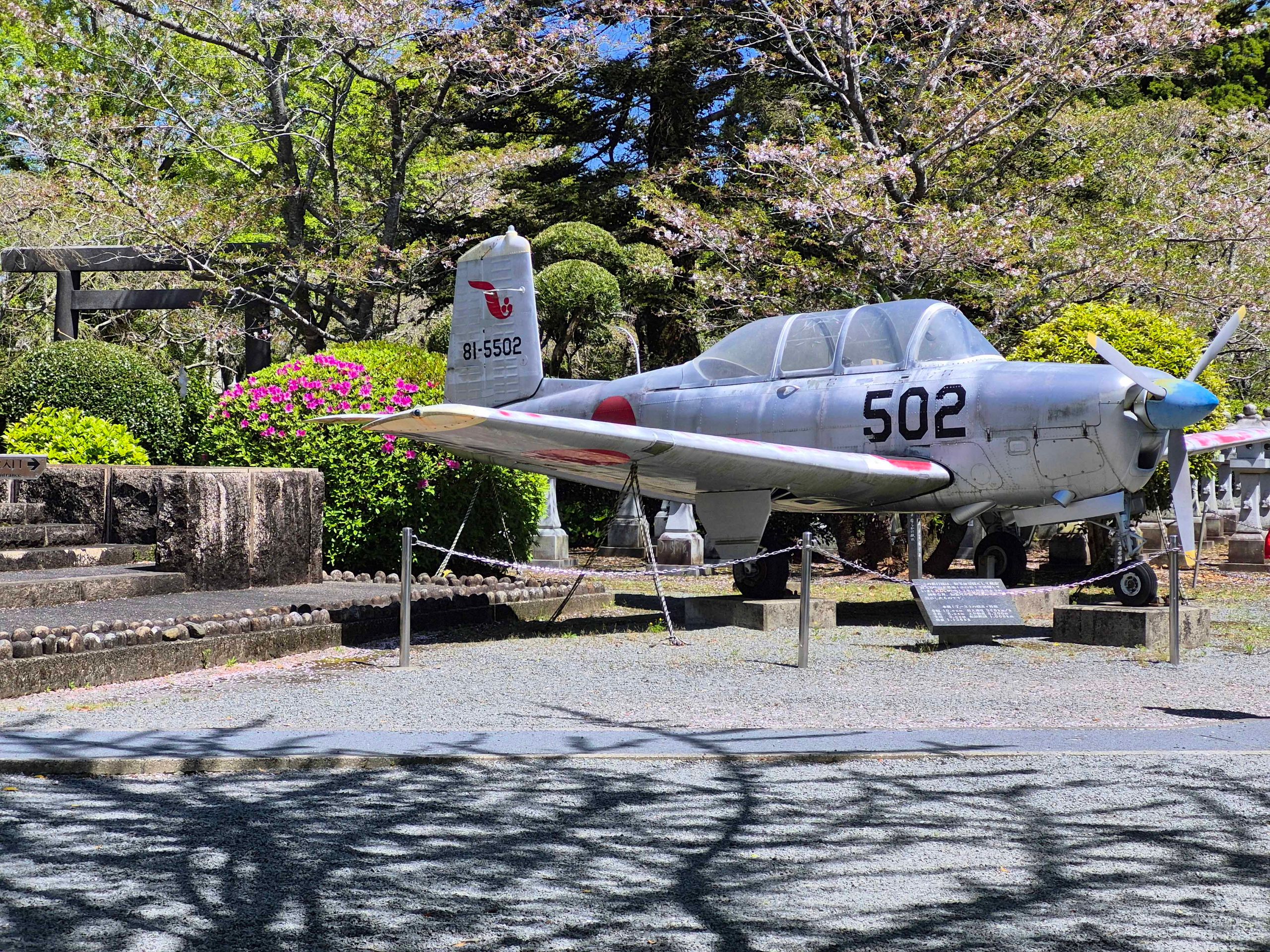


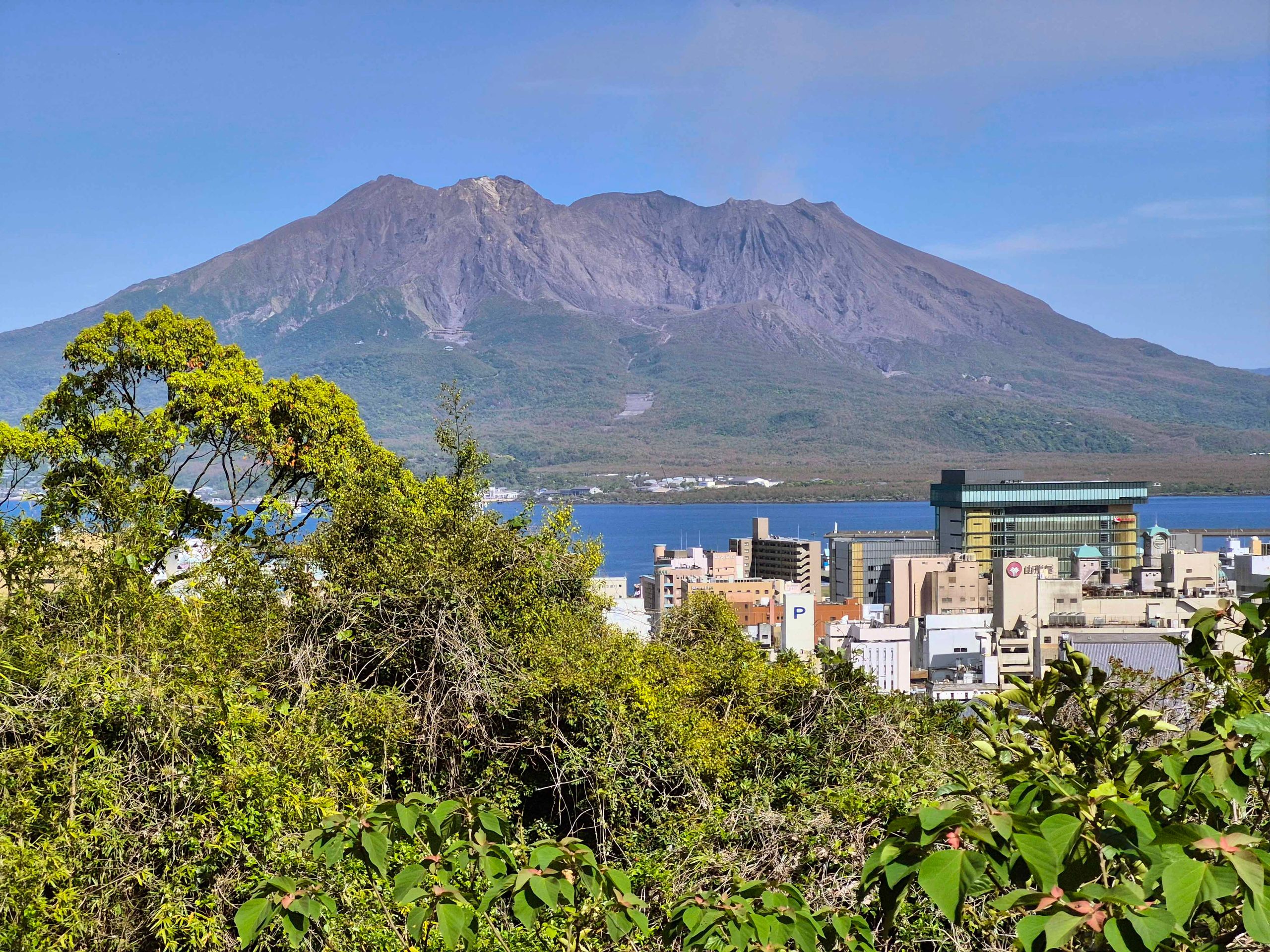
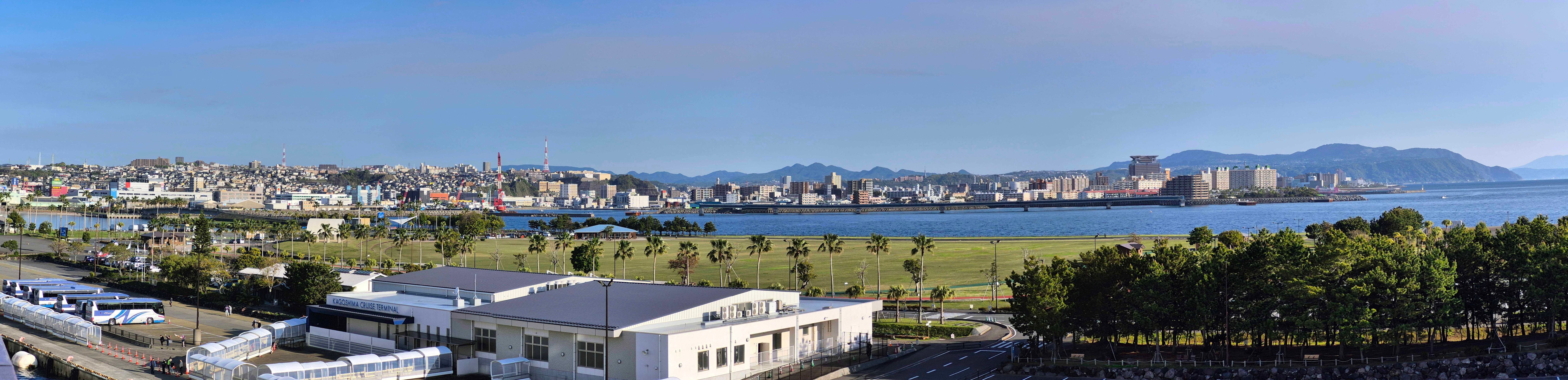
Today, we were greeted by the Sakurajima volcano in the early morning, emitting smoke once again. The volcano is permanently active and regularly releases steam, and often ash as well. However, today even the volcano enjoyed the beautiful weather, giving off almost nothing throughout the day. The locals in Kagoshima are quite happy as it has been very calm this year so far. Usually, they get occasionally covered in ash or even rocks.
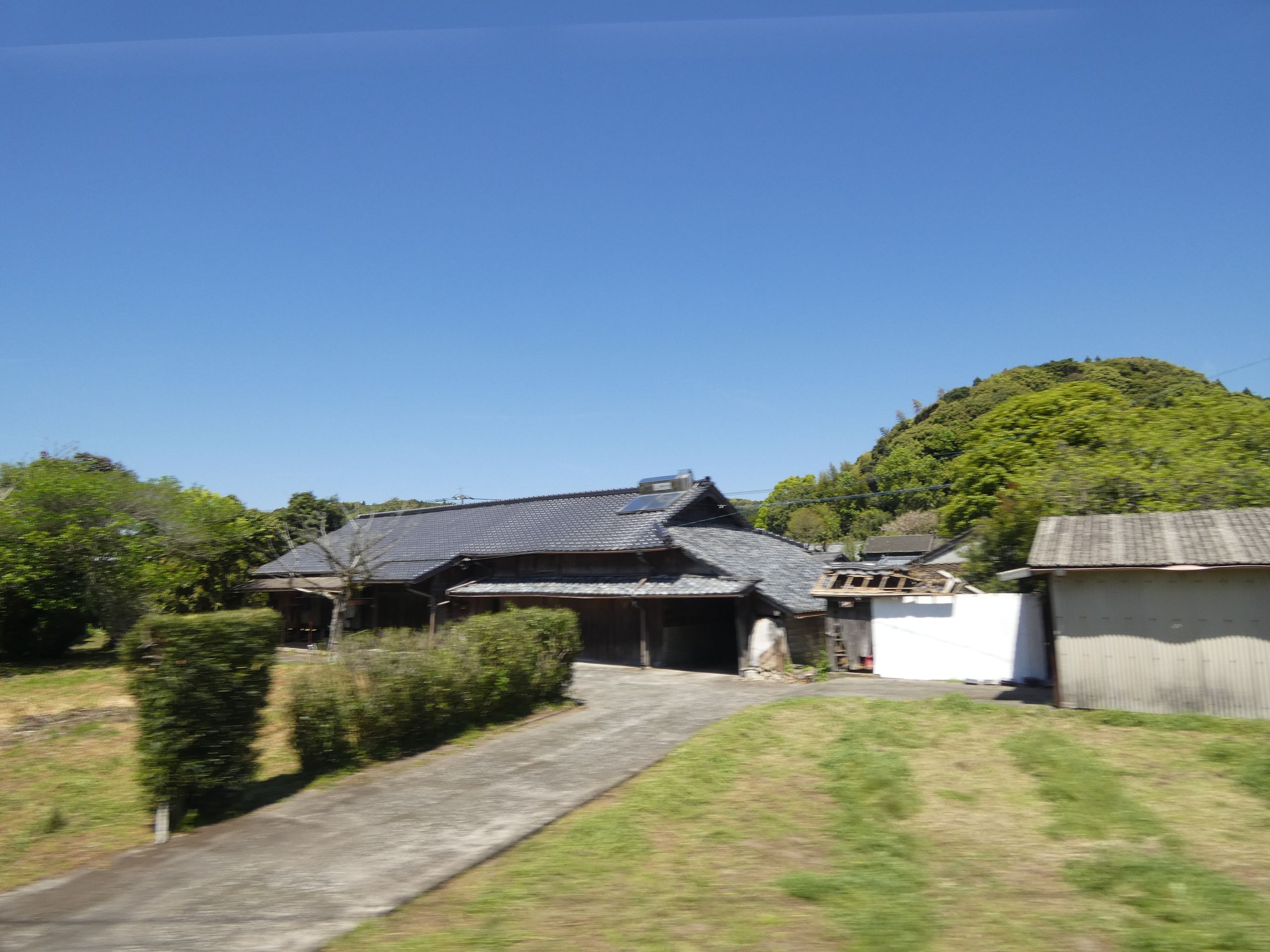
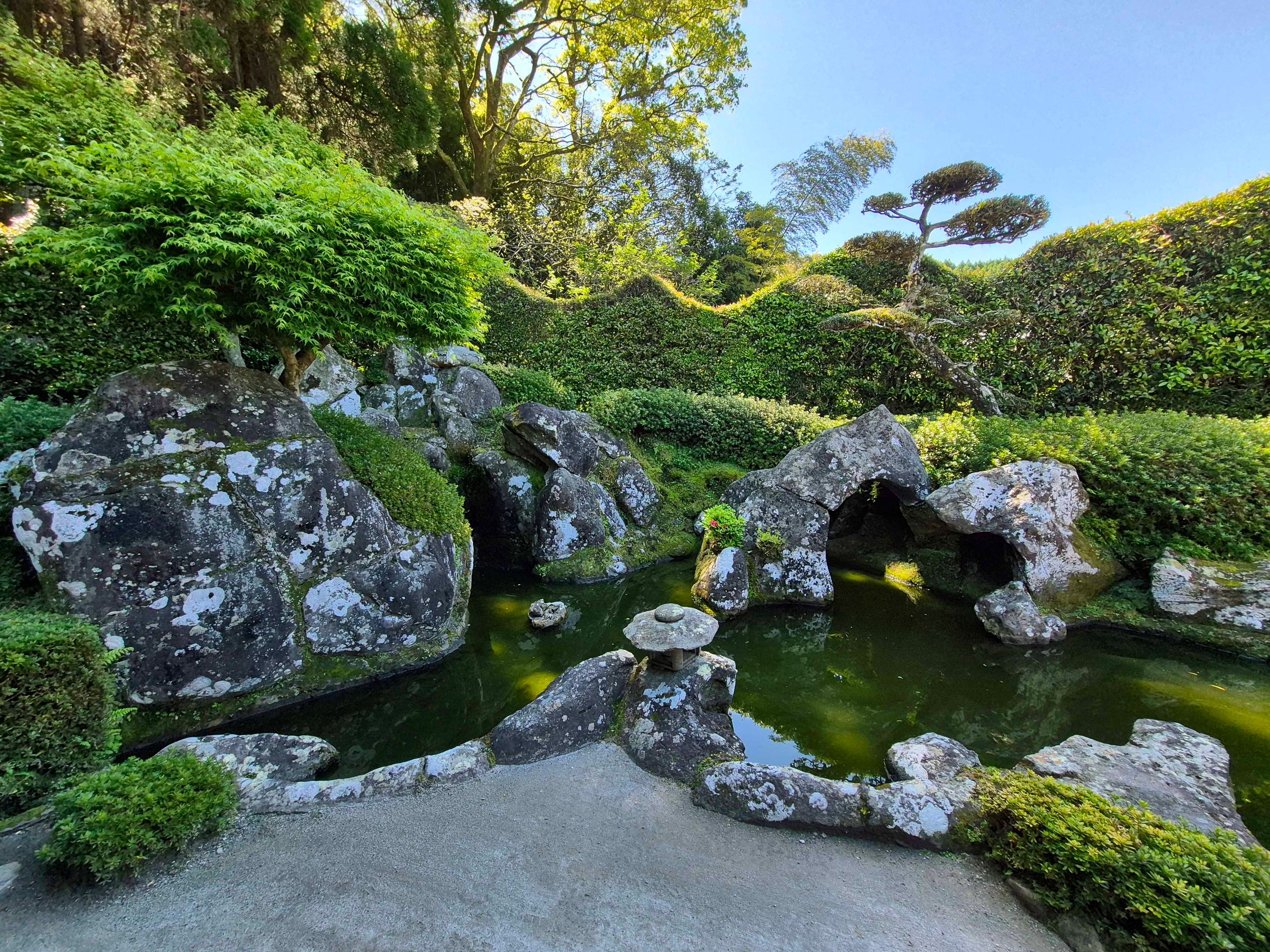
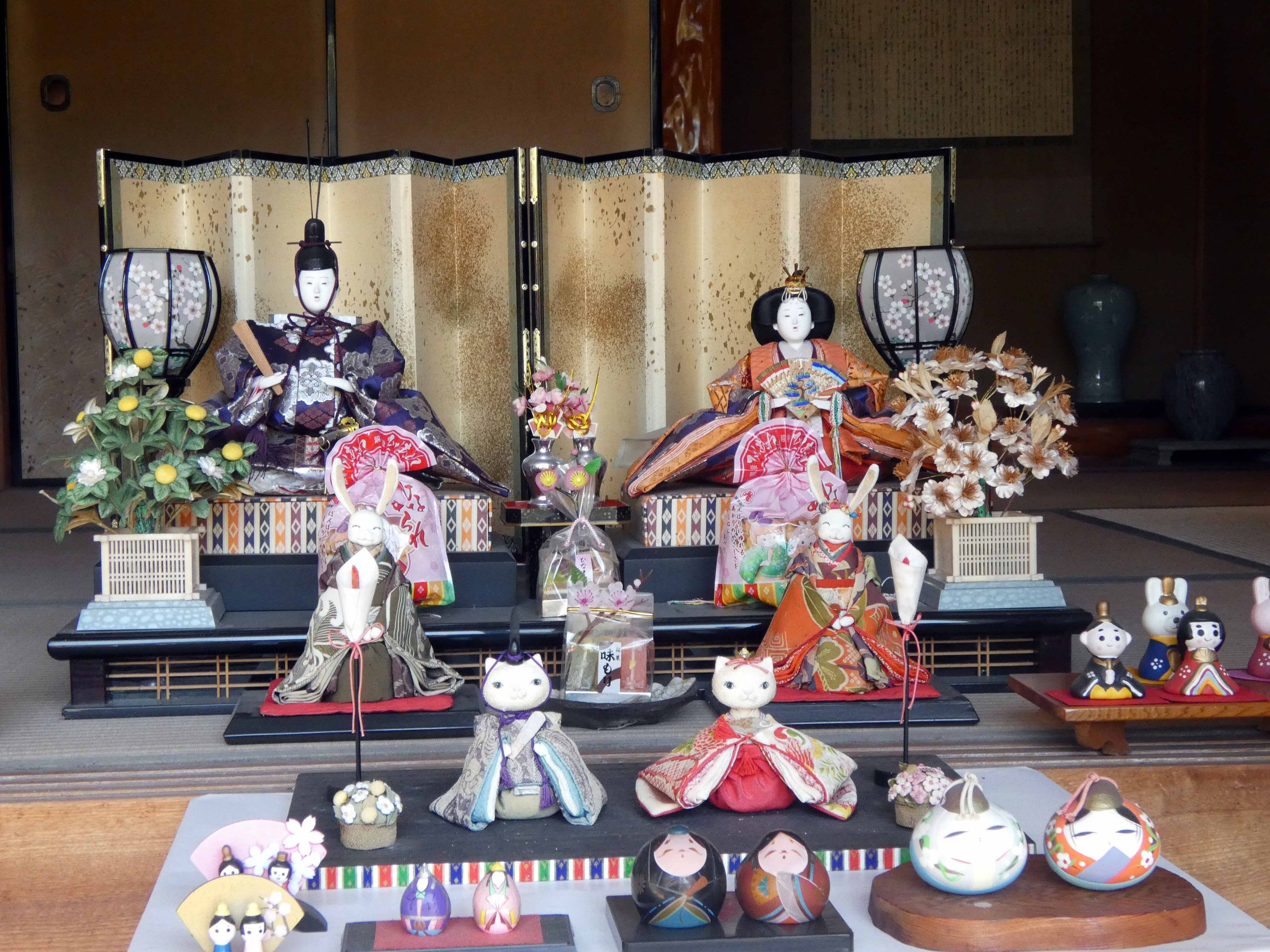
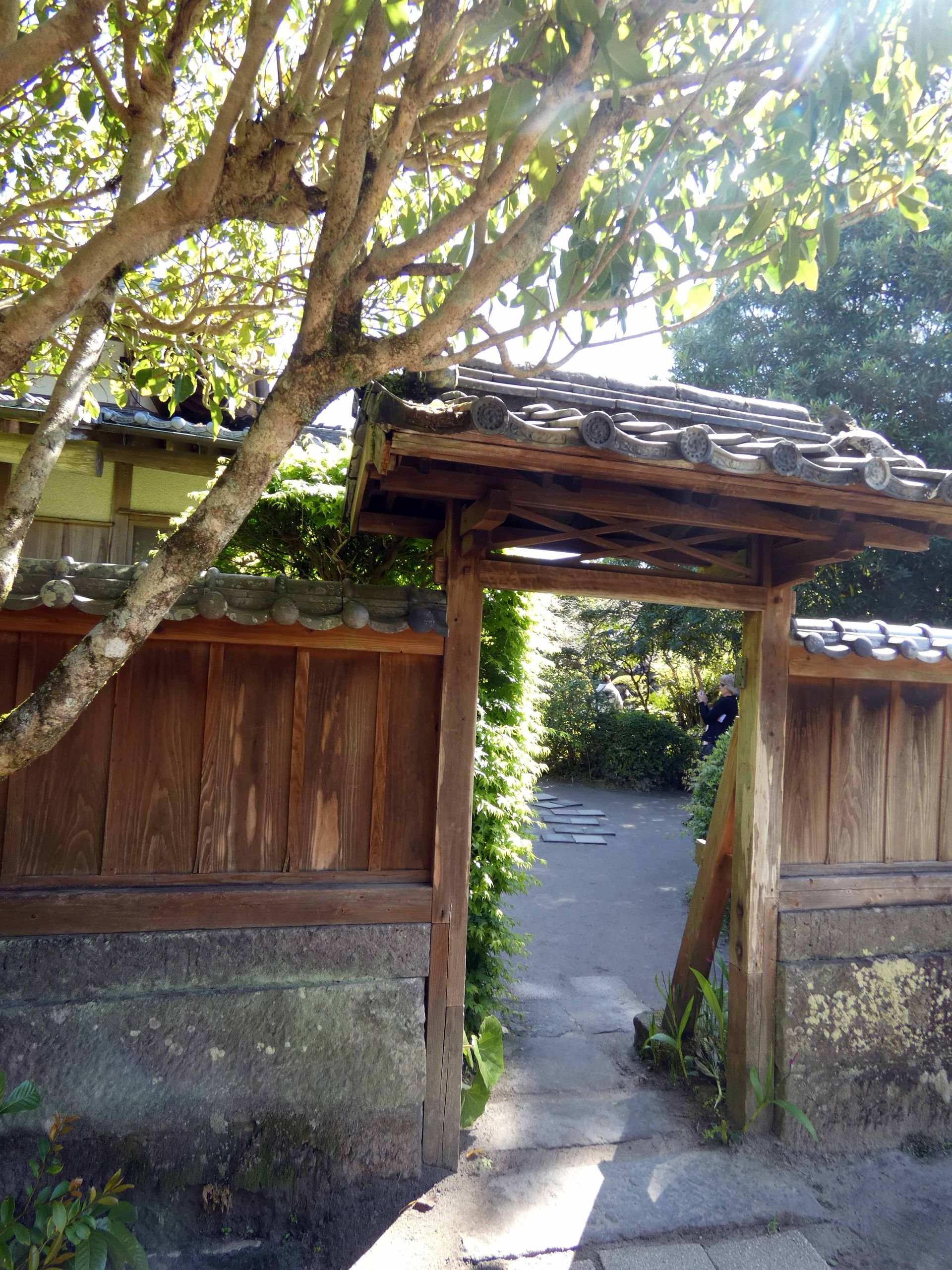
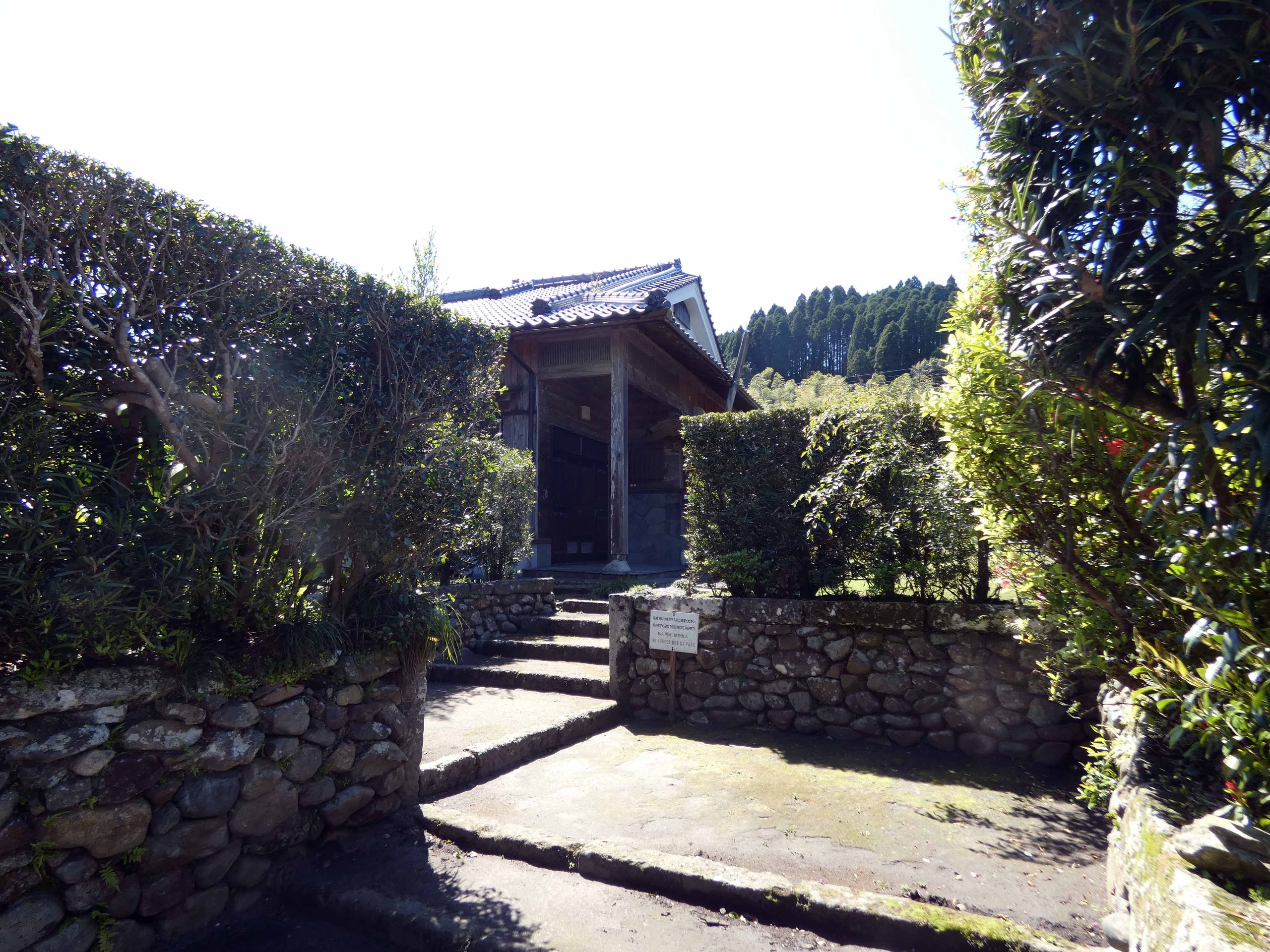
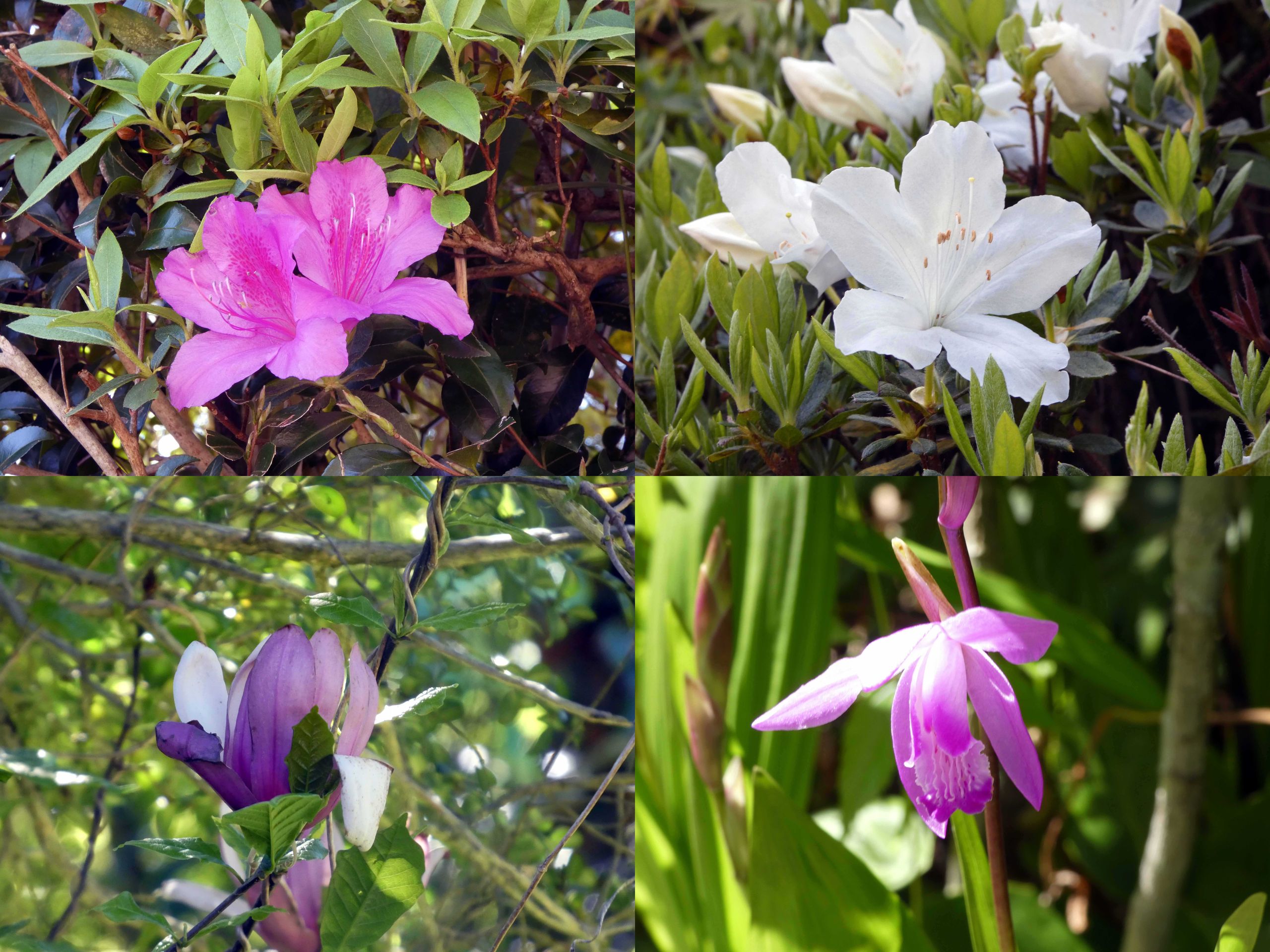
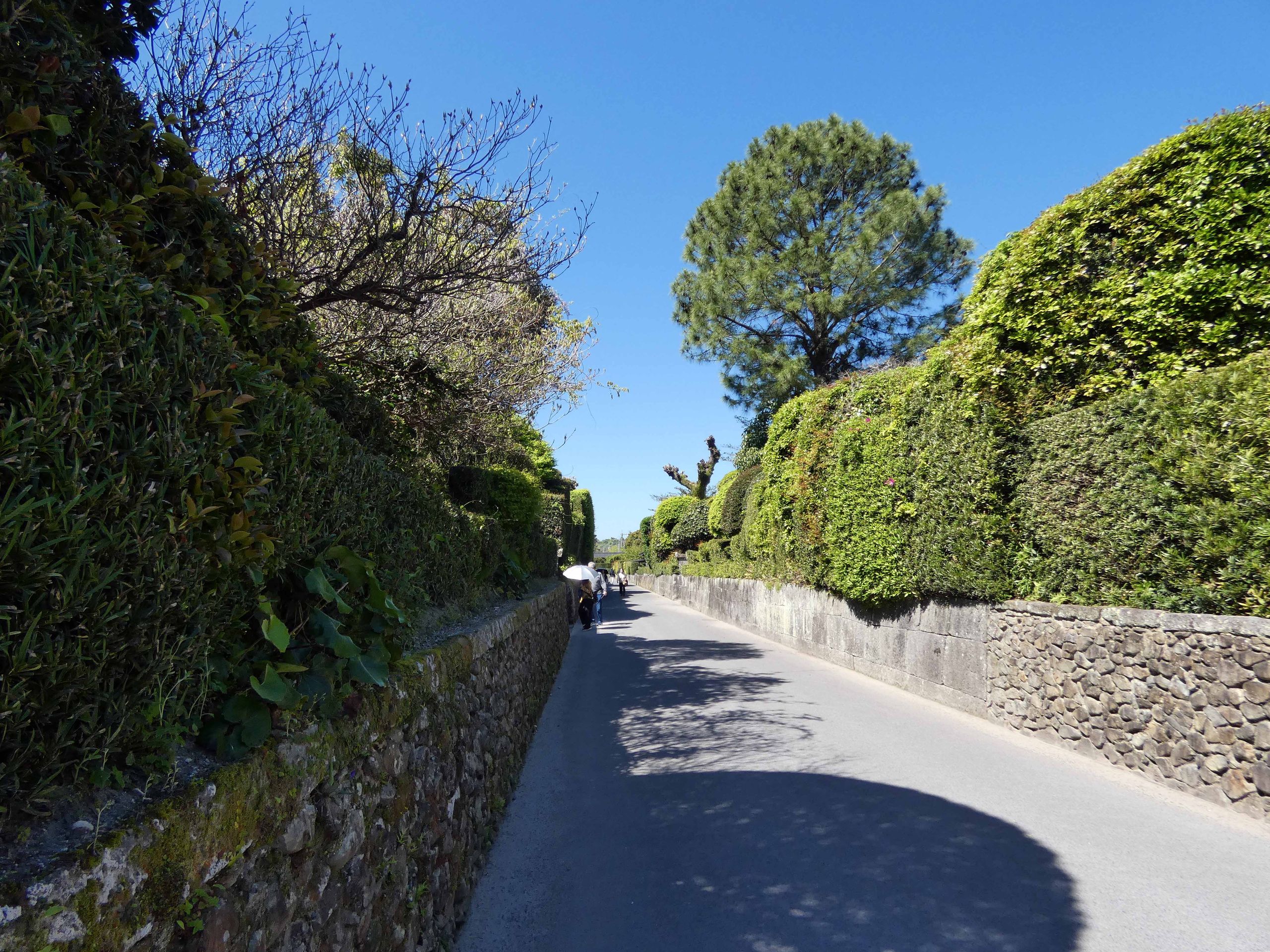
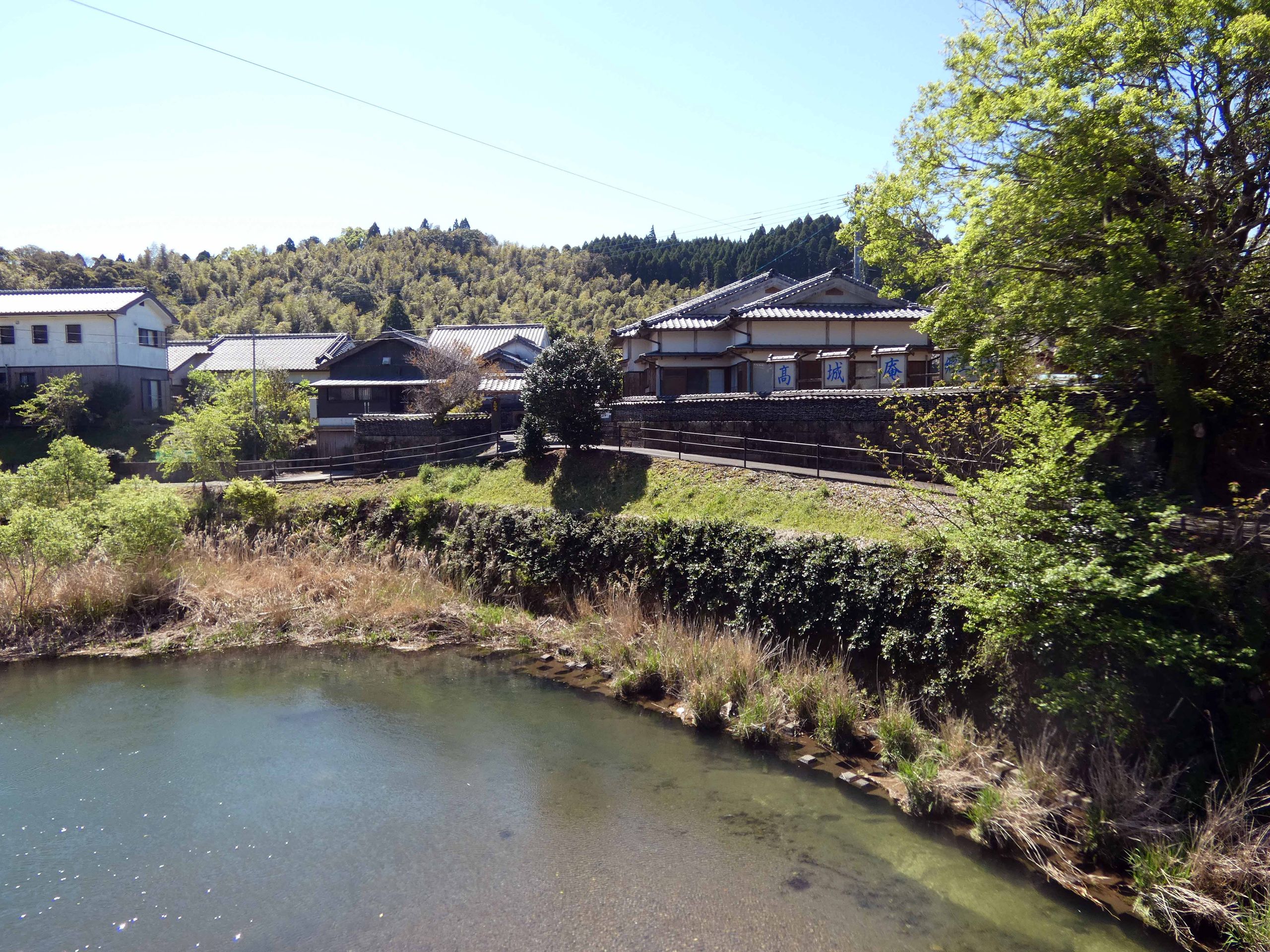
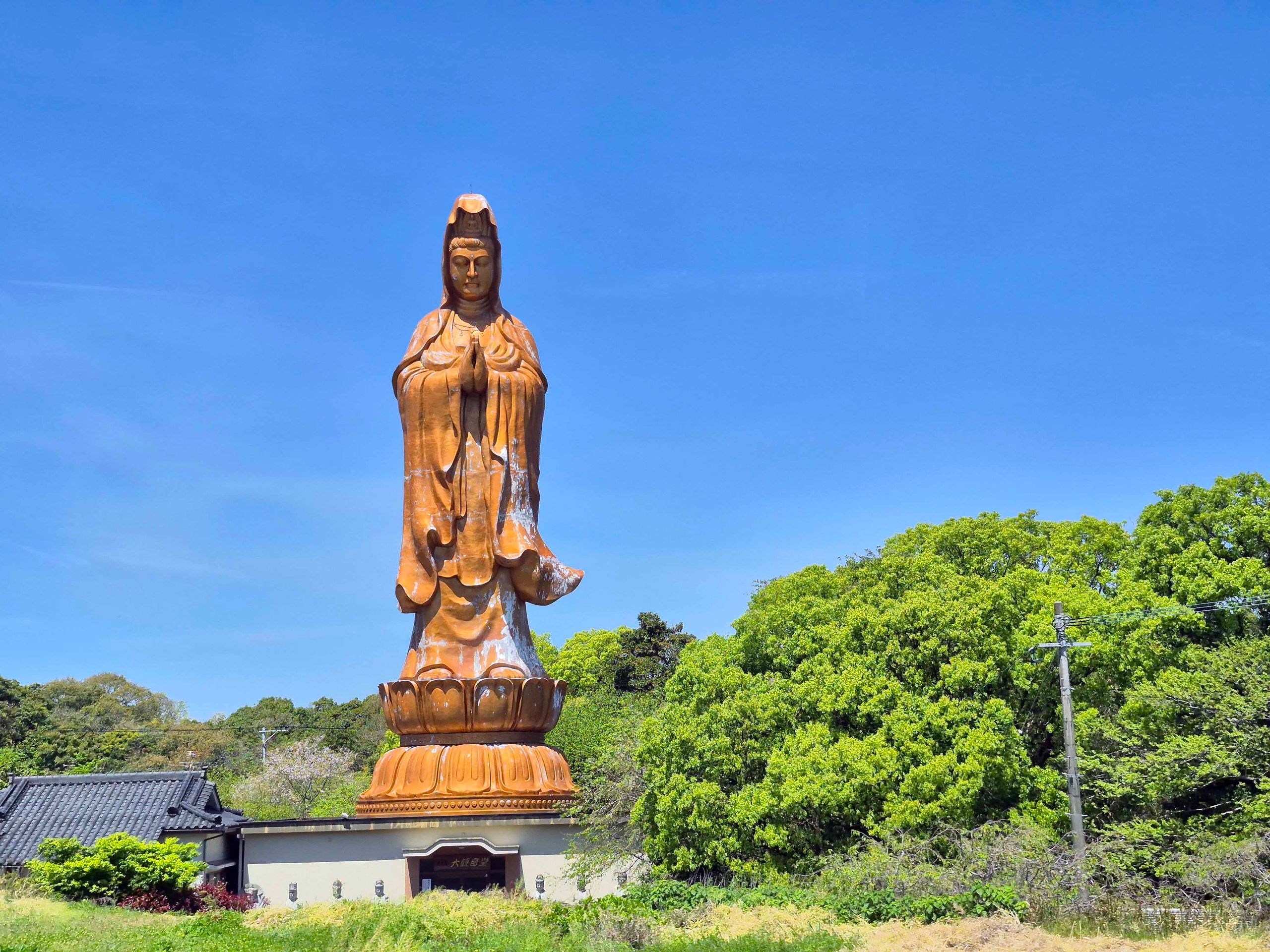
We first took a tour of the Samurai houses and the Kamikaze/Peace Museum. The Samurai houses are a village with original houses that, unlike our Ballenberg, are still in use. Therefore, one can typically only enter the gardens and not the houses. The gardens are beautifully designed and well-maintained - just as one imagines Japan. This area still has many traditional houses, and the most important economic sector here is agriculture.
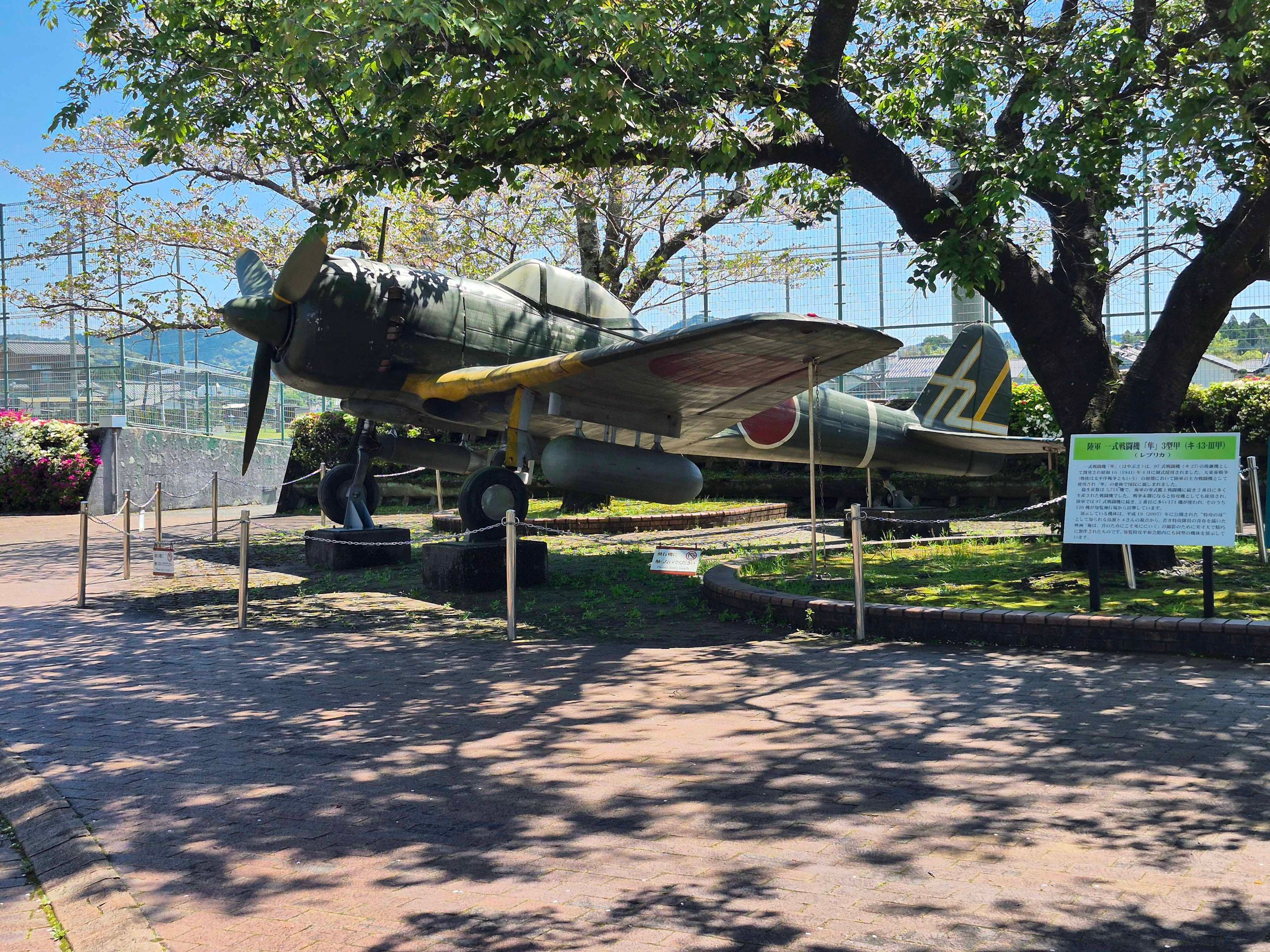
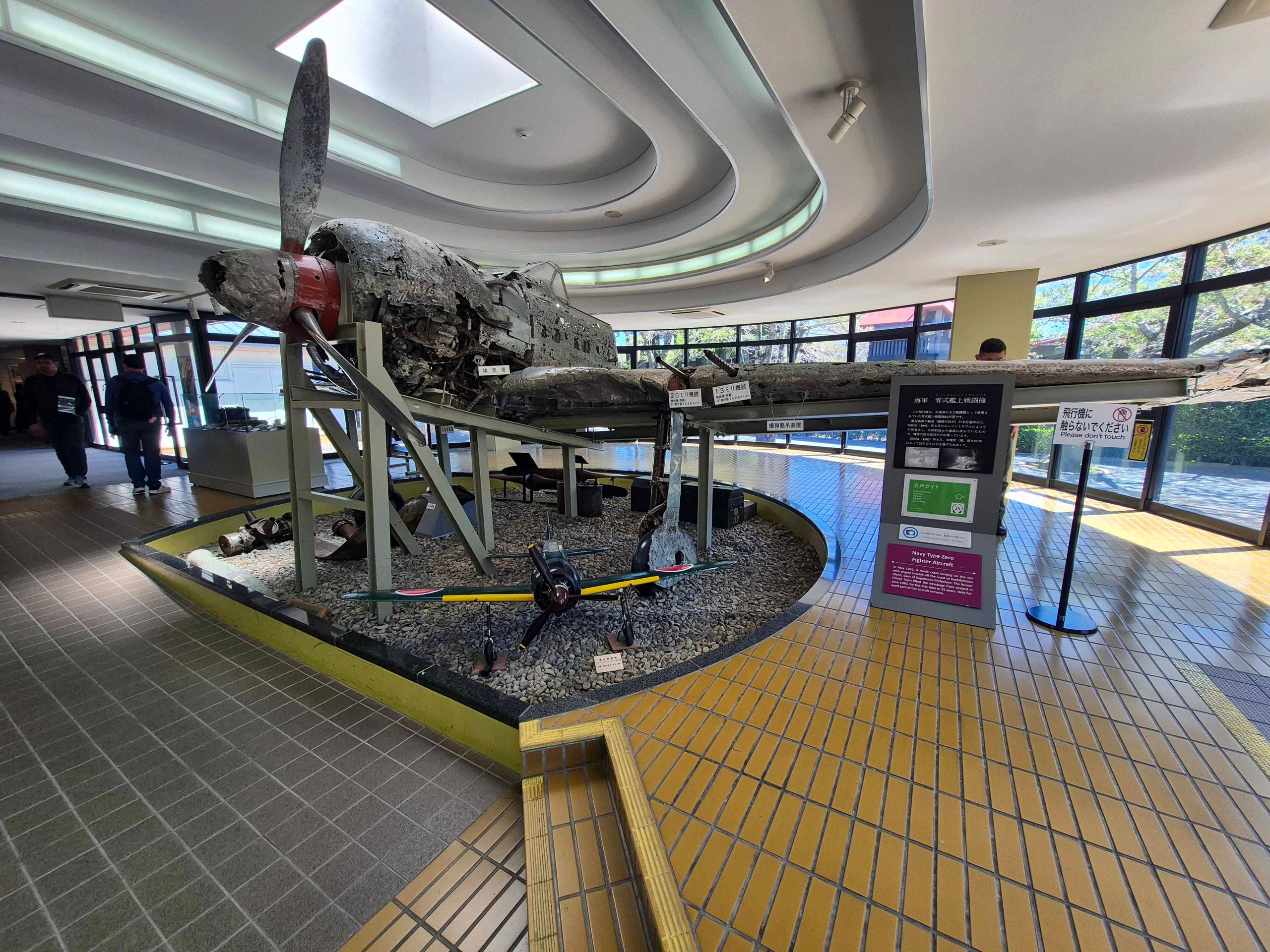
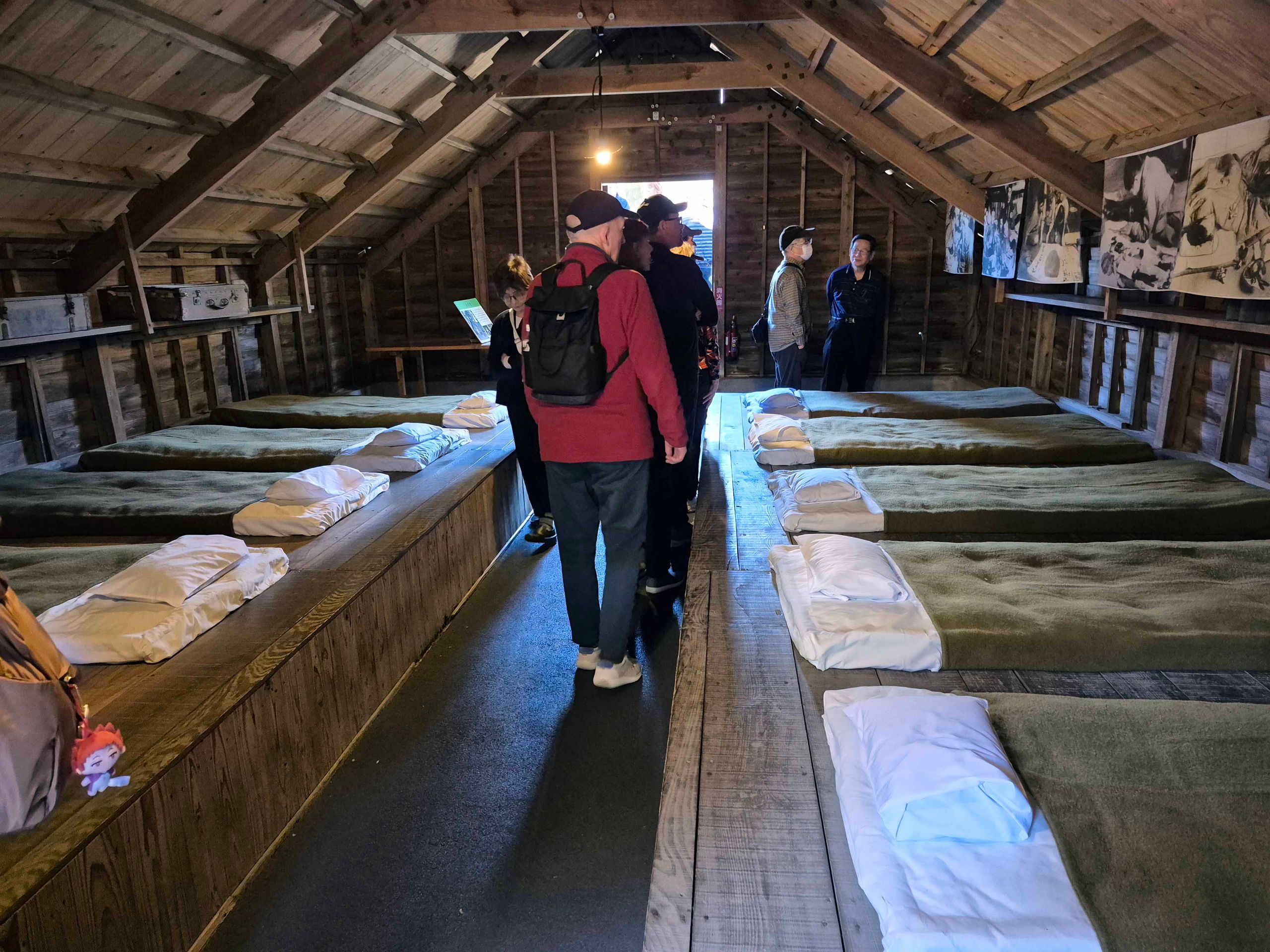
Near the city of Kagoshima, there was a training base and an airfield for the Japanese army during World War II. The Kamikaze Museum documents aviation and specifically the Kamikaze missions (Shimpū Tokkōtai). There is no direct judgment offered, as it displays photos of pilots, their units, letters, personal items, and aircraft. This still presents a judgment, as it only portrays the unfortunate, mostly very young suicide pilots without providing any background or information about the opposing side, etc.
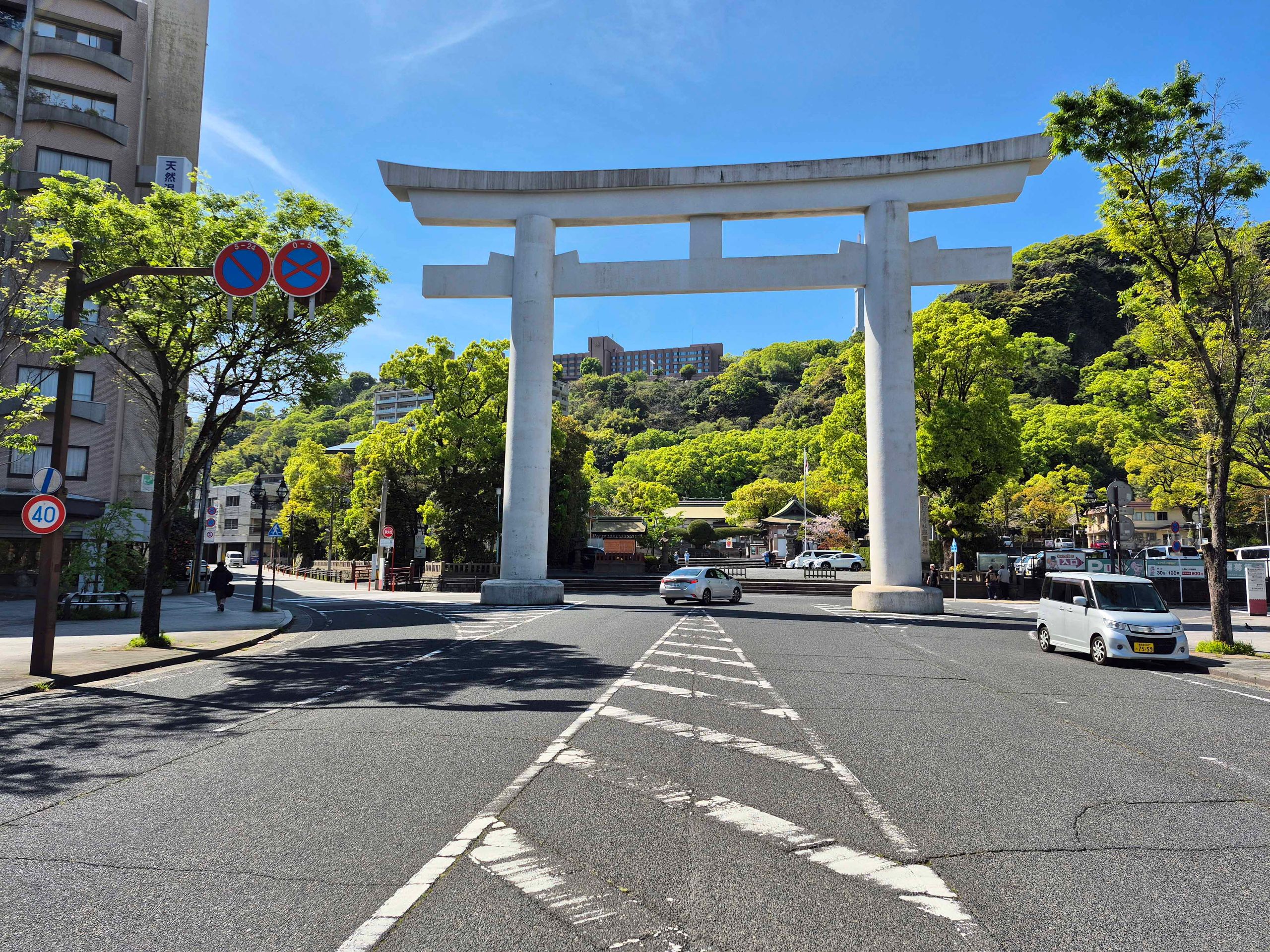
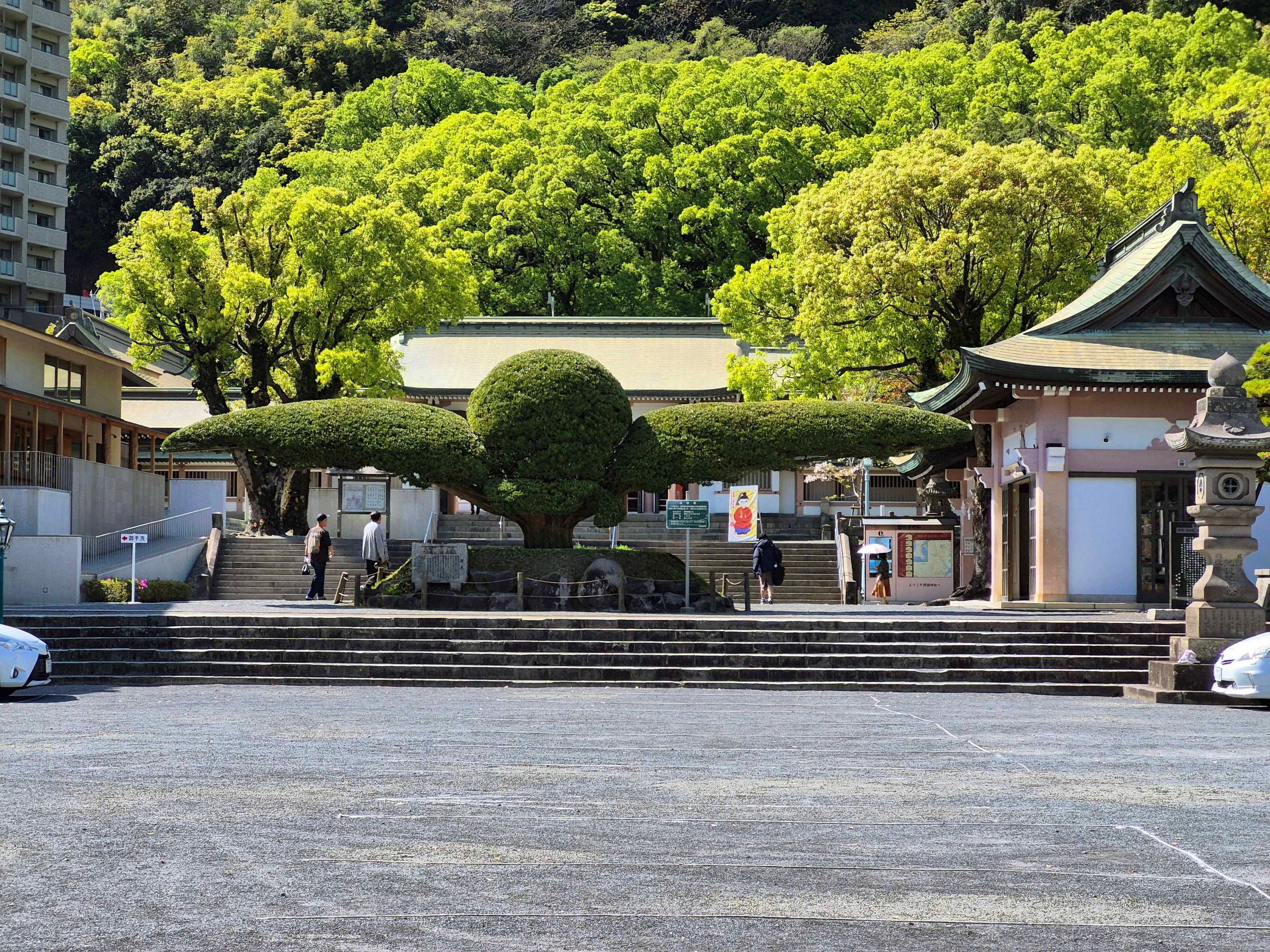
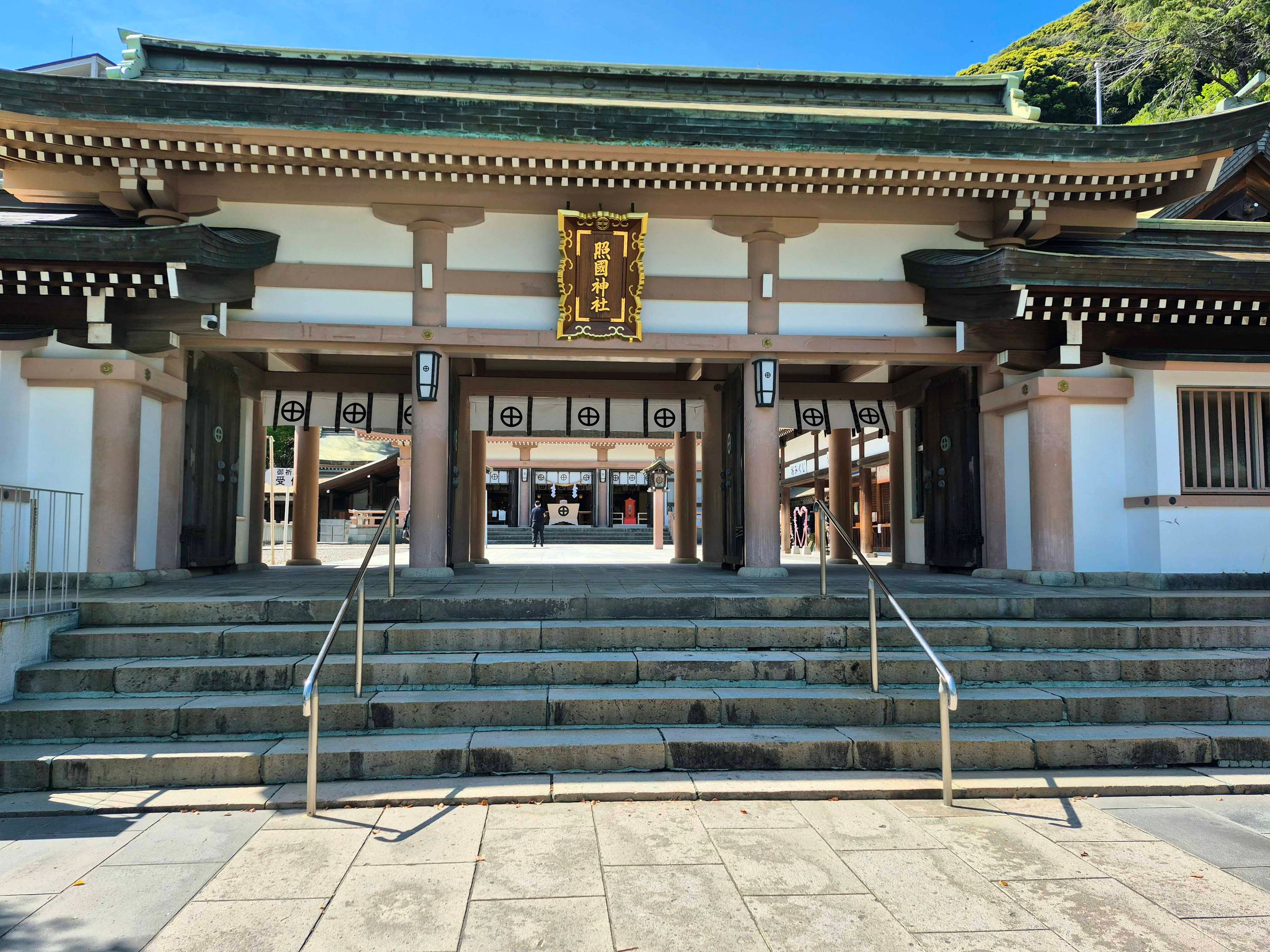
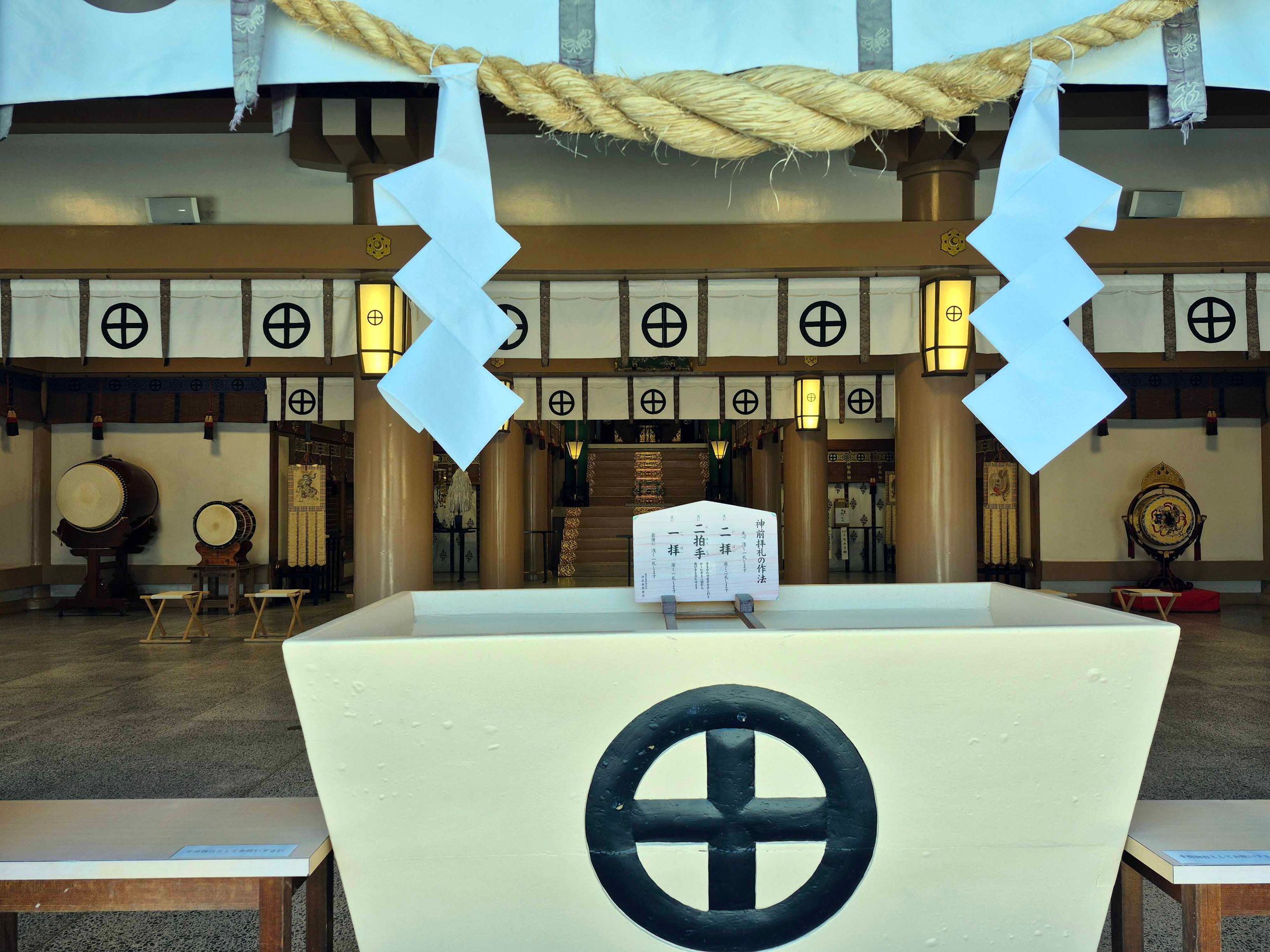
After this tour, we drove to the city center and visited a special café with unique desserts. Afterwards, we walked to the Terukuni Shrine. This shrine is the most important in the city but was only founded in 1864 in memory of the late '28th Lord of Satsuma, Shimazu Nariakira,' who passed away in 1858. He was an 'Internationalist' and significantly contributed to the opening of Japan and the Restoration of 1868. The torii gate is gigantic, with enough space for a four-lane road to fit comfortably. However, the current torii is a replica, as the original was destroyed during a bombing in World War II. Also noteworthy is the tree, carved in the shape of a flying bird, located in front of the entrance stairs to the shrine.
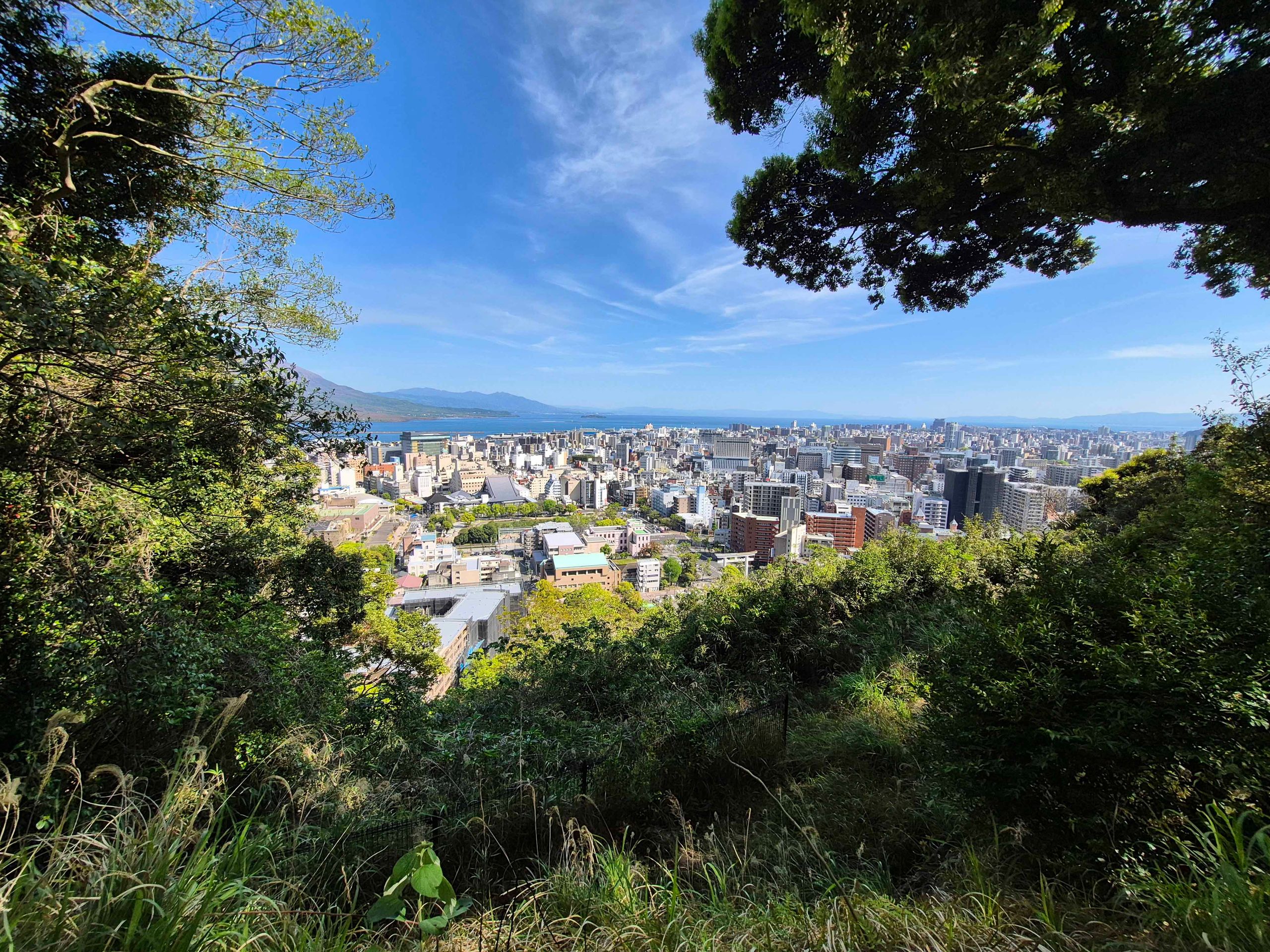
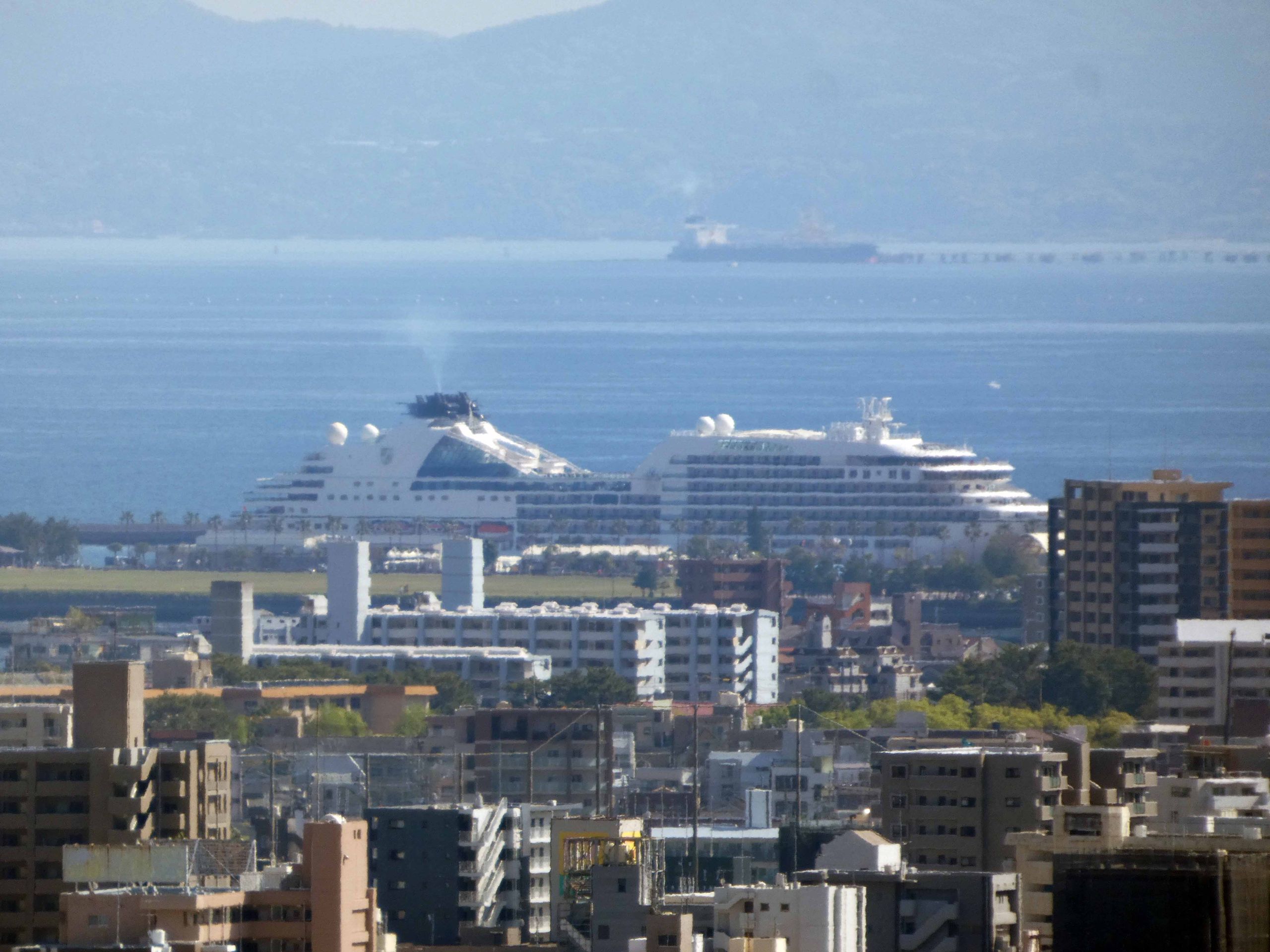
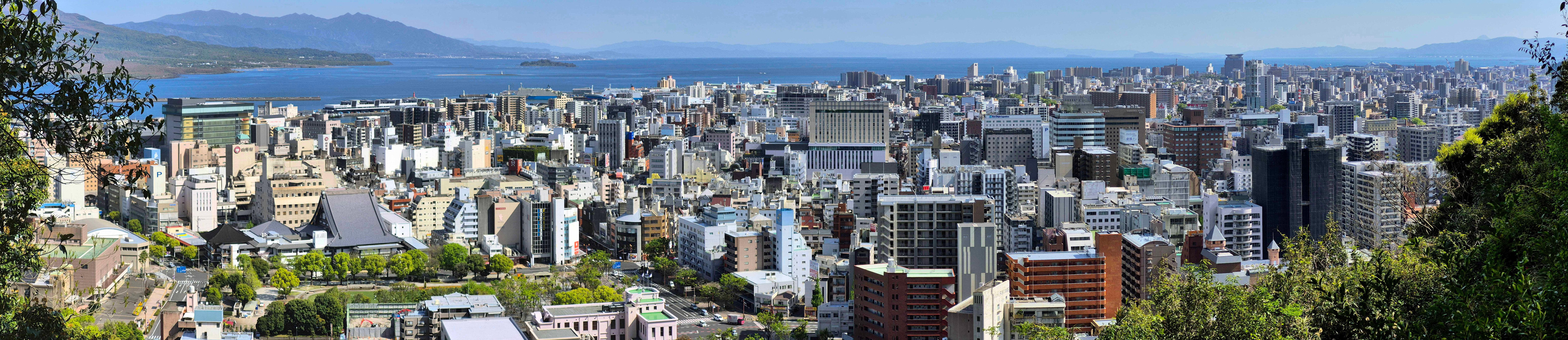
After visiting the shrine, we walked up the 600 steps to the city hill to enjoy the view over the city and the beautiful weather.